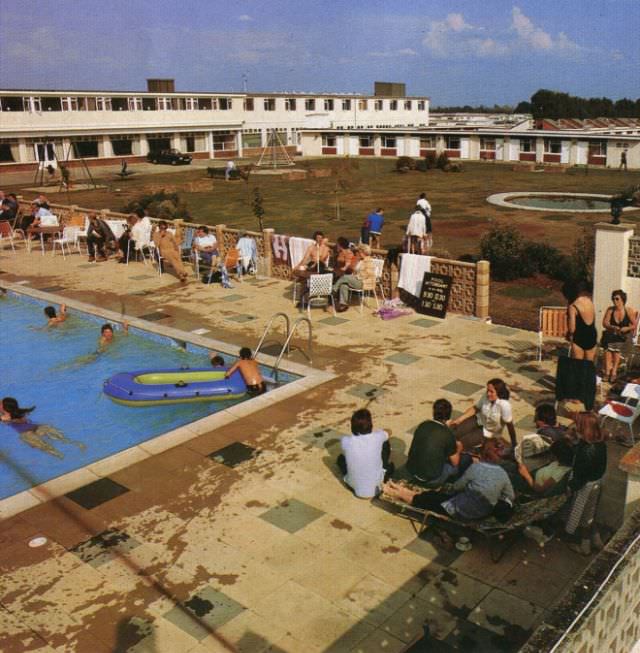
Long before budget airlines and overseas package deals became the norm for British families, a week at a Pontins holiday camp was the highlight of the year. Founded in 1946 by Fred Pontin, the company grew into one of the biggest names in affordable British holidays. By the 1980s, Pontins operated twenty-two holiday parks across the country, welcoming around one million visitors every single year. The colourful brochures produced during that decade were a big part of the appeal — glossy, cheerful, and packed with promises of sun, entertainment, and self-catering freedom.
Fred Pontin’s story is one of the more remarkable in British business history. He left school at fifteen with no qualifications and worked as a stockbroker before spotting an opportunity in the postwar holiday market. His first camp was built on a former U.S. Army base near Weston-super-Mare in Somerset — the same site where he had run hostels for construction workers during the Second World War. The asking price was £23,000, money he simply didn’t have. So he formed a syndicate, taking a 50% stake for himself. By the end of that first year, he owned six camps.
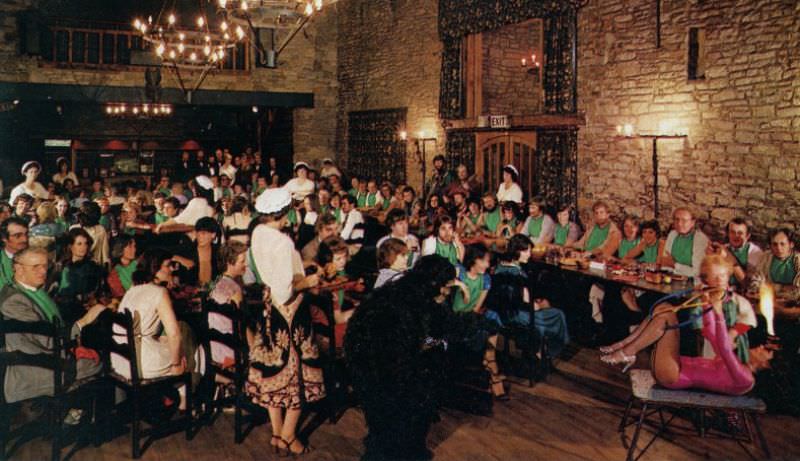
Pontin’s method was sharp and deliberate. He would buy a new camp, run it personally for a year to understand its operation, and then sell it into the syndicate. This kept him close to the business while steadily expanding the portfolio. The accommodations at every site were chalets — referred to by Pontins as “apartments” — and the package typically included half-board or self-catering options alongside a full programme of on-site entertainment. The formula was simple, affordable, and enormously popular with working-class families across Britain.
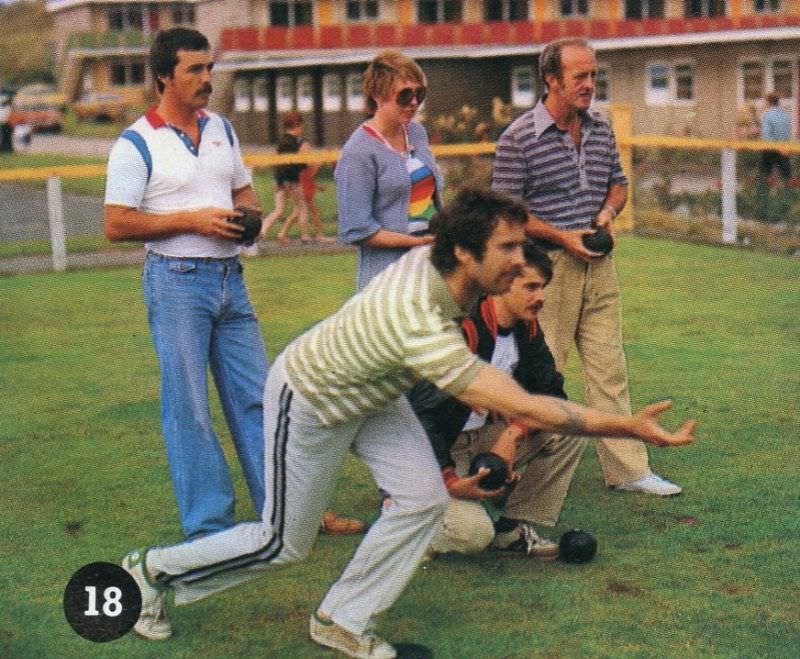
The Prestatyn site in North Wales was one of Pontins’ flagship locations. Known as Tower Beach Holiday Camp, it sat right on the coast and featured the kind of facilities that the brochures loved to show off — outdoor pools, entertainment halls, and rows of neat chalets stretching toward the sea. For many families in the north of England and the Midlands, Prestatyn was the go-to Pontins destination throughout the 1970s and 1980s.
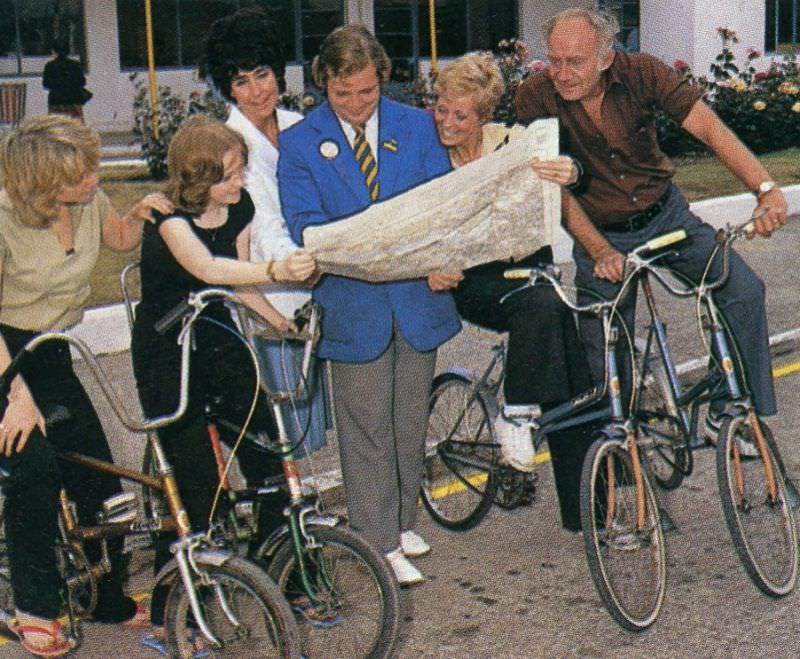
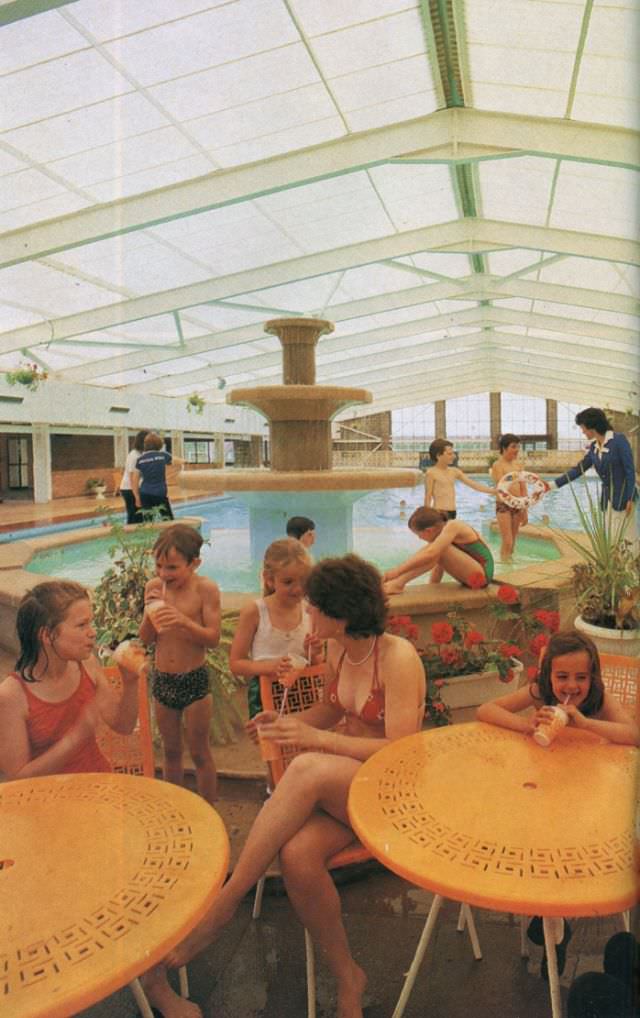
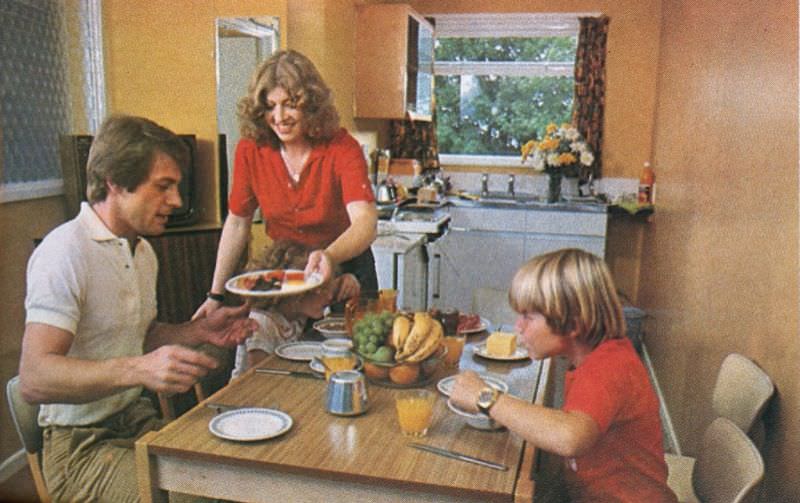
Down in Devon, Pontins ran several camps across the Brixham and Paignton areas of Torbay — a stretch of coastline that earned the nickname the “English Riviera.” The brochures for these southern camps leaned hard into the sunshine and seaside imagery, making them look almost Mediterranean to a family planning their holidays from a grey northern city.
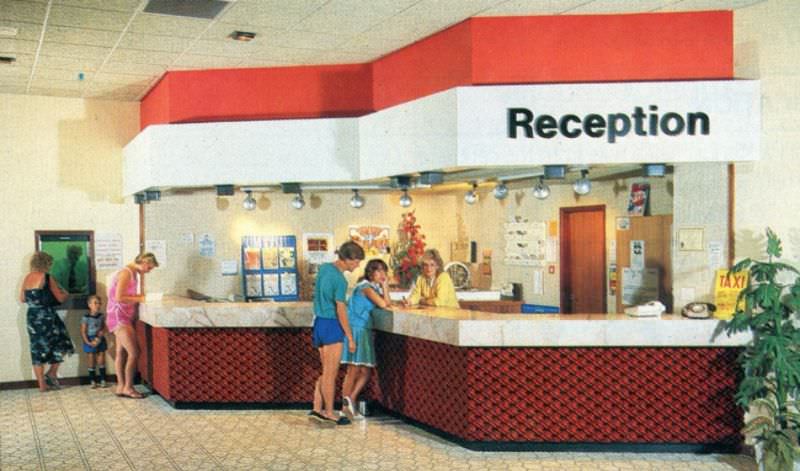
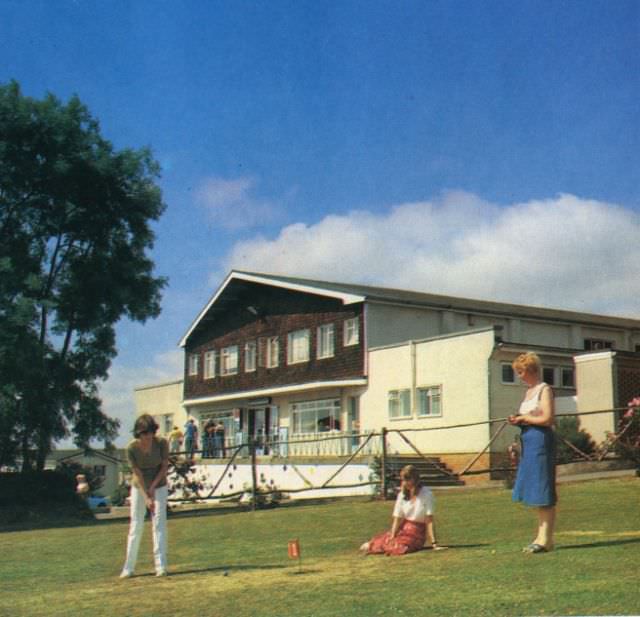
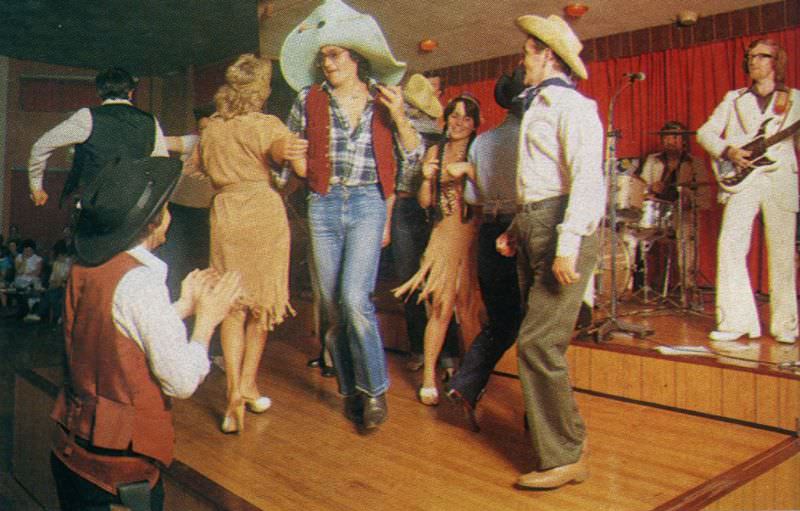
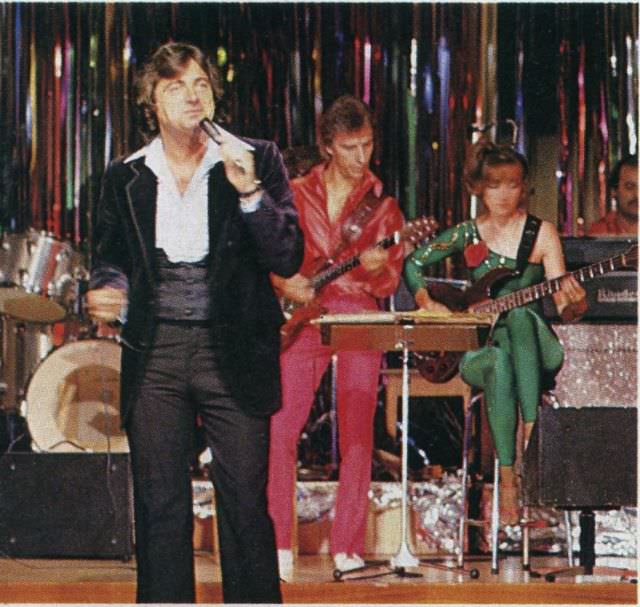
Blackpool was another natural fit for Pontins. The town was already Britain’s most visited seaside resort, and a Pontins camp there gave families a structured, all-included base from which to explore the Golden Mile, the Pleasure Beach, and the famous illuminations. The brochure for the Blackpool site leaned into the town’s reputation for non-stop entertainment, which matched perfectly with the Pontins model.
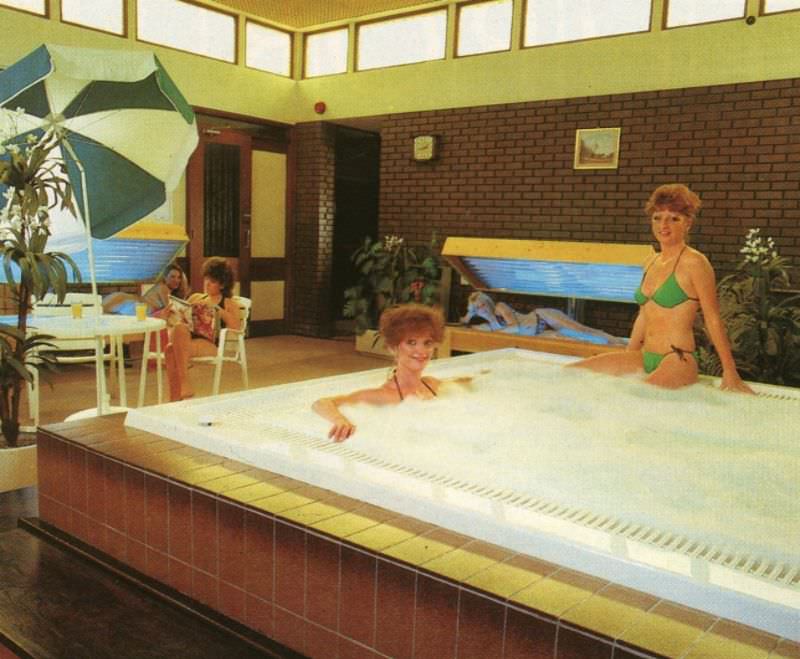
The Brixham area alone hosted multiple Pontins sites, each with its own character. The Dolphin camp and the Bay View camp both sat within reach of the harbour town’s fishing village charm, giving guests sea views alongside the usual entertainment schedule. Wall Park, also in Brixham, rounded out Pontins’ strong presence in the South West.
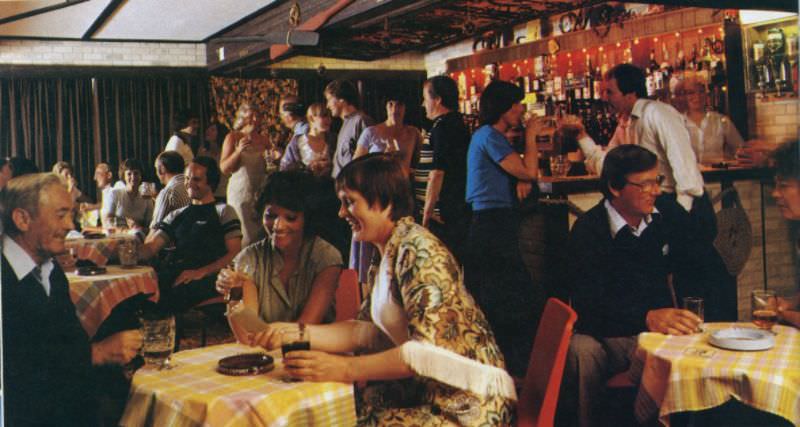
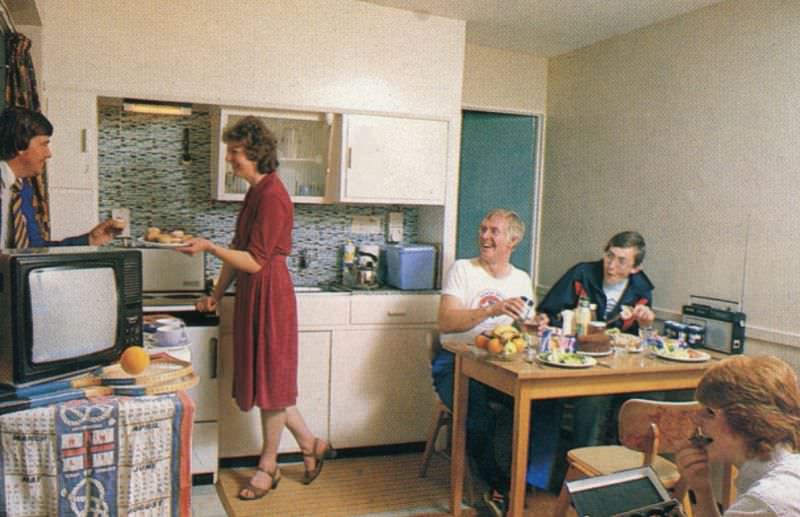
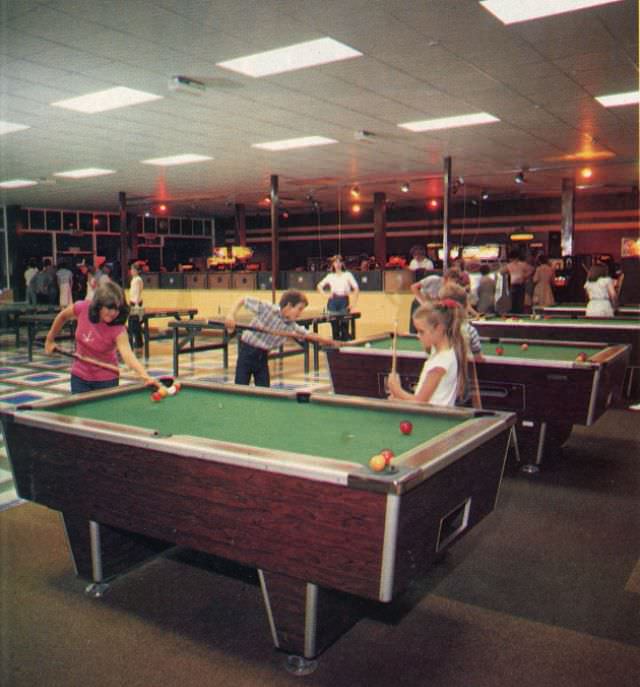
On the east side of England, Camber Sands in East Sussex and Hemsby in Norfolk gave Pontins a strong presence along the quieter, sandier stretches of coastline. Hemsby in particular was a favourite for families from the East Midlands and East Anglia, while Camber Sands drew day-trippers and weekenders from London and the South East.
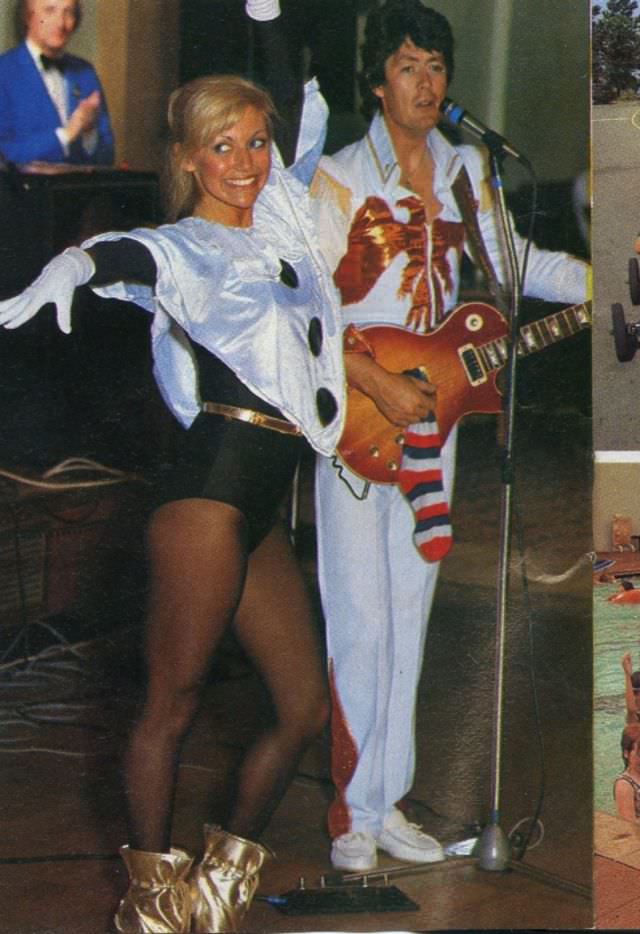
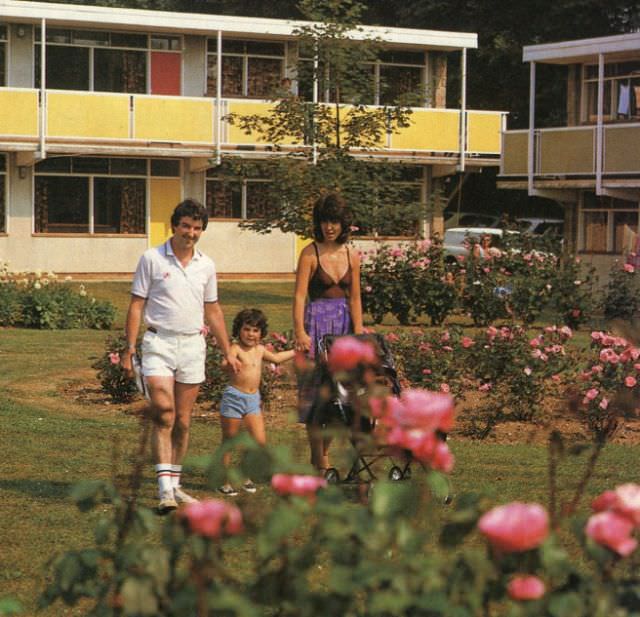
Further north, Southport on the Lancashire coast offered a more genteel seaside experience, and the Pontins camp there reflected that slightly more refined atmosphere. Meanwhile, Wick Ferry in Christchurch, Dorset, sat on the edge of the harbour and gave guests access to some of the most sheltered waters on the south coast.
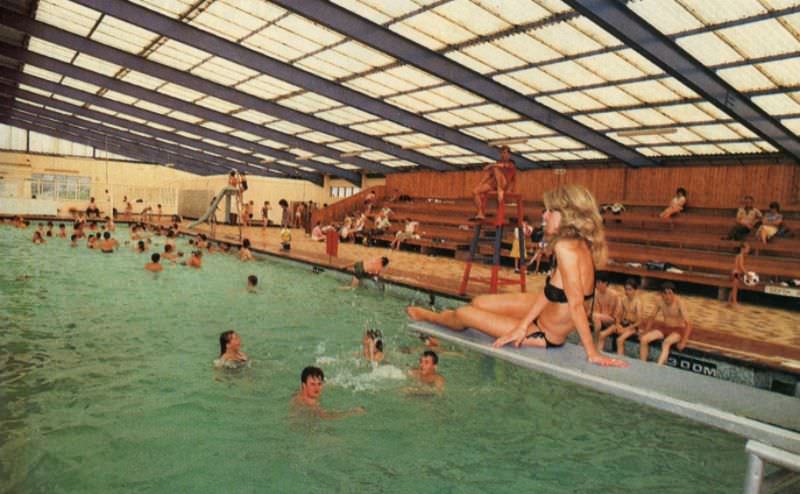
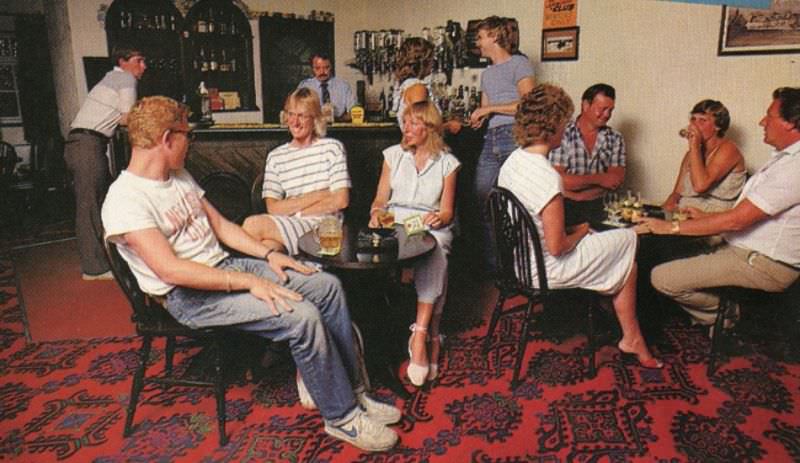
Two of the more unusual entries in the Pontins brochure catalogue were the Prestatyn camps shown under their own branding, and the remarkable Plemont Bay site on the island of Jersey. Offering a Pontins holiday on Jersey put a genuinely foreign-feeling destination within reach of families who might never have considered travelling abroad. The Channel Islands location gave the brochure an exotic edge that the mainland camps simply couldn’t match.
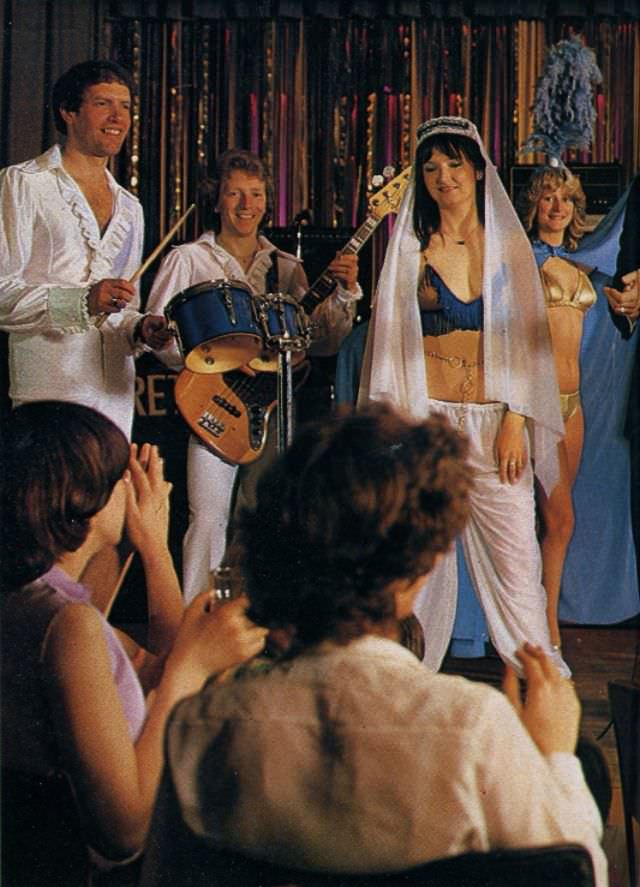
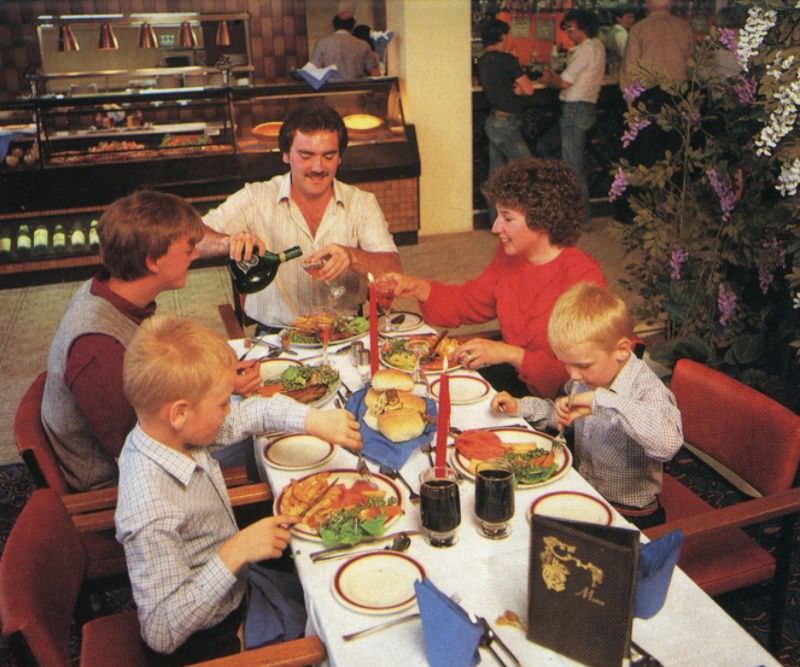
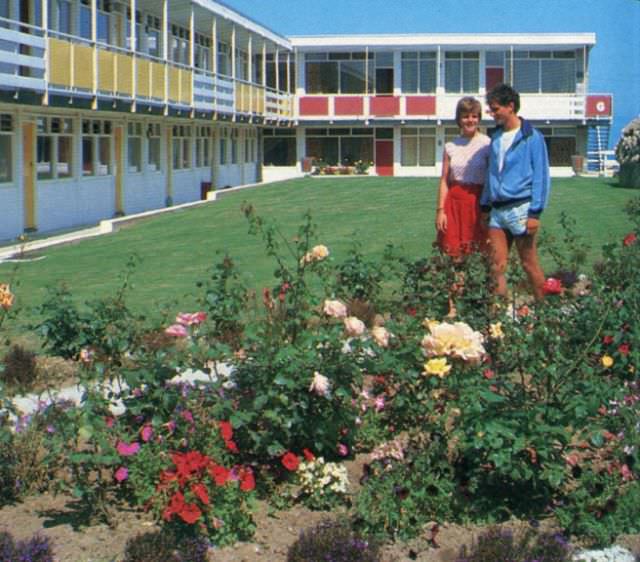
Bracklesham Bay on the West Sussex coast was home to the South Downs Holiday Centre, one of the more relaxed and open-plan Pontins sites. The flat, grassy landscape around Bracklesham gave the camp a spacious feel that set it apart from the more compact coastal camps found elsewhere in the Pontins network. These brochures, with their bold colours and cheerful photography, captured a very specific era of British holiday culture — one where a week in a chalet by the sea, with entertainment laid on and meals sorted, was all a family needed.