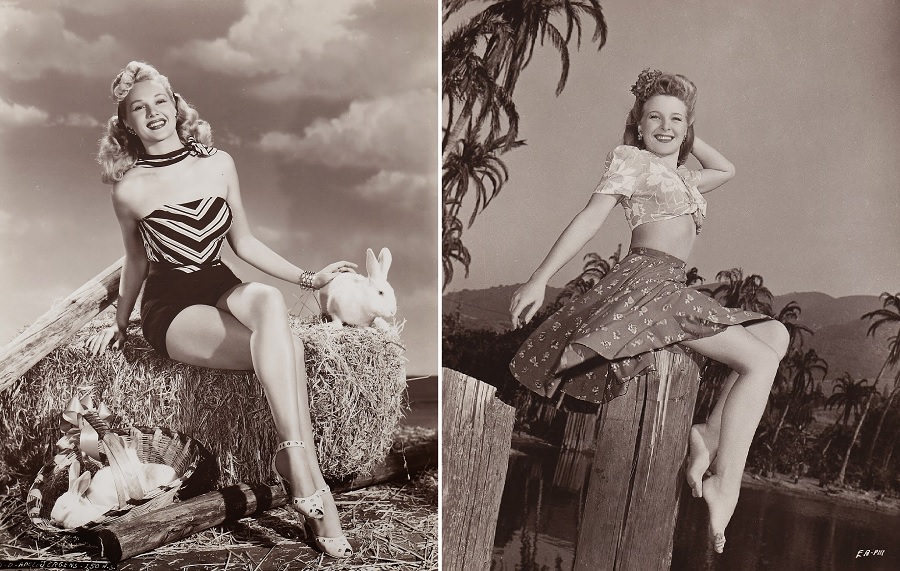
Amélie Diéterle was one of the most recognizable faces of Belle Époque Paris. Born in the French capital in 1889, she built a career that crossed both the theatrical stage and the world of opera. Her charm was specific and hard to miss — a light, flute-like voice and a distinctive trumpeting nose that set her apart from the crowd. Audiences didn’t just tolerate these quirks; they loved her for them.
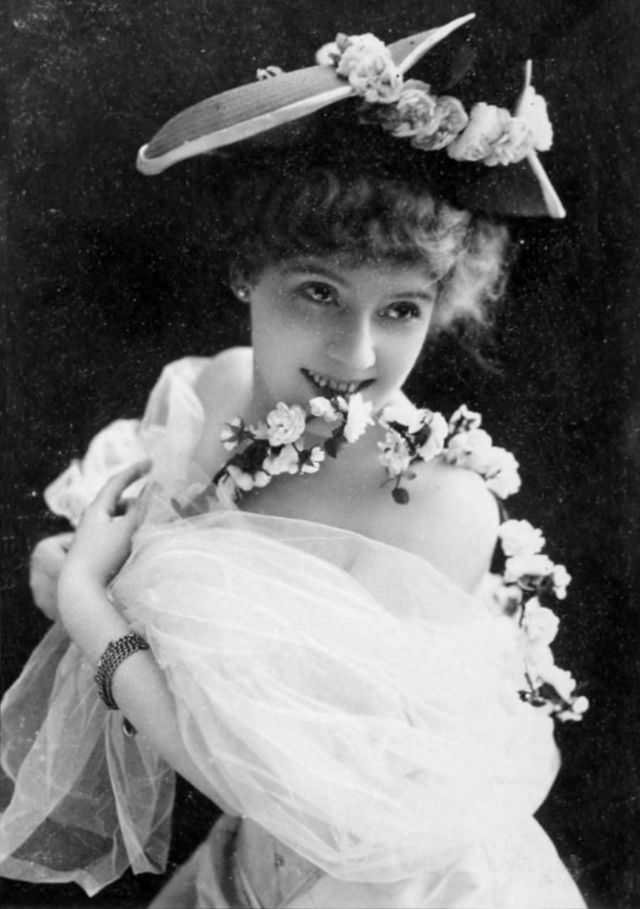
Her rise was competitive from the start. Diéterle was selected from a pool of 40 competitors to join the Concerts Colonne, one of the most prestigious orchestral concert series in Paris. Landing that spot announced to the city that she was a serious talent, not just a popular face.
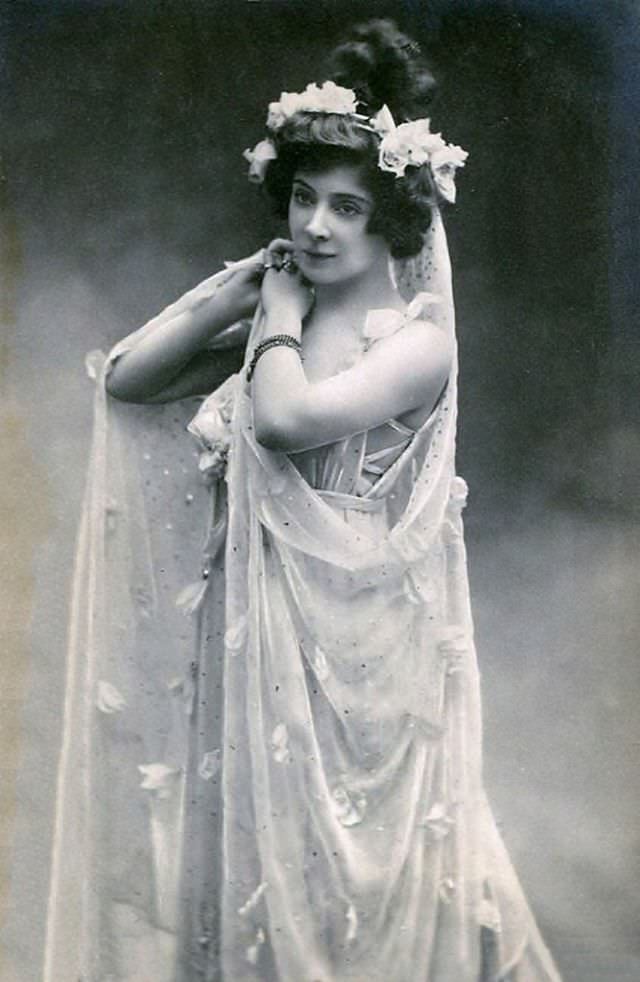
During her years at the Variety Theater, Diéterle caught the attention of Paul Gallimard, a well-known art collector and patron of the arts. He became her protégé, connecting her to the broader cultural world of fin-de-siècle Paris. That world included some of France’s most celebrated writers. Poets Léon Dierx and Stéphane Mallarmé were both inspired by her — a testament to the impression she made beyond the stage.
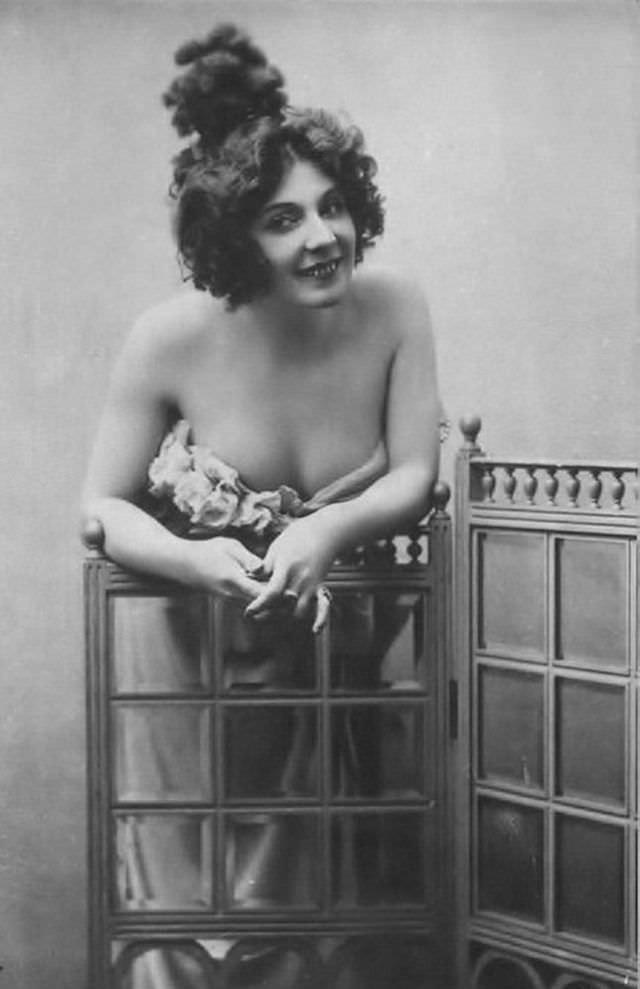
The painter Pierre-Auguste Renoir captured Diéterle in three separate works. Two of these are lithographs printed on woven paper, created in 1899 and now held at the Art Institute of Chicago. Both show her wearing a white hat. A third work, a pastel completed in 1903, belongs to the collection of the Museum of Fine Arts in Boston. There is also a pastel portrait at the Antoine-Lecuyer Museum in Saint-Quentin, made around 1910. The fact that Renoir returned to her as a subject more than once says a great deal about the fascination she inspired.
Renoir was not the only major painter drawn to her. In June 1913, Alfred Philippe Roll painted Diéterle seated in a garden chair. The painting was later donated to the Museum of Fine Arts of the City of Paris at the Petit Palais by Roll’s wife, Henriette. It now stands as one of the more formal artistic records of her life.
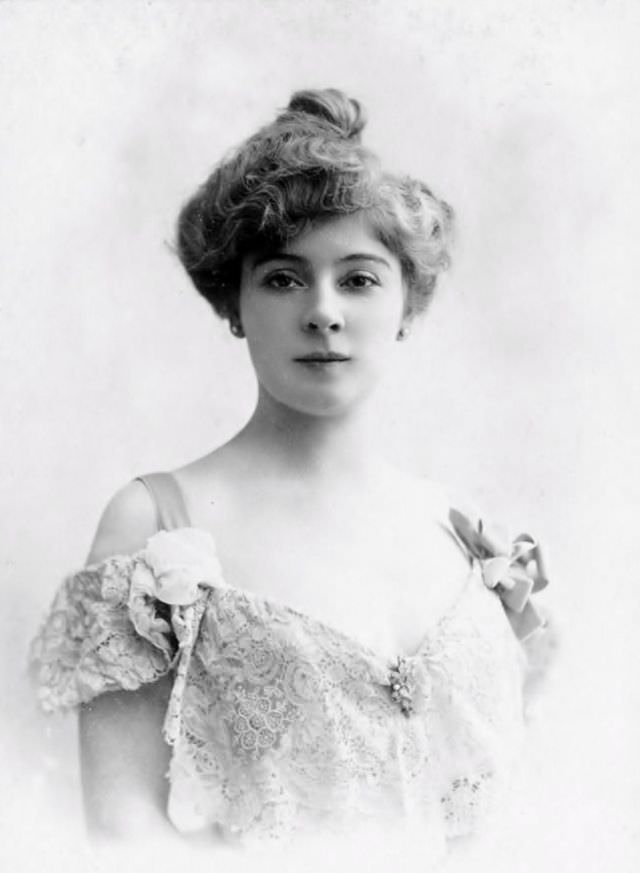
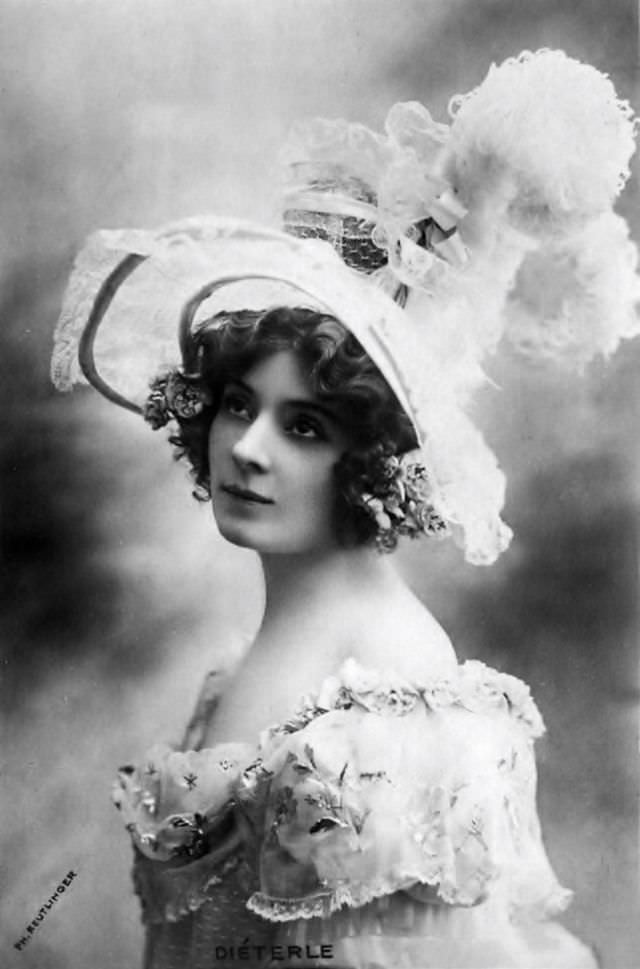
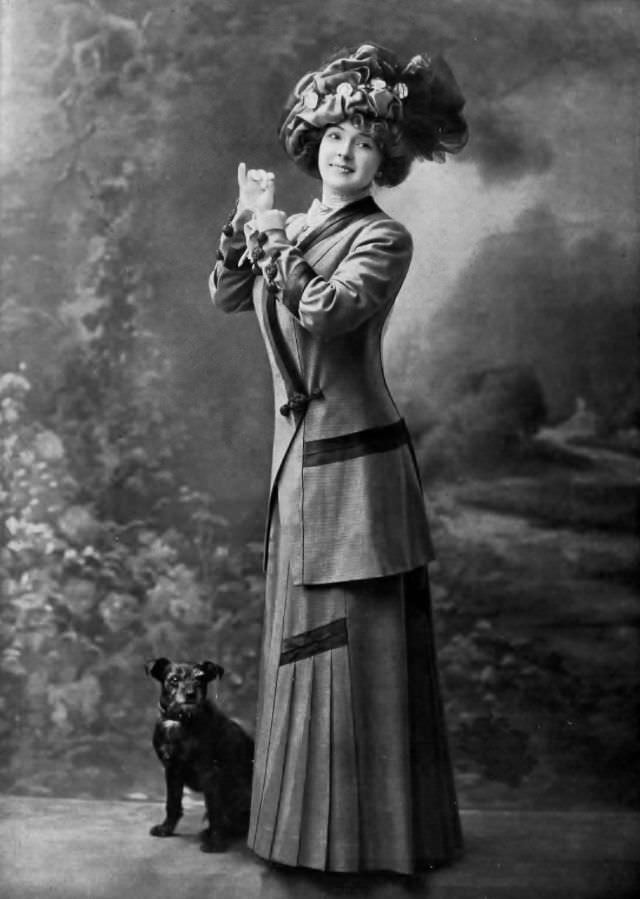
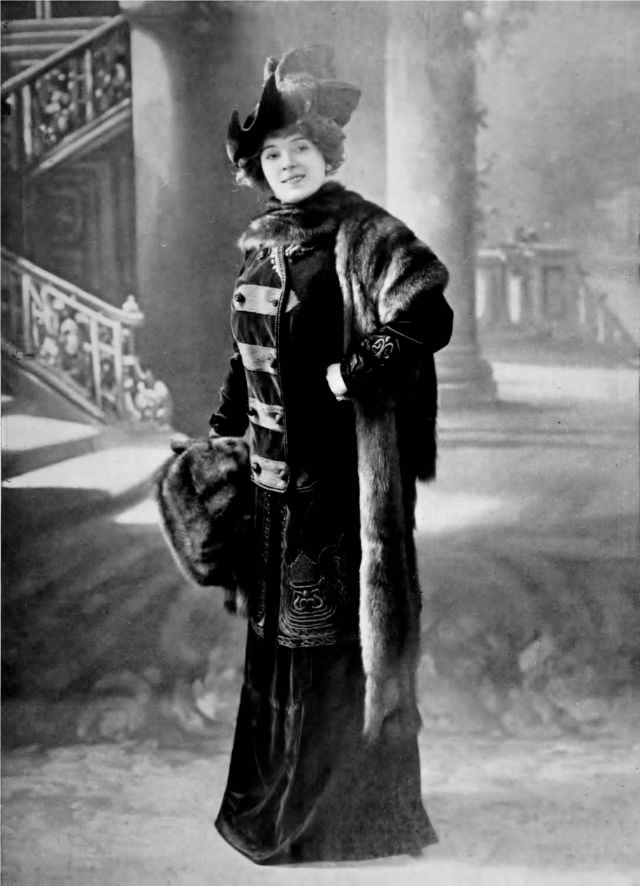
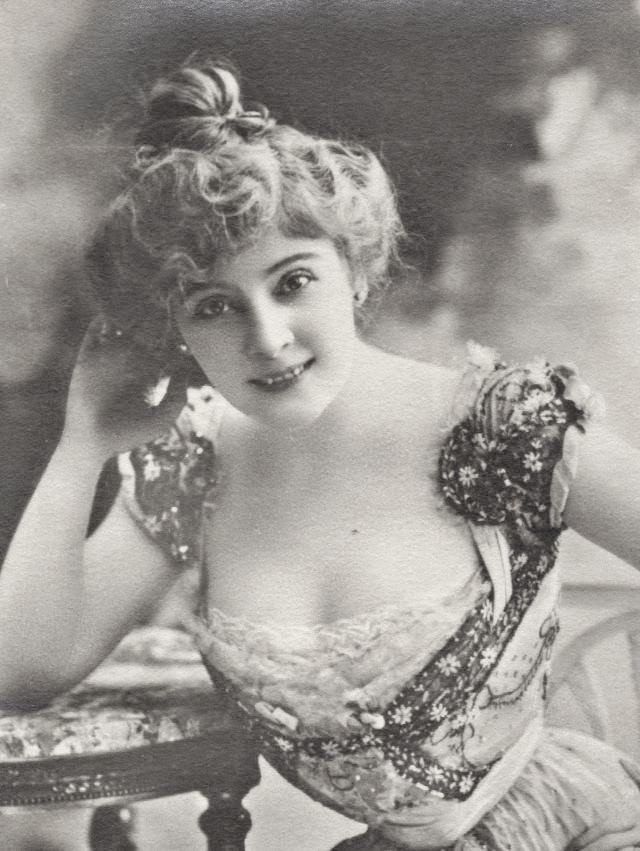
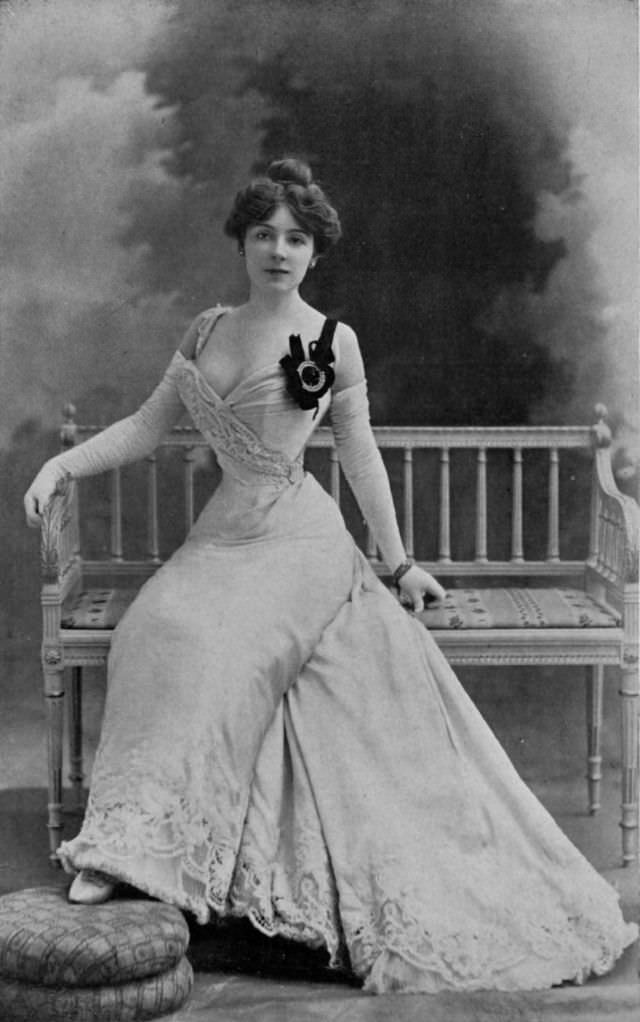
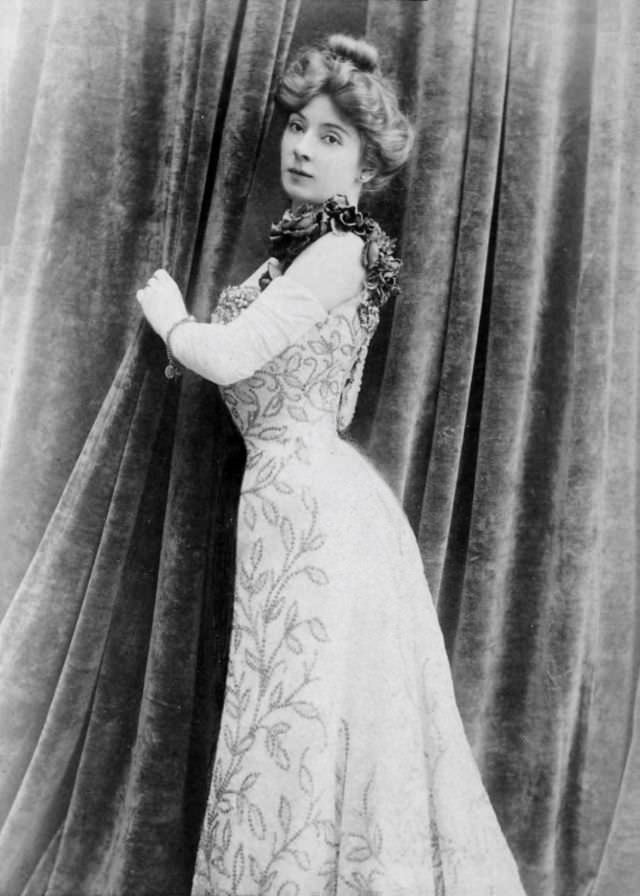
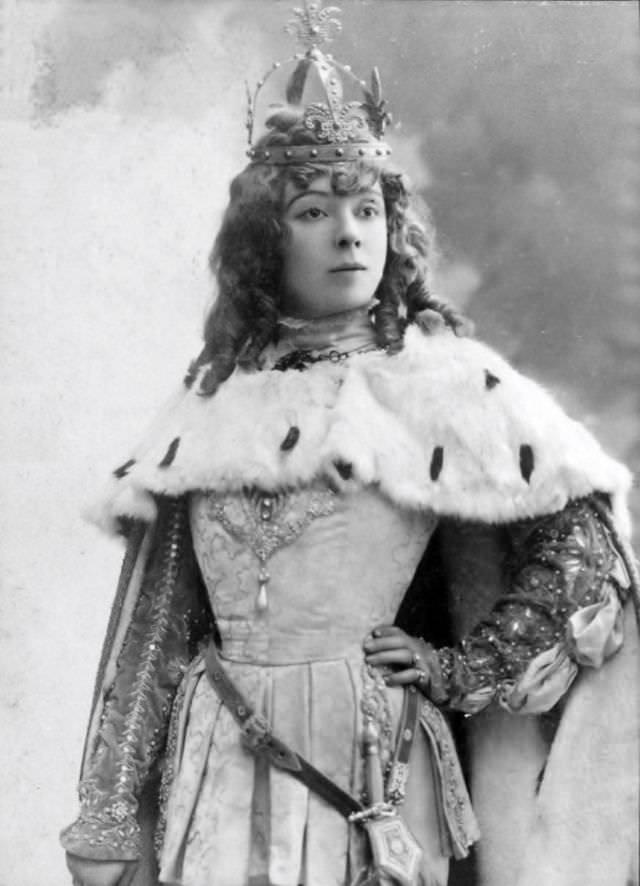
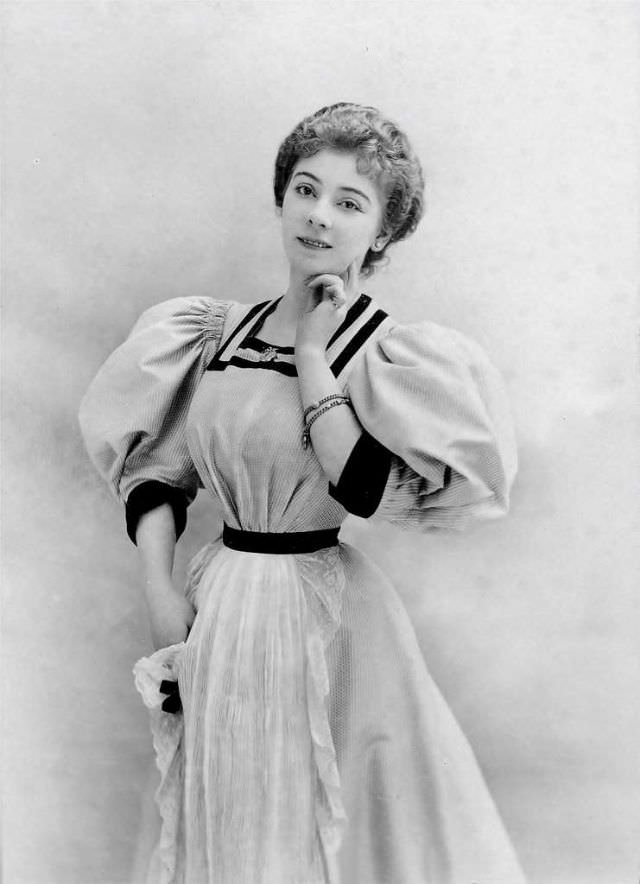
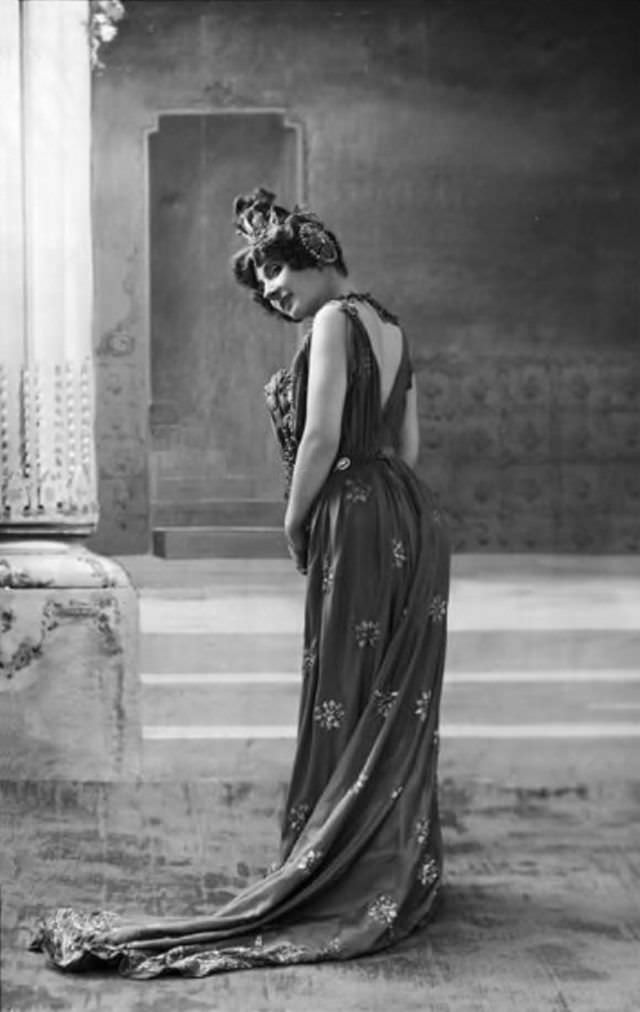
Beyond the galleries and concert halls, Diéterle was a popular subject for the postcard industry that boomed in France during the 1900s. Dozens of postcards from that era feature her image, a reflection of just how well-known she was to ordinary people across the country. These cards circulated widely and kept her face familiar to audiences who may never have seen her perform in person.
For much of her life, Diéterle made her home in the riverside town of Croissy-sur-Seine, just west of Paris. It was a quieter setting compared to the stages she had commanded, but she remained connected to the cultural life of the city. Her gradual withdrawal from performing began between 1920 and 1923, marking the slow close of a long and active career.
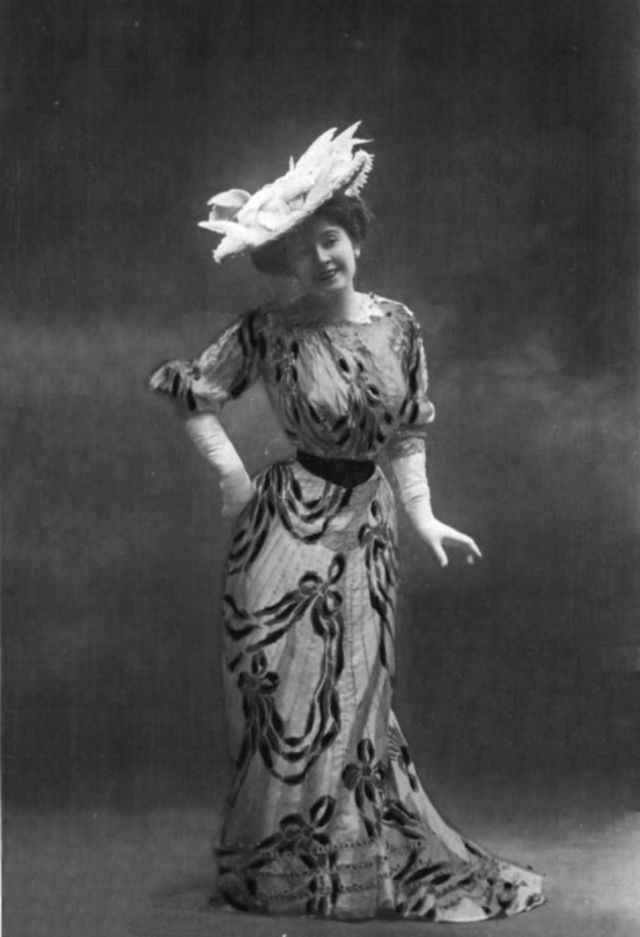
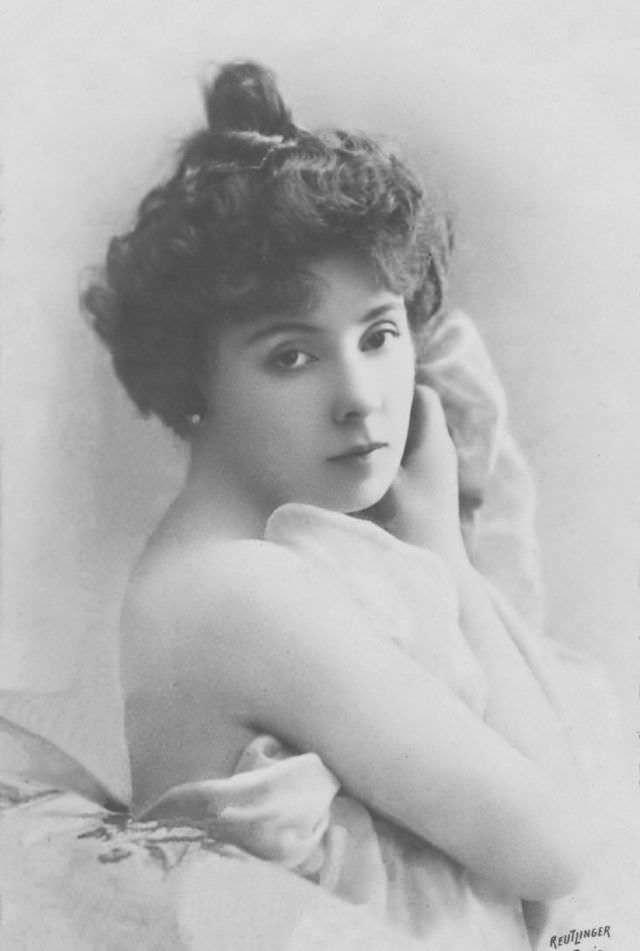
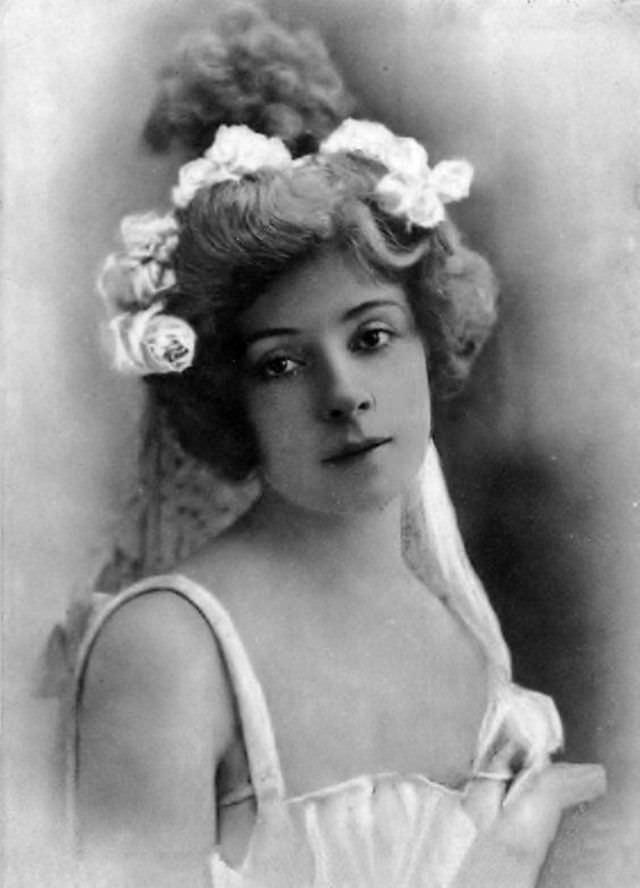
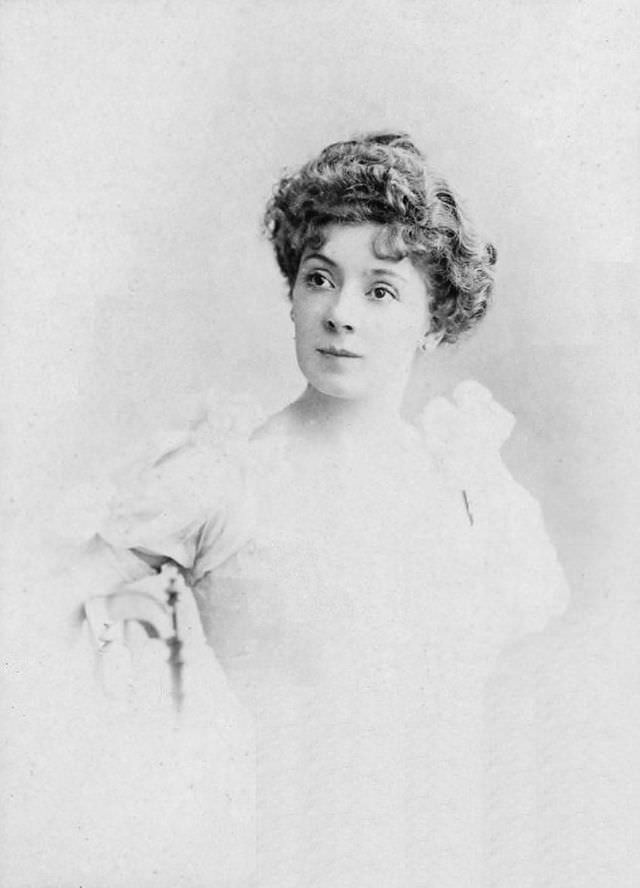
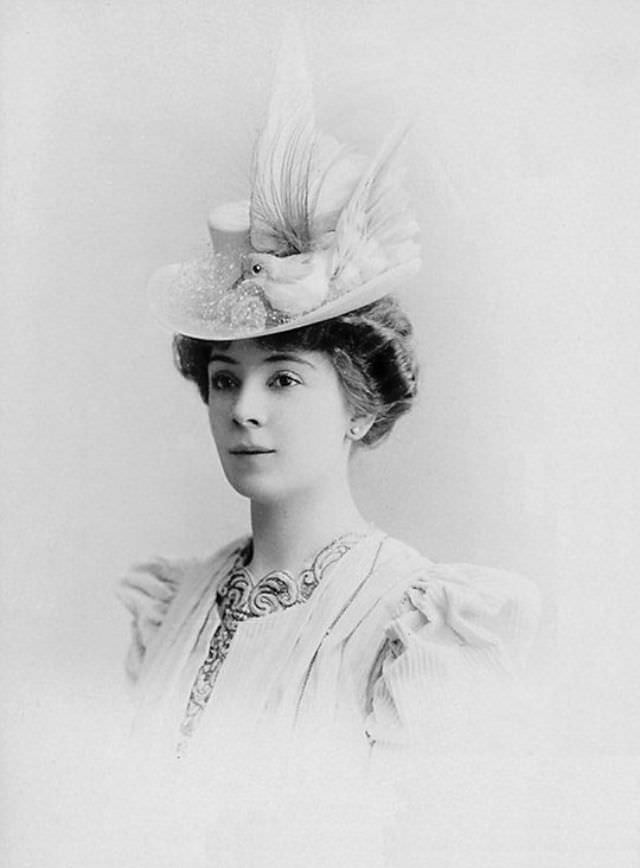
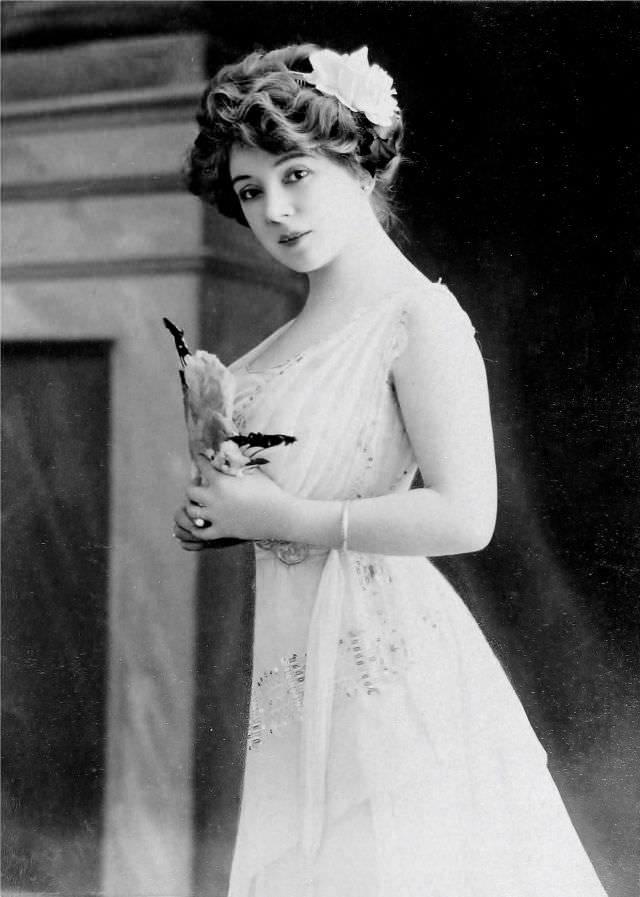
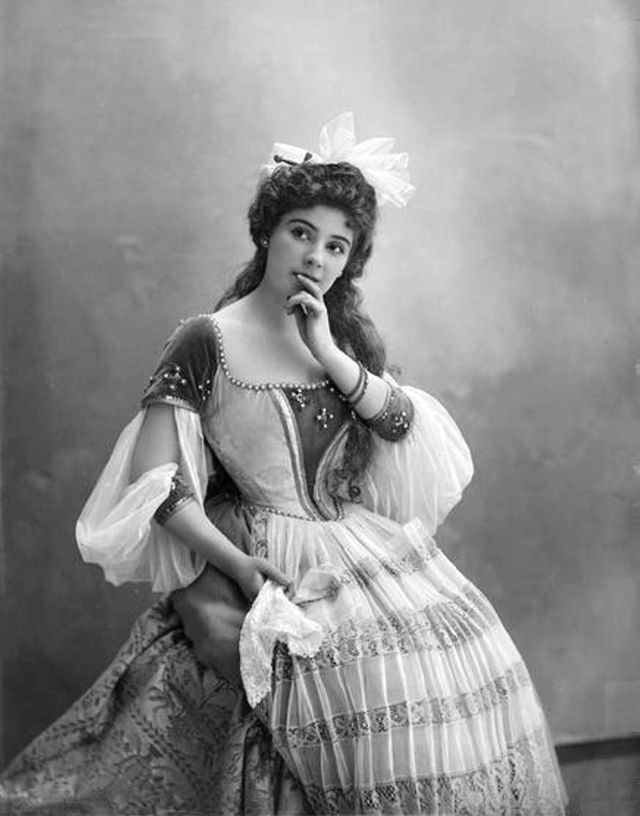
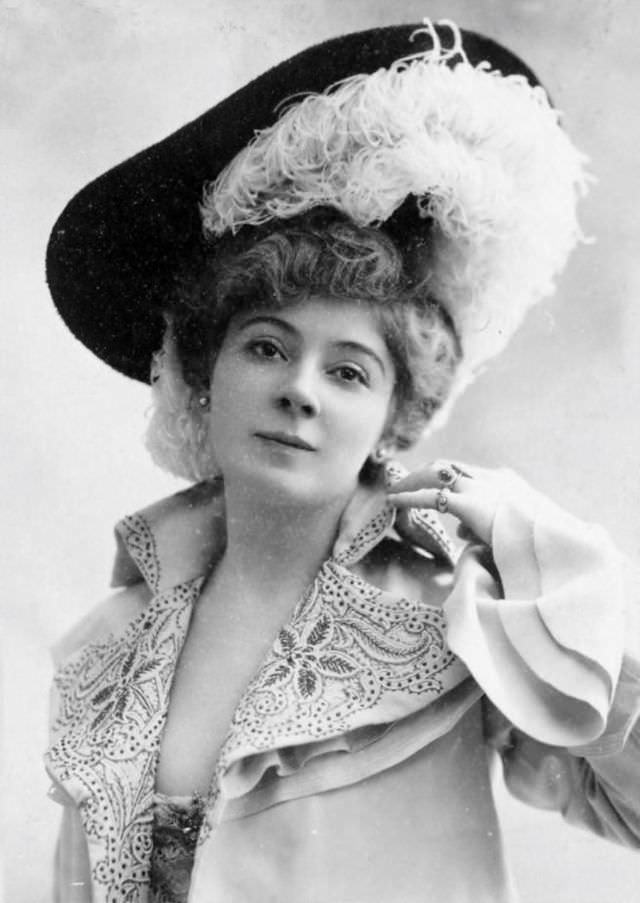
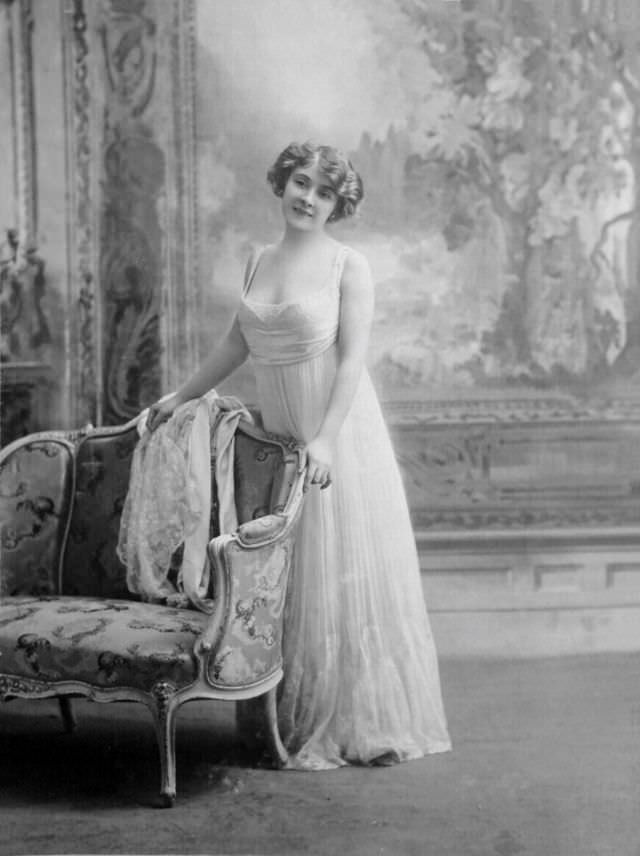
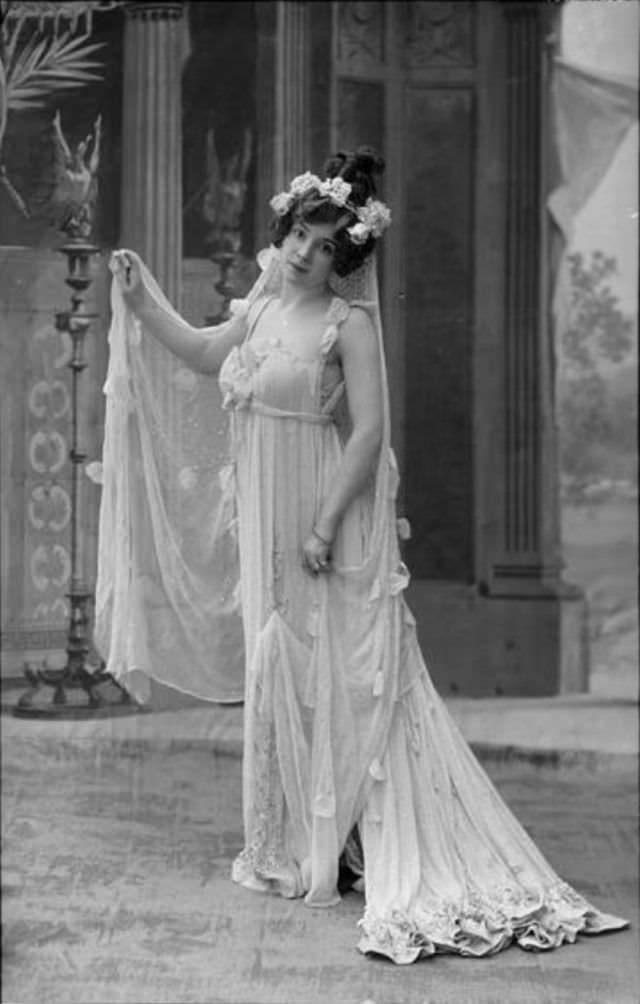
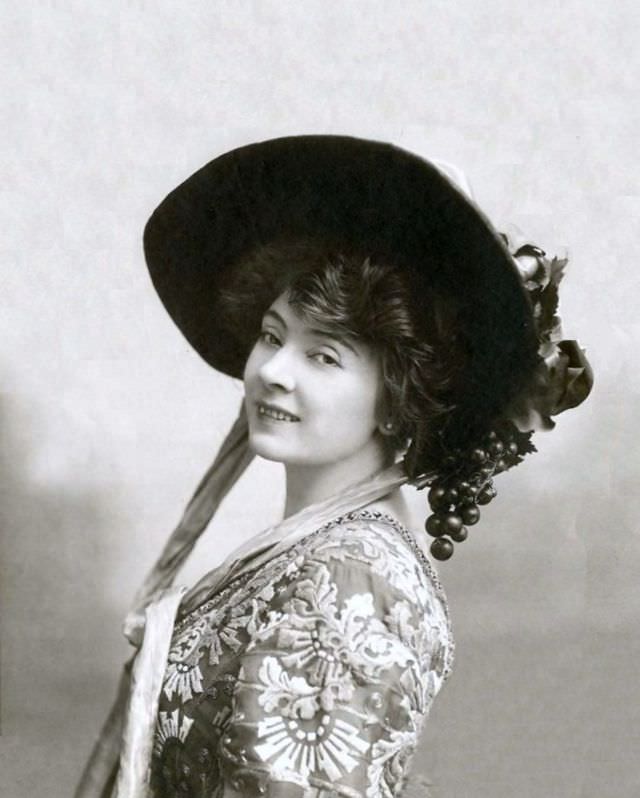
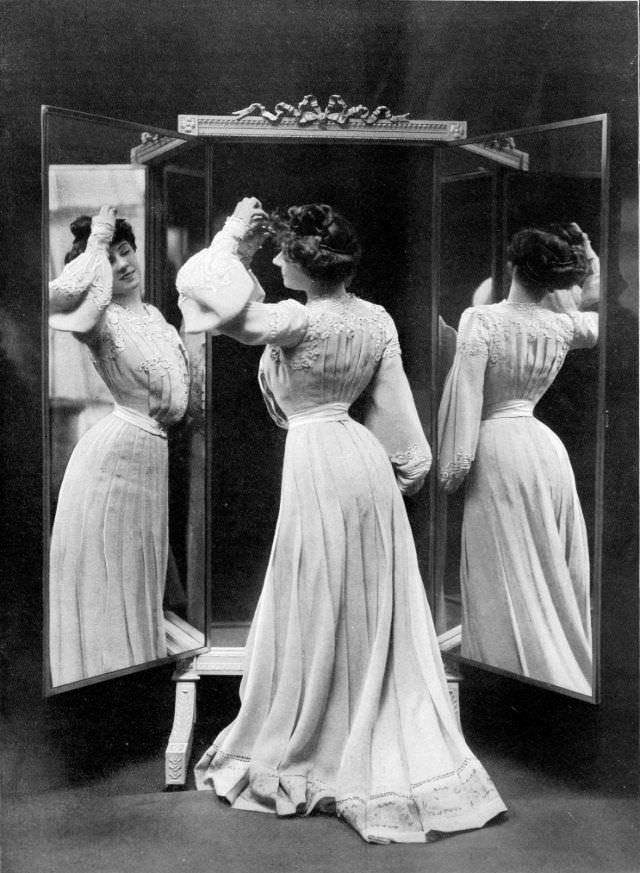
Here is a closer look at Diéterle through some of the many photographs taken during her years in the spotlight. These images were widely reproduced at the time and capture the style and presence that made her a fixture of the Belle Époque.
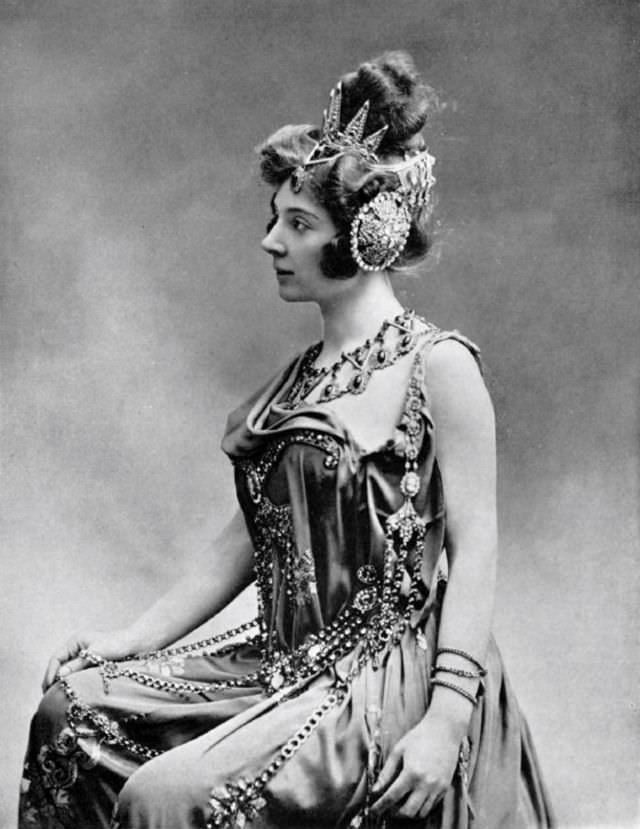
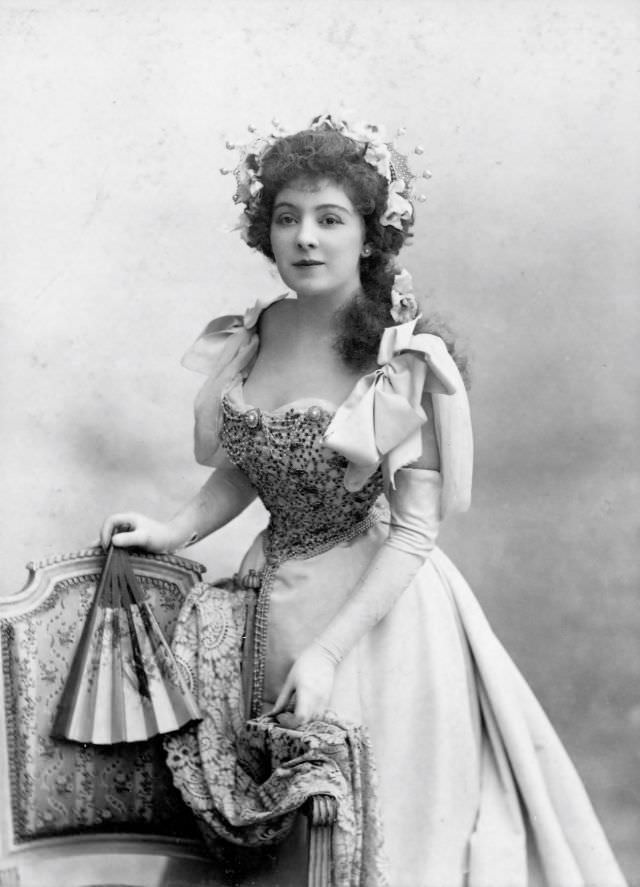
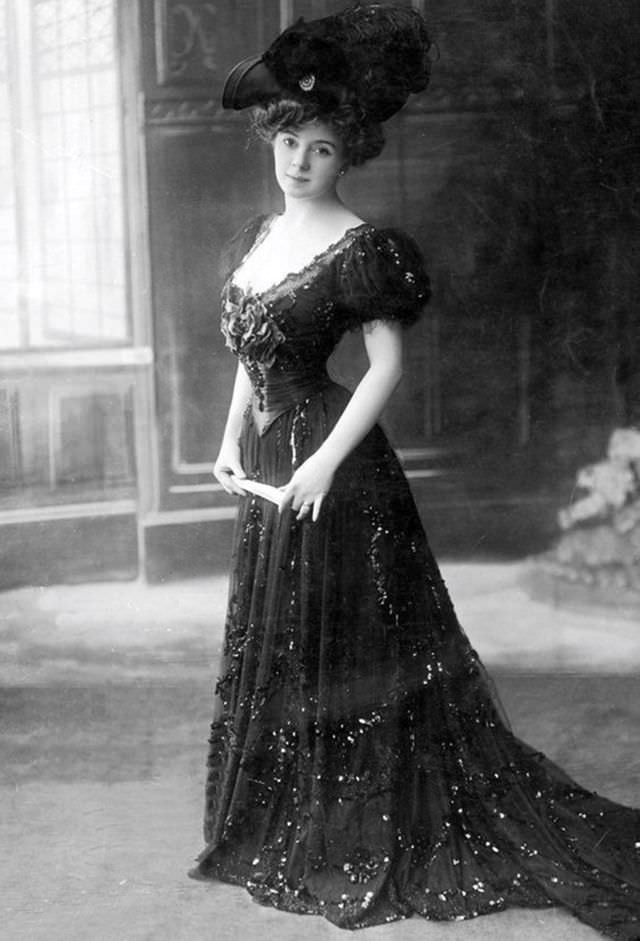
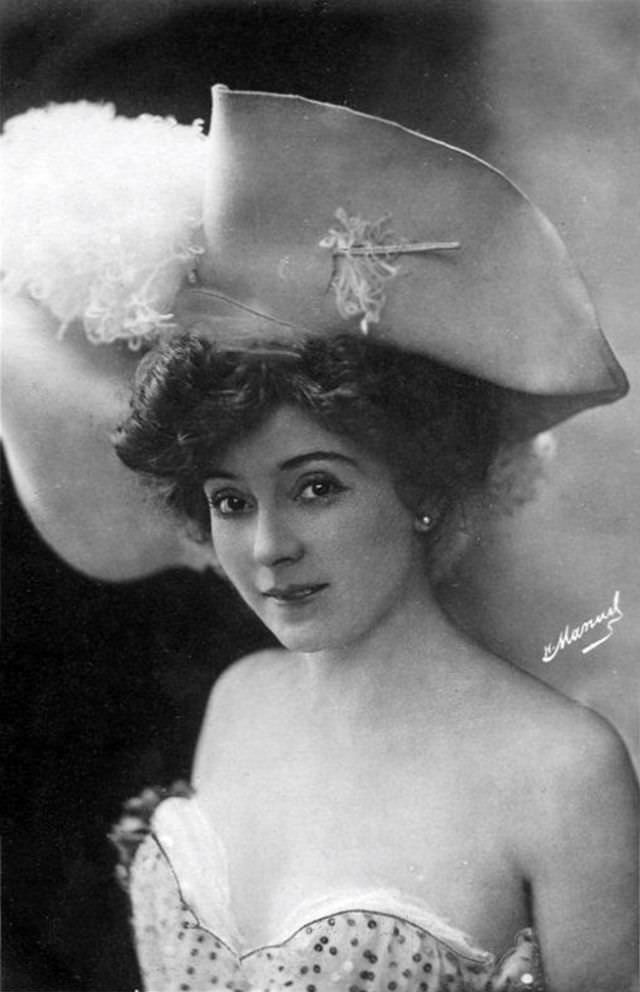
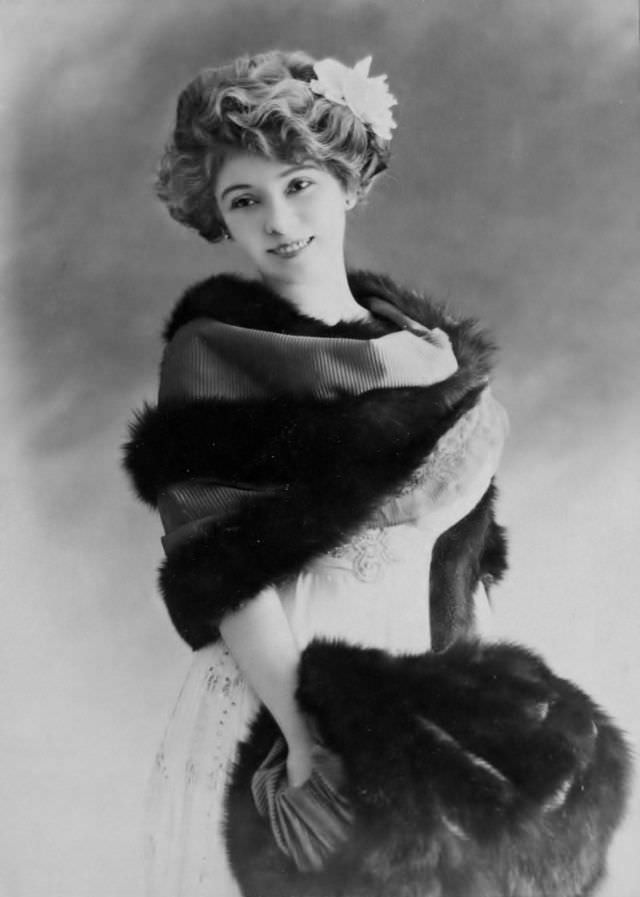
When World War II reached France, Diéterle left Paris behind. In 1940 she took refuge in Vallauris, a small town on the French Riviera known for its pottery and its proximity to Cannes. She died in Cannes in 1941 after a long illness. She was 70 years old.