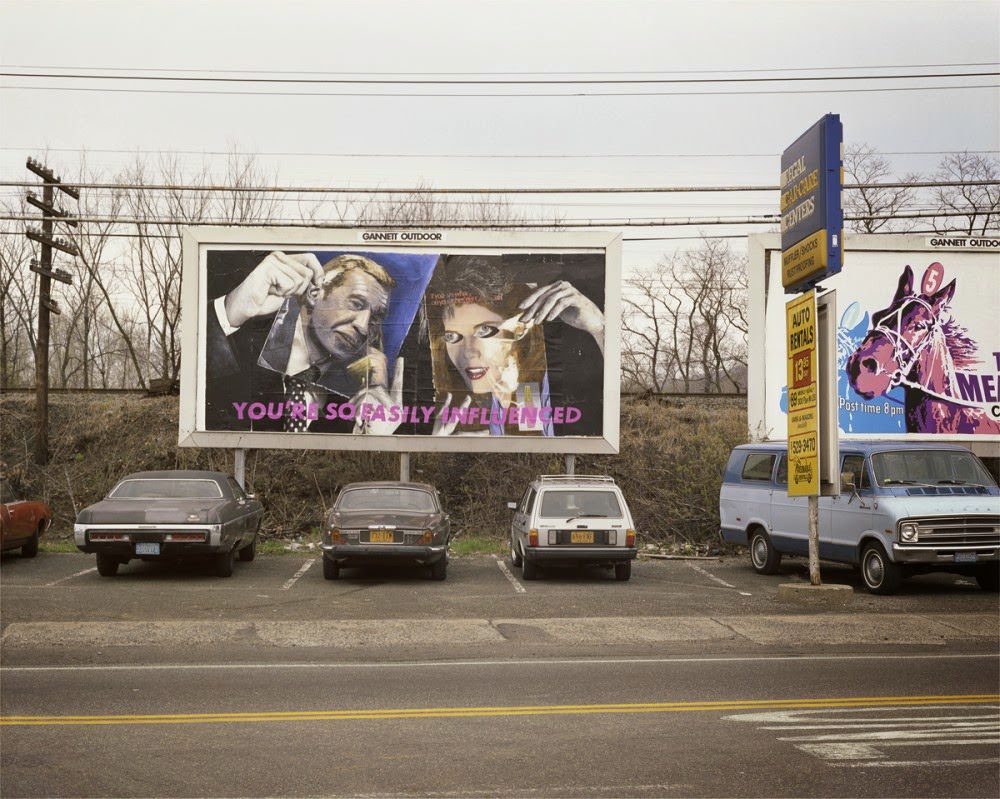
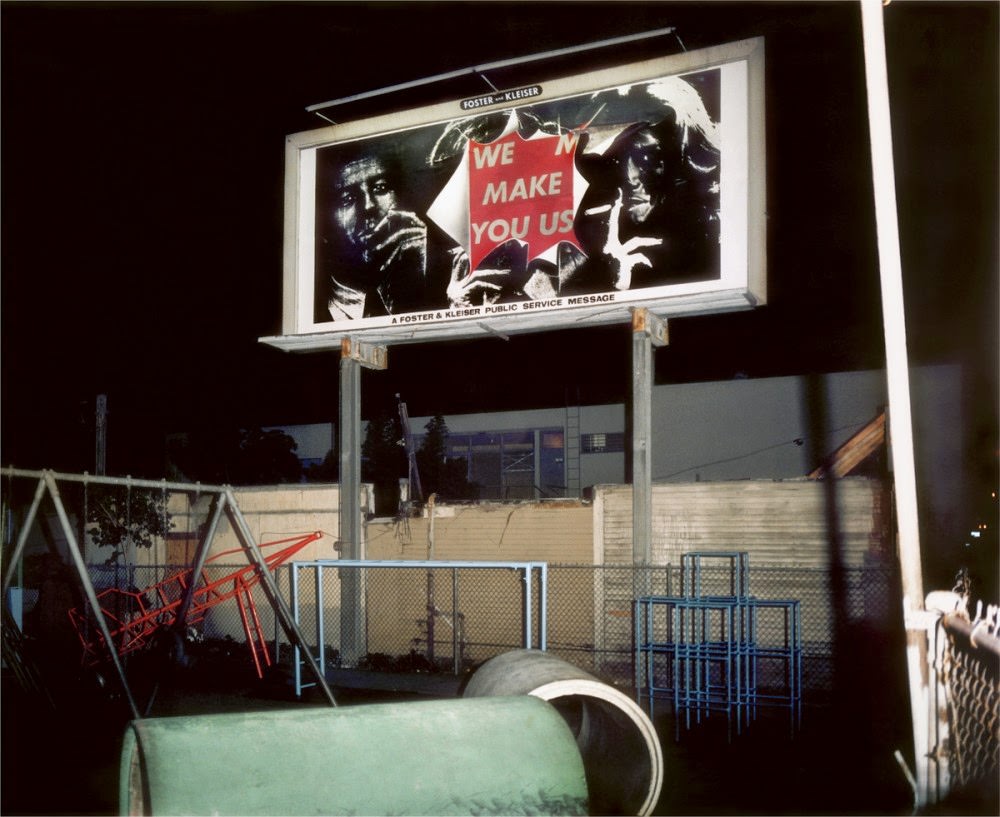
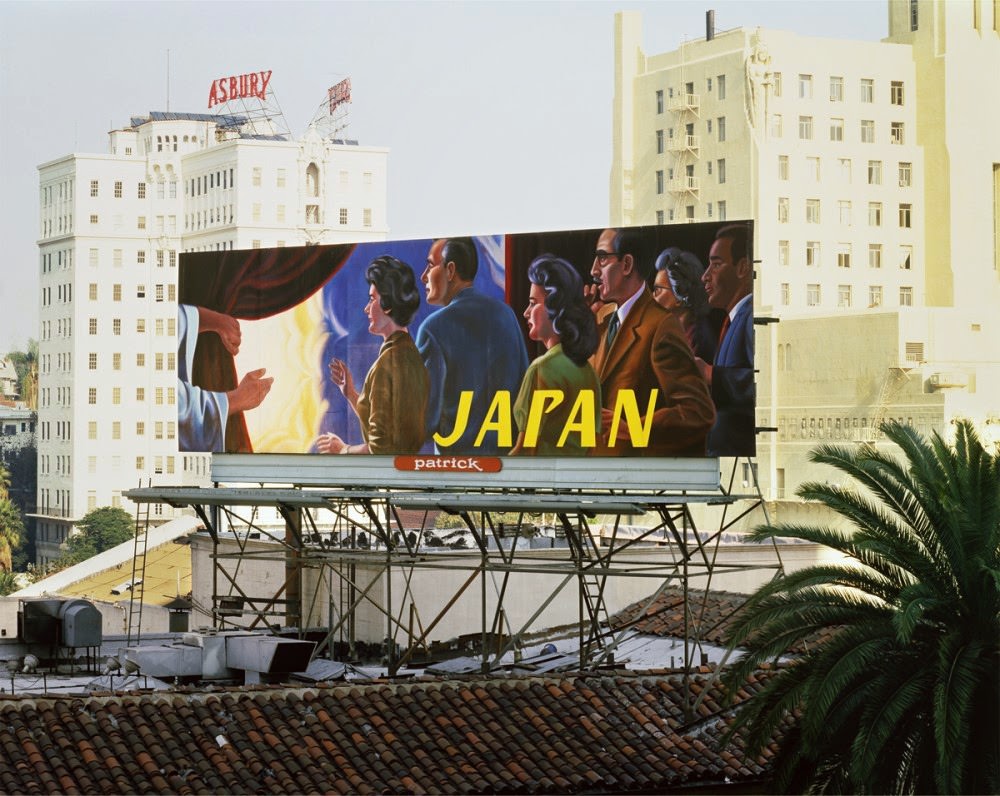
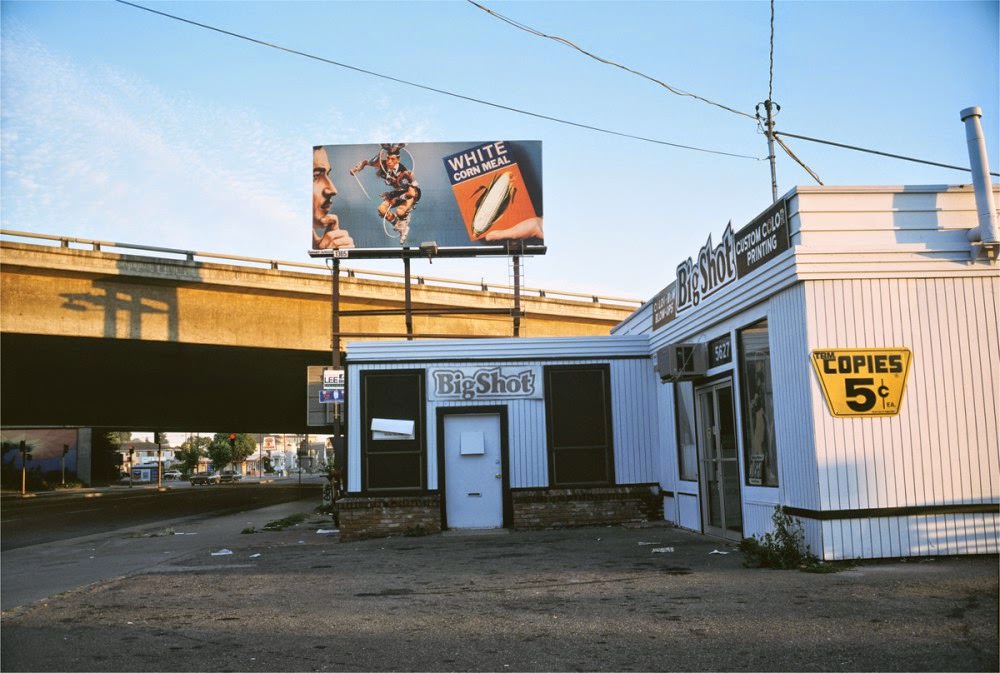
In 1973, artists Larry Sultan and Mike Mandel began a unique partnership to transform the visual landscape of San Francisco. They operated under the fictional business name “Clatworthy Colorvues.” This official-sounding title helped them navigate the commercial world of outdoor advertising. Instead of painting murals on walls, they focused their attention on the massive billboards that towered over the city’s streets and highways. Their collaboration lasted until 1989 and produced a series of works that disrupted the standard flow of marketing.
Art Without a Product
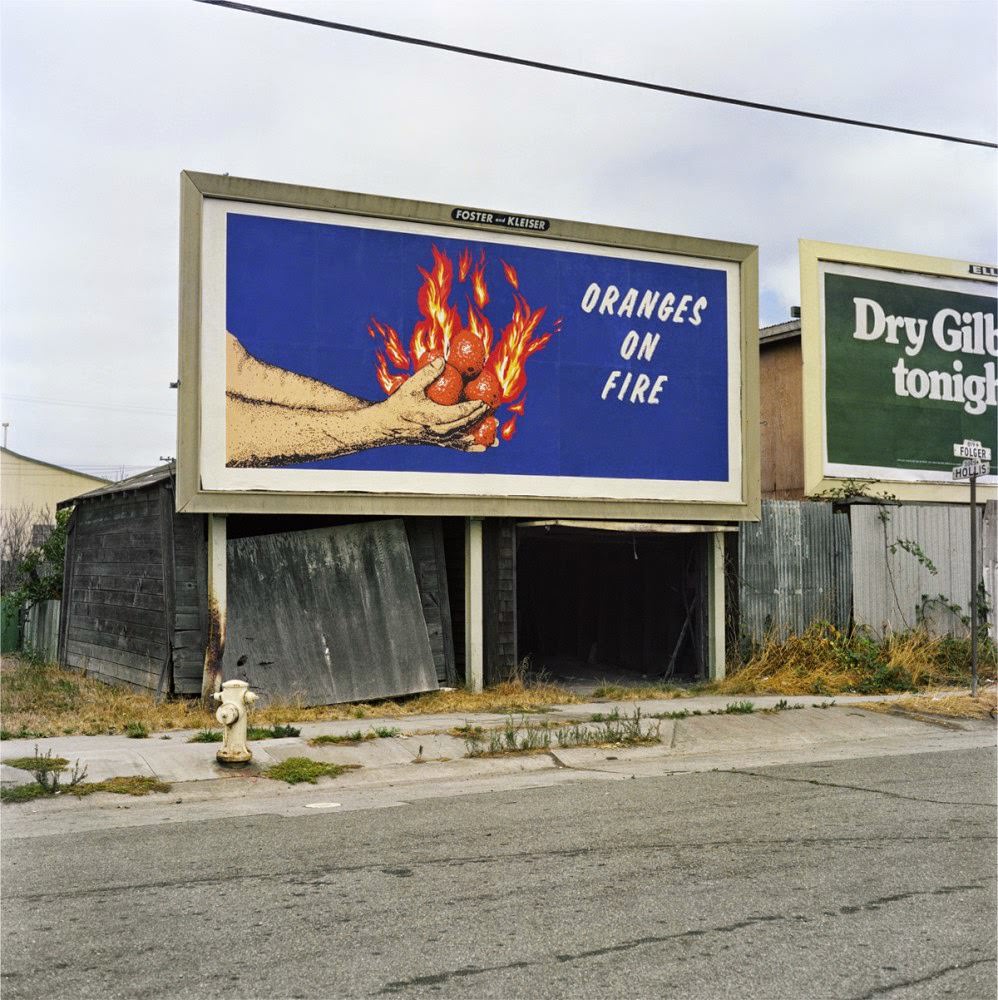
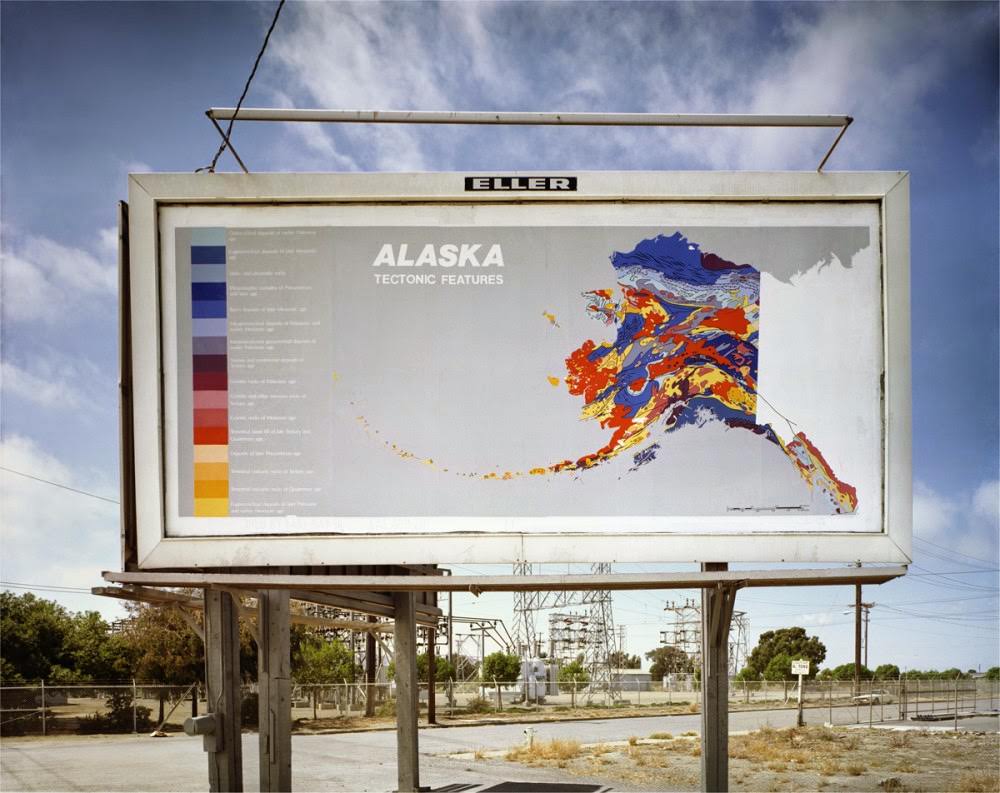
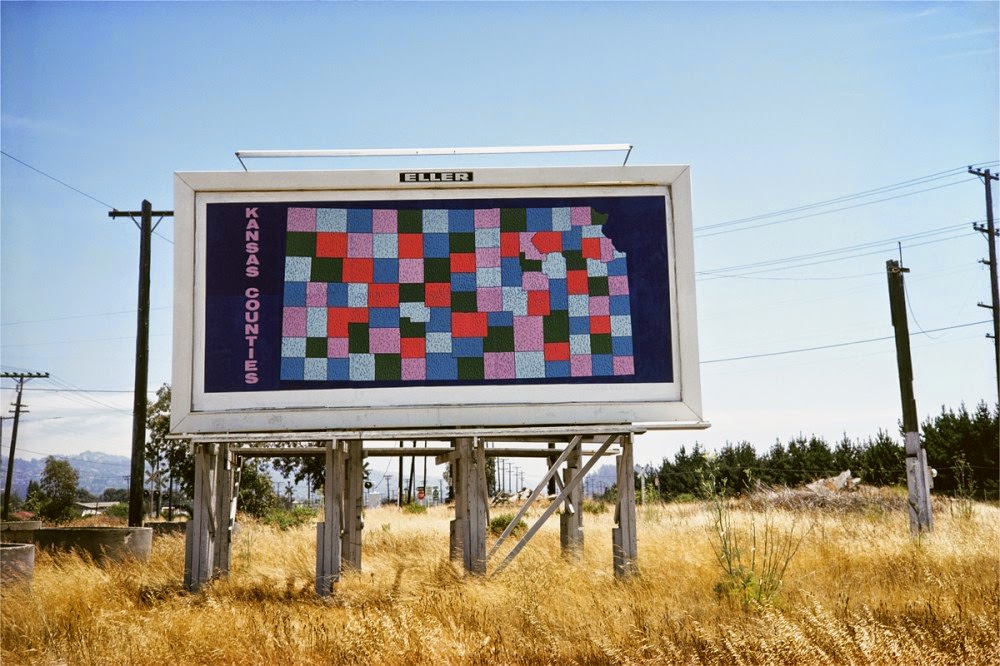
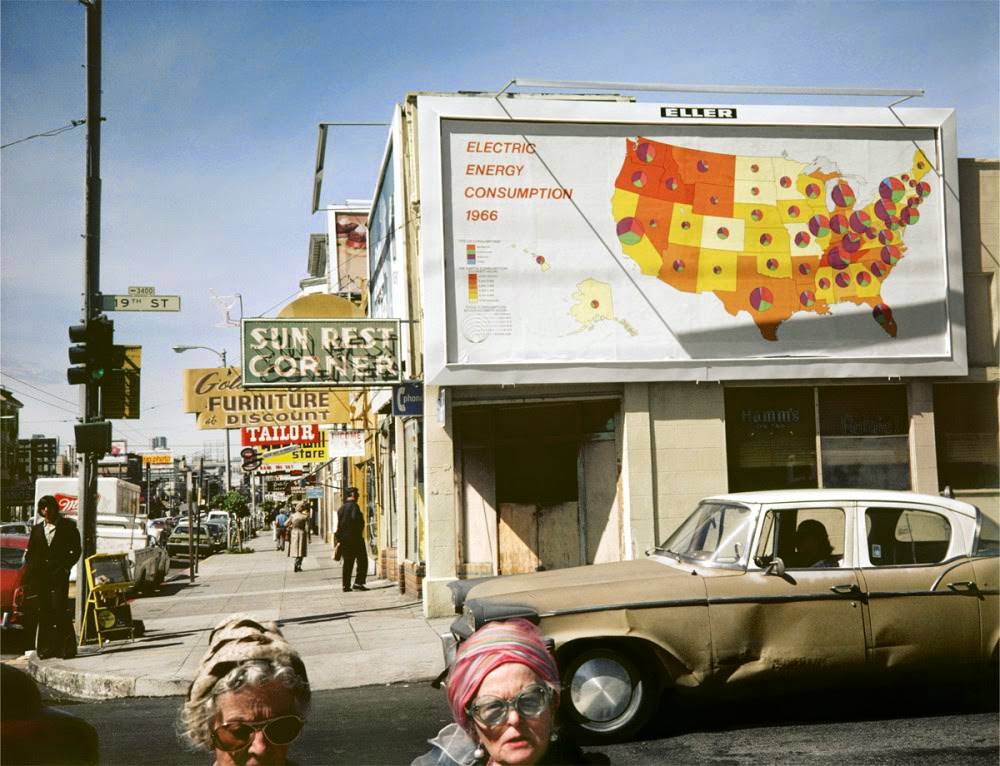
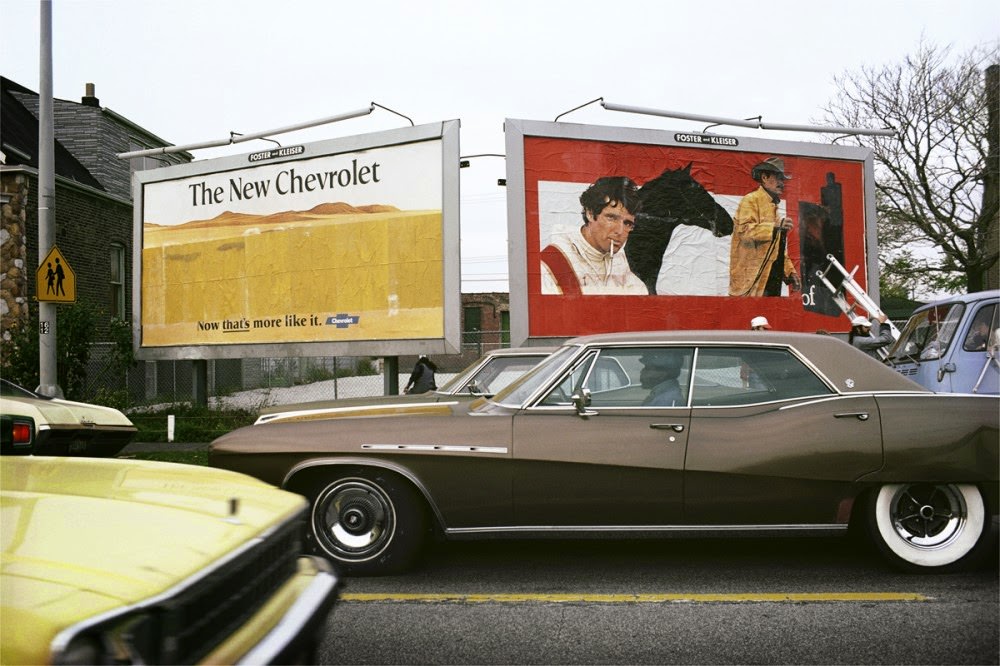
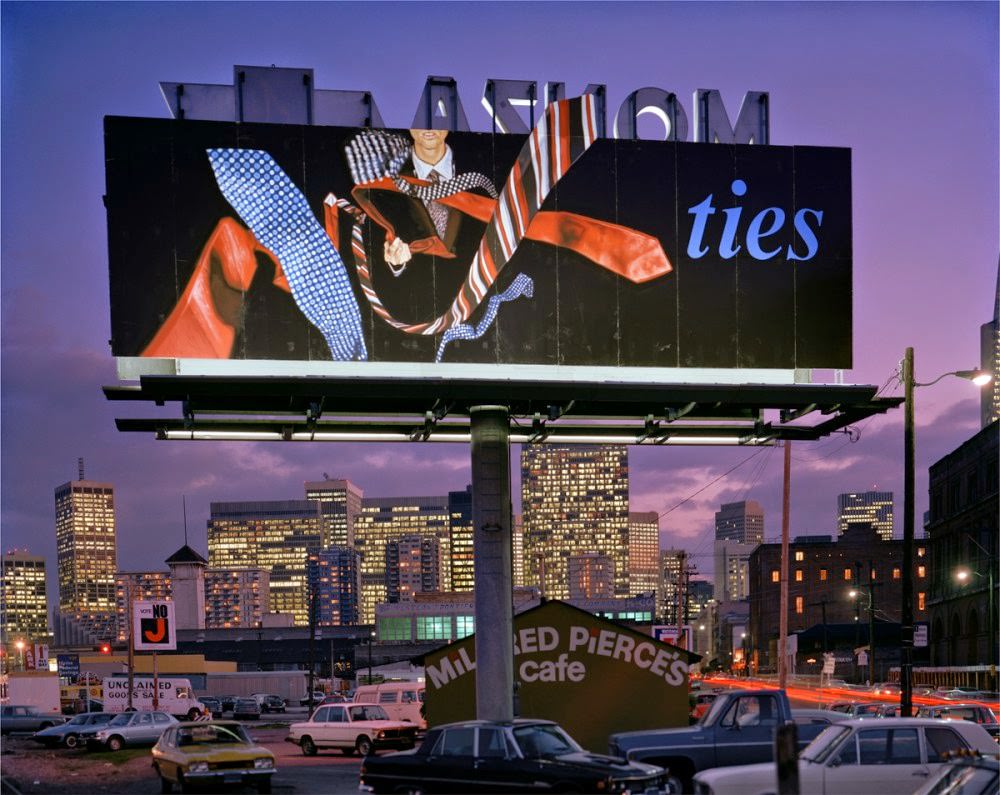
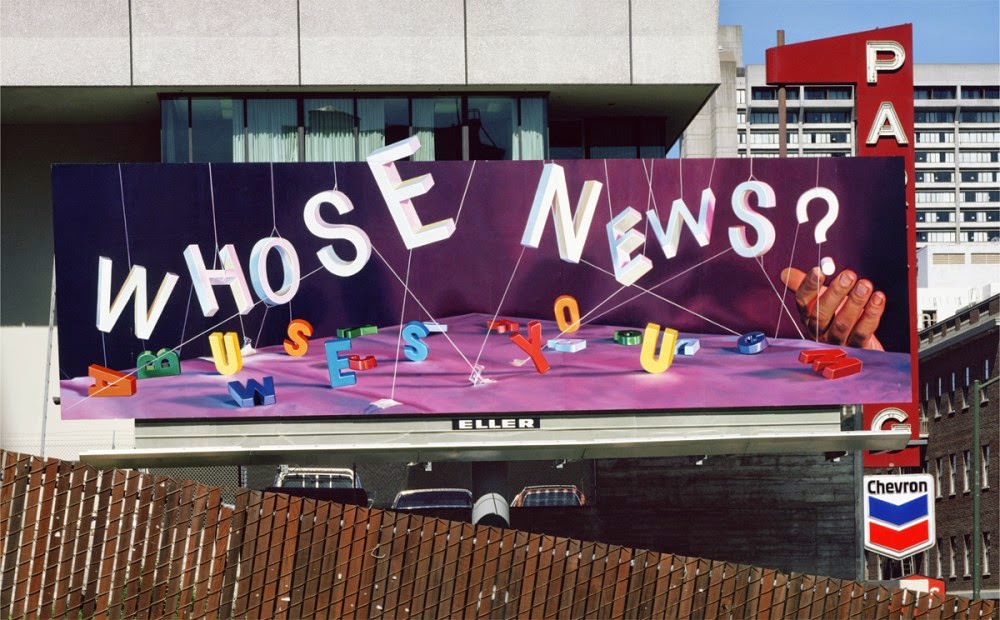
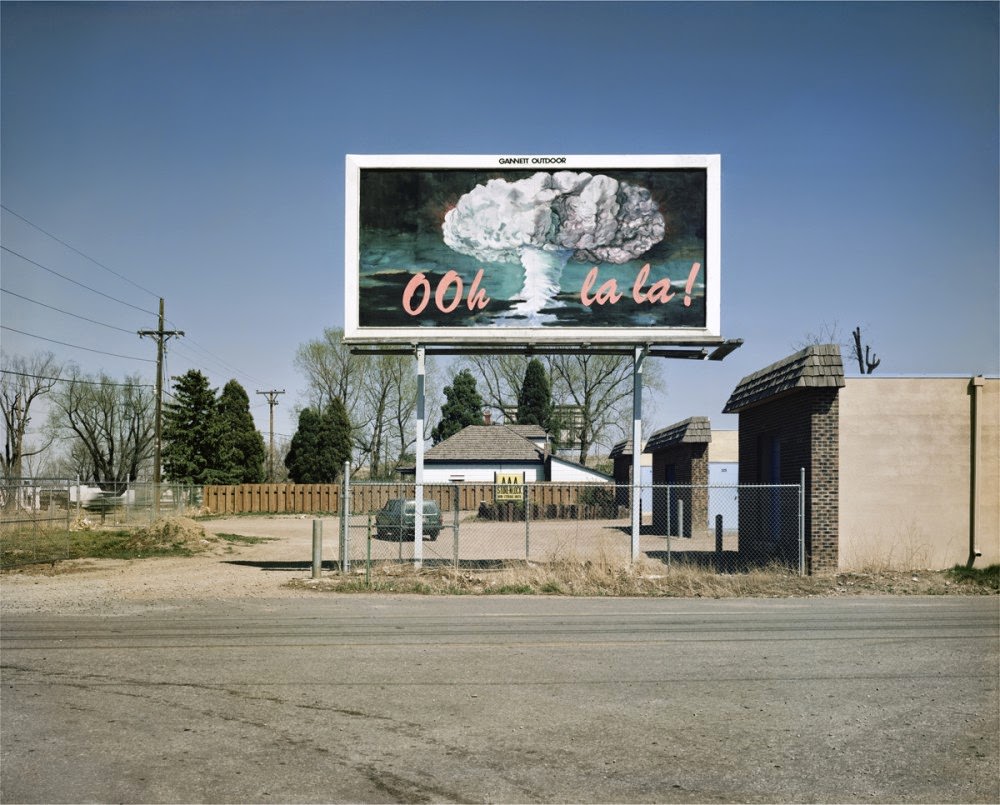
The billboards created by Sultan and Mandel mimicked the look and feel of traditional advertising. They used the same scale, bold colors, and high production values found in ads for cigarettes or automobiles. However, a crucial element was missing. The images did not sell a product, nor did they include slogans or logos. The designs were open-ended and allusive, meaning they suggested a story or idea without clearly defining it. A driver might look up to see a giant, mysterious image that looked familiar but offered no explanation.
Reaching the Commuter
The primary goal of the project was to escape the confines of art museums and galleries. Sultan and Mandel wanted to reach a diverse public that might never step foot inside an art institution. By placing their work on billboards, they guaranteed an audience of thousands of daily commuters. The art became an unavoidable part of the daily environment for construction workers, office clerks, and tourists alike. This strategy turned the highway into a gallery, forcing people to engage with art during their mundane travel routines.
While the San Francisco Bay Area served as their main exhibition space, the project eventually expanded beyond California. Sultan and Mandel led workshops with graduate students and participated in exhibitions focused on public art. These opportunities allowed them to install their appropriated imagery in other parts of the country. Regardless of the location, the core mission remained the same. They used the medium of advertising to present colorful, confusing, and beautiful visions that challenged the viewer’s expectations of public space.