

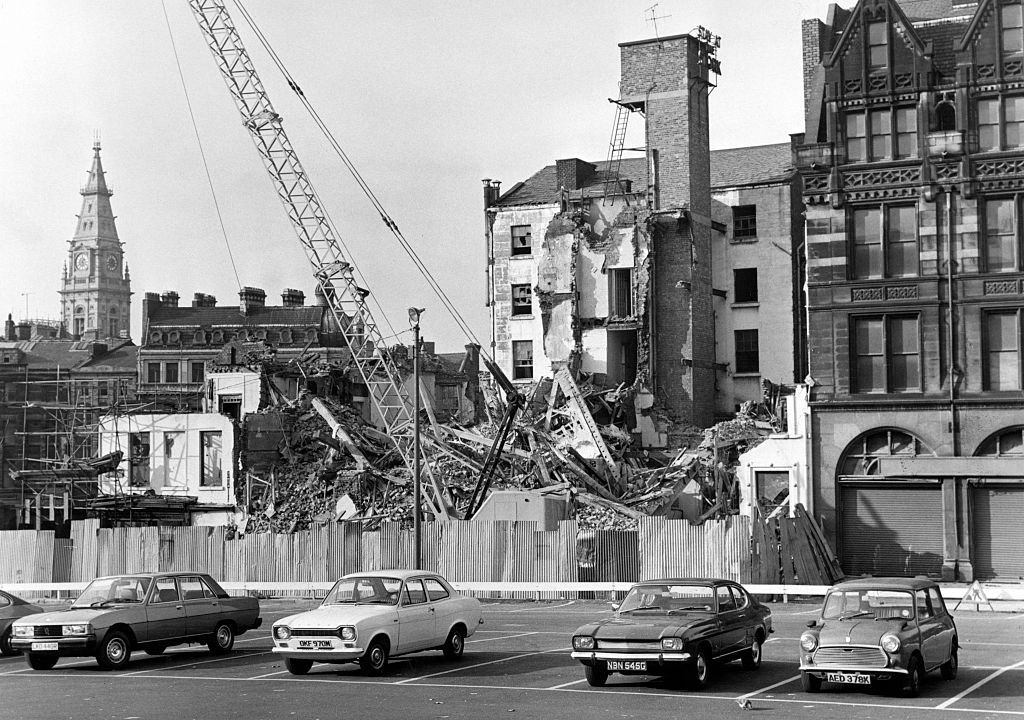
Liverpool in the 1970s was a city under serious pressure. Jobs were disappearing fast as traditional manufacturing industries collapsed, factories shut their doors, and around 12,000 people left the city every single year. By some estimates, 15% of Liverpool’s land sat vacant or derelict — a stark sign of how deeply the economic decline had cut. The fall of British manufacturing nationwide hit Liverpool especially hard, given how much of the city’s workforce depended on it.
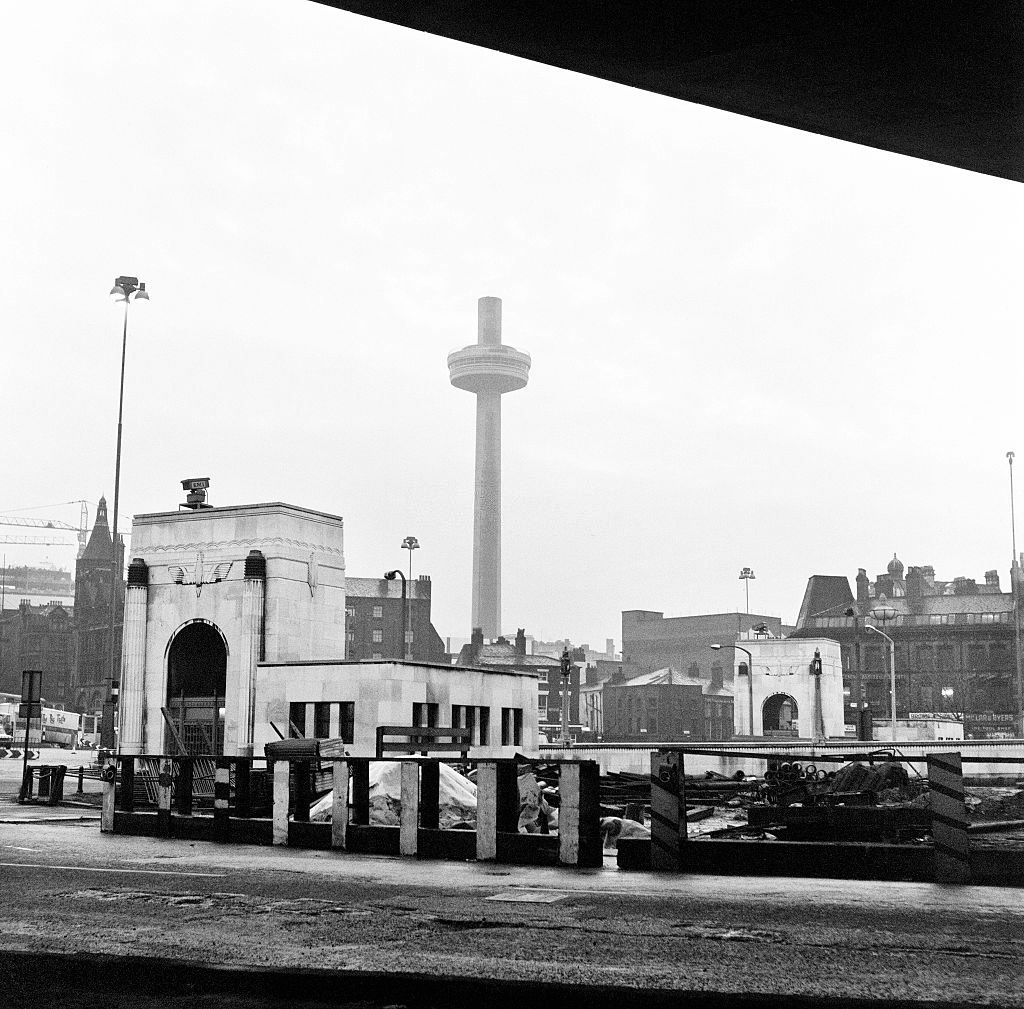
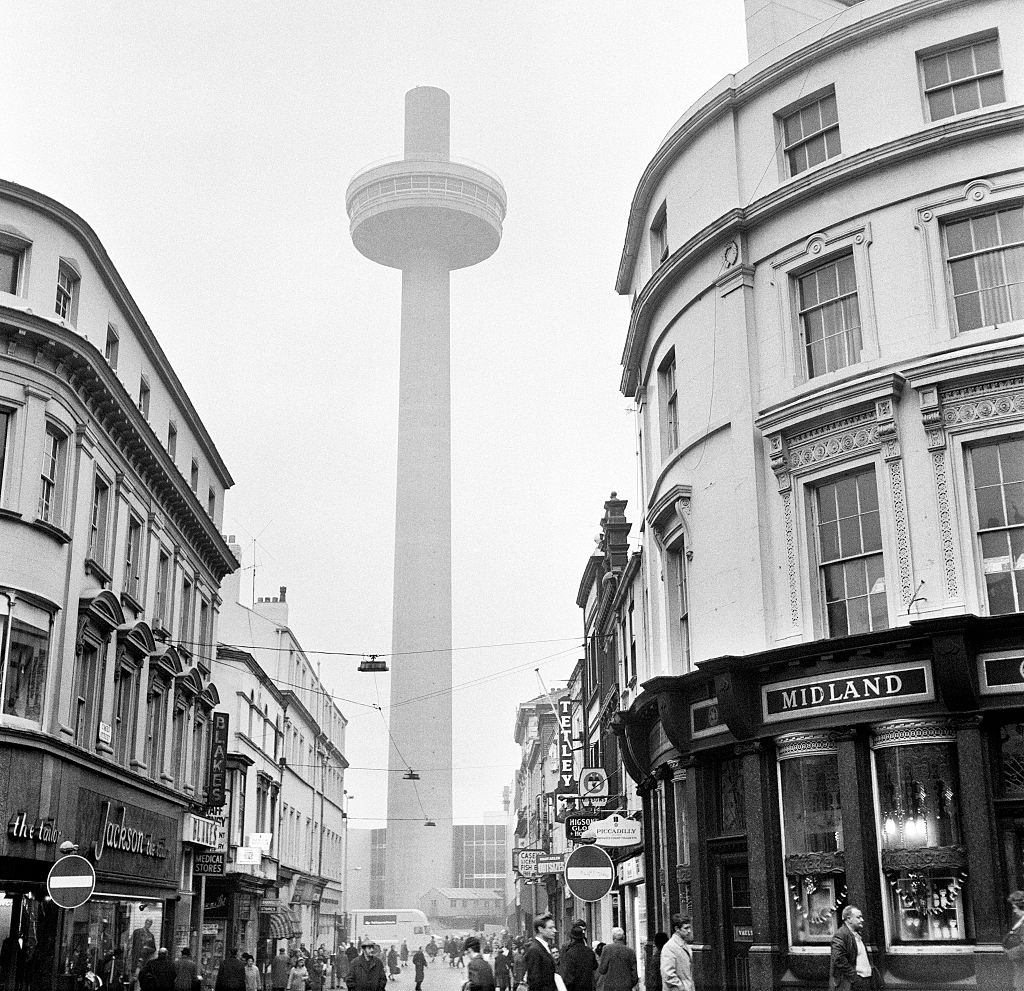
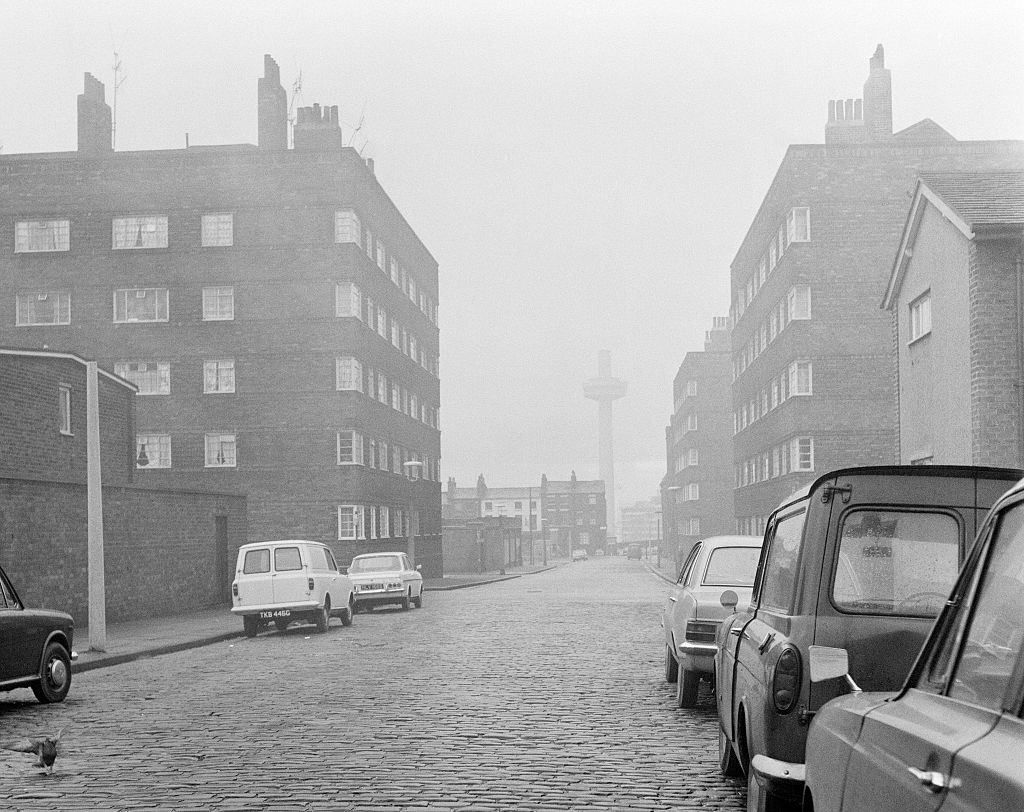
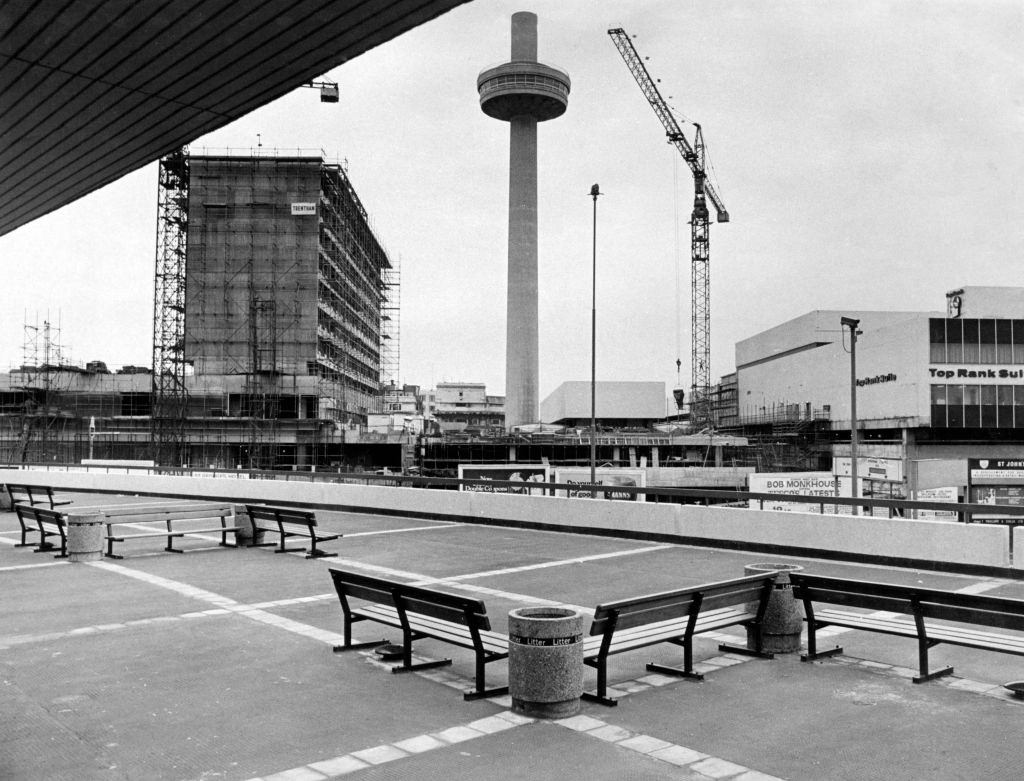
Standing tall above all of it was the Radio City Tower — officially known as St John’s Beacon — which became one of the most recognizable shapes on Liverpool’s skyline during this era. Whether viewed from a rooftop, a busy street, or across the Mersey, the tower appeared constantly in the backdrop of daily city life.
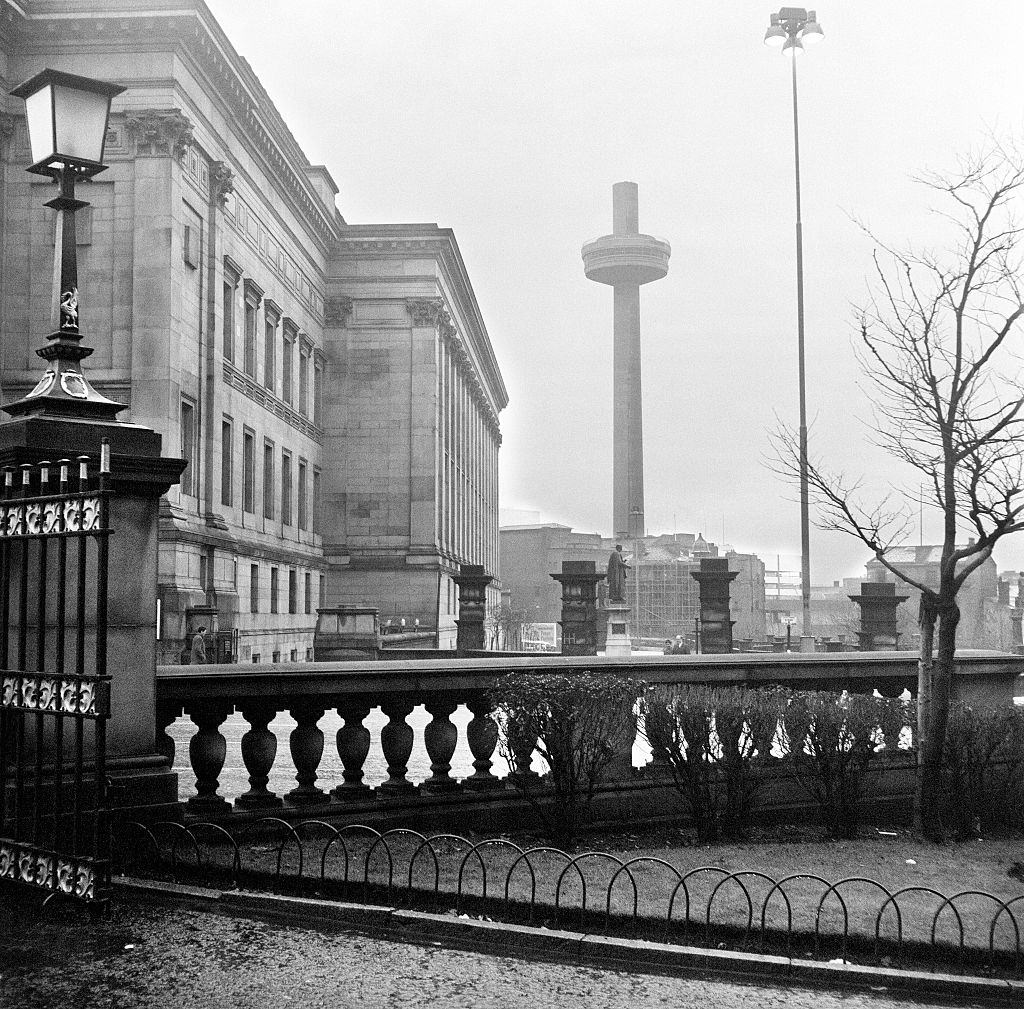
St George’s Hall, one of Liverpool’s most celebrated Victorian buildings, remained a proud landmark even as the city struggled around it. The contrast between grand civic architecture and surrounding decay captured the contradictions of the decade perfectly. Not everything in the 1970s was bleak, though. Liverpool was formally established as a metropolitan district within the newly created county of Merseyside — a significant administrative change that reshaped how the city was governed.
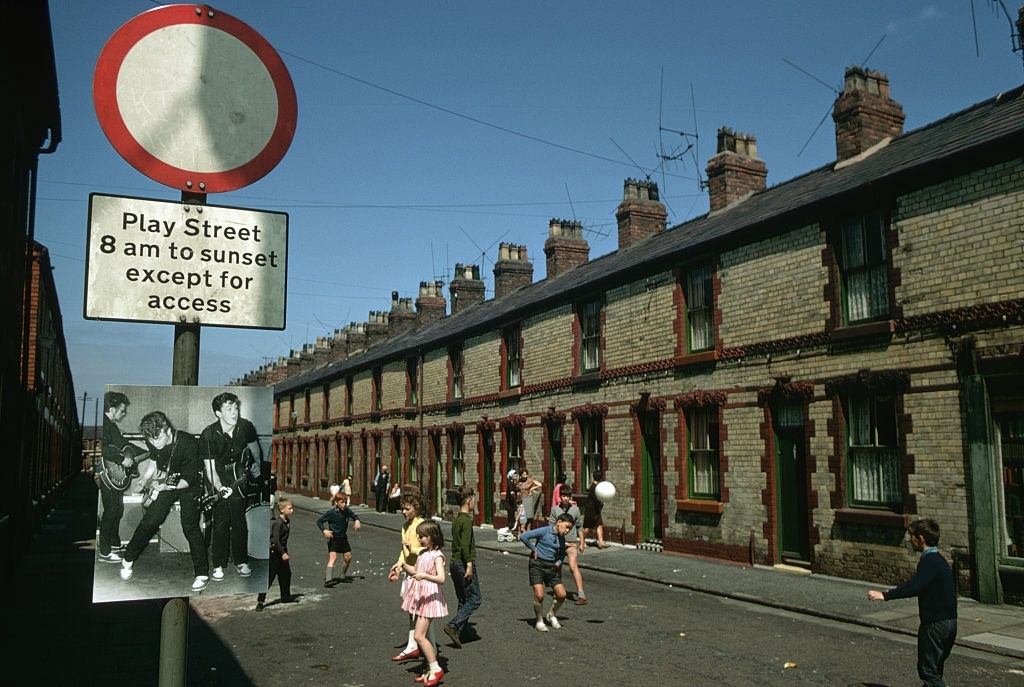
The Beatles had broken up by 1970, but their presence still lingered on Liverpool’s streets. A small poster tucked onto a traffic sign — the kind marking a street reserved for playing children during the day — summed up how deeply the band had become part of the city’s identity, even informally.
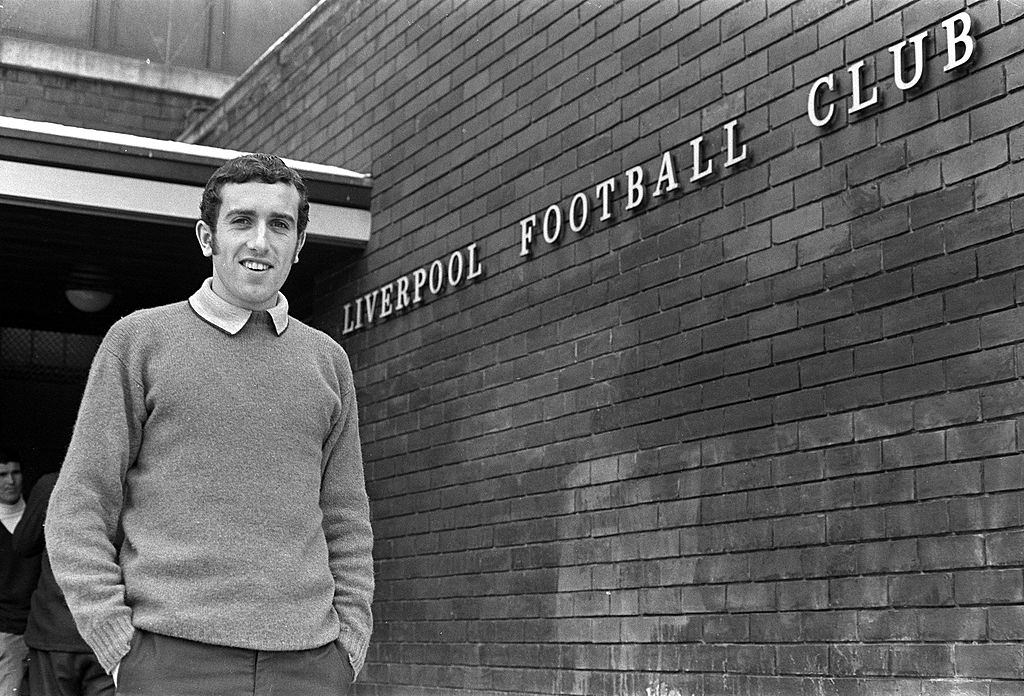
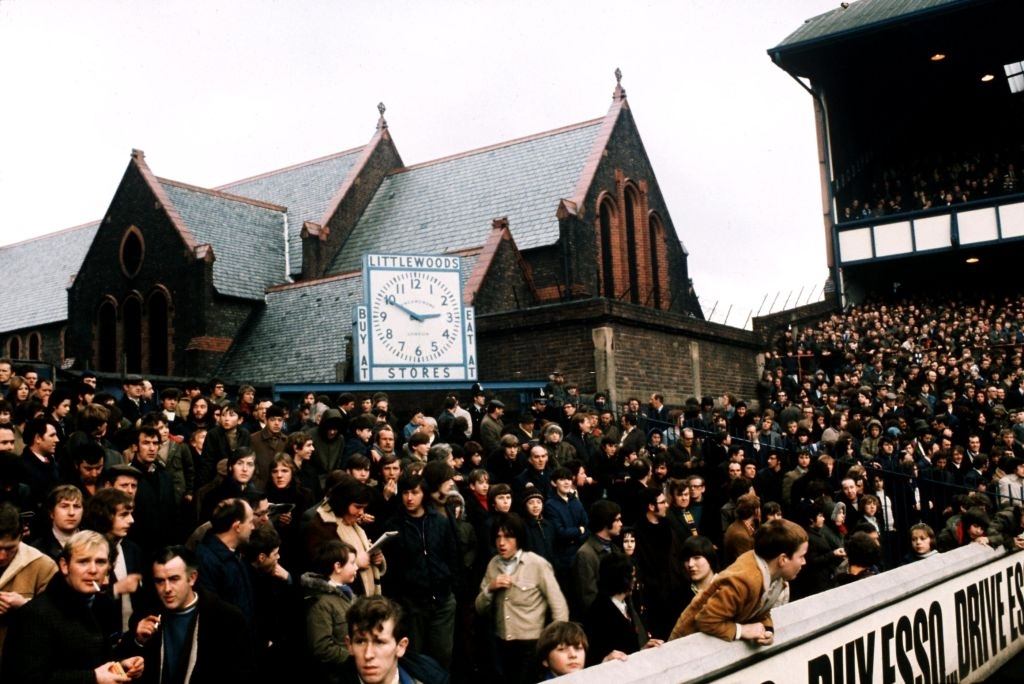
Football remained central to life in Liverpool throughout the decade. Anfield was a constant reference point for the city’s pride, and figures like Doug Livermore were recognizable faces in a community that followed the club closely. The 1971 FA Cup Final drew particular attention, with supporters traveling down to Wembley to cheer on their team.
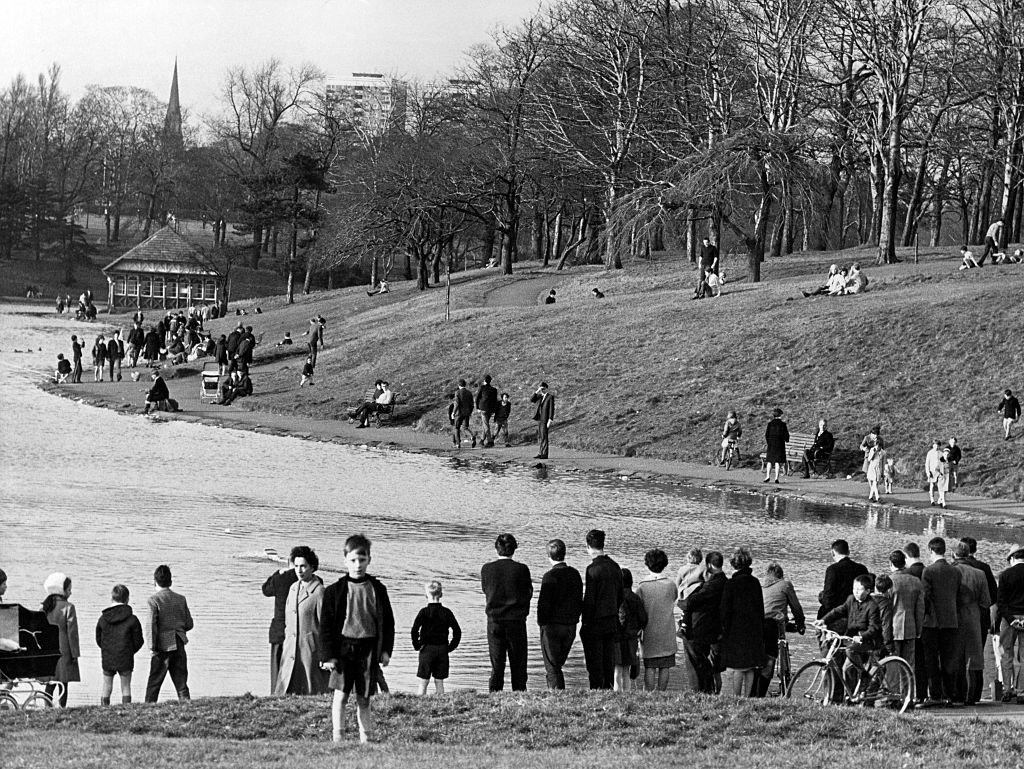
Green spaces like Sefton Park gave residents a place to breathe amid the urban difficulties. The park remained well-used throughout the decade, offering a contrast to the rows of terraced housing and derelict plots spreading across other parts of the city.
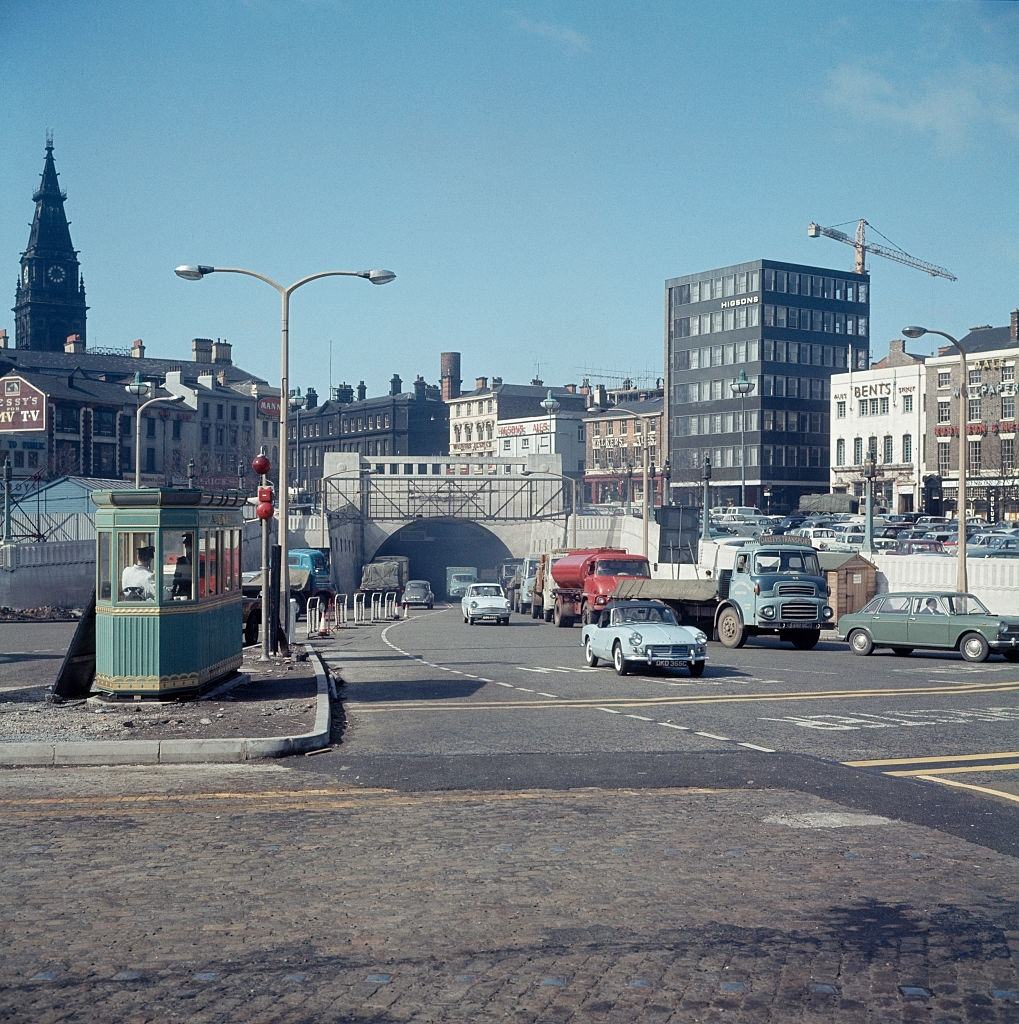
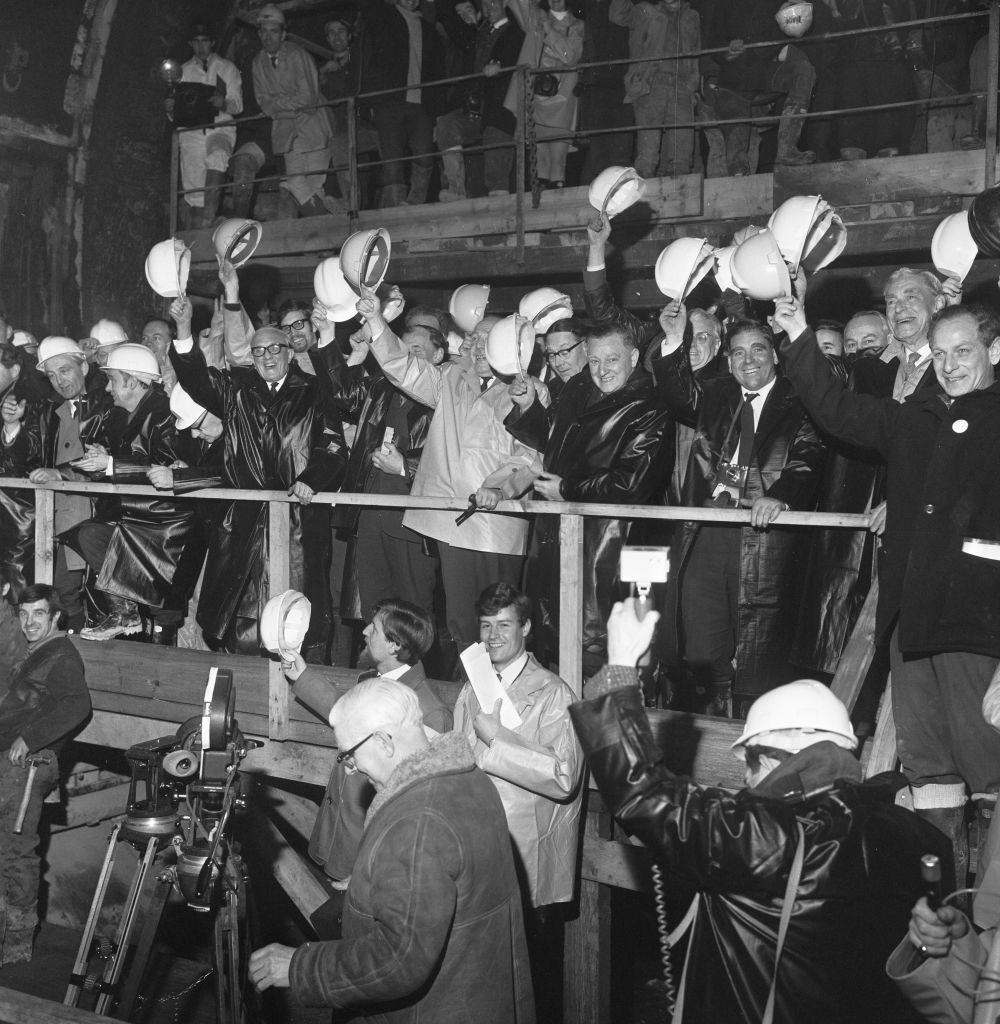
The Queensway Tunnel, running beneath the River Mersey between Liverpool and Birkenhead, handled a steady flow of traffic throughout the 1970s. Beneath the river, engineers were also breaking new ground — literally. Councillors and tunnel officials gathered to mark the breakthrough connecting new tunnel sections from both sides of the Mersey, a moment that captured the city’s ongoing investment in infrastructure even during lean times.
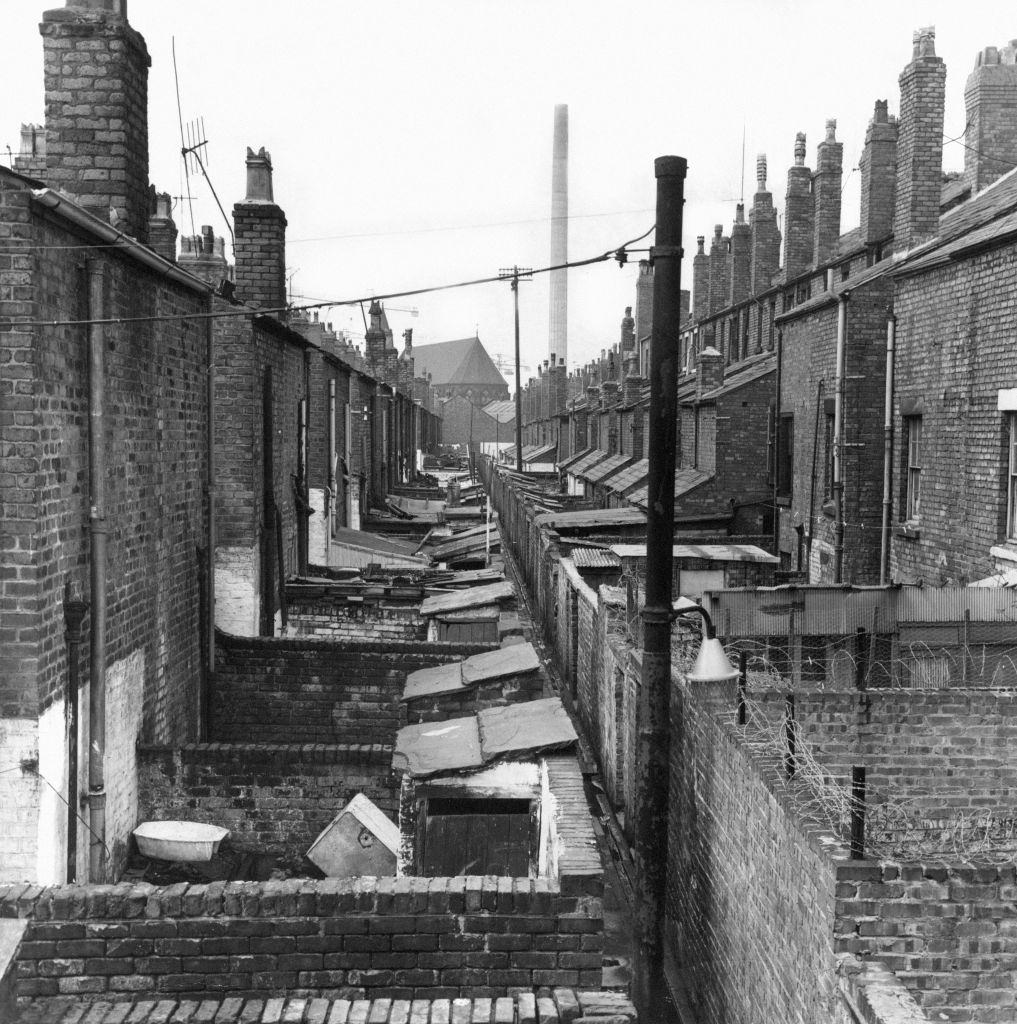
The back alleyways of neighborhoods like Kensington Fields told a quieter story of working-class Liverpool. These narrow passages between terraced homes were a familiar feature of the urban landscape — functional, unglamorous, and entirely ordinary to the people who lived alongside them.
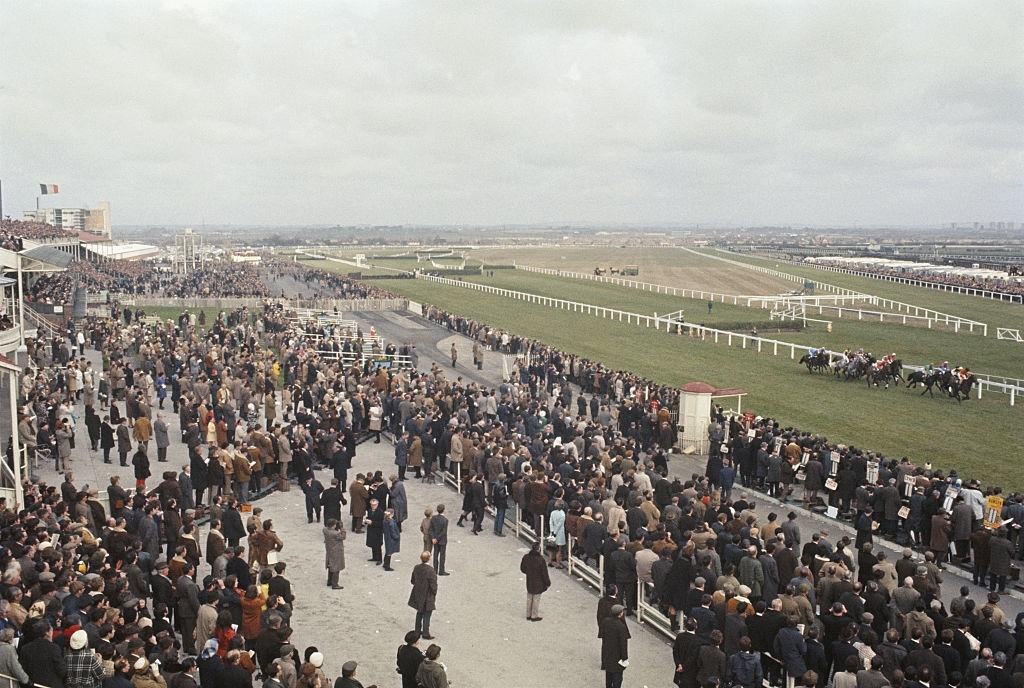
Horse racing at Aintree was one of the great annual events on the Liverpool calendar. The Grand National drew enormous crowds to the grandstand each April, with racegoers filling every available viewing spot to watch one of the world’s most famous steeplechases unfold.
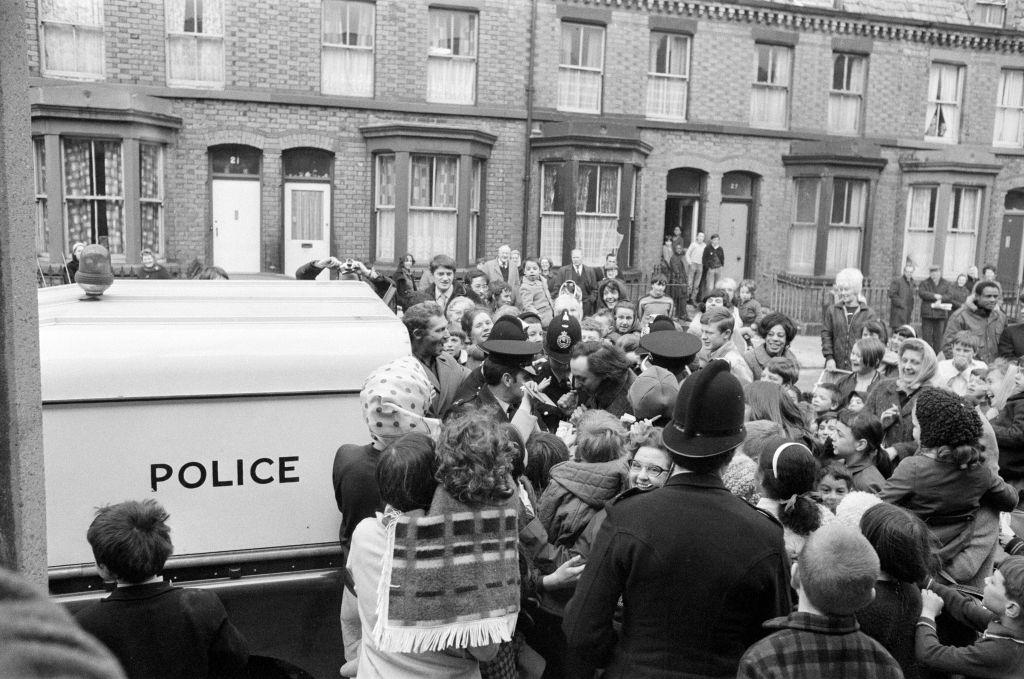
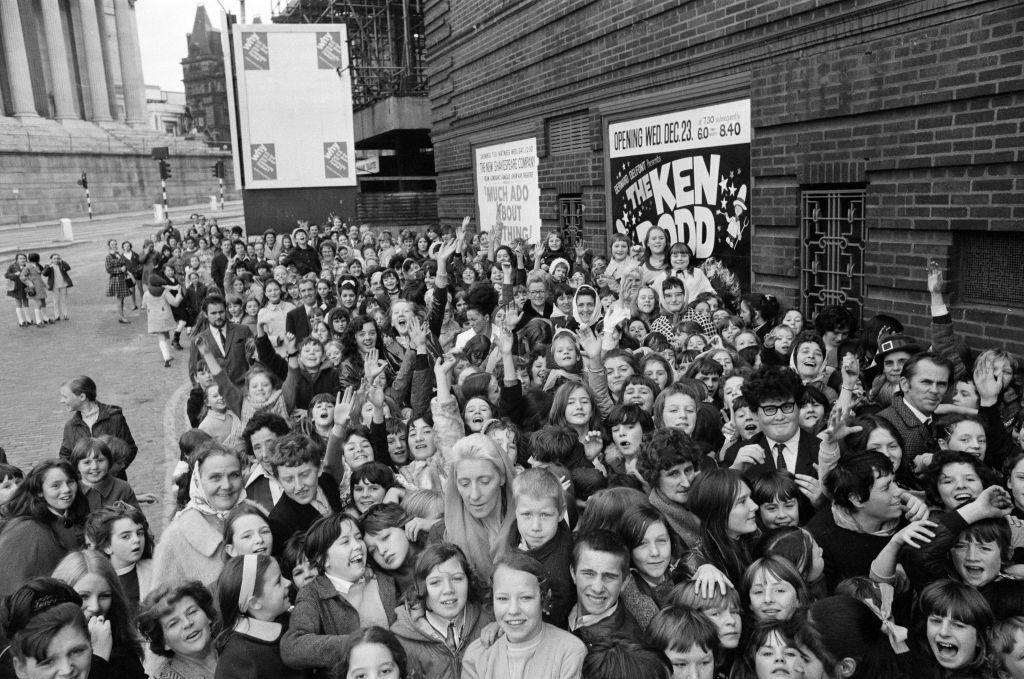
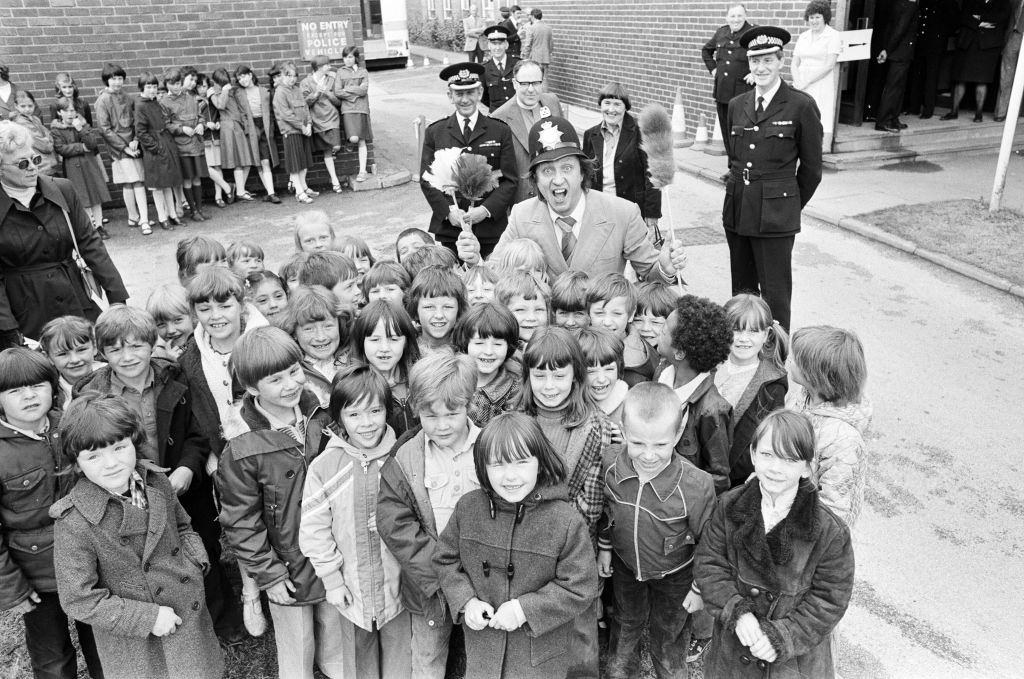
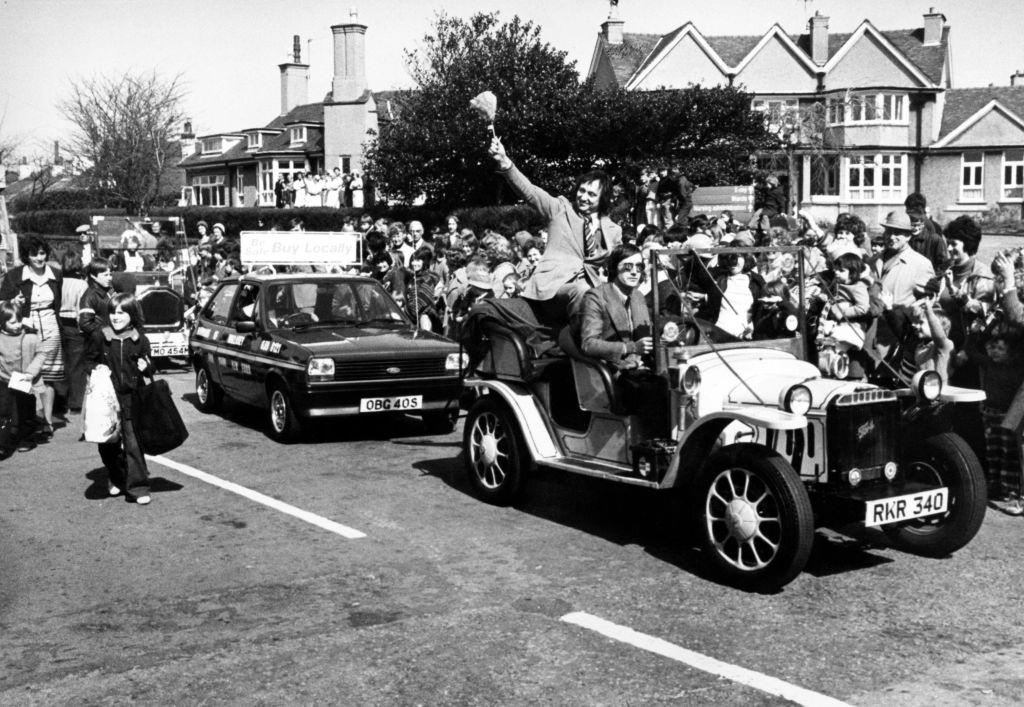
Ken Dodd was a constant presence in Liverpool’s public life during the 1970s. The comedian opened housing in Toxteth, presided over children’s auditions at the Royal Court Theatre for his Christmas show, and later led a parade in Hoylake for Clatterbridge Hospital’s cancer research charity. His connection to the city ran far deeper than his stage persona.
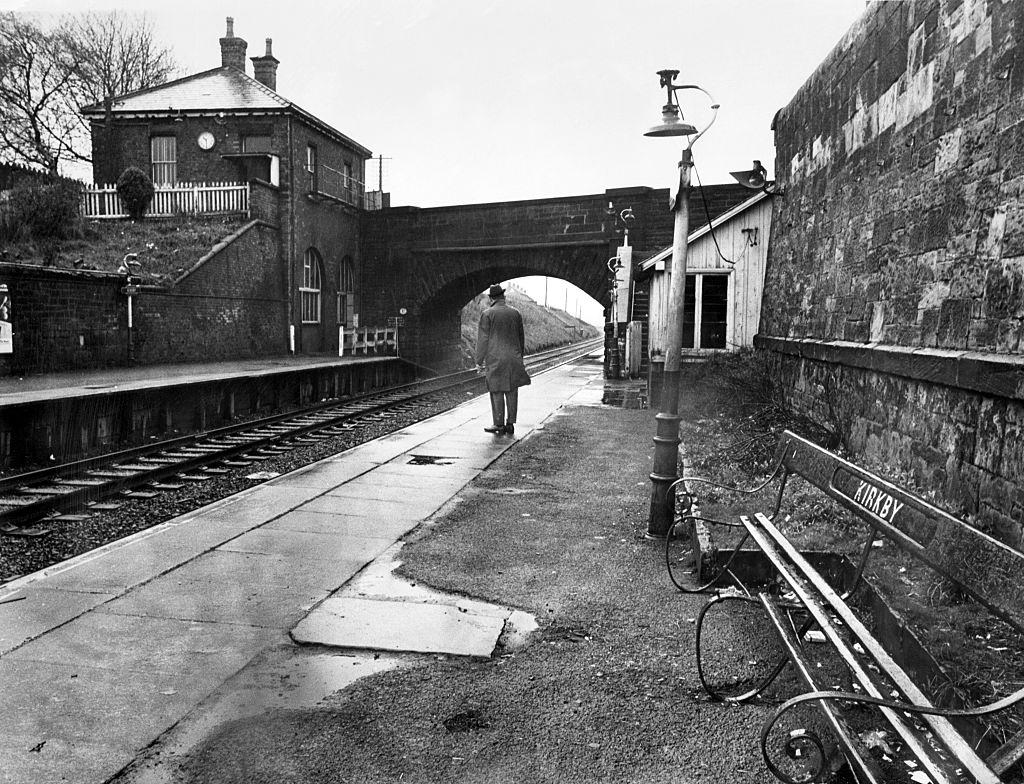
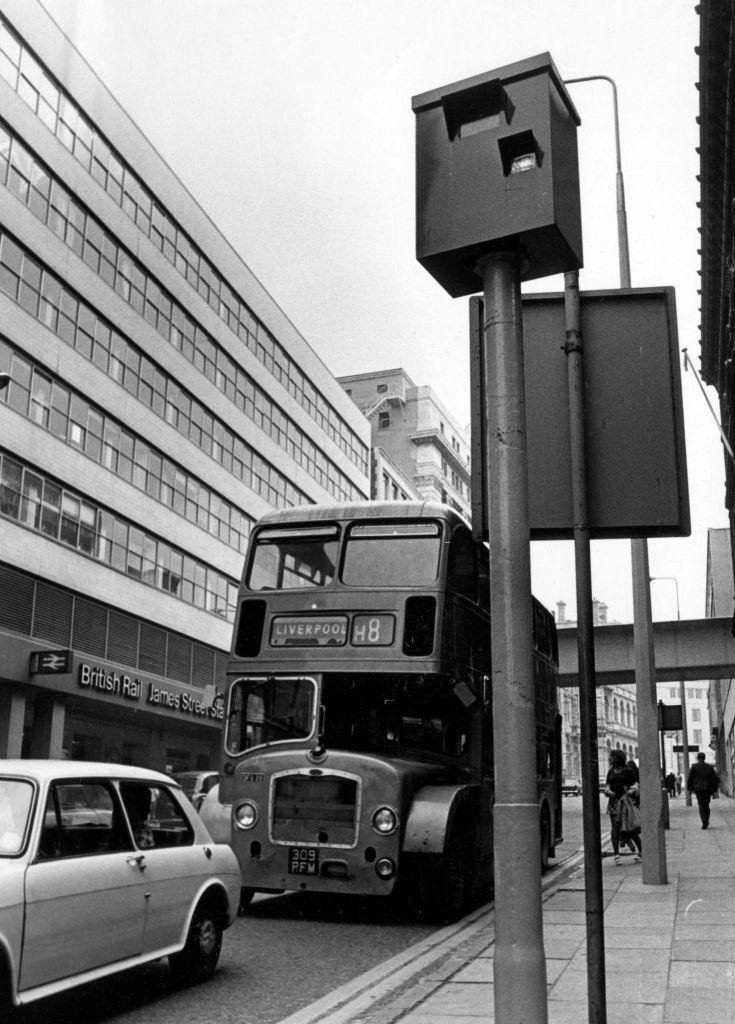
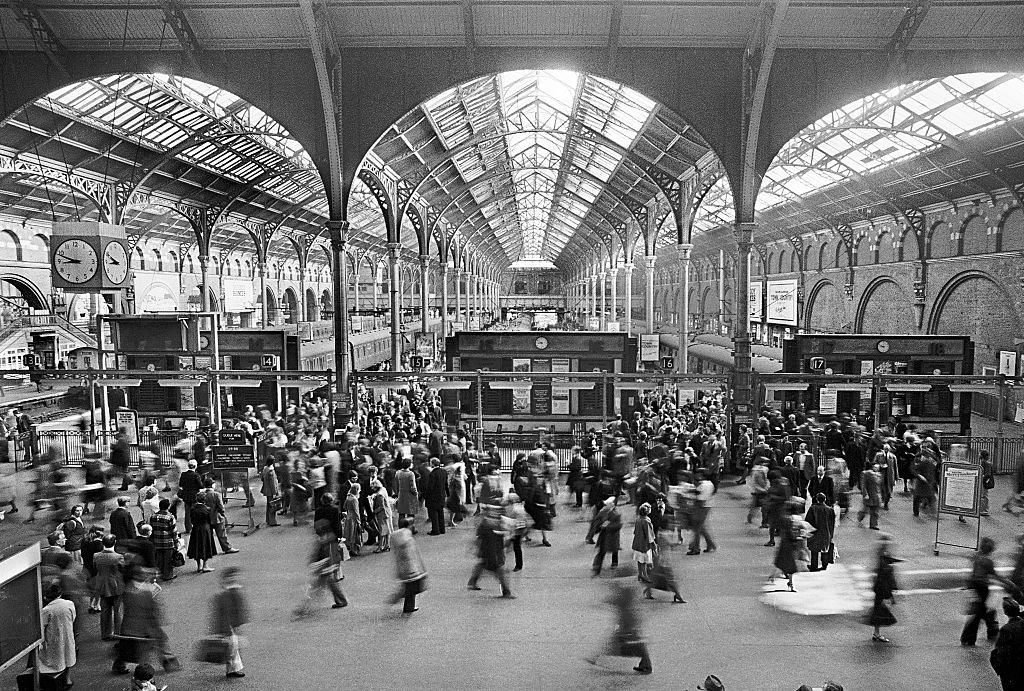
Lime Street Station remained Liverpool’s main rail gateway throughout the decade. Meanwhile, Liverpool Exchange Station — which had served the city for 127 years — closed its doors and was partially converted into a car park, marking the end of a long chapter in the city’s transport history.
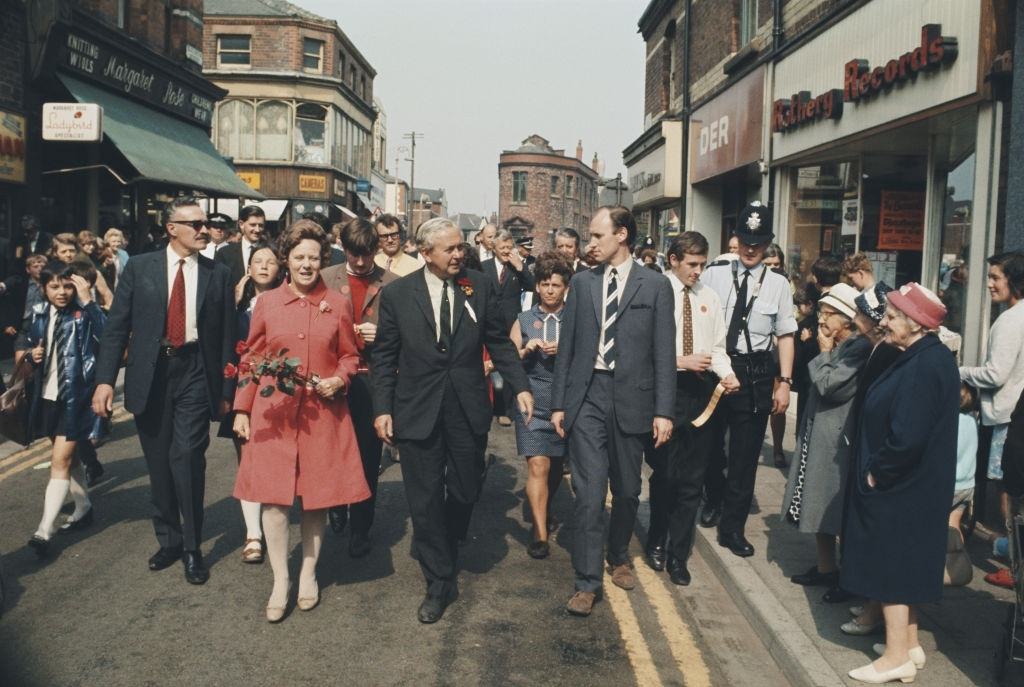
The 1970 General Election brought national politics close to home for Liverpool residents. Harold Wilson, who had strong ties to the north of England, campaigned alongside his wife Mary as the Labour Party sought to hold onto power — ultimately losing to Edward Heath’s Conservatives in a result that surprised many.
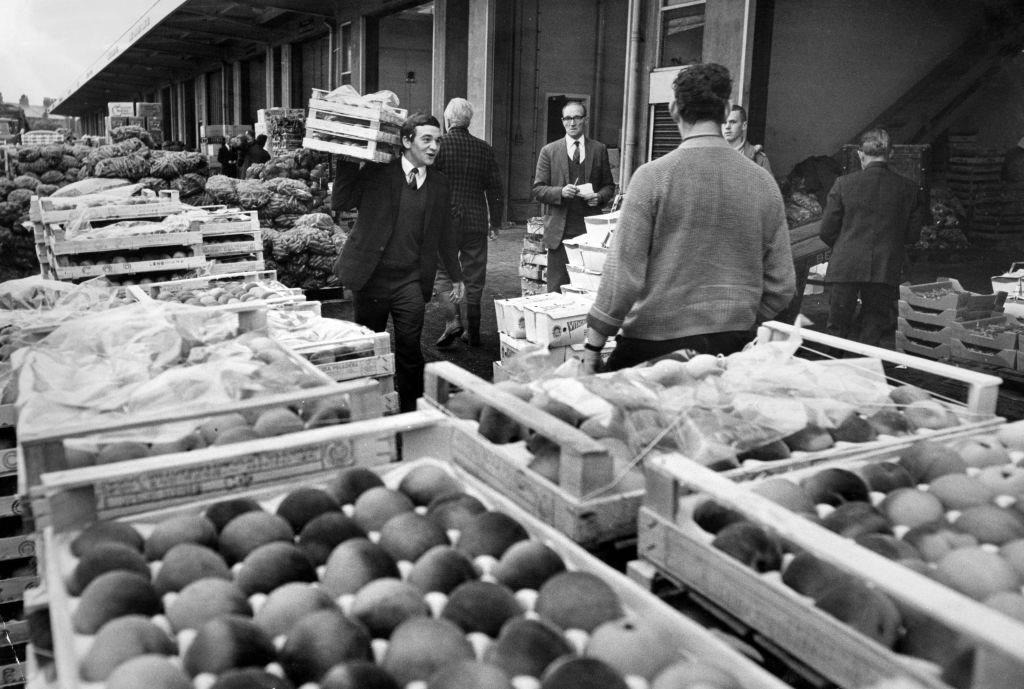
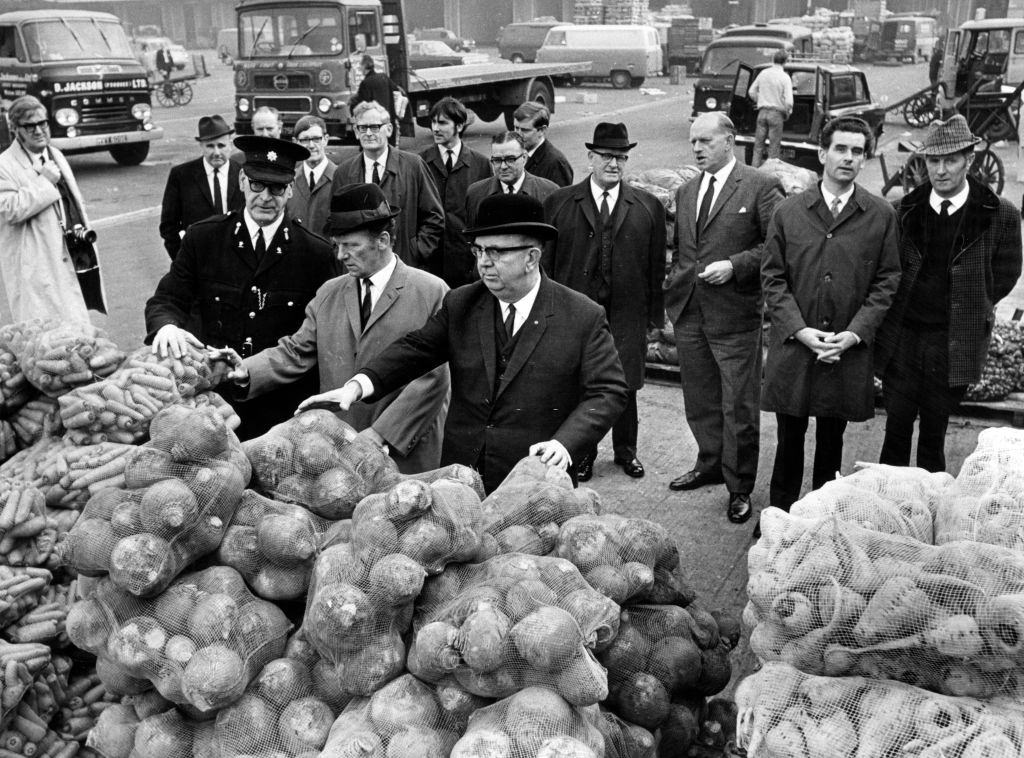
Liverpool’s markets remained active hubs of trade. The Wholesale Fruit Market and the city market both continued operating, with council officials making formal inspection visits to ensure standards were being maintained.
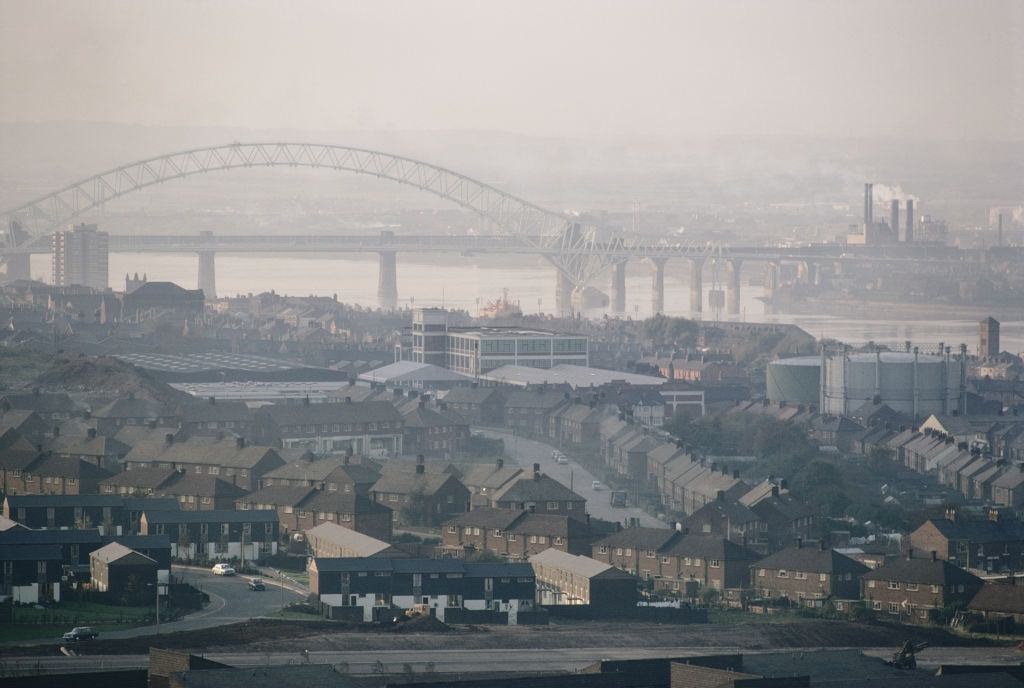
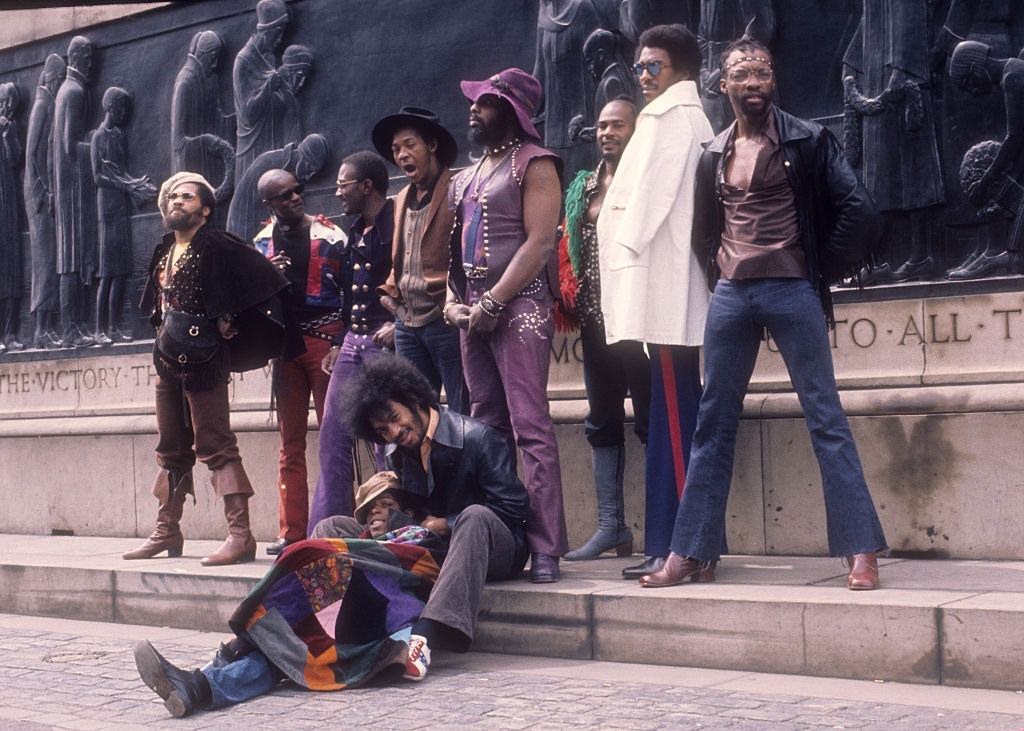
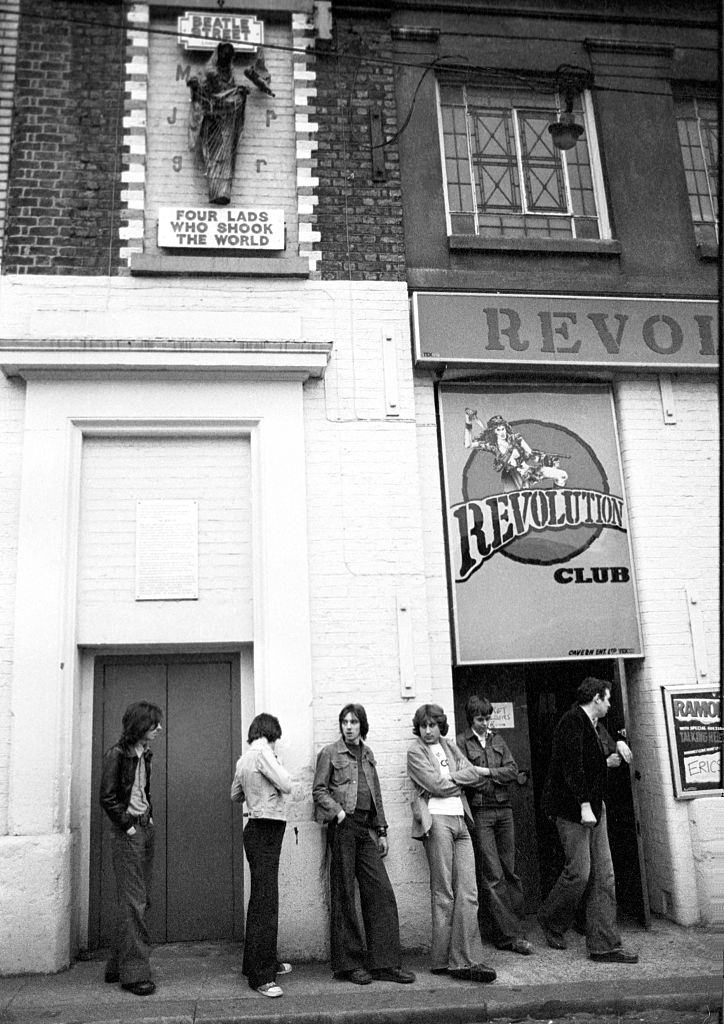
Music was another thread running through Liverpool’s 1970s identity. Parliament-Funkadelic brought their sound to the city, while the punk scene was taking hold by the latter half of the decade. The club Eric’s on Matthew Street — housed in the Revolution Club — became a key venue, and fans queued outside in 1977 to catch the Ramones perform there.
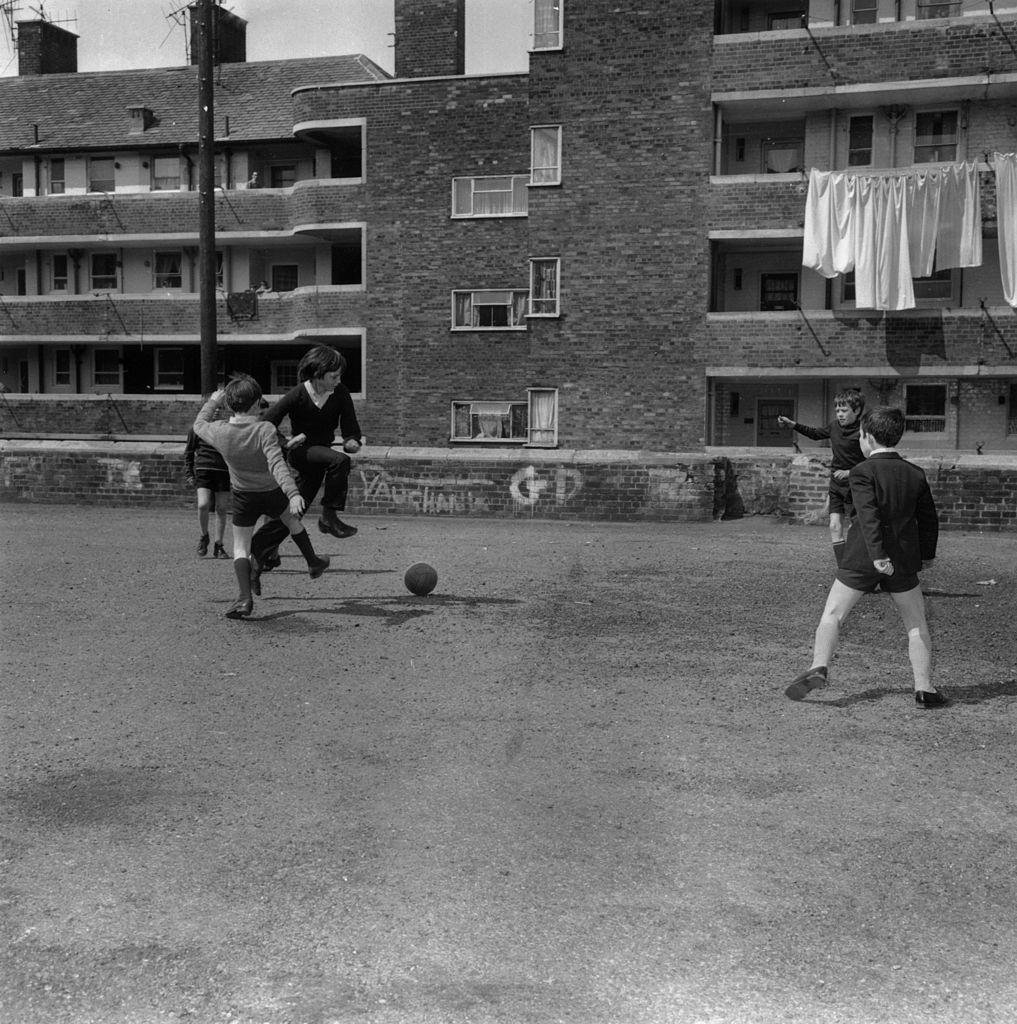
Children across Liverpool’s neighborhoods found their own entertainment wherever they could. In Juvenal Gardens in 1971, a group gathered for an informal game of football — the kind of street-level community life that defined many parts of the city, even as bigger economic forces reshaped it from above.
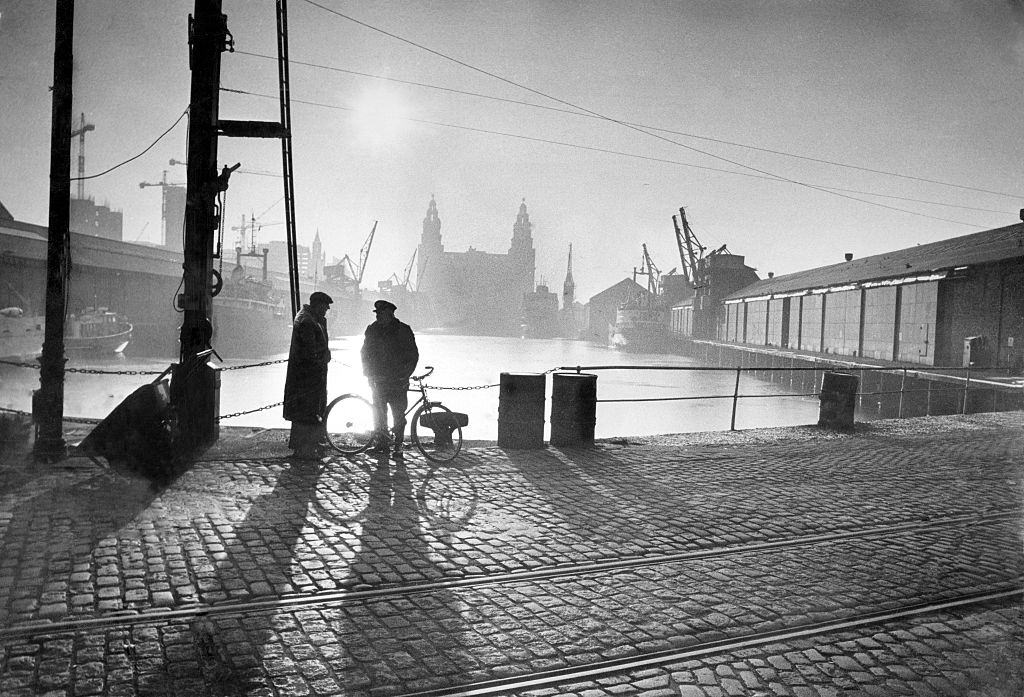
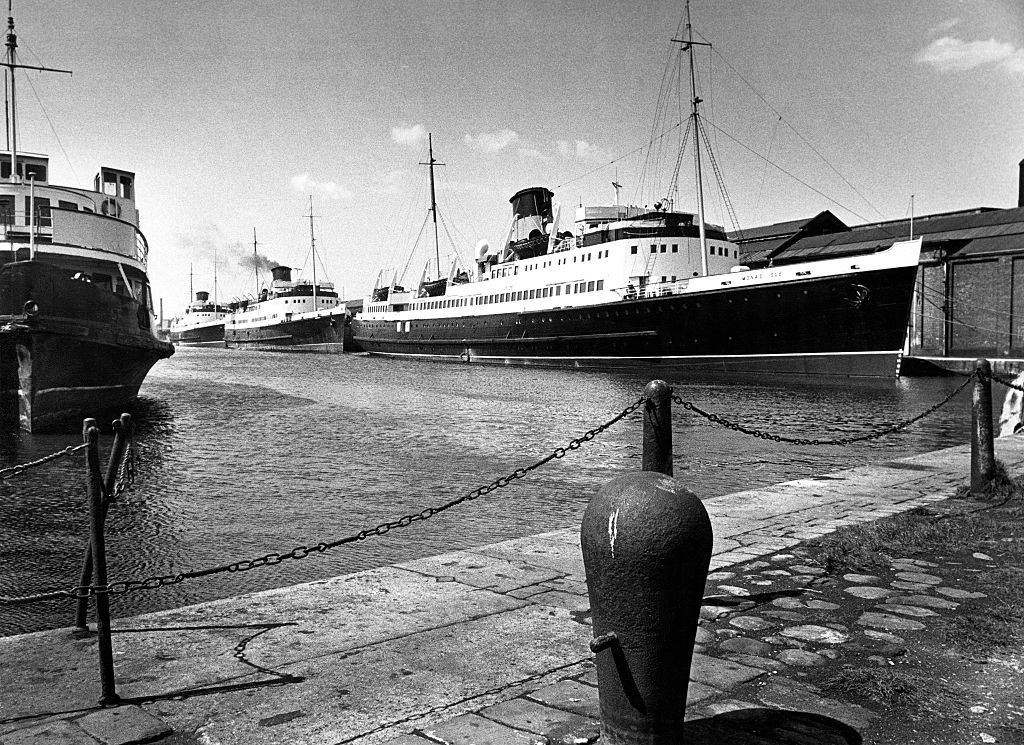
Princes Dock on a cold January morning in 1972 showed a waterfront that was beginning to feel the effects of deindustrialization. The docks that had once made Liverpool one of Britain’s most important ports were becoming quieter, their future uncertain.
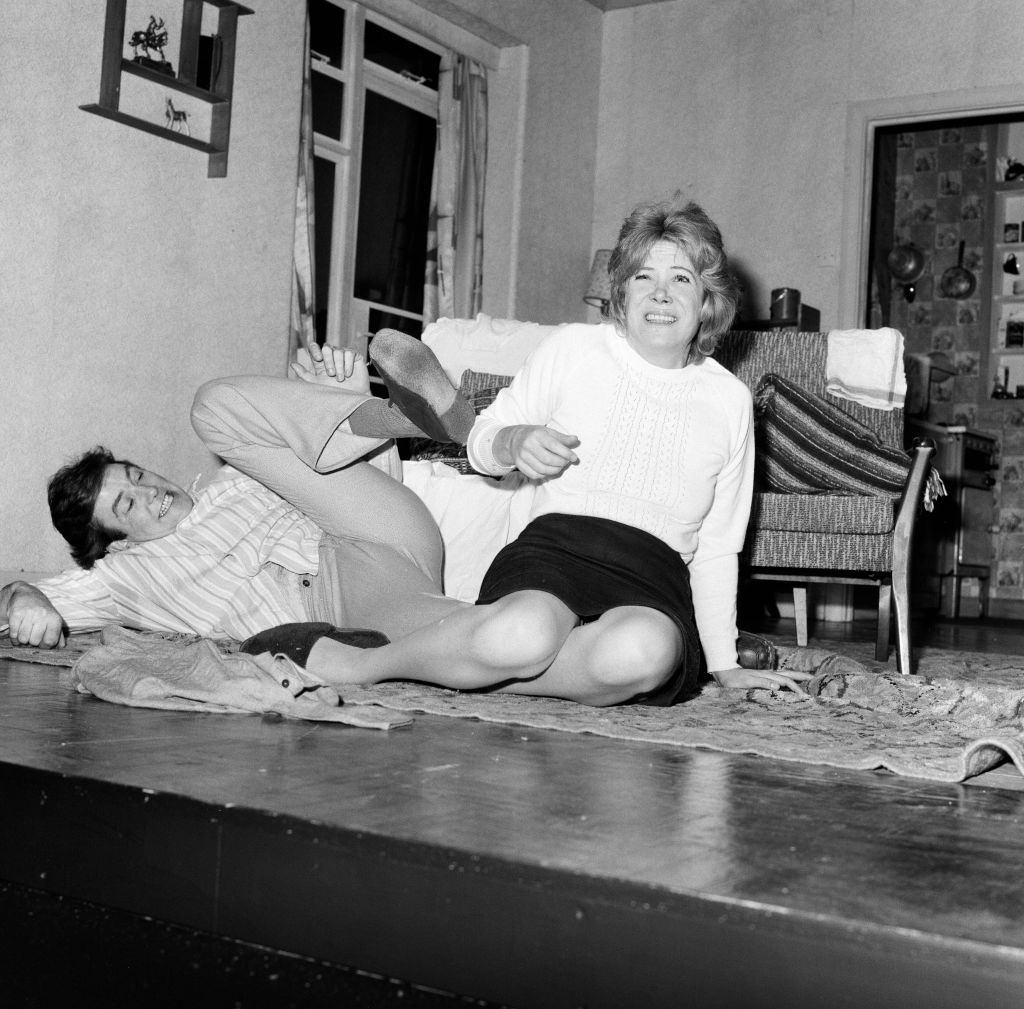
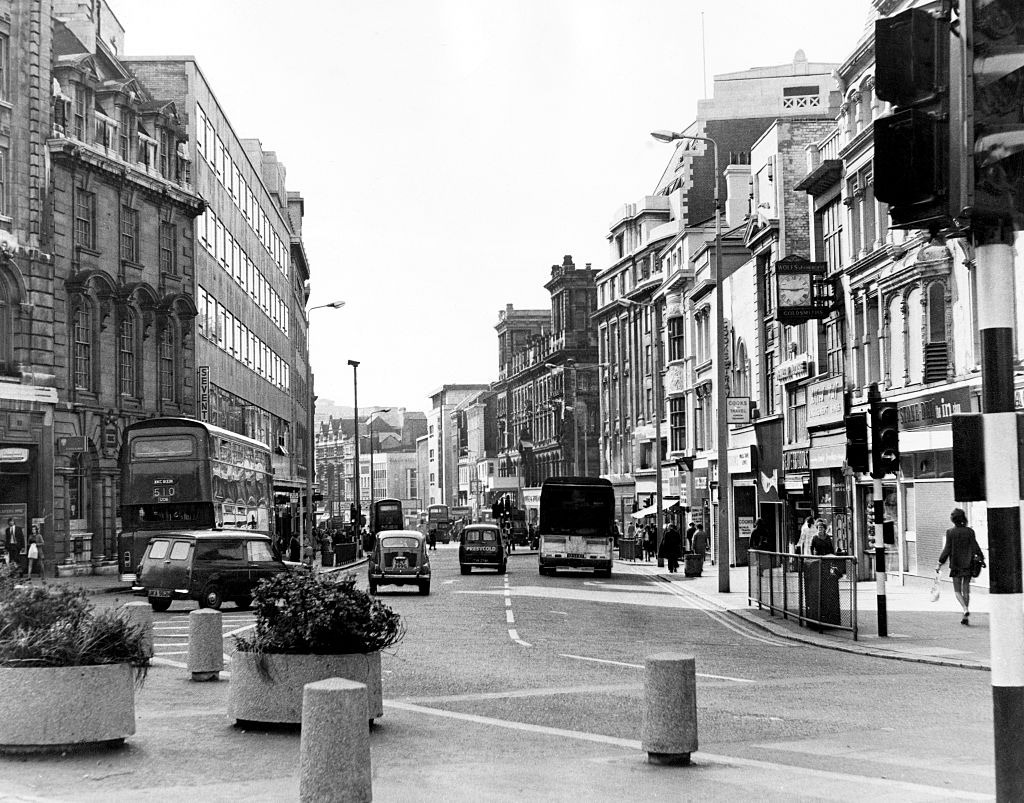
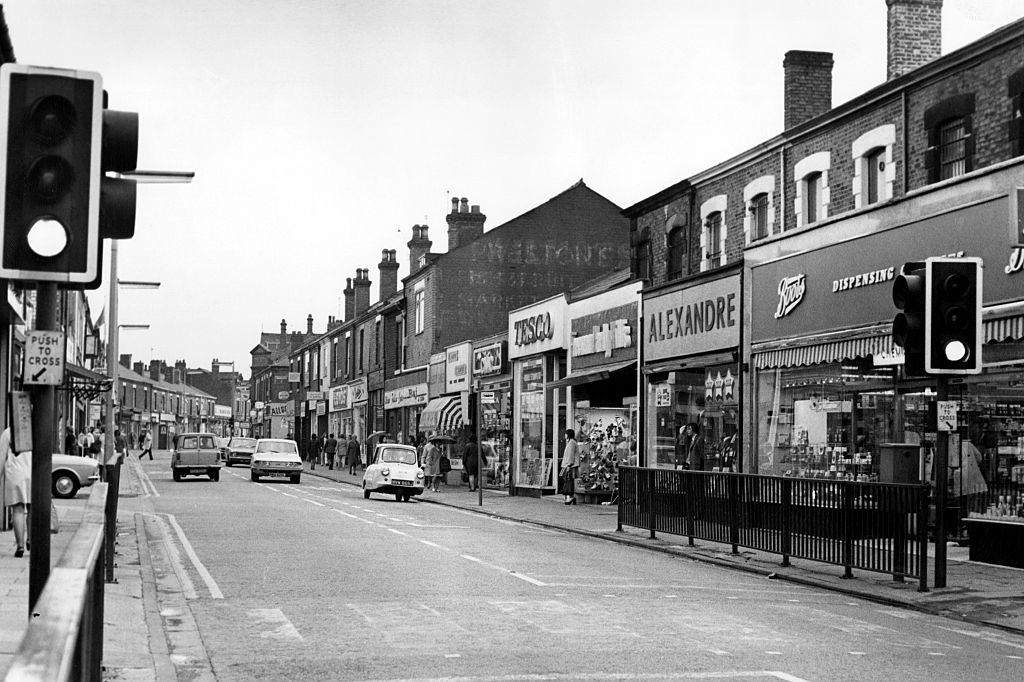
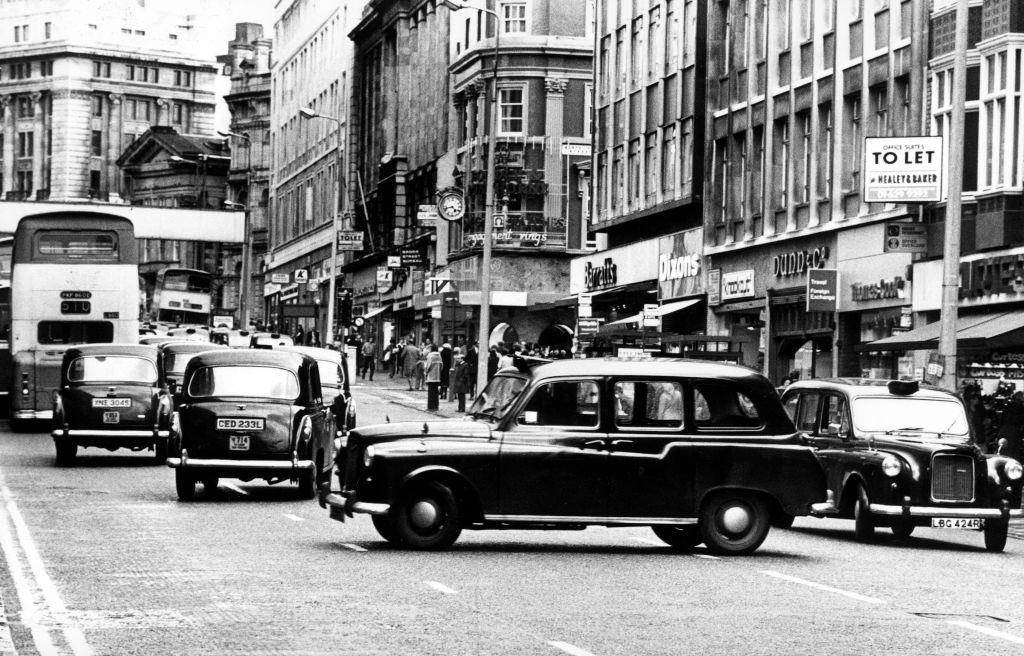
Liverpool attracted its share of notable visitors and cultural figures. Actors Albert Finney and Rachel Roberts were both photographed in the city in 1972, and Church Street — one of Liverpool’s main shopping corridors — remained busy with foot traffic despite the wider economic difficulties.
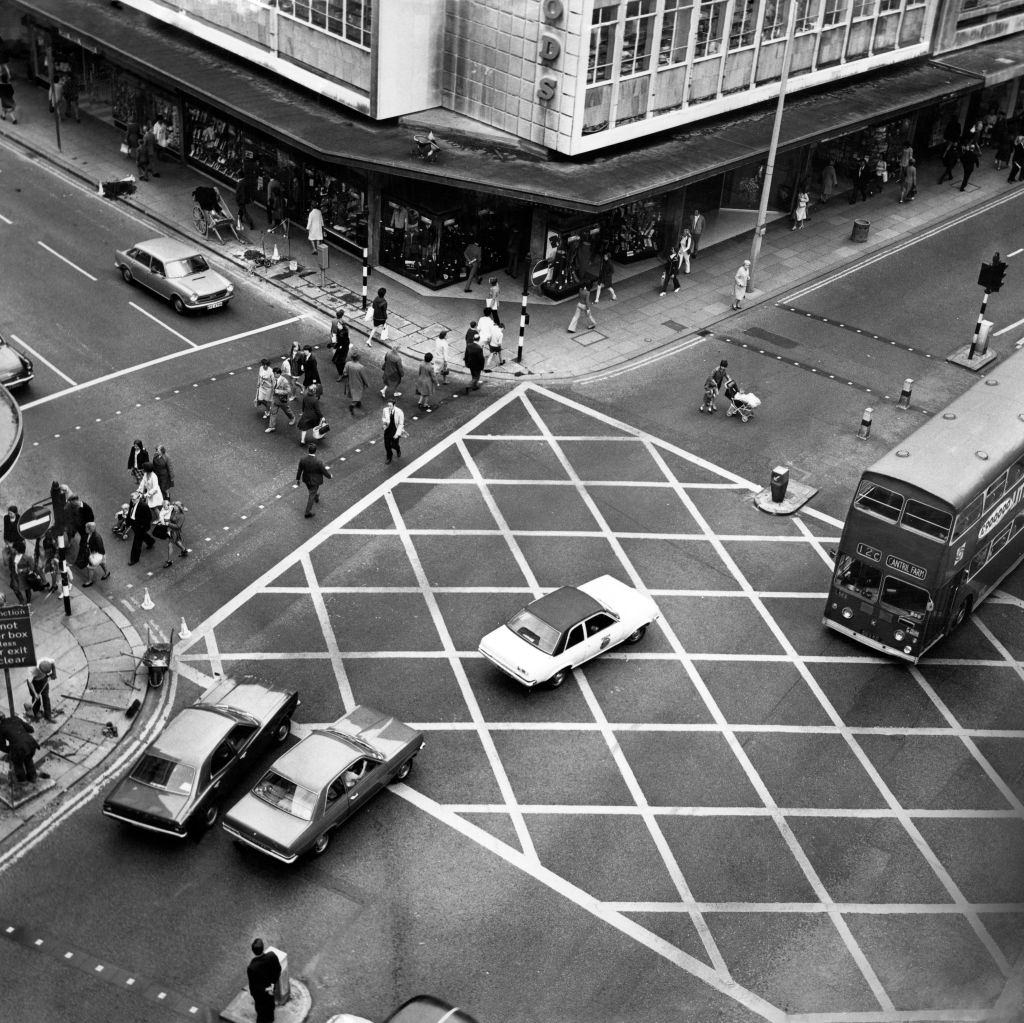
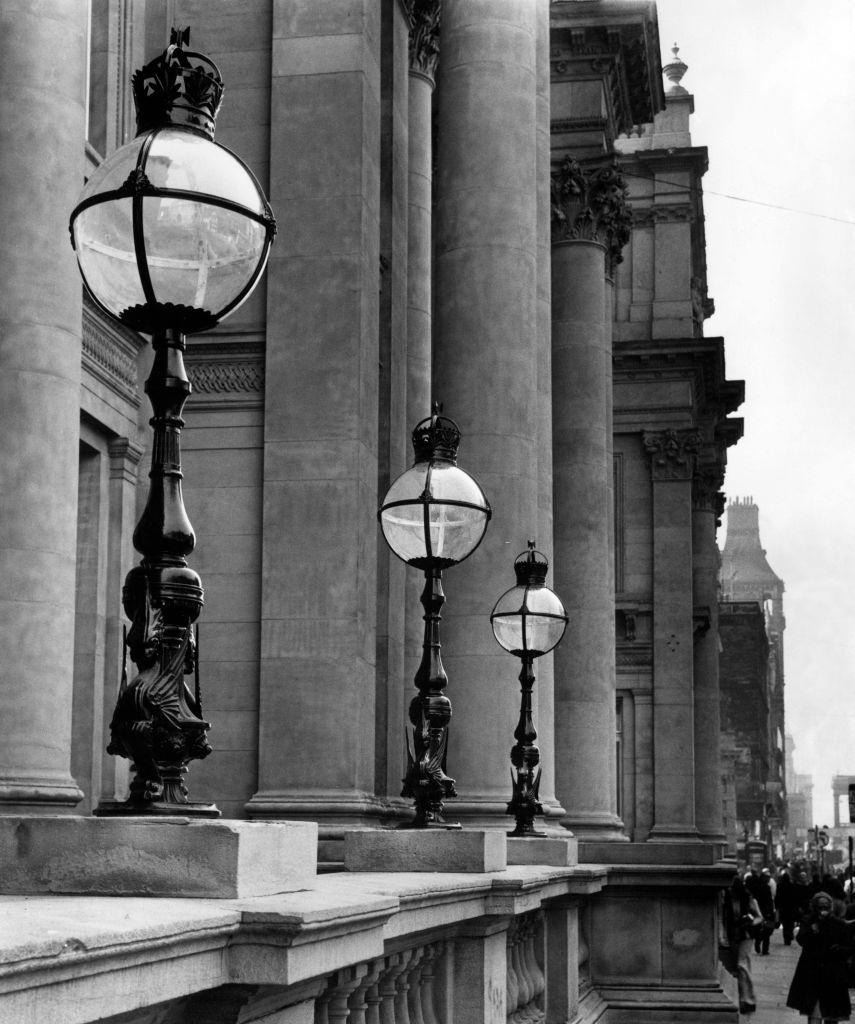
The seeing eye sculpture in James Street and the ornate lamps outside the Municipal Buildings on Dale Street were small but distinctive details that punctuated Liverpool’s streetscape. Amid the closures and dereliction, architectural character still ran through the city’s bones.
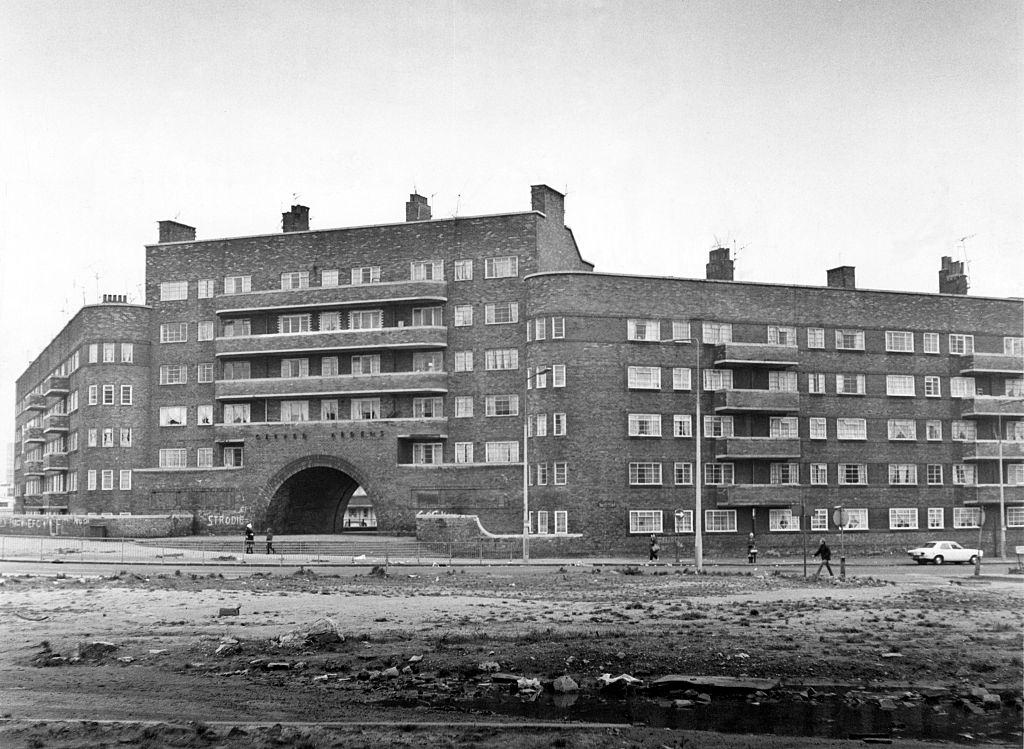
Gerard Gardens was one of several housing developments that shaped how Liverpool’s inner-city residents lived during this period. These large residential blocks were home to thousands of people navigating daily life in a city that was changing rapidly around them.
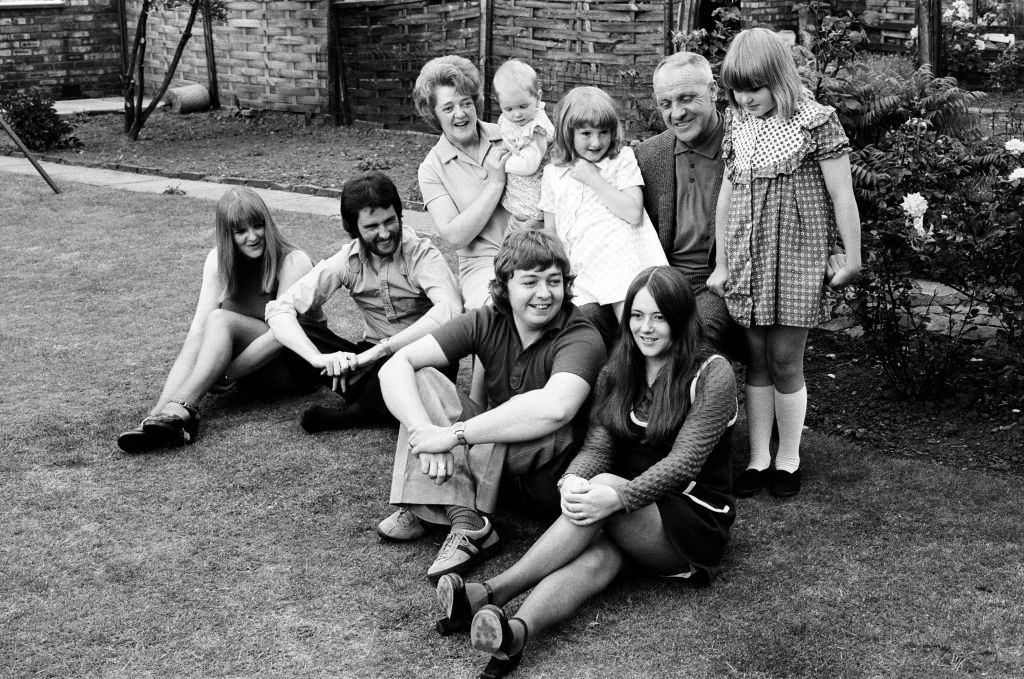
Bill Shankly had stepped down as Liverpool FC manager in 1974 after transforming the club into a major force in English football. A photograph of him relaxing at home with his family that year captured a quieter side of one of the city’s most celebrated figures.
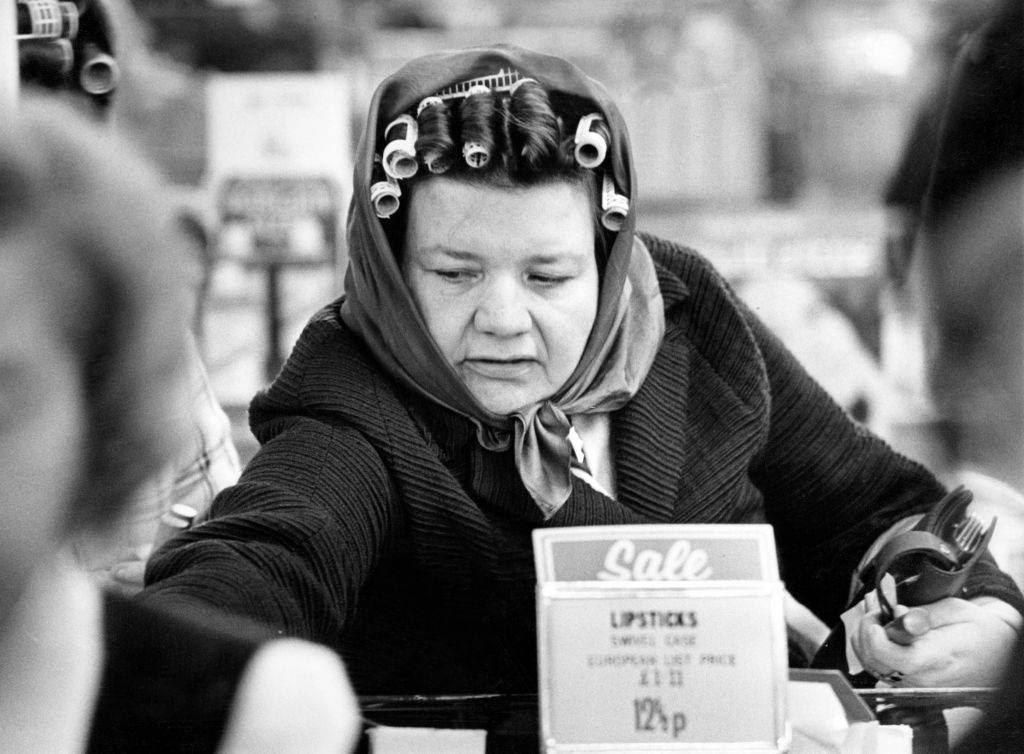
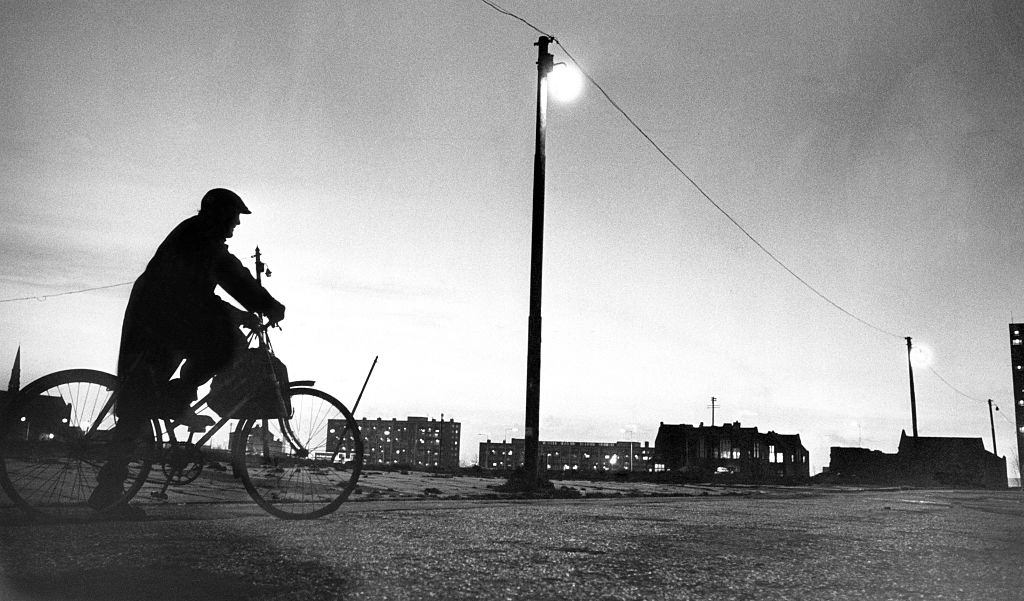
Everyday life carried on. A woman doing her post-Christmas shopping with curlers still in her hair, a cyclist pausing on a stretch of wasteland in Everton, a resident sunbathing in the city centre during the hot summer of 1976 — these moments caught Liverpool’s residents simply getting on with things.
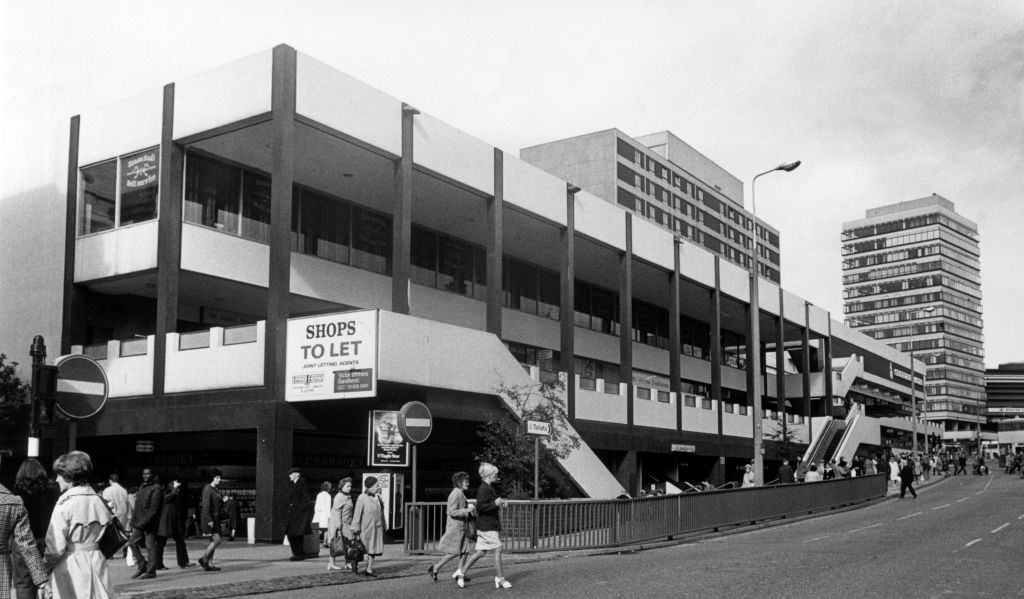
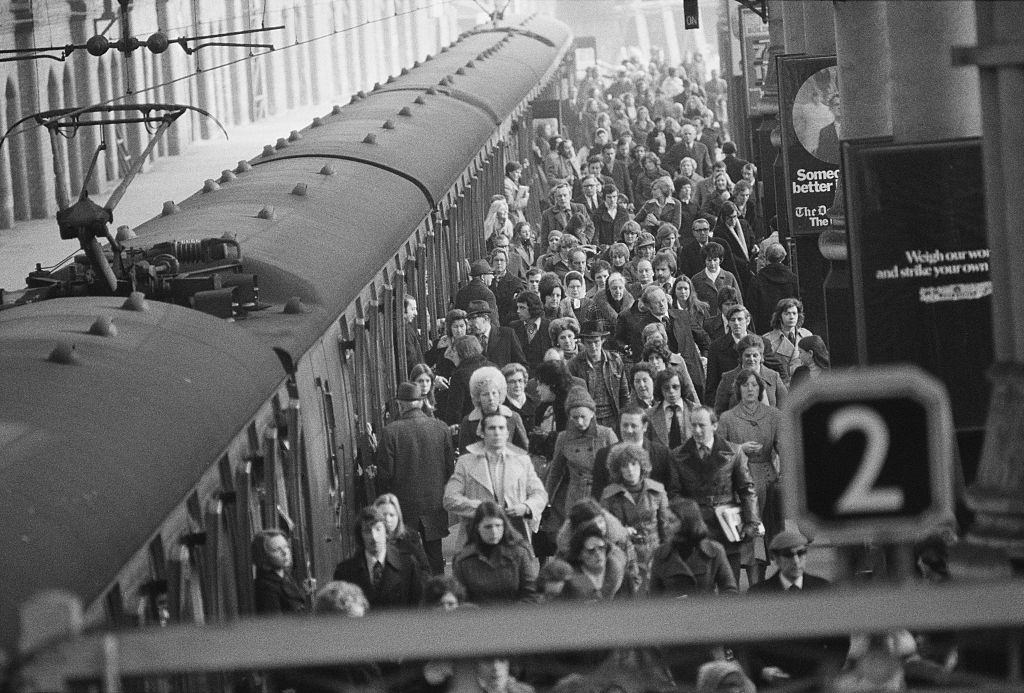
St John’s Shopping Centre served as one of the city’s main retail destinations, sitting at the base of the Radio City Tower. Central Station, also photographed in 1975, remained a key node in Liverpool’s rail network as the city’s transport links continued to evolve.
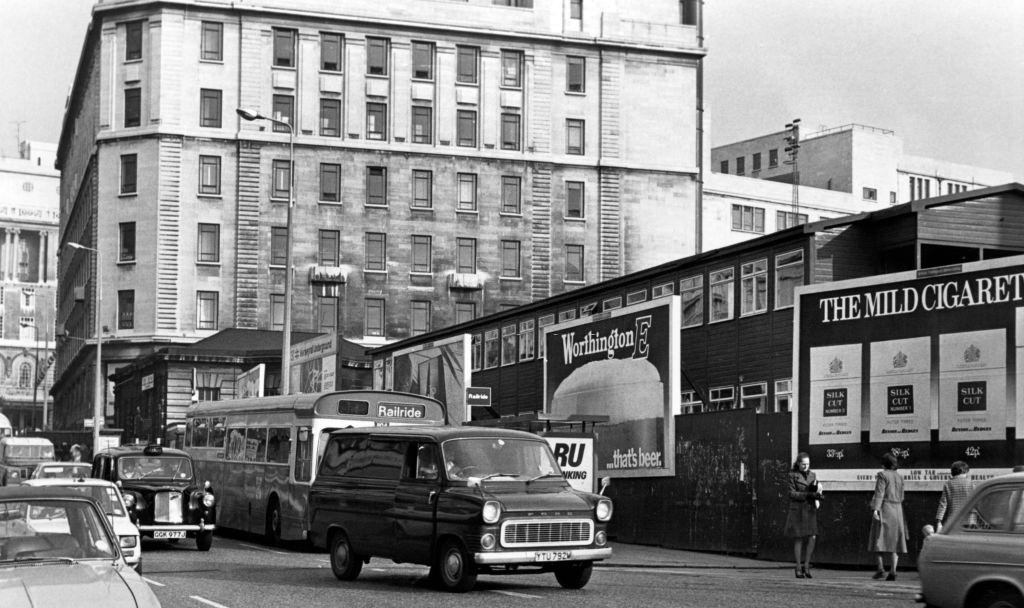
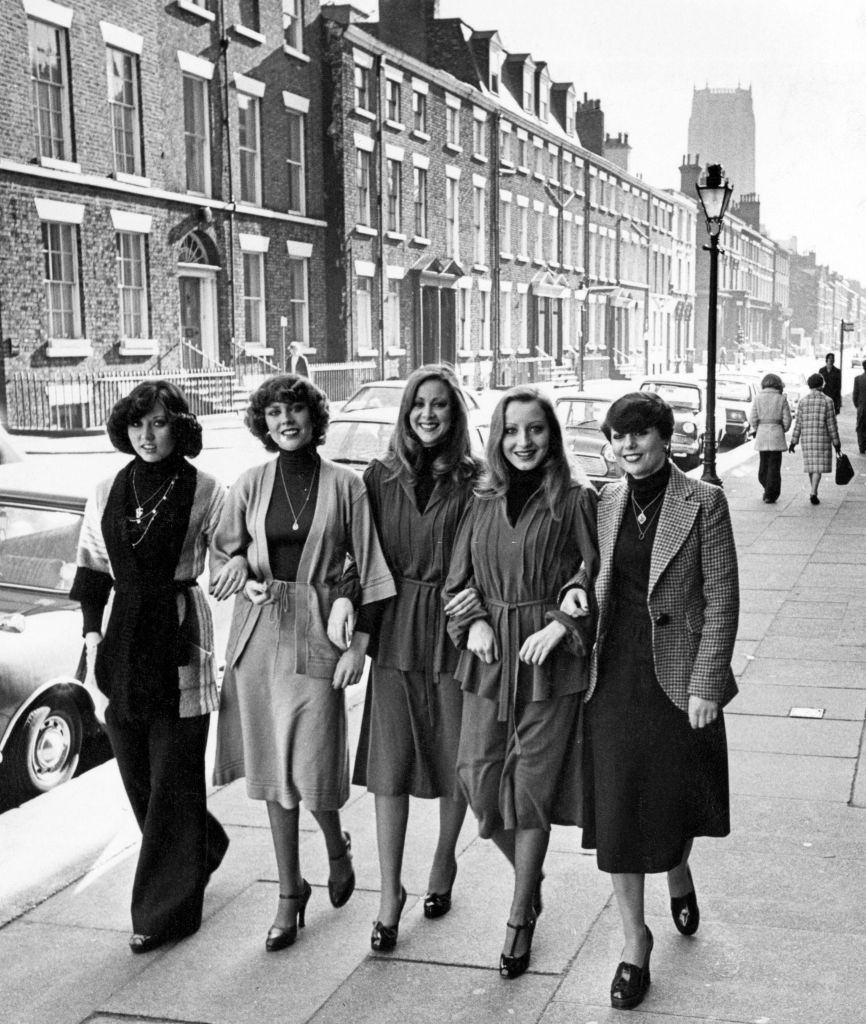
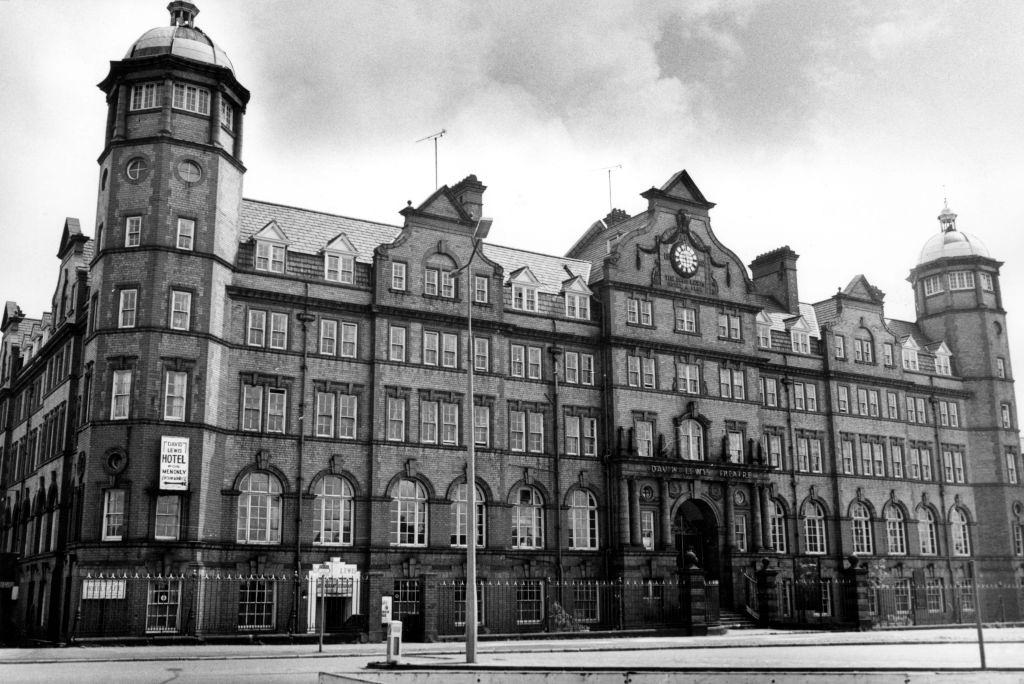
Rodney Street — long associated with Liverpool’s medical and professional community — saw new faces arrive in 1976. Demolition was also underway elsewhere in the city: the Stork Hotel in Queen Square came down that same year, erasing another piece of Liverpool’s older built environment.
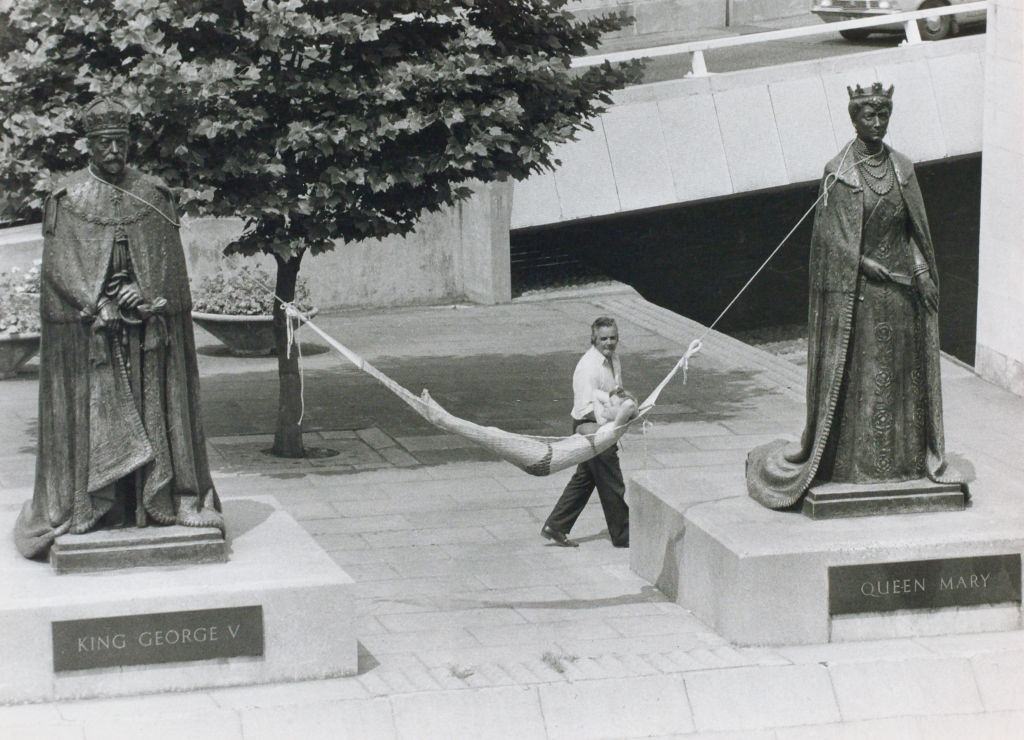
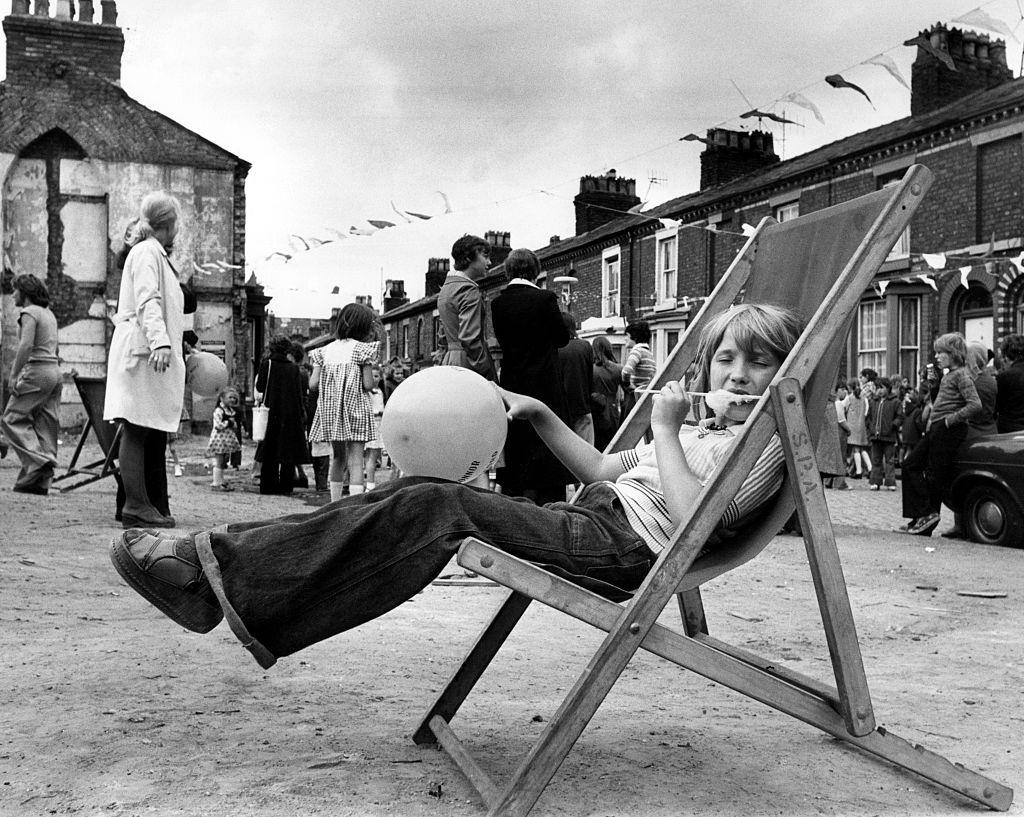
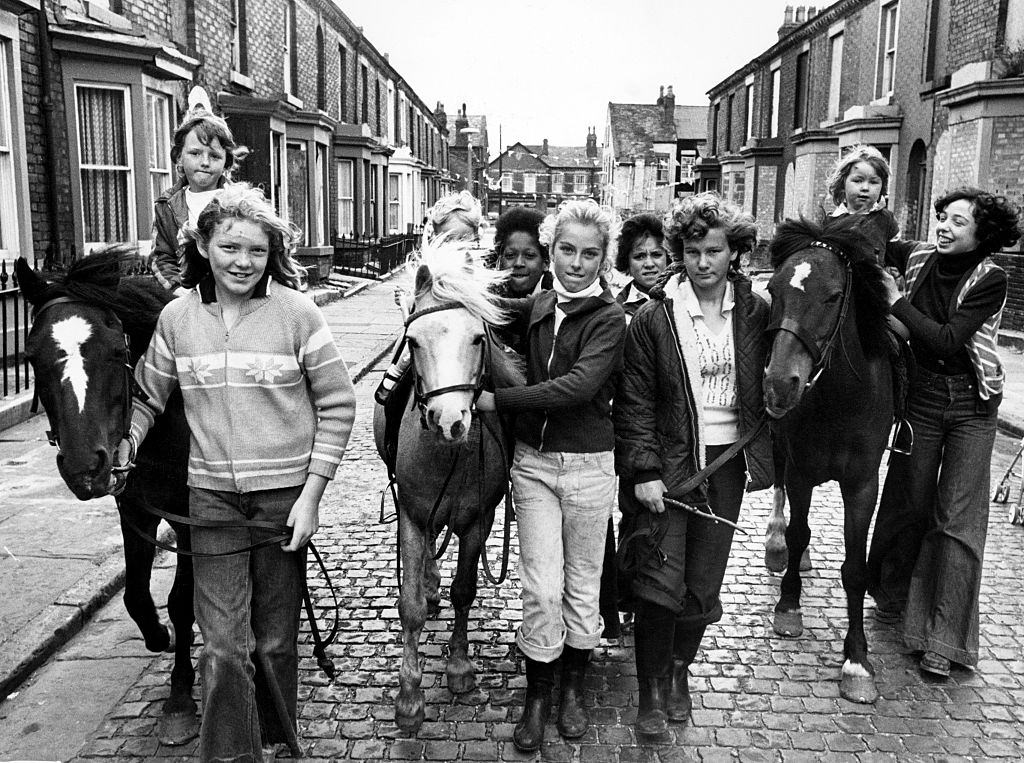
Toxteth residents found creative ways to enjoy public space in the summer heat of 1976. Informal roadside gatherings — dubbed ‘roadside resorts’ — became a snapshot of community life in a neighborhood that faced some of the sharpest effects of Liverpool’s economic decline.
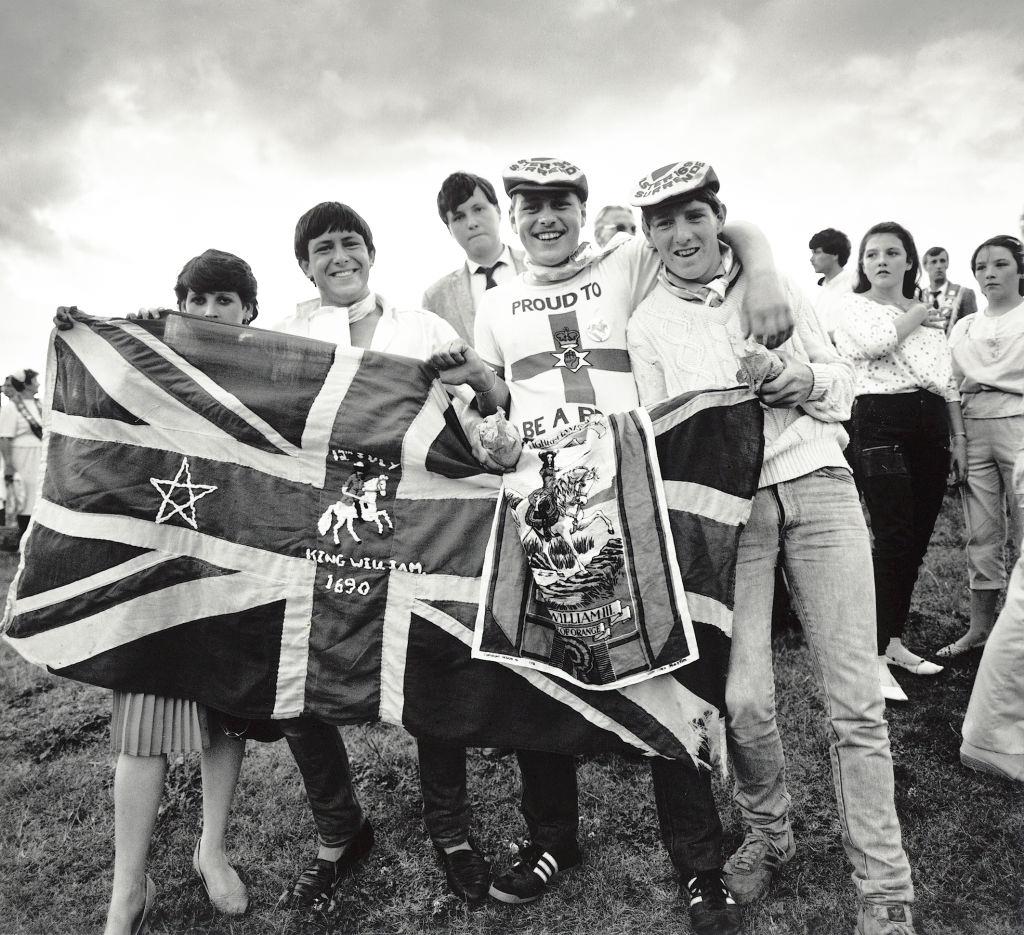
The annual Orange Order march was a long-standing tradition in Liverpool, reflecting the city’s historic ties to Irish Protestant communities. Young men carrying flags marched through the streets, continuing a practice that stretched back generations.
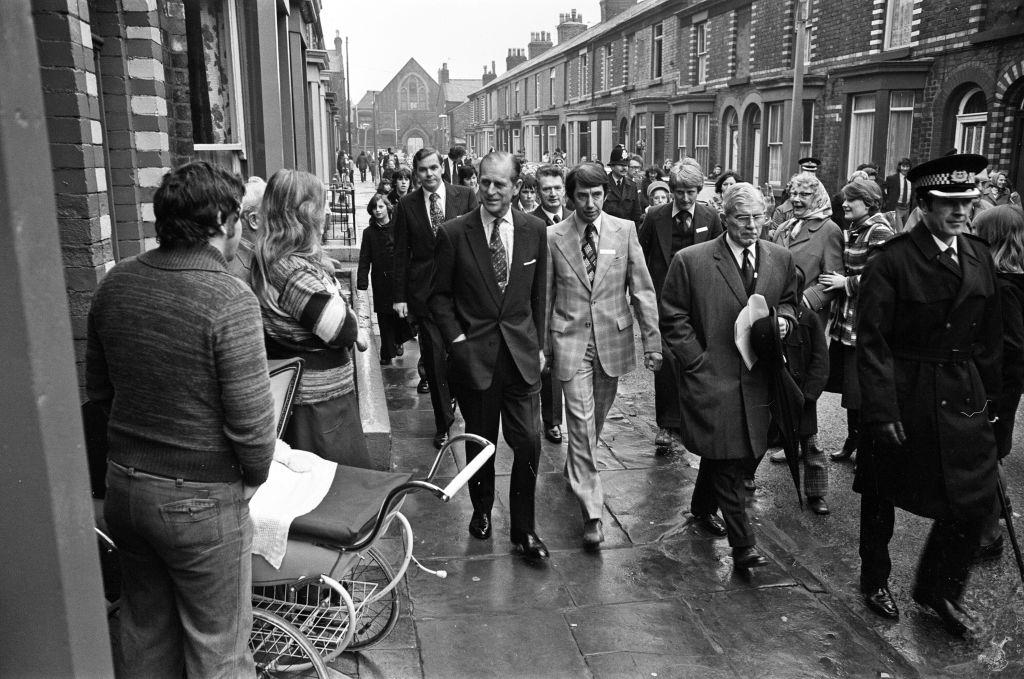
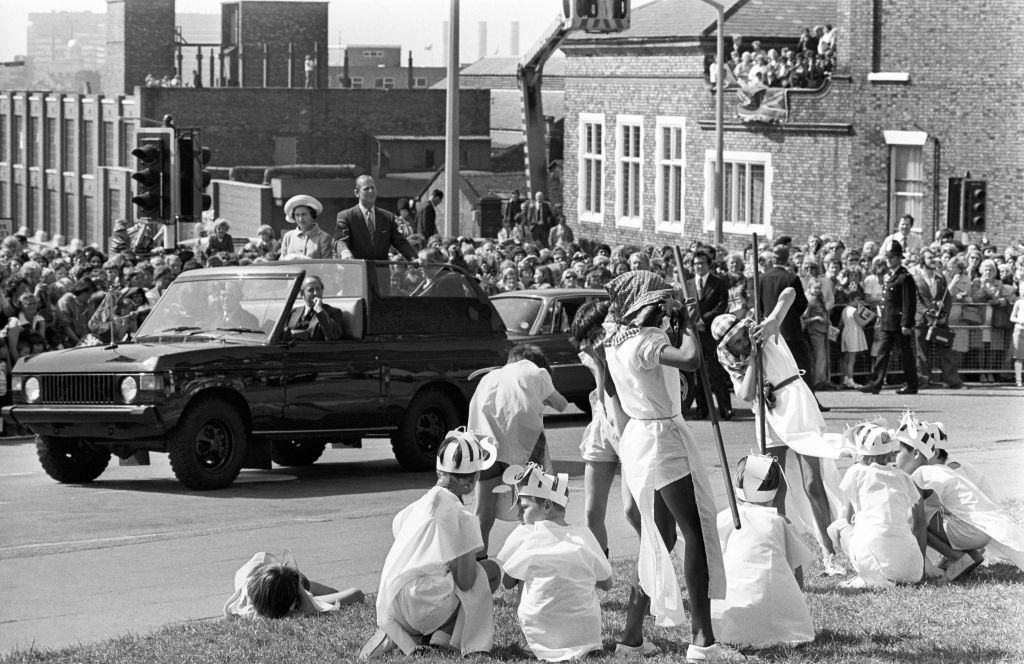
Royal visits brought national attention to Liverpool’s streets. Prince Philip toured Martensen Street in Wavertree in February 1978, and Queen Elizabeth II and the Duke of Edinburgh later attended a musical pageant staged between the city’s two cathedrals — the Roman Catholic Metropolitan Cathedral and the Church of England’s Anglican Cathedral — a remarkable spectacle that reflected Liverpool’s distinctive religious geography.

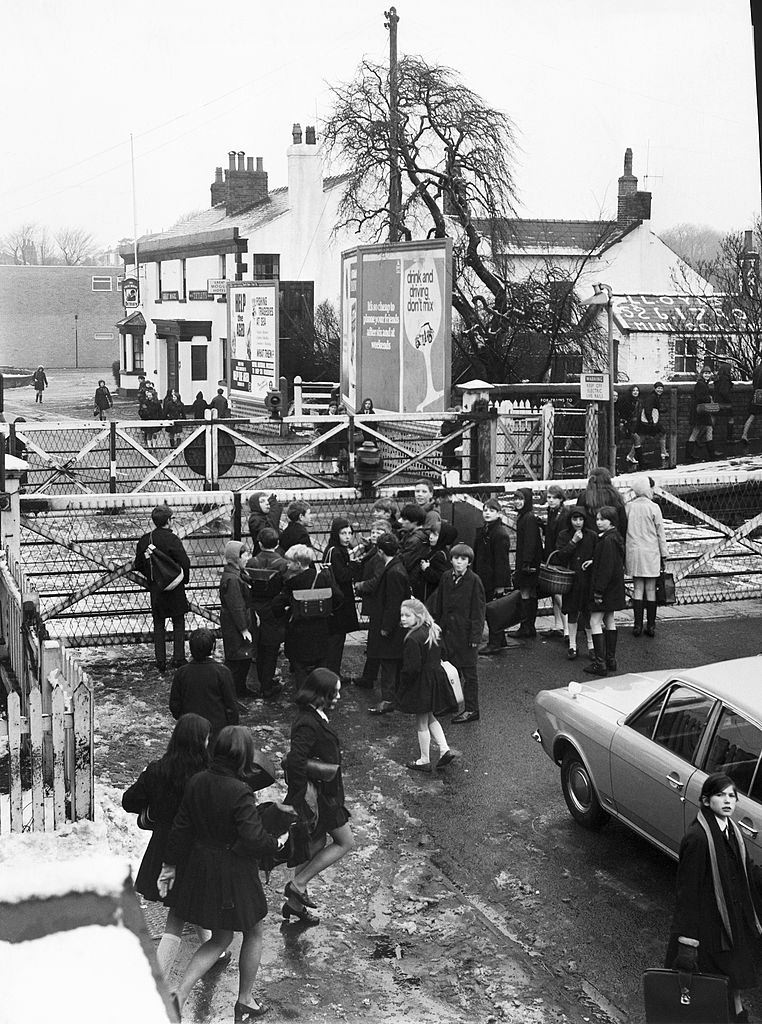
Play streets…..I forgot about them. No cars from 8 till sunset to allow kids to play in the road!
Boss that
Defo had boss times ,sound 📸 👌