
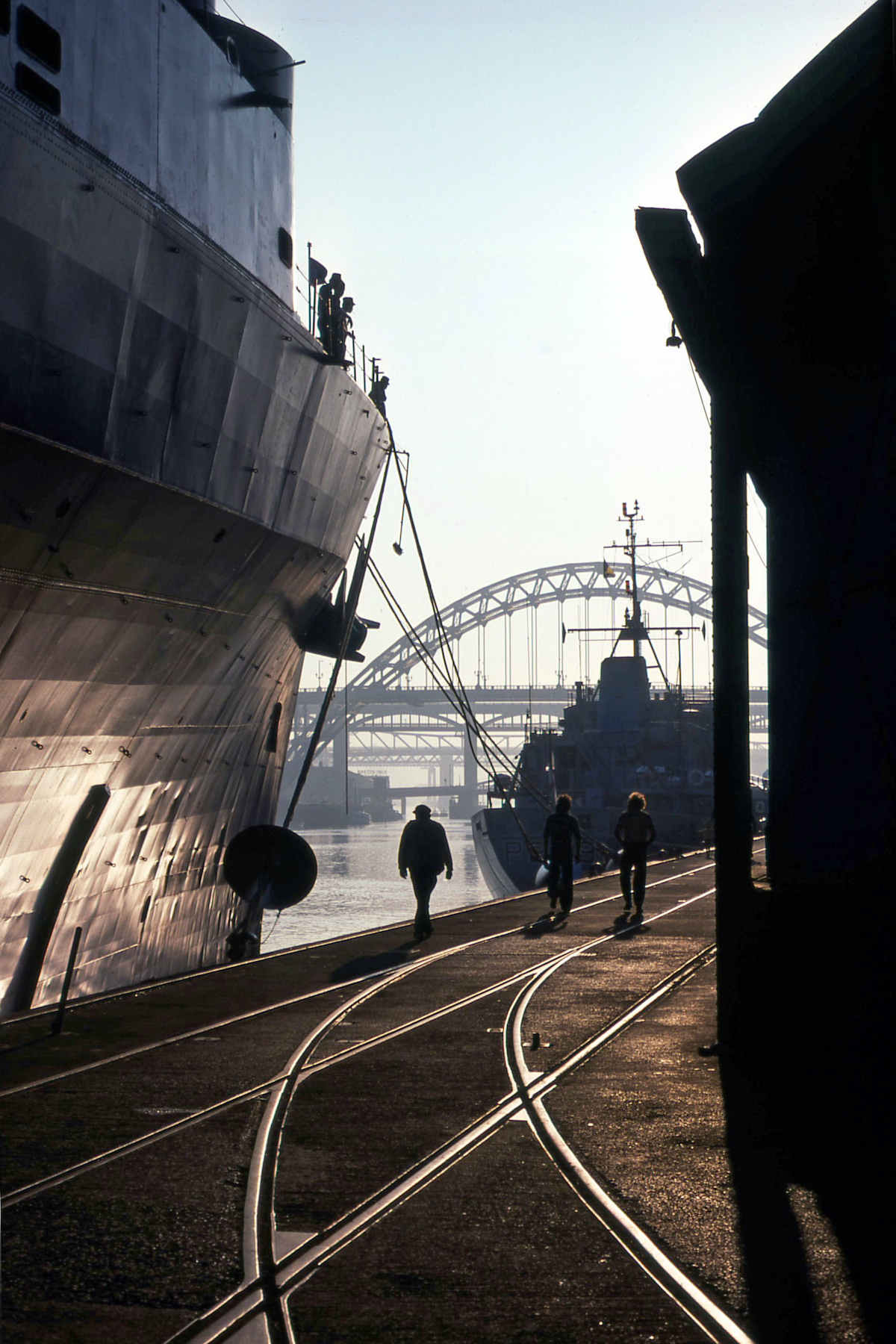
Newcastle upon Tyne sits on the northern bank of the River Tyne and has long served as the regional capital of North East England. By 1860, the Tyne was Britain’s second most important river, fuelling an economy built on coal mining, railway engineering, and shipbuilding. These three industries didn’t just run side by side — they were tightly linked, each depending on the others to keep Britain prosperous, powerful, and ahead of the world. Newcastle’s port was the engine of that system, and its status as one of the world’s largest shipbuilding and repair centres defined the city for generations.
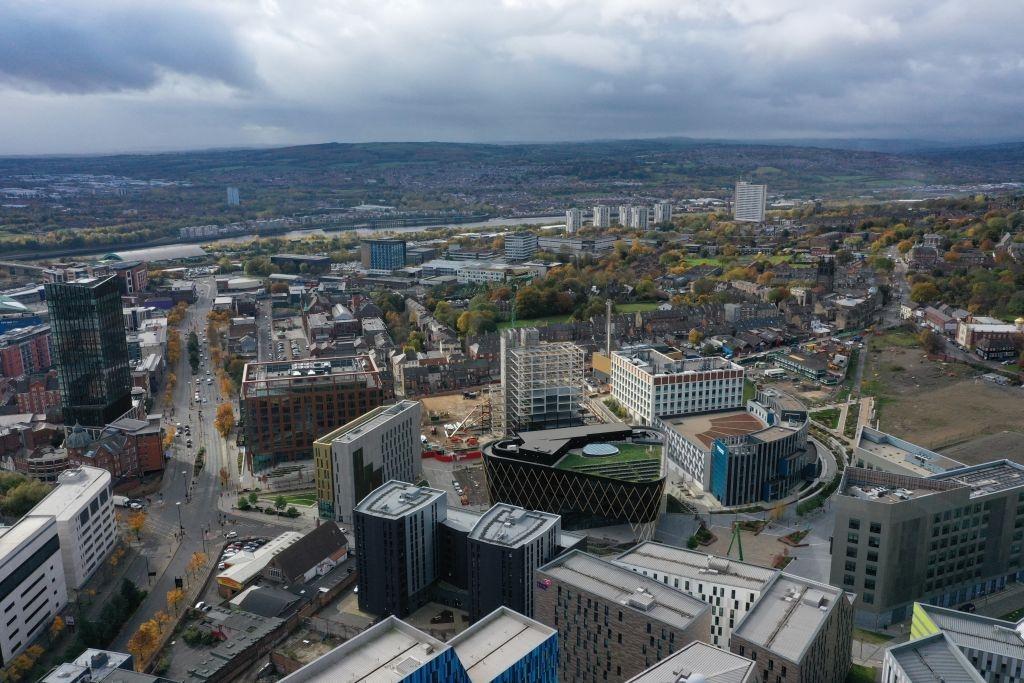
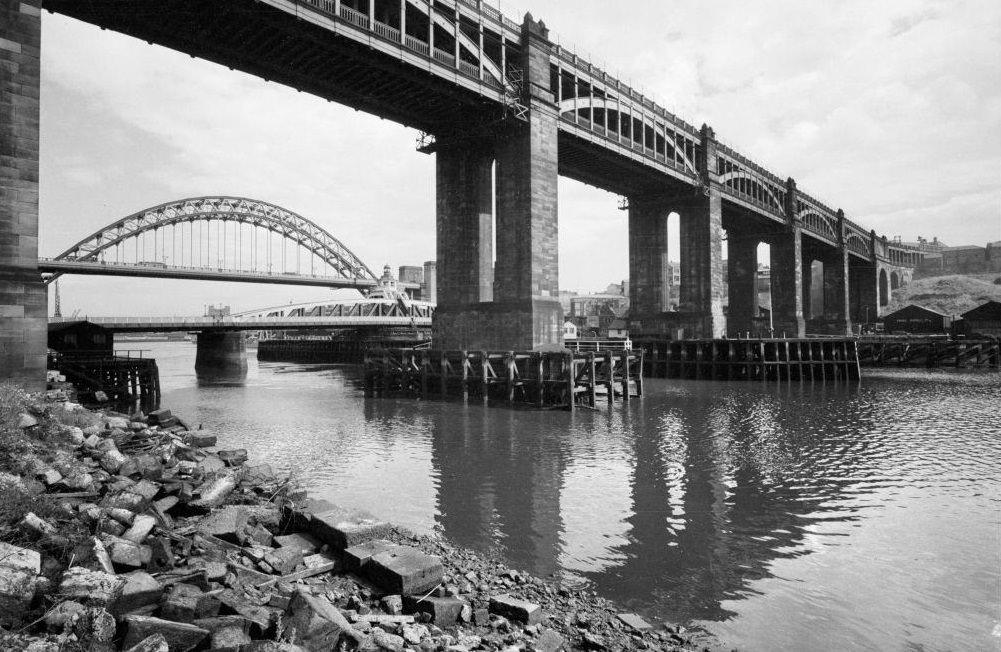
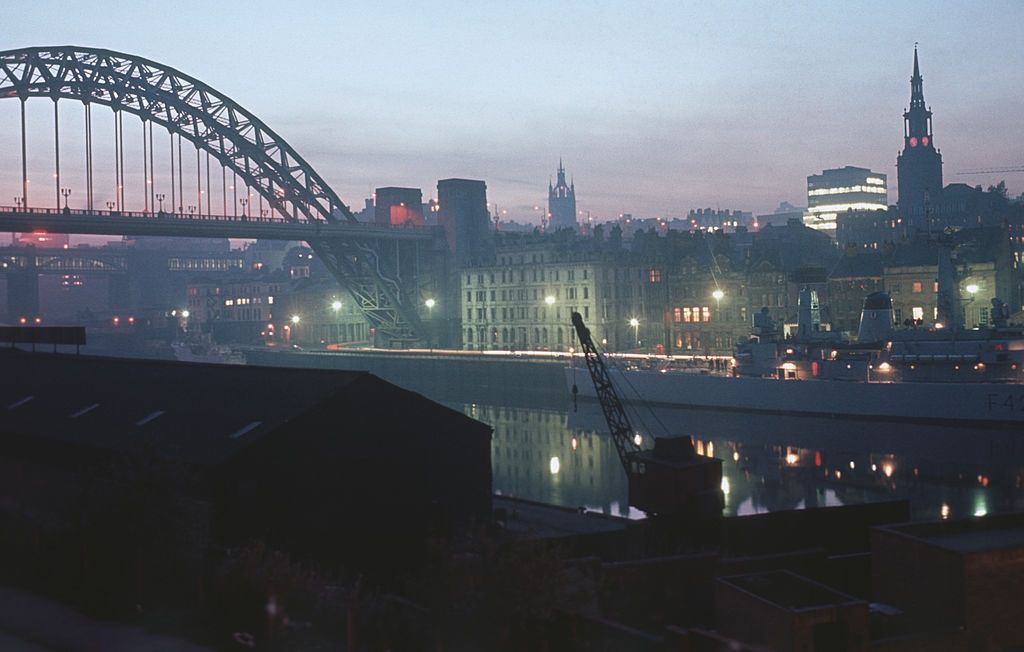
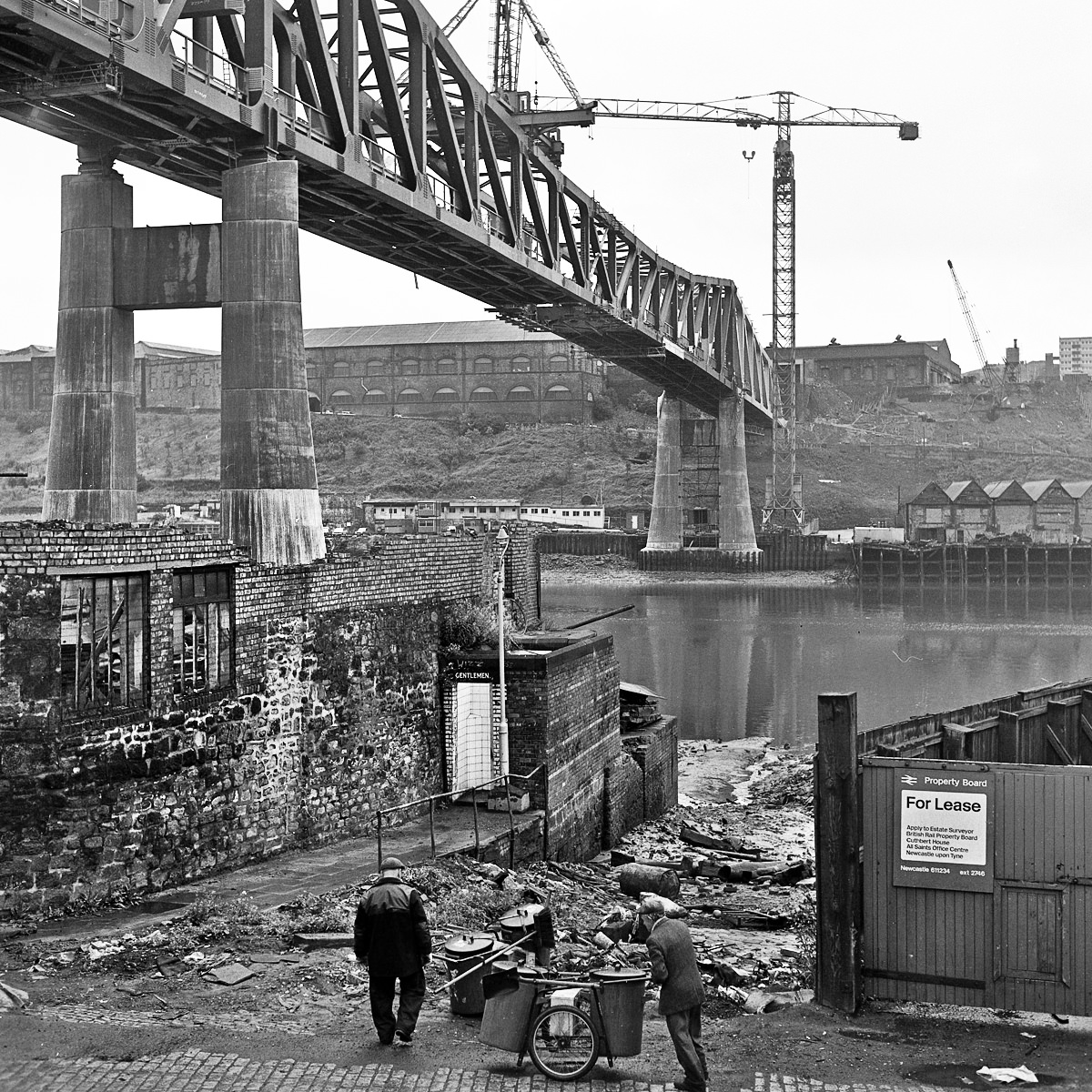
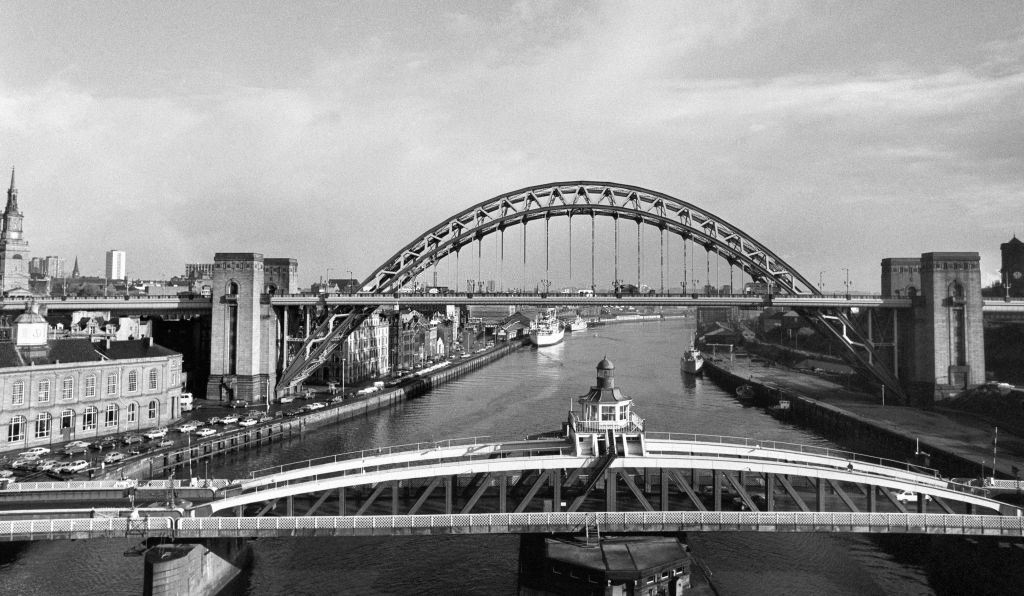
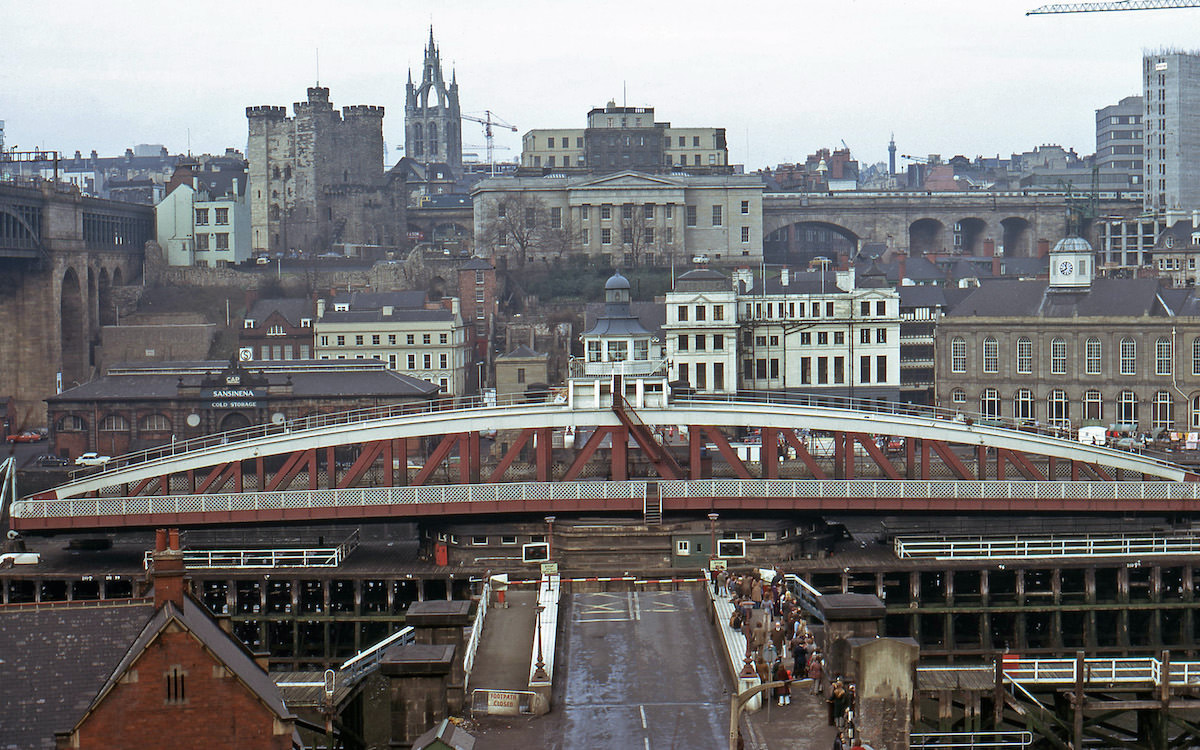
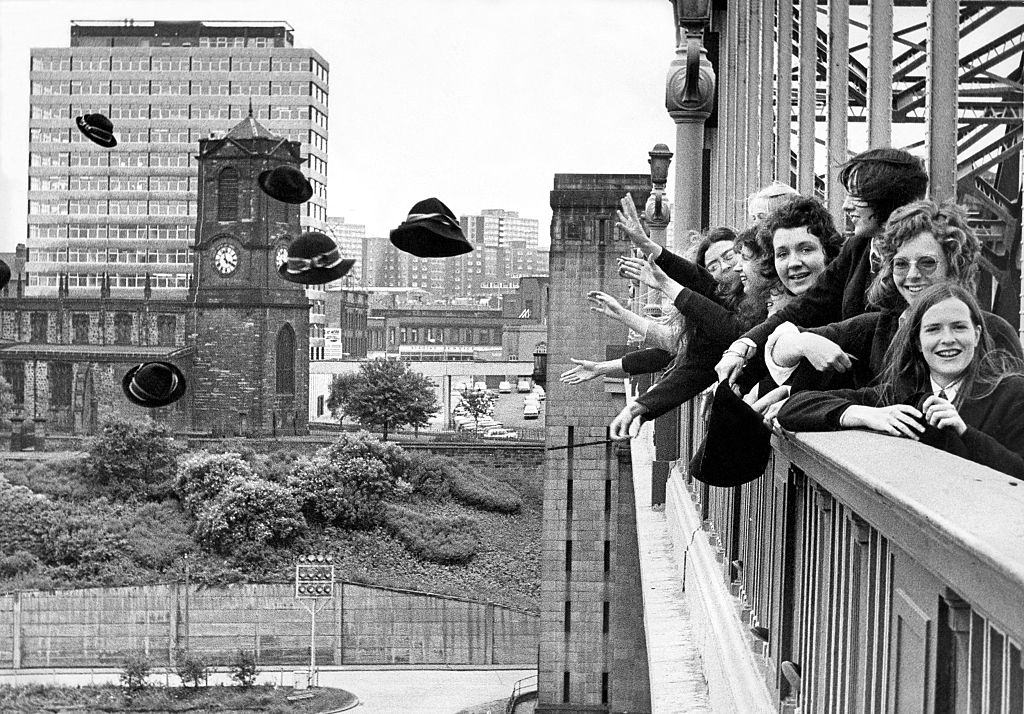
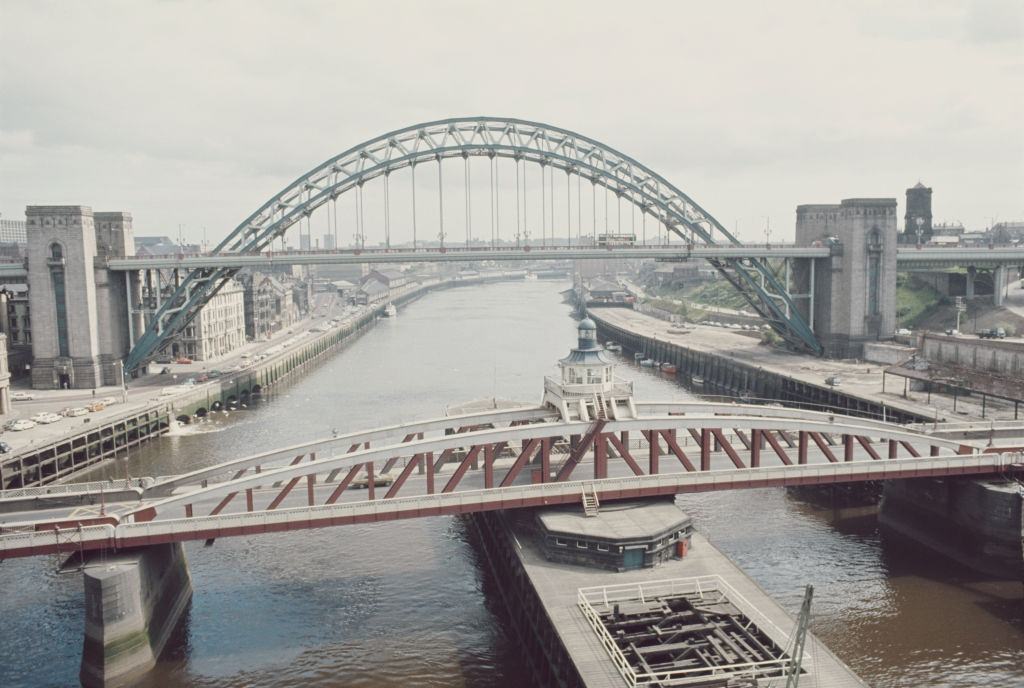
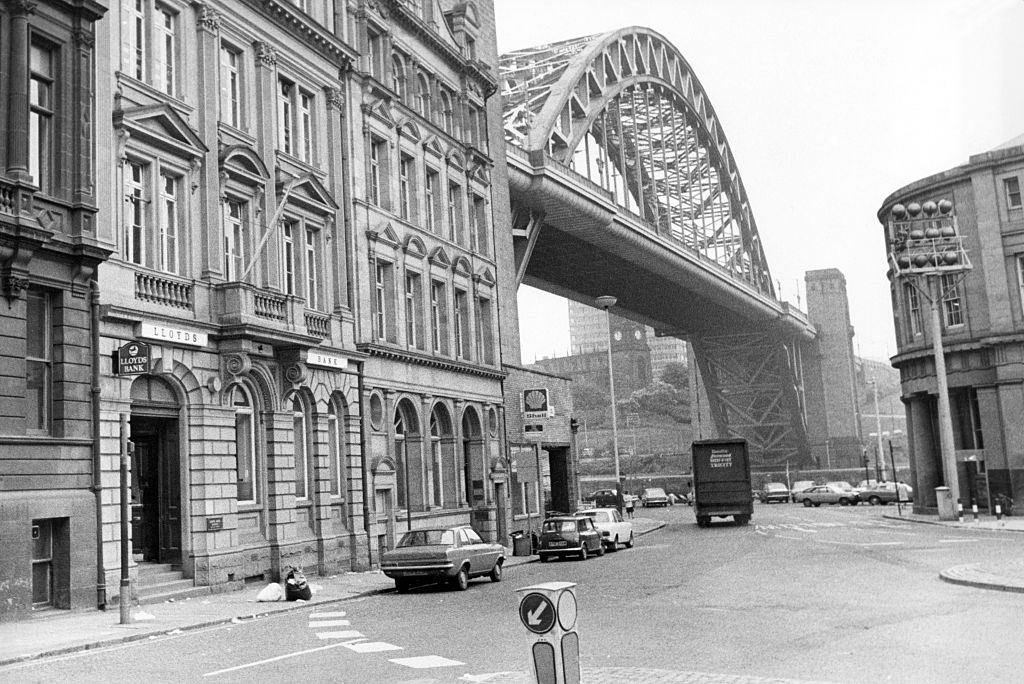
The railways reshaped Newcastle just as dramatically as the river did. Their arrival brought two structures that became architectural landmarks in their own right: Newcastle Central Station, regarded as one of the finest railway stations in the country, and the High-Level Bridge — the world’s first combined rail and road bridge. Alongside Armstrong’s Swing Bridge, the iconic Tyne Bridge, and the later Gateshead Millennium Bridge, the city’s crossing of the Tyne became one of the most striking industrial and engineering spectacles in Britain. By the 1970s, these structures were fixtures of daily life, framing the skyline that generations of Geordies knew.
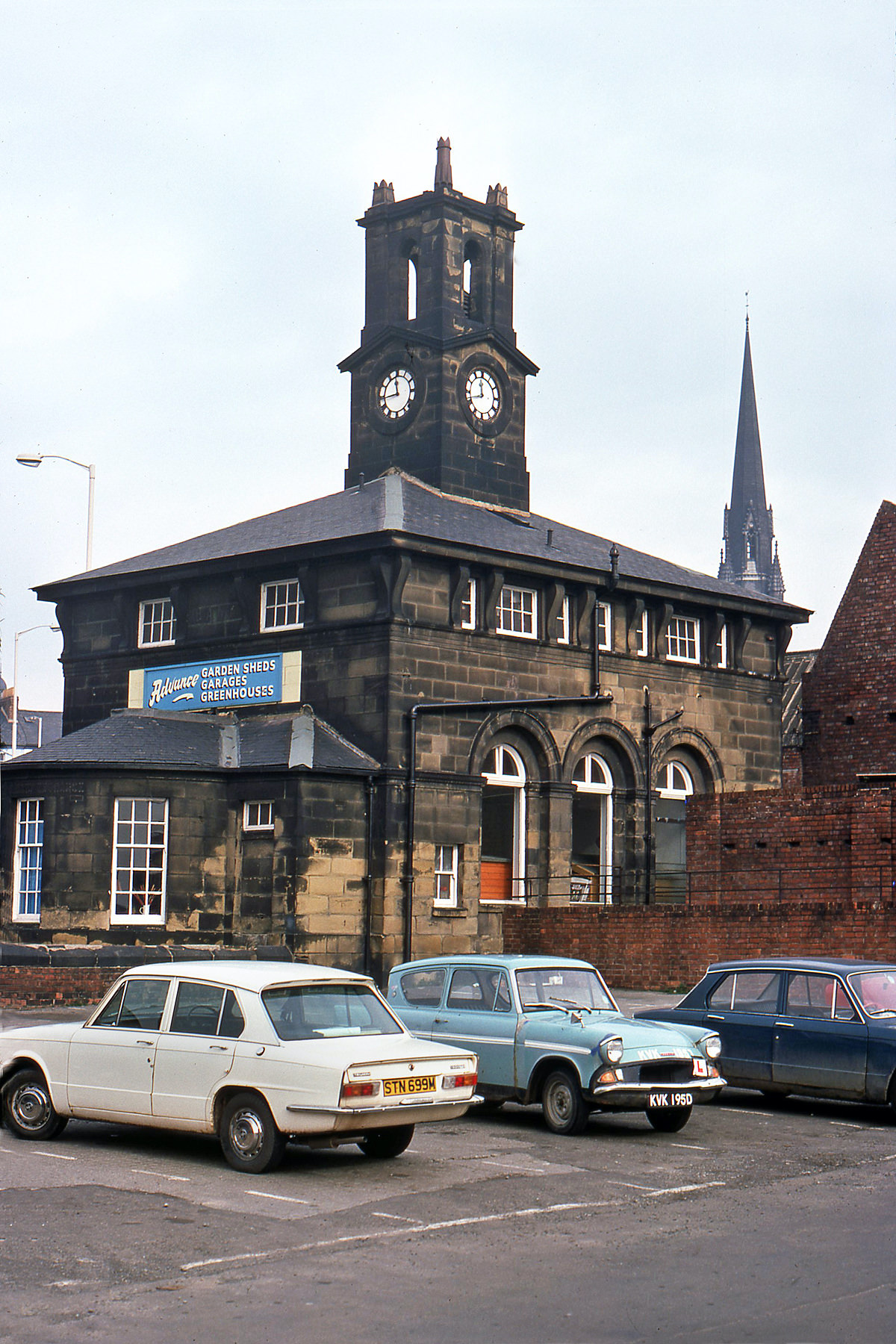
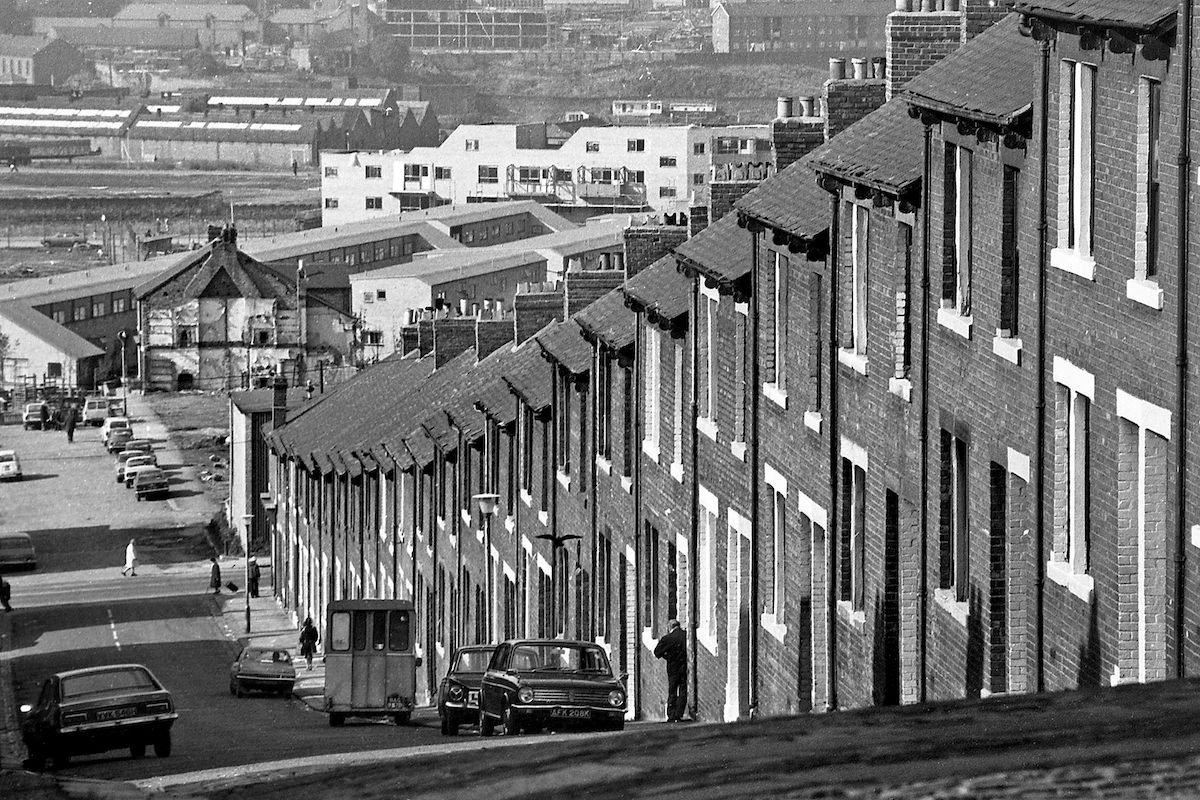
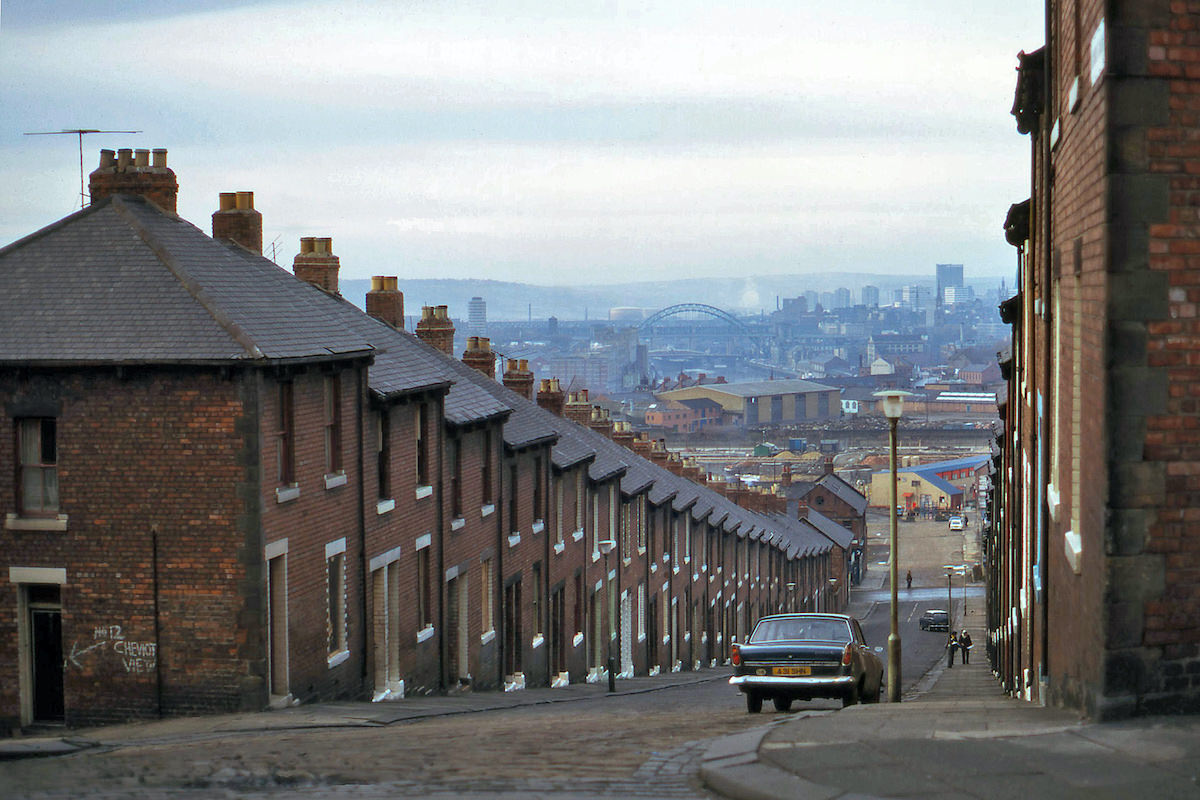
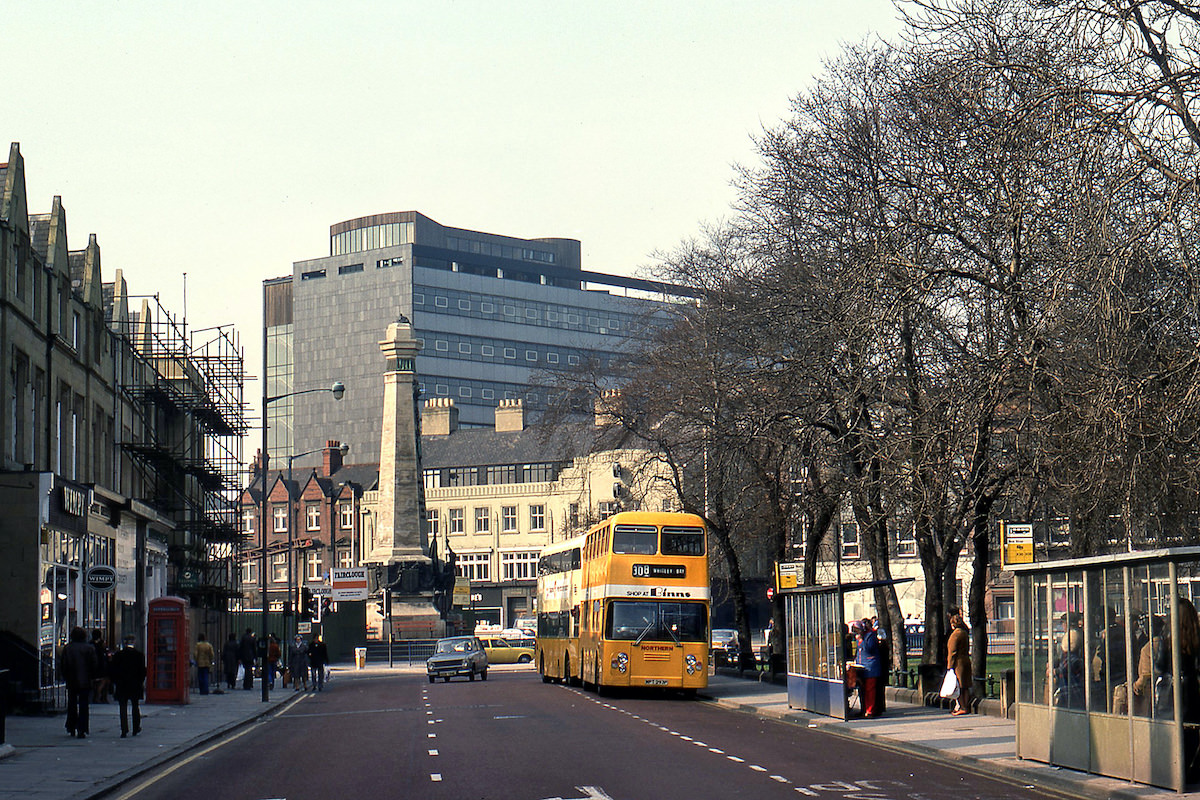
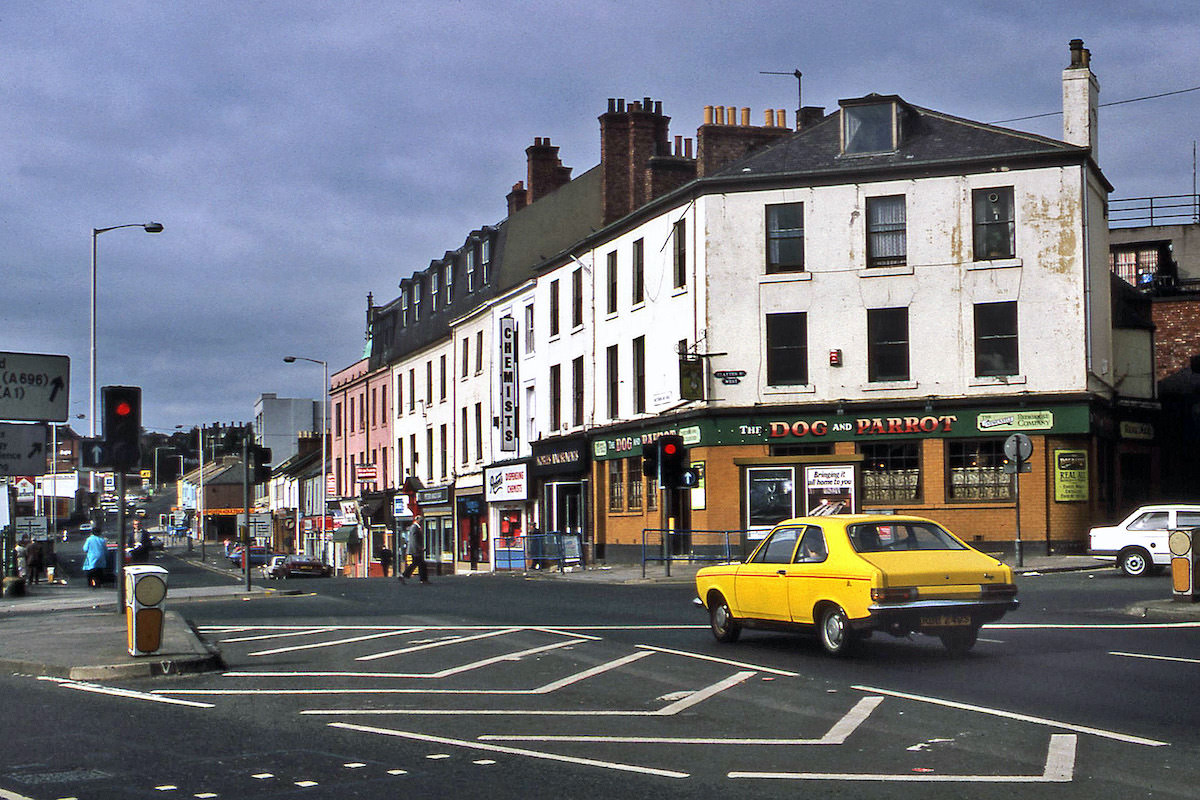
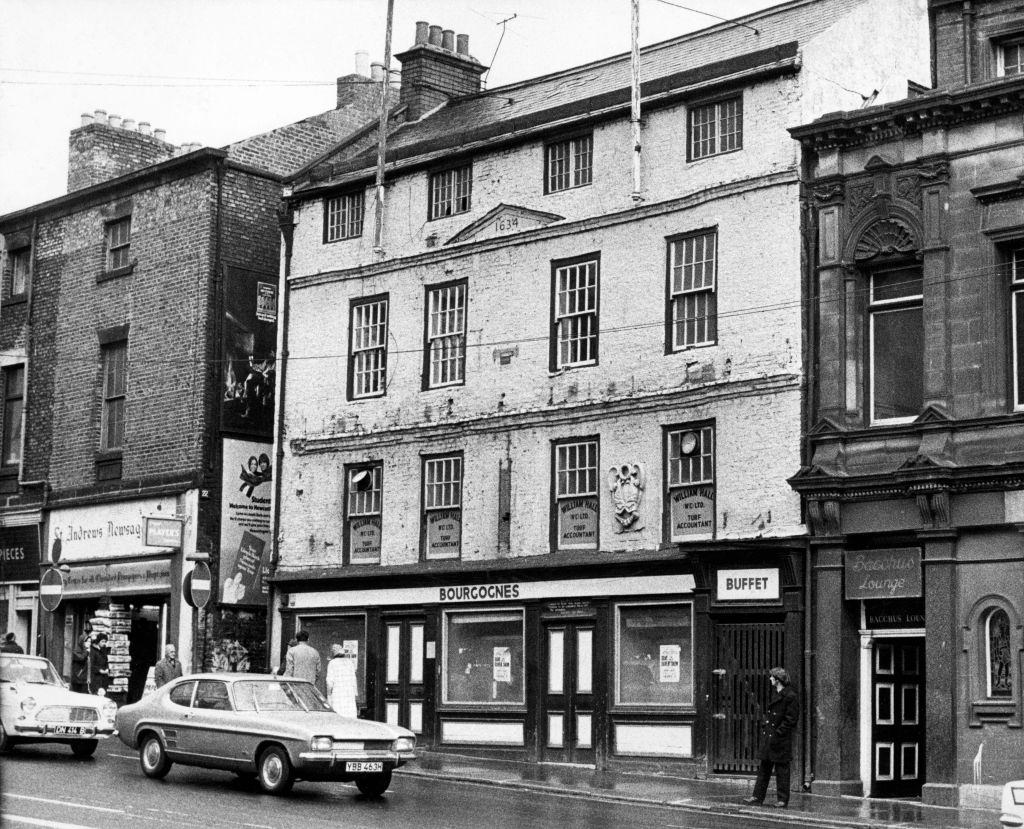
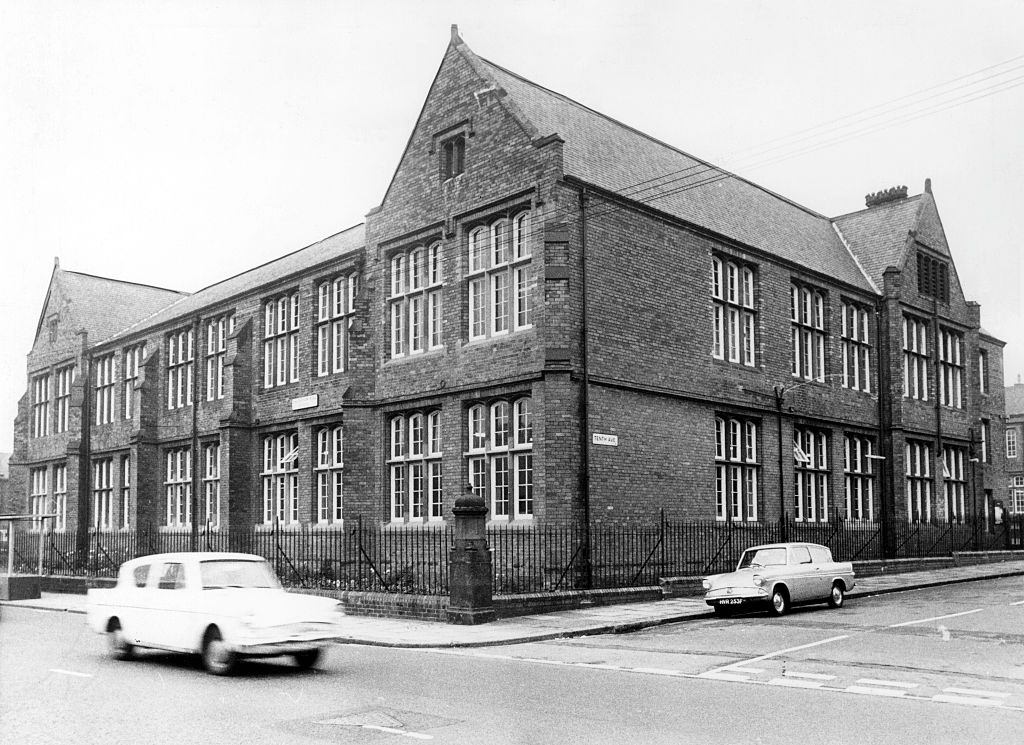
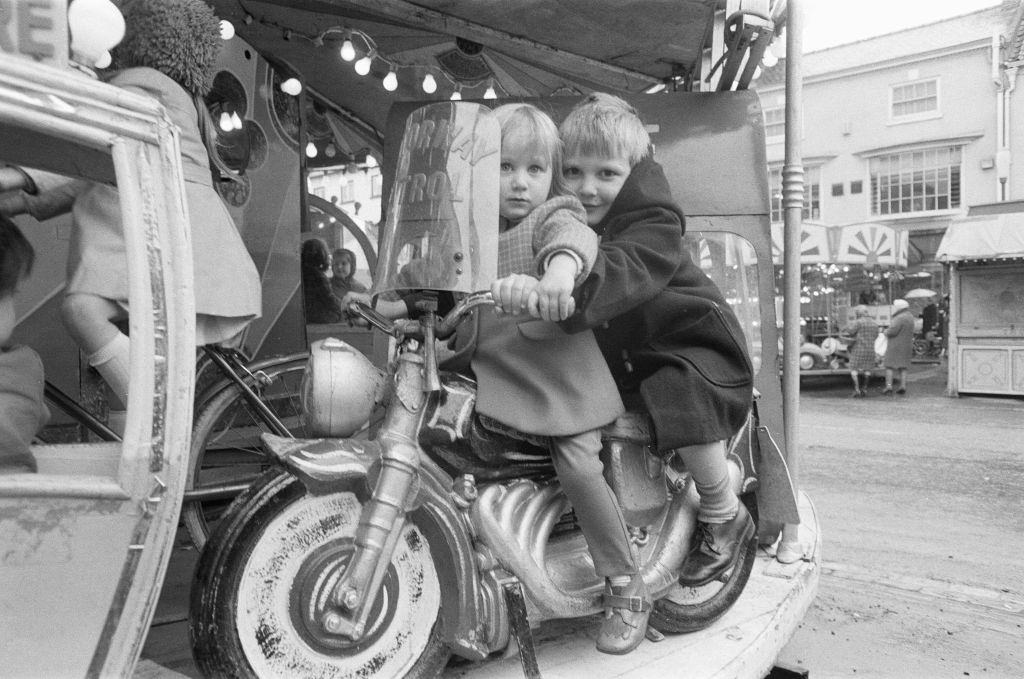
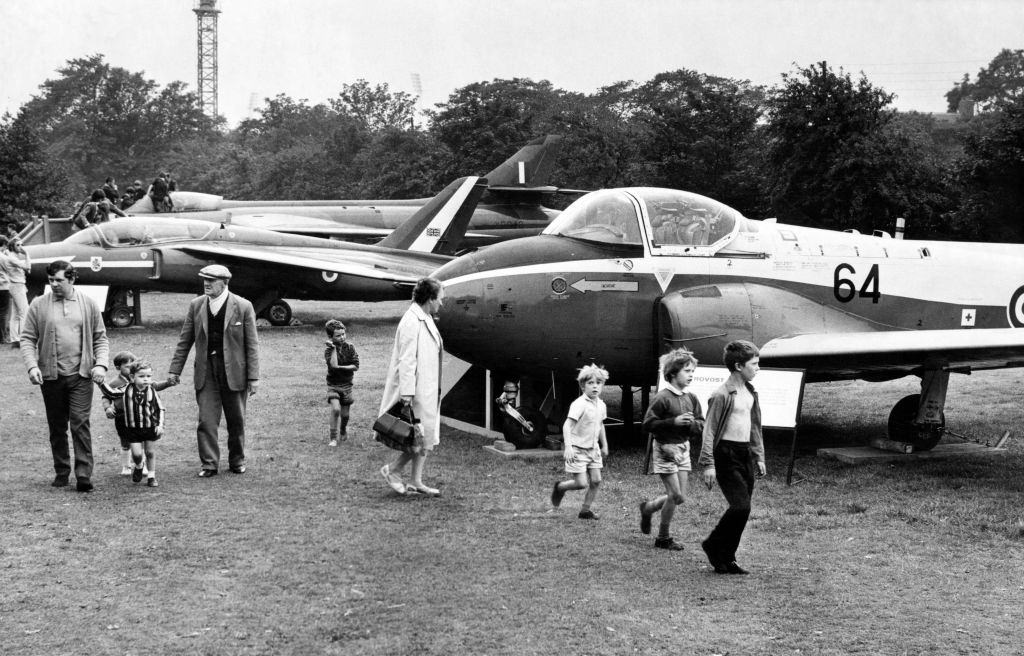
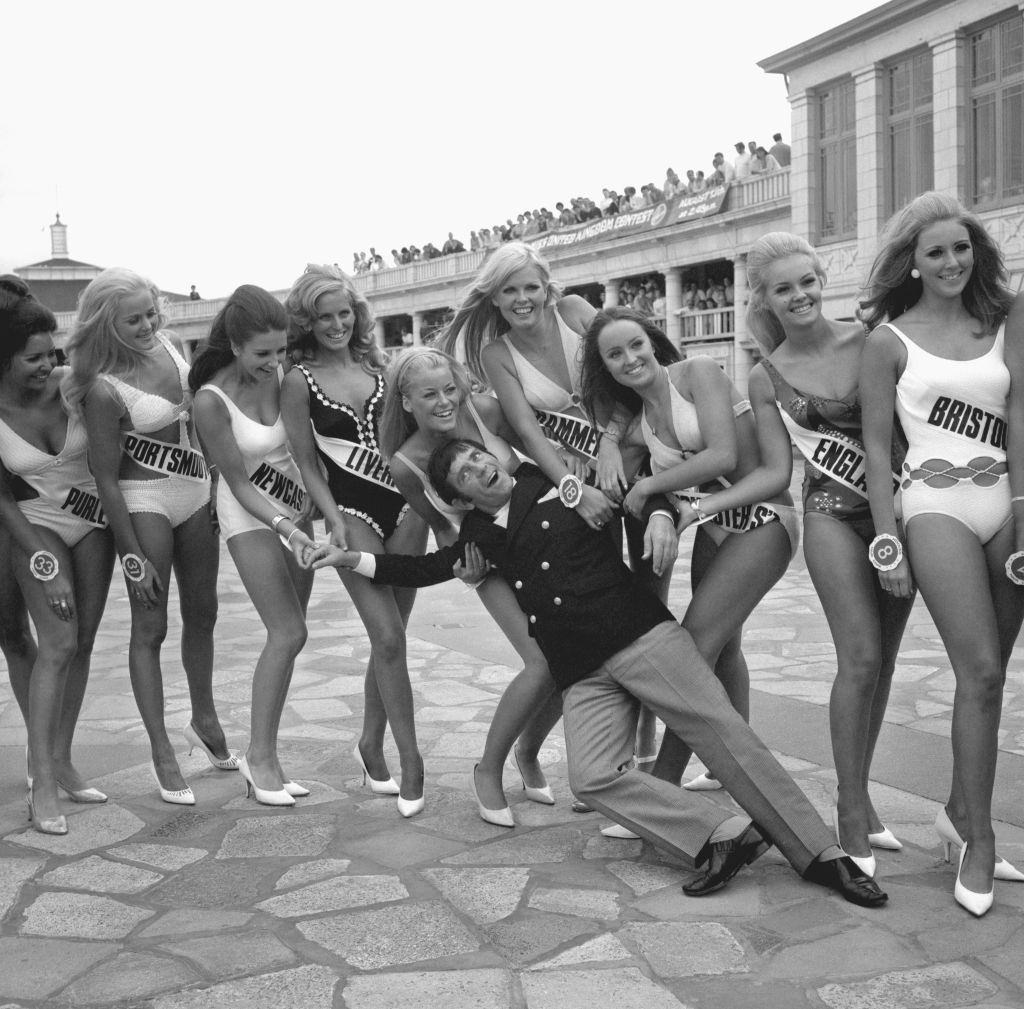
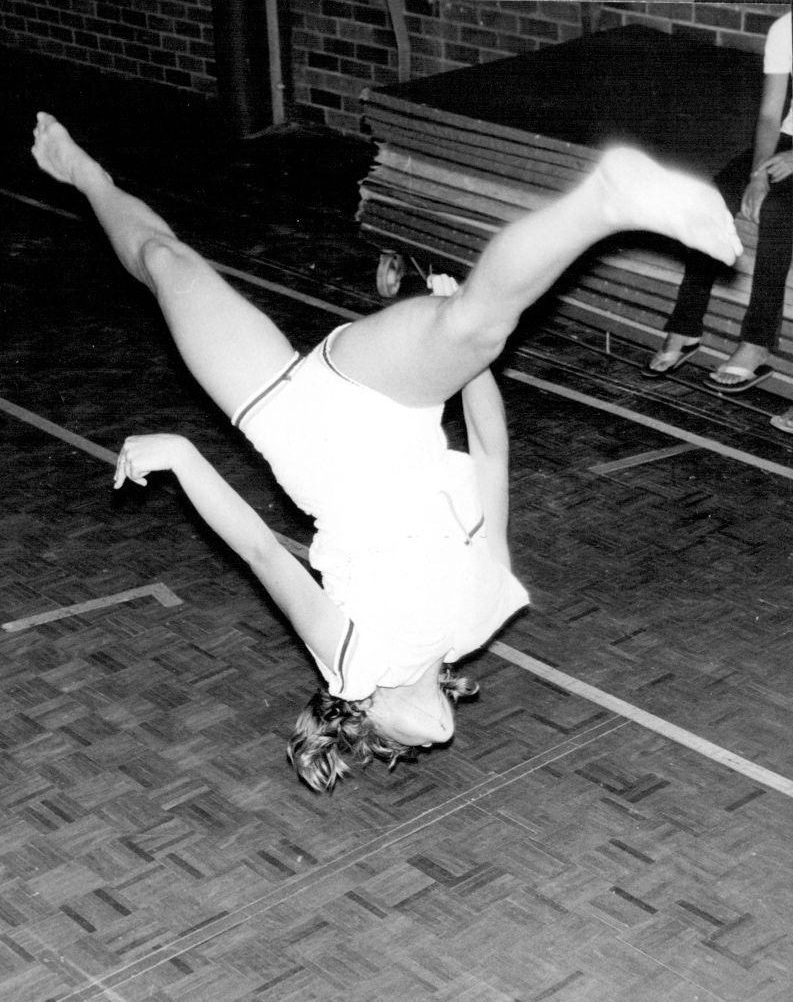
The 1970s brought sweeping change across Britain, and Newcastle was no exception. The decade was marked by economic strain, industrial decline, political tension, and cultural shift. But ordinary life continued — on the streets, in the markets, on the buses, and along the quayside. The photographs collected here capture Newcastle during that transitional decade, showing the city and its people exactly as they were.
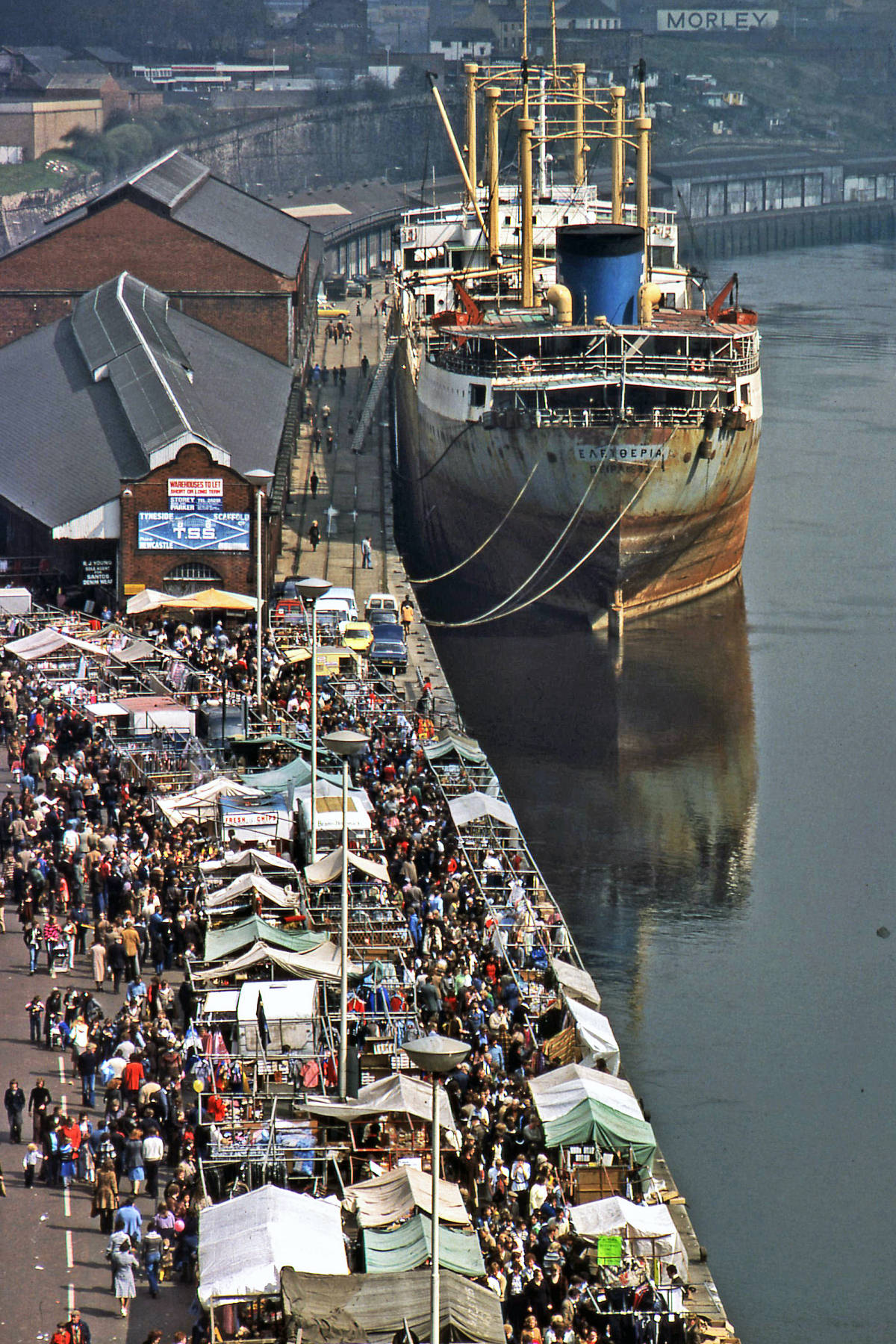
The Quayside was one of Newcastle’s most enduring gathering places. On Sunday mornings, traders set up stalls along the riverfront, drawing crowds who browsed everything from second-hand goods to fresh produce. The market had a lively, informal atmosphere that reflected the working-class character of the city at the time.
The Bigg Market, another long-standing commercial hub, offered a similar open-air trading scene. Stalls spread across the cobblestones while shoppers moved through the crowd. These outdoor markets were a practical and social institution — not a novelty, but a weekly routine for thousands of Newcastle residents.
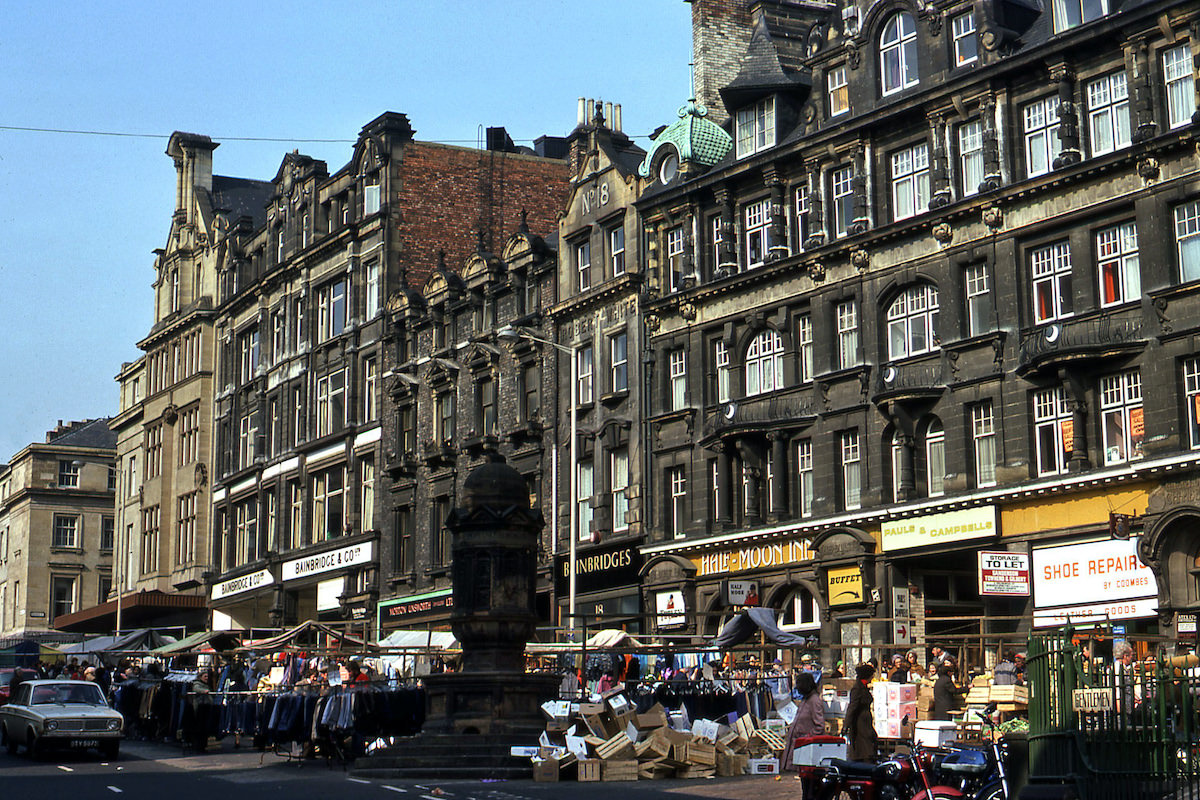
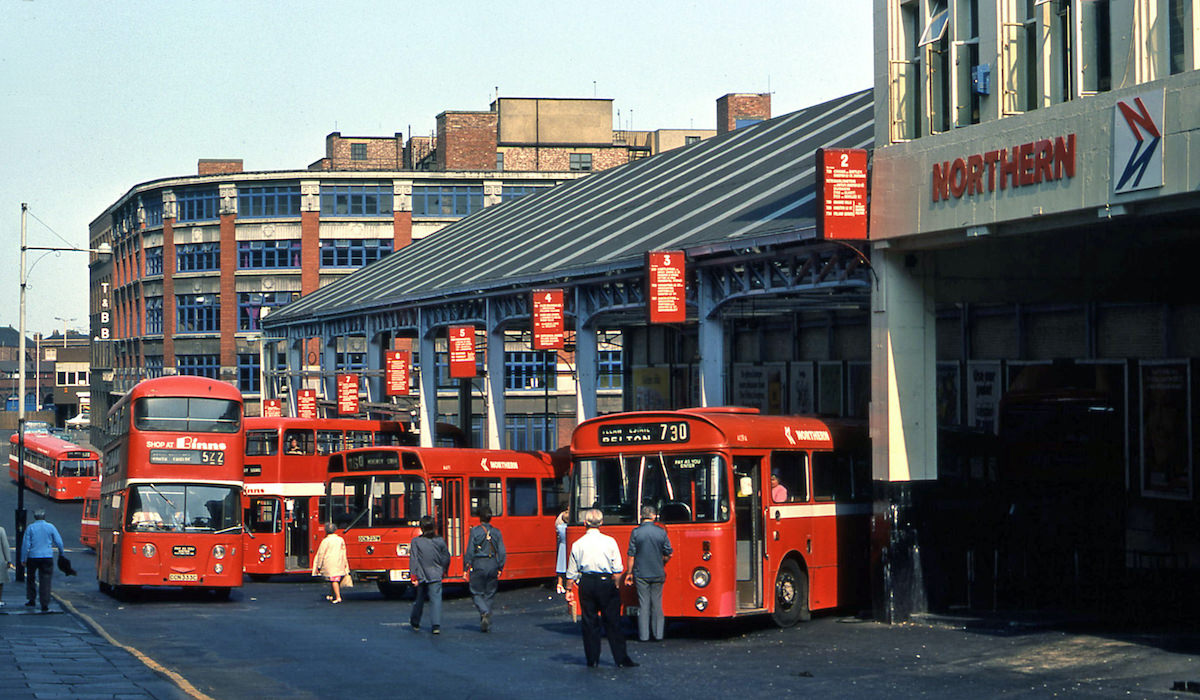
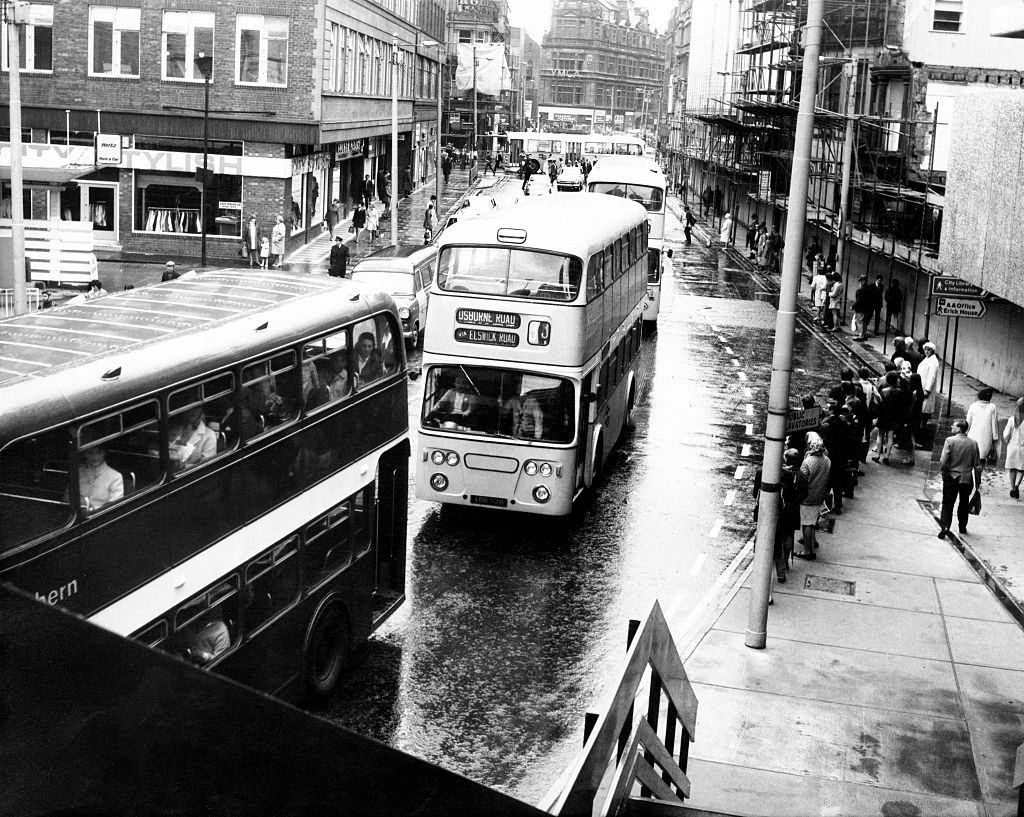
Public transport was central to how people moved around Newcastle and the surrounding area. The bus stations at Worswick Street and Marlborough Crescent were busy interchange points, with Northern buses running regular services across the region. These photographs capture the familiar double-deckers that Geordies depended on every day.
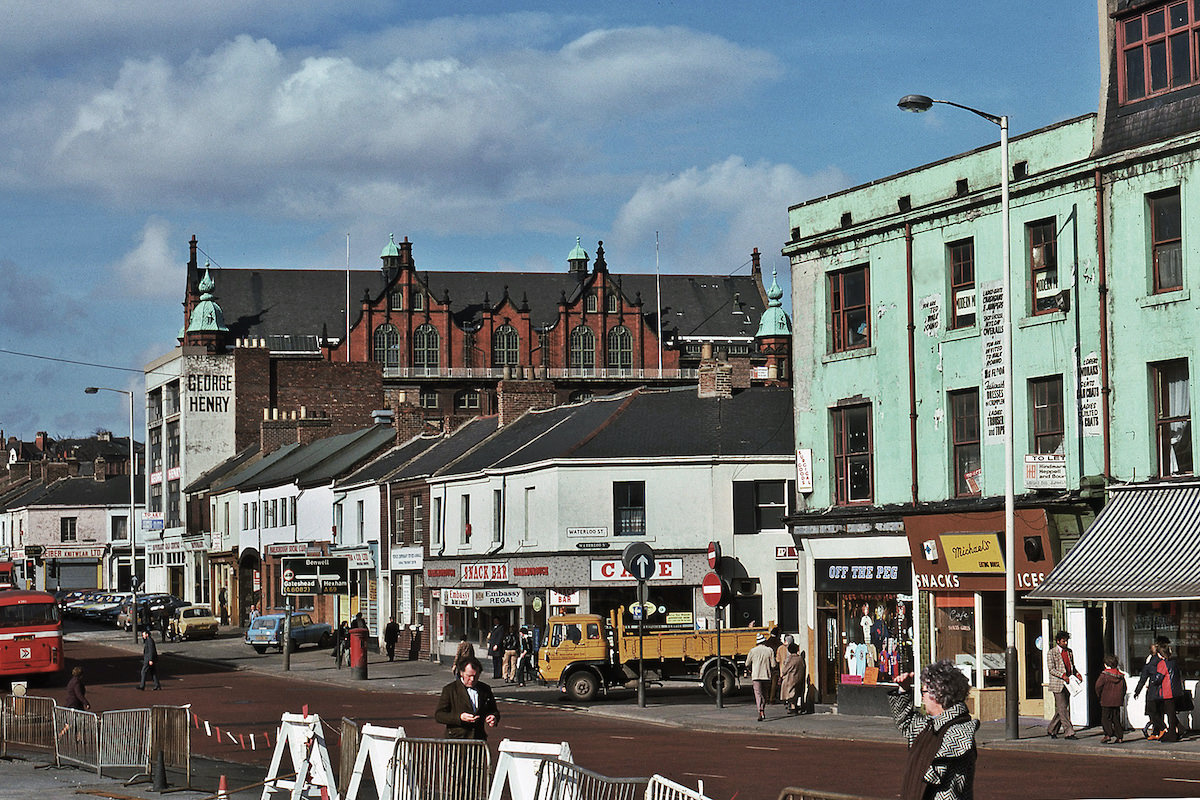
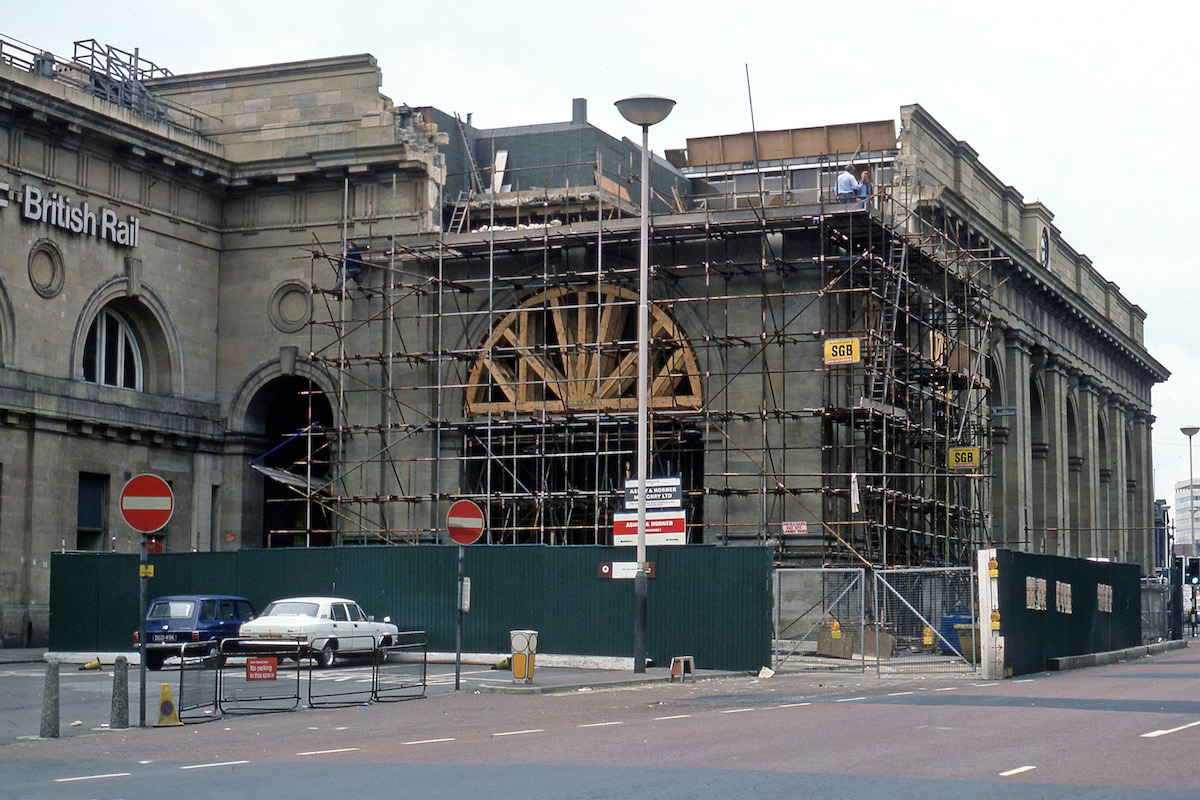
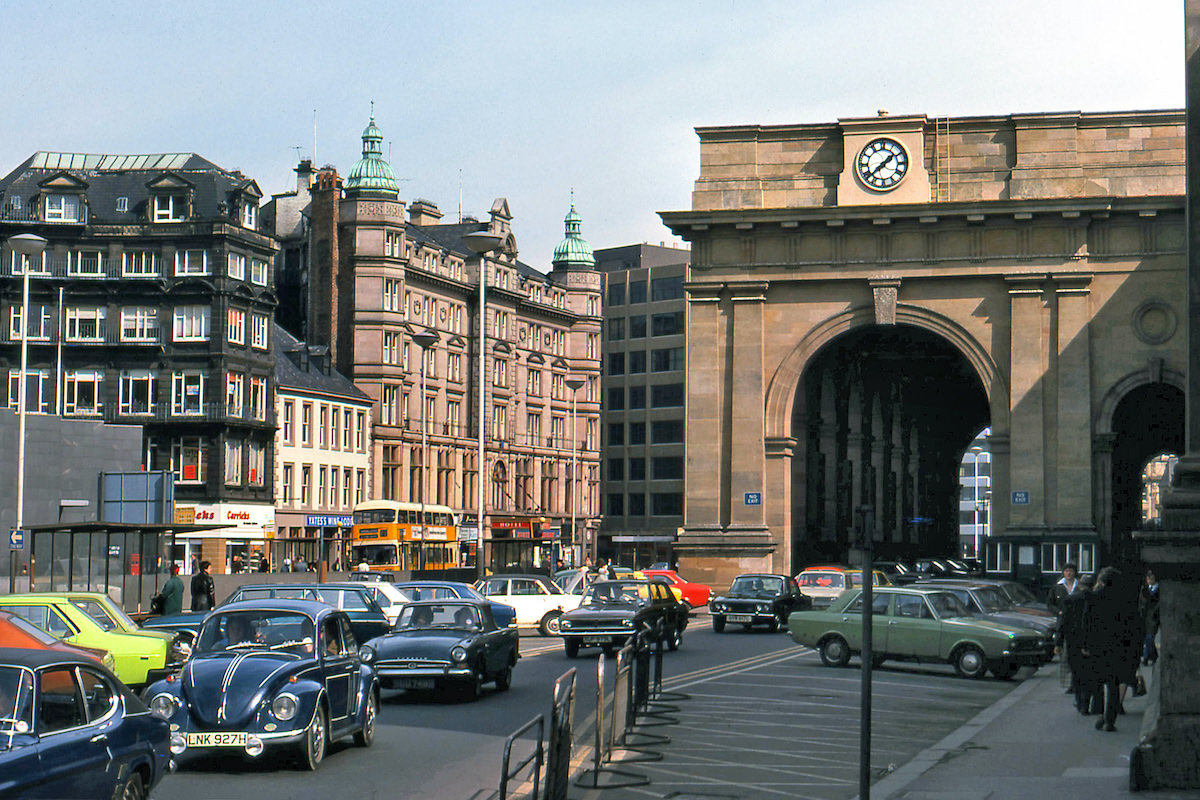
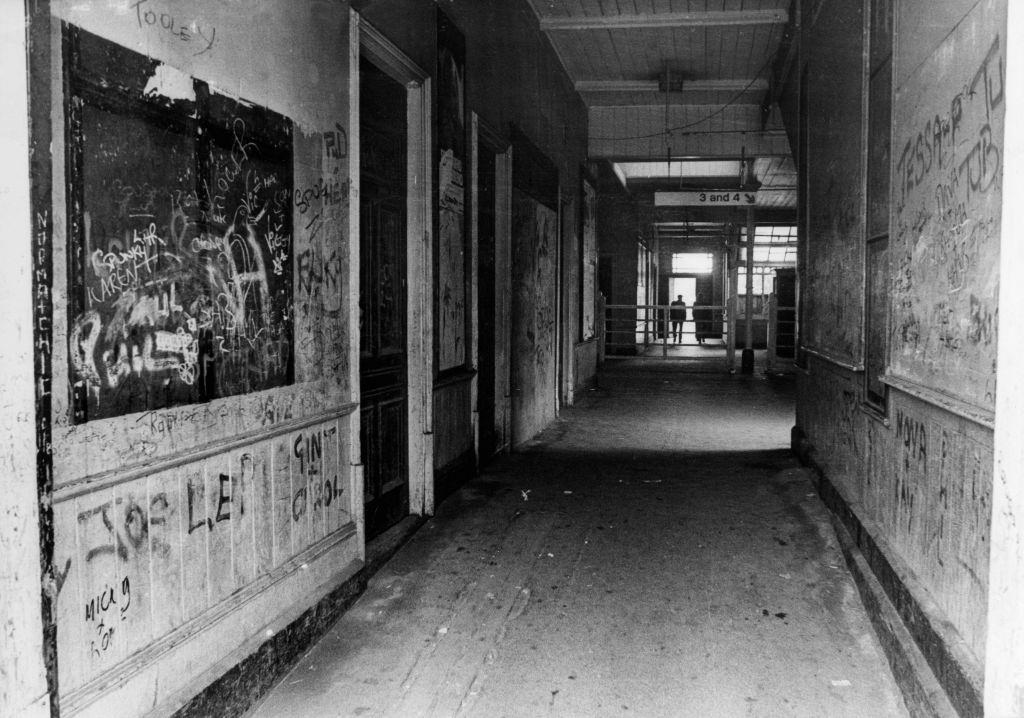
Newcastle Central Station remained one of the city’s great landmarks throughout the decade. Opened in 1850 and designed by John Dobson, the station’s curved façade and grand interior had changed little over more than a century. Neville Street, running alongside it, was a familiar route for commuters and visitors passing through the city centre.
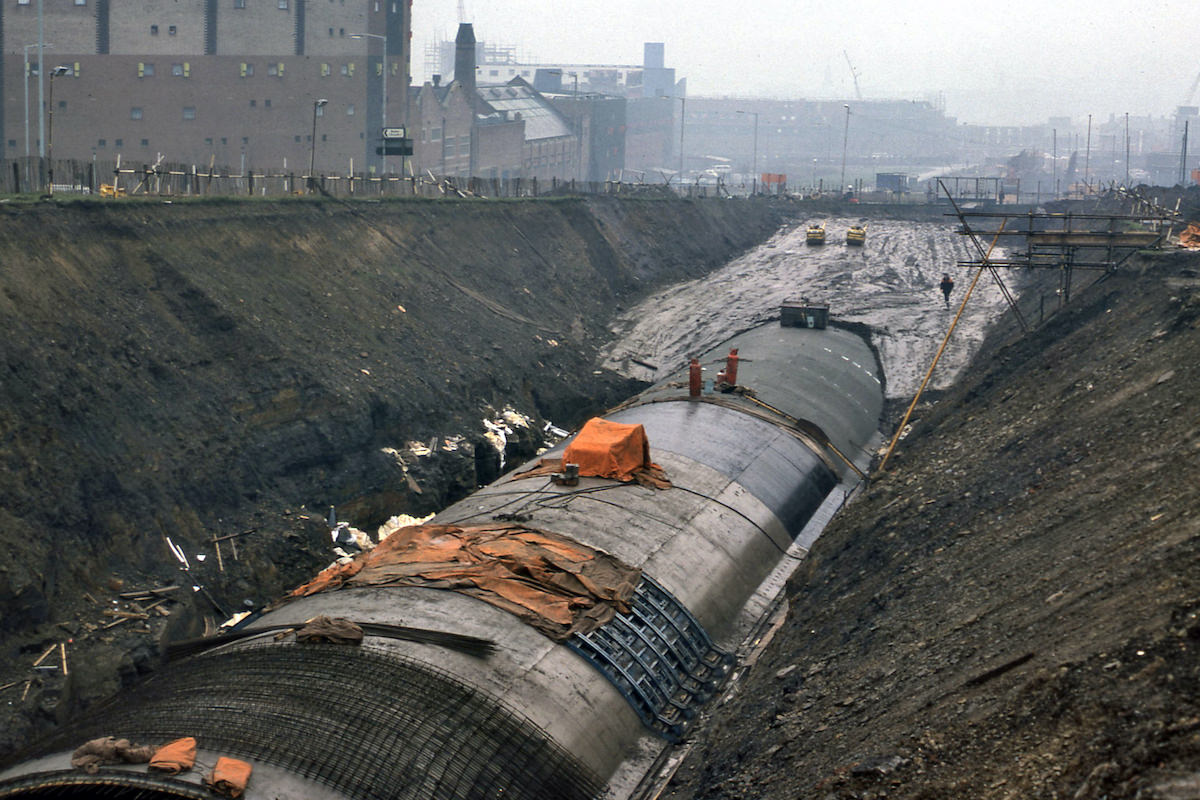
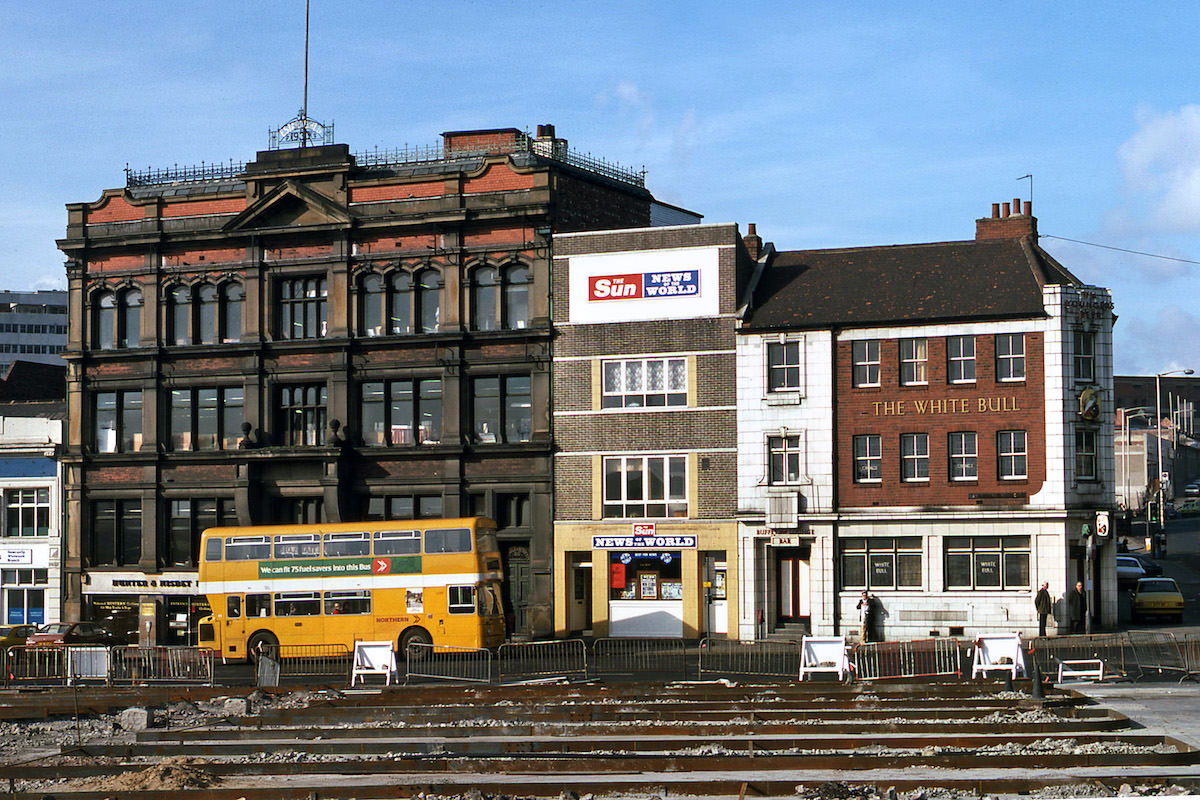
One of the decade’s biggest infrastructure projects was the construction of the Tyne and Wear Metro. Building the underground line required massive excavation work through densely populated areas including Byker. The tunnel construction in 1977 tore open streets and reshaped entire neighbourhoods during what was a years-long engineering effort that would fundamentally change how people moved across Tyneside.
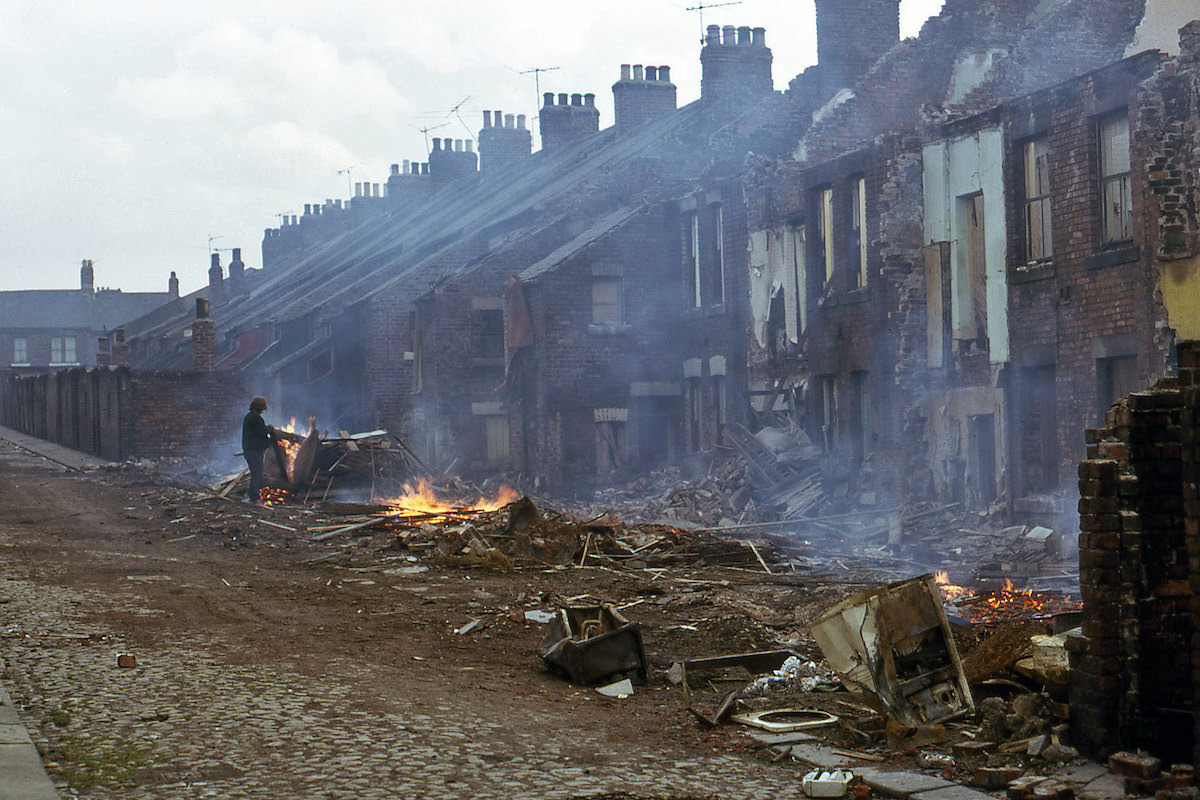
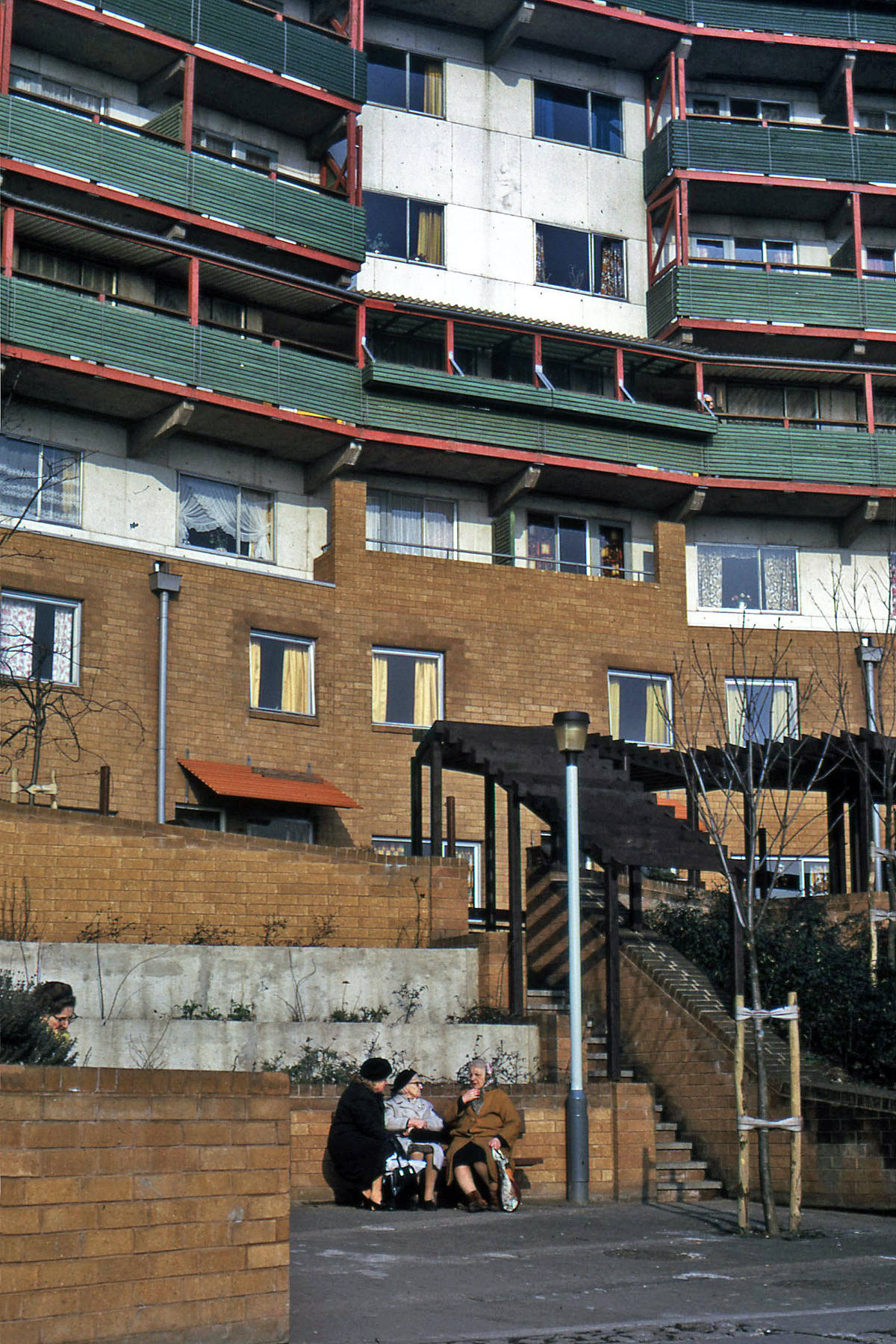
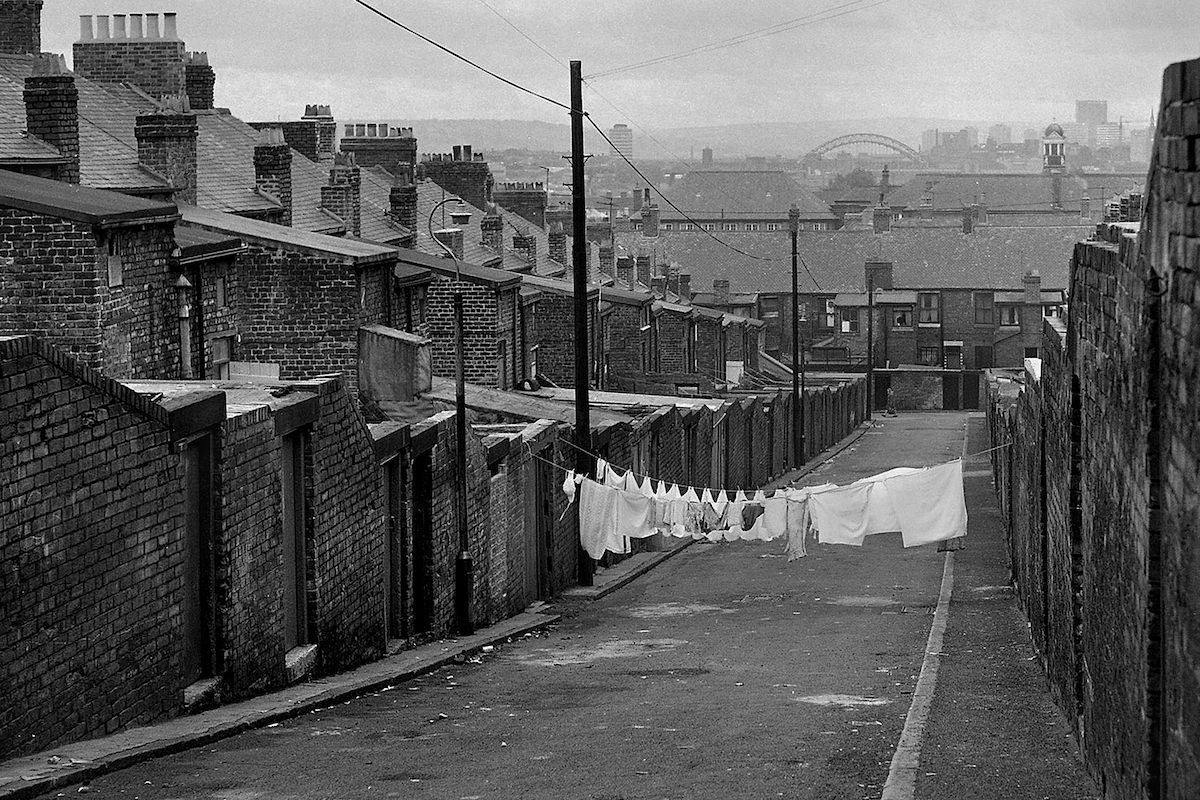
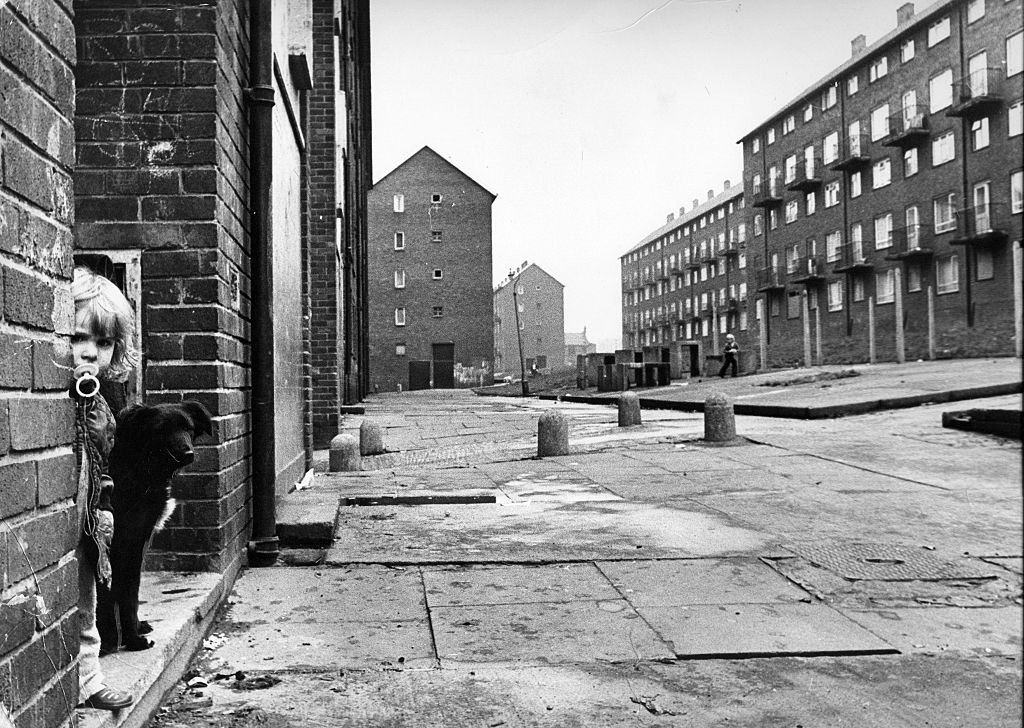
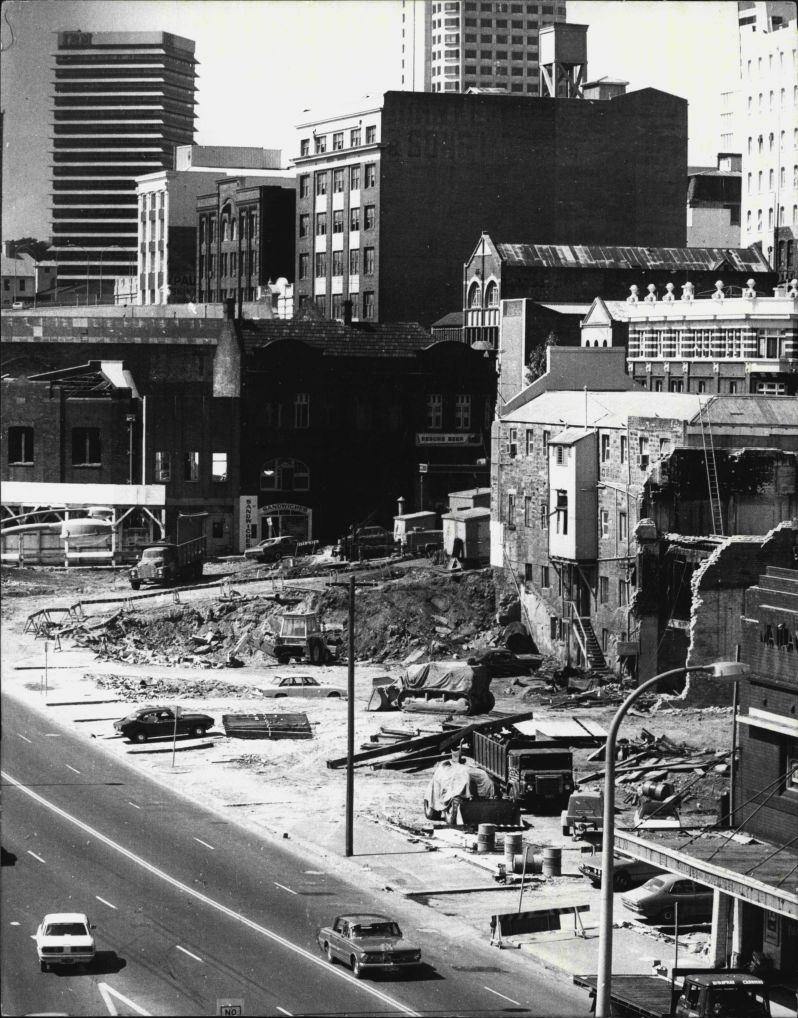
Byker, a working-class neighbourhood on the east side of the city, was undergoing major transformation throughout the early 1970s. Large sections of the old terraced housing were being demolished, their residents relocated as part of a sweeping urban renewal programme. Streets that had been home to families for decades were cleared, and the rubble-strewn lots became a familiar sight. Meanwhile, the Byker Wall — a vast, colourful housing development designed by Ralph Erskine — was rising in their place.
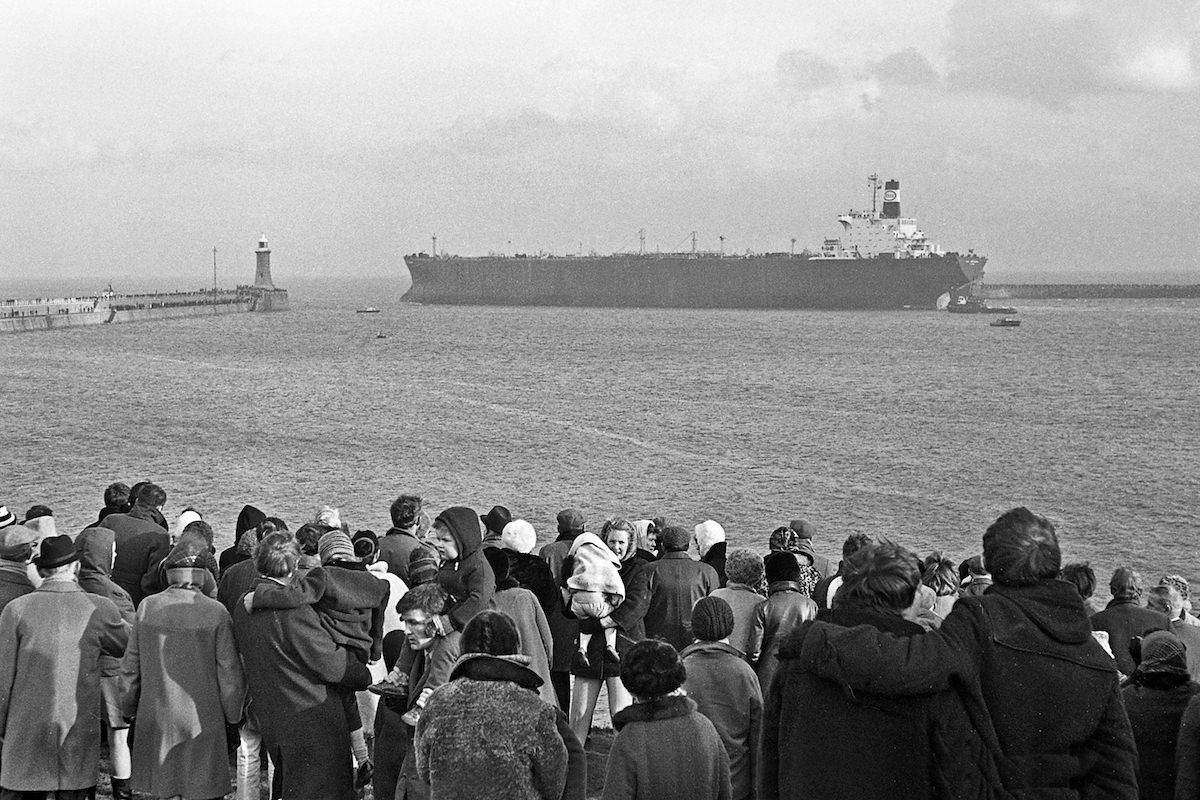
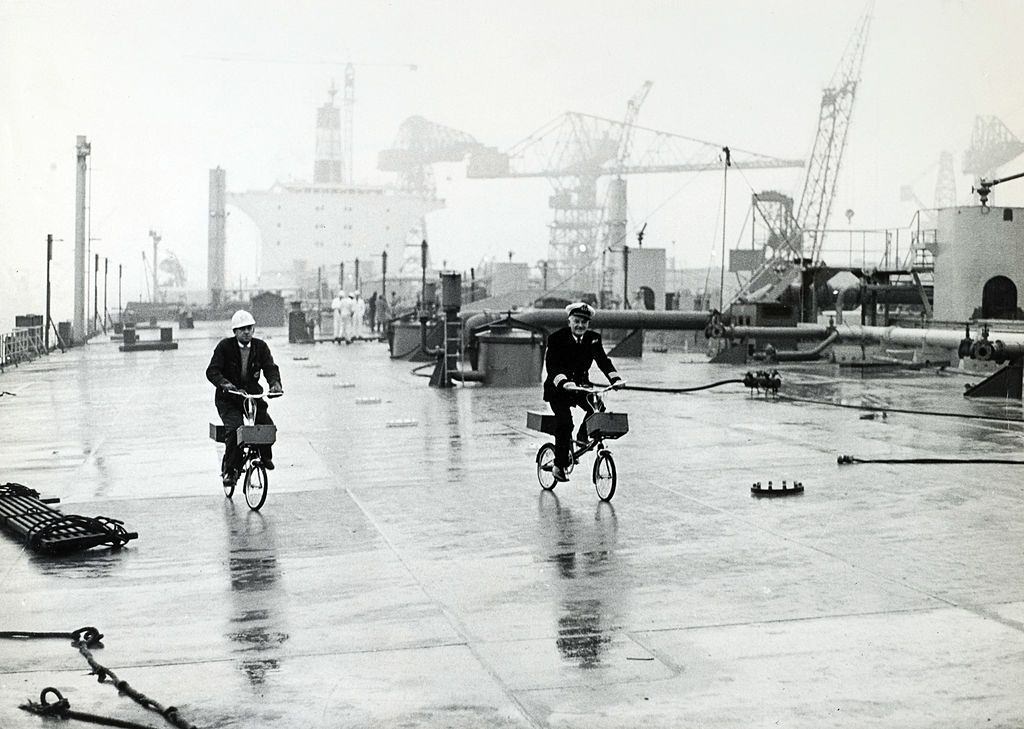
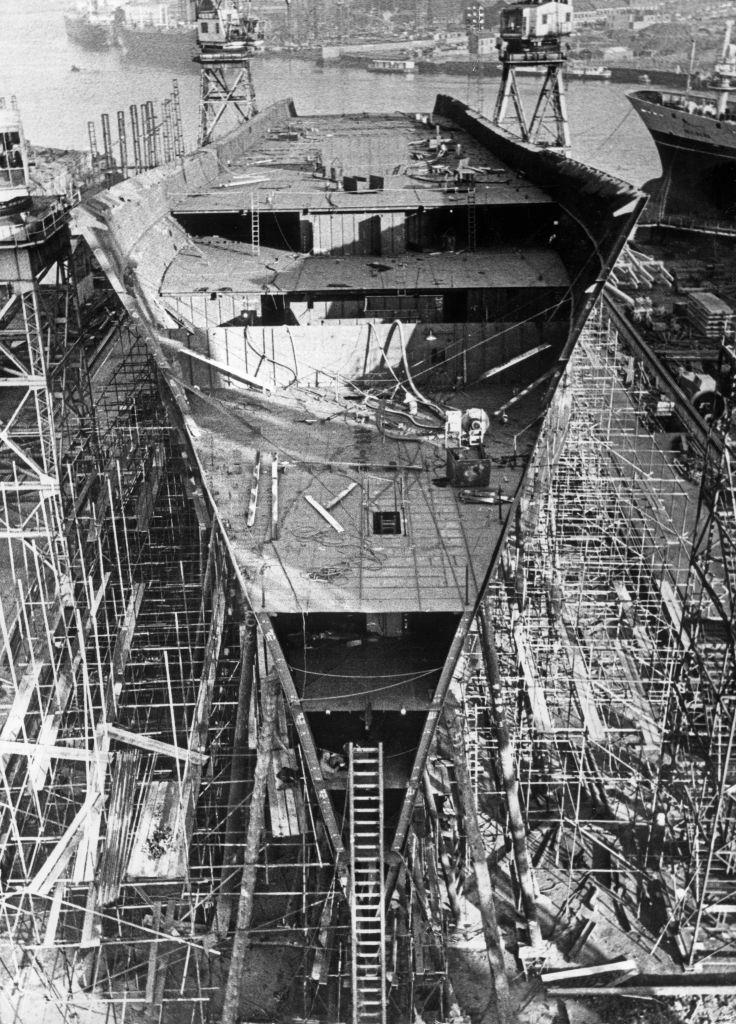
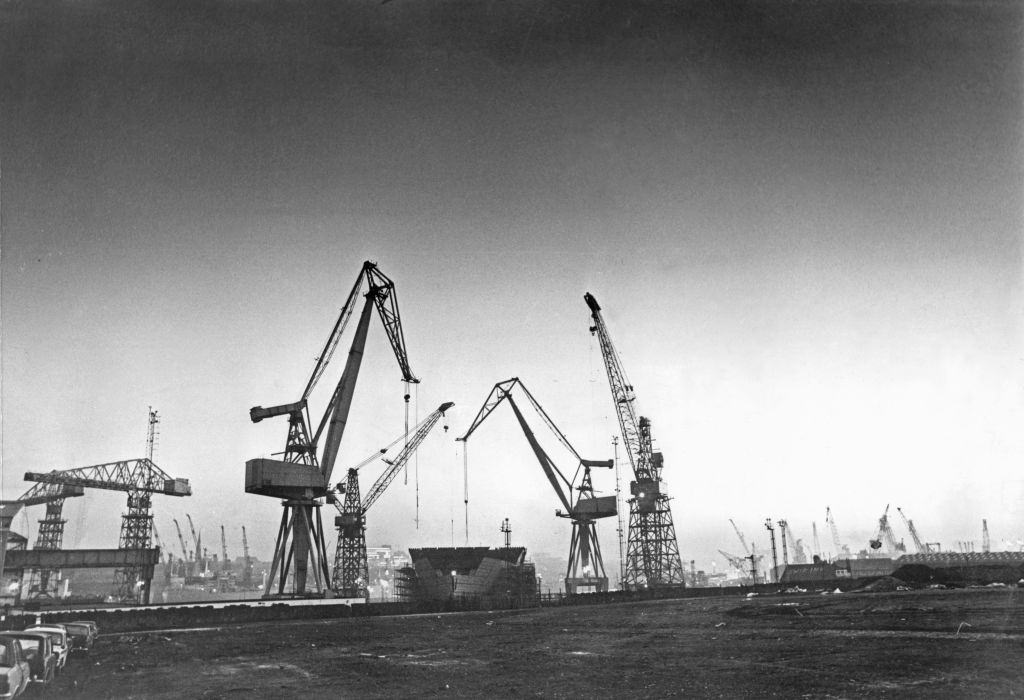
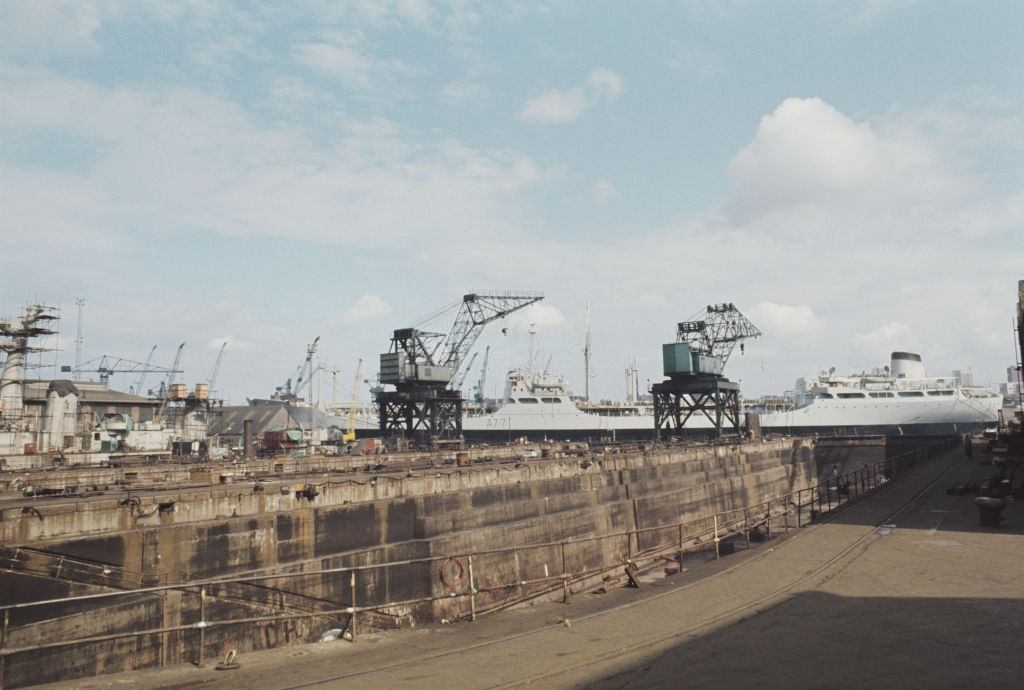
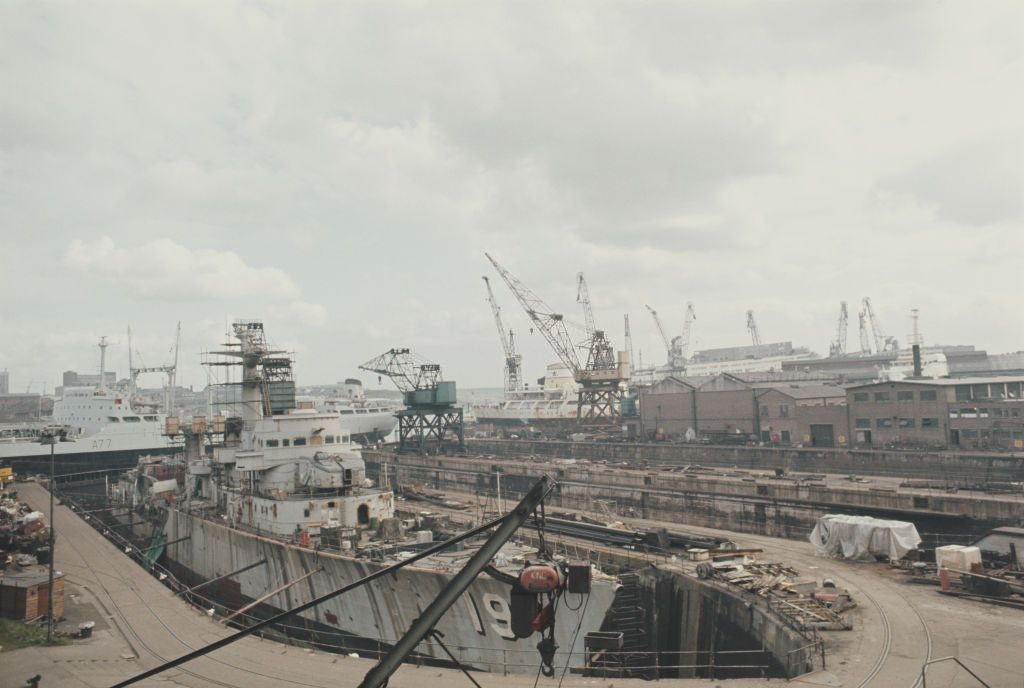
Shipbuilding remained an active and celebrated industry on the Tyne in the early part of the decade. Swan Hunter’s yard at Wallsend was one of the most productive on the river. In February 1970, crowds gathered at Tynemouth to watch the departure of the Esso Northumbria — the first supertanker built on the Tyne. At over 1,000 feet long, it was the biggest ship ever built in England. The Captain and Master rode bicycles along her deck during an inspection tour, giving a sense of just how enormous the vessel was.
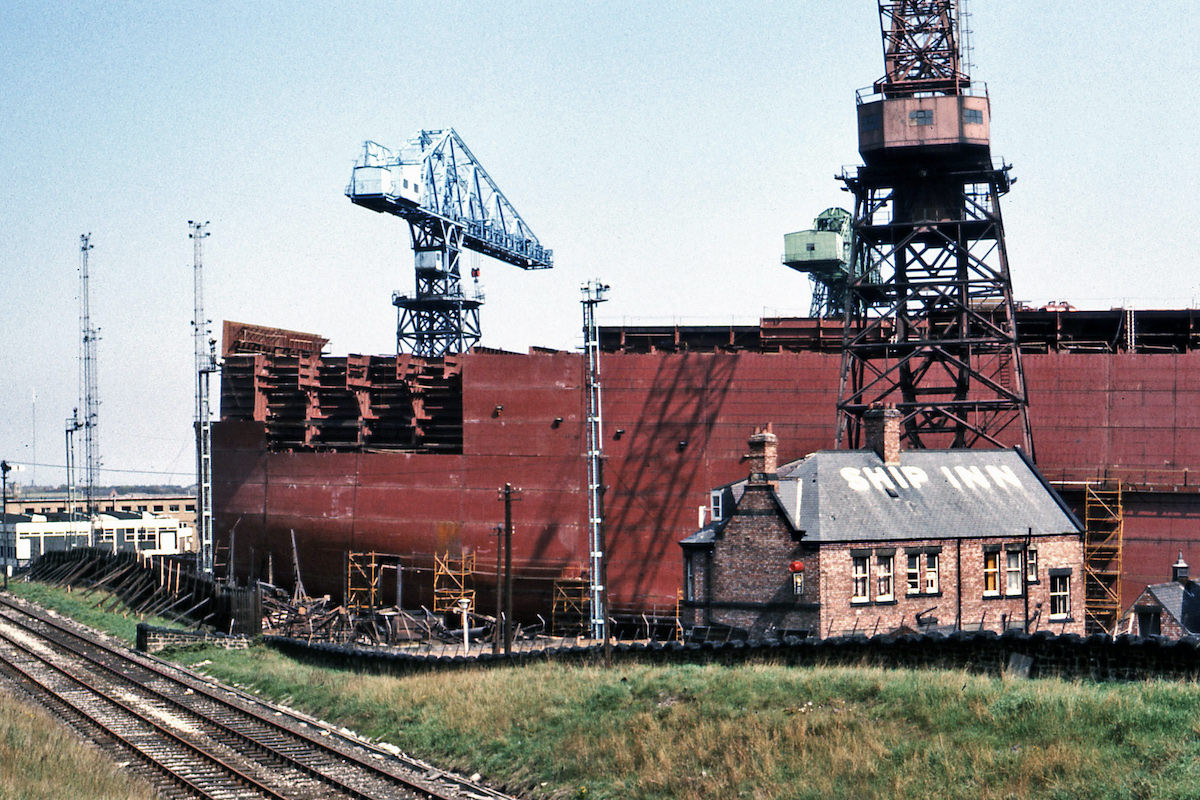
Swan Hunter continued building significant vessels throughout the decade. The luxury liner Vistafjord was under construction at Neptune Yard in January 1972, and HMS Illustrious — a Royal Navy aircraft carrier — was being built at the yard in 1977. The ‘Tyne Pride’ was launched on 6th October 1975. These ships were a source of enormous local pride at a time when British shipbuilding was already beginning to face serious international competition.
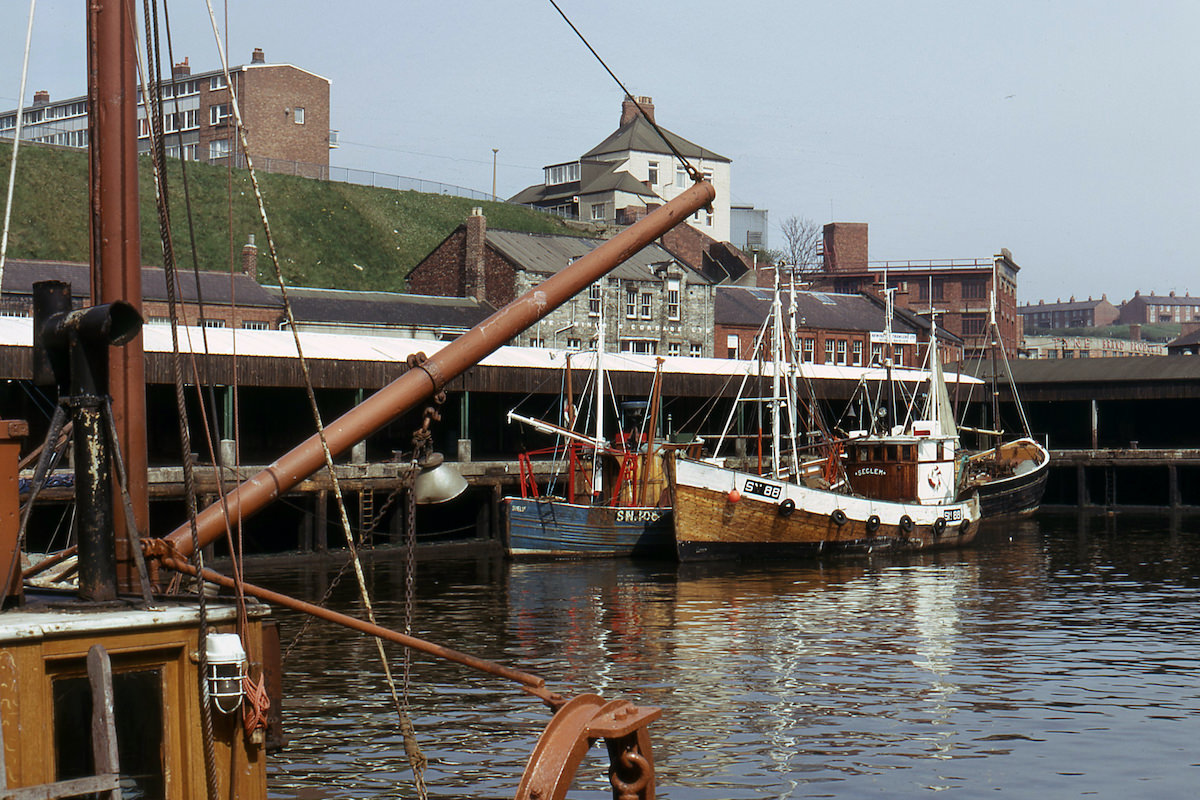
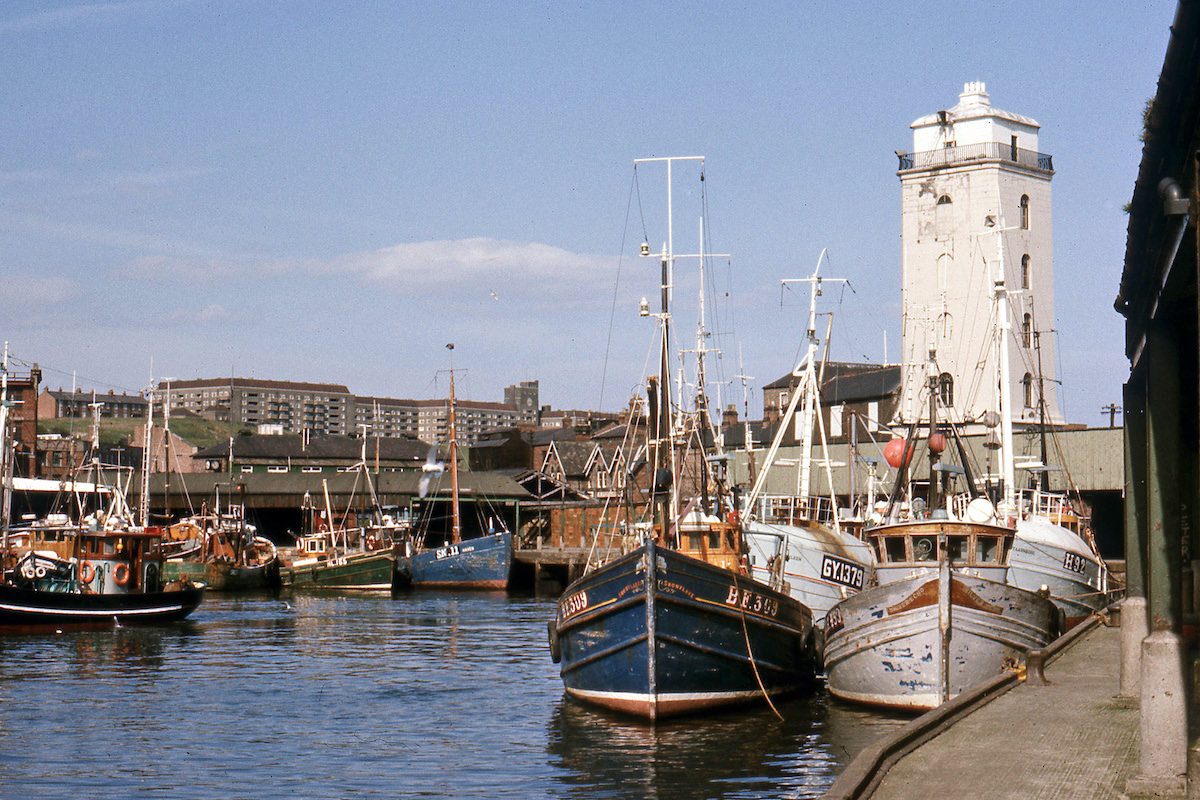
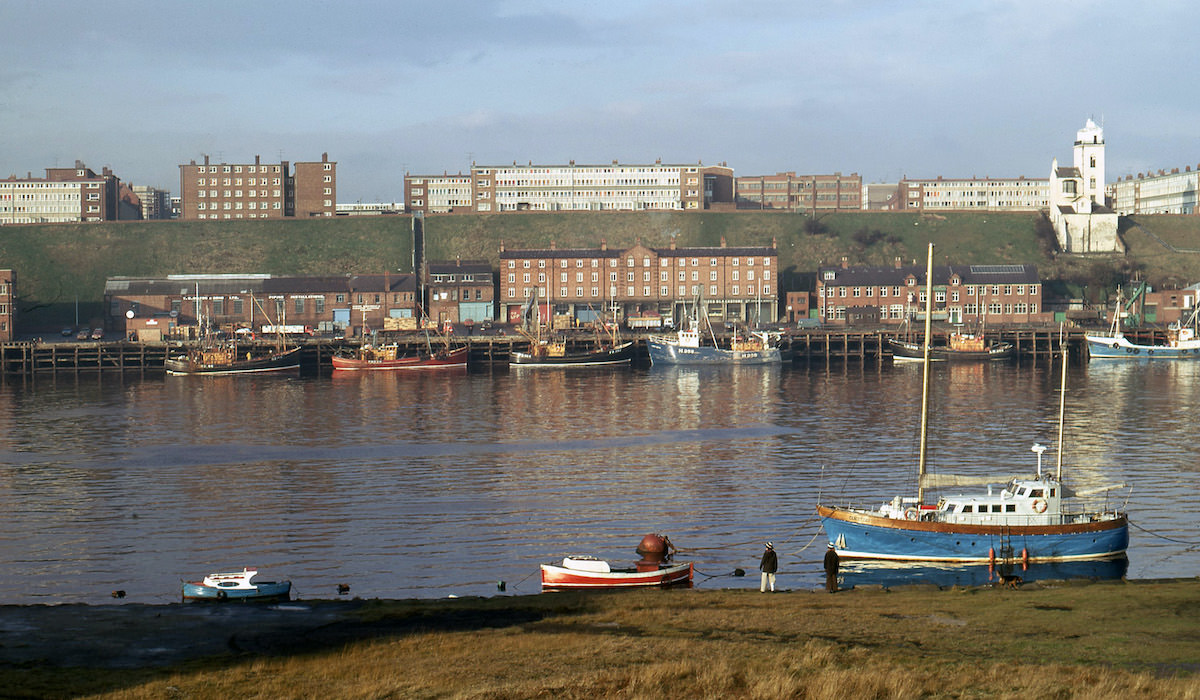
The North Shields Fish Quay was still a working harbour in the 1970s, with fishing boats returning regularly with their catches. The quay had a raw, functional atmosphere — nets, crates, and the smell of the sea. Across the water, the North Shields skyline carried the marks of its industrial past, with the view from South Shields showing the scale of change already taking hold by the mid-decade.
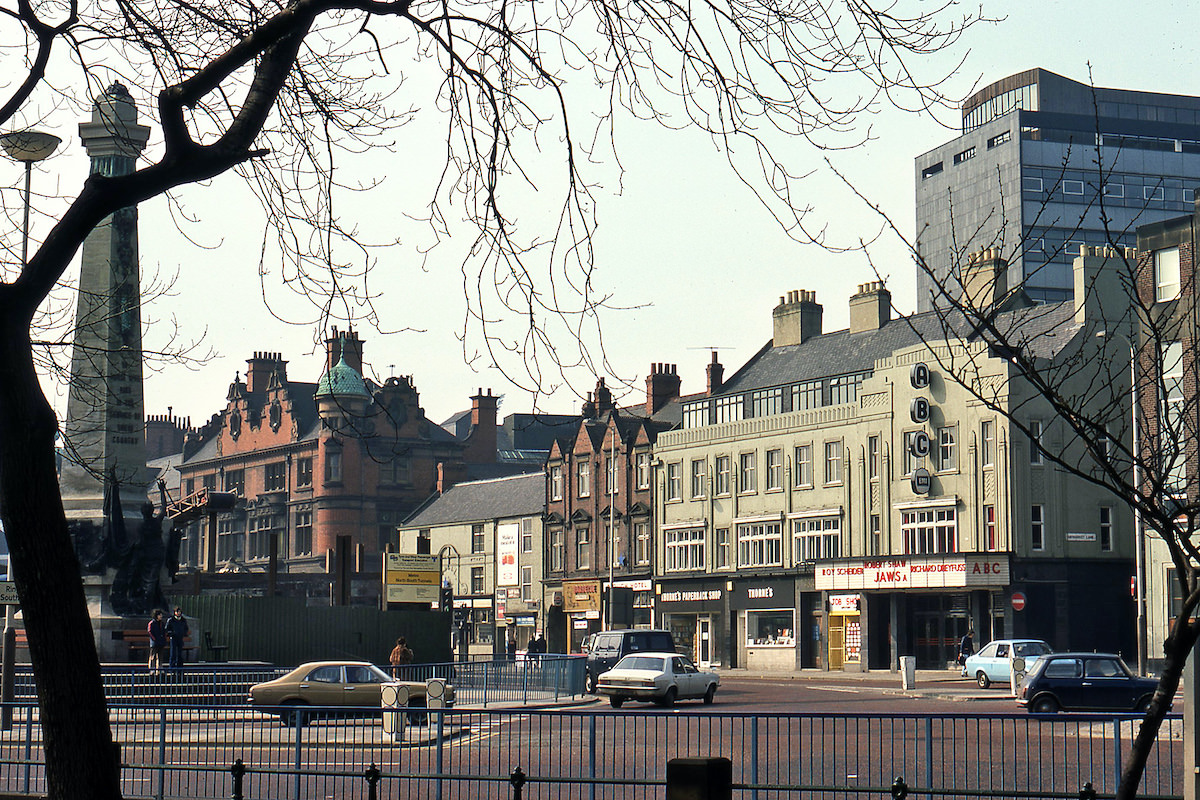
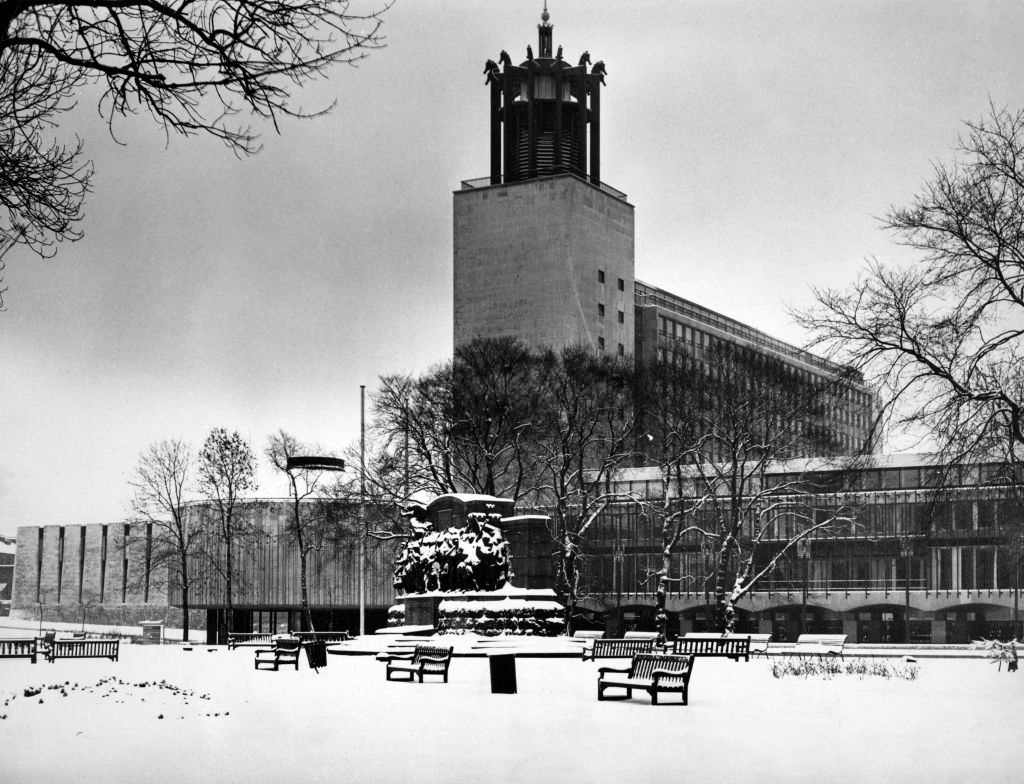
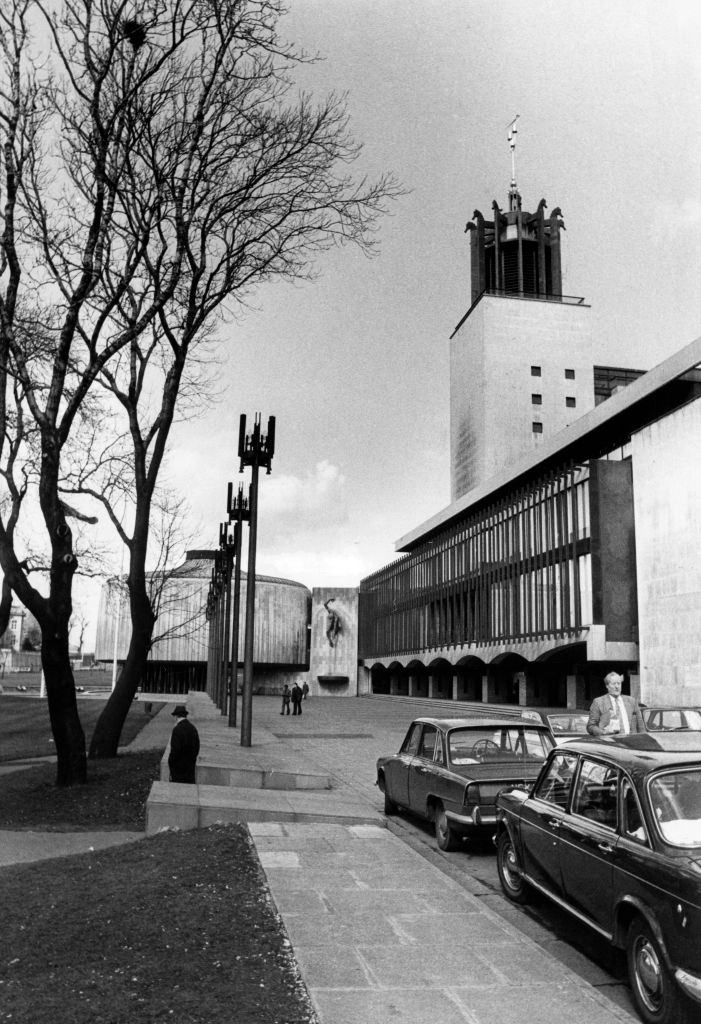
The Haymarket area was one of the busiest parts of the city centre. In 1976, the ABC cinema on the Haymarket was screening Jaws — Steven Spielberg’s blockbuster that had become a cultural sensation. The Civic Centre, Newcastle’s imposing local government headquarters nearby, was a regular backdrop for the daily movement of city life.
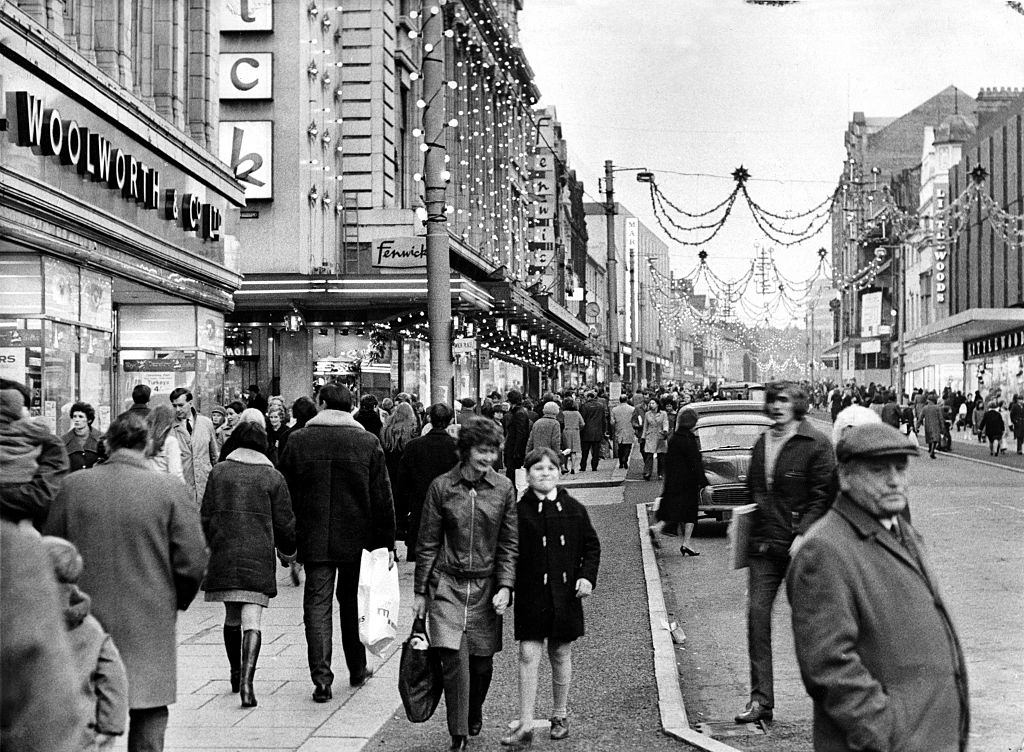
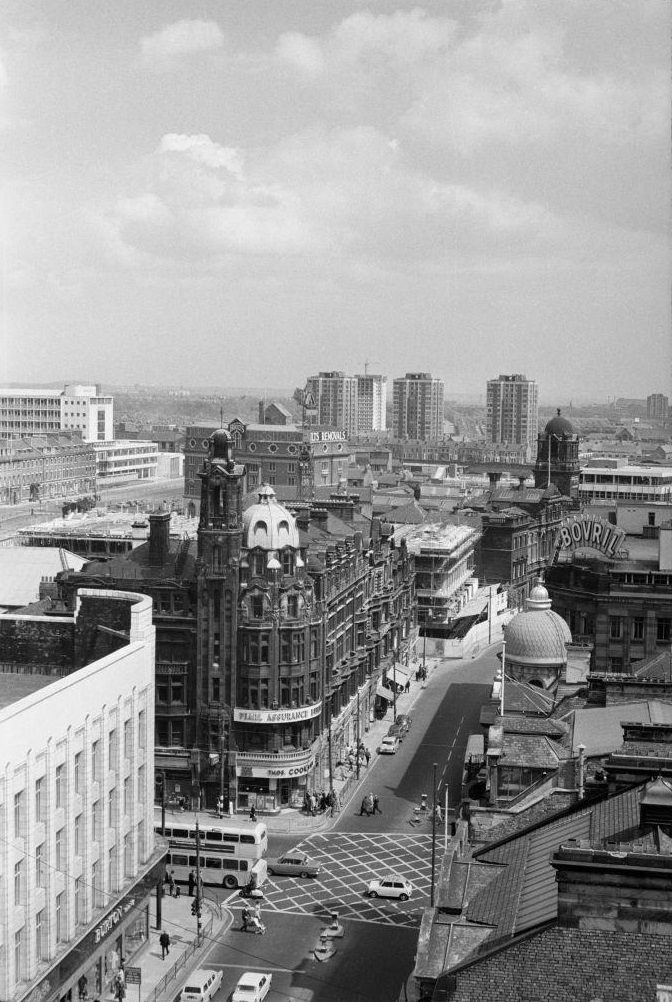
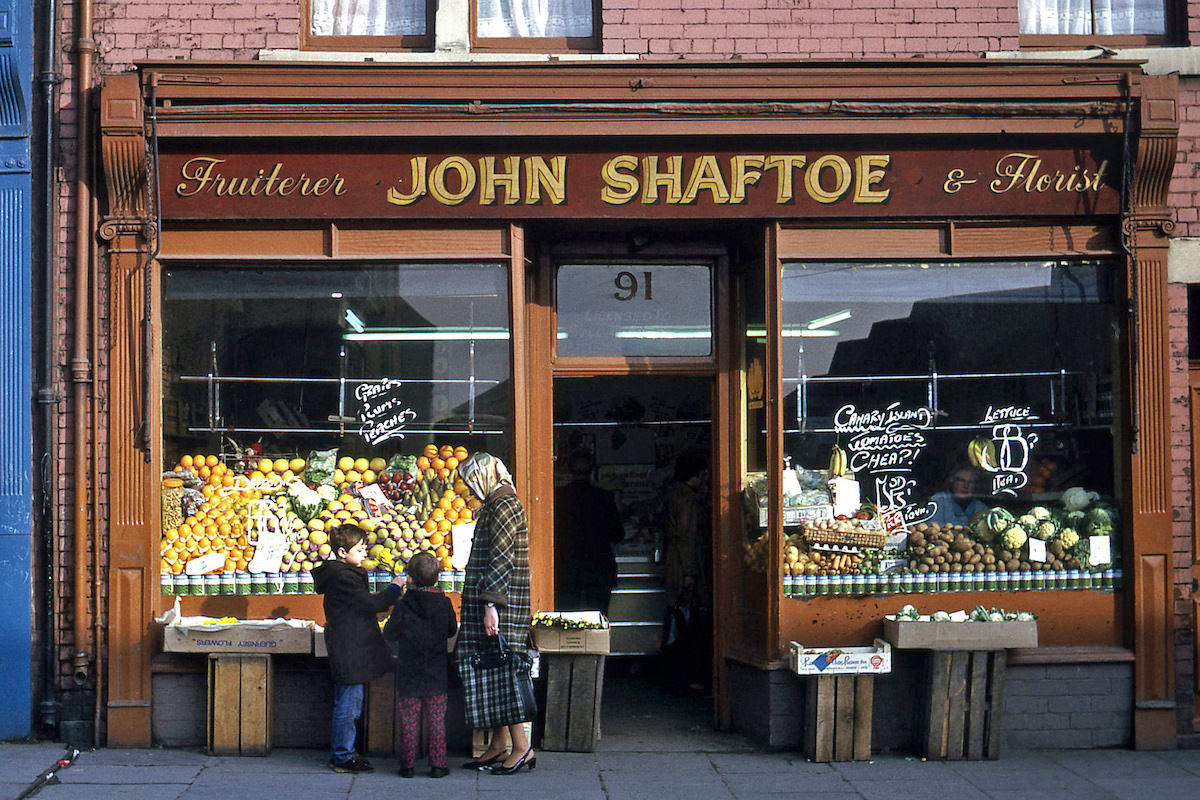
Northumberland Street was the main shopping artery of Newcastle, lined with well-known retailers. The Woolworth’s branch there was a fixture of the street in the early 1970s, as was the Pearl Assurance Building, whose ornate 19th-century stonework stood in sharp contrast to the more modern shopfronts around it.
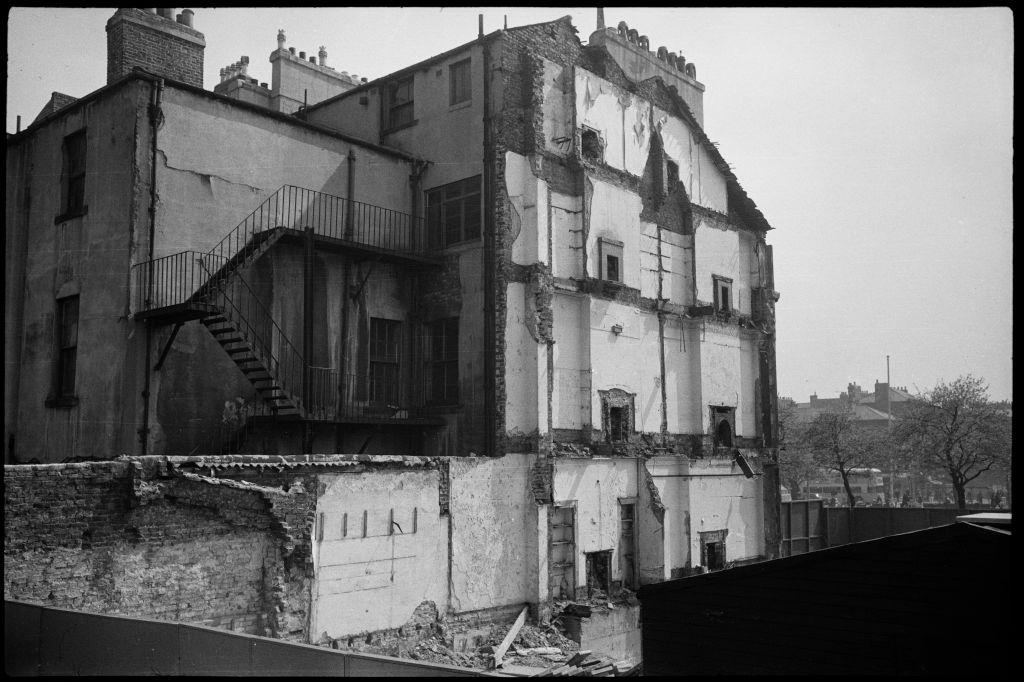
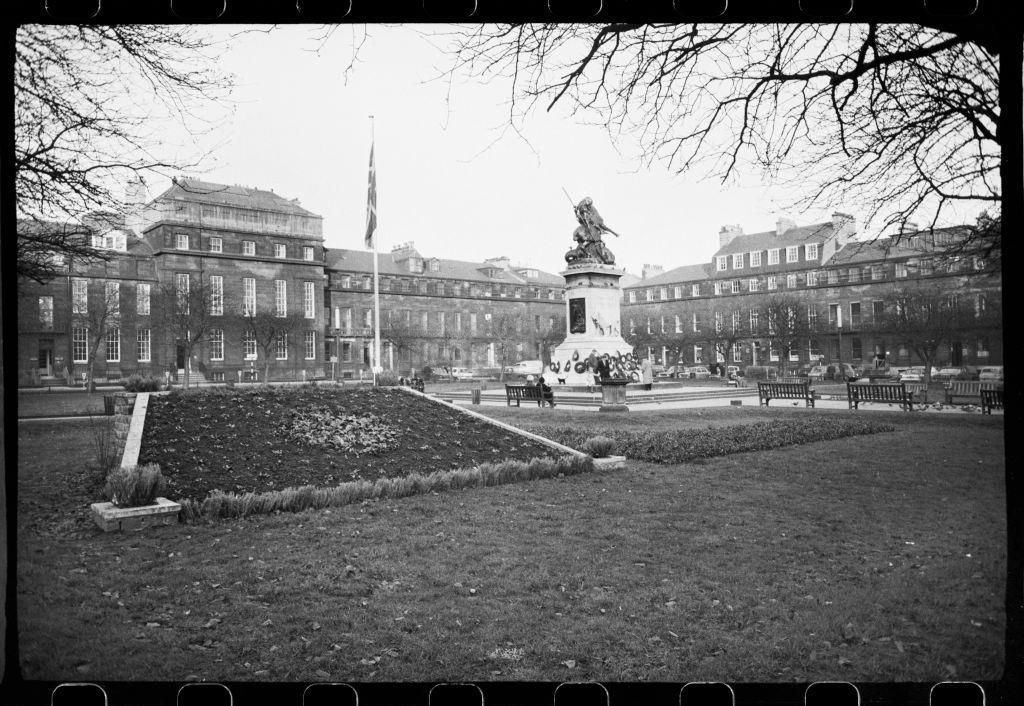
Eldon Square was one of Newcastle’s most significant Georgian architectural losses of the decade. The square had three ranges of terraced houses built between 1825 and 1831 by Thomas Oliver and John Dobson for Richard Grainger. The north and west ranges were demolished in 1973 to make way for the Eldon Shopping Centre. The east range survived. What disappeared was irreplaceable — a coherent piece of early 19th-century urban design that had defined the character of that part of the city for nearly 150 years.
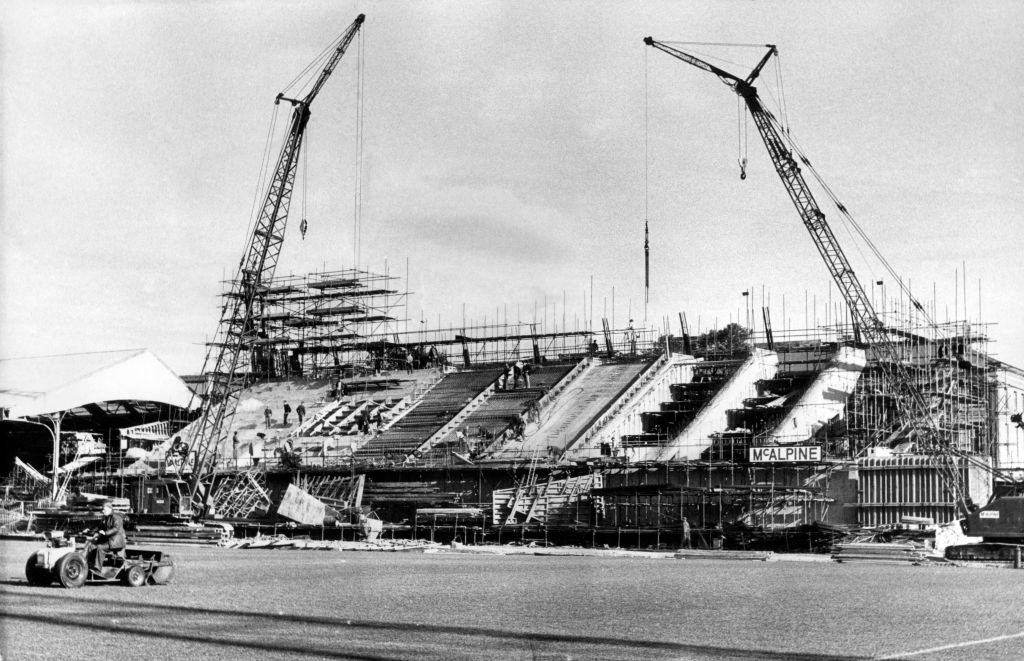
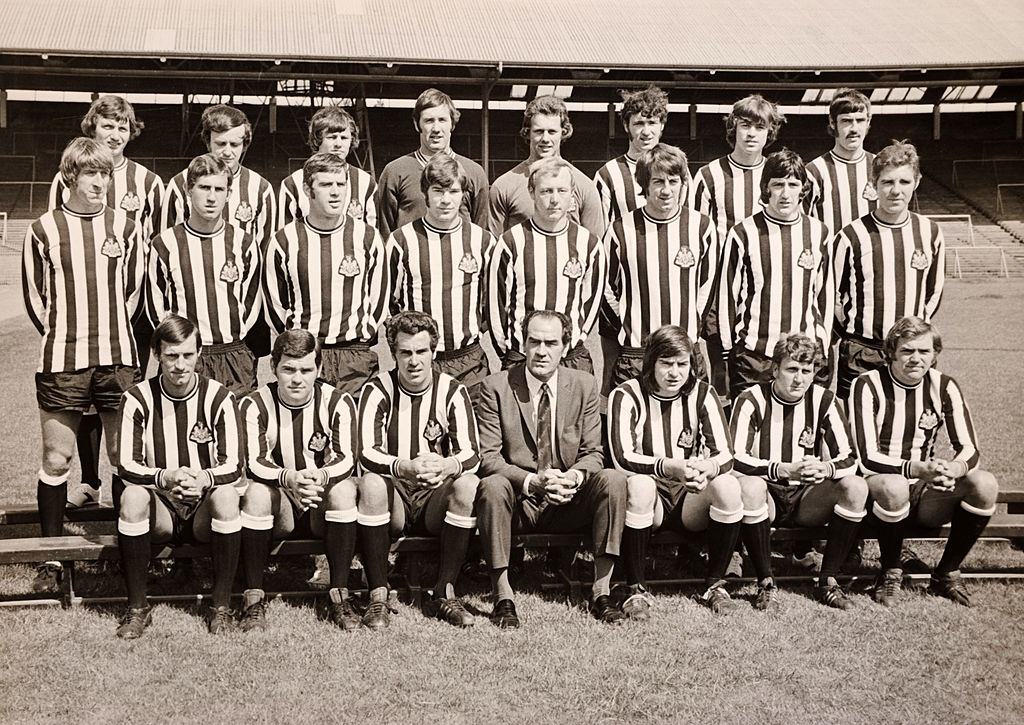
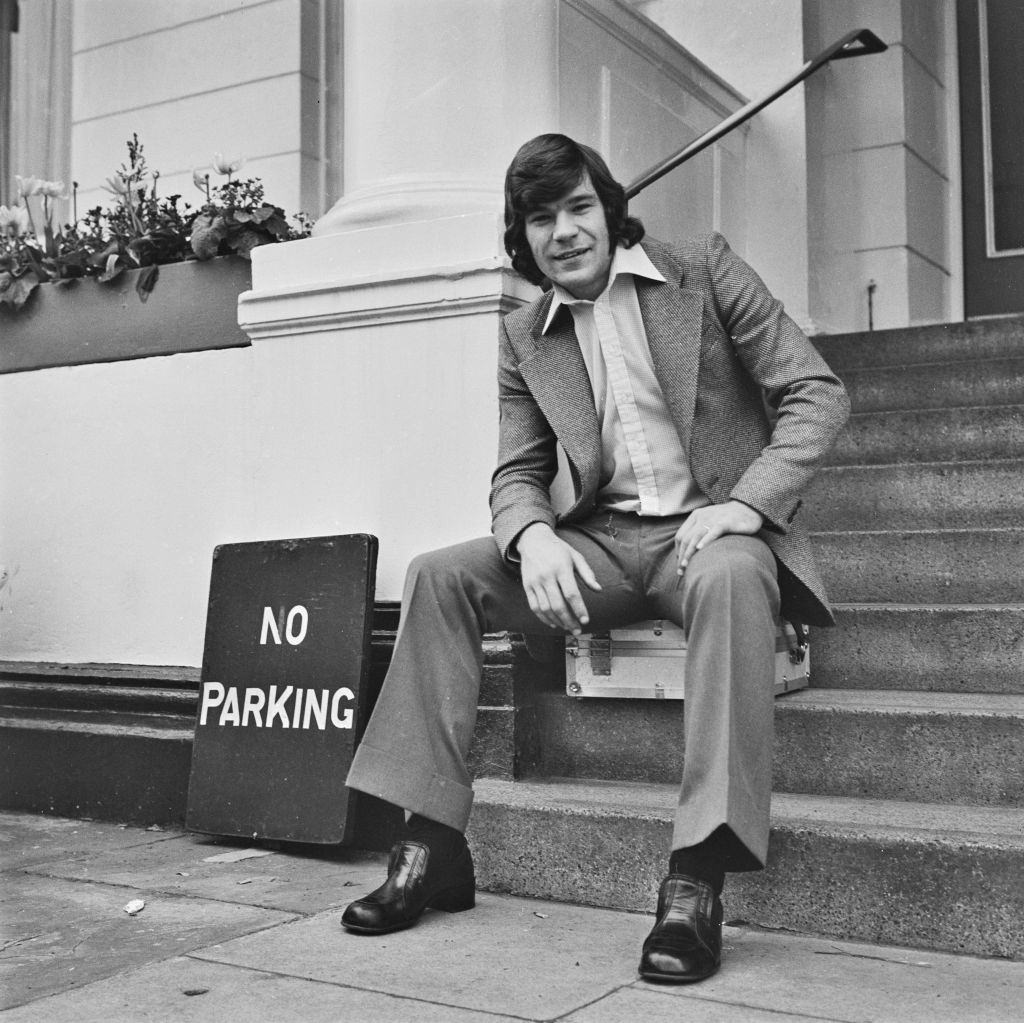
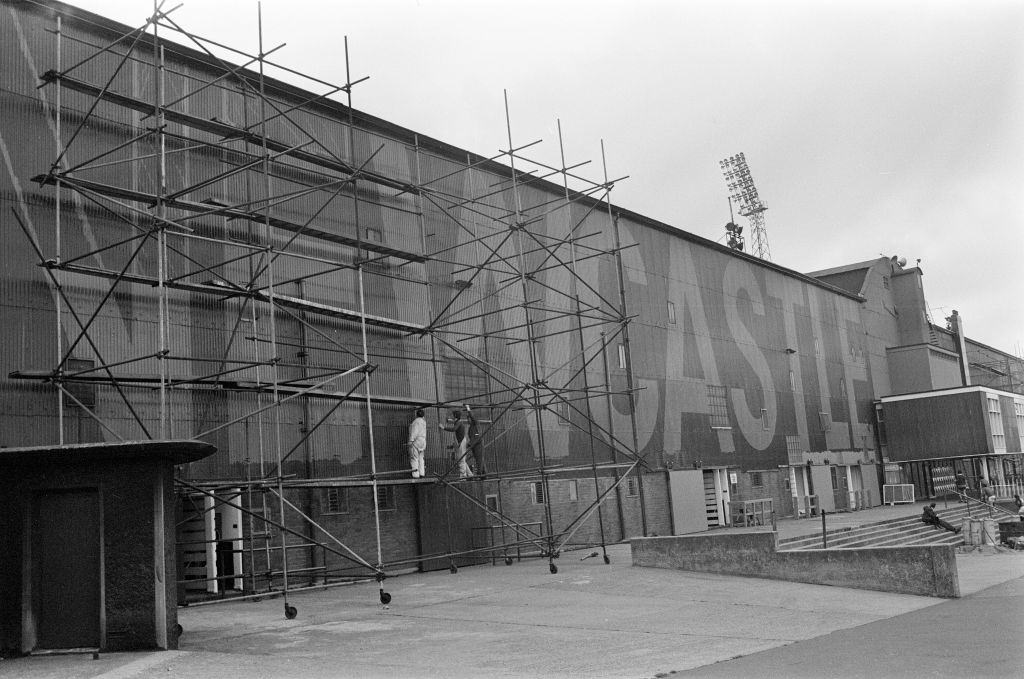
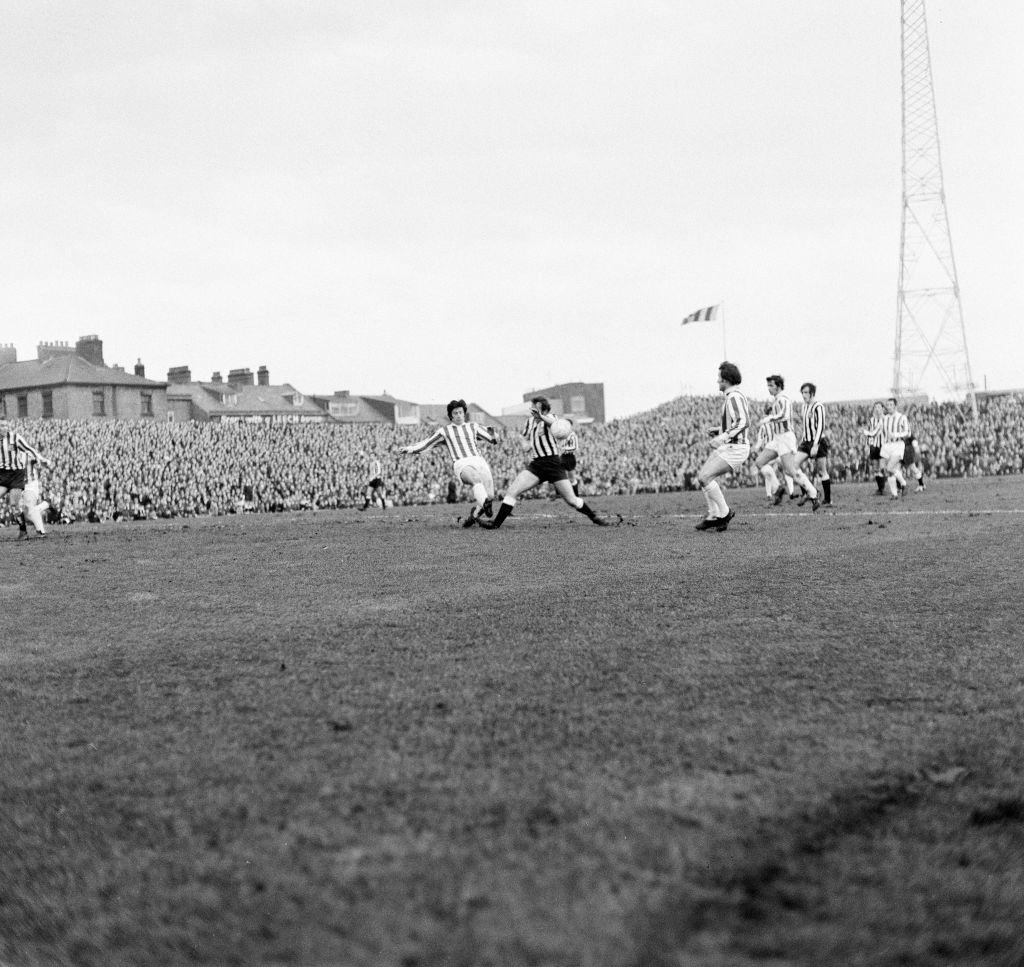
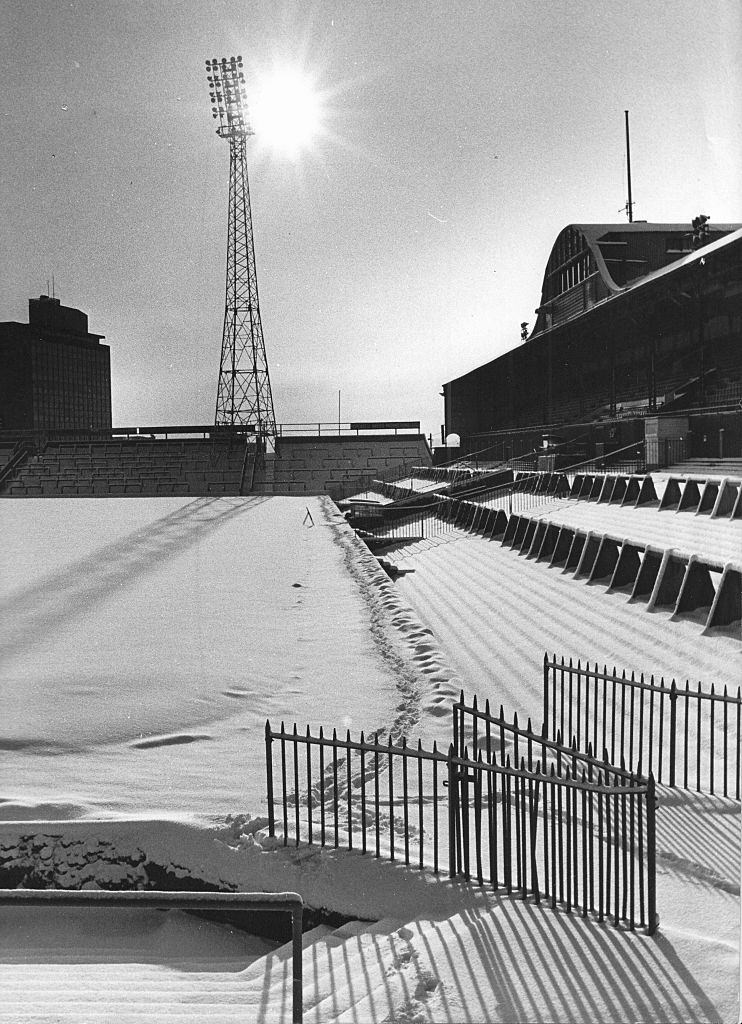
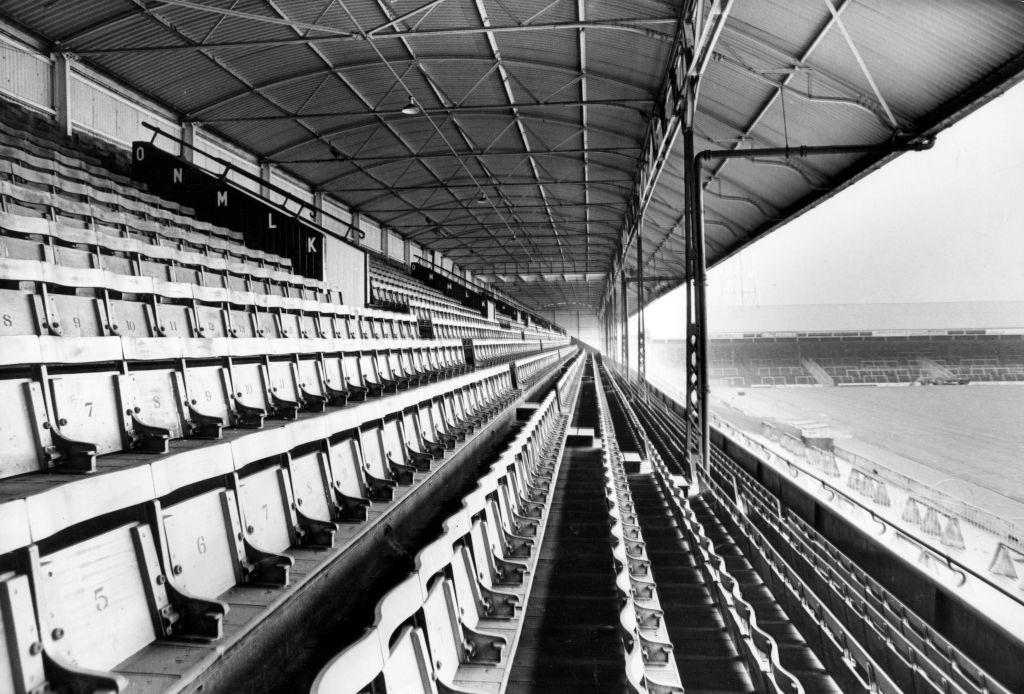
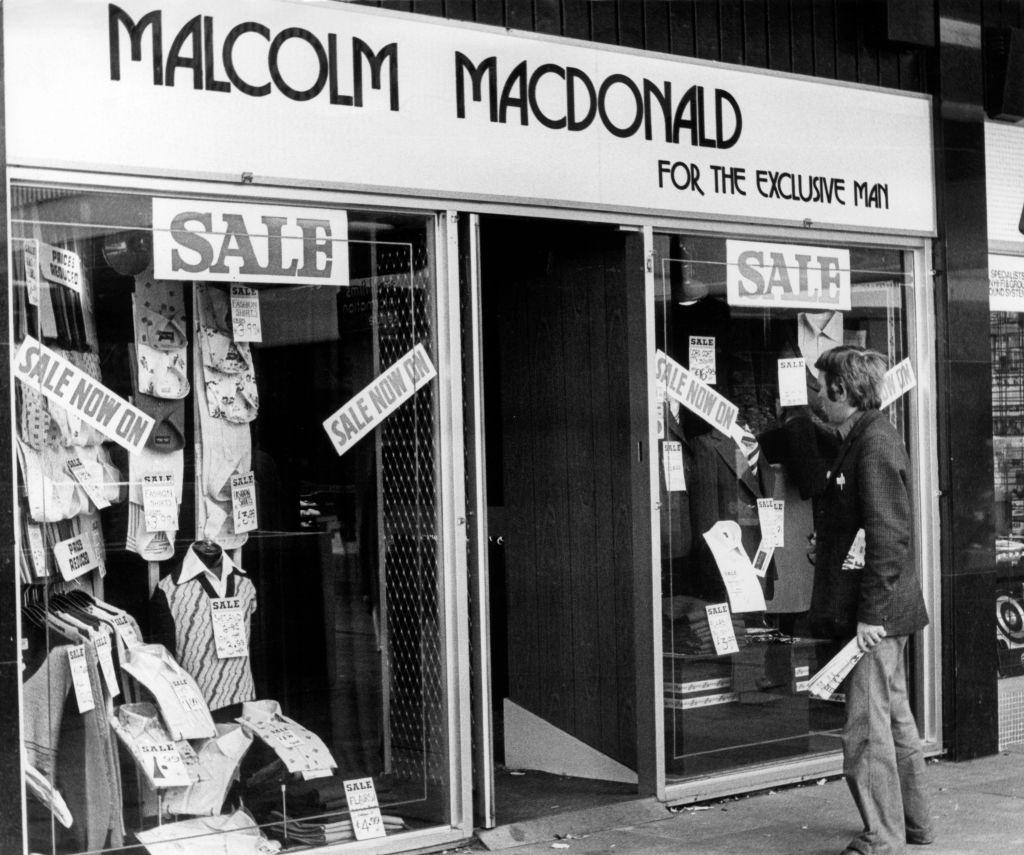
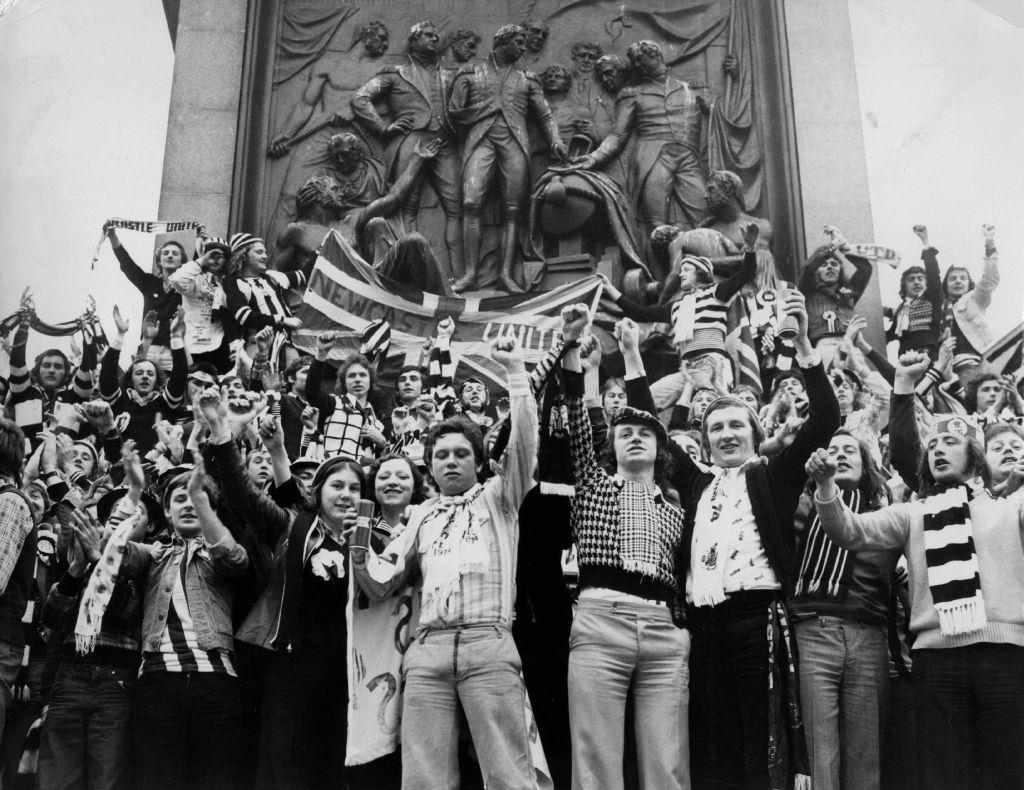
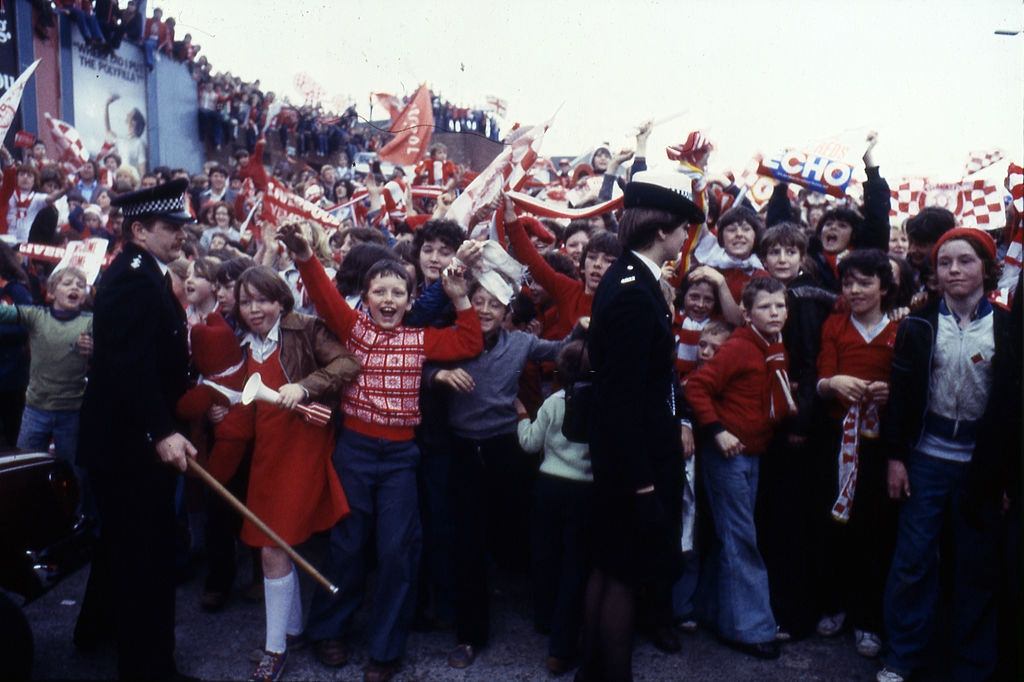
Newcastle United dominated much of the city’s emotional calendar throughout the decade. St James’ Park, overlooking the city centre, was the heart of that passion. In 1971, a new giant sign appeared on the Fallowgate end of the ground, and the club’s team that year included big names like Malcolm Macdonald, Bobby Moncur, and manager Joe Harvey. The 1974 FA Cup Final, however, brought a painful day — Liverpool beat Newcastle 3-0, and the images of Liverpool’s victory parade back home told the story of what Newcastle fans had hoped to celebrate themselves.
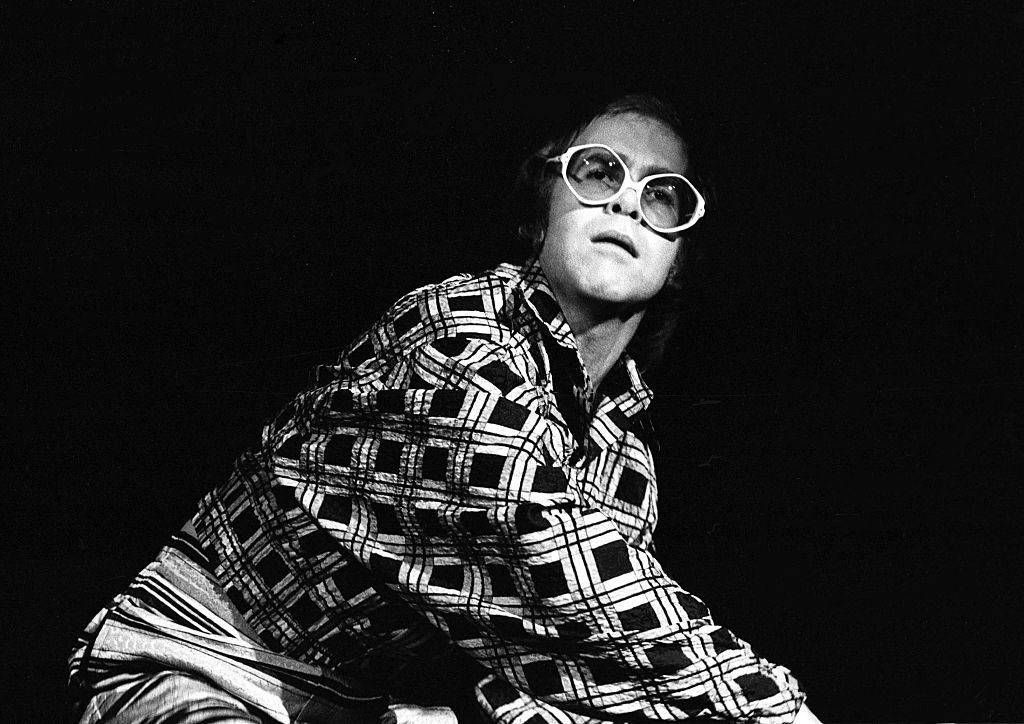
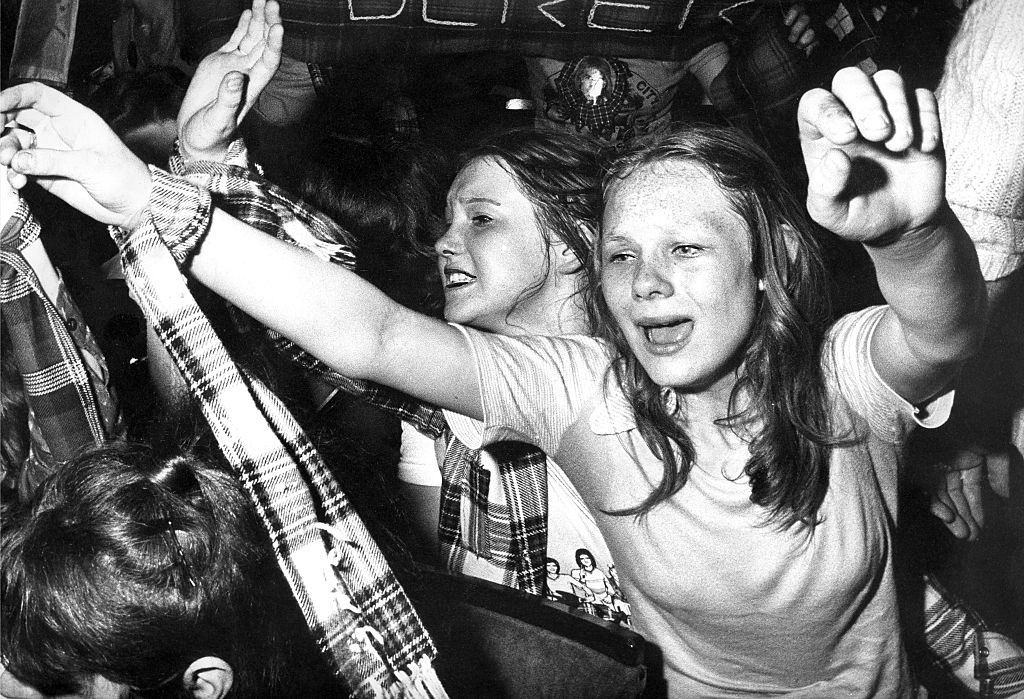
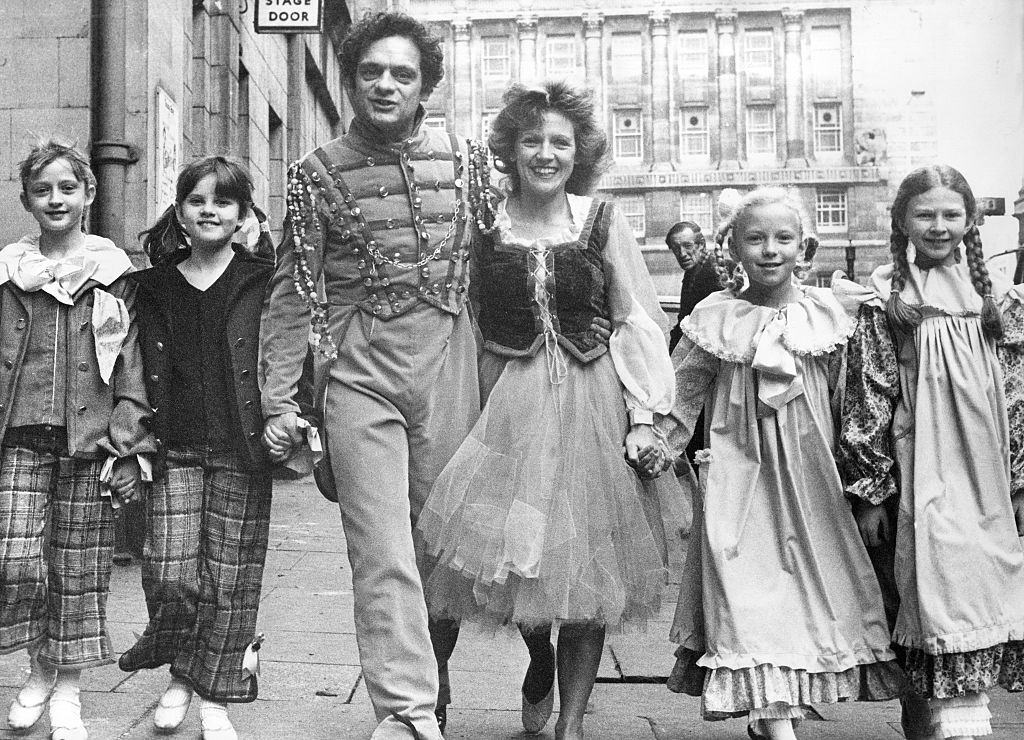
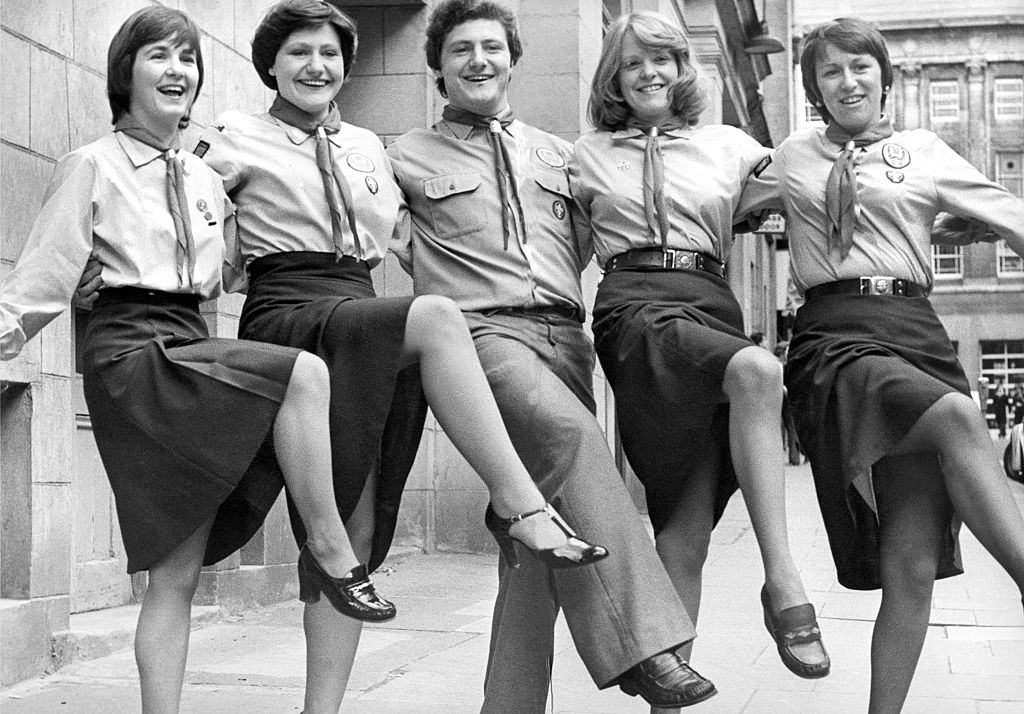
Newcastle’s cultural life was equally vivid. The Theatre Royal hosted everything from pantomimes to major productions. David Jason appeared in Cinderella there alongside Leah Bell, while the cast of Newcastle’s 35th Gang Show posed outside the same venue in 1978. At City Hall, Elton John took to the stage in 1973, and in 1975, a crowd of screaming fans — many in tartan — descended on the venue to watch the Bay City Rollers.
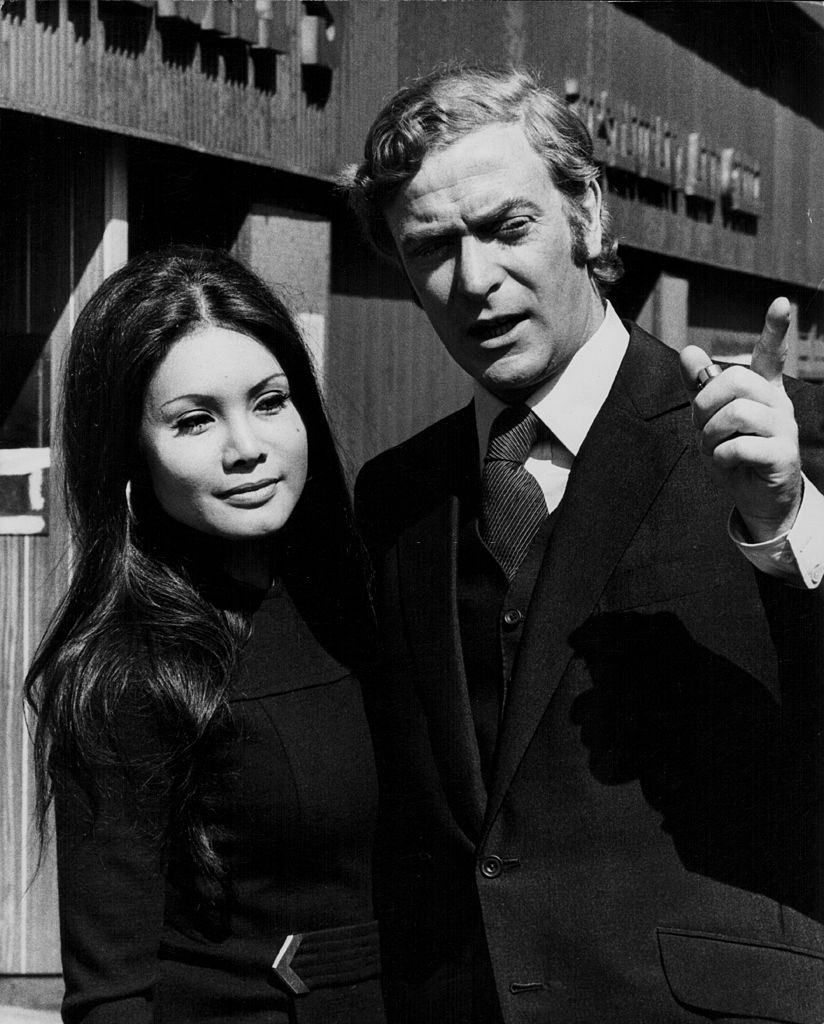
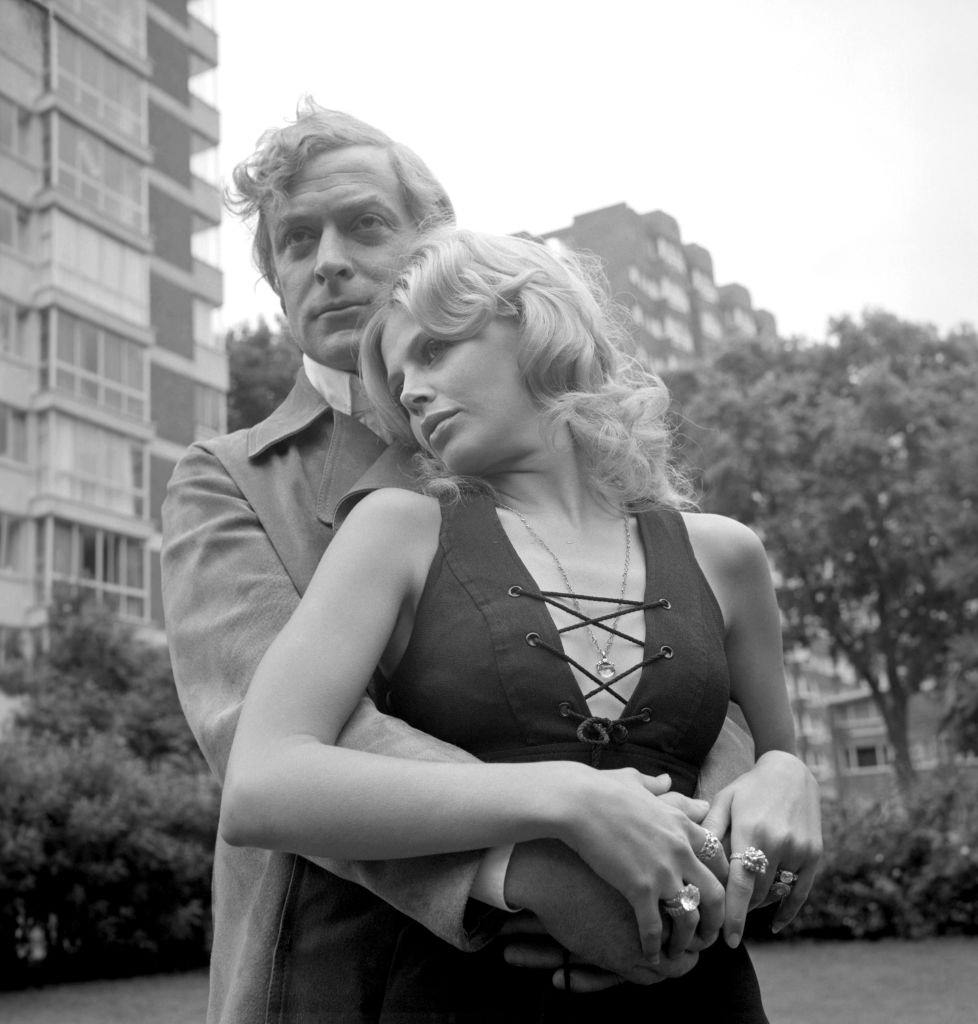
Newcastle also attracted famous faces from the world of film. In 1970, Michael Caine arrived in the city to shoot Get Carter — a crime thriller that used the streets, multi-storey car parks, and industrial landscape of Newcastle and Gateshead as its backdrop. Caine was photographed with his girlfriend Minda Feliciano on location, and his co-star Britt Ekland also joined the production in 1971. The film became one of the most celebrated British crime films of the era, its visual identity inseparable from its Tyneside setting.
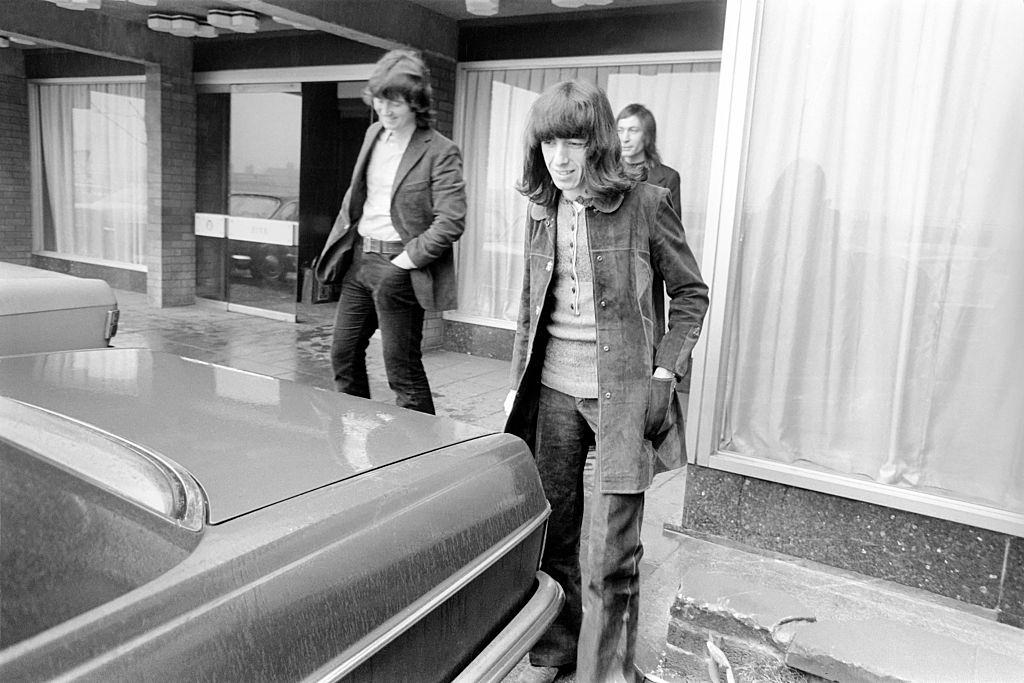
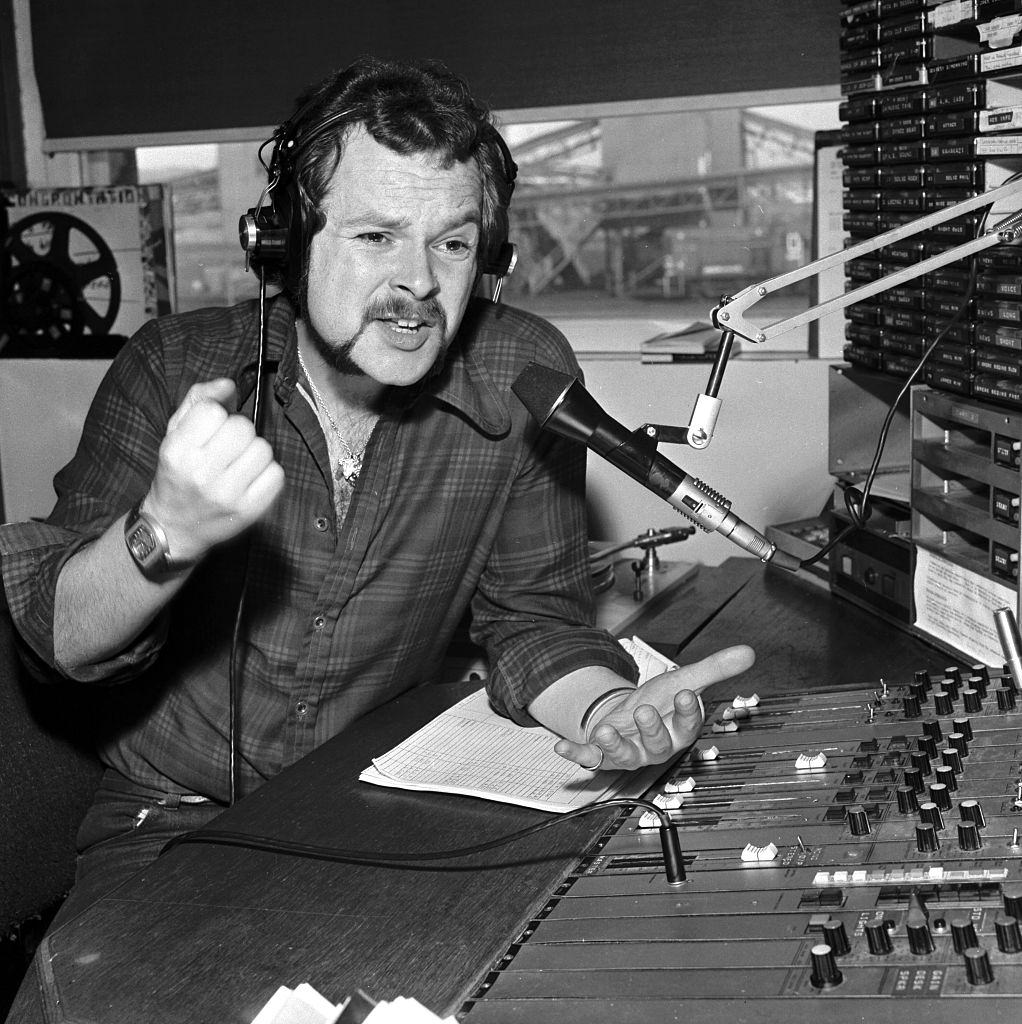
The Rolling Stones passed through Newcastle in 1971, with Bill Wyman and Charlie Watts photographed at their hotel. Radio was also changing — Metro Radio, Newcastle’s local commercial station, launched during the decade, and DJ James Whale was among those working at the station’s studios, broadcasting to listeners across Tyneside.
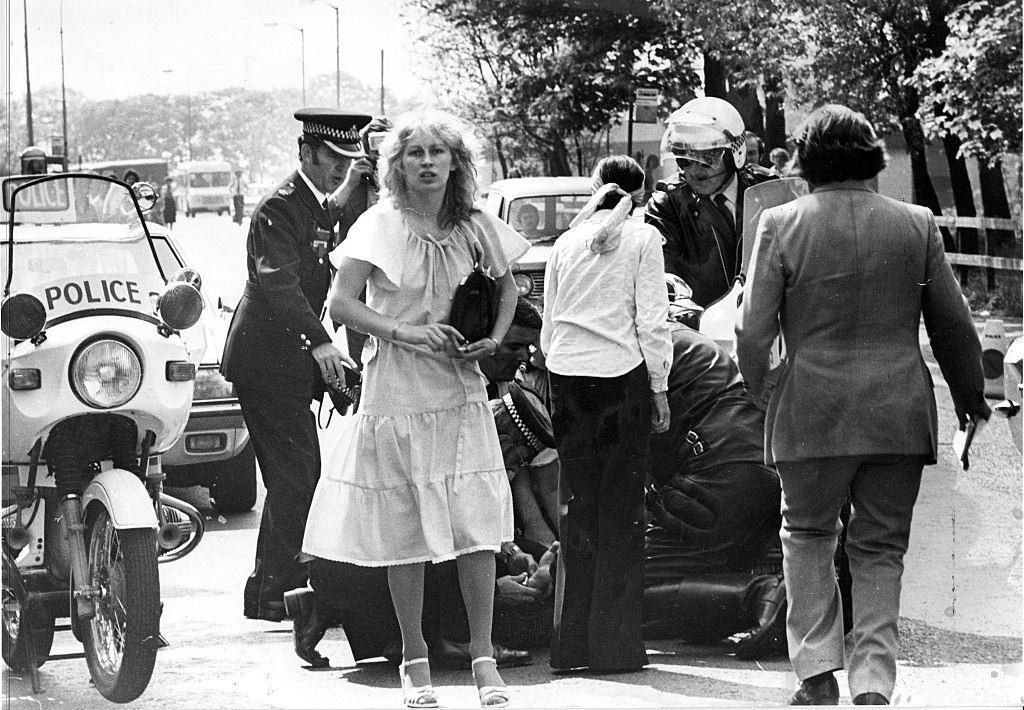
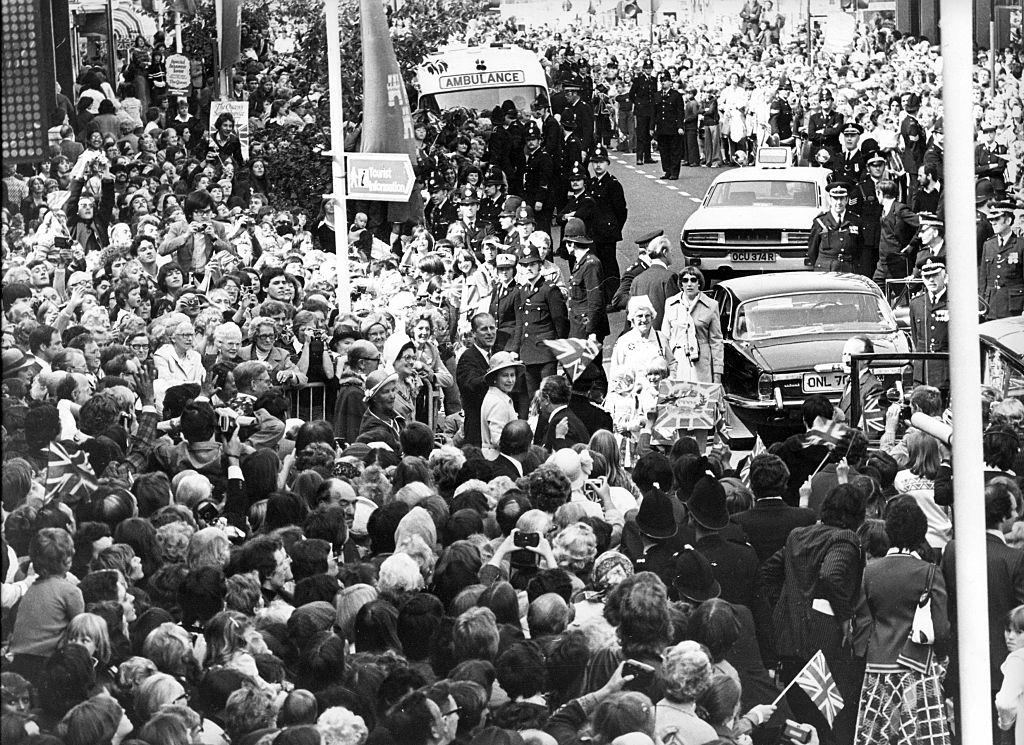
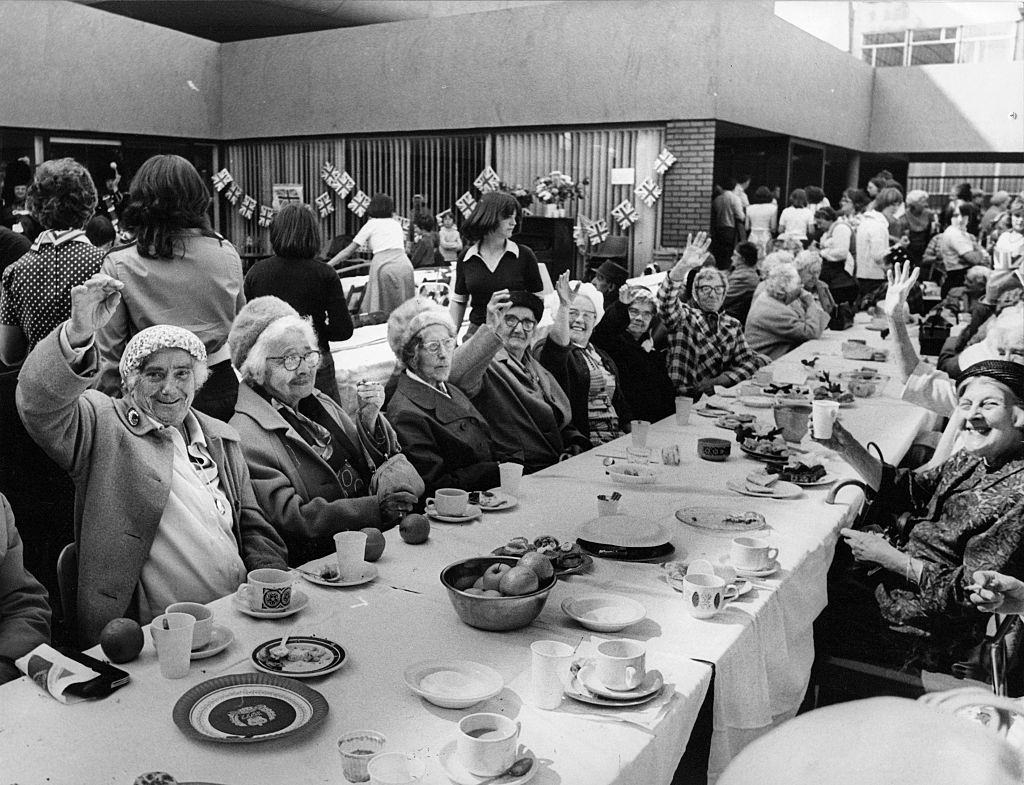
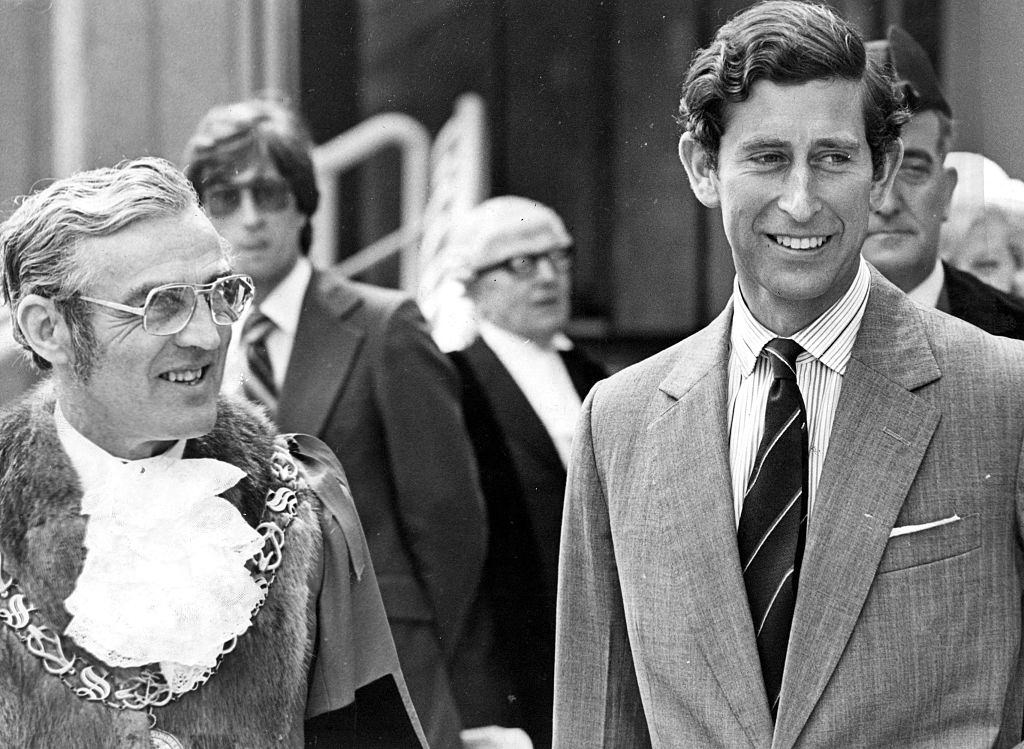
Royal visits punctuated the decade. Prince Charles came to Newcastle on 31st May 1978, visiting the Freeman Hospital. Moments after his car left, a man hurled a bottle at the vehicle. Police pinned the attacker to the ground within seconds. In 1977, Queen Elizabeth II and Prince Philip visited the North East as part of the Silver Jubilee tour. The only city centre Jubilee street party took place in Ellison Place, near Mea House, organised by Age Concern.
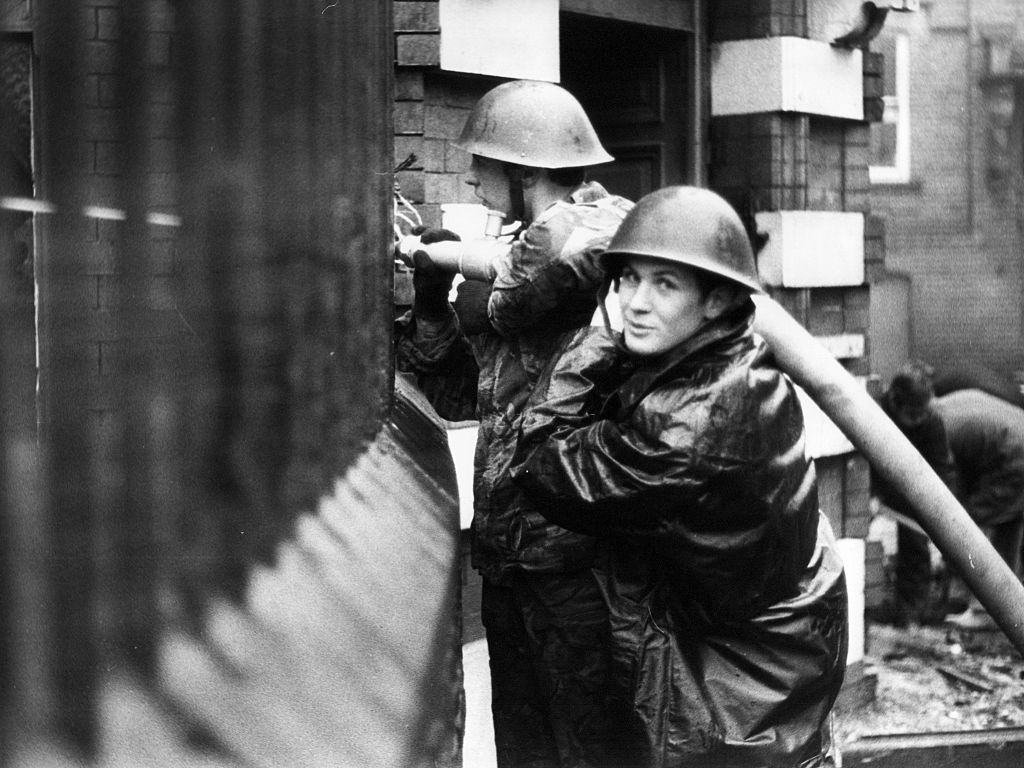
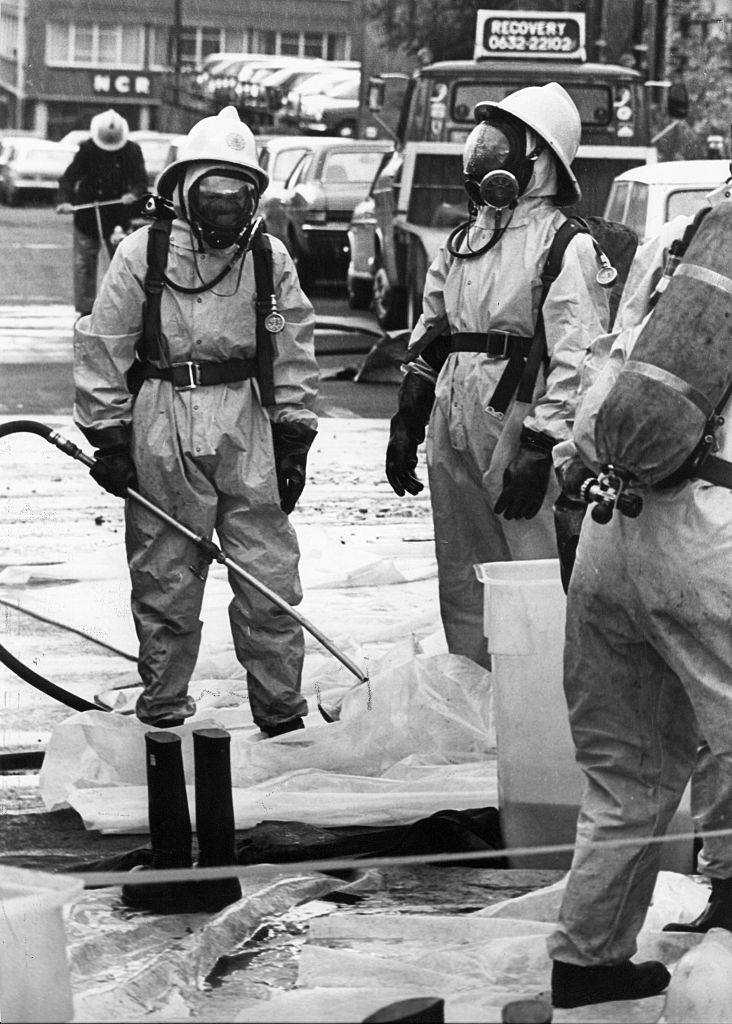
The 1977 firefighters’ strike was one of the decade’s most dramatic episodes. When firefighters walked out over pay, the army stepped in to provide emergency cover using Green Goddess appliances. Soldiers in fire gear attended incidents across Newcastle, a jarring sight for a city used to its own professional fire service. The strike lasted months and became a defining image of the labour disputes that characterised Britain in the late 1970s.
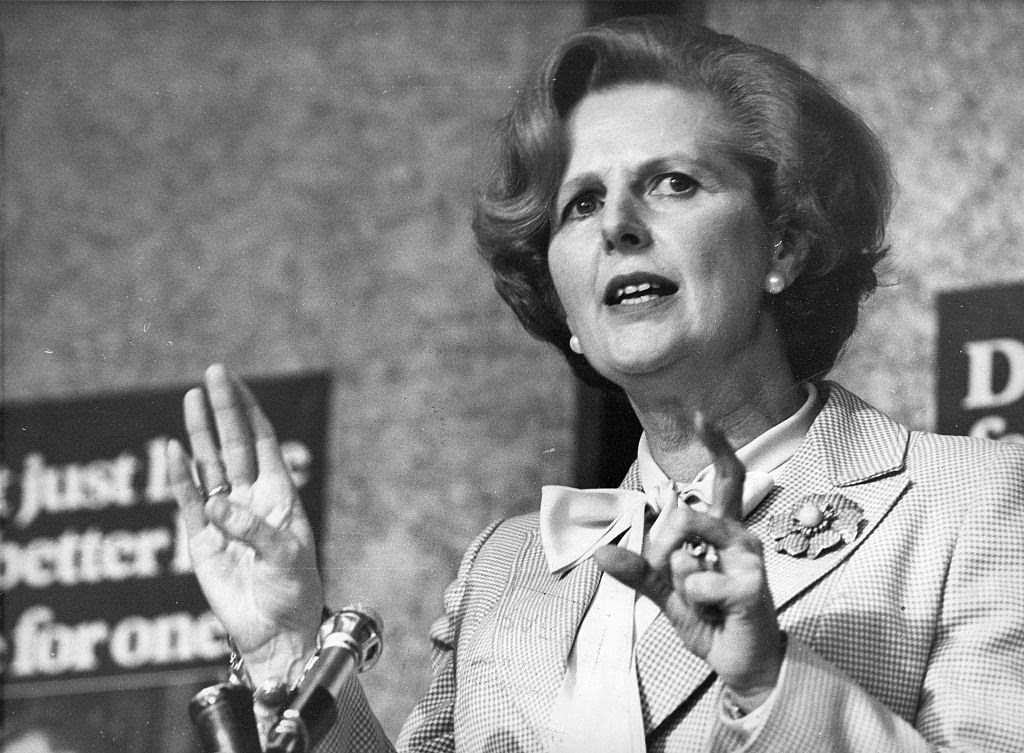
Margaret Thatcher, still Opposition leader for much of the decade, visited Newcastle and delivered a speech to a local audience. Her visit came as the political landscape across Britain was shifting rapidly, and Newcastle — a strongly Labour city — would face profound consequences when she eventually took power in 1979.
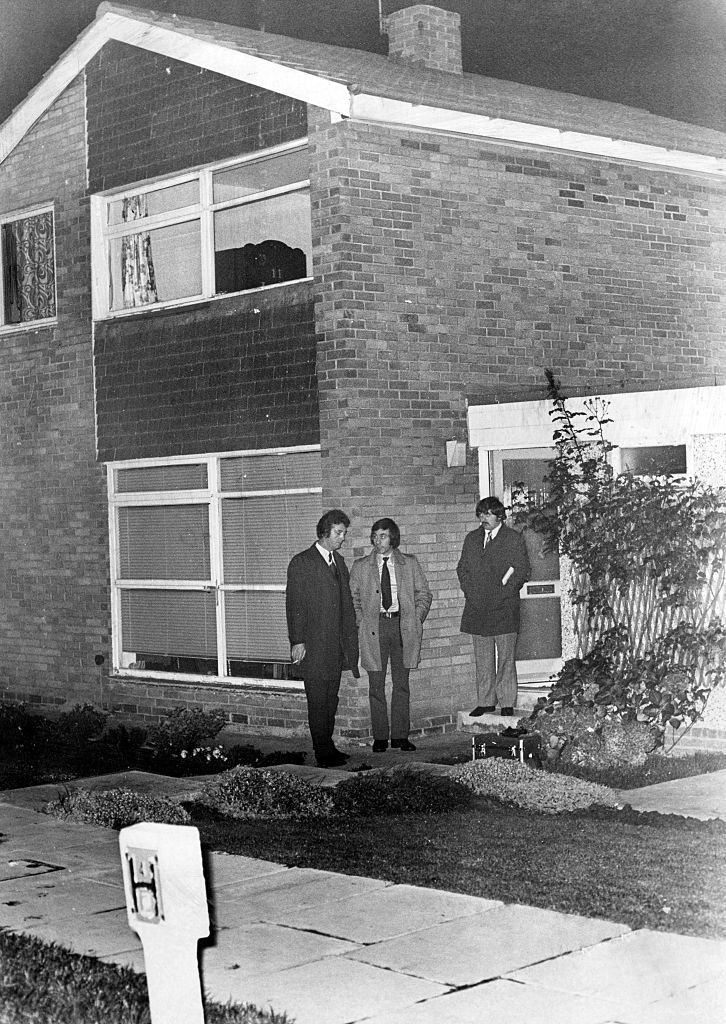
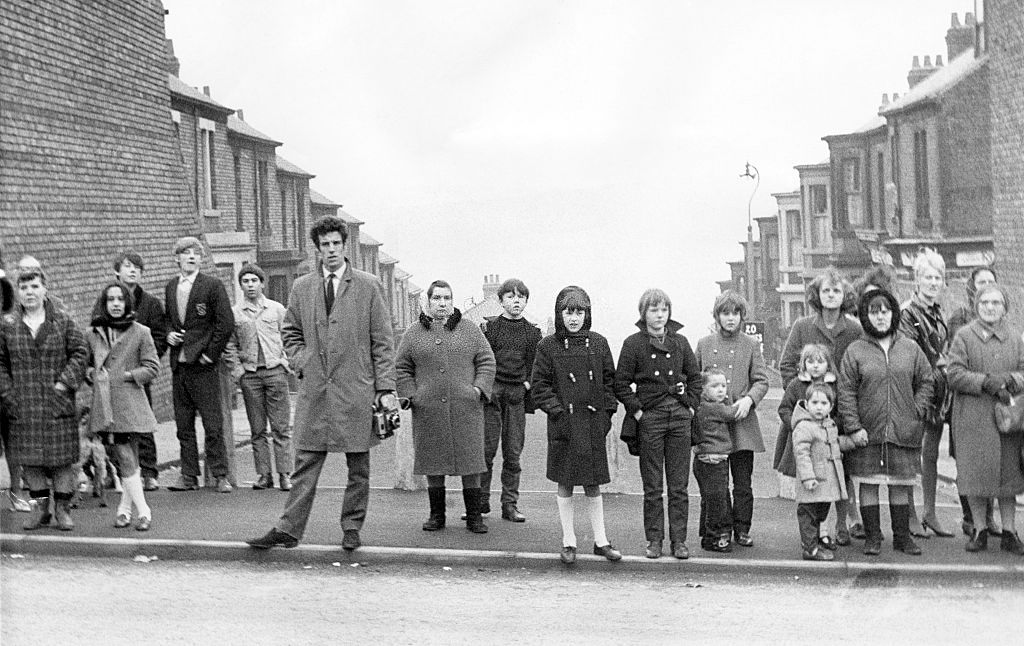
Tragedy also marked the decade. In 1973, Keith Turner bludgeoned his mother Georgina and sister Karen to death during a frenzied attack at their family home in Cramlington, a new town north of Newcastle. Turner, then 21, admitted the killings after a trivial quarrel with his 18-year-old sister. He was jailed for life at Newcastle Crown Court in 1975. Earlier in 1970, 11-year-old Allan Graham was found dead in a ditch near Throckley after going missing from Gerald Street in Benwell. Police later reconstructed his last walk in an effort to piece together what had happened.
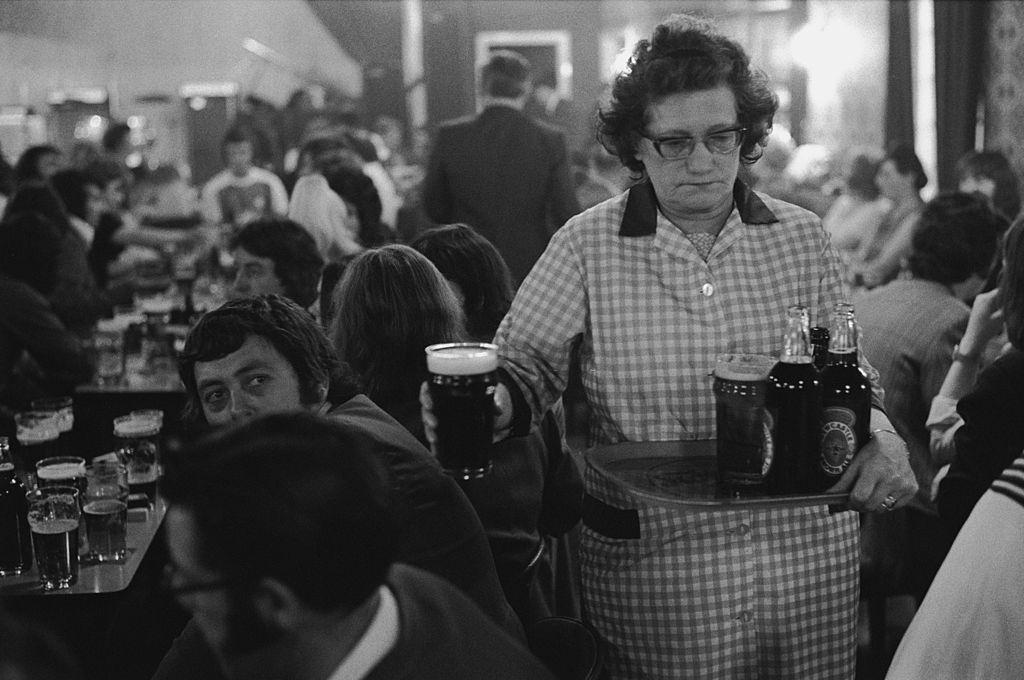
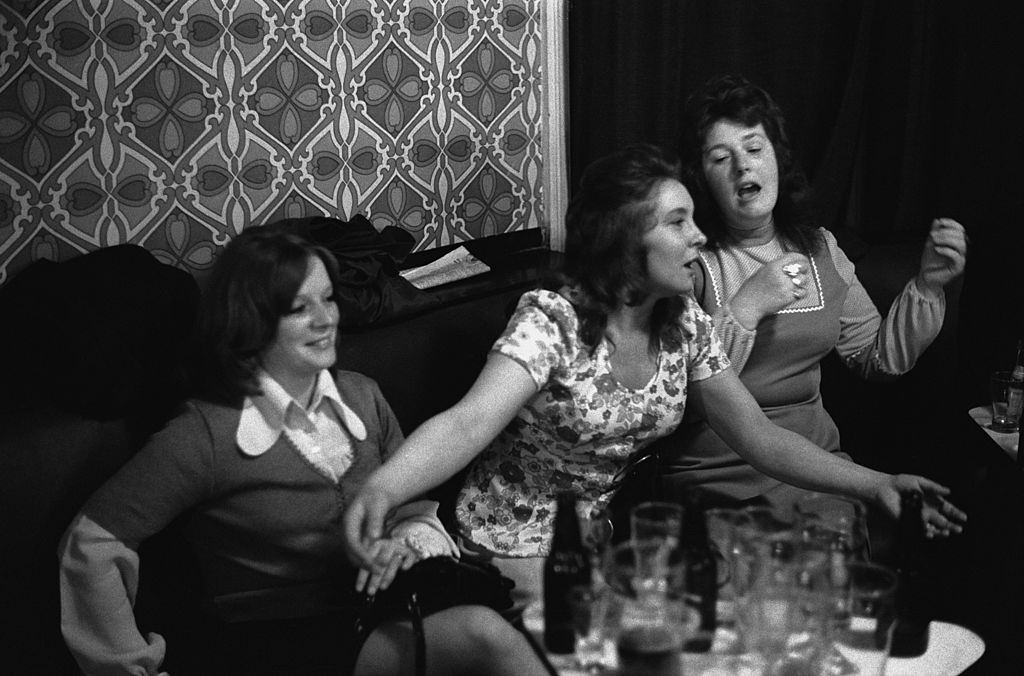
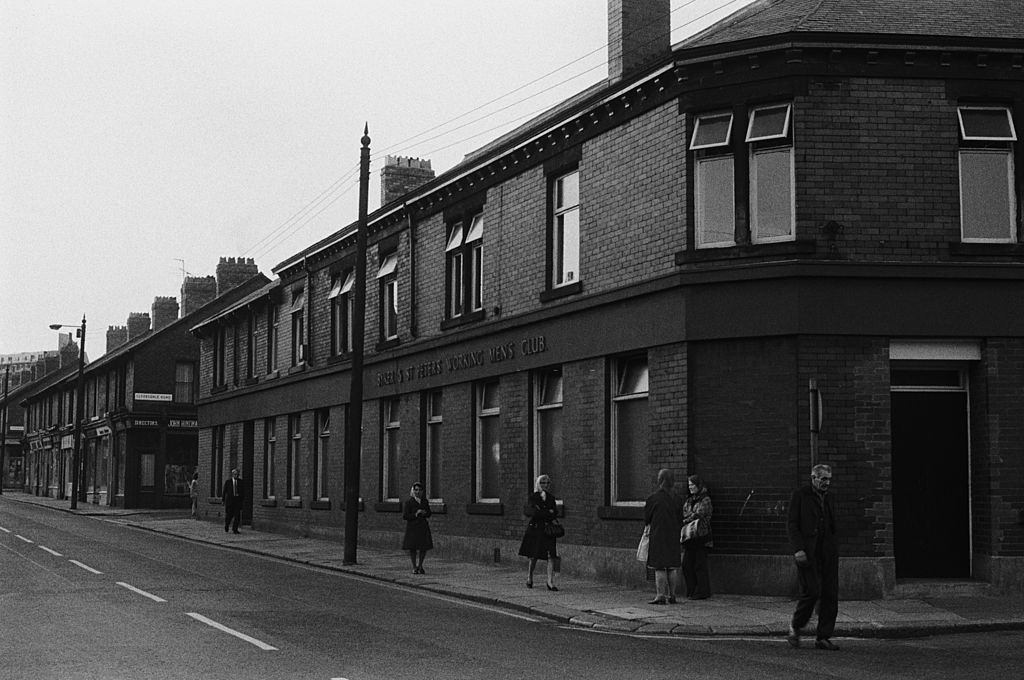
Working men’s clubs were a cornerstone of social life in Newcastle’s inner neighbourhoods. The Byker and St Peter’s Working Men’s Social Club on a Saturday night was packed — pints of Newcastle Brown Ale on every table, bar staff carrying laden trays, and groups of women singing together. On Sunday mornings, the same building stood quiet and still, a different kind of institution entirely.
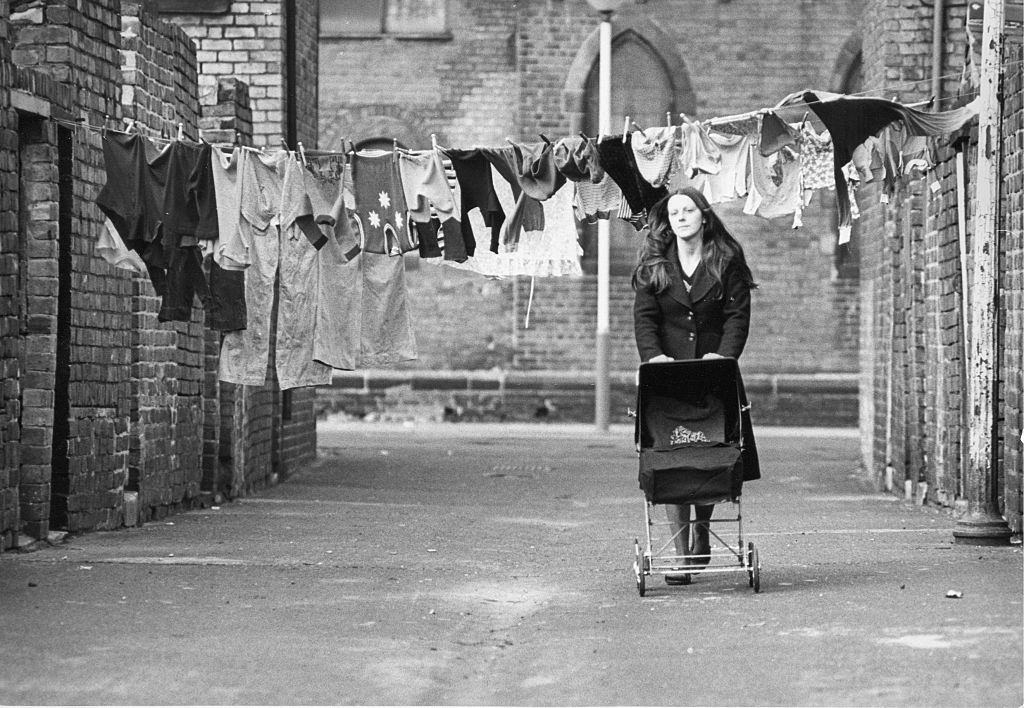
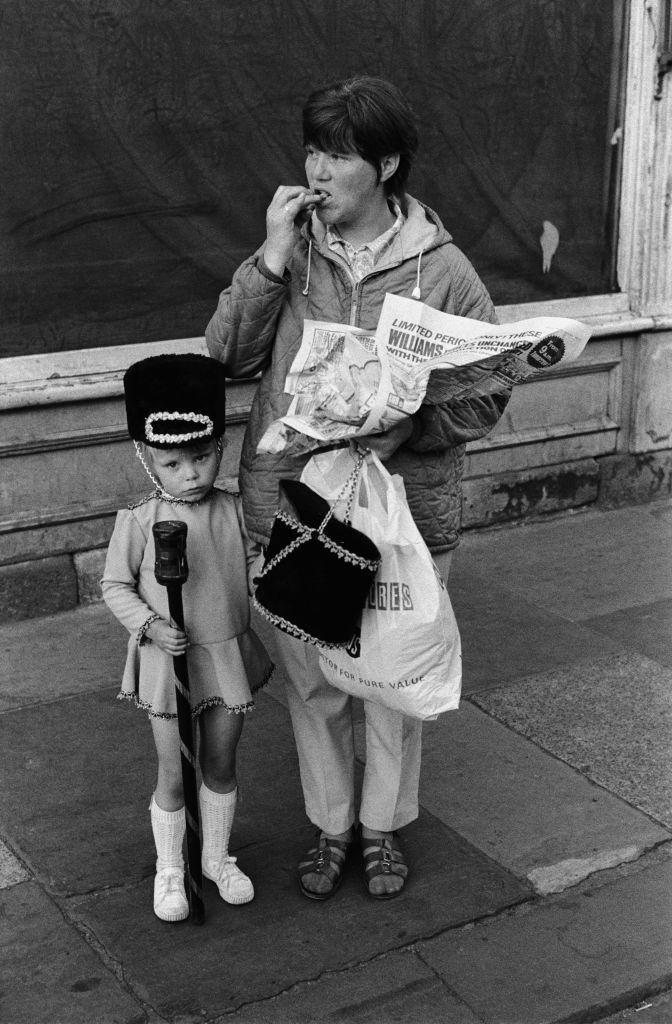
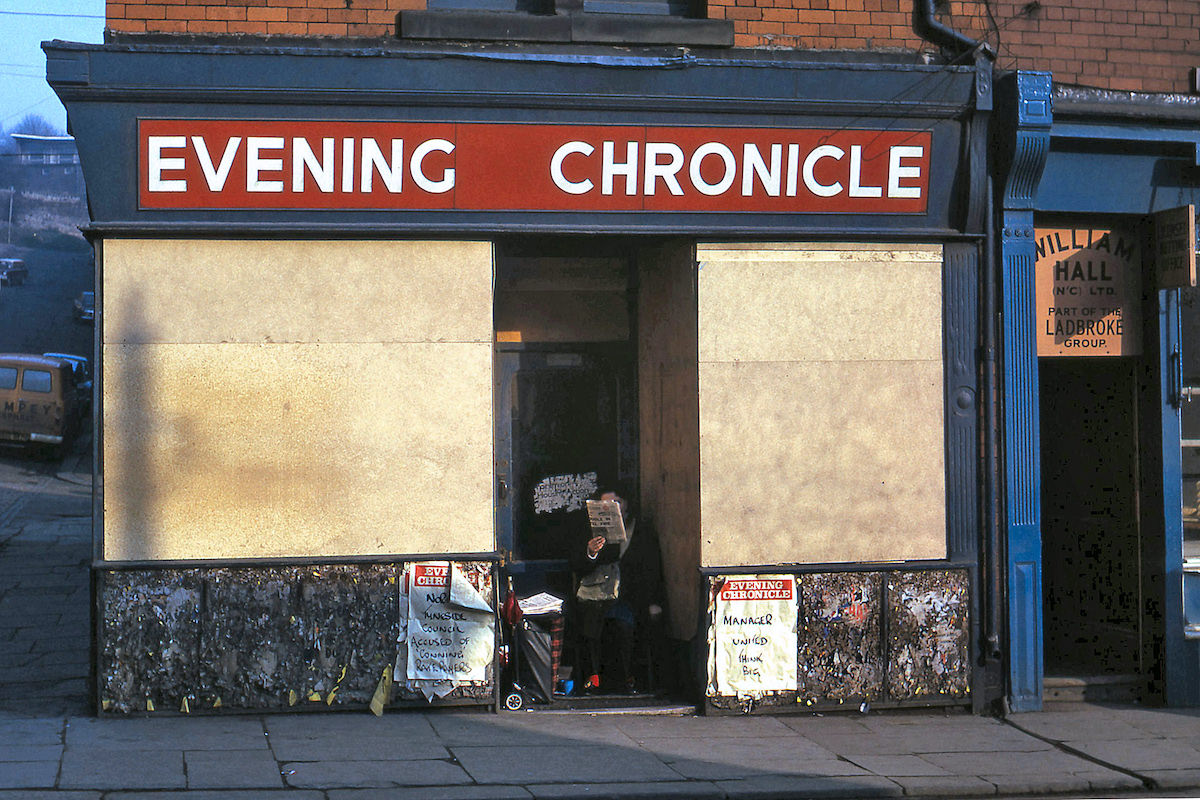
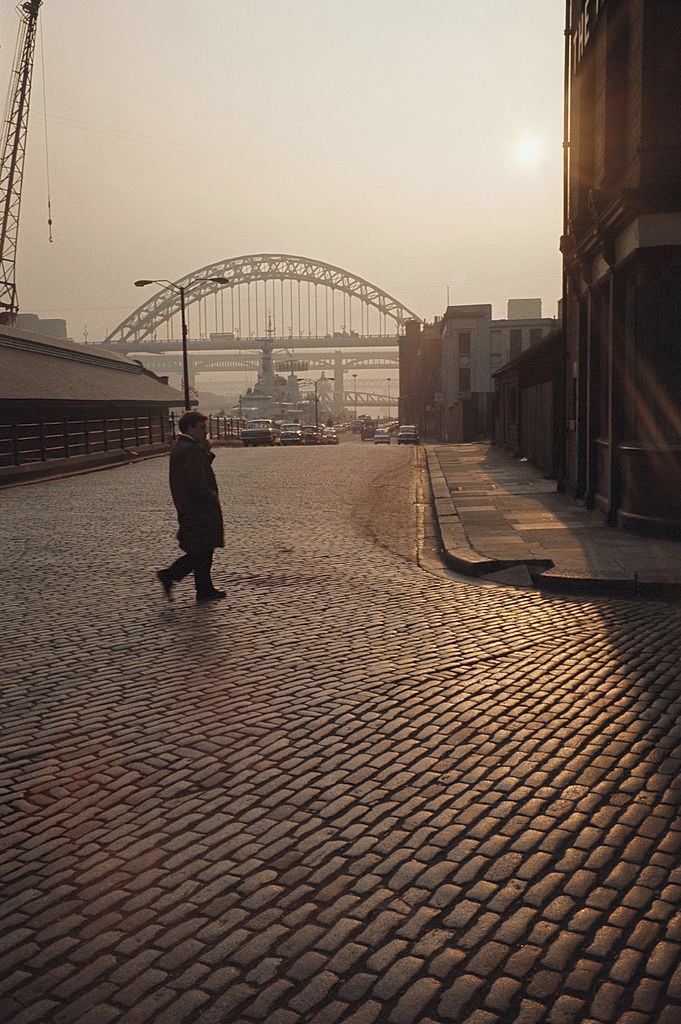
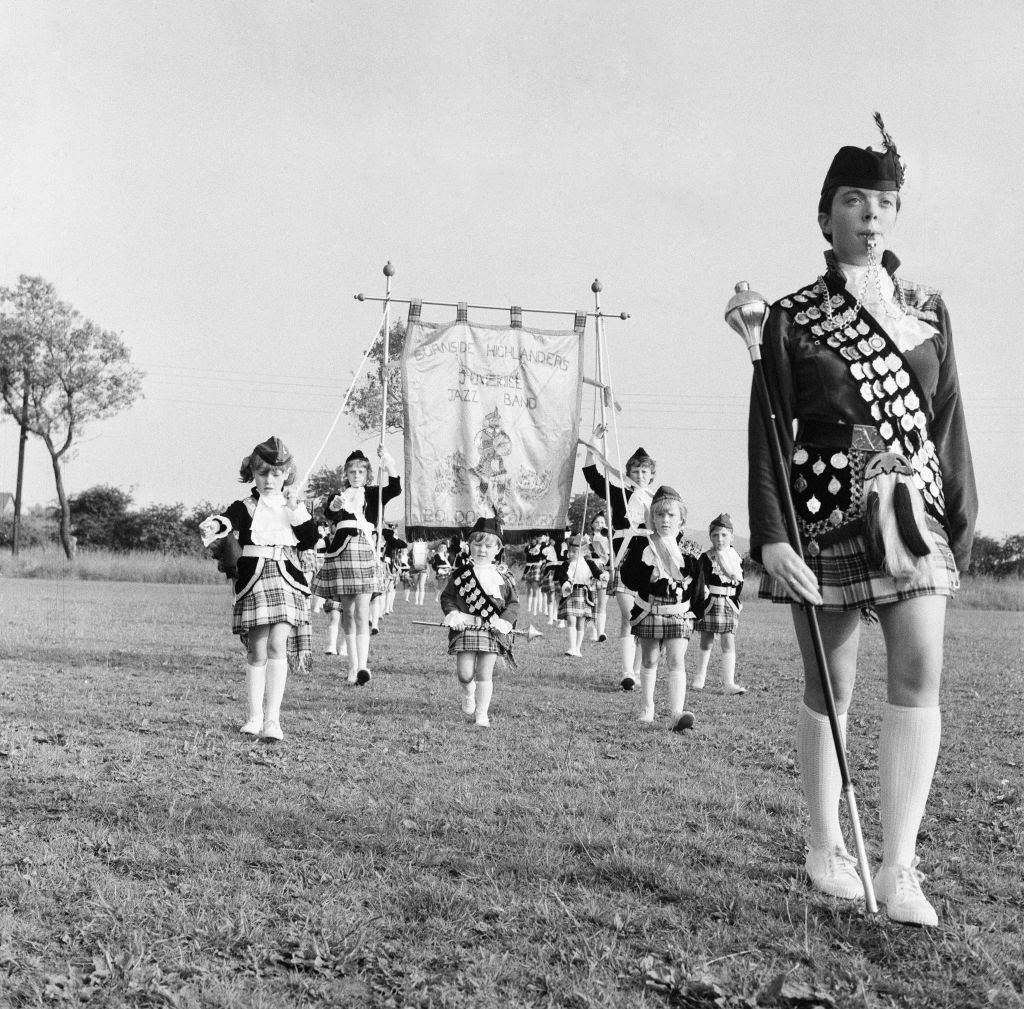
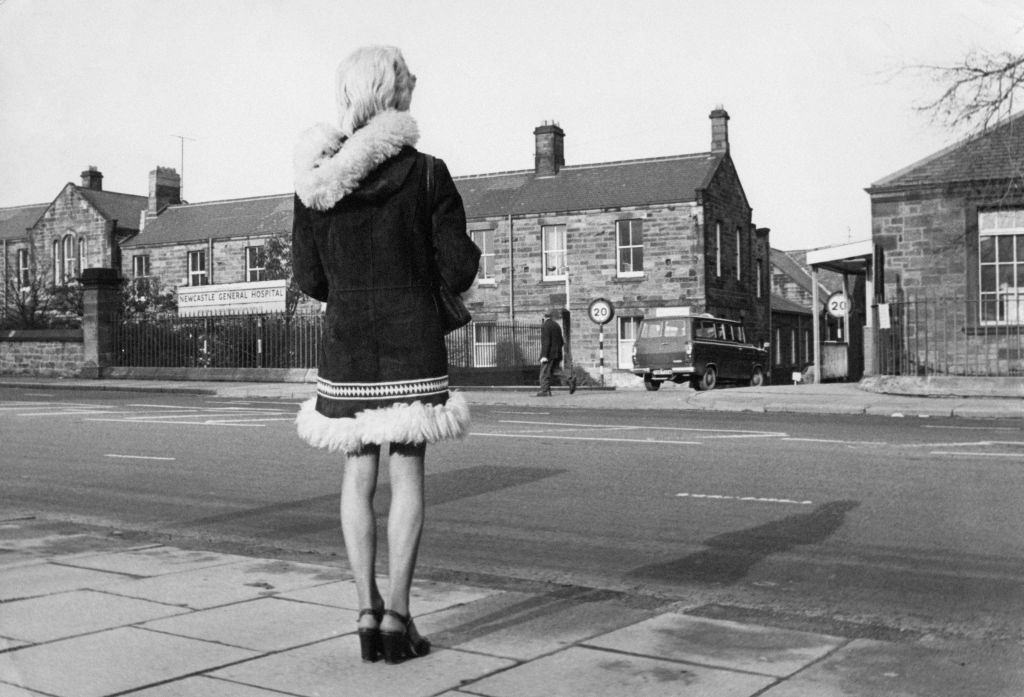
Everyday life in Newcastle’s streets had its own rhythms. Washing hung across St John’s Street in Percy Main. A girl in a drum majorette costume waited with her mother on a pavement, her mother eating fish and chips wrapped in newspaper. An Evening Chronicle seller stood in a sheltered doorway in Byker. A lone man crossed cobblestones in sight of the Tyne Bridge. These moments, unremarkable at the time, now offer a precise and unfiltered record of what the city looked and felt like.
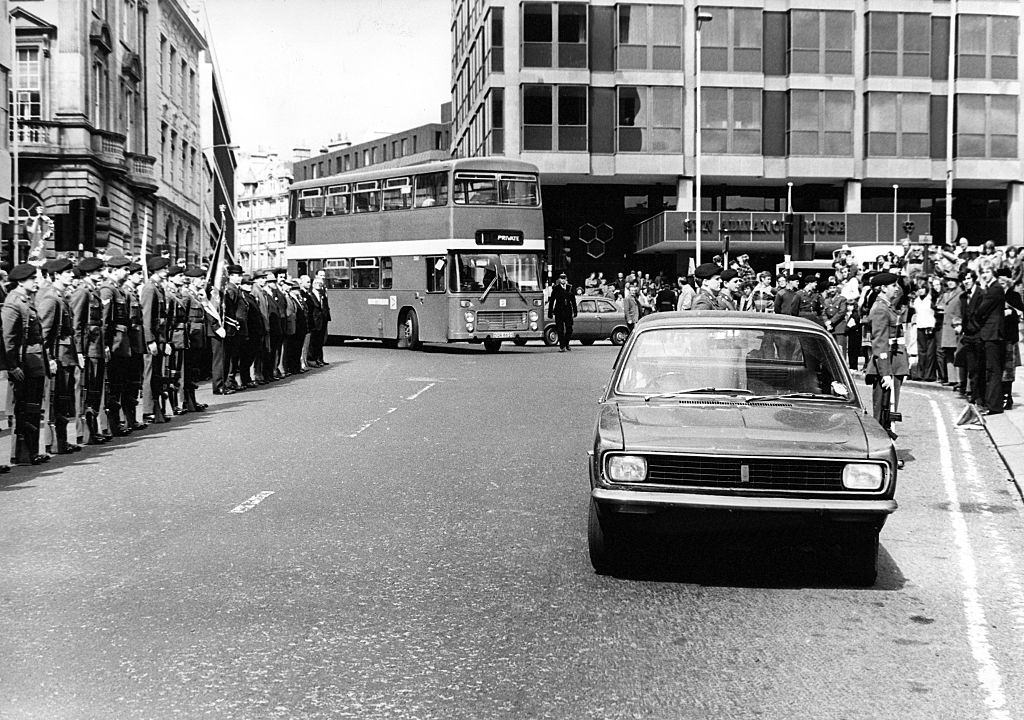
The St George’s Day parade of 1979 brought a moment of unintended comedy. Soldiers of the 6th Battalion Royal Regiment of Fusiliers and Old Comrades of the 4th, 5th, 6th, and 7th battalions were forced to navigate around a Hillman Avenger parked illegally in the middle of their route outside St Nicholas Cathedral. The parade continued regardless, military precision intact — at least mostly.
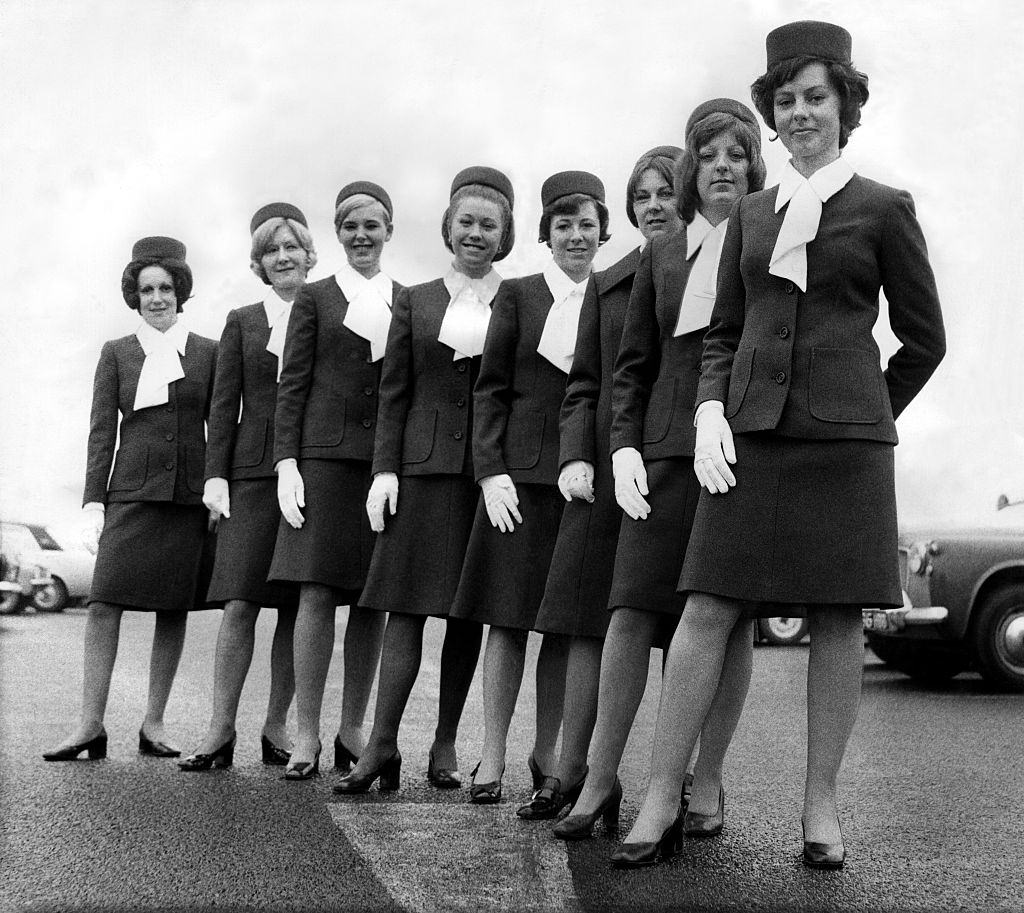
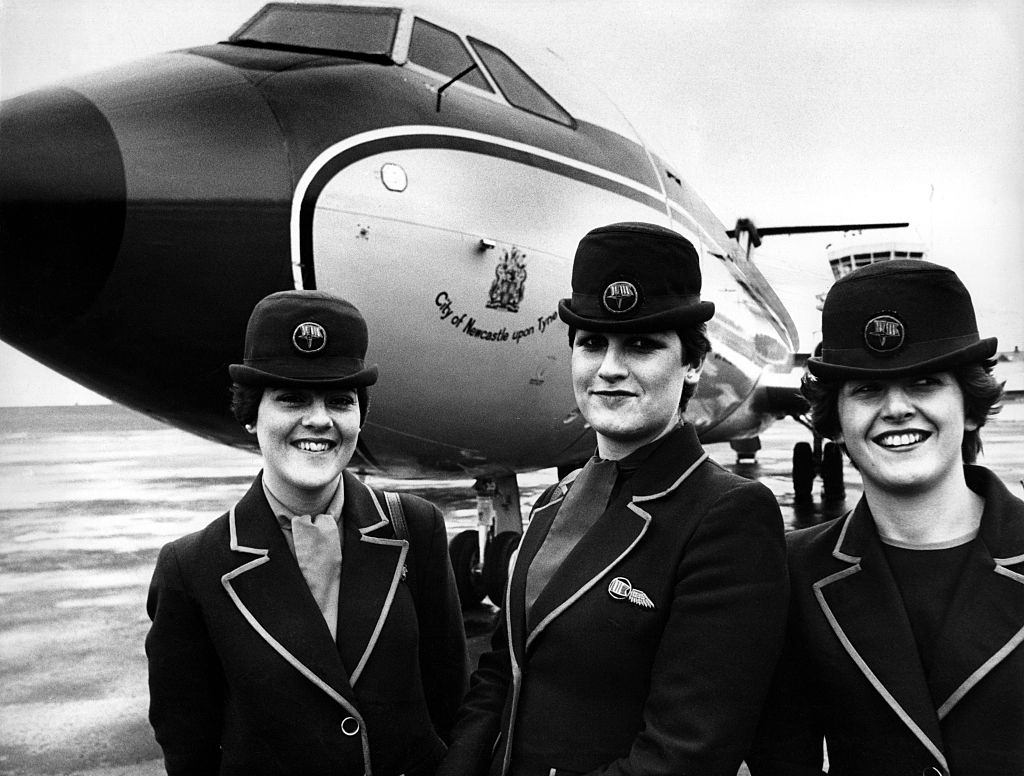
Dan-Air operated flights from Newcastle Airport throughout the decade. In 1977, Easter Sunday marked the introduction of new uniforms for the airline’s stewardesses — French Navy replacing the previous red. Fleet stewardess Jean Hepple described the new look as smarter, with simple lines that suited more of the crew. That same year, Dan-Air honoured Newcastle itself by having Lord Mayor Councillor Hugh White officially name a BAC1-11 jet ‘The City of Newcastle’.
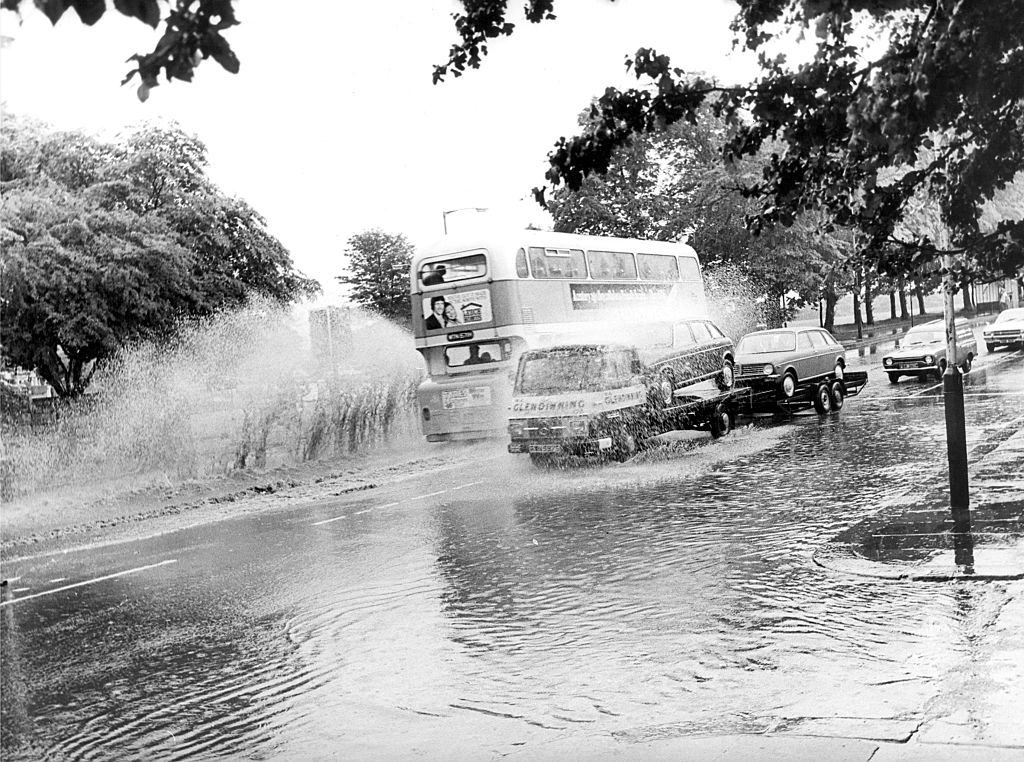
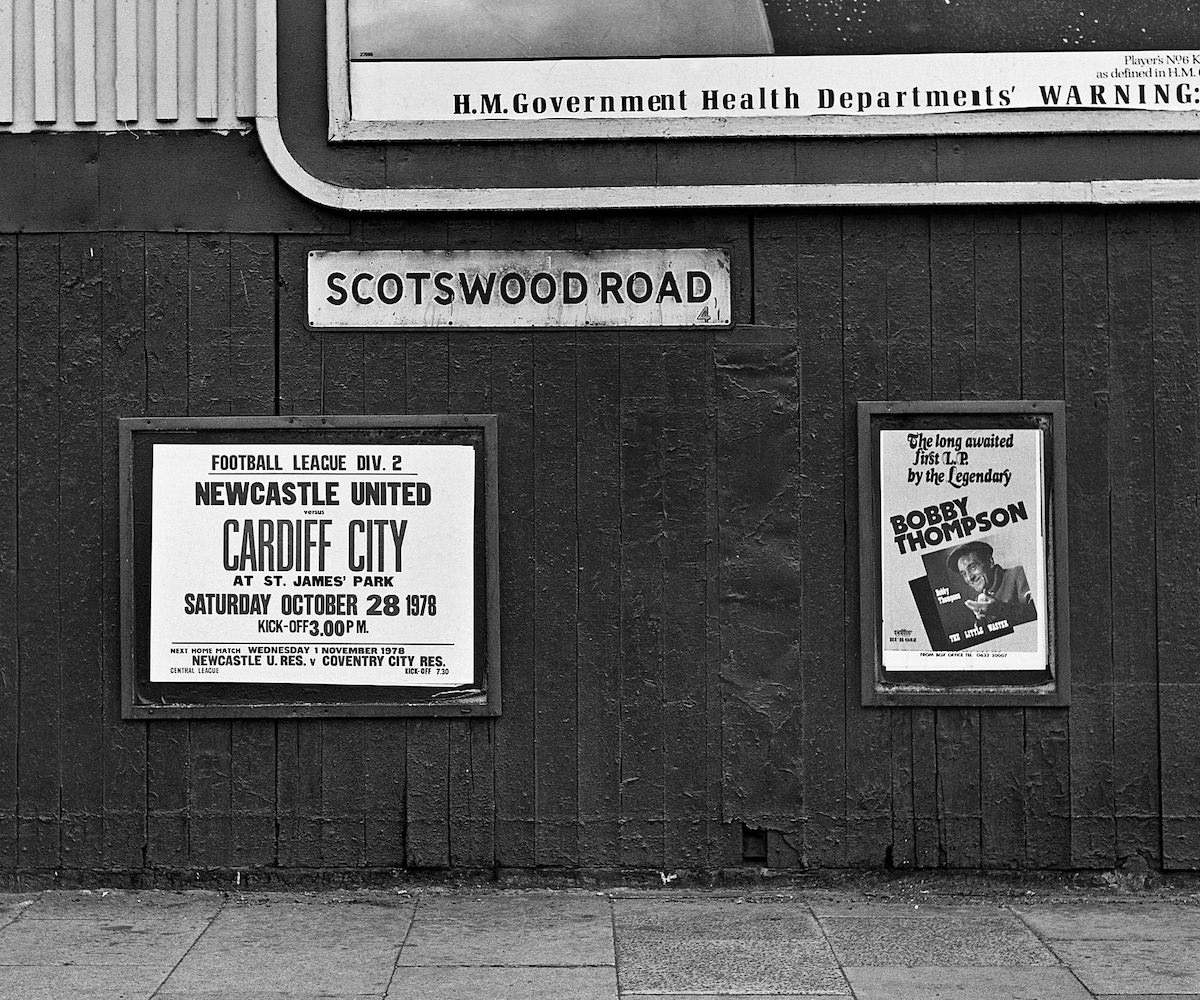
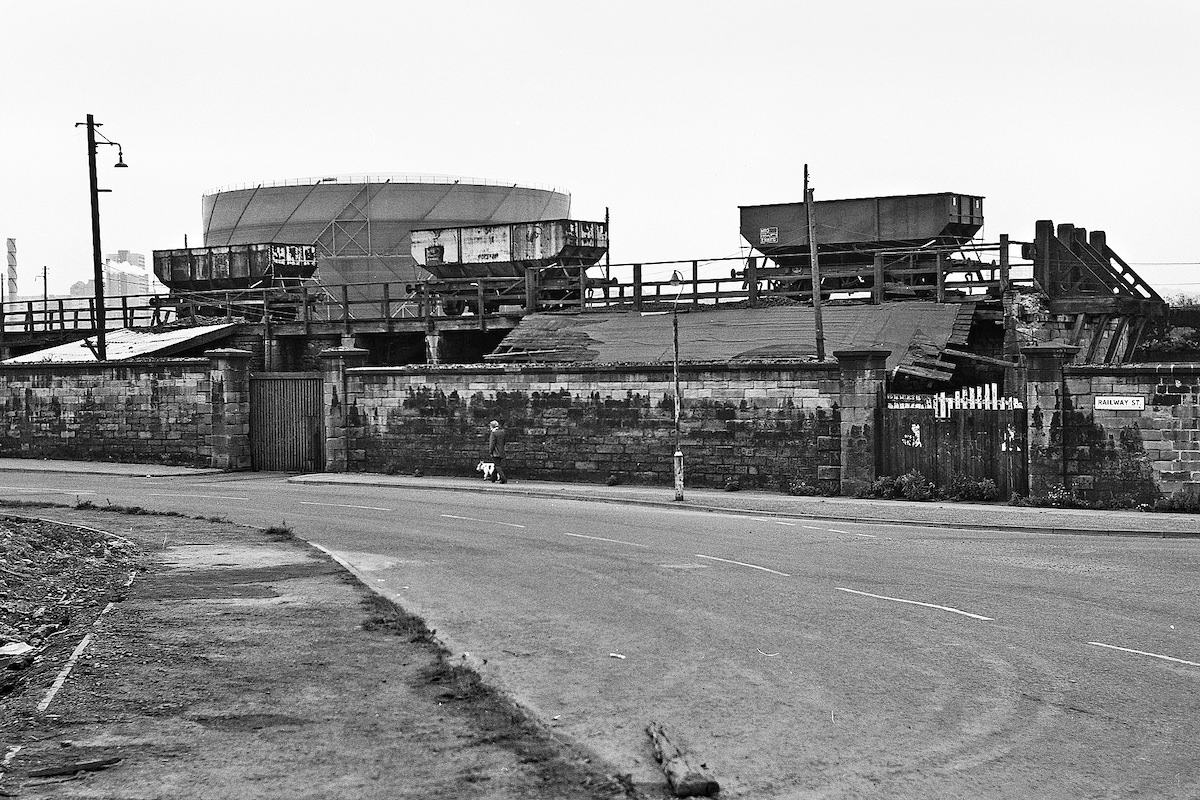
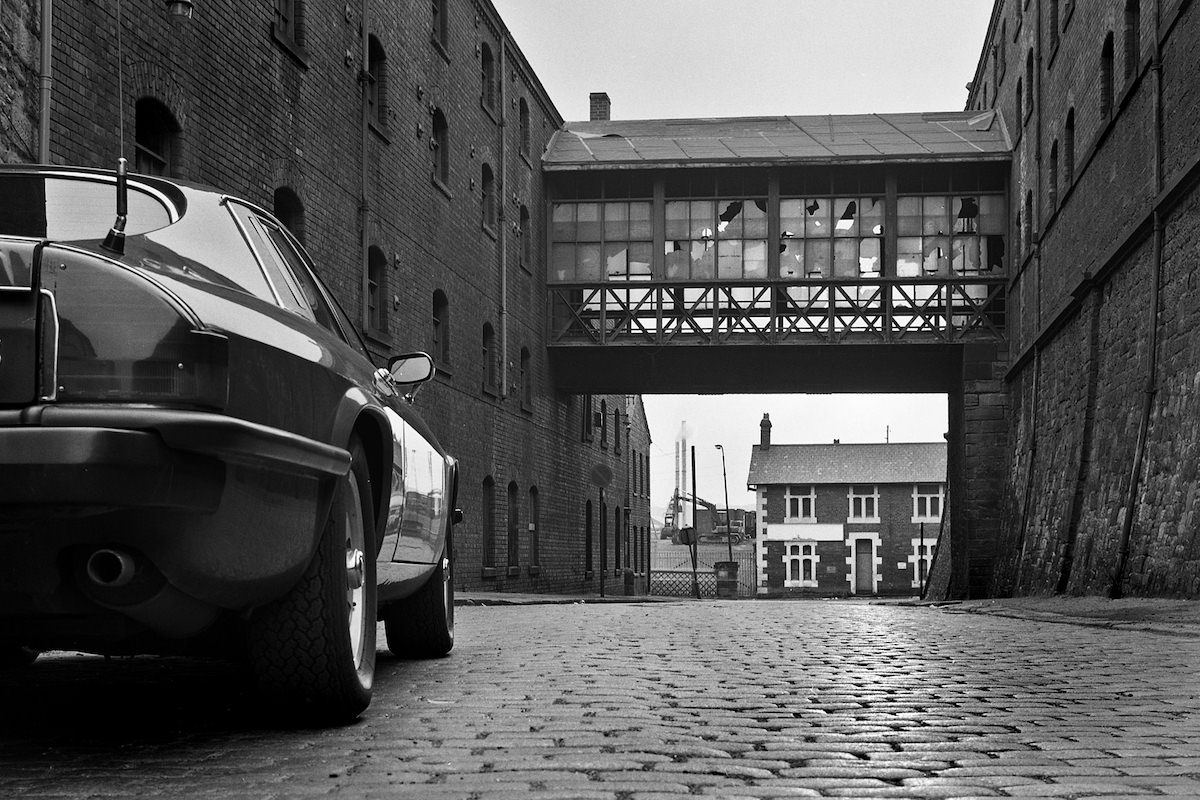
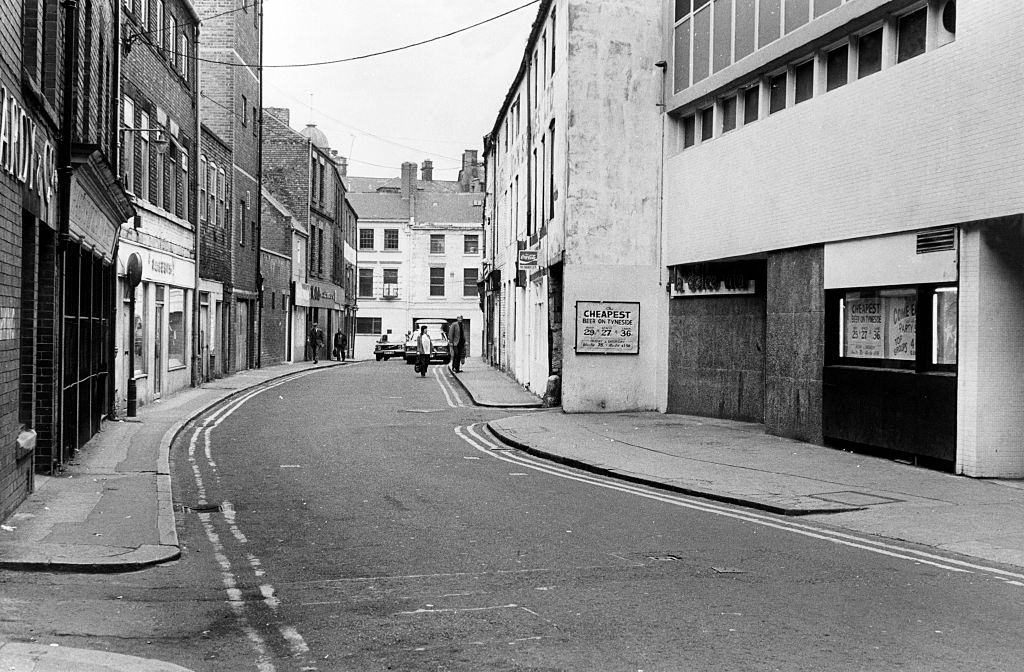
Flooding struck the A1 at Gosforth in 1978, leaving traffic drenched. That same year, Railway Street was captured in late October, showing a narrow urban corridor typical of the older parts of the city that survived redevelopment. Scotswood Road, photographed in 1978, bore the signs — both literal and symbolic — of a city in flux, its industrial past visible in the fabric of every building.
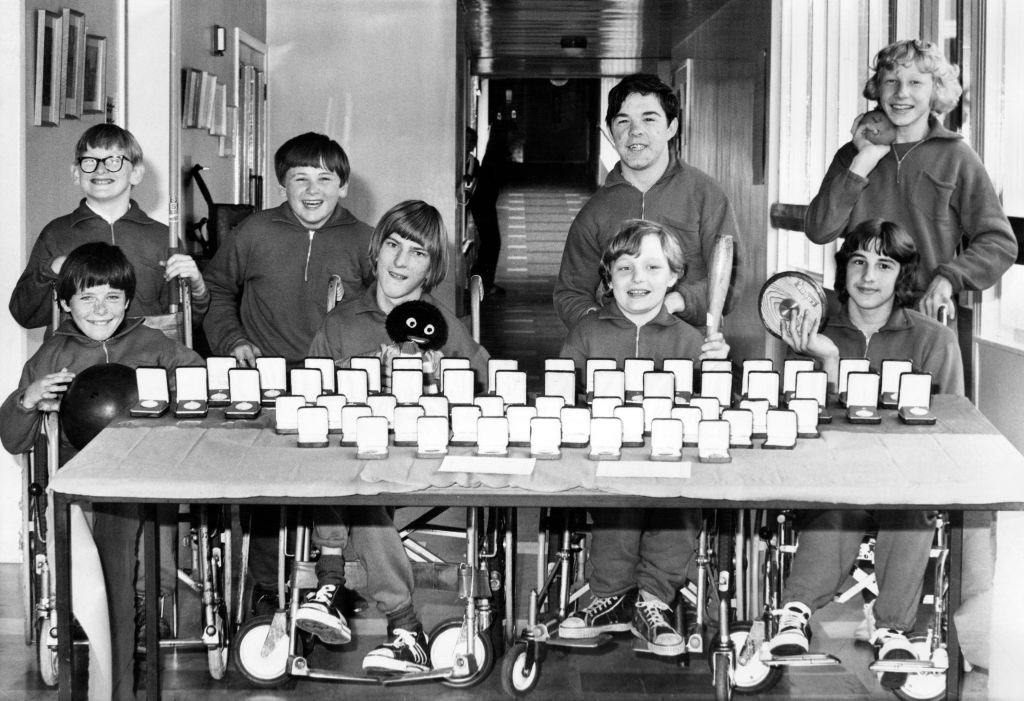
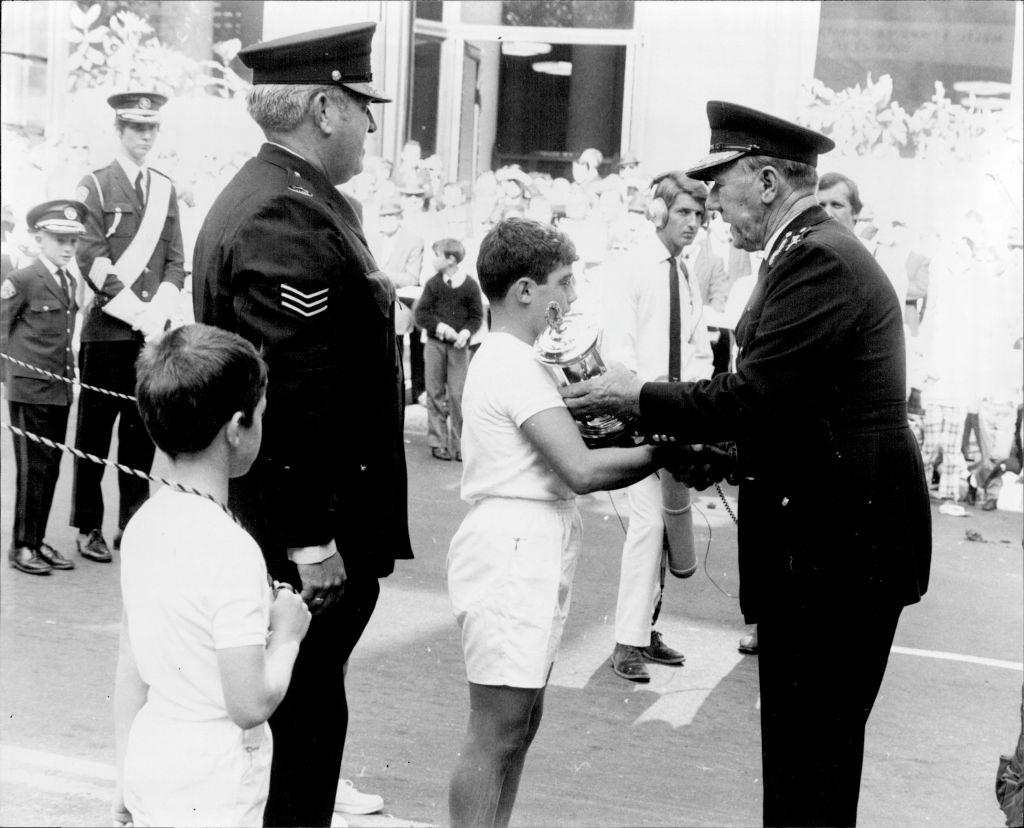
The Percy Hedley School demonstrated something remarkable in 1970. Twelve of its students competed in the second National Spastics Society Games at Stoke Mandeville and returned with 32 gold medals, 20 silver, and 7 bronze across events including discus, javelin, shot put, wheelchair dash, slalom, and tricycle races. It was a result that reflected the determination of students and staff alike in a school that served children with physical disabilities.
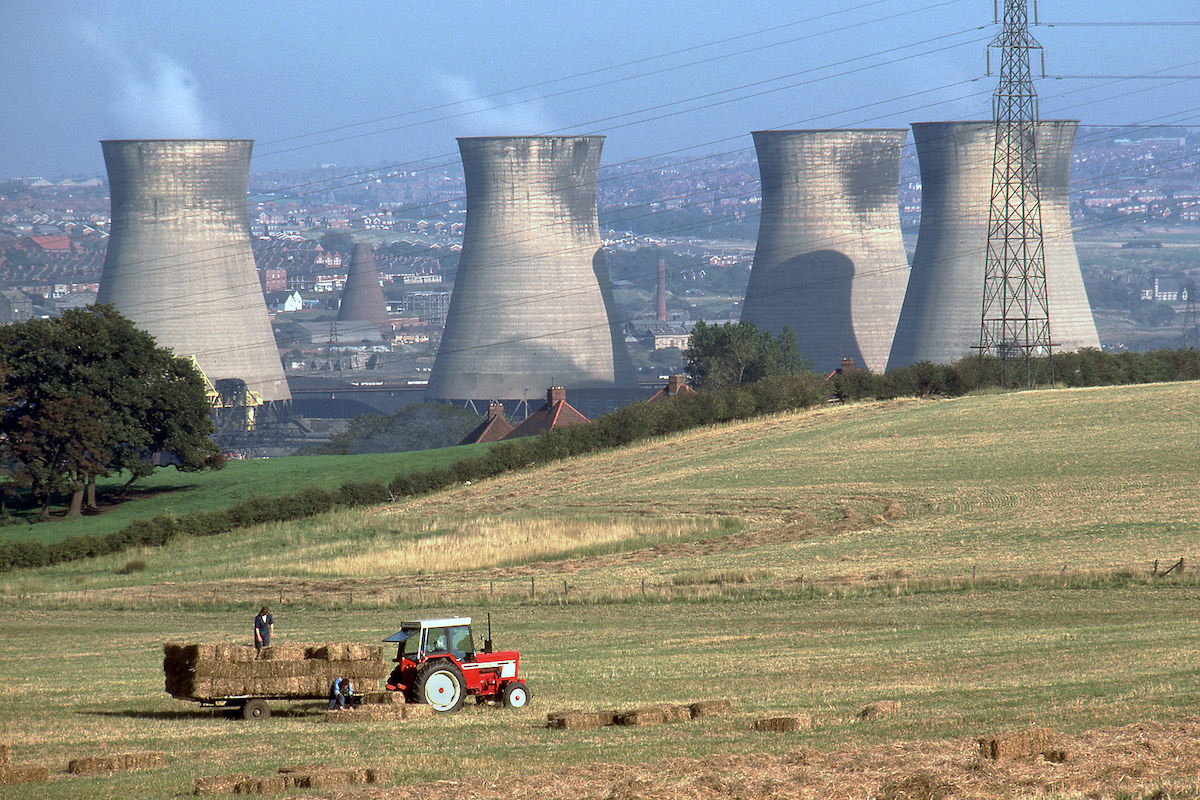
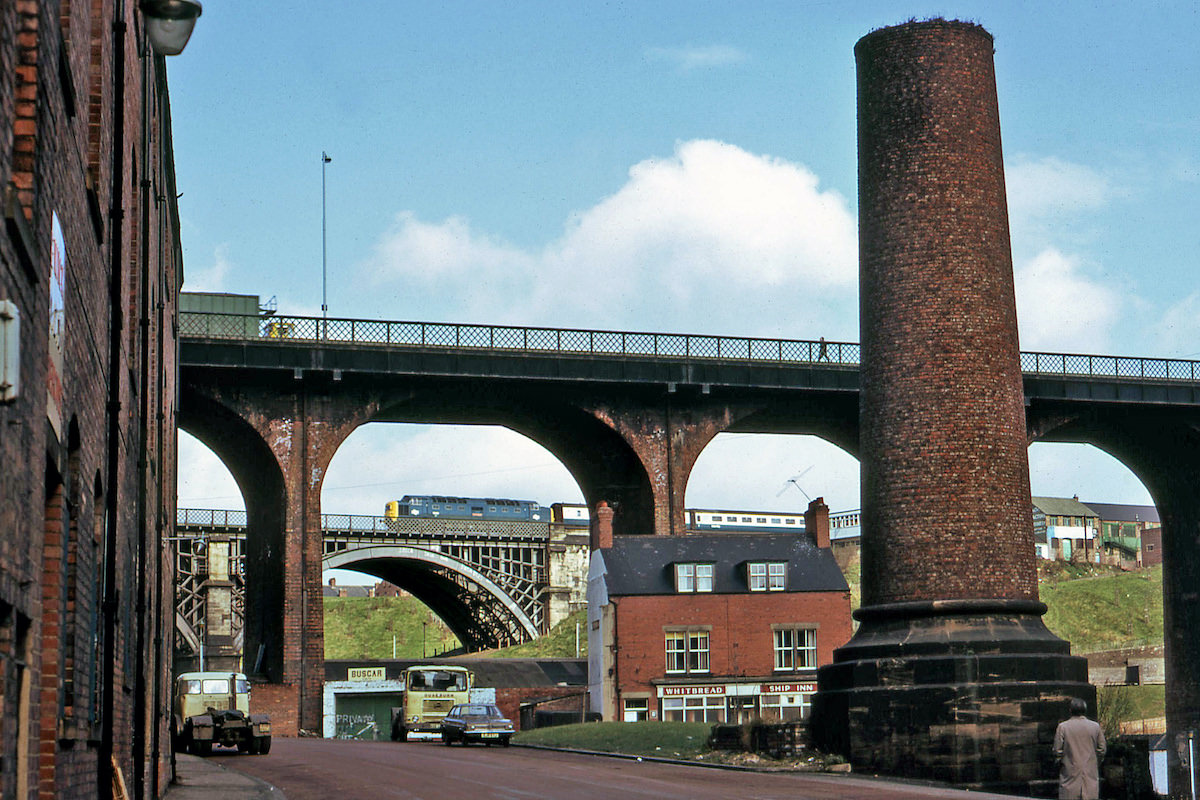
Some images simply stop and hold attention. A farmer’s field near Ryton, west of Gateshead, with the cooling towers of Stella North Power Station rising across the river in Newburn. The Ouseburn Viaduct and Byker Bridge framing the city’s layered infrastructure. A view from the High Level Bridge looking down toward the Swing Bridge and the Tyne Bridge beyond. These are the photographs that capture Newcastle not just as a place, but as a particular kind of industrial and human landscape that the 1970s were already beginning to transform.





Do the same for Sunderland and see if you can spot any differences.
It will be easy to tell the difference. The 1970s pictures would have more than rundown pubs, empty retail spaces, and betting shops. Thatcher hadn’t yet destroyed the economy.
Fewer dogs in prams in the old ones, too.
There is no strict definition of ‘the North’. I agree that Manchester is the biggest city in the North, but having grown up in Durham, it still seems odd to me when people refer to it as the North, when you have to drive two hours south from Durham to get there.
It depends on what you count as a city.
It is fascinating to see these pictures of sights and locations I know very well
I thought the largest city in northern England was Manchester?
It is; Newcastle is about a quarter the size of Manchester.
Not far enough North, though.
Manchester is only ‘in the north’ if you’ve never lived in the north!
Some amazing photos, thanks for sharing 😃
Just must have been amazing to have ships that size moored at the quayside.
No.21 is so strange to see. Lived in town for 10 years and I’ve never seen the Swing Bridge actually swing.
When it’s caretaker retired 10 years ago or so they didn’t replace him and now it can’t.
What amazing photos and a real nostalgia trip. But – wow – it looks even more grim than I remember it.