The 1930s were defined by the Great Depression, a period of widespread financial hardship that touched nearly every part of daily life. Yet, in the middle of all that struggle, bridal fashion took a turn toward quiet elegance. Brides weren’t dressing for excess — they were dressing with intention. The result was a decade of wedding gowns that remain some of the most graceful in fashion history.
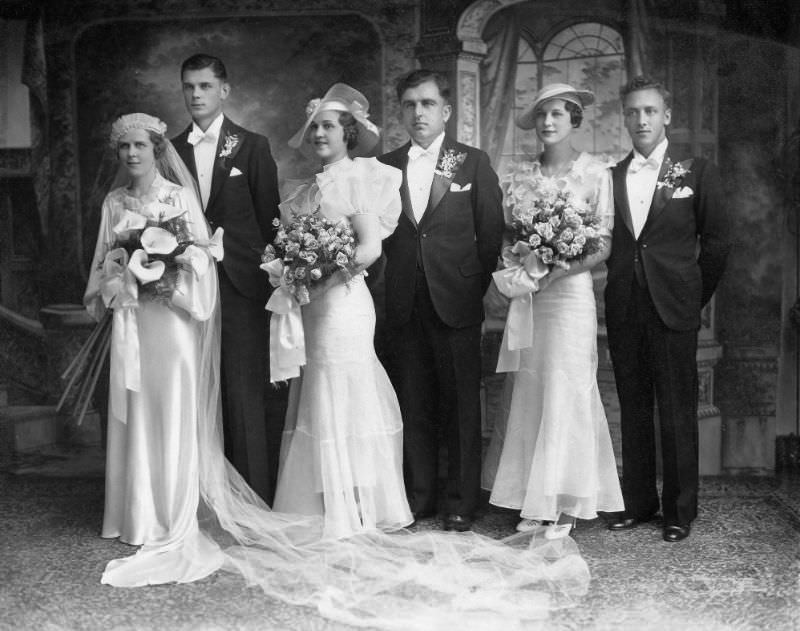
The silhouette of the 1930s bridal gown was its most defining feature. Designers moved away from the boxy, dropped-waist shapes of the 1920s and embraced the bias cut — a technique where fabric is cut diagonally across the grain. This method allowed the fabric to cling and flow naturally along the body’s curves. The gown moved with the bride rather than sitting stiffly around her.
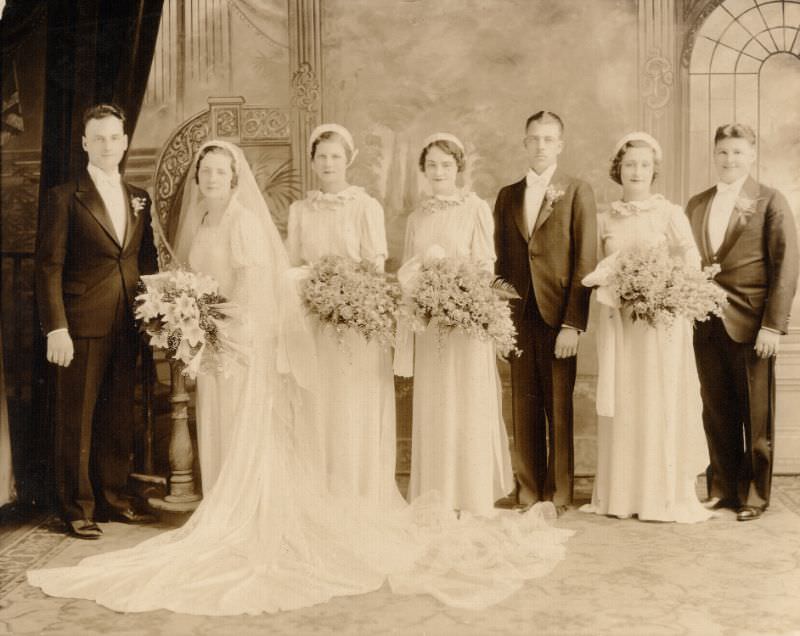
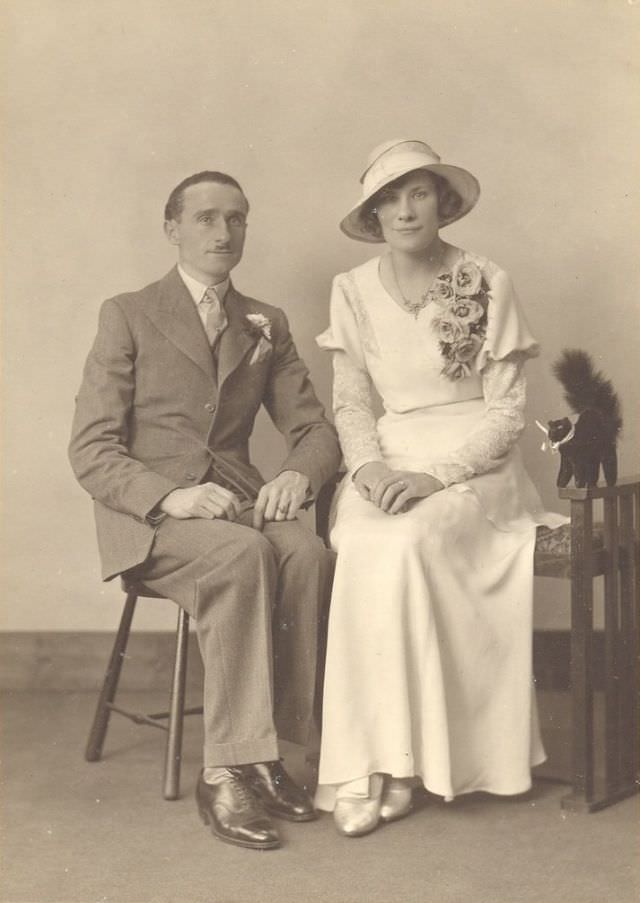
Silk, satin, and chiffon were the go-to fabrics of the era. These lightweight materials draped beautifully and gave gowns an airy, almost ethereal quality. Satin was especially popular for its subtle sheen, which caught the light without looking flashy. Chiffon layered over satin created depth and softness that heavier fabrics simply couldn’t achieve.
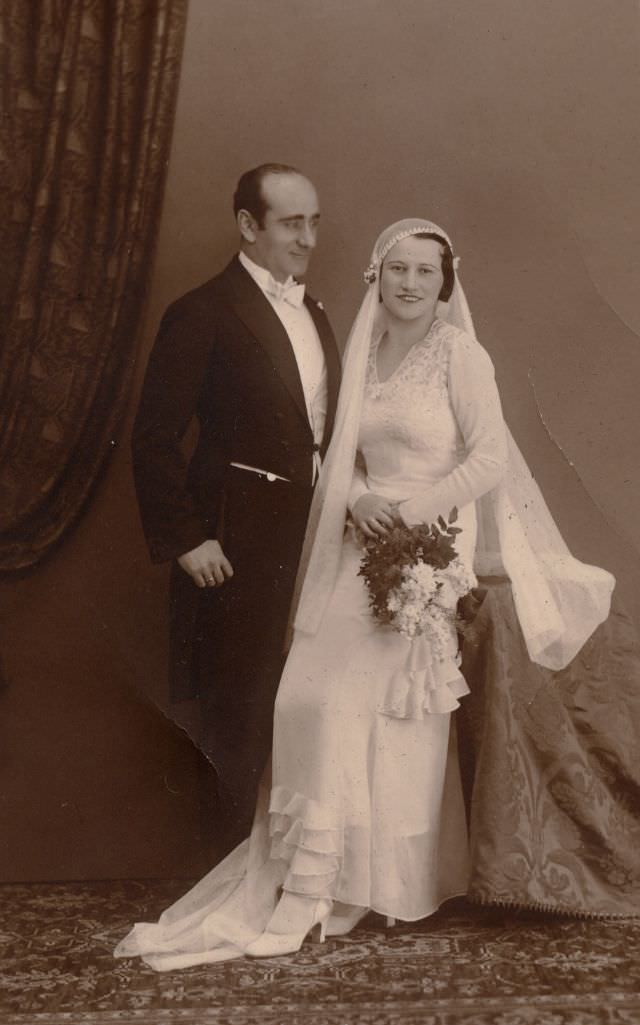
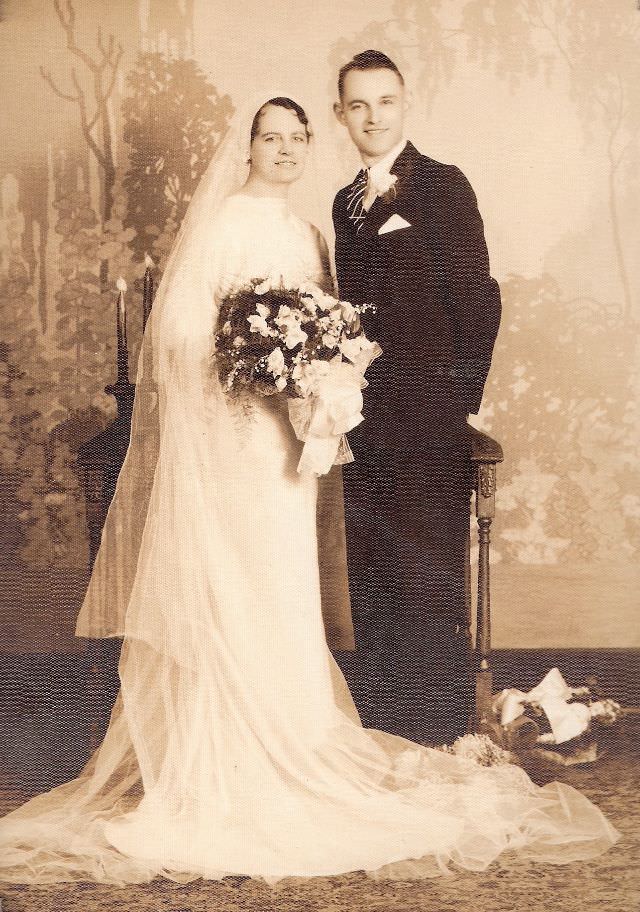
Sleeves in the 1930s were long and fitted, often crafted from sheer fabrics or delicate lace. They added a sense of refinement while keeping the overall look modest. Necklines varied widely — V-necks, boat necks, and high necks all appeared in bridal fashion throughout the decade, giving brides real options to suit their personal style.
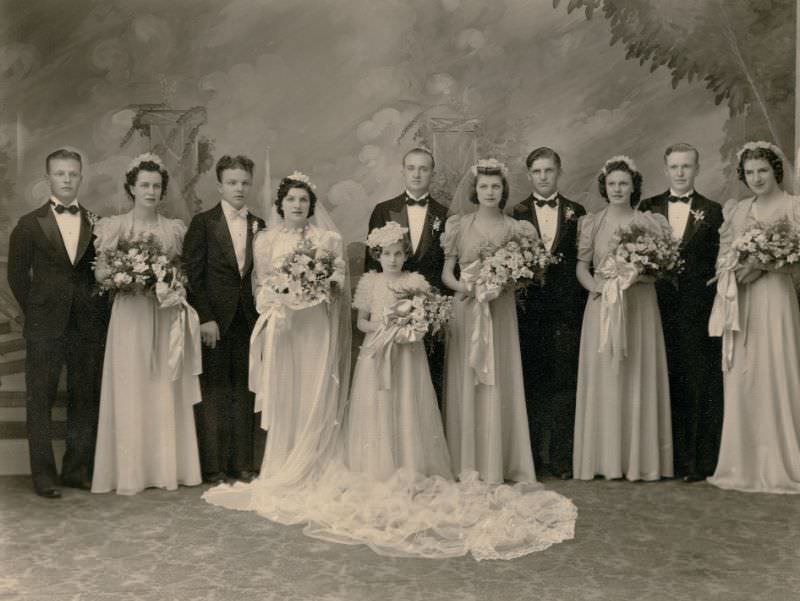
Despite the stripped-back approach to overall design, 1930s gowns were far from plain. Dressmakers added intricate embroidery, beading, and lacework to bring detail and texture to the fabric. These fine touches elevated an otherwise understated gown into something truly special. The artistry was in the details, not in layers of ruffles or heavy ornamentation.
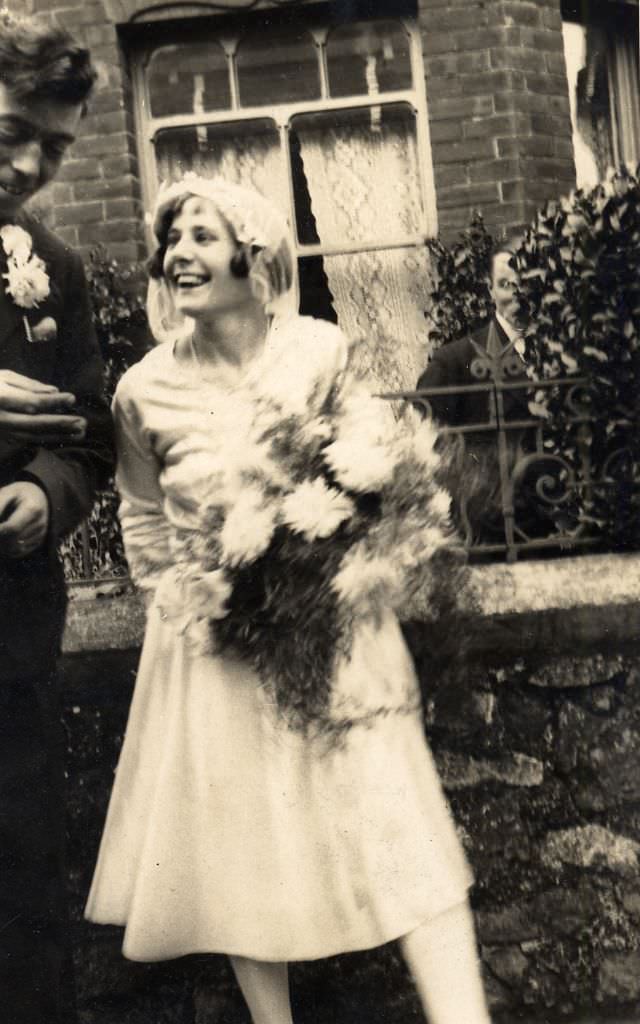
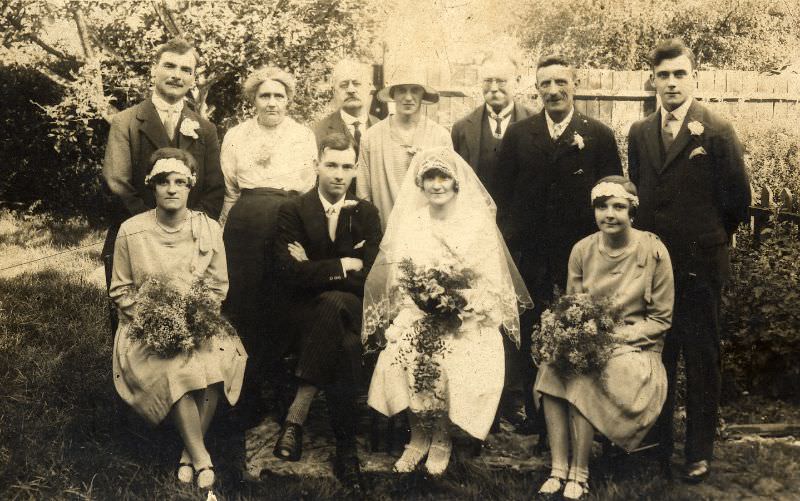
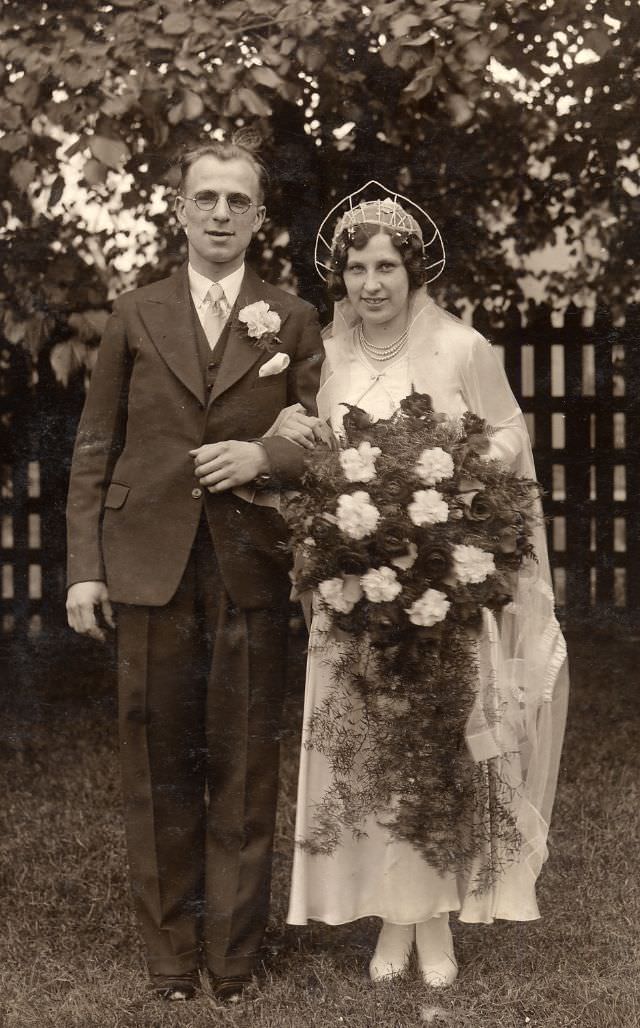
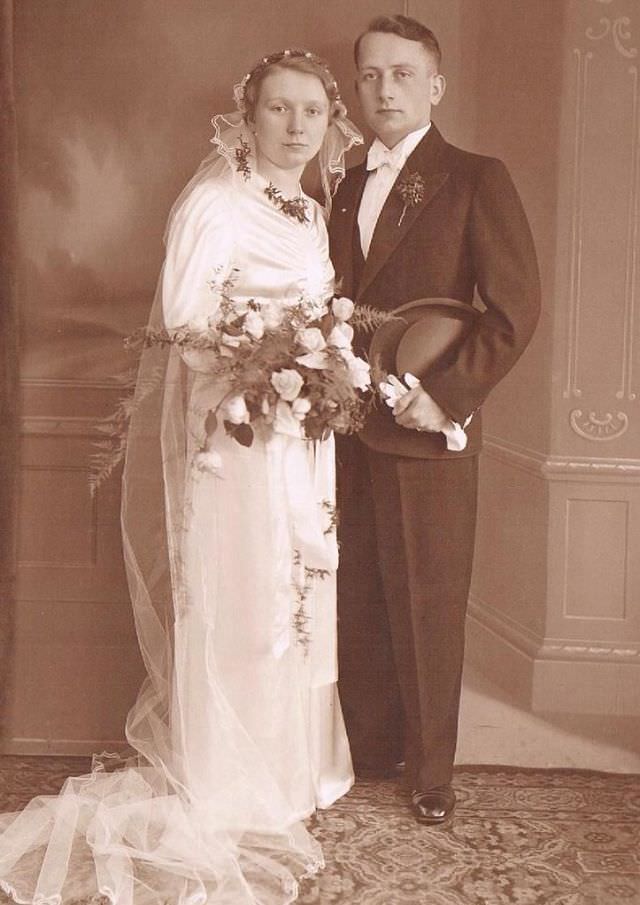
Accessories were carefully chosen to complement rather than compete with the gown. Veils were a staple of the 1930s bride, usually made from tulle or lace. Many swept all the way to the floor, creating a long, dramatic trail behind the bride. The veil wasn’t just decorative — it was a central part of the overall look.
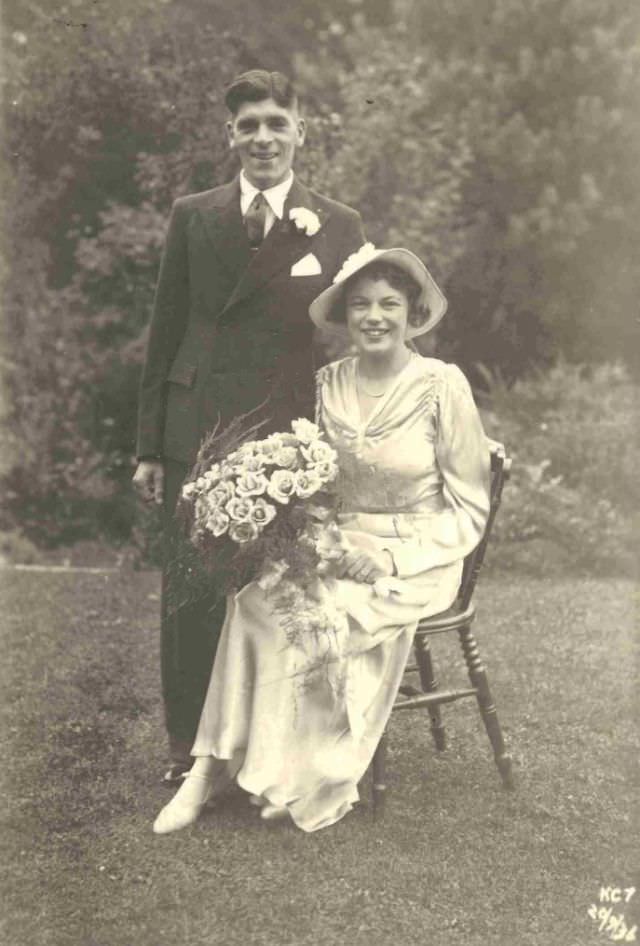
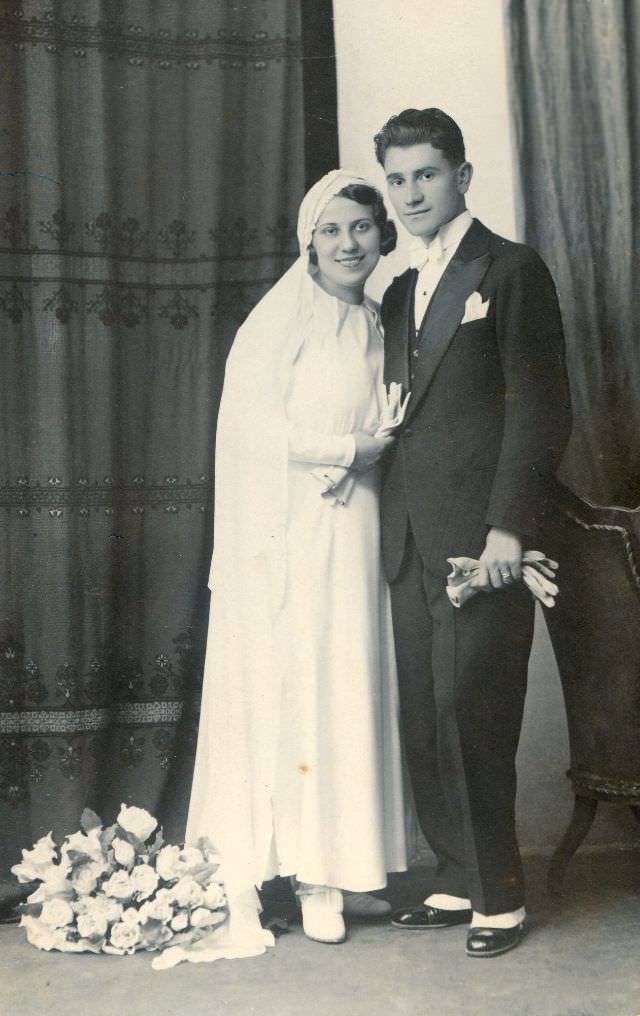
Headpieces ranged from small tiaras to Juliet caps — a rounded, close-fitting cap that sat snugly on the head and anchored the veil in place. Floral accents were also common, whether made from fresh flowers or fabric. These headpieces kept the focus on the bride’s face while framing it beautifully.
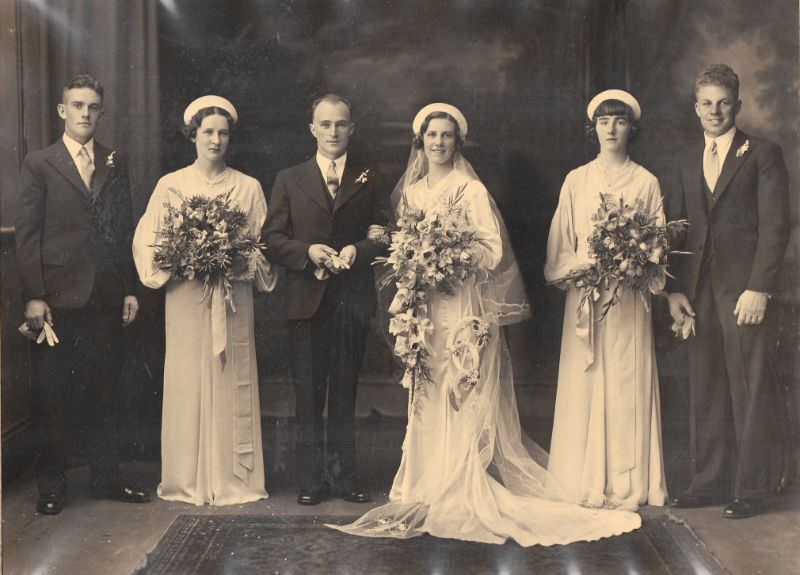
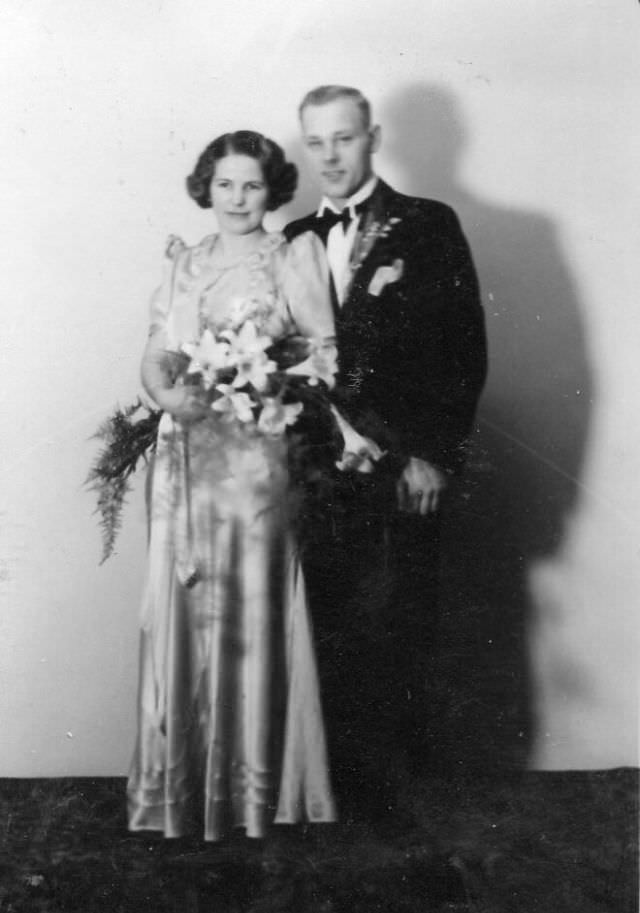
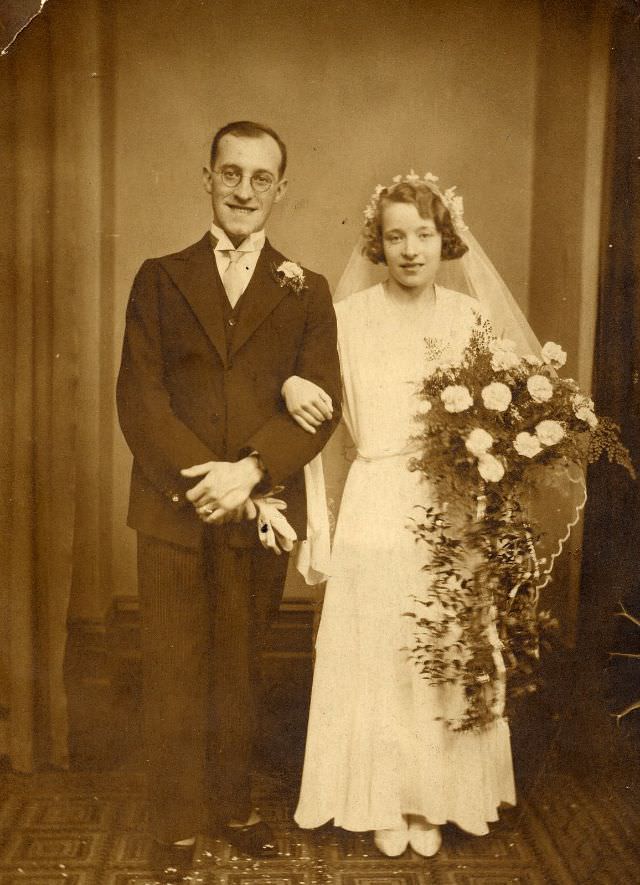
Footwear and jewelry followed the same principle of elegant restraint. Satin pumps, often dyed to match the gown, were the standard bridal shoe. Pearls and diamonds were the jewelry of choice — worn as necklaces, earrings, or bracelets. They added just enough sparkle without pulling attention away from the dress itself.
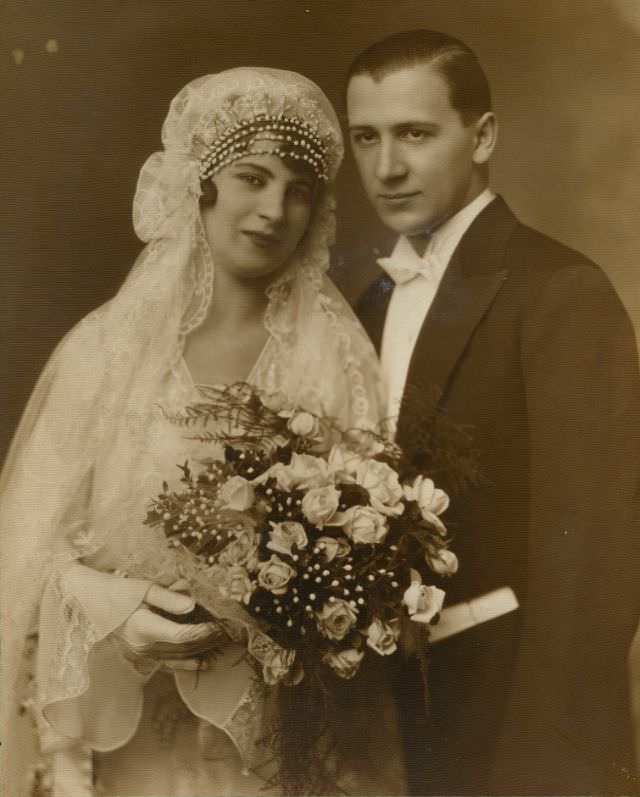
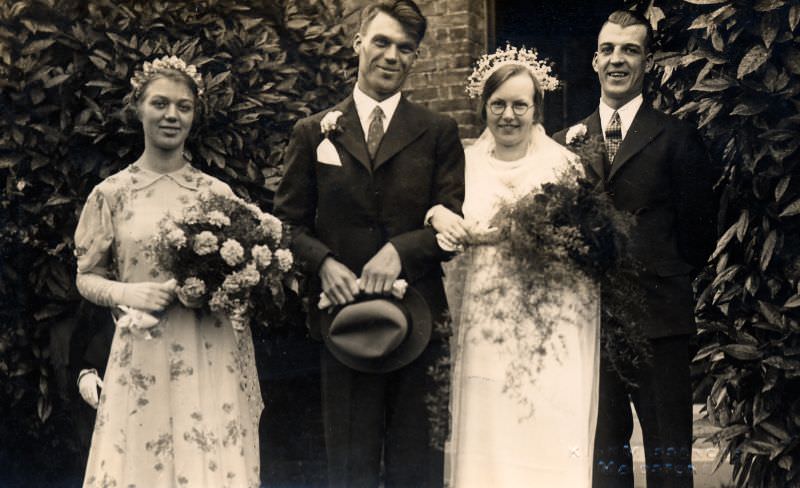
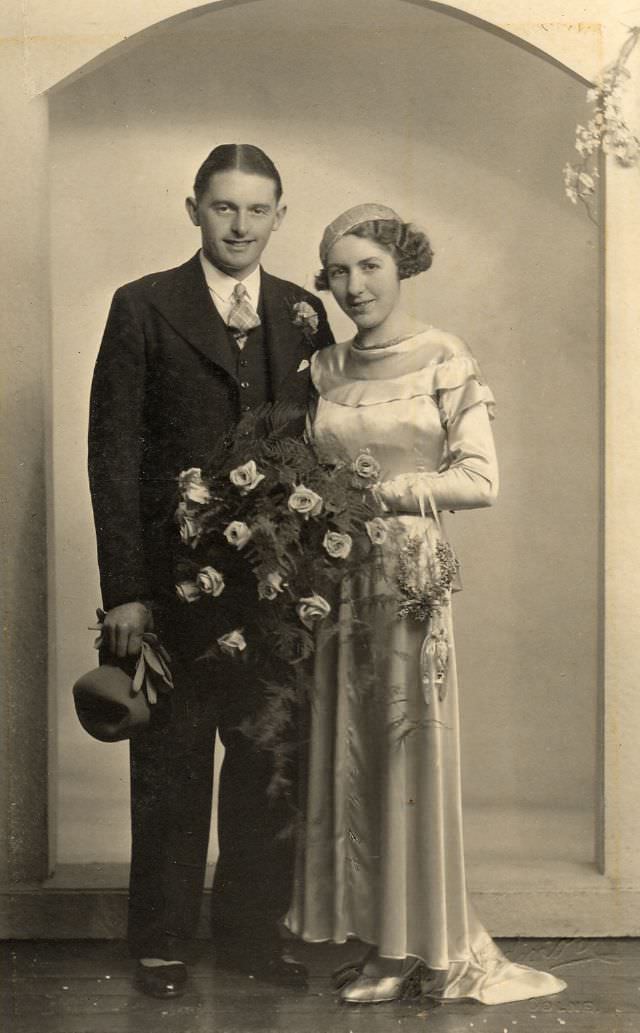
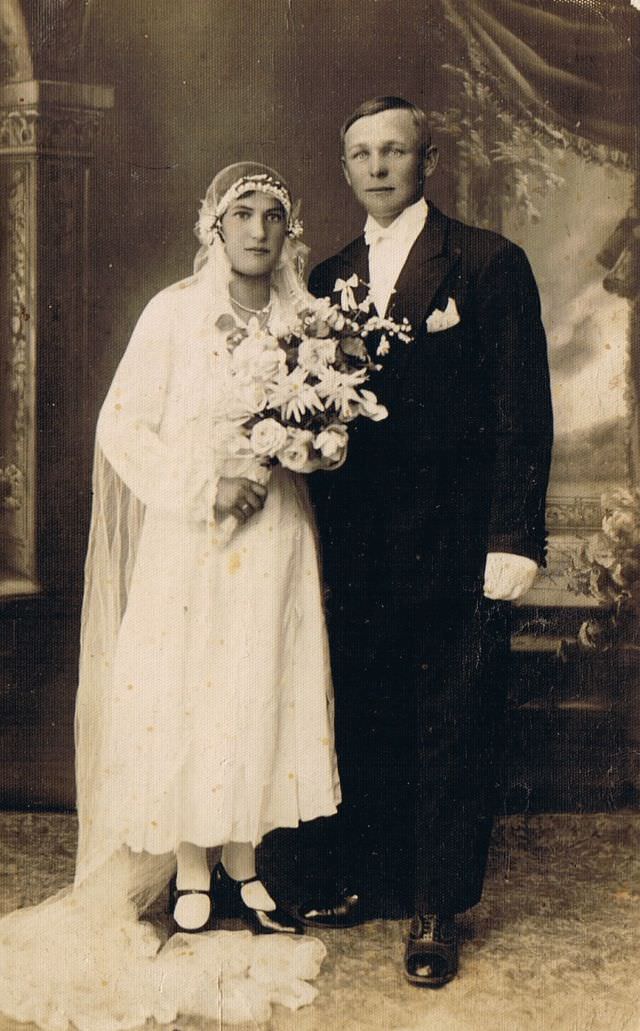
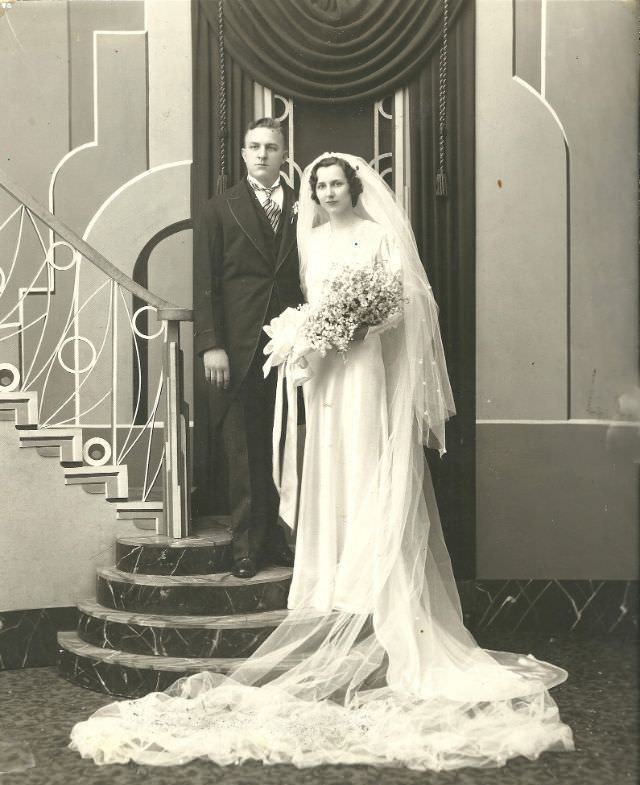
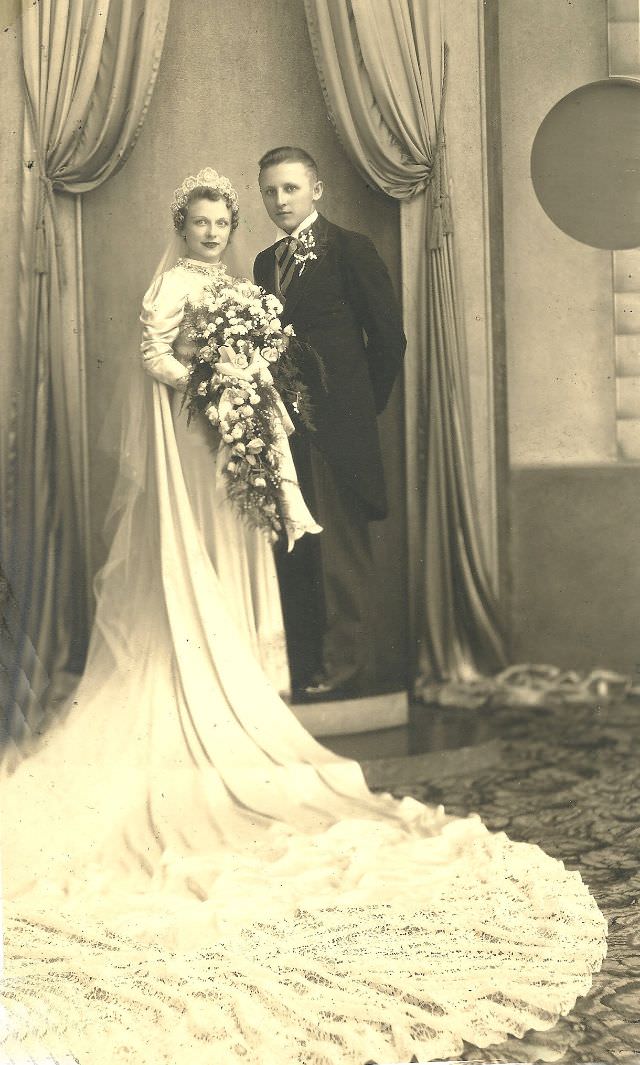
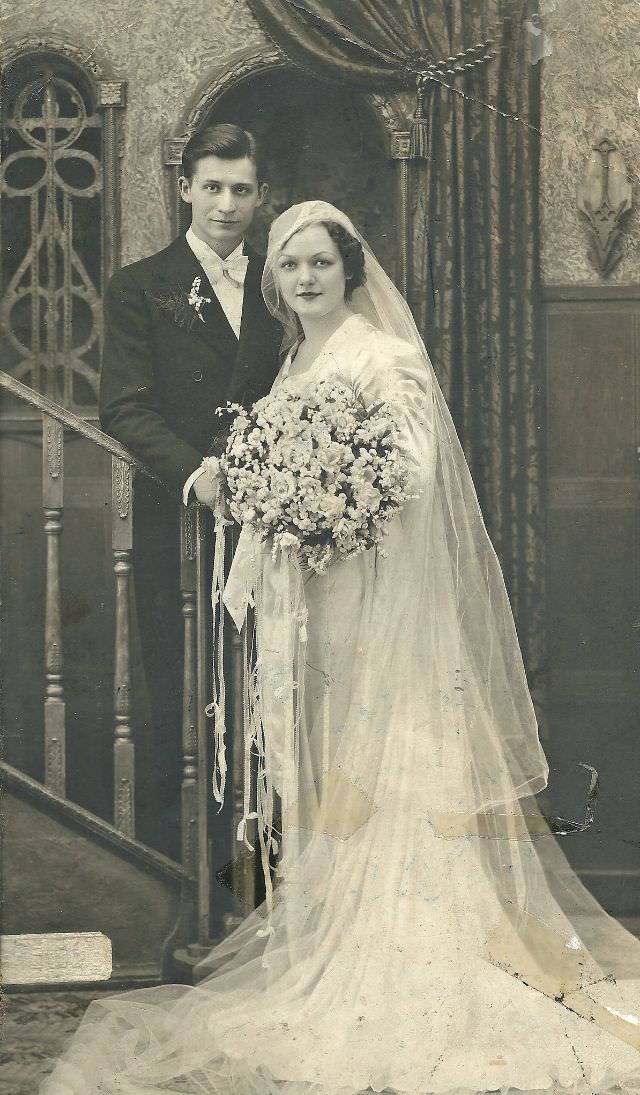
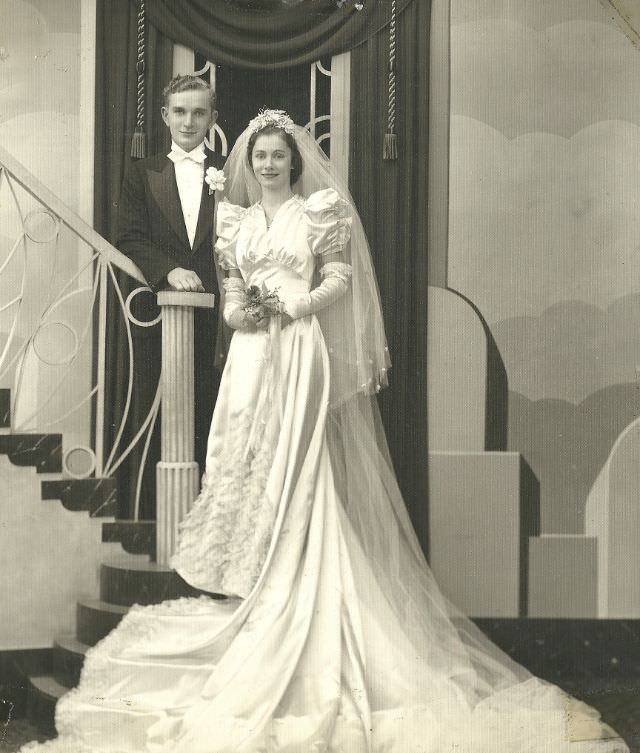
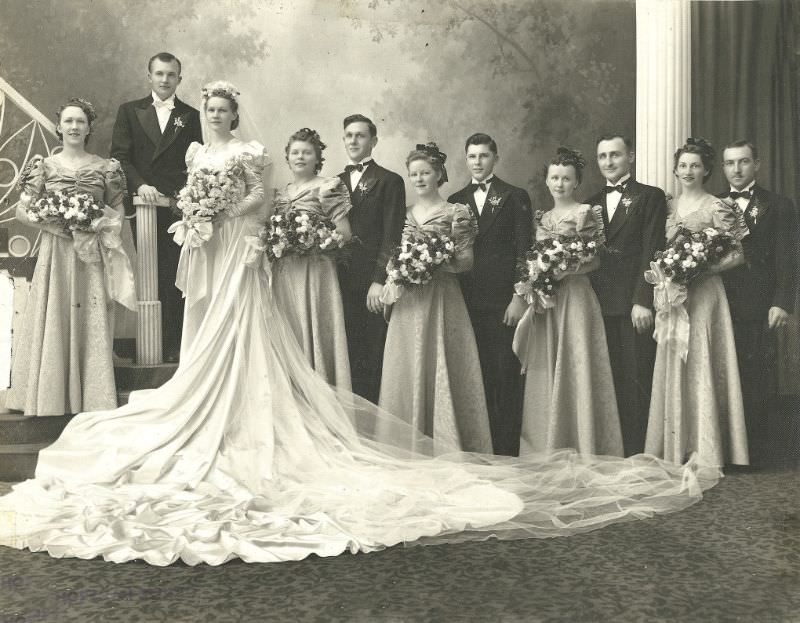
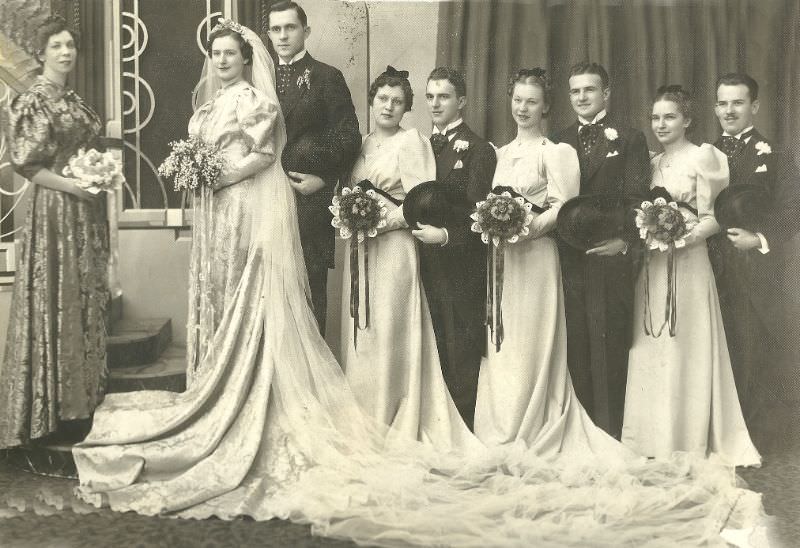
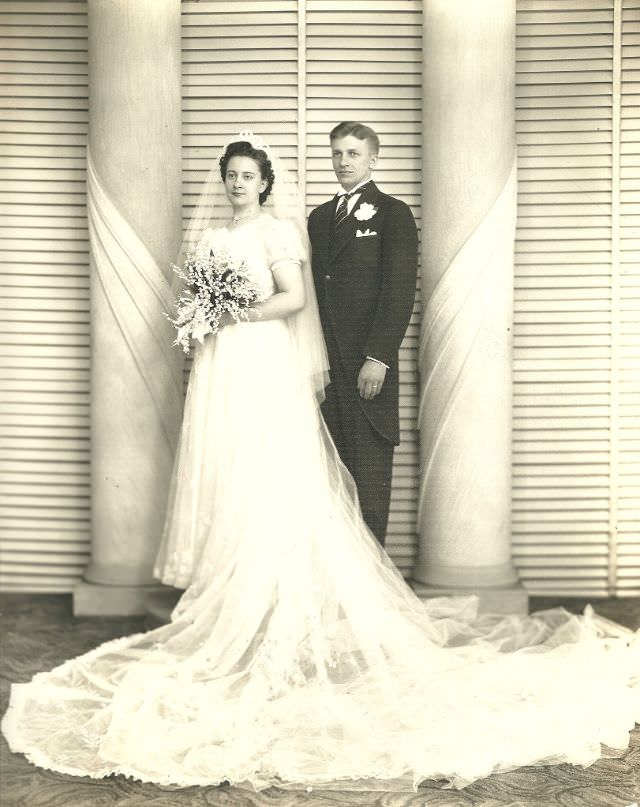
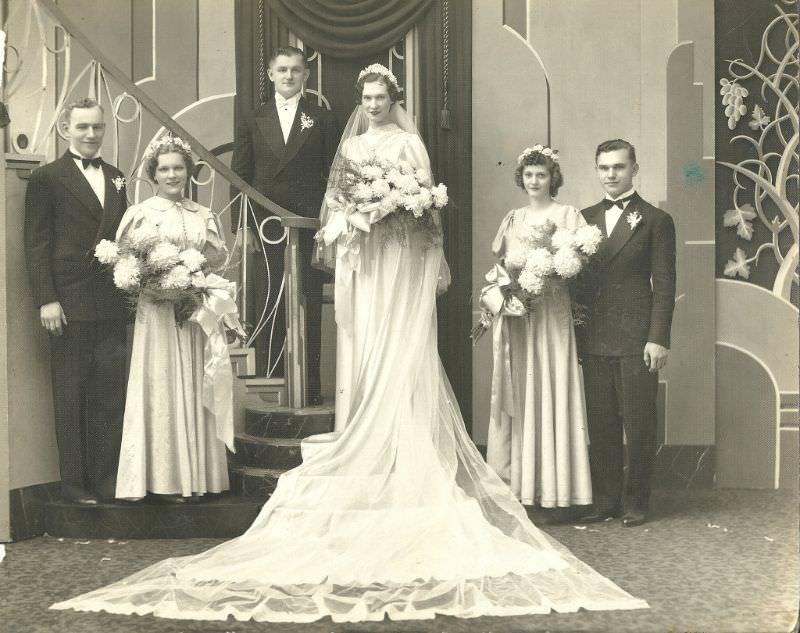
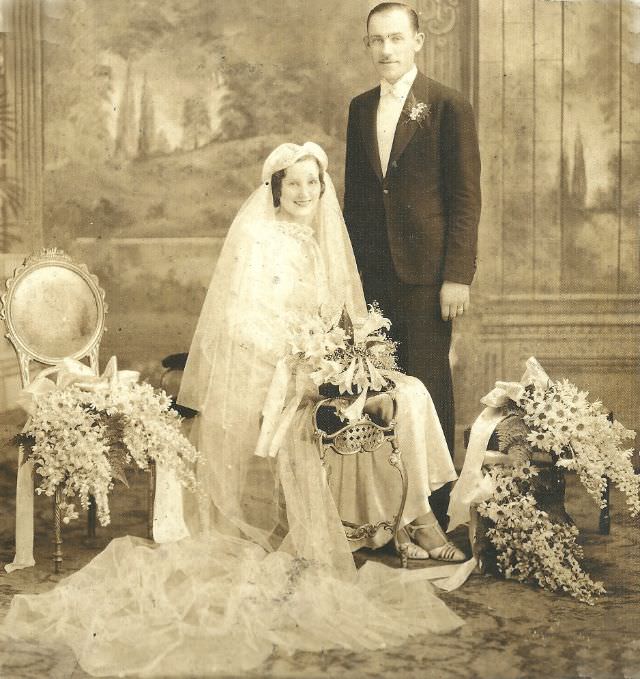
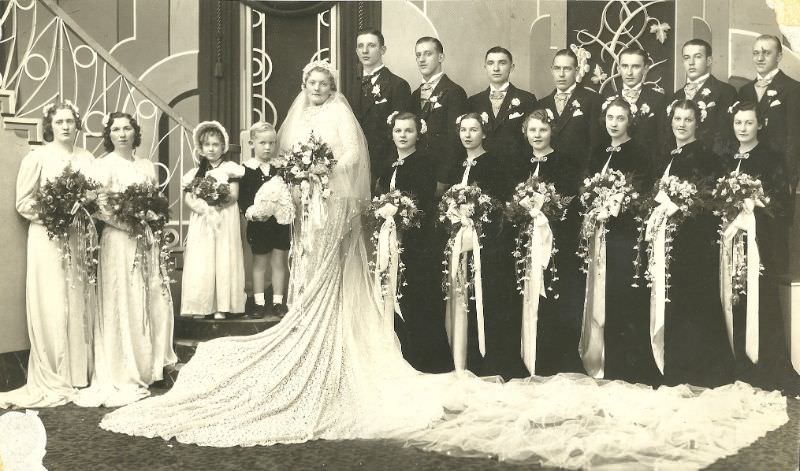
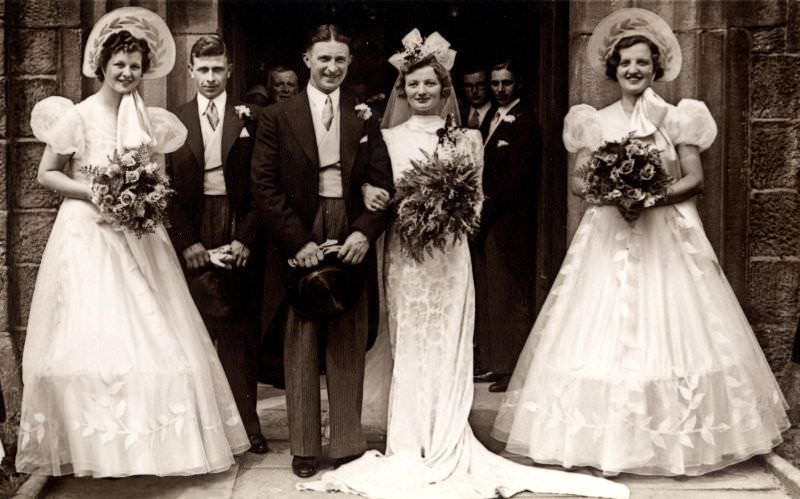
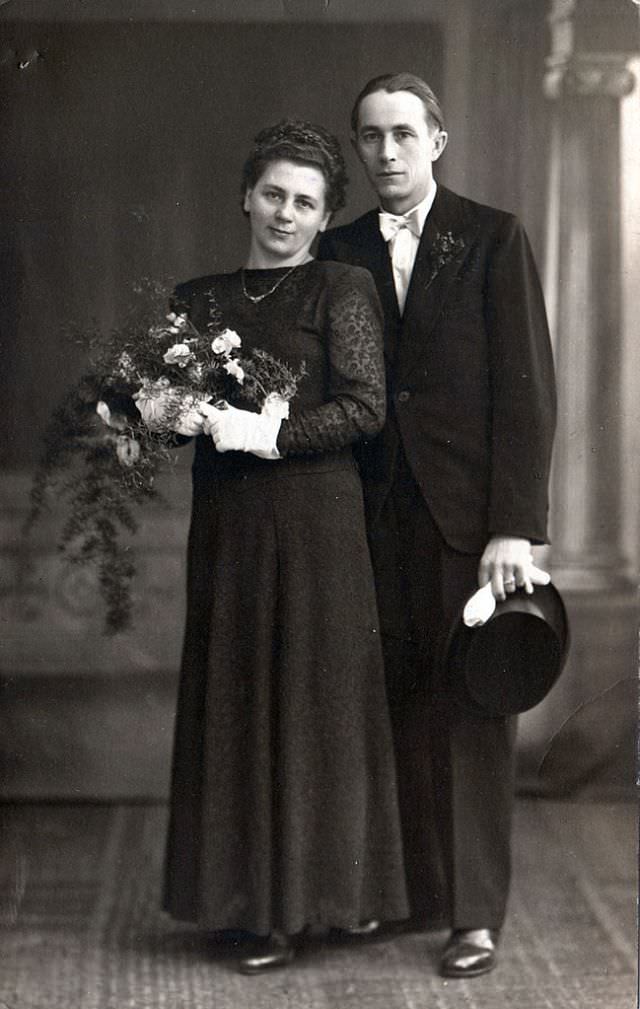
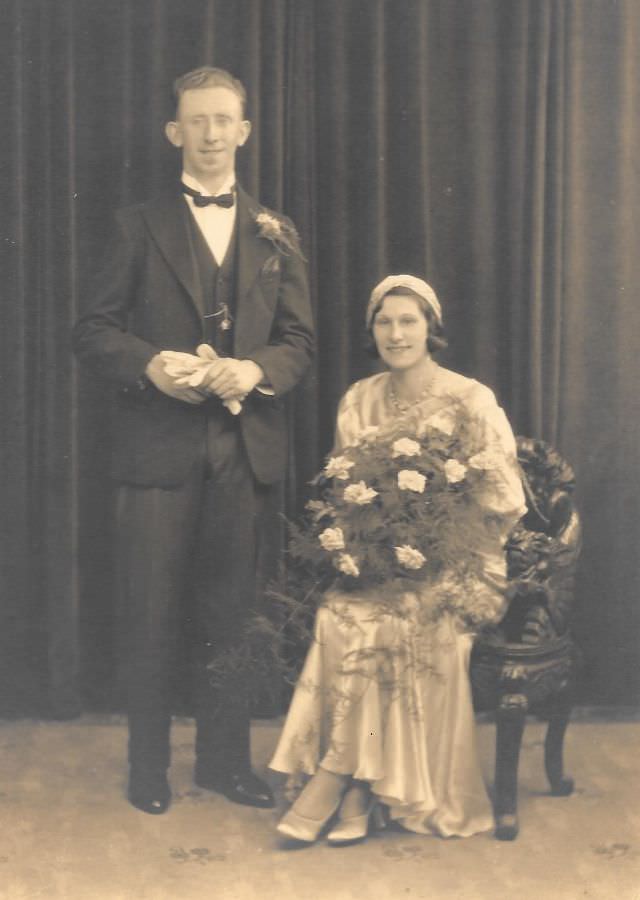
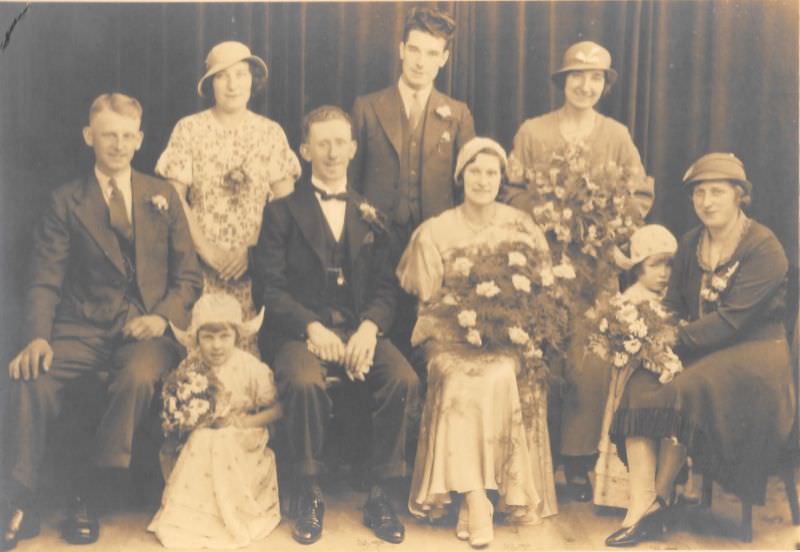
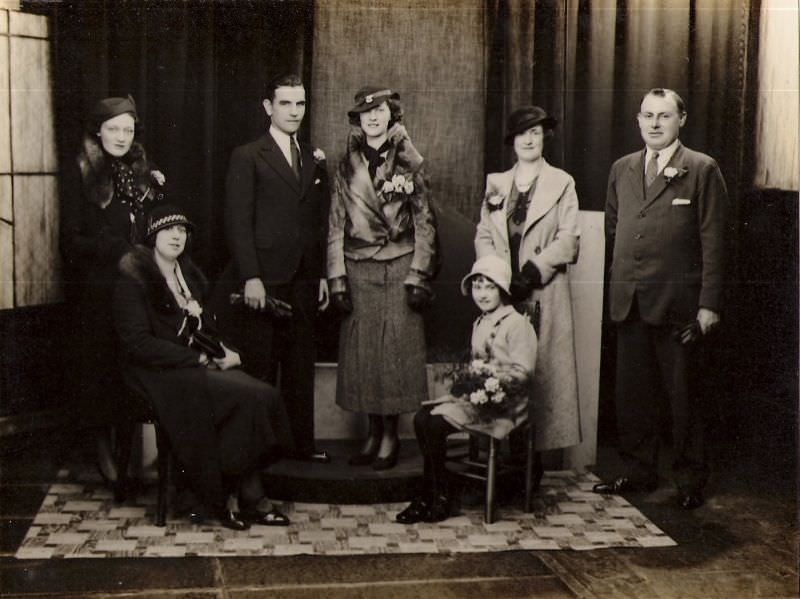
Below is a collection of photographs from the 1930s capturing real brides in the wedding fashions of their time. Each image reflects the decade’s distinct approach to bridal style — flowing lines, fine details, and an understated grace that defined an entire era.