Between 1910 and 1960, American advertisers built entire campaigns around one of the most powerful fears a woman of that era could have: losing her husband — or never finding one at all. Marriage was not simply a social arrangement. For most women during this period, it was the primary means of financial survival. Advertisers knew this, and they used it deliberately.
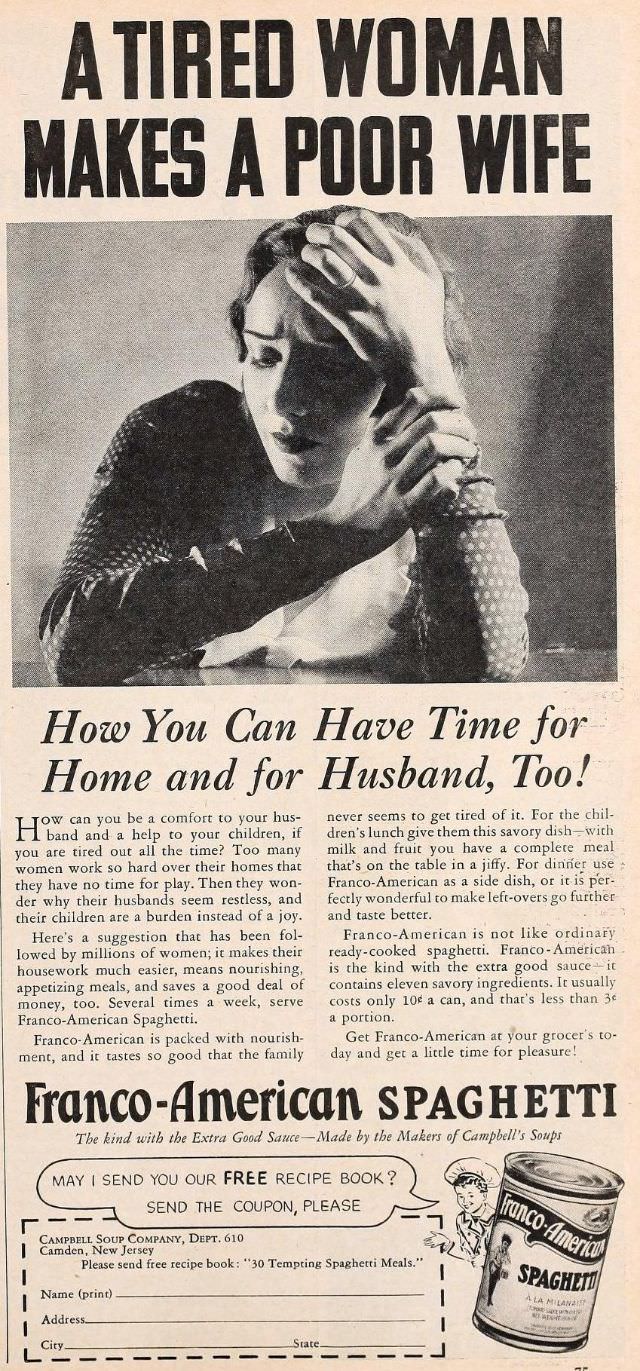
Women made roughly 80% of household purchases during this era, which made them the most valuable target audience in the country. Rather than appeal to women as capable, informed buyers, the advertising industry chose a different angle. It leaned hard into economic insecurity. As journalist Heisel noted in Jezebel, advertisers exploited women’s financial dependence on men and turned it into a marketing tool.
A key reference point for this strategy was Cicely Hamilton’s 1909 book, Marriage as a Trade. The book argued that women had been conditioned to treat marriage as their primary profession — a way to secure food, shelter, and social standing. Advertisers absorbed this framing and ran with it. If marriage was a woman’s job, then any product that helped her keep her husband was a professional necessity.
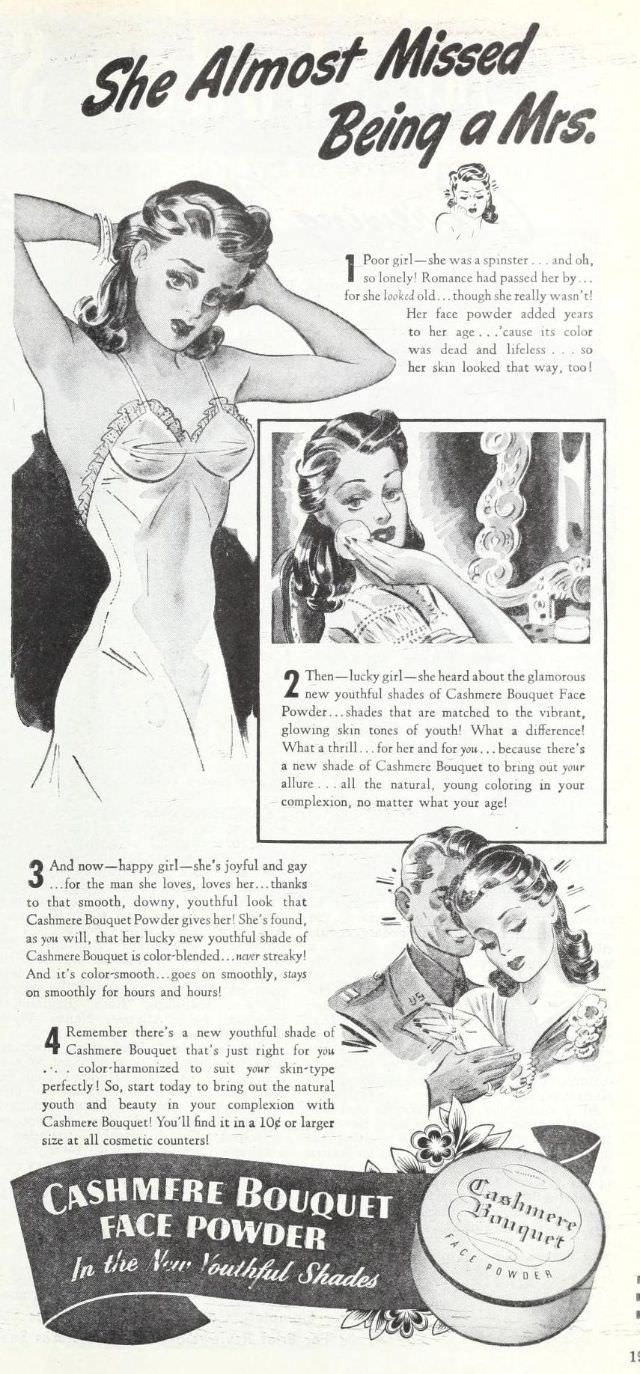
Women in these ads were regularly portrayed as irrational, emotional, and prone to bad decisions. Male consumers, by contrast, were described in industry literature as “demanding and industrious.” This double standard wasn’t accidental. It justified a softer, more manipulative approach toward women — one built on shame, anxiety, and the threat of romantic failure.
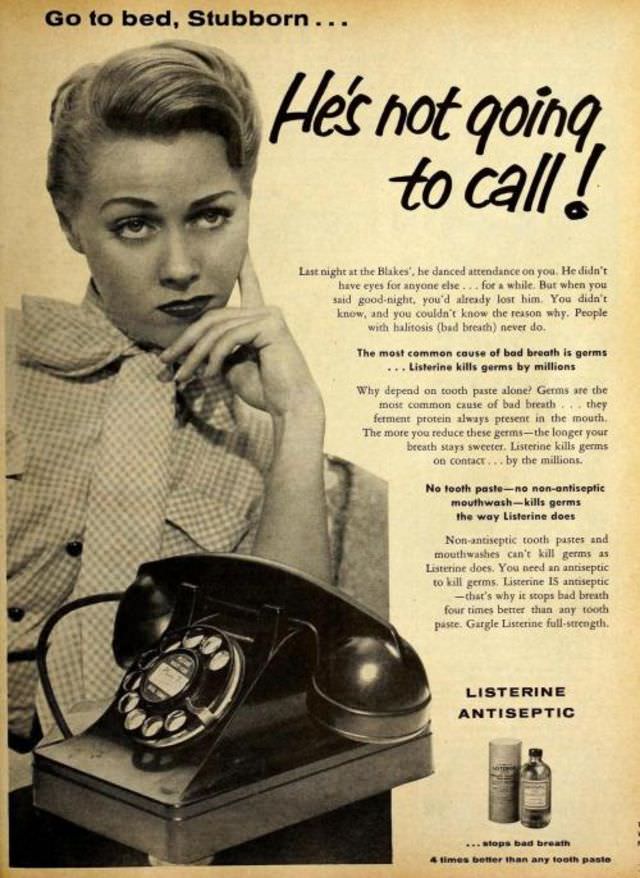
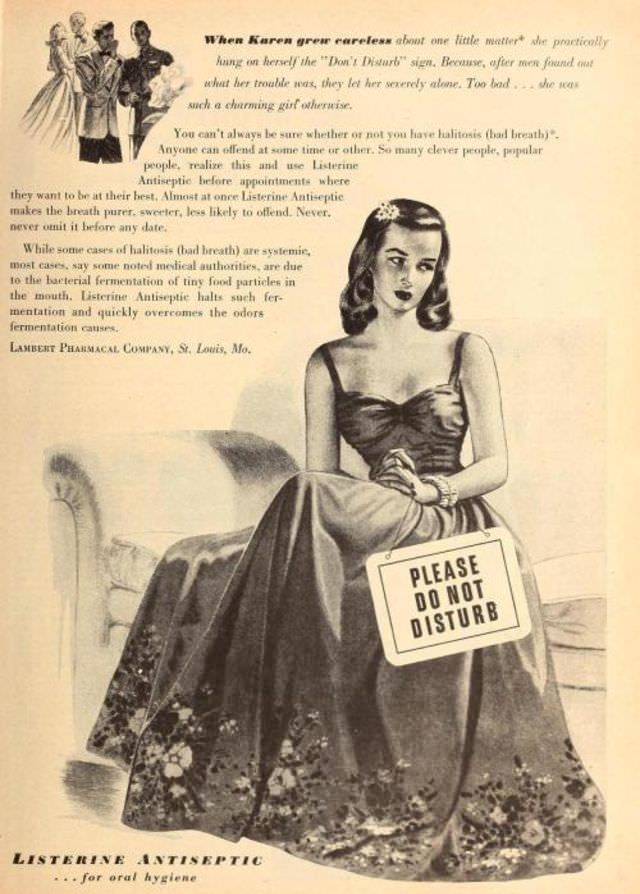
The psychological framework behind these ads came largely from two figures: Walter D. Scott and John B. Watson. Scott, a psychologist who studied advertising in the early 1900s, believed that humans were far more suggestible than rational. He wrote, “Man has been called the reasoning animal, but he could more accurately be called the creature of suggestion.” His approach involved direct commands — telling consumers what to do rather than explaining why.
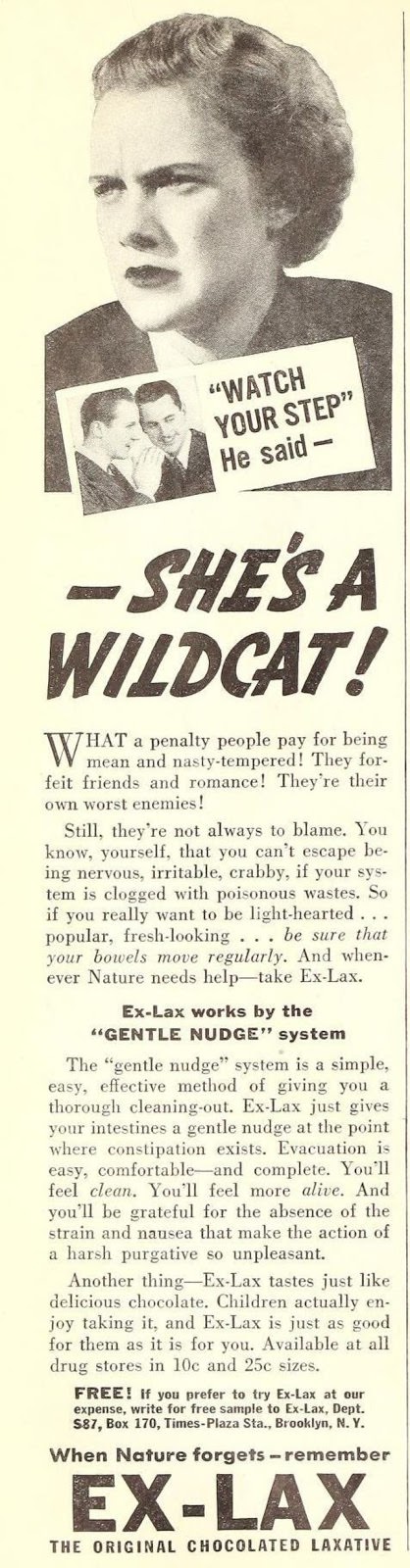
John B. Watson brought behaviorism into the picture. After leaving Johns Hopkins University under controversial circumstances in the 1920s, he shifted into advertising and applied his academic research directly to selling products. His method targeted three basic emotions: love, hate, and fear. Fear proved especially effective when aimed at women worried about their marriages.
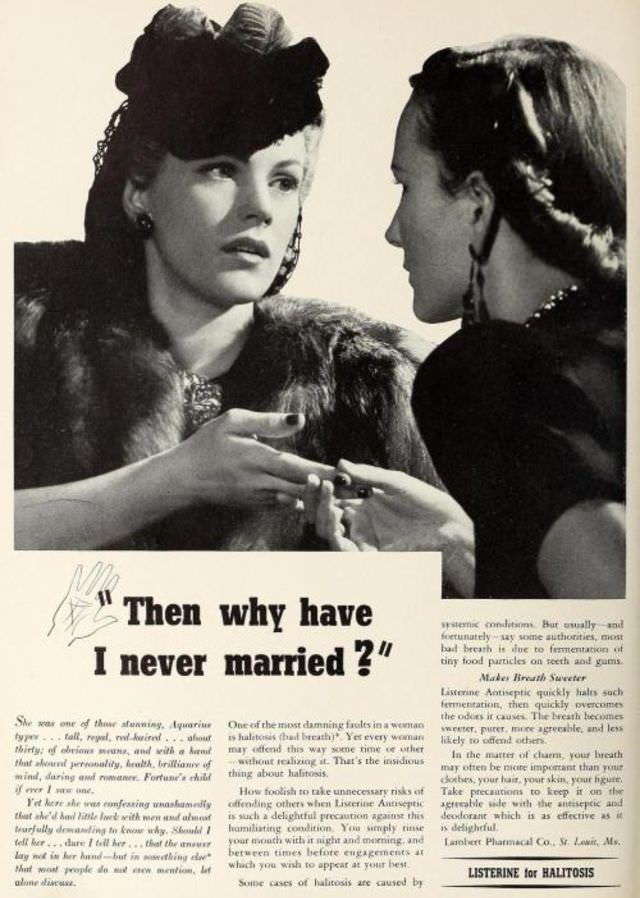
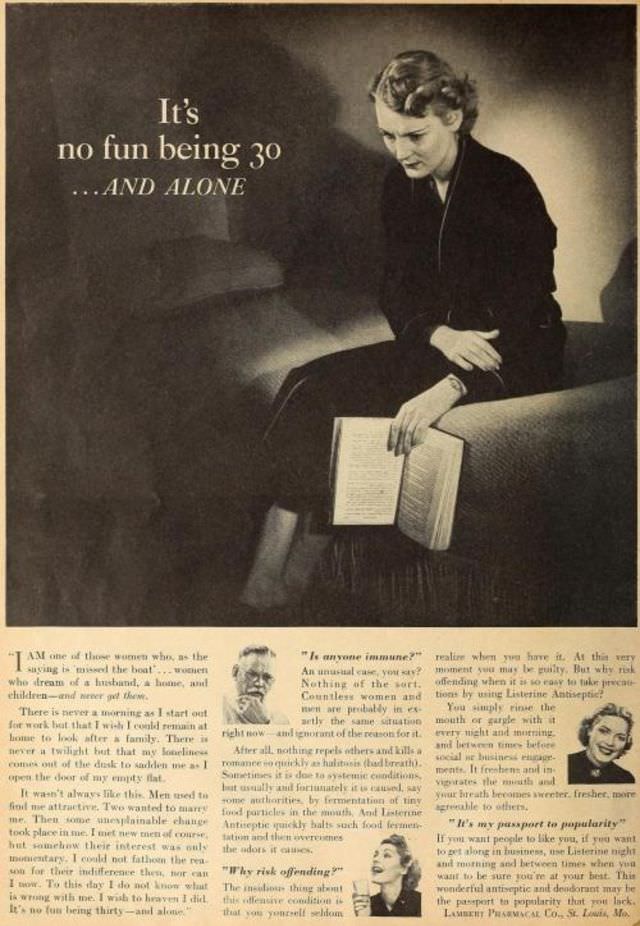
The 1910s and 1920s were a boom period for this kind of psychological advertising. Industry professionals believed that human instincts — for love, security, belonging — could be redirected into the desire to purchase goods. Ads during this period also pushed cultural assimilation, encouraging immigrant women to abandon traditional habits and adopt a modern American domestic lifestyle, often through buying specific branded products.
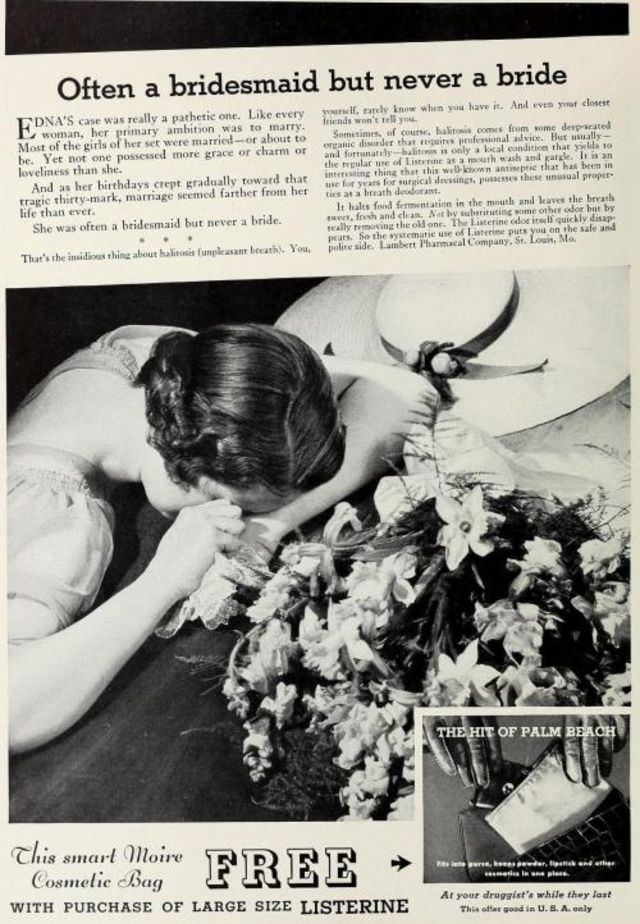
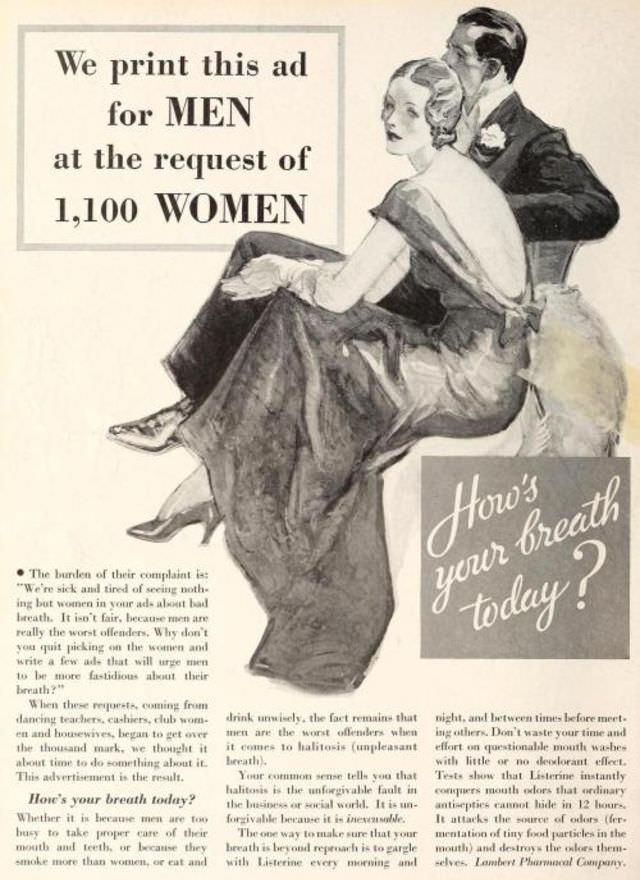
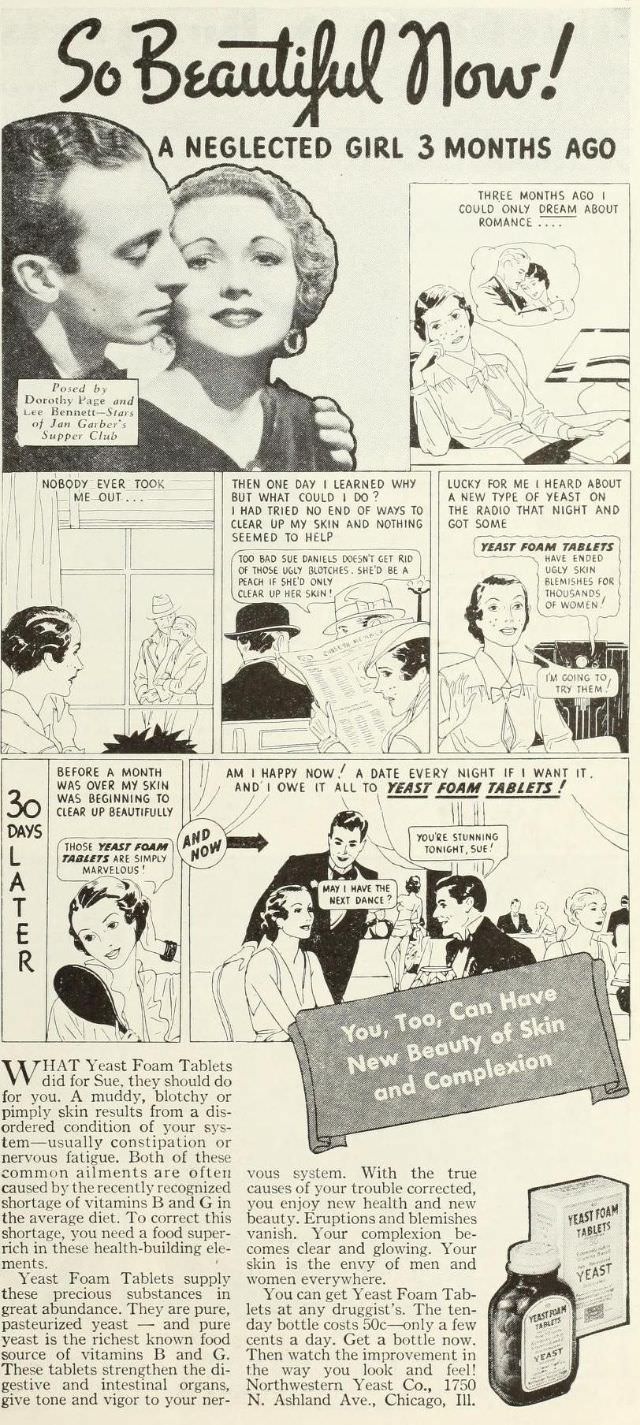
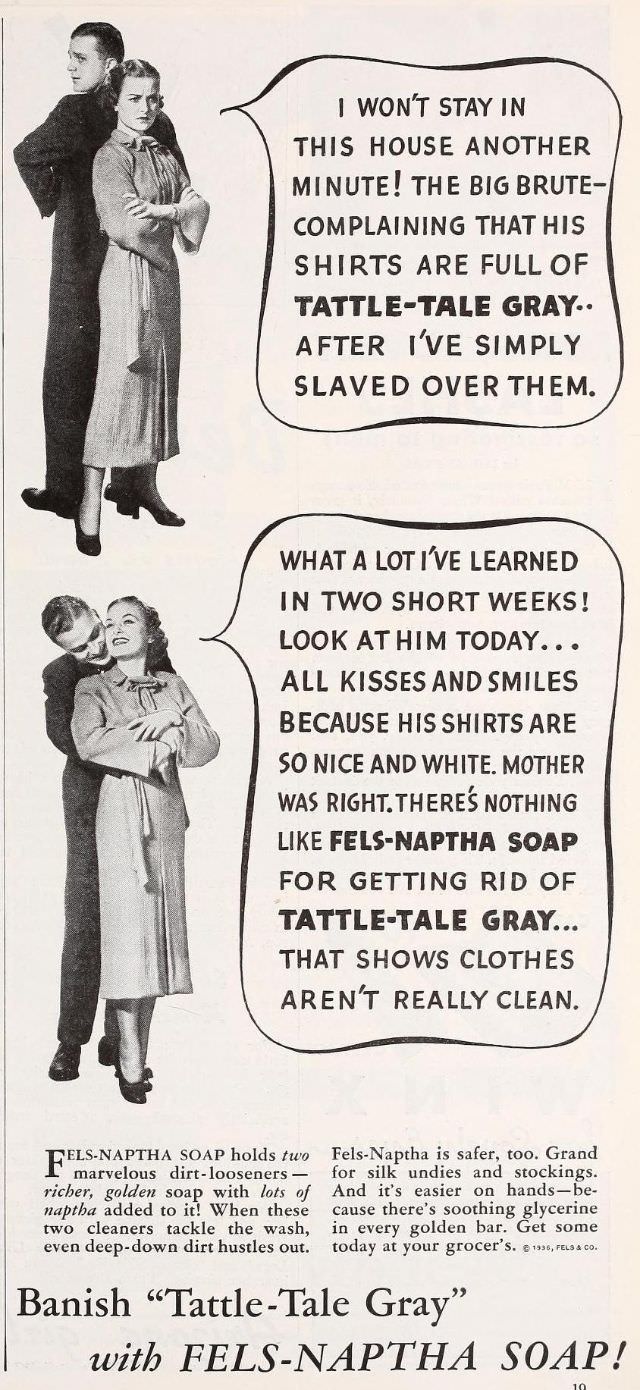
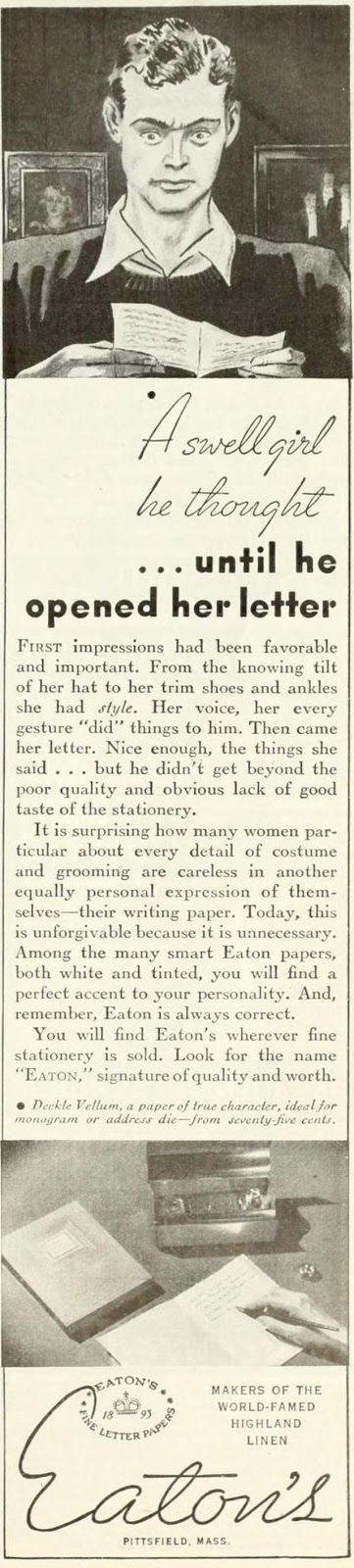
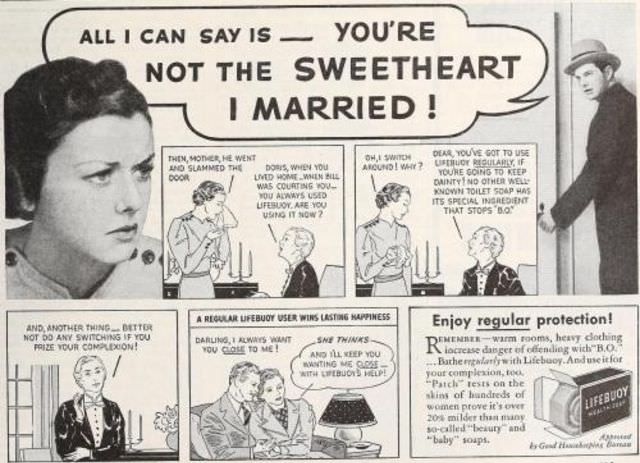
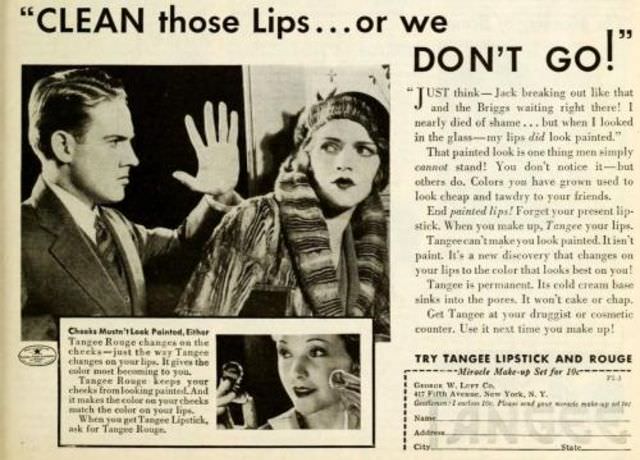
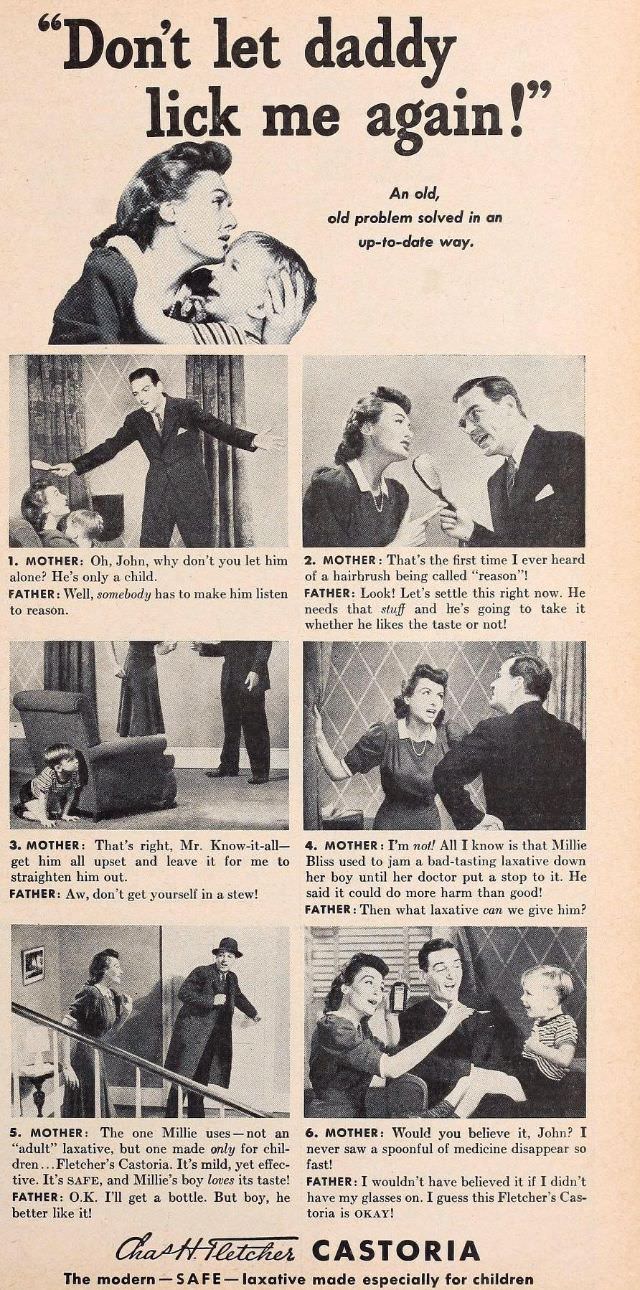
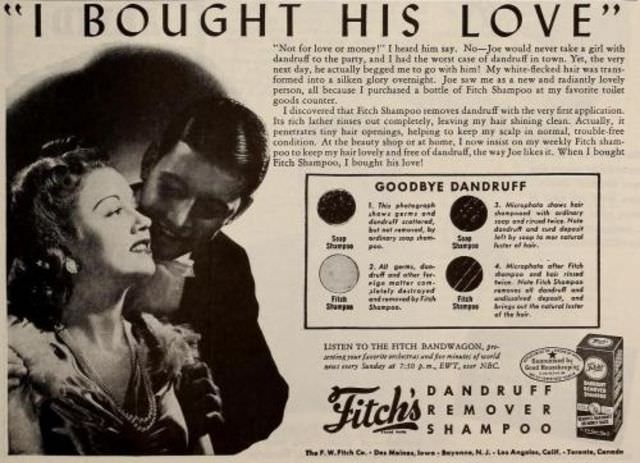
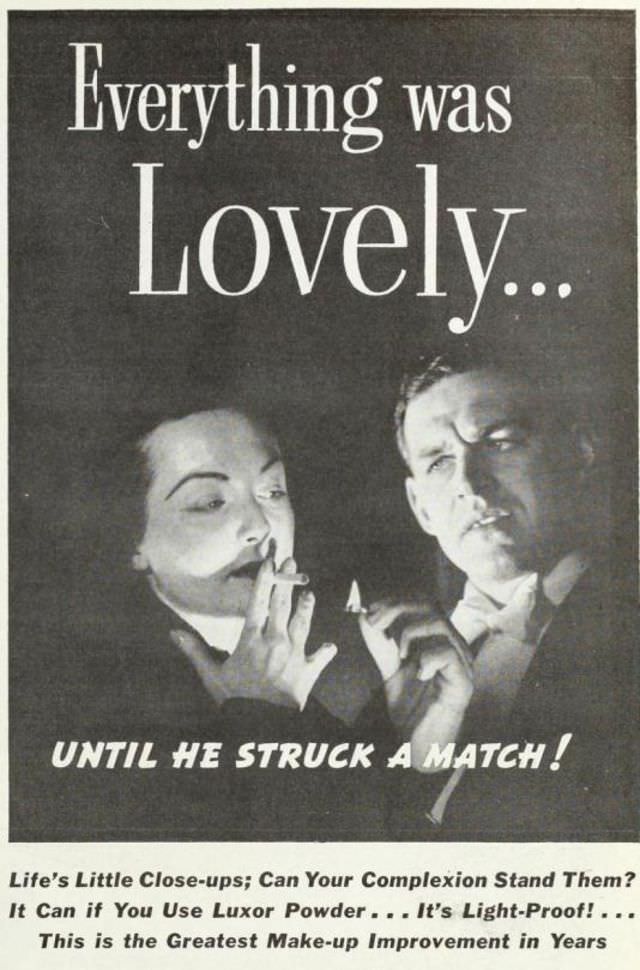
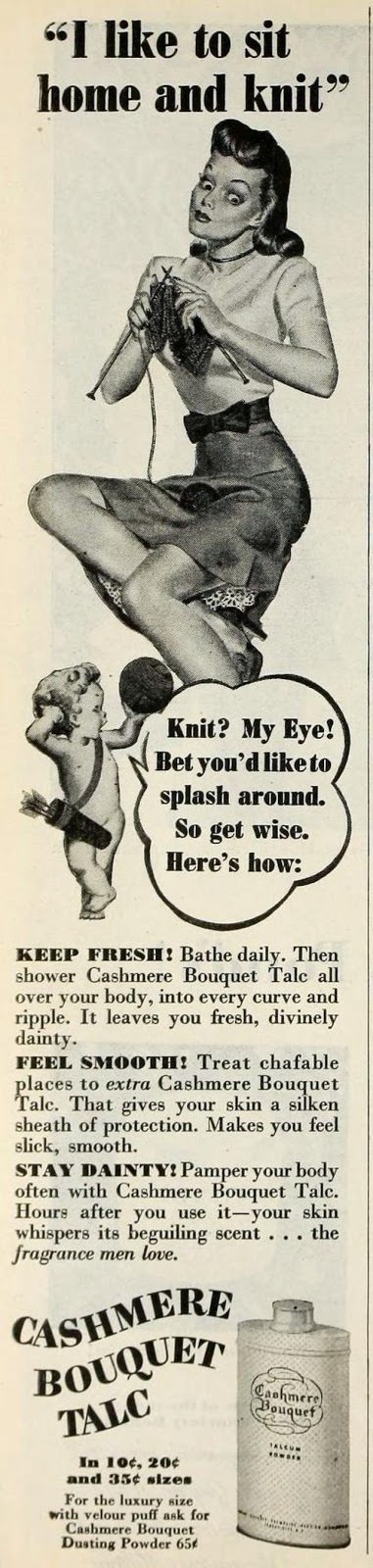
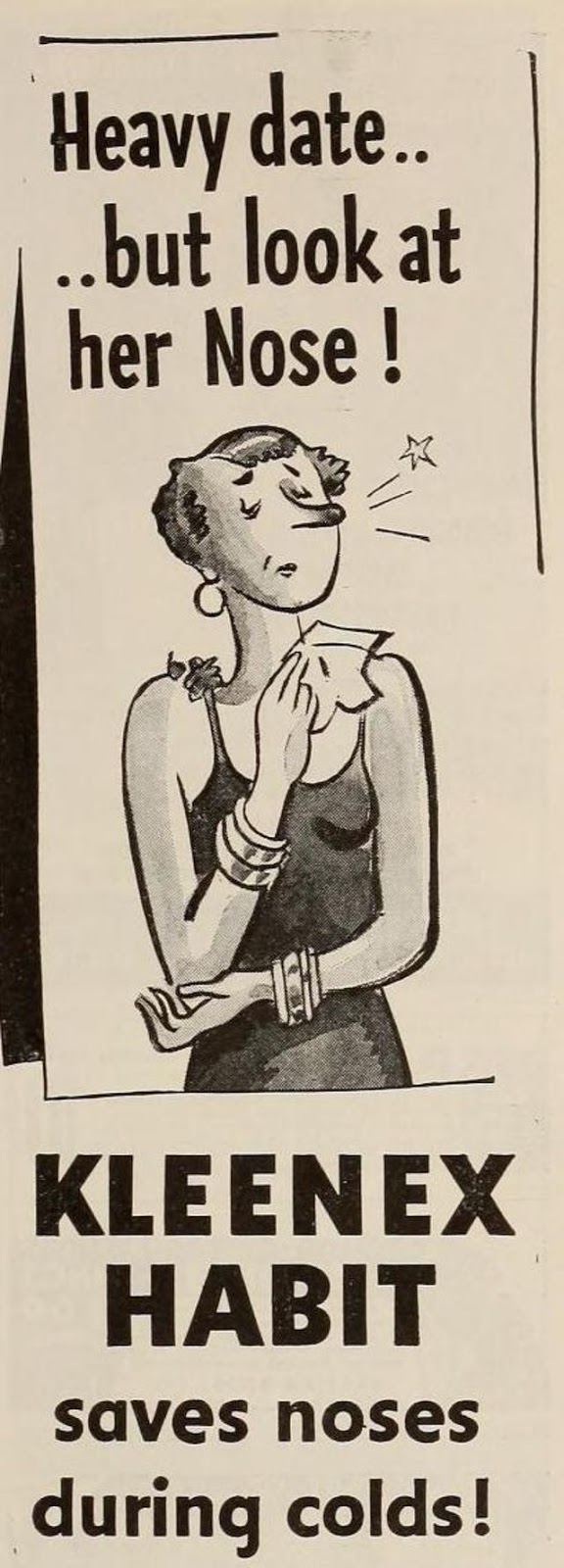
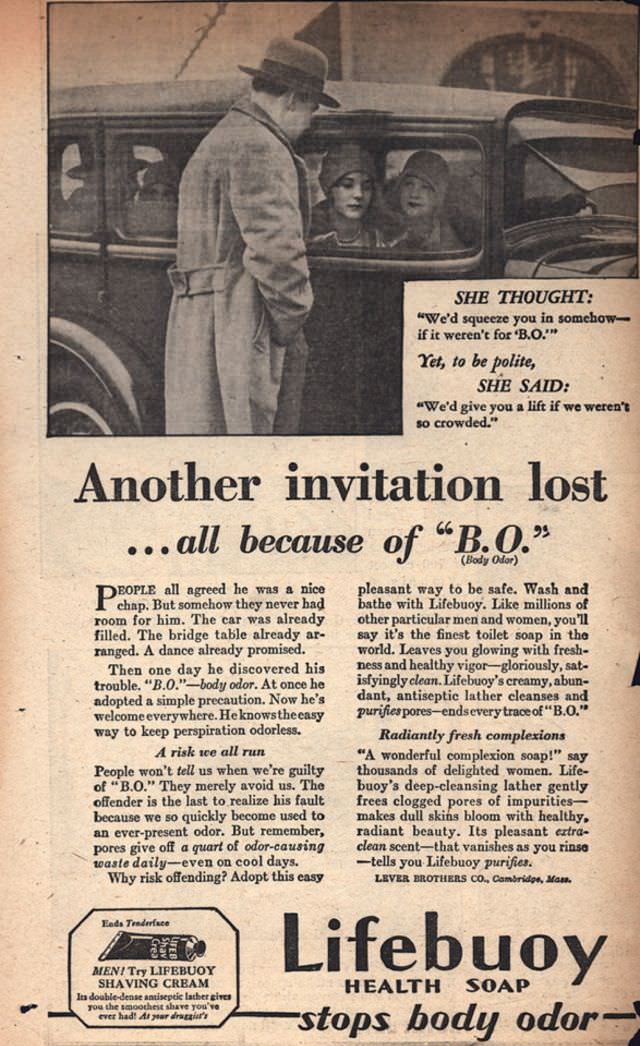
The ads themselves followed a predictable pattern. A woman is shown distressed, lonely, or humiliated. A husband is shown drifting away, or a potential suitor is shown uninterested. The cause is always something the woman has failed to address — bad breath, dull hair, rough hands, the wrong soap. The product is the solution. Buy it, and your marriage is safe.
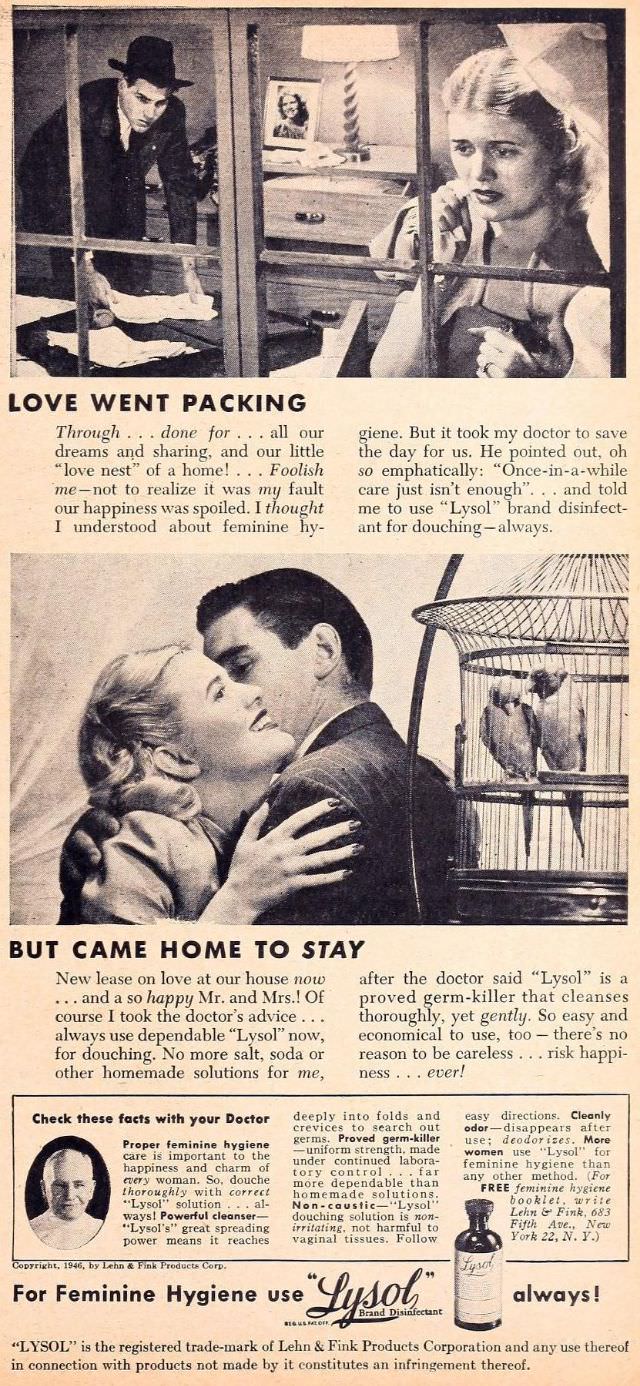
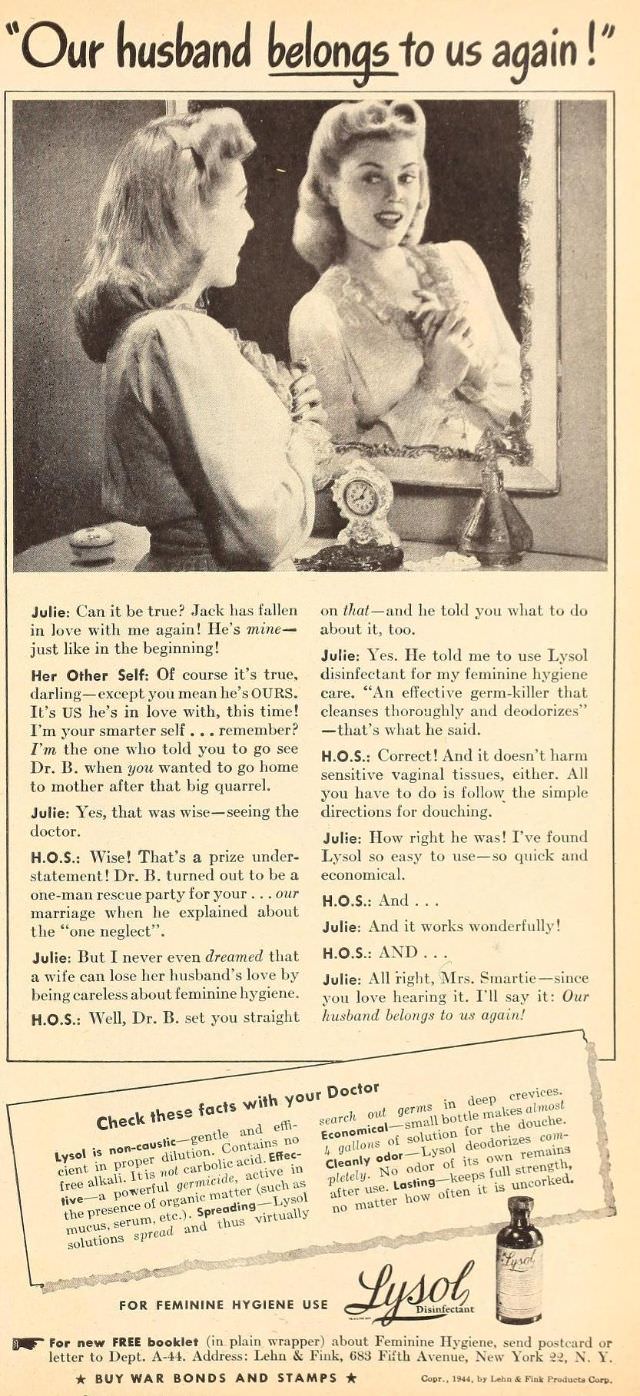
The 1930s brought the Great Depression, and advertising budgets were slashed across the board. Agencies laid off staff and scaled back campaigns. The New Deal further complicated things by promoting a form of consumerism that didn’t necessarily rely on advertising. Yet the industry adapted. By the late 1930s, corporations had begun pushing back against critics using scientific public opinion polls to frame consumer choice as a form of personal freedom and sovereignty.
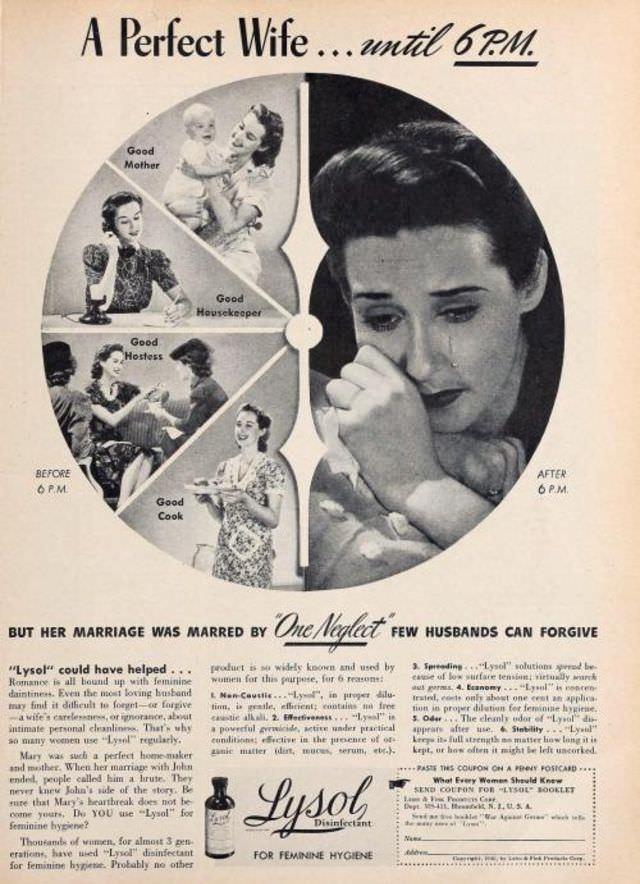
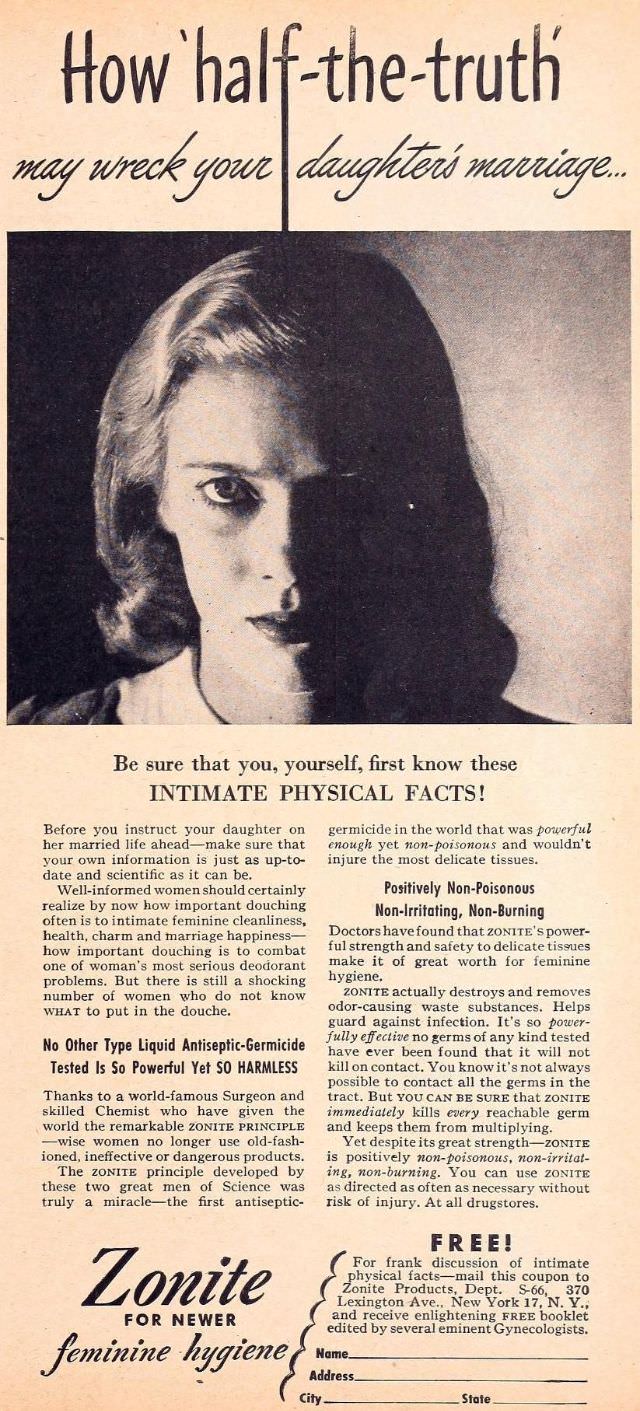
George Gallup, then vice president of Young and Rubicam, was among the advertising leaders who helped reshape how the industry understood its audience. Market research grew more sophisticated. Polling data allowed advertisers to identify specific anxieties and tailor messages more precisely. For women, marital security remained one of the most reliable pressure points throughout this period.
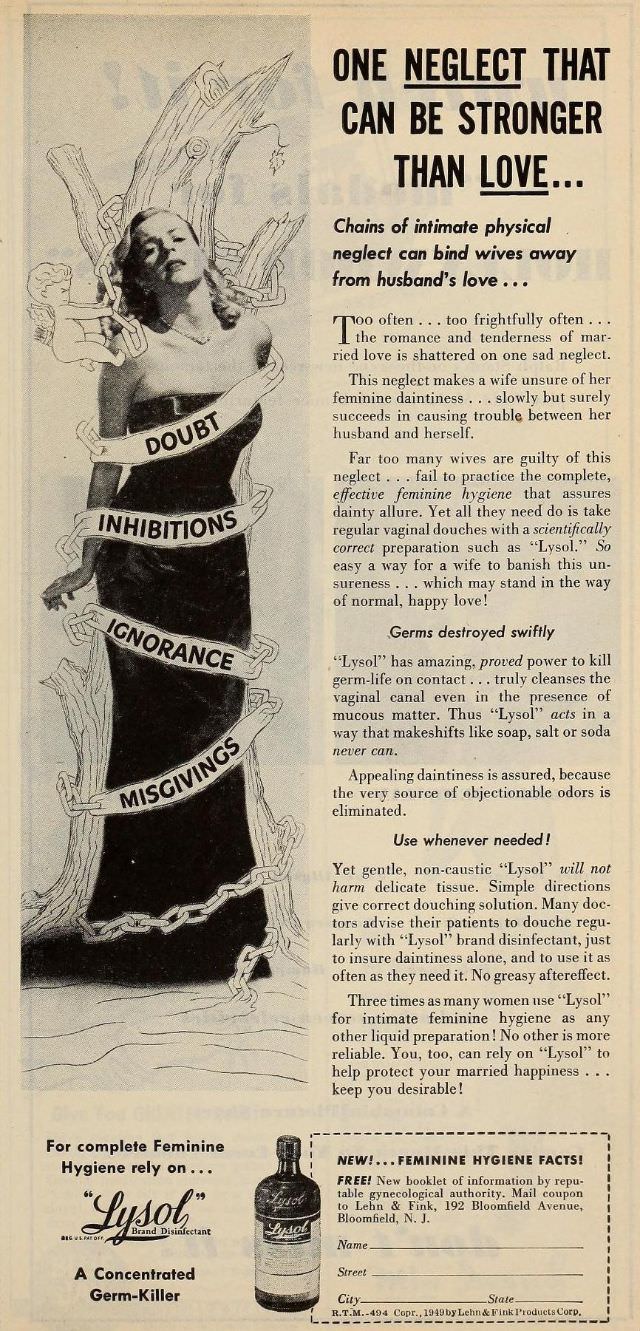
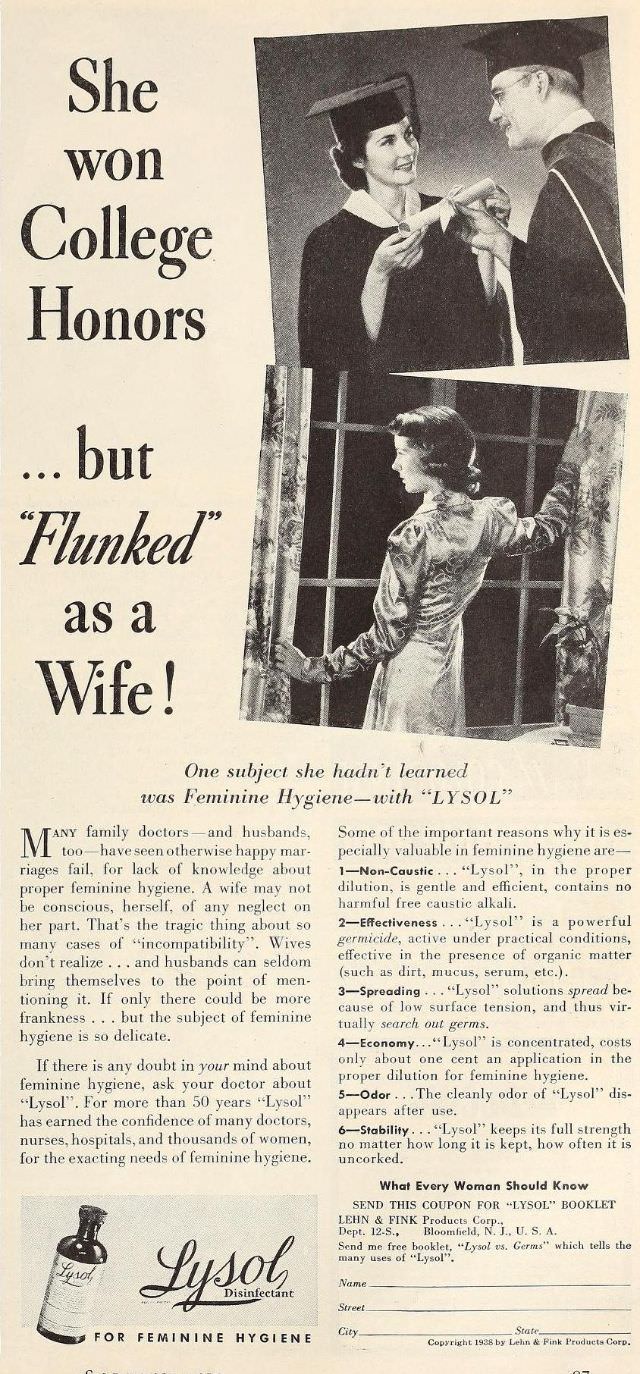
Through the 1940s, the advertising industry pivoted toward wartime mobilization, helping the government build public support for the fight against Germany and Japan. But women were still a core audience, and domestic anxiety didn’t disappear. Ads during this period often tied household products to patriotism and the idea that a well-kept home supported the war effort.
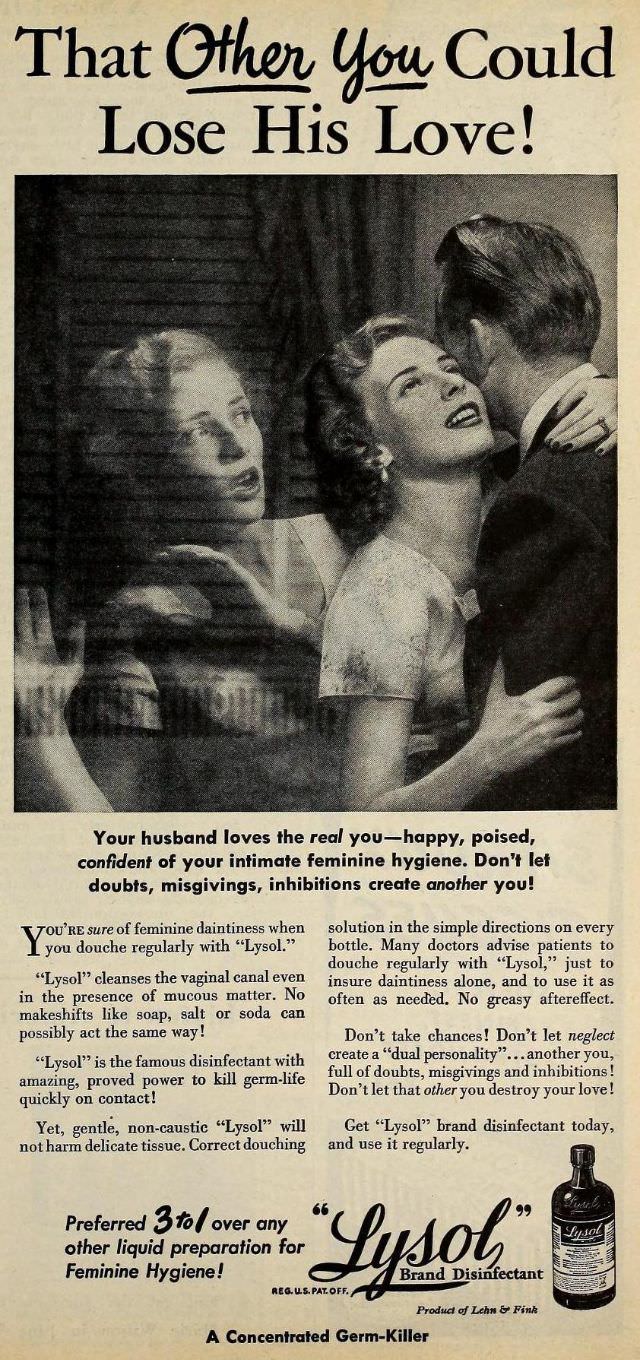
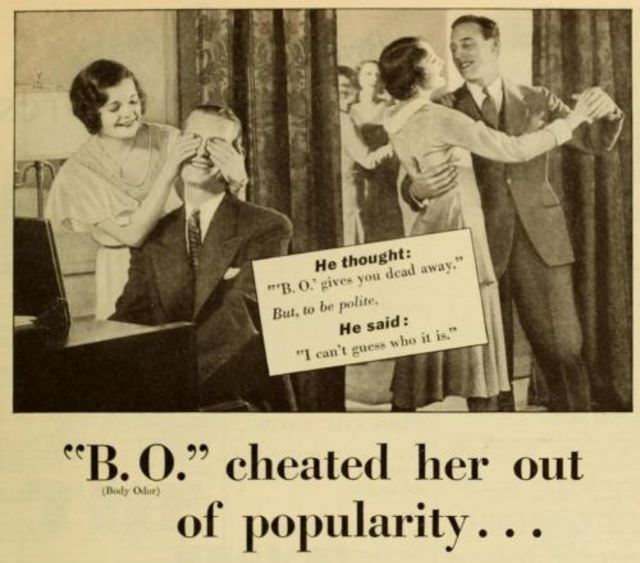
By the 1950s, the message had grown more polished but no less pointed. Postwar prosperity created a new domestic ideal — the cheerful housewife in a clean home, devoted to her husband and children. Ads reinforced this image relentlessly. Products were sold not just as useful items but as proof that a woman was doing her part to hold her family together.
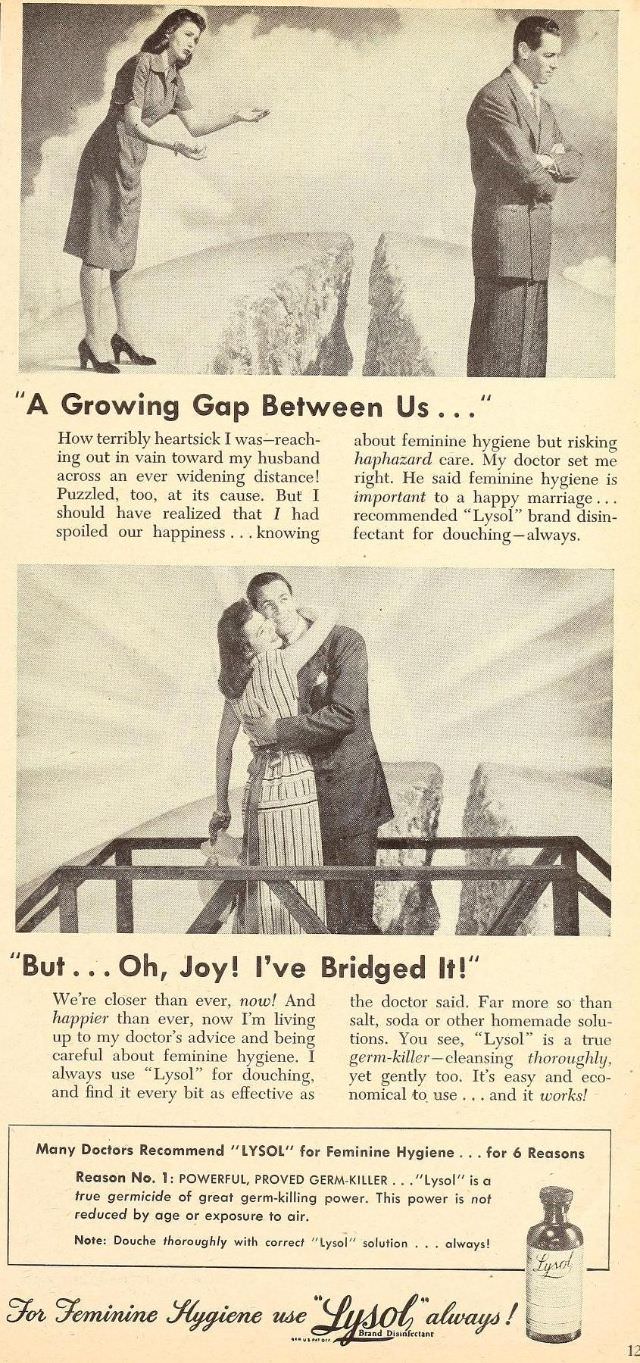
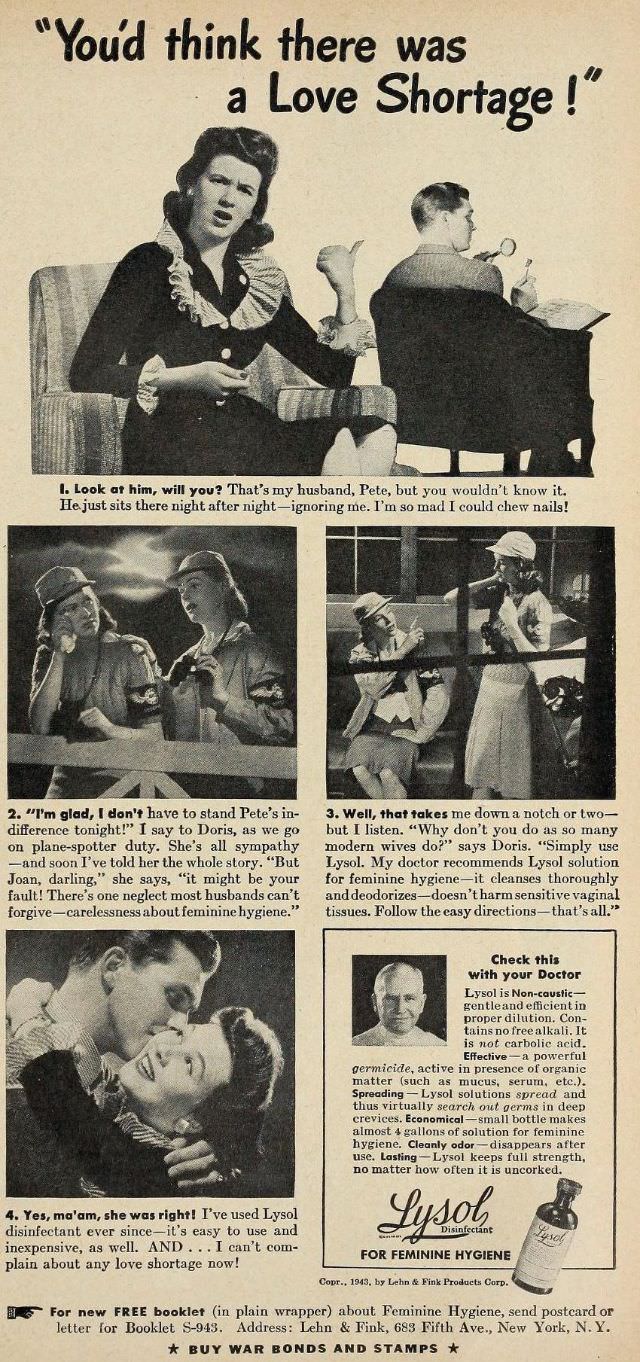
What makes these ads striking today is how openly they weaponized insecurity. There was no subtlety. A woman’s worth was measured by her husband’s happiness. If he was unhappy, it was her fault. And whatever product was being sold was positioned as the fix. Deodorant, coffee, floor wax, laundry detergent — all of it tied directly to whether a woman deserved to be loved.
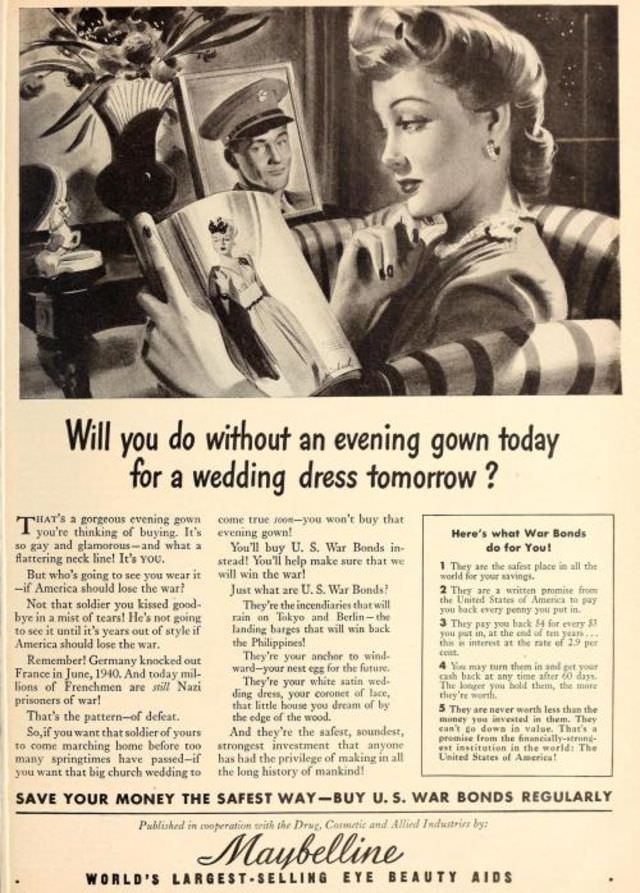
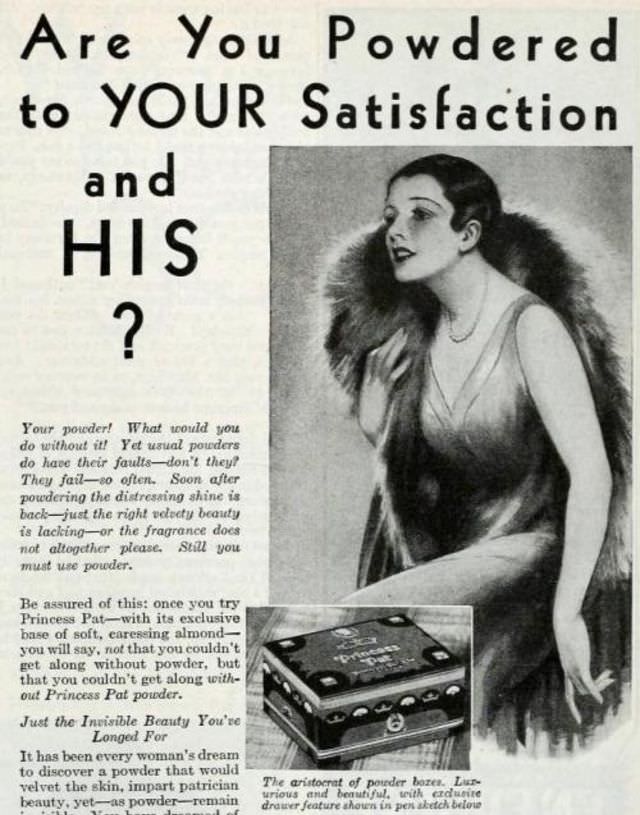
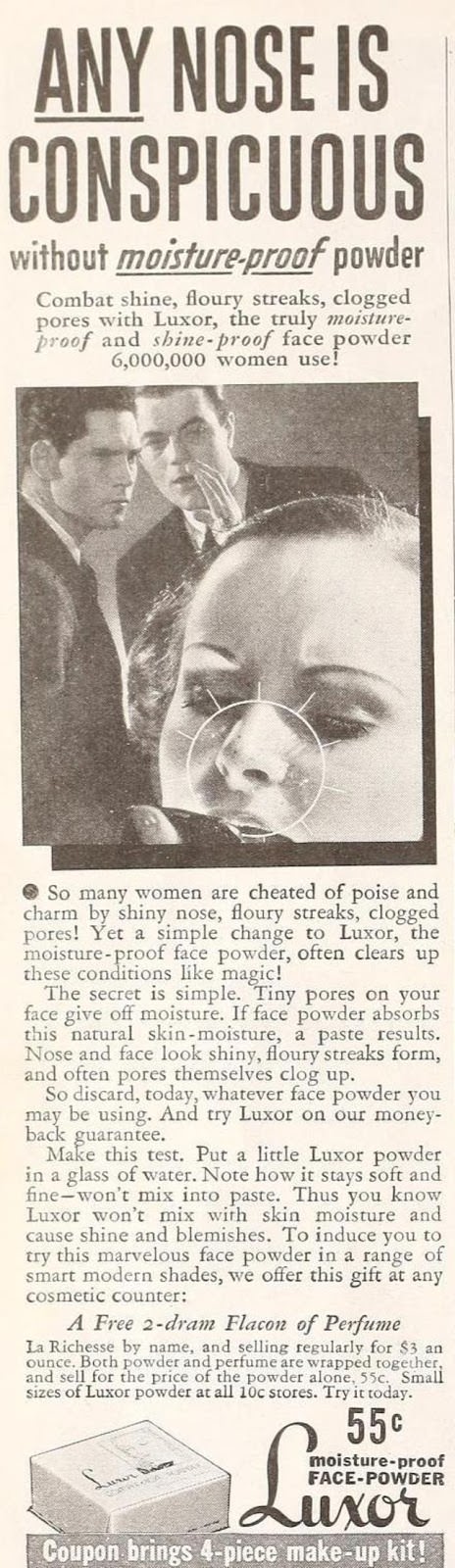
Some ads took the fear of marital failure even further by depicting other women as threats. A husband’s wandering eye was treated as inevitable — the only variable was whether his wife gave him a reason to stray. This framing placed total responsibility on women while excusing men from any accountability whatsoever.
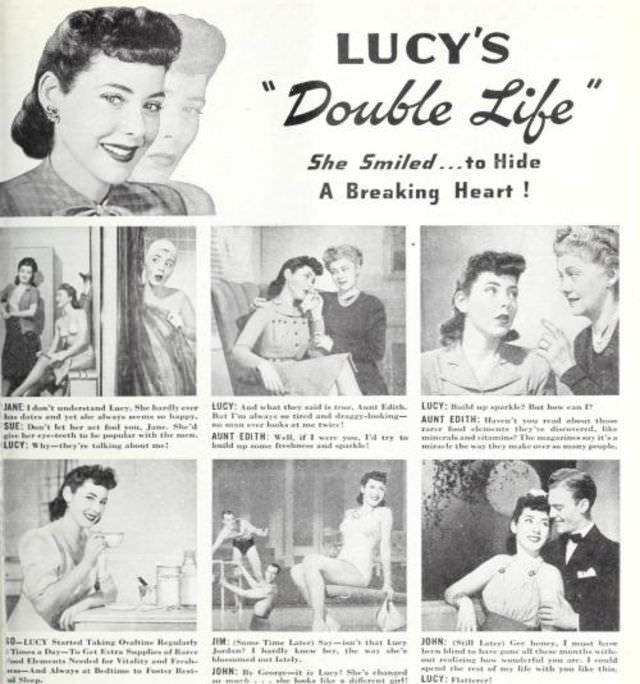
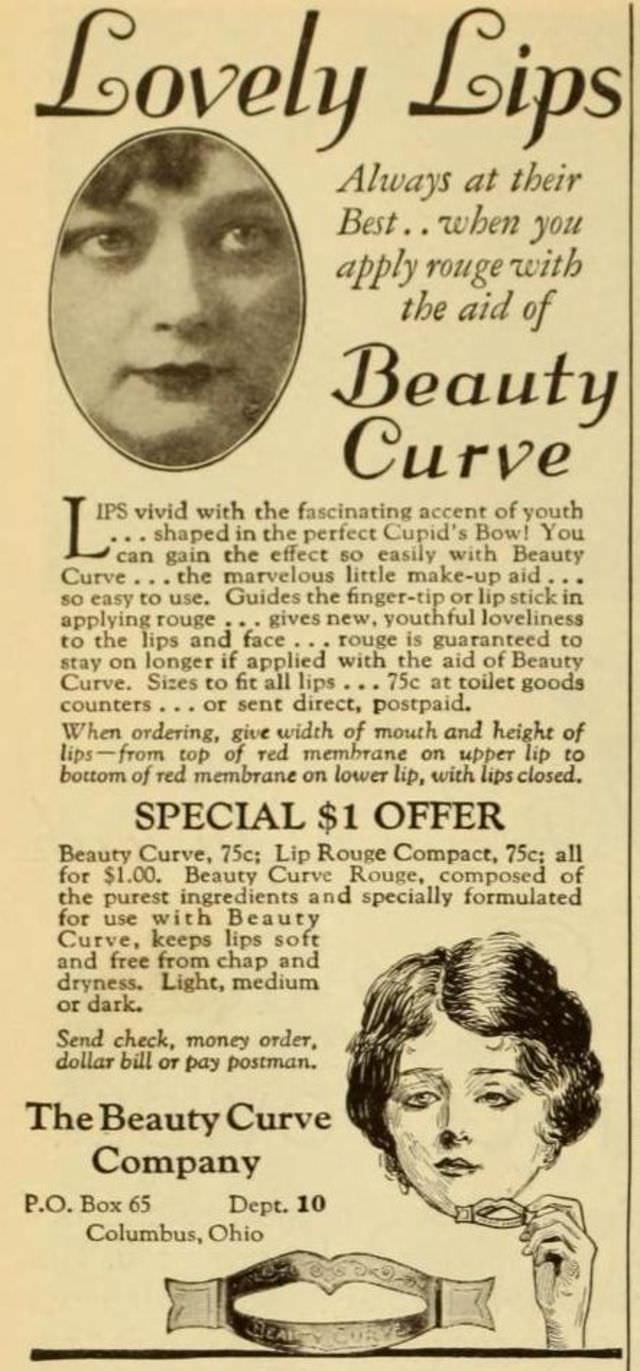
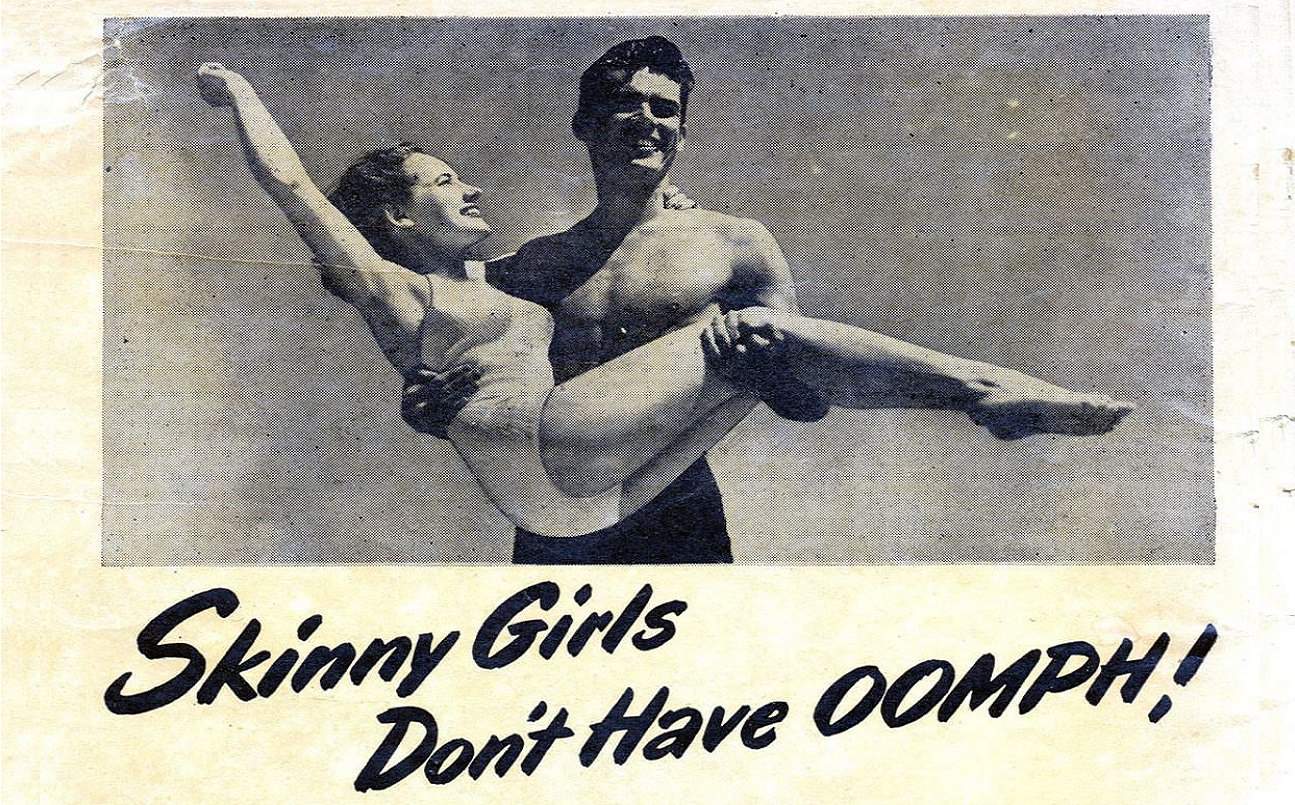
The ads also targeted younger women and girls, building these anxieties in early. Campaigns for hygiene products, skin care, and clothing regularly told teenage girls that their romantic futures depended on the right purchase. The message was consistent across decades: a woman’s social and economic survival required constant vigilance over her appearance and domestic performance.
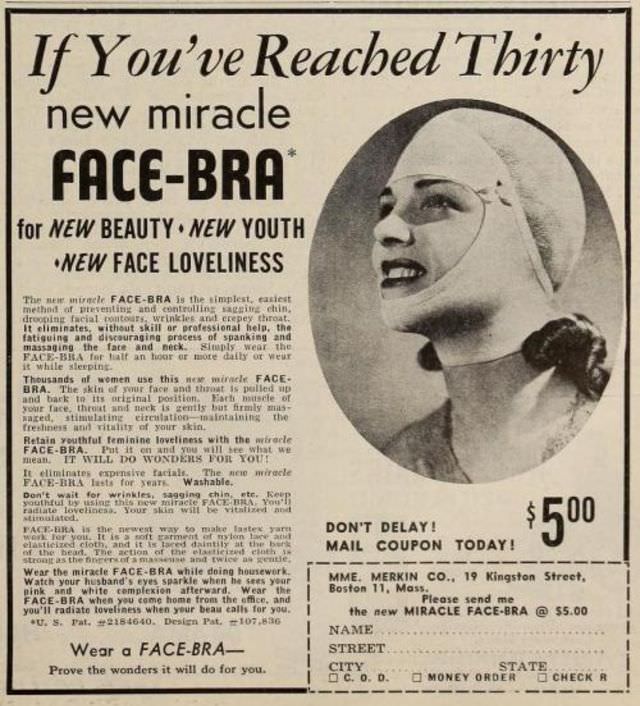
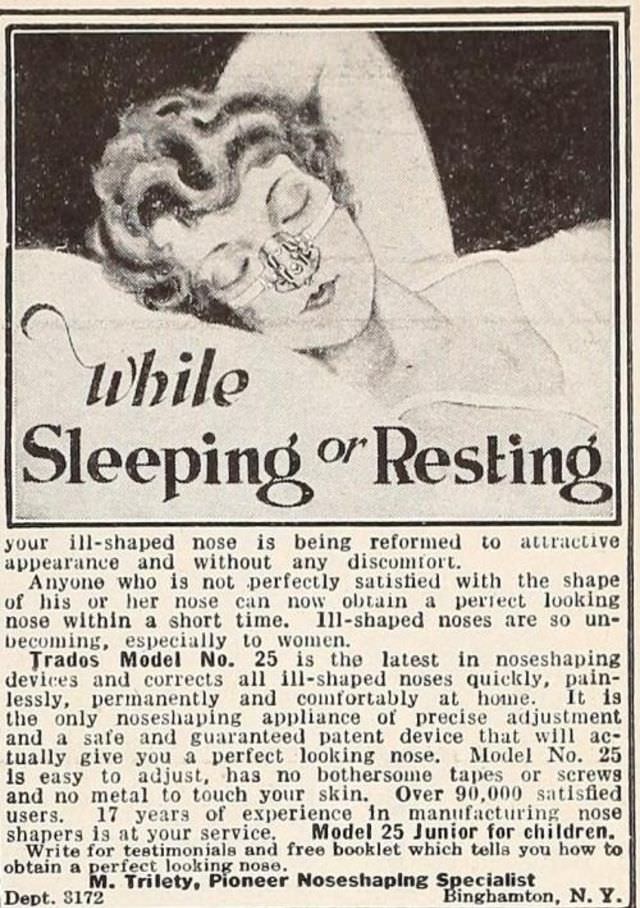
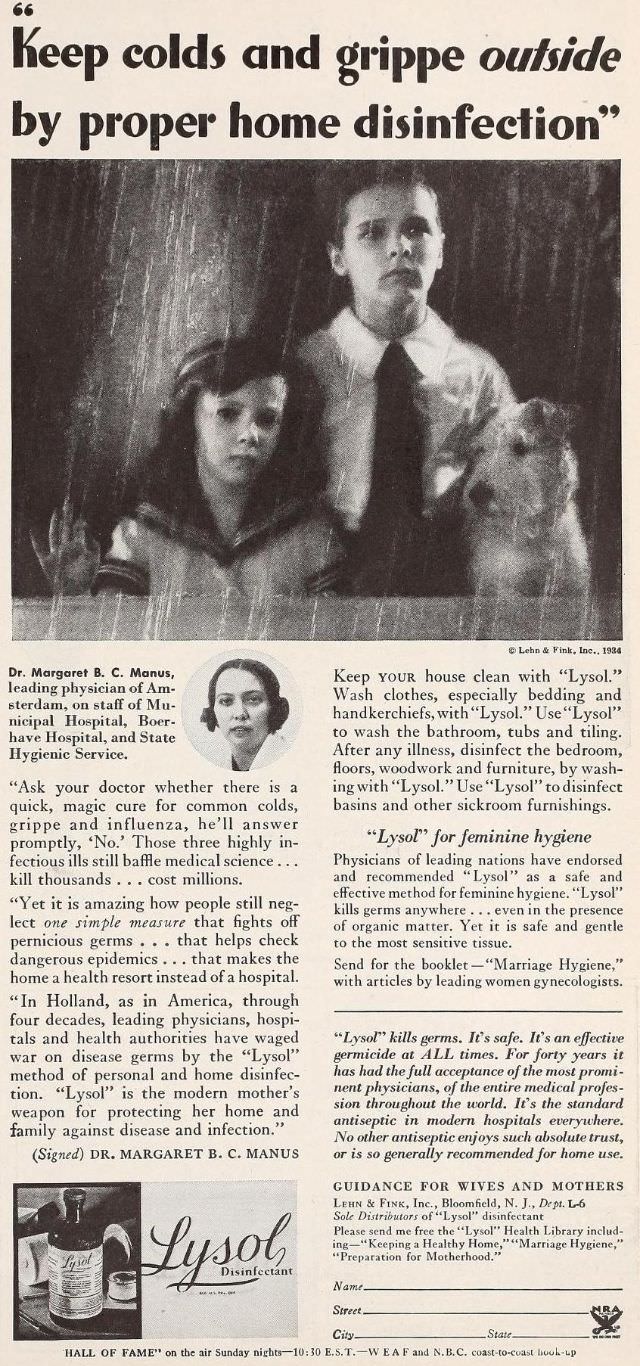
Psychologists like Watson had demonstrated that fear-based advertising worked. The evidence was in the sales figures. So the industry kept using the playbook, refining it decade by decade. The specific fears changed slightly depending on the era, but the underlying structure stayed the same: identify what women are most afraid of losing, and sell them a product that promises to protect it.
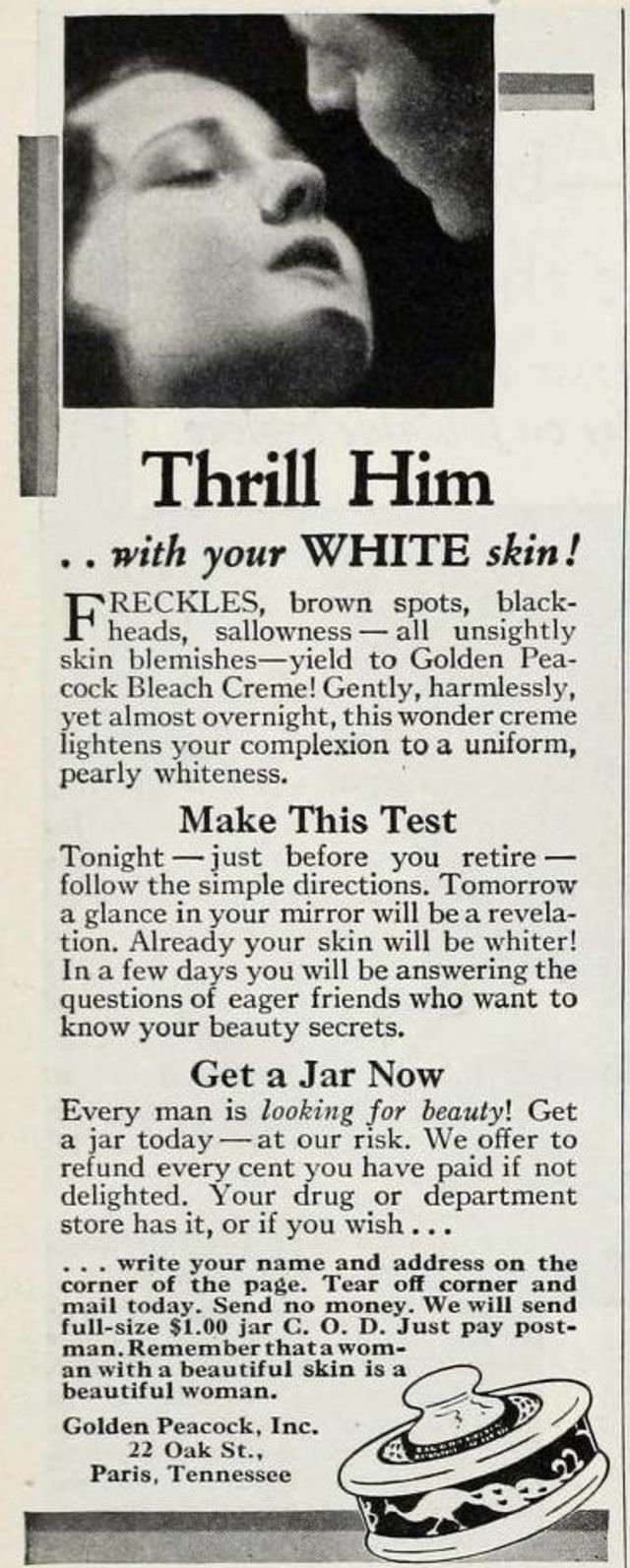
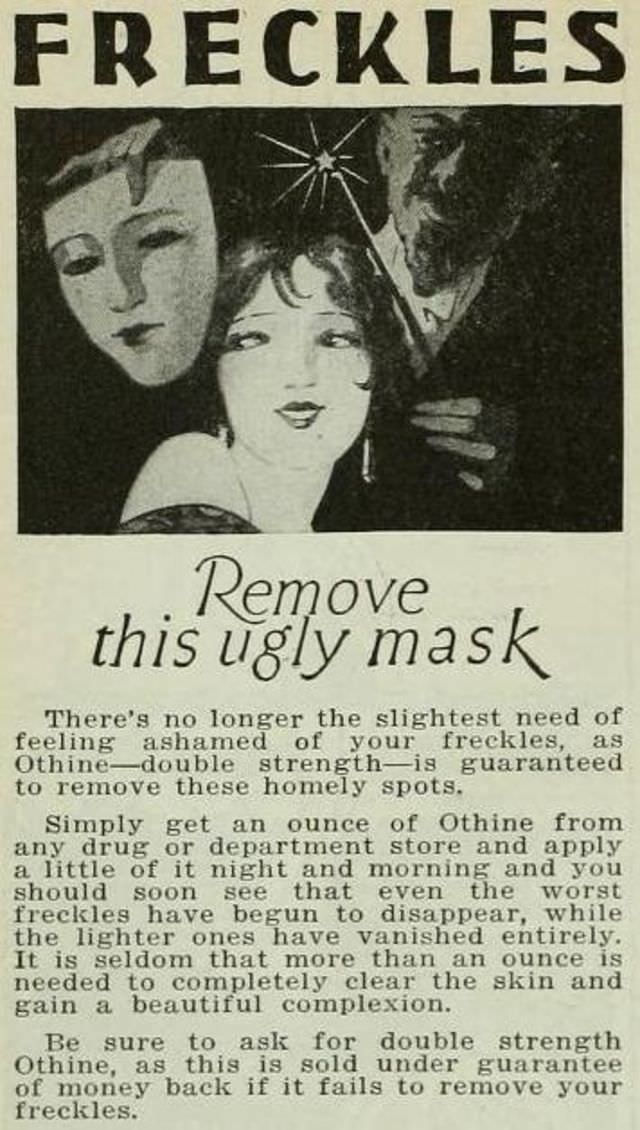
Looking at these ads as a collection reveals just how systematic the approach was. This wasn’t one rogue copywriter with a bad idea. It was an industry-wide strategy, built on academic research, market data, and a clear-eyed understanding of women’s economic vulnerability during this half-century.