By the late 19th century, the American farm had transformed into something closer to a food factory. New machinery, chemical fertilizers, and improved seed varieties pushed output higher than ever before. With that growth came a wave of rural commerce — and with commerce came advertising. Companies selling everything from livestock feed to field fertilizers competed hard for the attention of farmers who had money to spend and problems to solve.
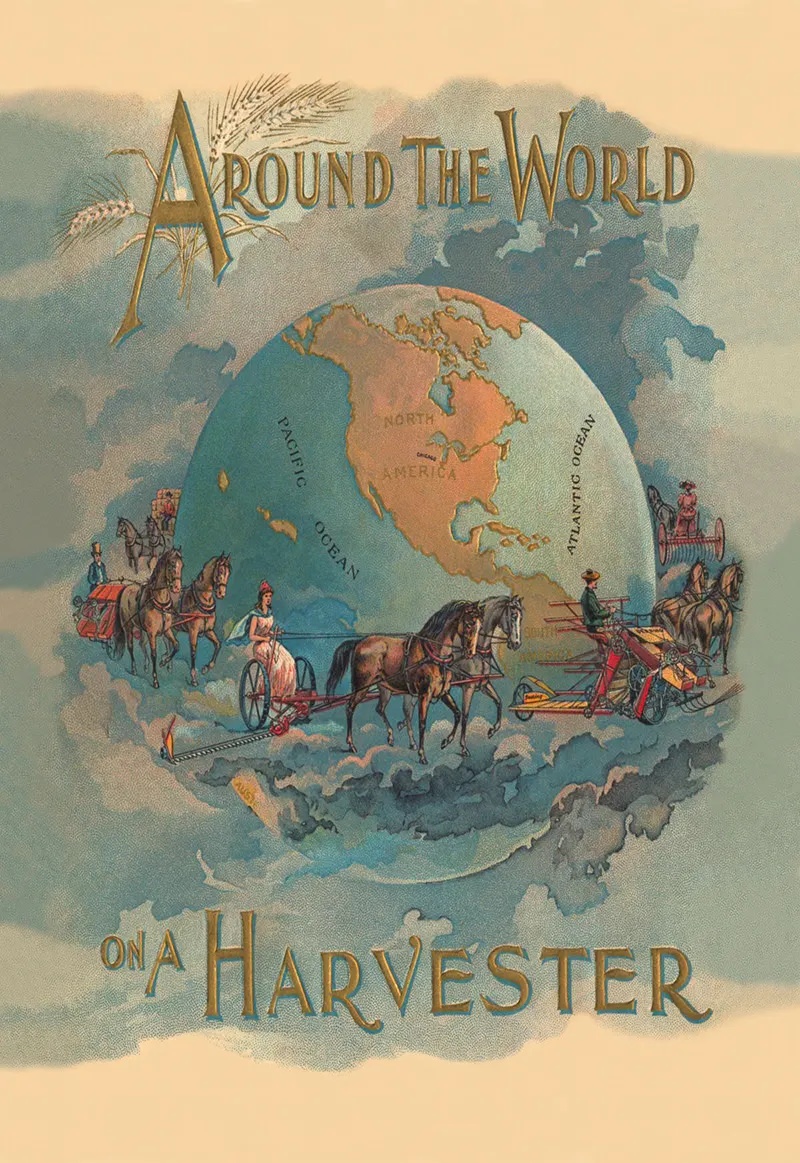
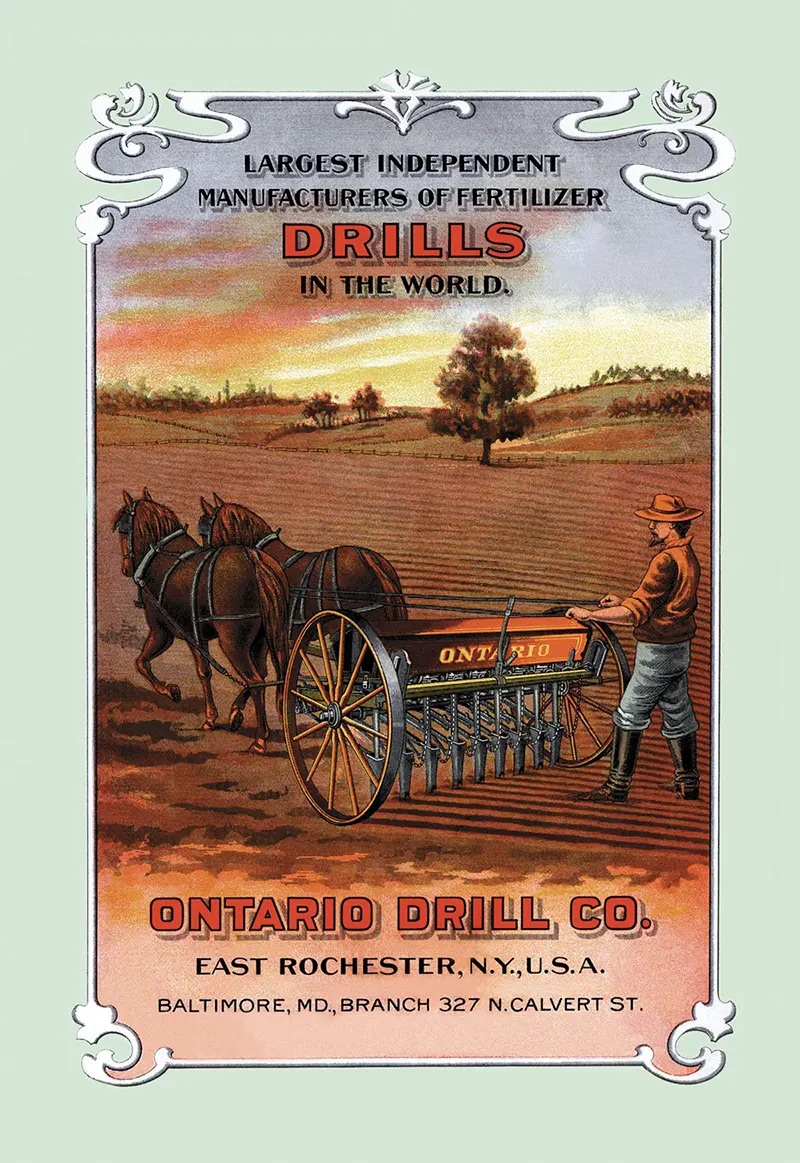
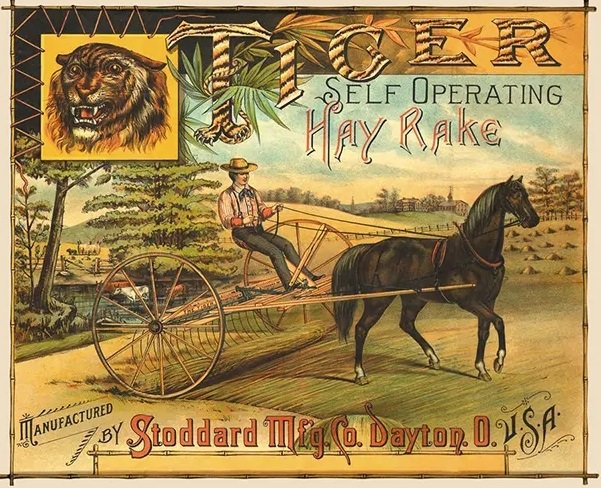
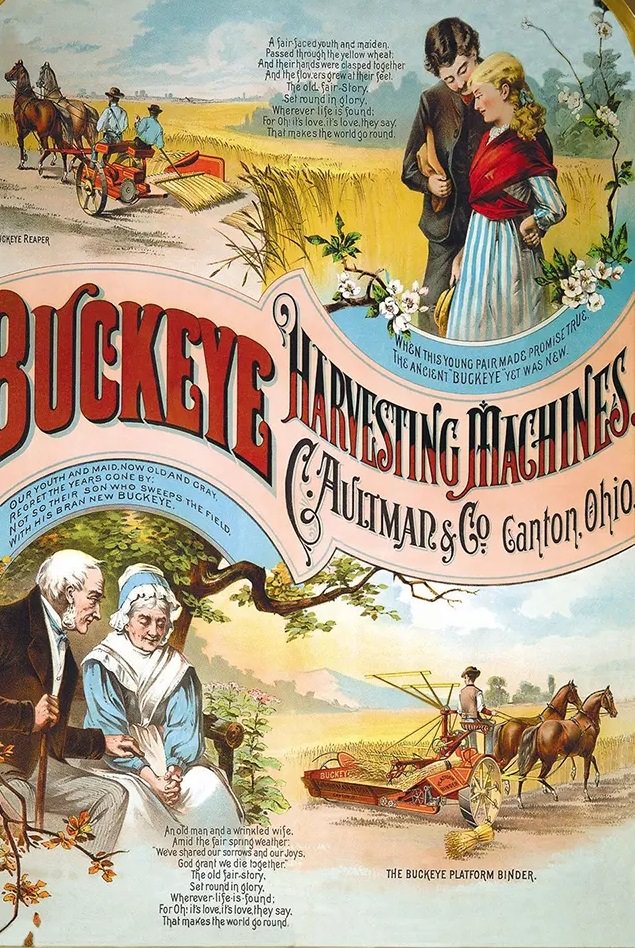
Farm and agricultural signs took many forms. Some were tasteful notices printed on lithographed paper. Others were bold statements embossed in tin or fired into porcelain enamel. Monarch Poultry Feeds drew eyes with a wooden rooster cutout mounted outside feed stores. American Stock Food went a different route entirely, putting Uncle Sam front and center to sell their product. These weren’t just signs — they were brand statements designed for a customer base that worked long hours and made practical buying decisions.
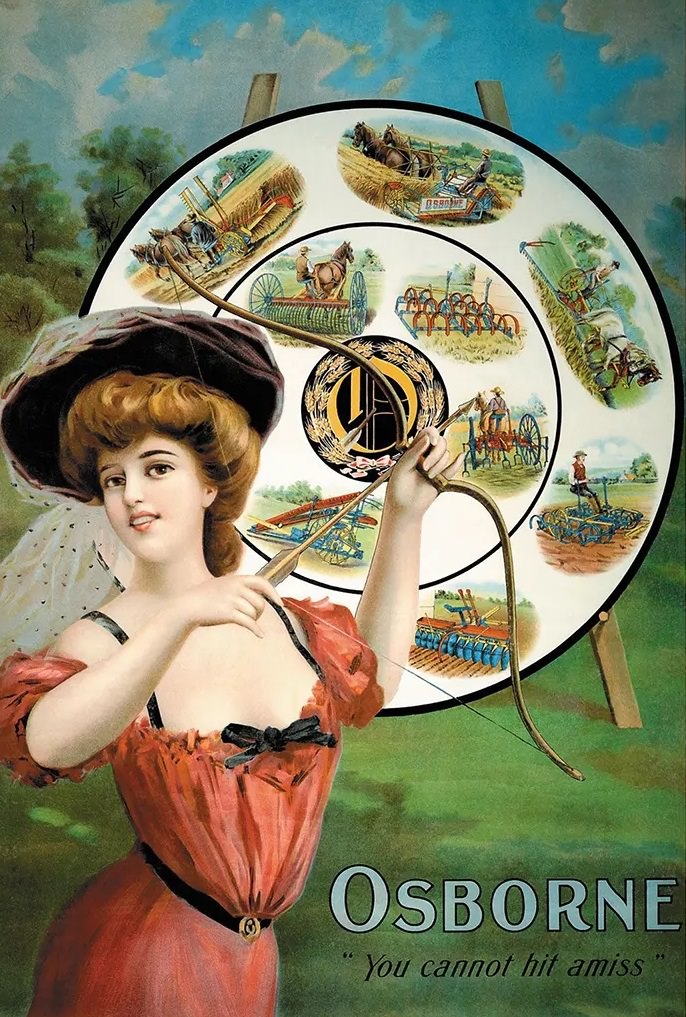
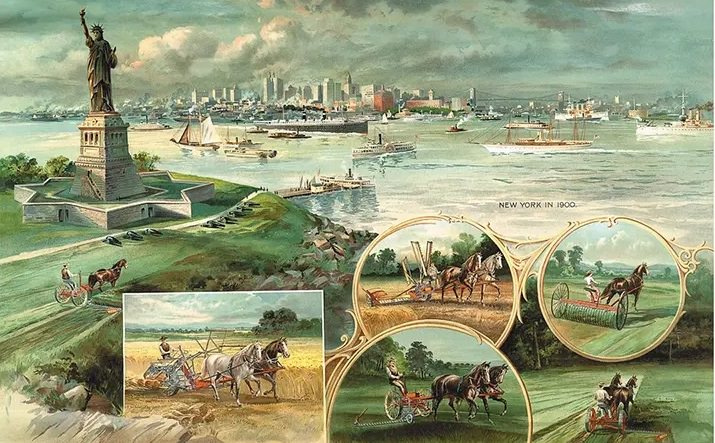
Fertilizer was one of the biggest product categories in early farm advertising, and for good reason. Farmers had used organic materials to enrich soil for thousands of years. Ancient Egyptians, Romans, Babylonians, and early Germans all applied minerals and manure to their fields. Wood ash became a common field treatment across Europe. In North America, fish had been used as fertilizer since at least 1620.
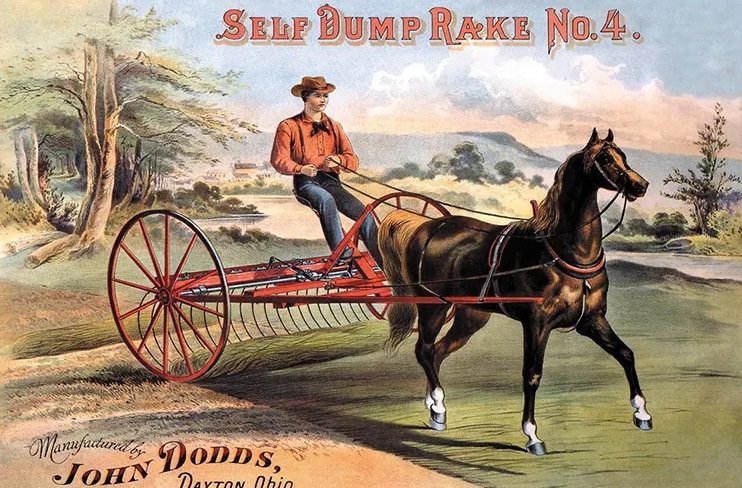
During the 19th century, guano — the dried excrement of seabirds and bats — became one of the most prized fertilizers in the world. Large quantities were exported from Peru and Chile to Europe and the United States, and later from Namibia and other regions. Guano had been used in the Andes for at least 1,500 years before it reached international markets. Farmers valued it because it worked fast and measurably improved yields.
Scientific research began reshaping fertilizer in the 17th century. Researchers like Francis Bacon and Johann Glauber documented the positive effects of saltpeter on soil health. By 1868, Glauber had developed the first complete mineral fertilizer, a mixture containing saltpeter, lime, phosphoric acid, nitrogen, and potash. This was a major shift from guesswork to chemistry.
The organic chemist Justus von Liebig made a critical discovery: plants need nitrogen and phosphorus to grow. This finding directed fertilizer research toward specific chemical needs rather than general soil enrichment. In the early 1900s, Sir John Lawes received a patent for producing effective fertilizers from phosphate, putting commercial chemistry directly in the hands of farmers through affordable products.
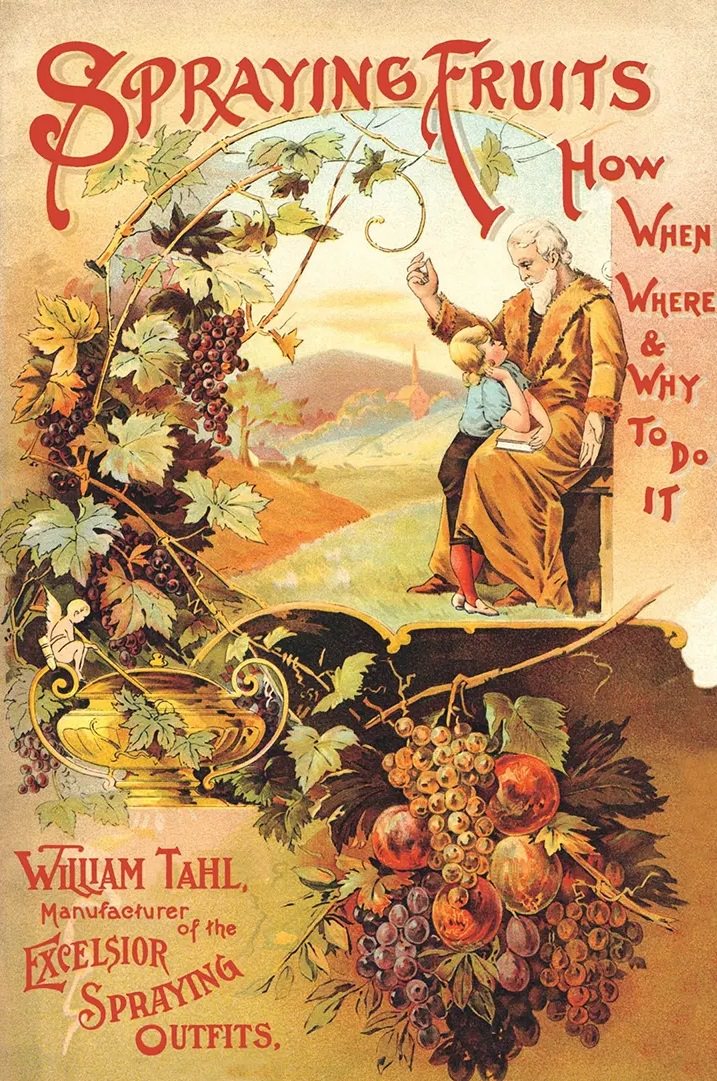
The biggest leap in fertilizer history came with the Haber-Bosch process. Fritz Haber was the first to patent a method for synthesizing ammonium nitrate from atmospheric nitrogen. Carl Bosch then commercialized the process and secured further patents in 1910 while working for German chemical company BASF. The result was a reliable, large-scale source of nitrogen fertilizer that could be manufactured anywhere — no seabird colonies required.
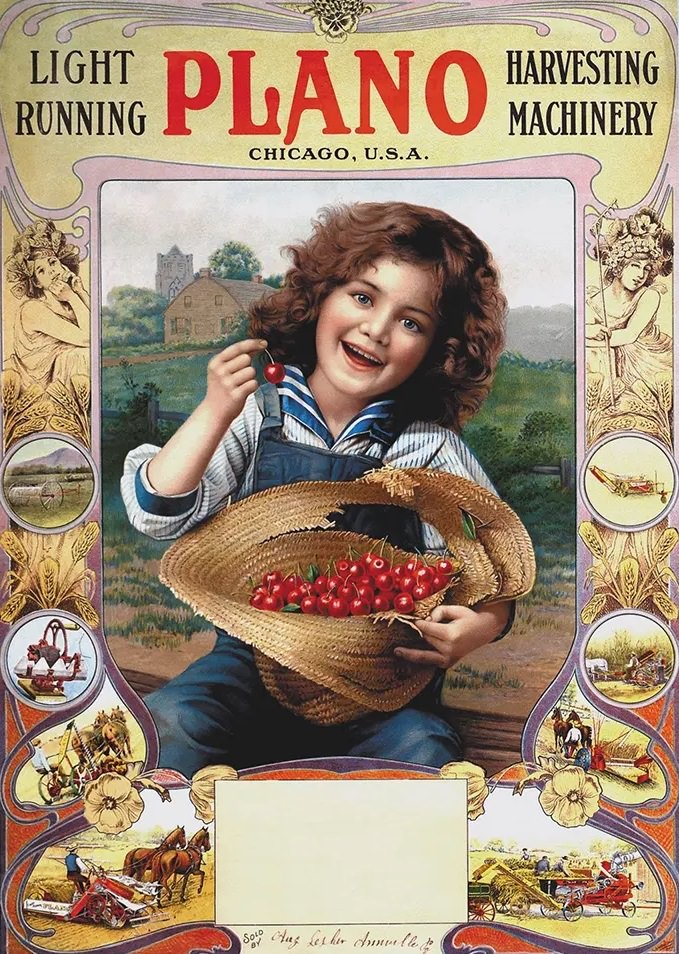
While fertilizer science advanced, machinery was changing the physical work of farming. In 1901, Dan Albone developed the first gasoline-powered general-purpose tractor. Then in 1923, the International Harvester Farmall tractor arrived and began replacing draft animals — especially horses — across American farms. Self-propelled combines, planters, and transplanters followed, making each acre more productive than the last.
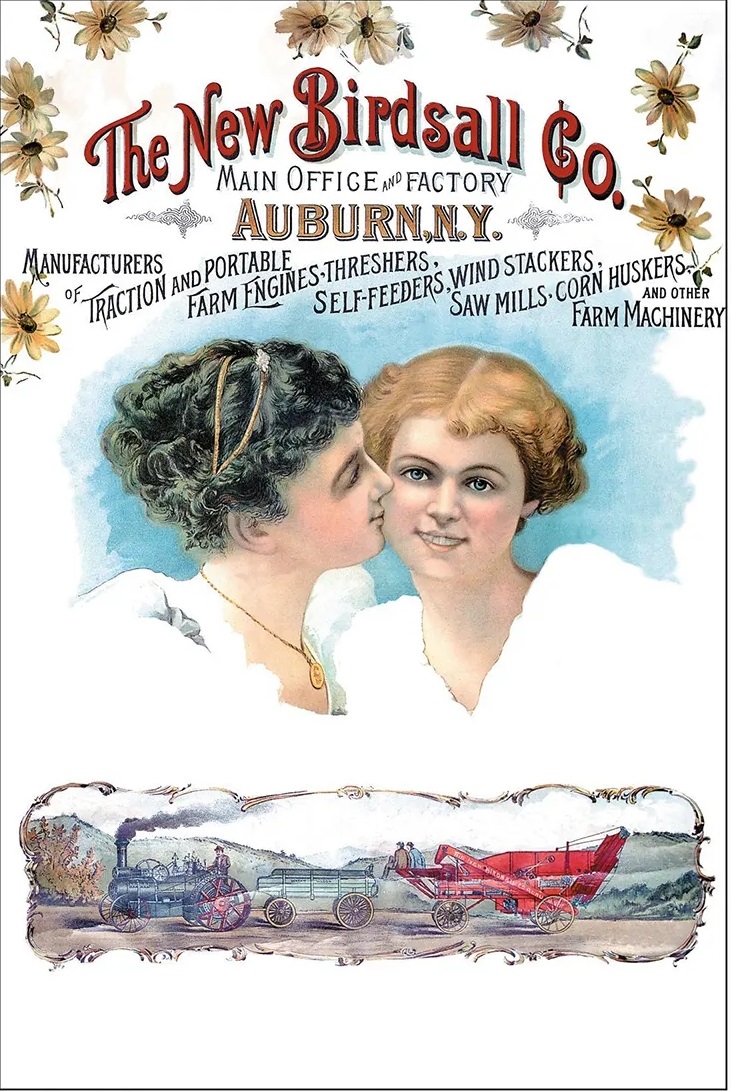
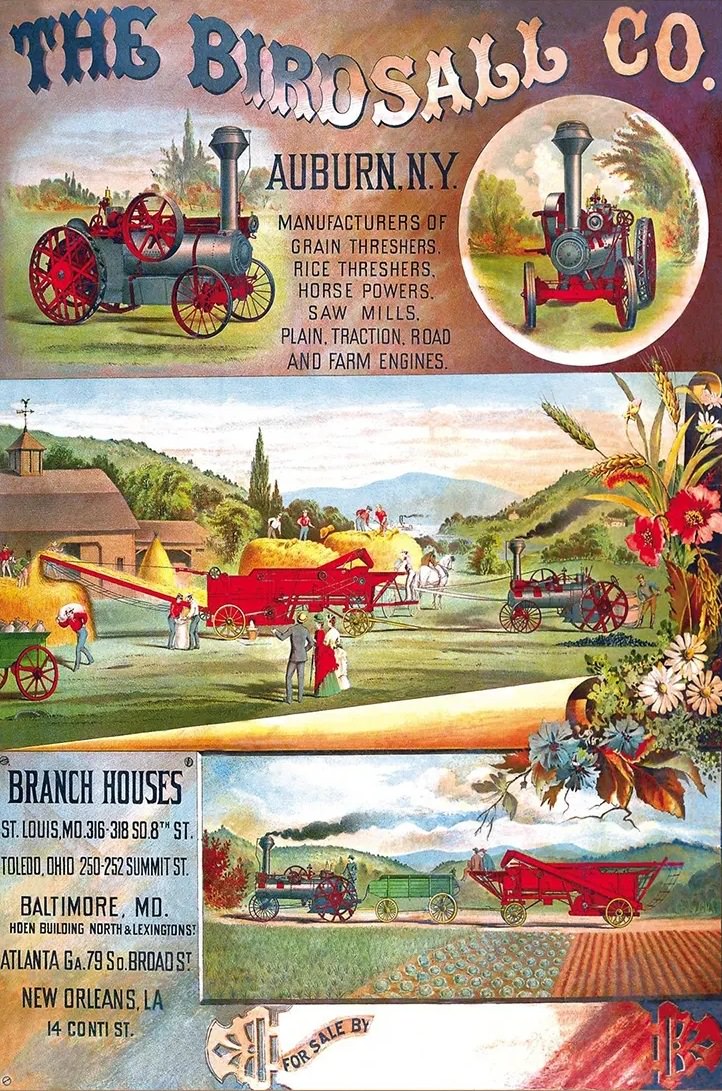
Advertisers tracked these changes closely. As tractors replaced horses, ads shifted from promoting feed and harnesses to engine oil, tractor parts, and fuel. As fertilizer became a staple purchase, companies competed on price, potency, and ease of use. The signs and posters from this era reflect exactly what farmers were buying — and what companies were racing to sell them.
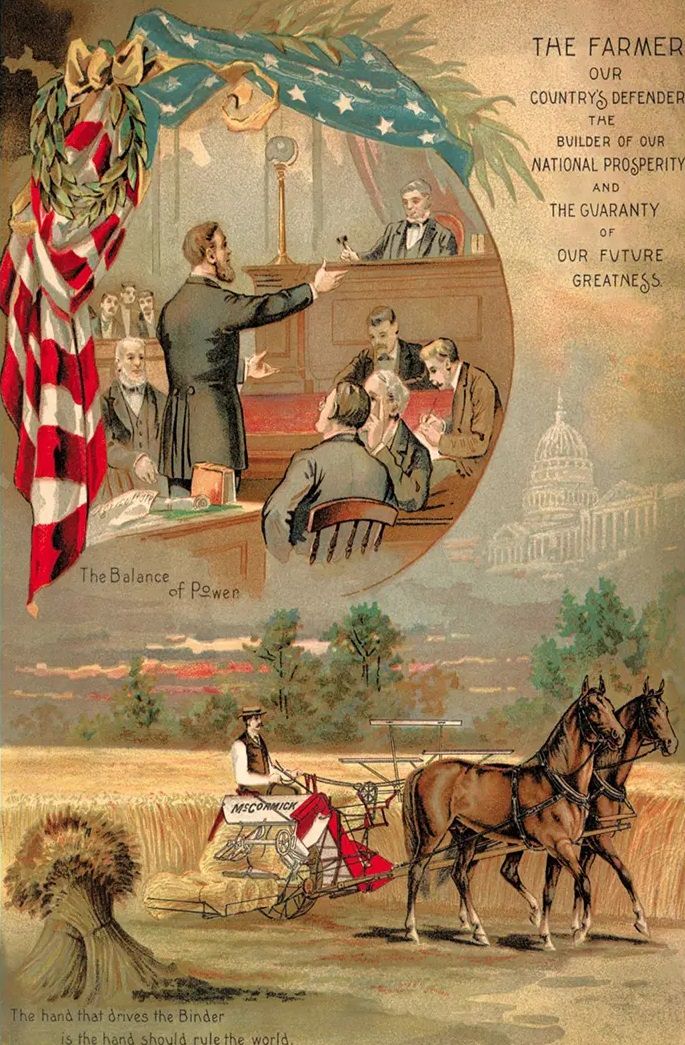
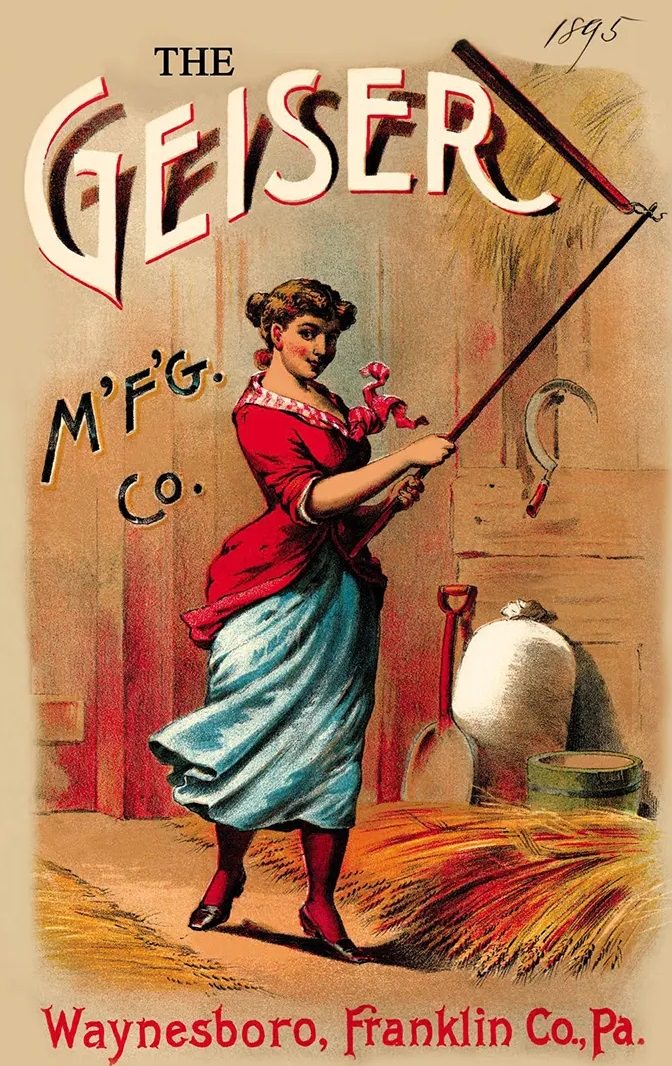
Poultry and livestock feed brands were especially aggressive in their marketing. A farmer raising chickens for eggs or meat needed a reliable, consistent feed source, and brand loyalty mattered. Wooden cutouts, colorful tin signs, and paper lithographs all competed for wall space in feed stores, hardware shops, and co-op buildings across the country.
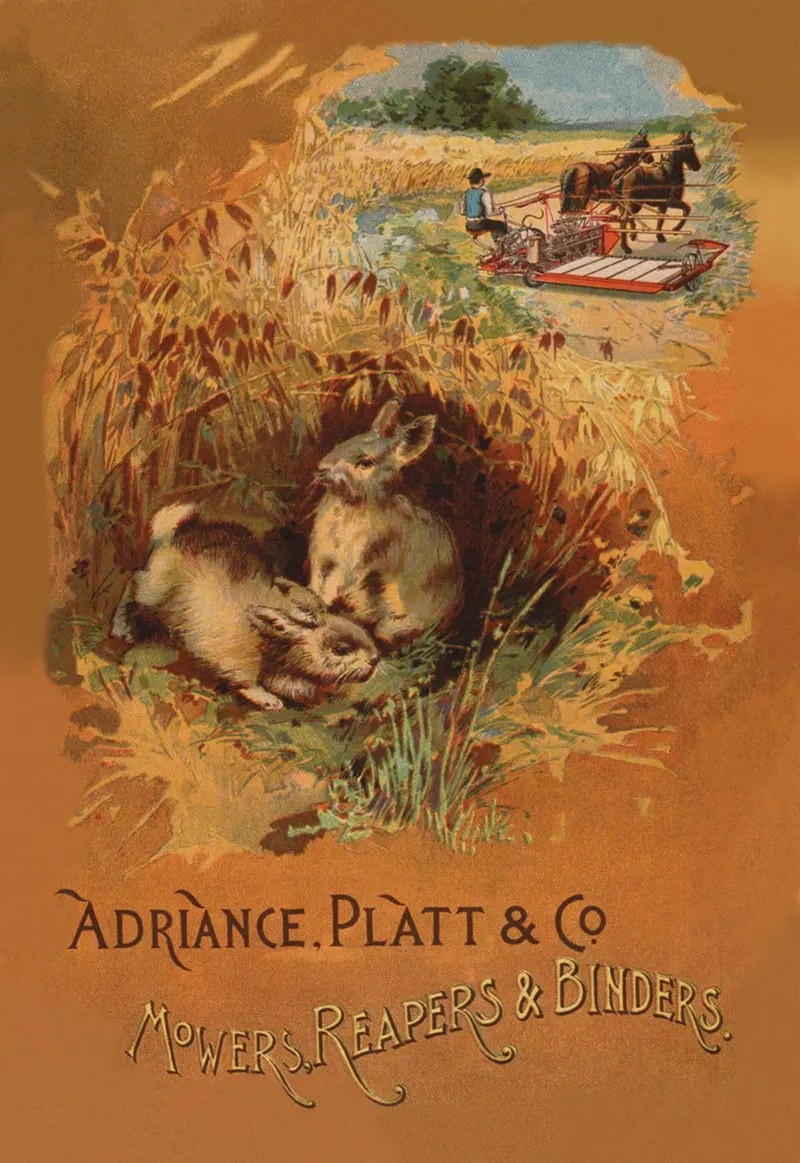

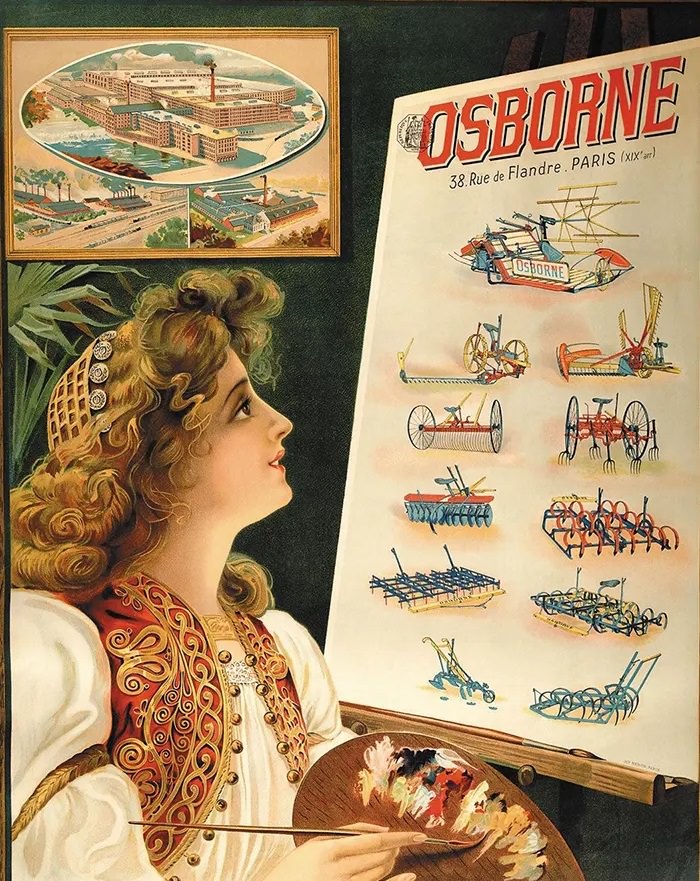
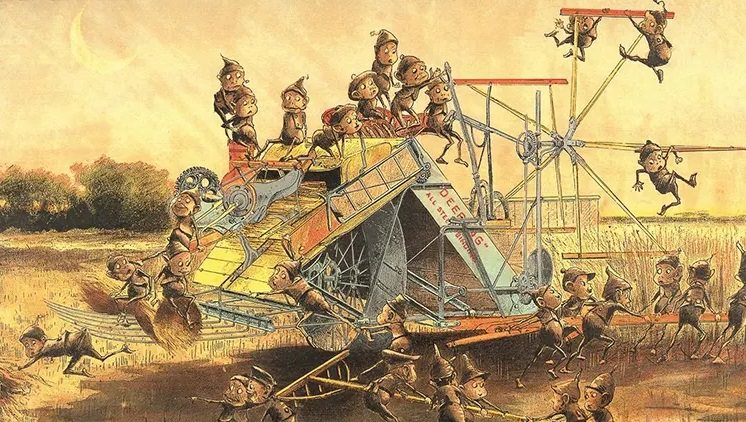
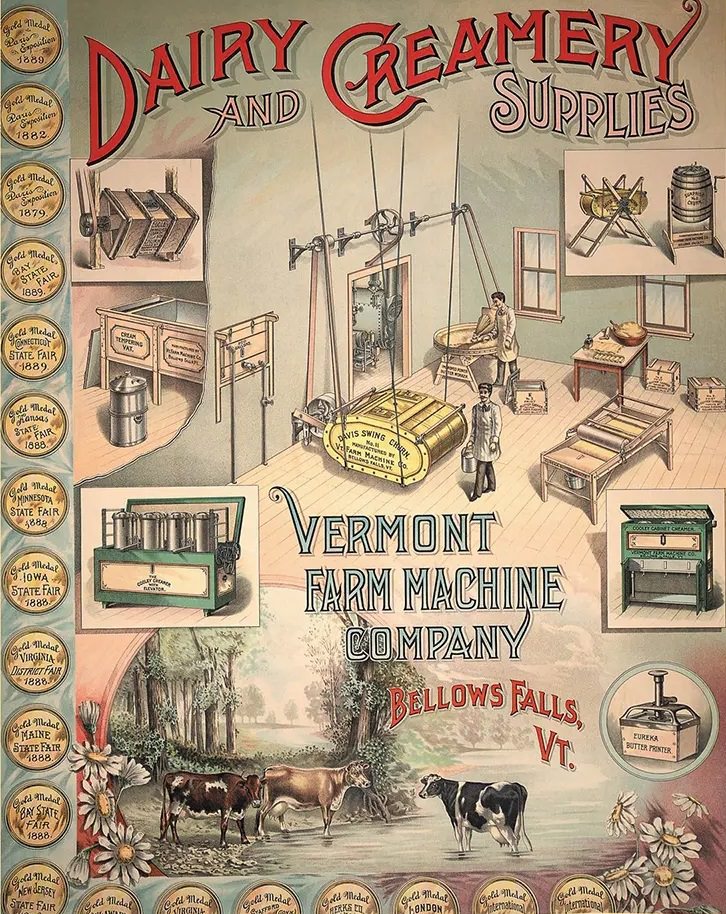
The artwork on these ads ranged widely in style. Some featured detailed illustrations of healthy livestock, golden fields, or satisfied farmers. Others leaned on patriotic imagery — flags, eagles, and figures like Uncle Sam — to build trust with rural buyers who valued American-made products. A few went for humor, using cartoon animals or playful slogans to stand out on a crowded wall.
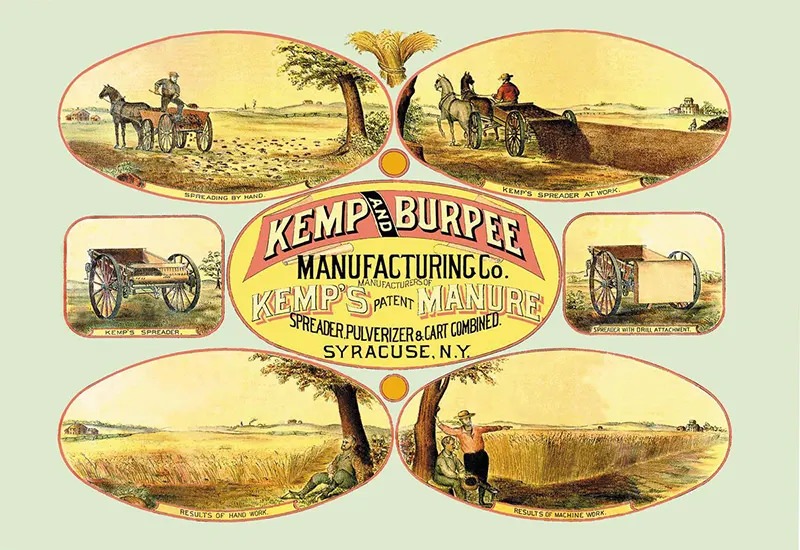
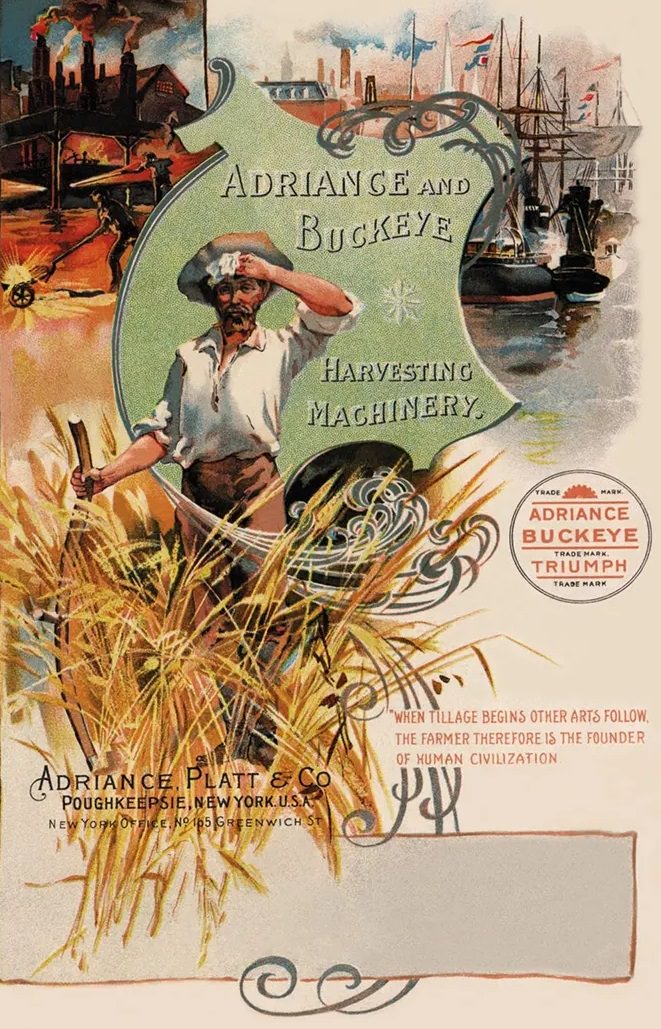
Tin signs held up better than paper in barns and outdoor settings, which is why so many survived to the present day. Porcelain enamel signs were even more durable — they resisted rust, fading, and weather. Collectors today prize both formats, particularly signs with original color and crisp lettering. The best examples fetch significant prices at auction.
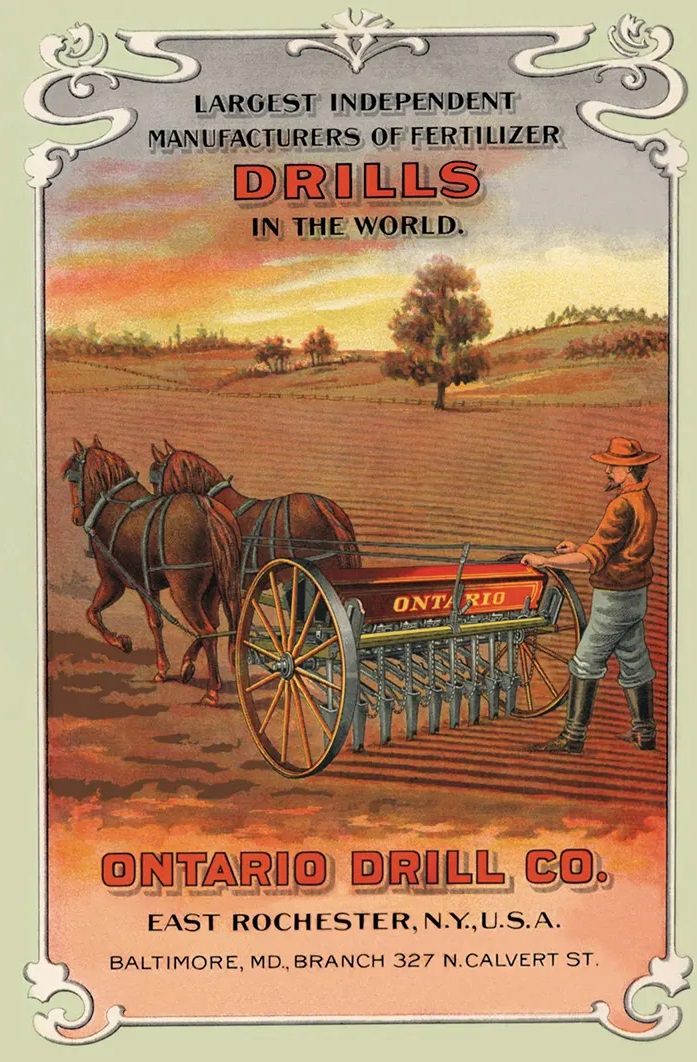
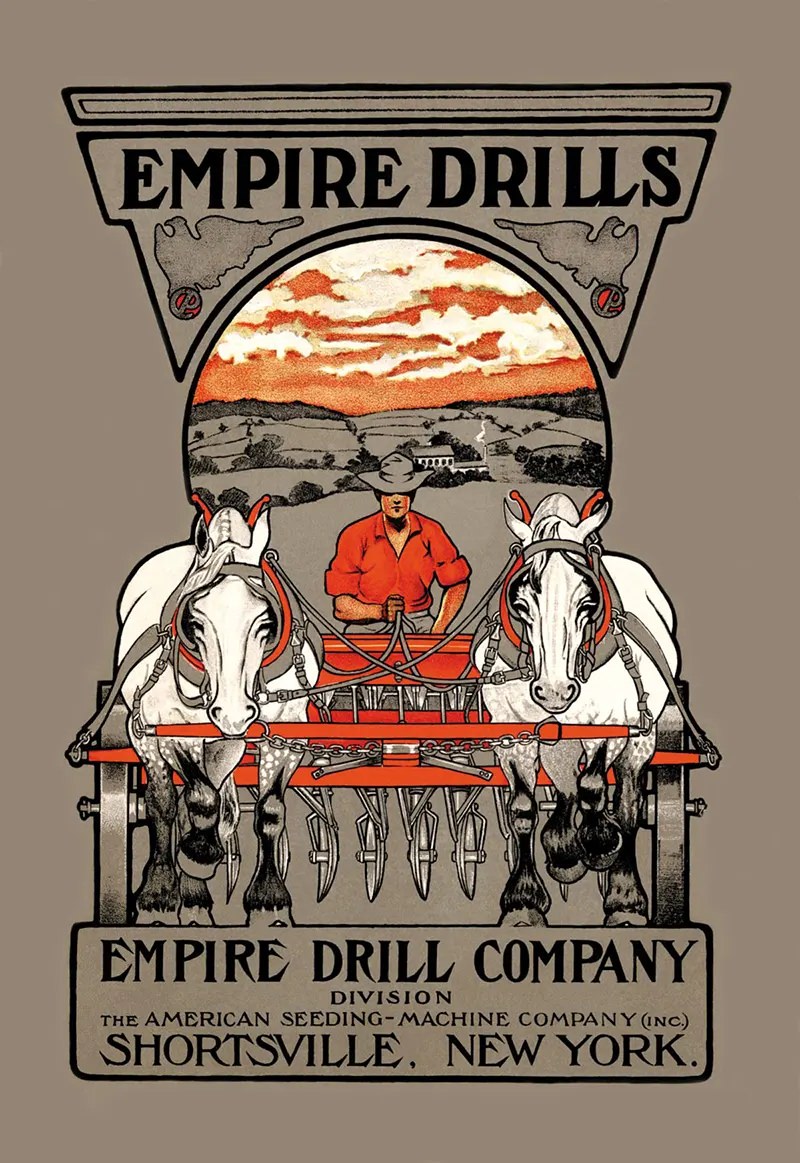
After World War II, synthetic fertilizer use expanded rapidly as global population growth pushed demand for food production higher. The same chemical knowledge developed in the early 1900s — Haber, Bosch, Liebig — now fed hundreds of millions of people. But the advertising golden age of the early 20th century farm supply industry had already peaked. The hand-painted signs and lithographed posters gave way to mass-market print and eventually radio and television.
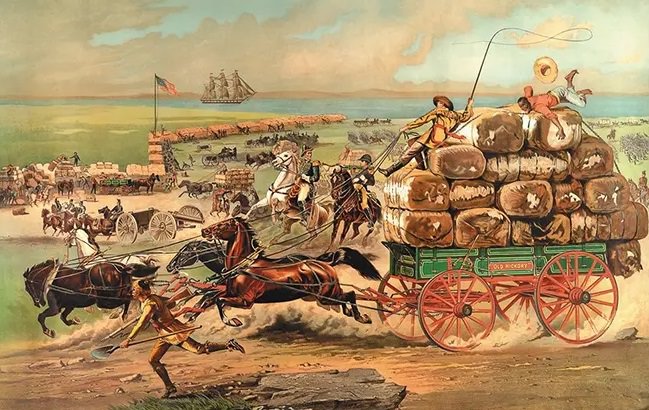
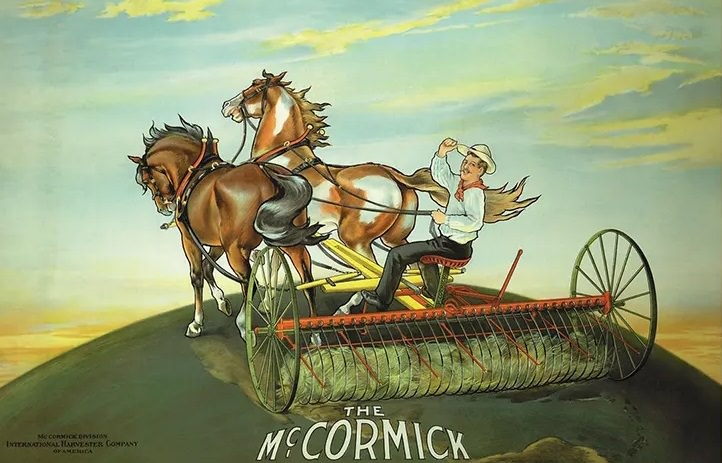
What remains from that earlier era is a vivid record of rural commerce at a turning point in history. Each sign was designed to solve a specific problem — get a farmer’s attention, earn their trust, and move product. The fact that so many of these pieces still survive speaks to both the quality of their construction and the care that collectors have taken to preserve them.