Early 20th-century advertising was a strange beast, and nowhere was that more obvious than in ads for feminine hygiene products. These weren’t just awkward — they were dramatic, medically dubious, and often built entirely on fear. Looking back at them now, they’re equal parts shocking and unintentionally funny.
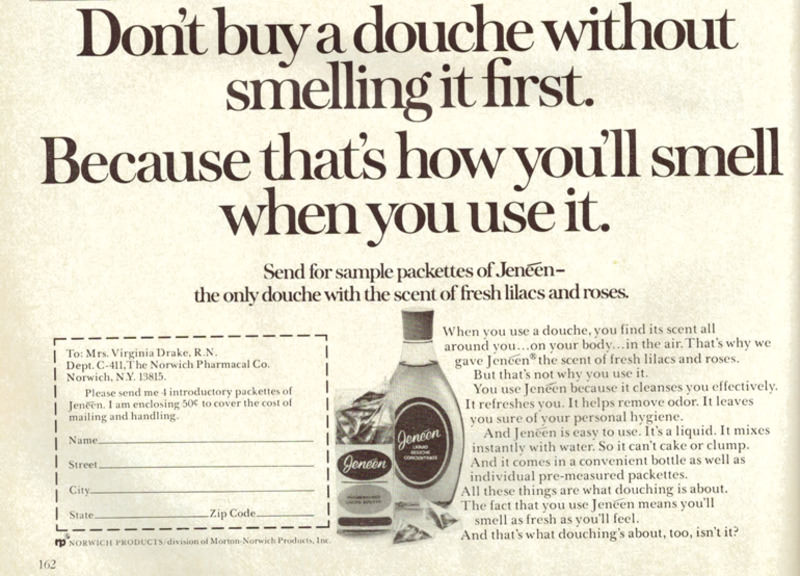
One of the defining themes across these ads was the idea that “daintiness” was a woman’s duty. Being fresh and clean wasn’t framed as a personal health matter — it was a moral obligation. Advertisers pushed the idea that a woman’s natural body could silently destroy her marriage, her friendships, and her reputation.
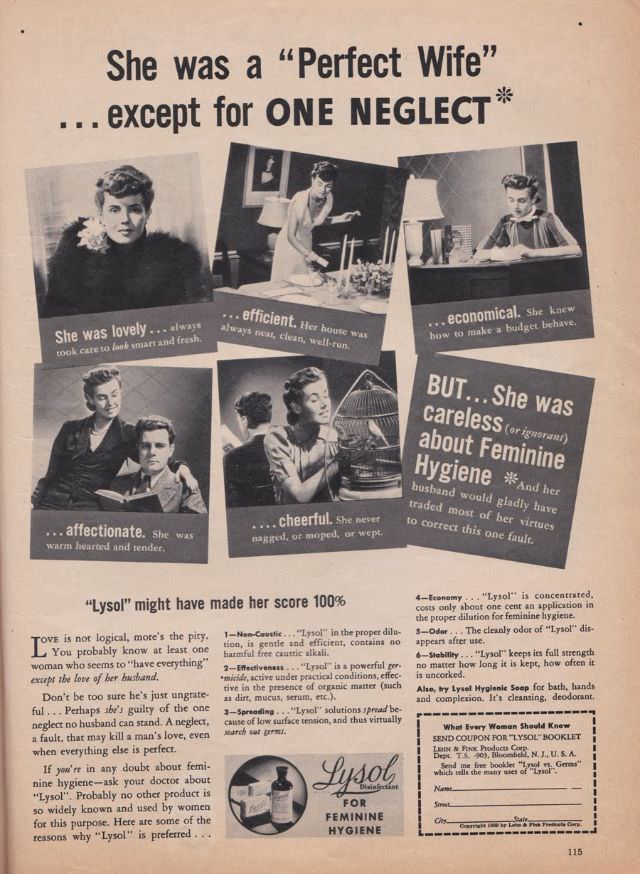
Brands like Lysol — today known as a powerful household disinfectant — were aggressively marketed as feminine hygiene products. Ads warned that a husband’s distant mood or a friend’s hushed conversation might be signs that a woman had committed an unforgivable hygiene offense. The scenarios were theatrical and deeply manipulative.
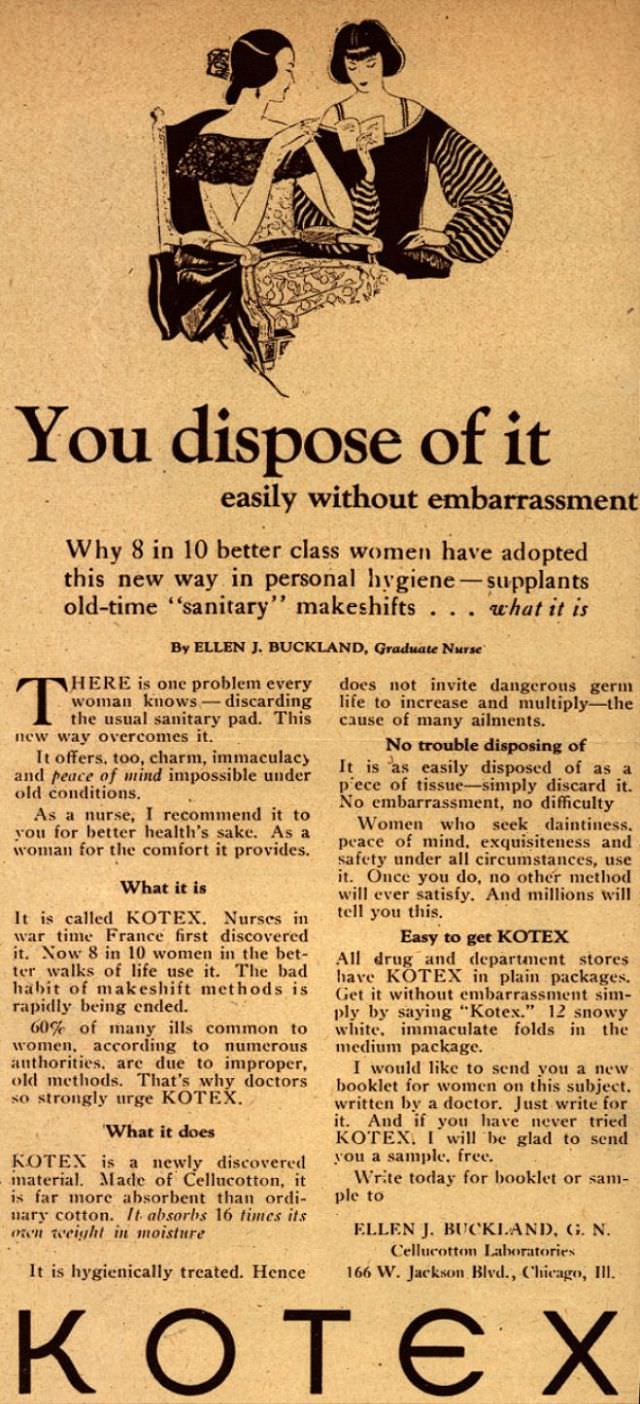
Zonite was another brand that leaned hard into this playbook. Its ads featured anxious women and knowing glances from husbands, implying that a product sold in a pharmacy bottle stood between a woman and marital collapse. The drama was completely detached from any real medical basis.
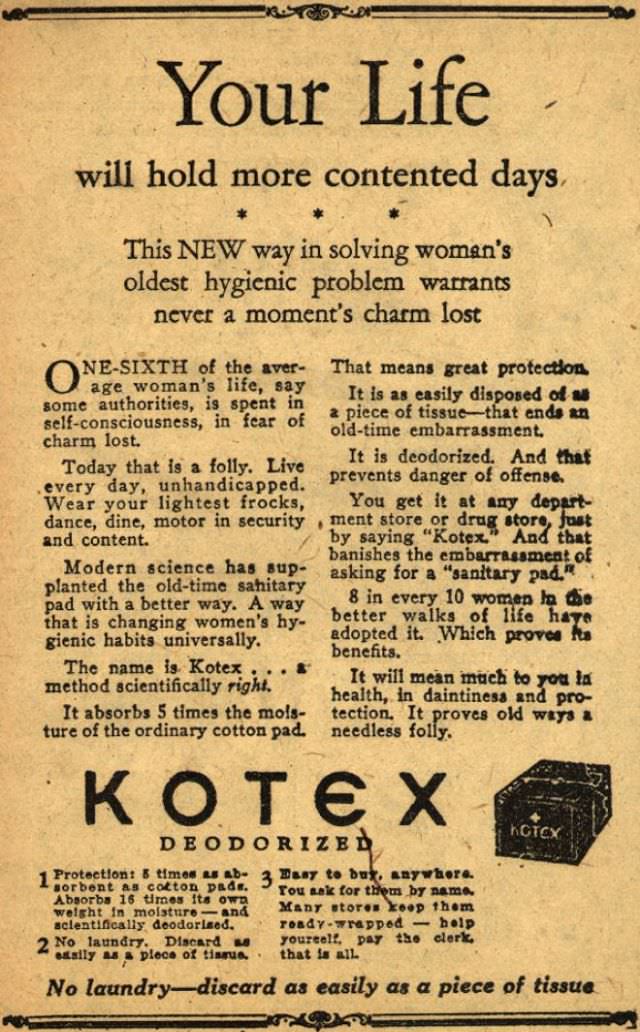
To give these products credibility, brands recruited supposed medical professionals to endorse them. Ads ran with doctors’ quotes assuring readers that Lysol was “safe and gentle.” In reality, the formulas used were harsh and potentially harmful. The serious, clinical tone of these endorsements makes them especially jarring to read today.
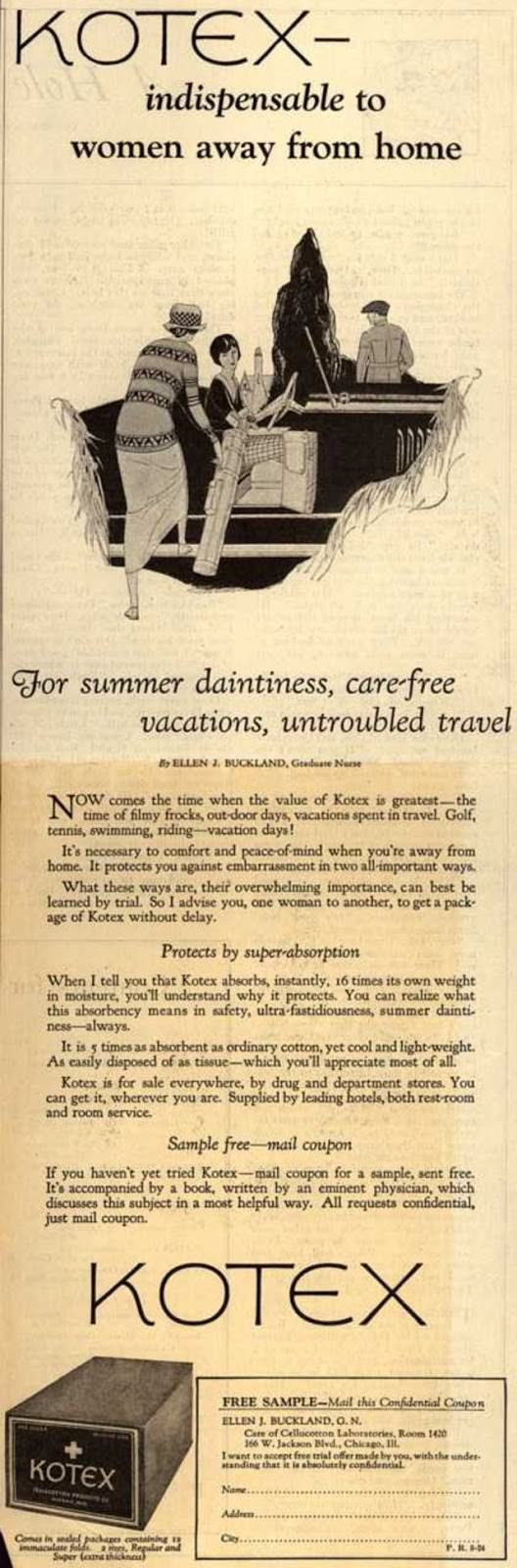
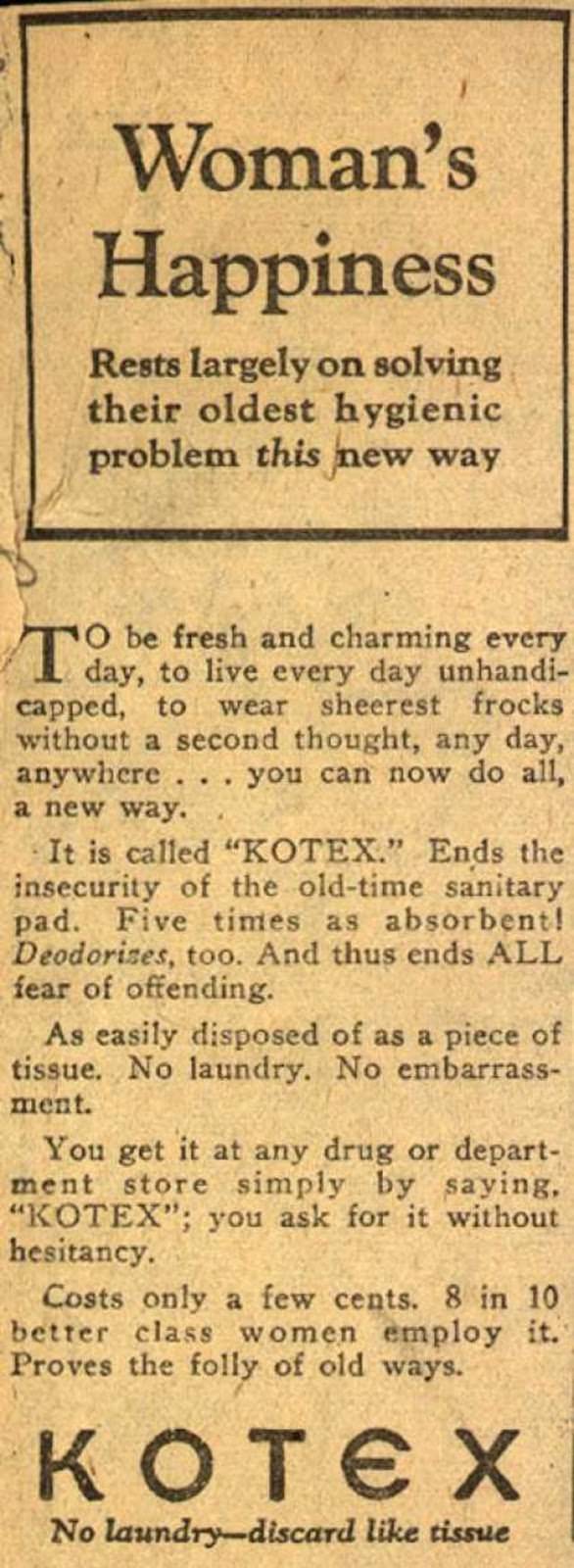
Medical jargon and detailed diagrams filled the ad copy, creating an air of scientific authority. The juxtaposition of that clinical seriousness with the actual product claims — that a disinfectant could preserve a marriage — is both absurd and a little unsettling.
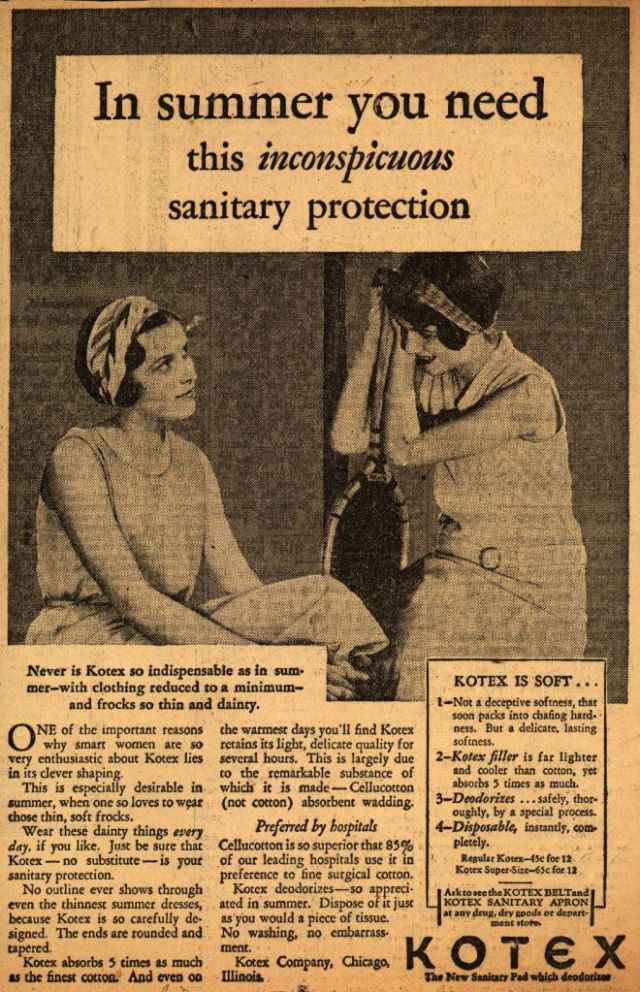
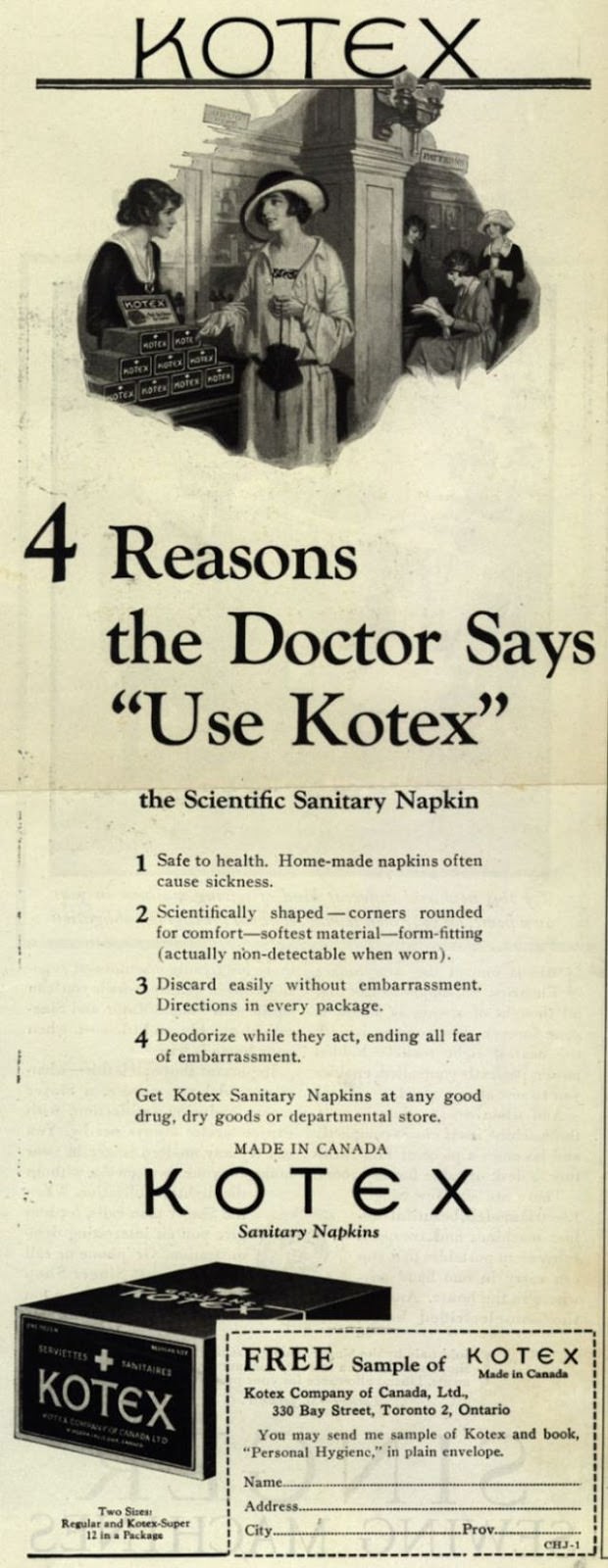
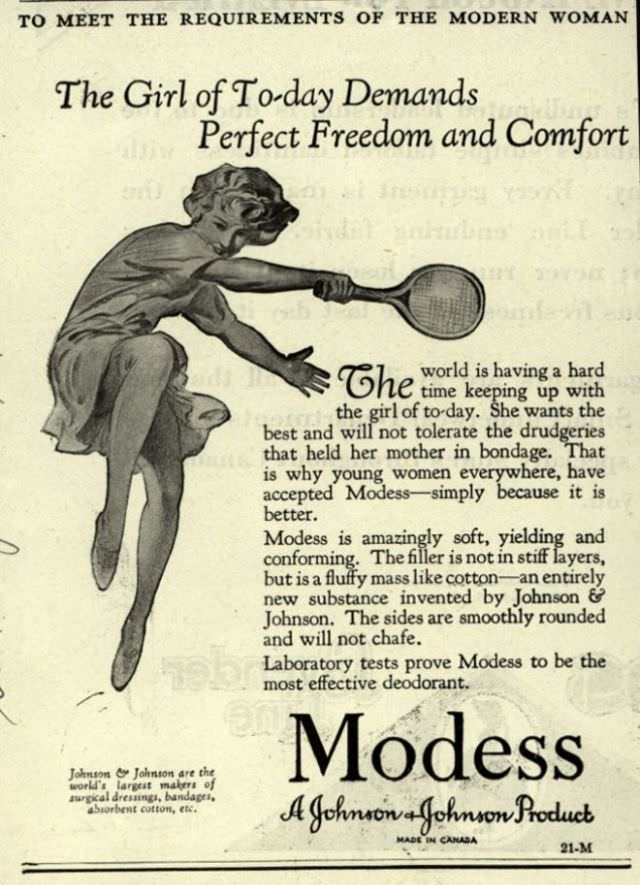
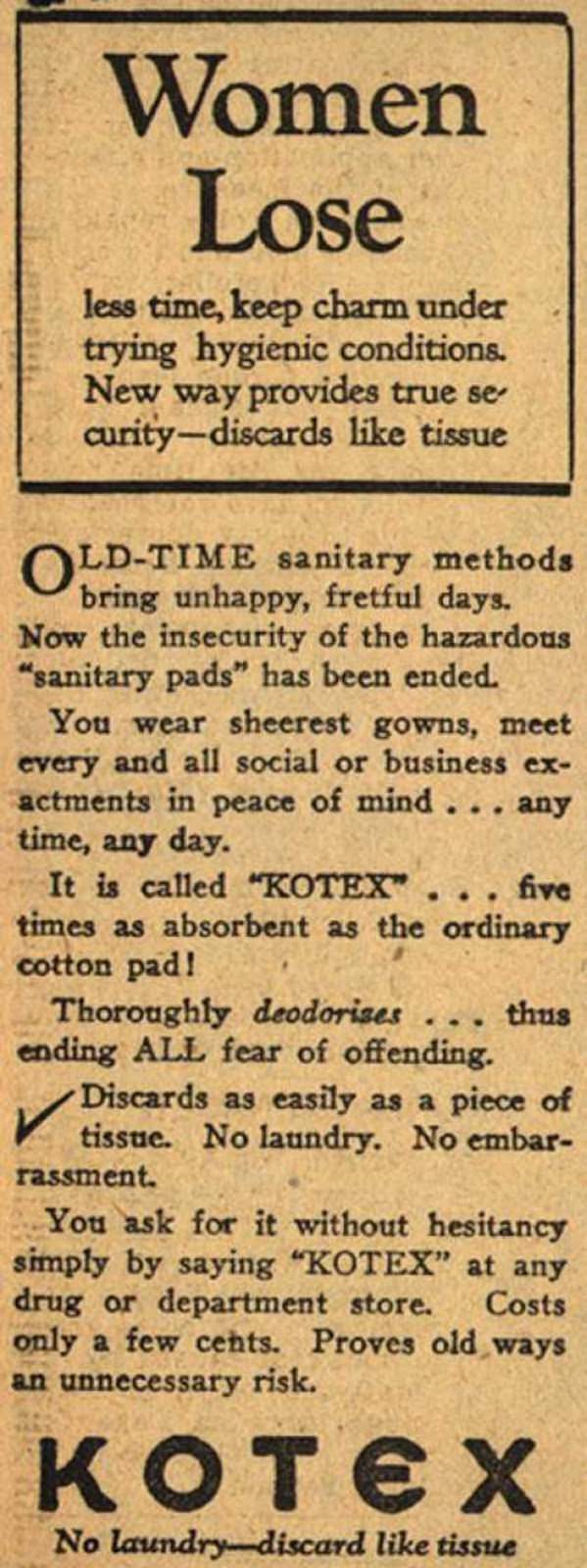
Then there was the language itself — or rather, the deliberate lack of it. Advertisers twisted themselves into knots to avoid saying anything direct. Phrases like “personal cleanliness,” “feminine daintiness,” and “marital harmony” did all the heavy lifting. Menstruation was never named. The product’s actual purpose was buried under layers of coded language.
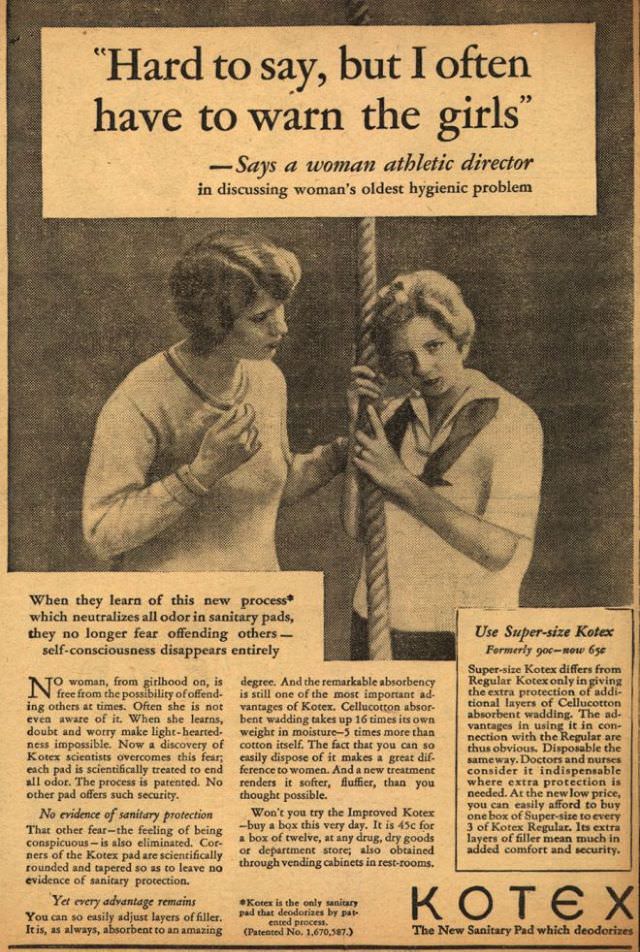
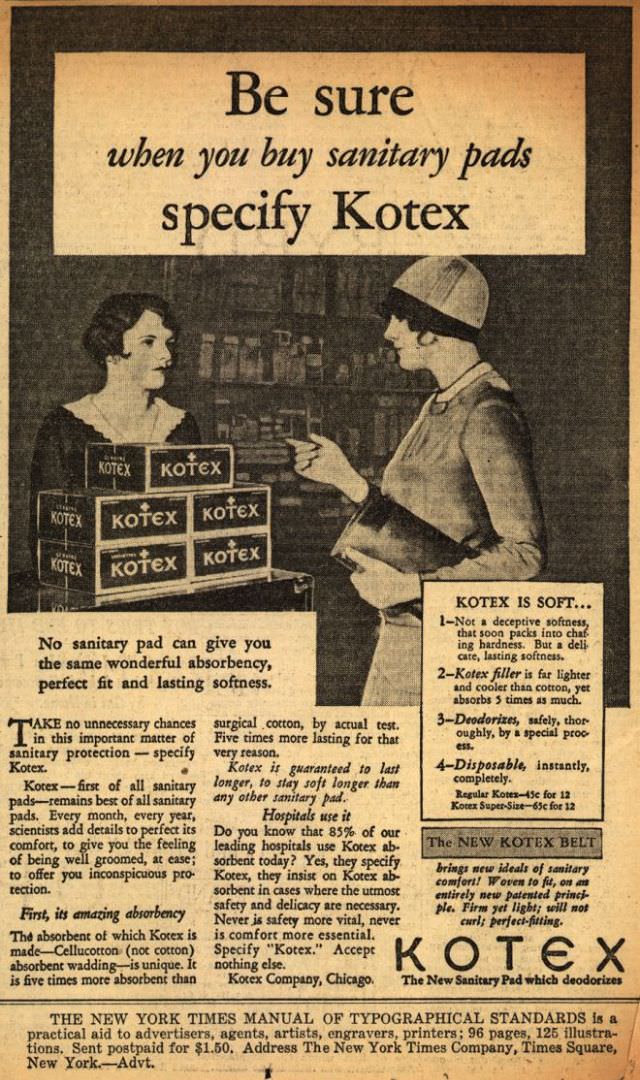
This style of advertising — vague enough to be printable in polite publications, specific enough for women to understand — has been called “vaguevertising.” Readers had to decode what was actually being sold. The mental gymnastics required to follow these ads turned them into something close to riddles.
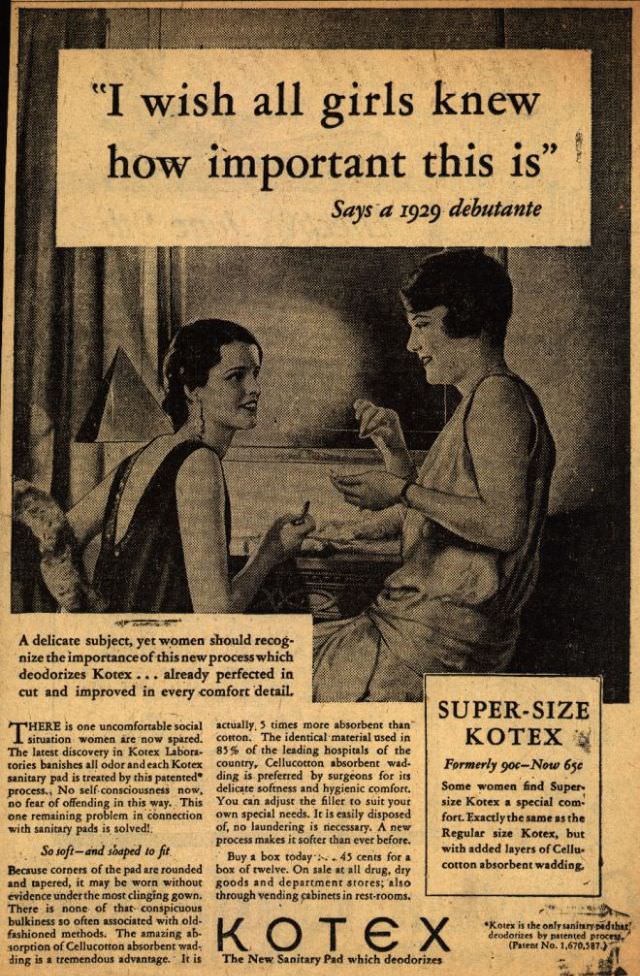
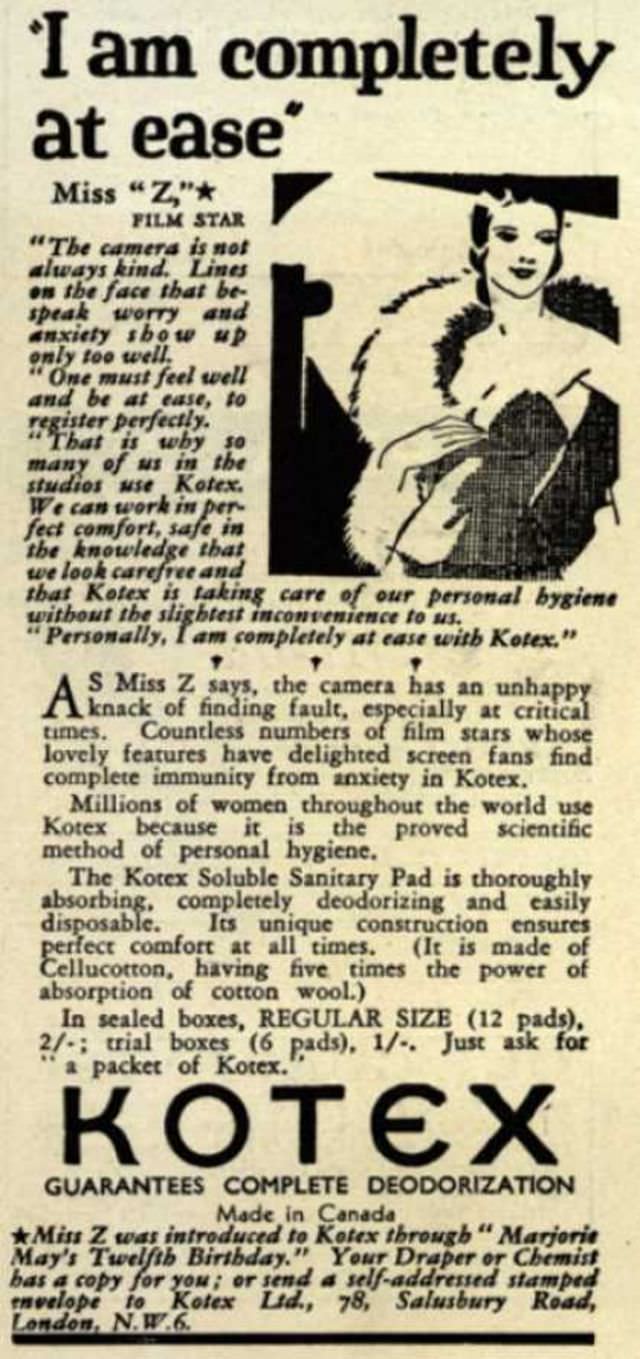
The recurring visual language was just as telling as the words. Ads frequently showed women looking distressed, isolated, or deep in private shame — while a smiling, confident woman who had used the product stood nearby, radiating social success. The message was blunt: buy this, or risk everything.
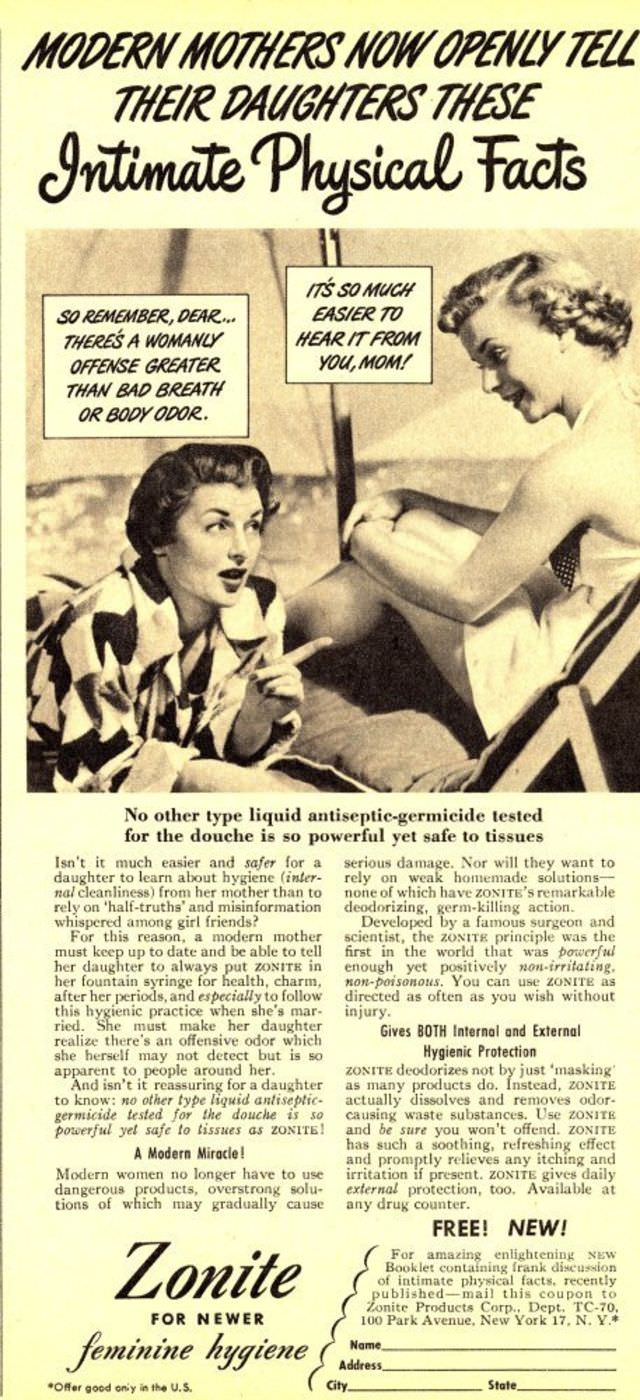
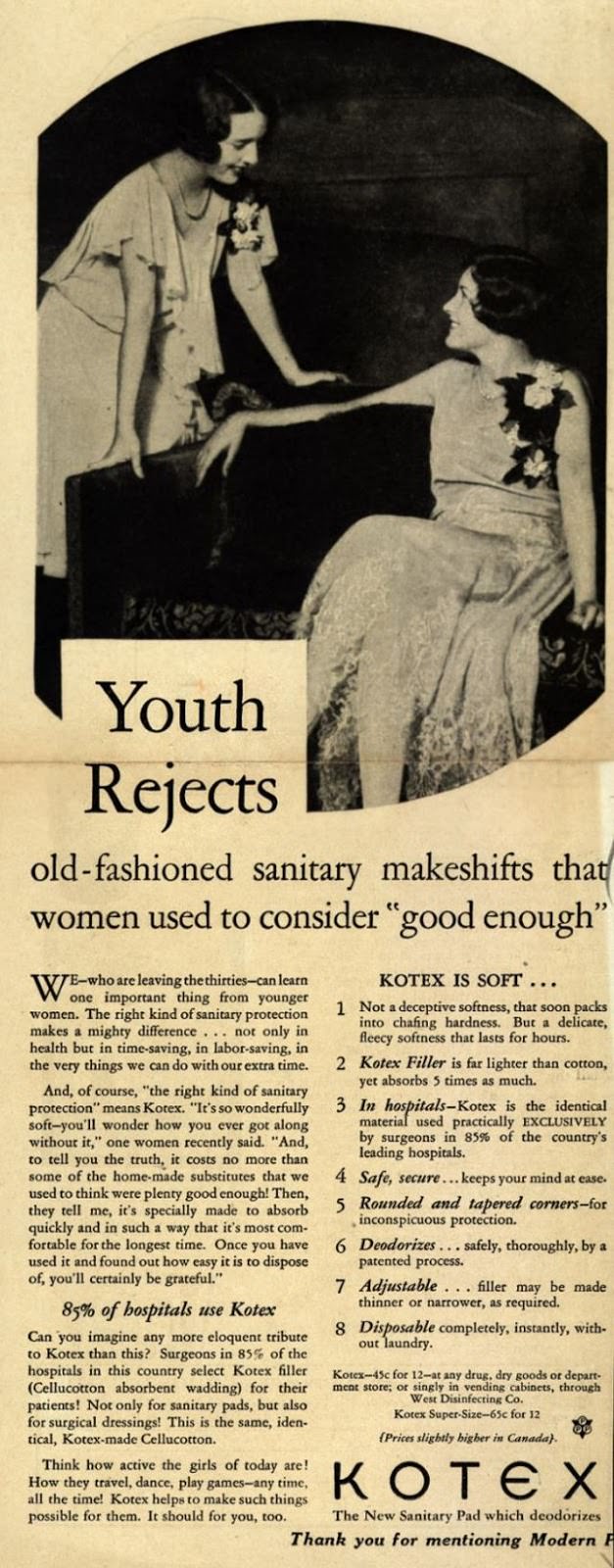
Magazine pages from the 1920s through the 1940s were packed with these campaigns. Women’s publications, in particular, ran them alongside fashion spreads and household tips, normalizing the anxiety these ads deliberately manufactured.
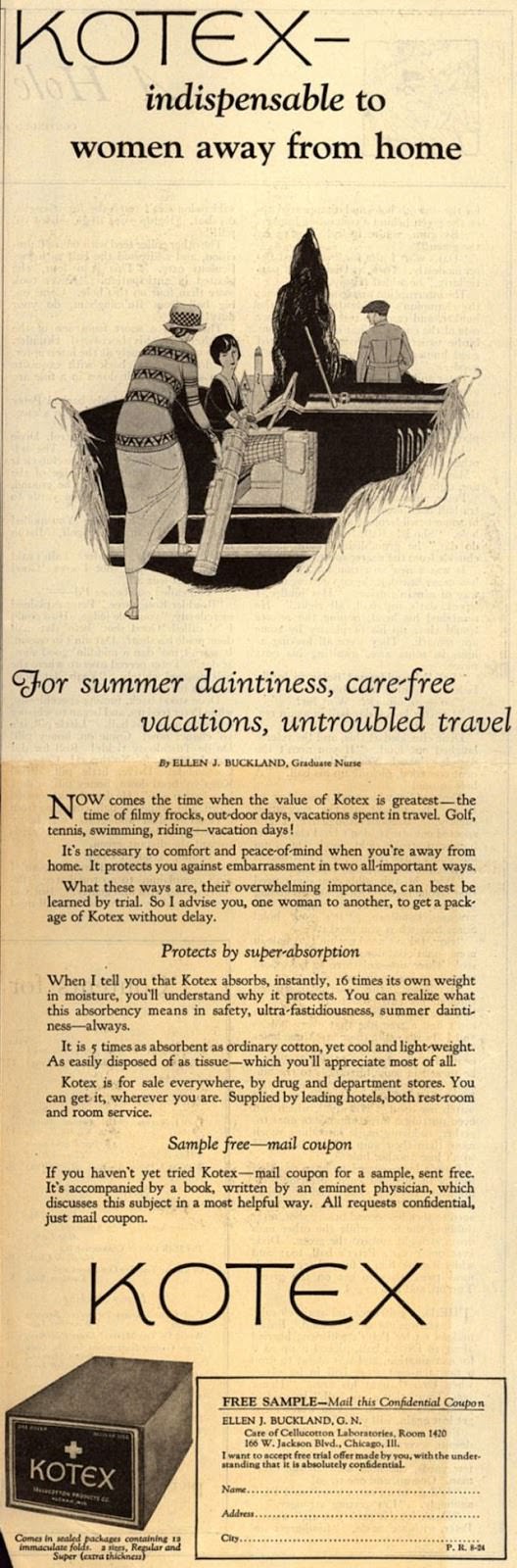
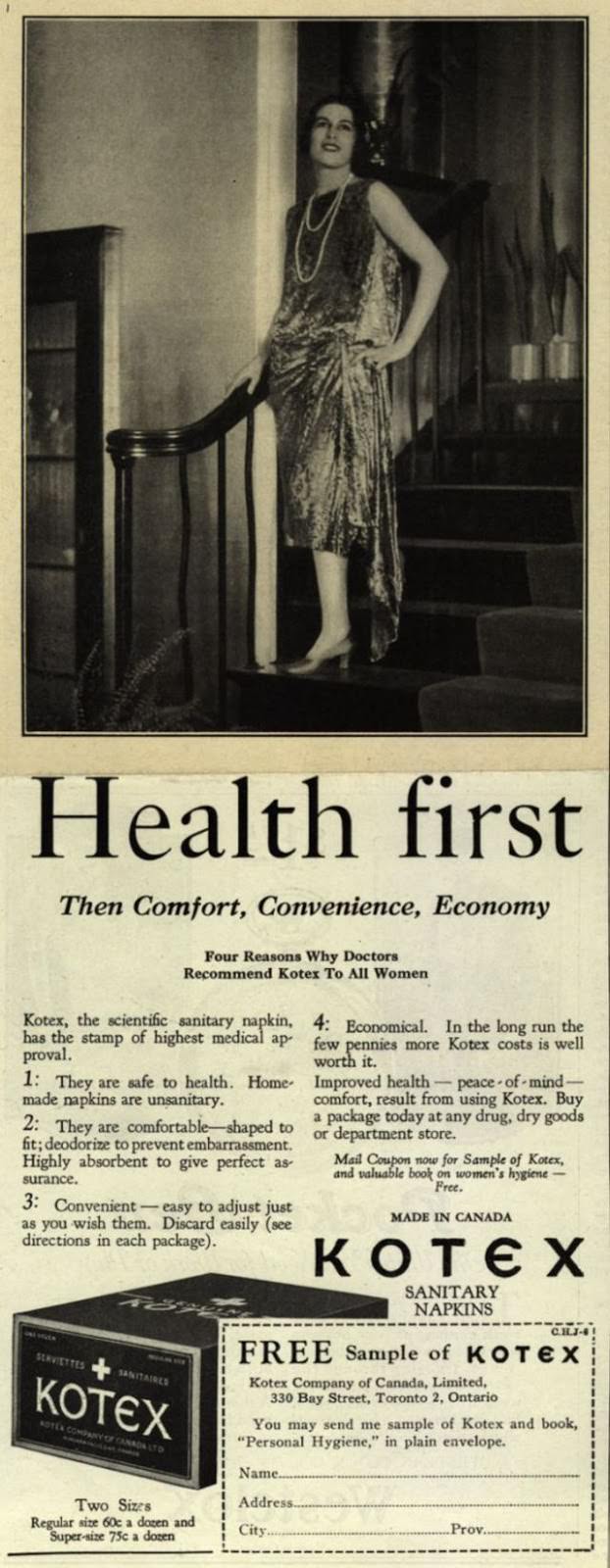
Some ads went further, suggesting that a woman’s failure to use certain products explained why she hadn’t found a husband — or why she had lost one. The link between personal hygiene and romantic worthiness was stated as plain fact, not opinion.
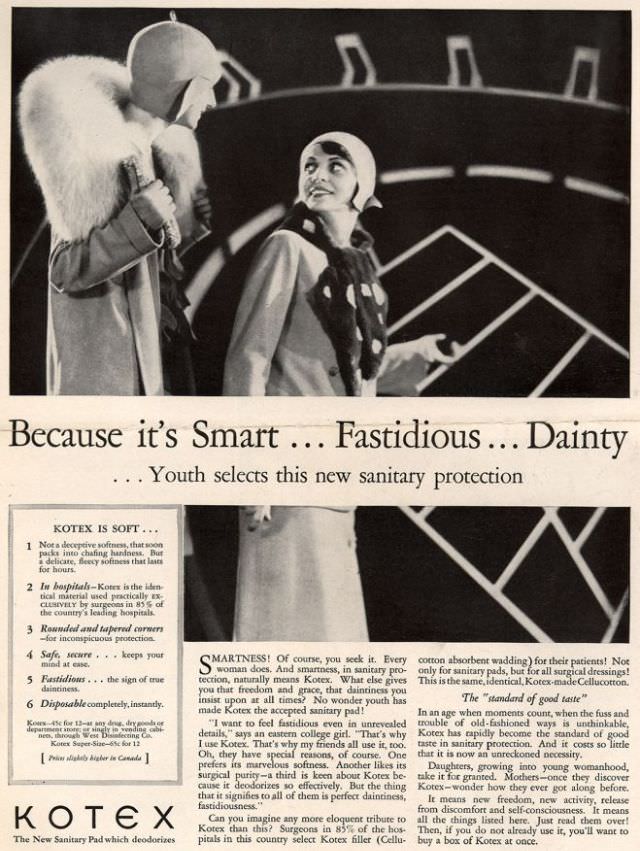
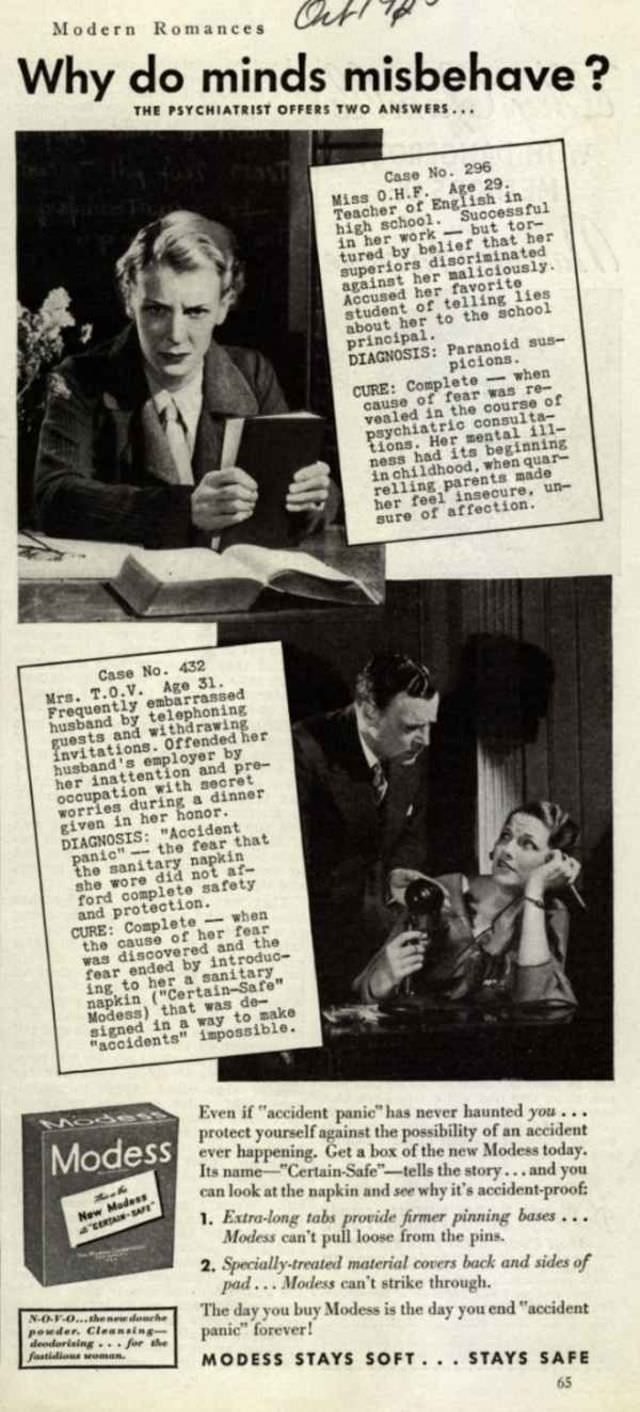
What makes these ads so striking today is how confidently wrong they were — and how effectively they worked. Women were a targeted, anxious audience, and advertisers understood exactly how to exploit that. The fear of social failure was a reliable sales tool.
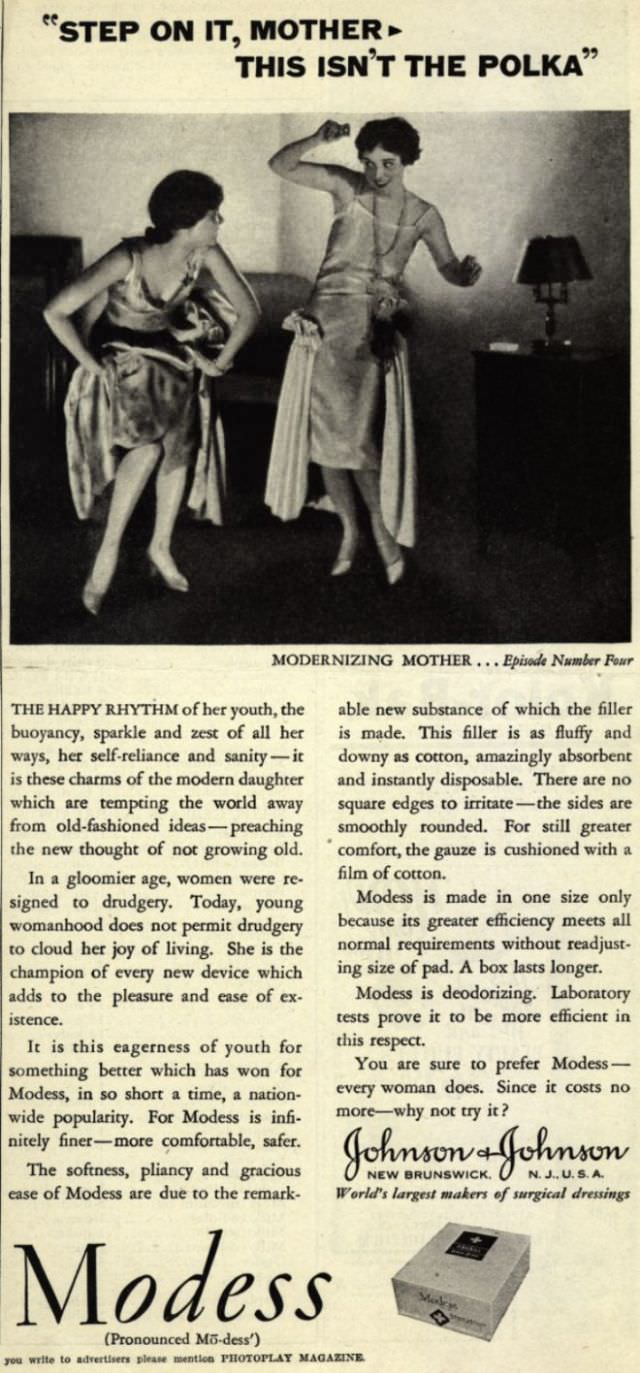
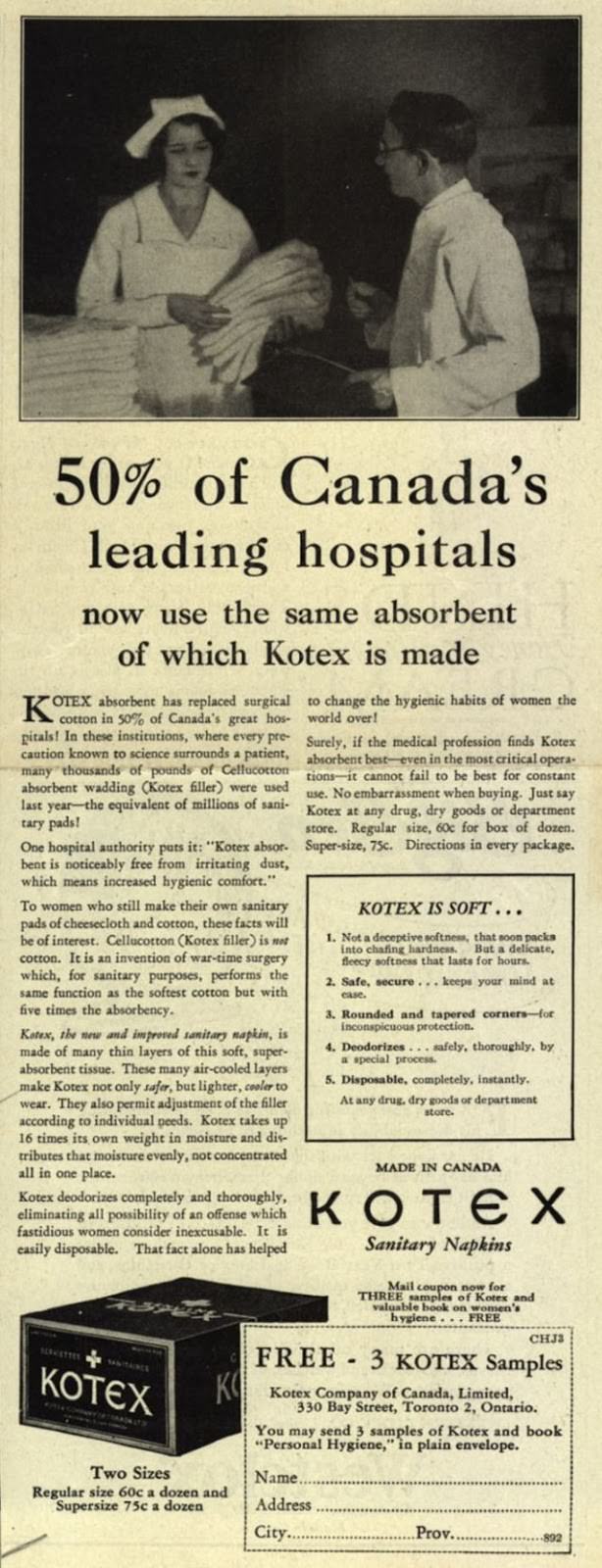
Lysol’s feminine hygiene campaign ran for decades. The company maintained that its product was doctor-approved, gentle, and essential. None of that held up under scrutiny, but the ads kept running — and women kept buying.
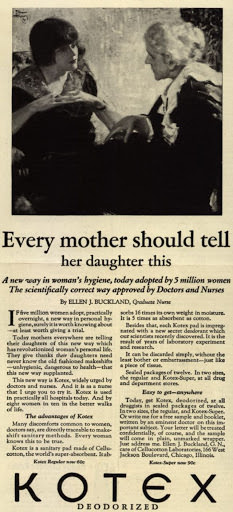
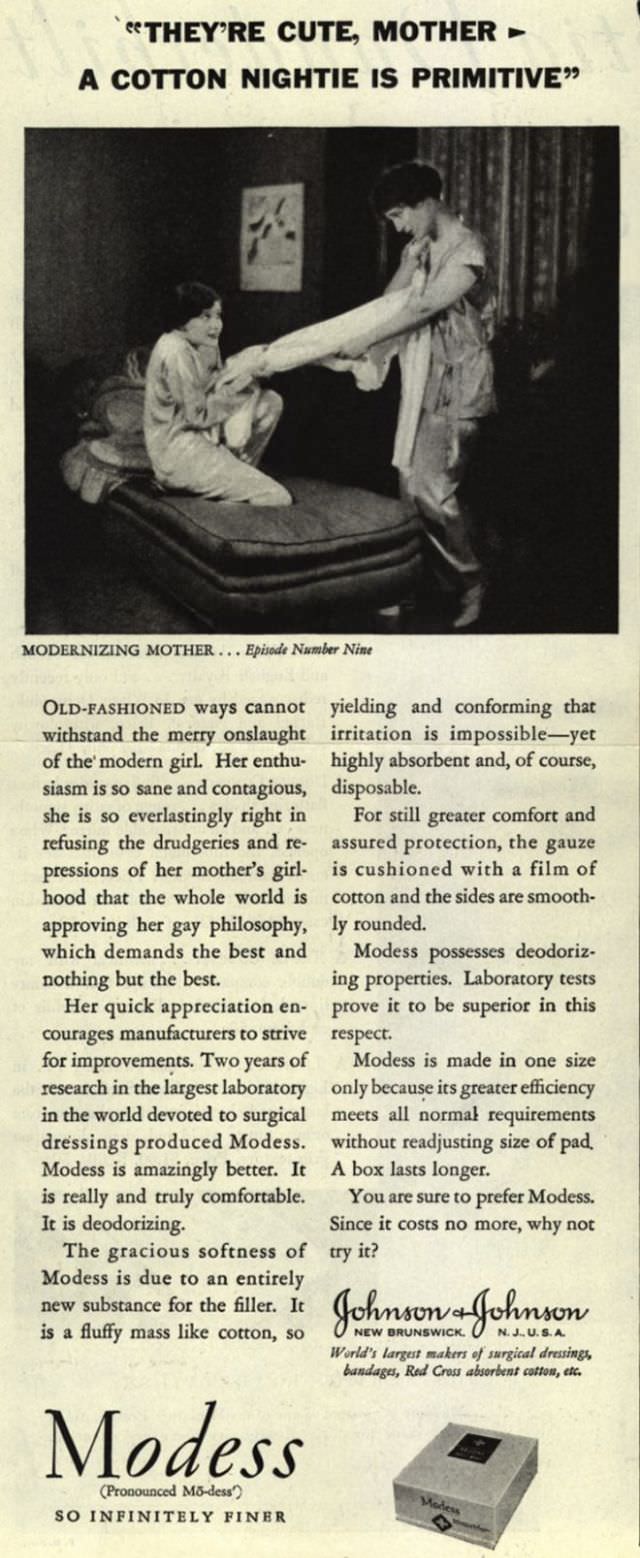
The artwork in these ads was often polished and beautifully rendered, which added to the bizarre contrast. Elegant illustrations of concerned women in pristine homes sat alongside warnings that read more like threats than product pitches.
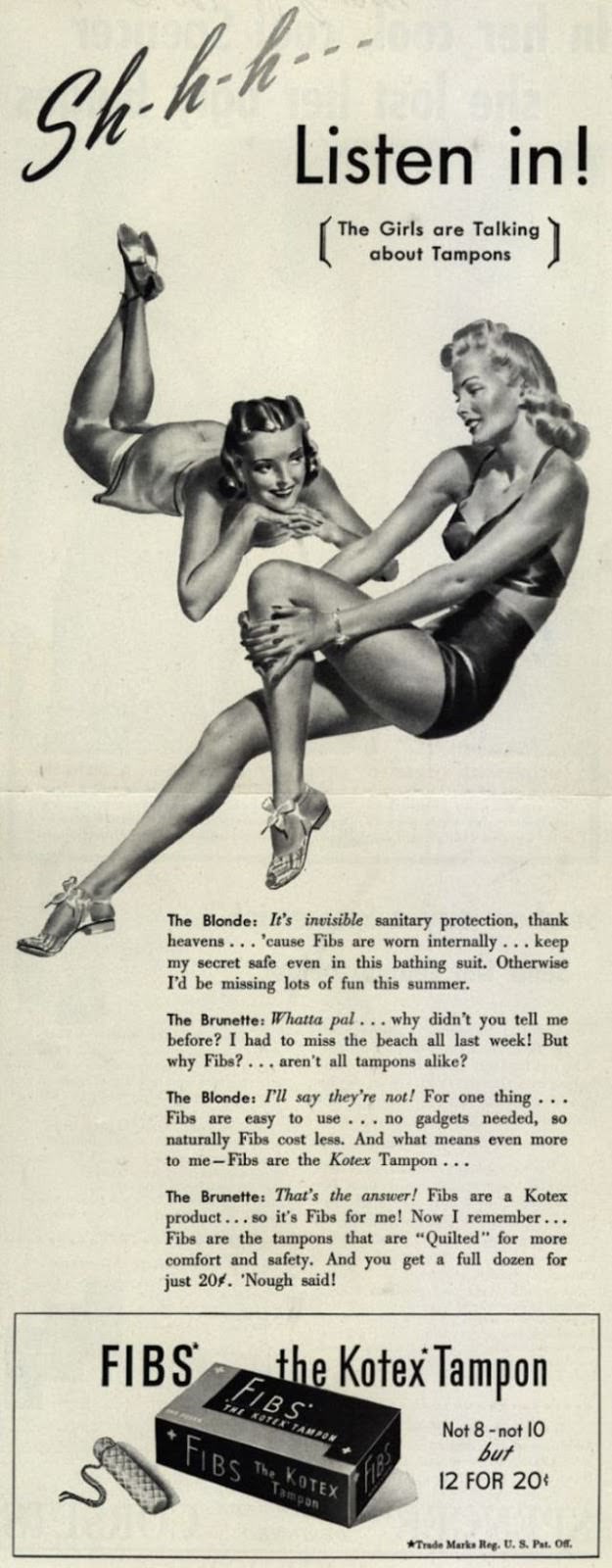
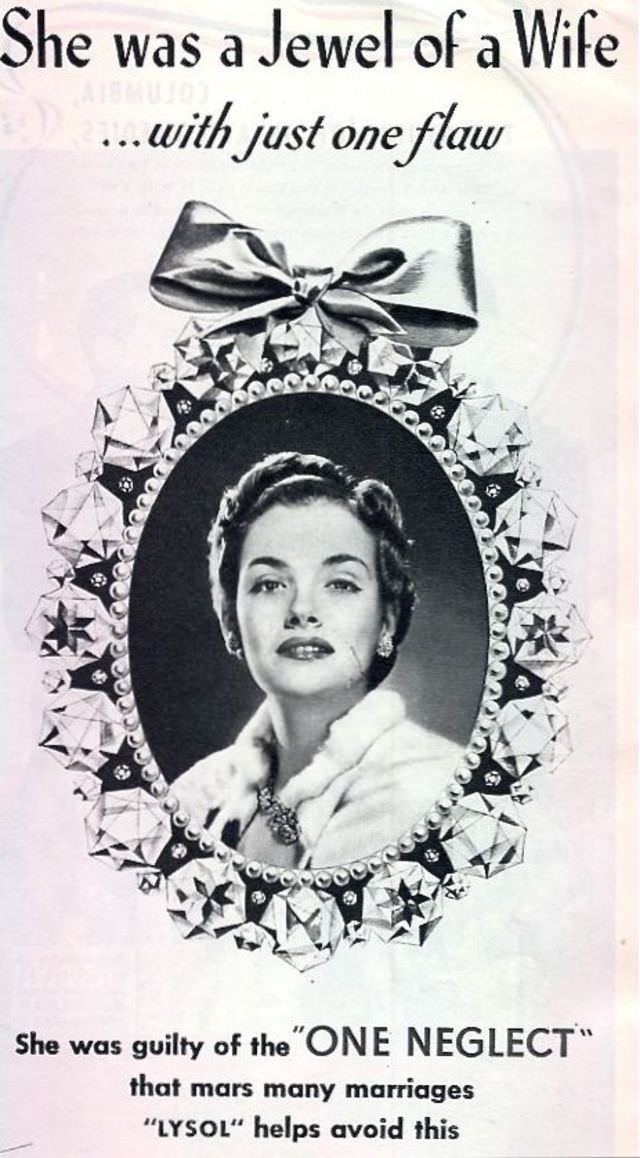
Some ads took a softer approach, framing products as a gift a woman could give herself — a small act of self-care that would be rewarded with social confidence and a happier home. Even the gentler versions, though, rested on the same foundation of manufactured insecurity.
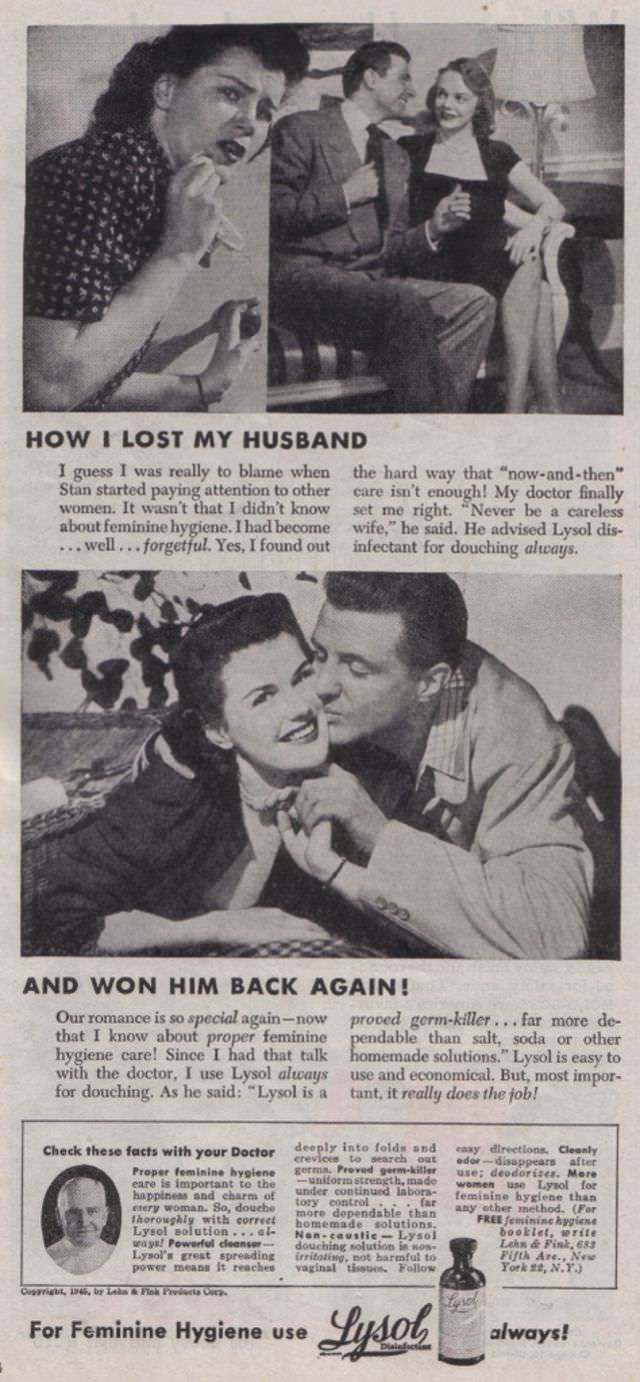
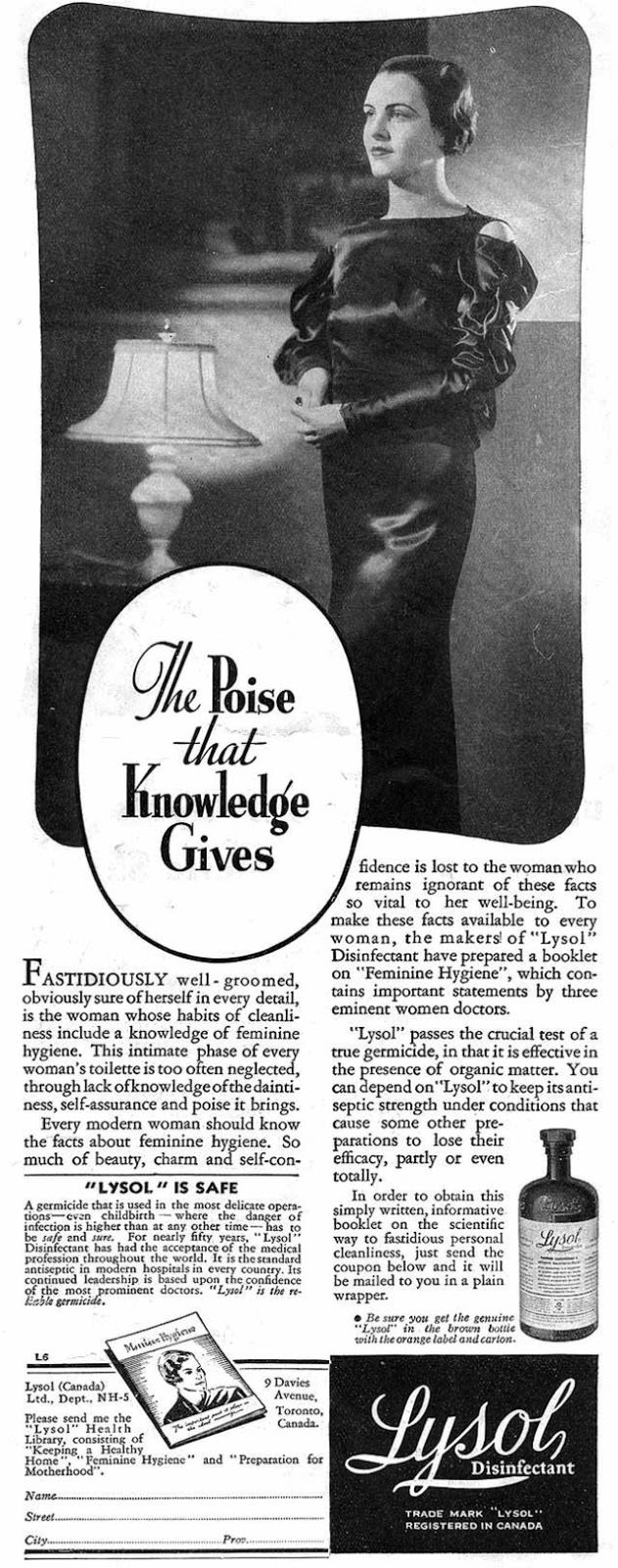
By mid-century, the tone began to shift. Ads grew slightly less dramatic, and some of the more extreme medical claims faded. But the coded language and the emphasis on a woman’s duty to be “fresh” persisted well into the postwar era.
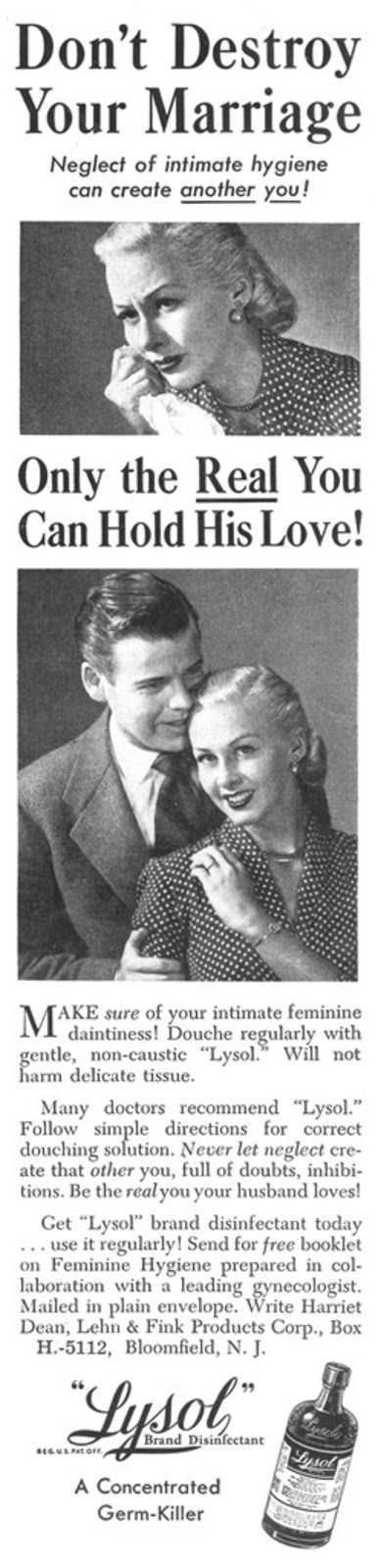
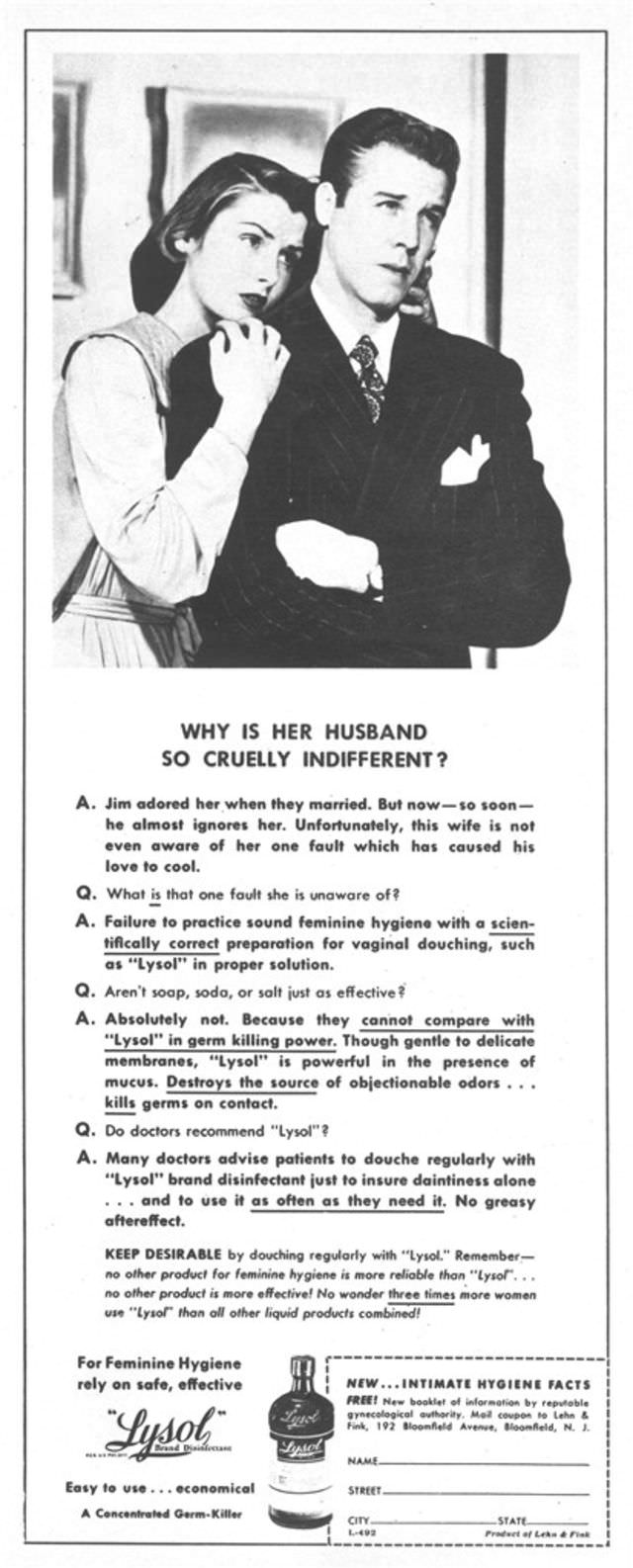
Flipping through these old ads today feels like reading dispatches from a parallel world — one where a bottle of disinfectant was the key to a successful marriage, and where women’s natural bodies were treated as problems to be chemically solved.