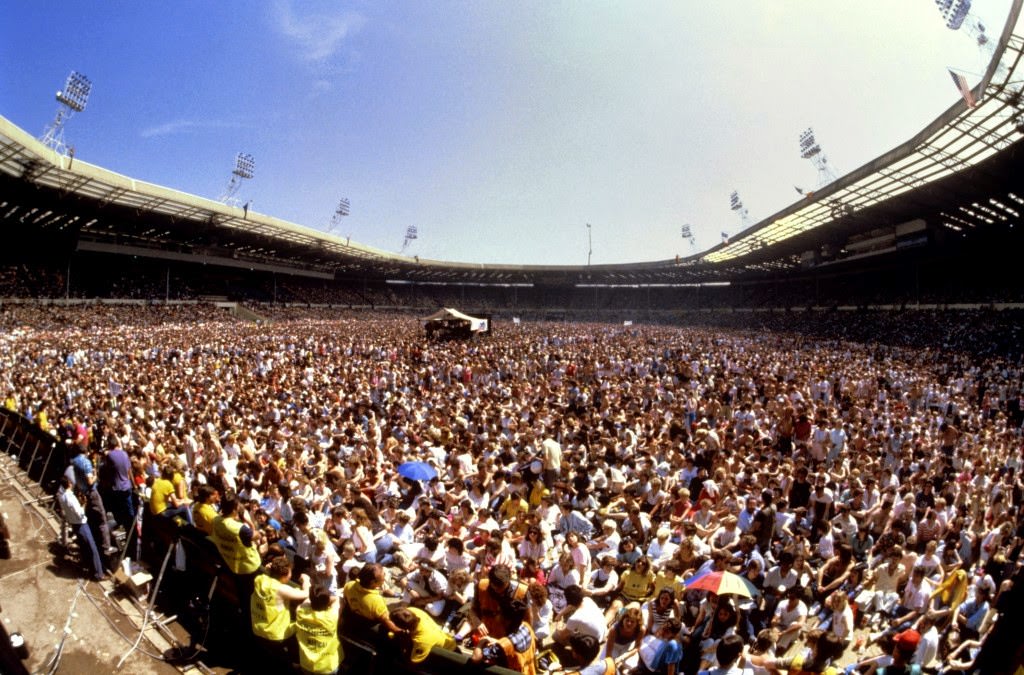
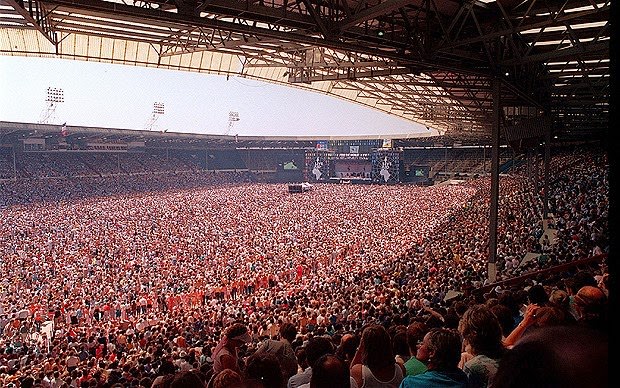
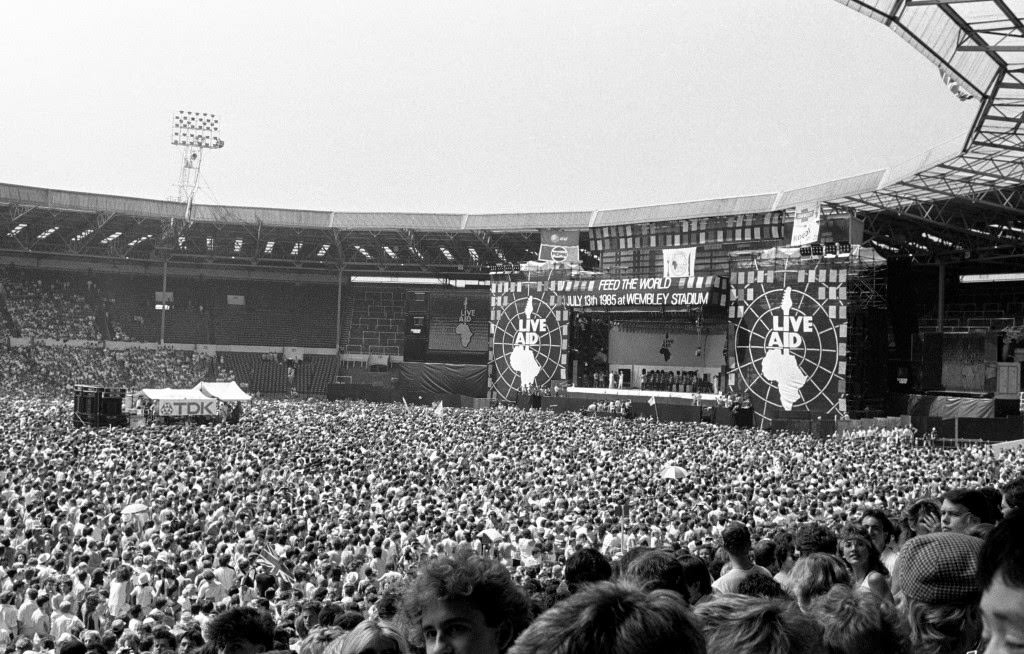
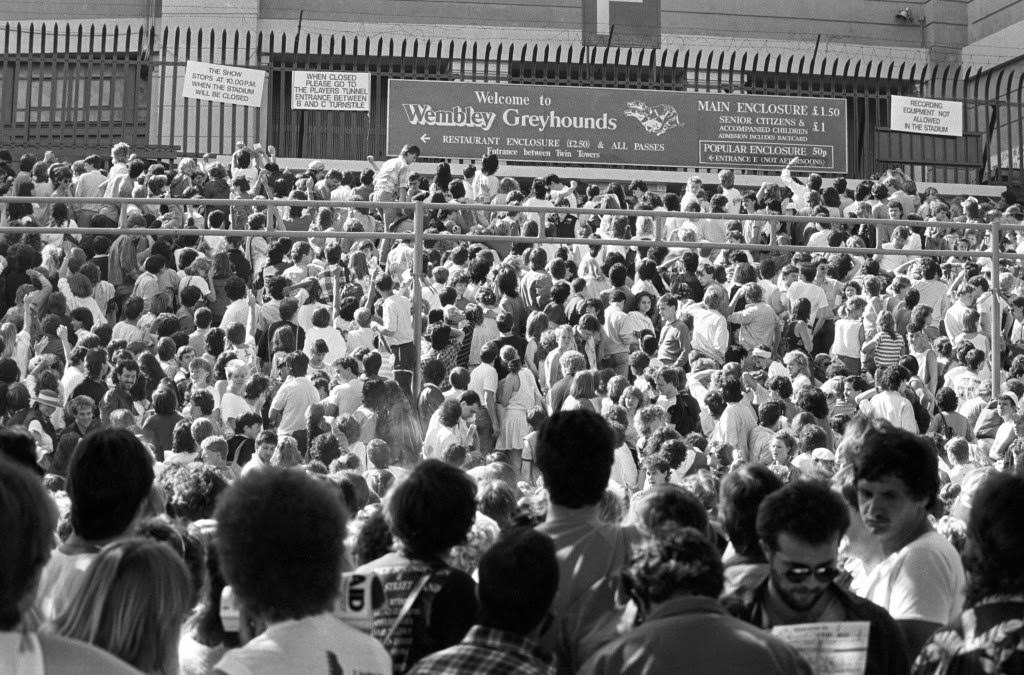
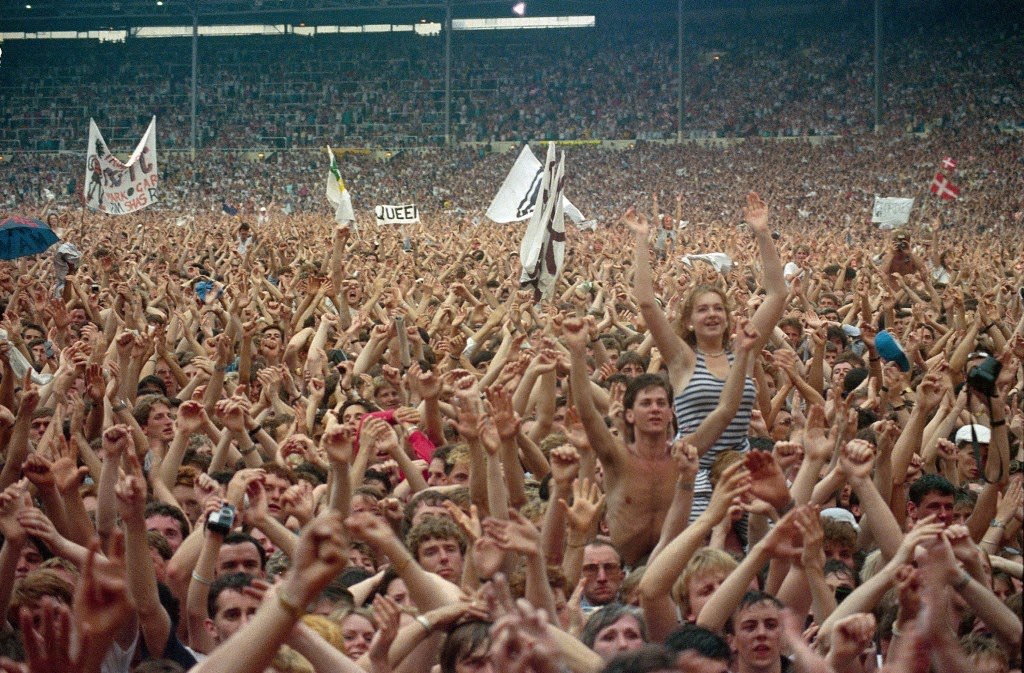
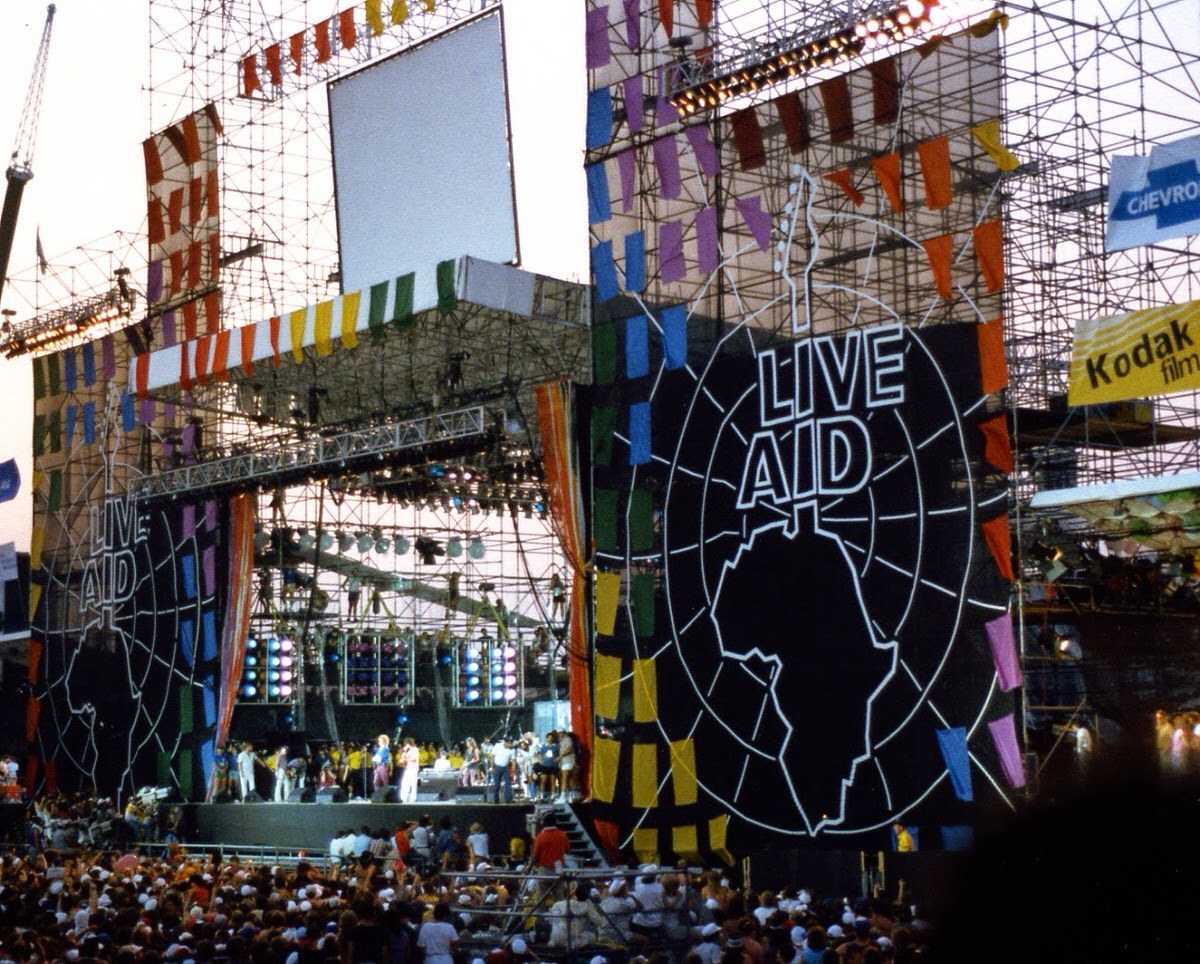
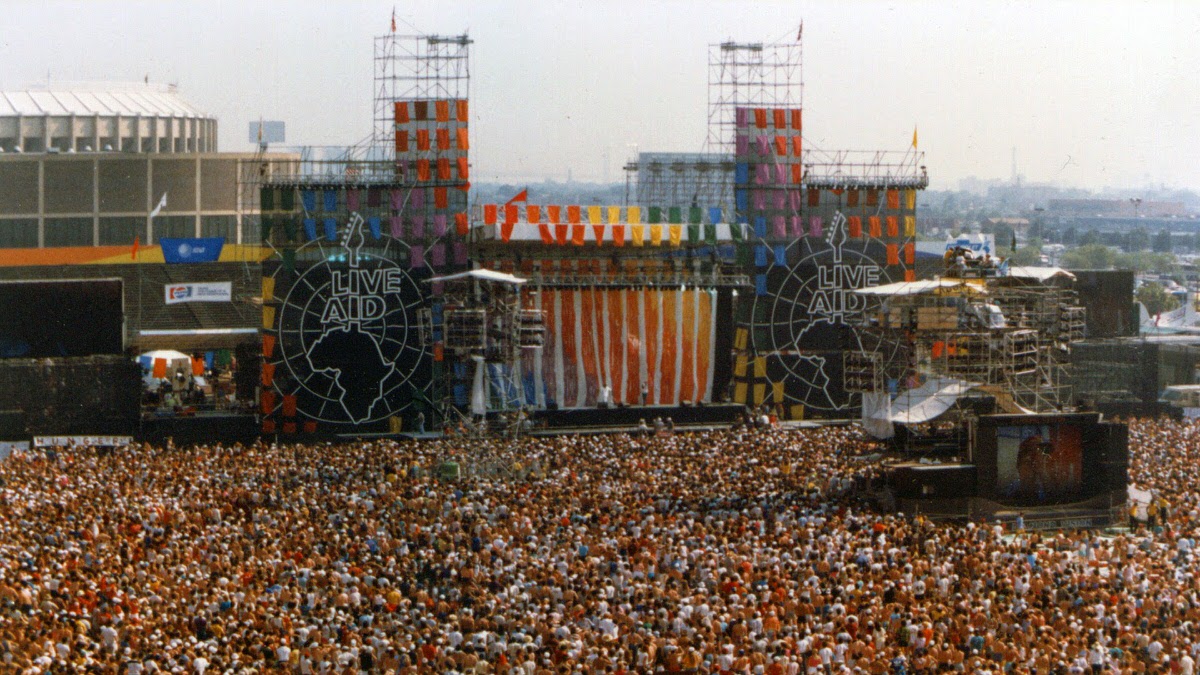
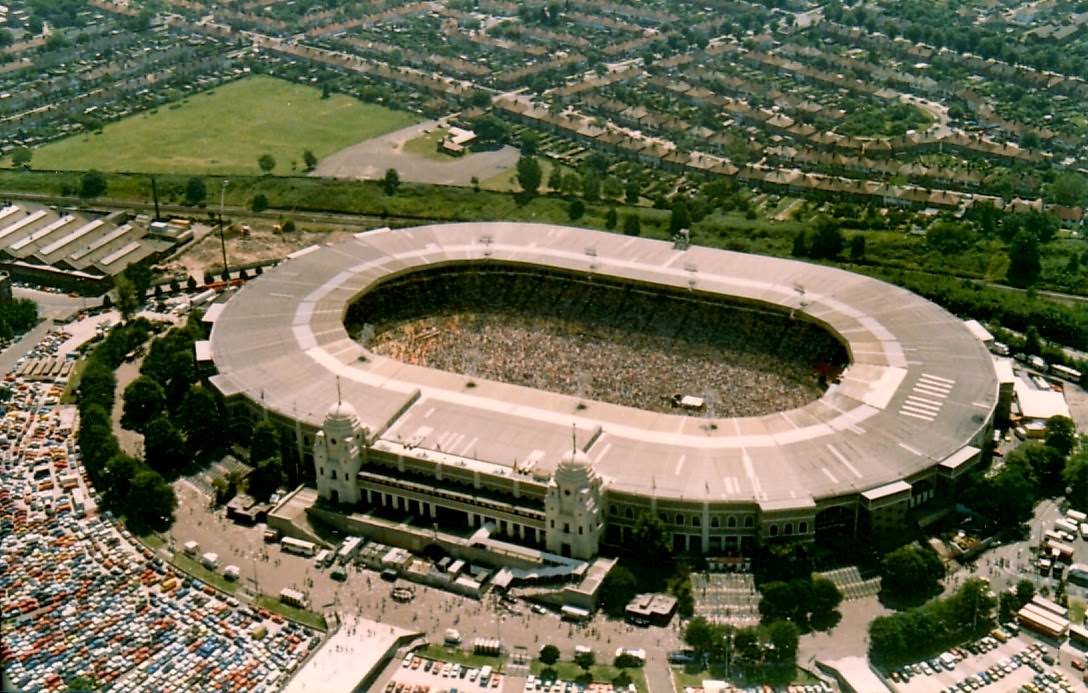
On July 13, 1985, Wembley Stadium in London became the center of the music world. Exactly 72,000 people packed into the venue under a blazing summer sun, there to witness what was then the largest live television broadcast ever attempted. The event was Live Aid — a sixteen-hour concert organized by musician and activist Bob Geldof alongside fellow musician Midge Ure. Their goal was direct: raise money for famine relief in Ethiopia, where millions of people were starving. Every minute of the day was planned, every stage slot calculated, and every satellite uplink tested to reach as many people as possible.
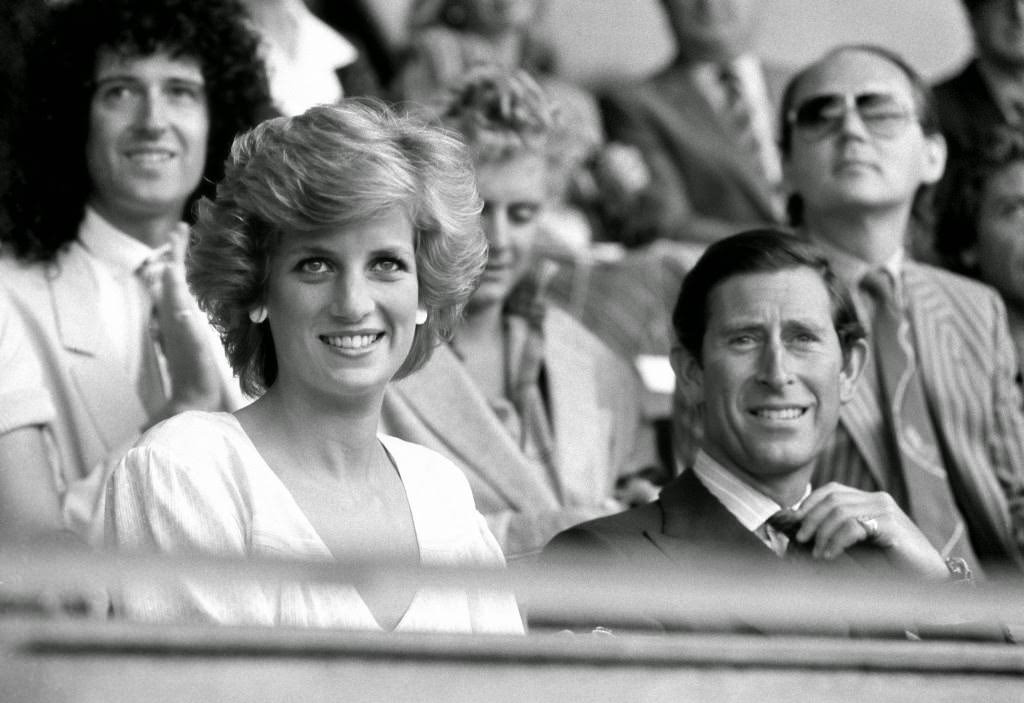
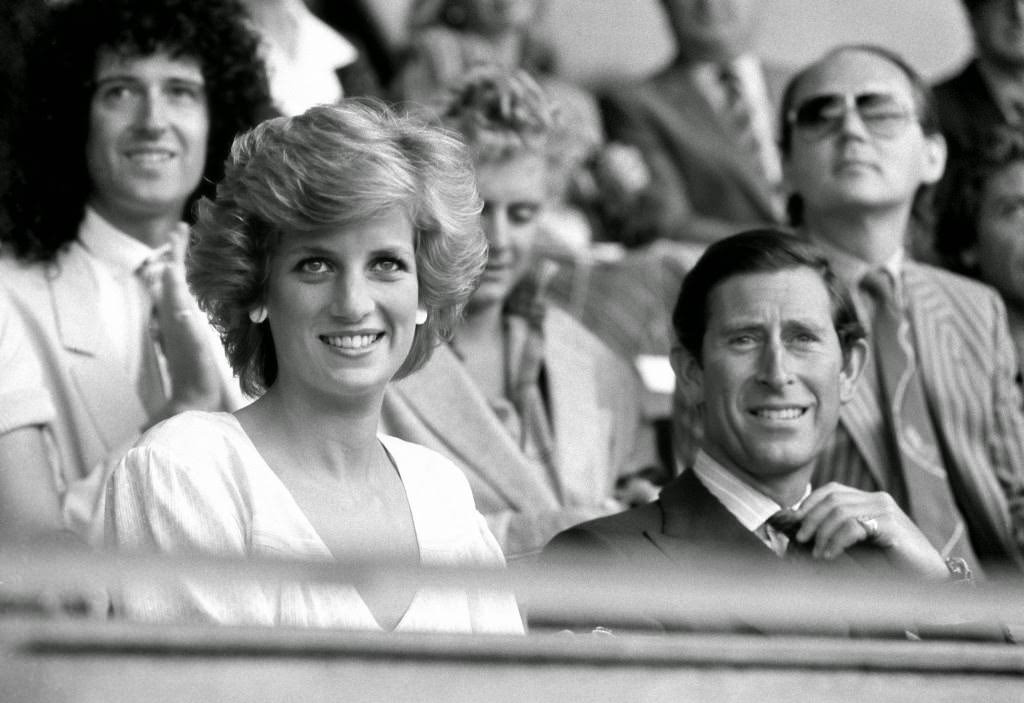
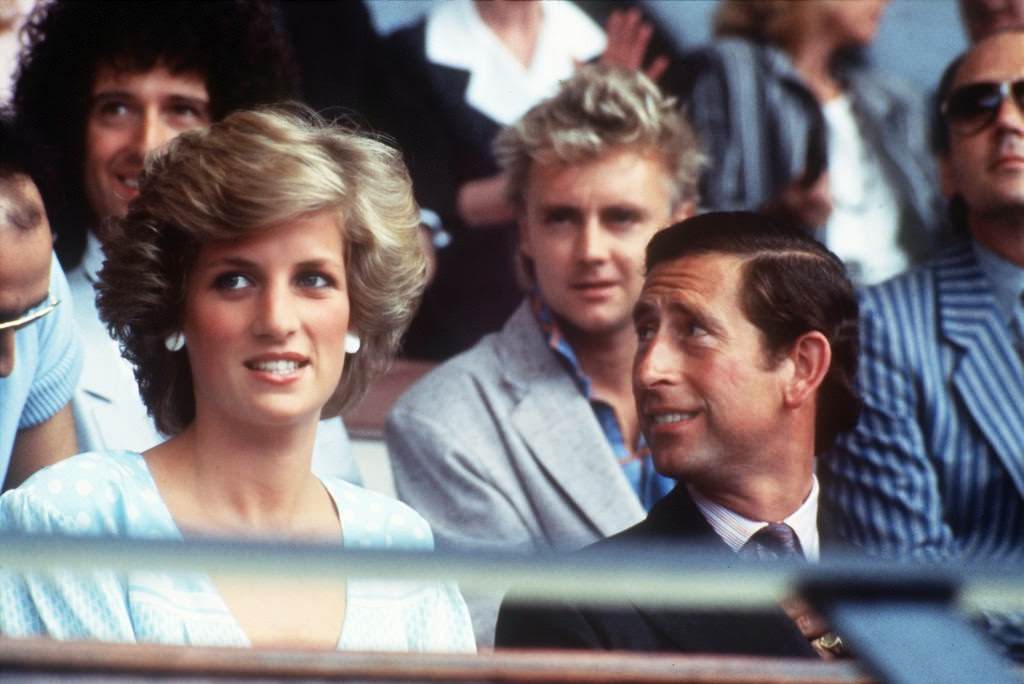
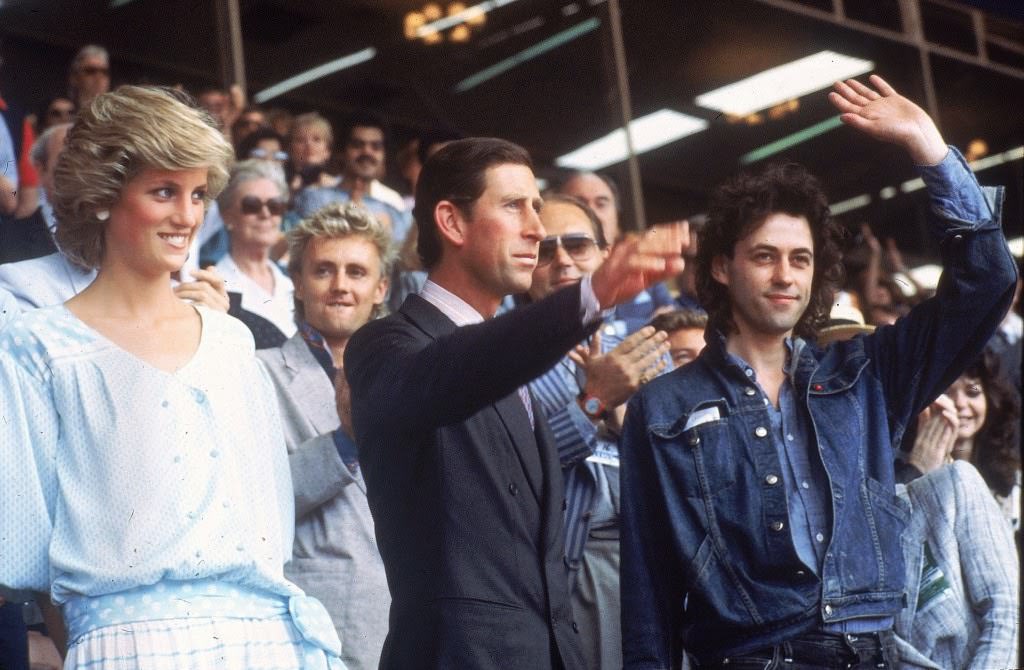
The concert was formally opened by the Prince and Princess of Wales, who arrived at the royal box to signal the start of proceedings. Moments later, Status Quo took the stage and launched into “Rockin’ All Over the World,” instantly firing up the crowd. From that opening chord, the clock was running. Engineers were routing the signal through thirteen satellites to broadcast performances to an estimated 1.5 billion viewers in 150 countries. A simultaneous show was also underway at JFK Stadium in Philadelphia, making Live Aid a transatlantic event unlike anything the world had seen.
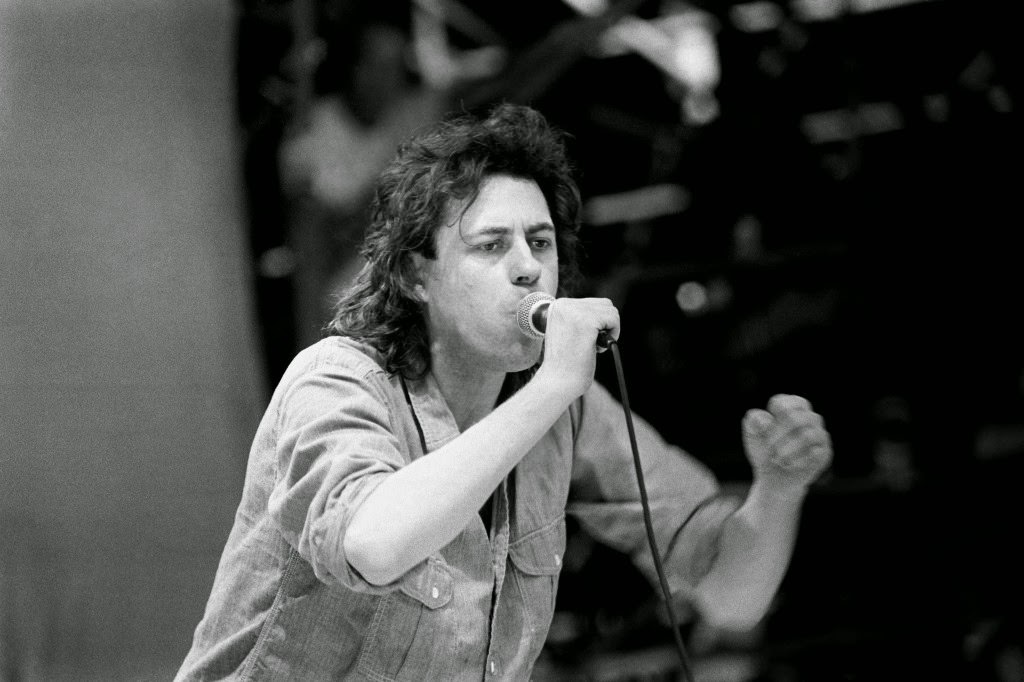
Keeping more than seventy acts moving through a single day required serious logistics. Wembley used a rotating stage system — while one band performed in front of the crowd, the next group quietly set up their equipment on the hidden side of the stage. This eliminated the gaps that would have stalled momentum and kept the energy inside the stadium from dropping. Every artist had a strict time slot. There was no room for extended encores or late starts.
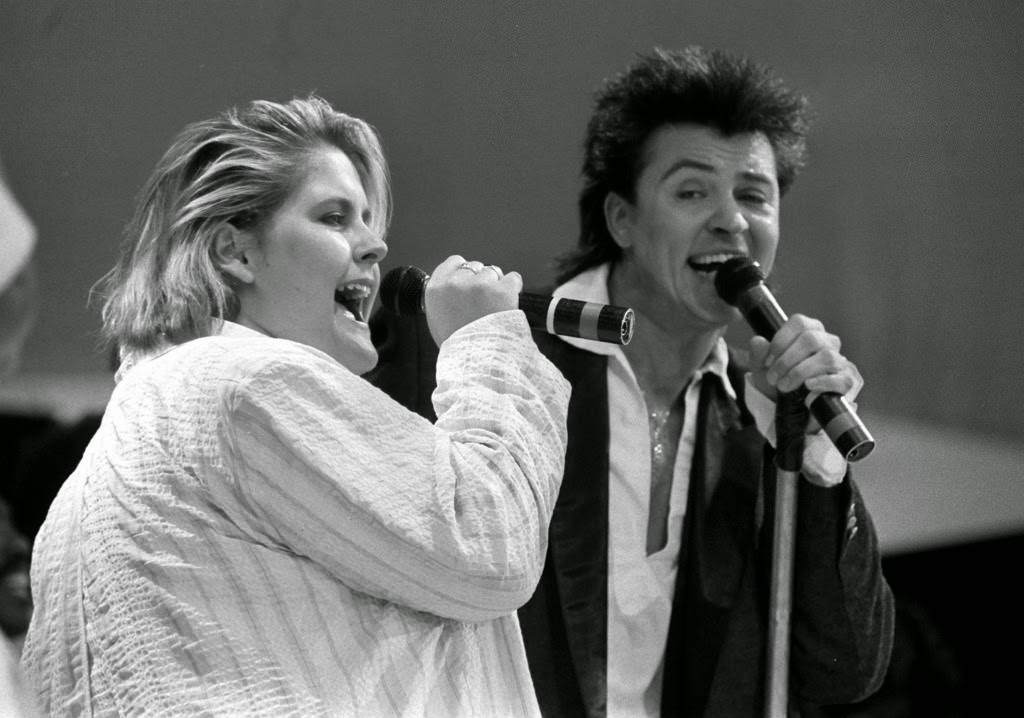
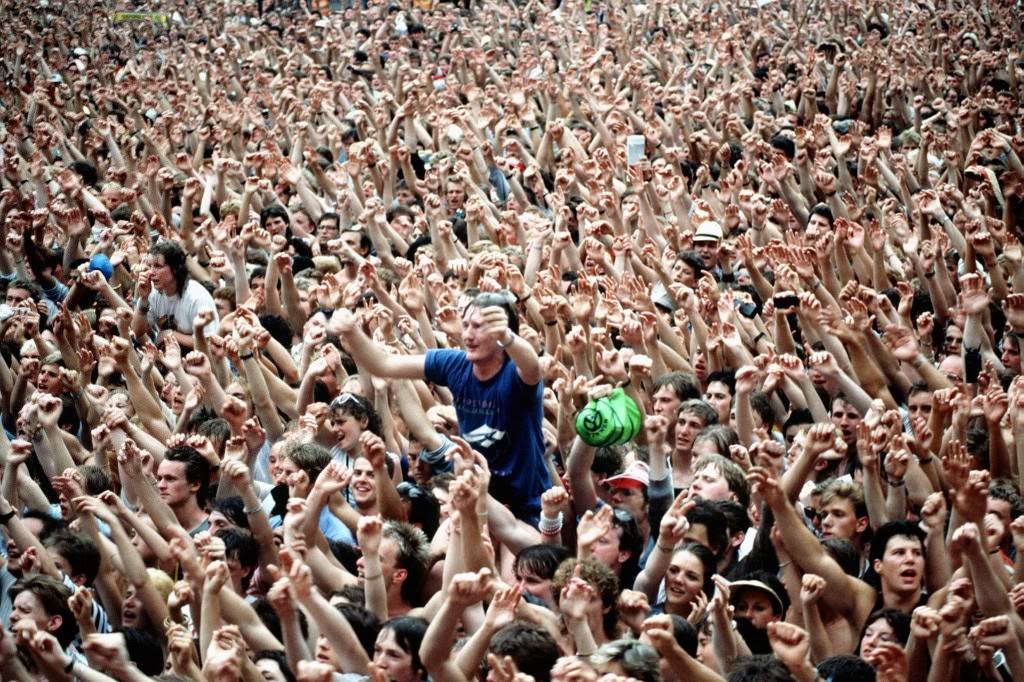
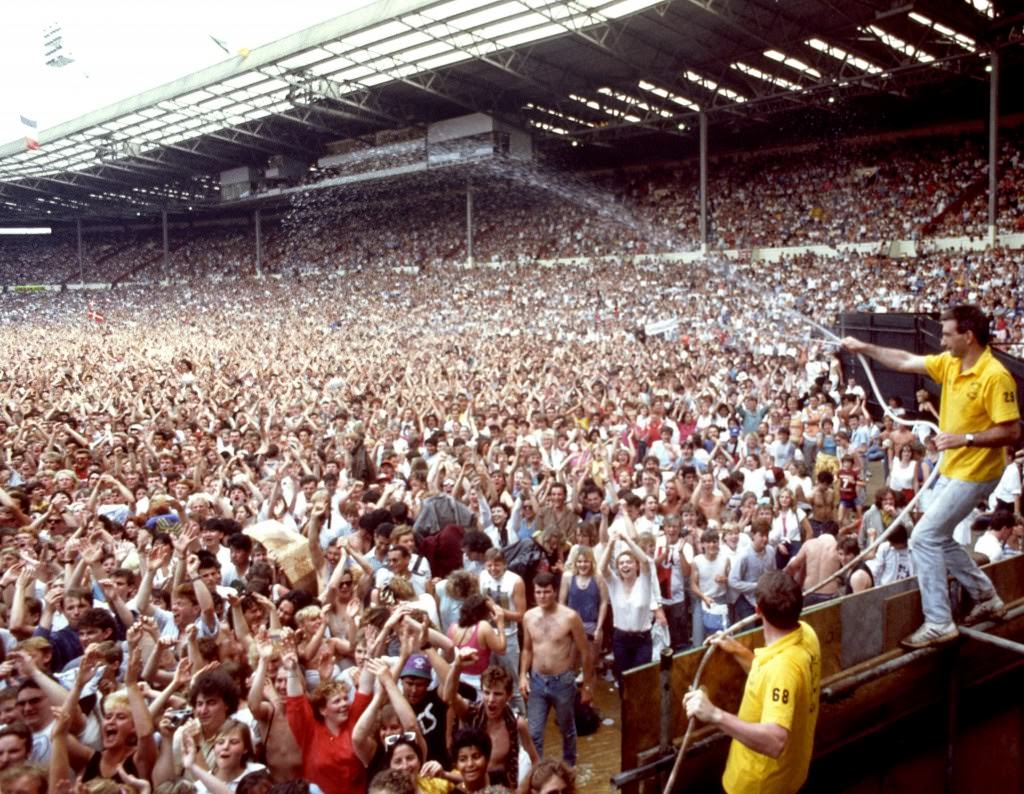
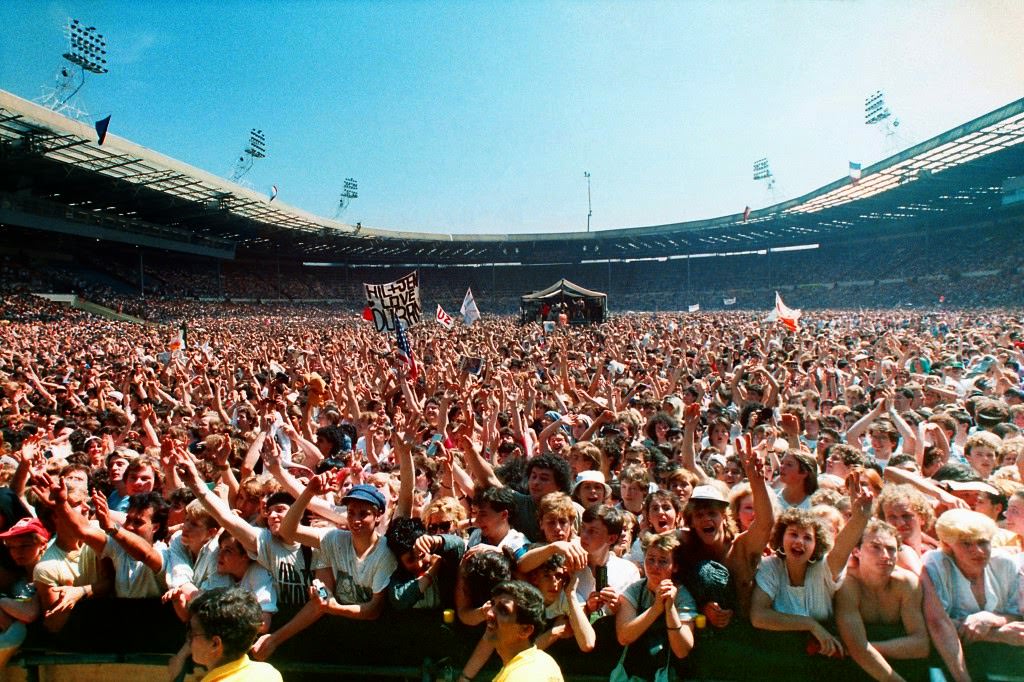
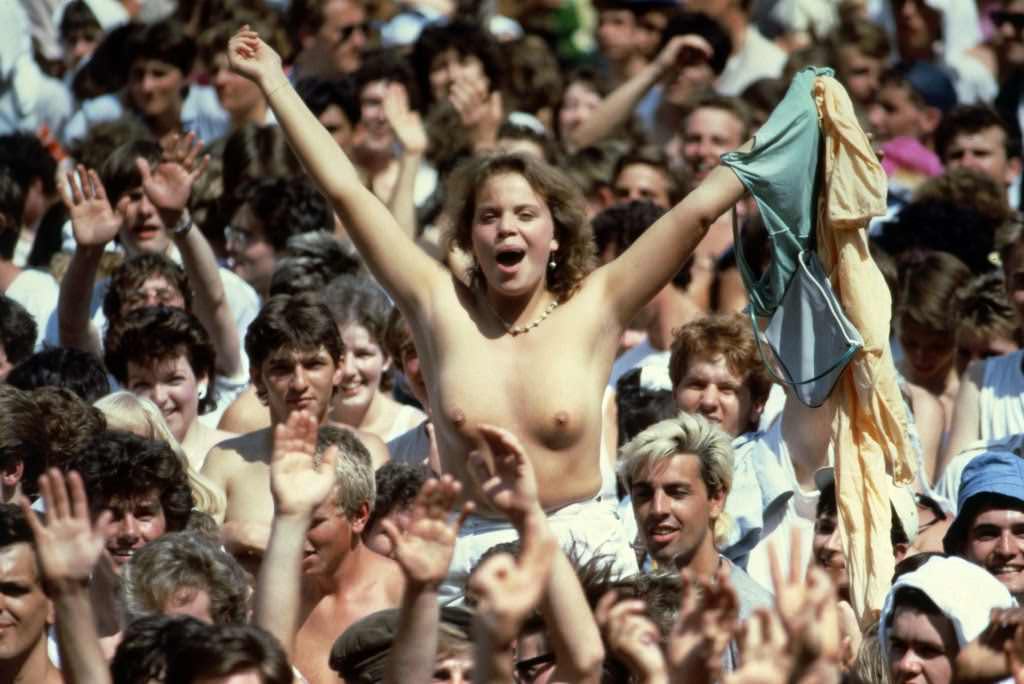
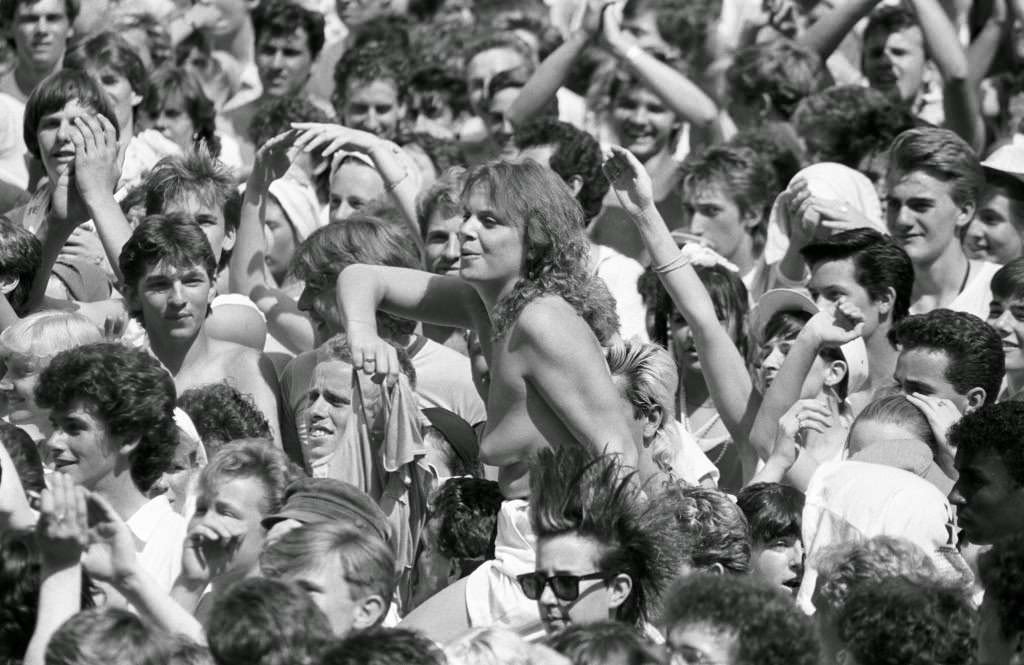
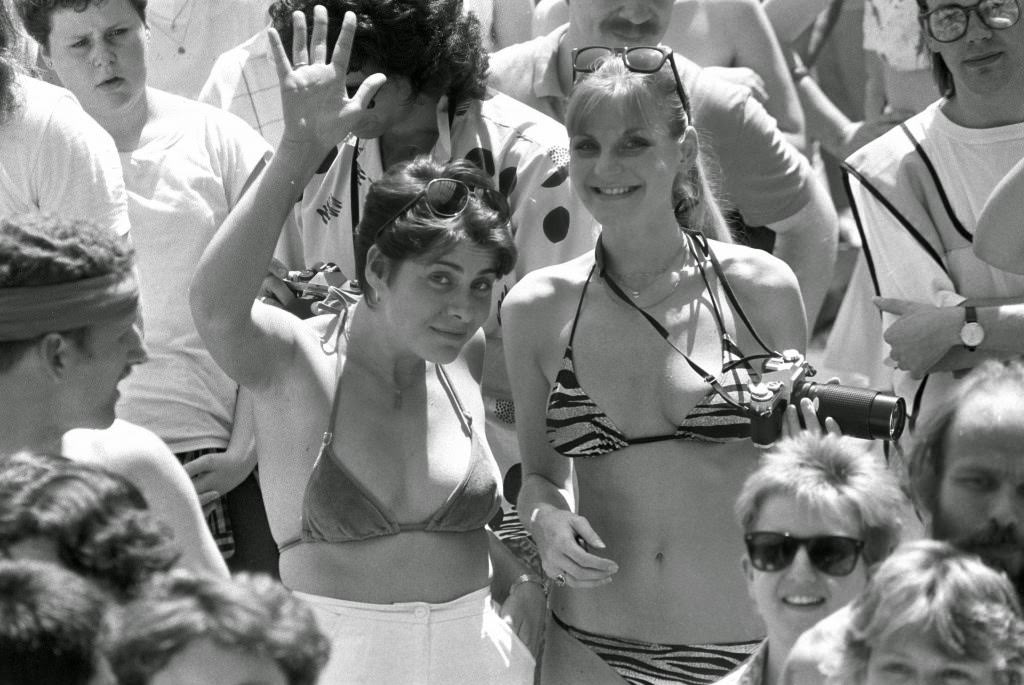
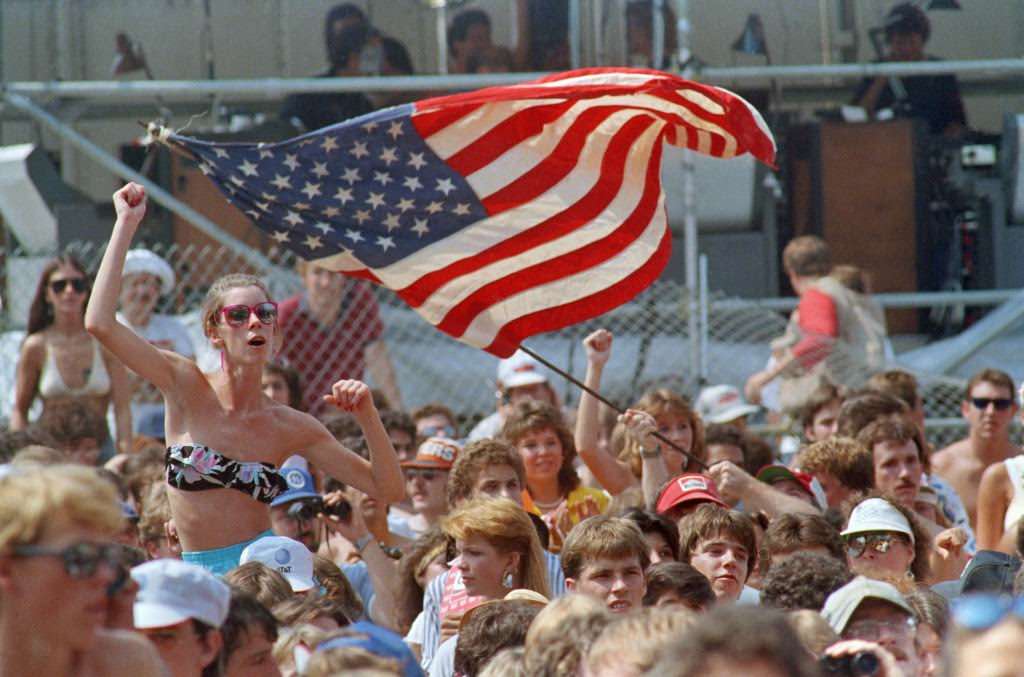
Early in the afternoon, a wide range of artists moved through their sets. Paul Young and Alison Moyet were among those who helped build the day’s momentum in its opening hours. The crowd inside Wembley was vocal and energized, though the heat was relentless. Security staff ran large hoses over sections of the audience to prevent heatstroke. People shared food and water, held up banners from different countries, and kept the atmosphere alive despite the packed, sweltering conditions.
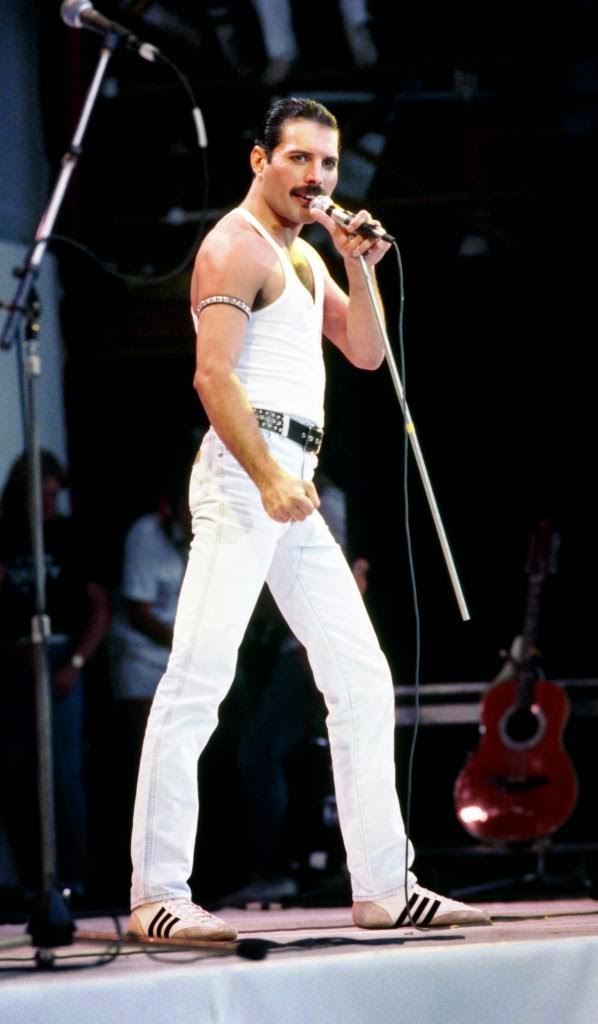
Queen delivered the performance that defined the day. Freddie Mercury took command of the Wembley stage for twenty minutes and refused to let go of it. He moved through hits including “Bohemian Rhapsody,” “Radio Ga Ga,” and “We Will Rock You,” reading the crowd with precision and pulling them into a vocal call-and-response that rolled through the entire stadium. Mercury didn’t just perform — he took full ownership of 72,000 people at once. Many who were there that day describe it as the most powerful live music moment they ever witnessed.
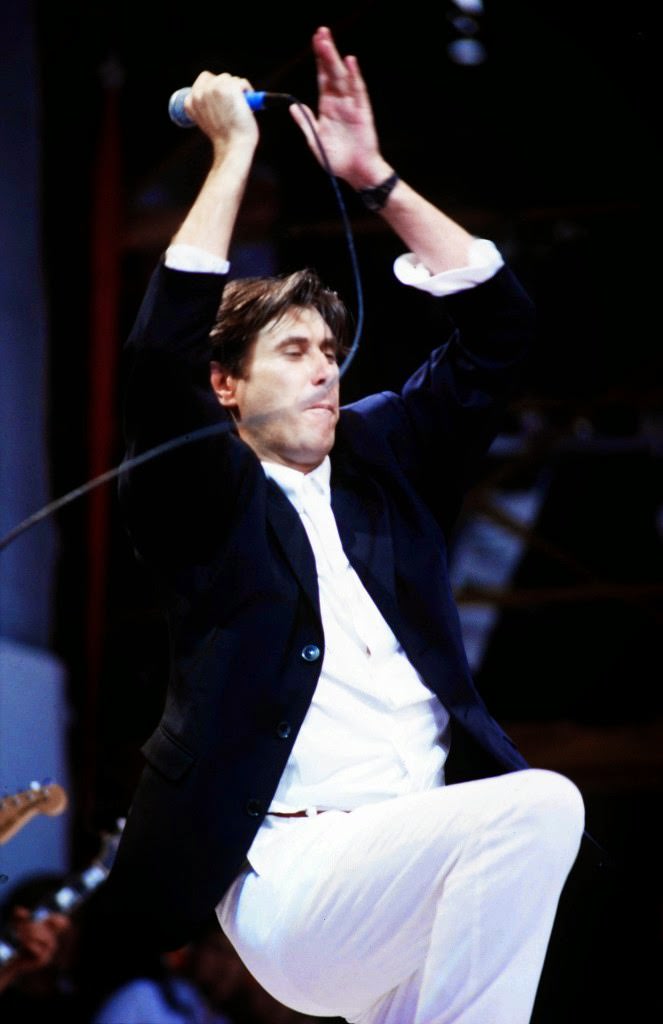
Bryan Ferry brought a cooler, more polished energy to the stage, contrasting with the raw intensity of some of the heavier rock sets. The variety of styles on display throughout the day was part of what made Live Aid feel inclusive. This wasn’t a festival built around one genre — it was a gathering of virtually every major act in the Western music world.
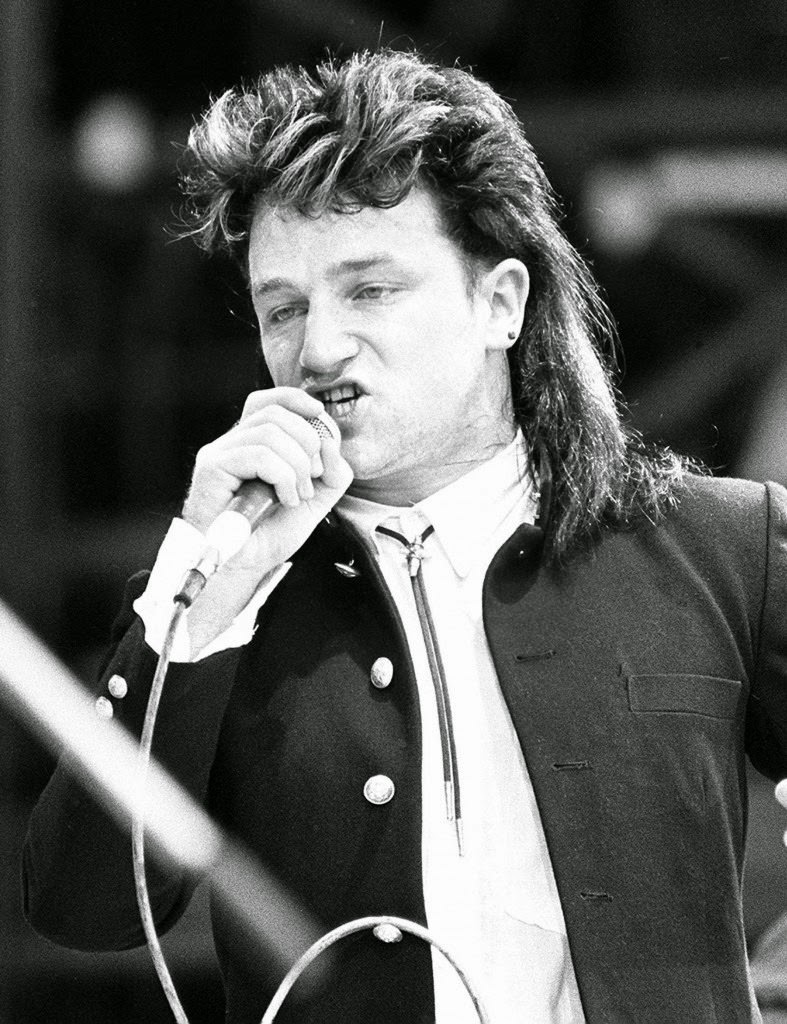
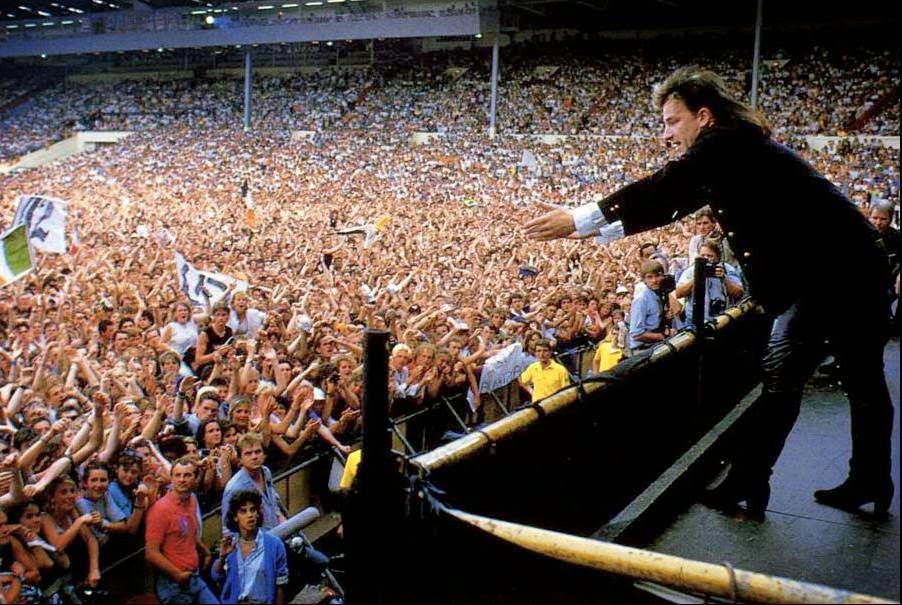
U2’s set produced one of the most talked-about moments of the concert. During “Bad,” Bono climbed down from the stage and pulled a young woman from the crowd to dance with him on the arena floor. The unscripted moment stretched the song well past its allotted time, but it became one of the defining images of the entire day. U2 were not yet the stadium-filling act they would soon become, but their Wembley performance accelerated their rise significantly.
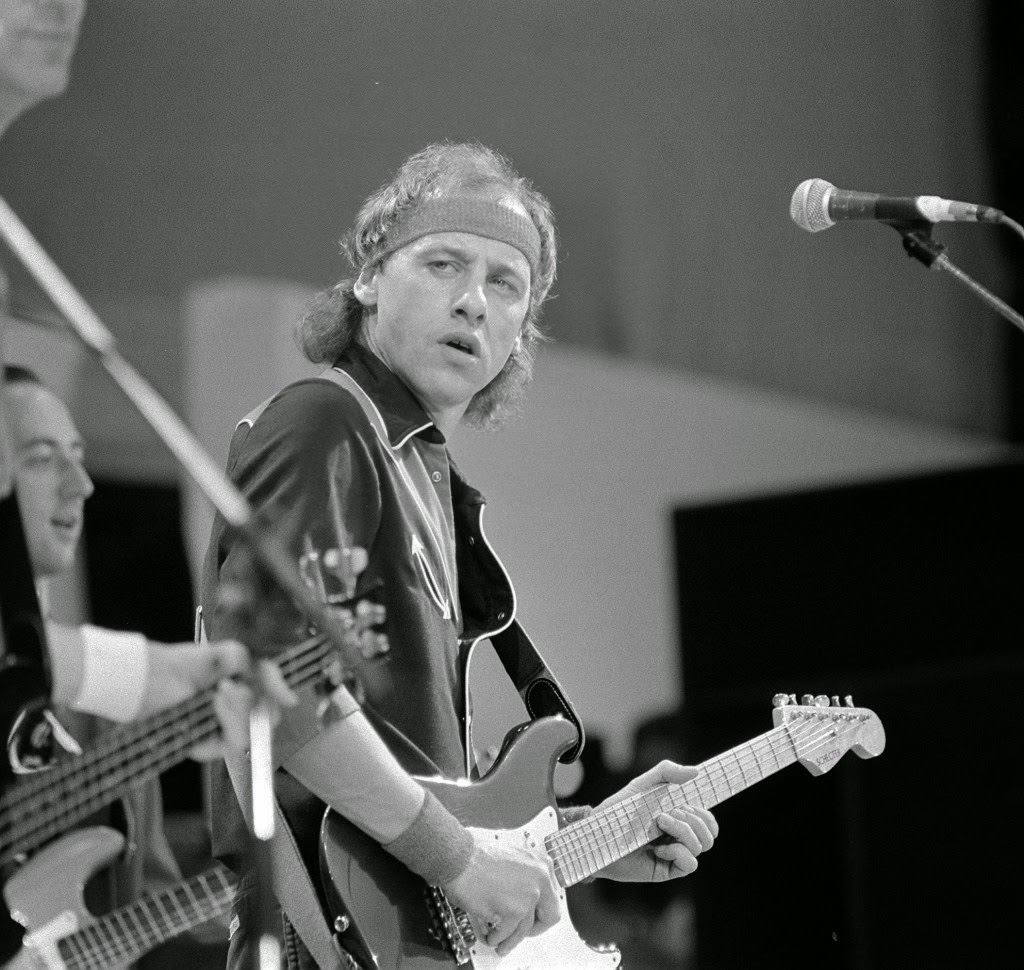
Dire Straits brought Mark Knopfler’s precise, fluid guitar work to a crowd that responded with thunderous appreciation. Knopfler performed alongside Sting for part of the set, adding another layer to what was already a stacked afternoon of music.
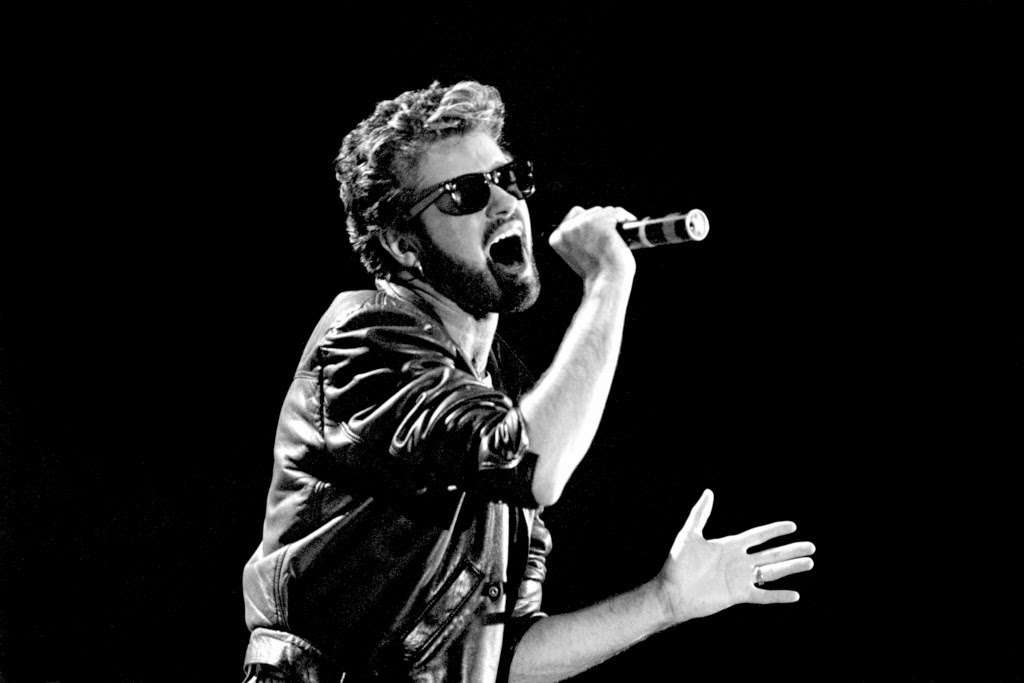
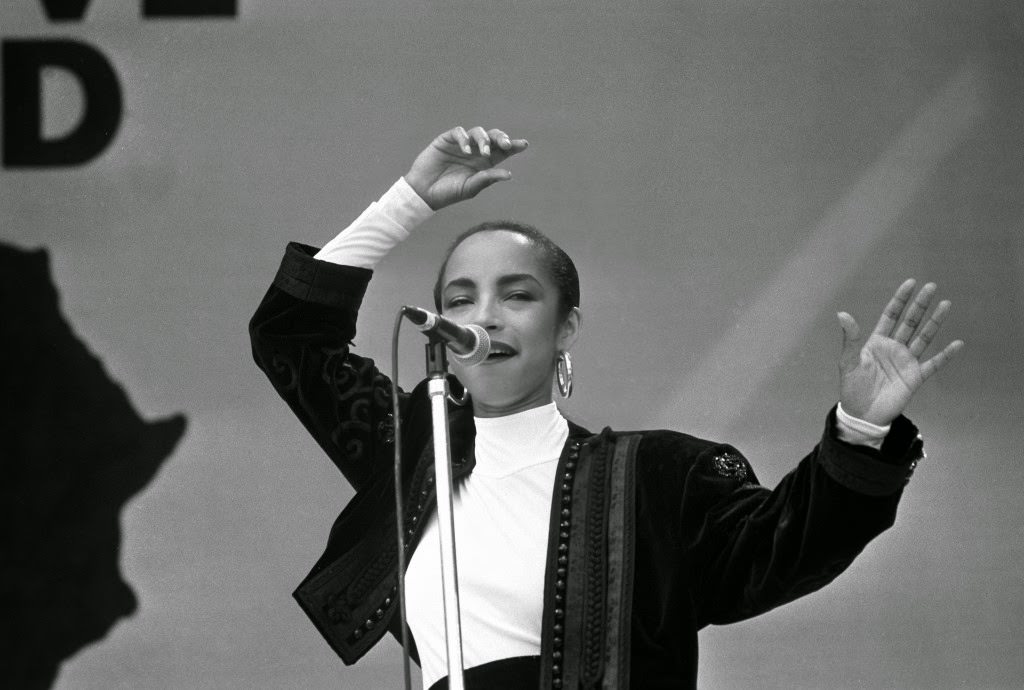
George Michael of Wham! and Sade both appeared during the afternoon, representing the polished, sophisticated side of mid-1980s pop. Sade’s smooth delivery stood in sharp contrast to the harder rock sets surrounding her, and it worked. The crowd at Wembley that day was not a single type of music fan — it was everyone.
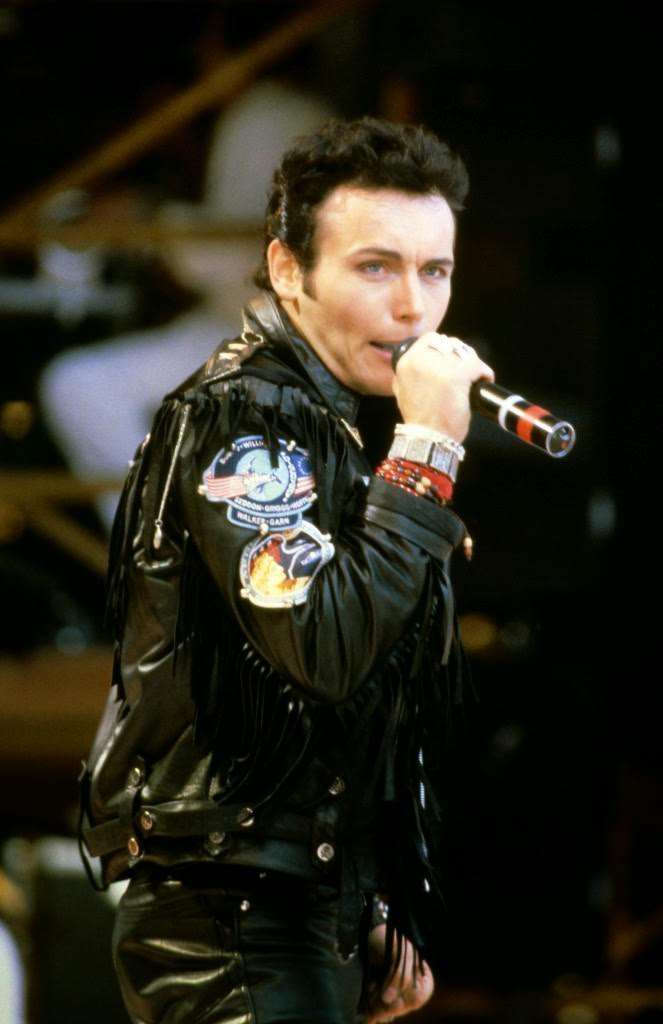
Adam Ant brought theatrical energy to his slot, performing with the flamboyant style he was known for throughout the early 1980s. Acts like his were a reminder that Live Aid’s lineup wasn’t curated by genre but by reach — by who could pull in viewers and, by extension, donations.
Throughout the broadcast, Bob Geldof appeared on television multiple times to appeal directly to viewers. He urged them to call the donation hotlines immediately. Operators worked in shifts to manage the thousands of calls flooding in every minute. Large digital scoreboards inside Wembley tracked the running donation total in real time, and the crowd reacted each time the number climbed. The fundraising element wasn’t hidden in the background — it was woven into the fabric of the show.
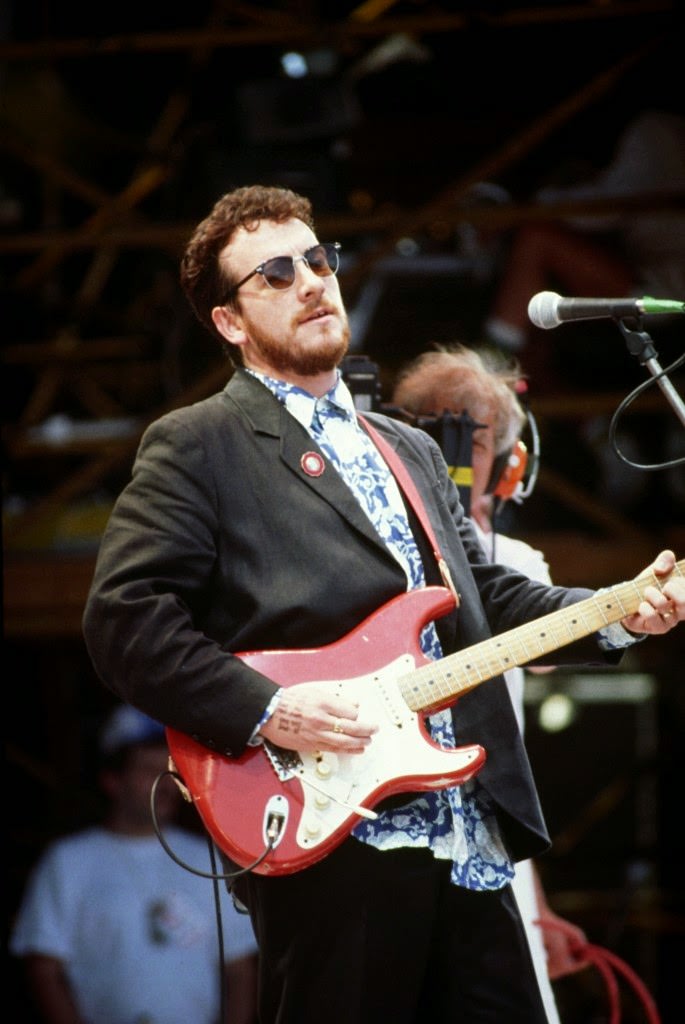
Elvis Costello delivered a quieter, more stripped-back performance compared to many of his peers that day, stepping up solo to perform “All You Need Is Love.” Meanwhile, as the afternoon wore on, the sheer number of major artists gathered in one place became difficult to comprehend. Backstage at Wembley, on any given hour, you could find legends from virtually every corner of the music world.
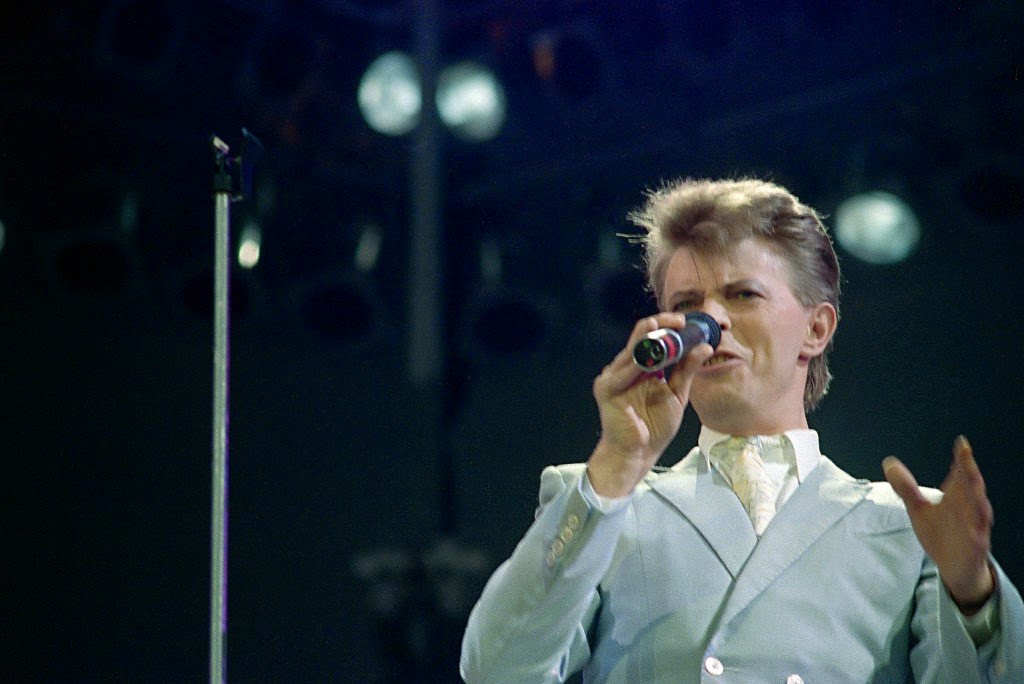
David Bowie’s set was among the most polished of the day. He performed a string of his biggest hits, commanding the Wembley stage with the ease of someone who had been performing at that level for fifteen years. Bowie also took time during the broadcast to introduce a harrowing video documenting the famine in Ethiopia — a moment that silenced the crowd and, by many accounts, triggered a sharp spike in phone donations immediately afterward.
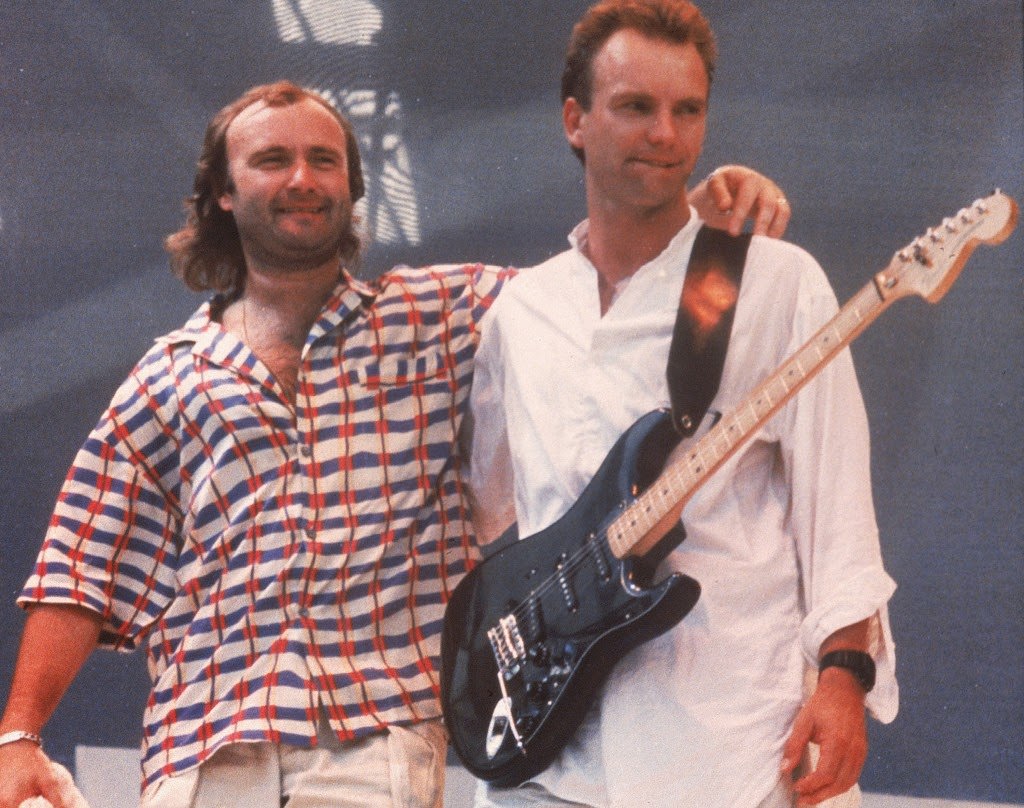
Phil Collins performed at Wembley and then boarded Concorde to play the Philadelphia show the same evening — the only artist to appear at both venues on the same day. He shared the Wembley stage with Sting during part of the day’s proceedings. Sting also appeared with Dire Straits, making him one of the most visible figures across the entire sixteen hours.
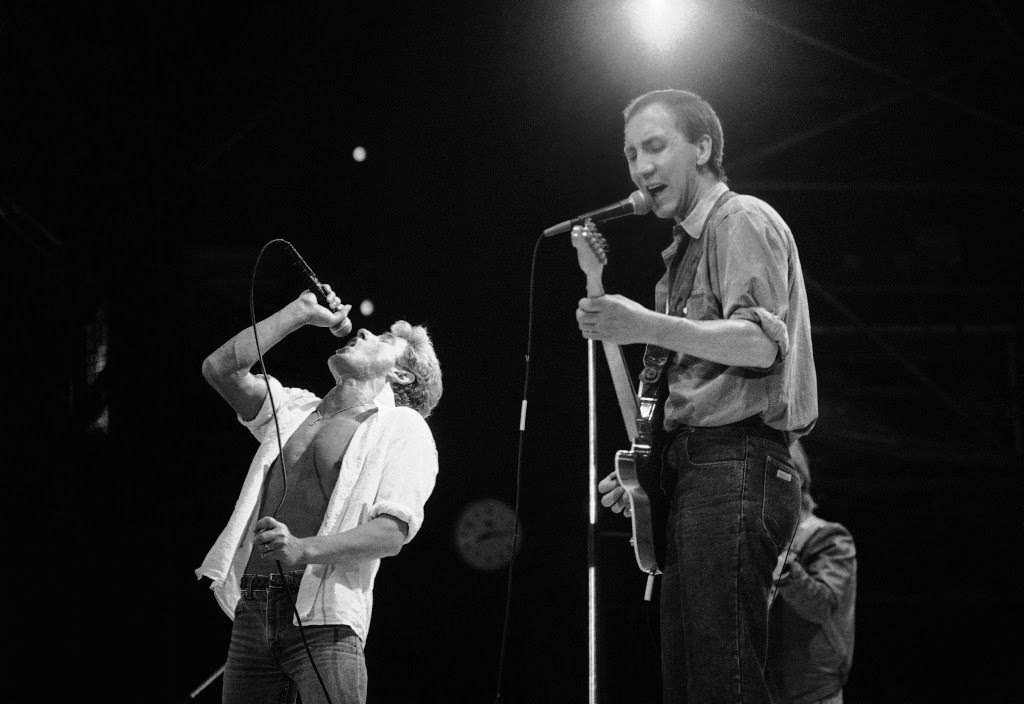
The partnership between Sting and Mark Knopfler on stage was one of the afternoon’s cleaner musical moments — two technically gifted musicians performing with a tight backing band and no need for spectacle. It was a different kind of power than what Mercury had delivered, but it landed just as firmly with the crowd.
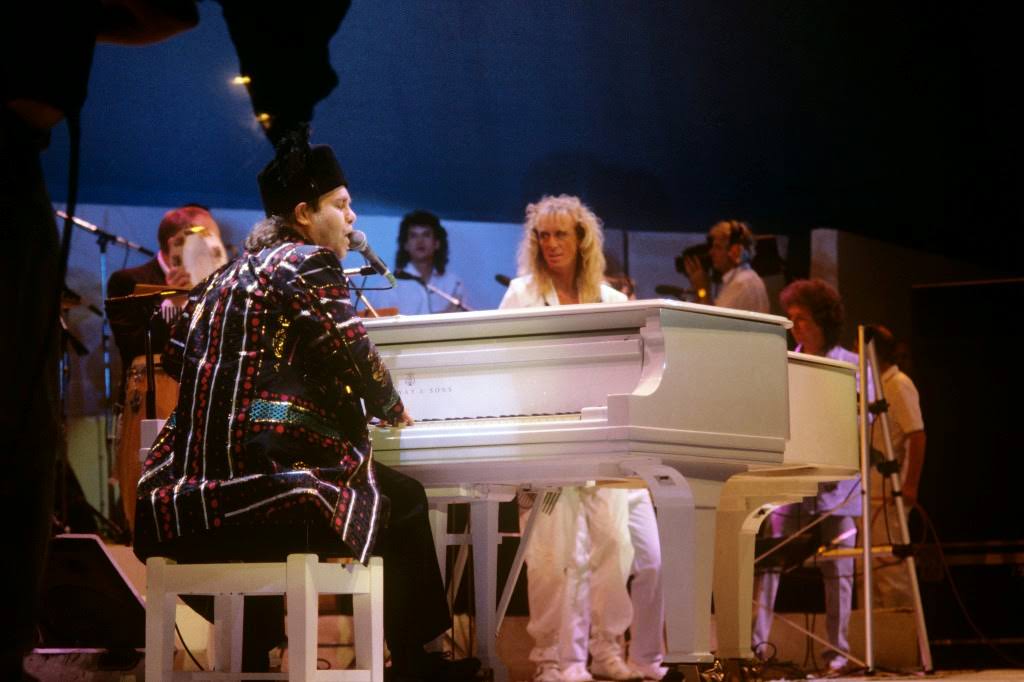
Elton John sat down at the piano and delivered a set that drew some of the loudest crowd responses of the day. His performance included some of his most recognizable songs, and the audience sang back nearly every word. By this point in the afternoon, the heat inside the stadium had not let up, but the energy of the crowd had not dropped either.
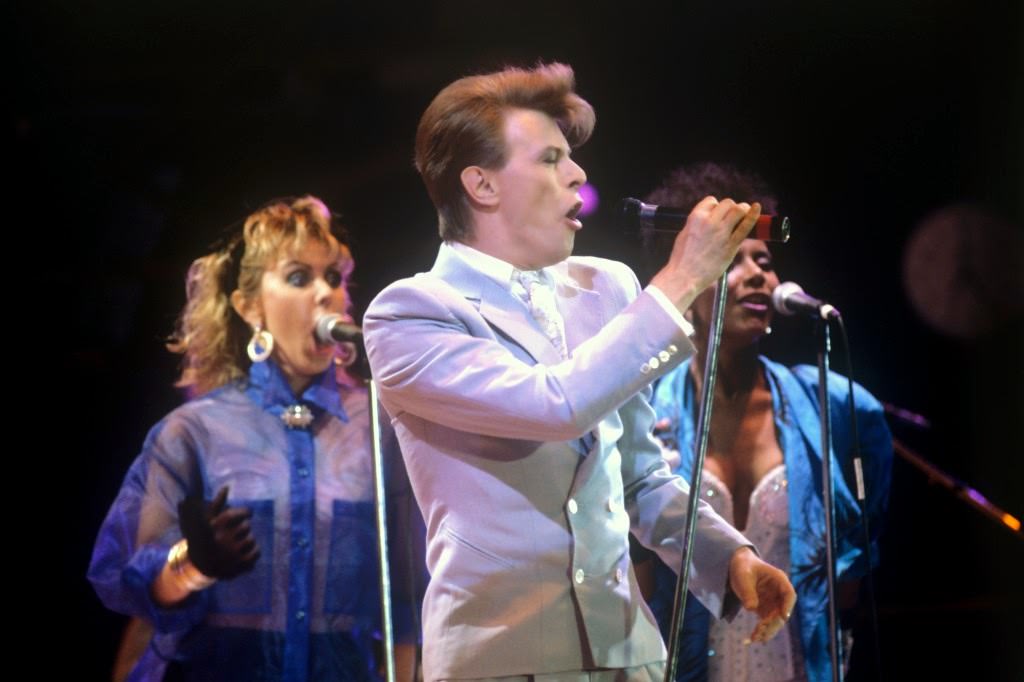
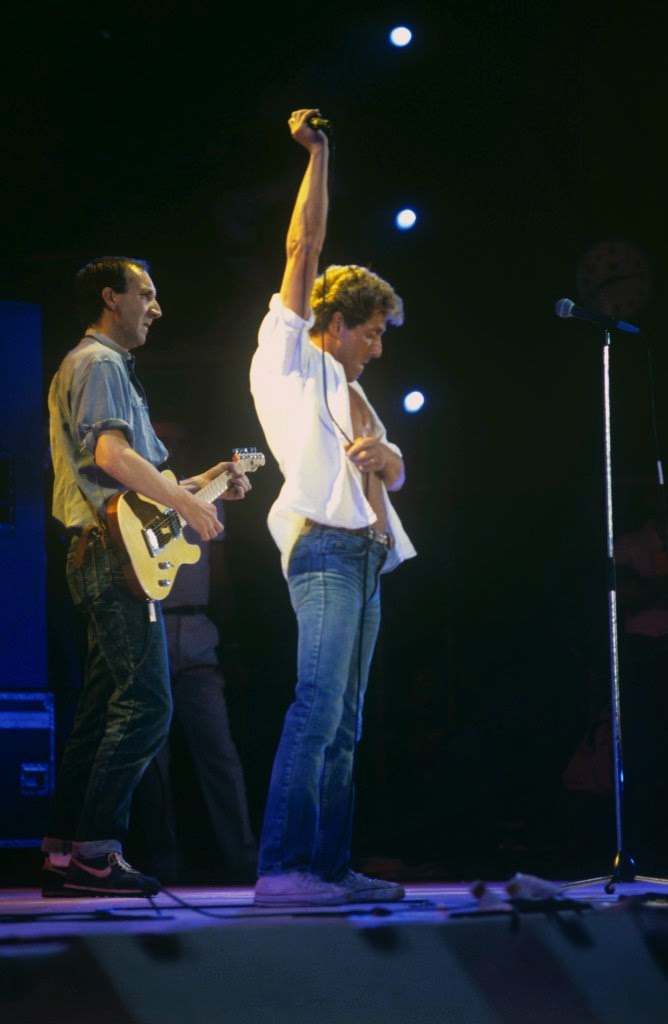
Bowie’s full set featured backing vocalist Tessa Niles, whose voice added depth to the live arrangements. The Who also reunited for Live Aid, bringing Roger Daltrey and Pete Townshend back together on the Wembley stage for a set that reminded the crowd why the band had once been considered the most dangerous live act in rock.
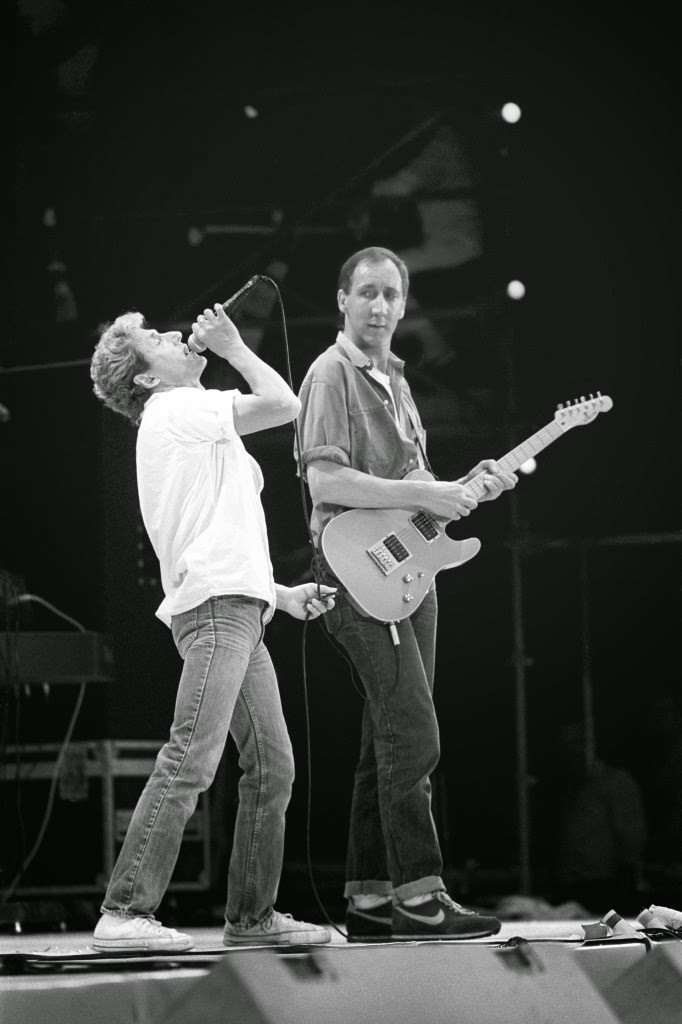
The Who’s reunion was one of several moments during the day when old barriers came down. Artists who had not performed together in years shared stages, sang each other’s songs, and set aside whatever tensions existed in service of the event’s purpose. Live Aid had a way of making that happen.
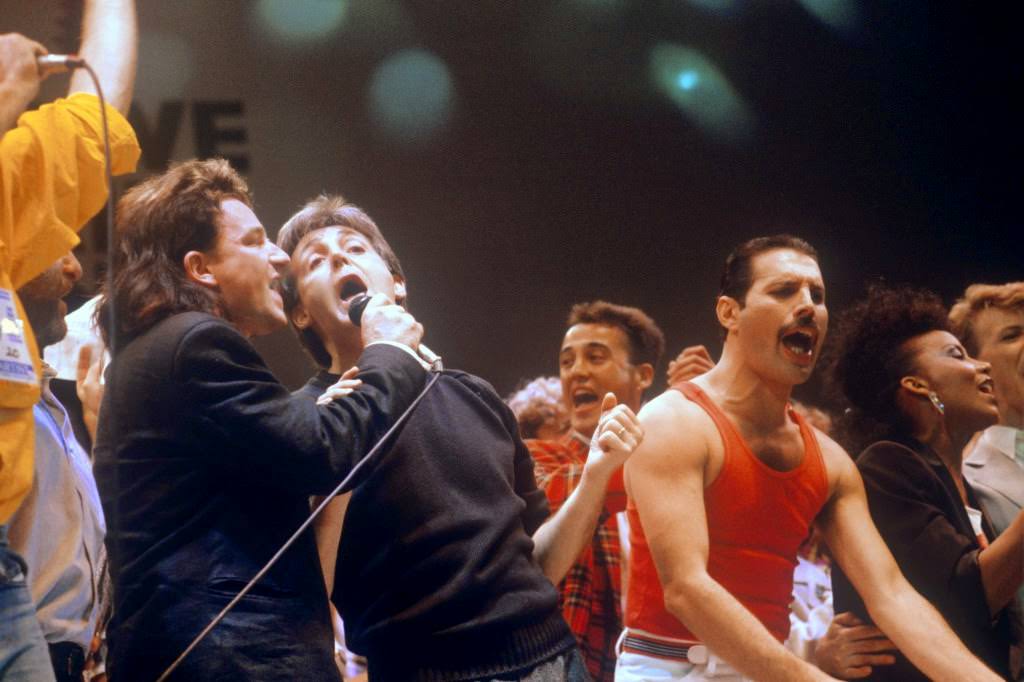
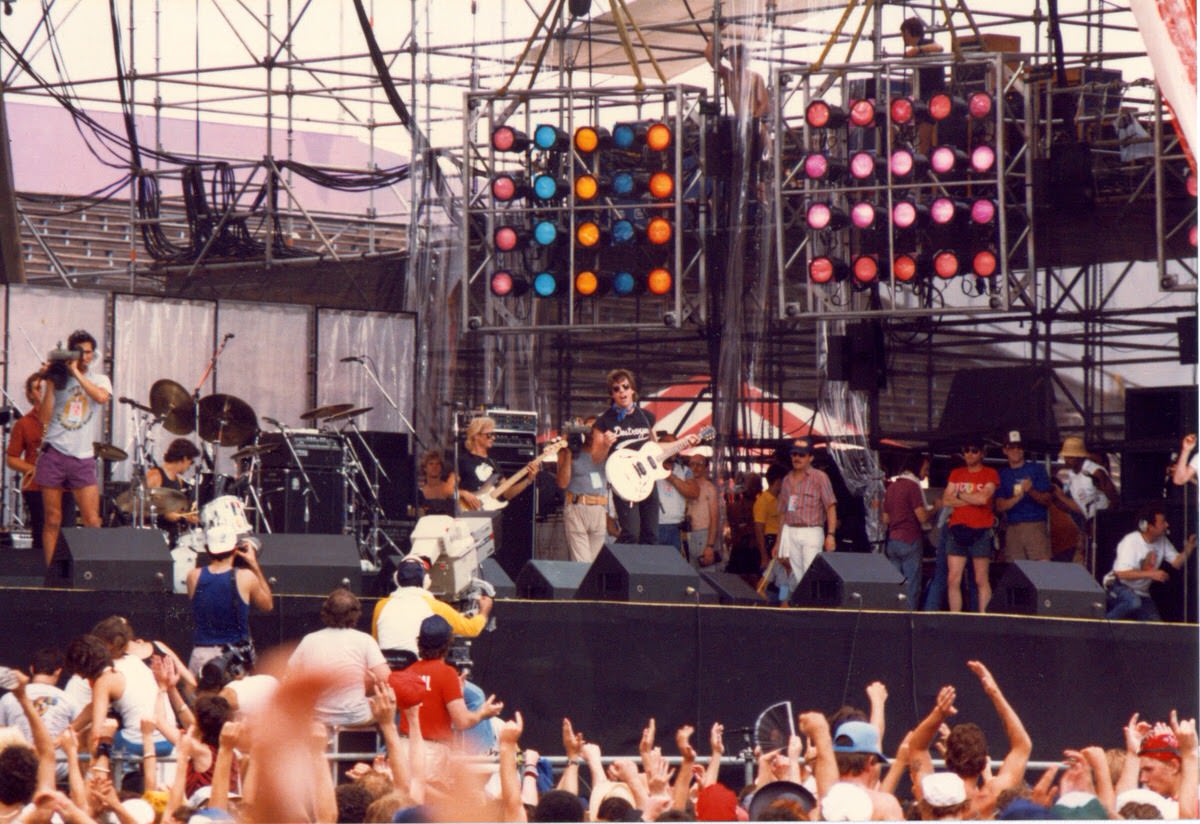
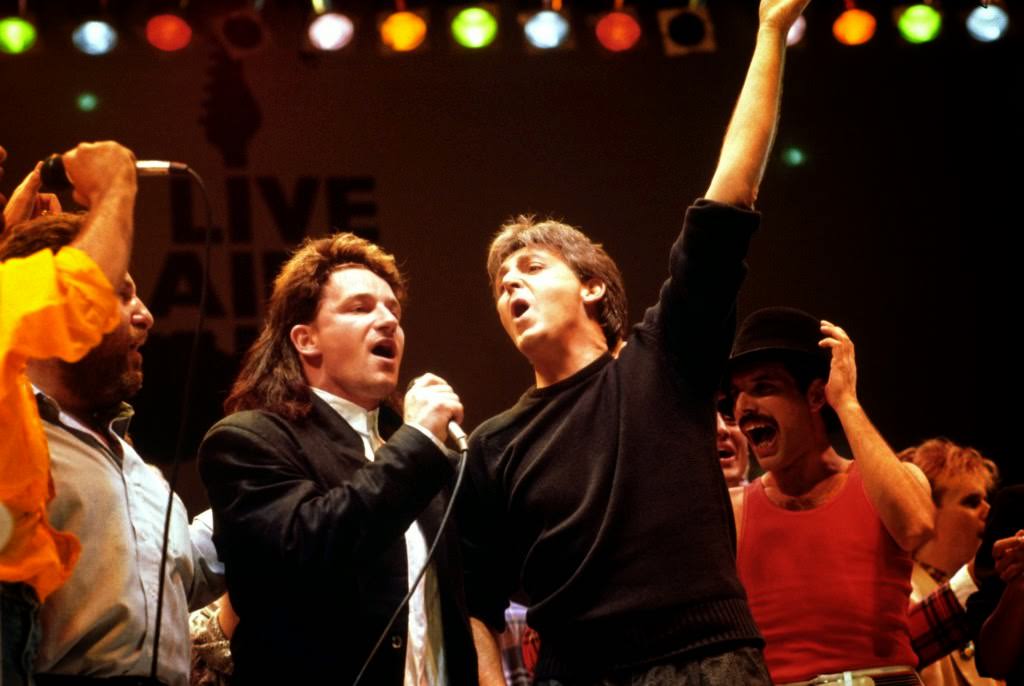
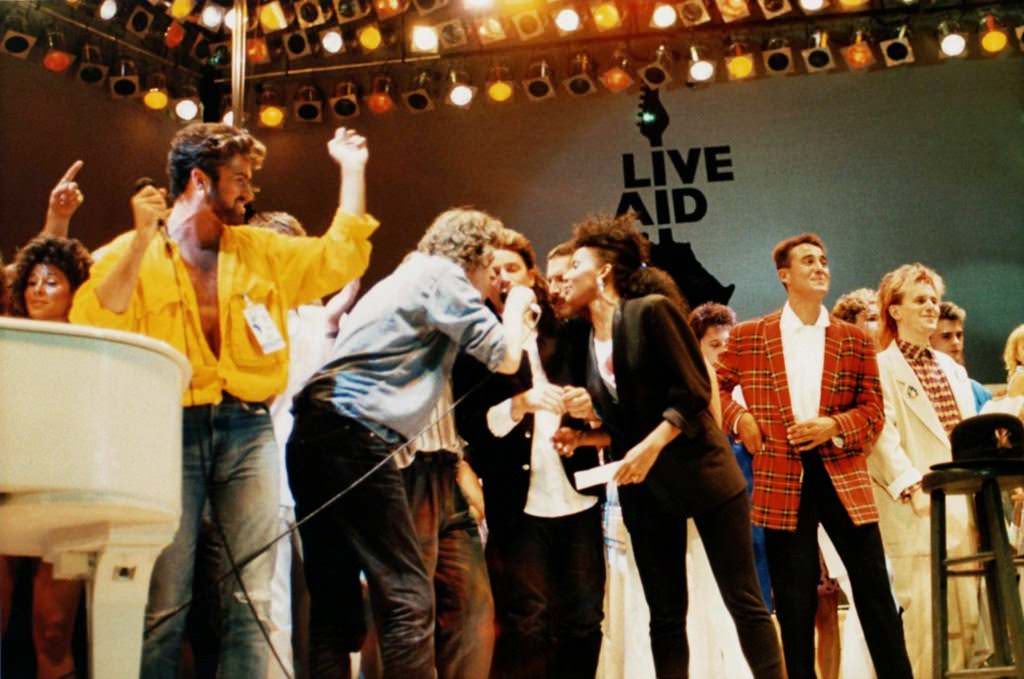
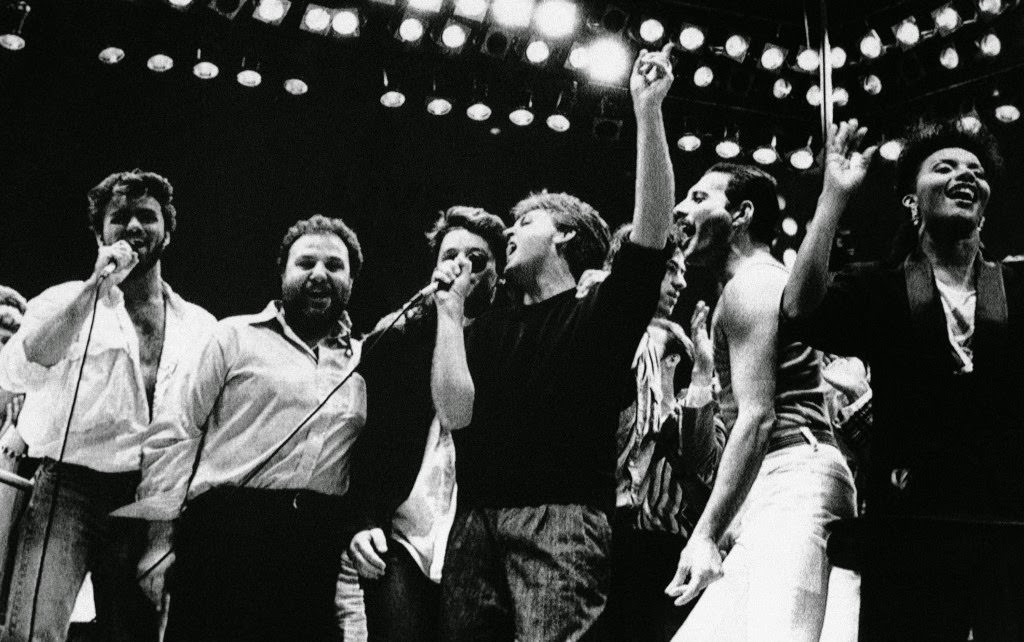
As the London portion of the concert drew to a close, dozens of artists gathered on the Wembley stage together for a mass performance of “Do They Know It’s Christmas?” — the Band Aid charity single that Geldof and Ure had organized the previous year. Paul McCartney, Freddie Mercury, Bono, George Michael, Bob Geldof, and scores of others stood side by side on the same stage. By the time the final notes faded, the event had raised millions of pounds for Ethiopian famine relief, collected through phone lines that had been ringing without pause for sixteen hours straight.