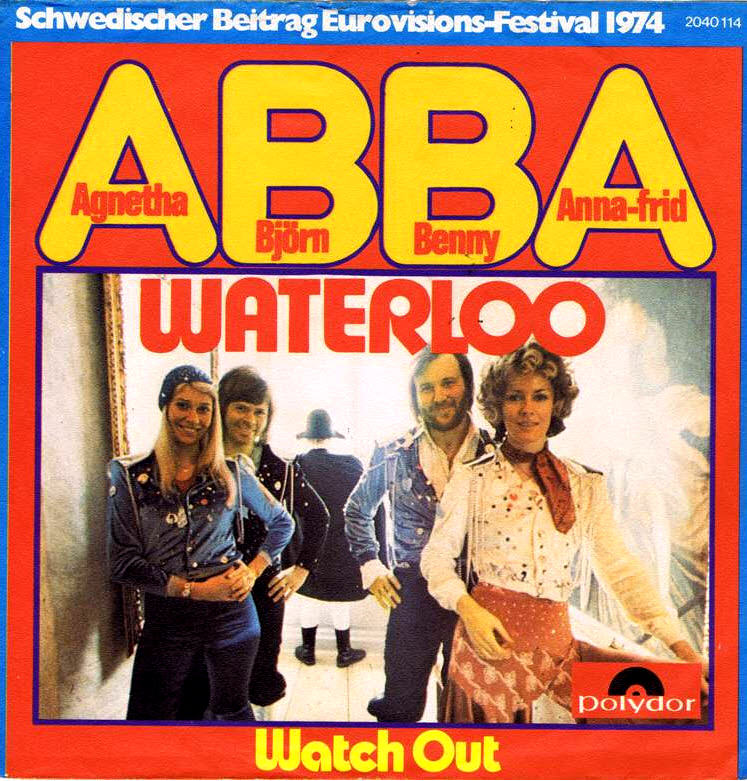
ABBA formed in Stockholm in 1972, bringing together Agnetha Fältskog, Benny Andersson, Björn Ulvaeus, and Anni-Frid Lyngstad. The band’s name is built from the first initial of each member’s first name — sometimes written with a mirrored B as ABBА. Their rise was swift and massive, eventually selling over 370 million records worldwide.

Their international breakthrough came in 1974 when they won the Eurovision Song Contest, giving Sweden its first-ever victory in the competition. That win opened doors across Europe and beyond, setting the stage for a decade of chart dominance.

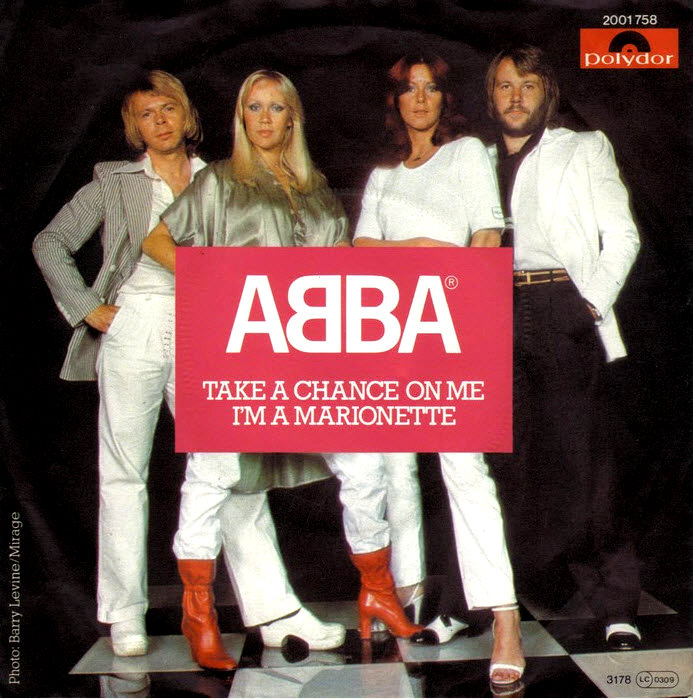
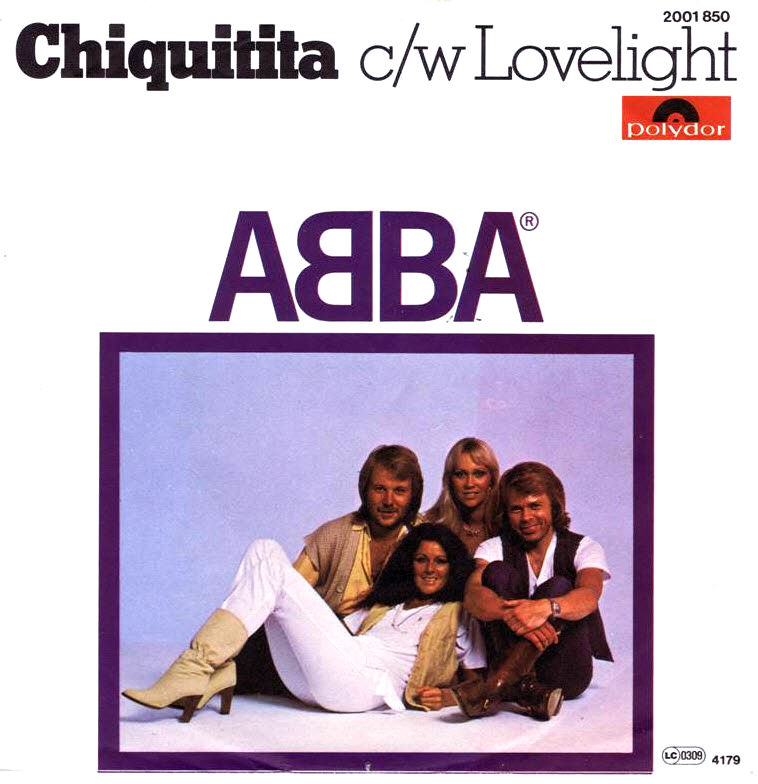
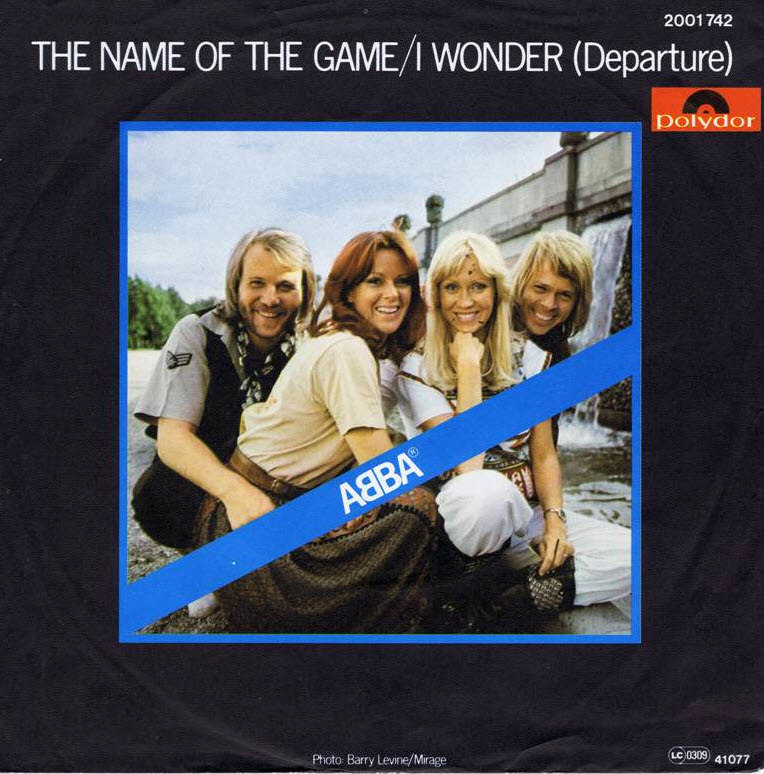
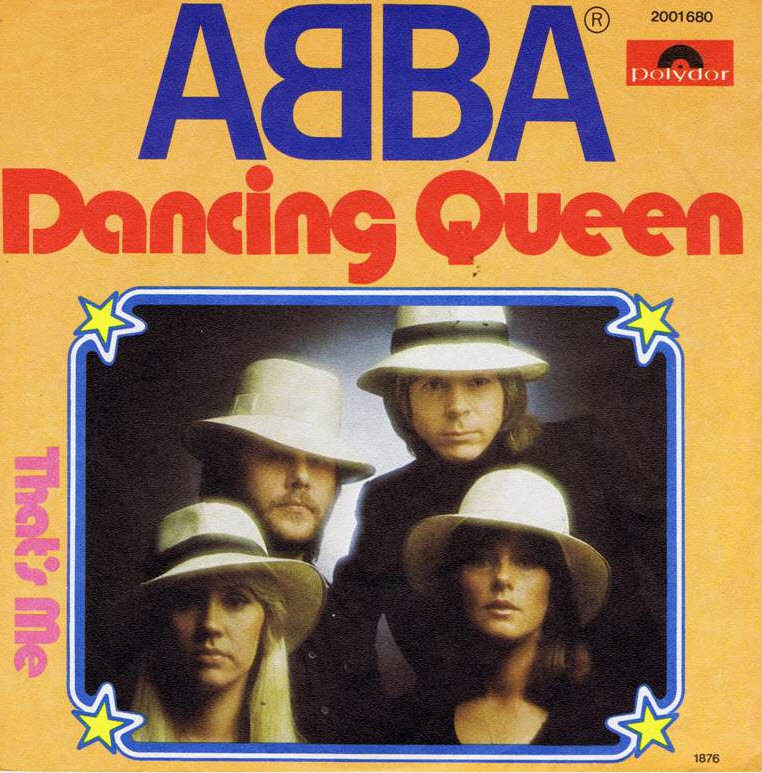
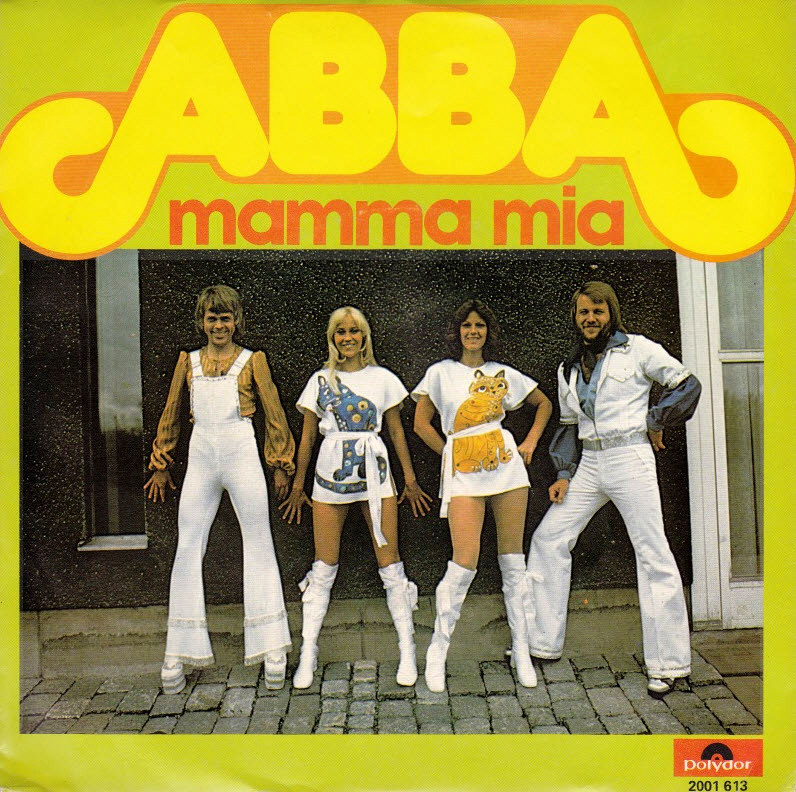
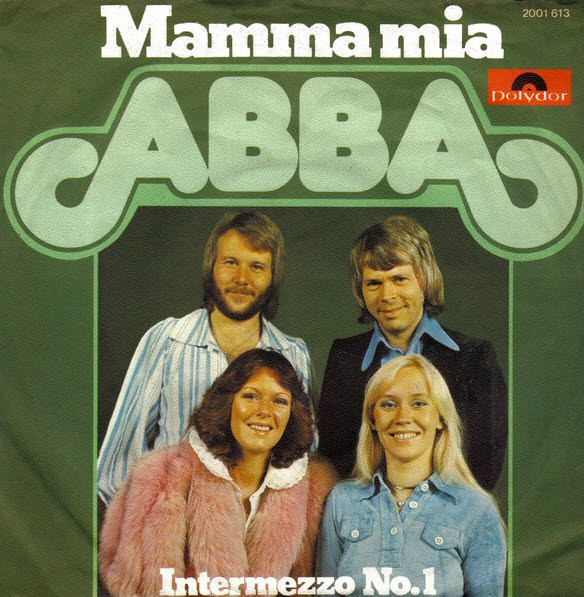
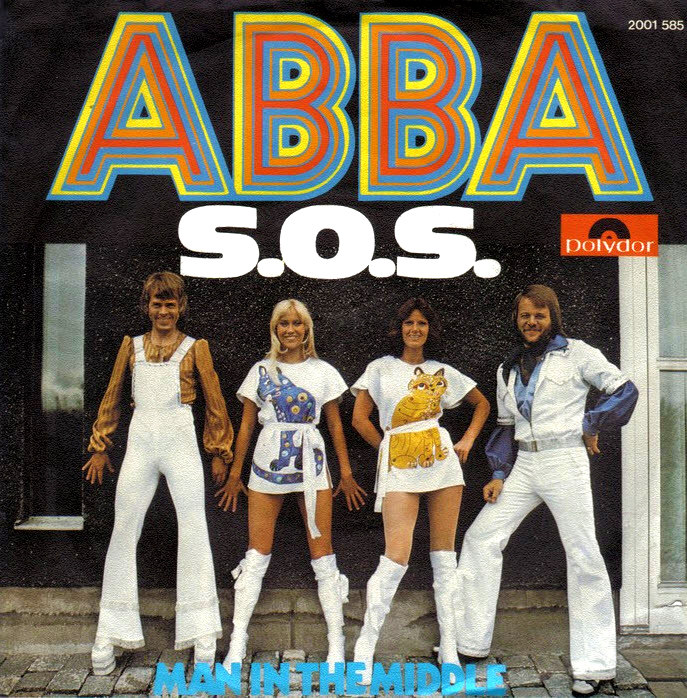
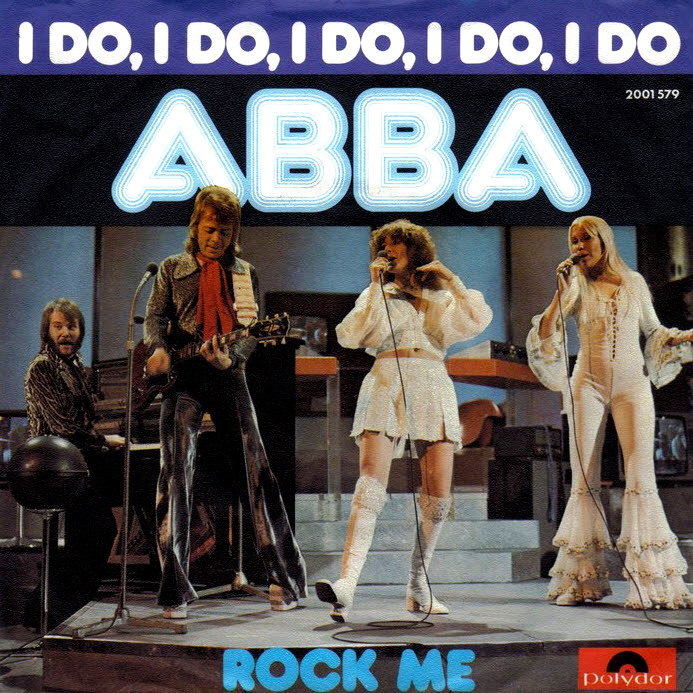
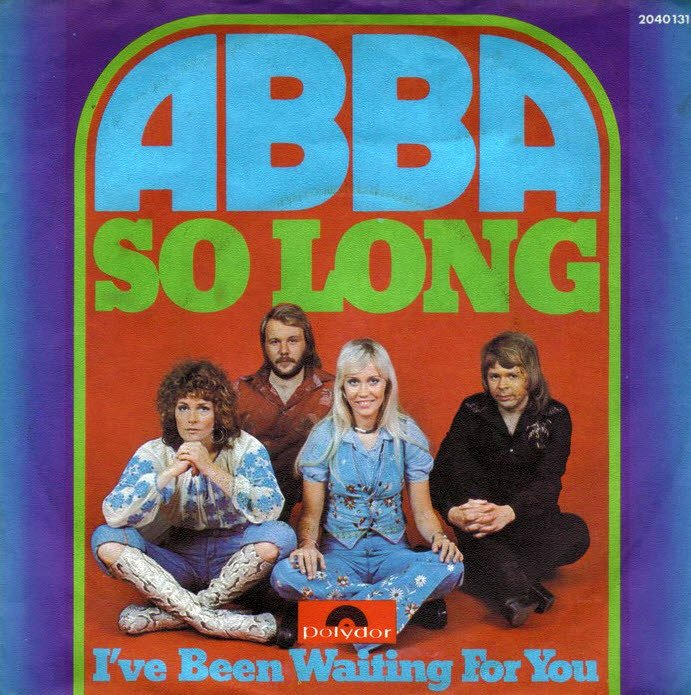
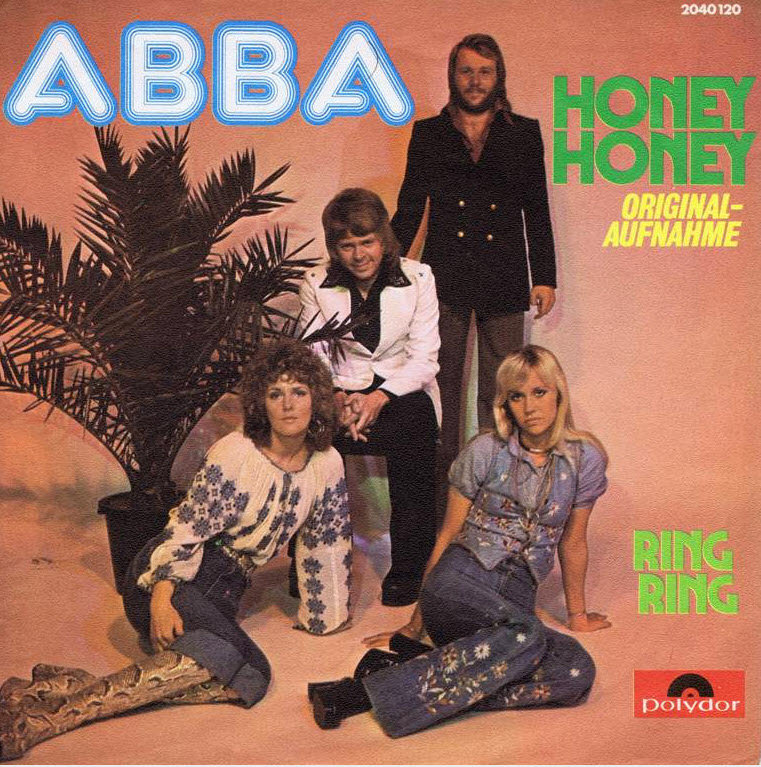
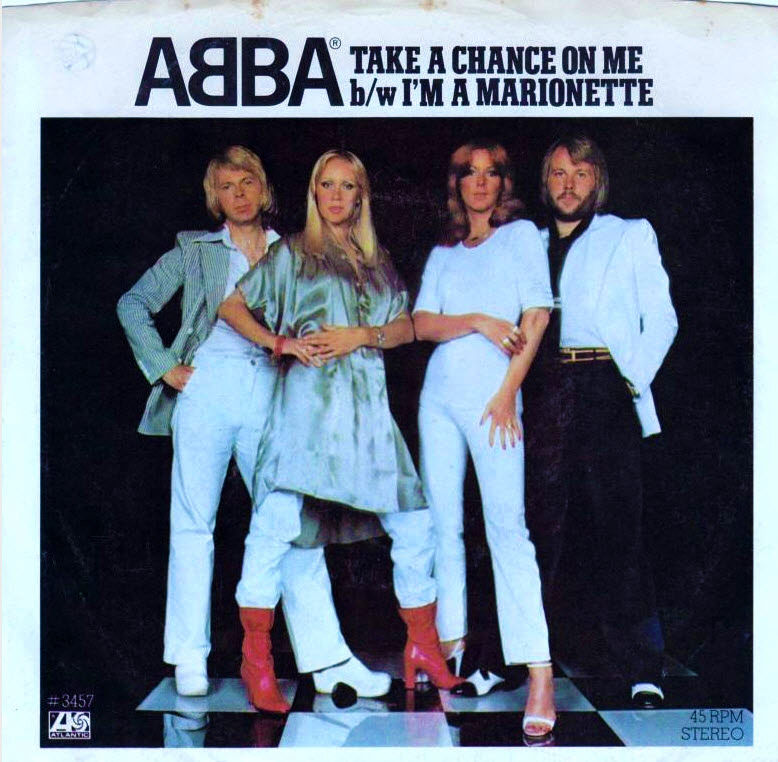
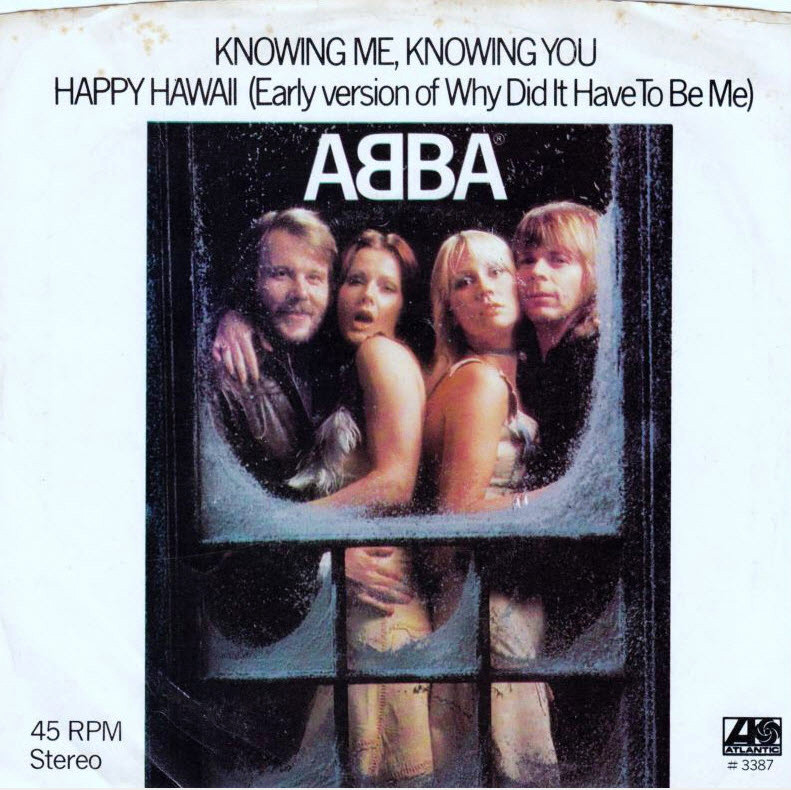
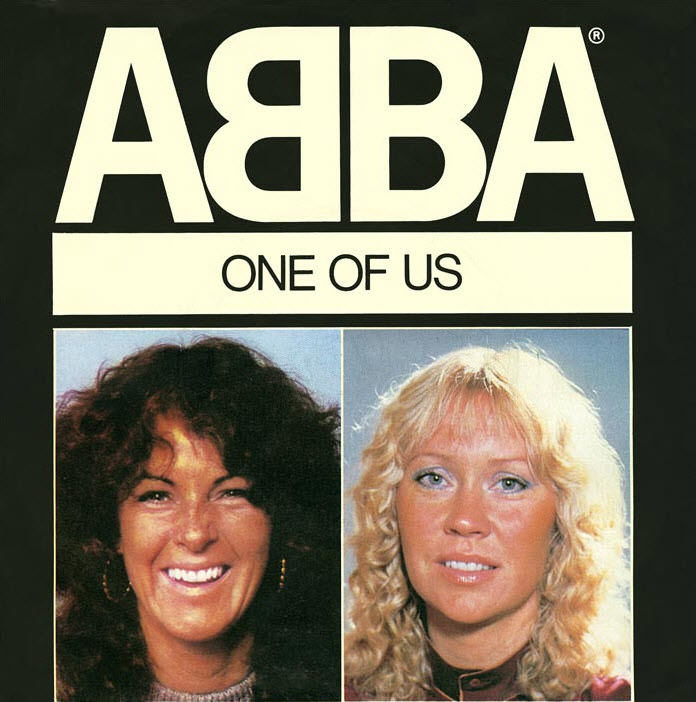
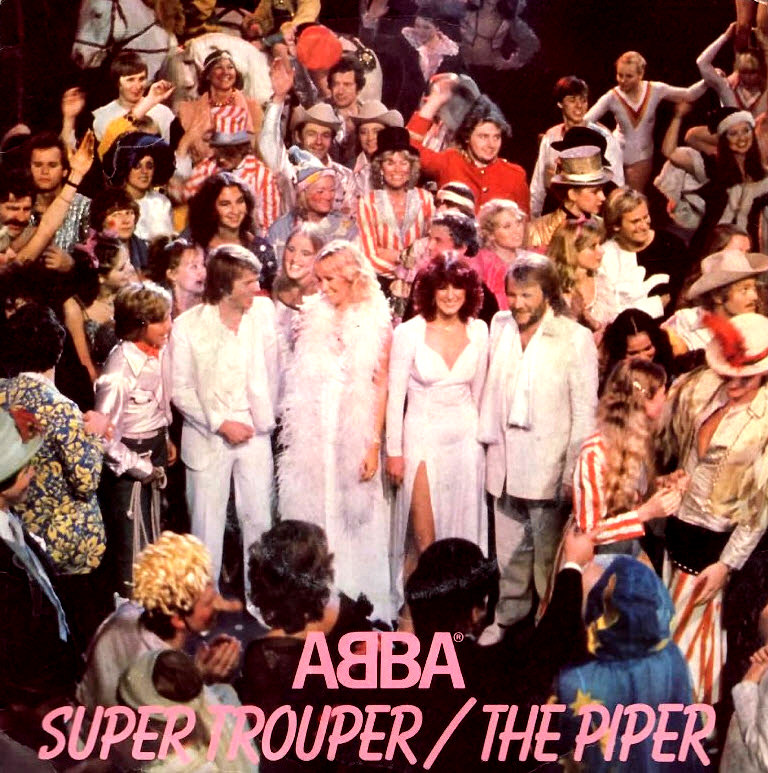
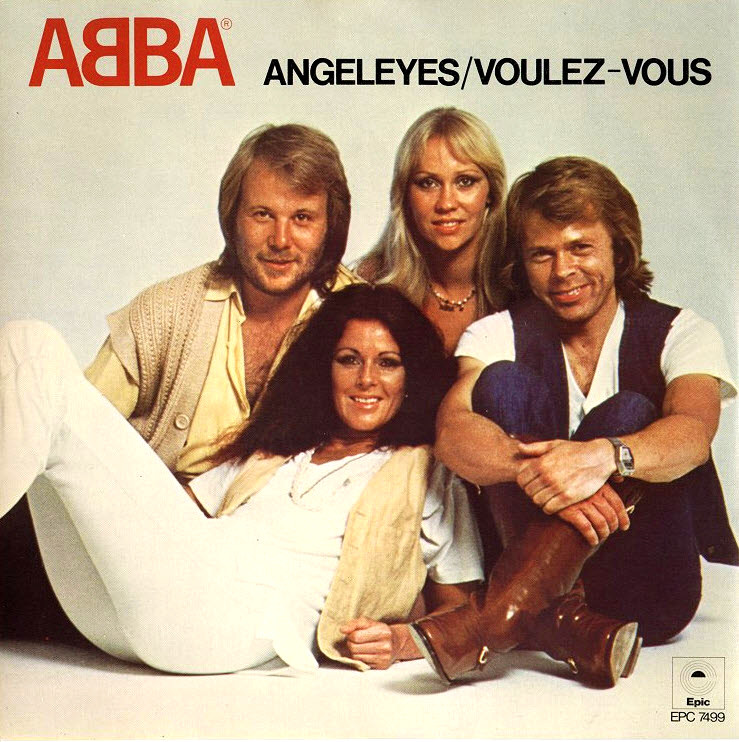
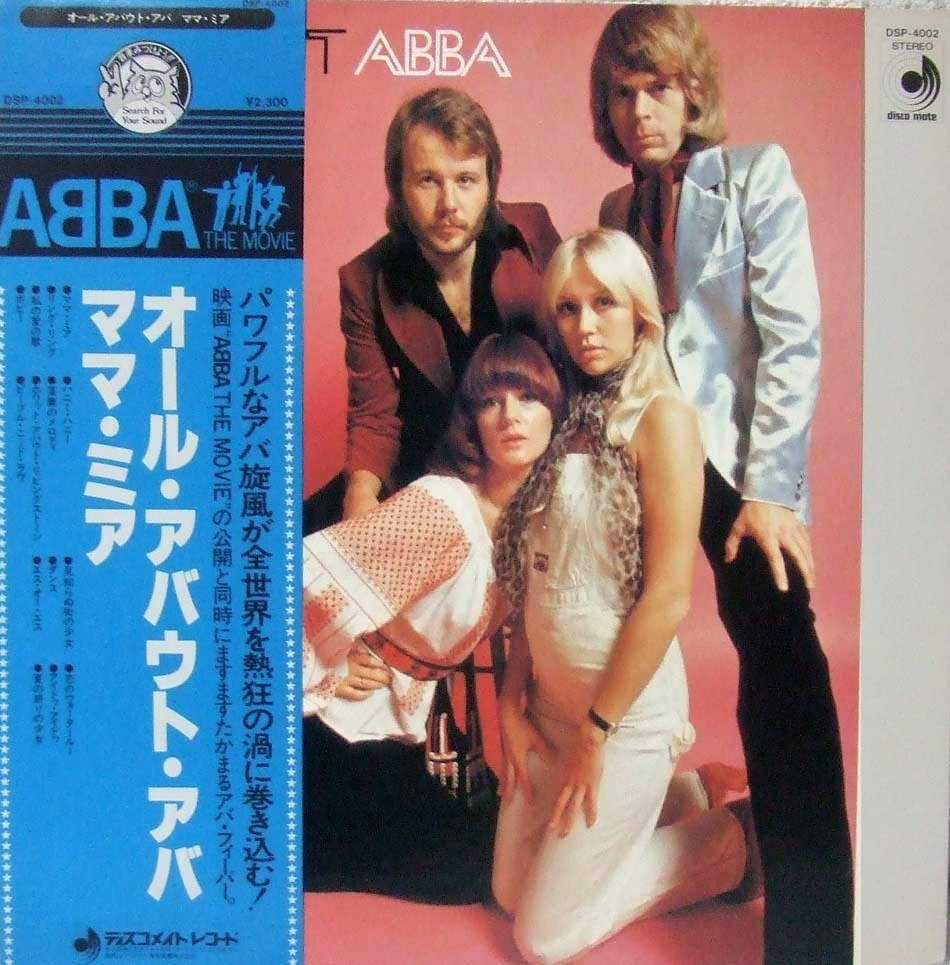
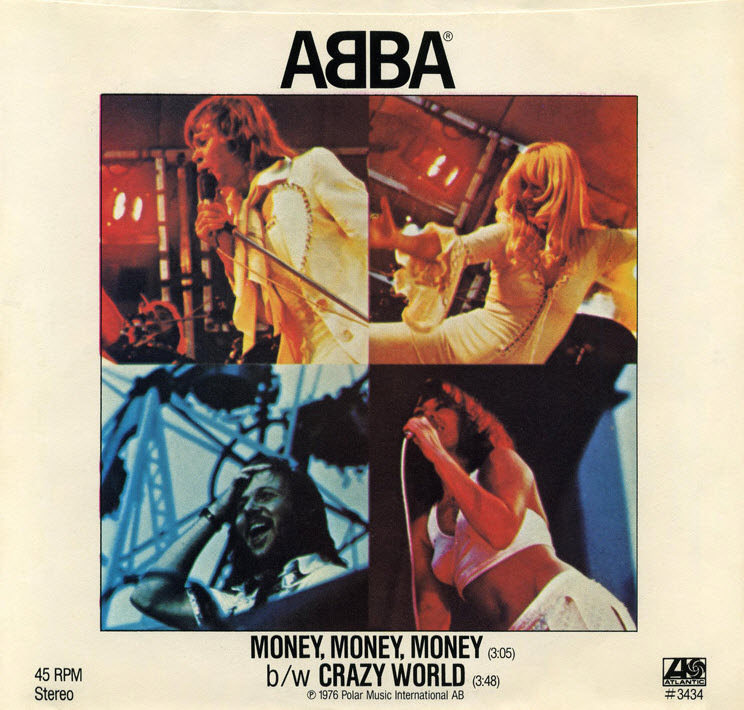
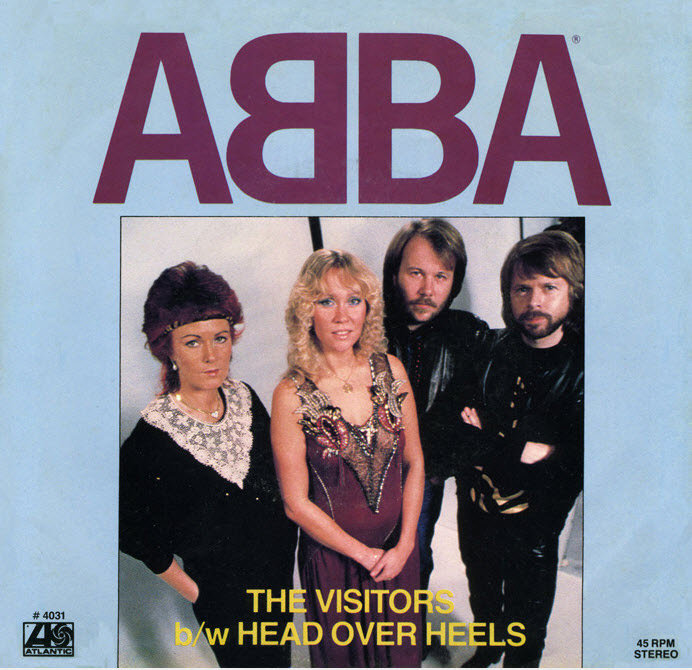
ABBA’s visual identity was just as deliberate as their sound. Their album covers were carefully crafted to reflect the fashion and design trends of the 1970s and early 1980s. Coordinated outfits, bold colors, and striking photography were recurring elements across their releases.

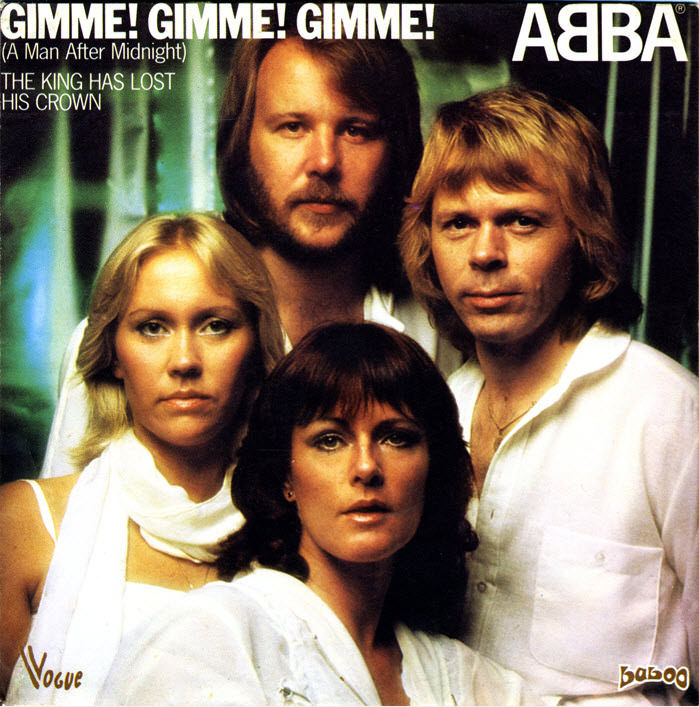
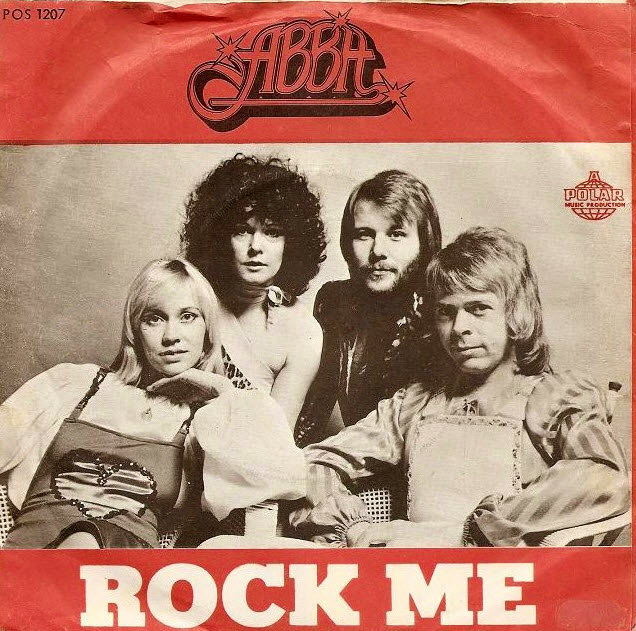
Their 1975 self-titled album features all four members grouped closely together in coordinated outfits against a plain background. The simple layout keeps the focus entirely on the band, a deliberate choice that defined much of their early visual presentation.
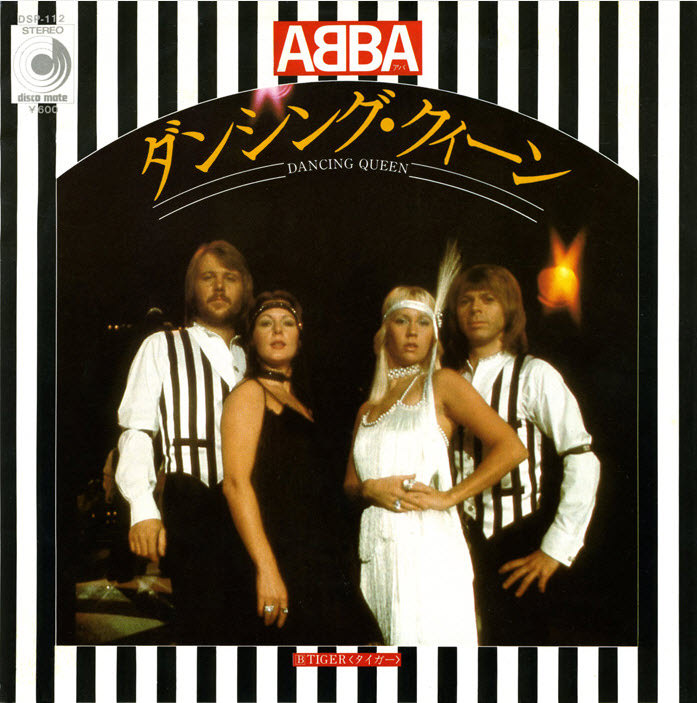
The 1976 album Arrival took things in a bolder direction. The cover photographs the group inside a helicopter, shot at an angle that adds energy and motion to the frame. The lighting is sharp and dramatic, giving the image a polished, modern feel that matched their growing global profile.
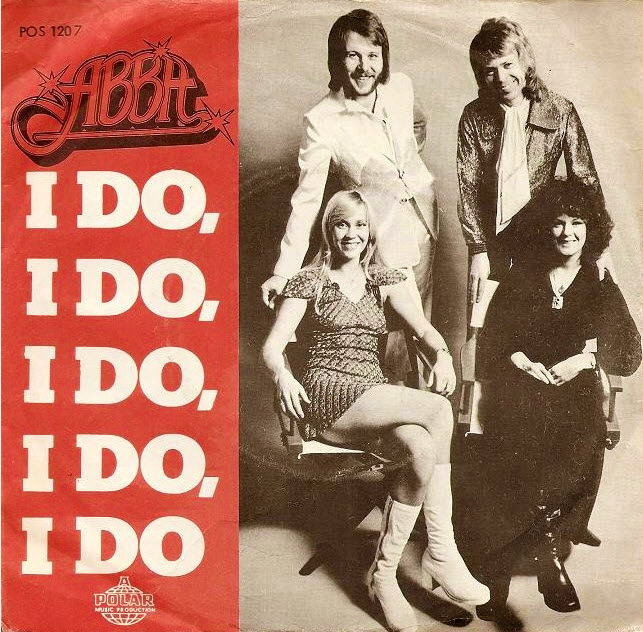
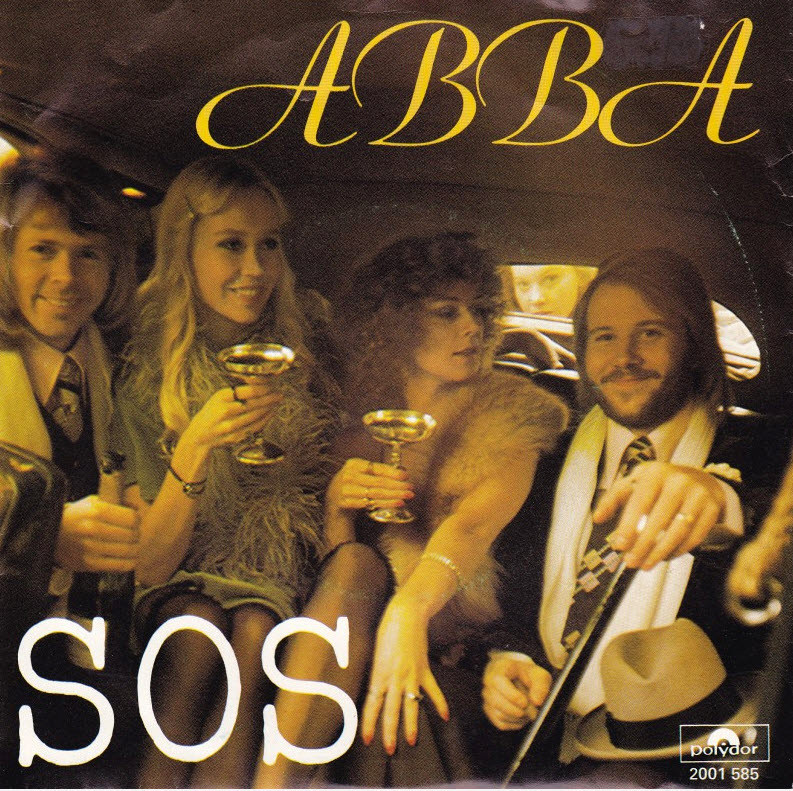

Each album cover served as a visual marker of where ABBA stood at that moment — both in their careers and in pop culture. The clothing choices alone tell a story of the era, from flared silhouettes to glittering stage wear.



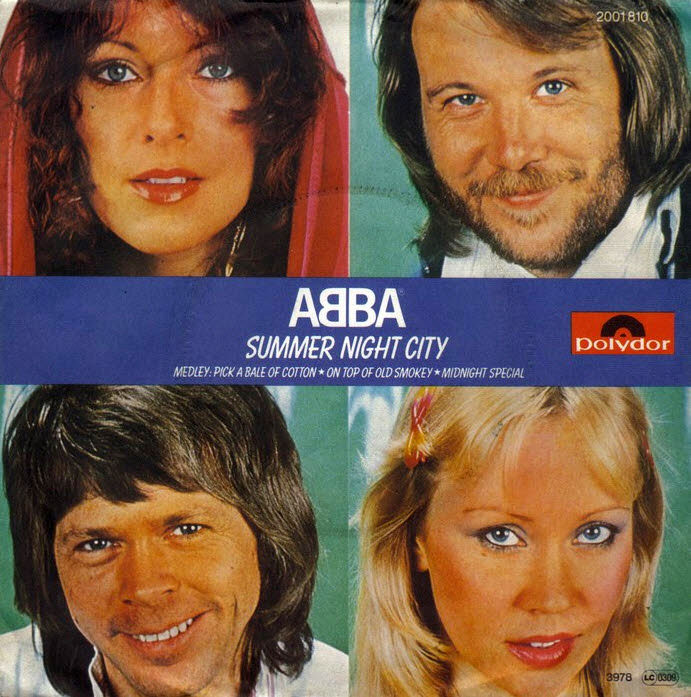
The group’s stylists and photographers worked to ensure every release had a distinct look while maintaining a cohesive identity across the band’s catalog.