
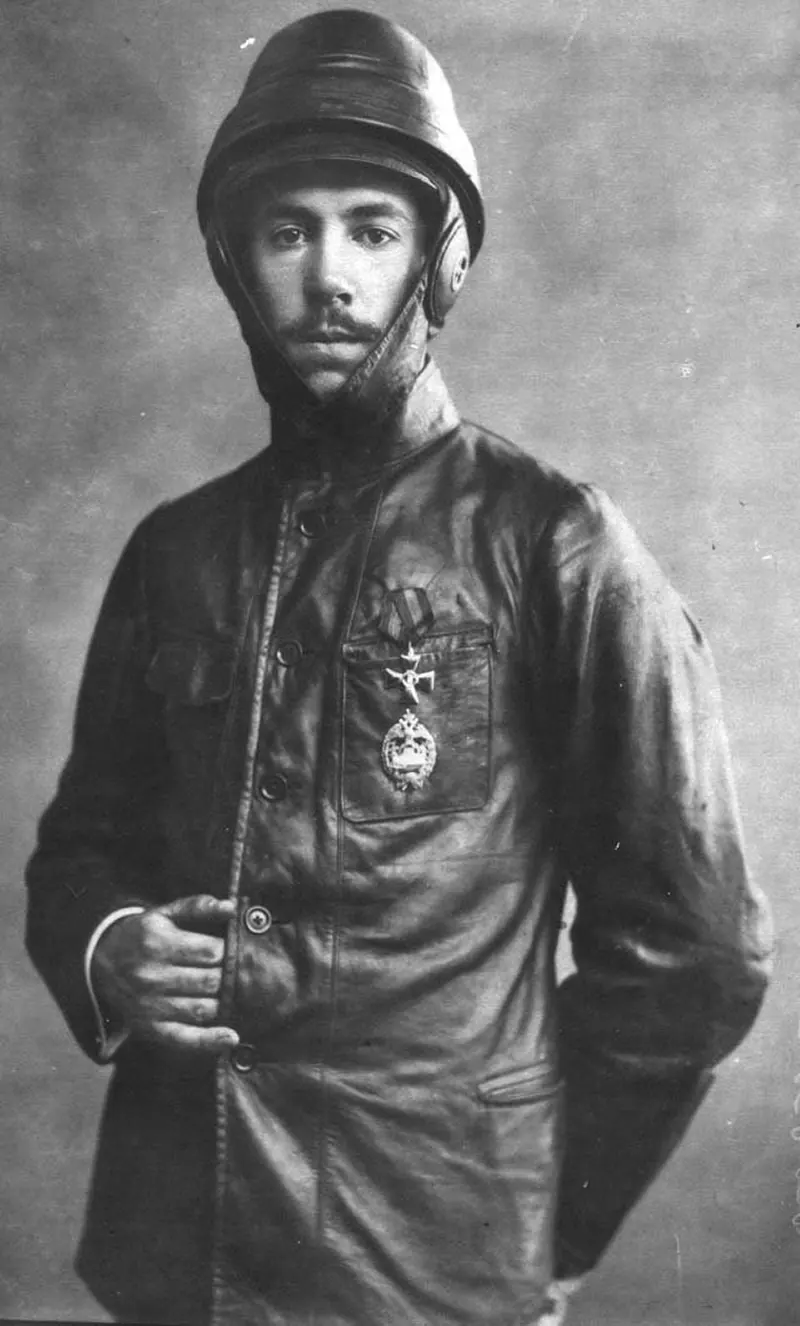
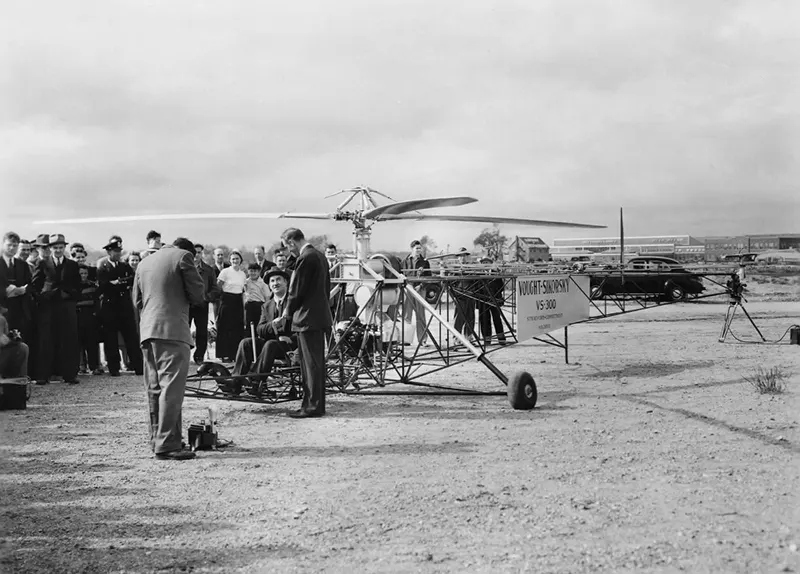
In 1938, Igor Sikorsky walked into the offices of the United Aircraft Corporation with a bold idea: build a working helicopter. At the time, rotary-wing flight was considered one of aviation’s most stubborn unsolved problems. Sikorsky, born in Kiev in the Russian Empire — what is now Ukraine — had already made a name for himself as a pioneer in fixed-wing aircraft. Now, as Engineering Manager of the Vought-Sikorsky Division, he was ready to take on an entirely different kind of flying machine. He convinced the corporation’s directors to back his vision, and work on the VS-300 began.
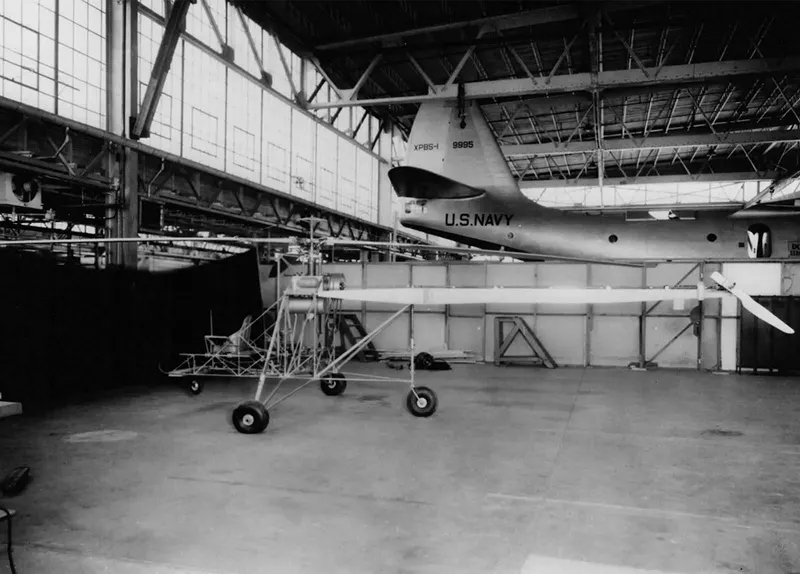
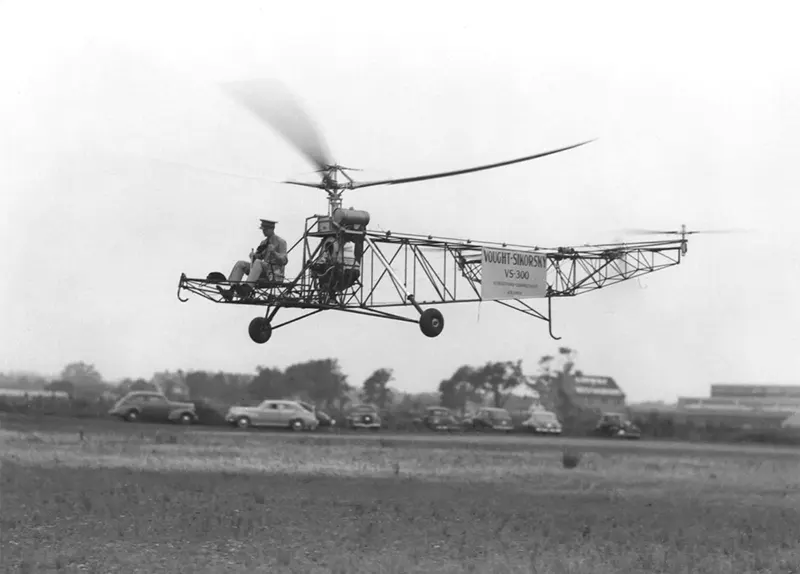
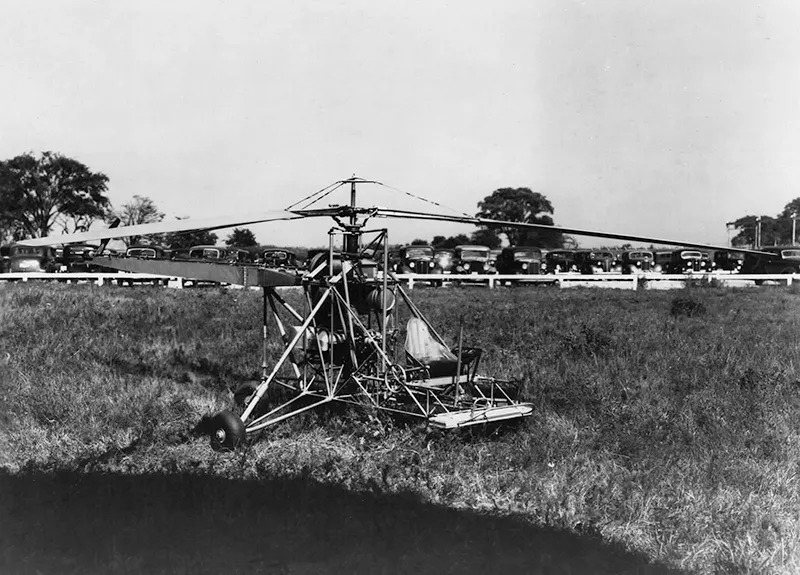
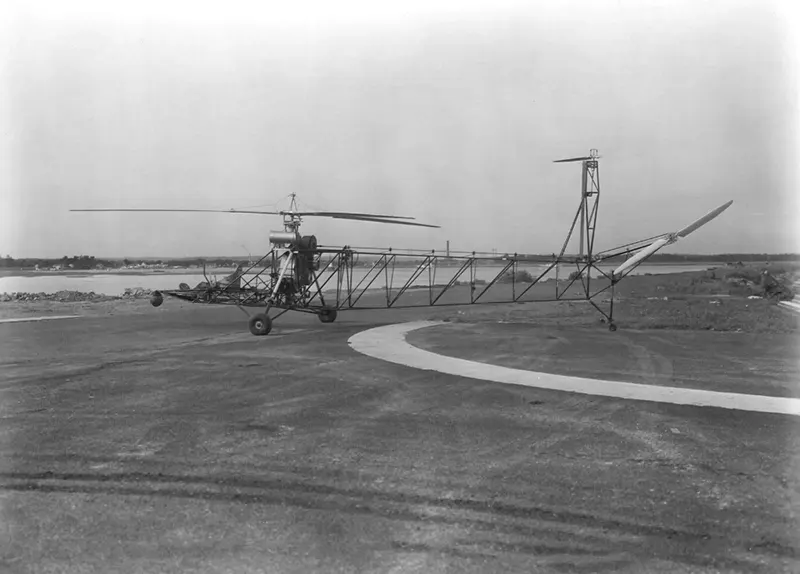
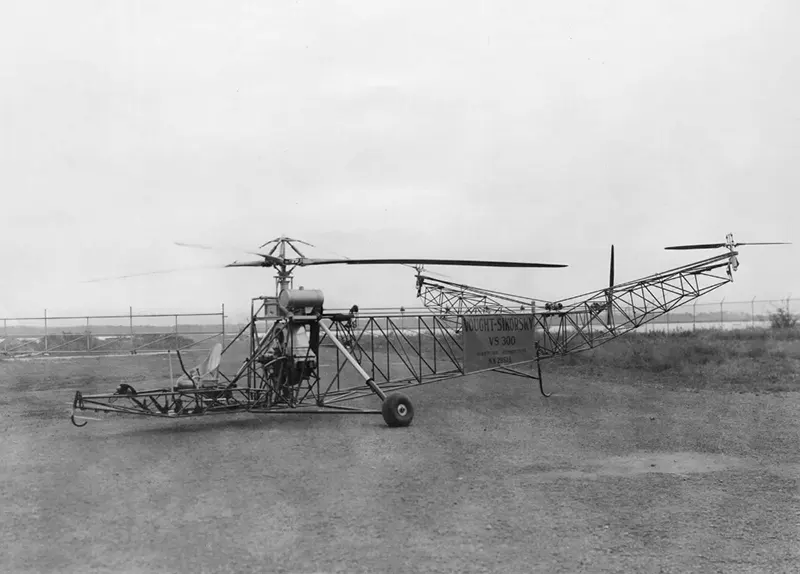
The VS-300 was Sikorsky’s first experimental helicopter, and it was anything but a finished product from the start. On September 14, 1939, it made its debut test flight — but it didn’t fly freely. Engineers tethered it to the ground with cables as a safety measure while Sikorsky worked out the basics of rotary-wing control. The aircraft used a single three-blade main rotor driven by a 75-horsepower (56 kW) engine. For 1939, this configuration was genuinely new ground.
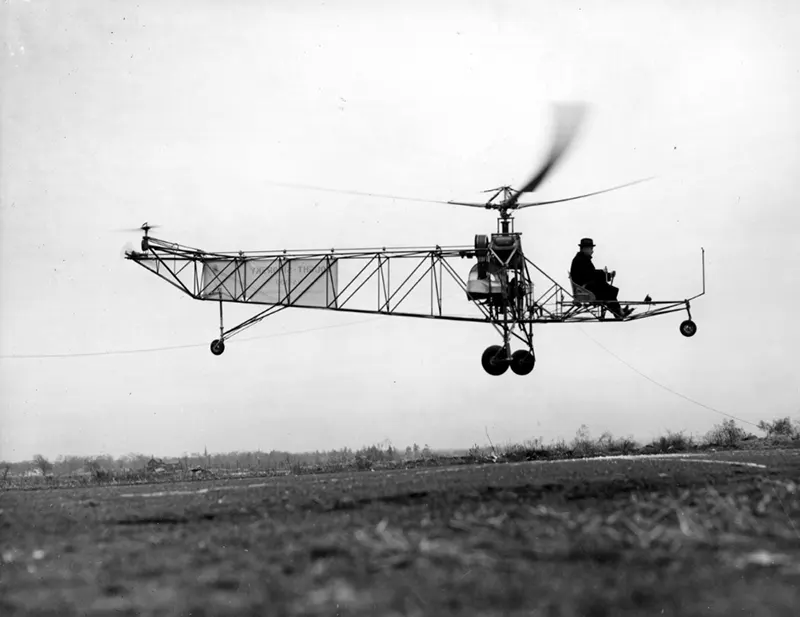
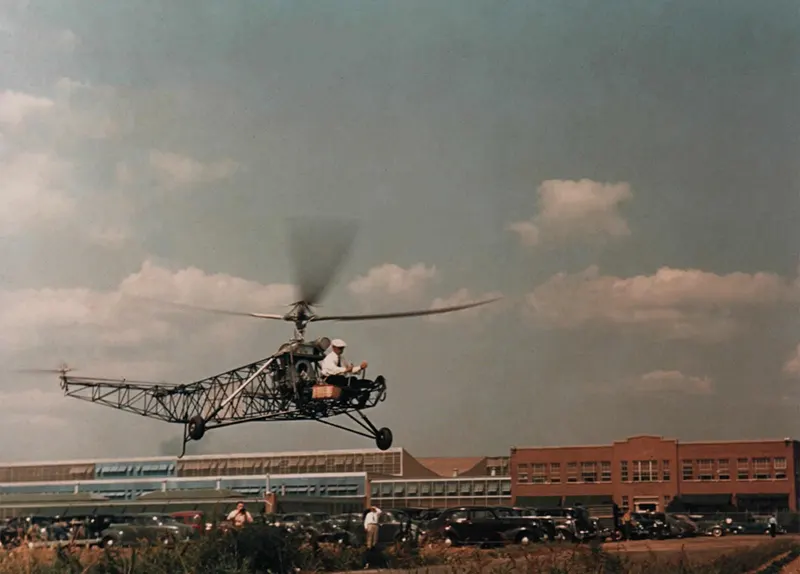
The first untethered — or “free” — flight came on May 13, 1940. The VS-300 lifted to a height of 15 to 20 feet, traveled 200 feet forward, hovered in place, reversed direction, and landed safely. It was a short flight by any standard, but it proved that Sikorsky’s design worked. One of his most important contributions during this phase was being the first engineer to use a single engine to power both the main rotor and the tail rotor simultaneously — a design approach that became the blueprint for most helicopters built afterward.
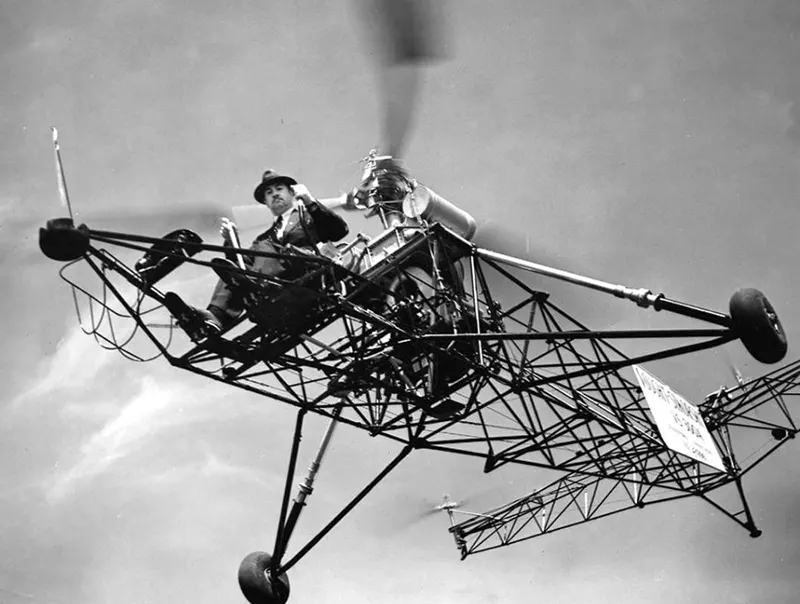
The road to a stable, controllable helicopter was far from smooth. Early versions of the VS-300 struggled with cyclic control — the system that tilts the main rotor to steer the aircraft. To compensate, Sikorsky added two smaller vertical-axis lifting rotors on outrigger arms, giving the machine better stability. This second configuration addressed immediate control problems, though it was always intended as a temporary fix while a better solution was developed.
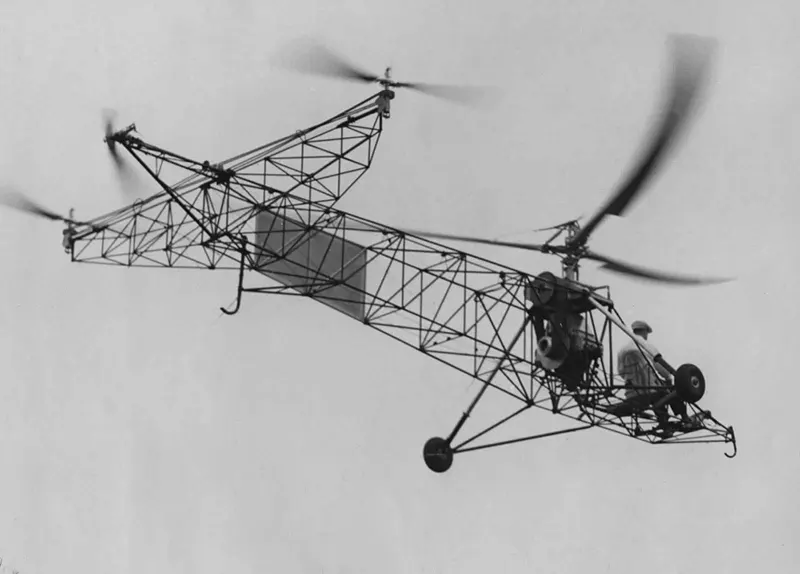
Forward flight remained a particular headache. The early VS-300 had such poor control in forward motion that Sikorsky reportedly — and humorously — floated the idea of simply rotating the pilot’s seat to face backward as a workaround. Of course, that never happened. Instead, the team pressed on with engineering solutions, eventually developing a more effective cyclic control system that eliminated the need for the outrigger rotors entirely.
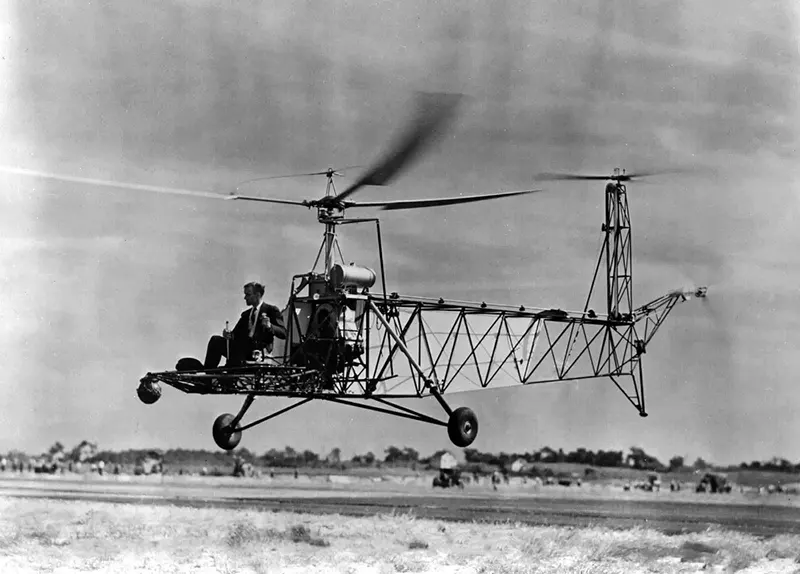
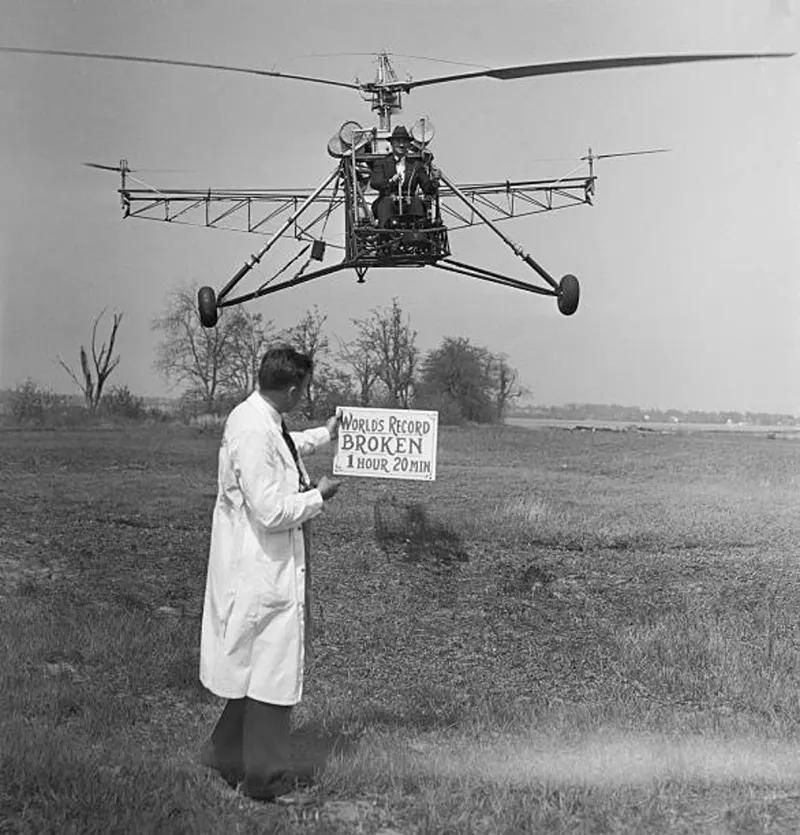
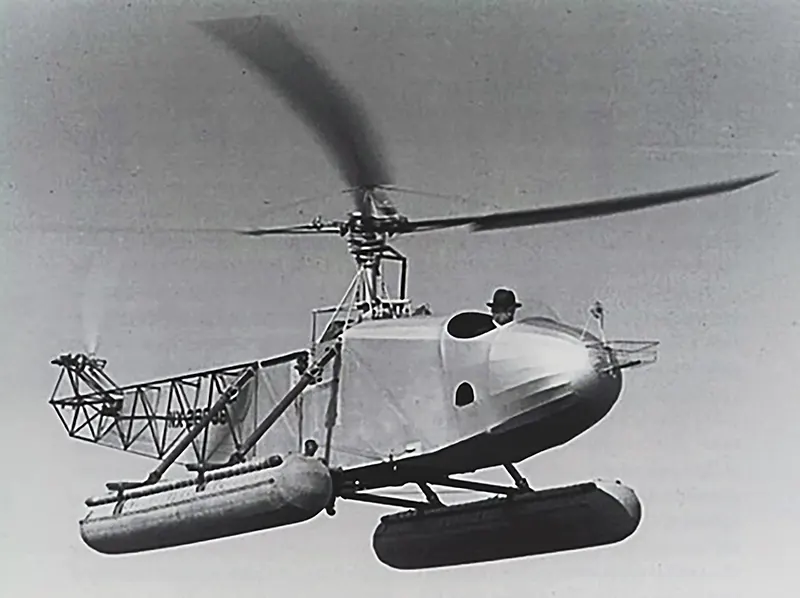
By April 17, 1941, the VS-300 had proven it could do something no practical helicopter had done before: operate on water. Sikorsky fitted it with utility floats, and the aircraft successfully took off from and landed on water, making it the first practical amphibious helicopter in history. Just weeks later, on May 6, 1941, the VS-300 set a world endurance record, staying in the air for 1 hour, 32 minutes, and 26.1 seconds. That flight broke the record previously held by the German Focke-Wulf Fw 61.
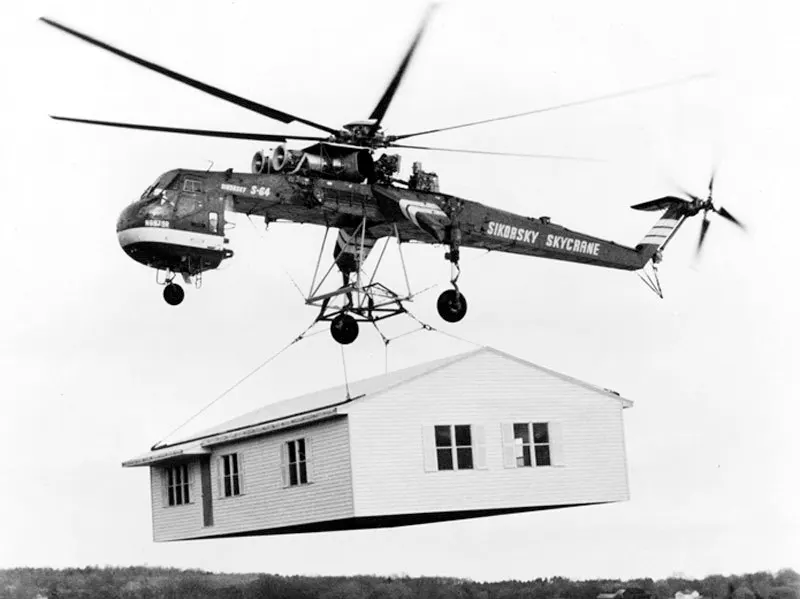
The U.S. military took notice. In May 1942, a two-seat version of the VS-300 was delivered to the U.S. Army. The final variant of the aircraft was upgraded with a more powerful 150-horsepower Franklin engine, which gave it enough lift to carry cargo. By 1943, after years of testing and modification, the VS-300 had served its purpose. It was retired and donated to the Henry Ford Museum in Dearborn, Michigan, where it remains on display today — aside from a brief return to the Sikorsky Aircraft plant in 1985 for restoration work.
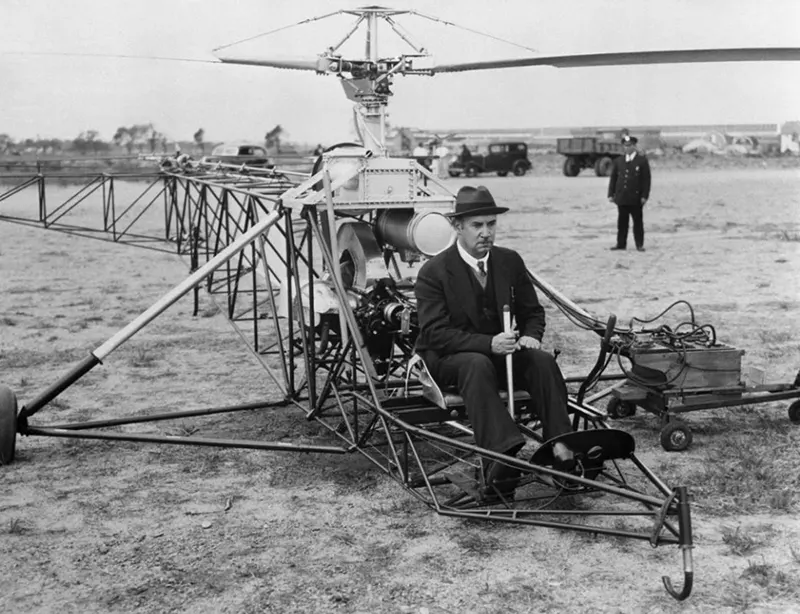
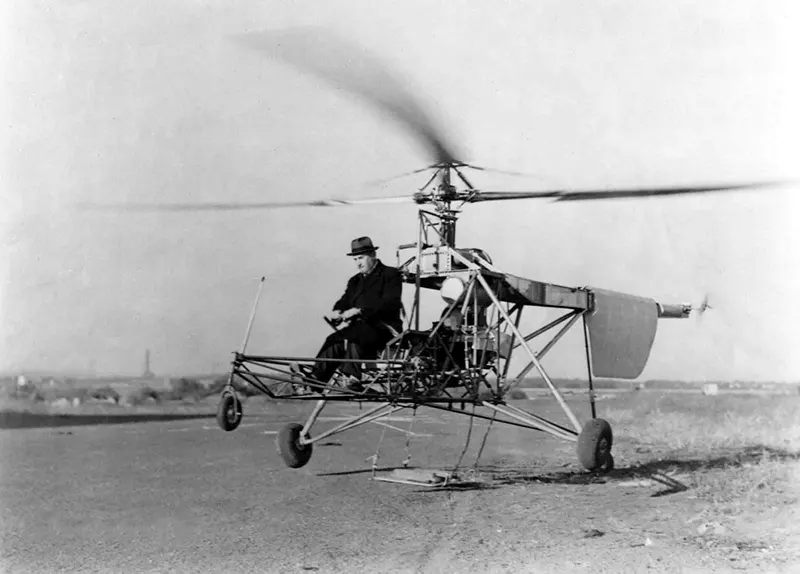


The German Flocke-Wulf FW 61 flew inside an arena in Berlin in Feb 1938, a full year before the VS-300’s first flight. The FW 61 had already been flight tested for several months and was ready for production.