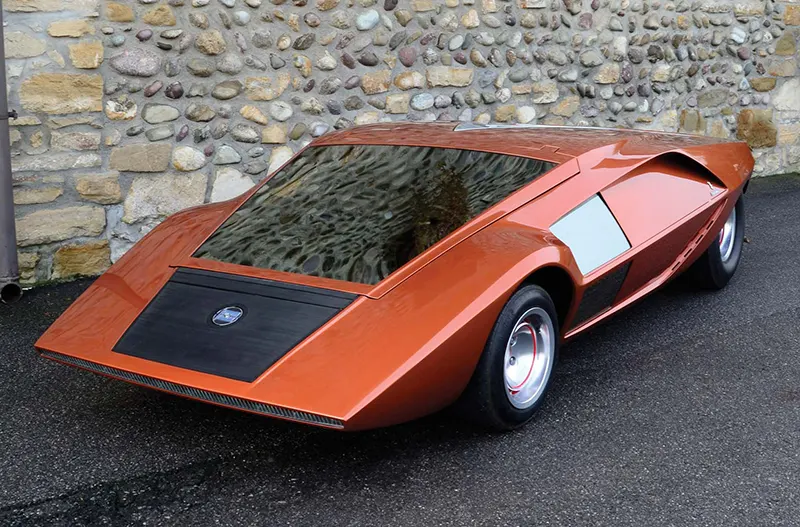
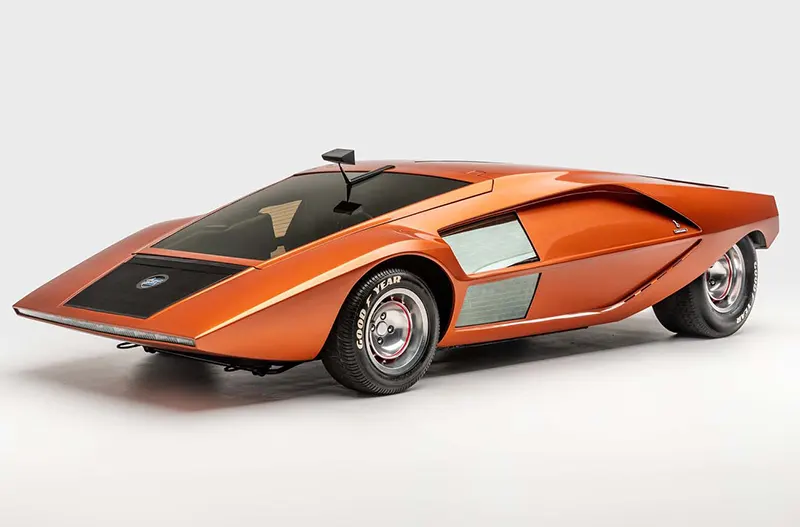
In 1970, a car appeared at the Turin Motor Show that looked like it had been pulled straight from a science-fiction film set. Low, sharp, and aggressively angular, the Lancia Stratos Zero stopped people in their tracks. It was unlike anything the automotive world had seen before — and that was entirely the point.
The man responsible for the Stratos Zero was Marcello Gandini, a designer working at the Italian coachbuilding house Bertone. Gandini had already earned a reputation for pushing car design in bold new directions, but the Stratos Zero represented something on a different level entirely. He threw out conventional thinking and built something that functioned more as a rolling statement than a traditional automobile.
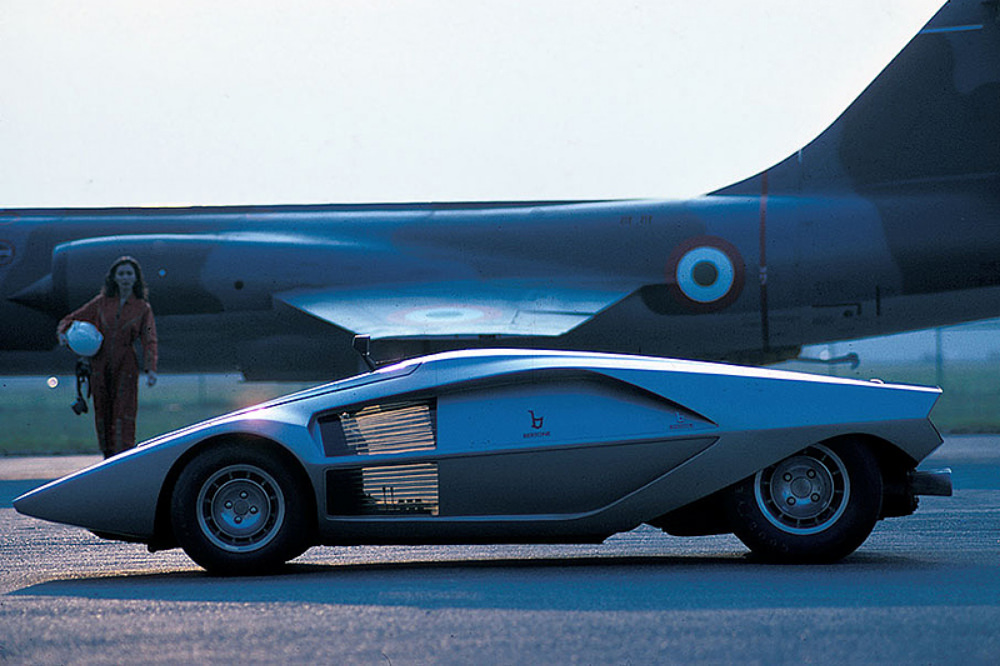
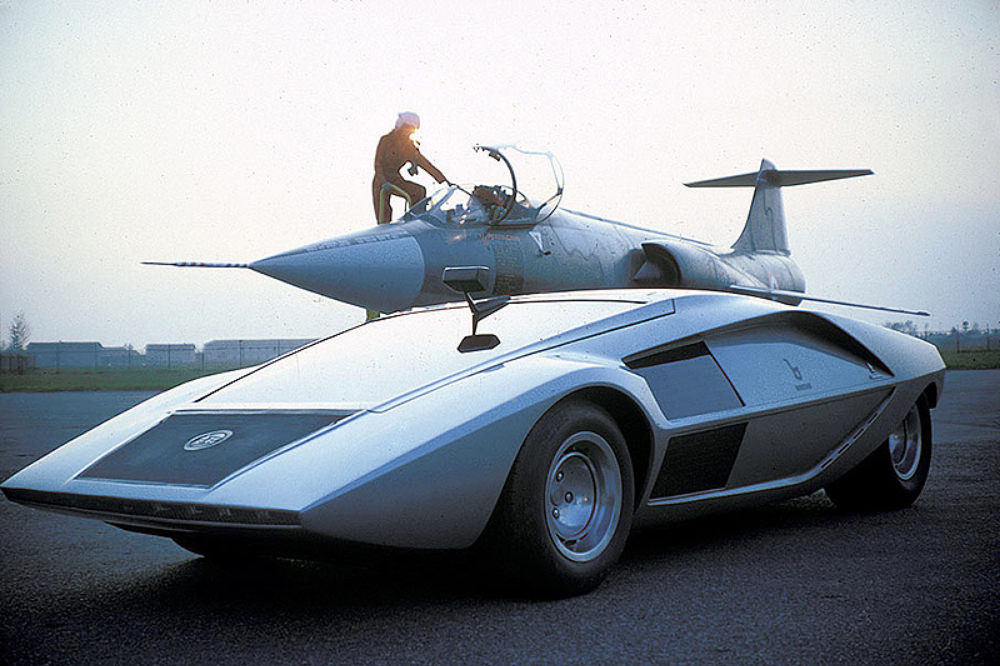
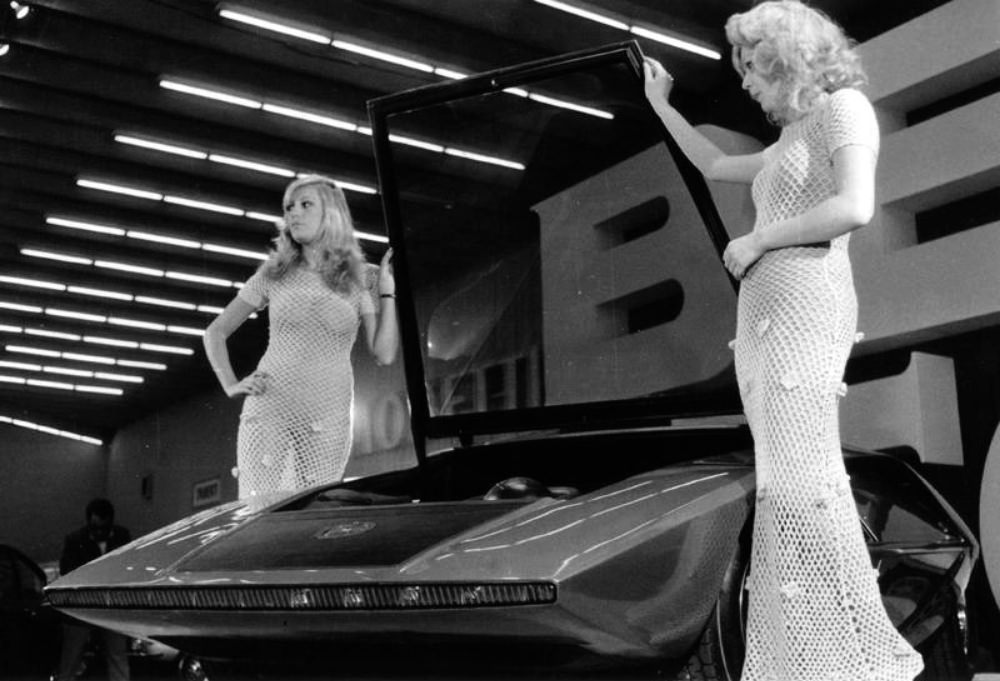
The most immediately striking aspect of the car was its height — or rather, its near-total lack of it. The Stratos Zero sat just 33 inches tall, making it one of the lowest road-going concept cars ever built. To put that in perspective, the roofline barely reached the hip of an average adult standing next to it.
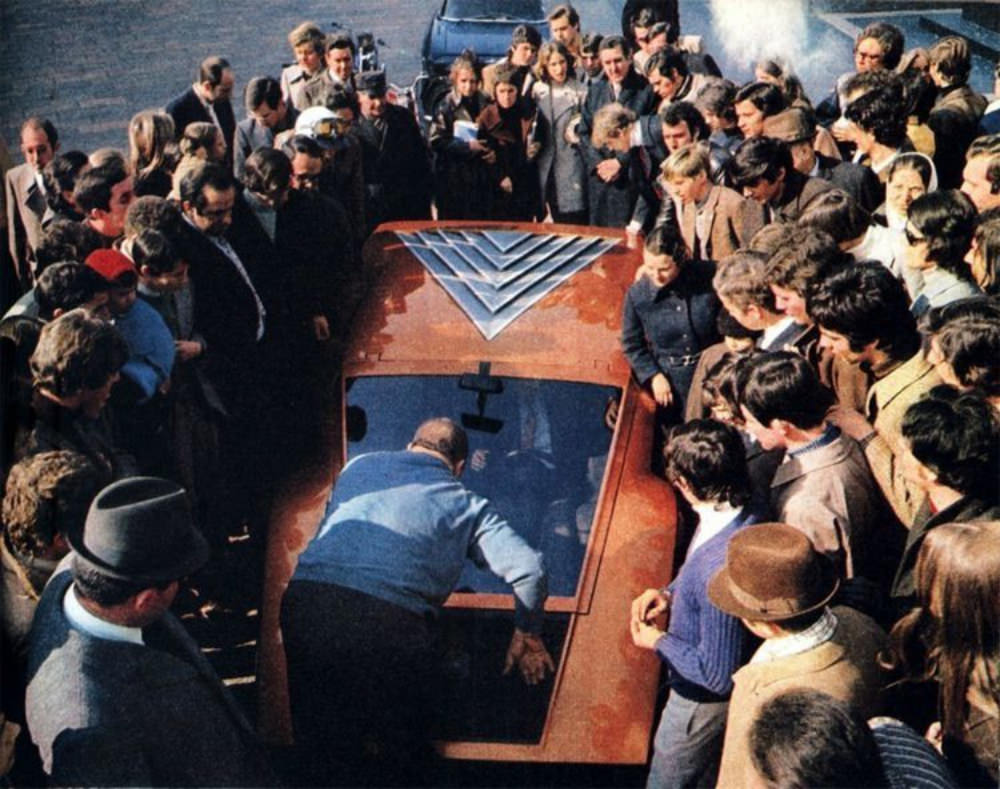
Getting in and out of the car required the entire windshield to hinge forward. There were no conventional doors. The driver and passenger climbed over the nose of the car and dropped down into the cabin once the glass panel swung open. It was an unconventional entry system, but it matched the unconventional nature of everything else about the vehicle.
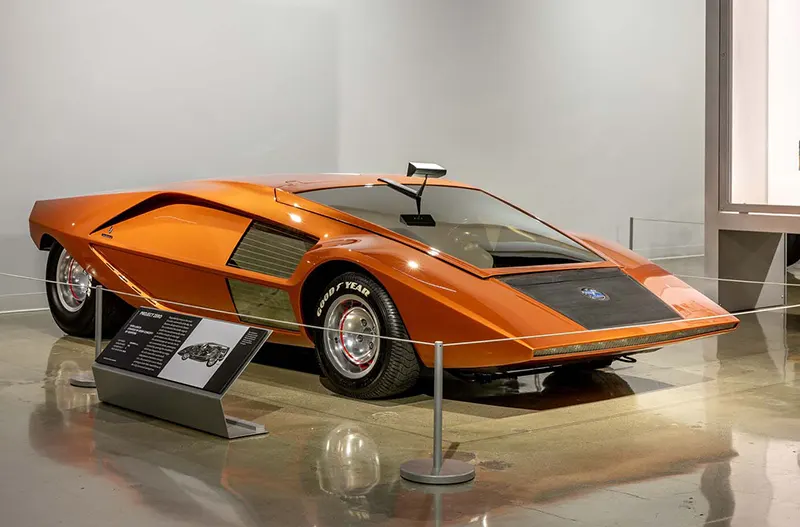
The wedge shape Gandini used was not purely a visual choice. A low, tapering body cuts through air far more efficiently than a boxy or rounded form. By driving the nose of the car almost to the ground and angling the roofline sharply rearward, Gandini gave the Stratos Zero genuine aerodynamic function. The shape reduced drag and kept the car planted at speed.
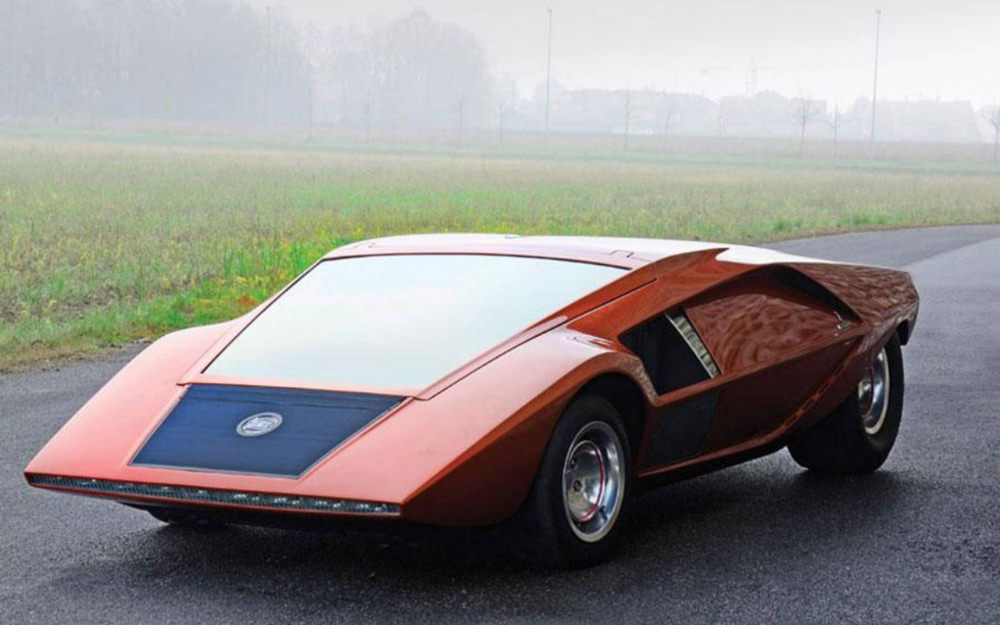
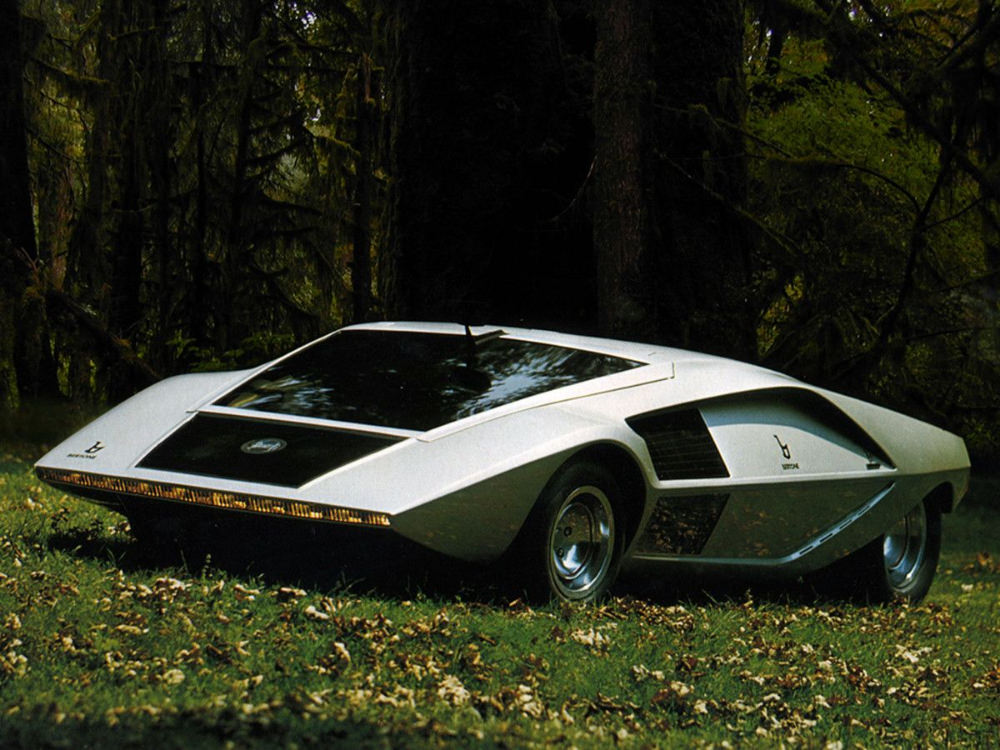
The body itself was constructed in a shimmering silver finish that emphasized every crease and angle. There were no decorative curves or softening lines. Every surface was intentional — flat panels meeting at sharp edges, with minimal ornamentation. The result was a car that looked as though it had been cut from a single block of metal.
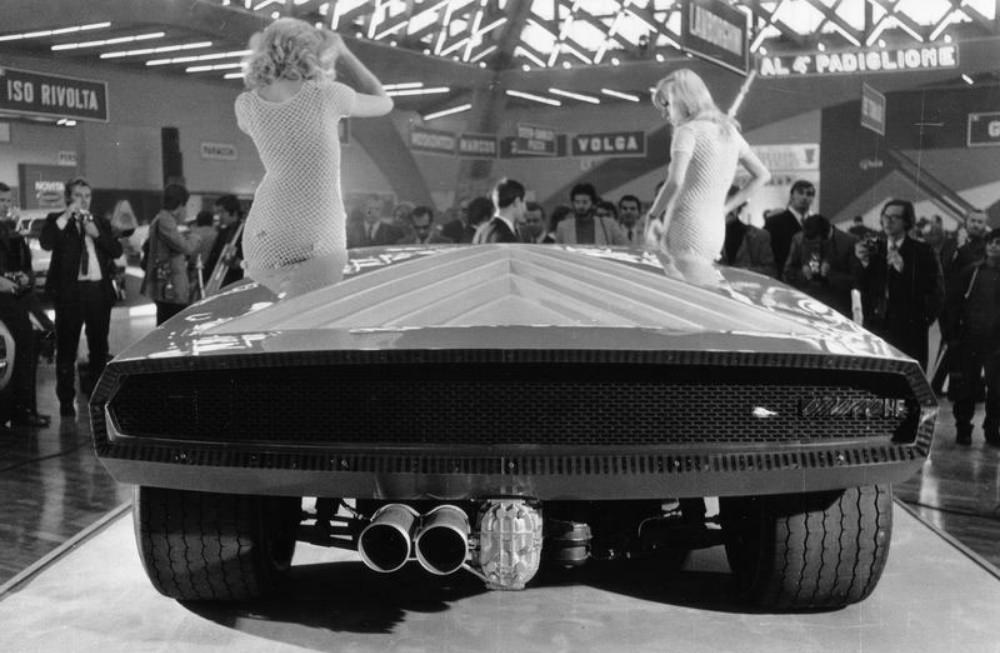
Power came from a mid-mounted Lancia Fulvia 1.6-liter V4 engine. While not a powerhouse by modern standards, the engine was positioned to give the car an optimal weight balance. In a vehicle this light and aerodynamically efficient, the Fulvia engine was more than adequate to demonstrate performance intent.
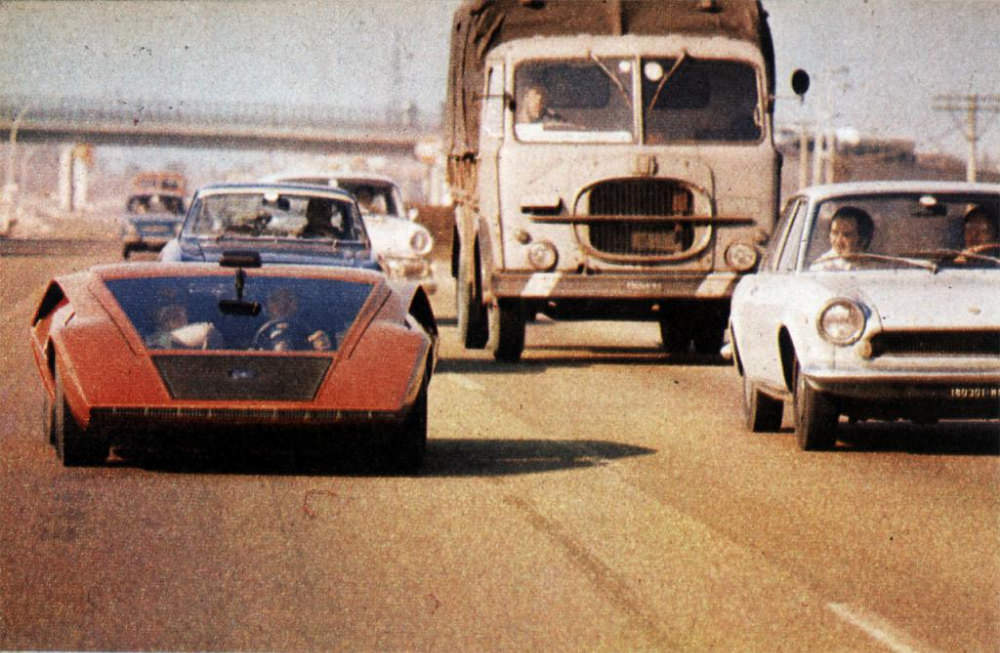
The interior of the Stratos Zero was as stripped-back as the exterior. The cabin was minimal by design — two seats, a sparse dashboard, and only the controls necessary to operate the car. Gandini was not interested in luxury appointments. The focus was on the relationship between driver and machine, without distraction.
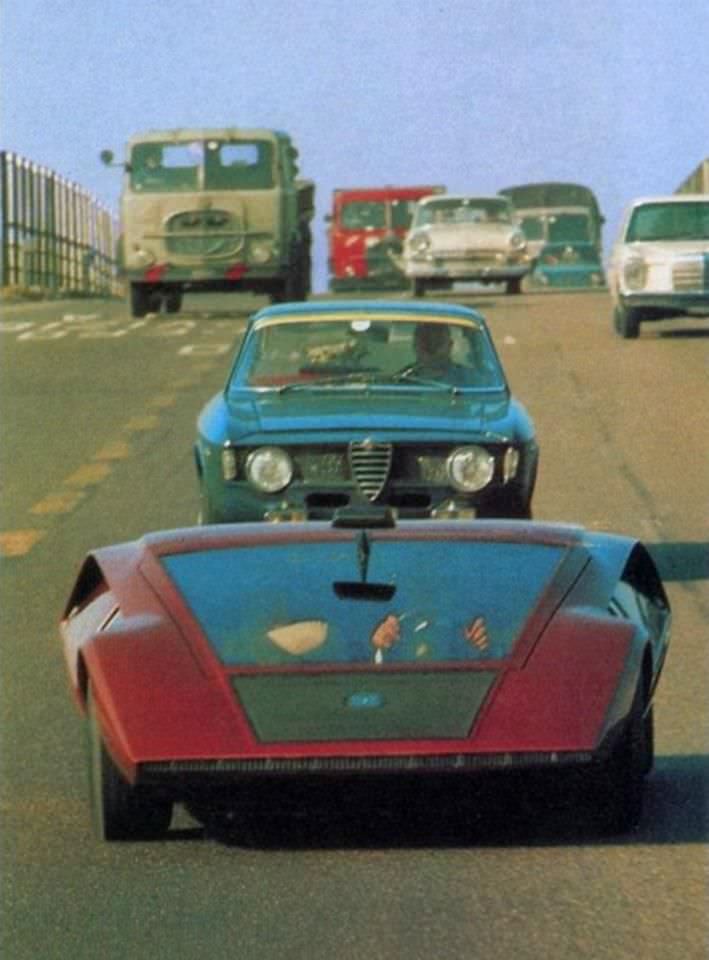
The Stratos Zero was built on a tubular steel frame, which kept the overall weight low while providing a rigid structure. This engineering approach was common in racing cars of the era, and its use here reinforced that the Stratos Zero was conceived with performance principles in mind, not just as a showpiece.
At the rear of the car, the design remained just as radical. The tail end was cut off abruptly in a fastback style, with the body tapering to a near-flat surface. Small horizontal vents were integrated into the rear bodywork to manage heat from the engine. Even the functional elements were designed to look intentional and clean.
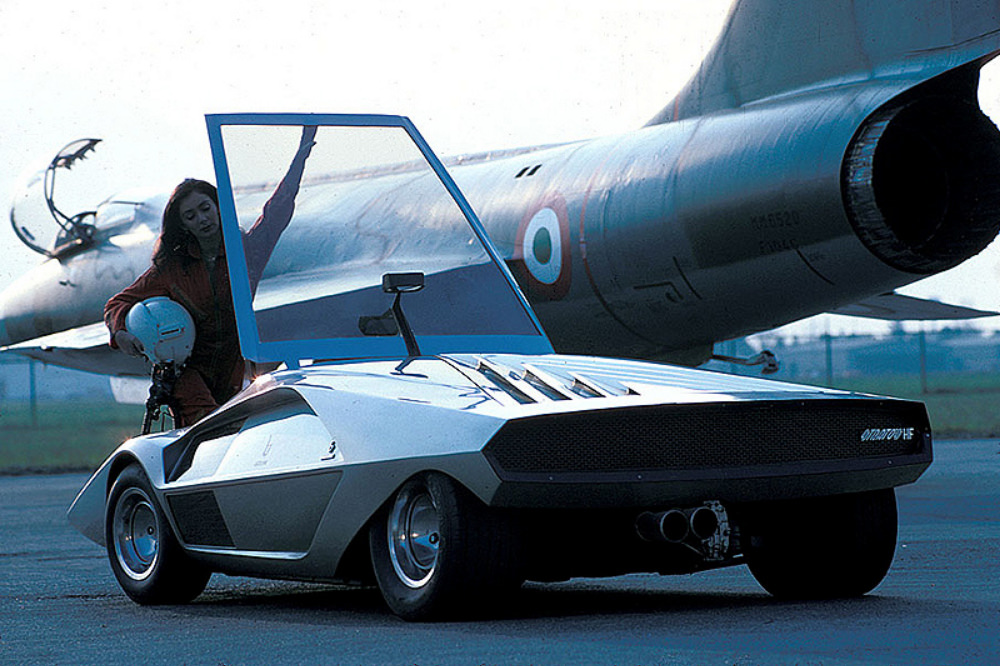
The wheels of the Stratos Zero were partially covered by the body panels, giving the car a sealed, almost spacecraft-like profile when viewed from the side. This wheel treatment was another detail that set it apart from anything else at Turin that year. It contributed to the sense that the car was a single unified object rather than a collection of separate components.
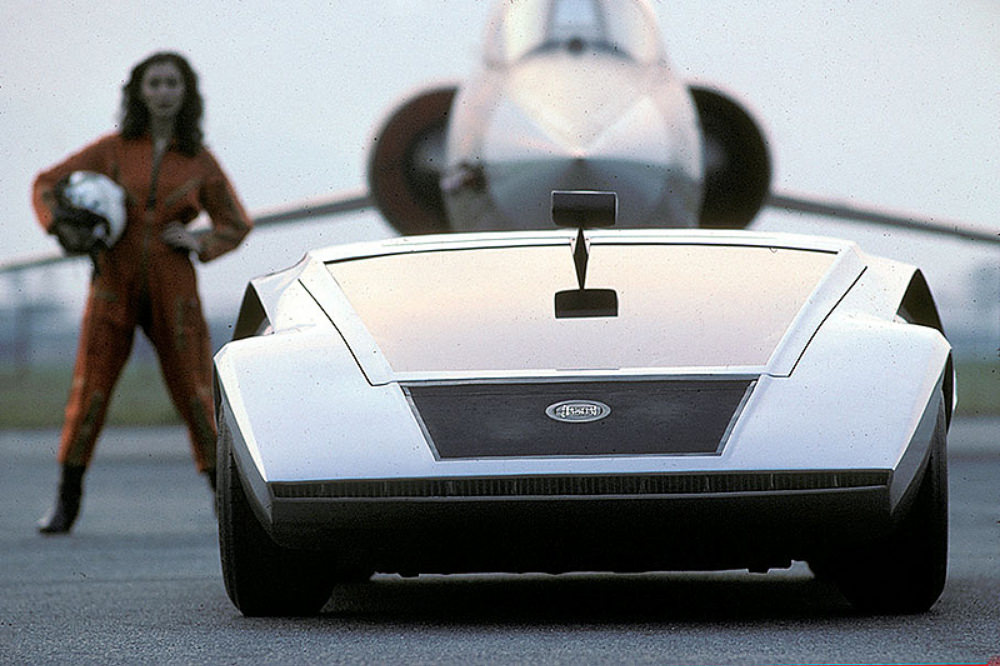
Gandini’s wedge design at Bertone with the Stratos Zero directly influenced the visual language of performance cars through the following decade. The sharp, low, angular form showed up in production cars and concepts alike throughout the 1970s, as other designers responded to what Gandini had demonstrated was possible.
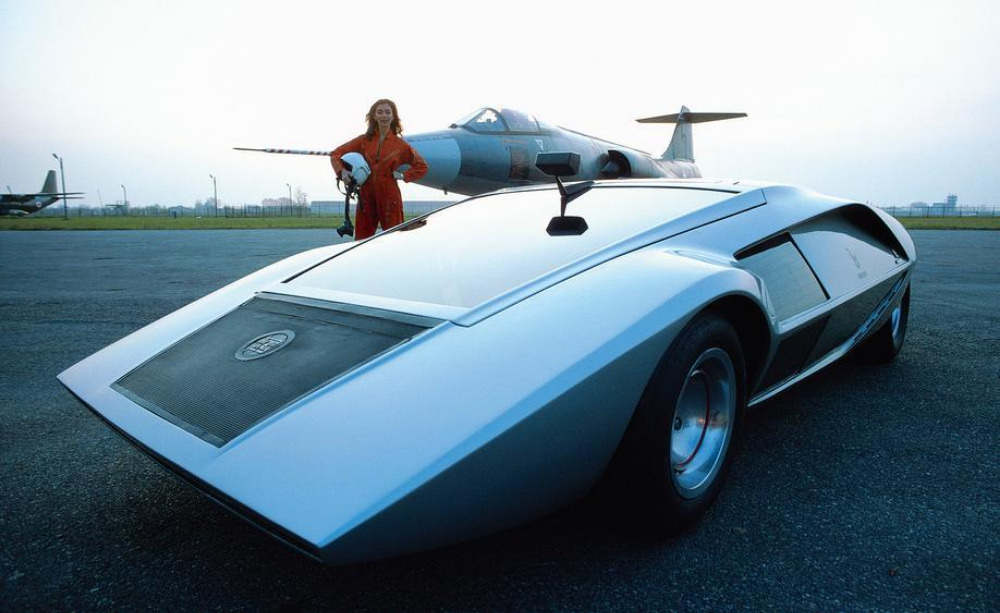
The Stratos Zero also served a practical purpose for Lancia beyond pure design experimentation. Bertone used the concept to pitch Lancia on a new direction for their road car lineup. That pitch worked. Lancia approved a production version, which evolved into the Lancia Stratos — a car that went on to dominate rally racing in the mid-1970s.
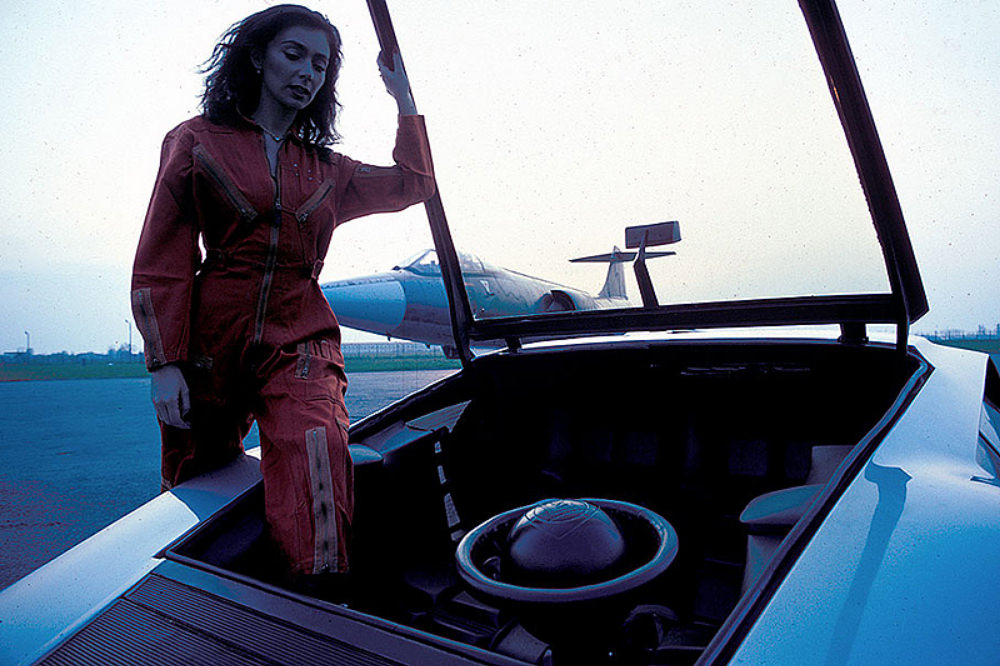
The production Stratos that followed was a very different vehicle in many ways — taller, more practical, and fitted with a Ferrari Dino engine — but its DNA traced directly back to the Zero concept. The sharp, compact proportions and mid-engine layout that made the rally car so effective were ideas first explored in the 1970 show car.
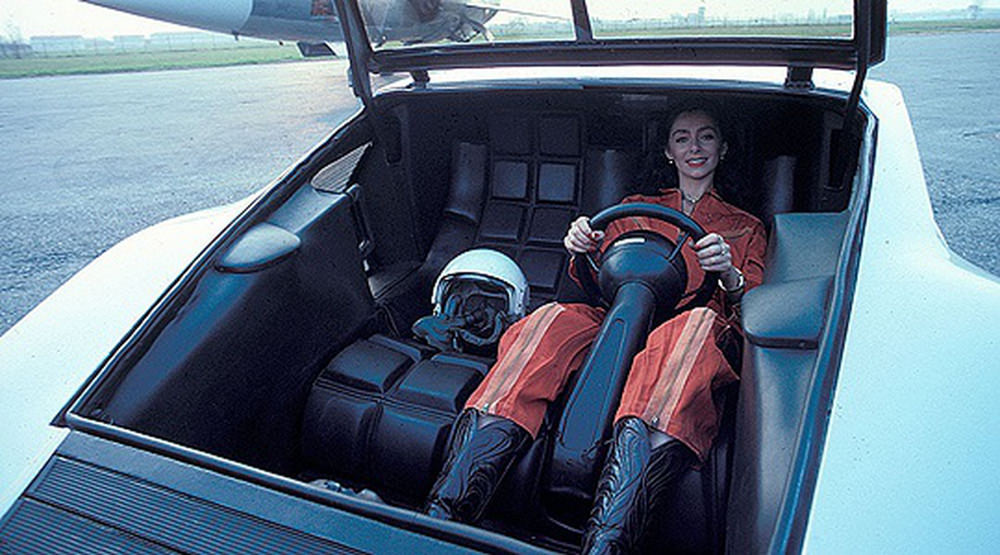
Only one Stratos Zero was ever built. The single surviving example has been preserved and remains one of the most recognized concept cars in automotive history. It has appeared at major concours events and museum exhibitions around the world, still drawing the same kind of attention it commanded at its Turin debut more than fifty years ago.
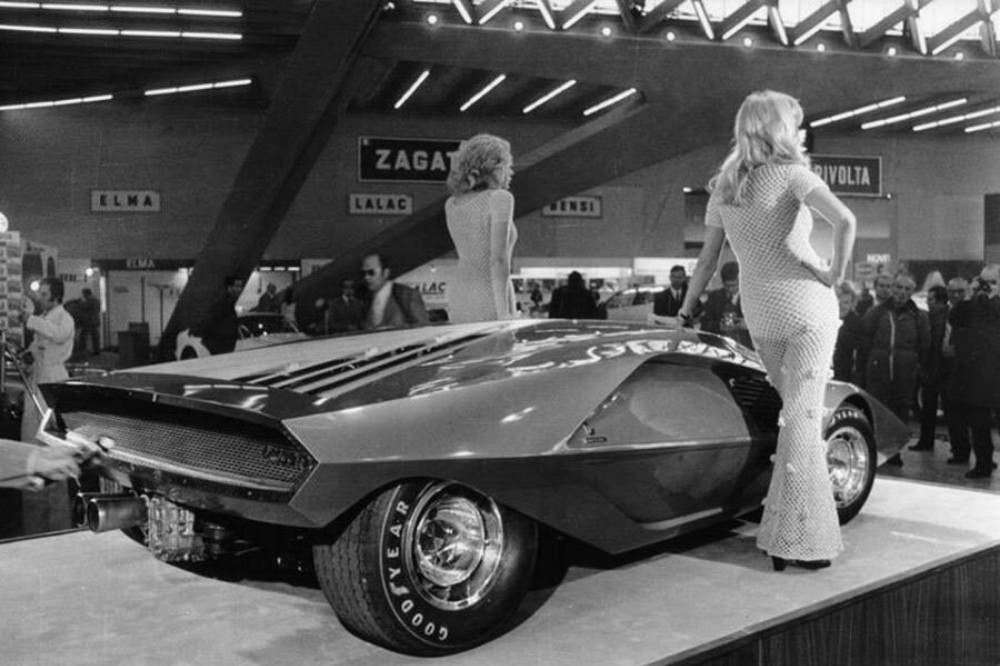
When viewed today, the Stratos Zero holds up remarkably well. The proportions feel deliberate rather than dated. The absence of unnecessary styling details means there is nothing to look at that feels like a product of its time — just the pure geometry of a wedge, executed with precision.
Gandini completed the design while still in his twenties, adding the Stratos Zero to a body of work that already included the Lamborghini Miura and would soon include the Lamborghini Countach. The Stratos Zero sits comfortably among those cars as a defining example of what Italian automotive design produced at its most ambitious in the early 1970s.
The car demonstrated that aerodynamics, structural engineering, and visual design did not have to work against each other. In the Stratos Zero, Gandini made them inseparable — each decision serving all three goals at once. That integration is what makes the car a genuine milestone rather than simply a dramatic-looking show car.