By the early 20th century, brands like Camel, Lucky Strike, and Chesterfield had taken the American market by storm. Their rapid success pushed tobacco companies to pour millions of dollars into advertising. The goal was simple: make smoking look not just acceptable, but desirable — even healthy. What followed was one of the most audacious marketing campaigns in history.
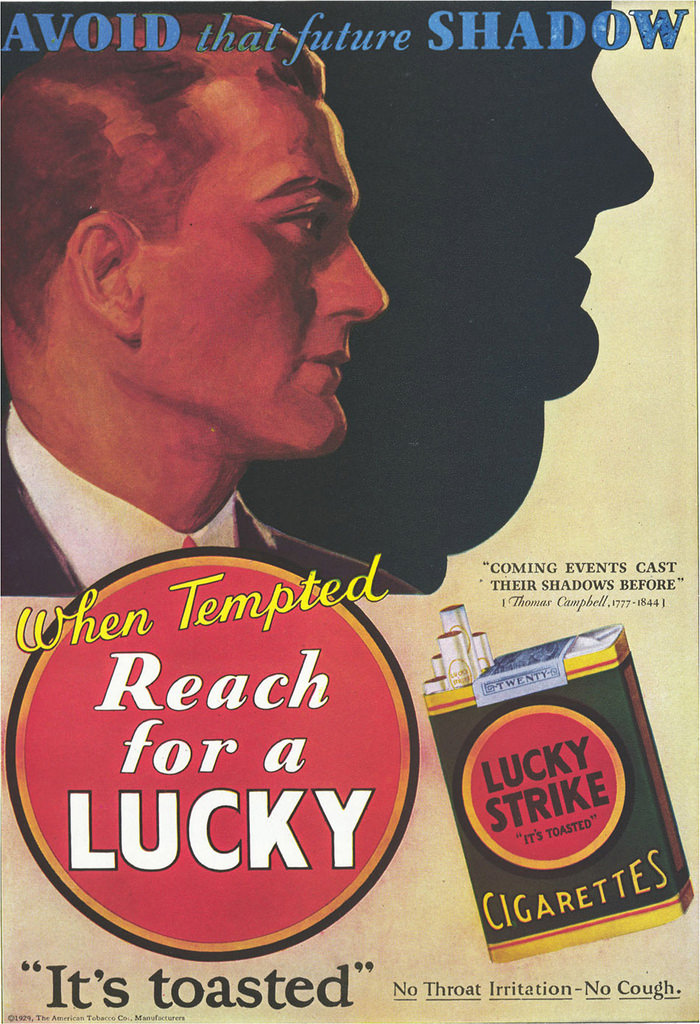
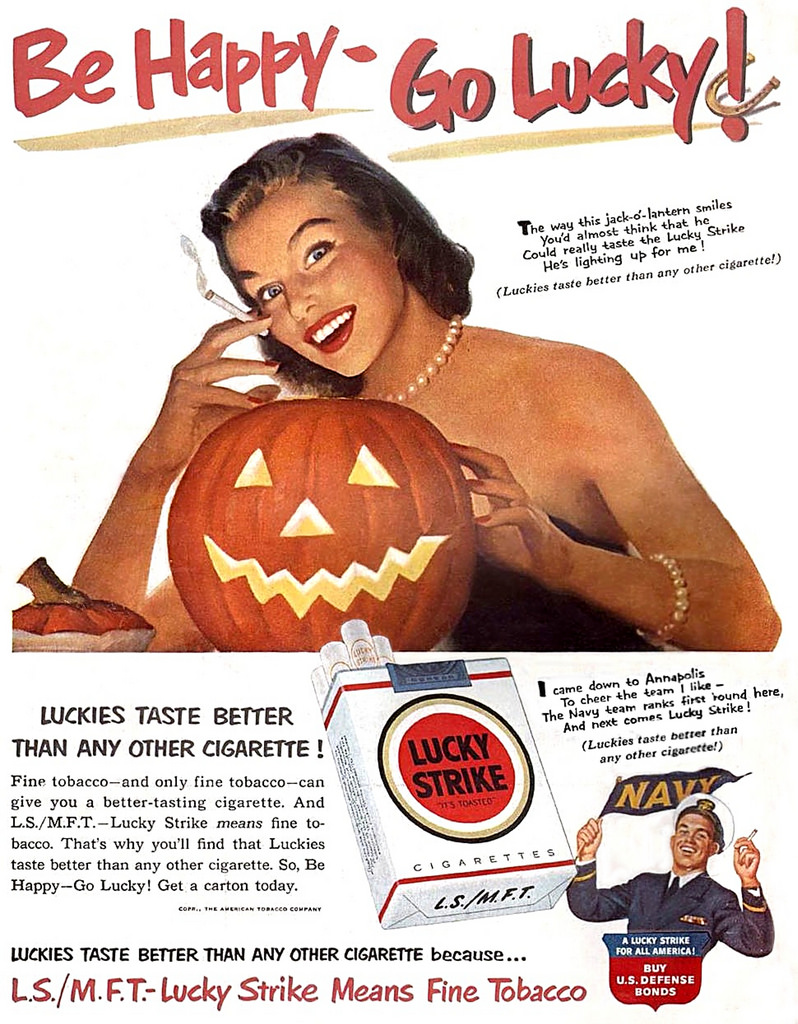
Tobacco advertisers leaned heavily on imagery of healthy, active, happy people. Athletes, entertainers, and celebrities were paid to appear in ads, lending their credibility to the product. The message was clear: if fit, successful people smoke, smoking must be fine. Some companies went even further and featured children in their ads, a practice that would be unthinkable today.
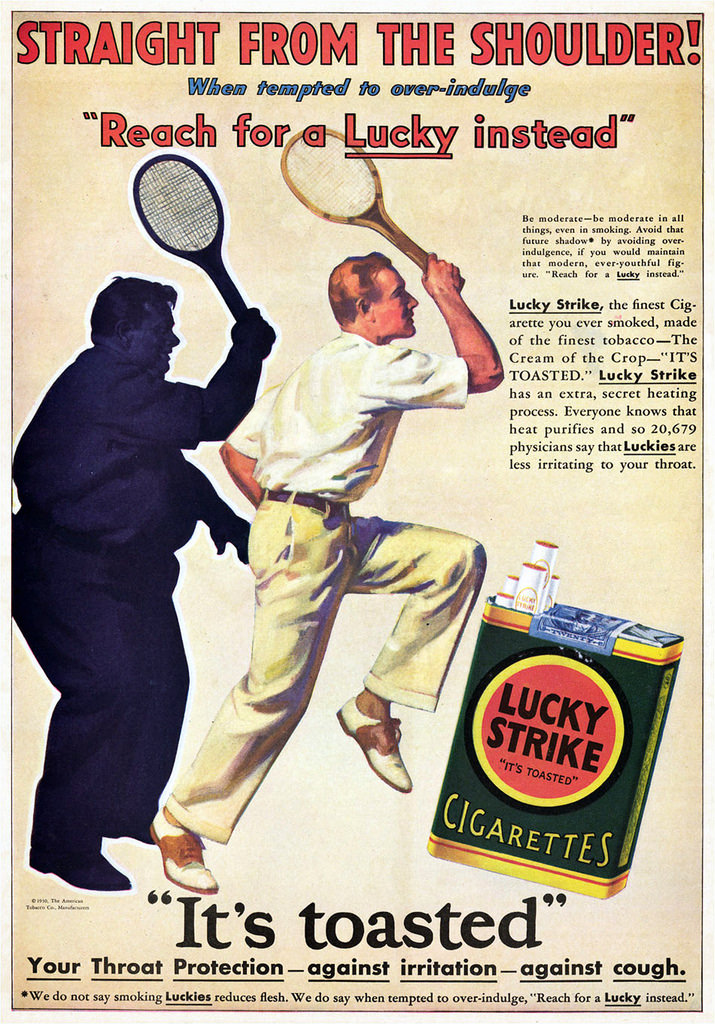
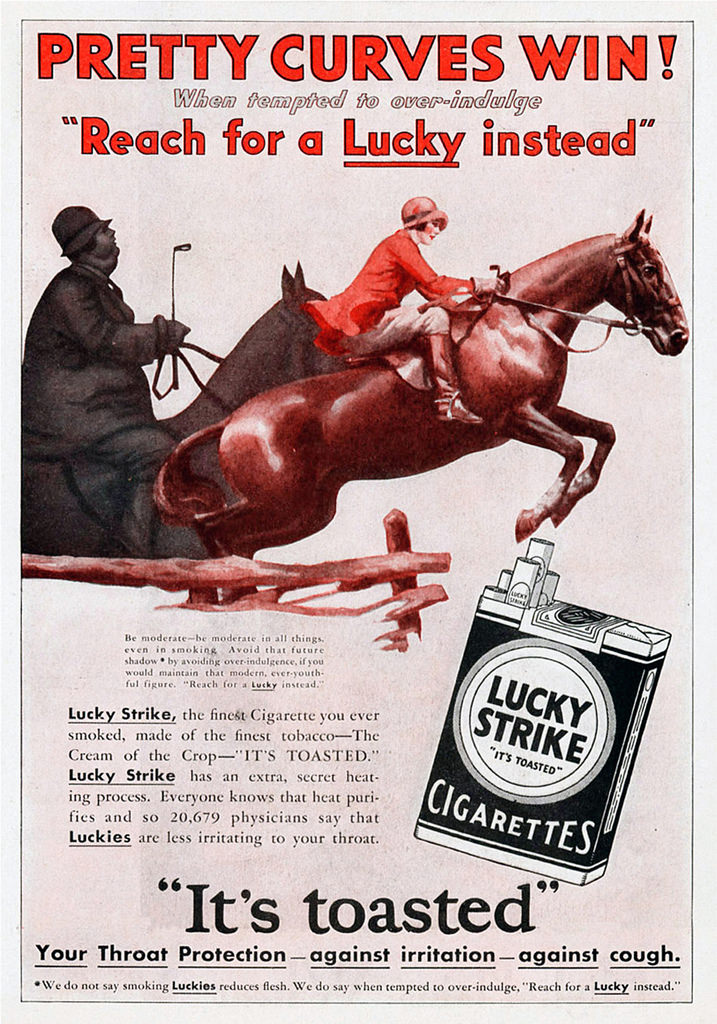
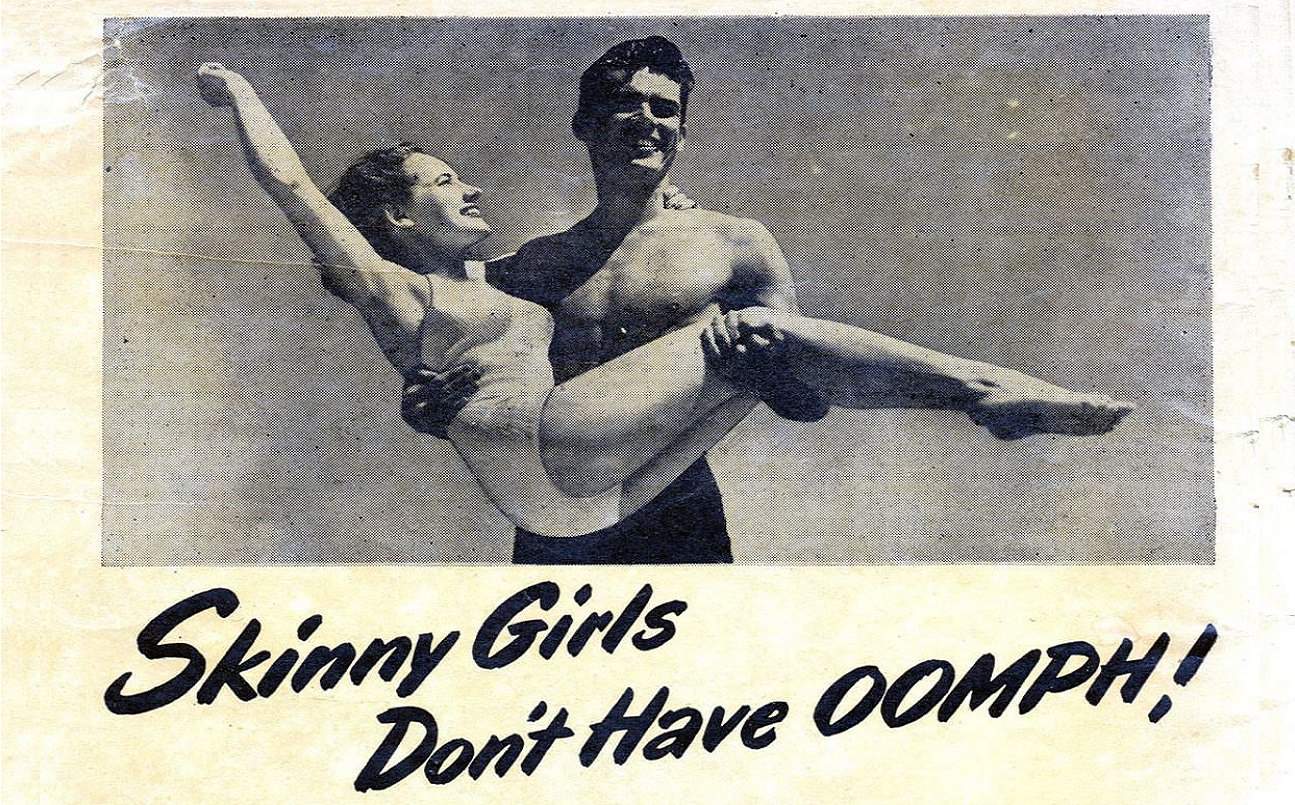
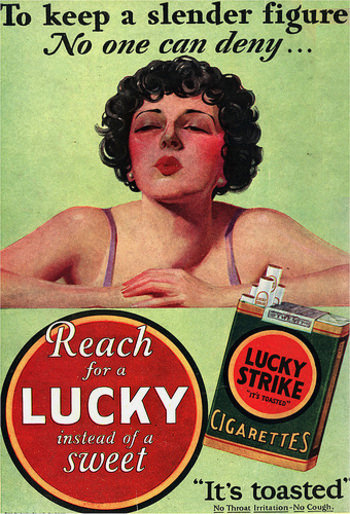
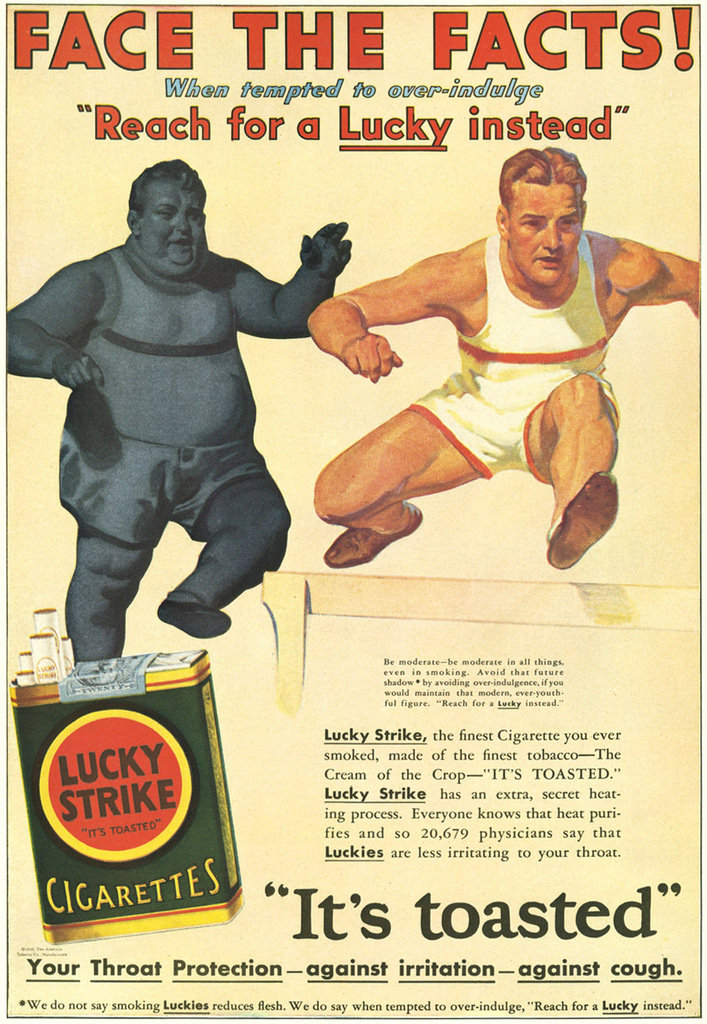
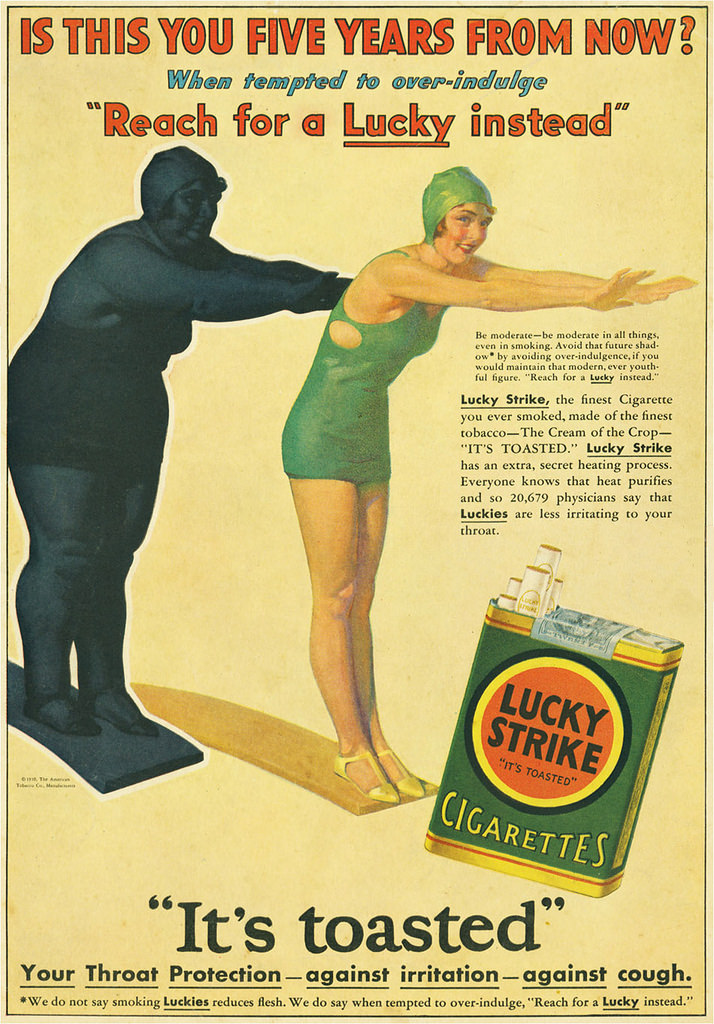
Weight management was a recurring theme in many campaigns. Ads directly encouraged women to reach for a cigarette instead of a sweet, framing smoking as a diet tool. Others played up the comforts of middle-class life — warm family homes, holidays, pets, and recreation — tying cigarettes to a wholesome American lifestyle.
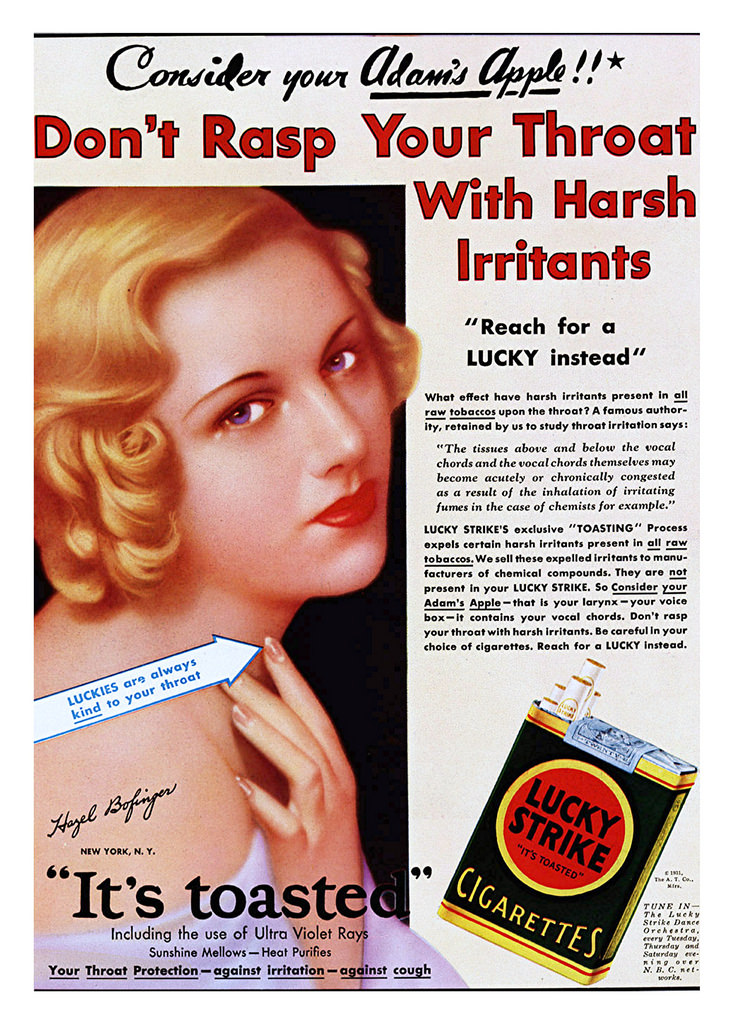
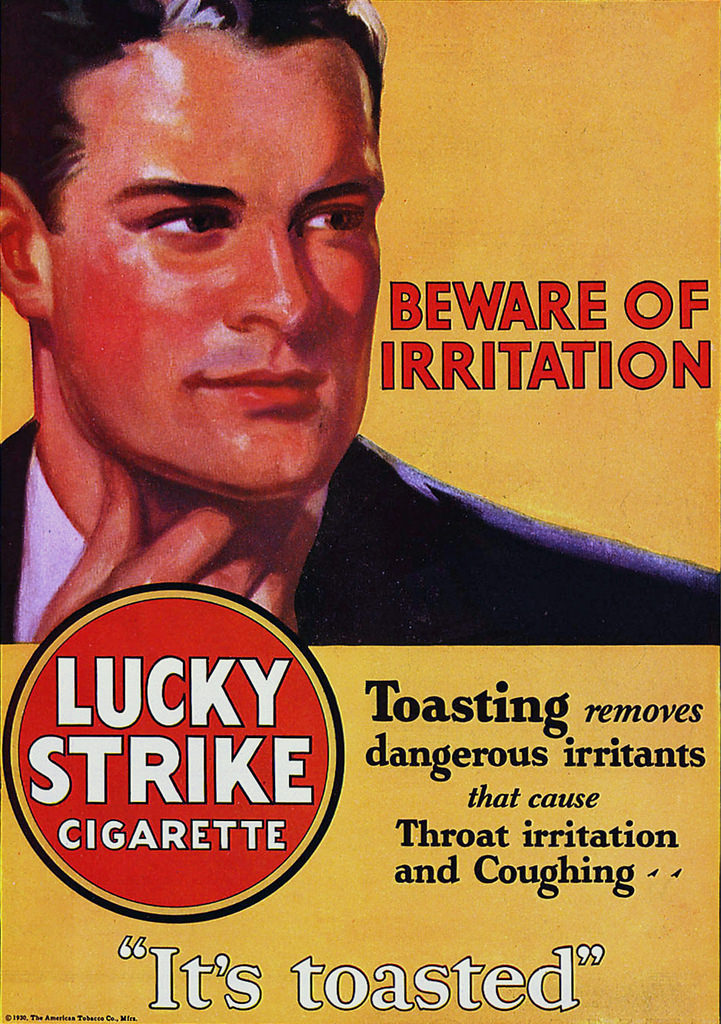
Before the 1930s, the health dangers of tobacco were not widely understood by the public. The tobacco industry’s powerful lobbying machine made sure cigarettes were kept out of any meaningful regulation. This gave companies a free hand to make sweeping health claims with zero accountability. Doctors, hospitals, and medical symbols were used freely in advertising to create the illusion of scientific backing.
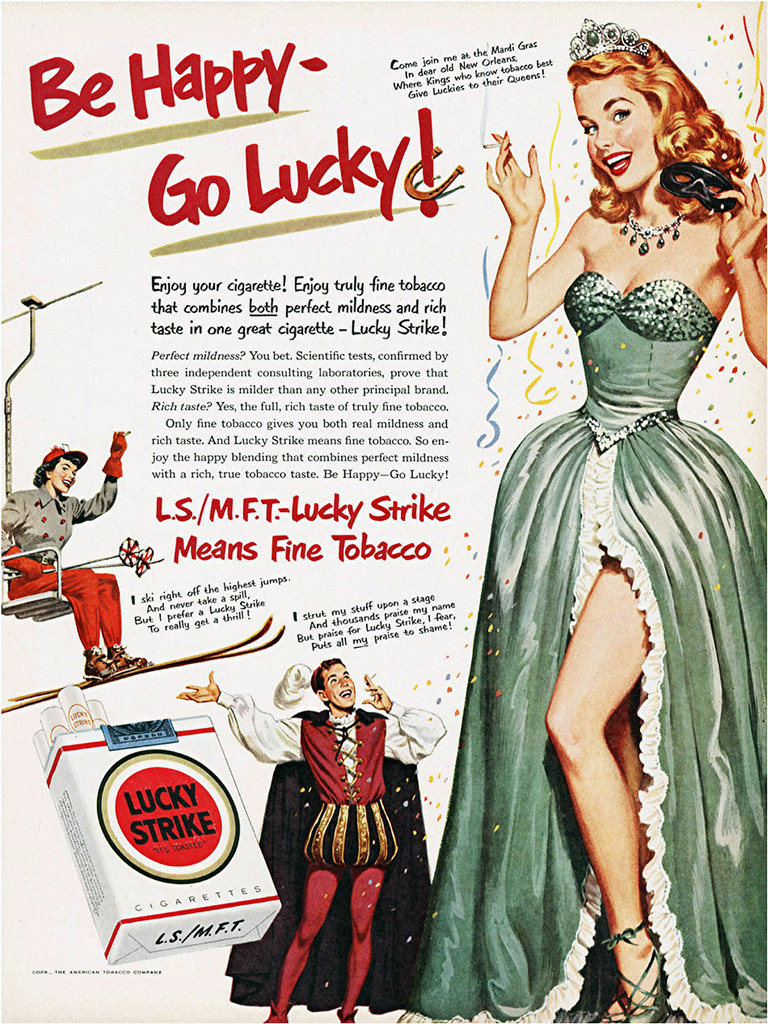
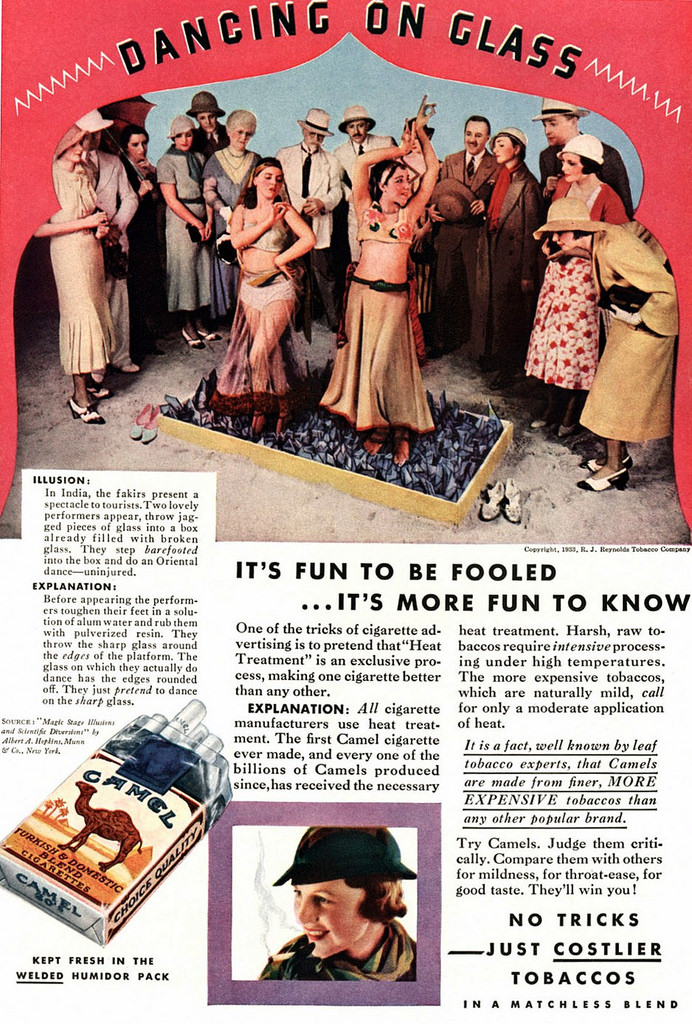
Women were a key target market, though the approach was carefully crafted. Women’s magazines like Vogue ran cigarette ads that tied smoking to modernity, femininity, and self-reinvention. At a time when women were still largely confined to domestic roles, tobacco ads offered them a vision of participation in a fast-changing, modern world. Smoking was sold as a mark of independence and style.
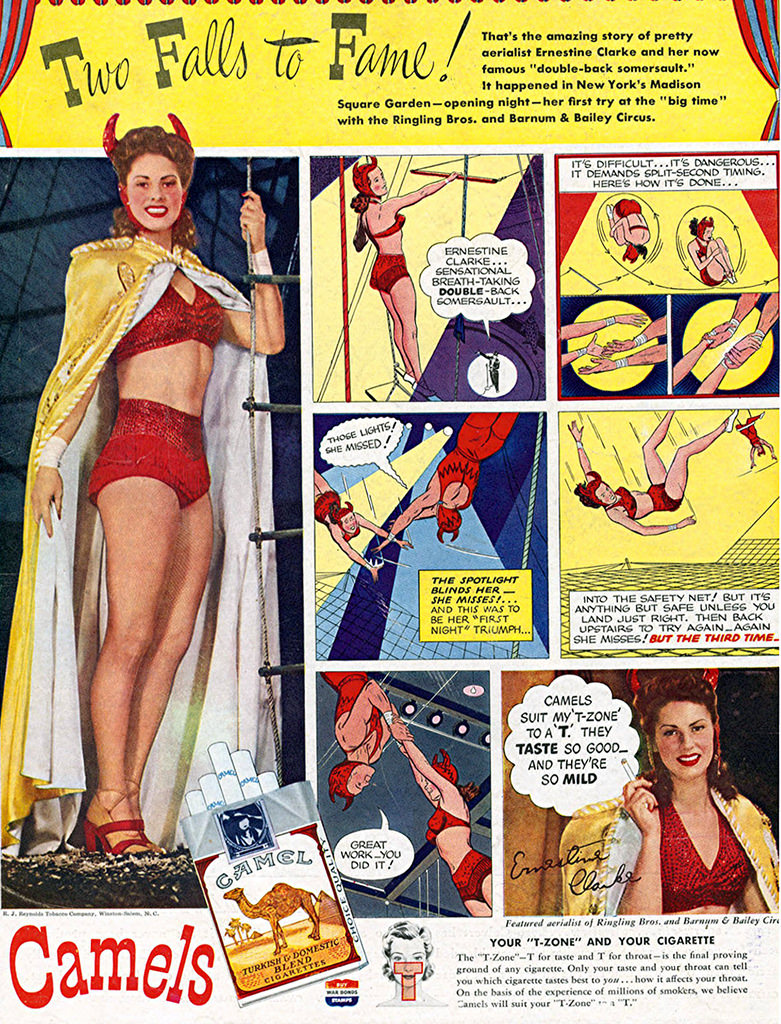
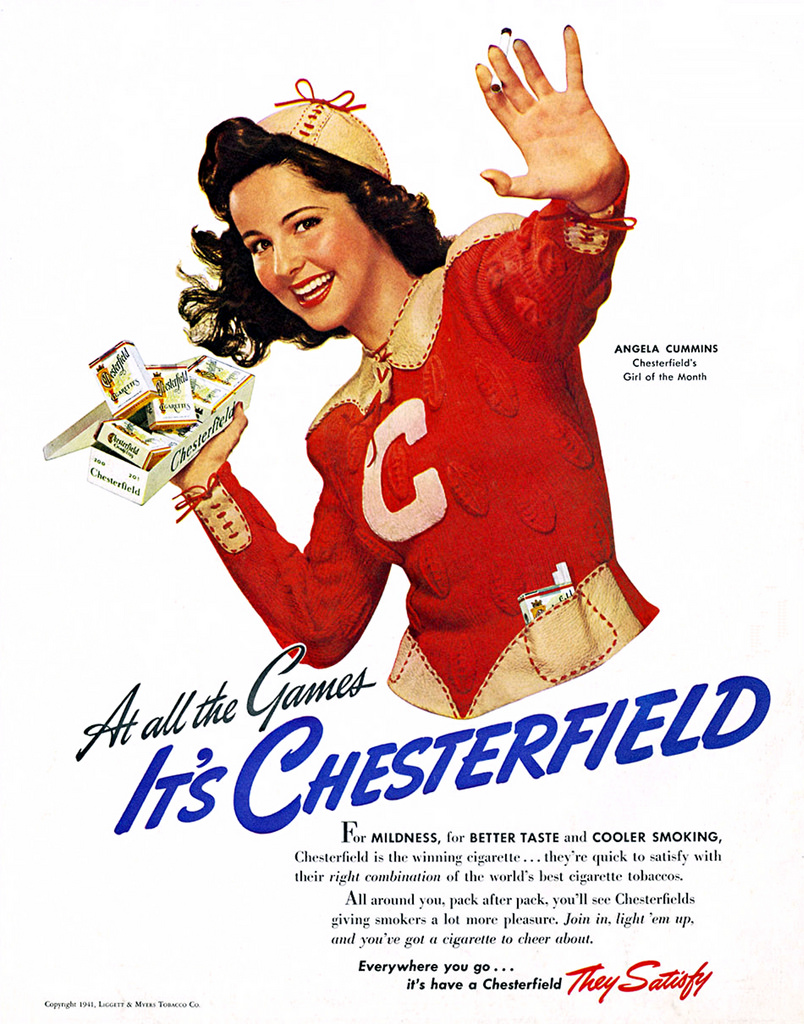
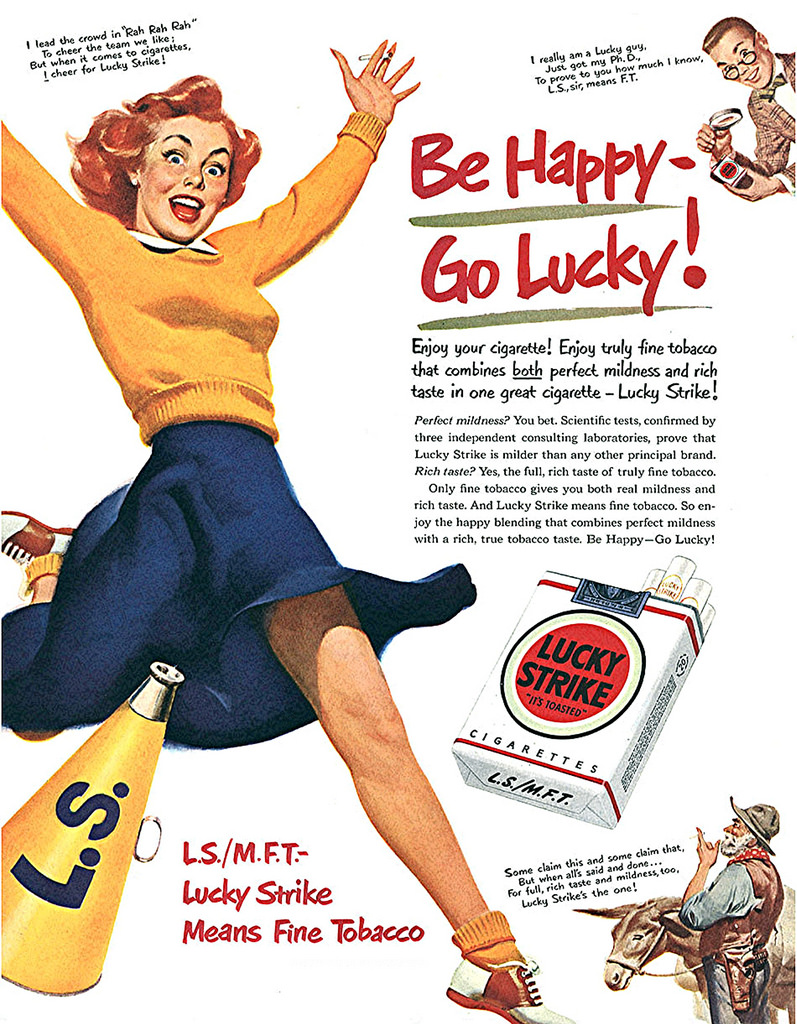
World War I was a turning point for tobacco consumption. The YMCA, the Salvation Army, and the Red Cross distributed billions of free cigarettes to American and Allied soldiers fighting in Europe. Branded cigarettes were handed out at little or no cost to troops, and private citizens donated money specifically to send smokes to the front lines. Not supplying soldiers with cigarettes was considered unpatriotic.
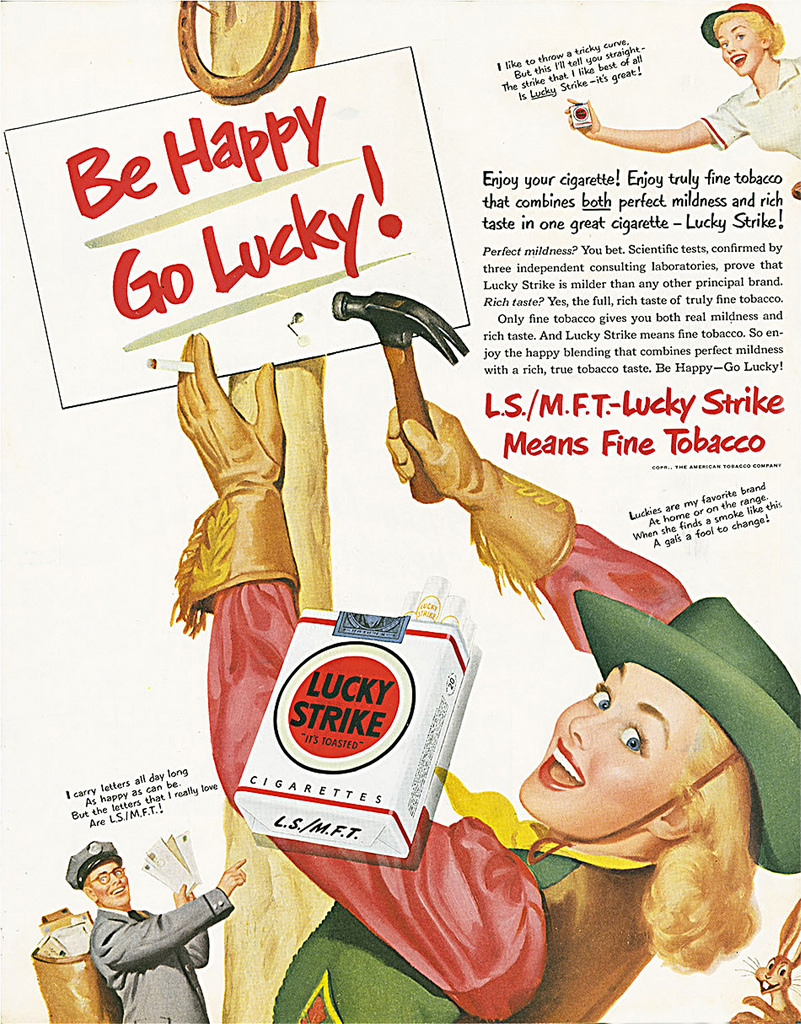
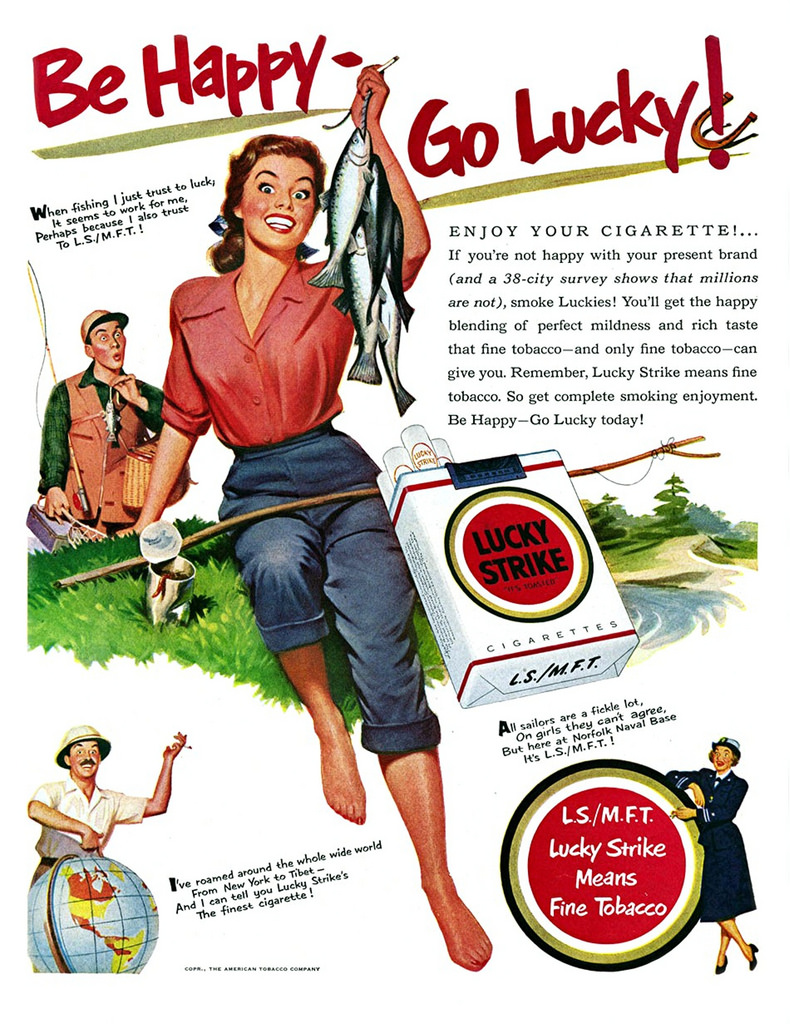
The war created an entire generation of smokers. Demand for cigarettes in North America, which had already been doubling roughly every five years, nearly tripled during the war years. When soldiers came home, they brought the habit with them. Smoking gained a new layer of social acceptance, associated with the courage and sacrifice of veterans.
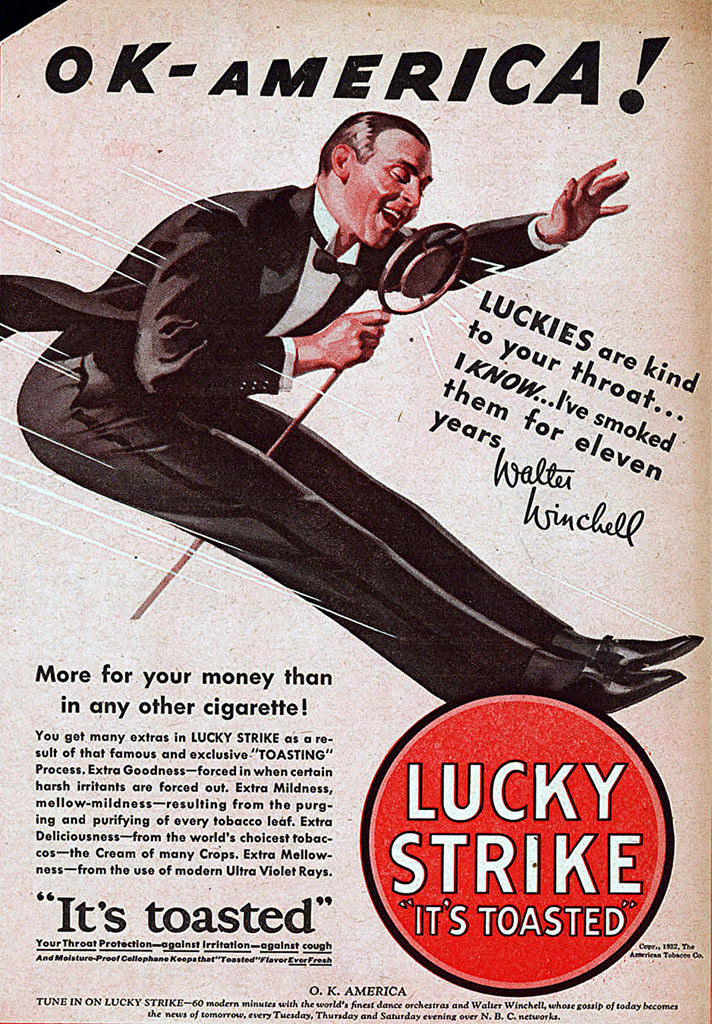
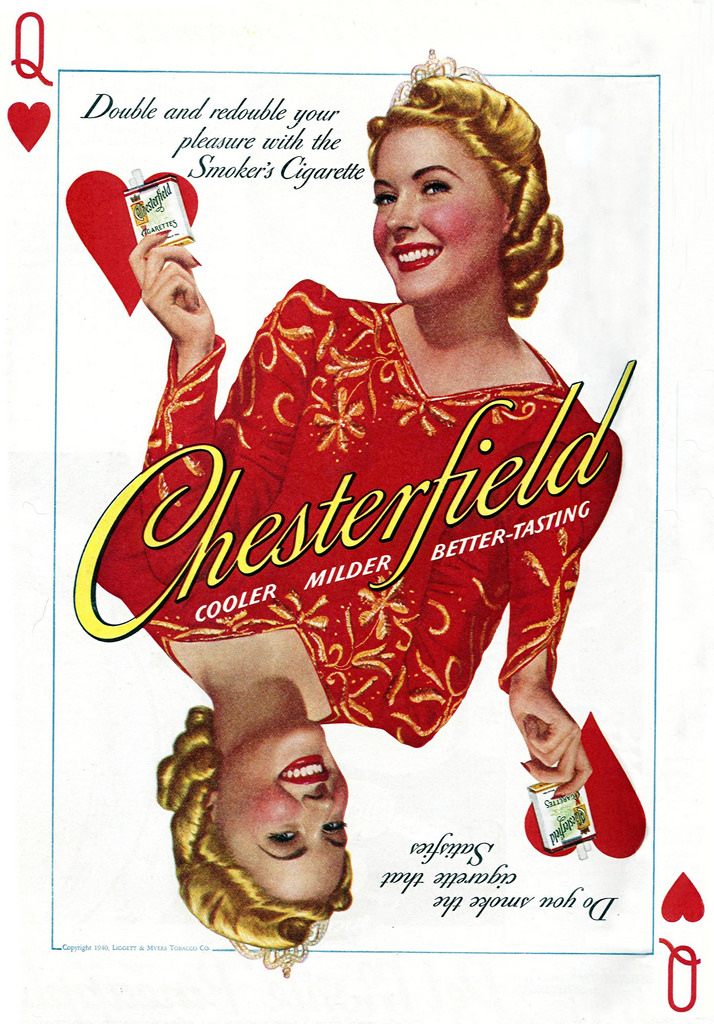
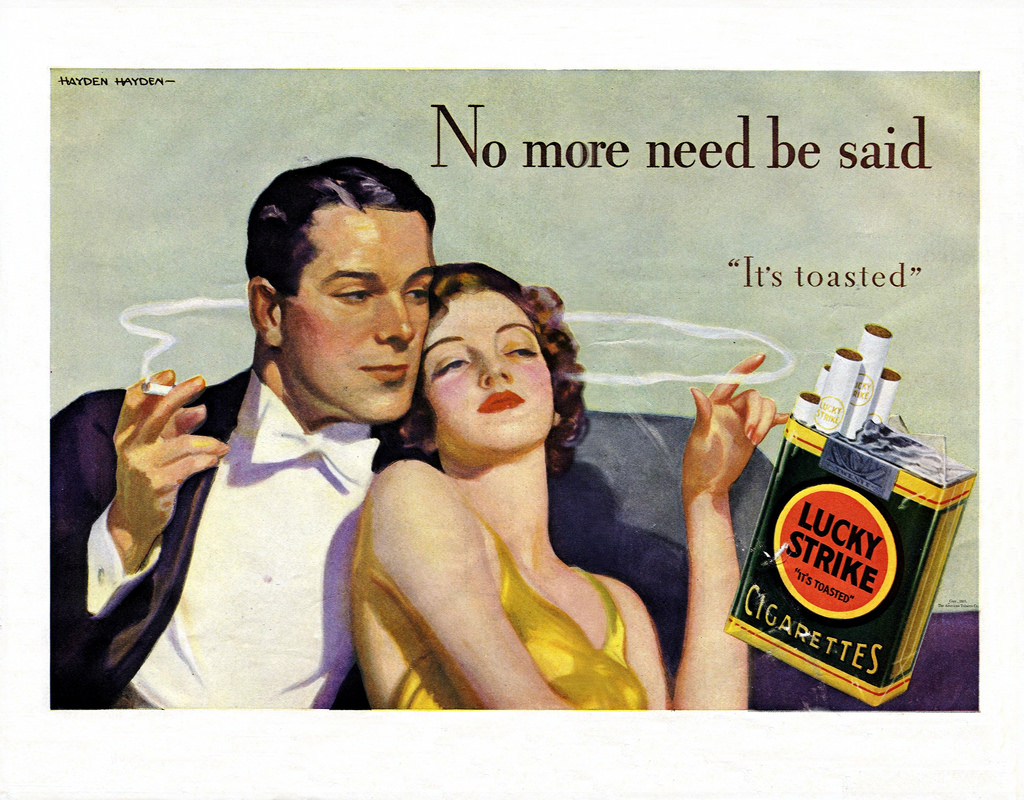
As the 1920s progressed, the temperance movement shifted its energy almost entirely toward banning alcohol. Anti-smoking campaigns lost momentum. By 1927, nearly every state anti-smoking law in the U.S. had been repealed, with the only remaining restrictions applying to minors. Tobacco companies operated in an almost completely unregulated environment.
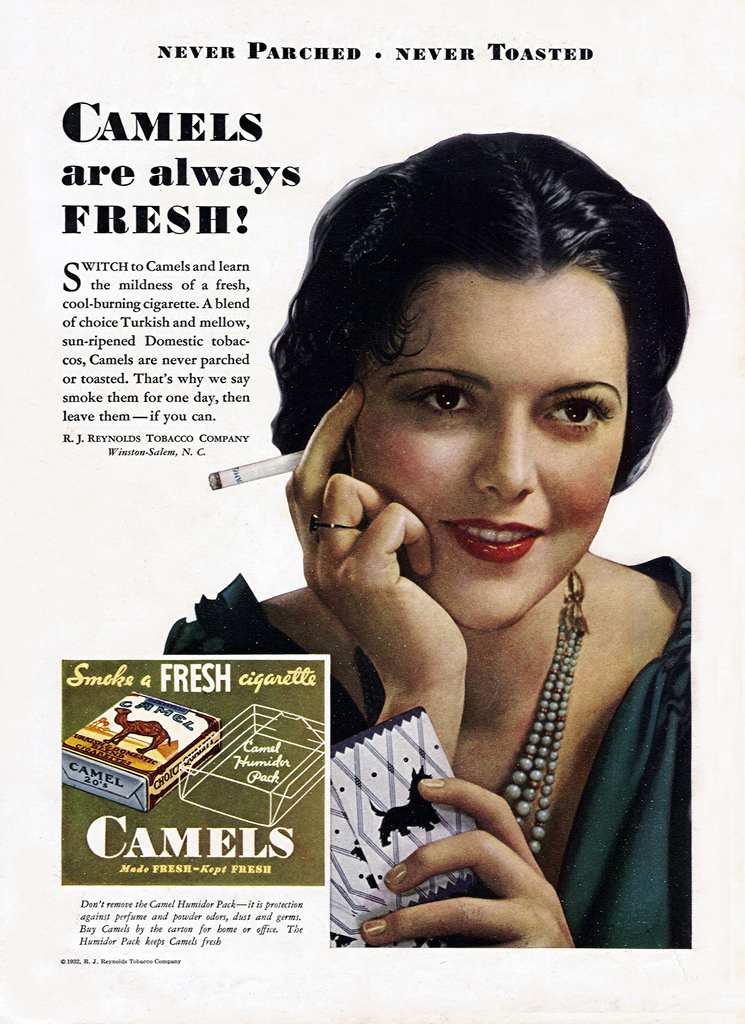
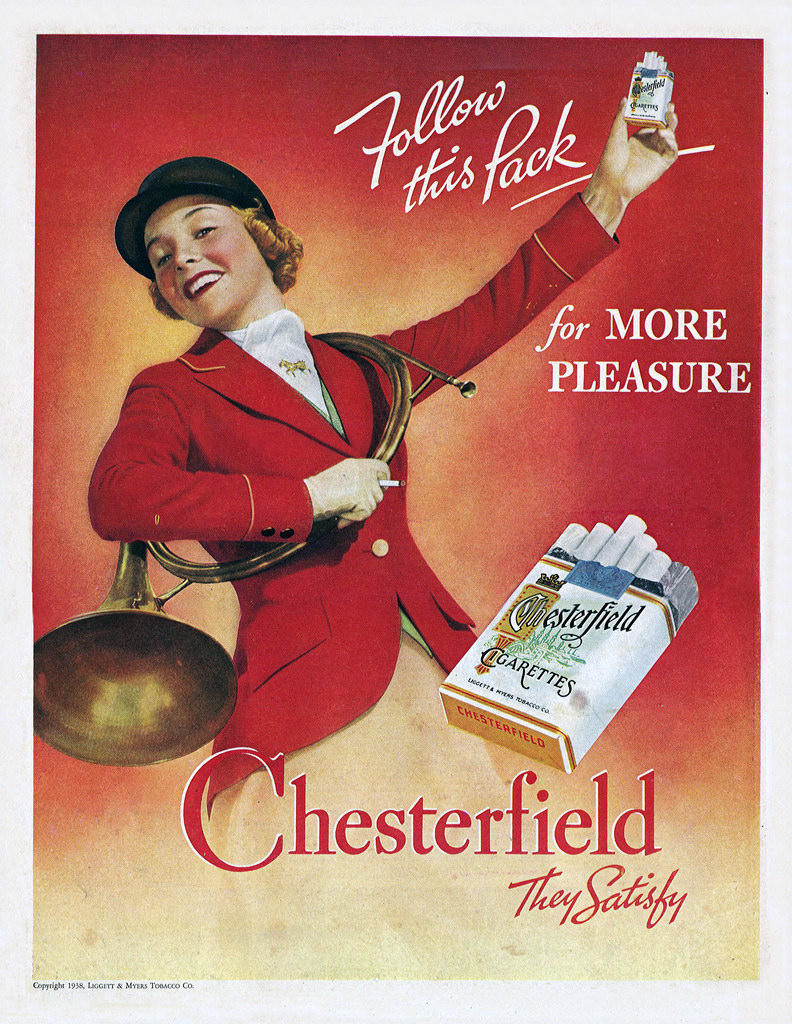
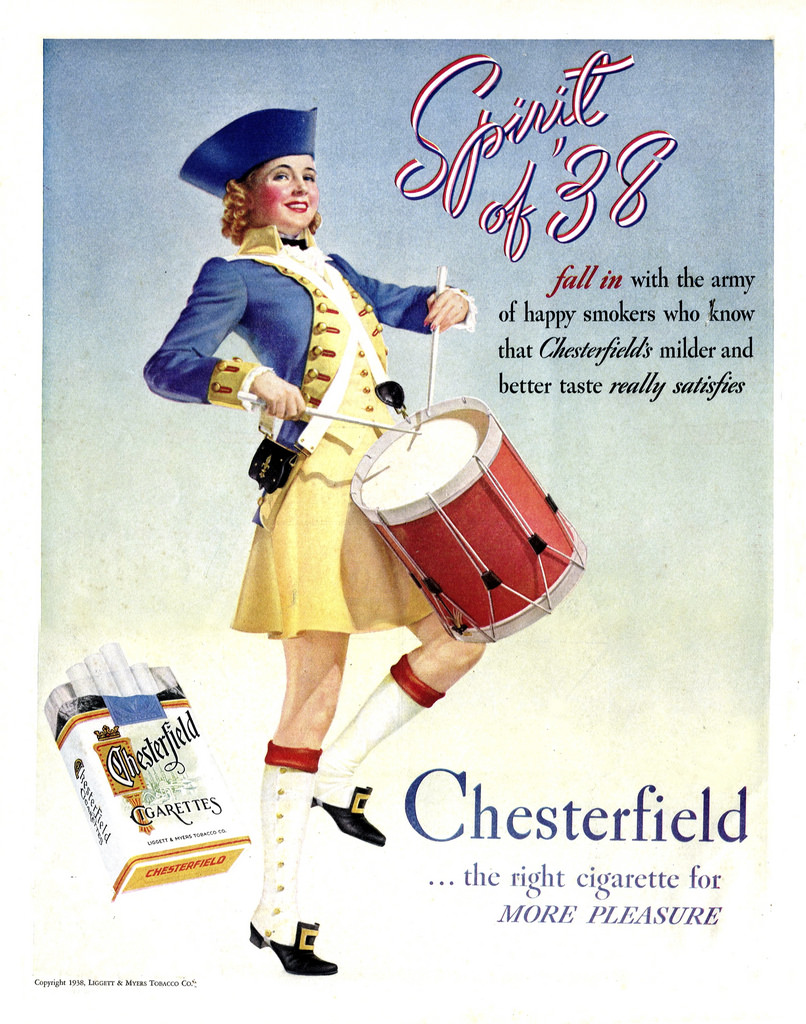
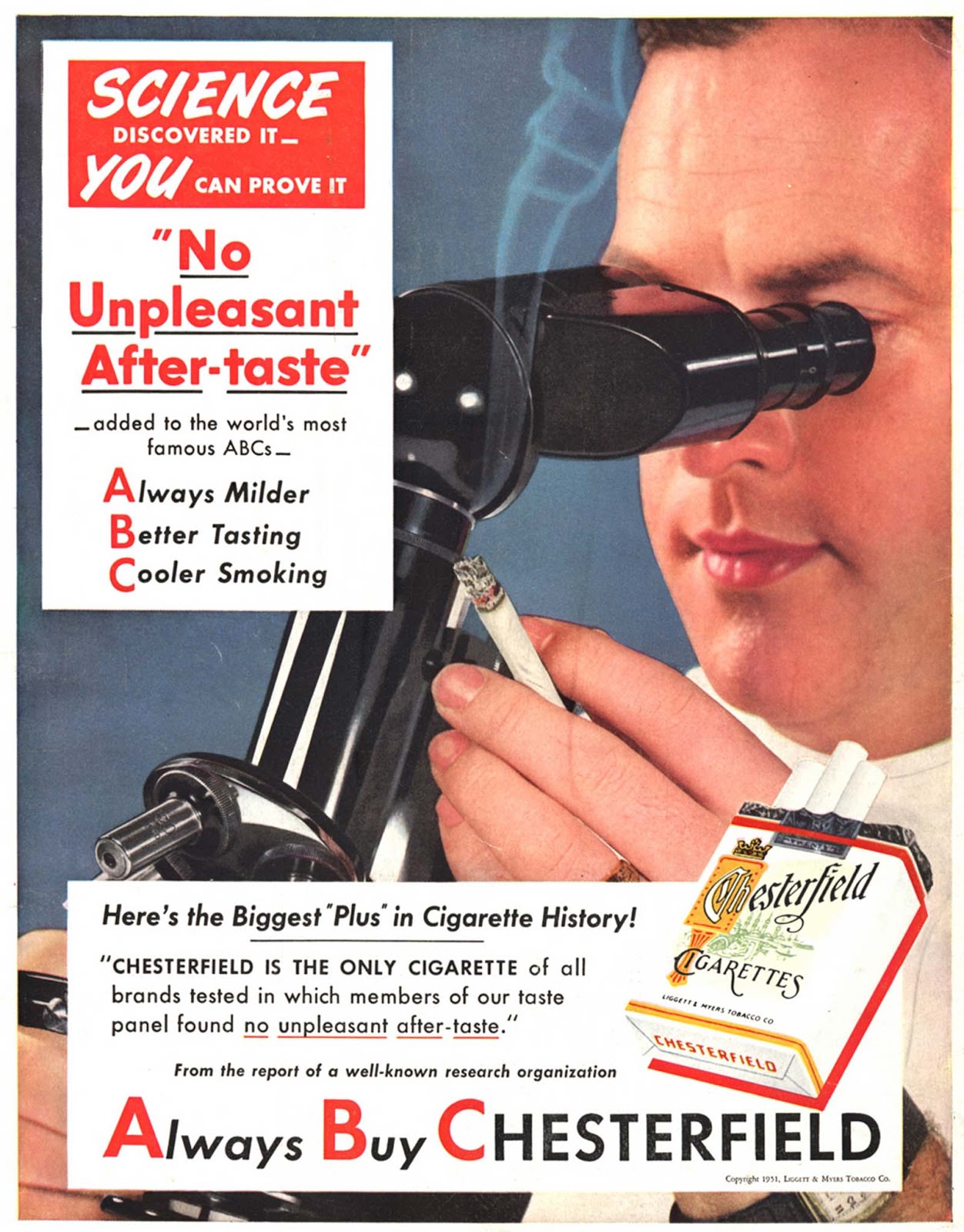
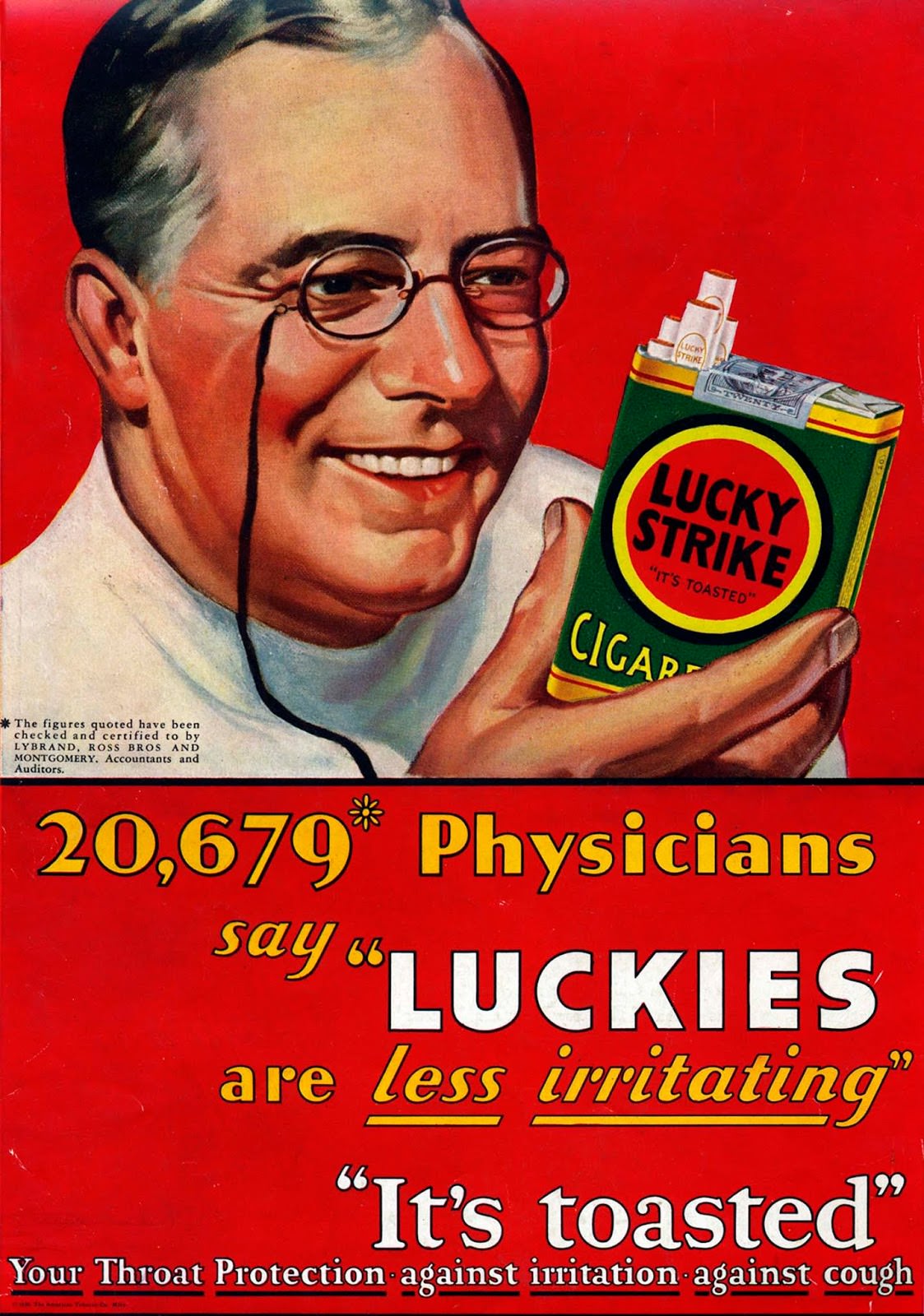
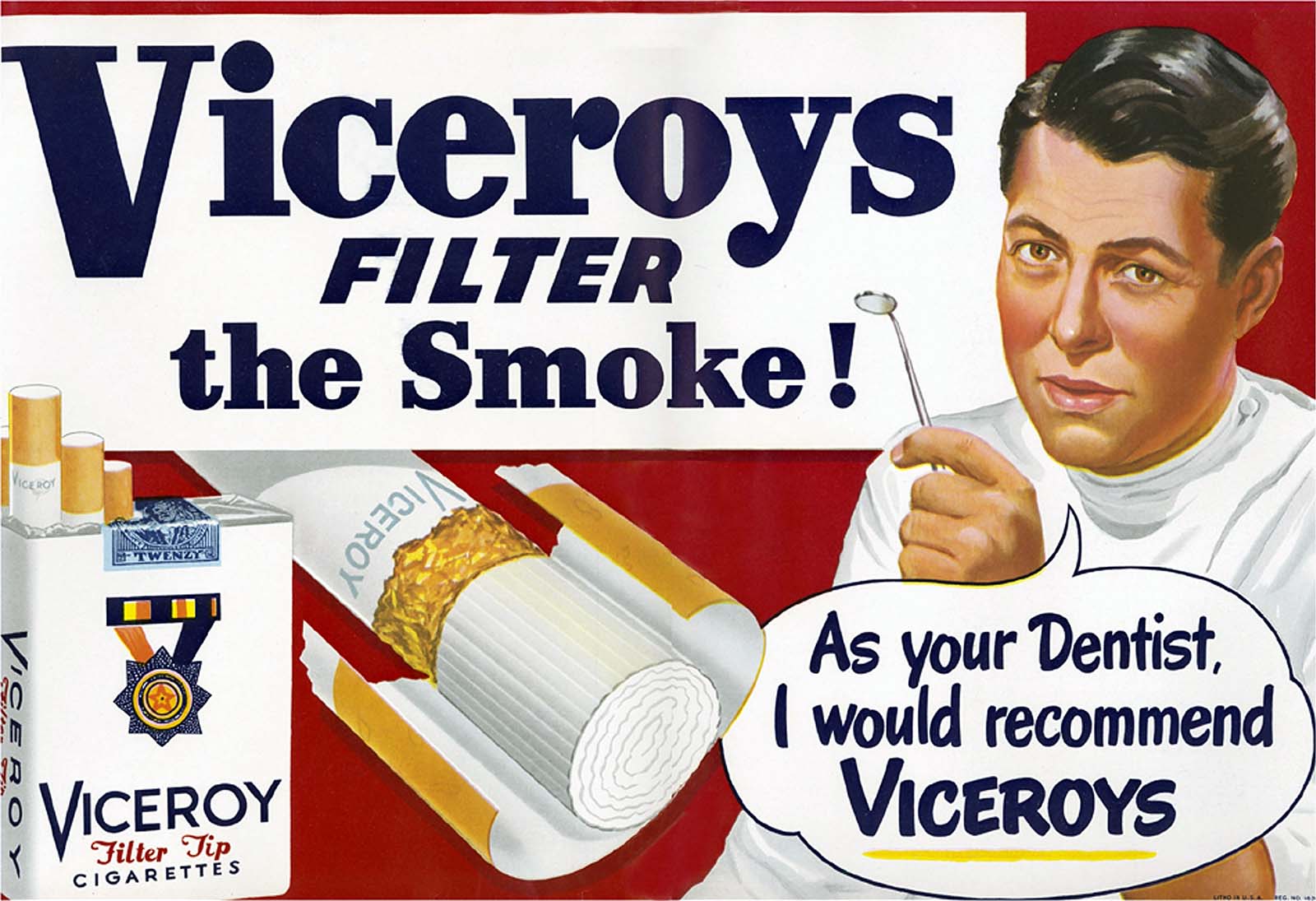
The medical establishment was not just passively absent — it was actively co-opted. Tobacco companies paid doctors to appear in advertisements or simply used the phrase “doctors recommend” without any real data behind it. Some brands ran ads claiming their cigarettes were better for the throat, less irritating, or even medically beneficial. These weren’t fringe claims buried in small print. They were the main selling point, splashed across full-page magazine spreads.
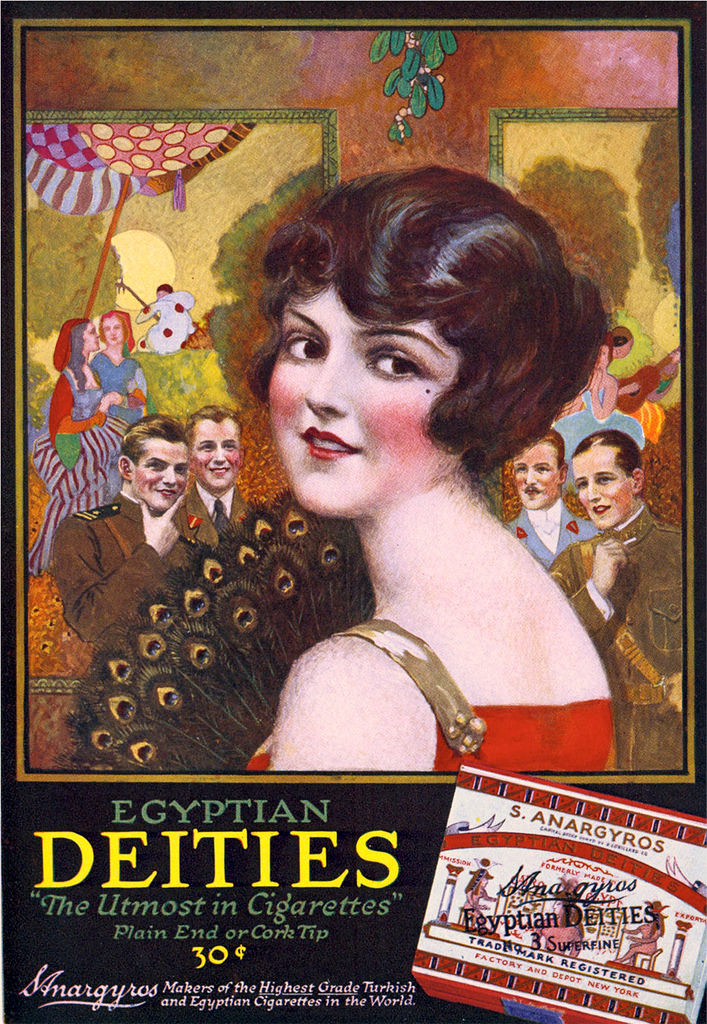
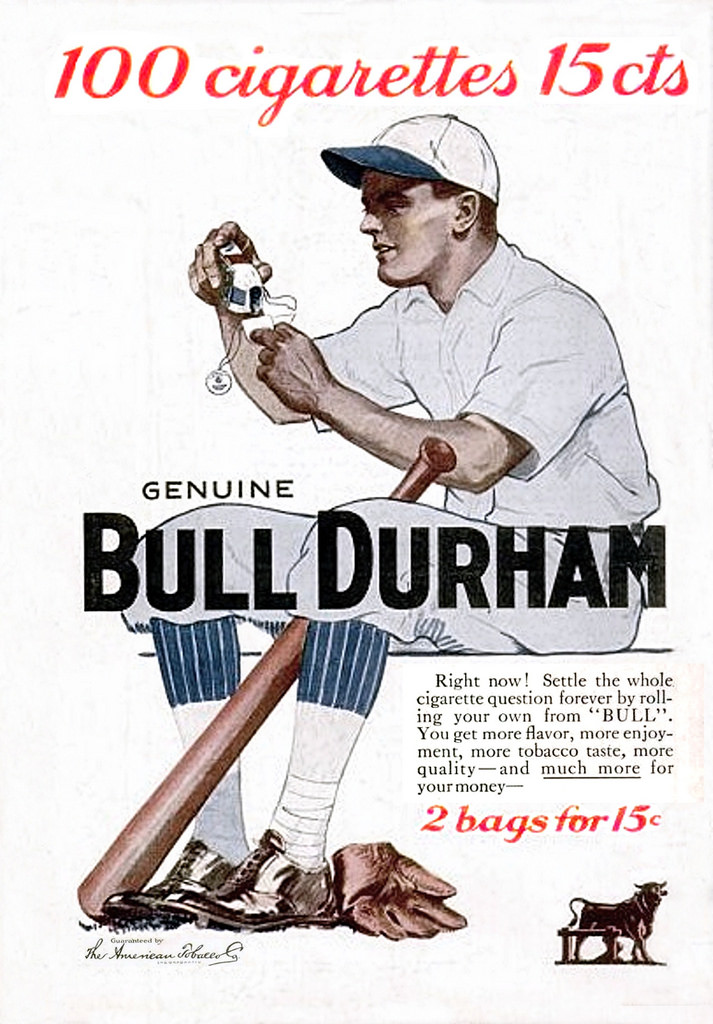
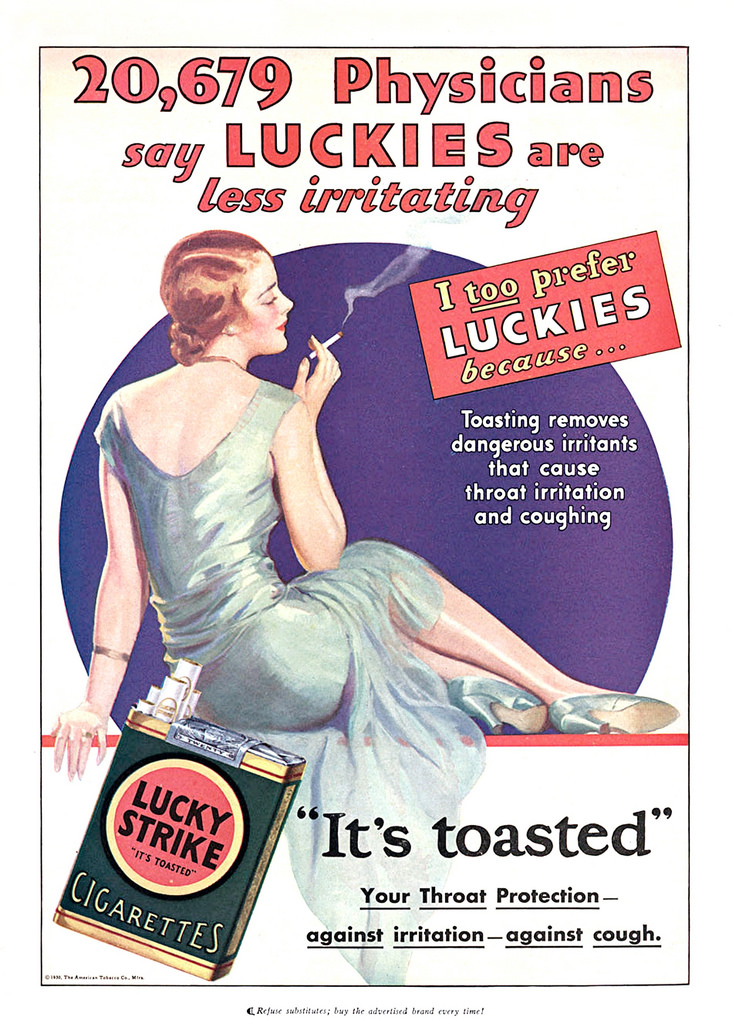
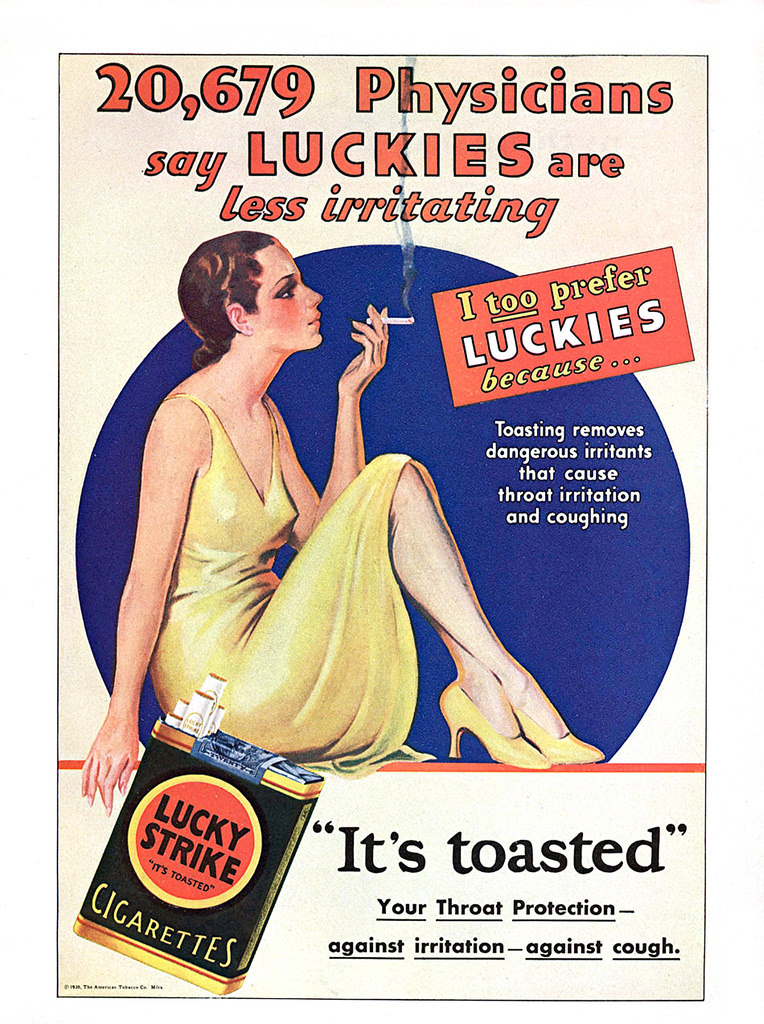
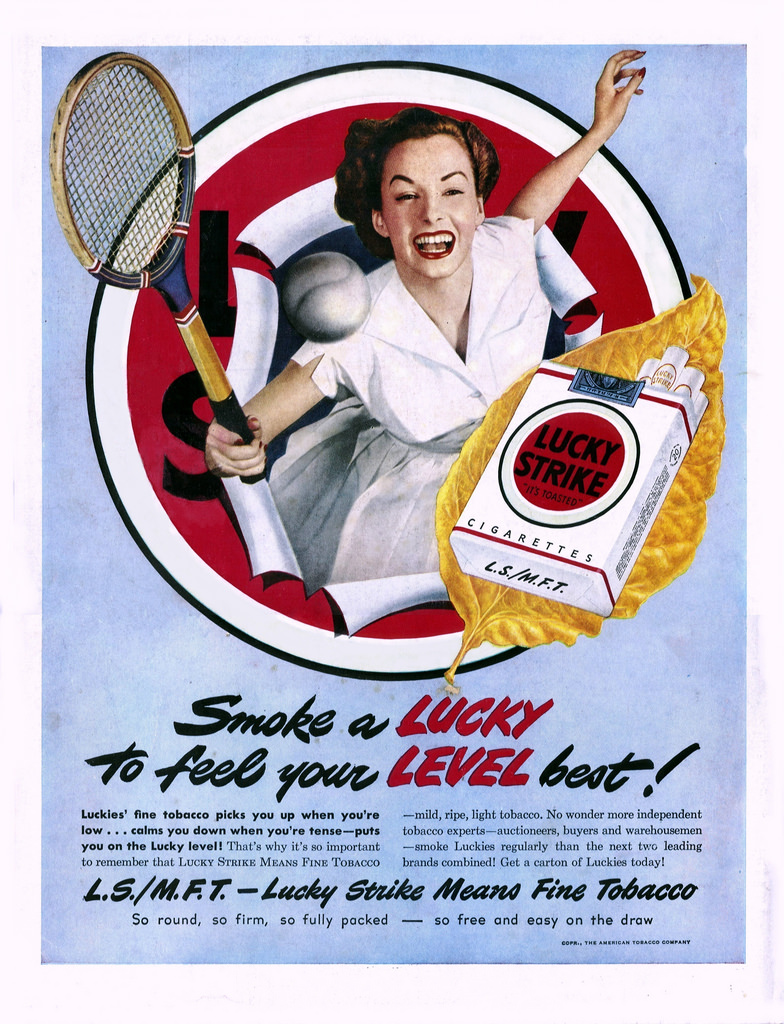
Tobacco companies didn’t just imply health benefits — they weaponized the medical profession’s image directly. Doctors were bribed with free cigarettes or cash payments to lend their names and faces to campaigns. The tactic worked because consumers in the 1930s and 1940s trusted physicians completely. Seeing a doctor in a white coat recommend a cigarette brand carried enormous weight.
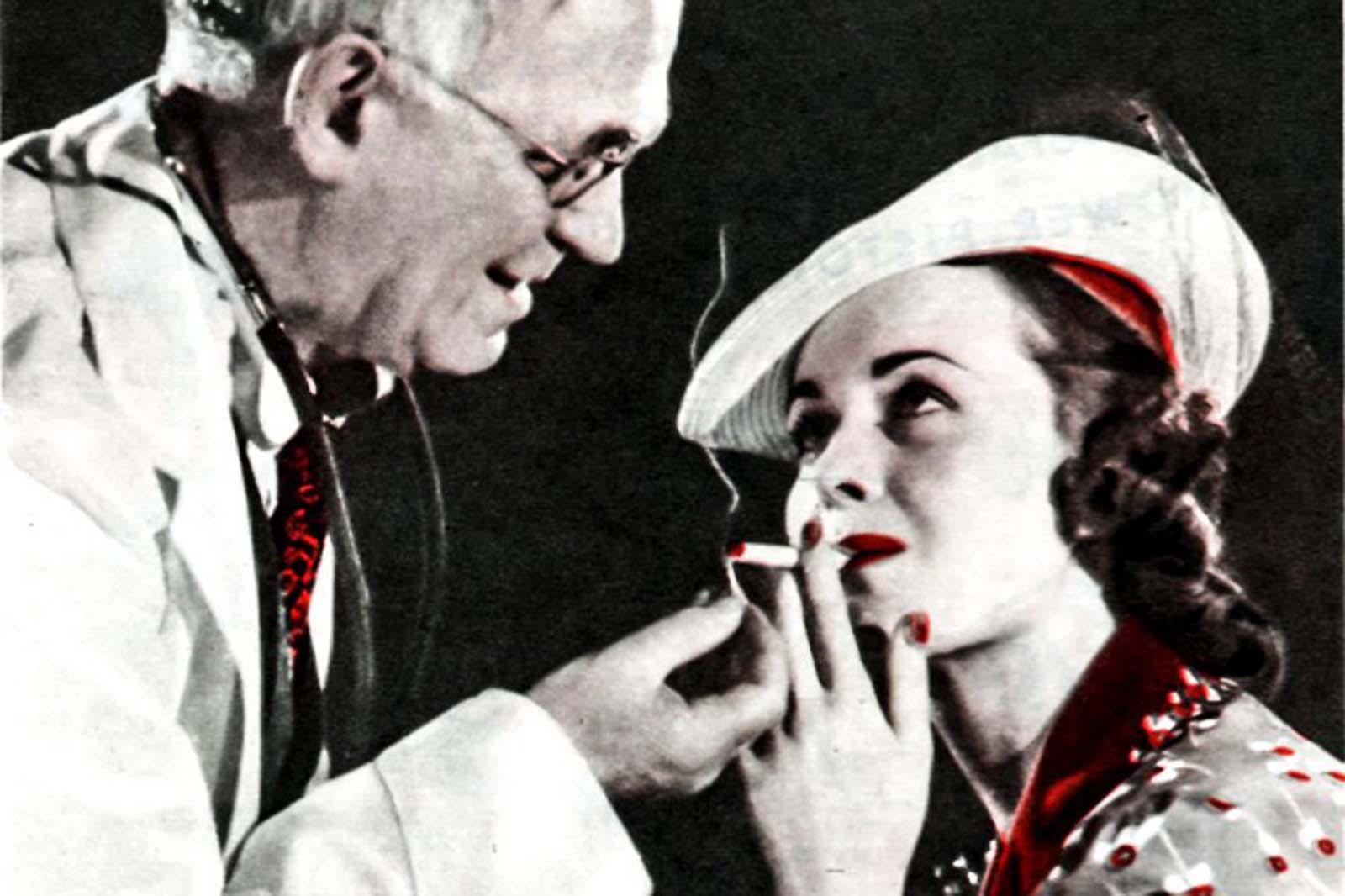
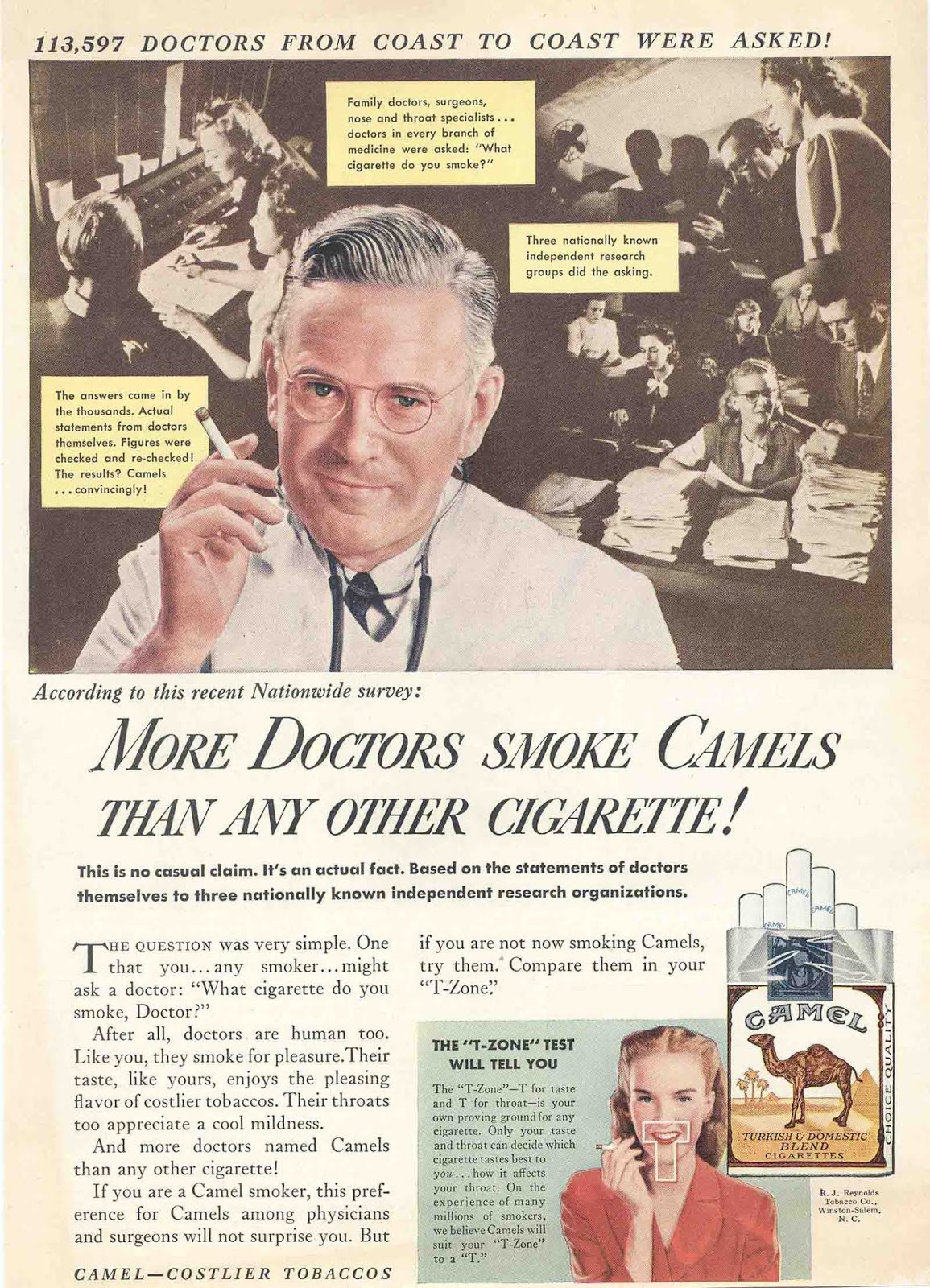
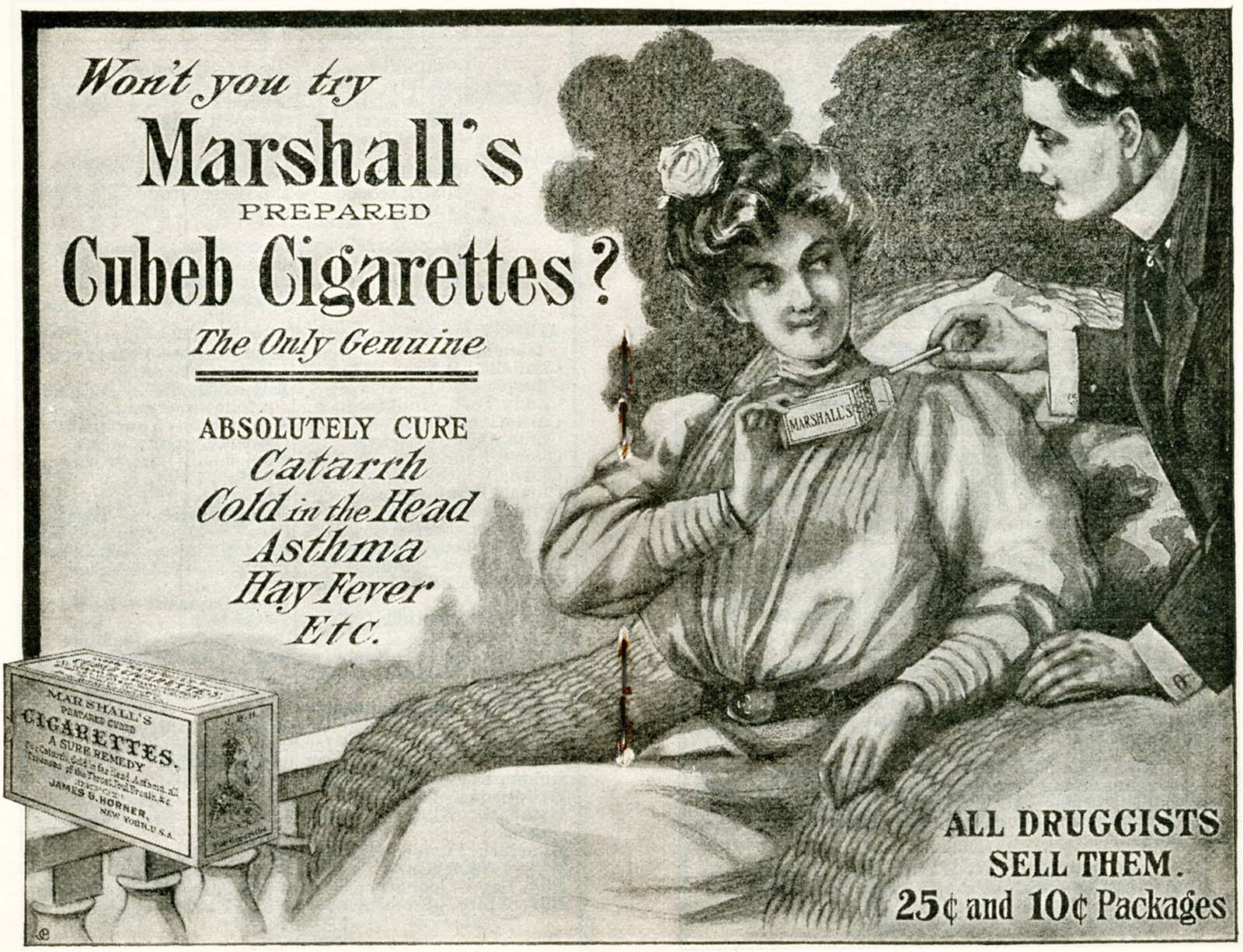
The American Tobacco Company and R.J. Reynolds were among the most aggressive players in this space. Their ads ran in mainstream publications like Country Gentleman, reaching farmers and working-class families across rural America — people who were equally targeted as the urban market.
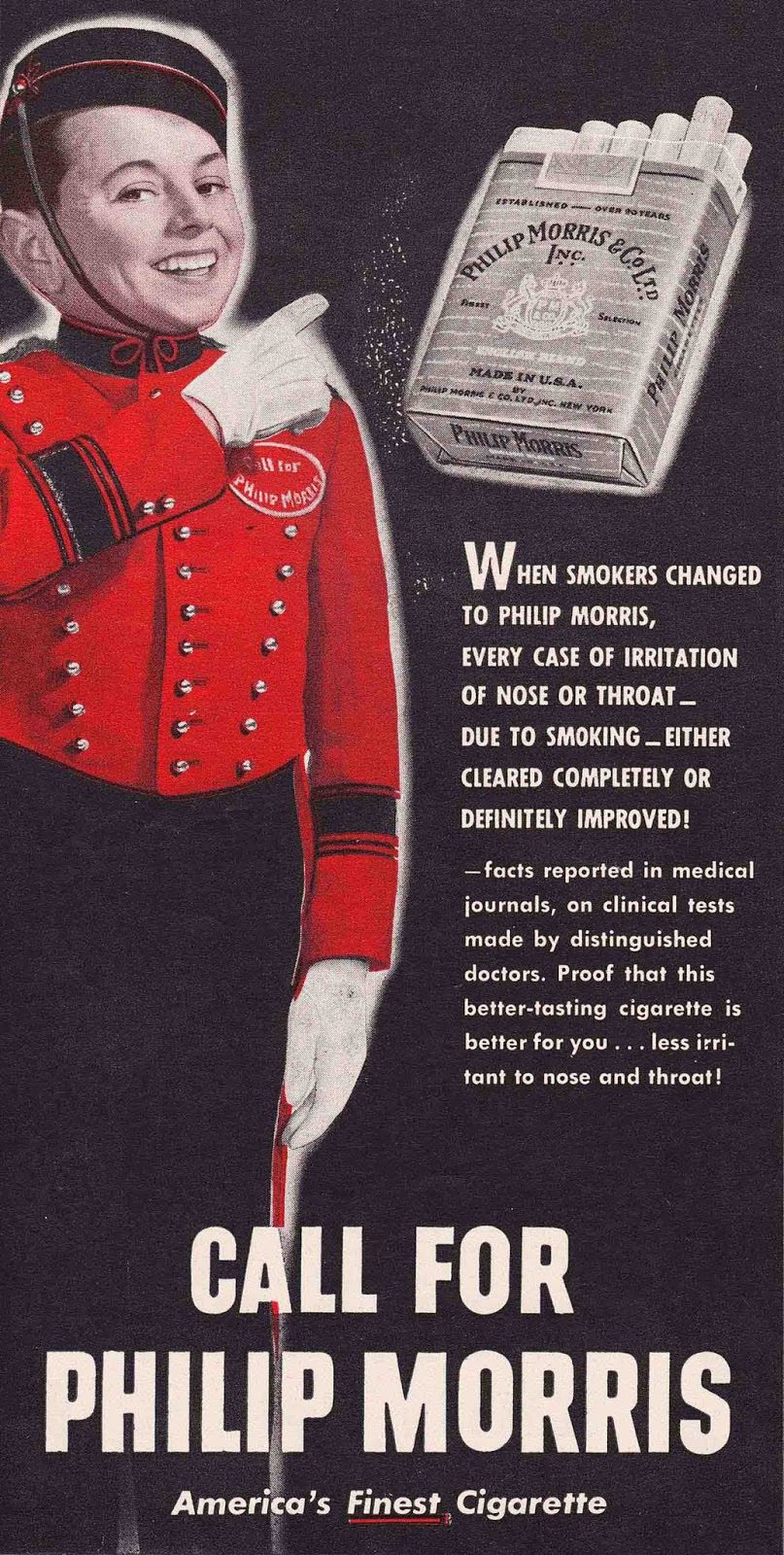
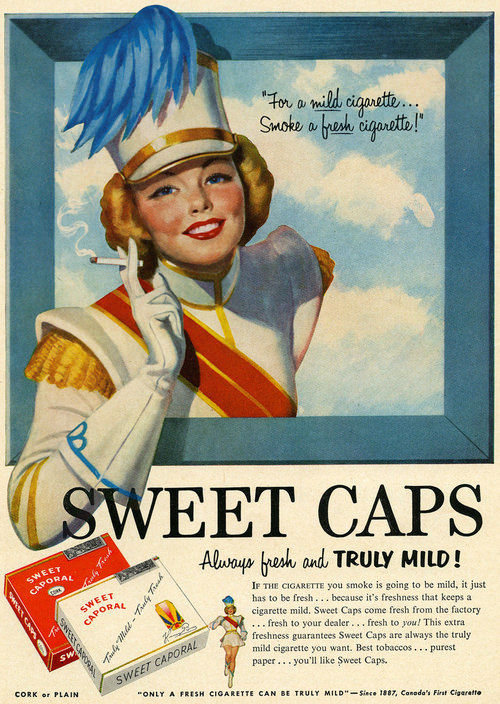
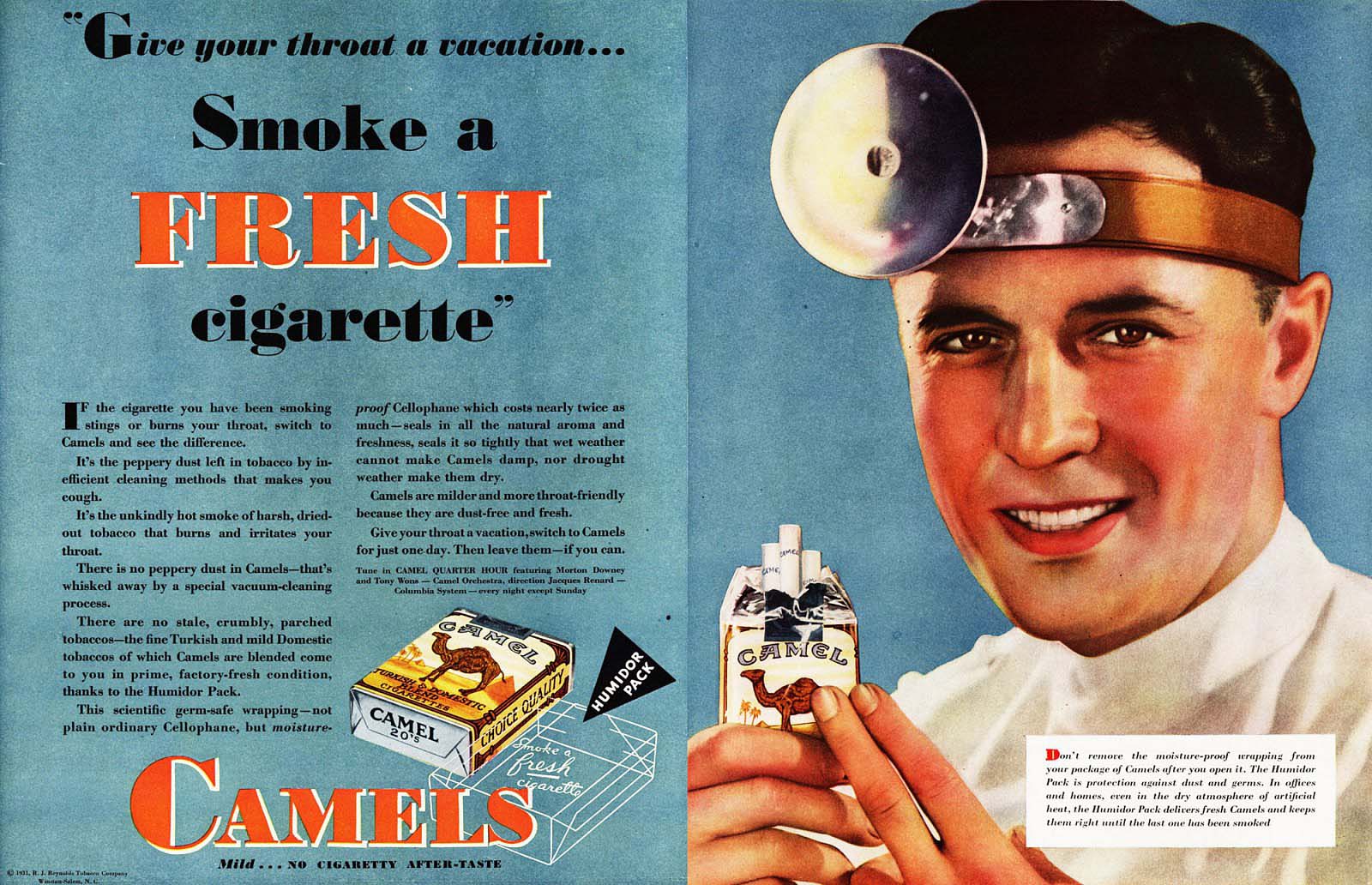
R.J. Reynolds promoted Camel cigarettes with the slogan “Smoke a fresh cigarette” in 1931, leaning into the idea of cleanliness and freshness — two qualities no one today would associate with a lit cigarette. Brown & Williamson made similar health-adjacent claims well into the late 1940s, long after internal research in the industry had begun raising red flags about nicotine’s effects.
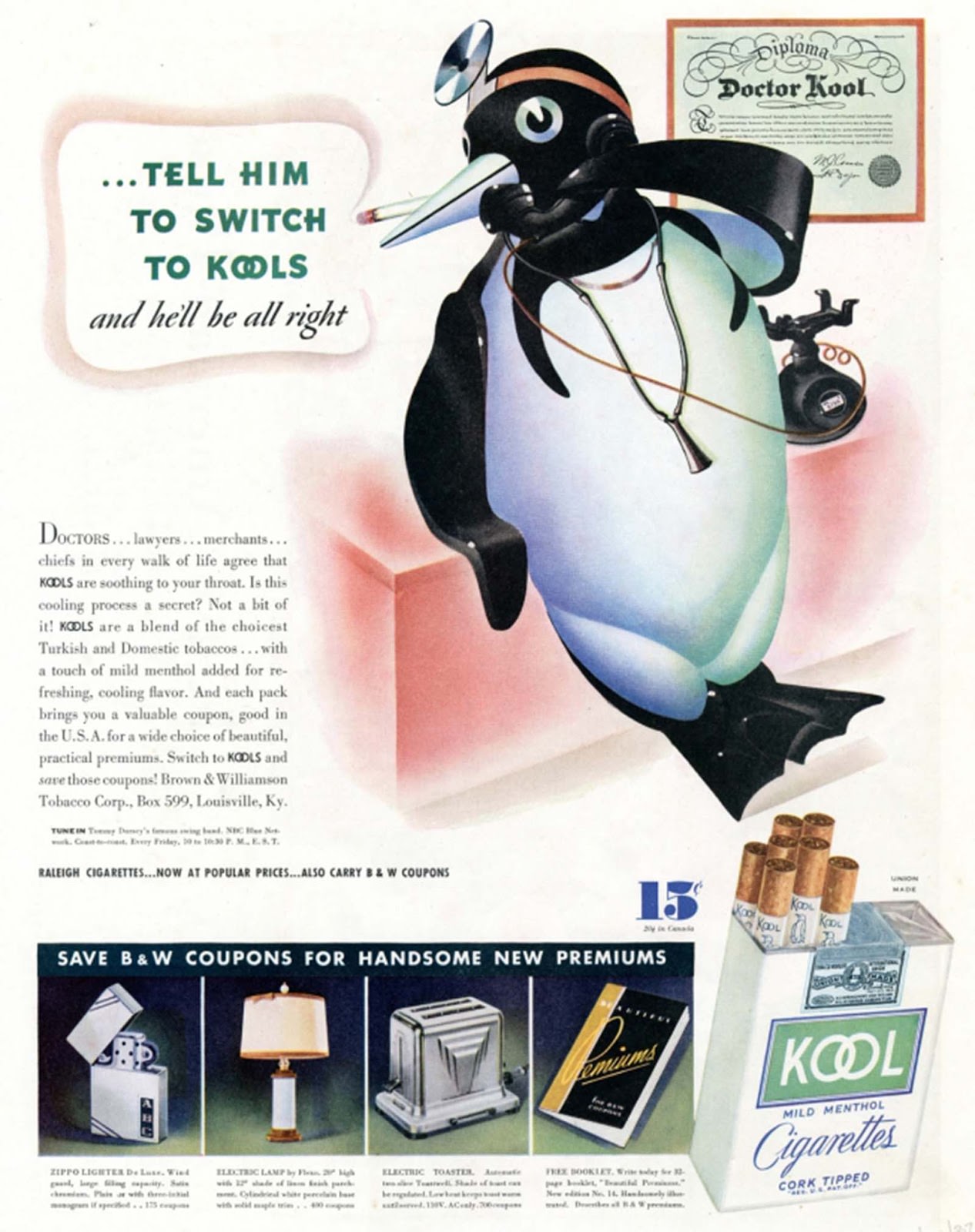
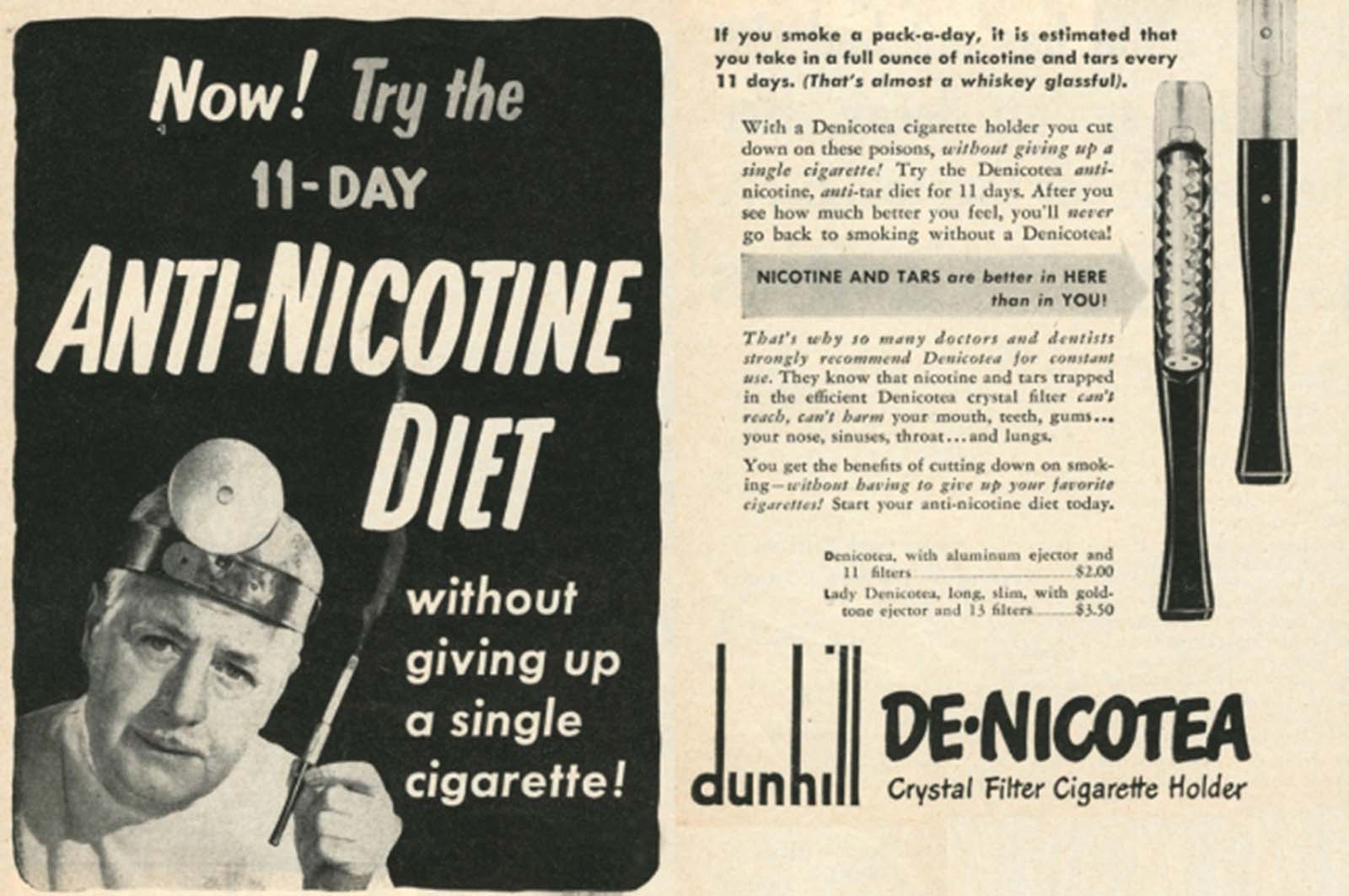
Kool cigarettes ran one of the more absurd campaigns of the era. Their mascot, a cartoon penguin, was dressed as a throat doctor — an otolaryngologist — to push the claim that Kool cigarettes soothed irritated throats. The 1938 ad series insisted that the menthol in Kool cigarettes made them medically superior to other brands. Meanwhile, Dunhill took a different angle in 1948, openly acknowledging that nicotine was a poison, but selling a “crystal filter” device as protection — while assuring buyers they wouldn’t have to give up a single cigarette to be safe.