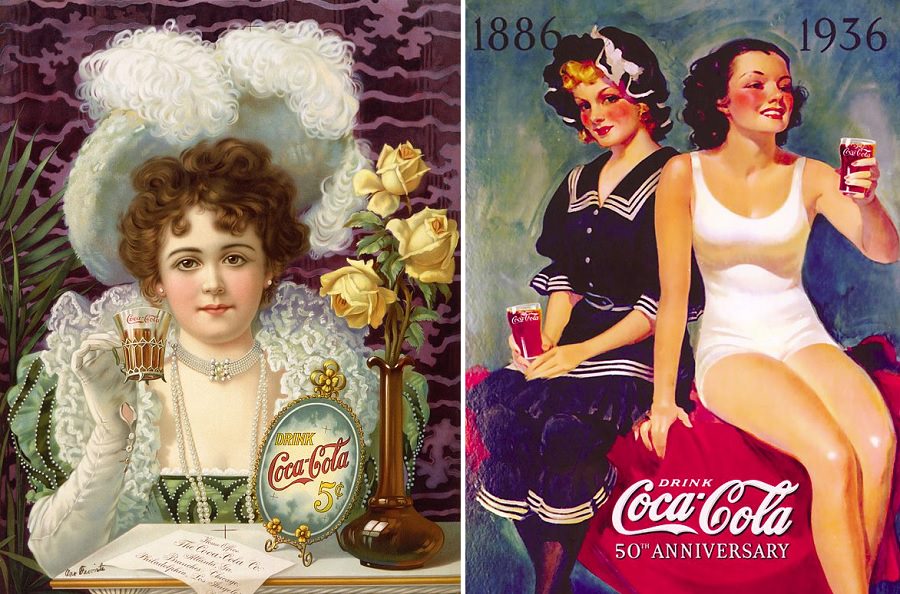
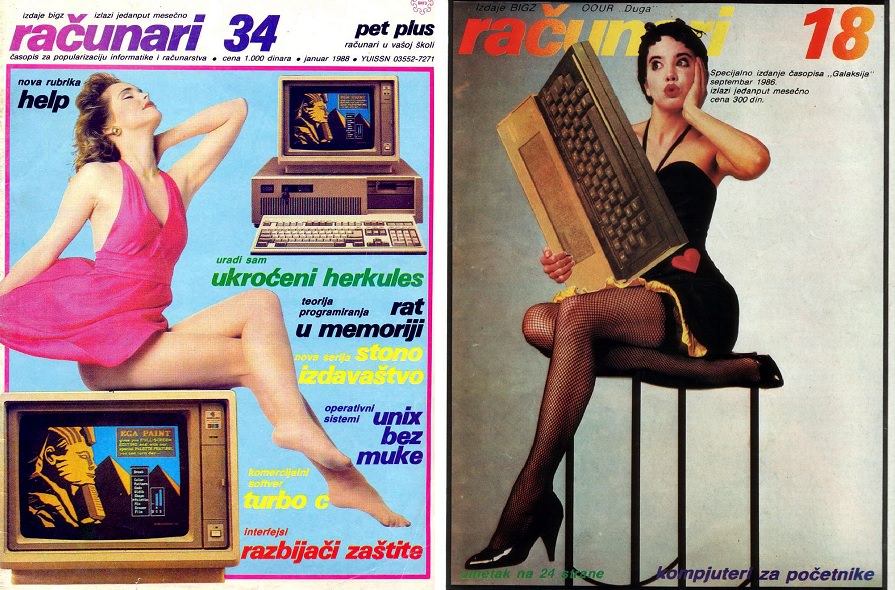
Advertisers have always looked for ways to grab attention. In the mid-20th century, one tactic rose above the rest: sex appeal. It showed up in ads for cologne, beer, and cars — products where the connection made at least some sense. But vintage marketers didn’t stop there. They applied the same formula to products so ordinary, so far removed from romance or attraction, that the results bordered on absurd.
The logic was straightforward. Men were the assumed primary buyers for most goods, and advertisers knew that a glamorous woman in an ad could stop a man mid-page-flip. So they deployed that formula everywhere — and they meant everywhere.
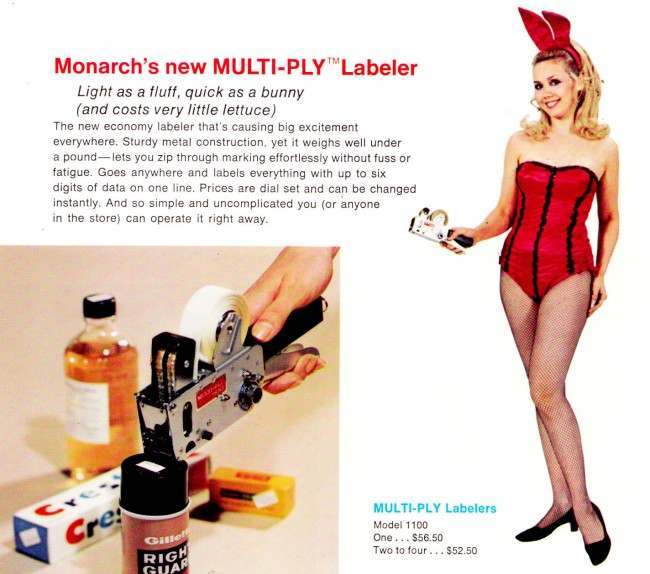
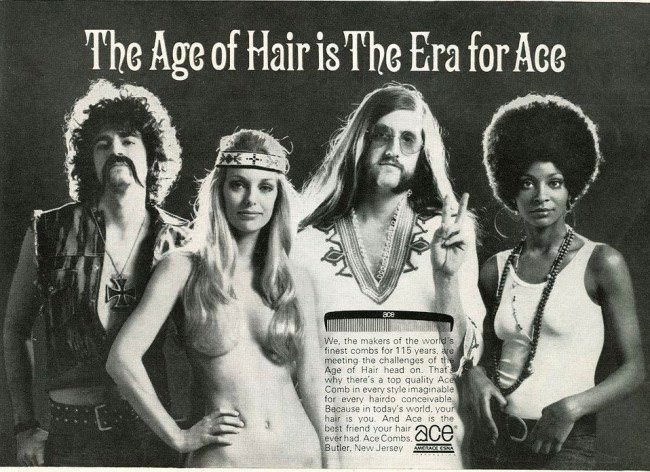
Label makers and office supplies were hardly the stuff of fantasy, but that didn’t stop copywriters from trying. Combs got the same treatment.
Even staple foods weren’t off limits. Rice ads featured alluring models as if a bag of grain needed seduction to move off the shelf.

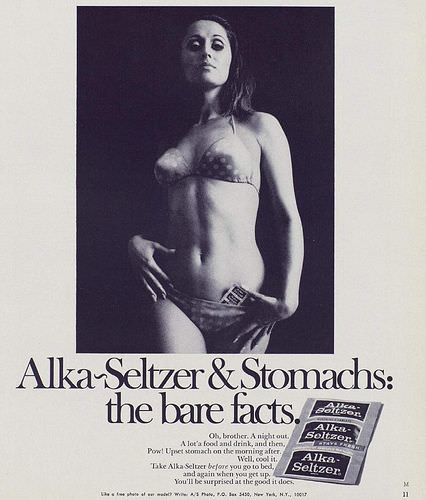
Antacids were a particularly odd choice. A product designed to relieve stomach discomfort was dressed up with glamour shots, suggesting digestive relief had somehow become a lifestyle statement.
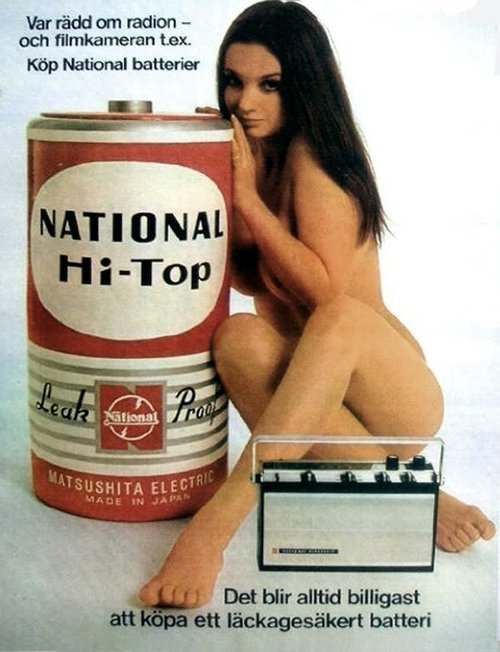
Batteries followed suit. Leak-proof batteries, a purely functional product, were marketed with the same suggestive energy typically reserved for luxury goods.
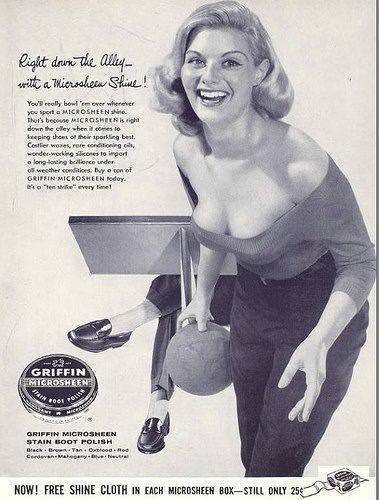
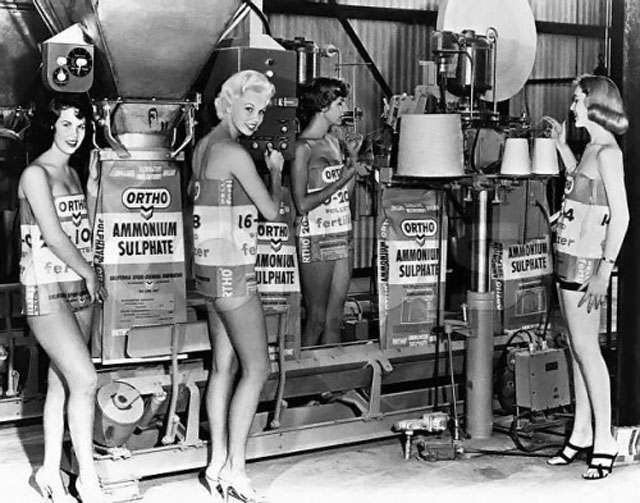
Boot polish ads leaned heavily on leggy imagery — a convenient excuse given the product’s connection to footwear. Ammonium sulfate, a fertilizer, had no such excuse.
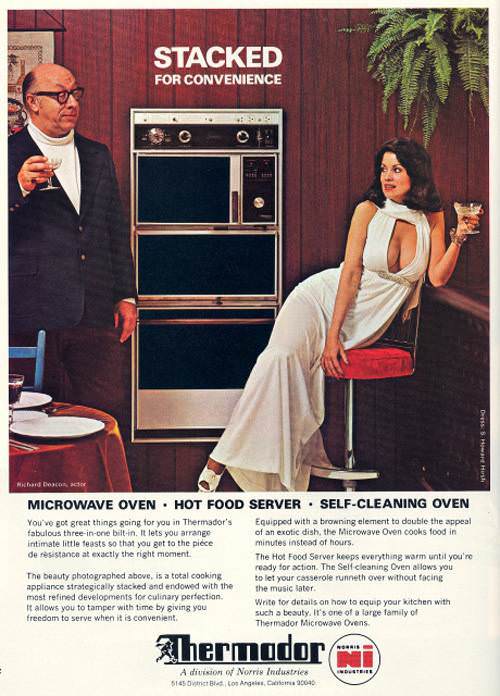
Kitchen appliances were sold to women, yet oven ads still managed to work in sex appeal — often in ways that reduced the female figure to a decorative element alongside the product.
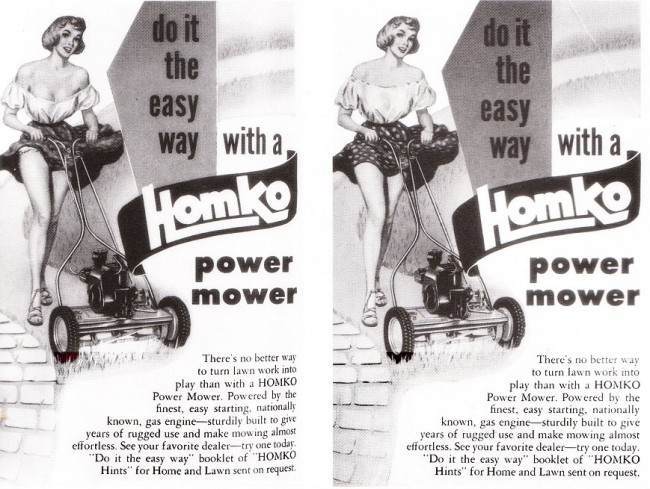
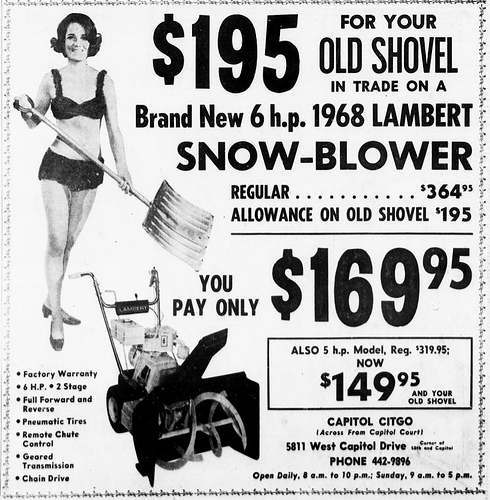
Lawn mowers and snow blowers — machines built for sweaty weekend chores — were marketed with the same playbook.
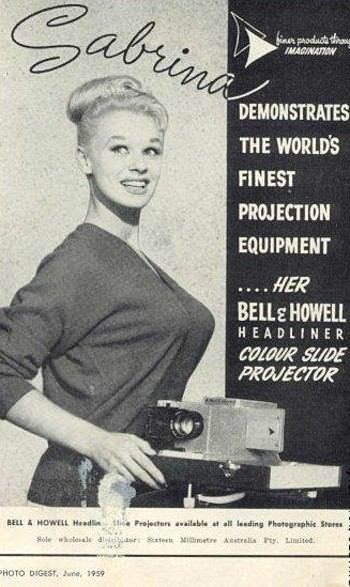
Perhaps the most telling examples come from industrial products. Pipe welding manuals and slide projectors — tools aimed at engineers and tradespeople — still featured provocative imagery, as if technical buyers needed the same persuasion tactics as cologne shoppers.

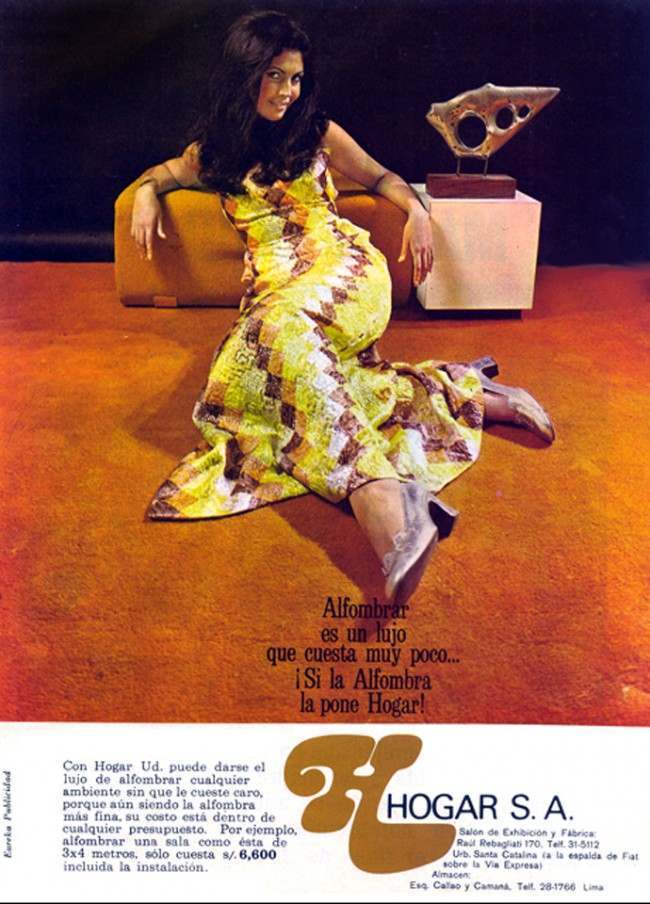
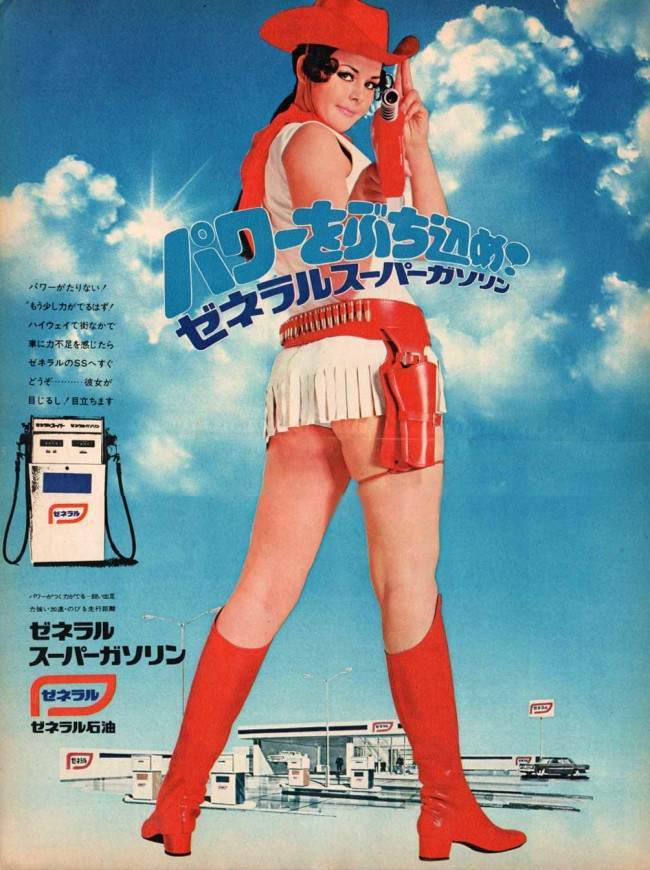
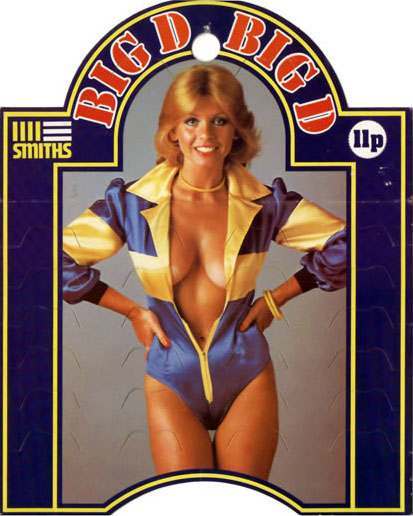
Carpet, fuel, and even nuts rounded out the list. These ads reveal how deeply the “sex sells” mindset was embedded in mid-century marketing culture — no product category was considered too dull or too practical to escape it.