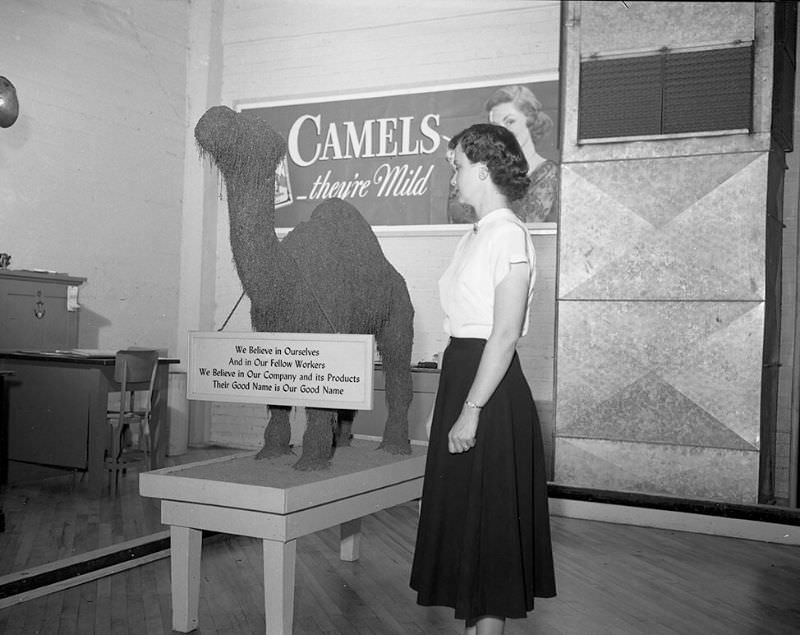
In 1913, Richard Joshua Reynolds changed how cigarettes were sold. He was the first to package cigarettes in a moisture-proof, sealed cellophane outer wrap — a simple but game-changing move that kept tobacco fresh far longer than anything before it. That same year, Reynolds designed the Camel cigarette, blending Turkish tobacco to copy the taste of Egyptian cigarettes, which were fashionable at the time. The name and the flavor were calculated choices, and they worked.
Within just one year of launching, Reynolds sold more than 425 million packs of Camels — at a price lower than his competitors. The brand’s popularity was so tied to its home city that Winston-Salem, North Carolina, earned the nickname “Camel City.” R.J. Reynolds had built its headquarters there, and the factory floor buzzed with production day after day.
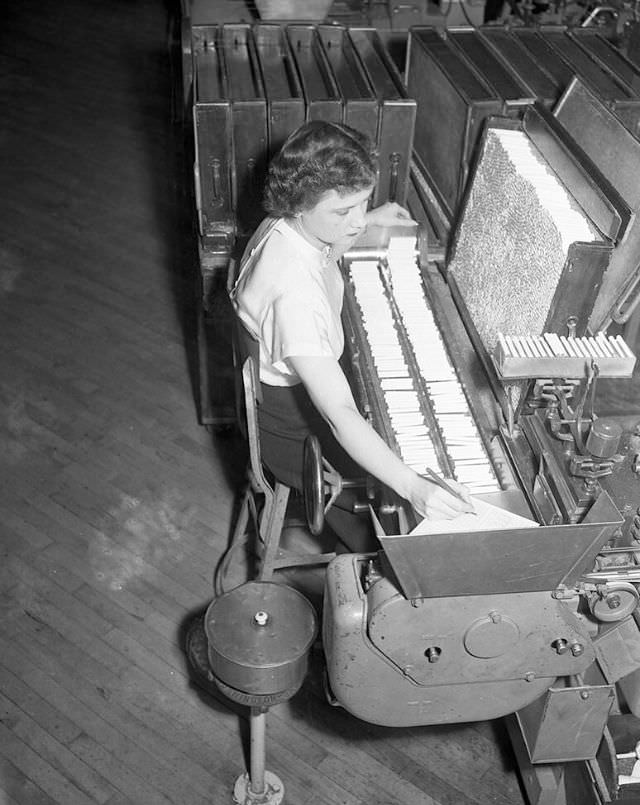
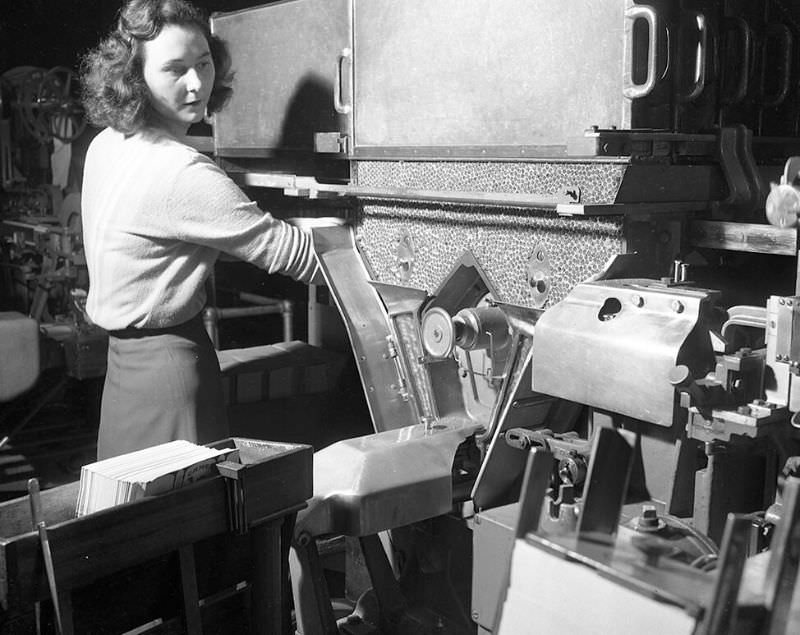
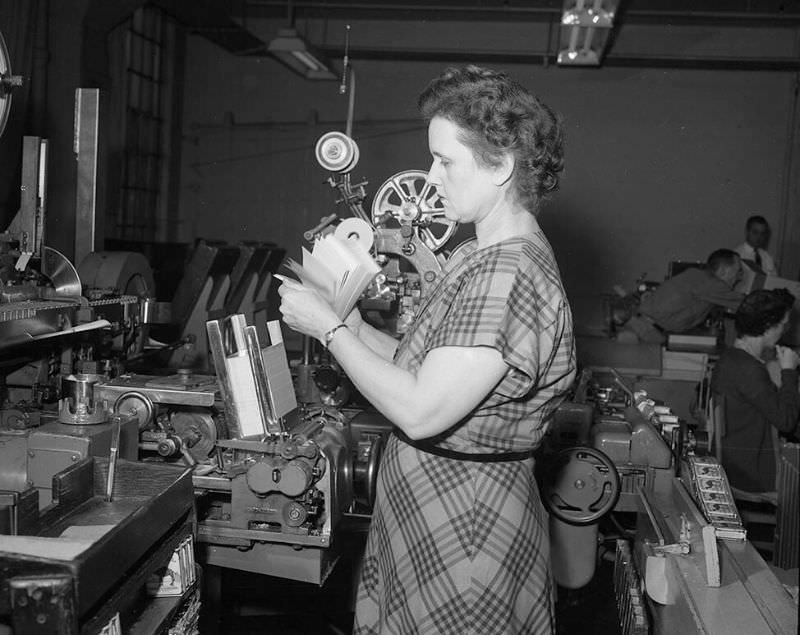
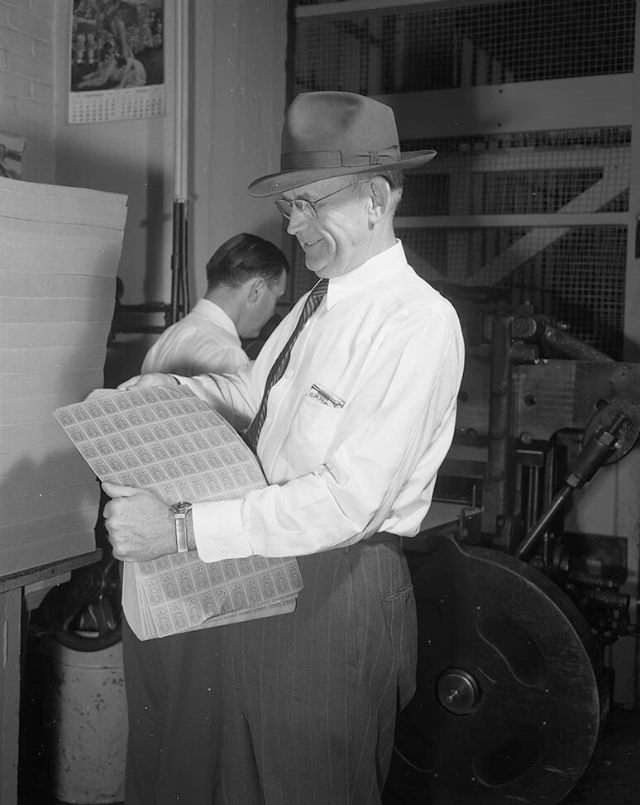
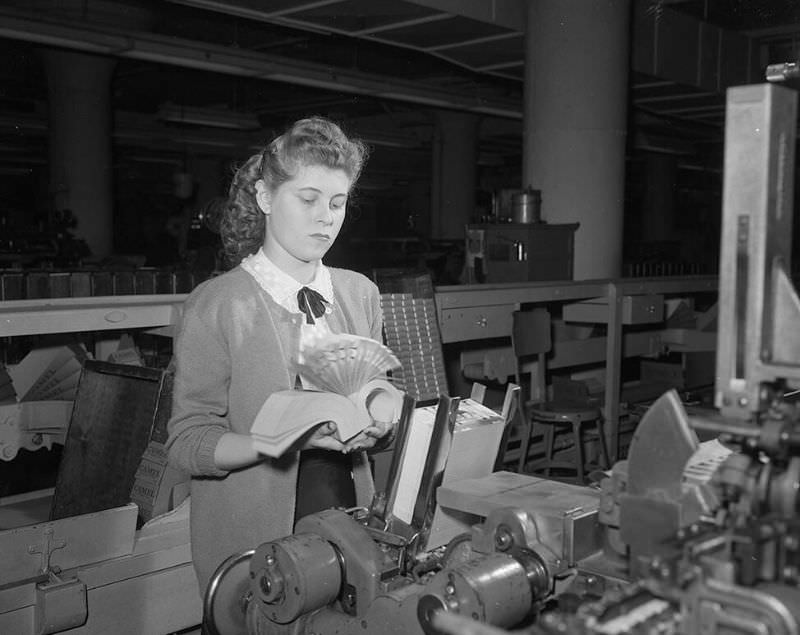
By 1948, the Winston-Salem factory was a large and busy operation. These photographs capture what daily life looked like inside those walls. Women made up a significant part of the workforce on the production floor, handling the machines and the packing lines that kept Camel cigarettes moving out the door and into the hands of millions of Americans.
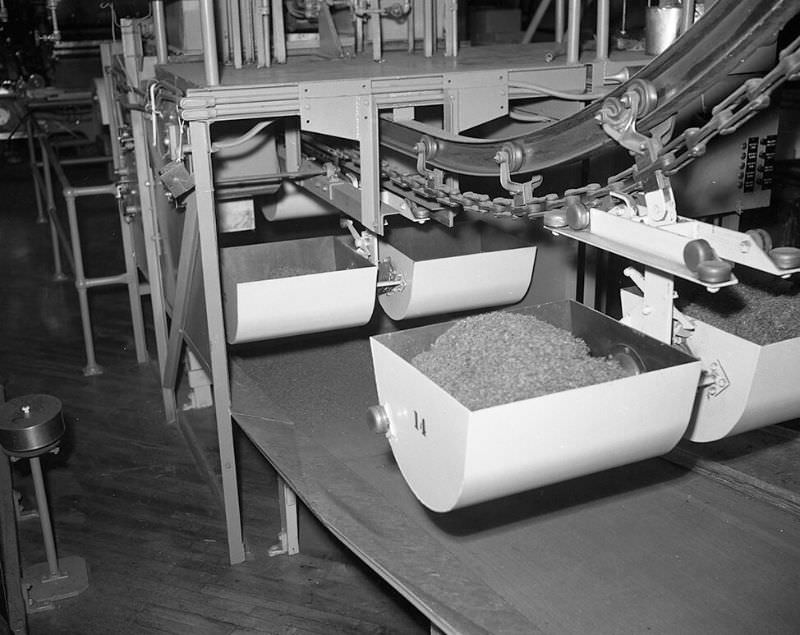
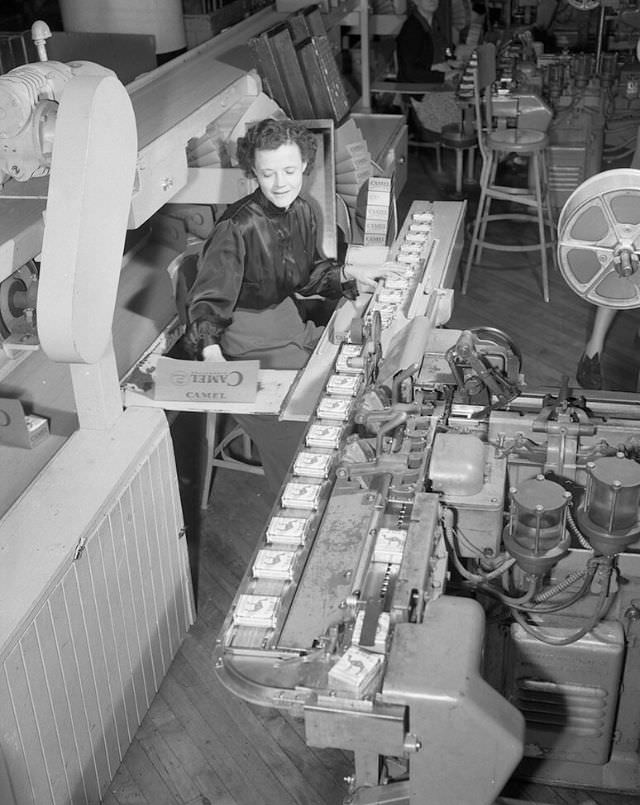
The factory floor was a world of repetition and precision. Workers stood or sat at long stations, feeding tobacco into machines, monitoring the output, and keeping the pace steady. Every pack that left the building had to meet the same standard — the sealed cellophane wrap that Reynolds had pioneered decades earlier was still a key part of the process.
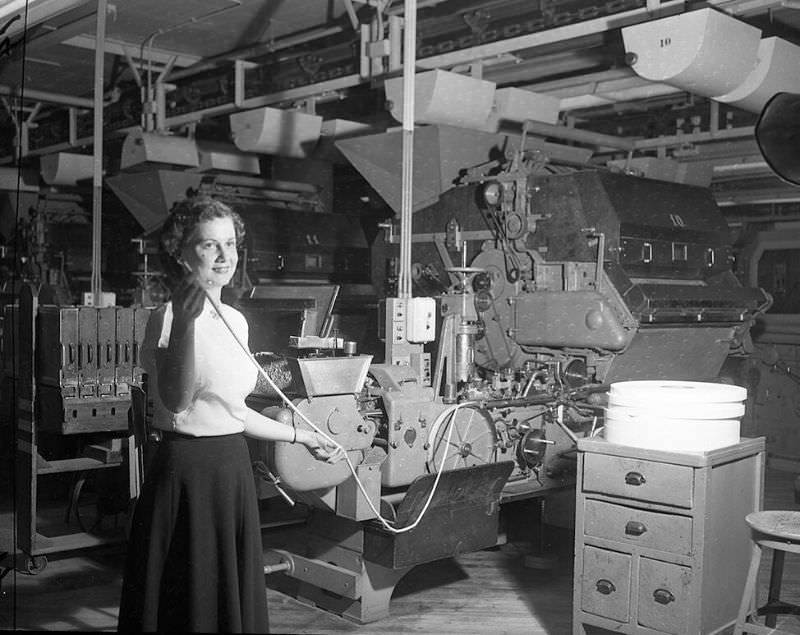
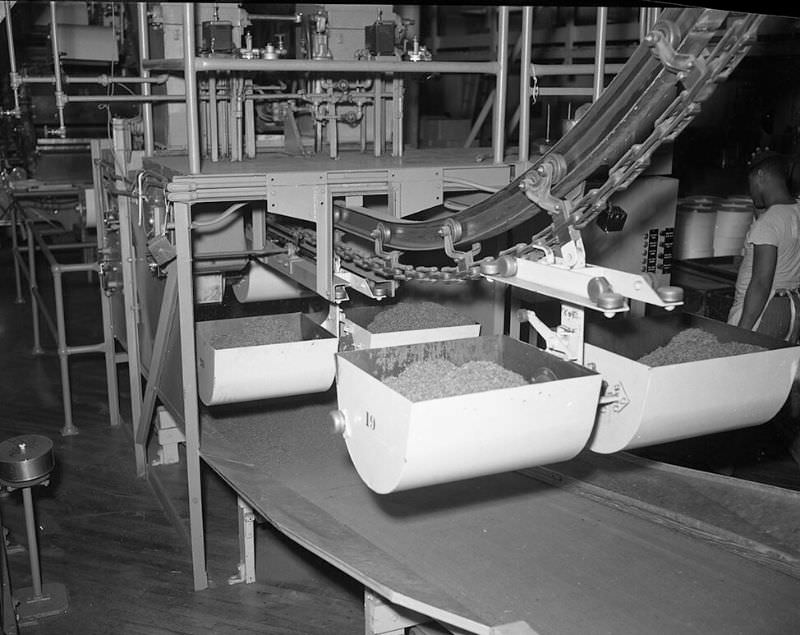
The women working these lines were skilled at their jobs. Packing cigarettes required speed and attention to detail. A misaligned pack or a broken seal could mean an entire batch was rejected. These workers kept the operation running smoothly, shift after shift.
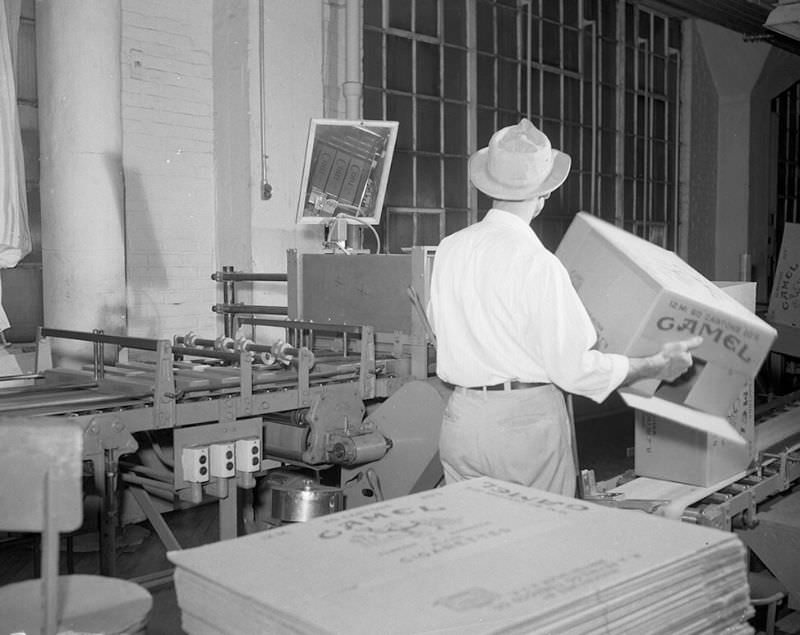
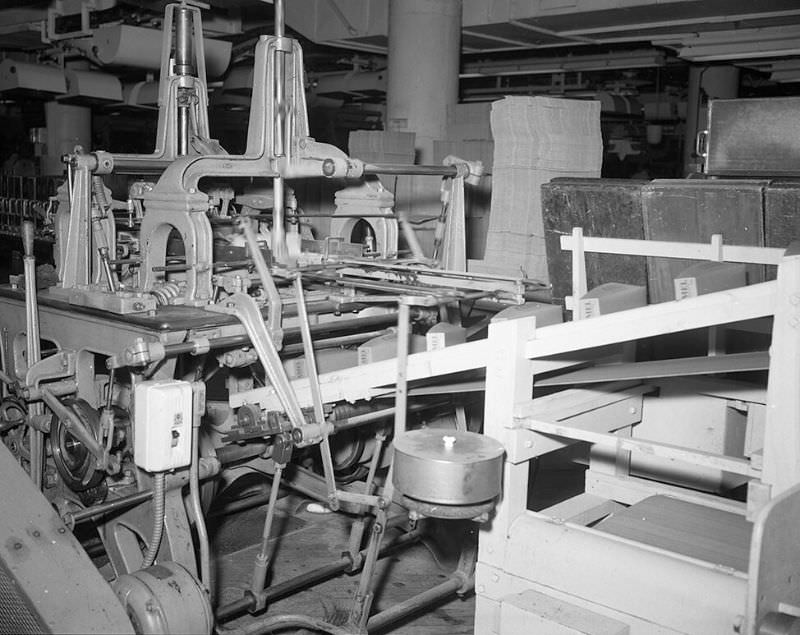
Post-World War II America was a peak era for cigarette consumption. Camels were one of the dominant brands on the market, and the factory in Winston-Salem was central to meeting that demand. The photographs from 1948 show machinery that, for its time, was highly mechanized — yet still required a large human workforce to operate and oversee.
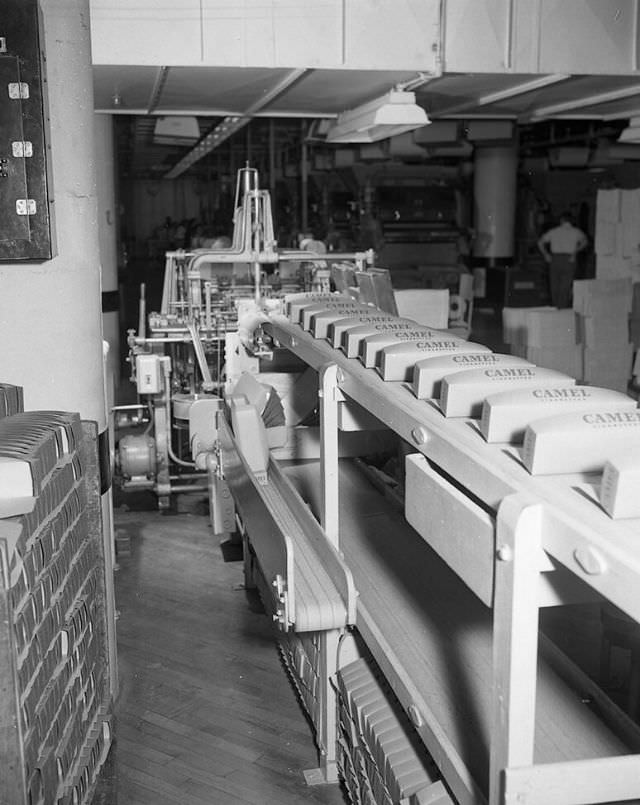
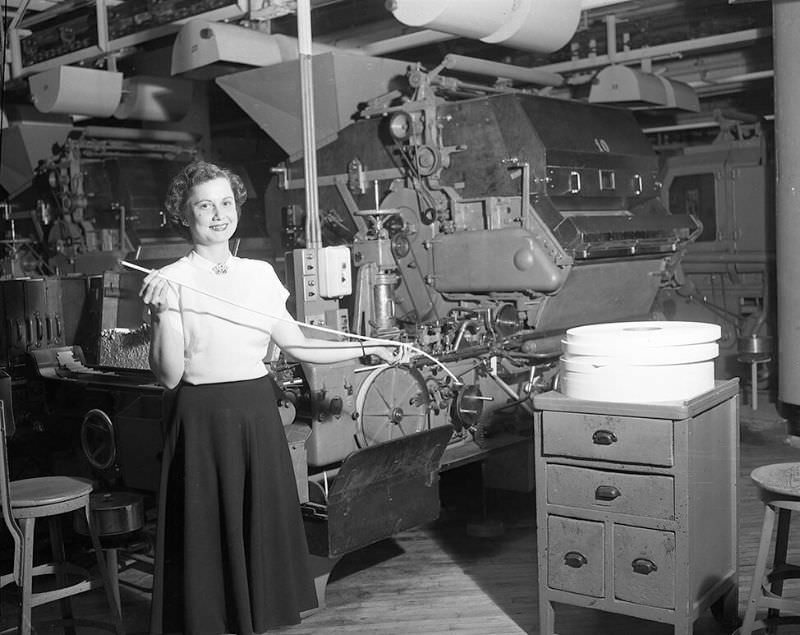
The scale of the operation is clear in these images. Rows of machines stretched across wide factory floors, and workers were stationed at nearly every point along the line. The sheer volume of cigarettes being produced on any given day was enormous.
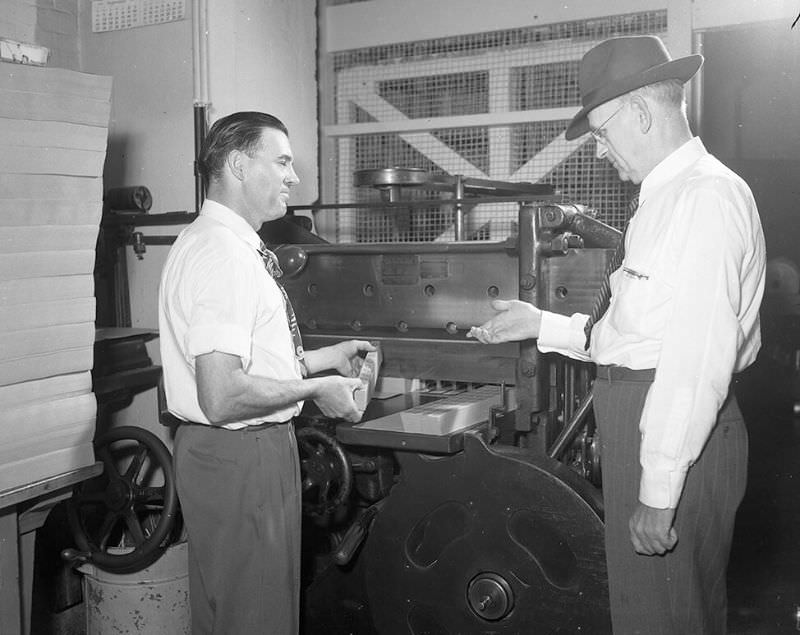
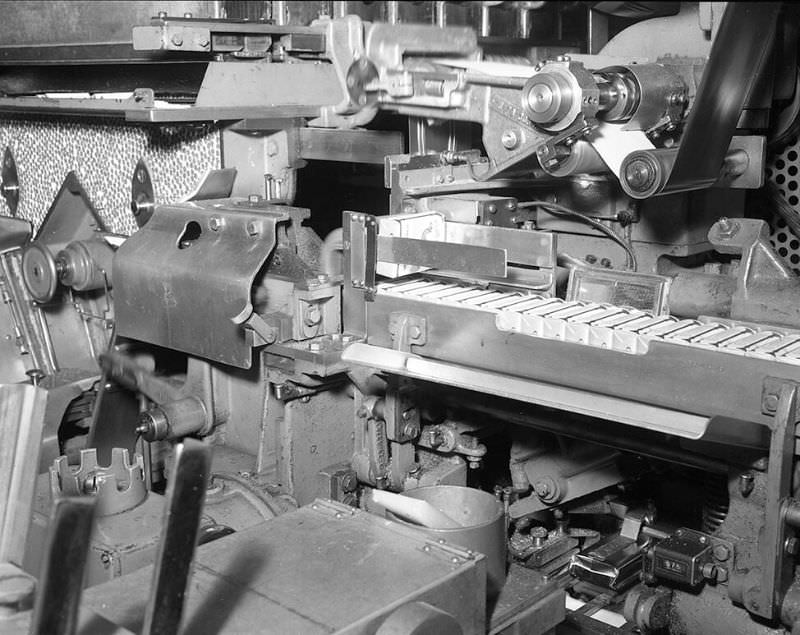
Winston-Salem itself was shaped by this industry. The R.J. Reynolds company was not just a local employer — it was the backbone of the city’s economy. “Camel City” was not just a nickname; it reflected how deeply the brand and the factory were woven into everyday life there.
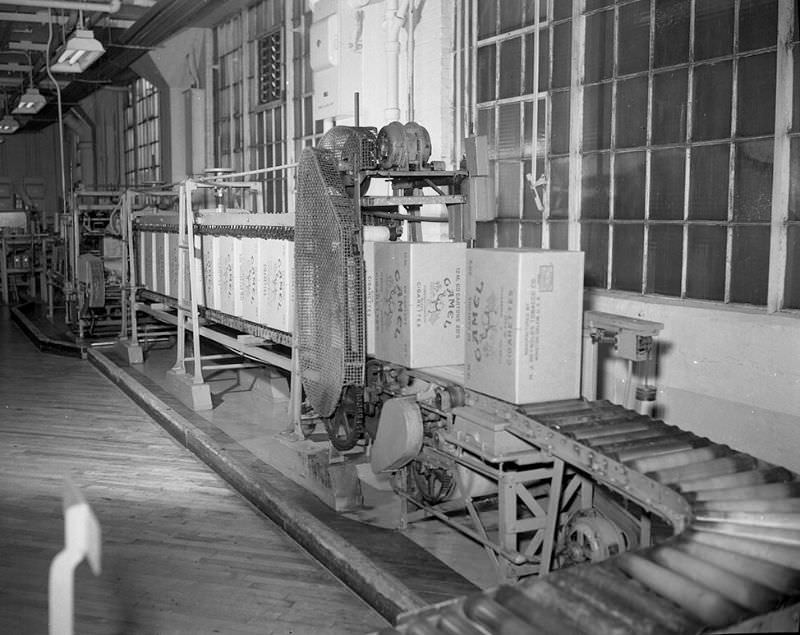
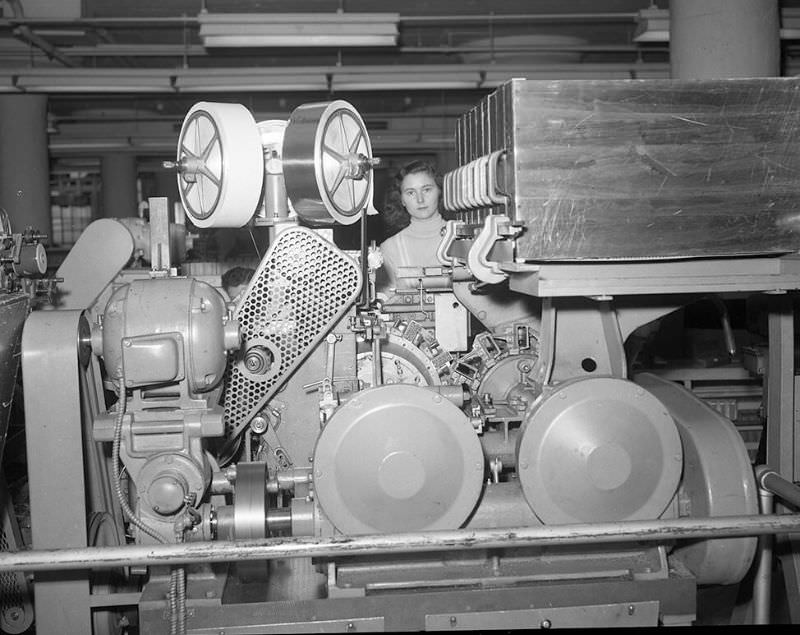
The process of making a Camel cigarette in 1948 involved multiple stages — from processing the raw Turkish tobacco blend to rolling, cutting, filtering through quality checks, and finally wrapping each pack in that distinctive sealed cellophane. Each stage had its own team of workers keeping the line moving.
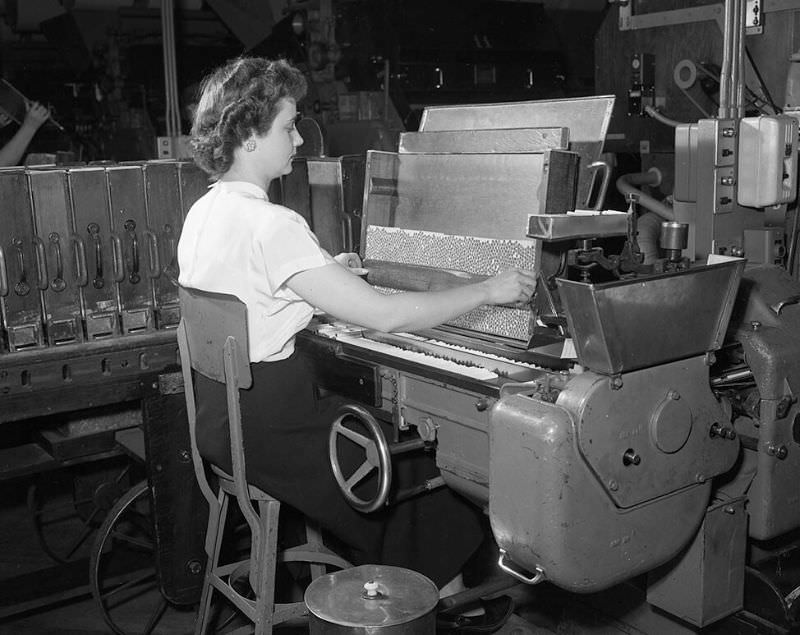
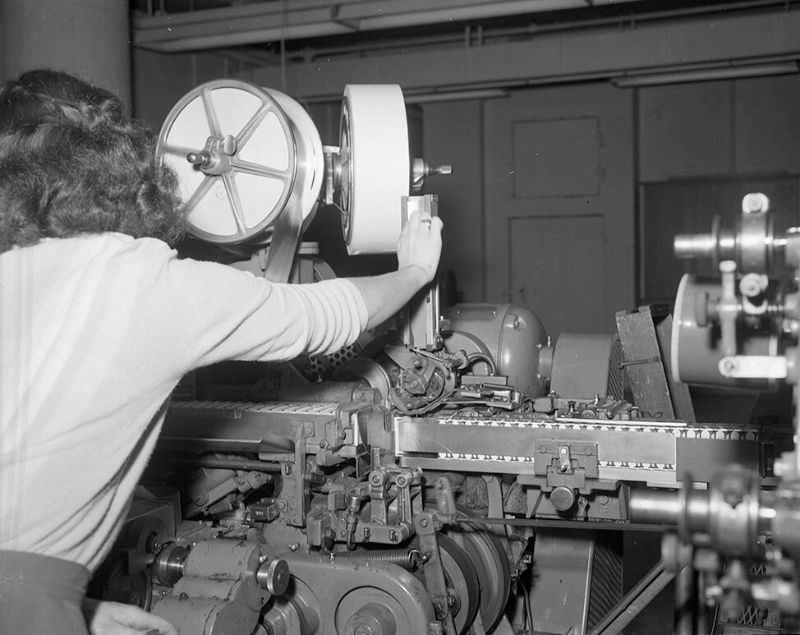
These photos offer a direct look at mid-century American industrial life. The workers, the machines, and the factory floor captured here represent a specific moment in time — when Camel cigarettes were at the height of their reach, and when Winston-Salem was, without question, the cigarette capital of the United States.