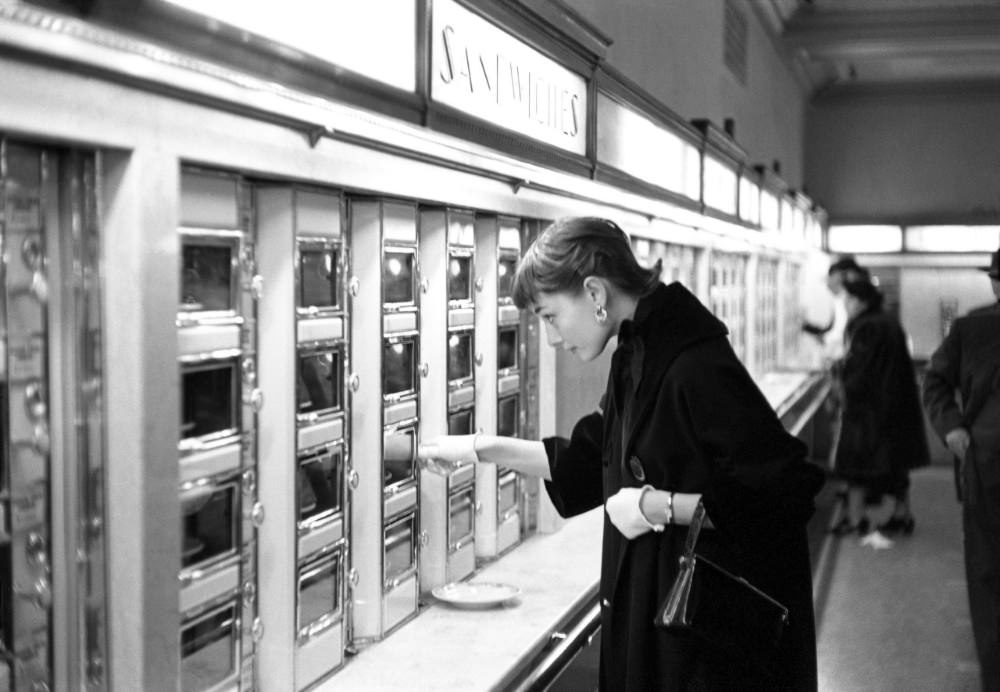
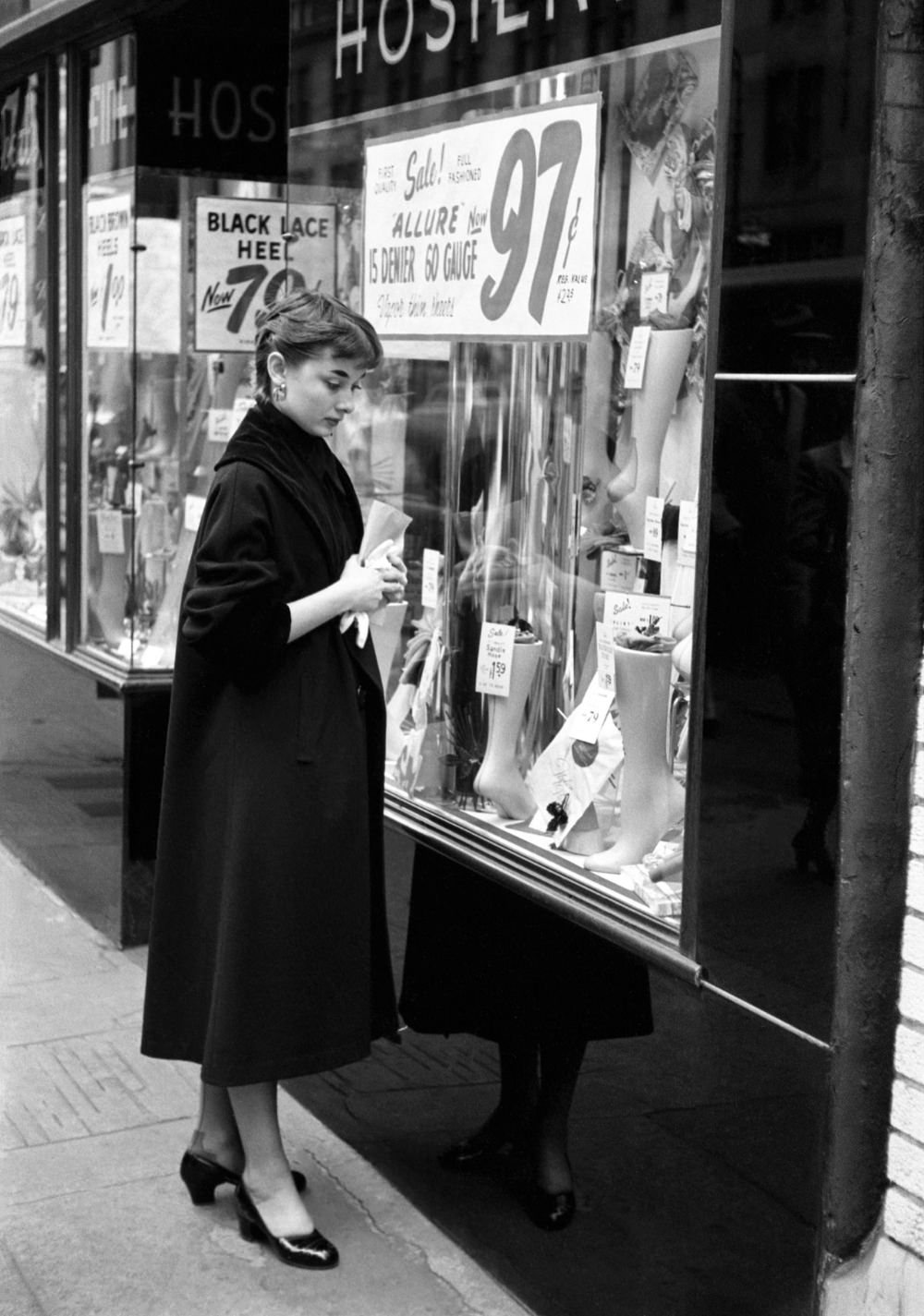
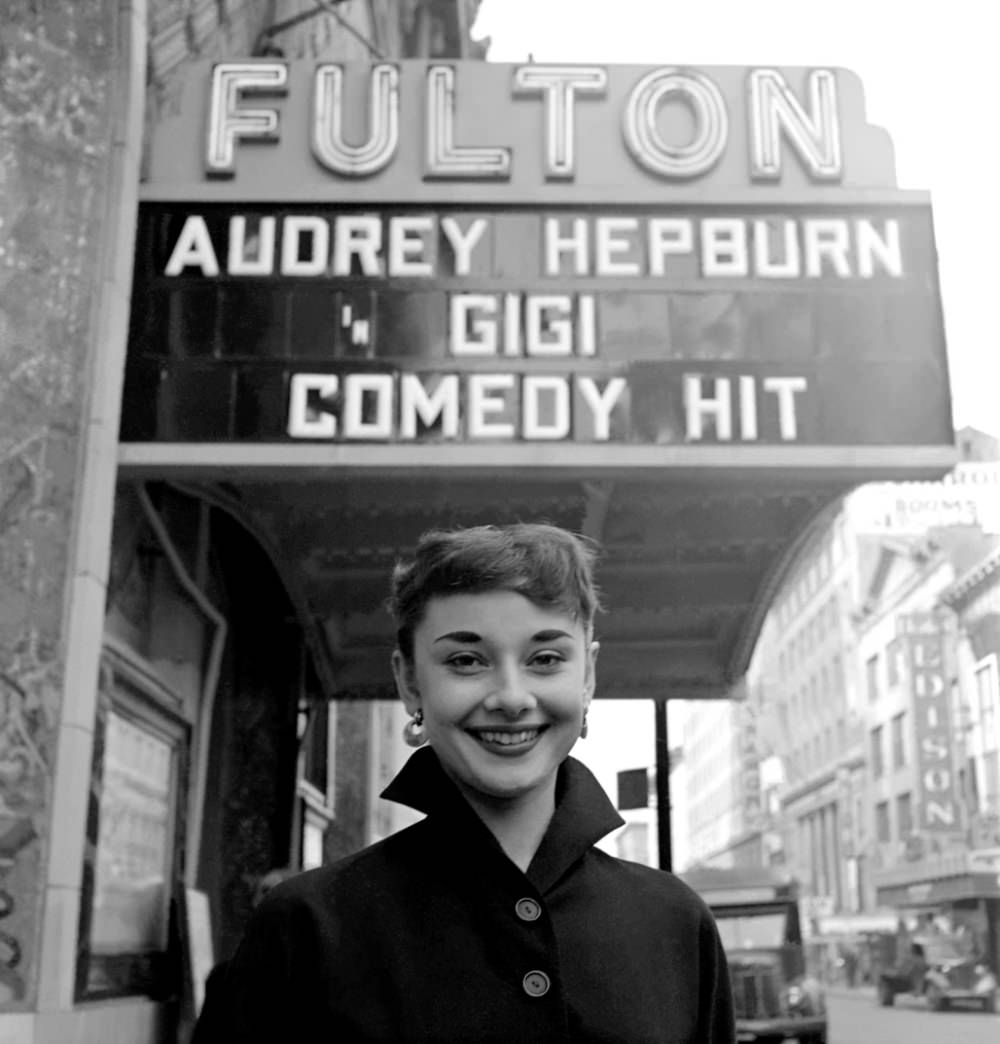
In 1951, a young Audrey Hepburn was making her mark on Broadway in the stage production of Gigi. She was 22 years old, largely unknown to American audiences, and playing the lead role in a show that was quickly drawing attention to her natural charm and screen-ready presence. It was during this run that photographer Lawrence Fried was assigned to shoot her for Esquire magazine — a multi-day session that took the pair out into the streets of New York City.
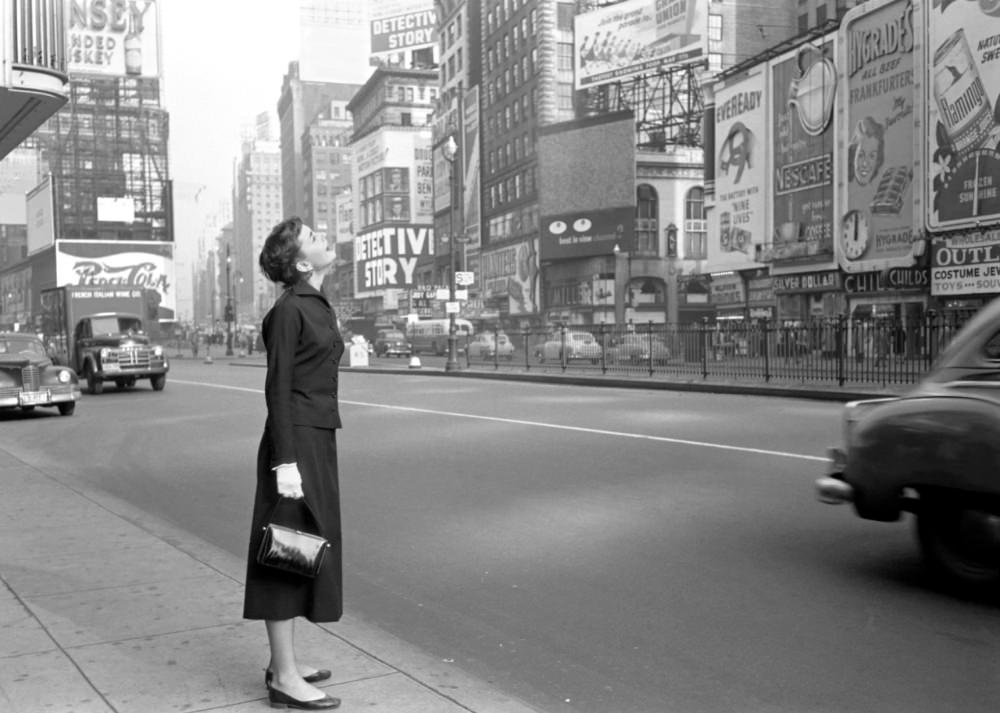
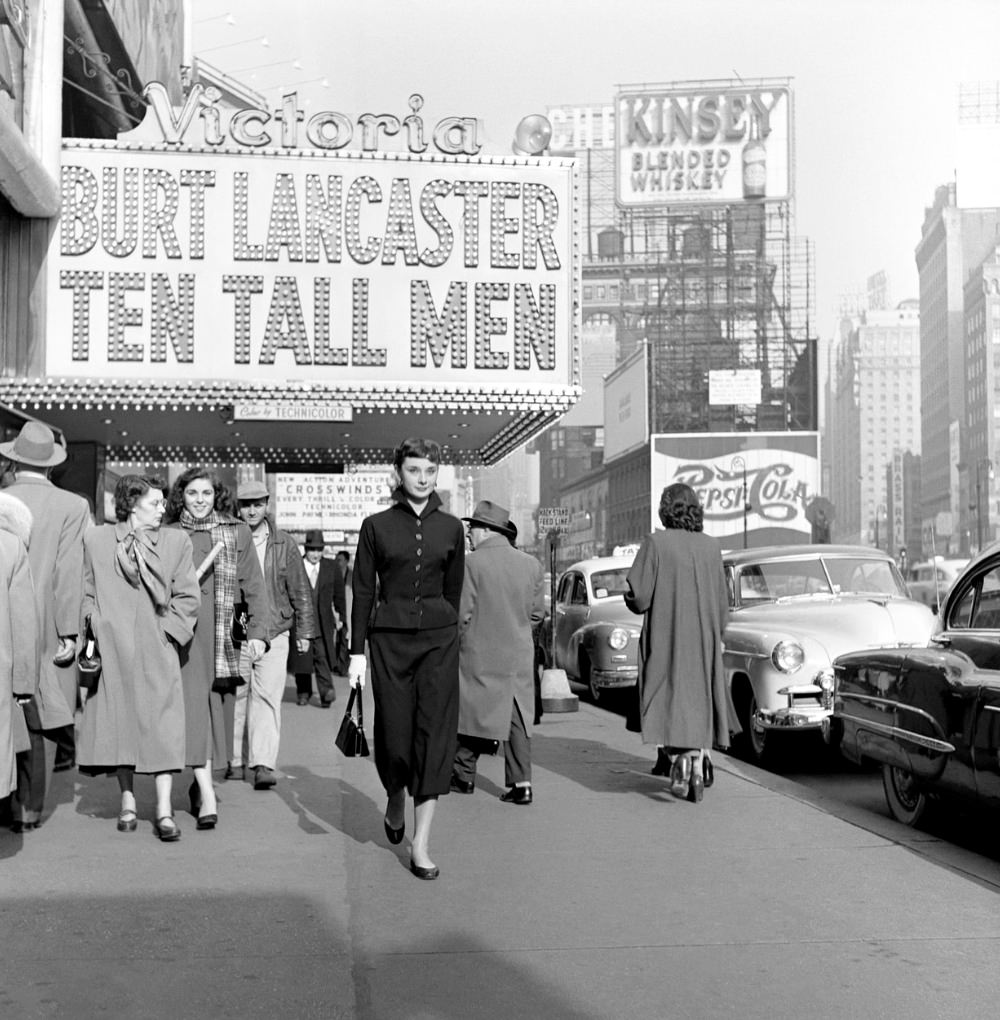
Times Square served as the backdrop for much of the shoot. In the early 1950s, the area was a crowded, neon-lit hub of theater culture — a fitting setting for a rising Broadway star. Hepburn moved through the busy streets with ease, and Fried captured her in a series of candid and posed shots that showed her comfort in front of the camera long before Hollywood came calling.
Lawrence Fried was no ordinary assignment photographer. Throughout the 1950s and 1960s, he was the most successful photographer working at PIX, Inc., a legendary New York photo agency. His clients included some of the biggest publications in the country — Look, Life, The New York Times, The Saturday Evening Post, Vogue, and Parade. He covered social events, political moments, and cultural figures with the same steady eye.
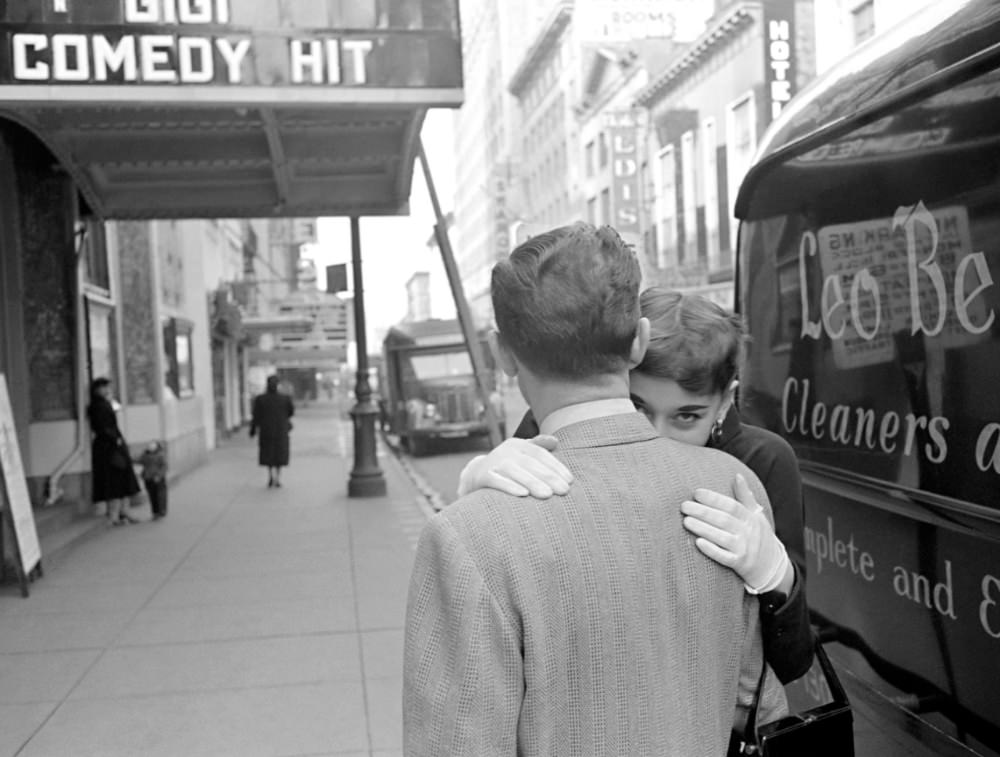
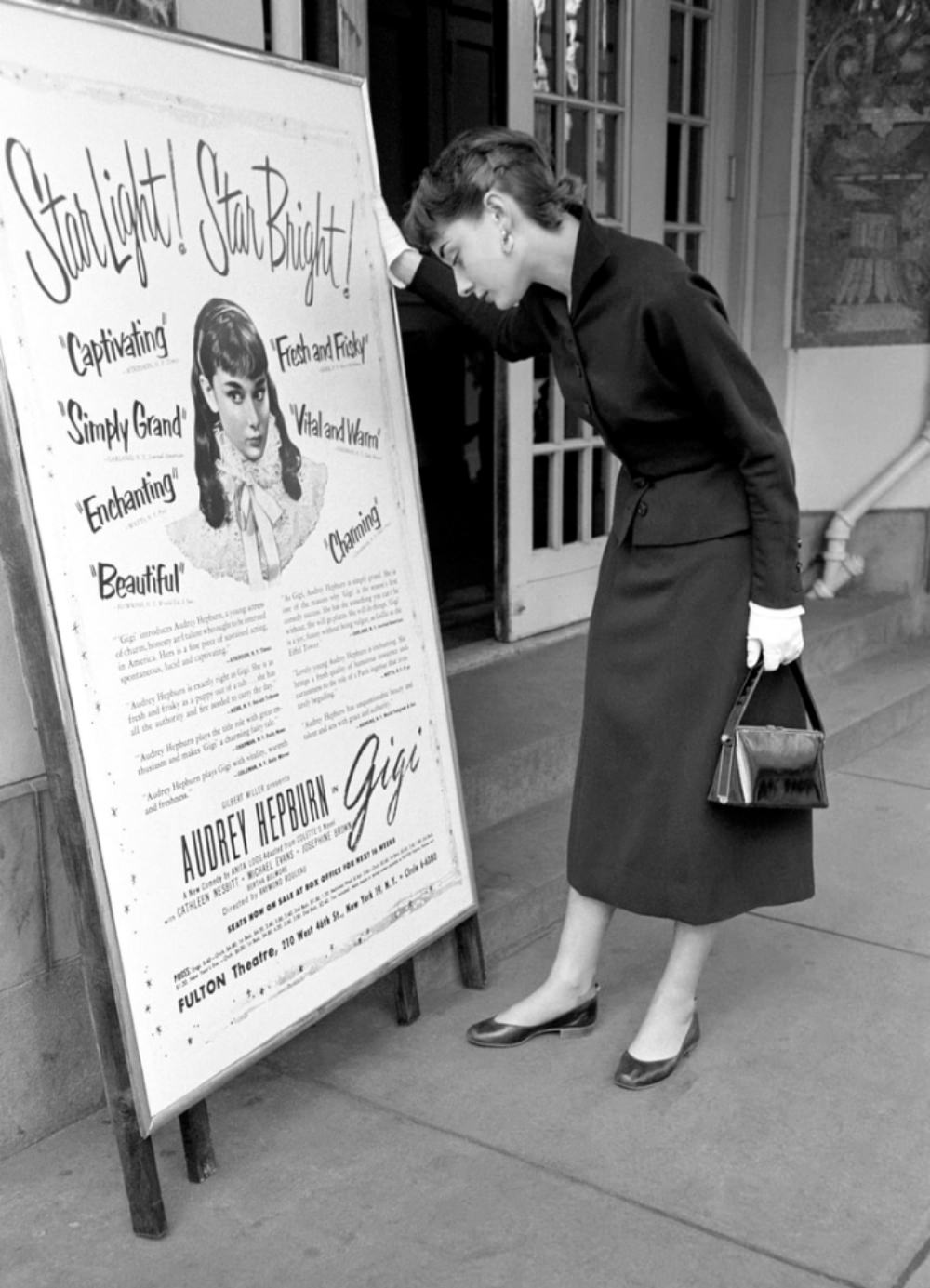
Fried had a particular talent for putting subjects at ease, which shows clearly in this series. Hepburn, still building her public persona, appears relaxed and natural throughout the photos. There is nothing stiff or staged about them — they read more like glimpses of a woman enjoying an afternoon in the city than formal magazine portraits.
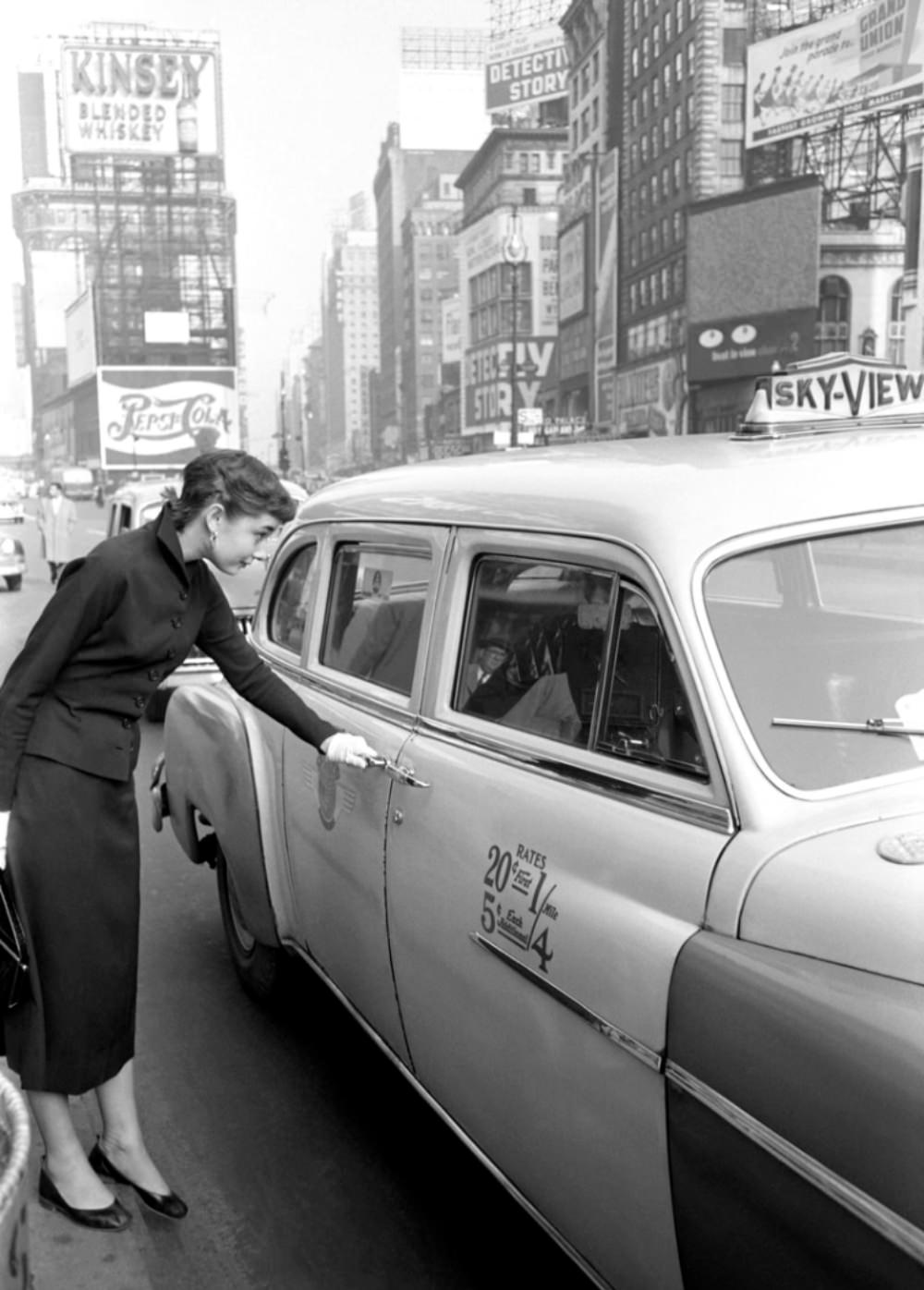
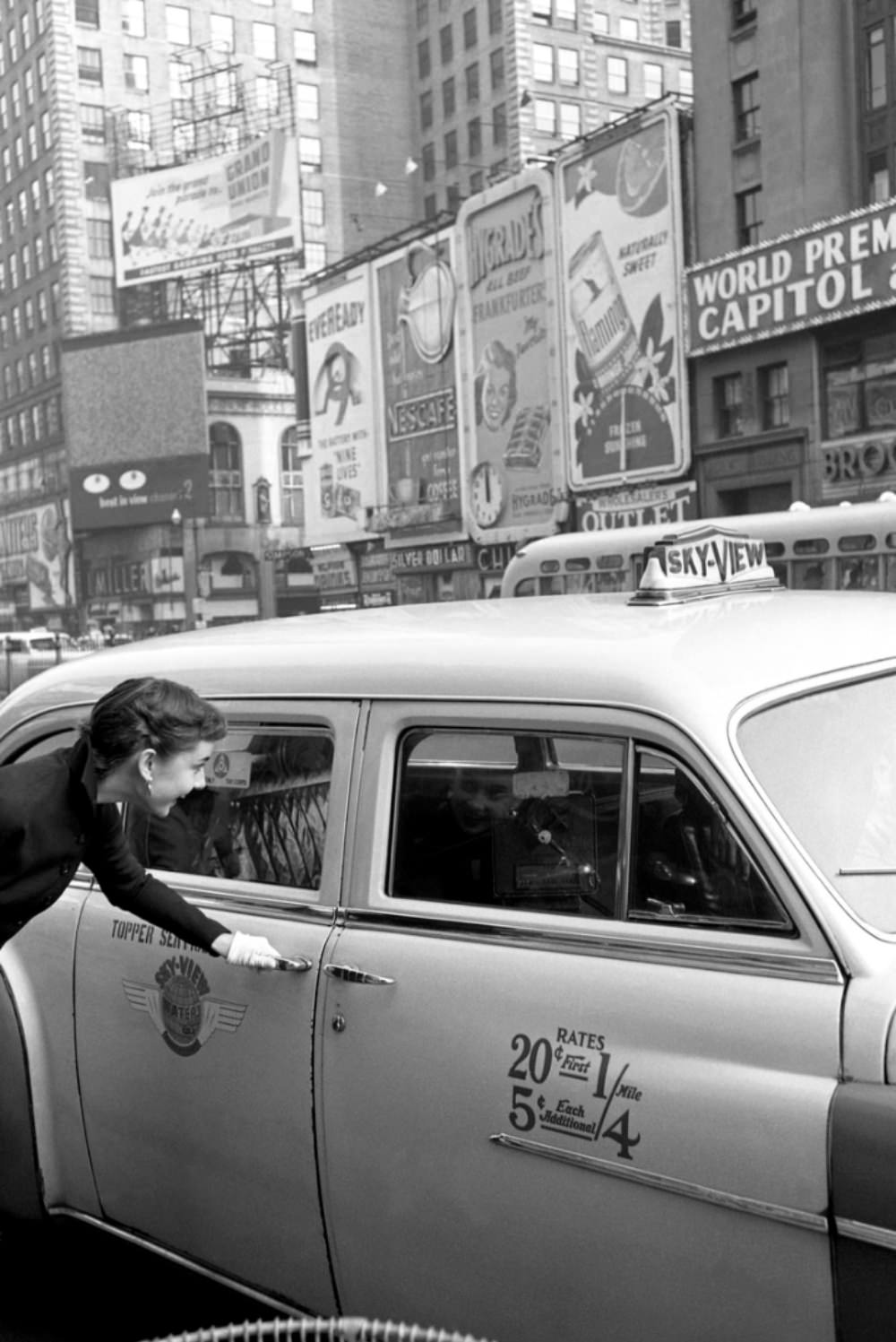
By the early 1970s, Fried had cemented his reputation by shooting more Newsweek covers than any other photographer in the magazine’s history. But long before those milestones, the Esquire session with Hepburn stood as an early example of his skill for capturing public figures at pivotal moments in their careers.
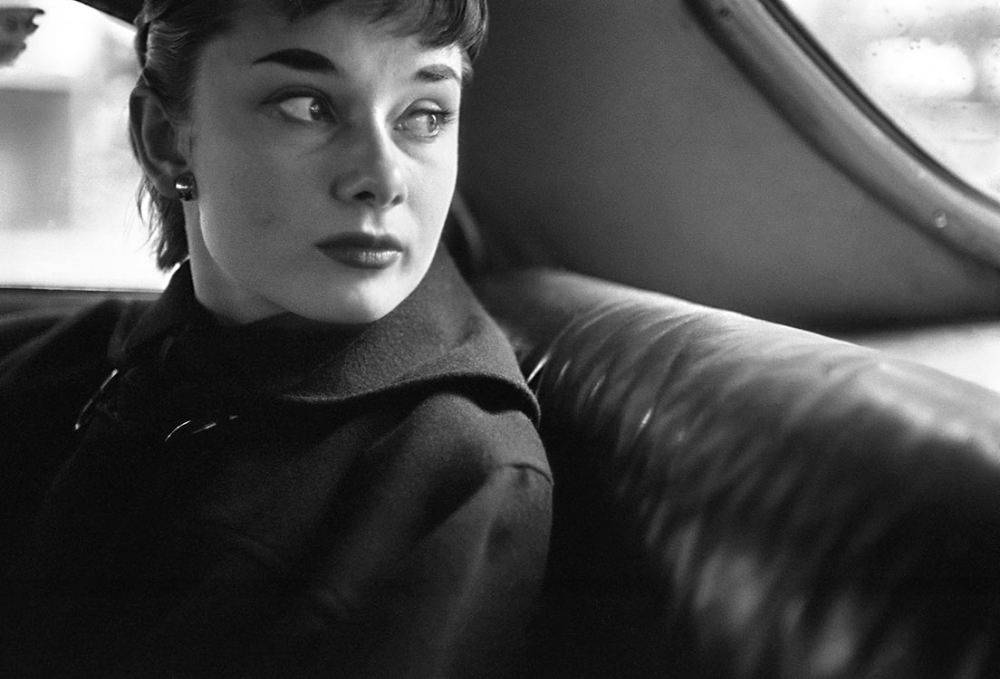
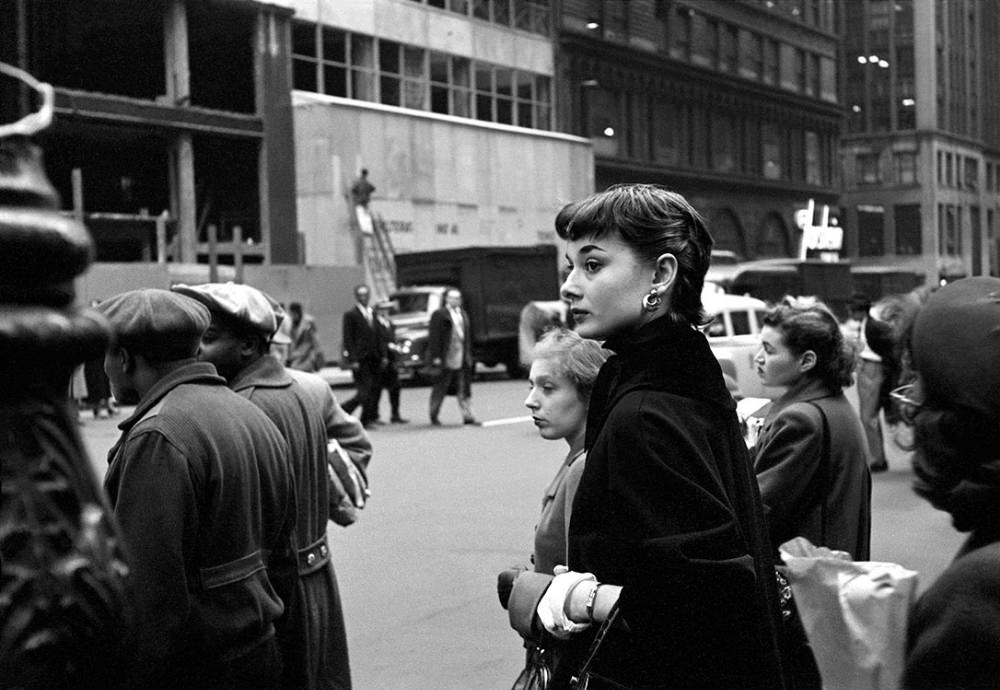
Gigi ran on Broadway from November 1951 into 1952 and was a critical turning point for Hepburn. The role had been written specifically for her by author Colette, who had personally selected her for the part after spotting her on a film set in Monte Carlo. Broadway audiences responded warmly, and the production gave Hepburn the platform she needed to step into larger opportunities.
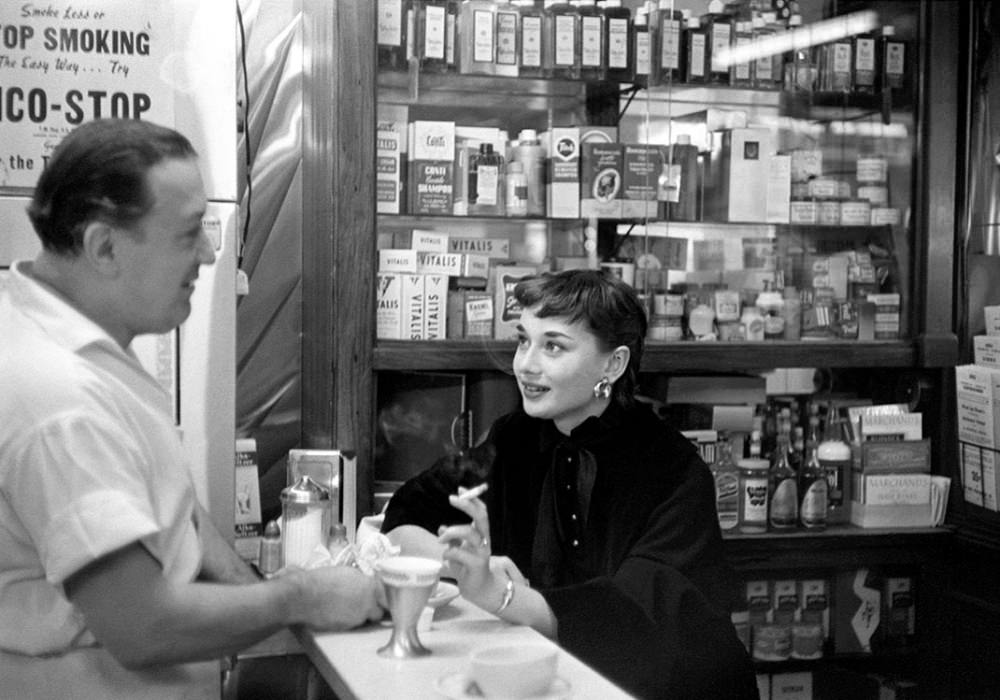
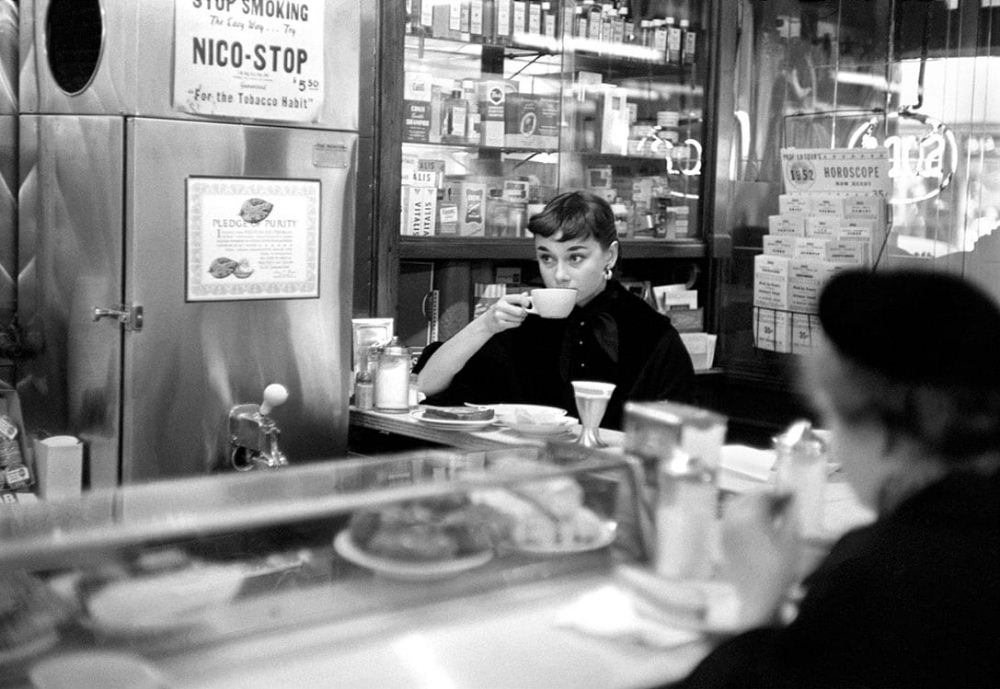
These photographs document a very specific slice of time — a young actress on the cusp of fame, photographed by one of New York’s most accomplished magazine photographers, against the unmistakable backdrop of mid-century Times Square. Together, they form a record of two professionals at the start of what would become extraordinary careers.