By 1920, tobacco companies were spending millions of dollars every year to get people smoking. Brands like Camel, Lucky Strike, and Chesterfield dominated the American market and battled hard for every customer. Advertising wasn’t just a tool — it was the engine driving the entire industry. Posters, magazines, radio spots, and endorsements from celebrities all worked together to make smoking look desirable, modern, and even healthy. The result was one of the most aggressive marketing campaigns the world had ever seen.
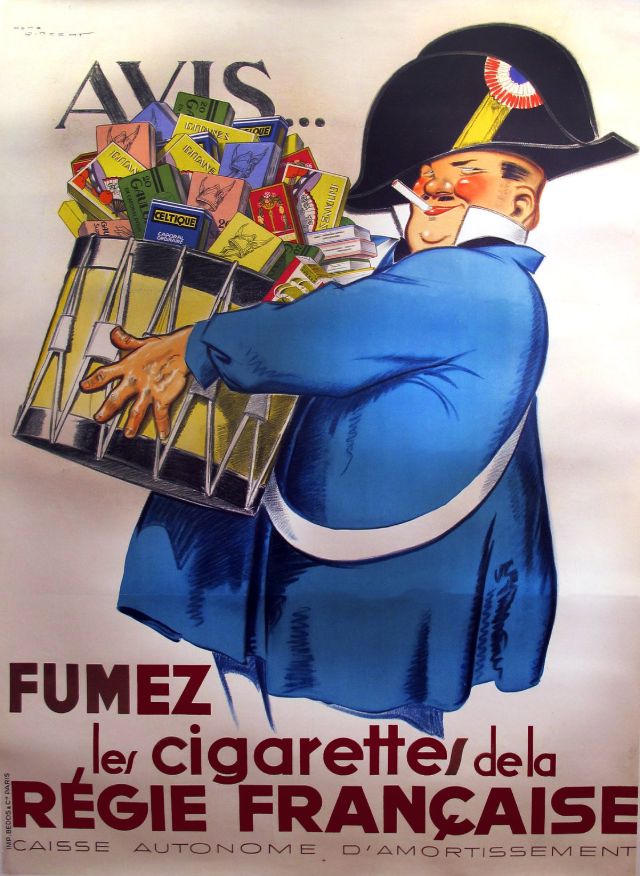
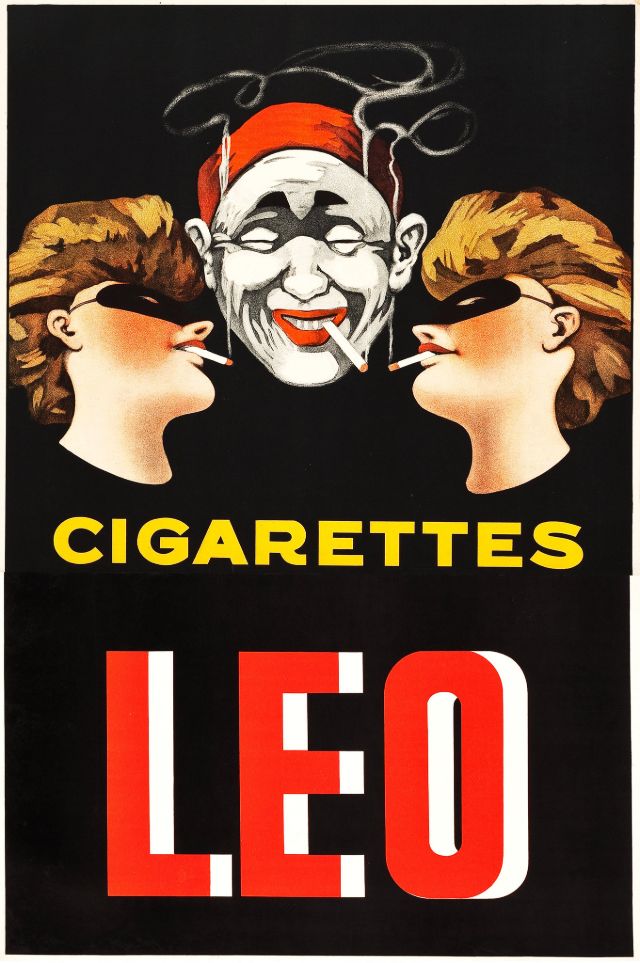
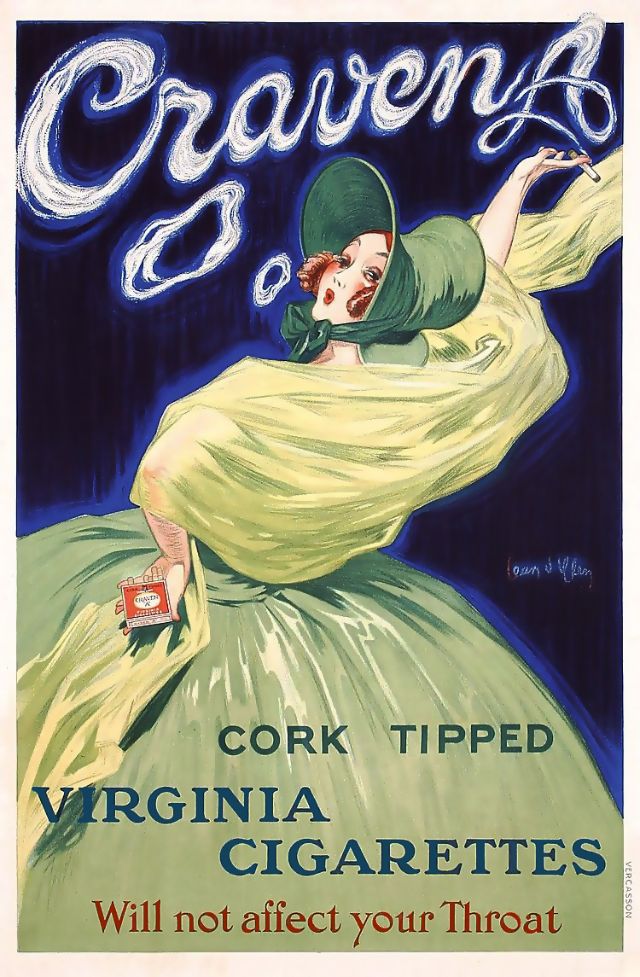
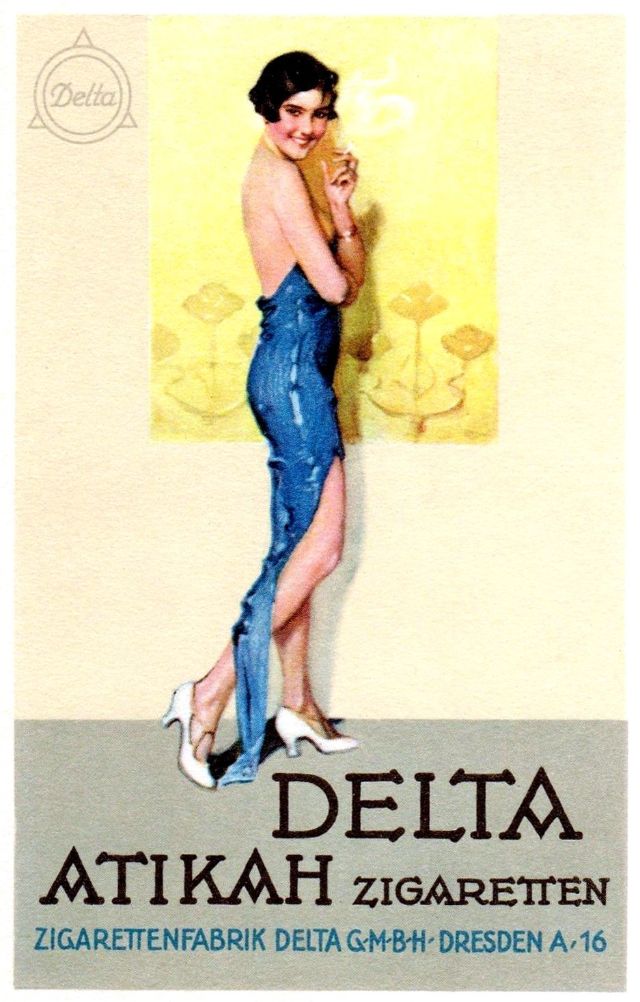
Tobacco advertising in the 1920s was a global affair. French, Egyptian, German, Argentine, and Chinese brands all produced striking poster art to compete for smokers’ attention. These weren’t plain text ads — they were full-color works commissioned from talented commercial artists. Bold typography, glamorous figures, and vibrant color palettes made these posters stand out on walls and in print. The international scope of the industry is reflected in the sheer variety of languages and styles used across campaigns.
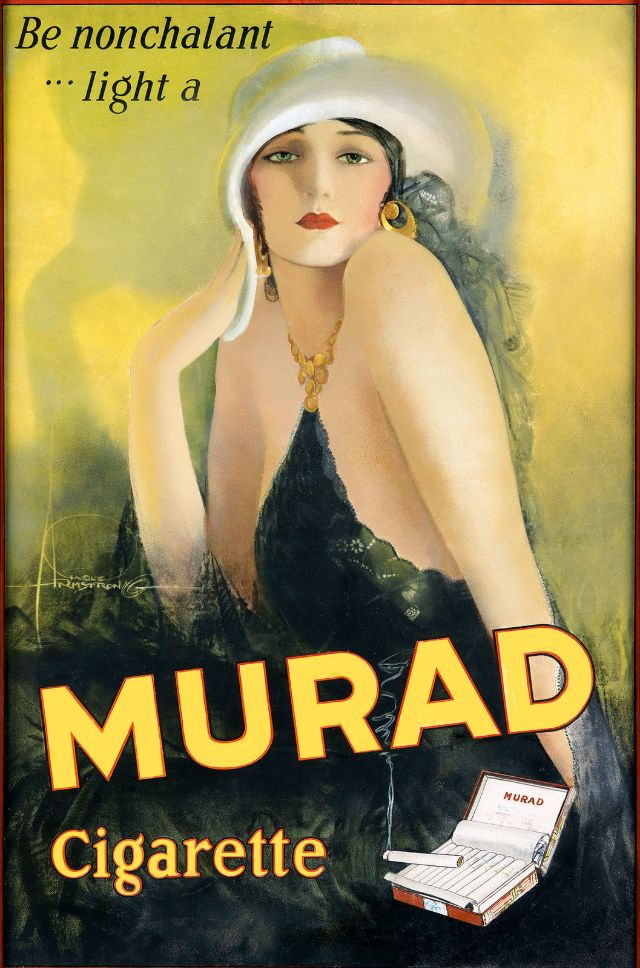
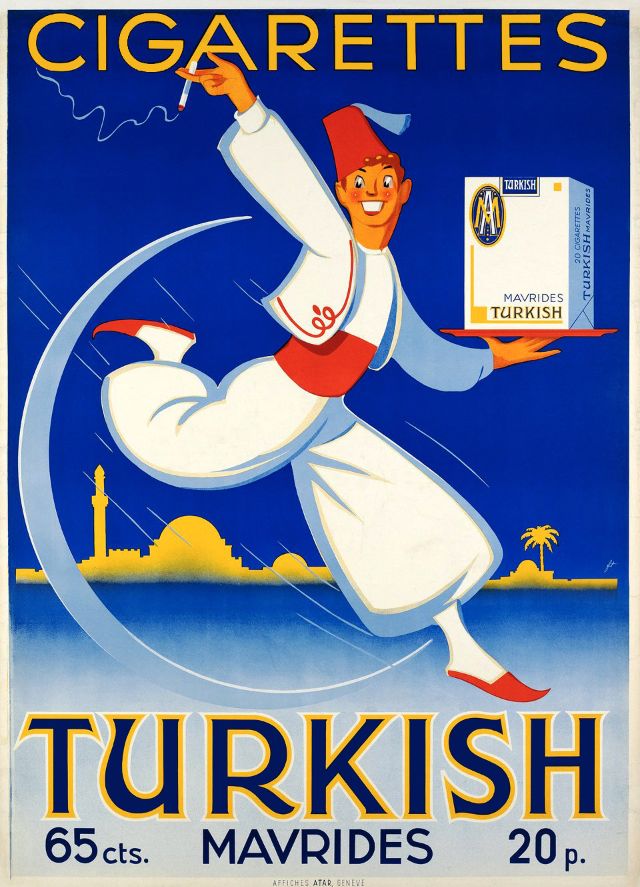
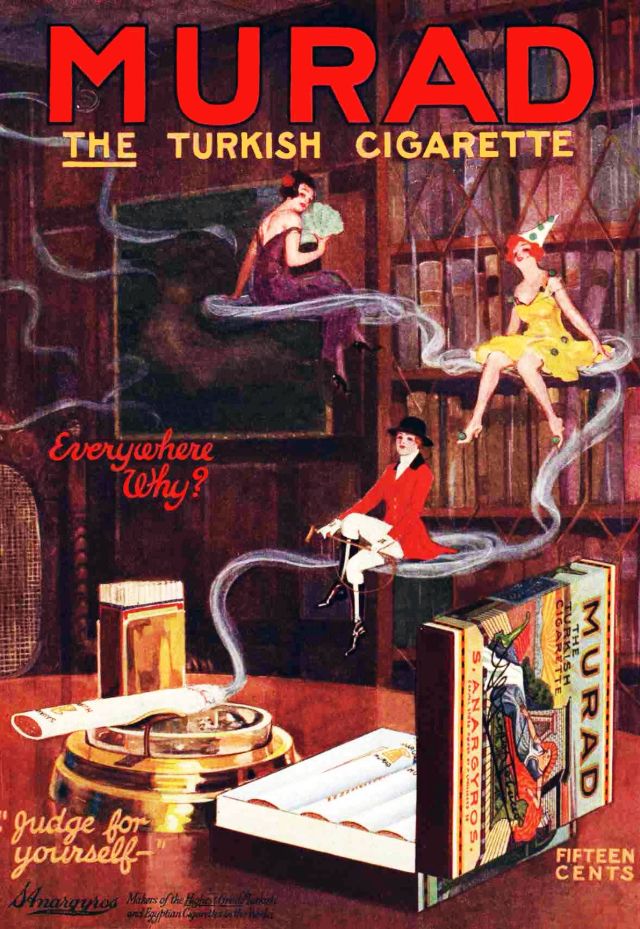
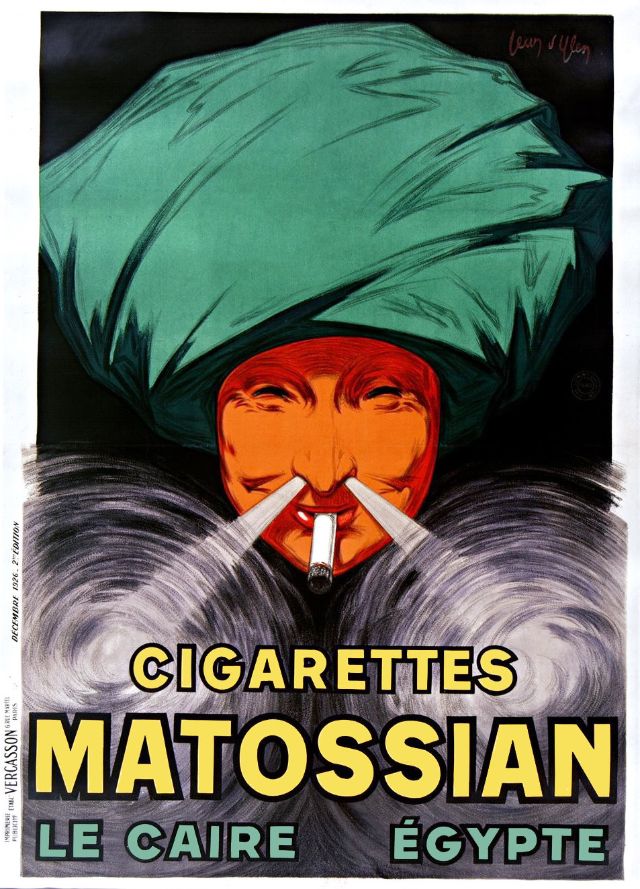
Turkish and Egyptian tobacco blends were especially fashionable during this era. Brands like Murad leaned heavily into an exotic, cosmopolitan image — their tagline “Be Nonchalant… Light a Murad” sold a lifestyle as much as a product. Turkish cigarettes carried a reputation for smoothness and sophistication, and advertisers made sure that message came through in every image. Similarly, Egyptian brands like Matossian promoted their Oriental tobacco origins as a mark of quality.

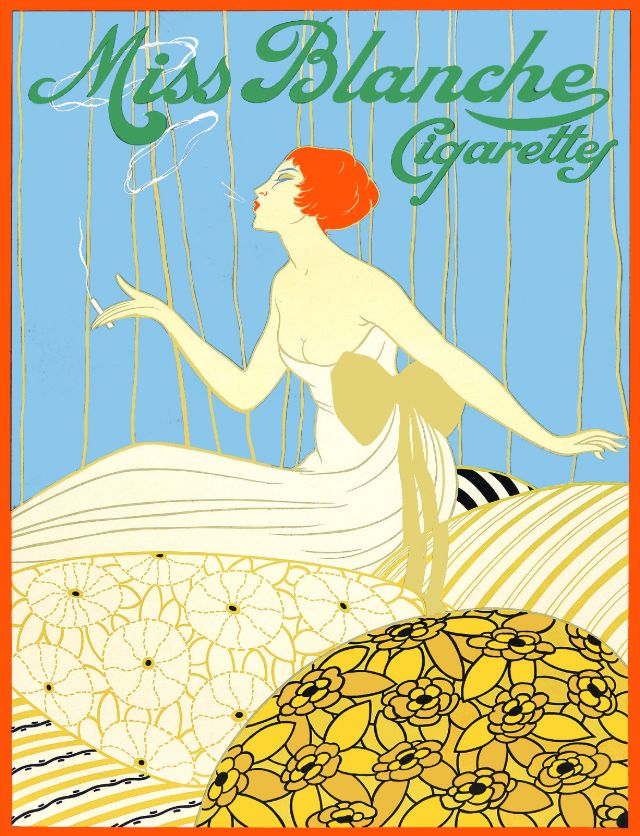
Women had rarely smoked in public before 1920. That changed quickly after the 19th Amendment granted women the right to vote. Smoking became a visible symbol of independence for many women, and the tobacco industry noticed immediately. American Tobacco launched one of the decade’s most famous campaigns targeting female consumers with the slogan “Reach for a Lucky instead of a sweet” — framing cigarettes as a weight-control tool. Brands like Miss Blanche went even further, designing products and advertising imagery aimed squarely at women.
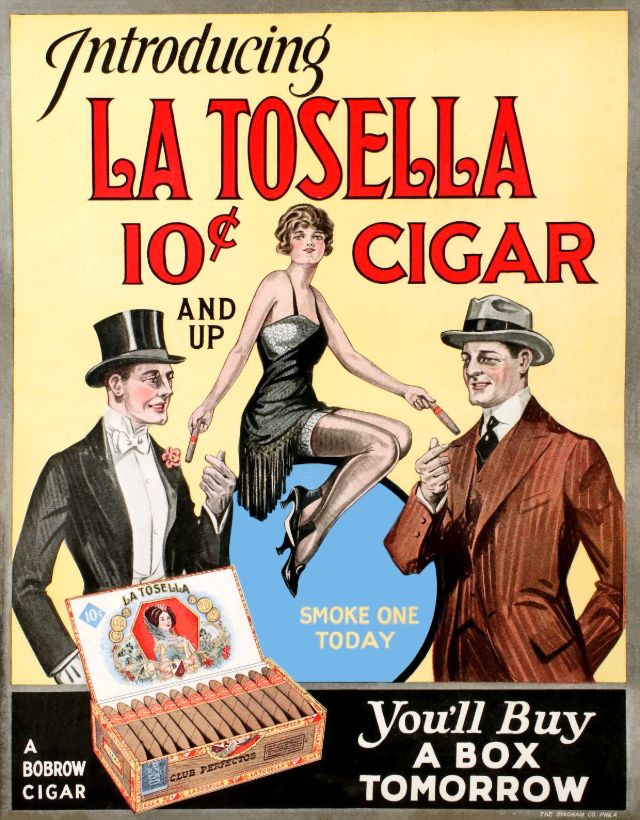
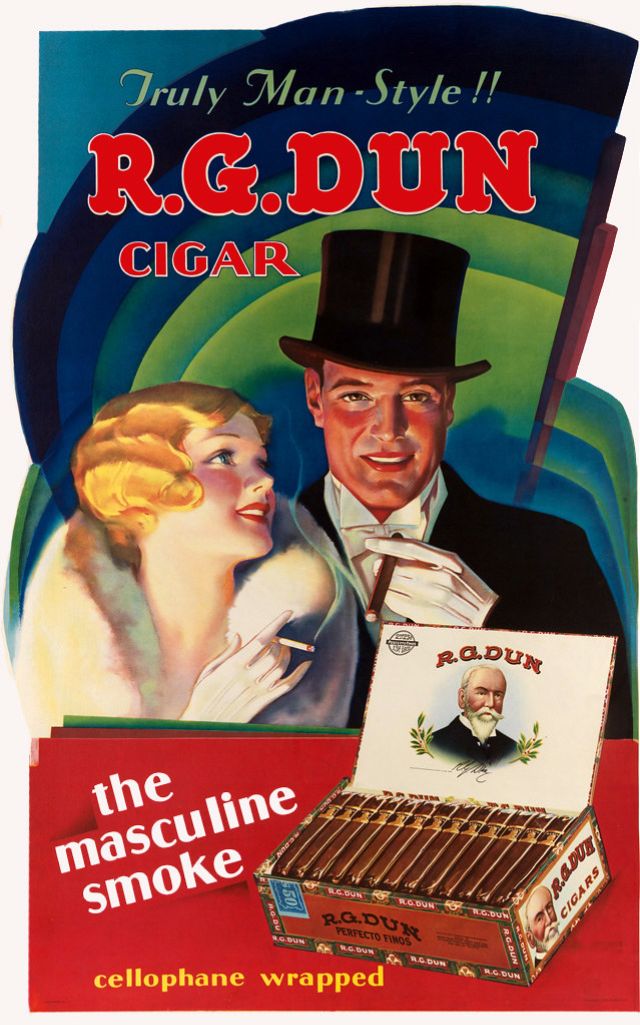
Cigars maintained their own distinct market throughout the 1920s and 1930s. Brands like R. G. Dun leaned into masculine imagery, explicitly branding their product as “the Masculine Smoke.” La Tosella promoted its 10-cent cigar with the confident promise: “You’ll Buy a Box Tomorrow.” These campaigns reflected a clear division in the market — cigarettes were increasingly marketed to both sexes, while cigars remained closely tied to ideas of male status and tradition.
By the 1930s, tobacco advertising had infiltrated nearly every corner of American media. Magazines and medical journals both ran cigarette ads featuring opera singers, athletes, doctors, senators, and movie stars. The involvement of doctors was especially notable — ads frequently implied or outright claimed health benefits, lending scientific credibility to products that had none. Radio was another major front. Comedian Jack Benny wove sponsor advertisements for cigarettes directly into his comedy hour so smoothly that listeners hardly noticed where the show ended and the ad began.
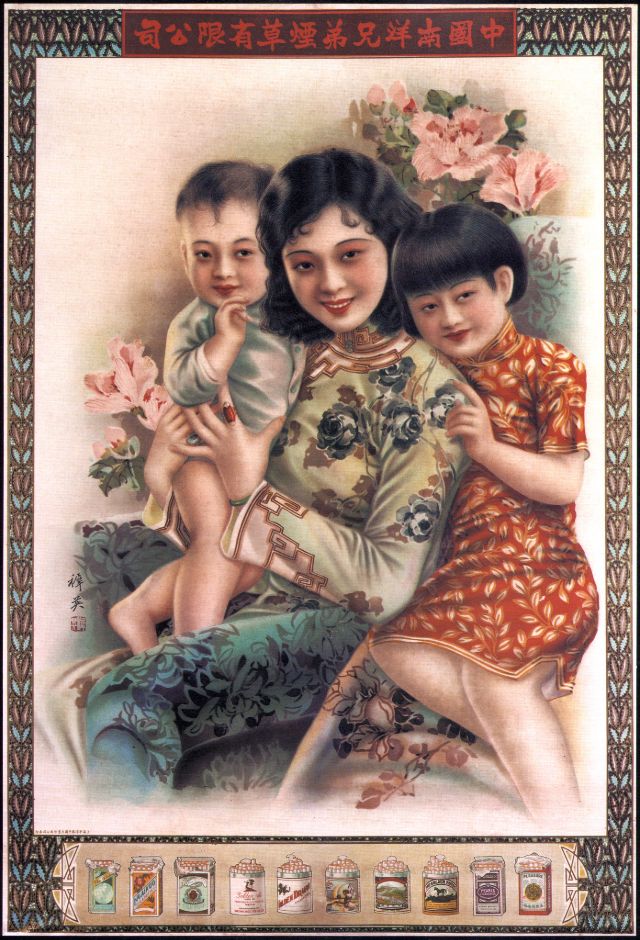
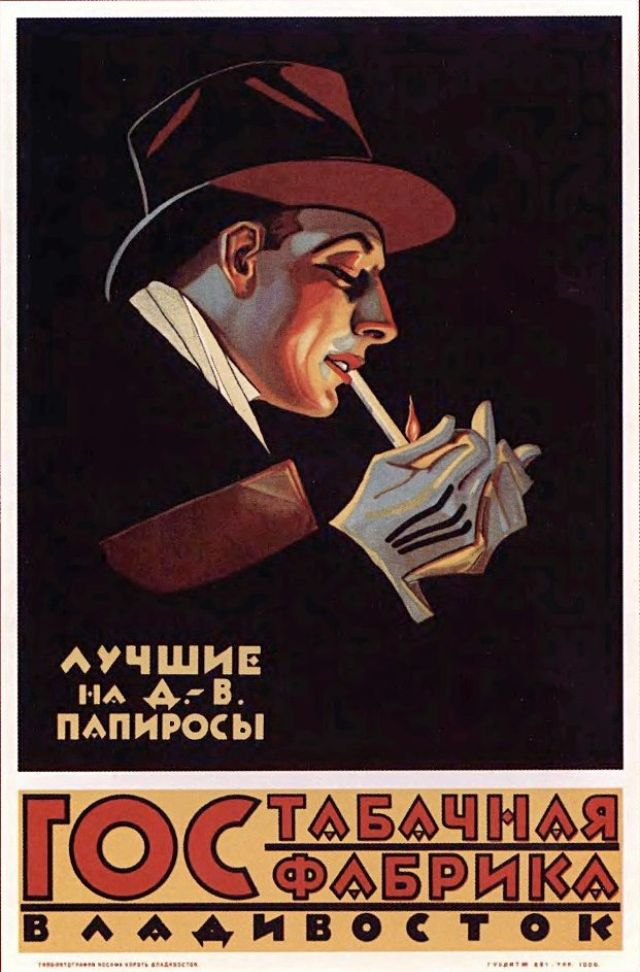
The reach of tobacco advertising extended deep into Asia as well. China’s Nanyang Brothers Tobacco Company and the Sun Tobacco Company both produced polished advertising materials during this period. In the Soviet Union, state-run factories like GOS Tabachnaya Fabrika in Vladivostok issued their own cigarette posters in 1925, adapting the bold graphic styles of Soviet constructivist art to sell tobacco. Tobacco truly crossed every border and political system.

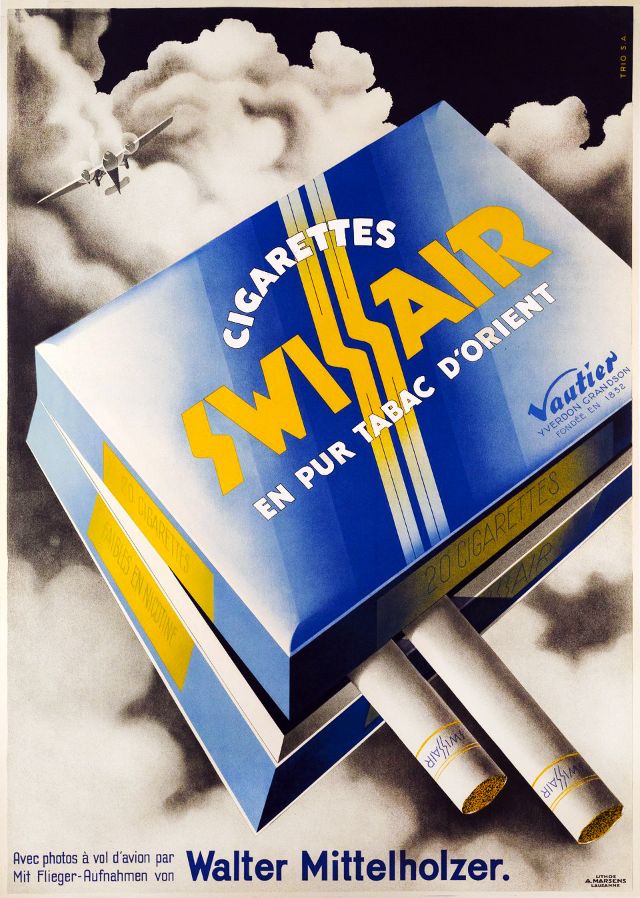
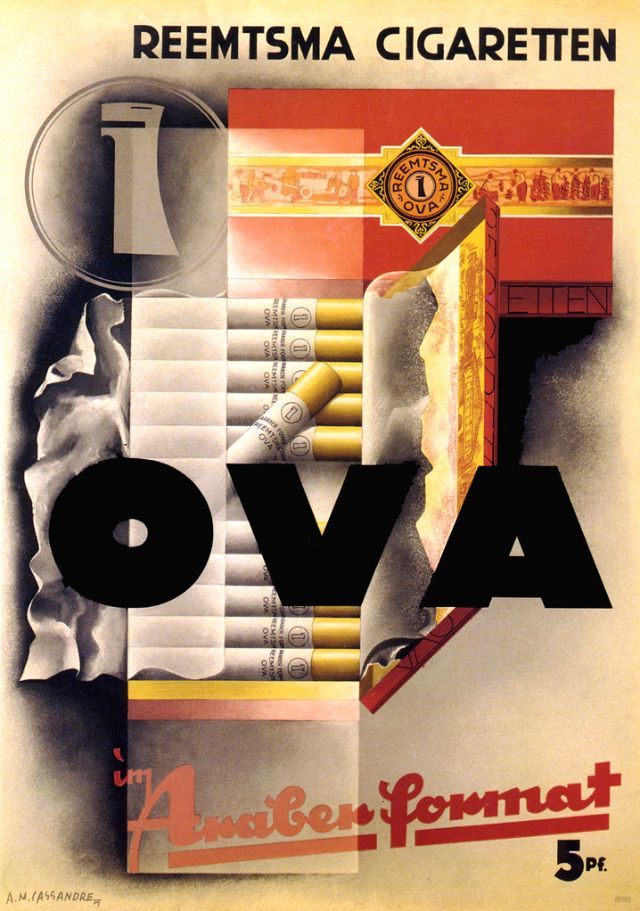
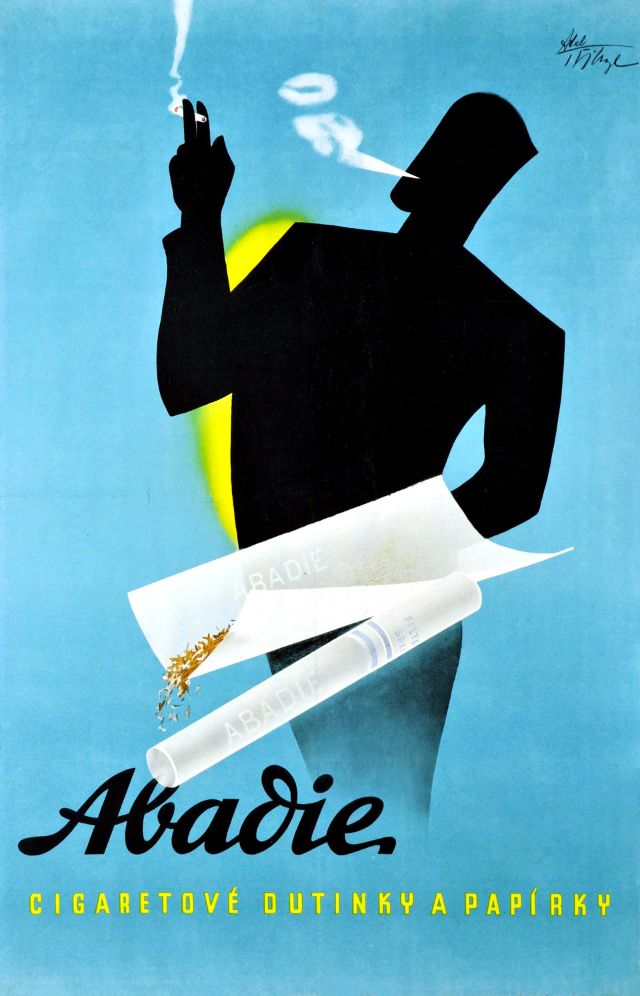
European brands produced some of the most visually refined advertising of the era. The German Ova Reemtsma campaign of 1929 and the Czech Abadie poster of 1930 both demonstrated the high standard of commercial art being applied to tobacco marketing across the continent. Swiss brand Swissair Cigarettes promoted pure Oriental tobacco in a 1934 poster that blended Swiss precision with the allure of the East. Each poster was a product of its time and place, reflecting local tastes and artistic trends.
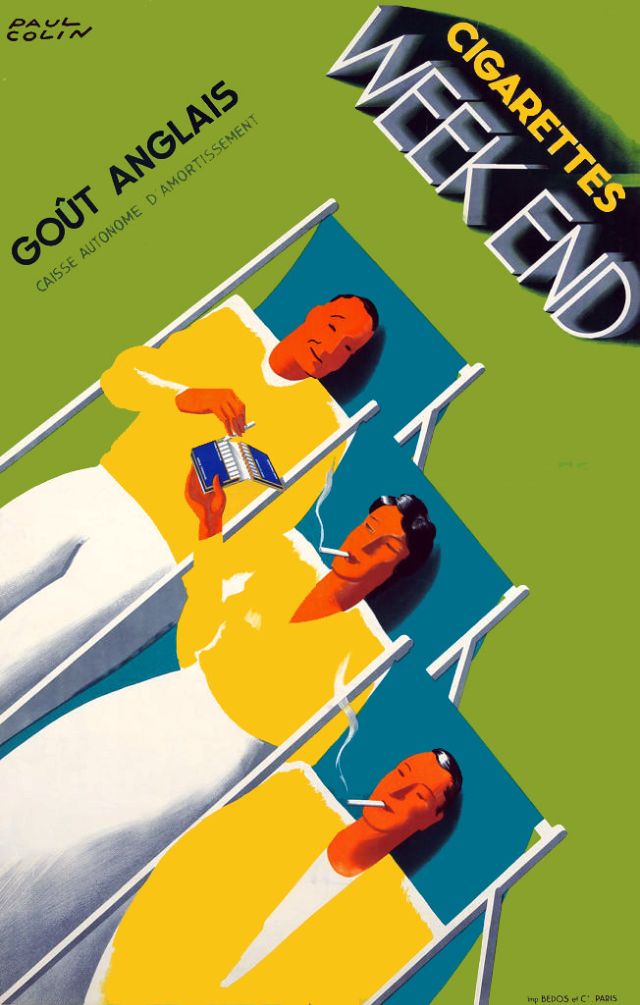
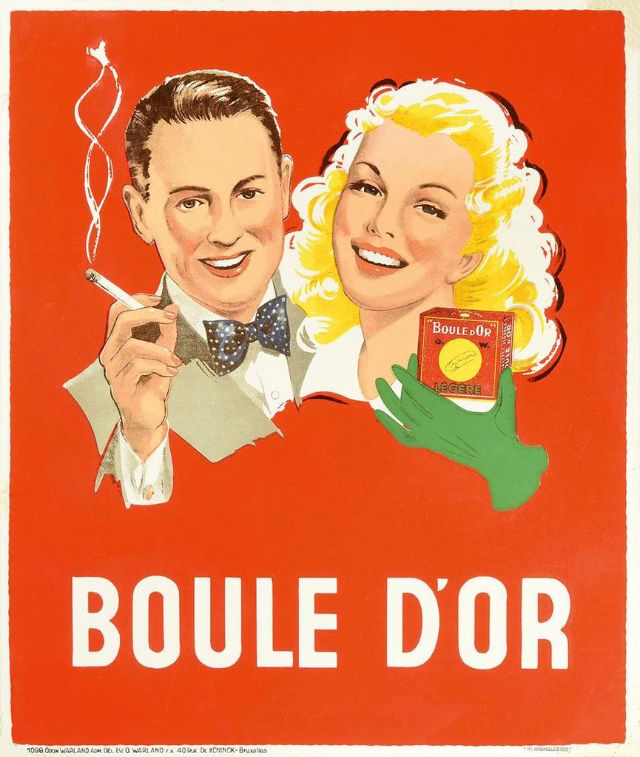
As the 1930s progressed, tobacco poster art grew even more polished and stylized. The Art Deco movement shaped many of the decade’s most memorable designs — clean geometric shapes, elegant figures, and a sleek sense of modernity. The Week End Cigarettes poster of 1933, the Turkish Cigarettes ad of 1937, and the Belgian Boule d’Or campaign all show how deeply style had become part of the product’s appeal. Buying a pack of cigarettes wasn’t just a purchase — the advertising made it feel like a statement.