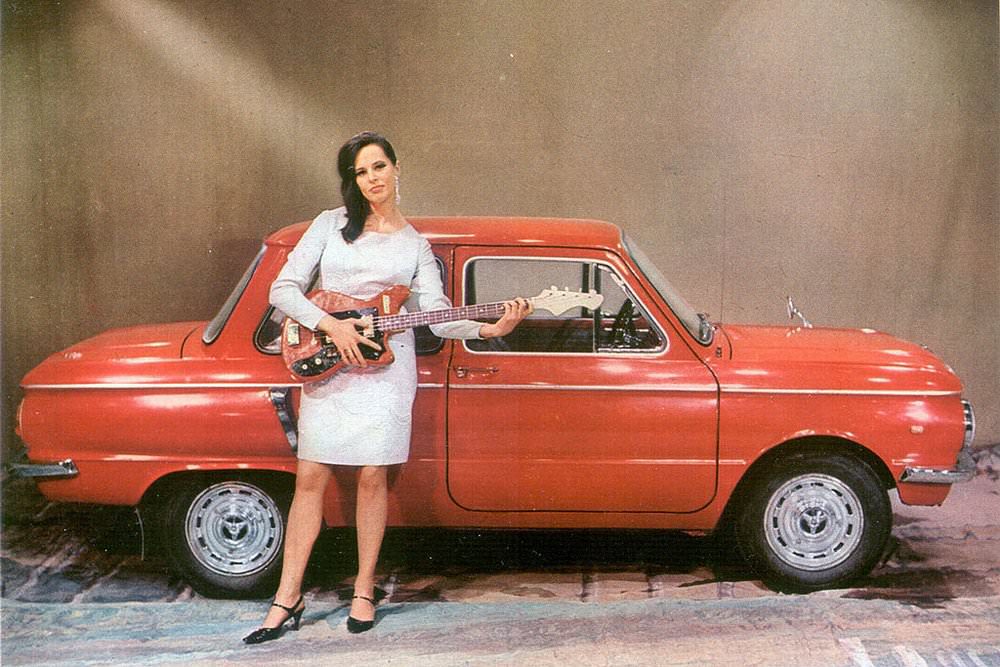
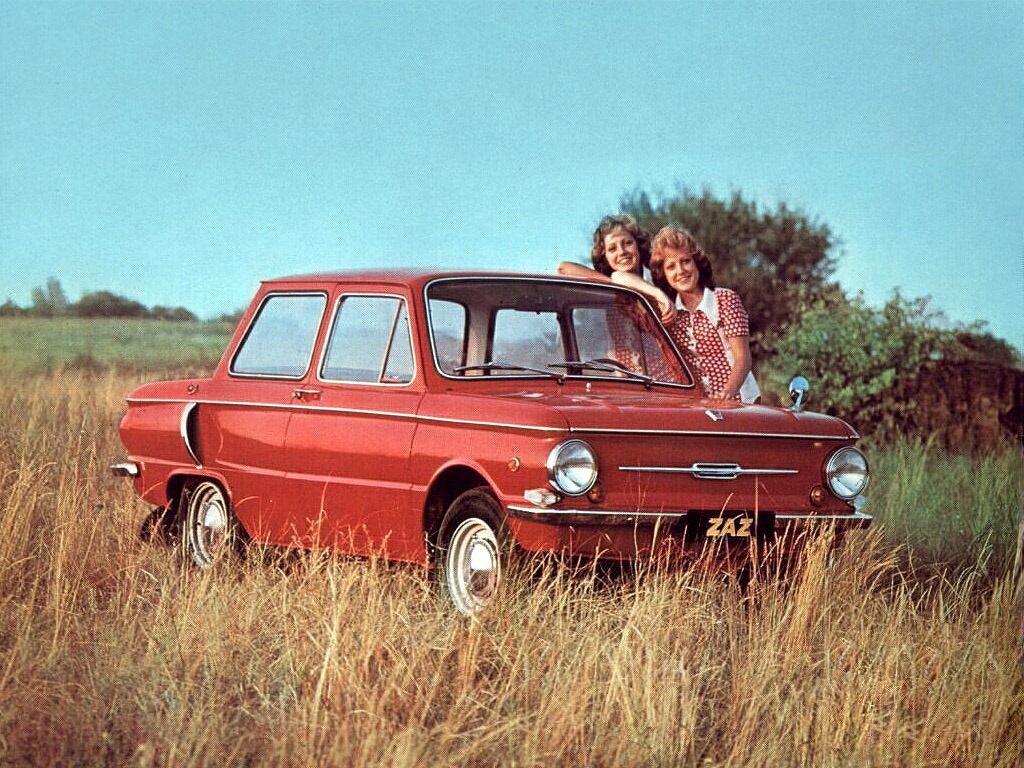
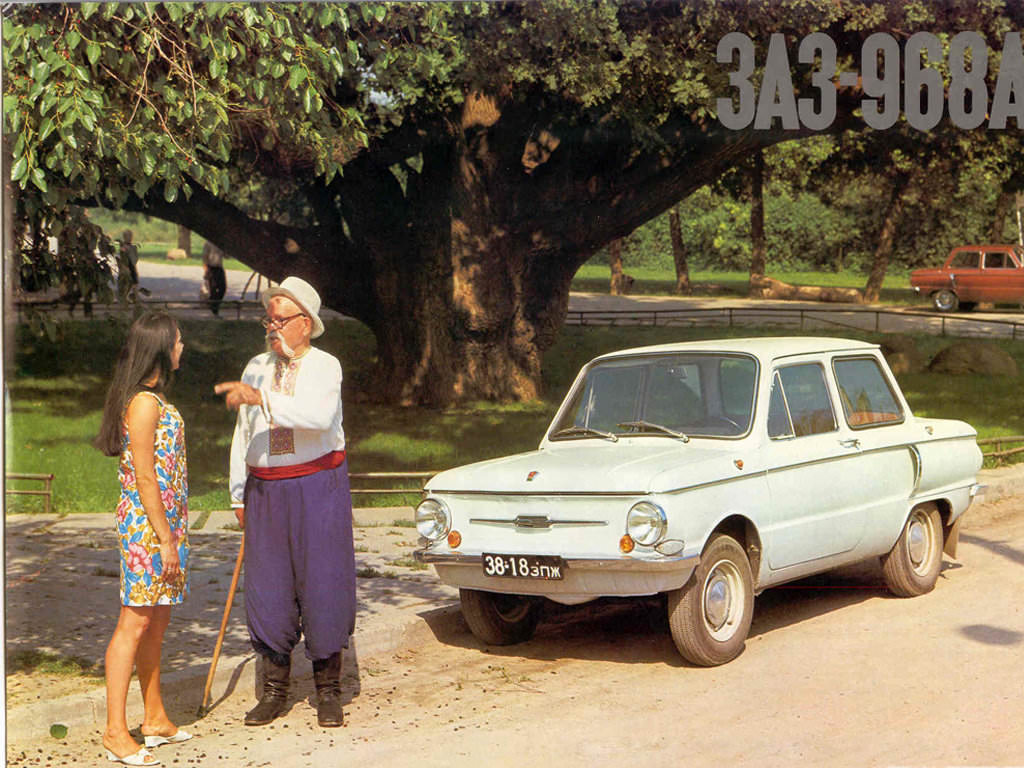
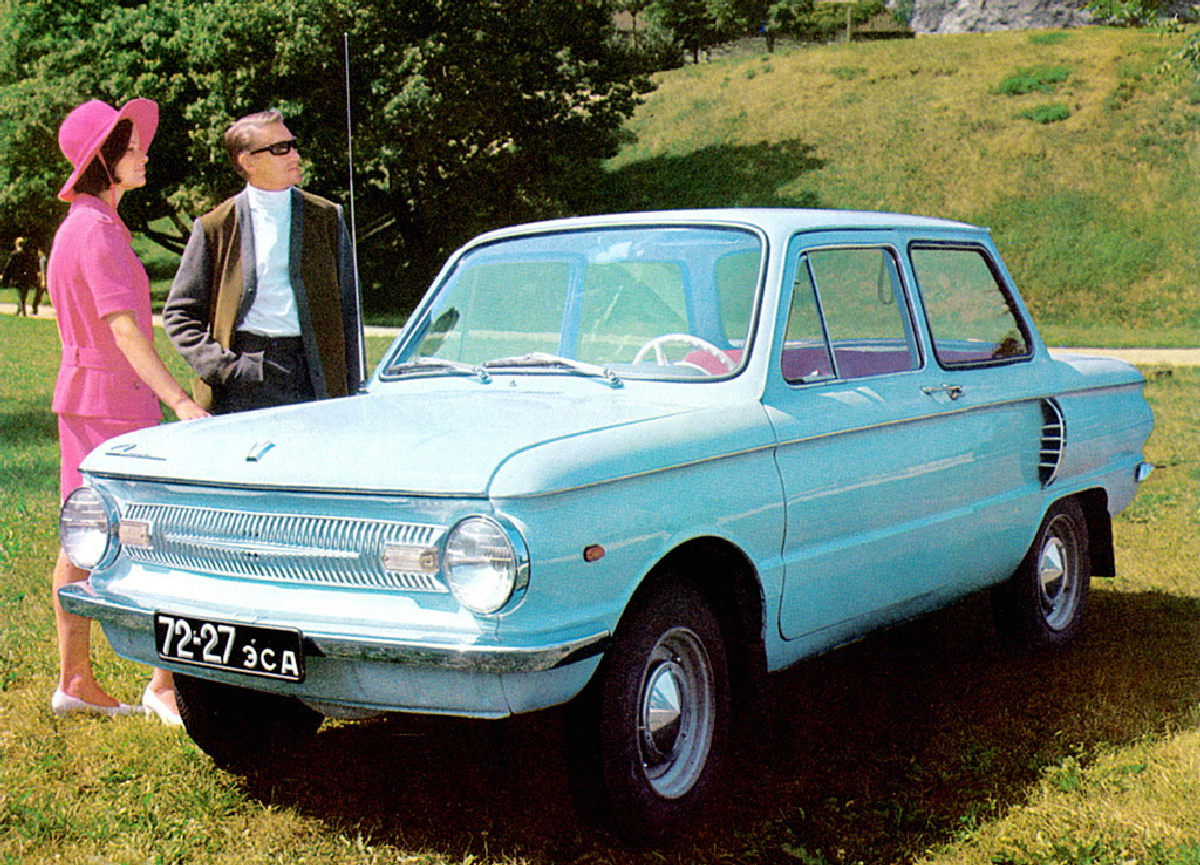
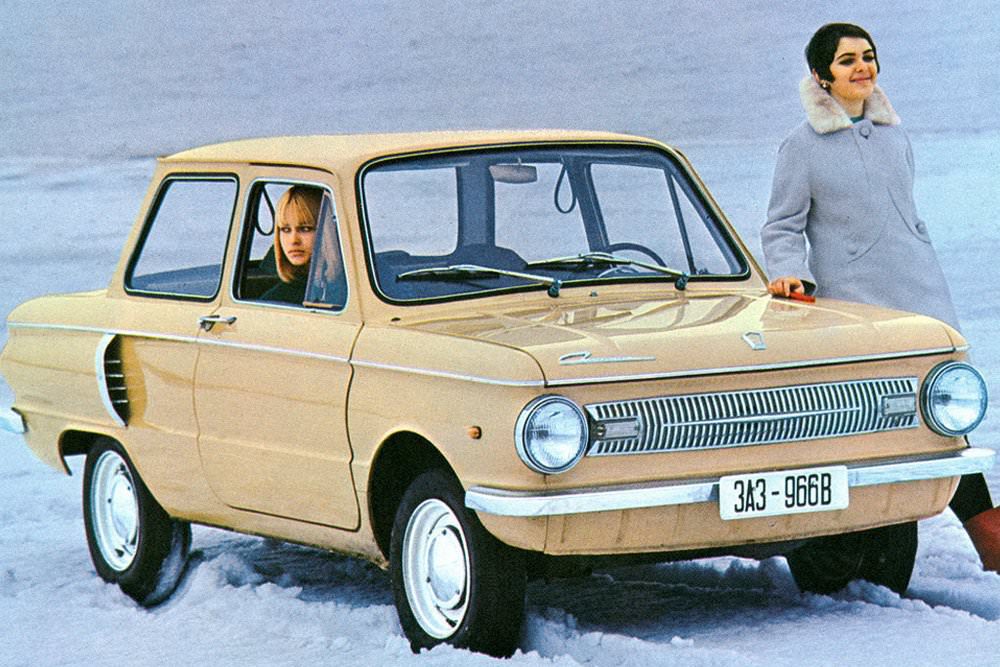
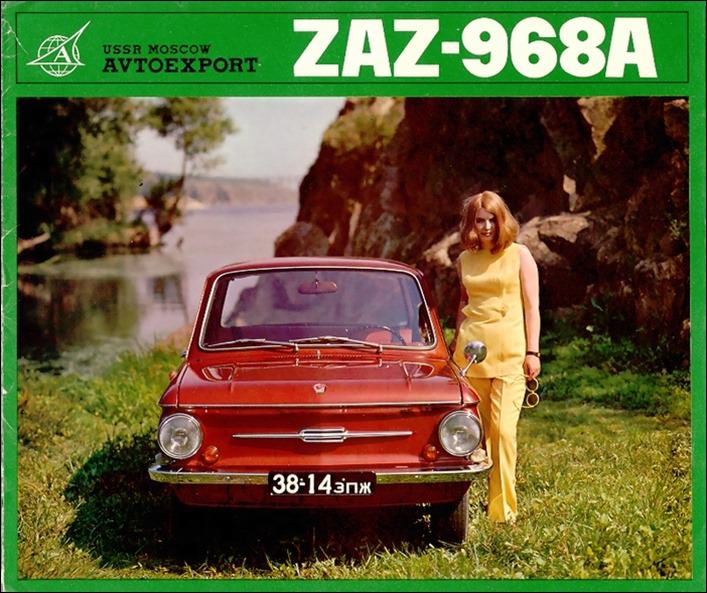
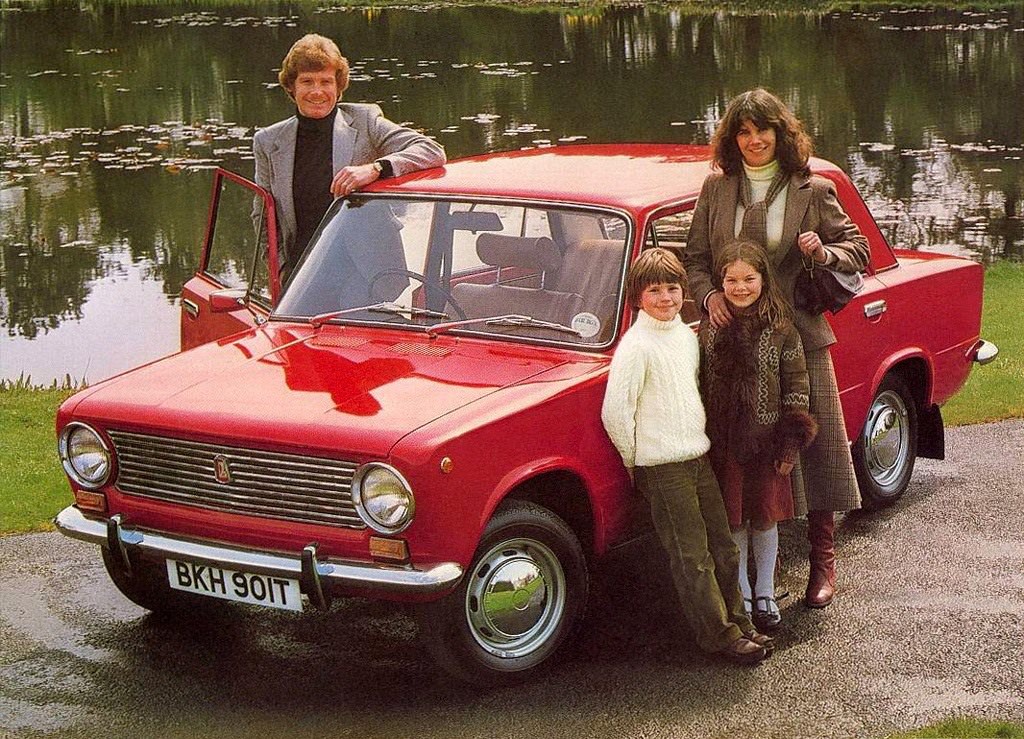
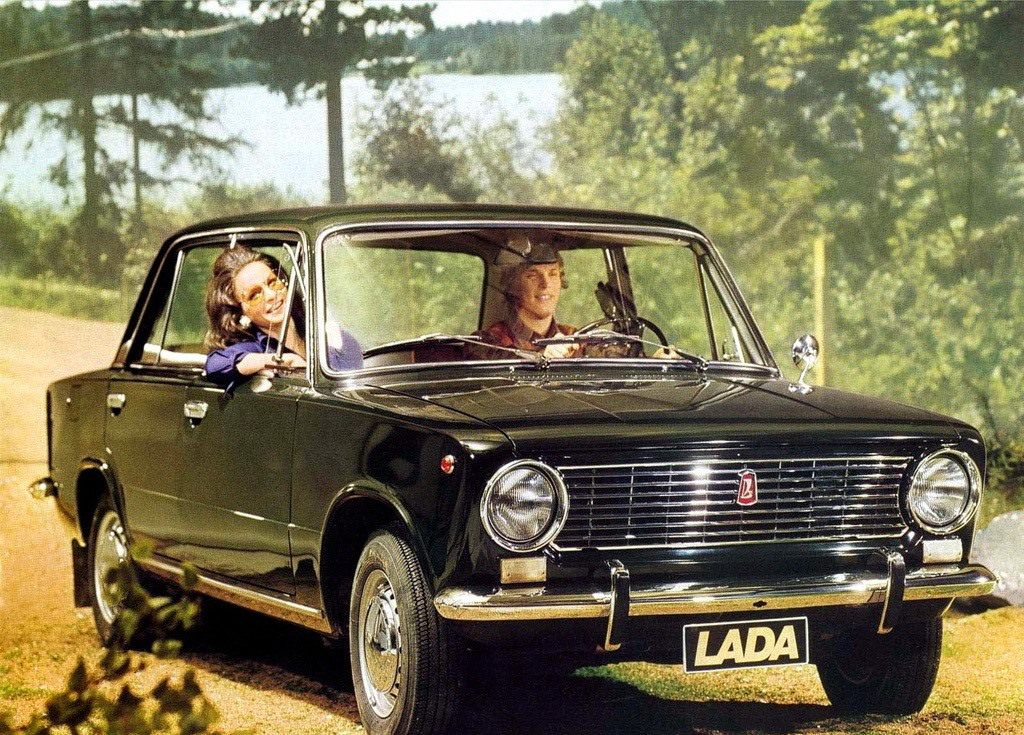
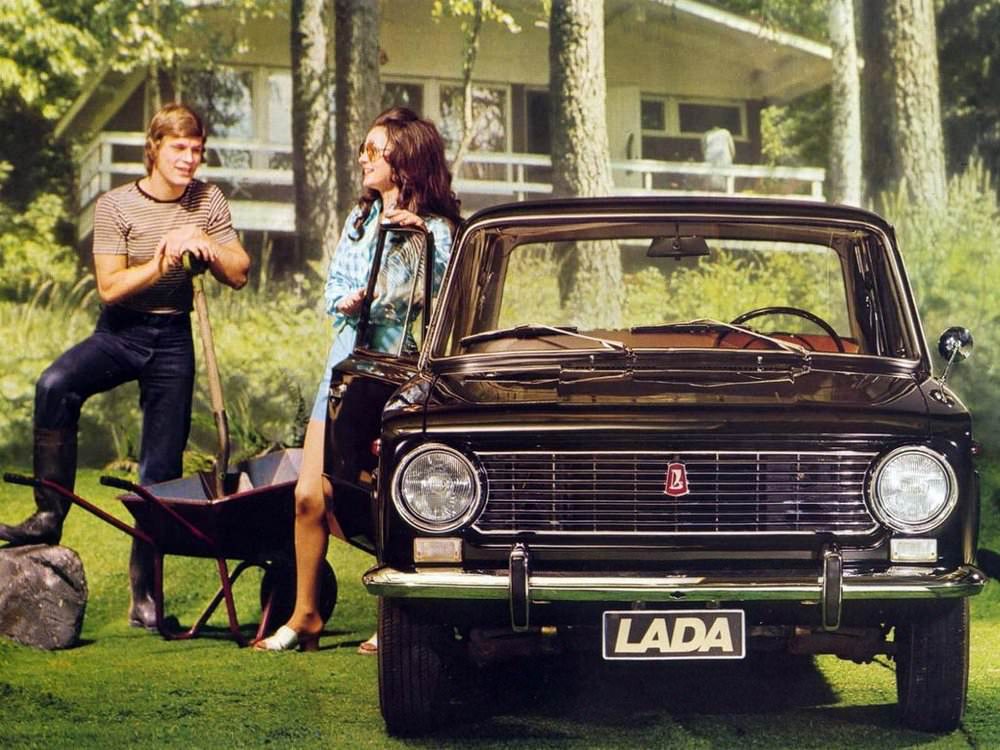
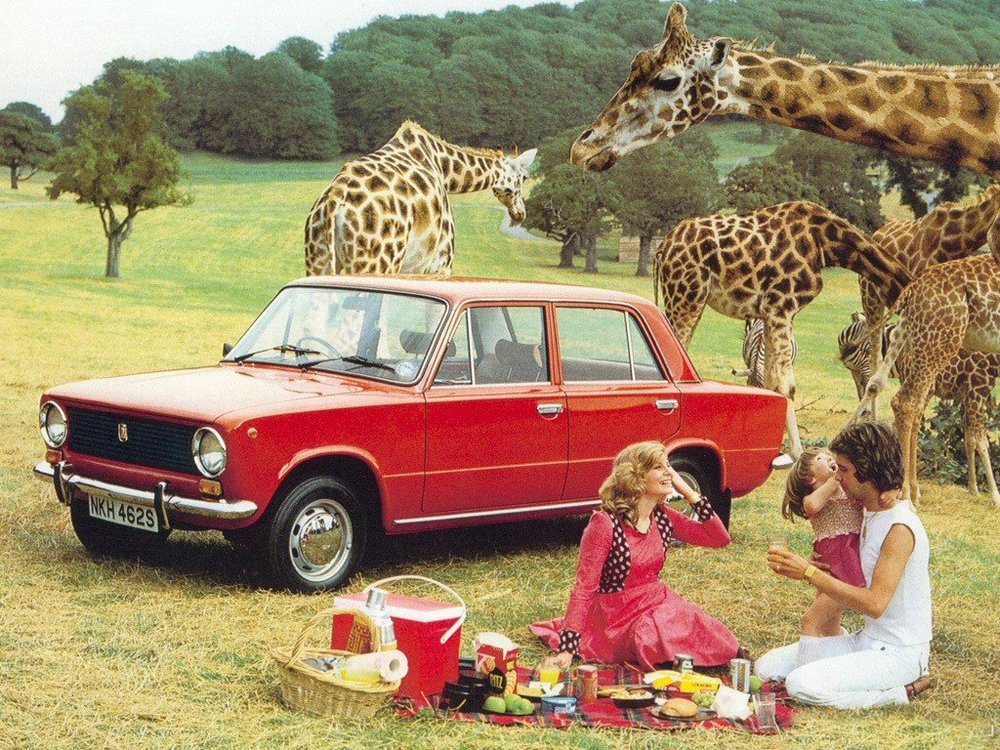
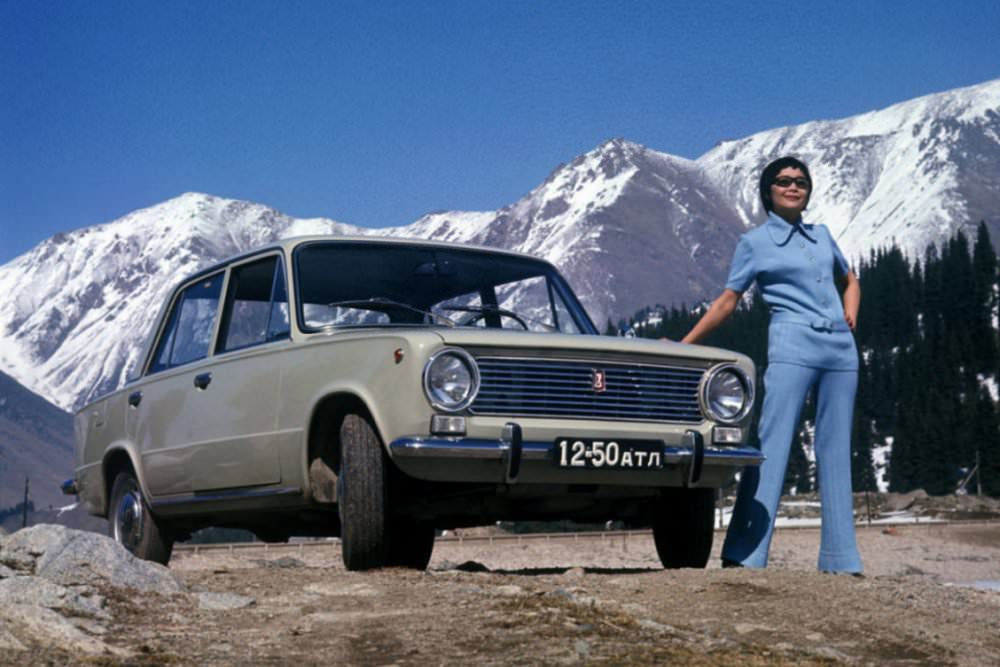
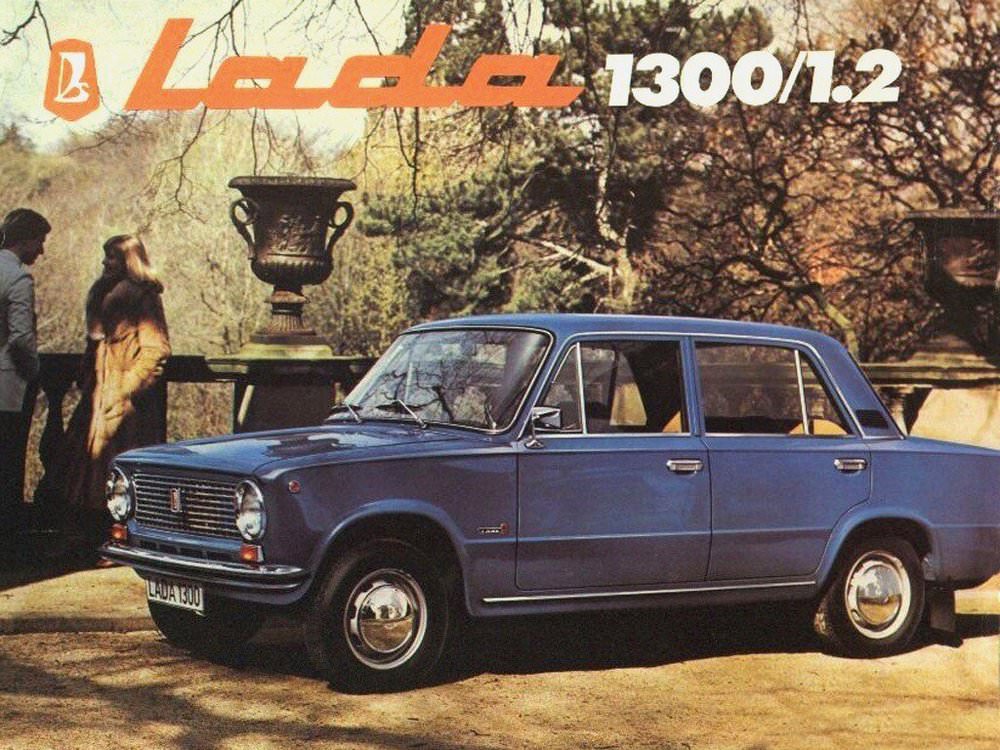
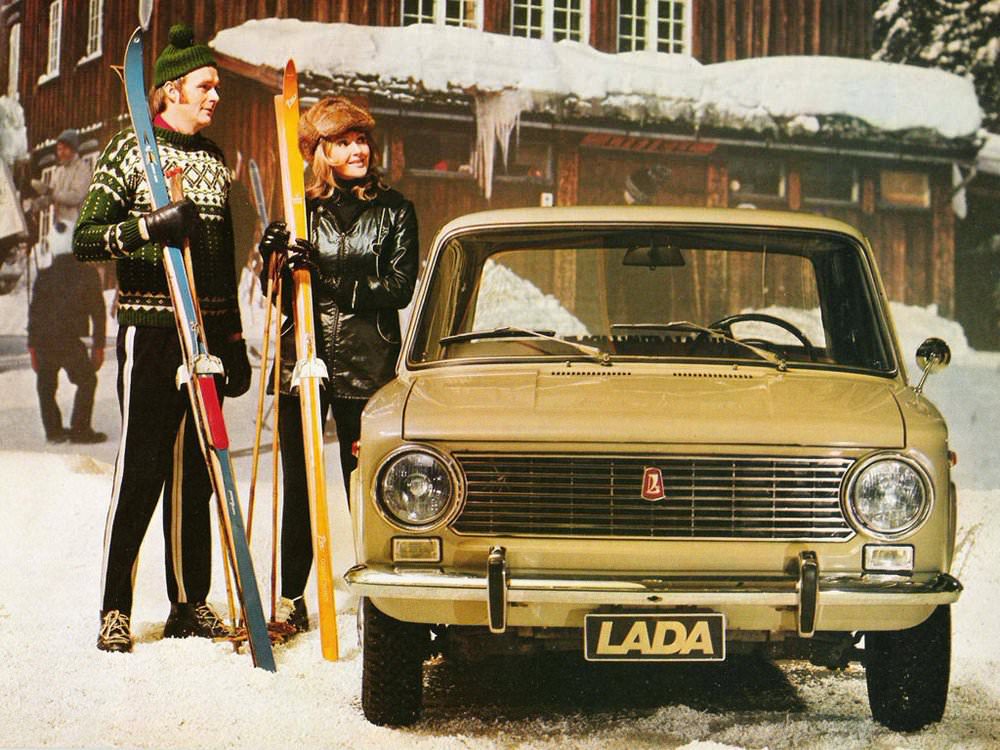
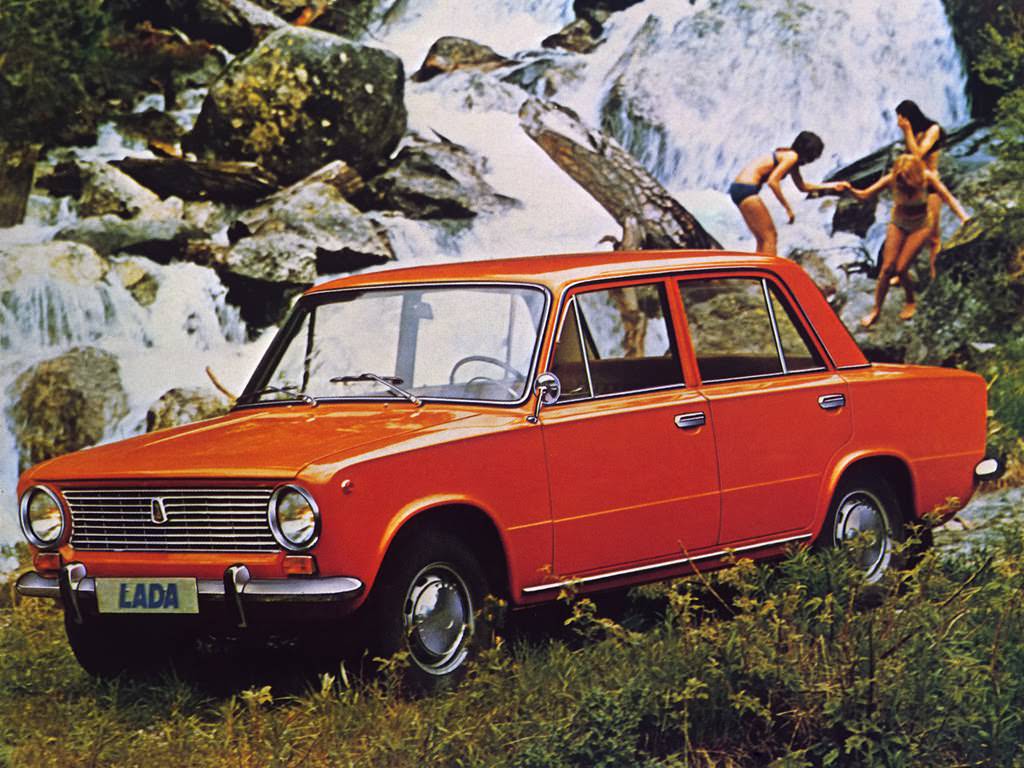
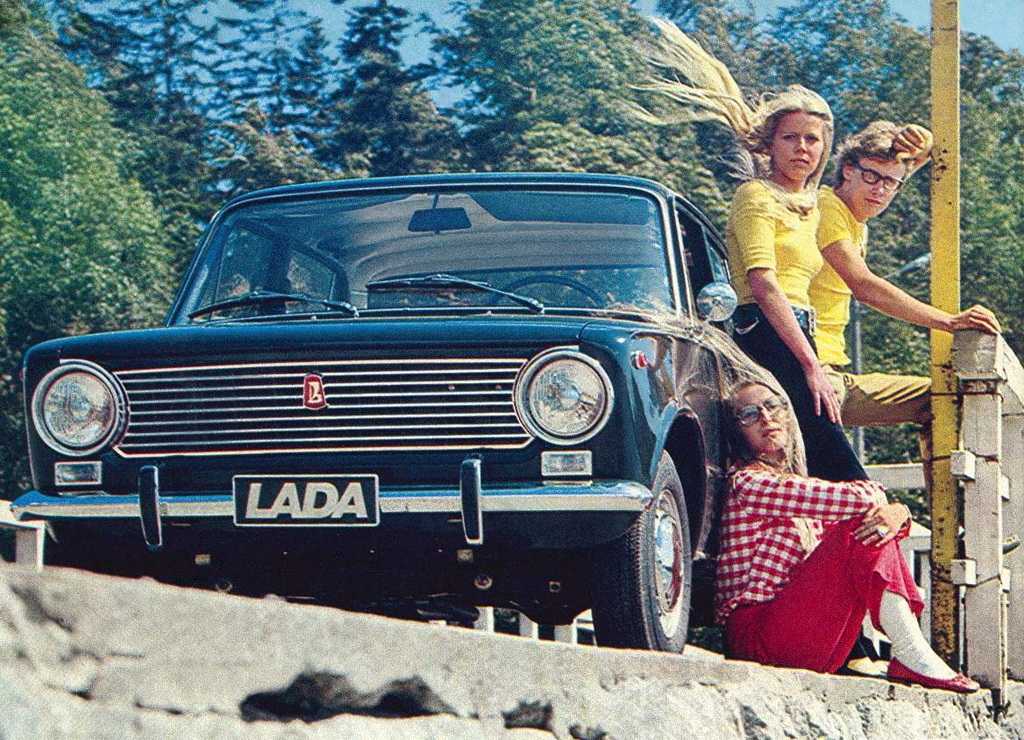
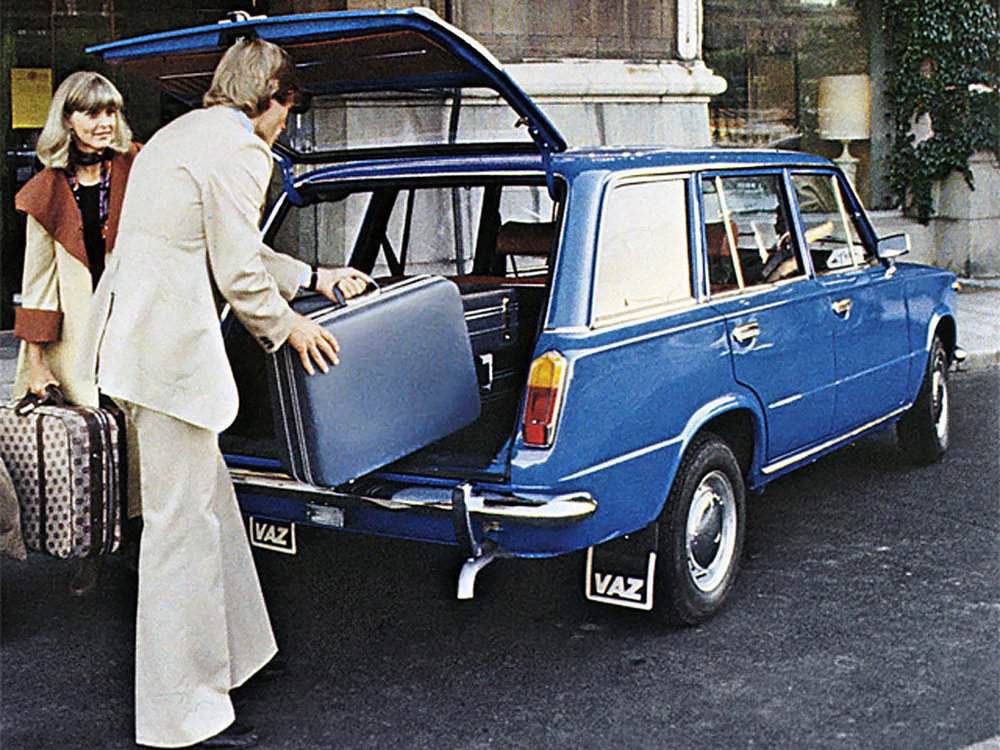
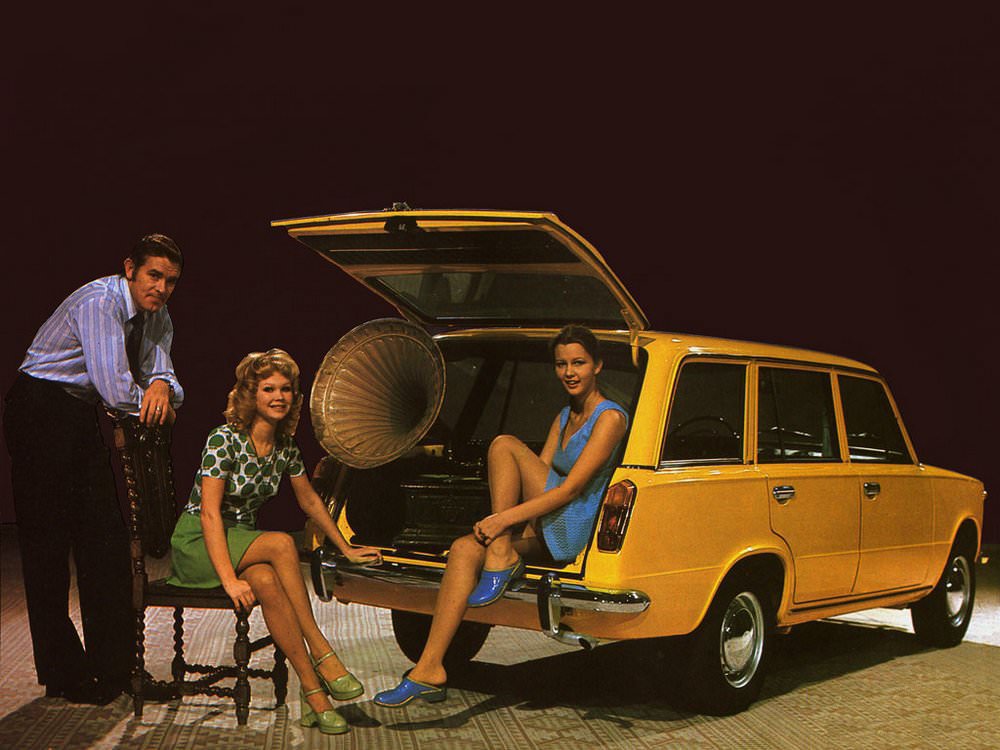
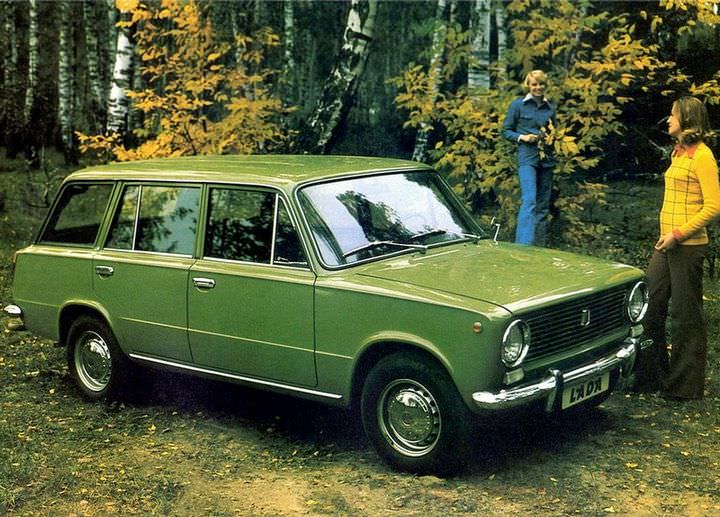
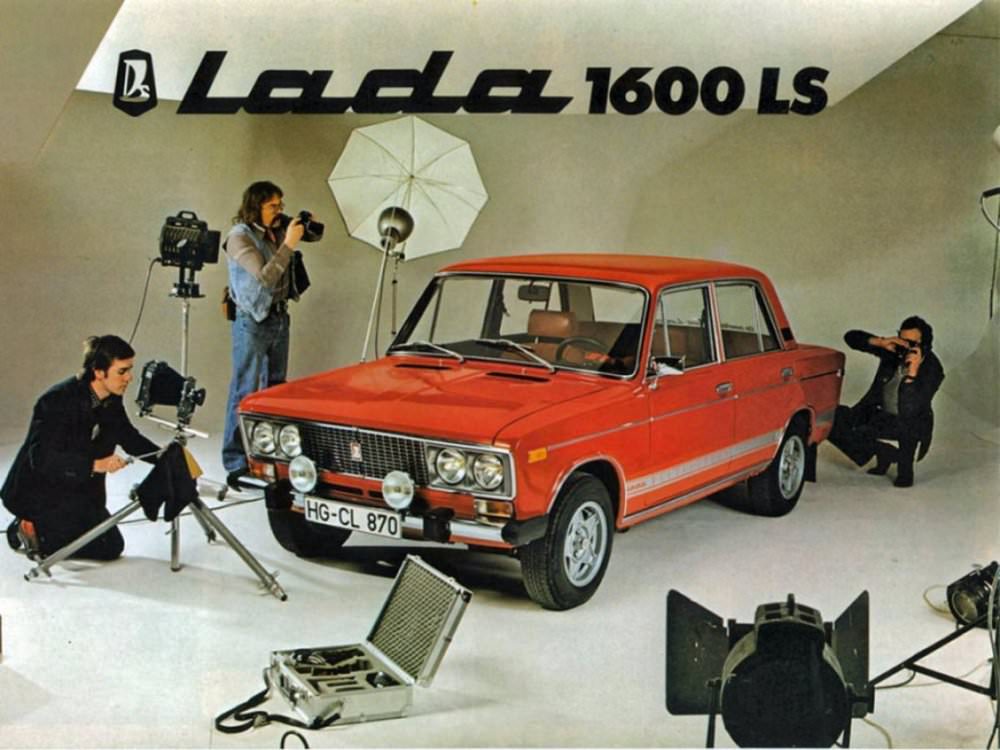
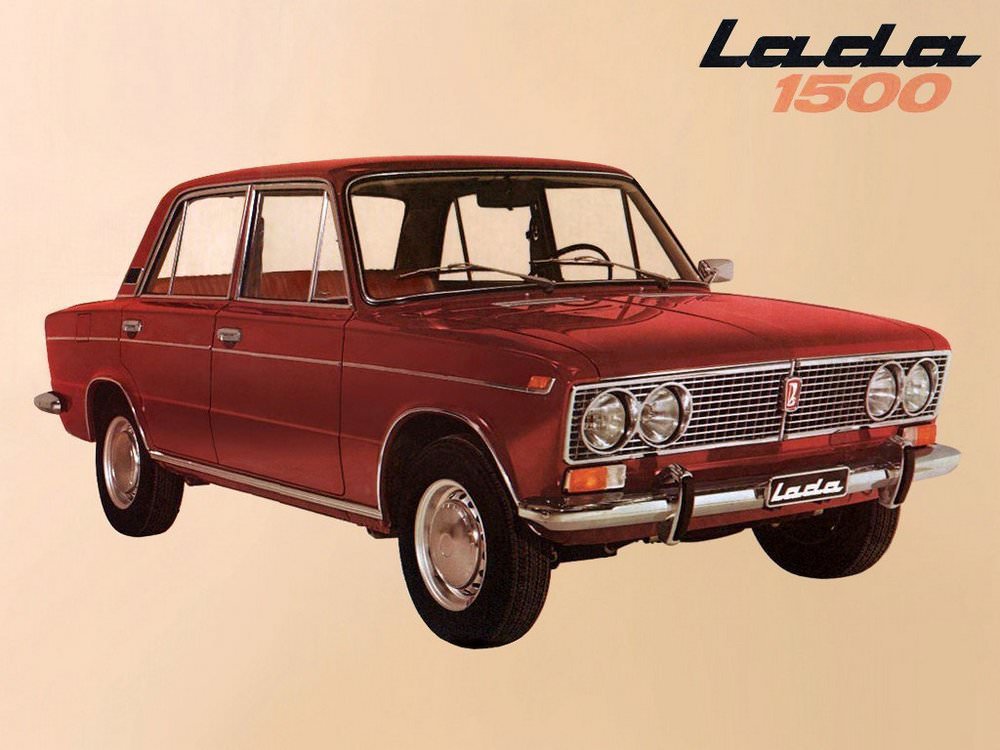
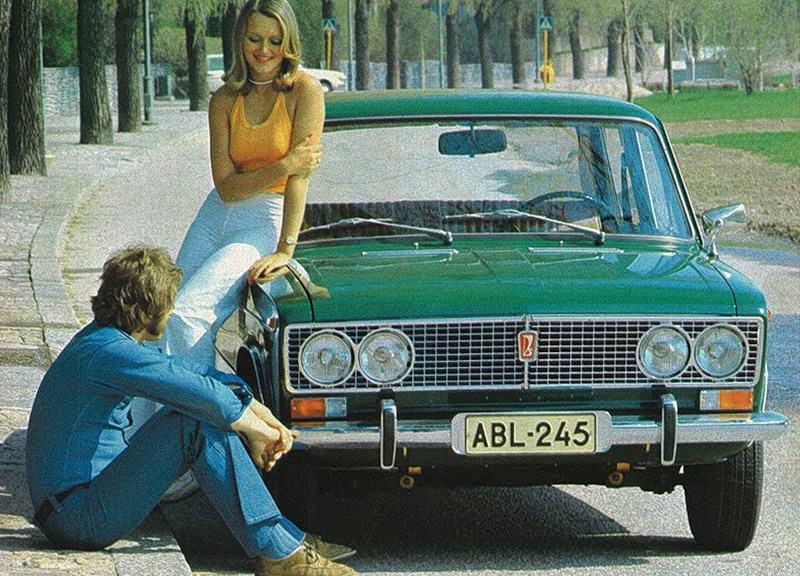
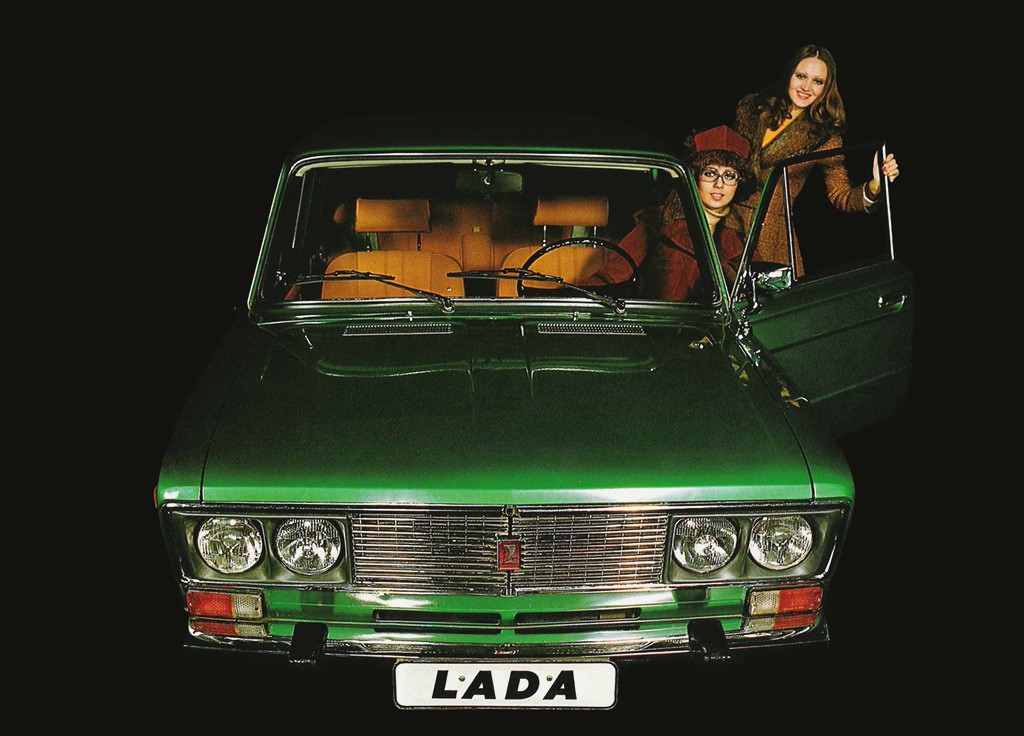
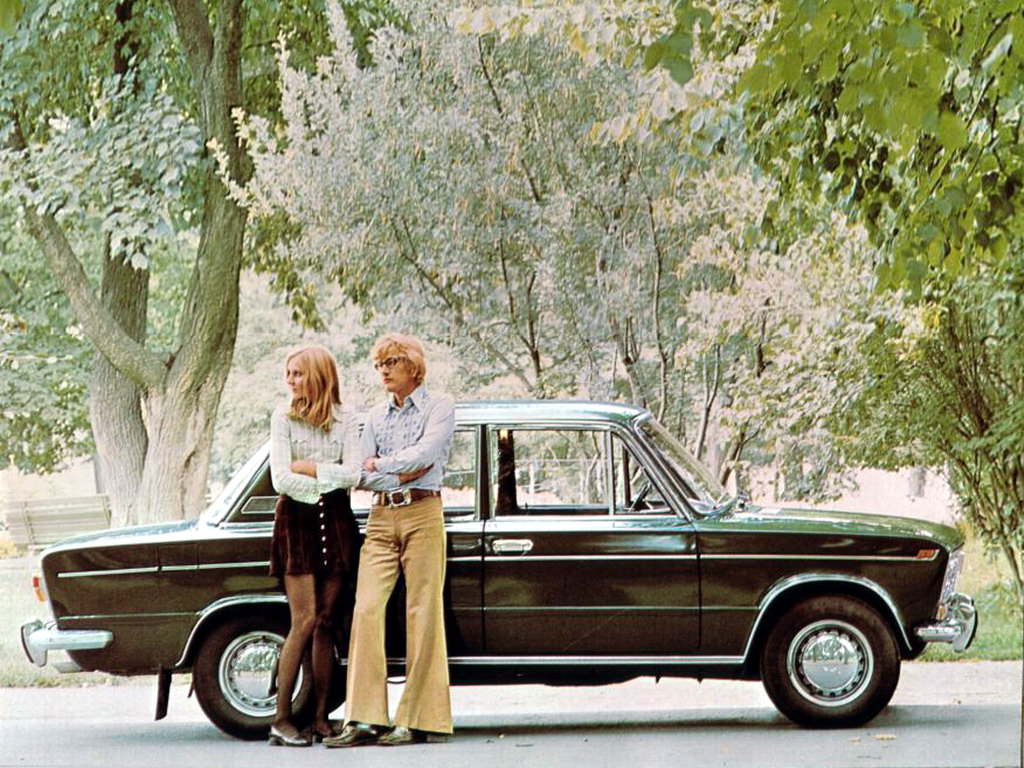
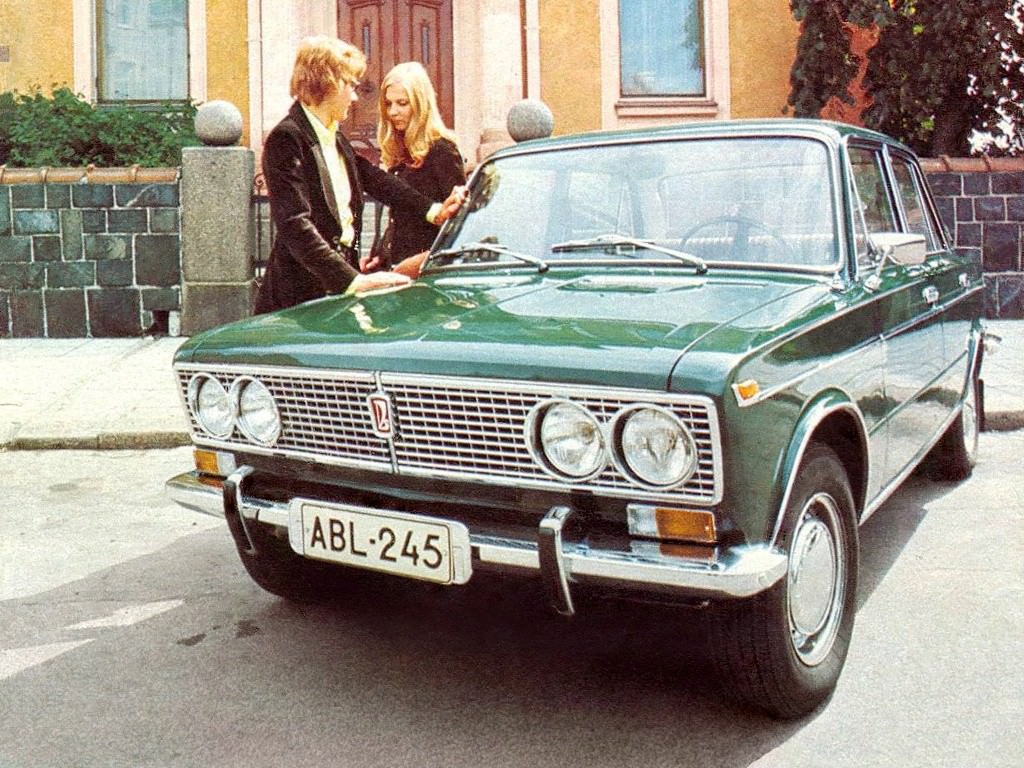
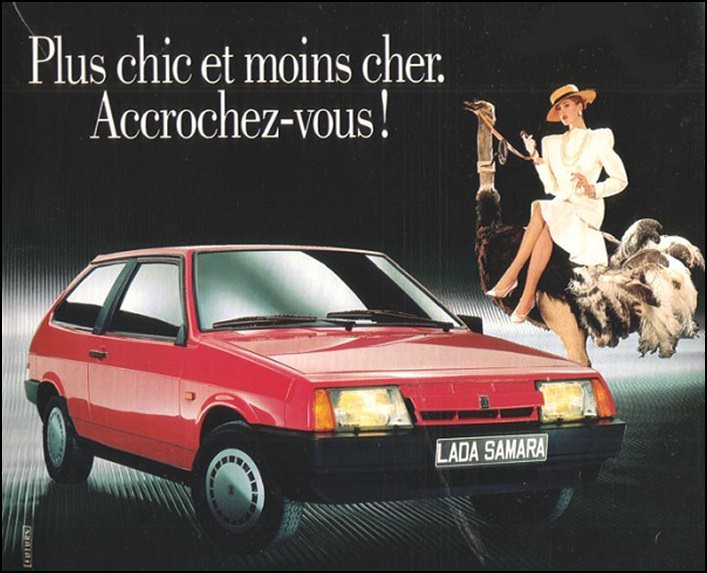
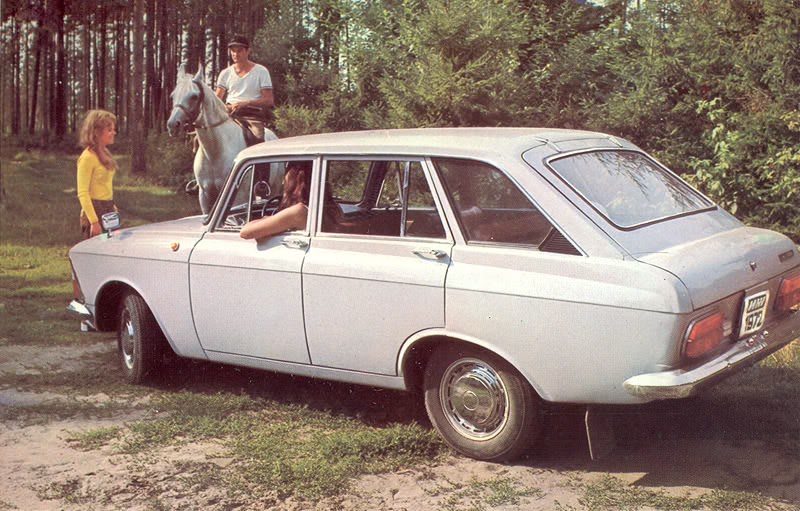
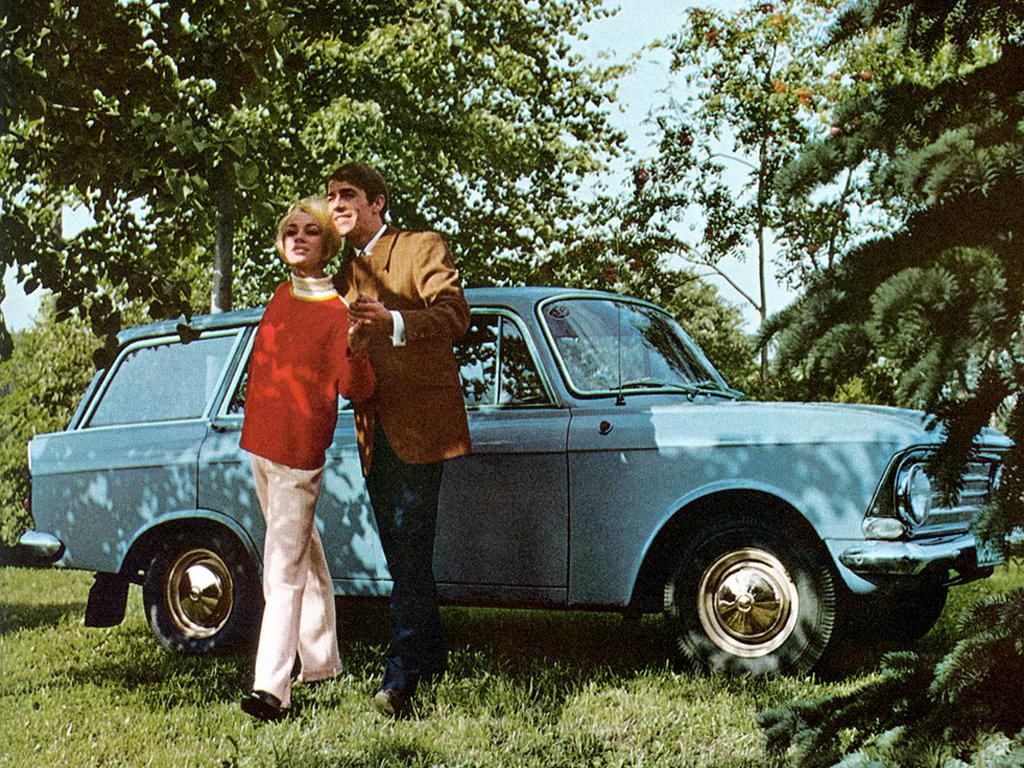
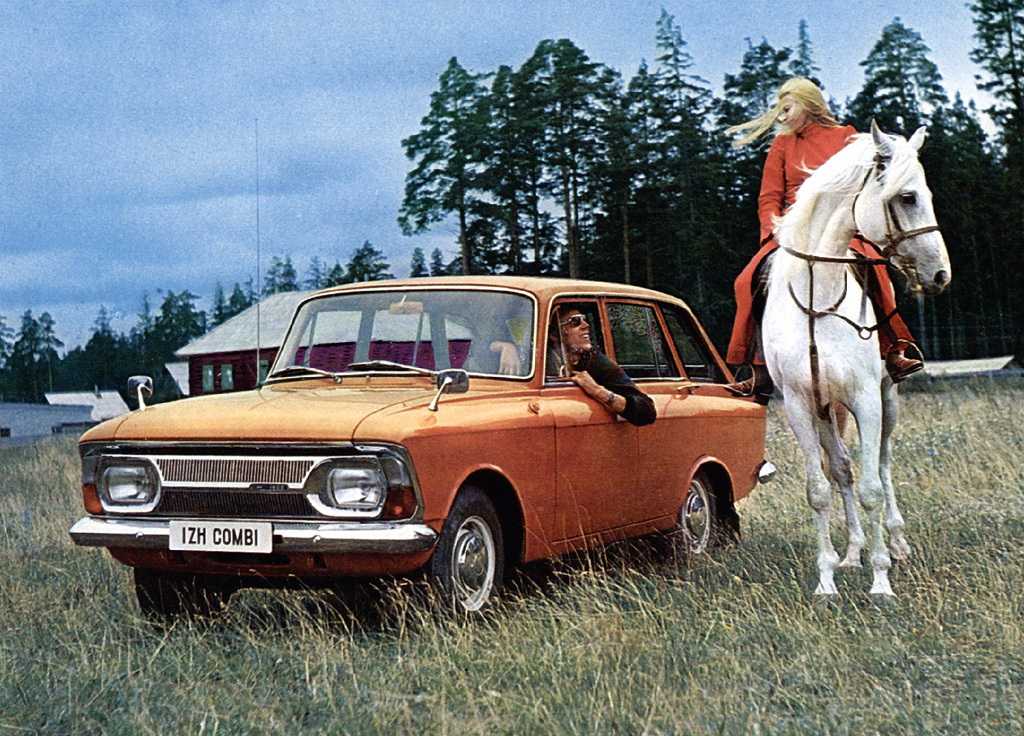
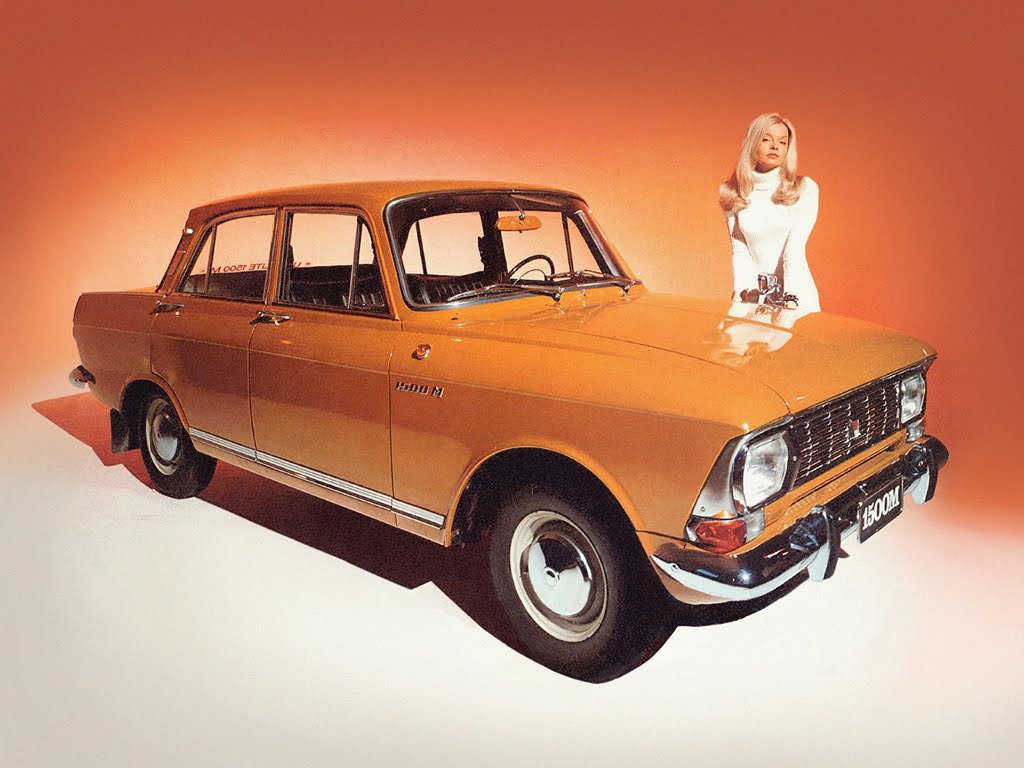
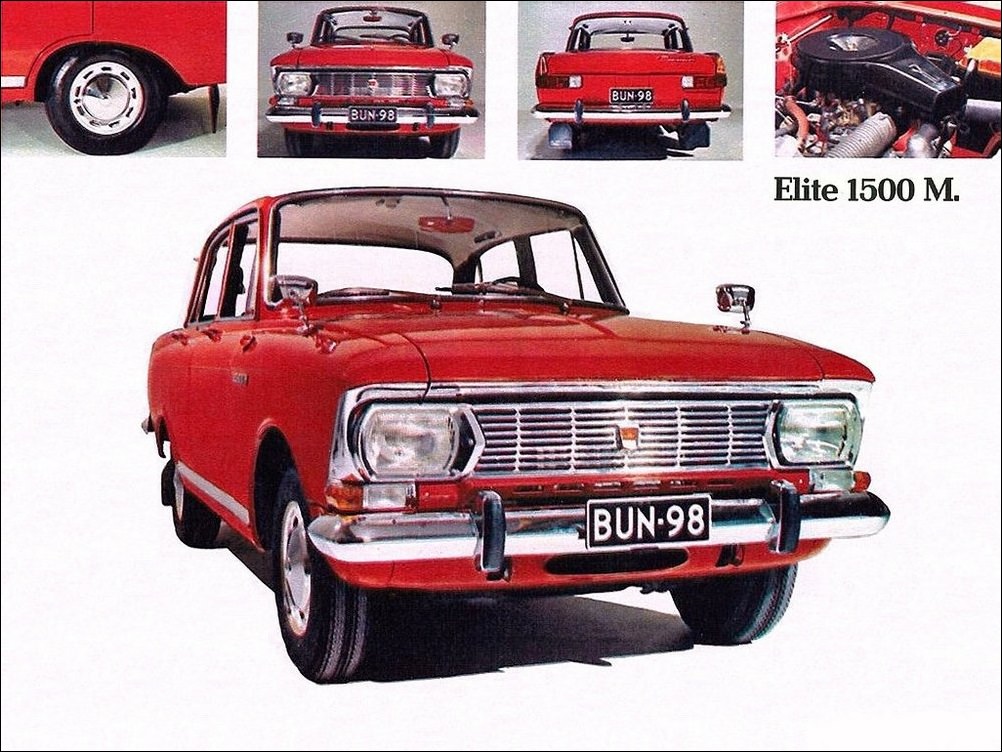
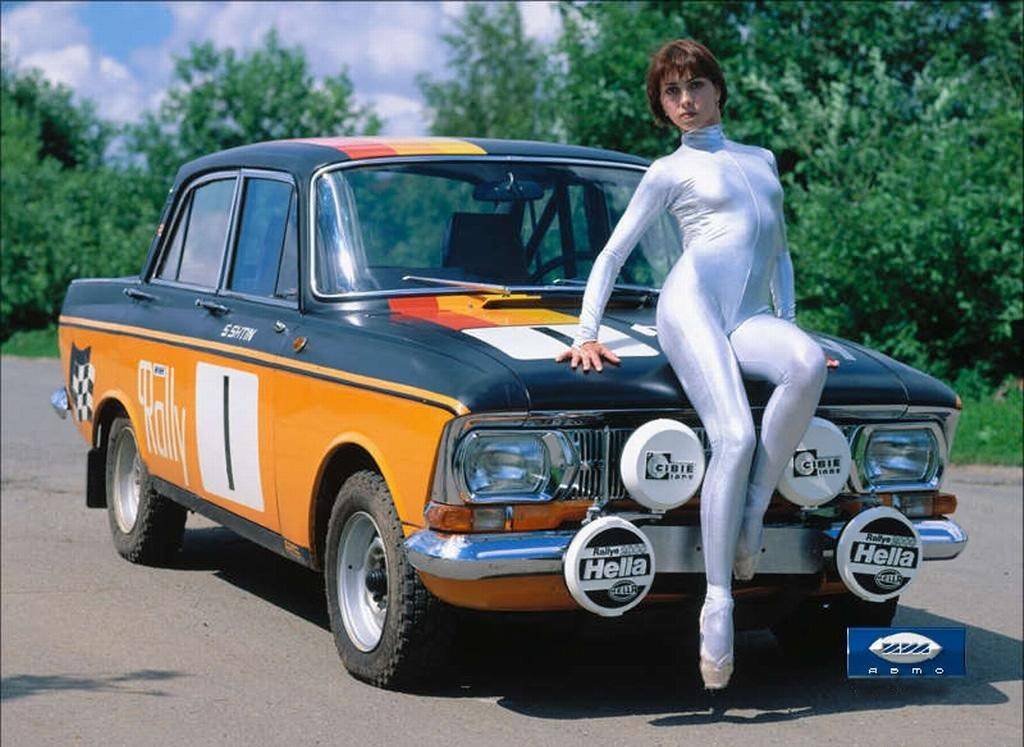
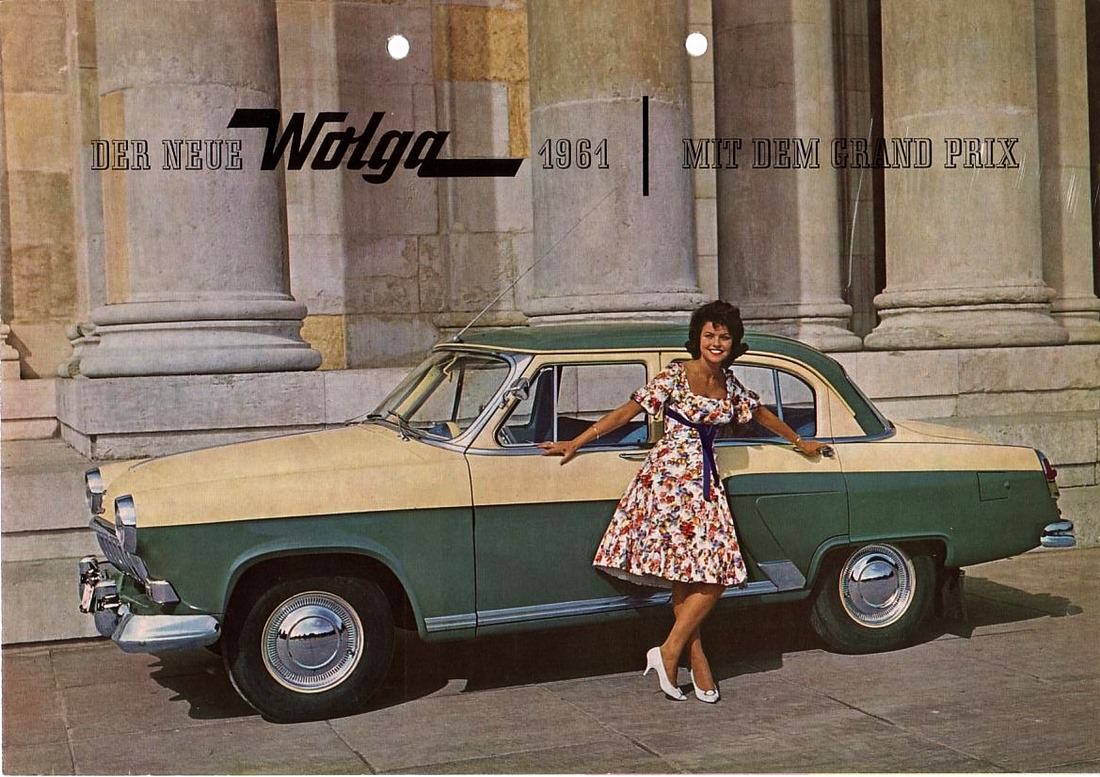
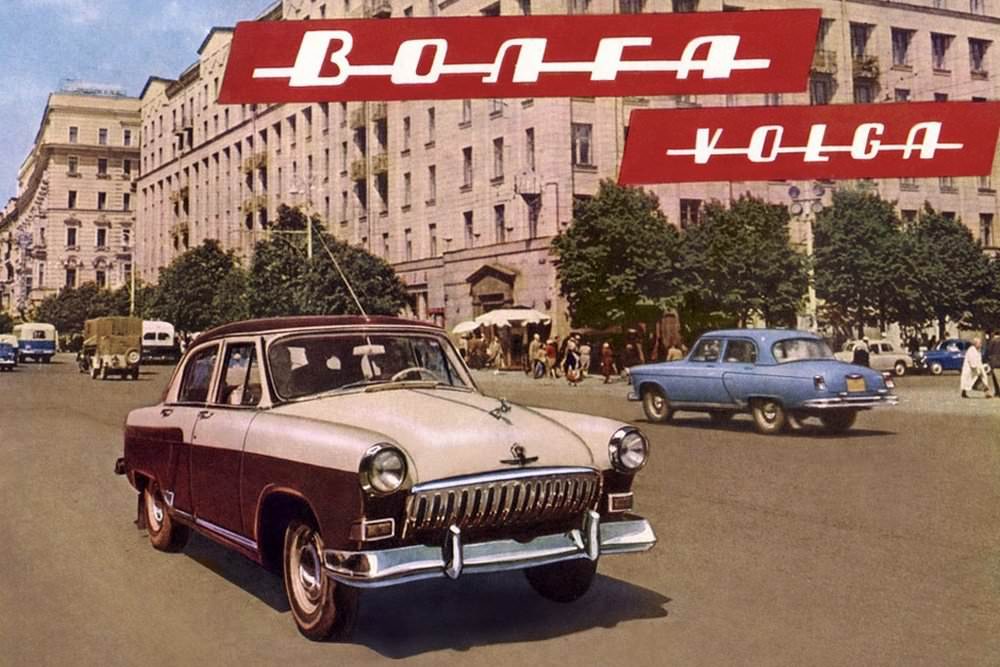
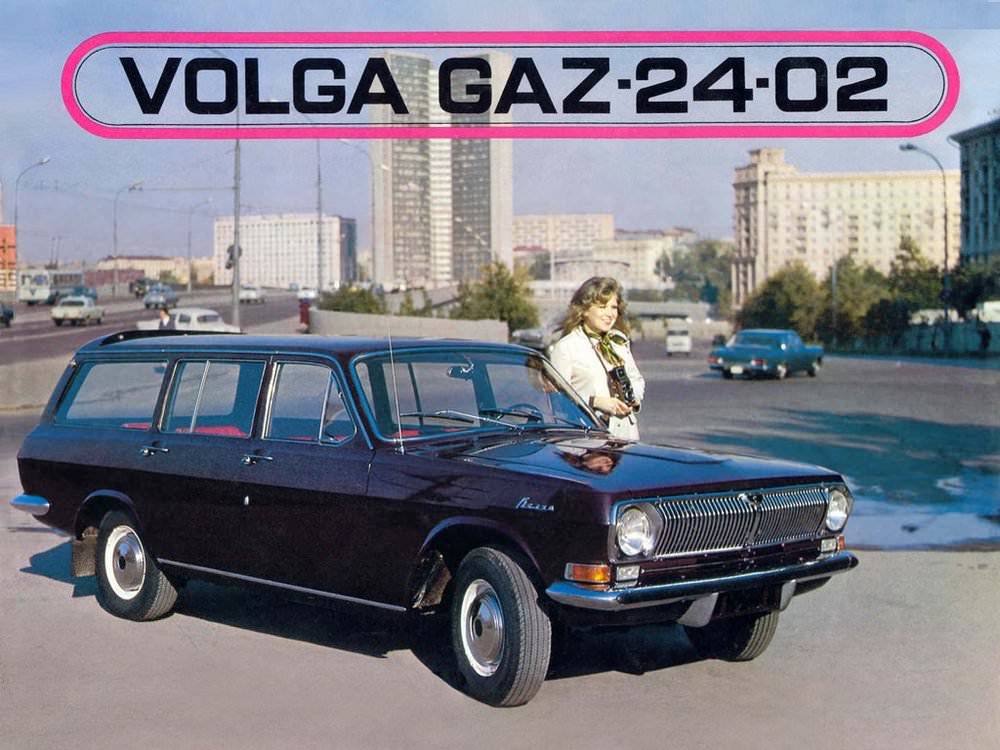
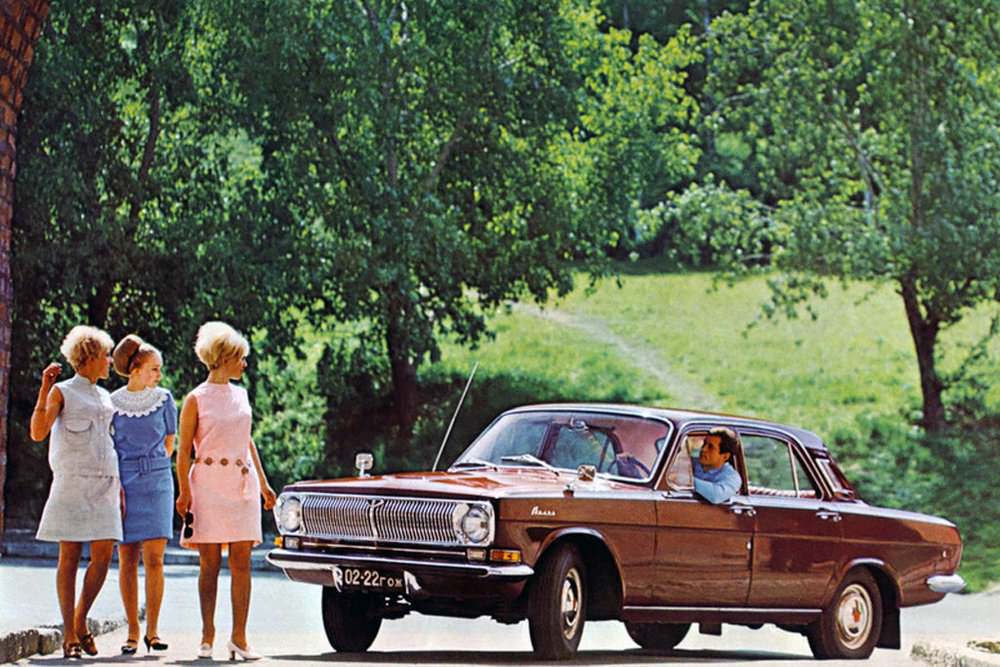
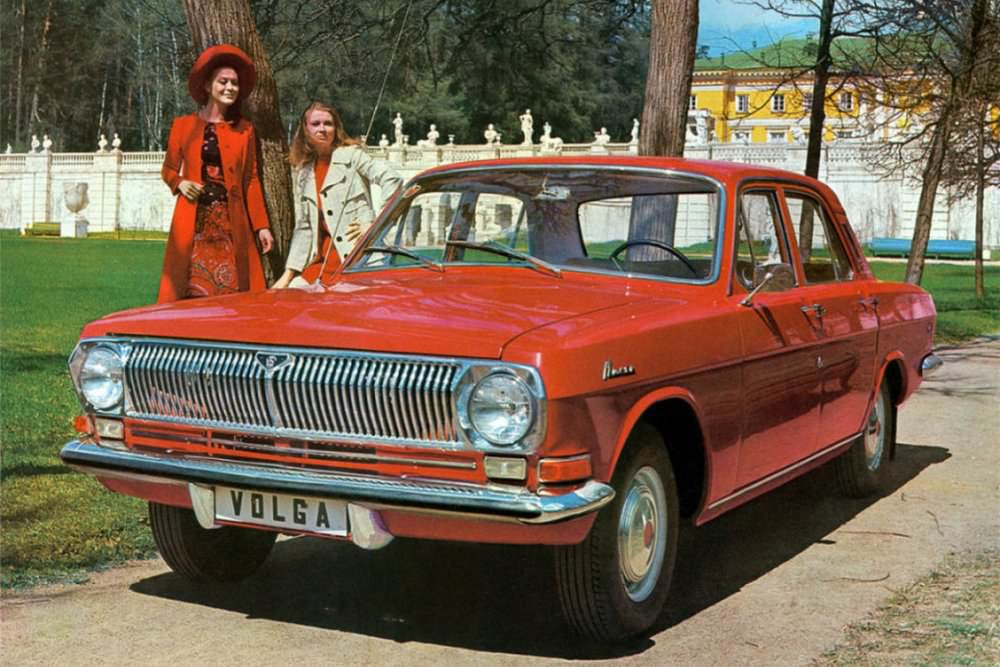
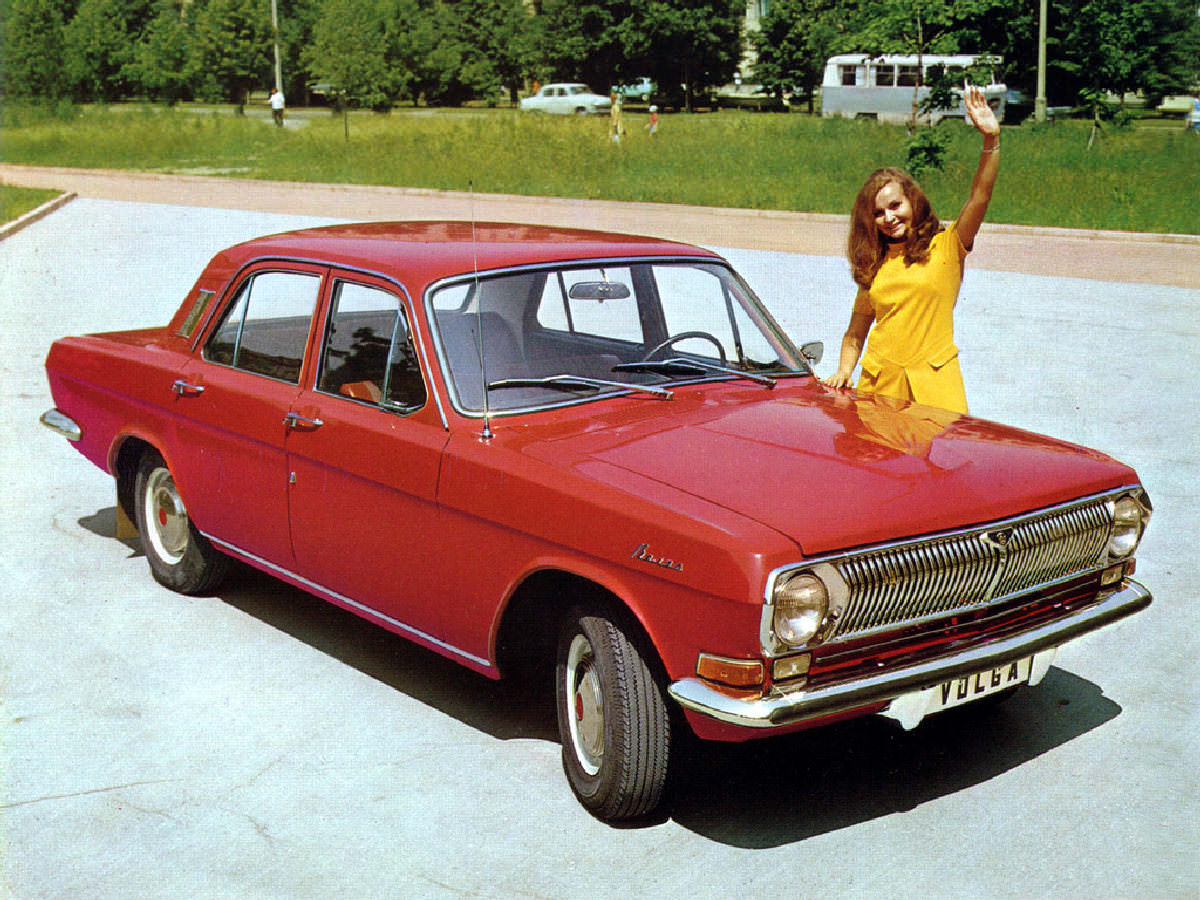
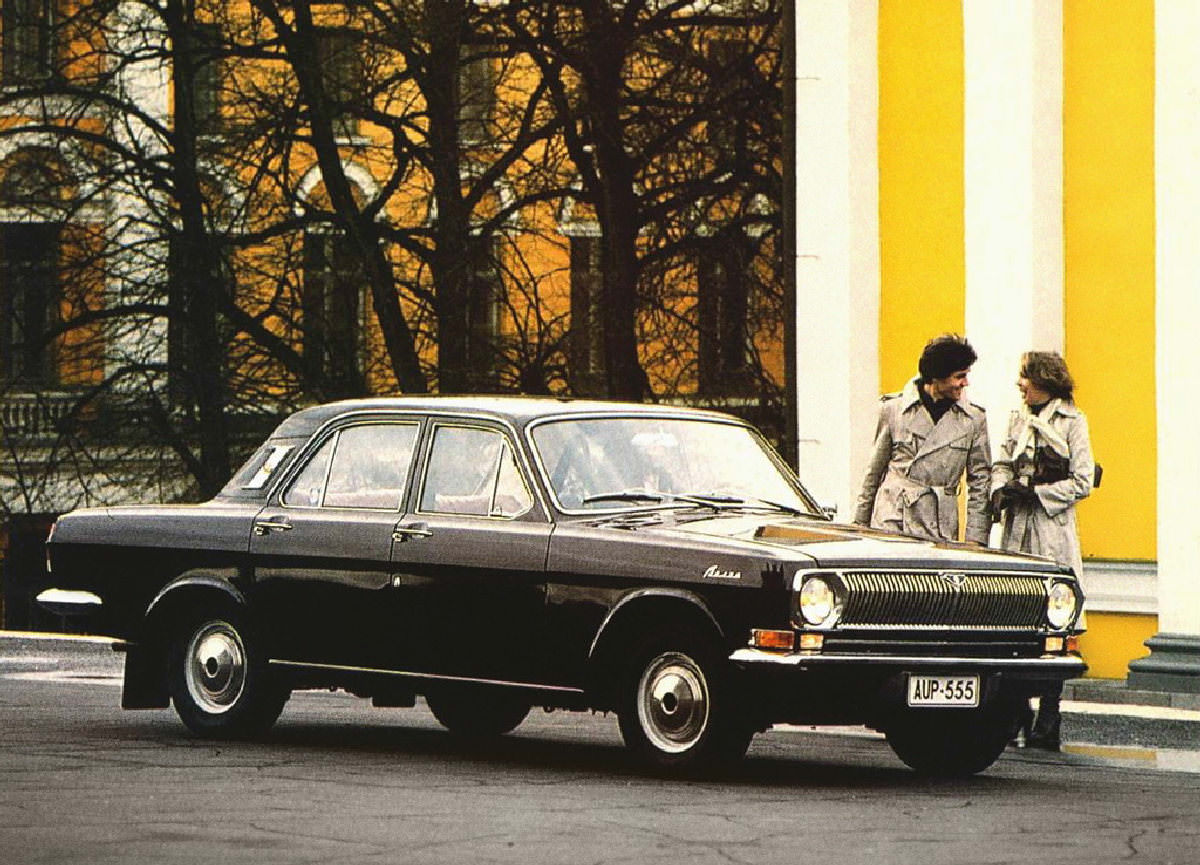
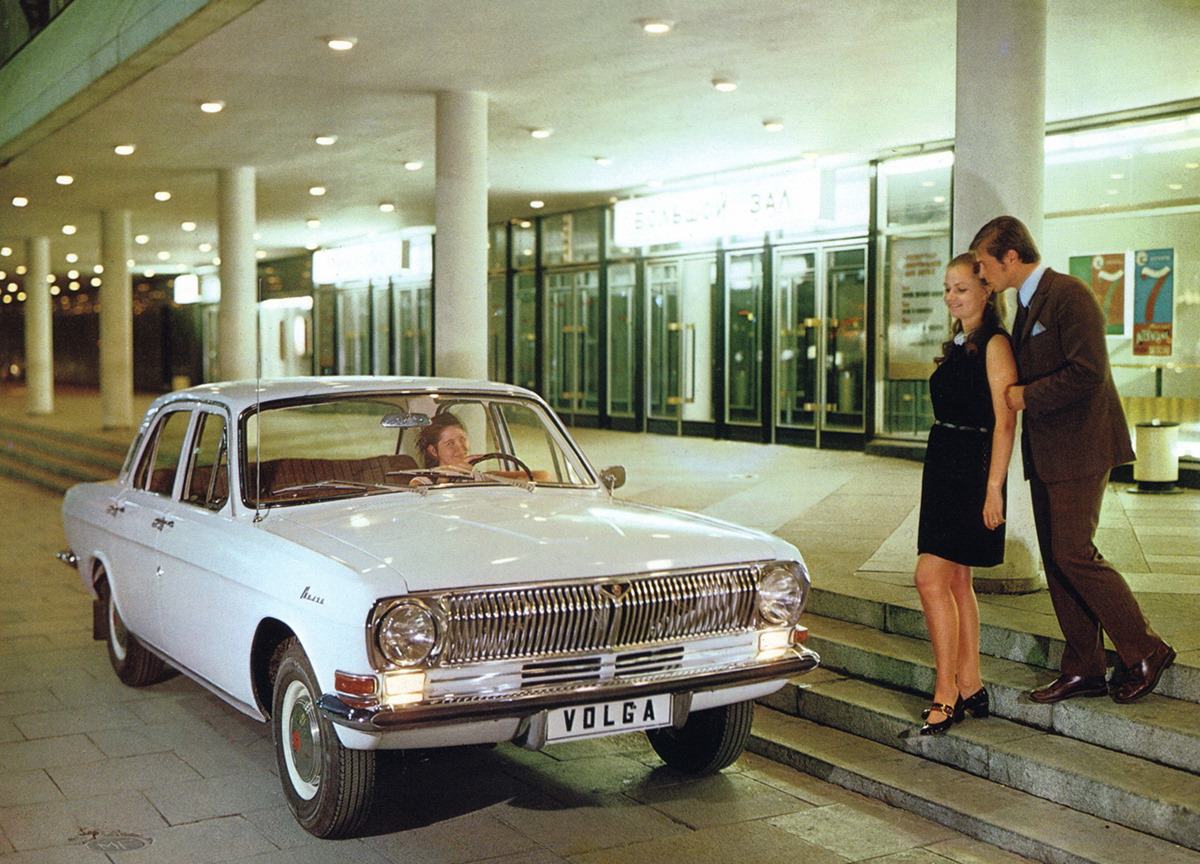
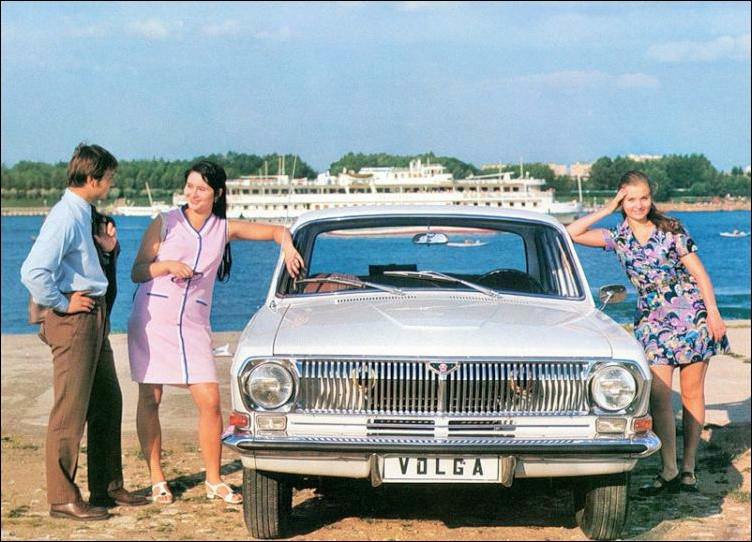
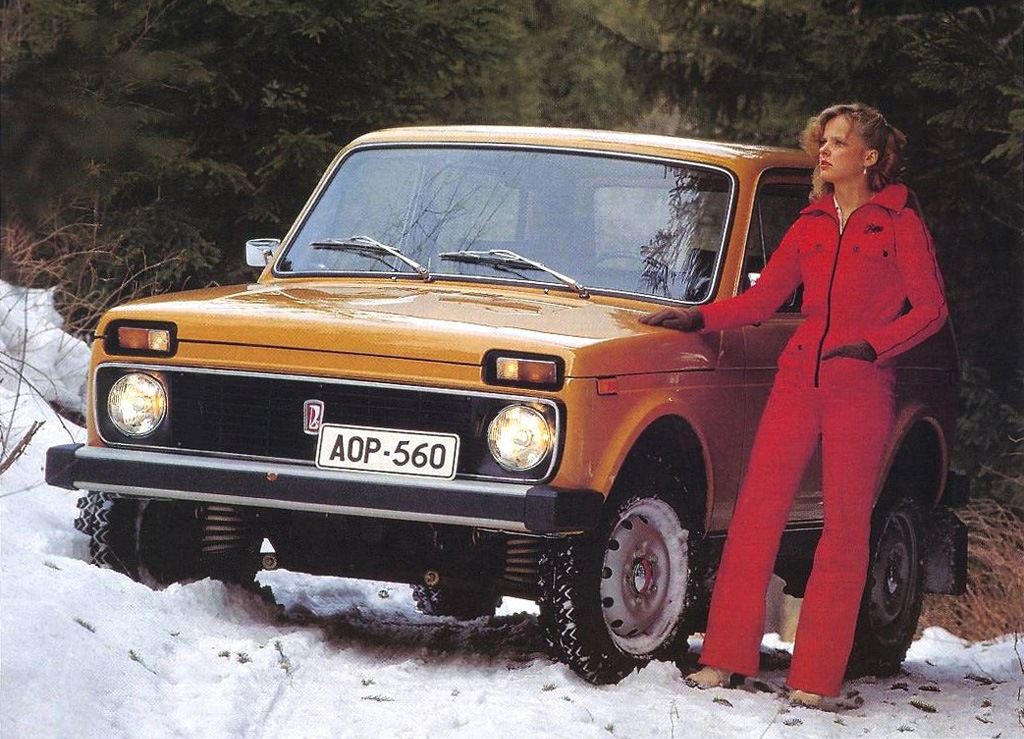
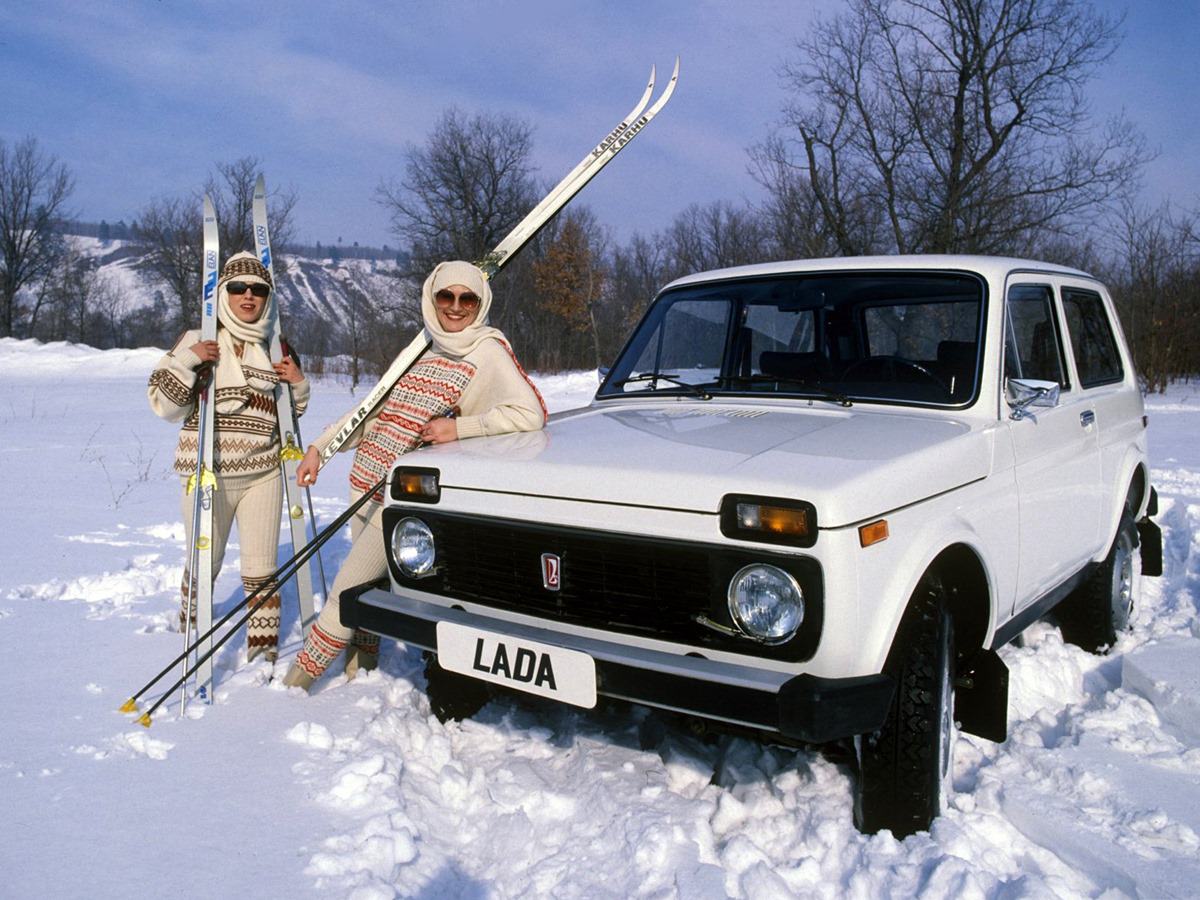
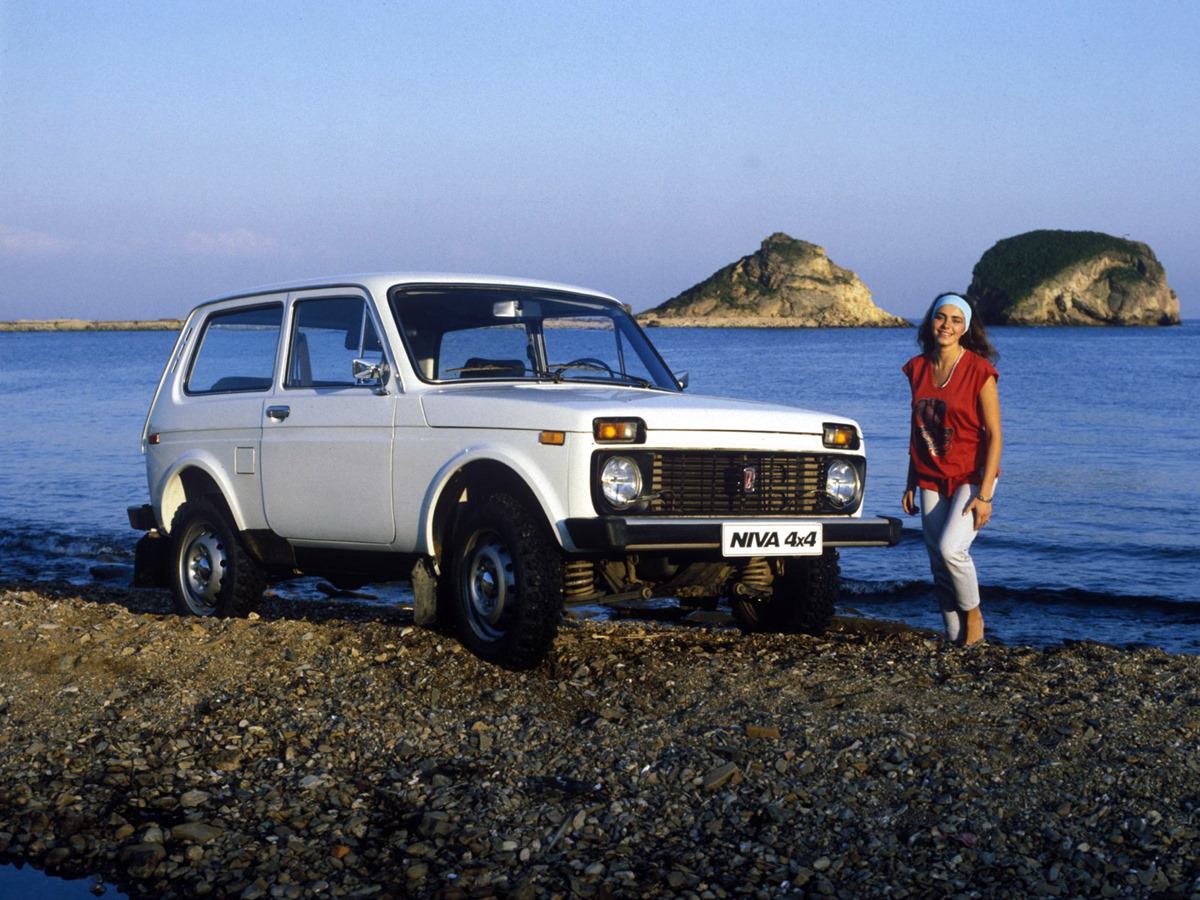
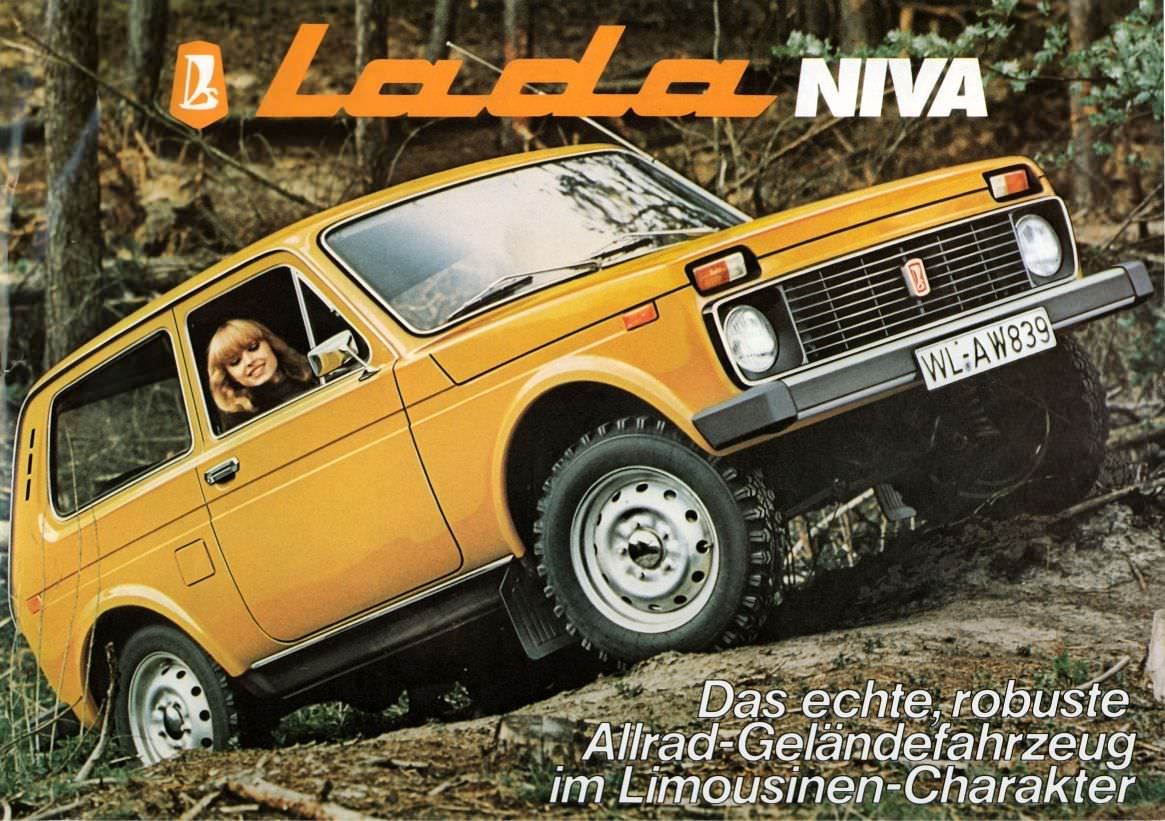
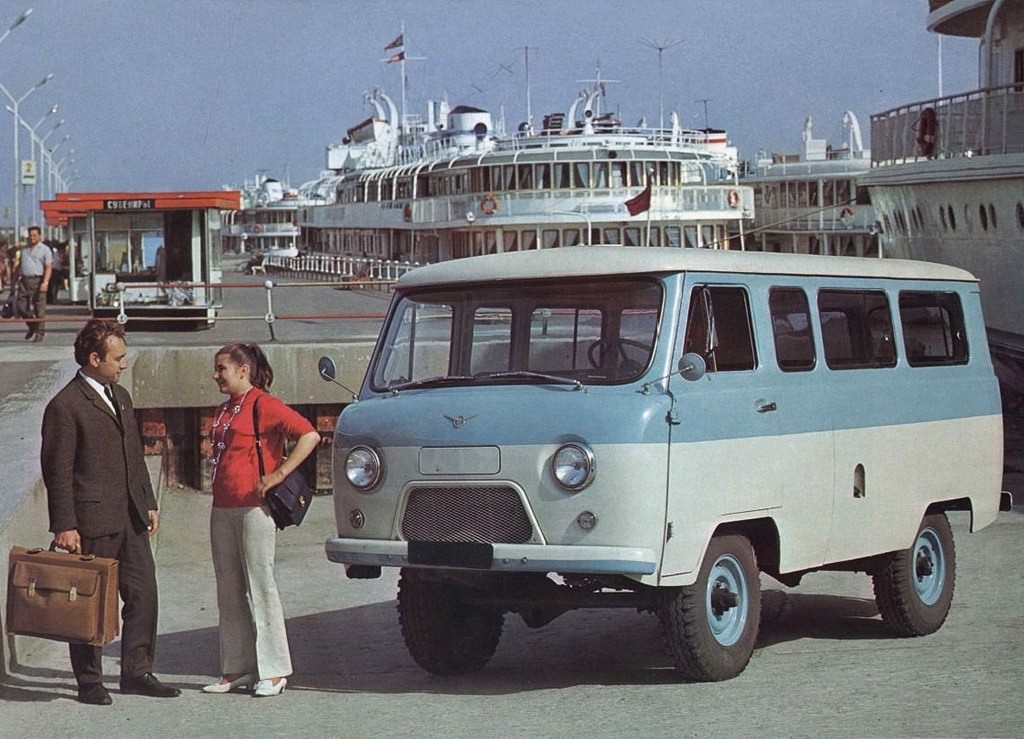
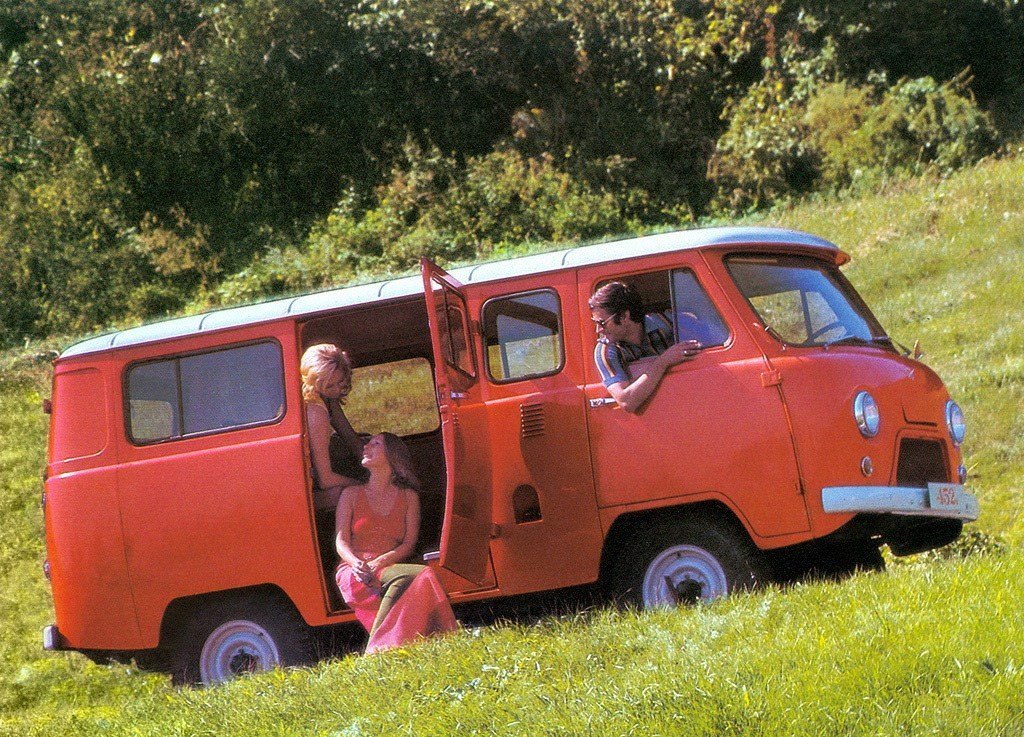
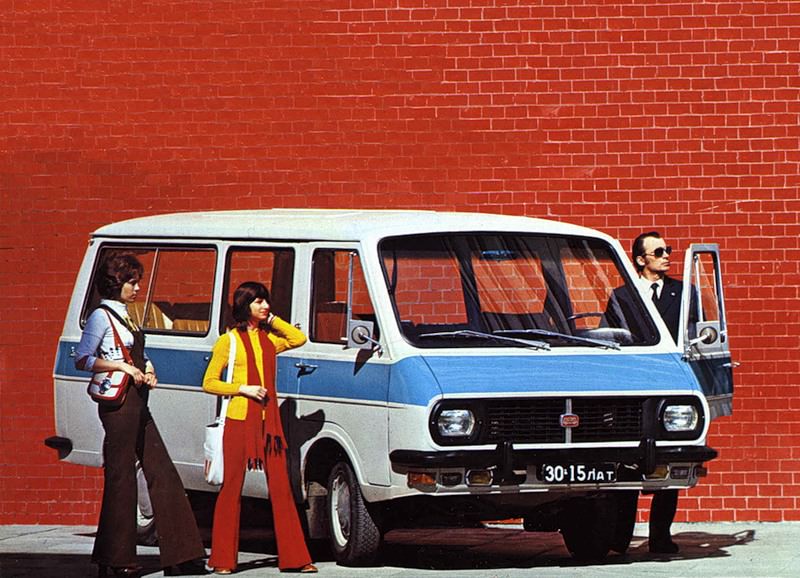
Presented in this collection are some of the most interesting advertising posters displayed in the Soviet Union and around the world. Various local and international magazines and newspapers published these advertisements in offices, shops, and hotels. Advertisements were supposed to target foreign consumers. The automotive industry developed differently than the free market behind carefully barred borders. Due to a lack of technology, automobile models were often copied from foreign originals.
It took several years for Soviet citizens to receive the most popular Soviet cars – Moskviches, Zaparozhets, Volgas, and Pobedas. Between 1929 and 1991, the automotive industry in the Soviet Union flourished. Western manufacturers helped develop this industry and grew into a multi-billion dollar industry. In the years before its dissolution, the Soviet Union produced 2.1-2.3 million units of all types of vehicles per year, ranking ninth in cars, third in trucks, and first in buses. Each year, the Soviet industry exported 300,000-400,000 cars to satellite countries of the Soviet Union, as well as to North America, Central and Western Europe, and Latin America. Ford established GAZ (Gorkovsky Avtomobilny Zavod, Gorky Automobile Factory) in Nizhny Novgorod in 1929. After WWII, Ford built AZLK, a prominent Soviet automobile company, in Moscow a year later. In the early years of Soviet production, cars accounted for a small share of all vehicles due to government goals.
As the 1960s began, the Soviet industry proved incapable of designing and launching a decent car for the masses. The Soviet leadership sought technical assistance from the West once again. There were several options to choose from, including Volkswagen, Ford, Peugeot, Renault, and FIAT. Fiat 124 was selected because of its simple and sturdy design, as well as its easy manufacturing and repairability. A plant was constructed in the small town of Stavropol Volzhsky in four years (1966–1970), which eventually grew to over half a million people. In honor of Palmiro Togliatti, the long-time leader of the Italian Communist Party (PCI), who died just before the plant was built, the town was renamed Togliatti. Meanwhile, the Izhmash car plant was established in Izhevsk as part of the Izhevsk Mechanical Plant at Minister of Defense Dmitriy Ustinov’s initiative to increase overall car production in the Soviet Union. It produced Moskvitchs and Moskvitch-based kombi hatchbacks.
Until the late 1960s, automobiles were manufactured exclusively in Moscow, Gorky, and Izhevsk (Ural region). In 1970, trucks and other commercial vehicles were made not just in Moscow and Gorky, but also in Belarus (Minsk, Zhodino), Ukraine (Kremenchug), Georgia (Kutaisi), and the Volga and Ural regions (Ulyanovsk and Miass). In 1970-79, automobile production grew by nearly 1 million units per year, and truck production rose by 250,000 units per year. During that time, the ratio of automobiles to trucks increased from 0.7 to 1.7, indicating more attention was being paid to the consumer market. With annual production approaching 1.8 million units, the Russian Soviet Socialist Republic dominated the Soviet automotive industry. The Ukrainian SSR ranked second with more than 200,000 units per year, while the Belorussian SSR ranked third with 40,000 units. Other Soviet republics (SSRs) had small automotive industries. All types of automobiles were only produced in the first two republics. By the early 1980s, the Soviet automobile industry consisted of several leading factories producing various vehicles. Private buyers were not allowed to purchase commercial vehicles for personal use before 1988, such as minibusses, vans, trucks, and buses. Only 45% of domestic car demand was satisfied by domestic production; imports were prohibited.