
Headphones were born out of a simple need: to keep a person’s hands free while using a telephone. But the road to the sleek headsets we know today was a long one, filled with bulky hardware, dangerous voltages, and a few brilliant inventors along the way.
The story starts in the 1890s with a British company called Electrophone. They built the first headphones and used them to let subscribers listen to live performances from theatres and opera houses across London. The setup was far from elegant — listeners had to press a pair of massive earphones to their ears while holding a long rod beneath their chin. It worked, but barely.
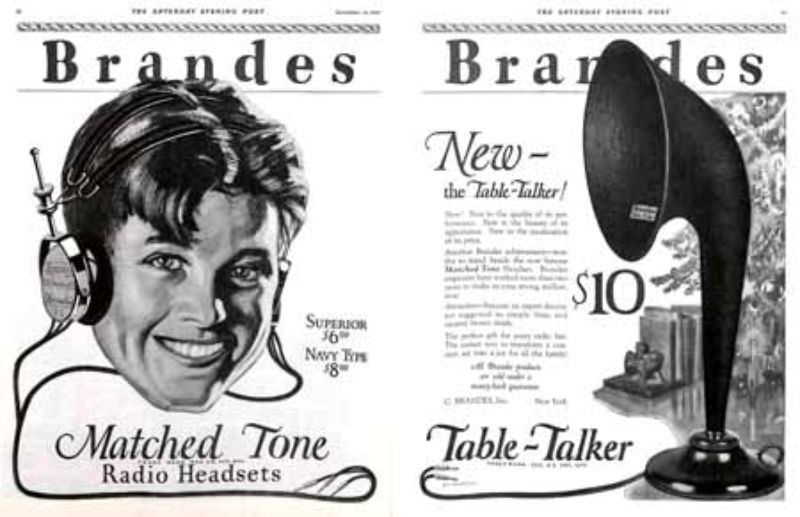
In 1891, Ernest Mercadier patented a much smaller solution: in-ear headphones. These fit directly into the ear canal and were far more practical than the Electrophone model. Then, in 1910, an American named Nathaniel Baldwin built his own prototype headset. His motivation was personal — he struggled to hear sermons at his place of worship and wanted a better way to listen. He offered his invention to the U.S. Navy for testing, and they immediately ordered 100 pairs.
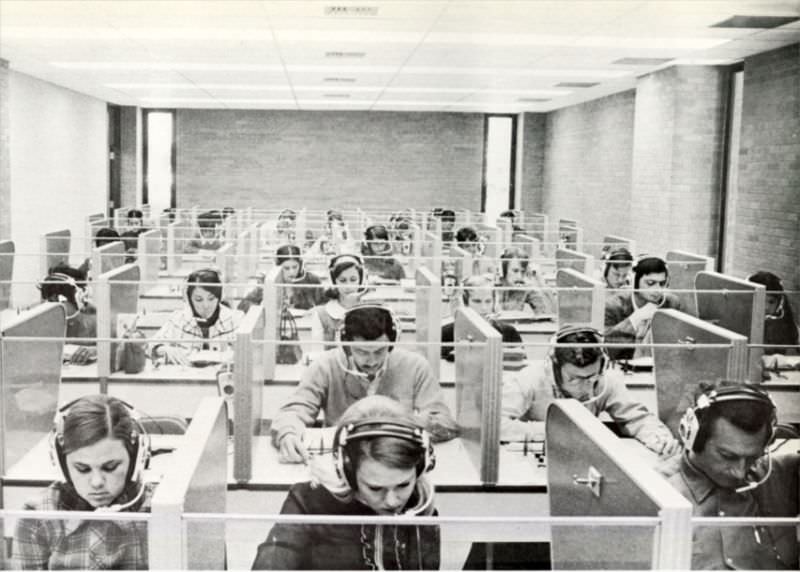
These early headphones used moving iron drivers, which worked through either single-ended or balanced armatures. In a single-ended design, voice coils were wound around the poles of a permanent magnet placed near the diaphragm. When audio current passed through the coils, it changed the magnetic field, which pushed and pulled on the diaphragm, creating sound waves.
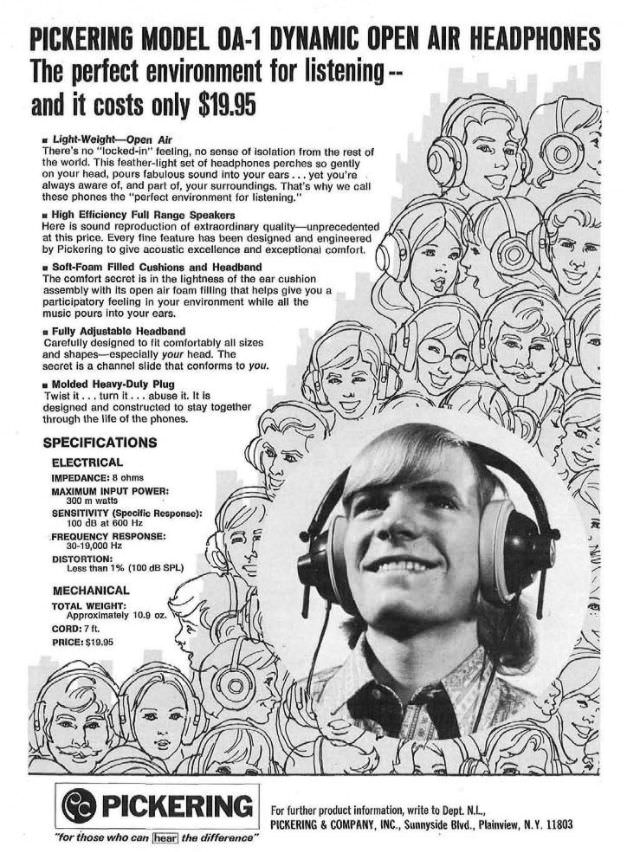
The problem with this design was sound quality. Because no damping was used — damping reduces unwanted vibration — the diaphragm resonated too freely. This caused sharp peaks in the frequency response, which made audio sound uneven and harsh. Early headphones were functional, but they were far from pleasant to listen to.
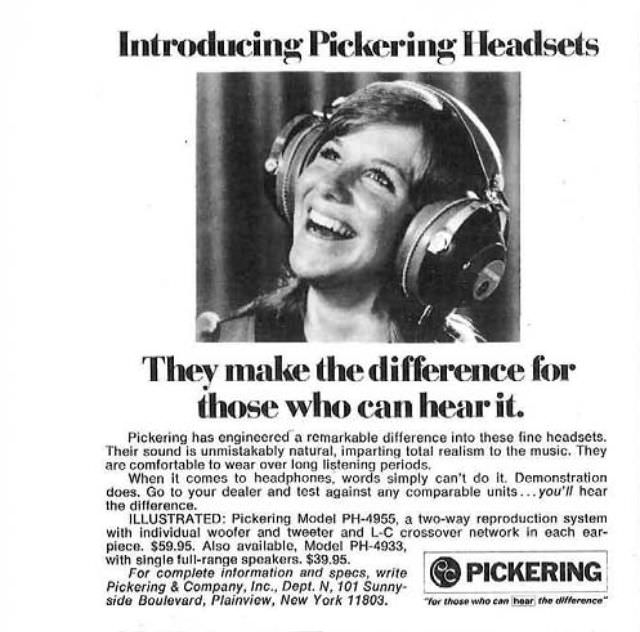
There was also a serious safety issue. Headphones used with early powered radios were wired directly into the plate circuit of a vacuum tube. That circuit carried dangerously high voltages, putting listeners at real risk of electric shock just by wearing them.
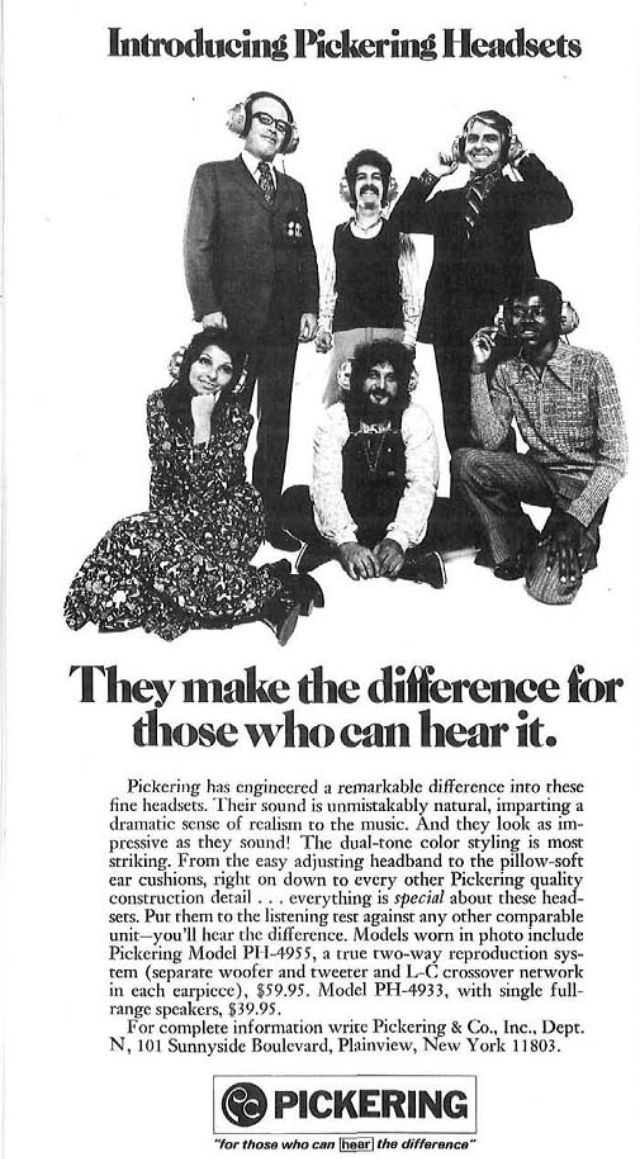
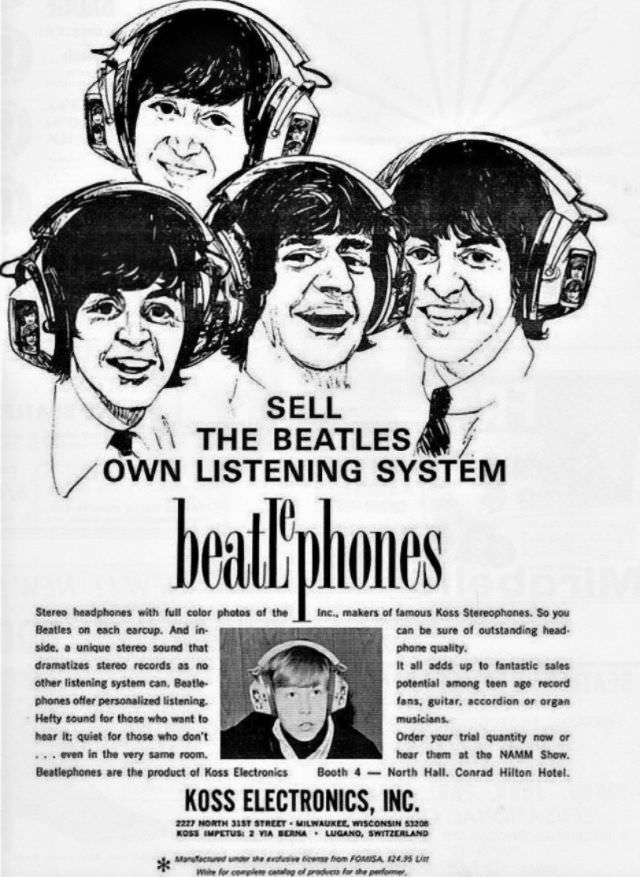
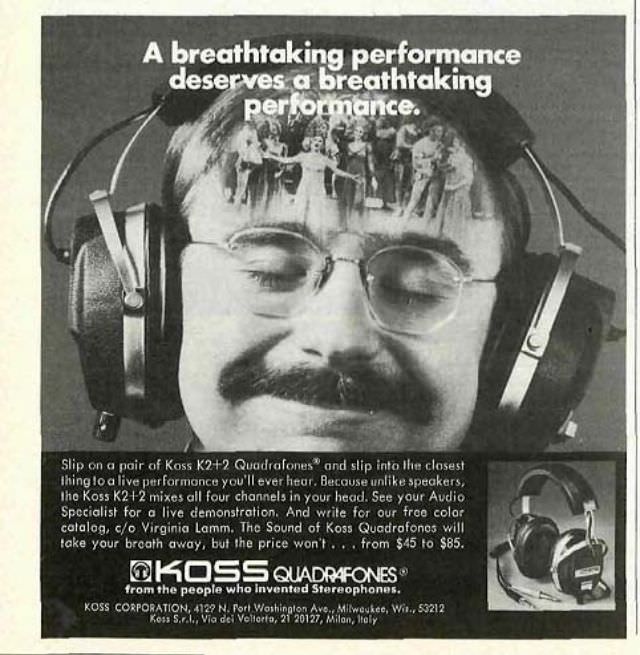
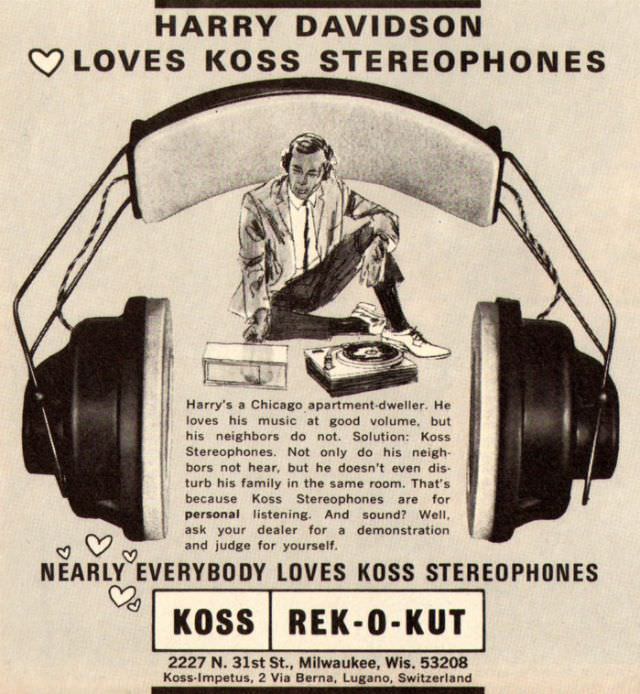
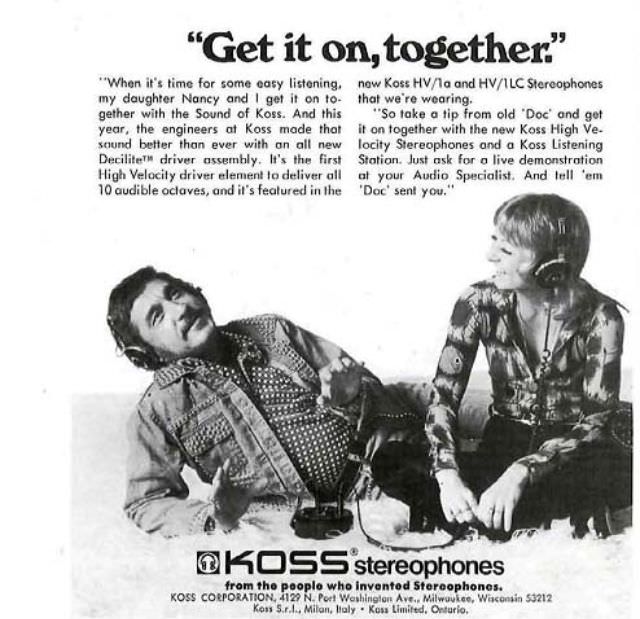
The biggest leap forward came in 1958, when John C. Koss — a jazz musician and audiophile from Milwaukee, Wisconsin — developed the first stereo headphones. For the first time, listeners could hear audio in two separate channels, one for each ear, creating a much richer, more immersive sound experience. Koss changed what headphones were capable of, and the consumer market took notice.
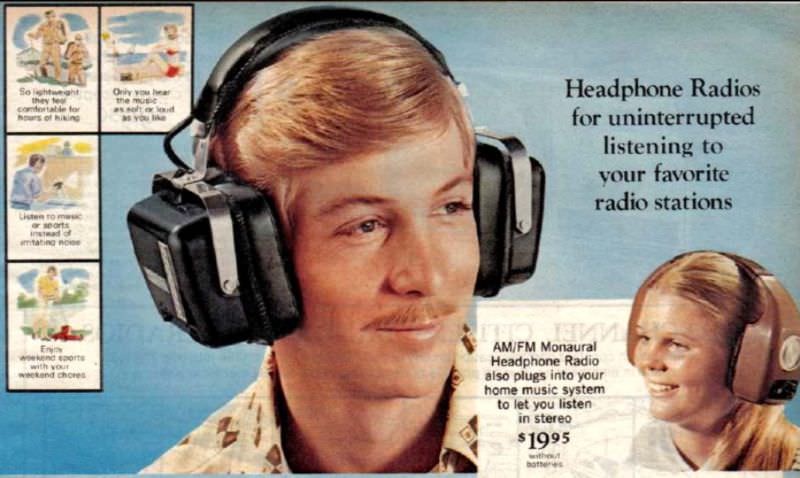
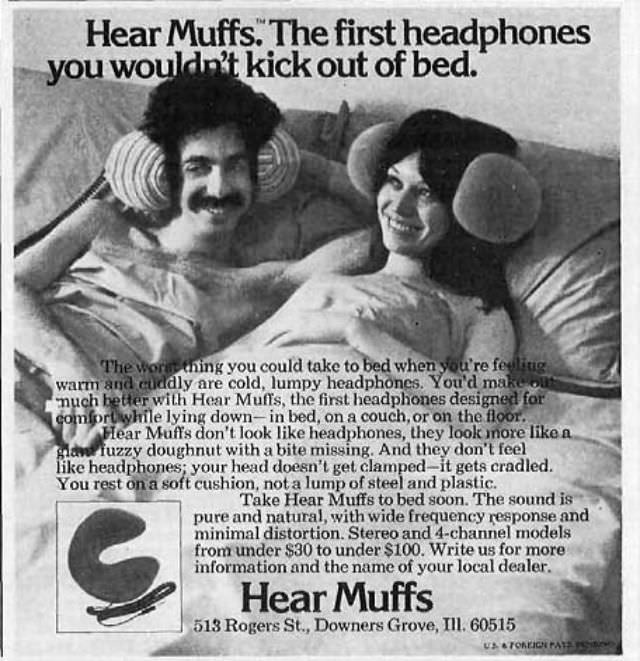
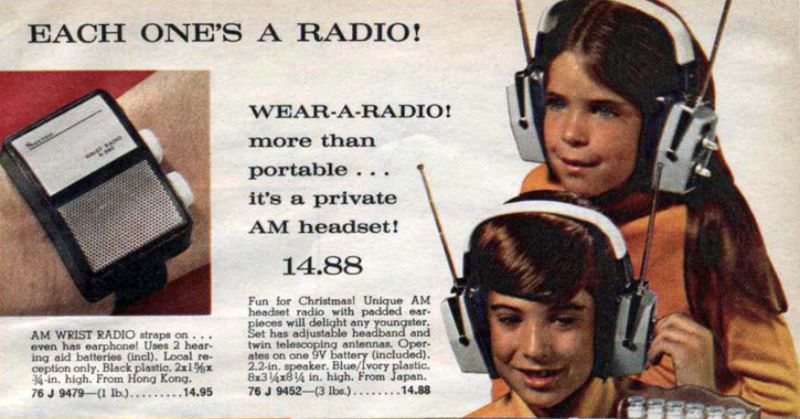
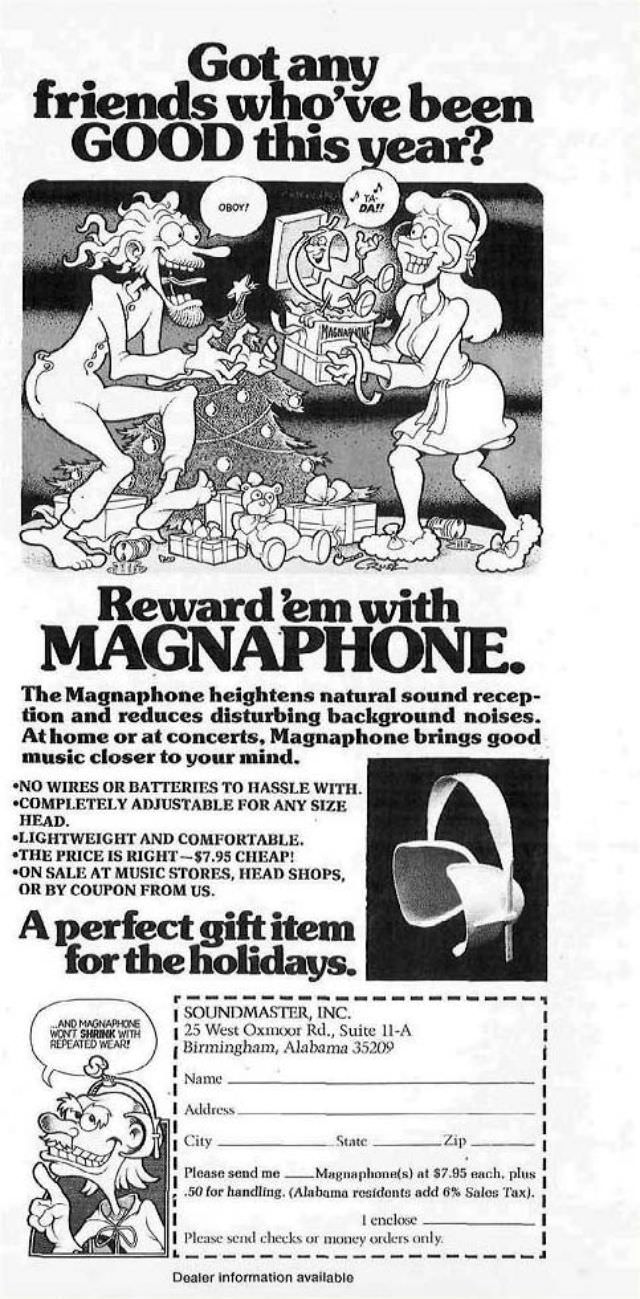
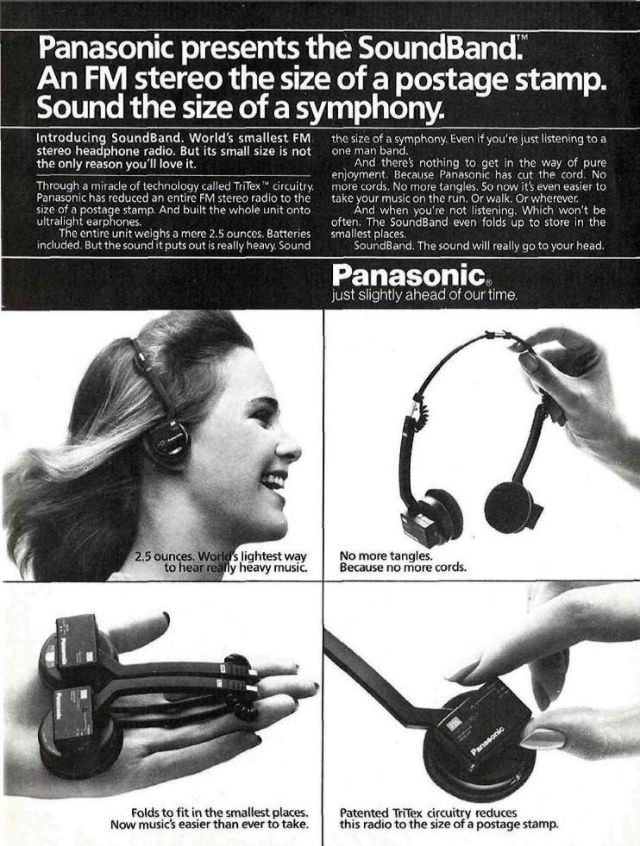
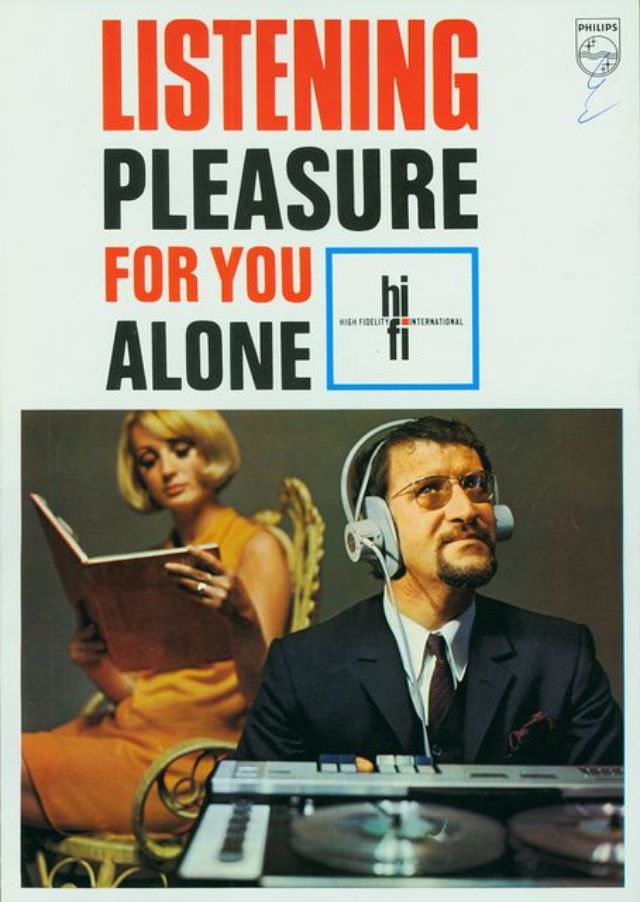
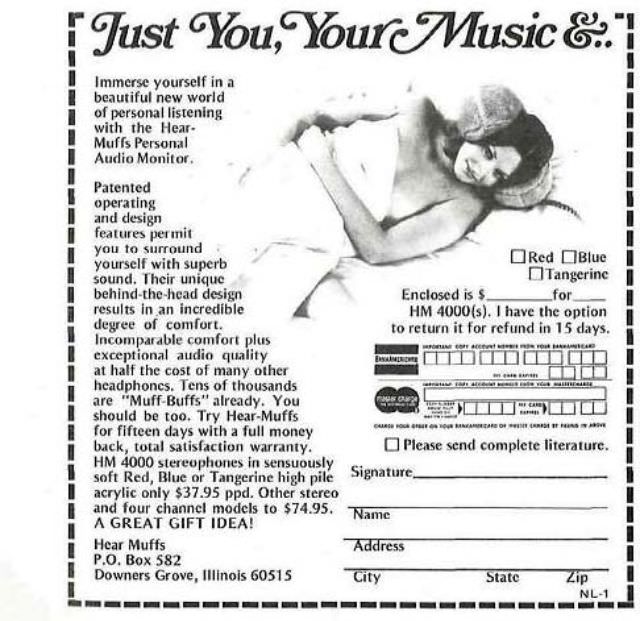
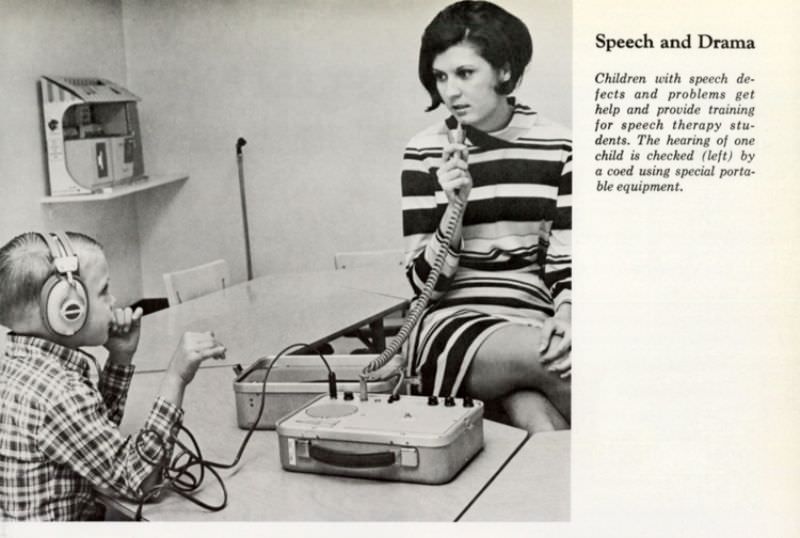
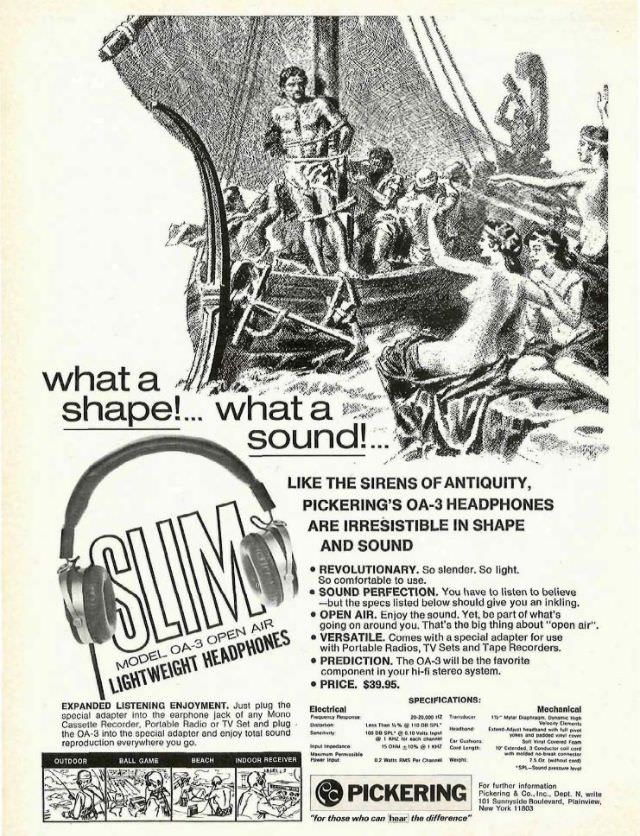
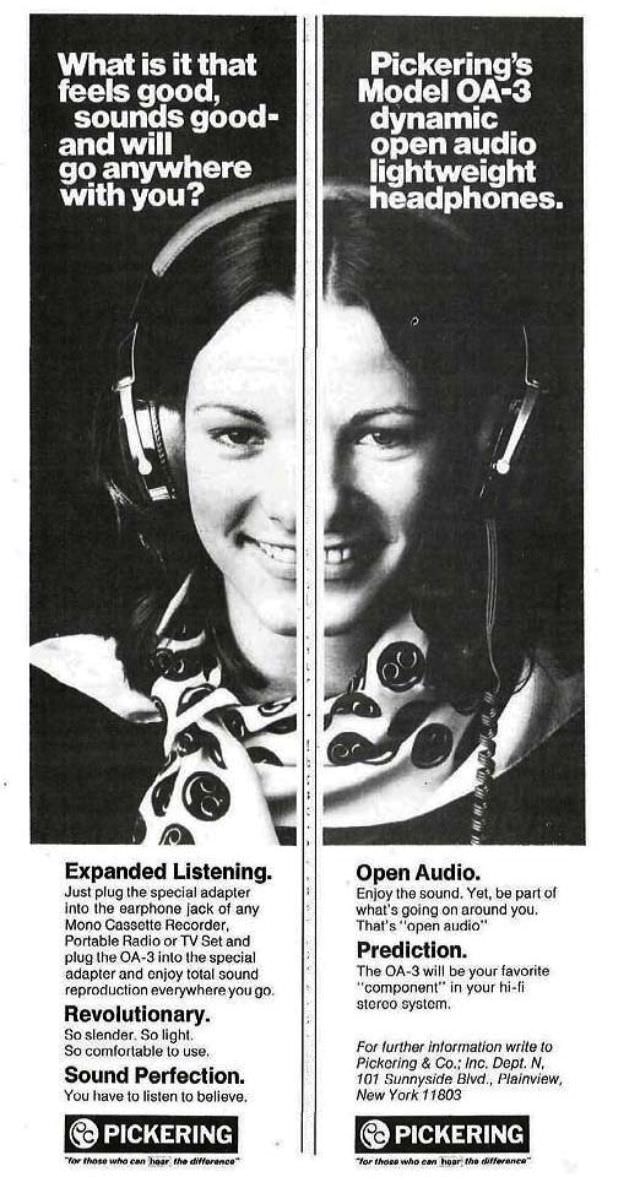
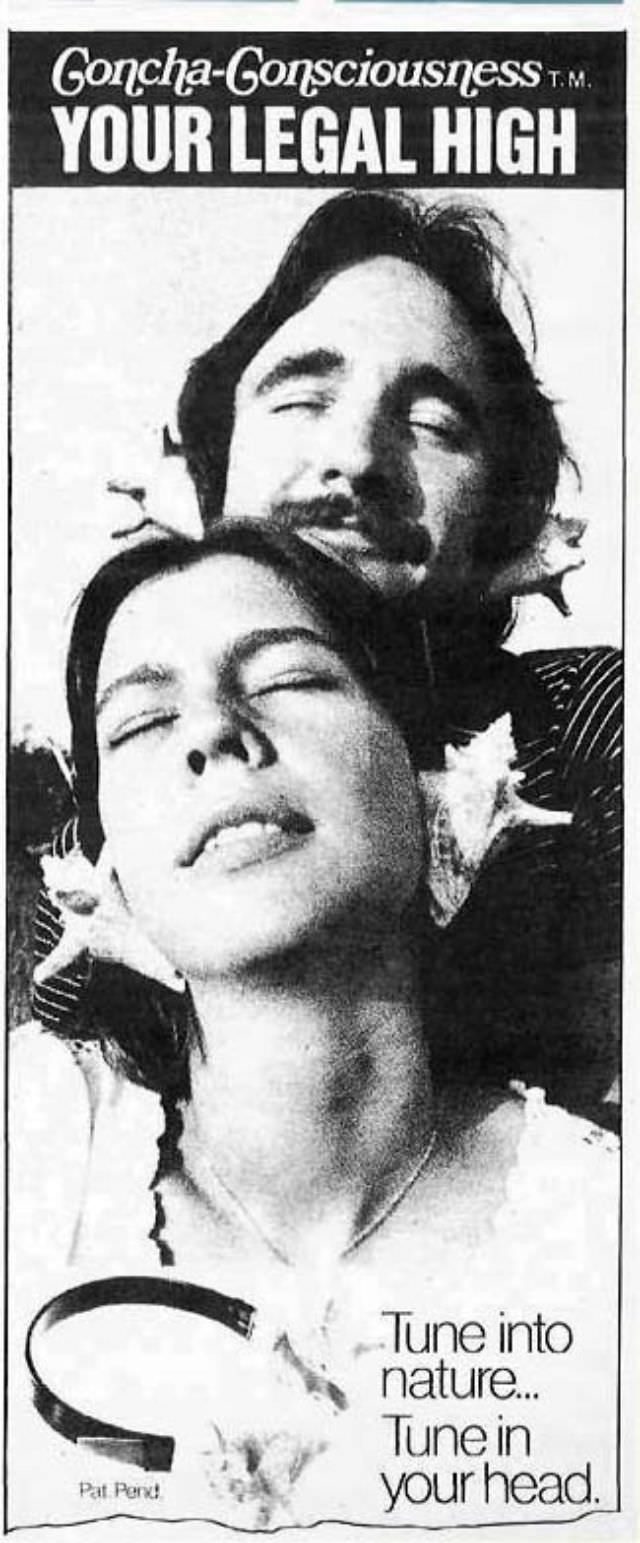
Through the 1950s, 1960s, and into the 1980s, headphone manufacturers worked hard to sell their products to everyday consumers. Vintage ads from this era offer a fascinating window into how the industry promoted its technology — from high-fidelity audio promises to sleek, modern designs meant to appeal to music lovers and radio enthusiasts alike.
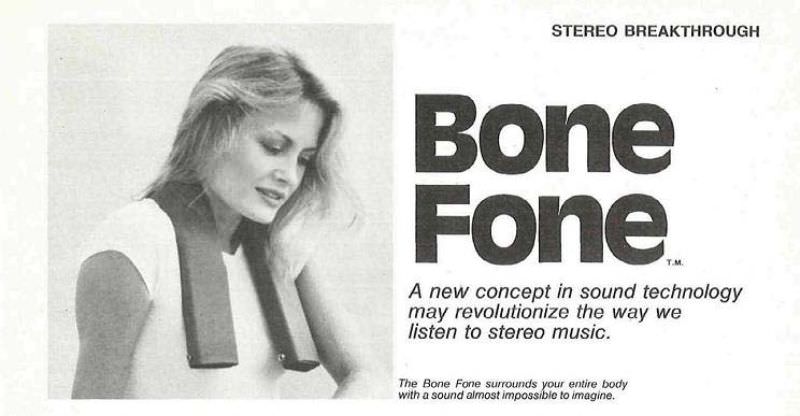

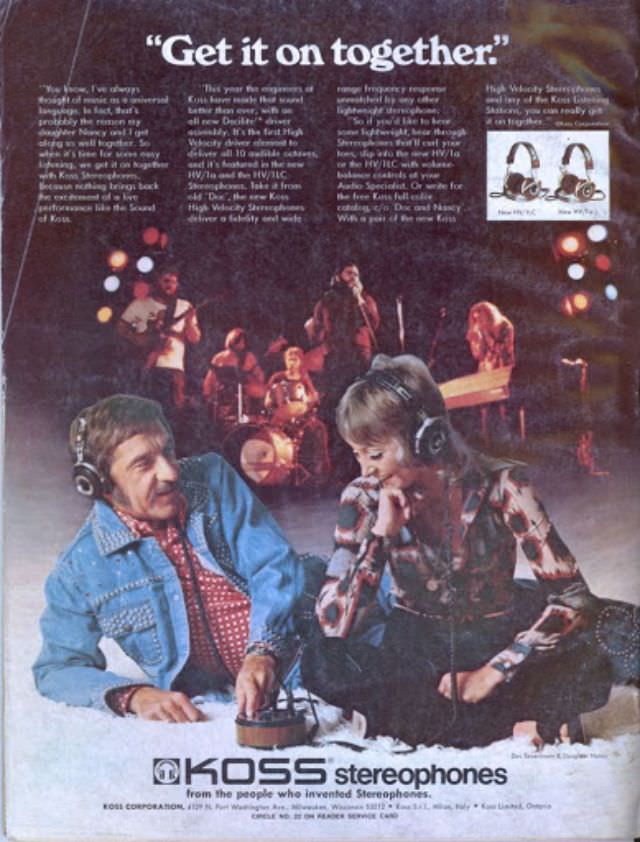





I’m glad to see that things don’t seem to have changed