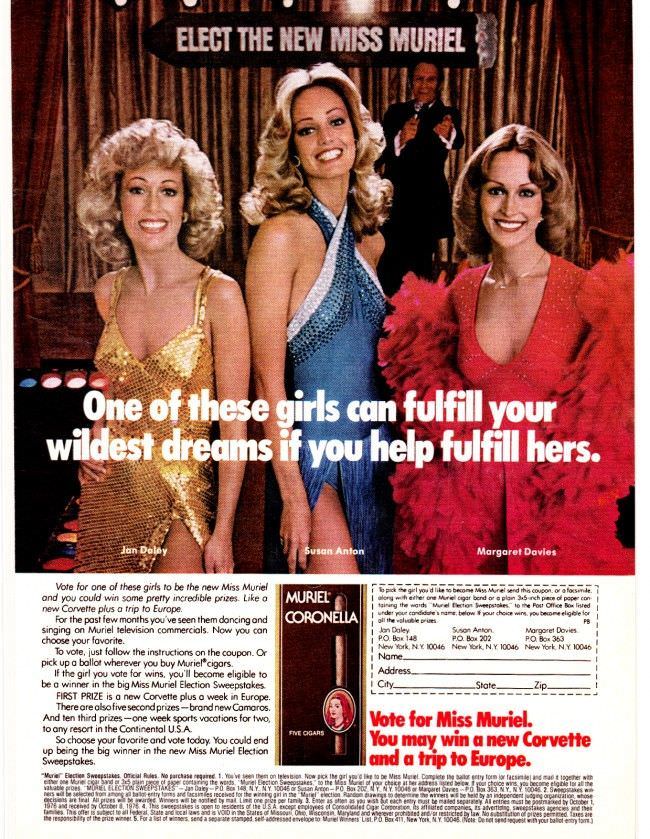
Tobacco companies in the mid-20th century knew exactly what they were doing. Sex sold, and they used it without hesitation. Vintage tobacco ads were packed with glamorous models, suggestive imagery, and carefully crafted slogans designed to make cigarettes look irresistible. The goal was simple: link smoking to a lifestyle of excitement, confidence, and allure.
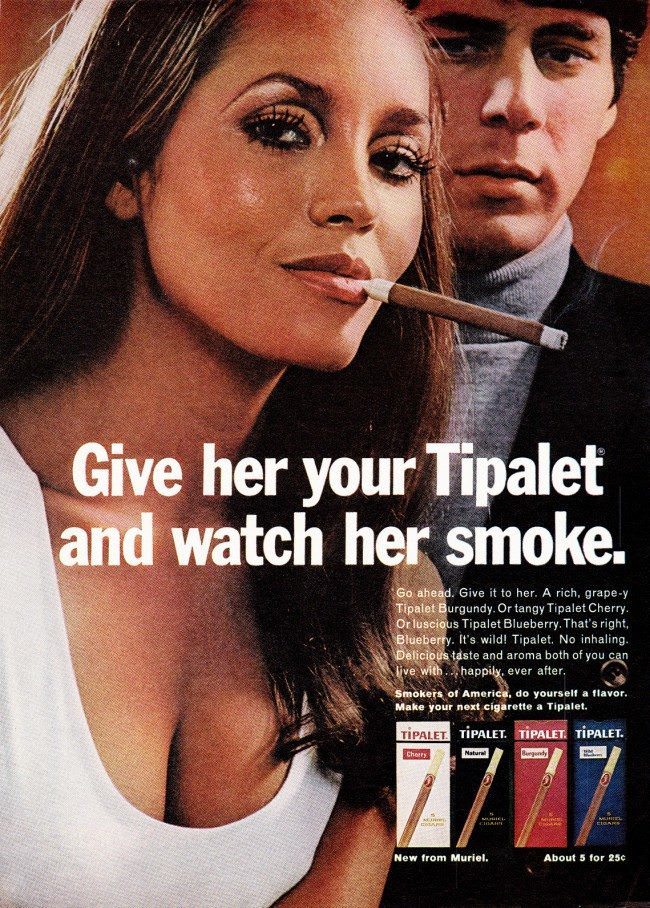
Women were a major target. Ads regularly featured stylishly dressed women holding cigarettes with an air of sophistication. Smoking was positioned not as a habit but as a symbol of freedom and femininity. The message was that the modern woman smoked — and she looked good doing it.
No campaign captured this better than Virginia Slims. Launched in 1968, the brand specifically targeted women with the tagline “You’ve come a long way, baby.” It tied cigarette smoking directly to the women’s liberation movement, framing tobacco as a marker of progress and independence. It was clever marketing that tapped straight into the cultural shifts of the era.
Celebrity endorsements pushed things even further. Famous actresses and models appeared in print ads, cigarette in hand, radiating glamour. Consumers were meant to draw a straight line between their favorite star’s coolness and the brand of cigarette they were holding.

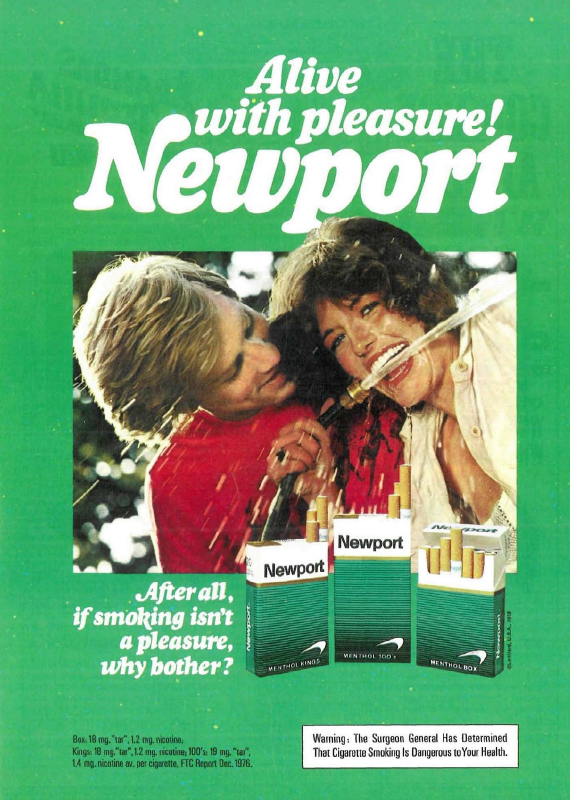
Men were targeted just as aggressively. Ads aimed at male audiences featured rugged, square-jawed figures lighting up in outdoor or adventurous settings. The Marlboro Man is the most iconic example — a lone cowboy whose image became synonymous with toughness and masculinity. Smoking, these ads insisted, was part of what it meant to be a real man.

Health risks were almost entirely absent from these campaigns. The dangers of smoking were well-documented by researchers during this same period, but advertisers actively buried that reality beneath layers of glamour and desire. Some ads even featured doctors endorsing specific cigarette brands, lending a false sense of medical approval.
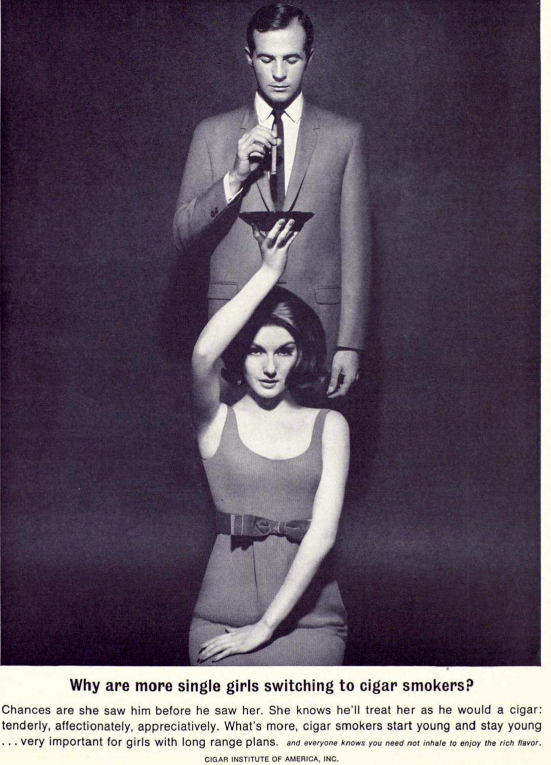

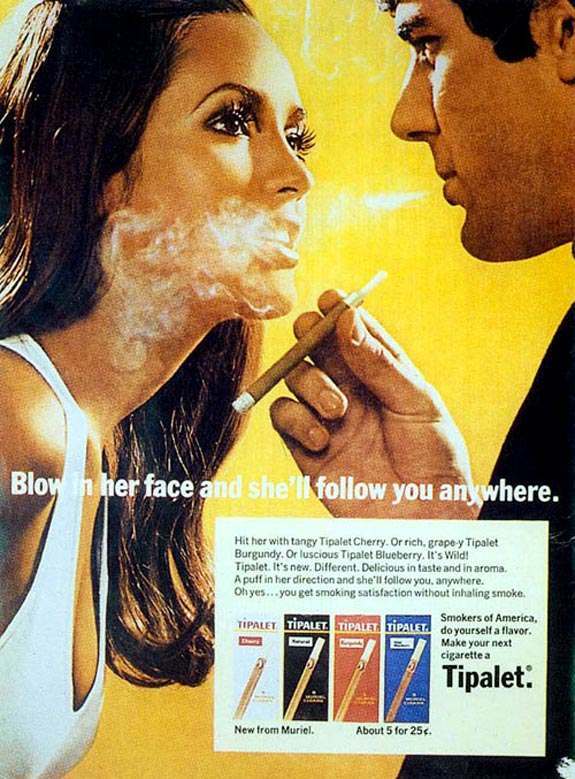
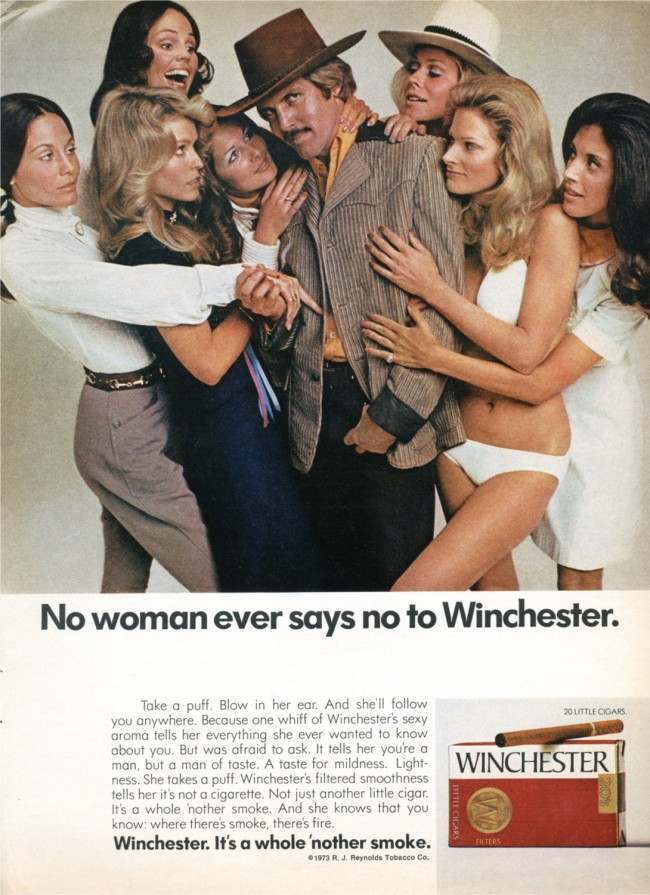
The suggestive imagery in these ads was rarely subtle. Couples in close embrace, lingering glances, and bare skin were all common visual tools. Sex and cigarettes were packaged together as a single, irresistible offer.
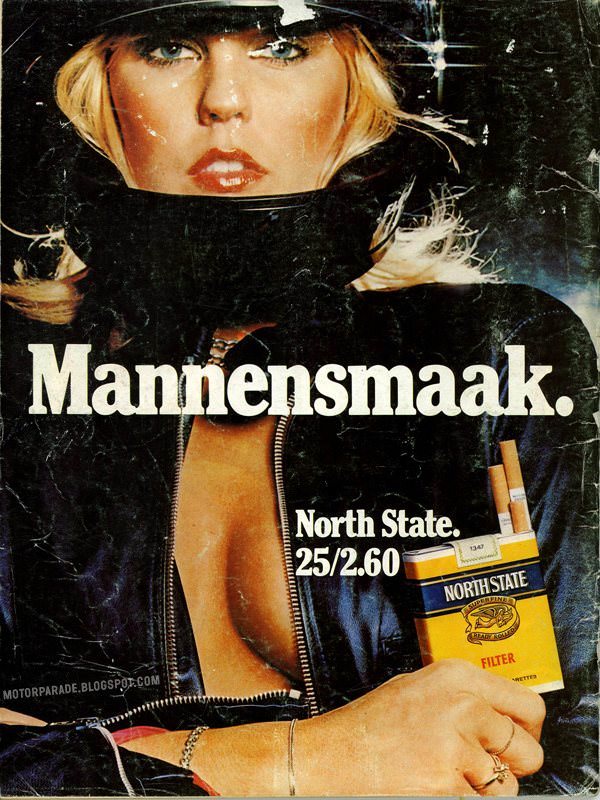
Looking at these ads today, the tactics are both fascinating and startling. Tobacco companies spent decades perfecting a formula that made a deadly product look aspirational. These vintage advertisements stand as a sharp record of just how far an industry will go to sell its product when left unchecked.