Before strict advertising laws and modern medical research, companies could claim almost anything about their products. Doctors endorsed cigarettes. Pesticides were sprayed in kitchens. Amphetamines were sold as diet pills. These vintage advertisements are more than curiosities — they are a direct window into how dangerous a combination of medical ignorance and profit-driven marketing could be. Some of these products harmed or killed the very people they claimed to help.
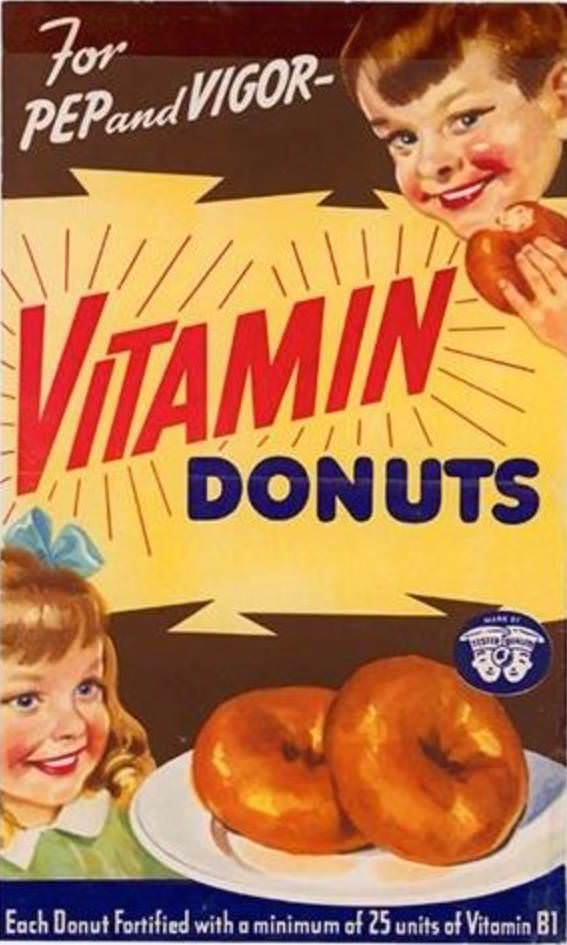
Food advertising was one of the biggest offenders. Donuts were marketed as a nutritious snack, with manufacturers pointing to added vitamins as proof of their health value.
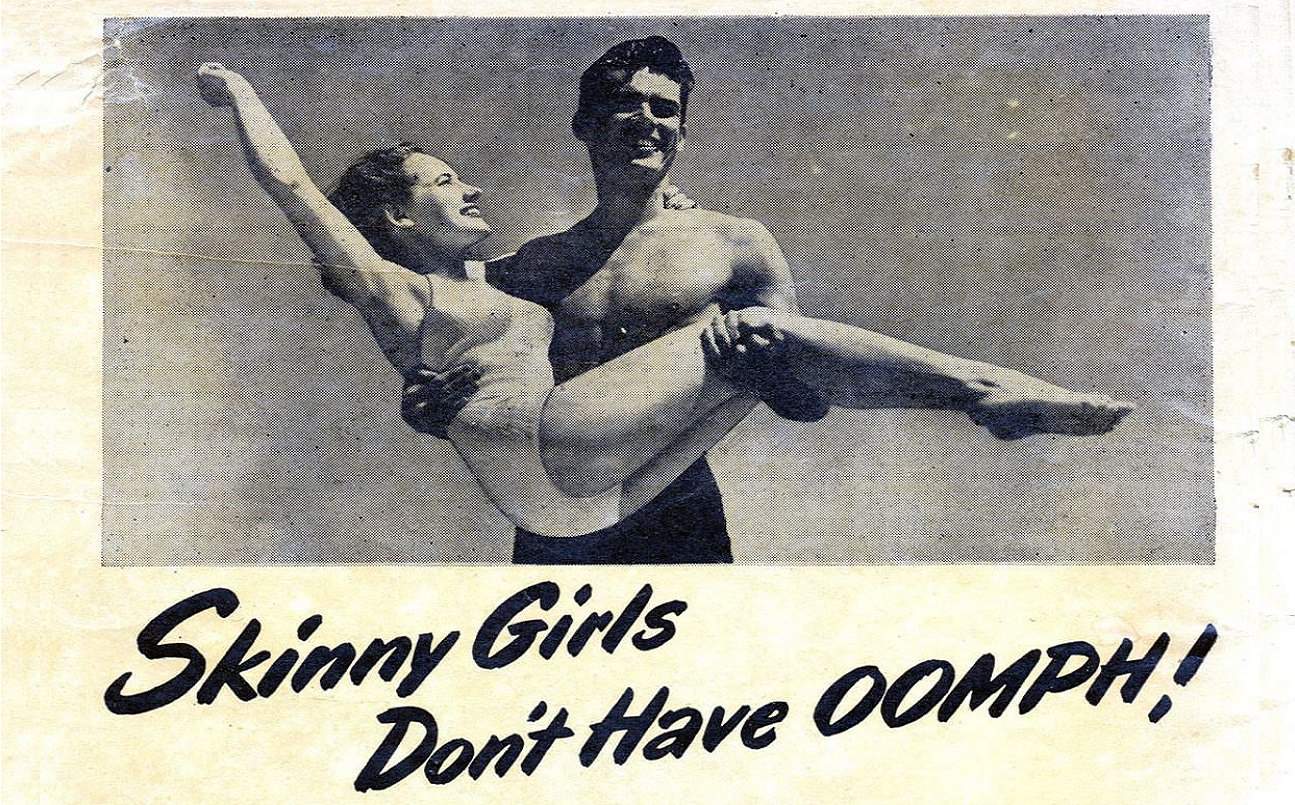
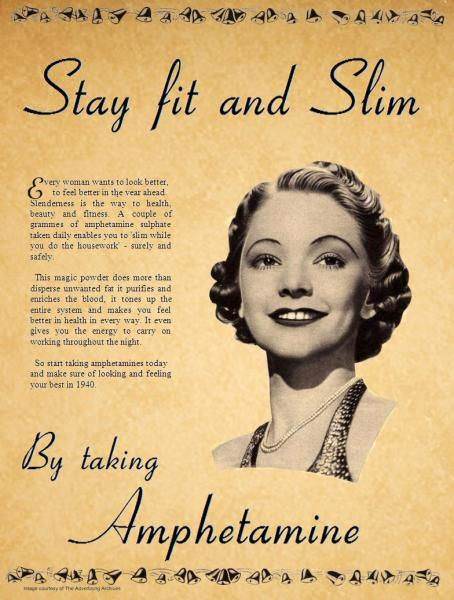
Drug companies pushed even harder. In the 1940s, amphetamines — powerful stimulants with serious addiction risks — were openly advertised as a safe and effective solution for women trying to lose weight.
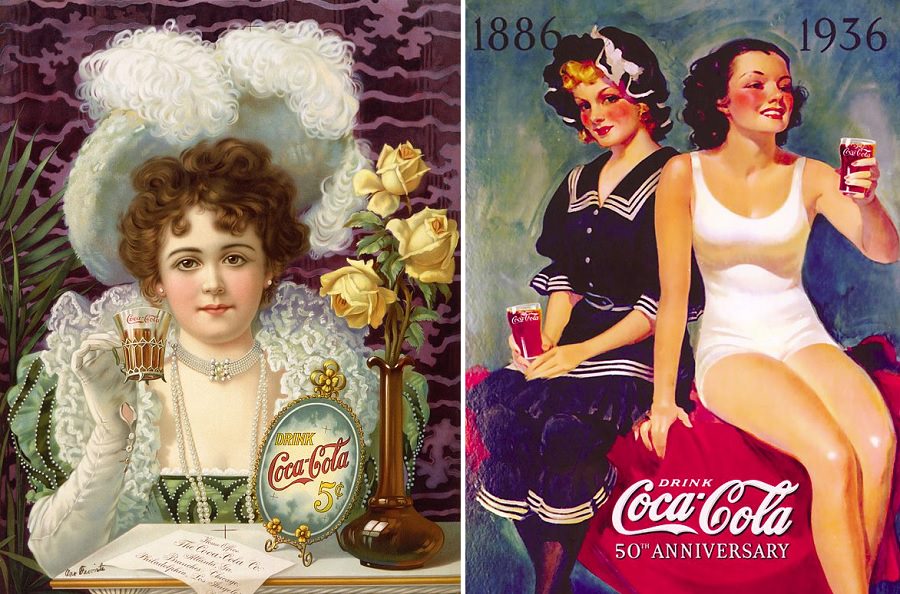
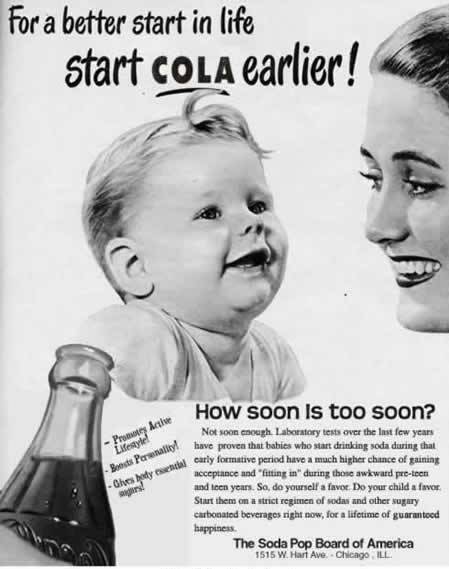
Children were frequently targeted. Coca-Cola ads encouraged parents to introduce the sugary, caffeinated drink to their kids at a very young age, framing it as a perfectly normal part of childhood.
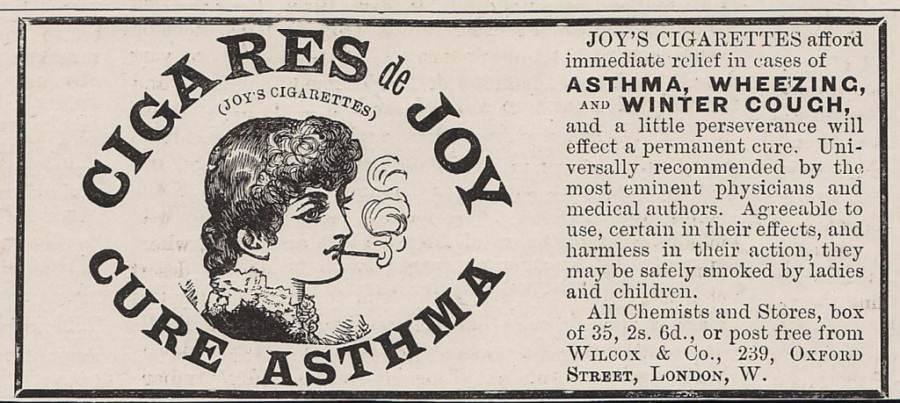
Medical treatments of the 1800s were often just as harmful as the conditions they claimed to treat. Stramonium cigarettes were prescribed to asthma patients, despite the fact that inhaling smoke directly worsens airway inflammation and makes asthma symptoms more severe.
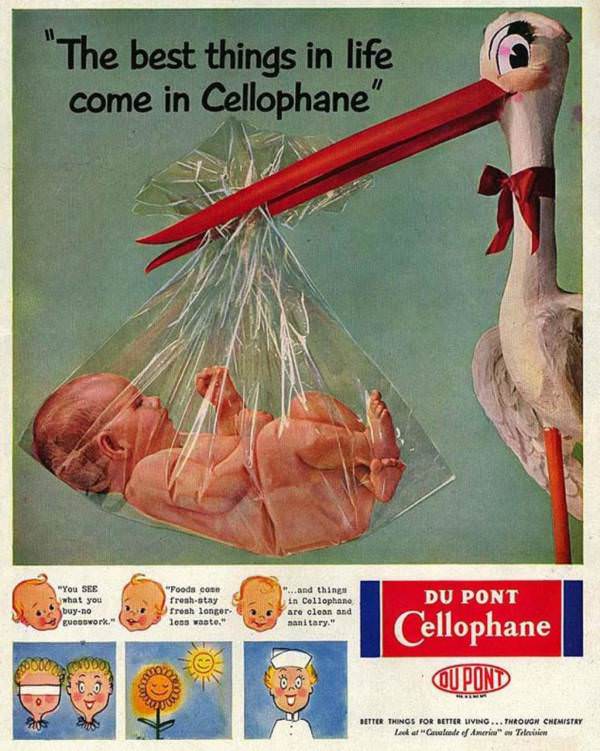
Product safety standards were almost nonexistent. One cellophane advertisement showed a smiling baby wrapped entirely in the plastic film — a scenario that would cause a real infant to suffocate within minutes.
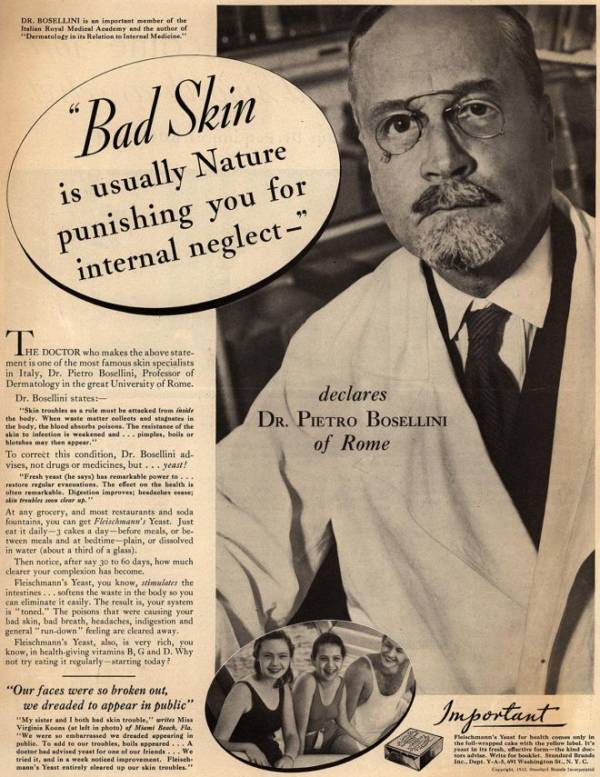
Skincare was another arena for false claims. A 1930s campaign told consumers that acne and poor skin were caused by internal toxins, and that eating yeast tablets was the only real cure. There was no scientific basis for either claim.
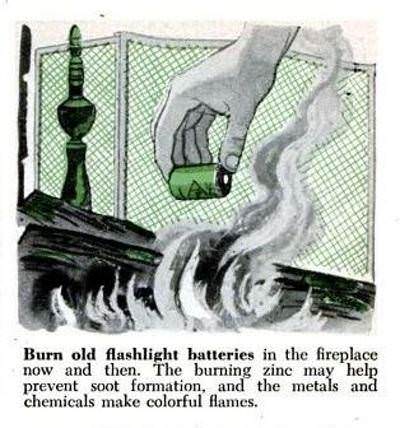
Not every ad that looks alarming today was actually wrong at the time. One household tip advised people to burn their used batteries in a fire. Through the late 1950s, most batteries were zinc-based and burned without releasing harmful chemicals. It was only after alkaline batteries became standard — which are genuinely toxic when burned — that this advice became dangerous.
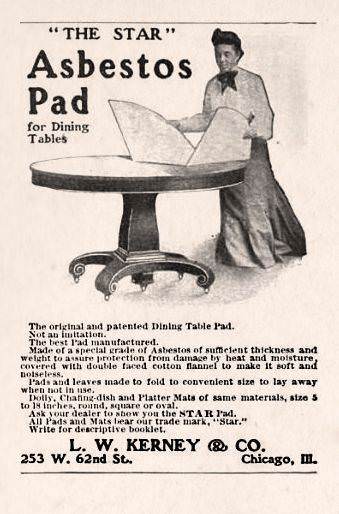
Asbestos, however, had no such defense. It was marketed as a convenient, heat-resistant material for dining table pads. Asbestos fibers, when disturbed, release fine particles that cause cancer when inhaled or ingested — a fact that manufacturers either did not know or chose to ignore.
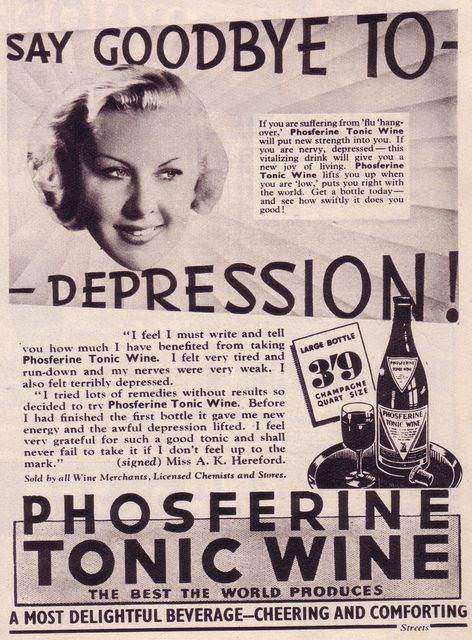
Alcohol was regularly framed as medicine. Tonic wines promised to lift depression and restore energy, with little more than high alcohol content doing the actual work.
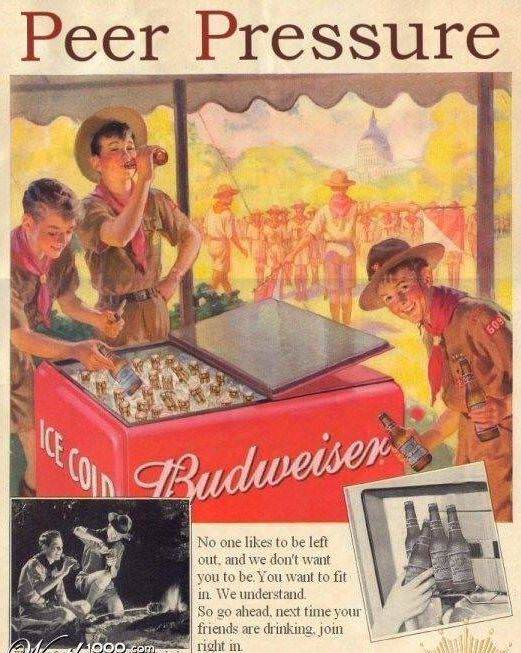
Beer companies joined in too. Budweiser ran advertisements that casually depicted young children drinking, treating it as a wholesome, family-friendly scene.
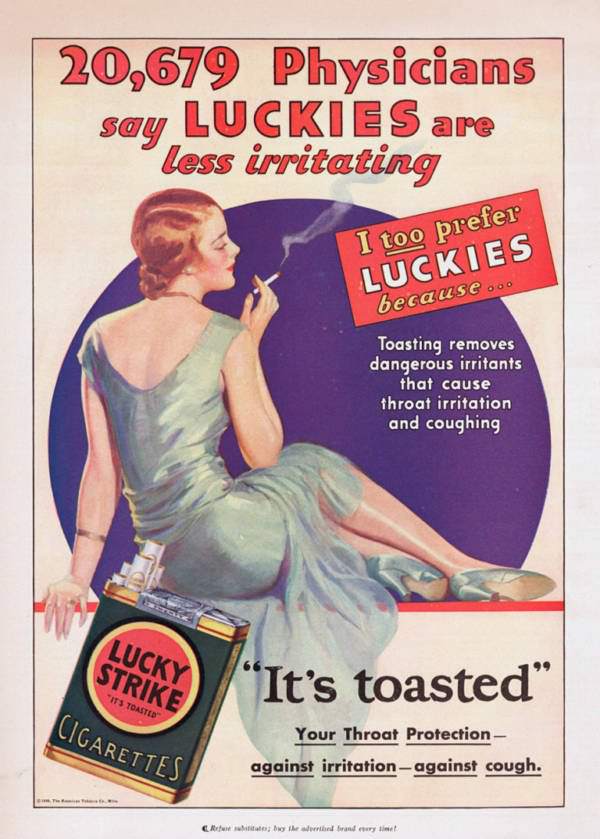
Tobacco companies went further than almost any other industry. At a time when regulations allowed it, cigarette brands published advertisements featuring doctors and made explicit claims about health benefits — lending false medical authority to one of the most harmful products ever sold.
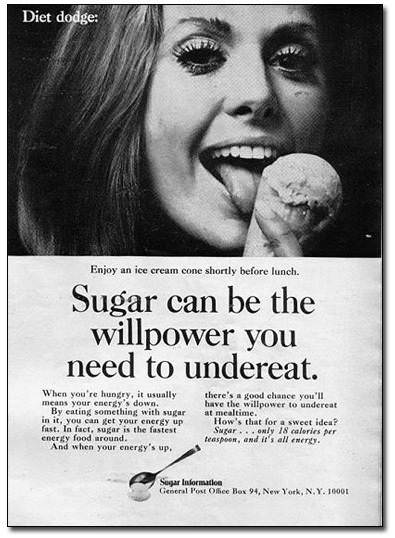
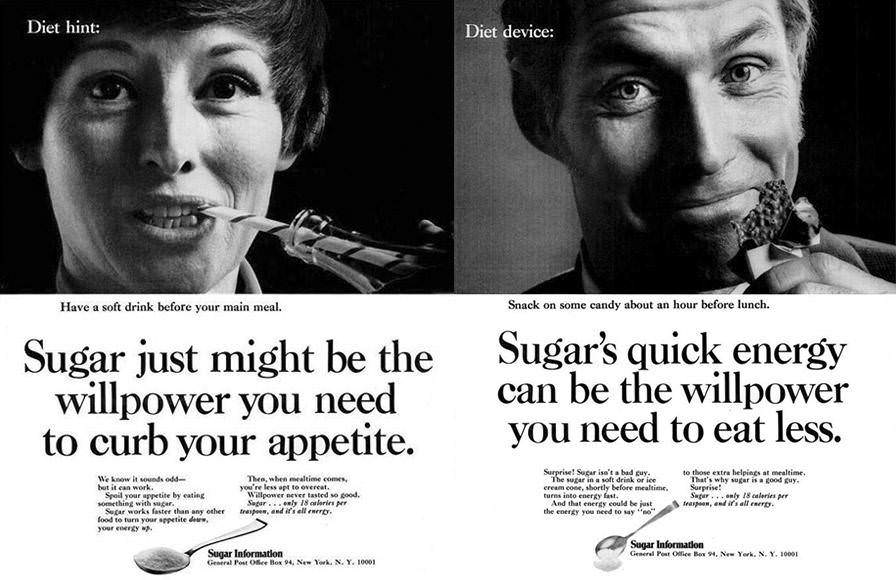
Sugar companies ran some of the most misleading campaigns of the 20th century. Advertisements claimed that eating sugar before meals would reduce appetite and prevent overeating — the opposite of what research has since shown.
Milkshakes were pitched with similar enthusiasm, packaged as a wholesome health food rather than a high-calorie, high-sugar drink.
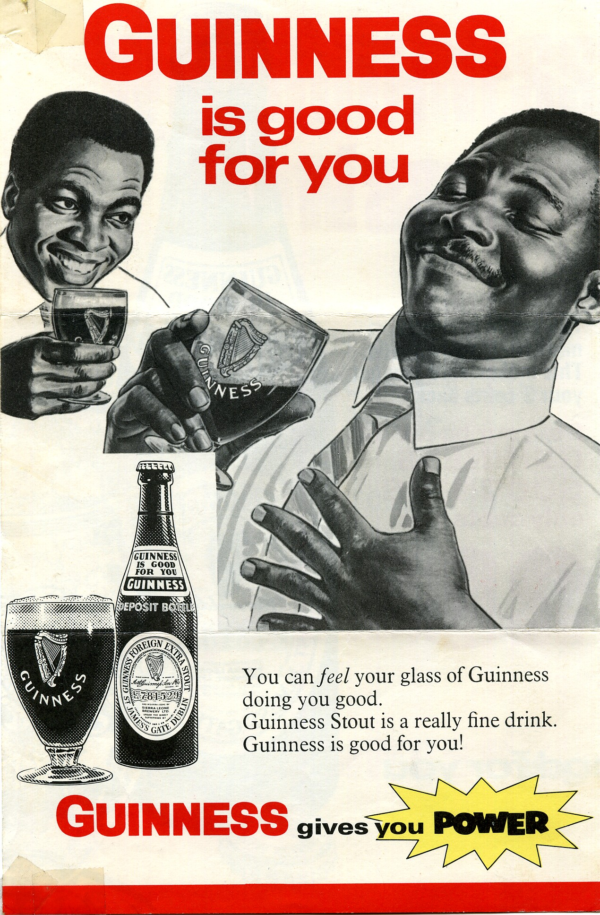
Guinness beer was marketed with the tagline that it was good for you, with ads strongly implying it offered genuine nutritional value and physical strength.
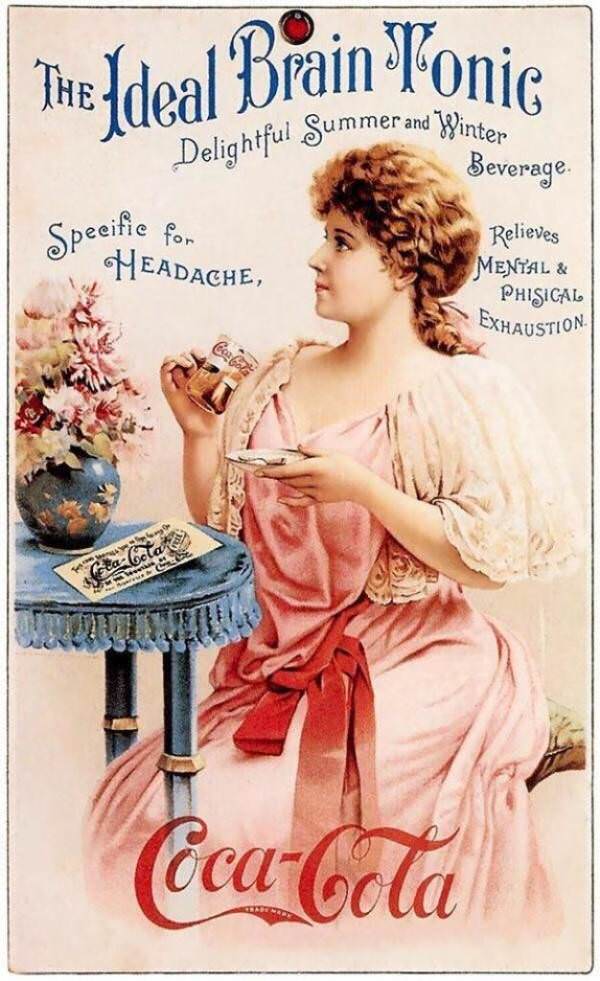
In the 1800s, Coca-Cola was marketed as far more than a refreshing drink. Early advertisements stated outright that it could cure headaches and relieve exhaustion — claims made easier by the fact that the original formula contained cocaine.
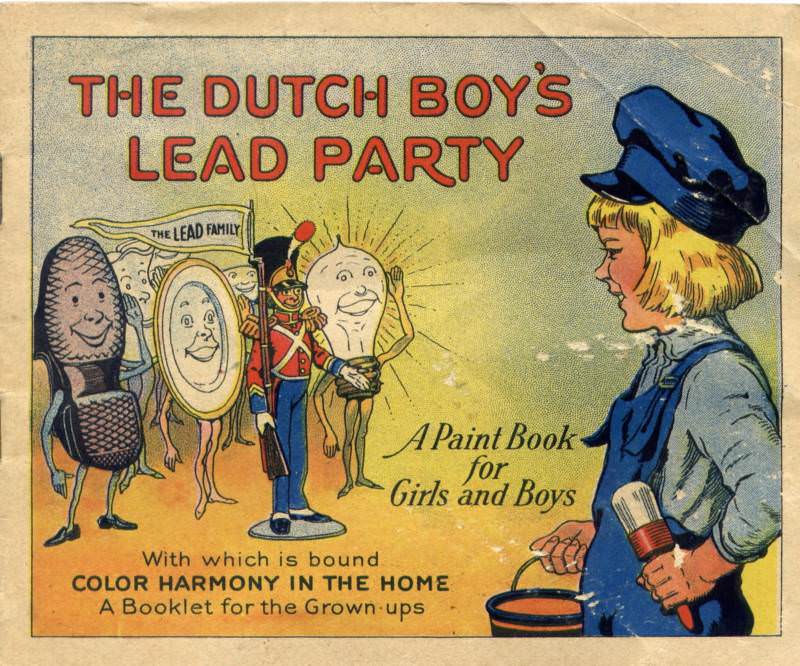
The targeting of children with dangerous products extended well beyond food and drink. A children’s painting book actively encouraged kids to use lead paint. Decades of research have since established that lead ingestion in children causes serious developmental disorders, including brain damage and learning disabilities.
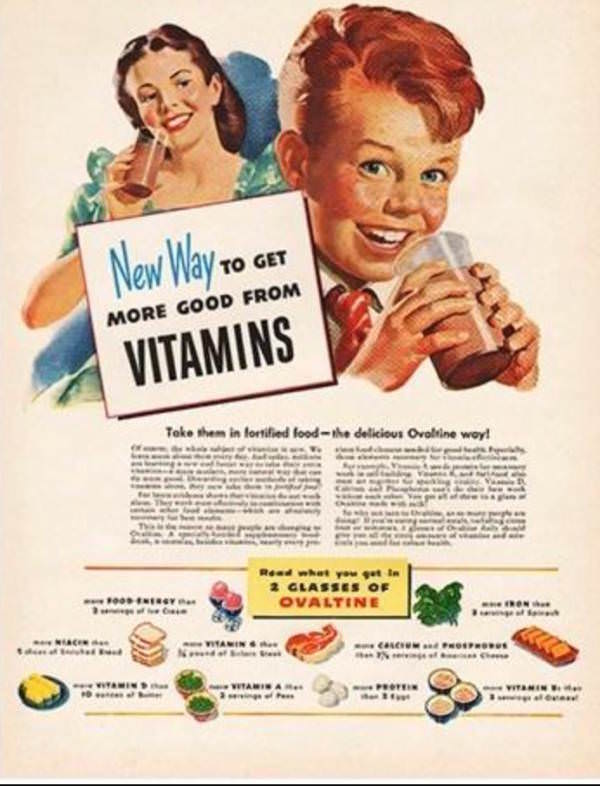
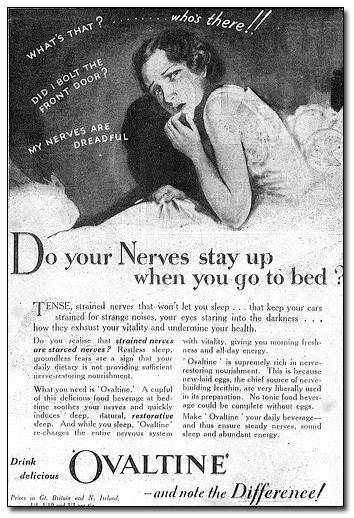
Anxiety was another condition companies were eager to treat without any real science behind them. Ovaltine, a malted milk powder, was advertised as a genuine remedy for anxiety and nervous tension.
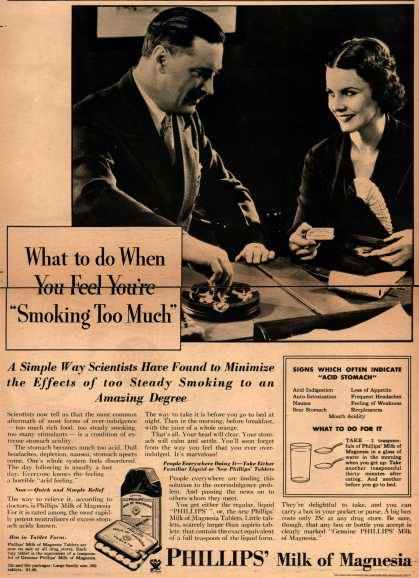
Milk of magnesia — a laxative — was sold as a solution for the uncomfortable effects of smoking too much, suggesting that the problem was digestive rather than the cigarettes themselves.
The sugar industry returned to the same playbook repeatedly. Multiple campaigns hammered the message that eating sugar helped people eat less overall, a claim directly contradicted by what we now know about how sugar drives appetite and weight gain.
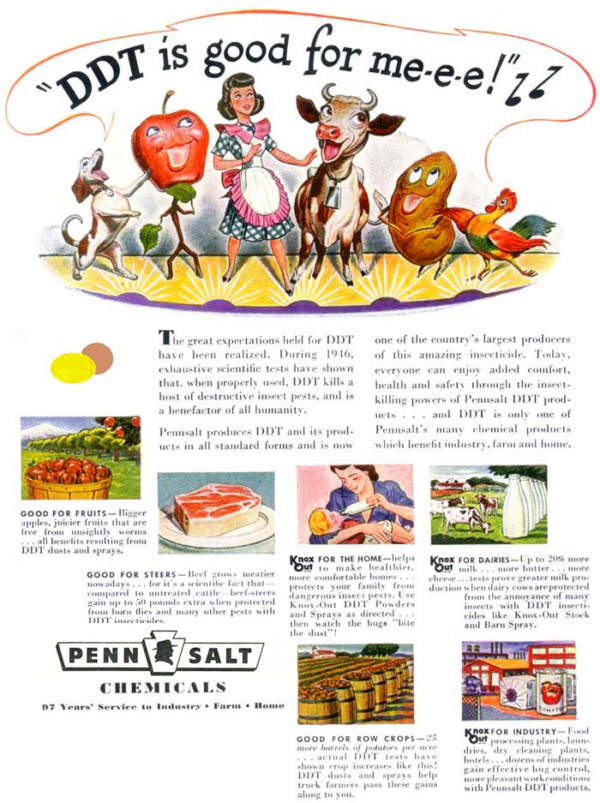
Perhaps the most alarming example of all is DDT. This powerful chemical pesticide was advertised as completely safe for use around the home, with cheerful images of families and children nearby. DDT was later found to be highly toxic to animals and humans alike, causing long-term health damage and devastating wildlife populations before it was eventually banned.