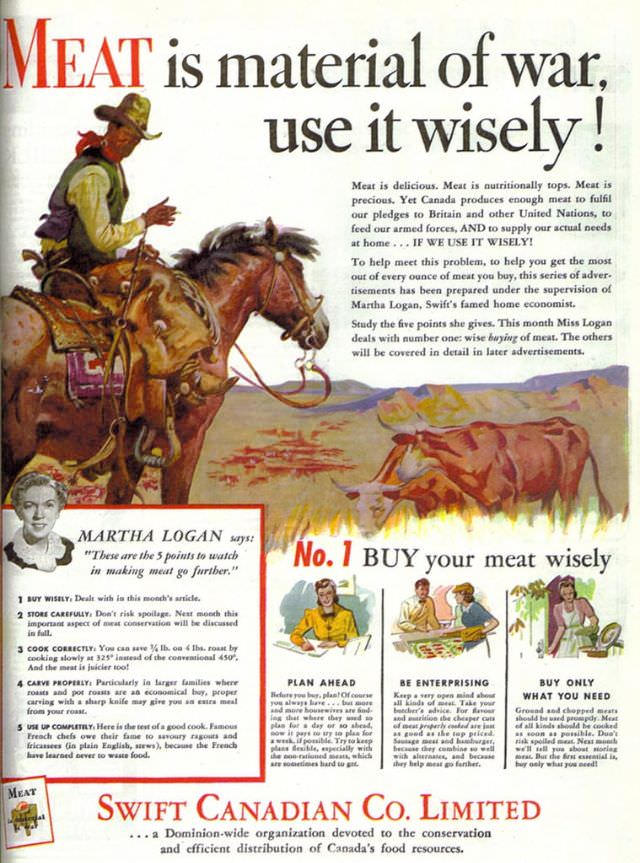
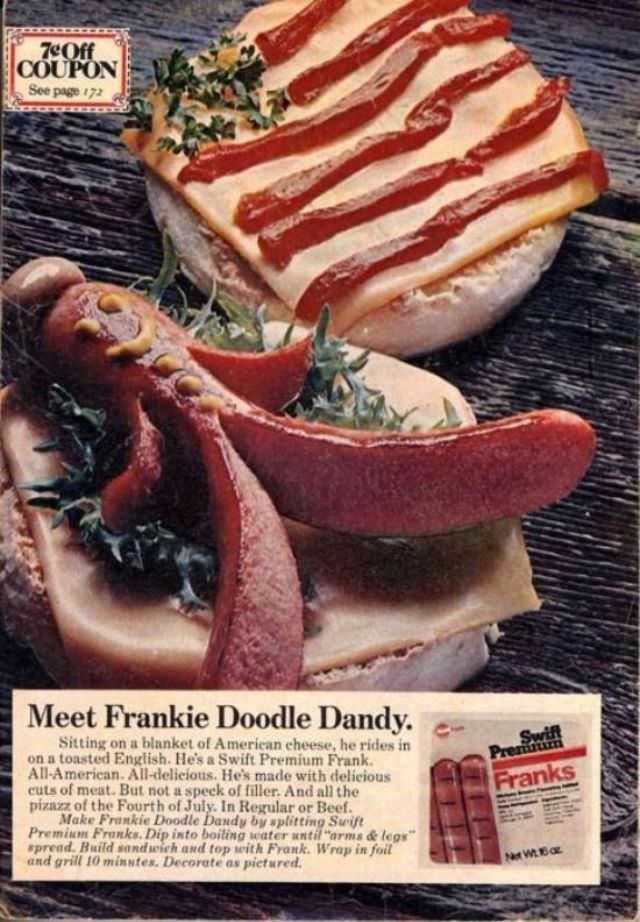
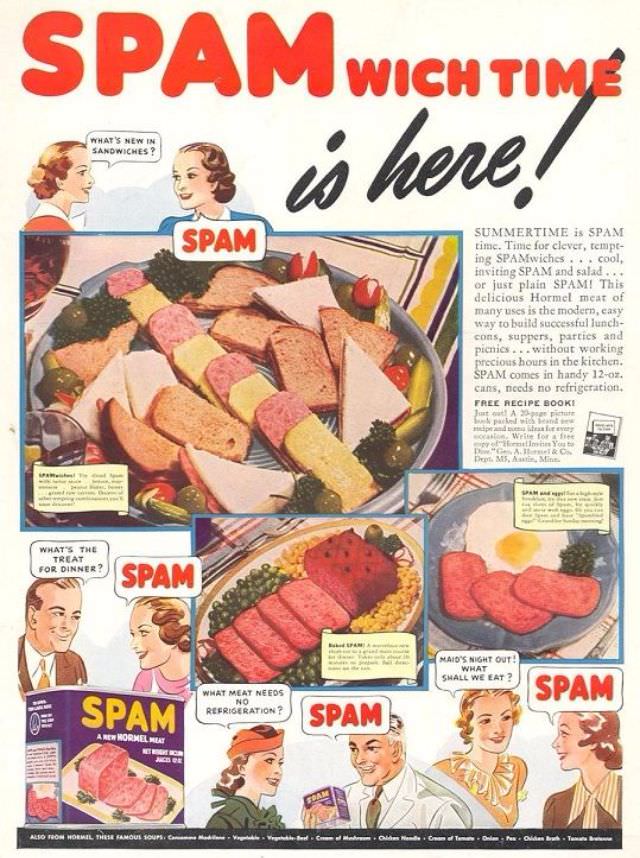
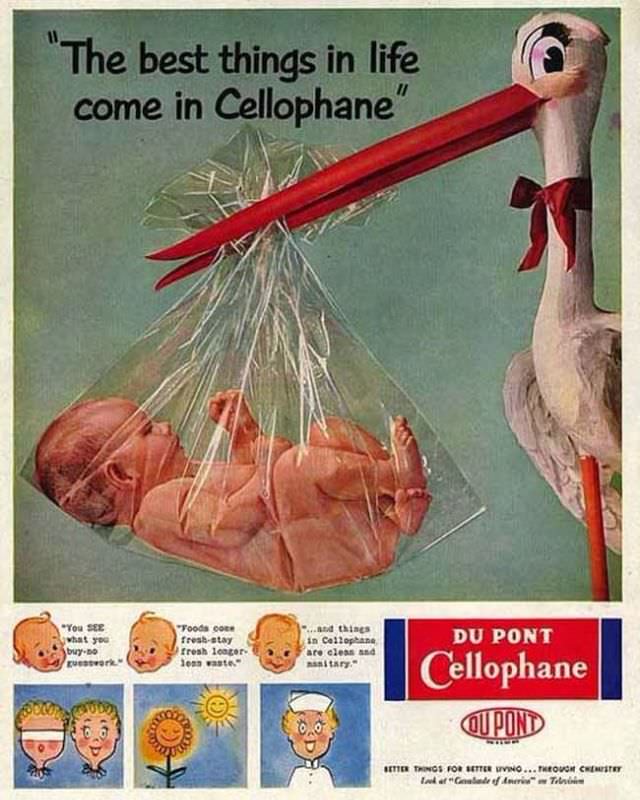
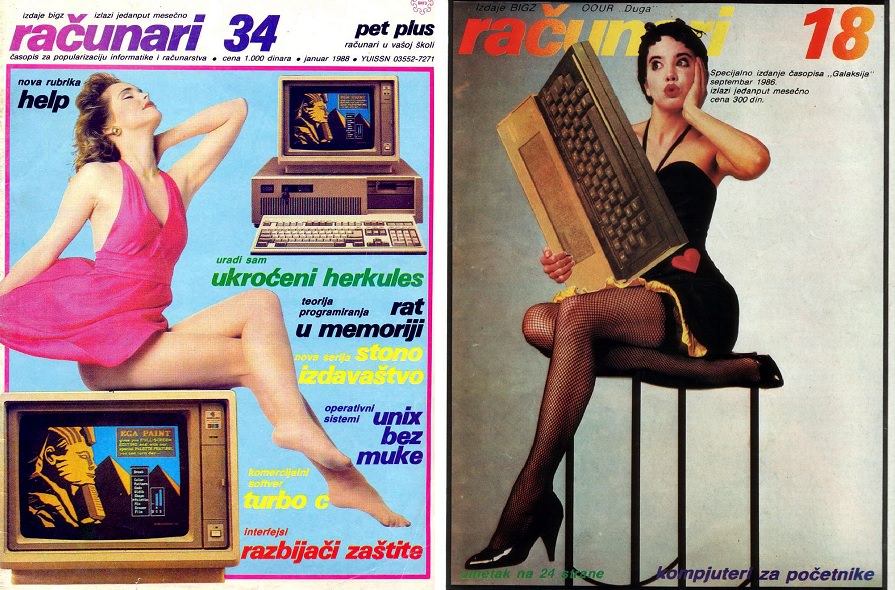
Old advertisements tell us a lot about the era they came from. The food ads of the 1940s, 1950s, and 1960s are a perfect example. Many of them would be pulled from shelves — or banned outright — within minutes if they ran today. They reflect a world with very different values, very different diets, and a marketing playbook that had almost no limits.
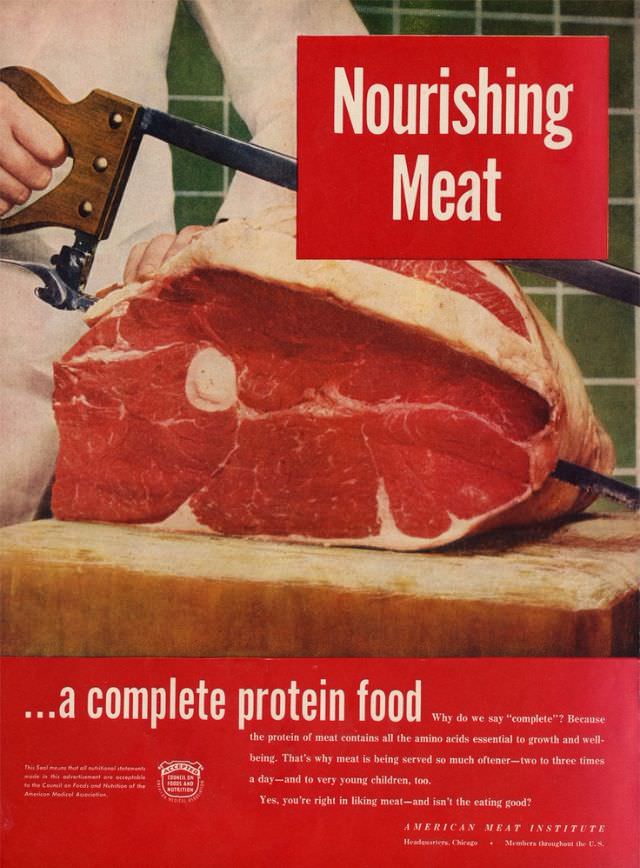
Print advertising was the dominant force in marketing during this period. Women’s magazines and domestic publications alone accounted for roughly 20 percent of all print advertising in the 1930s and 1940s. Food and drink brands knew exactly where their audience was, and they went after it hard. Psychologists like Walter D. Scott and John B. Watson had already shaped early advertising theory, teaching brands how to tap into emotions and desires rather than just listing product facts.
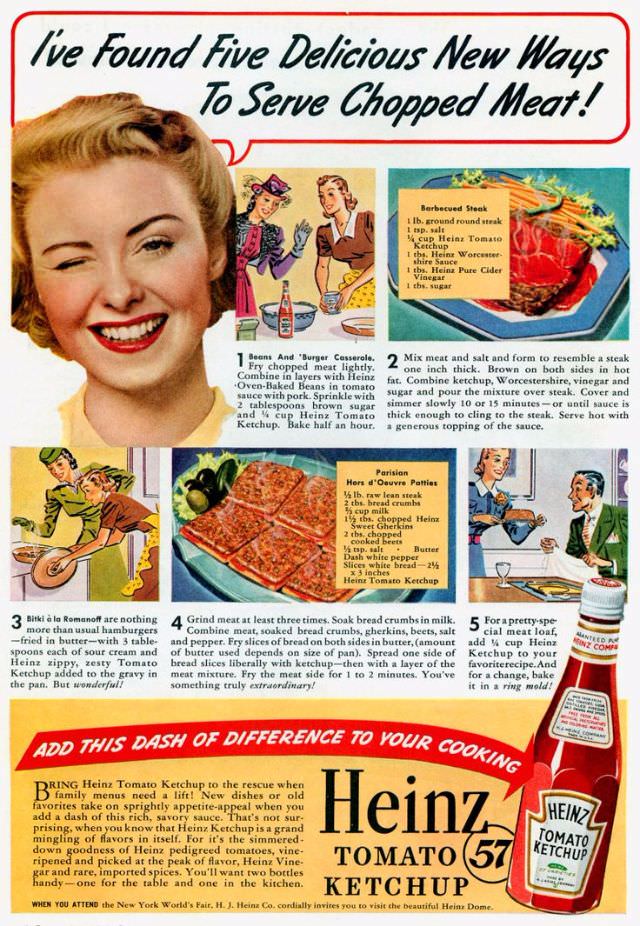
The typical household of the 1950s looked very different from today. Most married women were not working outside the home. Families often shared one car, fast food was a novelty rather than a staple, and eating at a restaurant was reserved for special occasions. That everyday domestic life became the main stage for food advertising — and advertisers knew it.
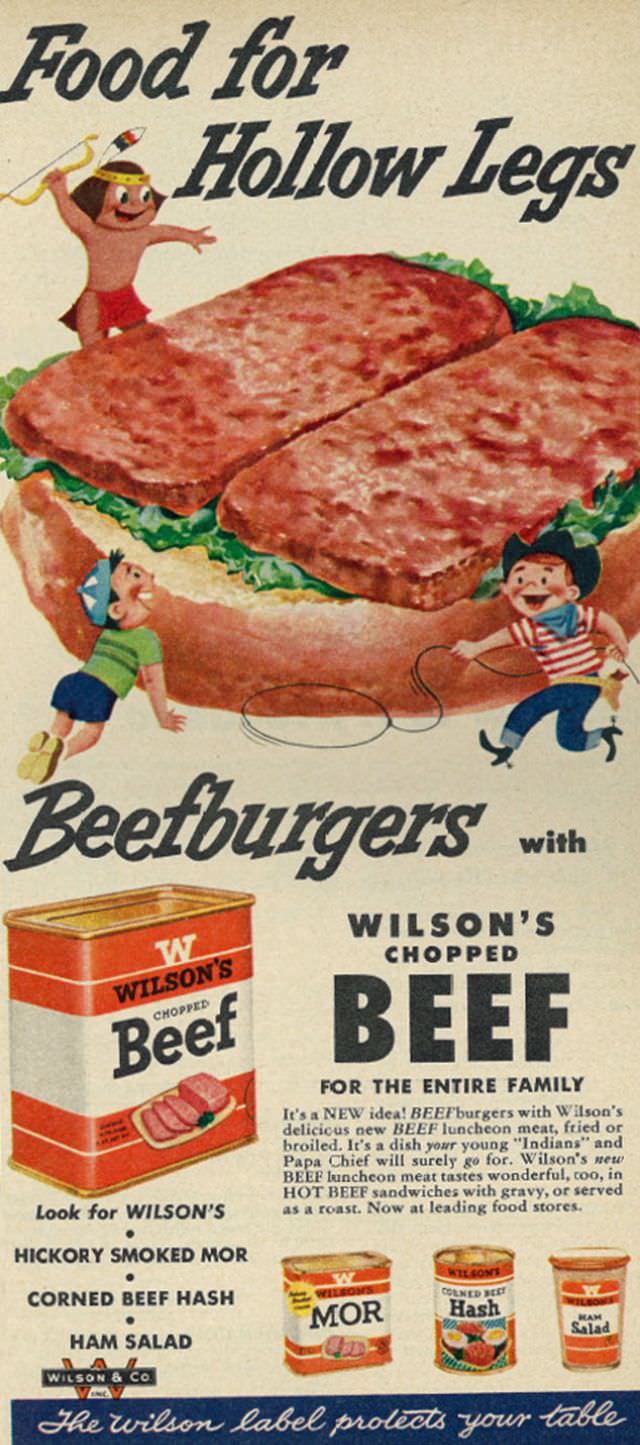
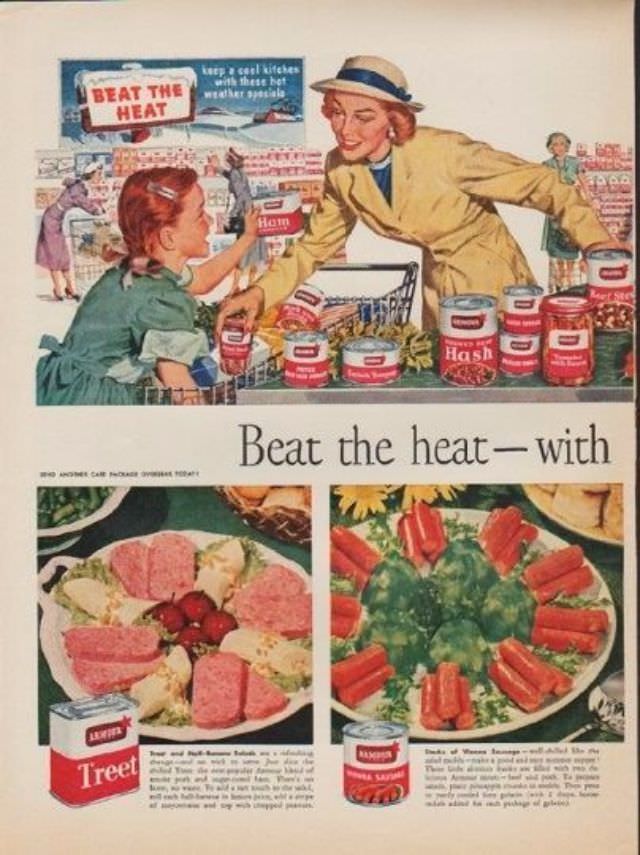
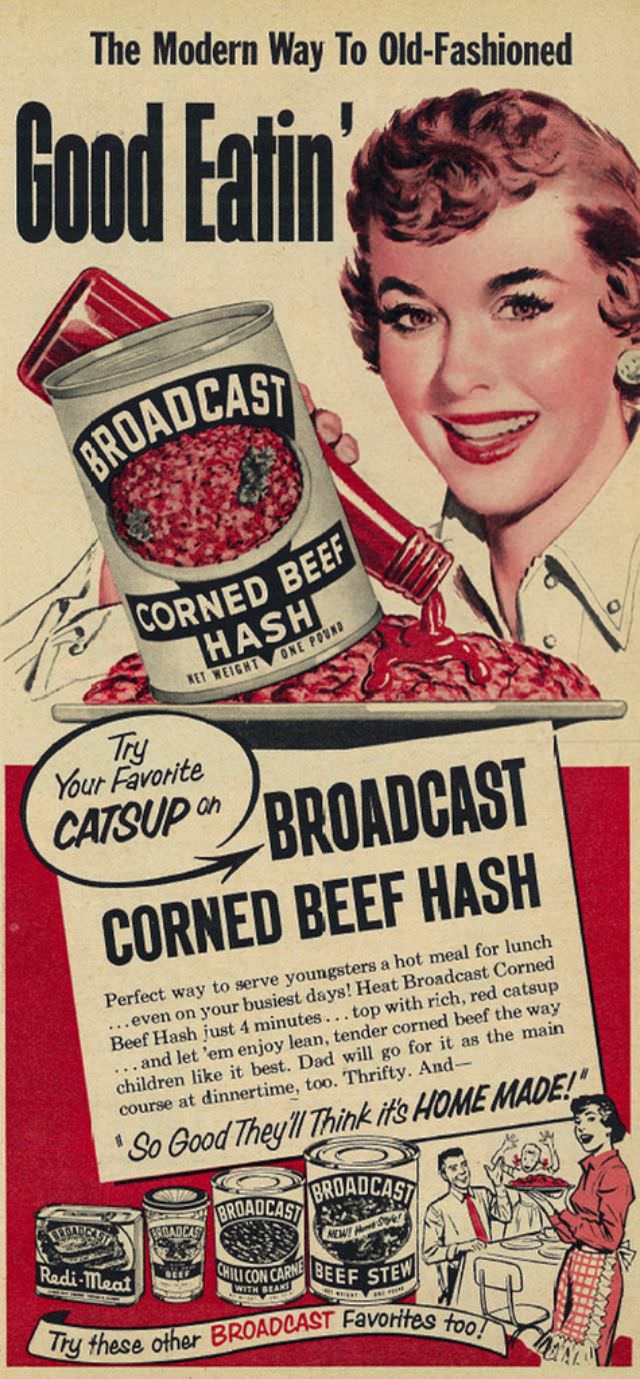
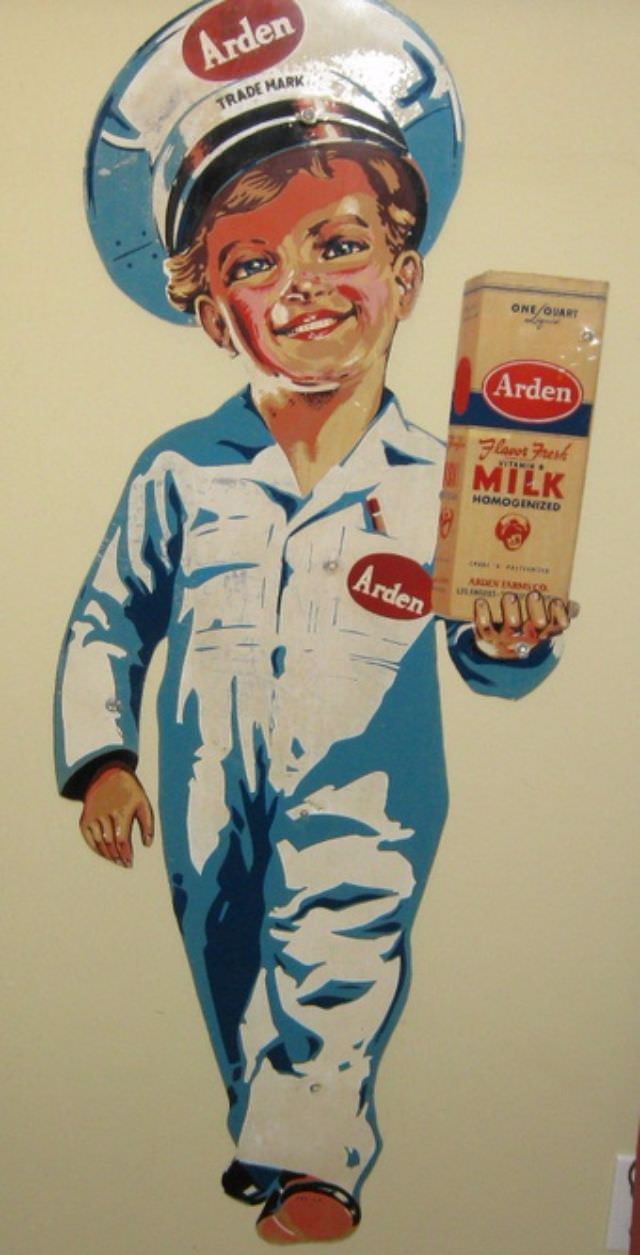
Women were the primary food buyers for their families, so brands aimed the bulk of their messaging directly at them. Ads leaned heavily on gender roles, often framing a woman’s success as a wife and mother around the meals she served. Children were also seen as key players — they went shopping with their mothers and pushed for the products they recognized from ads.
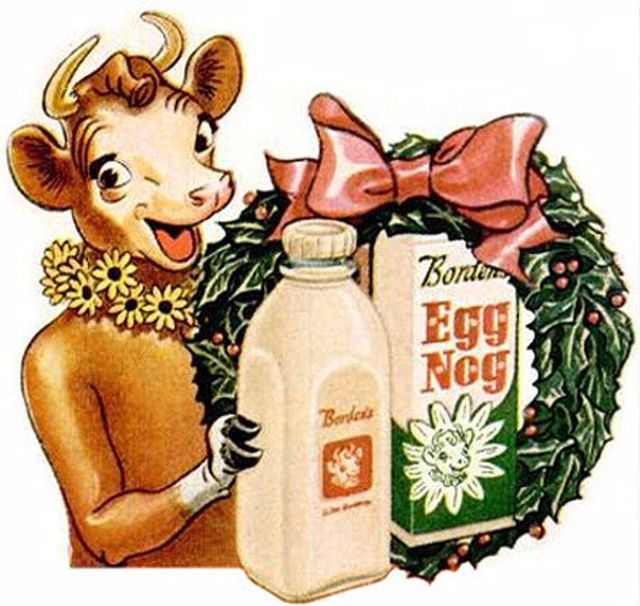
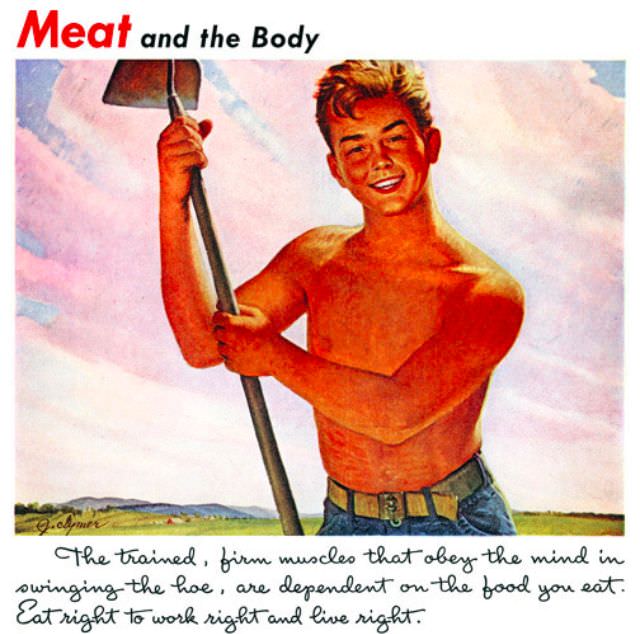
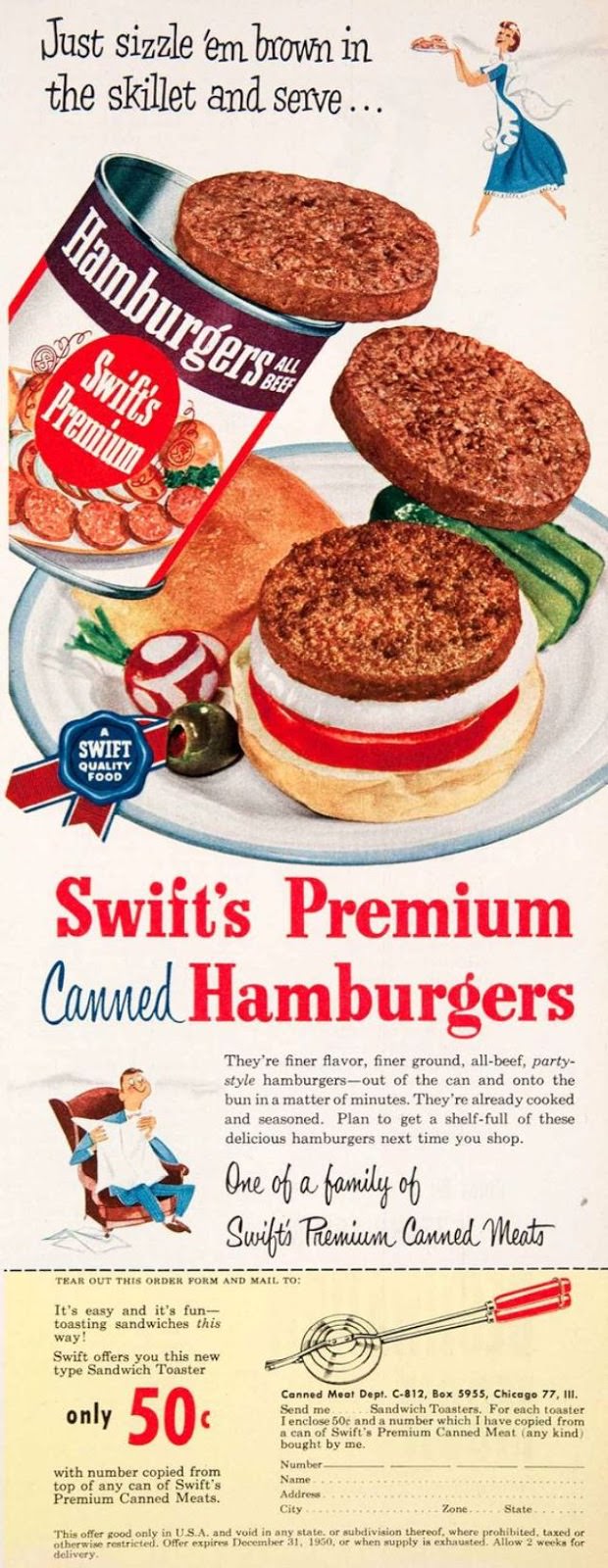
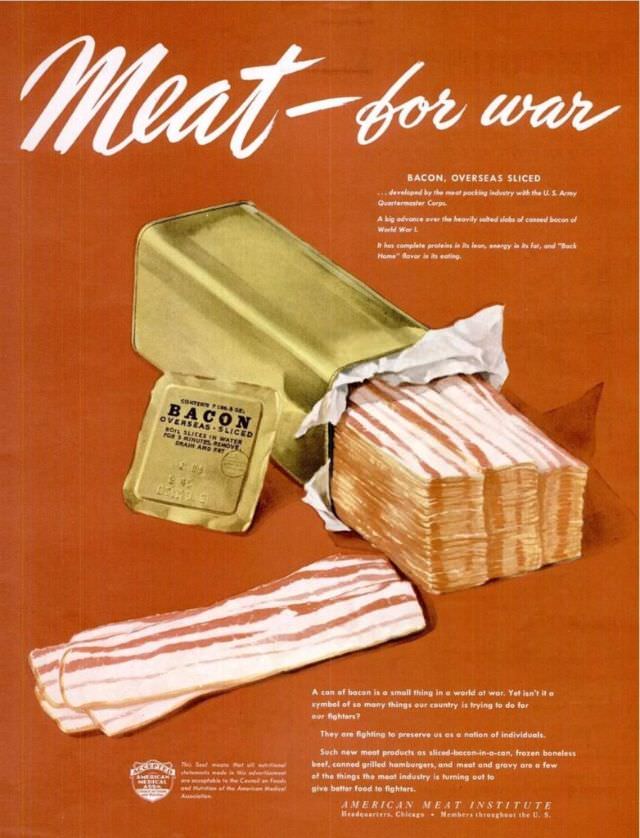
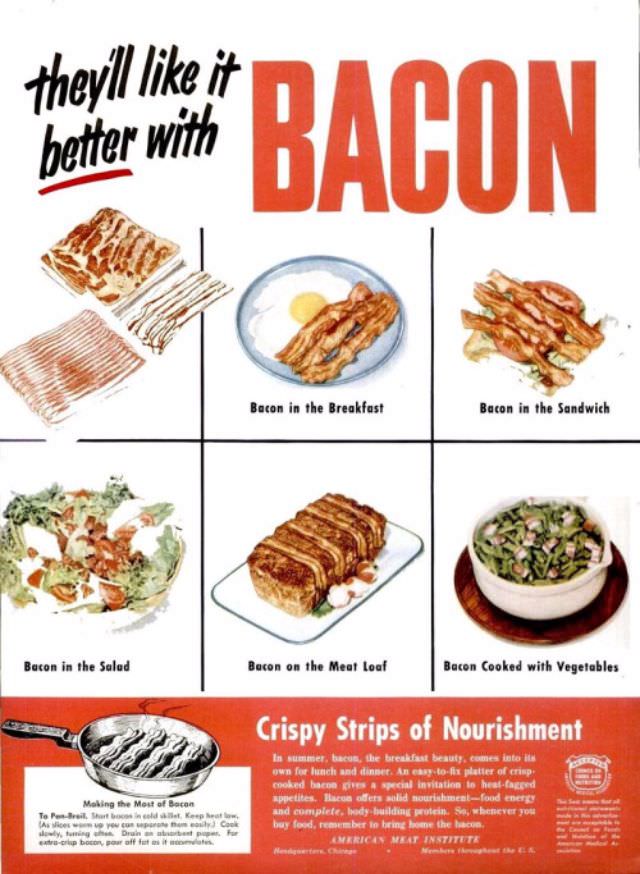
The post-war economic boom sent millions of American families into brand-new suburban homes. They were buying appliances, furniture, cars, and clothes at a rapid pace. Food companies competed loudly for their grocery dollars. Bright, bold print ads filled every magazine page, pushing everything from canned meats to sugary cereals with bold claims and eye-catching imagery.
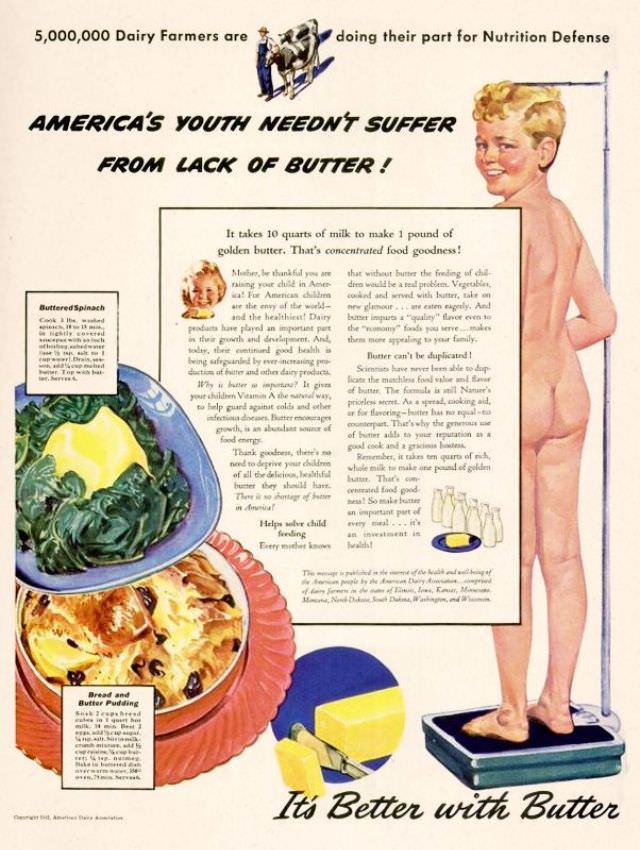
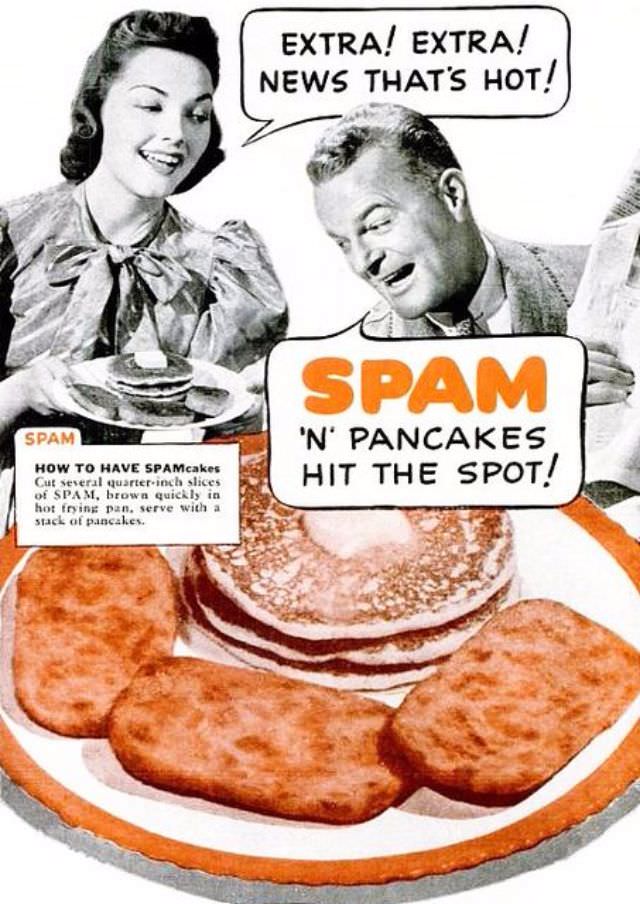
Then television arrived. The 1950s saw advertising expand on a scale never seen before. A brand could now reach an entire family sitting in their living room at once. Food companies jumped at the opportunity, and the messaging grew even bolder. Sponsorships, jingles, and celebrity endorsements became common tools to move product off grocery store shelves.
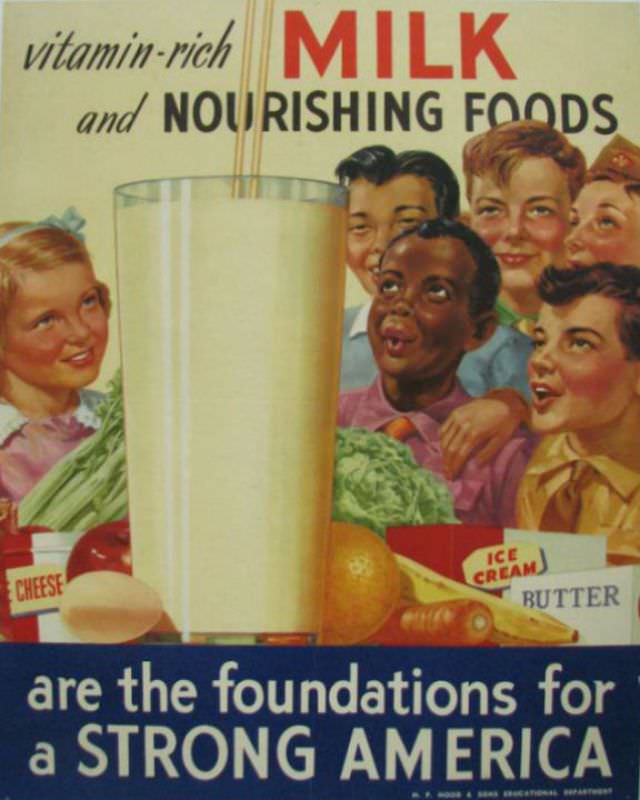
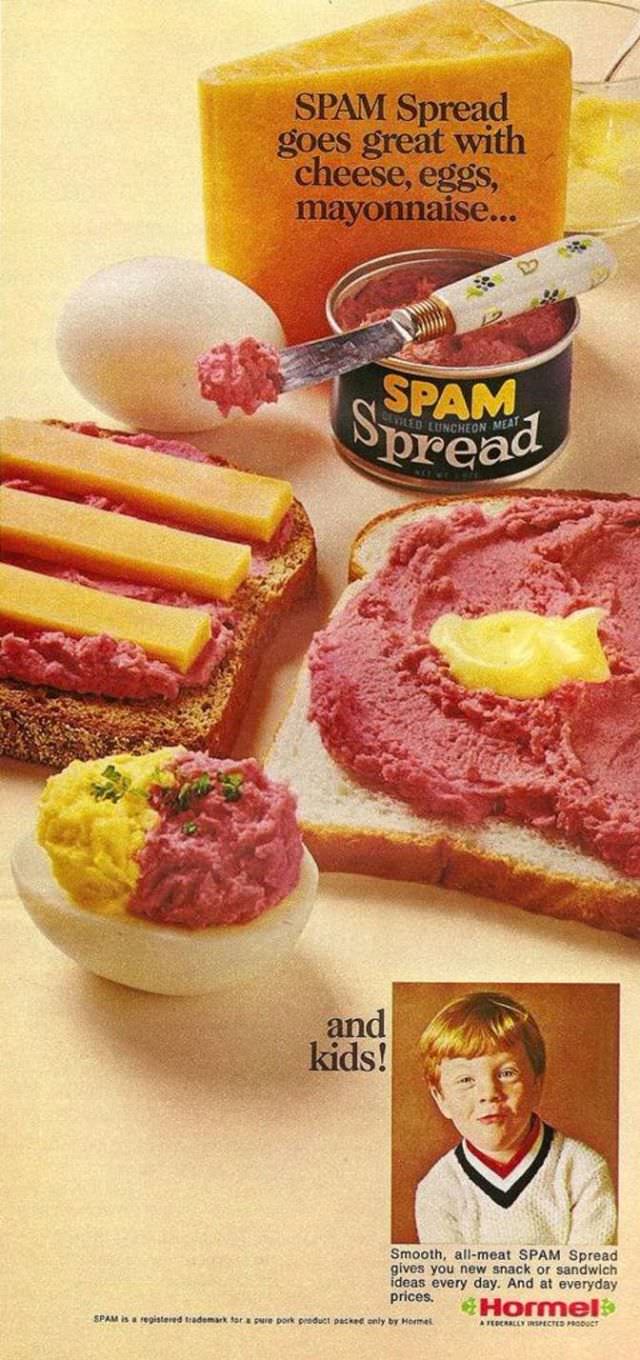
Beyond selling food, advertising in this era carried a political edge. The Ad Council actively promoted what it called “Americanism” as part of Cold War strategy. Campaigns pushed brand loyalty and free enterprise as patriotic values. The Brand Names Foundation ran conferences and educational programs to build consumer trust in name-brand products. Buying the right cereal or canned soup was, in a strange way, framed as a civic act.
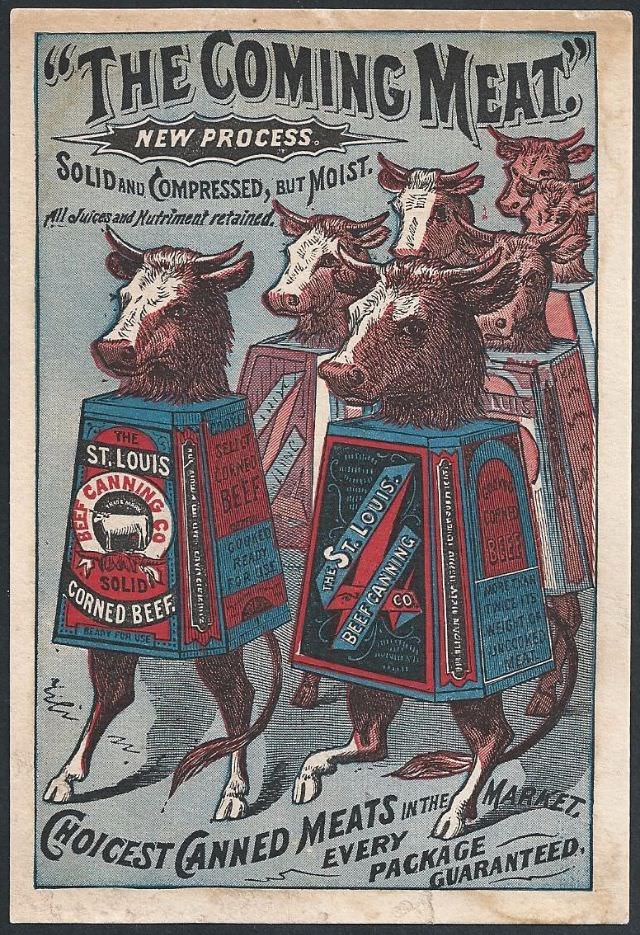
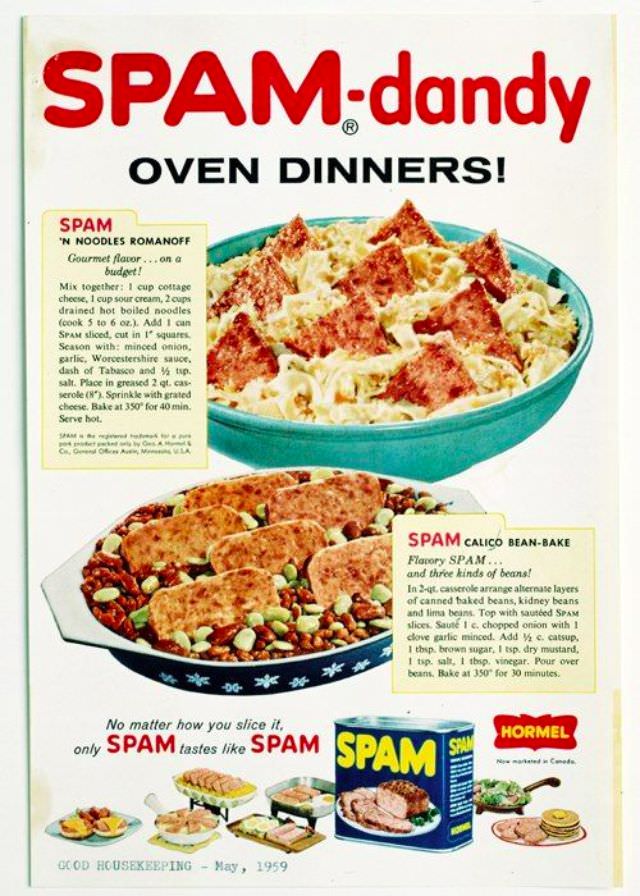
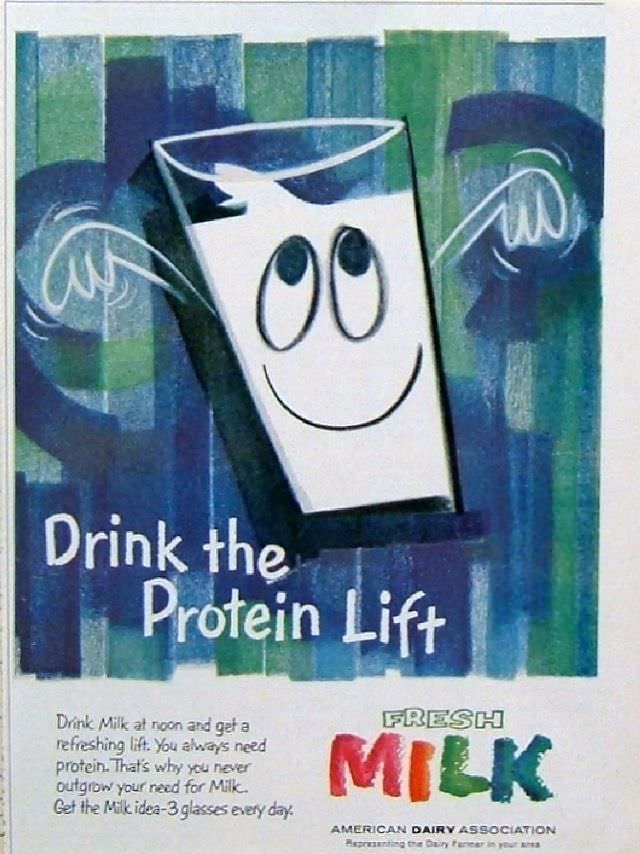
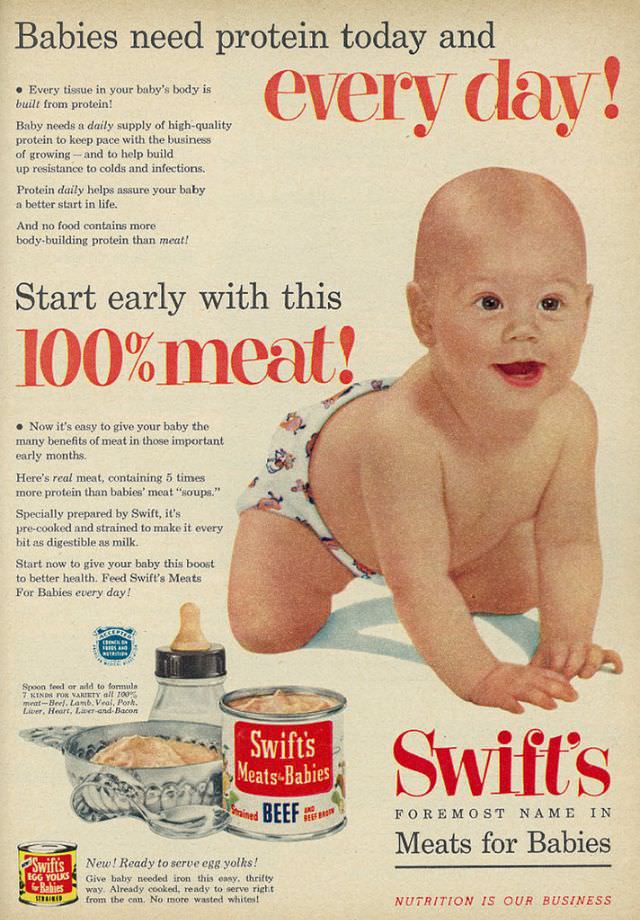
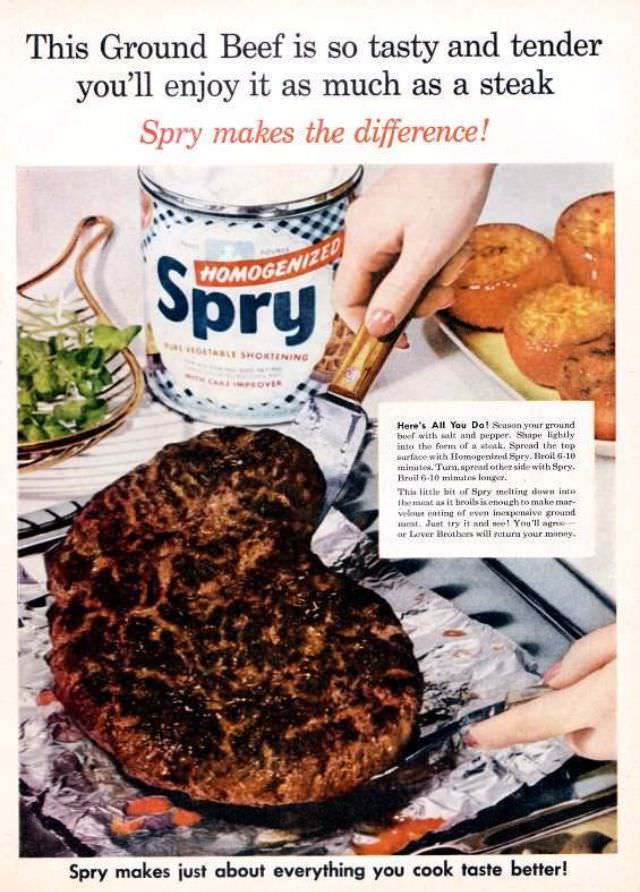
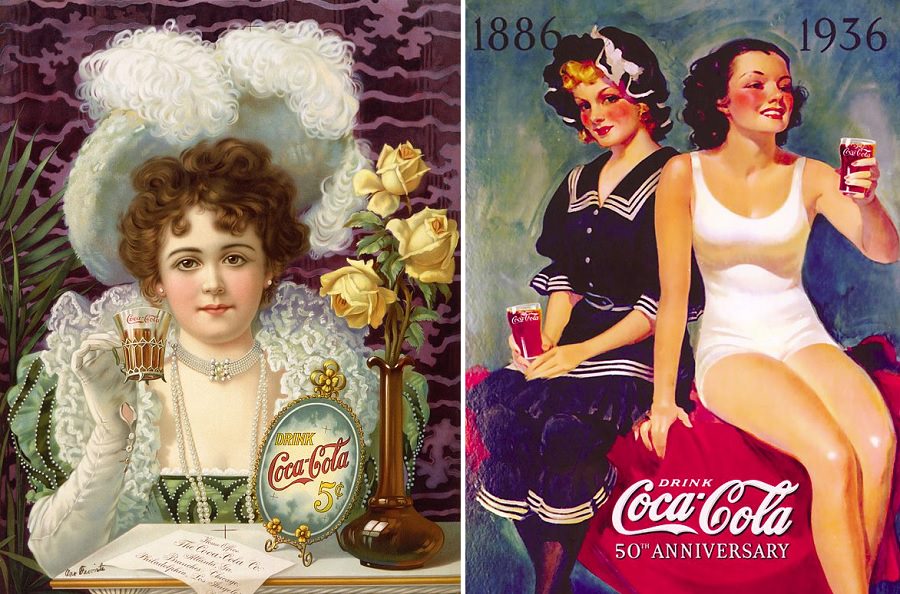
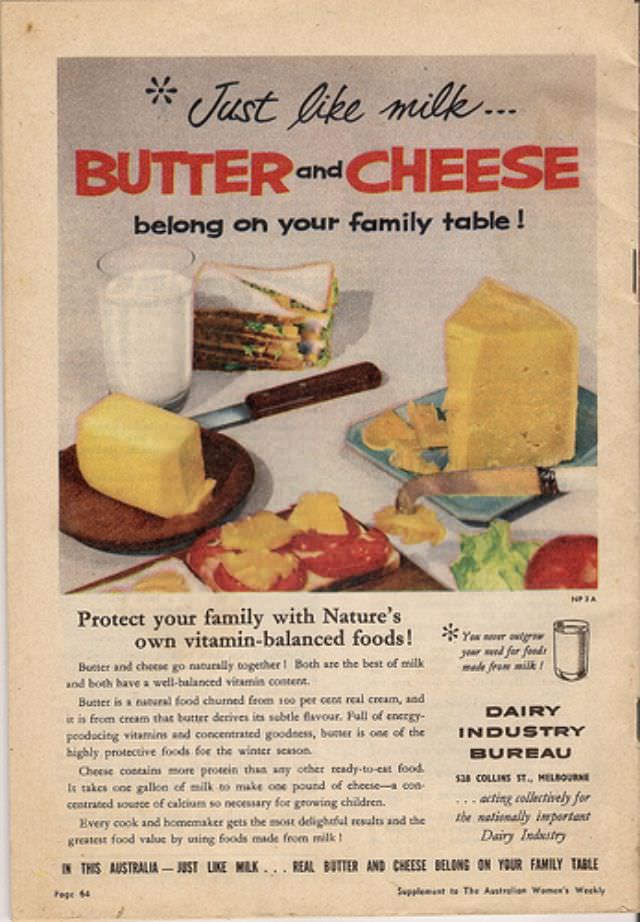
The ads also reflected the food culture of the time. Processed and convenience foods were being marketed as modern and smart. Gelatin molds, canned vegetables, and sugary drinks were presented as healthy, sophisticated choices. Dietary science was far less developed, and brands made nutritional claims that would never pass regulatory review today.
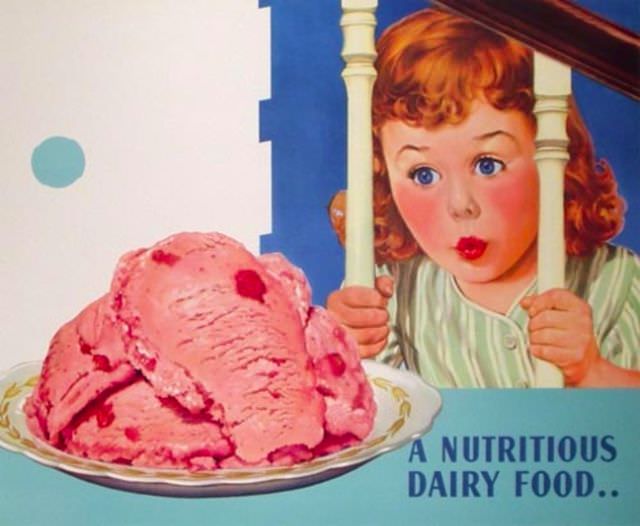
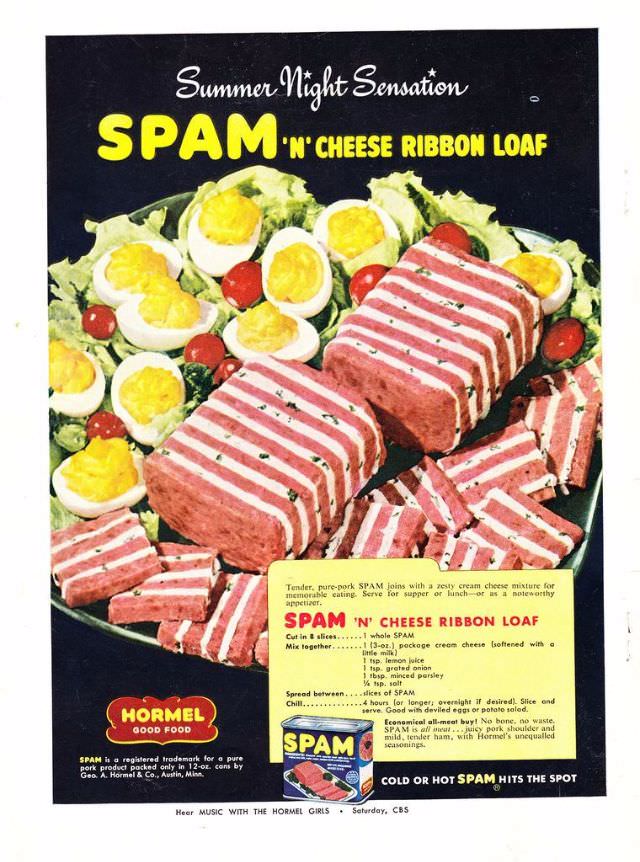
With car ownership rising and the motel industry booming, travel became a bigger part of American life. Tourism and road-trip culture opened yet another lane for food advertising. Roadside diners, packaged snacks, and soft drinks all benefited from Americans hitting the highway more than ever before.
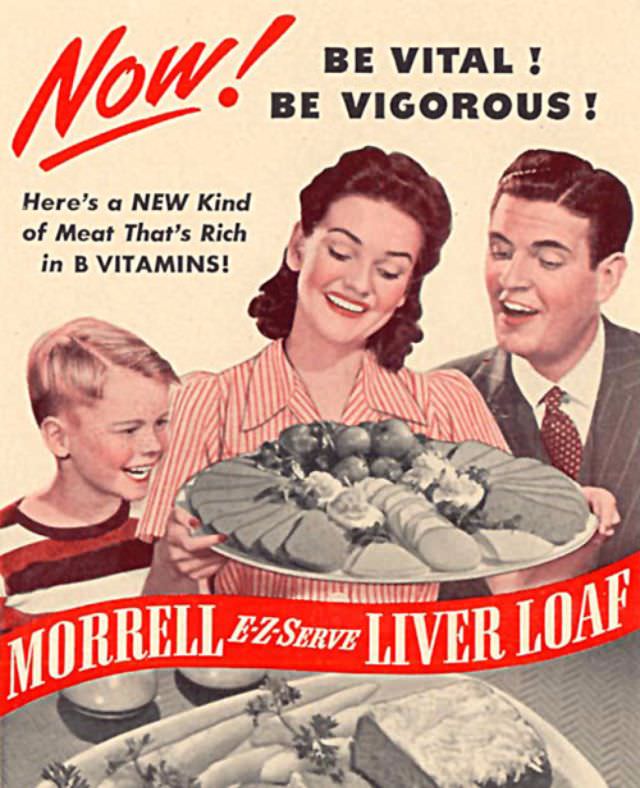
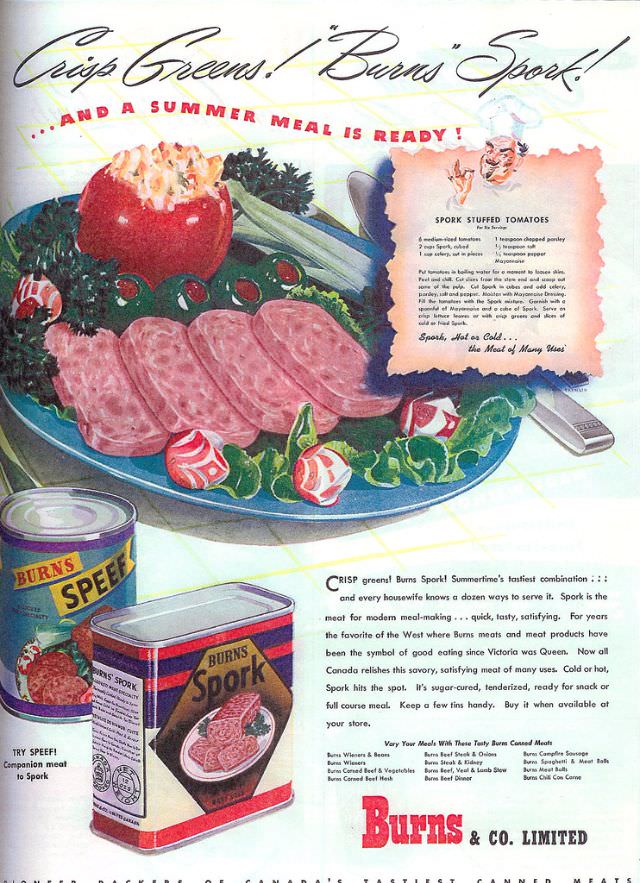
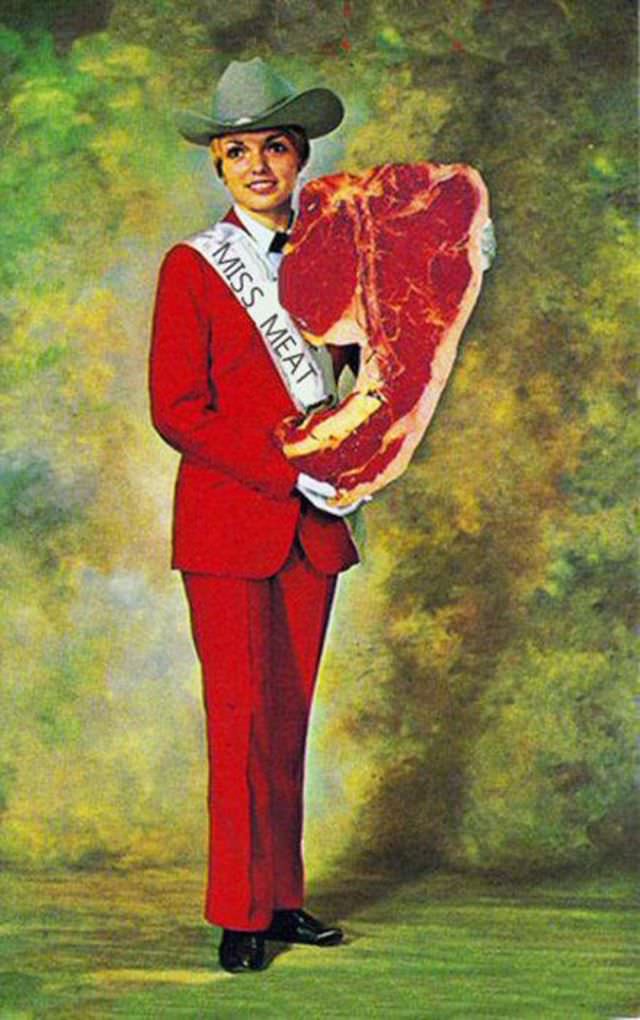
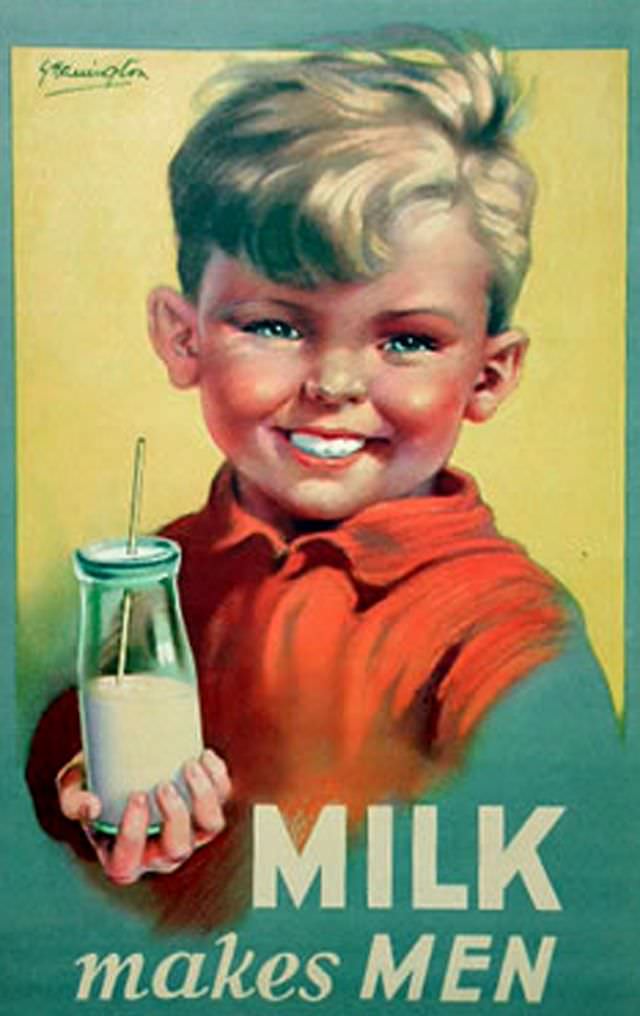
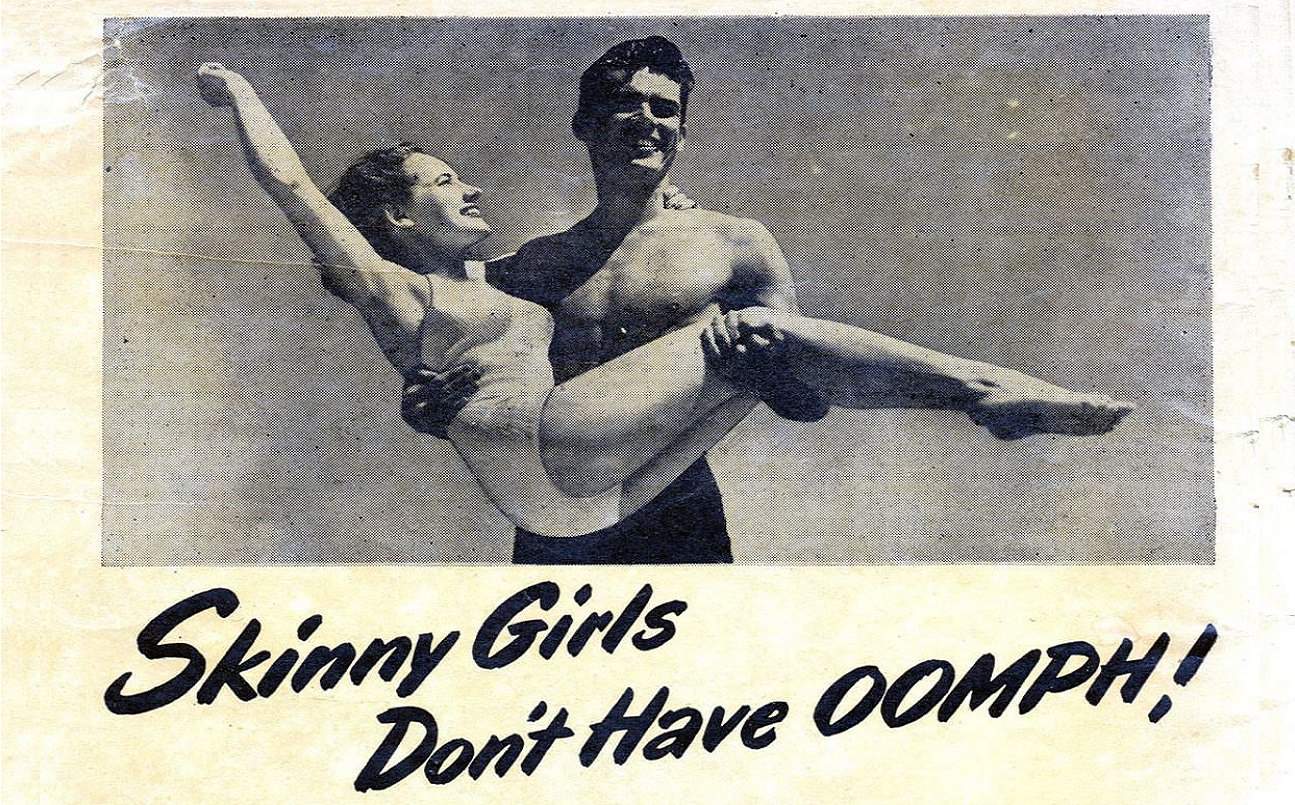
Looking at these ads now, what stands out most is how casually they reinforced stereotypes. Women were shown as subservient homemakers. Children were used as marketing tools. Health claims were made with zero scientific backing. Racial and ethnic stereotypes showed up without a second thought from the brands running them.
Today, advertising standards — both legal regulations and public pressure — would shut most of these campaigns down fast. The U.S. Federal Trade Commission enforces rules against false health claims. Social media would amplify backlash almost instantly. A brand that ran a 1950s-style housewife ad today would face a boycott before the ink dried.
Yet these ads survived for decades because they worked. They matched the values and assumptions of their time, and consumers responded. They bought the products, clipped the coupons, and filled their pantries with whatever the magazine told them was best. That’s what makes them so revealing — not just as curiosities, but as a mirror held up to mid-century American life.