Before AC Spark Plugs became a fixture in American garages and a staple of mid-century magazine advertising, the brand had a surprisingly personal origin story. It began with a French bicycle racer named Albert Champion, who arrived in the United States in 1899. Champion was already an inventor — he held at least one spark plug patent from 1898, secured before he ever left Europe.
After arriving in America, Champion took a job with the Stranahan brothers, who had founded Champion Spark Plug Company in 1905. The arrangement was never a comfortable one. Champion had no real control over his work, and his ambitions stretched beyond what the Stranahans were willing to offer him.
In 1908, Champion brought a set of spark plug prototypes to William C. Durant, the head of Buick Motor Company. At the time, Buick was purchasing its spark plugs from a supplier called Rajah. Durant saw an opportunity. Manufacturing plugs in-house using Champion’s design, based in Flint, Michigan, would cut costs and give Buick more control over its supply chain. The deal moved forward quickly.
There was just one problem. When Champion and Durant began production, the Stranahan brothers stepped in with a legal warning: the name “Champion” was already trademarked by their company, and it could not be used. A new name was needed fast. The solution was straightforward — use Albert Champion’s initials. “AC Spark Plug” was trademarked in 1908, the same year production began.
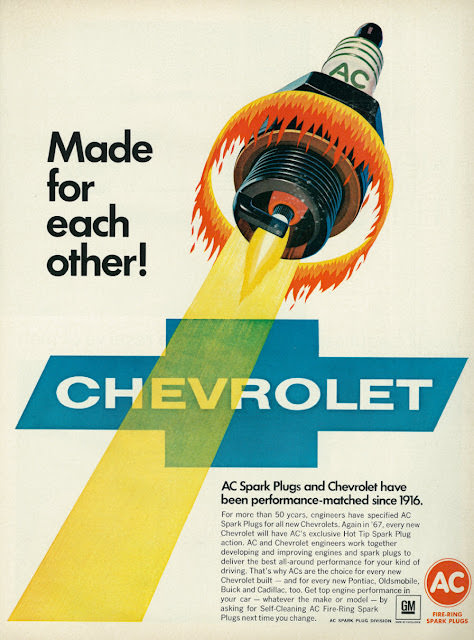
The brand grew steadily alongside the American auto industry. In 1927, AC became an official division of General Motors, cementing its place within one of the largest manufacturing empires in the world. That connection gave AC Spark Plugs enormous reach — GM’s vehicles were everywhere, and AC plugs were under millions of hoods.
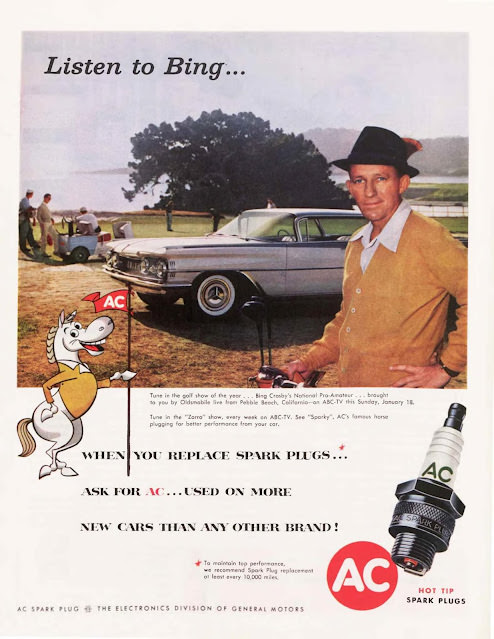
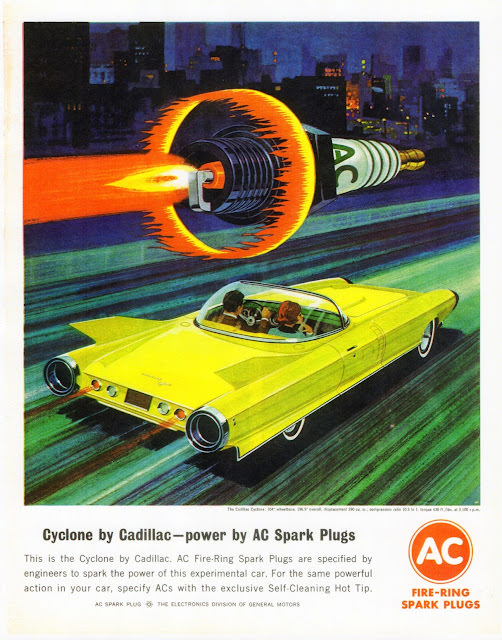
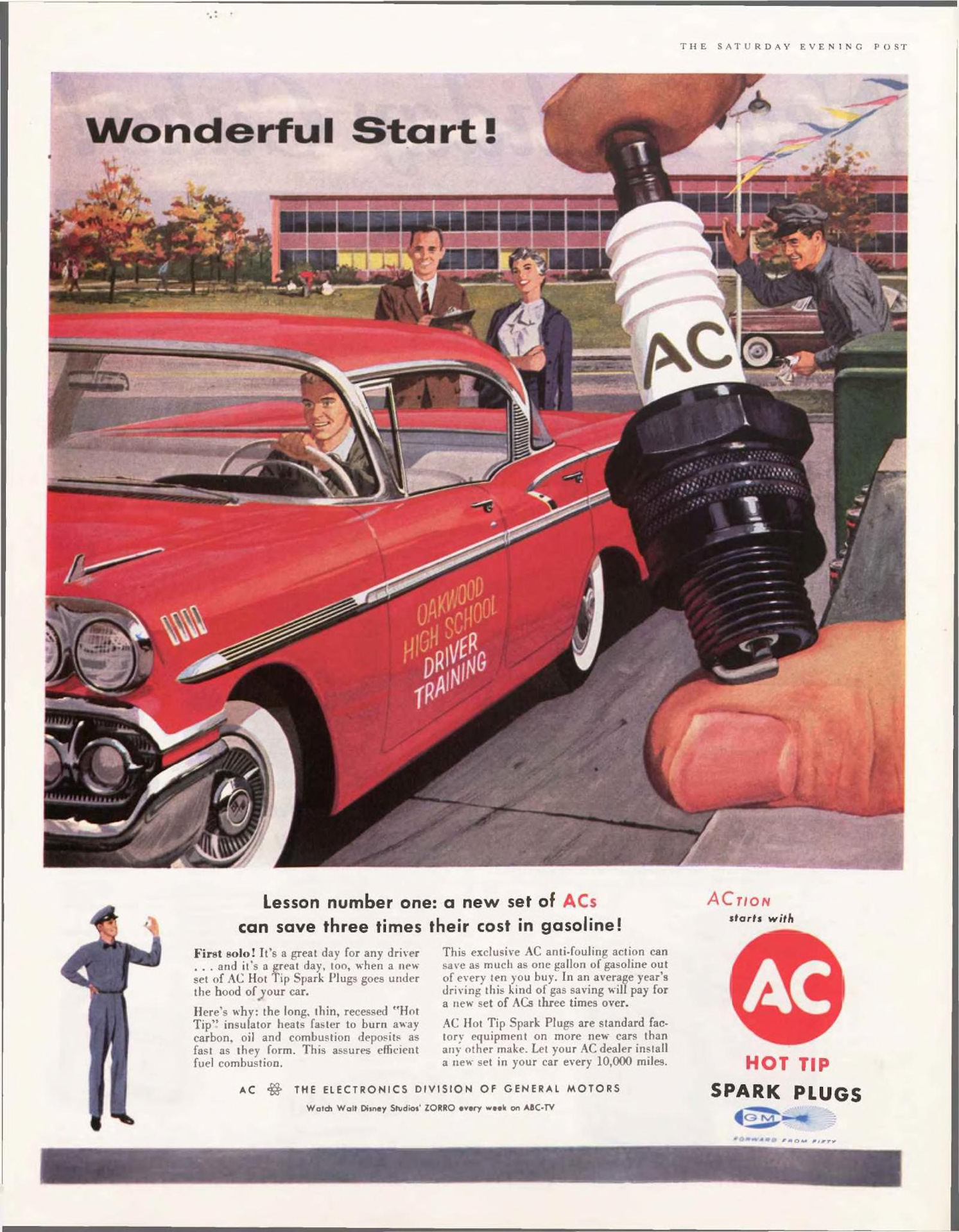
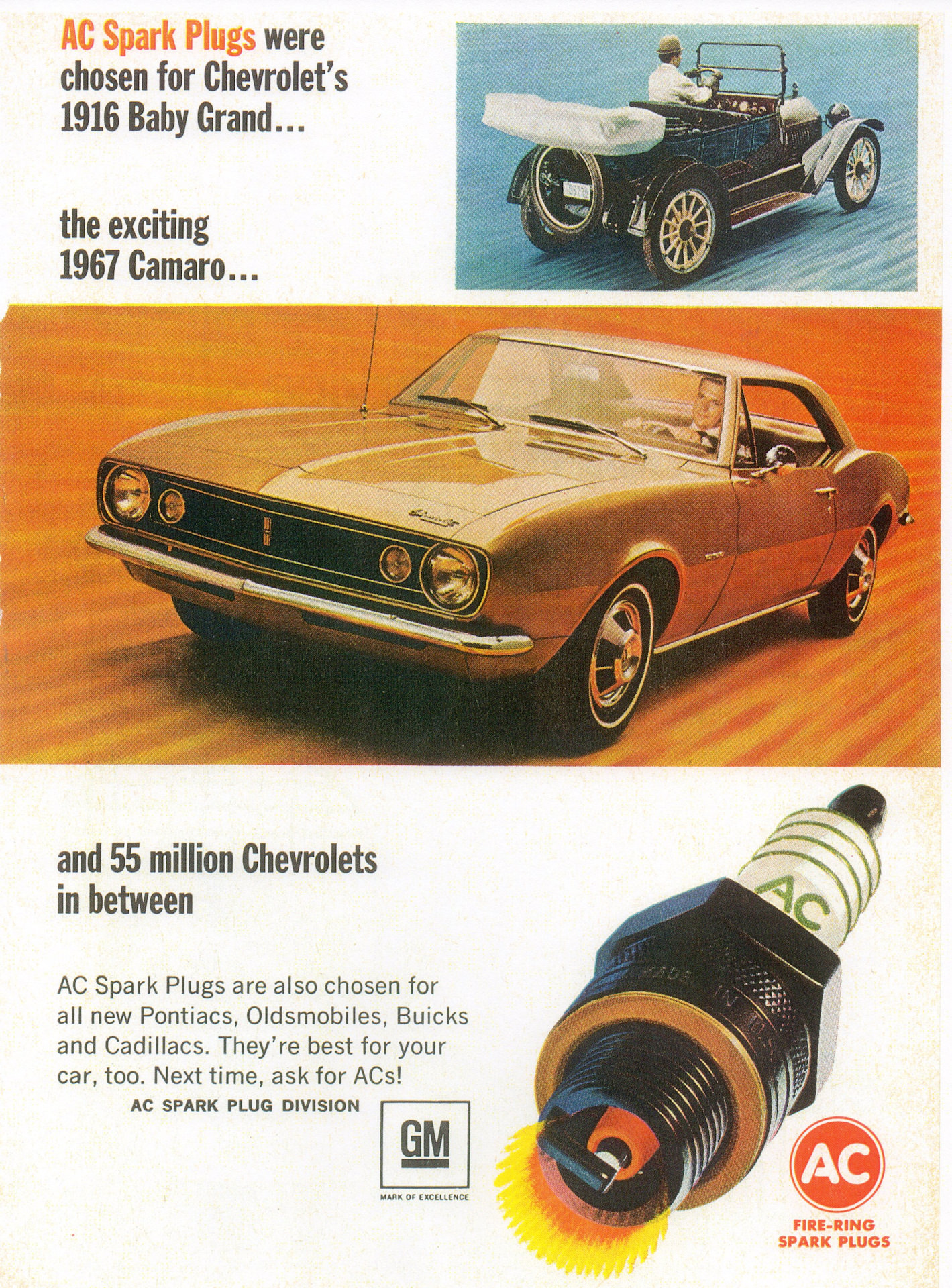
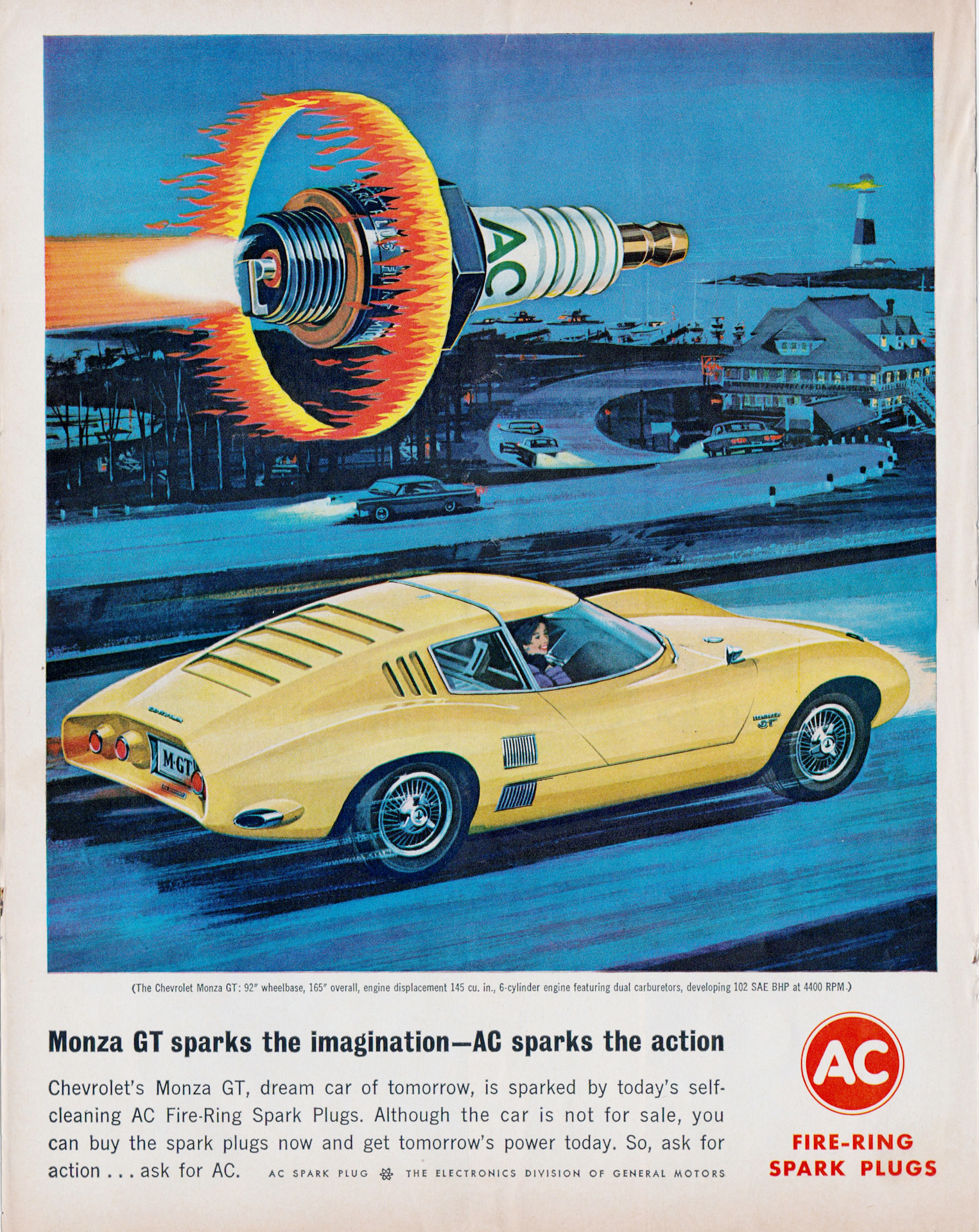
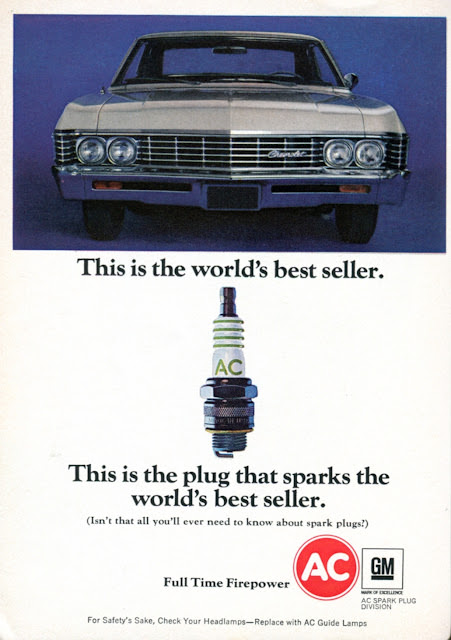
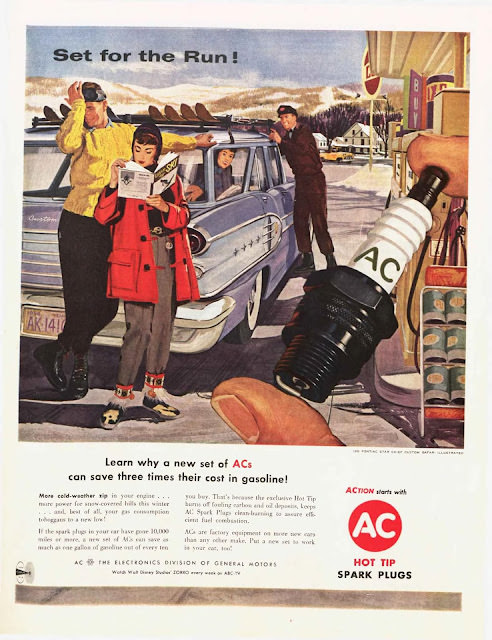
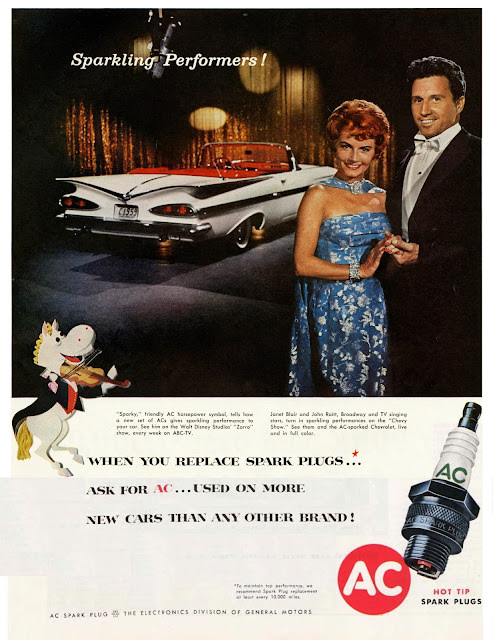
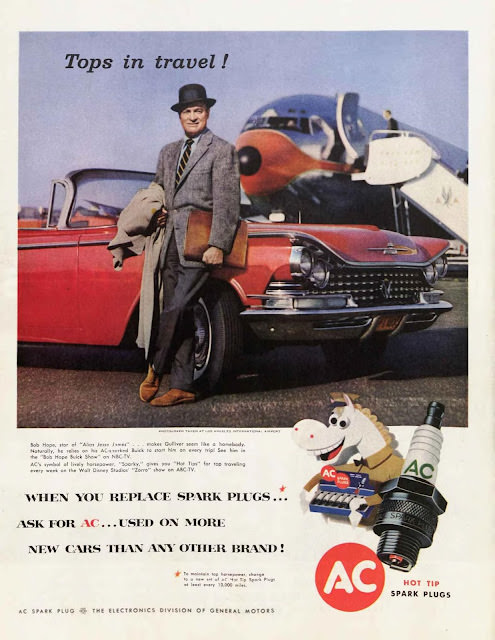
By the 1950s and 1960s, AC Spark Plugs were advertising heavily in popular magazines. The ads from this era are bold and confident, packed with the optimism that defined postwar American consumer culture. They featured sleek cars, mechanics in clean uniforms, and straightforward promises about engine performance and reliability.
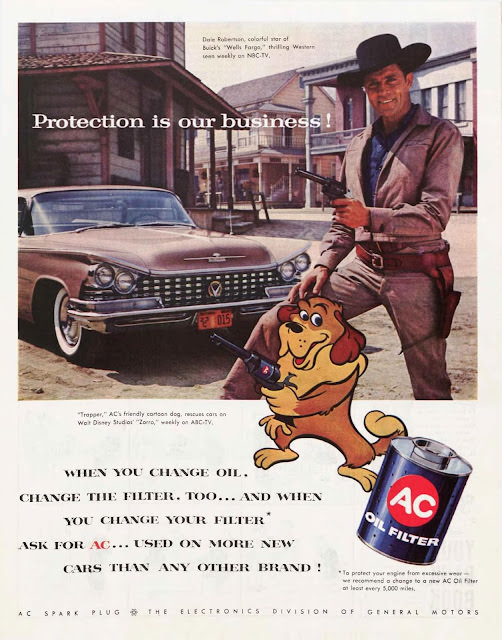
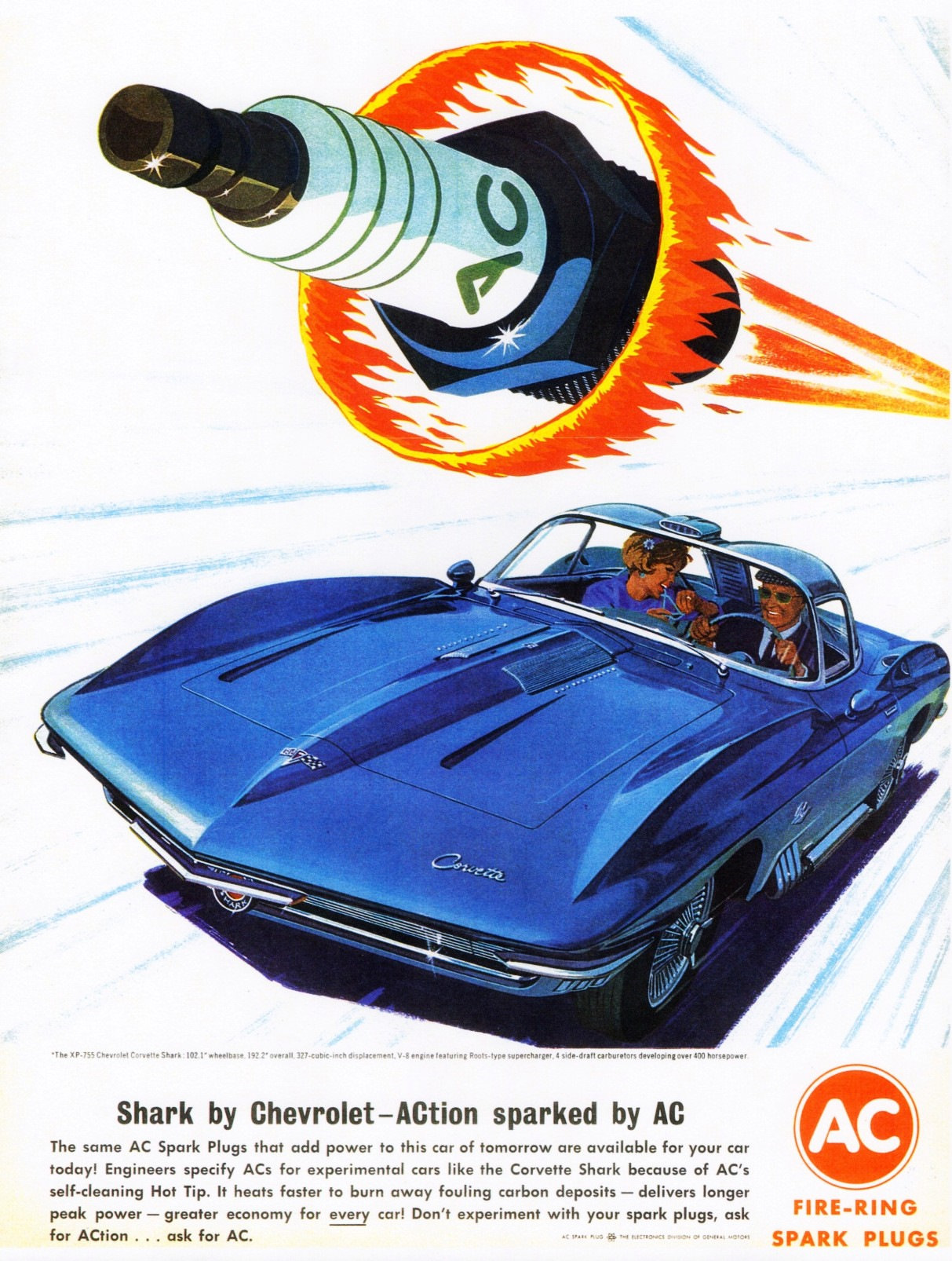
The ads often leaned into AC’s ties to General Motors, using that association as a seal of quality. Slogans emphasized that AC plugs were built specifically for GM engines, making them the obvious choice for Chevrolet, Buick, Pontiac, and Cadillac owners. The message was simple: trust the plug that came from the same family as your car.
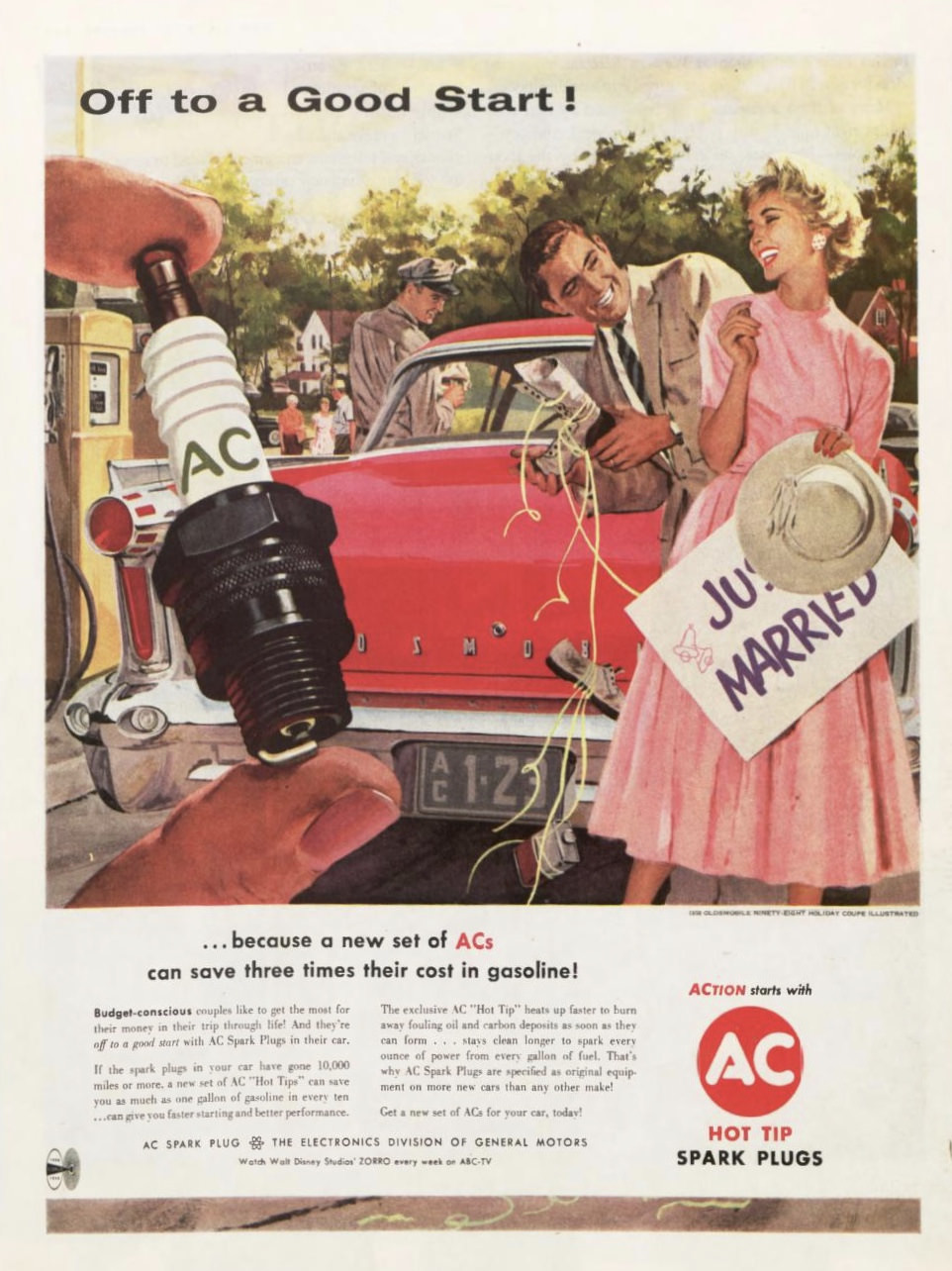
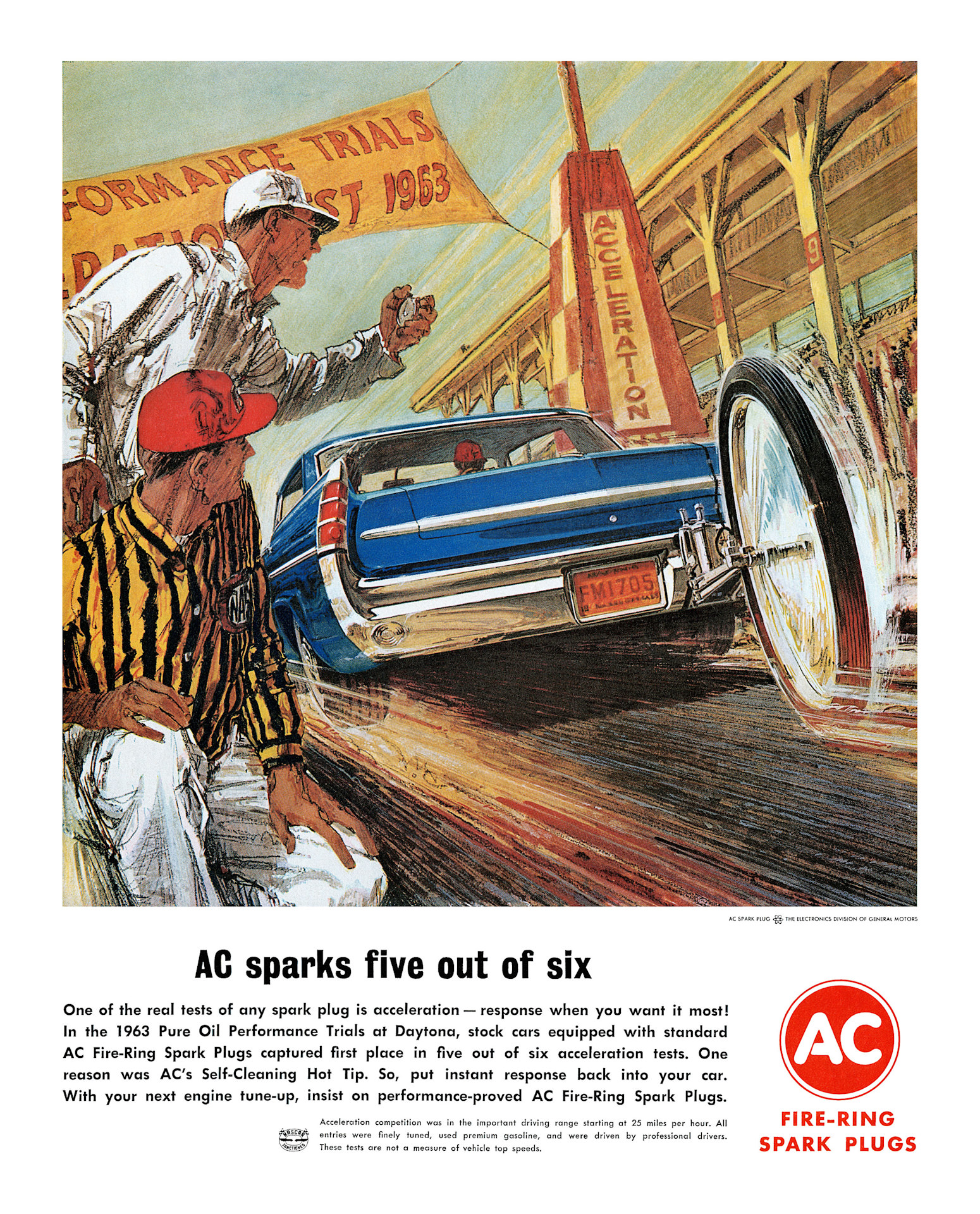
Some ads targeted do-it-yourself mechanics, a growing audience in the 1950s as car ownership expanded rapidly across the country. Others aimed squarely at professional service stations. Either way, the visual style was unmistakably mid-century — bright colors, clean layouts, and confident typography that reflected the era’s faith in American engineering.
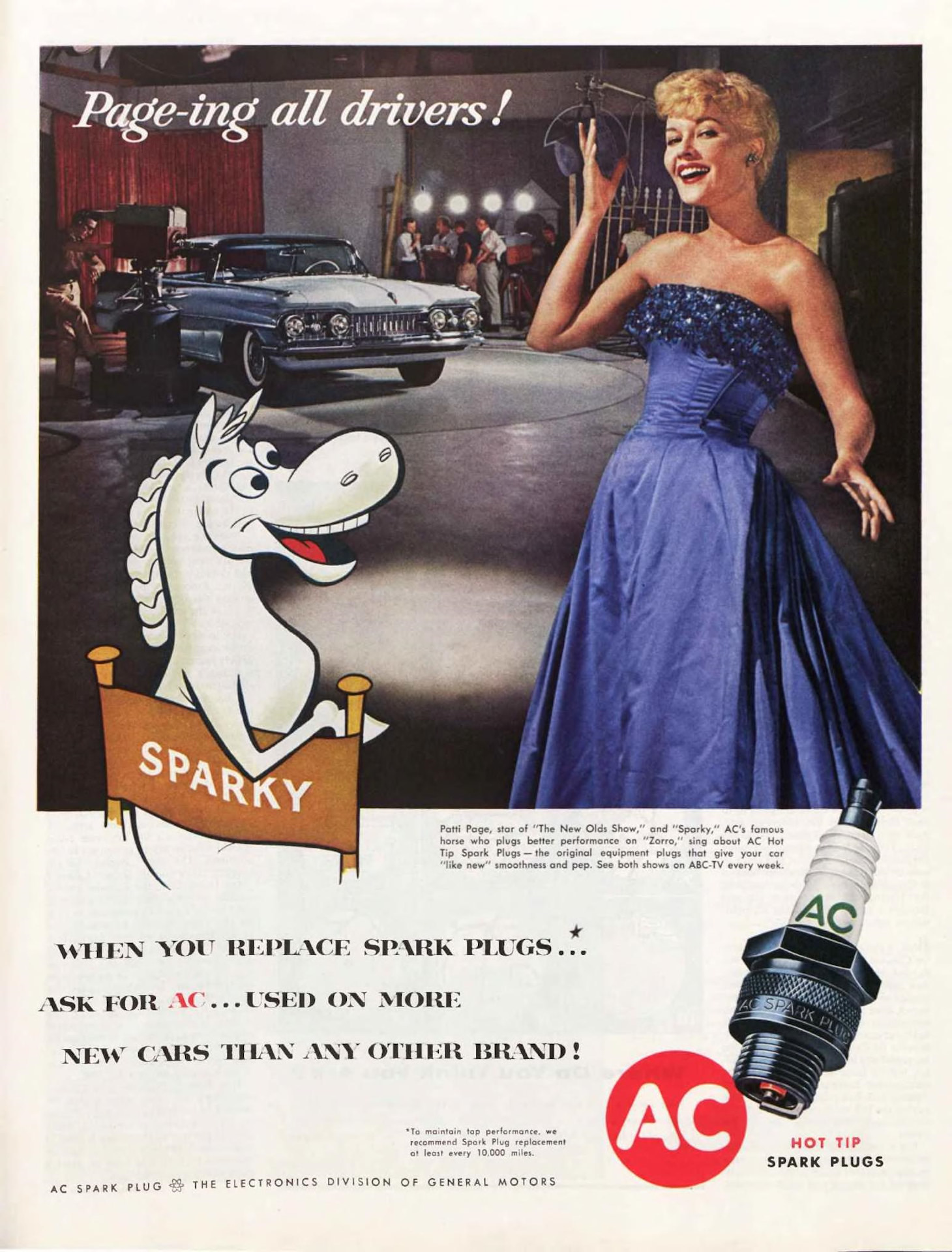
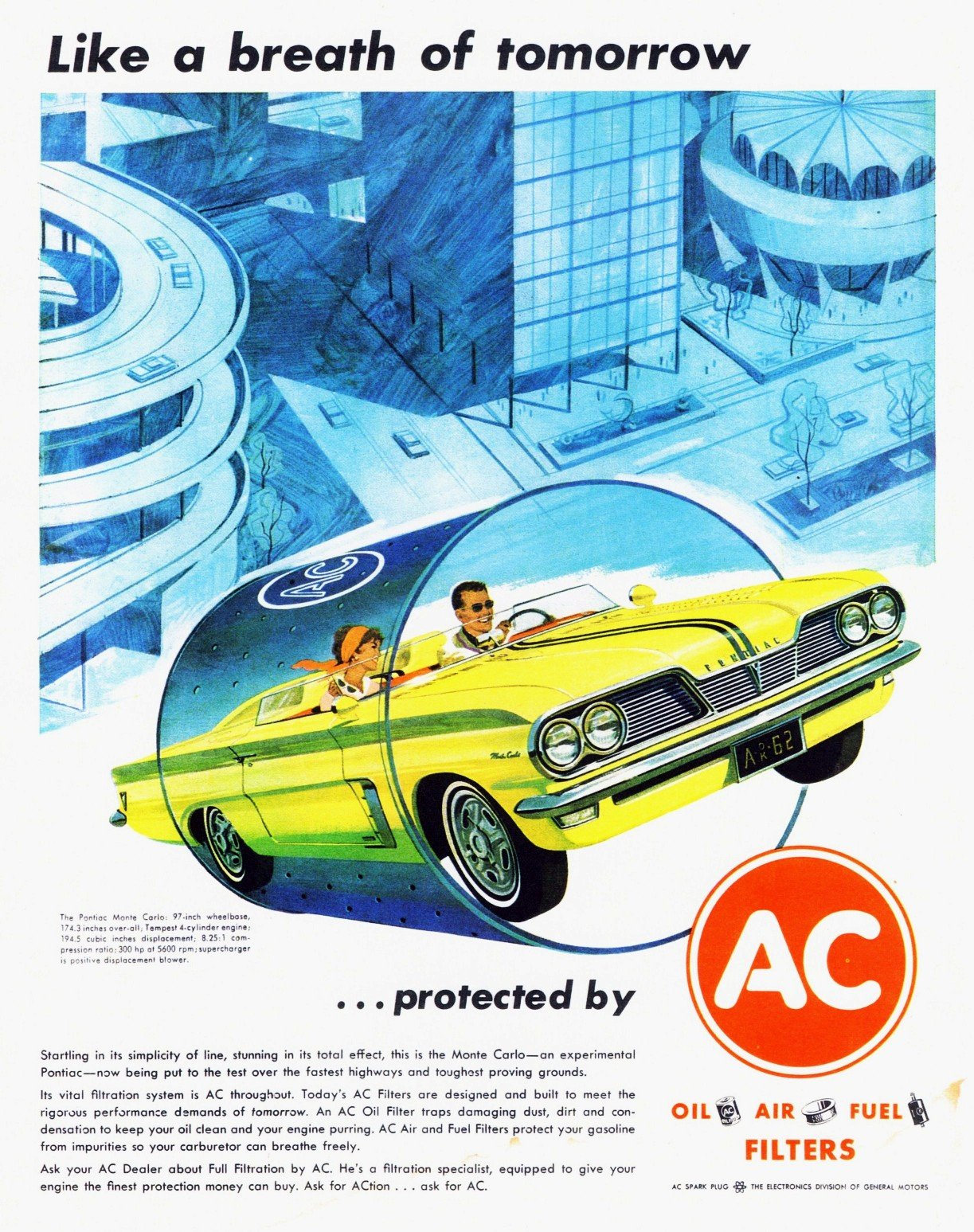
Racing imagery appeared frequently in AC advertising during this period. The connection to motorsport gave the brand a performance edge in the minds of consumers, even for everyday drivers who never pushed their engines past highway speeds. Speed and reliability made a compelling combination in a decade obsessed with horsepower.
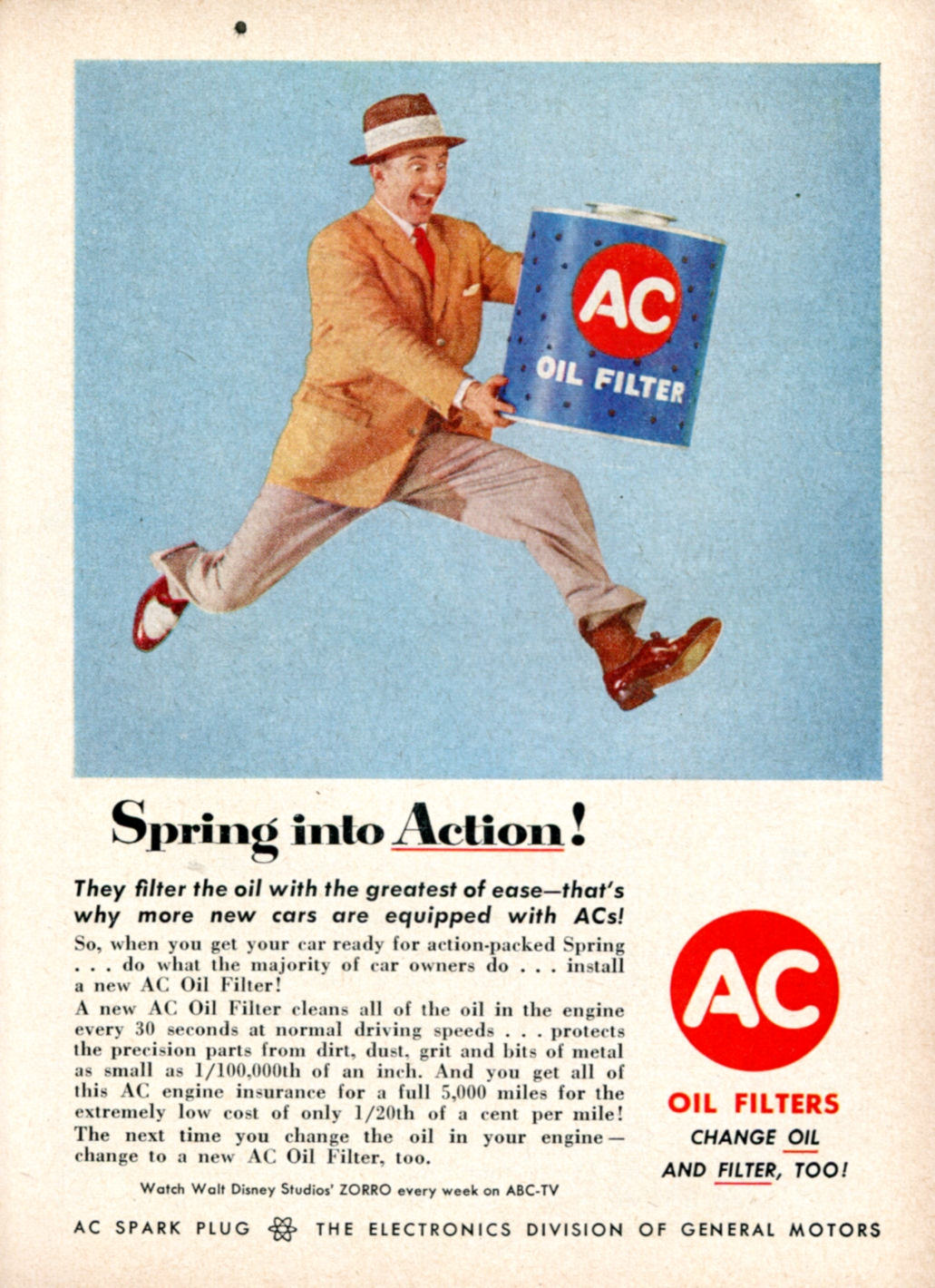
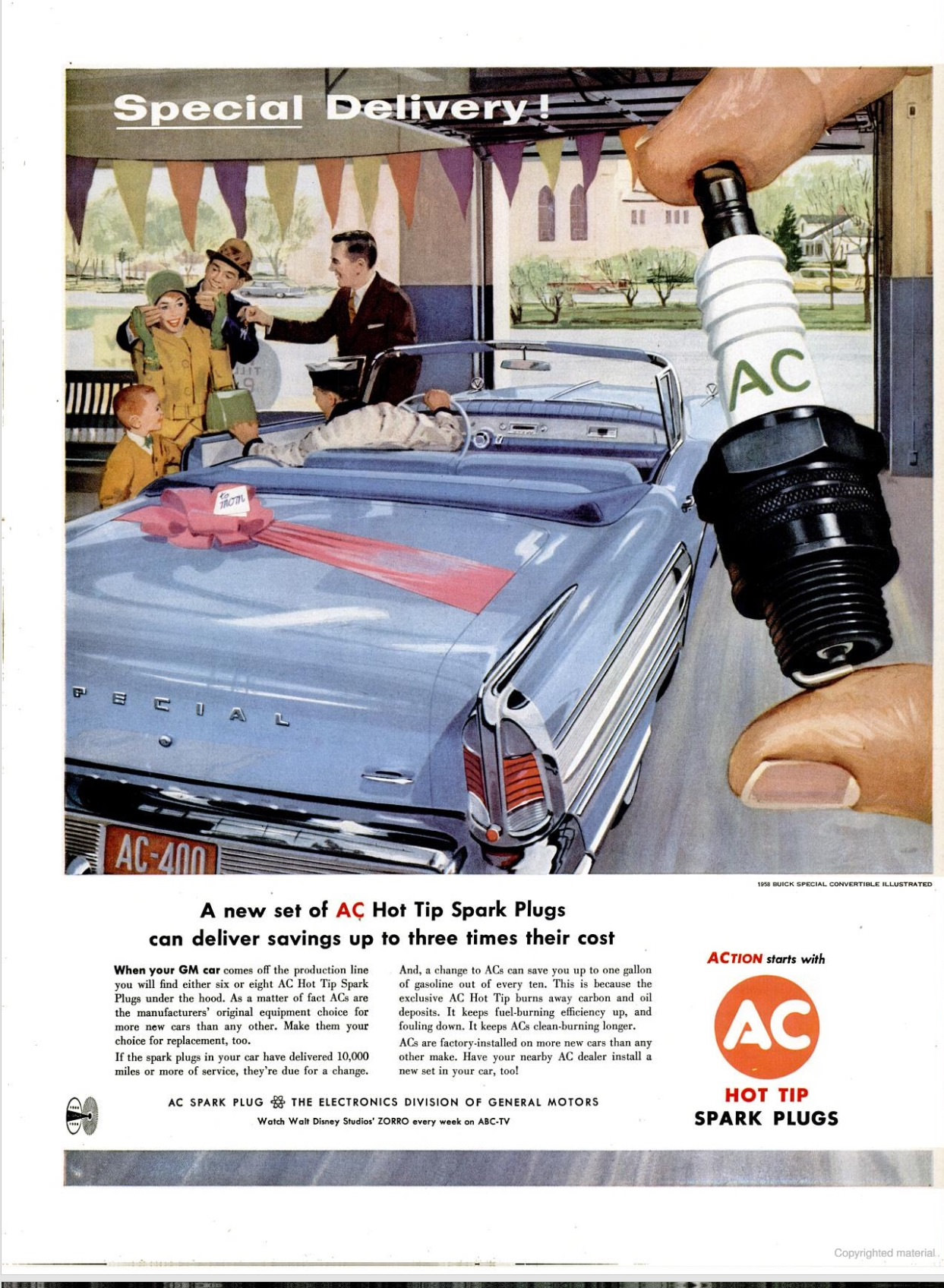
In 1974, General Motors merged AC Spark Plug’s aftersales operation with United Delco, consolidating its parts and accessories marketing under one roof. The combined entity became AC-Delco, and a range of products carried both the AC and Delco names going forward. The branding shift marked the end of AC Spark Plugs as a standalone identity, but the vintage ads from the decades before that merger remain vivid records of the brand at its peak.