Nicholas II became Tsar of Russia in 1894, inheriting one of the largest empires on earth. Russia at the time was fractured — widespread poverty, social unrest, and demands for political reform put the new tsar under immediate pressure. Nicholas held tightly to autocratic rule, resisting change even as the country strained around him.
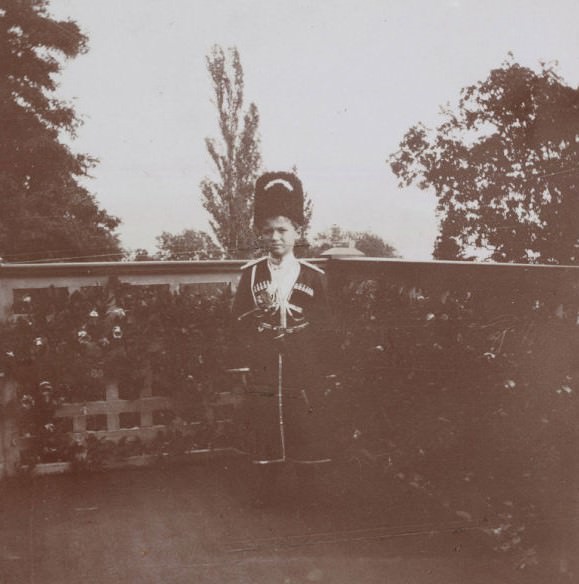
His wife, Alexandra Feodorovna, was born a German princess. Shy and deeply religious, she never quite connected with the Russian people. Her bond with the mystic Grigori Rasputin became a source of public scandal. She trusted him because he appeared to ease the suffering of her son Alexei, who had hemophilia — a condition that prevented his blood from clotting normally.
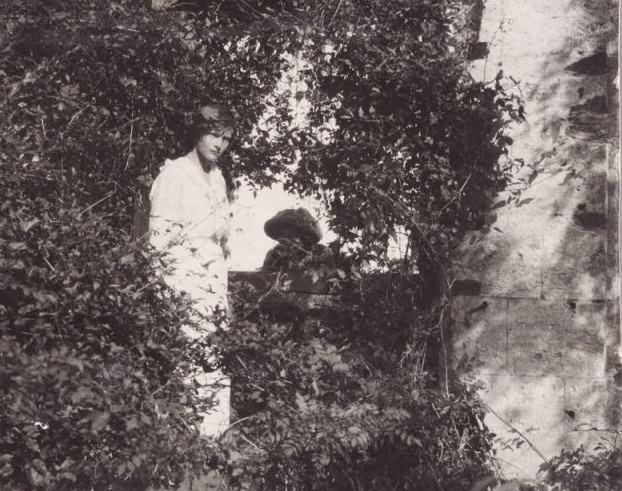
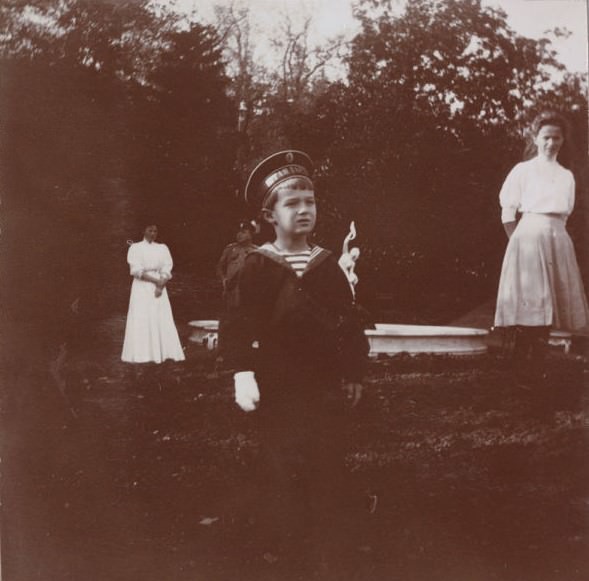
Nicholas and Alexandra had five children: daughters Olga, Tatiana, Maria, and Anastasia, and their son and heir, Alexei. Despite growing up in imperial palaces, the children lived structured, modest daily lives. Family and faith were central to how they were raised.
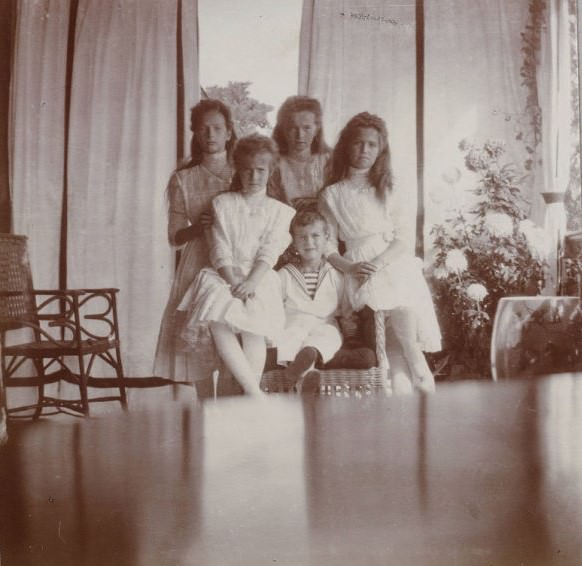
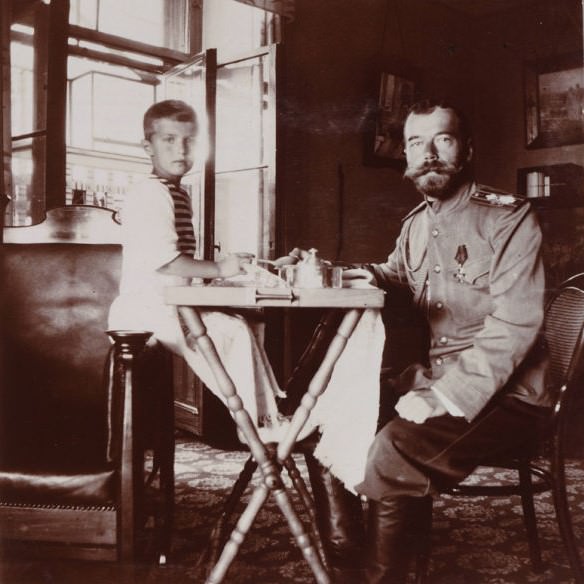
Alexei’s hemophilia was kept as secret as possible, but it shaped the entire family’s daily existence. Any cut or bruise could become life-threatening. His illness drove Alexandra closer to Rasputin and further from the court advisors who could have helped stabilize Nicholas’s rule.
World War I pushed Russia to the breaking point. Military losses were catastrophic, food grew scarce, and public anger boiled over. In February 1917, revolution forced Nicholas to abdicate. The family was placed under house arrest at the Alexander Palace, then relocated to Tobolsk in Siberia.
In the spring of 1918, the Bolsheviks transferred the Romanovs to Yekaterinburg in the Ural Mountains. They were held in a commandeered mansion called the Ipatiev House. Conditions were strictly controlled — windows were painted over and movement was tightly restricted.
On the night of July 16–17, 1918, the entire family and their remaining servants were woken and escorted to the basement. Bolshevik guards shot and bayoneted all of them. The bodies were transported to a forest outside the city, doused in acid, and buried in a concealed pit.

For decades after the killings, rumors spread that Anastasia, the youngest daughter, had survived. Multiple women publicly claimed to be her — the most famous being Anna Anderson, whose claim was debated for over 60 years. DNA testing conducted in the 1990s confirmed that Anderson was not Anastasia.
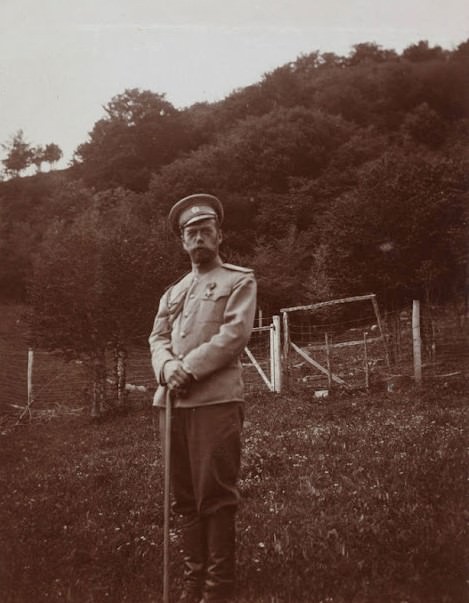
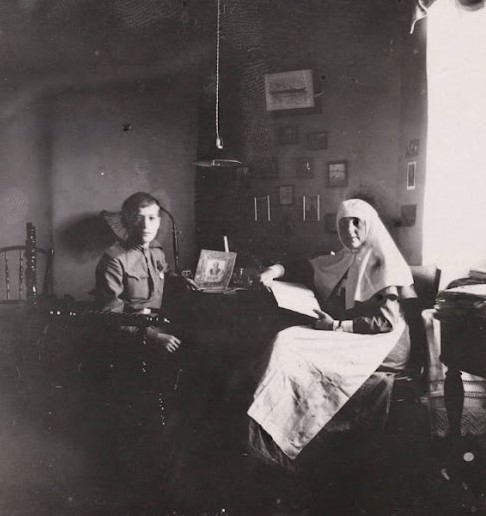
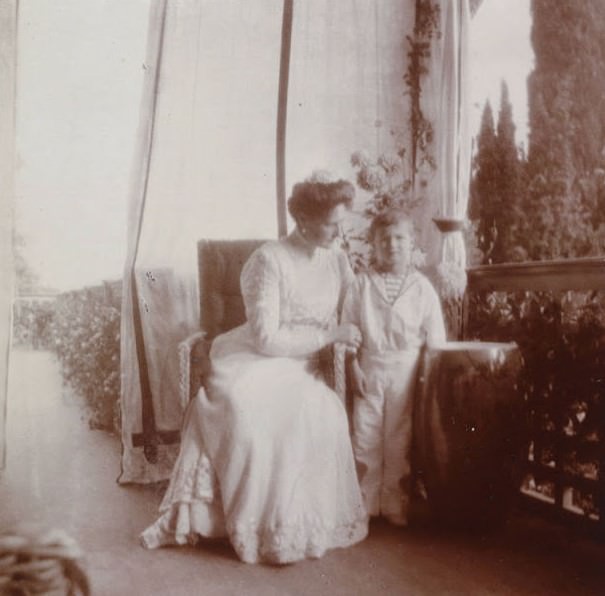
The remains of Nicholas, Alexandra, and three of their daughters were formally identified in 1991 after a grave near Yekaterinburg was excavated. Alexei and one of the daughters — confirmed to be Maria — were found in a separate burial site in 2007. DNA analysis matched all remains to living Romanov relatives.
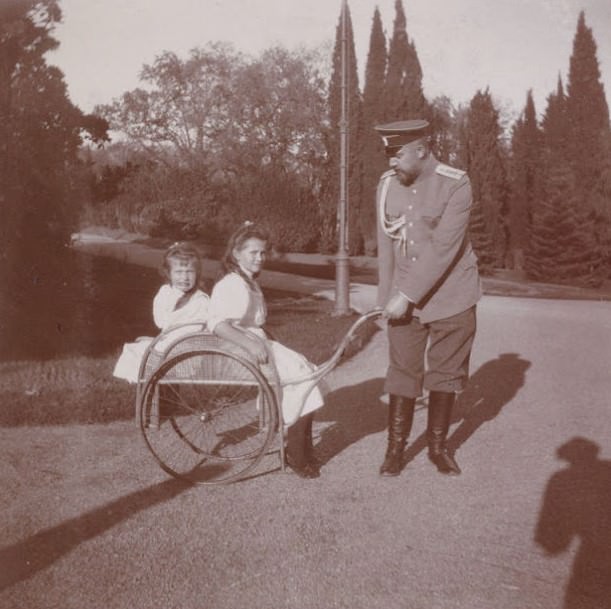
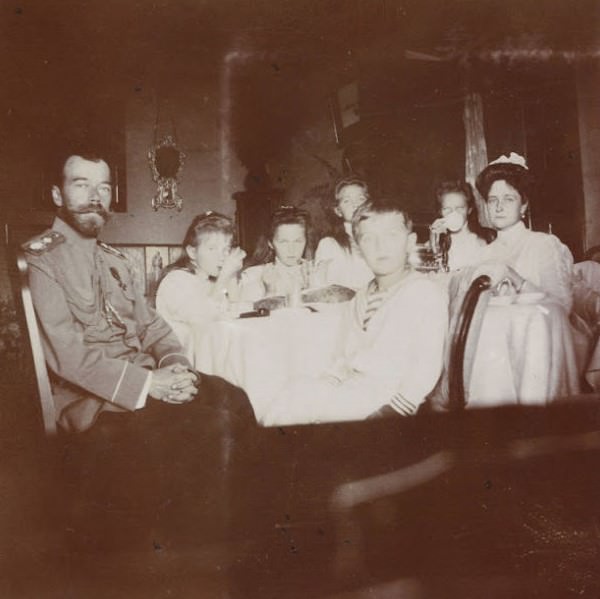
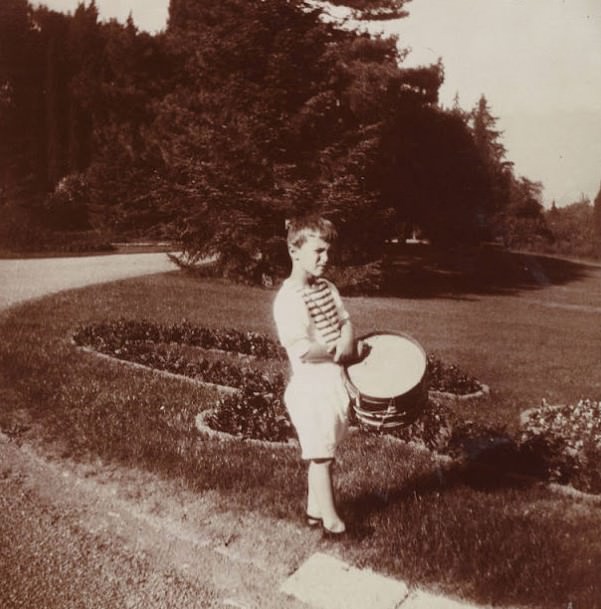
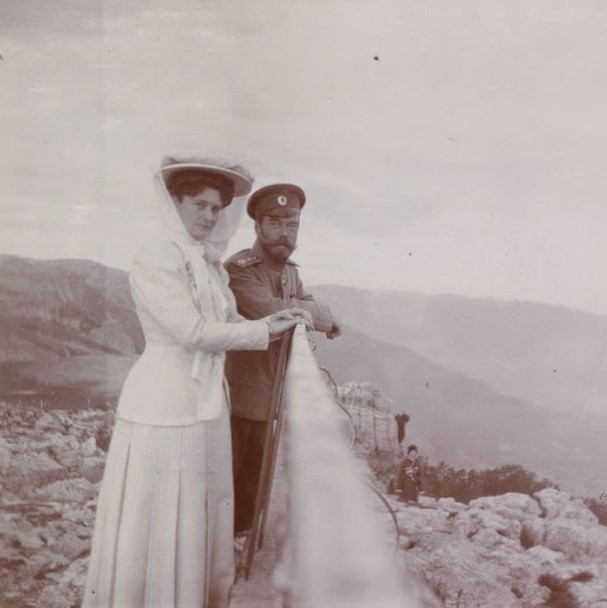
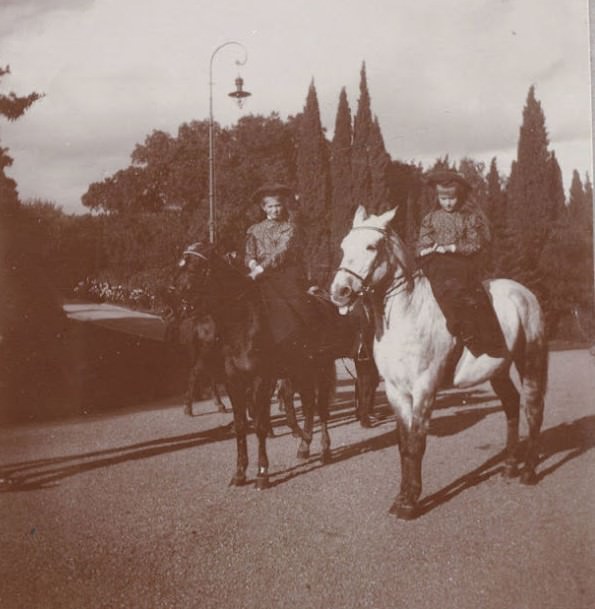
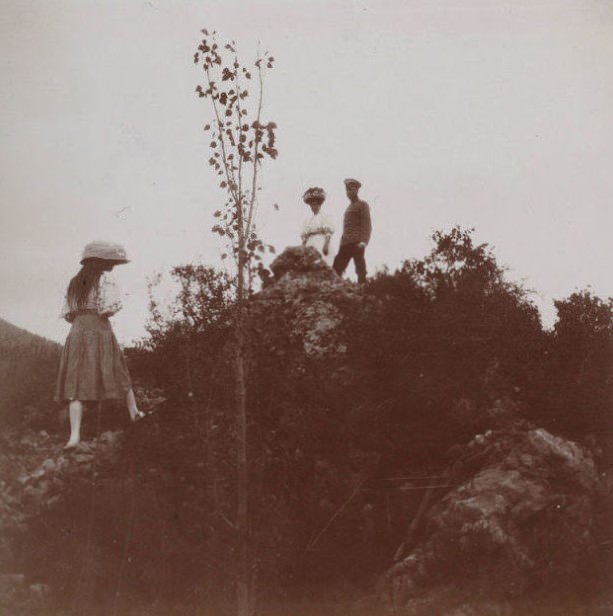
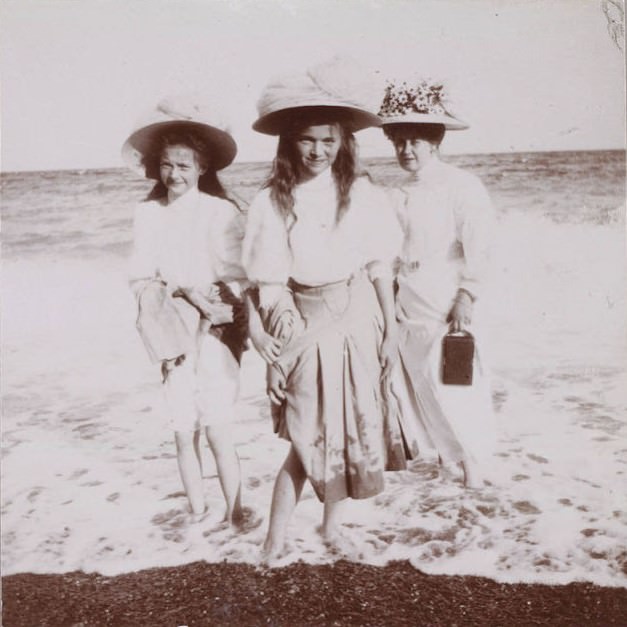
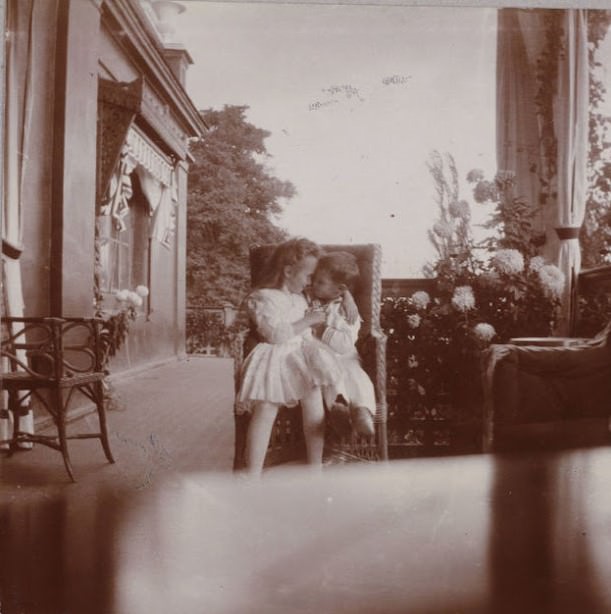
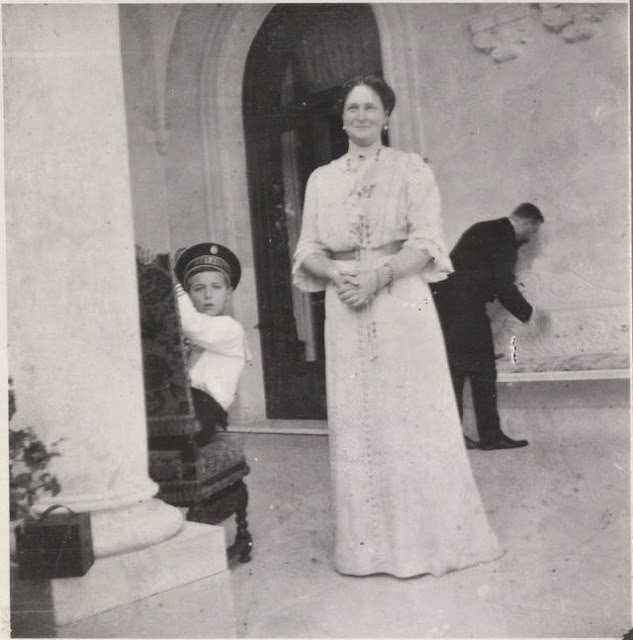
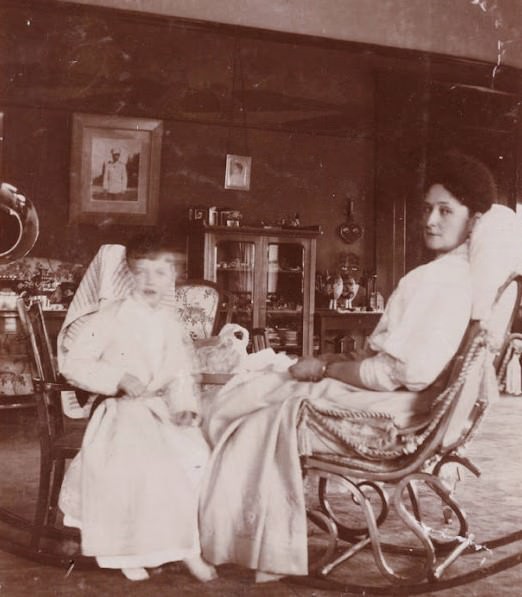
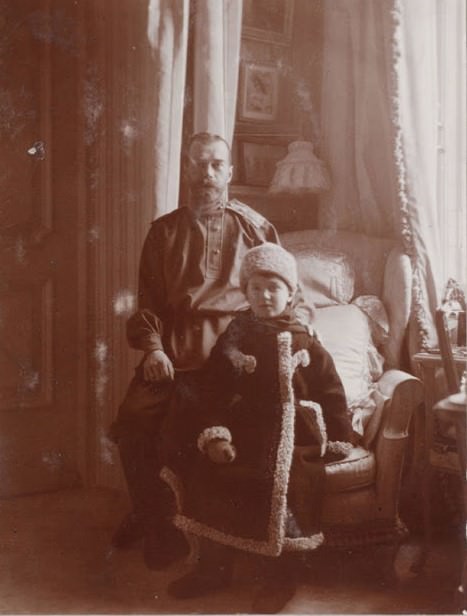
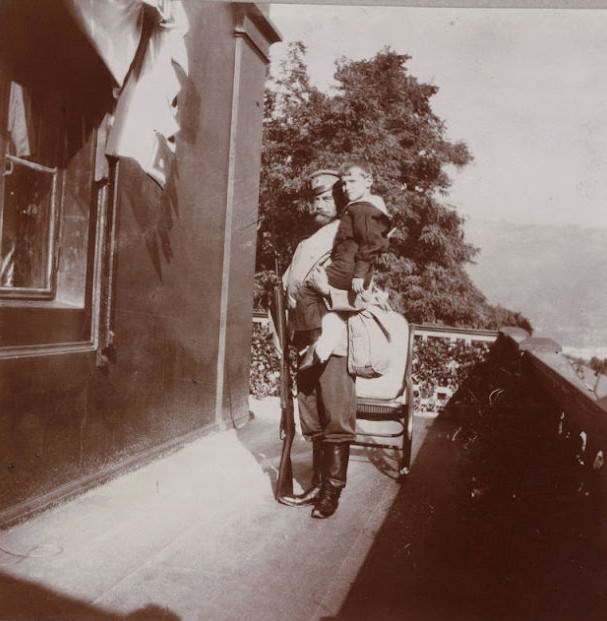
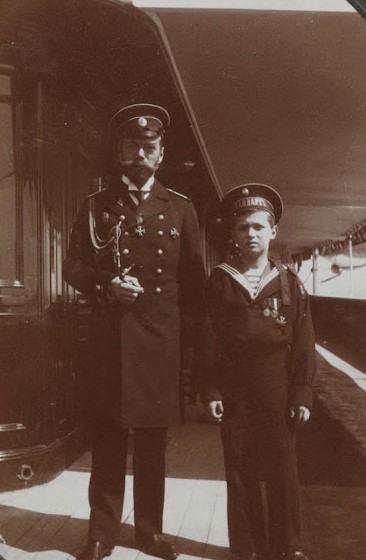
The photographs the Romanovs left behind offer an unusually personal window into their world. They were avid photographers themselves, documenting holidays, picnics, military visits, and quiet family moments. These images show a family that — within the walls of their privilege — lived with genuine warmth and closeness.