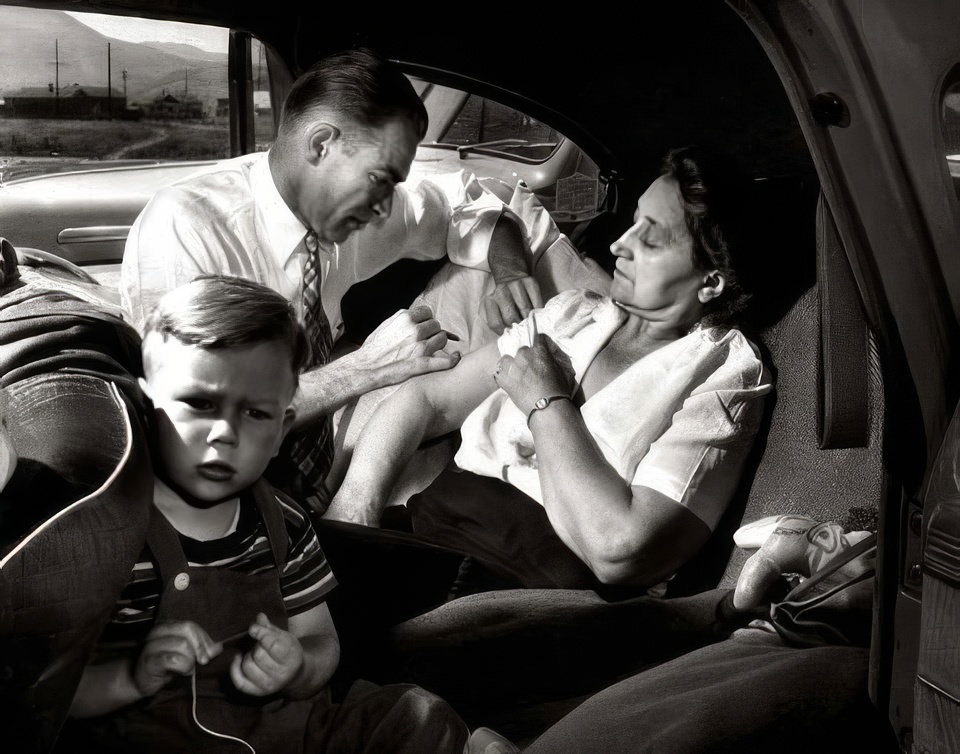
In 1948, LIFE magazine sent photographer W. Eugene Smith to Kremmling, Colorado — a small, isolated town tucked into the Rocky Mountains. His assignment was straightforward: document the life of a rural doctor. What he produced over the next 23 days became one of the most celebrated photo essays in American journalism.
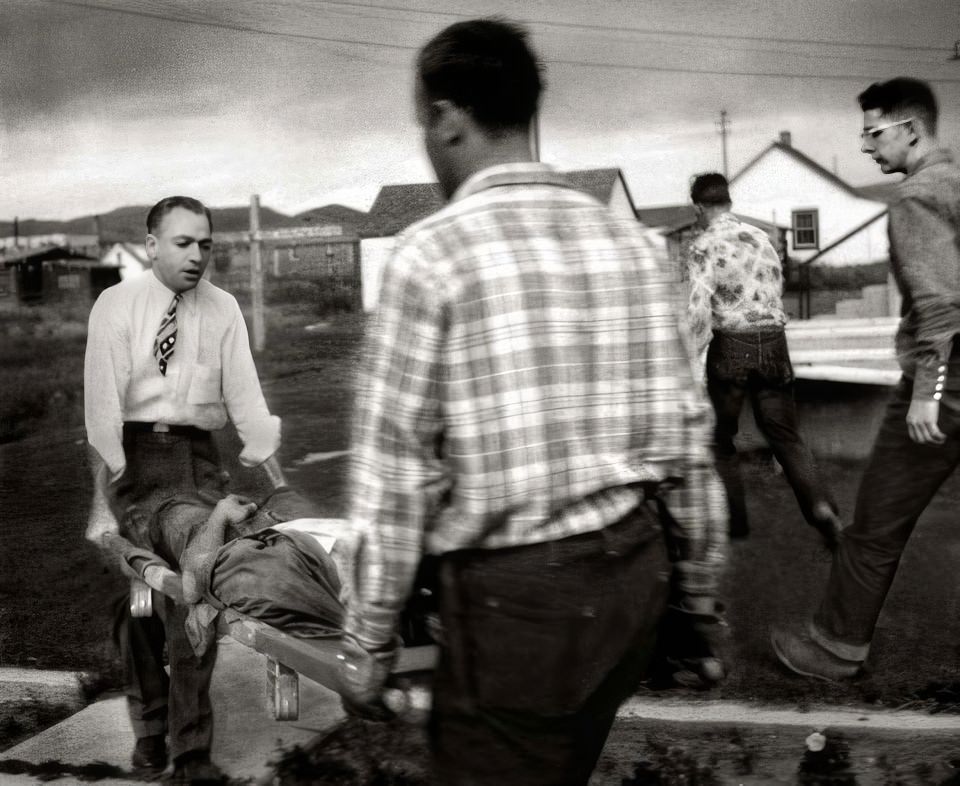
The subject was Dr. Ernest Ceriani, the only physician serving Kremmling and the surrounding ranching communities. Smith didn’t shoot from a distance. He embedded himself completely, following Ceriani through house calls, emergency surgeries, late-night deliveries, and quiet moments of rest. The access was total, and the trust between photographer and doctor was evident in every frame.
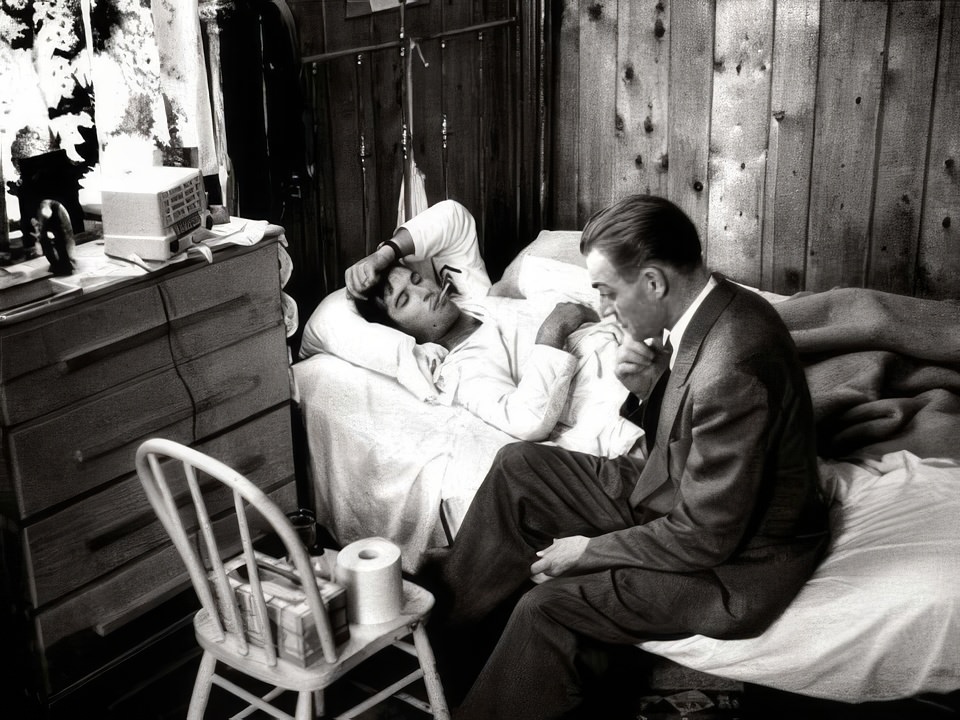
Kremmling offered no backup. No second doctor, no nearby hospital within easy reach. When someone was sick or injured, Ceriani was the only option. Smith’s photographs made that weight visible — in the set of Ceriani’s jaw, the dark circles under his eyes, and the deliberate calm he maintained under pressure.
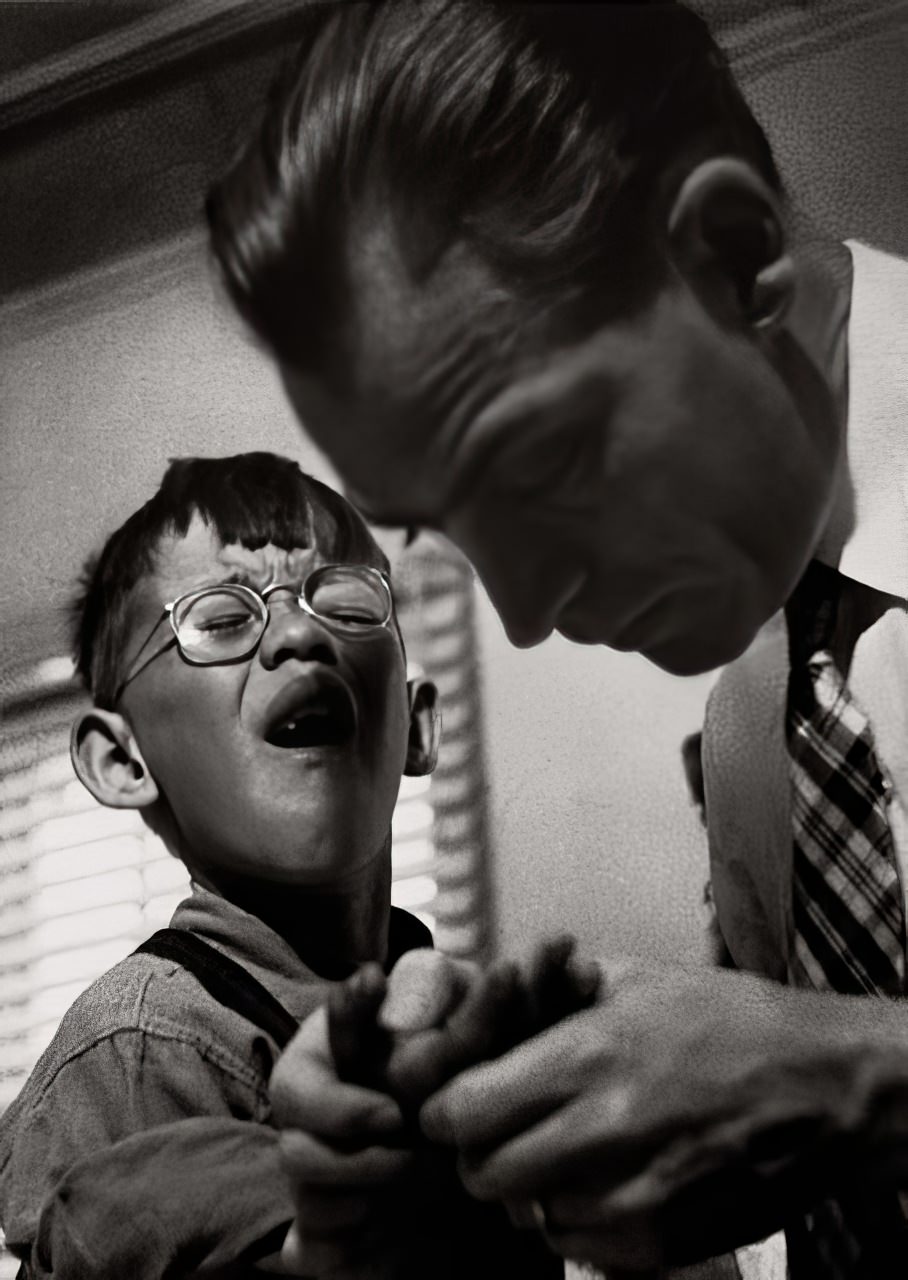
The patients Smith photographed were ranchers, children, and elderly residents — people with deeply weathered faces and a matter-of-fact relationship with hardship. Smith shot in black and white, which stripped the images down to raw texture and emotion. Nothing was staged or softened.
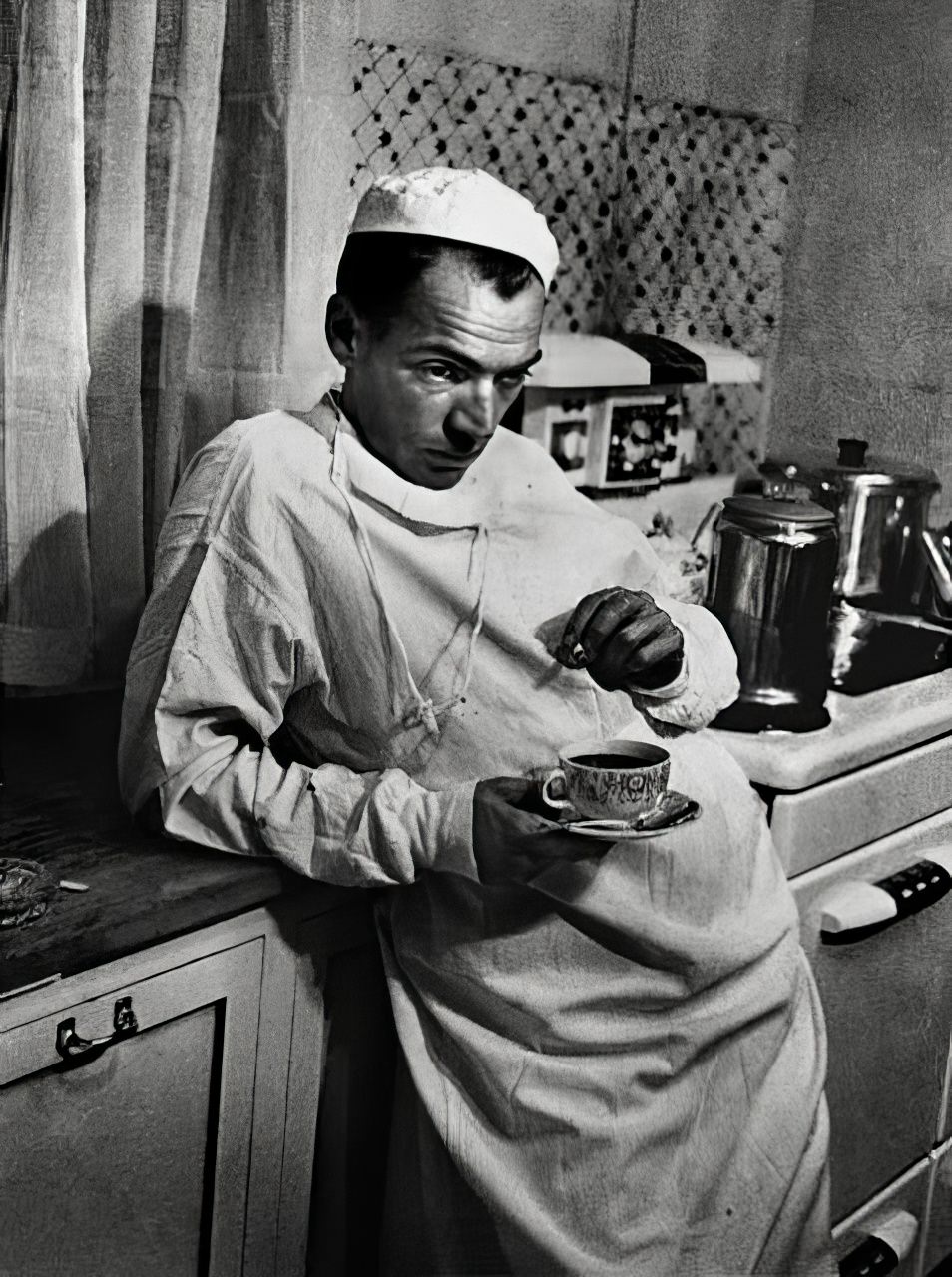
One of the most striking images from the series shows Ceriani after a failed attempt to save a young girl who had been kicked in the head by a horse. The girl survived but lost her sight. Smith captured Ceriani’s exhaustion and grief in the aftermath — a doctor absorbing a loss that was not his fault but still his to carry.
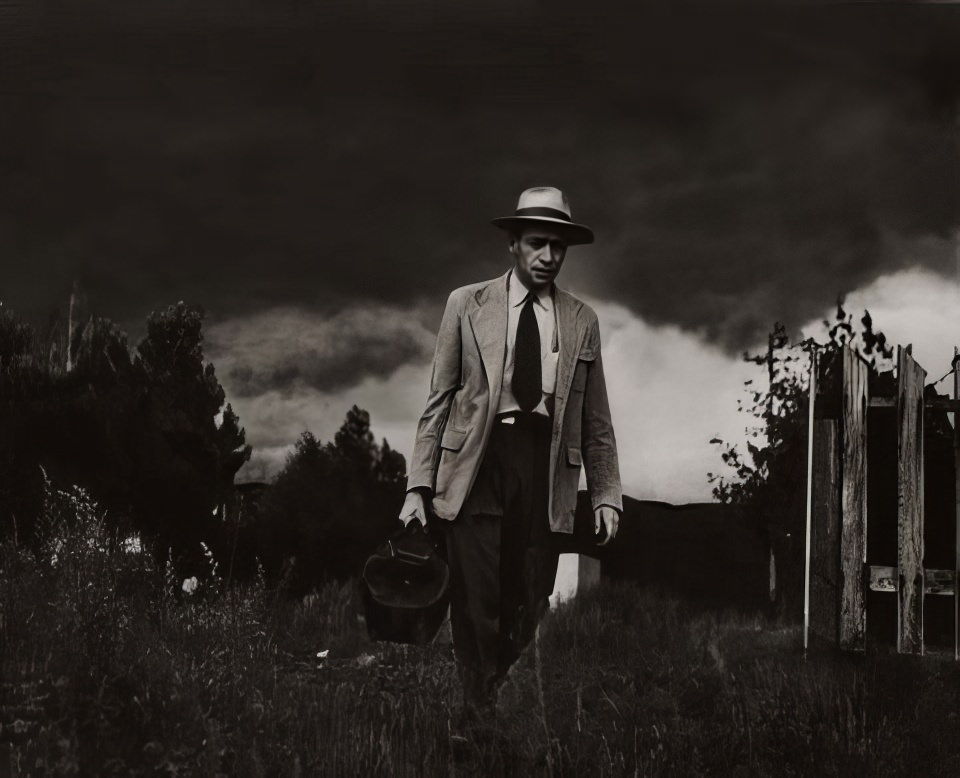
Smith spent exactly 23 days in Kremmling. He shot thousands of frames and ultimately selected a tight series that ran in LIFE’s September 20, 1948 issue. The layout was considered revolutionary for its time — the images were given room to breathe, sequenced like chapters in a story rather than scattered across a page.
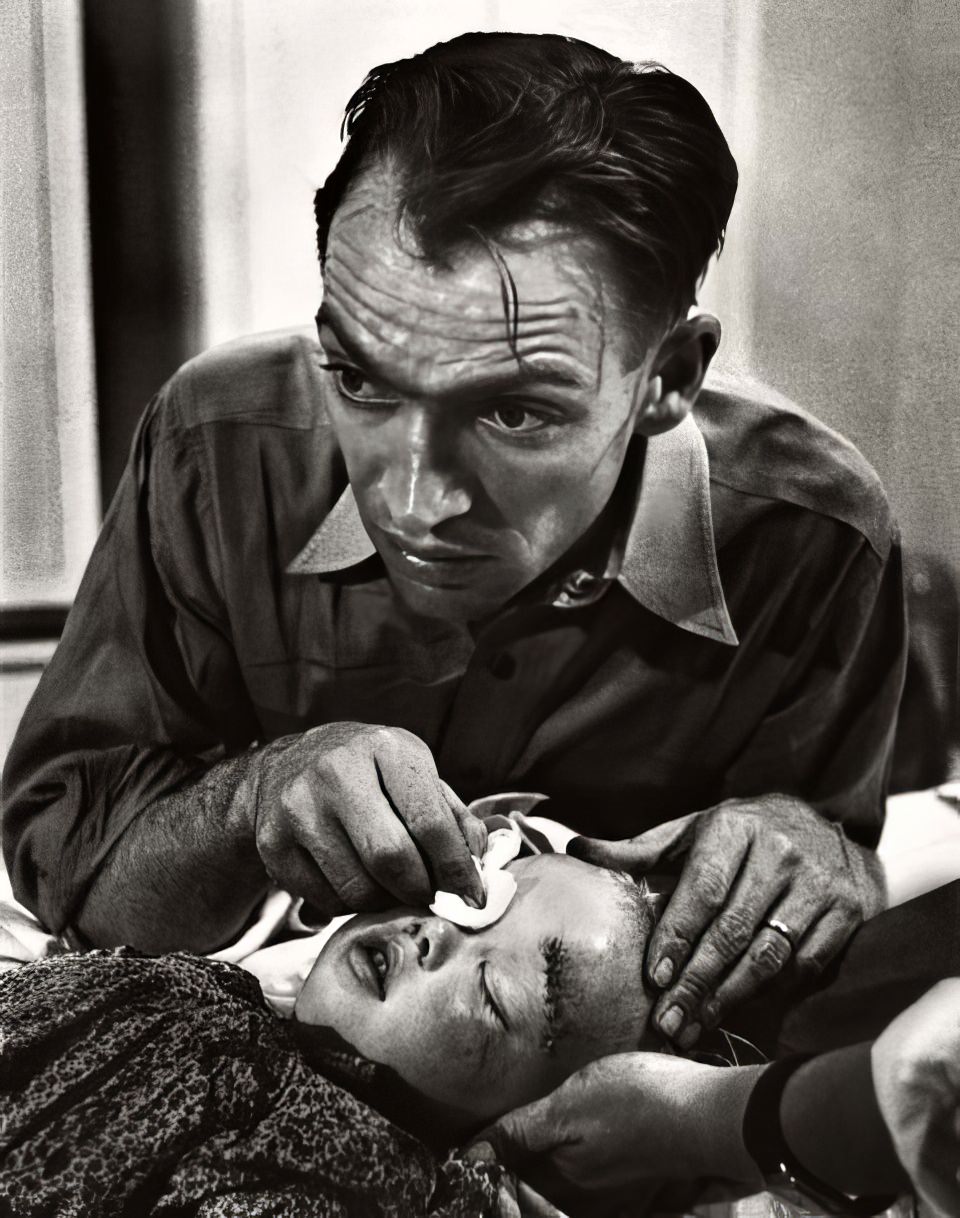
The essay captured medicine in its most unpolished form. Ceriani performed procedures in farmhouses and operating rooms with equal focus. He delivered babies, set broken bones, and sat with dying patients. He was doctor, counselor, and neighbor all at once.
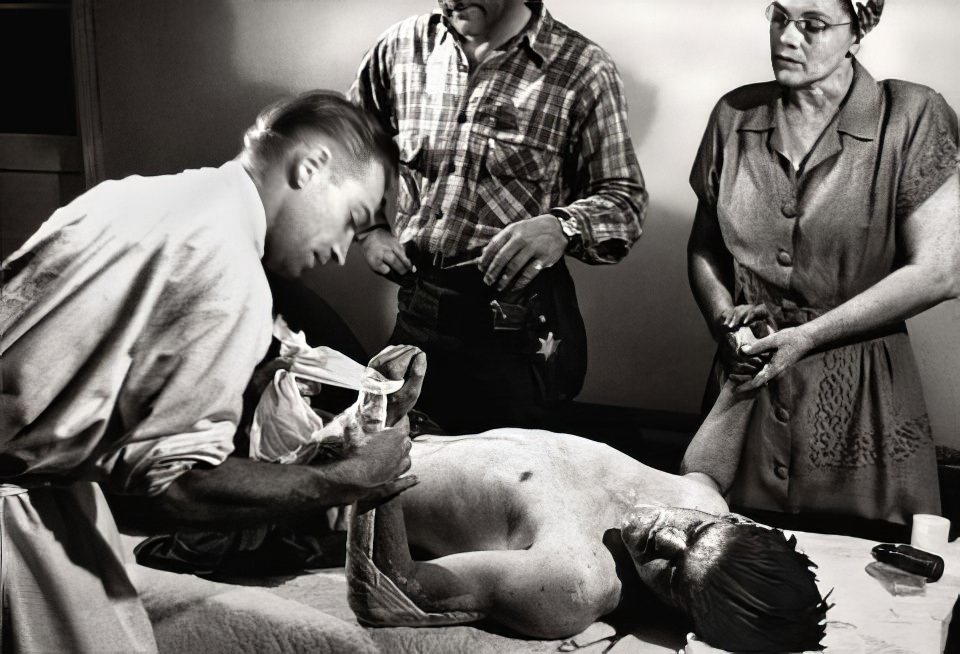
Smith’s approach to the project was deeply personal. He believed photojournalism had a responsibility to show truth without flinching. The Country Doctor series reflected exactly that — an unblinking look at rural American life, medical isolation, and the singular demands placed on one man in a town that could not function without him.