By 1949, Sweden had carved out a unique place in post-WWII Europe. While much of the continent was still recovering from destruction, Sweden emerged from the war with its infrastructure intact. The country had maintained armed neutrality throughout the conflict, though thousands of Swedish volunteers had fought alongside Finland during the Winter War against the Soviet Union. That decision to stay out of the wider war gave Sweden a decisive economic advantage when peace returned.
Sweden joined the United Nations in 1946, becoming one of the first non-combatant nations to do so. At home, the Social Democrats under Prime Minister Per Albin Hansson worked with other democratic parties to roll out sweeping reforms throughout the 1940s and 1950s. These reforms built the foundation of the Swedish welfare state, covering healthcare, housing, and social security. Sweden also expanded its industrial output to help supply the rebuilding of Europe, using its stable society, intact factories, and rich natural resources as leverage. The government pushed hard to develop large, internationally competitive manufacturing corporations. The result was a country that looked and felt prosperous — and these 1949 photographs capture that moment in striking detail.
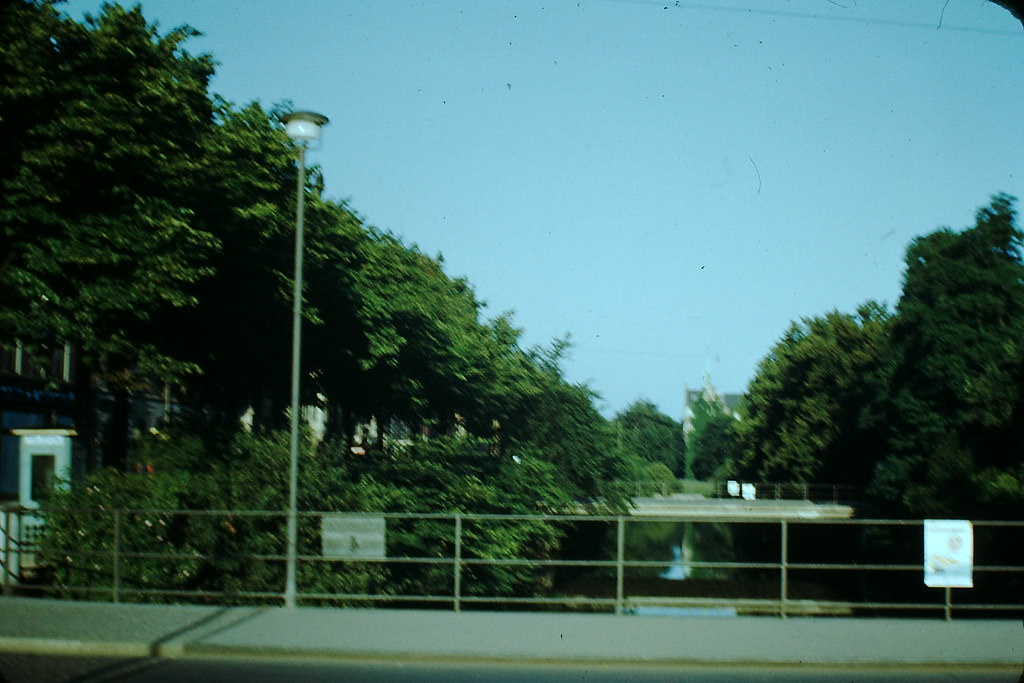
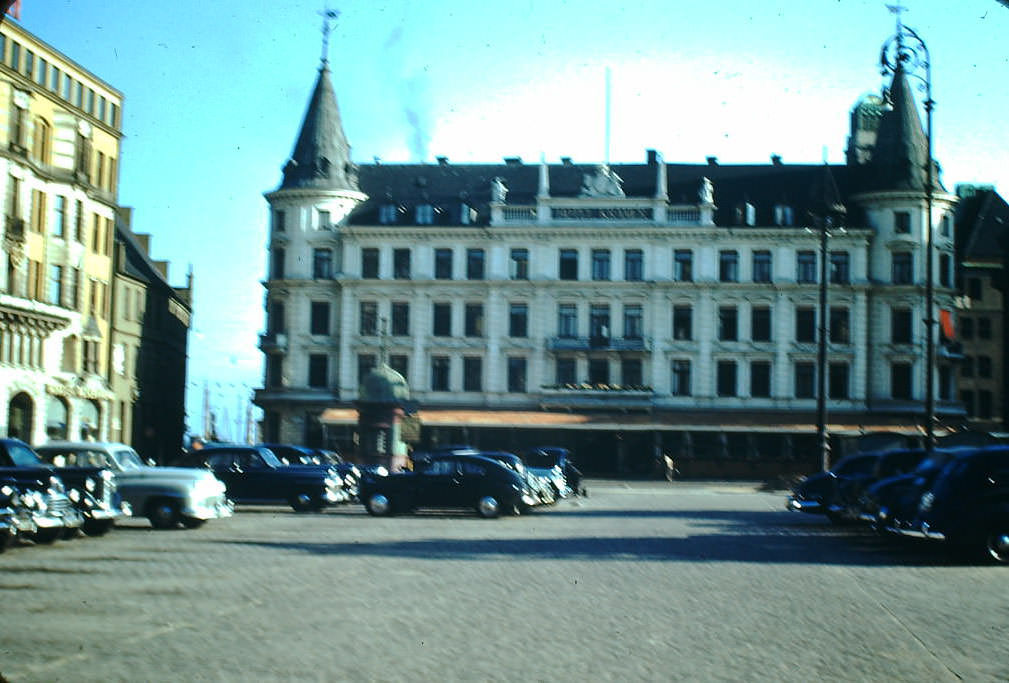
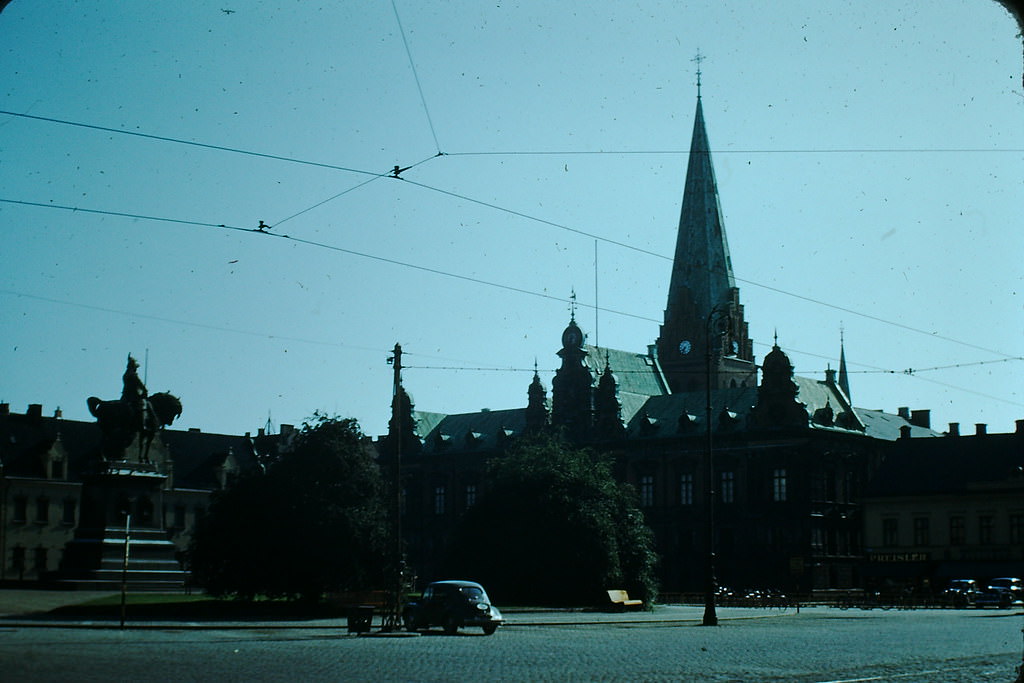
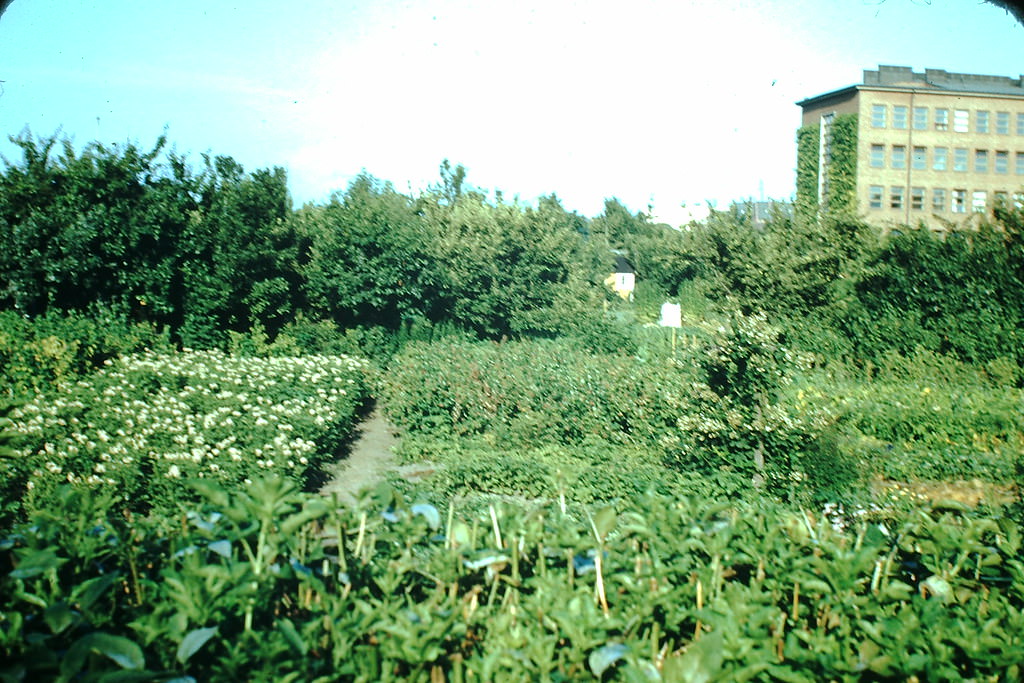
The city of Malmö in southern Sweden was a hub of activity in 1949. Its canals, public squares, hotels, and chateaux reflected a city comfortable with both its history and its modern ambitions. The Hotel Kramer stood as one of the city’s landmark establishments, while the vegetable gardens and public spaces showed the everyday rhythms of urban life.
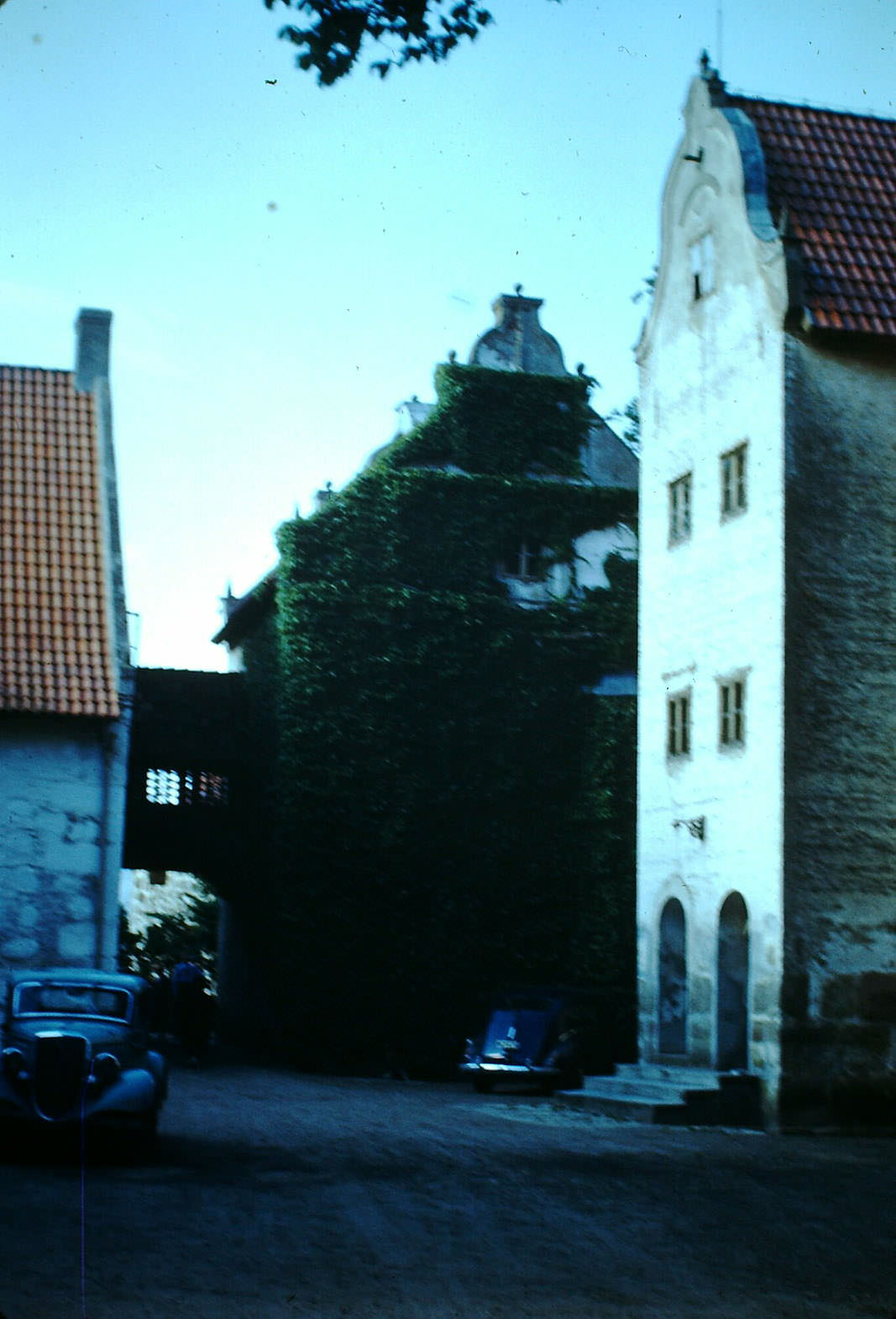
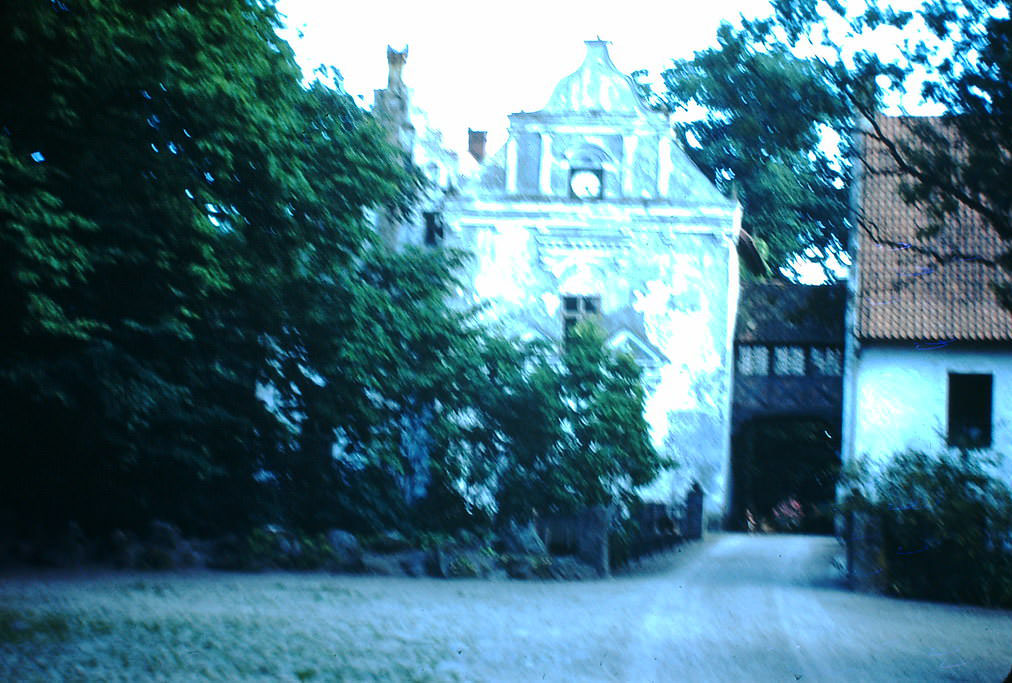
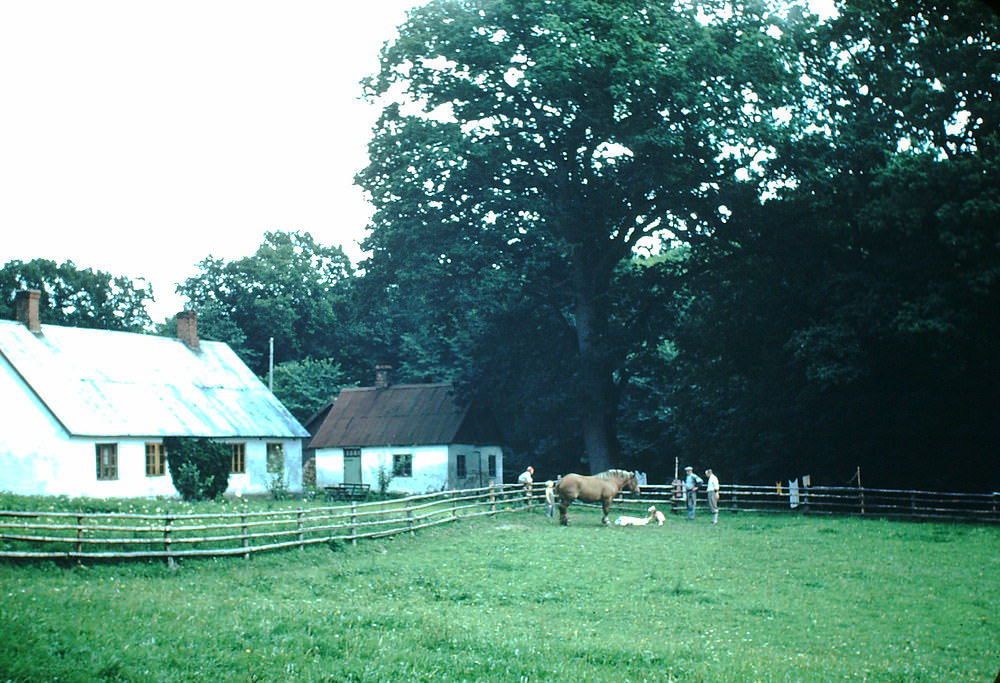
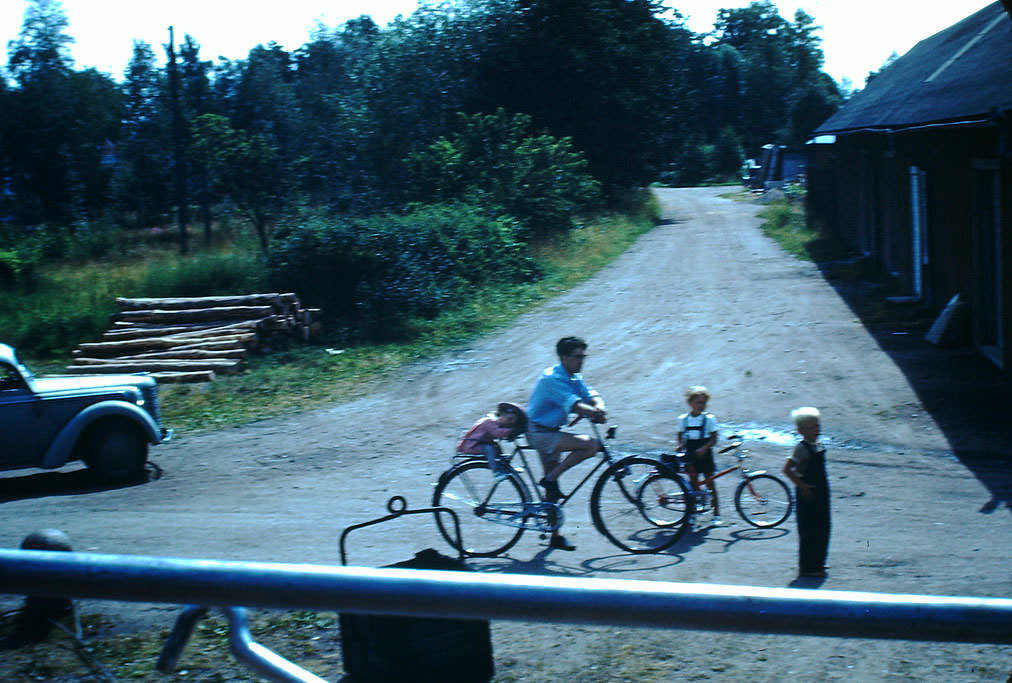
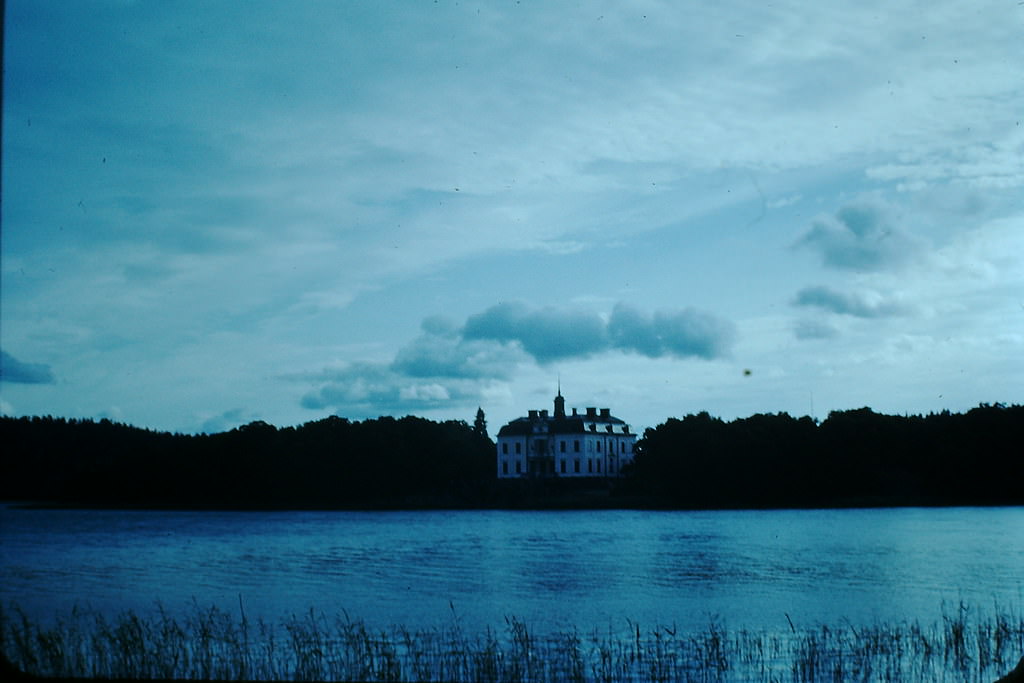
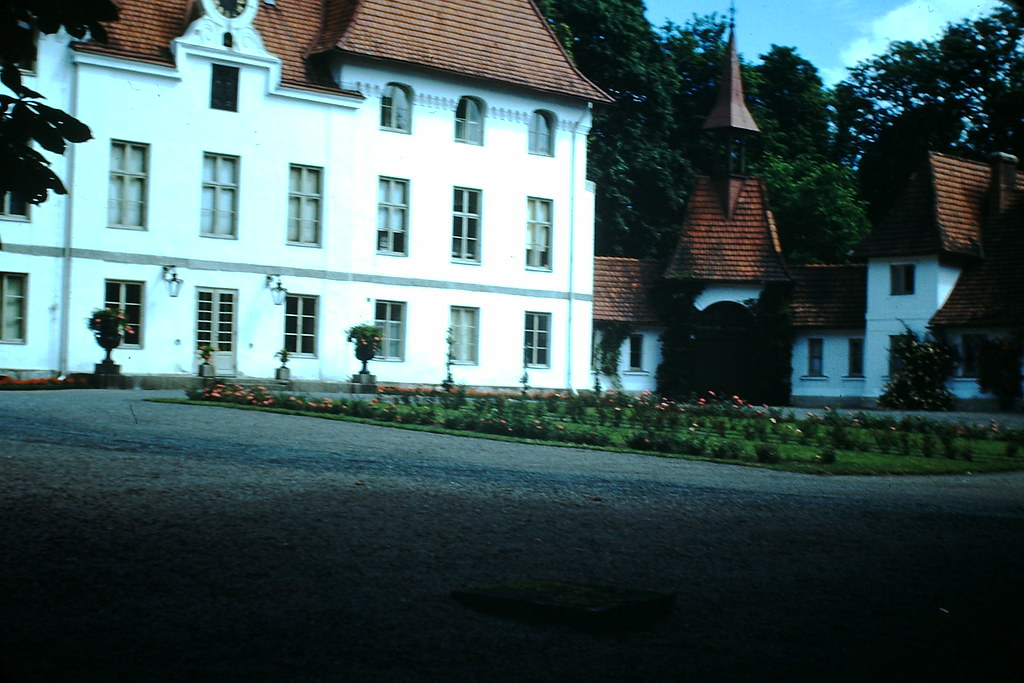
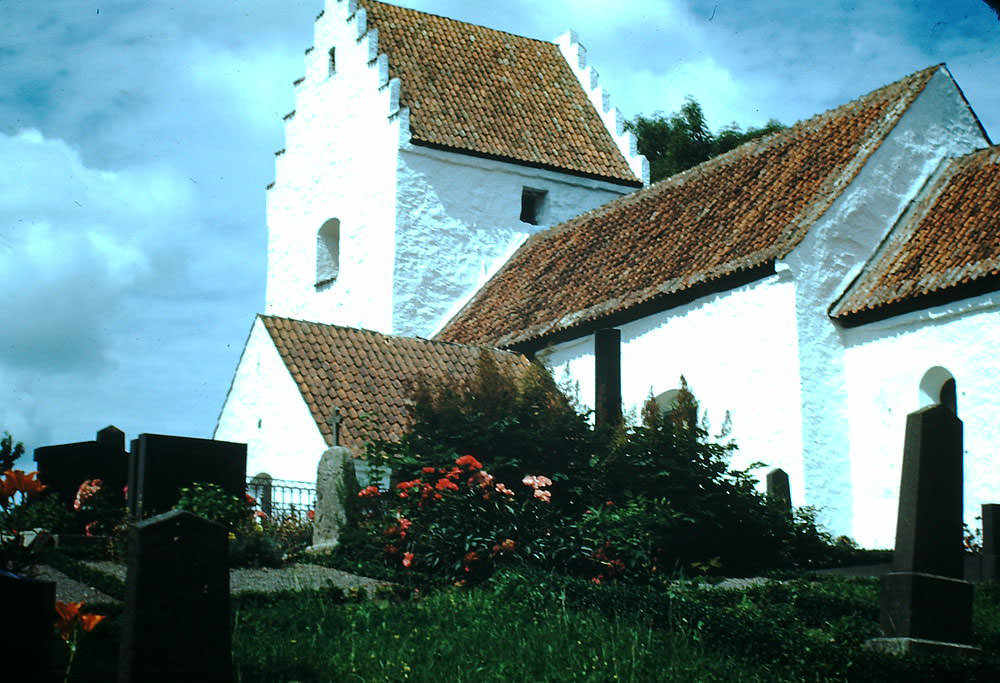
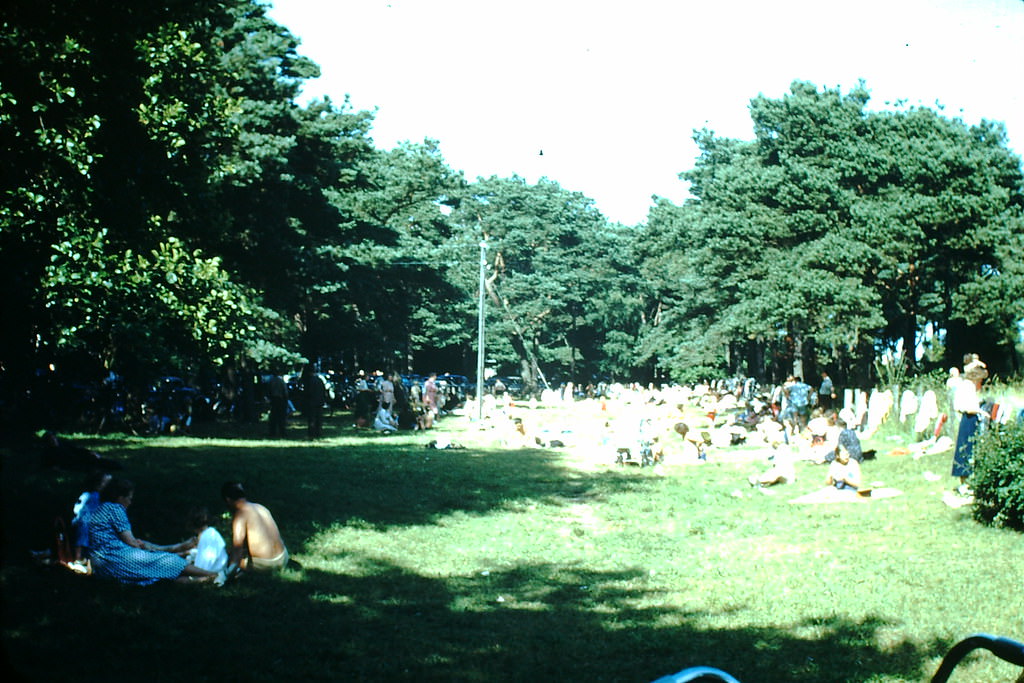
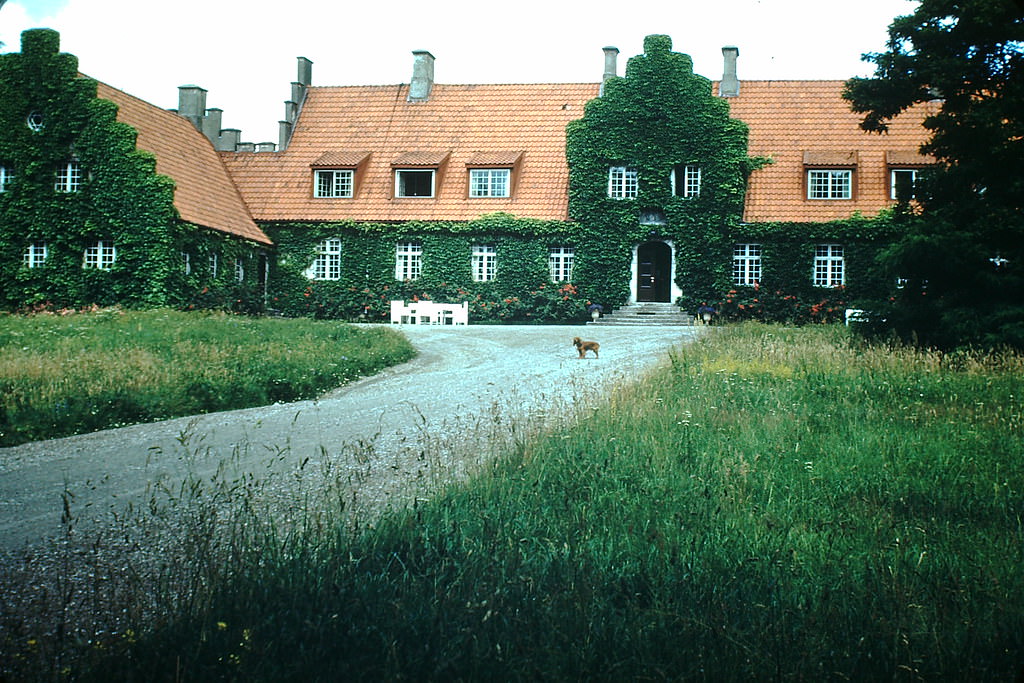
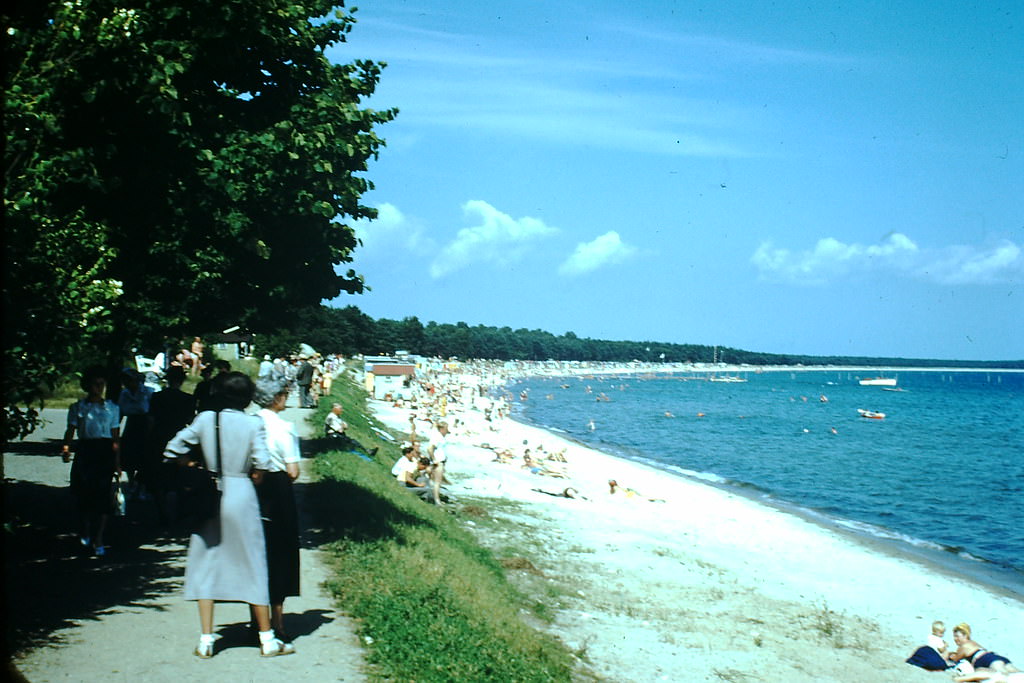
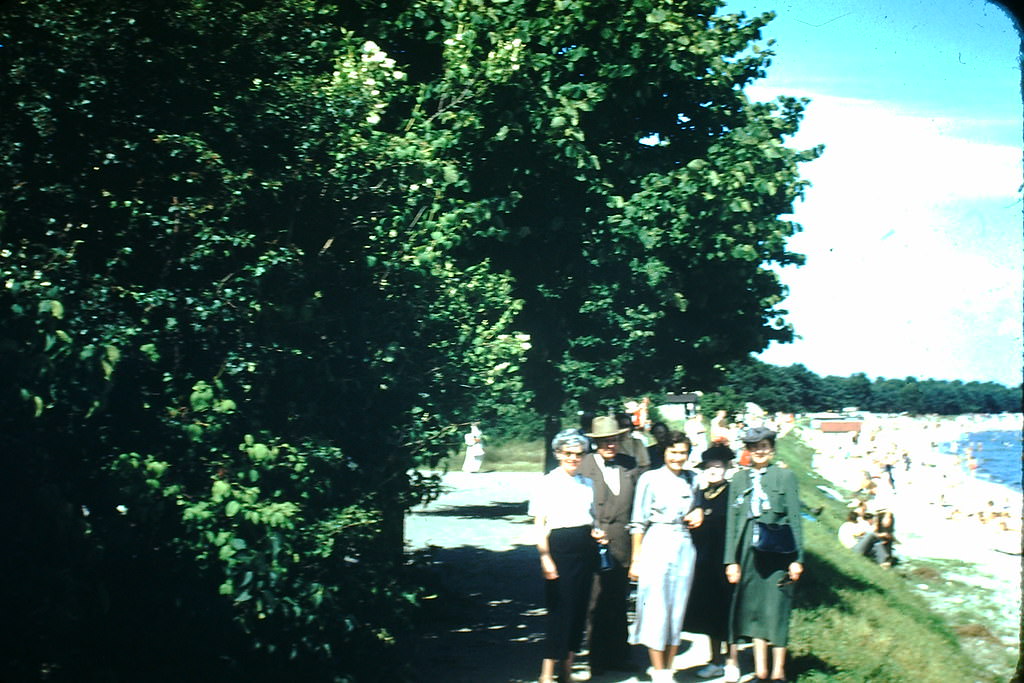
Outside the city centers, Sweden’s countryside offered a quieter picture. Picnic grounds near the coastal resort town of Saltsjöbad and open rural estates pointed to a country where leisure and nature were woven into daily life. Rysgård Chateau near Malmö stood as a reminder of Sweden’s deep aristocratic heritage, even as the Social Democrats were reshaping the country’s social order.
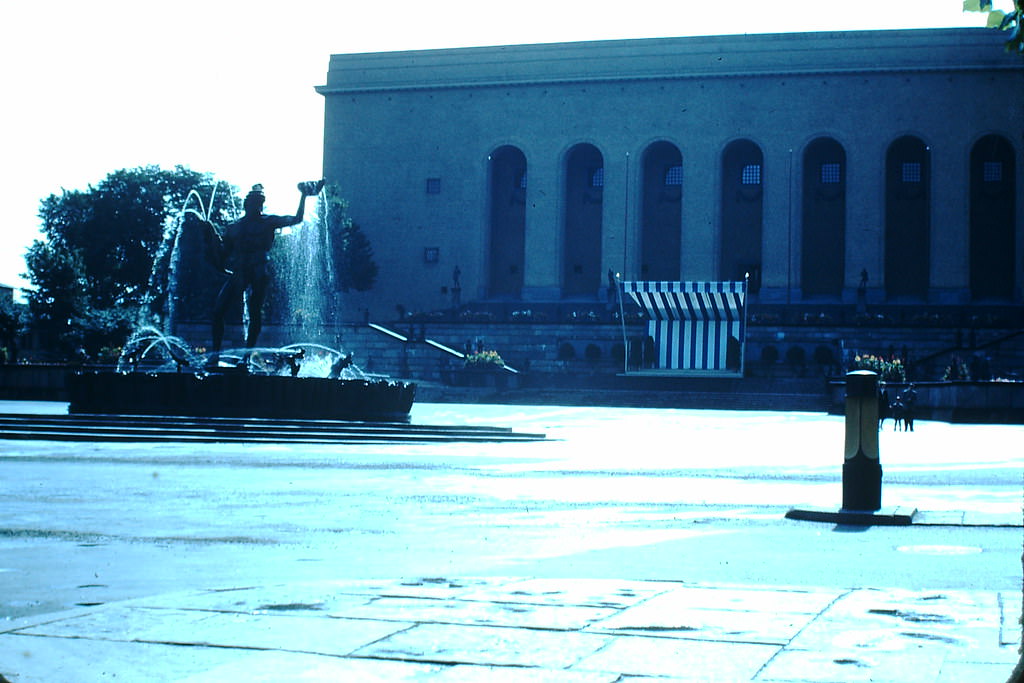
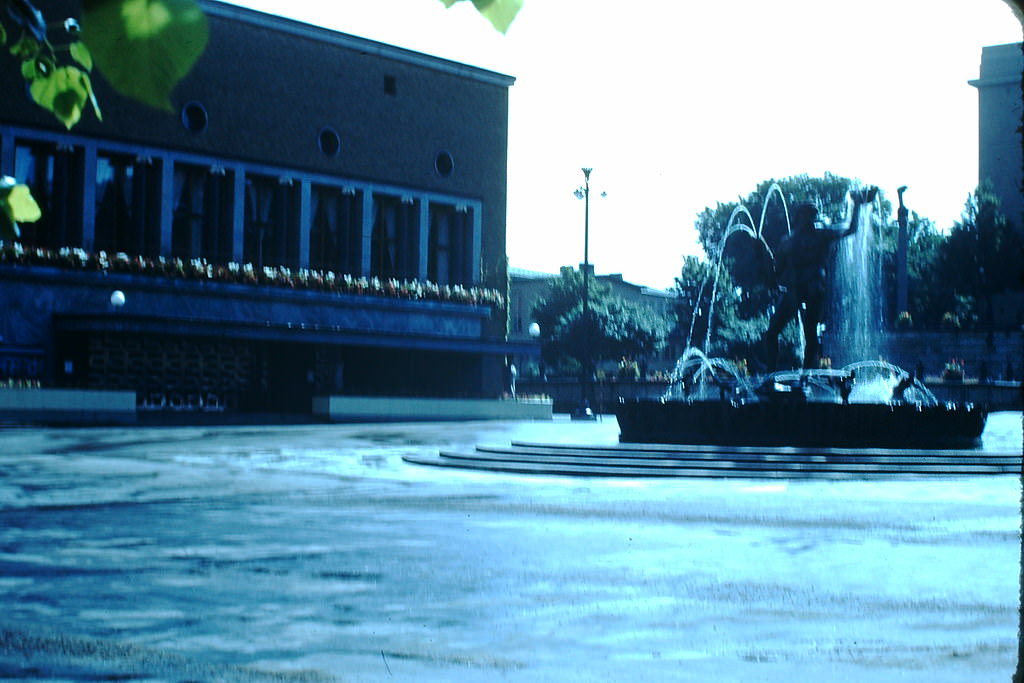
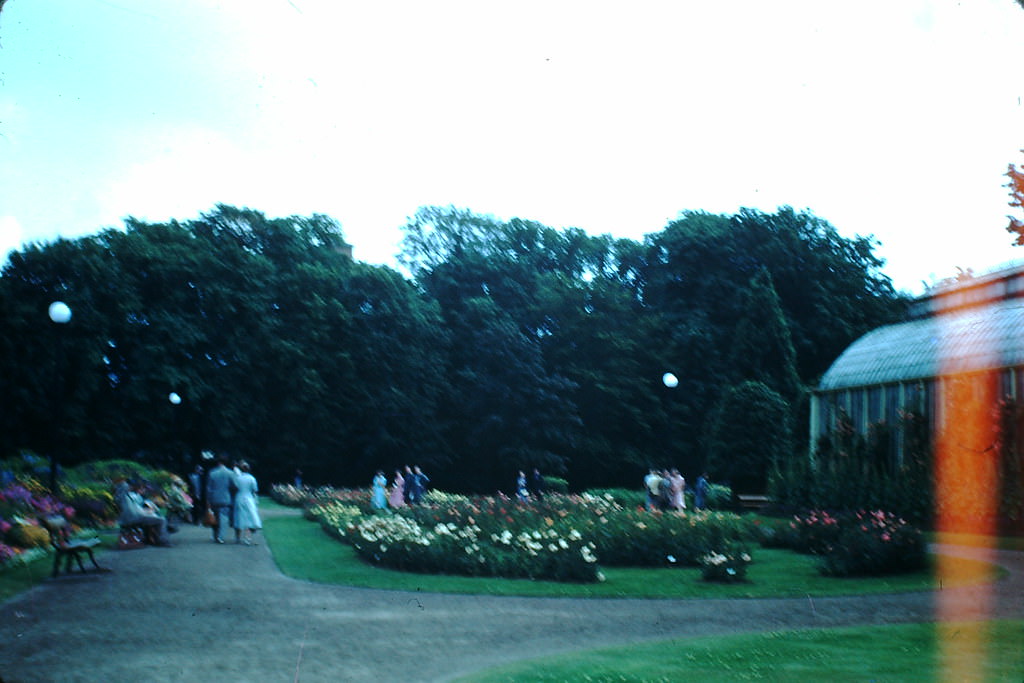
Gothenburg, Sweden’s second-largest city and its most important port, had its own distinct character in 1949. The Stadsteatern served as the city’s main theater, a cultural anchor in a city defined by shipping and industry. Trädgårdsföreningen, the city’s celebrated garden park, offered residents a green escape from the industrial pace of the harbor.
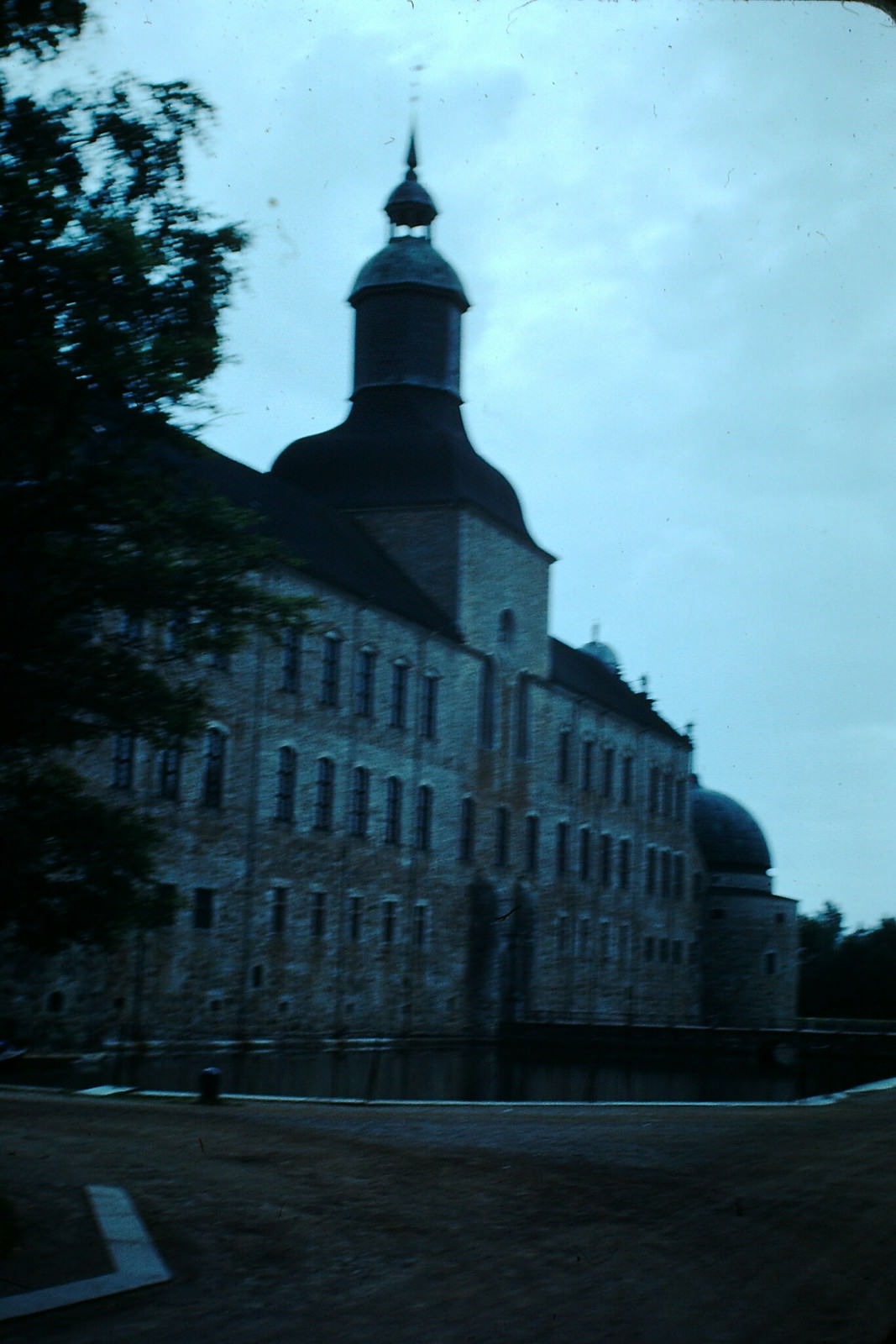
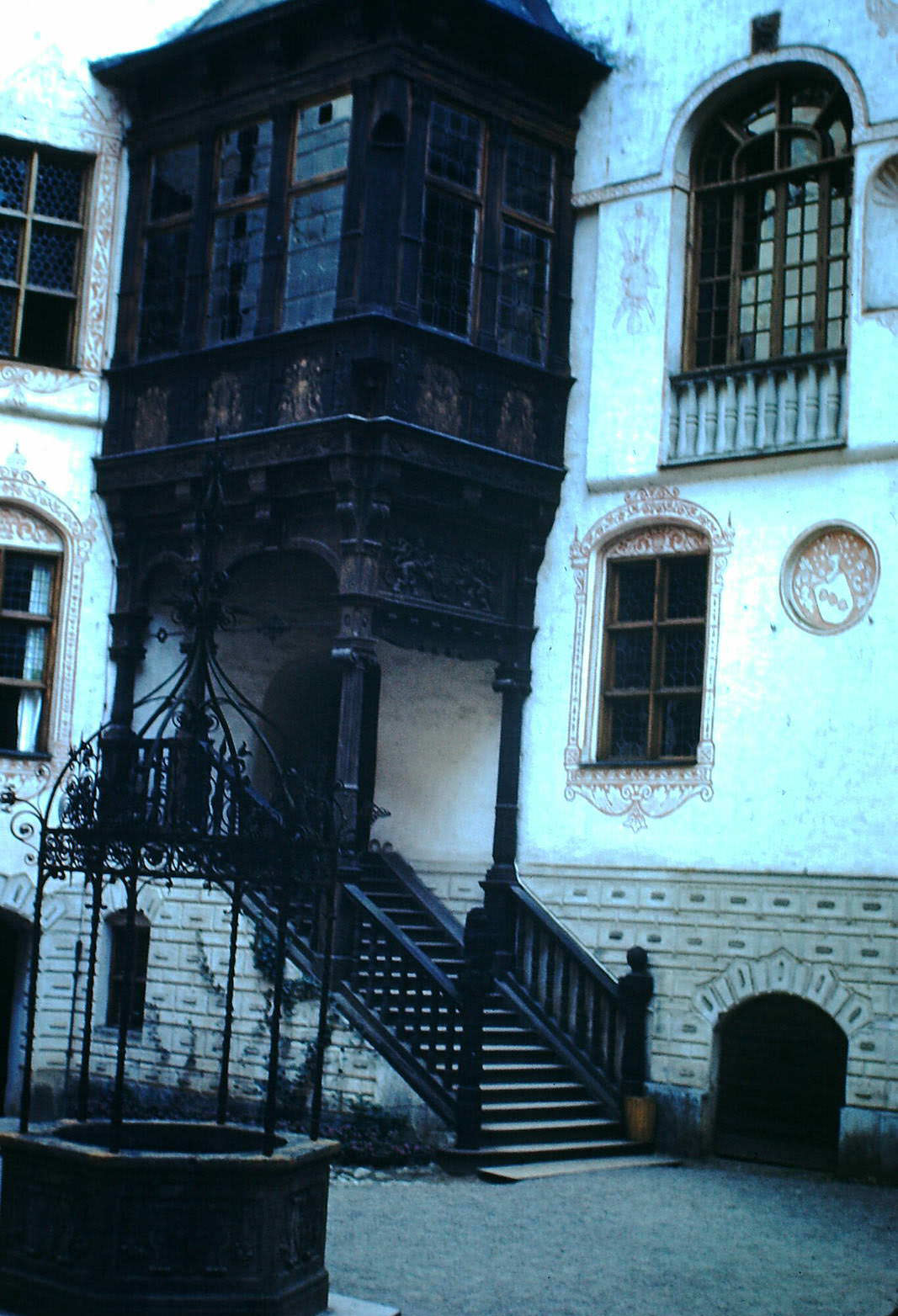
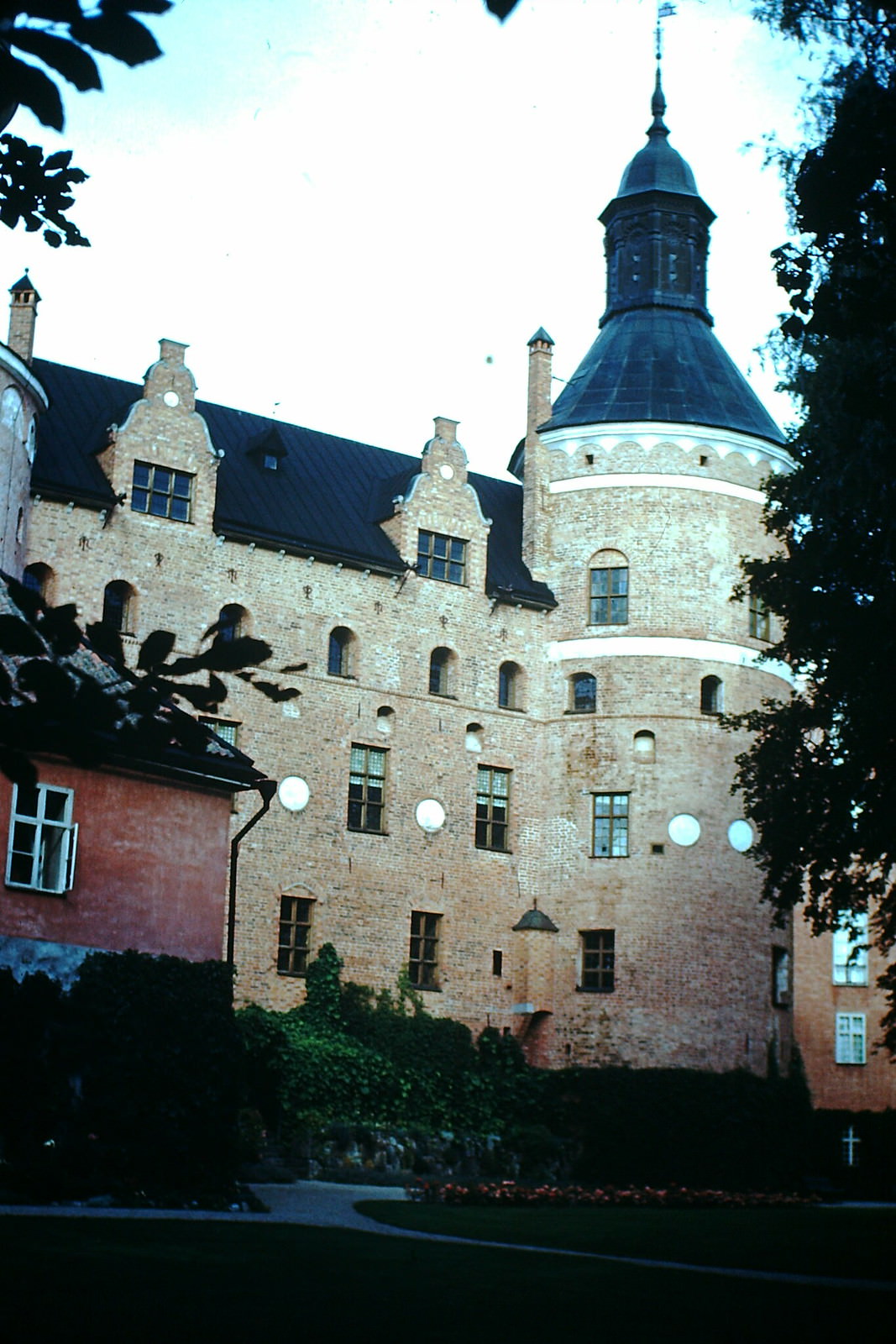
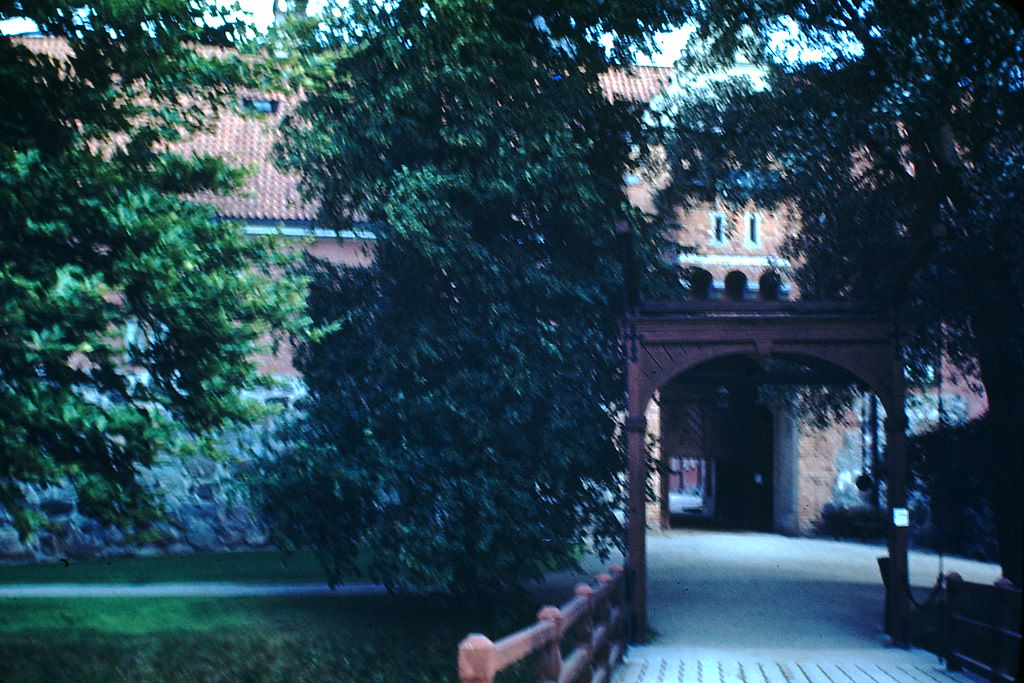
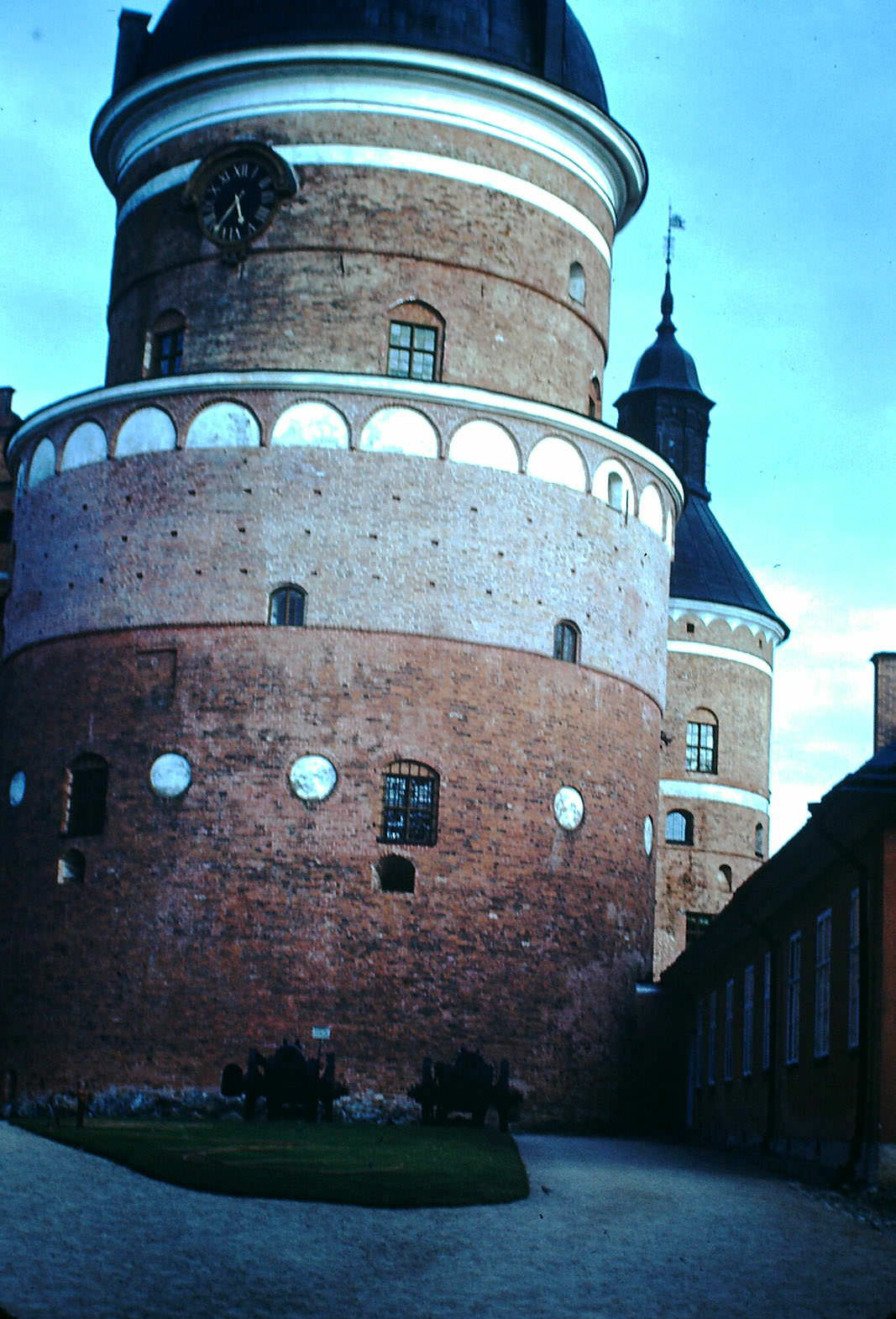
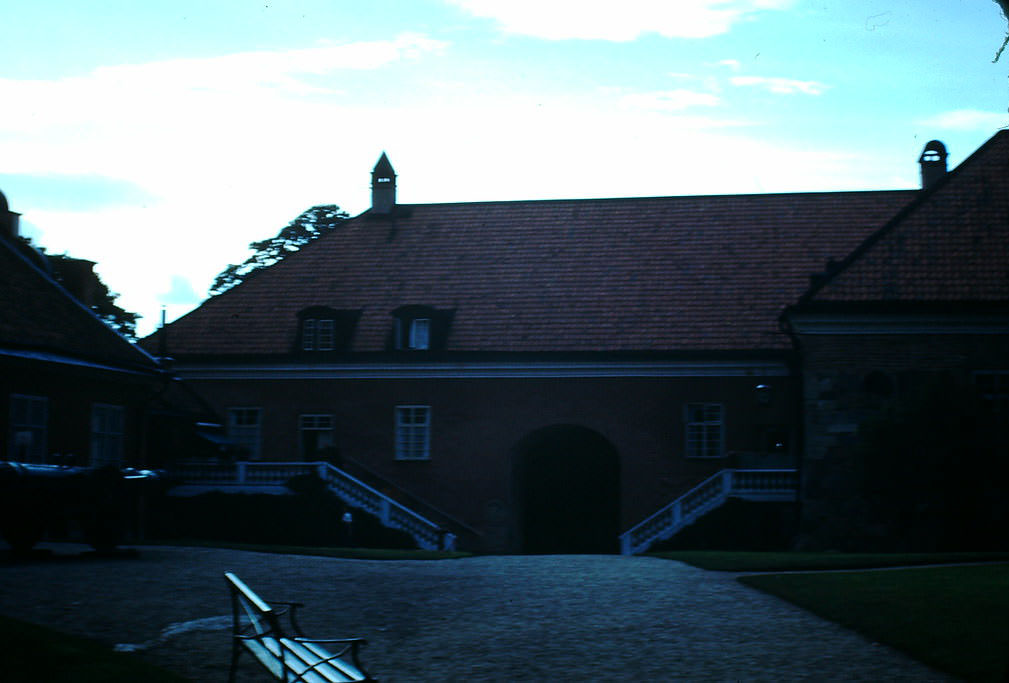
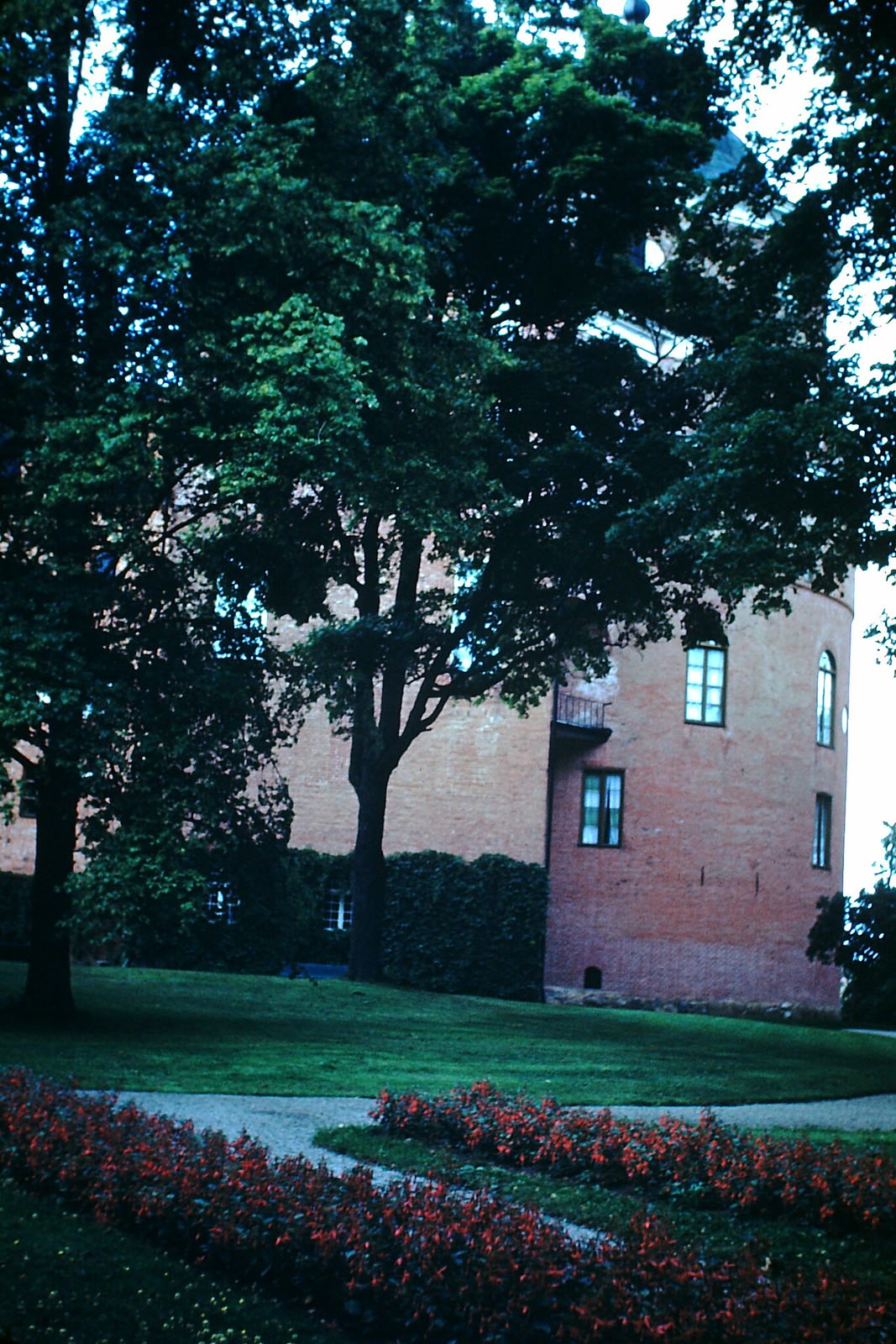
Gripsholm Castle, located on the shores of Lake Mälaren near Mariefred, is one of Sweden’s most iconic royal castles. Built in the 16th century, it served as a royal residence for centuries and housed one of Europe’s oldest national portrait collections. By 1949, it was a major cultural landmark drawing visitors from across the country.
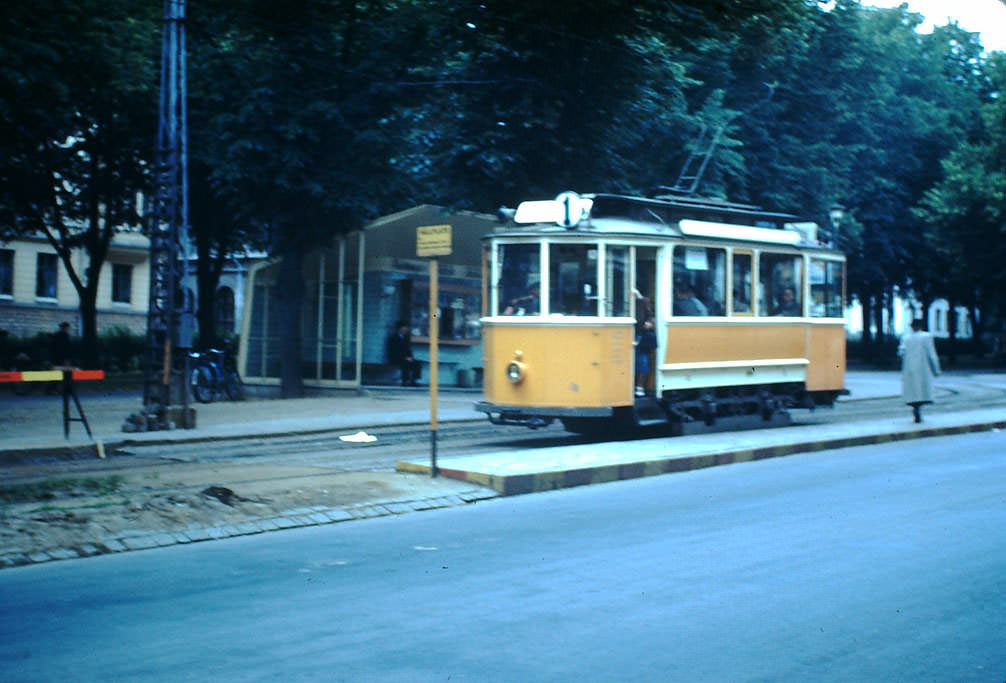
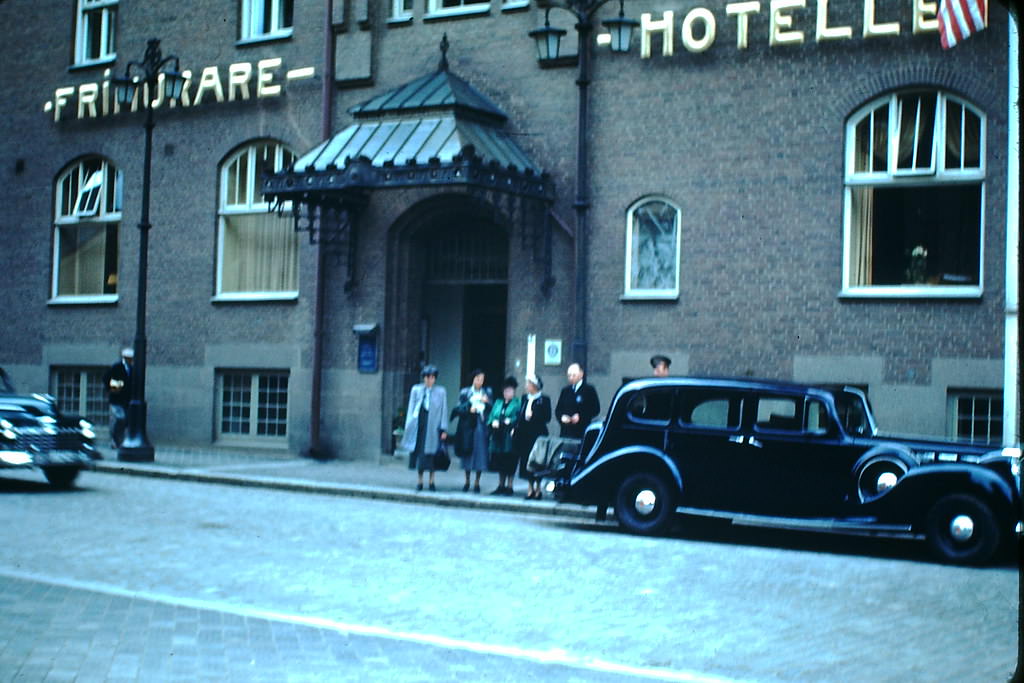
Linköping, a city in central Sweden, showed the country’s mix of modern transport and everyday social life. Streetcars moved passengers through the city streets, and hotel terraces offered outdoor dining — a glimpse into the comfortable, organized pace of Swedish provincial life in the late 1940s.
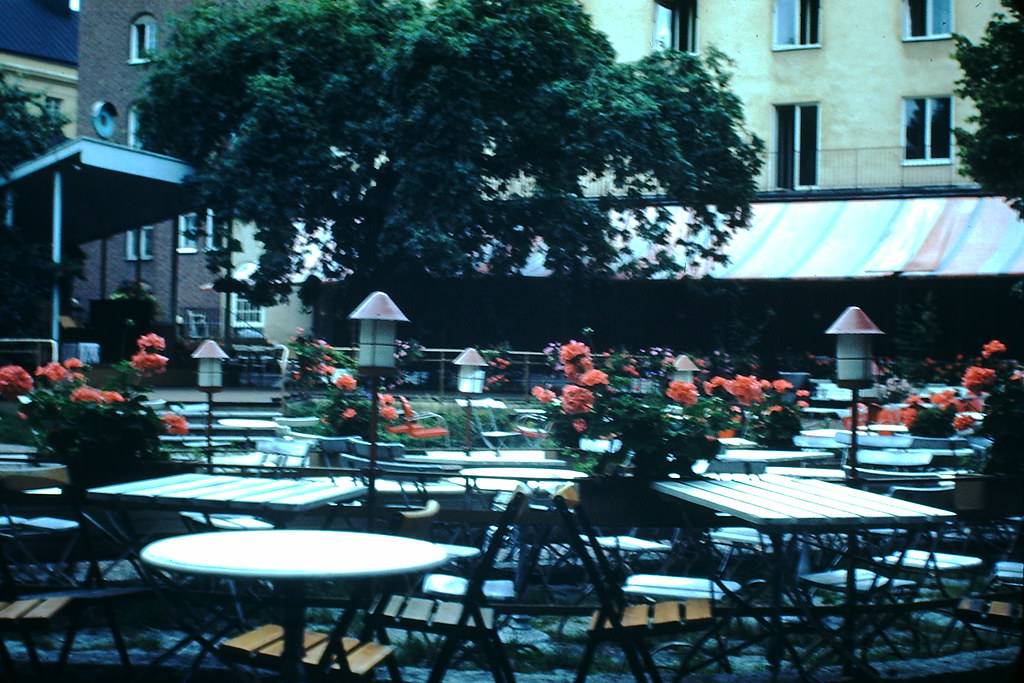
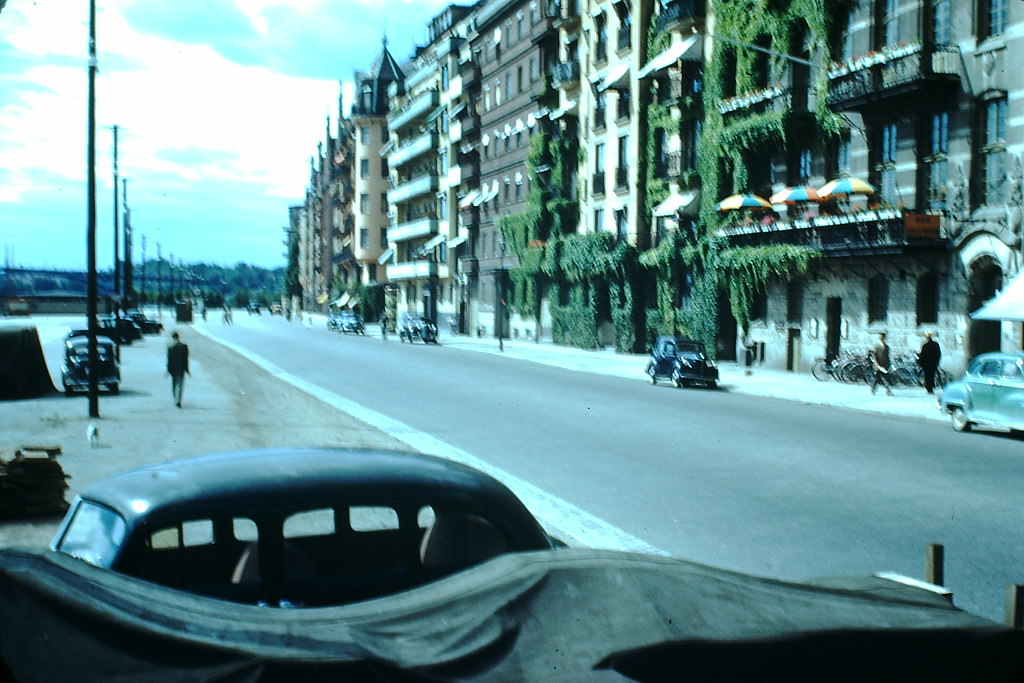
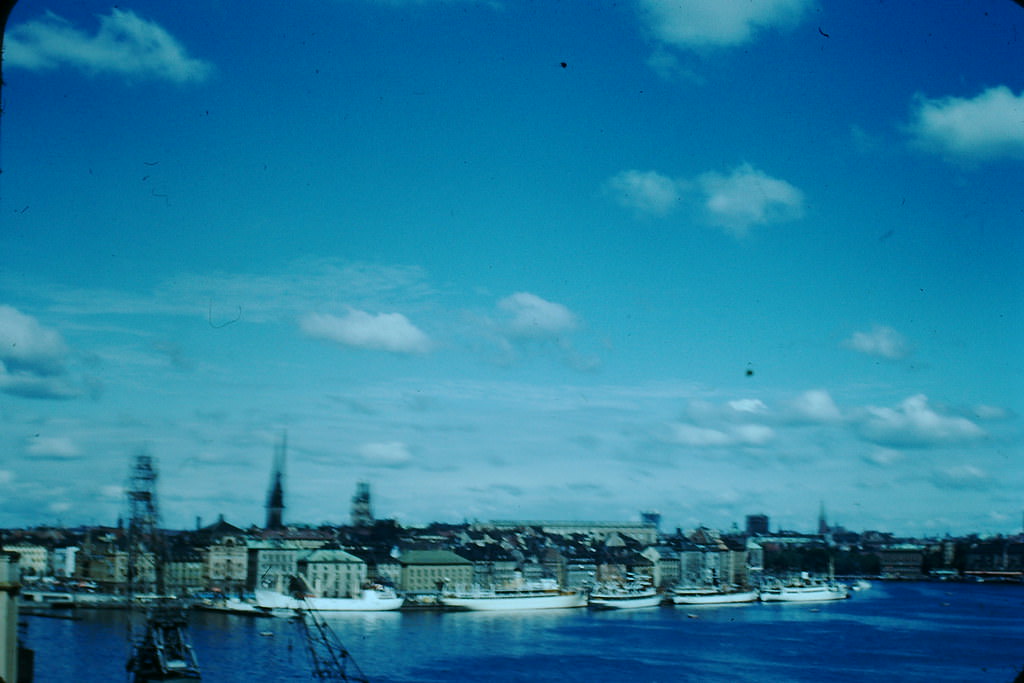
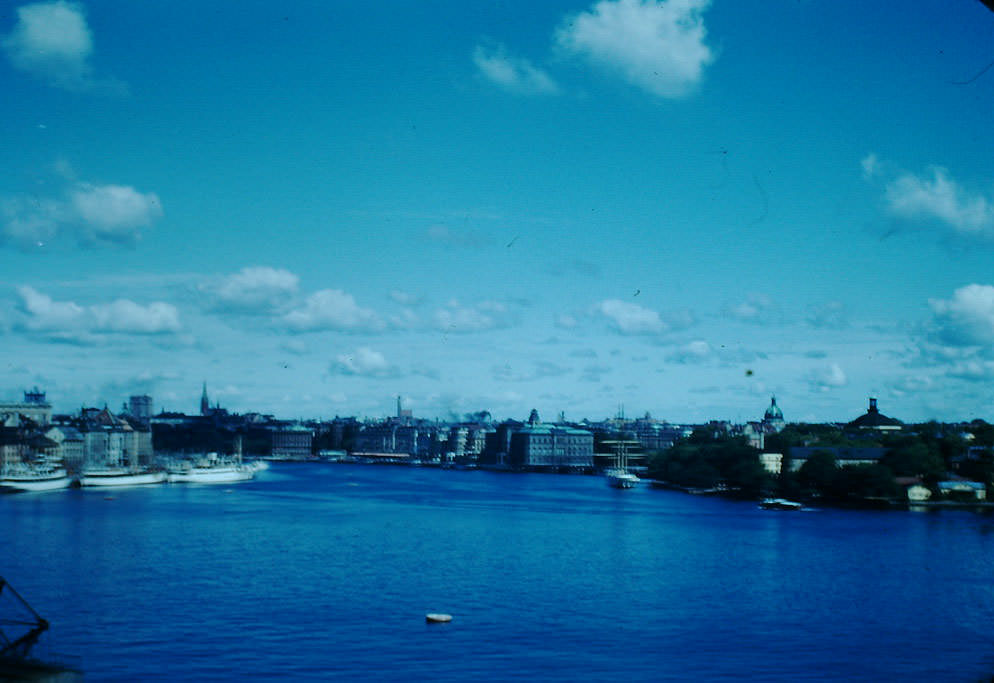
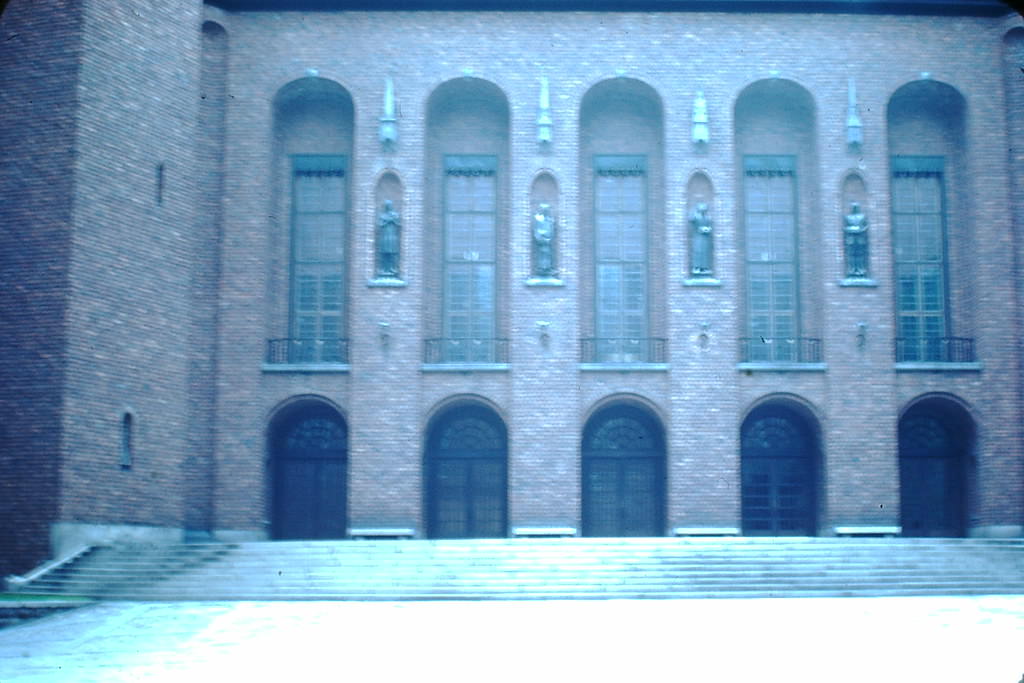
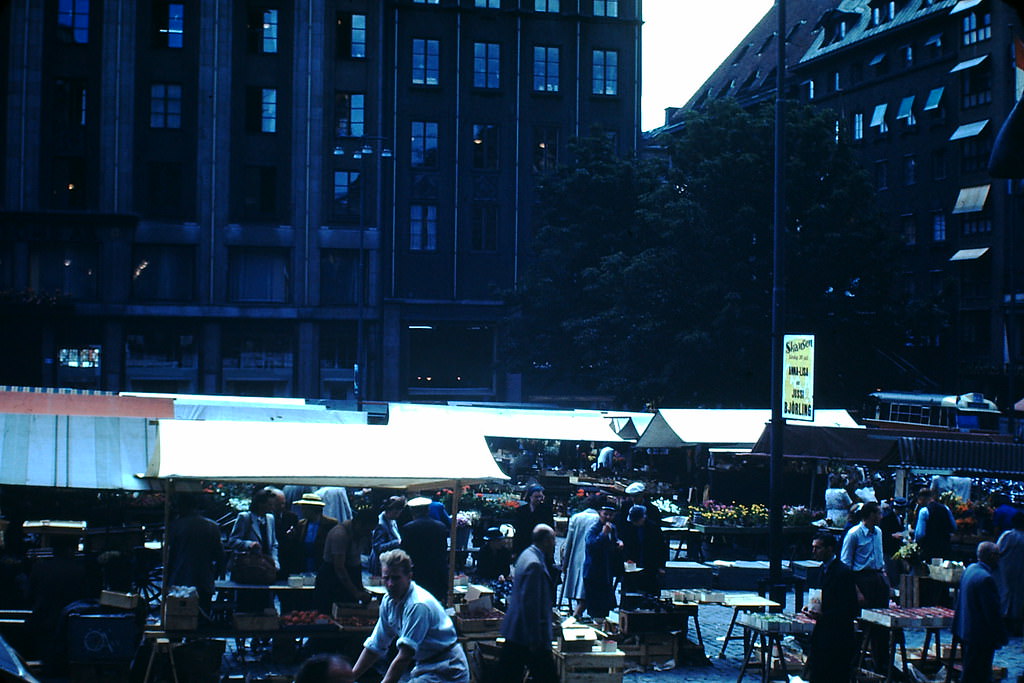
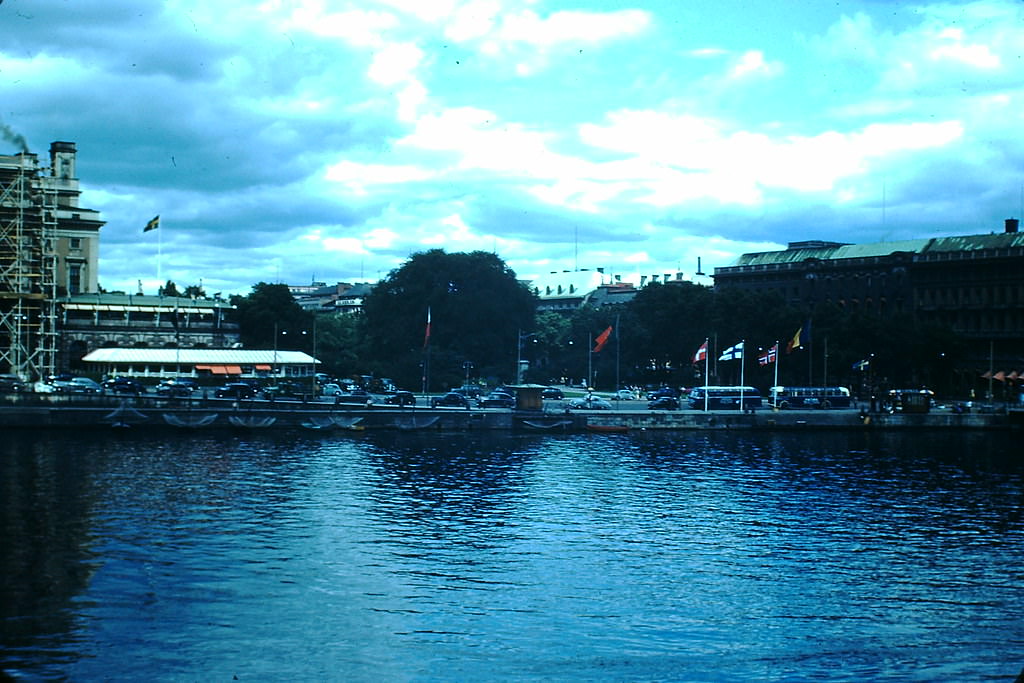
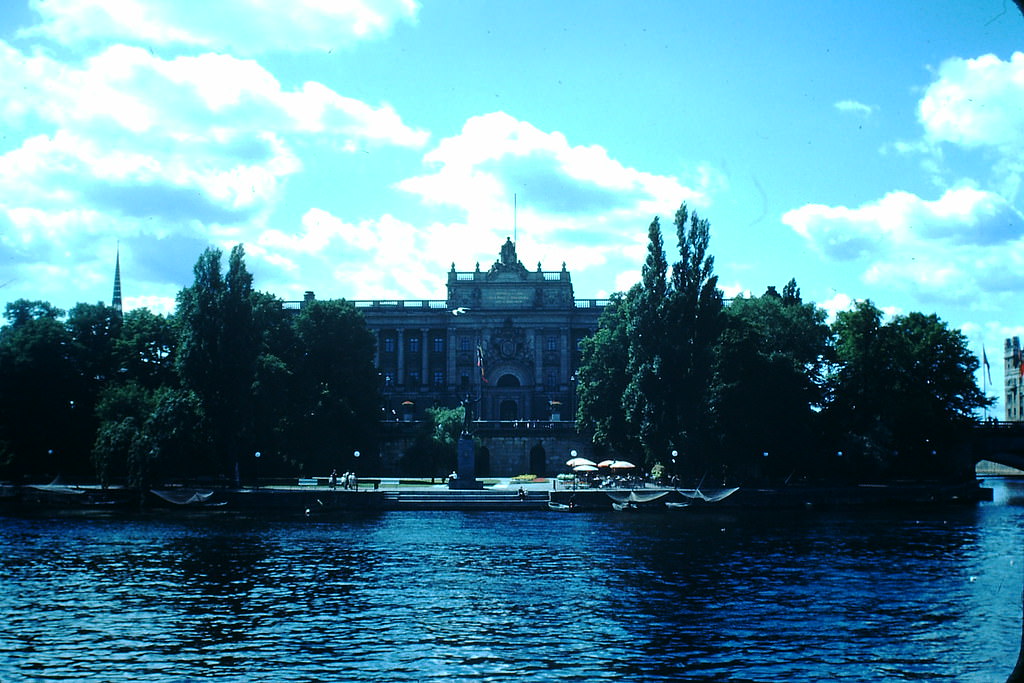
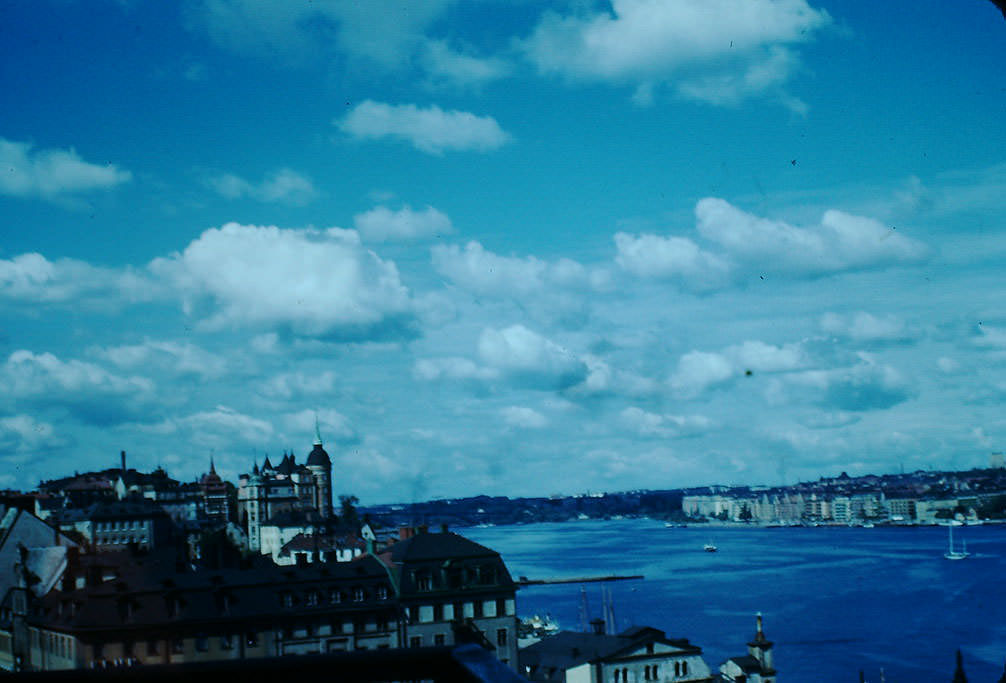
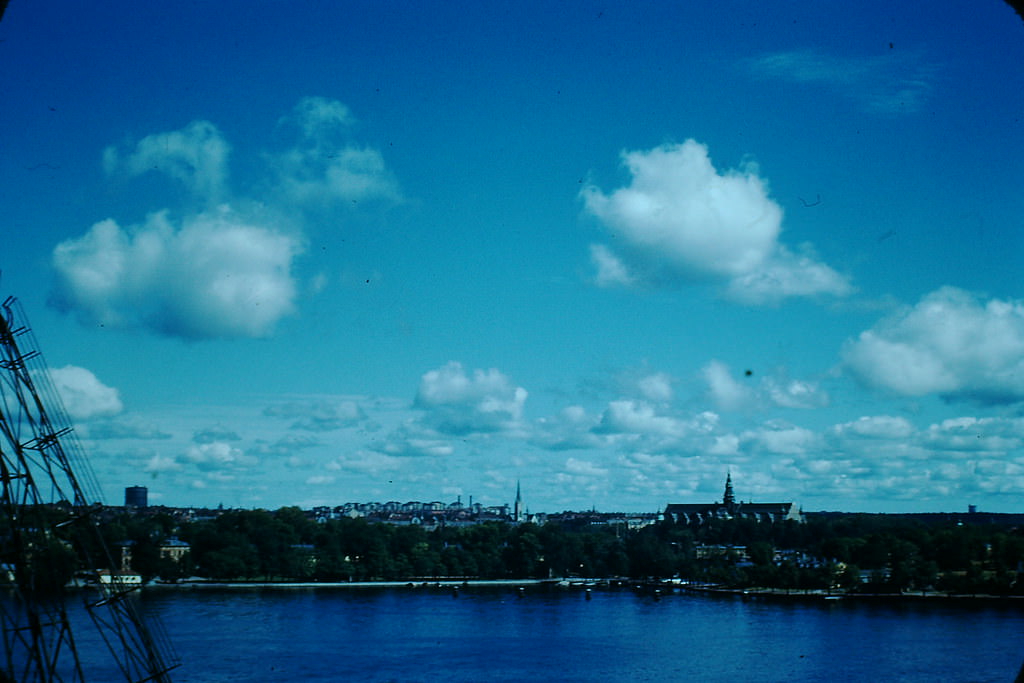
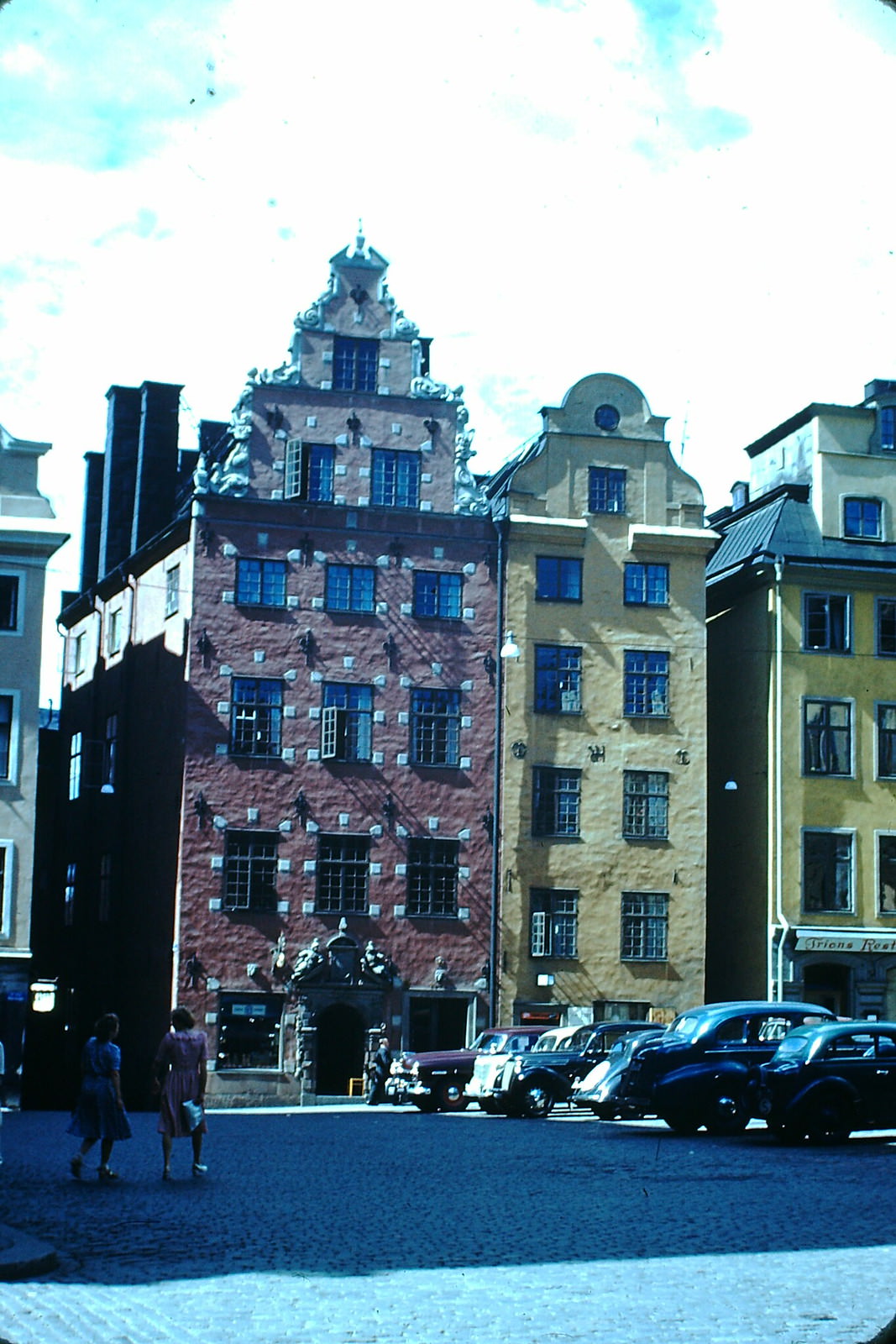
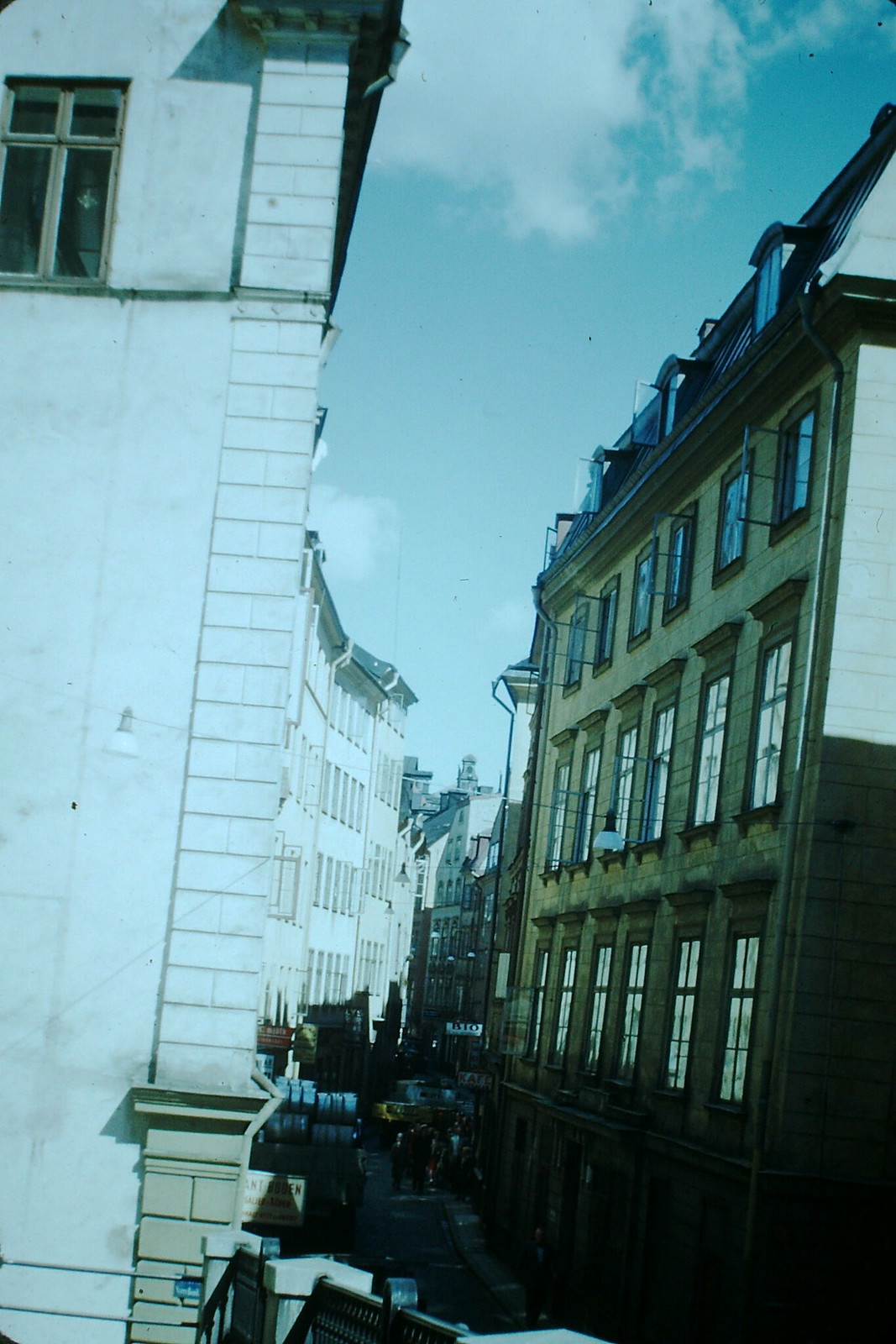
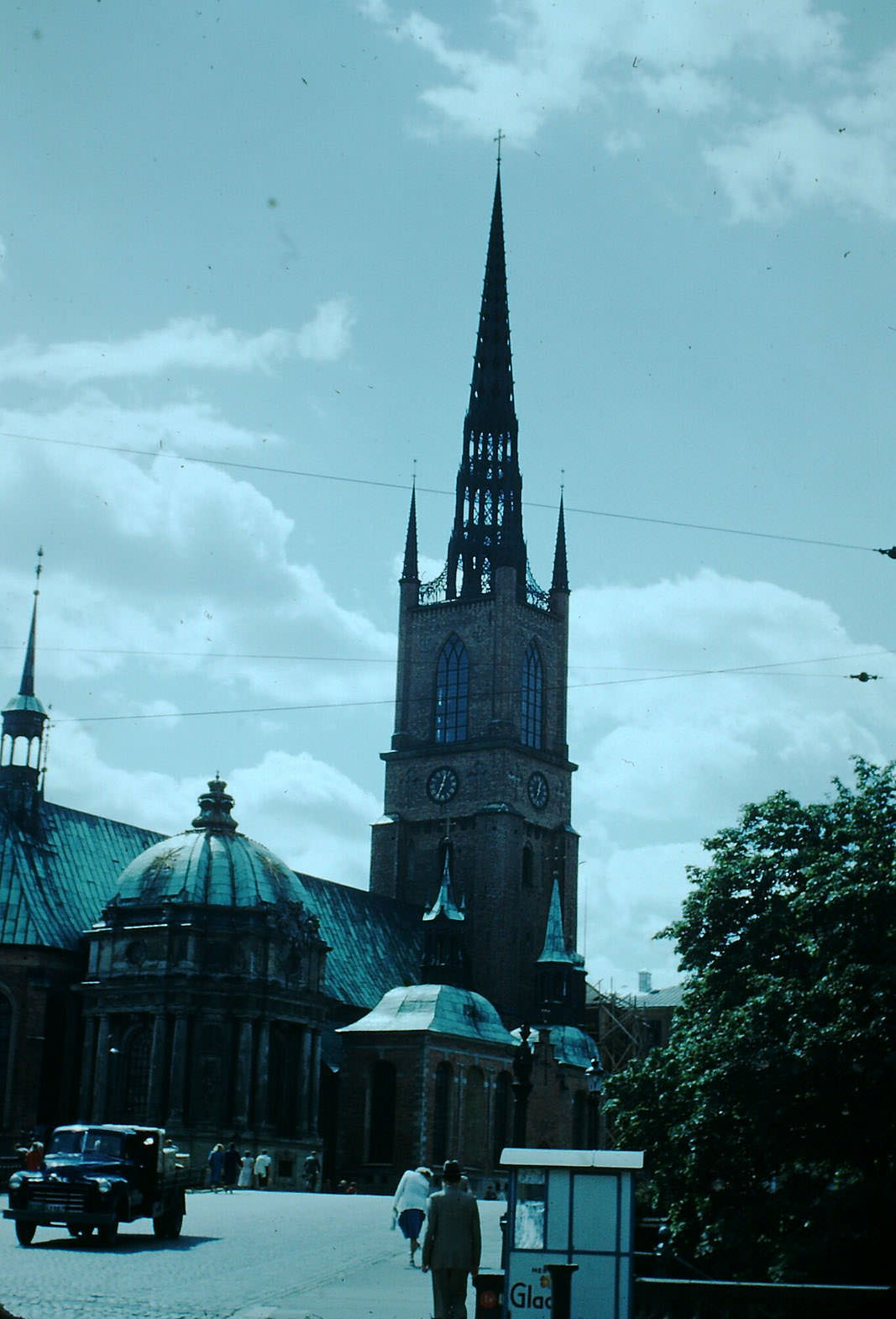
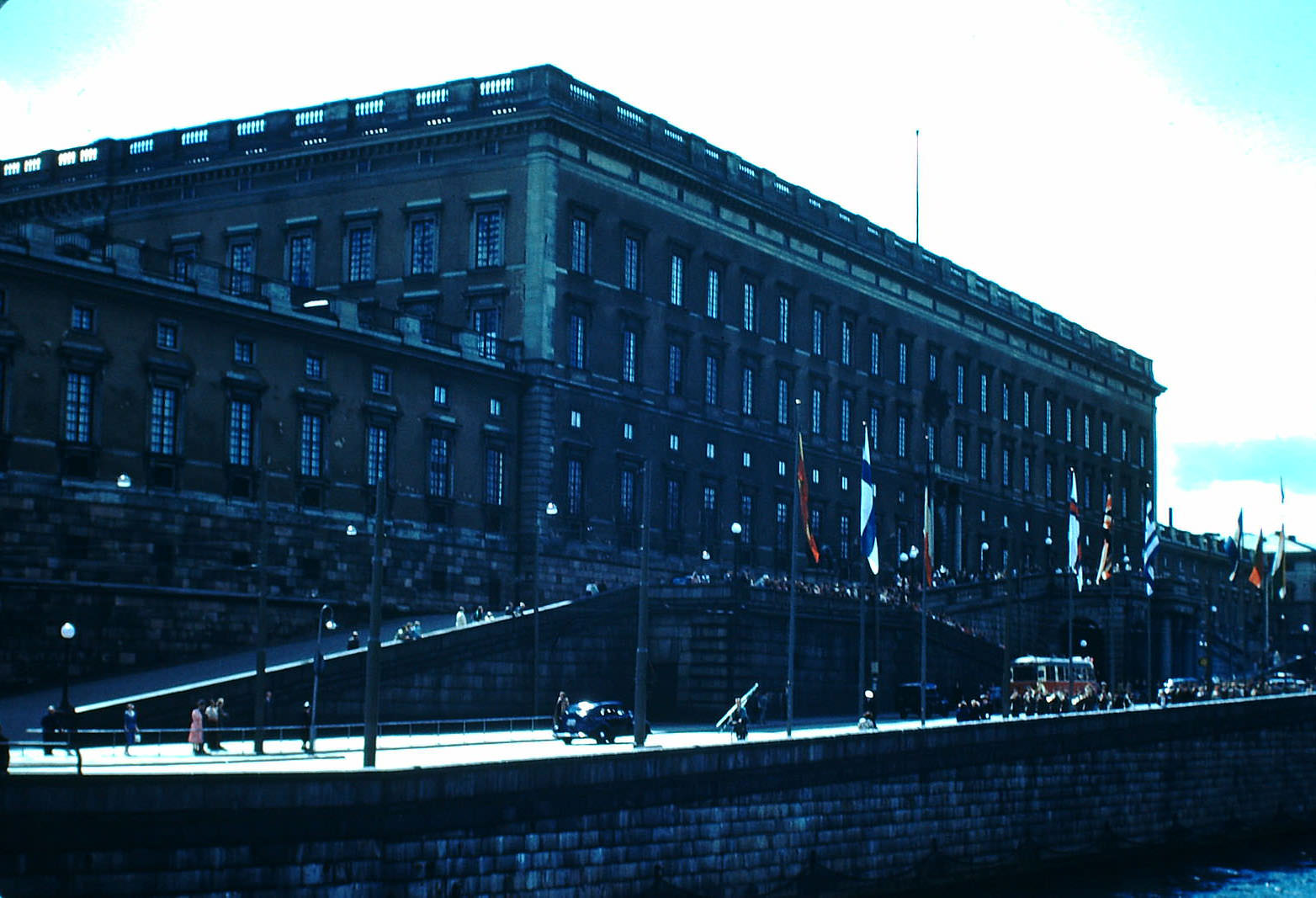
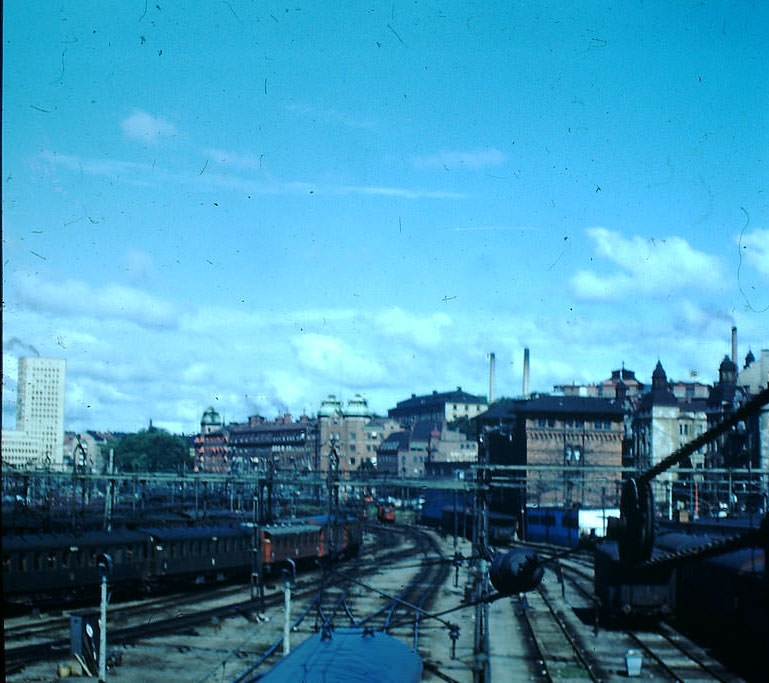
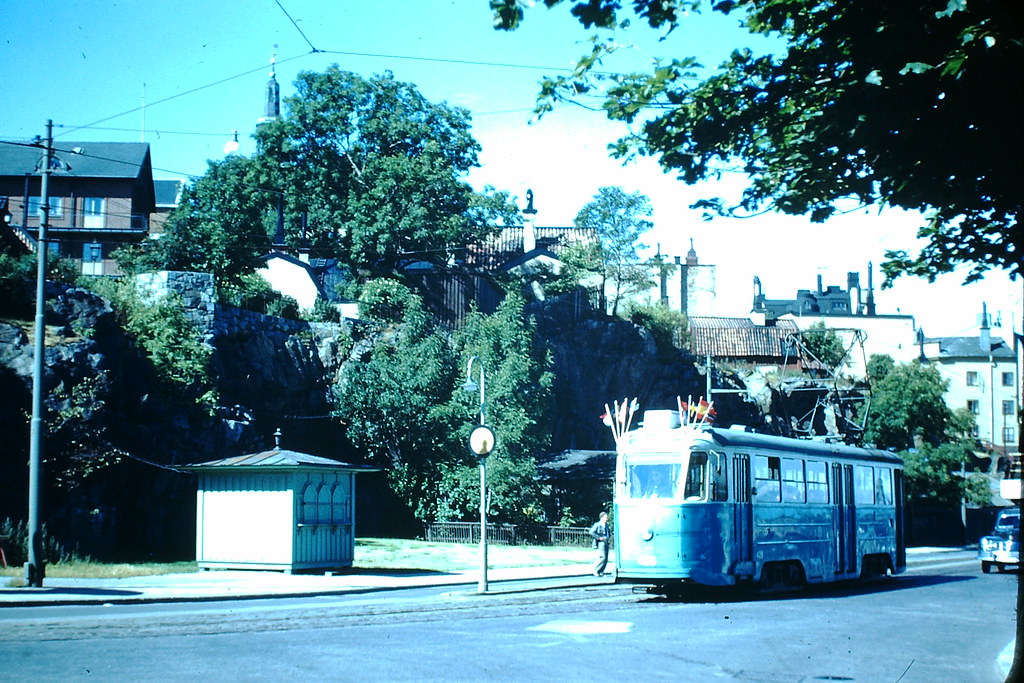
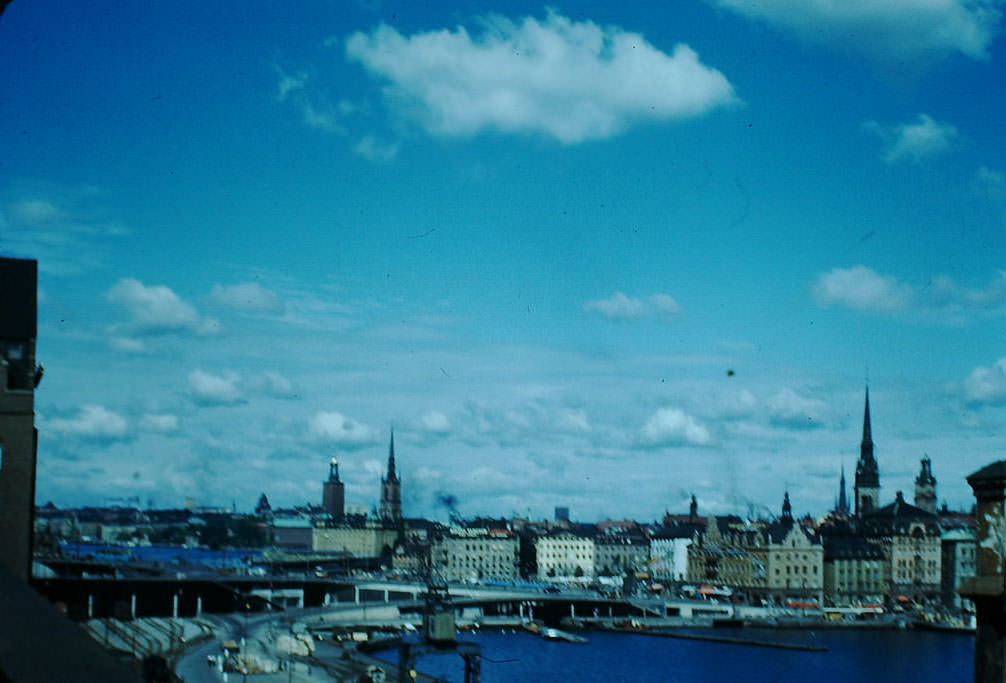
Stockholm, the capital, presented the full sweep of Swedish life in 1949. Apartment blocks reflected the growing demand for urban housing spurred by welfare-state planning. The city’s waterfront at Katarinavägen was lined with boats, and the Royal Palace, Riddarholm Church, and the House of Parliament all stood as symbols of Sweden’s long institutional history. Stockholm’s City Hall — home to the Nobel Prize banquet — anchored the city’s civic pride. A streetcar decorated with flags from the Lingiad, an international gymnastics festival held in Stockholm that year, captured the city’s energy as it welcomed the world.
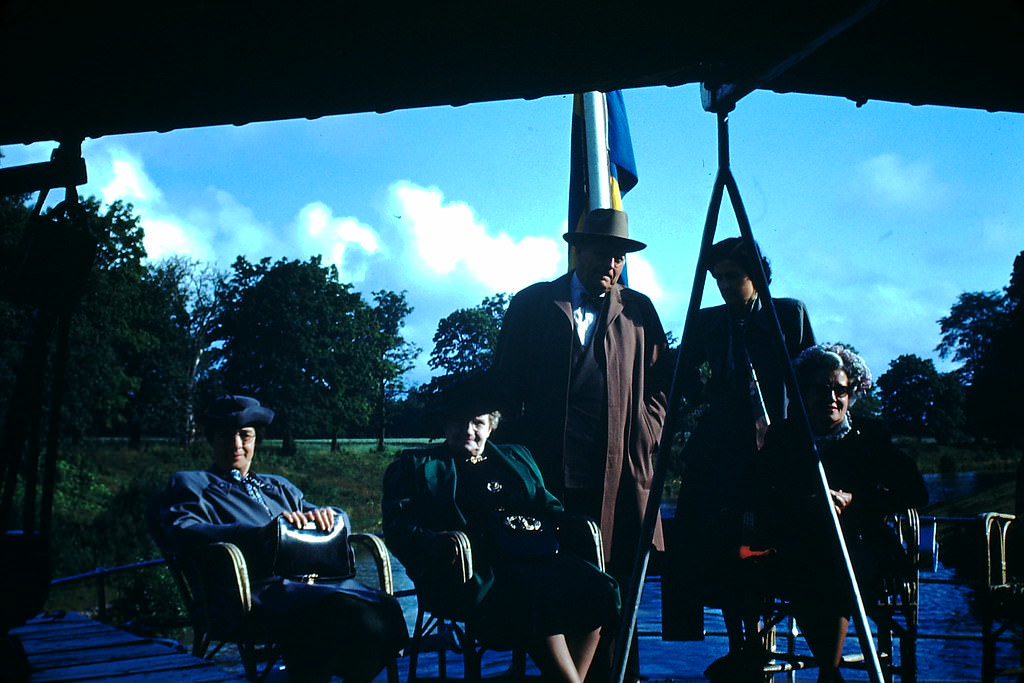
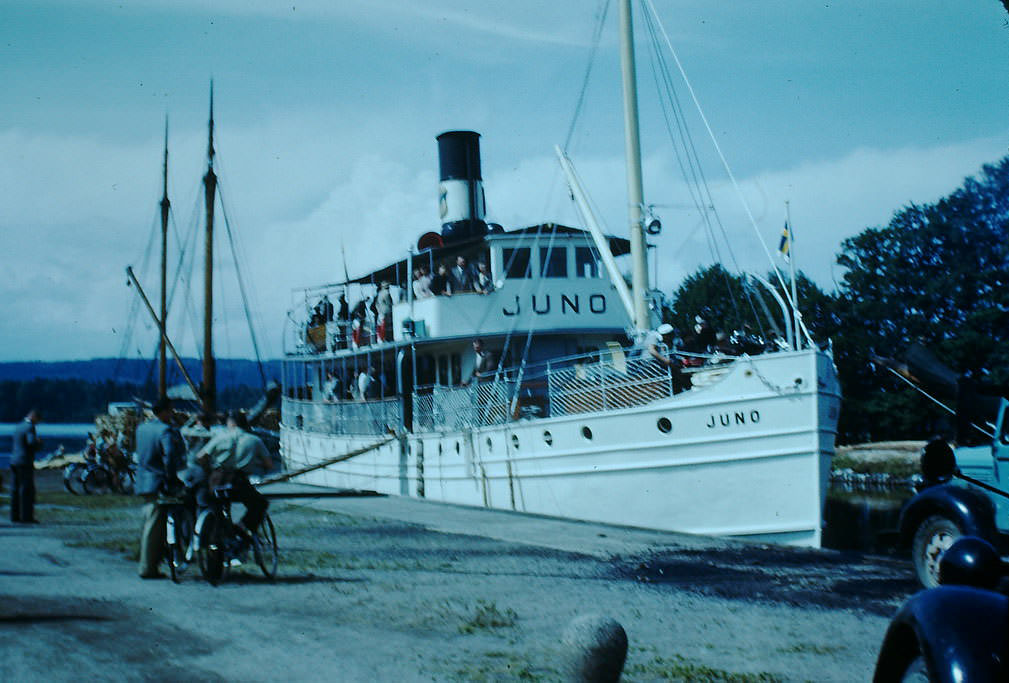
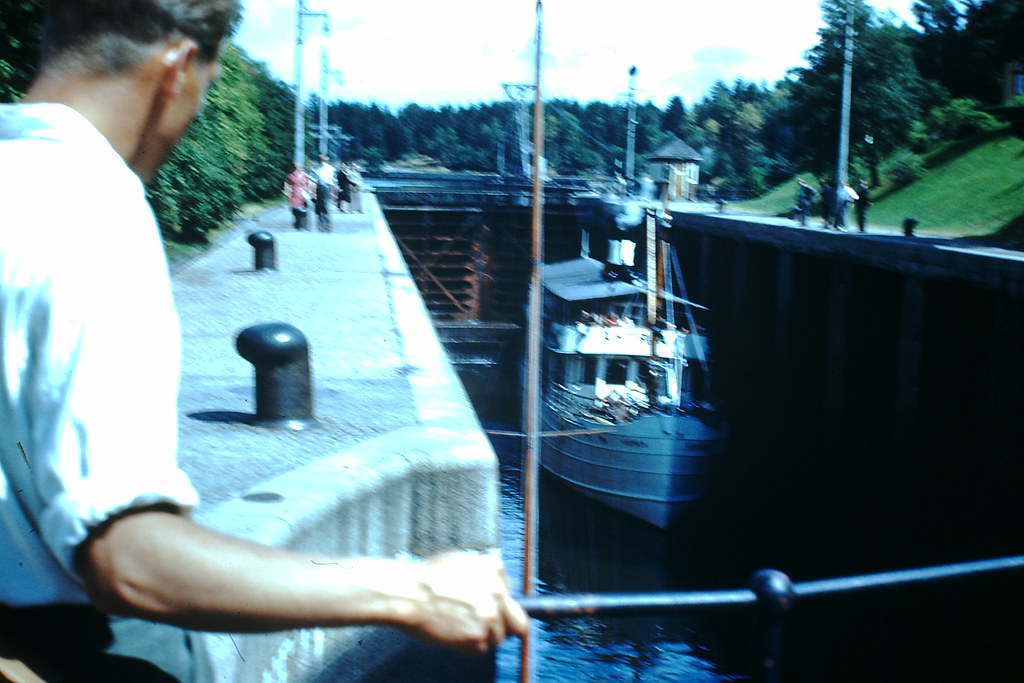
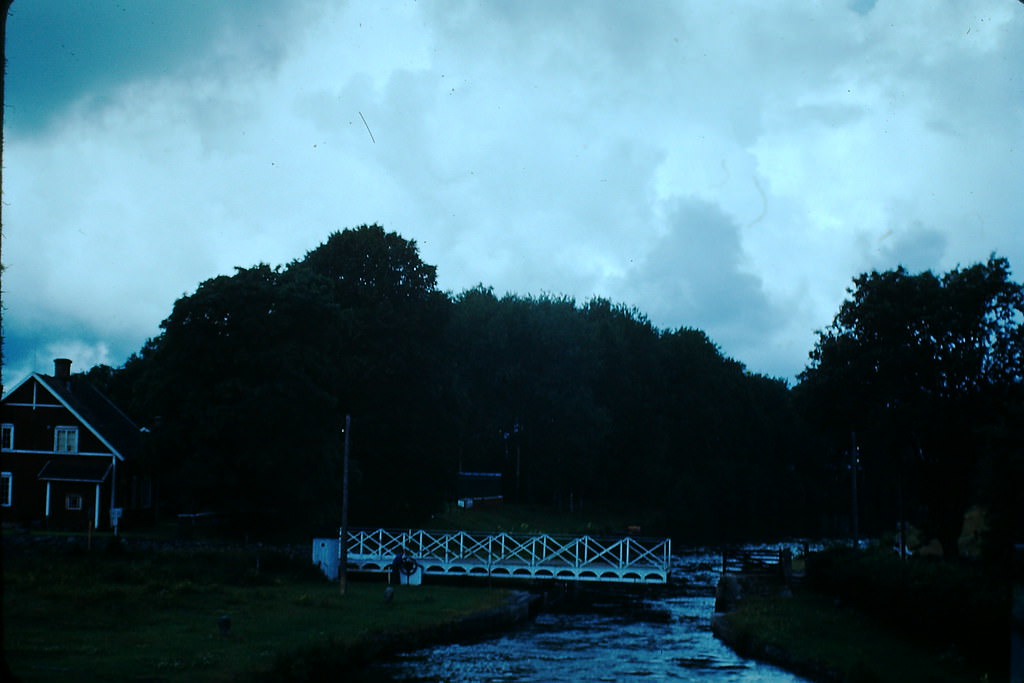
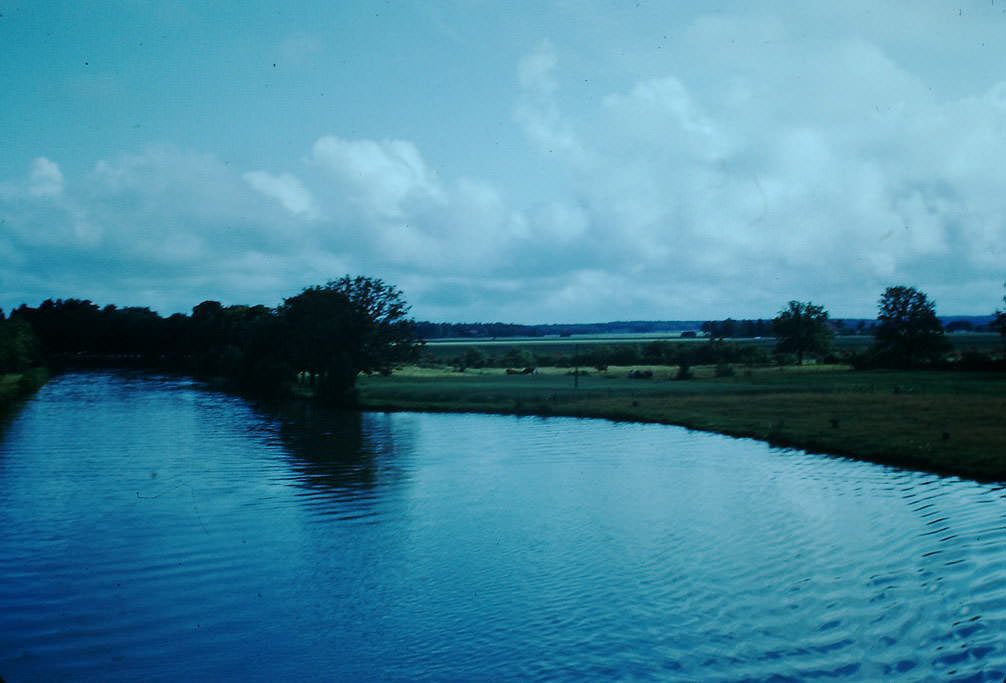
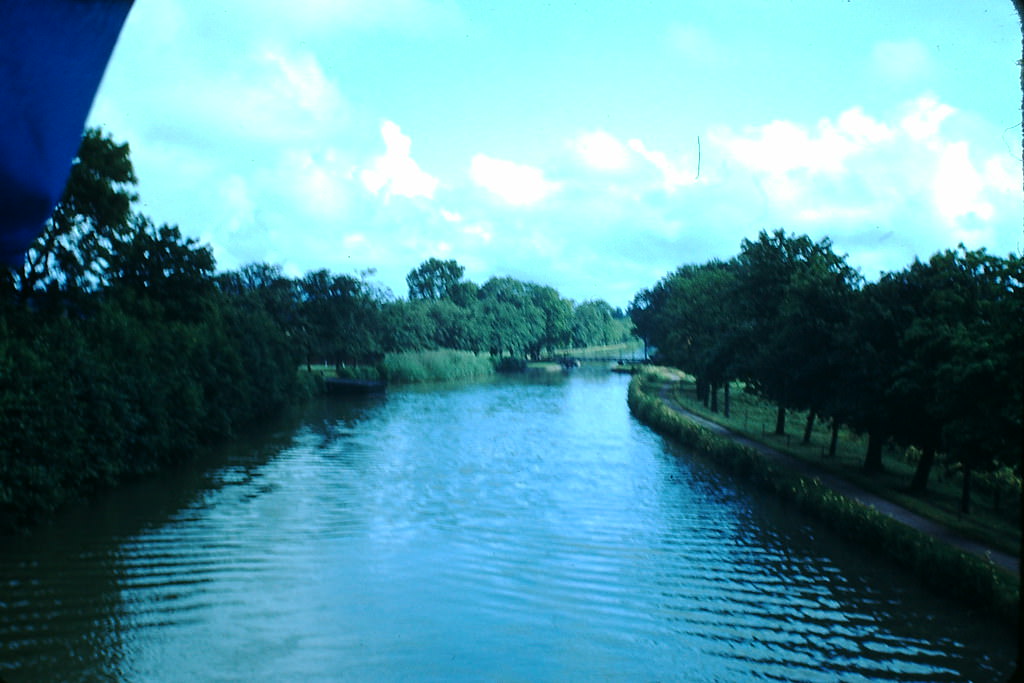
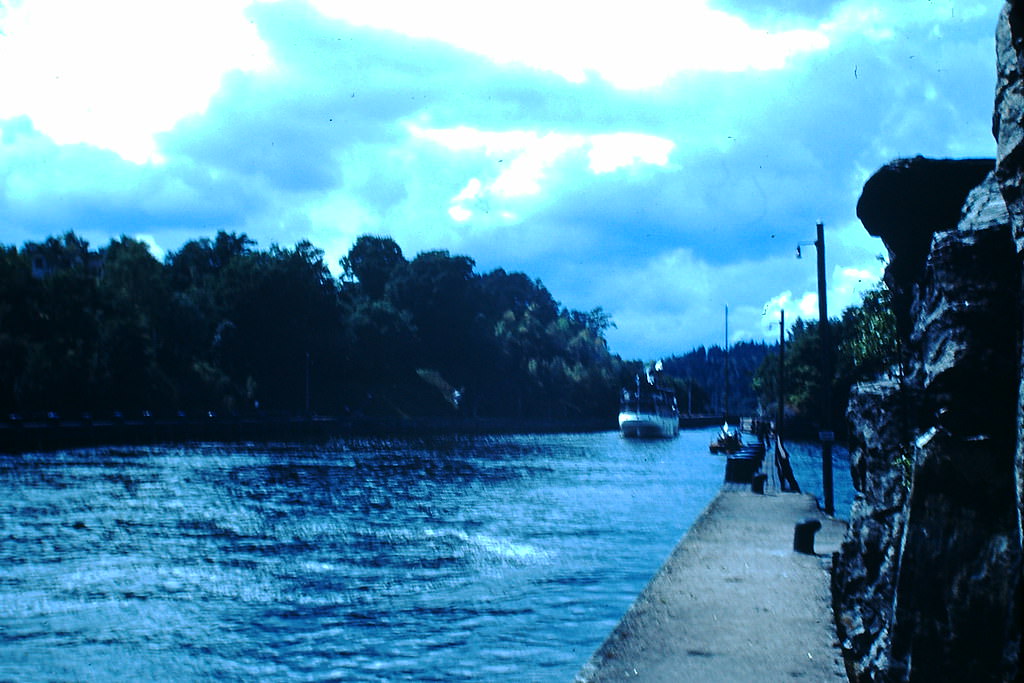
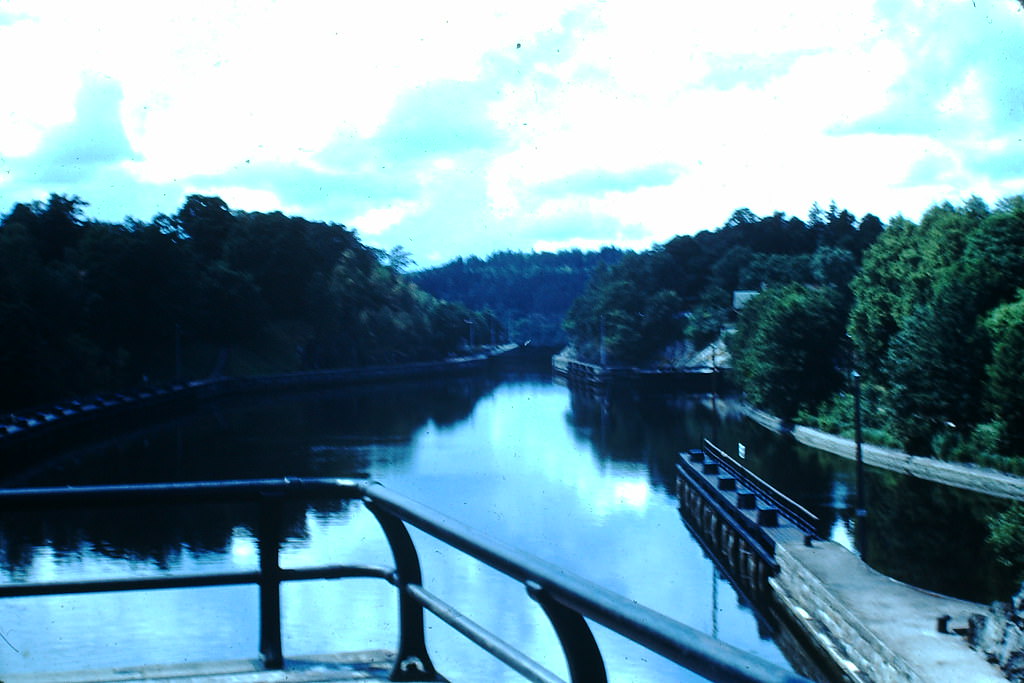
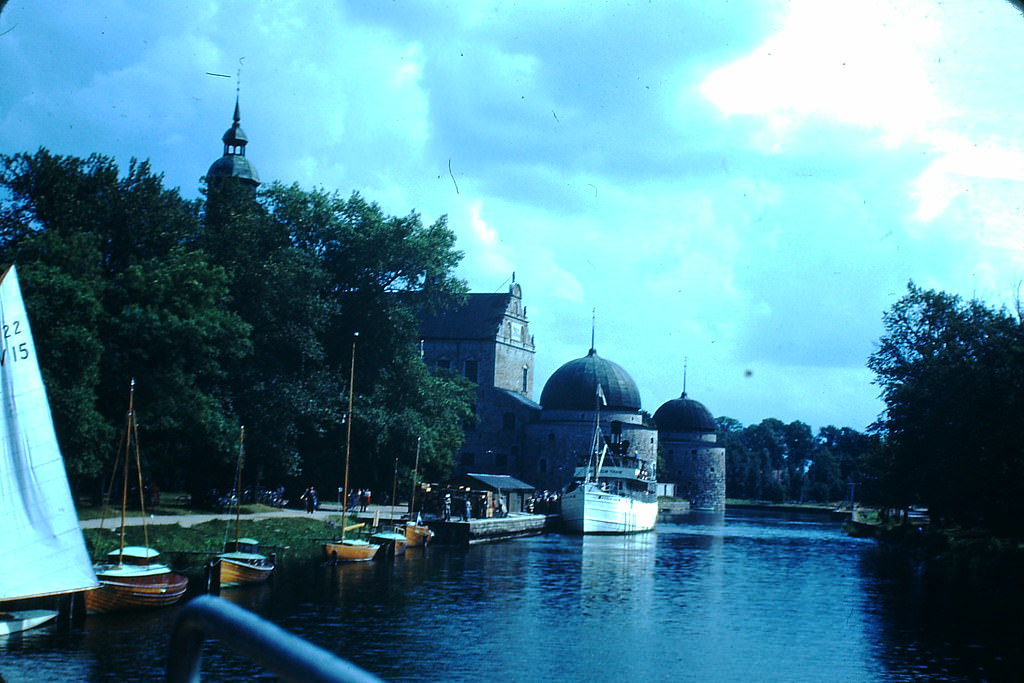
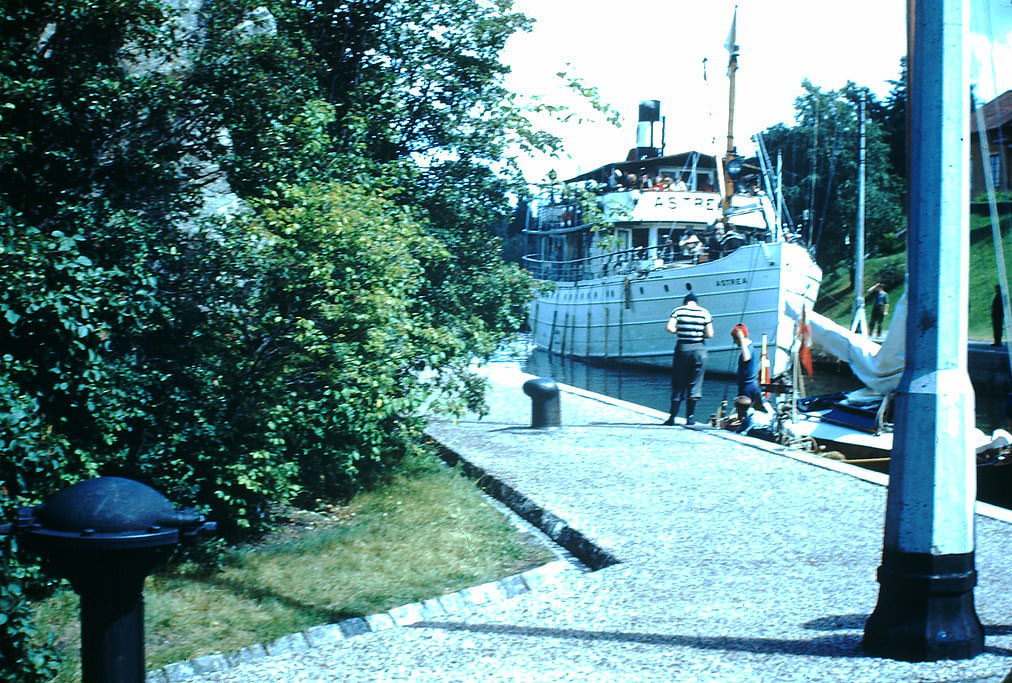
The Göta Canal, stretching nearly 190 kilometers across central Sweden, was a working artery of commerce and travel in 1949. Canal steamers carried passengers through a network of locks and bridges, passing towns like Trollhättan and lakeside landmarks like Vadstena Castle. At Rödesund, the canal opened onto the waters of Lake Vättern, offering views that had changed little in a century. The locks at Trollhättan — engineered to handle the rise and fall of water levels along the route — were a point of pride for Swedish infrastructure. These photographs of the canal and its surroundings preserve a working waterway at the height of its mid-century use.