When German forces invaded Denmark on 9 April 1940, the country had just declared its neutrality. The occupation reshaped daily life almost overnight. For the first three years, Denmark’s government and monarchy continued to function under a German protectorate arrangement — an unusual setup that gave Danes a degree of autonomy most occupied nations never saw. That changed on 29 August 1943, when Germany dissolved the Danish government and placed the country under direct military rule.
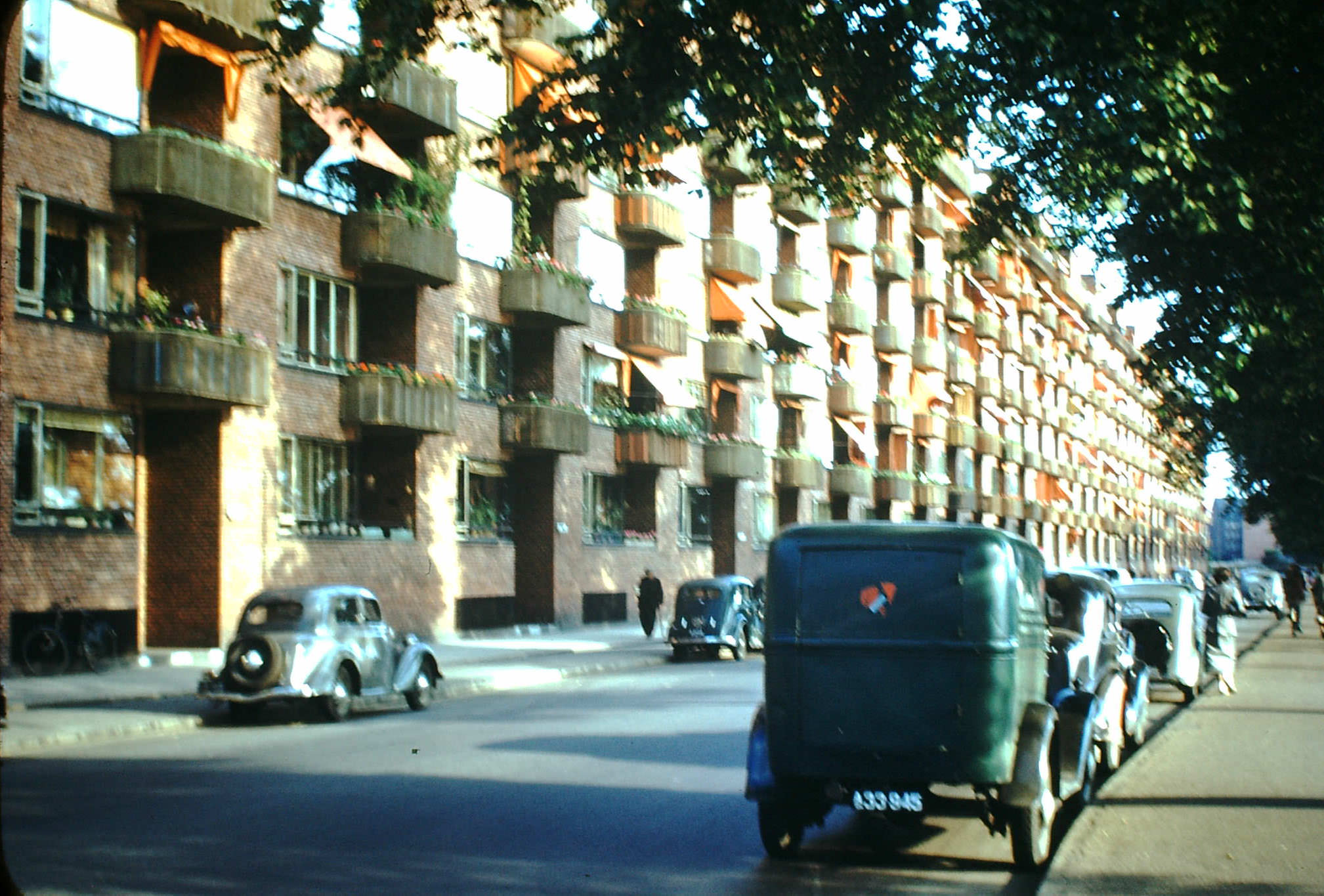
Copenhagen remained the heart of the country throughout the war years. Its streets, buildings, and public spaces carried on — shaped by blackout shades on every window, a requirement during the threat of bombing raids. These heavy dark shades became one of the most recognizable symbols of the occupation. When Germany surrendered and Denmark was liberated on 5 May 1945, people across the country tore them down and burned them in the streets.
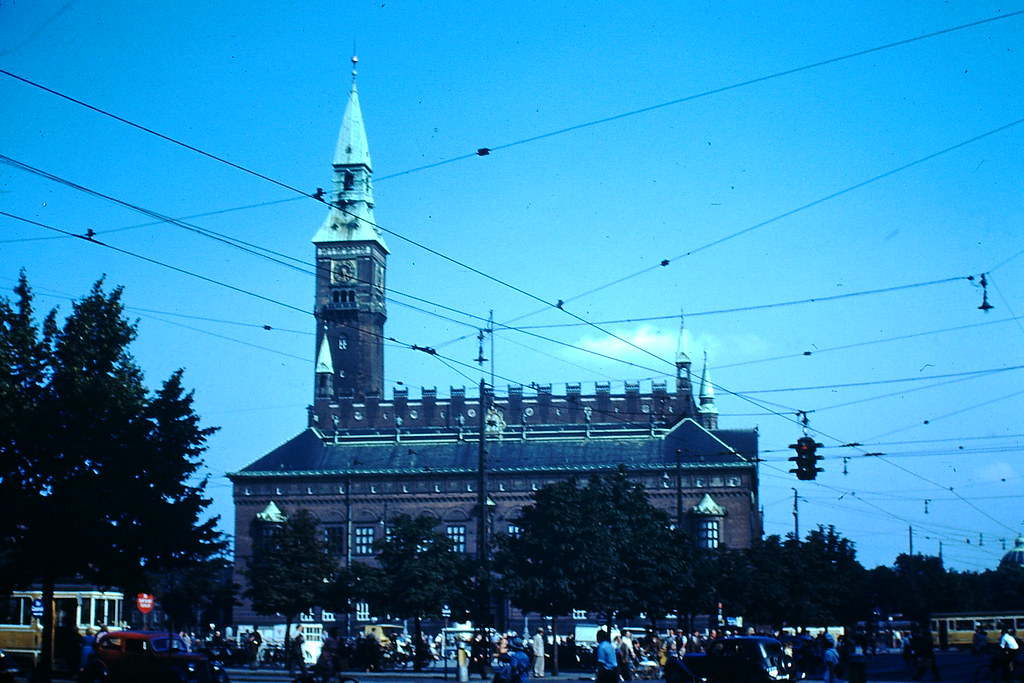
The liberation on 5 May 1945 triggered celebrations across every Danish city. Copenhagen, Aarhus, and towns nationwide filled with crowds welcoming Allied troops. Many of those soldiers had been held in prisons throughout Denmark and were freed as the German grip collapsed. Soviet forces made up a significant portion of the Allied troops parading through Danish streets that day.
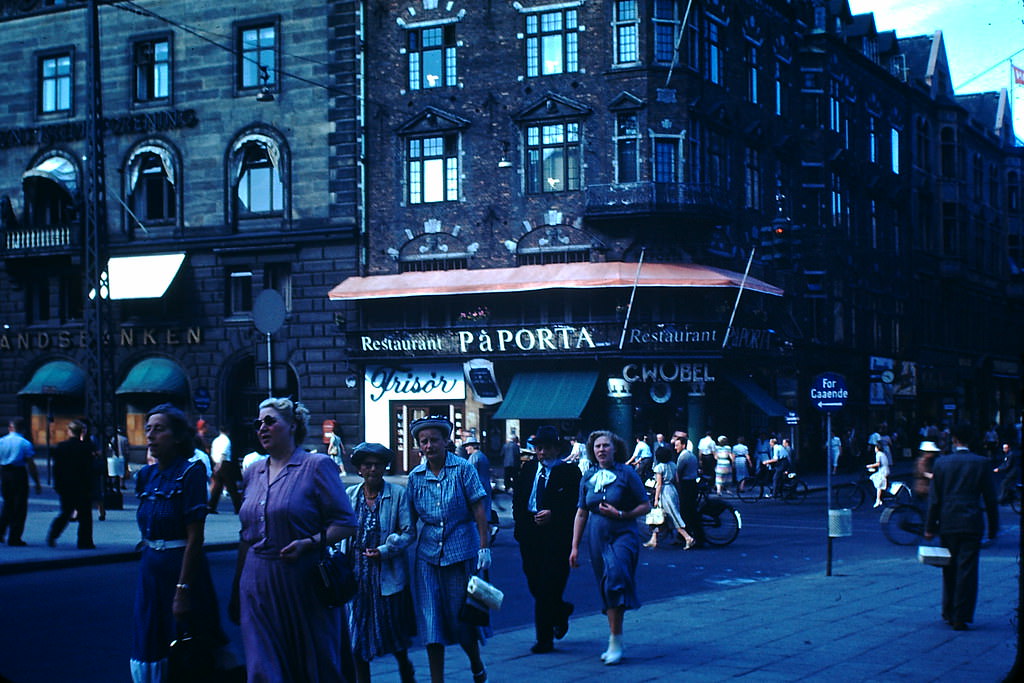
The war left Denmark’s economy badly distorted. The printing press had been used to expand the money supply to fund occupation costs, pushing the currency from 400 million kroner to 1,600 million kroner by the end of the war. Much of that inflated money flowed to war profiteers — Danes who had done business with the occupiers at the expense of their countrymen.
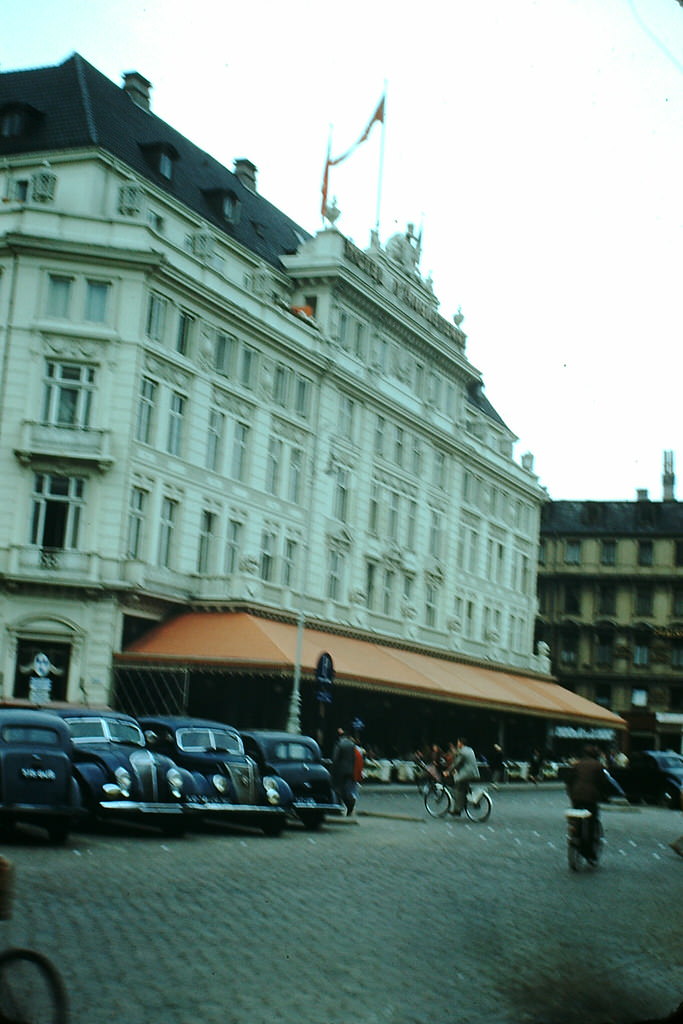
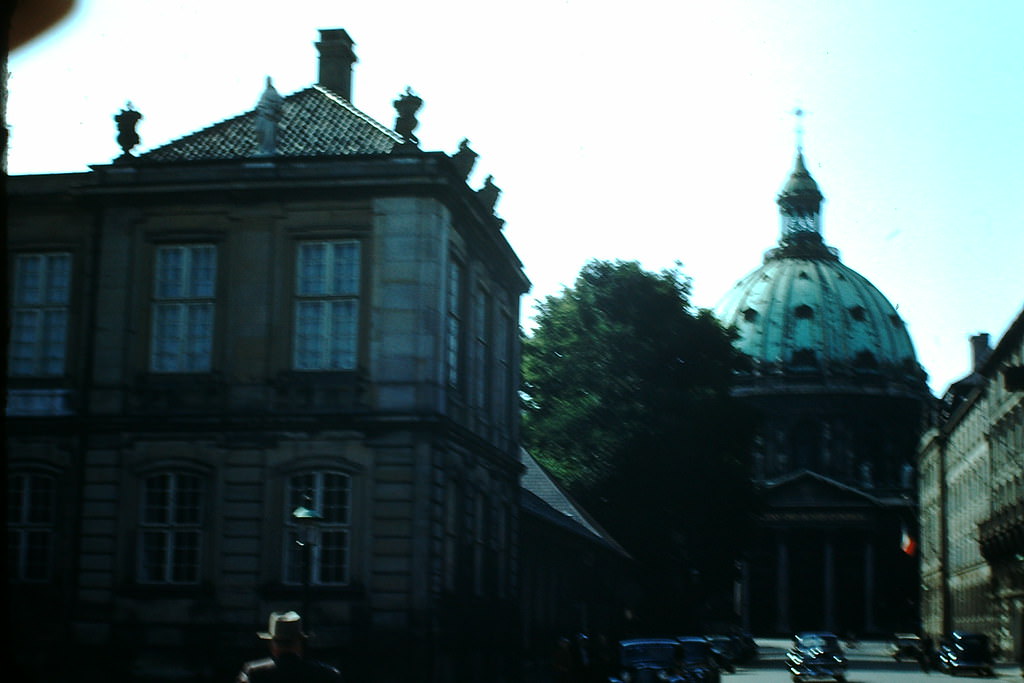
After liberation, Denmark moved quickly to settle scores. Forty thousand people were arrested on suspicion of collaboration with the Germans. Of those, 13,000 were punished in some form. The courts handed down 78 death sentences, and 46 of those were carried out. The majority of convicted collaborators received prison terms of less than four years.
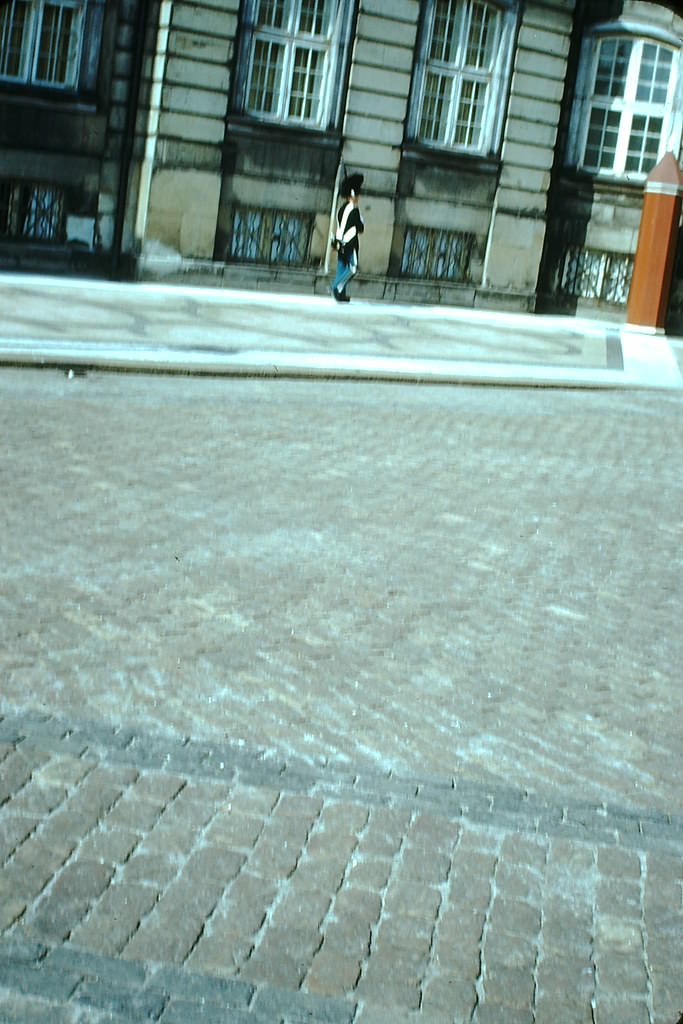
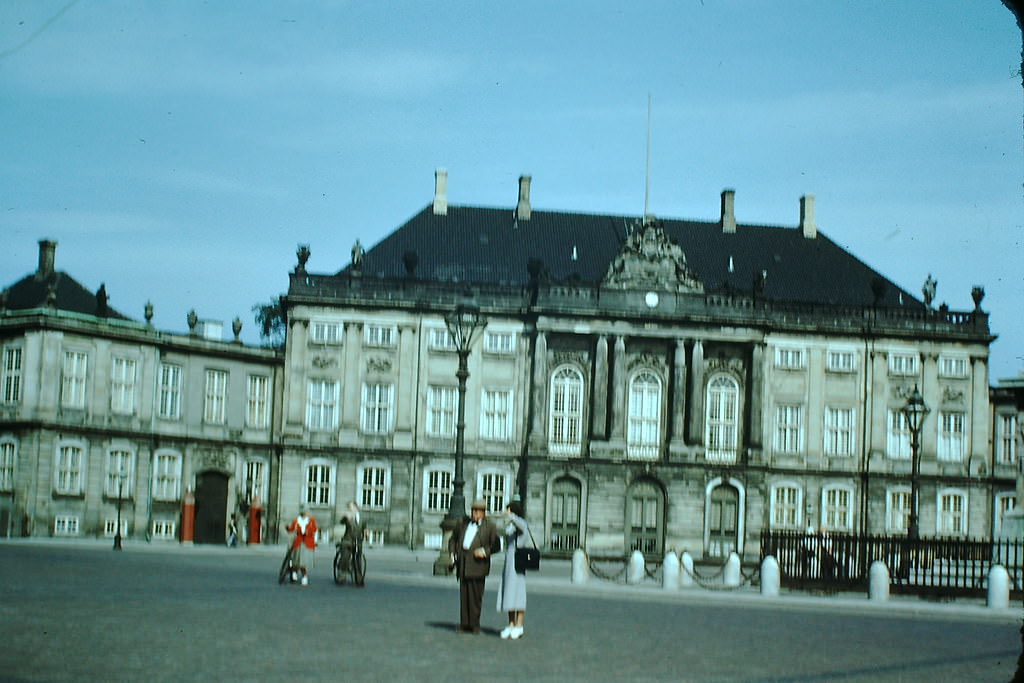
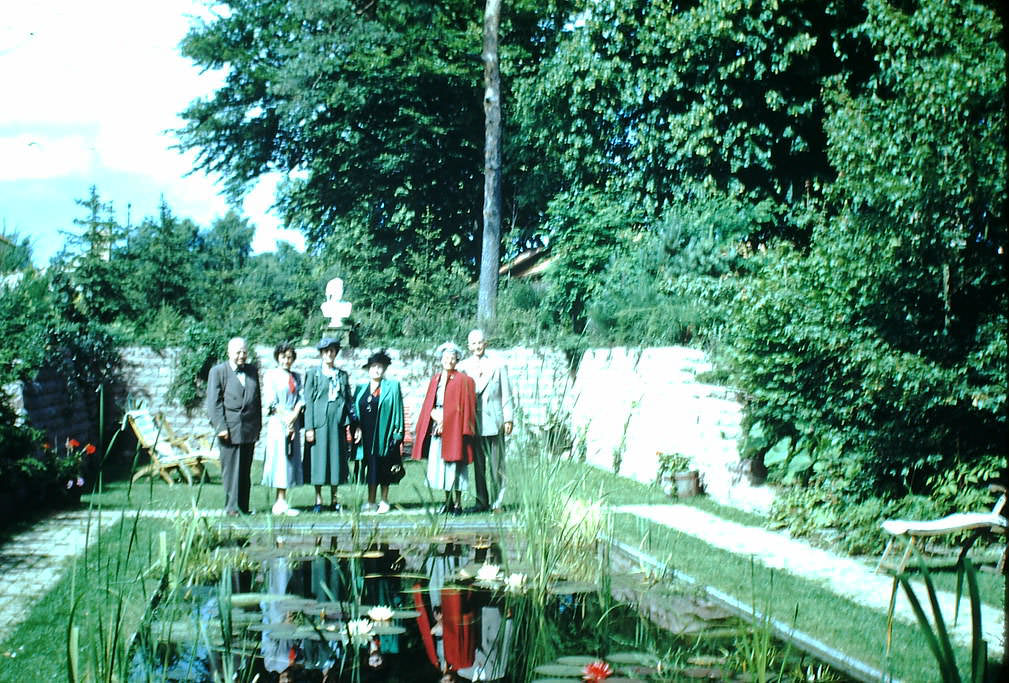
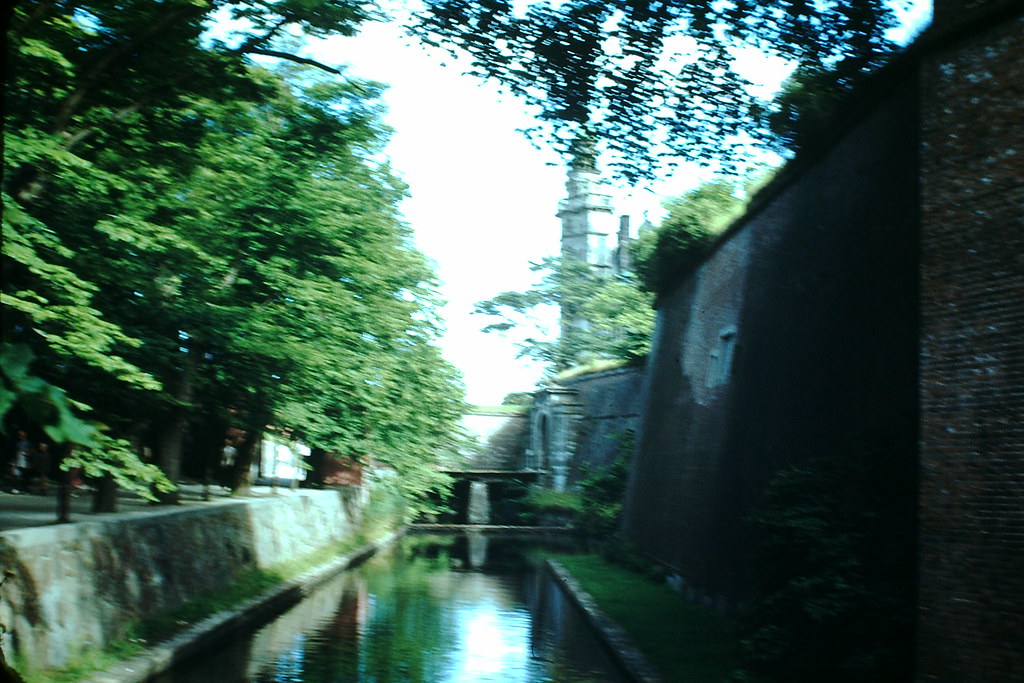
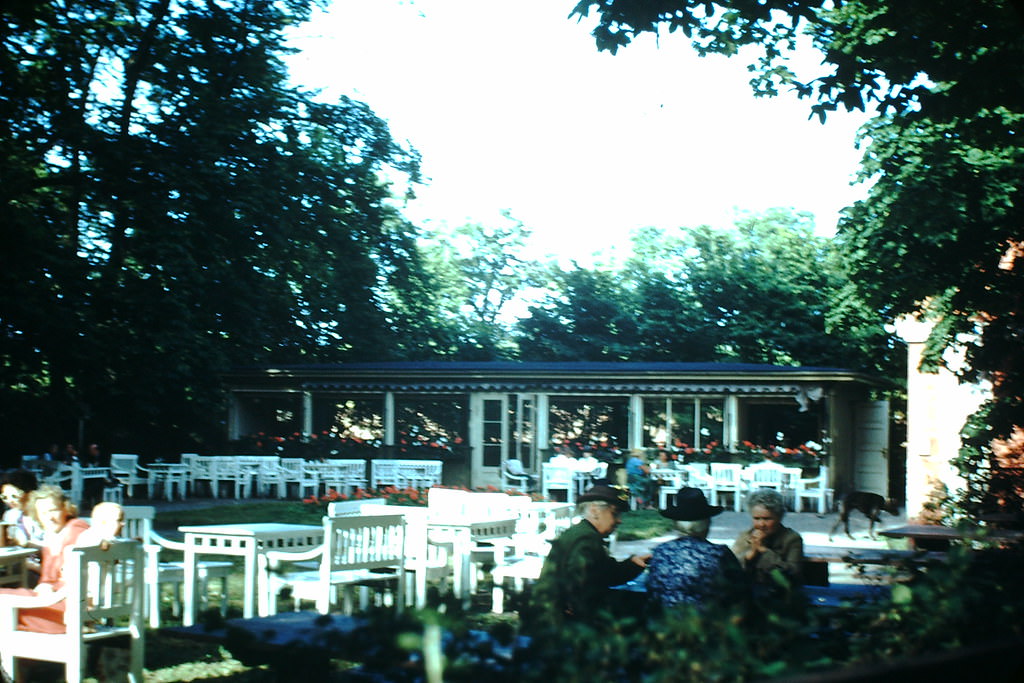
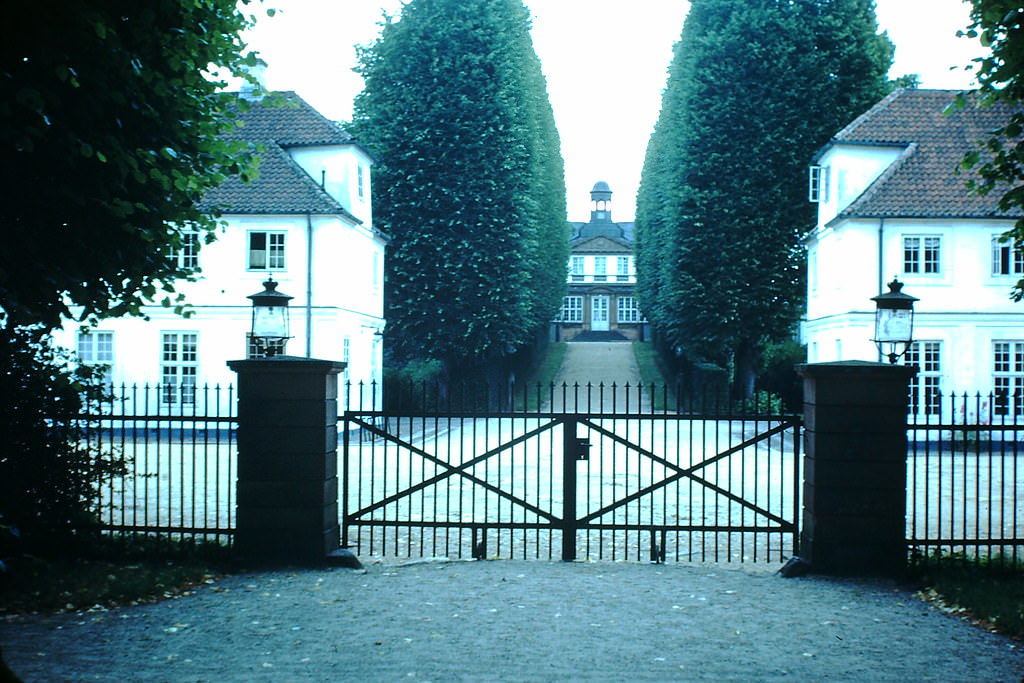
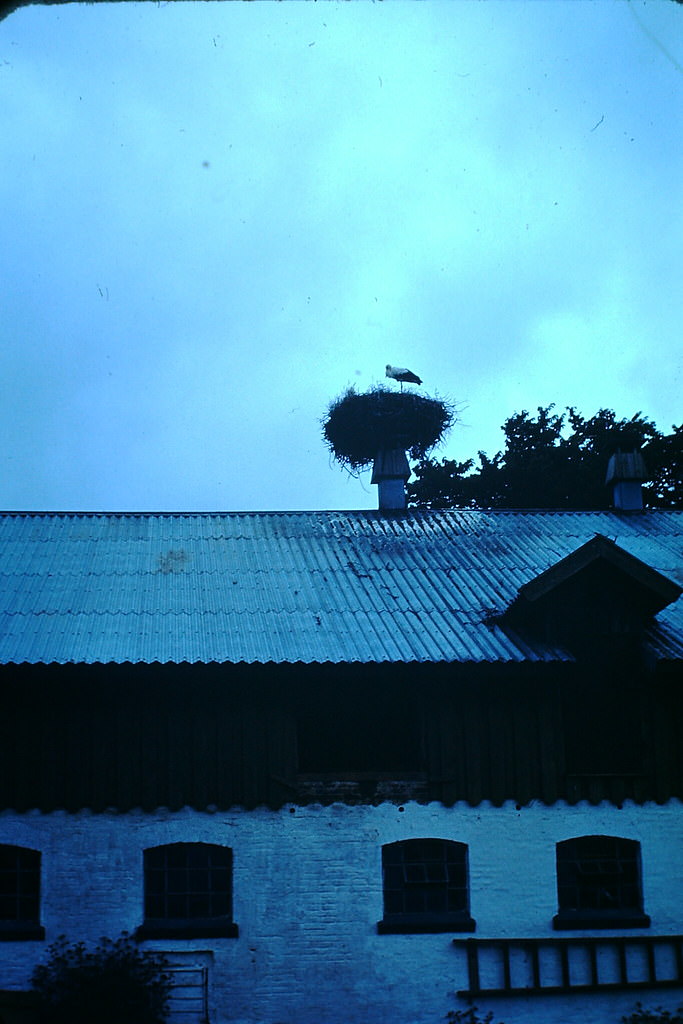
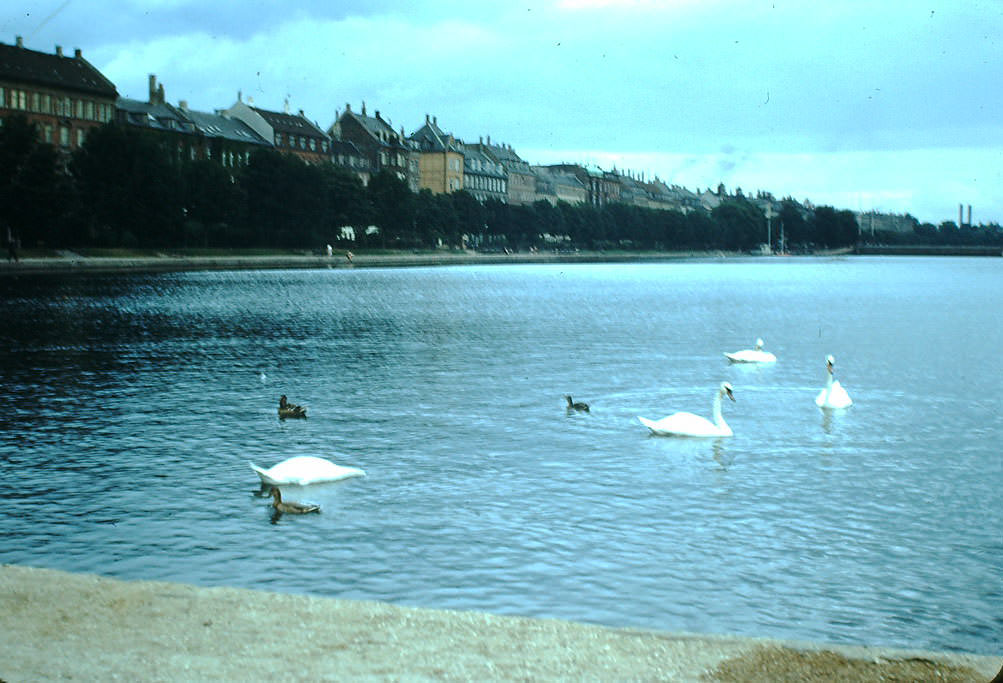
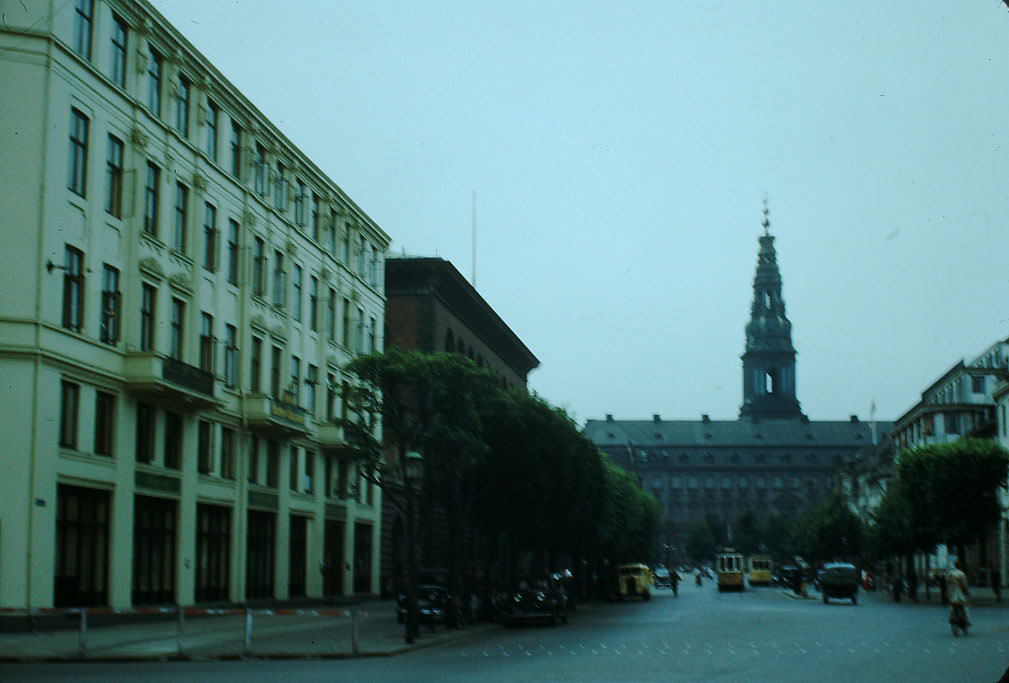
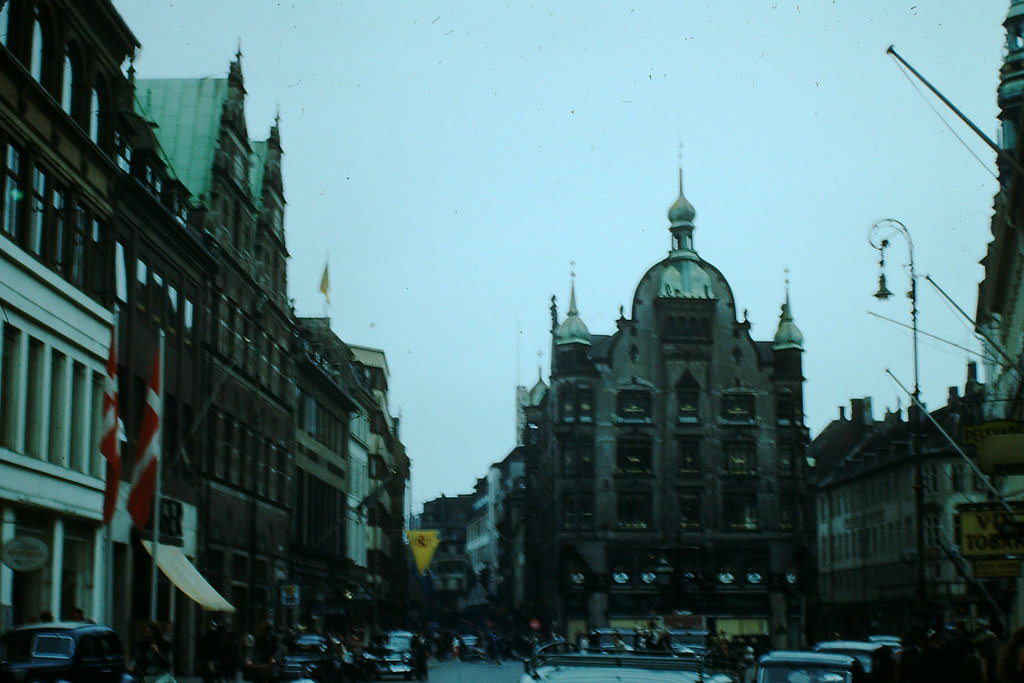
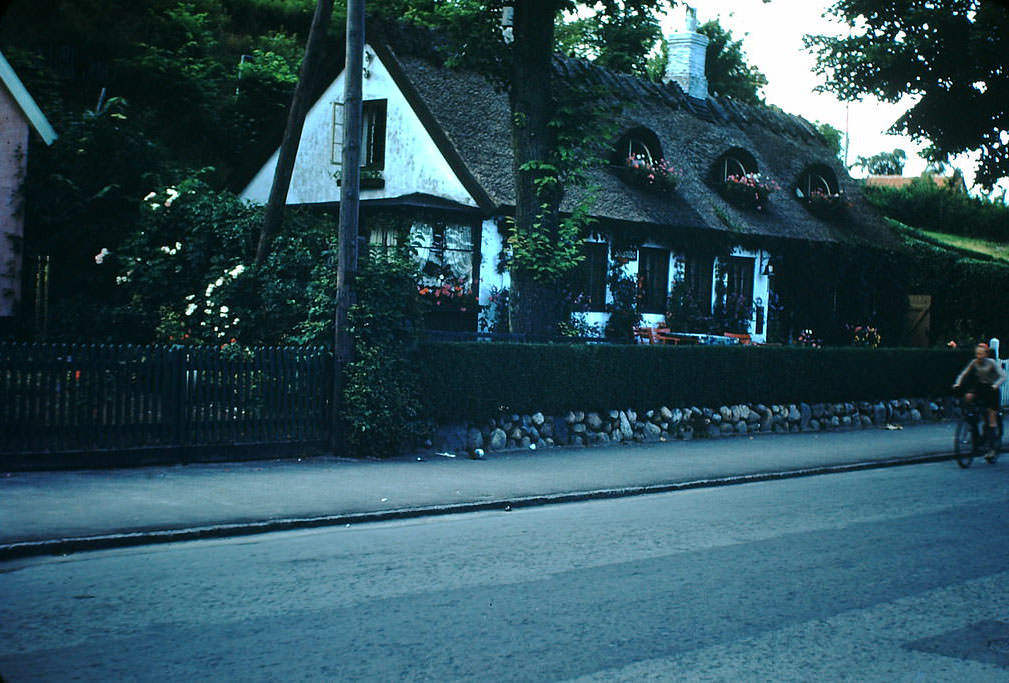
The photos in this collection capture Denmark during those turbulent years. Some show the civic landmarks of Copenhagen — its parliament, royal palace, and grand hotels — standing firm as they always had. Others reveal the quieter side of Danish life: castle courtyards, lakeside cottages, inn gardens, and storks perched on rooftops.
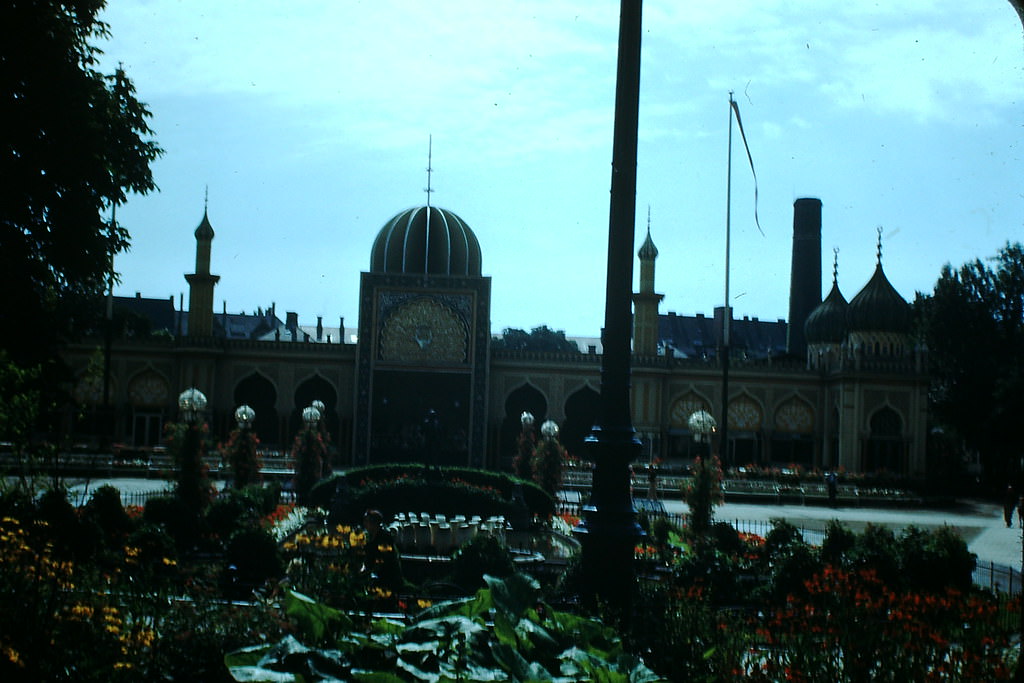
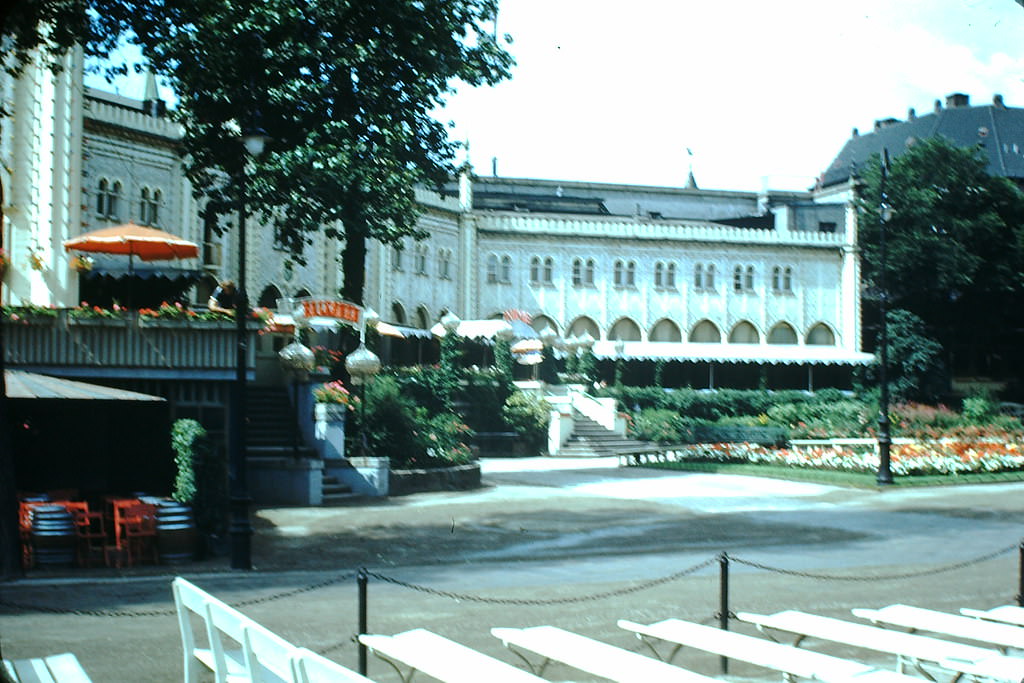
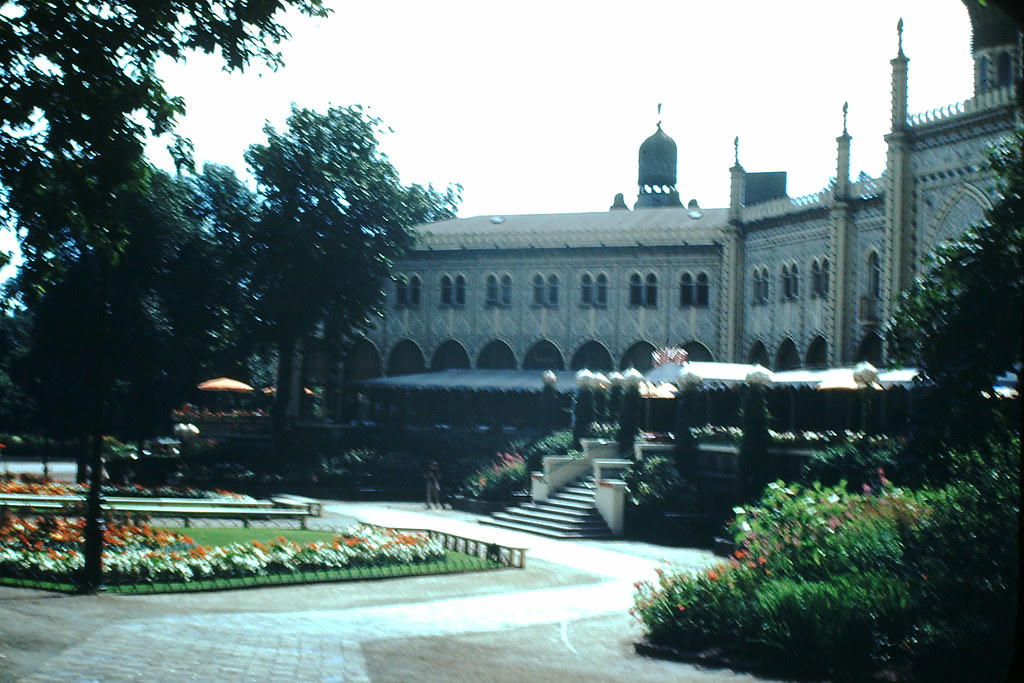
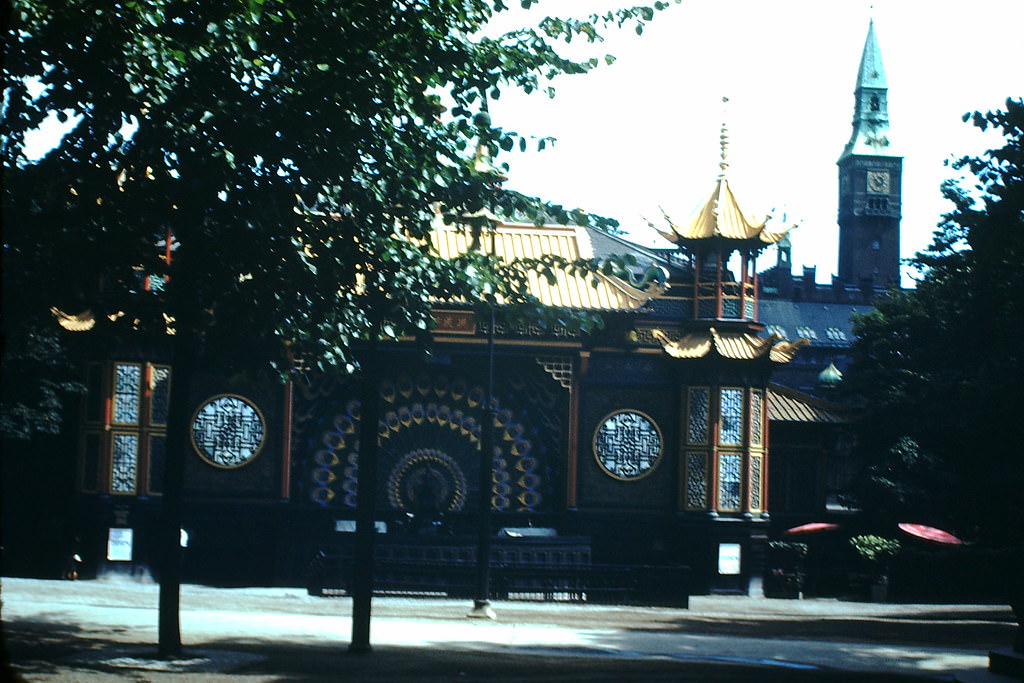
Tivoli Gardens, one of the world’s oldest amusement parks, remained a fixture of Copenhagen life throughout the decade. These images show the park during a period when ordinary Danes sought moments of normalcy amid occupation. The lights, rides, and open grounds of Tivoli offered a brief escape from the pressures of life under German rule.
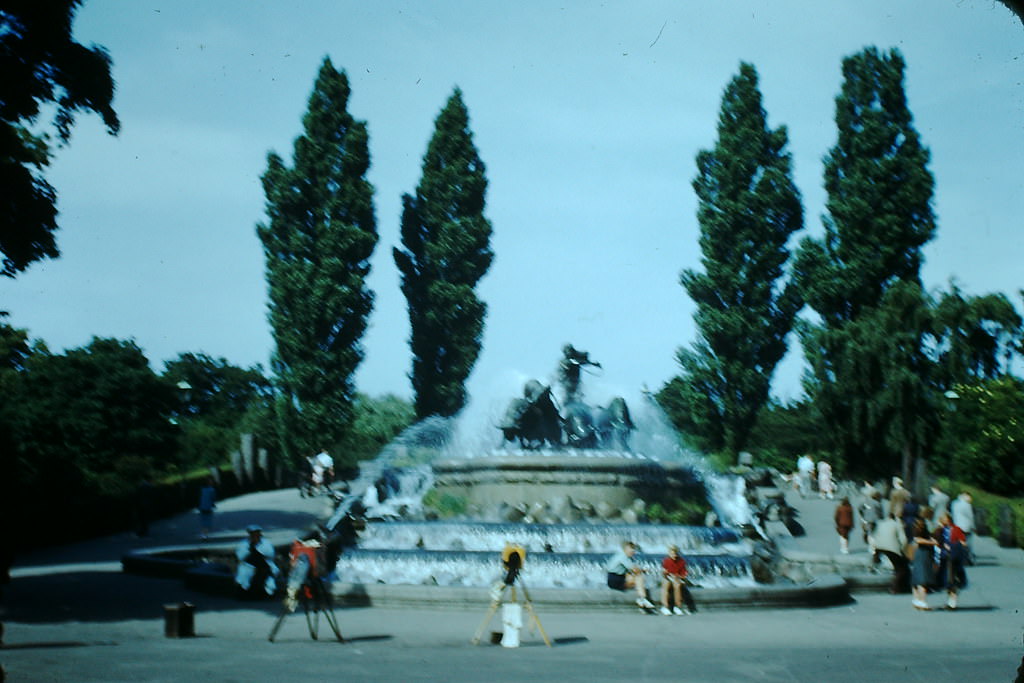
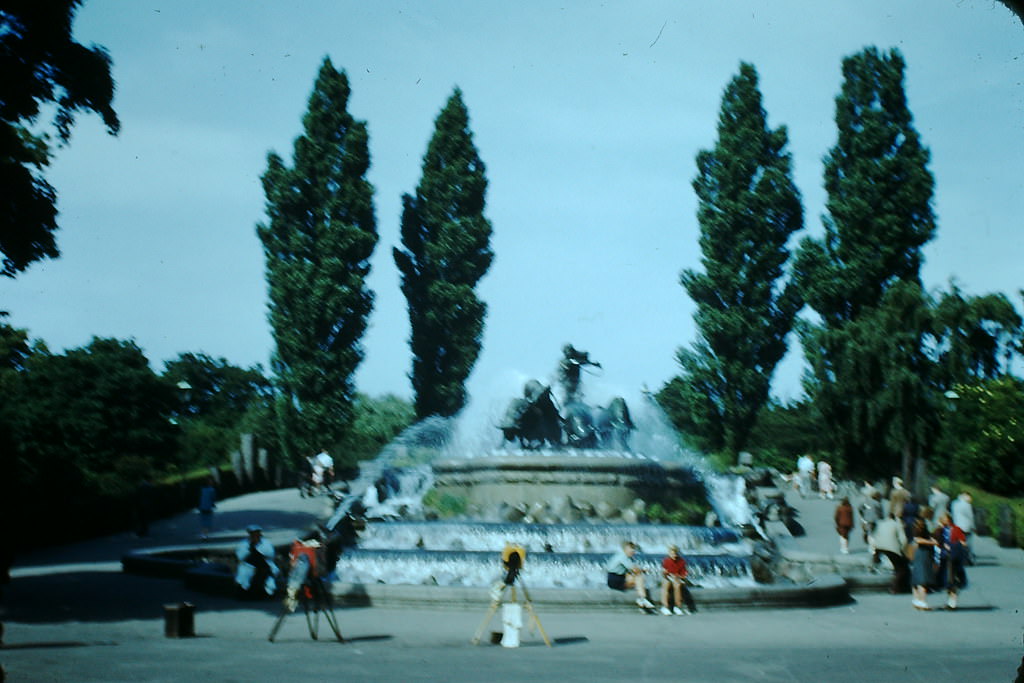
The Gefion Fountain, one of Copenhagen’s most striking landmarks, continued to draw visitors during the 1940s. Carved from granite and depicting a Norse myth, it stood as a reminder of Denmark’s deep cultural roots — roots that persisted even as foreign soldiers patrolled the city’s streets.
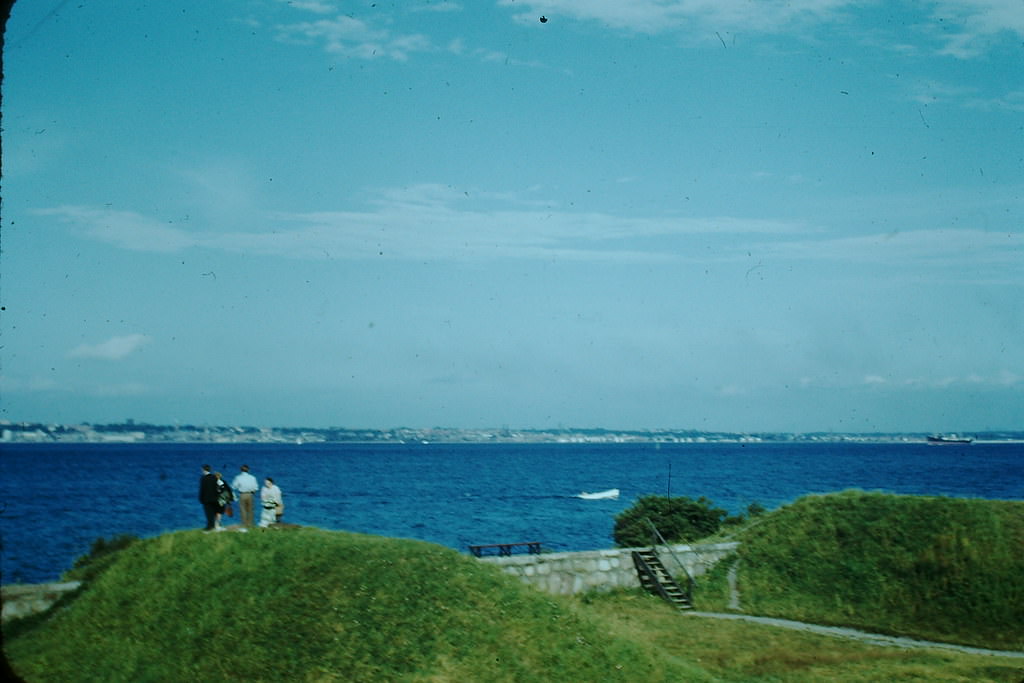
Beyond Copenhagen, Denmark’s countryside and castles tell another part of the story. Frederiksborg and Kronborg castles — both well outside the capital — were photographed extensively during this period. Kronborg, perched on the narrow strait between Denmark and Sweden, held strategic significance during the occupation, as that waterway was a key passage for Baltic Sea traffic.
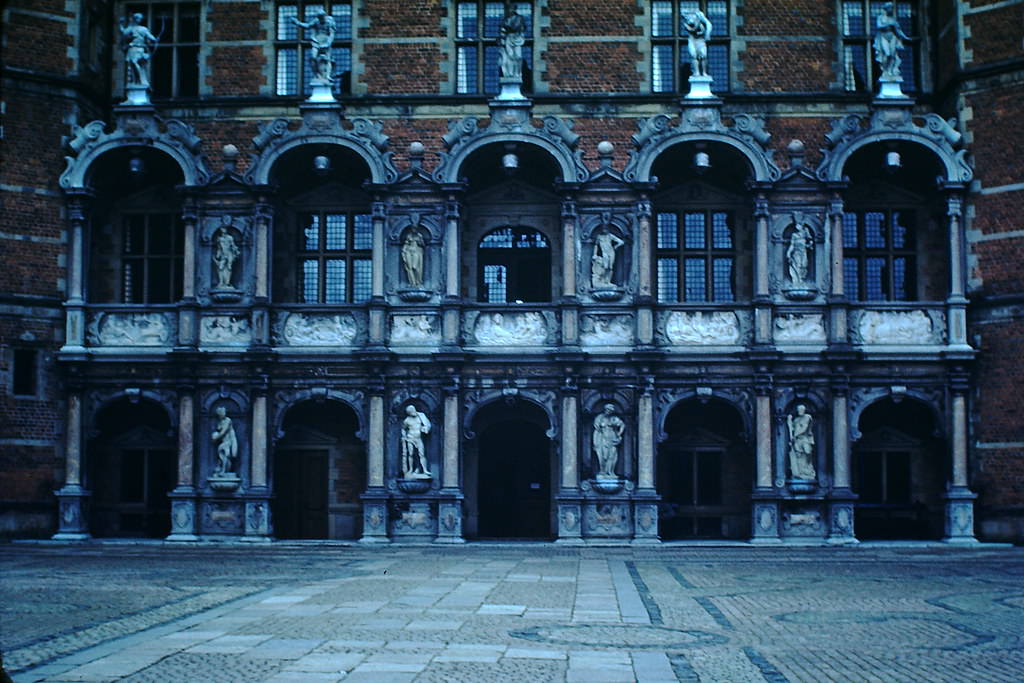
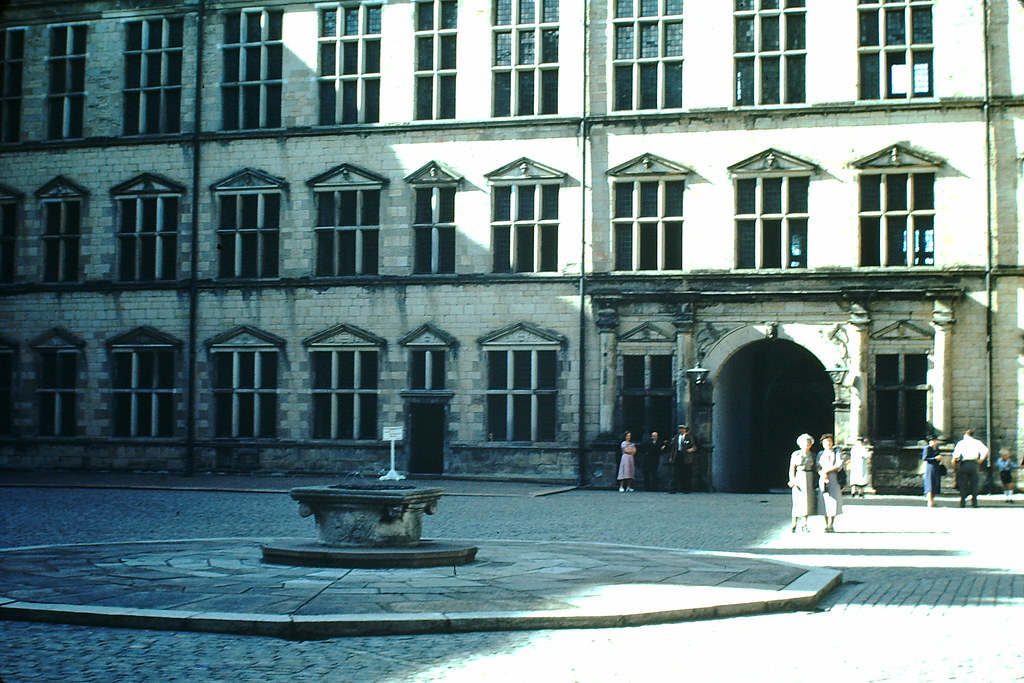
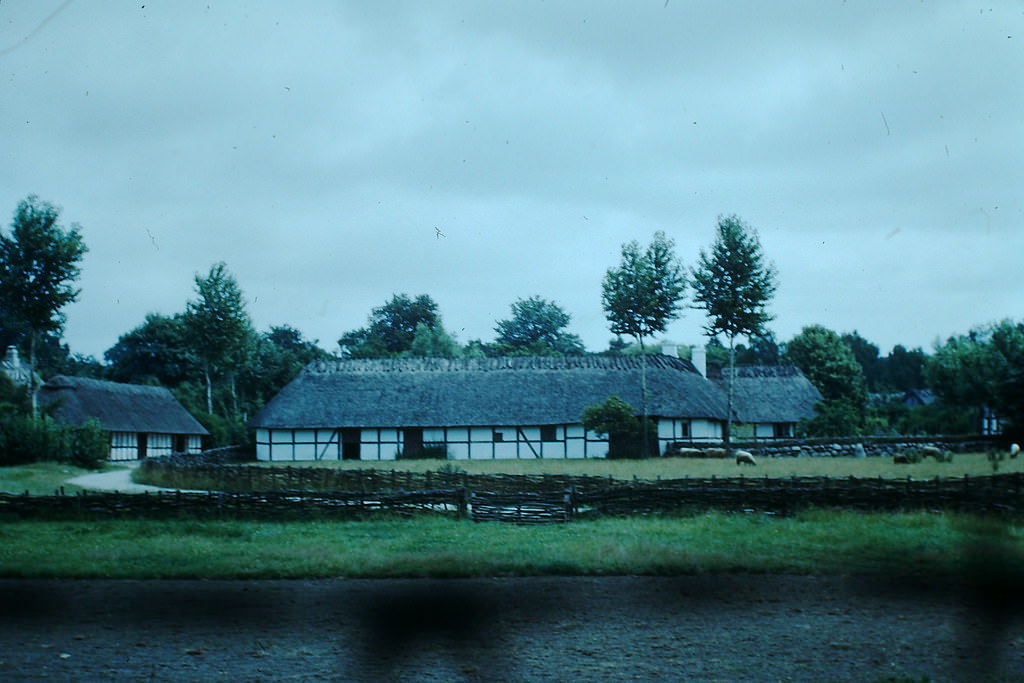
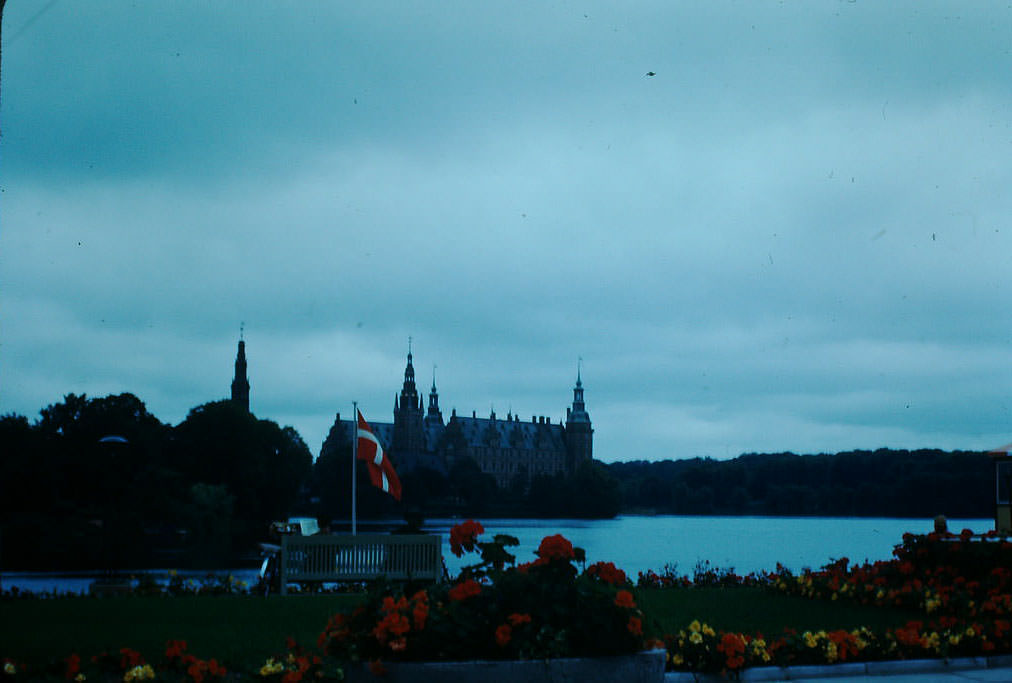
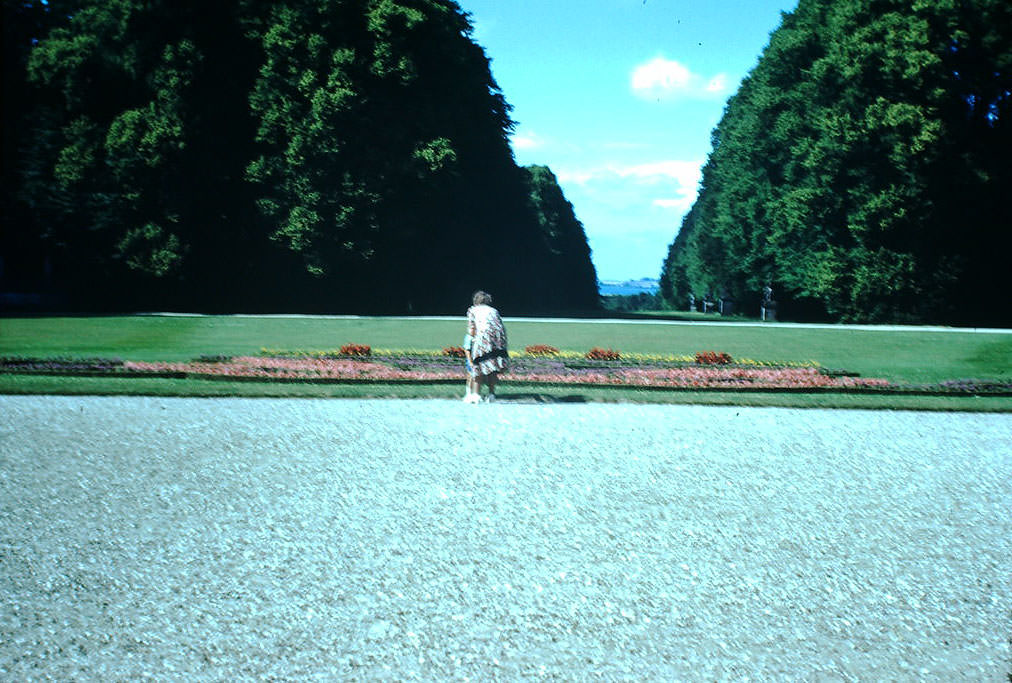
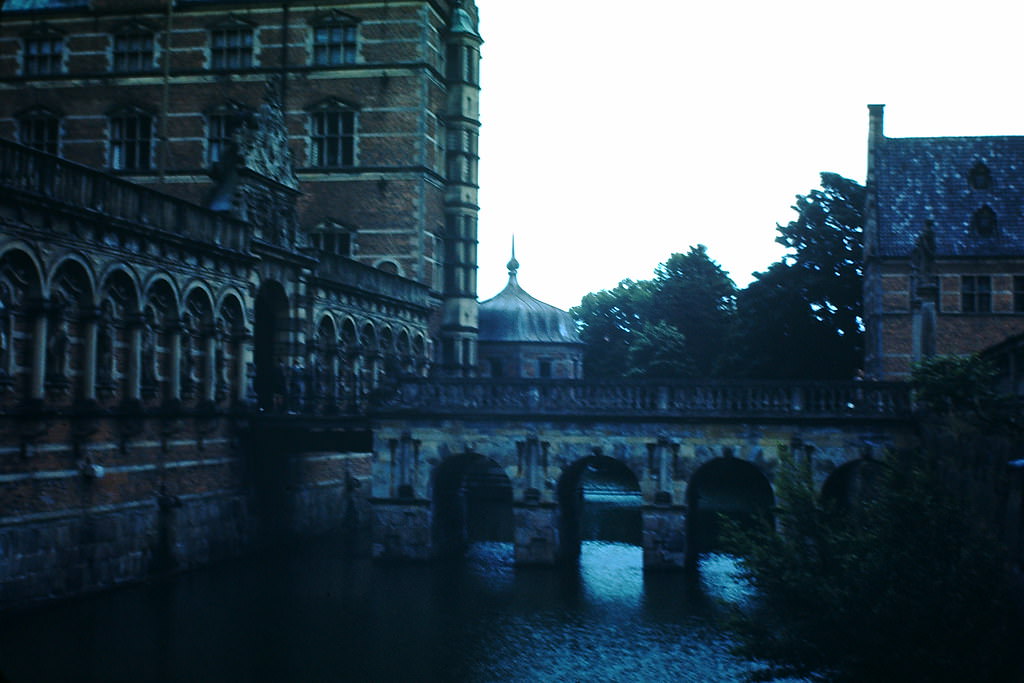
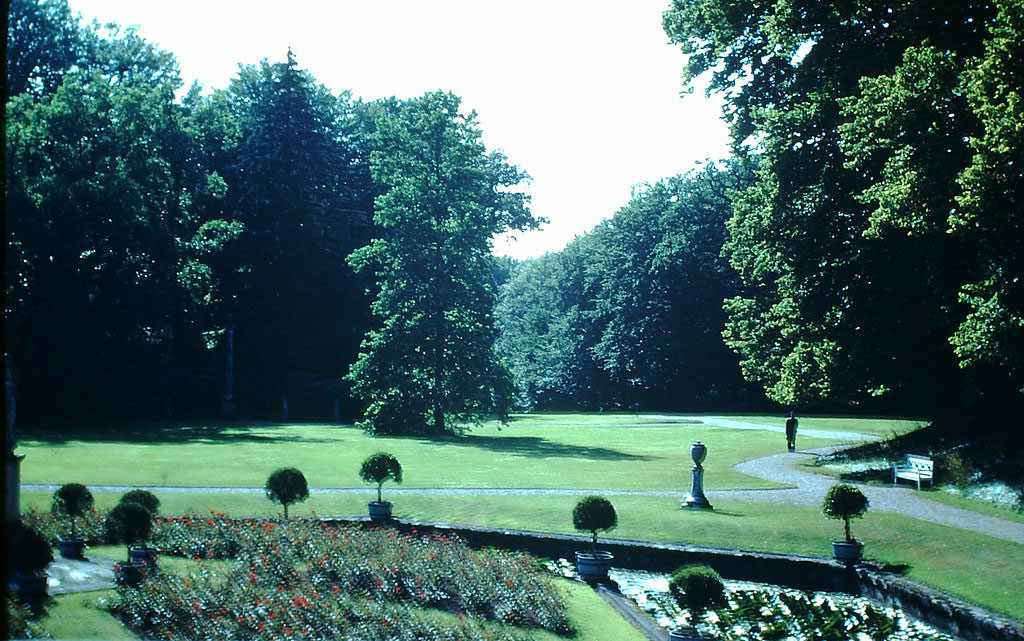
Frederiksborg Castle, with its sprawling moat and baroque gardens, appears in several of these photographs. The castle had served as Denmark’s Museum of National History since the late 19th century, and its grounds remained open and preserved throughout the war years, offering a visual record of Danish heritage frozen in the 1940s.