Denmark has long placed education at the center of its society. Most schooling is funded through taxes, and learning does not stop after graduation — adults regularly enroll in additional courses to build professional skills or explore personal interests. Today, Denmark’s public day-care system begins at age nine months, and by age four, nearly 98% of Danish children attend public kindergartens. This widespread access to early education did not happen overnight. It developed over centuries, shaped by social reform, private initiative, and a growing belief that children deserve structured learning from a very young age.
The roots of Danish pre-school education stretch back to the 1820s. Private citizens — not the government — took the first steps, opening institutions for children whose parents worked outside the home. These early facilities were modest and practical, focused on keeping children safe while their parents earned a living. Between 1850 and 1900, more private institutions appeared, and many offered only part-time enrollment. What set these newer schools apart was their focus on teaching. Unlike earlier setups that functioned mainly as holding spaces for working-class families, these institutions had clear educational goals.
It is worth noting that the earliest pre-schools were not designed equally for all children. Many targeted the children of more privileged families, and the institutions carried a social divide within their walls. The children of working-class parents had access to basic care, while wealthier families sought schools with stronger academic aims. This gap began to close through policy. Denmark’s social reform of 1933 was a turning point — the state agreed to cover up to 50% of the operational costs of these institutions, making quality early education more financially sustainable across the board.
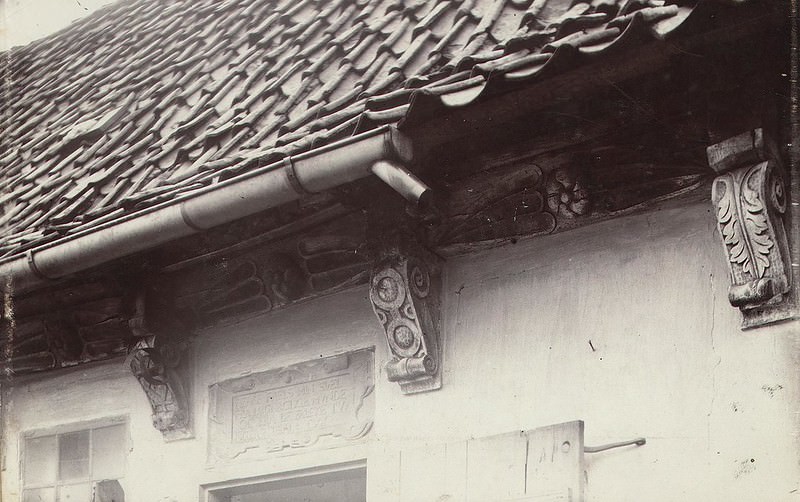
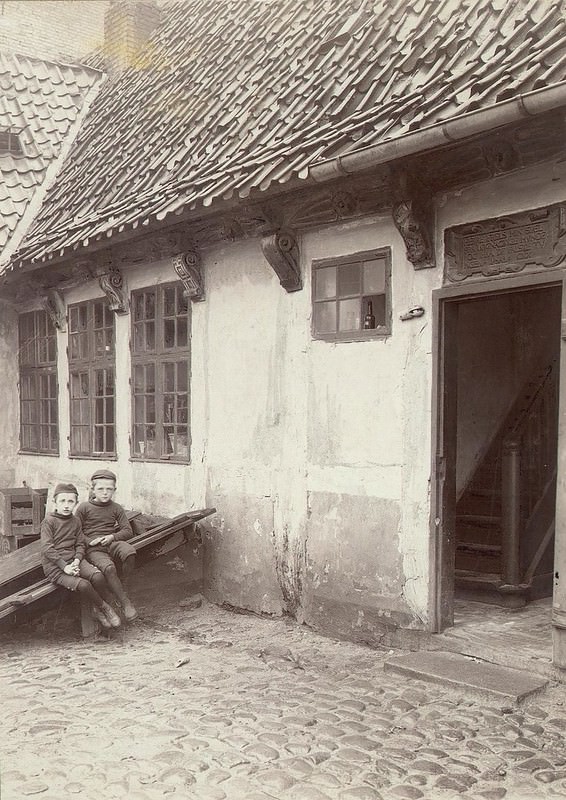
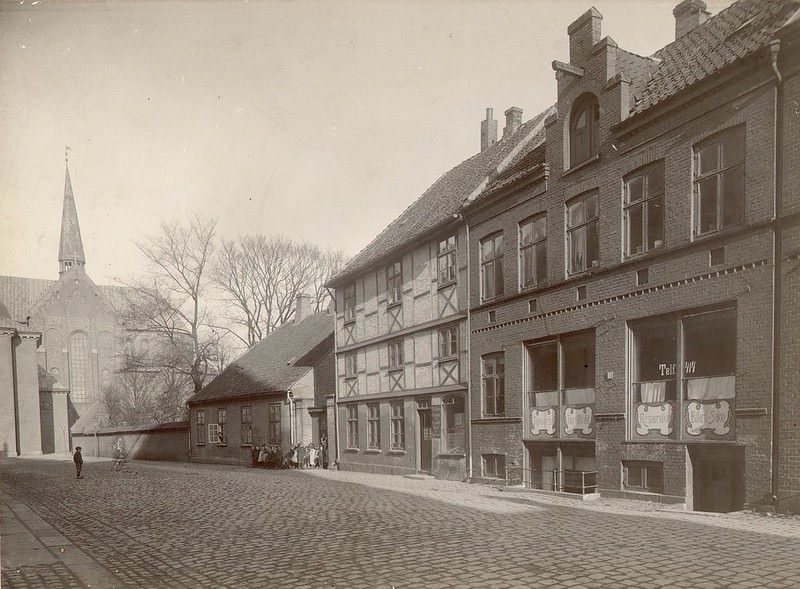
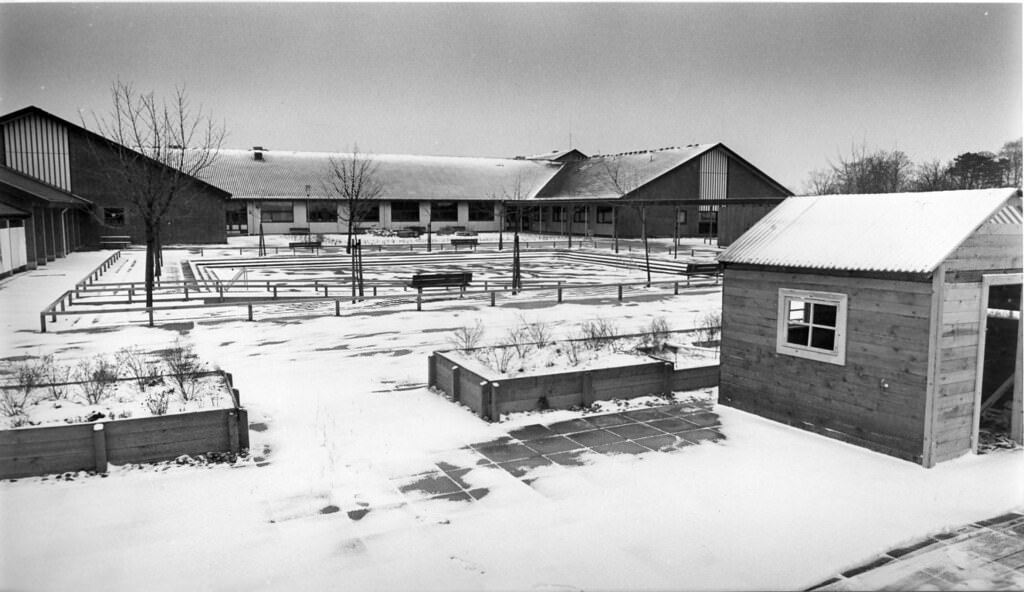
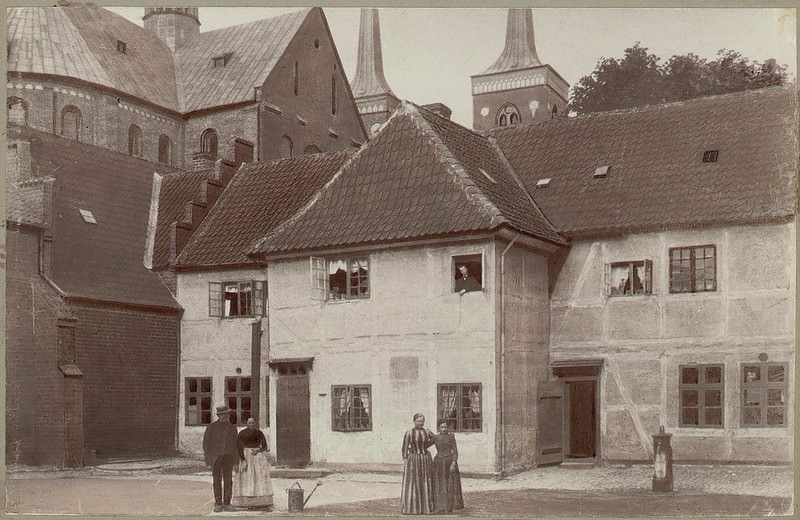
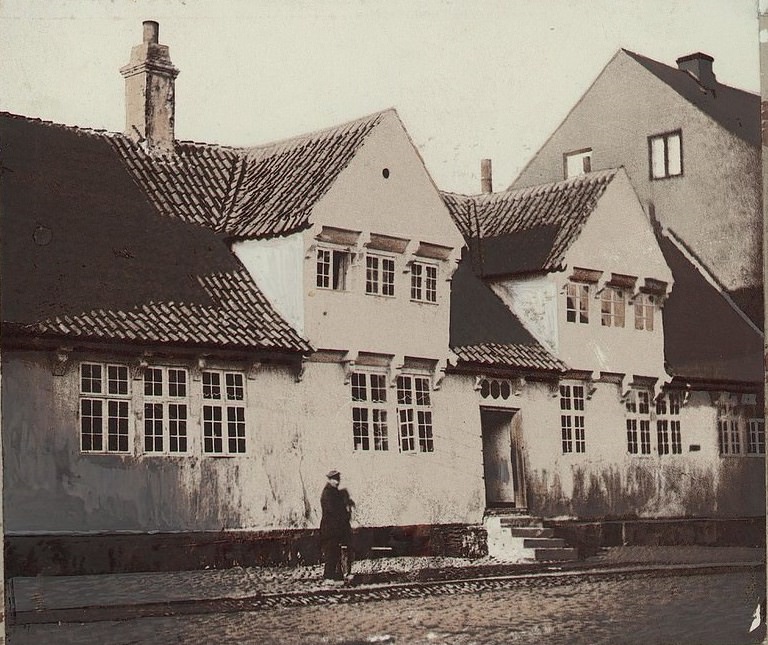
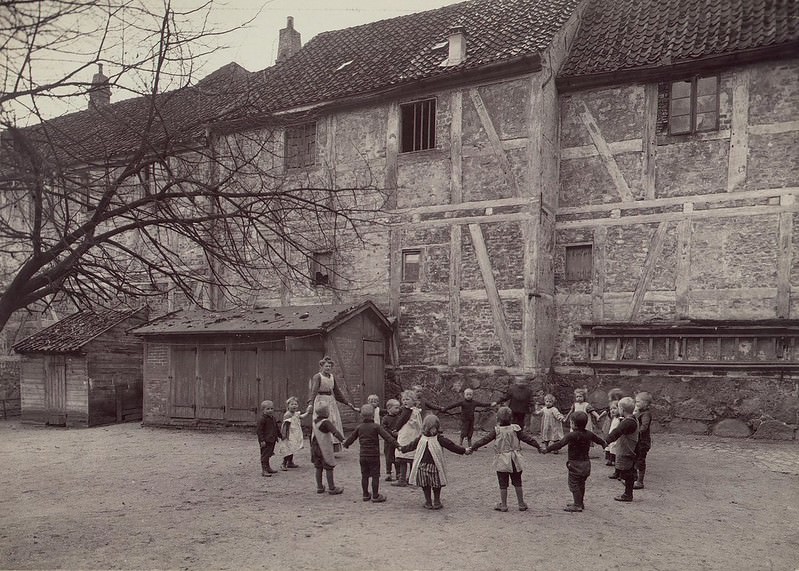
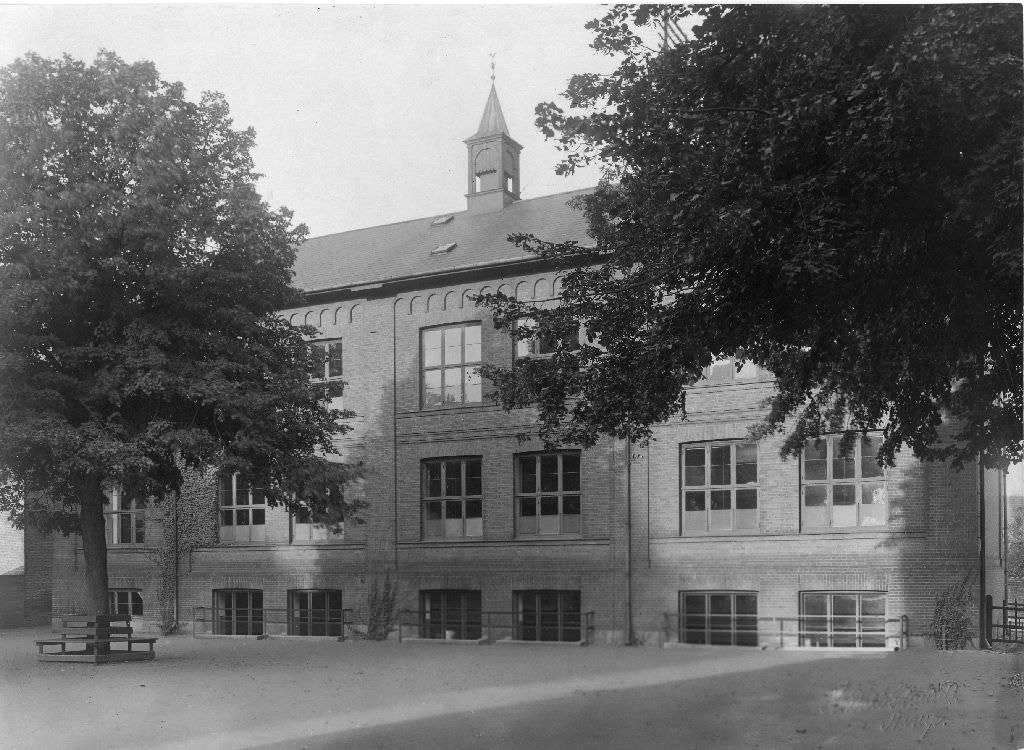
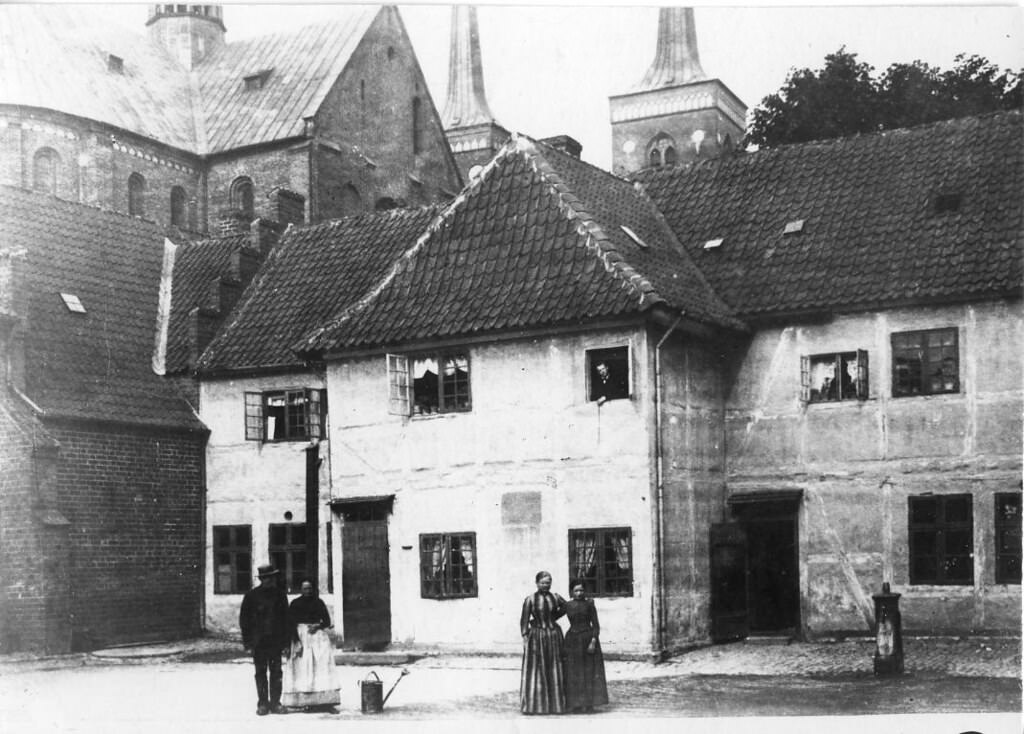
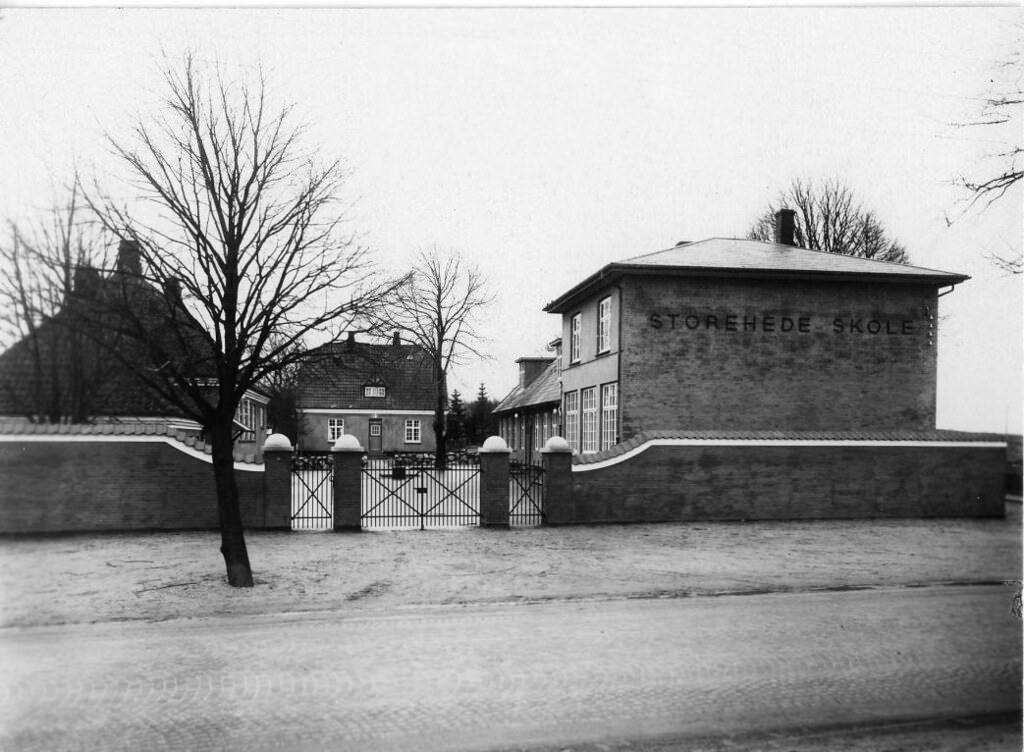
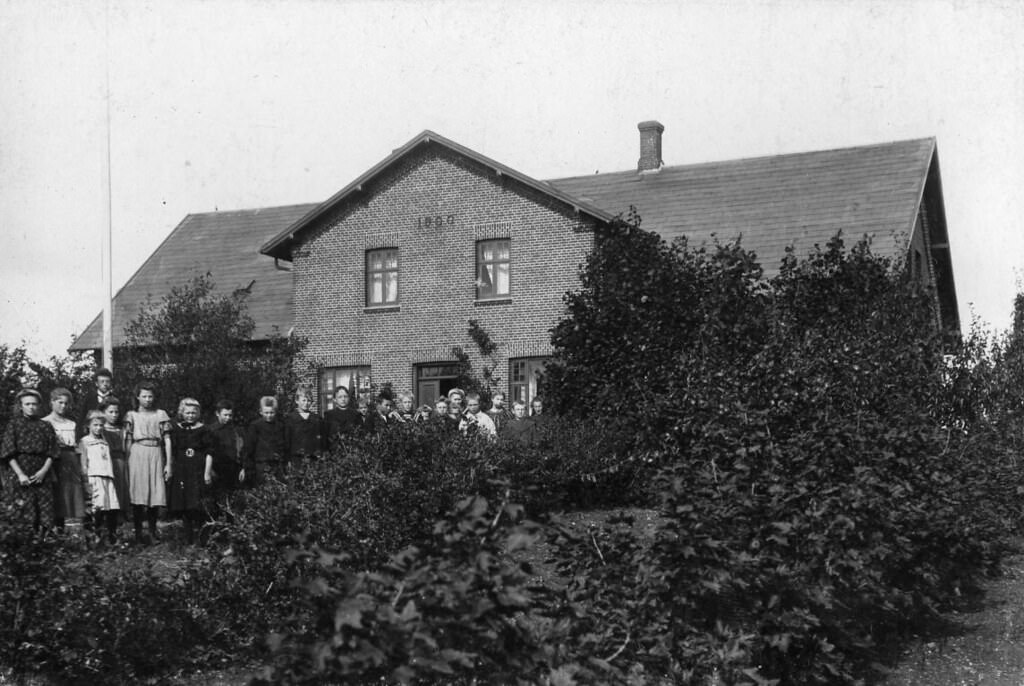
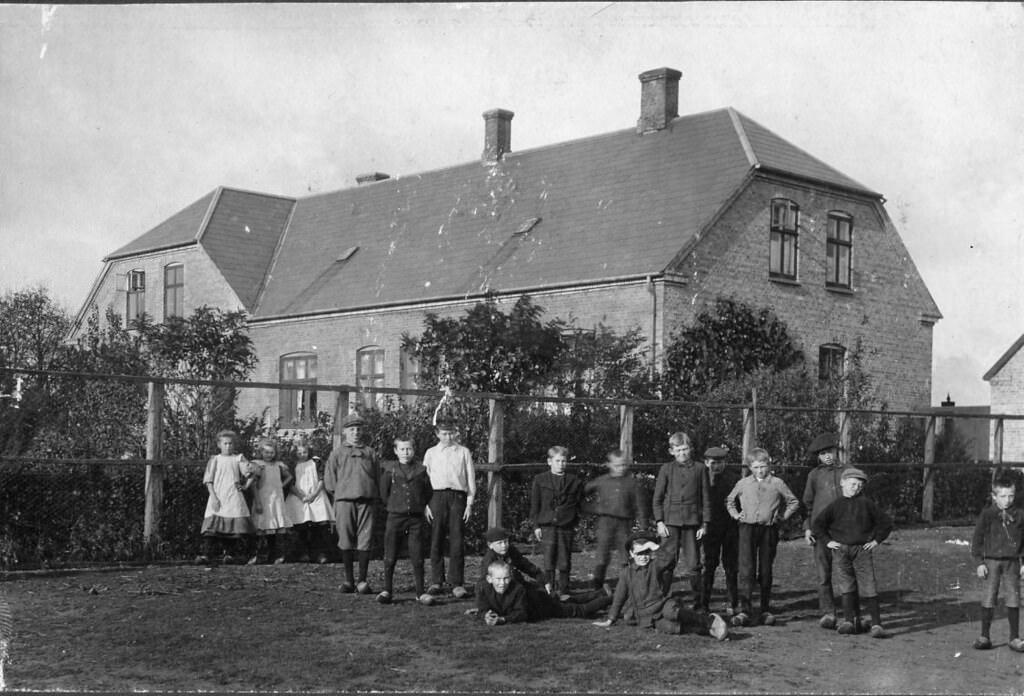
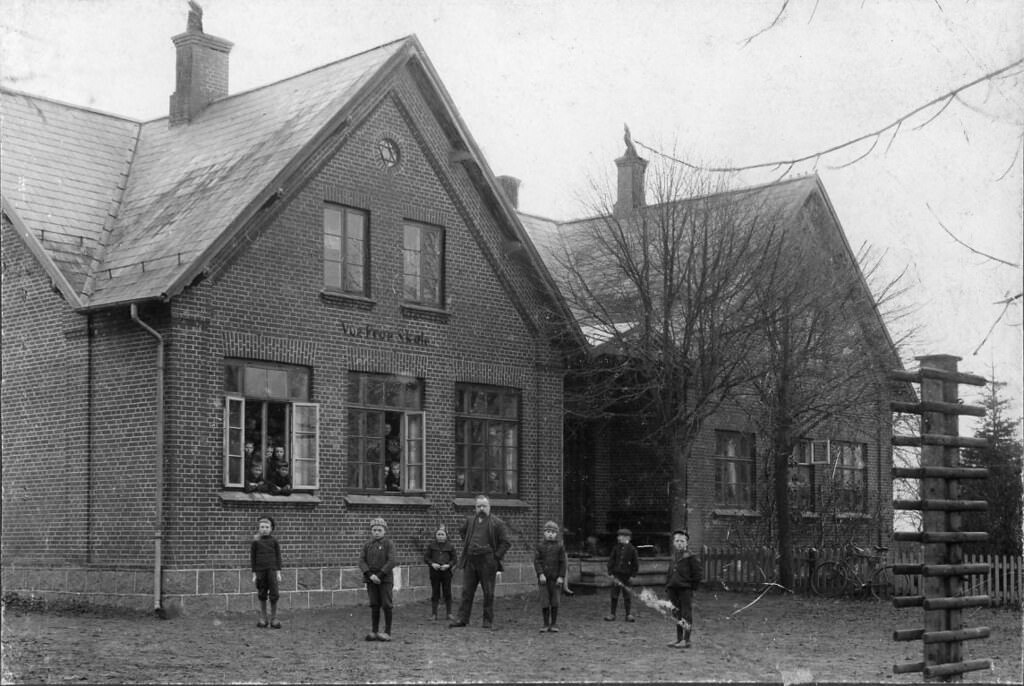
The physical spaces of these schools tell their own story. Teachers often lived on school grounds, and the architecture reflected the role education played in the community. Residences, courtyards, and nearby farmland were all part of the school environment, as seen in many of the surviving photographs from the late 19th and early 20th centuries.
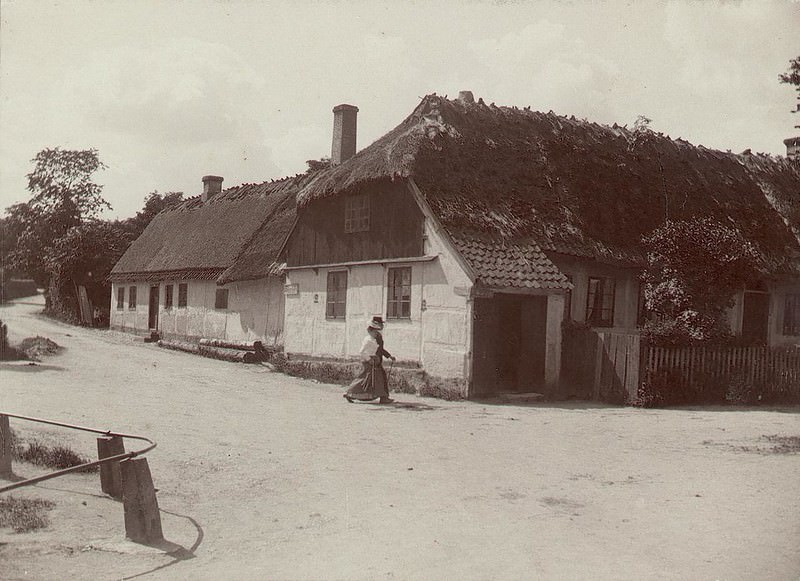
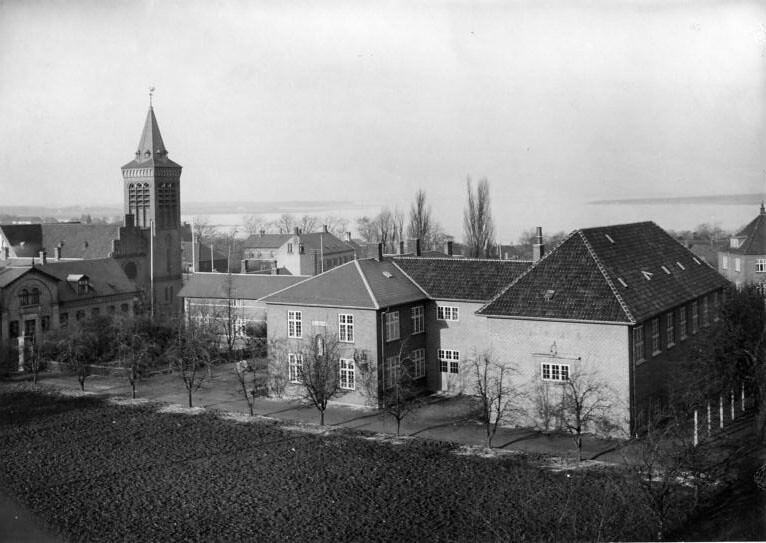
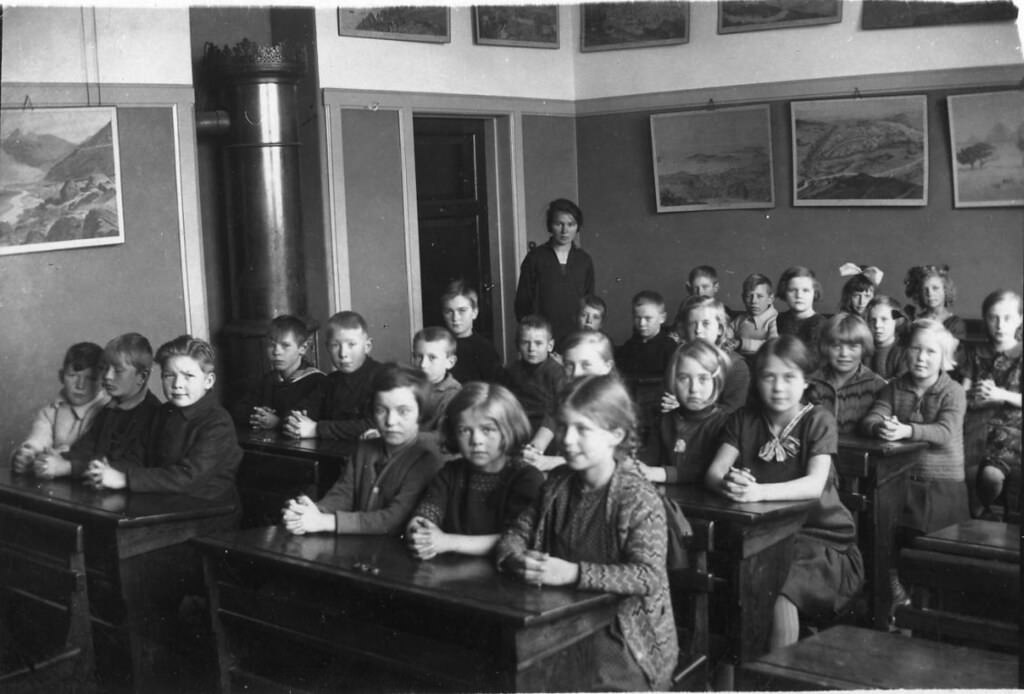
Schools like Absalon School, photographed in the early 1910s and again in 1924, offer a window into how these institutions looked and functioned across different decades. Class photos from this era show rows of neatly dressed children, often seated or standing in strict formation — a reflection of the discipline that defined school life at the time.
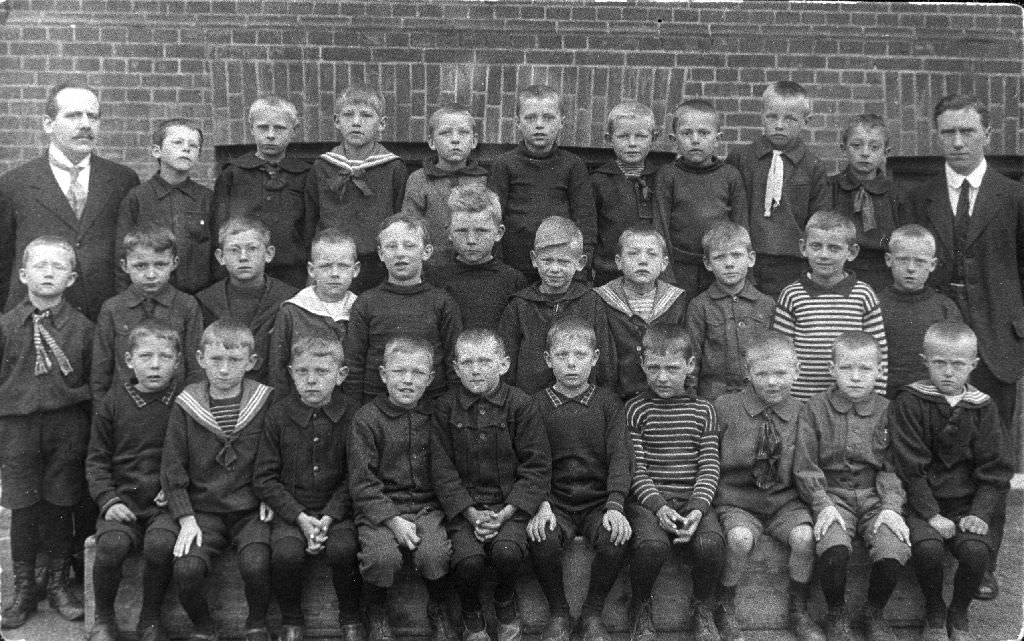
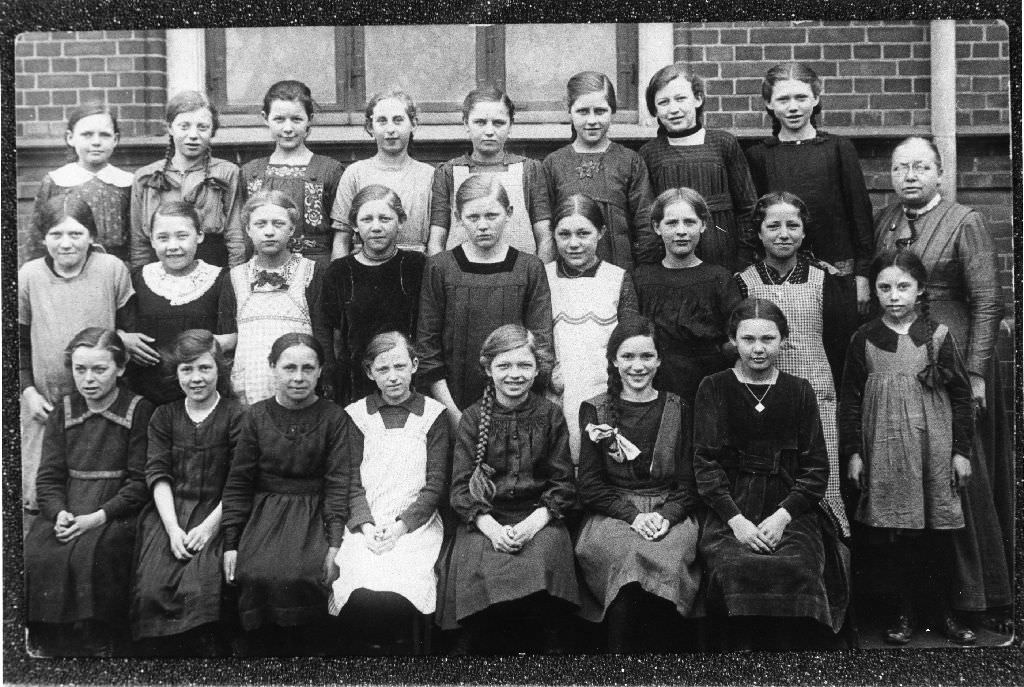
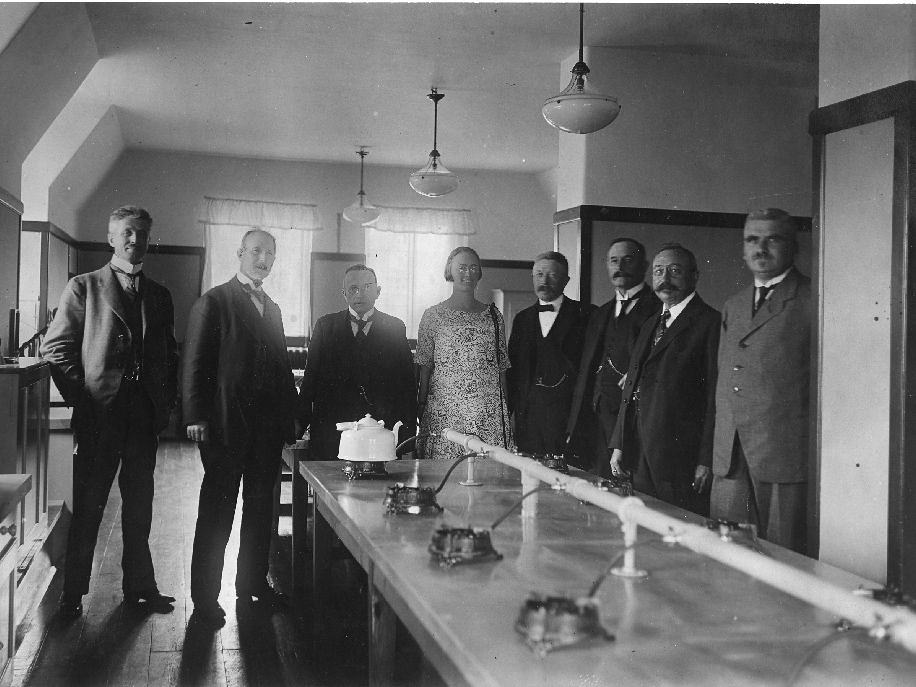
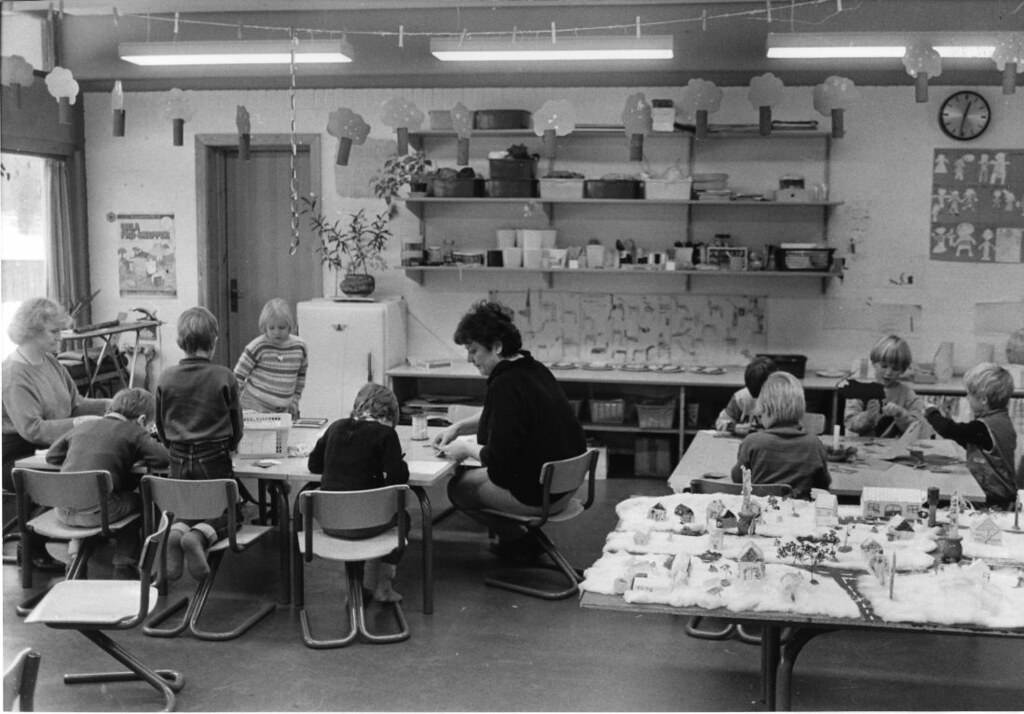
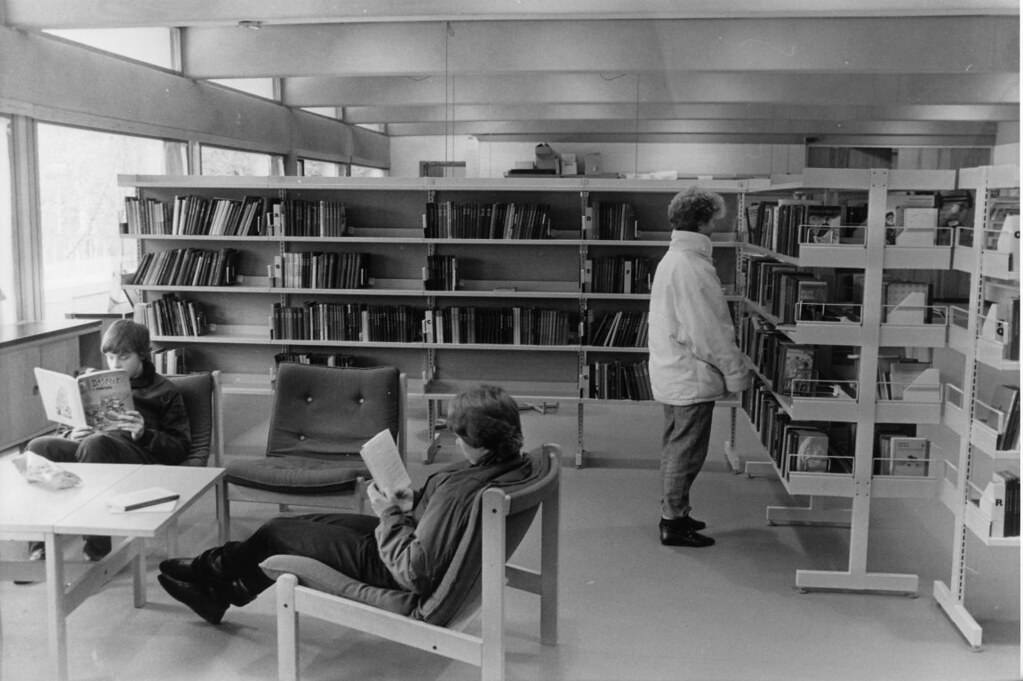
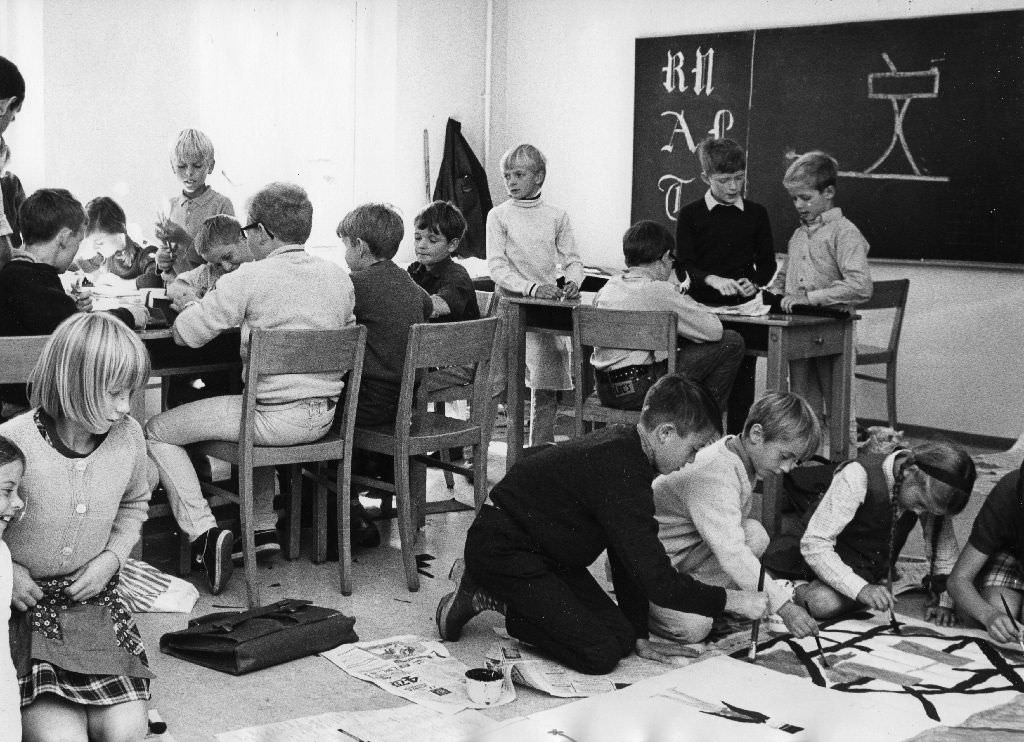
Allehelgensgade School appears repeatedly in the historical record, with photographs spanning from around 1910 all the way to 1978. This range alone shows how much school life changed over those decades — from formal class portraits in Edwardian dress to more relaxed classroom settings in the late 1960s.
By 1987, the Danish government transferred financial responsibility for pre-schools and kindergartens to individual municipalities. This decentralization gave local governments more control over how schools were run and funded. The shift was part of a broader administrative trend in Denmark, moving decision-making closer to the communities being served.
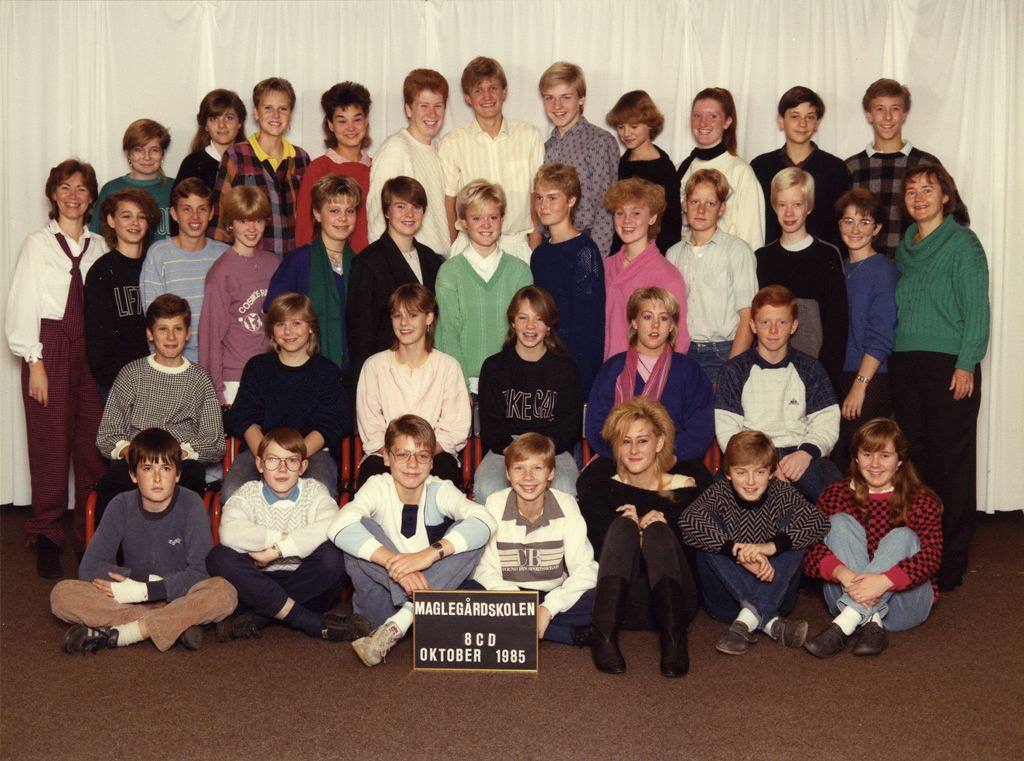
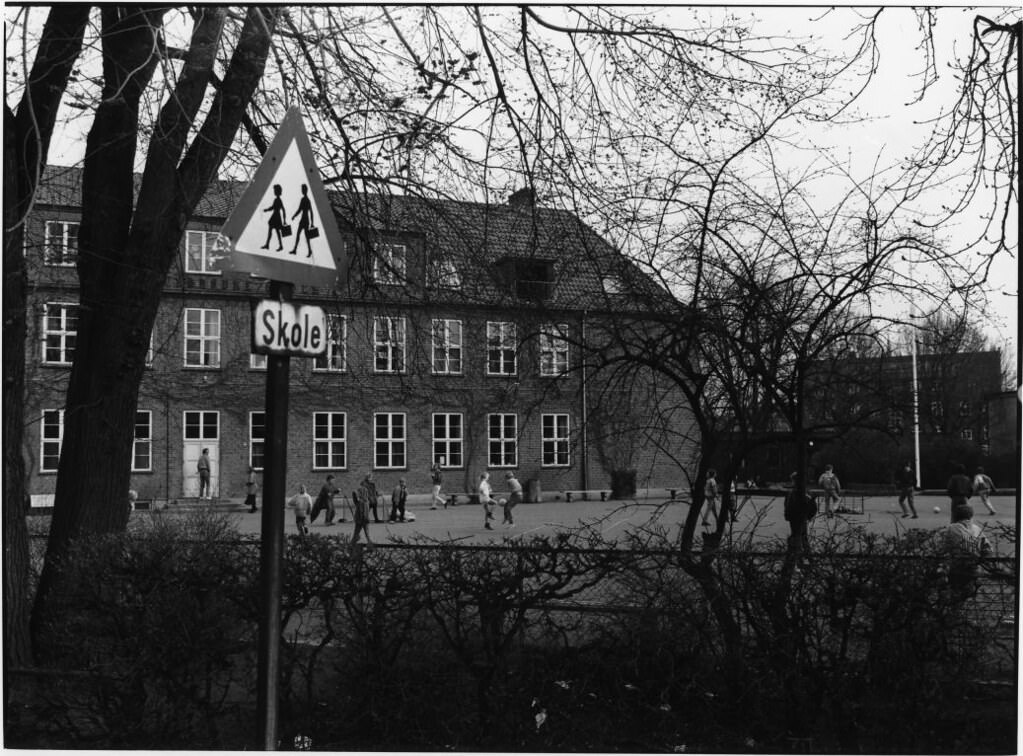
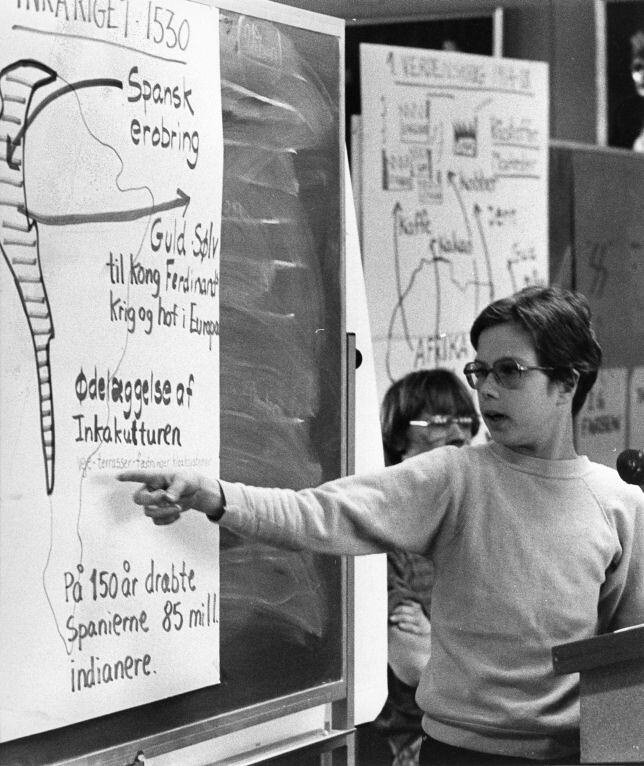
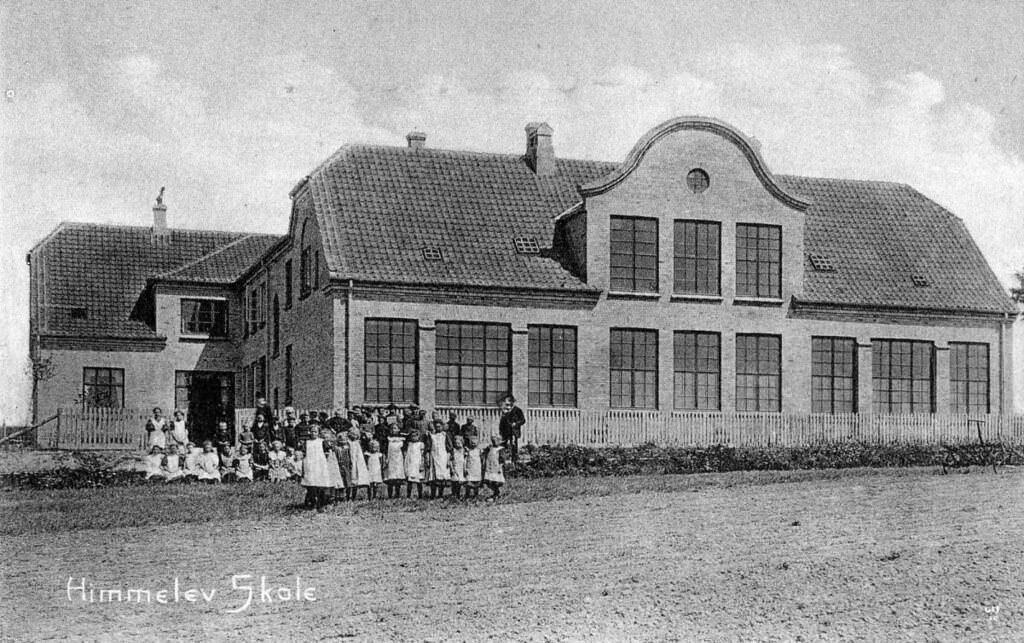
Rural schools like Himmelev and the Cathedral School also left behind strong photographic records. These institutions served smaller communities and often had a more intimate feel than their urban counterparts. Cathedral School’s 7th grade photo from 1861 is among the oldest surviving class images in the collection, providing a rare look at mid-19th century Danish school life.
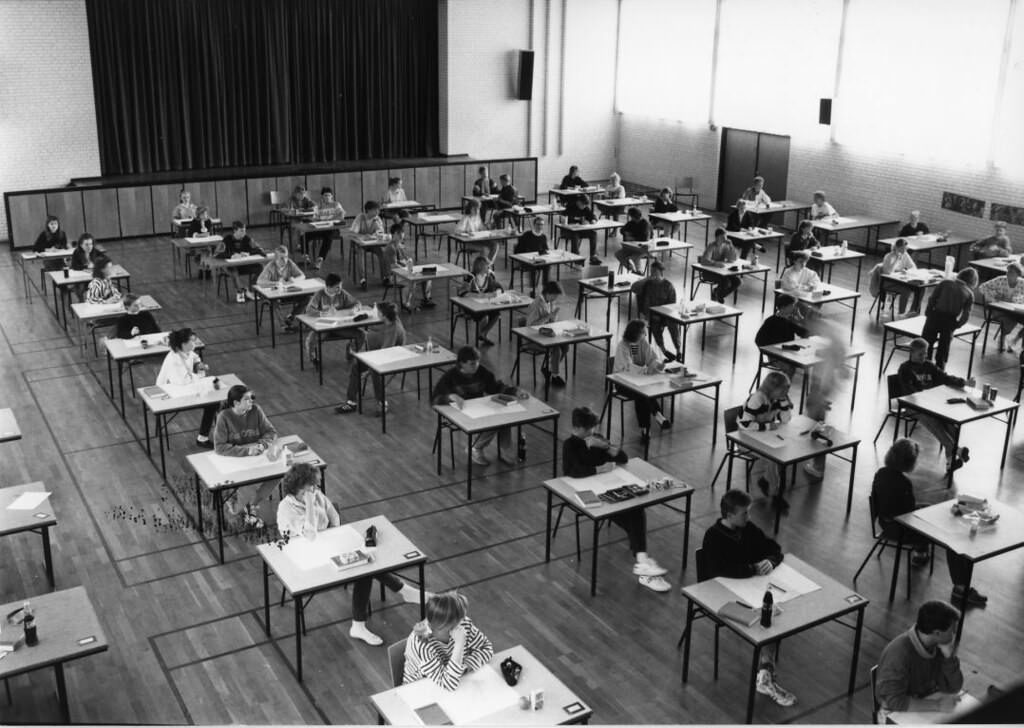
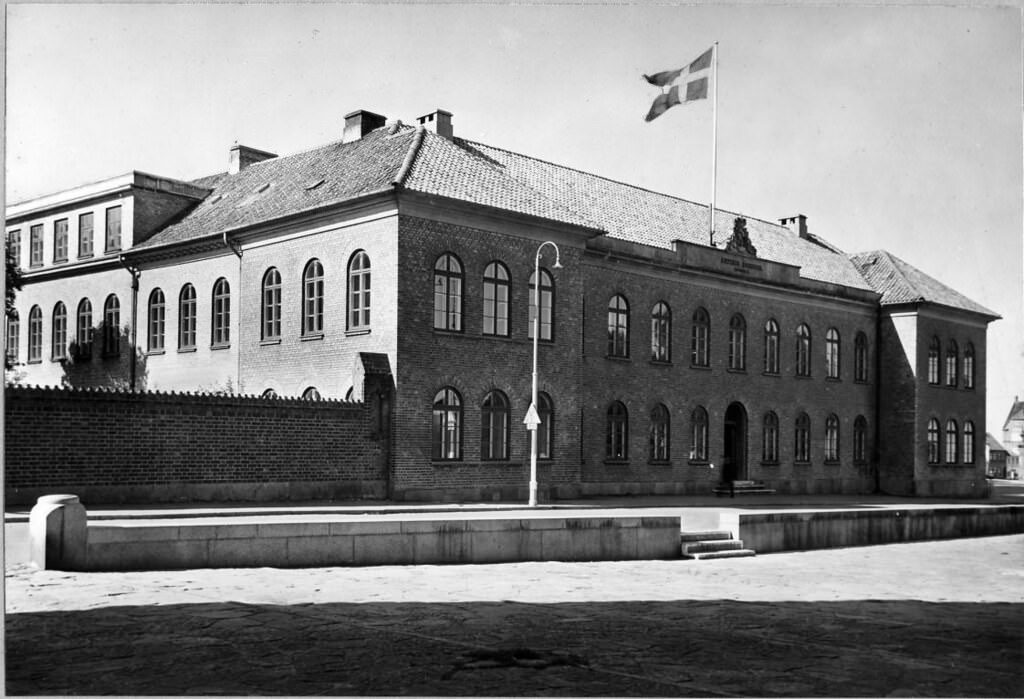
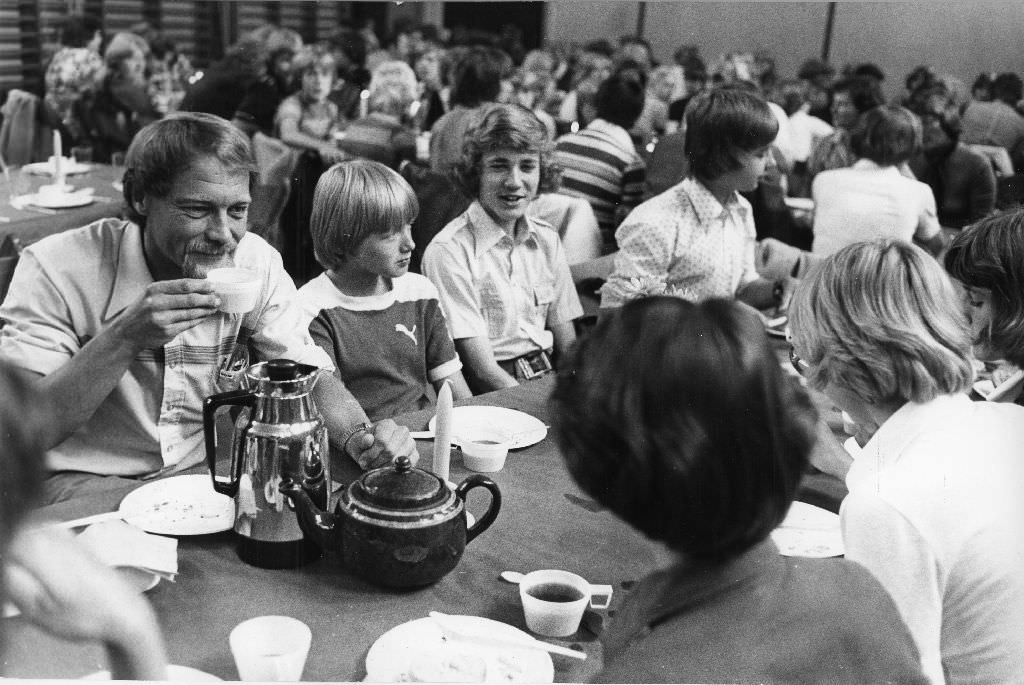
Girls’ education in Denmark had its own dedicated institutions. The Roskilde Girls’ School, founded in 1855, appears in photographs from as early as 1904 under the direction of Frk. Wage. These images document not just the school buildings but also the women who led them — a reminder that female educators were central to Danish schooling well before the 20th century.
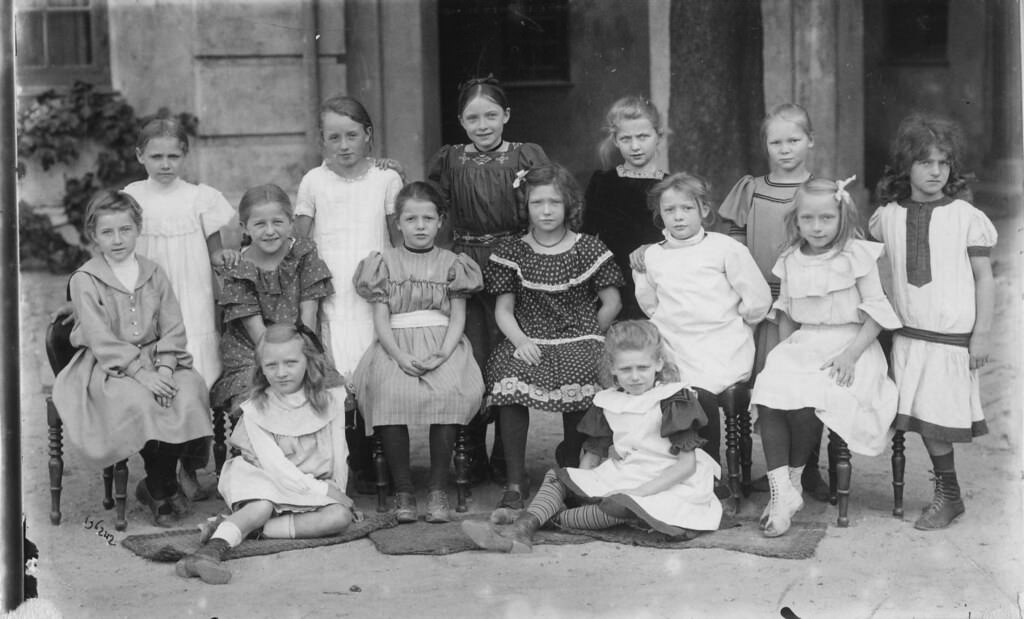
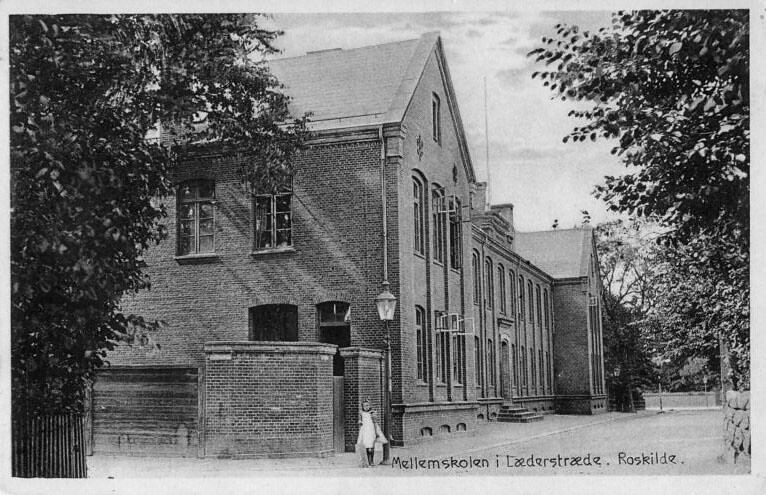
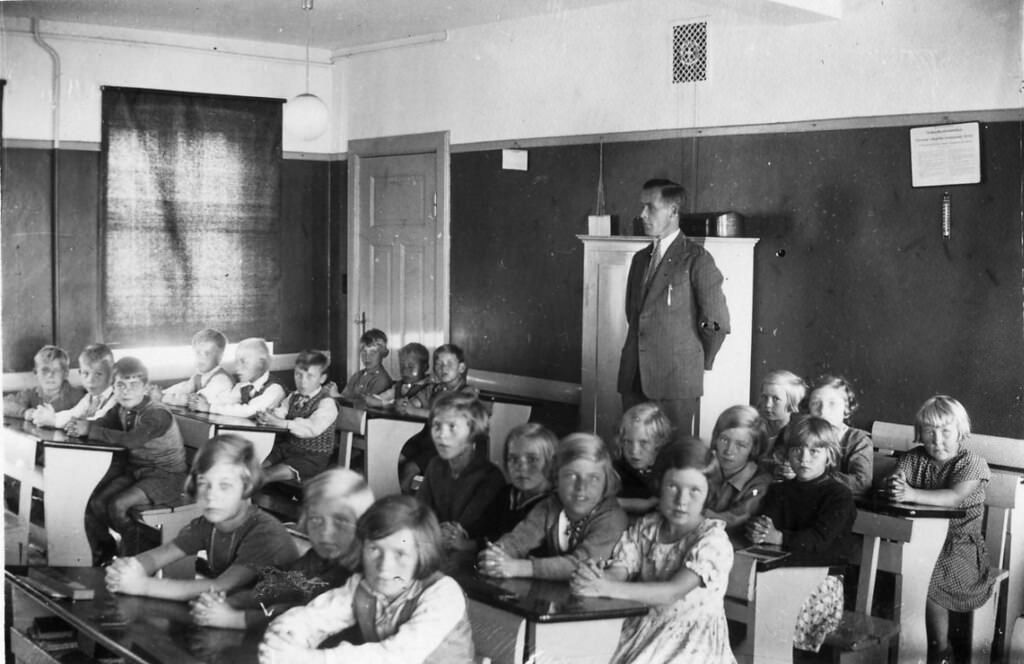
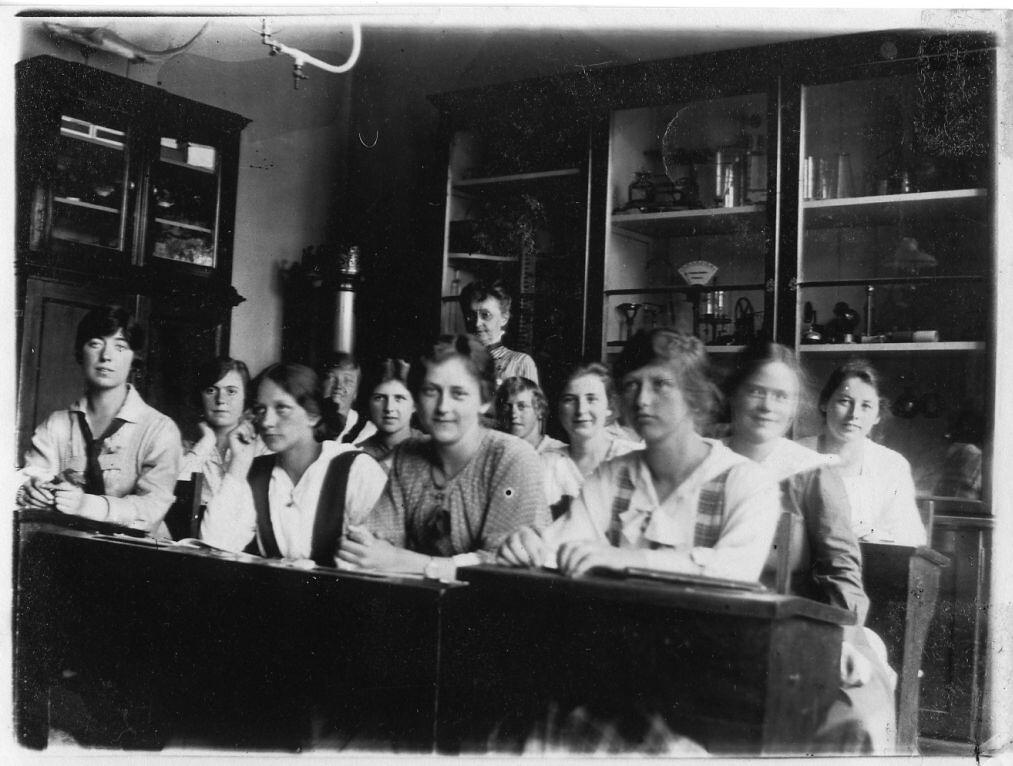
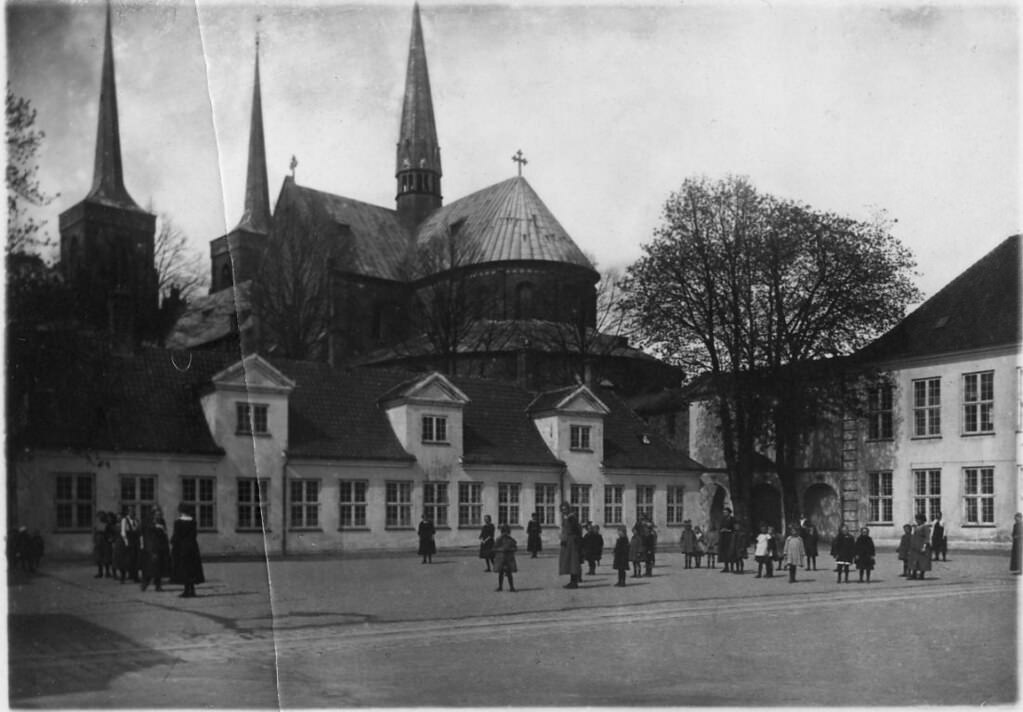
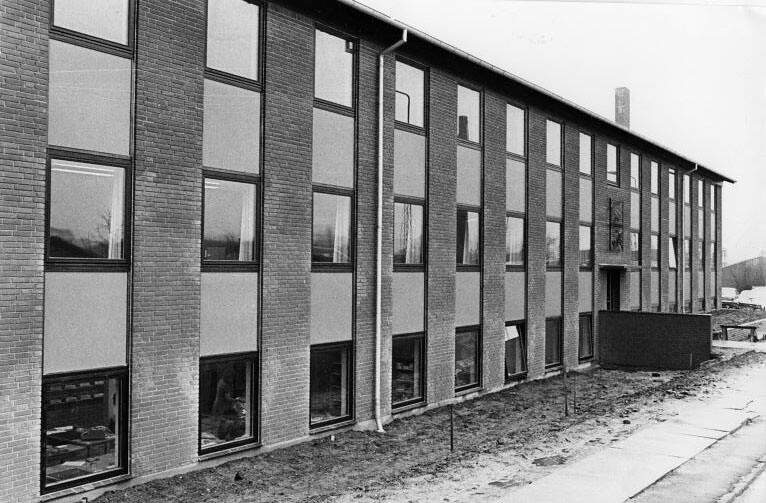
The Cathedral School in Roskilde has one of the longest documented histories in this collection. Photographs from before 1922, through the early 1900s, and into 1933 show the school across several eras. Each image captures changes in uniform, classroom arrangement, and the physical school buildings themselves.
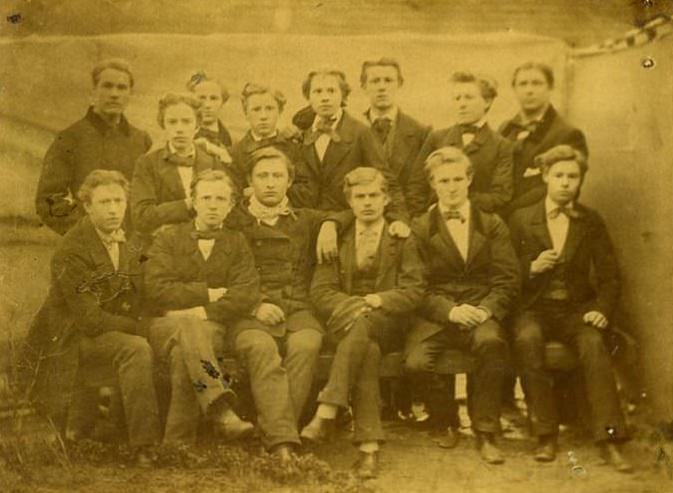
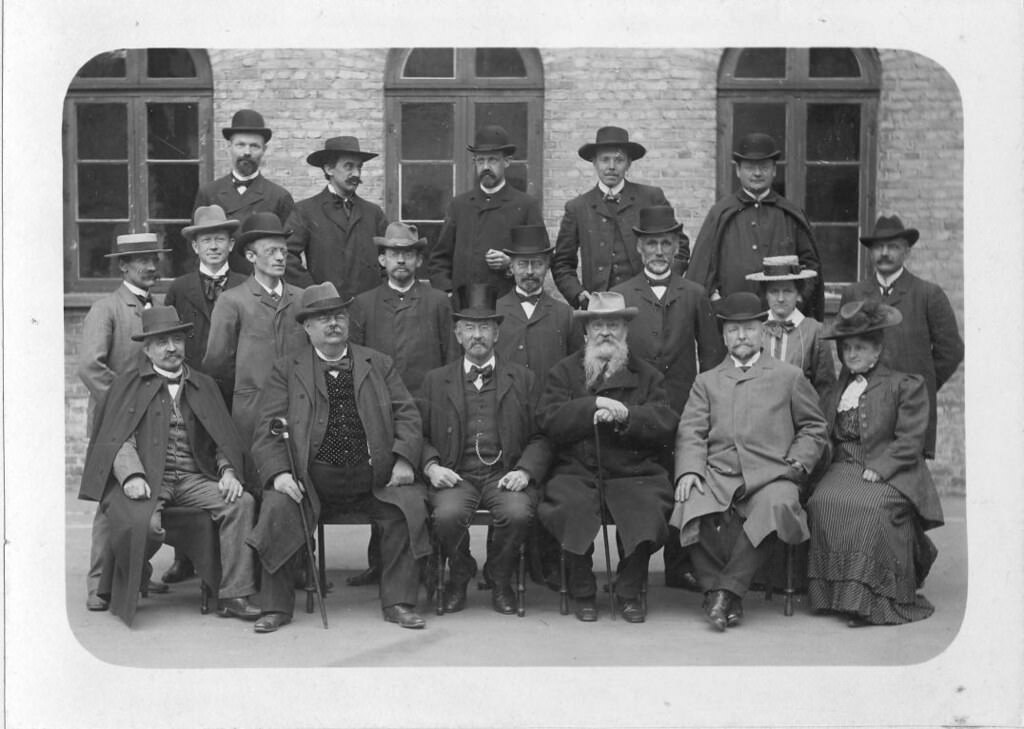
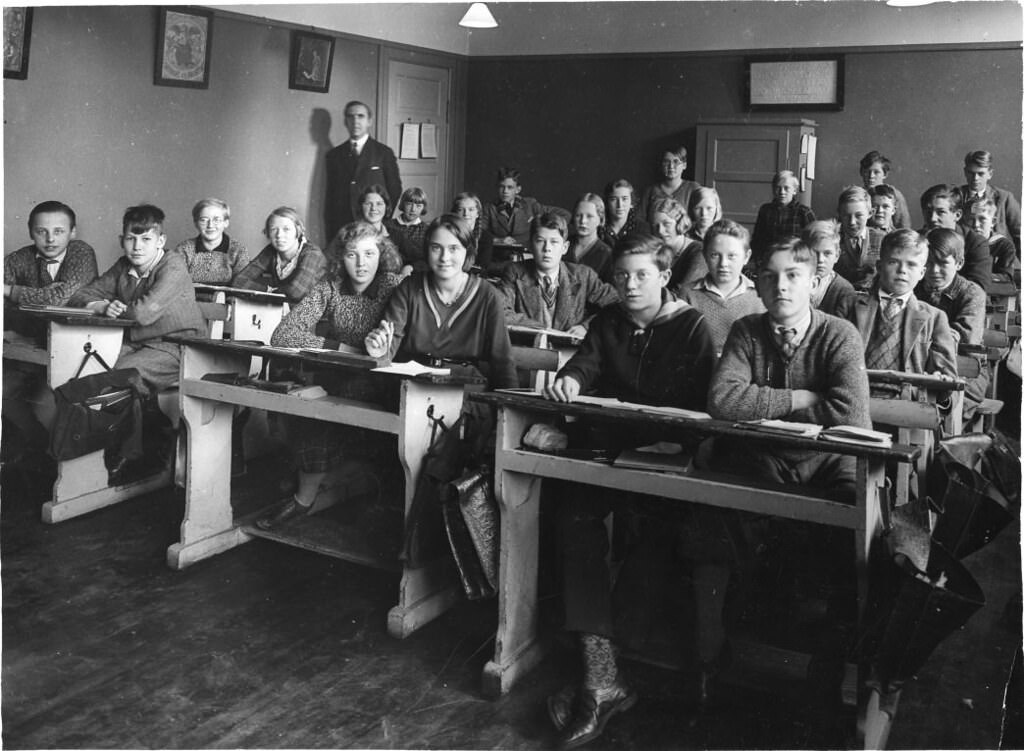
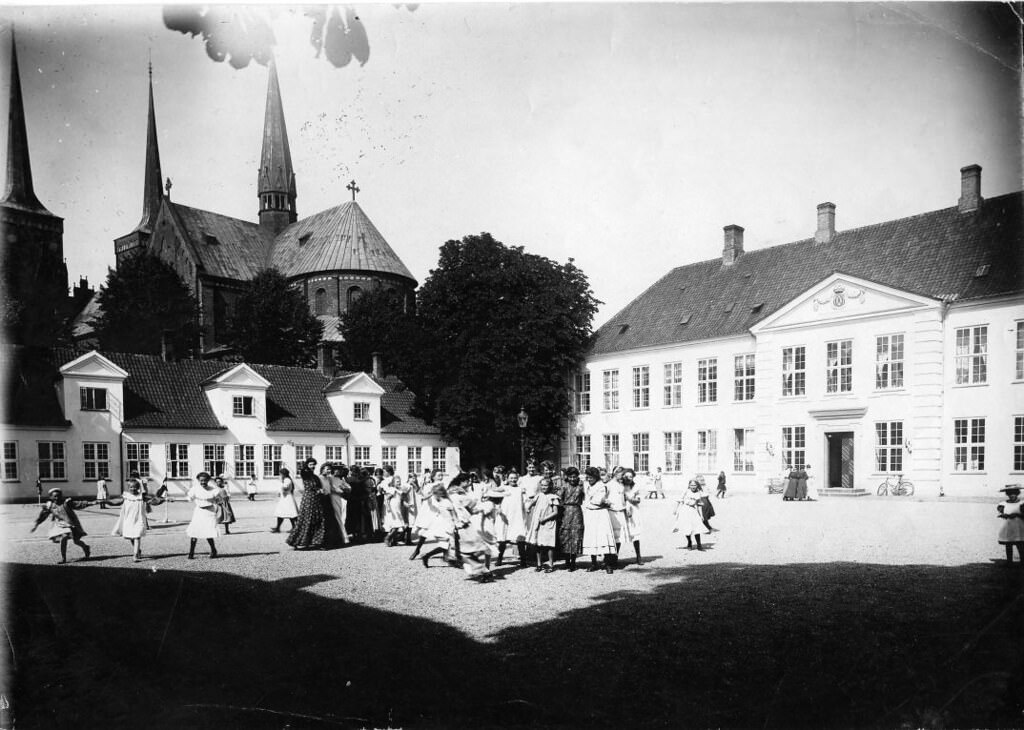
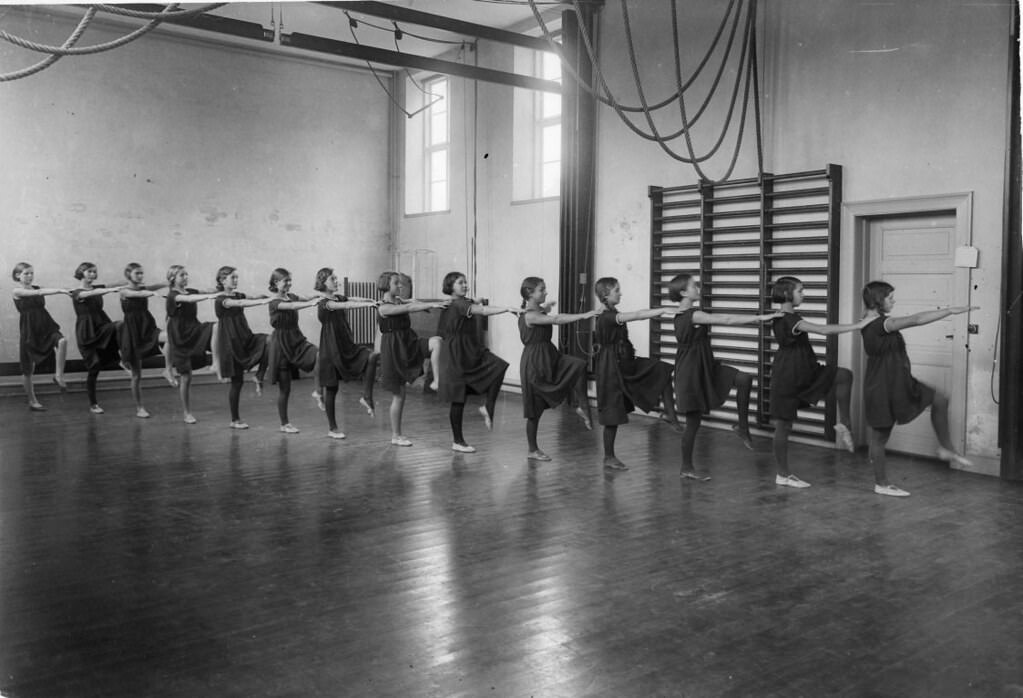
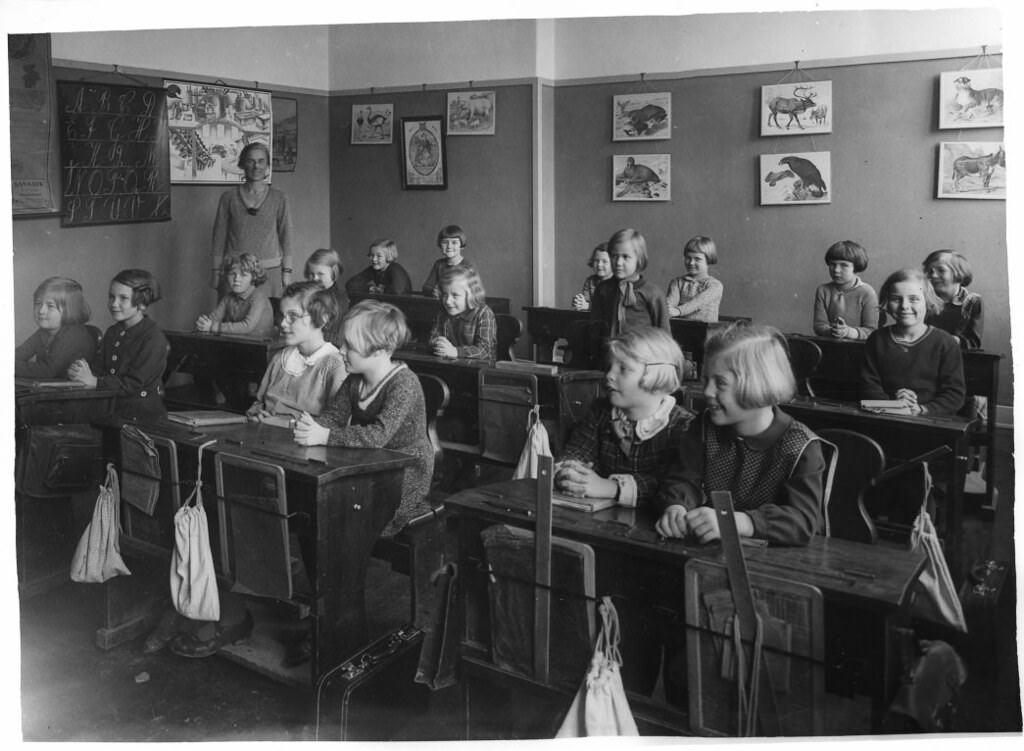
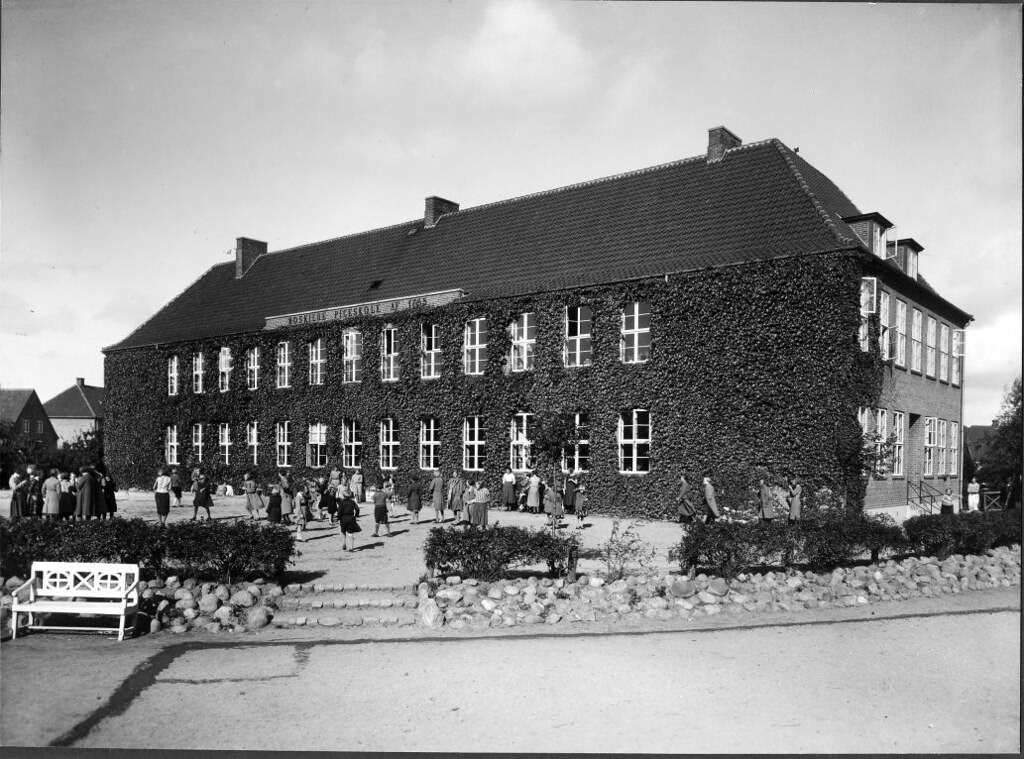
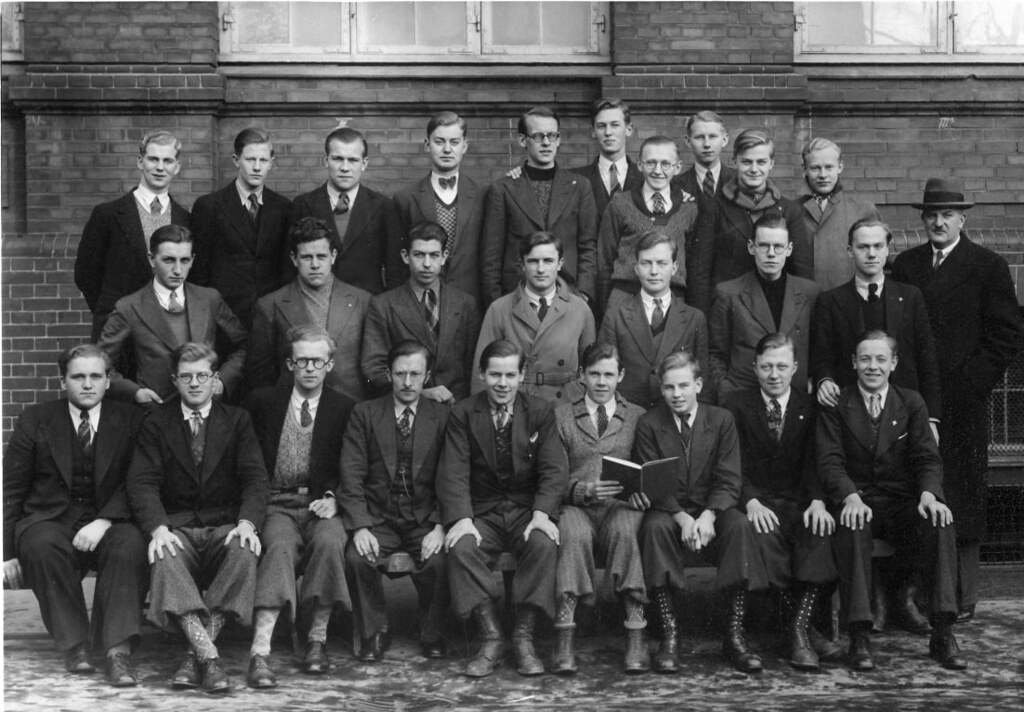
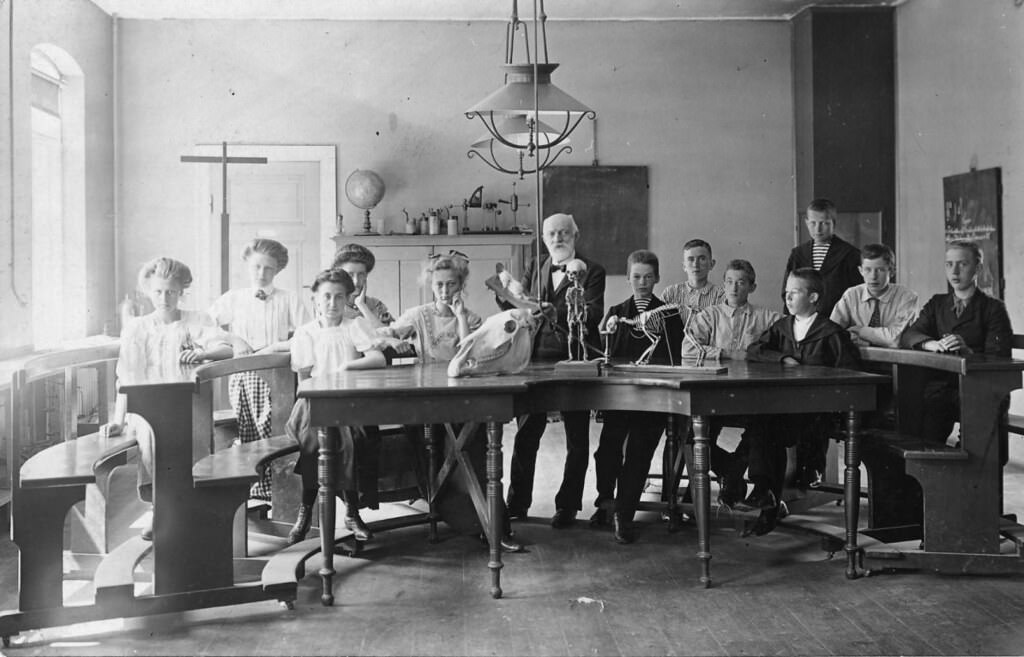
Class photos from Absalon’s School around 1912–1913 show boys seated in formal rows, while the Borgerskolen student photo from the early 1900s presents a similar image. The Citizens’ School photograph from around 1907 follows the same visual language — serious expressions, careful composition, and a clear effort to document each student as part of an institution.
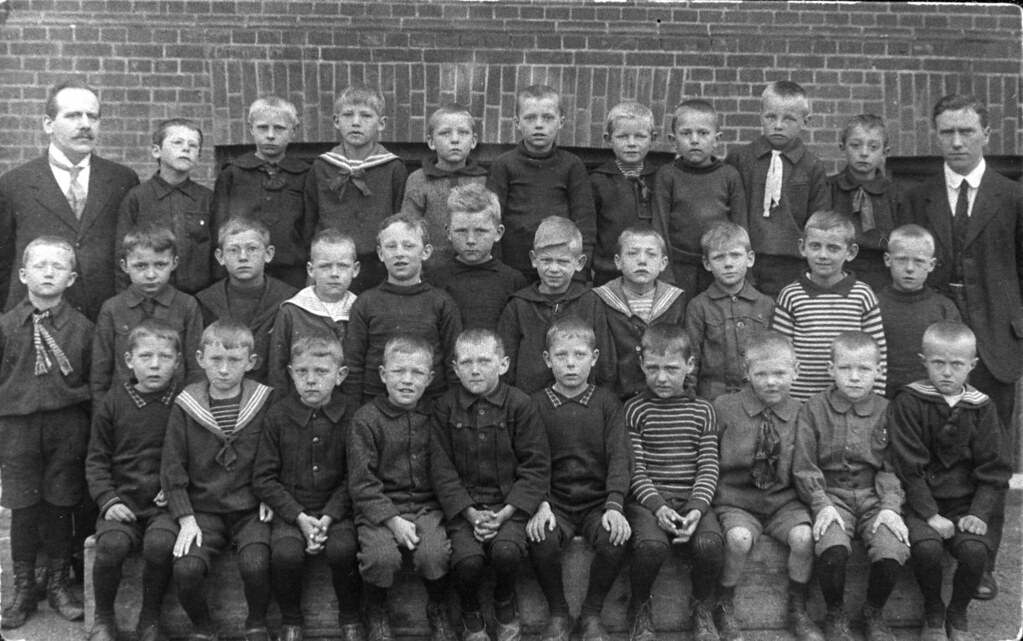
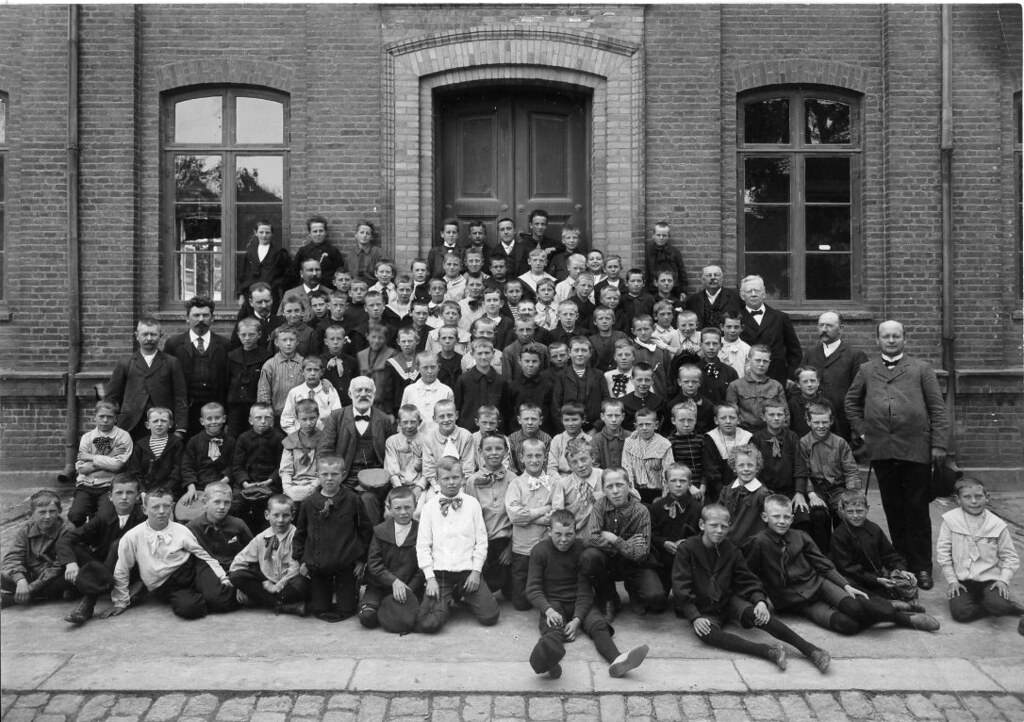
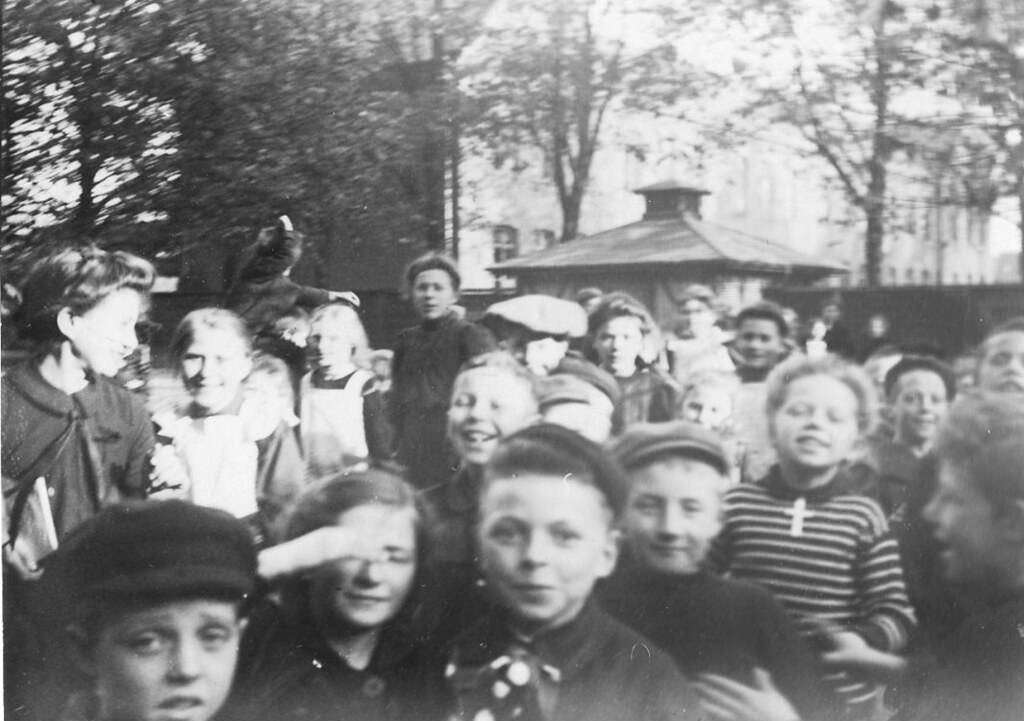
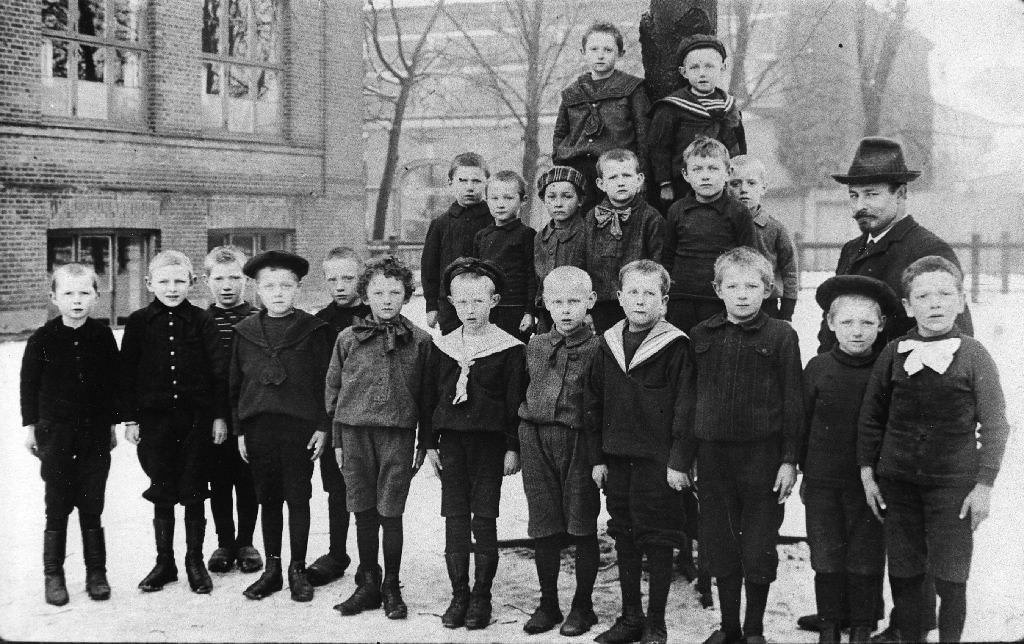
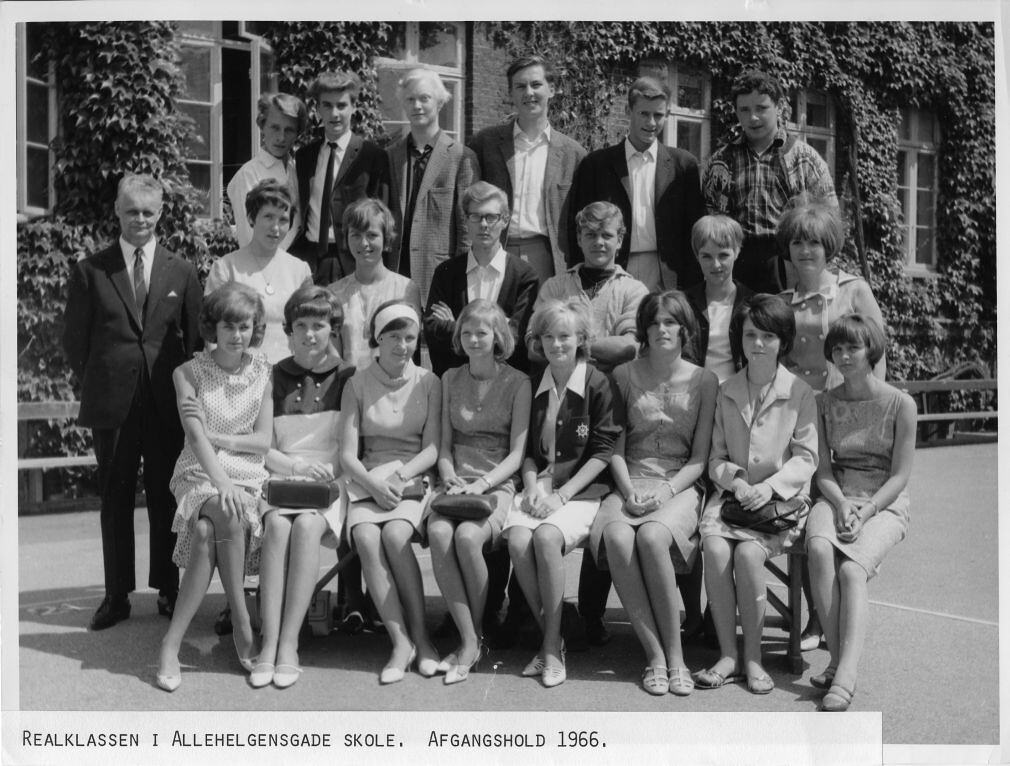
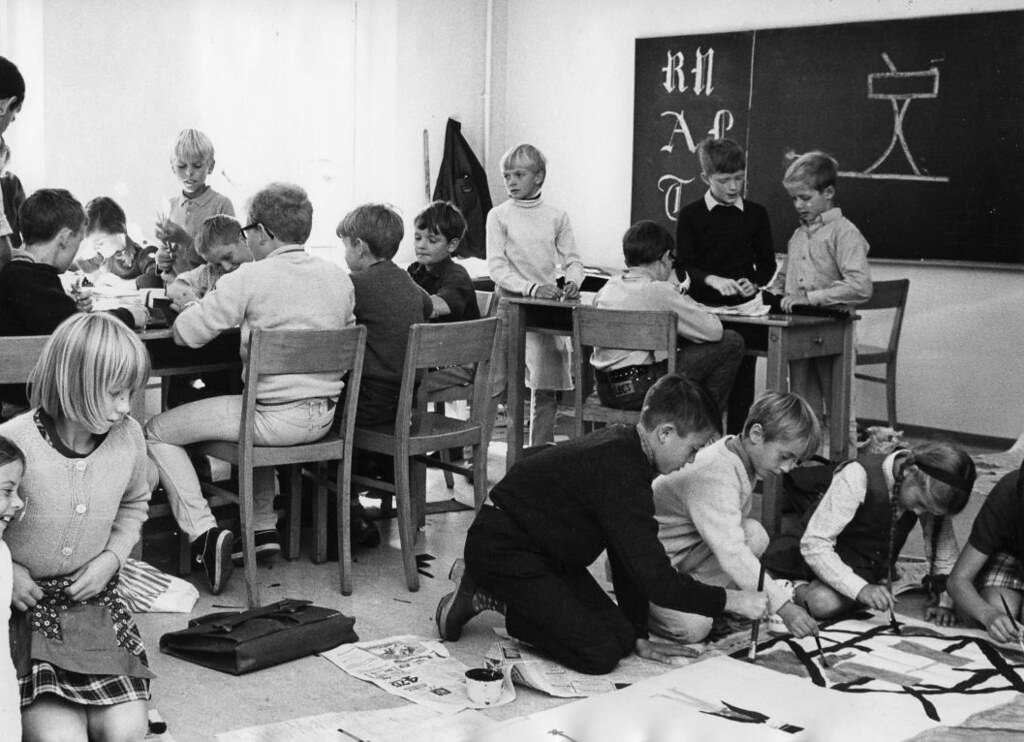
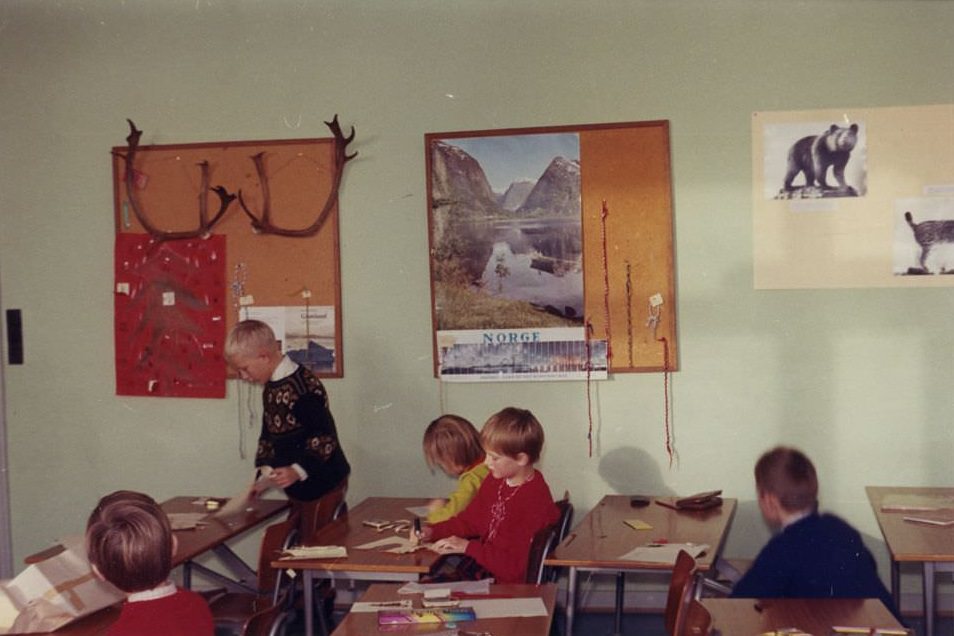
Graduation photographs provide a different kind of snapshot. The Allehelgensgade School graduation team photo from 1966 shows students dressed for ceremony, marking the formal end of a chapter in their education. By contrast, the 1969 classroom photo from the same school shows a much more informal setting — desks arranged loosely, students in everyday clothing, reflecting a shift in educational philosophy across that decade.
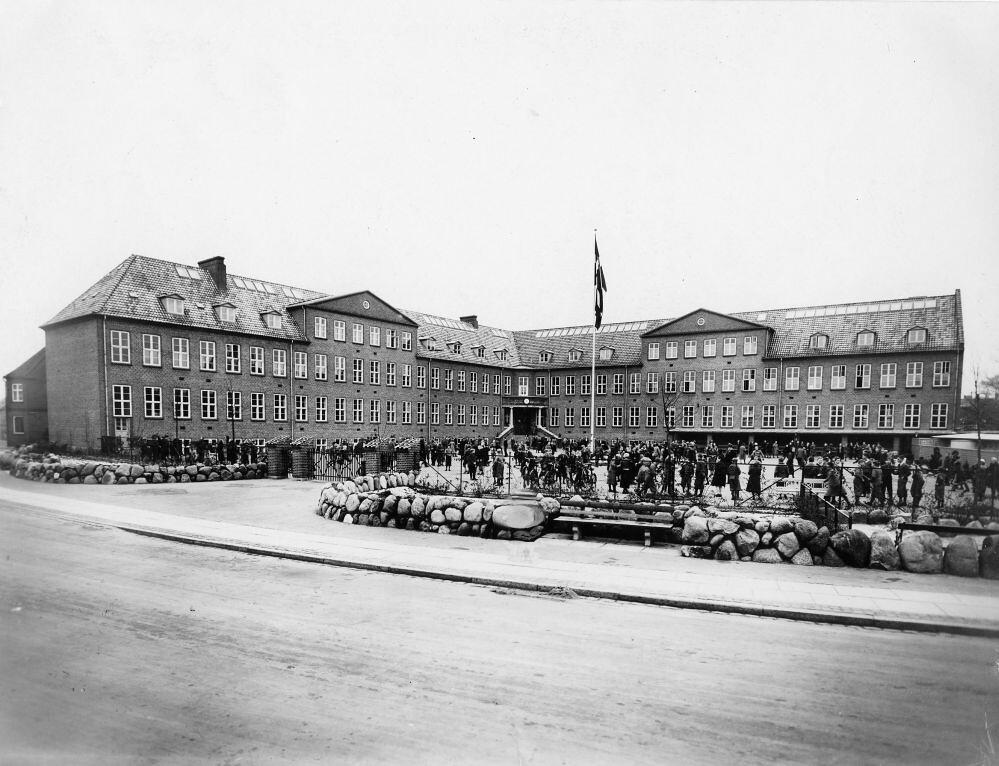
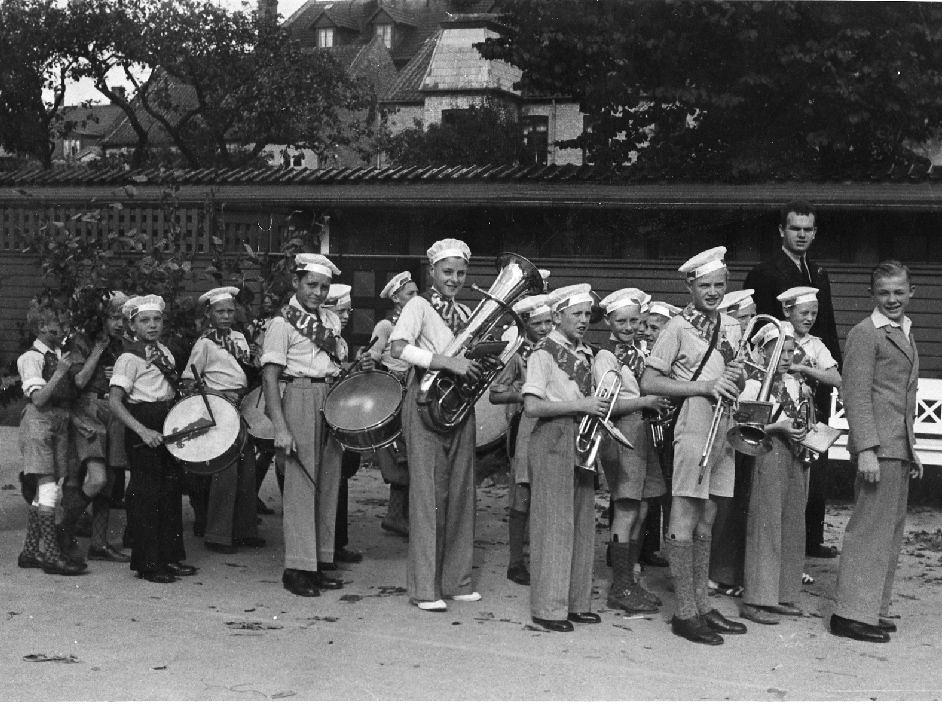
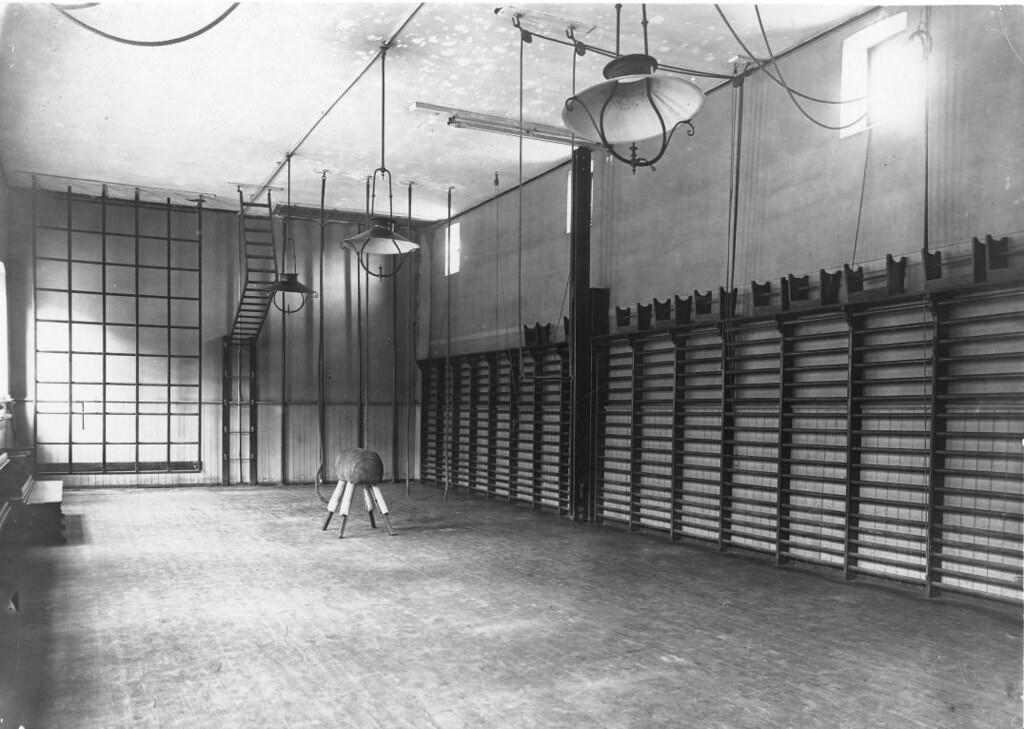
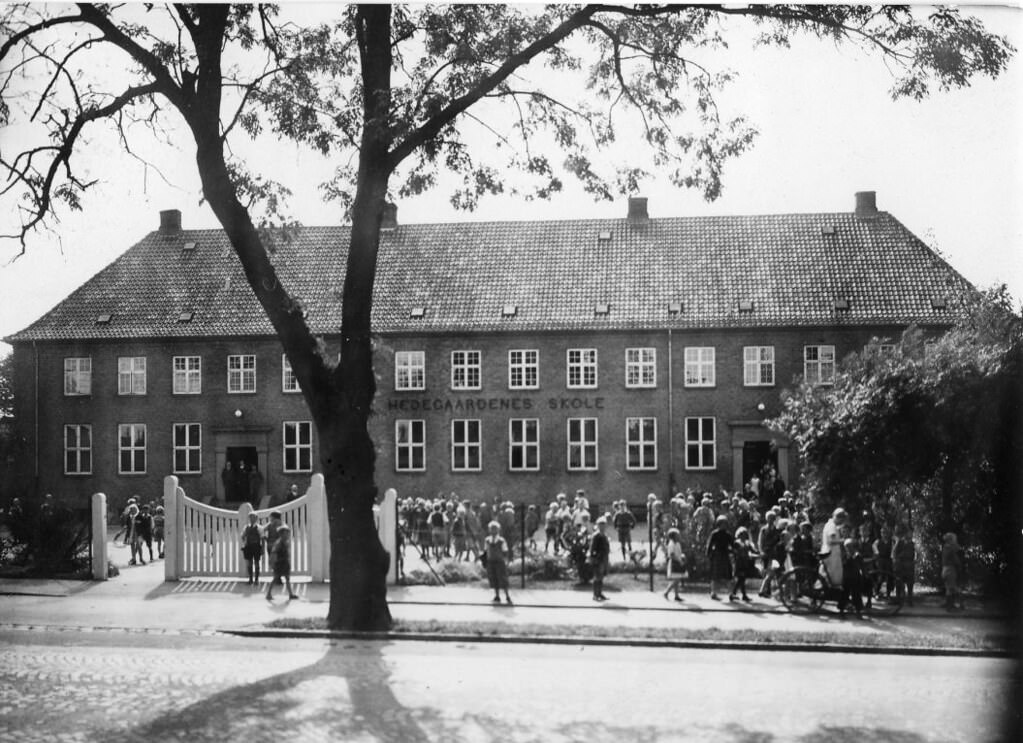
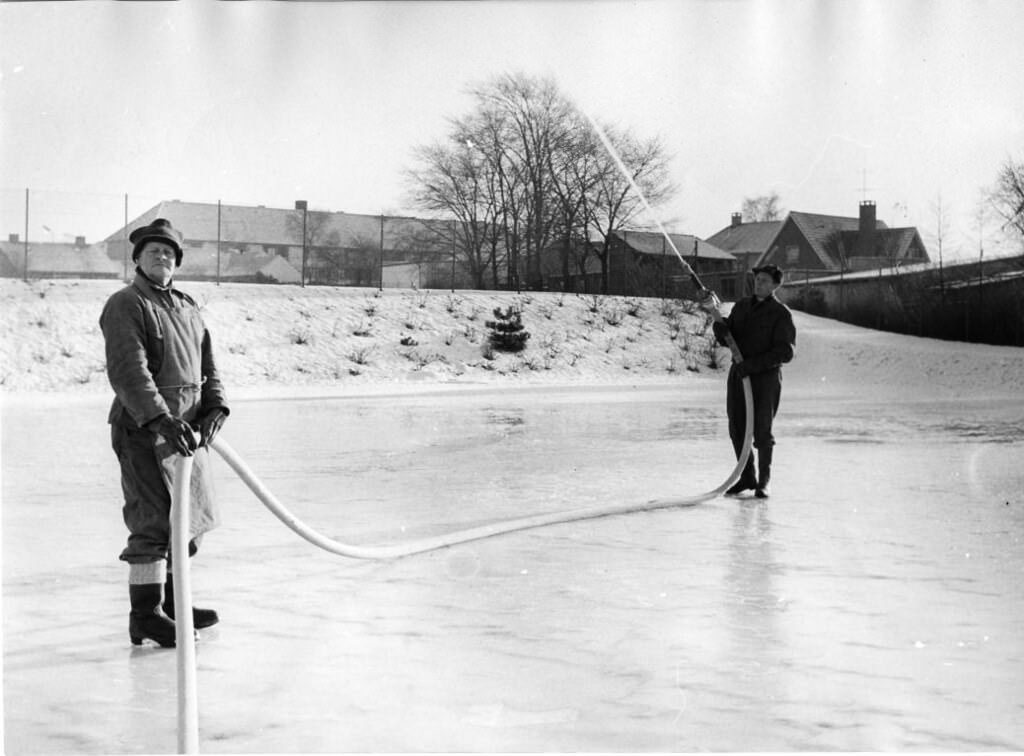
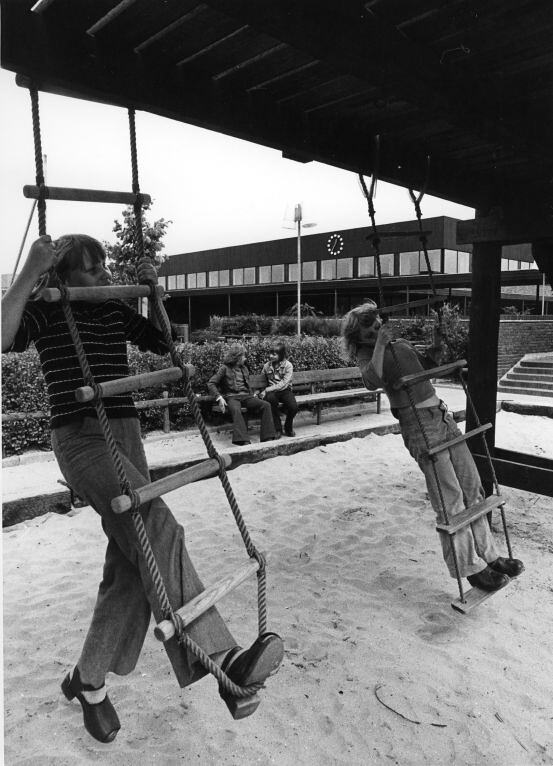
Hedegårdens Skole in the 1930s and its sports facilities show that physical education was part of the school experience well before it became standardized policy. Outdoor spaces and sports grounds appear in multiple photos across different schools, pointing to a broader Danish value of physical activity as part of a complete education.
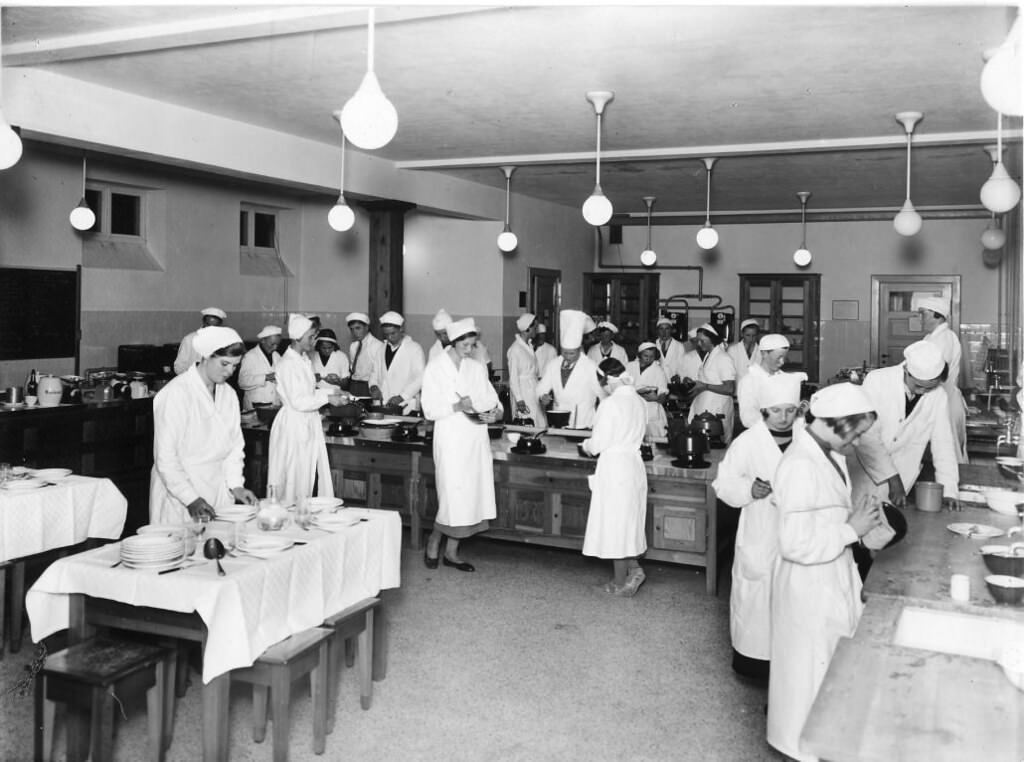
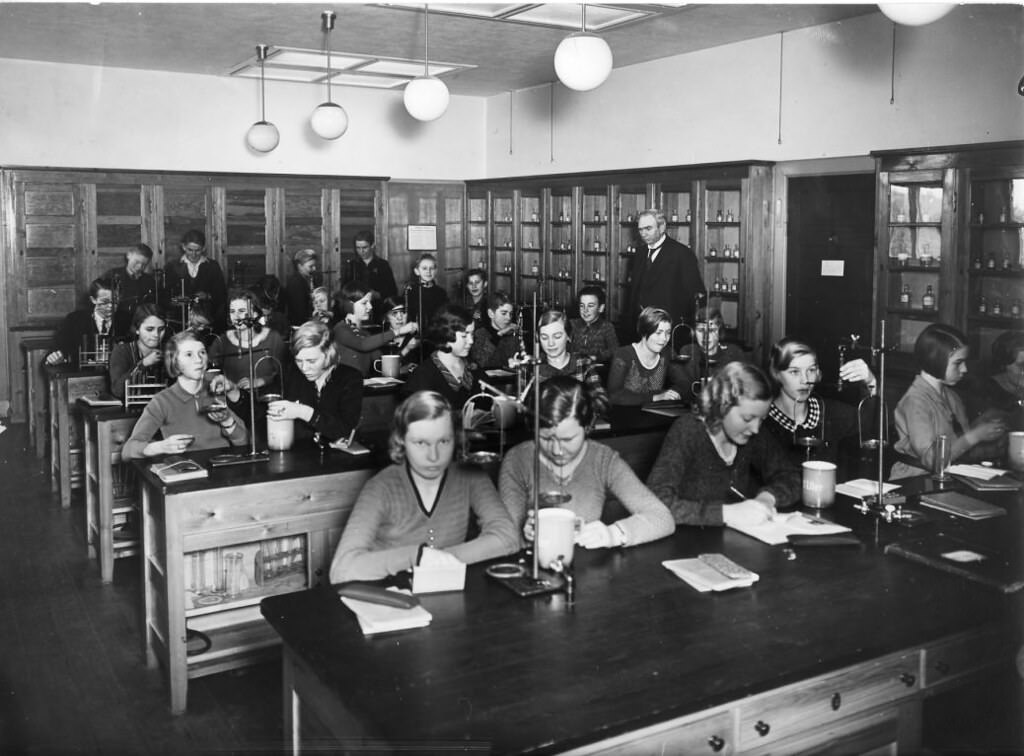
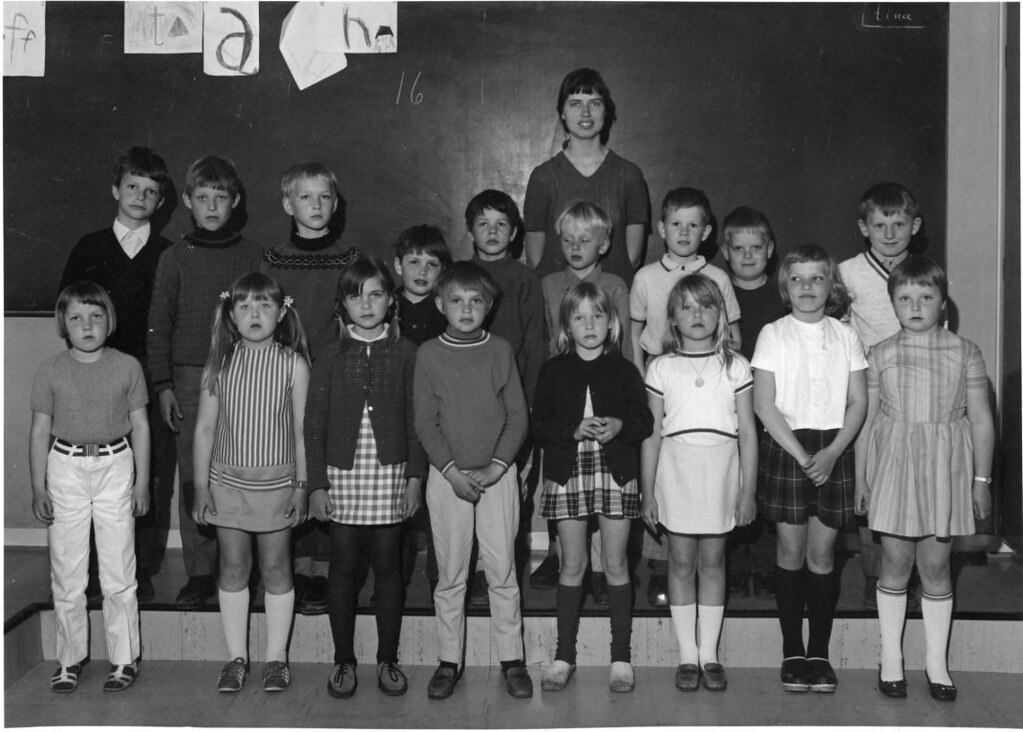
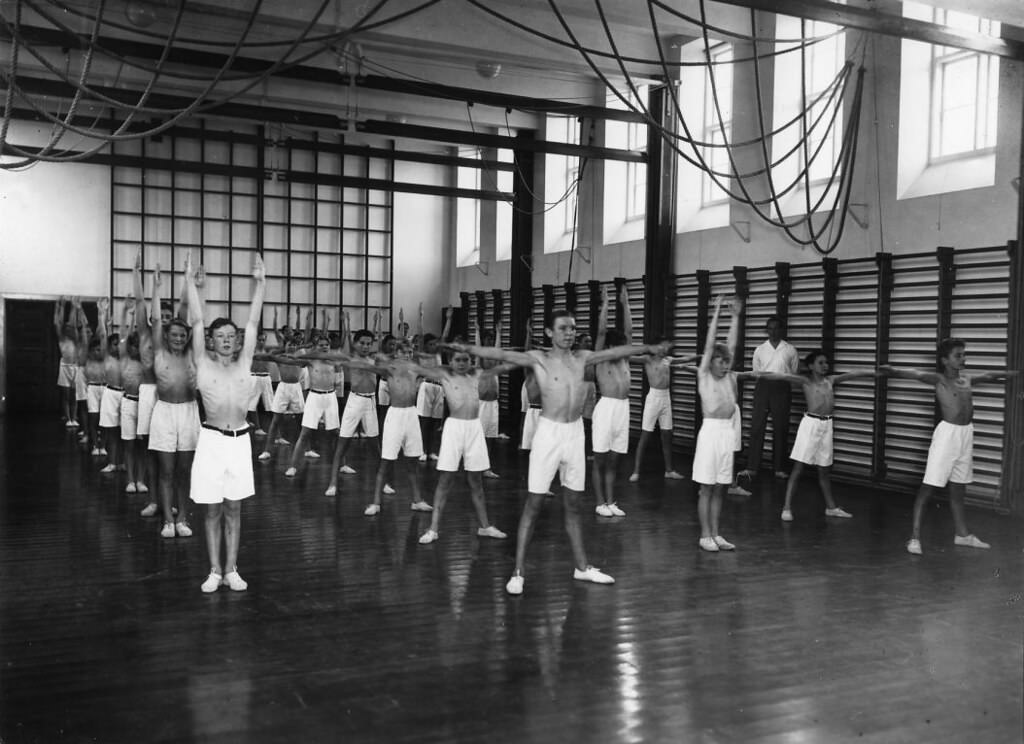
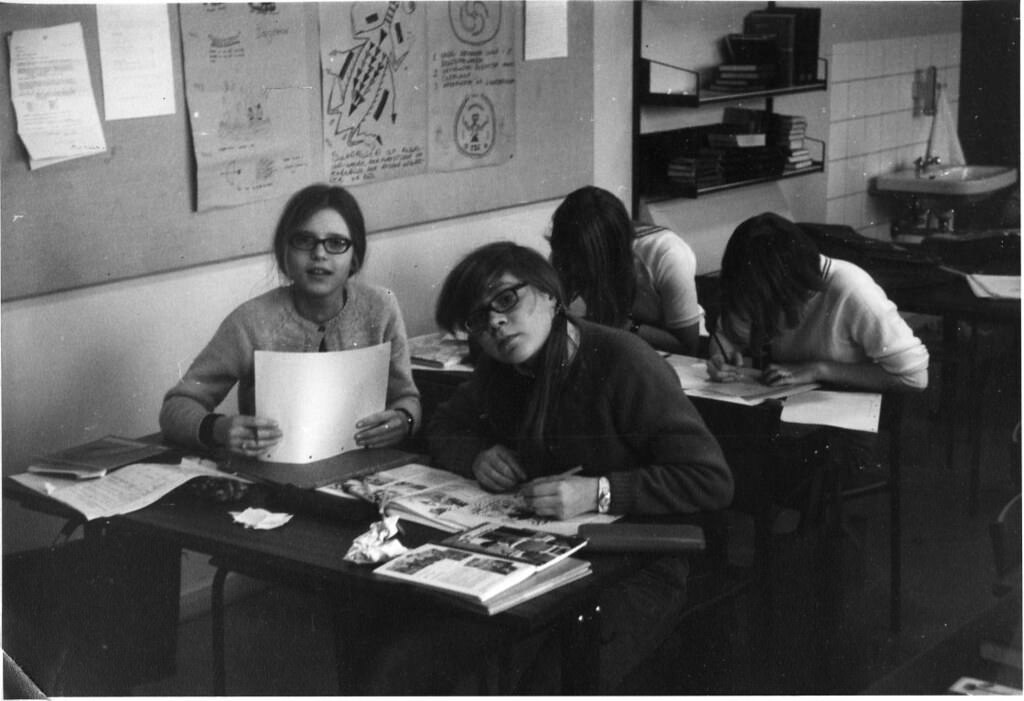
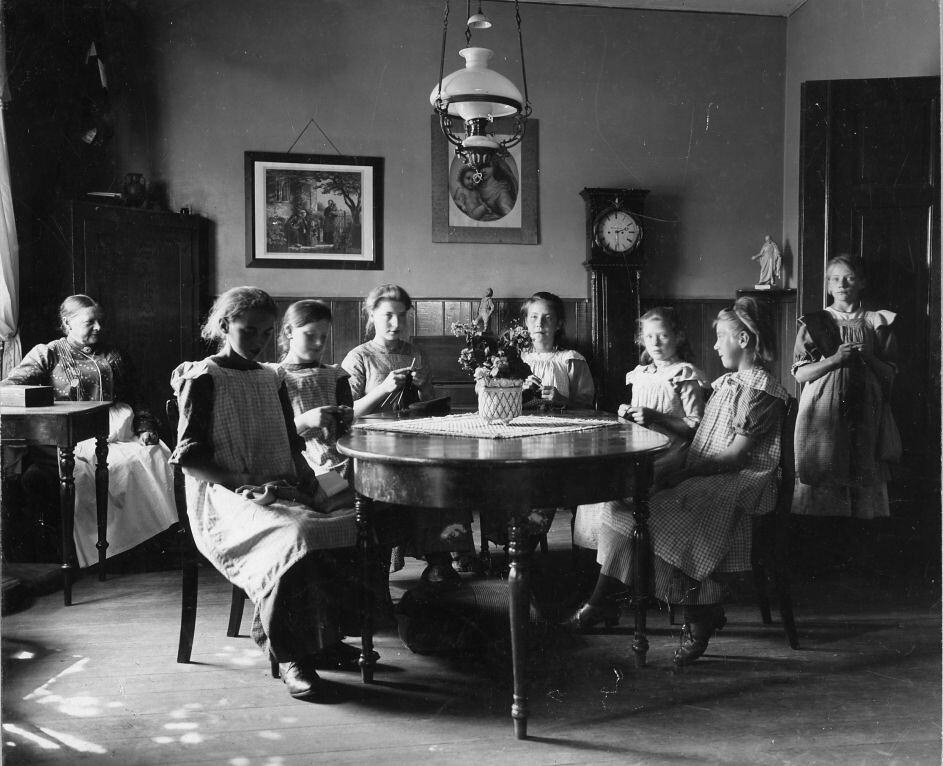
Specialized schools also feature in the historical record. Ms. Lauder’s knitting and sewing school, photographed around 1900, taught practical domestic skills to young women — a common feature of female education at the turn of the century. Sct. Joseph’s School from 1926 and Sct. Jørgensbjerg School from the late 1930s and 1940s represent the Catholic and religious school traditions that operated alongside the public system.
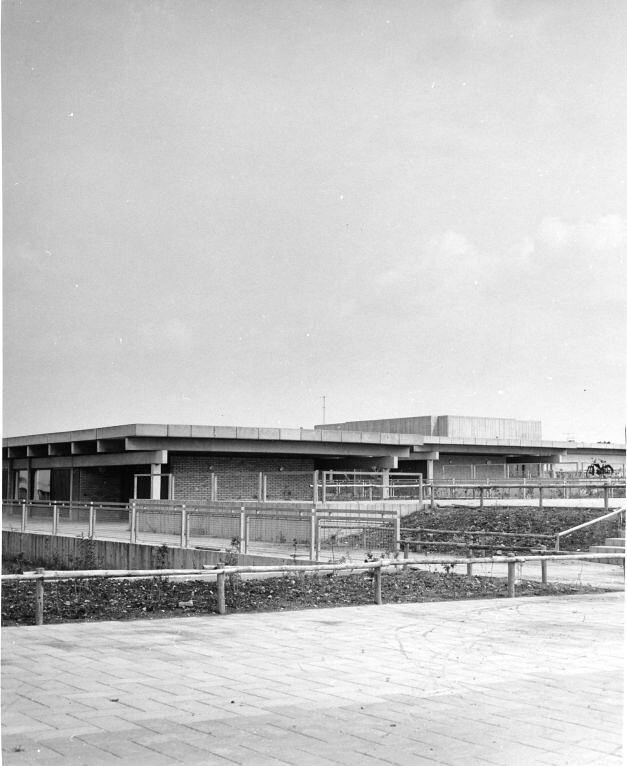
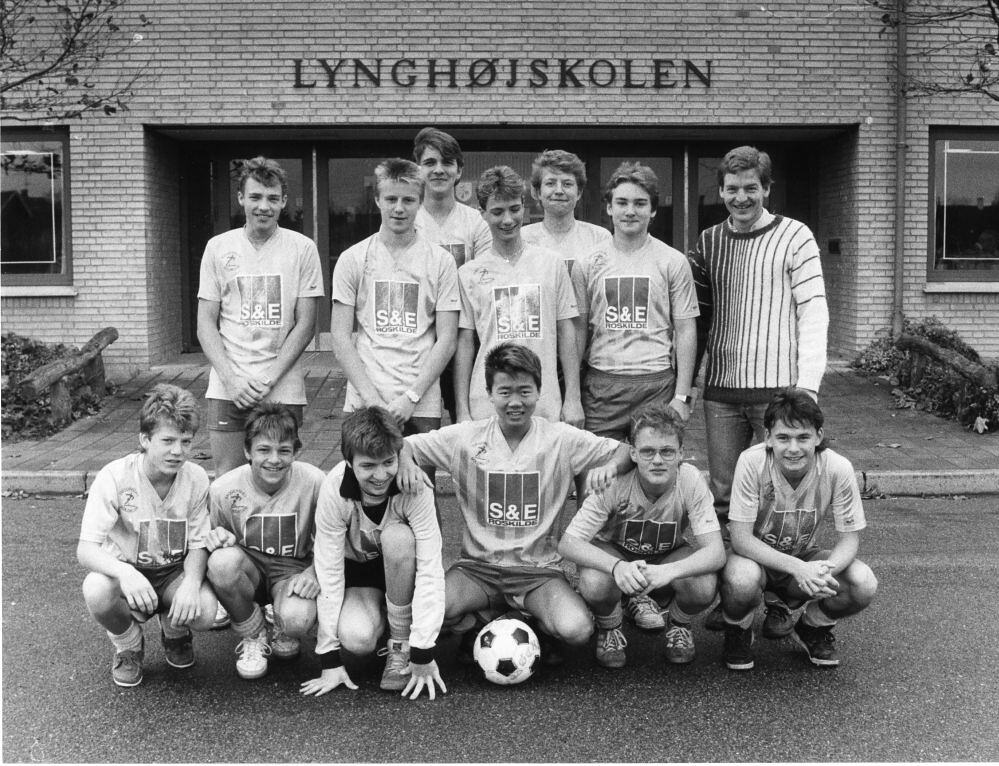
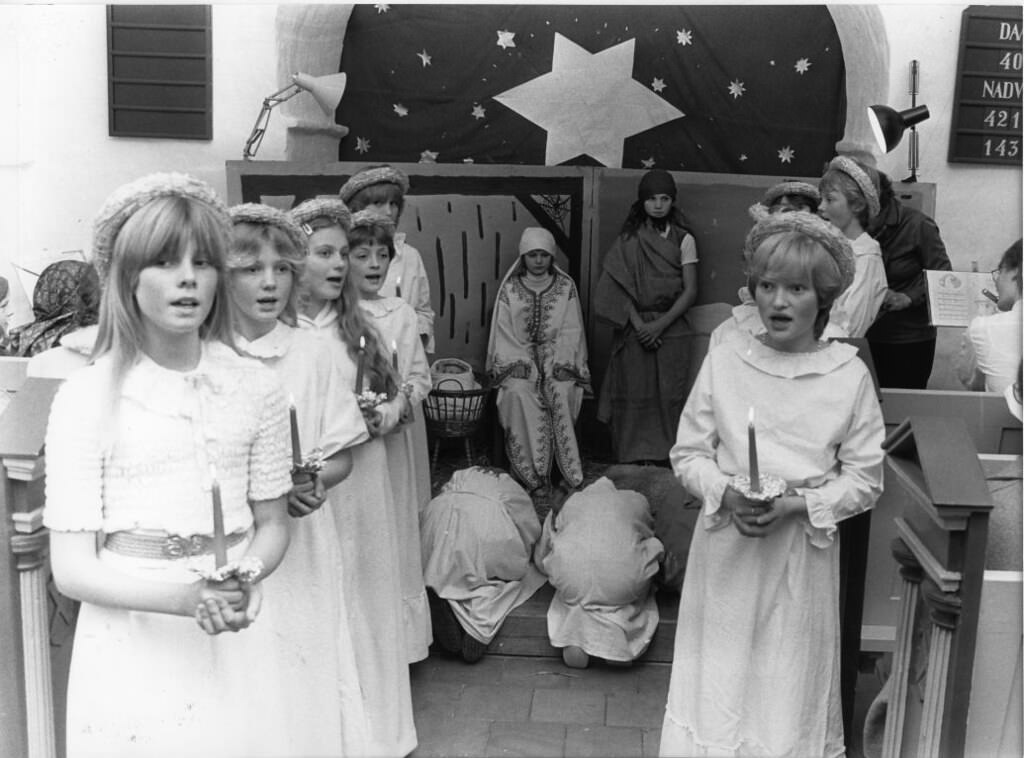
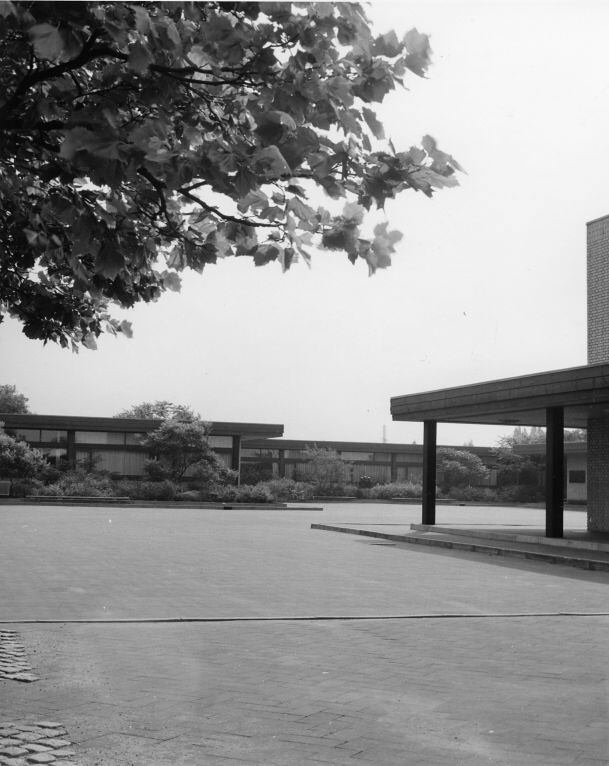
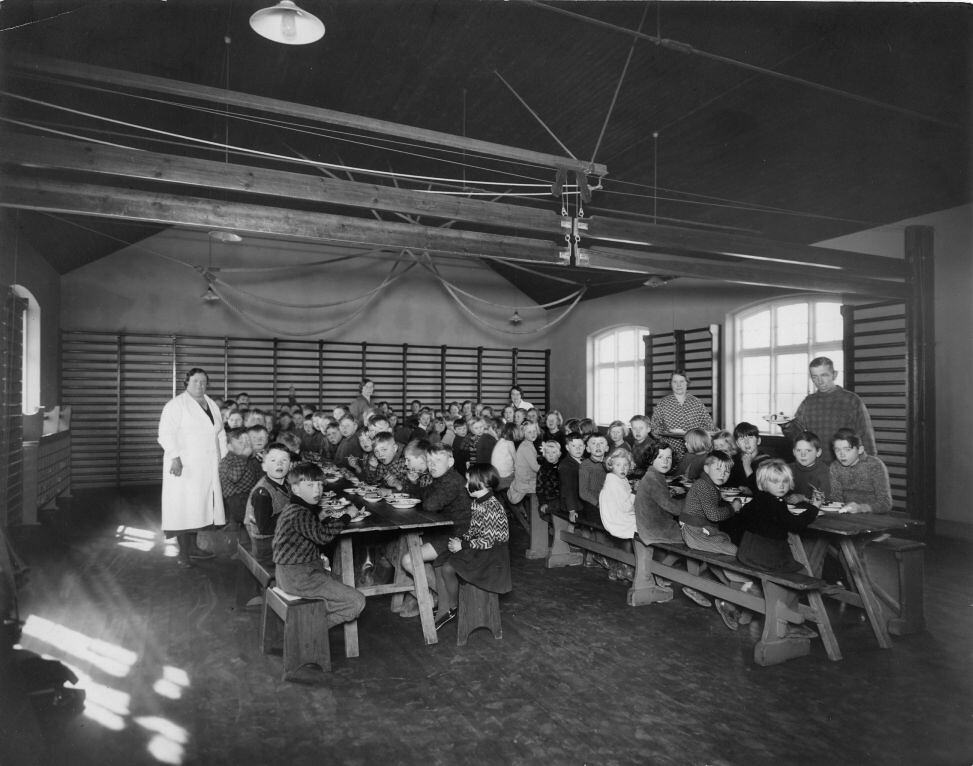
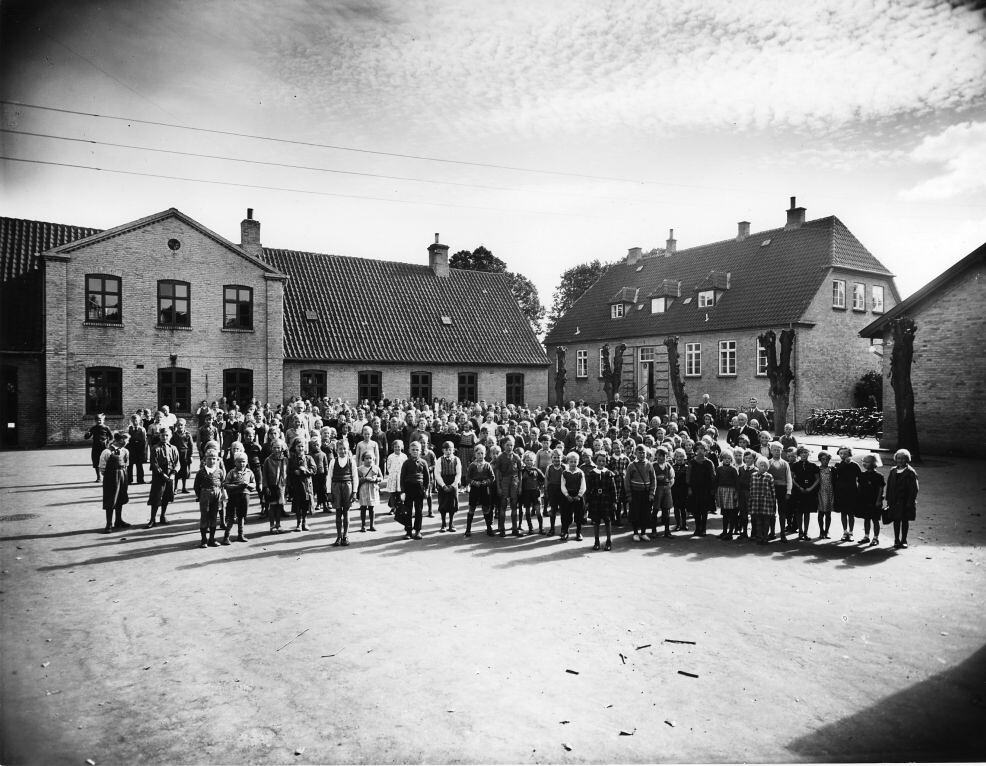
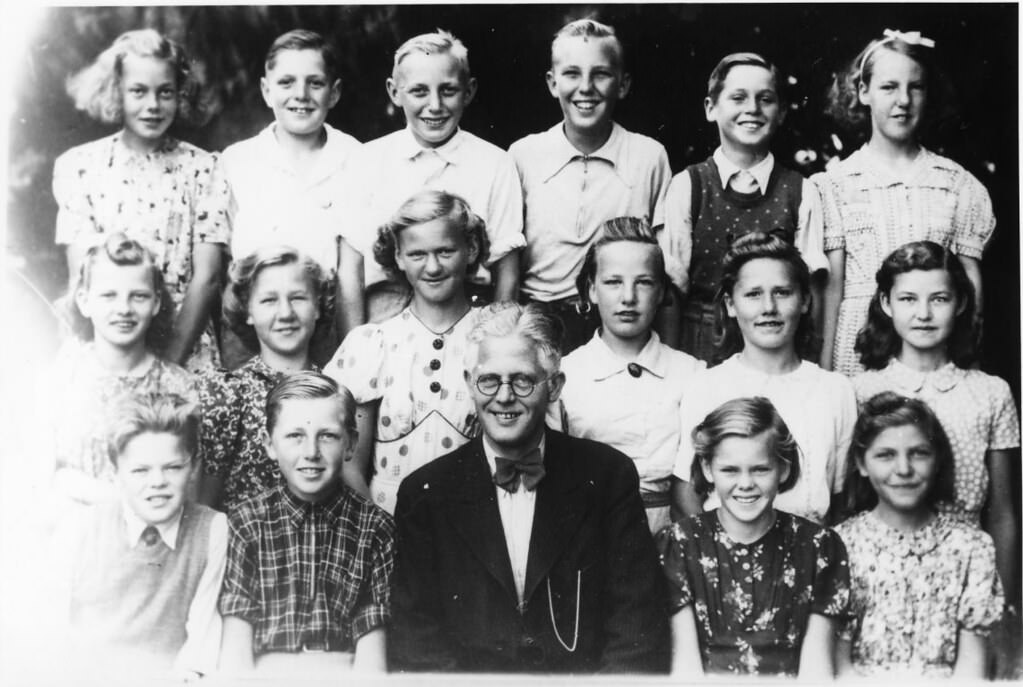
Village schools like Svogerslev and Vindinge, both photographed in 1909, represent the rural side of Danish education. These small schools served tight-knit communities, and their teachers often became long-standing local figures. A photo of teacher Sofus Bondrup Hansen with his students at Svogerslev School in the 1940s captures exactly that kind of enduring presence.
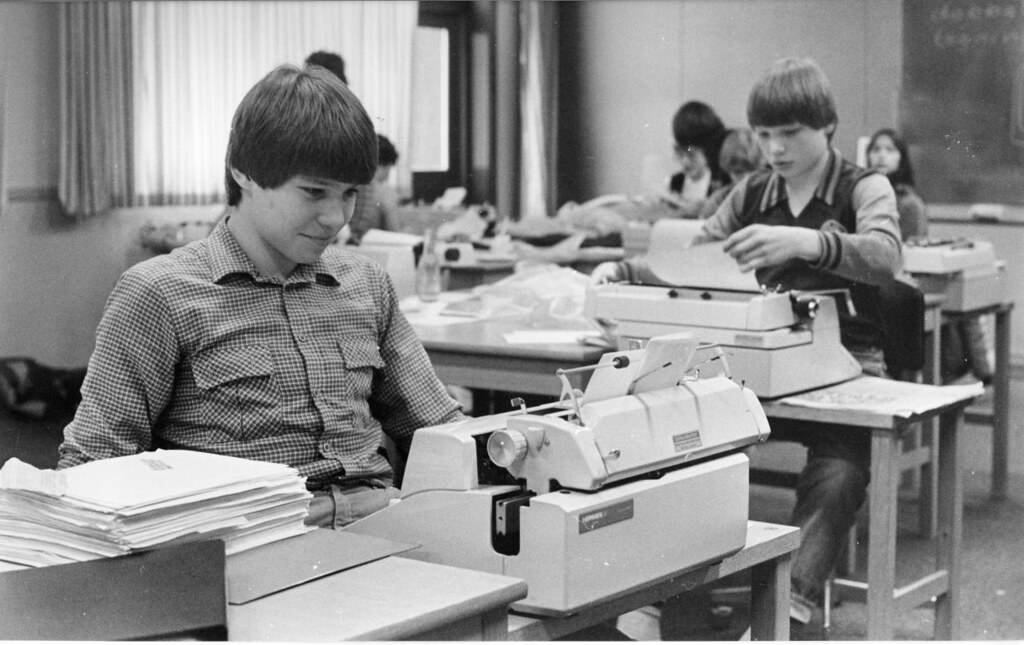
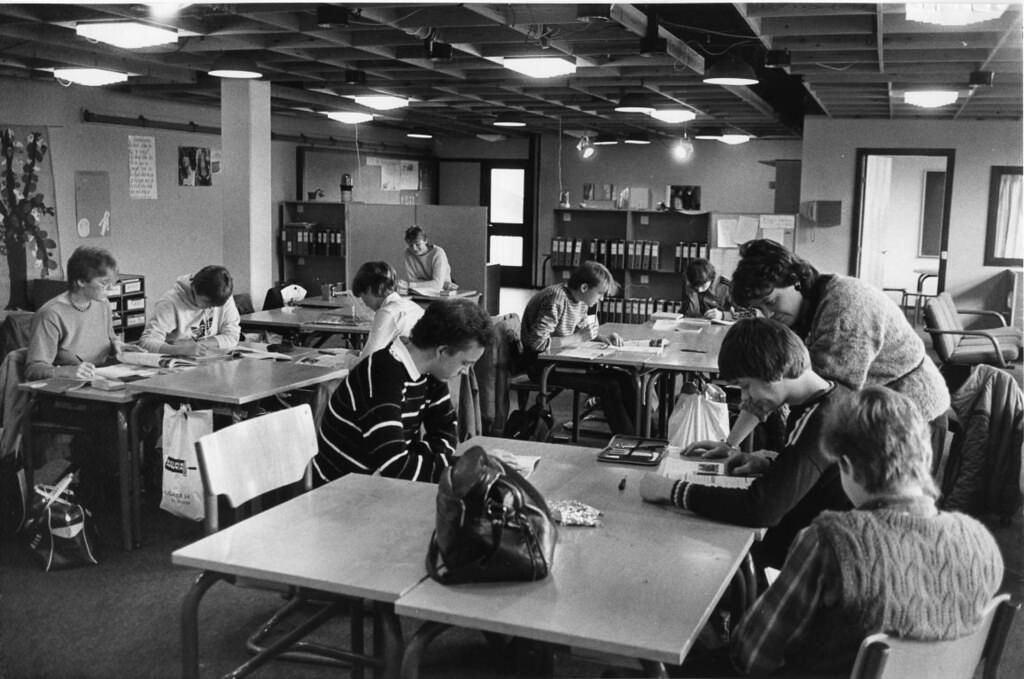
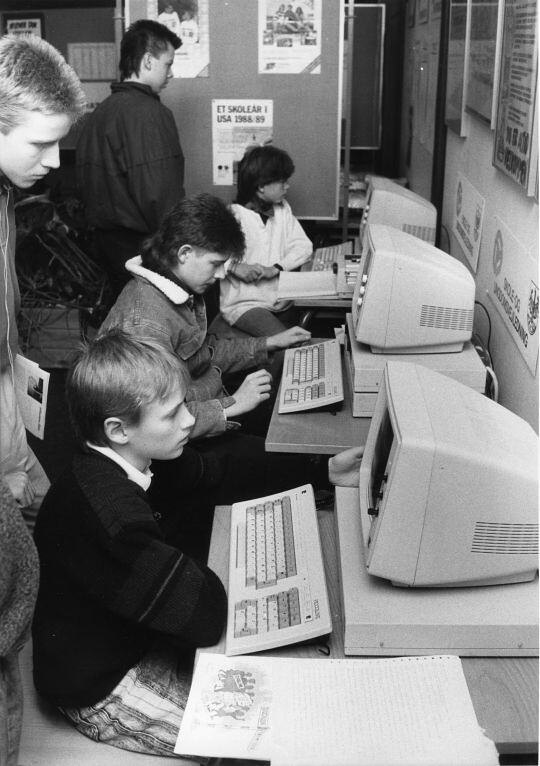
By the 1980s, Danish schools were introducing computers into the classroom. Malegårdsskolen’s photographs from 1981 to 1988 document typing lessons and early computer use — a dramatic shift from the handwriting drills and blackboard instruction that defined Danish schoolrooms just decades earlier. These images mark the moment technology became part of the everyday school environment.