

At 8:46 AM on September 11, 2001, American Airlines Flight 11 struck the North Tower of the World Trade Center. Seventeen minutes later, at 9:03 AM, United Airlines Flight 175 hit the South Tower. In those minutes between the two impacts, confusion gave way to a terrifying clarity: the United States was under a coordinated terrorist attack.
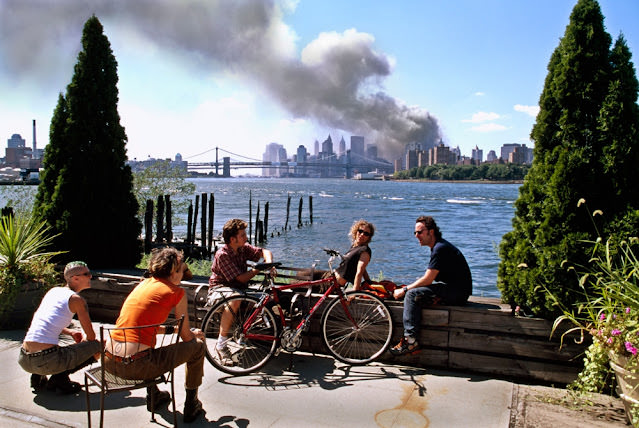
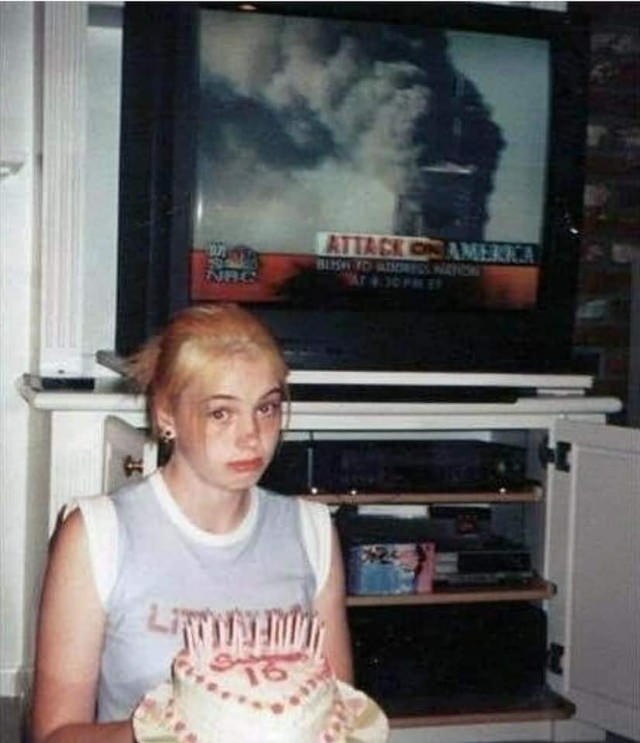
News cameras were quick to arrive, but they weren’t the only ones recording the day. Ordinary people — office workers, residents, passersby — pulled out their cameras and captured what they saw. These candid photos were not staged or composed. They show raw, unfiltered moments: faces frozen in shock, people mid-stride, not yet grasping the full scale of what was happening around them.
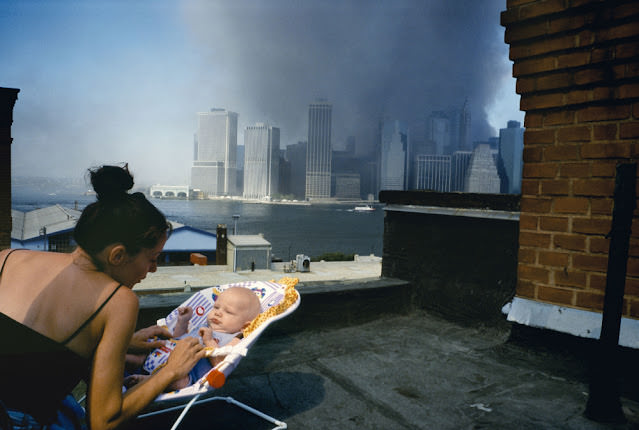
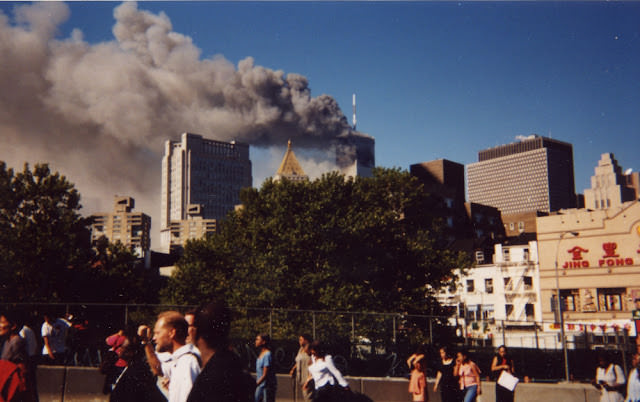
Some of these images were taken accidentally. A photographer framing one subject unknowingly captured another moment entirely — a face in the background, a hand pointing upward, smoke curling into a blue September sky. The randomness of the day is embedded in each frame.
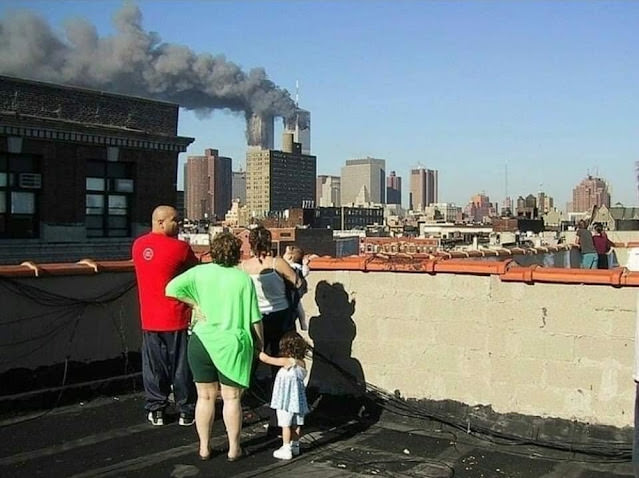
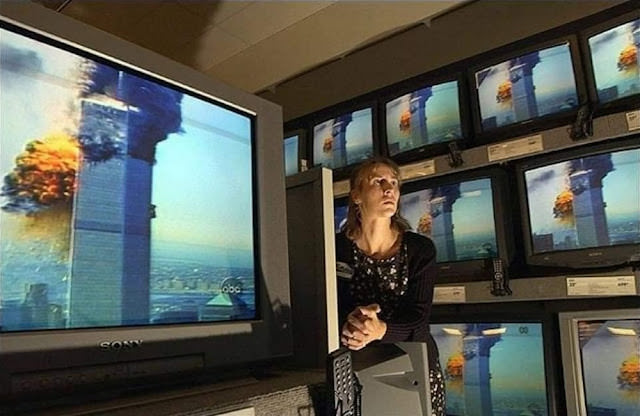
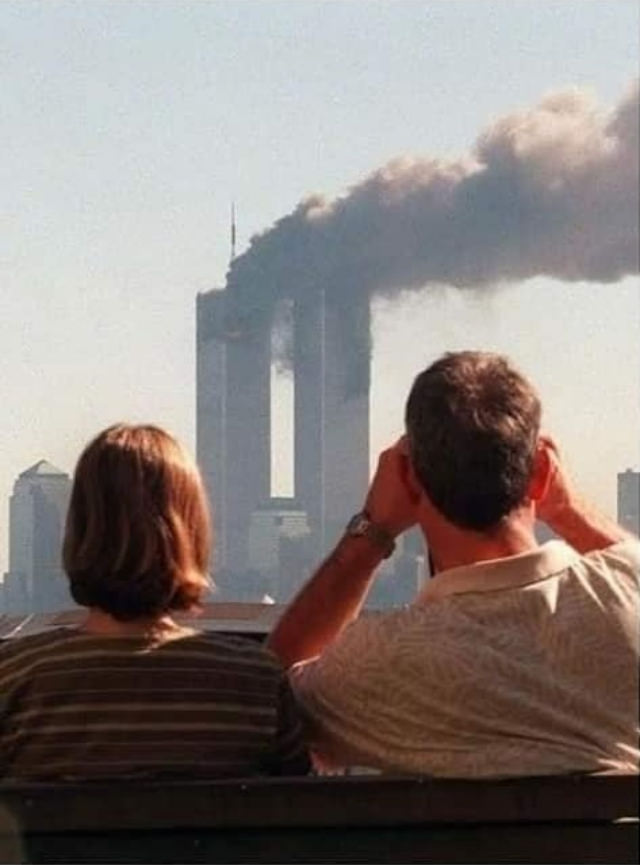
People in nearby streets and buildings watched as smoke poured from both towers. Their expressions — a mix of fear, sorrow, and disbelief — tell the story of a city processing a disaster in real time. Some stared upward without moving. Others turned and ran. Many simply stood still, unsure of what to do next.
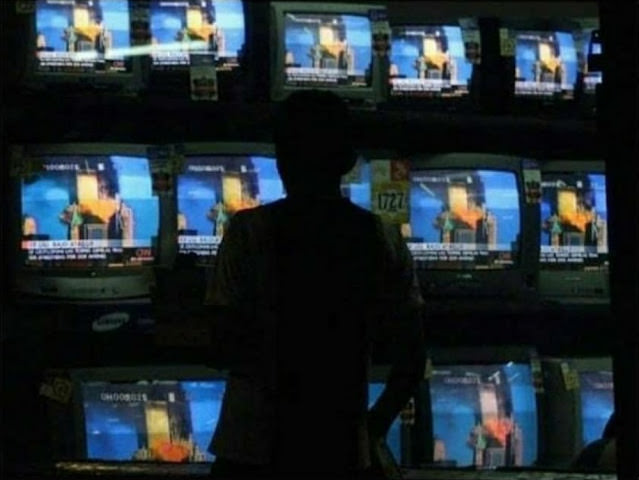
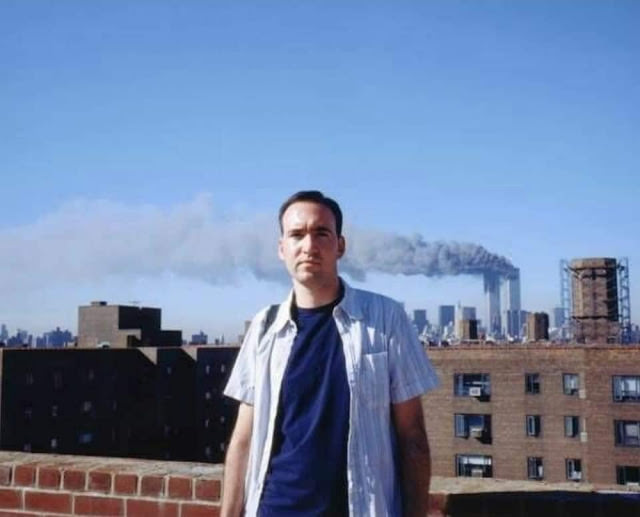
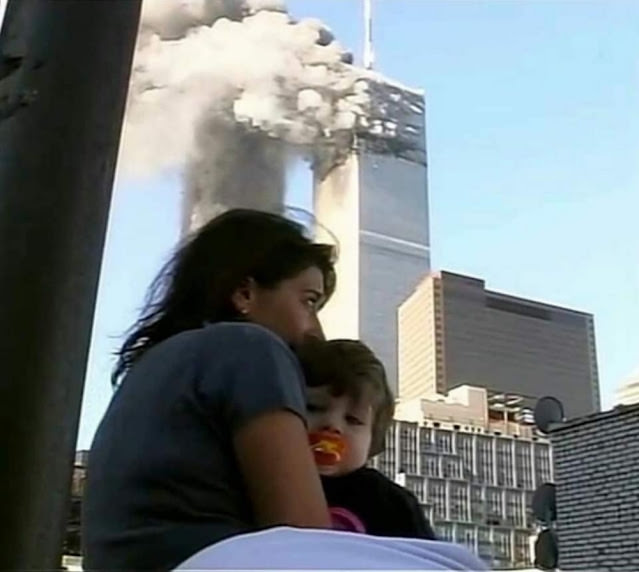
The photos taken from inside and around lower Manhattan offer a ground-level view that wide-angle news footage could not replicate. They show individuals — not crowds — caught in singular moments of horror and helplessness.
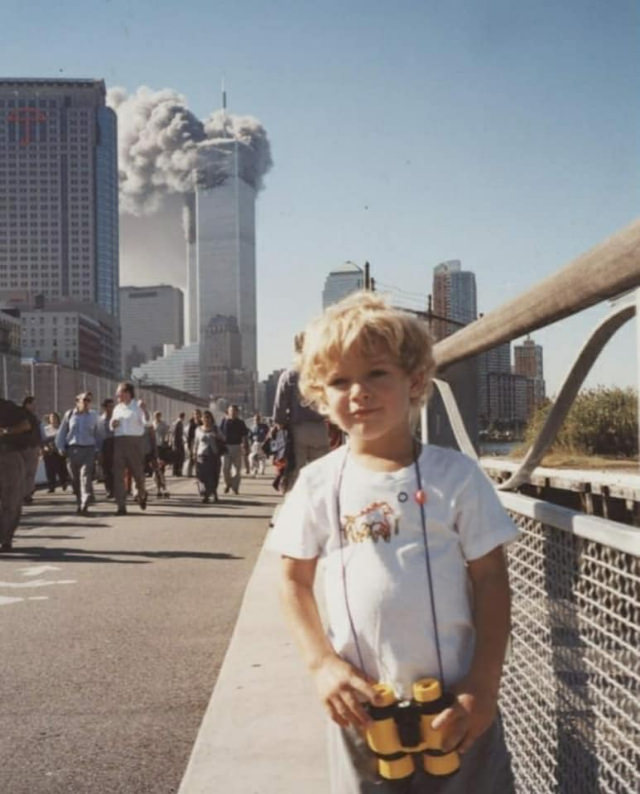
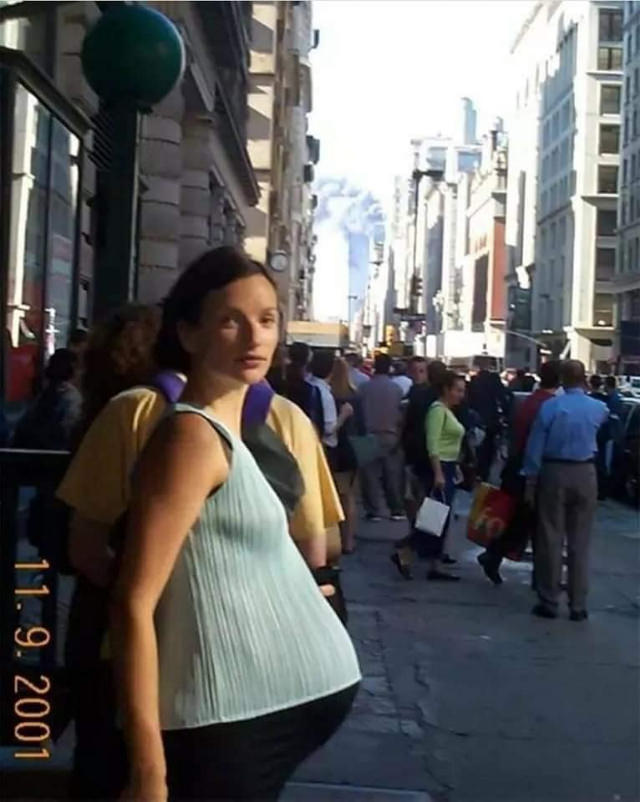
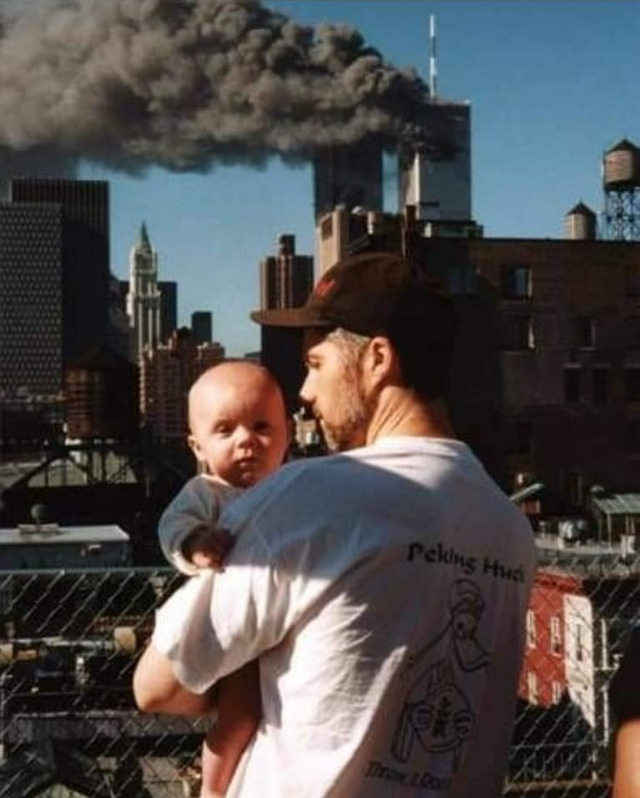
Across the East River in Brooklyn, residents climbed to rooftops to watch the towers burn. The distance gave them a wide view but no safety from the emotional weight of what they were witnessing.
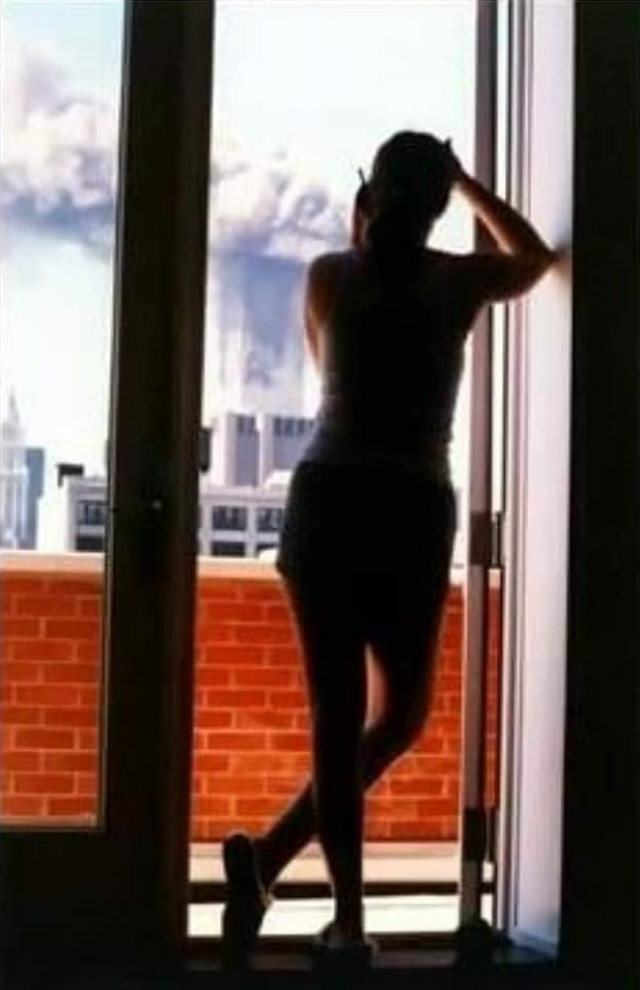
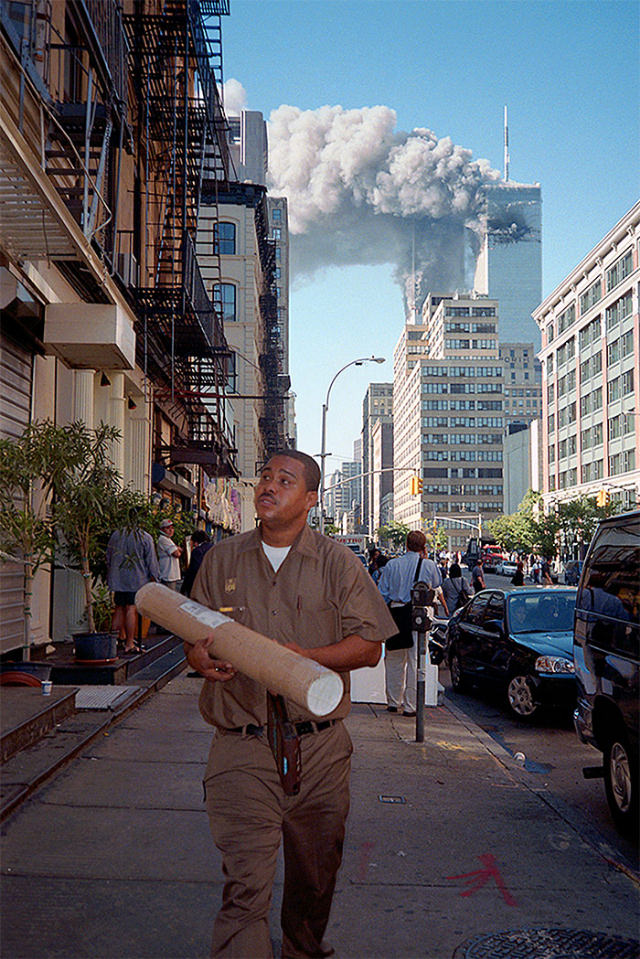
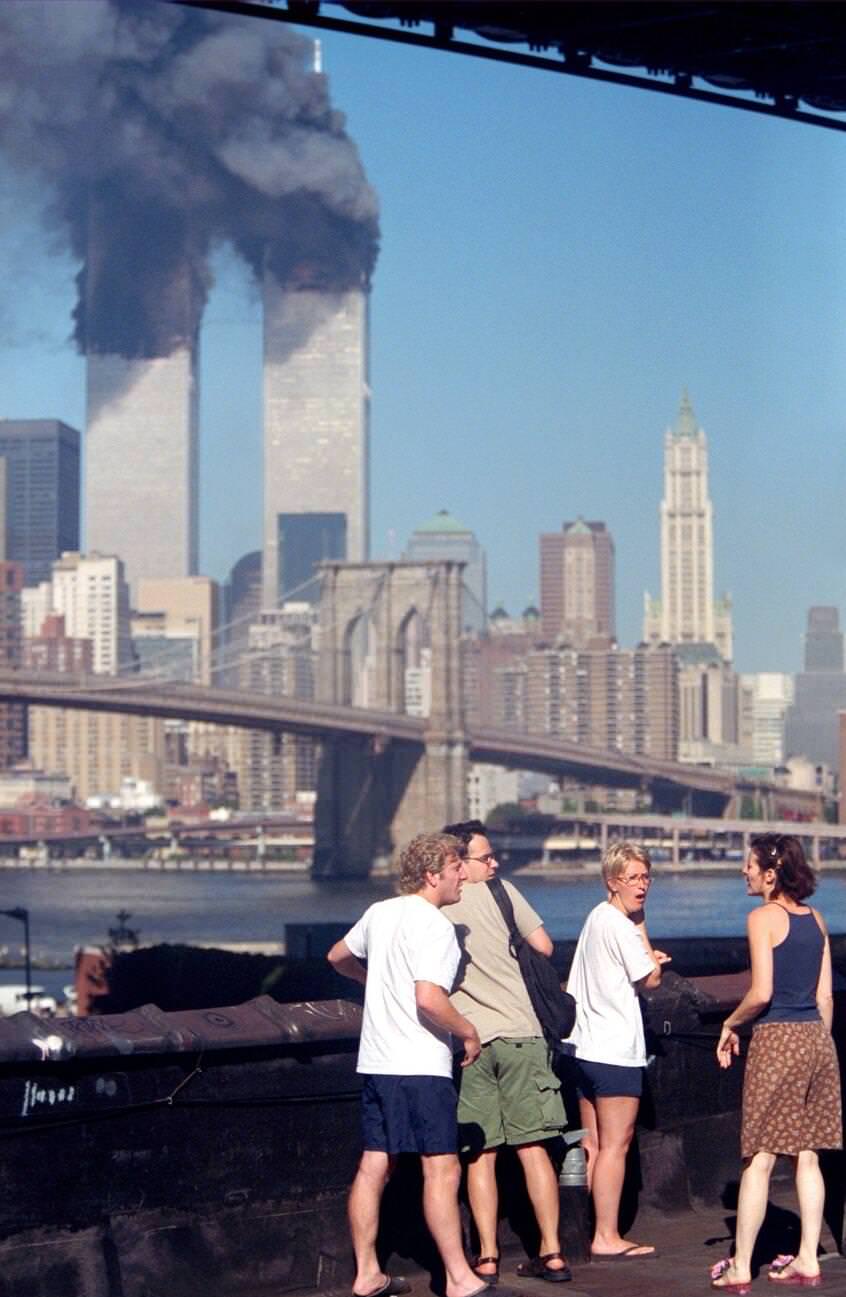
On the streets of Manhattan, crowds gathered at intersections and along sidewalks throughout SoHo, the Village, and other neighborhoods within sight of the towers. Workers stepped out of offices. Shopkeepers stood in doorways. No one looked away.
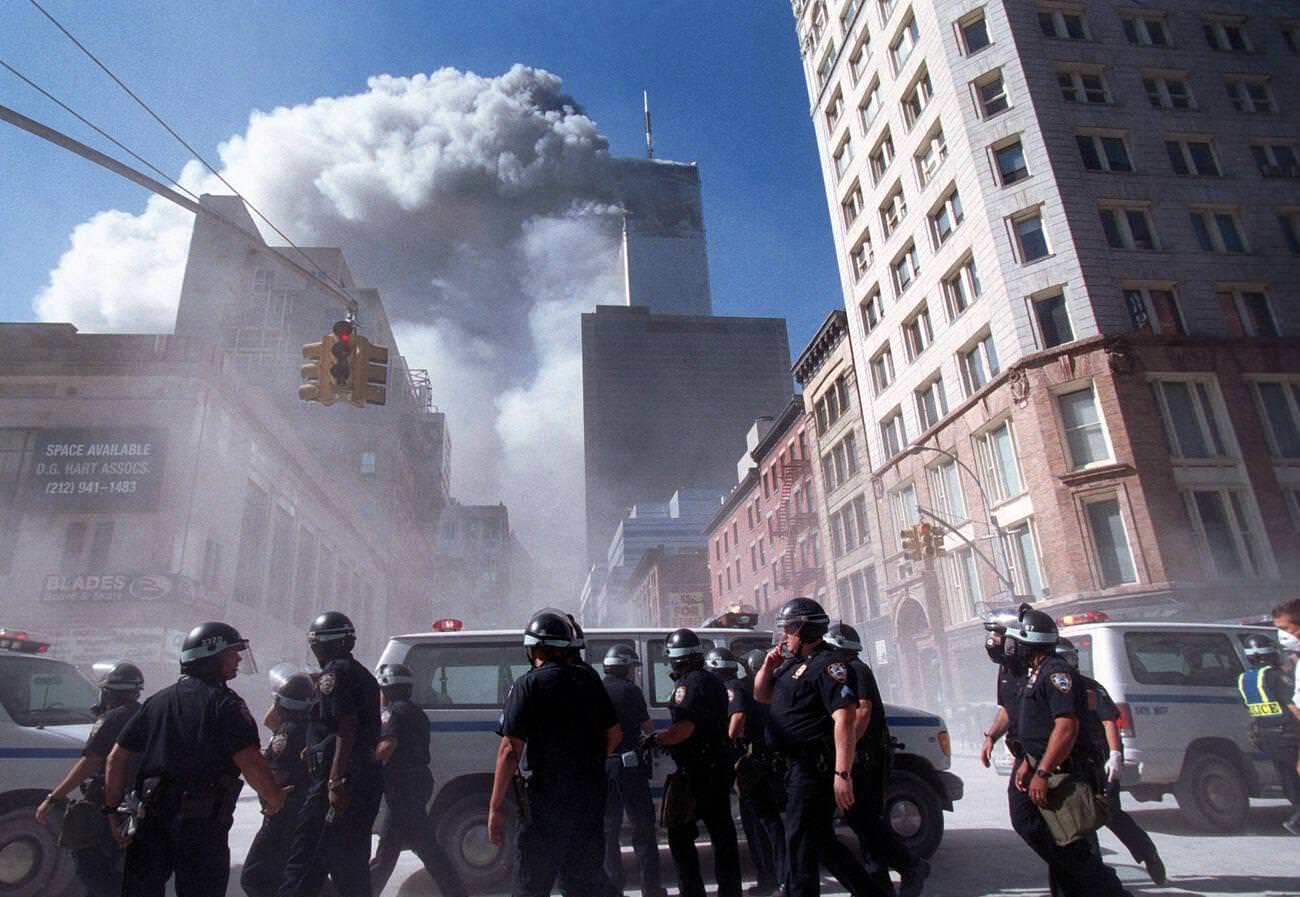
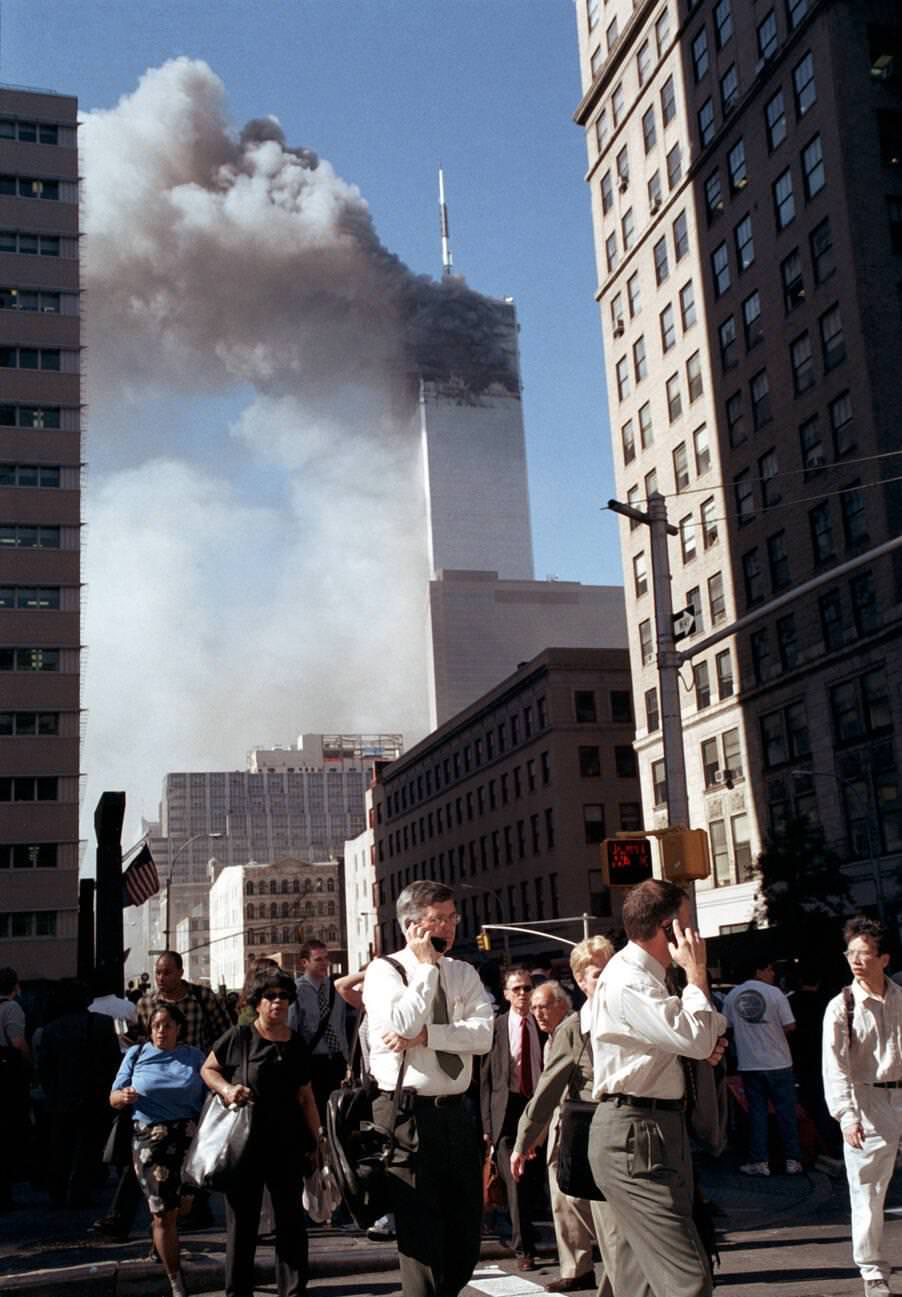
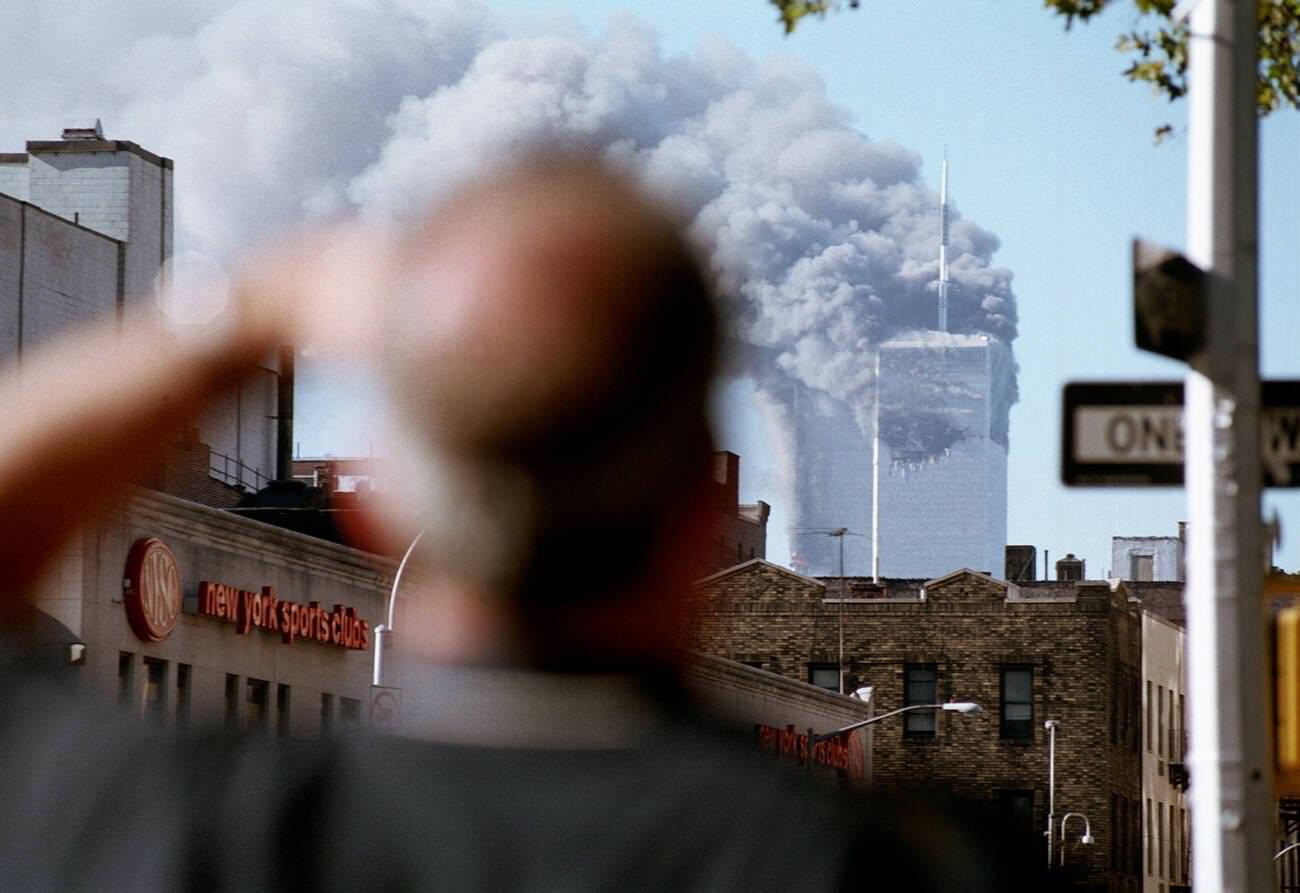
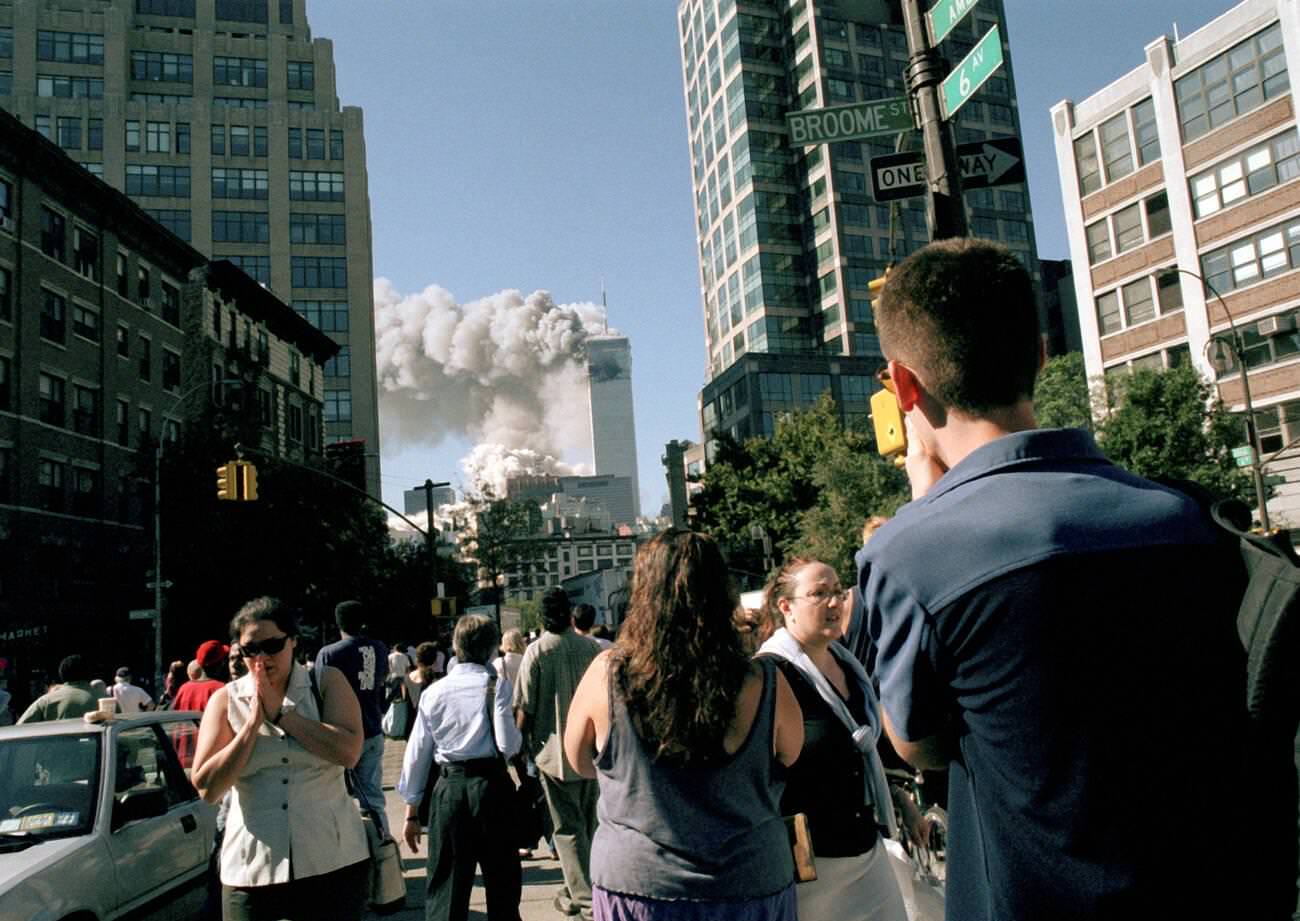
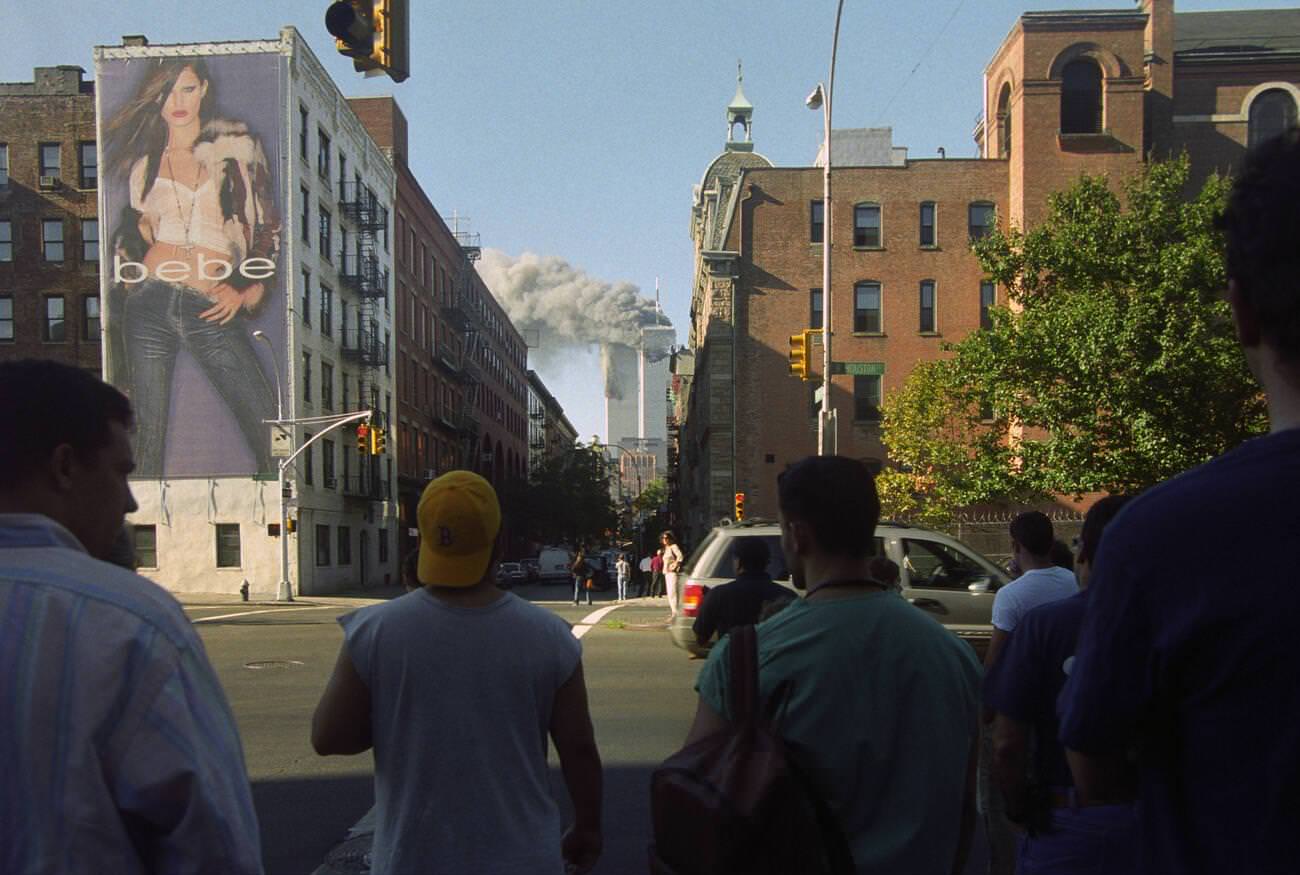
These photographs, taken by professionals and amateurs alike, preserve something that official documentation rarely captures — the human experience of living through a catastrophe, second by second, block by block.
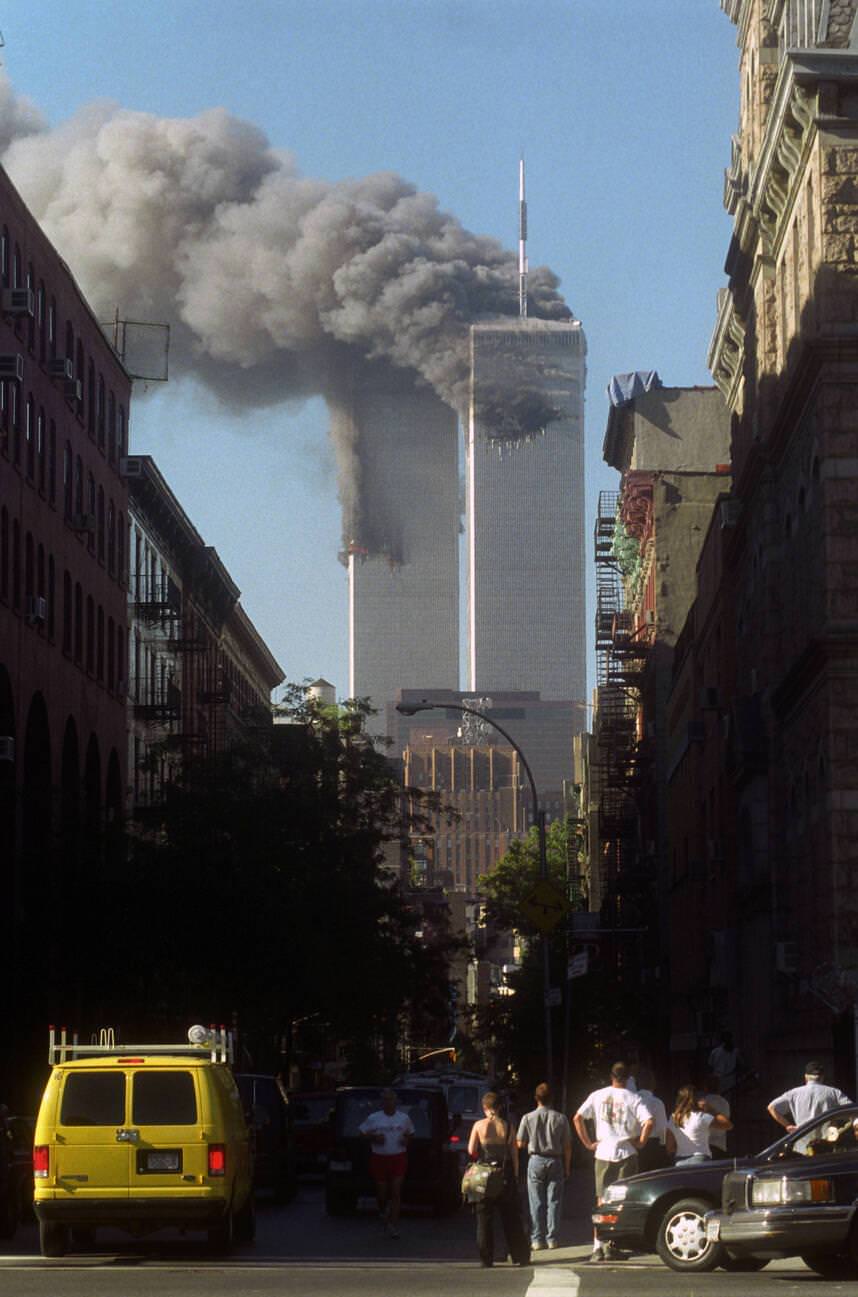

Interesting to see the differences in reactions and awareness.