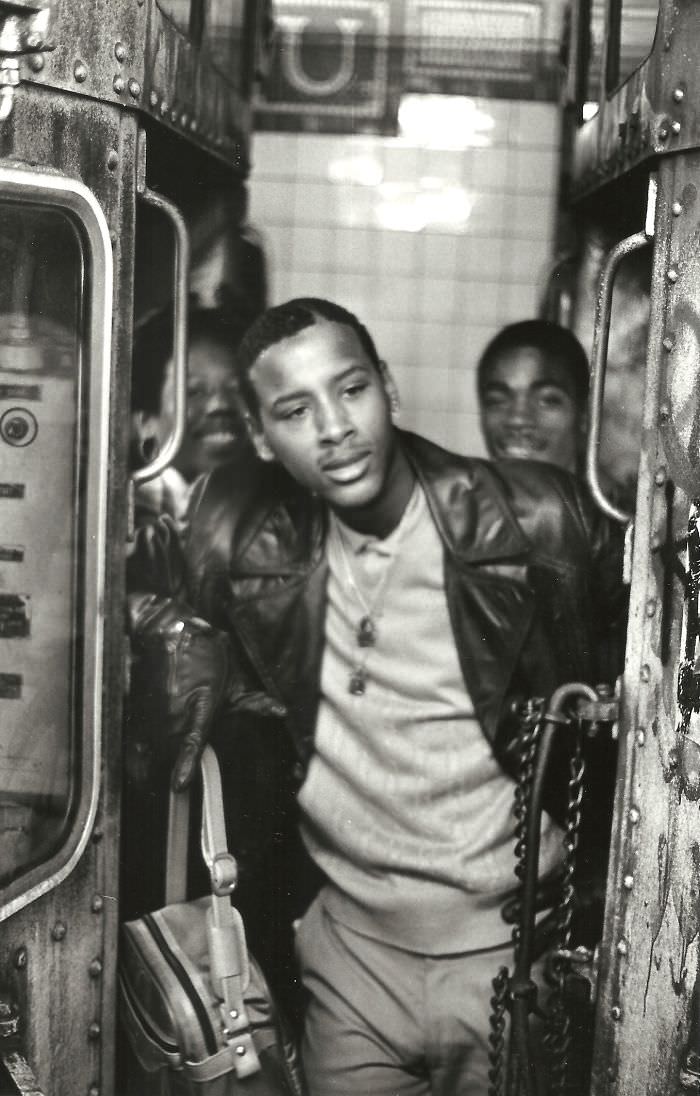
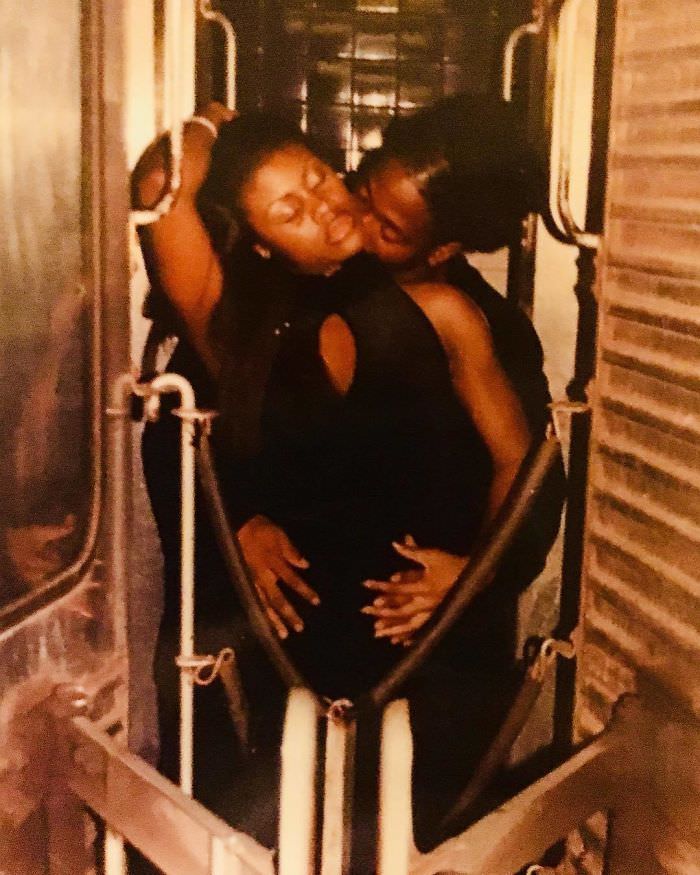
Jamel Shabazz picked up a camera in the late 1970s and never stopped shooting. Born and raised in Brooklyn, he spent the 1980s and 1990s documenting New York City from the inside out — on its streets, in its neighborhoods, and deep within its subway cars. His work wasn’t staged. He photographed real people in real moments, building a record of city life that no newspaper assignment could have produced.
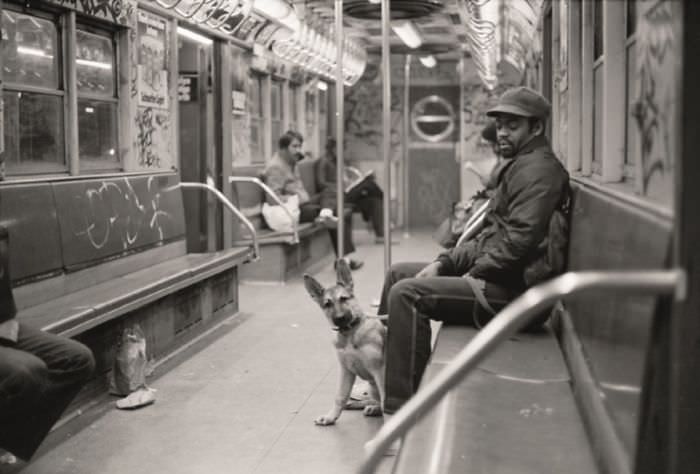
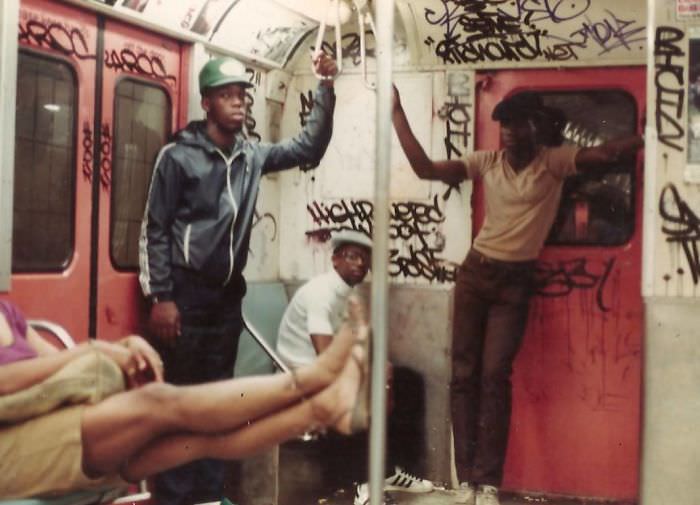
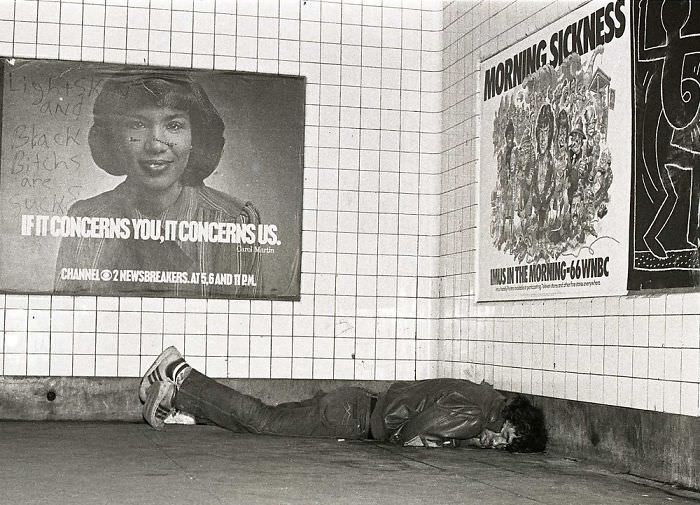
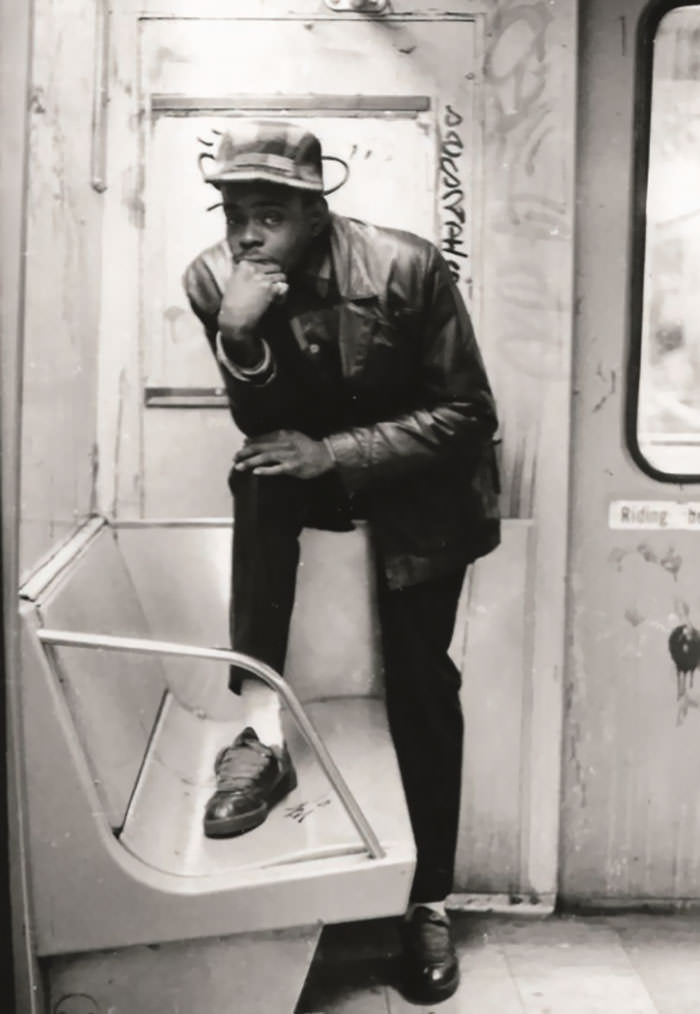
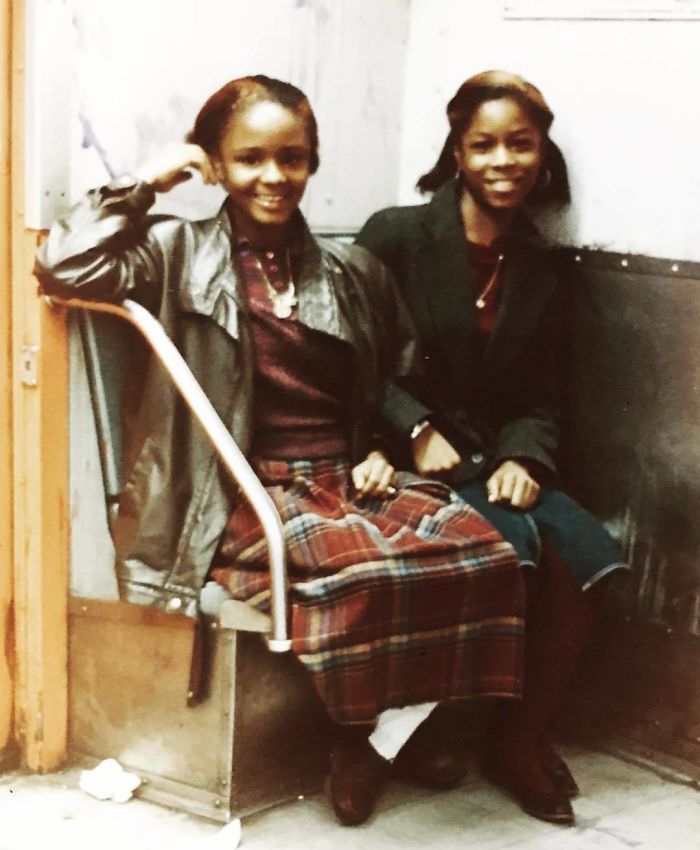
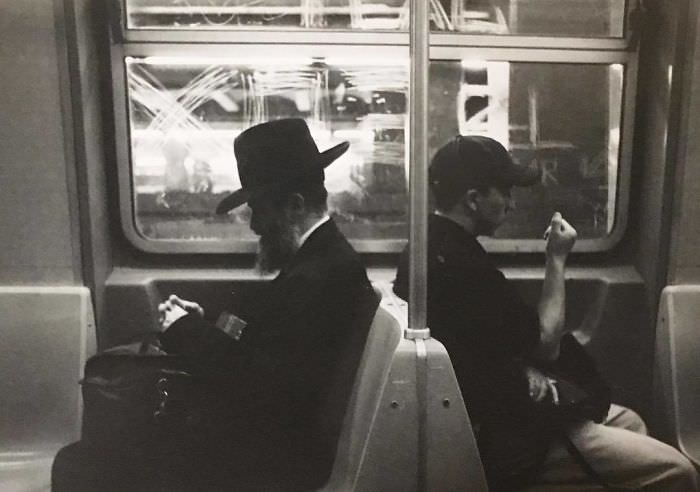
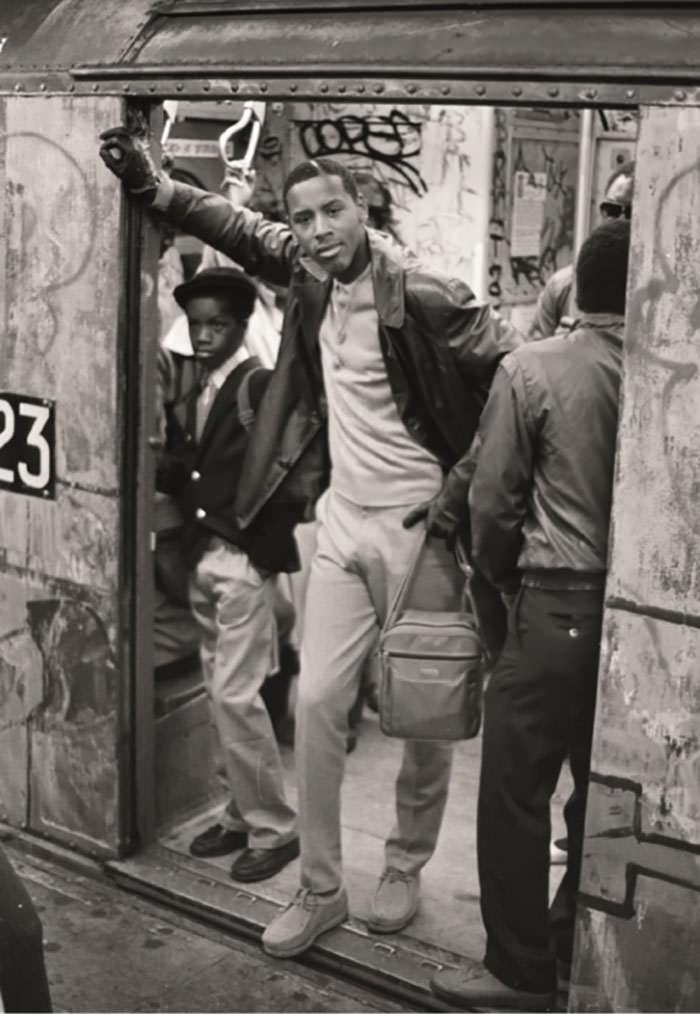
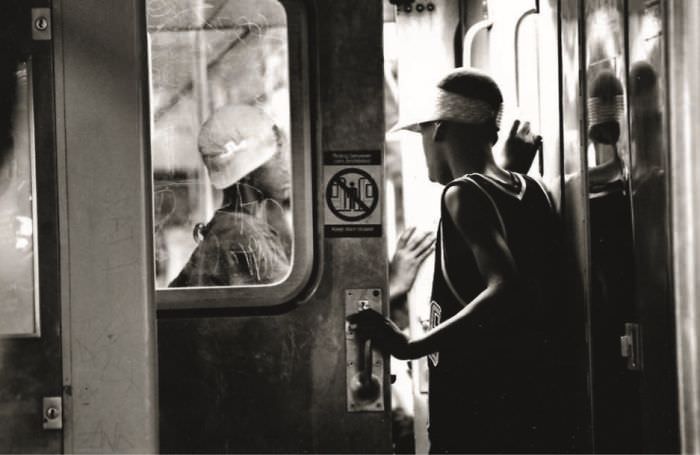
The New York subway in the 1980s was a world of its own. Graffiti covered entire train cars. Crime rates were high, platforms were crowded, and the system was underfunded. Yet it was also where the city’s full range of people — every borough, every background — shared the same narrow space twice a day. Shabazz recognized that and showed up with his camera.
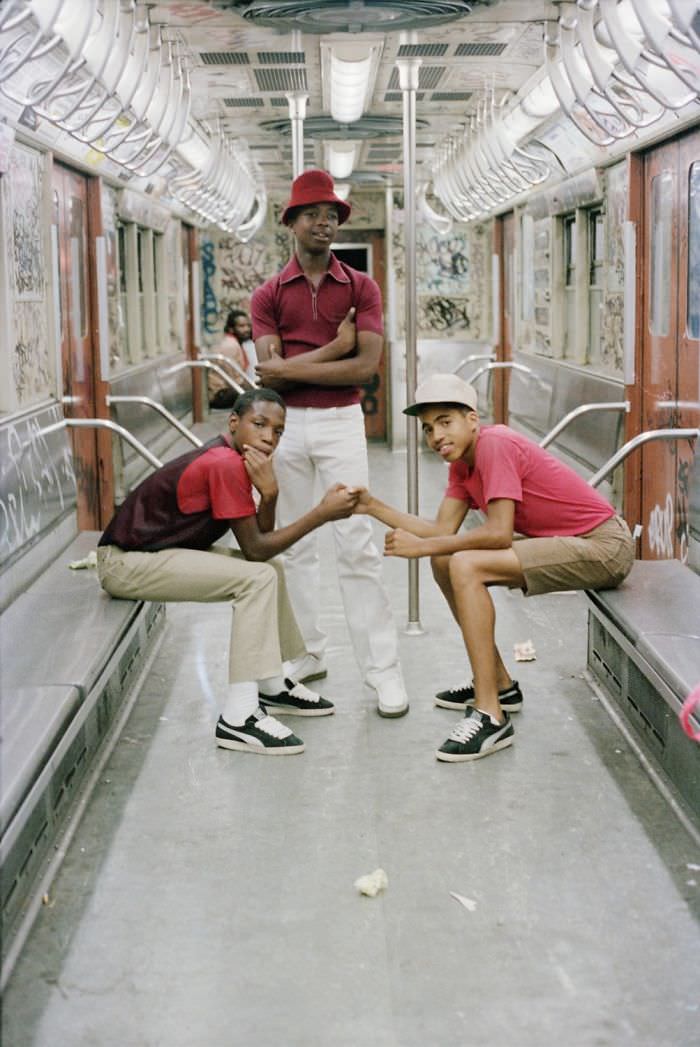
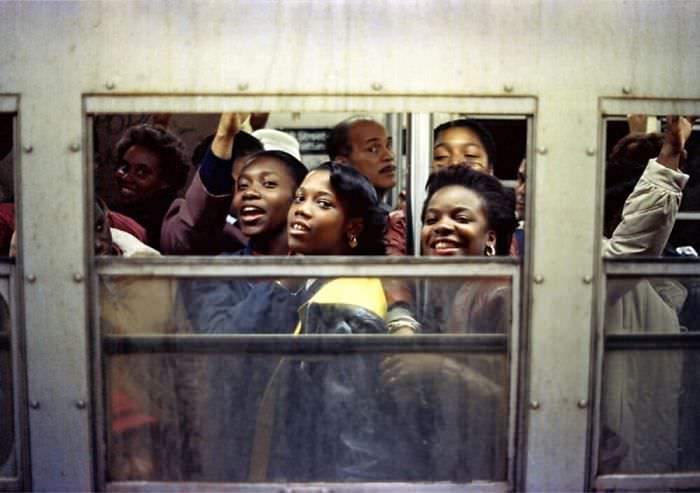
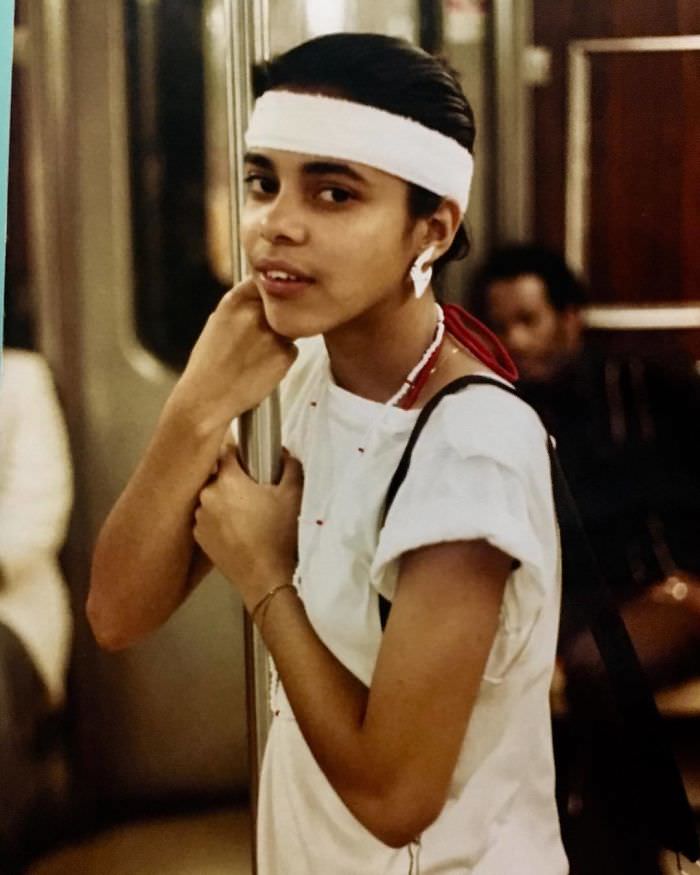
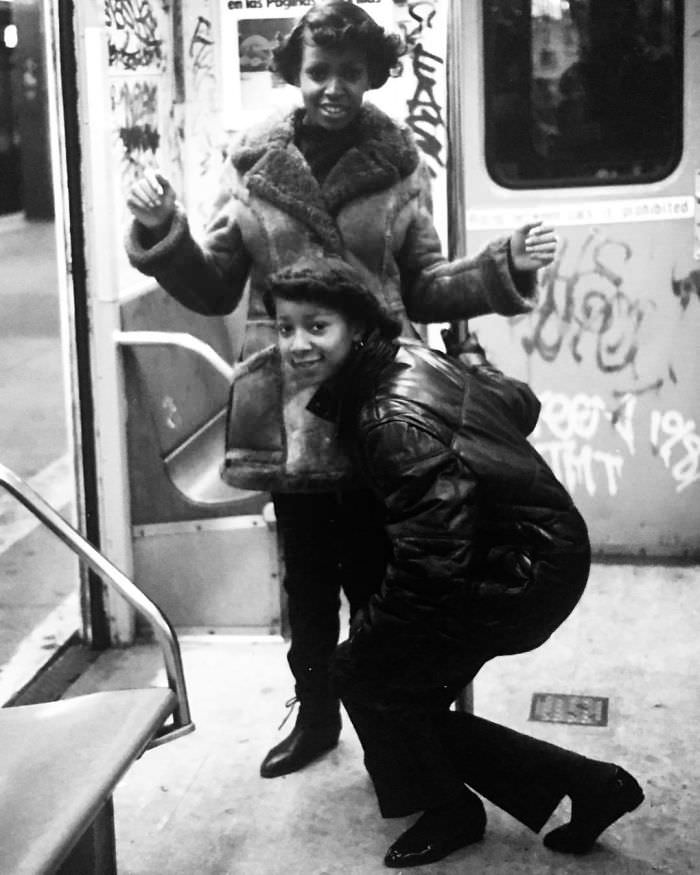
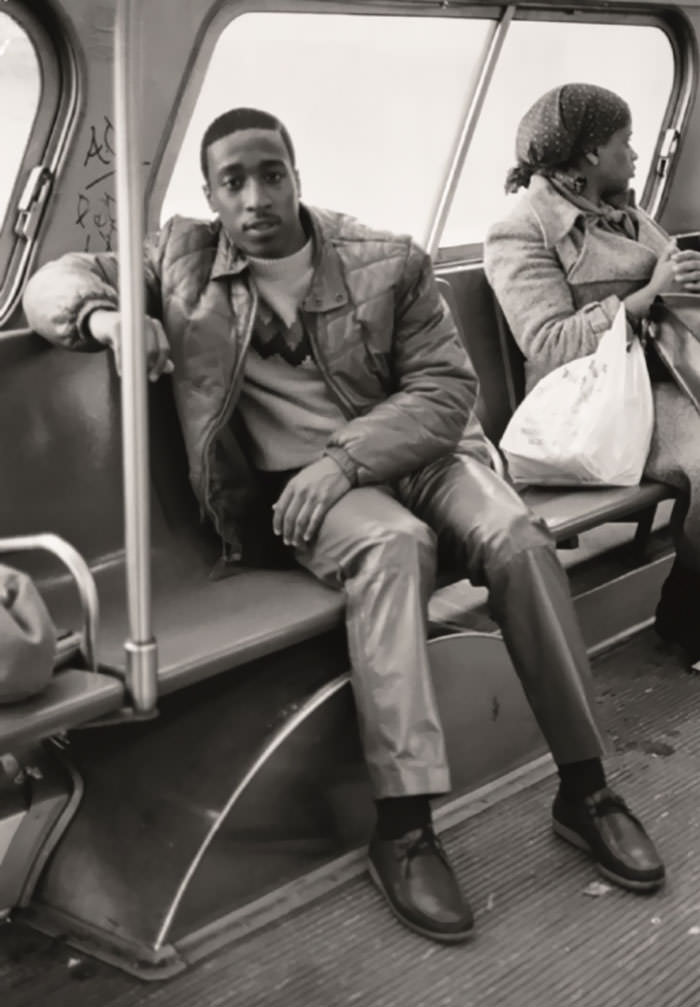
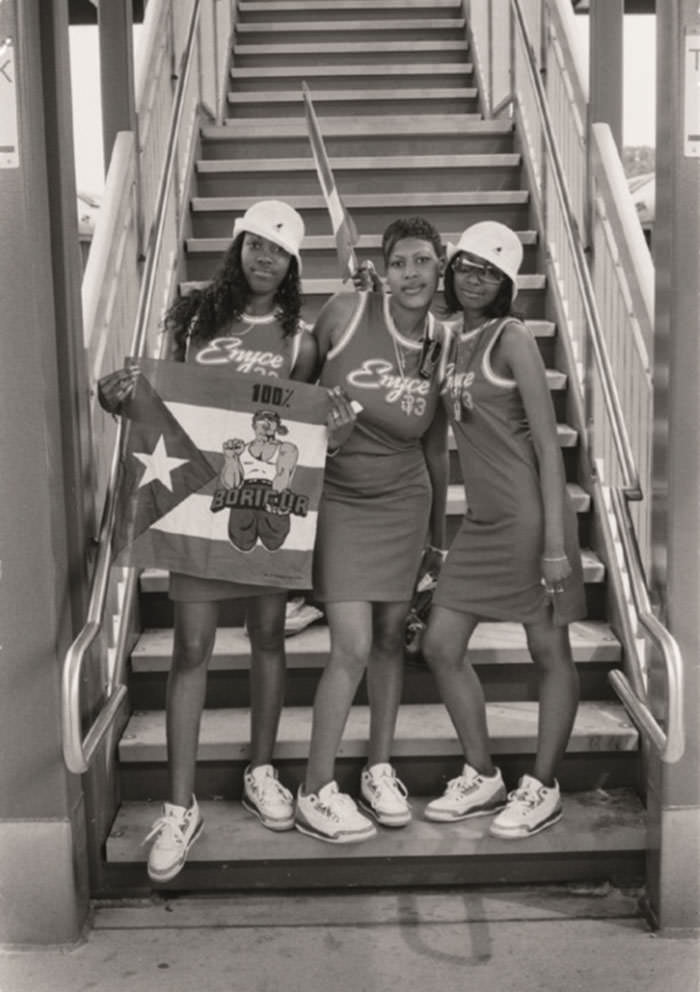
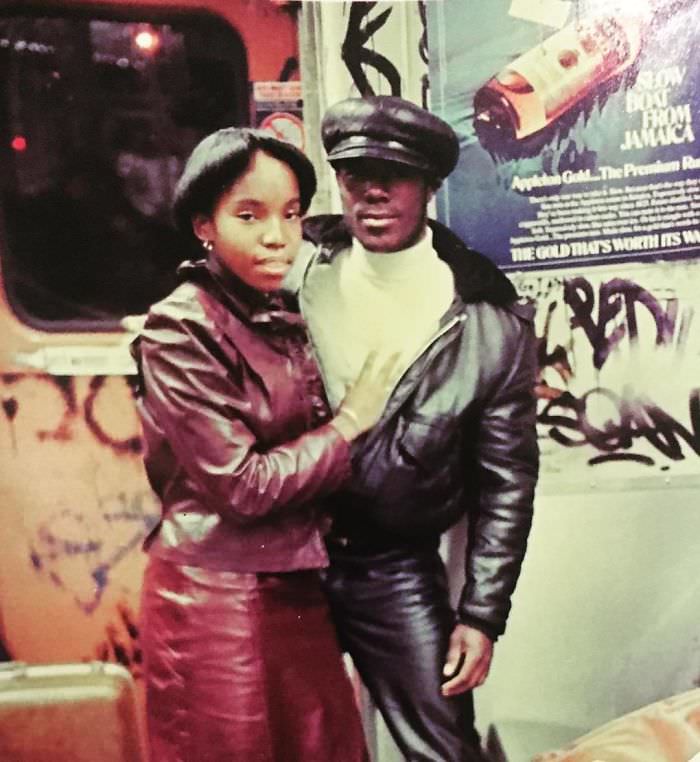
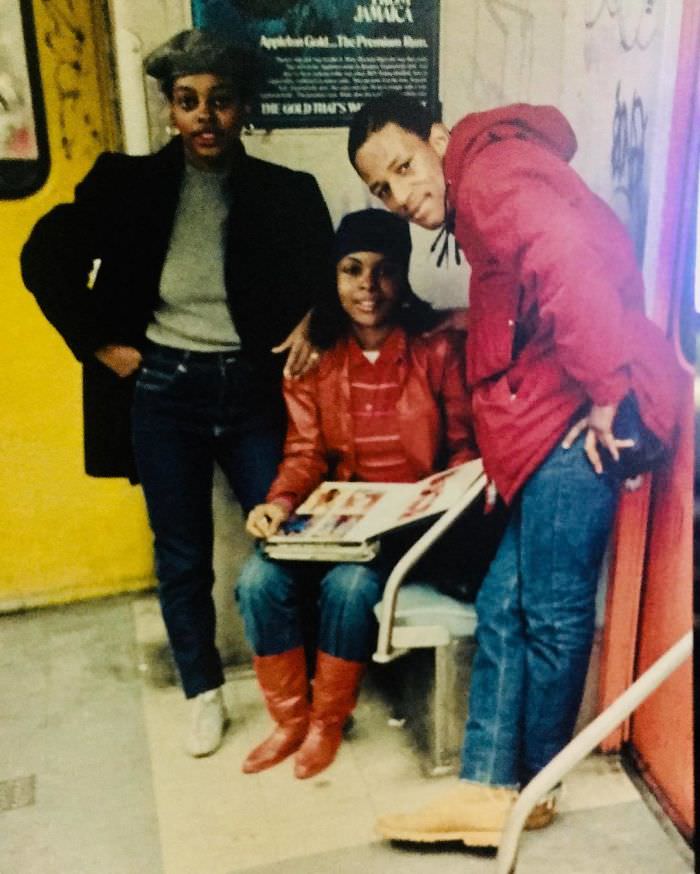
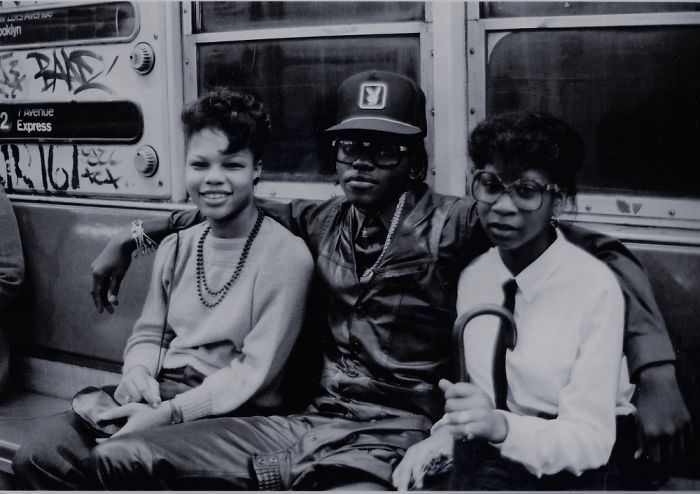
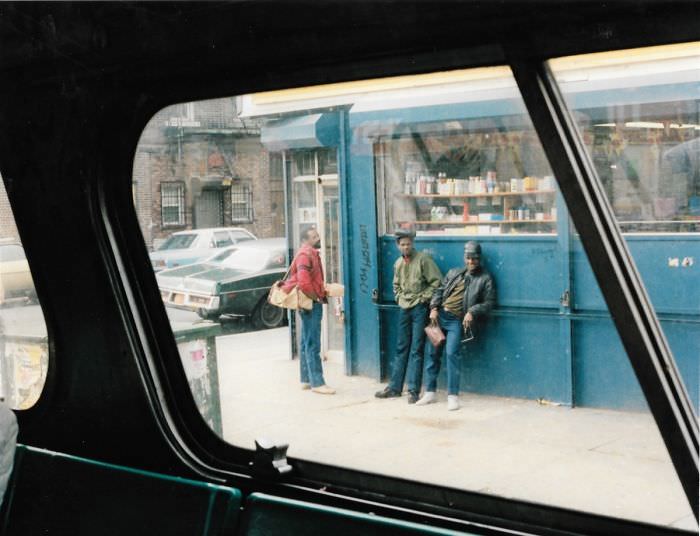
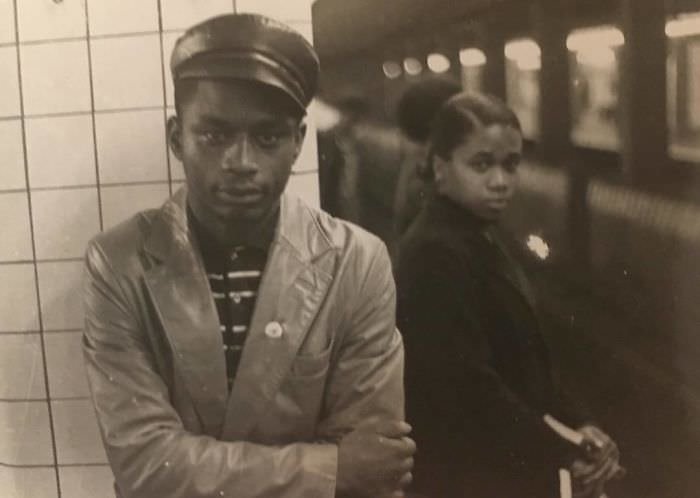
Fashion was a major thread running through his work. In Brooklyn and Harlem during the early 1980s, style was identity. Leather jackets, bold color combinations, carefully tied sneakers, and gold jewelry weren’t just trends — they were statements. Shabazz captured that energy without irony. He treated his subjects with respect, and it showed. People looked directly into his lens with confidence.
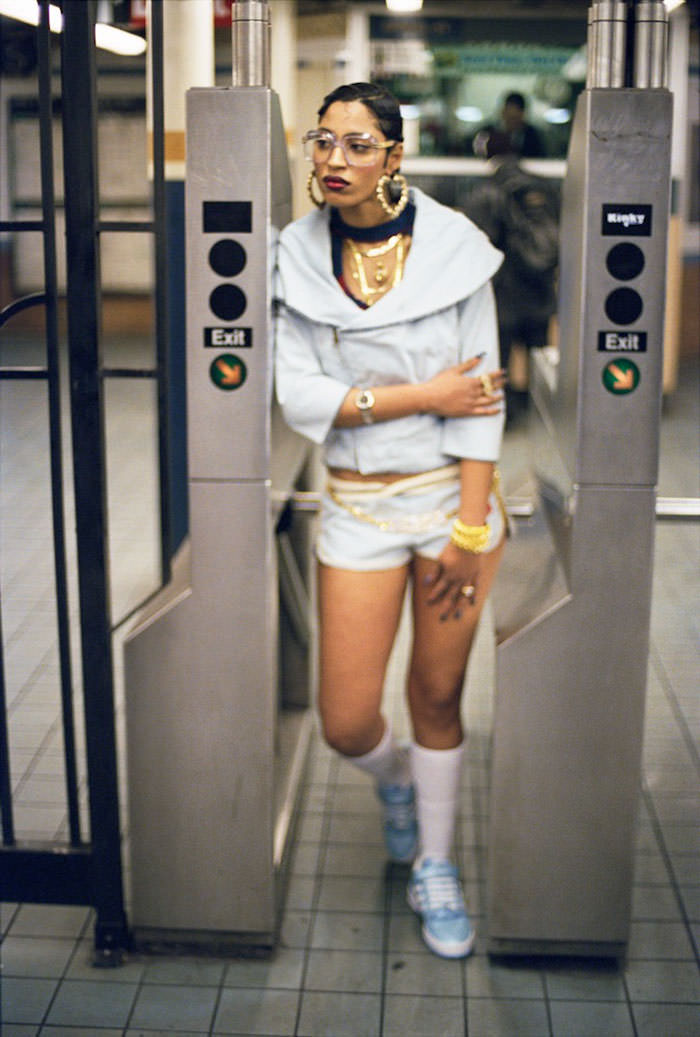
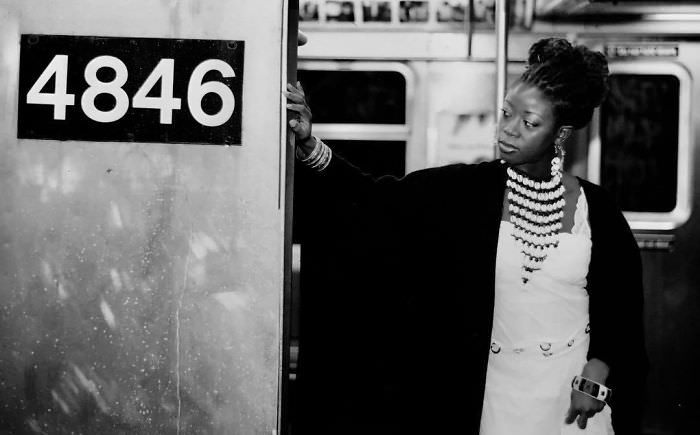
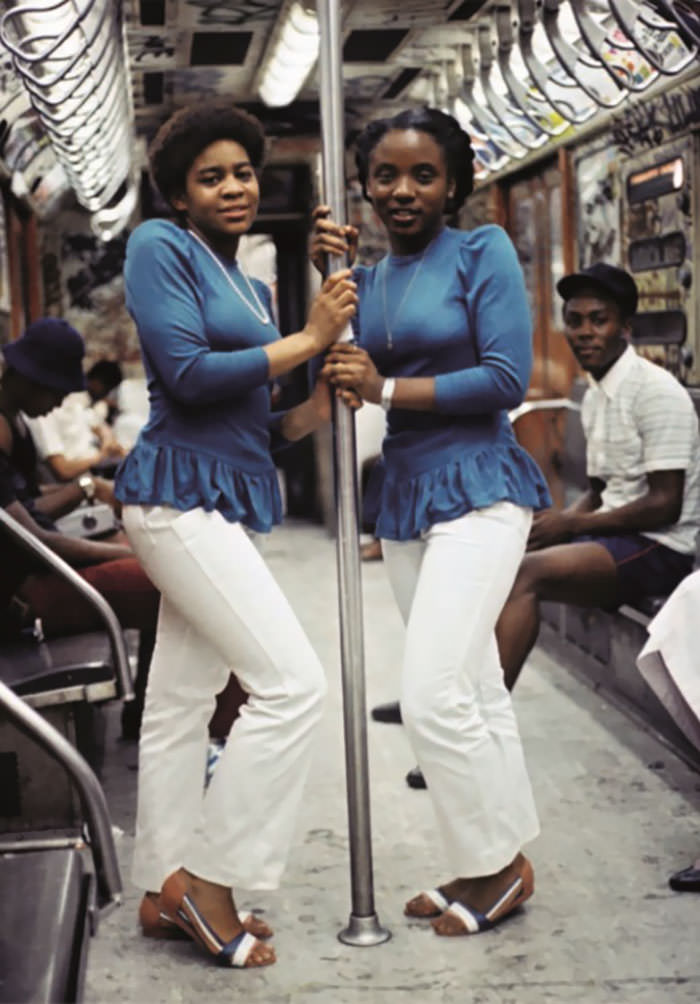
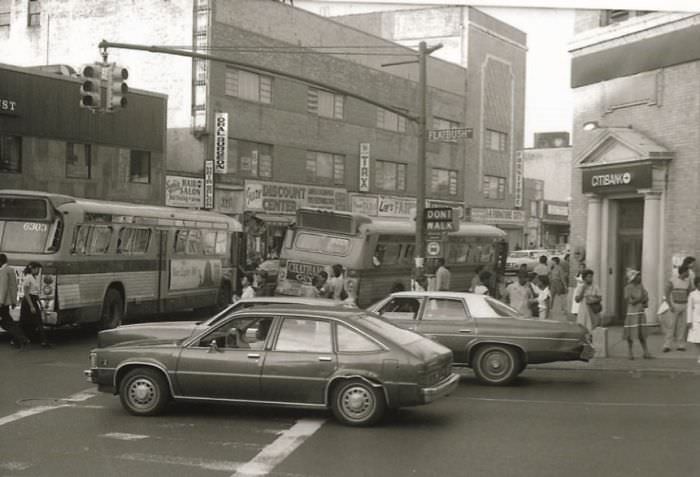
Crown Heights, East Flatbush, Spanish Harlem, Bushwick — Shabazz moved through all of it. These neighborhoods in the early 1980s were dealing with poverty, the crack epidemic, and serious social strain. His photographs don’t look away from that reality, but they also show joy, family bonds, and community pride existing right alongside it.
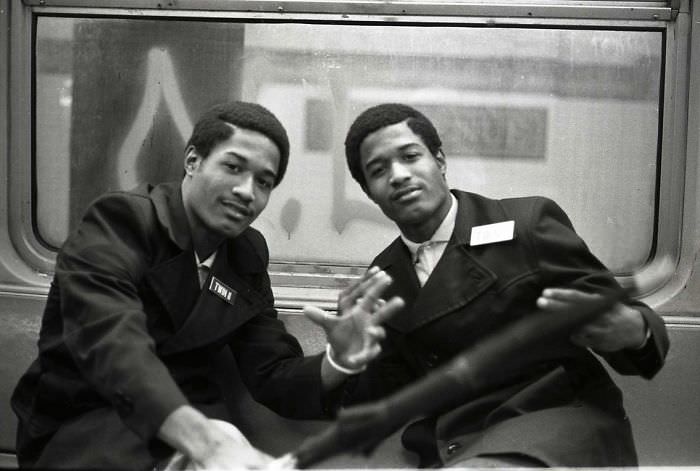
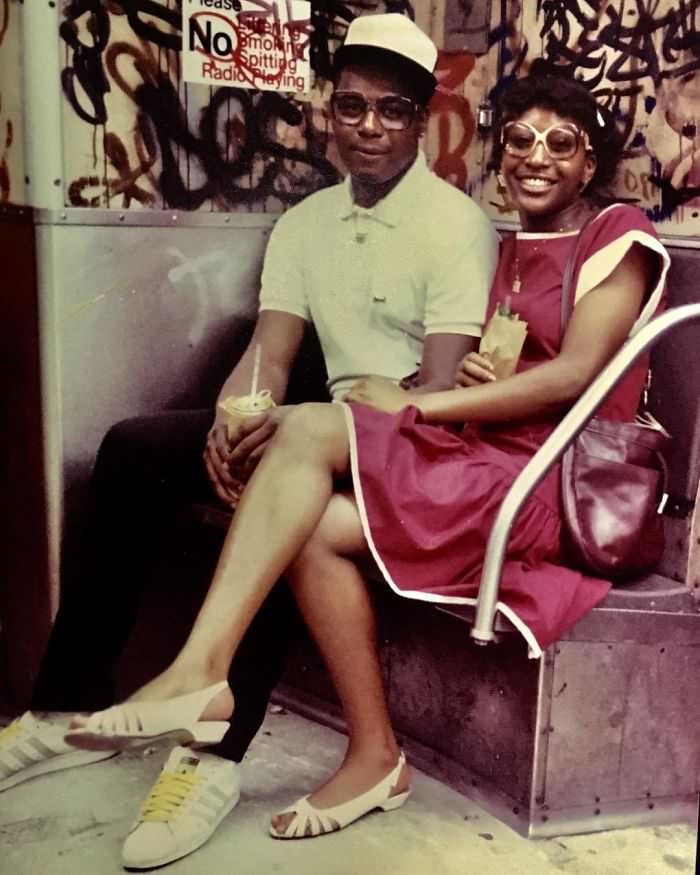
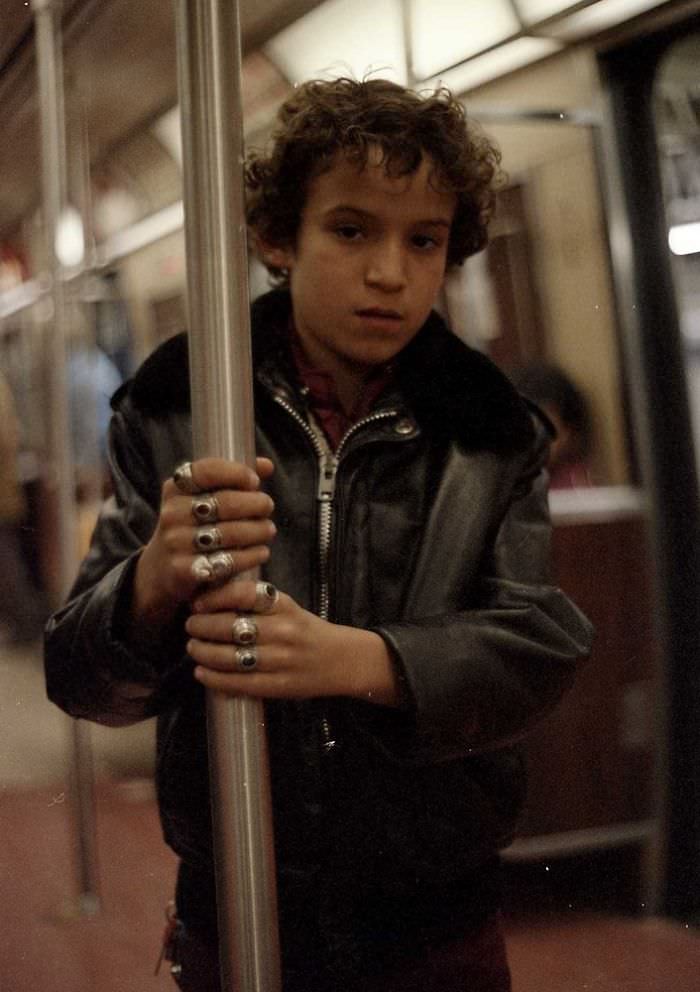
His photographs of fathers with their daughters, couples on train platforms, and groups of young men on corners carry a human weight that goes beyond documentation. These are specific people in specific places at specific times — not symbols or archetypes. The Franklin Avenue train station in 1980. The Brooklyn-bound J train in rush hour. The uptown D train in Flatbush in 1982.
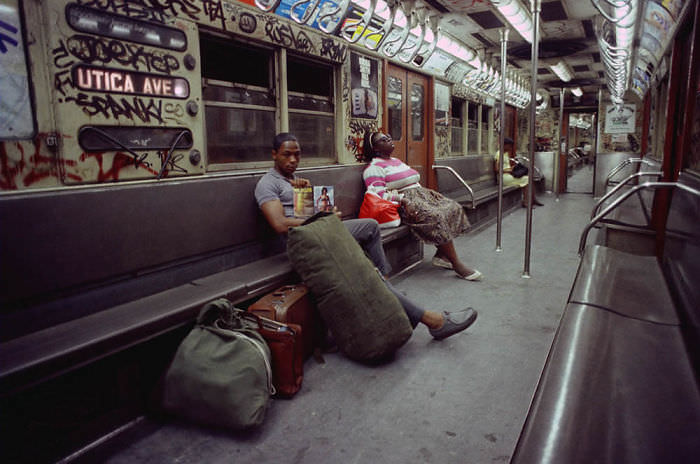
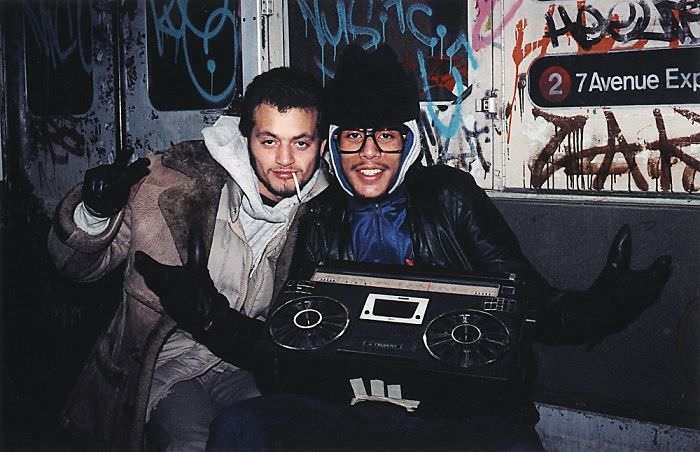
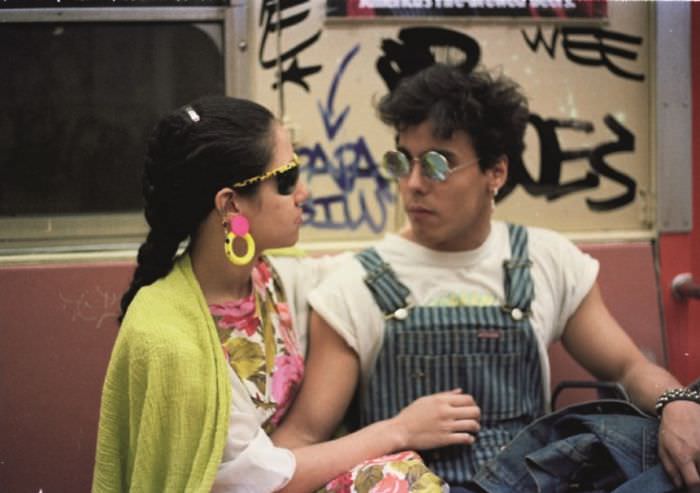
By the mid-1990s, New York was changing fast. Crime had dropped sharply. Gentrification was beginning to reshape neighborhoods. The subway got cleaner. Some of the raw edge that defined the earlier decade was fading. Shabazz kept shooting through it all, documenting the city’s ongoing transformation from a front-row seat.
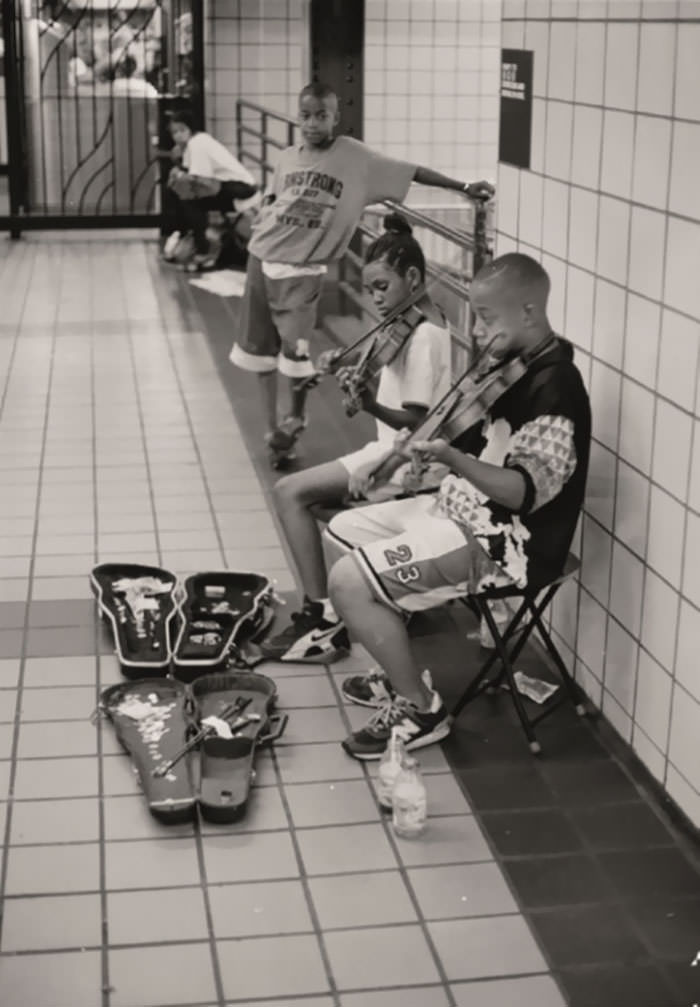
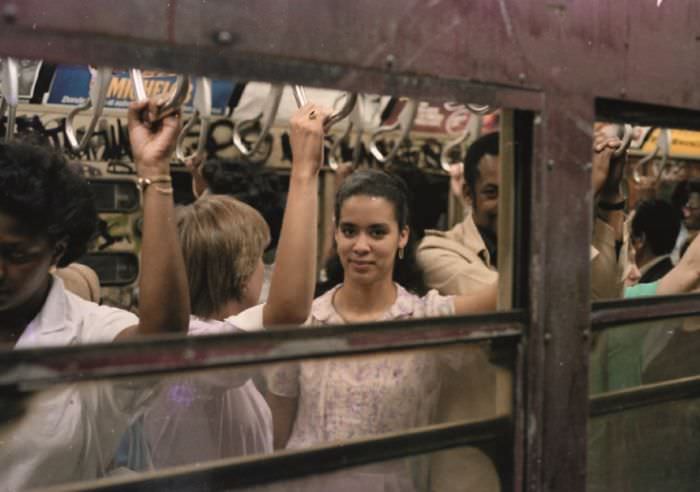
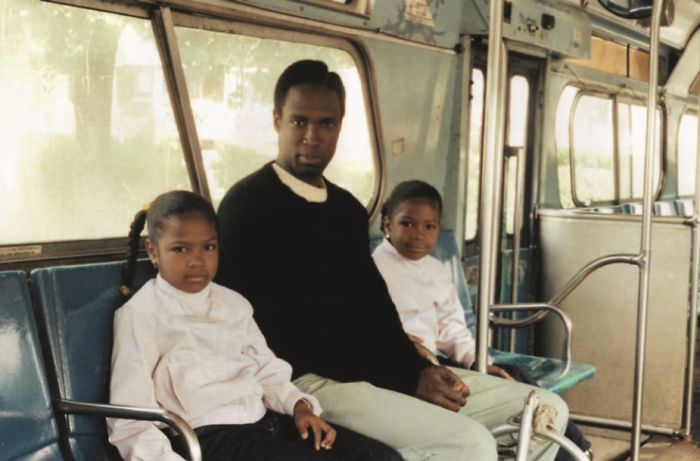
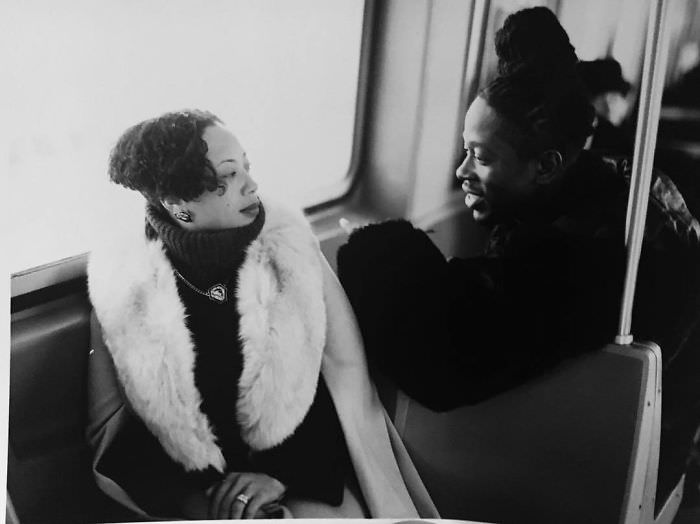
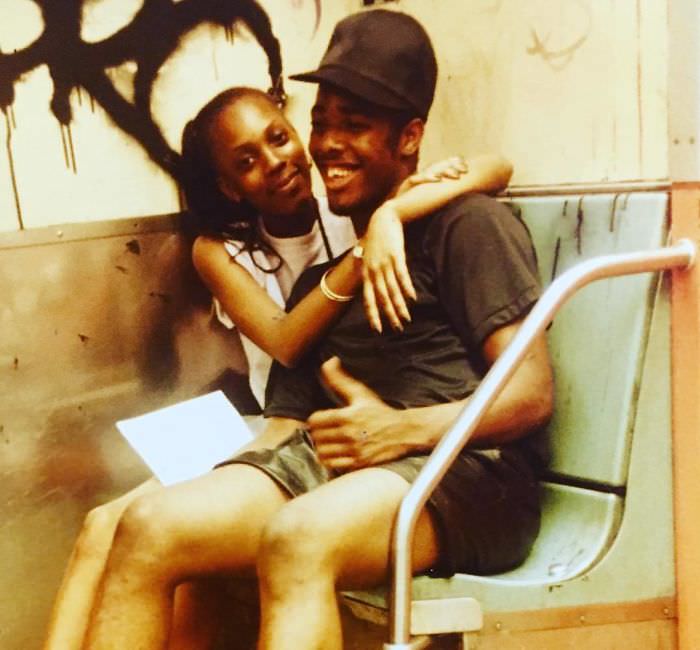
Church ladies in Harlem. Street corners in East Flatbush. Couples stealing quiet moments on moving trains. Shabazz found photographs everywhere he looked, and his titles — “Empathy,” “Old School Love,” “The Love Connection” — reflect how personally he connected with each scene.
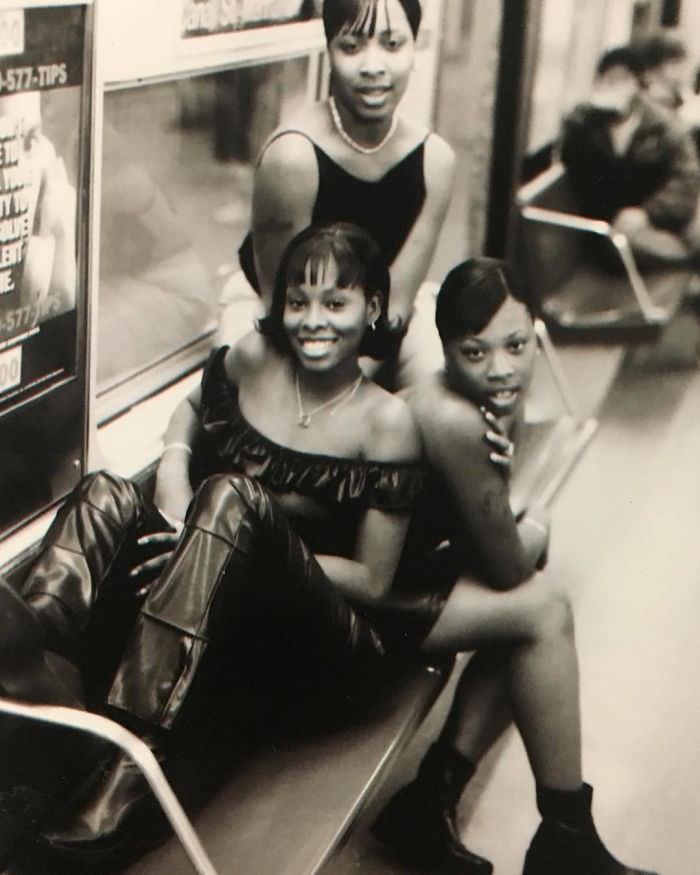
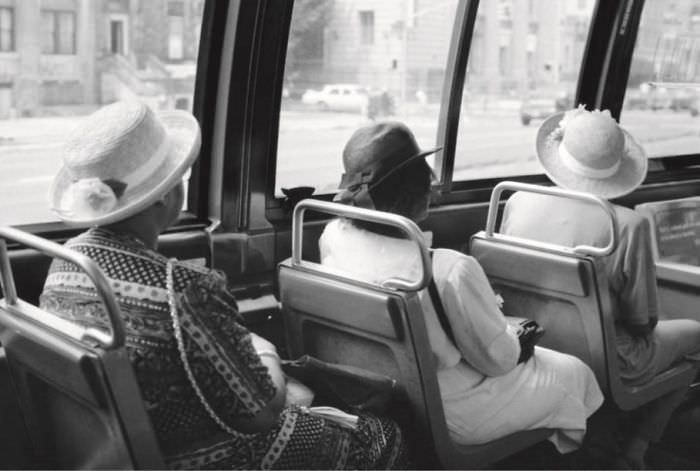
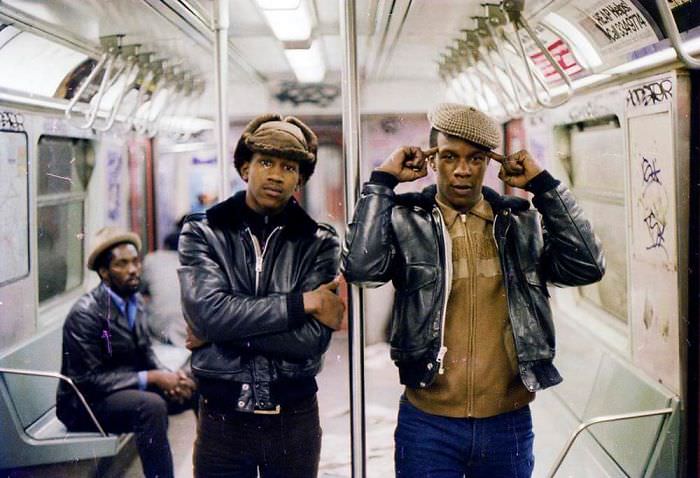
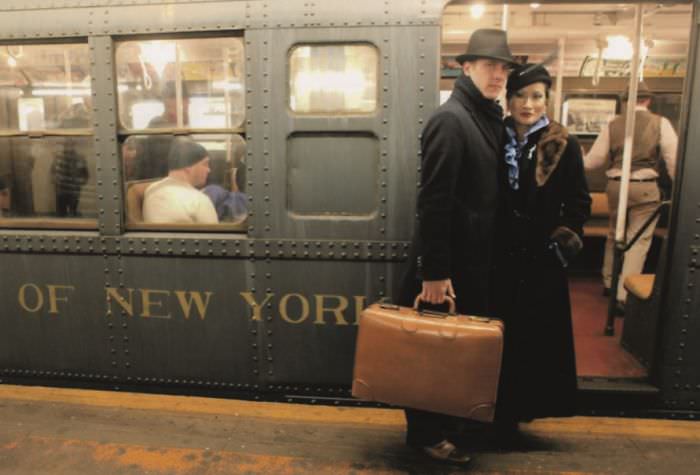
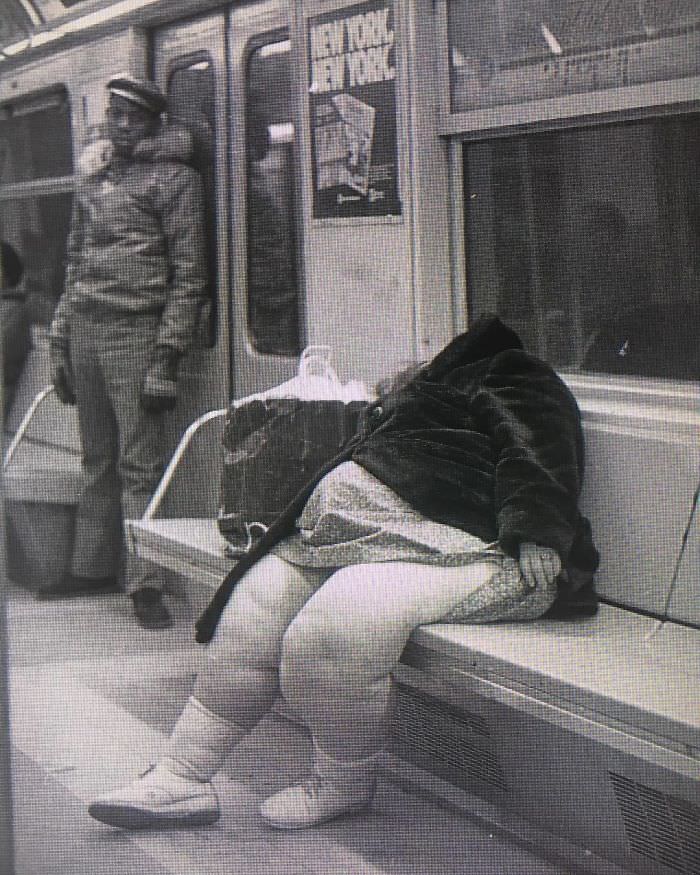
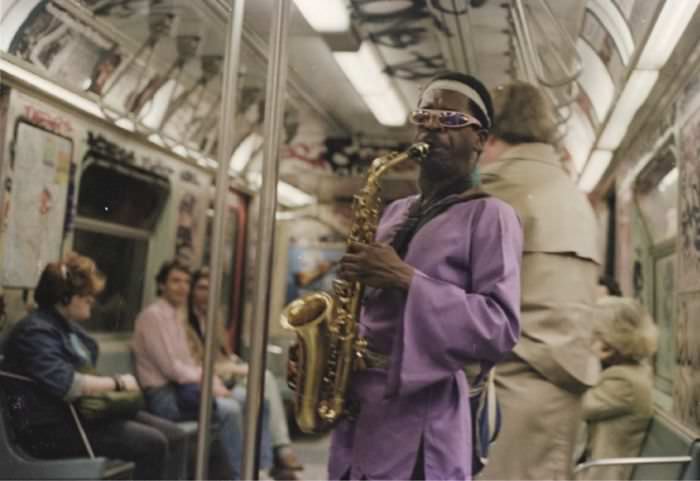
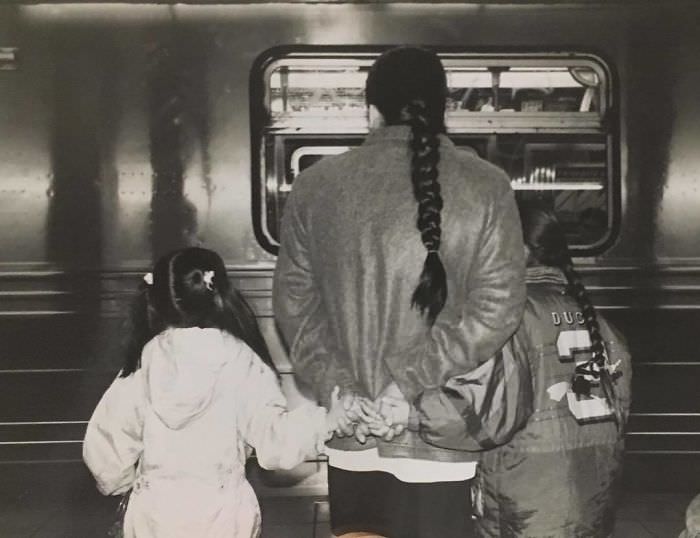
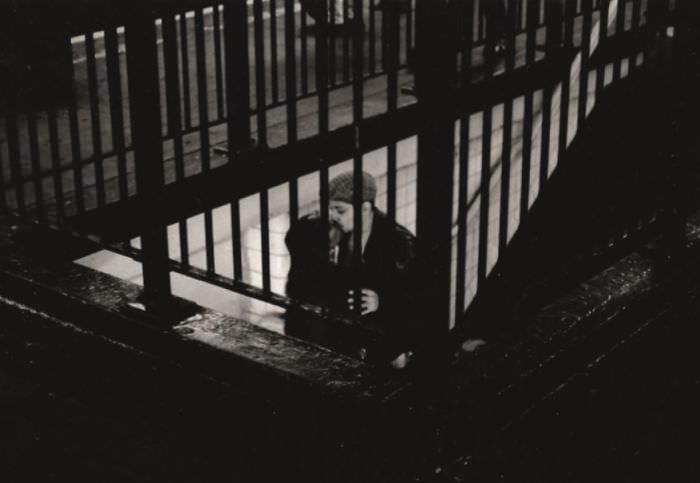
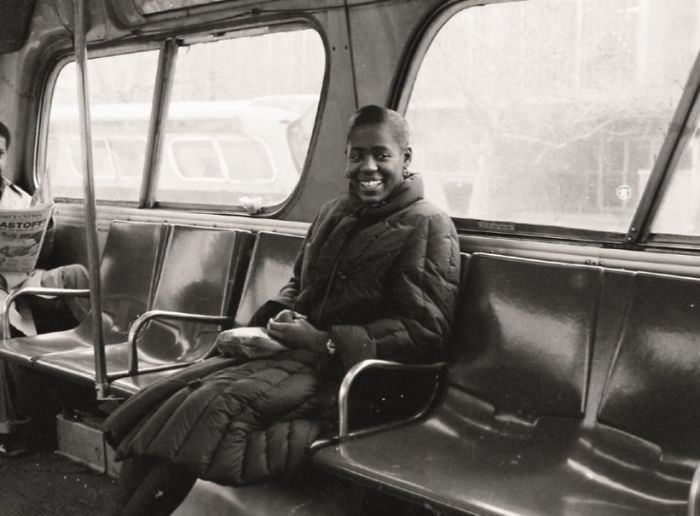
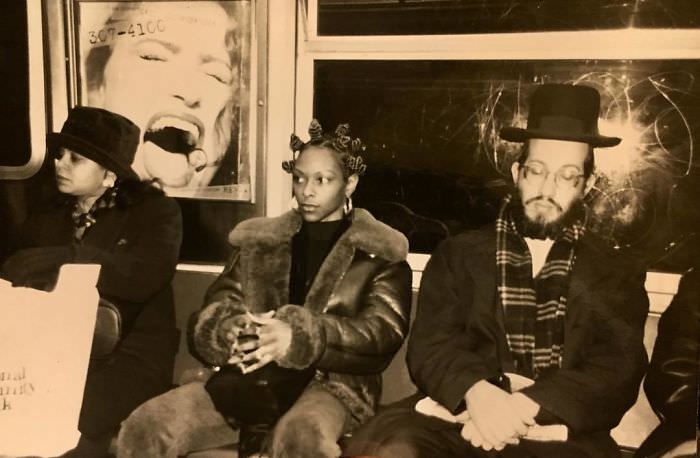
The subway itself was more than a backdrop. It was a social equalizer — a space where a businessman and a student, a tourist and a lifelong Brooklyn resident, rode side by side with nowhere else to go. Shabazz understood what that meant. He used those confined, fluorescent-lit cars as a stage for portraits that feel intimate even in a public setting.