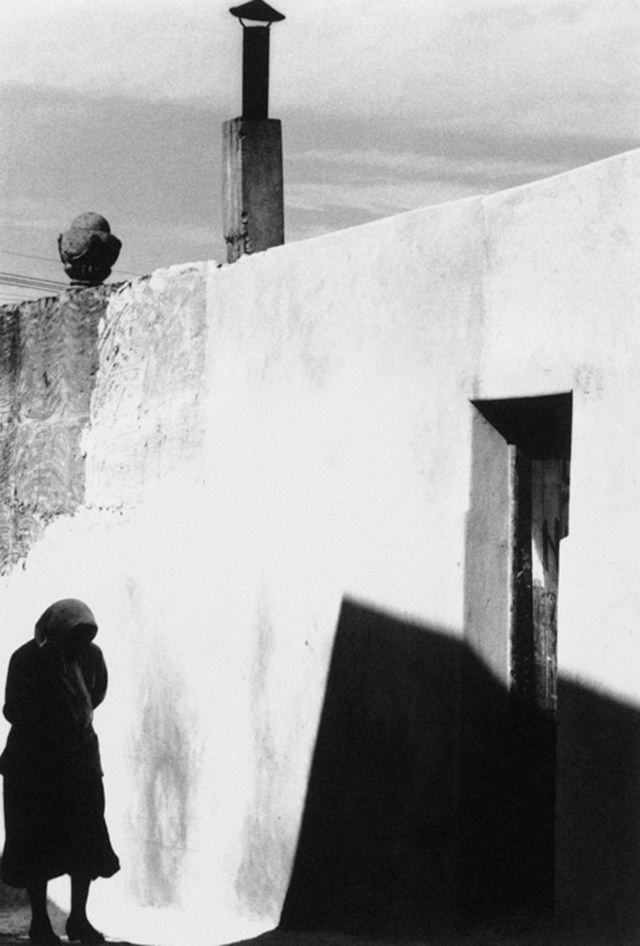
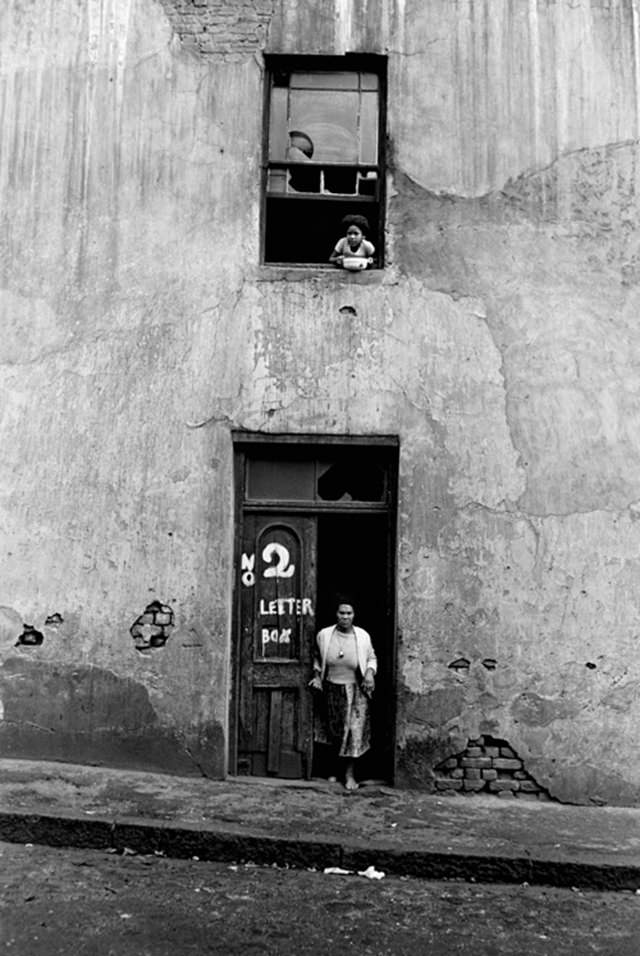
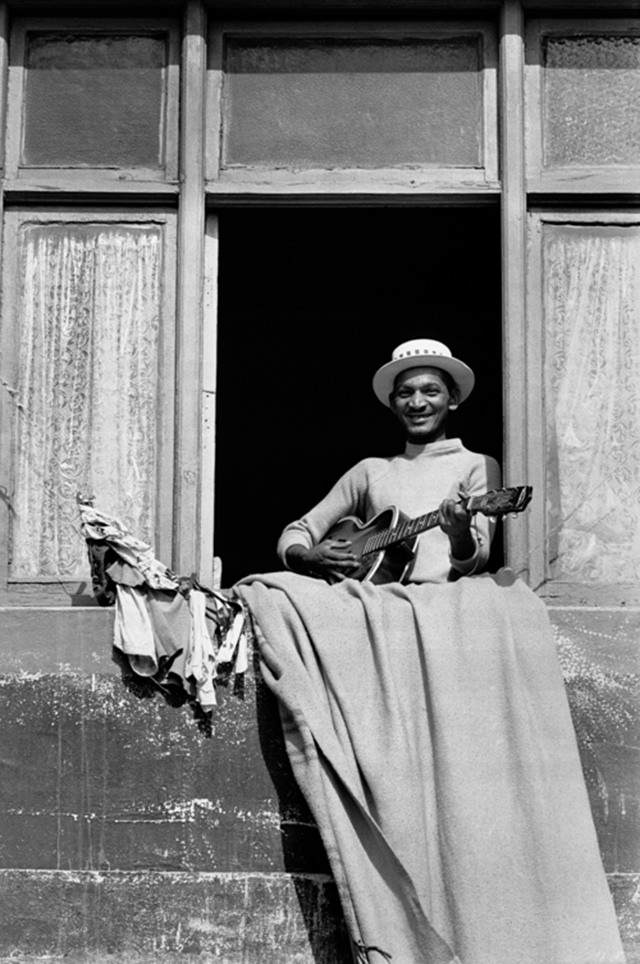
Before the bulldozers arrived, District Six was one of the most alive places in Cape Town. Markets, music, religious ceremonies, street games, and the noise of everyday life filled its narrow streets. South African photographer Cloete Breytenbach was there to document it all — and his black-and-white photographs are among the most important visual records of what was lost.
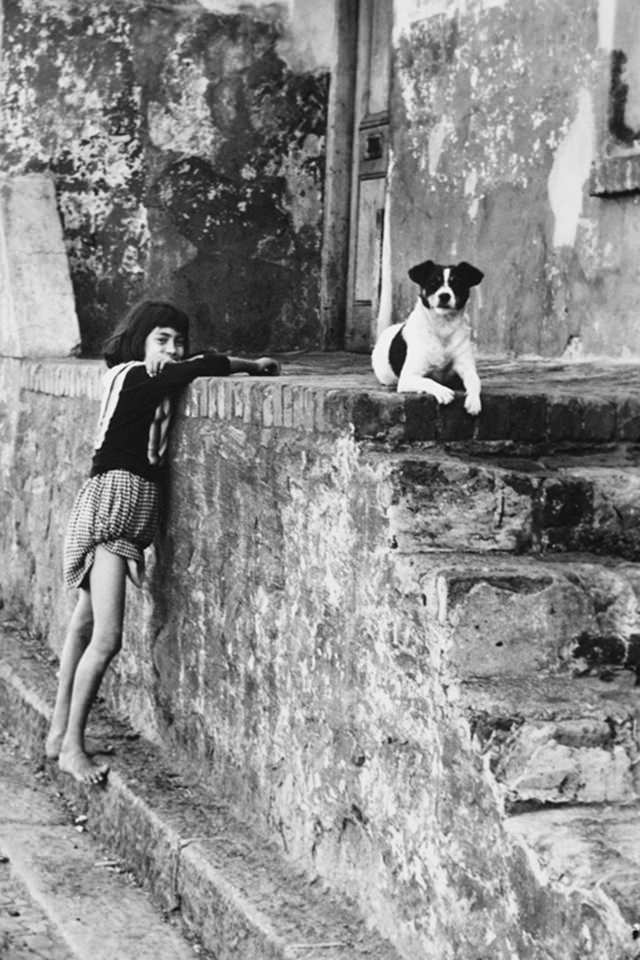
Breytenbach began his career in 1951 as a journalist for an Afrikaans-language newspaper in Cape Town. He was in his early twenties. Over the following decades he built an international career, but Cape Town — and District Six in particular — remained central to his photographic work. His series simply titled “District Six” focused on the neighborhood during the years it was being dismantled, both physically and socially.
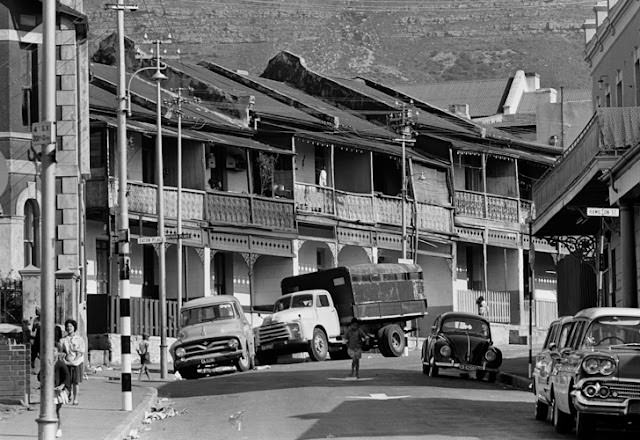
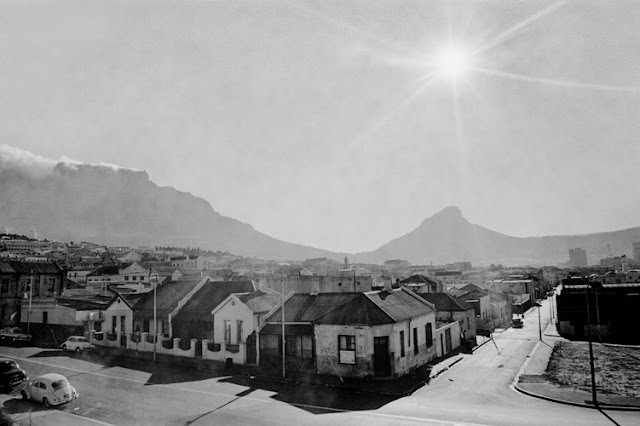
District Six had a long history before the apartheid government targeted it. In the 18th century, it was Dutch colonial farmland on the outskirts of Cape Town. By the 20th century, it had grown into a dense, working-class neighborhood packed with people of many races and ethnicities. Absentee white landlords owned most of the properties and let the buildings fall into disrepair. By the 1960s, large parts of the area were run-down — and sitting uncomfortably close to the city’s white commercial center.
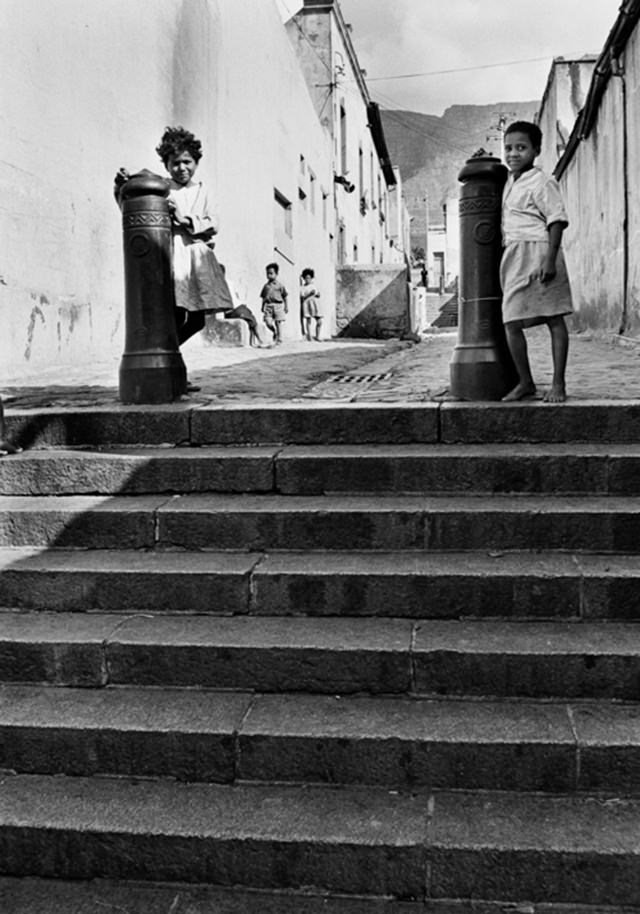
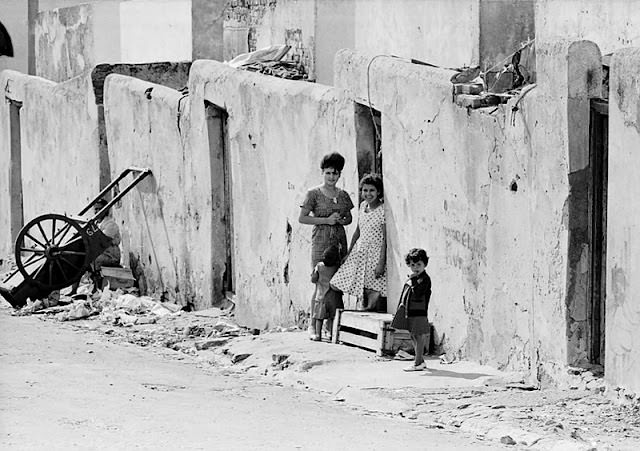
In 1966, the apartheid government declared District Six a whites-only area under the Group Areas Act. The roughly 60,000 residents — predominantly coloured, Black African, and Indian South Africans — were forcibly removed. Many were relocated to townships far from the city center, severed from their communities, jobs, and neighbors. By the late 1970s, the government had razed most of the neighborhood to the ground.
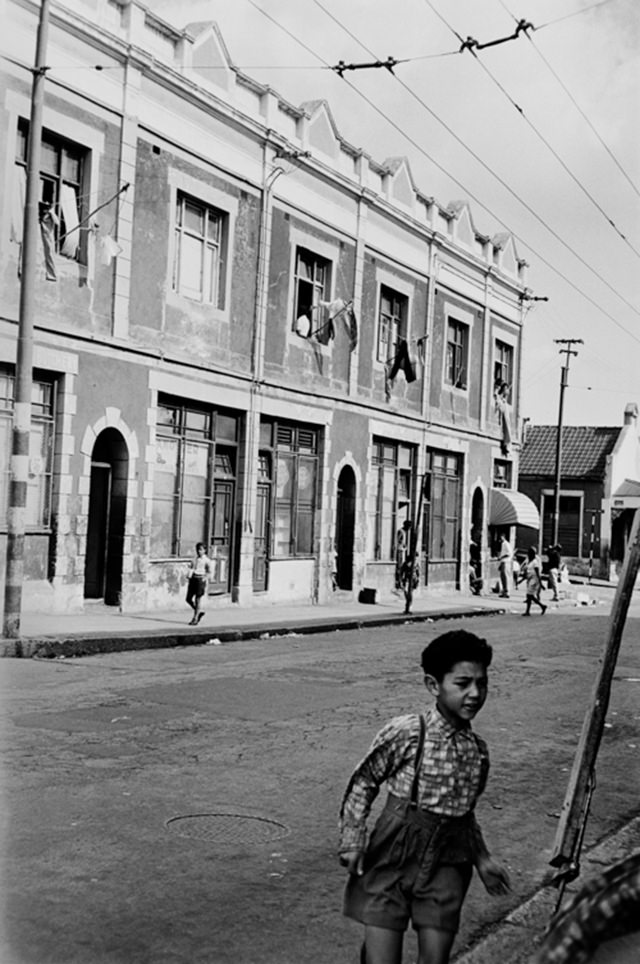
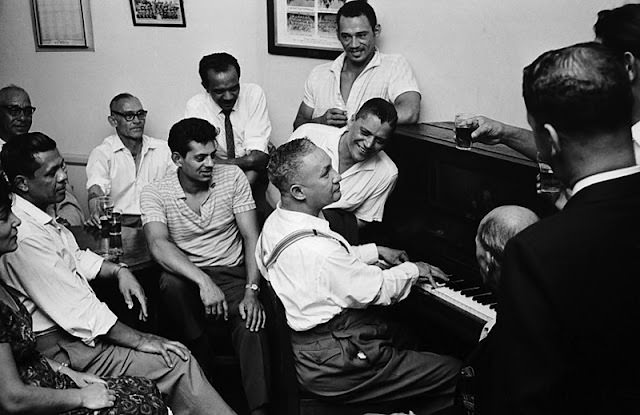
Breytenbach’s camera did not dwell on the destruction alone. He pointed his lens at the community while it was still living and breathing. He photographed markets, domestic spaces, street scenes, and cultural events — the ordinary texture of daily life that rarely makes it into official historical records.
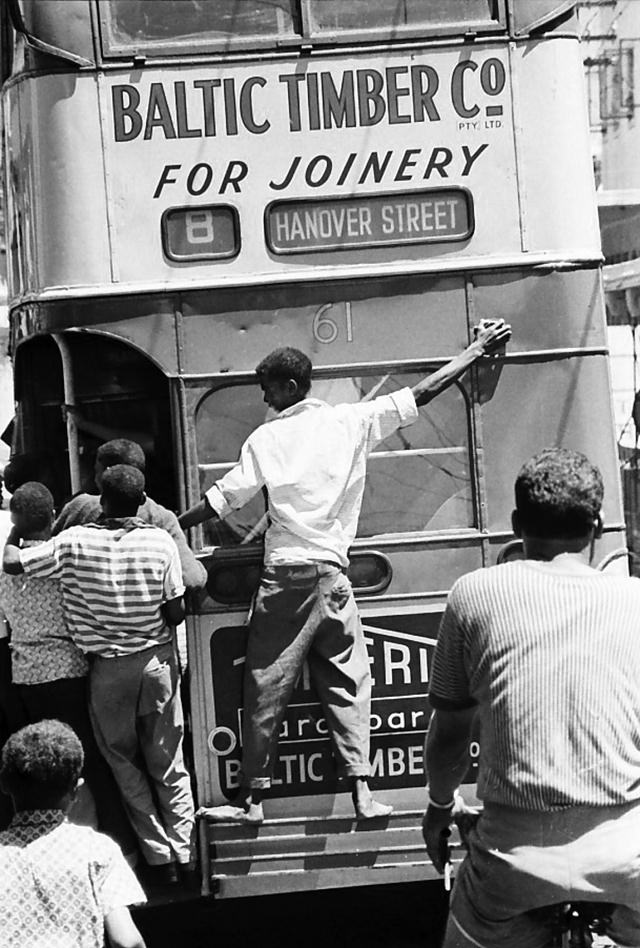
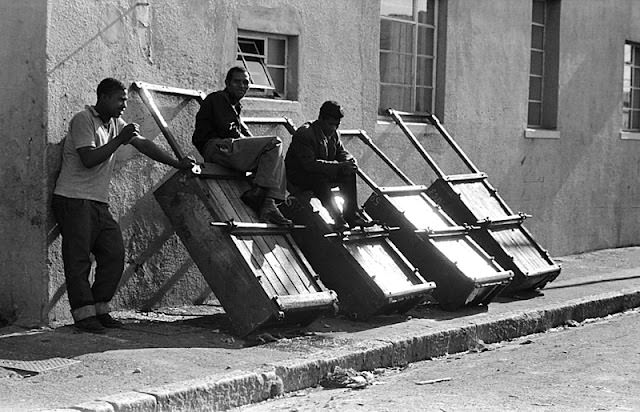
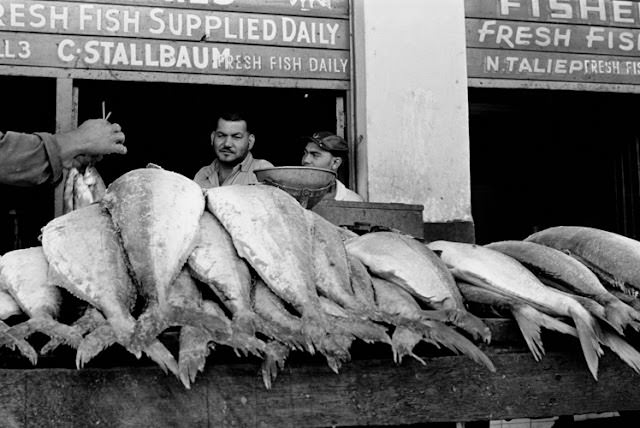
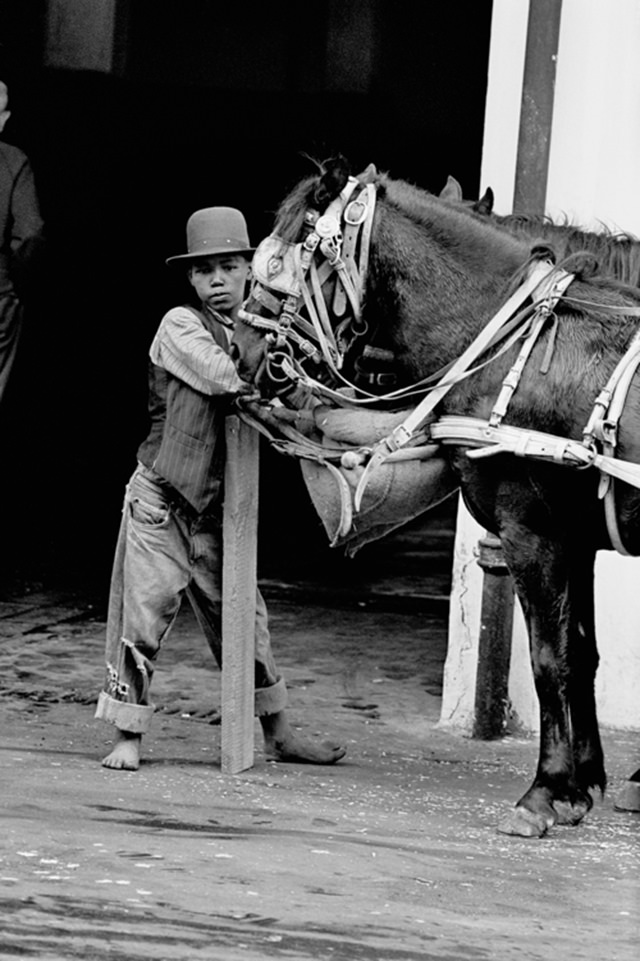
Hanover Street was one of the neighborhood’s main arteries, and the old fish market there was a hub of daily commerce. Hawkers moved through the streets selling fresh vegetables, fruit, and fish — often from barrows that they parked along the pavements when not in use. To prevent theft or unauthorized use, the wheels were removed and stored separately.
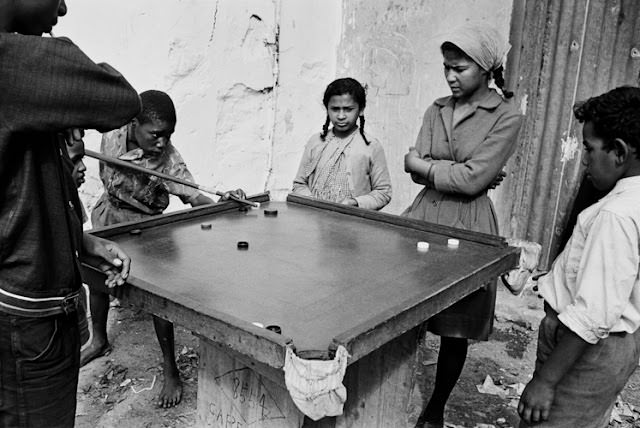
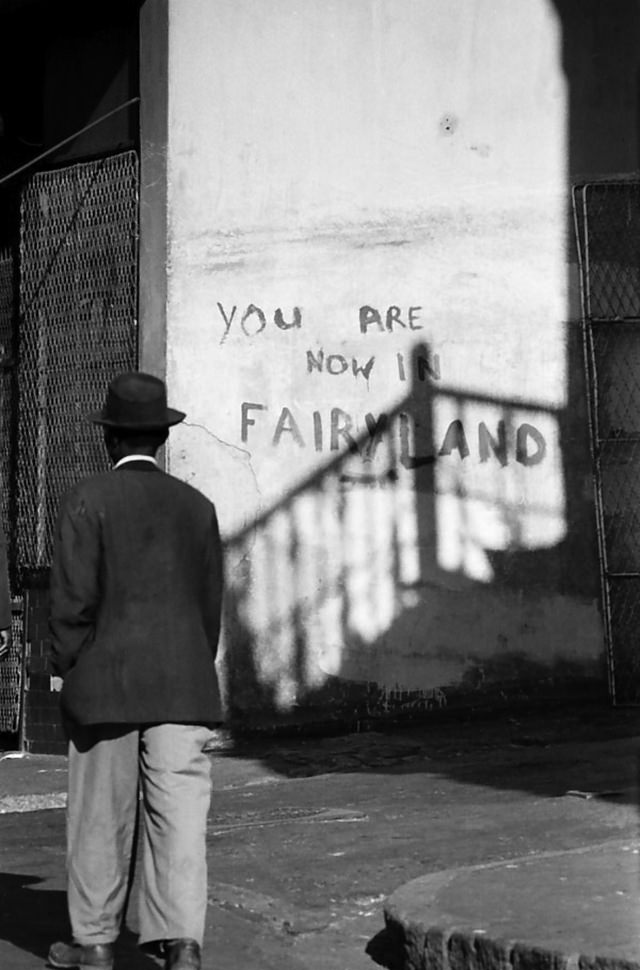
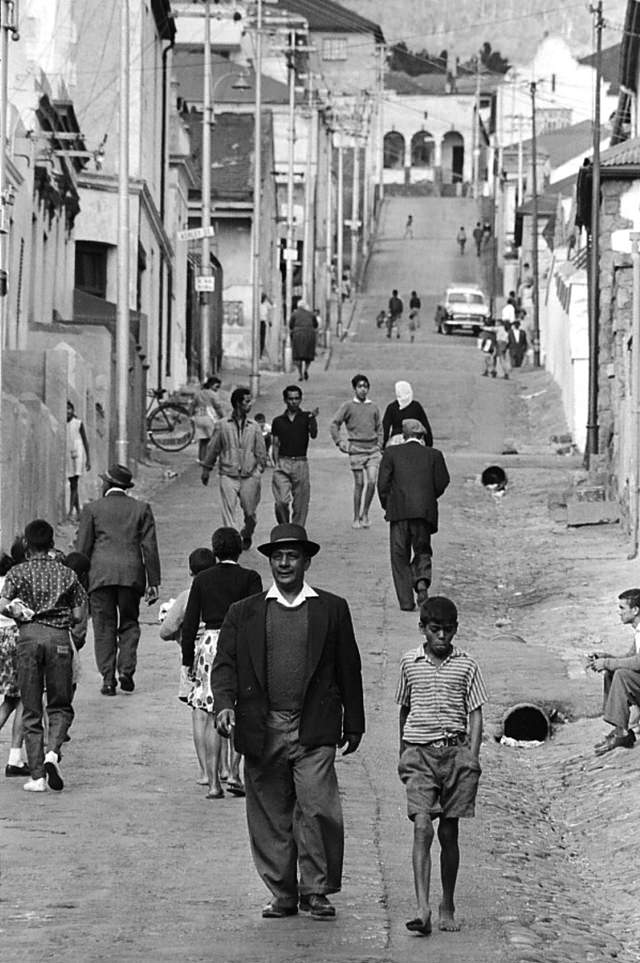
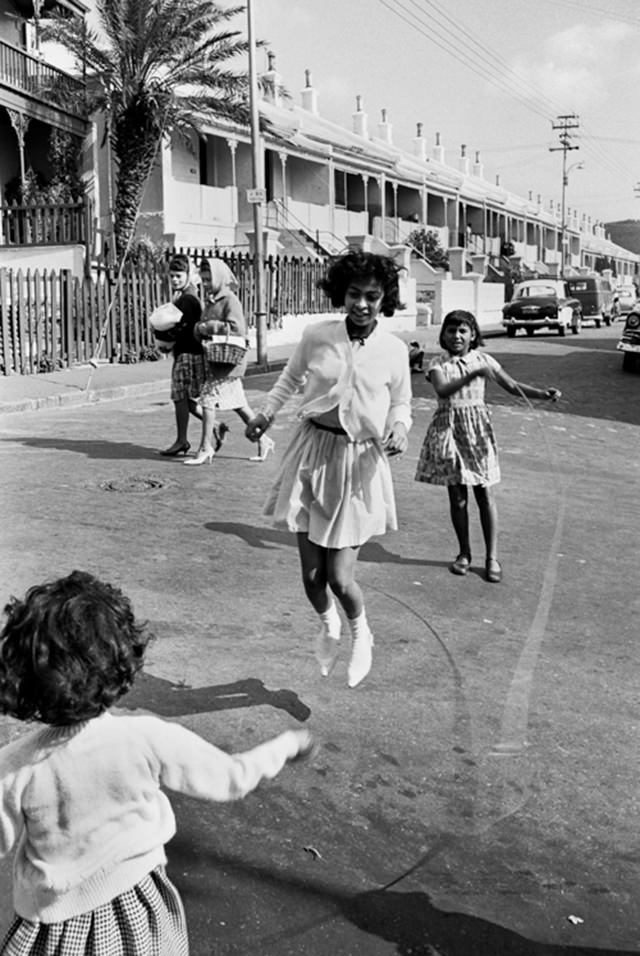
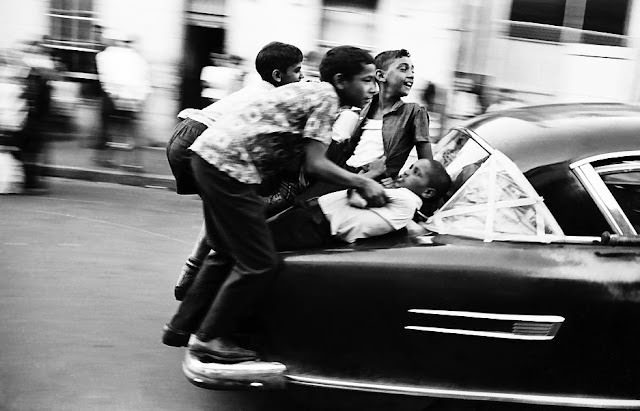
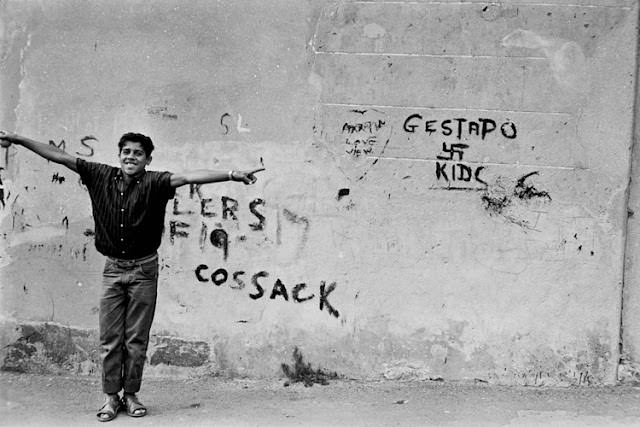
Street life in District Six was rich and varied. Children played on the pavements, marking out games like fox and geese in chalk. A man with a guitar could draw a crowd. Gang territories were marked on walls, a reminder that life in the district carried its harder edges too.
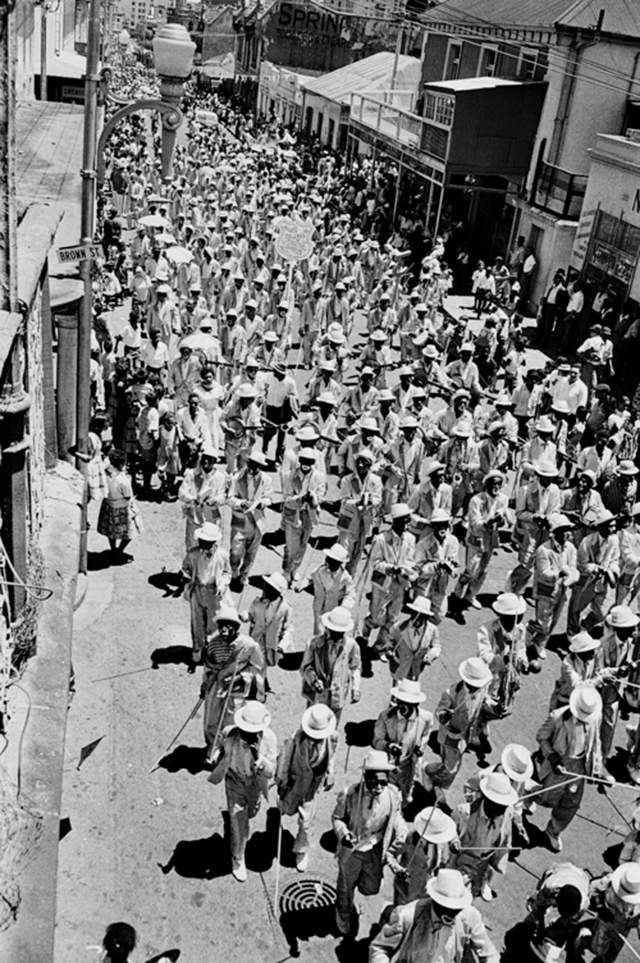
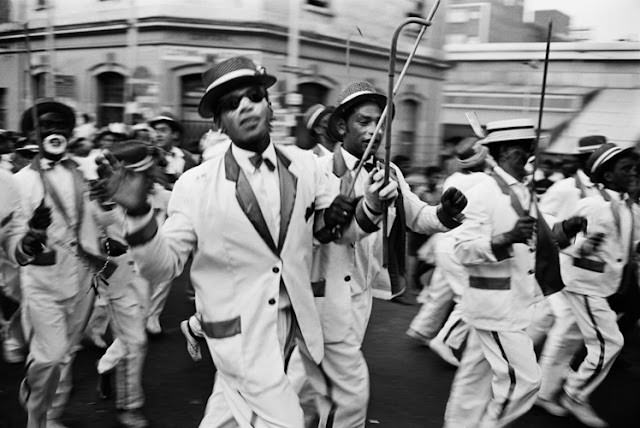
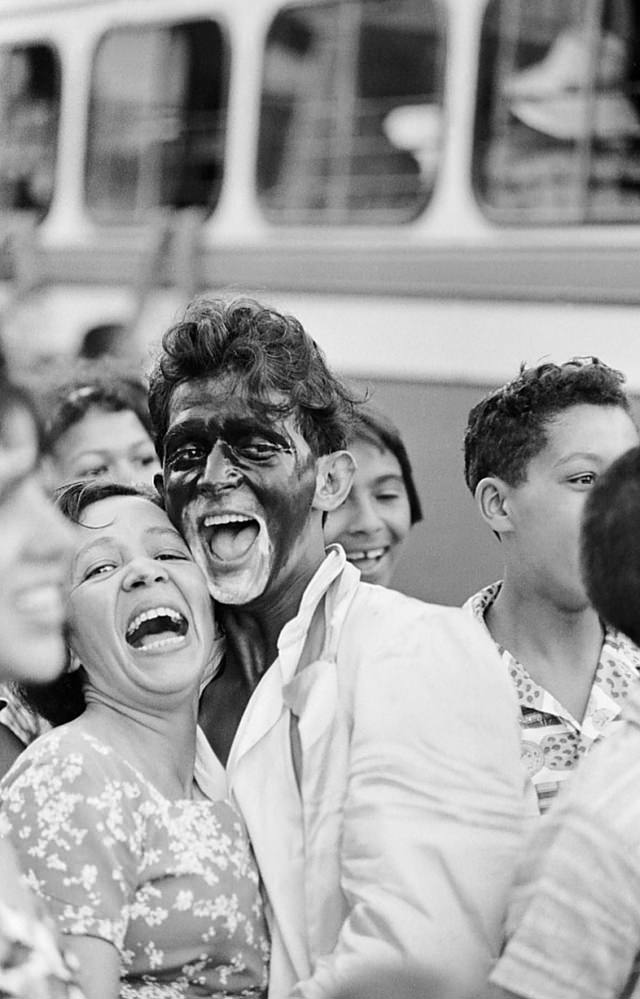
The Cape Minstrels parade was one of the most colorful traditions in the district. Rooted in the coloured community of Cape Town, the annual event filled the streets with elaborately costumed performers. Breytenbach photographed both the parade itself and the festive atmosphere it created.
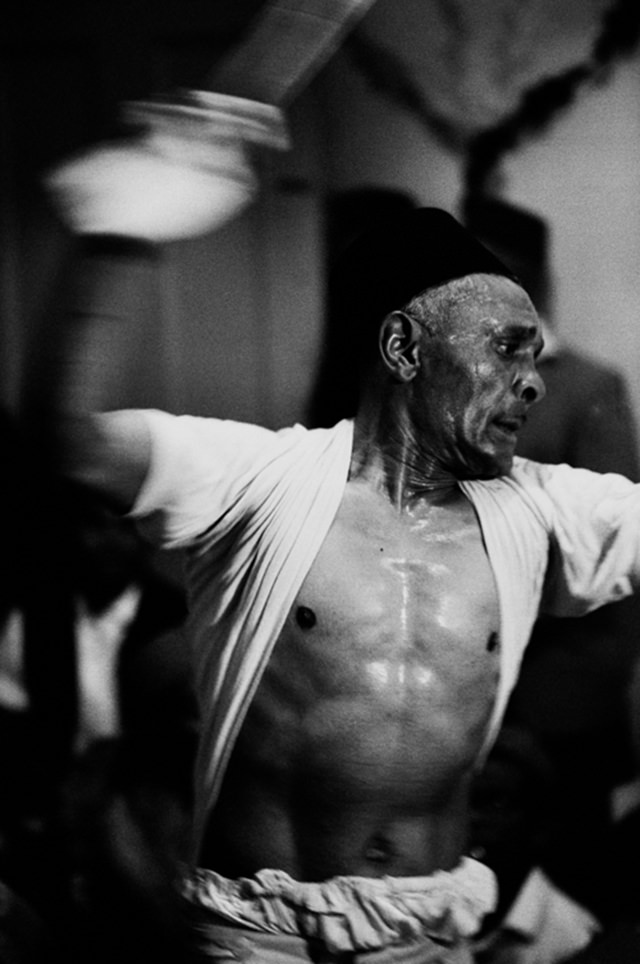
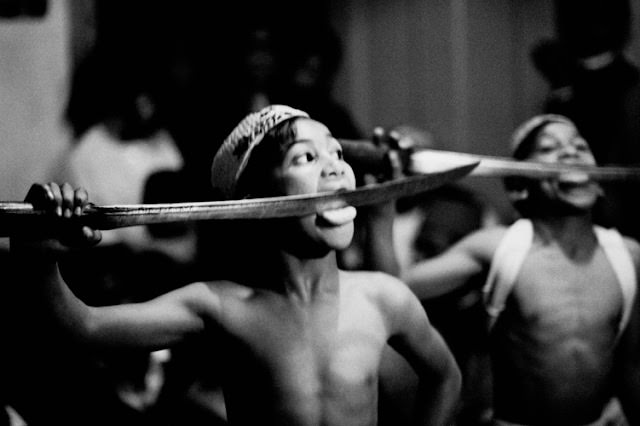
Religious life was equally vivid. The Khalifa ritual, practiced among certain Muslim communities in District Six, was a dramatic demonstration of faith. Participants slashed swords against their forearms or drew blades across their tongues and stomachs — without any blood being drawn. It was performed on special occasions, sometimes at public events, and consistently left observers stunned. Young boys also took part, learning the ritual from a young age.
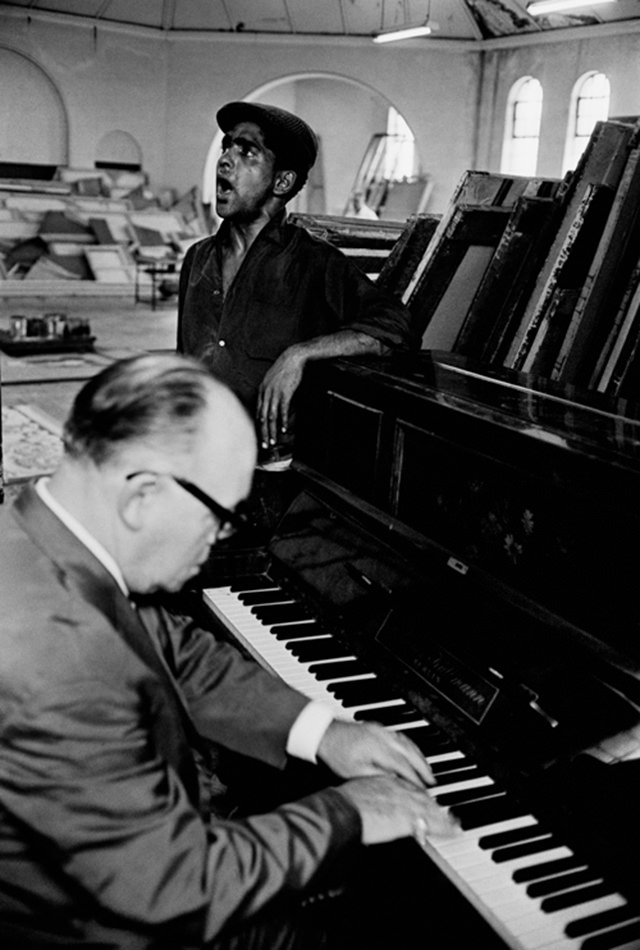
Cultural organizations also thrived in the district. The Eoan Group, formed within the mainly coloured community, staged ballet performances, operas, and plays for the public. Director Joseph Manca is captured in one photograph coaching a tenor during a break from building stage props — a glimpse into the serious artistic ambition that existed in this working-class neighborhood.
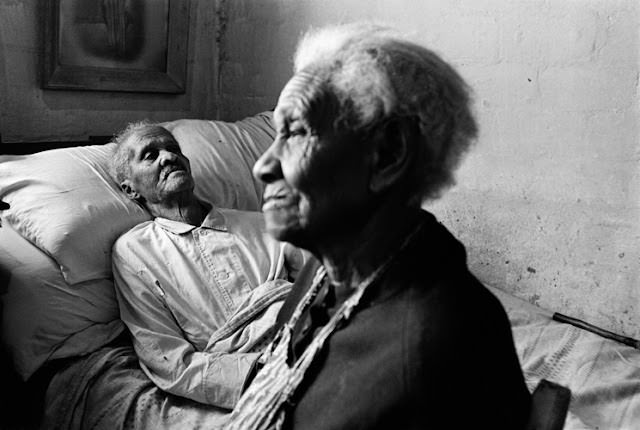
Breytenbach also photographed the private spaces where residents lived. Interiors filled with family photographs, small ornaments, and personal objects tell the story of people rooted in place. In one image, an elderly woman sits with her ailing husband in a bedroom — a quiet, intimate moment that speaks to lives fully lived within these walls.
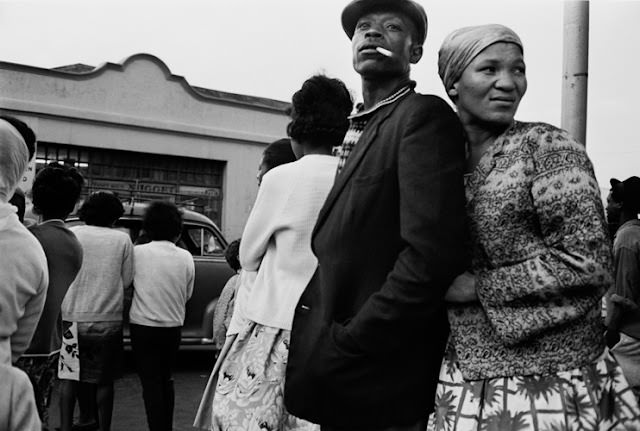
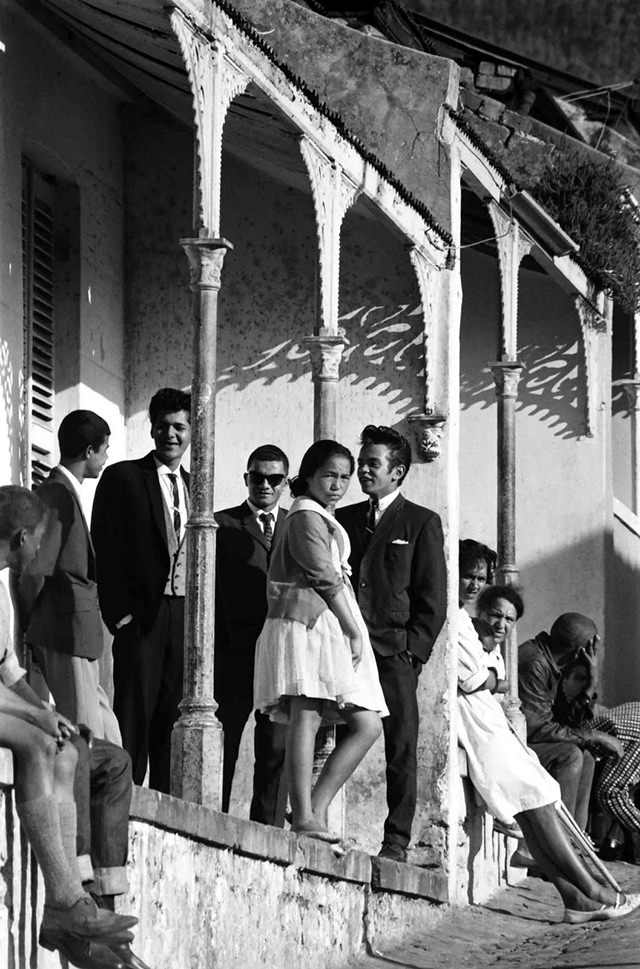
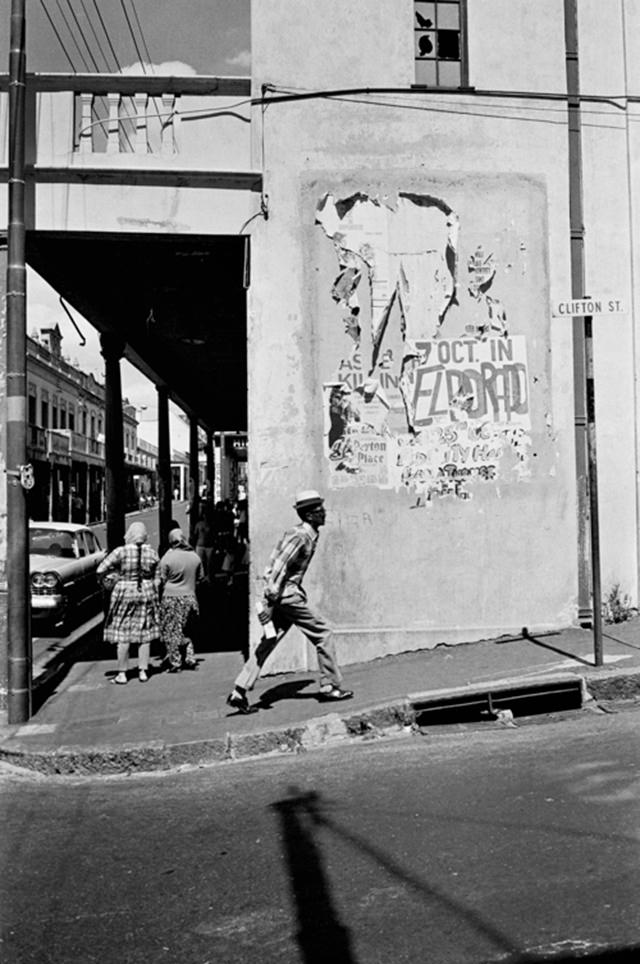
The streets and faces of District Six appear throughout the series — residents on Clifton Street, groups gathered on corners, the texture of a neighborhood still functioning even as the forced removals proceeded around it.
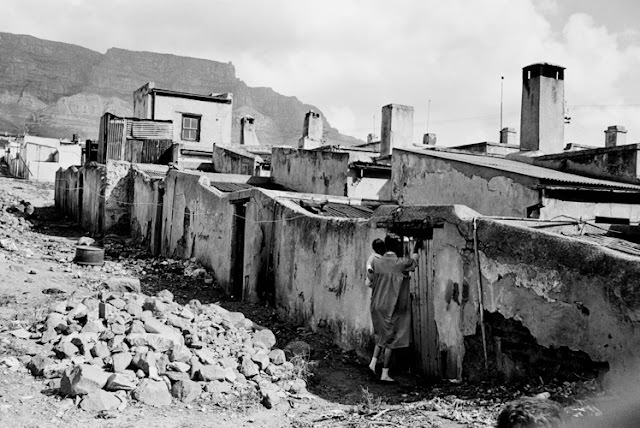
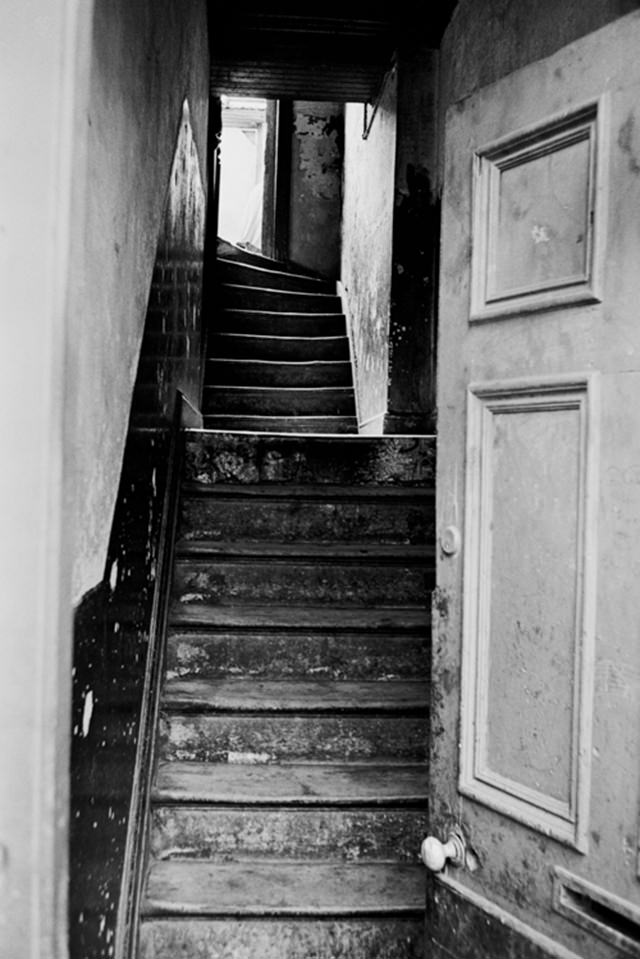
Some of the buildings in District Six were solidly built and could have been preserved. Breytenbach photographed their facades and details — structures with genuine character that were demolished anyway. Once the demolition squads moved in, the walled backyards of homes became exposed, standing briefly as bare outlines of what had been private family spaces.