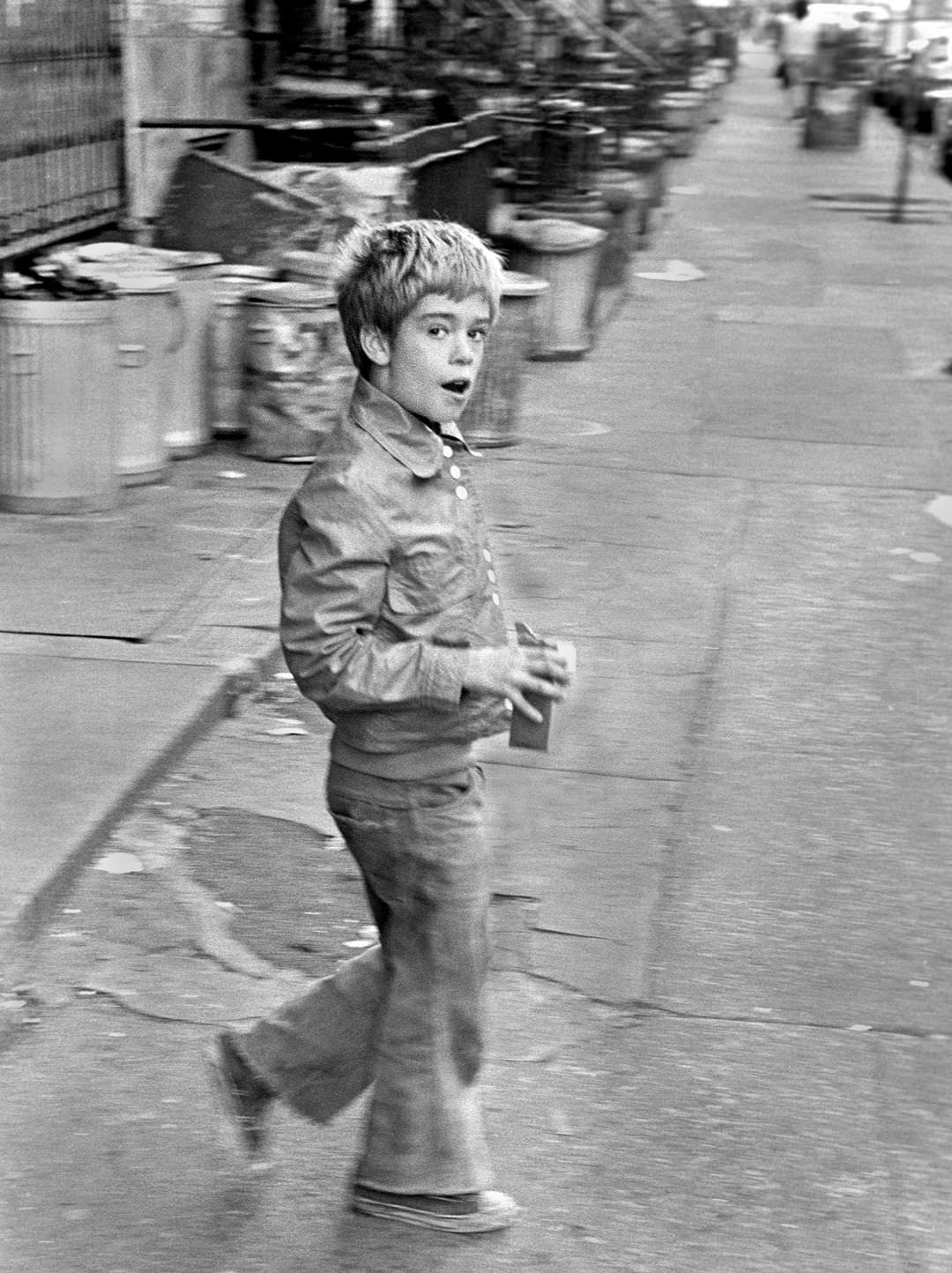
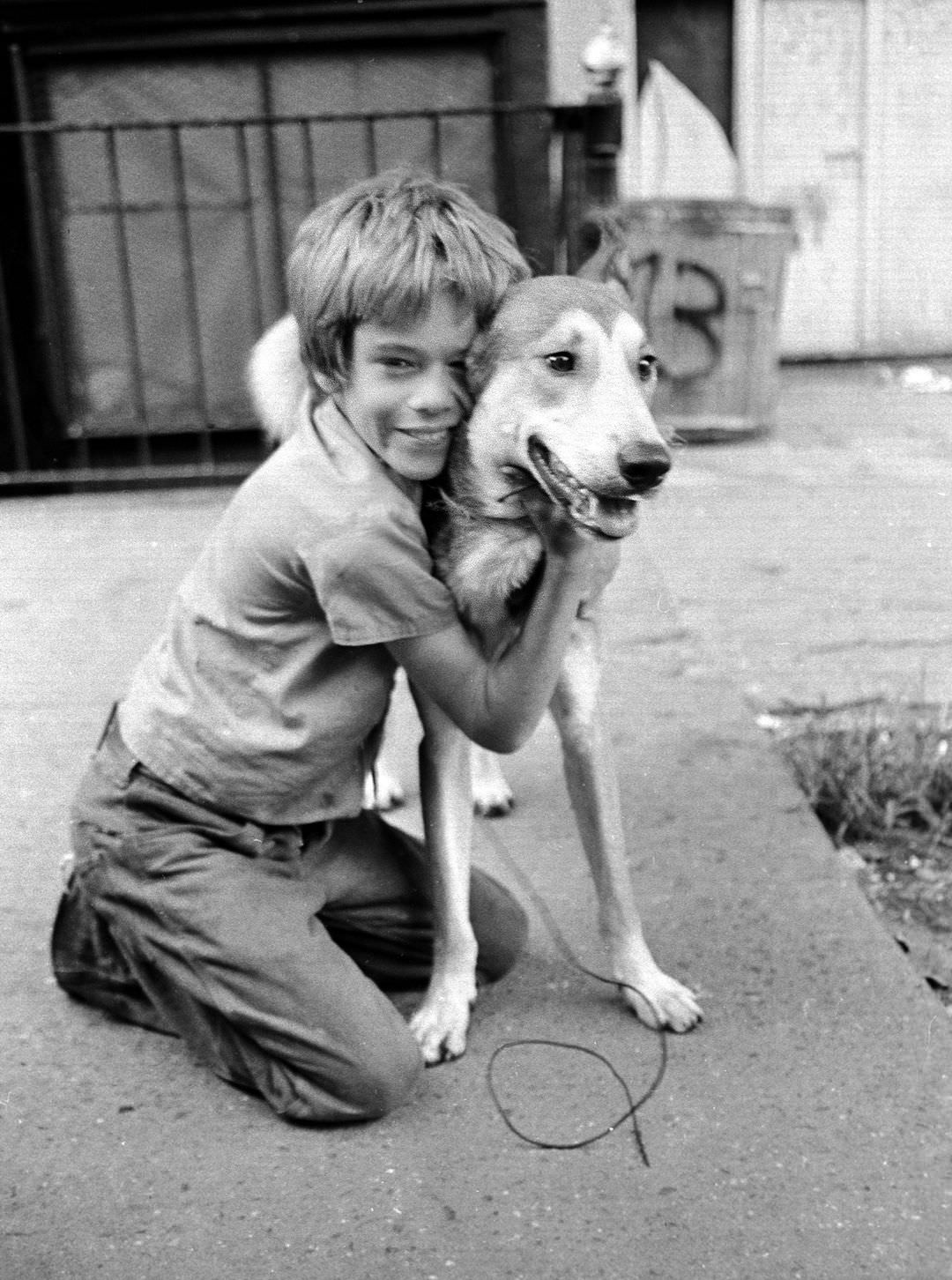
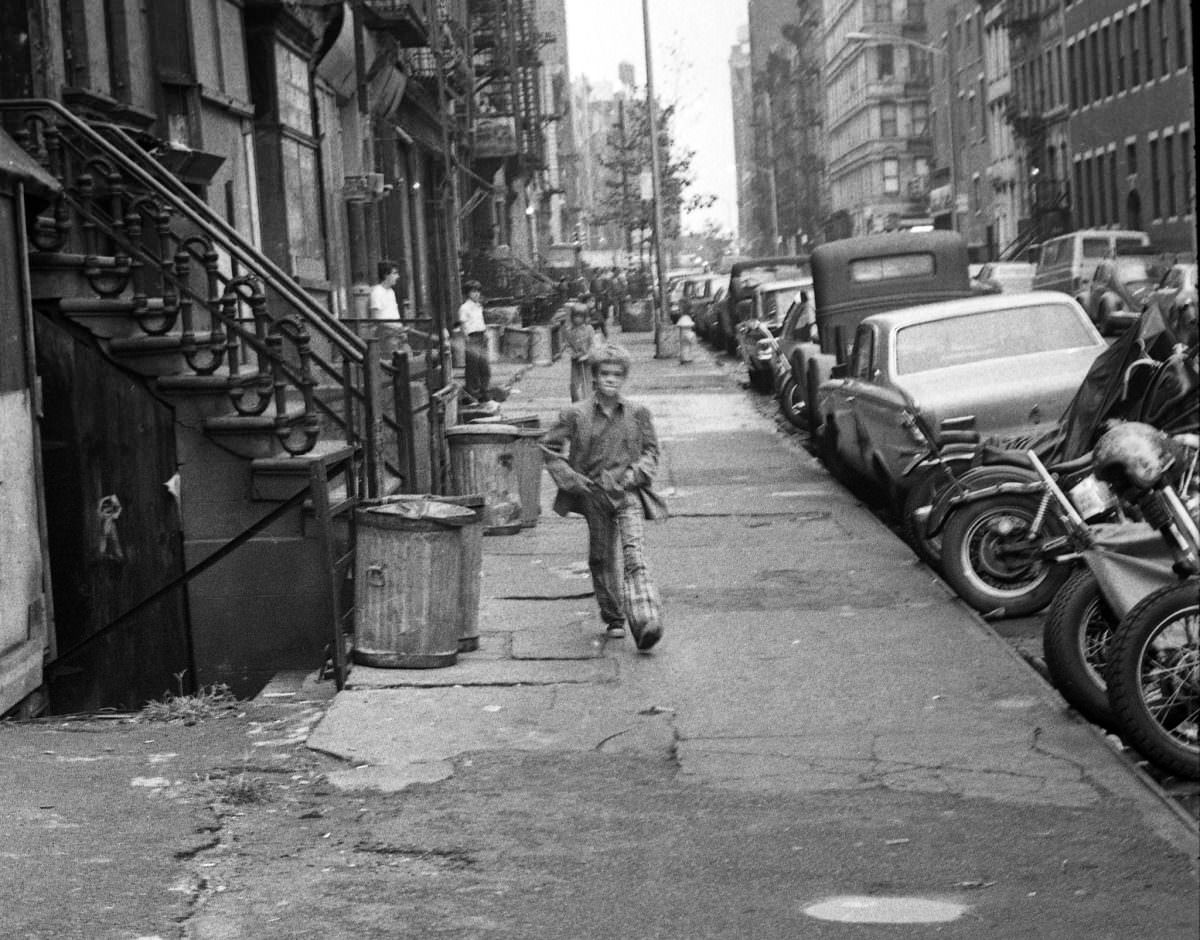
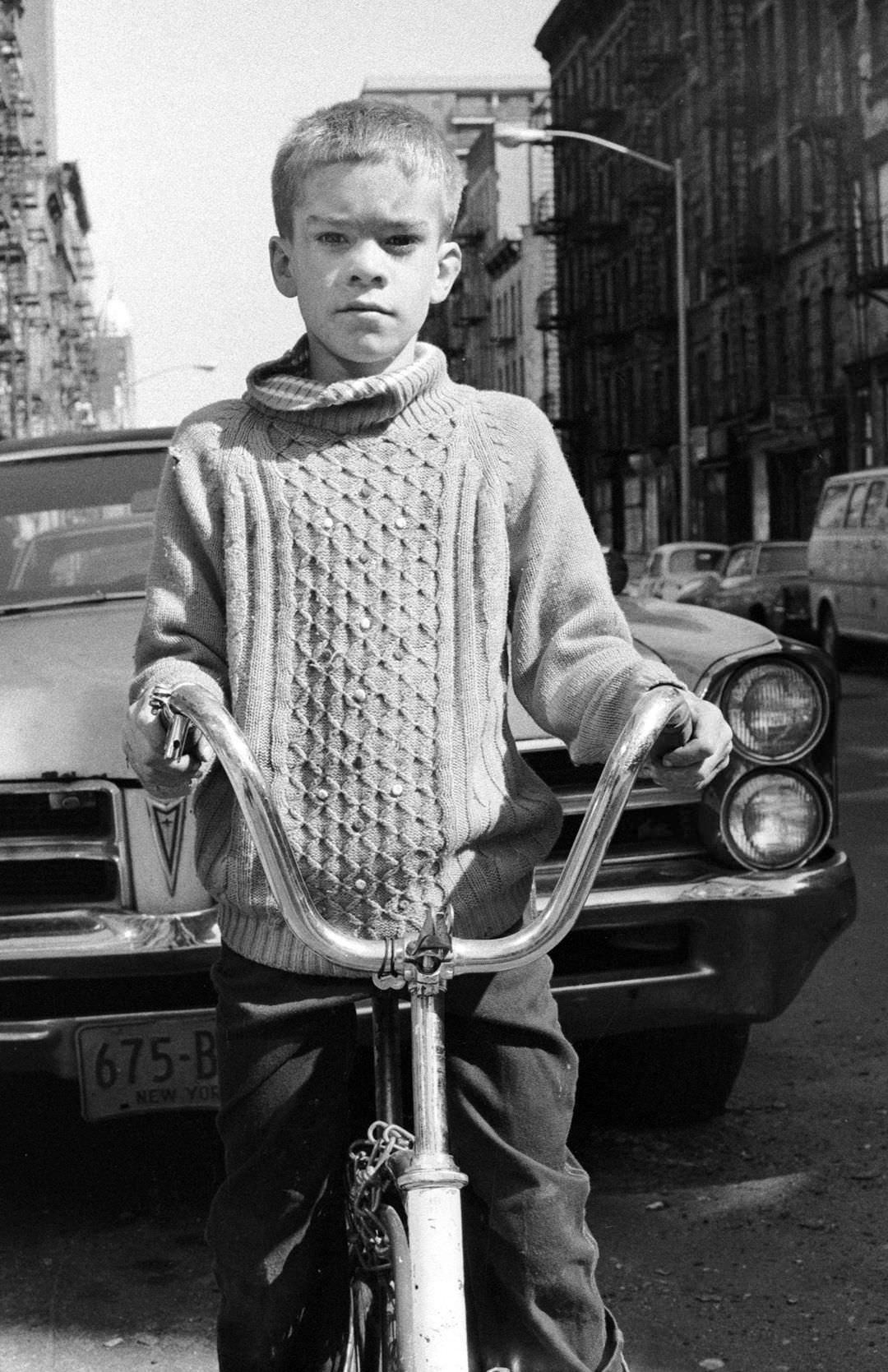
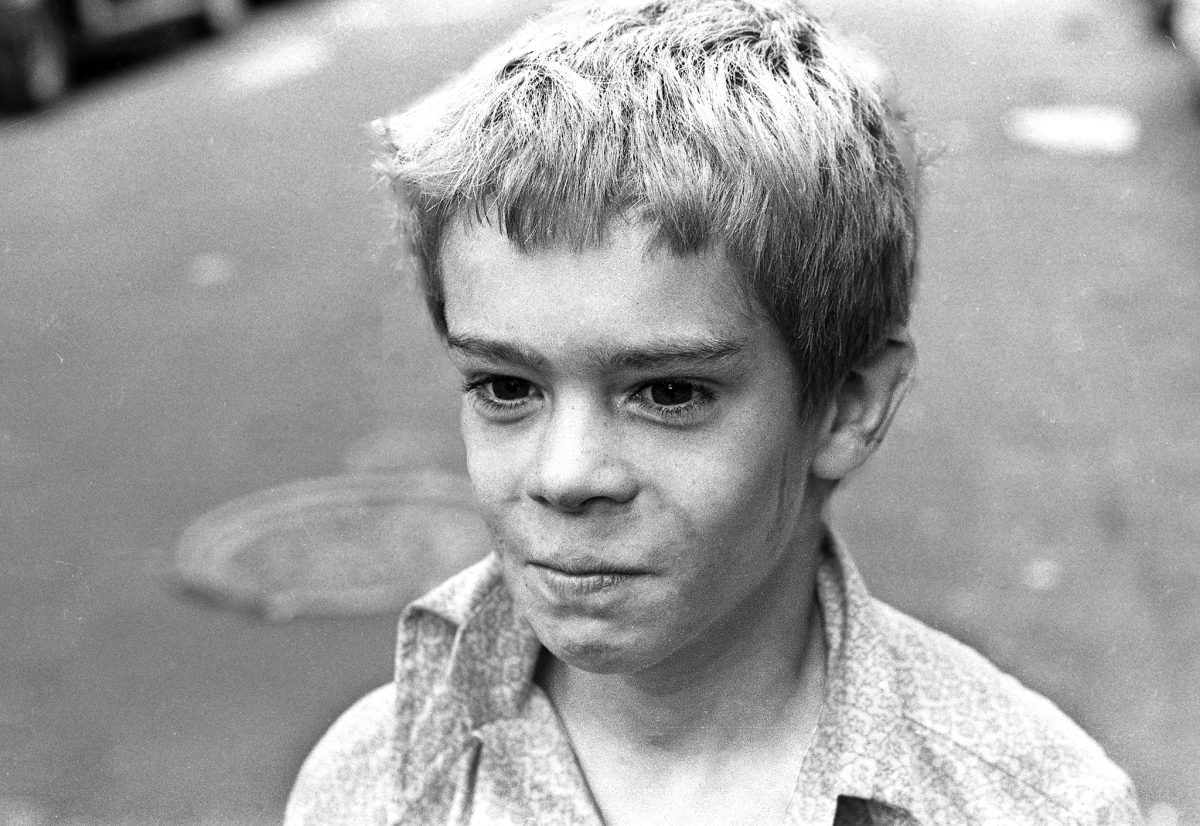
New York City in the 1970s was a city under pressure. Poverty, neglect, and urban decay defined entire neighborhoods, and the East Village was no exception. While disco and Studio 54 dominated the headlines, life on the street looked nothing like the glamour. Photographer Rich Allen lived among this reality and turned his camera on the kids who called 78 East 3rd Street home.
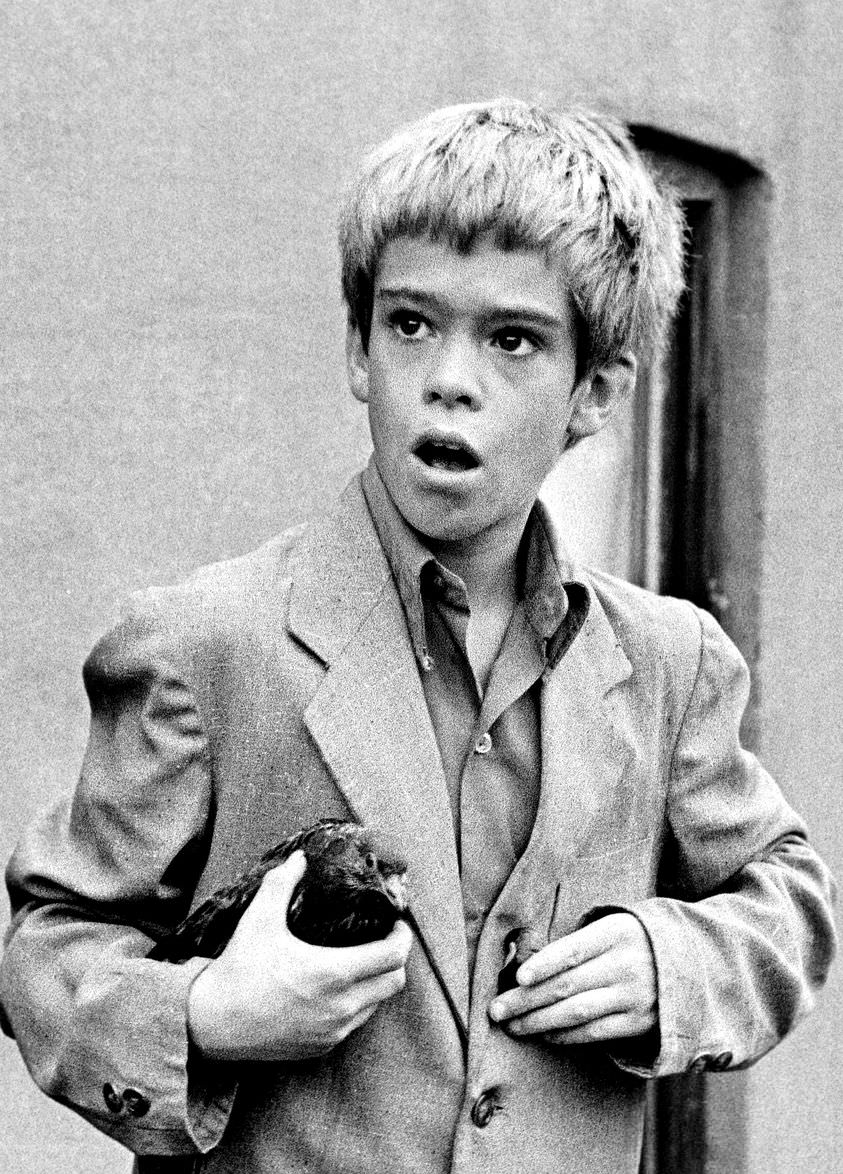
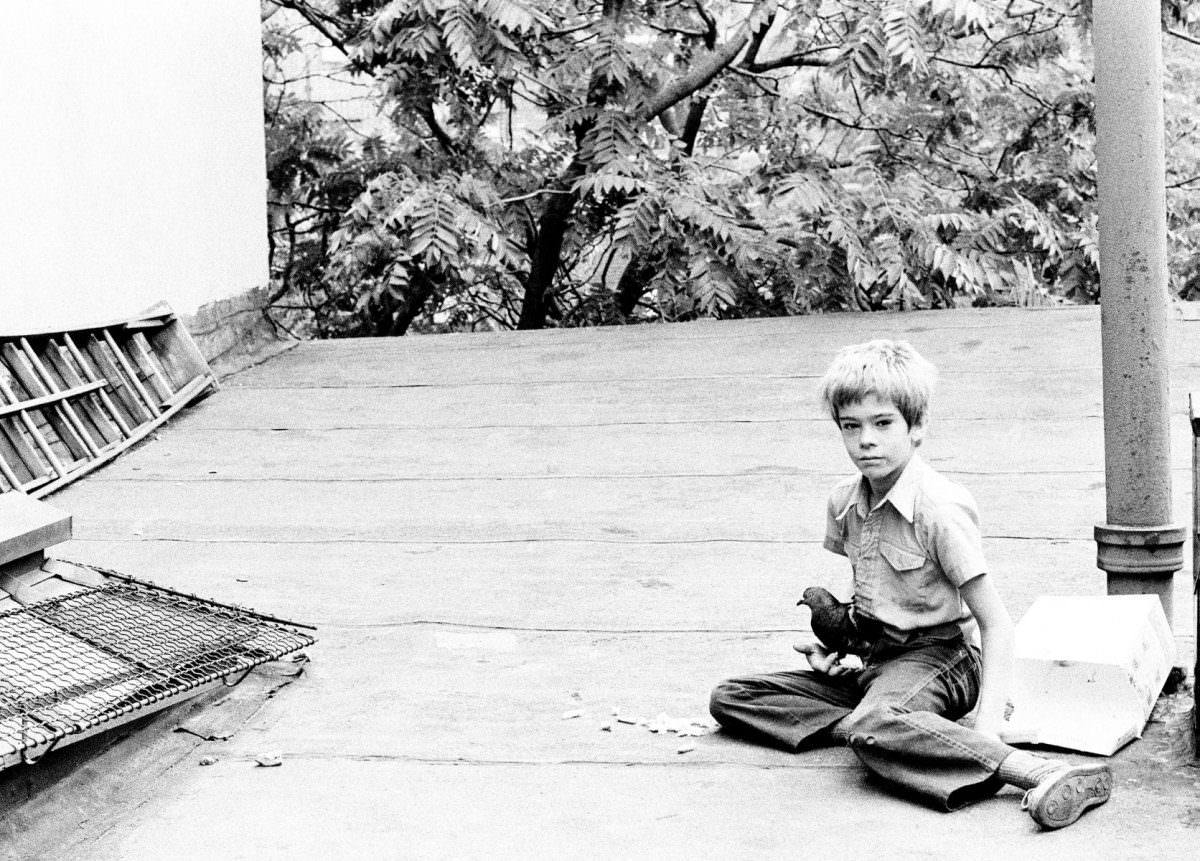
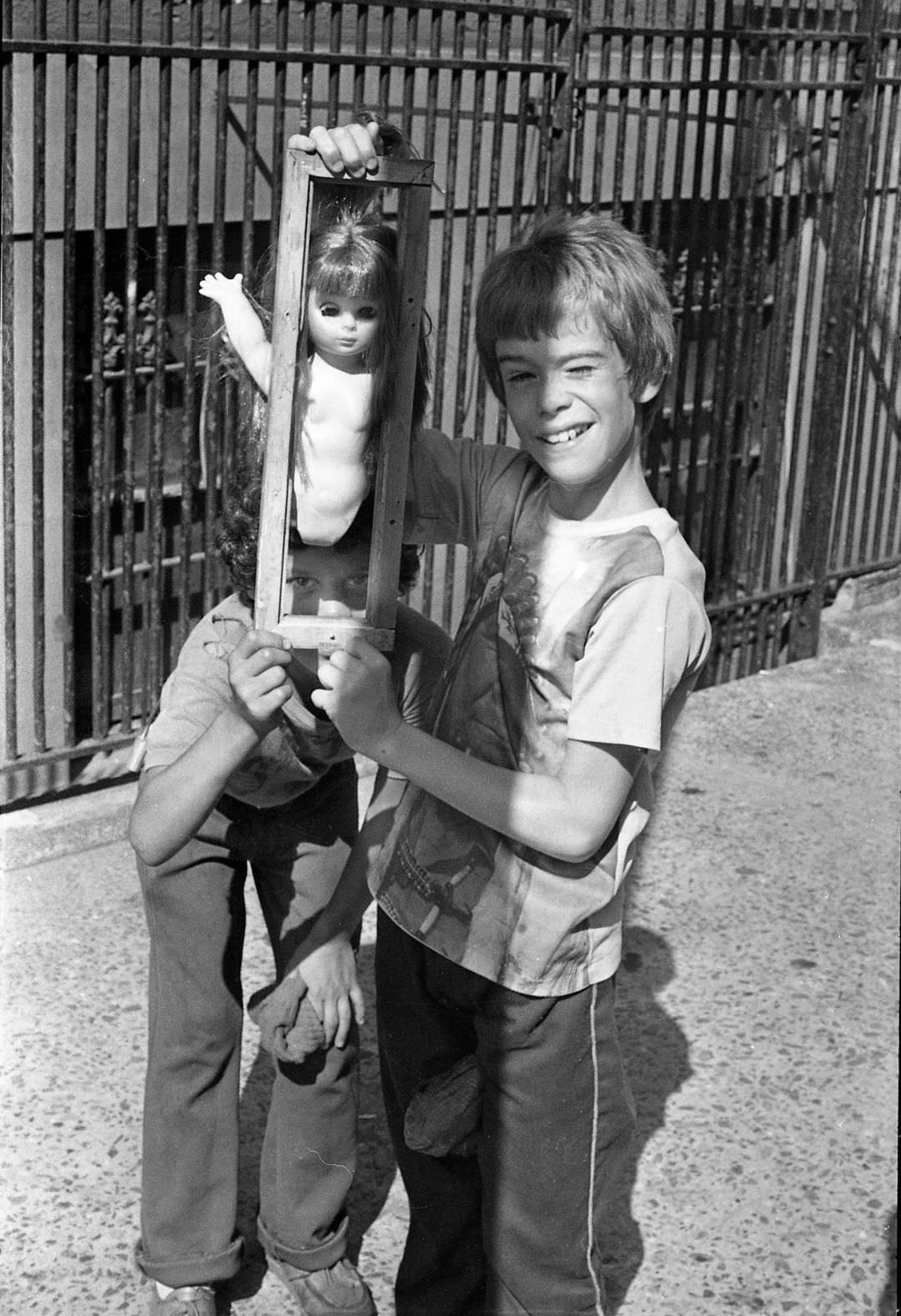
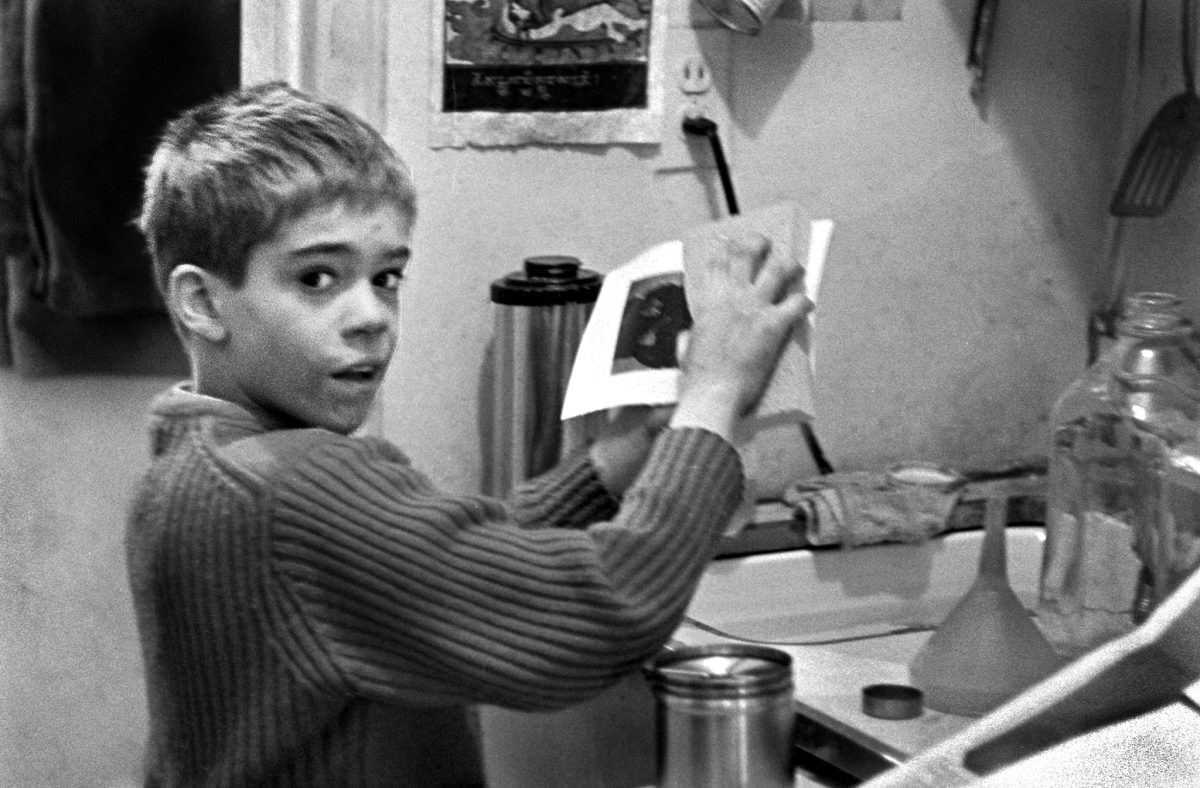
Allen’s photos were never posed or staged. He caught kids mid-laugh, mid-thought, and mid-play. The black-and-white format strips away any distraction, placing full focus on the children themselves — their expressions, their clothes, their surroundings. Toddlers and teenagers alike stare into the lens with a mix of curiosity and quiet defiance.
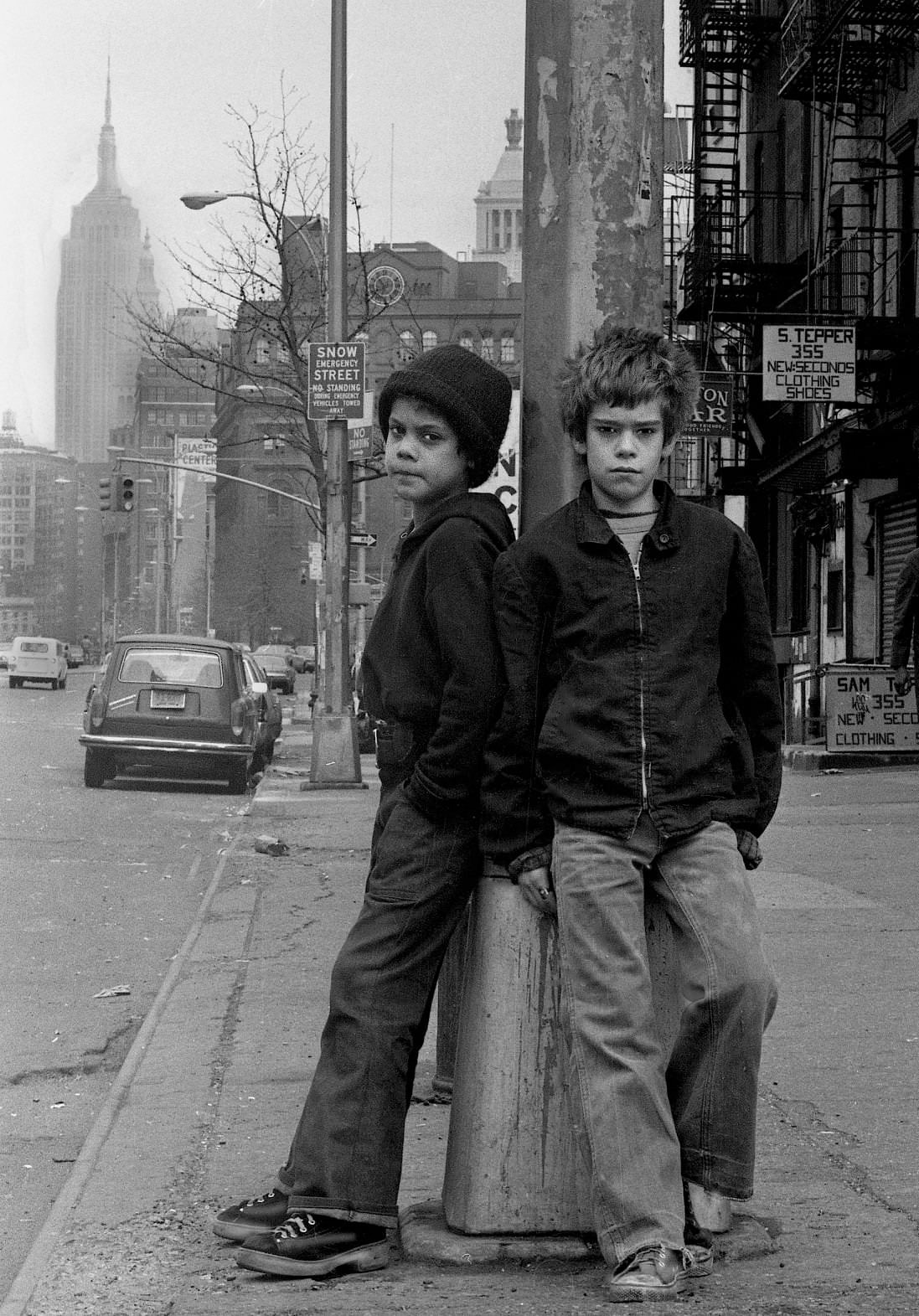
Their clothing tells its own story. Worn jeans, mismatched shirts, and hand-me-down jackets speak to a life where money was scarce. New clothes were a luxury few could afford. Yet the kids carried themselves with a visible pride, making the most of what they had.
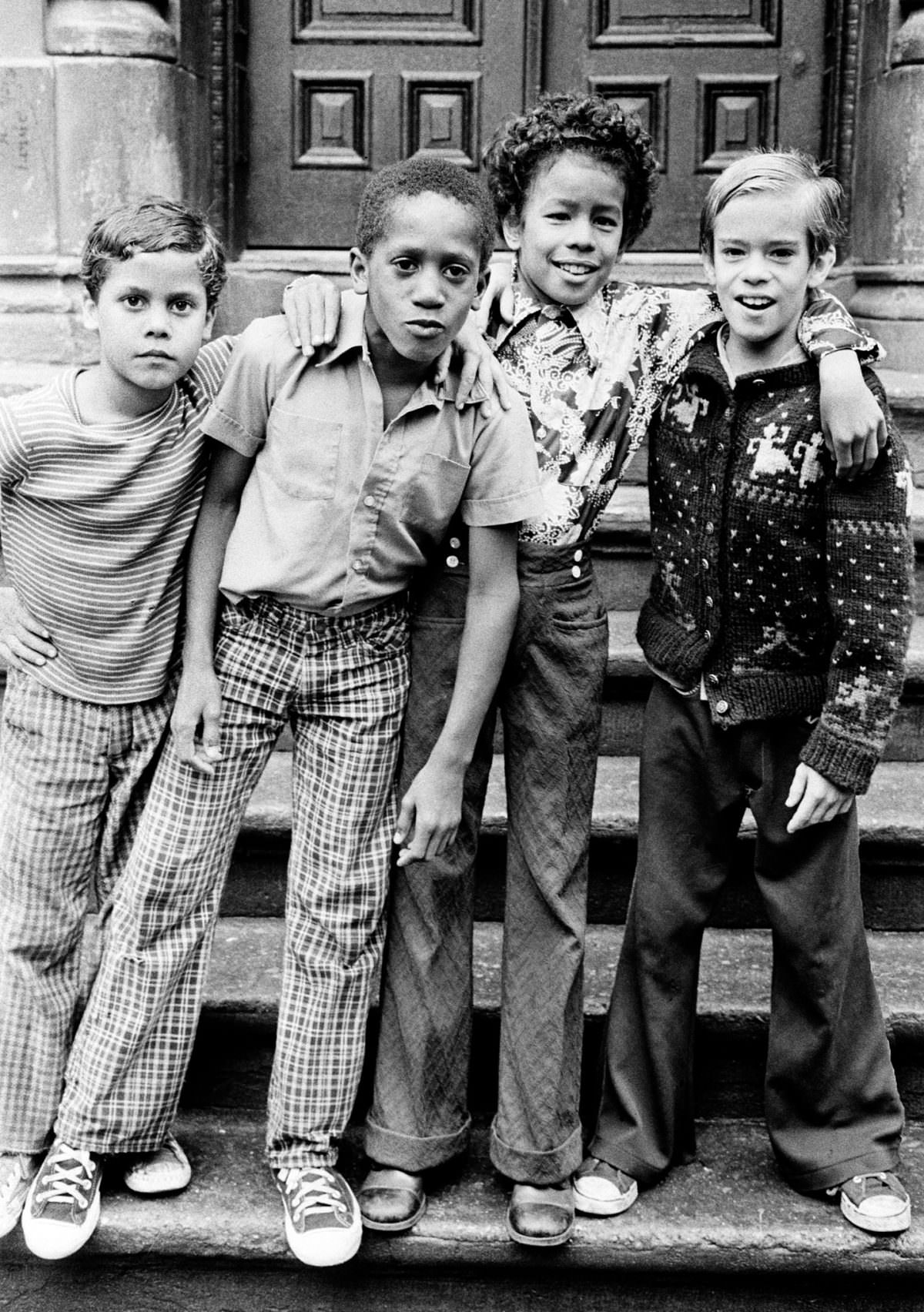
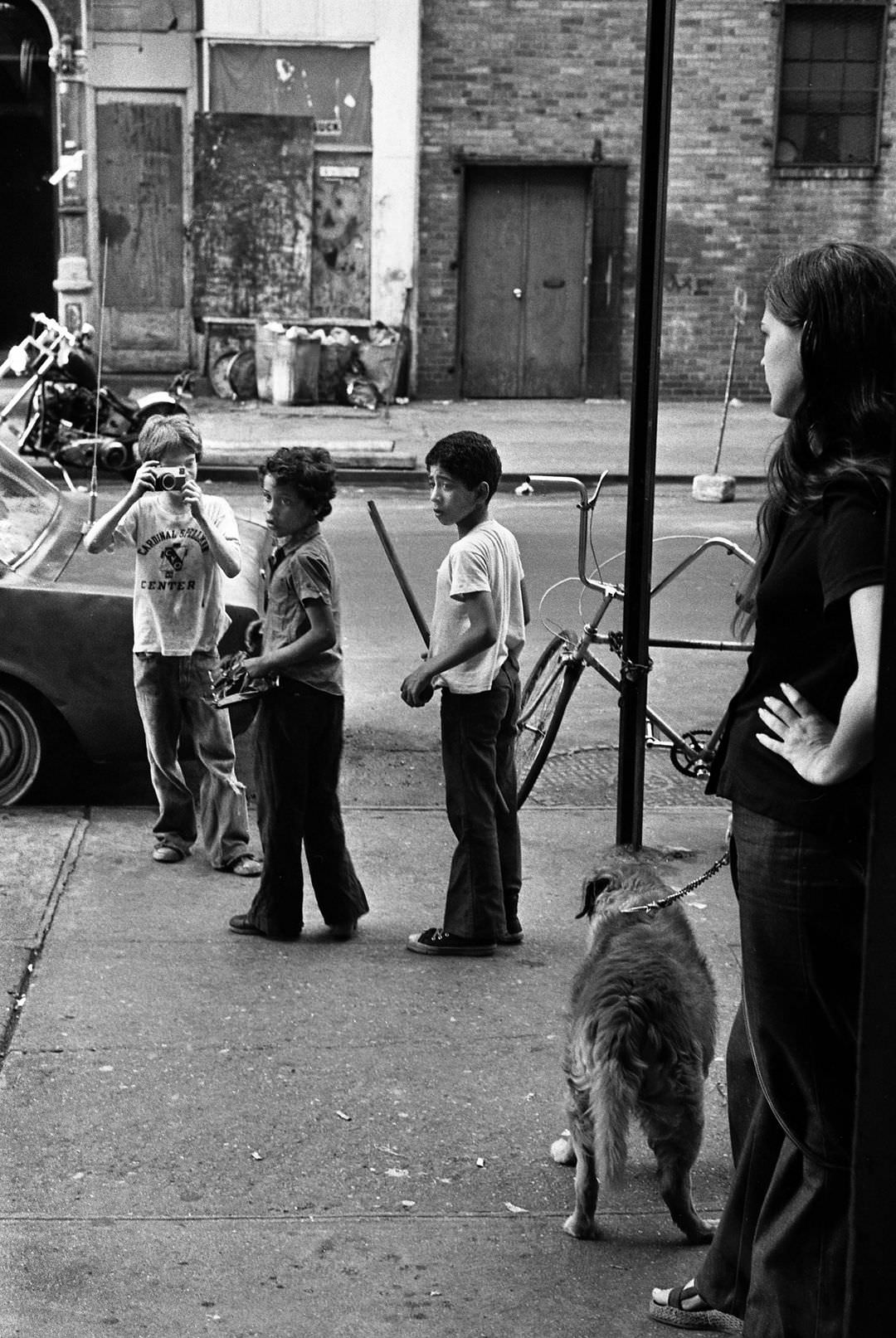
The backdrop of Allen’s photos is just as telling as the subjects. Crumbling buildings lined with fire escapes, trash-strewn sidewalks, and graffiti-covered walls frame nearly every shot. The neighborhood was visibly declining. But within that decay, the kids carved out a world of their own. Stoops became playgrounds. Sidewalks became race tracks. Empty lots turned into baseball fields.
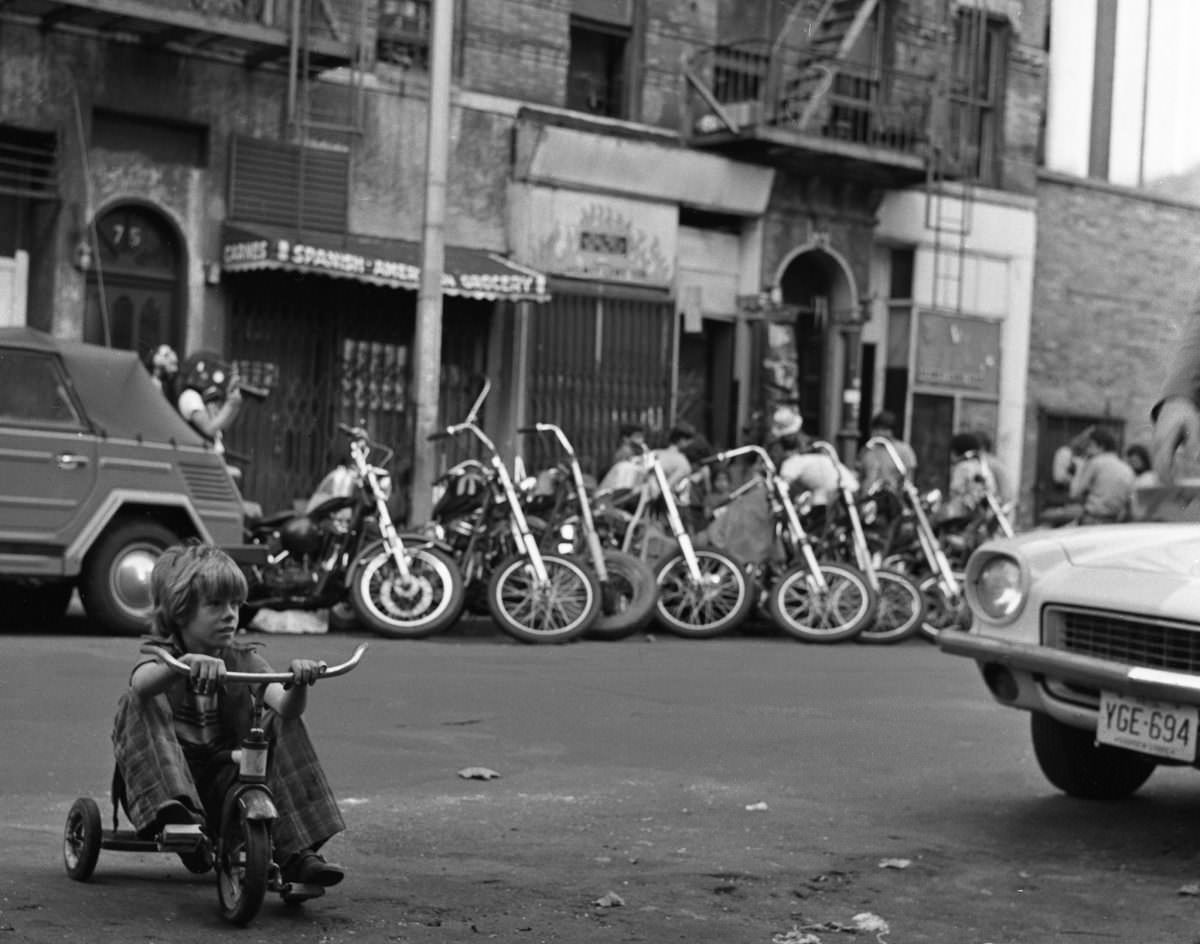
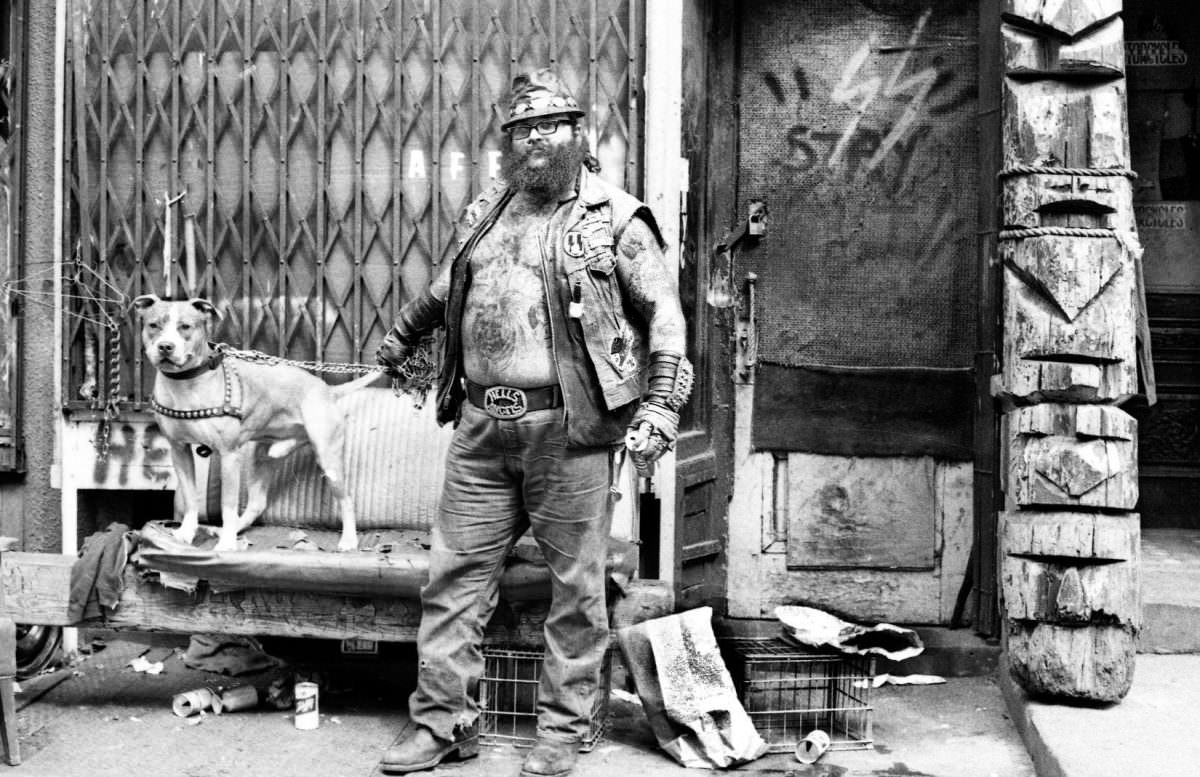
One name appears again and again across Allen’s archive: Fernando. He is one of the collection’s central figures, photographed from as early as 1973 through 1976, growing up frame by frame across the East Village. His presence gives the series a personal, almost documentary quality.
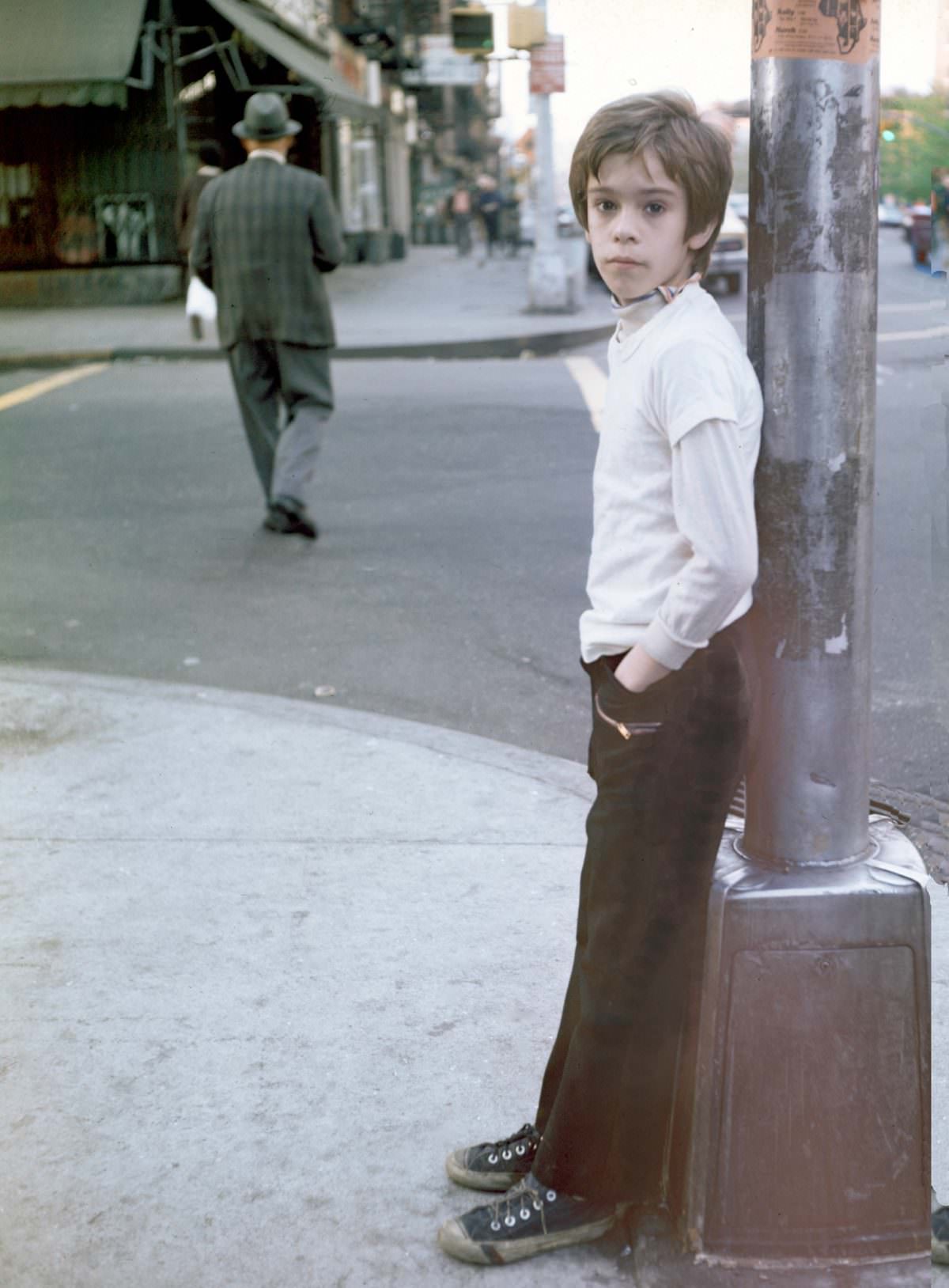
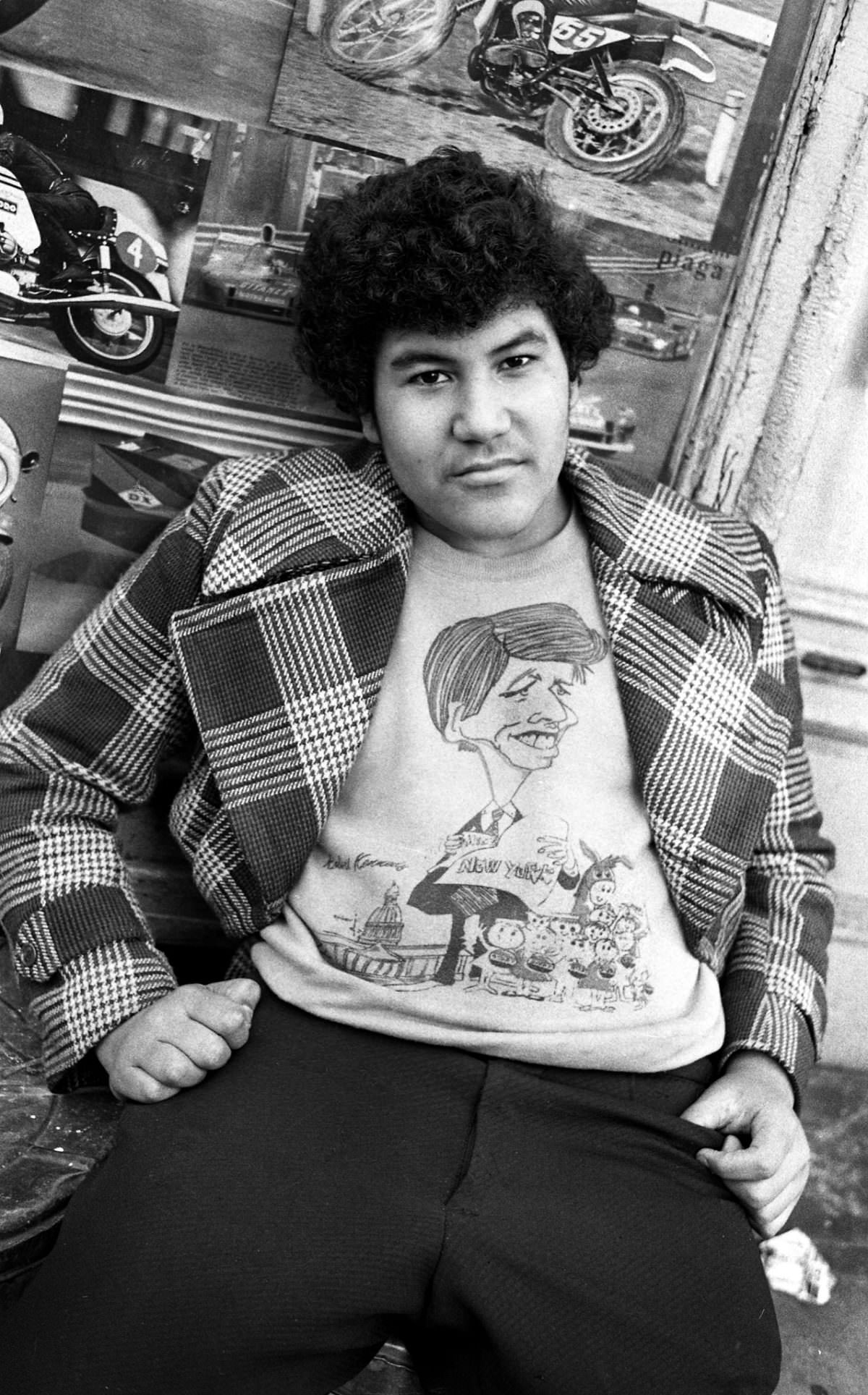
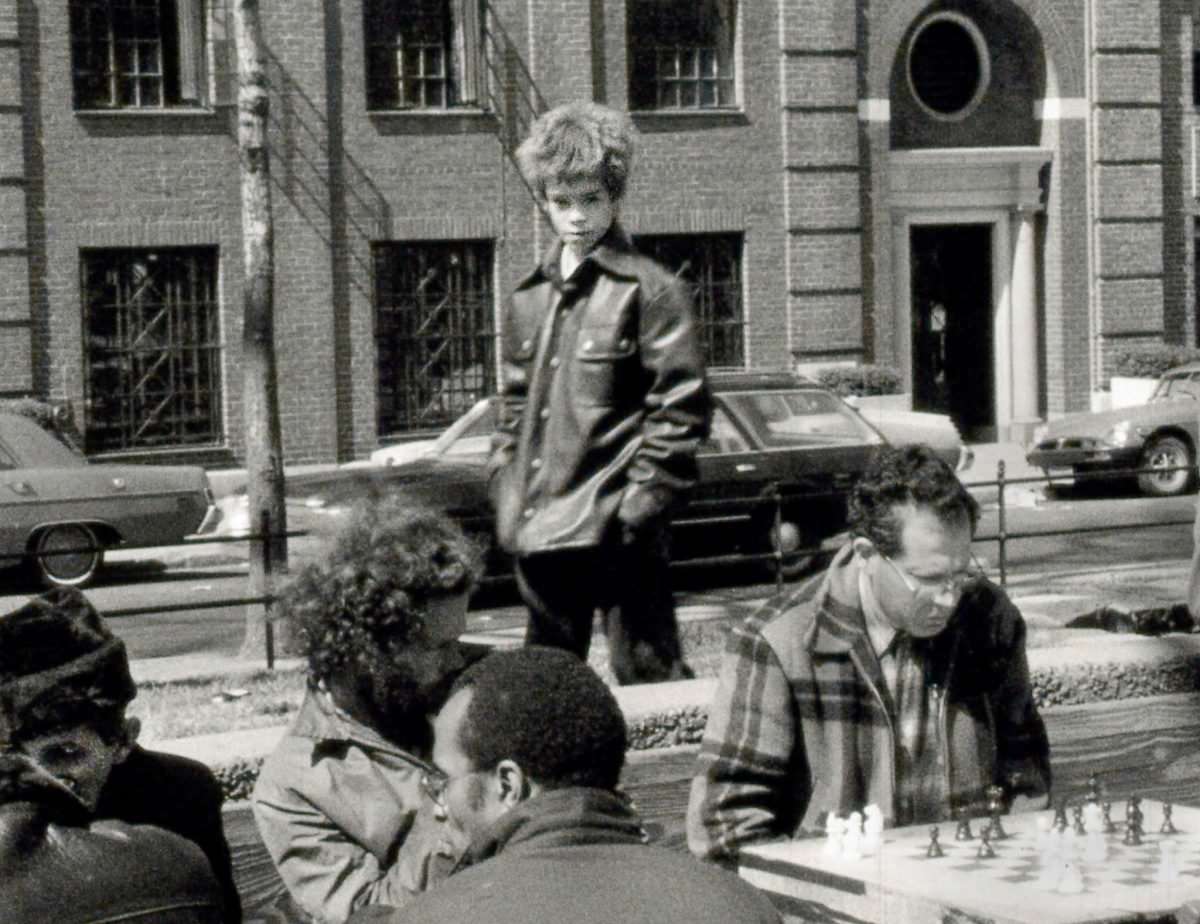
African American, Latino, and white kids shared the same streets and the same struggles. Their differences faded quickly in the shared experience of growing up together in a tight, often difficult neighborhood. This mix of cultures created a close-knit community where kids looked out for one another.
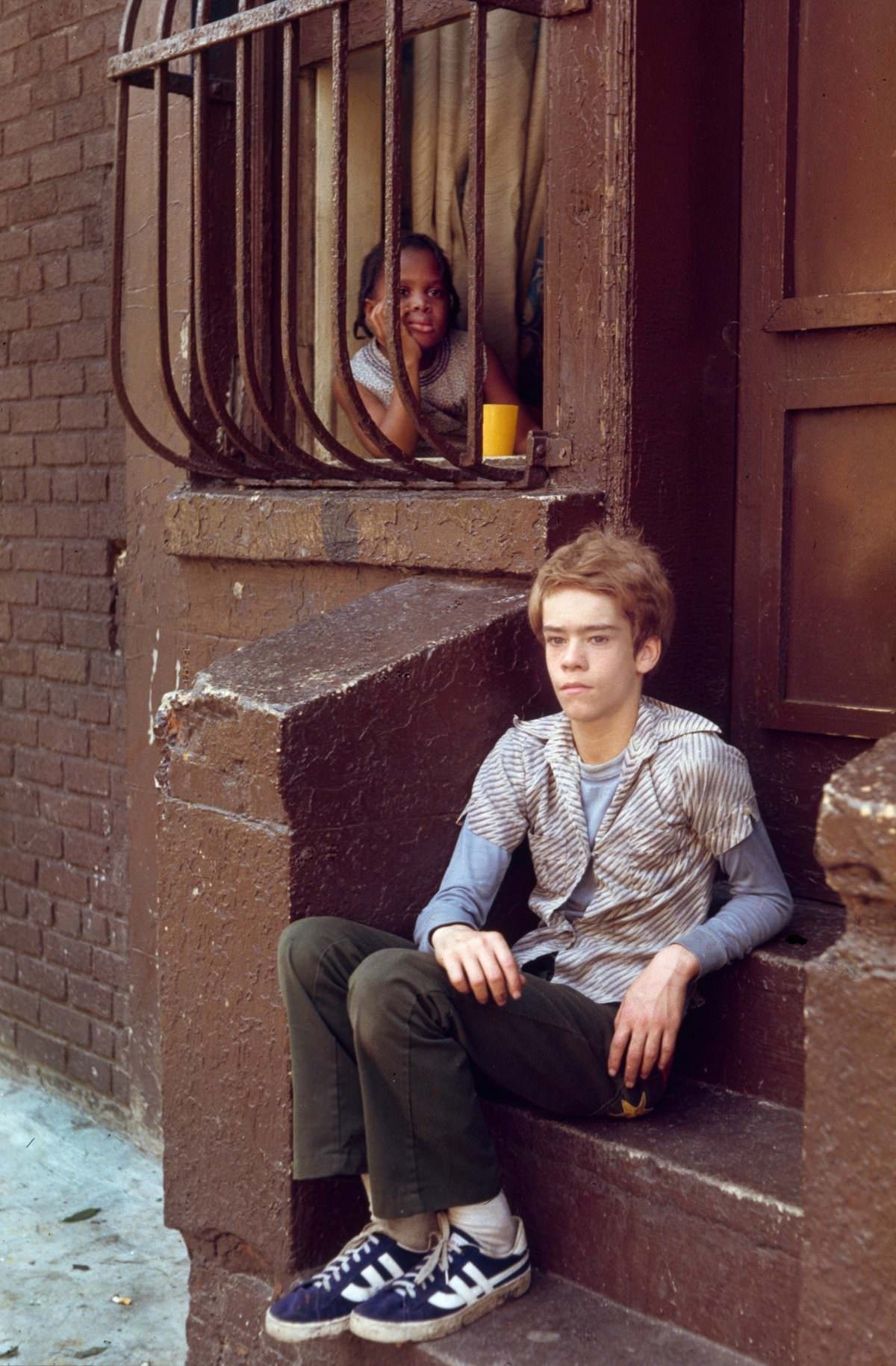
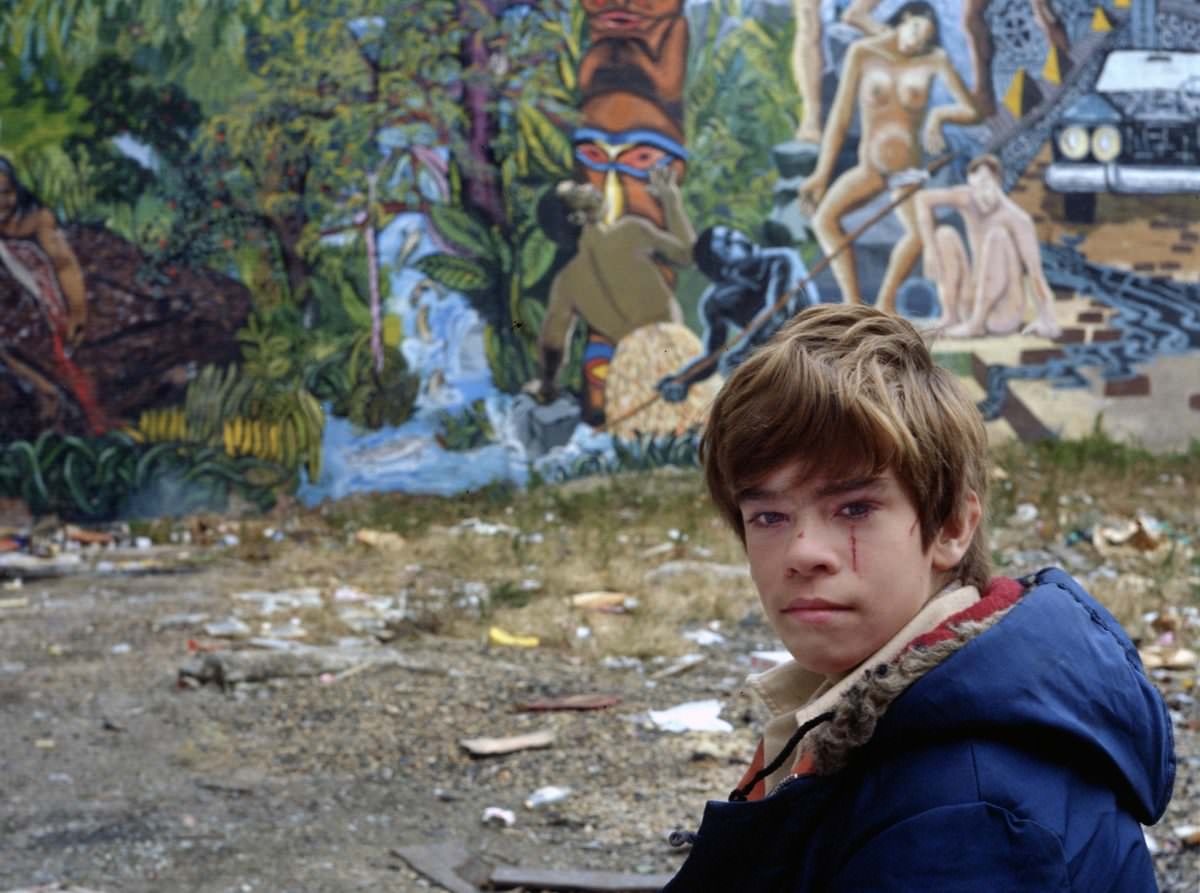
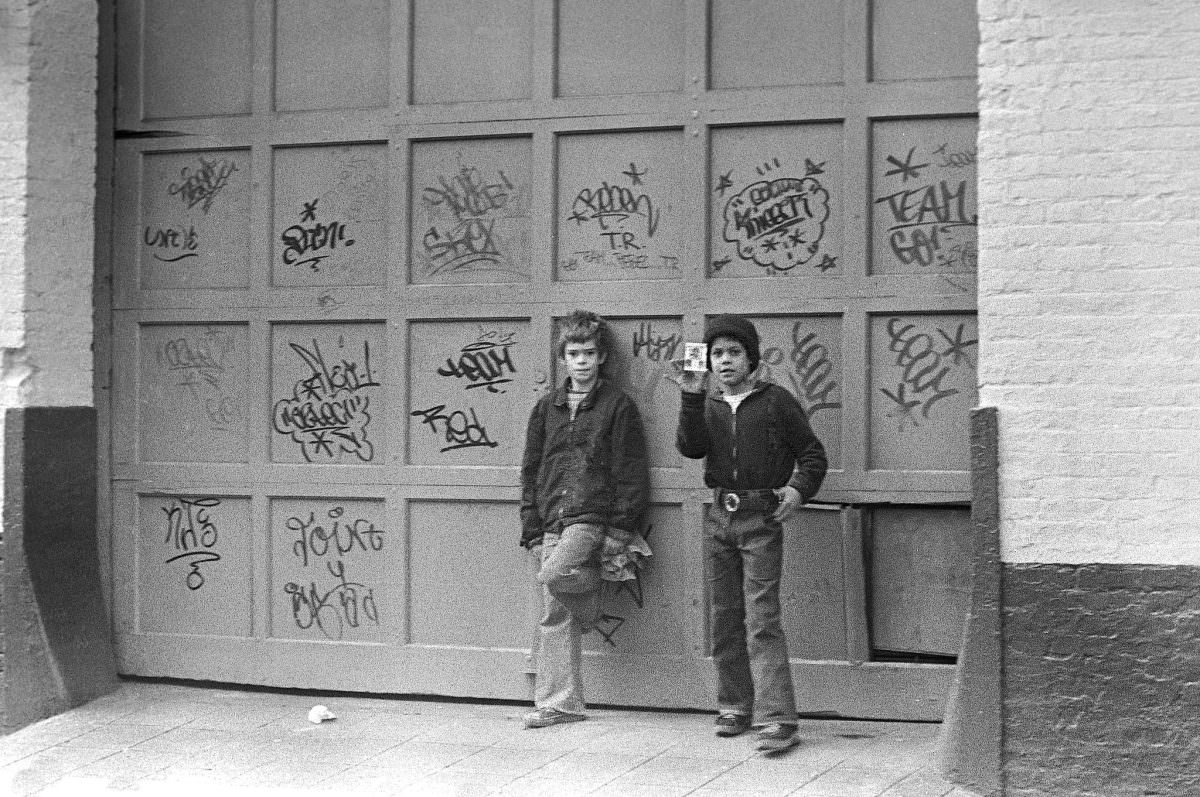
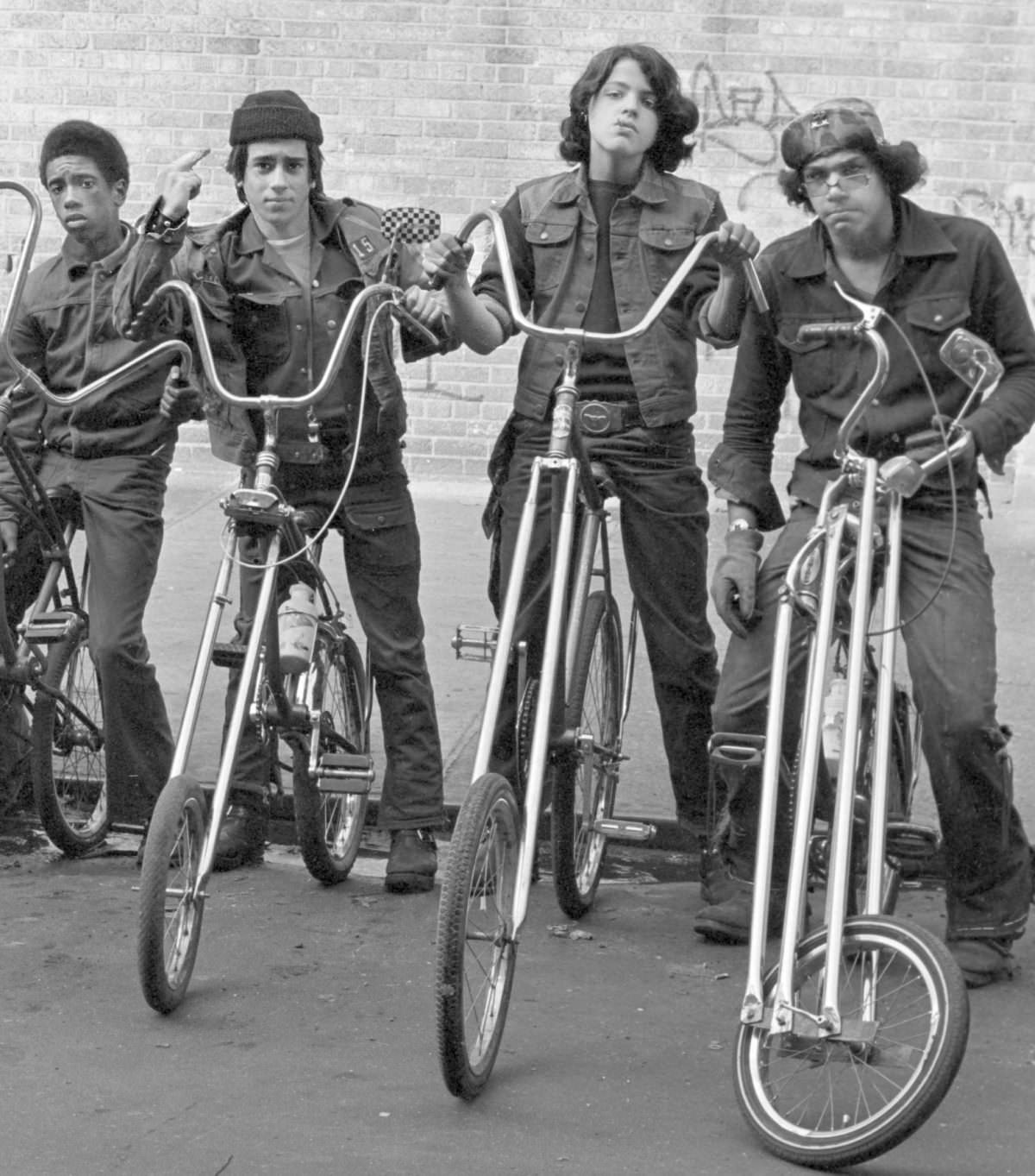
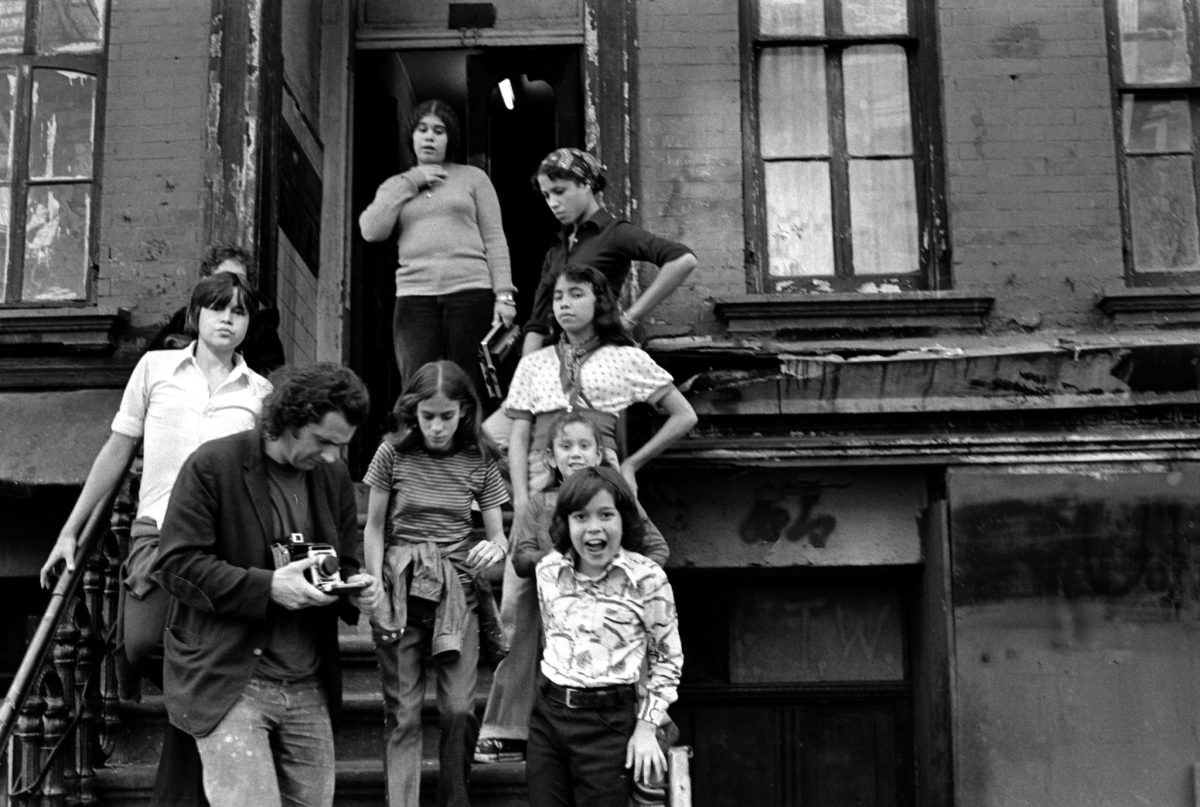
Allen’s lens captured not just individual moments but the texture of an entire community. Groups of kids gathered on stoops, rode bikes down city blocks, and roamed the streets together. The photographs document friendships built out of proximity and shared circumstance.
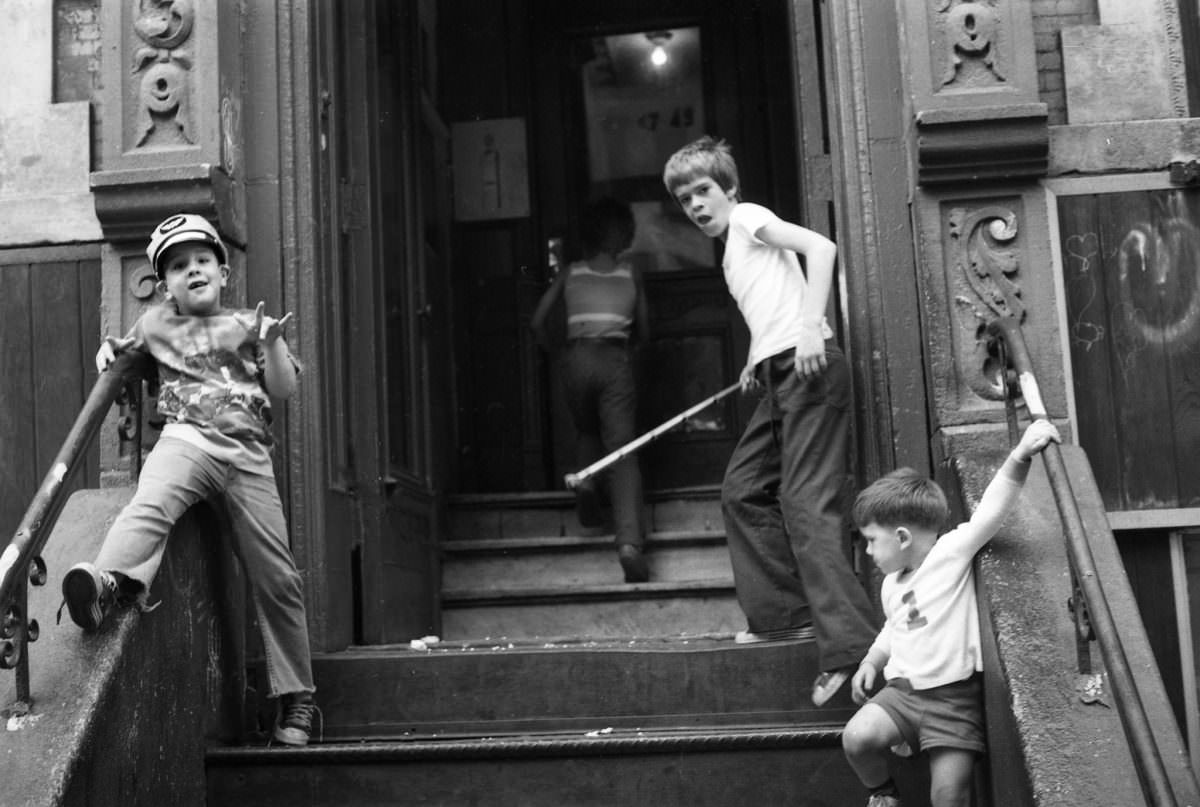
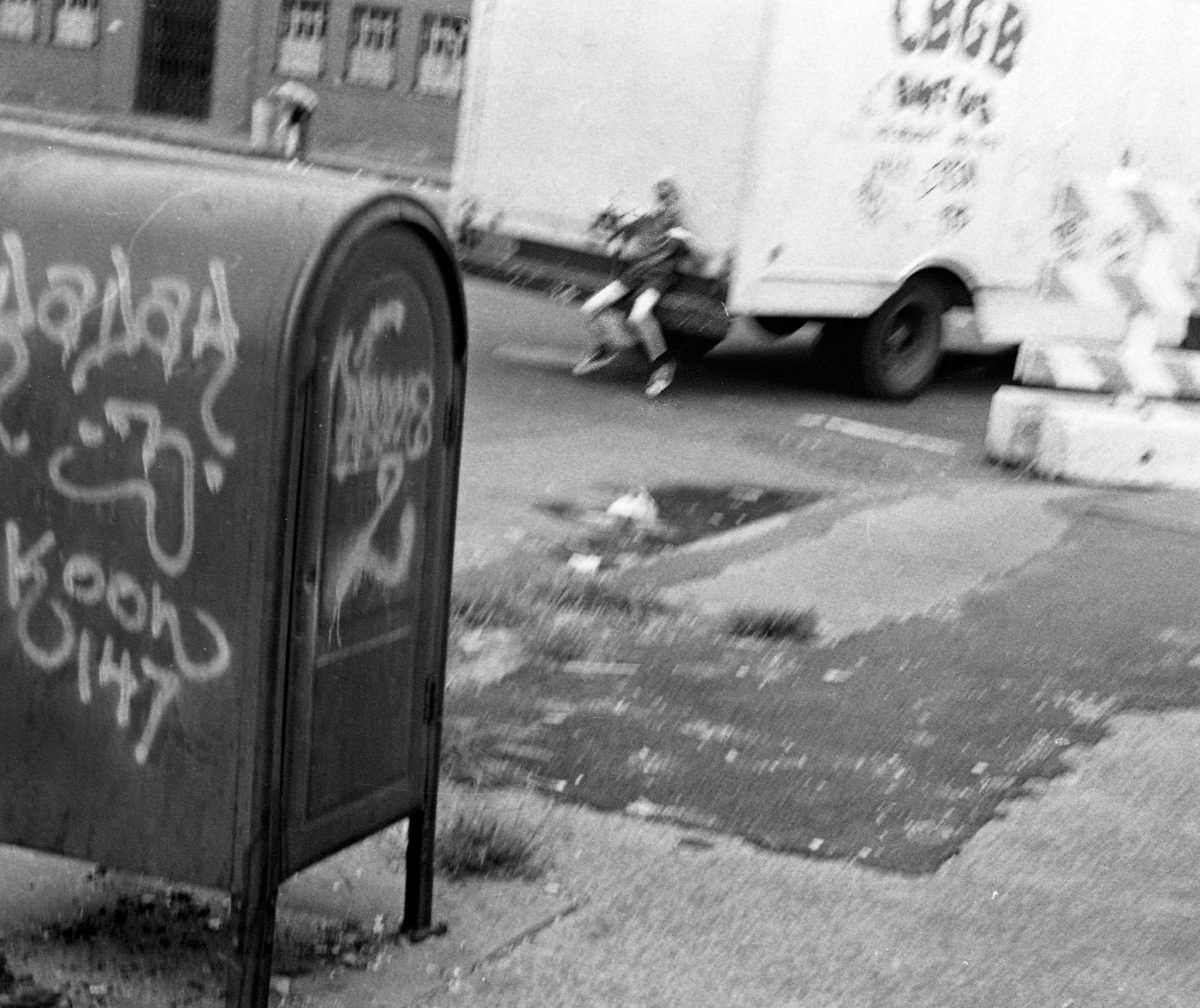
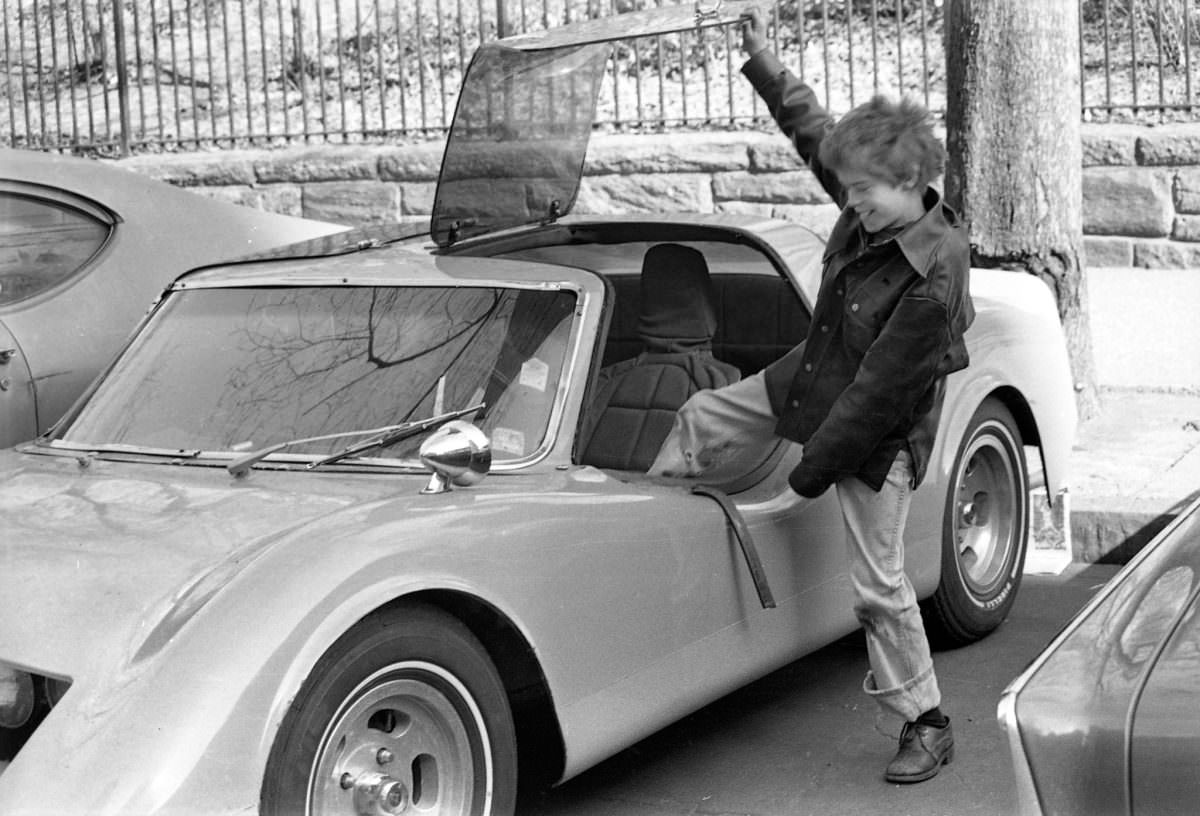
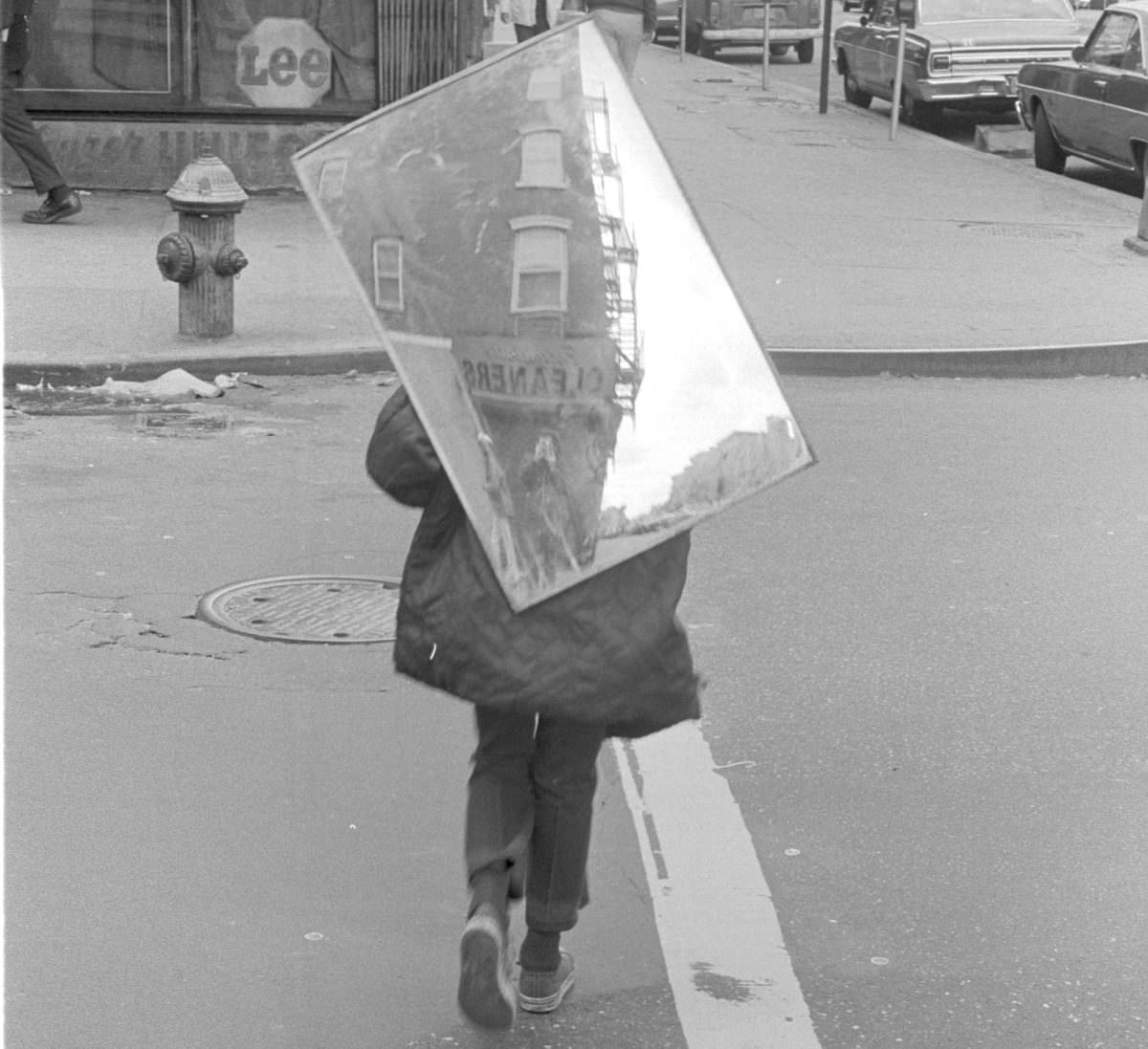
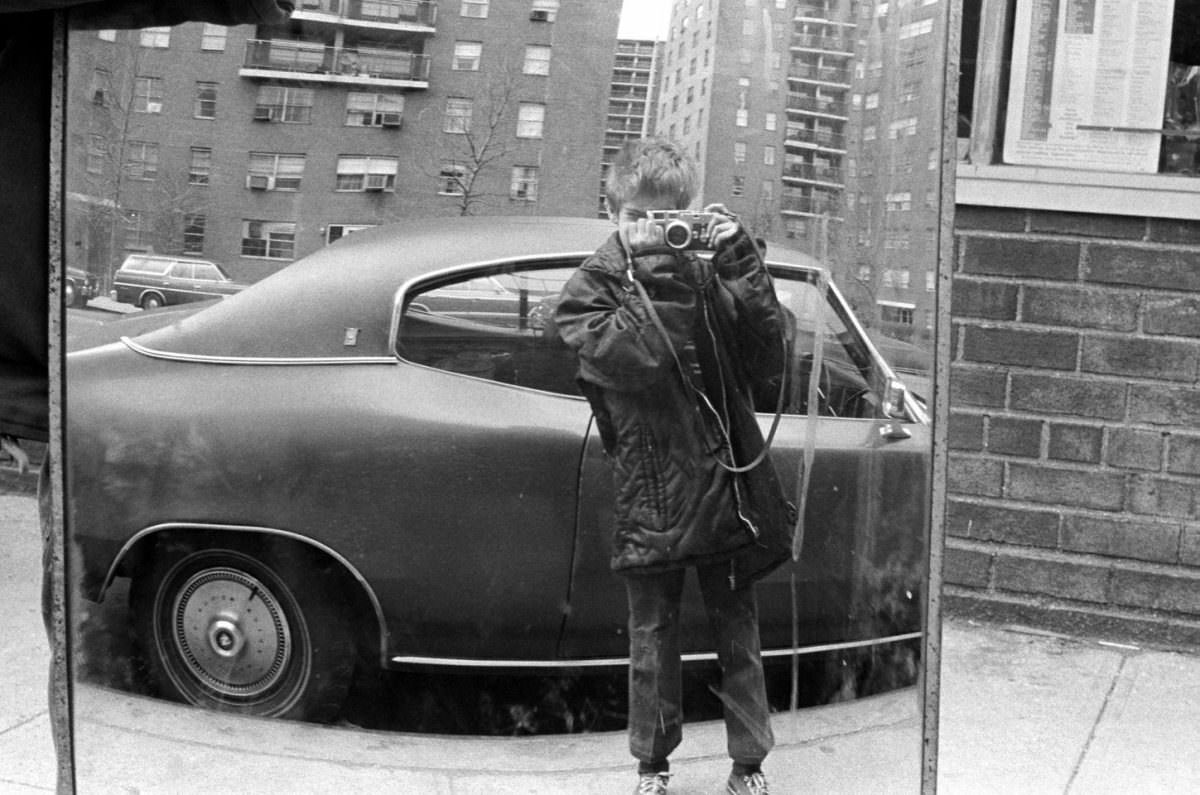
Some images carry a playful energy. Others are quieter, more reflective. Fernando and Mirror, shot twice on 1st Avenue in 1974, shows a boy examining his own reflection — a small, intimate moment in the middle of a chaotic city.
Not all moments were lighthearted. In April 1976, fire tore through 74 East 3rd Street, just doors down from the building at the center of Allen’s work. The burned-out shell left behind stands as a stark reminder of how precarious life in this neighborhood truly was.
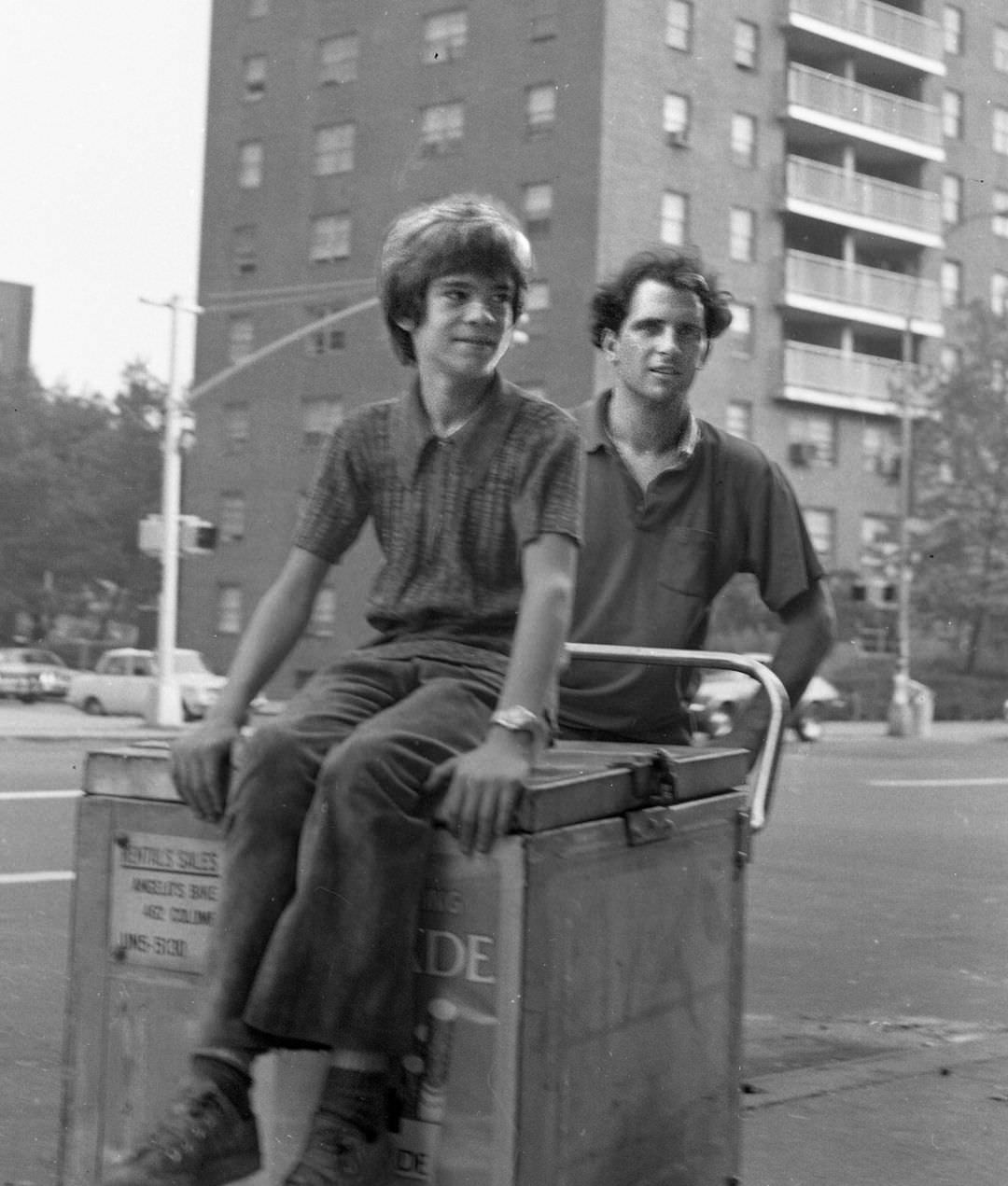
Allen himself appears in at least one photo, riding a cart bike alongside Fernando in 1975. It signals the kind of relationship he had with these kids — not an outsider documenting a subject, but someone who was genuinely part of their daily lives.
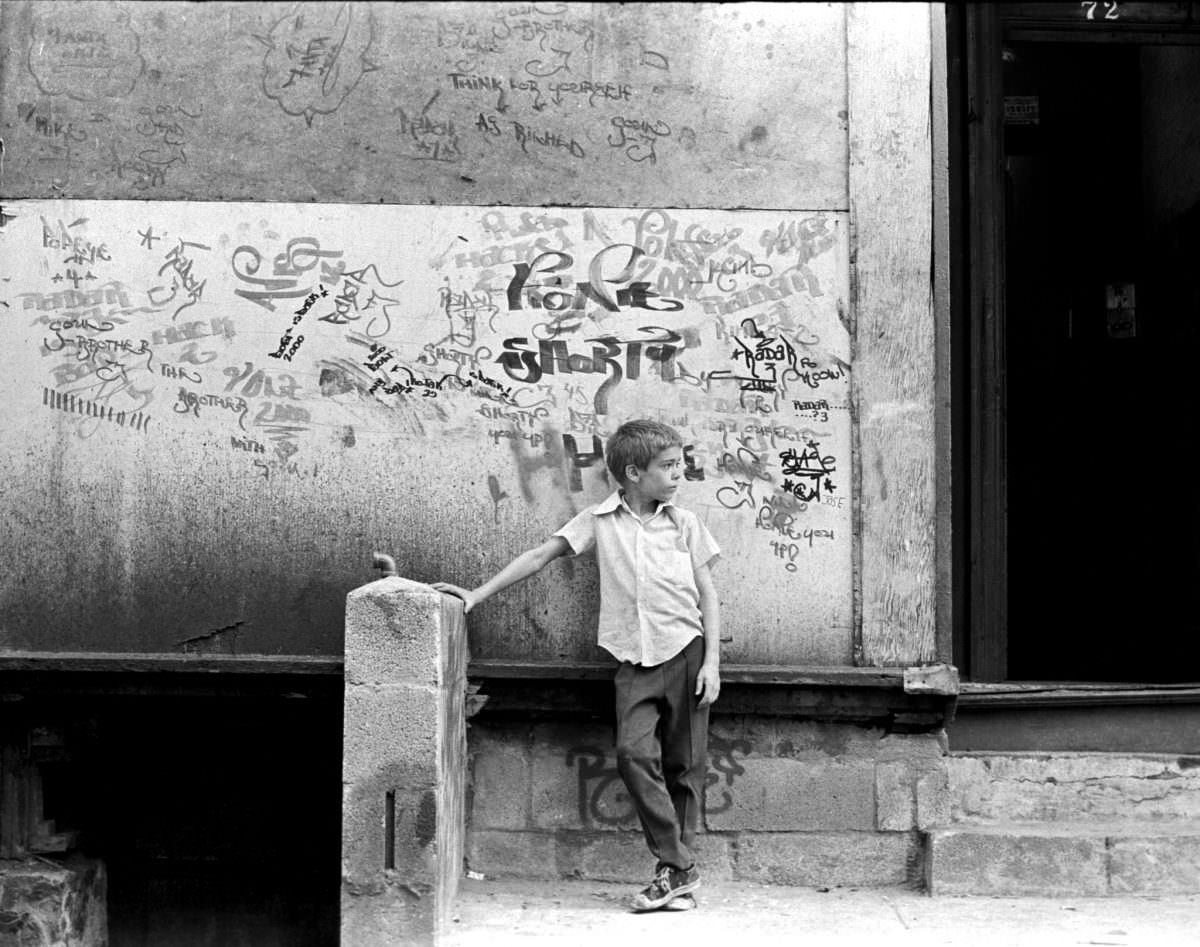
The street itself is a recurring character. East 3rd Street shows up in dozens of frames across multiple years — its cracked pavement, its buildings, its rhythms unchanged even as the kids in front of the camera grew older.
Today, 78 East 3rd Street looks completely different. Trendy shops and expensive apartments have replaced the crumbling tenements. The neighborhood now draws a largely transient, more affluent population. The tight community Allen documented has all but disappeared.