

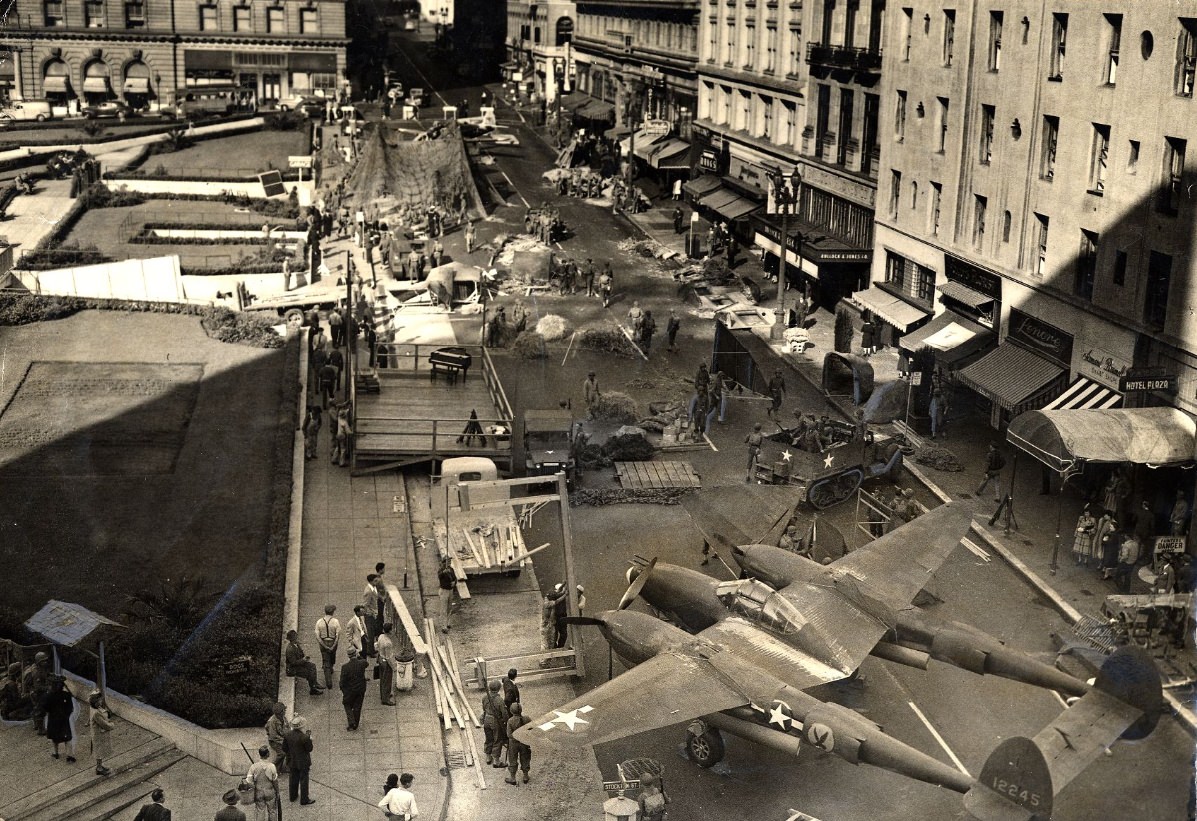
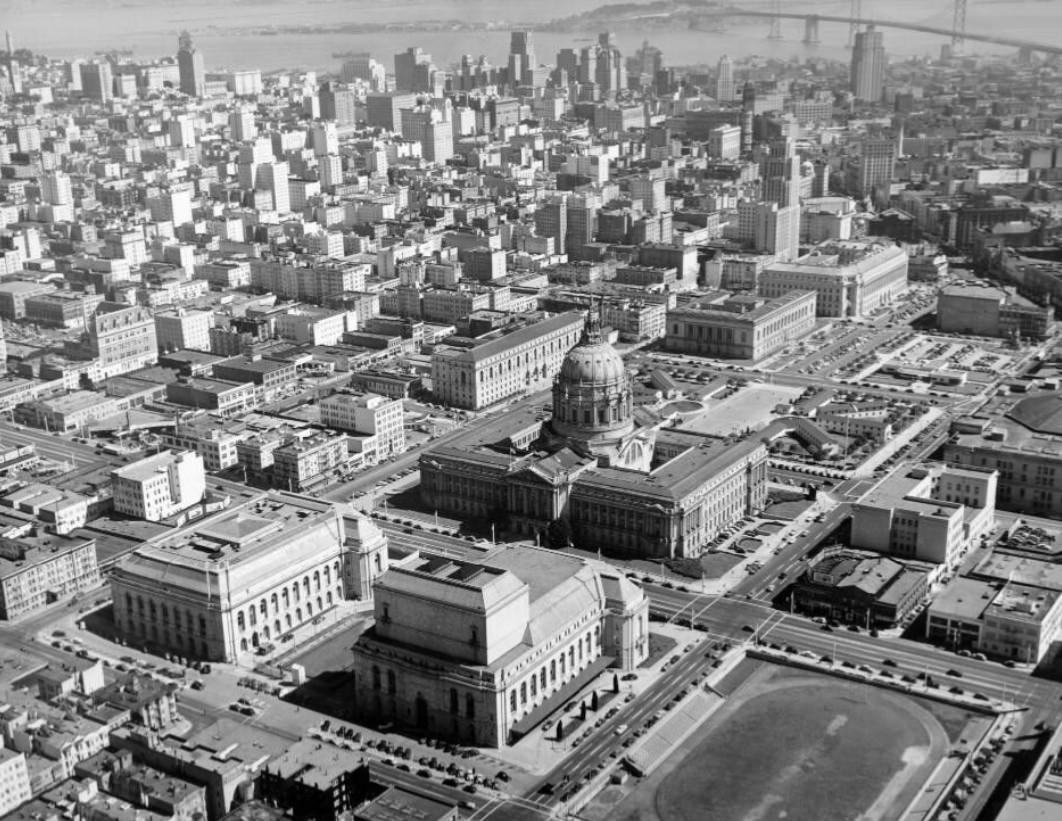
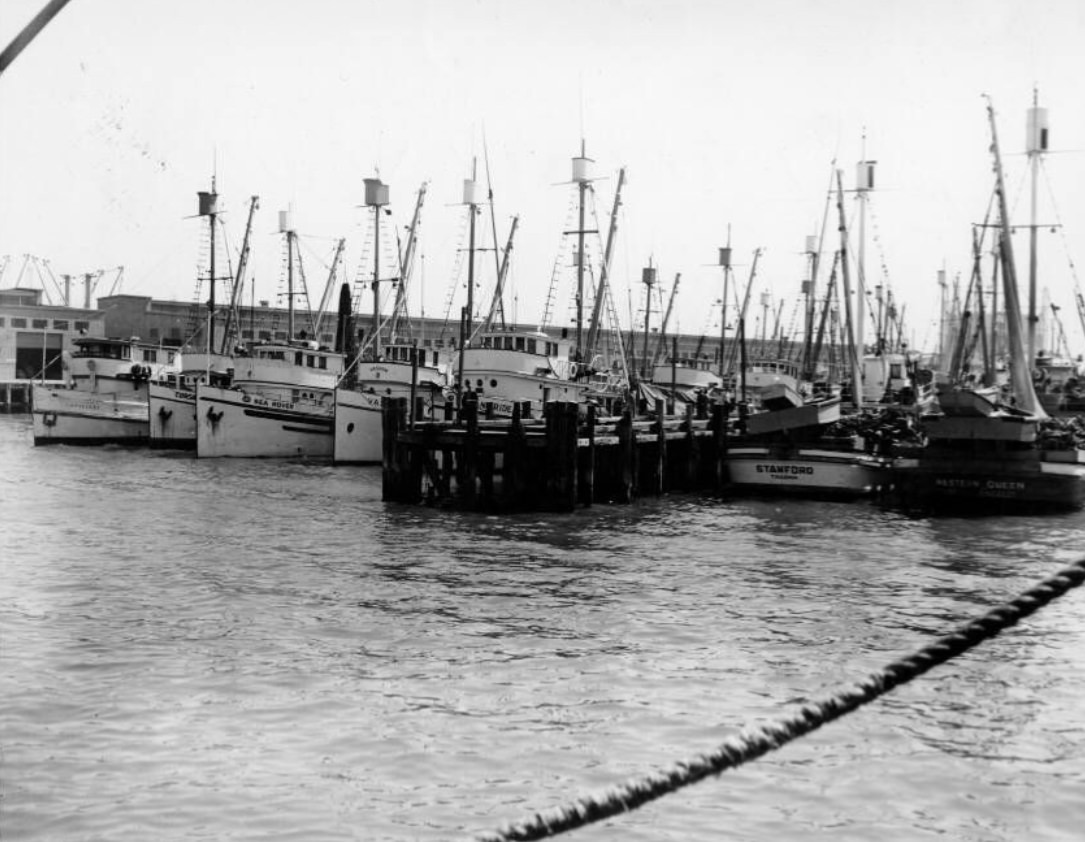
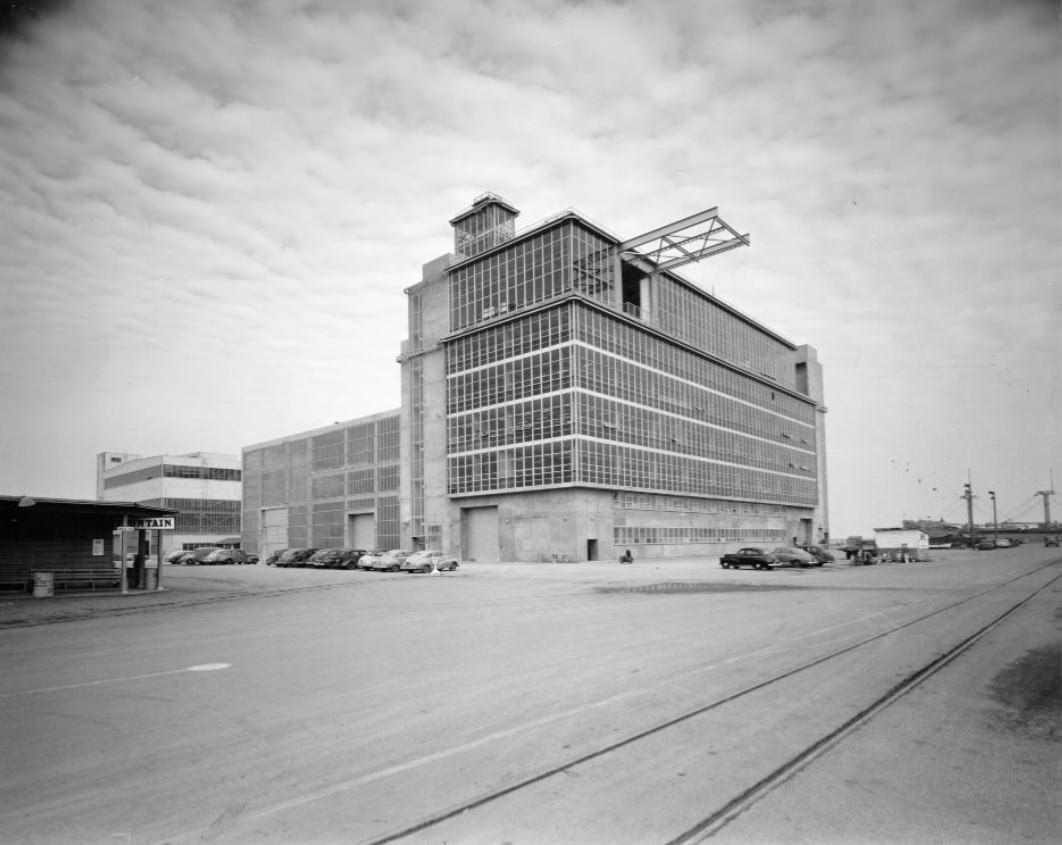
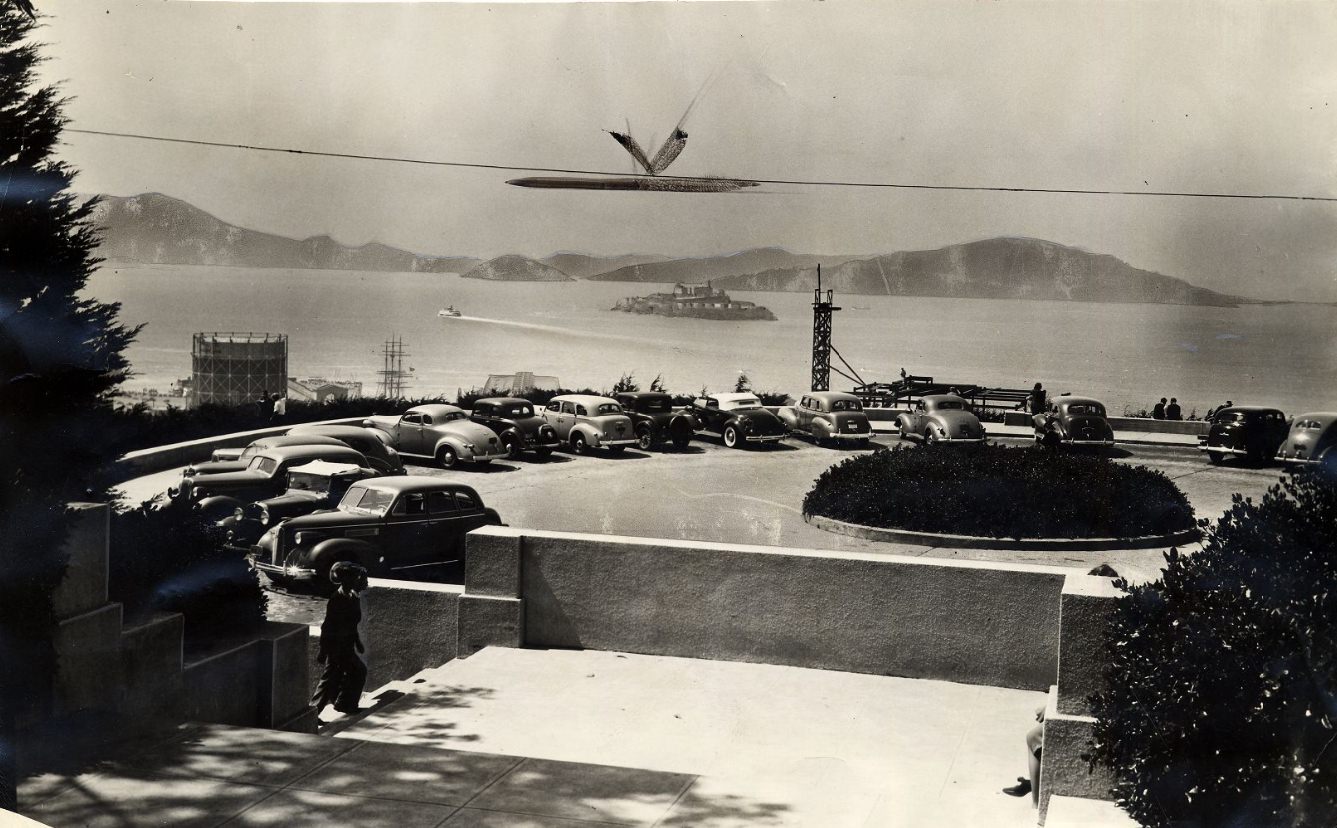
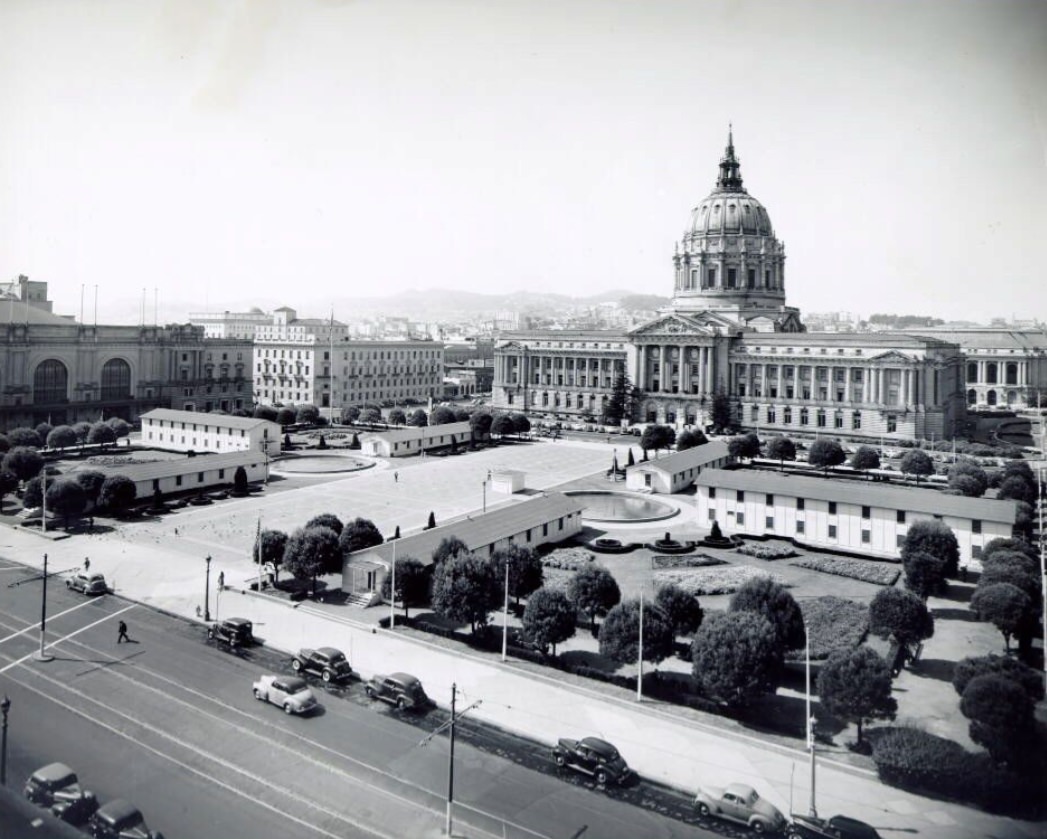
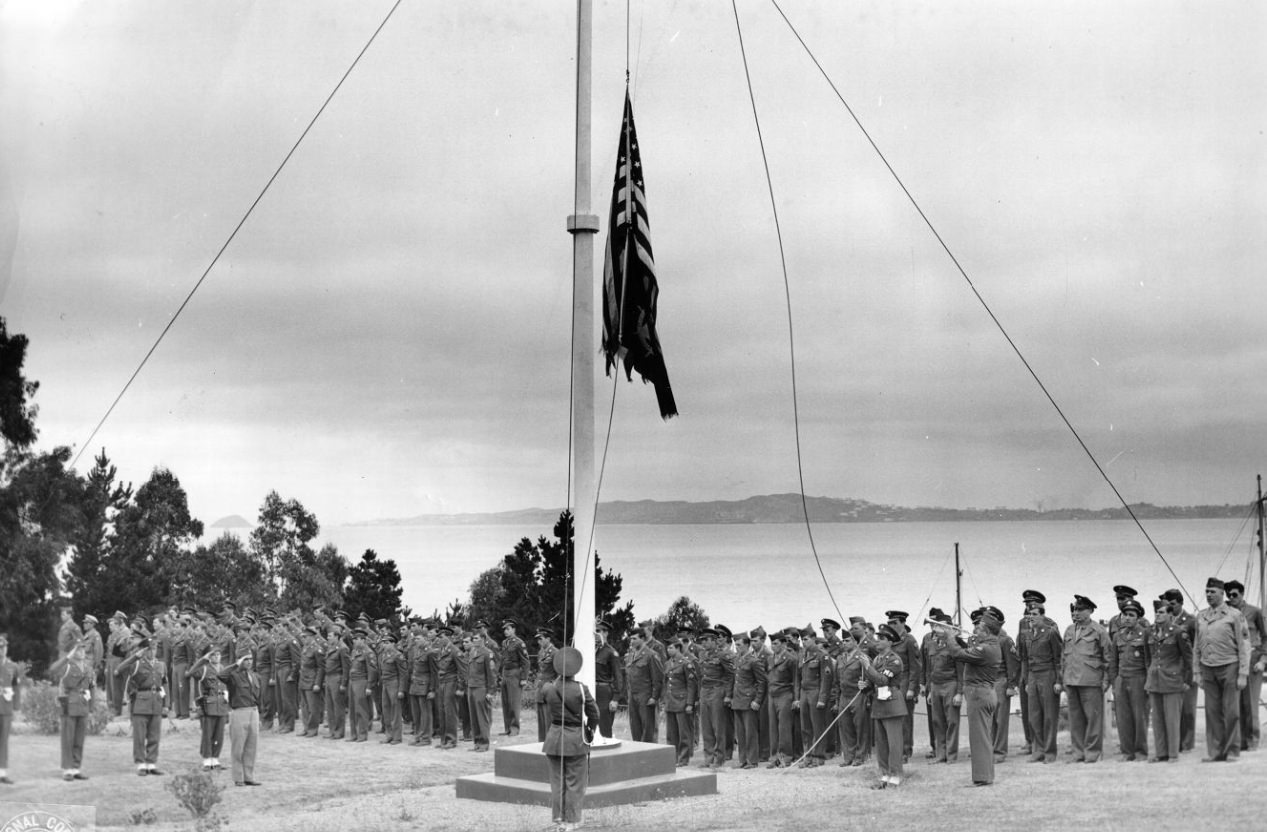
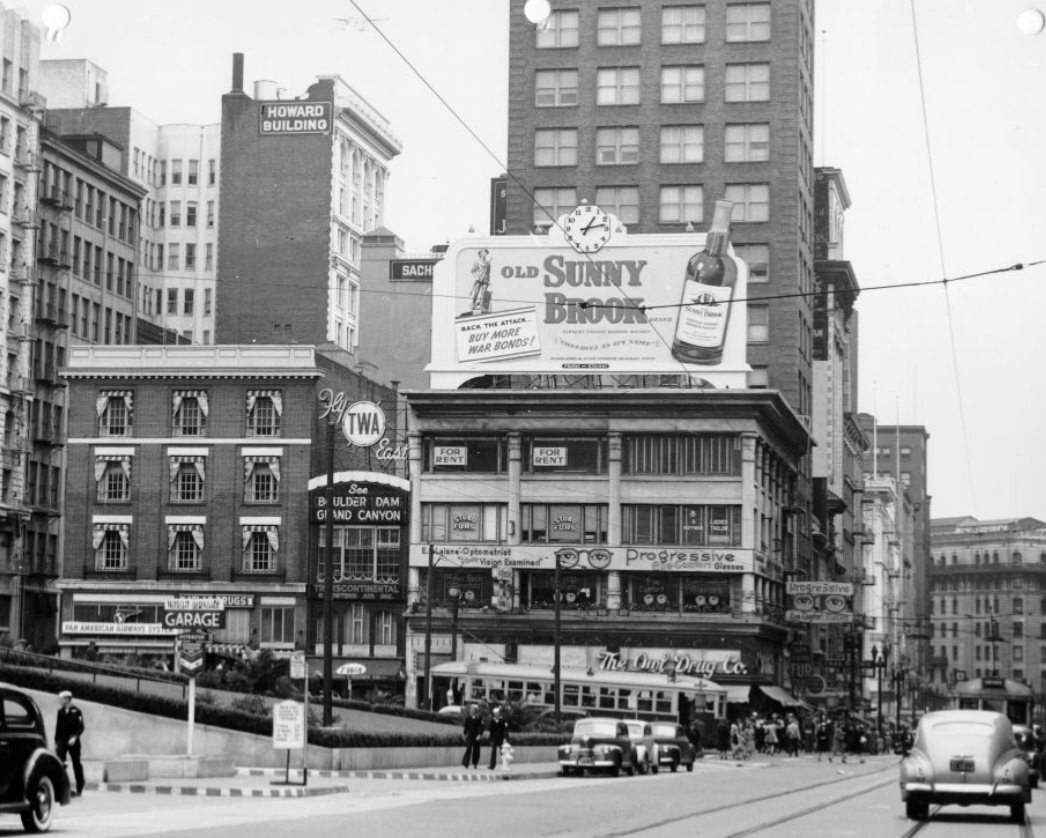
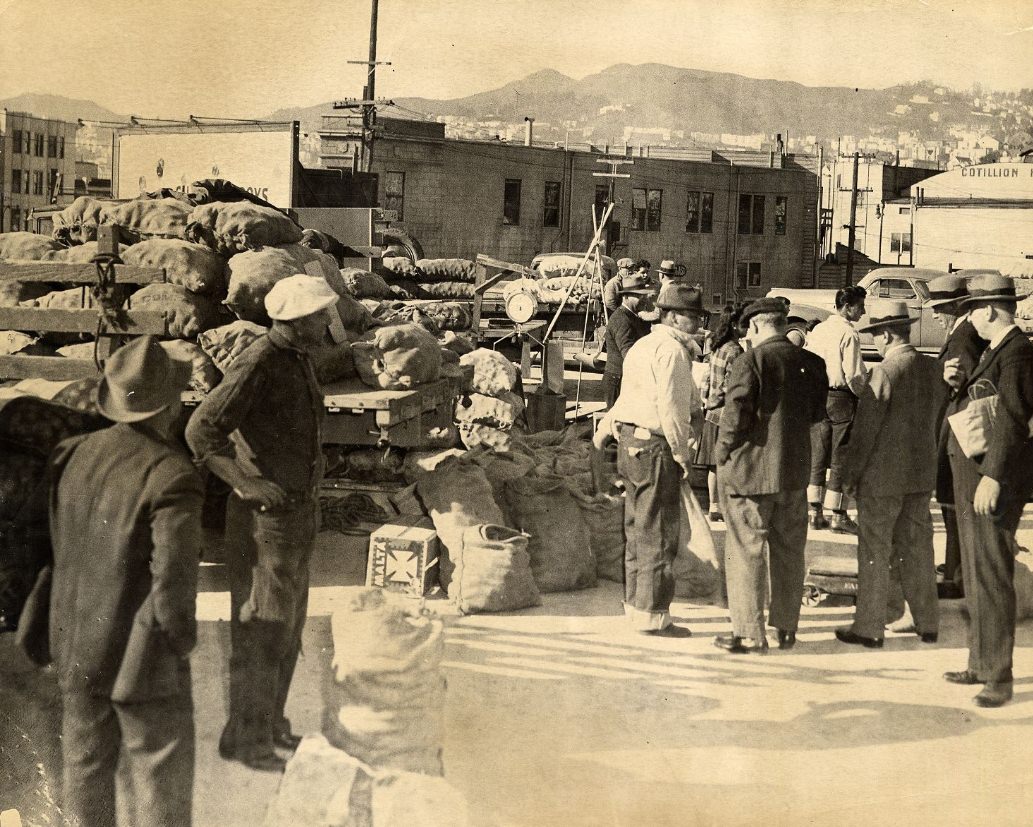
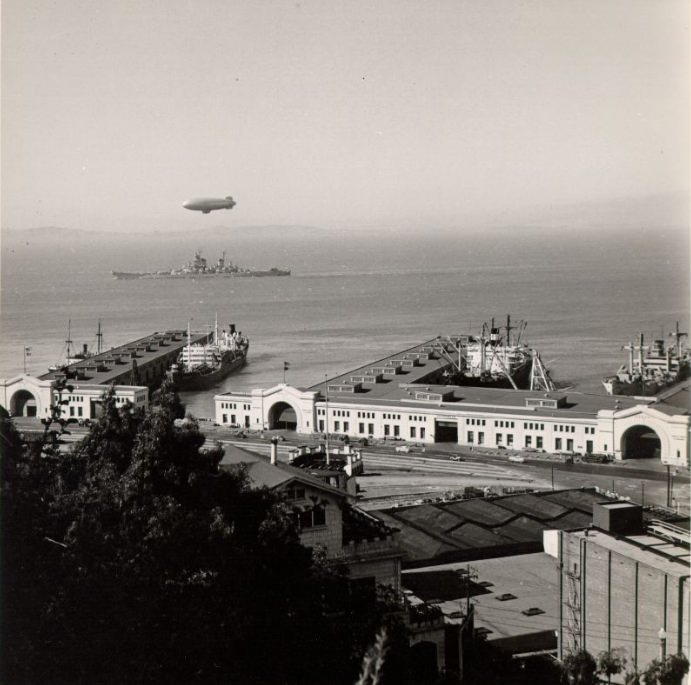
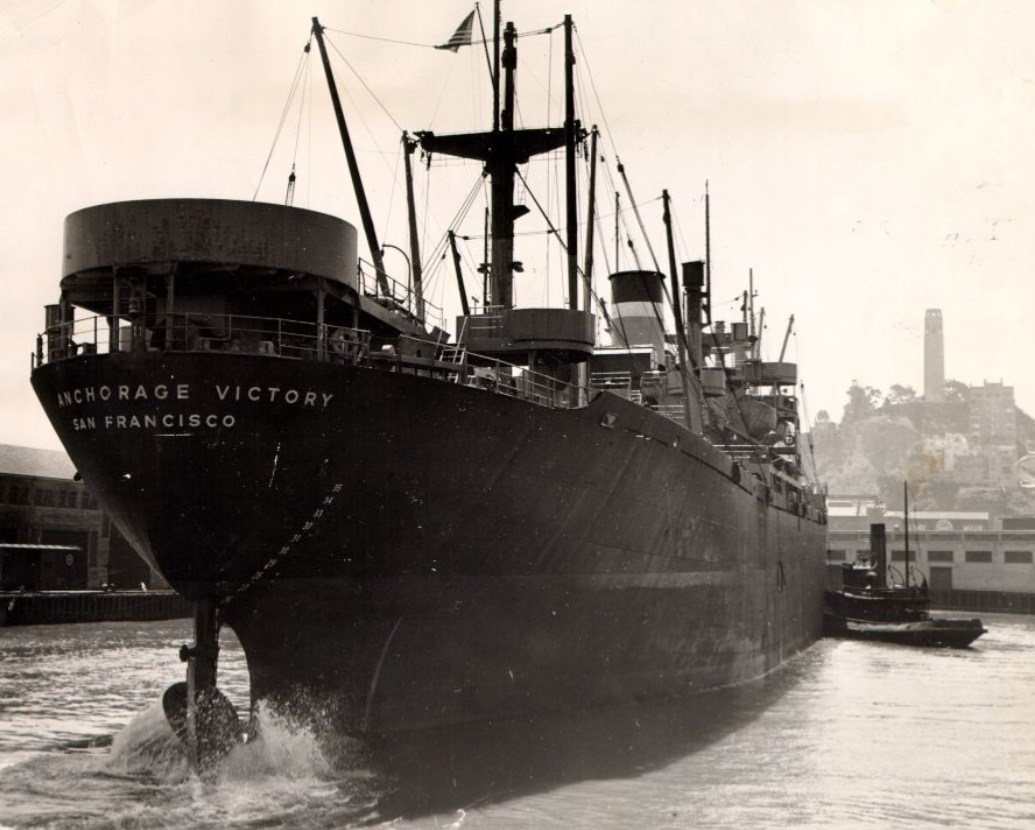
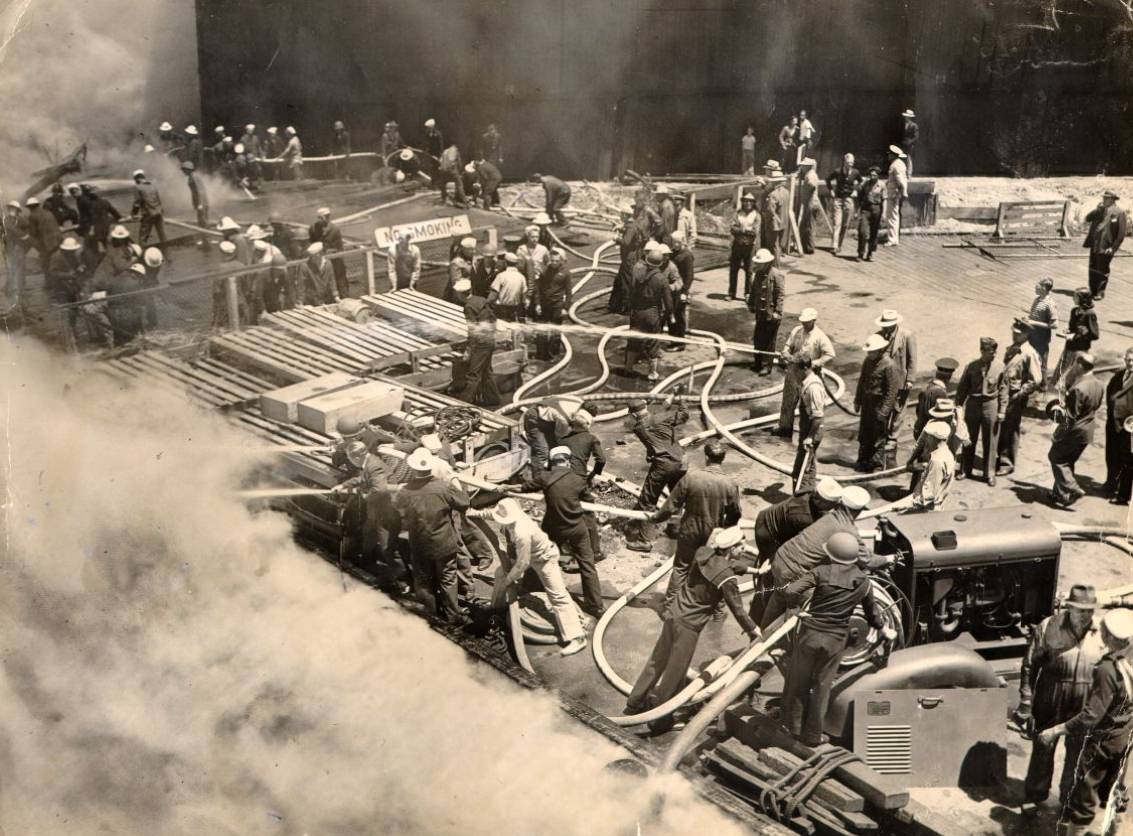
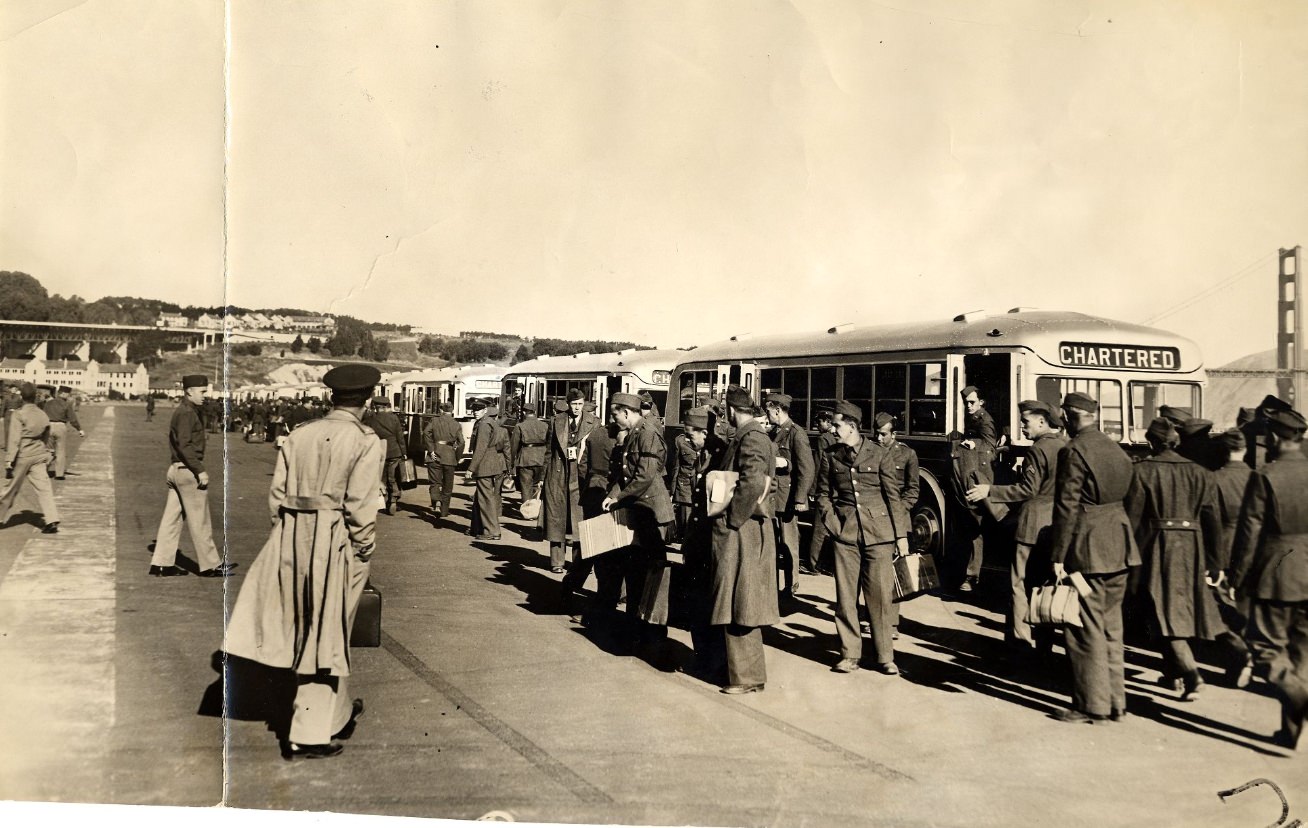
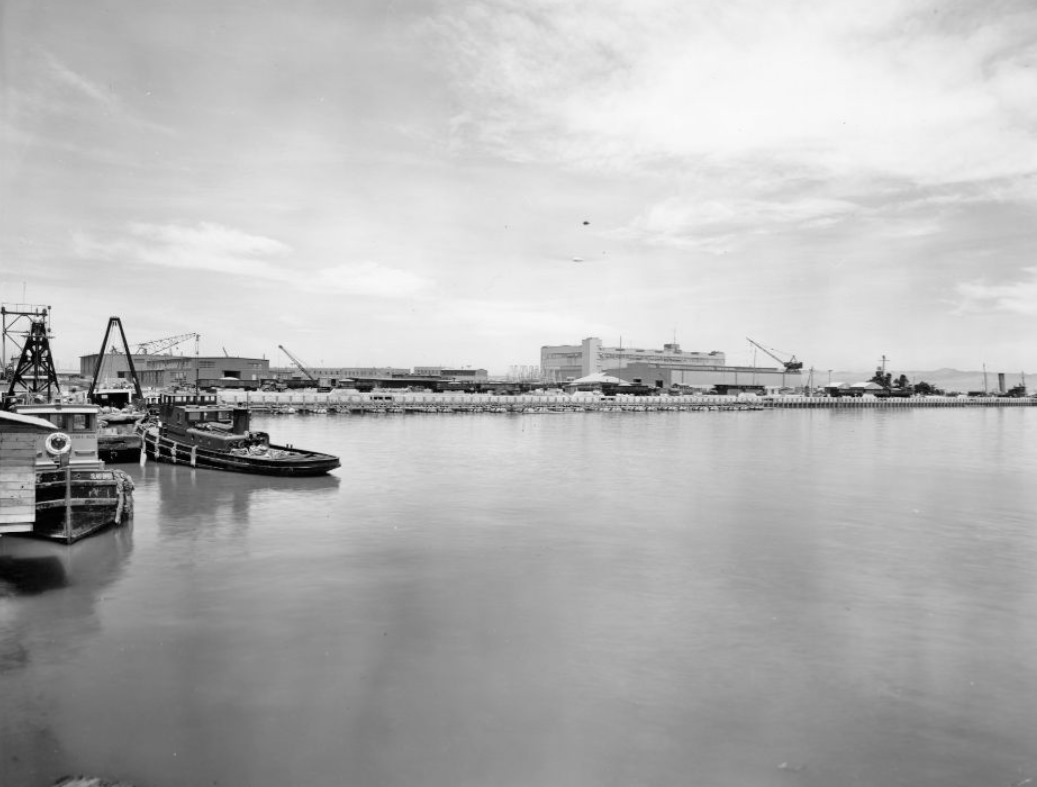
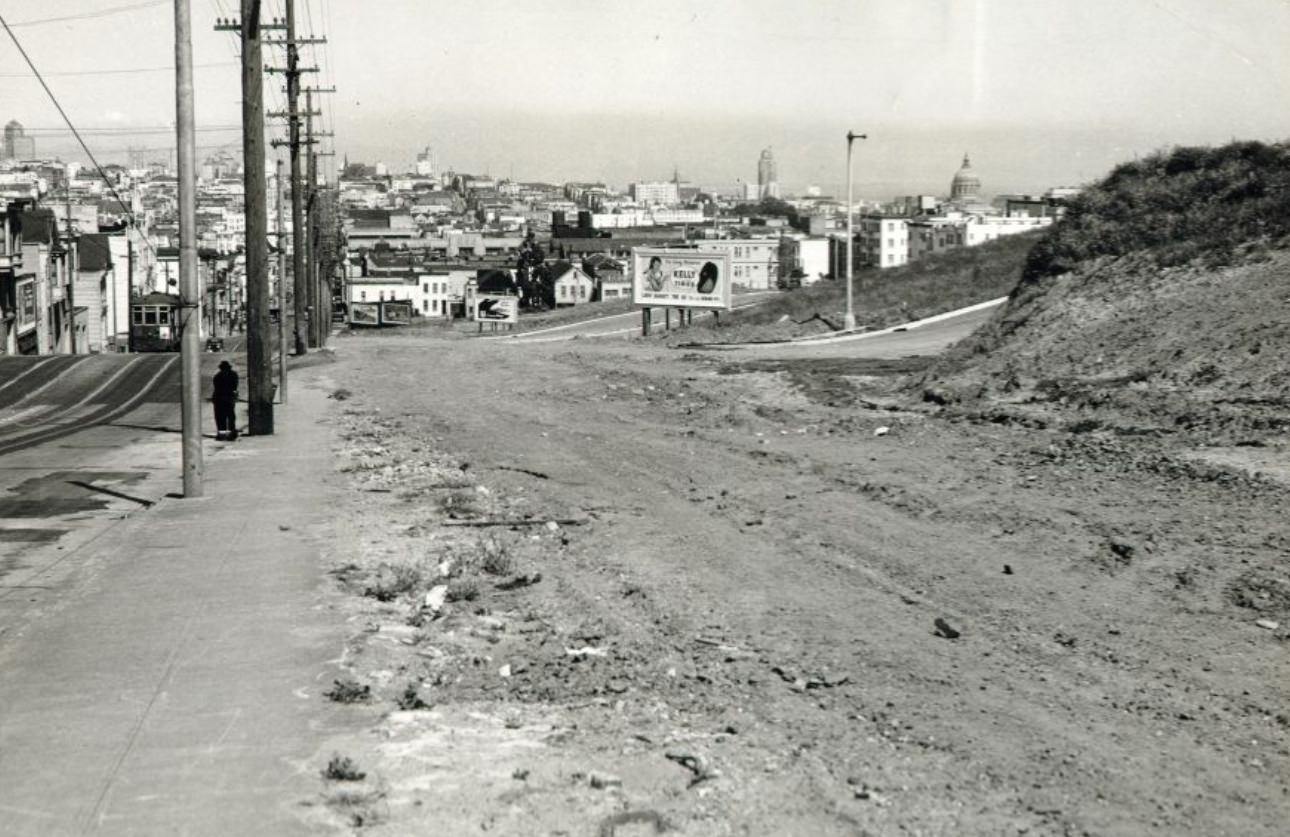
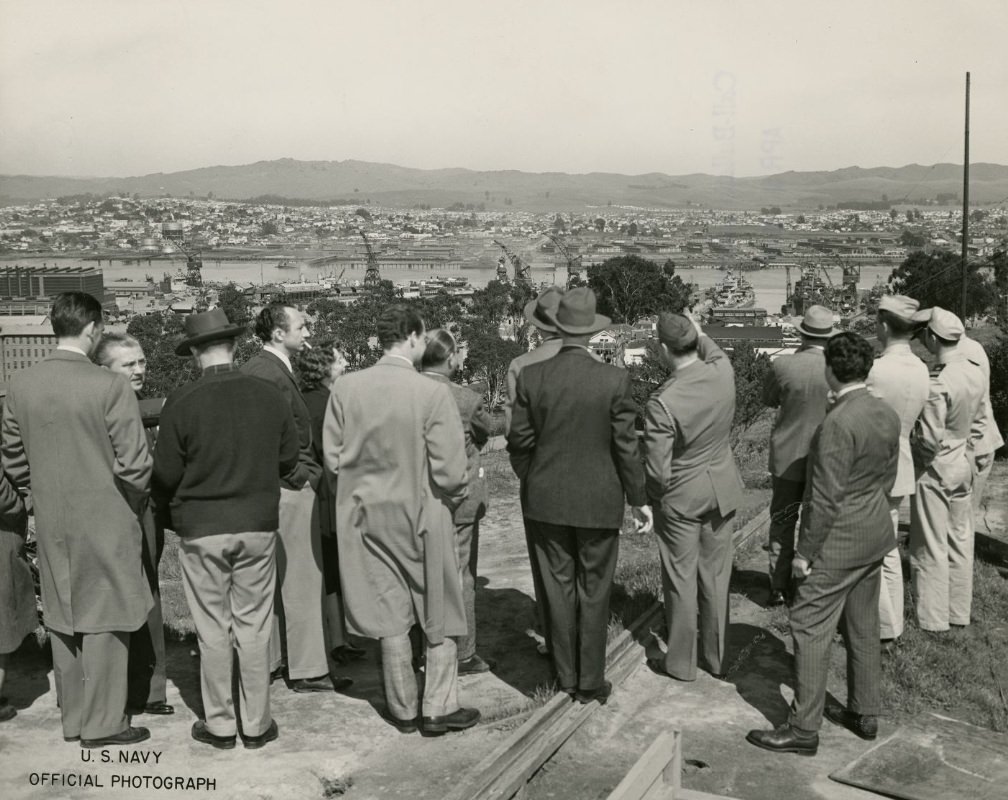
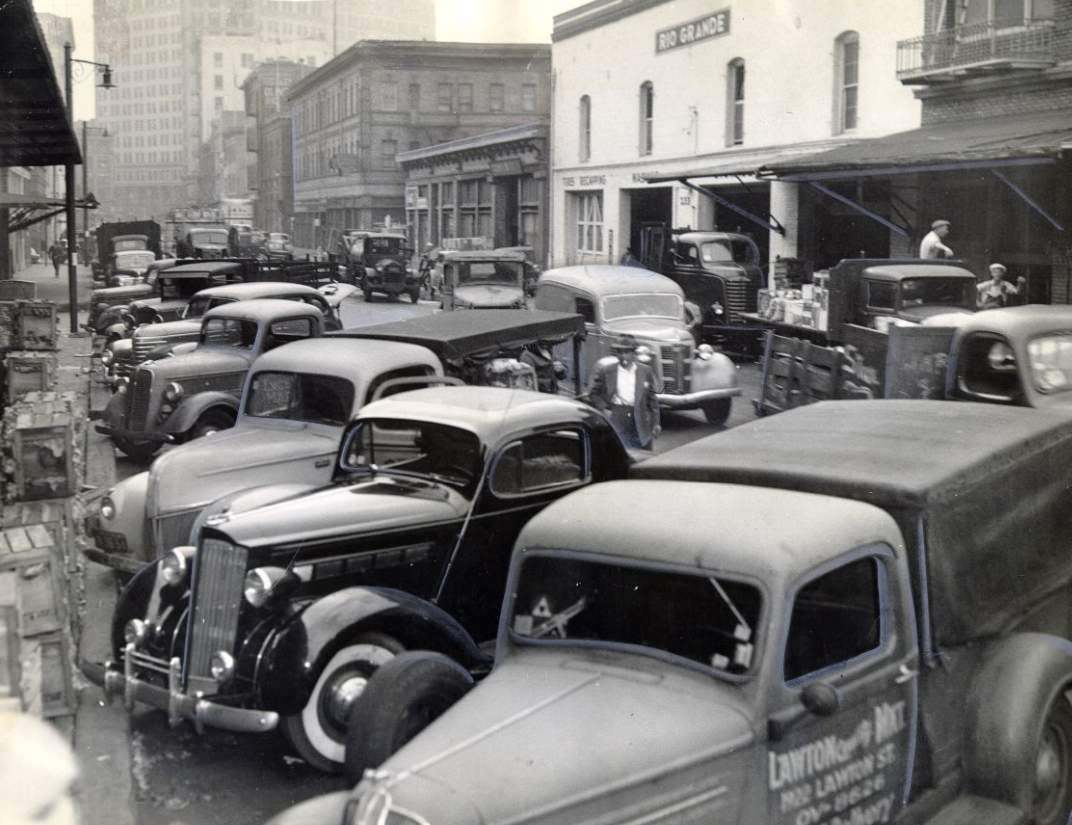
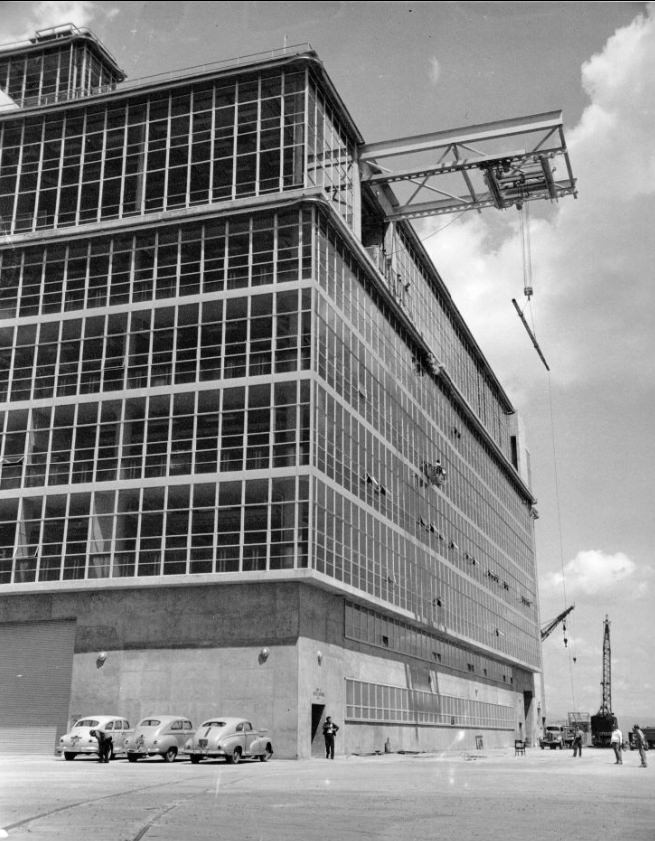
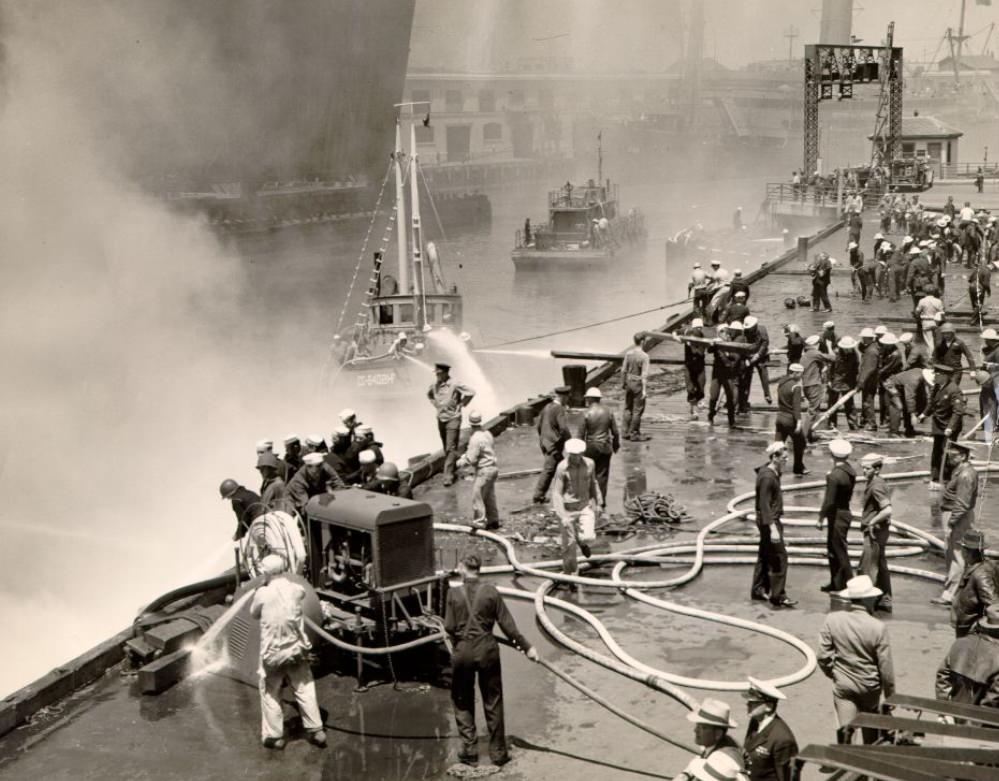
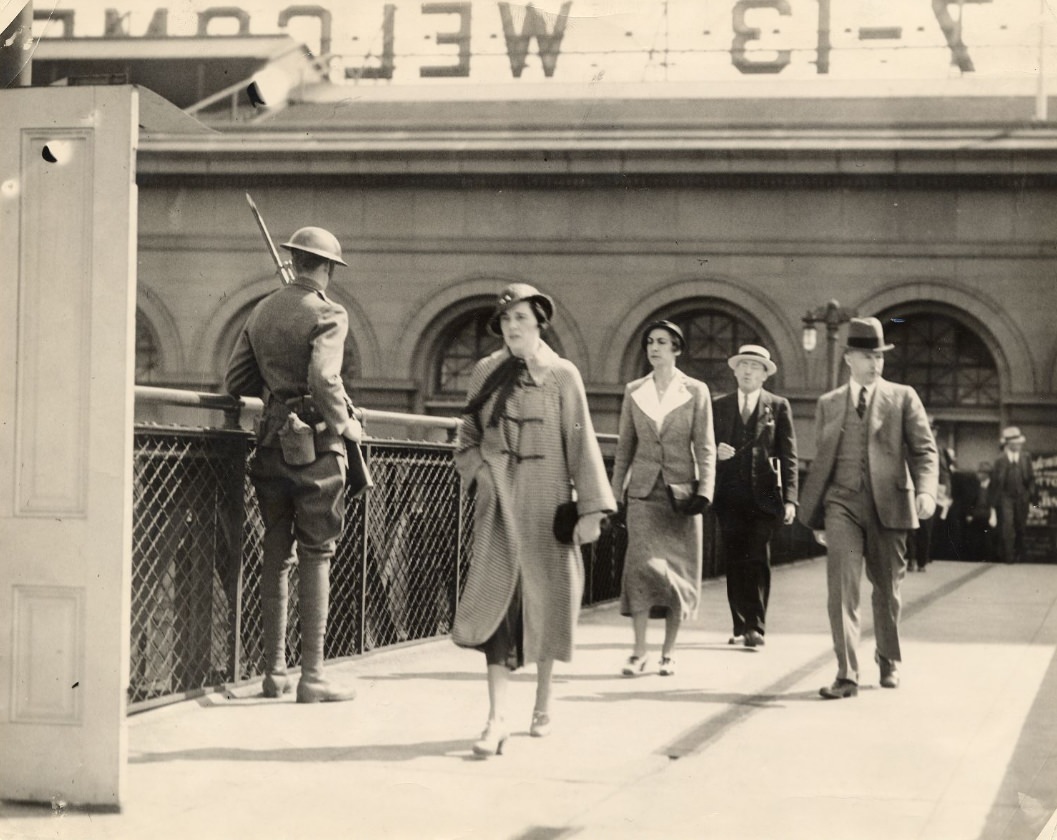
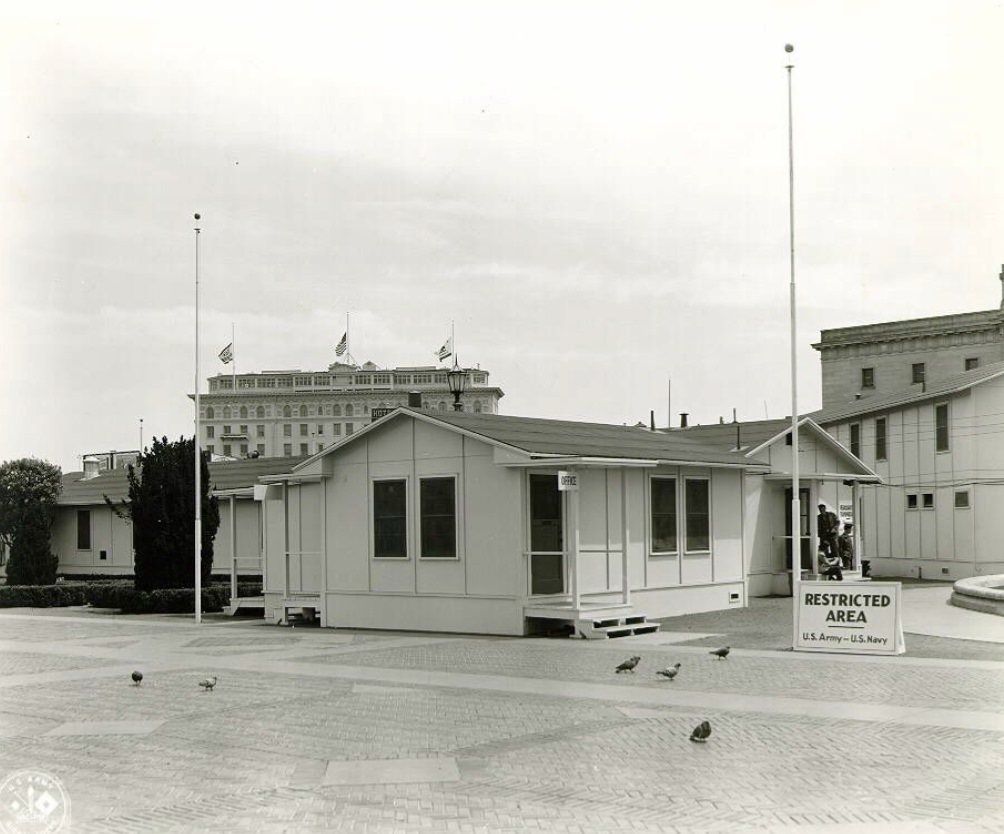
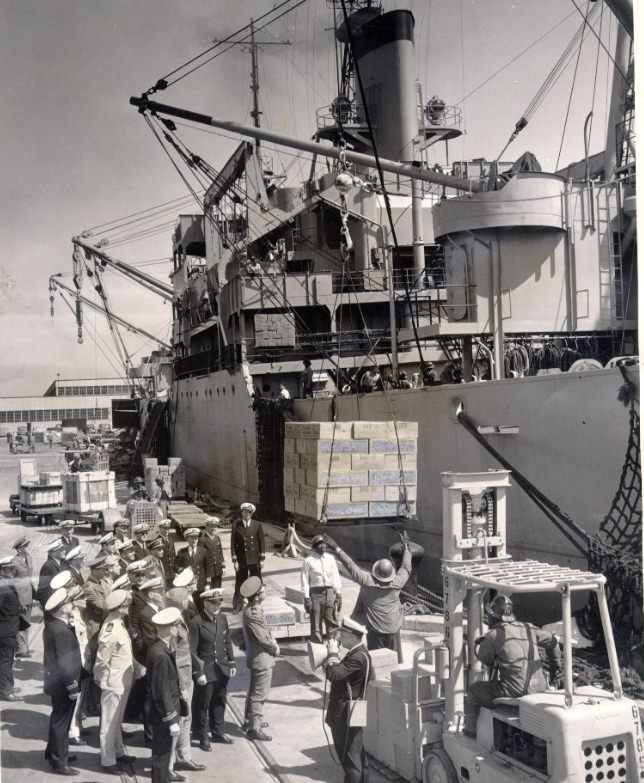
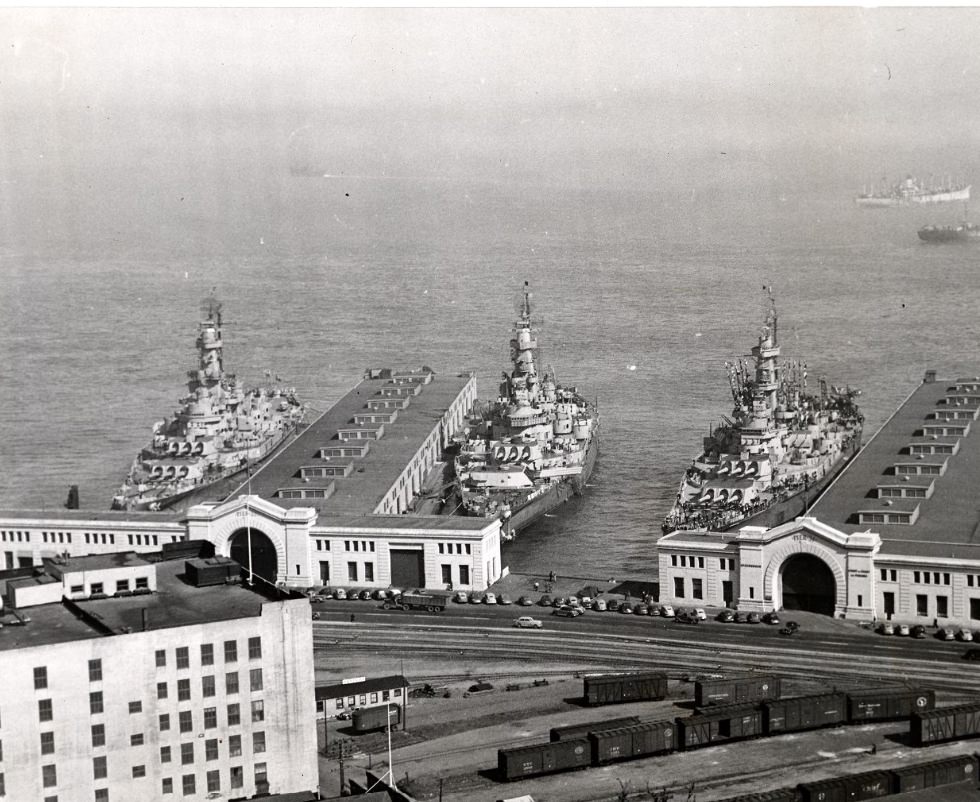
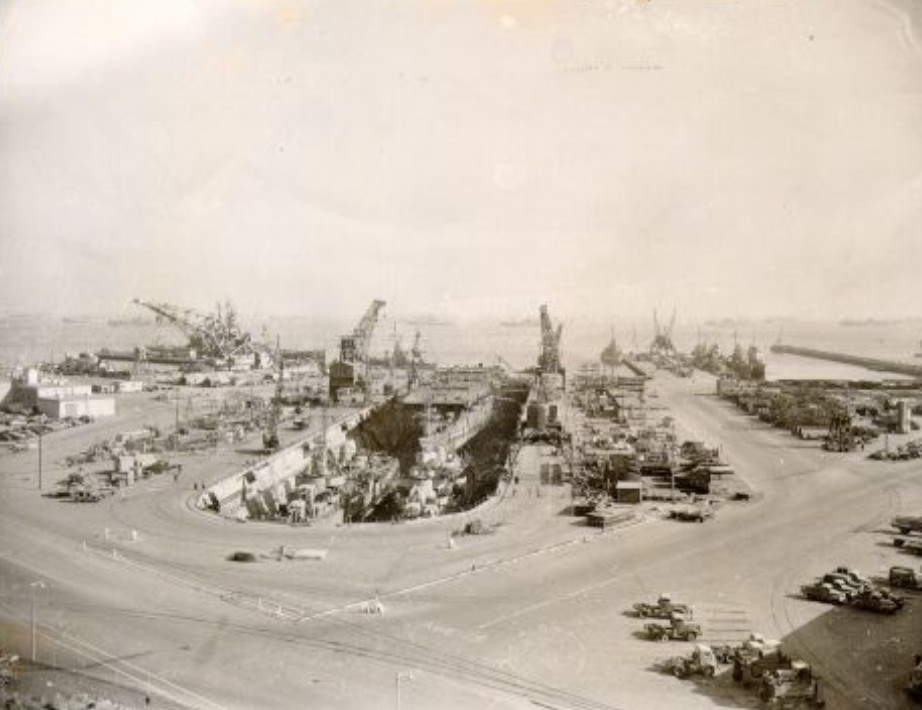
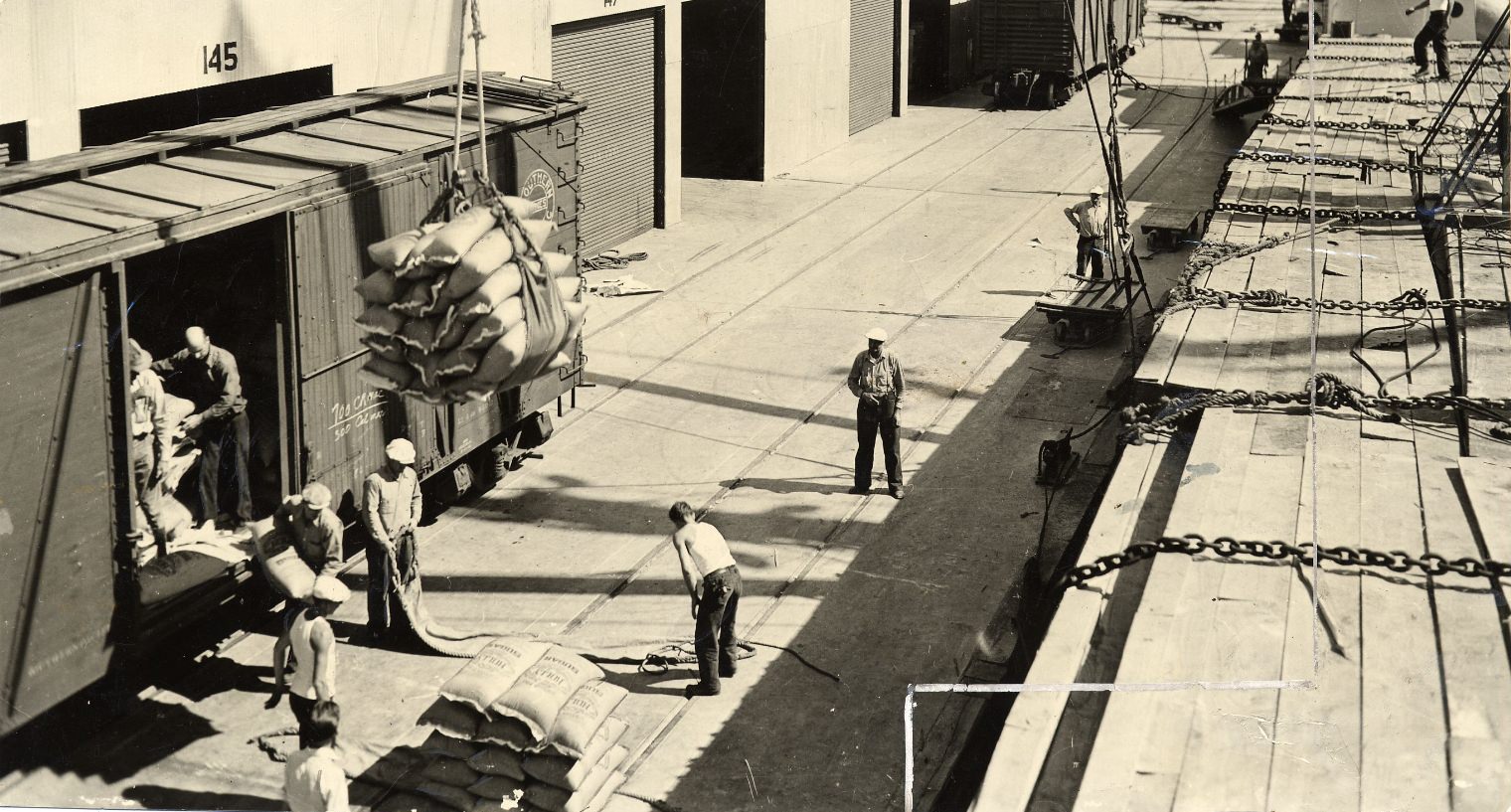
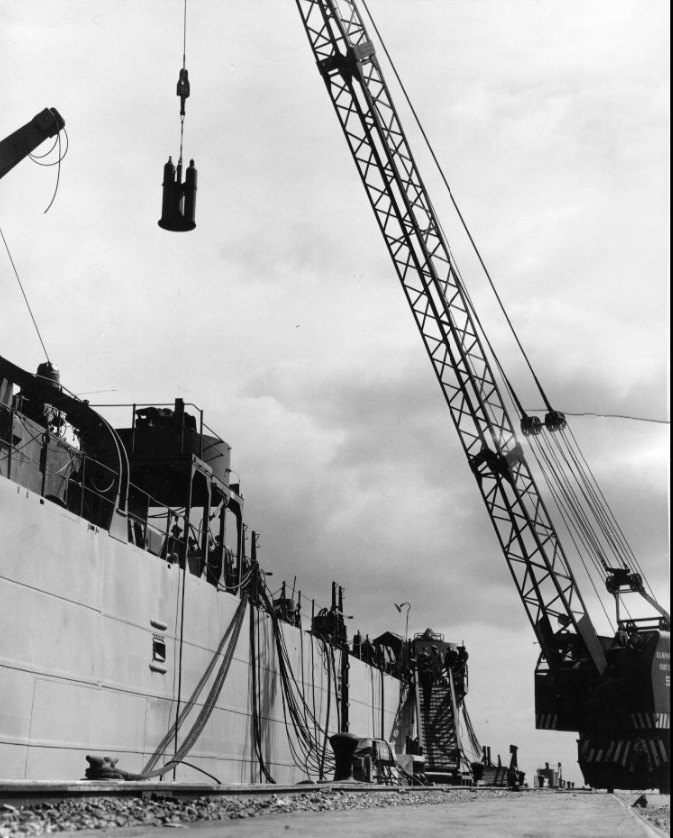
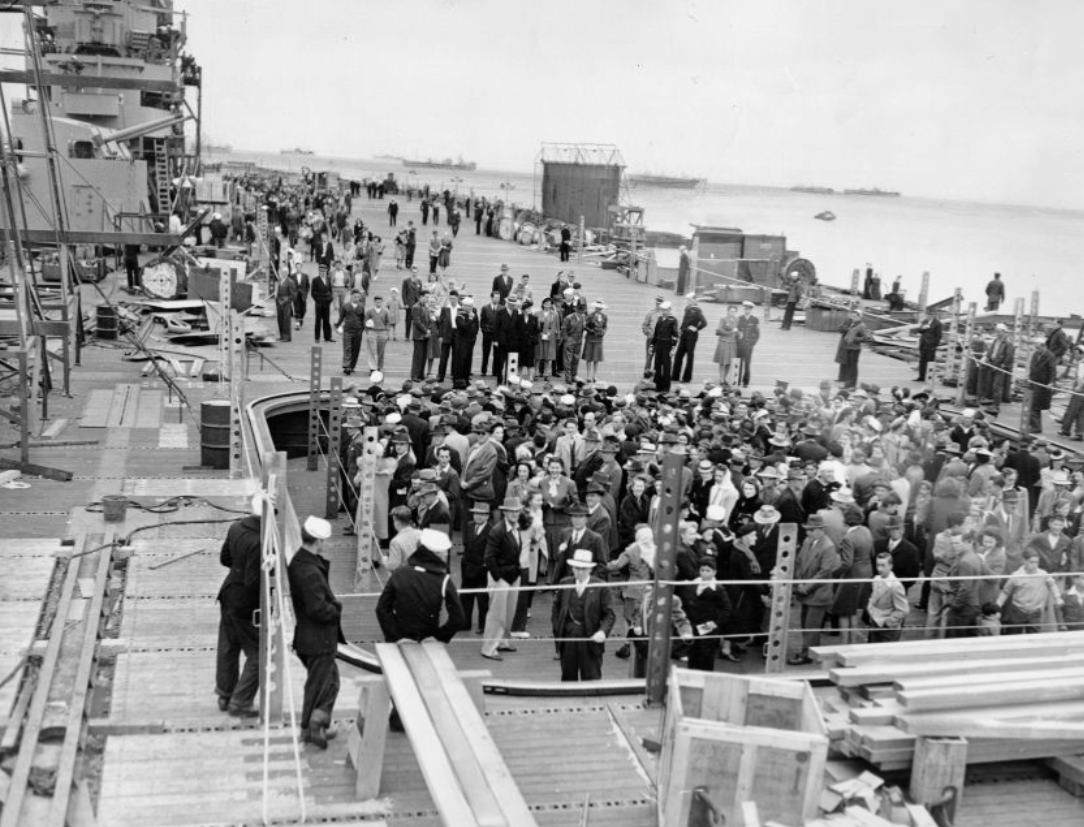
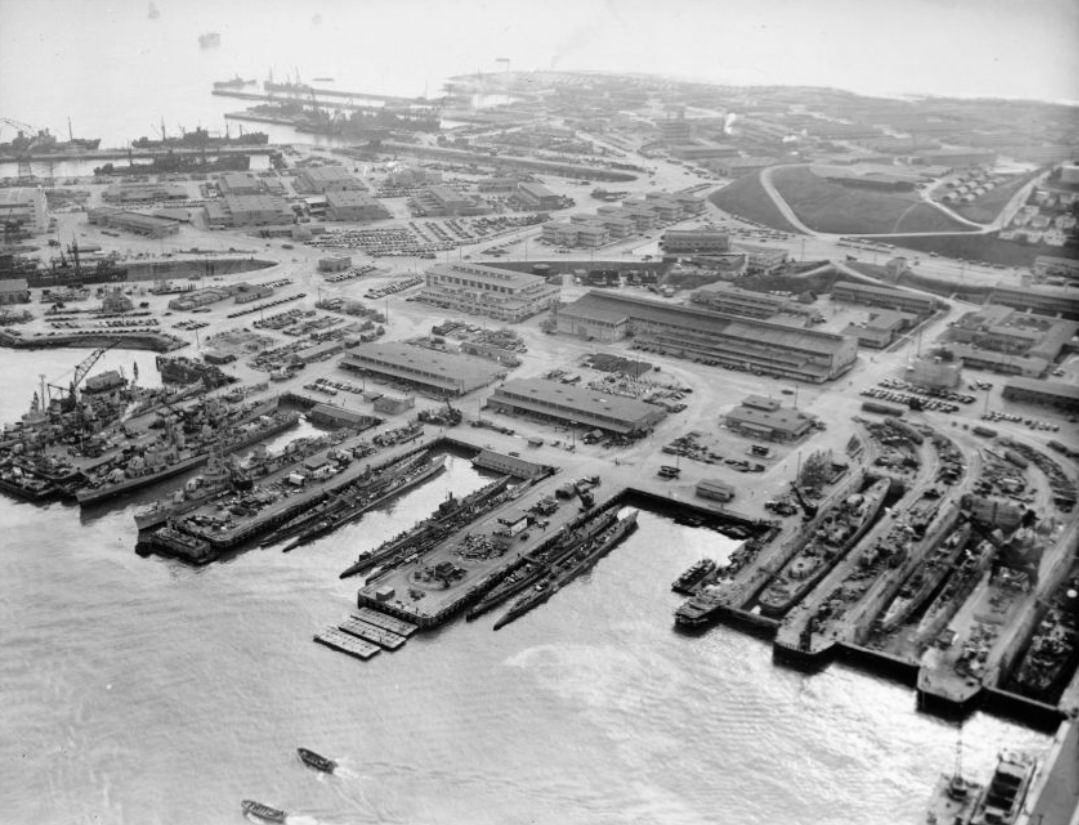
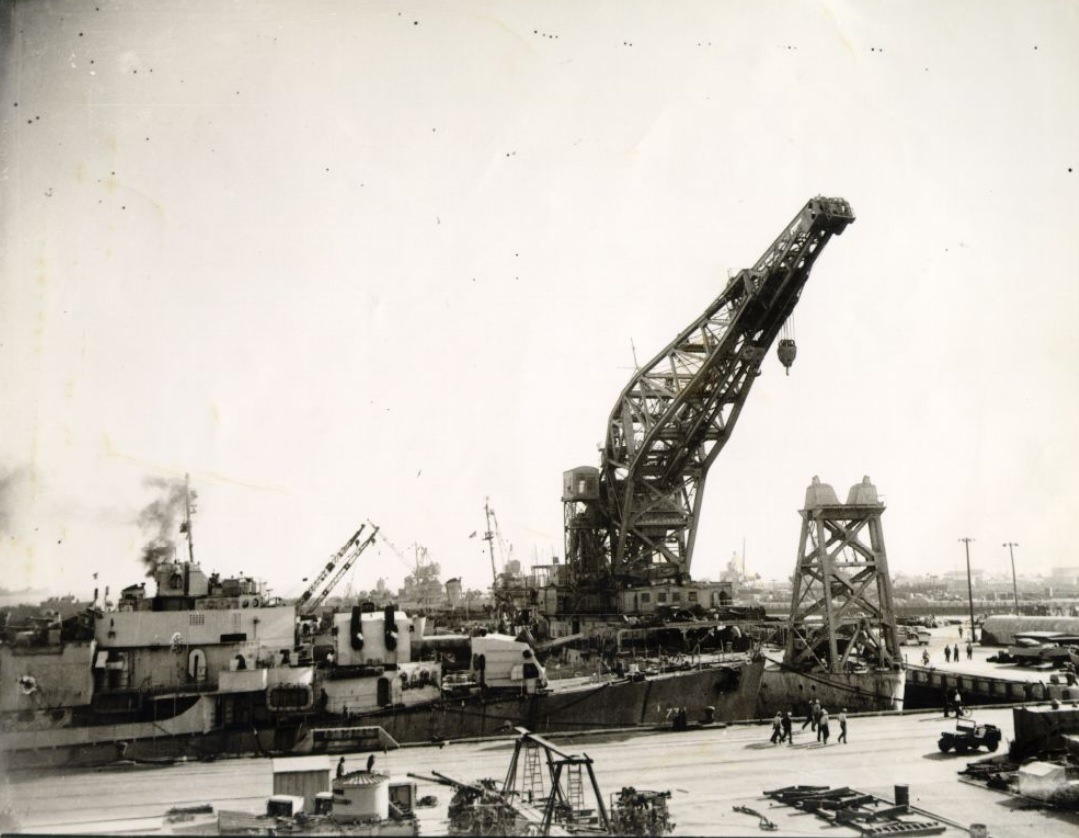
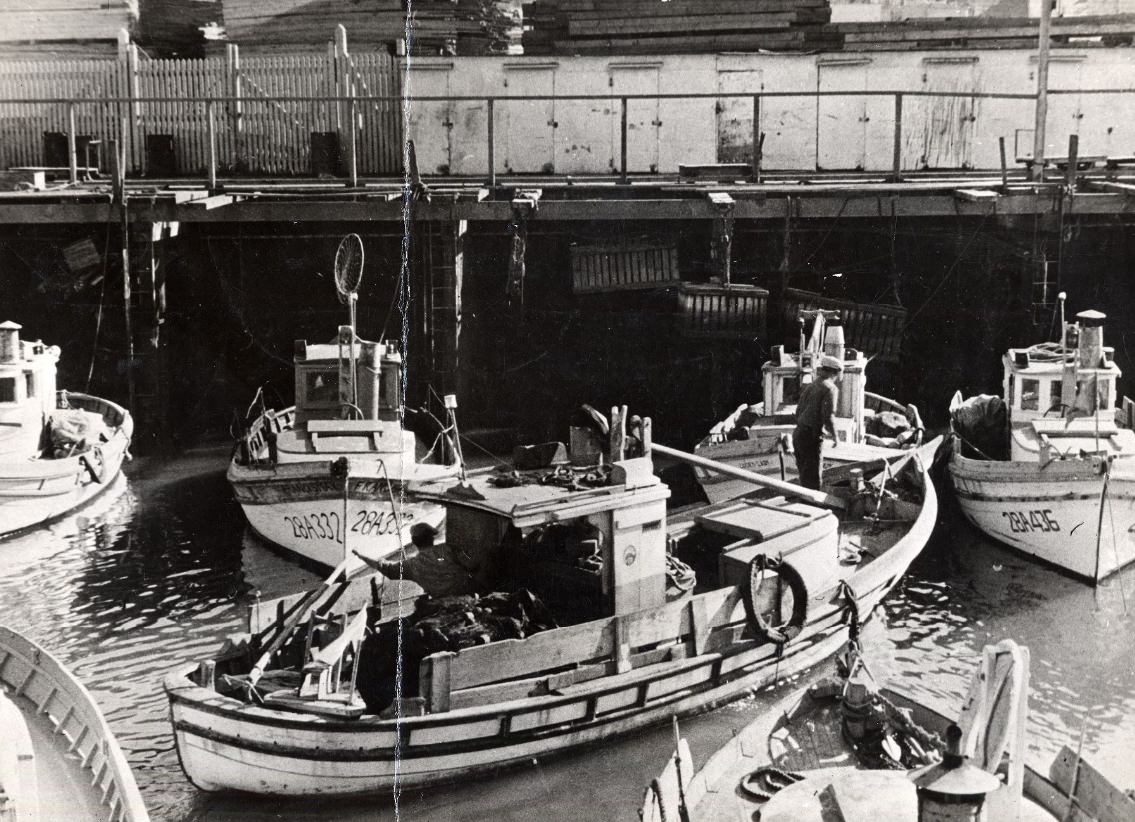
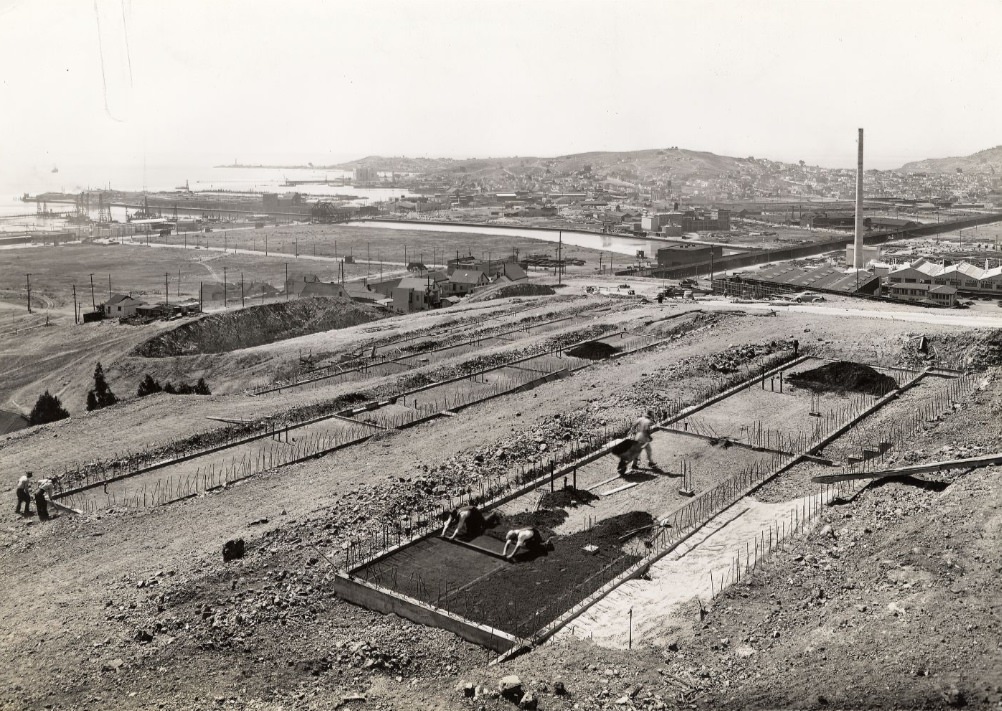
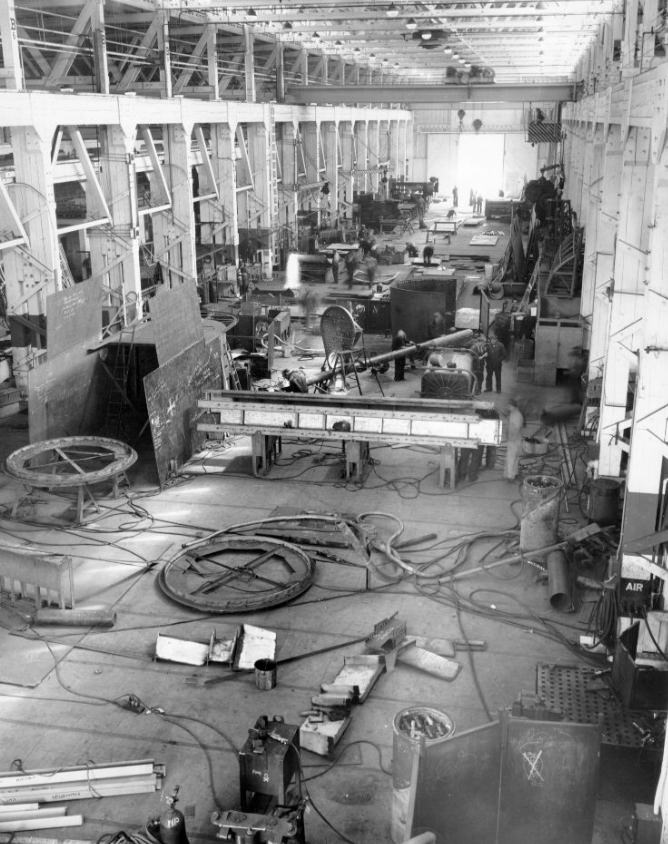
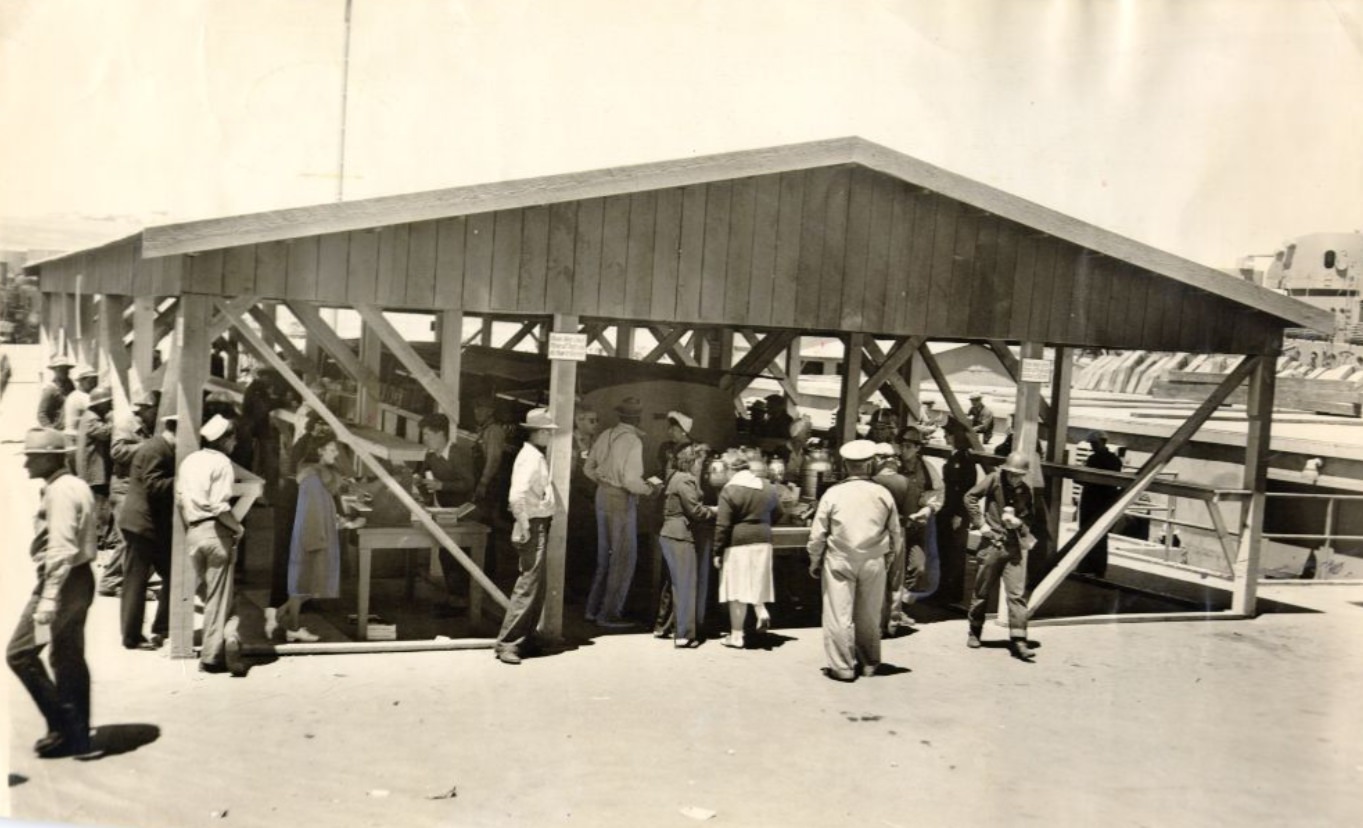
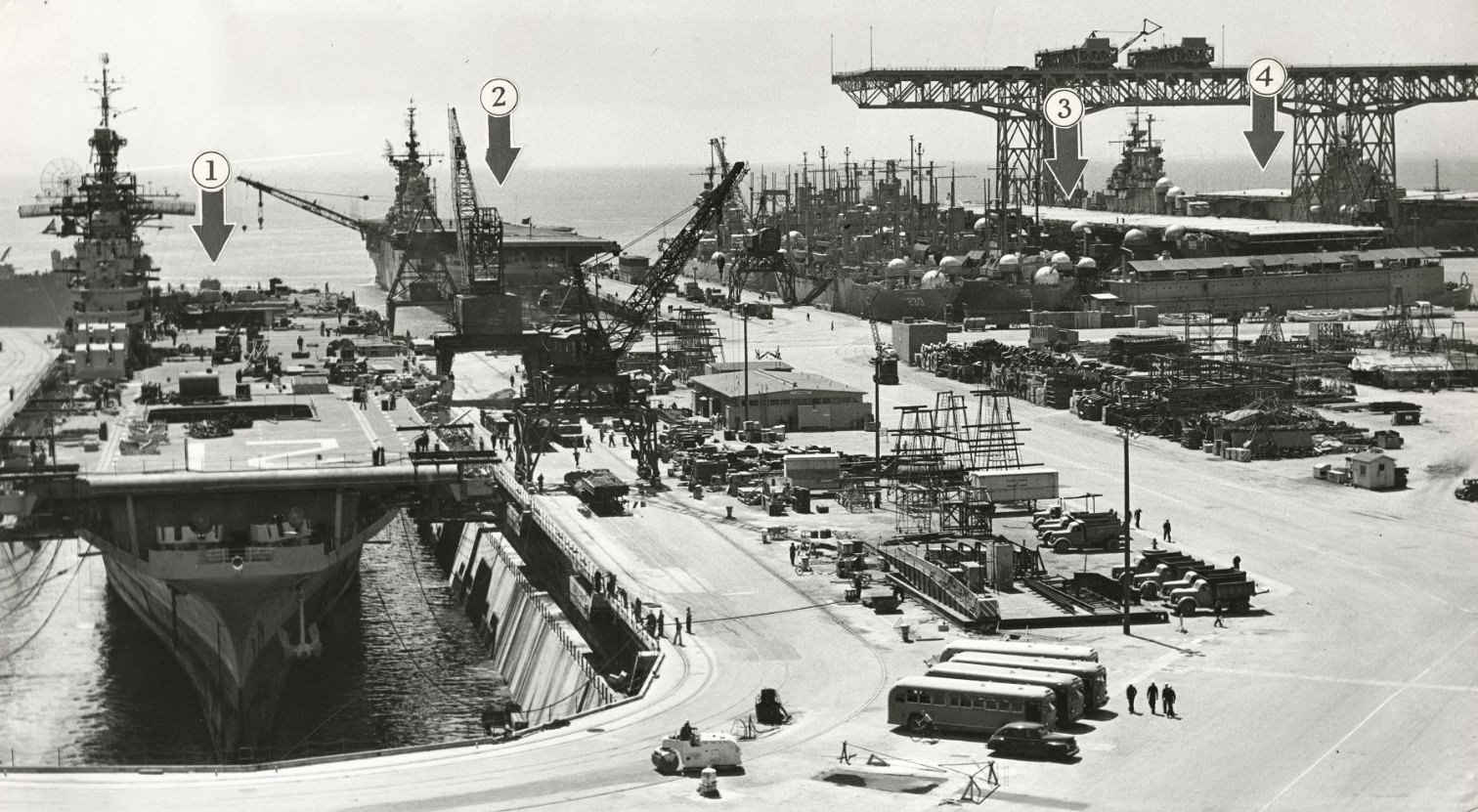
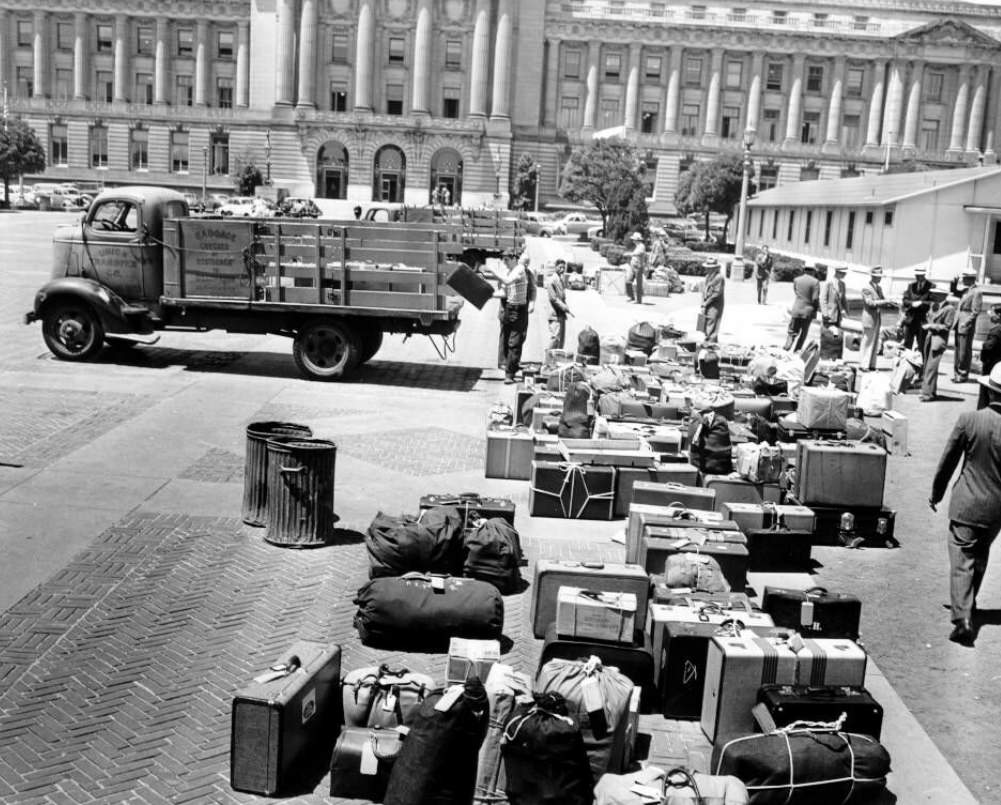
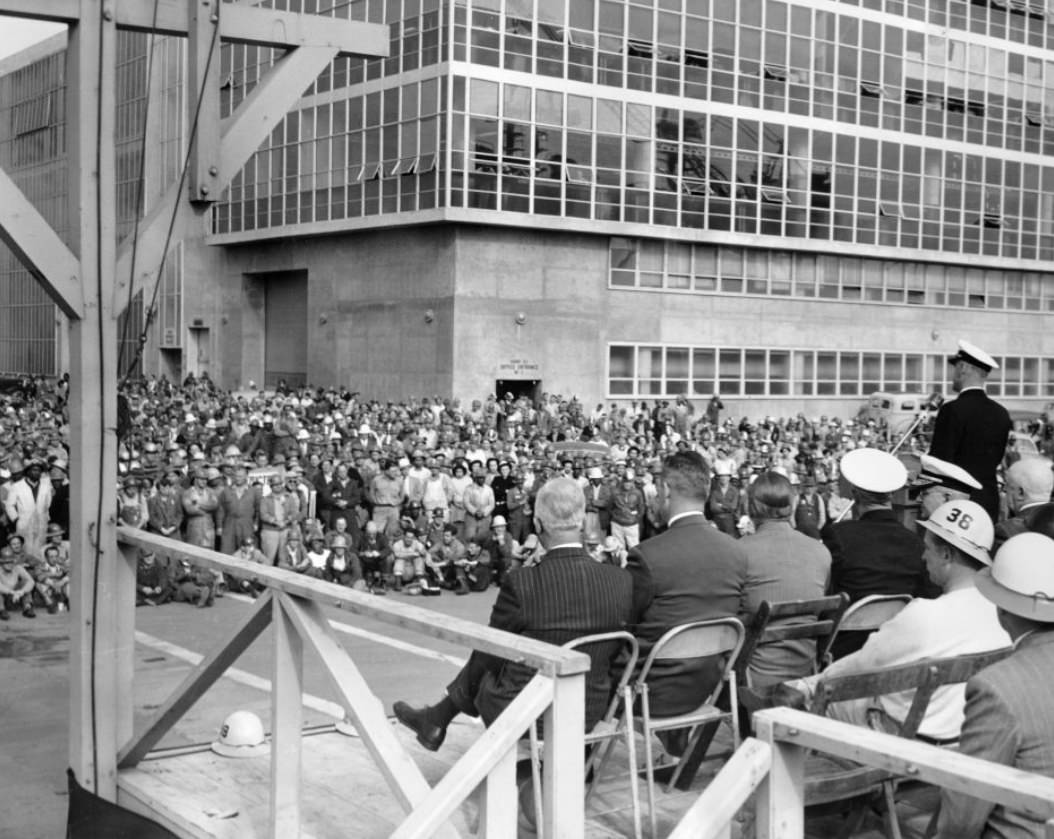
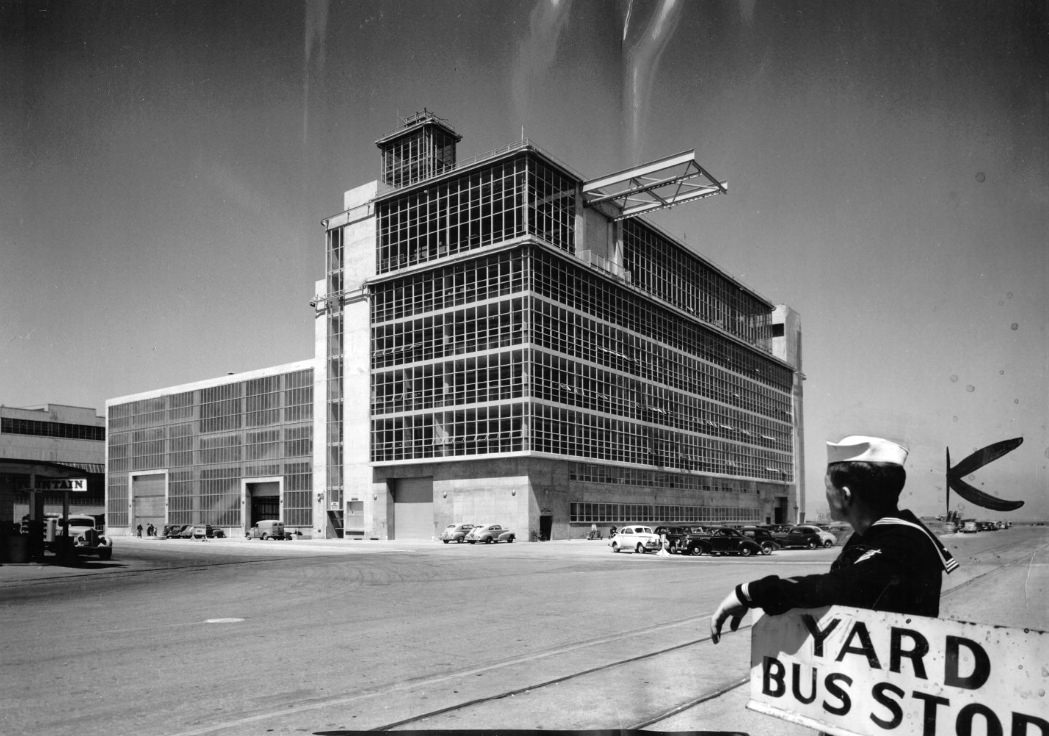
World War II transformed San Francisco, with its ports and shipyards becoming vital to the military effort. The Hunters Point Naval Shipyard and the Kaiser Shipyards in Richmond were hubs of labor and innovation, changing the city’s industrial scene. The war effort brought a wave of people to the city seeking jobs, creating a dynamic but stretched urban environment.
Architectural Developments
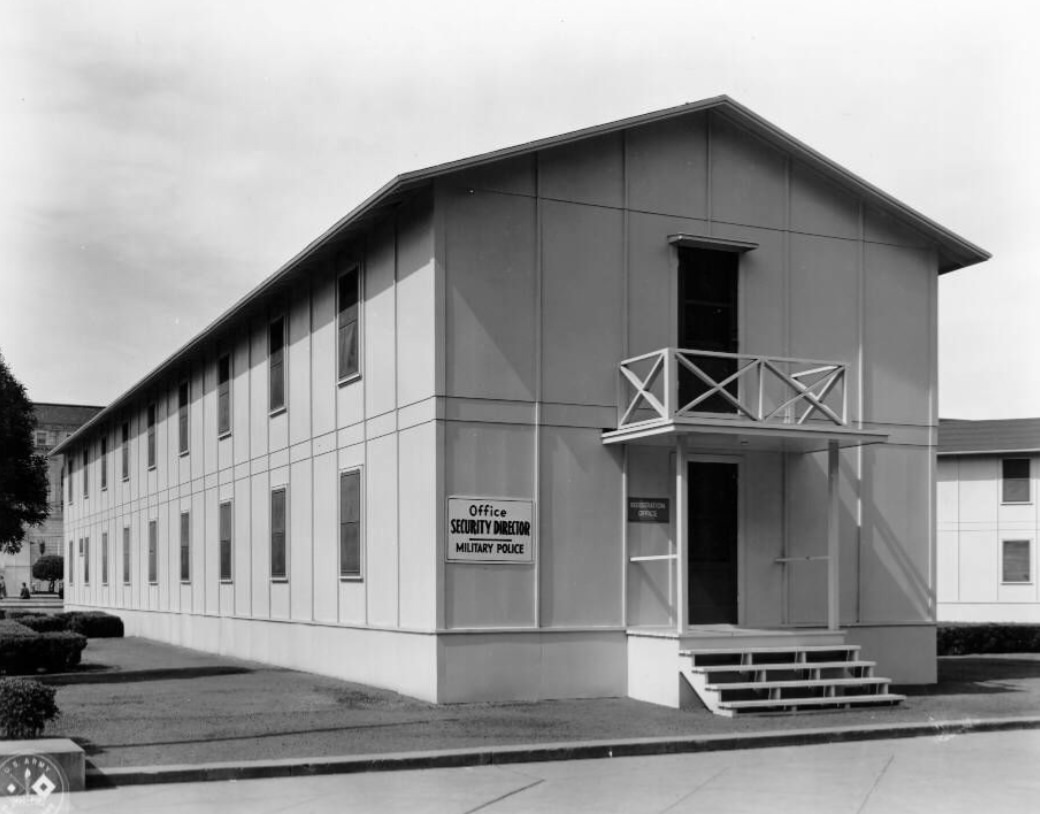
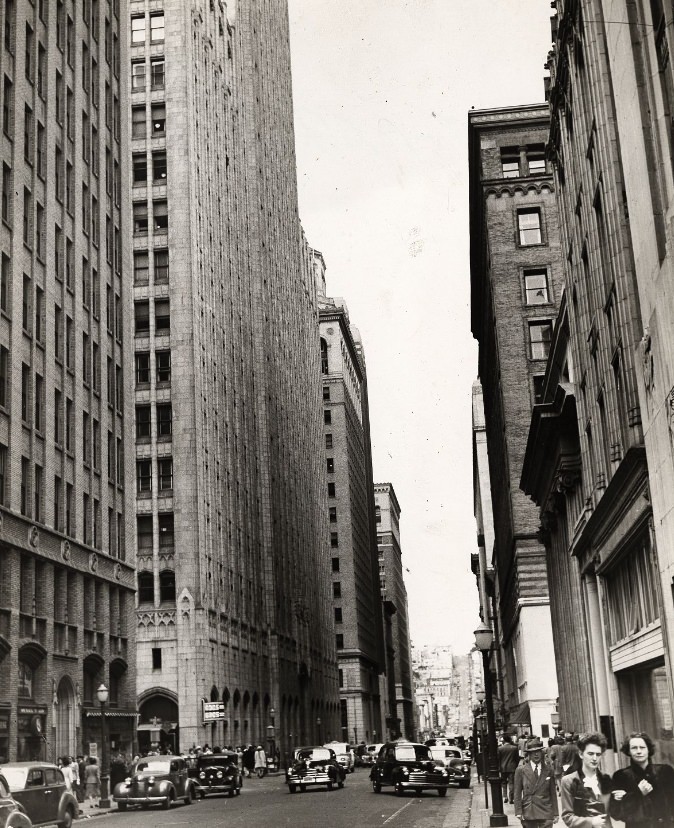
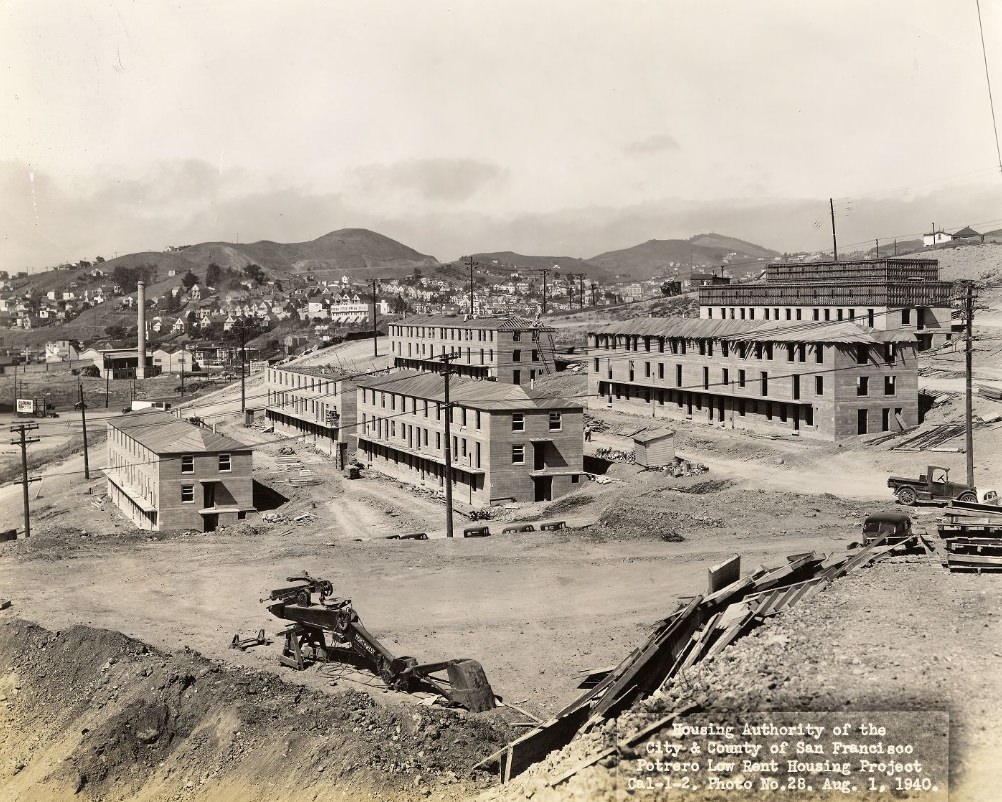
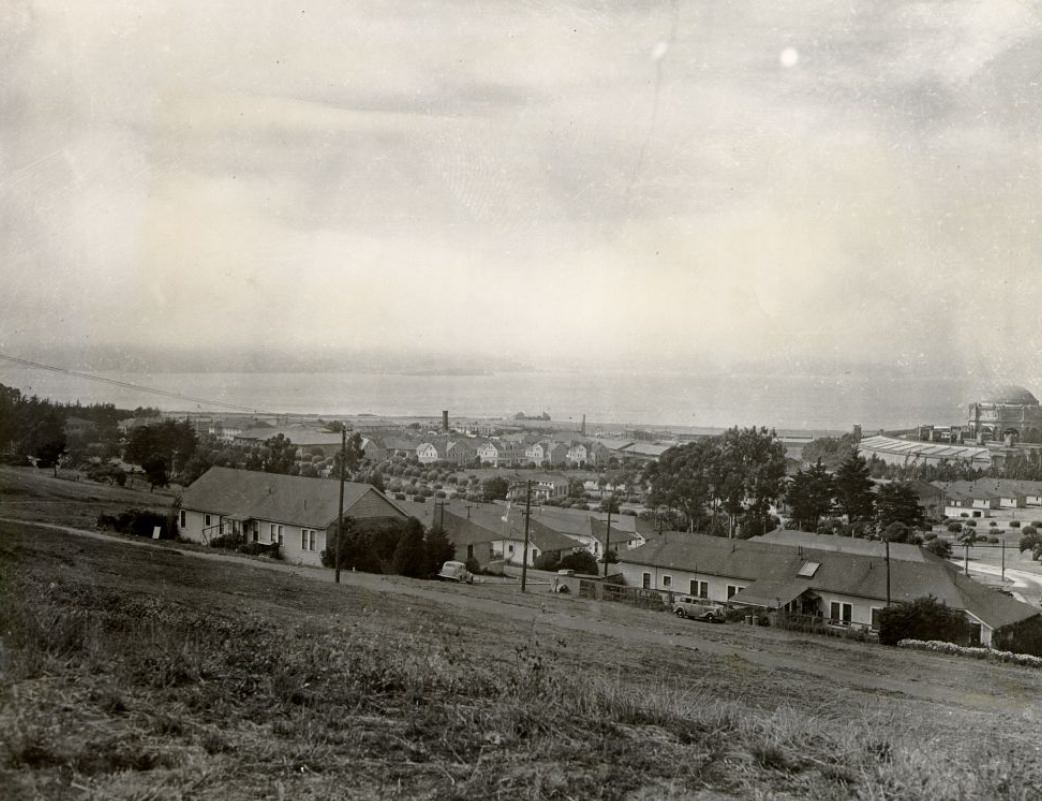
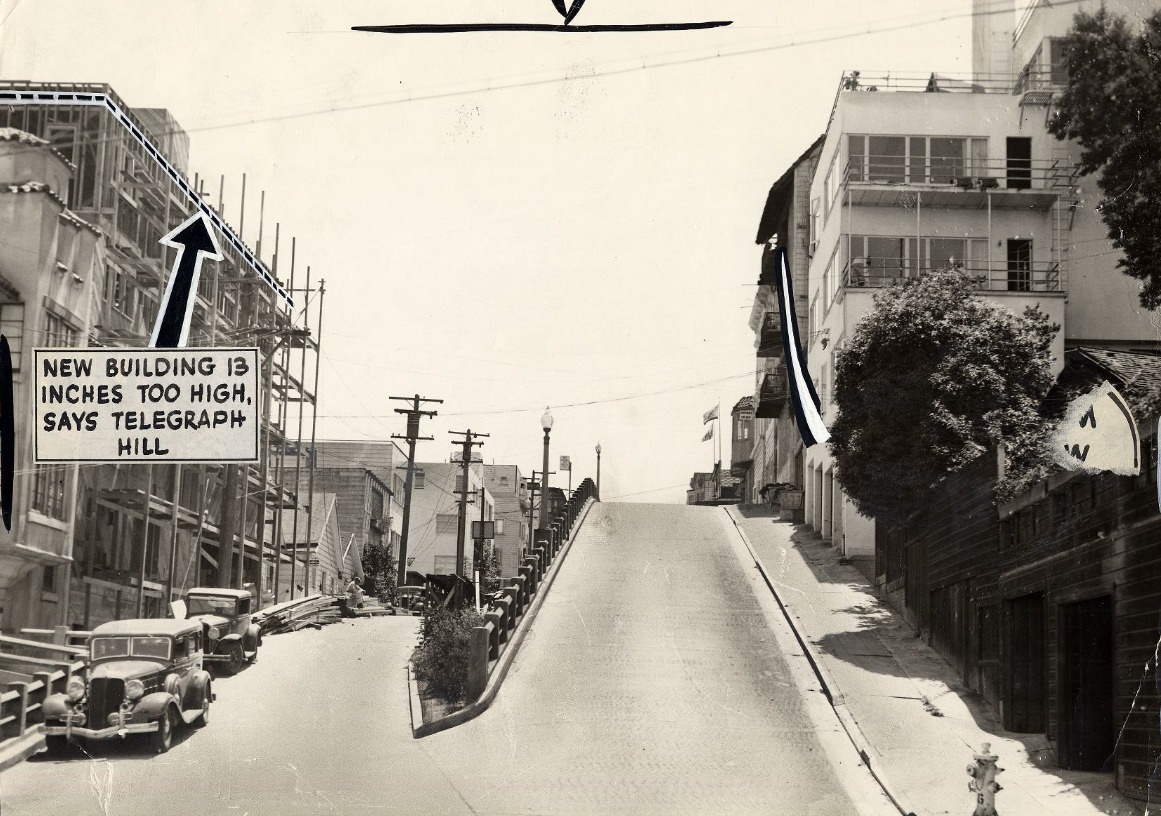
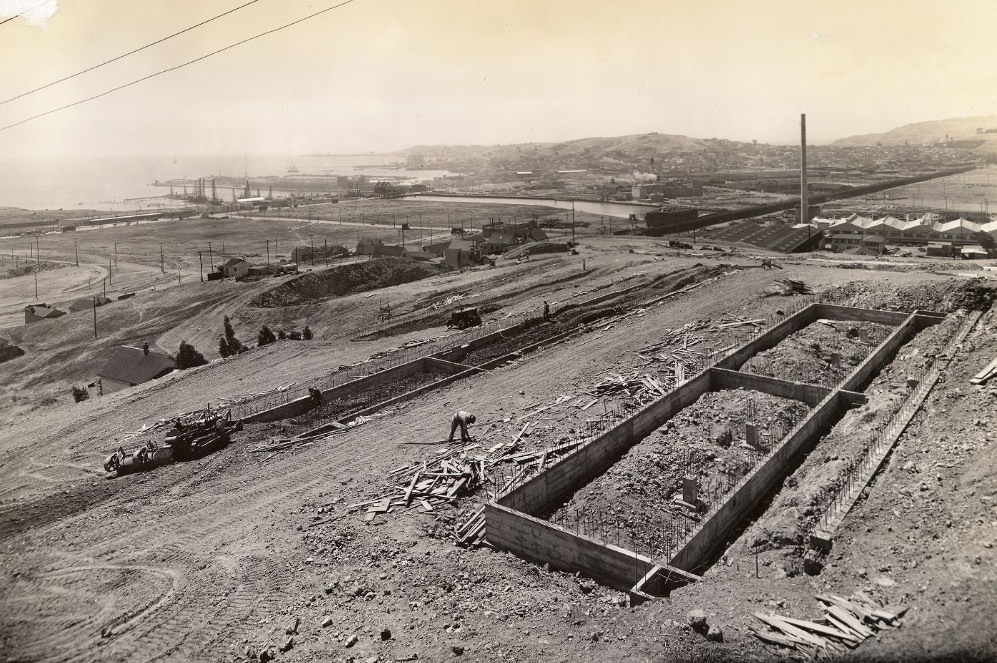
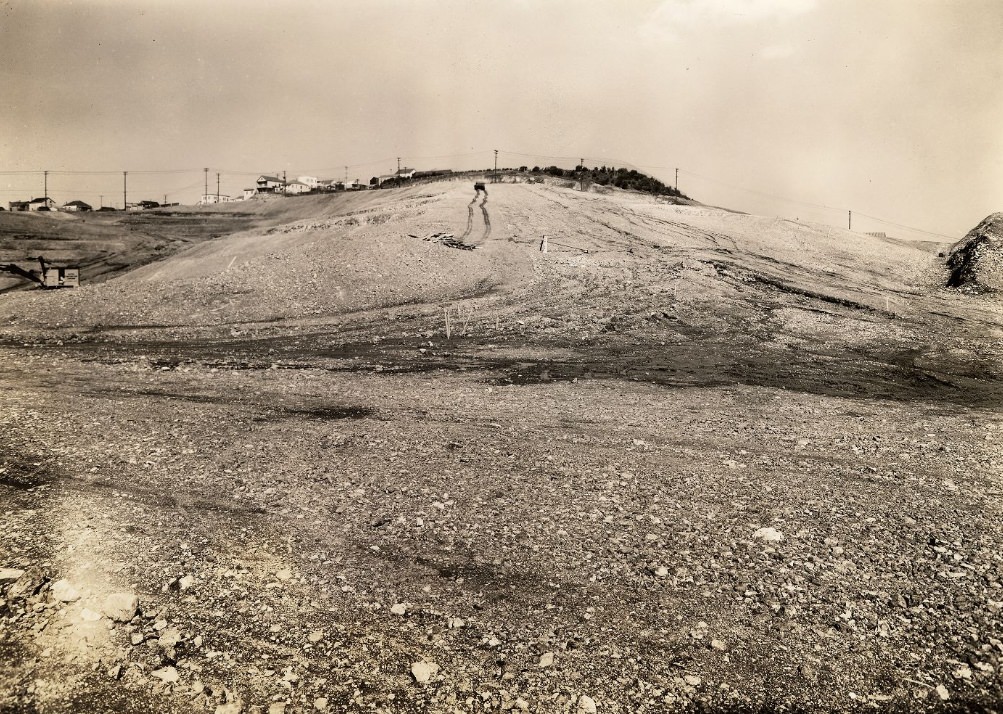
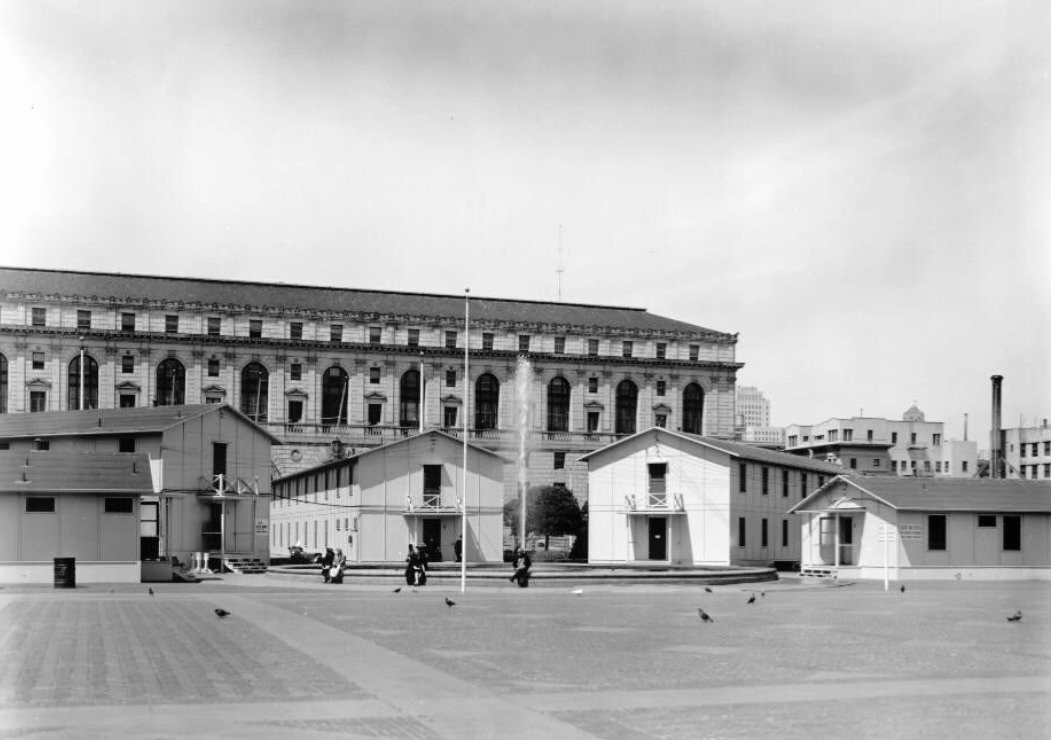
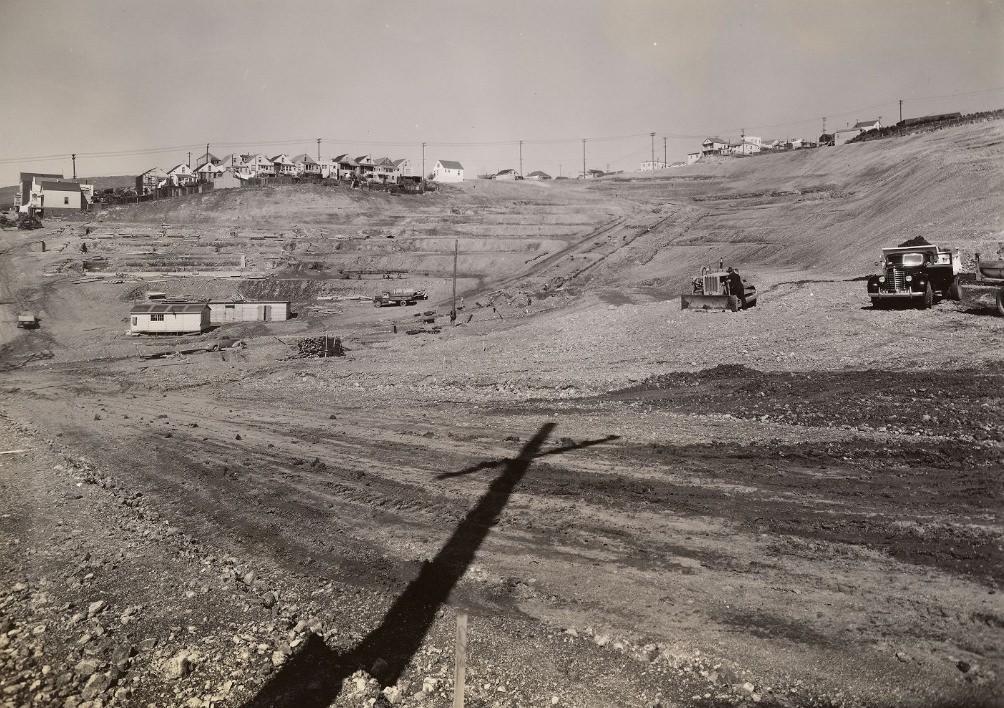
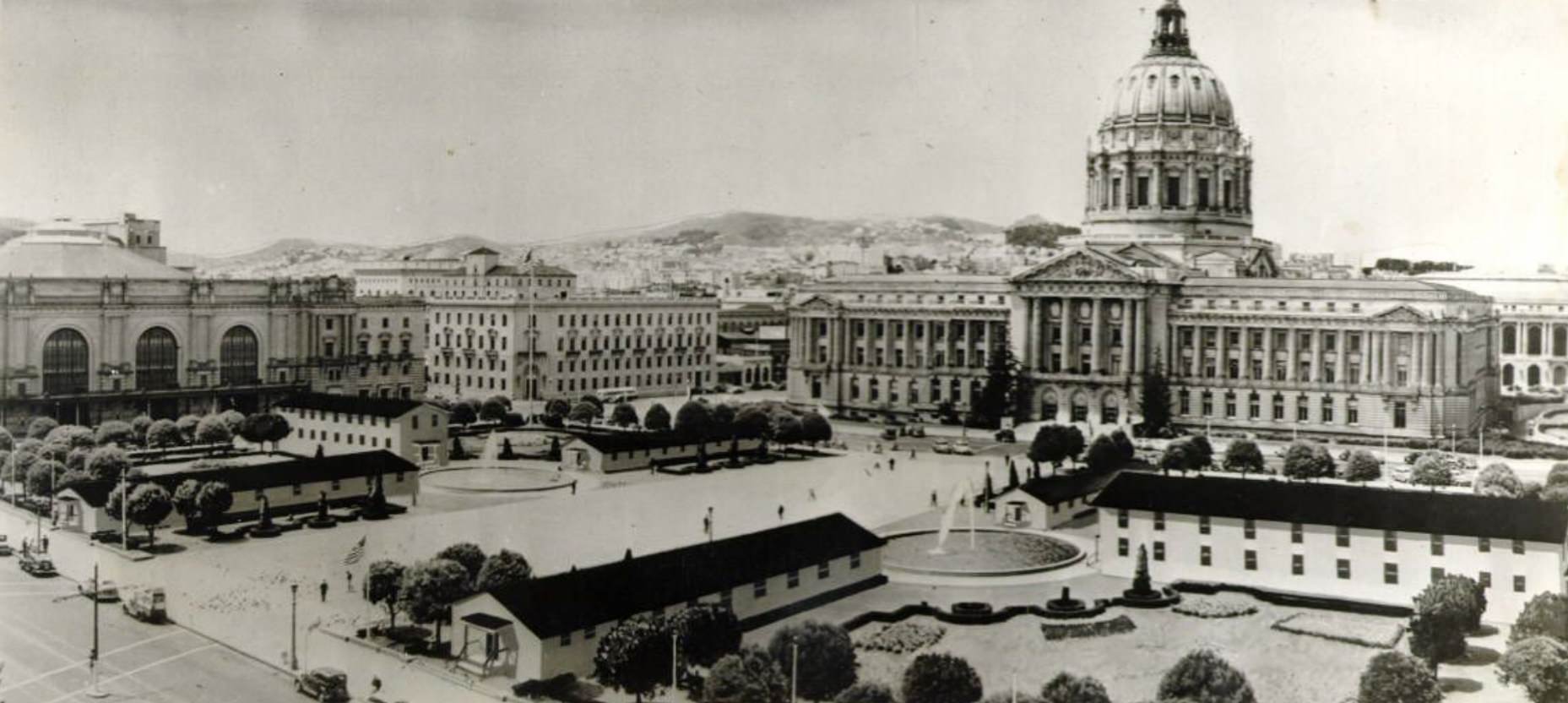
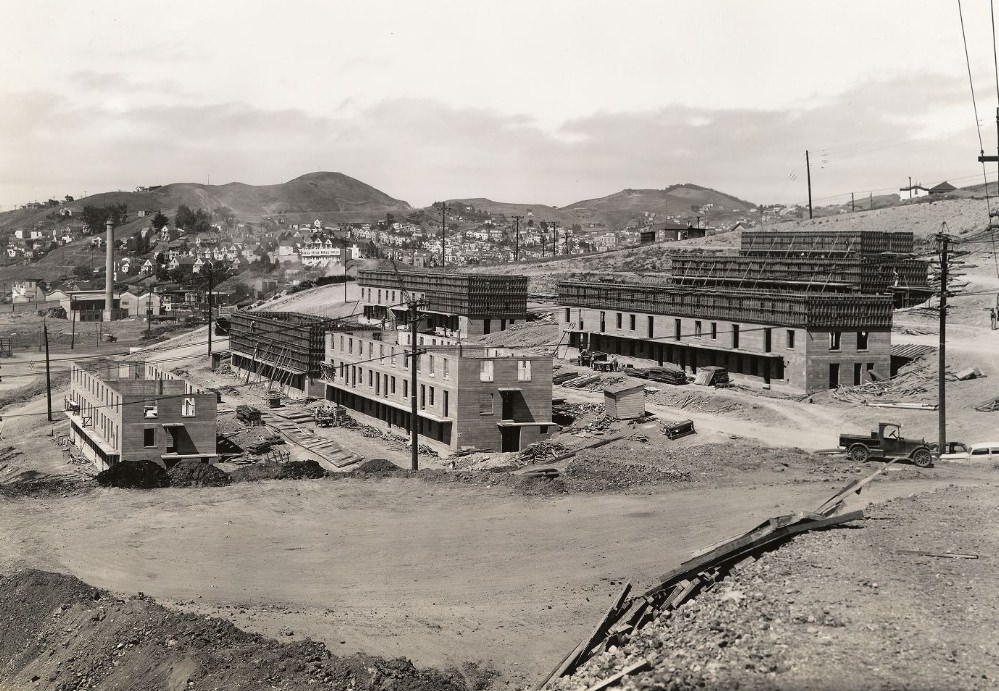
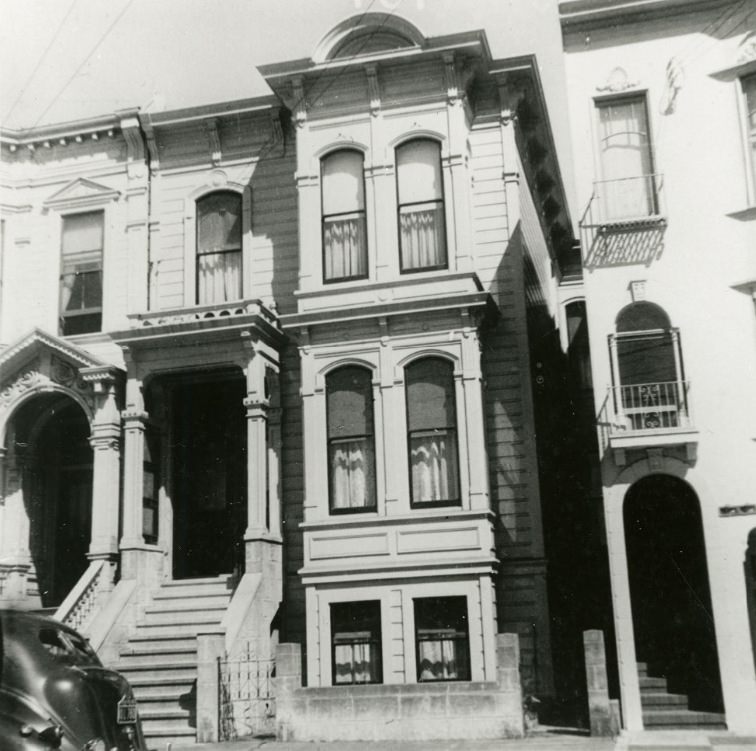
Despite the war’s focus, the 1940s did see developments in San Francisco’s architectural landscape. The need for housing for the growing workforce led to new residential areas and the adaptation of existing buildings. This period also sowed the seeds for the mid-century modern architectural movement that would define later decades.
Strengthening Infrastructure
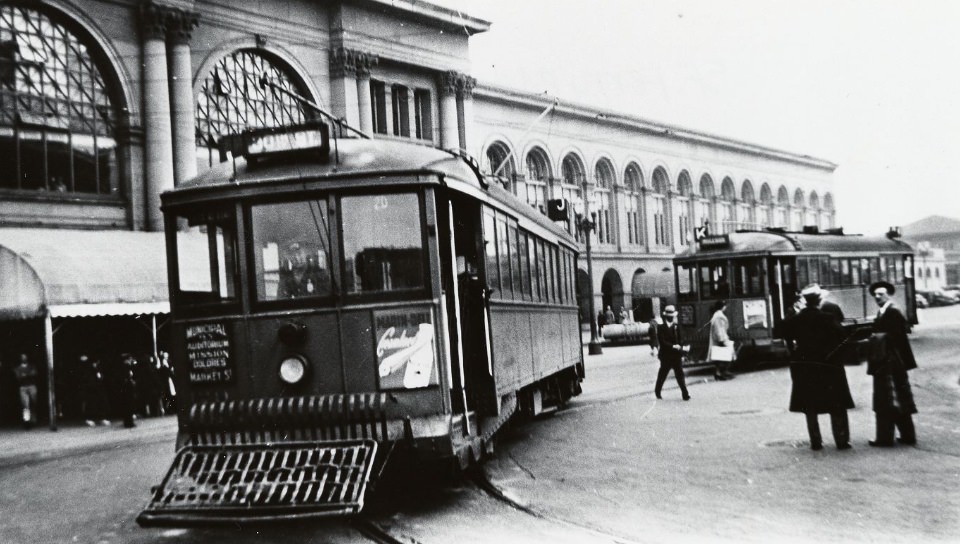
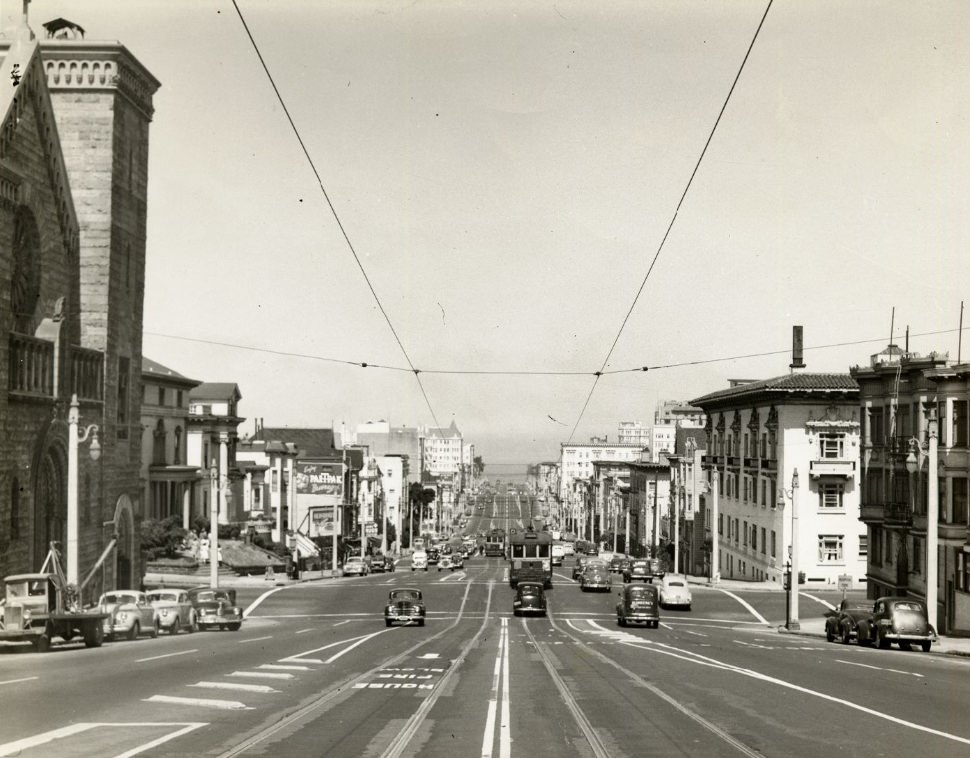
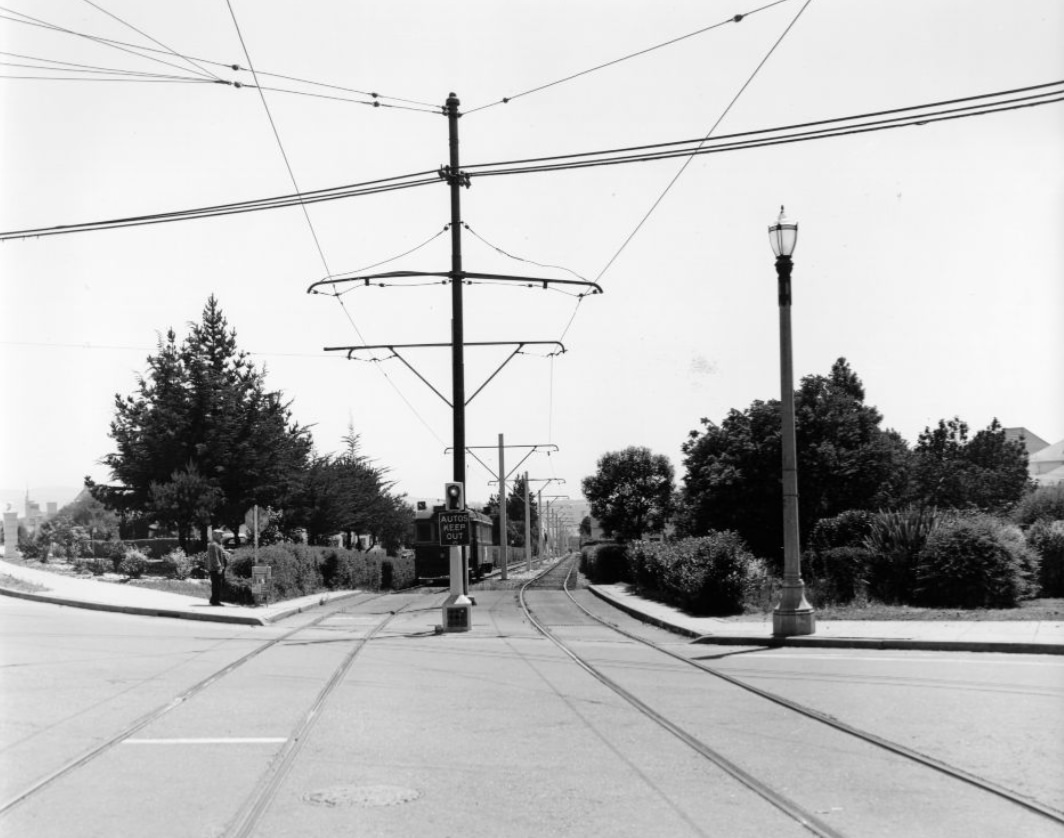
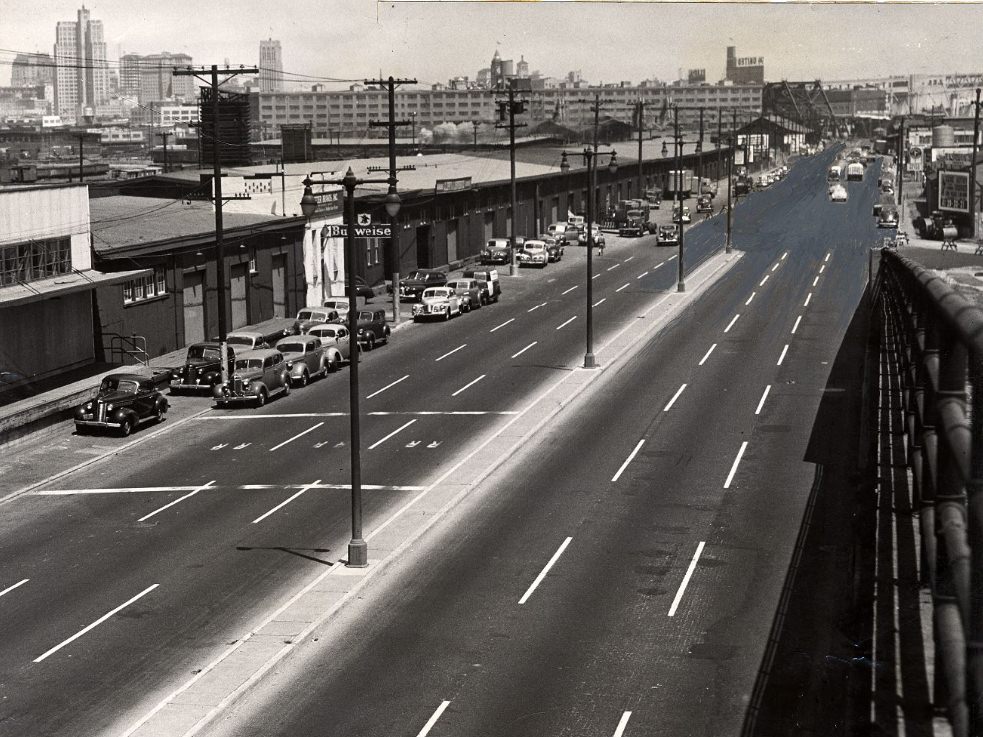
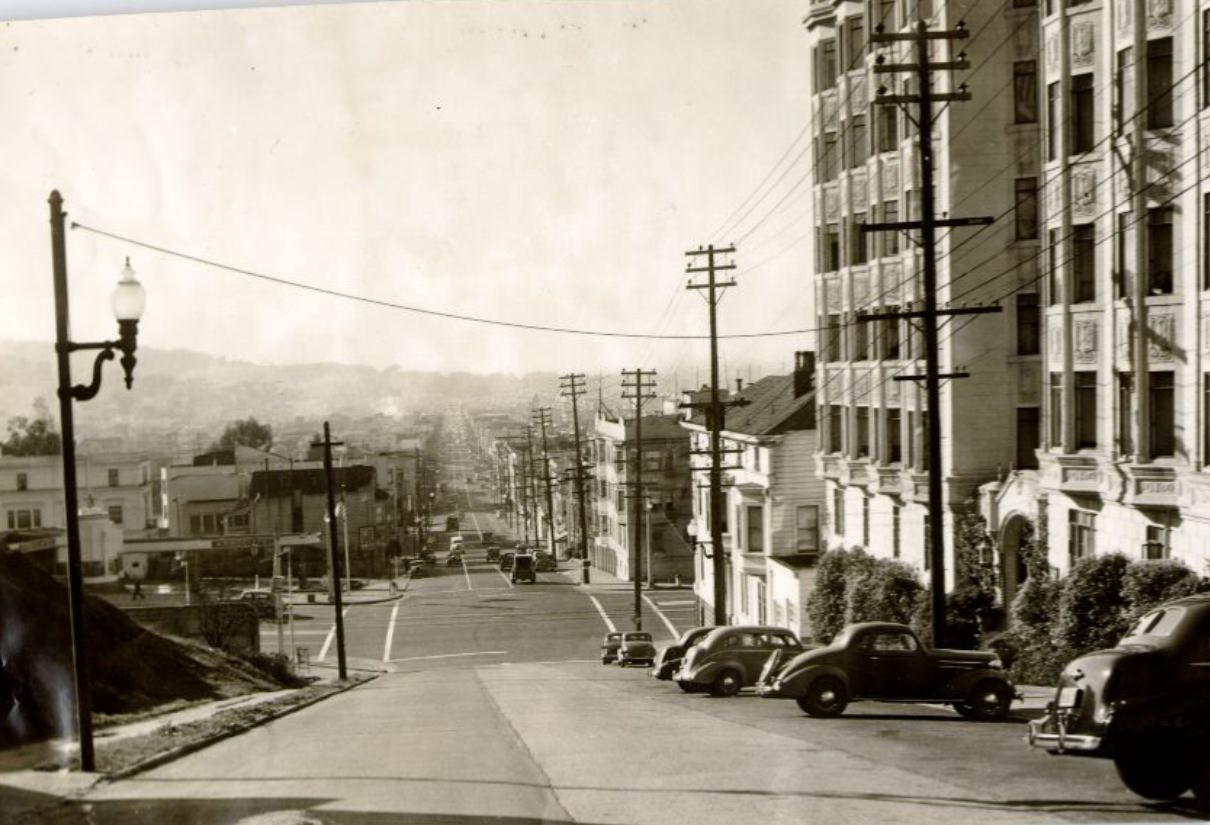
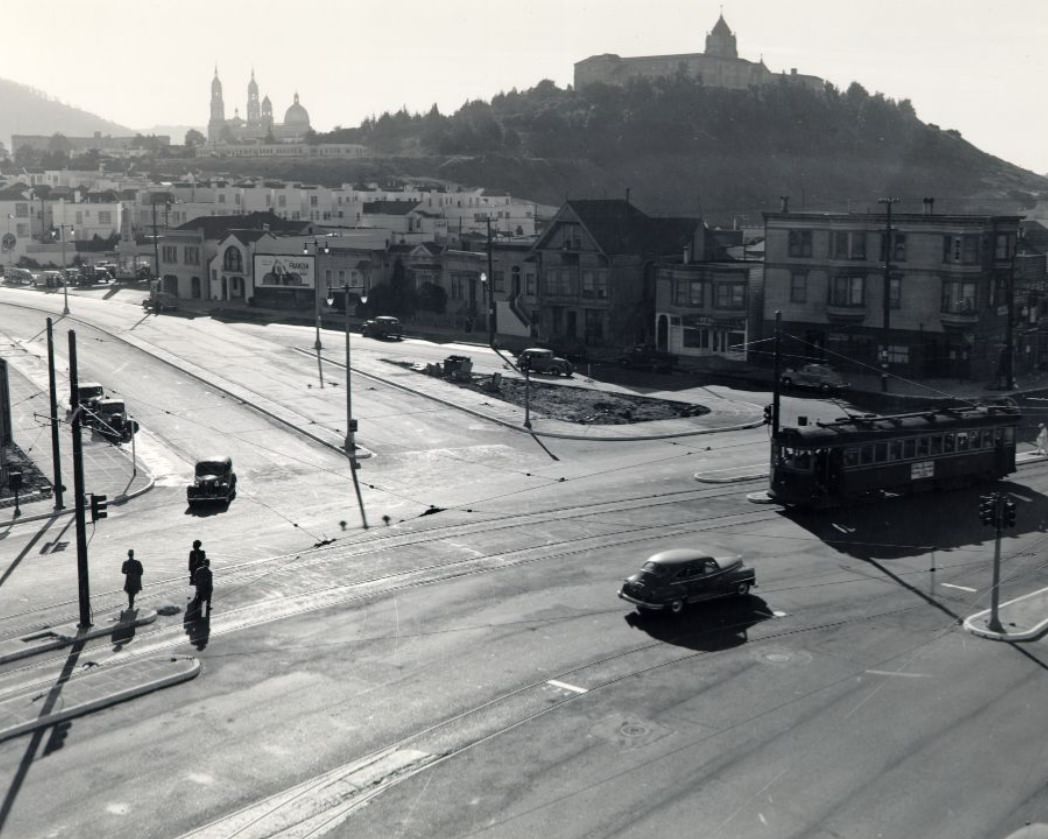
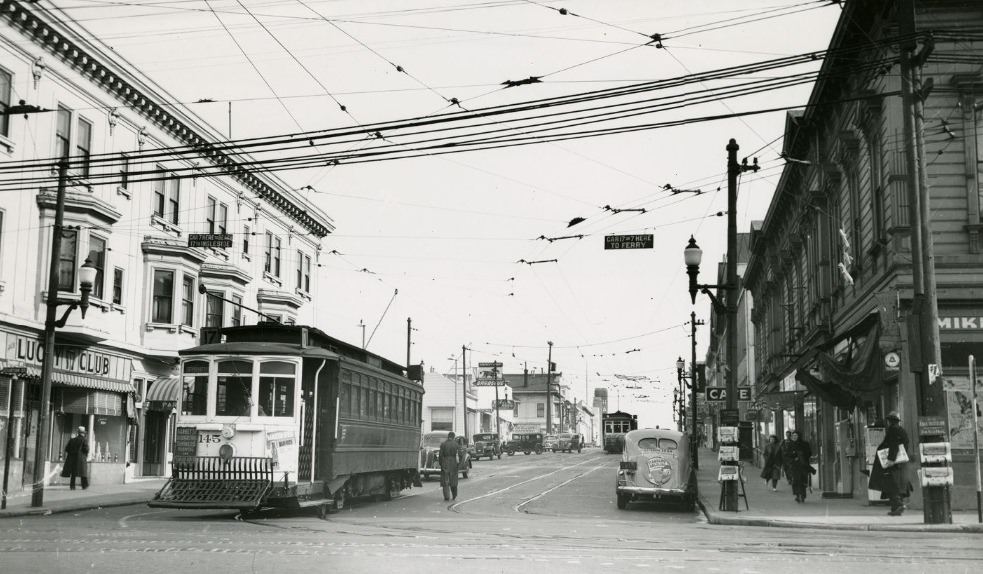
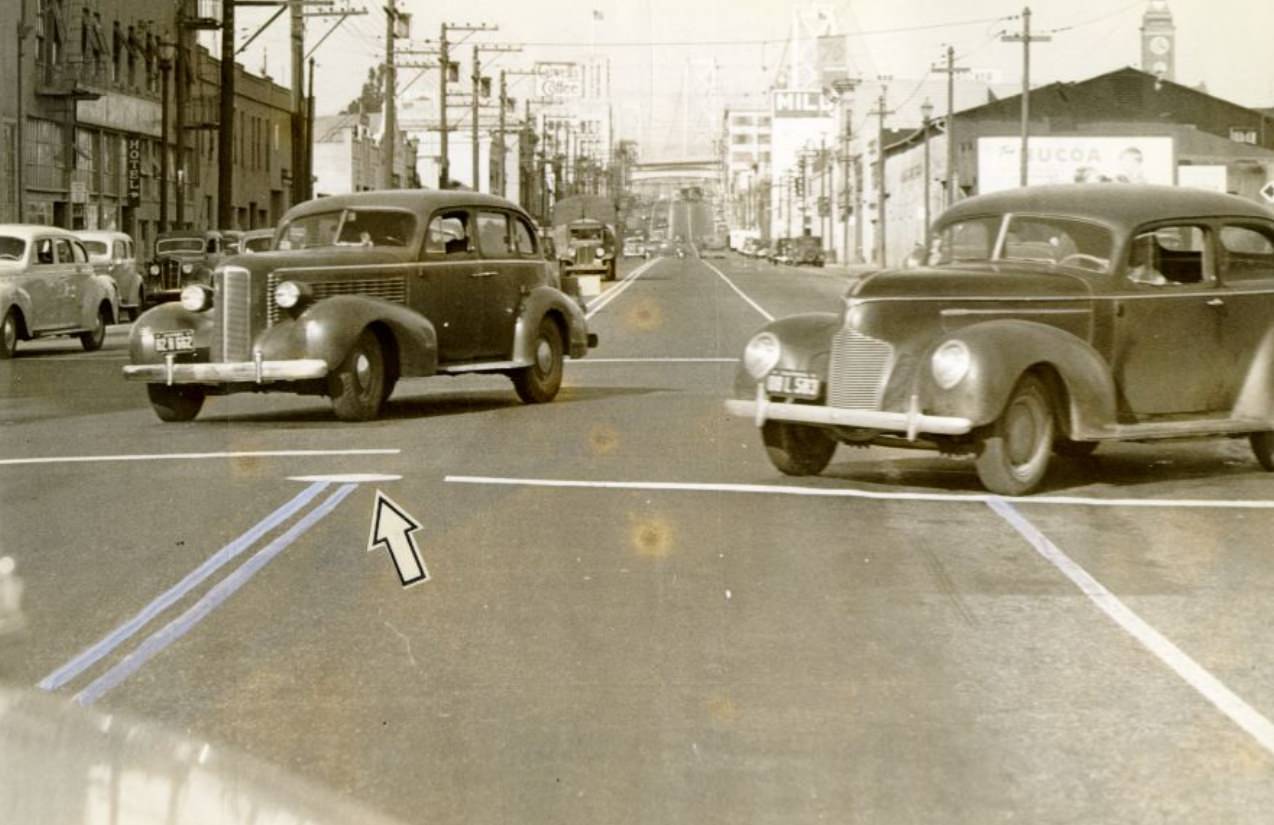
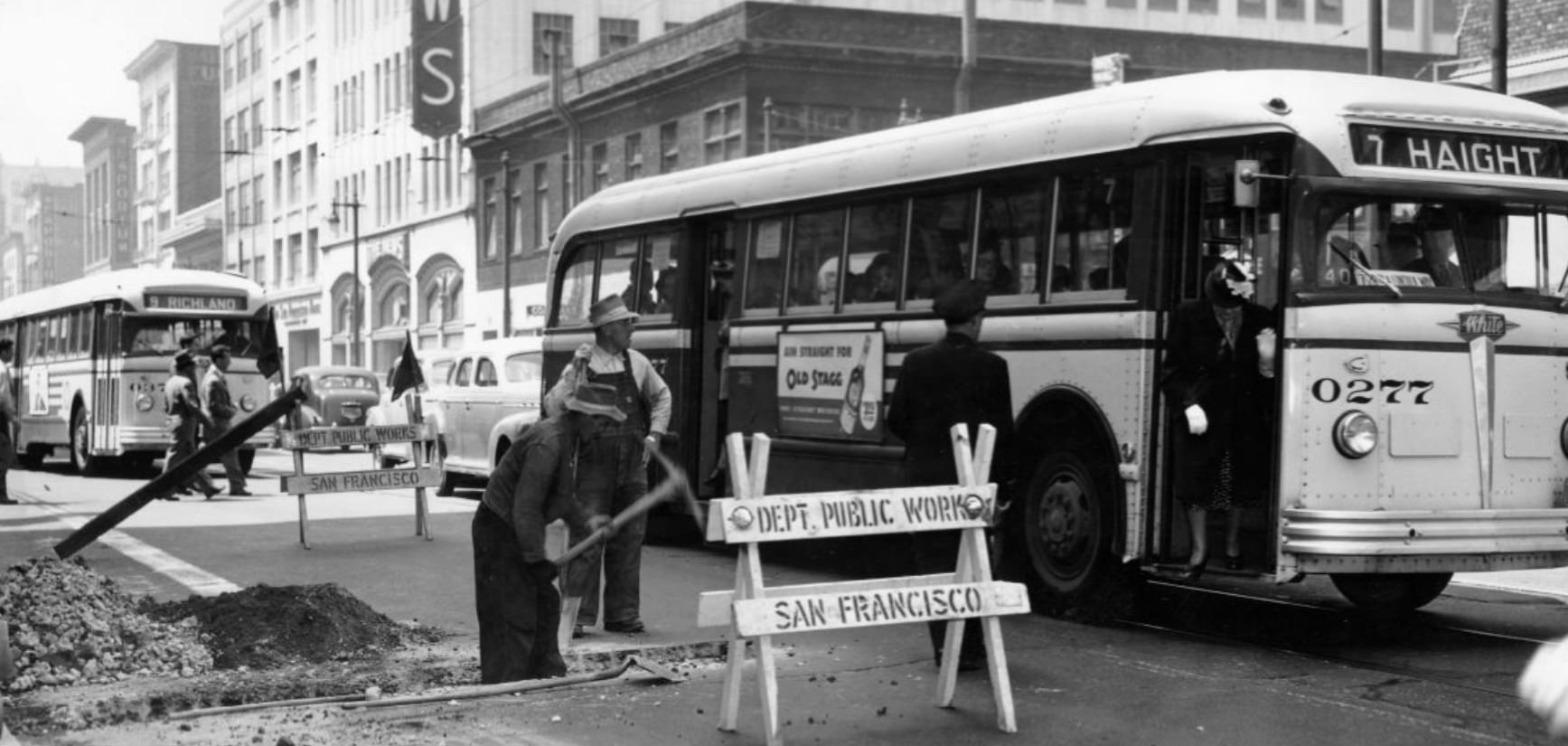
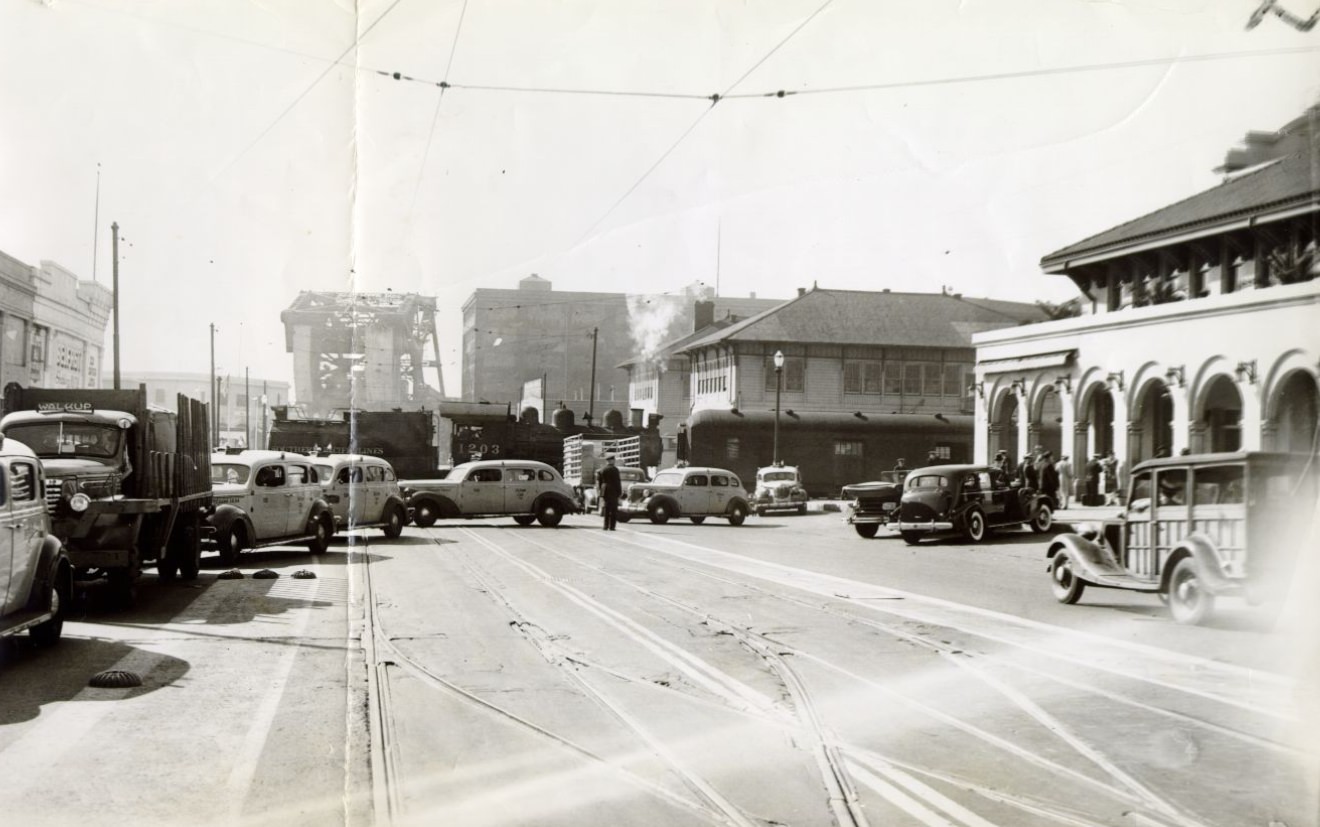
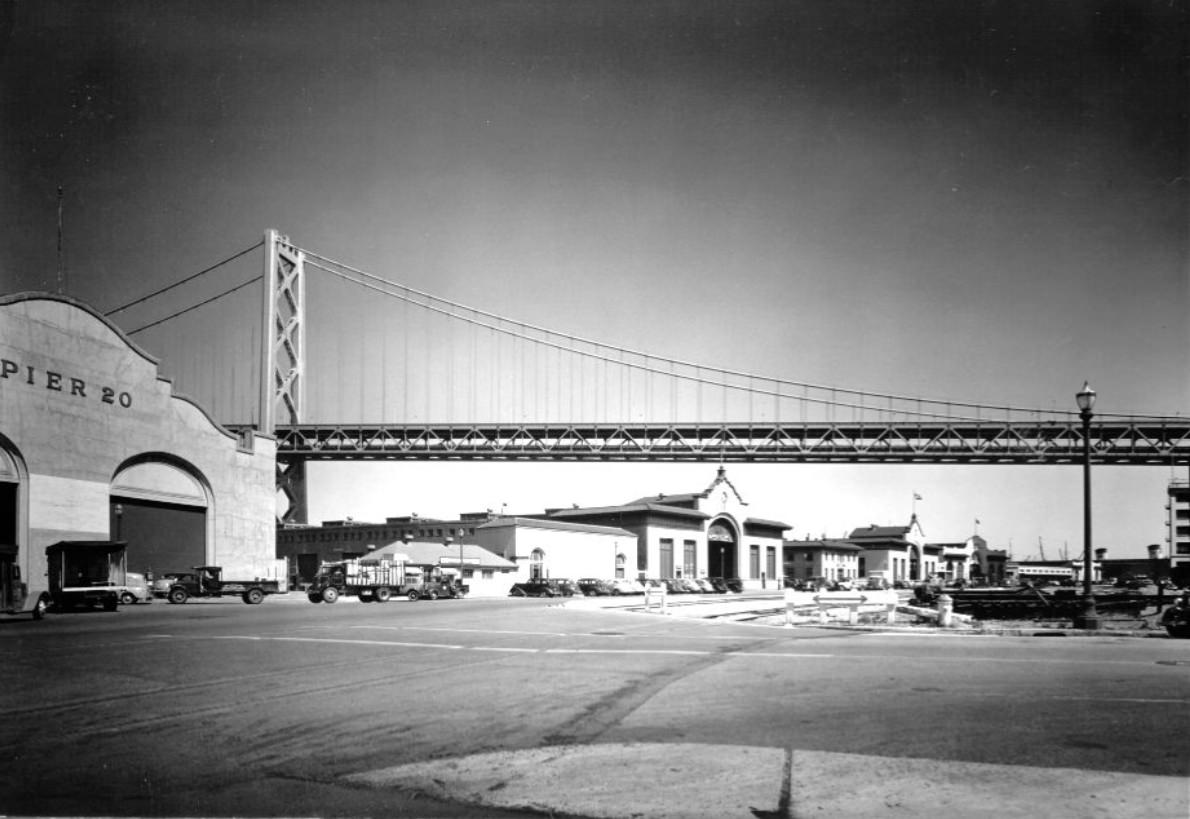
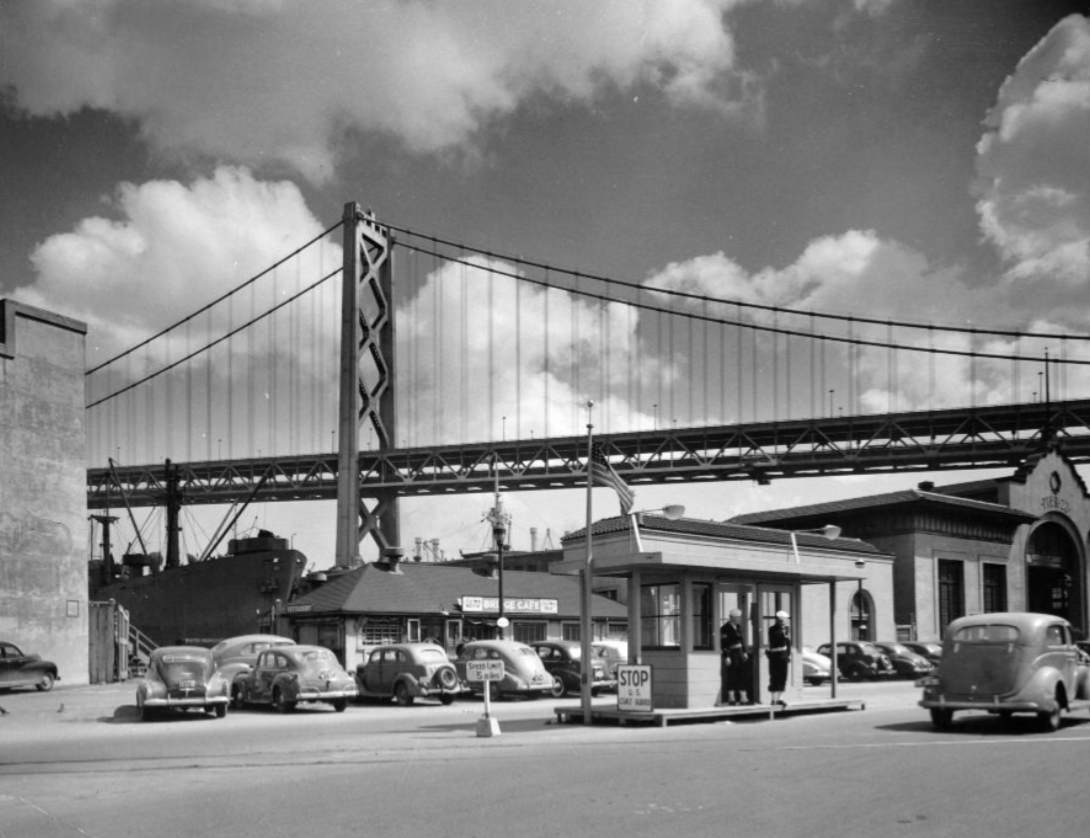
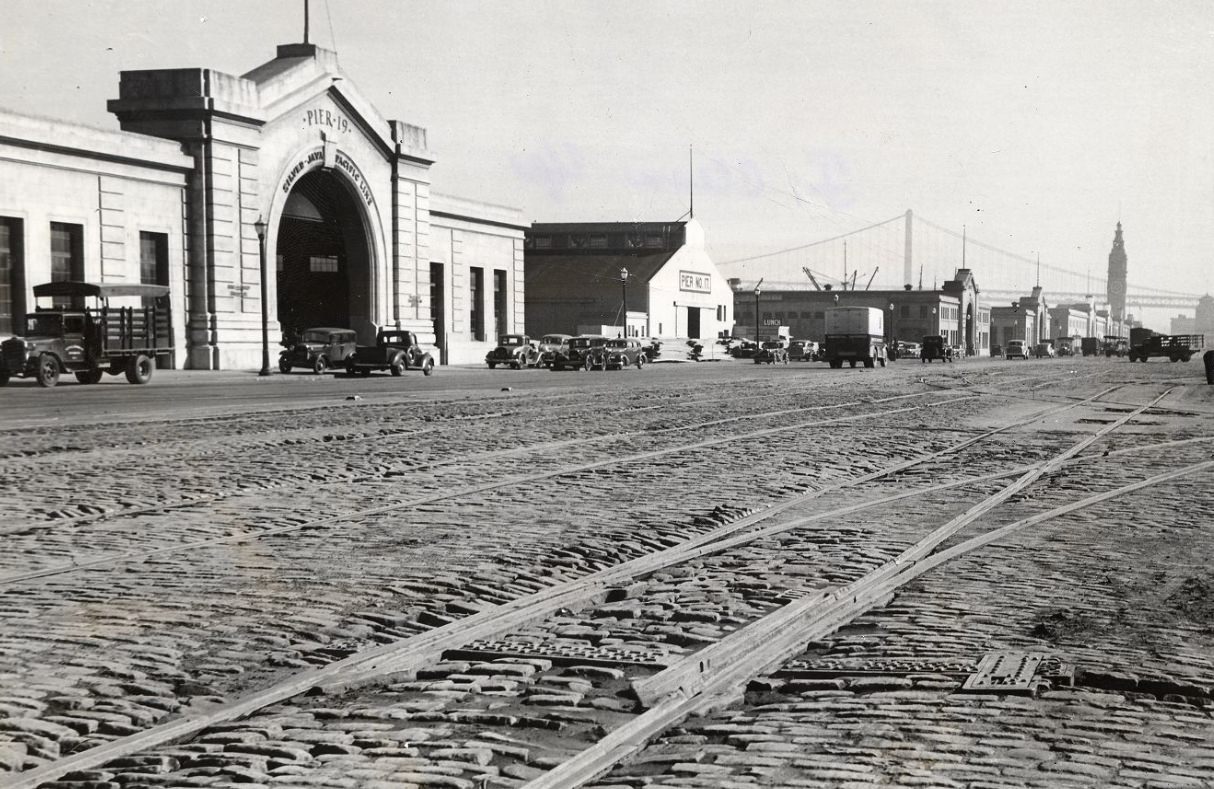
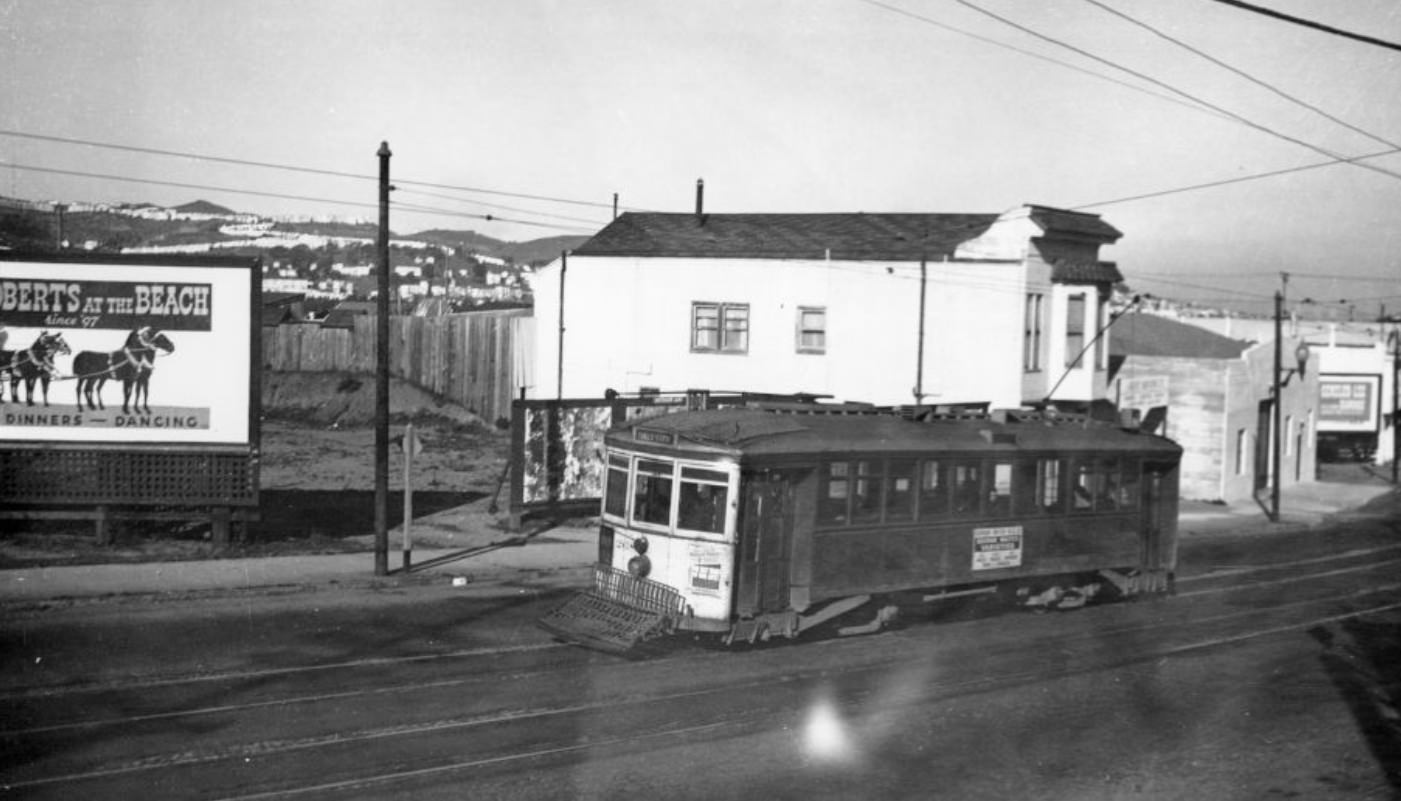
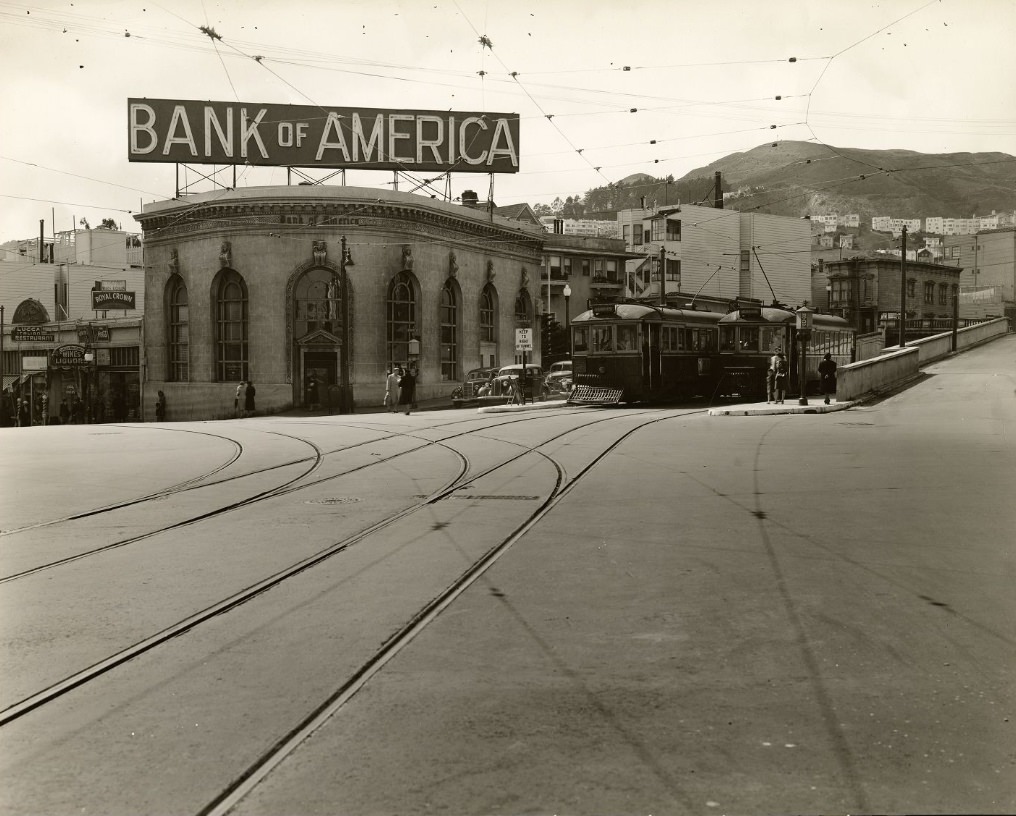
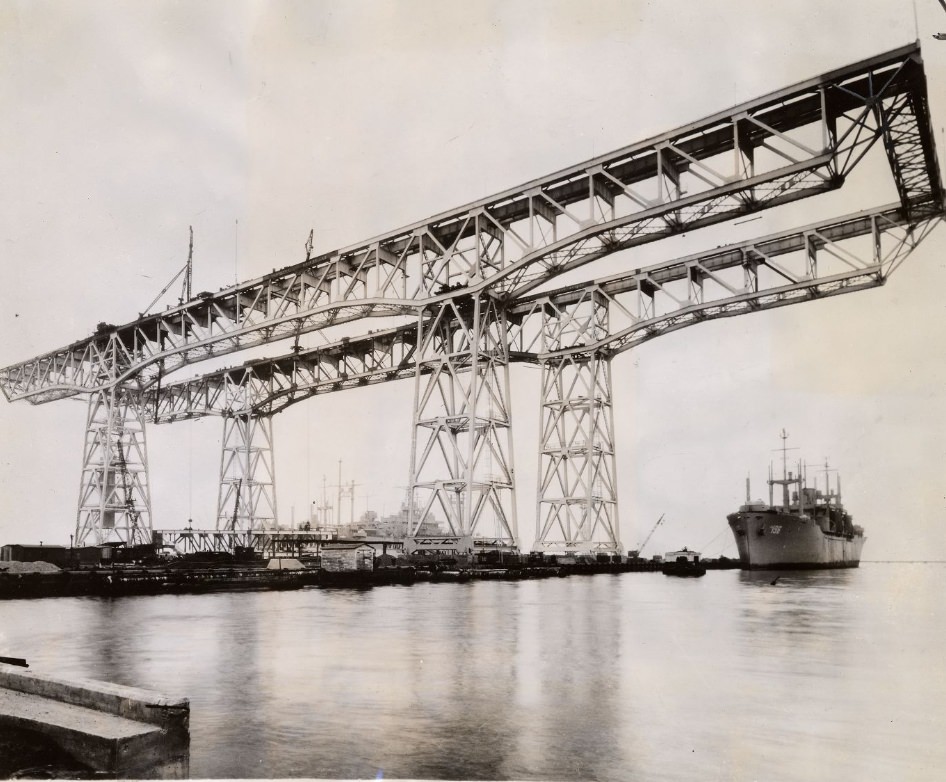
To meet the demands of the war and the city’s expanding population, San Francisco upgraded its infrastructure. Following the completion of major bridges in the late 1930s, the 1940s saw enhancements to public transit and roads to support both military and civilian needs, setting the stage for future urban and suburban development.
Daily Life and Social Change
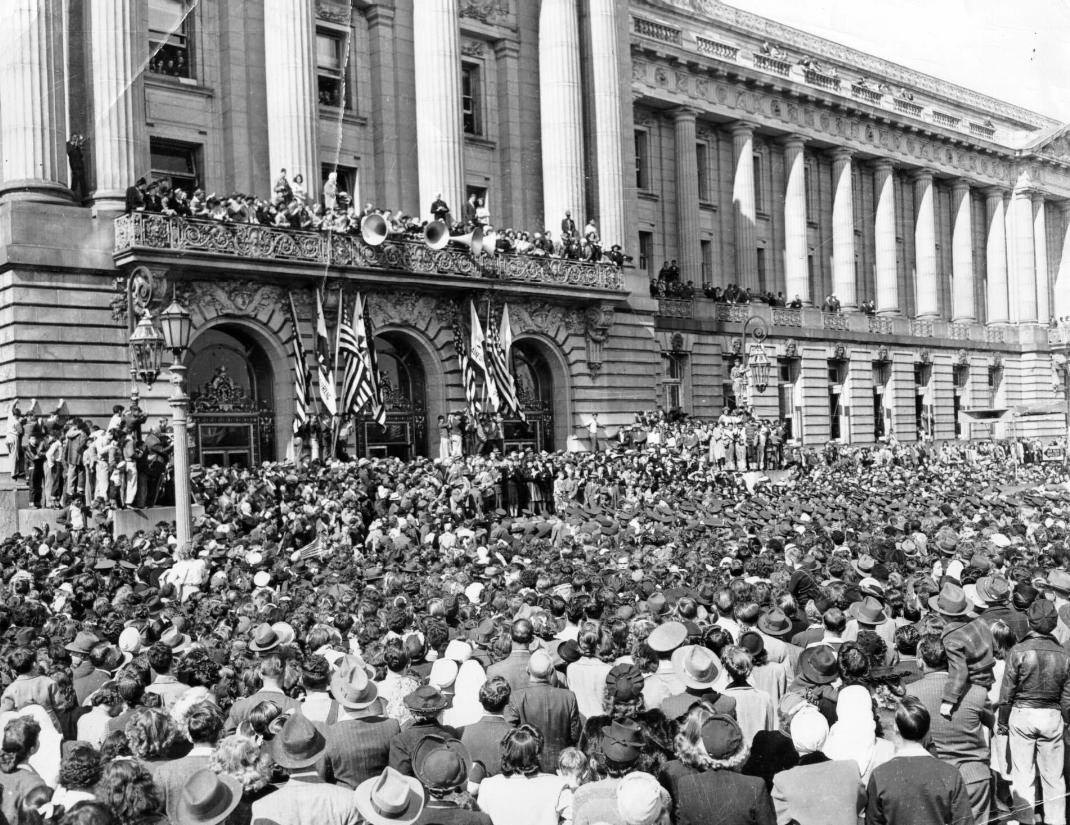
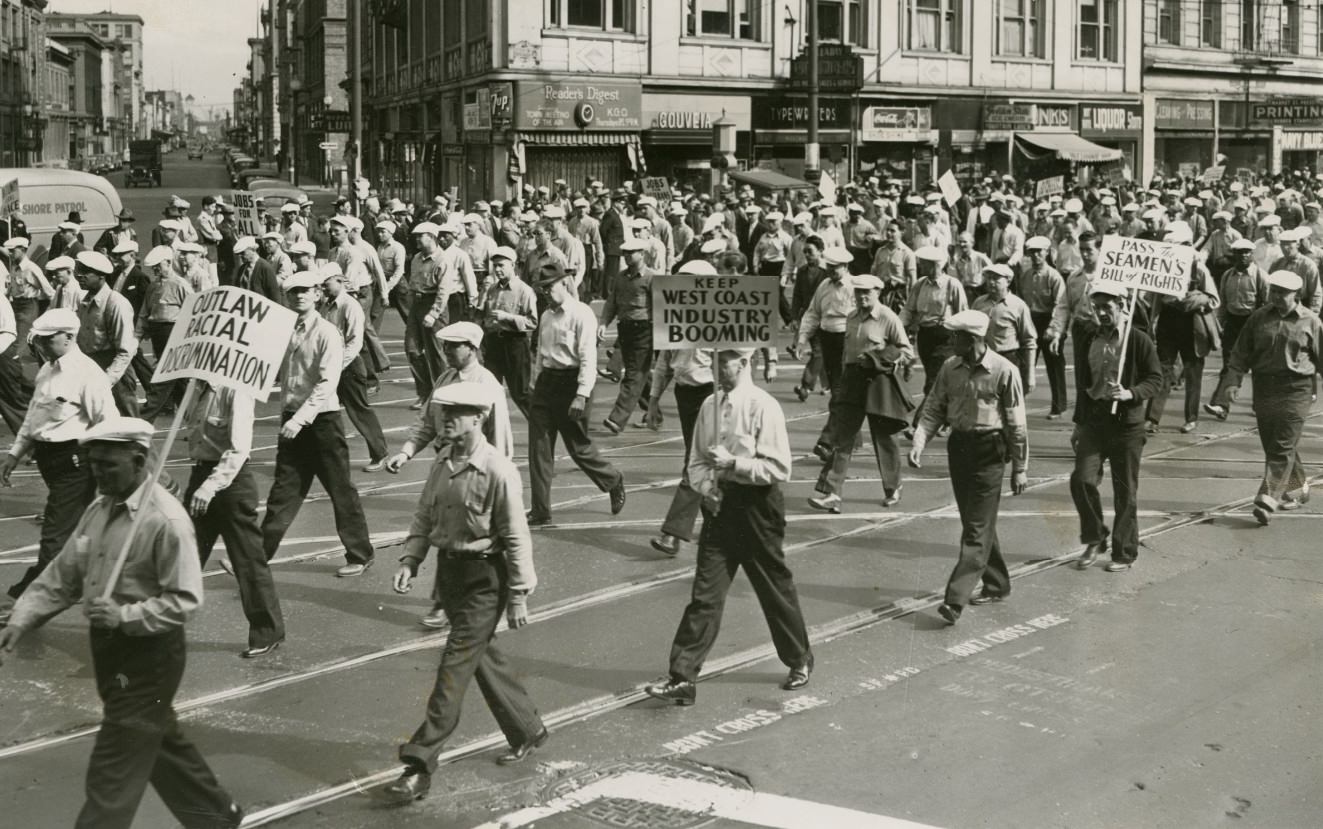
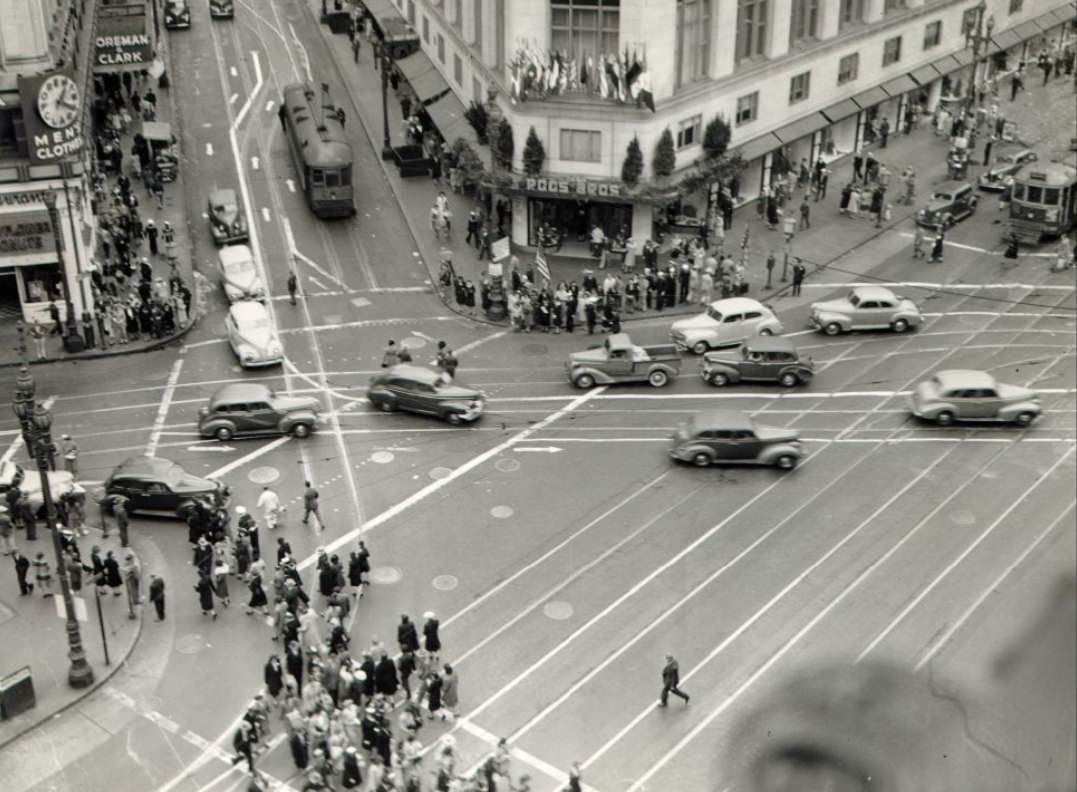
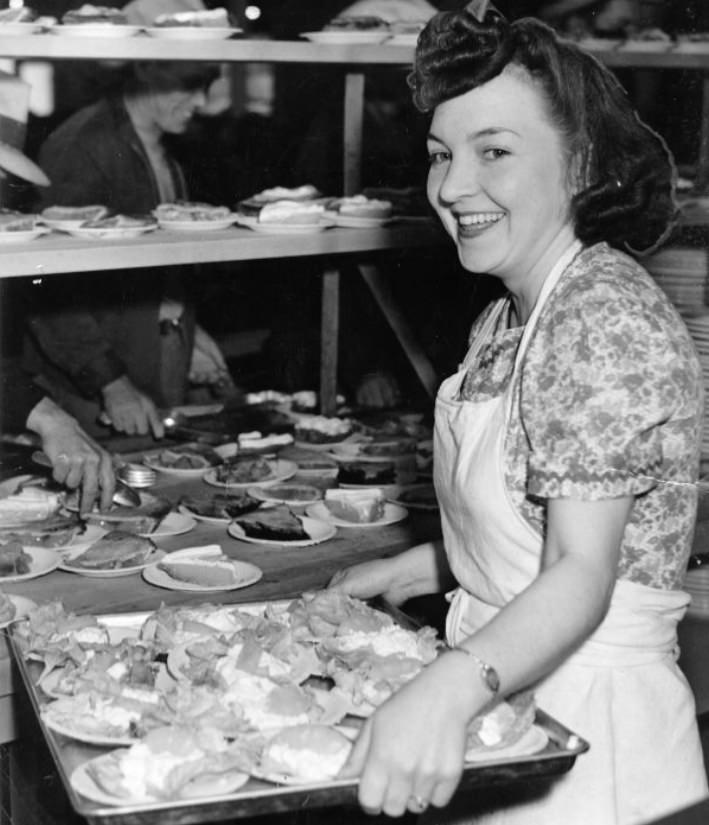
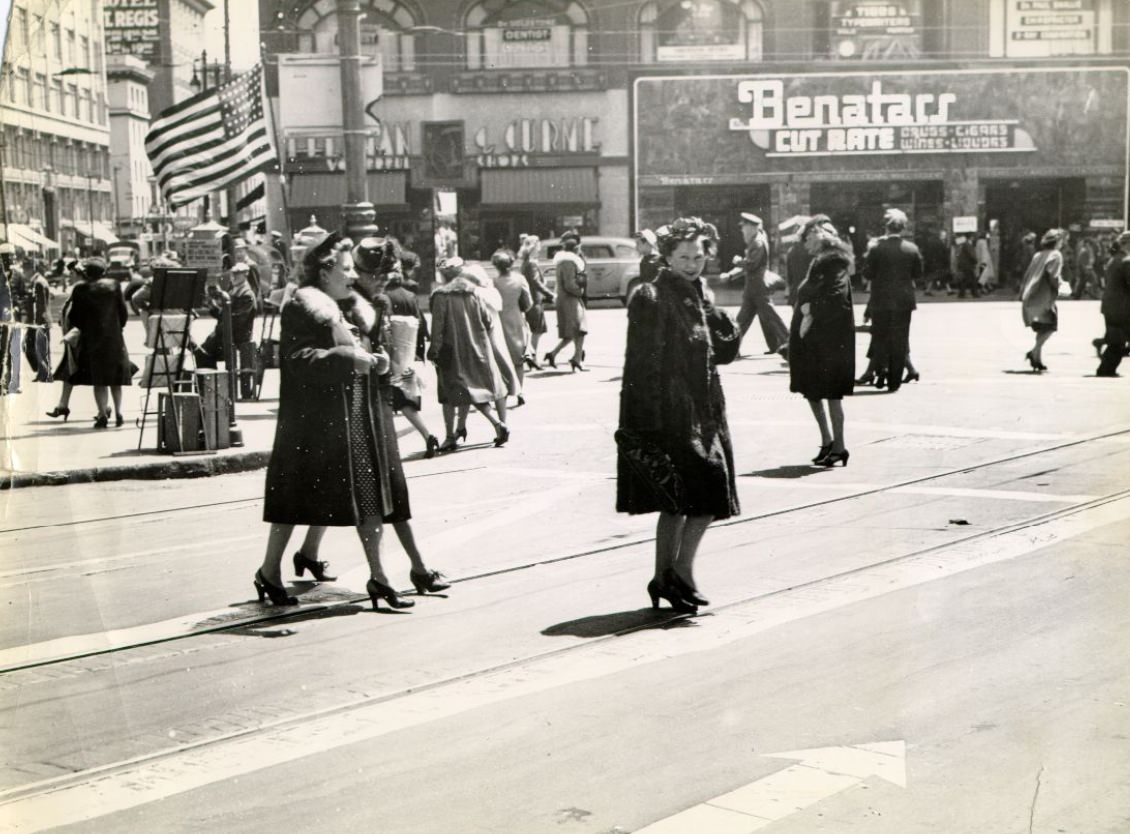
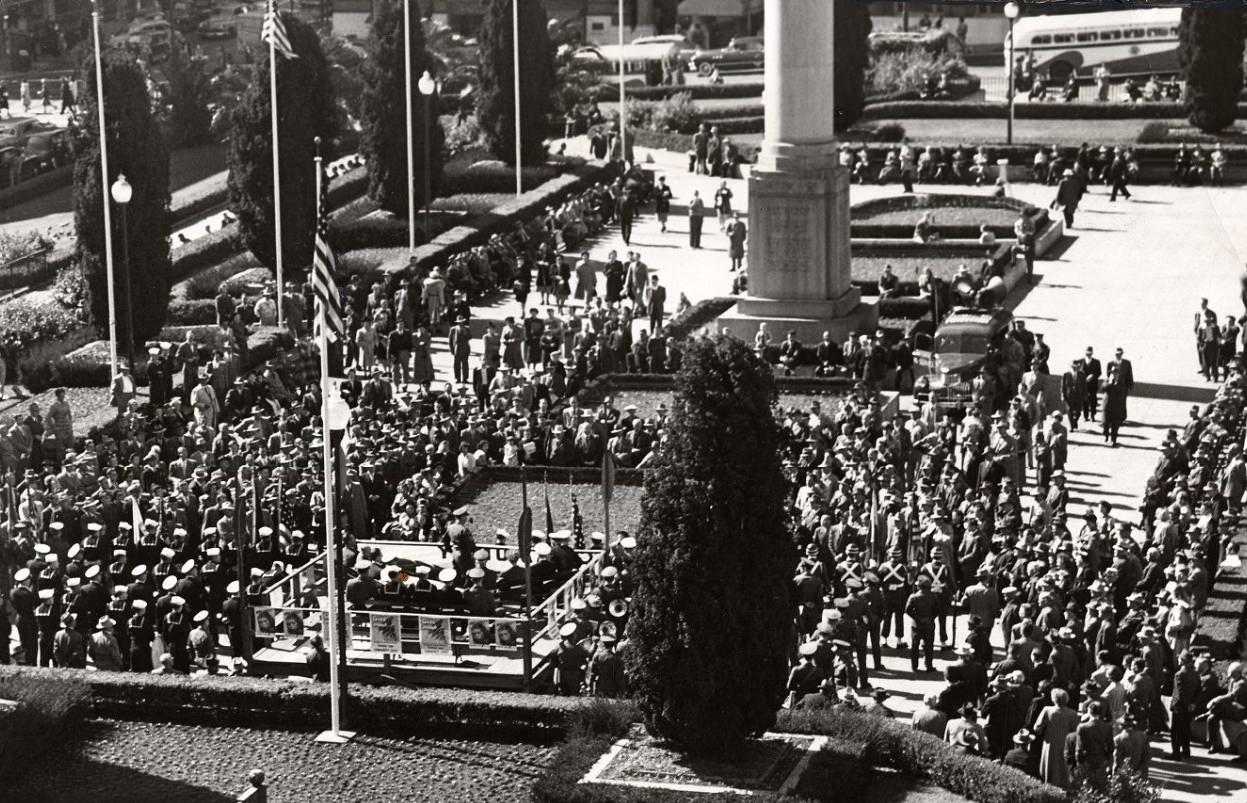
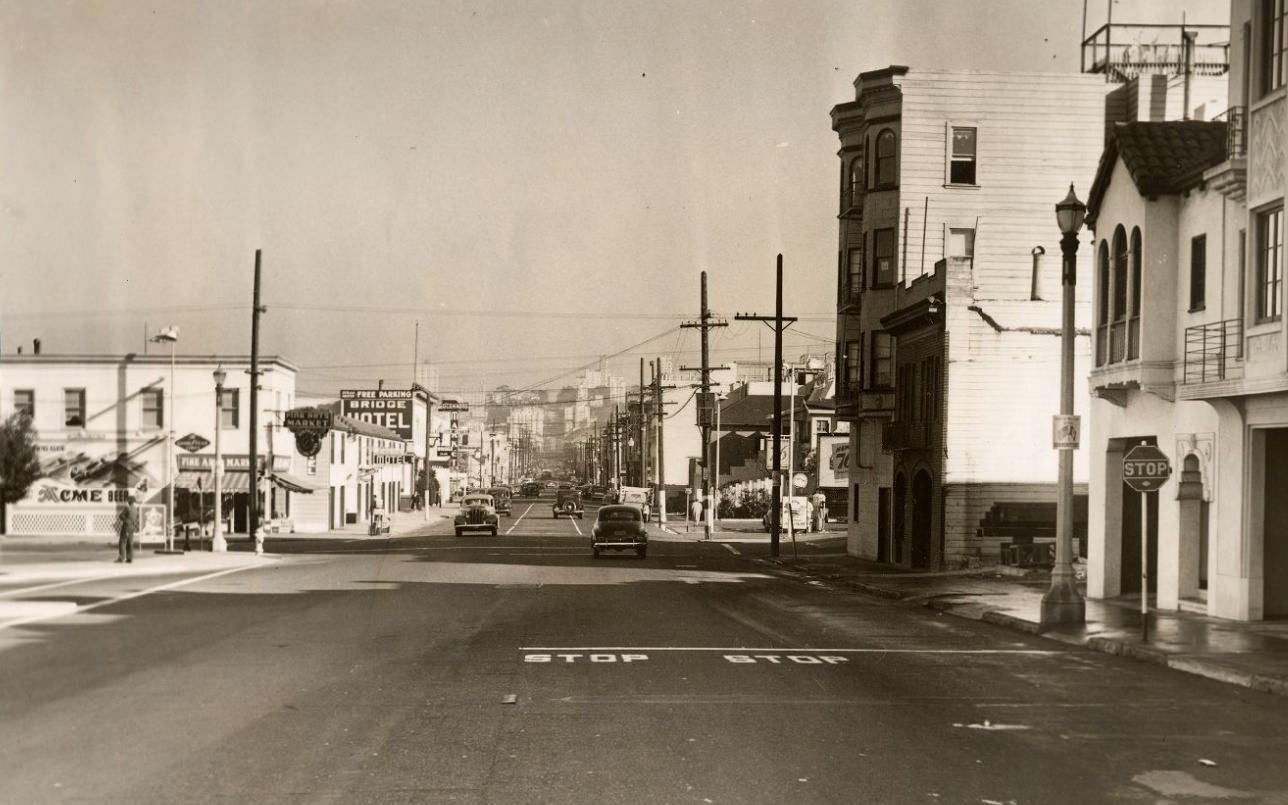
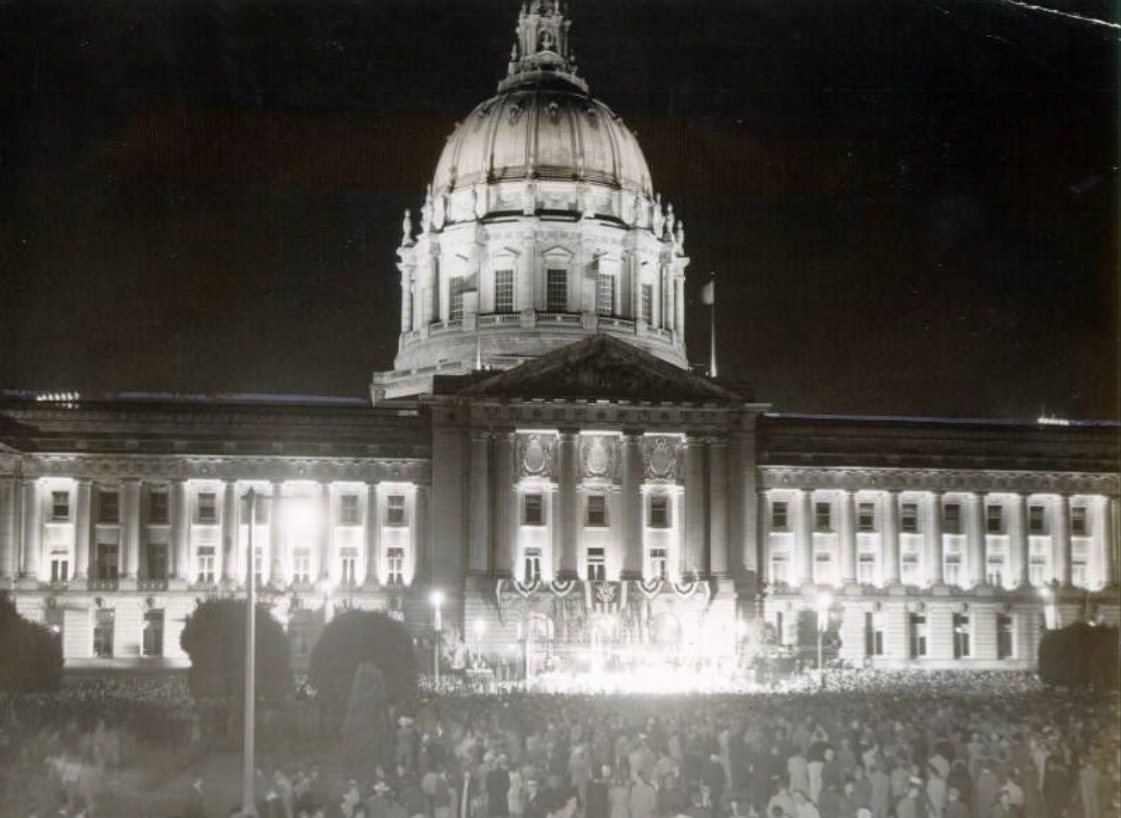
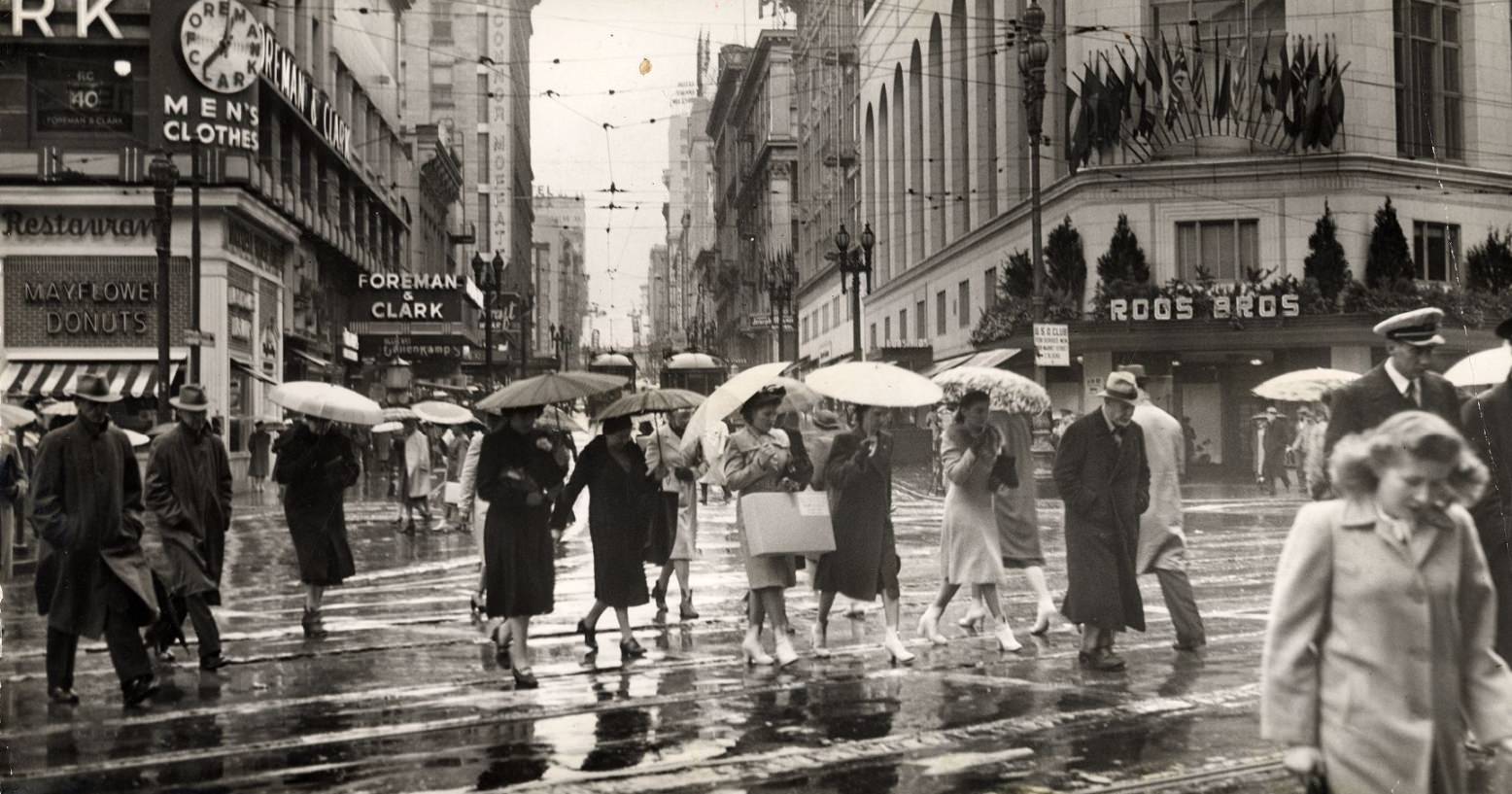
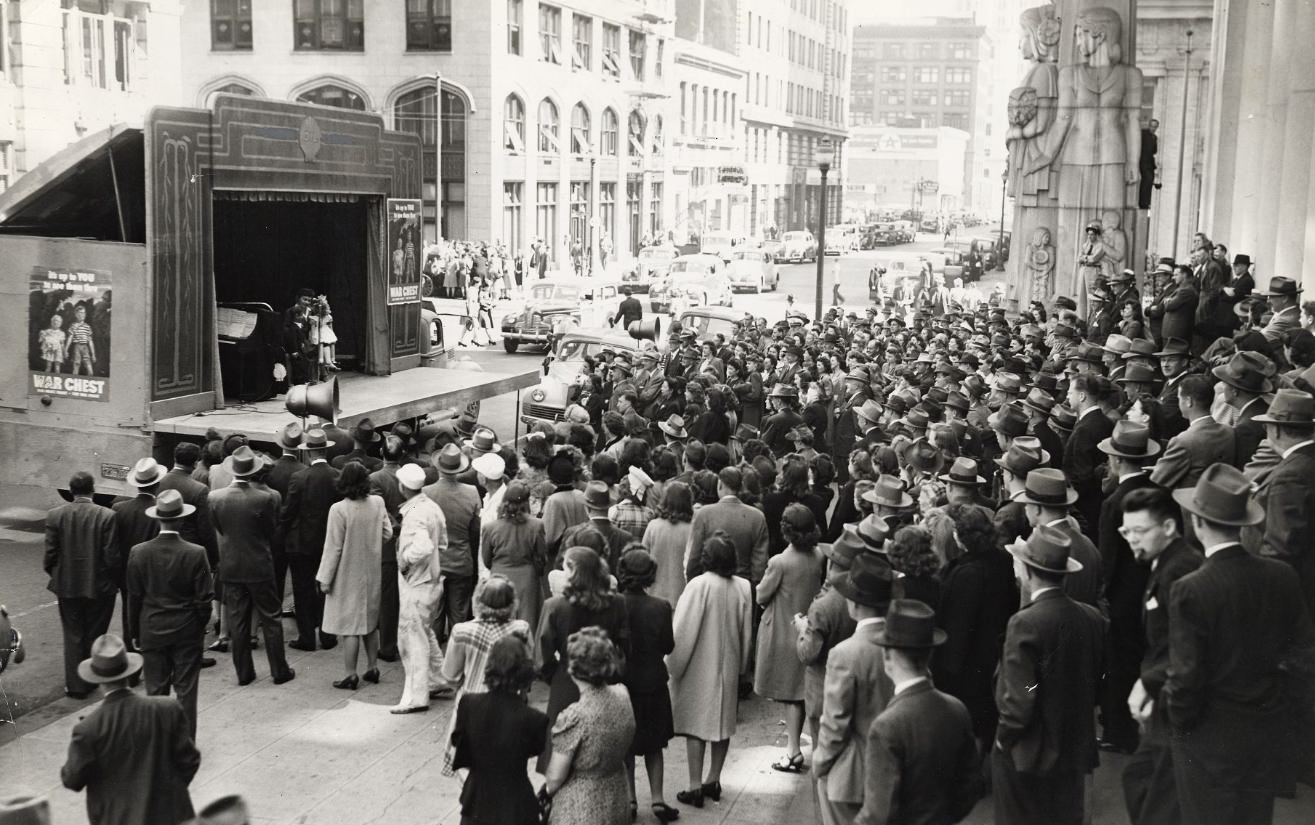
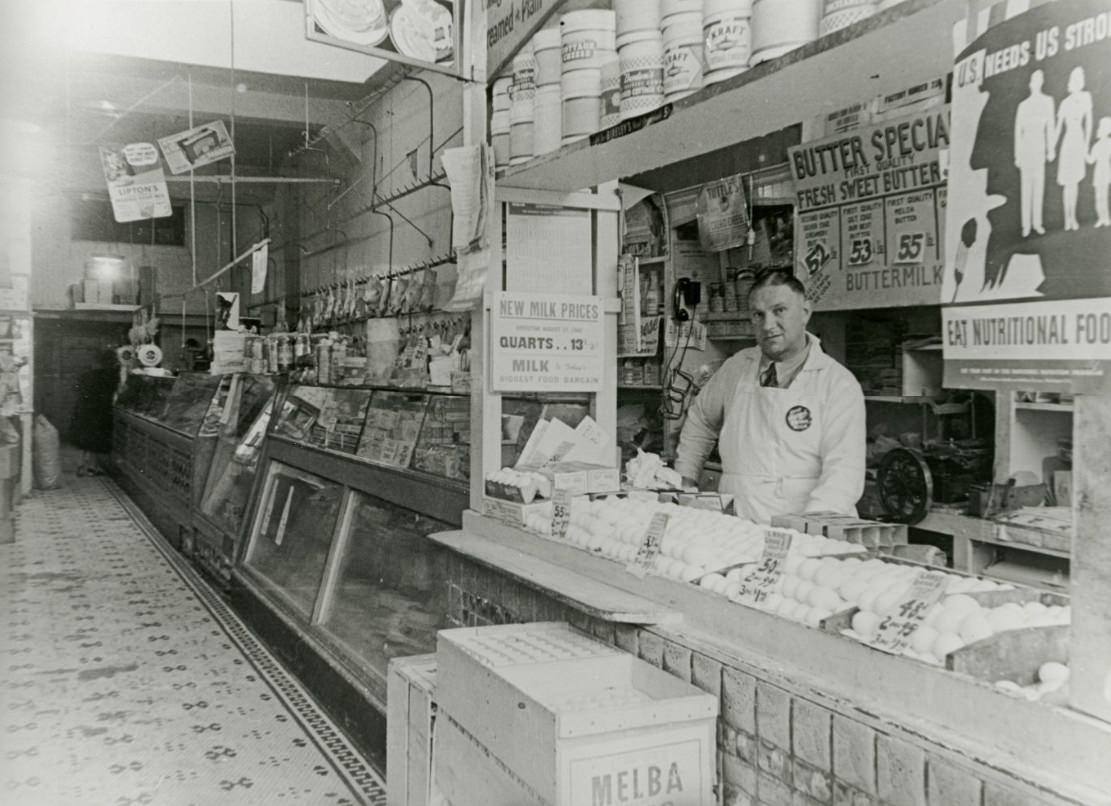
Life in San Francisco during the 1940s was characterized by unity against a backdrop of war, with community efforts like war bond drives alongside challenges such as rationing and housing shortages. The war also reshaped the workforce, with women taking on traditionally male roles, and contributed to the city’s growing diversity, especially with the influx of African Americans from the South. This diversity enriched the city’s culture but also highlighted existing racial tensions.
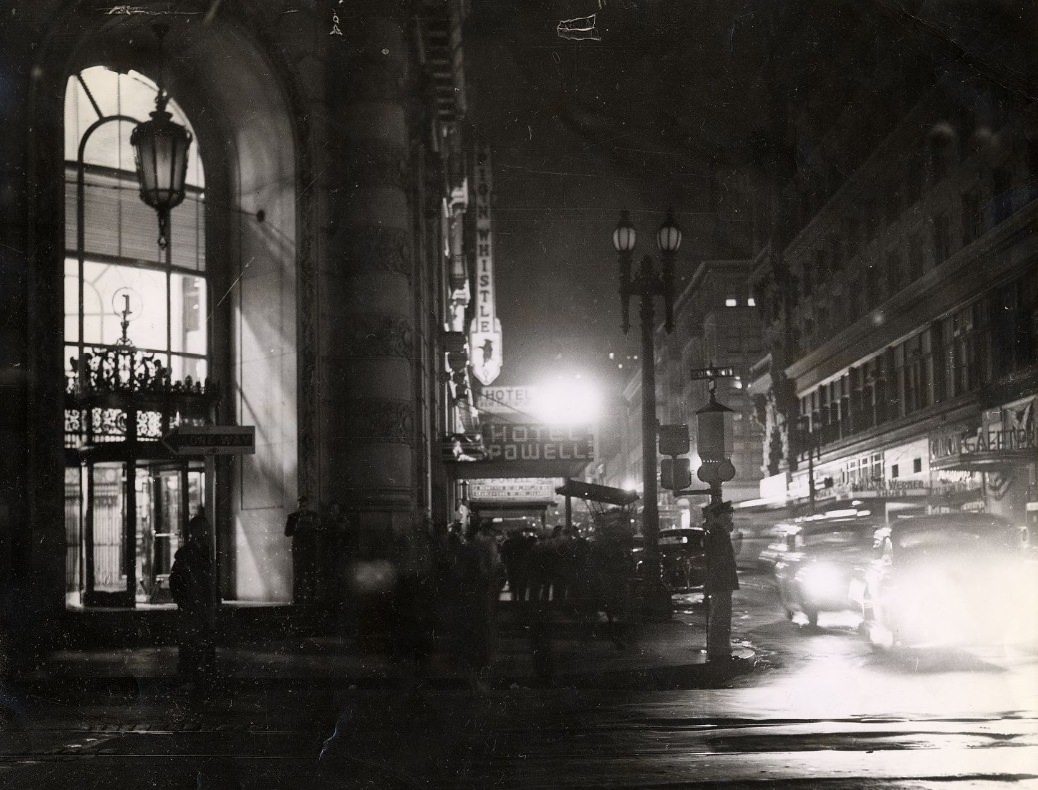
The end of World War II marked a period of adjustment for San Francisco. The return of servicemen and the implementation of the GI Bill fueled economic growth and the expansion of the middle class. The cultural landscape of the city also saw a renaissance, with a vibrant scene of jazz, theater, and art emerging in the post-war optimism.
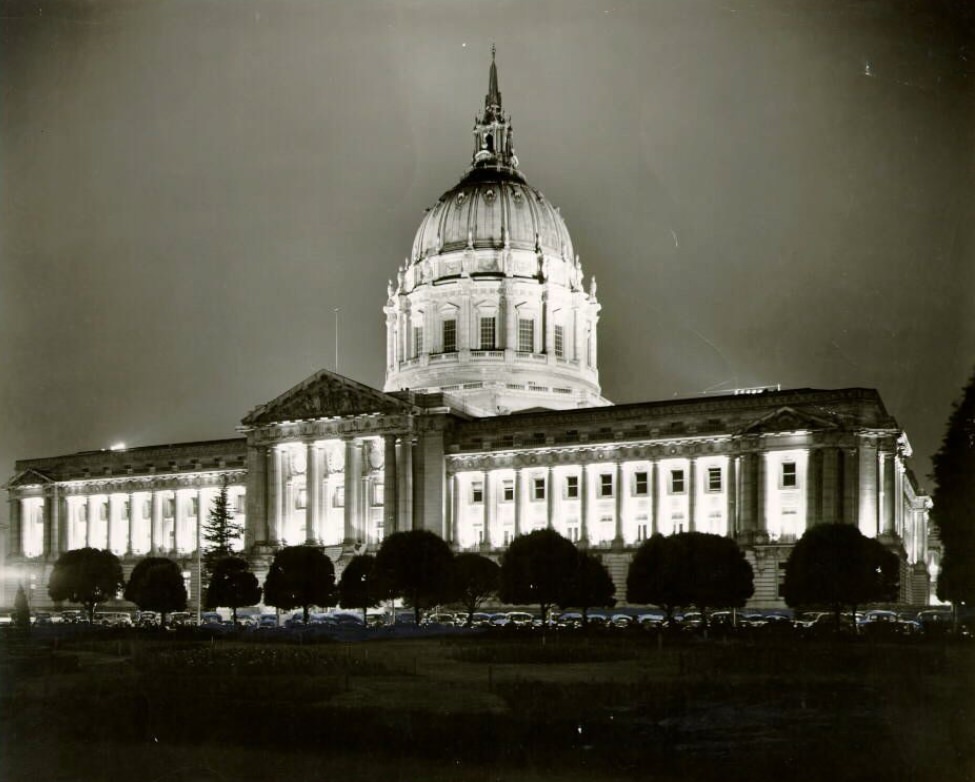
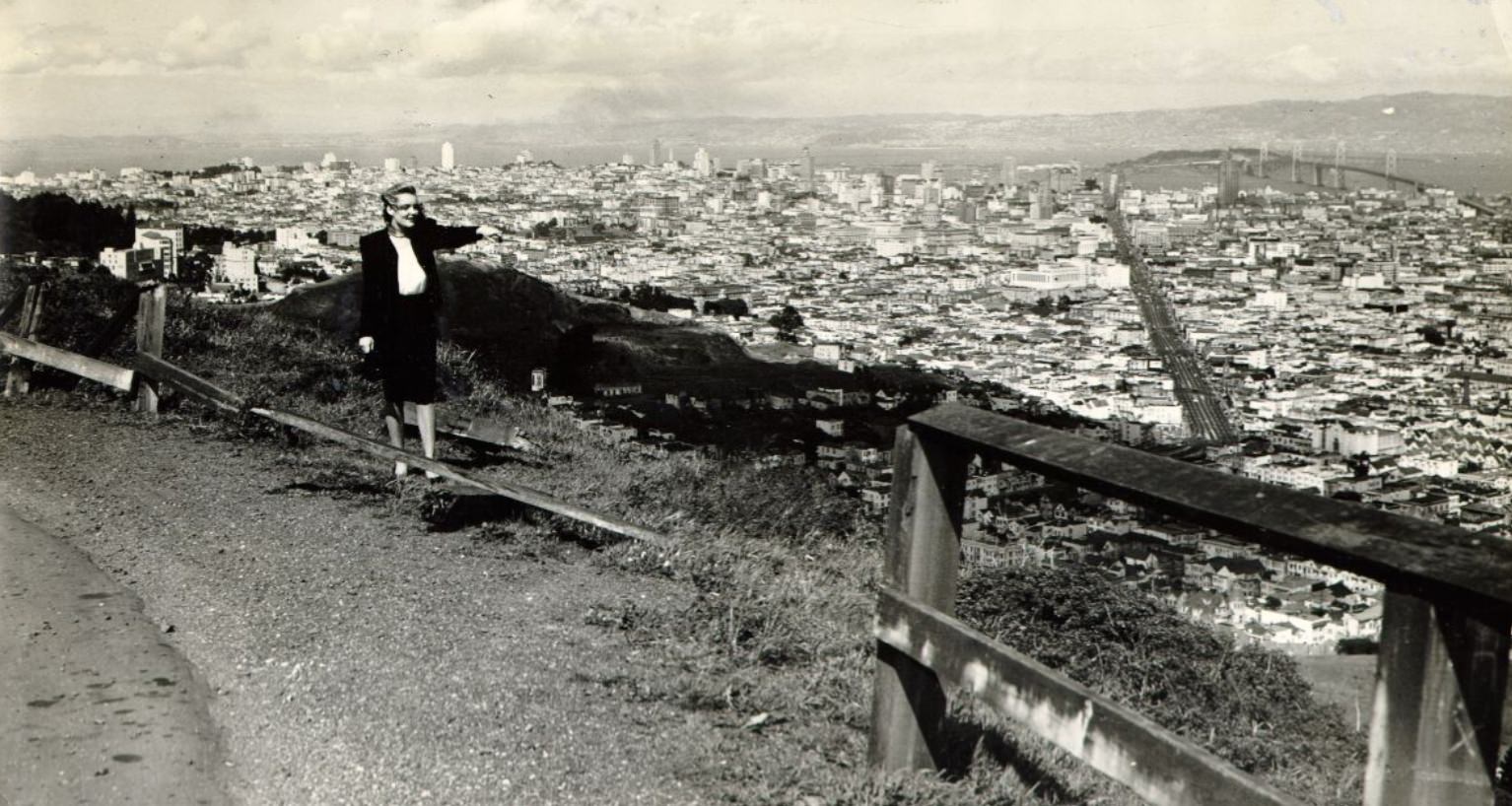
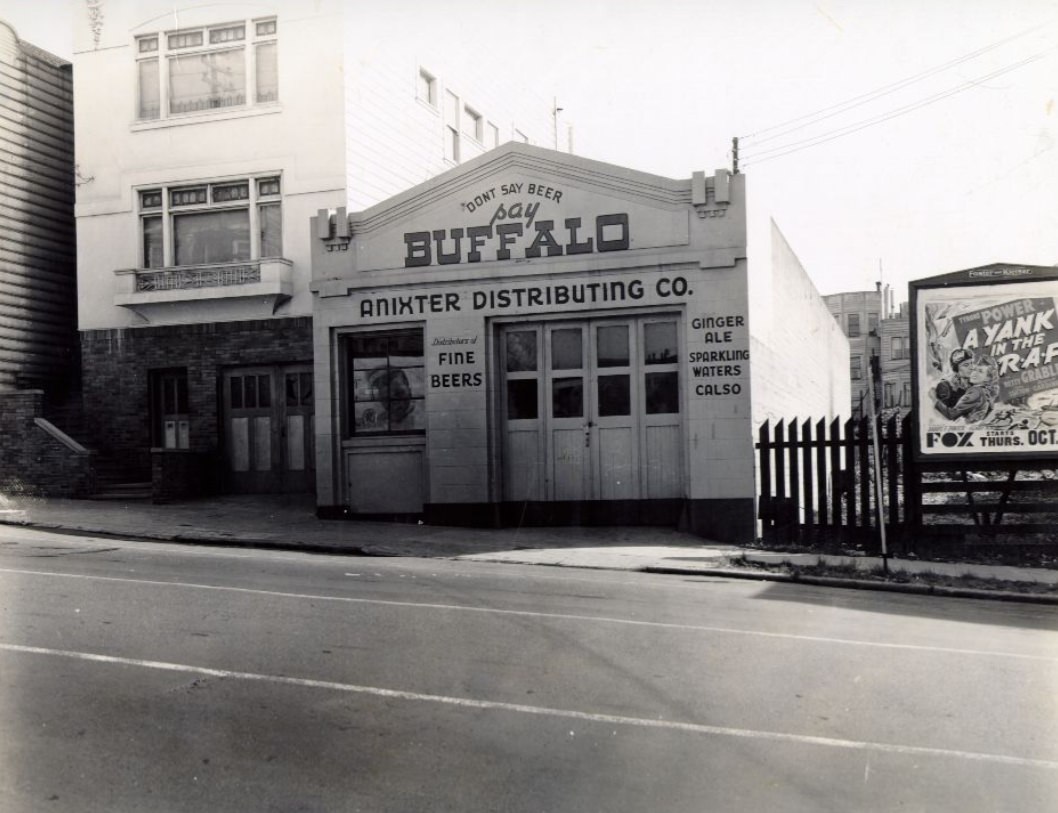
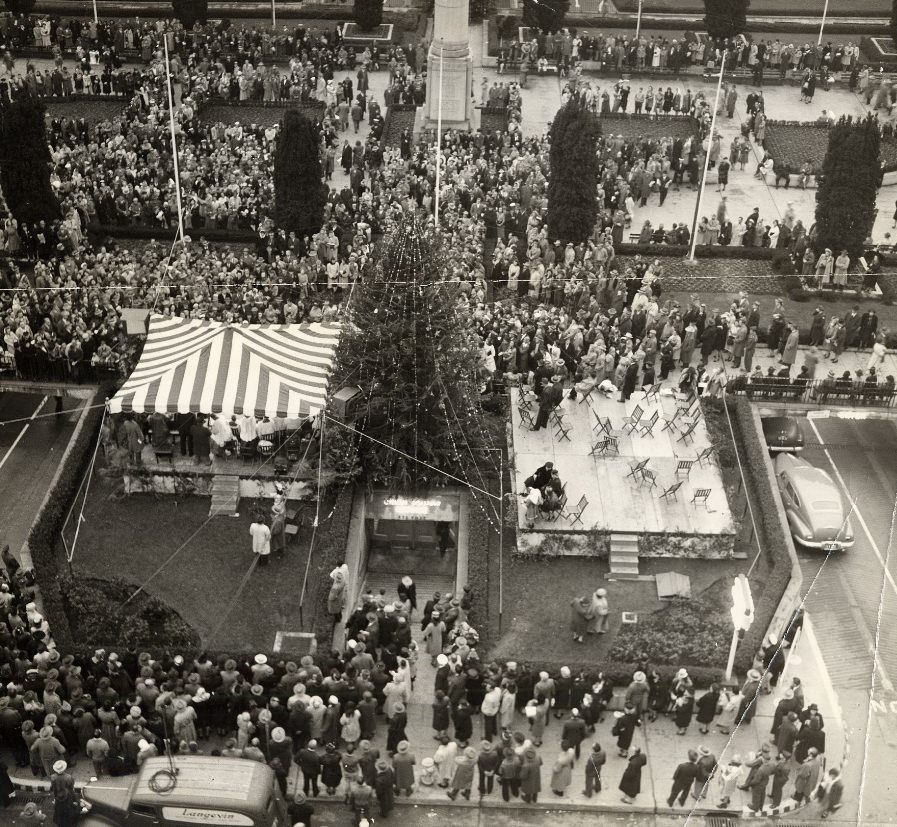
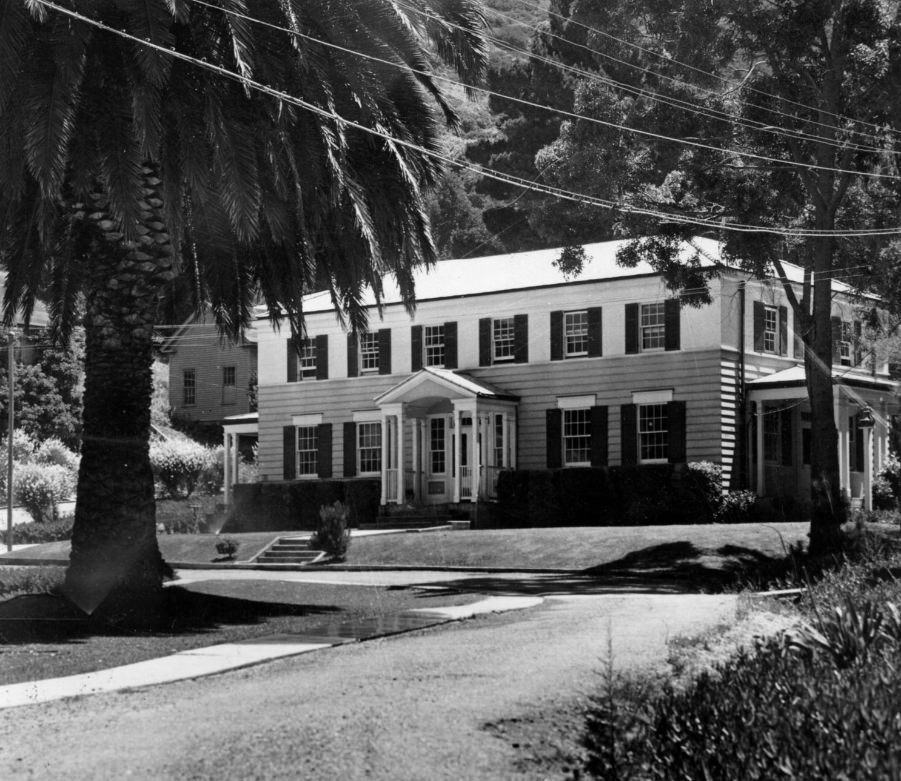
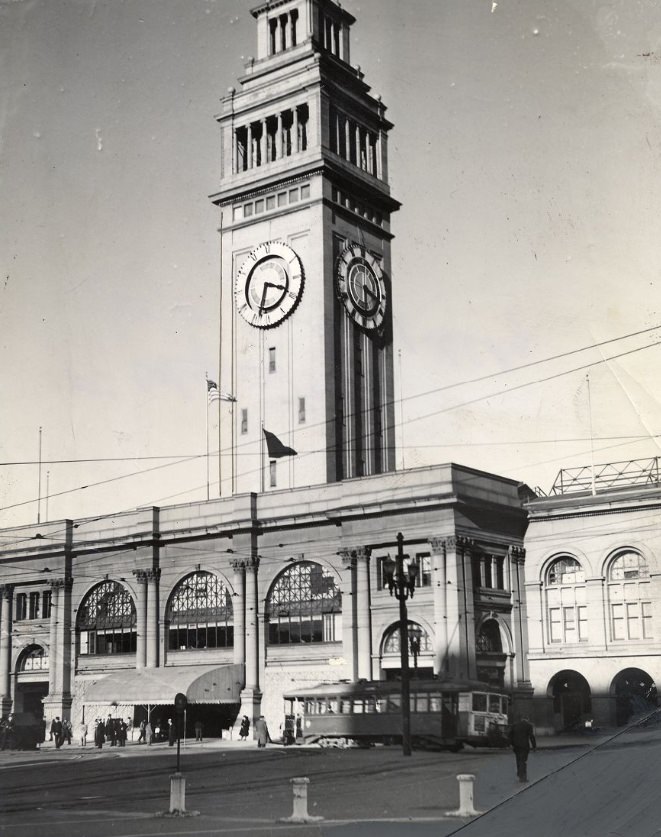
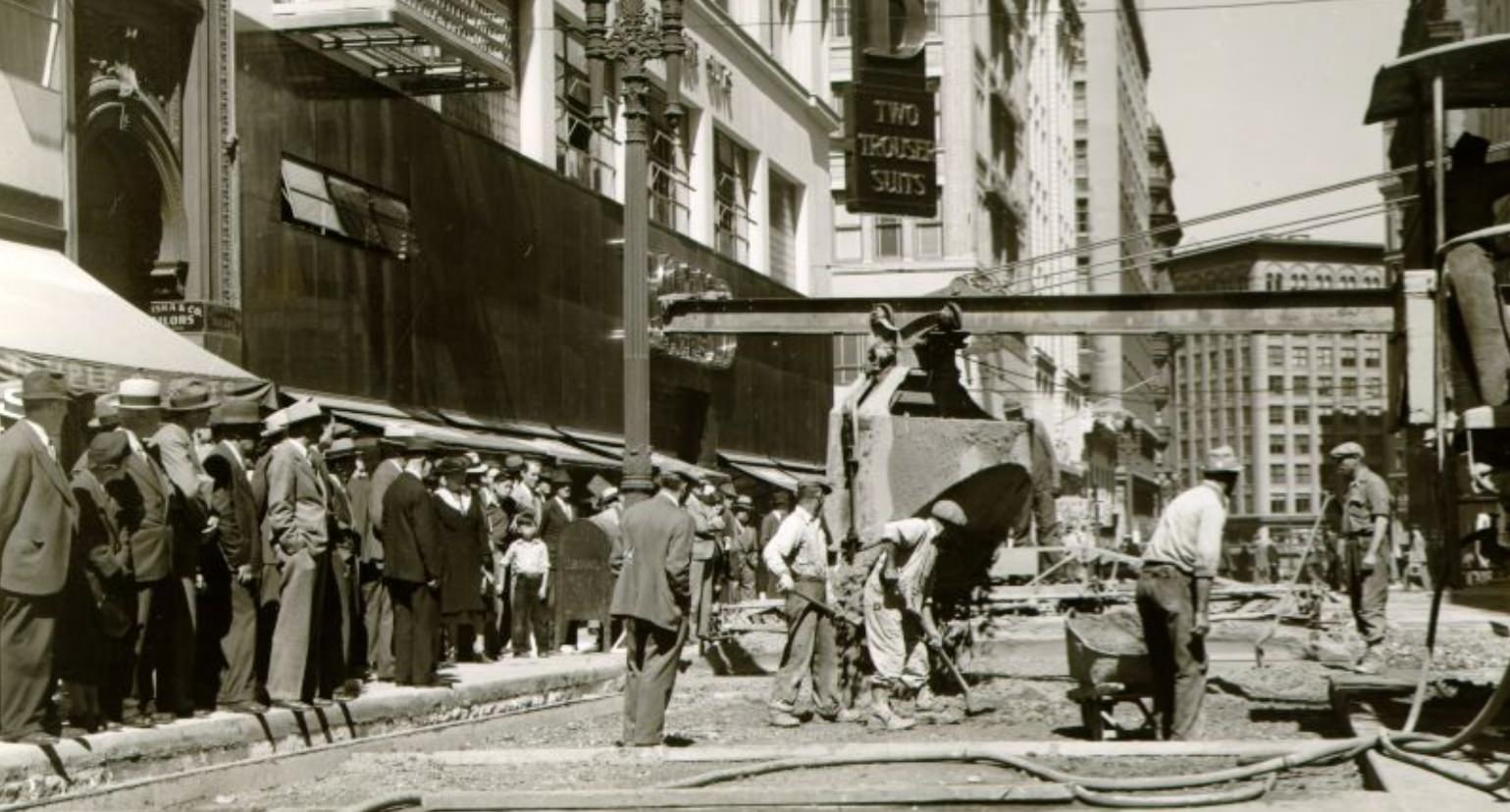
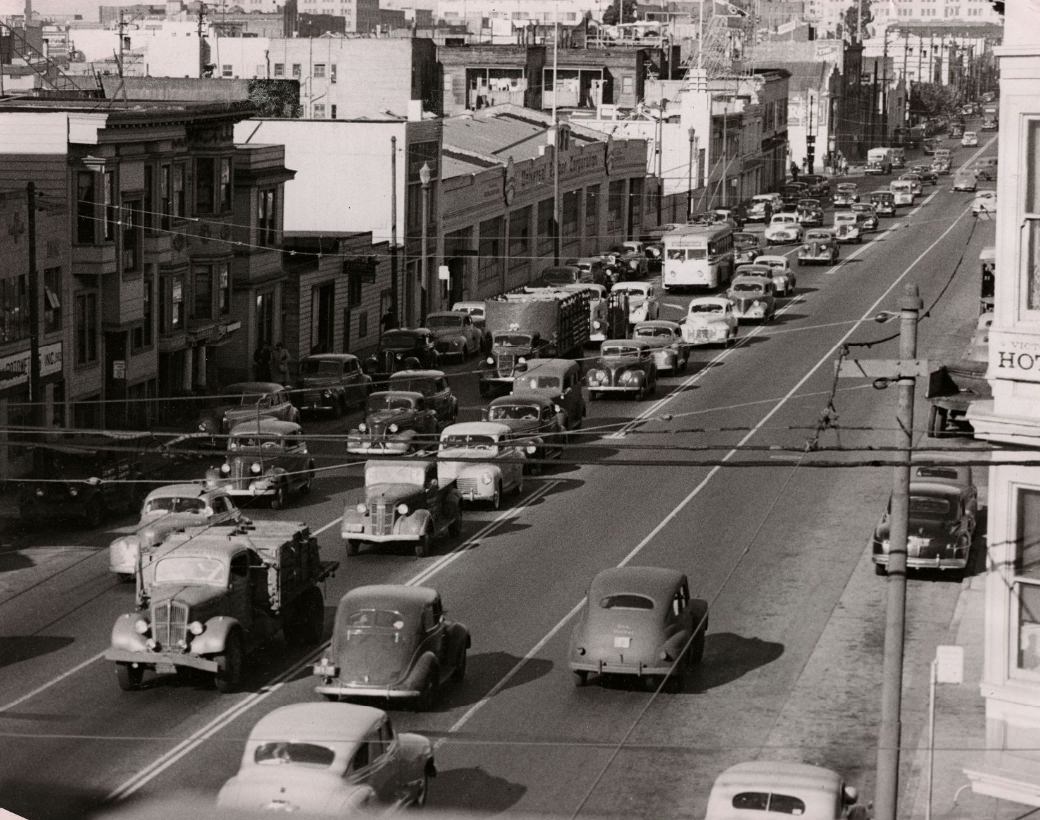
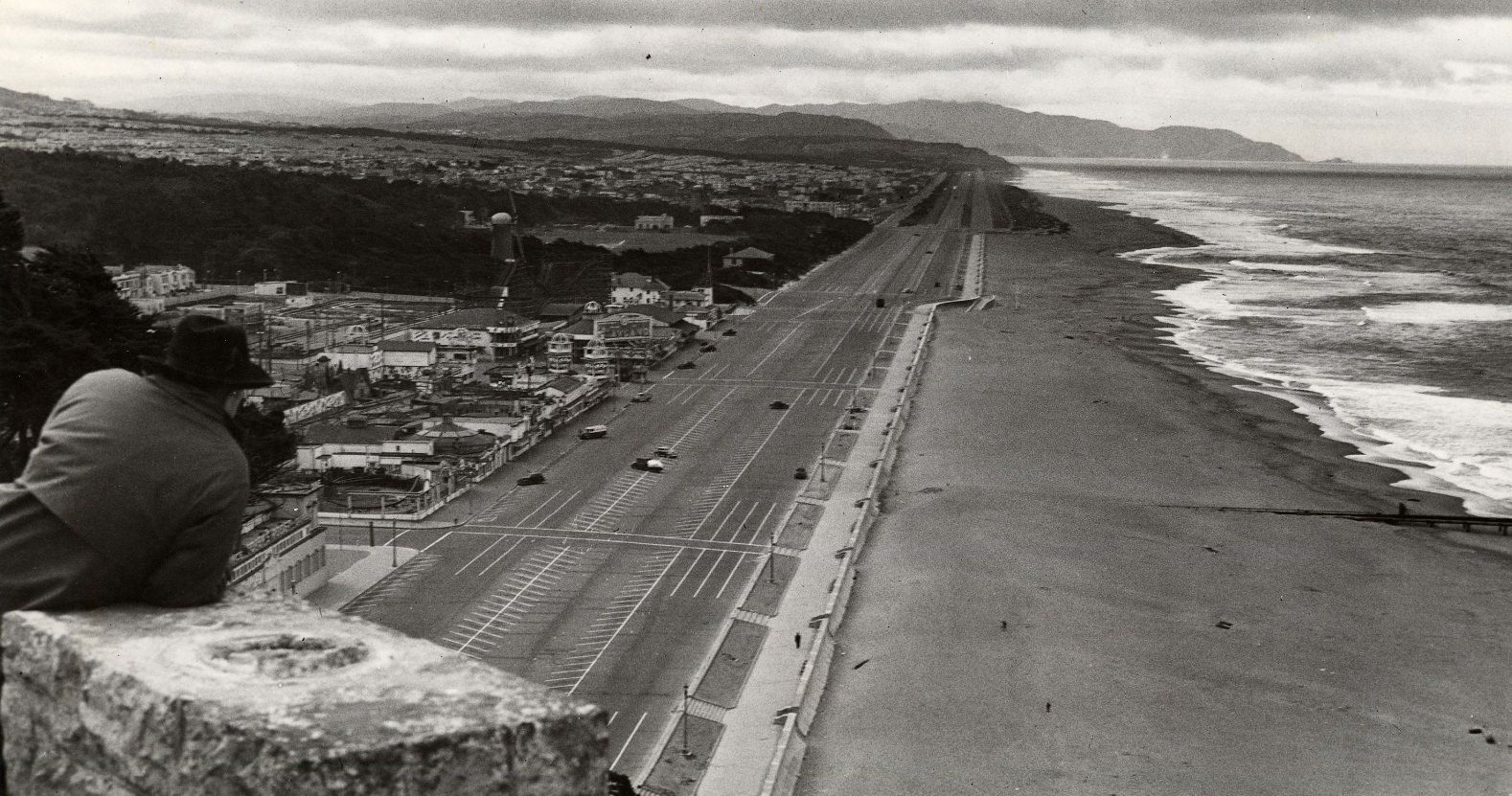
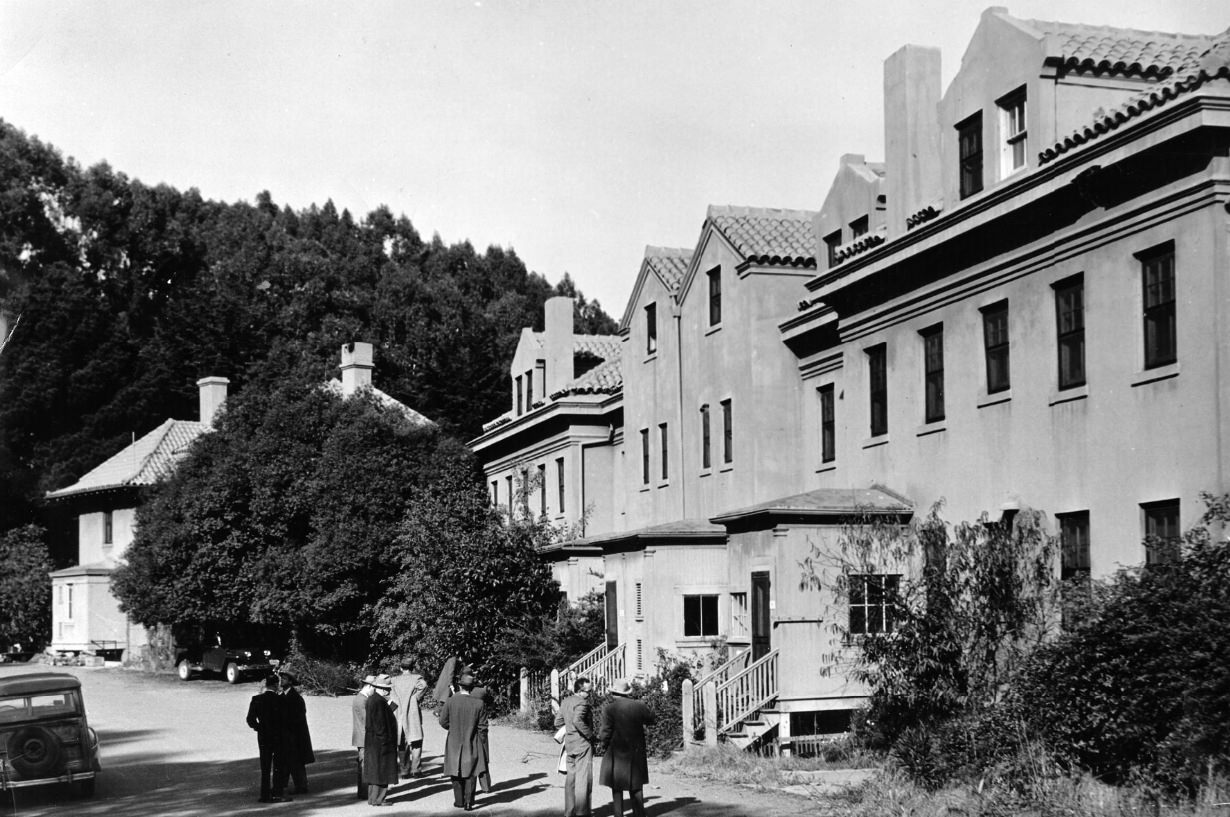
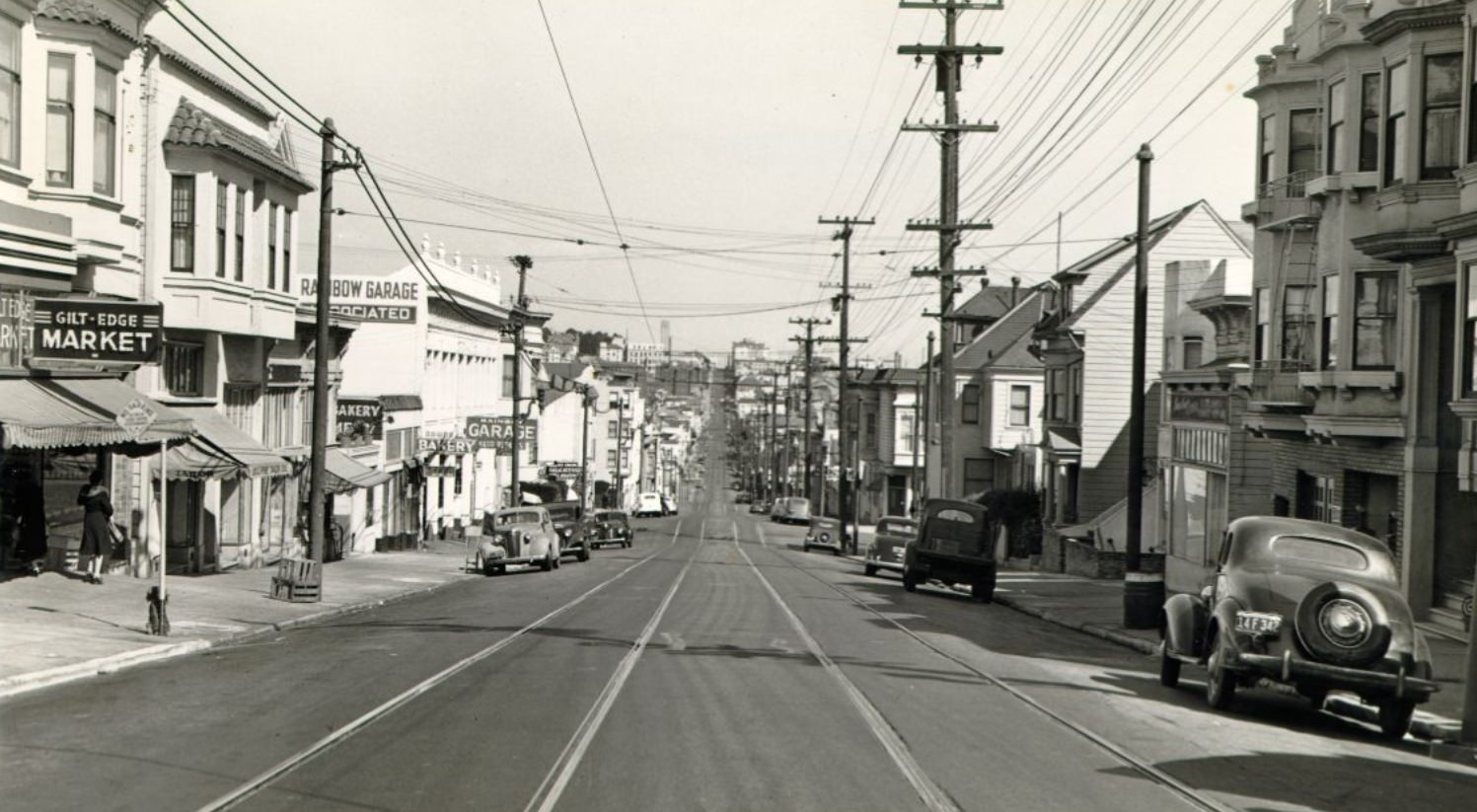
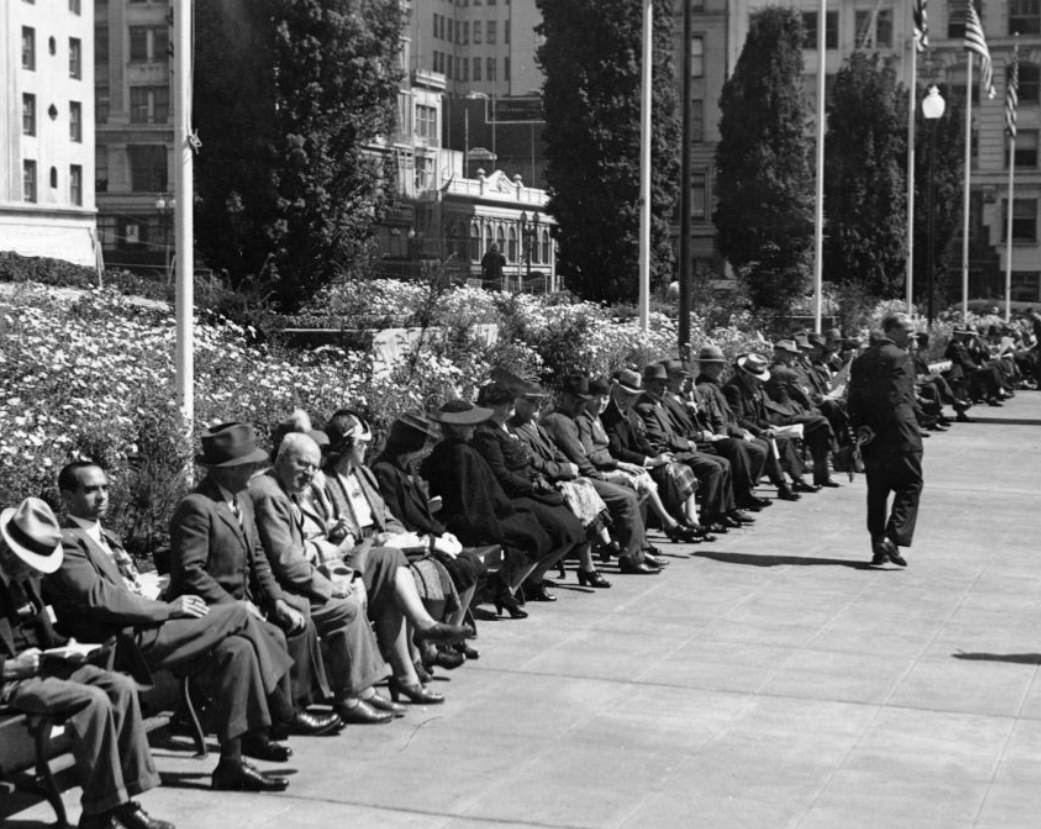
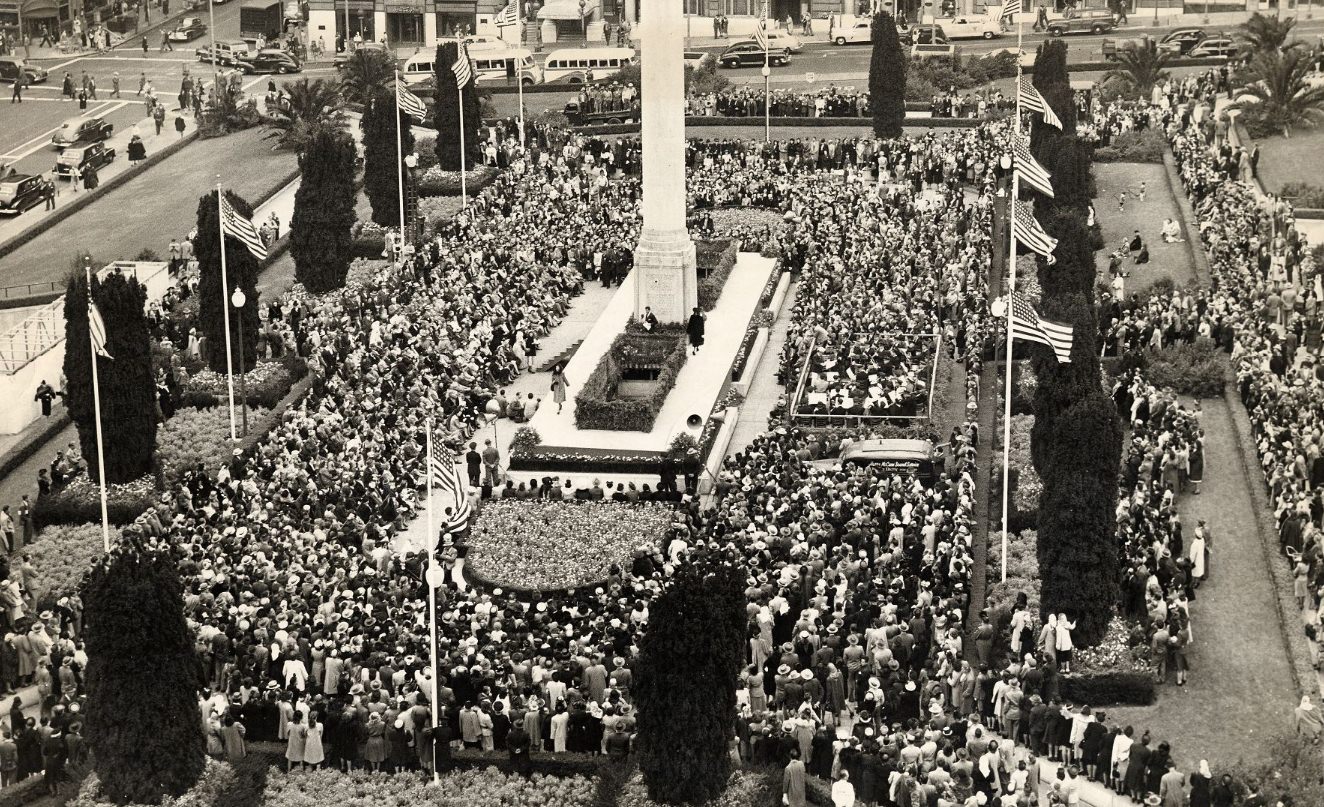
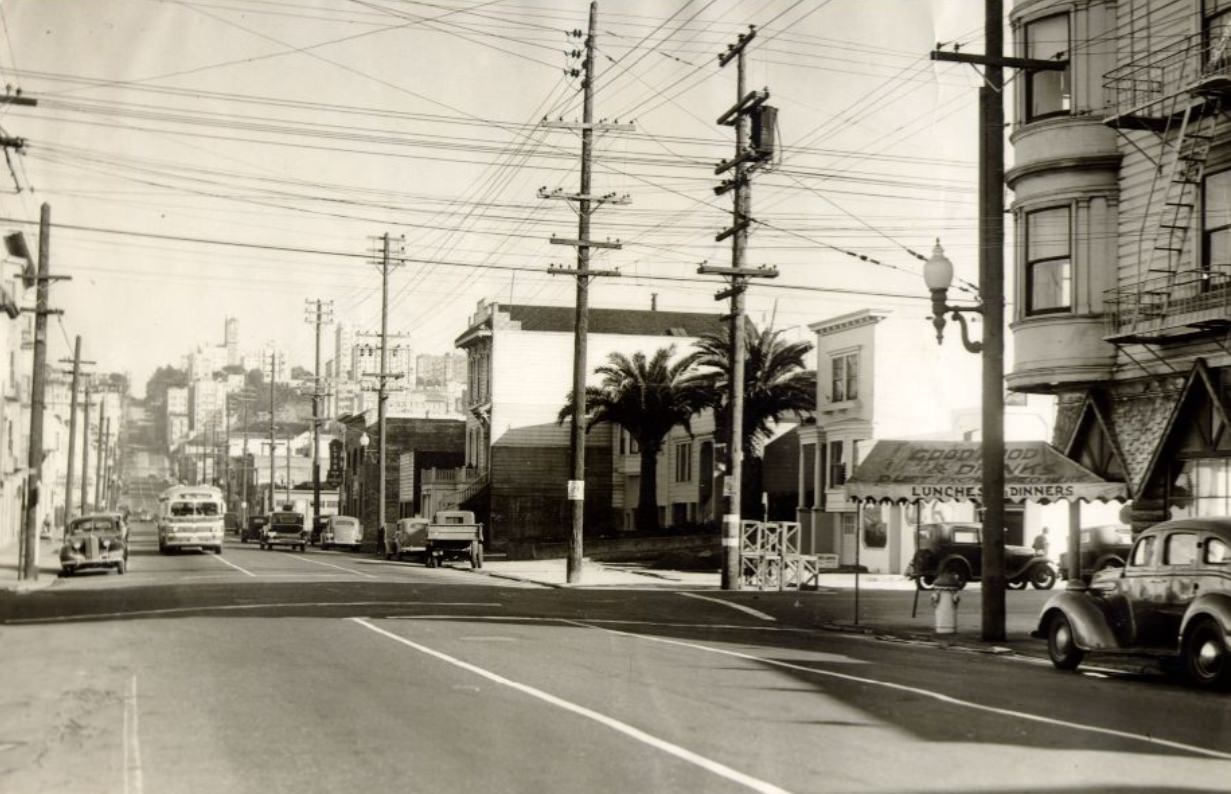
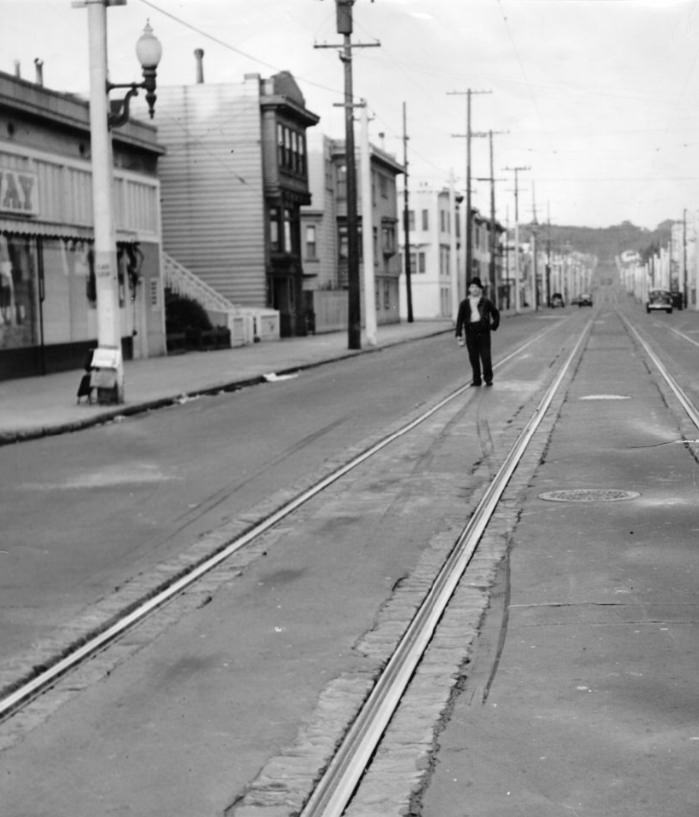
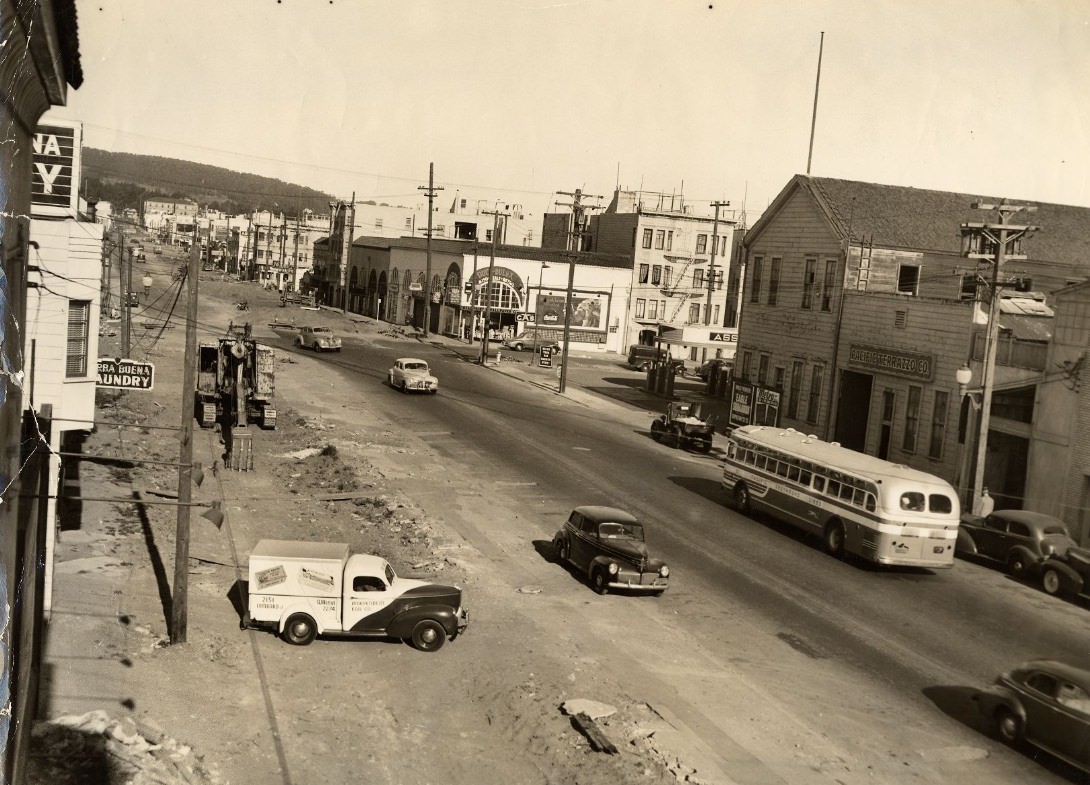
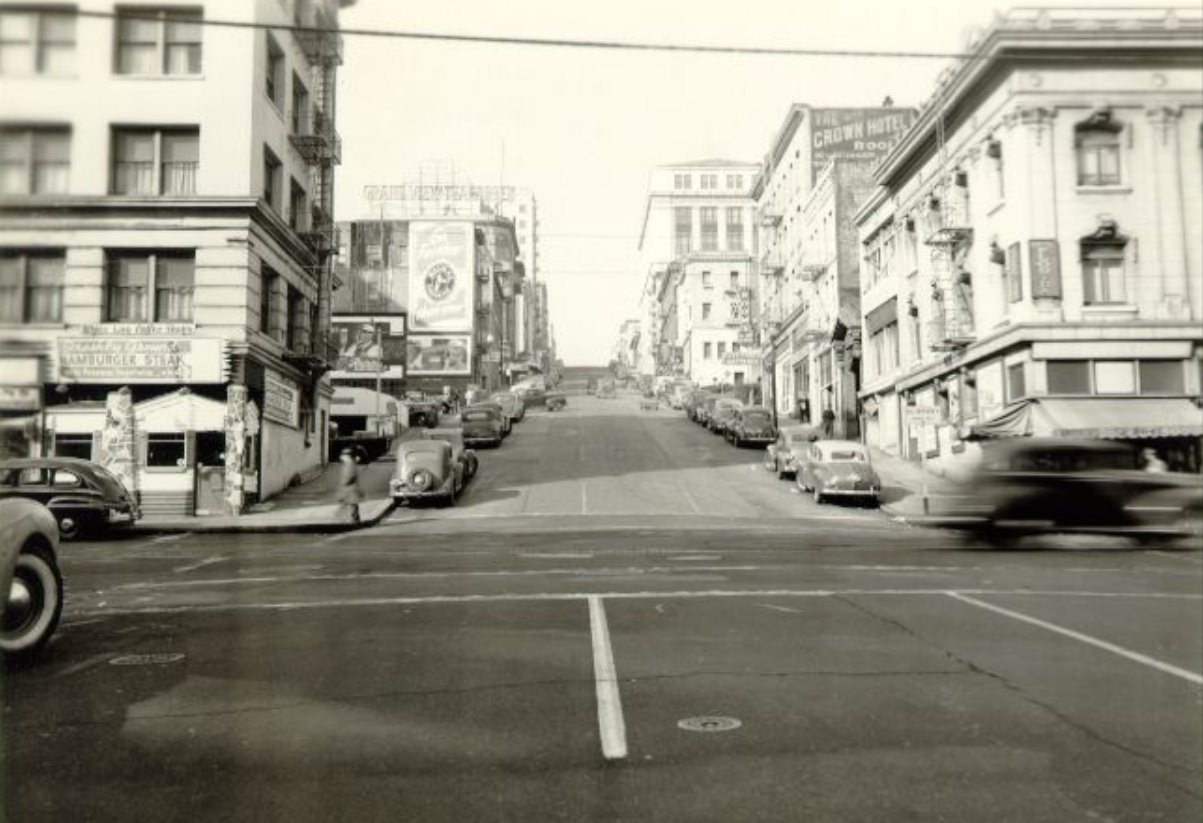
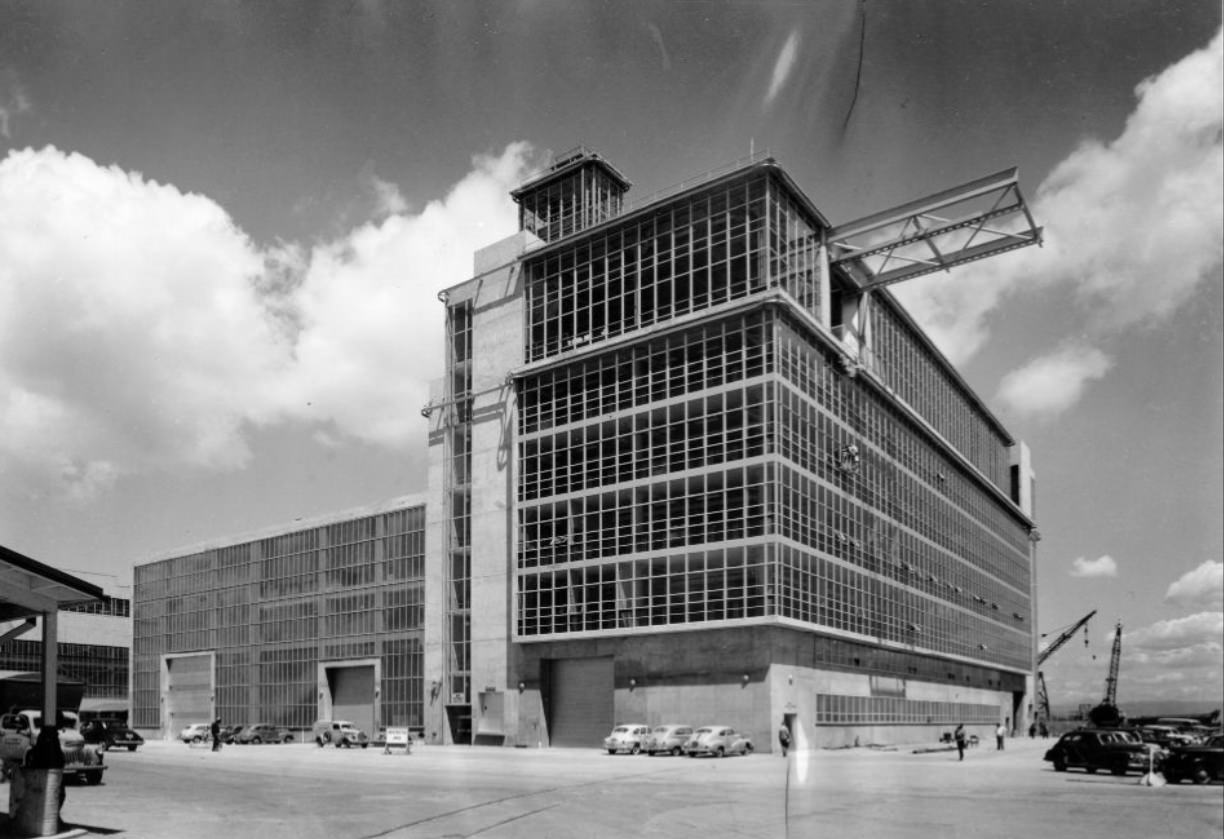
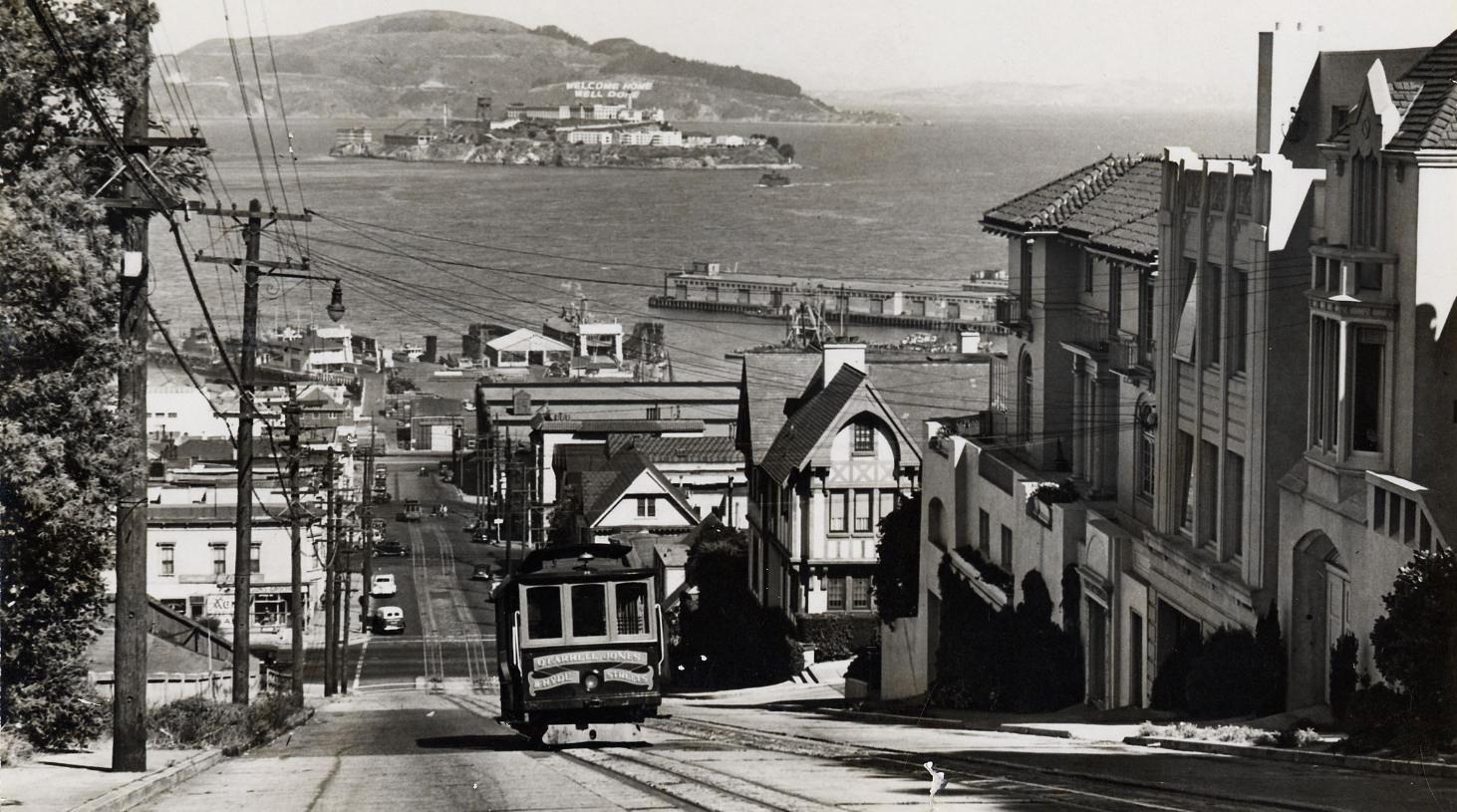
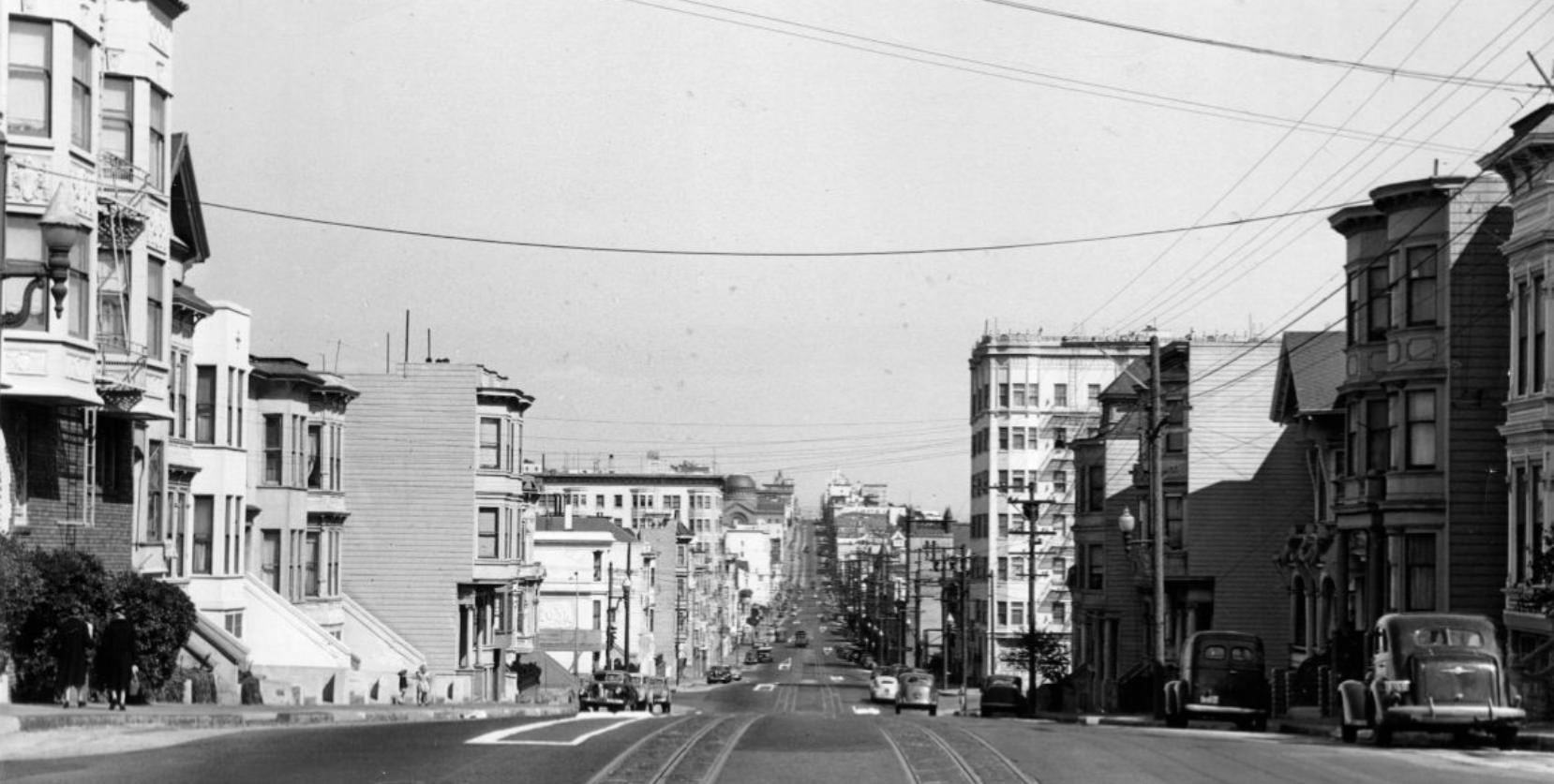
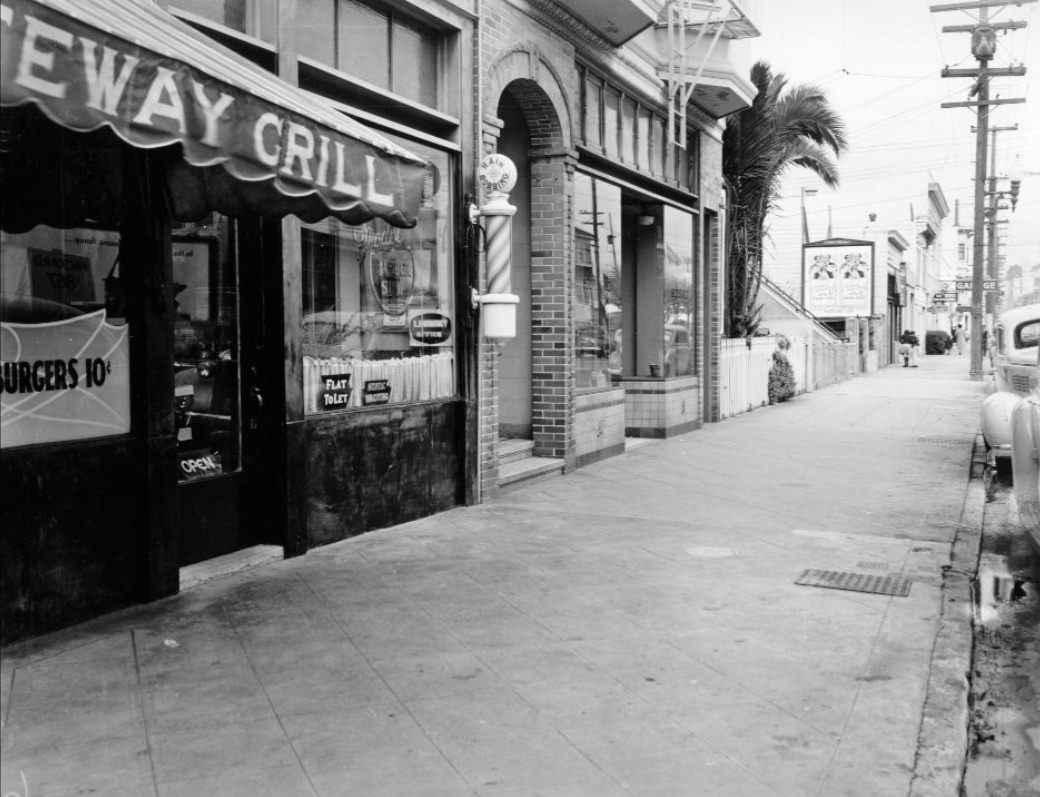
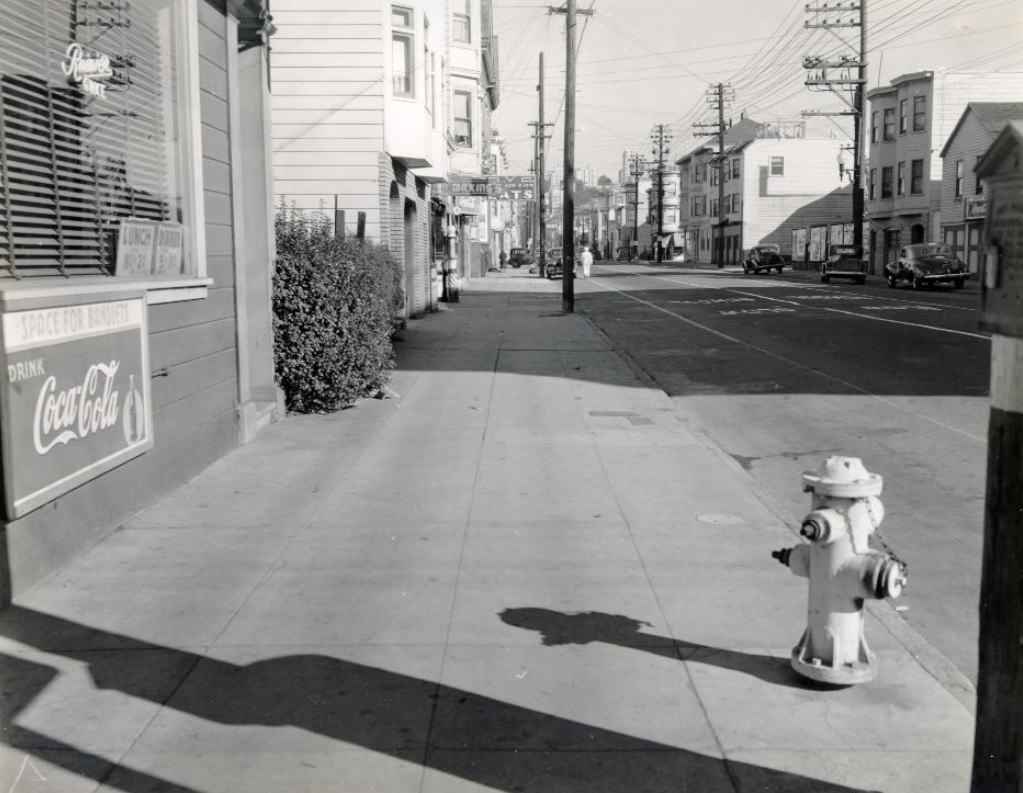
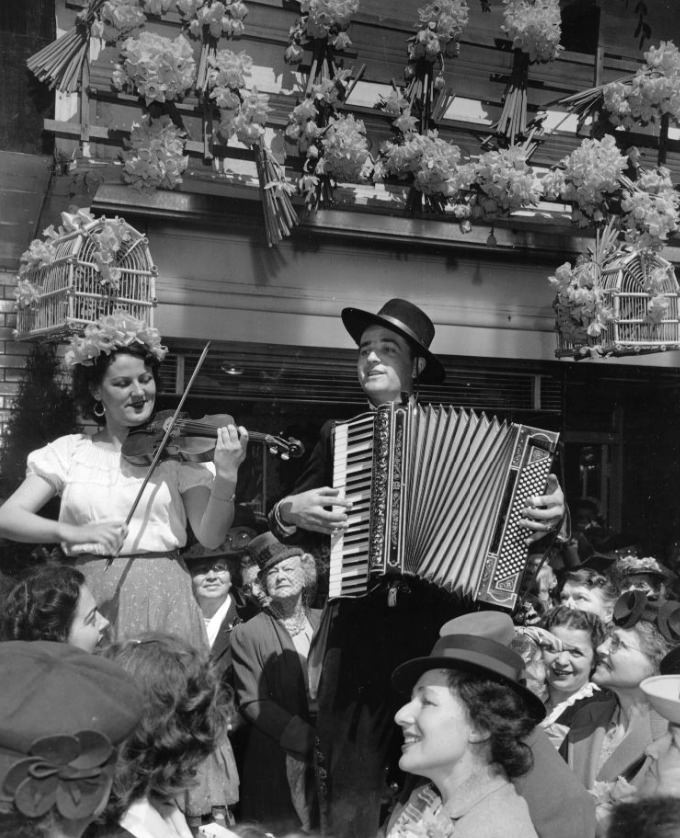
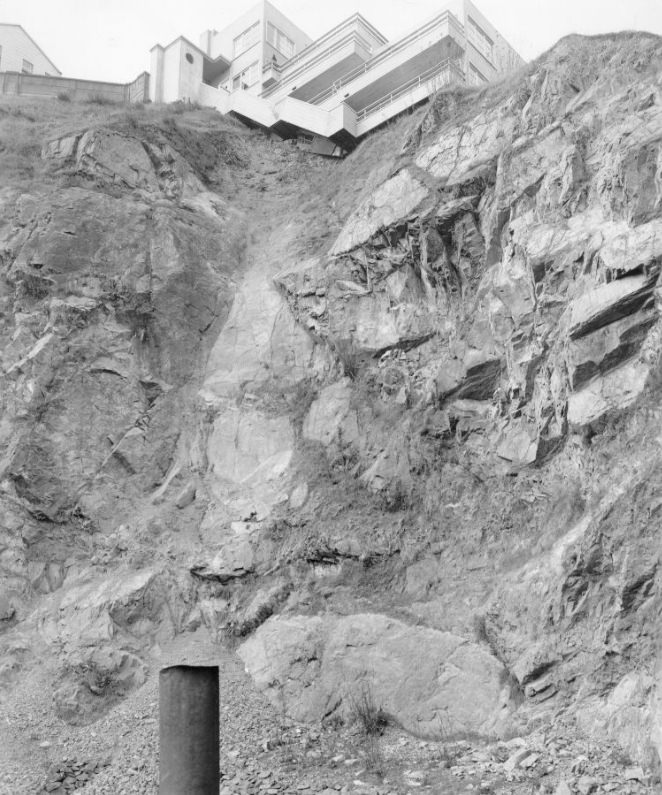
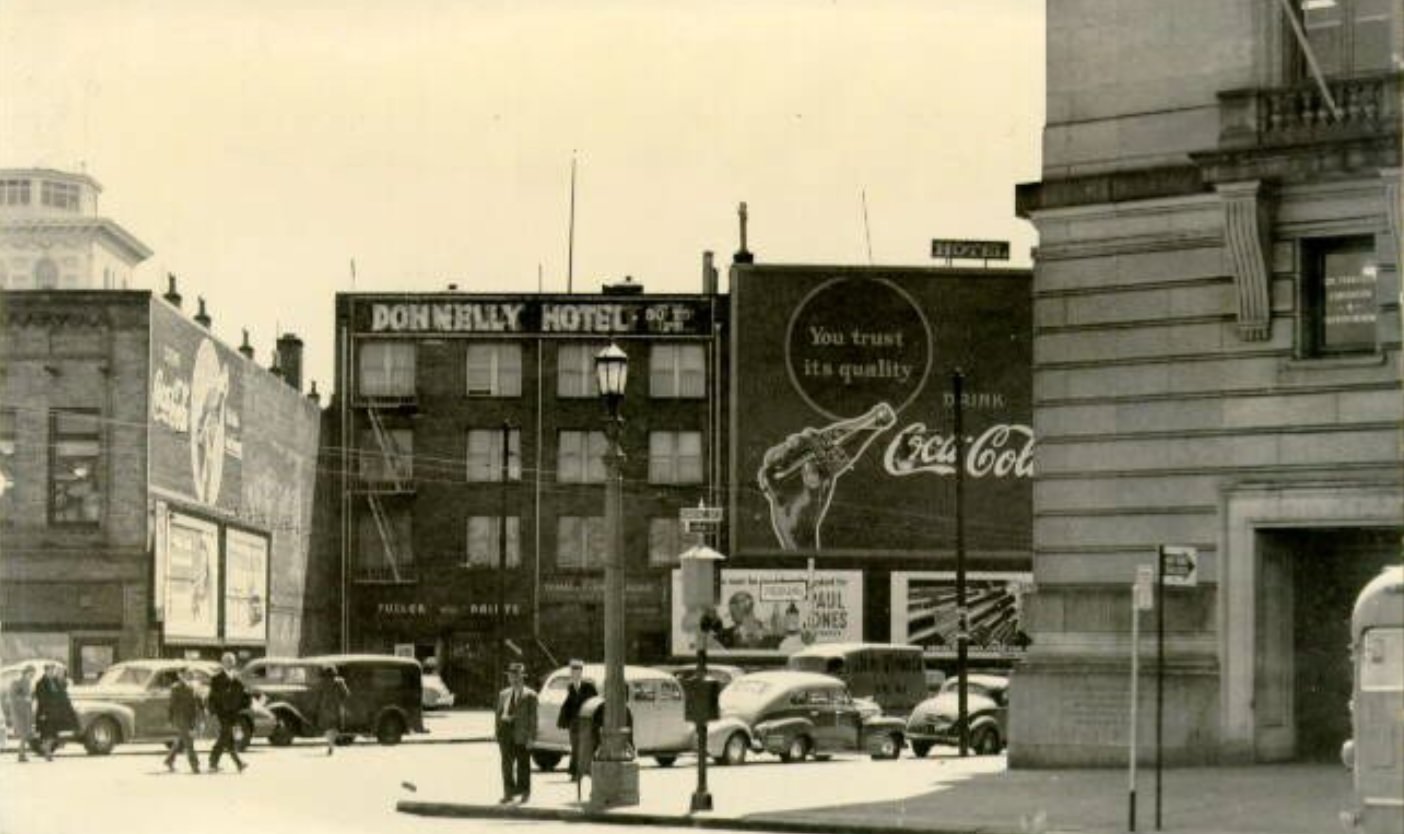
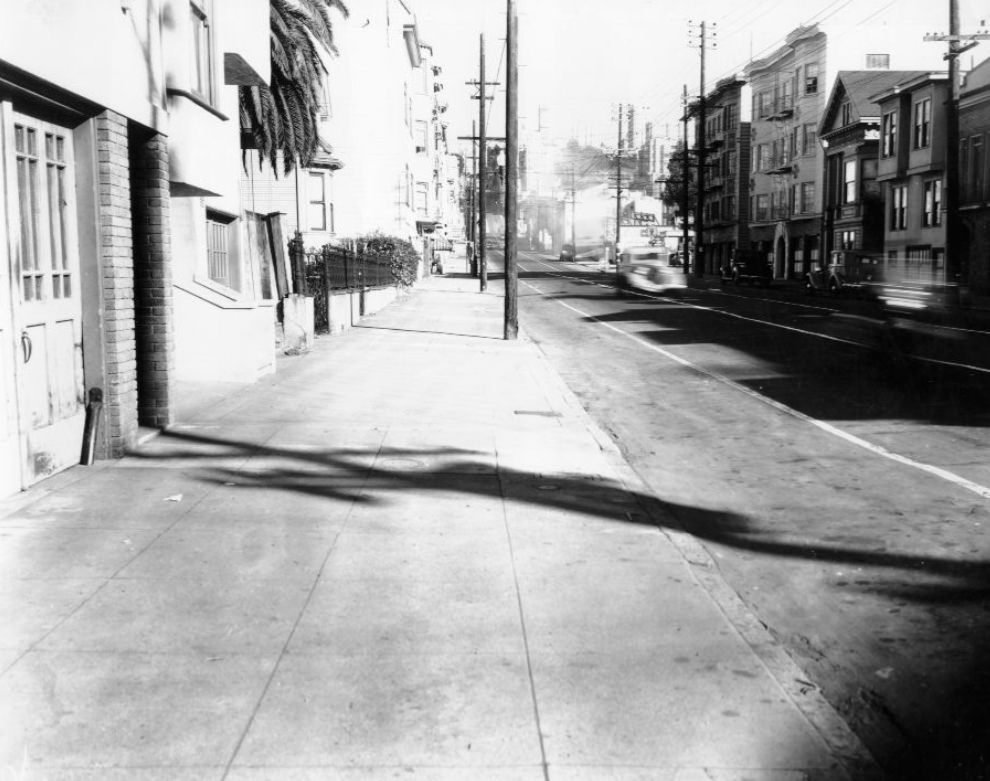
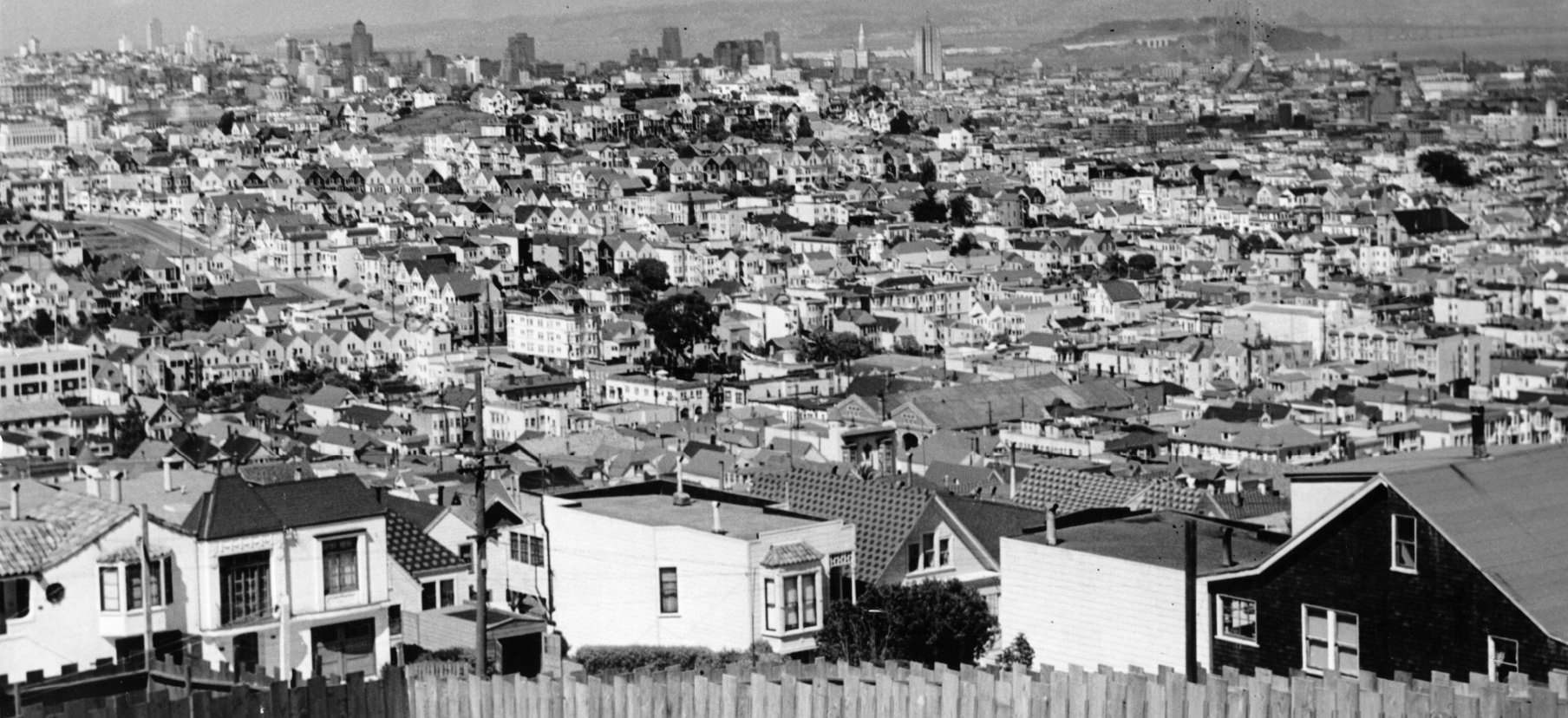
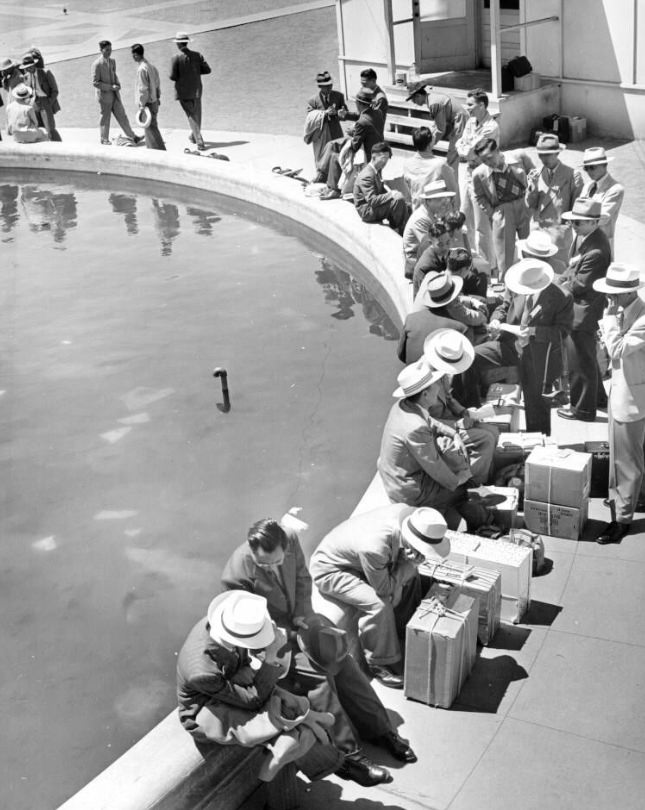
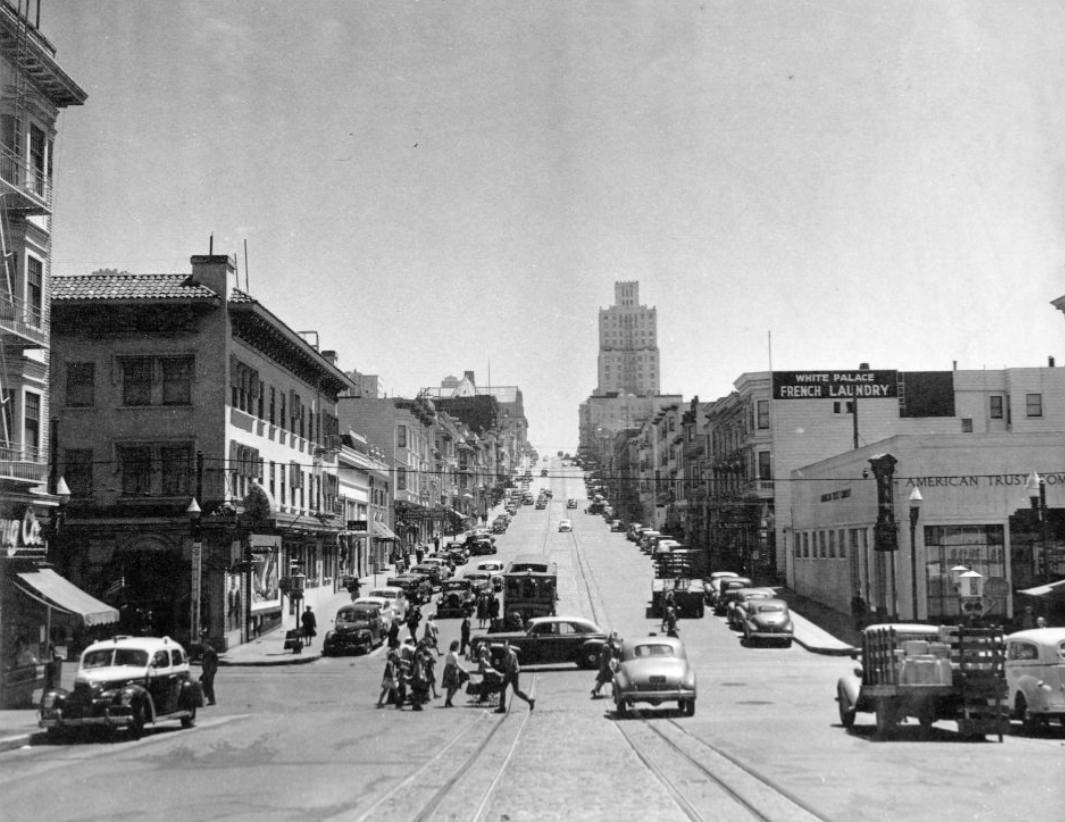
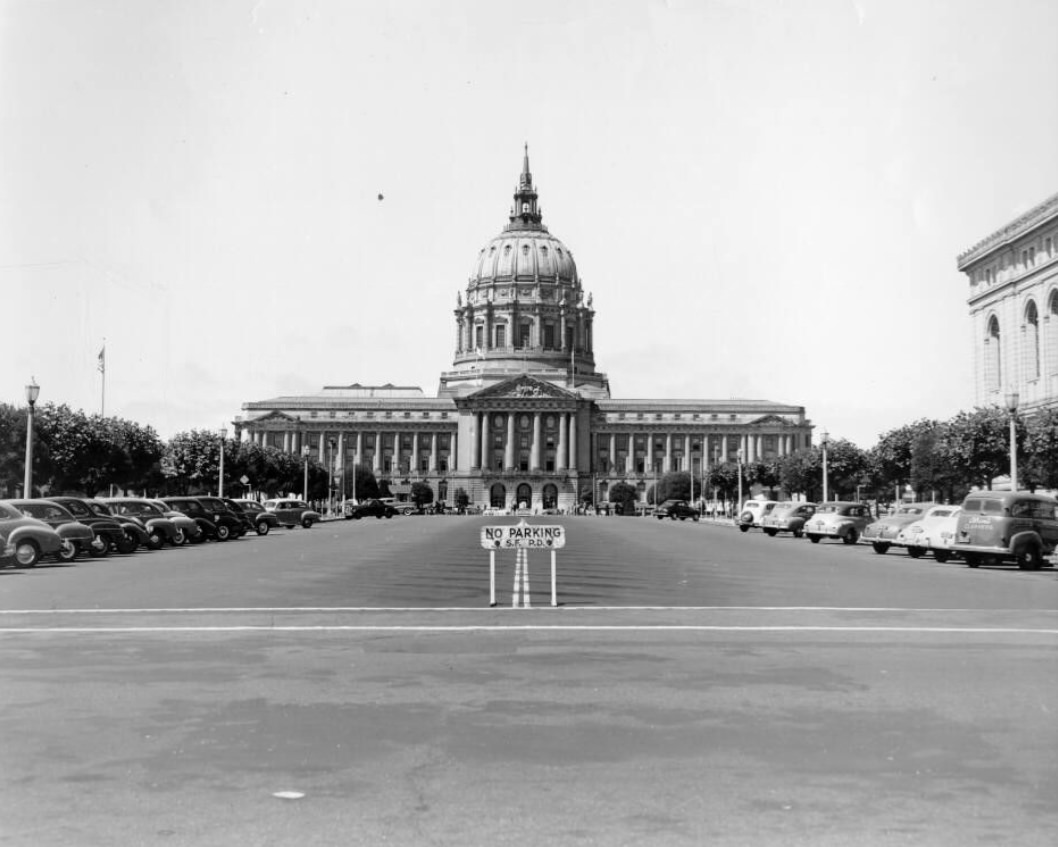
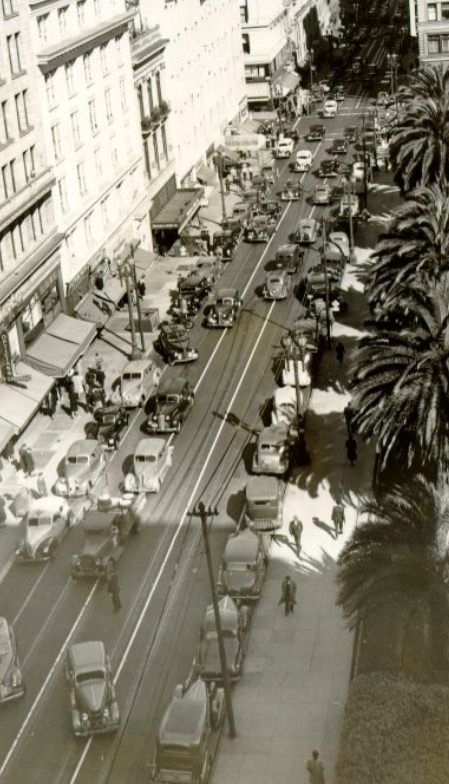
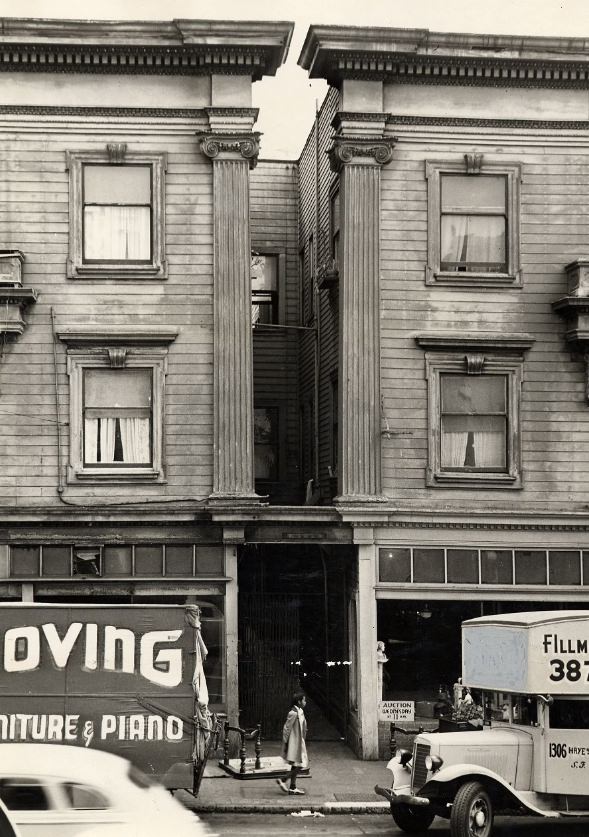
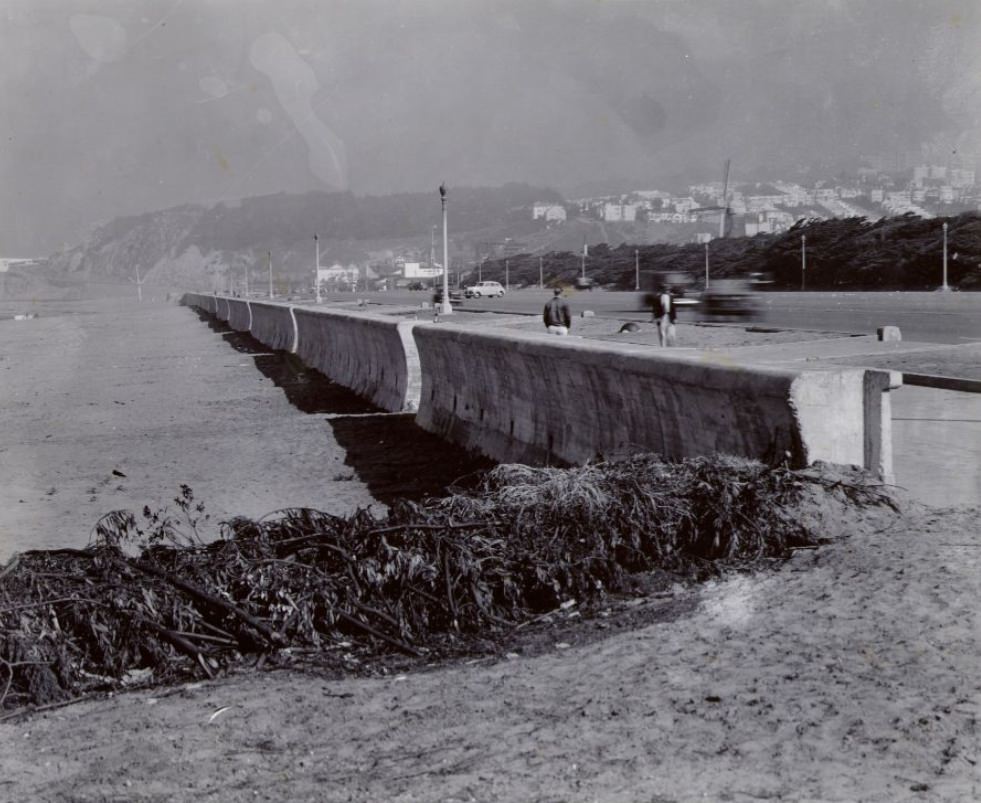
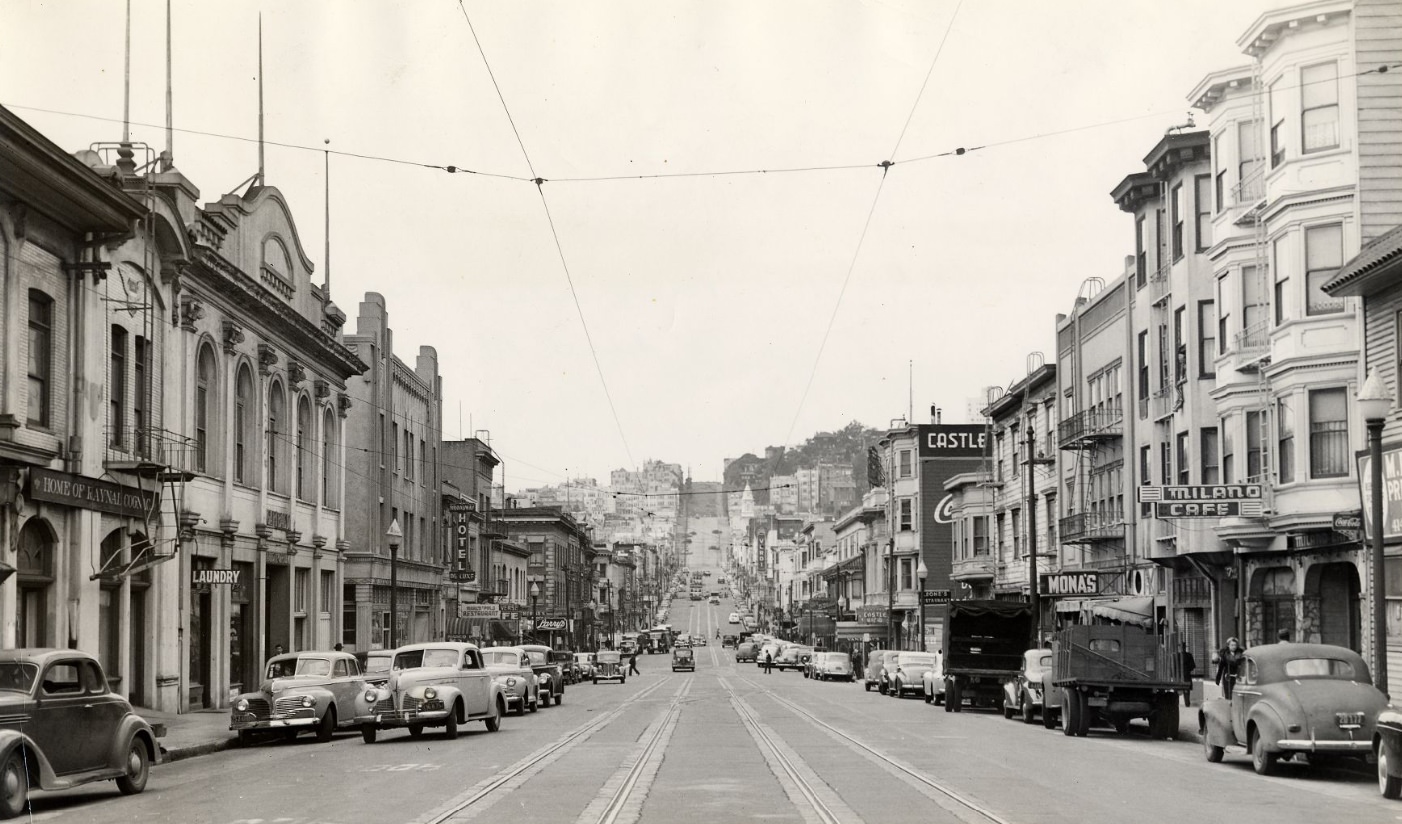
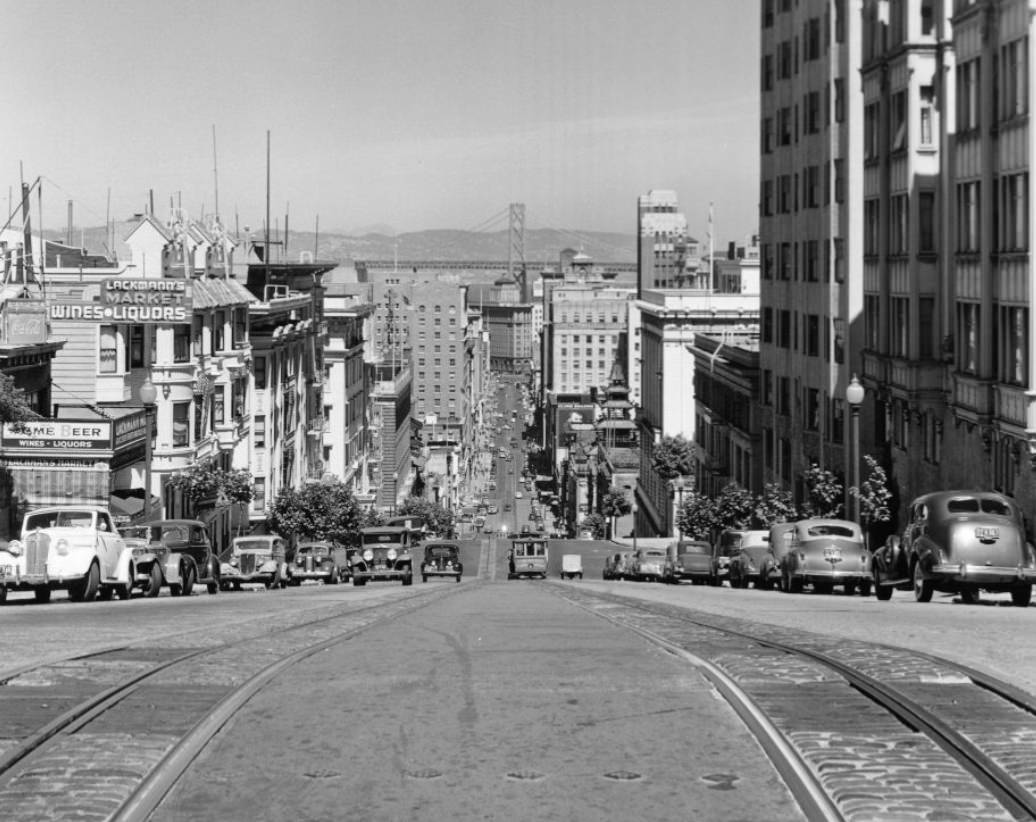
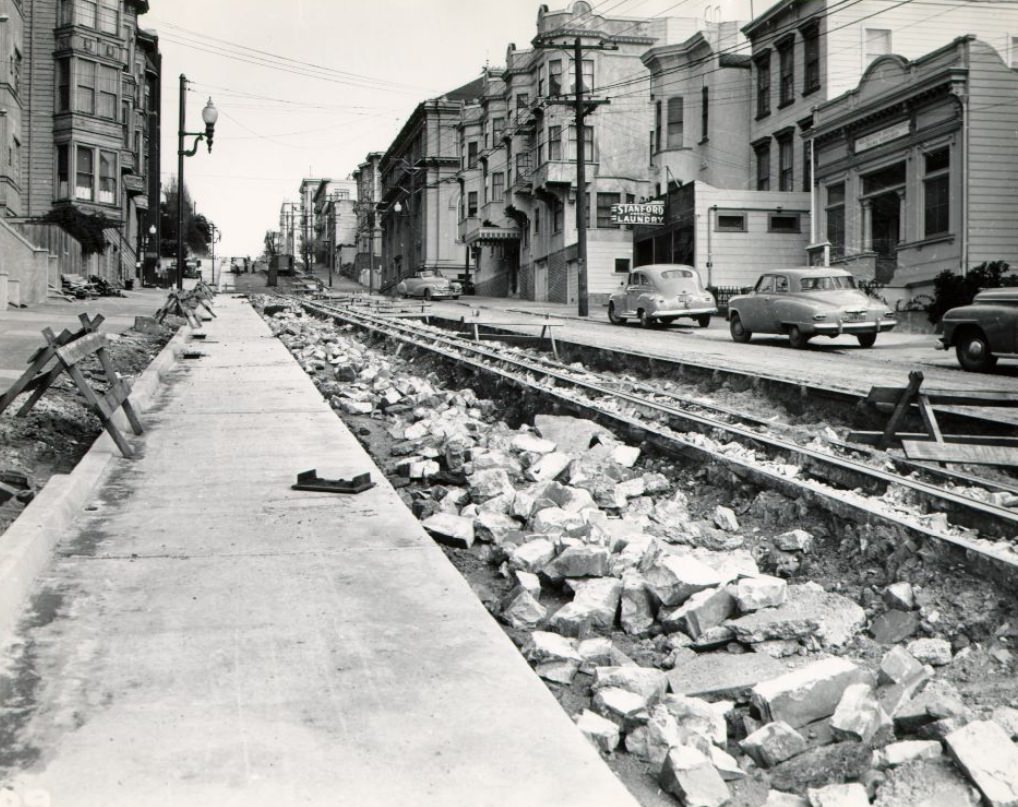
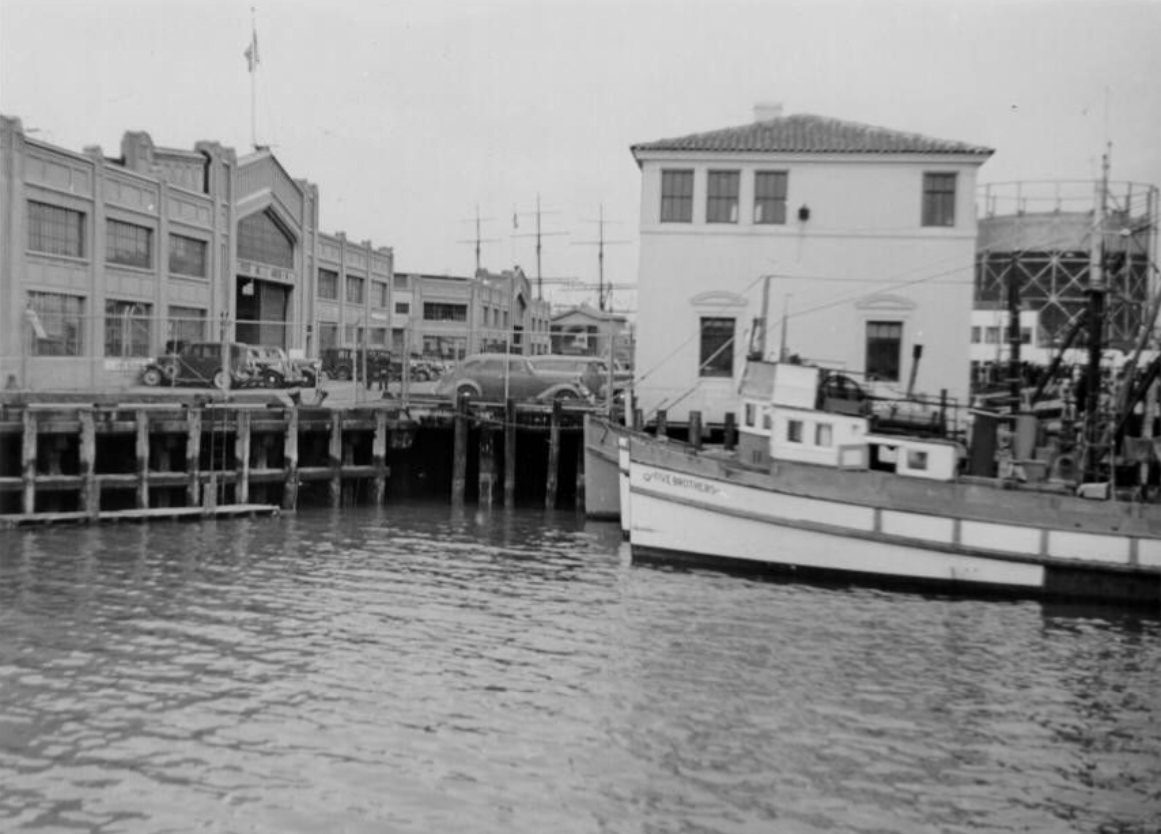
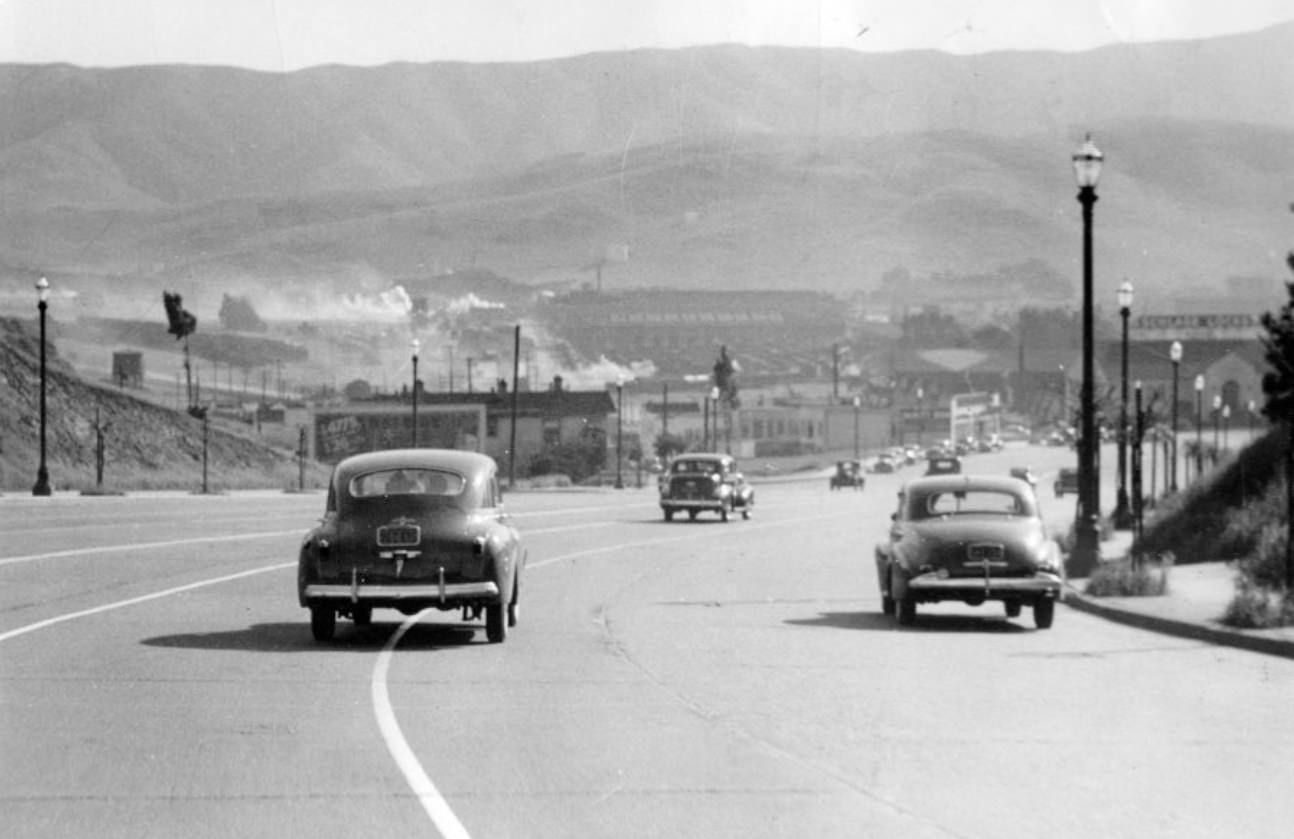
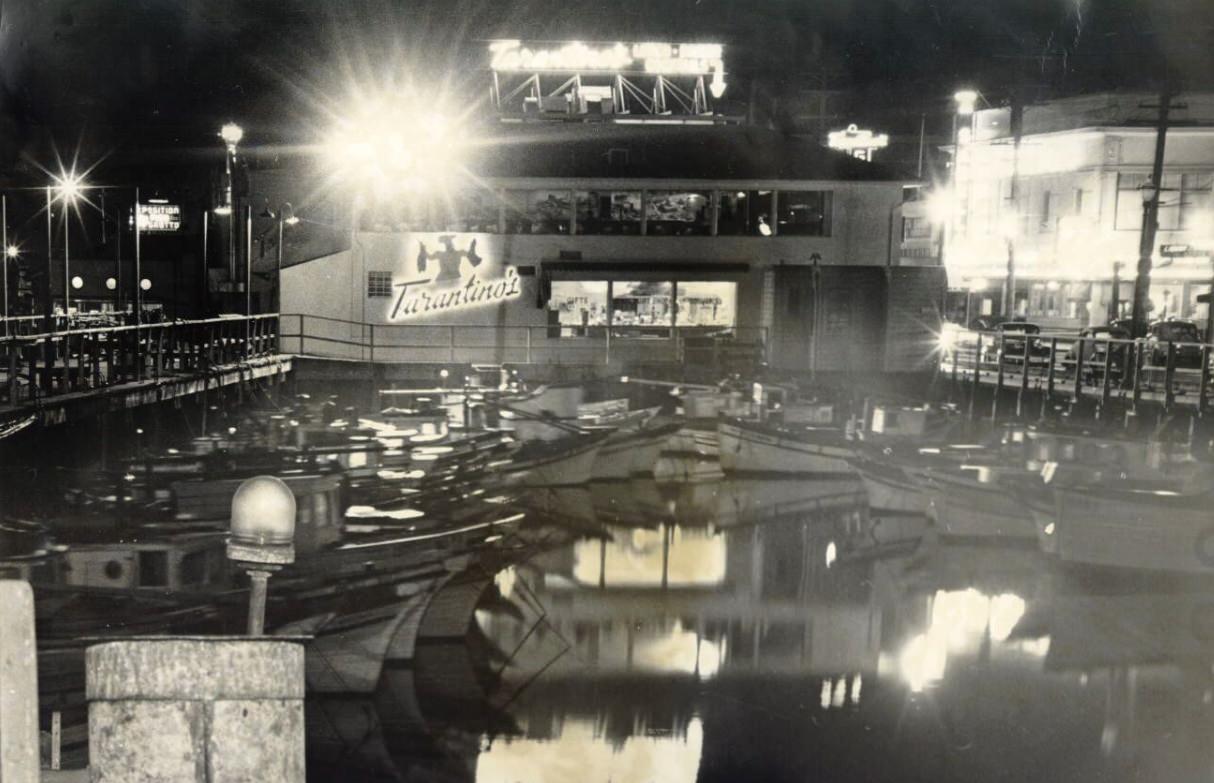
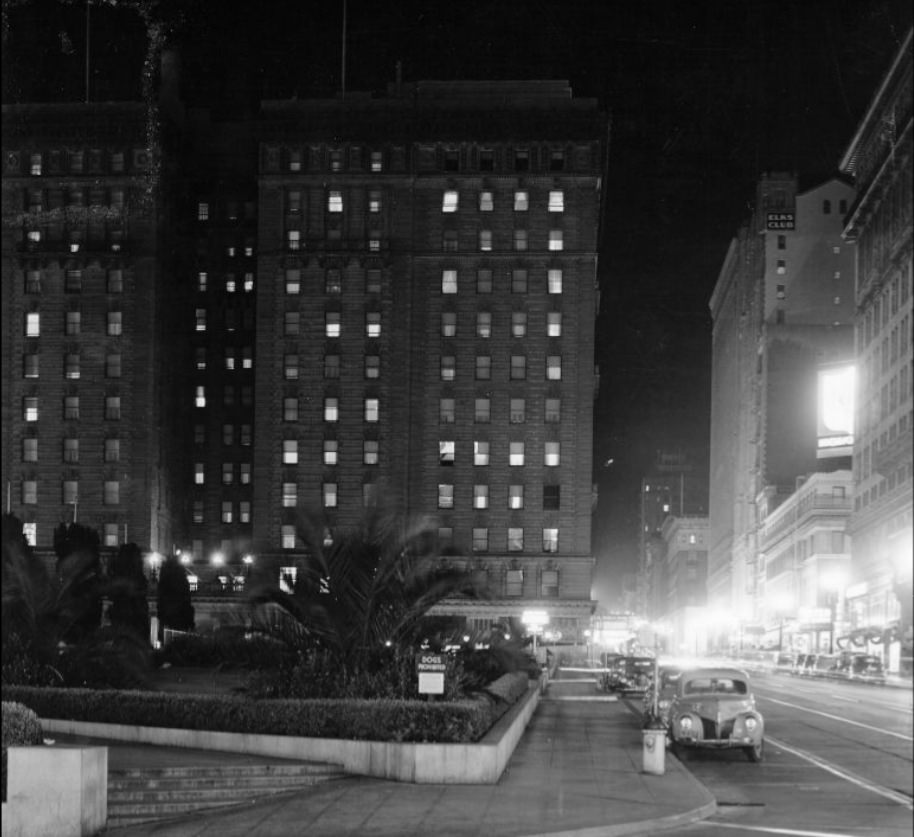
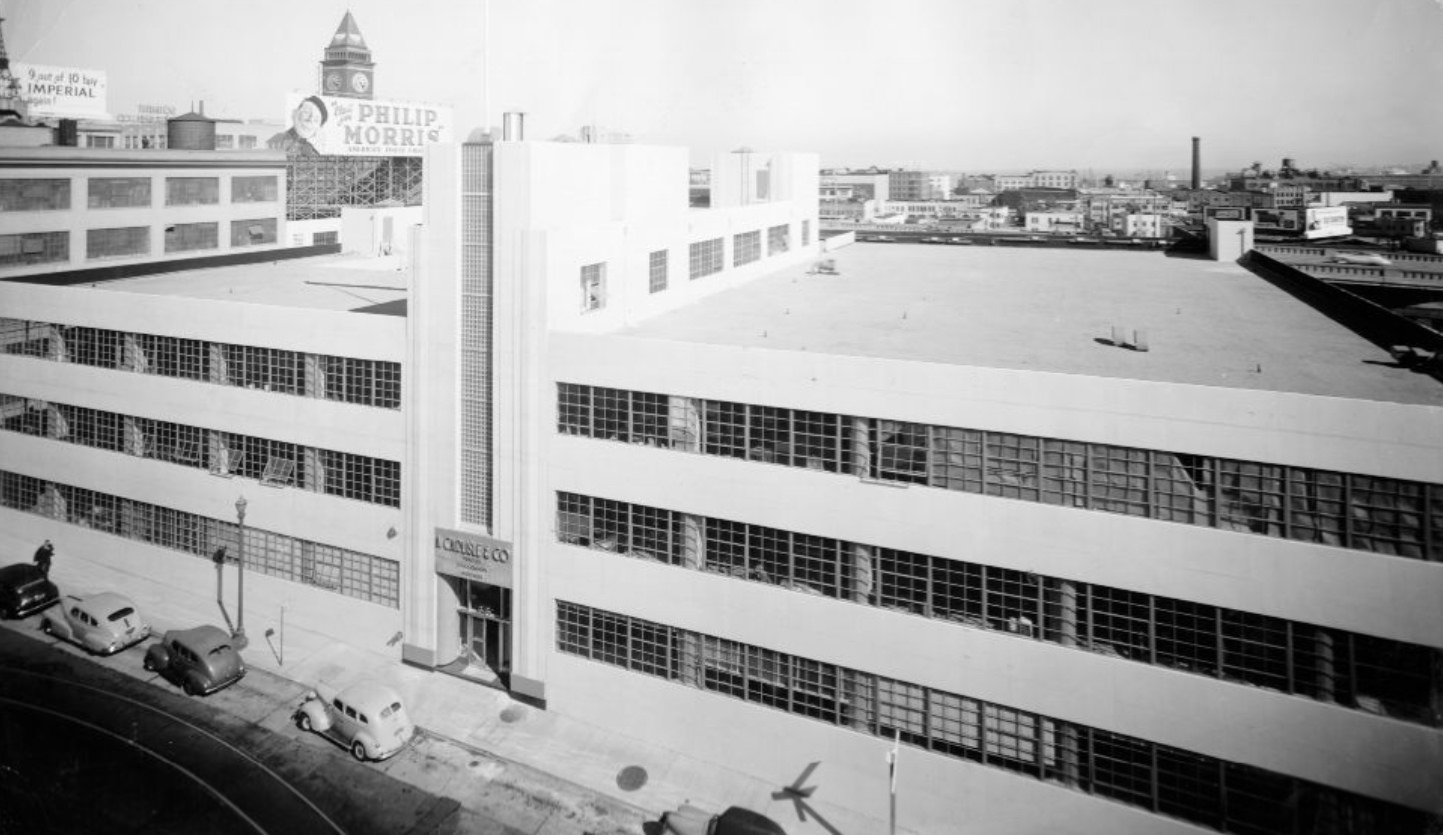
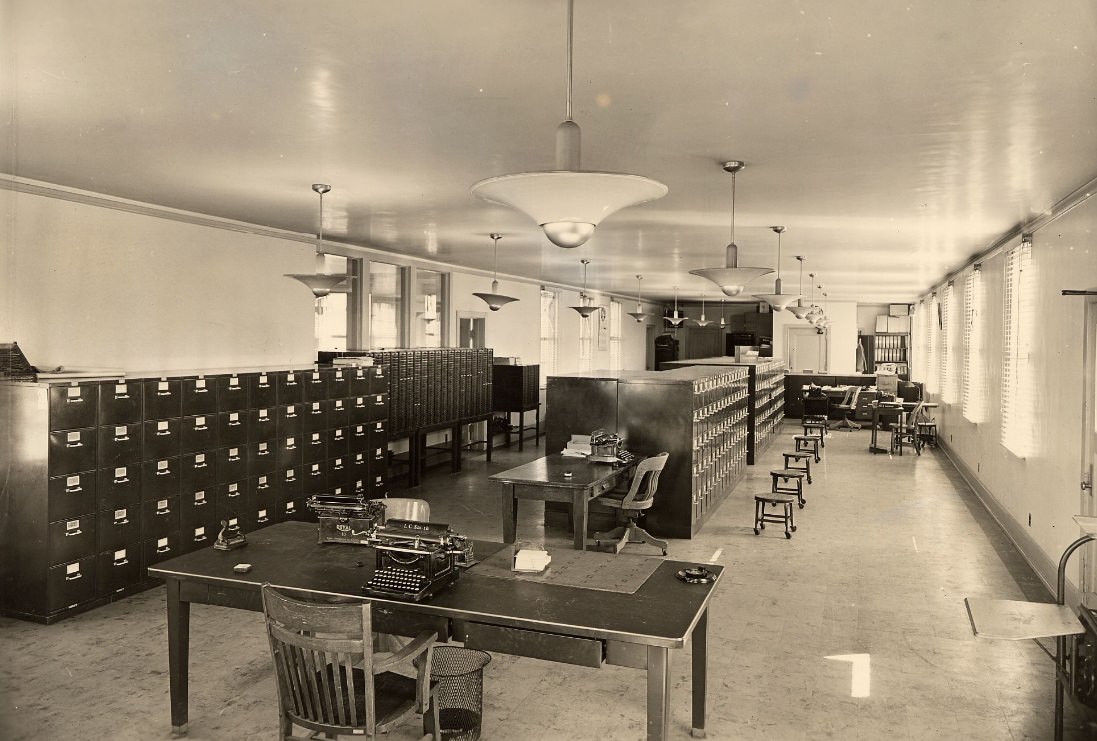
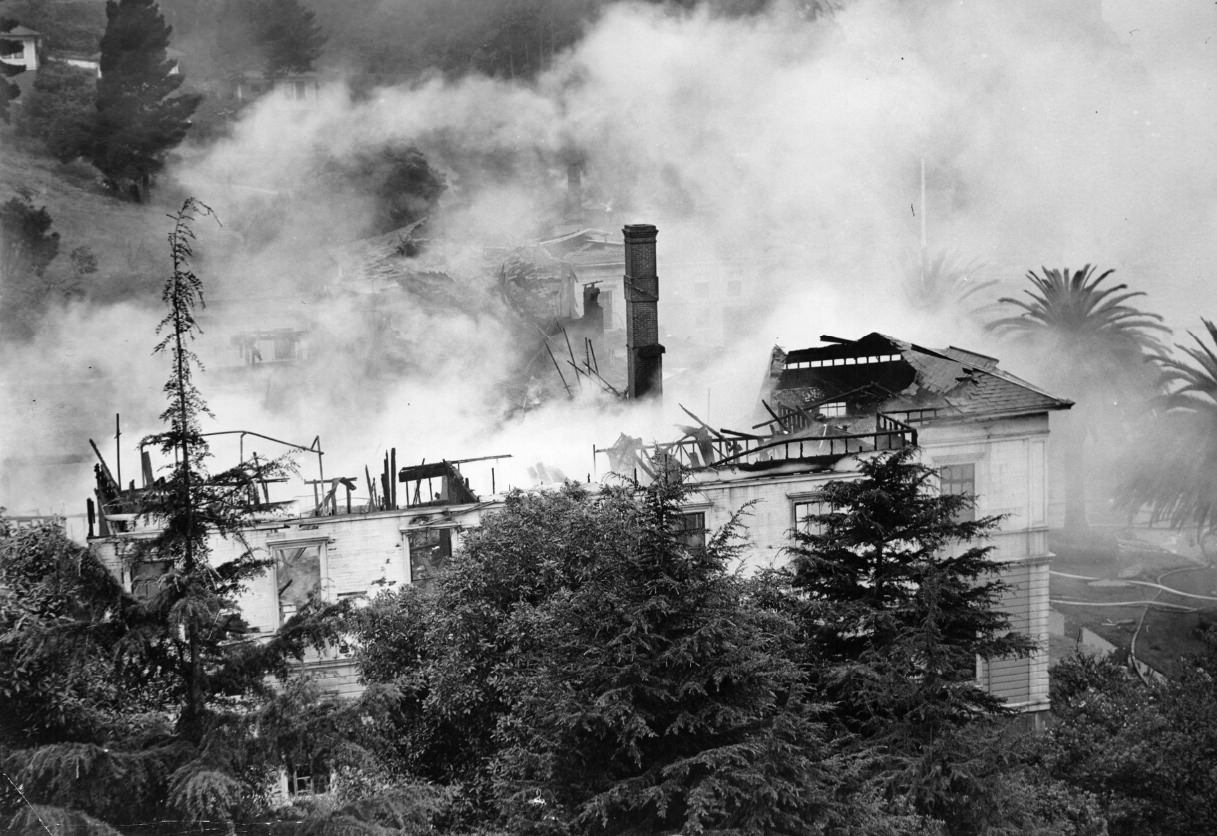
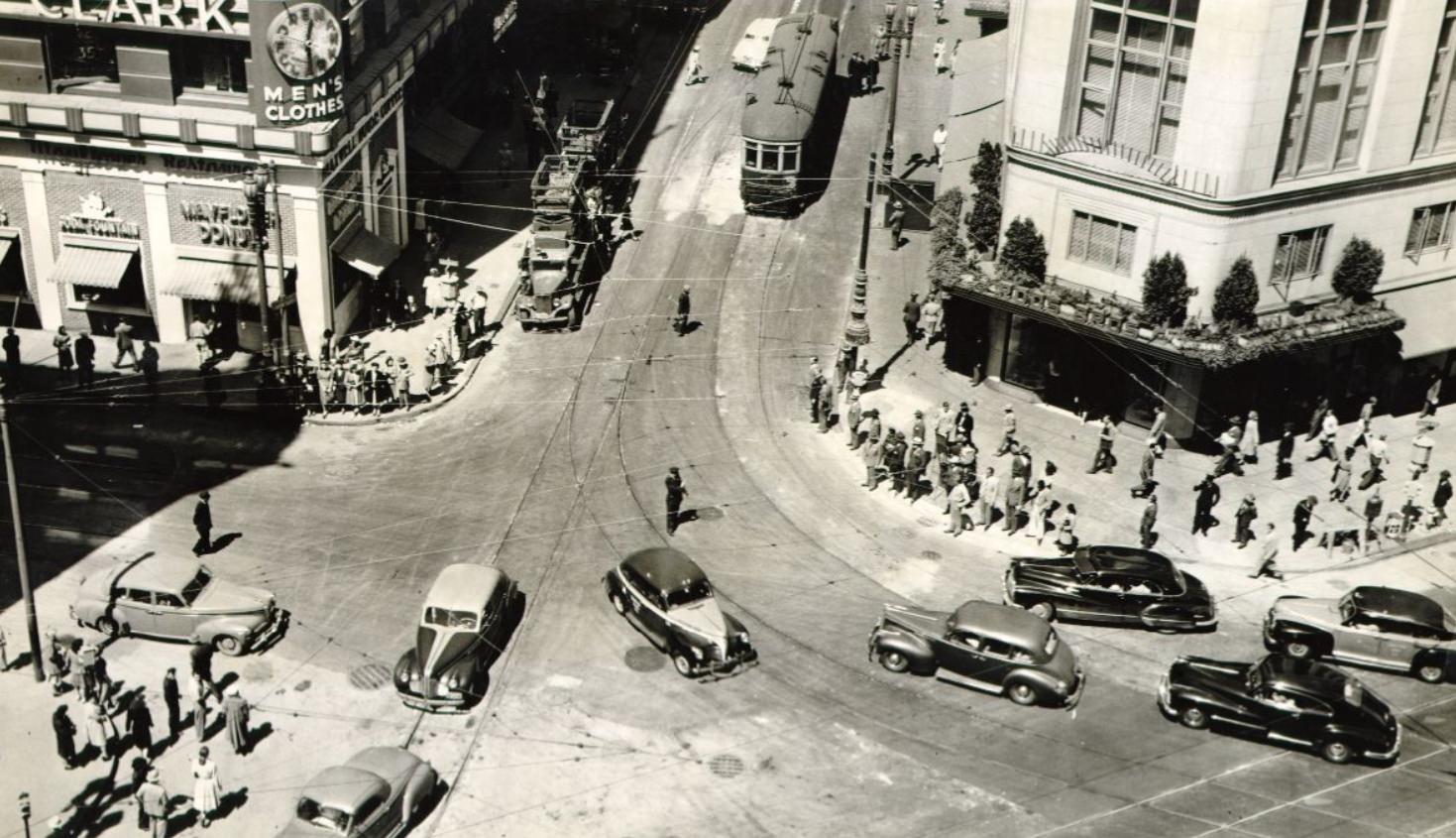
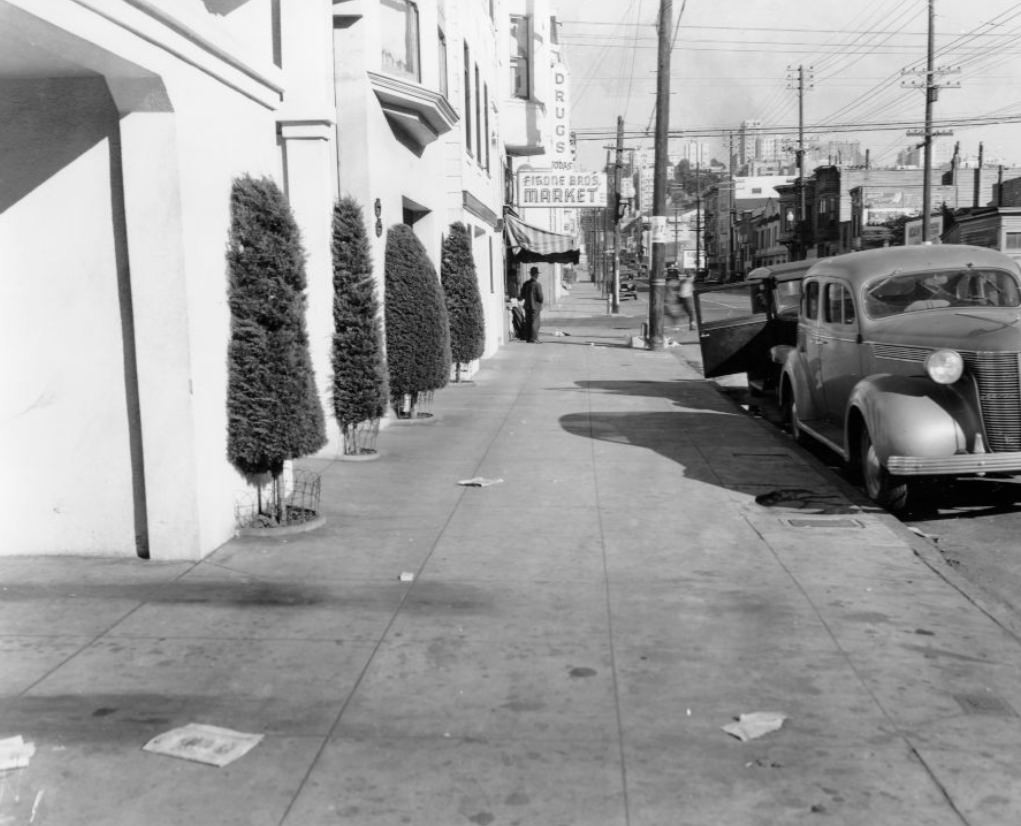
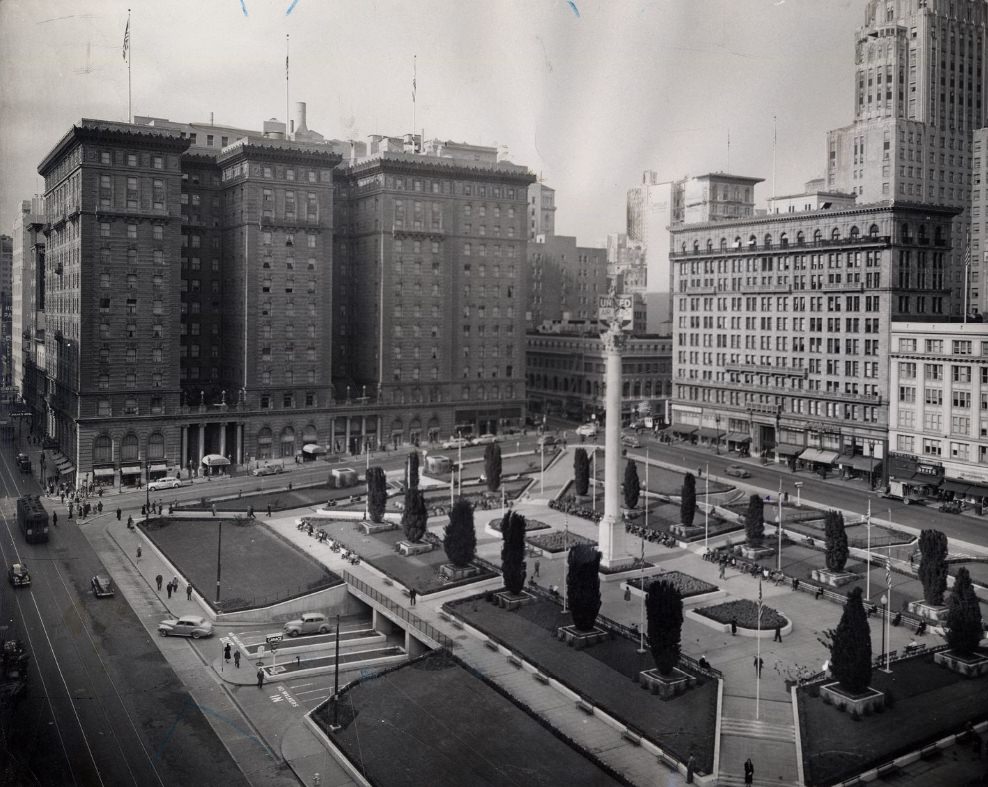
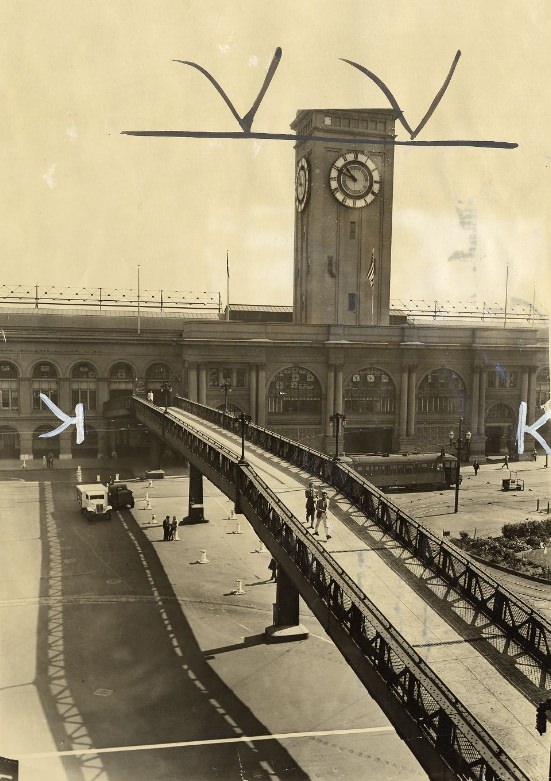
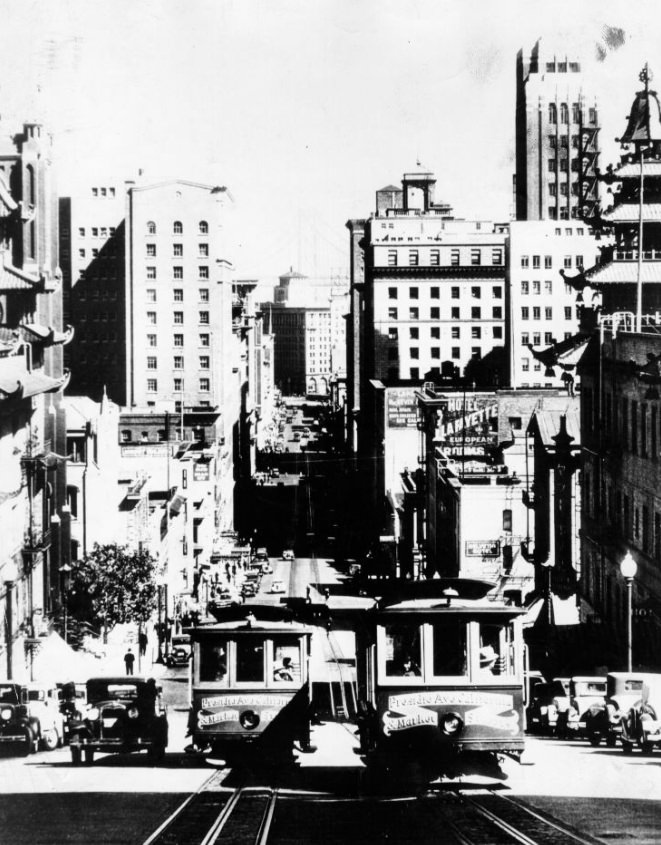
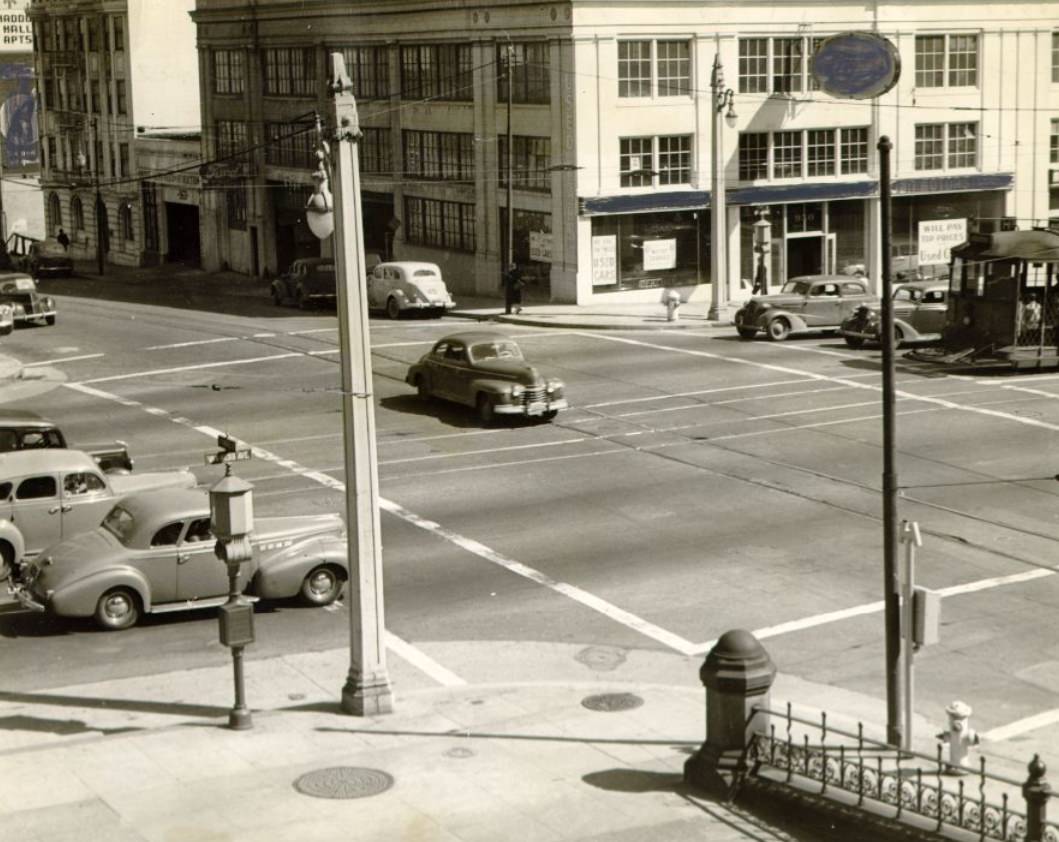
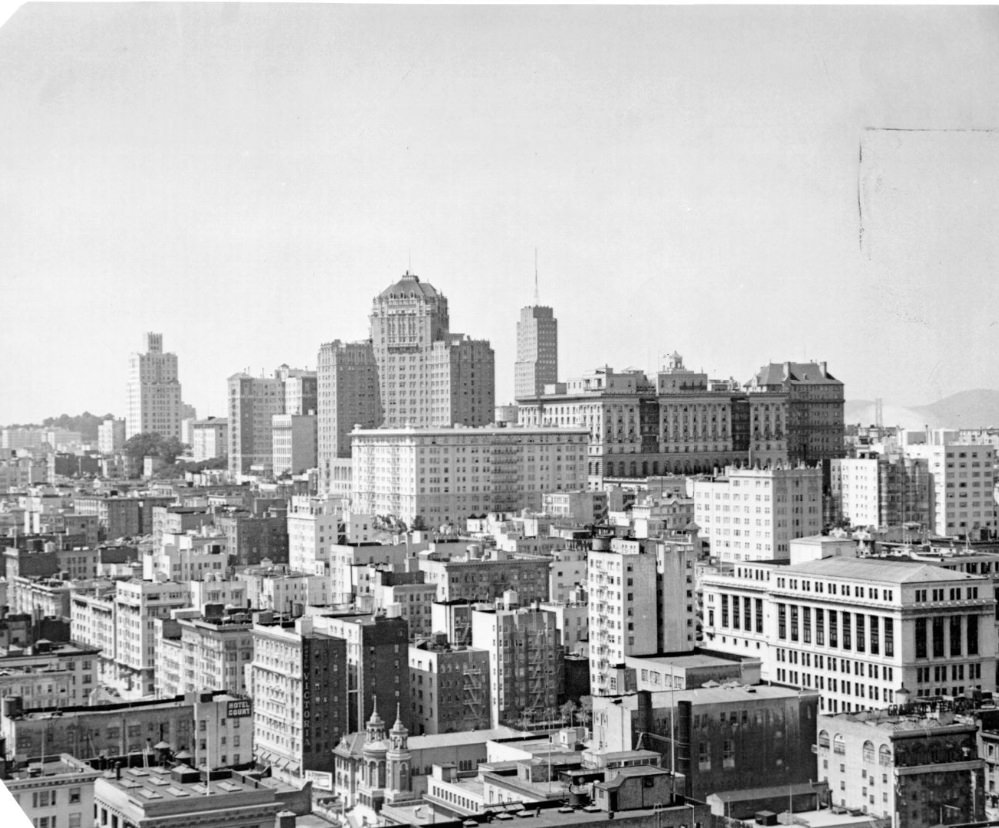
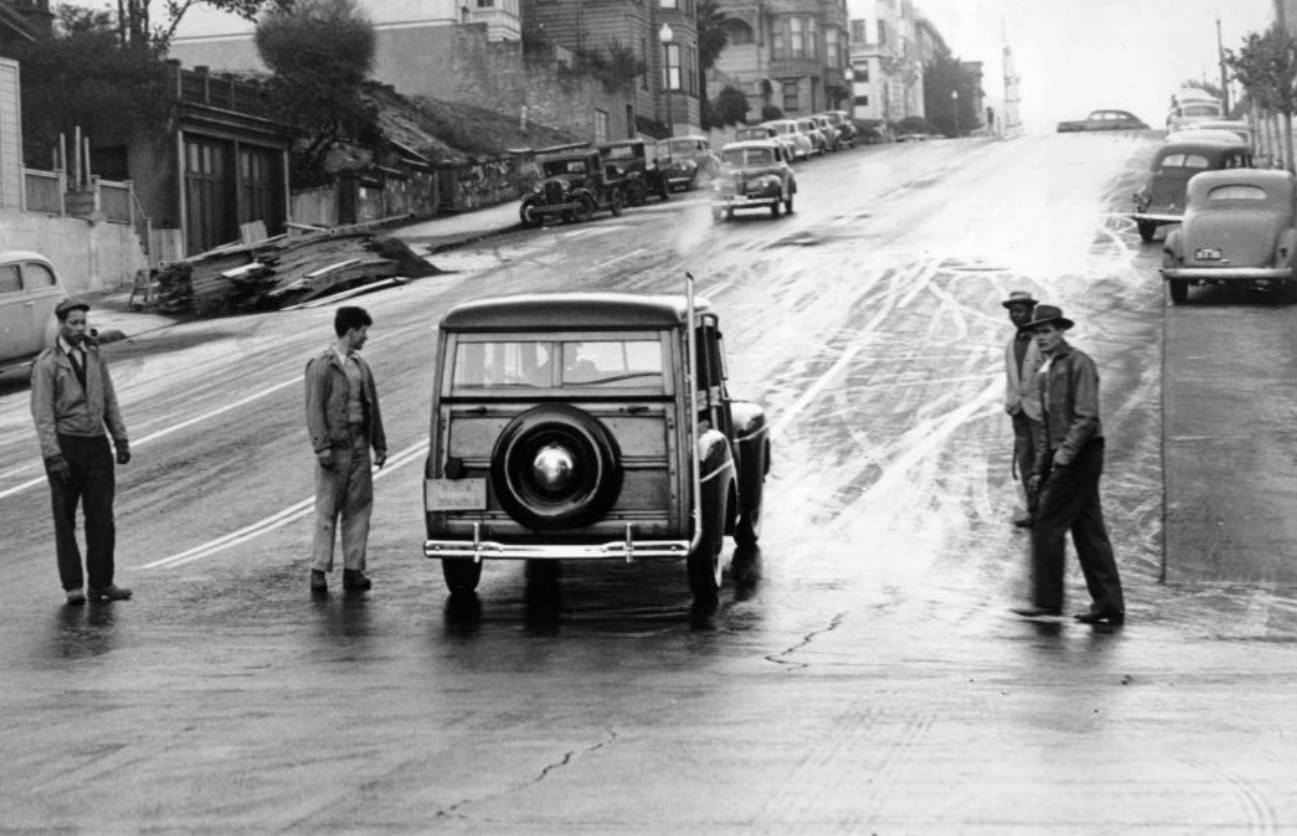
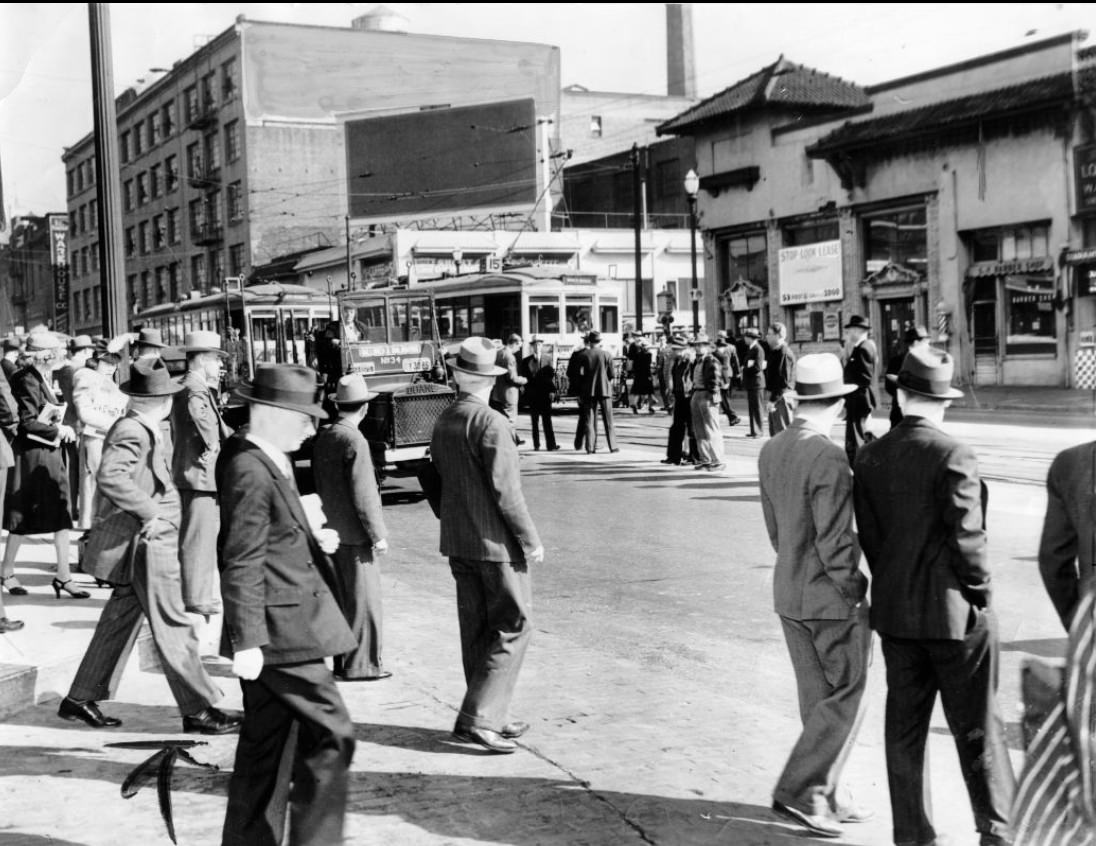
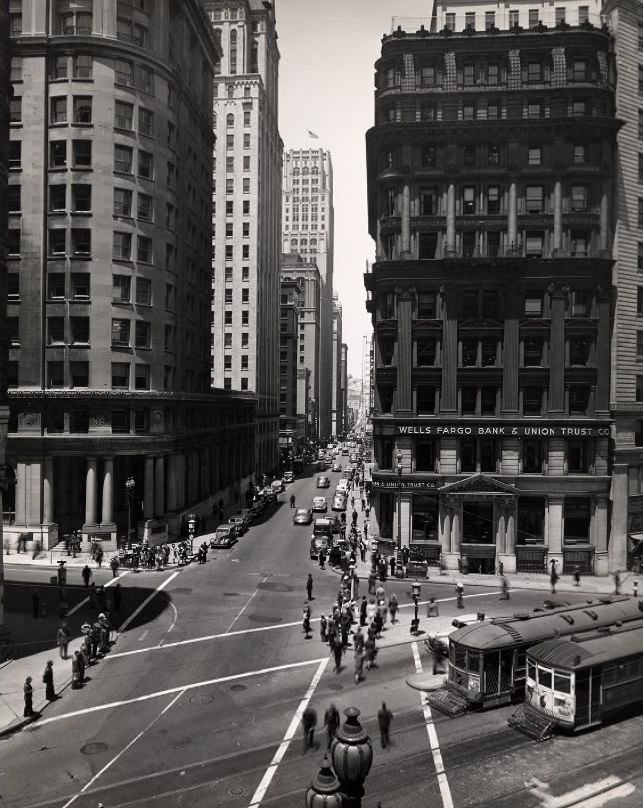
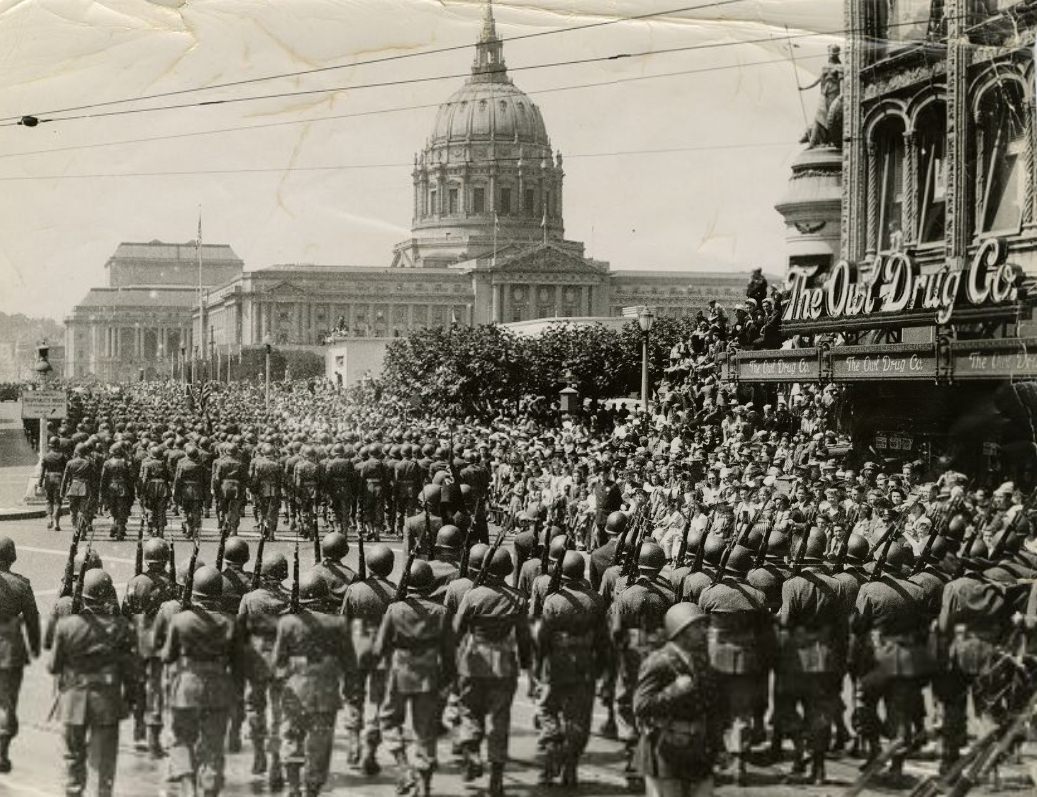
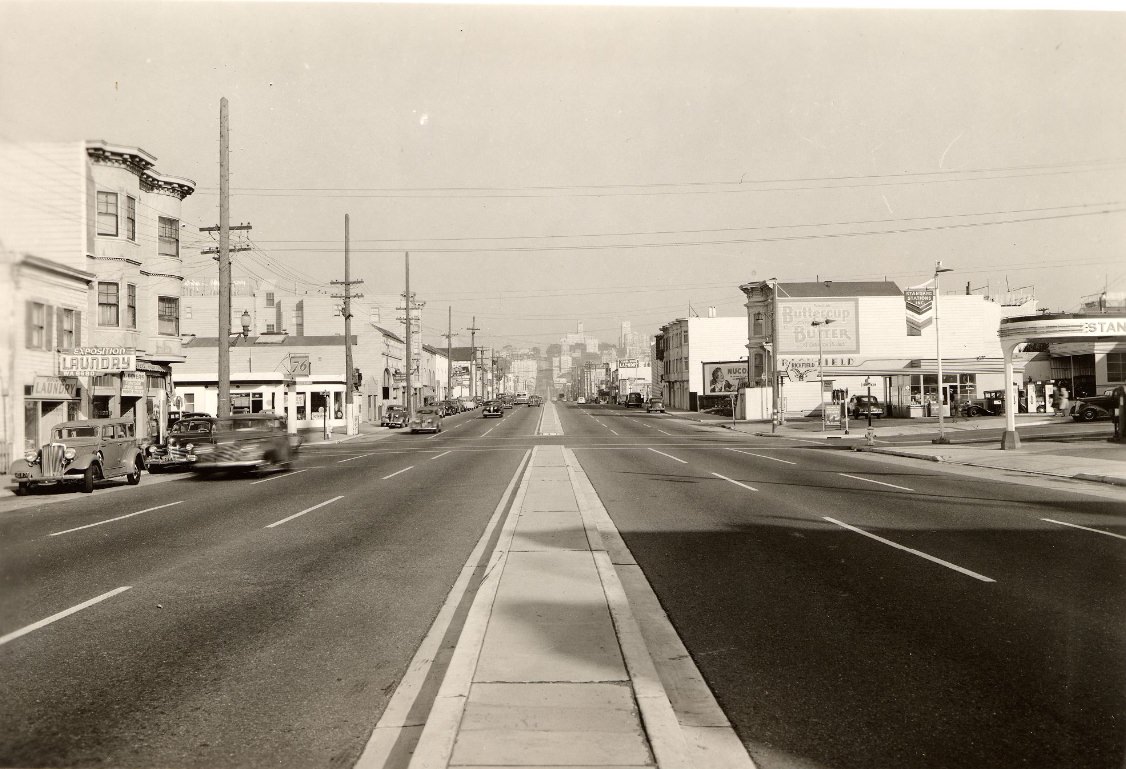
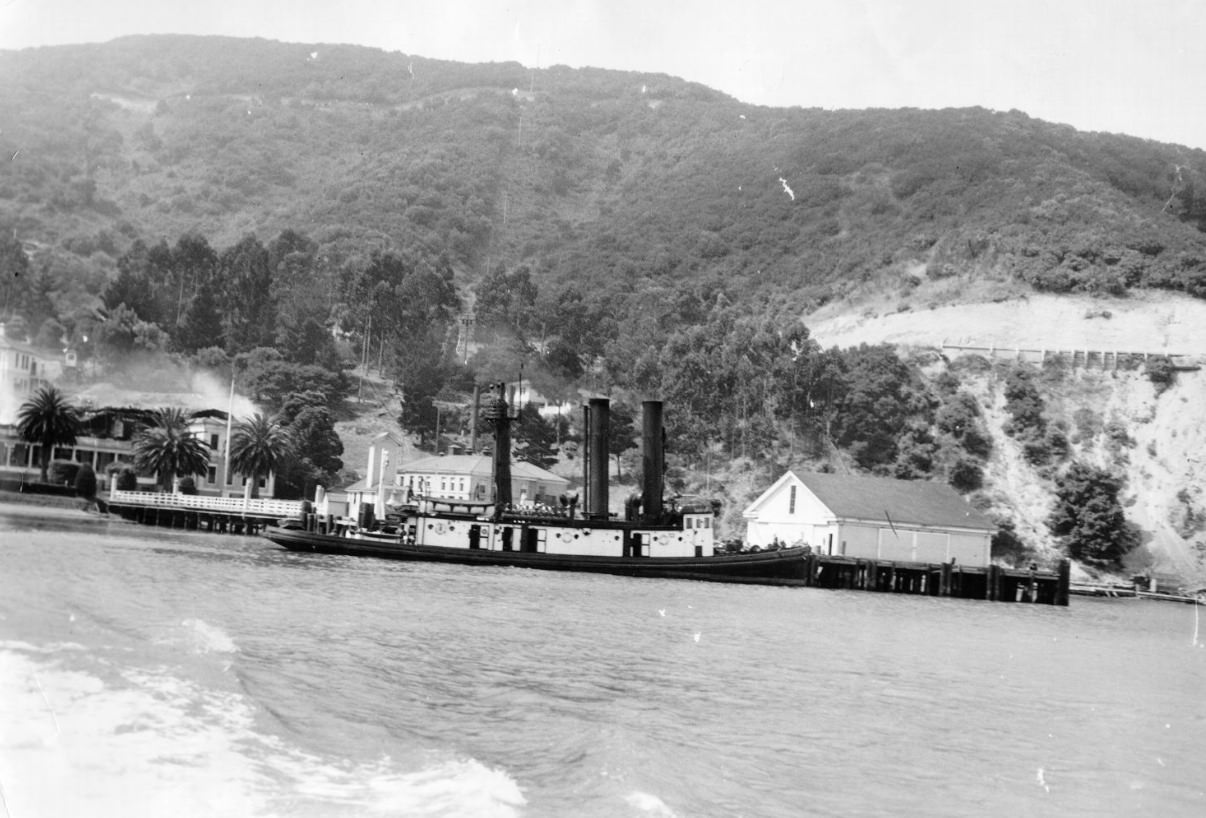
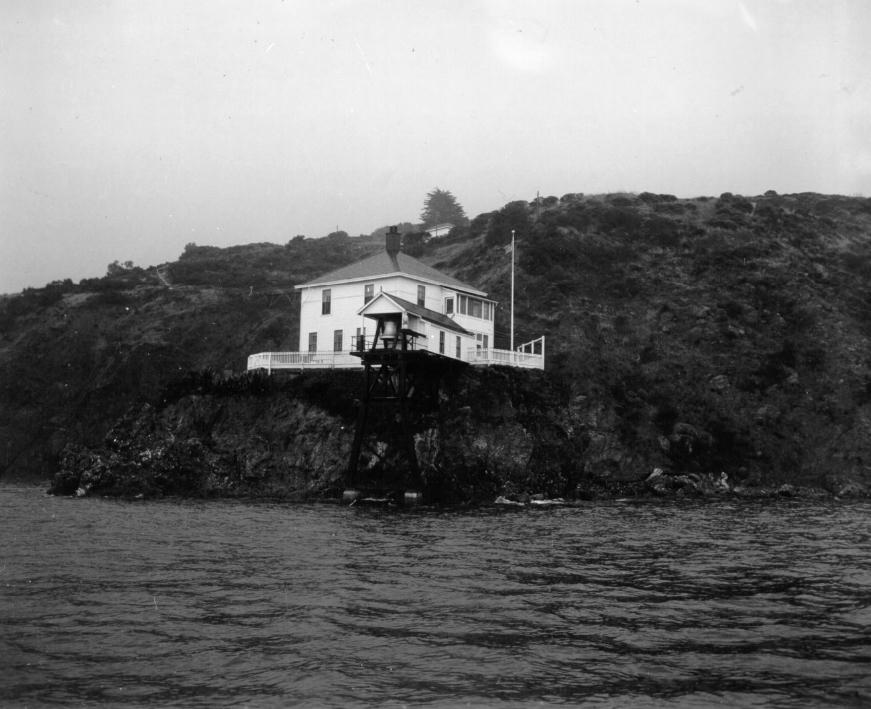
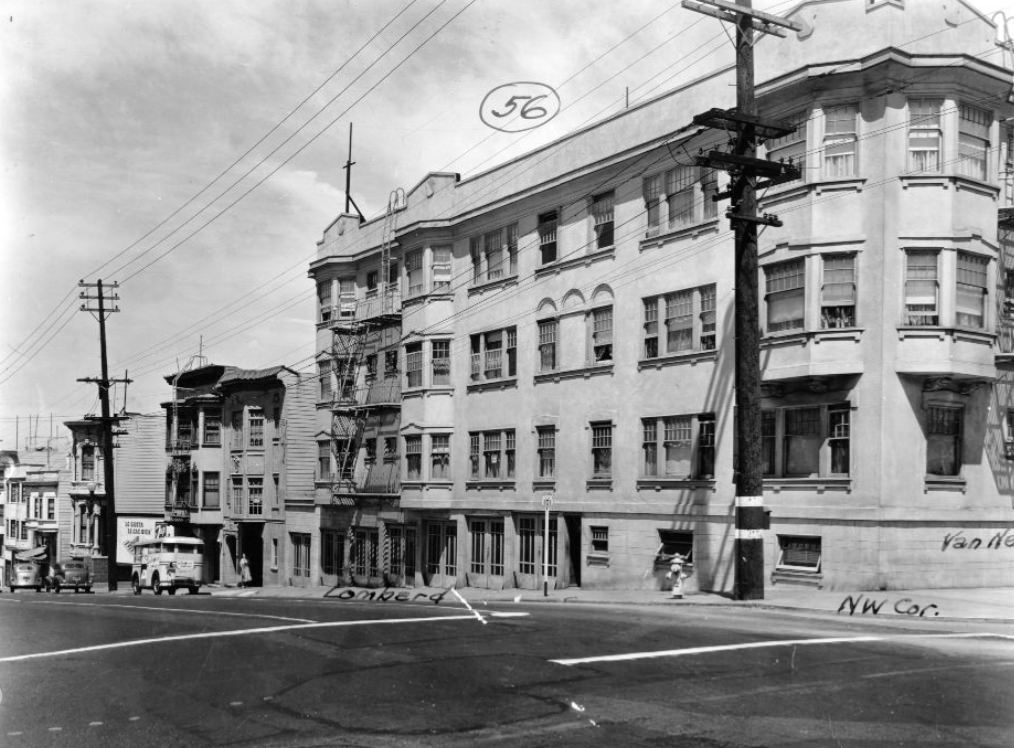
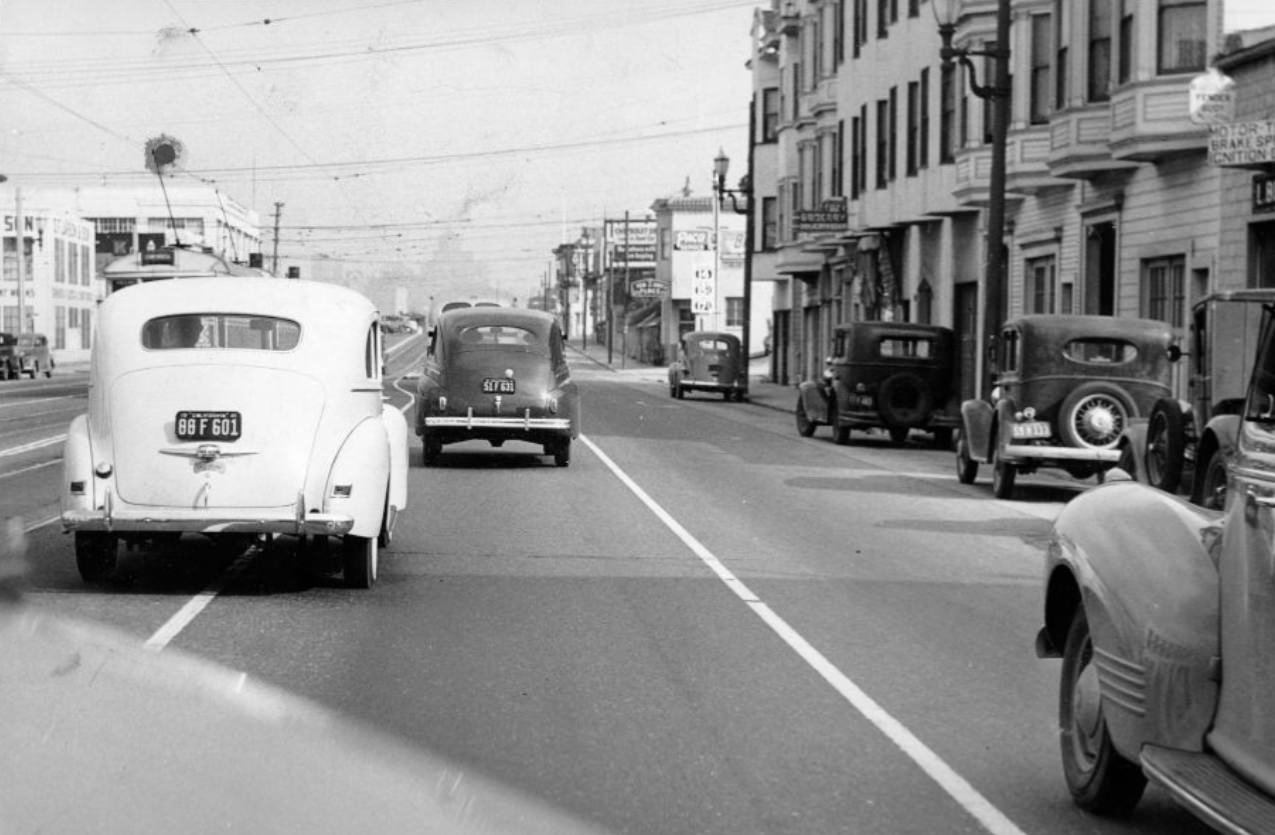
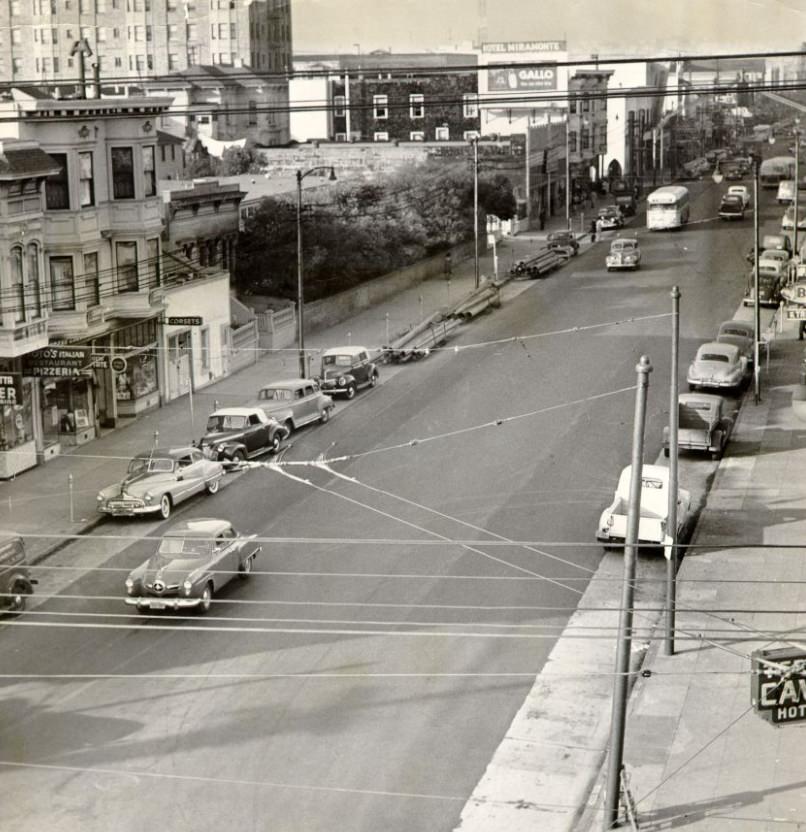
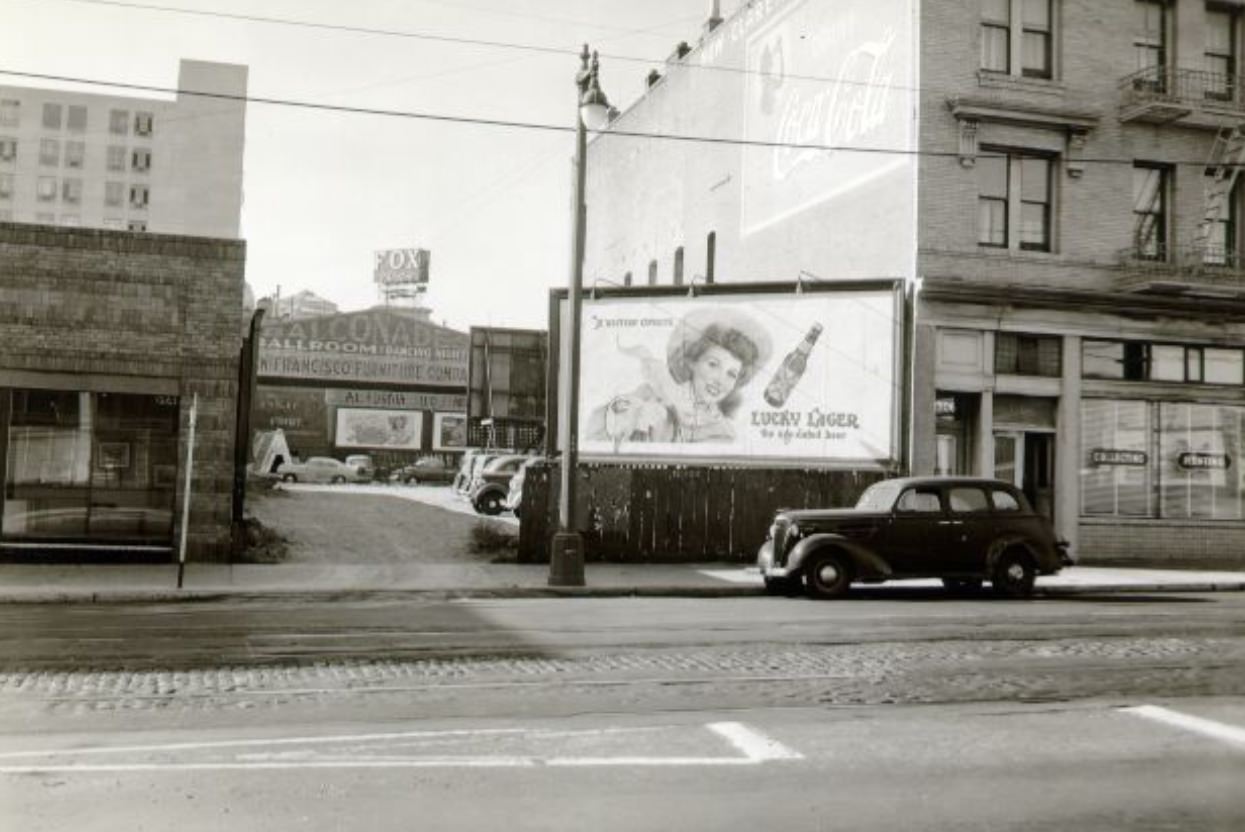
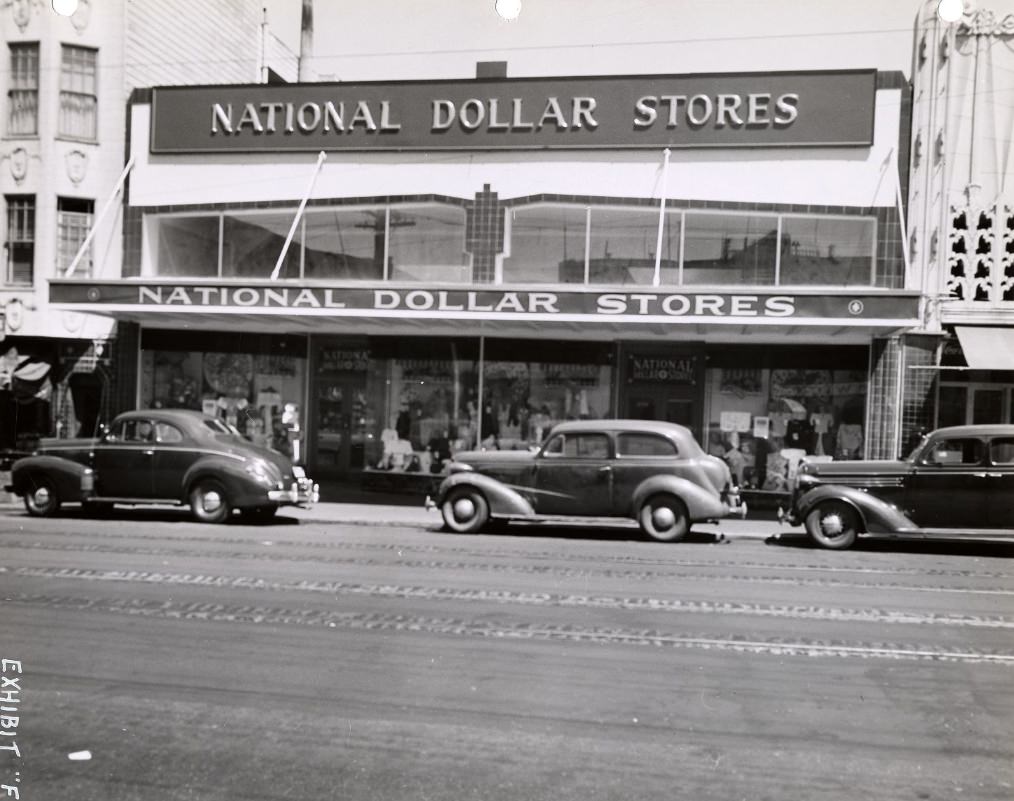
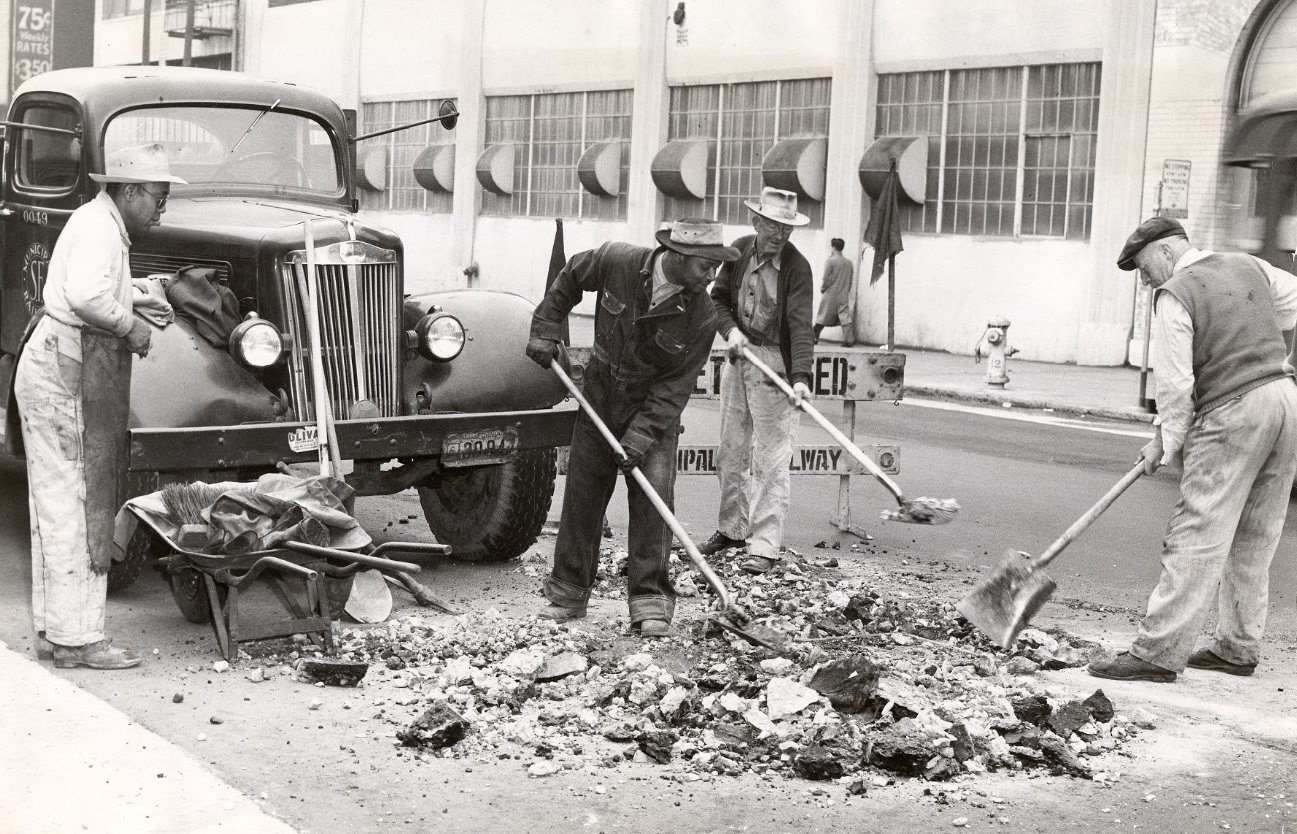
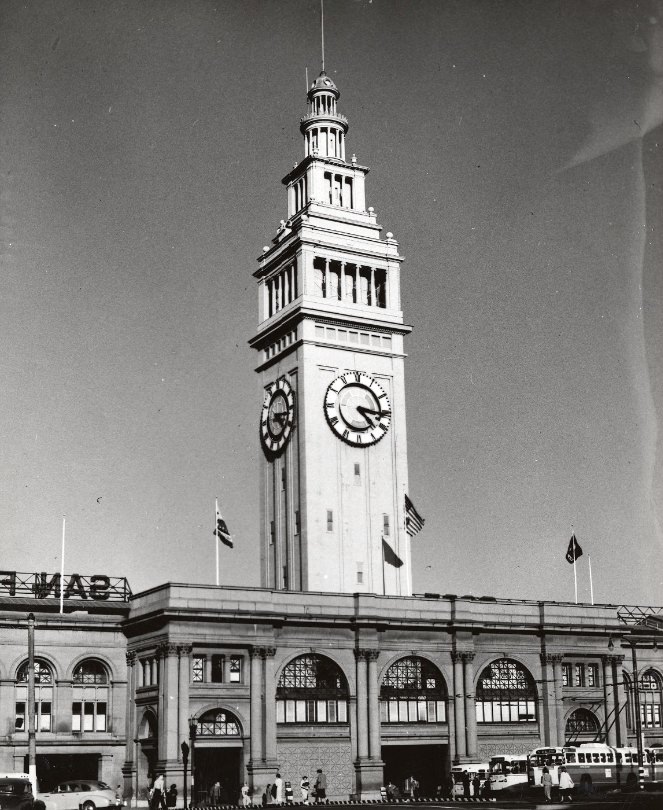
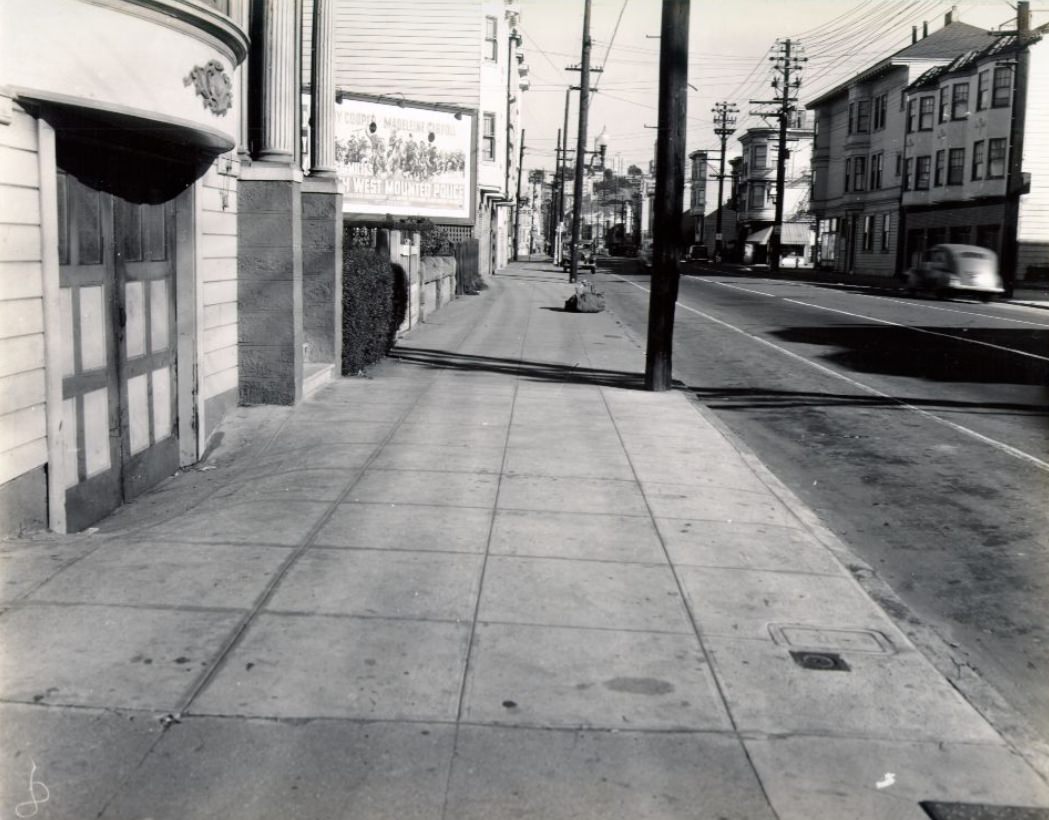
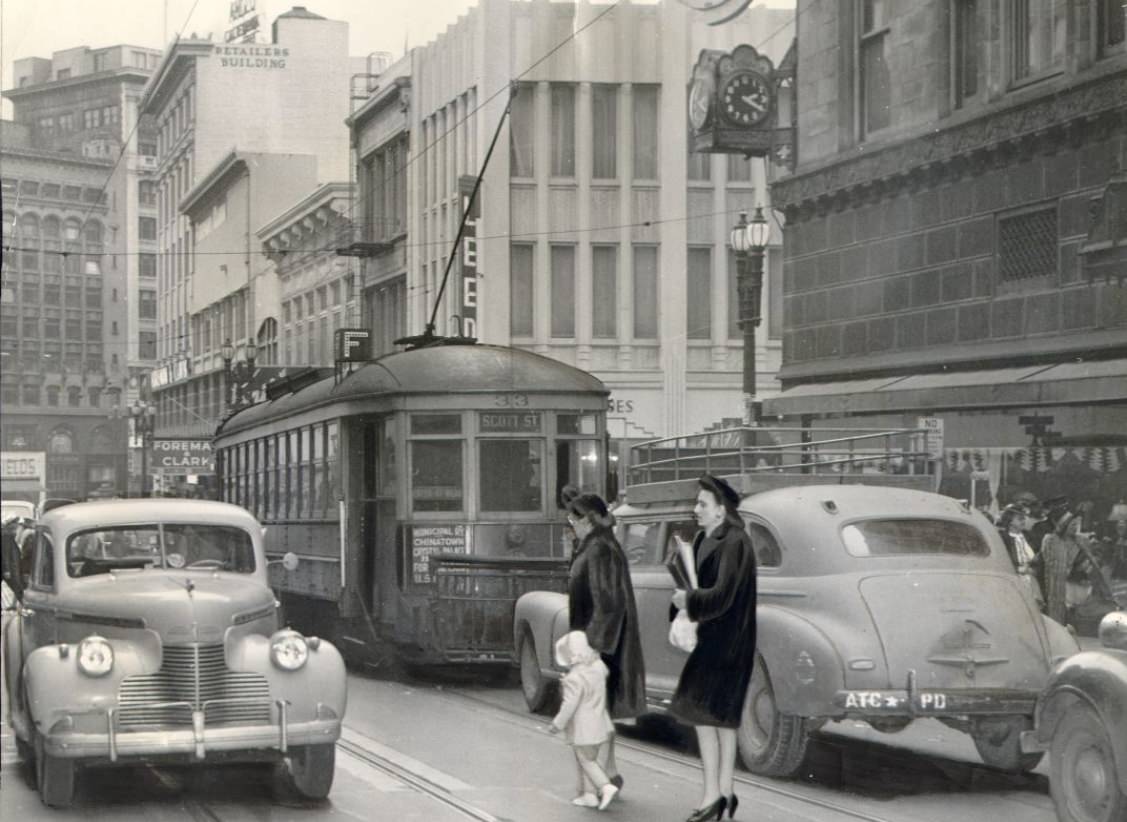
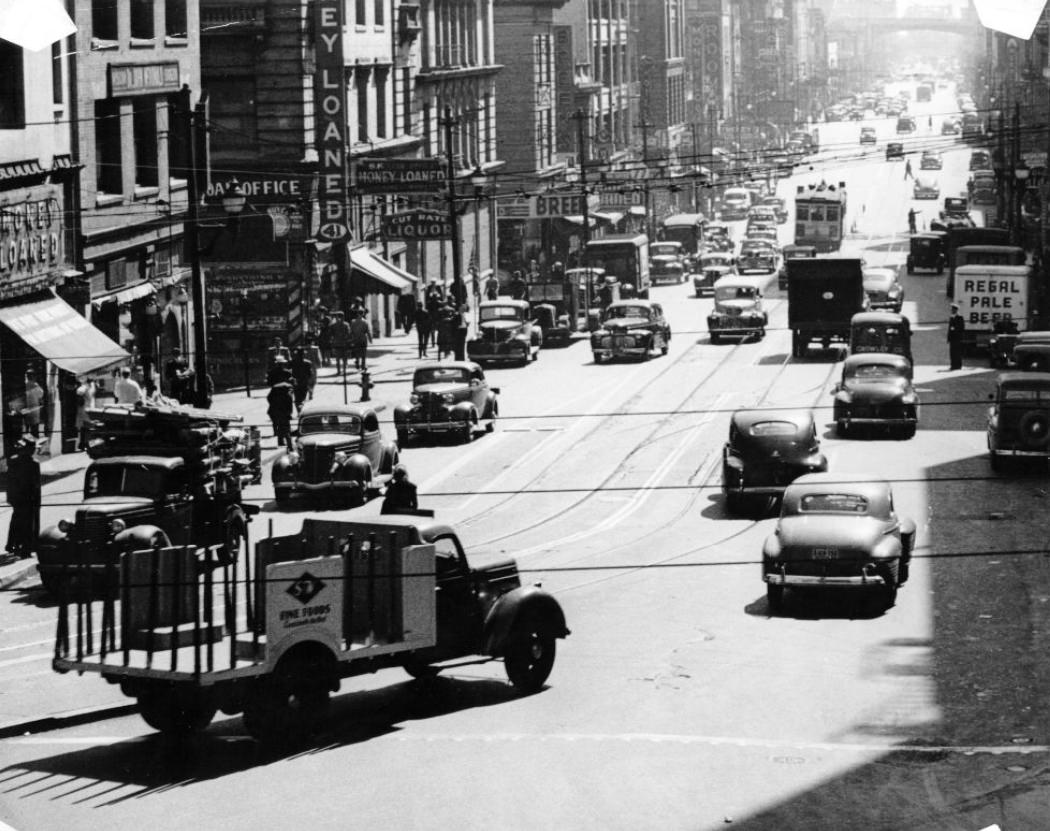
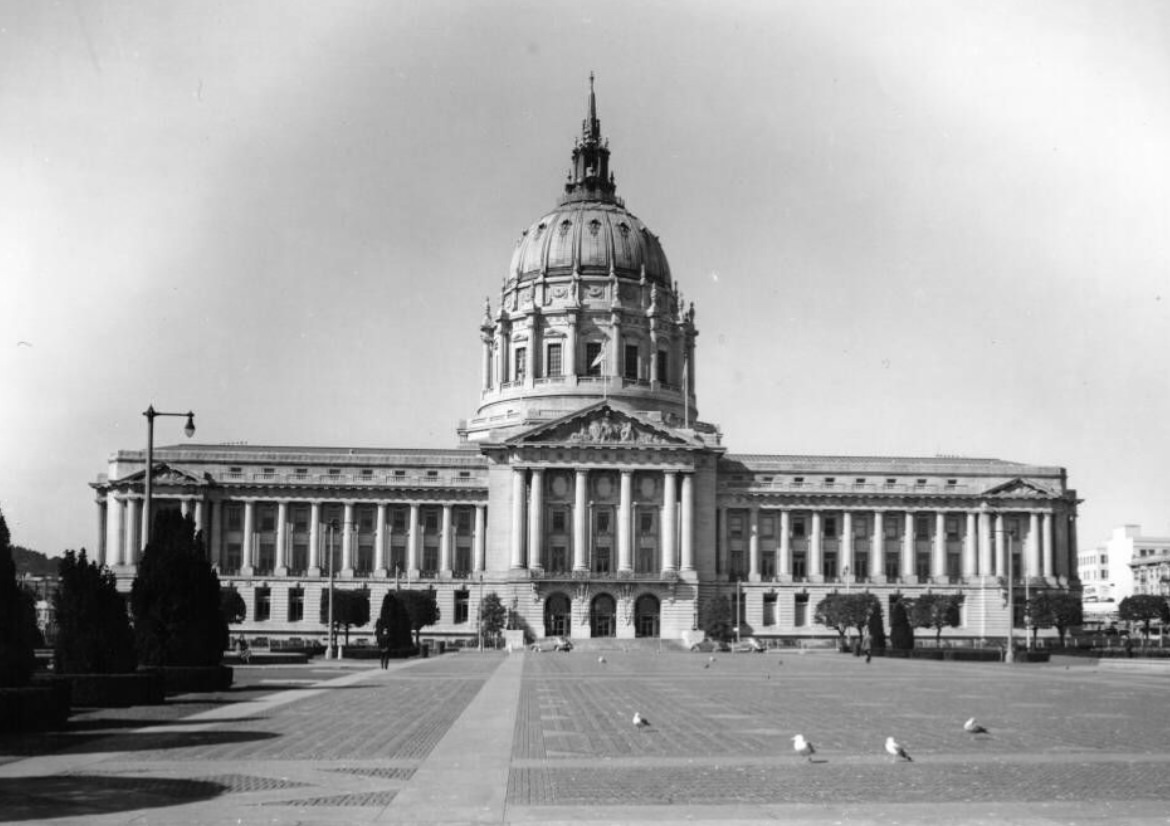
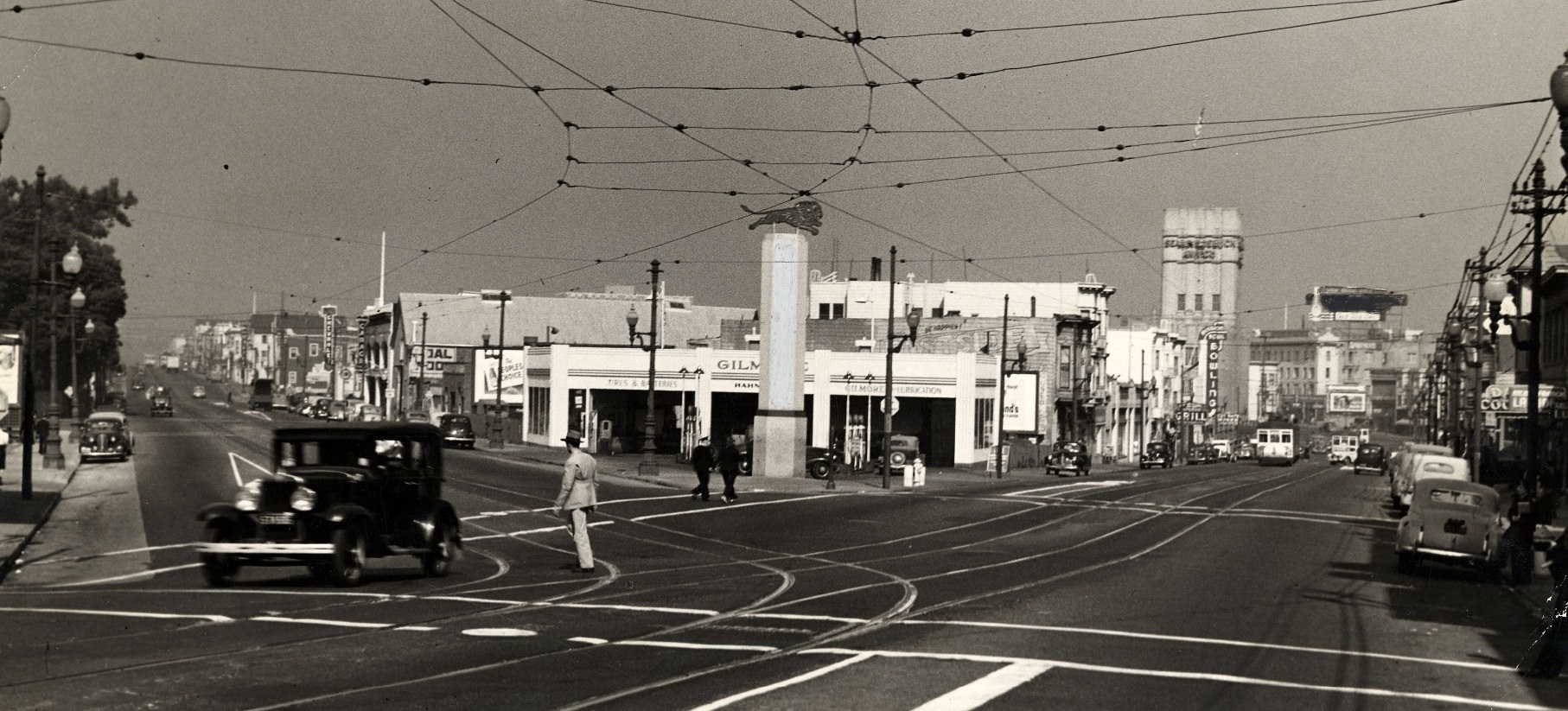
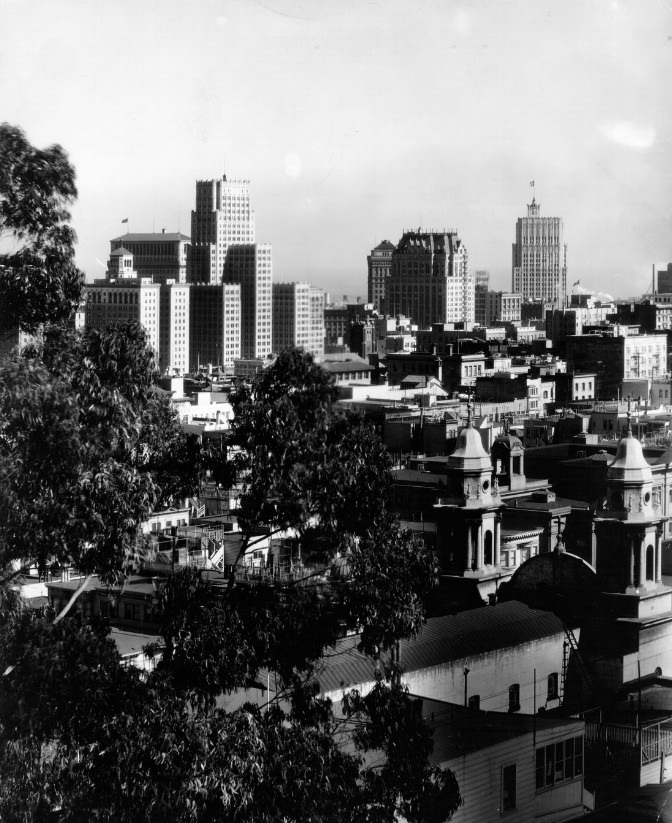
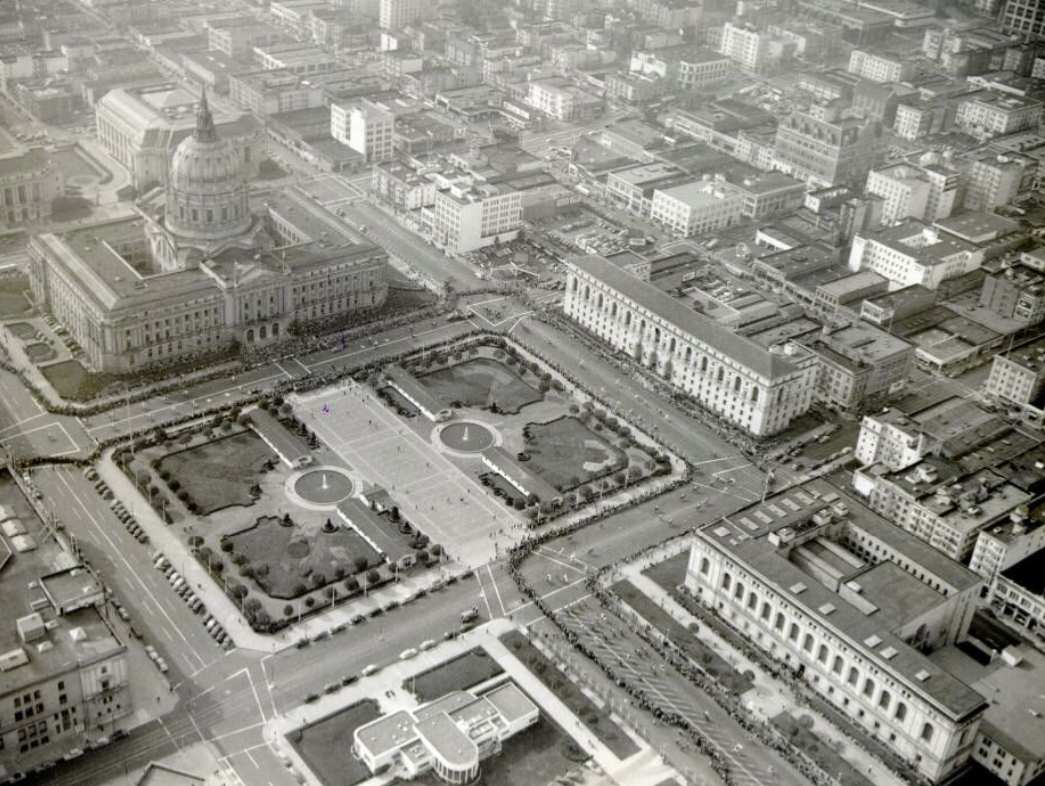
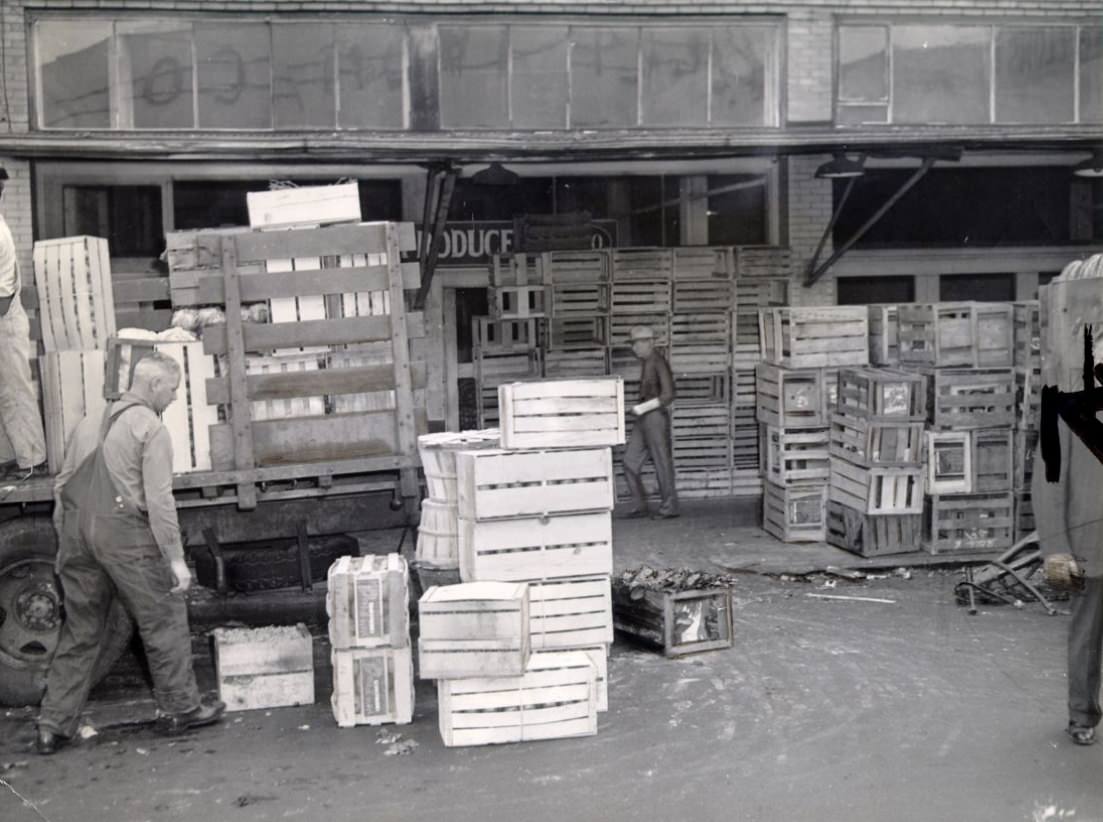
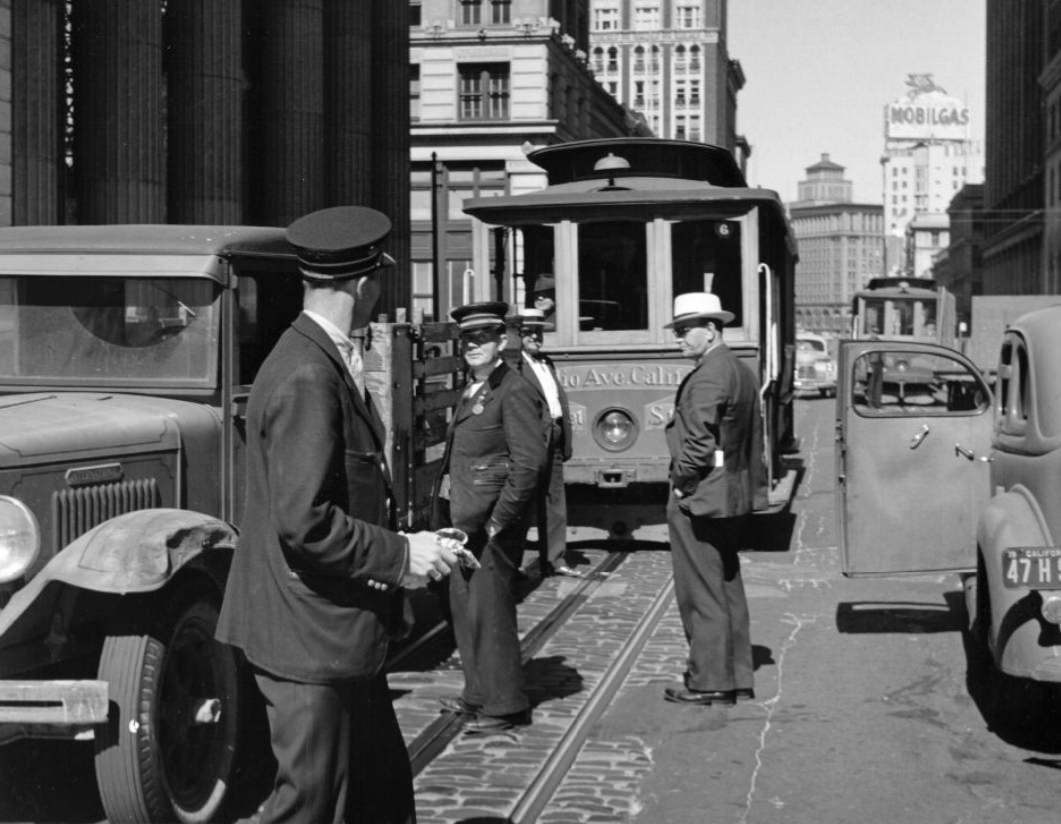
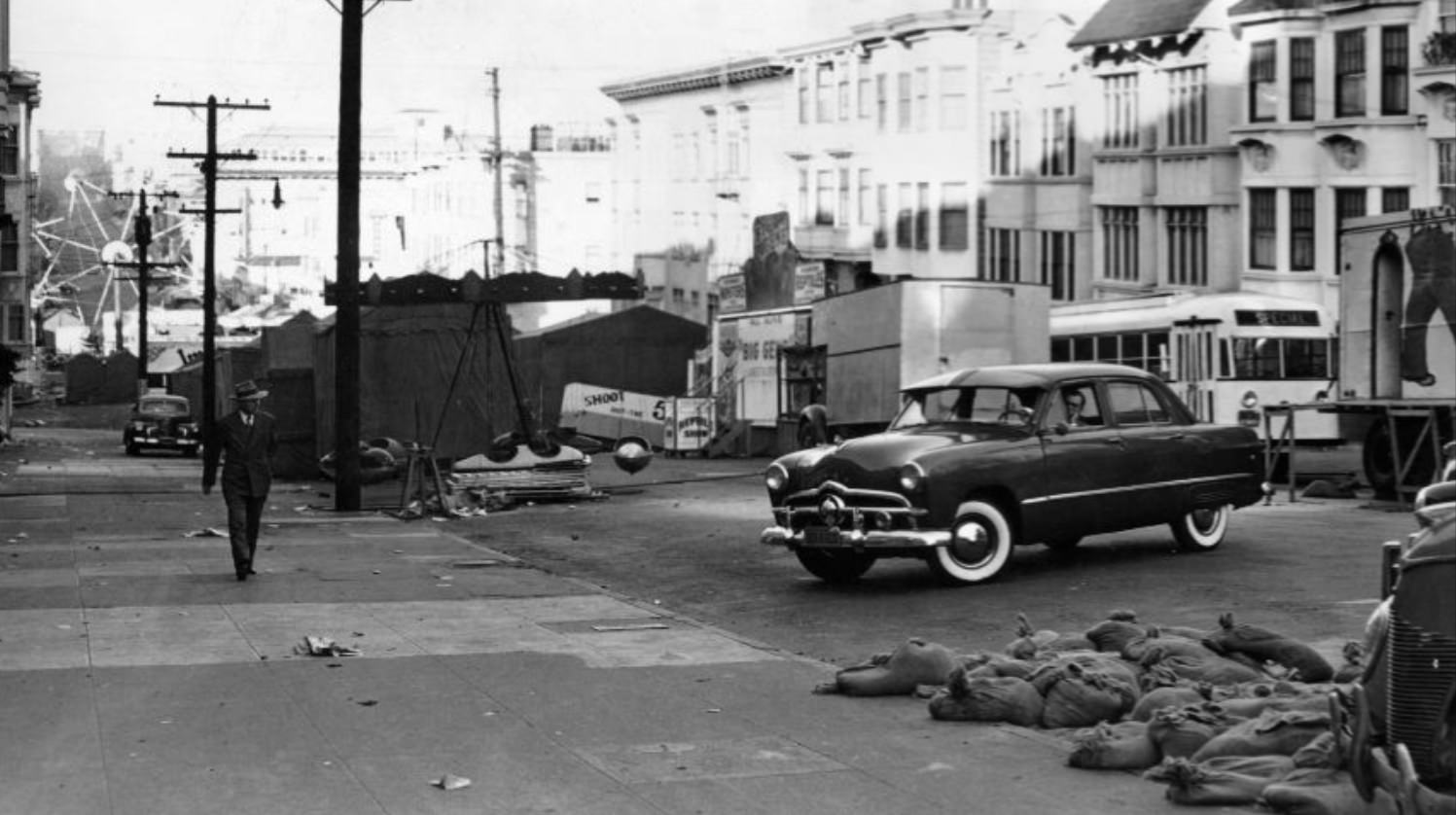
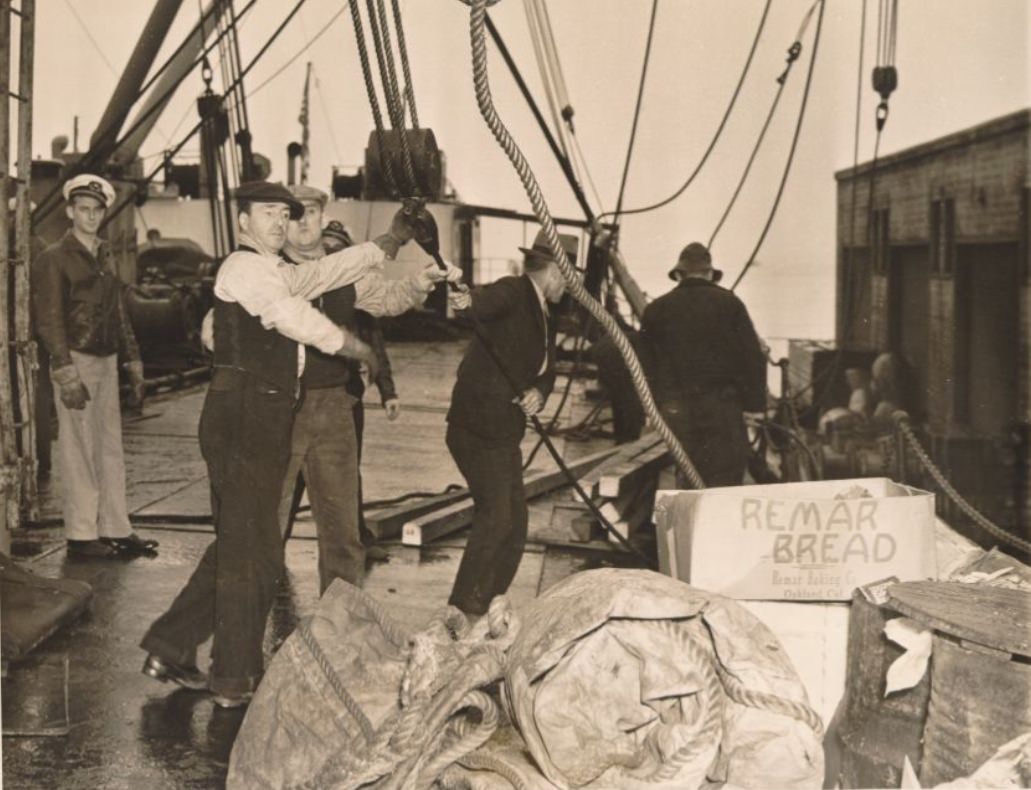
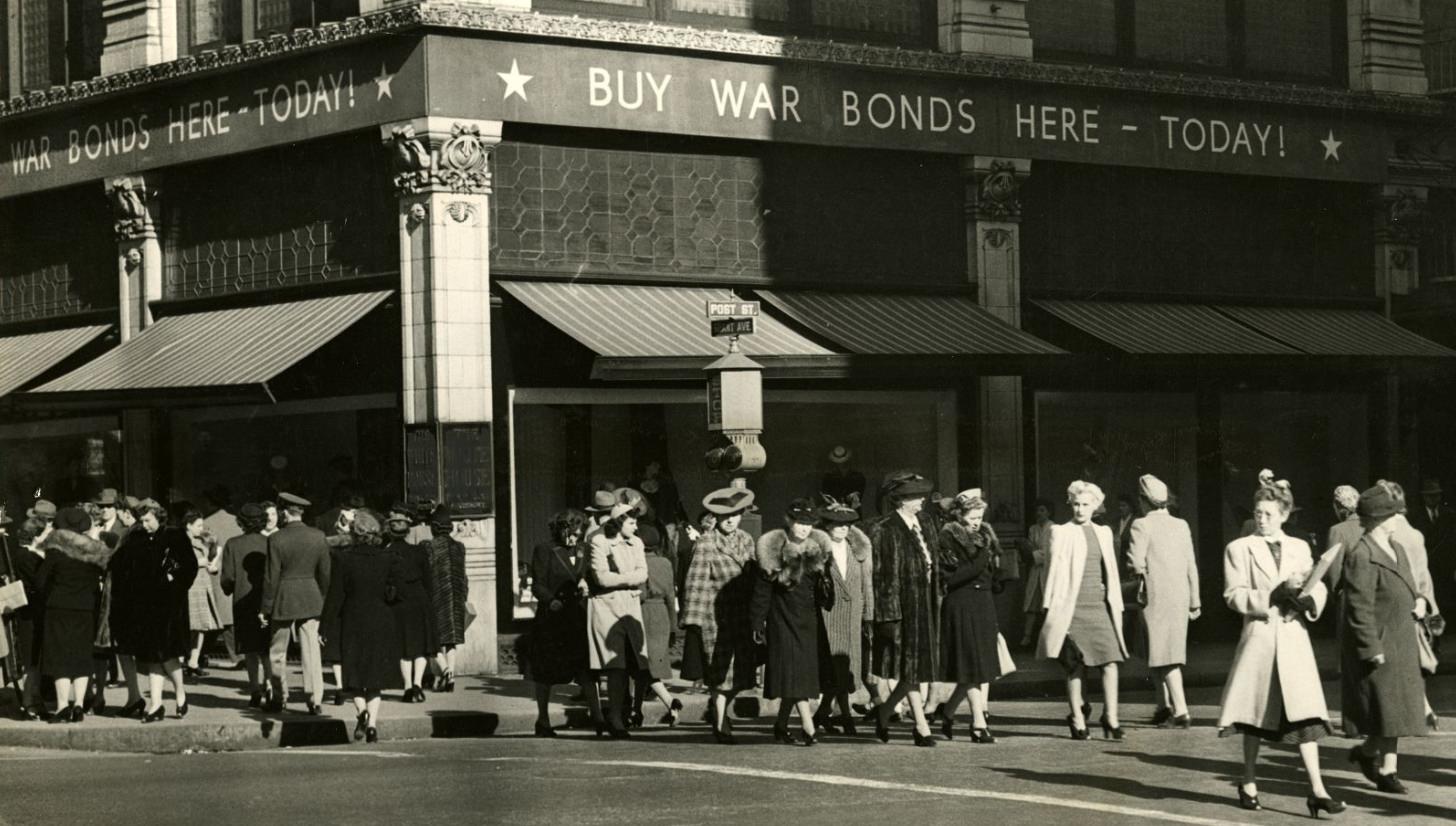
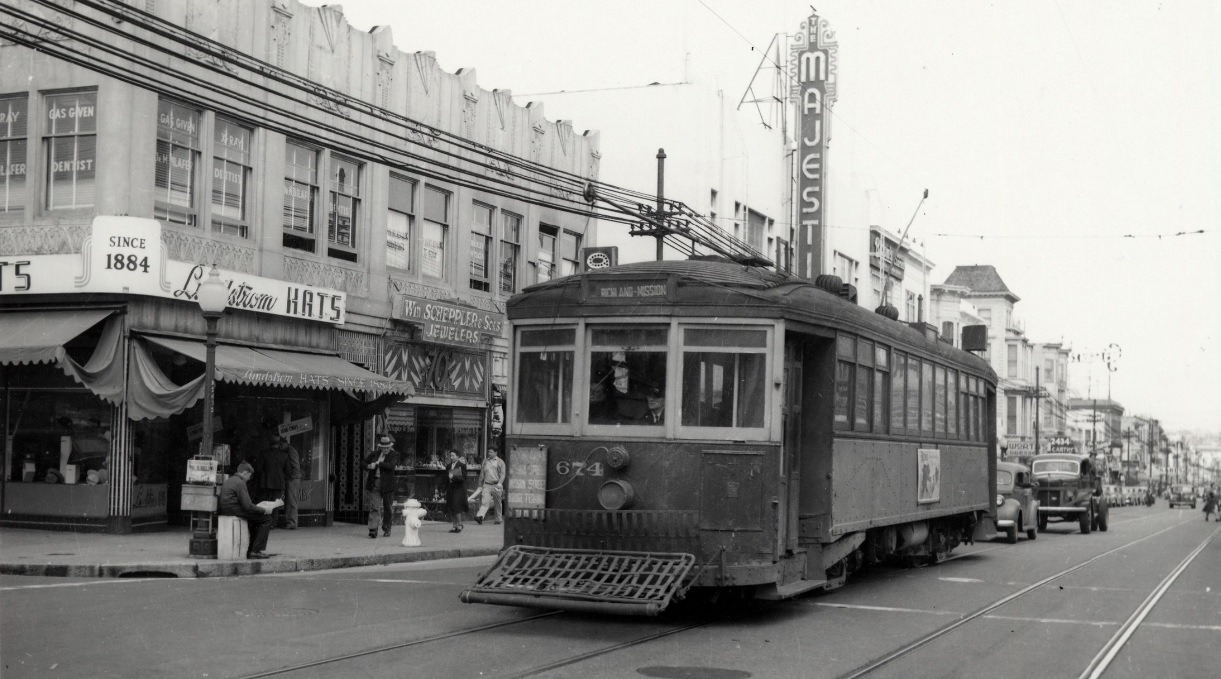
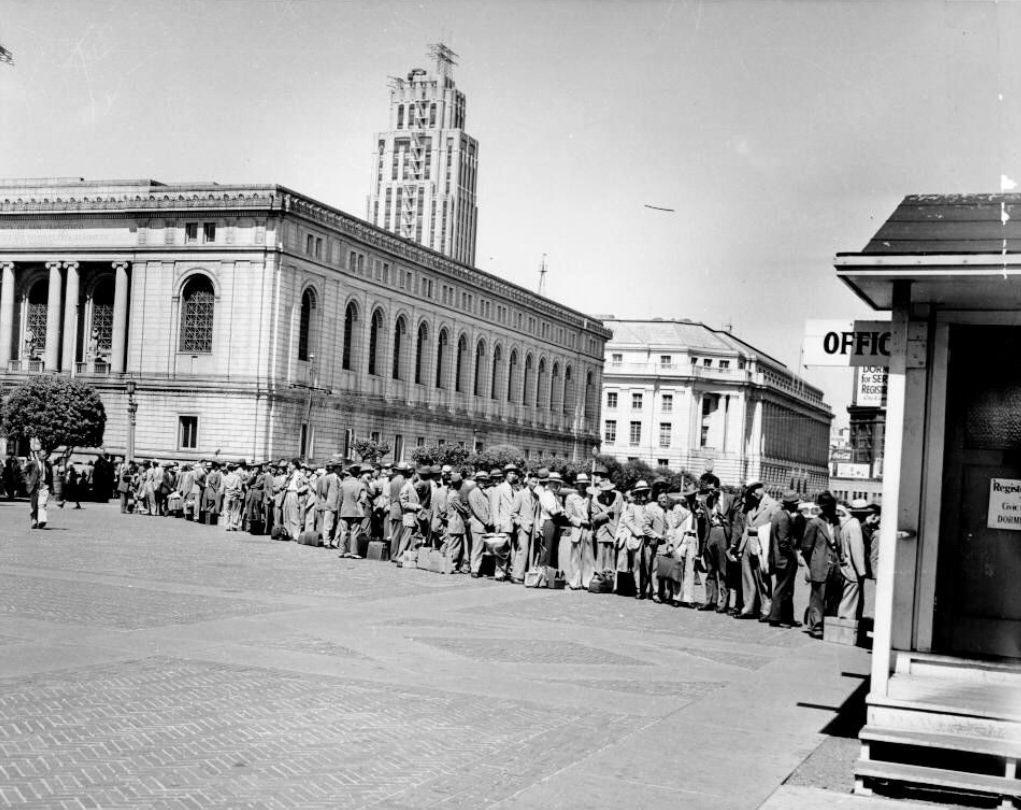
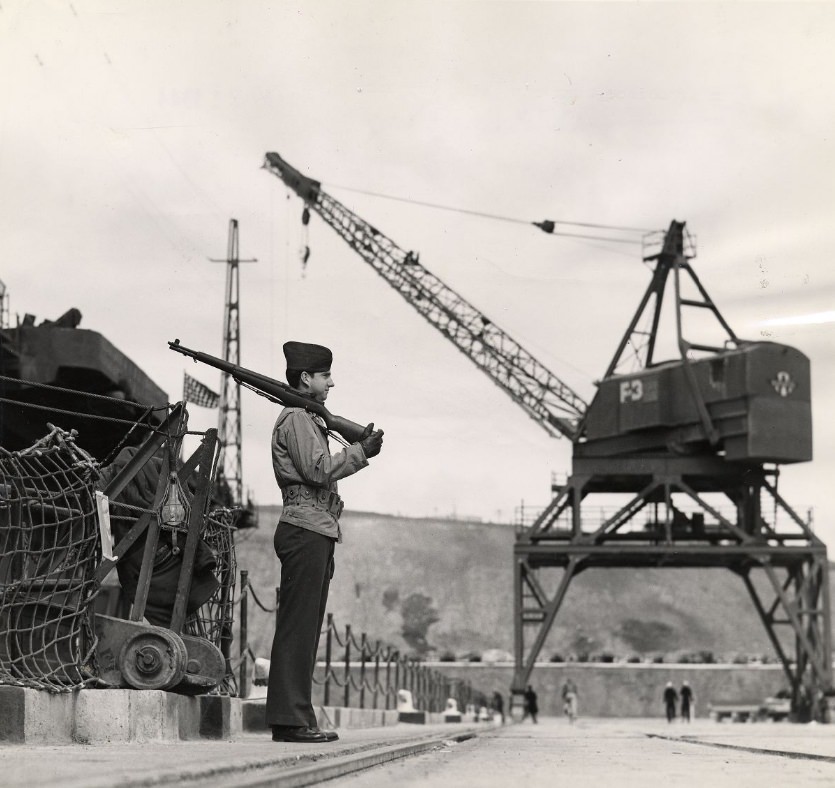
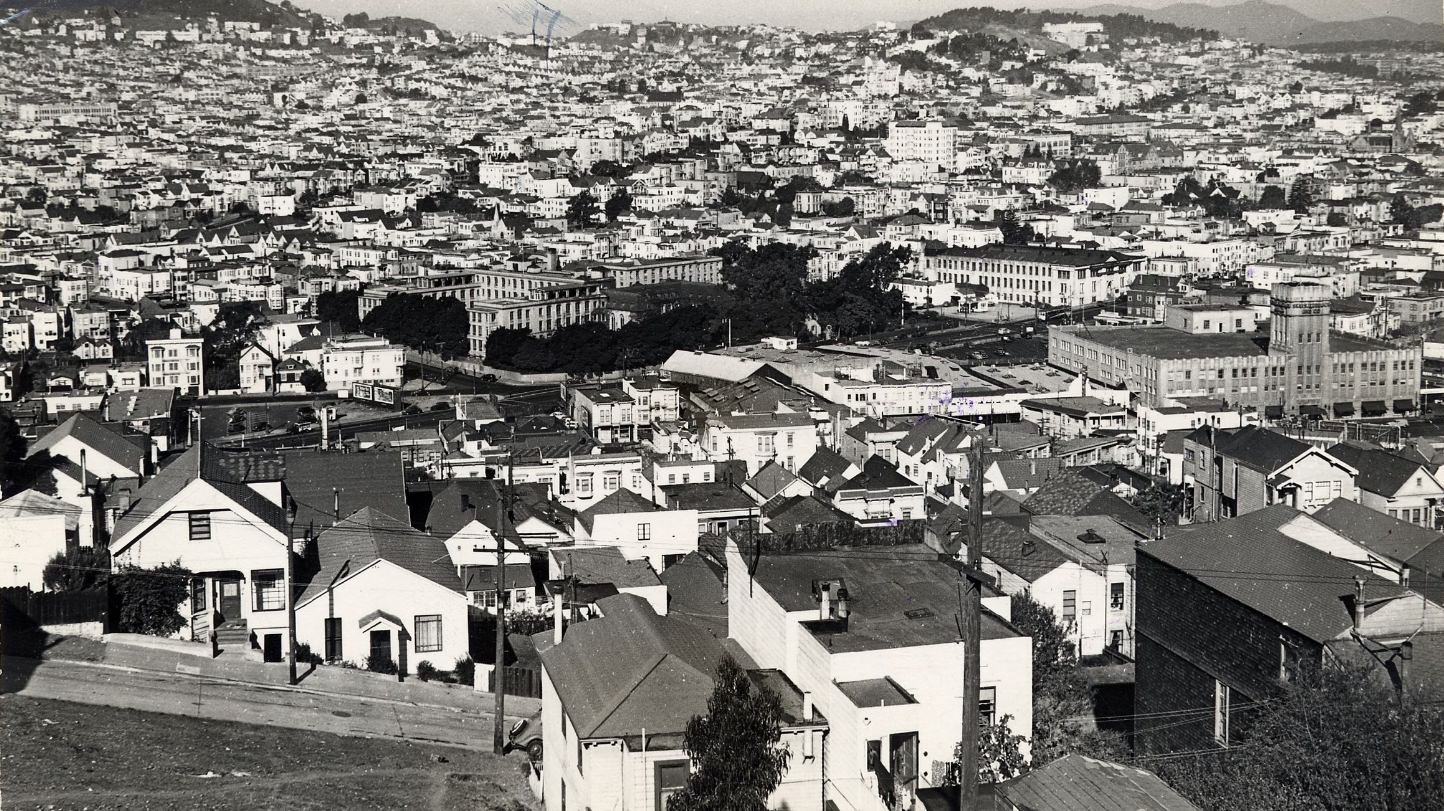
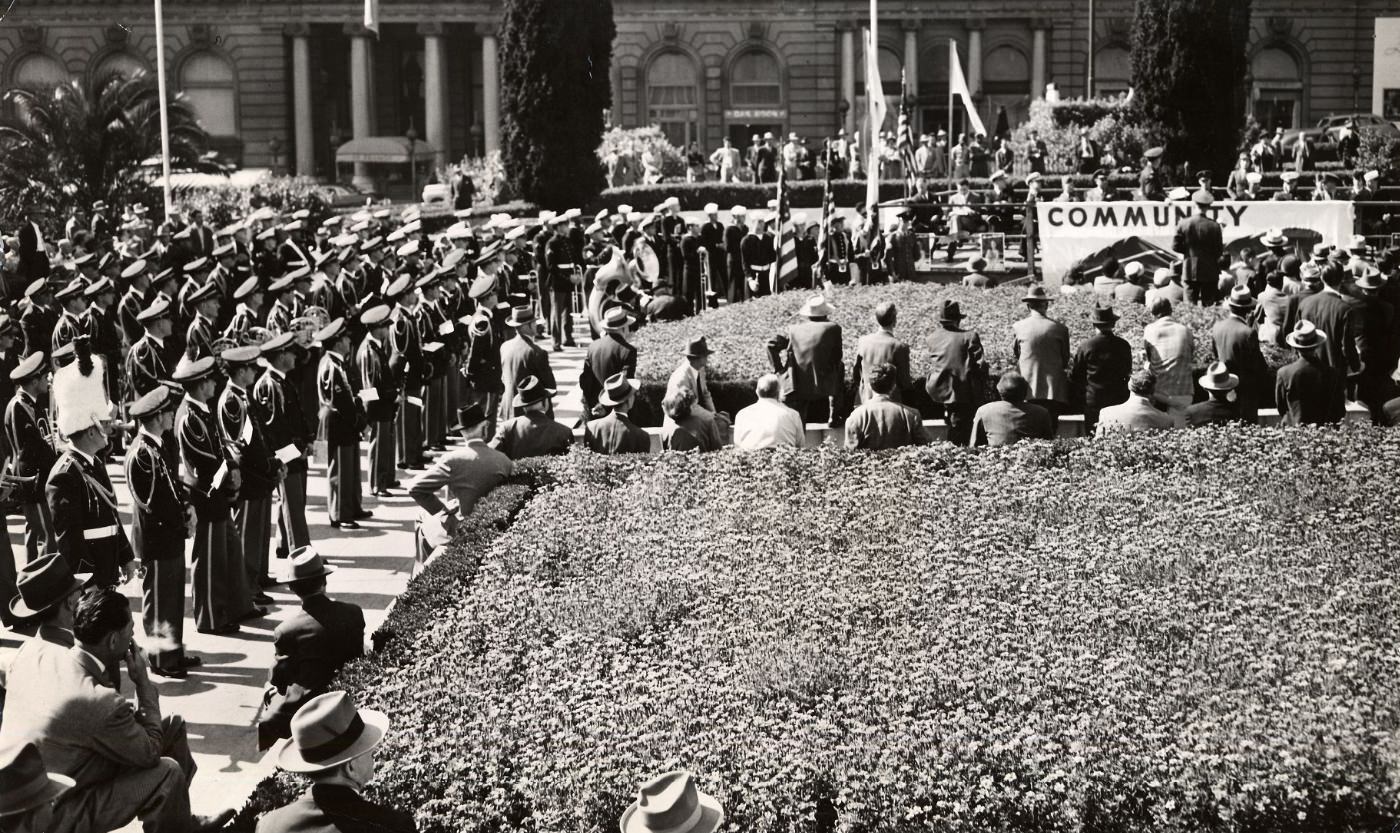
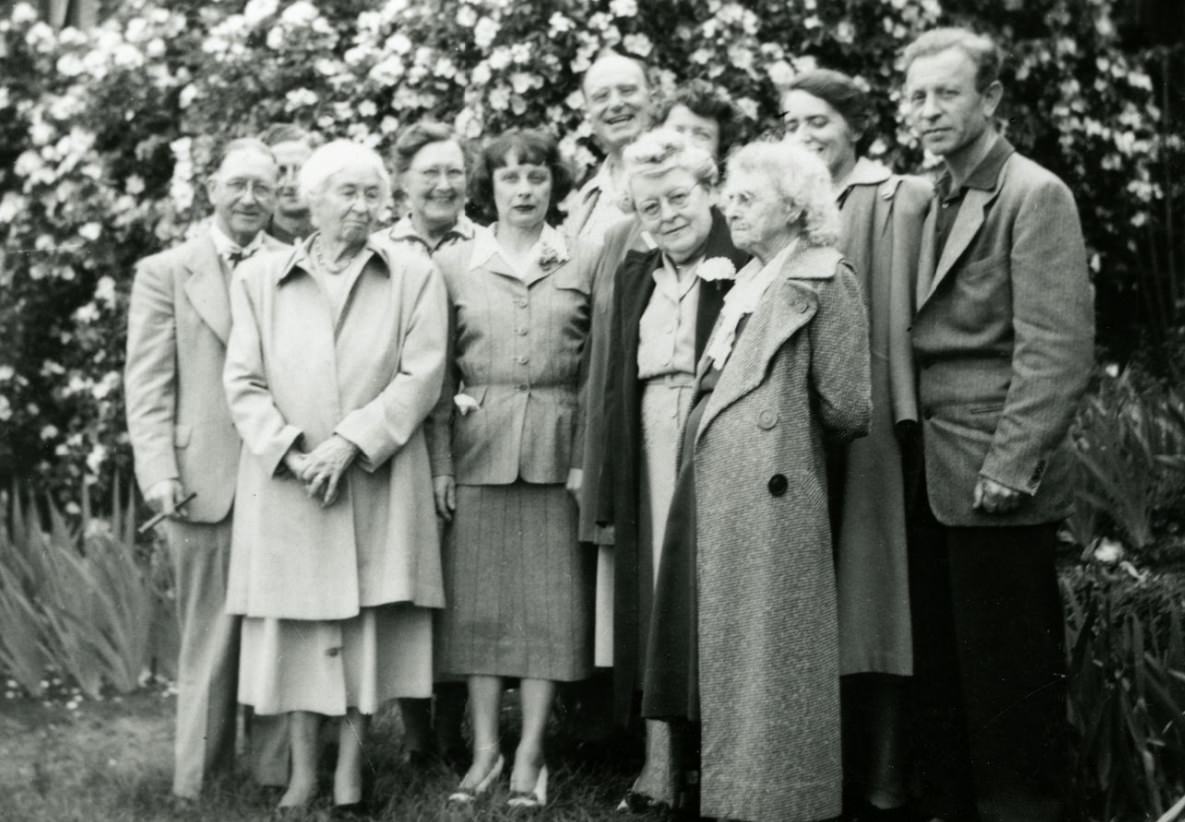
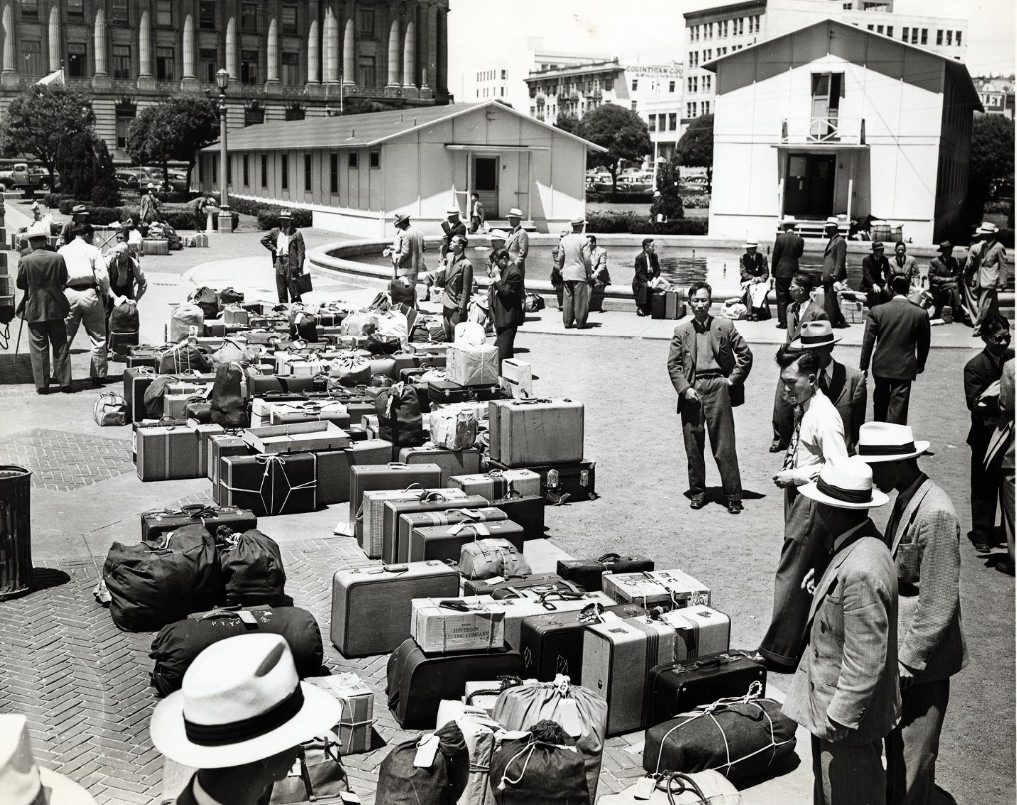
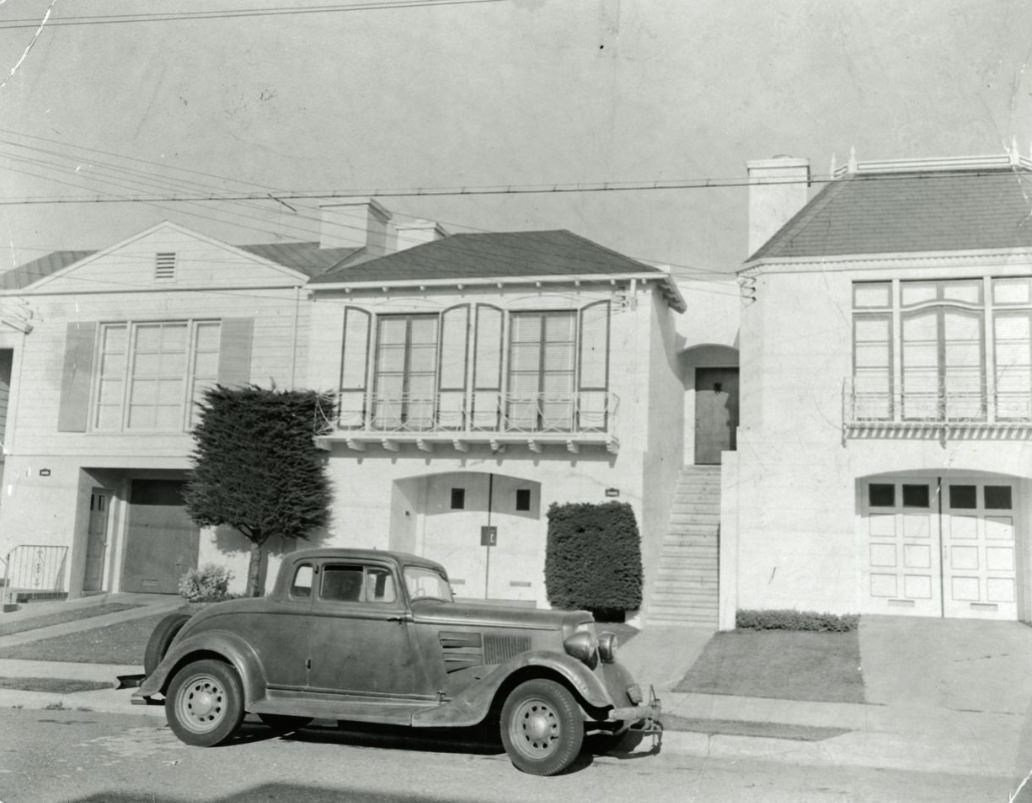
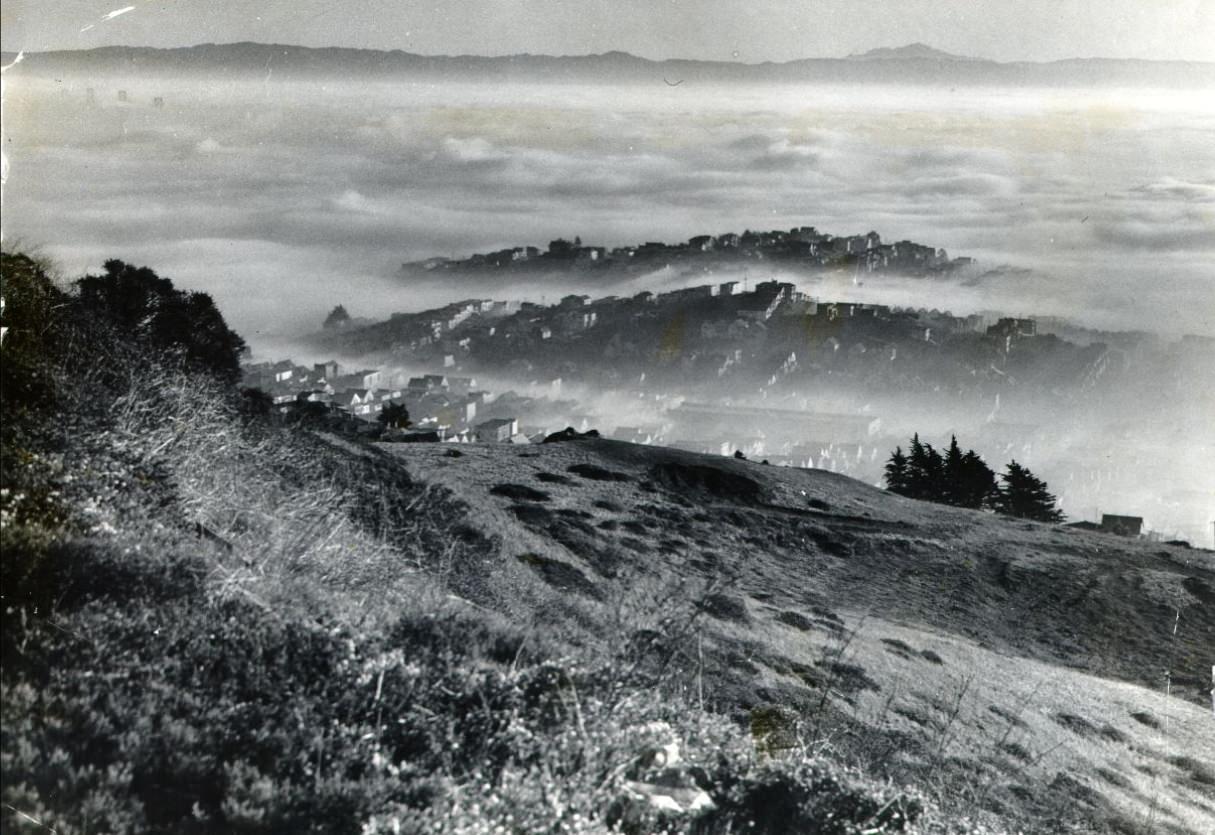
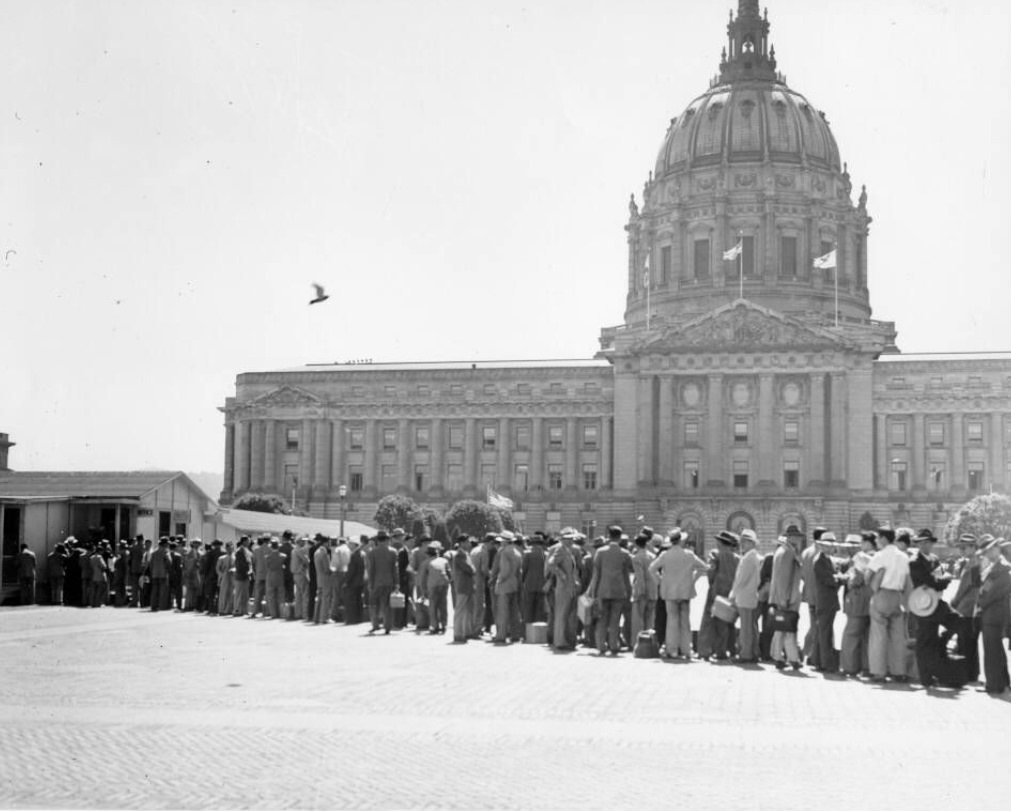
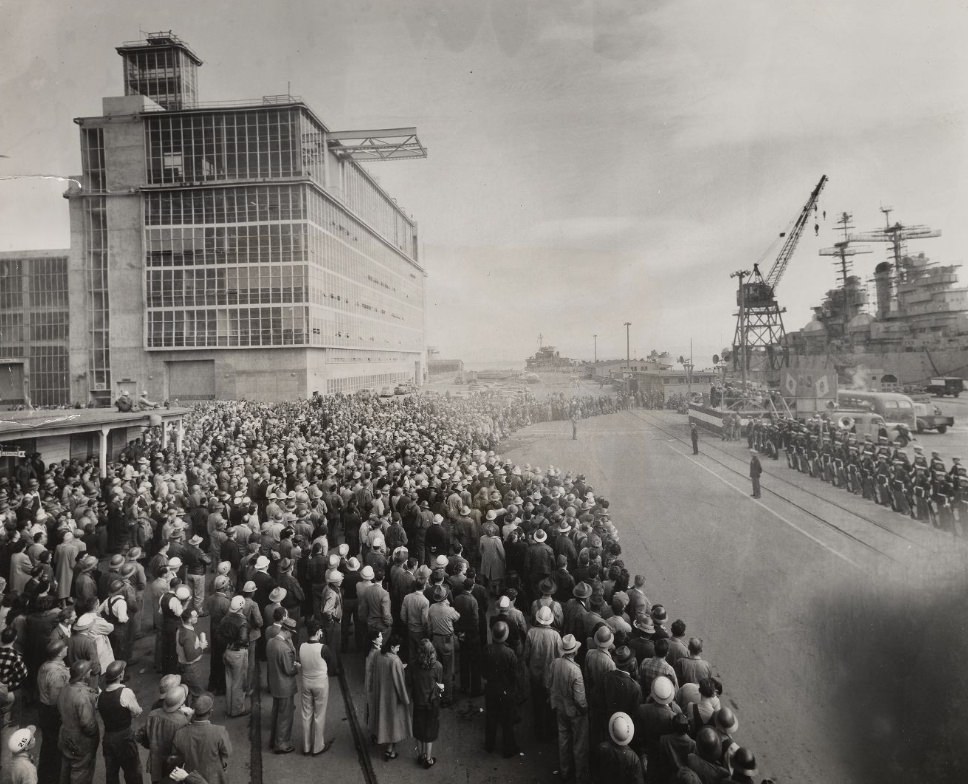
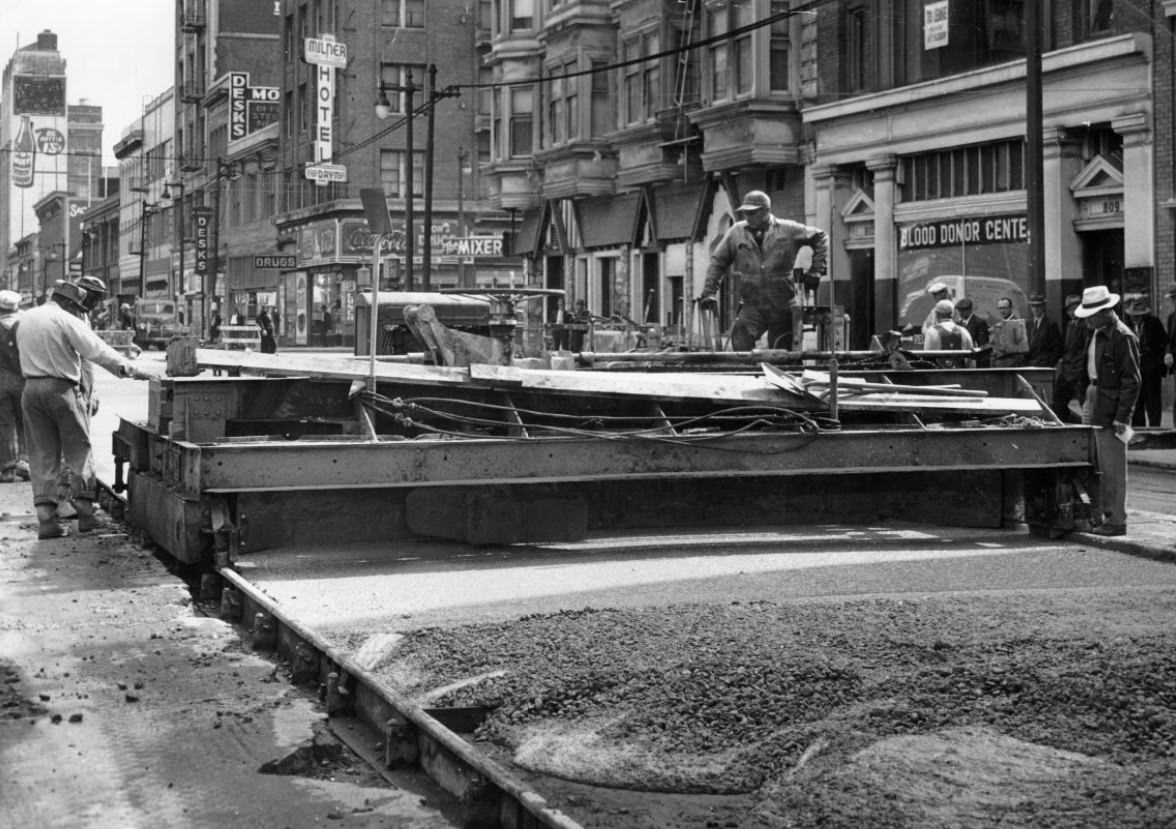
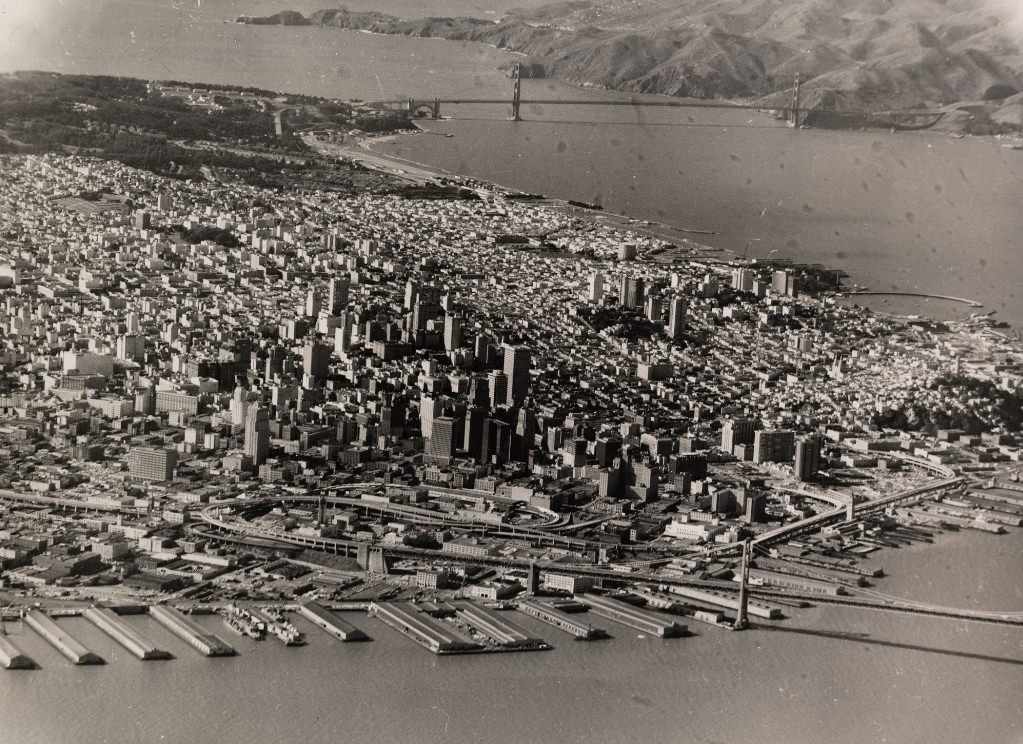

There are so many incredible photographs!
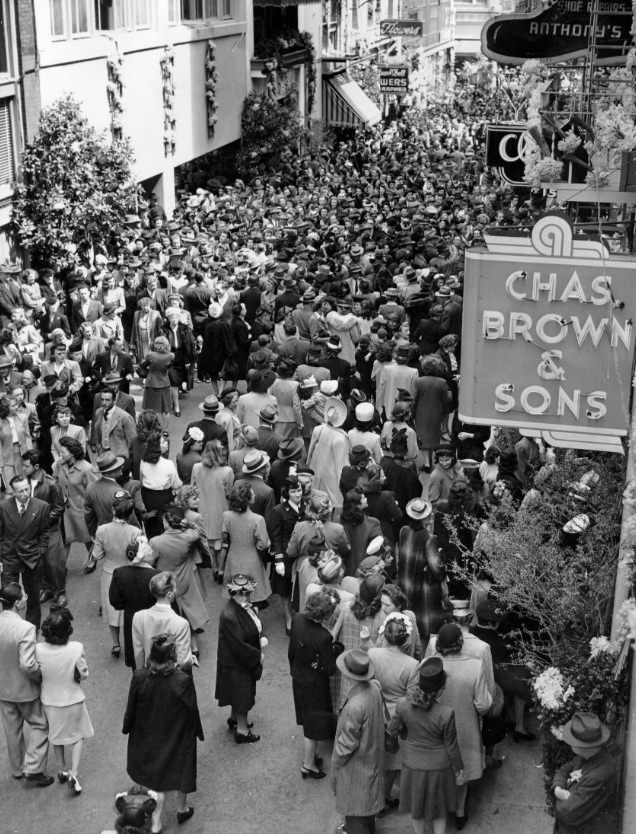
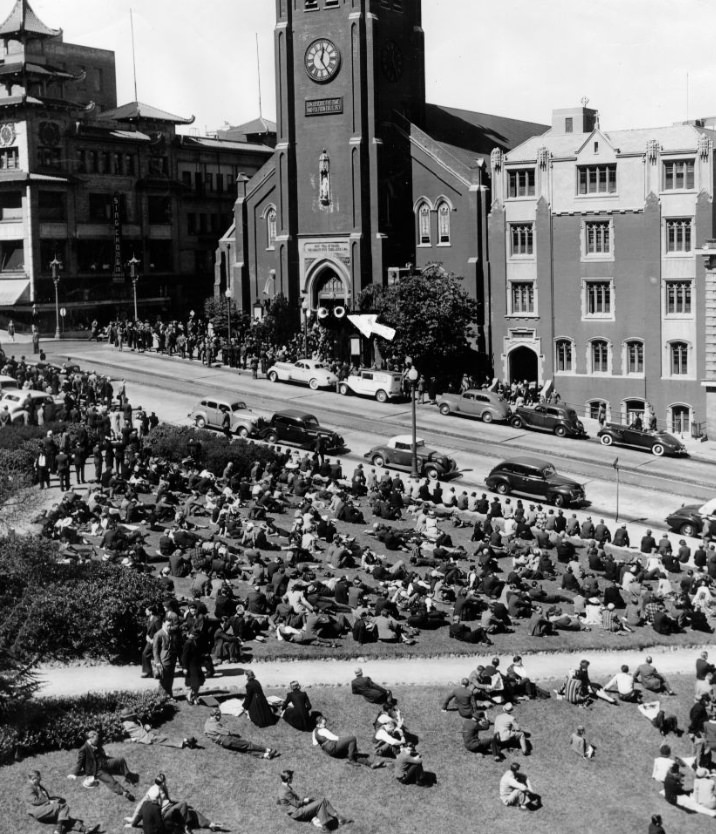
The Union Square fashion show one is awesome! What a cool venue for an outdoor event.
Herb Caen’s San Francisco
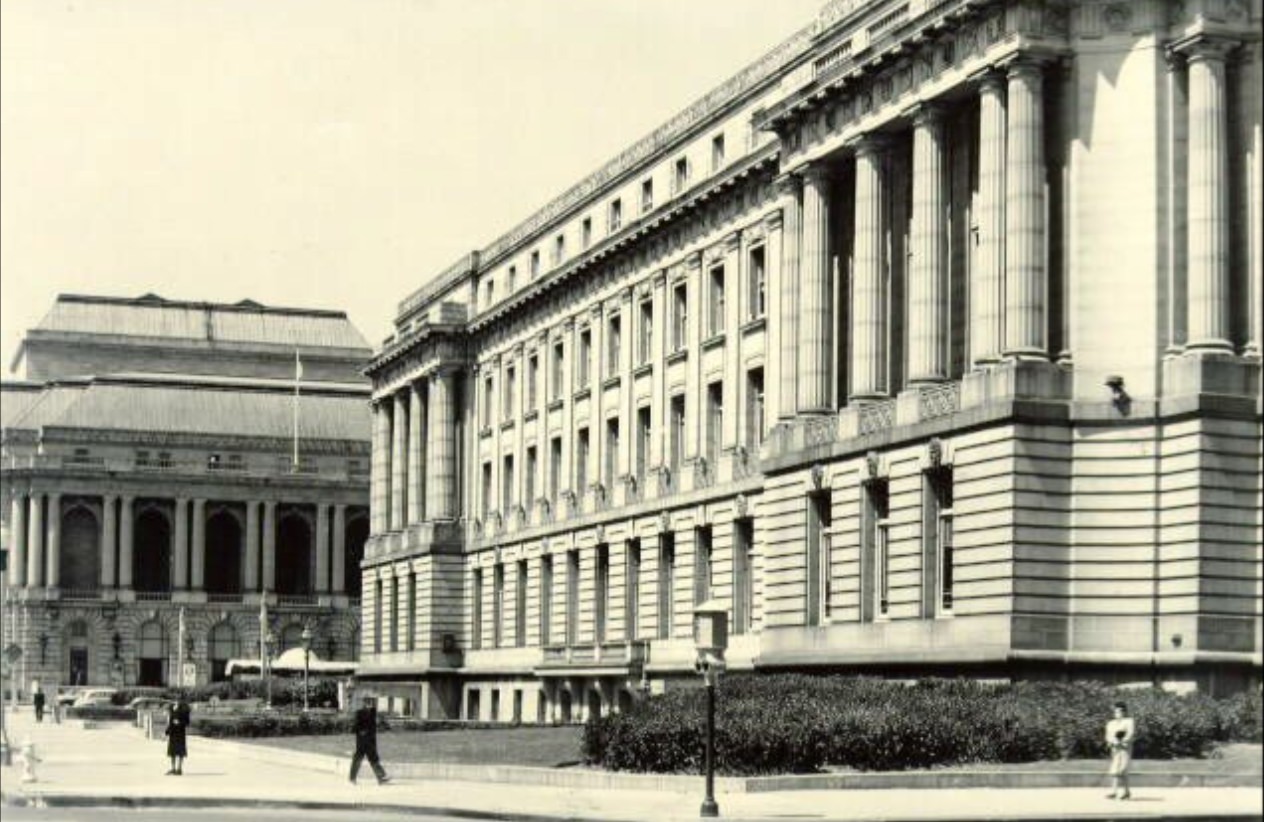
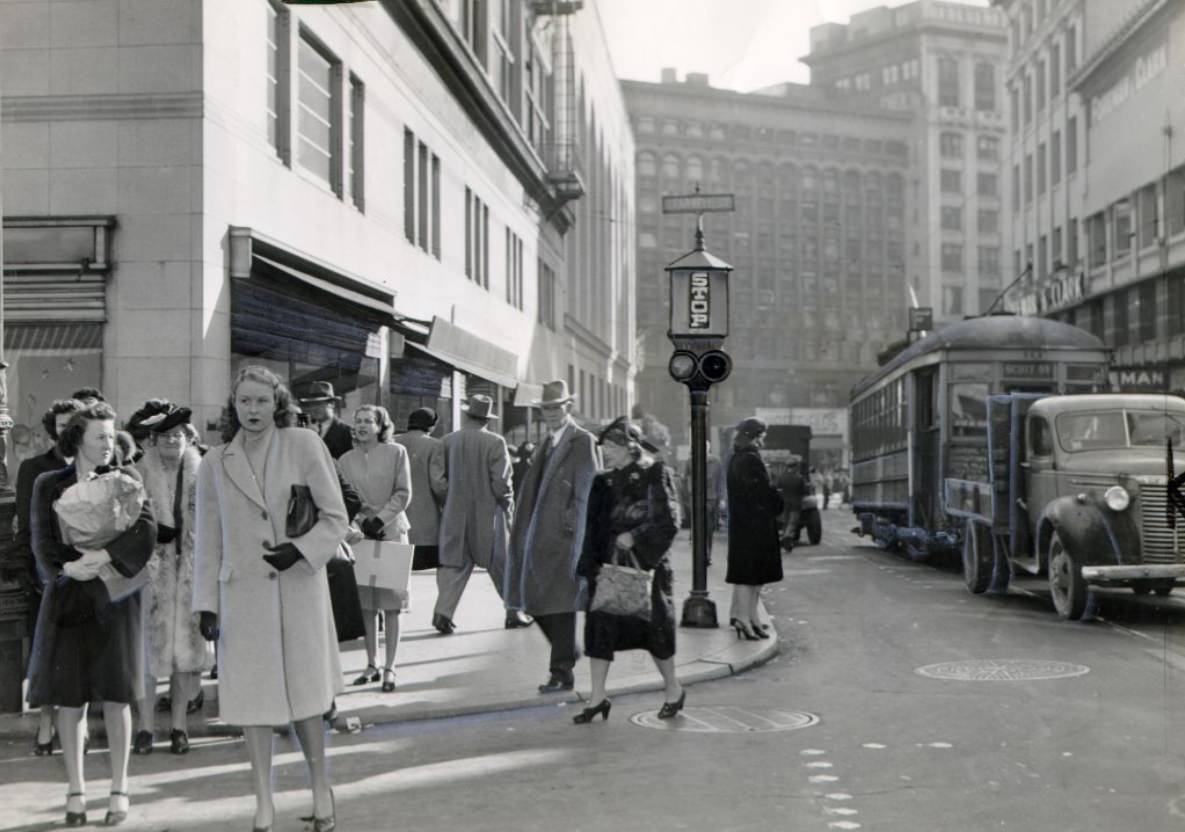
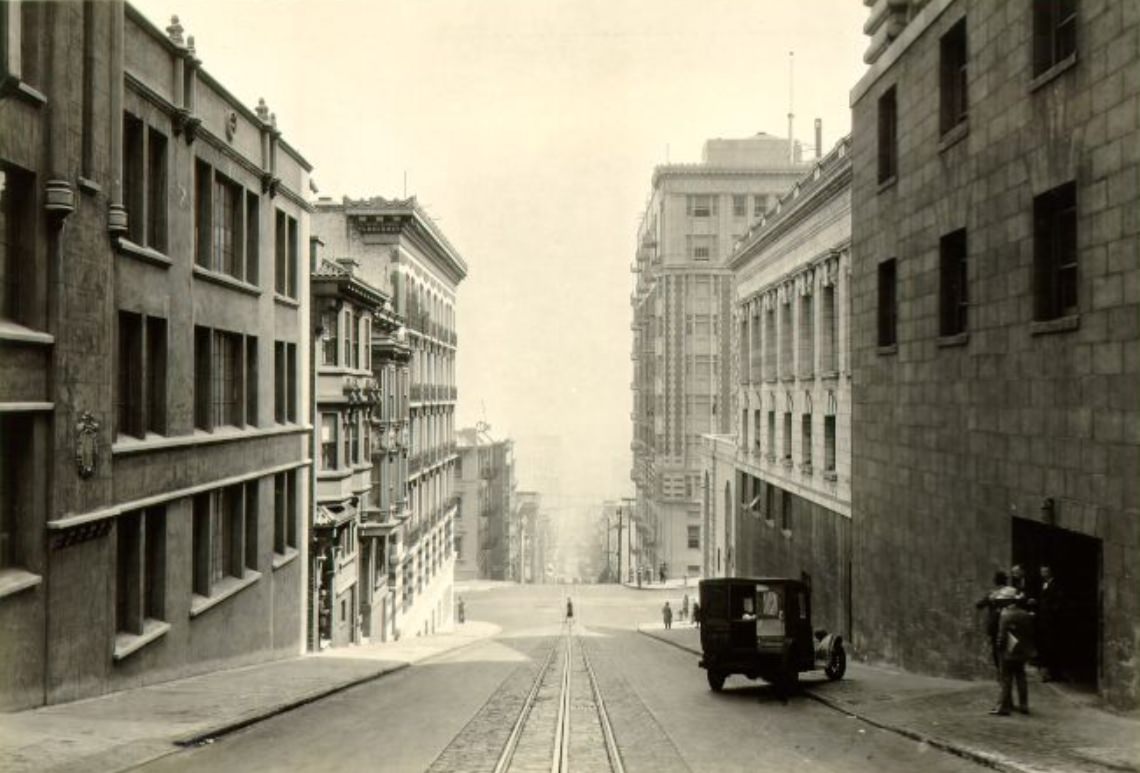
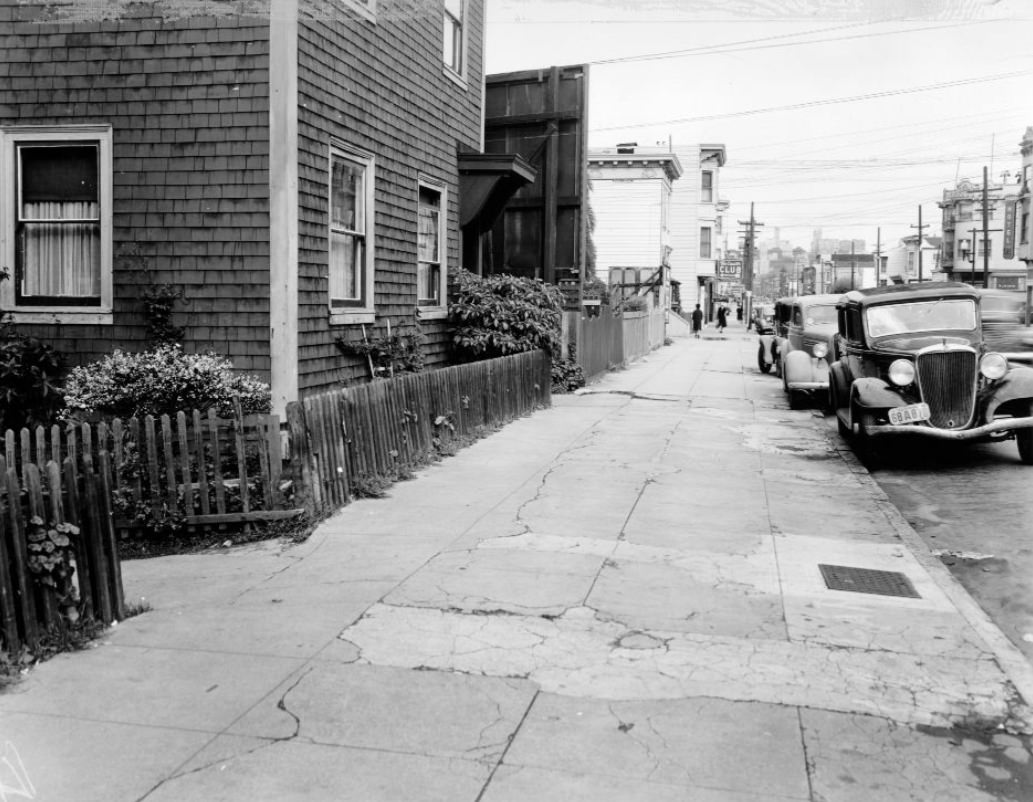
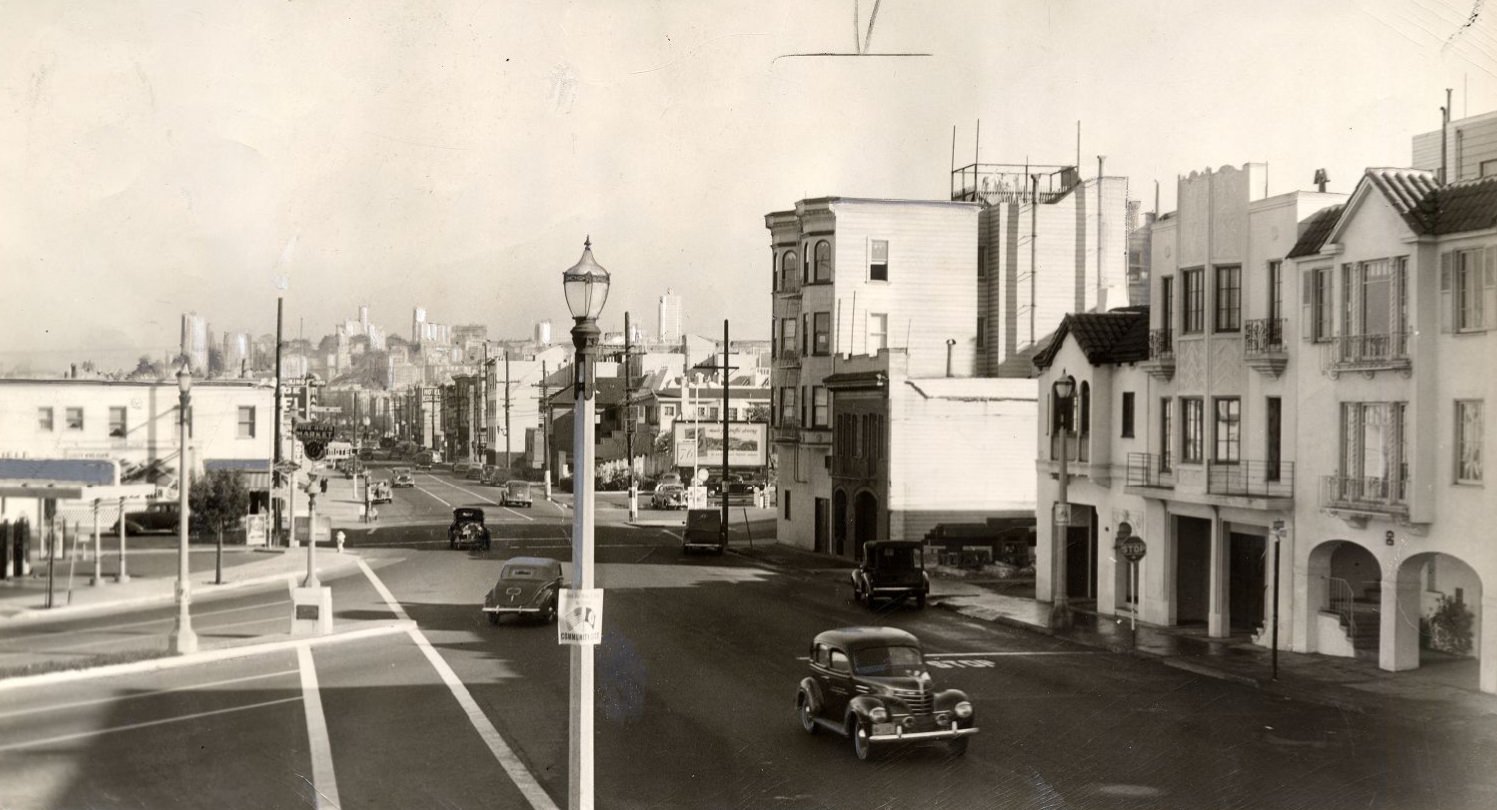
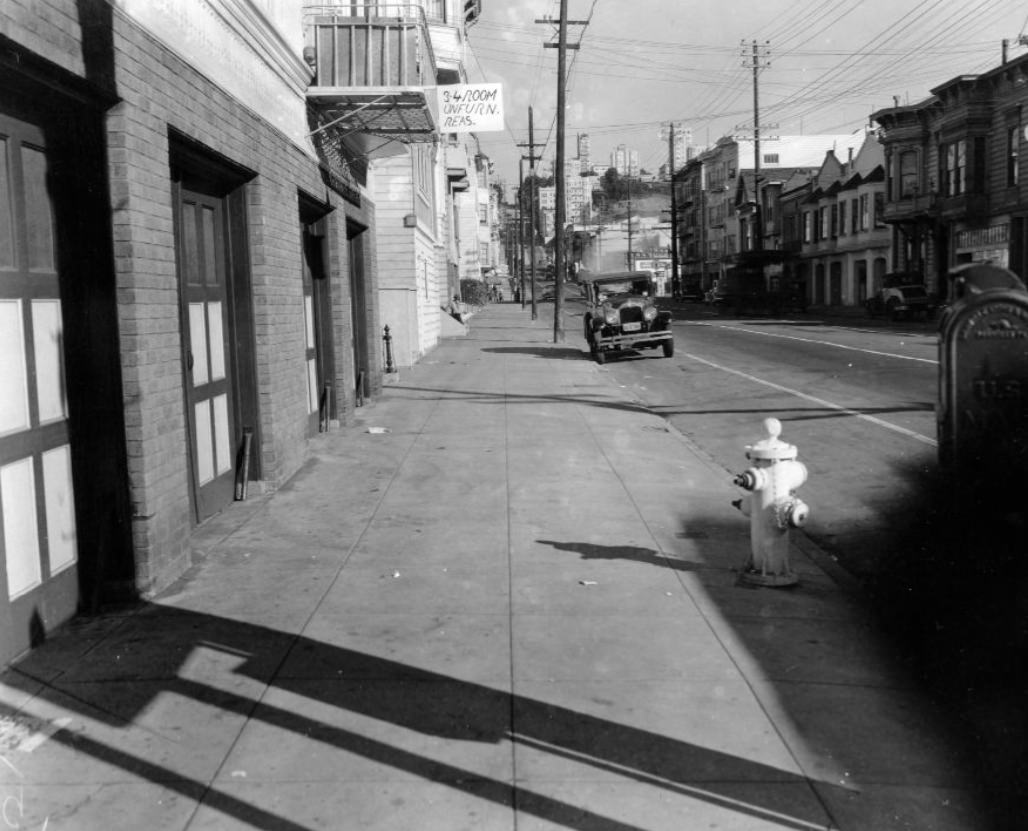
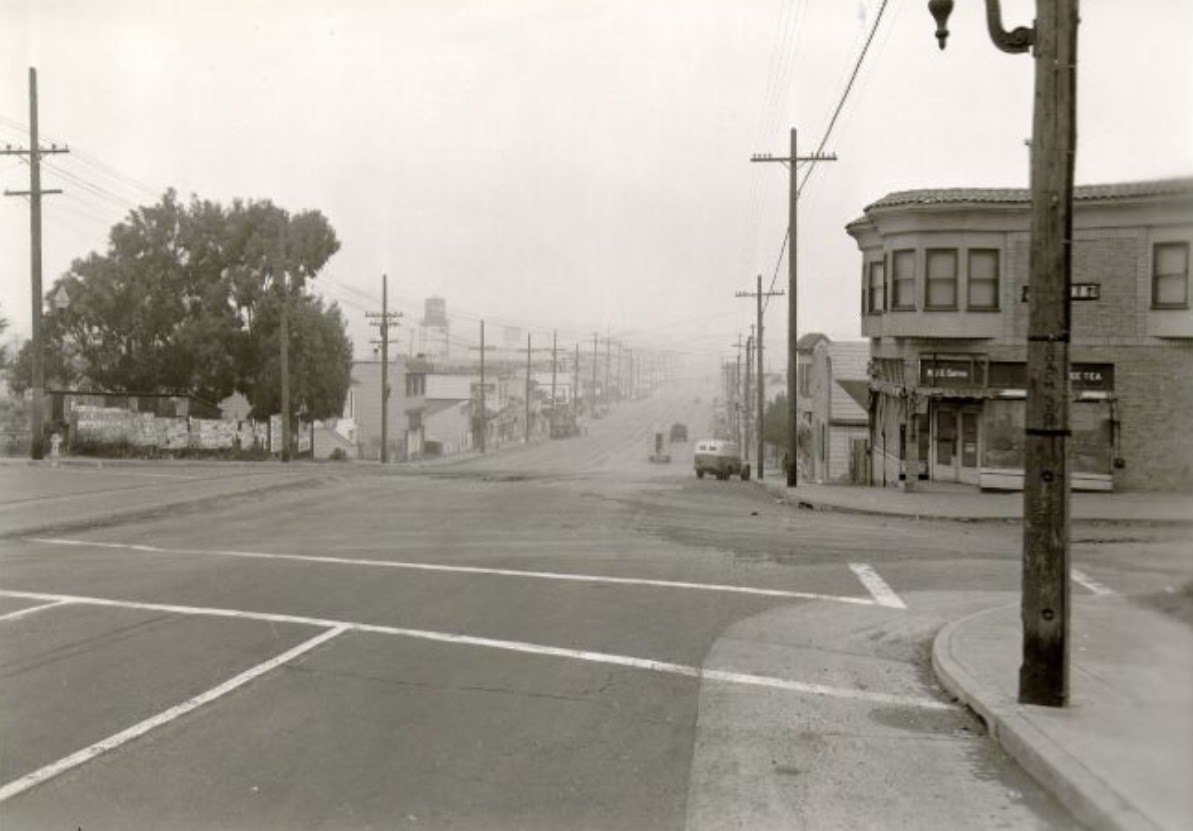
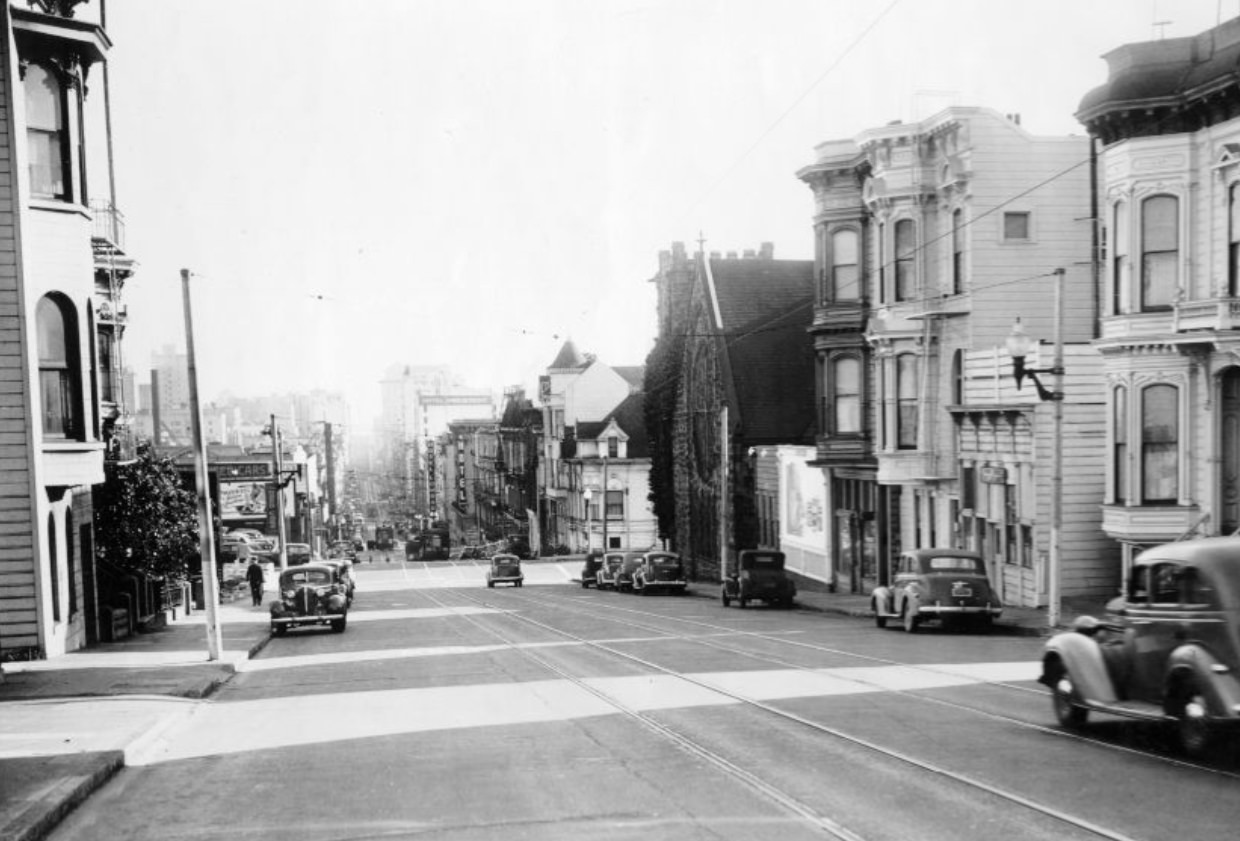
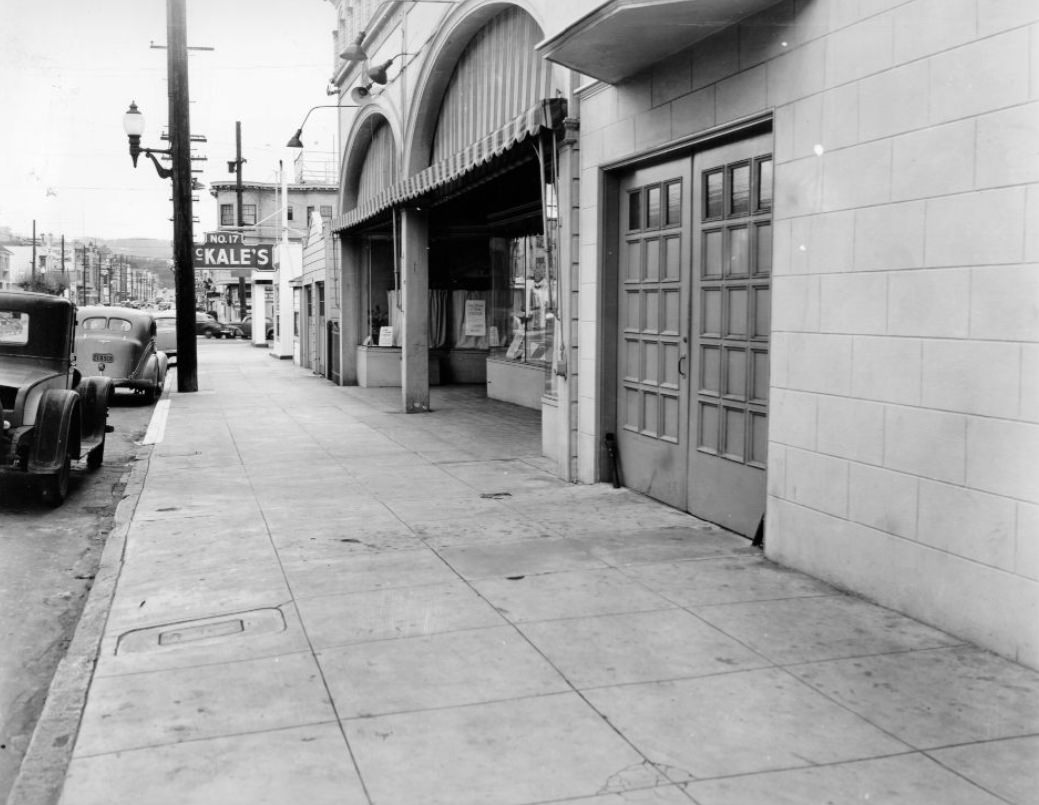
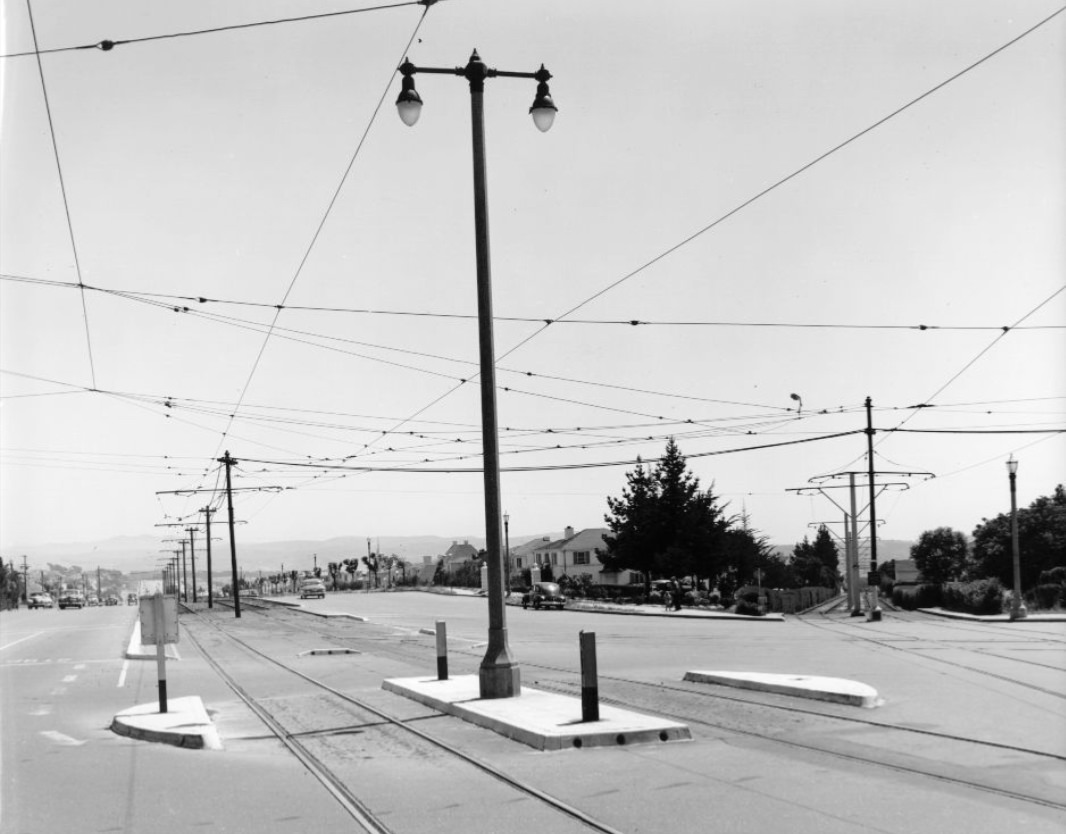
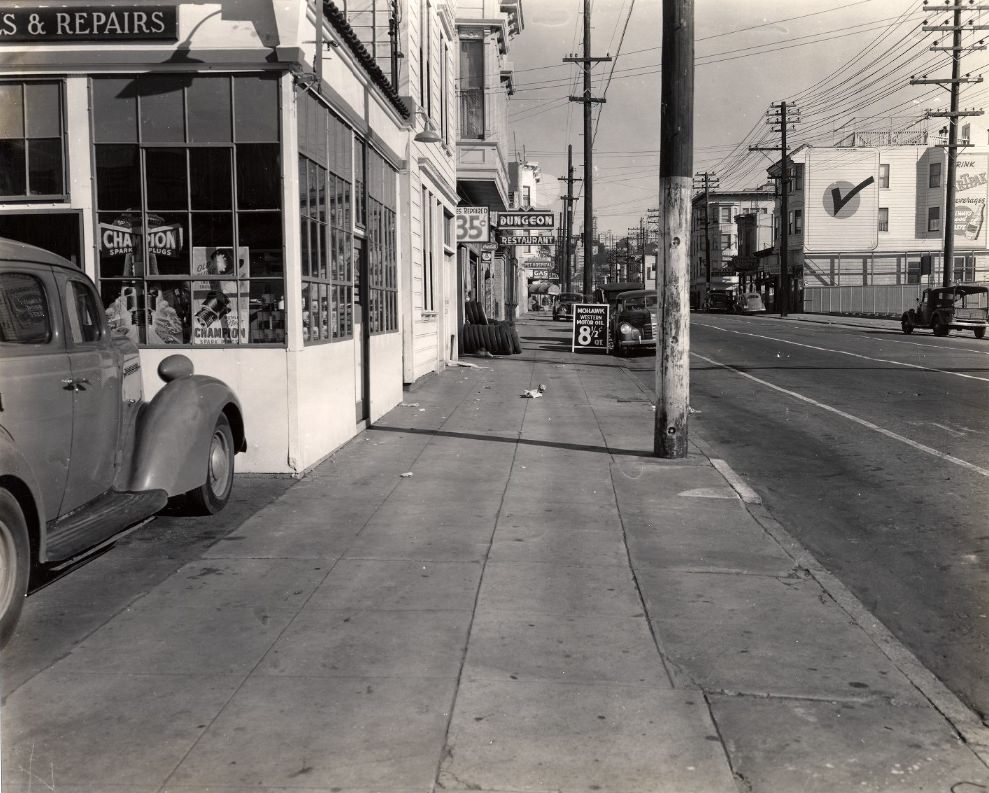
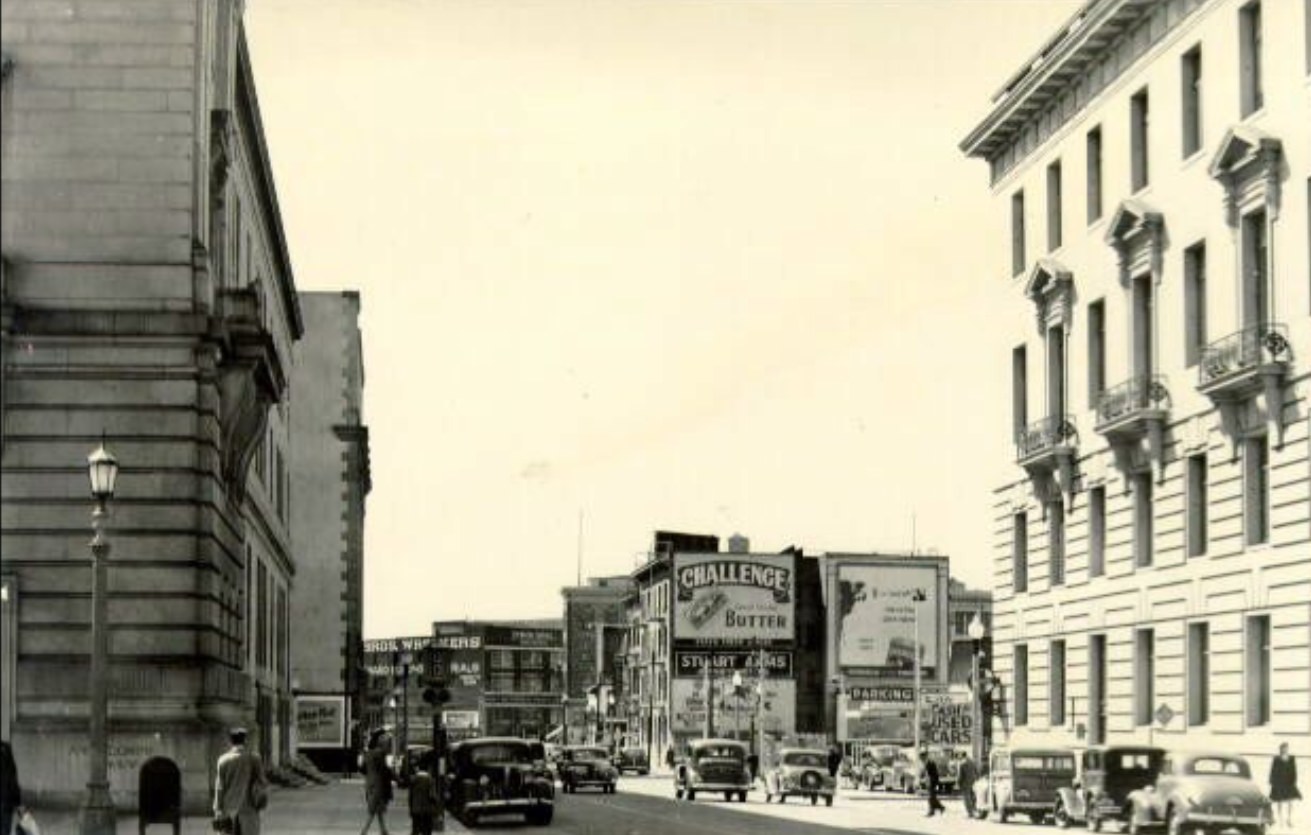
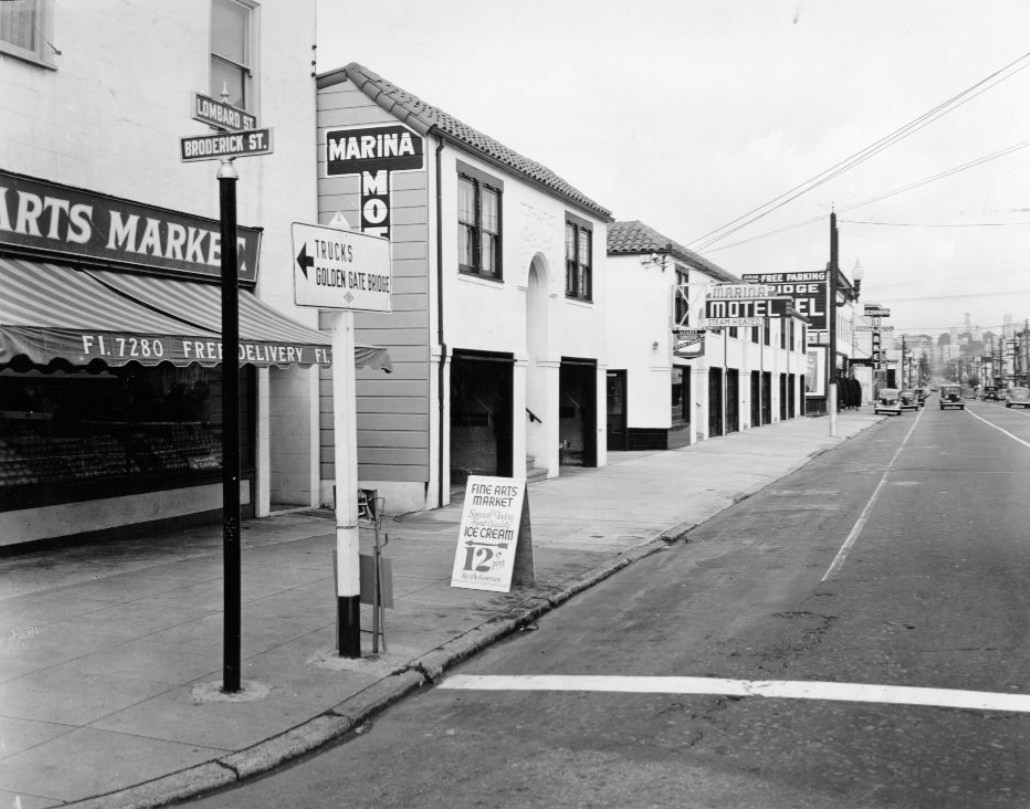
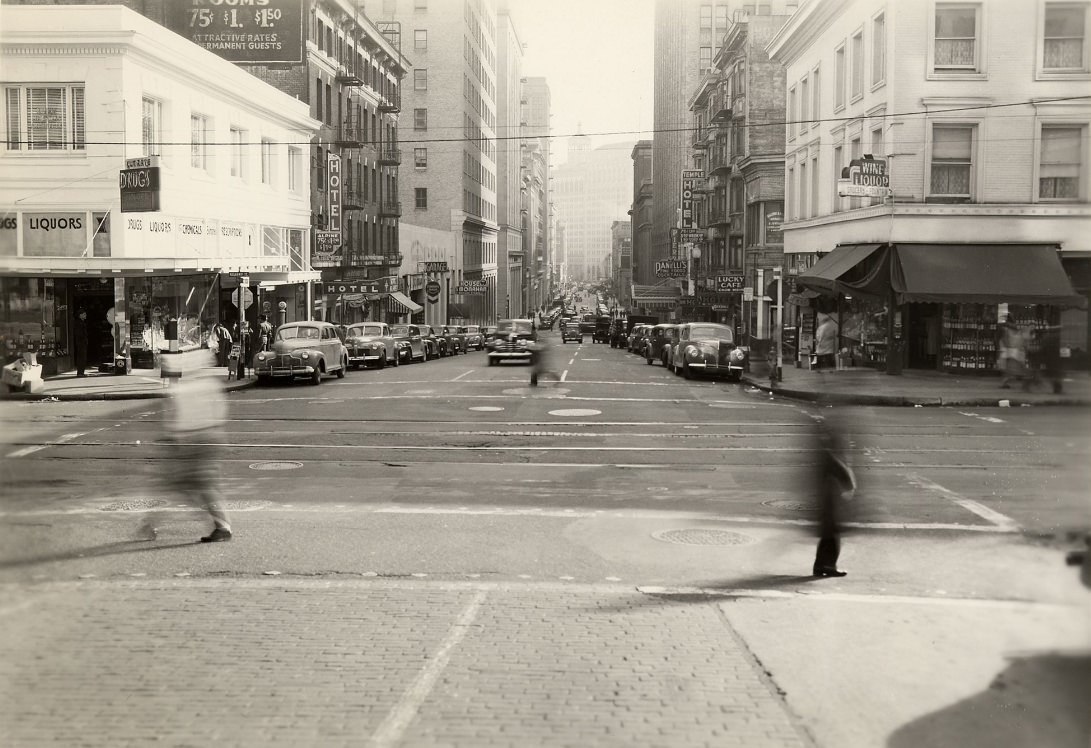
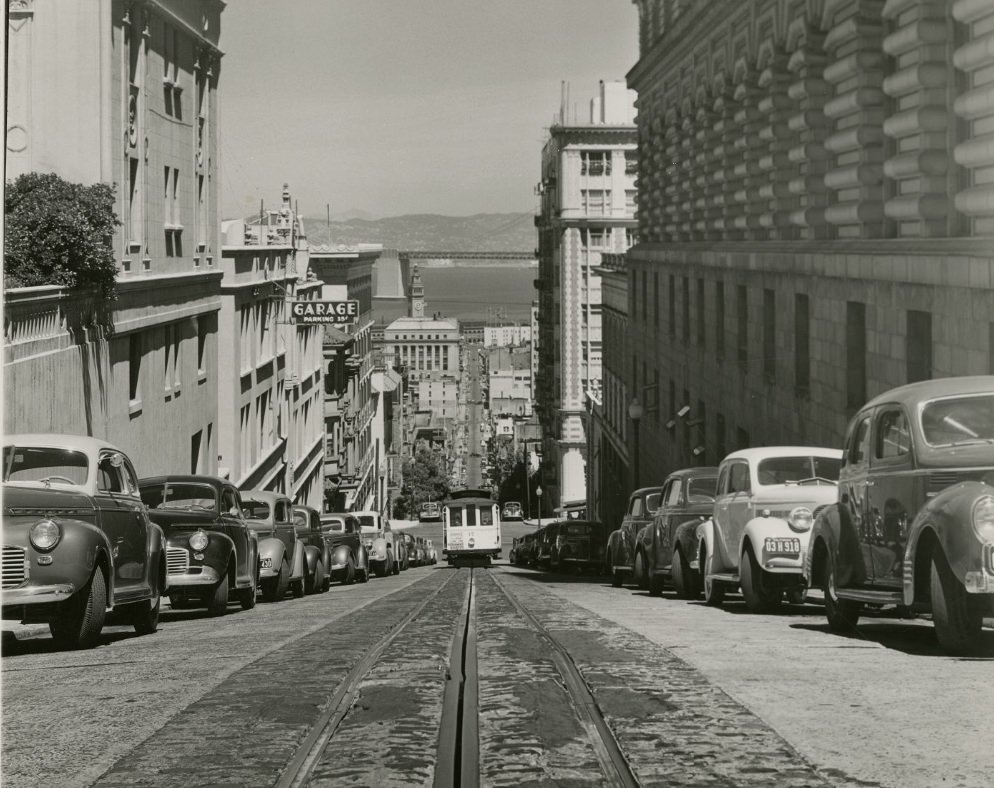
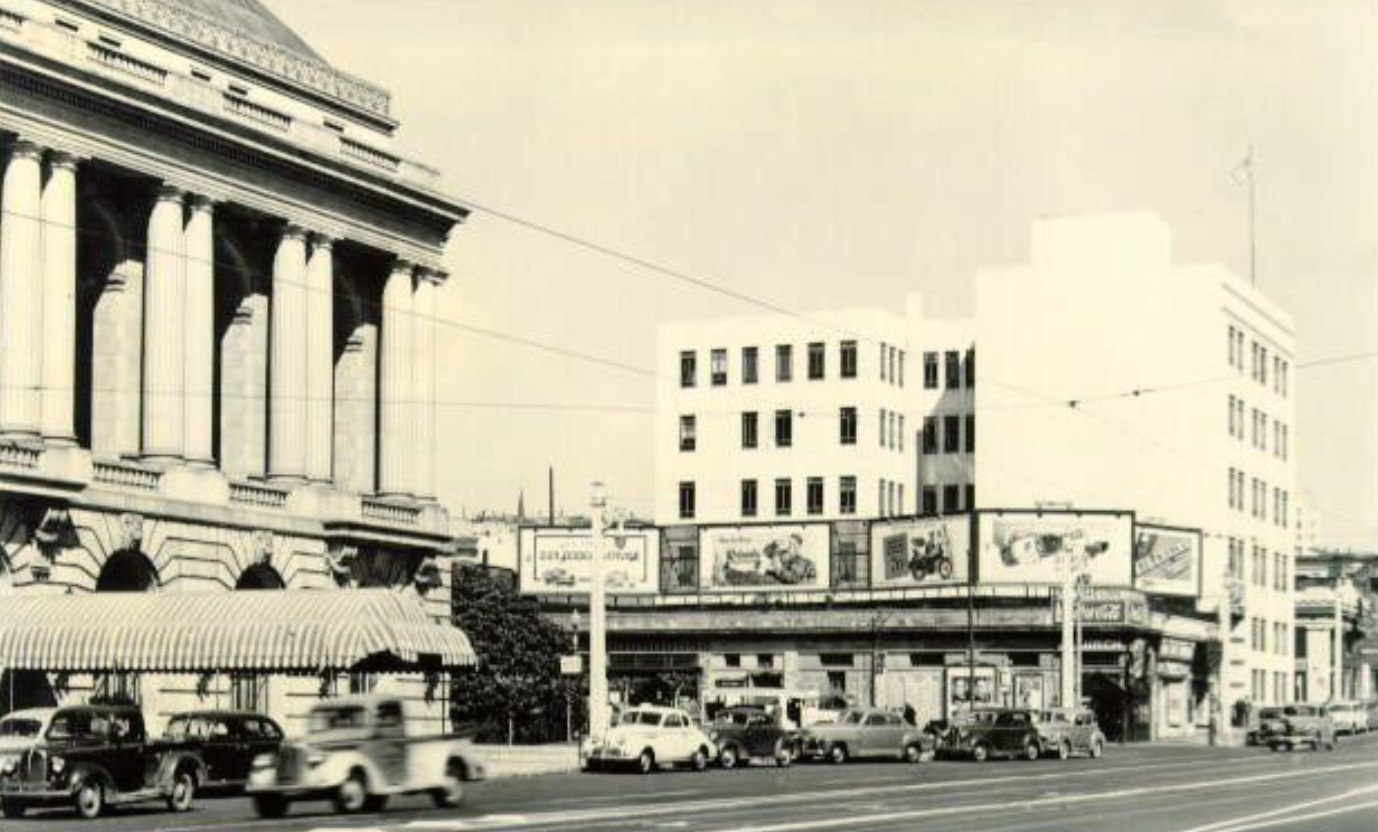
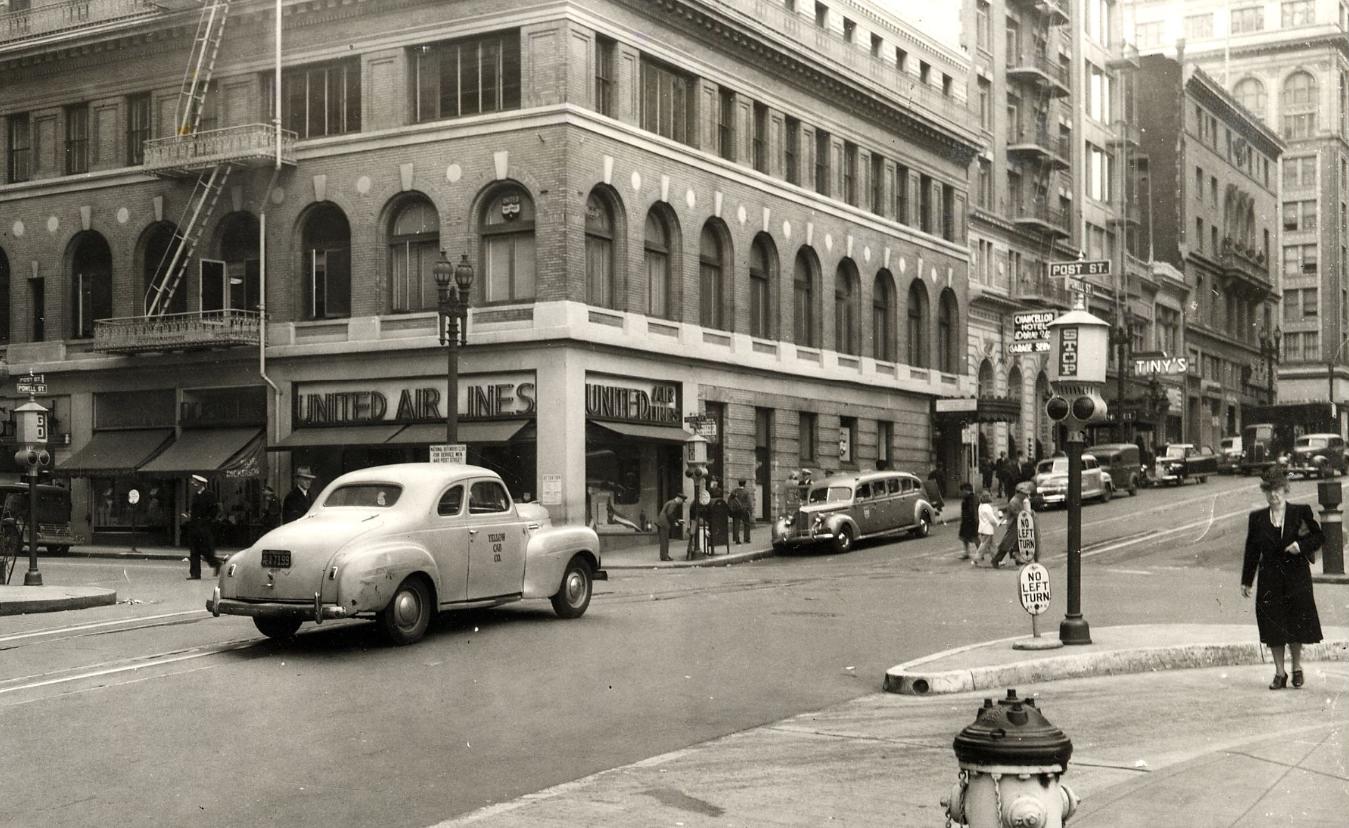
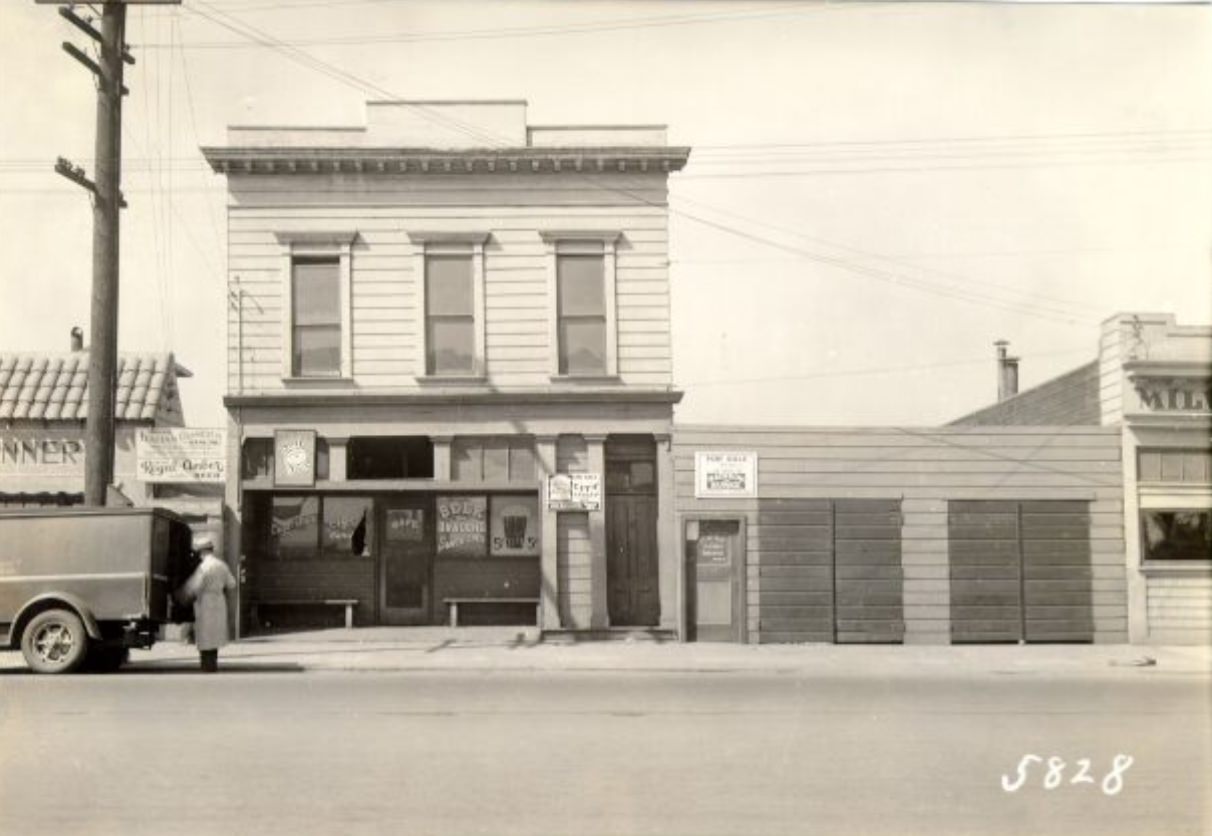
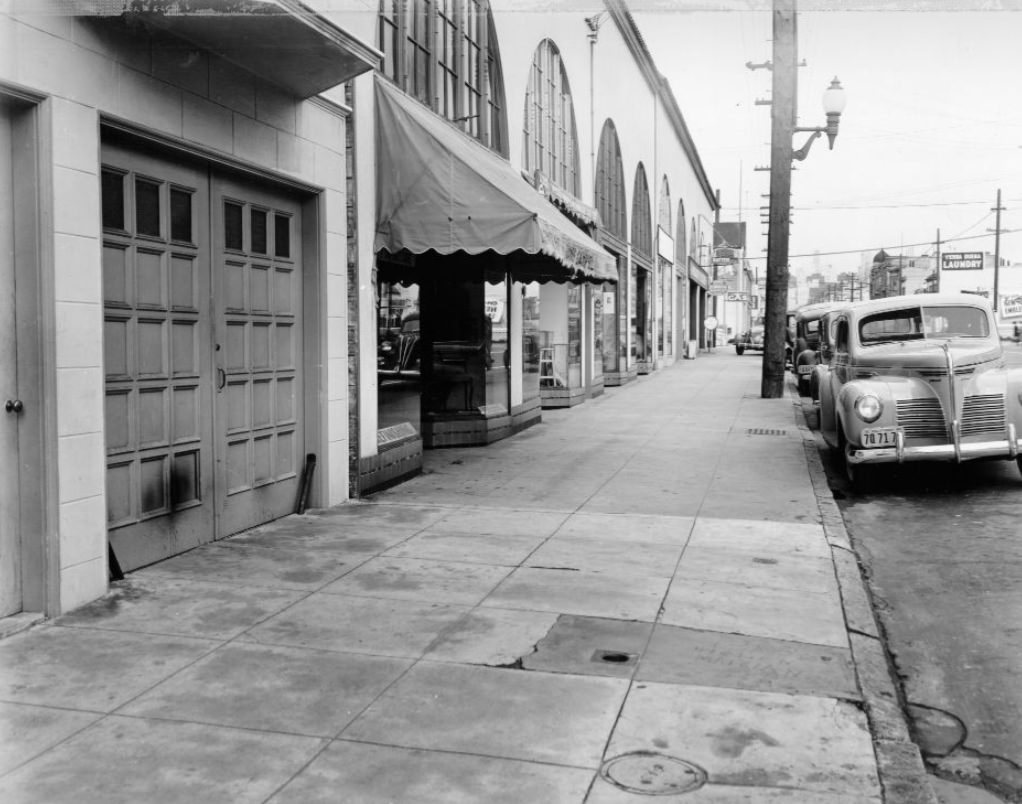
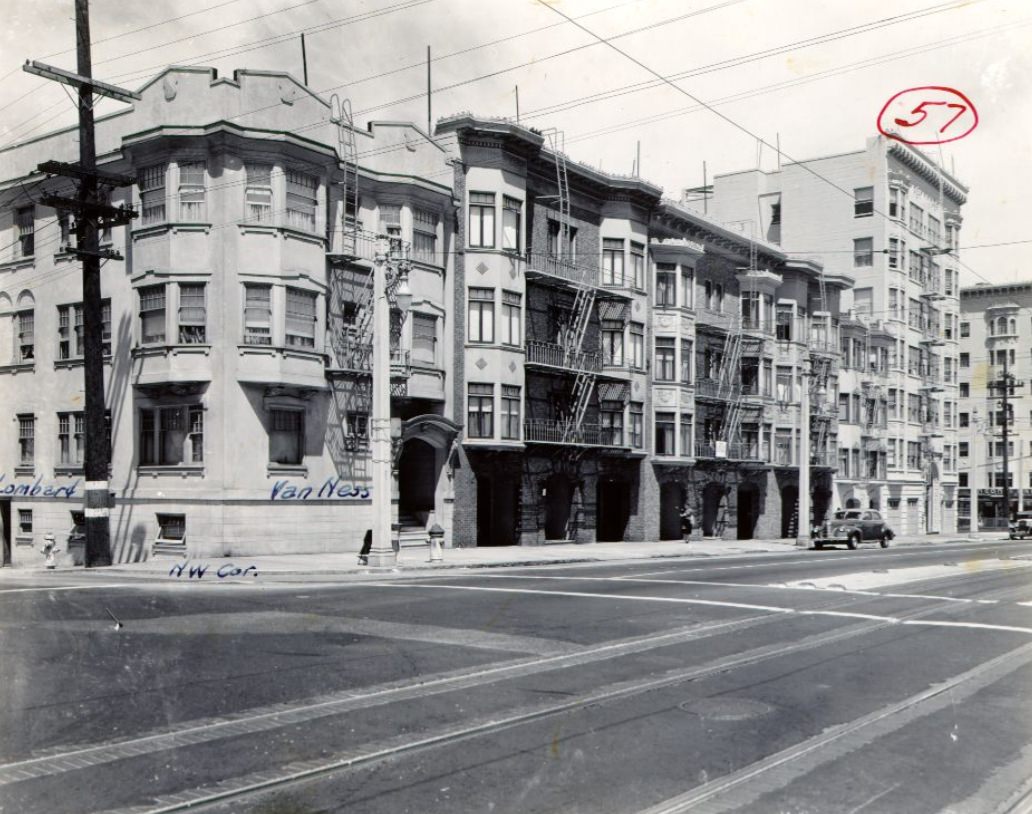
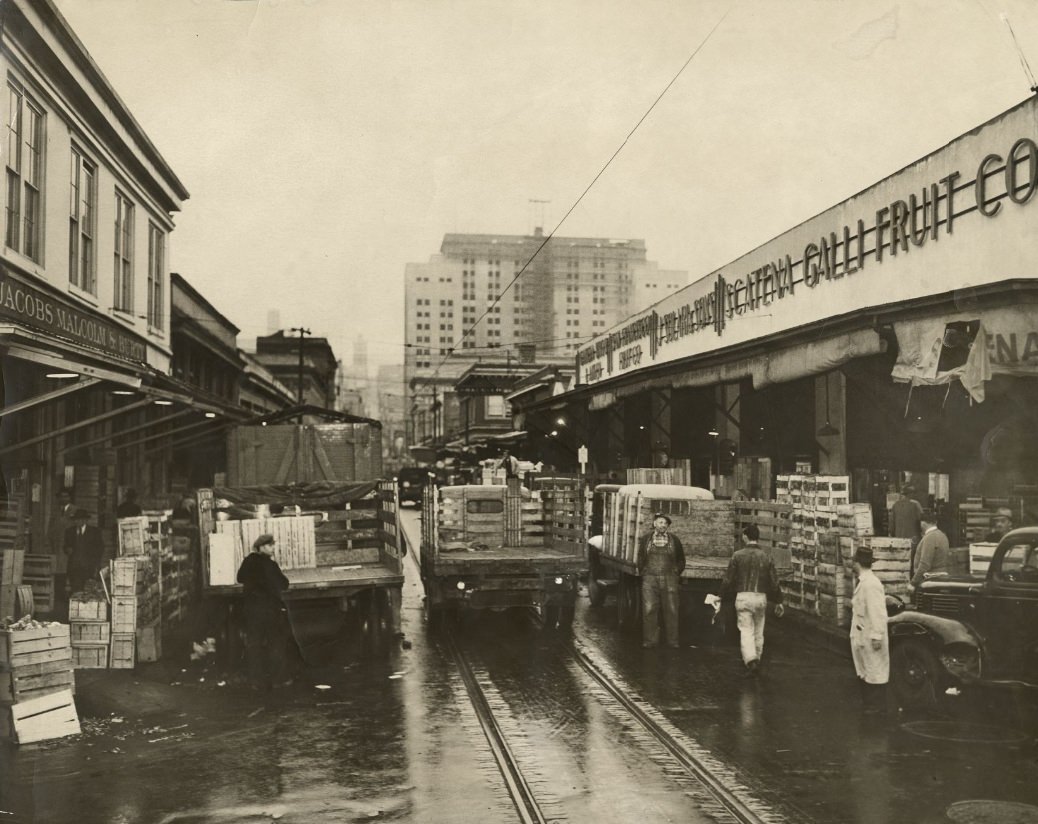
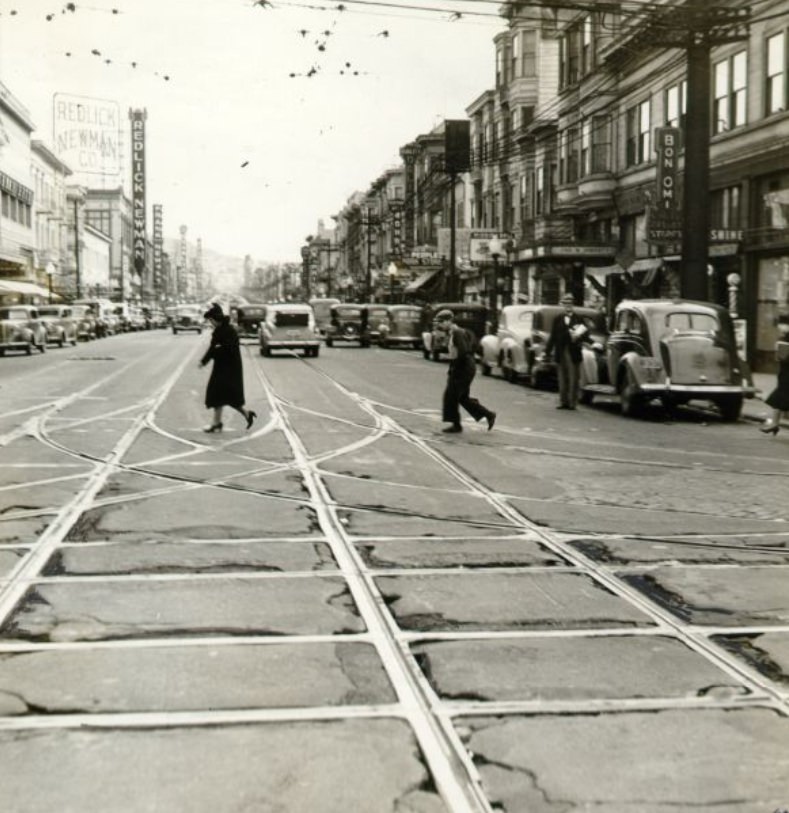
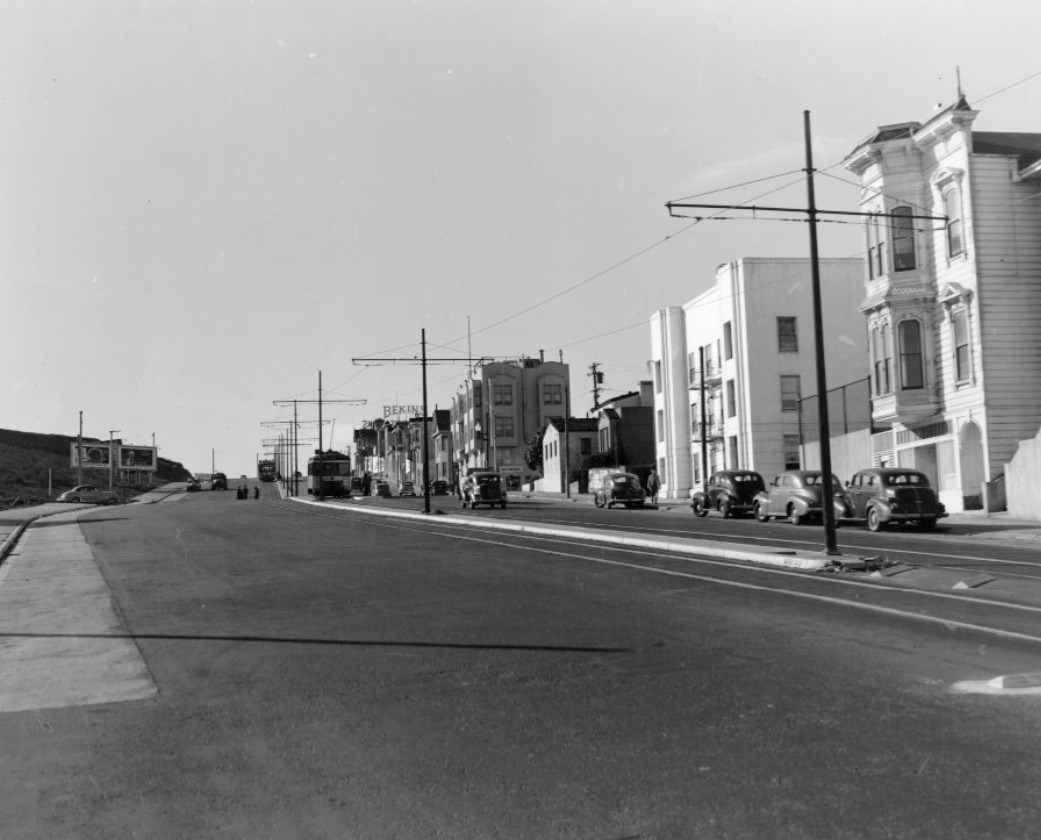
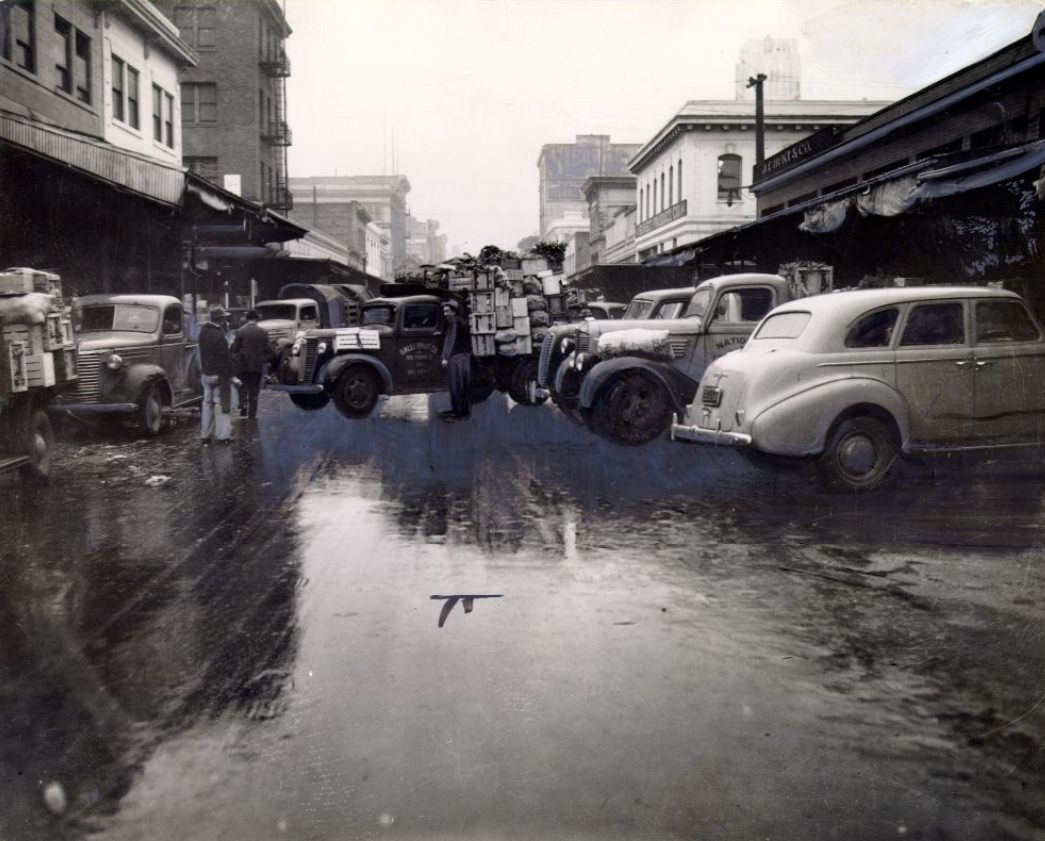
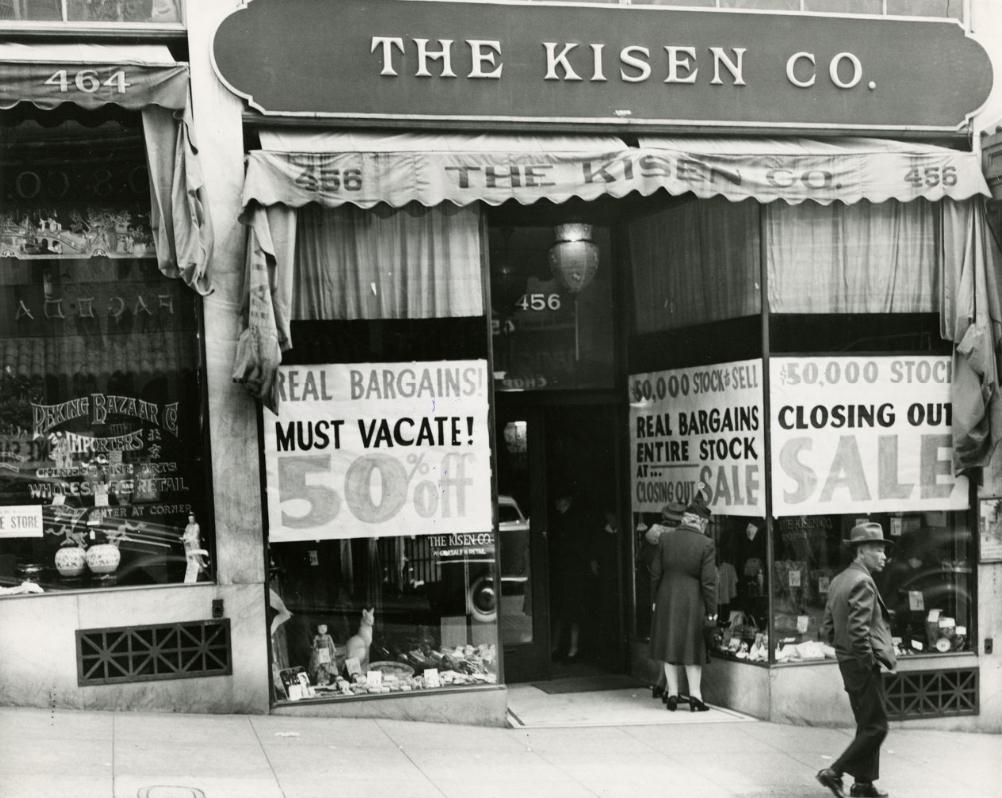
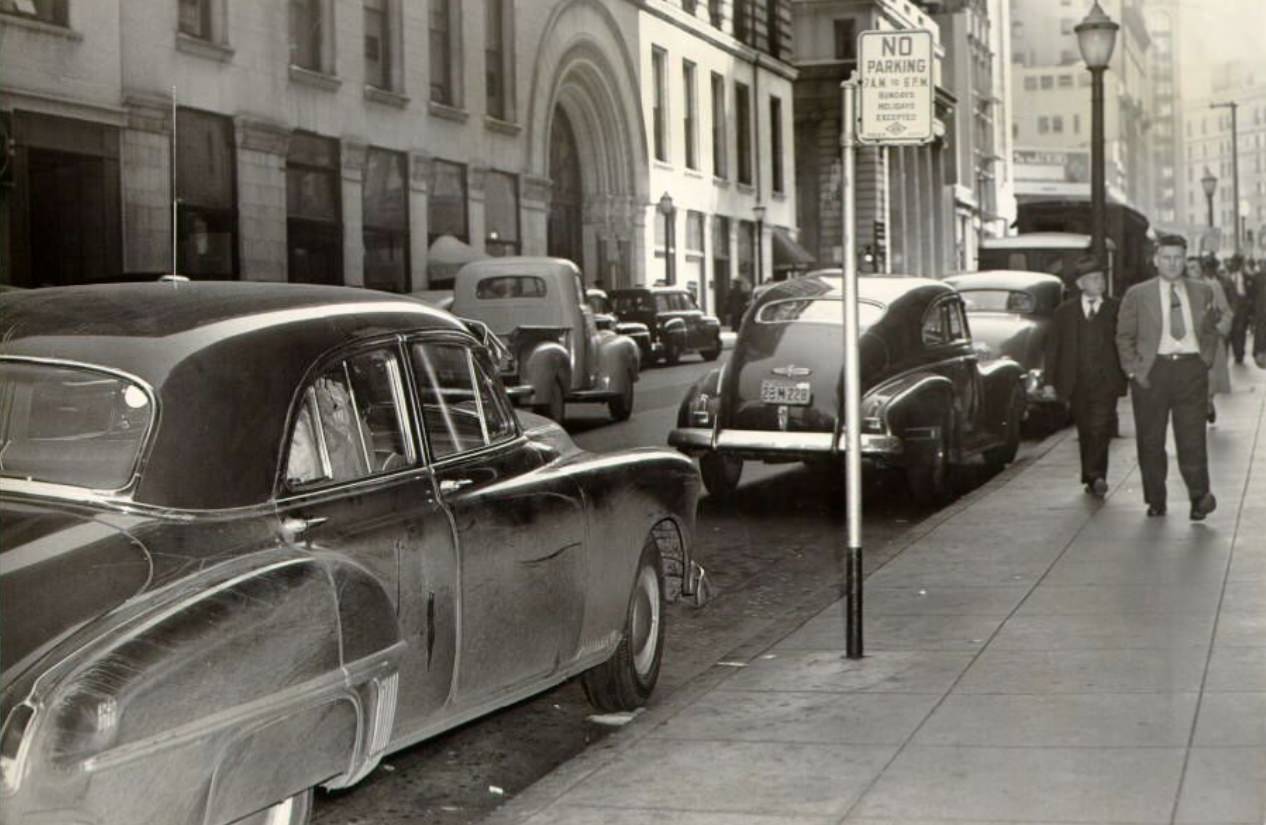
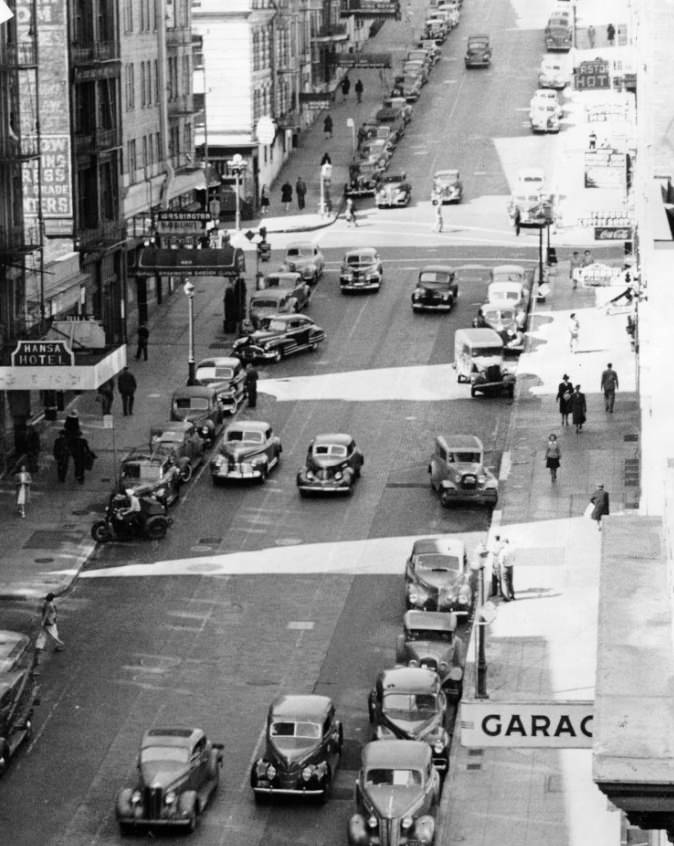
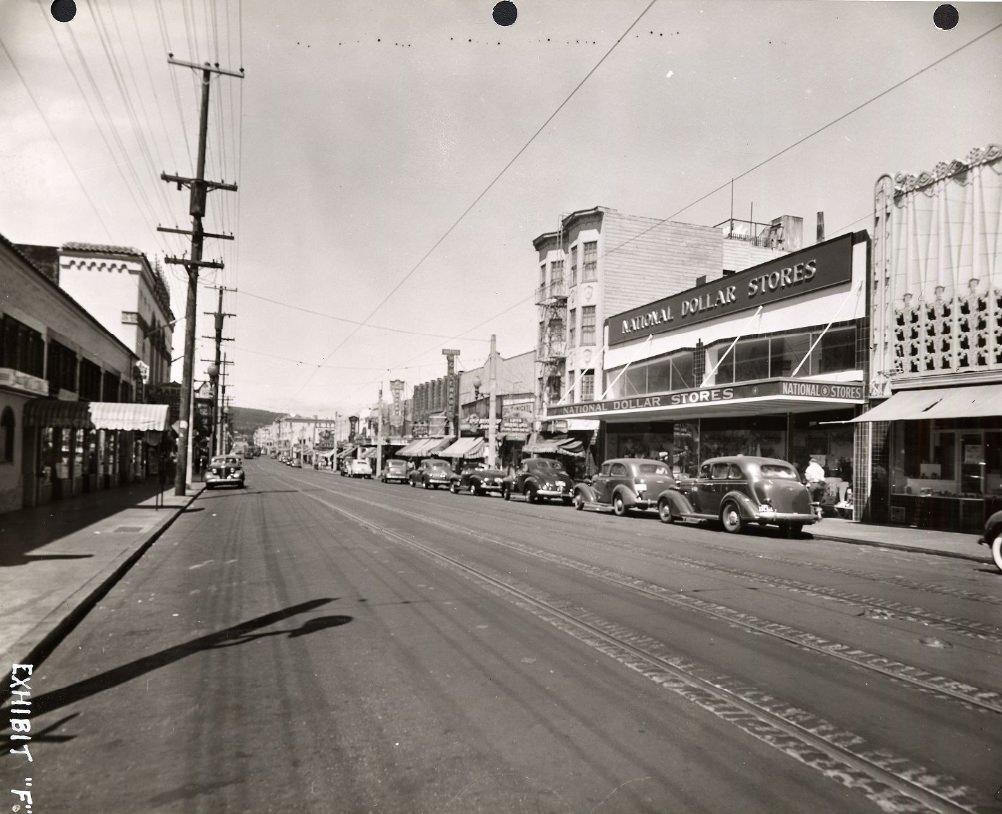
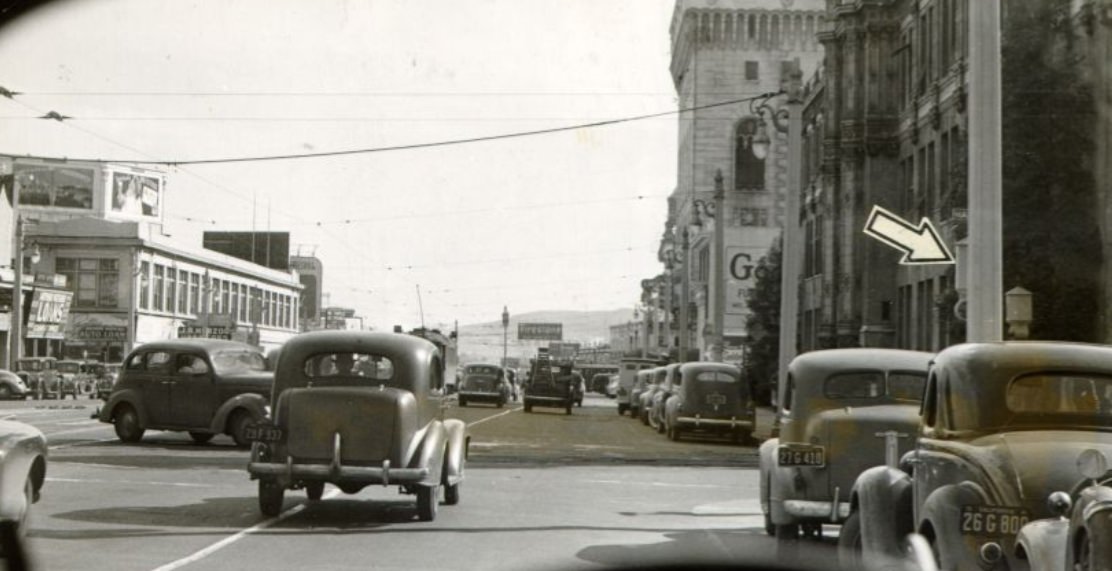
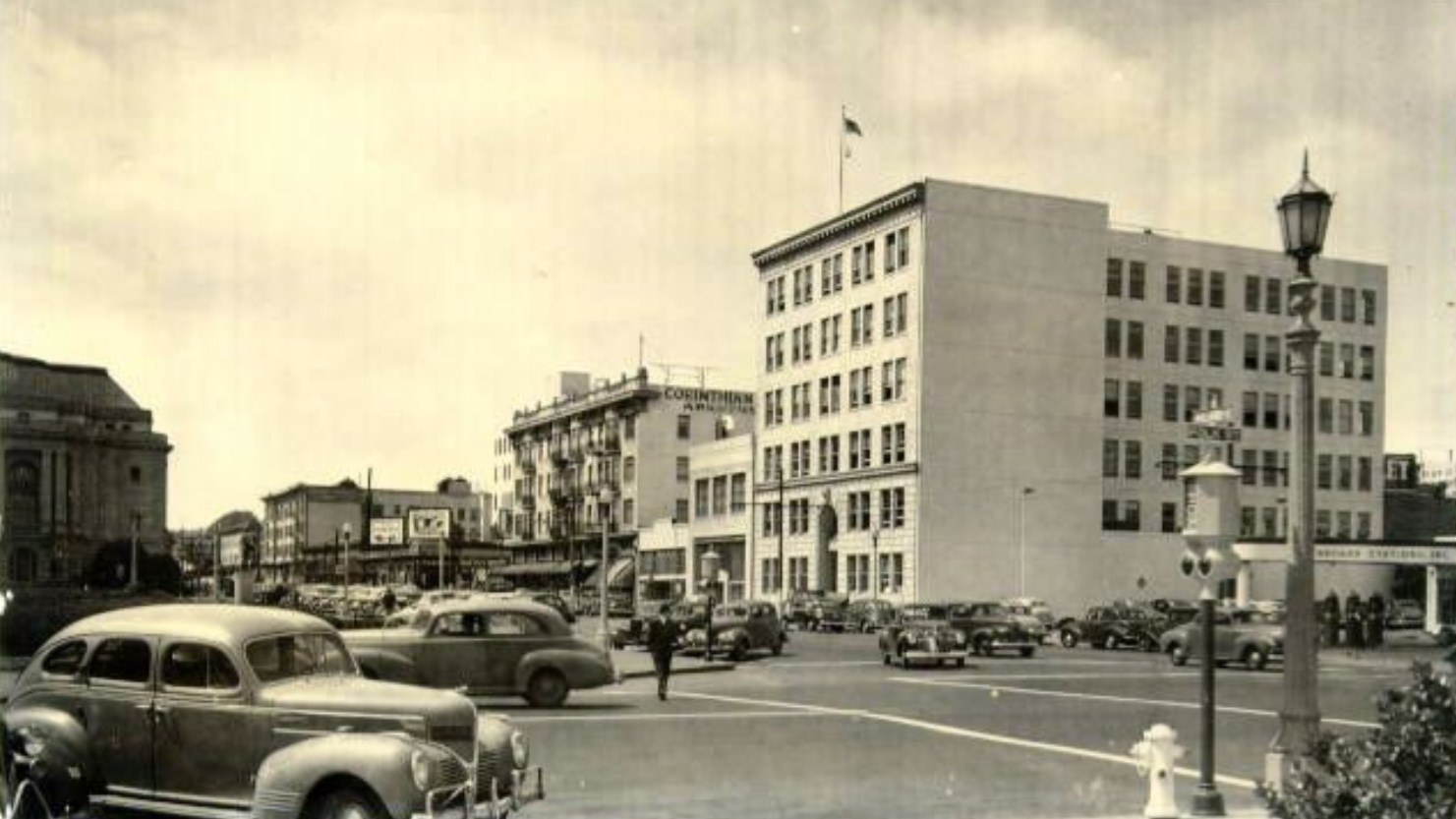
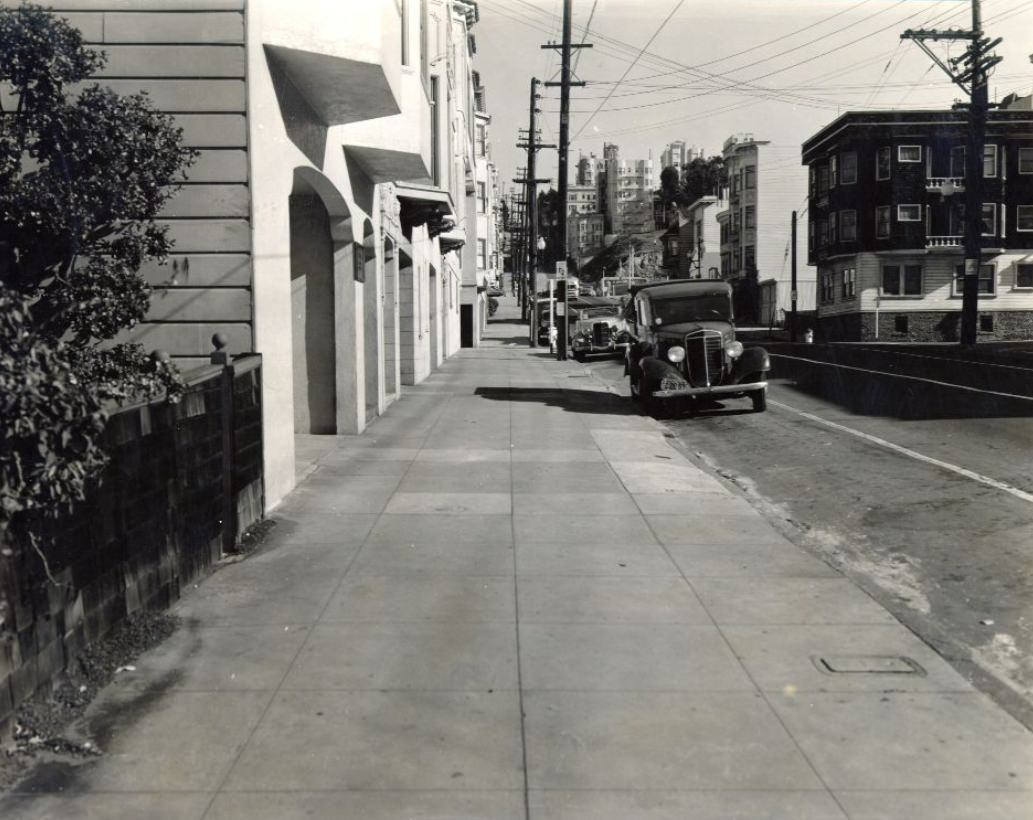
What always strikes me in these photos is when something looks weathered, old or broken down. Even back then things like sidewalks and lamppost pedestals wore out, got dirty, and looked like they could use cleaning or updating. For some reason my brain expects everything to look new.
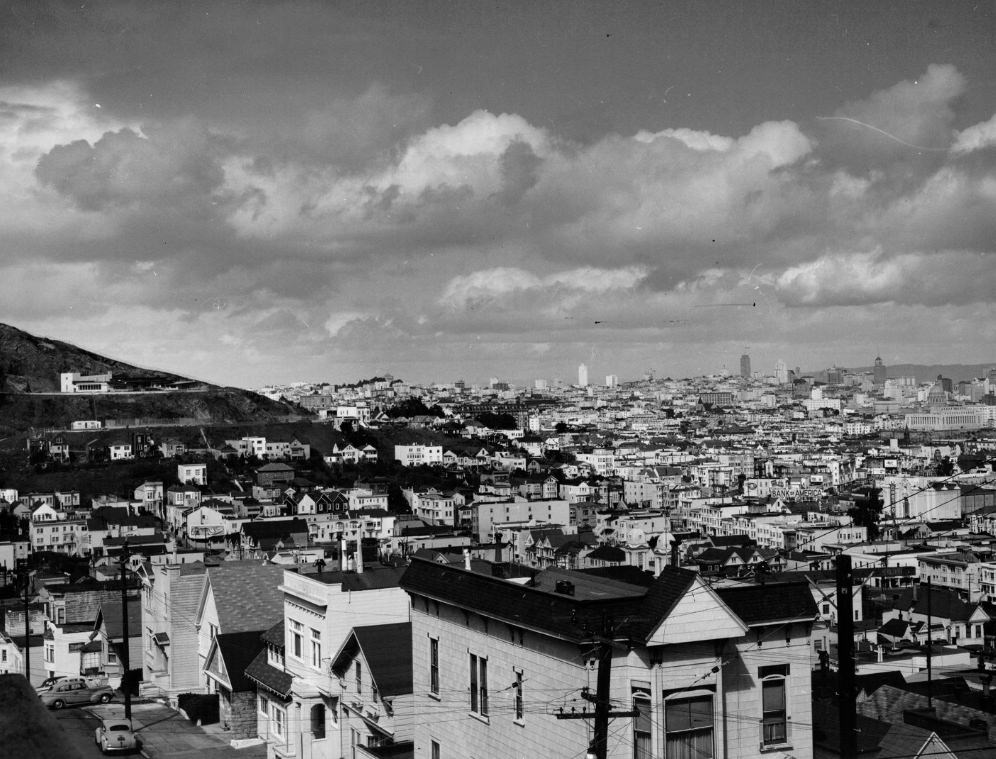
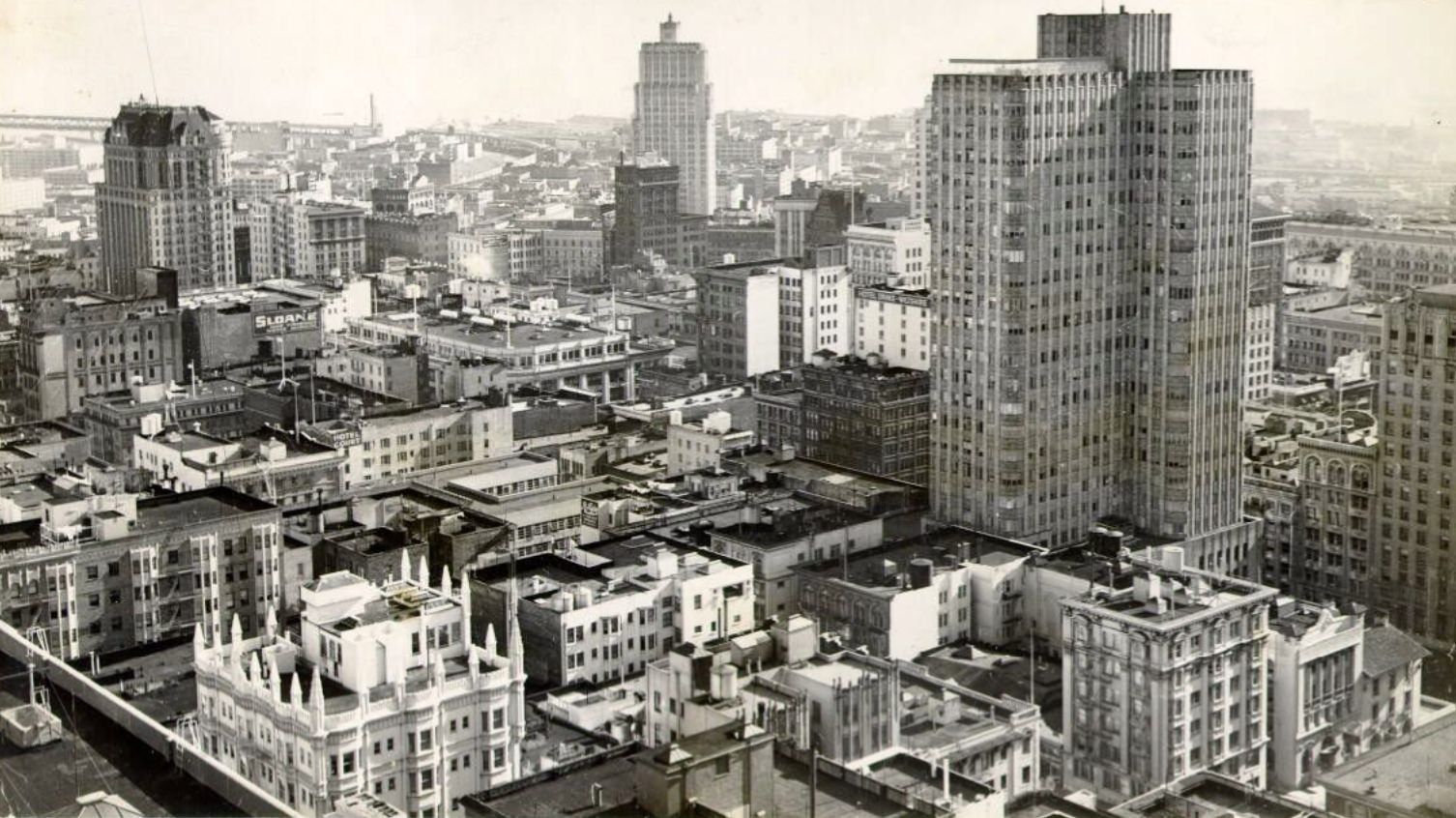
I love old photos. But I can’t help but look at these and wish Sam Francisco evolved and grew as a city. Keeping some history is great. But many of these photos could be taken today if you replaced the old cars with Waymo’s!