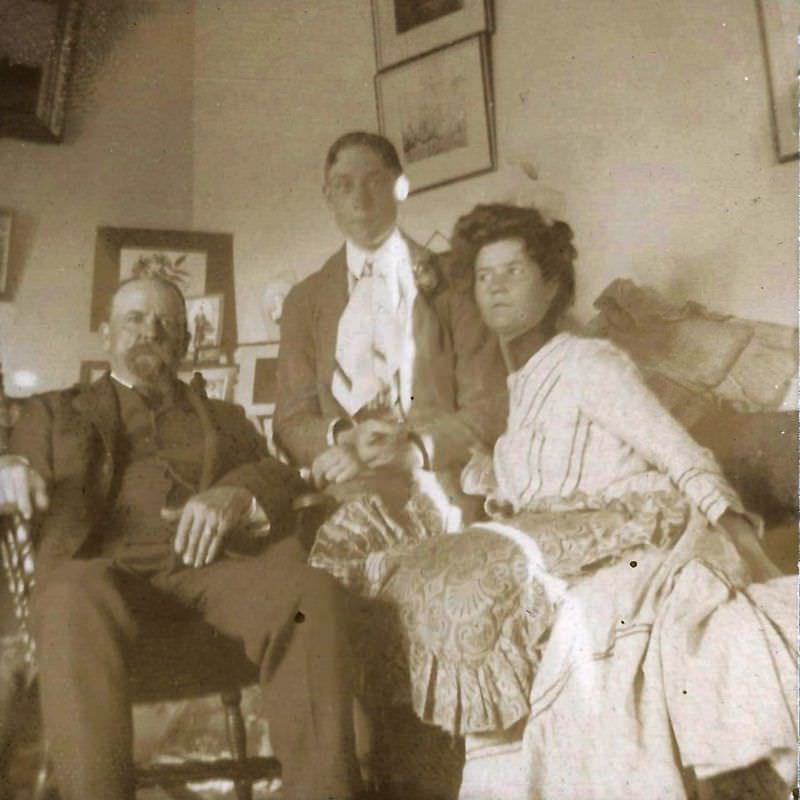
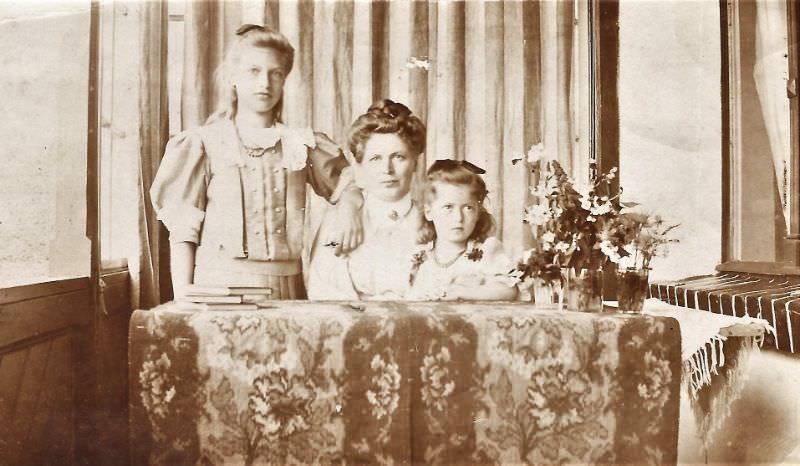
Before central heating, electric appliances, or indoor plumbing, home life looked very different. In the early 1900s, households ran on physical labor and daily routine. Families rose at dawn, lit fires for warmth, and started cooking over wood-burning stoves. There were no shortcuts.
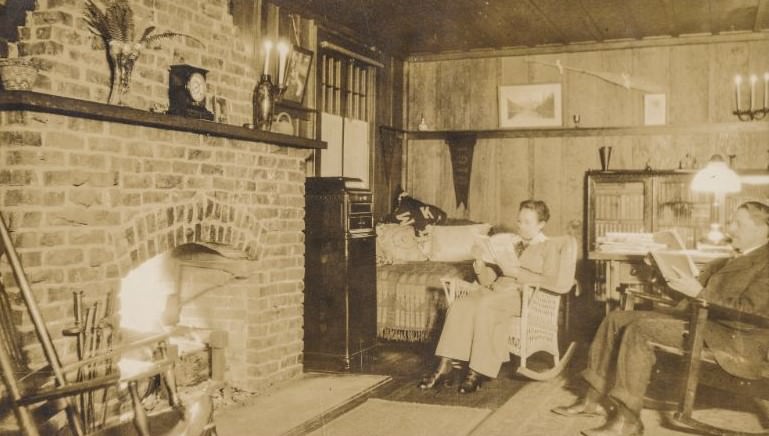
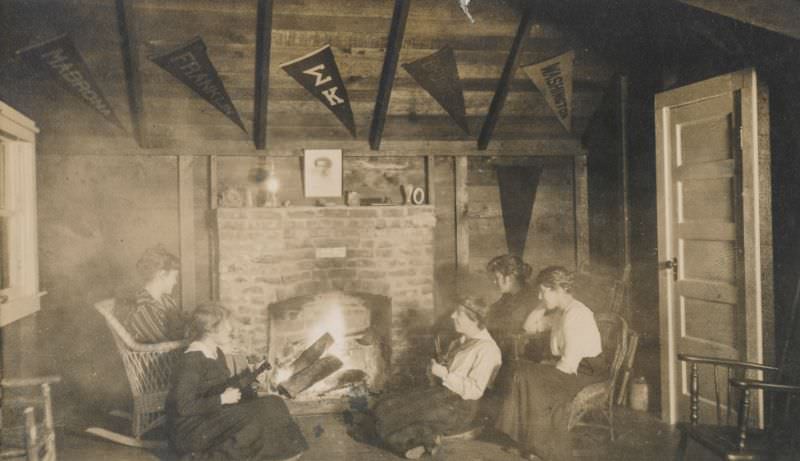
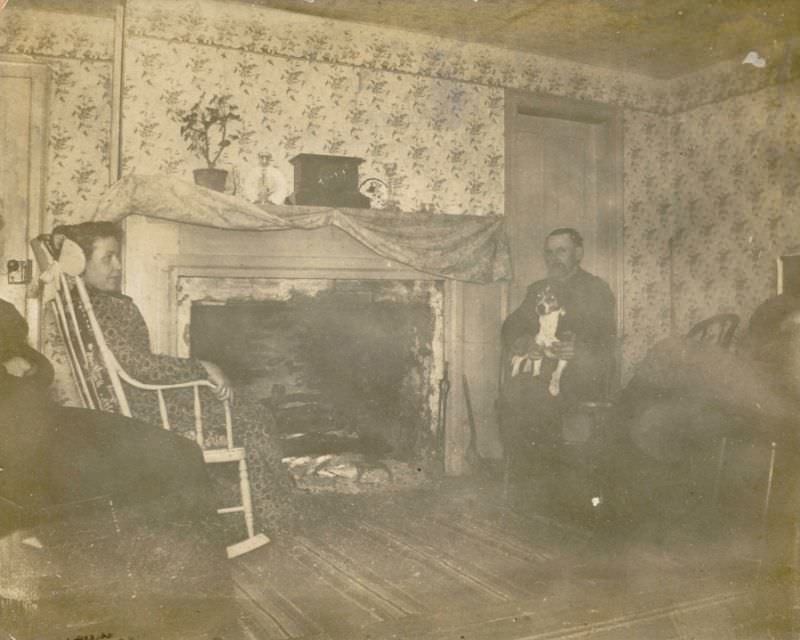
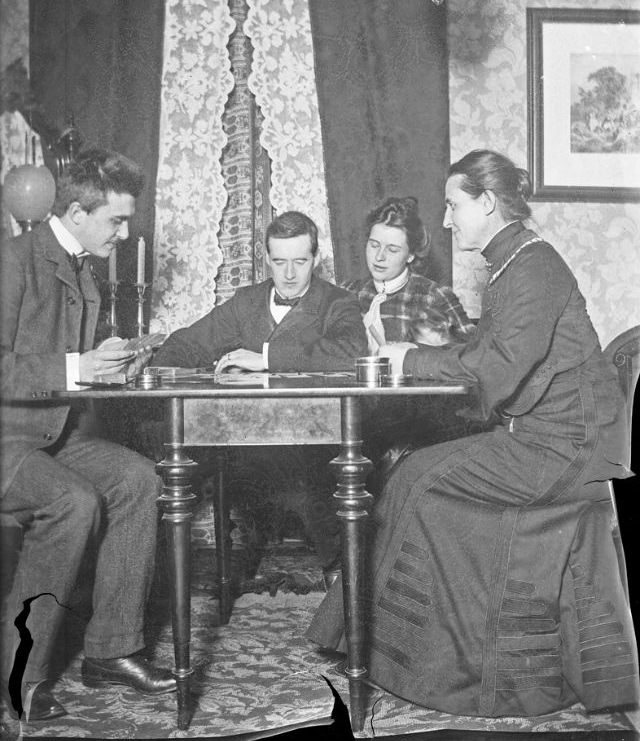
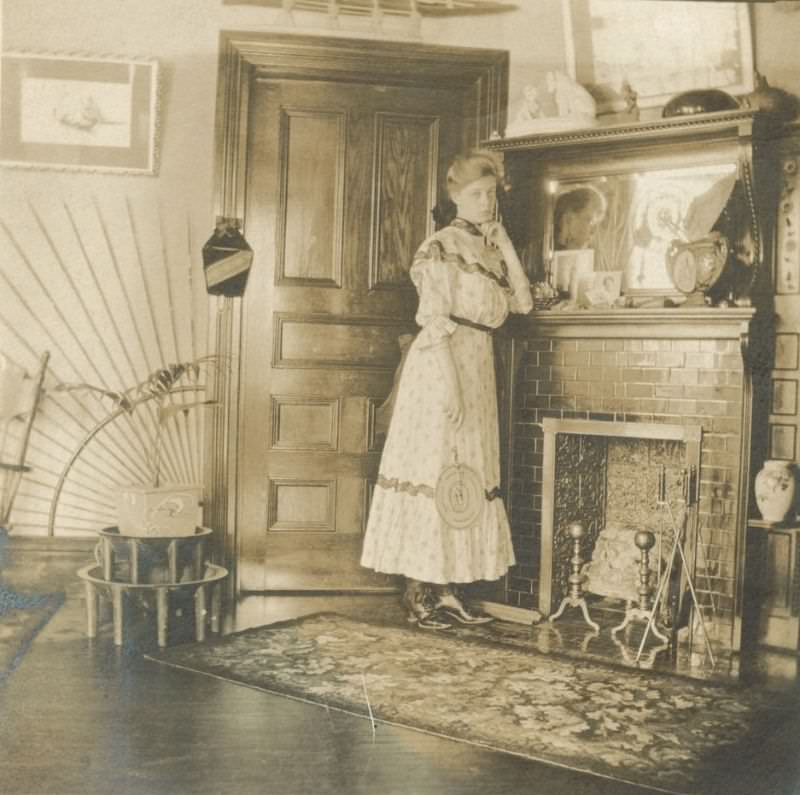
The fireplace was the heart of the home. It provided heat, light, and a place to gather after a long day’s work. Evenings were quiet without radio or television. Families filled the time by reading, playing instruments, or simply talking.
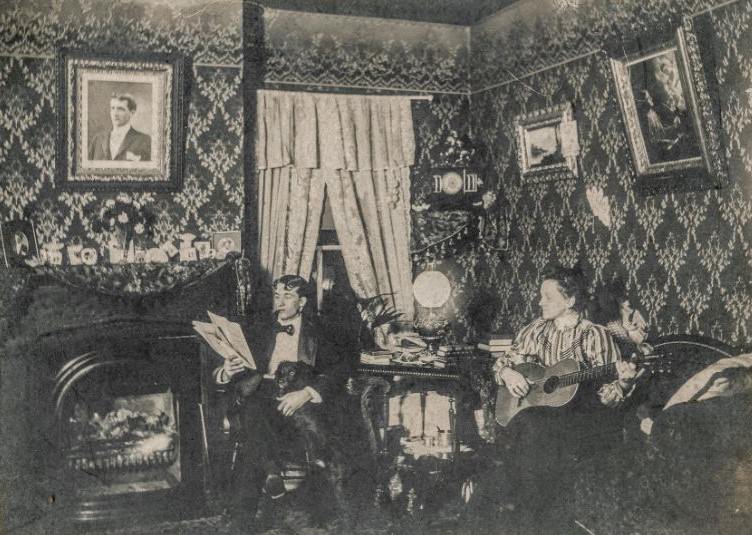
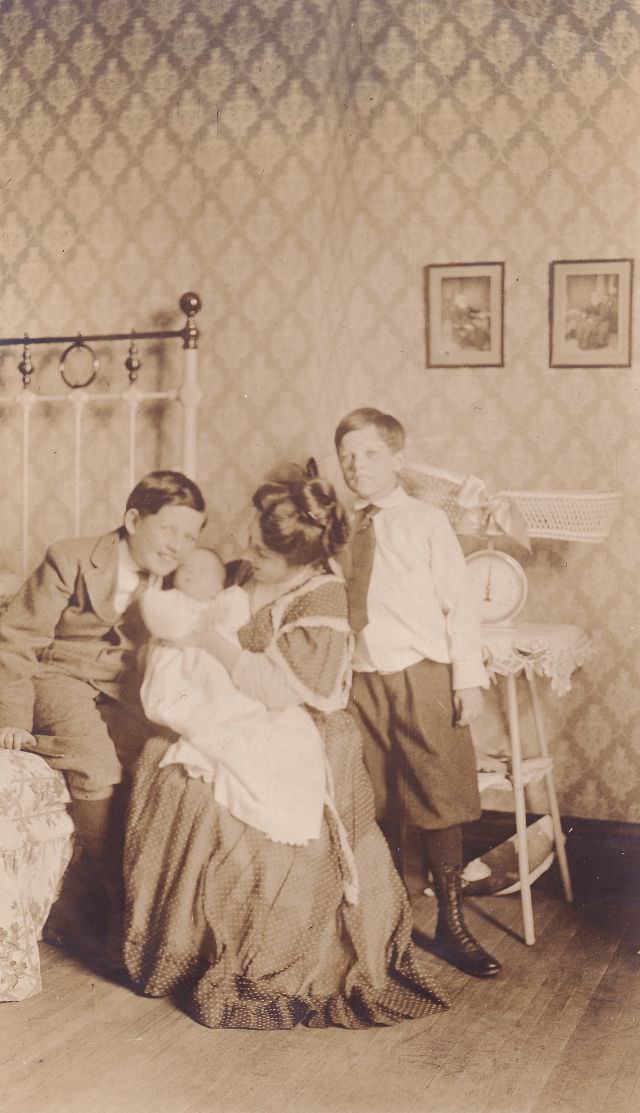
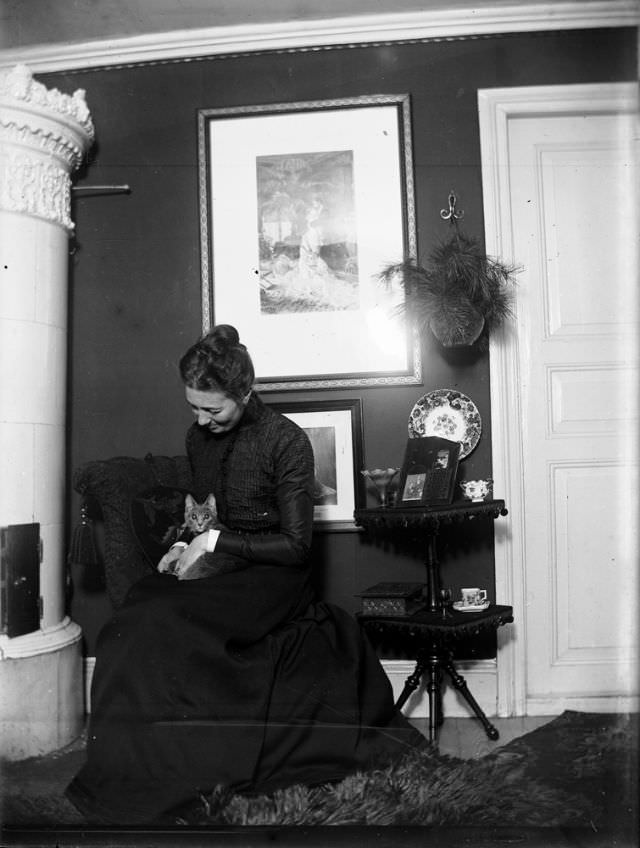
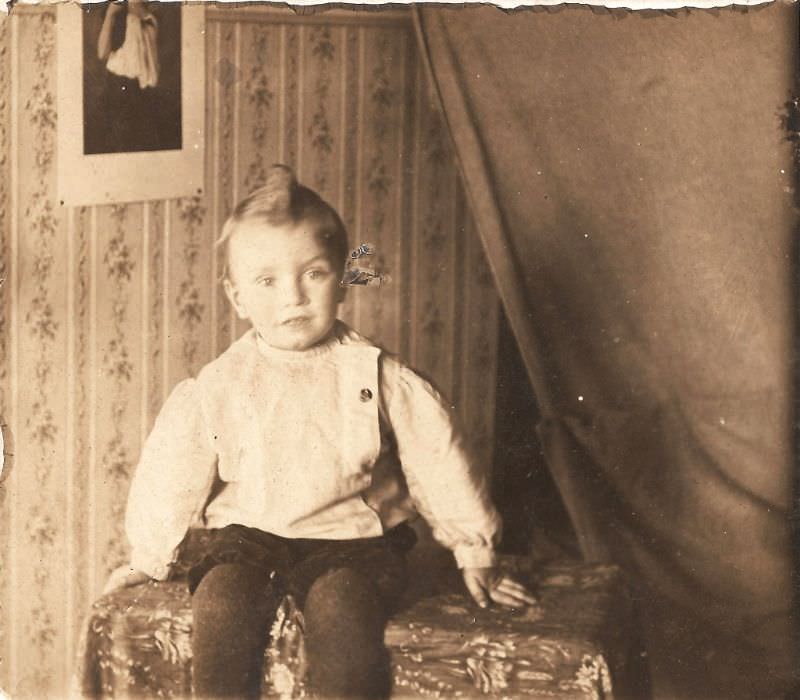
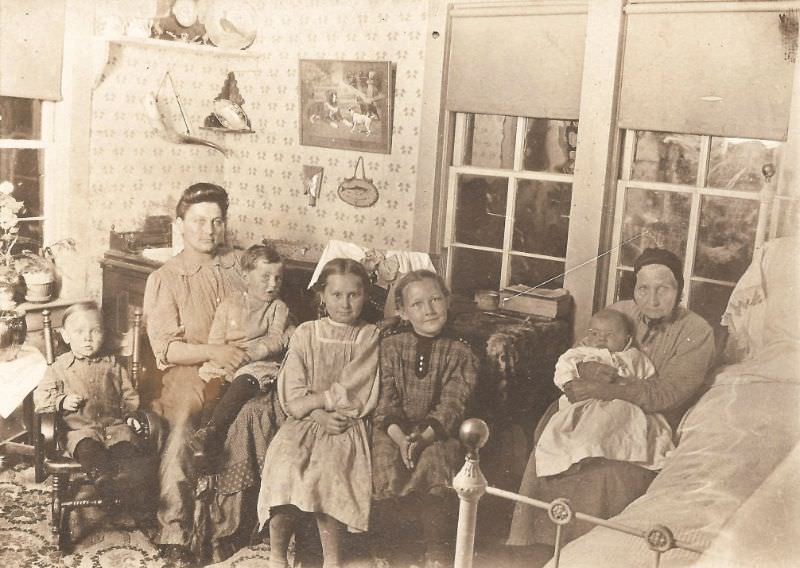
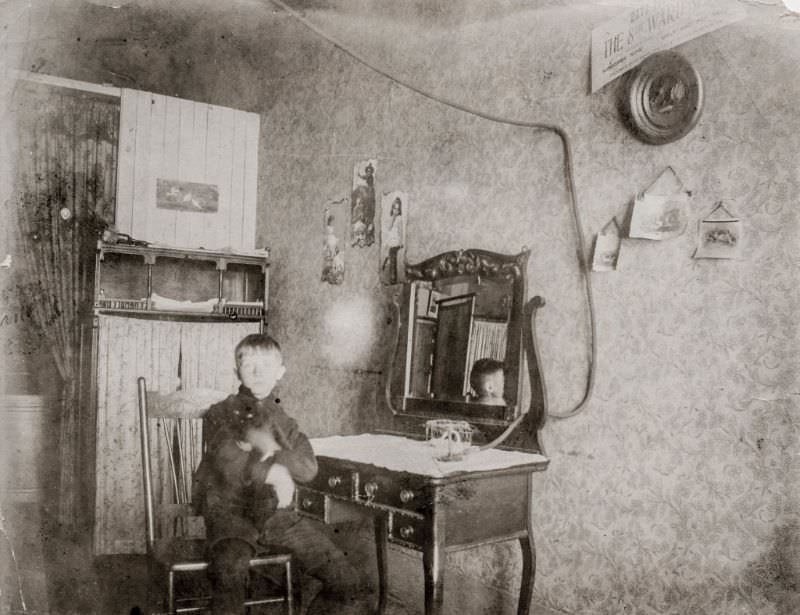
Children were a working part of the household. They fetched water, collected firewood, churned butter, and helped with sewing. Childhood still had its lighter moments, though — pets, games, and small personal spaces carved out a sense of belonging.
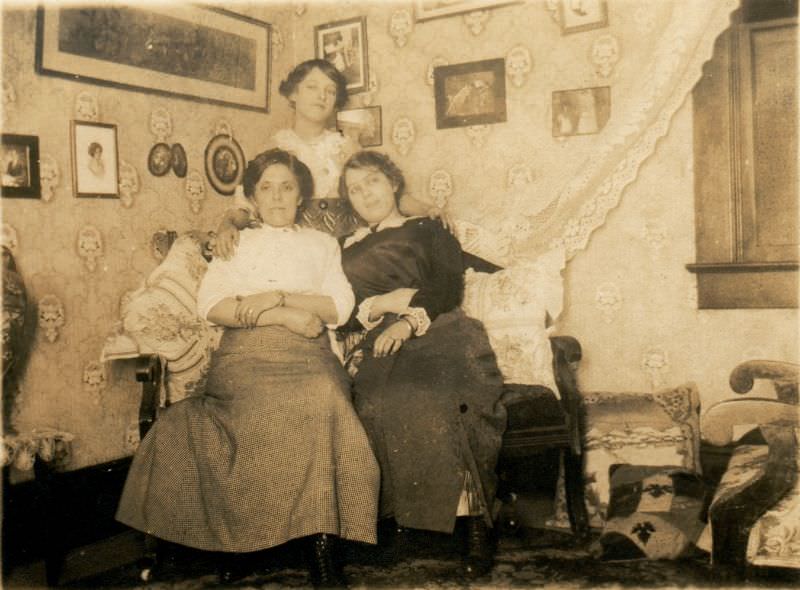
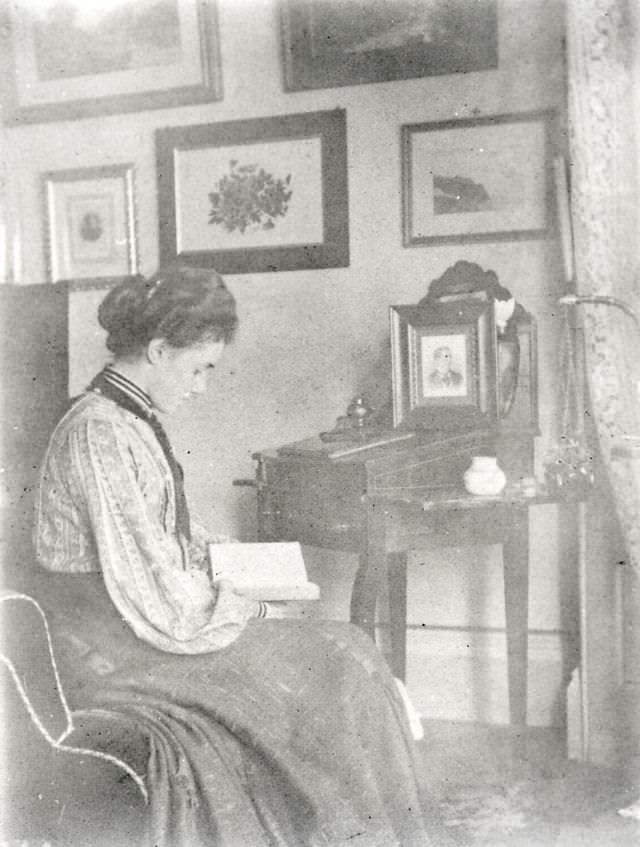
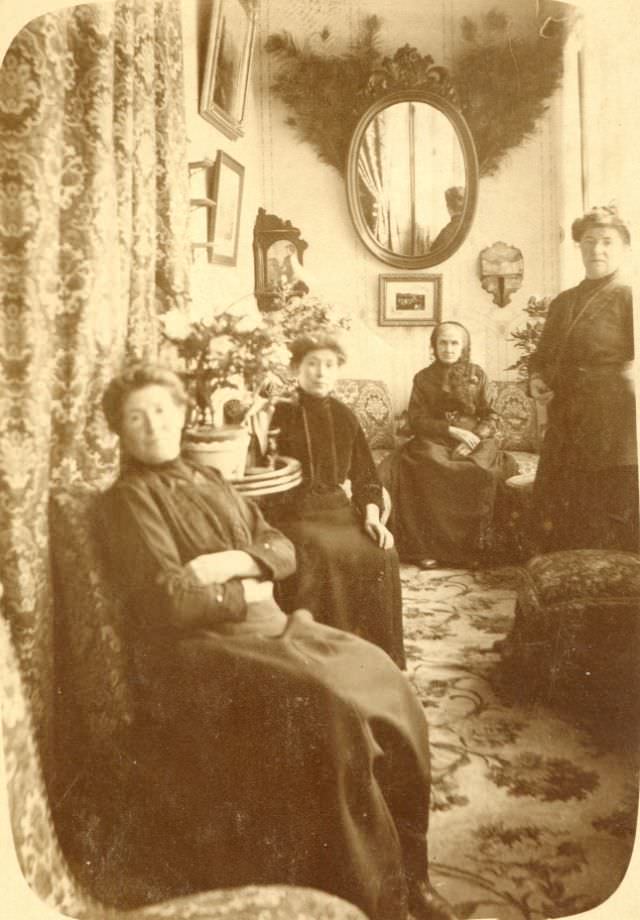
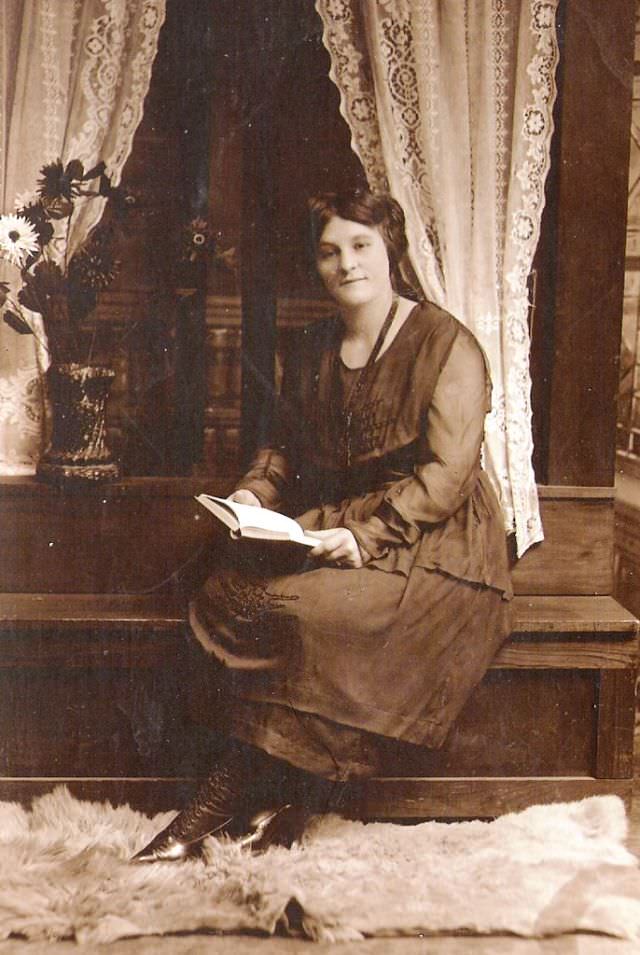
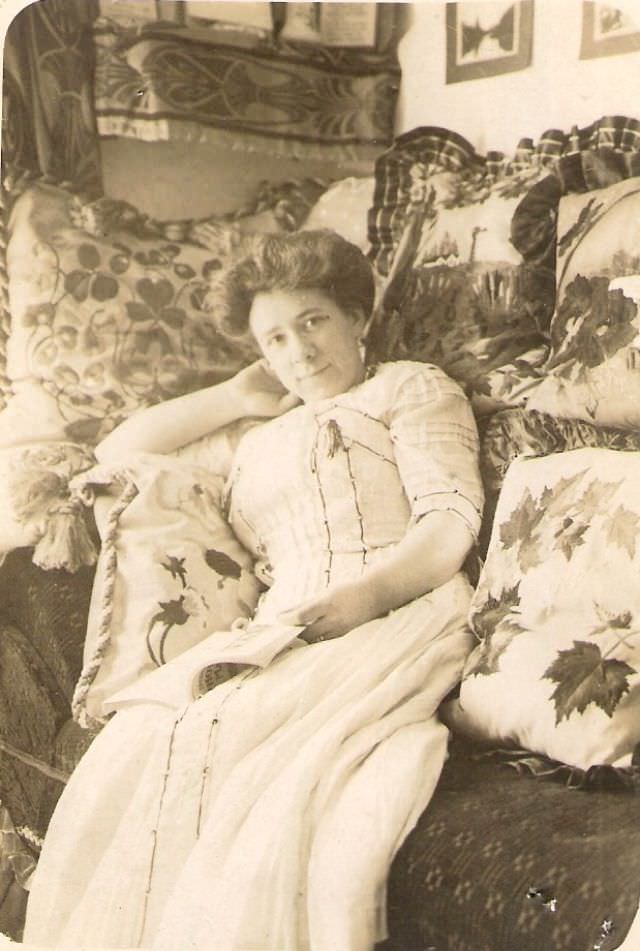
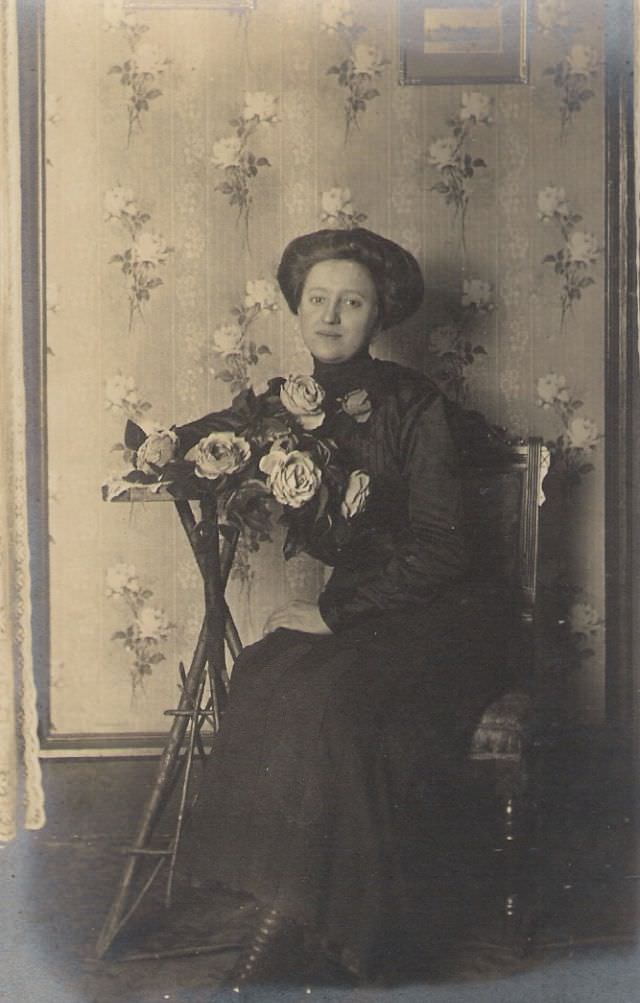
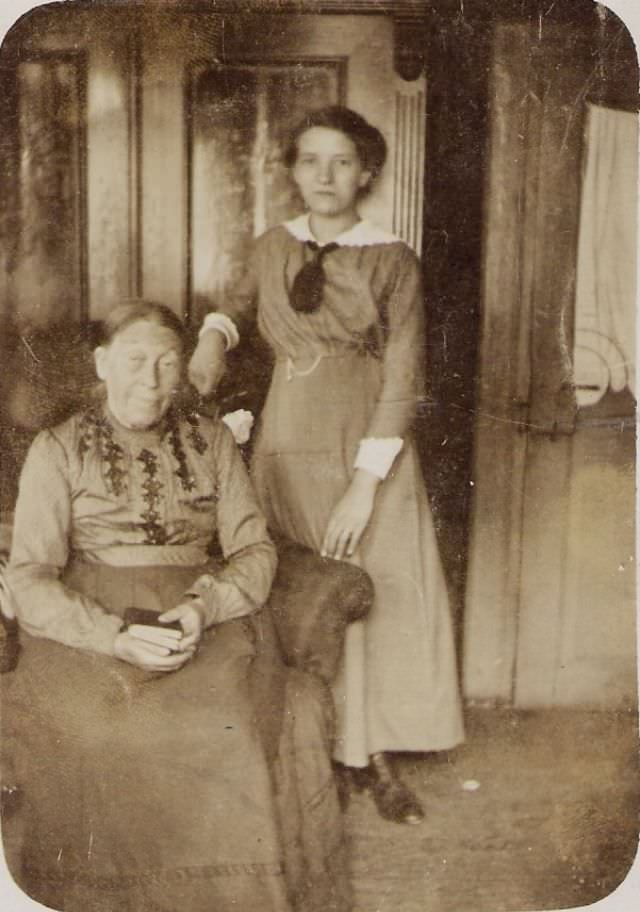
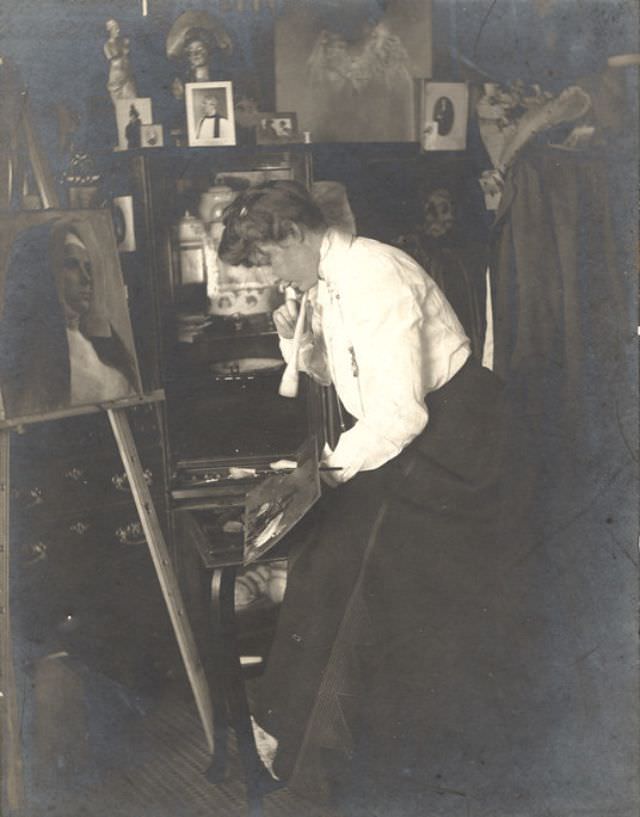
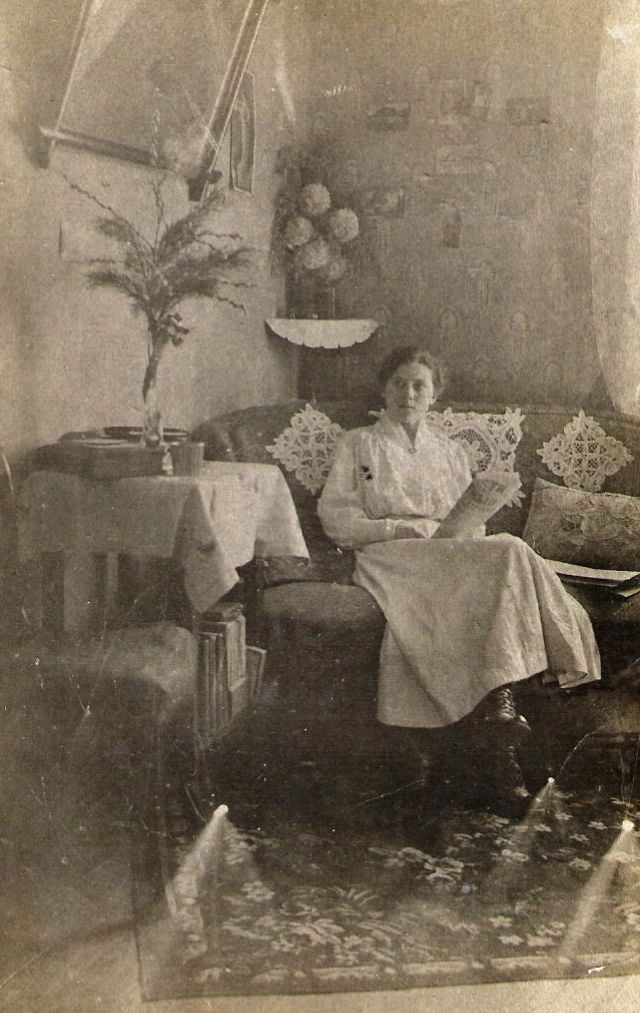
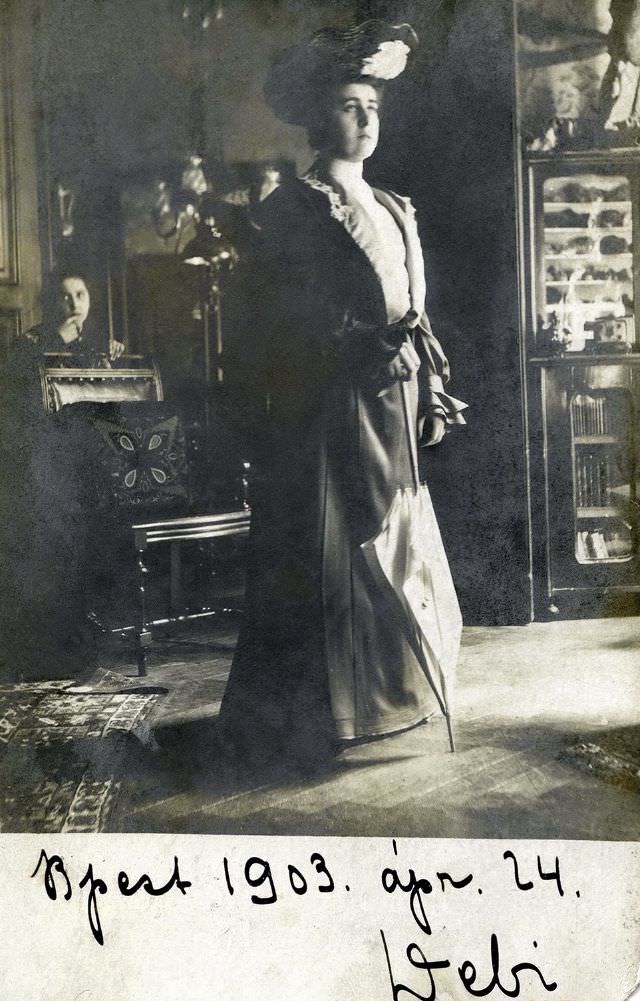
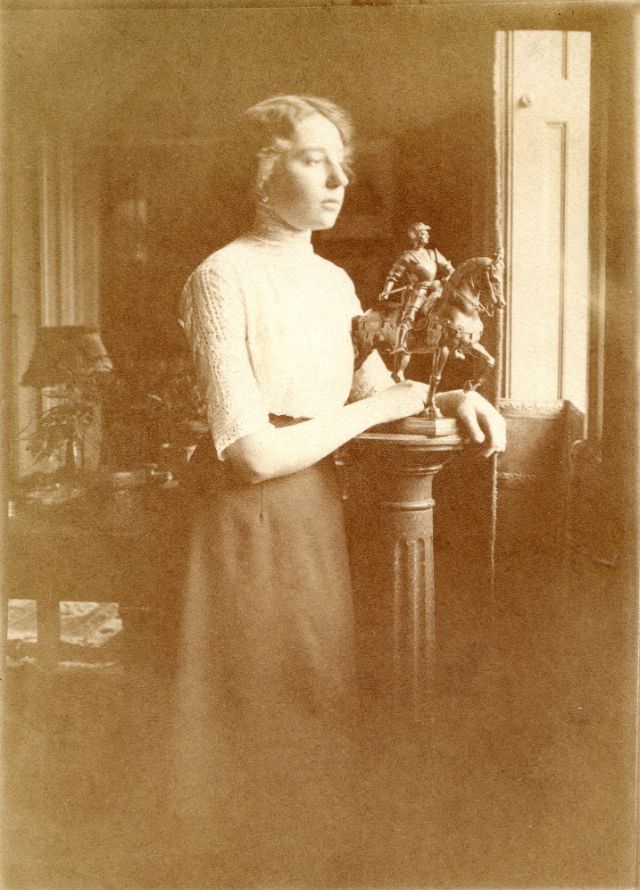
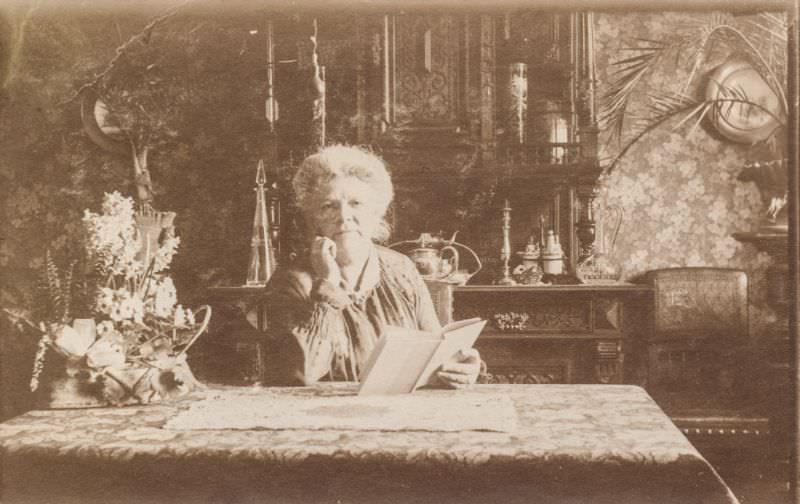
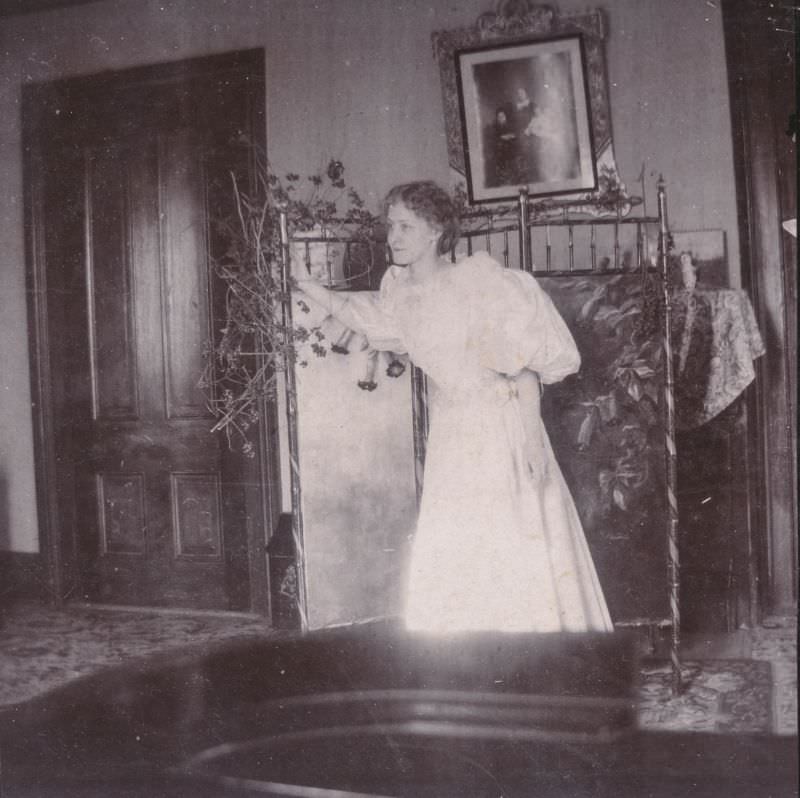
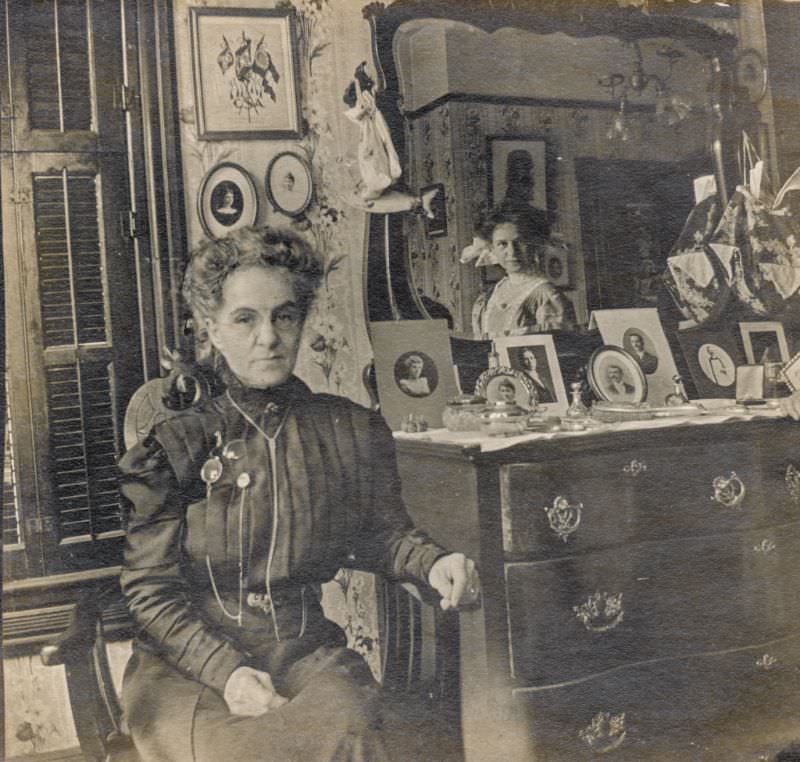
Parlors and sitting rooms served as the social center of the home. Older family members spent hours there reading, receiving guests, or simply resting. A well-kept parlor was a point of pride, often filled with books, framed photographs, and modest furniture.
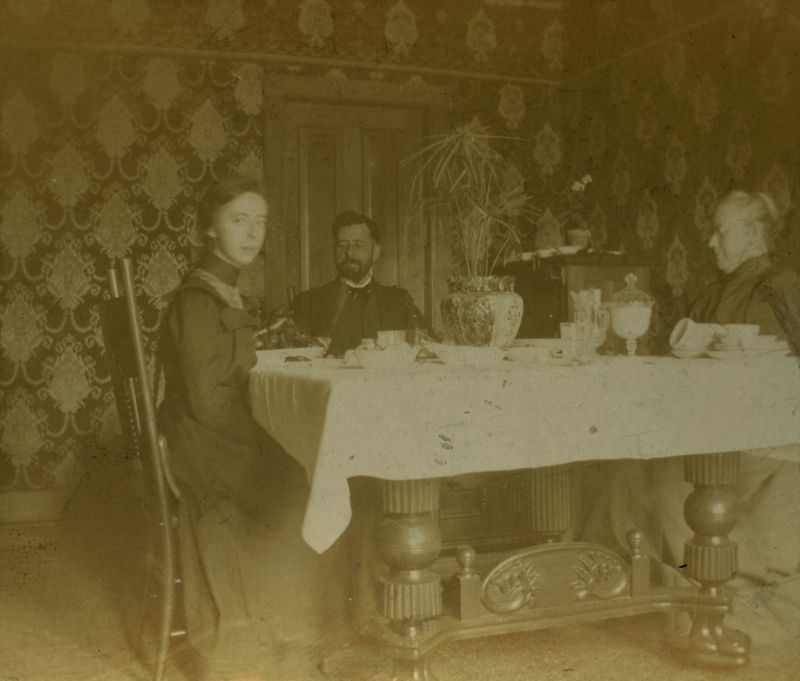
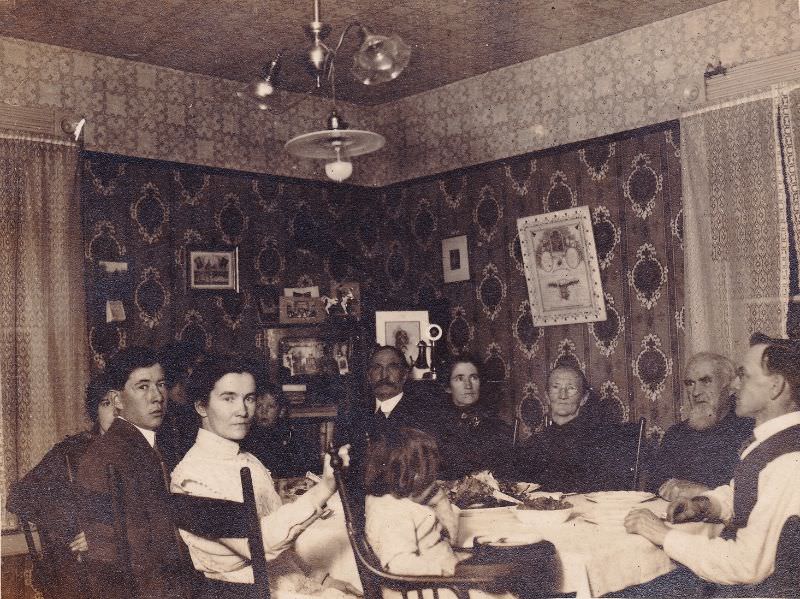
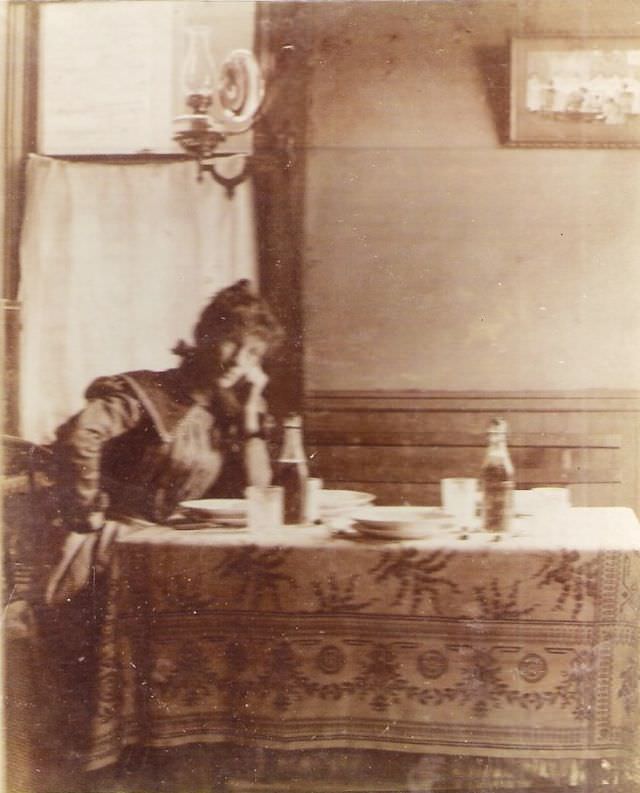
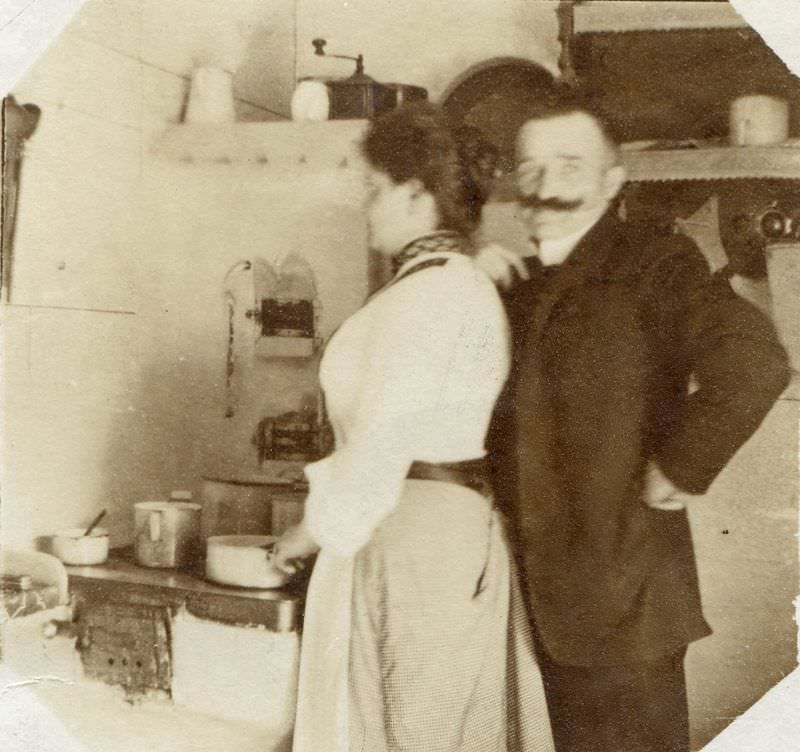
Mealtimes brought everyone together. Families gathered around the dining table at set hours each day. Food was cooked from scratch using whatever was grown, raised, or traded locally. Store-bought goods were a luxury, not a habit.
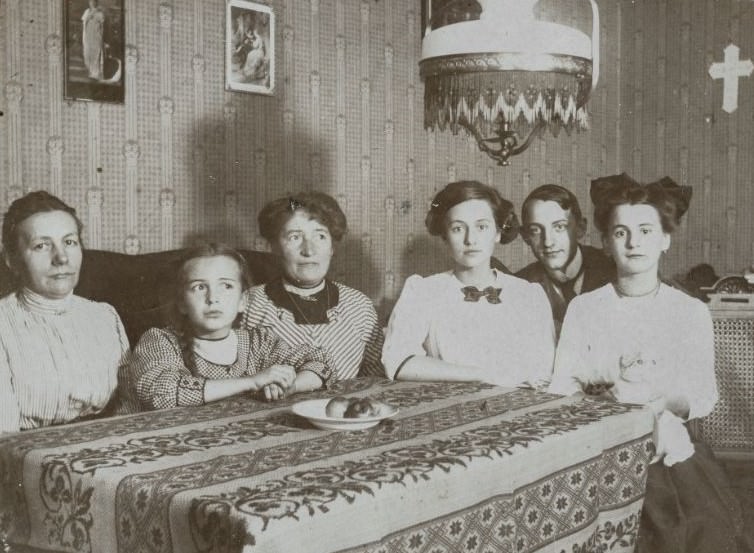
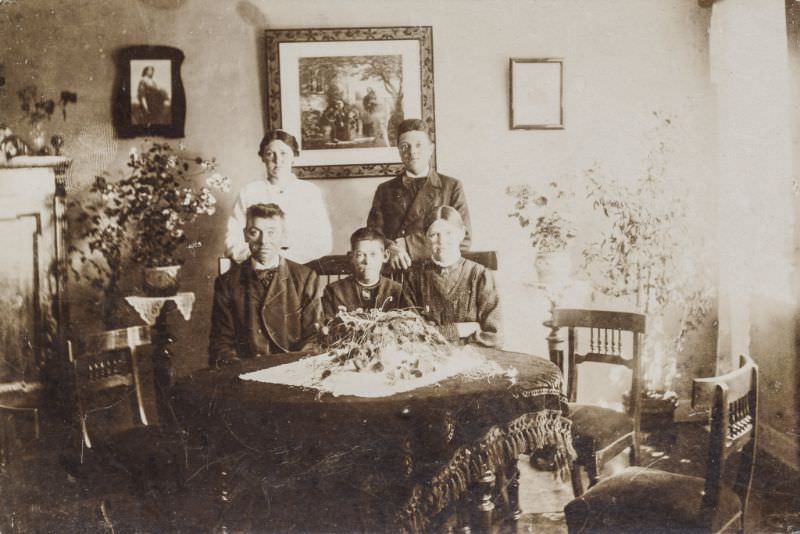
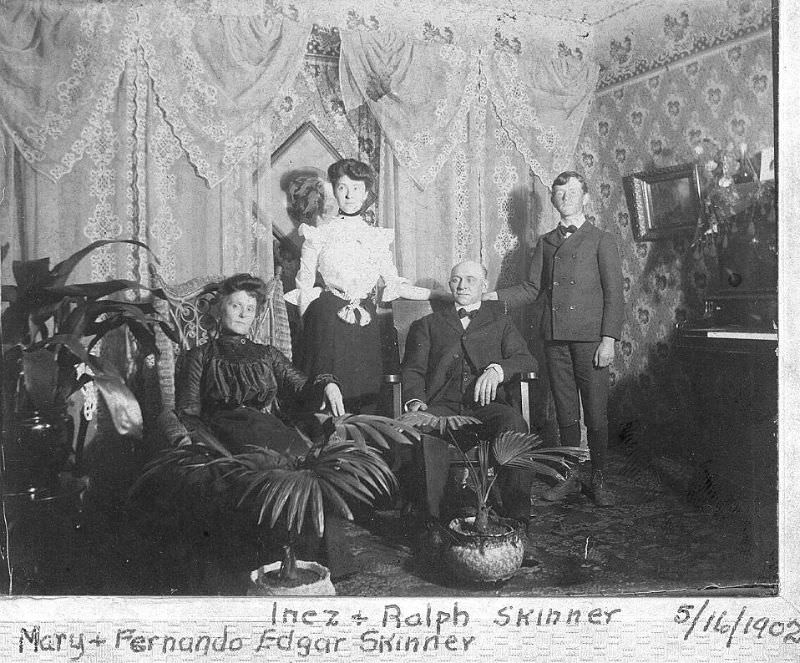
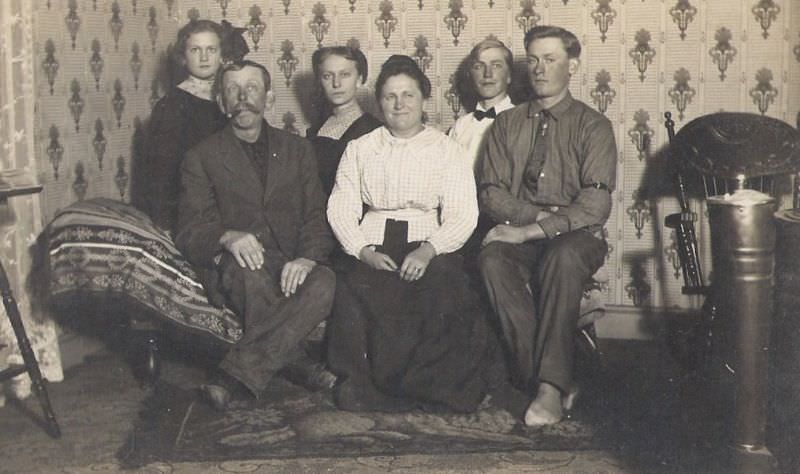
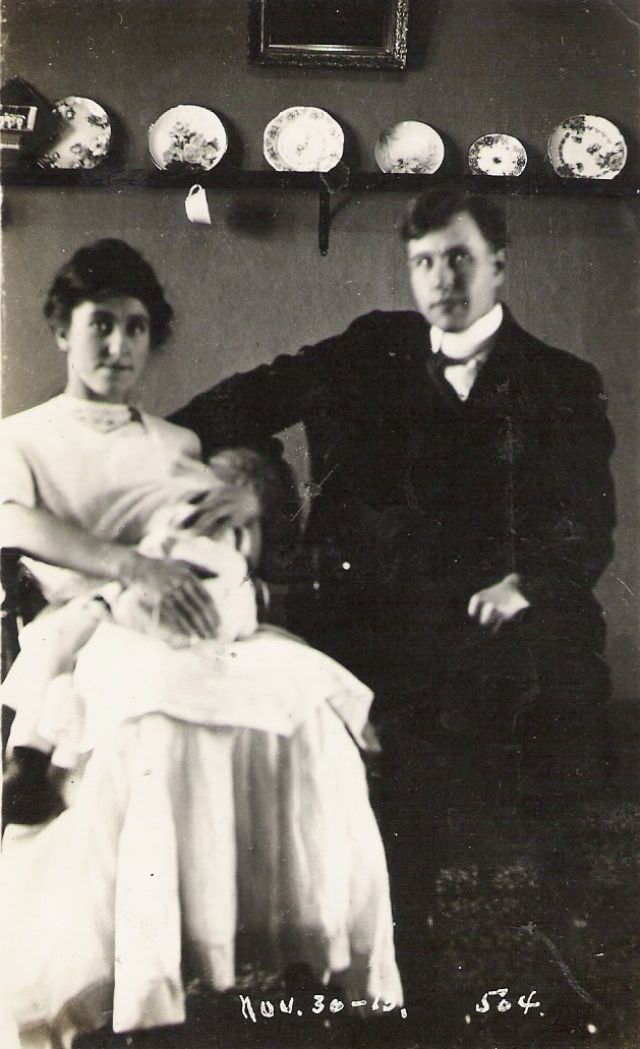
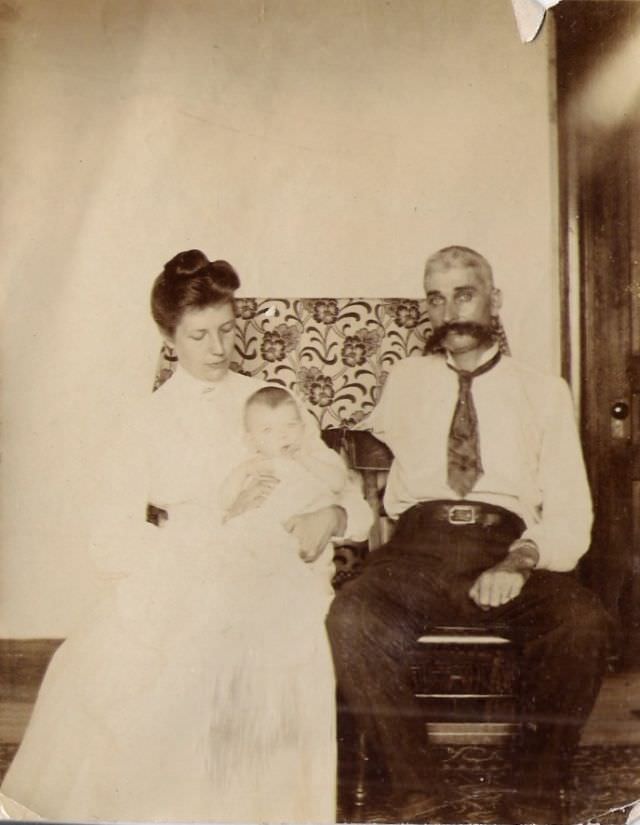
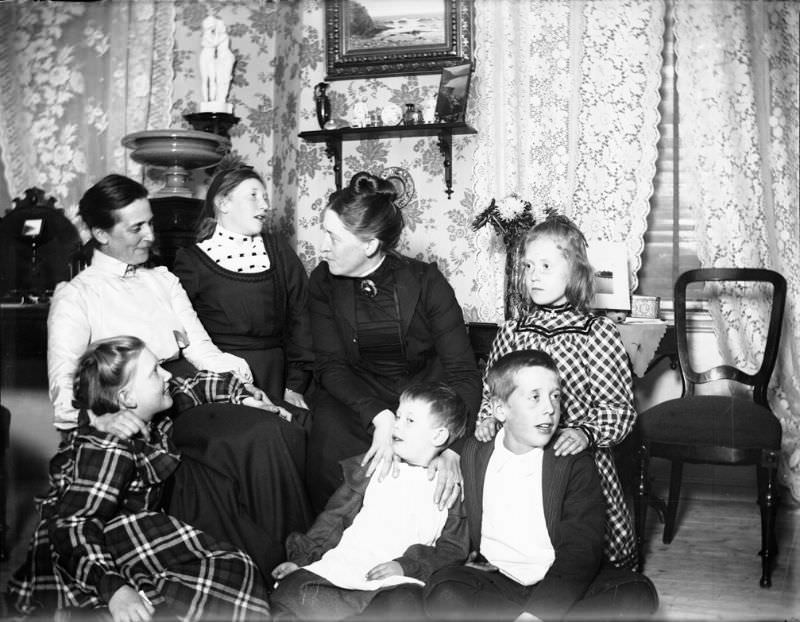
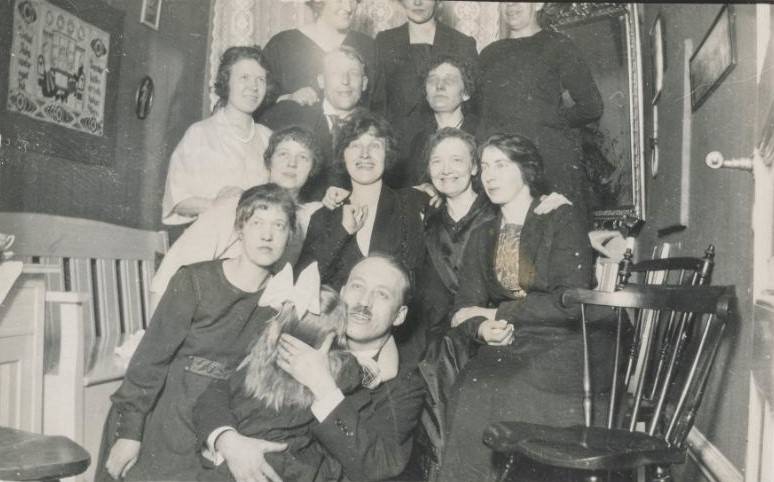
The living room hosted the whole family at once. Parents, children, and sometimes grandparents shared the same small space each evening. Physical closeness was not a choice — it was a feature of the house itself.
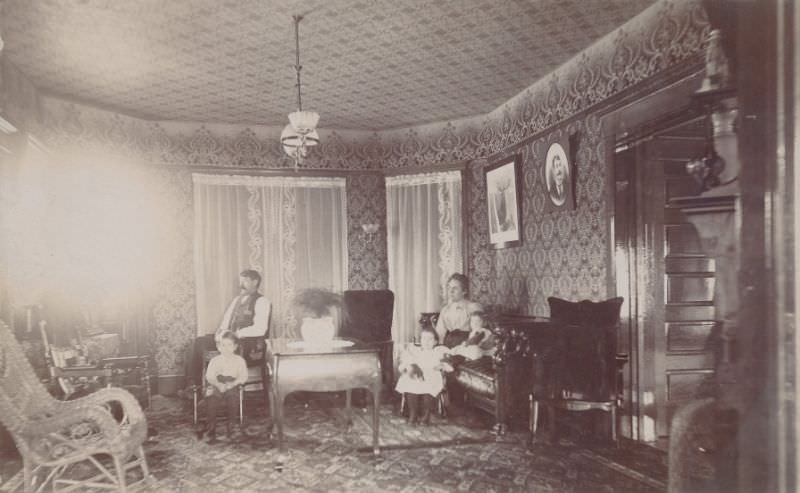
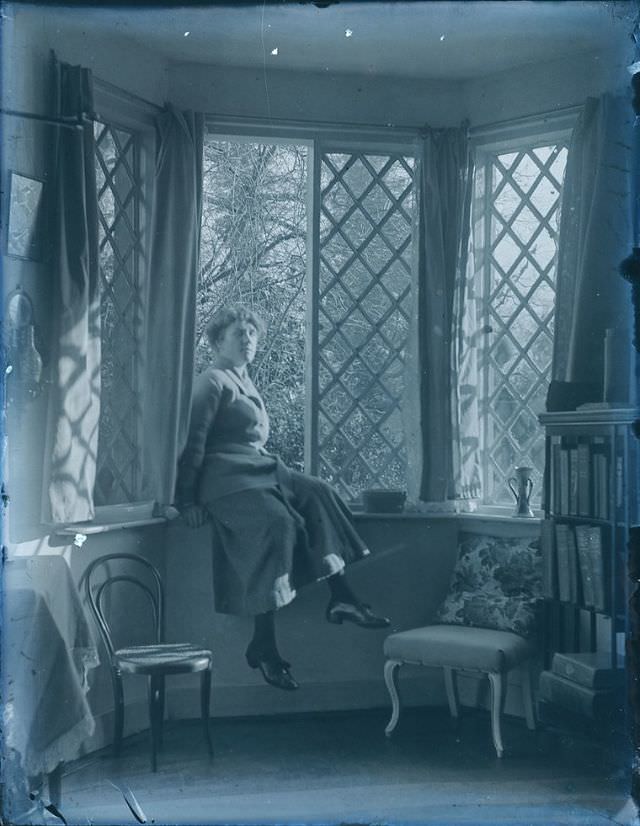
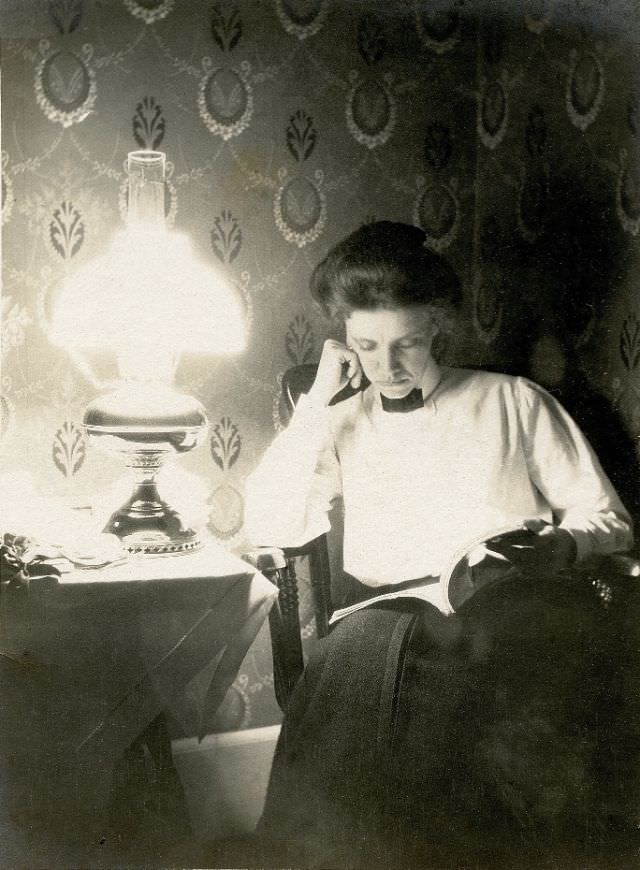
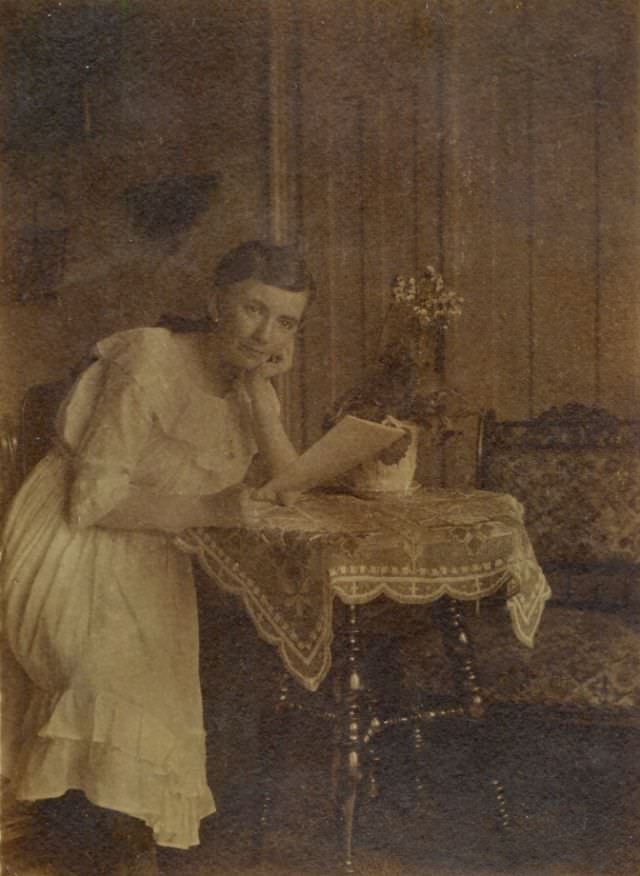
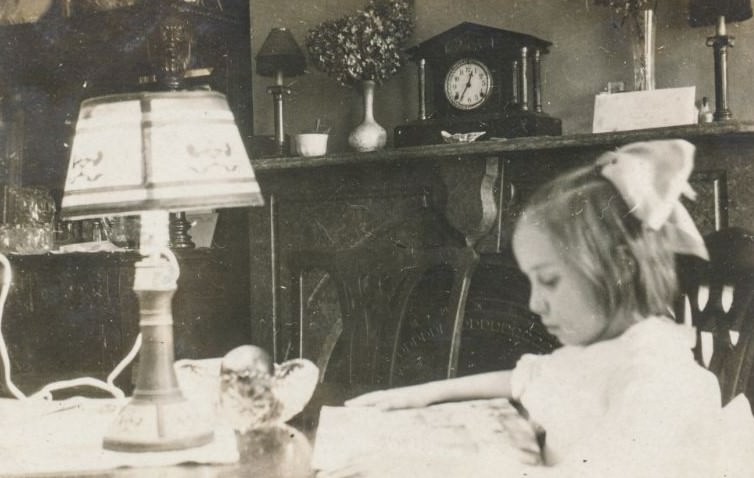
Reading was one of the most common indoor activities for all ages. Books and newspapers were passed around, read aloud, and discussed. Even young children were encouraged to read whenever chores allowed.
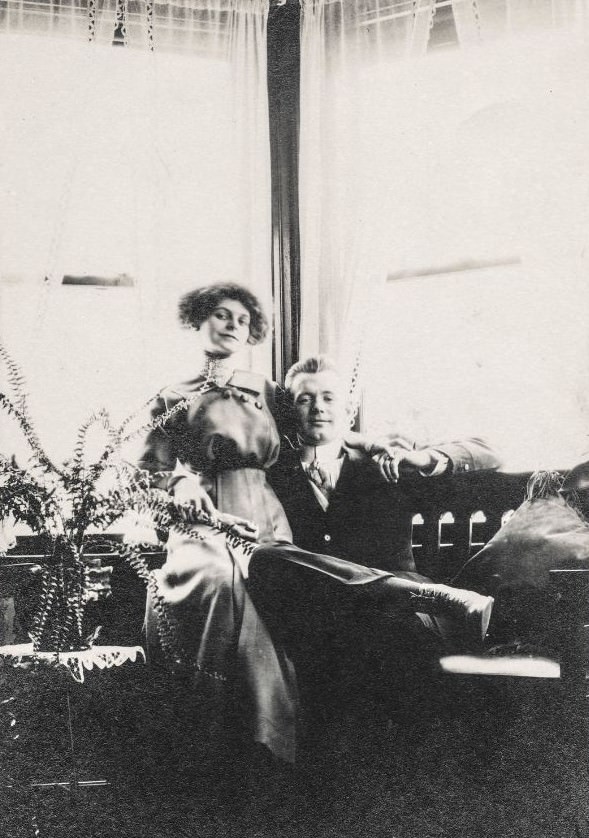
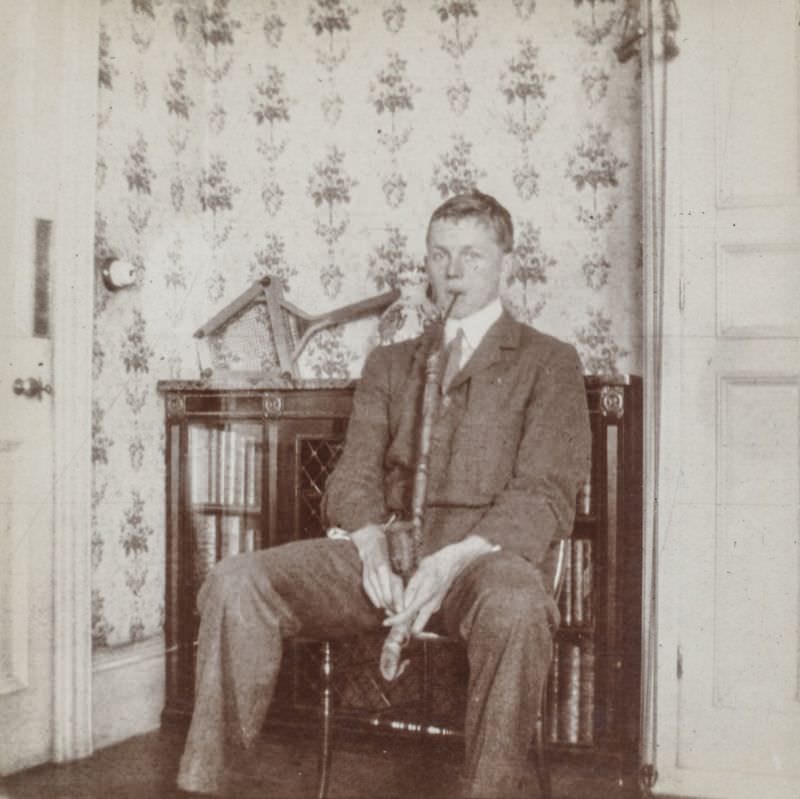
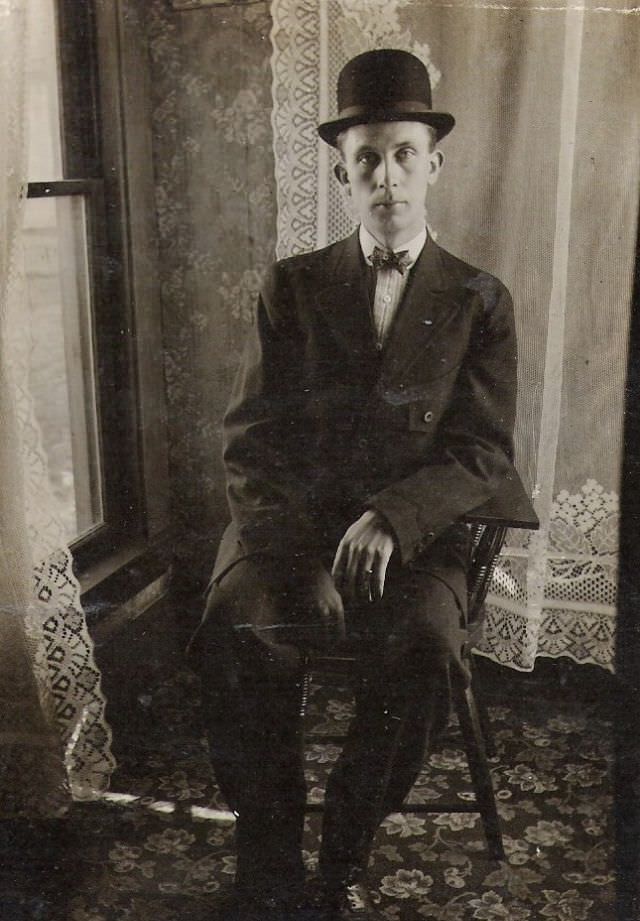
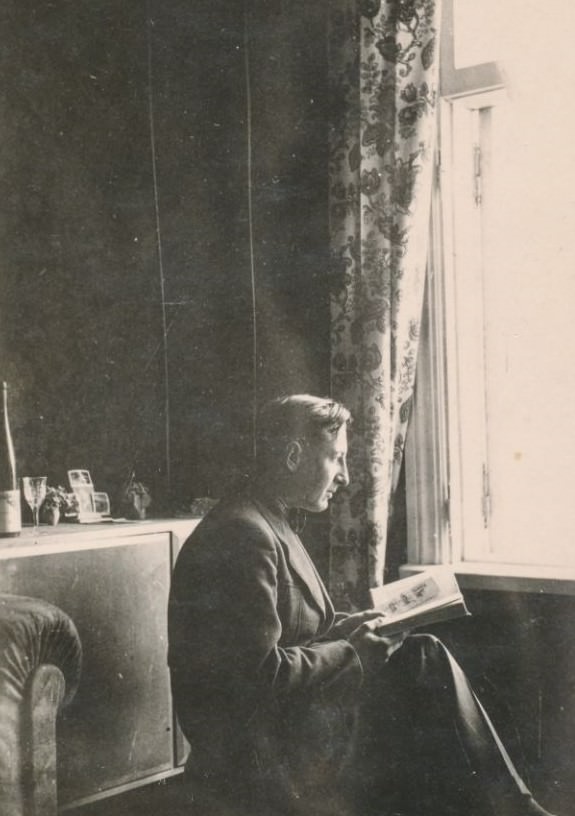
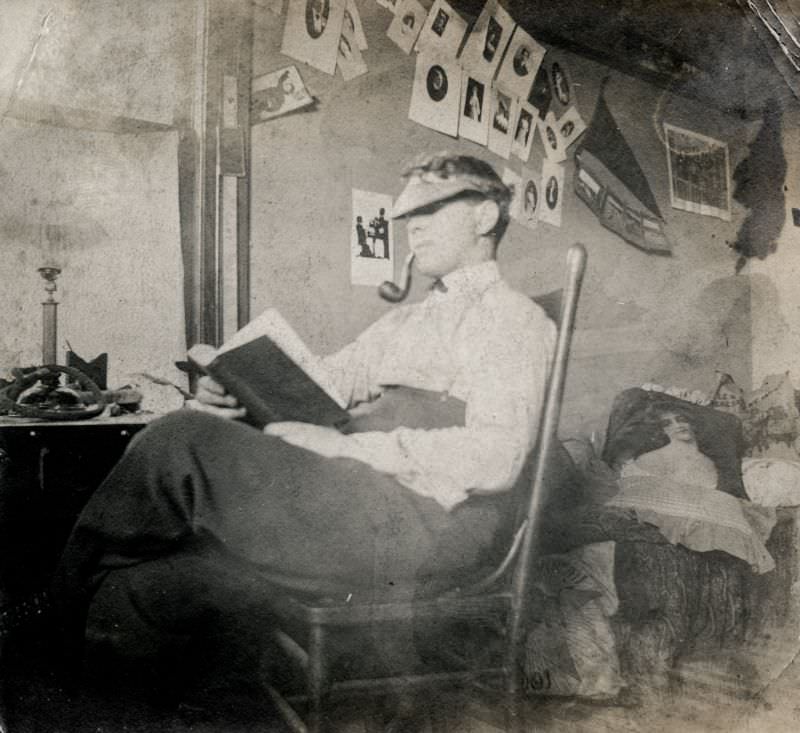
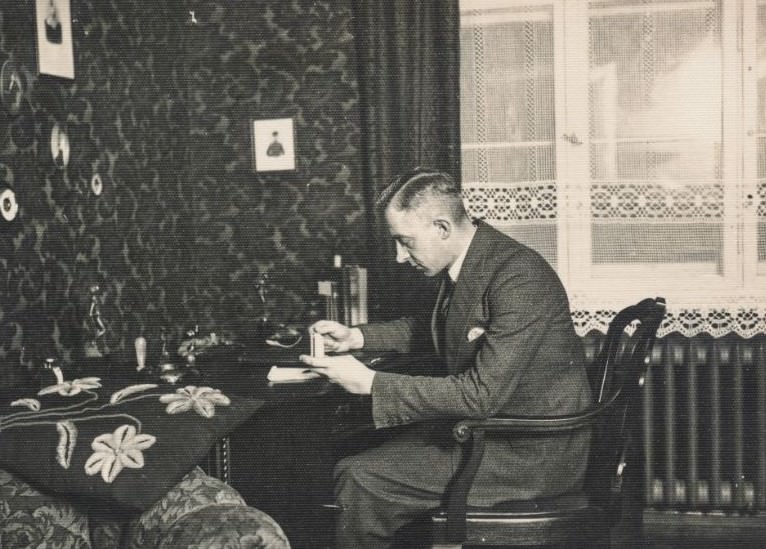
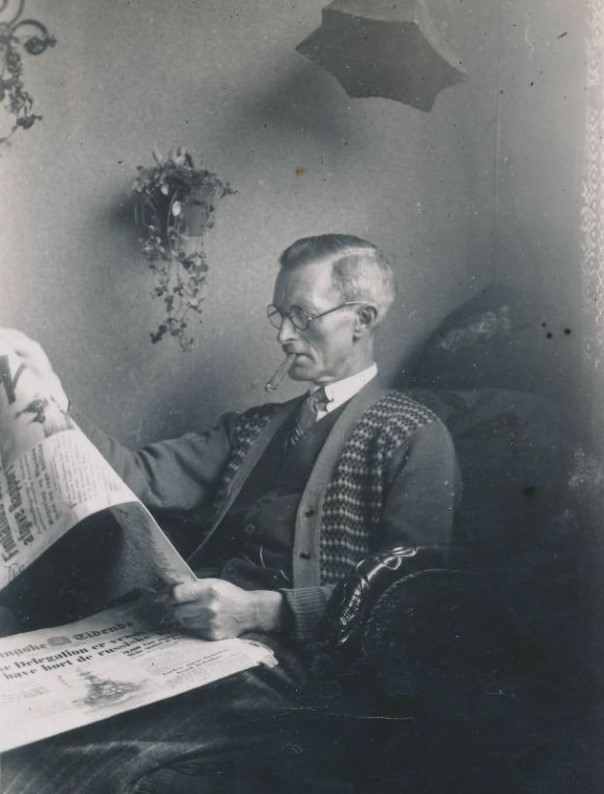
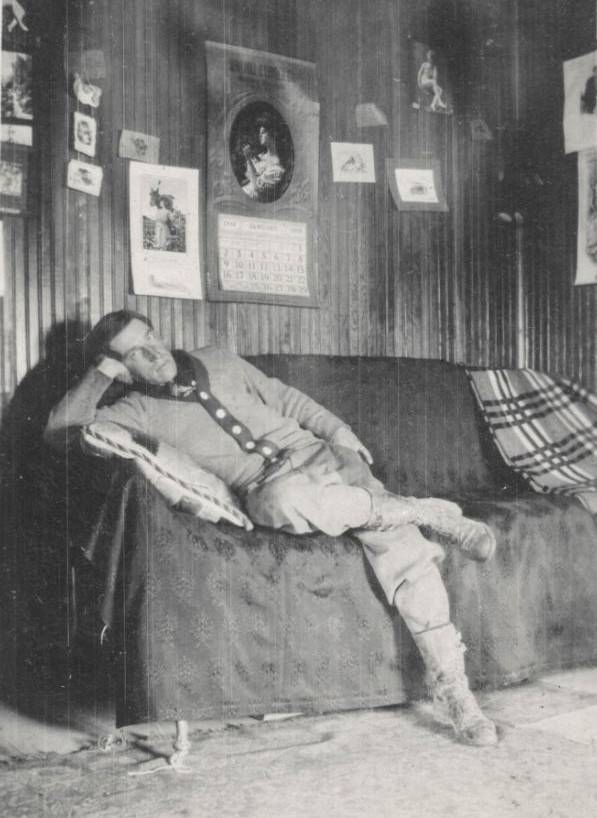
Men often spent their downtime alone — reading by the window, working at a desk, or settling into a chair with a pipe and a newspaper. These quiet moments were brief. Farm work and trade kept most men occupied from morning until dusk.
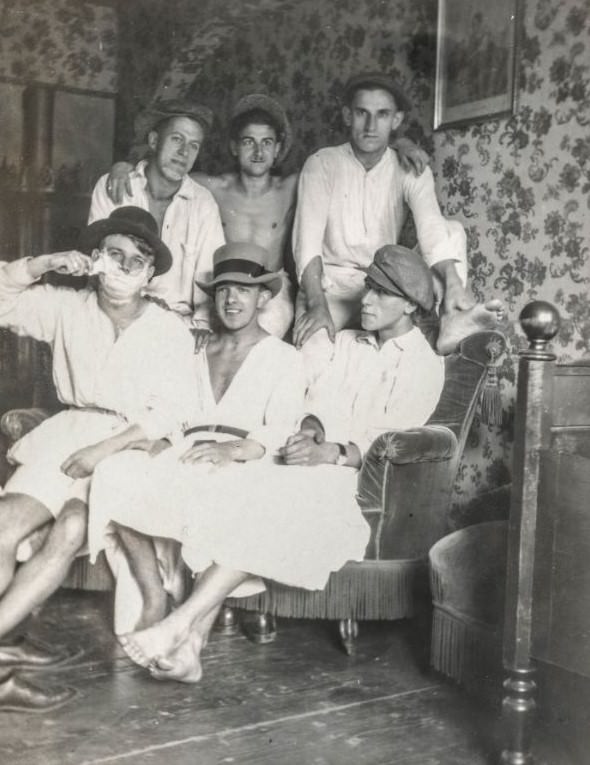
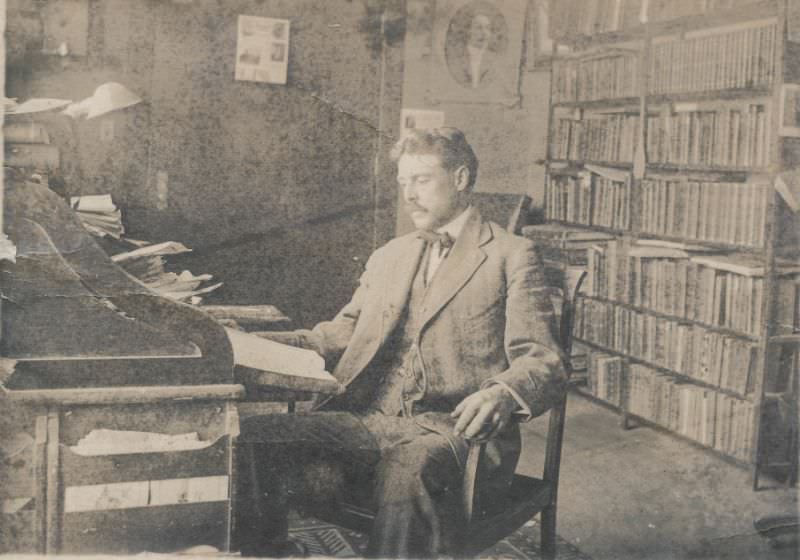
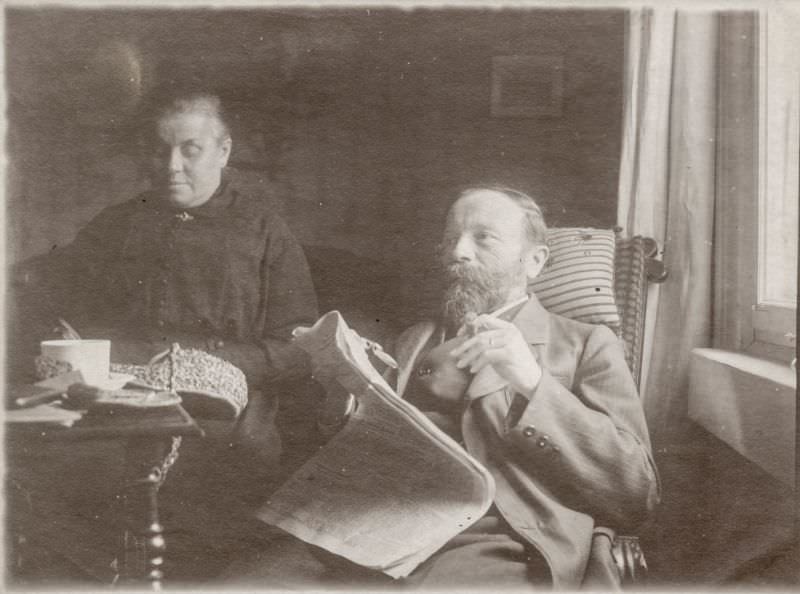
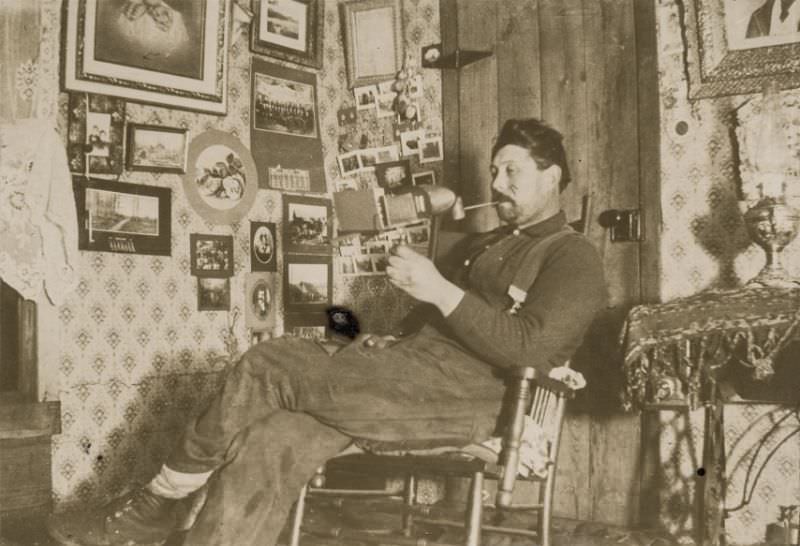
Home offices were rare but did exist in wealthier households. Men who worked in trade, law, or local administration kept desks stocked with paper, ink, and ledgers. Work and home life were not always separate worlds.
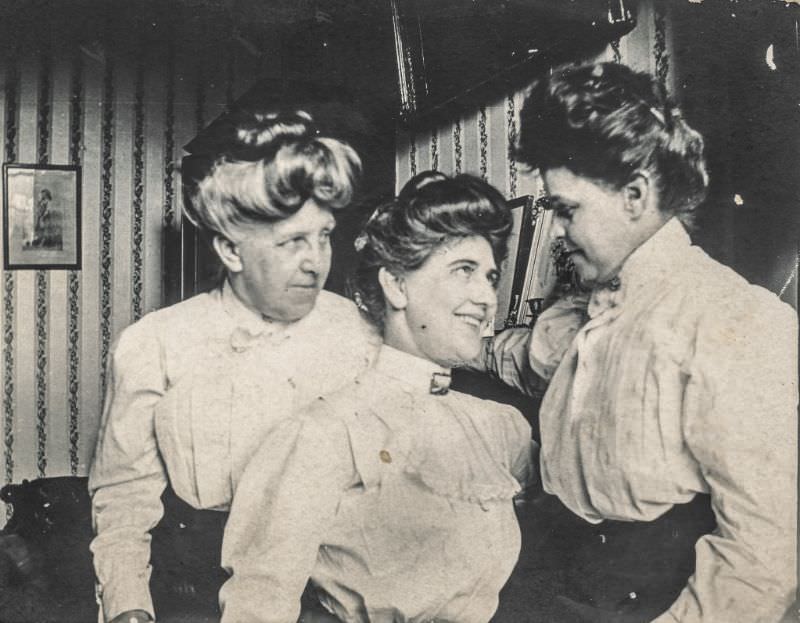
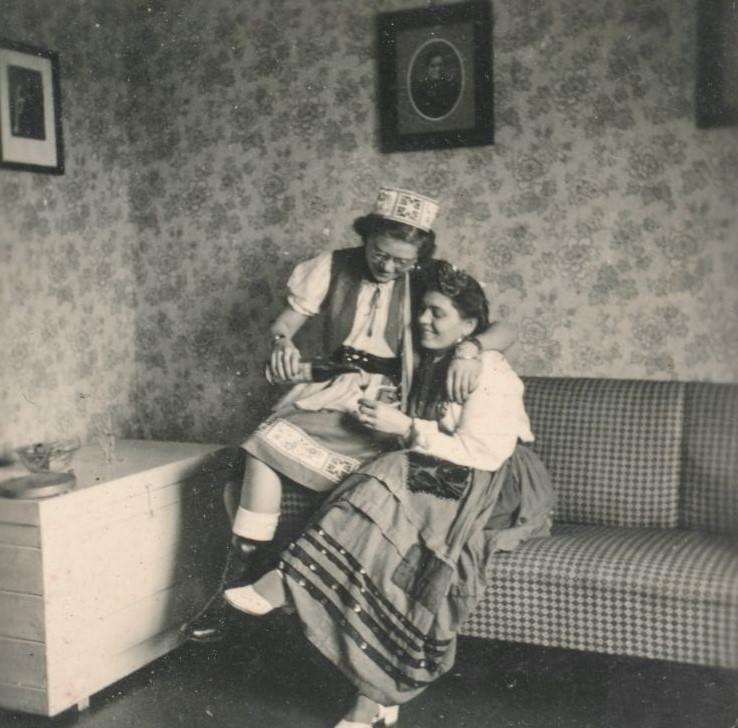
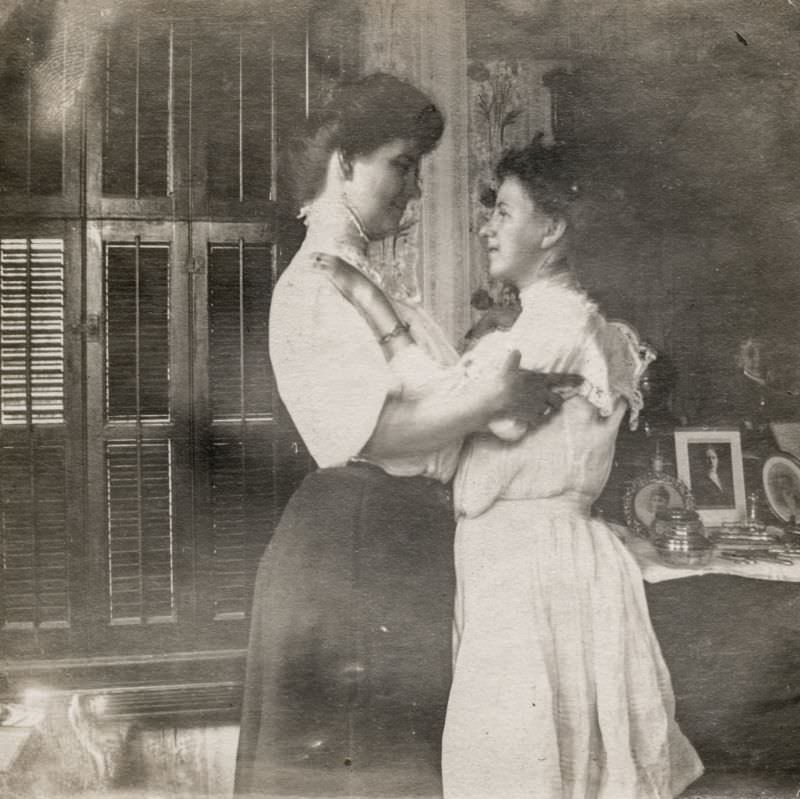
Women’s social lives often revolved around other women. Visiting neighbors, sharing needlework, or gathering for conversation were regular parts of the week. These connections were important — they provided support, news, and a break from household work.
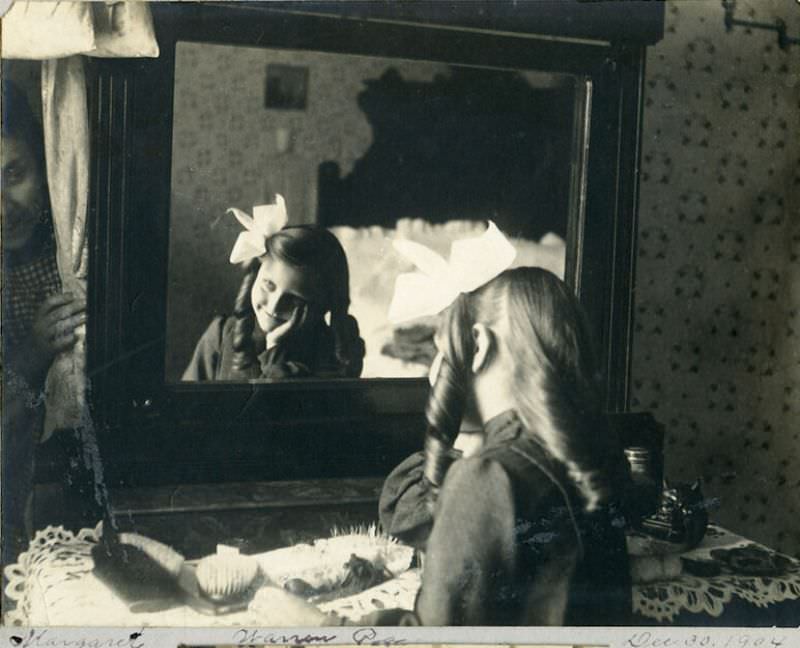
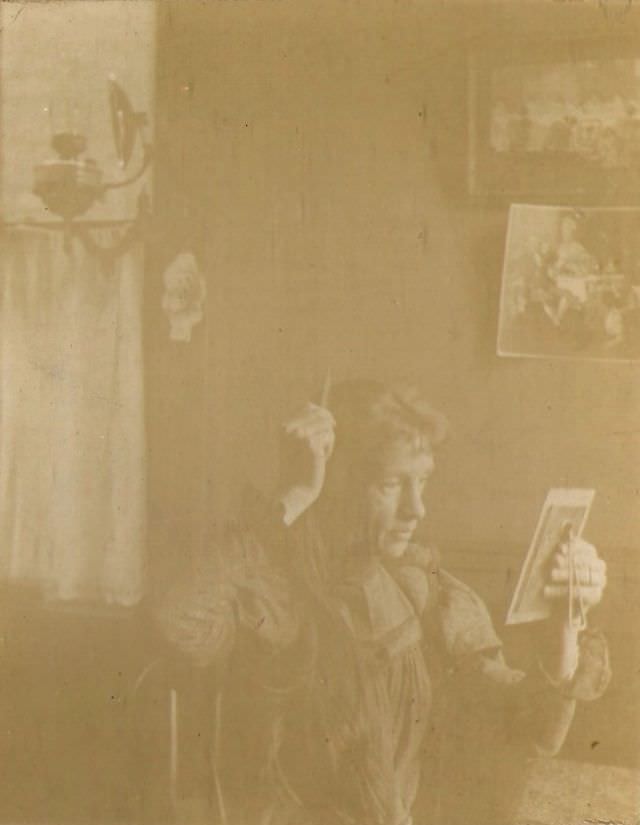
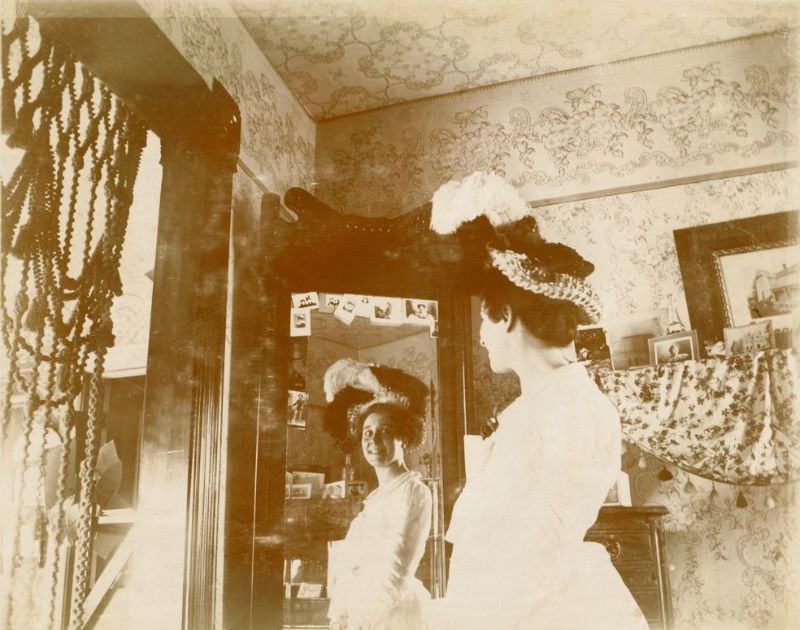
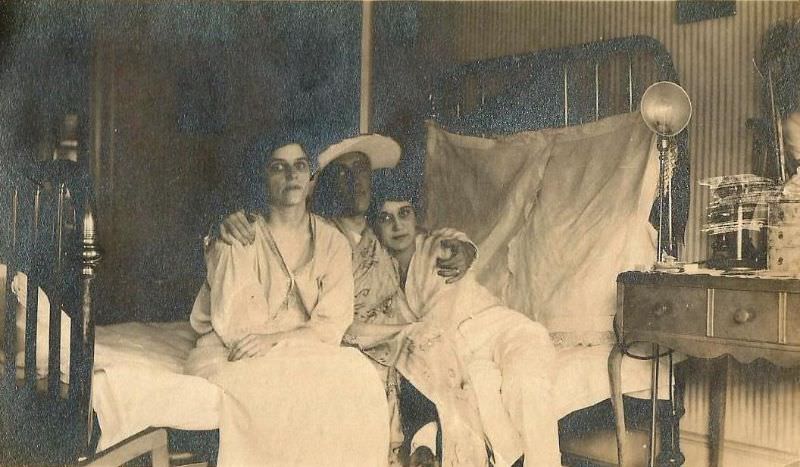
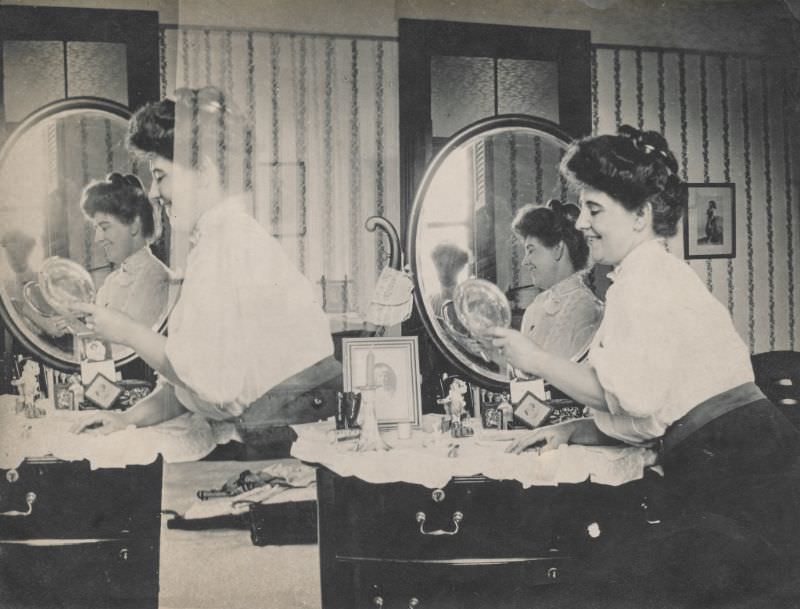
Personal grooming and private moments still mattered. Mirrors were common household items, and women paid attention to their appearance even without modern cosmetics or products. Bedrooms offered a rare pocket of privacy in otherwise shared homes.
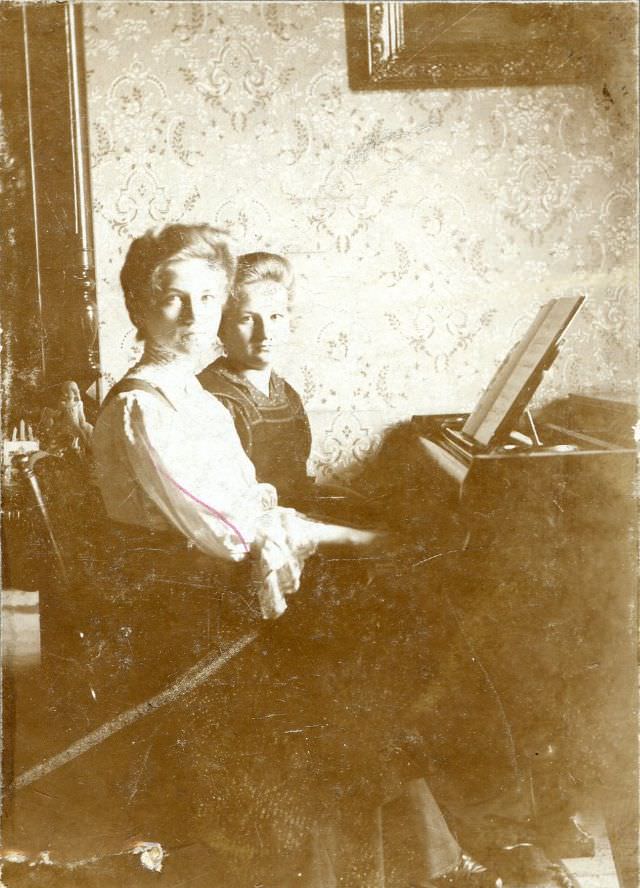
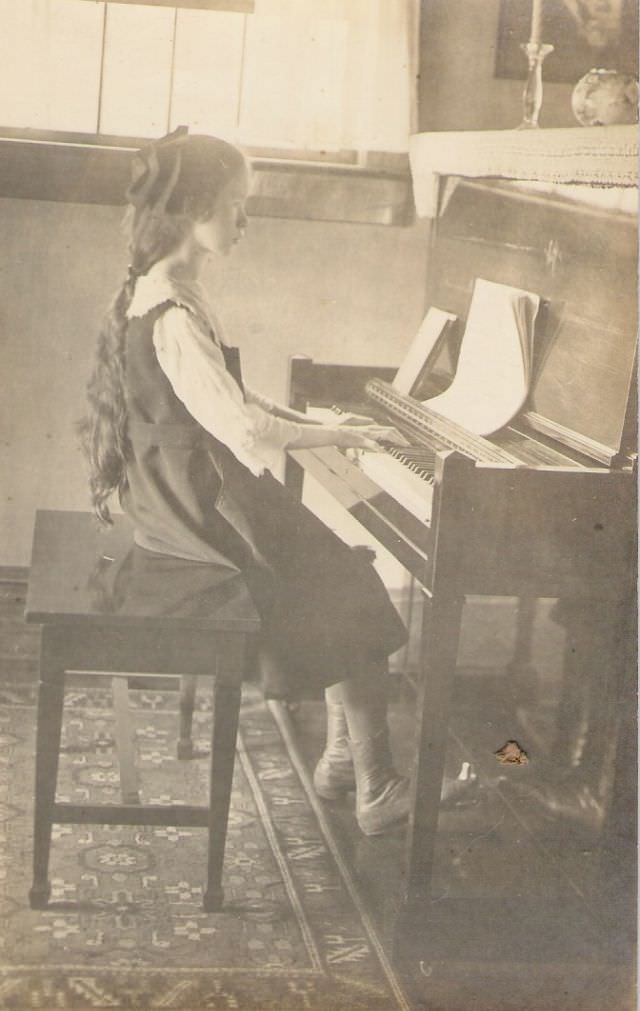
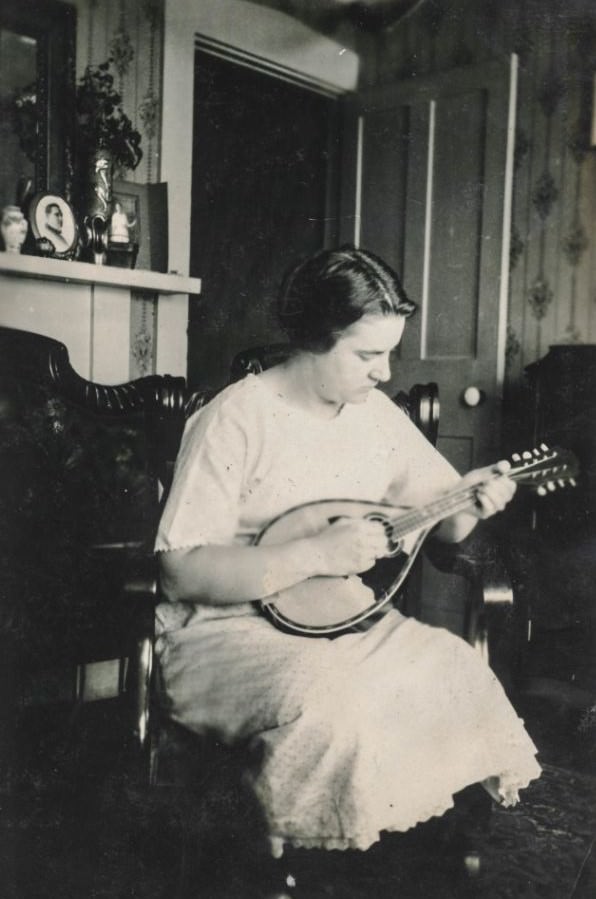
Music was a genuine household skill. Women who played instruments — mandolins, pianos, guitars — practiced regularly and performed for family and guests. Sheet music, not recordings, filled the home with sound.
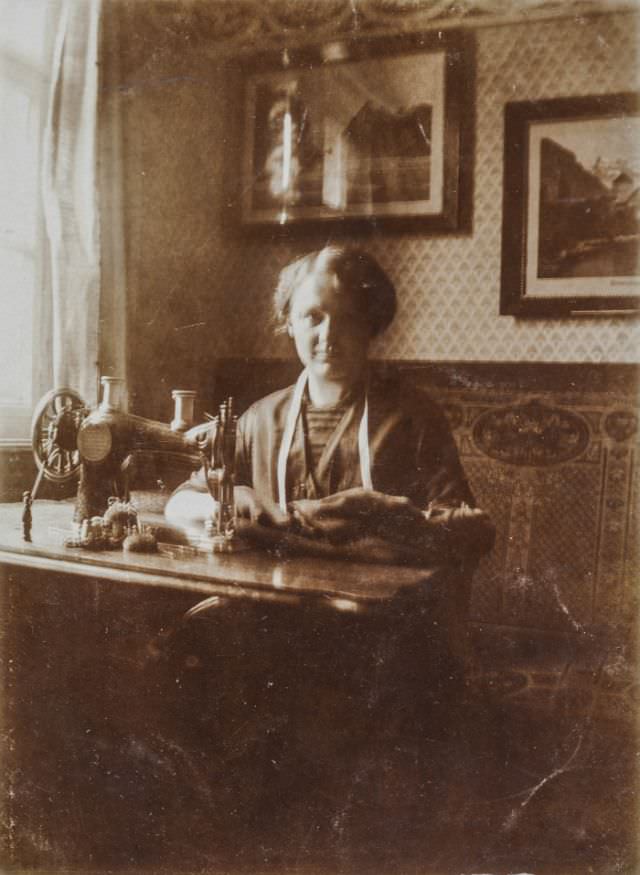
Sewing was not a hobby — it was a necessity. Women repaired clothing, made new garments from scratch, and kept the family dressed. The arrival of the sewing machine in the late 1800s made this work faster, but it was still a daily task in most homes.