

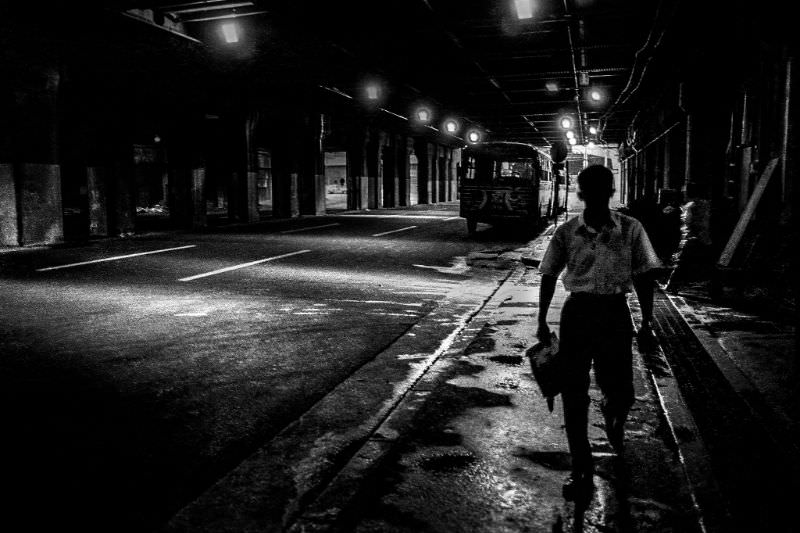
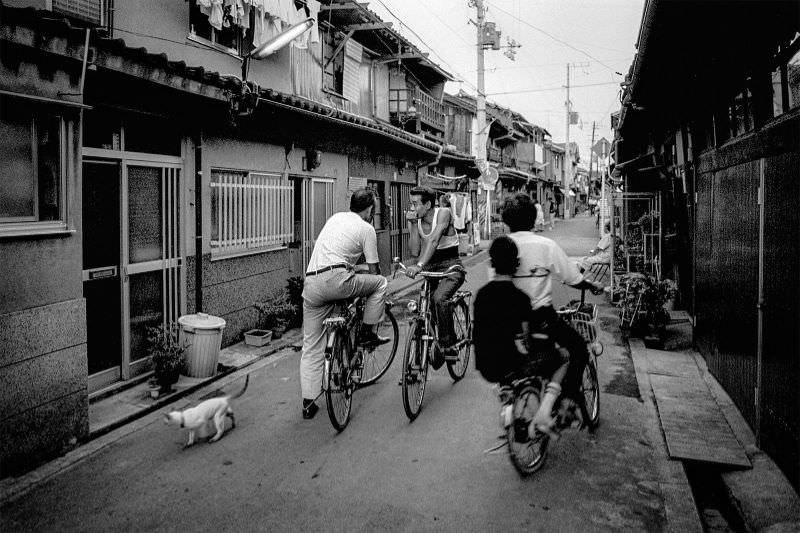
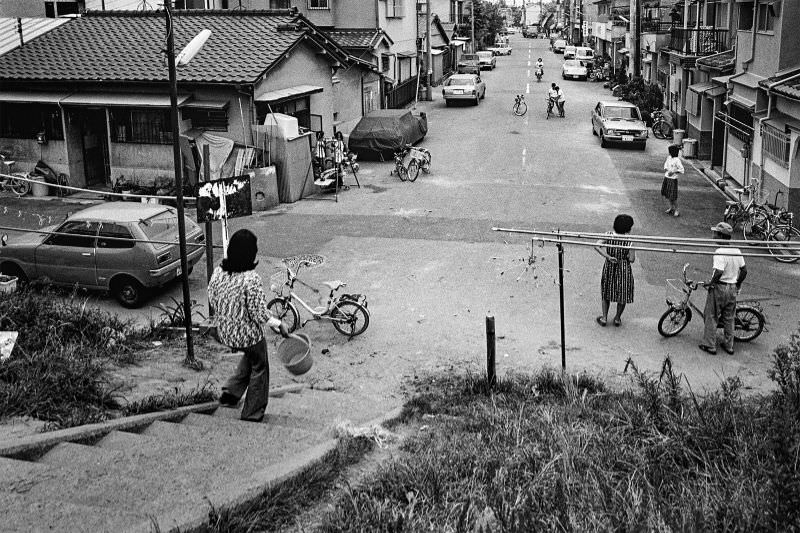
In the 1970s, Osaka was a city moving fast. Japan’s post-World War II economy was booming — a period historians call the “Japanese Miracle” — and Osaka sat right at its center. Major corporations like Panasonic and Sharp had roots in the city, and new office buildings and factories were rising across the skyline. Yet underneath all that growth, everyday life in Osaka stayed deeply connected to older traditions.
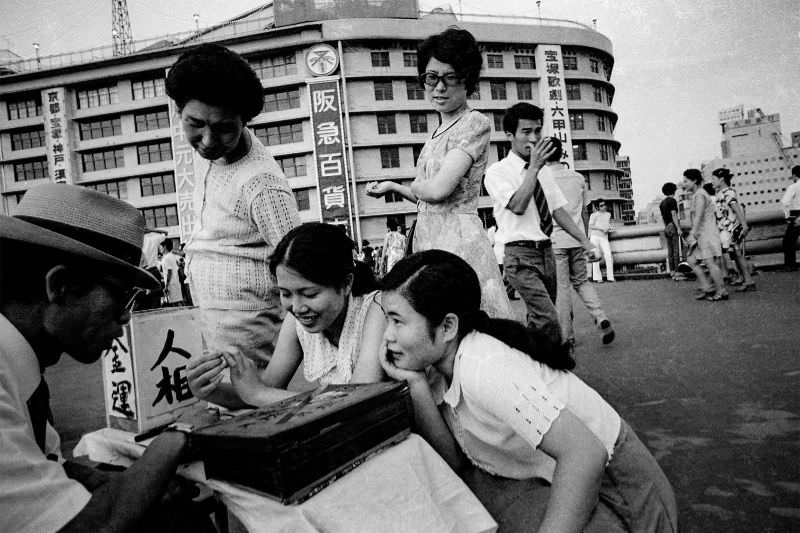
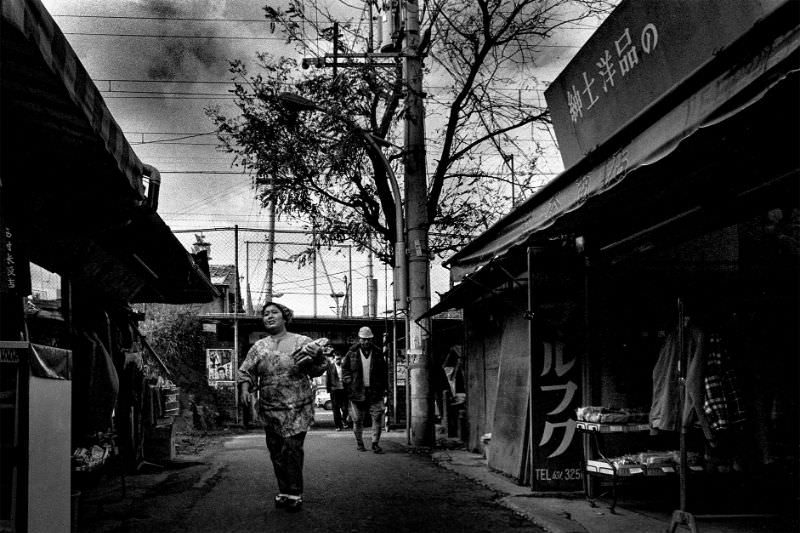
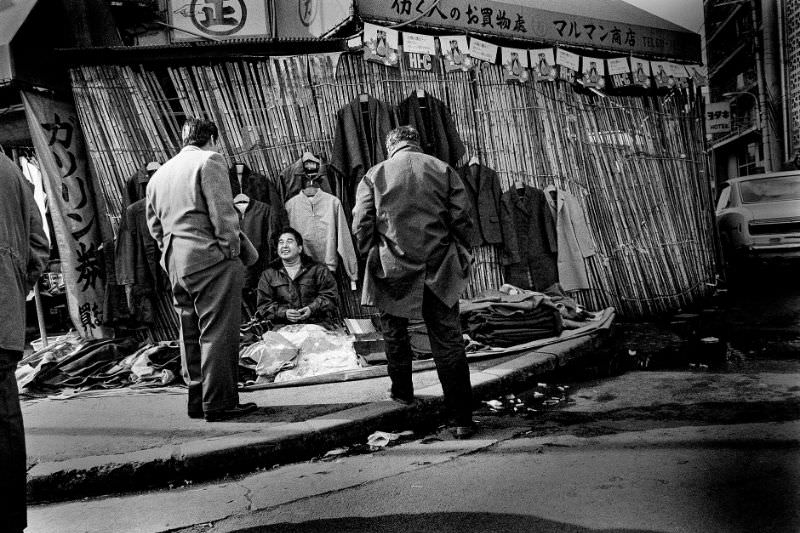
Street markets were a core part of daily life. Vendors lined the walkways selling fresh fish, vegetables, and handmade goods. The noise alone told the whole story — sellers calling out prices, shoppers haggling, and the sizzle of food cooking on open grills. Osaka’s street food culture was already well established, with takoyaki (octopus balls) and okonomiyaki (savory pancakes) drawing crowds at every turn.
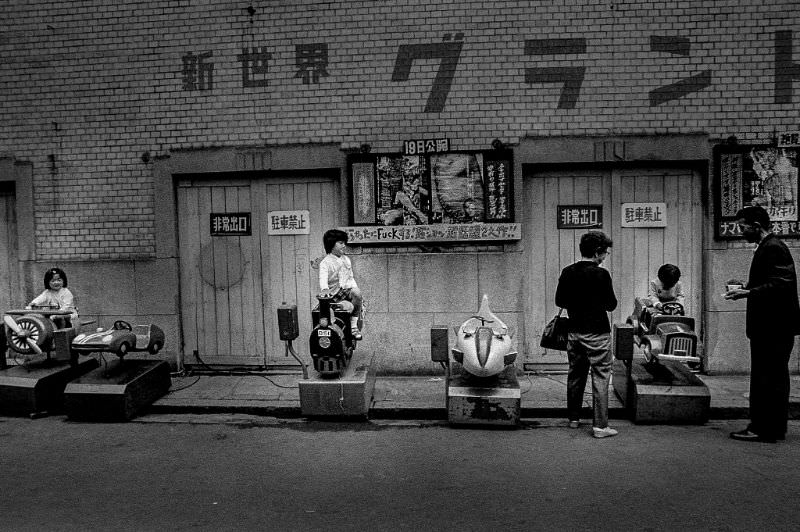
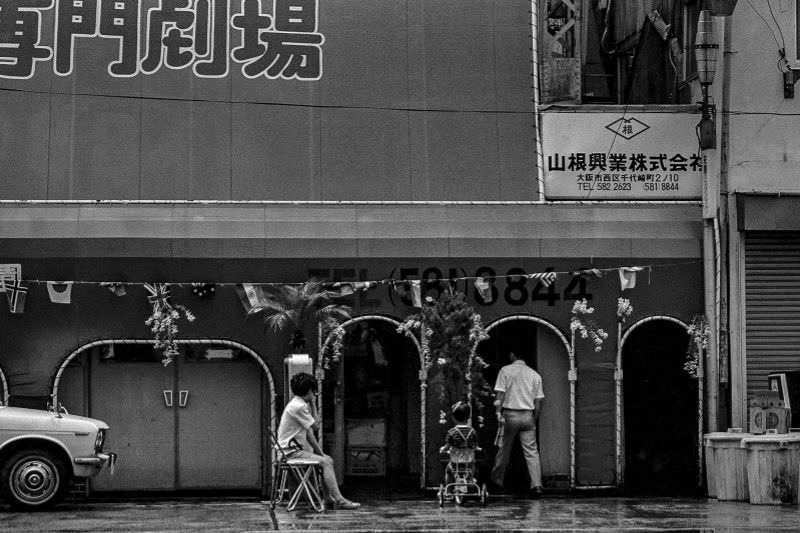
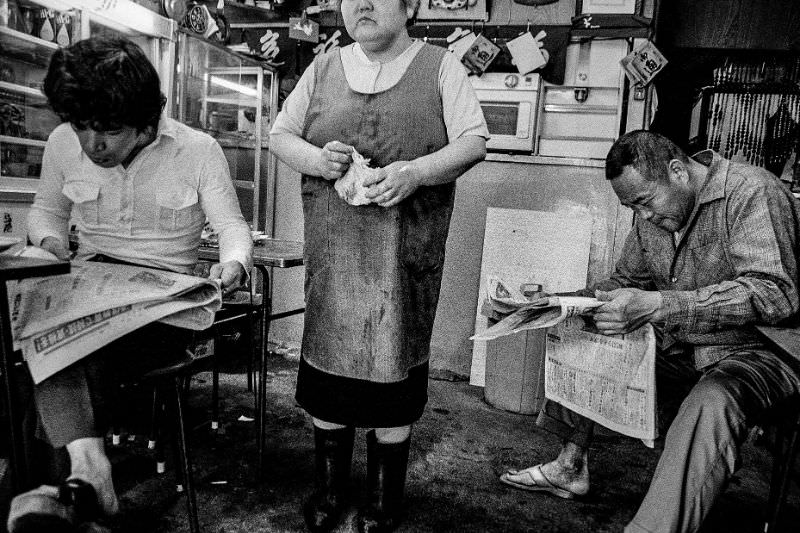
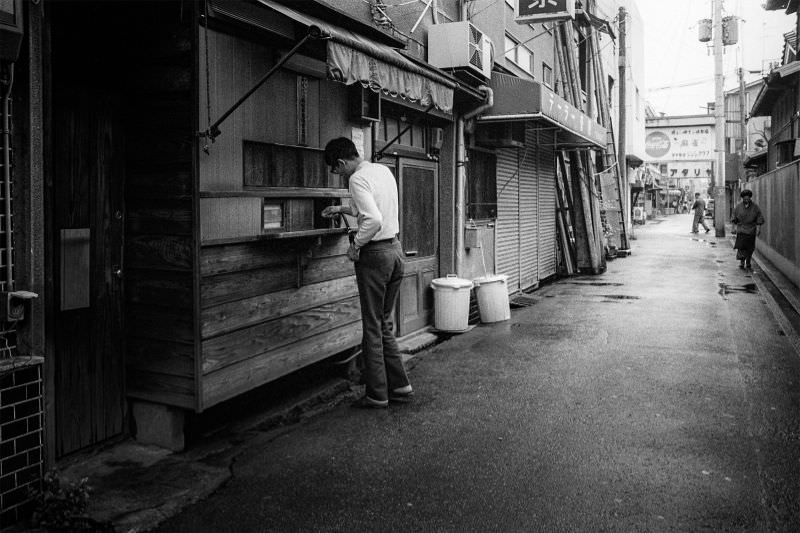
Kissaten — traditional Japanese coffee shops — became social anchors across the city. These weren’t simple cafés. A kissaten was a place to slow down: read a newspaper, meet a friend, or just sit quietly with a cup of coffee. By the 1970s, you could find one on nearly every street corner in Osaka, each with its own decor and regular crowd.
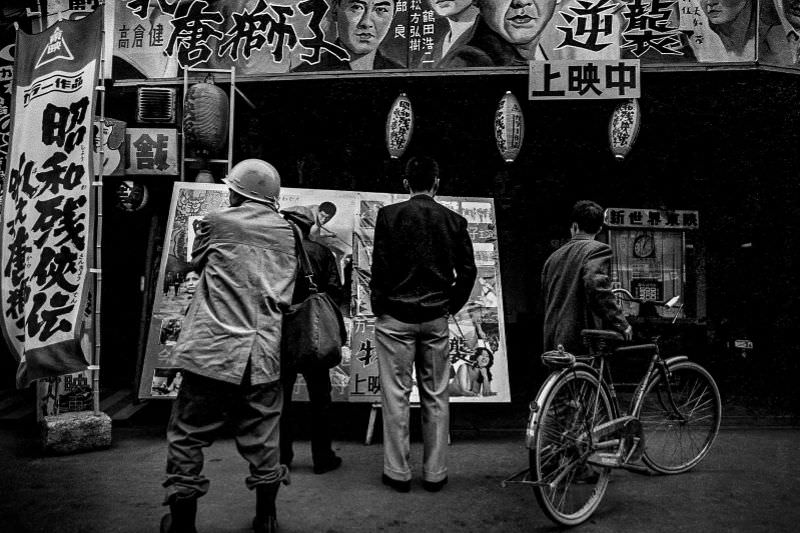
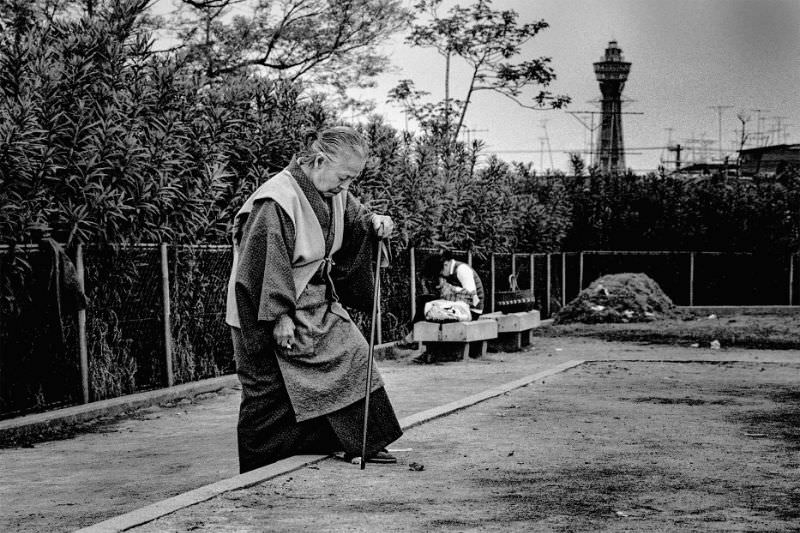
Despite the rapid growth around them, Osaka’s residents kept their cultural traditions alive. Temples and shrines remained active gathering places, offering quiet refuge from the busy city streets. The Tenjin Matsuri festival, one of Japan’s oldest, continued to draw massive crowds each summer with its processions, music, and fireworks along the Okawa River.
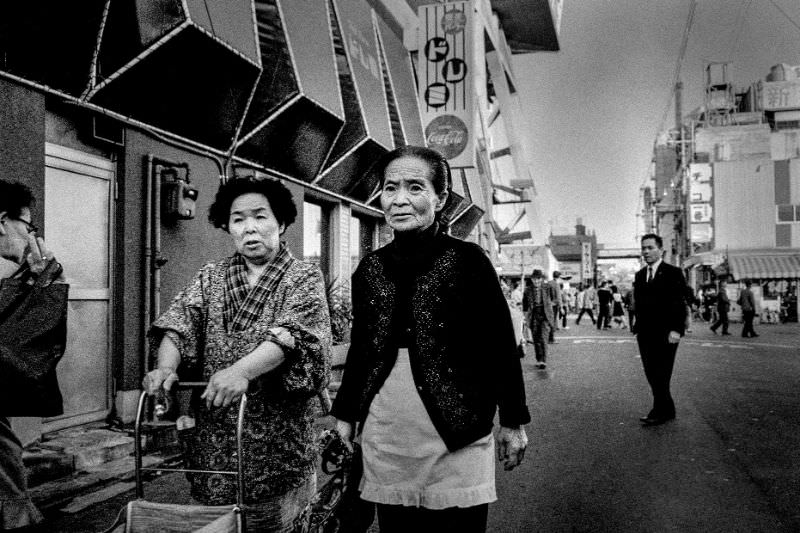
Young Osakans in the 1970s were absorbing Western culture at a rapid pace. American and European fashion, music, and pop culture were everywhere. But rather than simply copying those trends, Osaka’s youth blended them with Japanese styles to create something distinctly their own. Clothing shops in busy districts reflected that mix clearly.
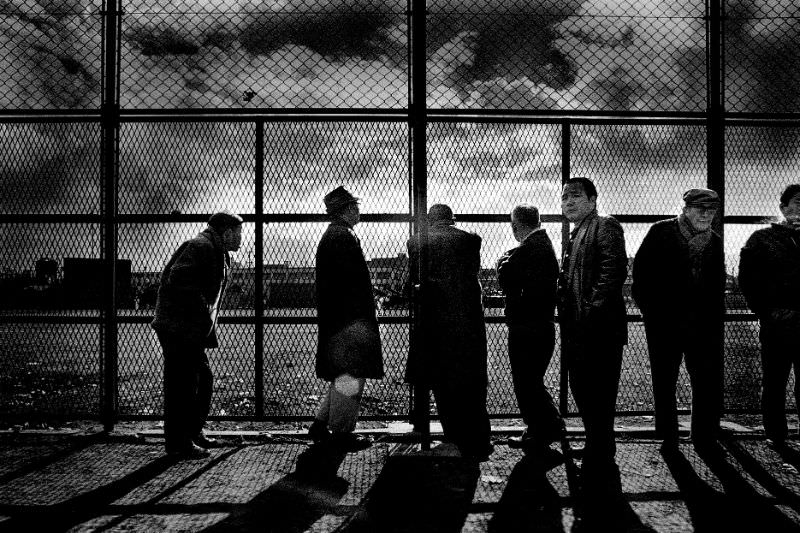
Baseball was a religion in Osaka, and the Hanshin Tigers were its church. On game days, Koshien Stadium filled to capacity with fans wearing yellow and black. The roar from the stands carried across entire neighborhoods. For many families, attending a Tigers game was a regular weekend ritual throughout the decade.
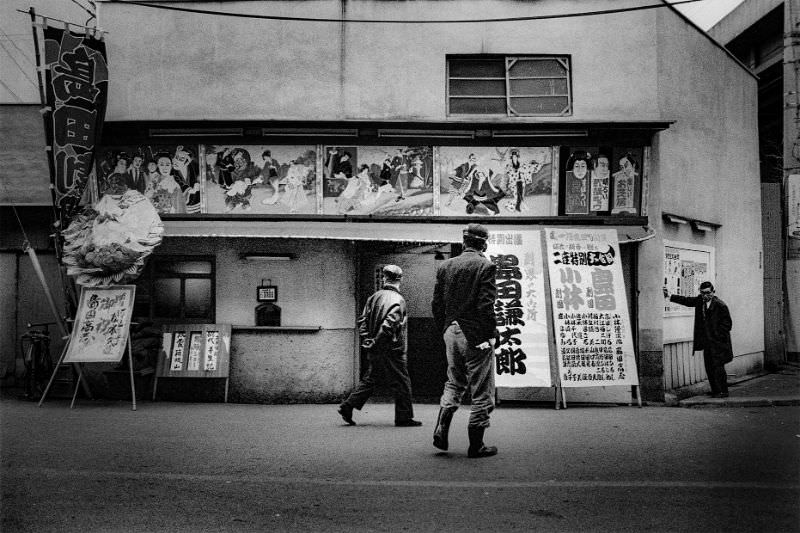
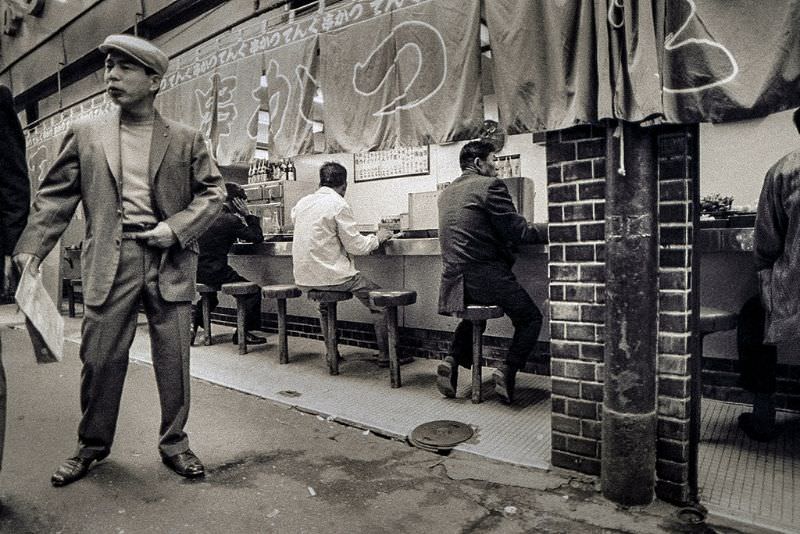
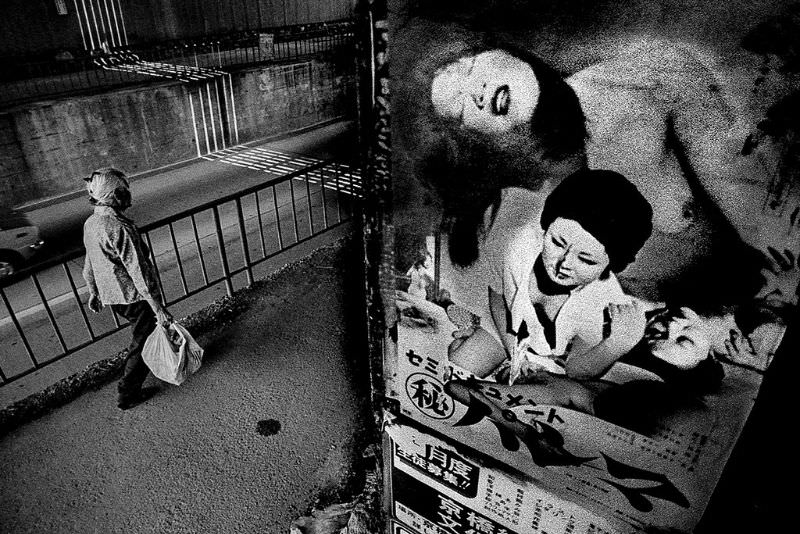
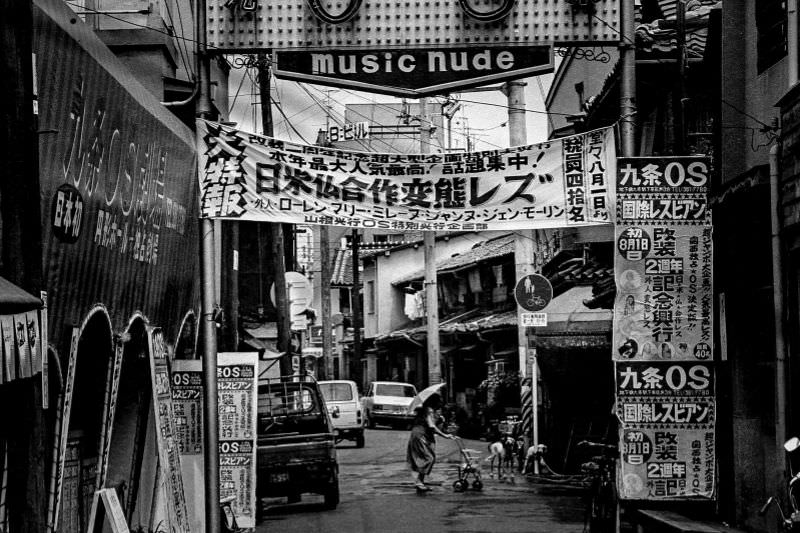
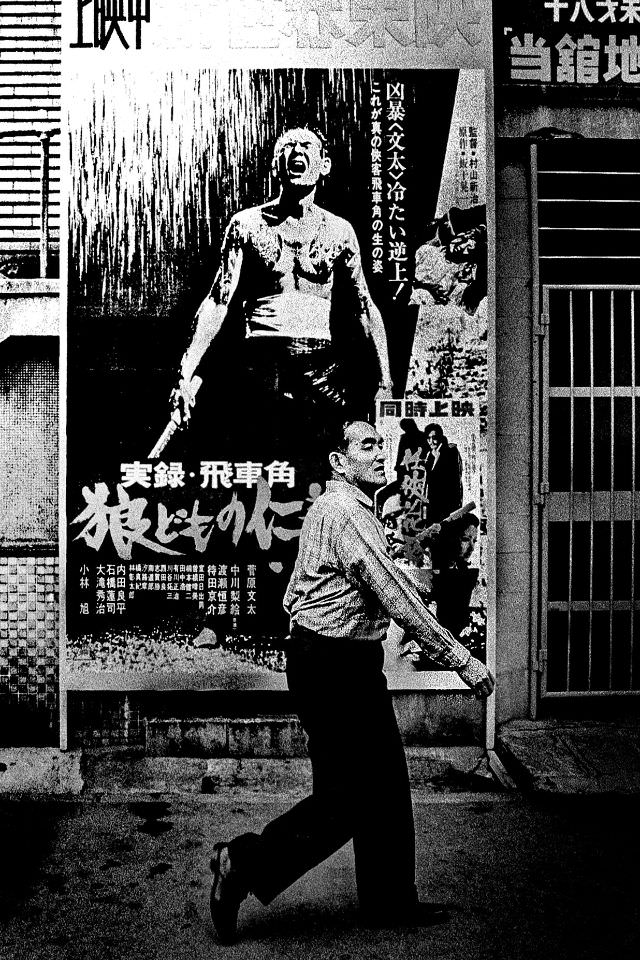
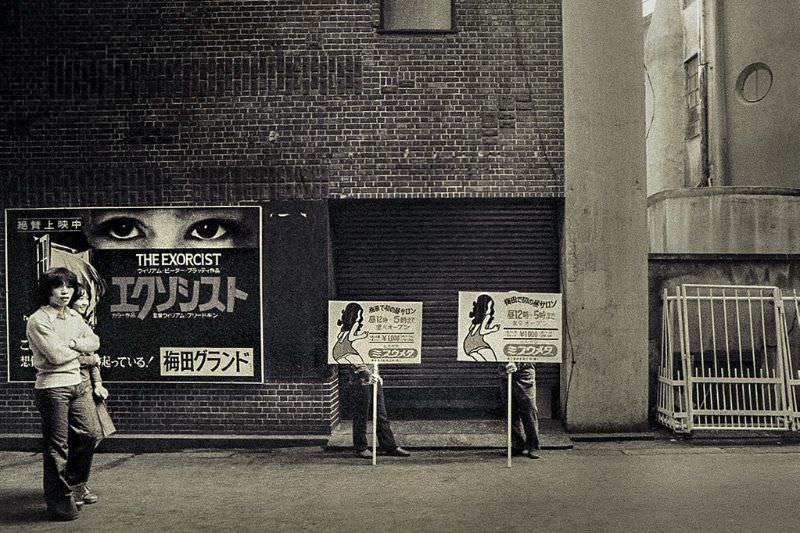
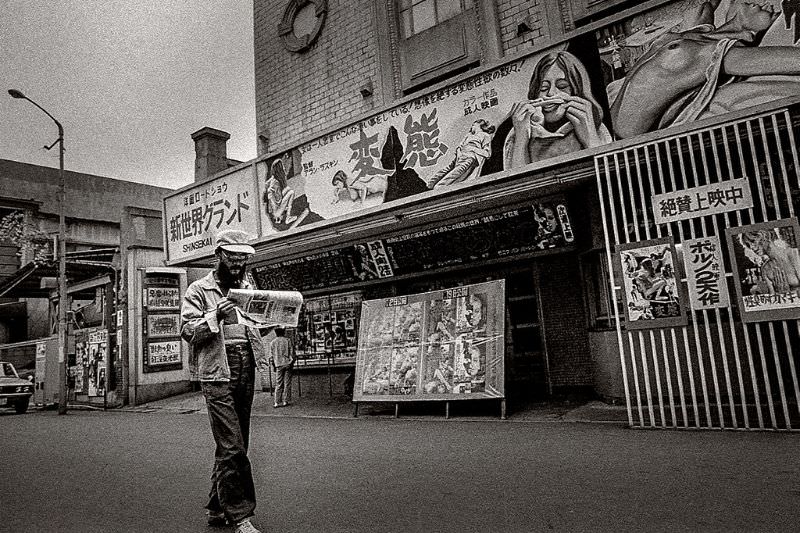
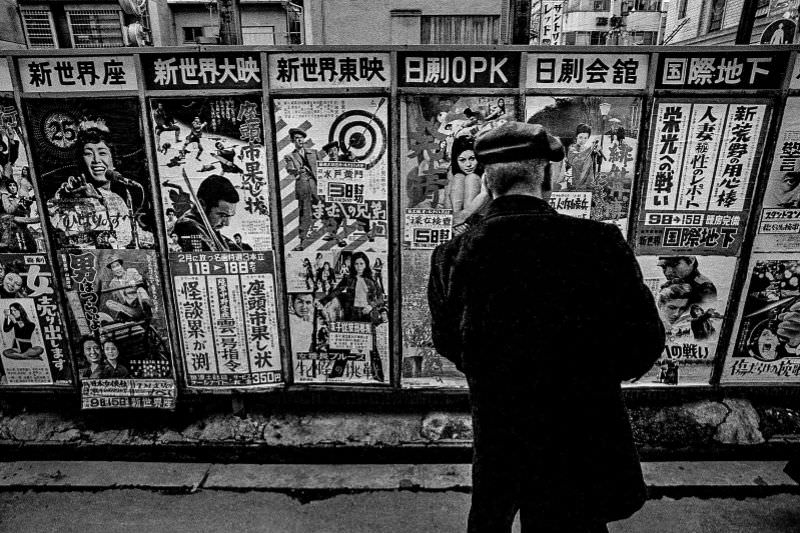
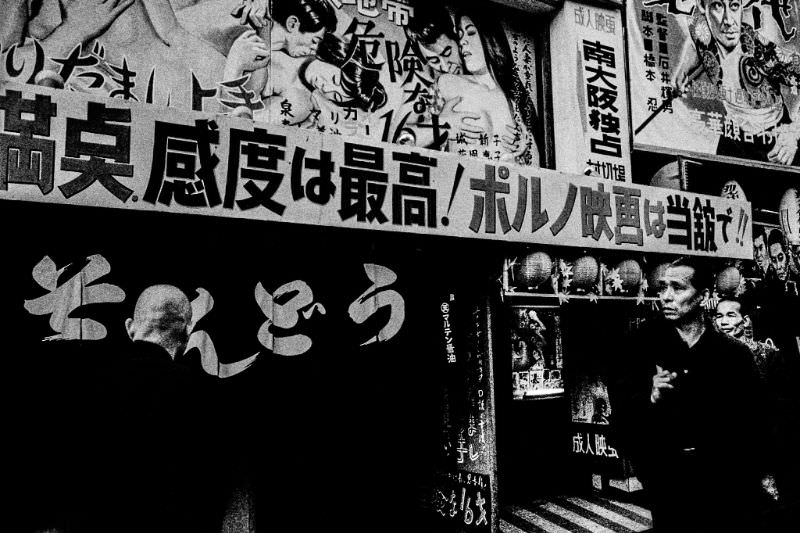
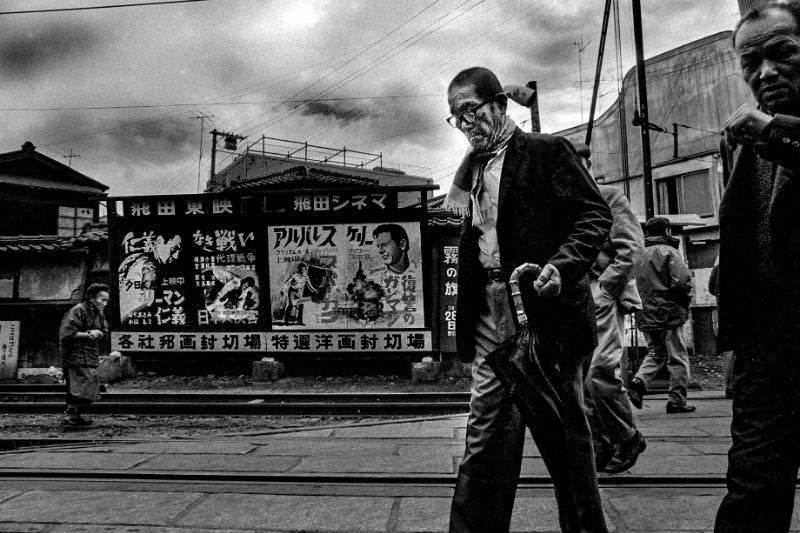
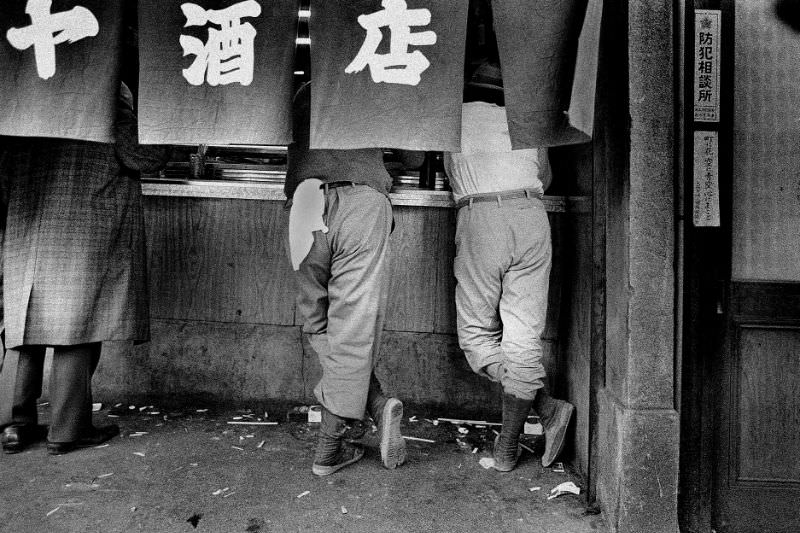
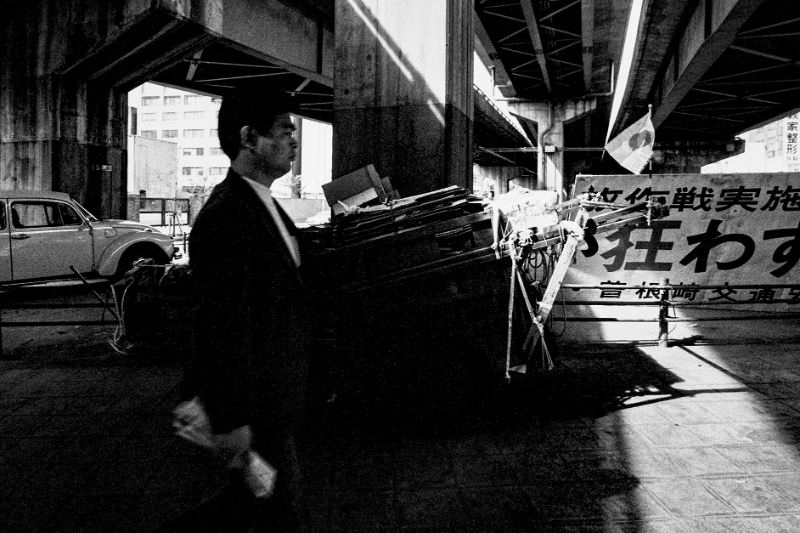
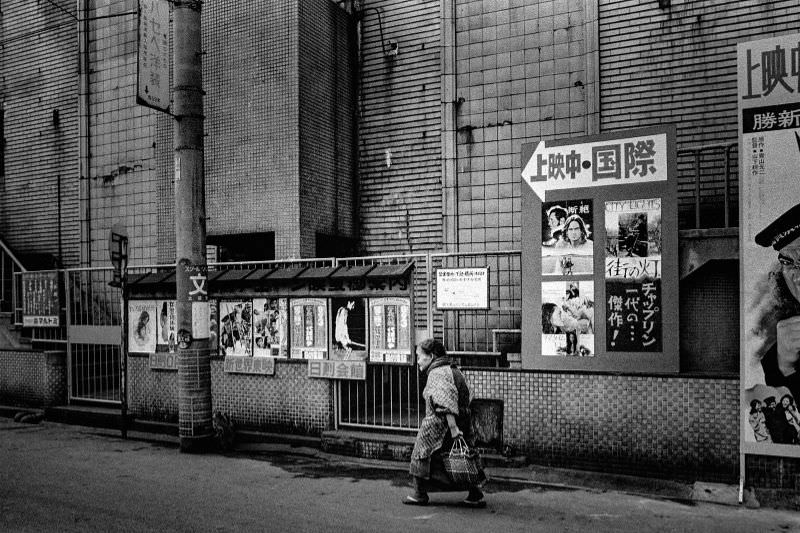
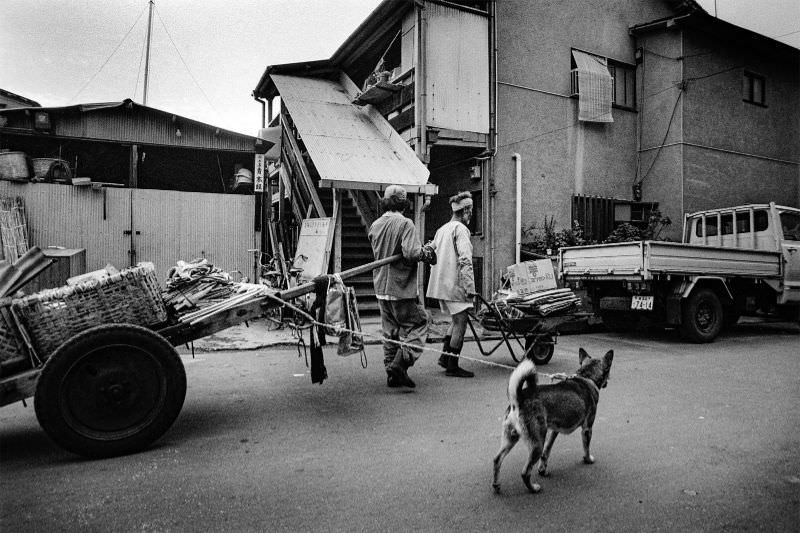
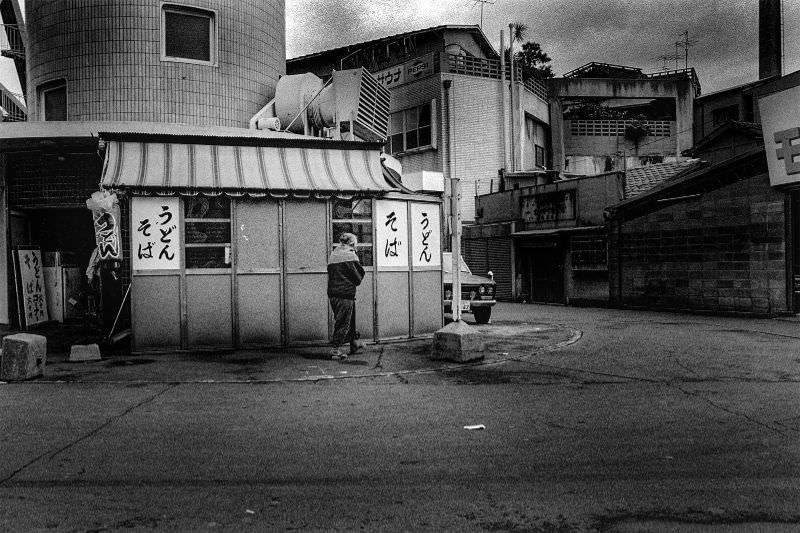
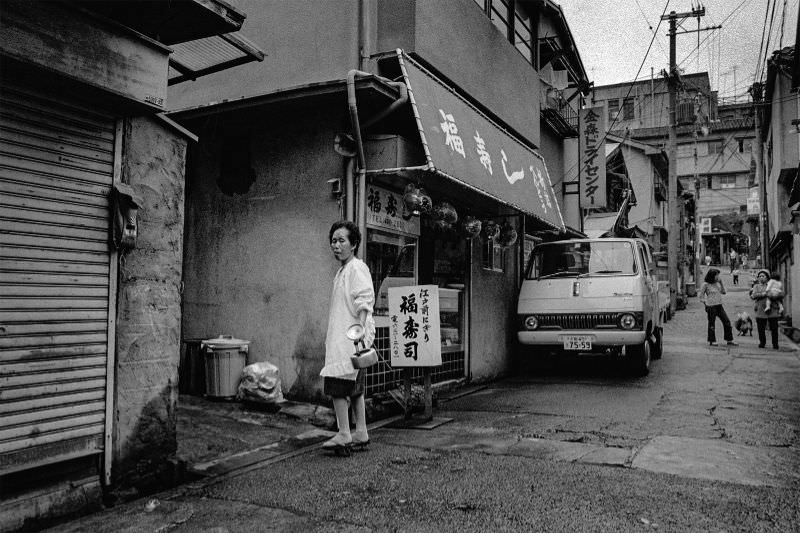
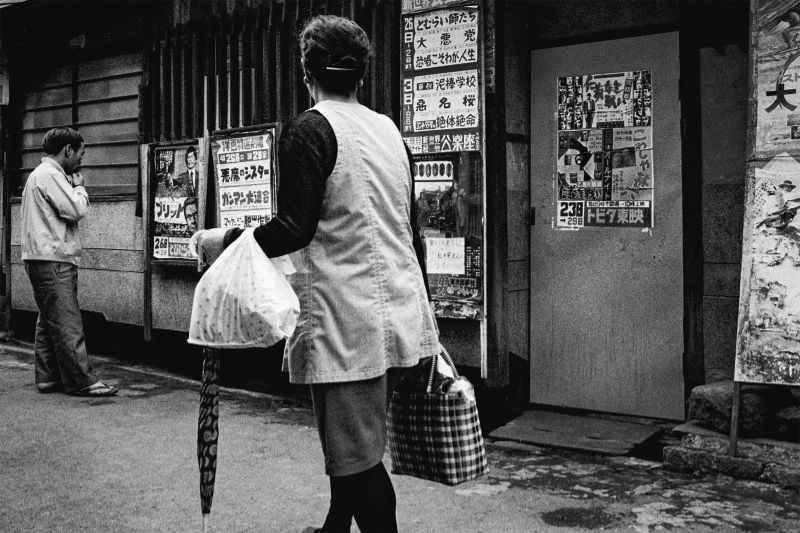
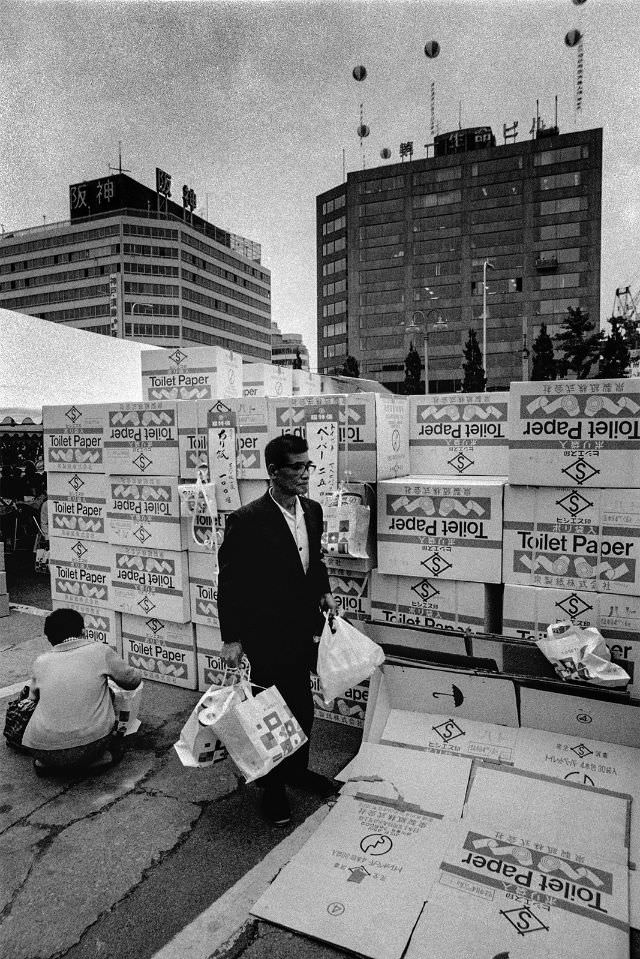
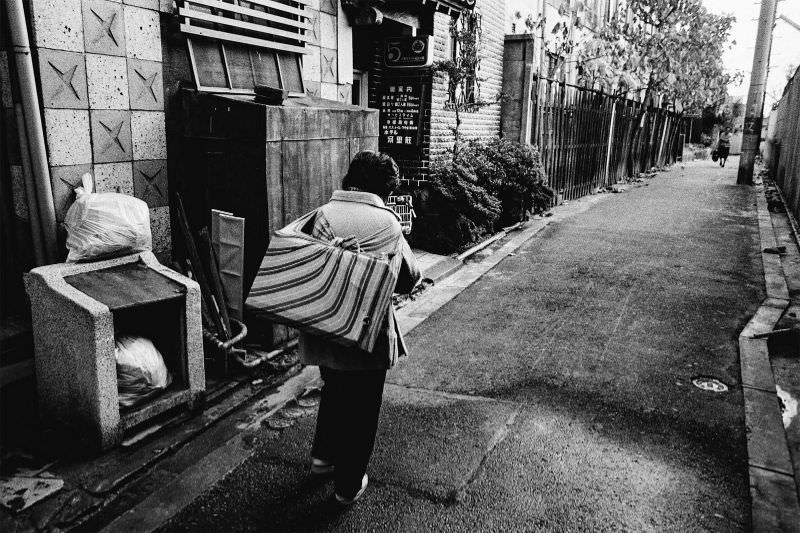
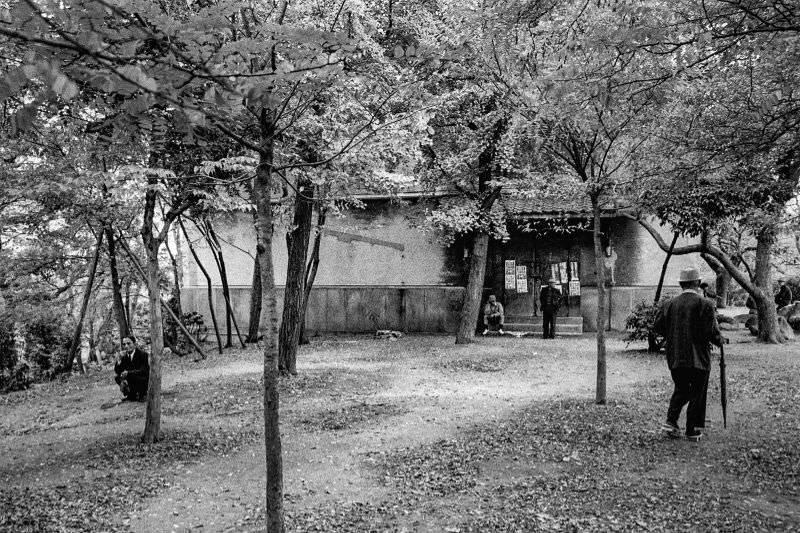
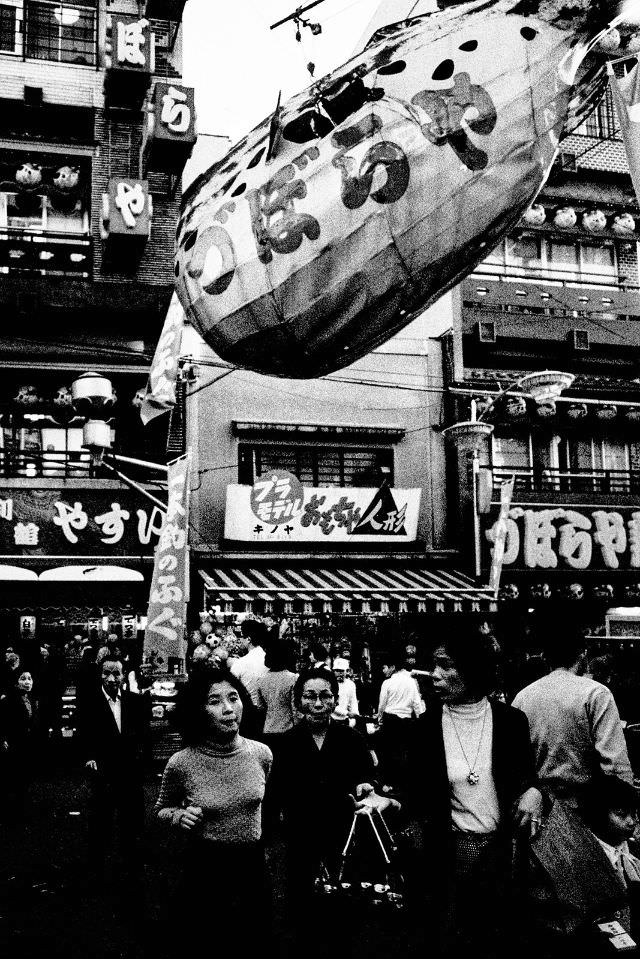
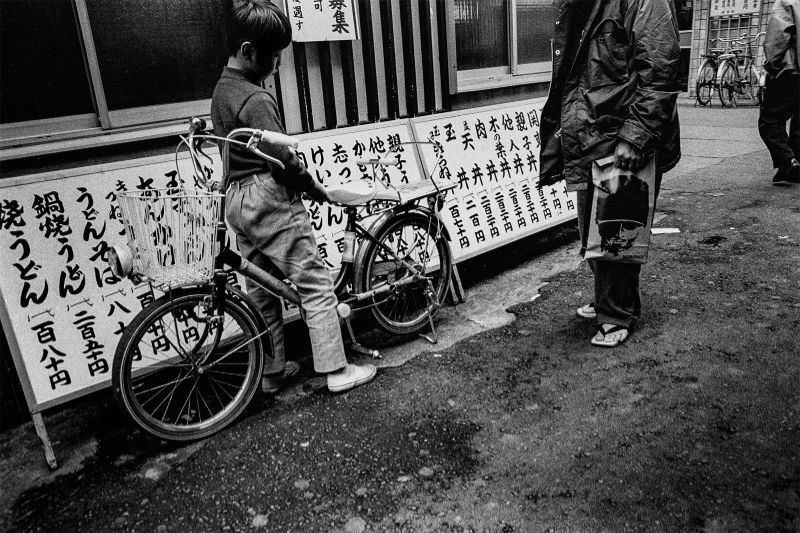
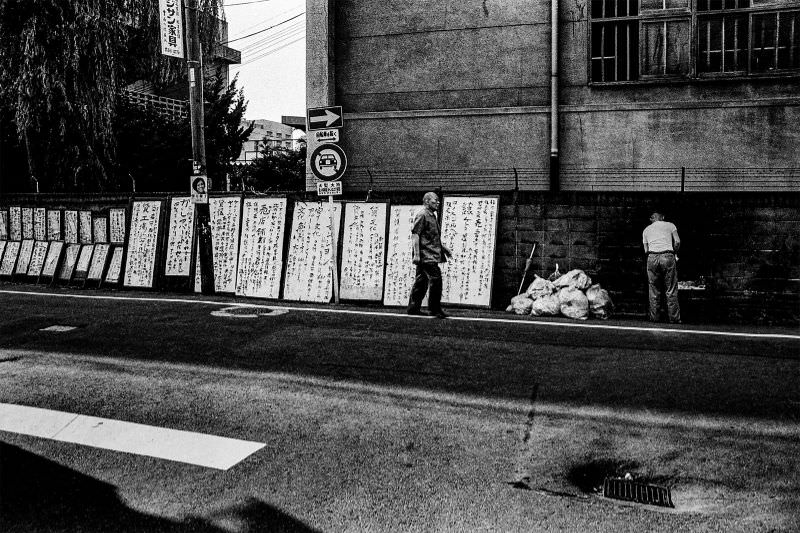
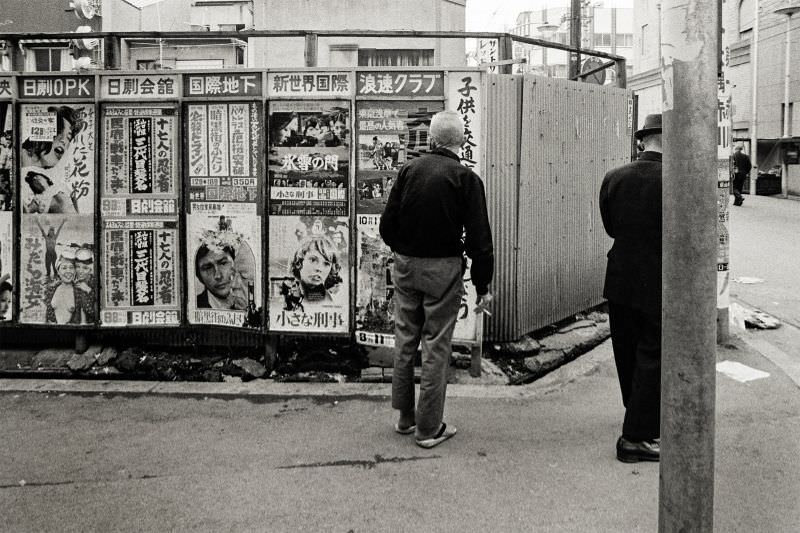
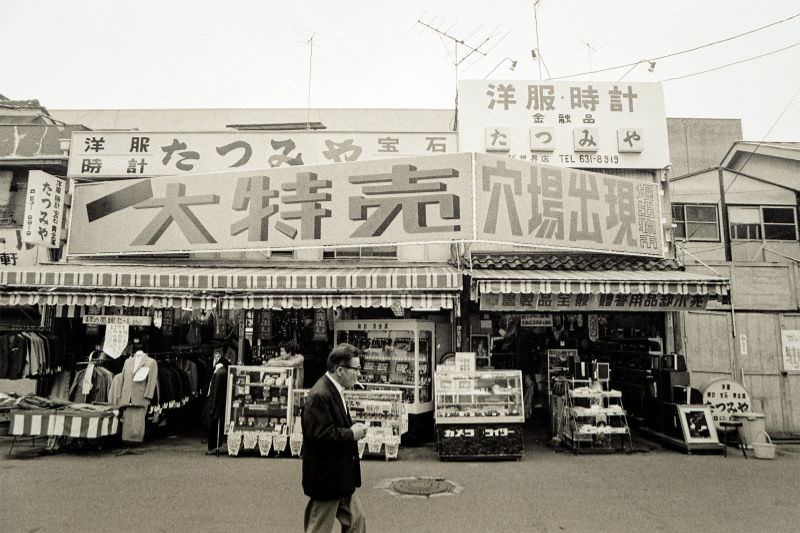
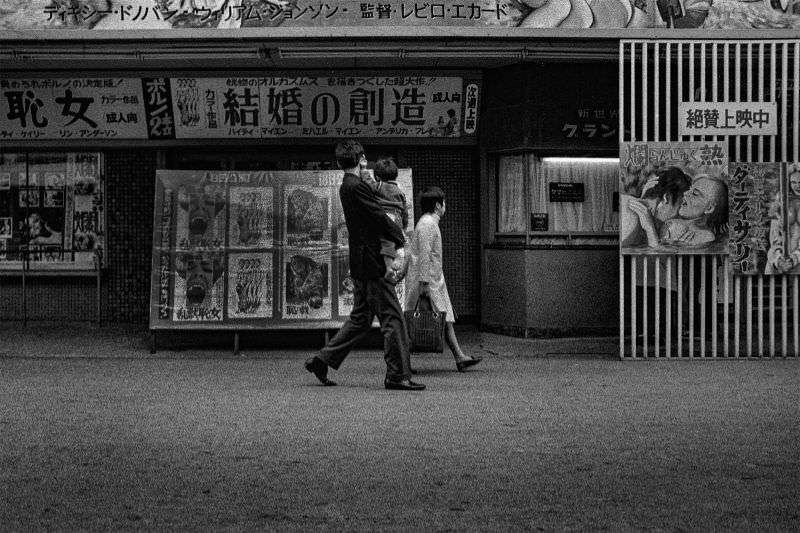
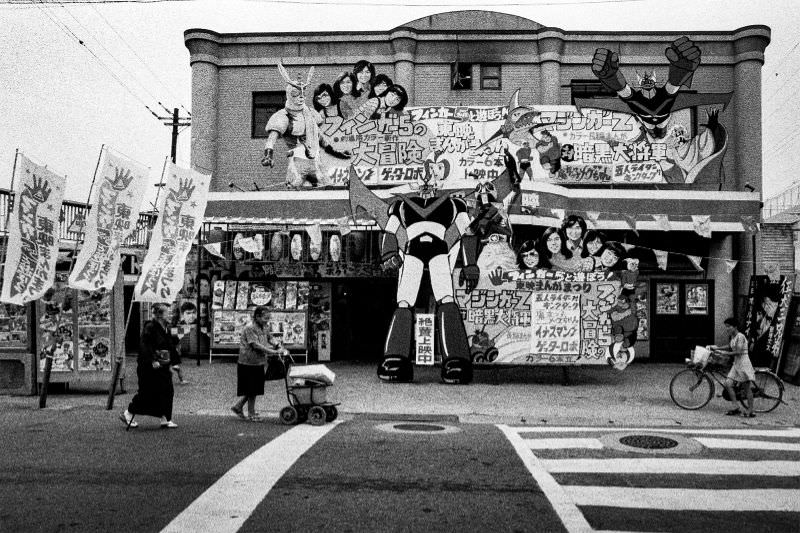
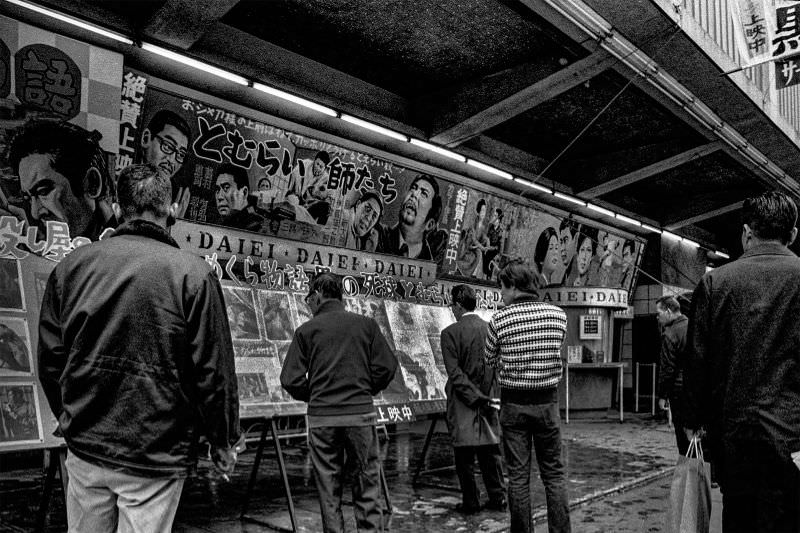
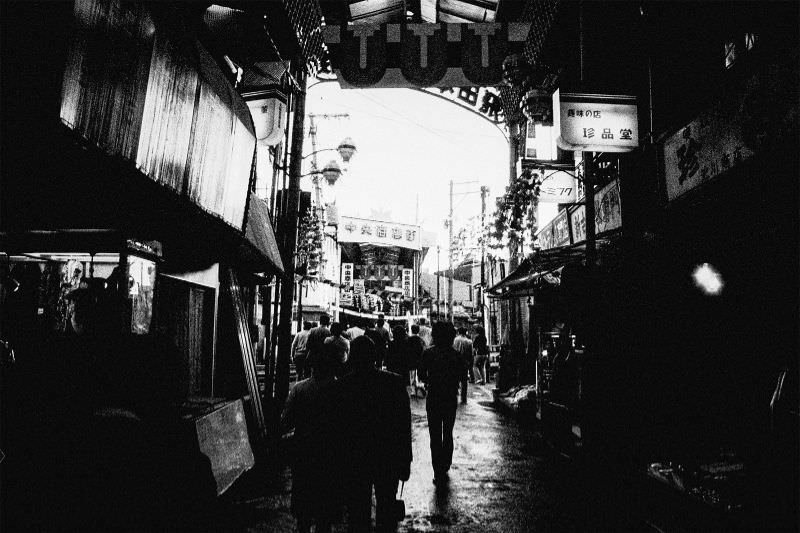
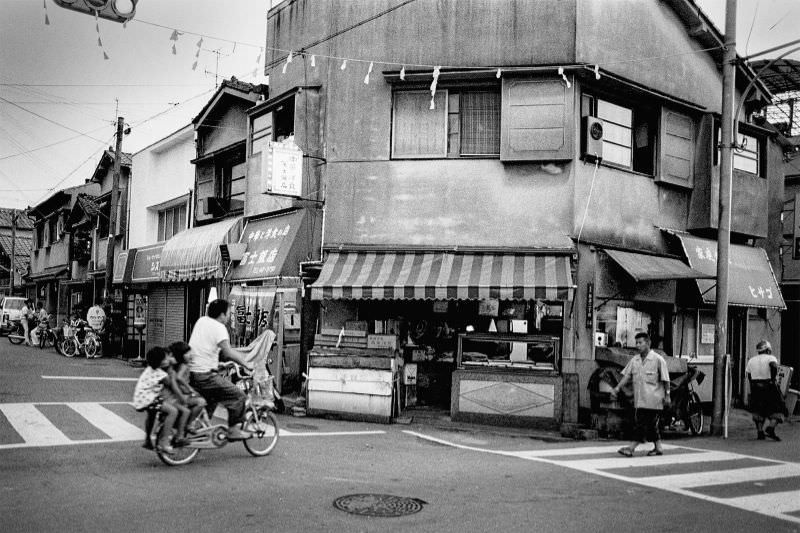
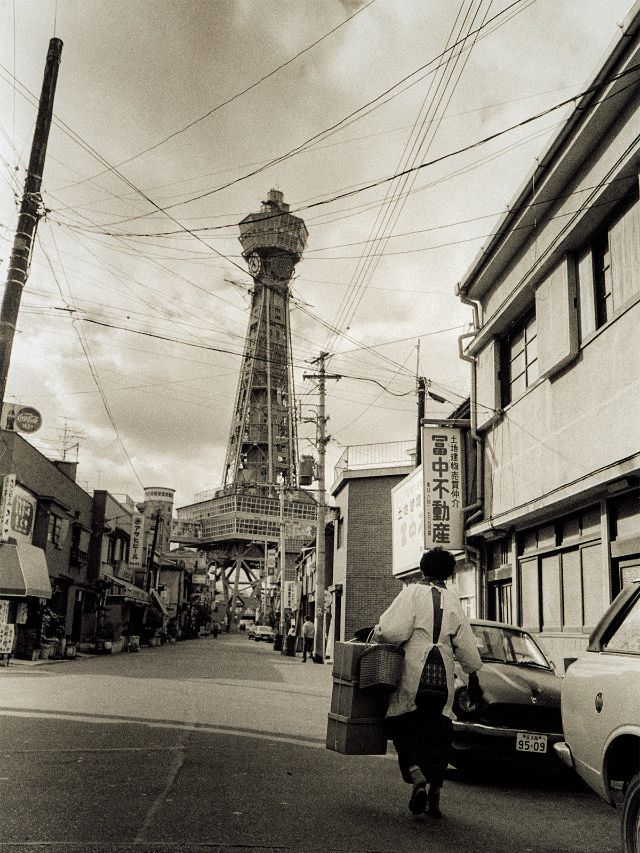
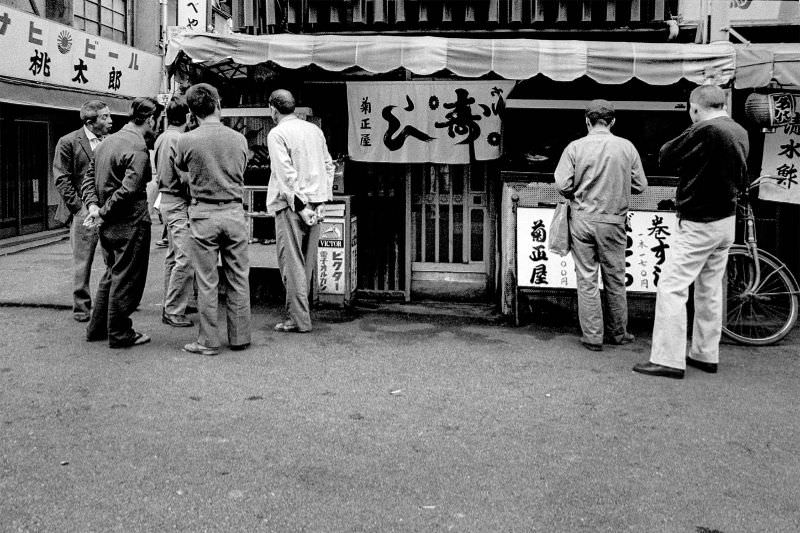
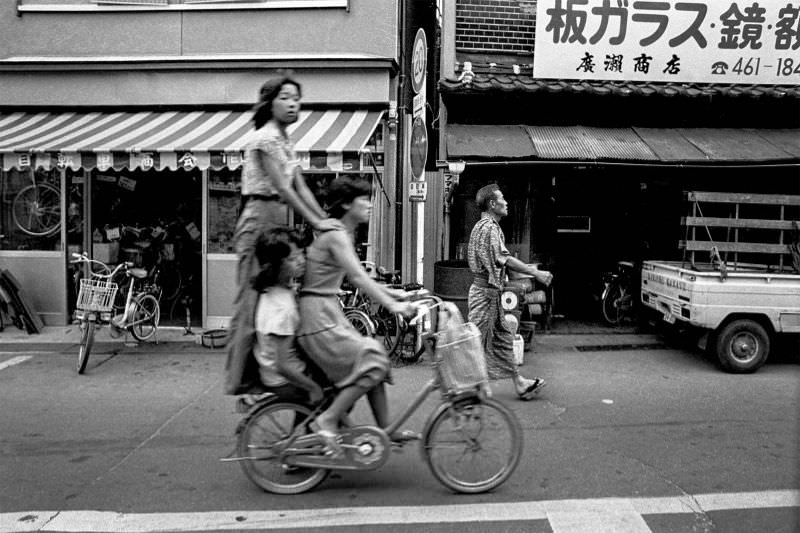
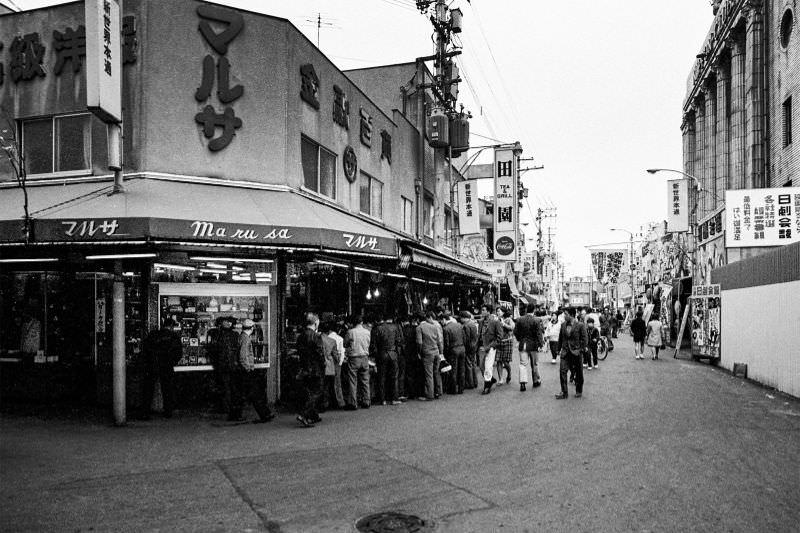
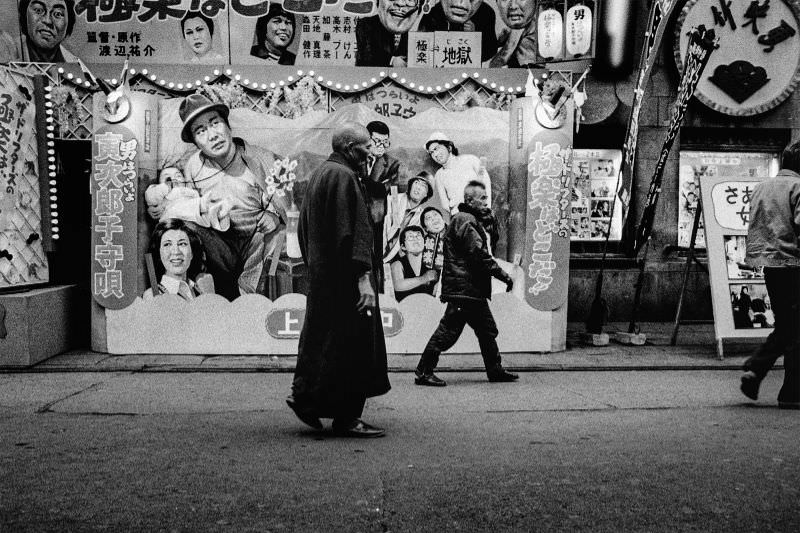

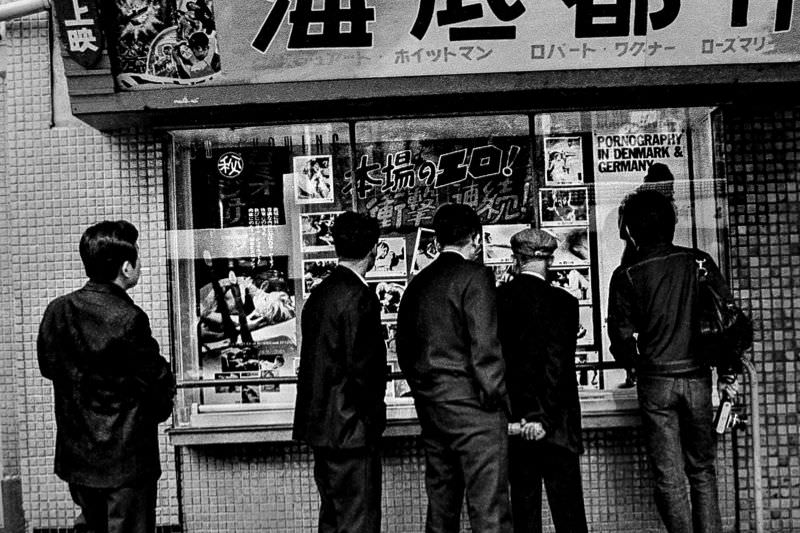
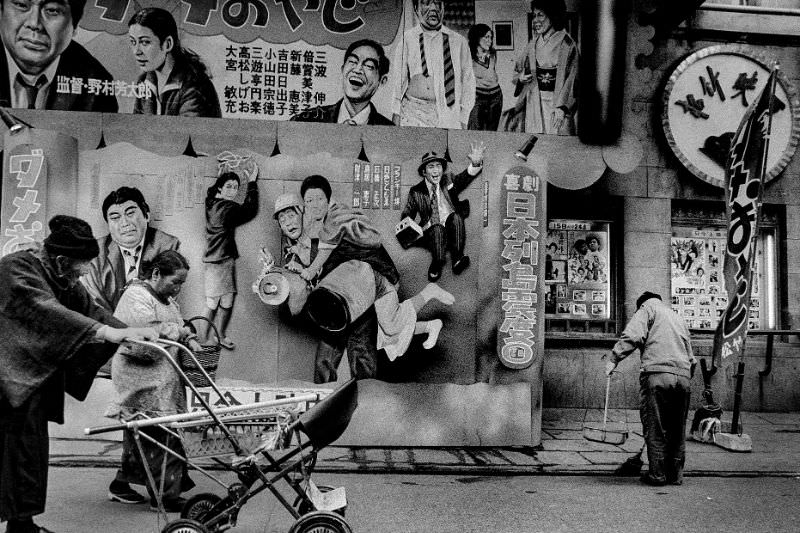
Only Kanji and katakana existed at that time?
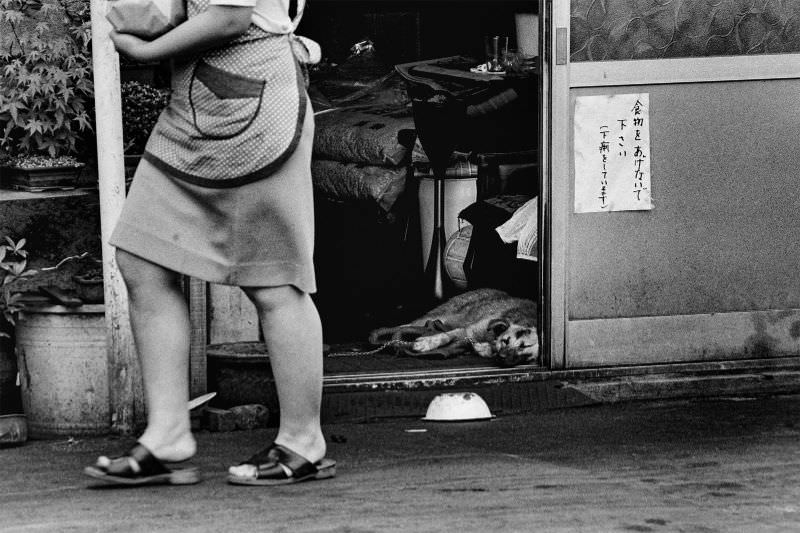
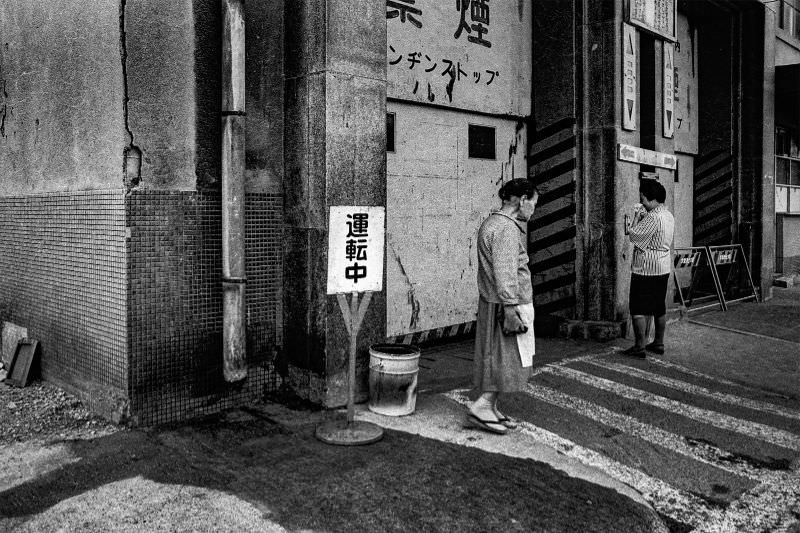
You can see hiragana in a lot of the pictures, but the thing is Japanese for the most part can be written mostly in kanji. Especially signs that mostly have names of things.
But due to modernization a lot of words have started to be used exclusively in hiragana/katakana. I mean just the other day my teacher scolded me for writing 事 instead of こと in my report.
Fun fact, modern people now have trouble reading Kanji compared to people from the past