

Mobile is Alabama’s oldest city, which became part of the state in 1819. Mobile is filled with magnificent historic districts and dozens of landmarked homes and buildings. During its first 100 years, Mobile was a colony of France, Great Britain, and Spain. During the American Civil War, Mobile was a Confederate city. The turn of the 20th Century brought rapid economic boom, shipbuilding, steel, cotton, iron, and several other new industries were built, which attracted a large number of immigrants and doubled the population. During this time, the city received $3 million in federal grants for harbor improvements to deepen the shipping channels. Mobile was one of eighteen United States cities producing Liberty ships. And the shipbuilding industry grew significantly during World War II, which resulted in a considerable increase in the city’s white middle-class and working-class population. The postwar era saw a rapid decline of jobs in the shipyard, and the defense industry and chemical industries began to expand.
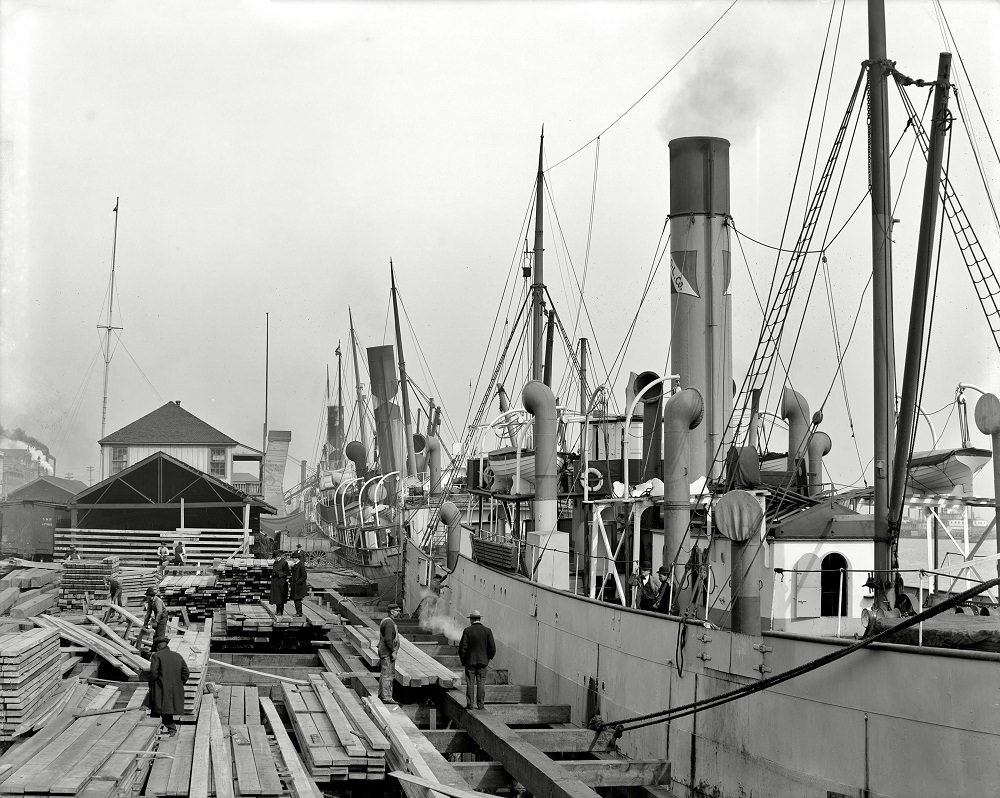
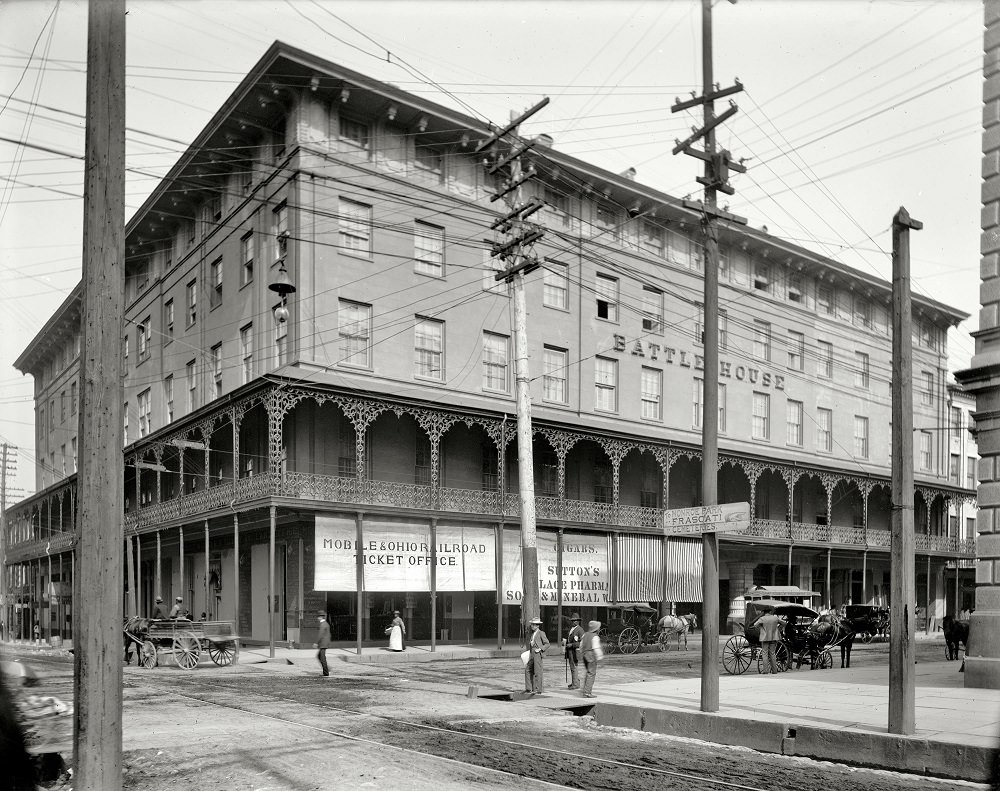
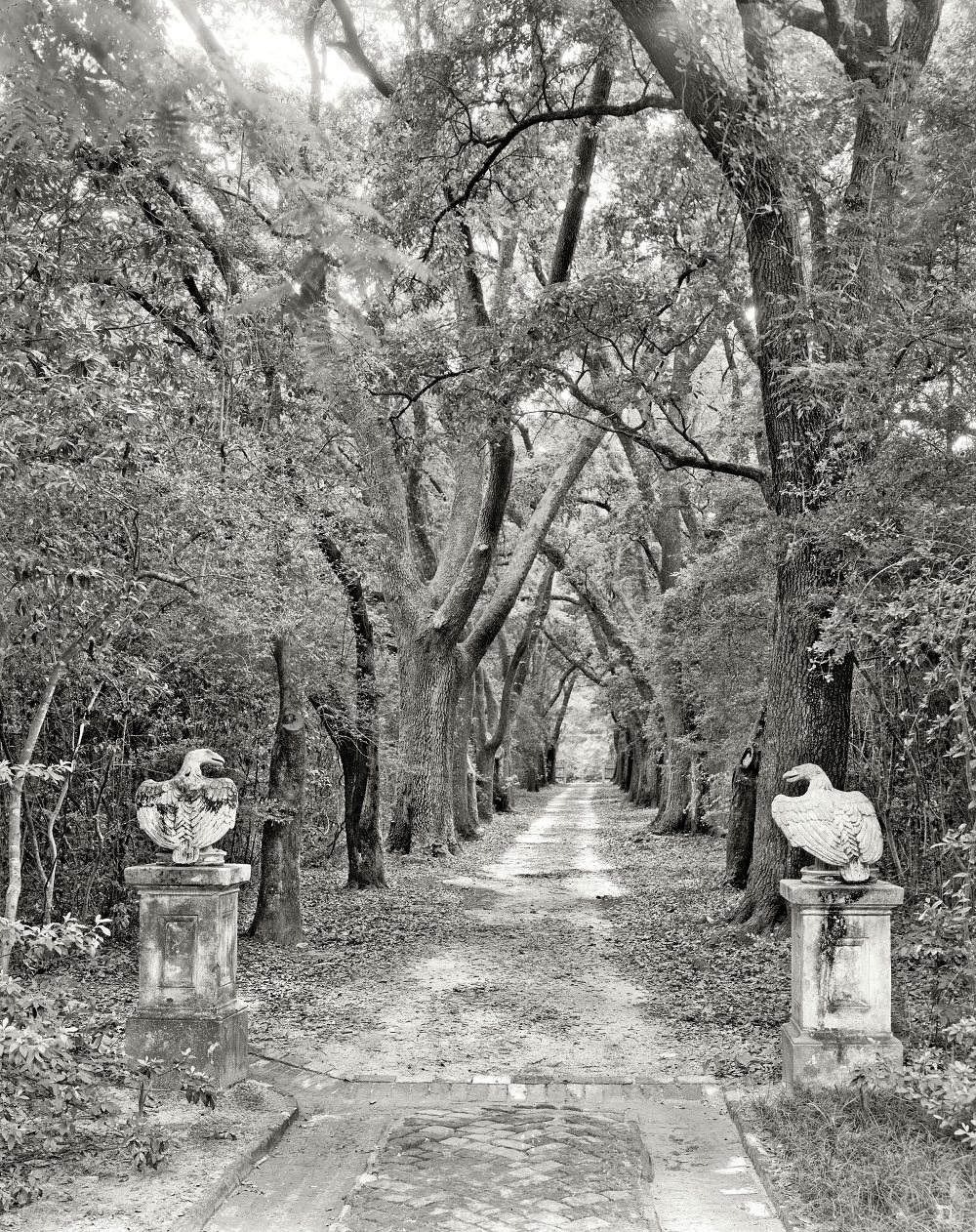
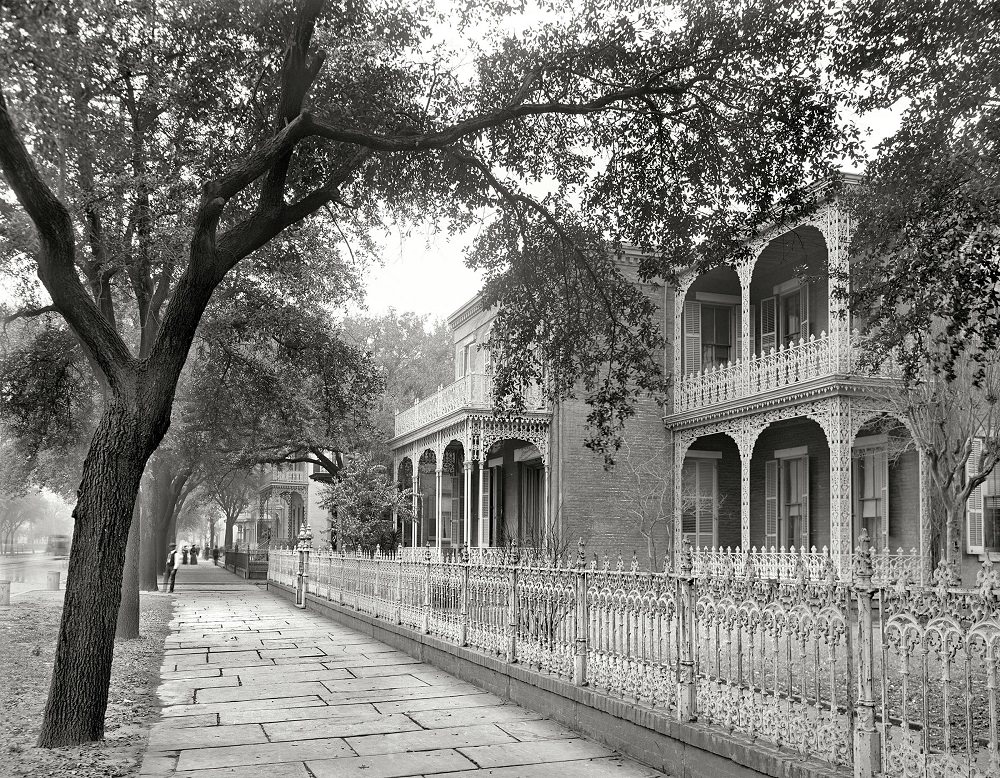
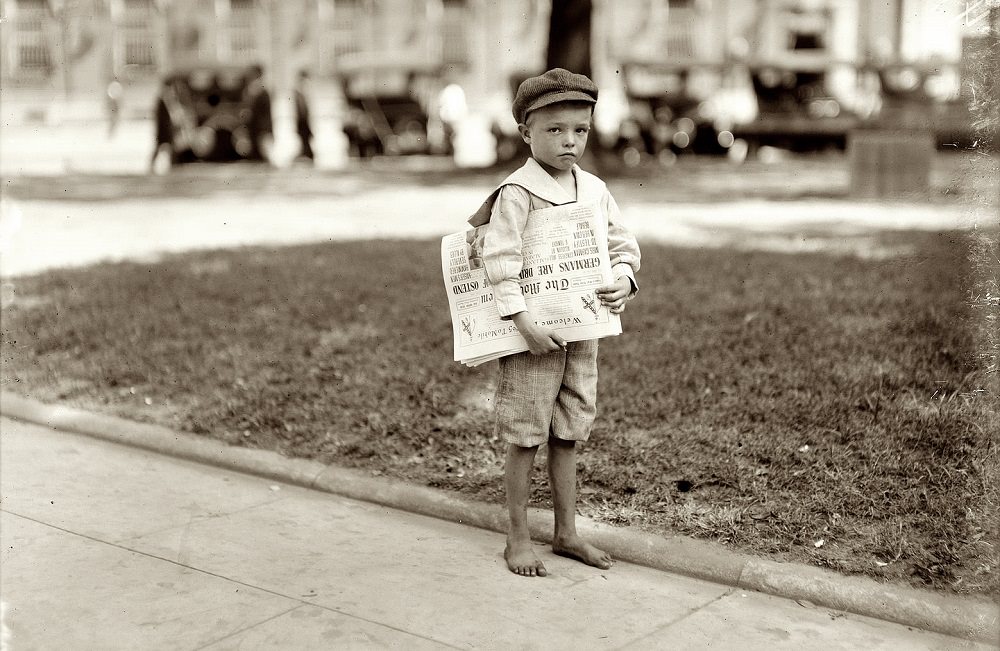
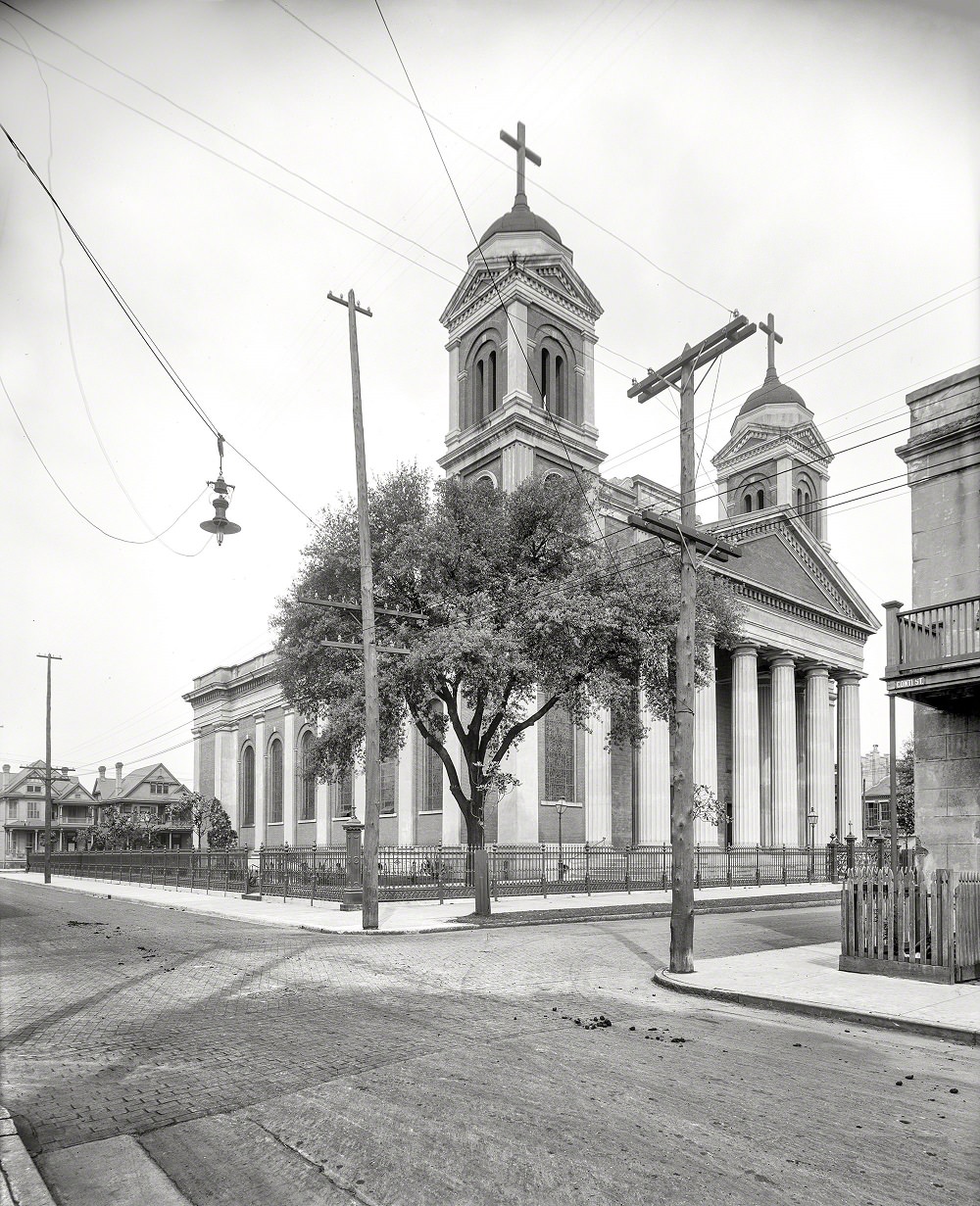
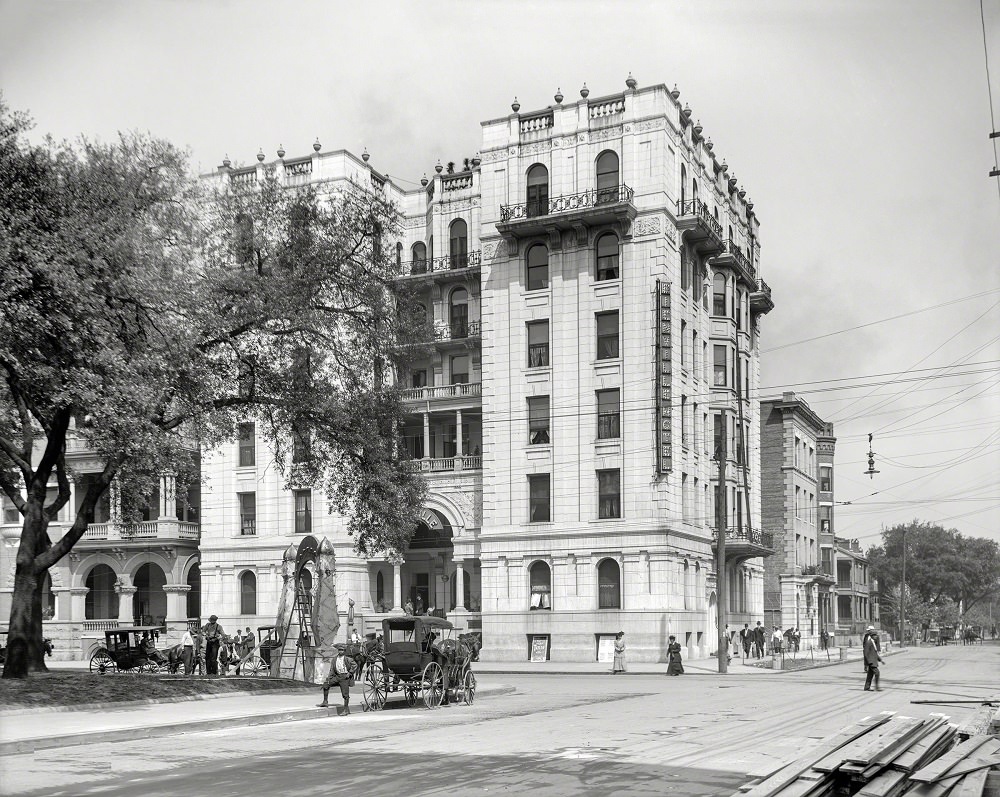
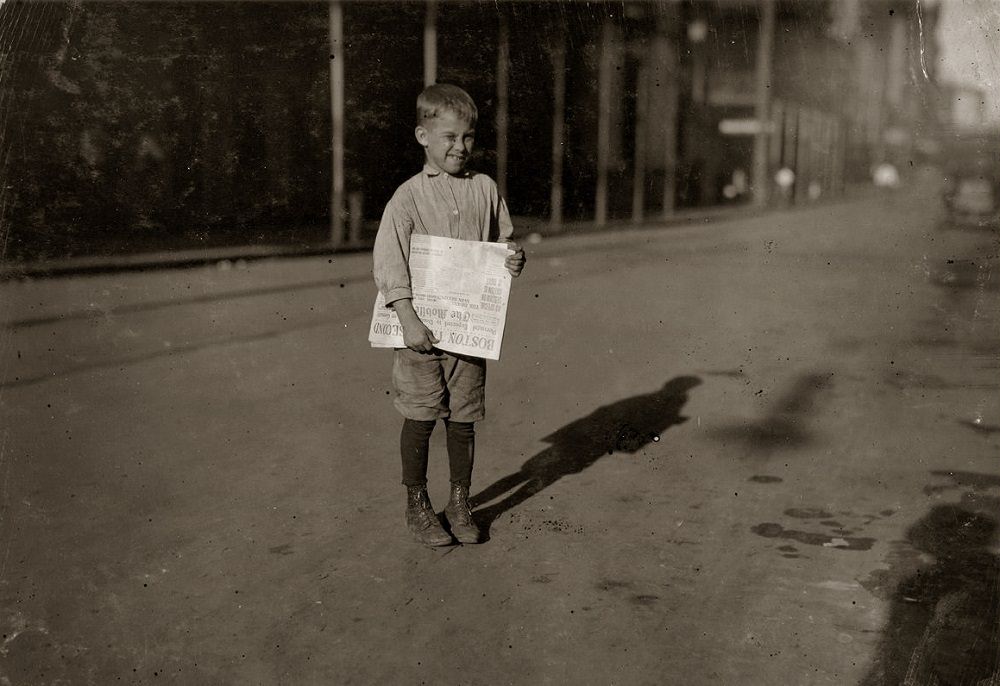
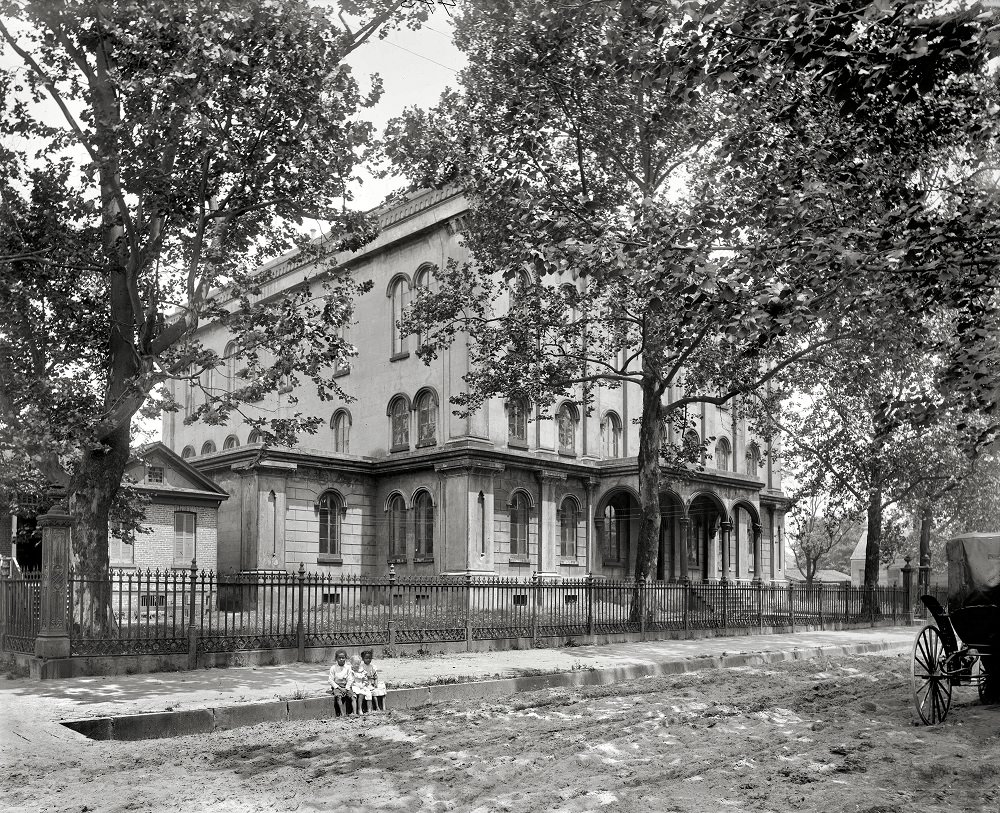
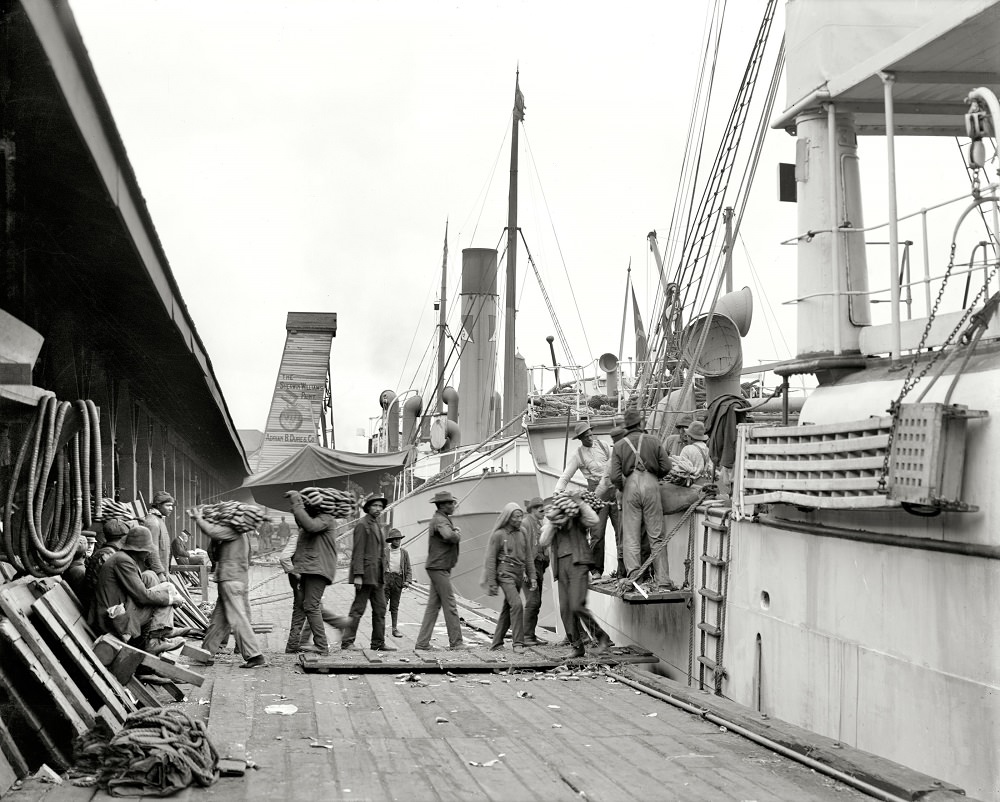
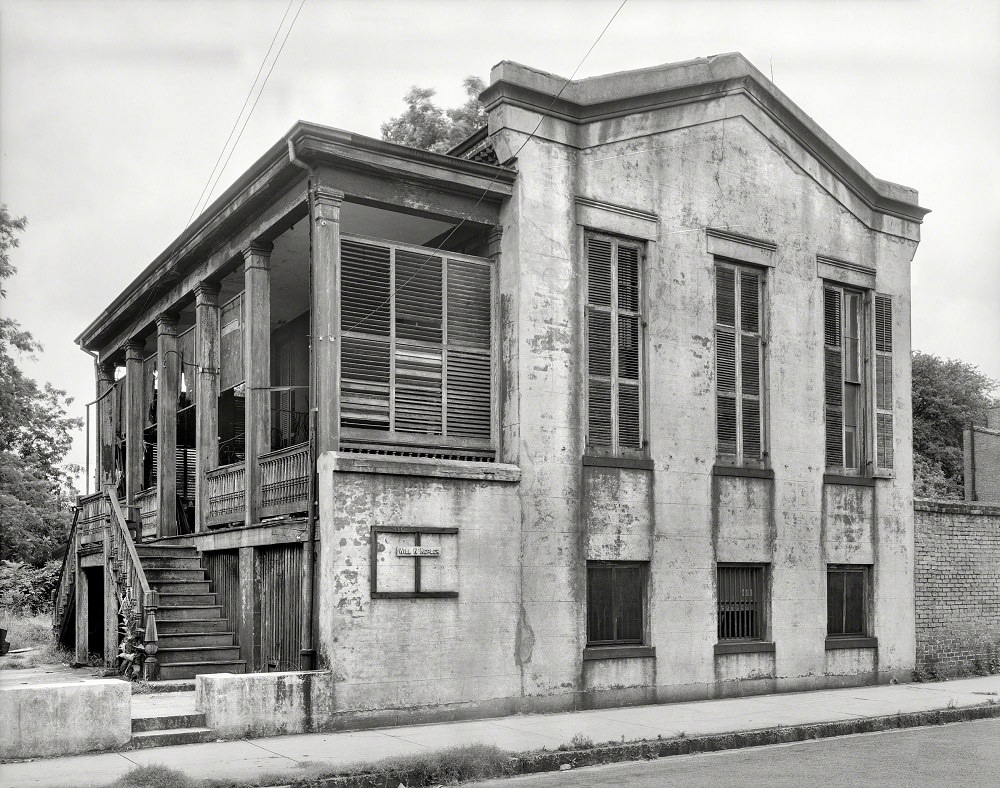
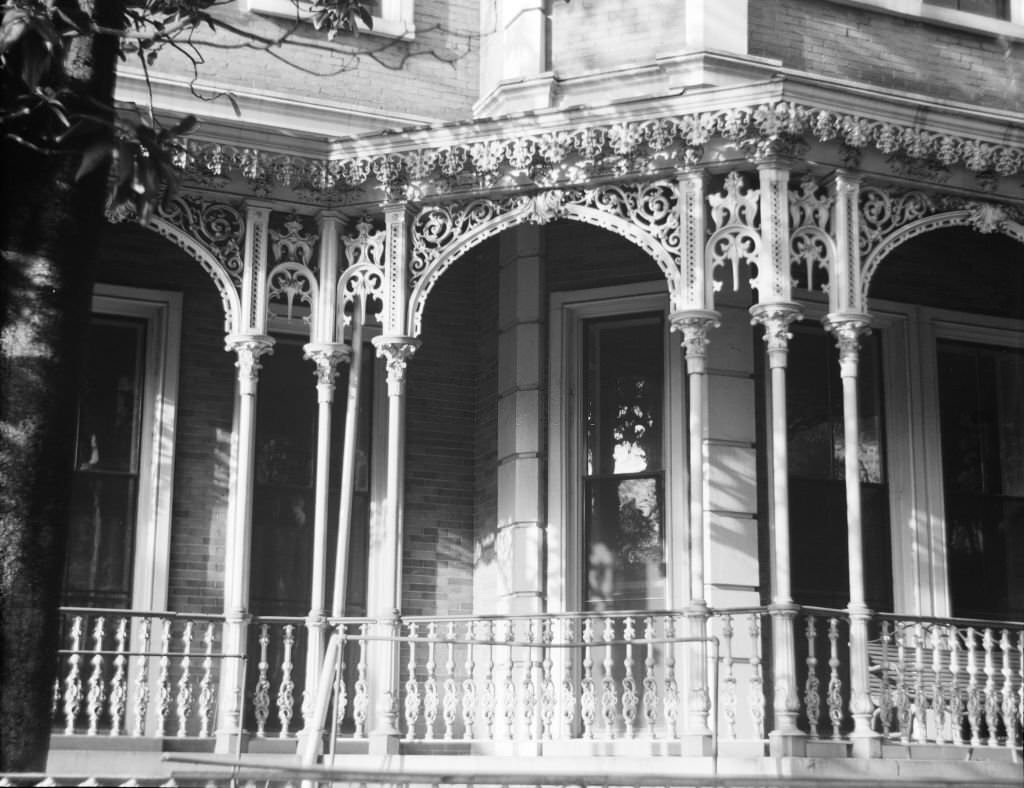
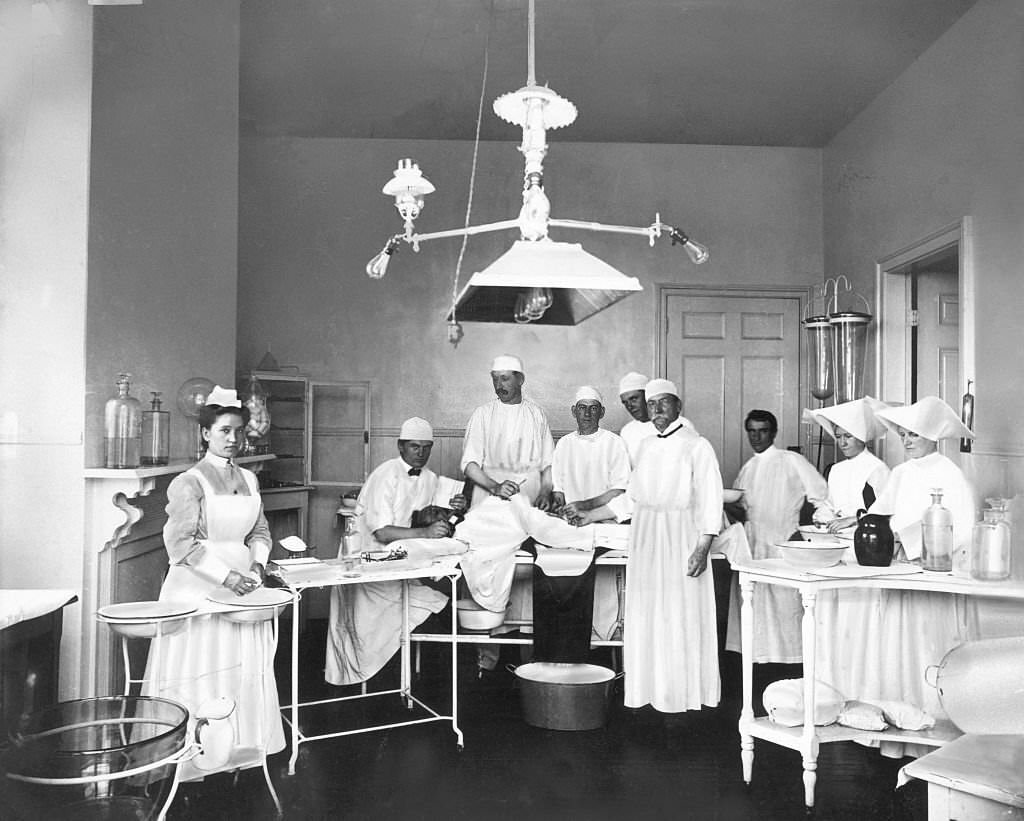
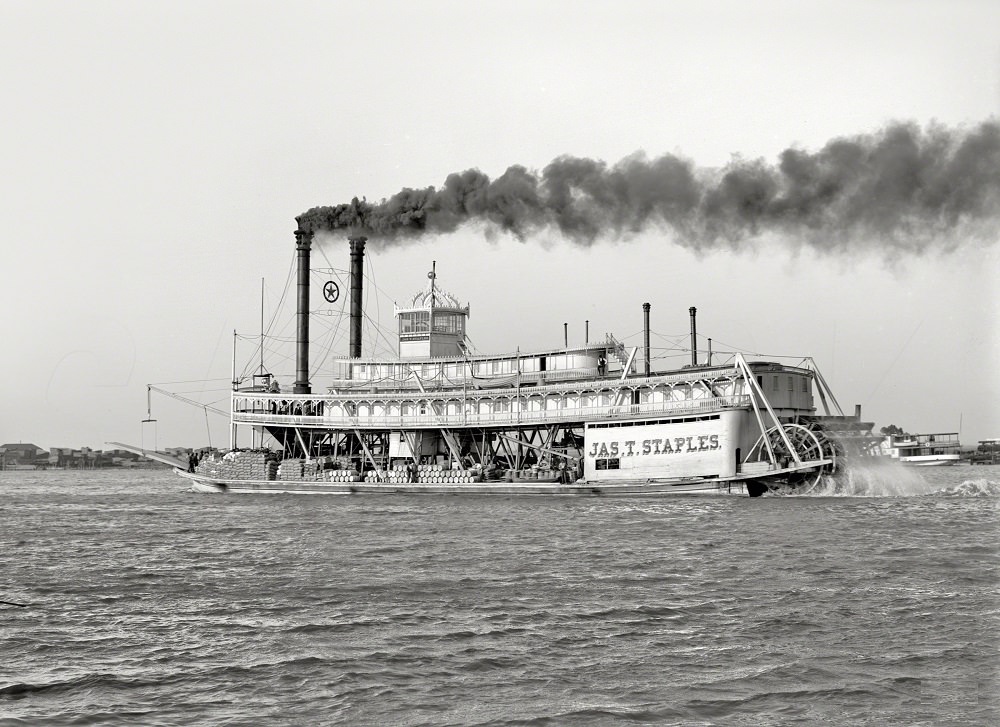
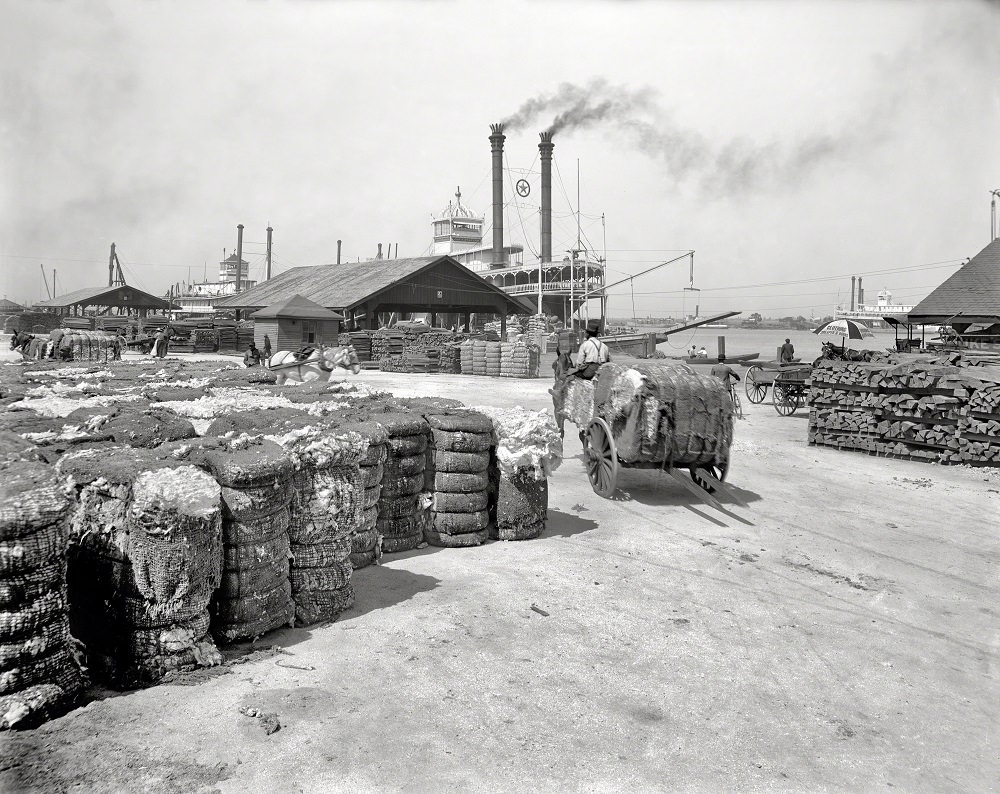
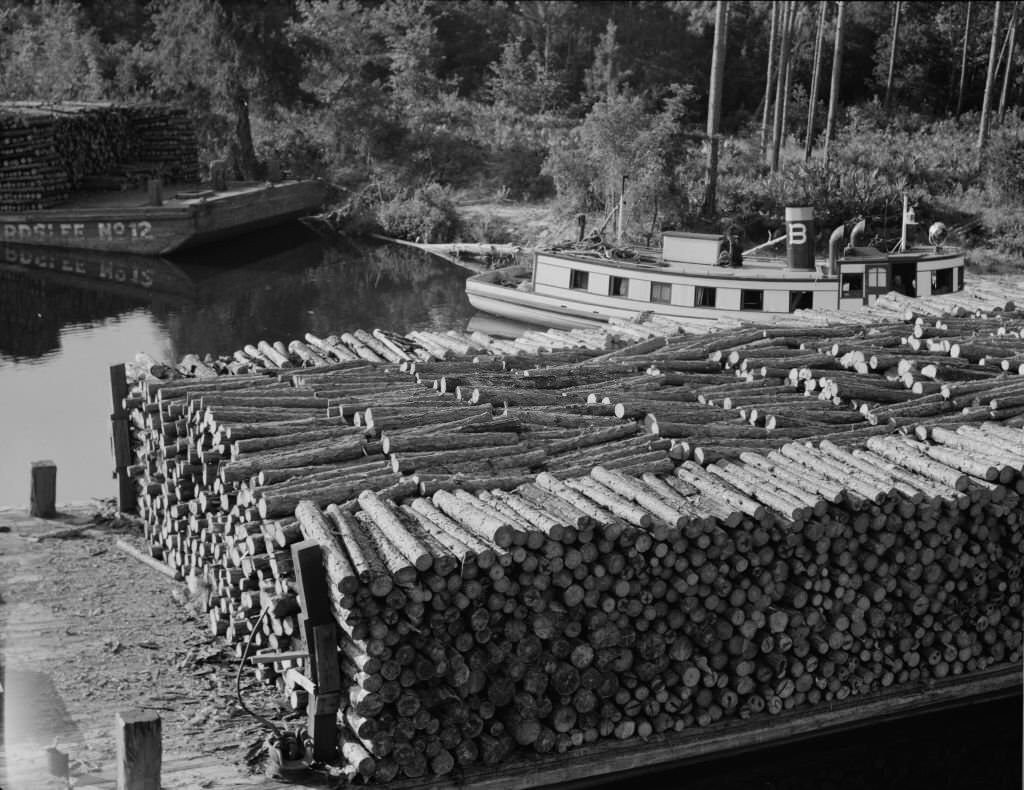
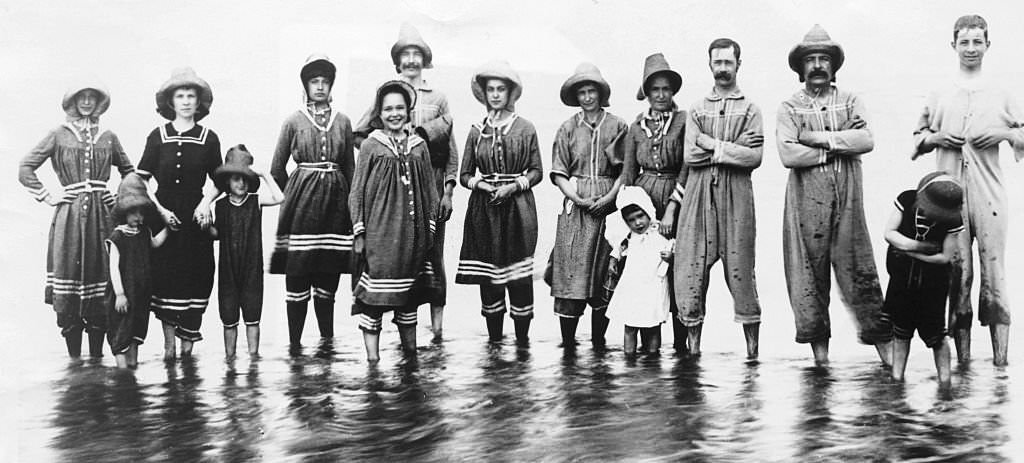
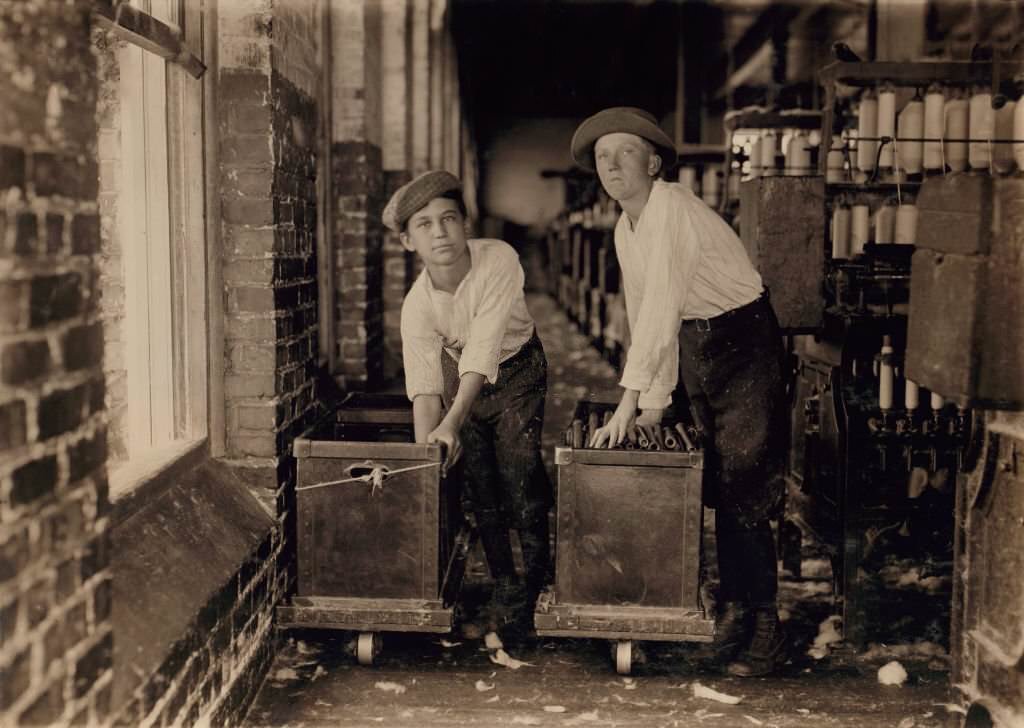
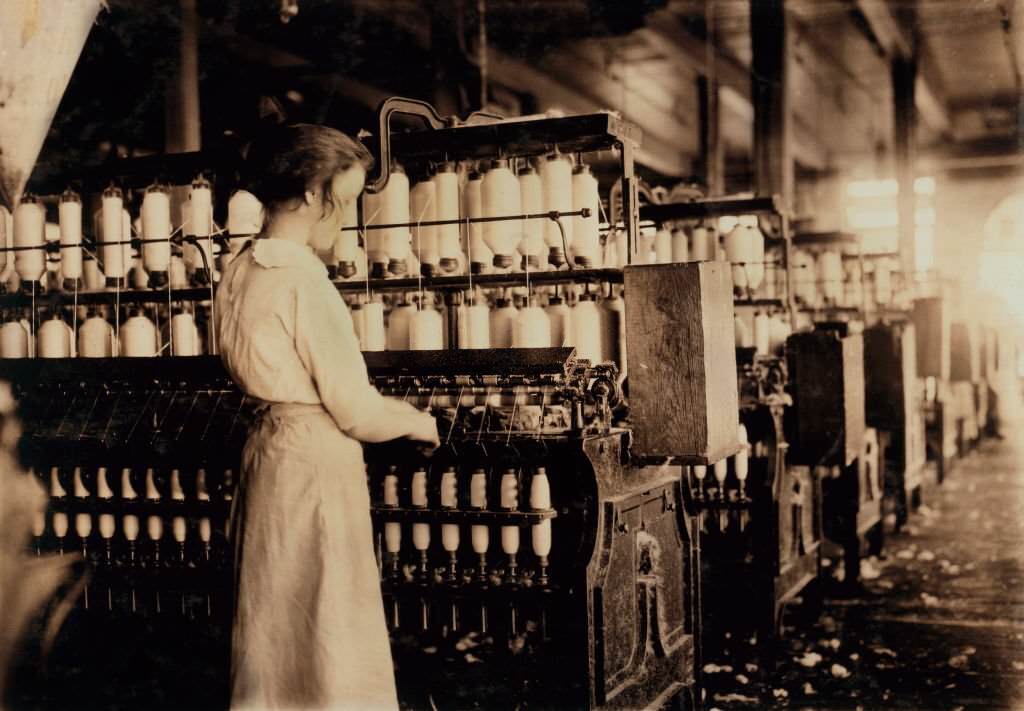
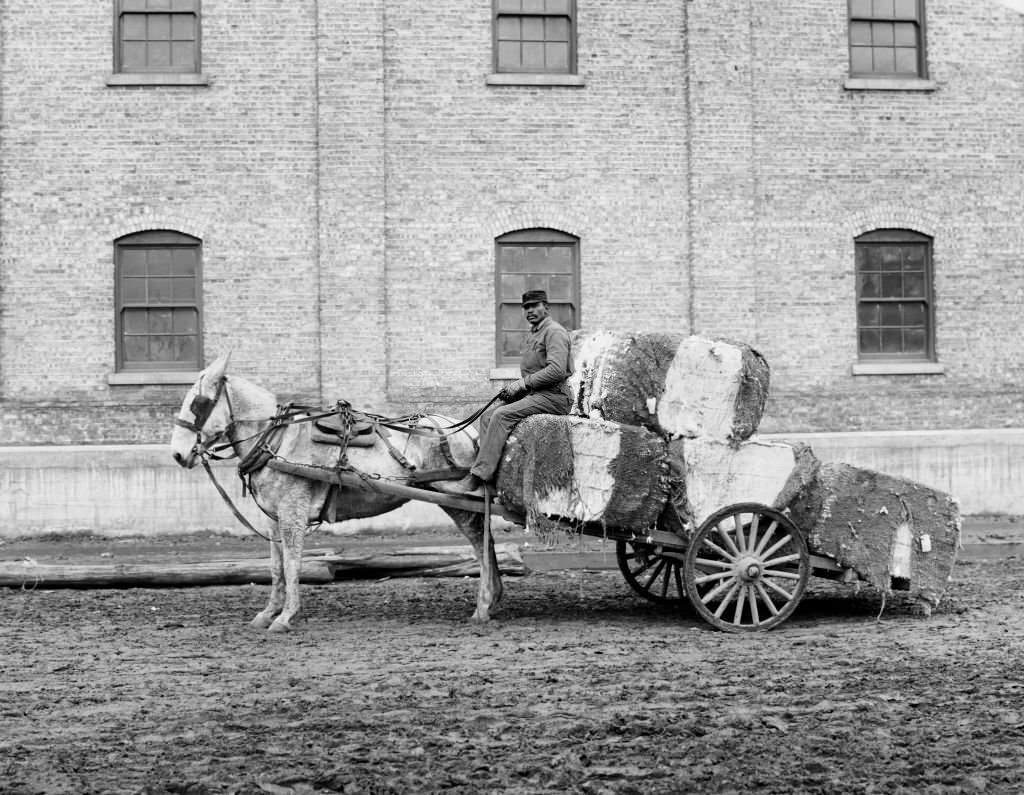
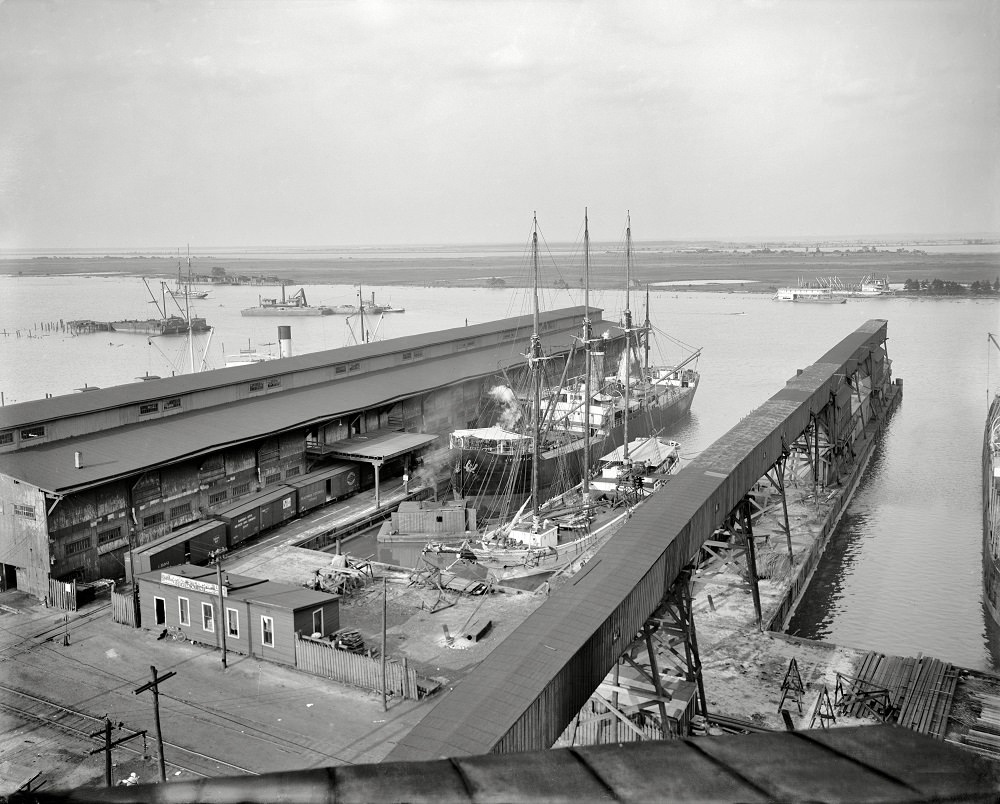
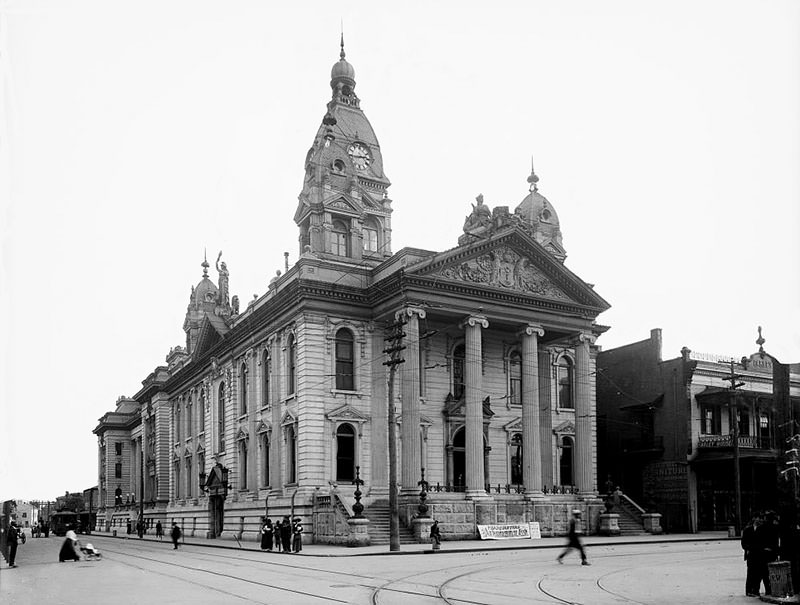
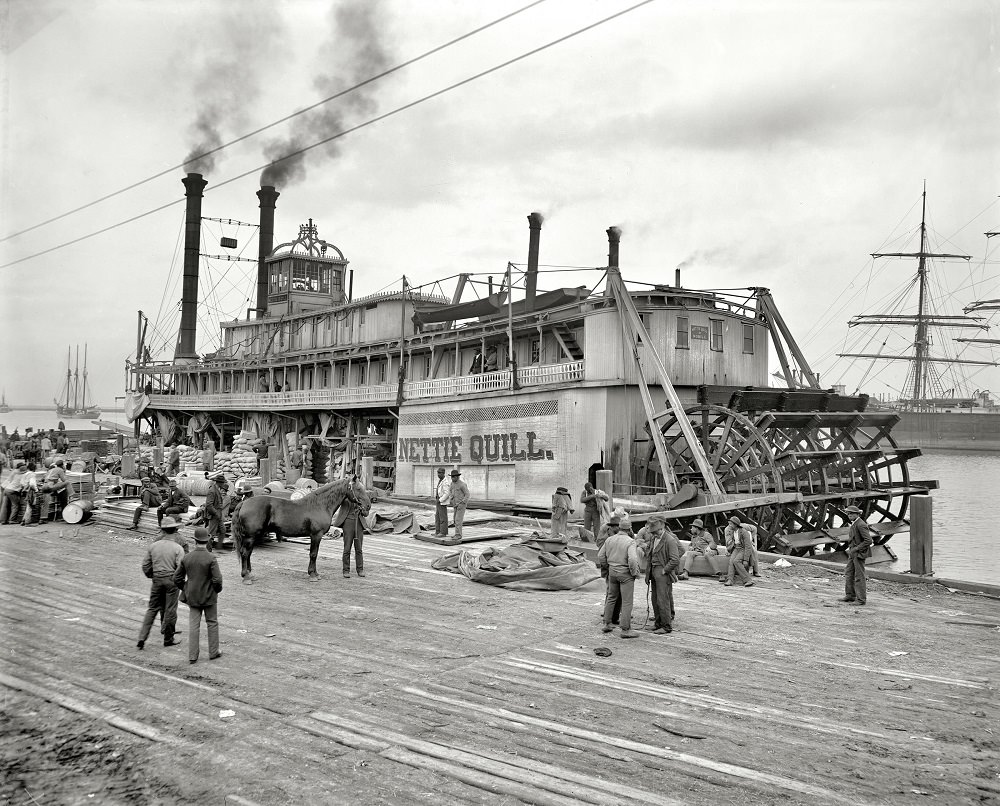
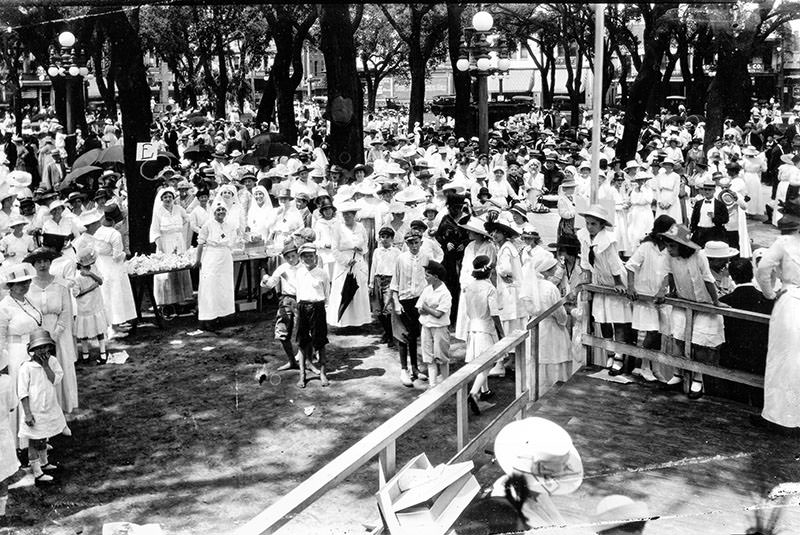
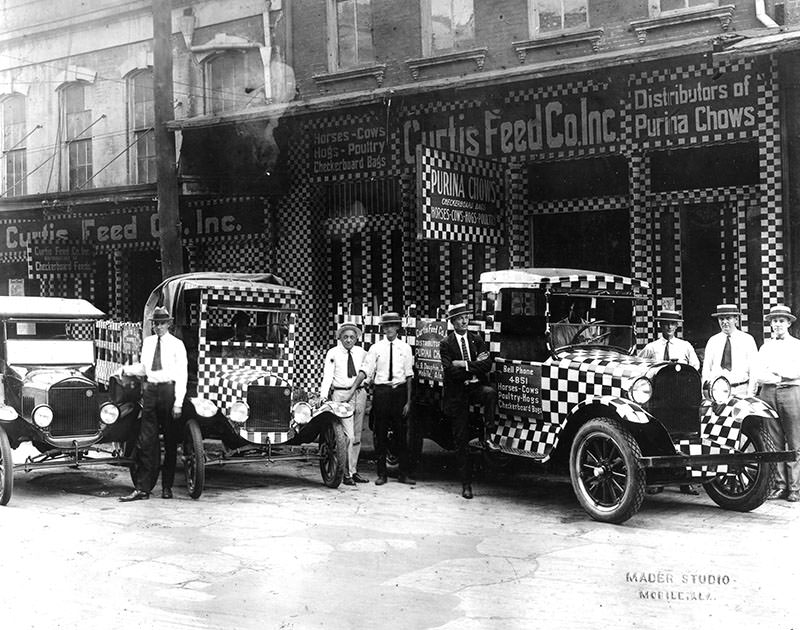
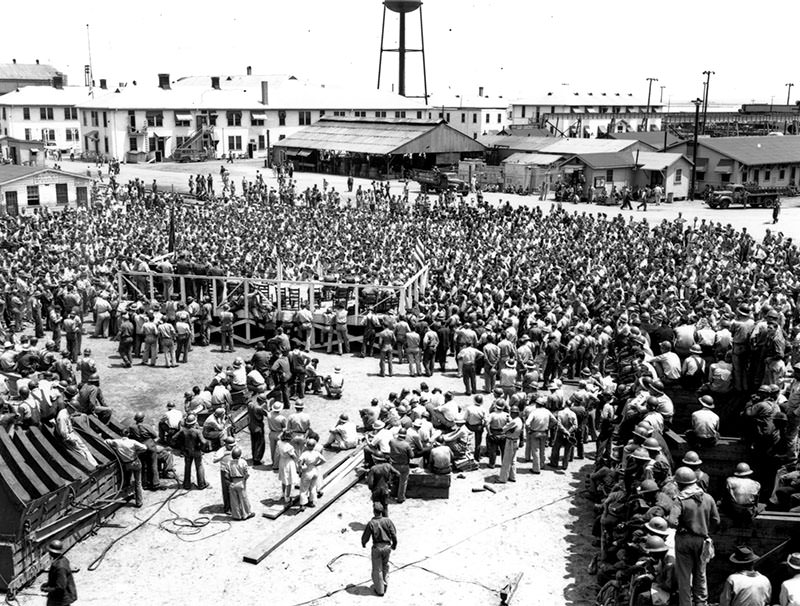
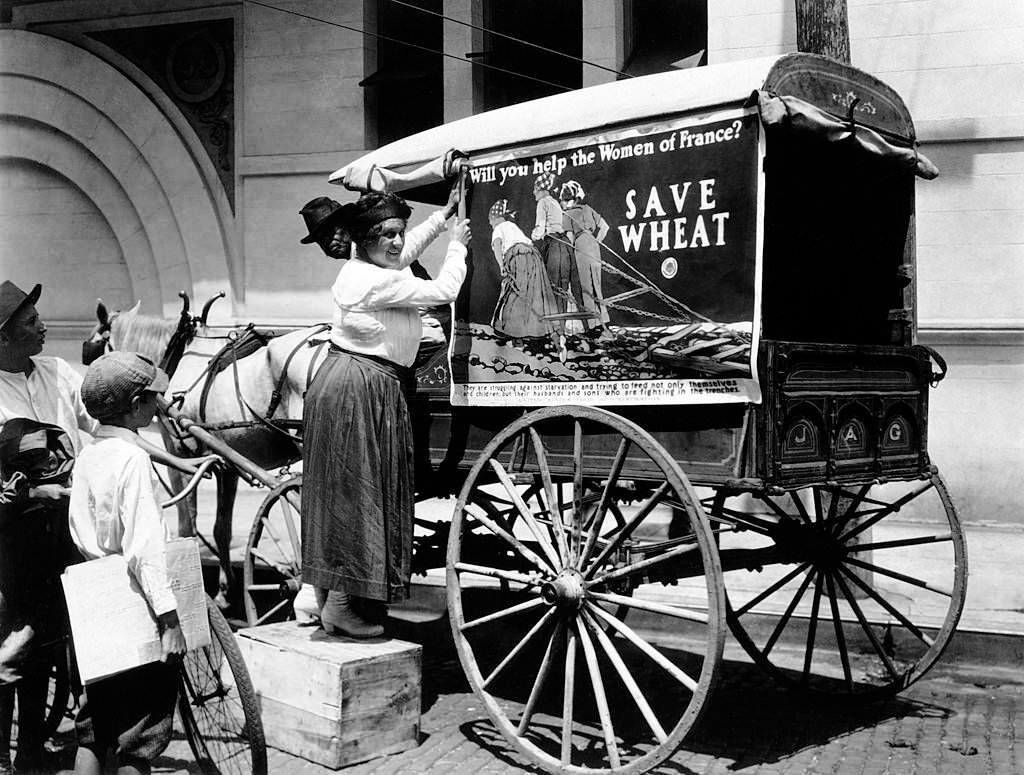
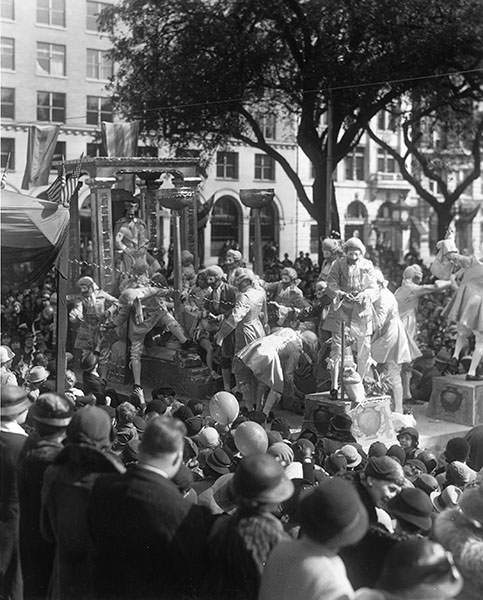
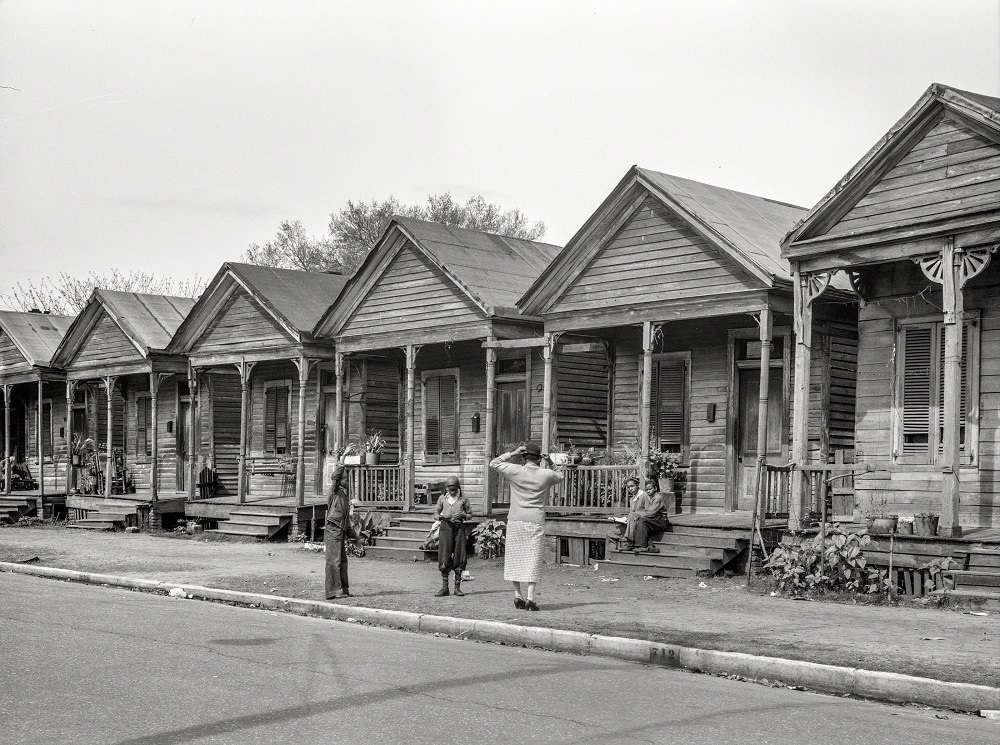
Here below are some old pictures of Mobile, Alabama from the early 20th Century that capture streets, roads, cityscapes, and everyday life.
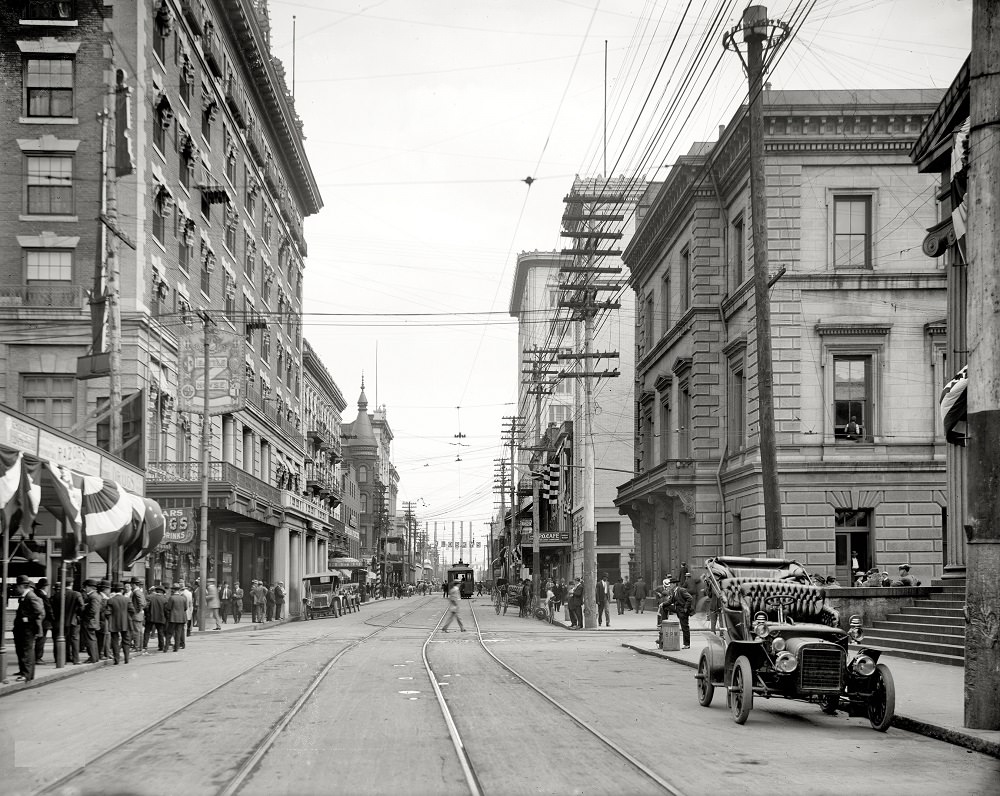
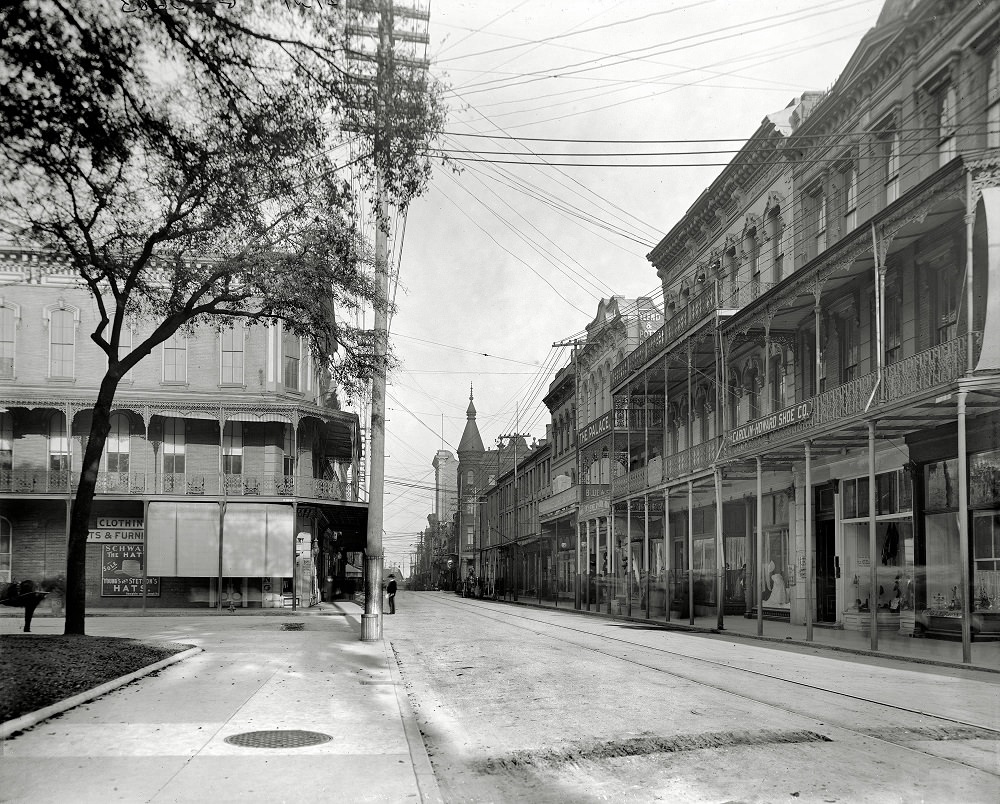
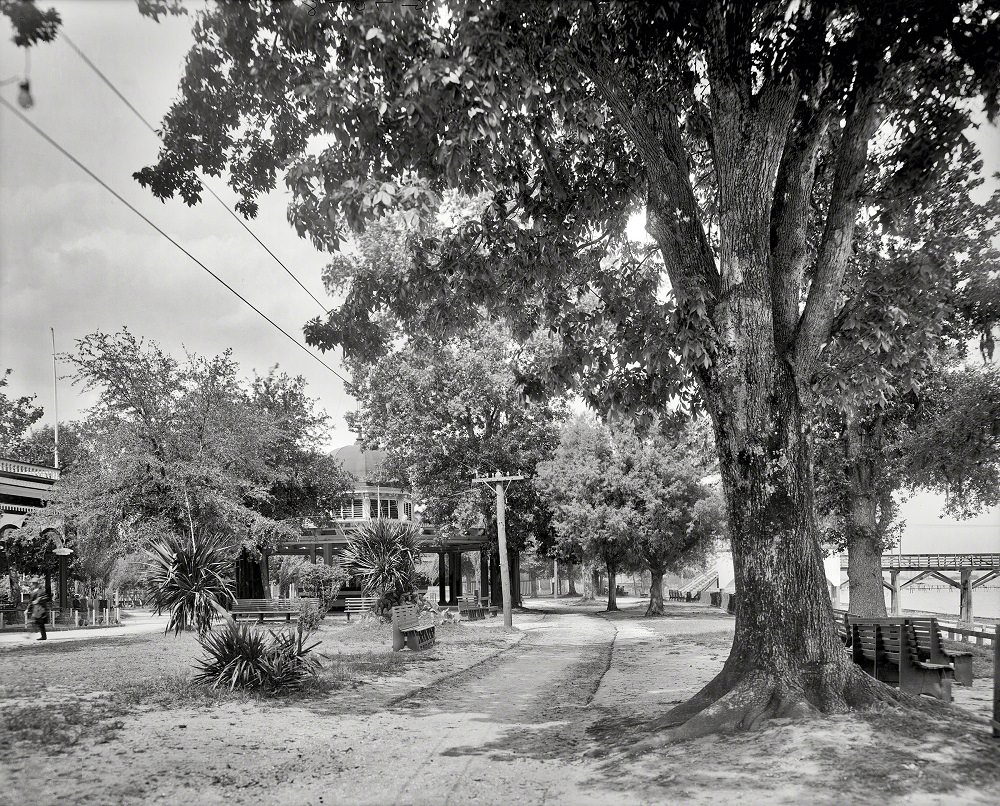
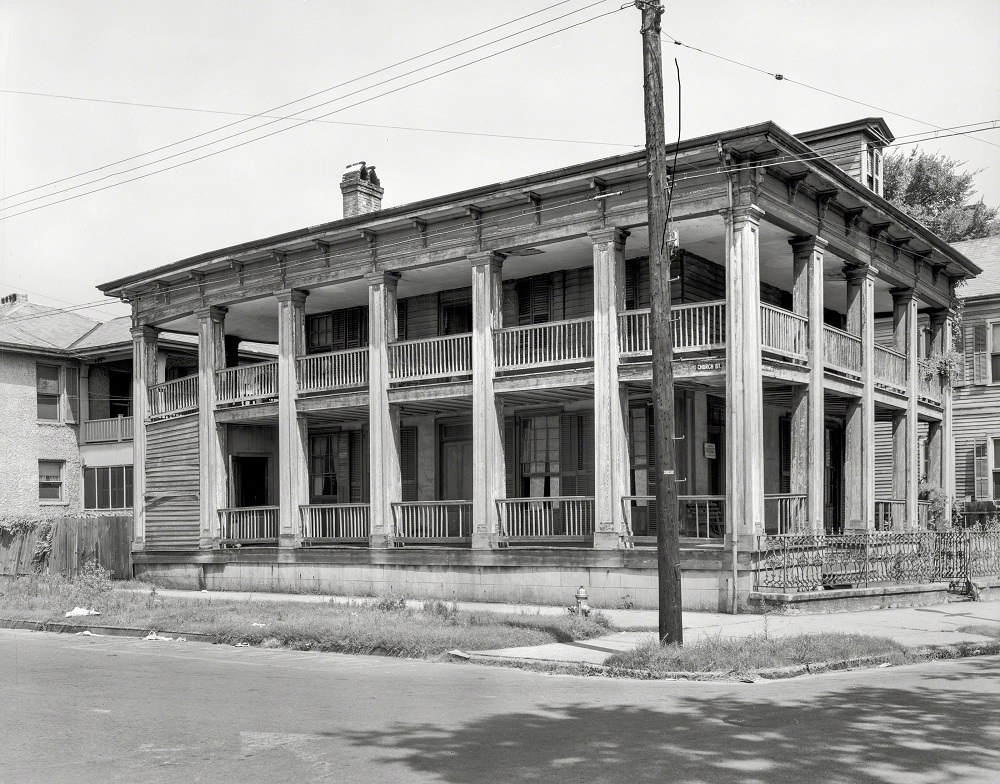
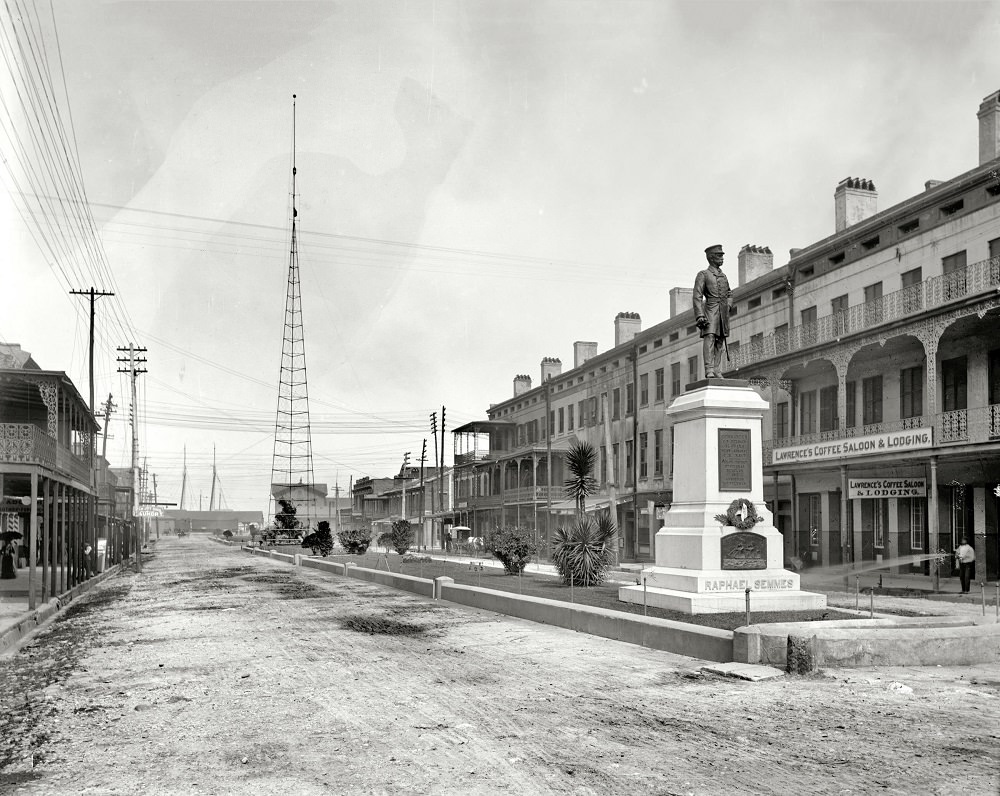
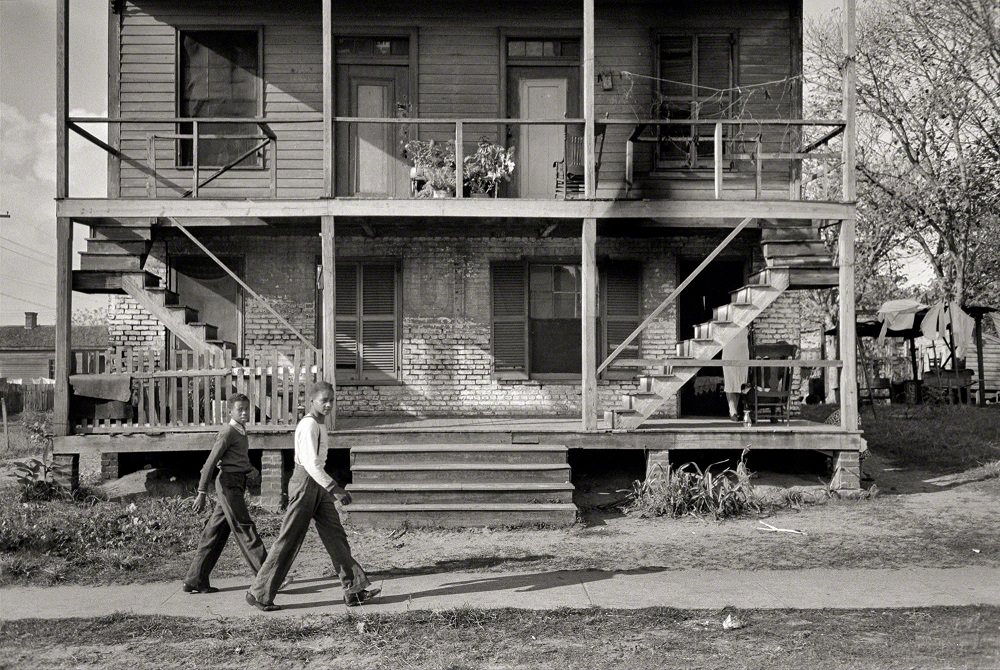
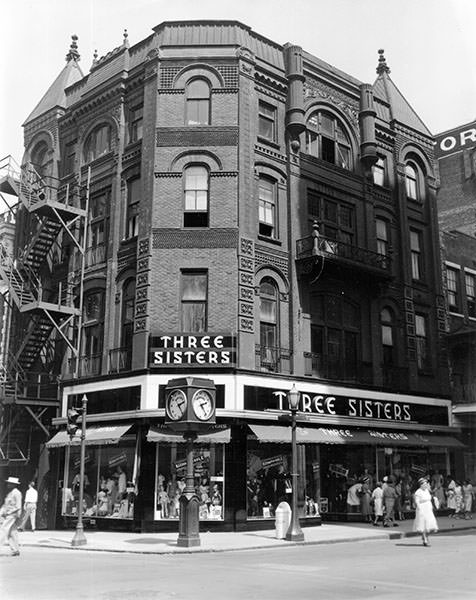
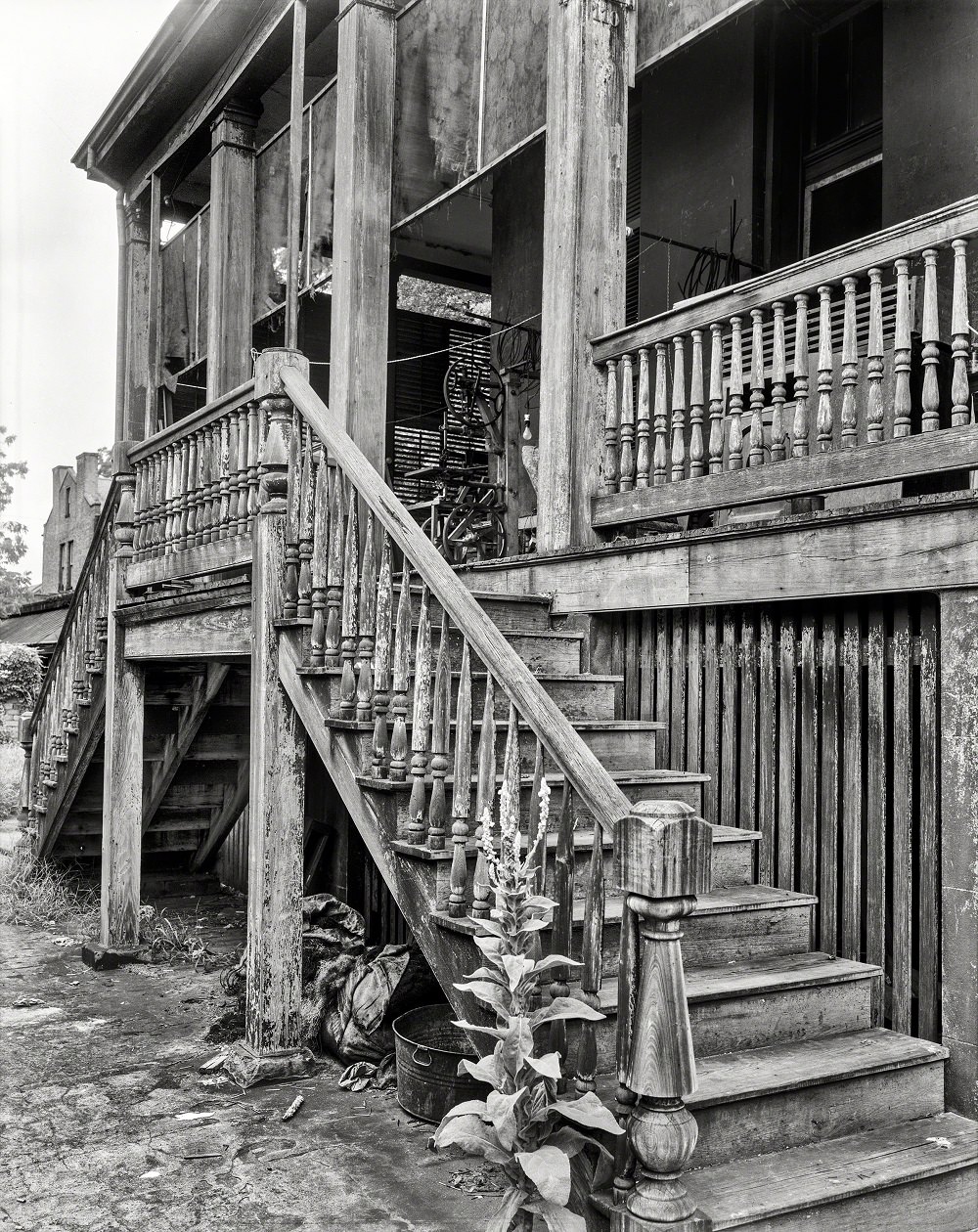
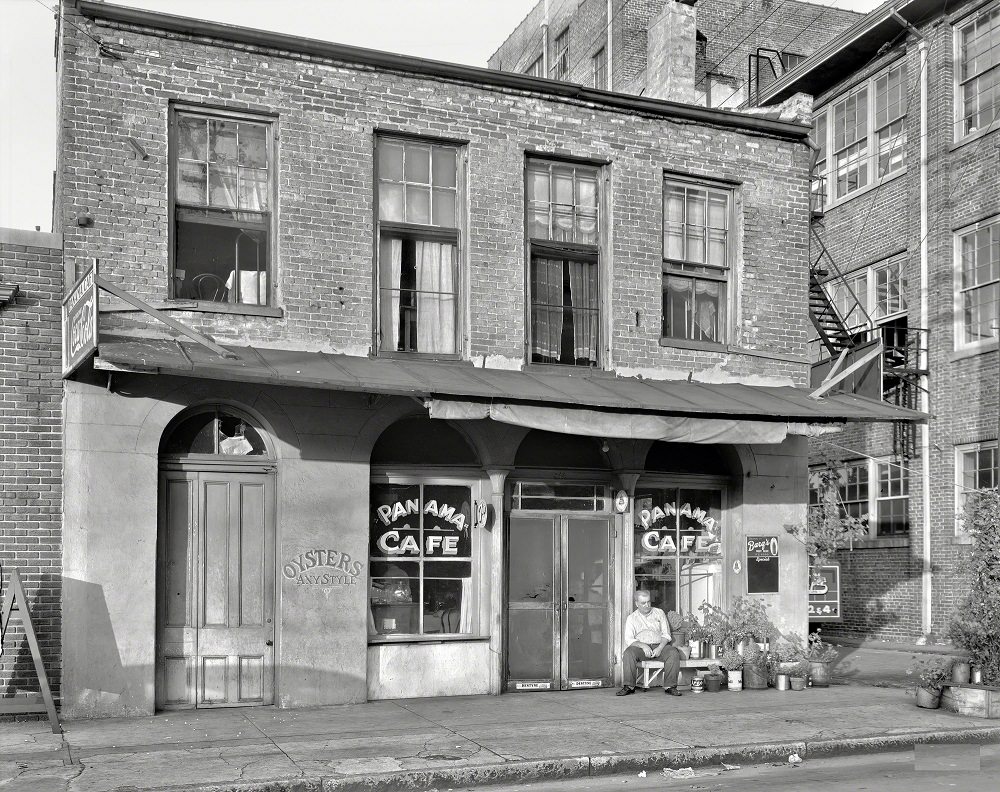
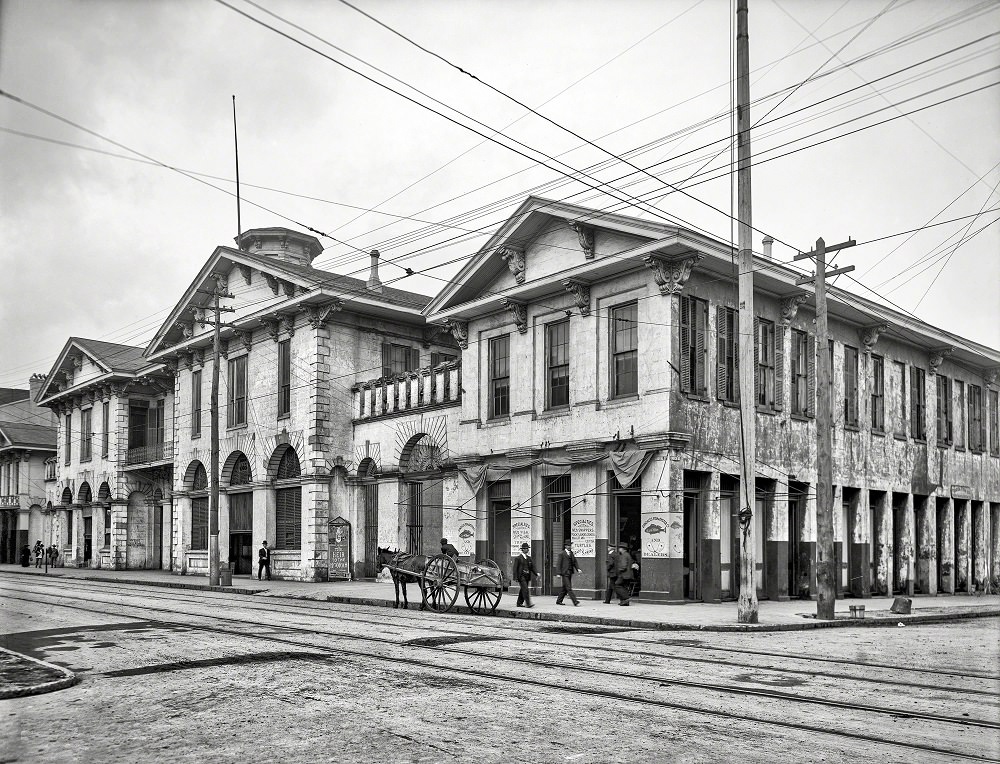
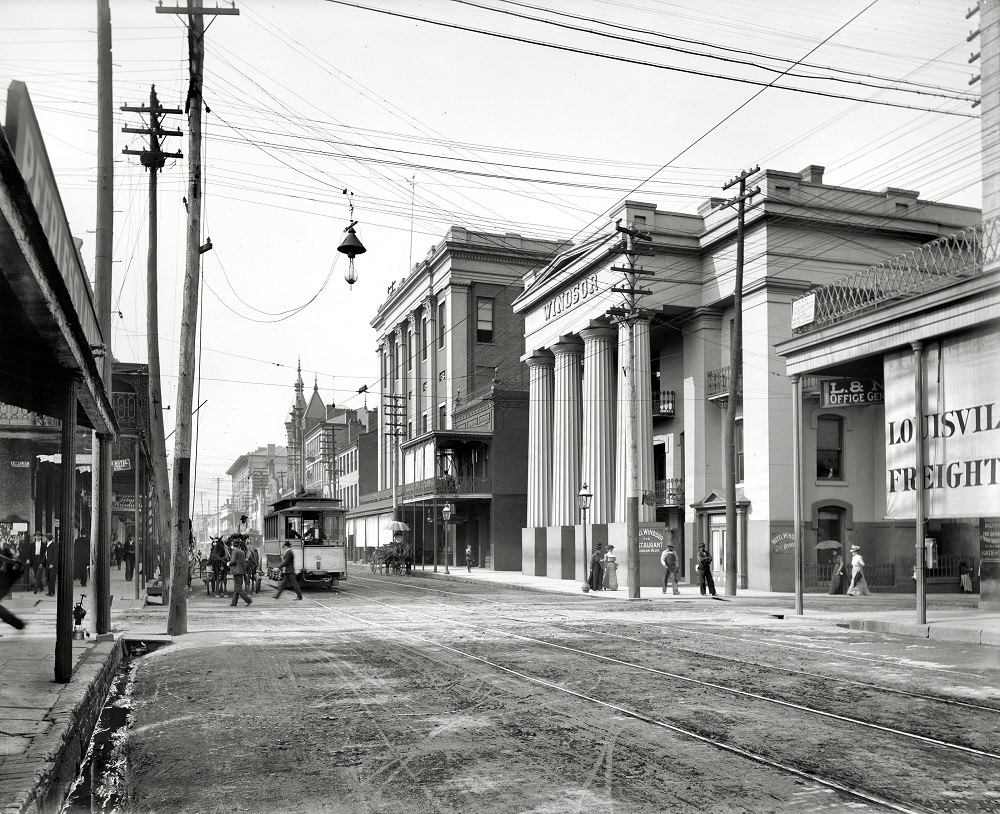
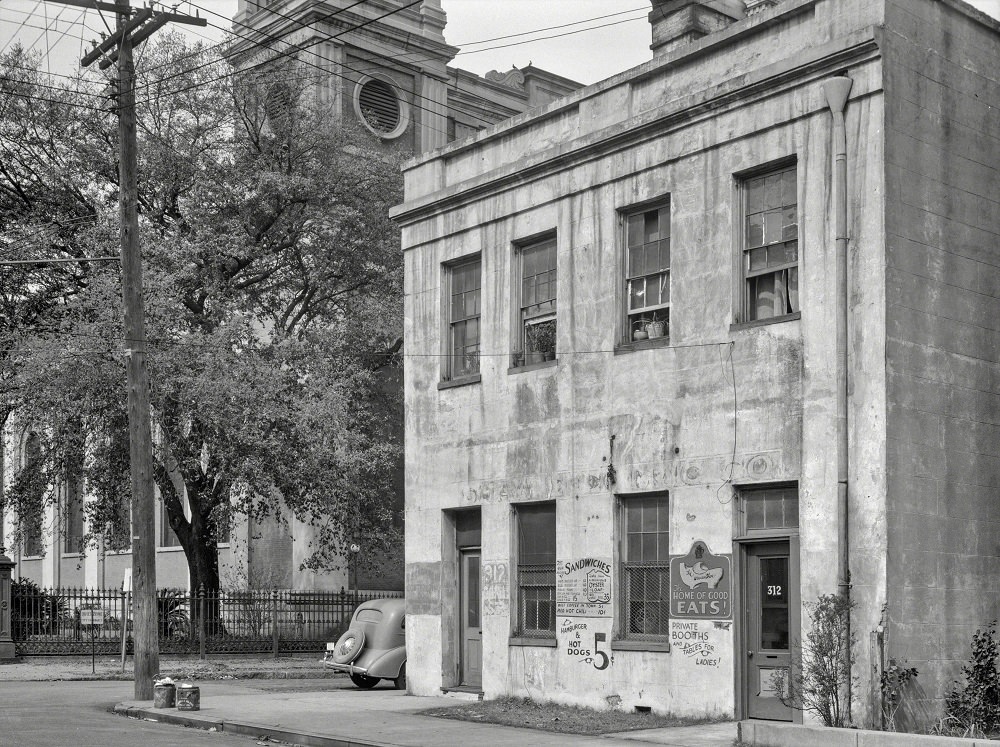

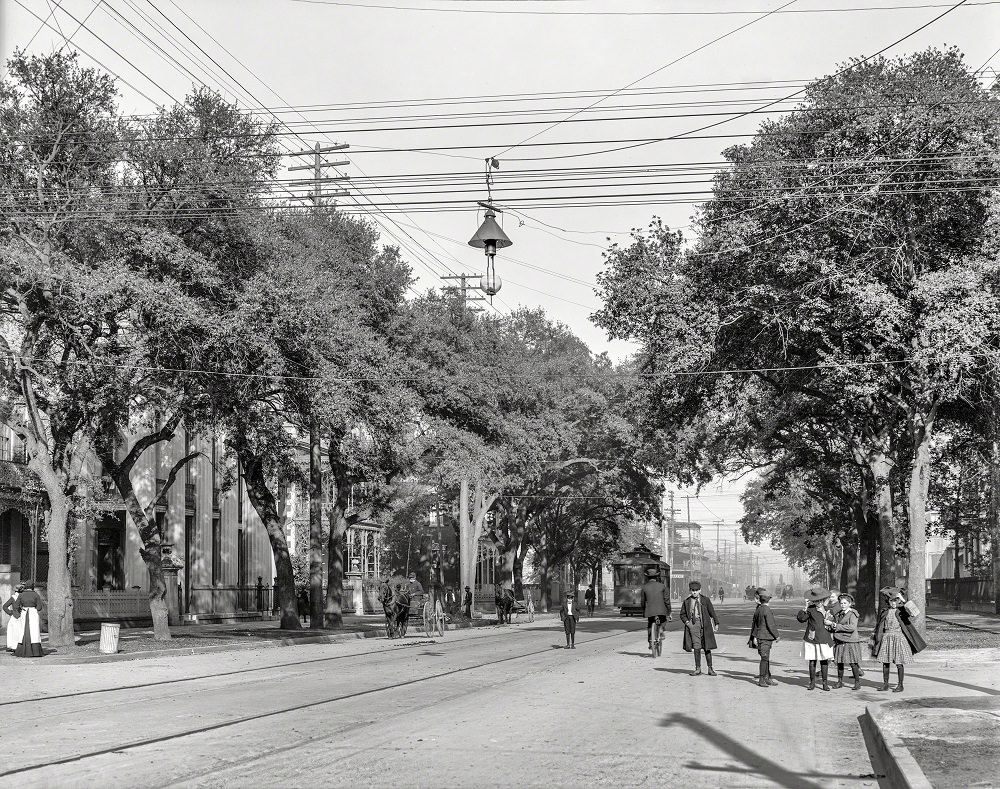

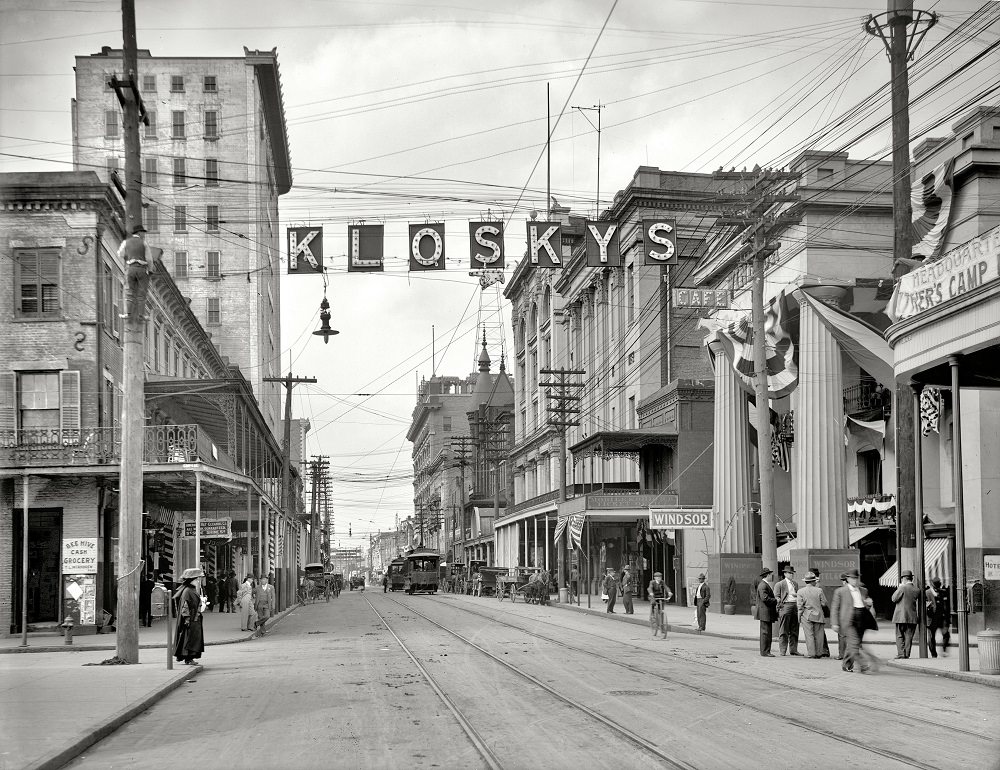
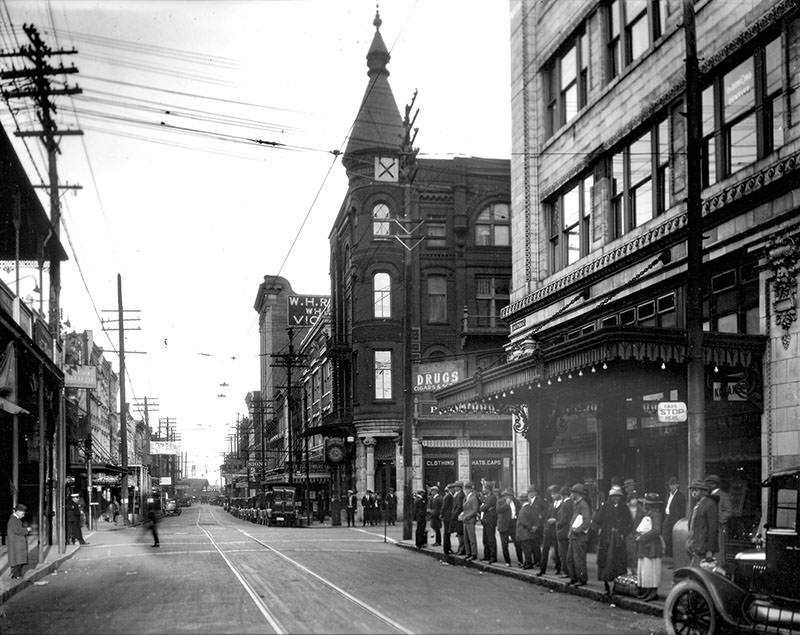
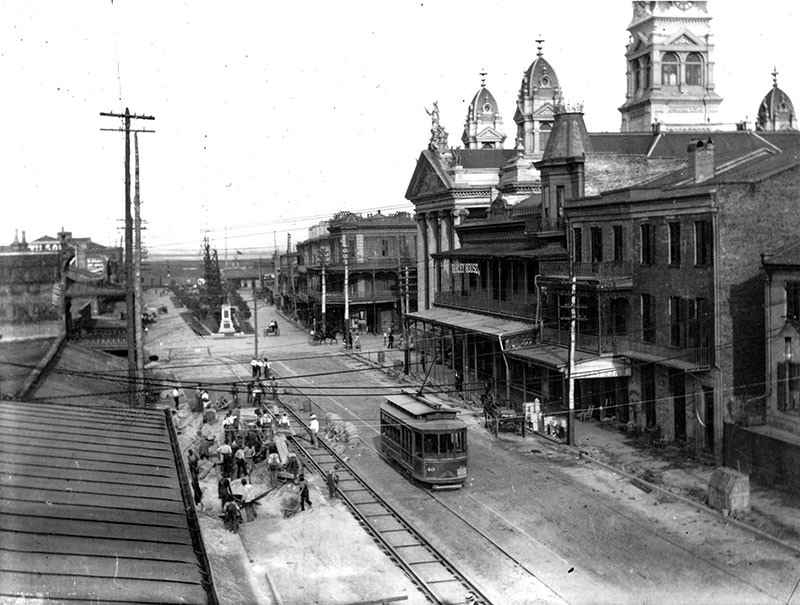

It looked more like a real city then than it does now. And I think they had fewer potholes.
Honestly, I’ve lived across two continents and multiple countries and states, and I have never seen more potholes (and abysmal road conditions overall) anywhere else than I have since living in Alabama.
Wait until you see Louisiana.
We call Mobile “pothole city.” My theory is that allowing potholes to proliferate is cheaper and easier than hiring and paying more traffic cops.