
Montgomery, Alabama was founded and chartered in 1819, named after Richard Montgomery, an Irish-born soldier who served in the American Revolutionary War. Sitting at the heart of central Alabama, the city grew steadily through the 19th century. After the Civil War, its population expanded rapidly, and commerce took hold. Cotton, livestock, yellow pine, and textiles became the backbone of the local economy, drawing workers, traders, and entrepreneurs from across the region.
One of Montgomery’s most notable milestones came in 1886, when it became the first city in the United States to install a citywide electric streetcar system. That innovation placed Montgomery ahead of every other American city at the time. By the early 1900s, a suburban real estate boom reshaped neighborhoods across the city. New buildings, businesses, and public institutions defined the streetscape, and photographers captured much of it in remarkable detail.
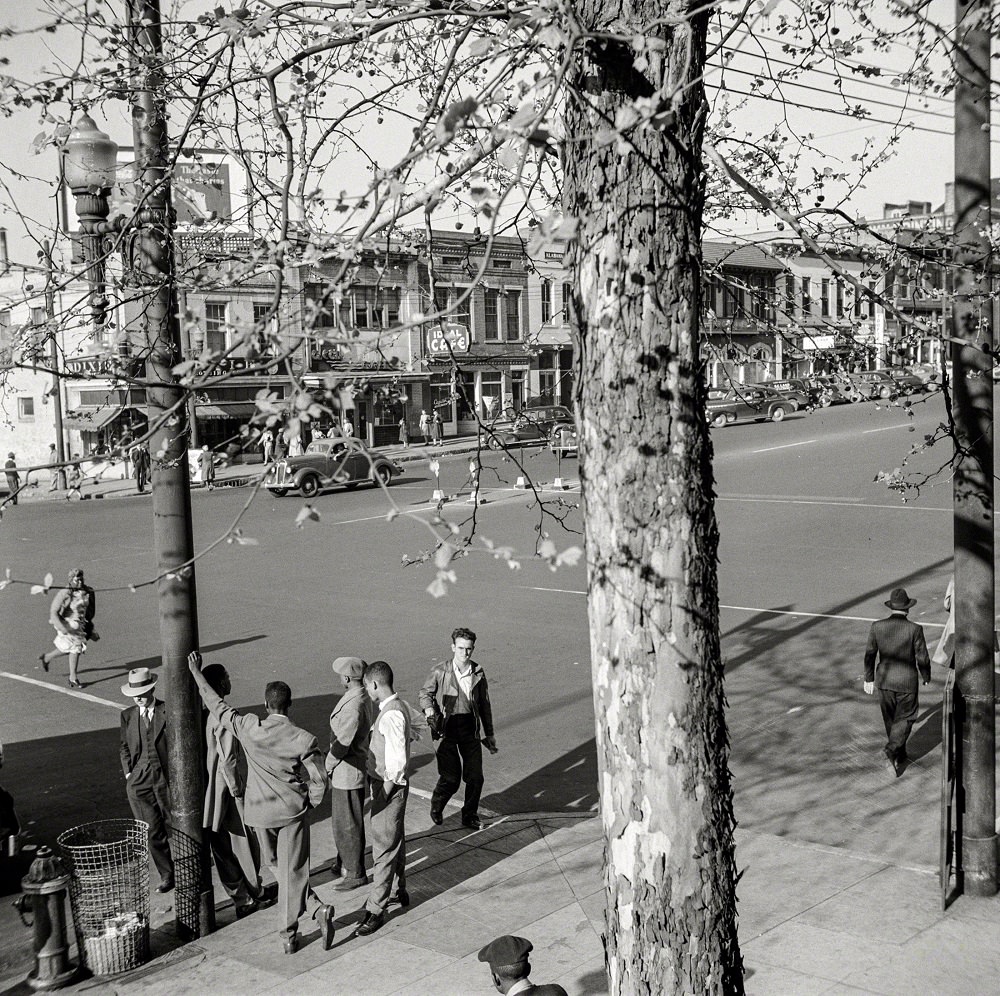
City Hall stood as one of Montgomery’s central civic landmarks. By March 1943, the United States was deep into World War II, and daily life in American cities carried a particular weight. Government buildings like City Hall remained active hubs of local administration even as the country focused its energy on the war effort.
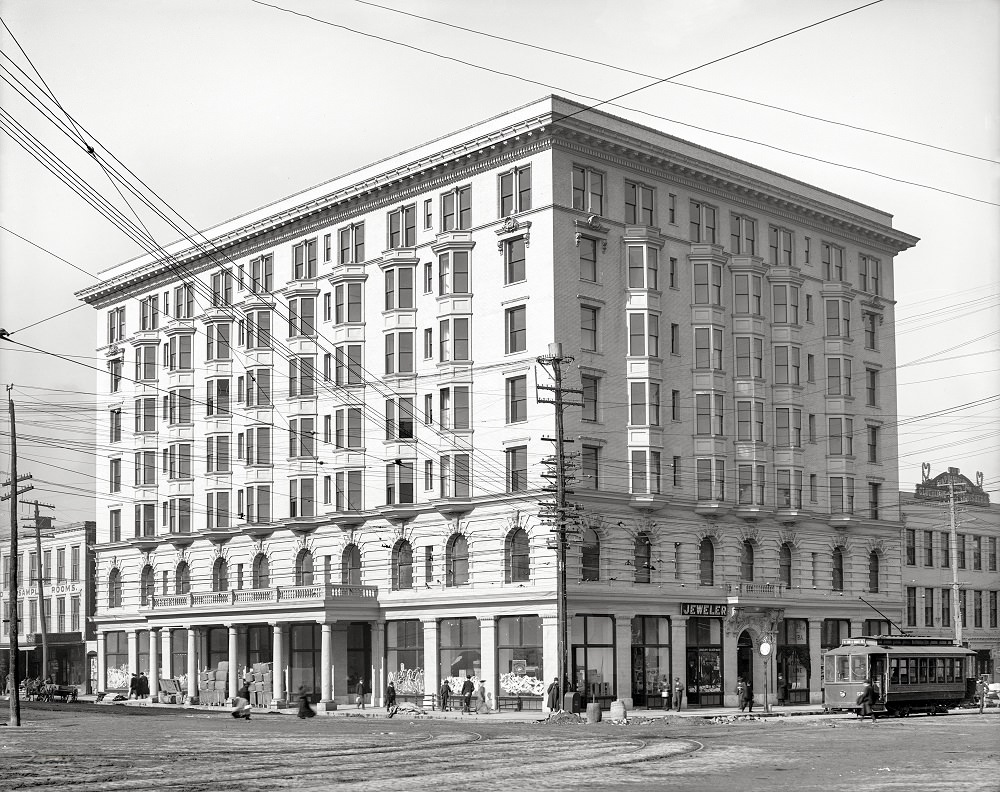
The New Exchange Hotel was one of Montgomery’s most prominent lodging establishments in the early 1900s. Hotels like this one served travelers arriving by rail and catered to the merchants and businessmen who moved through the city regularly. Its architecture reflected the ambitions of a growing Southern capital eager to present itself as modern and prosperous.
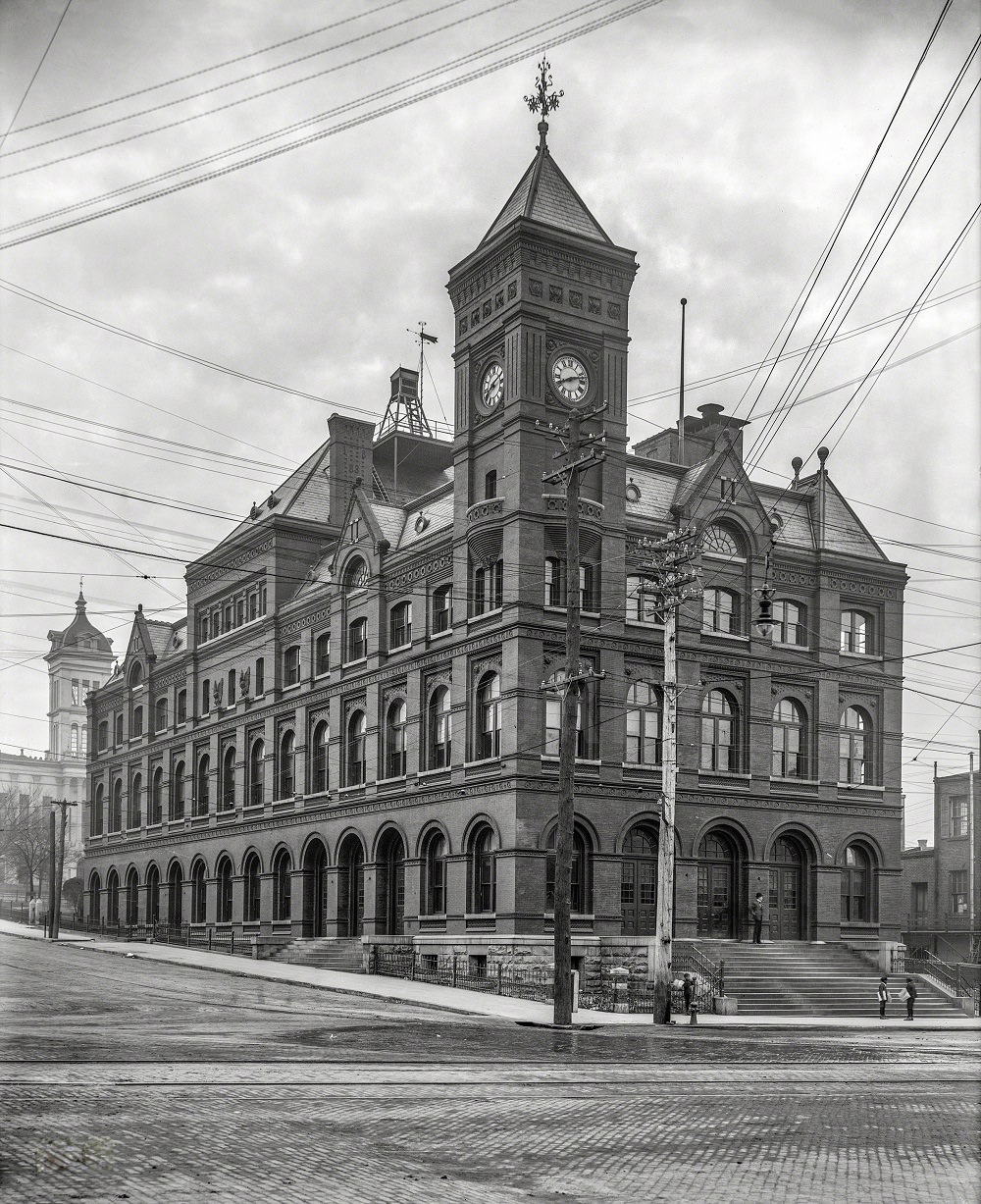
Federal buildings constructed during this era were designed to project authority and permanence. Montgomery’s post office in 1906 was no exception. These structures were built with stone and masonry in classical styles, and they served as some of the most visited public spaces in any American city. Commerce Street, the city’s main commercial corridor, ran through the heart of downtown and connected many of these institutions.
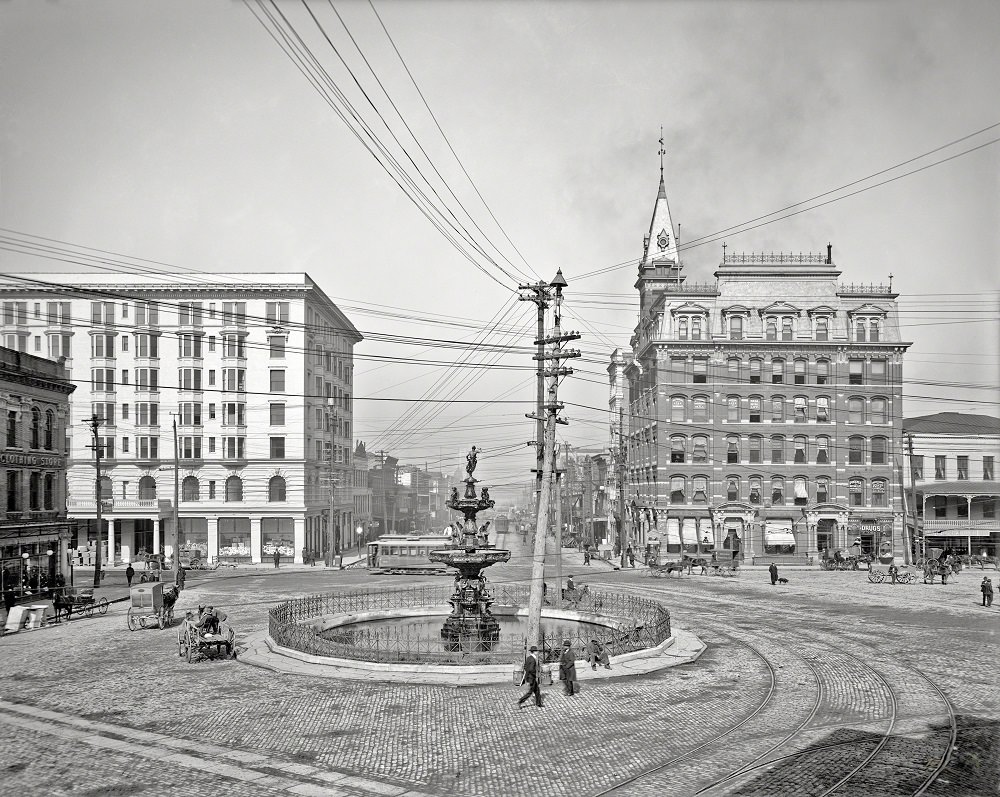
Court Square sat at the center of Montgomery’s commercial life. Looking down Commerce Street from this vantage point around 1906, the scene is filled with storefronts, awnings, and pedestrians. Electric streetcar lines ran through these corridors, making it easier for residents to move between the city center and the expanding suburban neighborhoods on the outskirts of town.
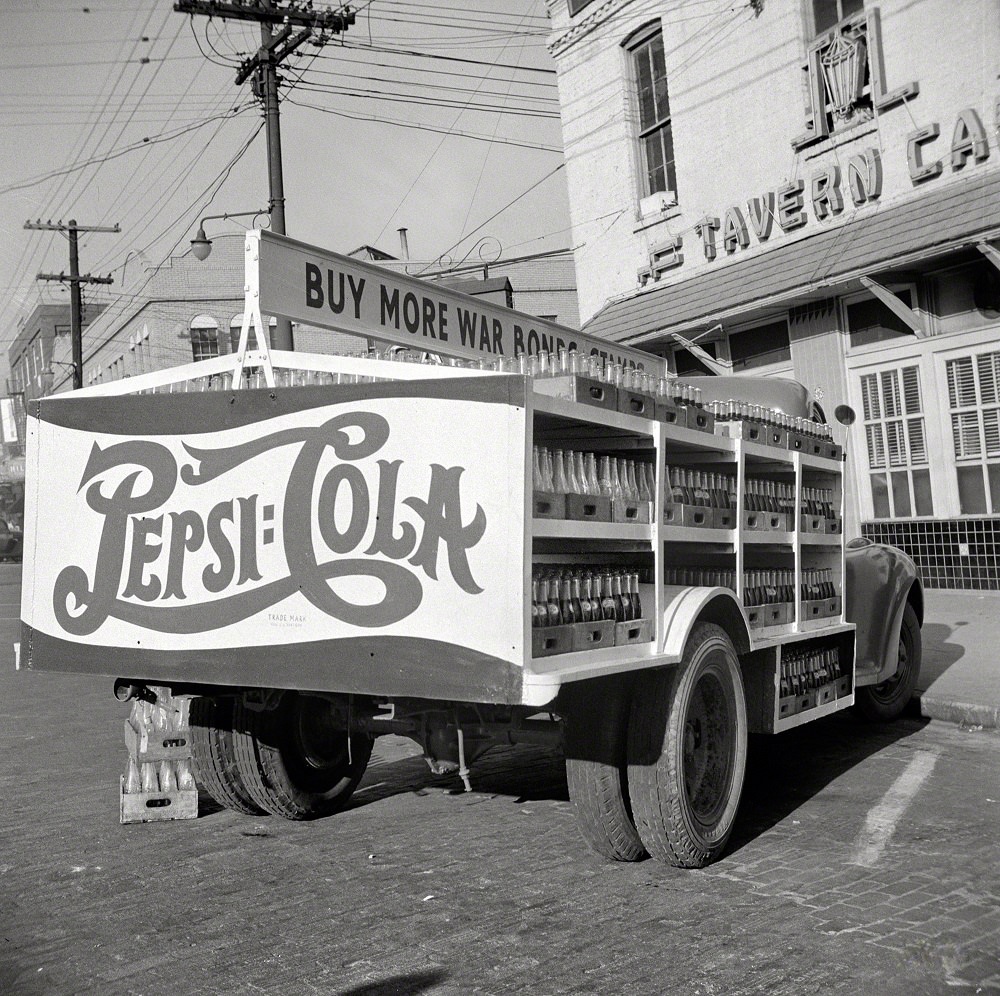
By 1943, motor vehicles had replaced horse-drawn wagons as the standard for local deliveries throughout Montgomery. Soft drink trucks made regular rounds to drugstores, diners, and corner shops across the city. These vehicles were a familiar sight on Montgomery’s streets during the war years, keeping everyday commerce running while much of the country’s industry was redirected toward the military.
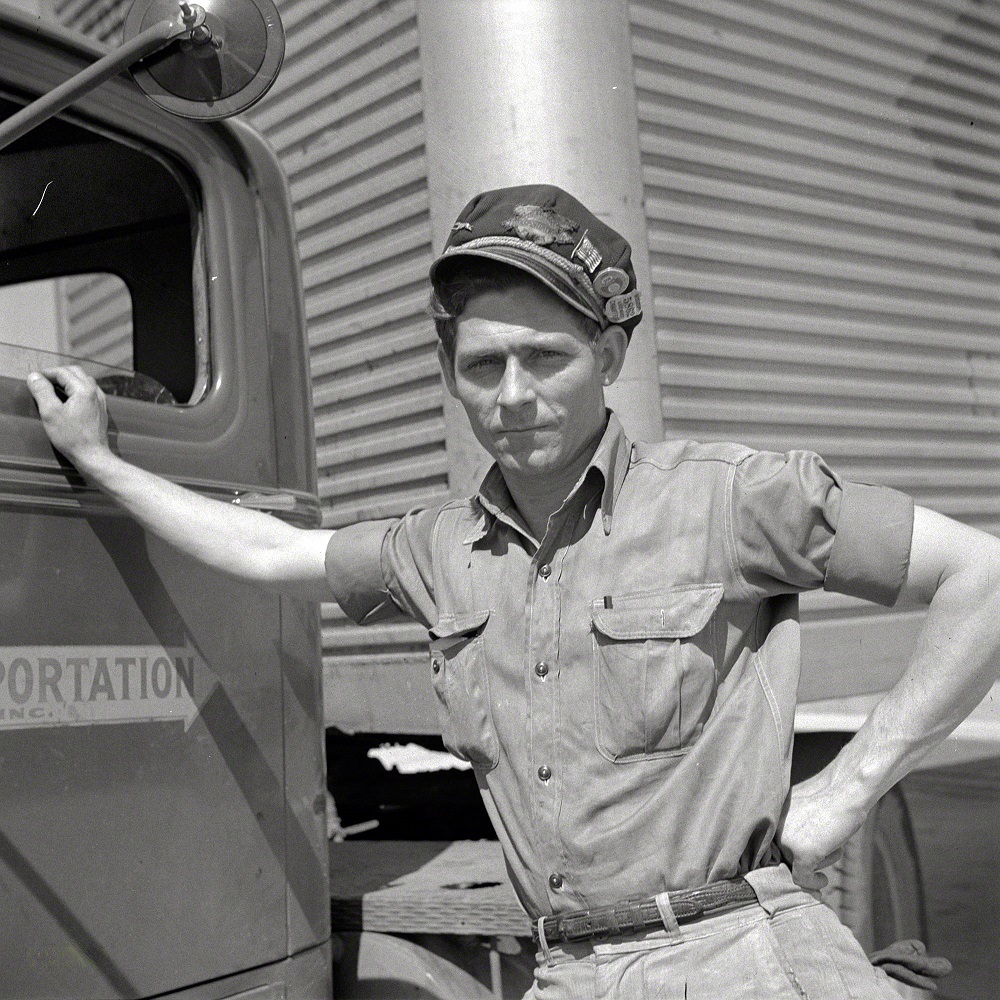
Delivery drivers were essential workers in mid-century Montgomery. They connected warehouses and distributors to the retail shops and service businesses that lined the city’s streets. This photograph from March 1943 captures one such worker, part of the everyday workforce that kept the city functioning during wartime. Commerce Street remained a busy artery through this period, as seen in photographs taken decades earlier.
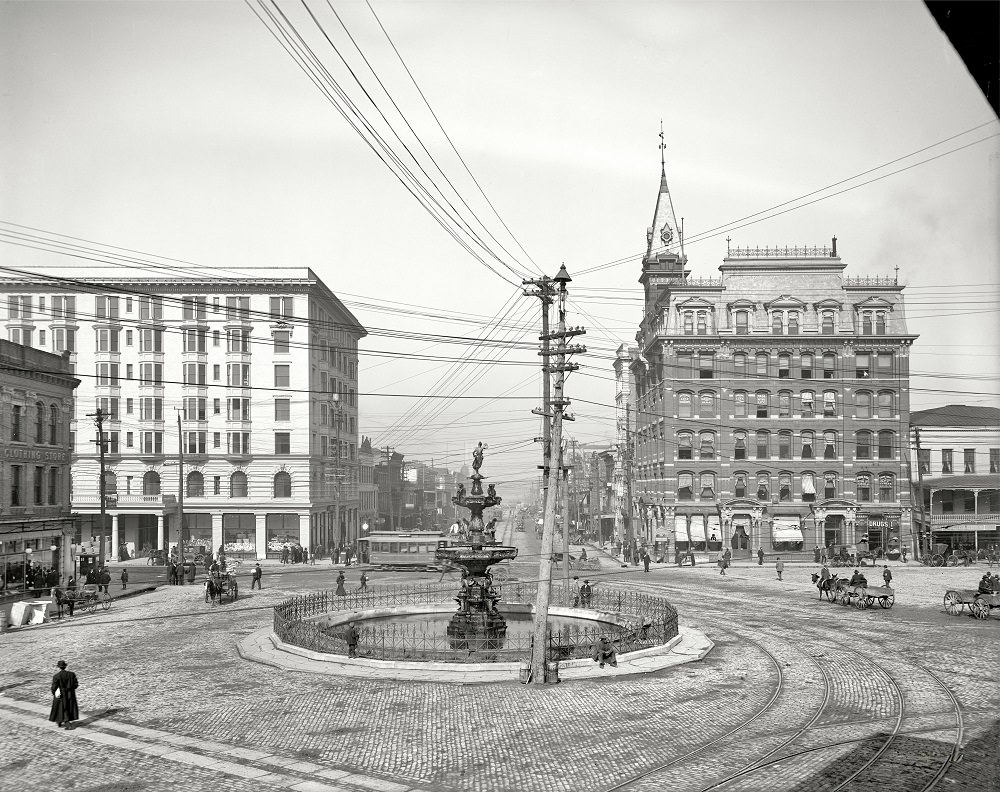
Commerce Street around 1906 showed a city in full swing. Storefronts lined both sides of the road, and the street itself carried both foot traffic and streetcar lines. The electric streetcar system, introduced in 1886, was still a relatively new feature of the city and represented Montgomery’s place at the forefront of American urban transit. Drugstores were among the most common businesses found along these corridors.
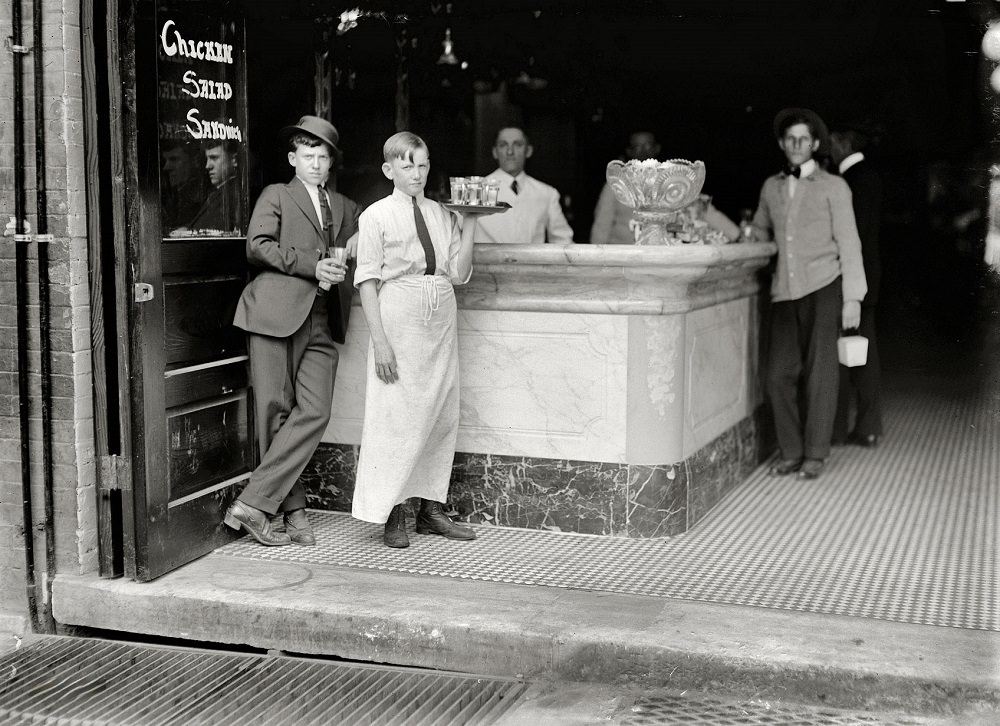
Drugstores in the early 20th century were social gathering places as much as they were retail shops. They featured soda fountains, lunch counters, and small tables where customers would sit and order drinks or light meals. Young workers called table boys served customers at these counters. Child labor in service industries was common across the American South in the 1910s, and Lewis Hine documented many such workers during this era for the National Child Labor Committee. Western Union messenger boys were among the other young workers photographed in Montgomery during the same period.
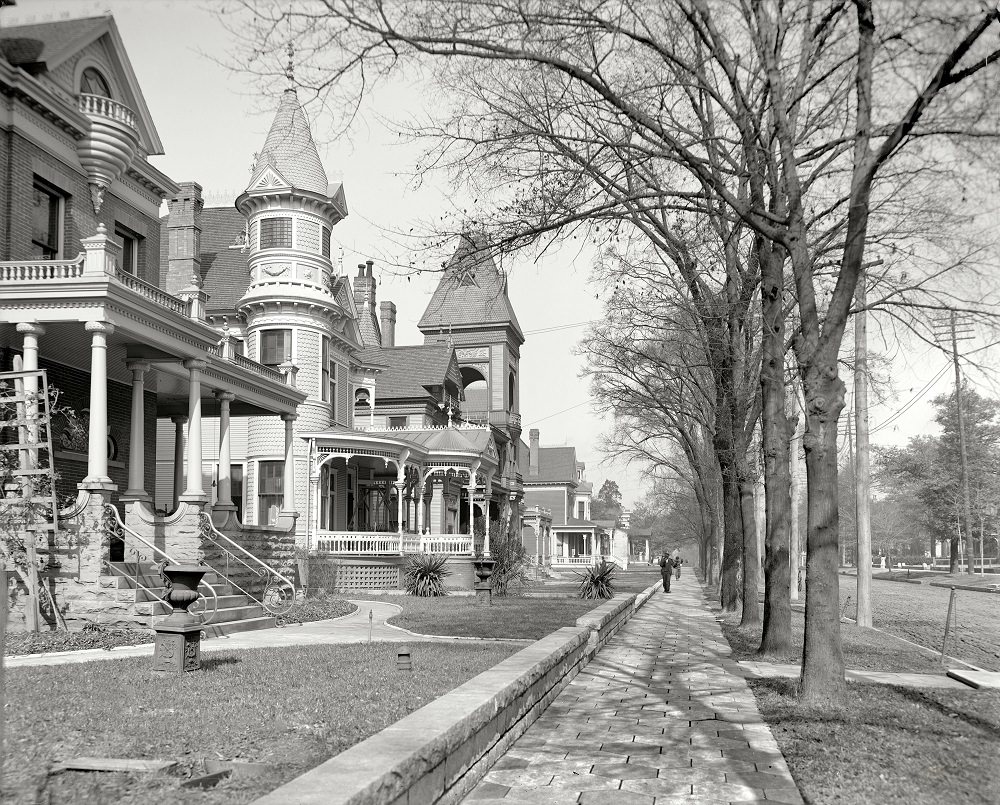
Perry Avenue offered a different view of Montgomery’s residential and commercial fabric in the early 1900s. Streets like this one connected the downtown core to quieter neighborhoods, and the real estate boom of the early 20th century was actively reshaping them. New homes, churches, and small businesses were appearing throughout these blocks as Montgomery’s population continued to grow.
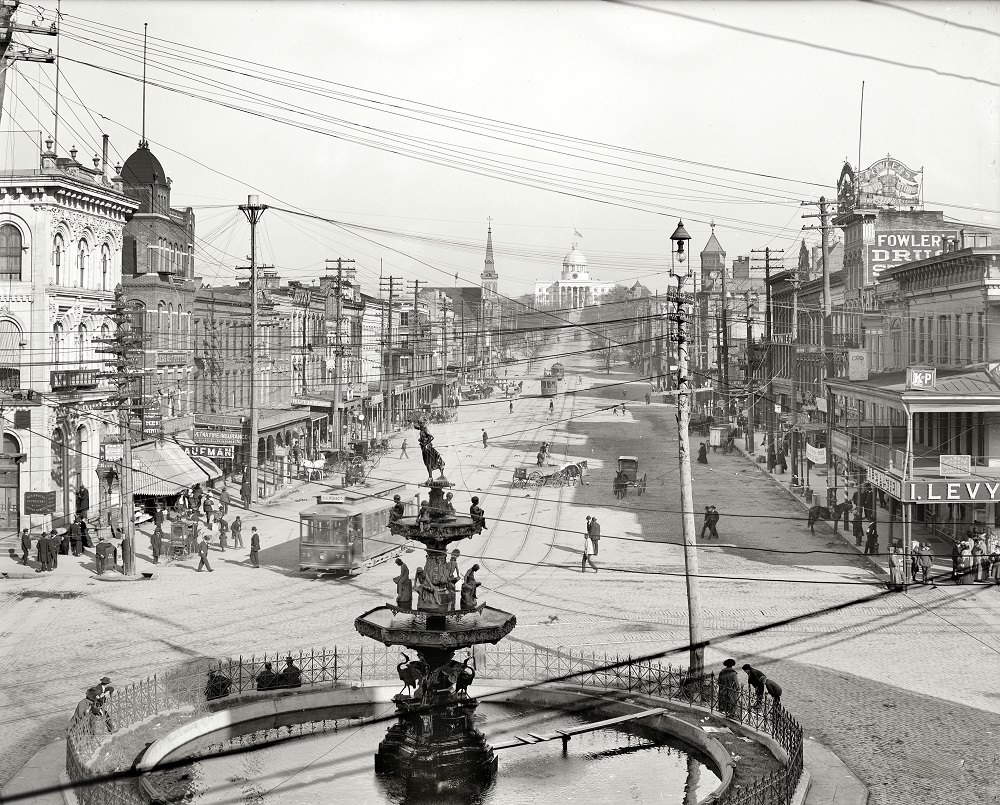
Dexter Avenue runs directly toward the Alabama State Capitol, making it one of the most recognized streets in the city. The Capitol building sits at the top of a hill at the avenue’s end, visible from a considerable distance. In 1906, this view was already iconic. Dexter Avenue was lined with banks, law offices, and government-related businesses that served the state’s administrative functions.
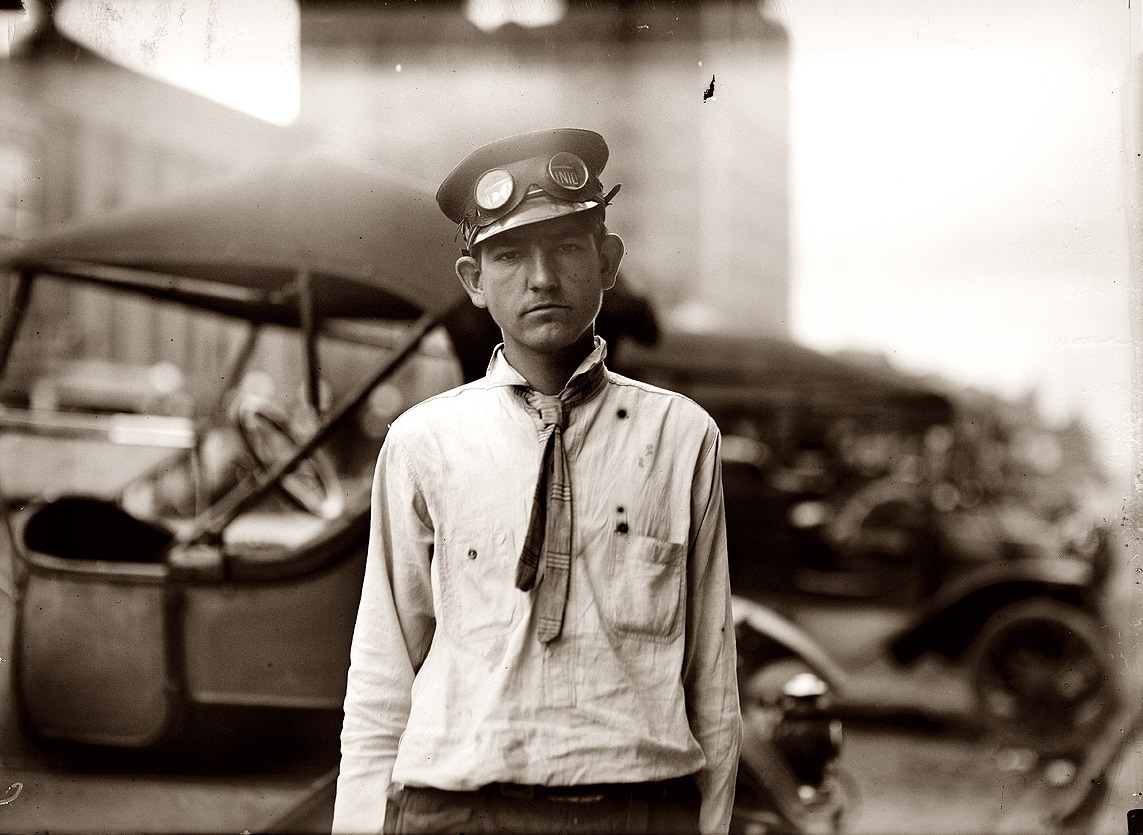
Willie Cheatham worked as a Western Union messenger in Montgomery in October 1914. Messenger boys like Willie were responsible for carrying telegrams across the city on foot or by bicycle, often working long hours for low wages. Photographer Lewis Hine captured Willie’s portrait as part of his broader documentation of child labor in the American South. Hine’s work during this period brought national attention to the conditions faced by young workers in cities like Montgomery.





Whenever I see pictures of old Montgomery, I am just amazed at how STUPID the gen x, baby boomers, their parents, etc. were for just destroying all of that beauty to build suburbs and interstates. This happened all over the country, but Montgomery still hasn’t been able to recover from it.
They took beauty/culture and threw it away for the “American Dream”.
It was horrible, but it wasn’t Gen X or the Boomers that did it. The so-called Greatest Generation and their elders ruined our cities. I guess the Greatest Gen crowd didn’t get enough of destruction and demolition in WWII and decided to come home and demolish America.
Steve Young wrote “Montgomery in the Rain” as a lament for the demolition of much of the architectural beauty of the city.
Does anyone know where that post office was and when it was torn down? I’ve never seen it before.
I would like to know also.
That old Federal Courthouse and Post Office was at the corner of Dexter and South Lawrence. It’s now a bank building housing a tech incubator or something like that.
You can see the tower of the old county courthouse behind it. That old courthouse was demolished in the 1950s to build the courthouse annex that’s there now.