

Atlanta’s story begins not with a grand vision, but with a practical engineering decision. In 1836, the state of Georgia chose a spot in its interior as the southern end of a new railroad line stretching toward the U.S. Midwest. That spot would become Atlanta. By September 1845, the first Georgia Railroad freight and passenger trains arrived from Augusta to the east, and that same year the city’s first hotel — the Atlanta Hotel — opened its doors. From that railroad junction, a city grew.
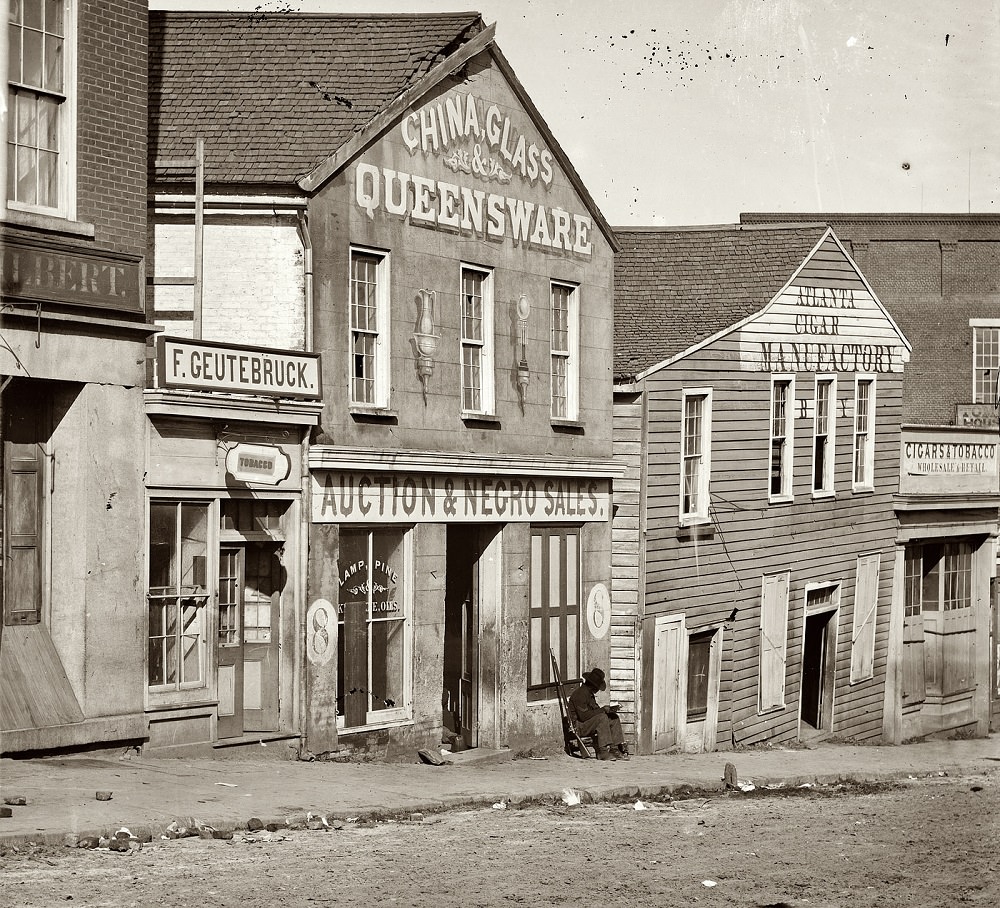
The Civil War hit Atlanta hard. By 1864, the city had become a critical Confederate supply hub, making it a prime target for Union forces. General William T. Sherman’s campaign to capture and destroy Atlanta reshaped the city physically and strategically. The photographs taken during the Union occupation that year document a city under military control — its rail yards, streets, and buildings filled with soldiers, wagons, and war machinery.
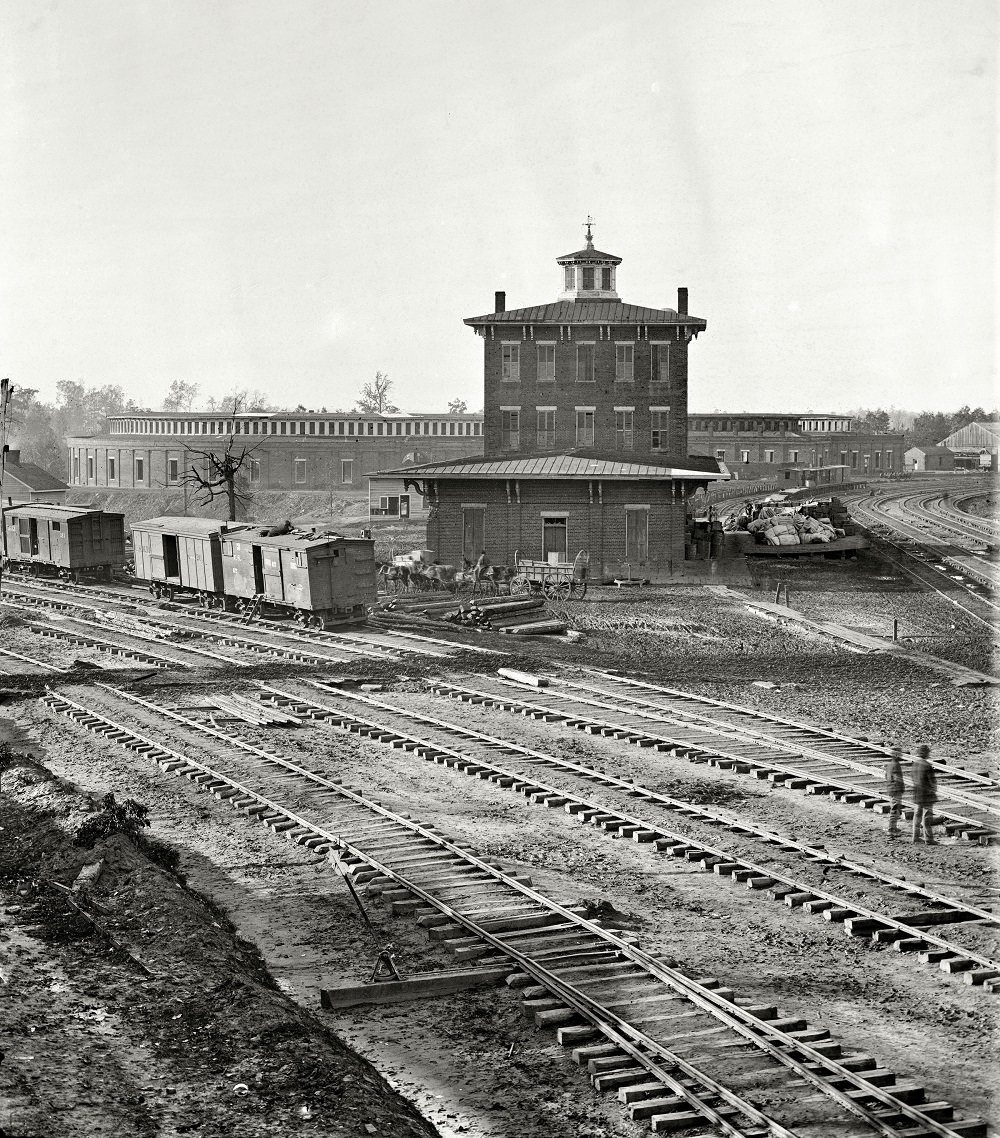
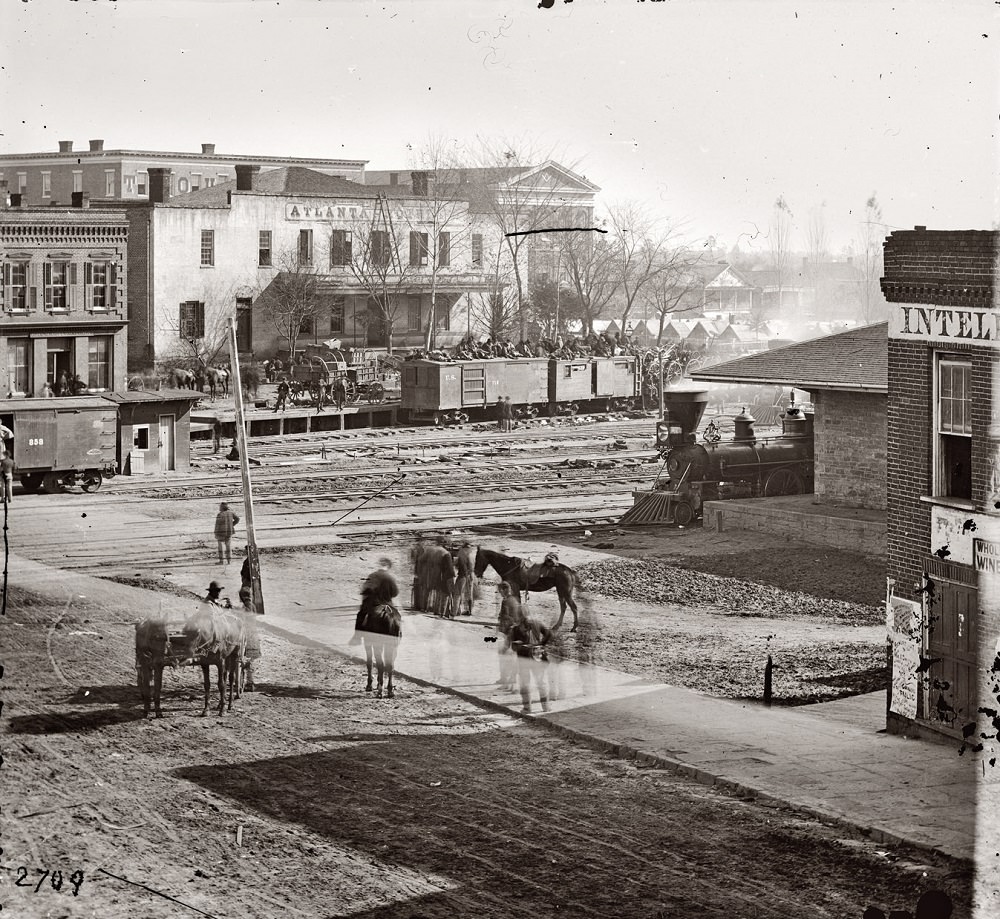
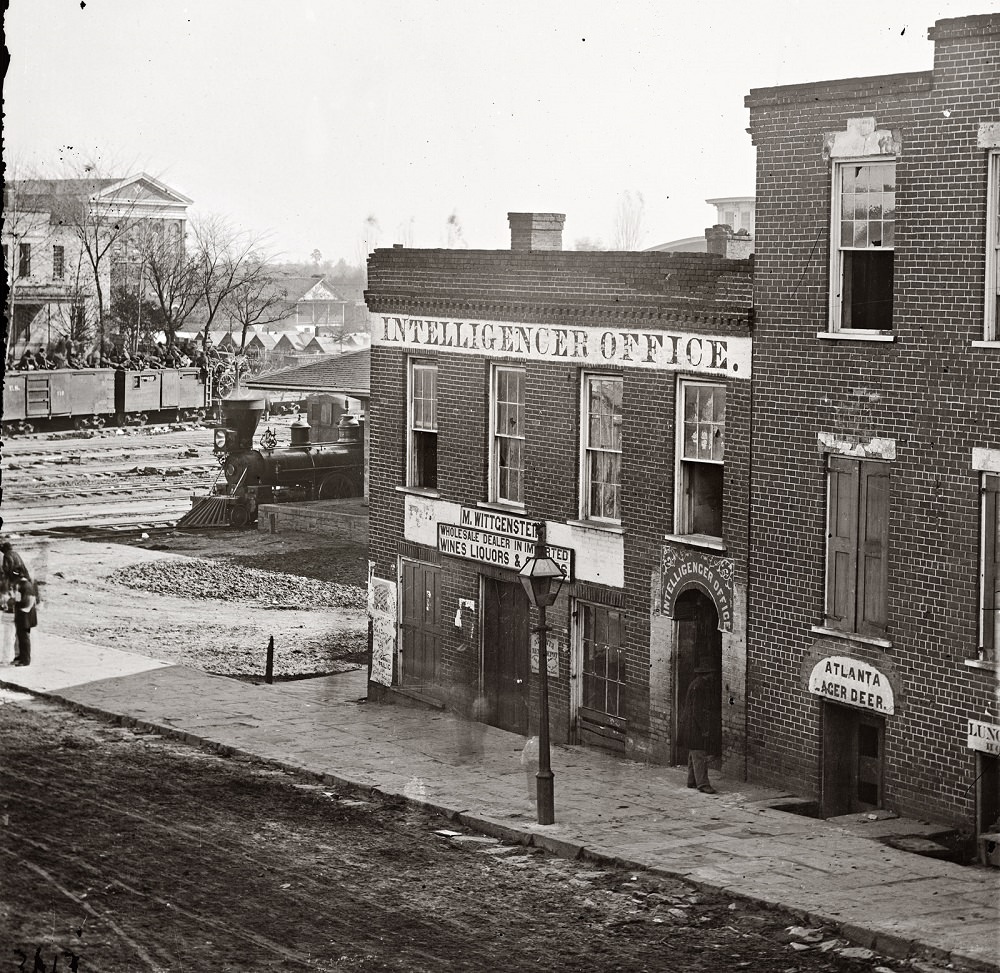
Atlanta’s railroad infrastructure was the reason Sherman wanted it so badly. The yards served as the beating heart of Confederate logistics in the Deep South. Once Union forces seized control, those same tracks and depots became tools of the occupying army. Images from this period show the scale of the rail operations that defined the city’s wartime importance.
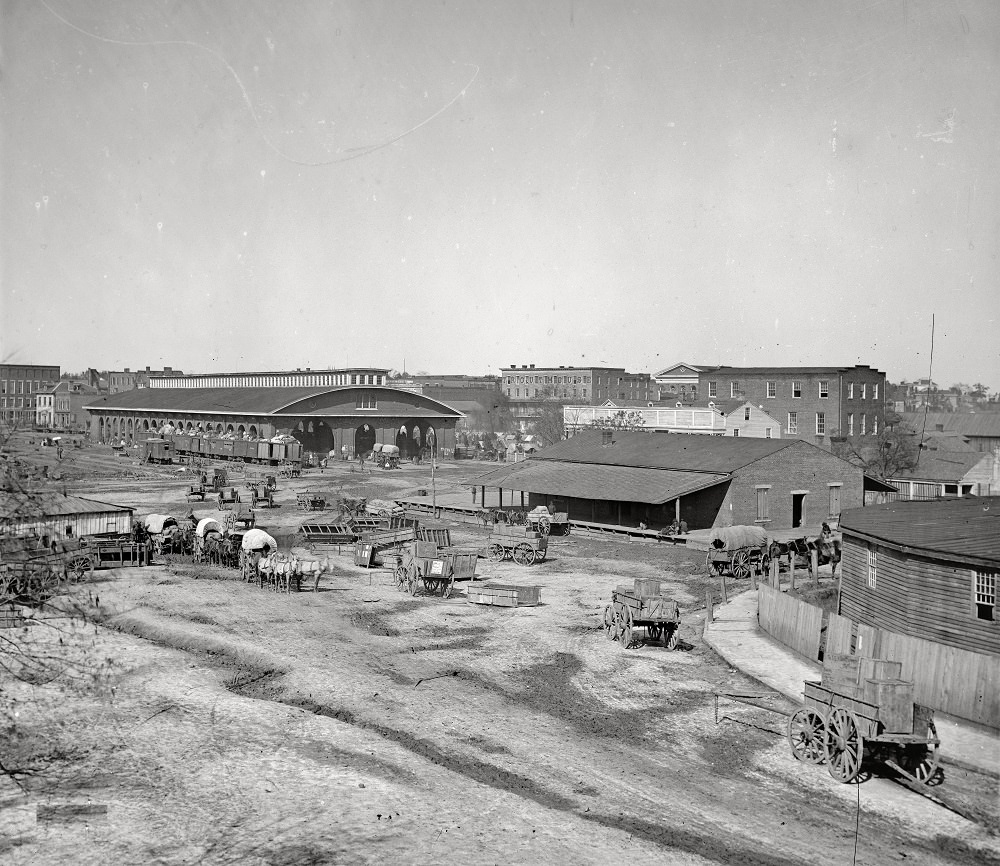
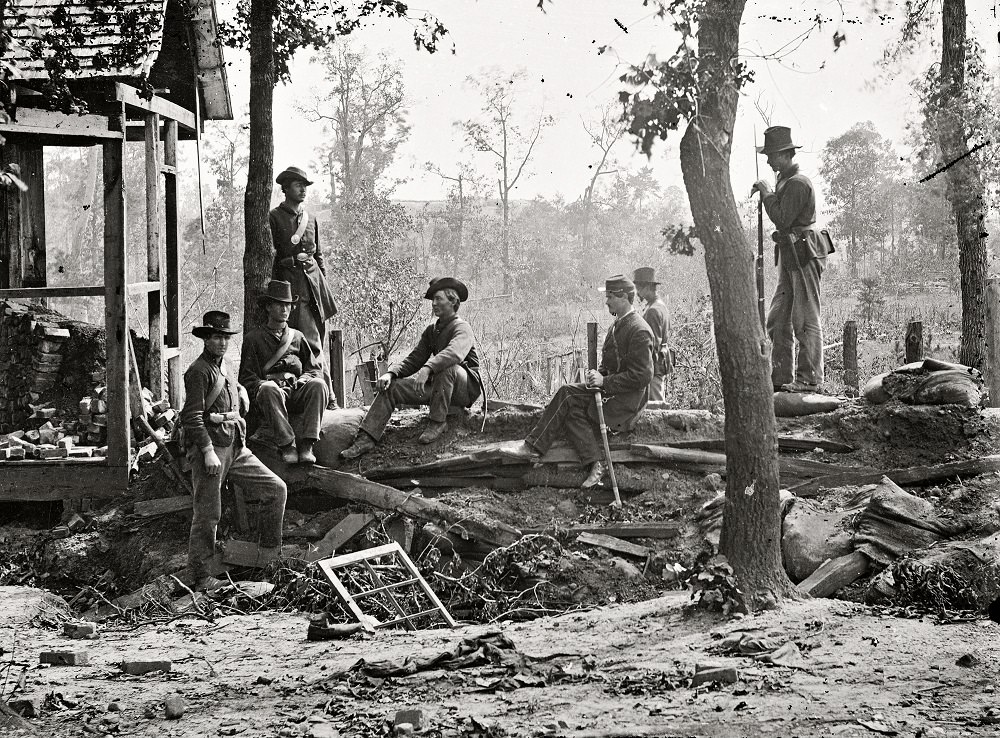
Union soldiers spread across the city following its capture, establishing picket posts and occupying key positions throughout Atlanta’s streets. The city’s civilian character was effectively suspended. Military life took over its sidewalks, buildings, and public spaces.
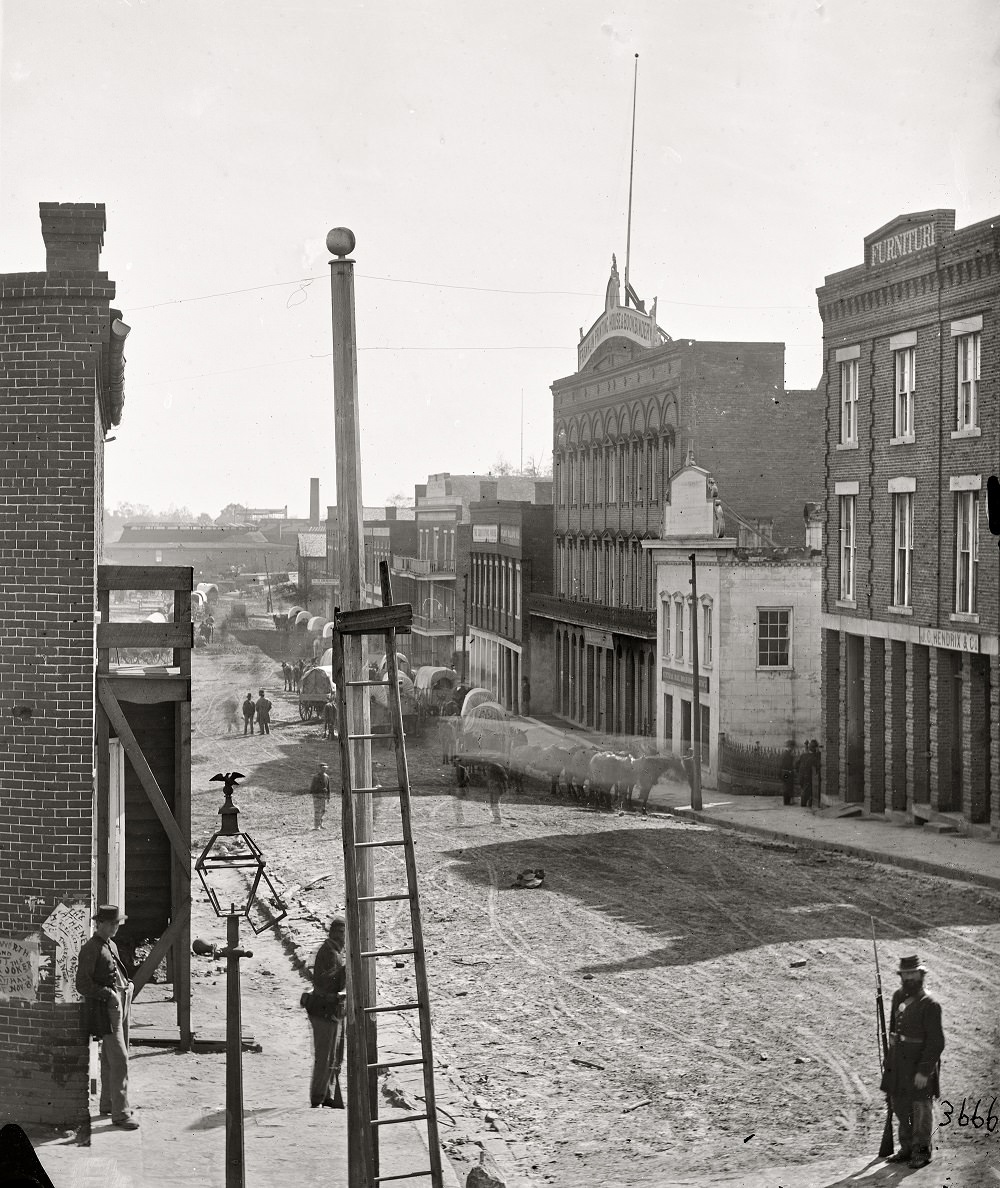

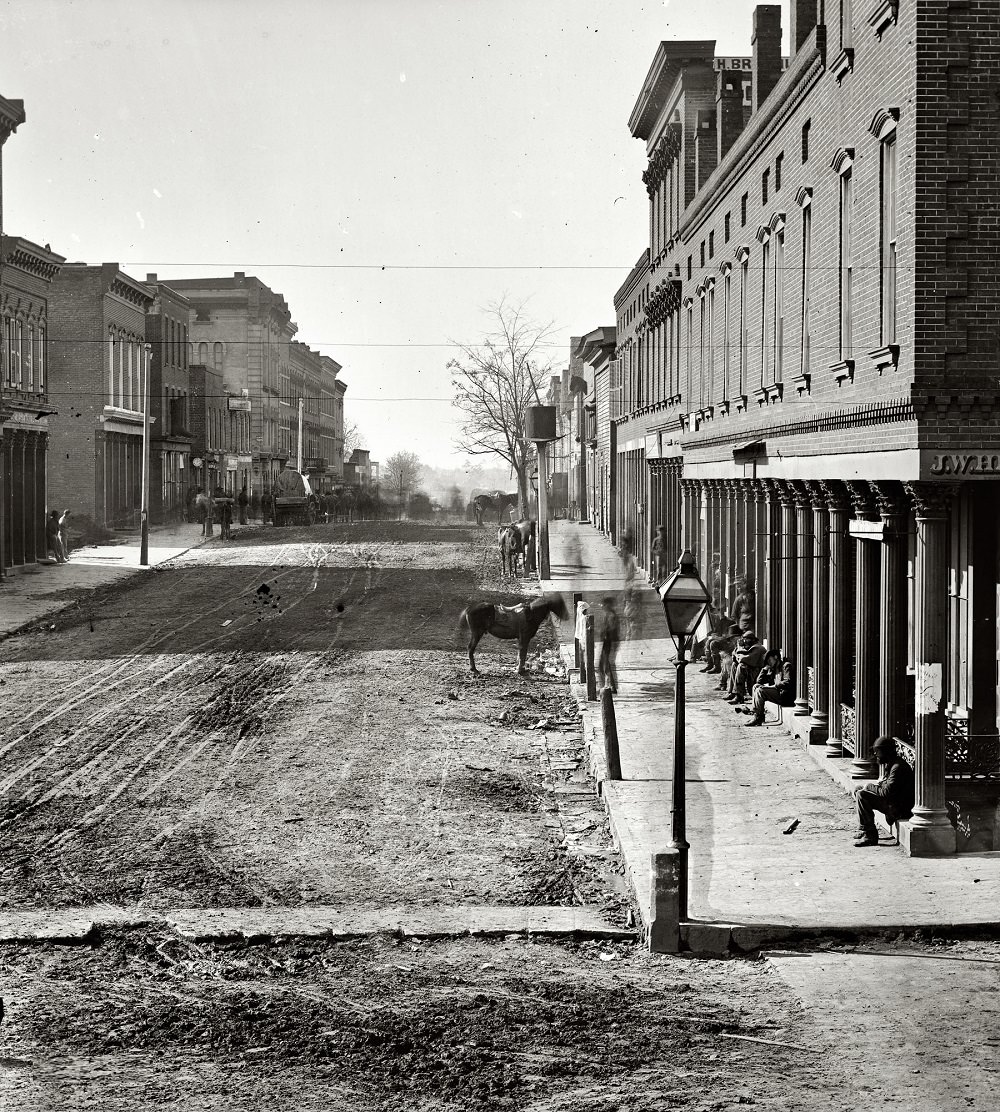
Street-level views from 1864 reveal a city that, despite occupation, still had its physical bones intact — for the moment. Sherman’s order to evacuate and then burn Atlanta’s military and industrial infrastructure came later that year, leaving much of the city in ruins before his army marched on to Savannah.
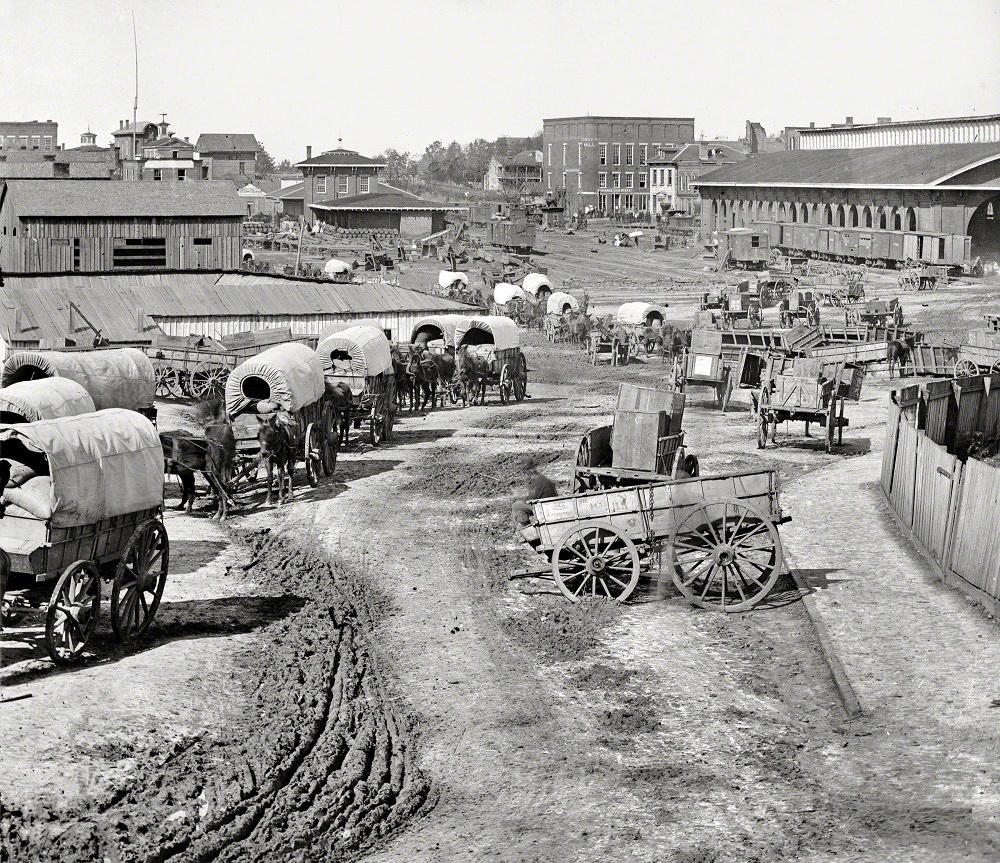
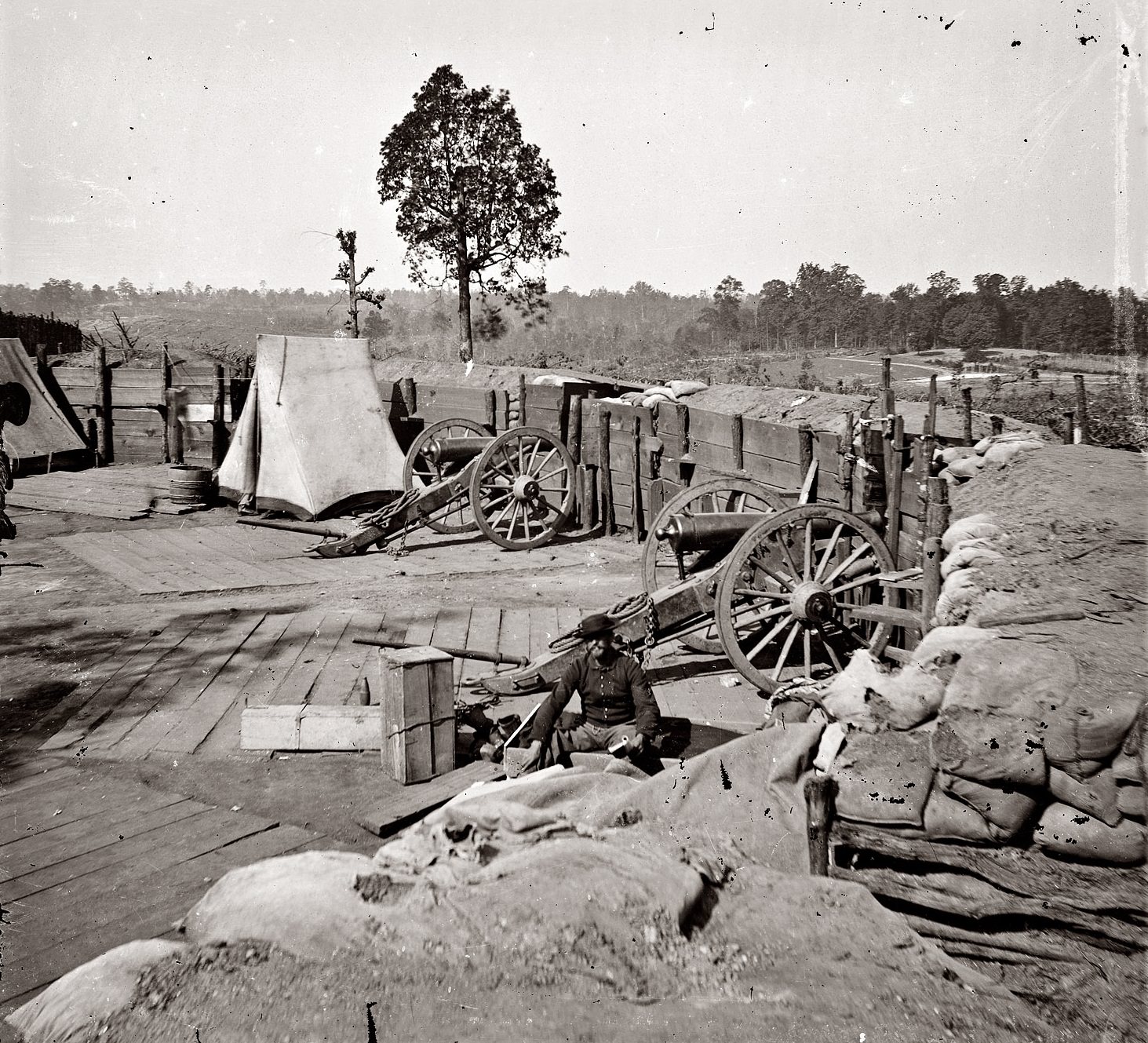
The Confederate fortifications ringing Atlanta were extensive. Union soldiers who captured these earthworks posed for photographs among the very defenses built to keep them out. The Atlanta Intelligencer, the city’s newspaper, continued operating even as Union soldiers climbed atop boxcars just outside its office.
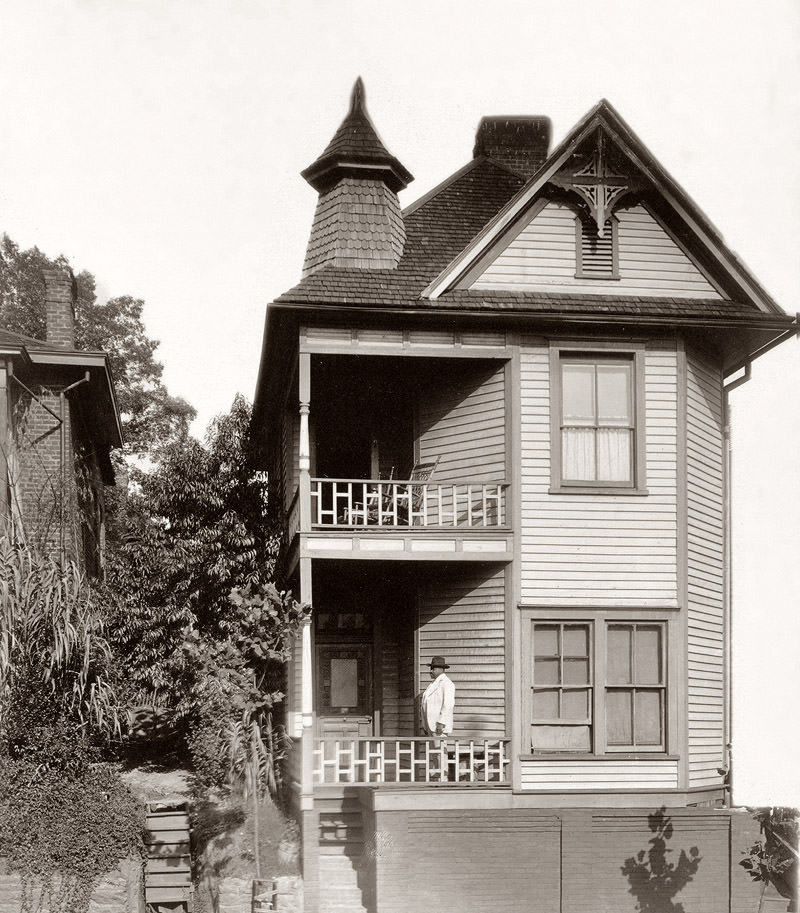
After the war ended, Atlanta rebuilt itself with remarkable speed. The city became the state capital and attracted business and investment. By the late 19th century, new institutions and infrastructure were taking shape — from water works to financial houses to civic landmarks.
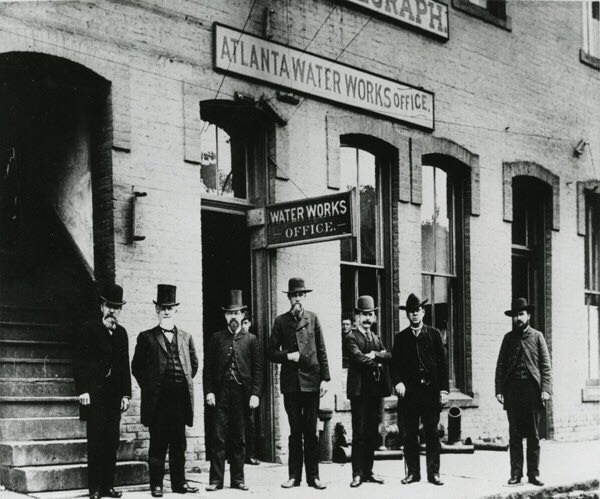
The 1887 photograph of Atlanta’s Water Works board captures the kind of civic institution-building that defined the city’s post-war recovery. Clean water infrastructure was a marker of a modern, growing city. Atlanta was making that case to anyone paying attention.
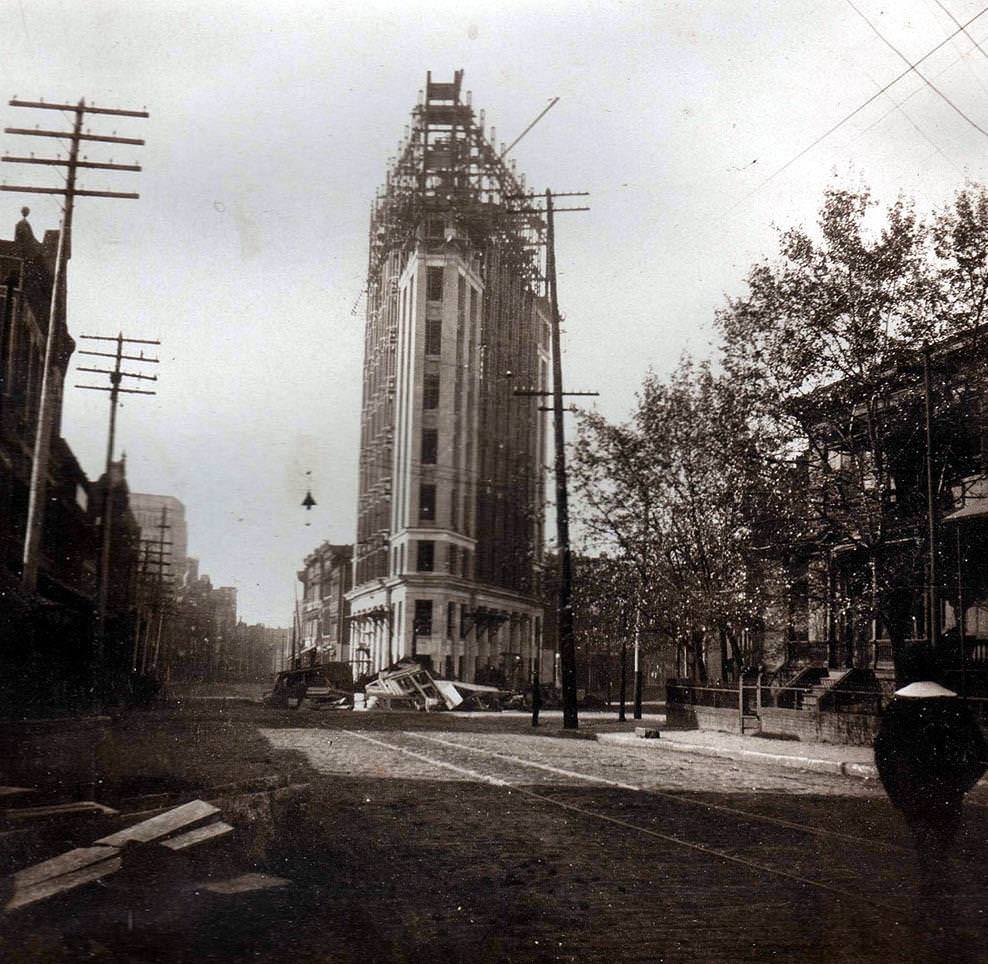
Atlanta’s Flatiron Building, photographed in 1897, stood as one of the city’s early architectural landmarks. The triangular structure reflected the ambitions of a city that had rebuilt itself from near-total destruction in just three decades.
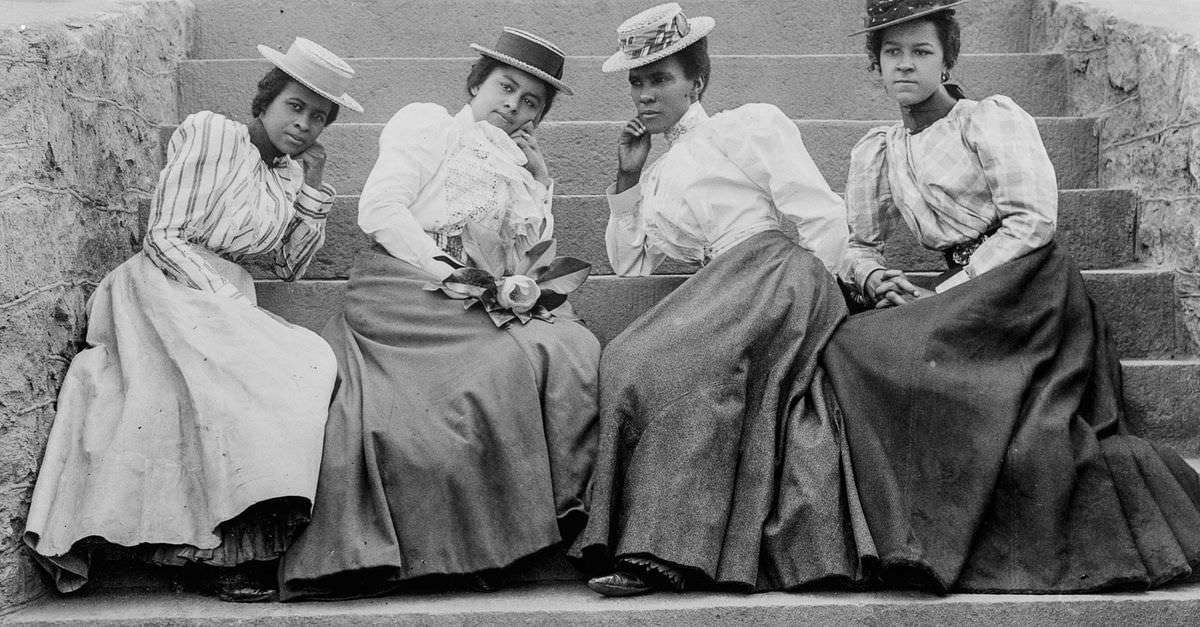
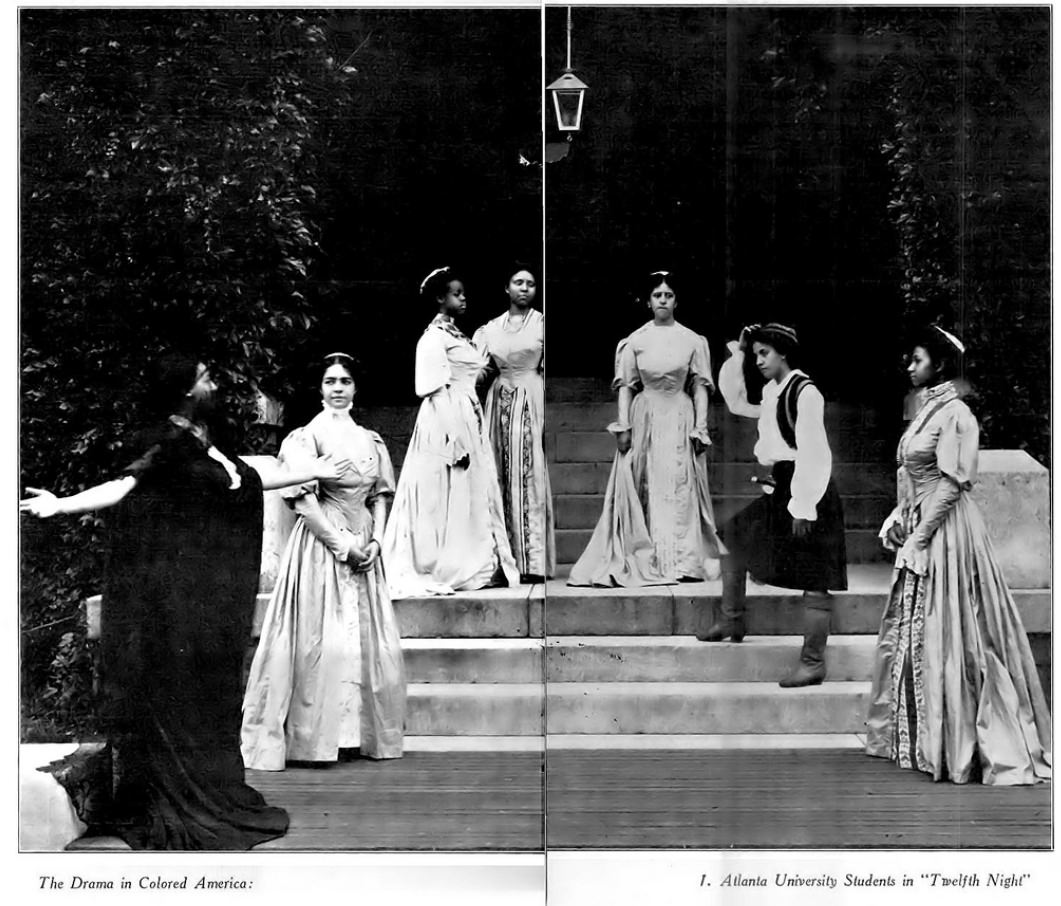
Atlanta University, established to educate freed Black Americans after the Civil War, was already producing graduates by the turn of the 20th century. The women photographed on its steps in 1900 were part of an institution that would become central to Atlanta’s Black intellectual and professional life for generations.
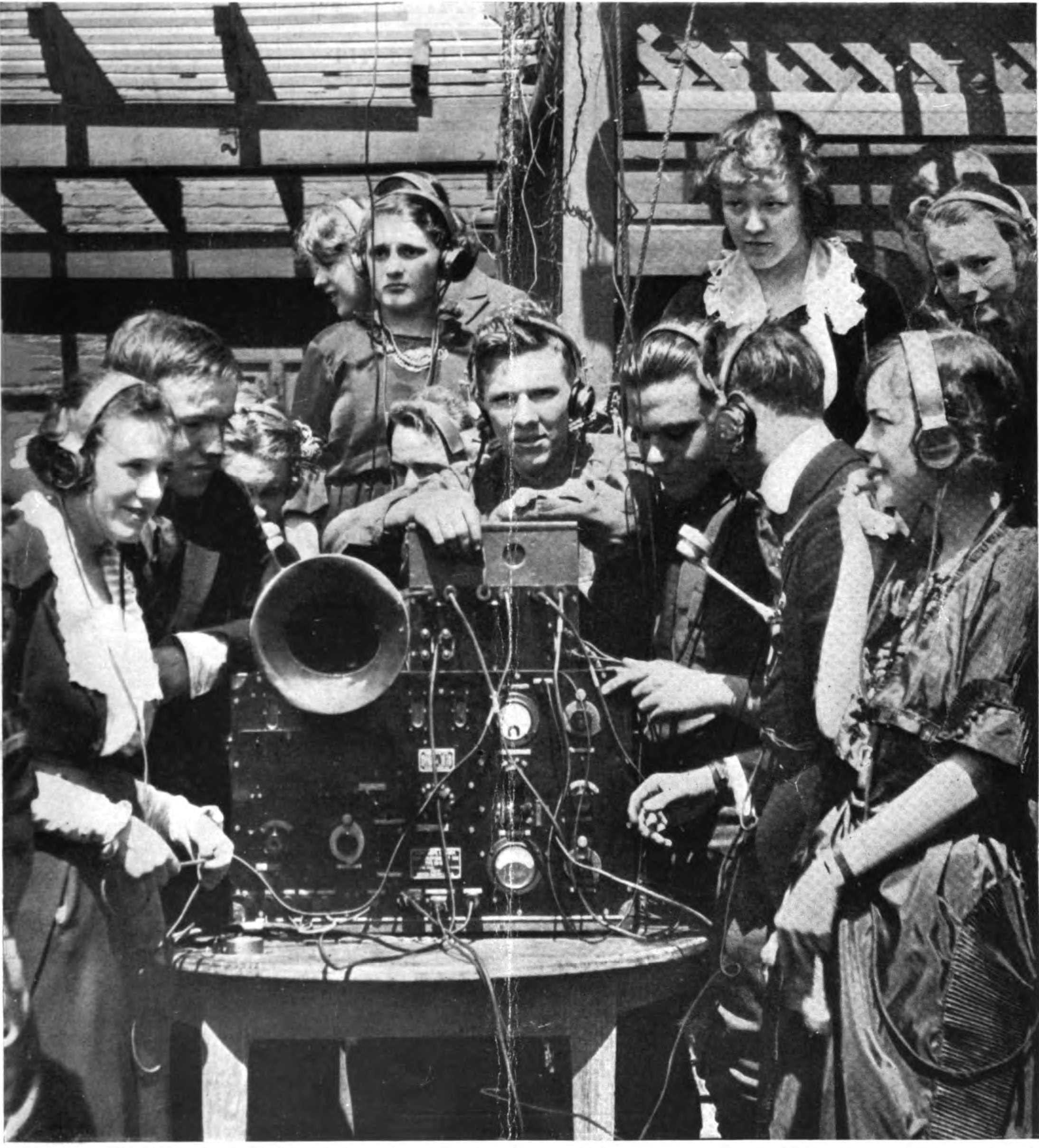
A radiophone dance held in May 1920 by an Atlanta social club showed a city already embracing new technology in unusual ways. Participants danced while wearing headphones, listening to music transmitted live from a band playing on the other side of town. It was one of the earliest known events of its kind anywhere in the country.
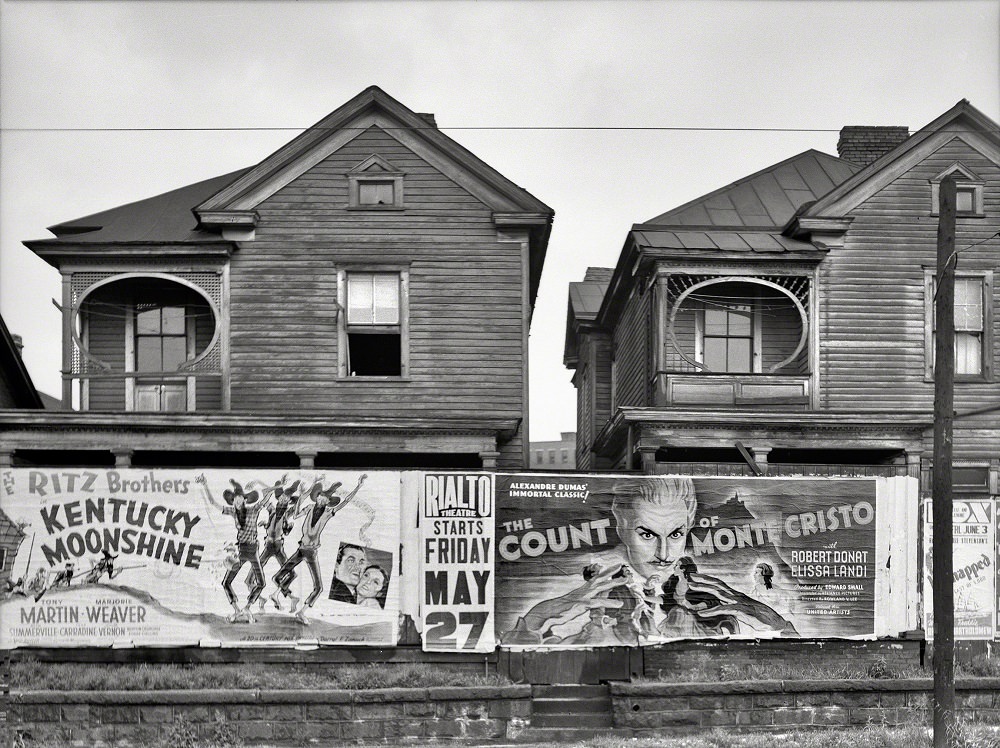
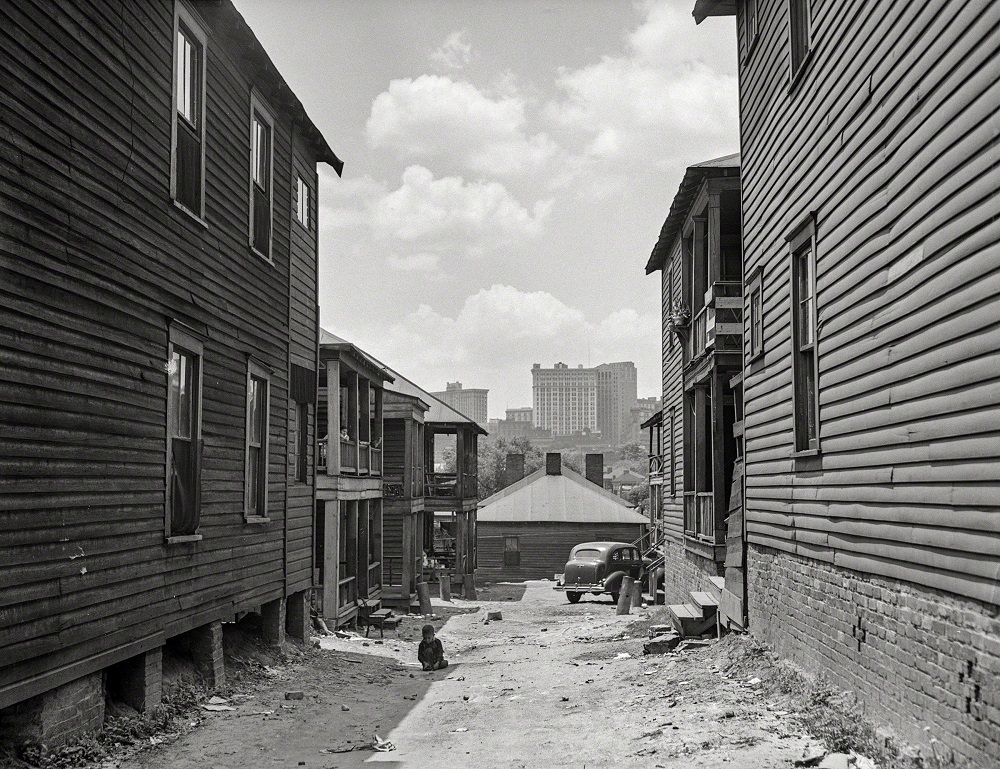
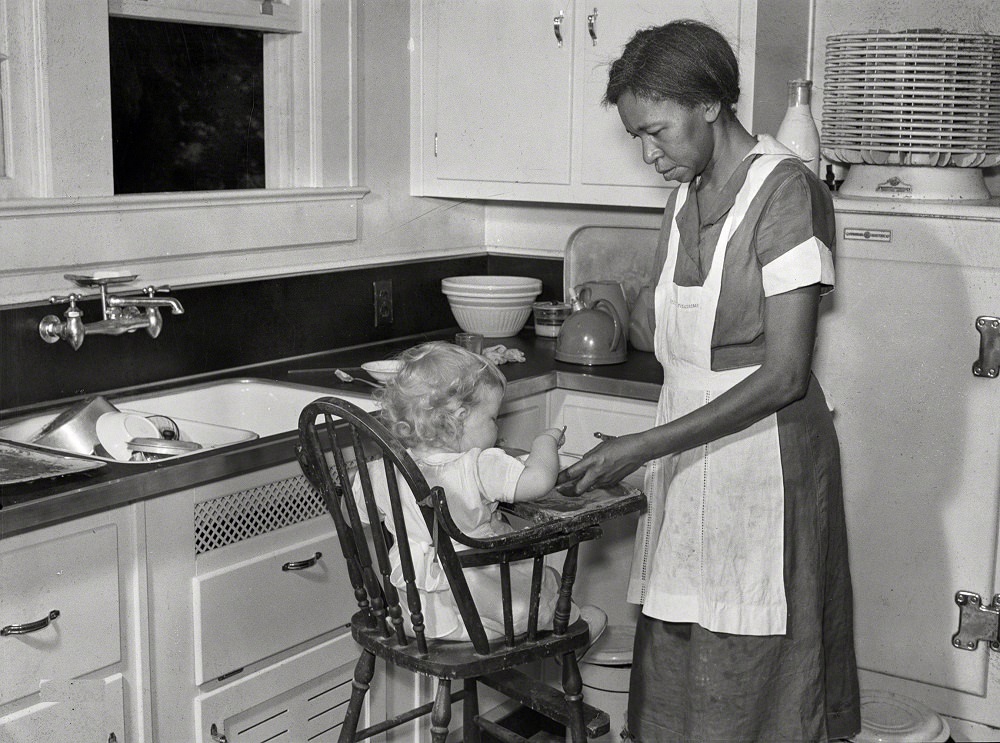
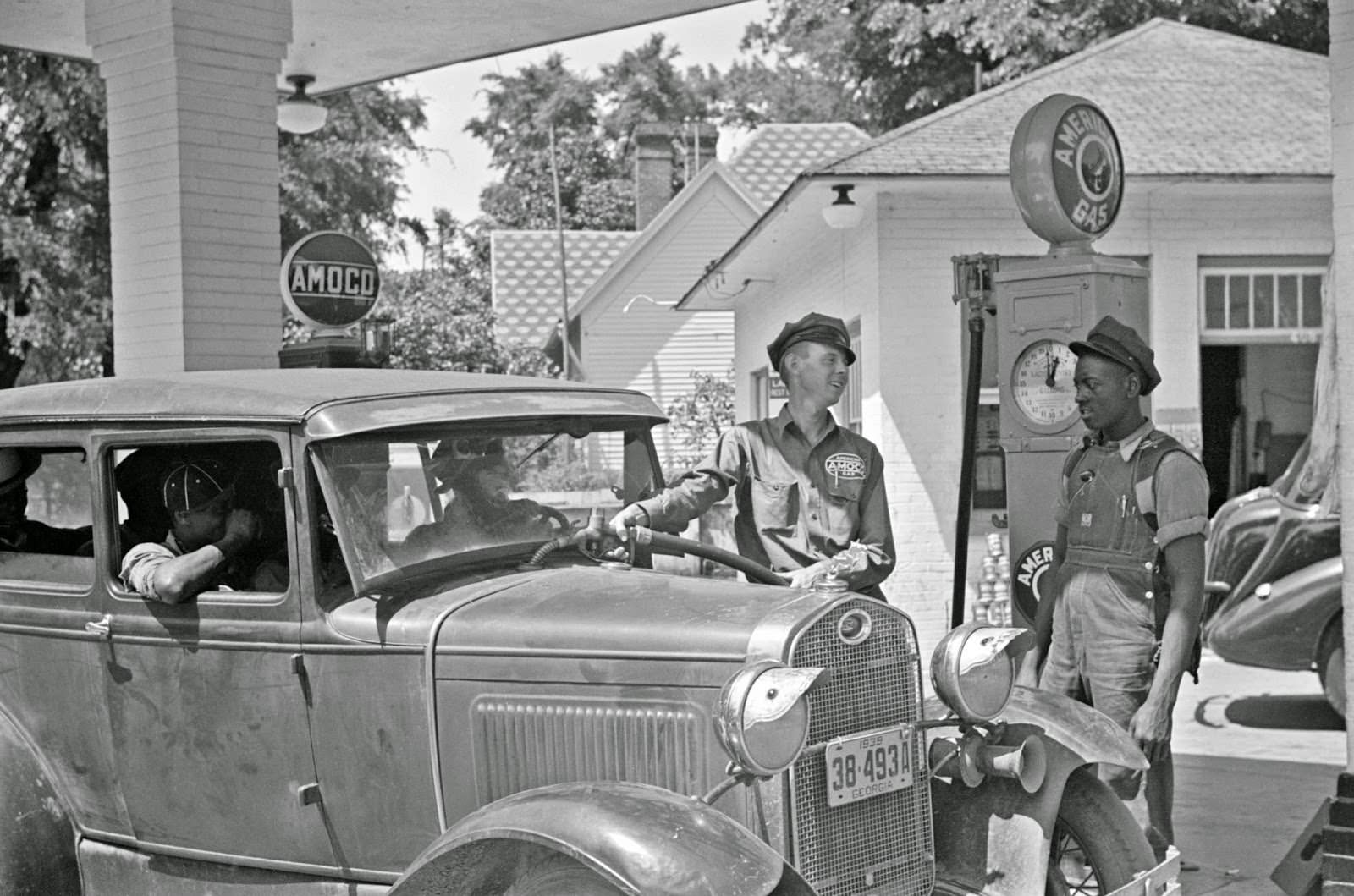
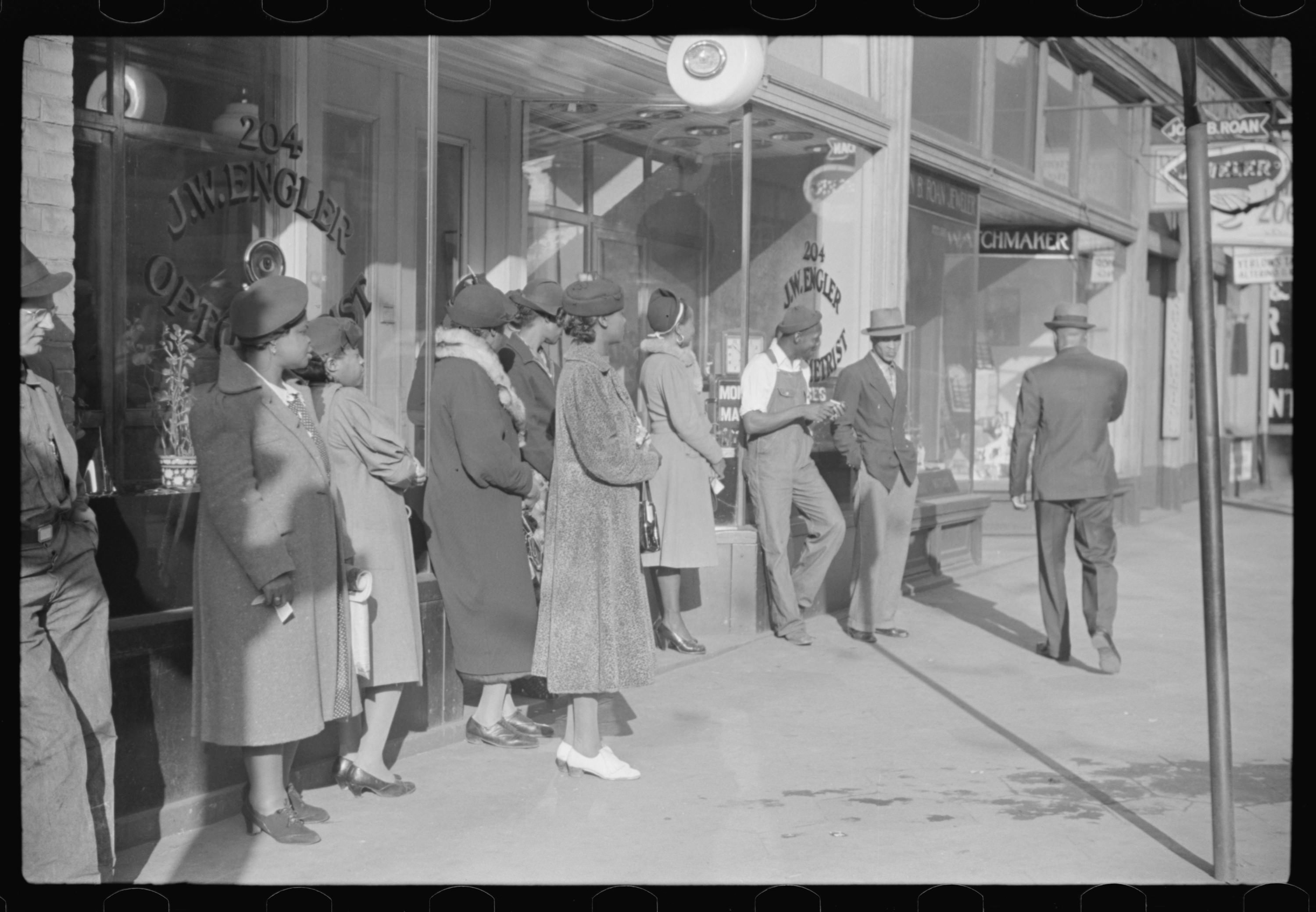
By the 1930s, Atlanta’s working-class and Black neighborhoods told a different story than the city’s civic ambitions suggested. FSA photographers documenting Depression-era America captured Atlanta’s slums, its Black domestic workers waiting for early-morning streetcars, and the daily routines of people living in neighborhoods largely ignored by the city’s boosters.
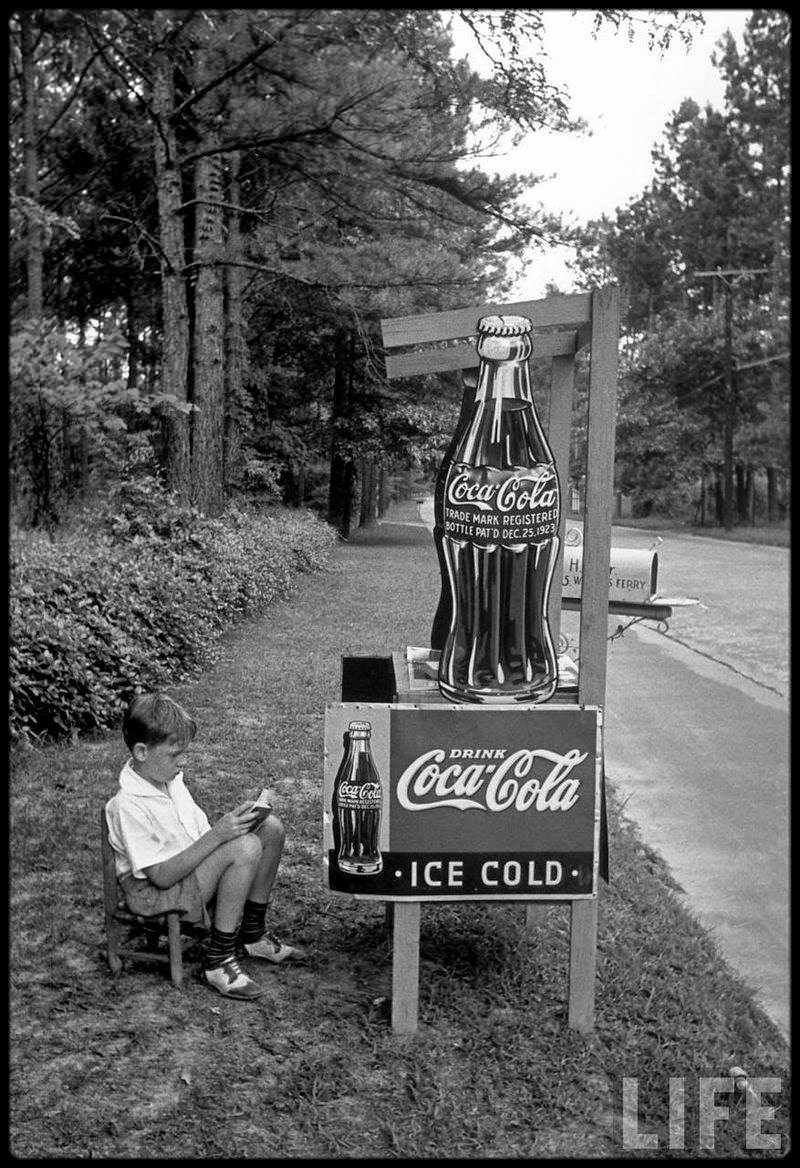
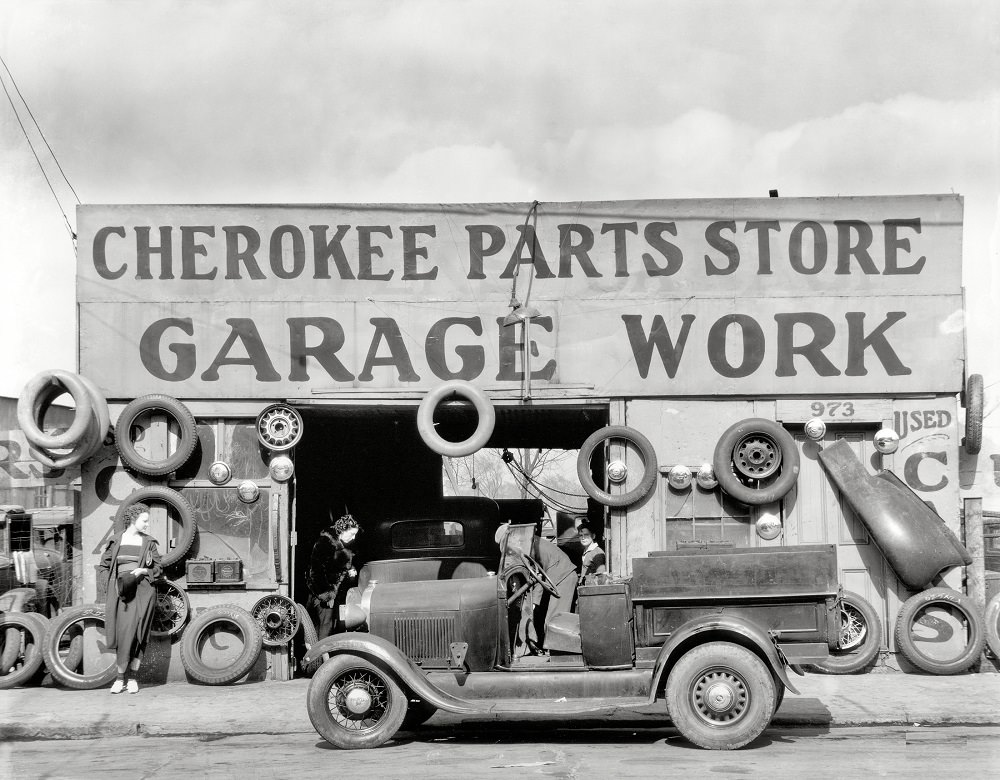
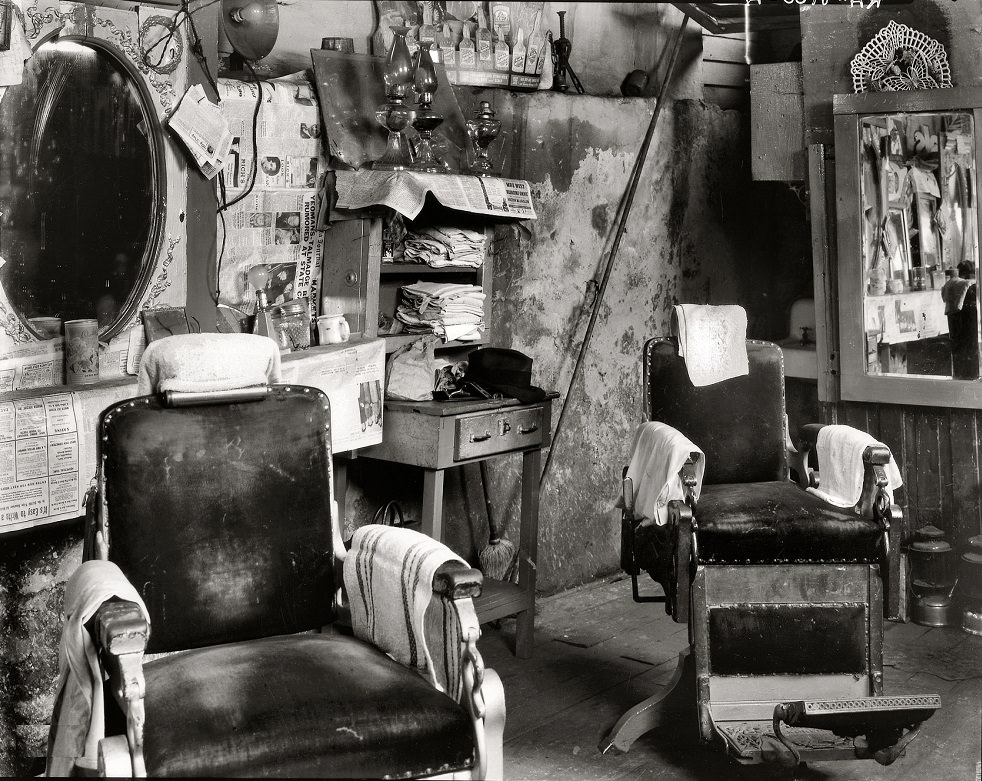
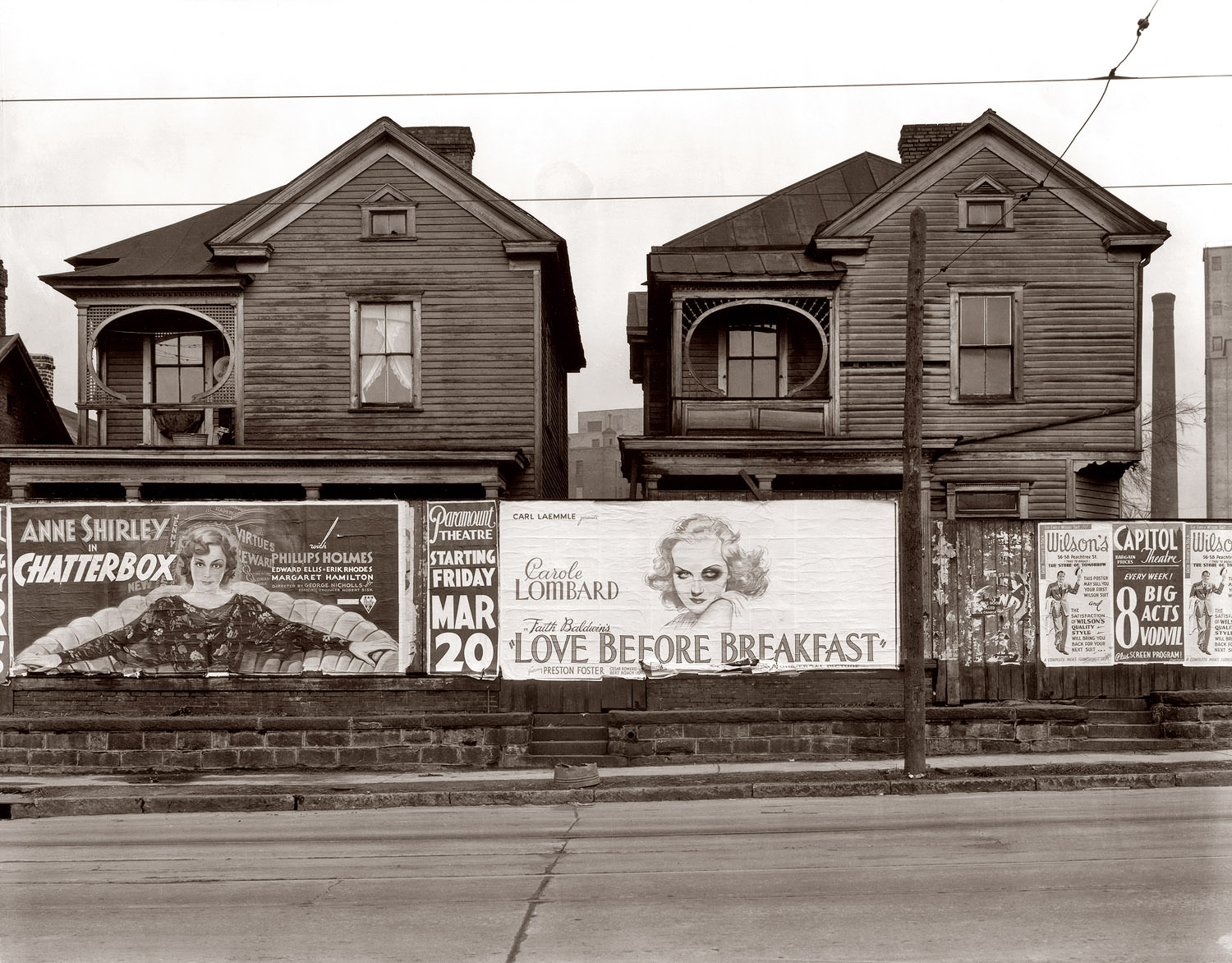
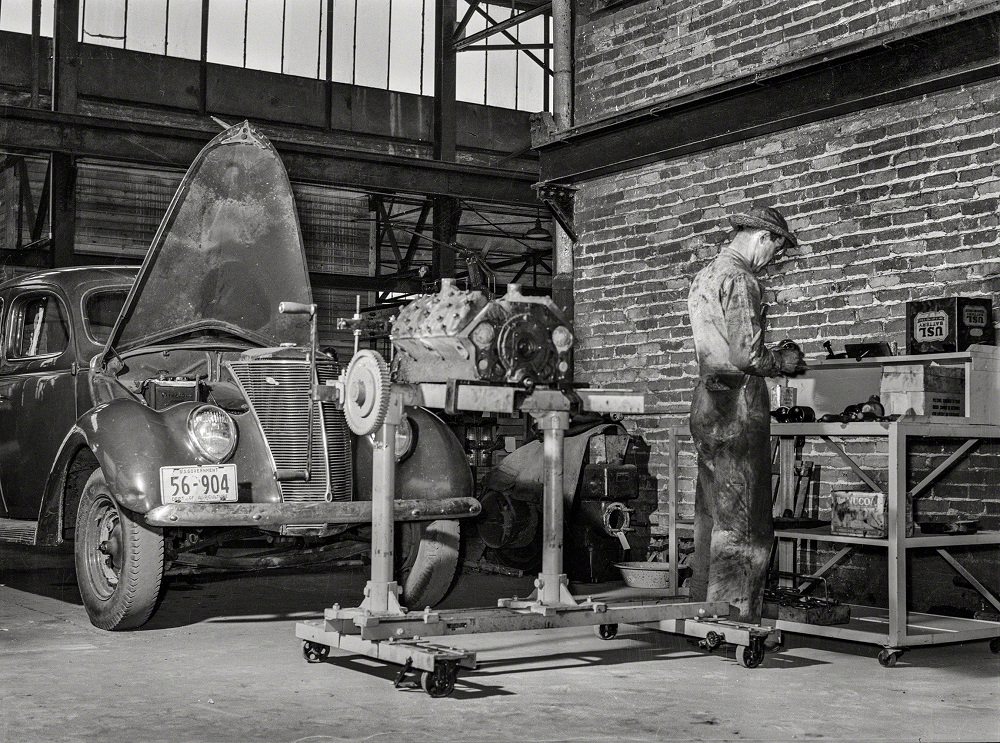
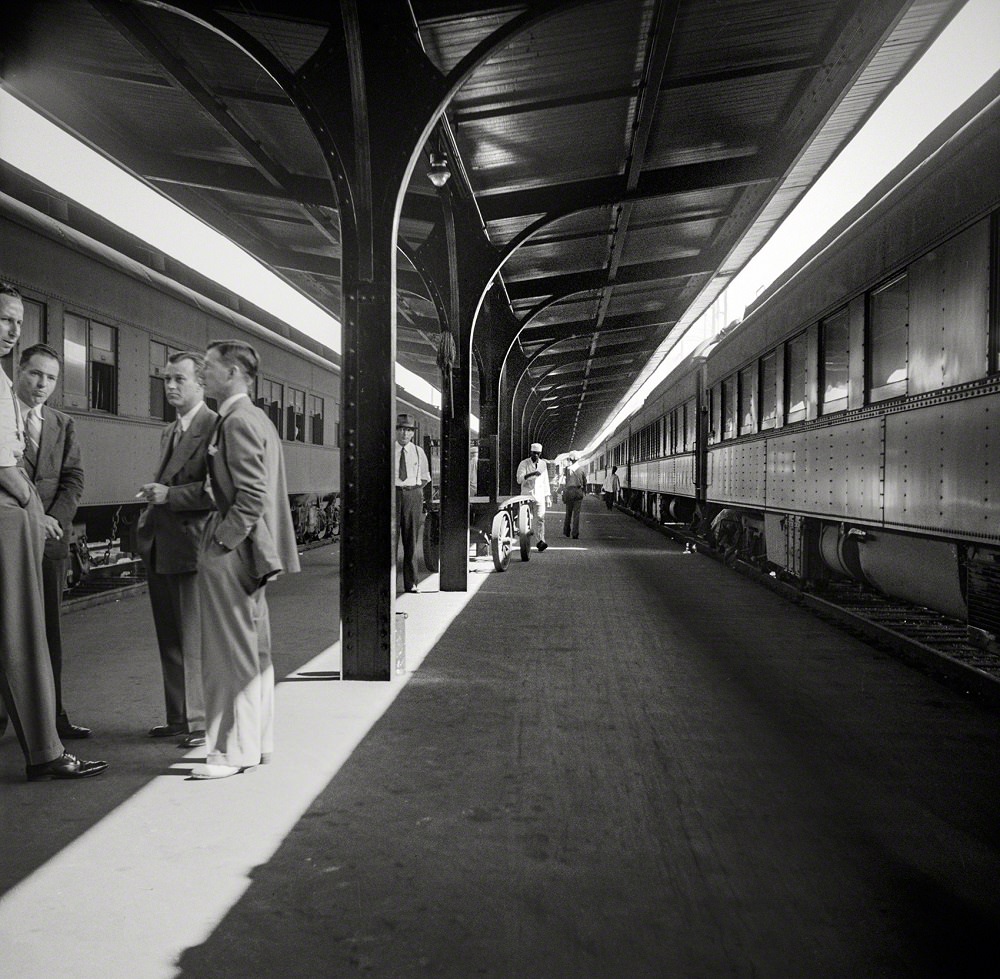
The early 1940s brought new energy to Atlanta’s transportation network. The Southern Railway terminal hummed with activity as wartime movement accelerated passenger and freight rail traffic across the South.
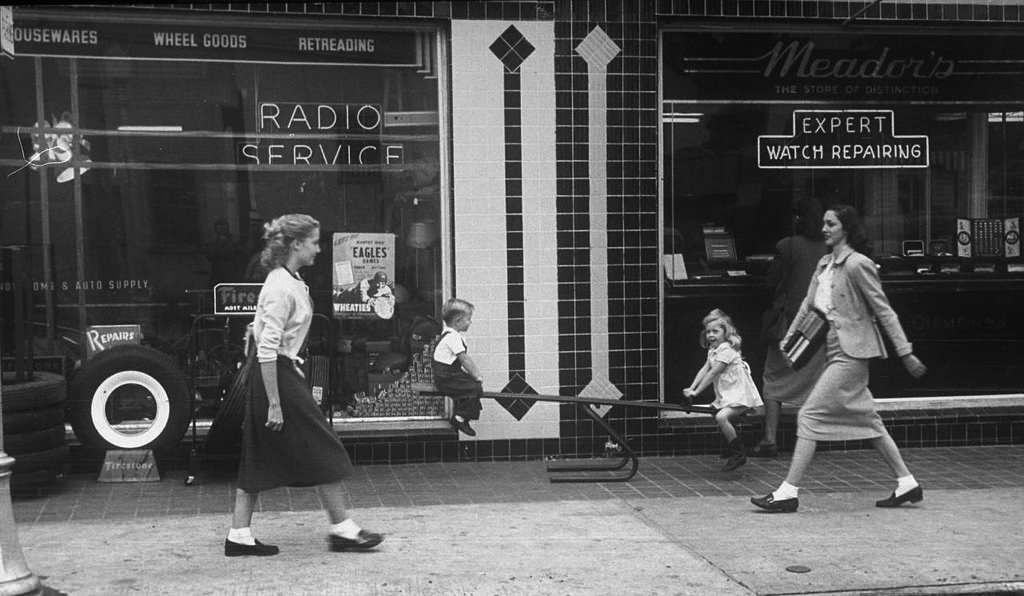
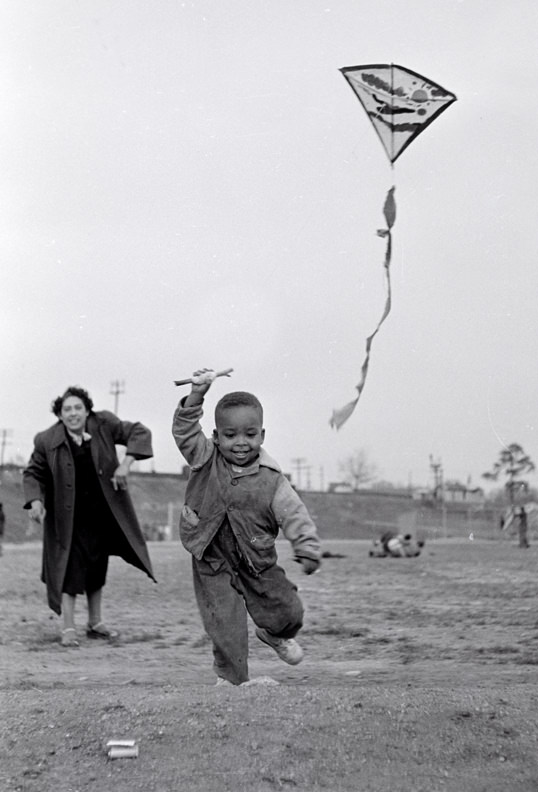
Post-war Atlanta was a city finding its footing in a new American era. Teenagers wore bobby sox and followed new music trends. A kid flying a kite in 1952 captured the ordinary, peaceful rhythms of city life a world away from the wartime urgency of just a decade before.
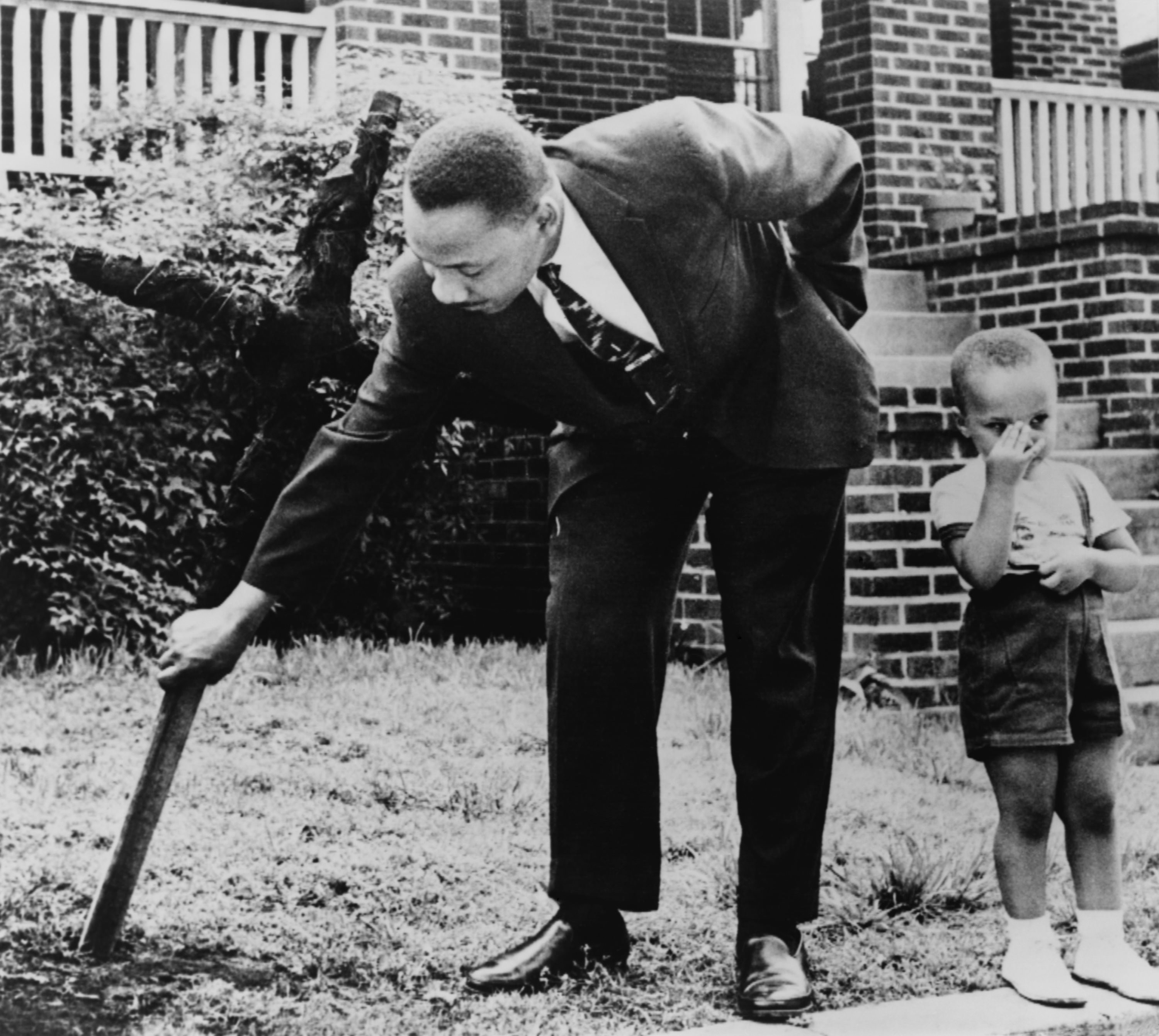
In 1960, Dr. Martin Luther King Jr. removed a burnt cross from his lawn in Atlanta. The act was photographed and became one of the defining images of the threats faced by civil rights leaders in their own homes. Atlanta was simultaneously a hub of Black institutional life and a city where racial terror remained a daily reality.
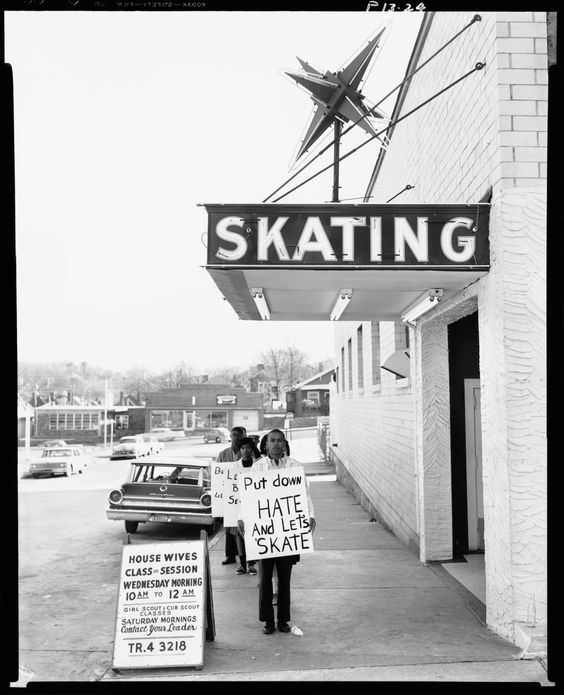
The civil rights demonstrations of 1963 brought Atlanta’s racial tensions into public view. Protesters took to the streets as the city’s Black community demanded equal access to public spaces, jobs, and political representation. Atlanta’s business community, aware of the city’s image and economic stakes, played a complex role in negotiating the pace of desegregation.
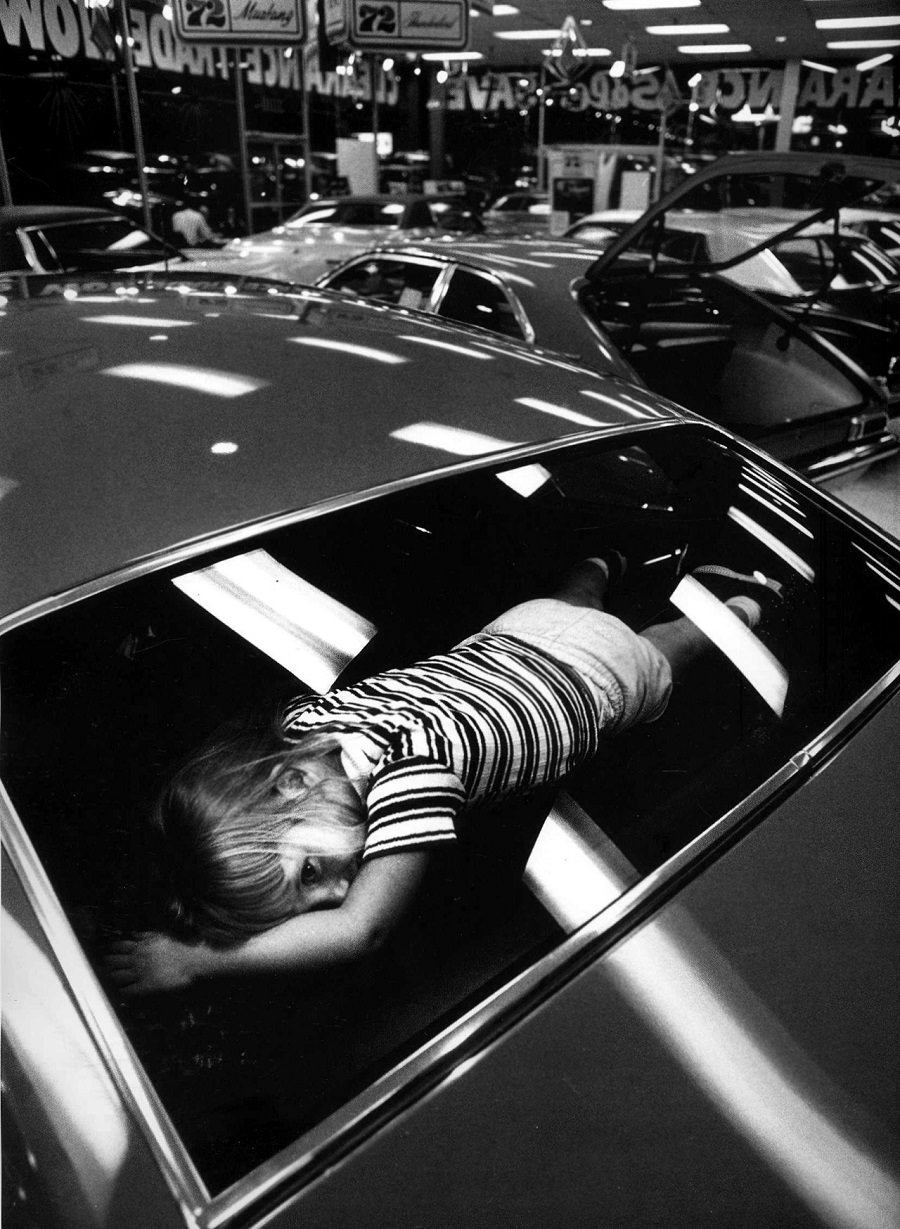
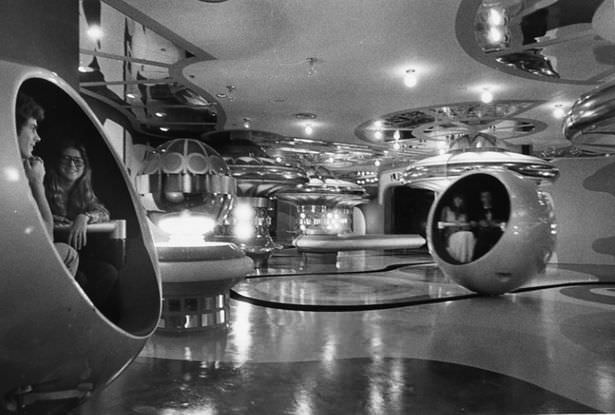
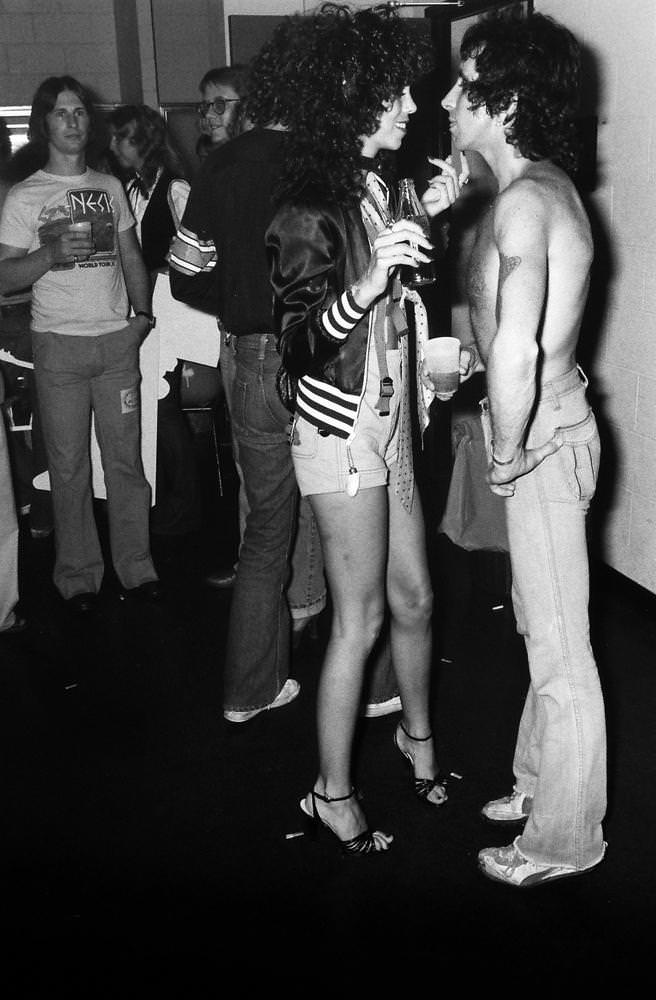
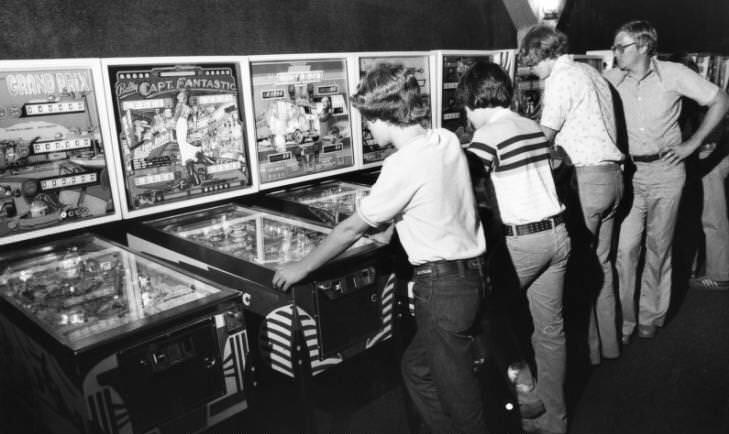
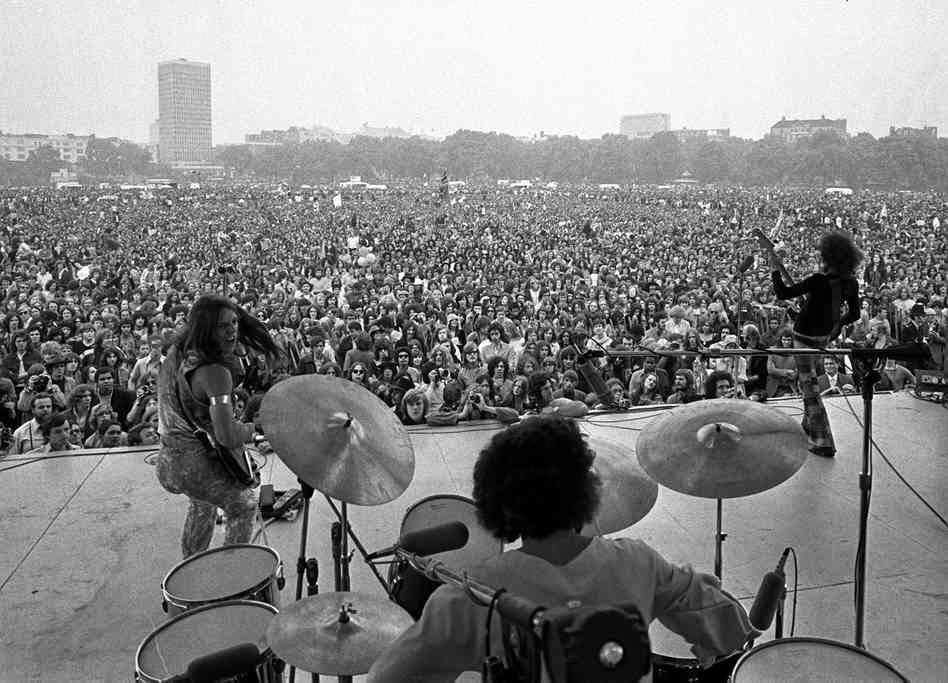
By the late 1970s, Atlanta had become a stop on major rock tours. AC/DC’s Bon Scott, photographed in Atlanta in 1978, was part of a generation of acts that treated the city as a key venue in the American South. That same year, Cumberland Mall’s arcade drew crowds of pinball players — a snapshot of suburban leisure culture at its peak.
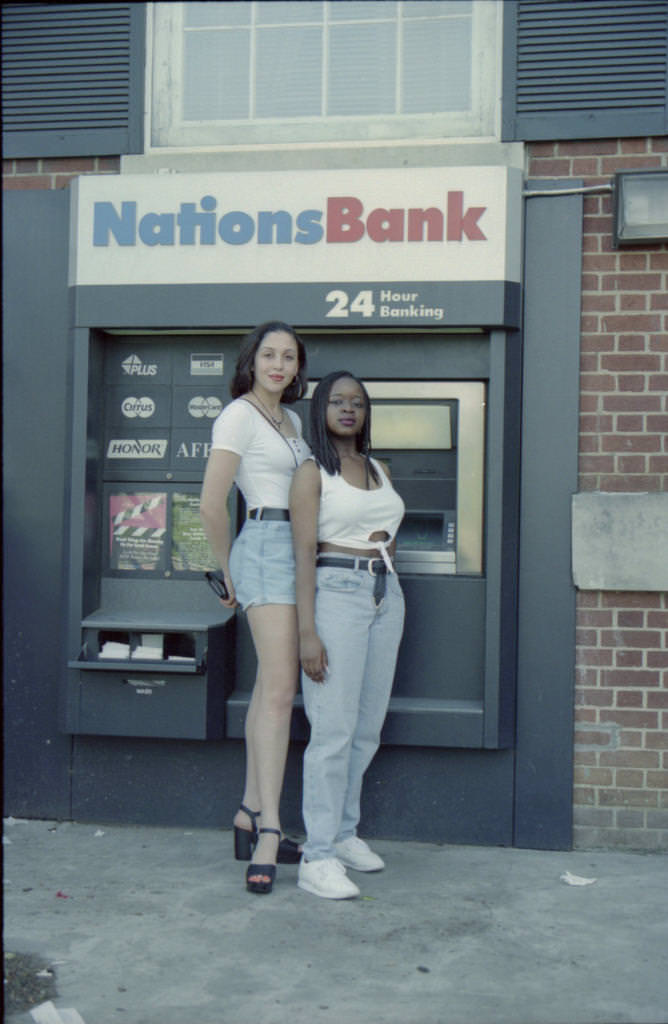
Freaknik, the annual spring gathering that drew hundreds of thousands of Black college students to Atlanta through the late 1980s and 1990s, became a cultural phenomenon unlike anything the city had seen before. By 1994, it had grown into one of the largest street parties in the country, transforming Atlanta’s roads and neighborhoods every April into an open-air celebration of Black college culture.

There are some good ones in there
The (presumably) mother chasing the kite-flying boy is every parent of small children I have ever known. It’s also an adorable picture. 🙂
It seems like a chill place to be if I wasn’t black
Is that barber shop still around?
Kids have always been selling bottles on the side of the road, huh?