

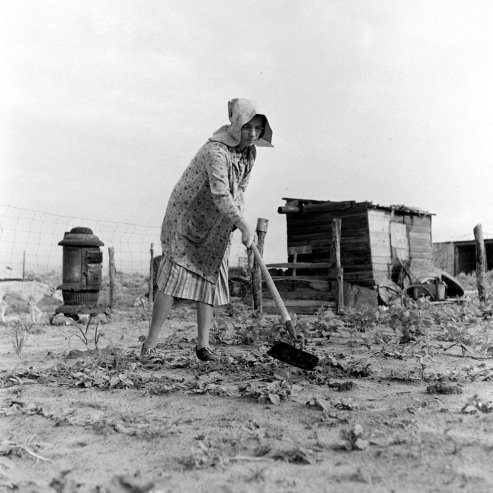
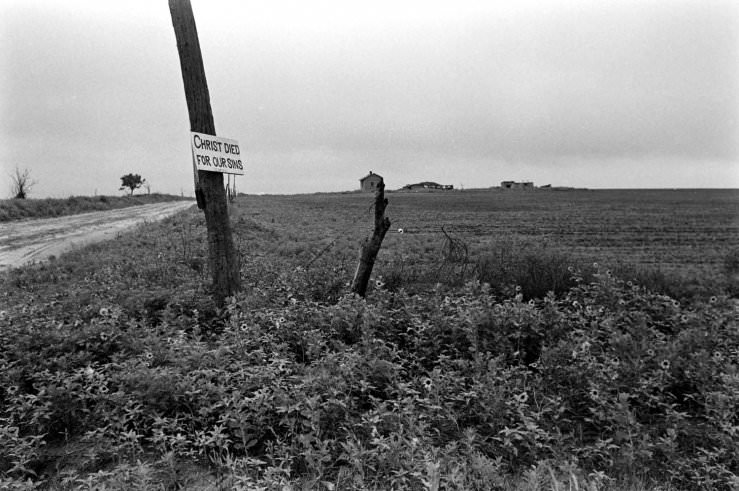
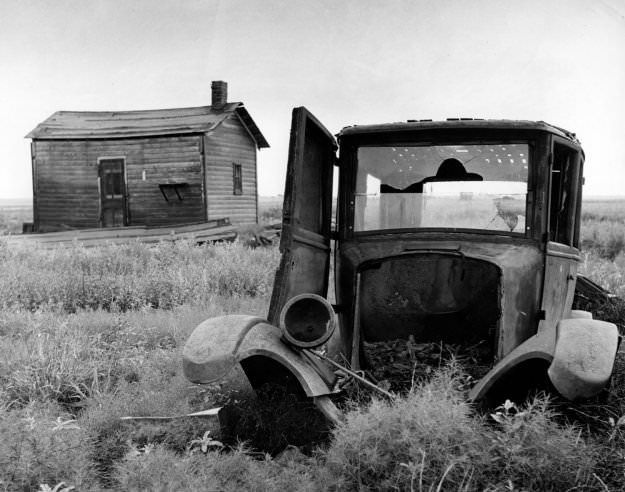
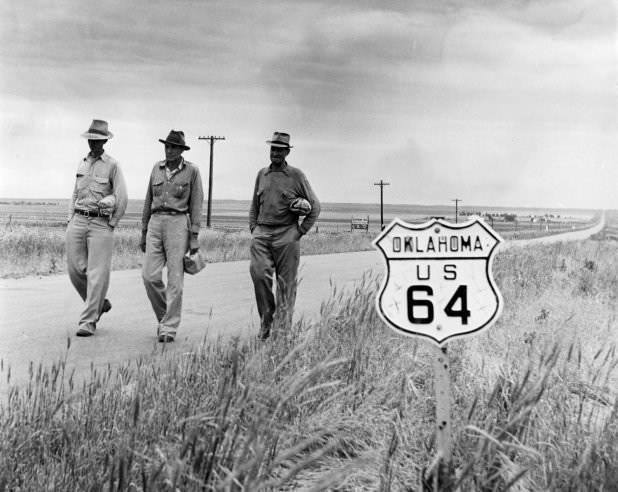
By the early 1940s, Oklahoma farmers were still climbing out of the wreckage left by the Dust Bowl. The drought and failed crops of the 1930s had stripped the land bare, and the financial strain of the Great Depression had not fully lifted. Recovery was underway, but it was slow and uncertain.
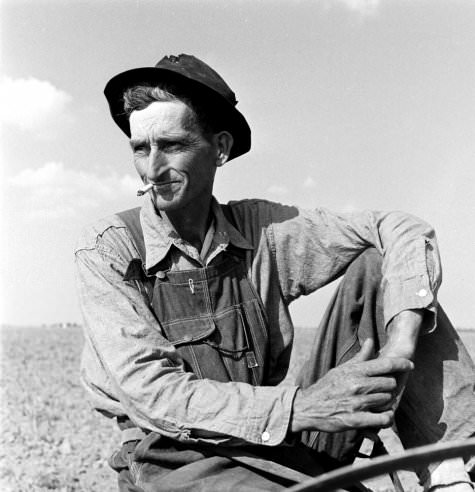
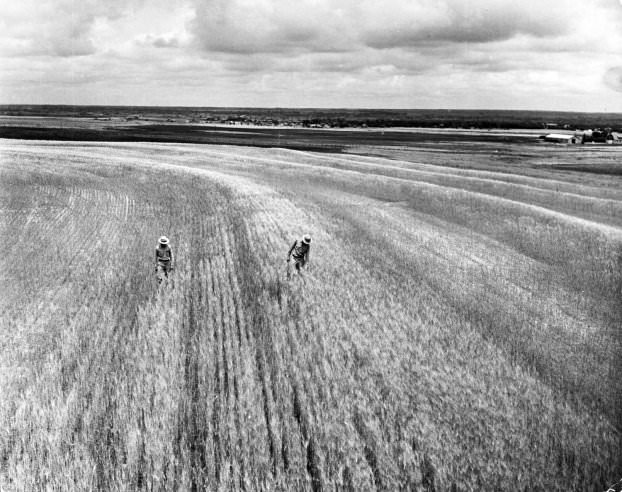
The main crops were wheat, cotton, corn, and sorghum. After the Dust Bowl disaster, farmers adopted new soil conservation methods to protect what land they had left. Crop rotation and contour plowing became common practices. Many also planted rows of trees along field edges to act as windbreaks, stopping the winds that had once carried away entire layers of topsoil.
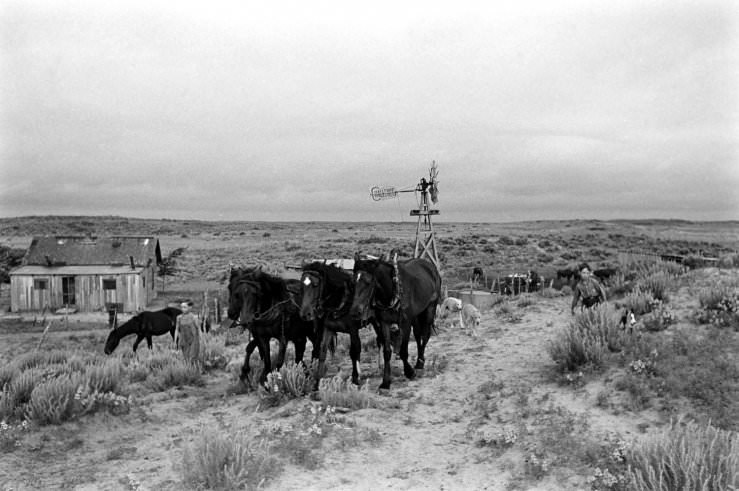
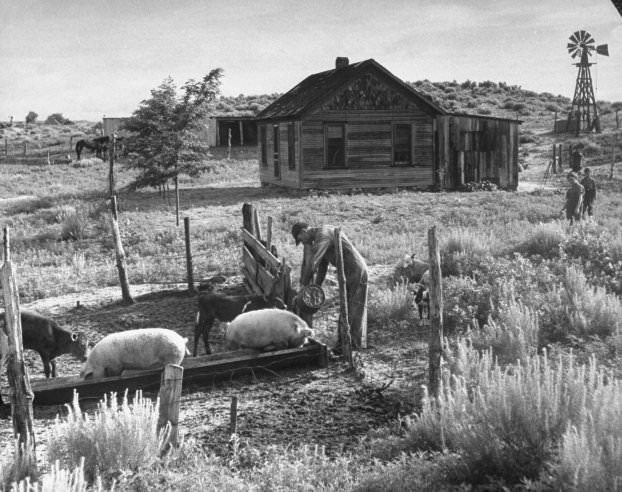
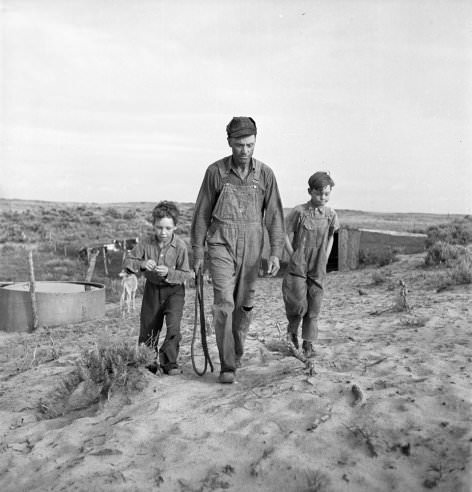
Farm life started before sunrise. Chores came first — feeding livestock, milking cows, and checking on crops. Horses and mules still pulled the plow on many farms. Tractors existed, but they were expensive, and smaller operations simply could not afford them.
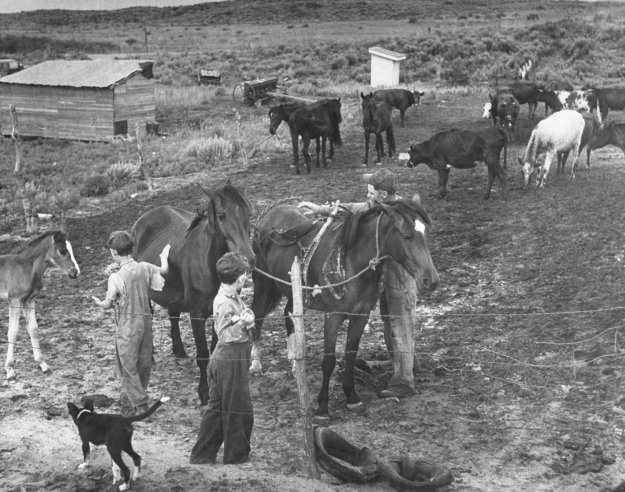
Oklahoma’s weather stayed unpredictable even after the worst Dust Bowl years passed. A drought could kill a crop before harvest. Too much rain at the wrong moment could wash out newly planted seeds. Farmers lived season to season, with little financial cushion between a bad year and losing everything.
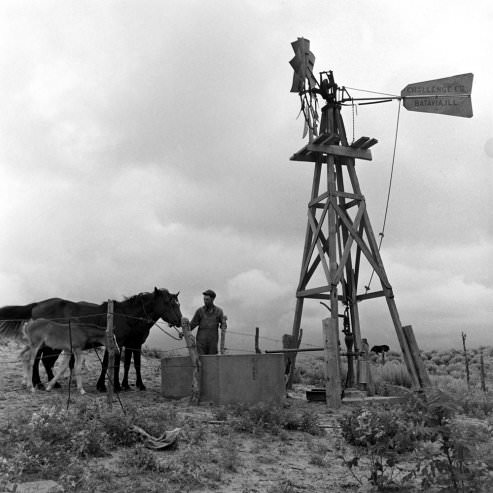
Neighbors were essential. When a large task came up — a harvest, a new barn — families came together to get it done. Barn raisings brought entire communities out for a single day of shared labor. These events doubled as social gatherings, giving isolated rural families a rare chance to connect.
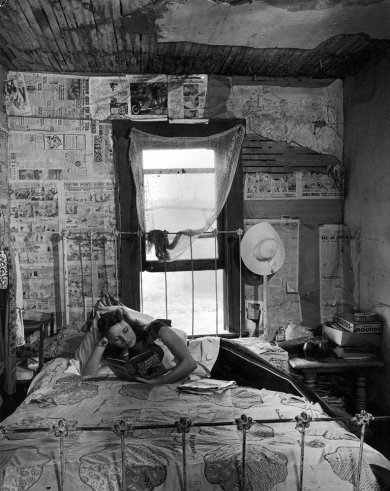
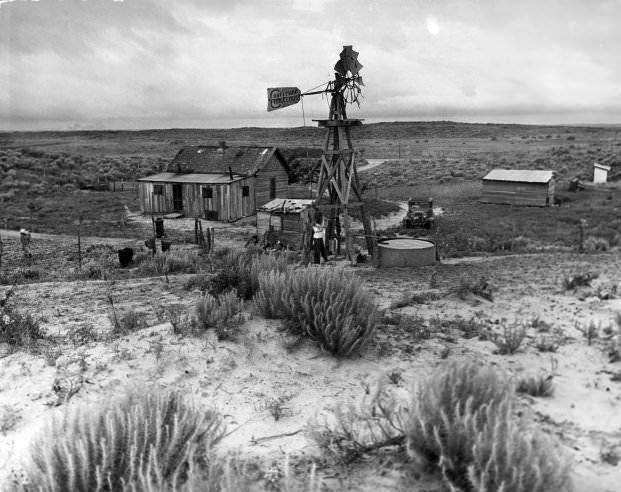
Inside the home, life was equally demanding. Many farms still drew water from wells and heated rooms with wood-burning stoves. Electricity reached some rural areas through New Deal programs, but many farms had none in the early 1940s. Without refrigerators, food preservation was a daily concern. Women canned fruits and vegetables, baked bread from scratch, and cured or smoked meat to keep it from spoiling.
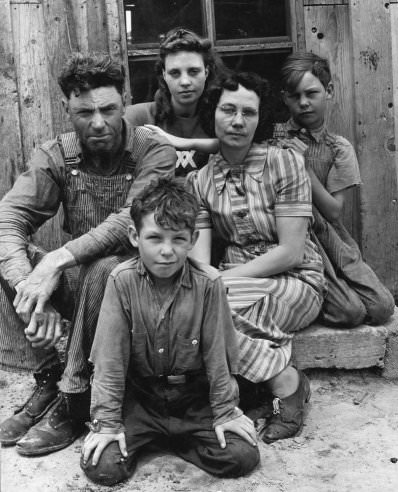
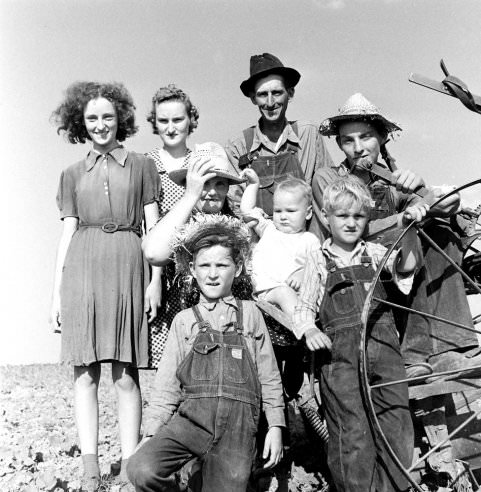
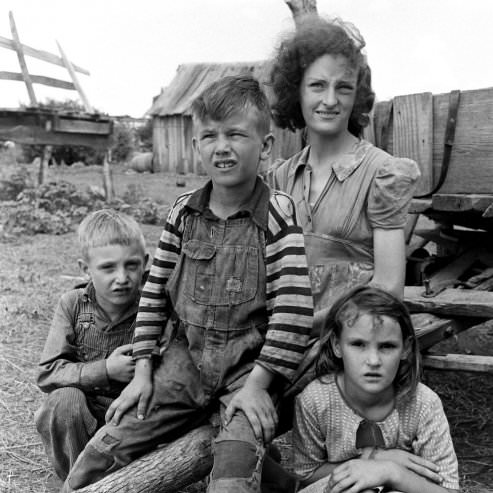
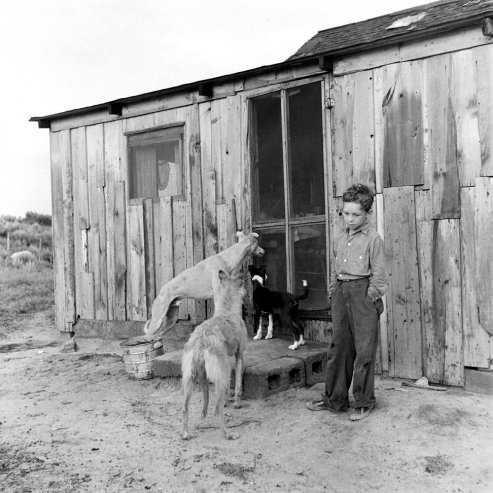
Children carried real responsibilities. Boys worked in the fields; girls handled household tasks. During harvest season, children regularly missed school to help their families. Schoolhouses were small, often teaching several grades in a single room. Even so, most families pushed their children to pursue education when farm work allowed it.
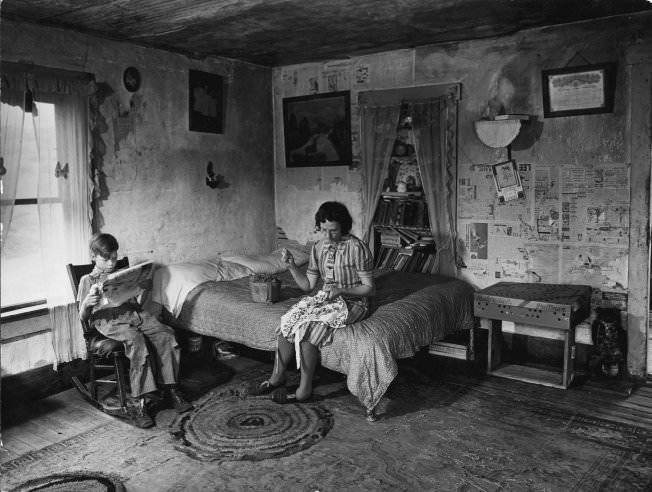
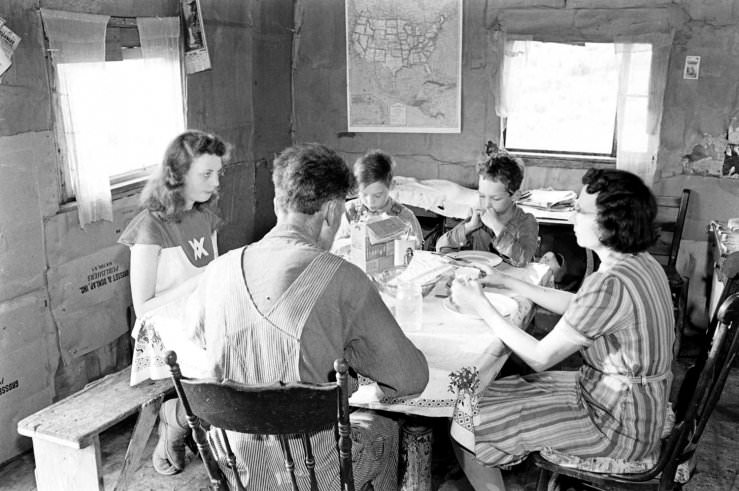
World War II reshaped farm life in direct ways. The military’s demand for food drove up agricultural production, which gave some farmers a much-needed boost in income. At the same time, young men left for the front in large numbers, shrinking the available workforce.
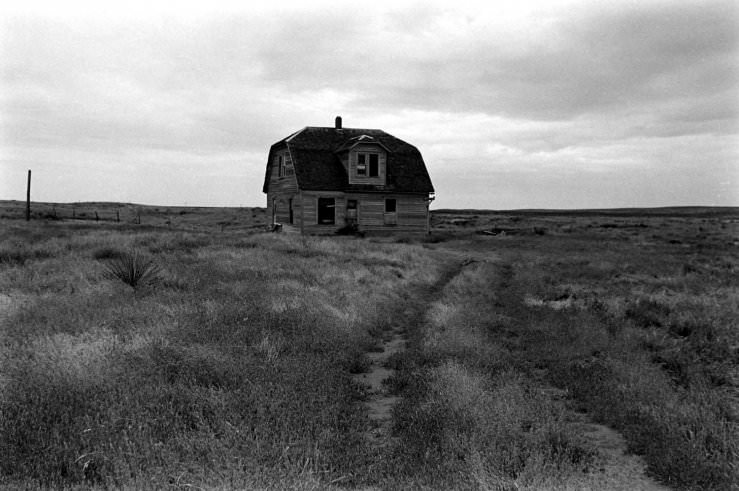
Women and older men absorbed the extra labor. Some farms brought in migrant workers to meet the higher production demands. The war connected Oklahoma’s fields directly to the broader conflict overseas — what was grown on these farms fed soldiers thousands of miles away.

Hello.
Are you familiar with Hamilton Farm in or near Braden Township, Oklahoma as well as Peno, Oklahoma aka Peno Bottoms? I have a 1940 Census for Braden Township that lists both of those areas next to each other. My relative is listed here. Any information you have could be helpful. Thank you in advance.