Hey There! Before You Go. 😧
Get the best vintage content straight into your inbox!

Don't worry, we don't spam

Nicole de Lamargé: How a Parisian Model Became the Unofficial Face of Elle in the 1960s

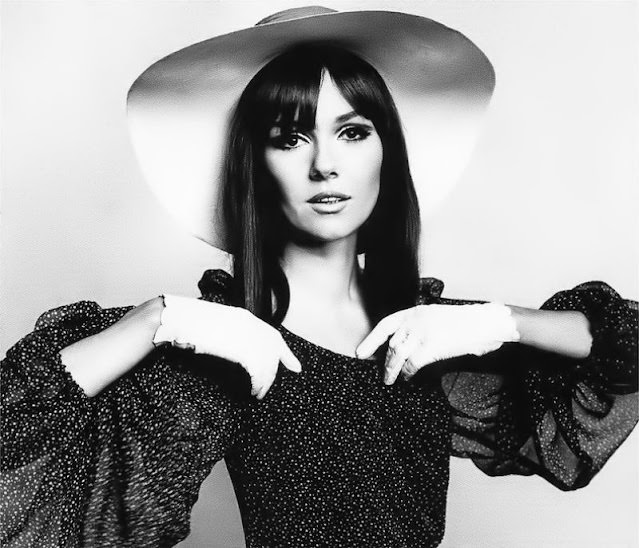
In the fashion world of 1960s Paris, one face appeared on the cover of Elle magazine more than any other. That face belonged to Nicole de Lamargé, born in 1938, a model whose career burned brightly for little more than a decade before her death in 1969. Her name is barely known outside France today, but during her lifetime she was the standard by which a generation of models measured themselves.
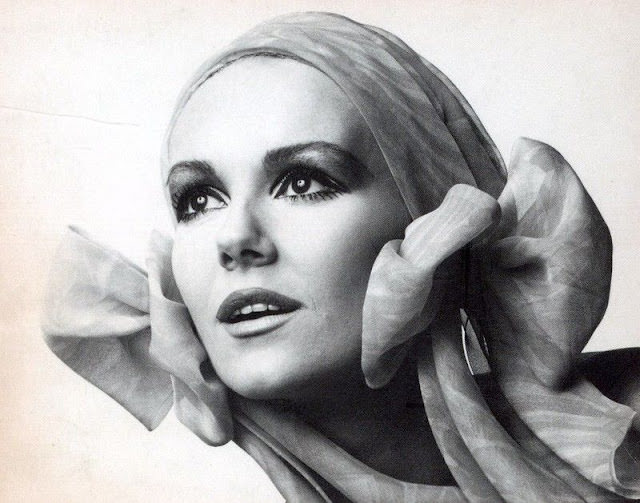
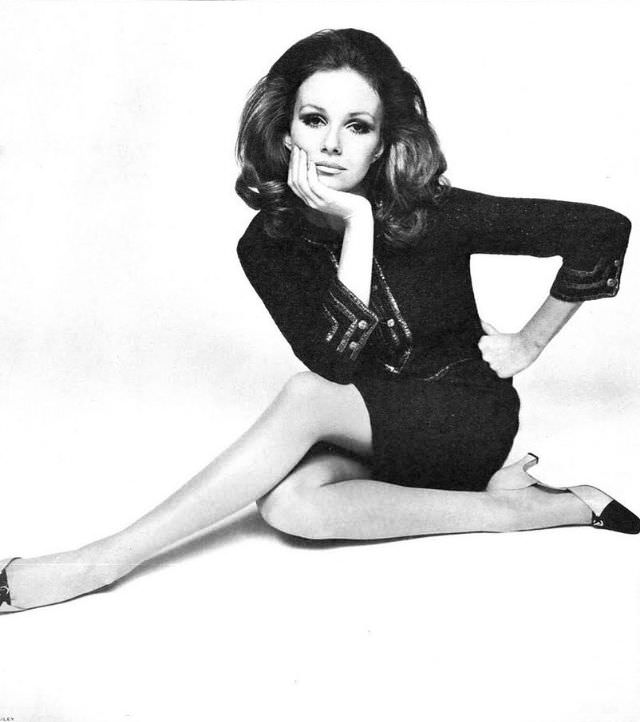
Nicole de la Marge, 1960s

De Lamargé was discovered in the late 1950s by Catherine Harlé, who ran one of Paris’s most respected modeling agencies. She became the first major star to emerge from Harlé’s roster. Her earliest assignments came from Jardin des Modes and Vogue, but it was Elle where she truly made her mark, appearing on its cover 25 times. That figure alone set her apart from nearly every model working in France at the time.
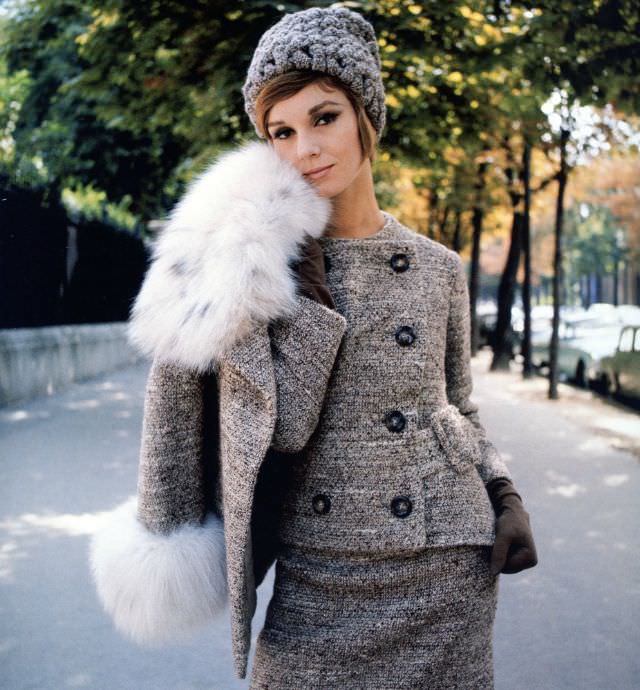
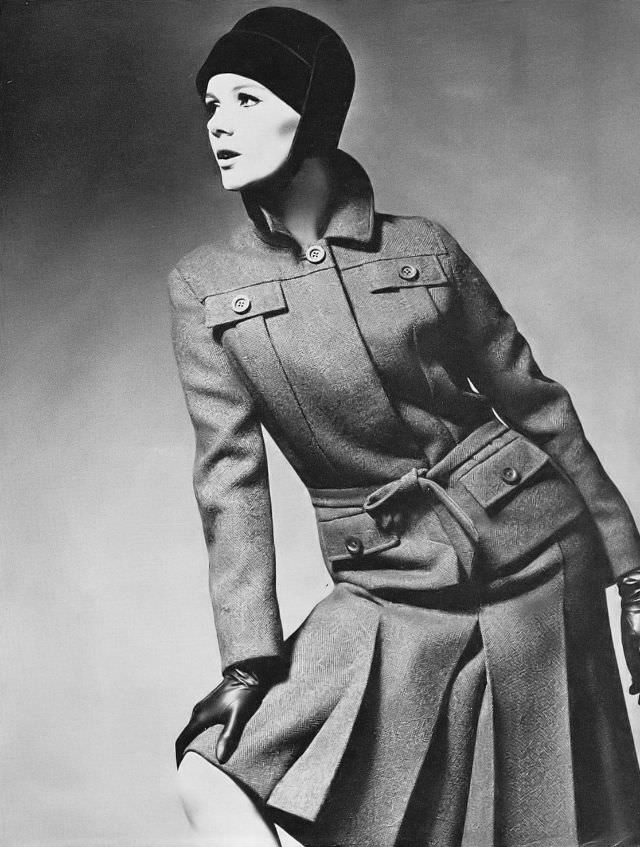
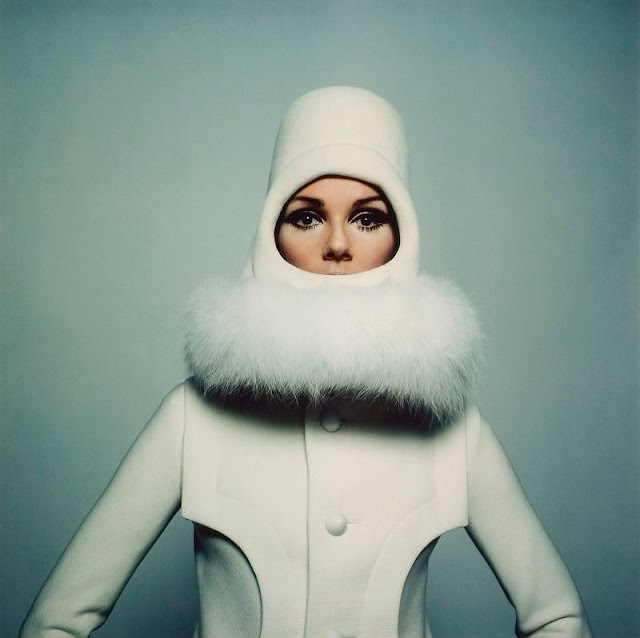
Nicole de la Marge in Wool and Fur Ensemble "Stockholm" by Christian Dior, 1961
Nicole de la Marge in Wool and Fur Ensemble “Stockholm” by Christian Dior, 1961

Her relationship with Elle went deeper than the cover shoots. Her boyfriend, Peter Knapp, served as the magazine’s art director throughout much of the 1960s. The two worked closely together, and the images they produced captured something specific about that decade — a self-assured ease that felt modern without trying too hard. Karl Lagerfeld later described de Lamargé as the “Elle girl par excellence,” a phrase that neatly summarized what made her so right for the magazine.
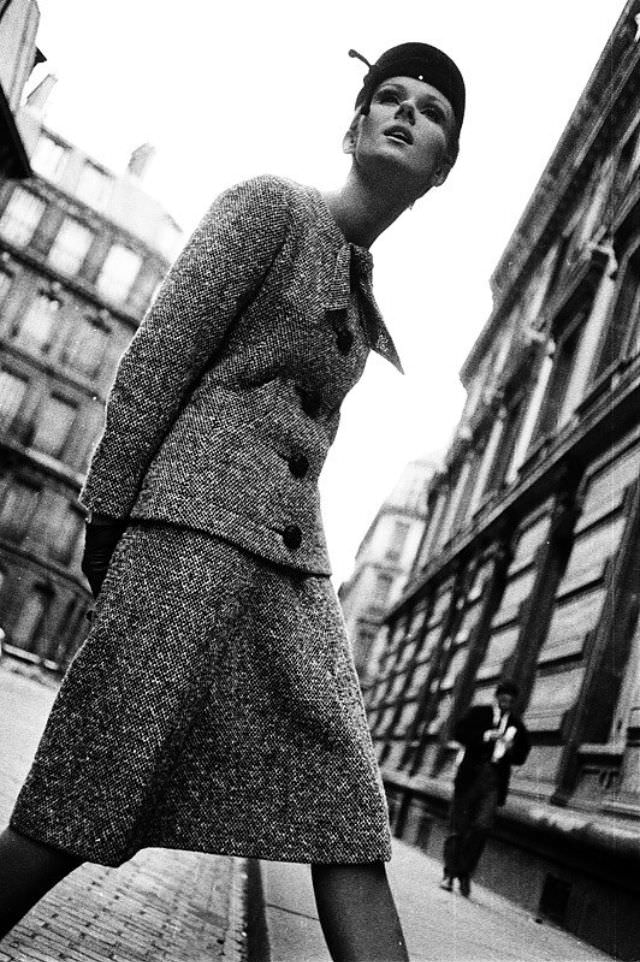
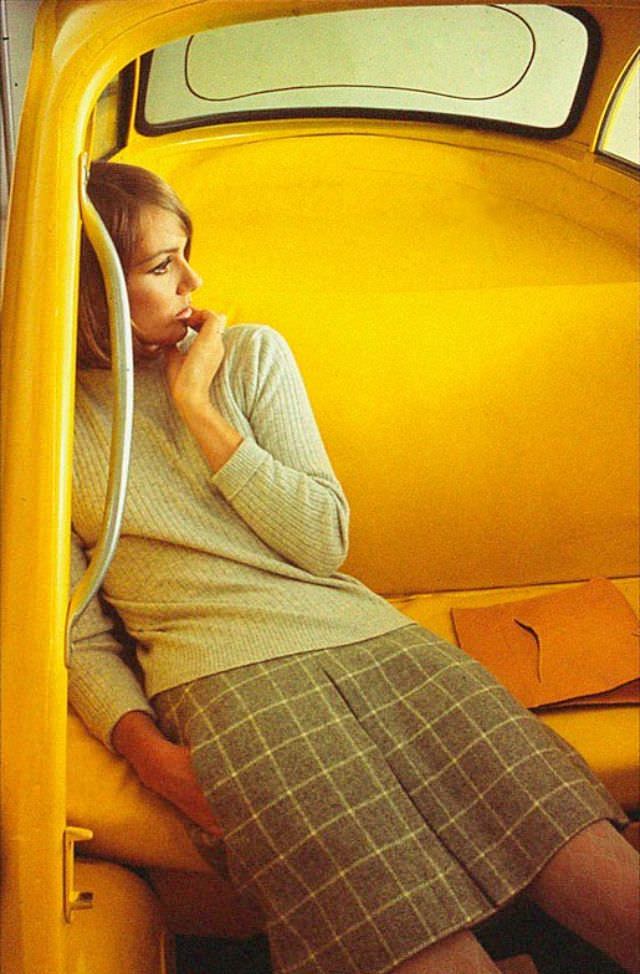
Nicole de la Marge Photographed for French Elle, 1962

What set de Lamargé apart from her peers was her approach to her own appearance. She treated her face as material to work with rather than a fixed asset to protect. “I use my face as a canvas,” she said. She changed her look constantly and explained her thinking plainly: “I keep changing my look, you see. I get very bored… I don’t think about my face anymore. It’s just instinct.” This restlessness made her endlessly adaptable and kept her relevant as trends shifted around her.
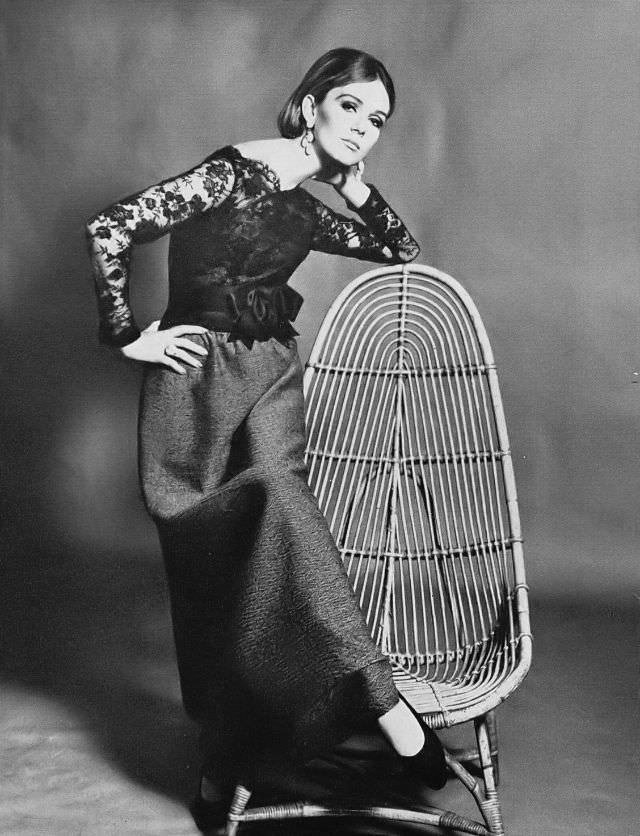
Nicole de la Marge in Black Lace Top and Purple Tweed Skirt by Susan Small, 1964
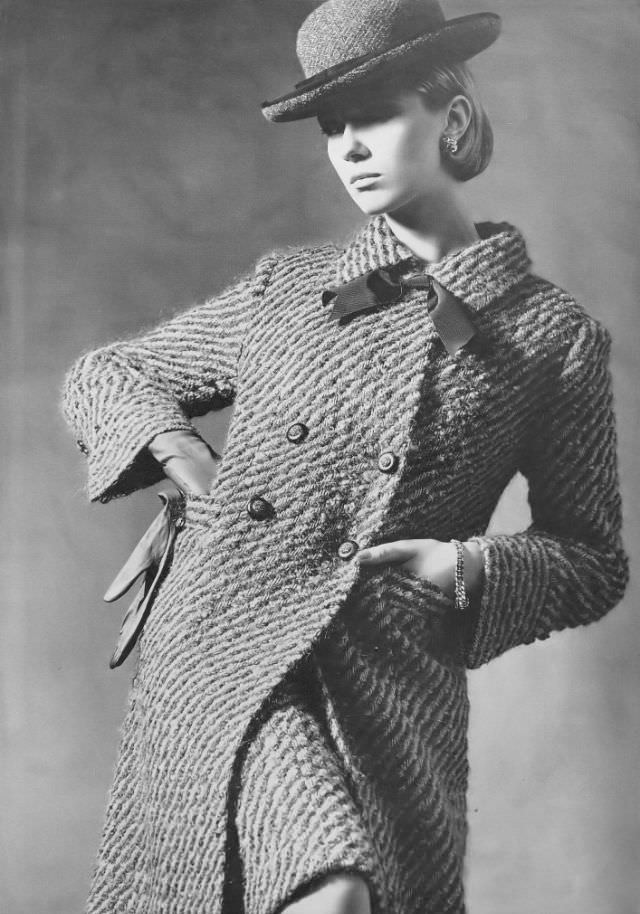
Nicole de la Marge in Tweed Amethyst and Brown Ensemble by Jaeger, 1964
Nicole de la Marge in Ginger Scotch Wool Tweed Norfolk Suit by Windsmoor, 1964

By the mid-1960s, her work had expanded well beyond France. She collaborated with some of London’s most sought-after photographers, including Norman Parkinson, David Bailey, Brian Duffy, and Toni Frissell. Each brought a different style to her image, and she met each one with the same self-possessed confidence. Young models paid close attention. Grace Coddington, who would later become one of the most influential figures in fashion, named de Lamargé as an idol.
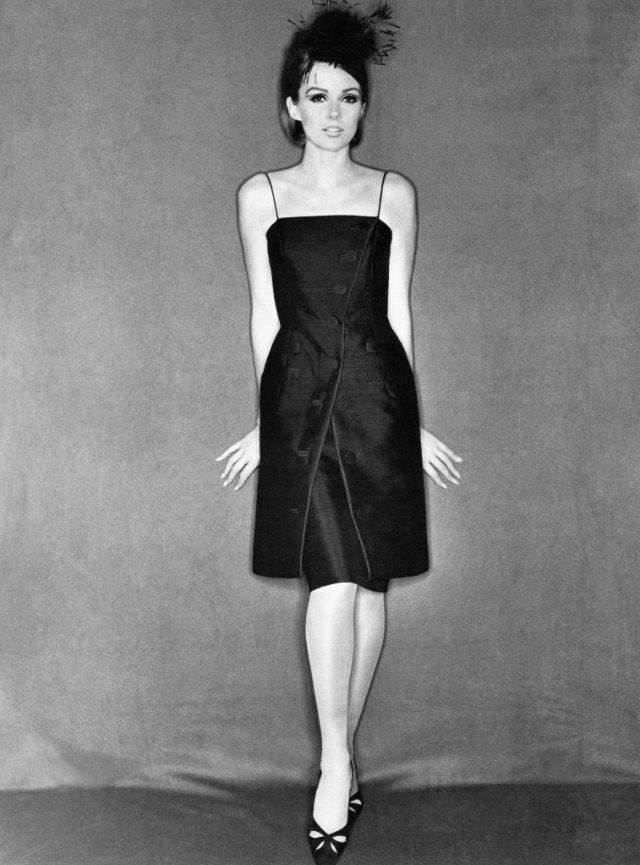
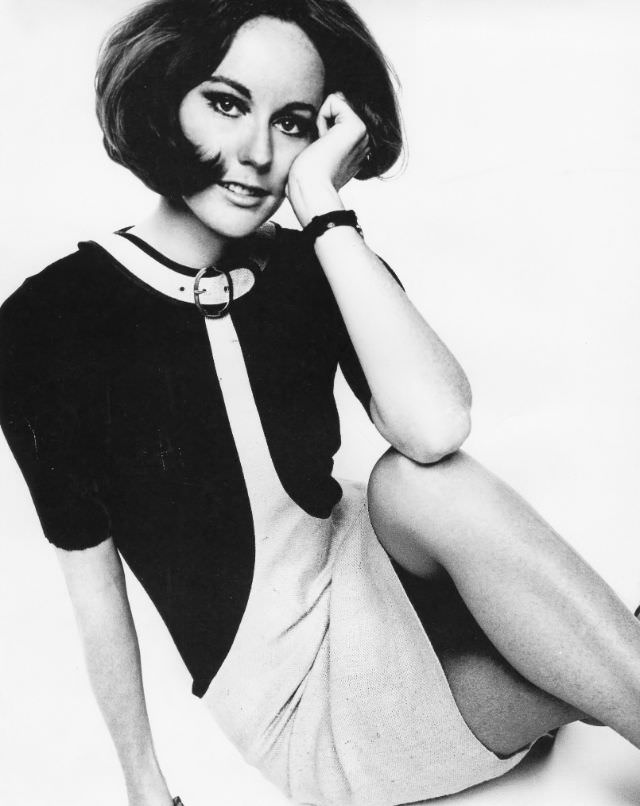
Nicole de la Marge in Short Cocktail Dress by Ronald Paterson, 1964
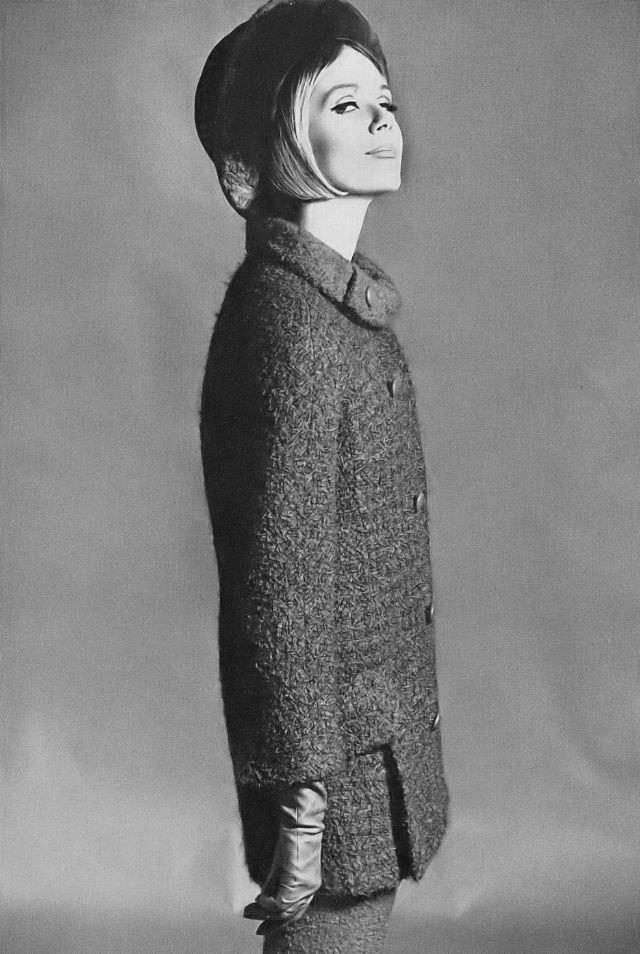
Nicole de la Marge in Scarlet Wool-Mohair Dress and Jacket by Deréta, 1964
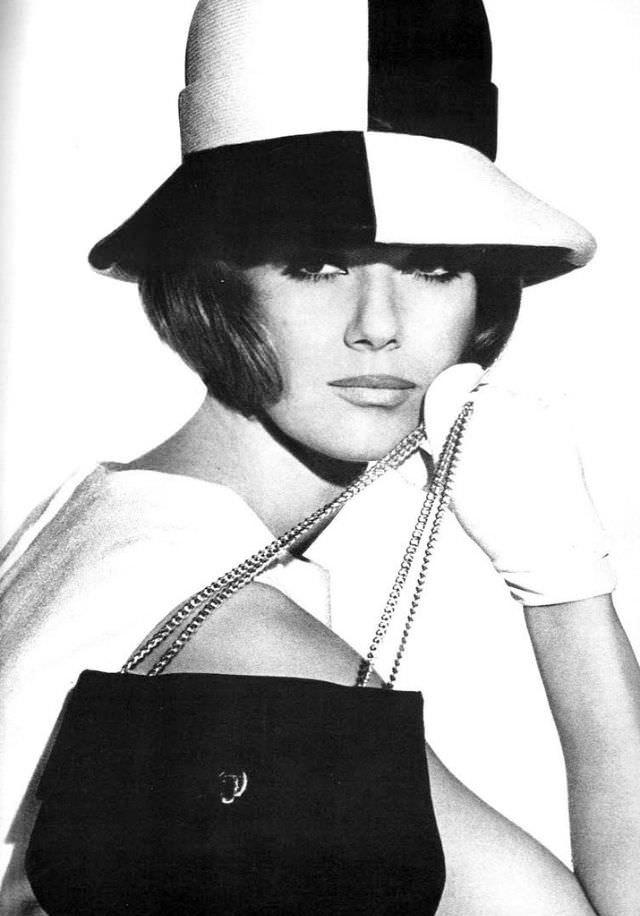
Nicole de la Marge in Black & White Cloche and Dress by Polly Peck, 1965

The year 1965 was among her most active. She appeared in shoots for a wide range of designers and publications, wearing everything from Mary Quant’s sharp mod cuts to delicate floral organza. The variety of her work that year reflects just how broadly she was in demand.
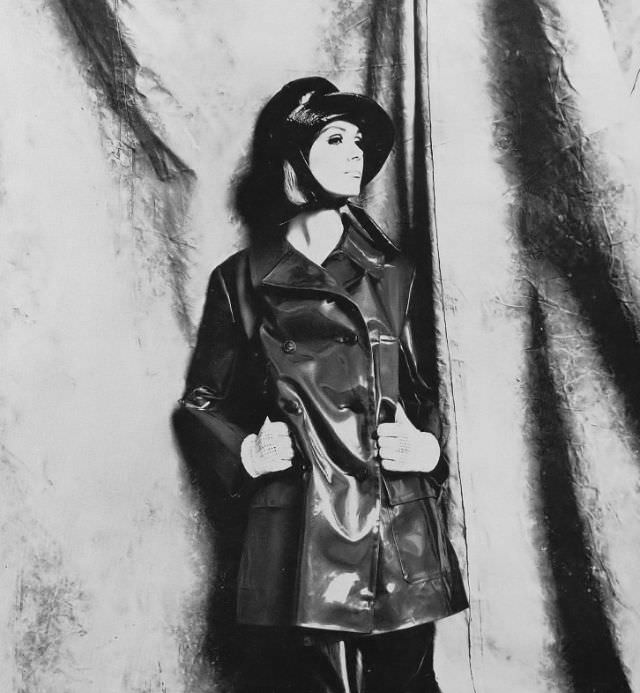
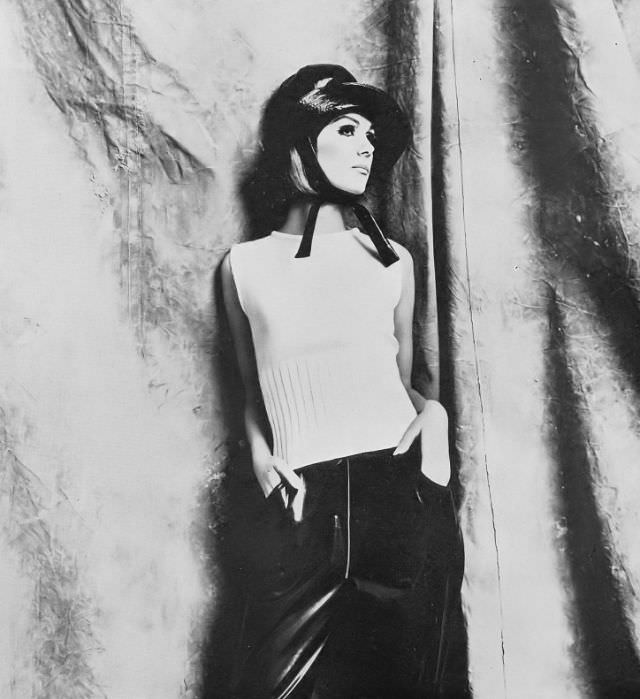
Nicole de la Marge in Black PVC Reefer by Charles MacIntosh, 1965
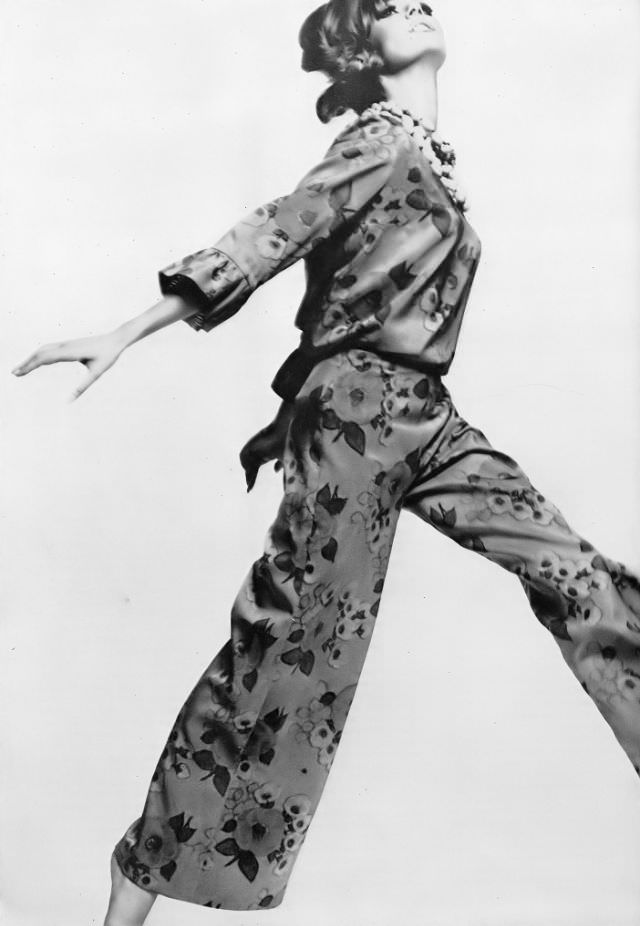
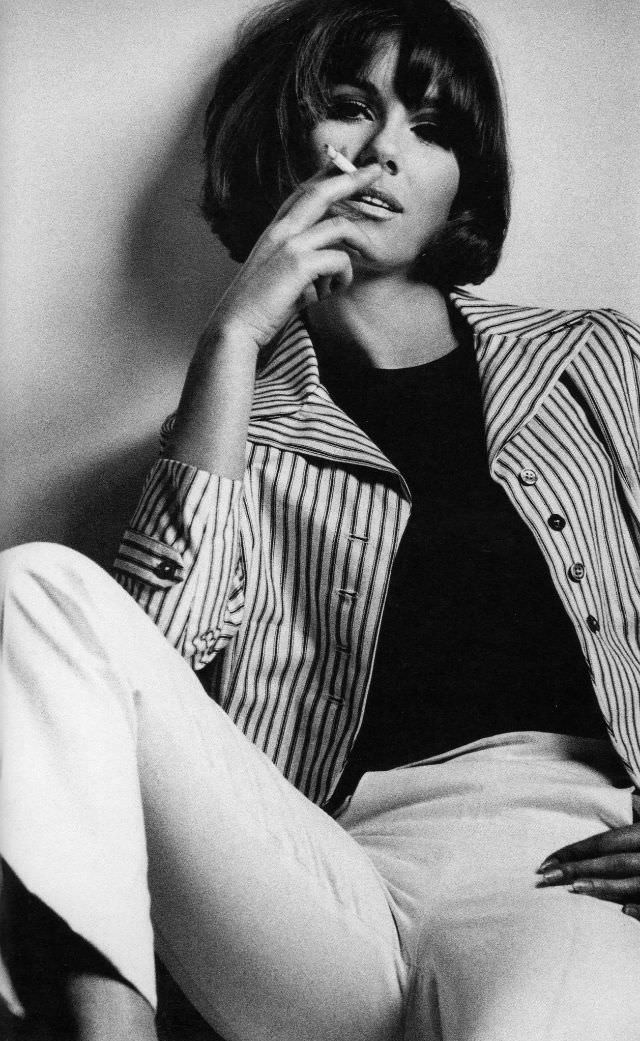
Nicole de la Marge in Cotton Ticking Jacket and Narrow Pants, 1965
Nicole de la Marge in Halter Dress by Mary Quant for Ginger Group, 1965
Nicole de la Marge in Printed Cotton Dress by Noeleen King, 1965
Nicole de la Marge in Printed Dress by Mary Quant for Bazaar, 1965
Nicole de la Marge in Sea-Blue and Pink Floral Organza Outfit by Graham Price, 1965
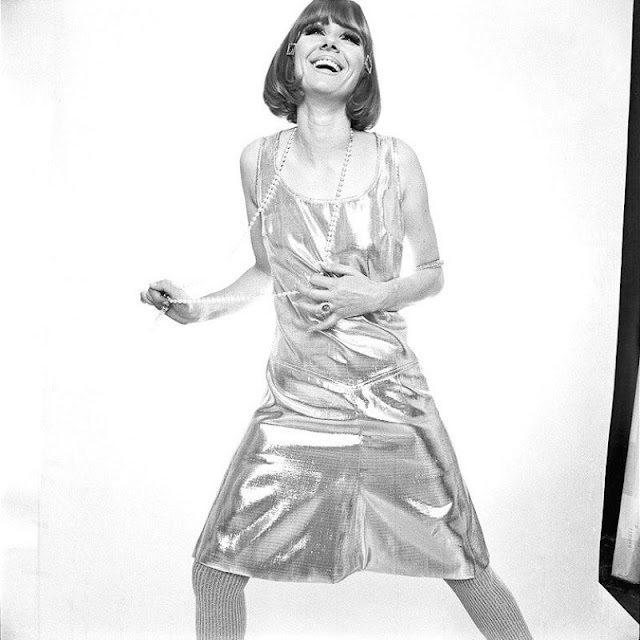
Nicole de la Marge in Silver Dress, 1965
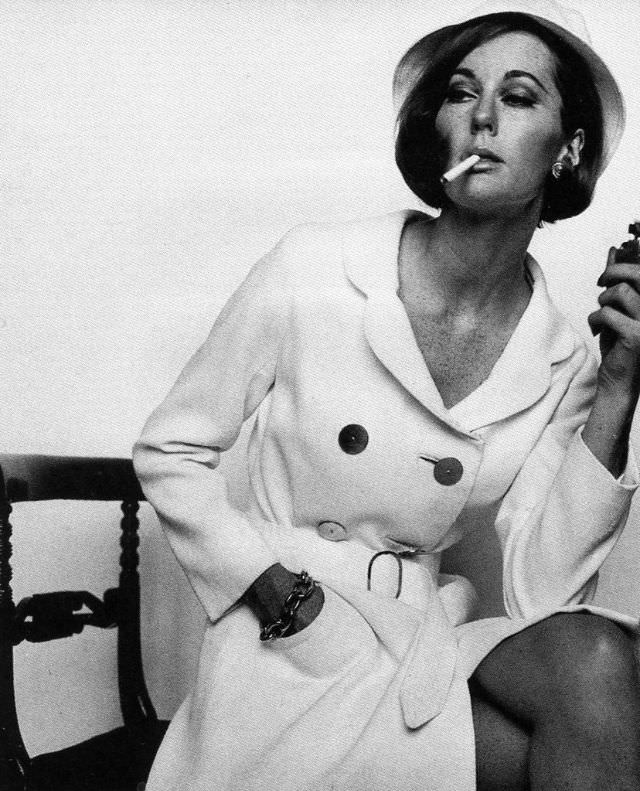
Nicole de la Marge in White Double-Breasted Coat by Mary Quant, 1965
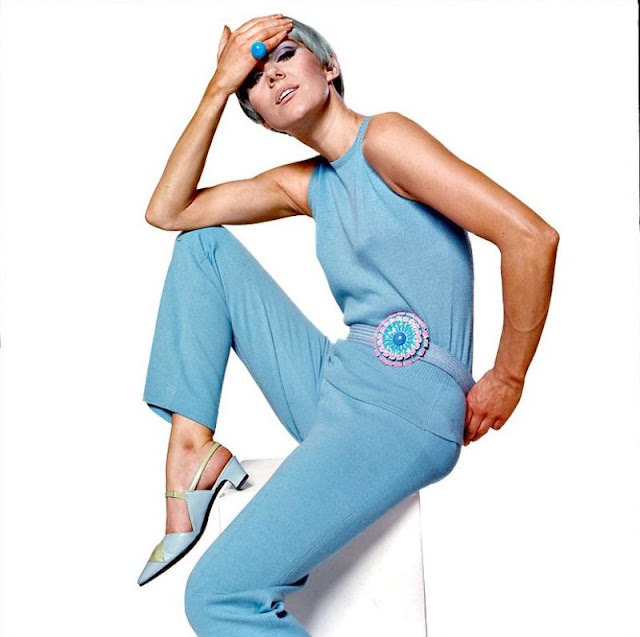
Nicole de la Marge in White Shetland Wool Sweater and Aqua-Sprite Trousers, 1965
Nicole de la Marge Photographed for Queen, 1965

Into 1966 and 1967, de Lamargé continued working with the biggest names in European fashion. Pierre Cardin dressed her repeatedly, and her appearances in French Elle remained a fixture. Shoots for Jean Patou, Nina Ricci, André Courrèges, and Chanel placed her at the center of the decade’s most ambitious design work.
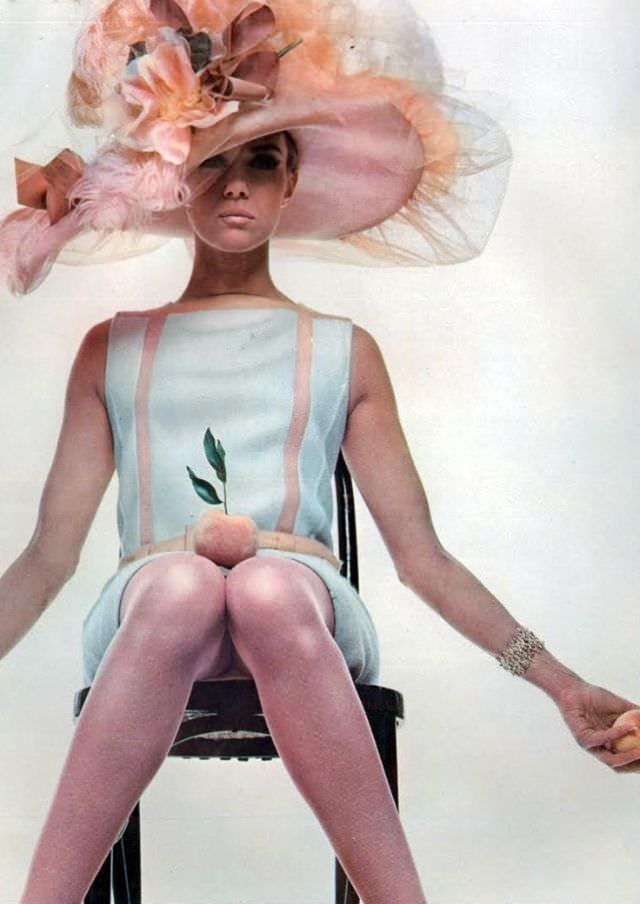
Nicole de la Marge in Short Belted Tunic Dress by Amy Linker, 1966
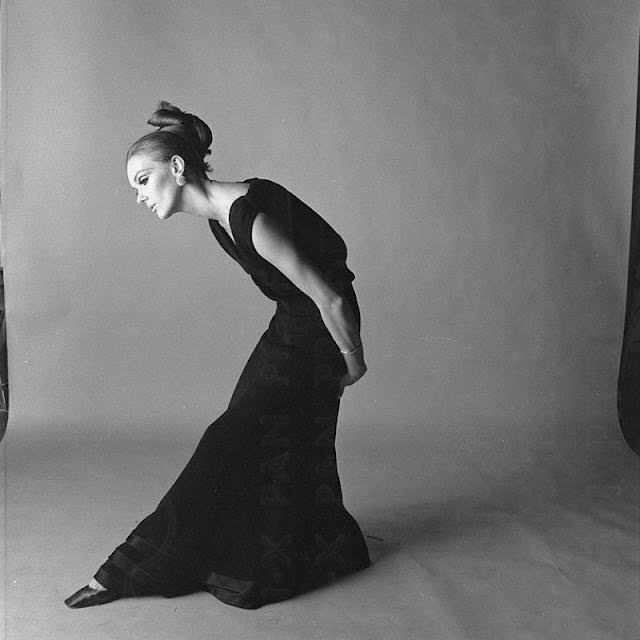
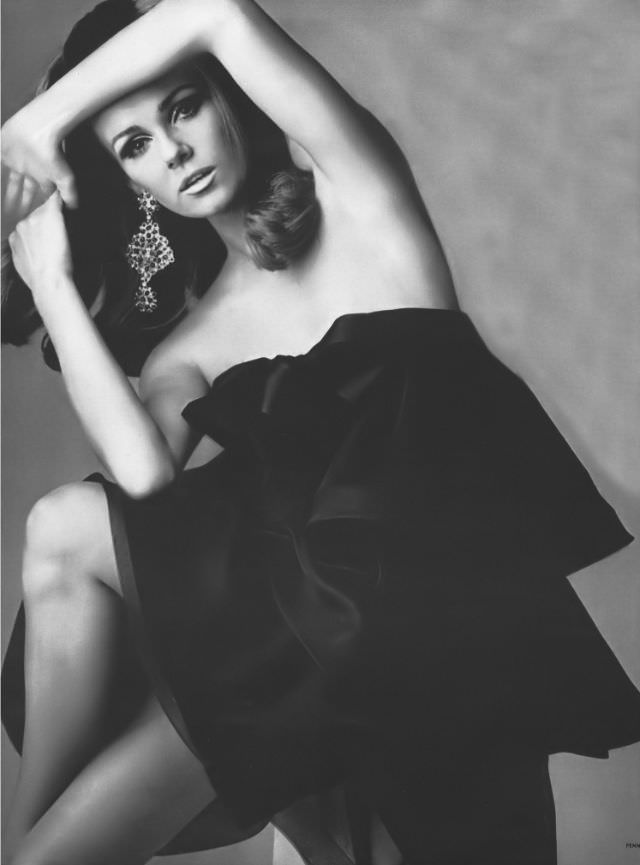
Nicole de la Marge in Black Chiffon Dress by Pierre Cardin, 1966
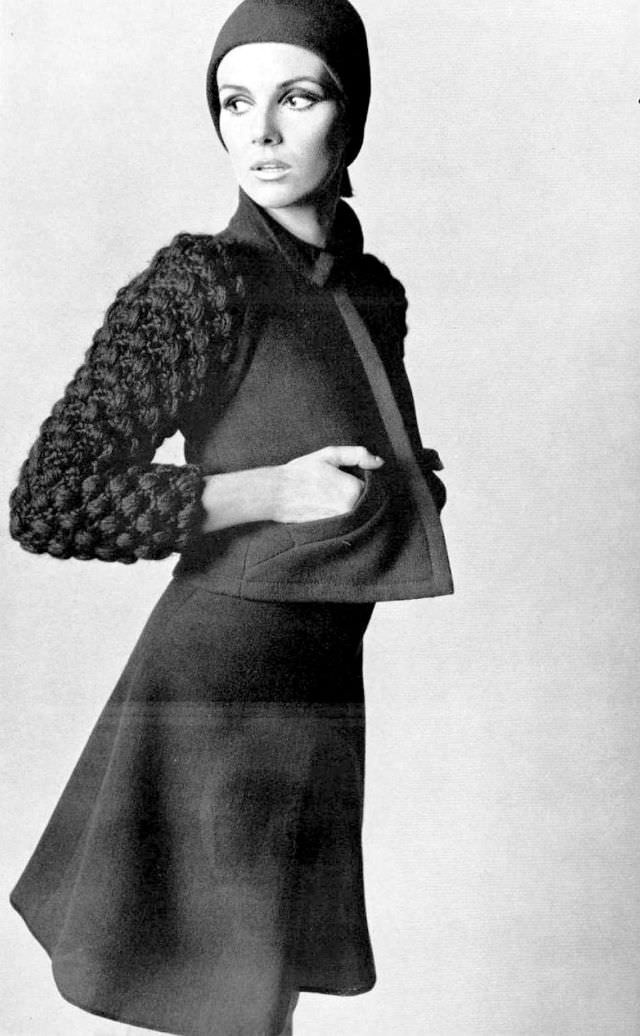
Nicole de la Marge in Green Wool Crêpe Ensemble by Jean Patou, 1966
Nicole de la Marge Photographed for Elle, 1966
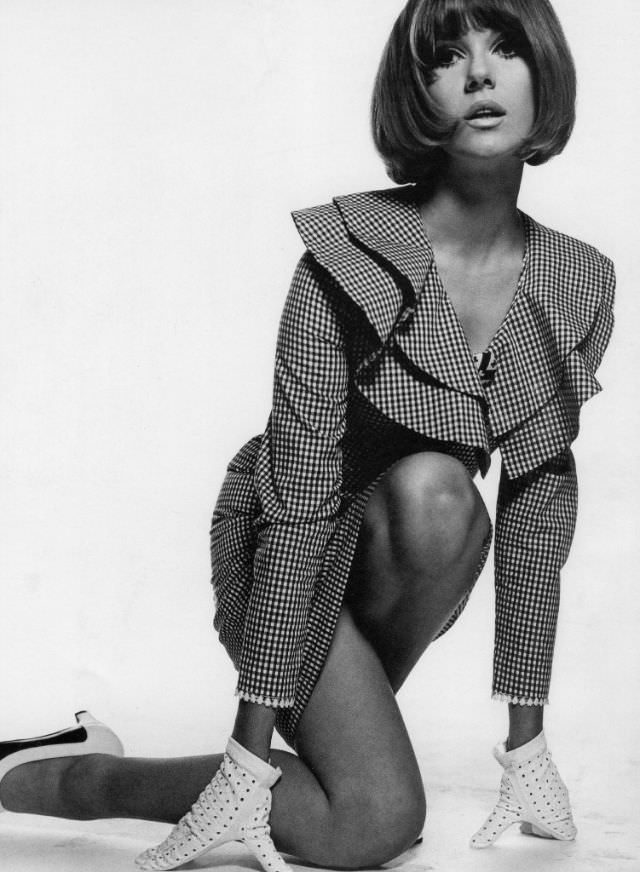
Nicole de la Marge Photographed for French Elle, 1966
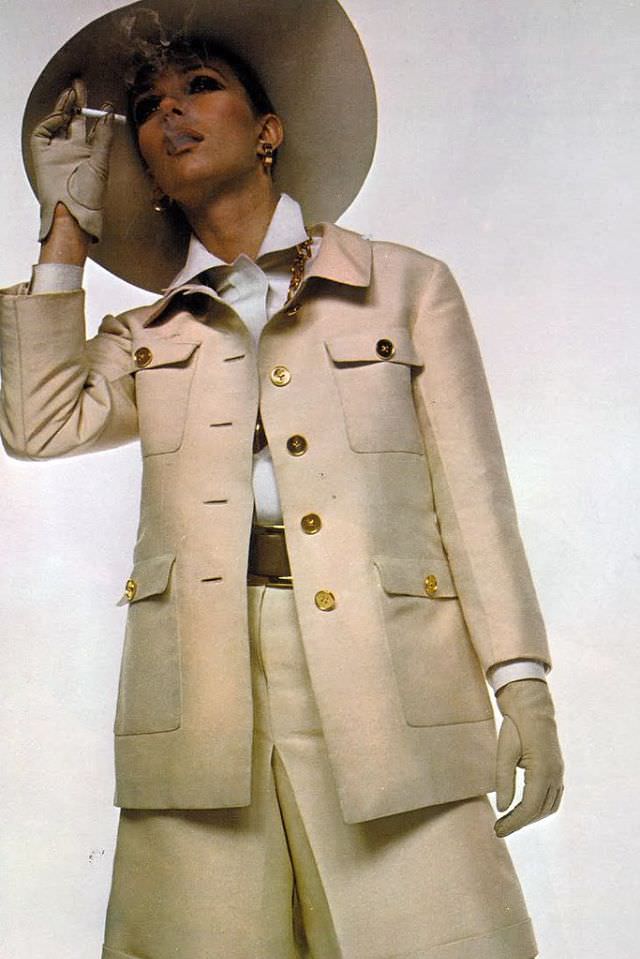
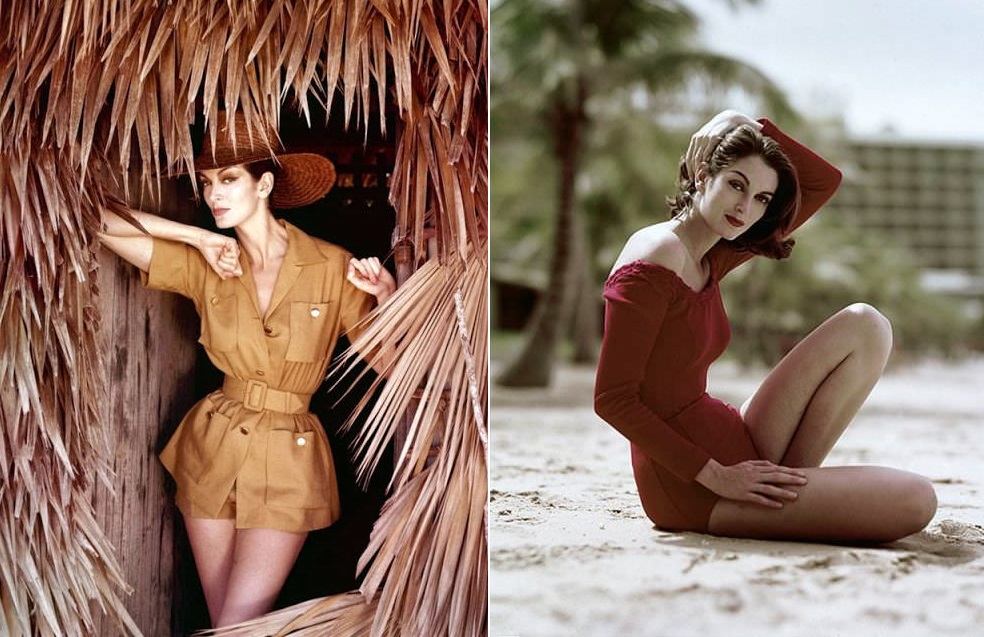
Nicole de la Marge in Silk Pongee Safari Suit by Nina Ricci, 1967
Nicole de la Marge in Striped Poncho-Like Coat by Pierre Cardin, 1967
Nicole de la Marge in Chanel Ad, 1967
Nicole de la Marge in Design by Pierre Cardin, 1967
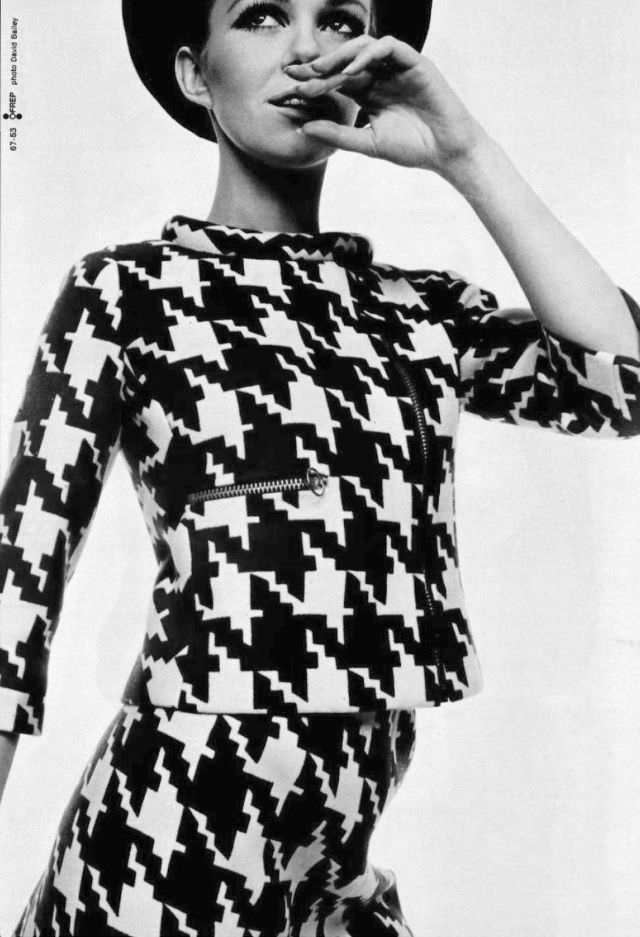
Nicole de la Marge in Giant Houndstooth Wool Suit by Pierre Cardin, 1967
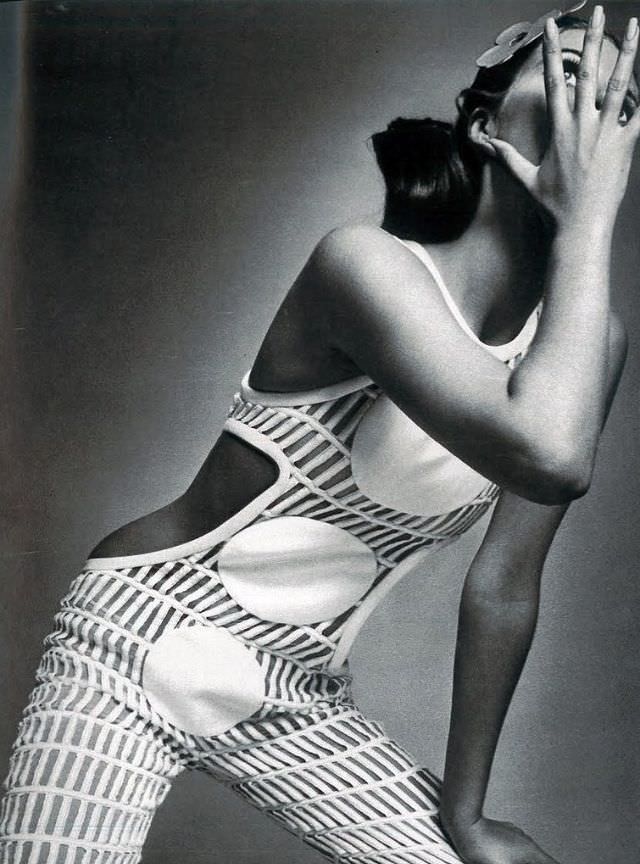
Nicole de la Marge in Jumpsuit by Andre Courrèges, 1967

David Bailey photographed her in 1967 for what would become one of his most discussed projects. His book Goodbye Baby and Amen, published as a tribute to the Swinging Sixties, featured de Lamargé alongside Andy Warhol and the Beatles. In the photograph, she wears bouffant curls, sticks out her tongue, and holds a cigarette. In the book’s index, next to her name, Bailey placed a single word: “deceased.”
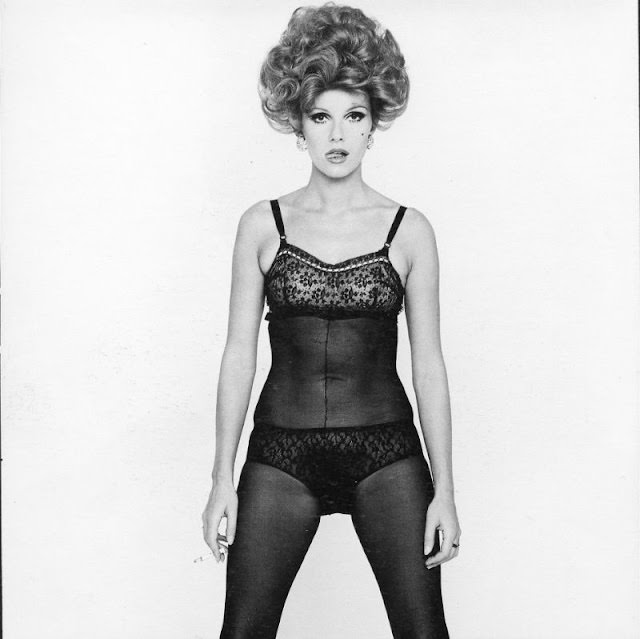
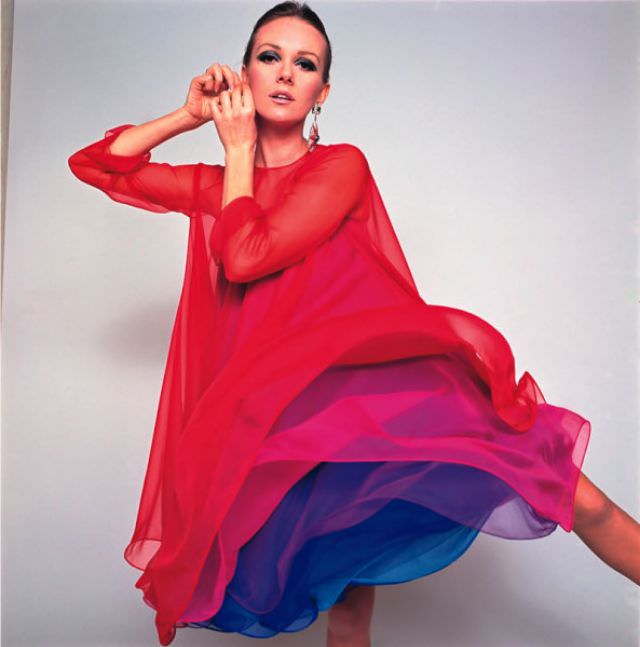
Nicole de la Marge Photographed by David Bailey, 1967
Nicole de la Marge Photographed by F.C. Gundlach, 1967

De Lamargé died in a car crash in Morocco in 1969 while on holiday with her second husband. She was 30 years old. The crash happened just months before Bailey’s book was published. Her final documented shoot, wearing a striped Courrèges dress, was from that same year.
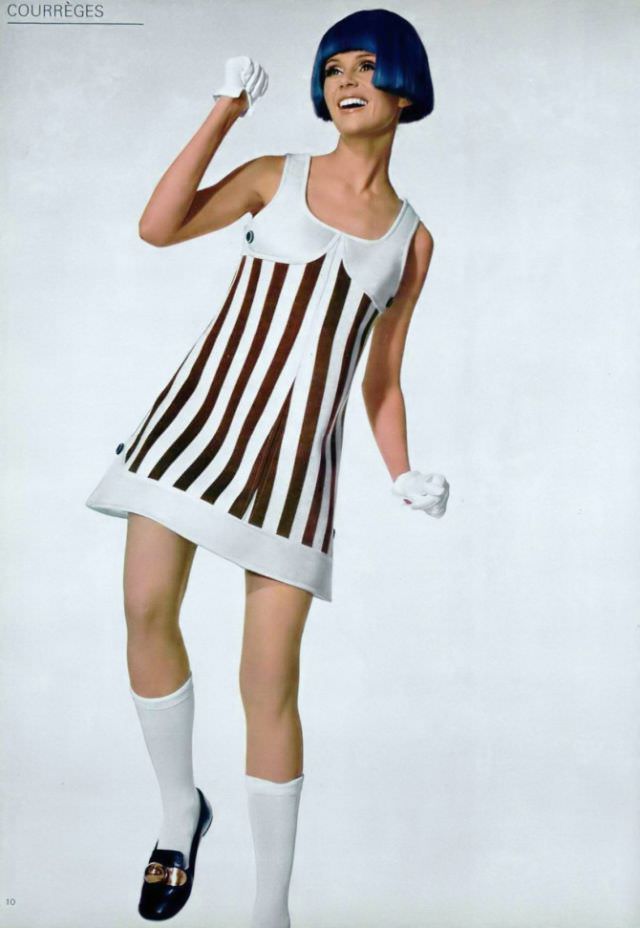
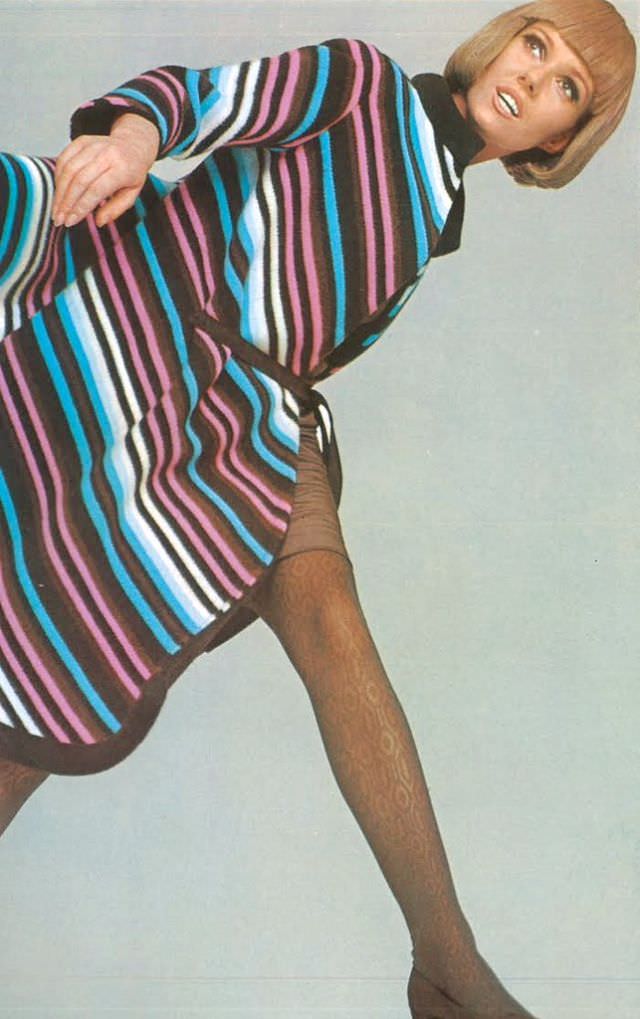
Nicole de la Marge in Striped Dress by Courrèges, 1969

Nicole de Lamargé worked at the exact intersection of French editorial precision and the looser, more energetic style coming out of London. She moved between both worlds without losing her particular quality — a confidence in front of the camera that photographers across two cities recognized and returned to again and again. Twenty-five Elle covers, years of work with the most significant designers of her time, and a place in Bailey’s definitive record of the decade: her decade-long career left a clear and documented mark on the history of fashion.

Enjoyed this post? Get new ones in your inbox.

Leave a Comment

Your email address will not be published. Required fields are marked *

Share this Post 🥺

Please take a moment to share this content. Your support is greatly appreciated! 🙌🙏

Share this Post 🥺

Please take a moment to share this content. Your support is greatly appreciated! 🙌🙏
Scroll to Top
 
Hey Friend, Before You Go.. Please like & follow for more interesting content