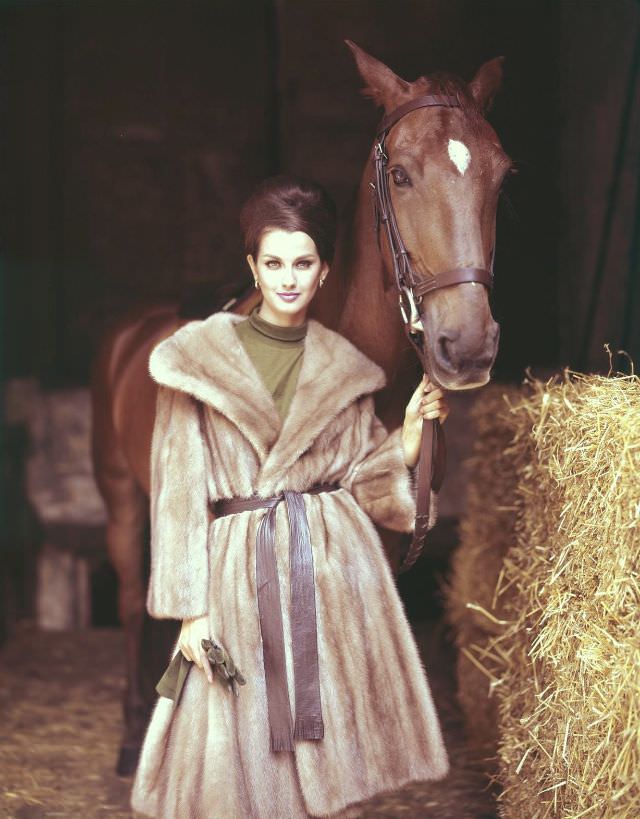
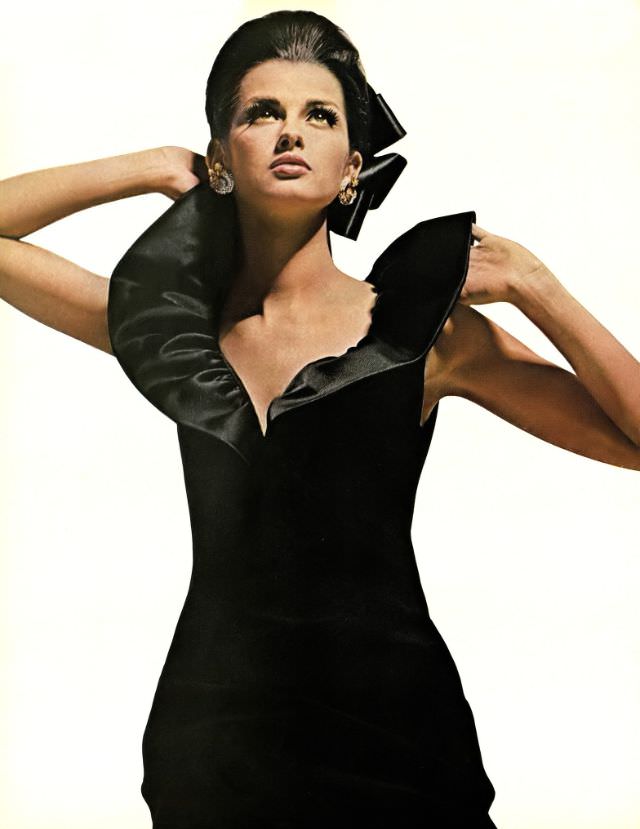
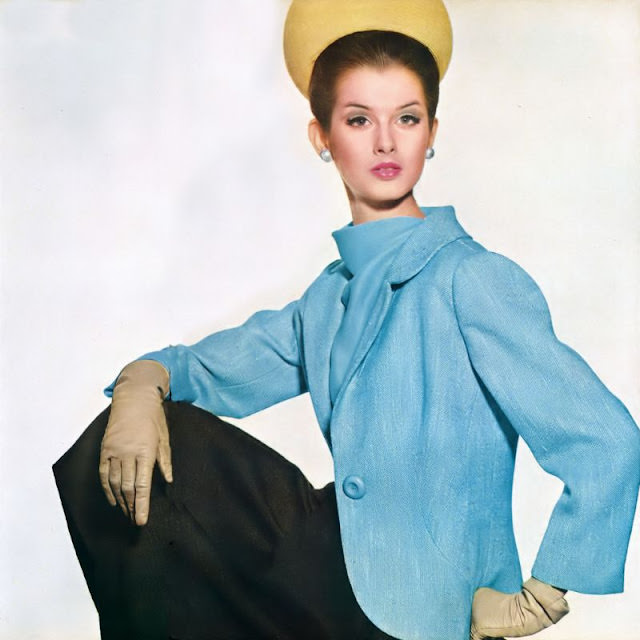
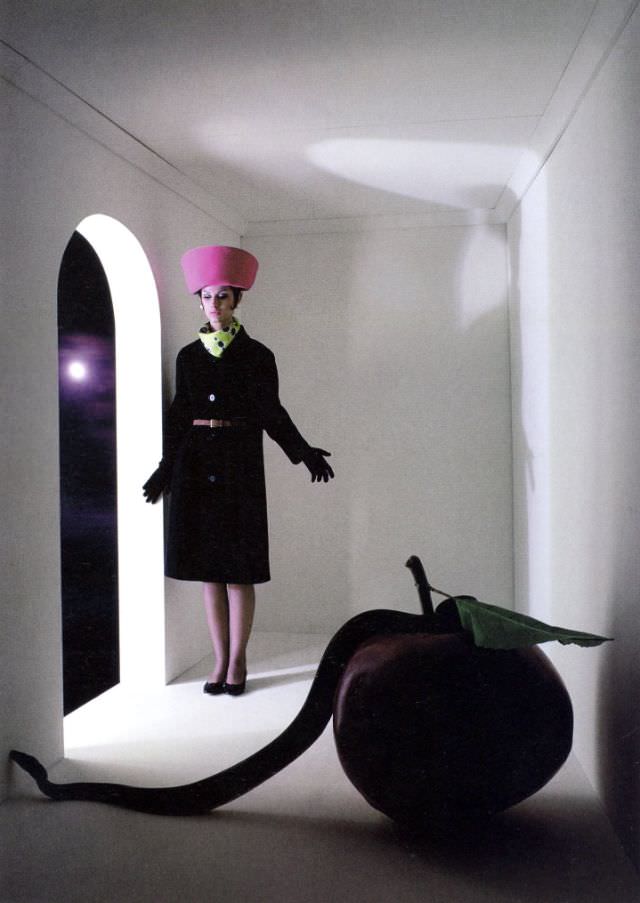
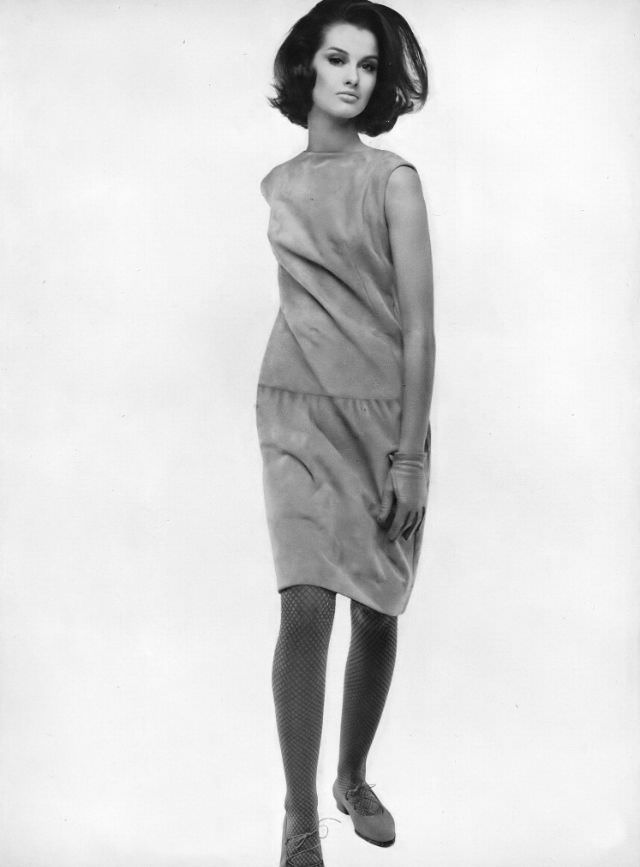
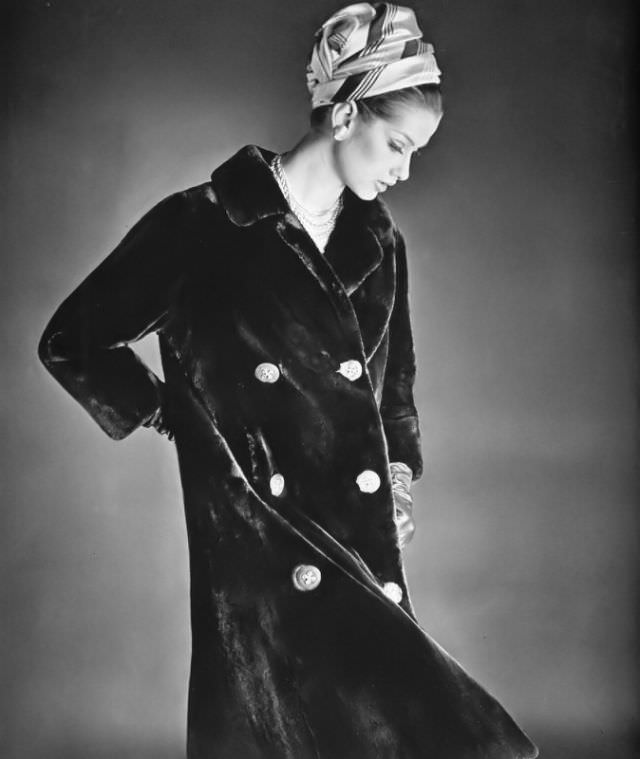
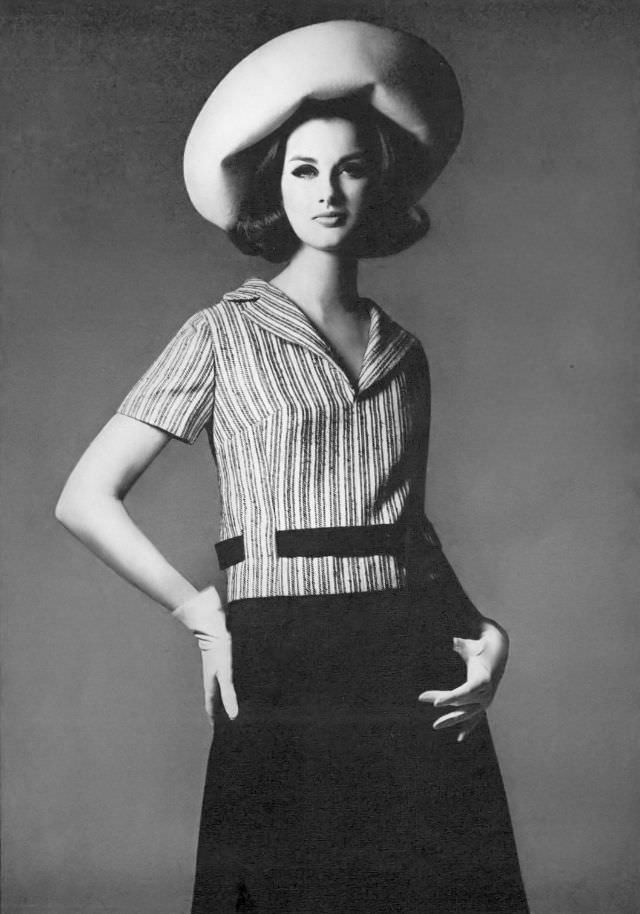
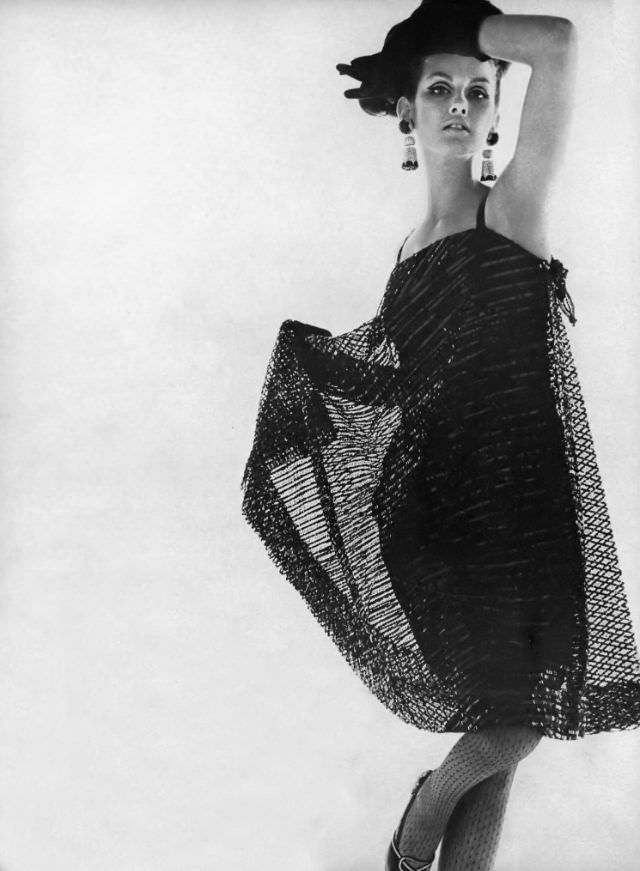
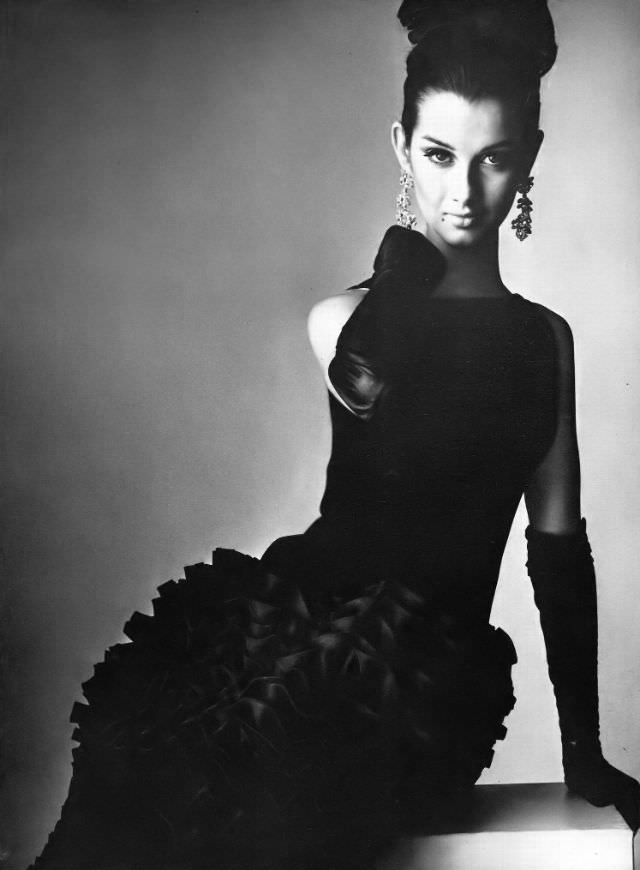
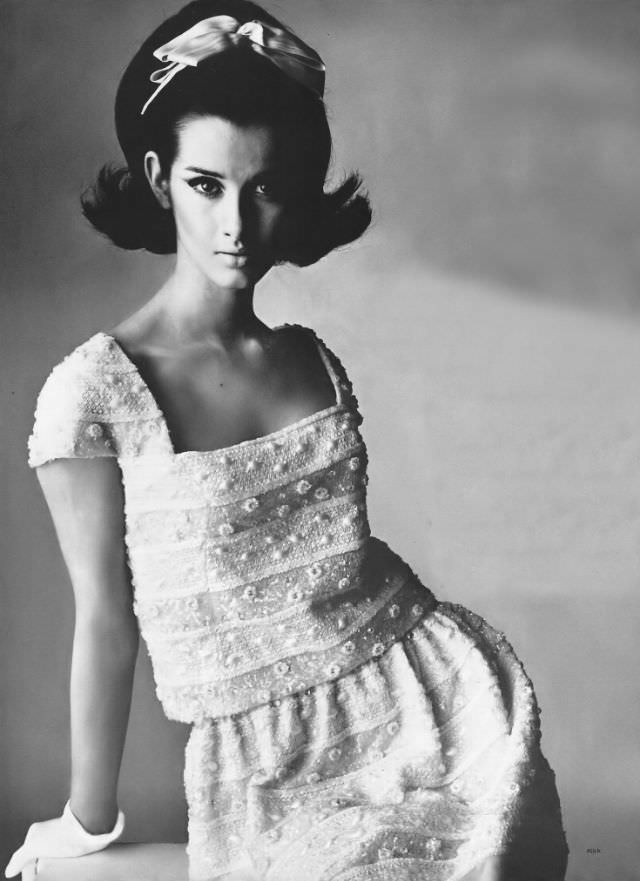
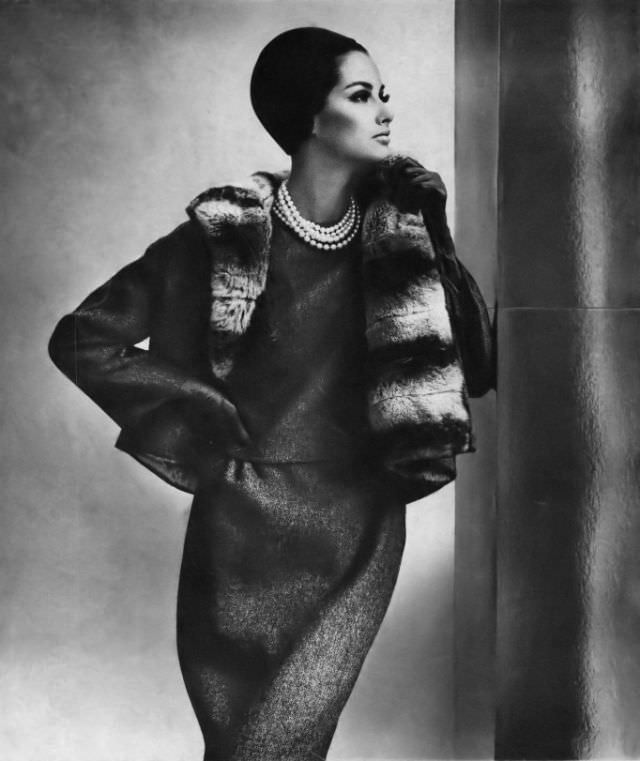
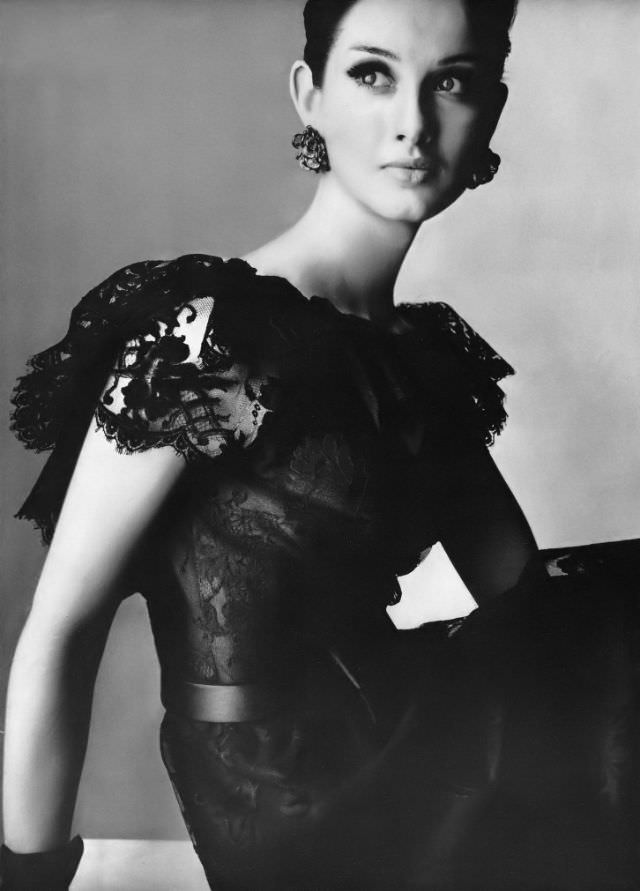
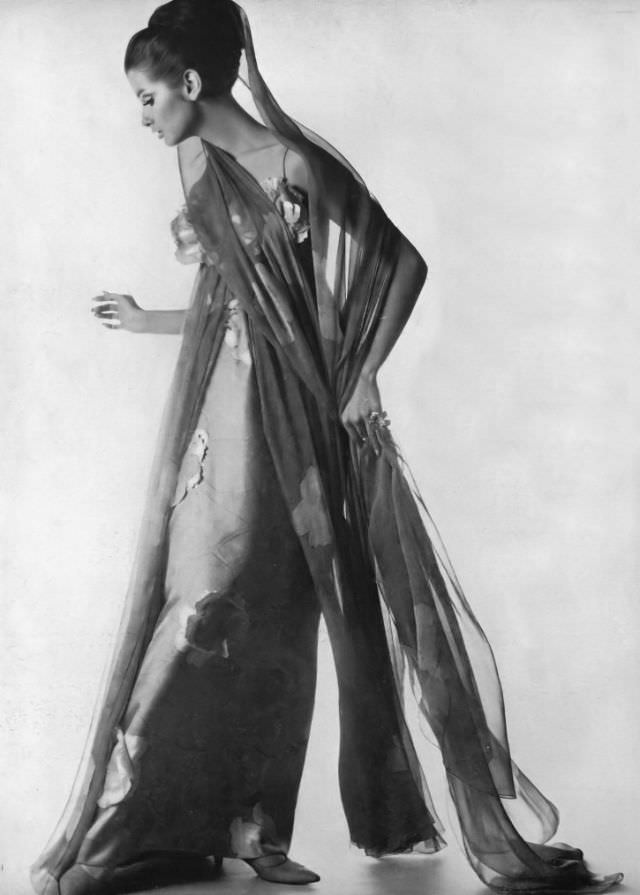
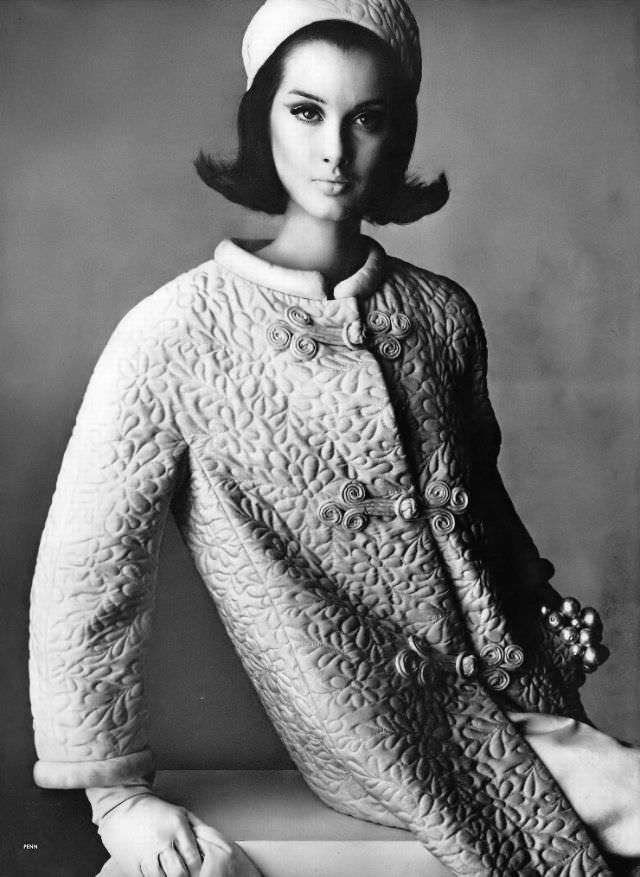
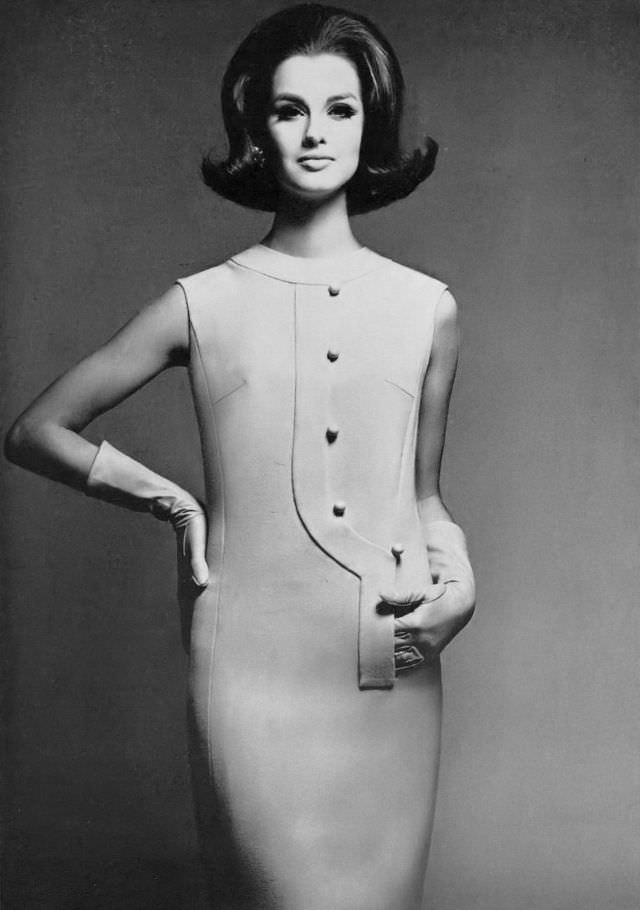
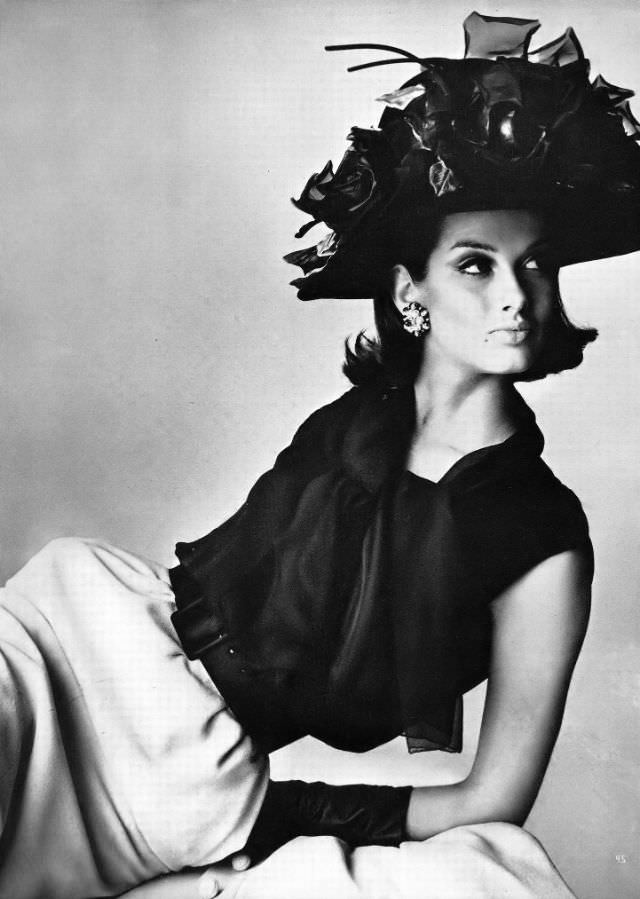
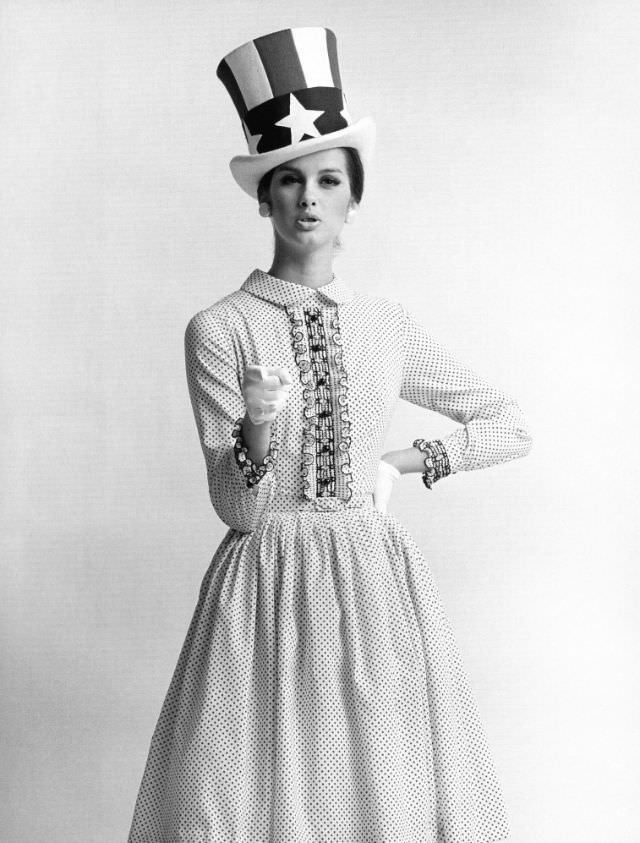
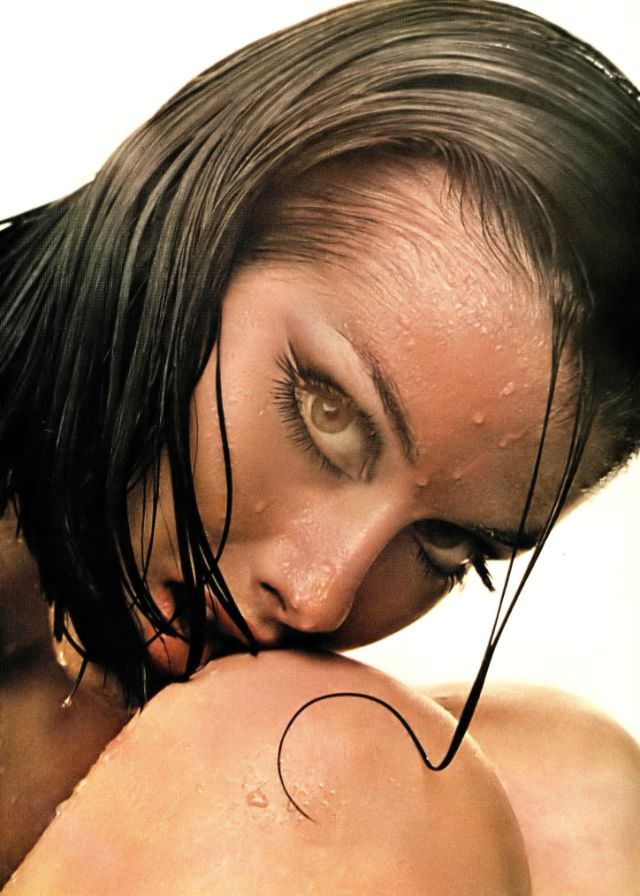
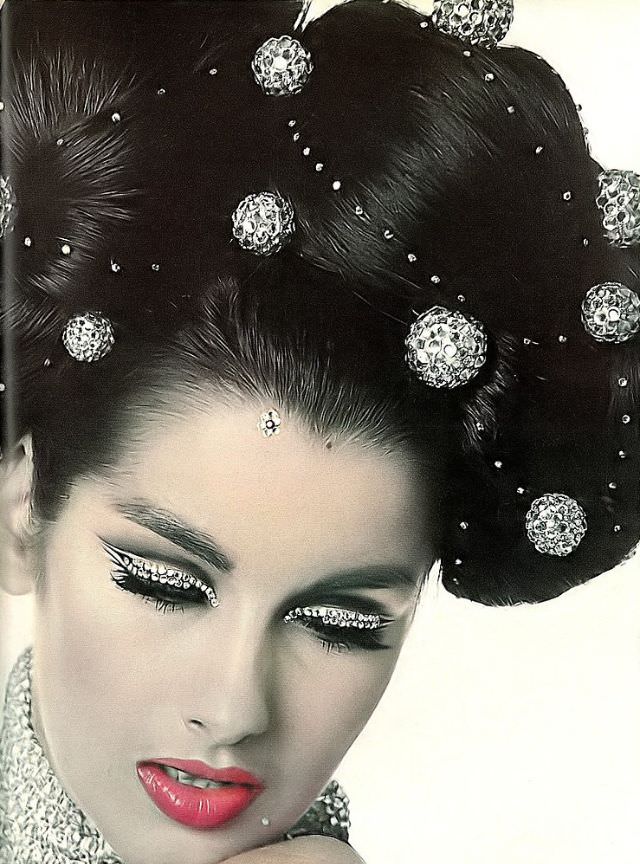
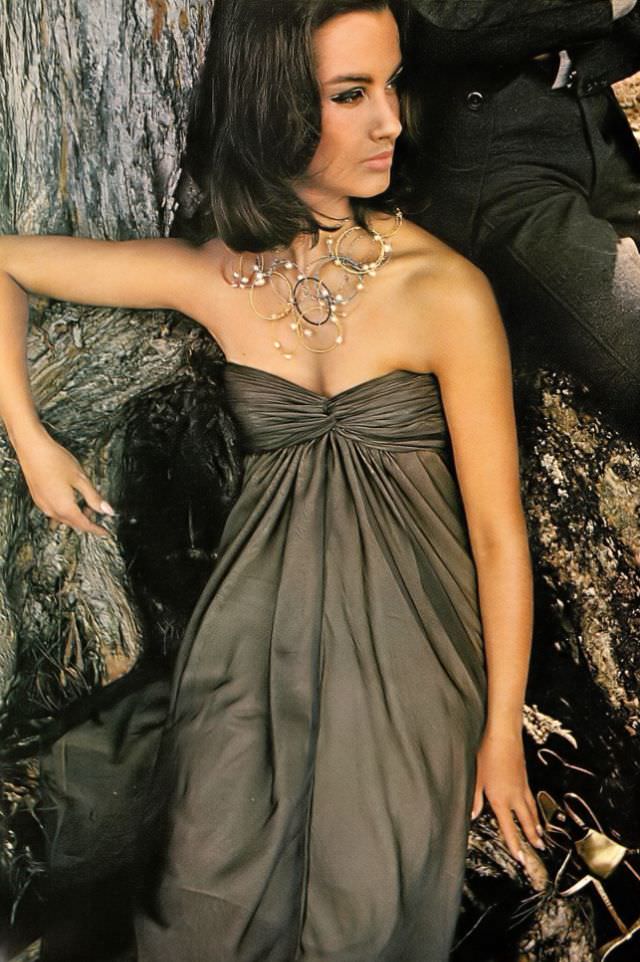
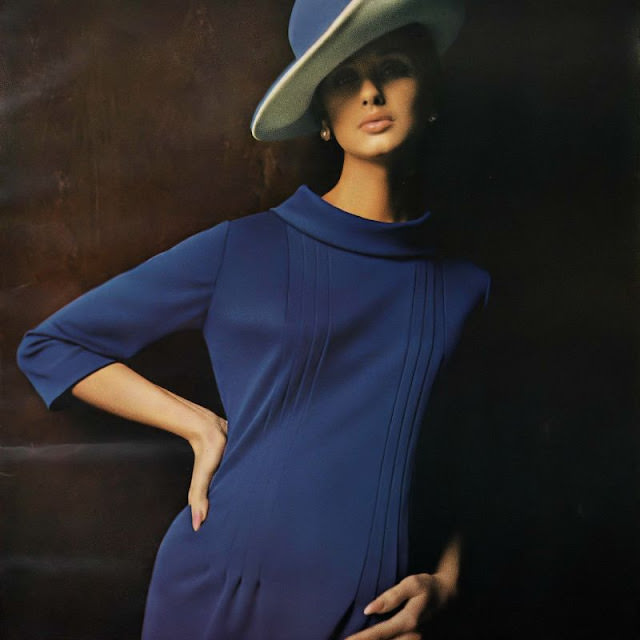
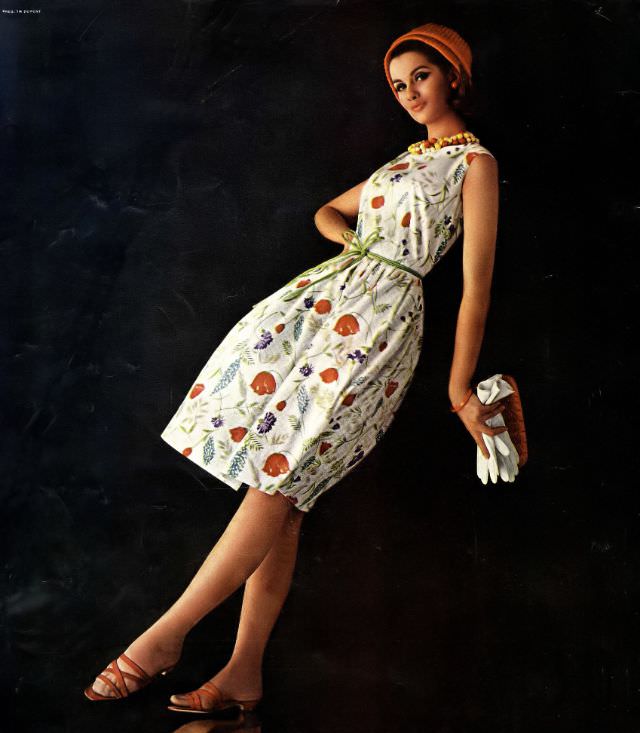
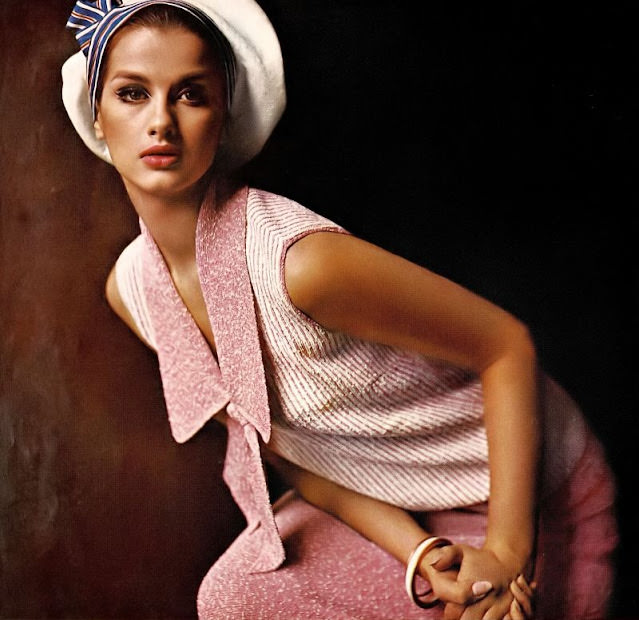
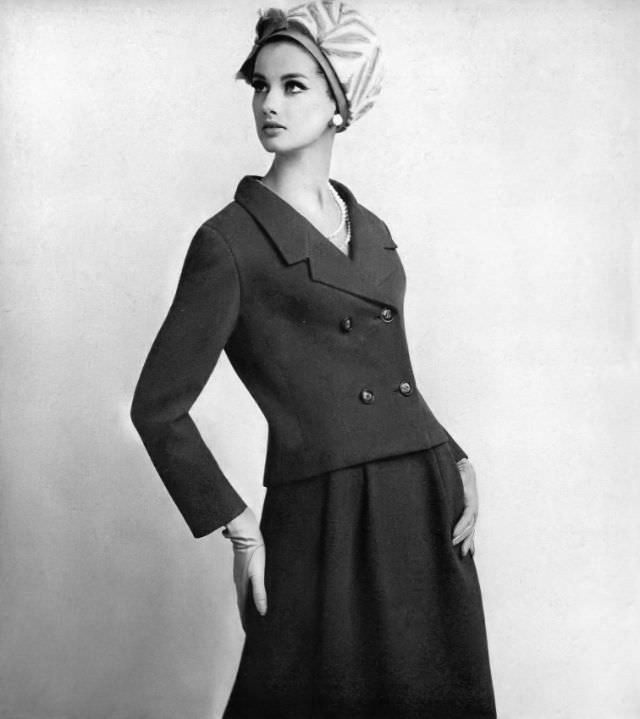
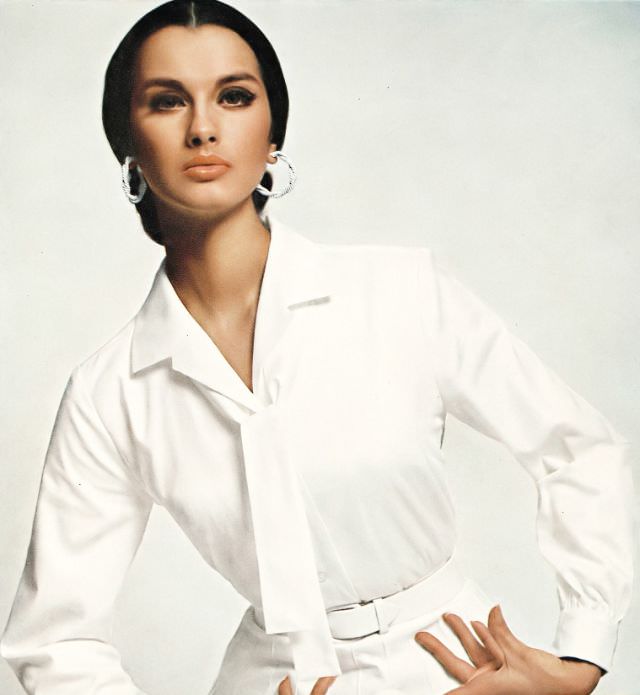
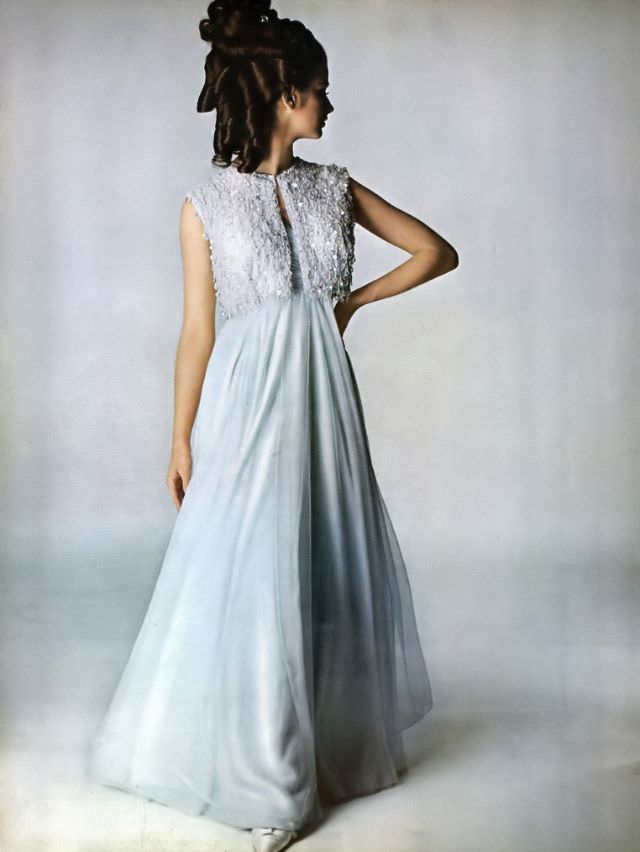
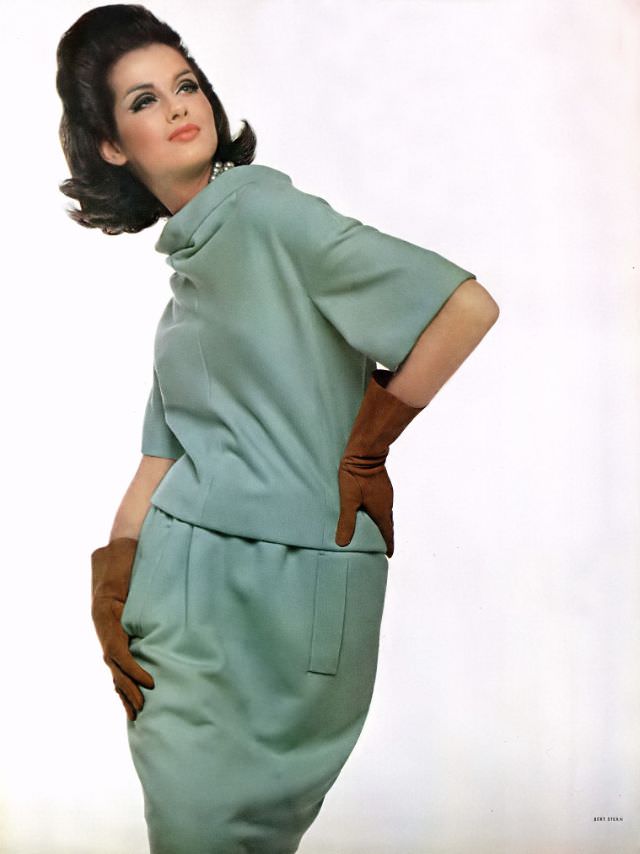
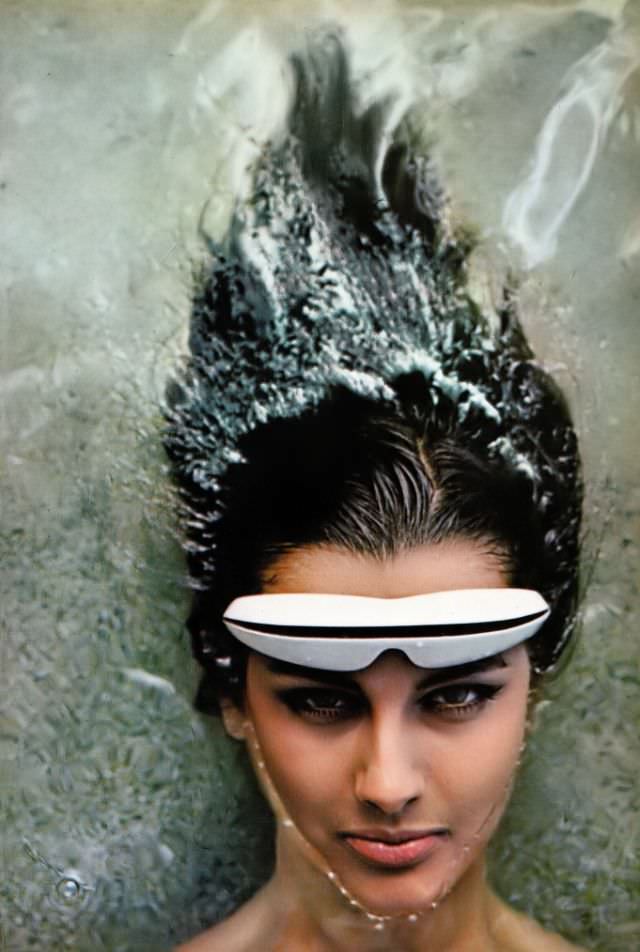
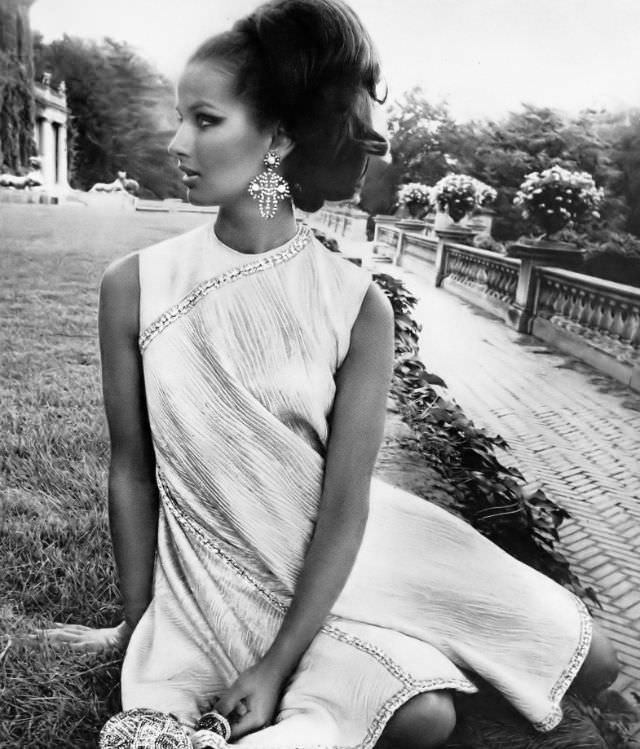
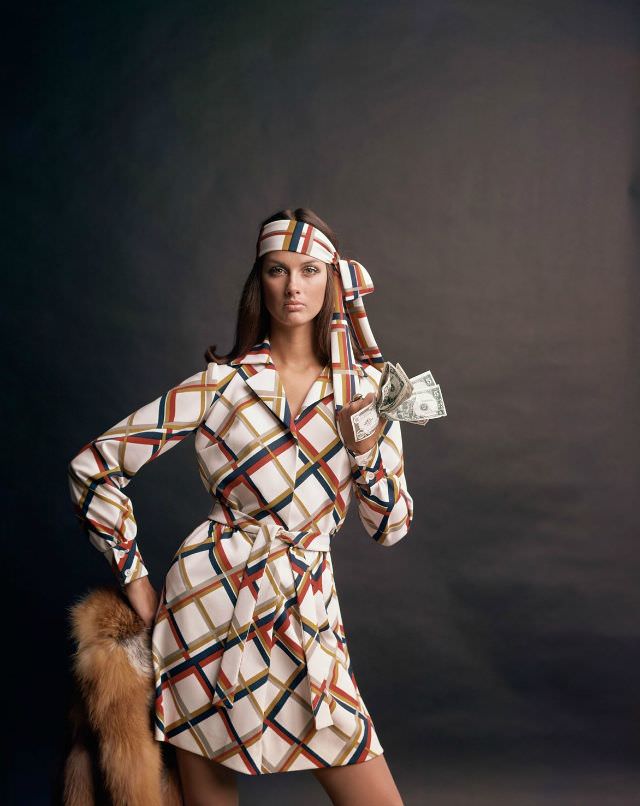
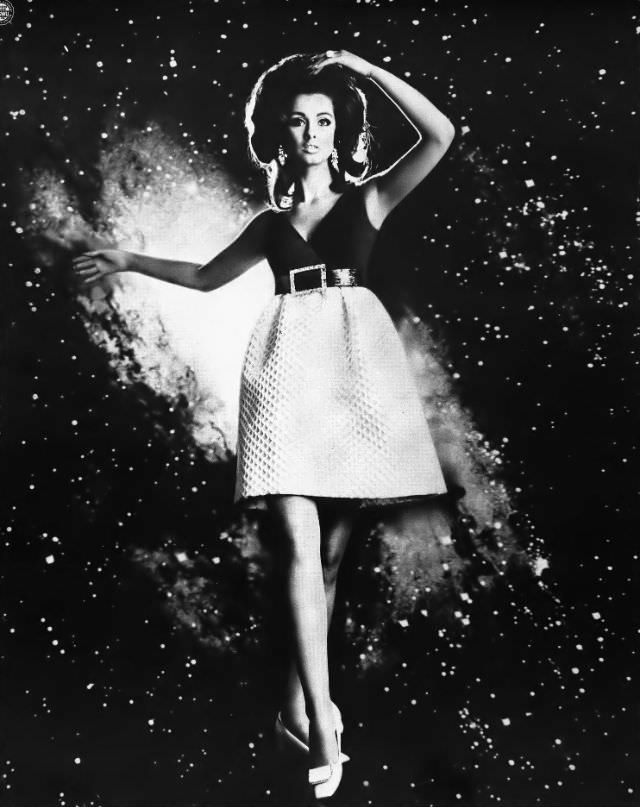
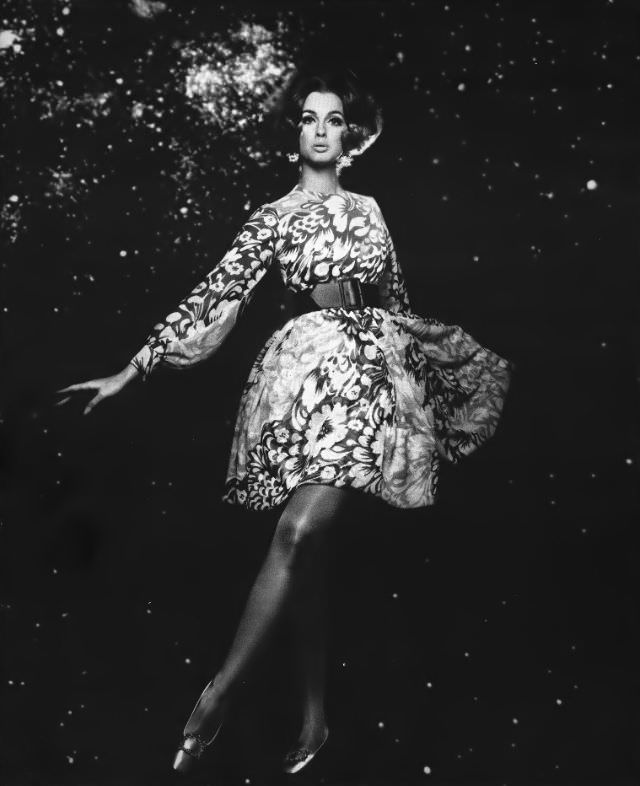
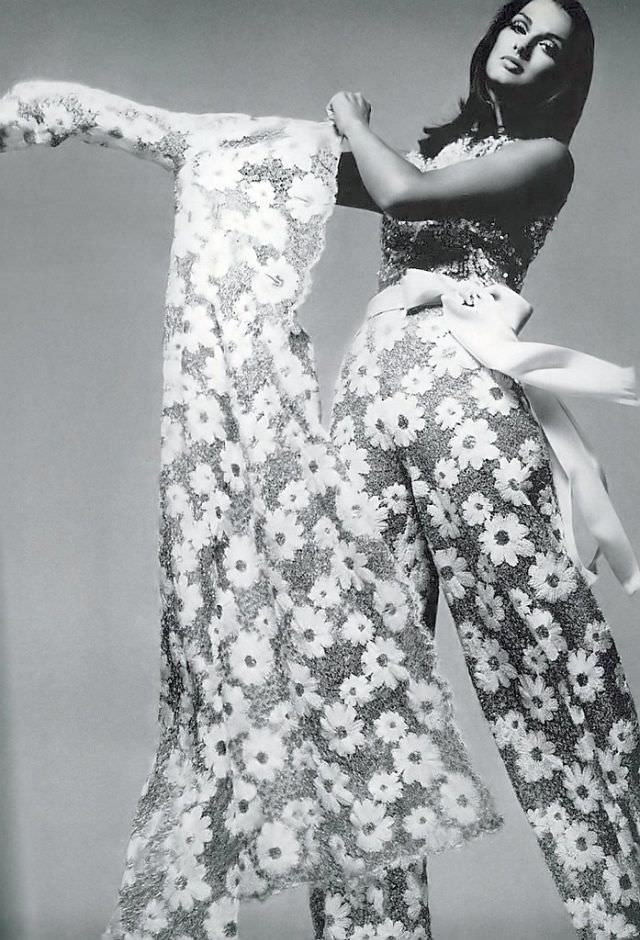
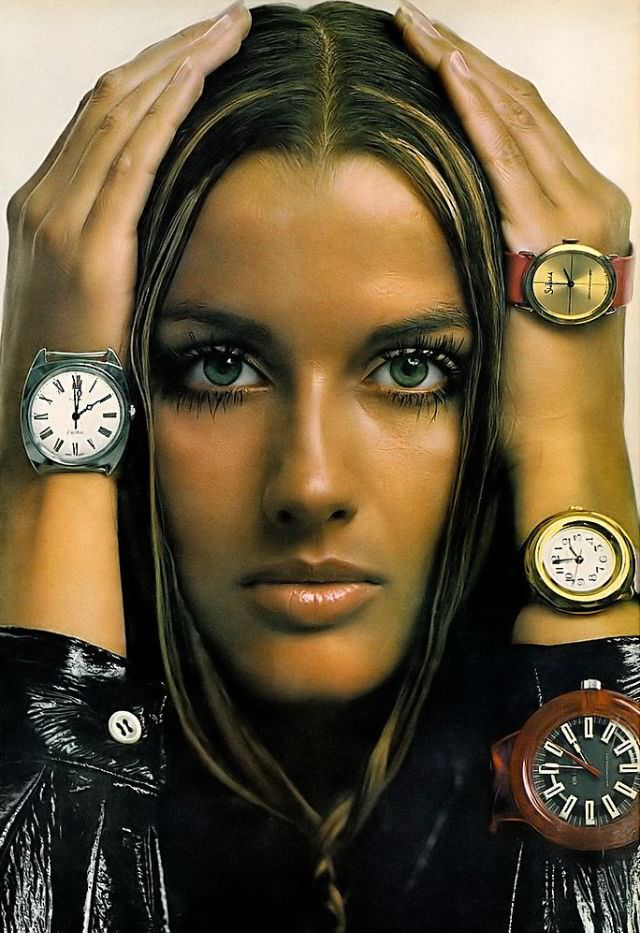
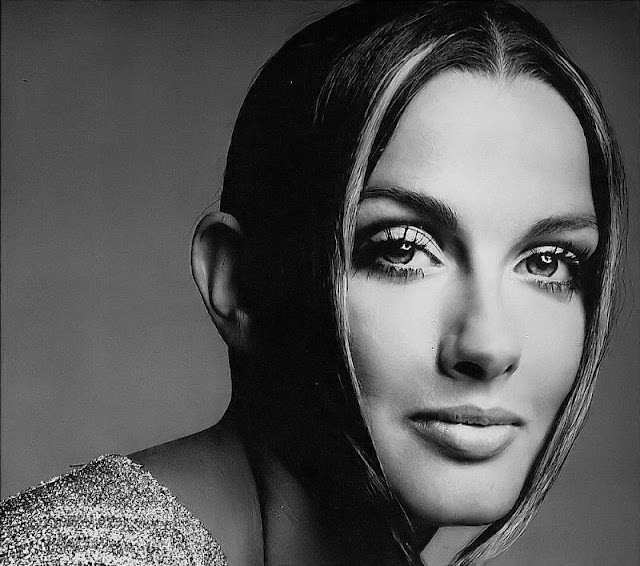
Veronica Hamel, best known for her acting career, had a significant modeling career in the 1960s before she became a household name on television. She was born on November 20, 1943, in Philadelphia, Pennsylvania. She began her career in the fashion industry after being discovered by a talent scout. Her striking looks, combined with her grace and charm, quickly caught the attention of top modeling agencies. By the mid-1960s, she was a sought-after model, working with renowned photographers and fashion designers.
Breakthrough in Modeling
Hamel’s big break came when she started appearing in high-profile fashion magazines. Her first major photo shoot was for Vogue, one of the most prestigious fashion publications of the time. The magazine featured her in several spreads, showcasing the latest fashion trends. Her work with Vogue opened many doors, leading to more opportunities in the modeling world.
Read more
Iconic Photo Shoots
One of the highlights of Hamel’s modeling career was her collaboration with the famous photographer Richard Avedon. Known for his innovative and artistic approach, Avedon captured Hamel’s beauty in a series of iconic photographs. These images were widely published and contributed to her rising fame in the modeling industry.
In addition to Avedon, Hamel worked with other renowned photographers like Irving Penn and Helmut Newton. Each shoot displayed her versatility as a model, whether she was posing in haute couture or casual wear. Her ability to adapt to different styles and looks made her a favorite among photographers and designers alike.
Runway Success
Veronica Hamel was not only a print model but also graced the runways of major fashion shows. She walked for top designers such as Yves Saint Laurent, Givenchy, and Dior. Her tall, slender figure and confident walk made her a standout on the catwalk. Hamel’s runway appearances helped her gain international recognition, further establishing her as a prominent model of the 1960s.
Beyond magazine spreads and runway shows, Hamel also appeared in numerous advertisements. She was the face of several major brands, promoting everything from cosmetics to clothing lines. Her commercial work helped her reach a broader audience and made her one of the most recognizable faces in the fashion industry.
Transition to Acting
By the late 1960s, Veronica Hamel began to transition from modeling to acting. While her modeling career was flourishing, she felt drawn to the world of television and film. This transition was not uncommon for models of her era, as many sought to expand their careers beyond the fashion industry.