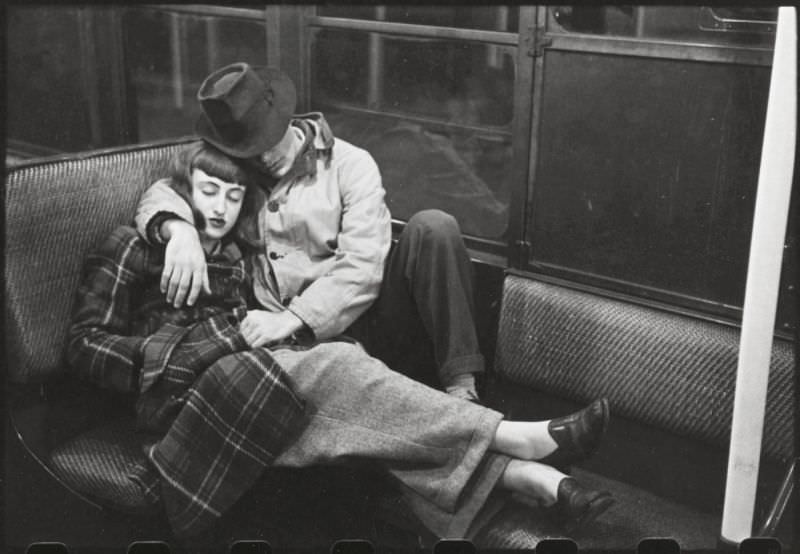
In 1946, Stanley Kubrick was a 17-year-old kid from the Bronx trying to break into photography. He had just landed a staff job at Look magazine — one of the most widely read publications in America at the time. His first major assignment sent him underground, into the tunnels and stations of the New York City subway system. Decades before he directed 2001: A Space Odyssey or A Clockwork Orange, Kubrick was riding late-night trains with a camera, looking for the truth of the city.
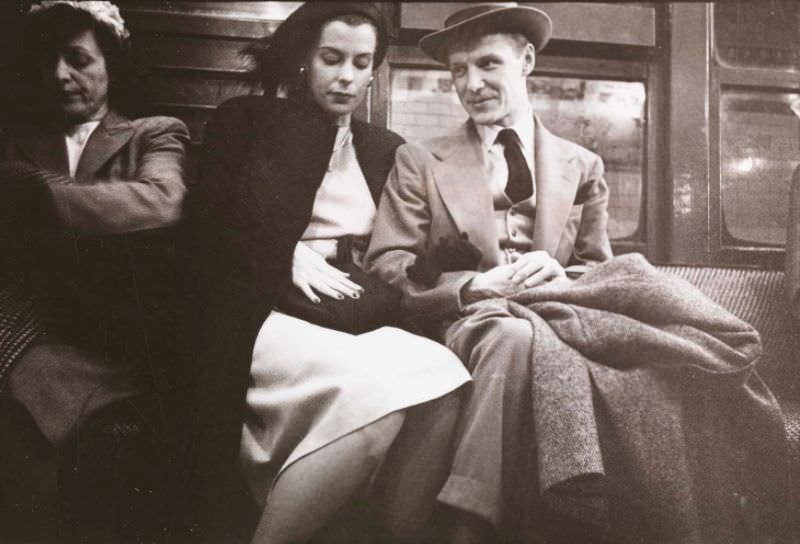
The New York City subway was — and still is — the circulatory system of the city. It carries millions of people every day: workers, students, families, and drifters. But Kubrick was not interested in the rush-hour crowds. He focused on what the subway looked like when most of the city was asleep.
Between midnight and six in the morning, the subway belonged to a different kind of rider. The social rules that govern public behavior during the day loosened after dark. Couples made love openly on the seats. Drunks stretched out on the floor of the car, indifferent to anyone around them. The late-night subway was a space where people dropped their guard entirely, and Kubrick was there to document all of it.
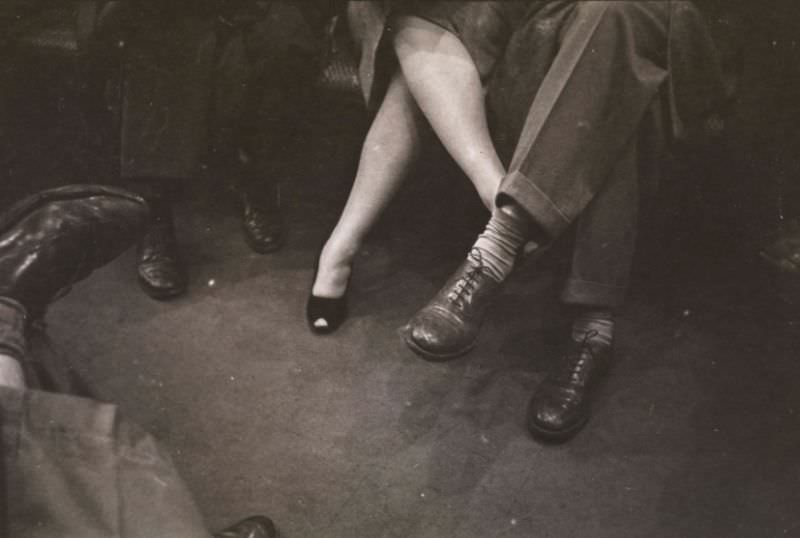
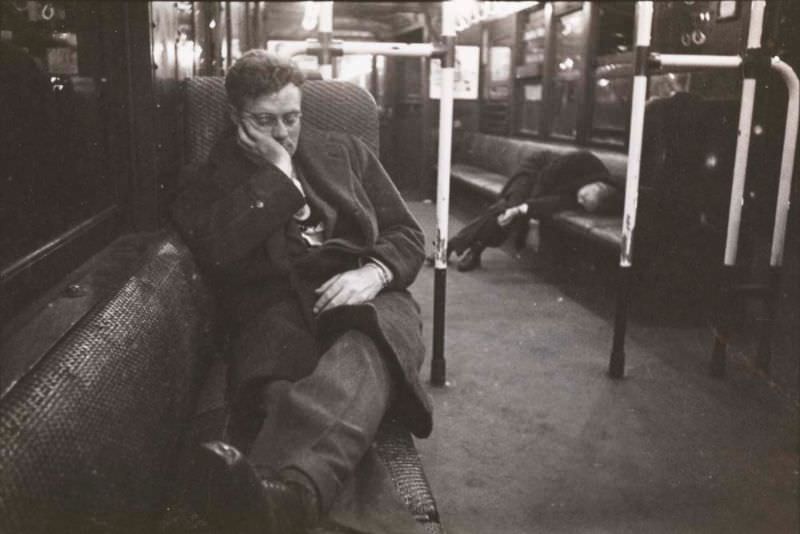
He spent two full weeks riding the trains, covering half of the subway’s total route during those overnight hours. Night after night, he positioned himself inside the cars, waiting. The work was harder than it sounds. The constant motion and vibration of a moving train made it nearly impossible to take a clean shot. Kubrick had to wait for the train to pull into a station before he could shoot.
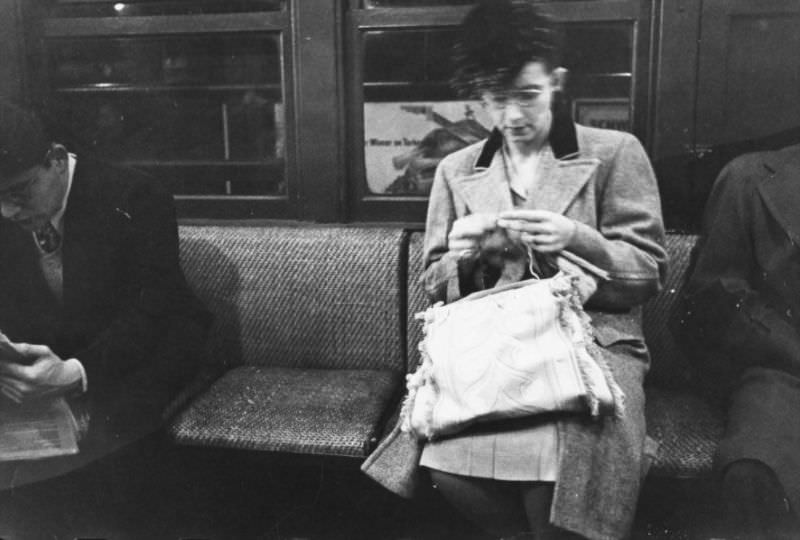
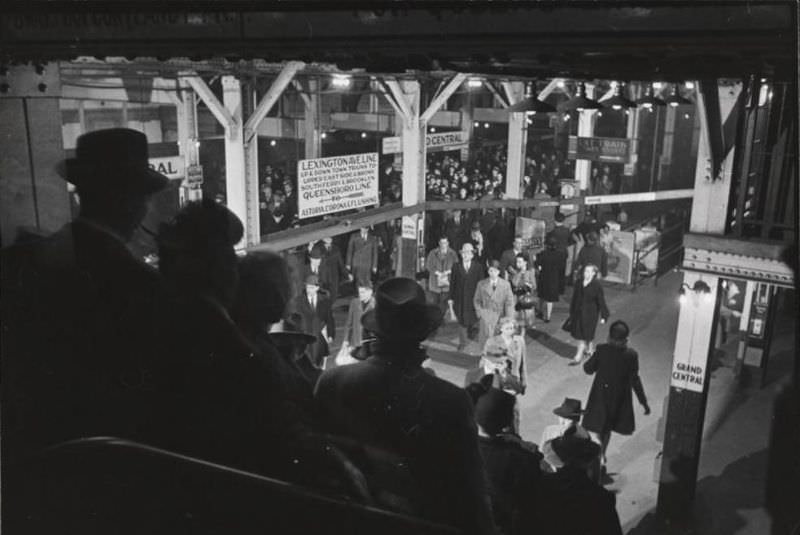
Even when the train stopped, getting the shot was never guaranteed. The moment Kubrick raised his camera and had the frame composed, someone would step in front of the lens, or the subject would stand up and get off the train. The doors would close, the train would move again, and the opportunity was gone. He had to stay patient, alert, and ready to react in a fraction of a second.
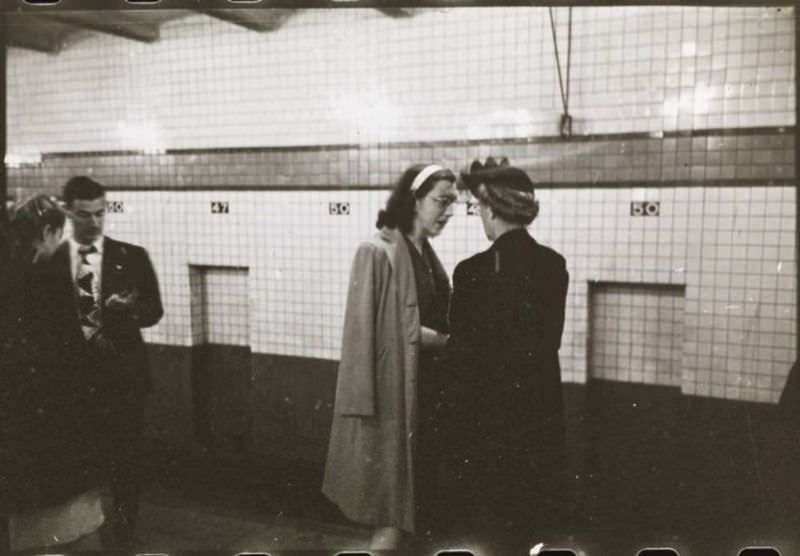
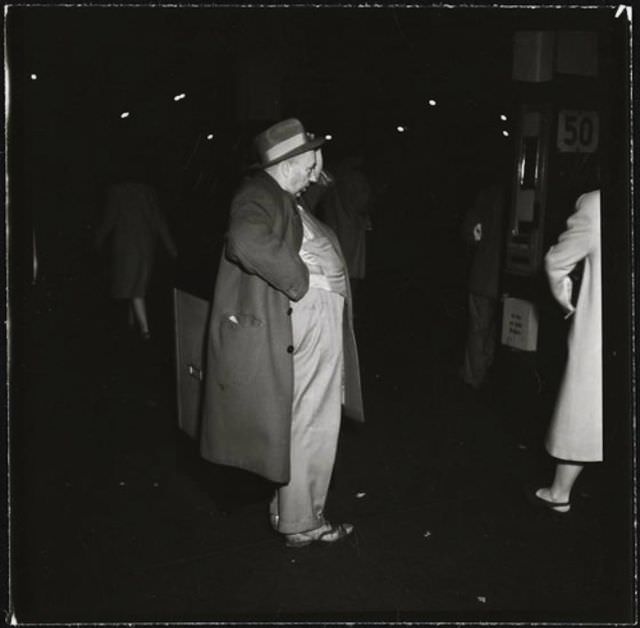
The resulting photographs are remarkably intimate. Kubrick captured people in states they never would have allowed in front of a camera if they had known one was there — sleeping with their mouths open, leaning on strangers, holding each other close. There is nothing posed or polished in these images. They are candid in the truest sense.
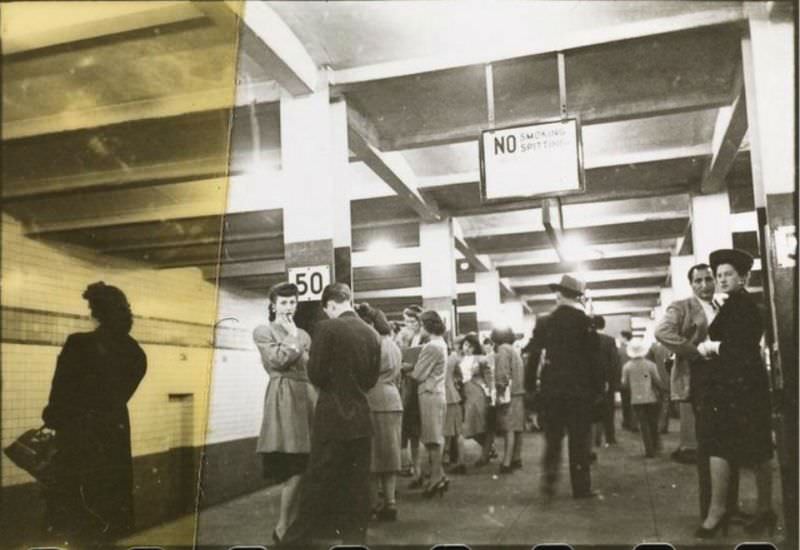
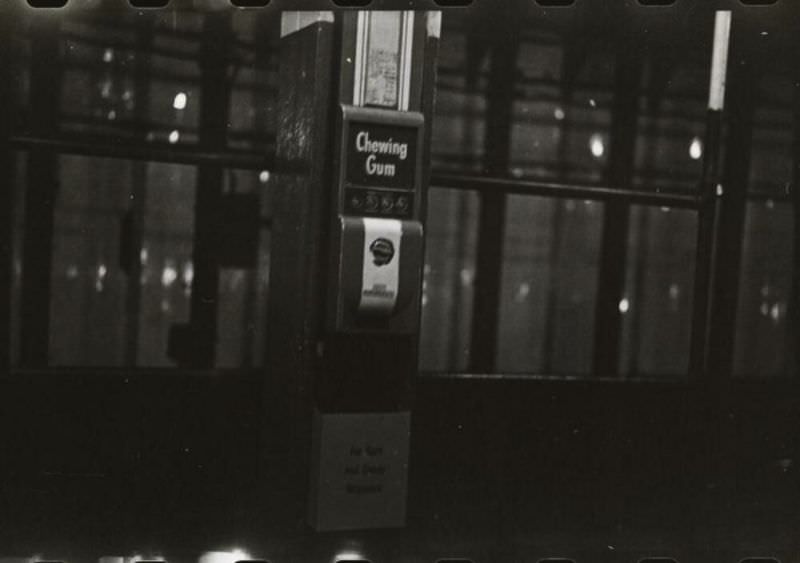
What makes the photographs striking is how much they reveal about ordinary life in postwar New York. The city was enormous, dense, and impersonal — but inside a subway car after midnight, strangers became something closer. The physical closeness of the seats, the shared exhaustion of a late-night ride, and the anonymity of the underground all created a space unlike anywhere else in the city.
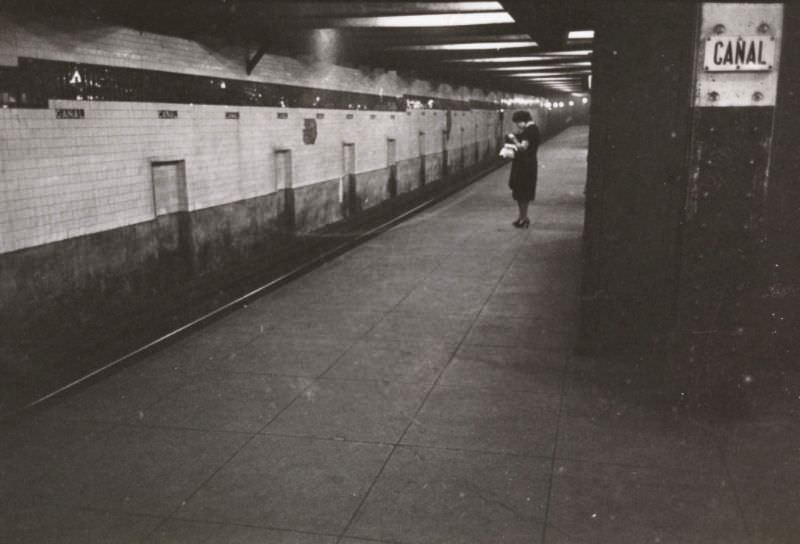
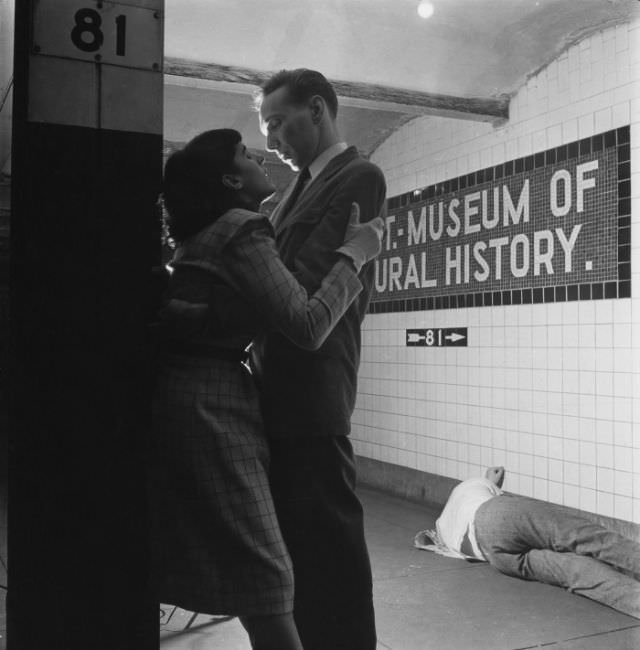
Kubrick’s eye was already sharp. He knew where to look and when to wait. These were not accidental snapshots — they were the product of deliberate, methodical work by someone who understood composition and timing even as a teenager. The same qualities that would later define his films — precision, patience, and an unflinching willingness to look at human behavior directly — are all present in these subway photographs.
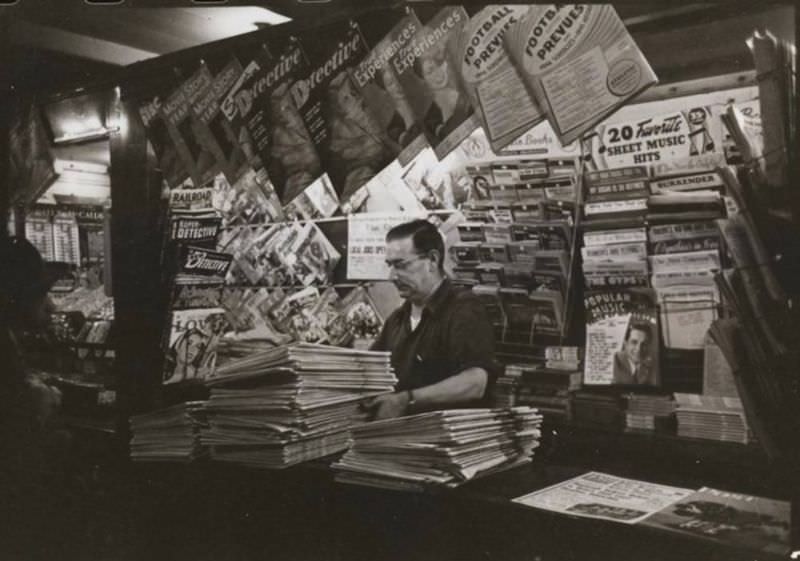
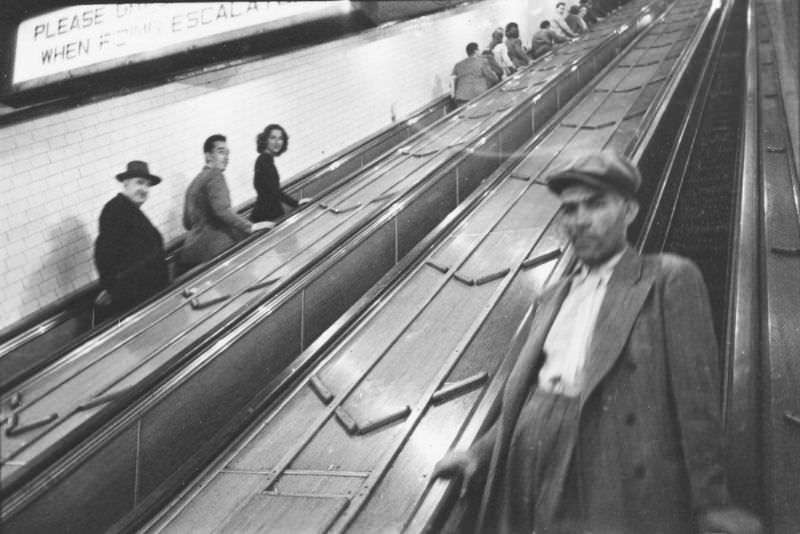
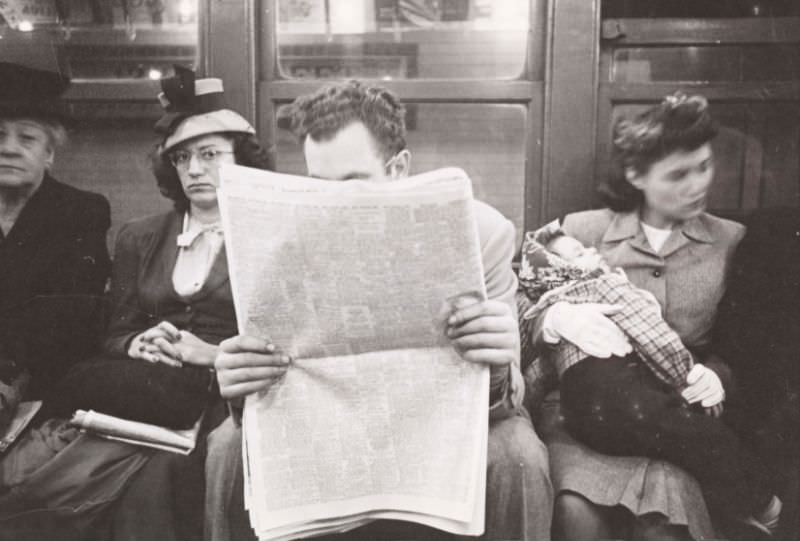
The 1940s subway was also a world that no longer exists in quite the same way. The cars were different, the advertising was different, the clothing was different. Men wore hats. Women wore gloves. The stations were lit by harsh, bare bulbs that cast deep shadows. Kubrick used all of that — the light, the grime, the worn upholstery — to give his images texture and depth.
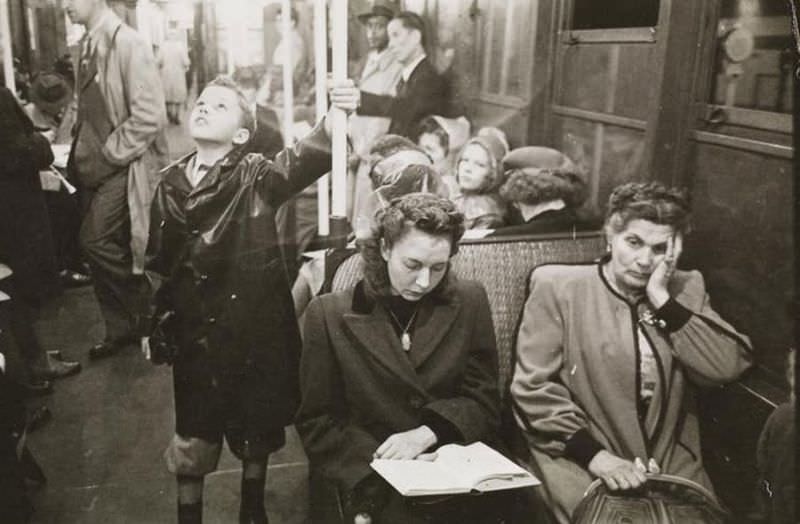
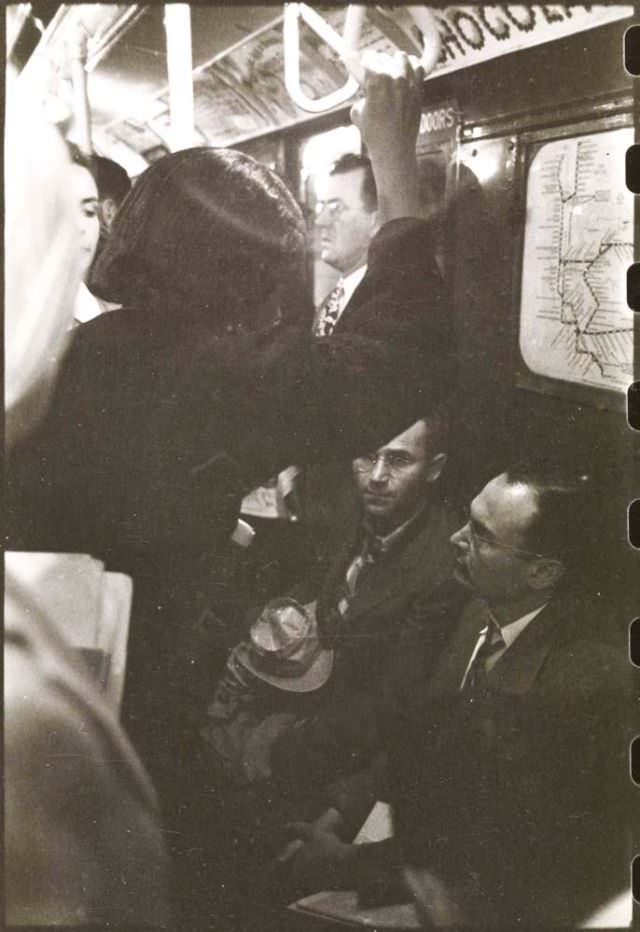
Some of his subjects are clearly awake and aware of him. Others are completely oblivious, lost in conversation or sleep or the rhythmic rocking of the train. That mix — the seen and the unseen, the performer and the unaware — gives the series its range. No two photographs feel alike.
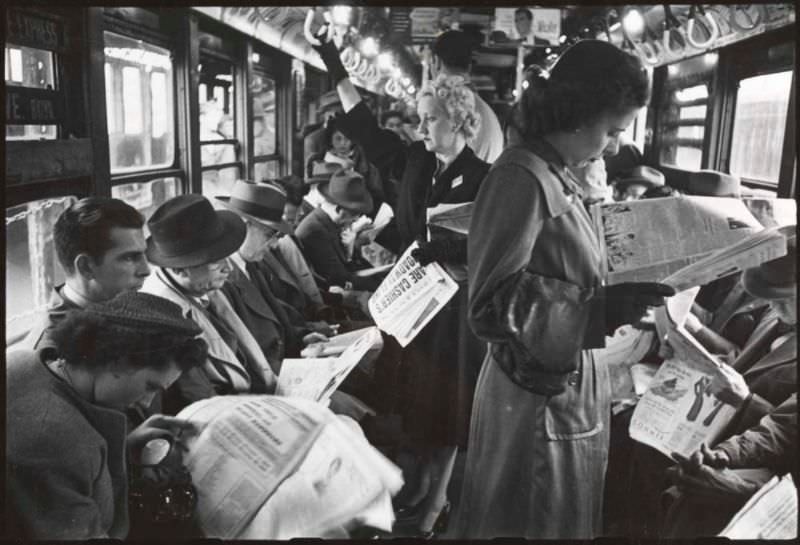
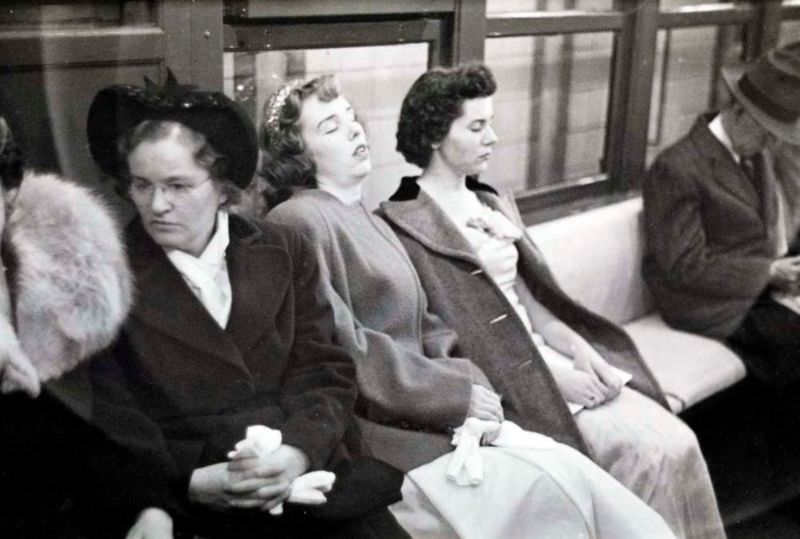
For Look magazine’s readership, these images offered a window into a part of the city that most people never saw. The late-night subway was not a place middle-class readers typically visited. Kubrick brought it to them in sharp, unvarnished black and white.
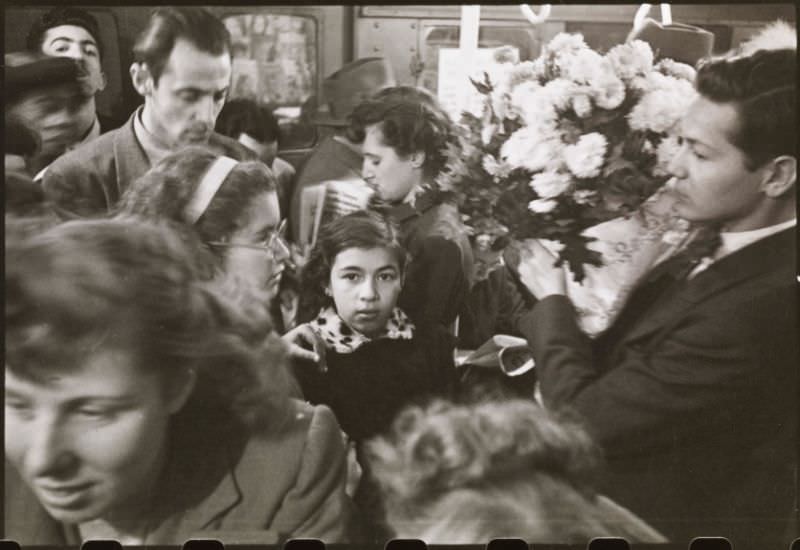
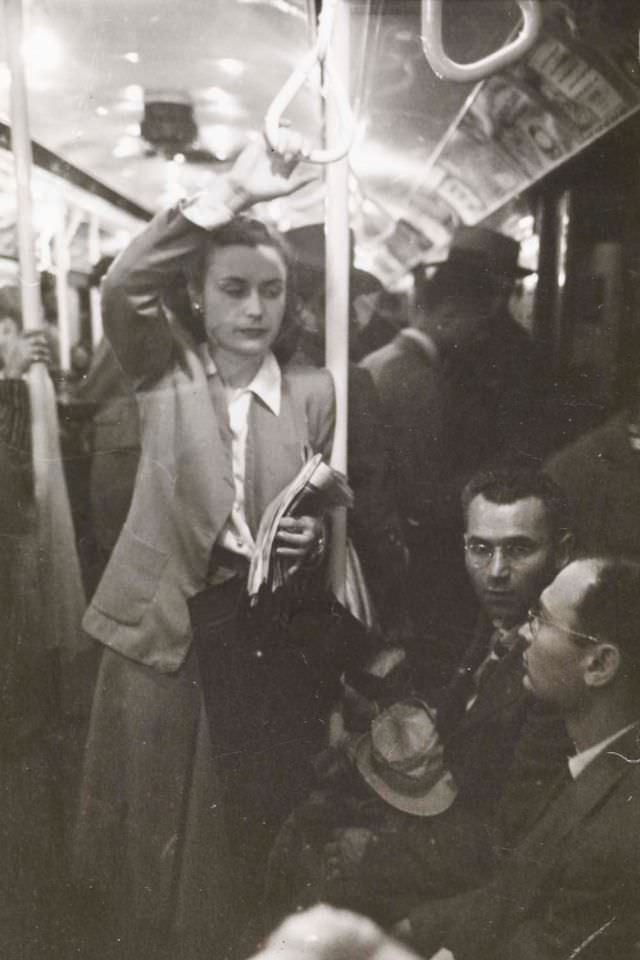
By the time he finished those two weeks underground, Kubrick had produced a body of work that stood entirely on its own as photojournalism. He was still a teenager. The subway series remains one of the most vivid records of everyday New York life from that era — raw, unscripted, and completely honest.