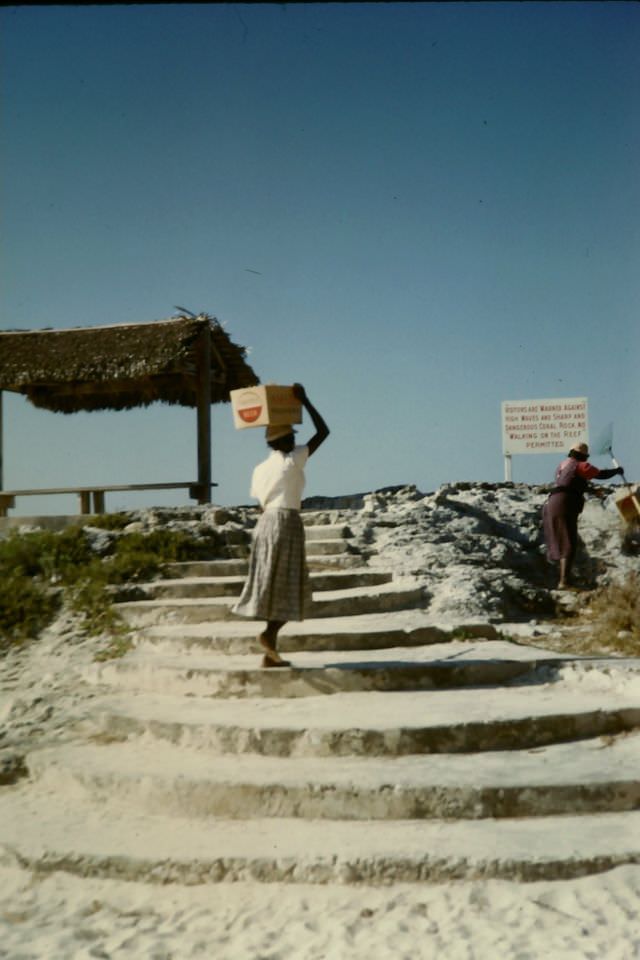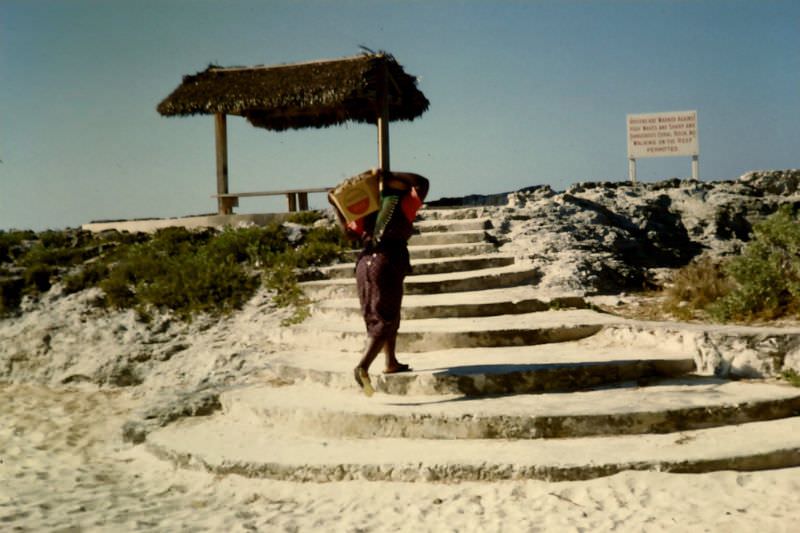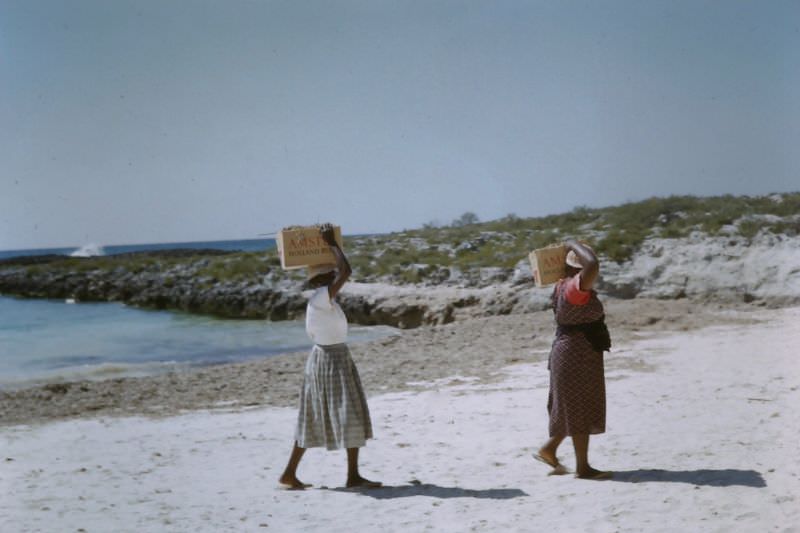

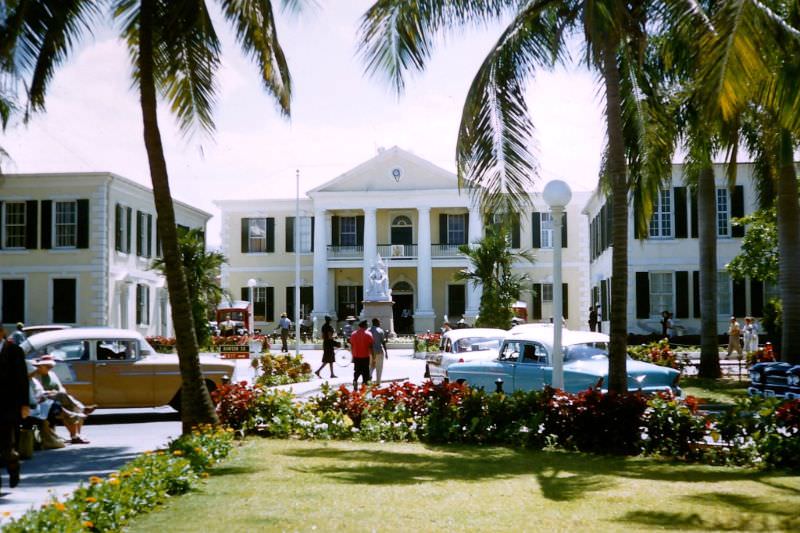
Nassau, the capital of the Bahamas, has a history that stretches back to the mid-17th century. It was first established as Charles Towne before taking its current name in the 1690s — drawn from the family name of King William III of England. The city wasn’t formally platted until 1729. For much of its early history, Nassau was a known stronghold for pirates operating across the Caribbean. By the 20th century, it had transformed into something far different: a thriving hub for tourism and international banking. The photos below, all taken in 1960, capture Nassau at a fascinating crossroads — modern enough to draw international visitors, yet still holding onto the distinct rhythms of island life.
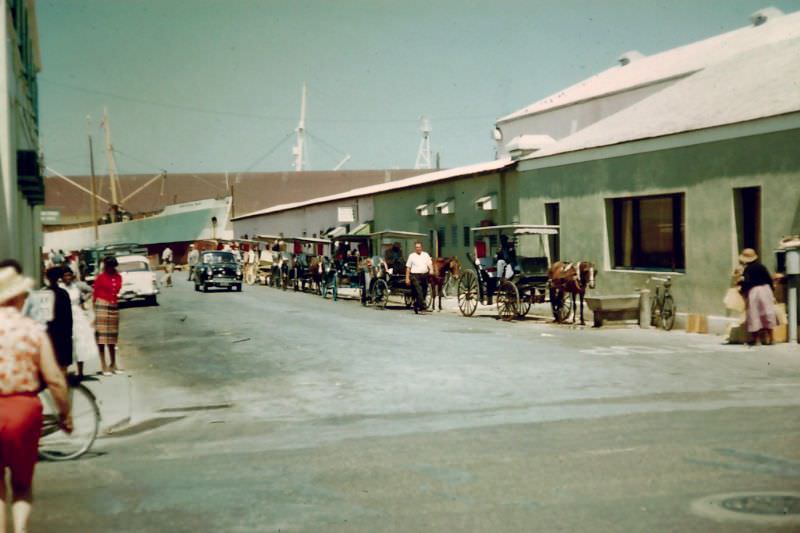
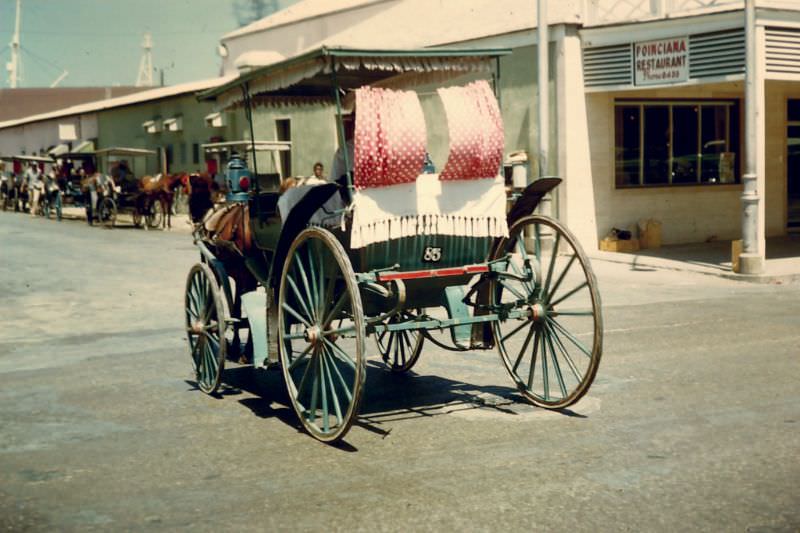
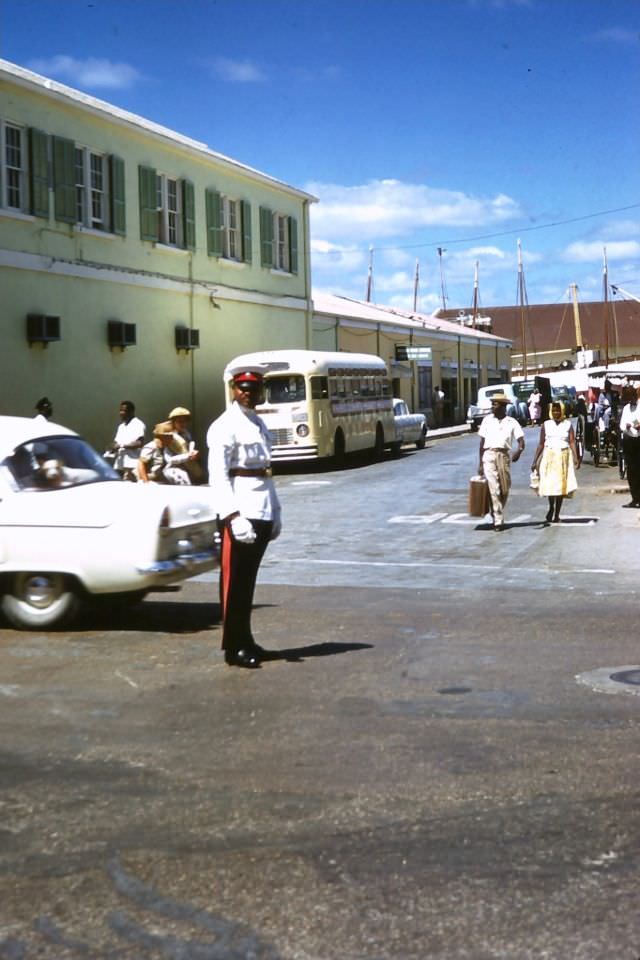
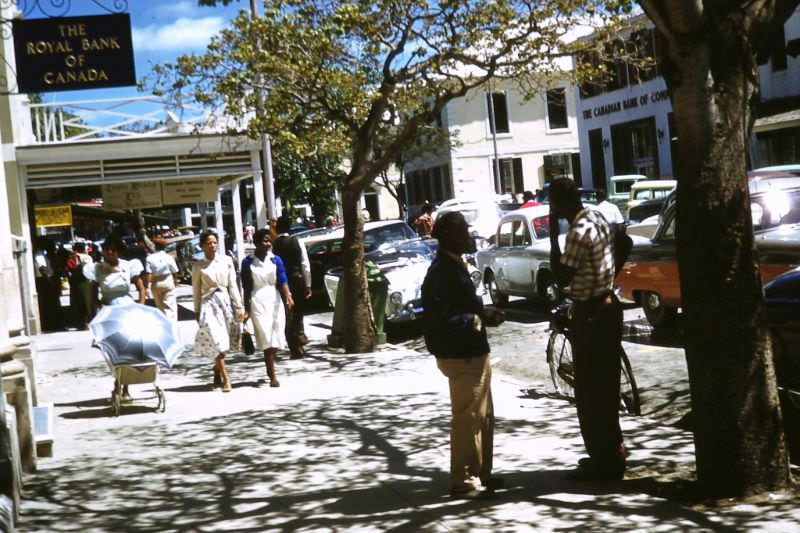
The streets of Nassau in 1960 had a character all their own. Though the city’s urban footprint was relatively compact, residential areas and suburbs stretched out along the coastline and pushed into the island’s interior. The downtown core buzzed with activity — locals going about their daily business alongside tourists who arrived in growing numbers each year. One of the most distinctive sights on those streets was the horse-drawn surrey, a light carriage that served as a popular way to tour the city.
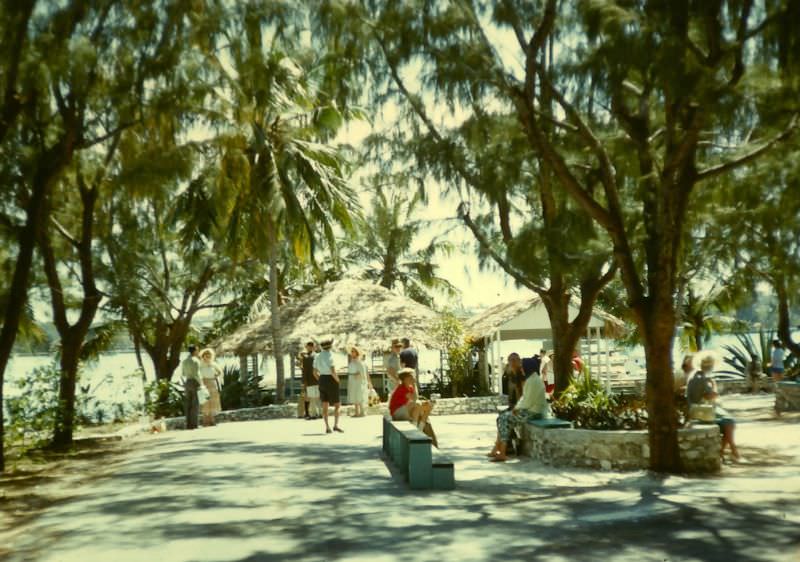
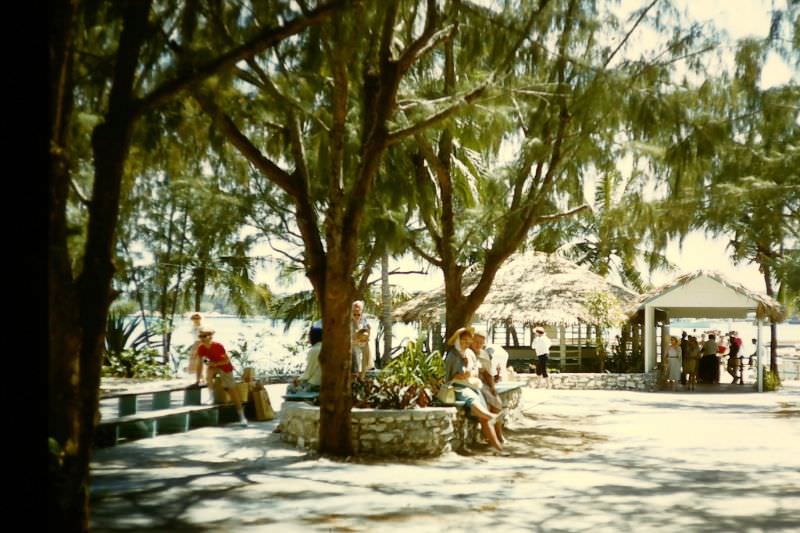
Just off the northern coast of Nassau sat Hog Island, a narrow strip of land separated from the main island by Nassau Harbour. In 1960, Hog Island was a quieter, more natural escape from the city — a place where visitors could reach the open Atlantic side and enjoy the kind of beach scenery that Nassau was becoming famous for. The quays at Hog Island served as simple but functional landing points, connecting the island to the Nassau waterfront by short boat trips across the harbour.
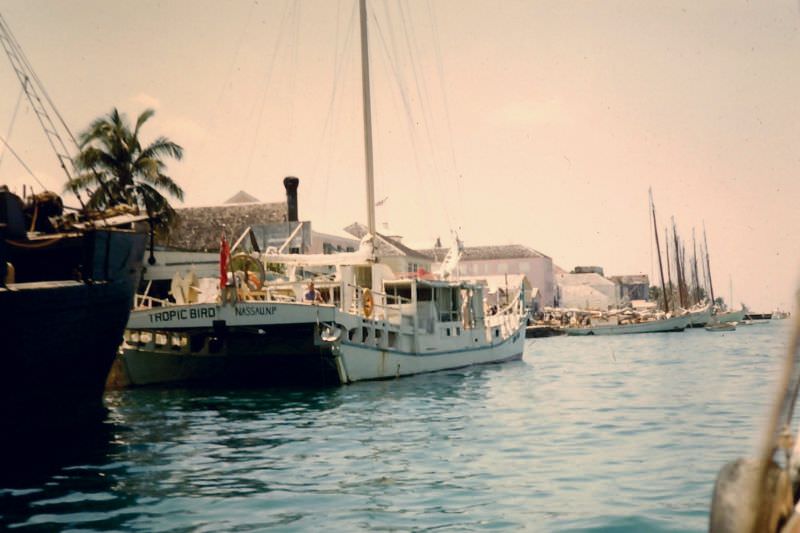
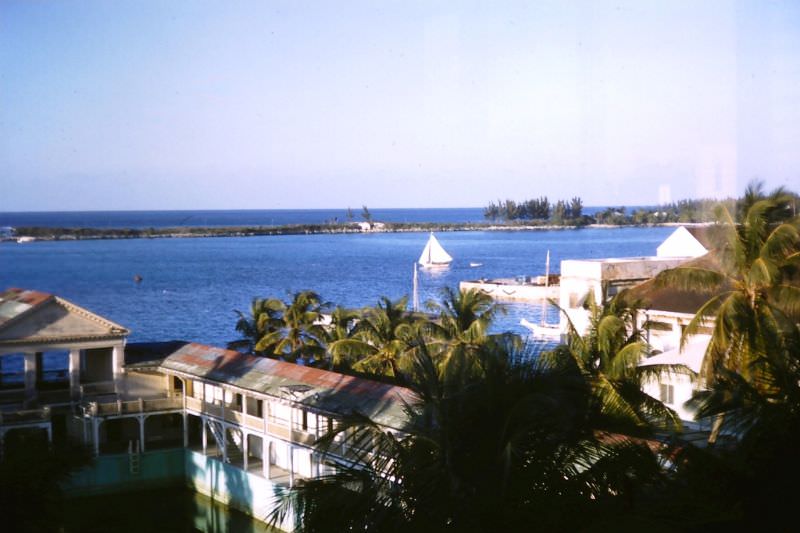
Nassau Harbour was the beating heart of the city’s economy and movement. In 1960, it handled the steady flow of cargo ships, fishing vessels, and passenger boats that kept the island supplied and connected to the outside world. The waterfront was always active, with workers loading and unloading goods alongside tourists stepping ashore from cruise ships and private yachts.
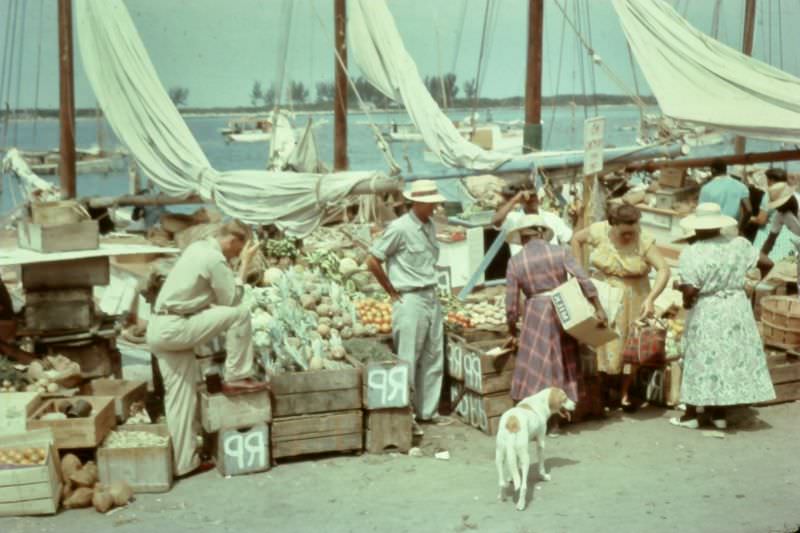
Near the waterfront, open-air markets gave visitors a direct look at everyday Nassau commerce. The native market was a place where local vendors sold fresh produce, fish, and handmade goods. The waterfront market in particular drew crowds, with sellers arranging their wares along the harbour’s edge. These markets were a central part of local life — not tourist attractions, but working marketplaces where the city fed and sustained itself.
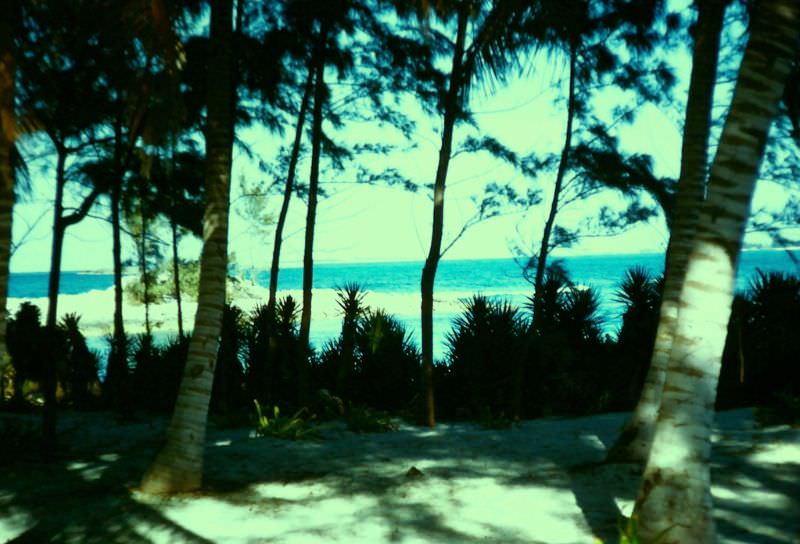
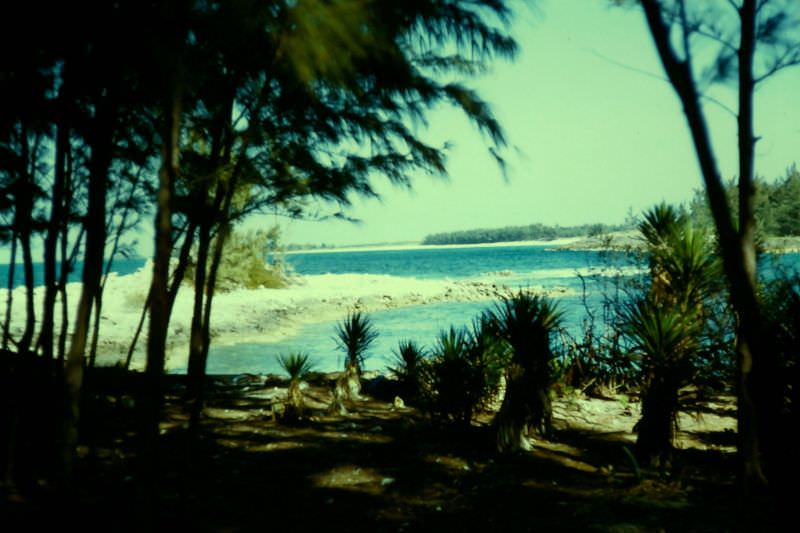
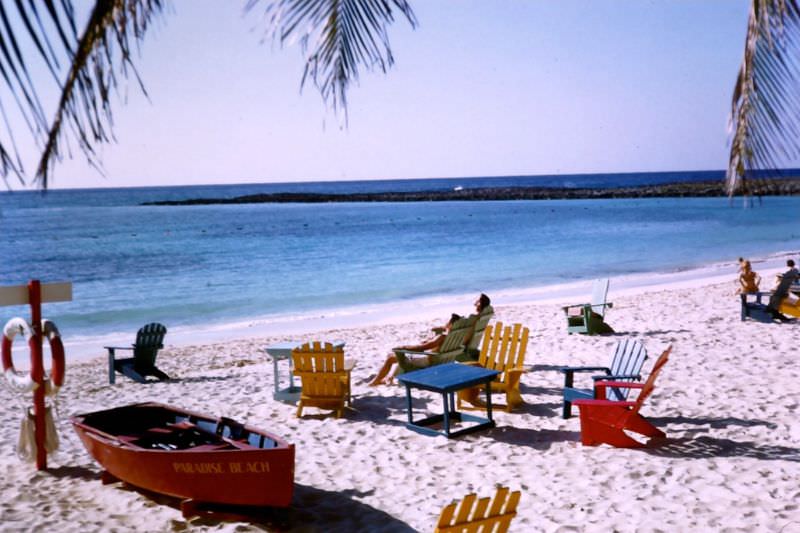
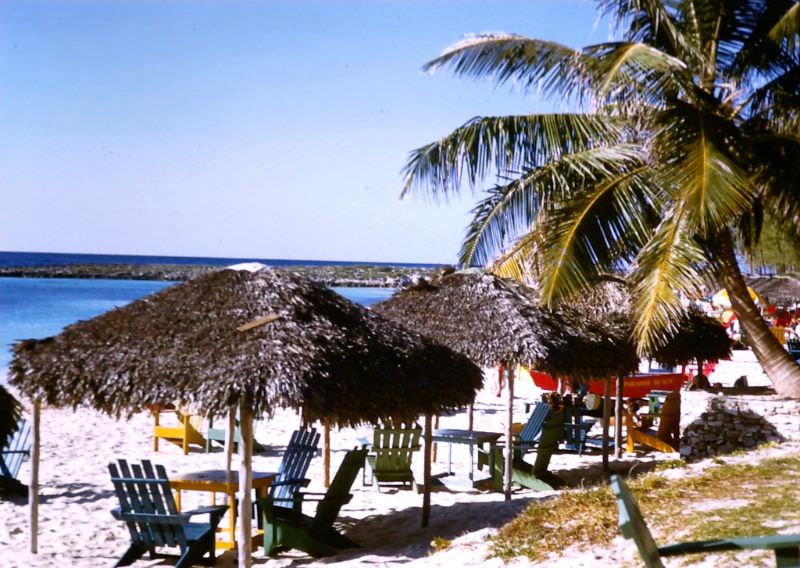
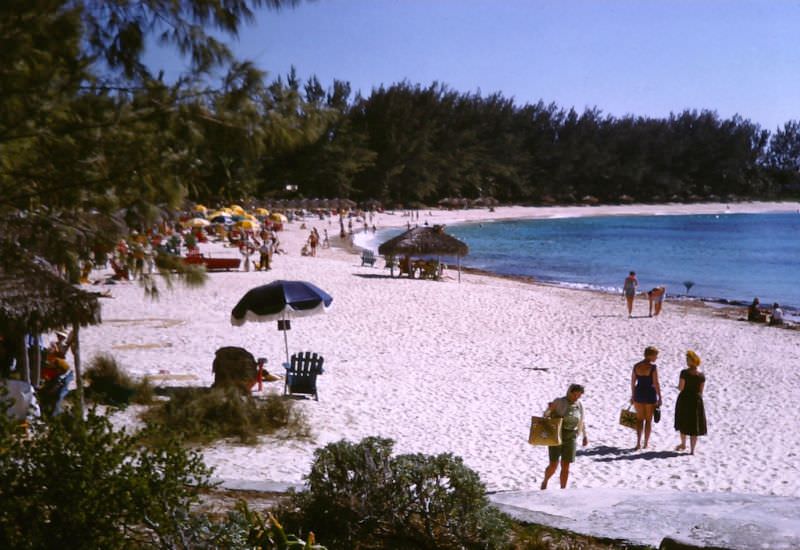
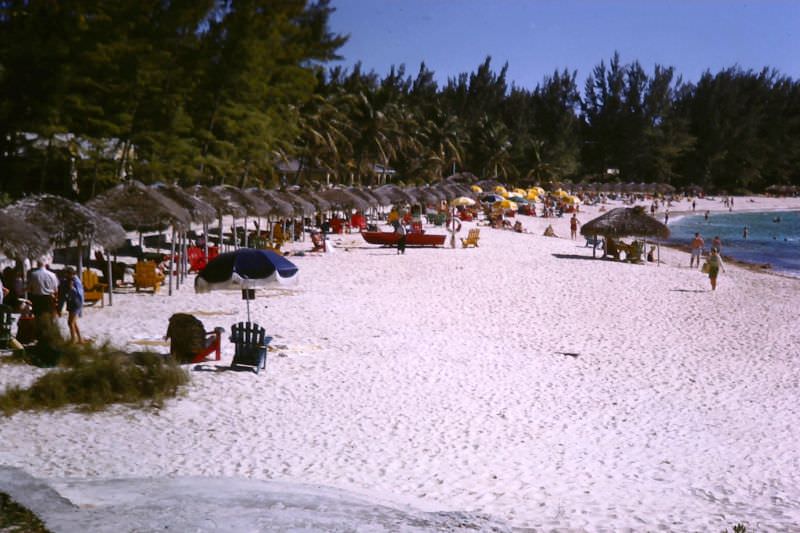
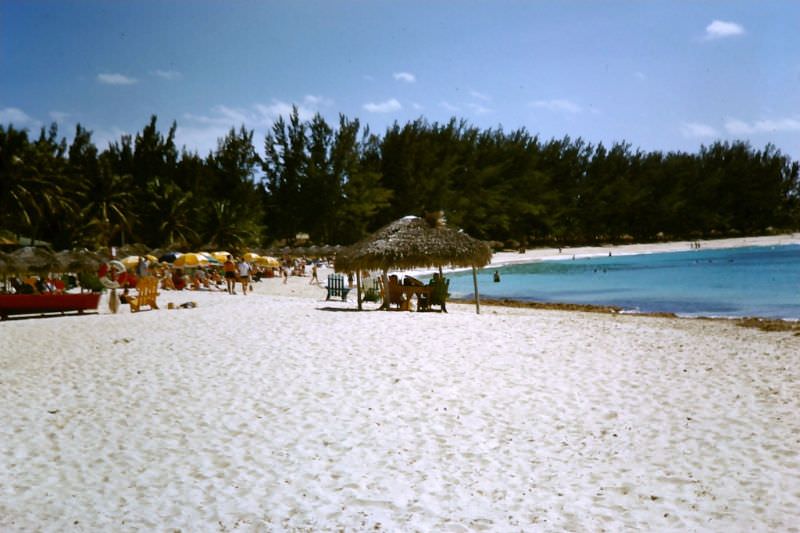
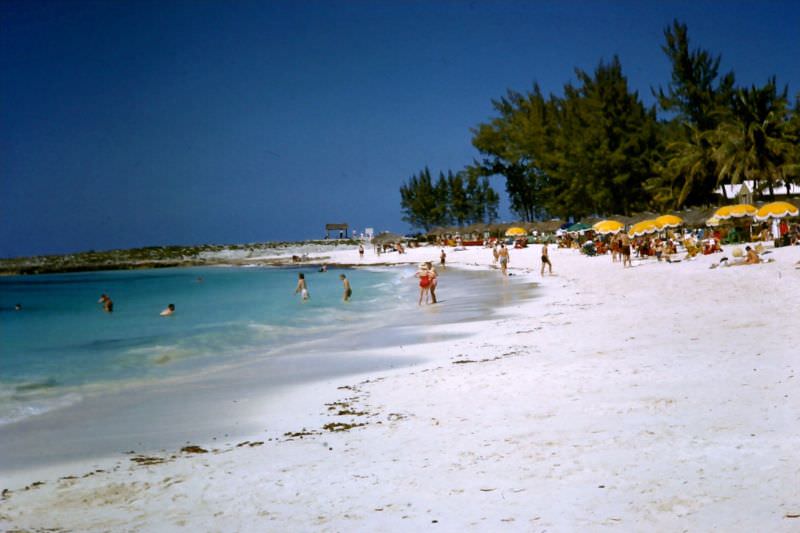
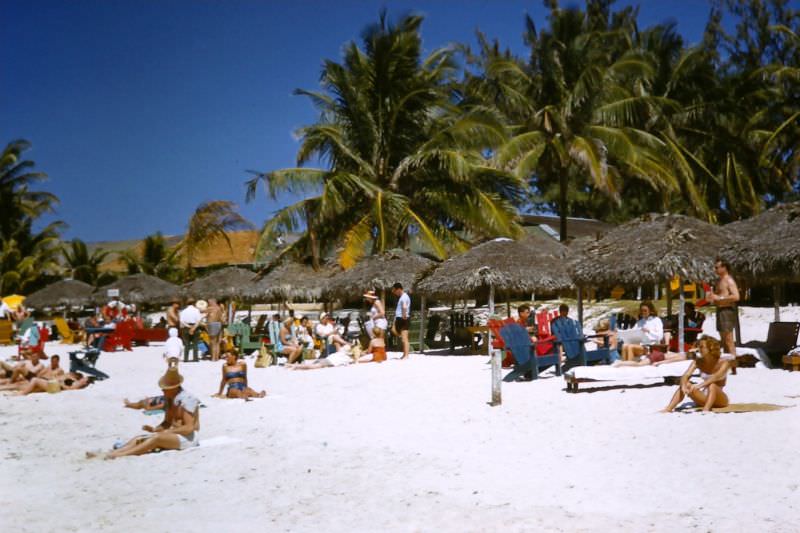
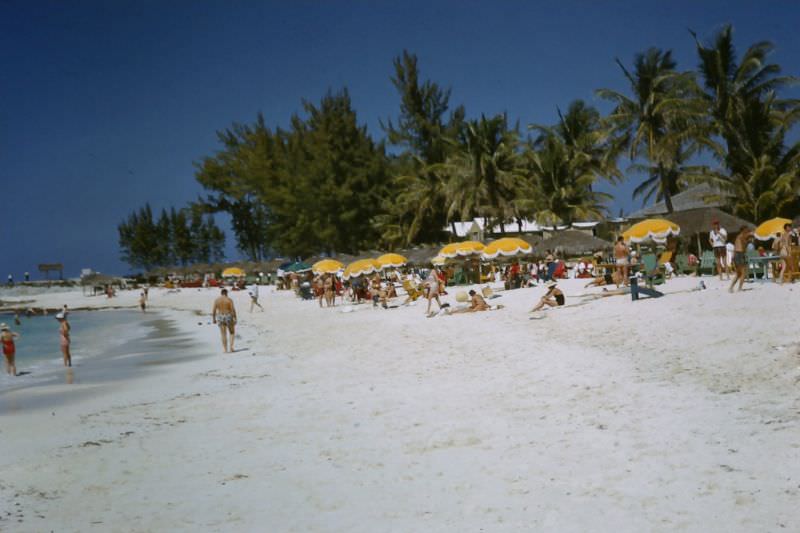
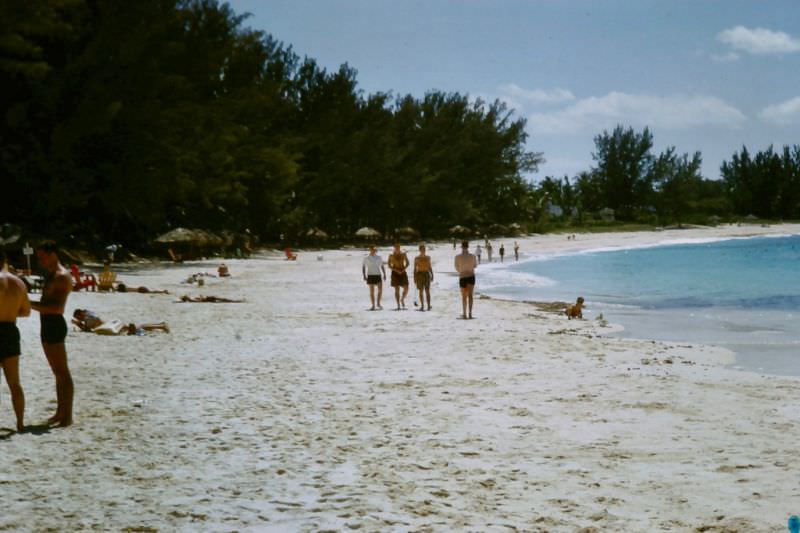
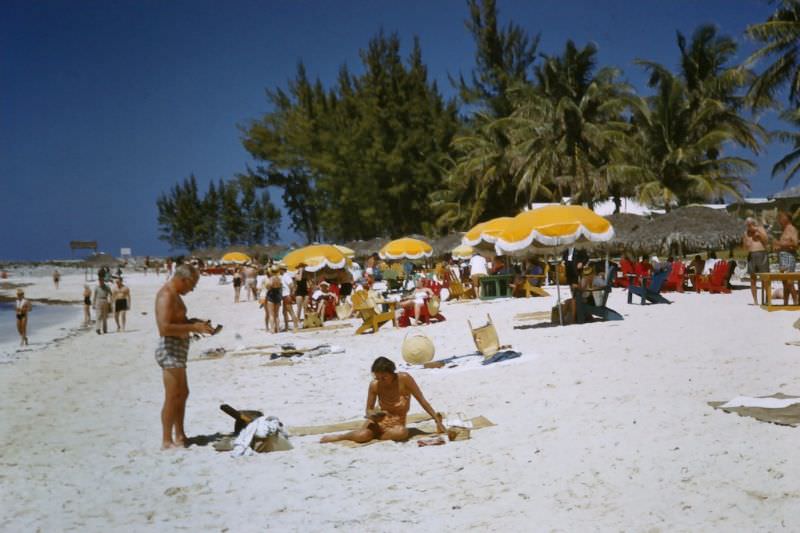
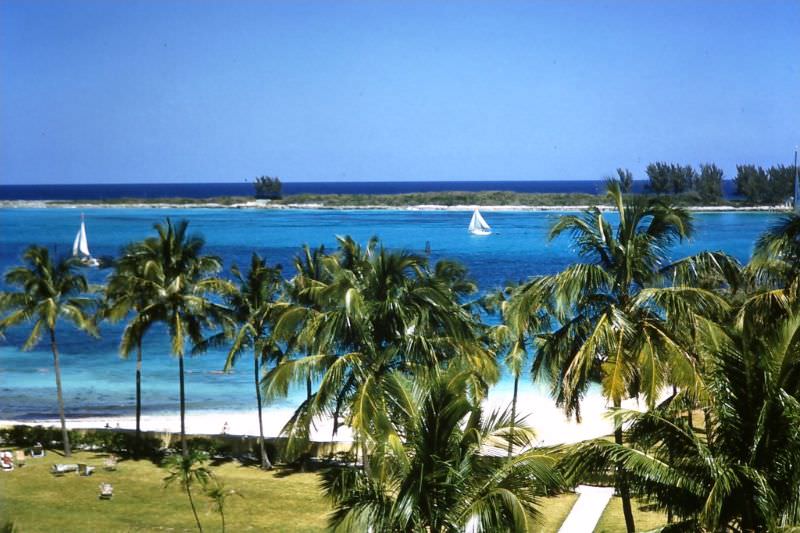
Paradise Beach, located on the northern shore of Hog Island facing the open Atlantic, was one of Nassau’s premier draws in 1960. The beach offered long stretches of white sand and clear turquoise water that photographers could barely do justice to in black and white. It attracted both tourists and locals, and the series of photos below captures the beach across different moments of the day — from quiet mornings to livelier afternoon scenes.
Keeping order in Nassau was a uniformed police force with a very recognizable look. Nassau’s policemen in 1960 wore a distinctive colonial-era uniform — white tunics, dark trousers, and helmets — that set them apart from officers anywhere else in the world. They were a common sight on the streets of downtown Nassau, particularly along busy commercial corridors. Not far from where officers patrolled stood the Nassau Post Office, a solid government building that reflected the city’s role as an organized colonial capital with proper civic infrastructure.
Back on Hog Island, the quays were simple wooden structures that jutted out into the calm waters of Nassau Harbour. Small boats used them to ferry passengers back and forth between the island and the Nassau waterfront. The crossings were short but essential — without them, reaching Paradise Beach meant a longer, more difficult journey. The quays also gave a clear view back toward Nassau’s skyline, low-rise and unhurried in 1960.
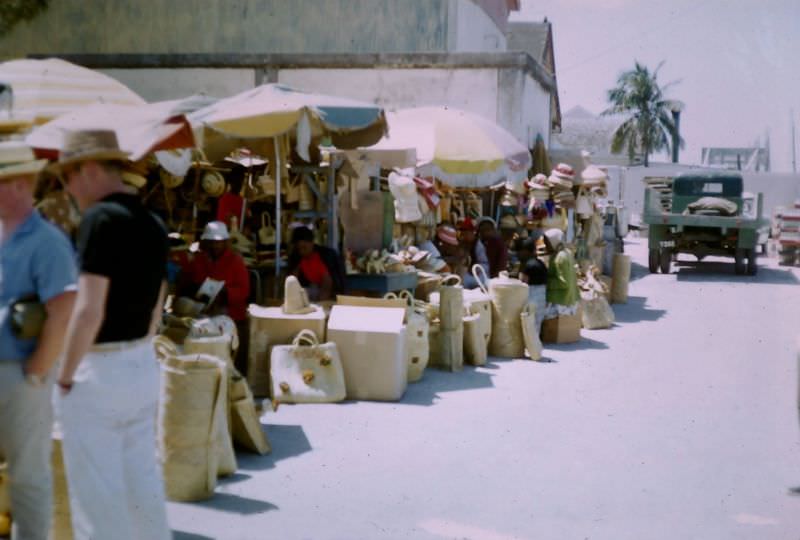
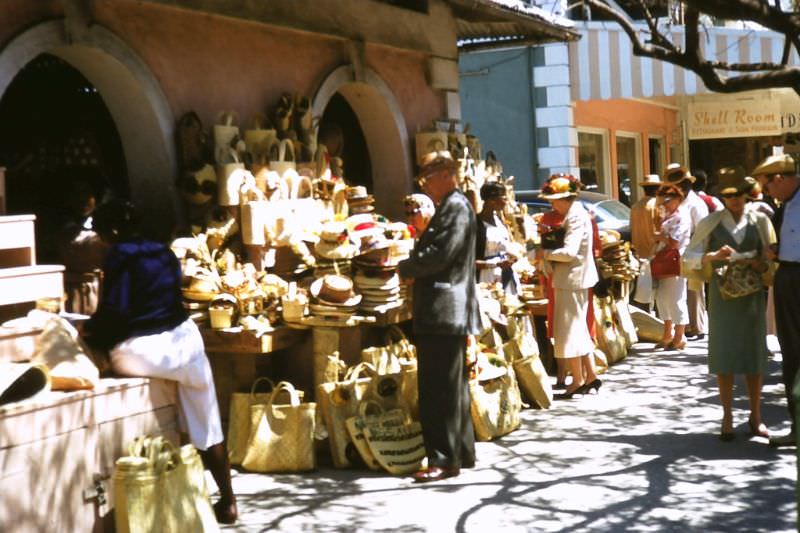
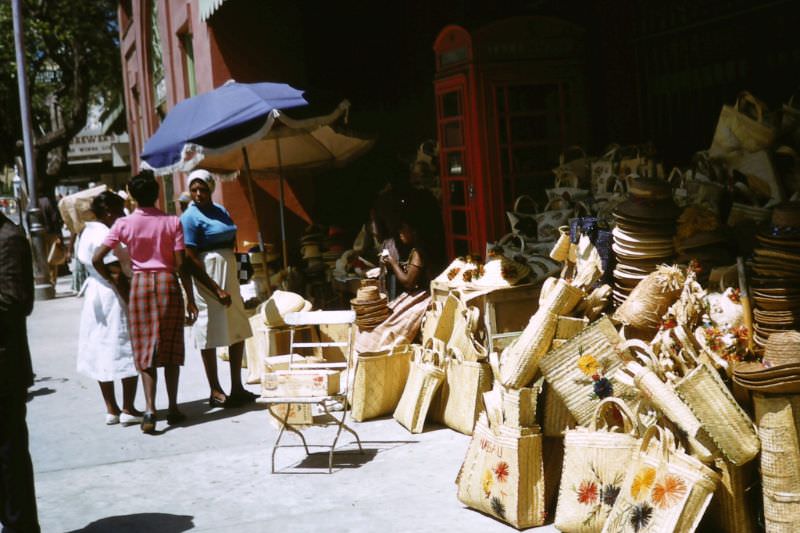
Bay Street was Nassau’s main commercial artery. In 1960, it ran along the waterfront and was lined with shops, banks, and businesses catering to both locals and tourists. The street had a busy but orderly feel, with cars and pedestrians sharing the road under the Caribbean sun. Bay Street was also home to the Straw Market, one of Nassau’s most well-known shopping destinations. Vendors there sold hand-woven straw hats, baskets, bags, and other crafts — goods made by Bahamian artisans and sold directly to visitors looking for something to take home.
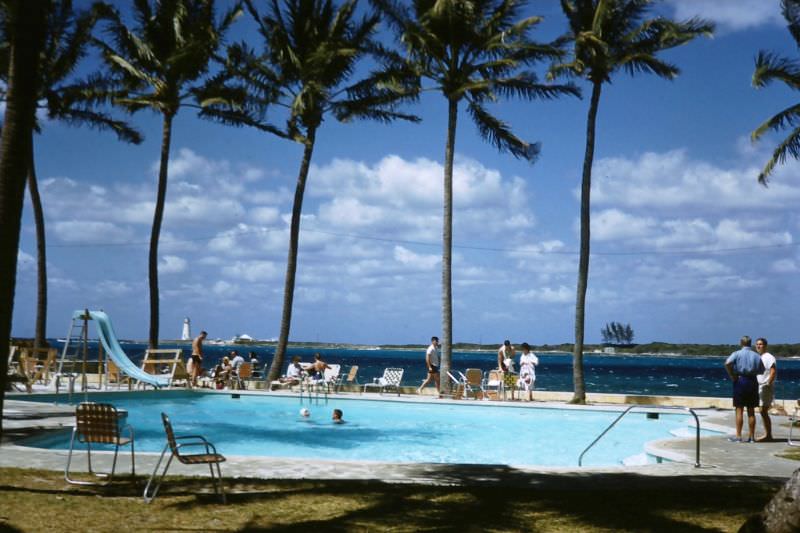
The British Colonial Hotel was the grandest address in Nassau in 1960. Built in the early 20th century and operated under British colonial style, the hotel sat on a prime spot overlooking the harbour. Its swimming pool was a social center for guests, and the views from its upper-floor rooms stretched out over the rooftops of Nassau toward the water. The hotel hosted diplomats, celebrities, and well-heeled travelers passing through the Bahamas — a symbol of the upscale tourism Nassau was actively cultivating.
Along Nassau’s beaches, women could be seen hauling and clearing seaweed — a regular and physically demanding part of coastal maintenance. The work involved gathering large armloads of seaweed from the shoreline and carrying them off the beach by hand. On Paradise Beach, groups of women worked together to clear the sand, keeping it clean and open for use. These photos document labor that was unglamorous but essential, performed daily by the same communities that made Nassau’s beaches so appealing to visitors.