
A mugshot is a photograph taken of a person after they have been arrested or convicted. Police forces around the world began using them in the mid-1800s to build identification records. But these images are far more than paperwork. They freeze a moment — a face, an expression, a story — in a way that almost nothing else can. Who is this person? What did they do? What led them here? The mugshots held in the New Zealand Police Museum go a long way toward answering those questions.
The New Zealand Police Force was officially established on September 1, 1886. That same year, officers began photographing prisoners. These earliest images look nothing like the standardized mugshots we know today. There were no trained police photographers in New Zealand at the time, so the force turned to commercial photographers and amateur camera enthusiasts to do the work. The result is a collection that varies wildly in style, lighting, and composition from one photograph to the next — each one a product of its time and place.
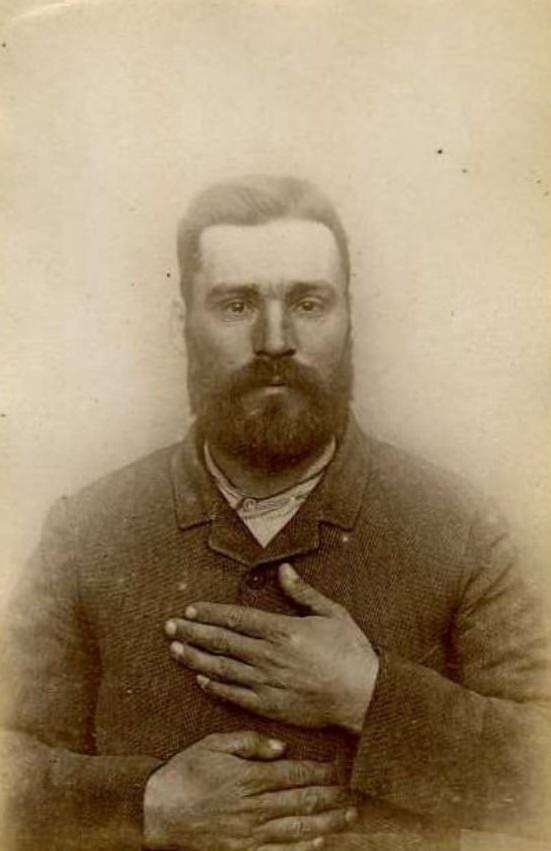
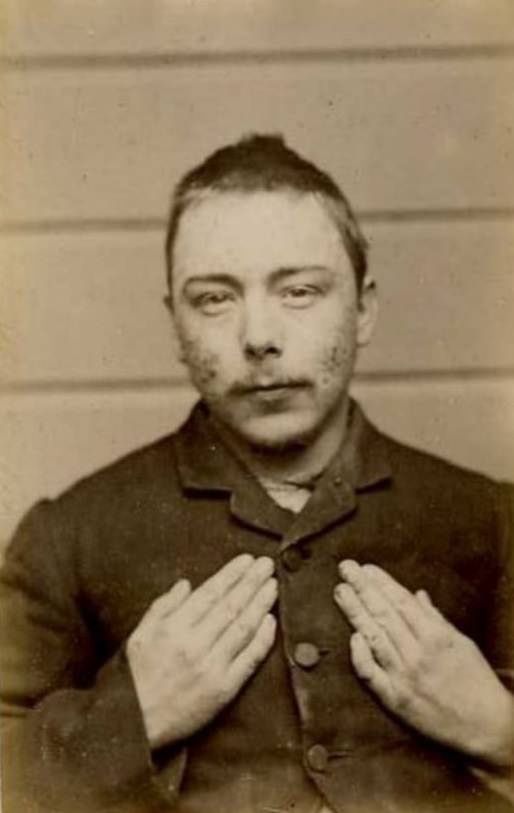
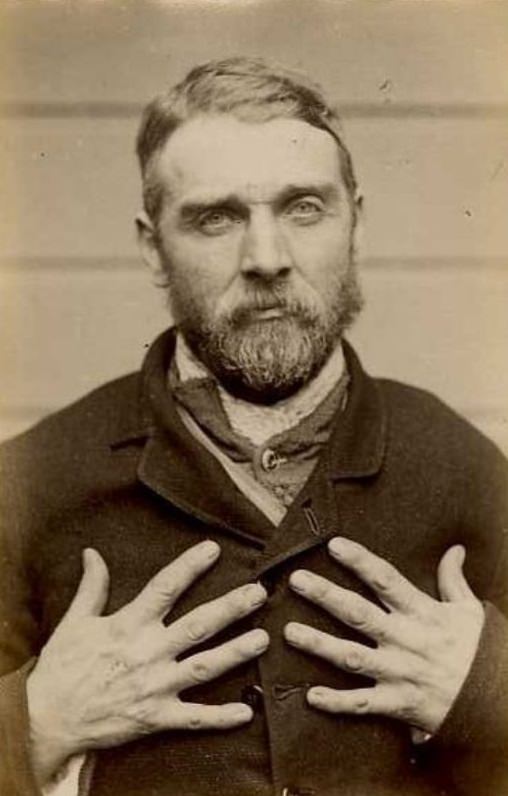
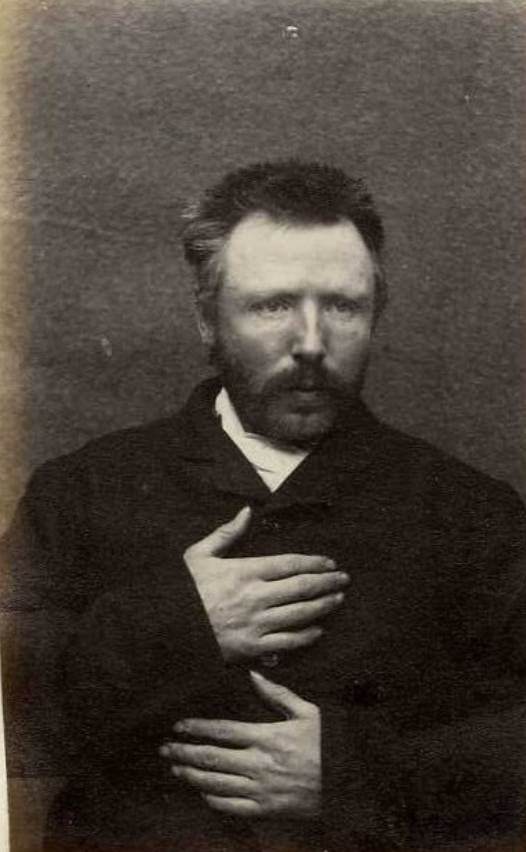
One detail that appears consistently across many of these early photographs is the deliberate display of the subject’s hands. Before fingerprinting was introduced, the condition of a person’s hands served as a key identification tool. Missing fingers, scars, deformities, and unusual markings could all help officers confirm whether a suspect had been arrested before. It was a practical solution to a difficult problem, and it shaped the visual language of New Zealand’s earliest criminal records.
The people captured in these photographs came from across the world. China, Ireland, Scotland, England, the United States, Denmark, France, Germany, and New Zealand itself are all represented. They worked as miners, farmers, cooks, journalists, draughtsmen, and teachers. Their crimes ranged from vagrancy and larceny to forgery, embezzlement, housebreaking, and murder. Some were first-time offenders. Others had long records. Together, they form a portrait of colonial New Zealand that no official history quite captures.
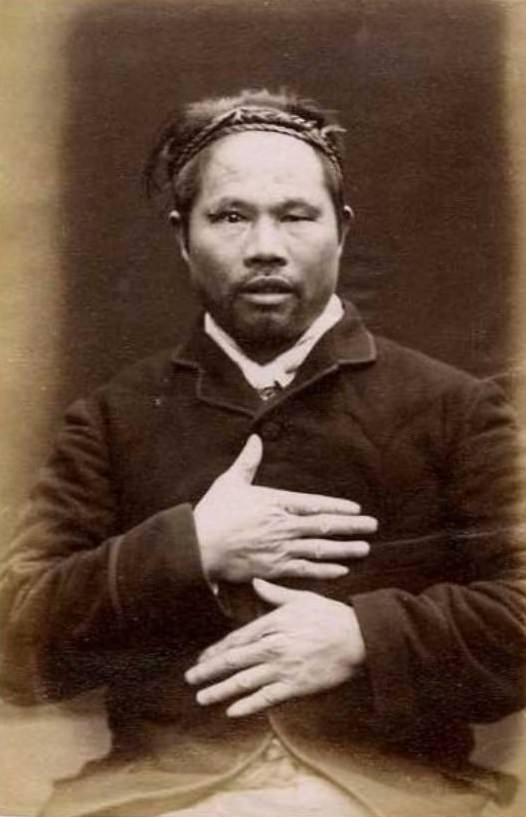
A miner by trade, he is described as being a pagan by religion with a sallow complexion. Photograph taken on June 15, 1889.
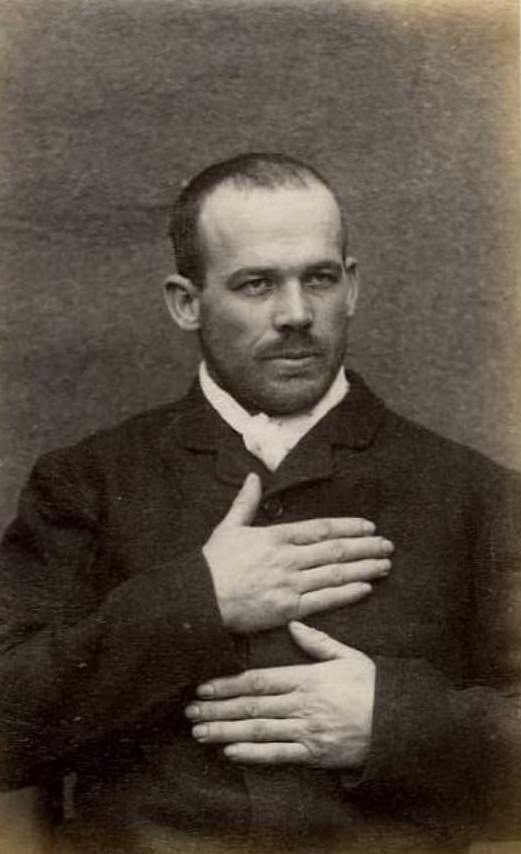
Previous charges for larceny and false pretences. Photograph taken on August 18, 1886.
Some of the subjects carried multiple aliases, a common tactic for those trying to avoid a paper trail. Alex Haddlestone, born in New Zealand in 1861, went by at least four different names. He had prior charges for larceny and false pretences before his 1886 conviction in Blenheim. Operating under different identities made it harder for police to track repeat offenders — which is precisely why photograph-based records became so important.
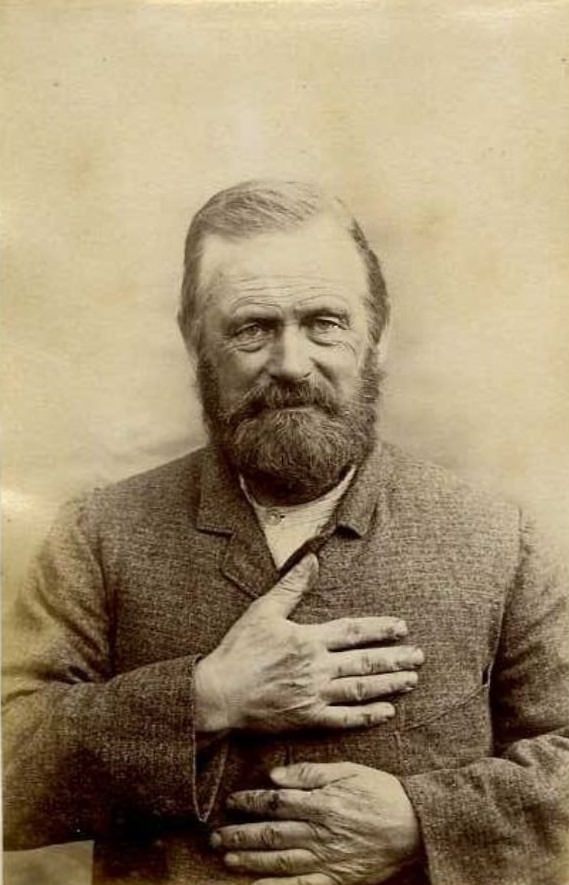
A draughtsman by trade. Photograph taken on April 13, 1886.
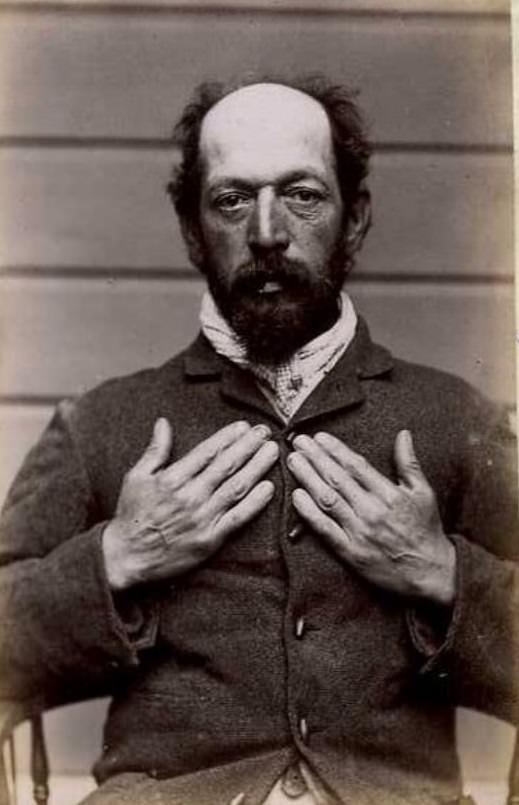
Described as having a mole on his left knee. Photograph taken on April 19, 1887.
Physical descriptions recorded alongside the photographs reveal just how detailed the identification process was. A mole on the left knee. A scar running down an eyebrow. A deformed finger. Two bullet wounds on the right thigh. These notes were not incidental — they were the equivalent of a fingerprint database before fingerprinting existed. Officers relied on this written record, paired with the photograph, to track and identify individuals across different towns and years.
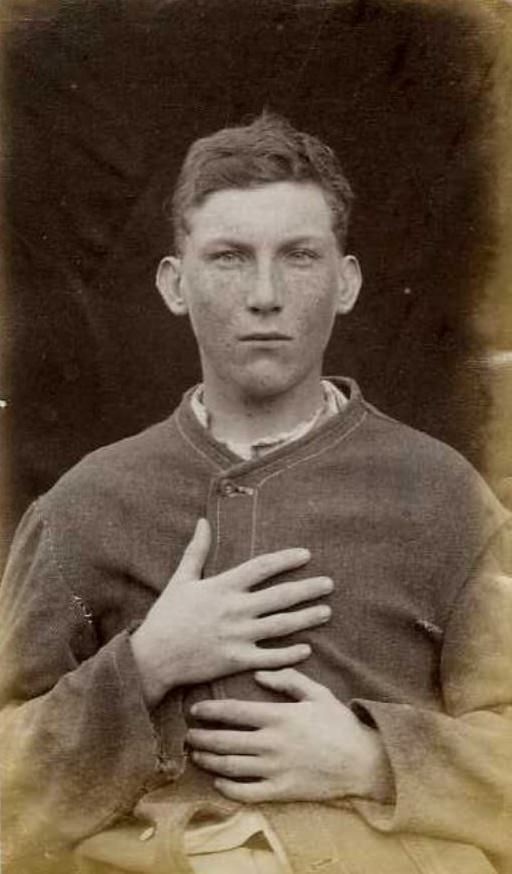
Describe as a “notorious young thief” with a “freckled face.” Photograph taken on May 5, 1887.
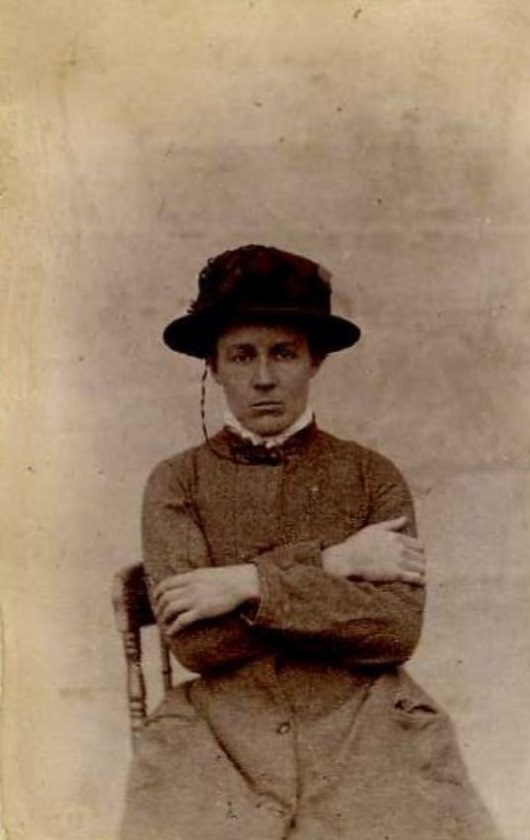
A teacher by trade, she is described as a “swindler” with a “superior” education. Photograph taken on May 28, 1886.
Amy Bock was one of the few women in this collection. A teacher by trade, she was convicted of false pretences in Christchurch in 1886. Her record describes her as a swindler with a superior education — a pointed note that suggests the police viewed her intelligence as directly tied to her ability to deceive. Bock was born in Victoria, Australia, and used at least one alias, Laing, during her time in New Zealand.
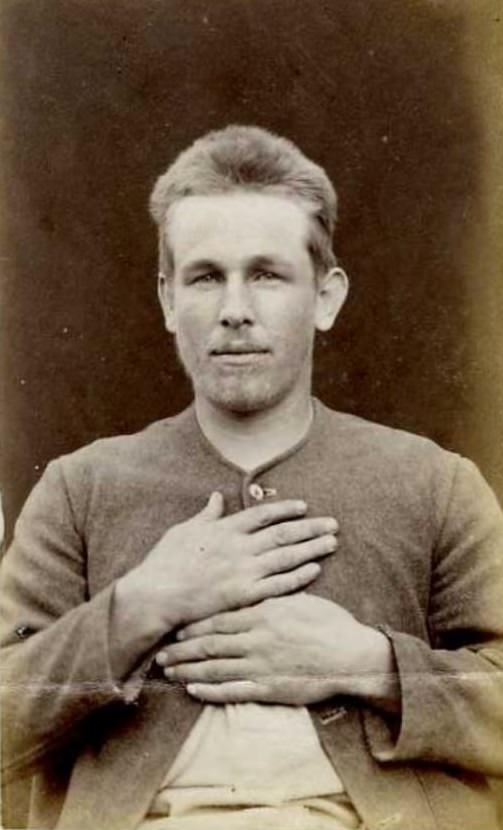
Described as “a race-course spieler convicted of picking pockets in an auction mart with Michael Walsh.” Photograph taken on August 14, 1888.
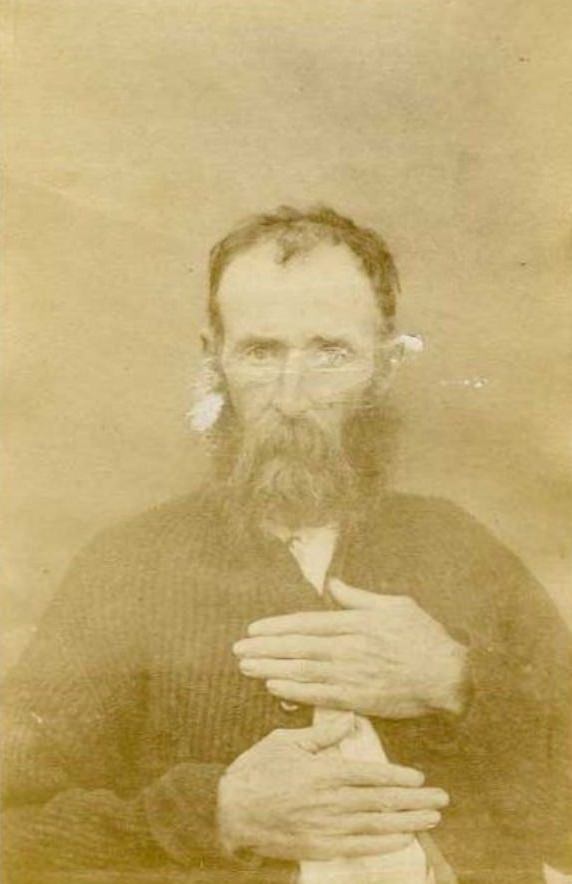
Not every crime in the collection was violent or elaborate. Andrew Munro, an American-born man in his late forties, was sentenced to a month in gaol simply for traveling on a steamer without paying his fare. He used multiple aliases — Richard and Richards among them — which suggests he was known to authorities. His photograph was taken in February 1886, making it one of the earliest in the New Zealand Police Museum’s collection.
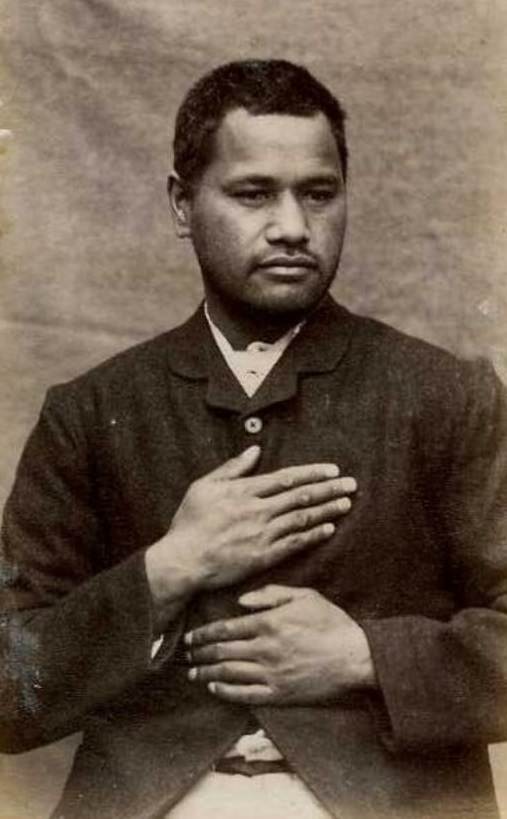
This sentence was later commuted to life imprisonment on August 3, 1887. Photograph taken on September 1, 1888.
Aporo Paerata’s case stands out as one of the most serious in the collection. Born in Gisborne in 1855, he was sentenced to death for murder in June 1887. Less than two months later, that sentence was commuted to life imprisonment. His photograph was taken on September 1, 1888 — exactly two years after the New Zealand Police Force was officially founded. He was one of the few subjects in this archive to face the prospect of execution.
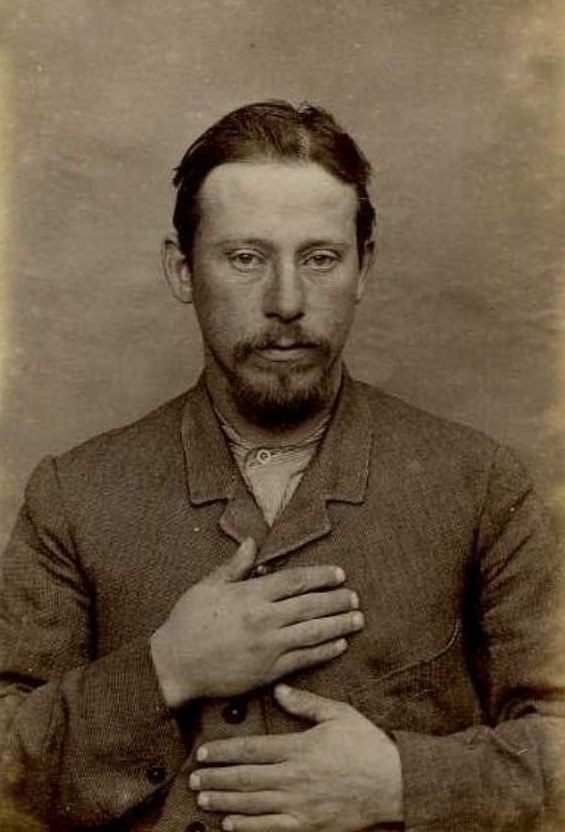
A wood carver by trade. Photograph taken on June 12, 1886.
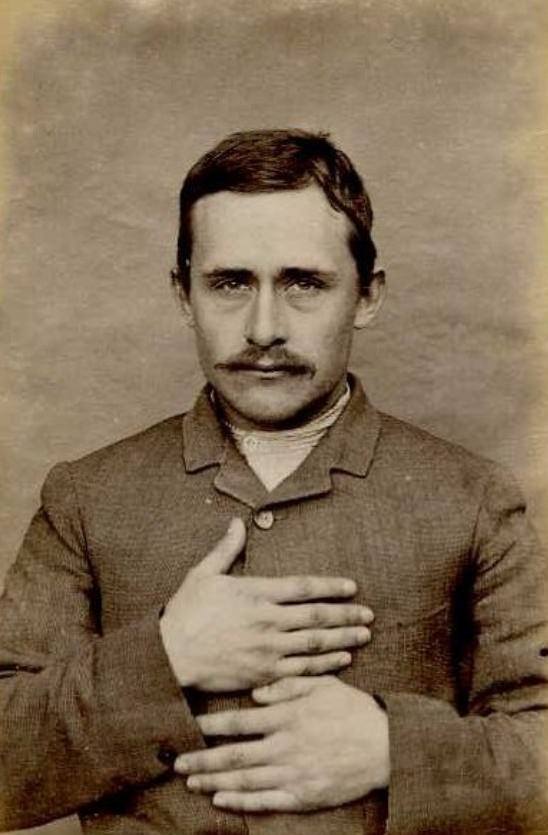
He is described as a widower who was employed as a journalist before being arrested. Large scar under his chin. Photograph taken on June 12, 1886.
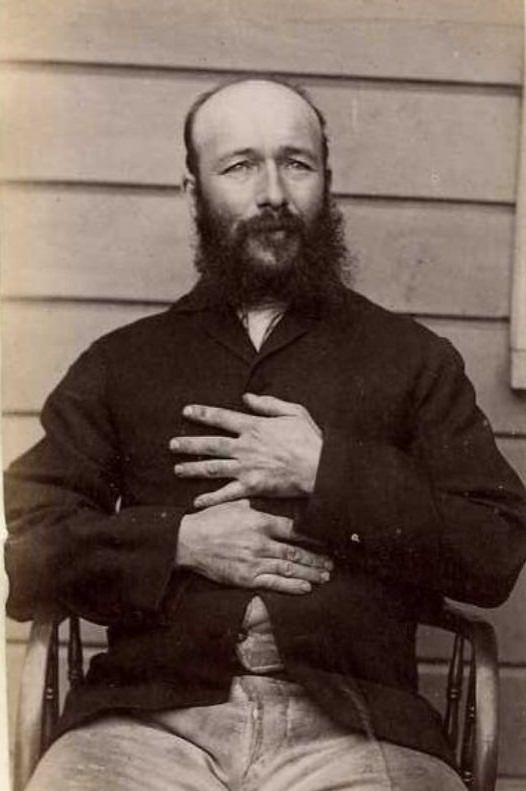
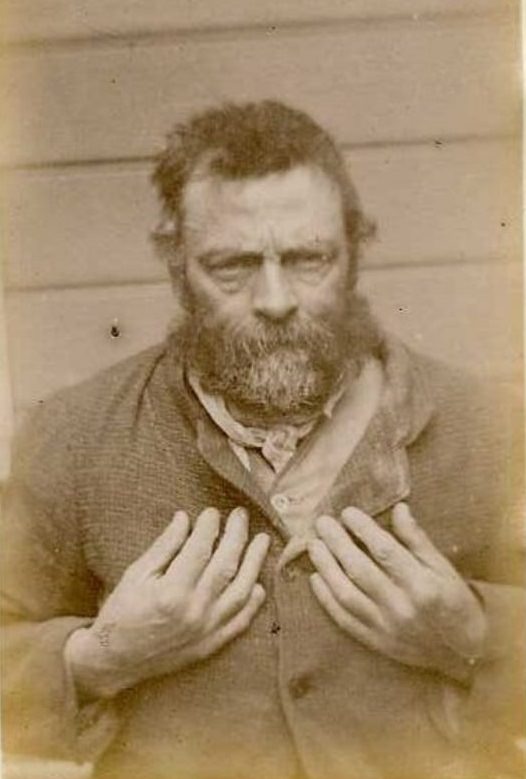
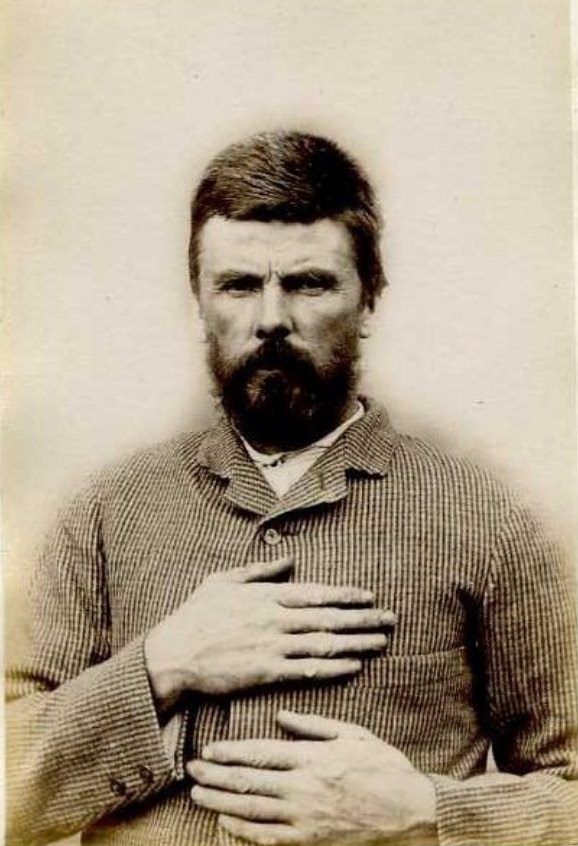
Several subjects in the collection carried visible marks of violent histories. Charles Cardiff Flanigan had a bullet wound on his lower right arm. Charles Le Fobel had two bullet wounds on his right thigh, along with extensive tattoos — a sailor, flag, anchor, and female figure on his right arm, and four flags, a star, and a shield on his left. These details were logged with the same clinical precision as a name or a birthdate. For police in the 1880s, the body itself was evidence.
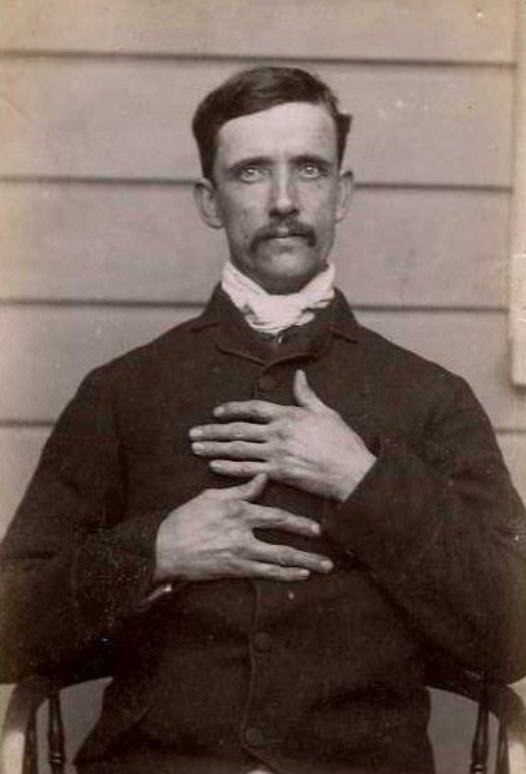
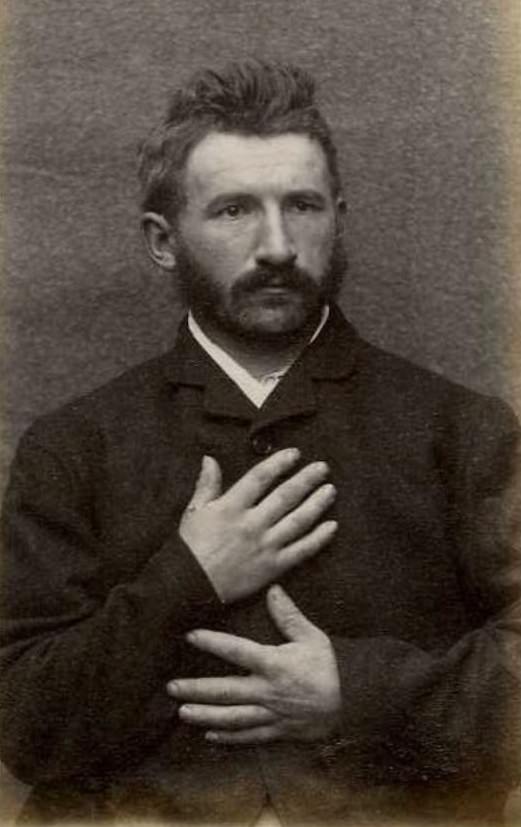
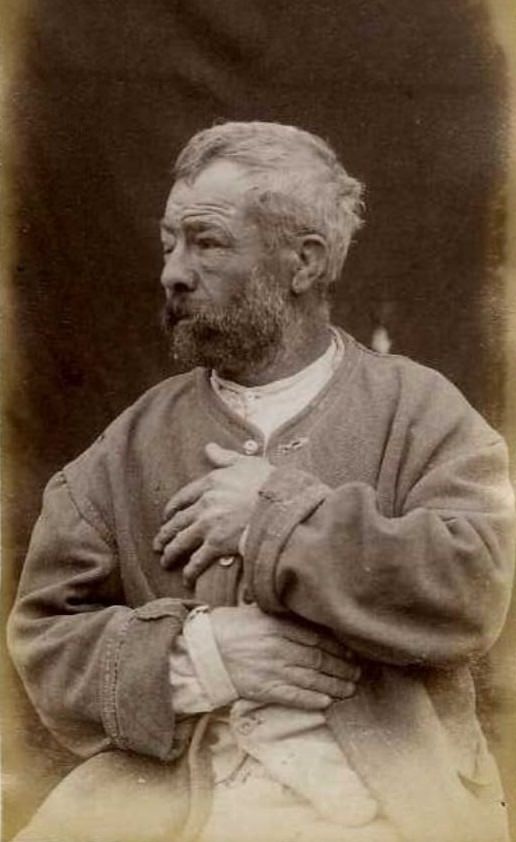
A cook by trade, described as having a sailor, flag, anchor and female tattooed on his right arm, and four flags, a star and a shield on his left arm. He also has two bullet wounds on his right thigh, and previous convictions for vagrancy, larceny and sheep stealing. Photograph taken on April 6, 1887.
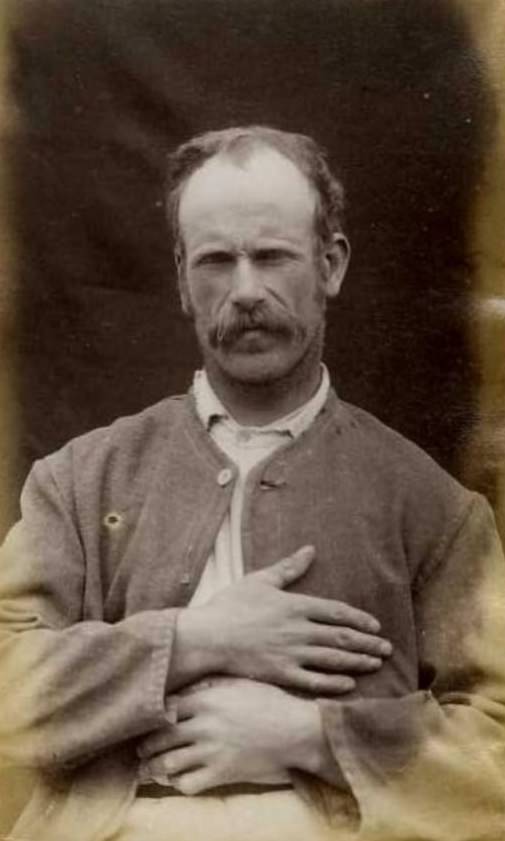
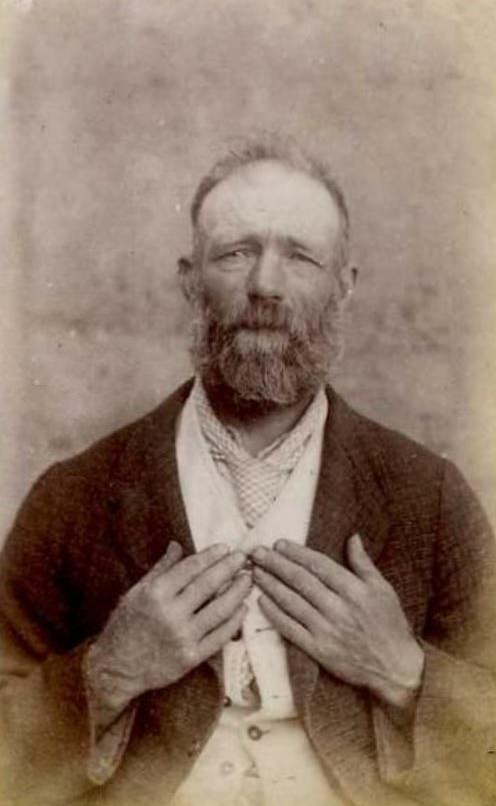
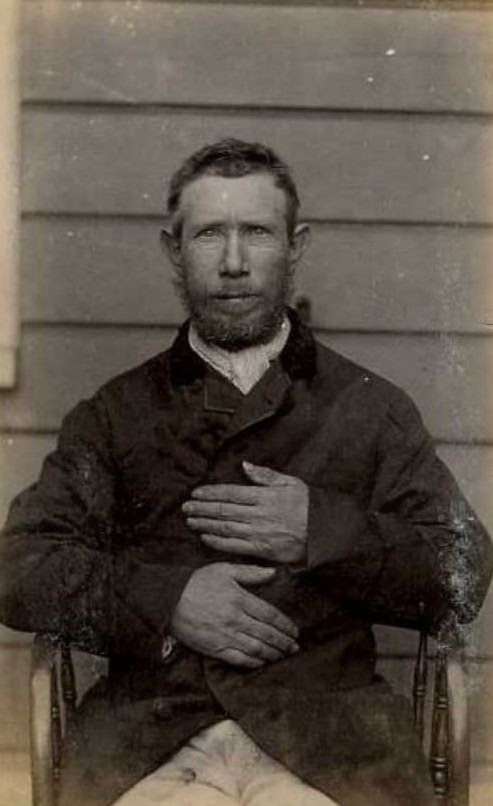
Sentences varied enormously depending on the crime. A month in gaol for vagrancy. Six weeks for larceny. Five years for housebreaking. Two years for conspiring to cheat. Three years for forgery. The courts weighed each case individually, and the records show little uniformity in how similar crimes were punished across different cities and years. Dunedin, Christchurch, Auckland, Napier, Invercargill, and Blenheim each appear in these records, reflecting just how widespread the police photography program became in a short time.
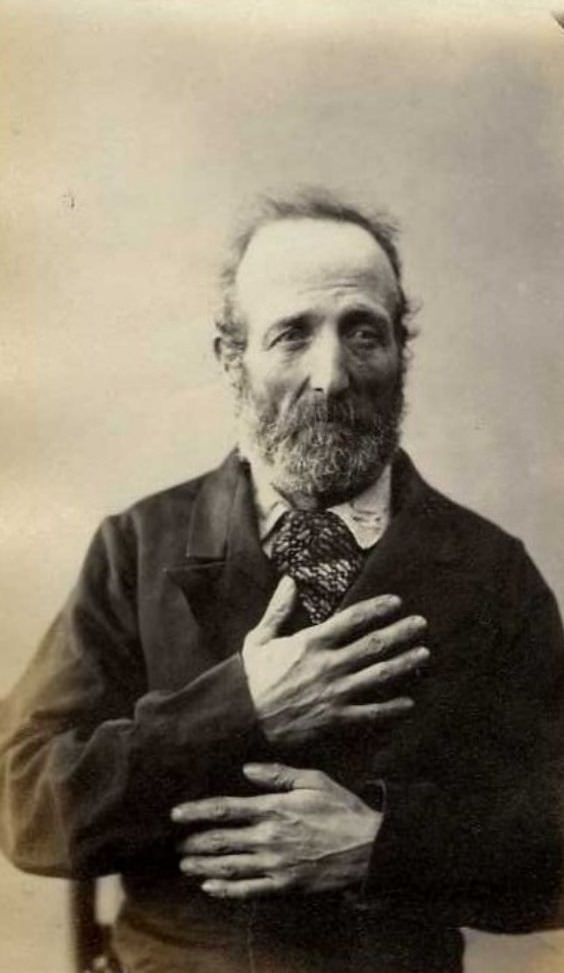
Occupation listed as a “linguist” and described as having a “superior” education. Large scar down left eyebrow and cheek. Previous charges for larceny, 1886
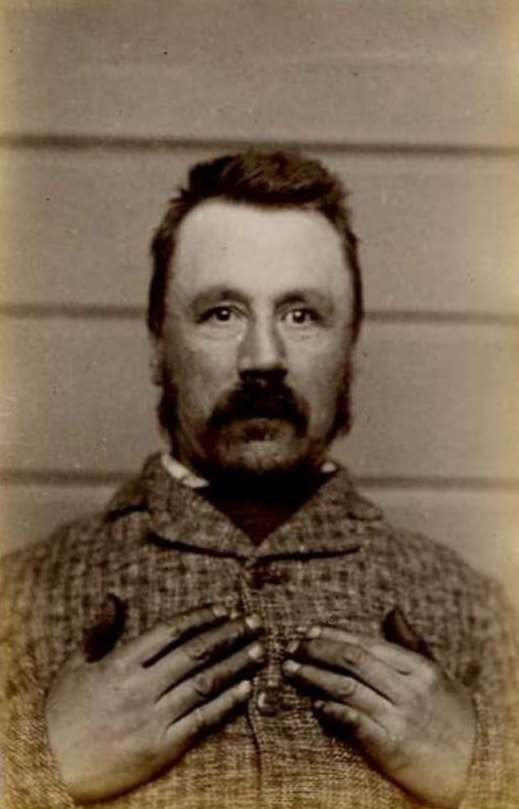
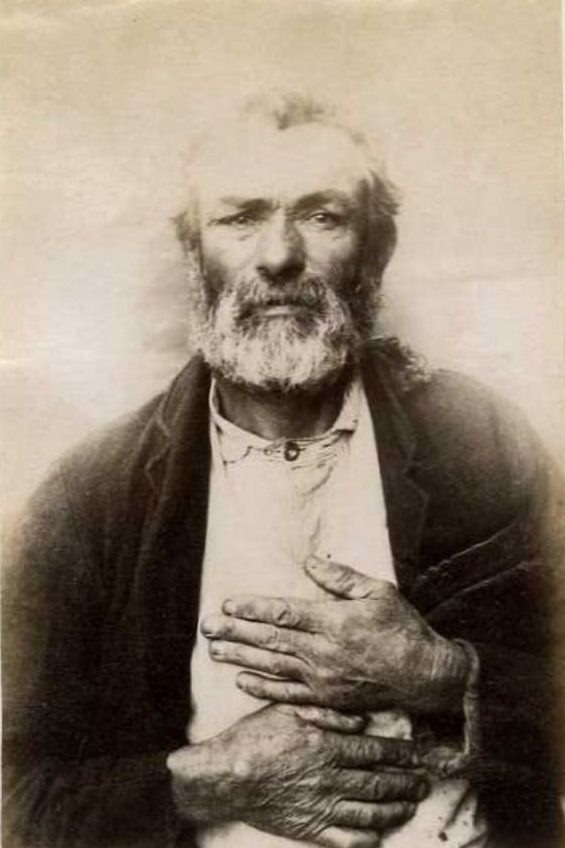
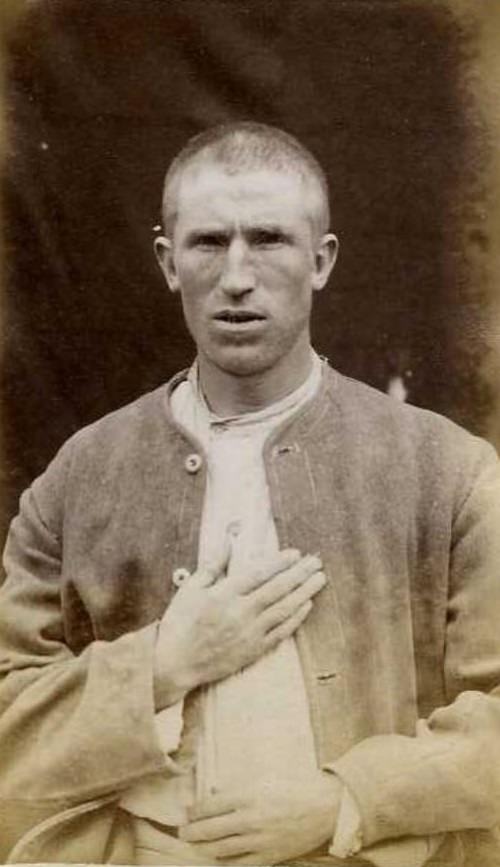
Education and social standing offered no immunity. David Howard Mancroff Ogilvy was listed as a linguist with a superior education, yet he was convicted of forgery and carried prior charges for larceny. Amy Bock, also described as highly educated, was convicted of swindling. Arthur Morton, a widower and former journalist, was found guilty of false pretences. The collection makes clear that crime in colonial New Zealand cut across occupations and backgrounds without exception.
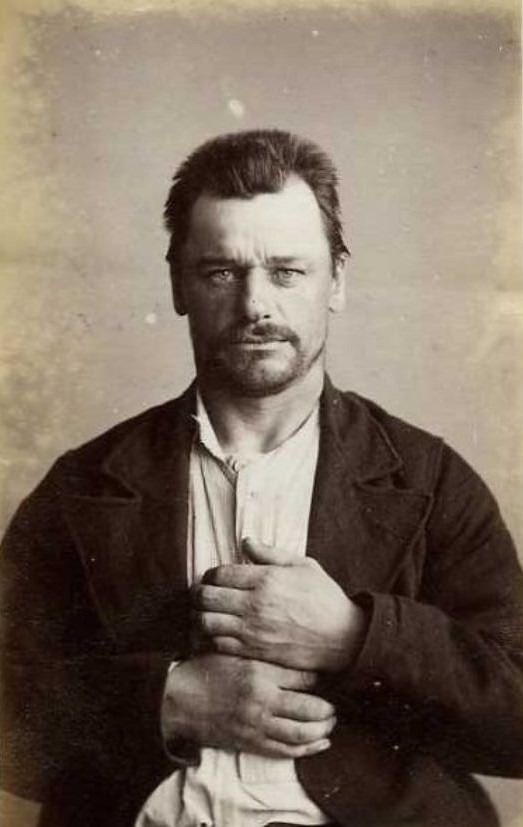
Charged with false pretenses and sentenced to 12 months in gaol on June 8, 1885 (Napier). Previous charges for larceny, willful damage and false pretenses. Photograph taken on March 4, 1886.
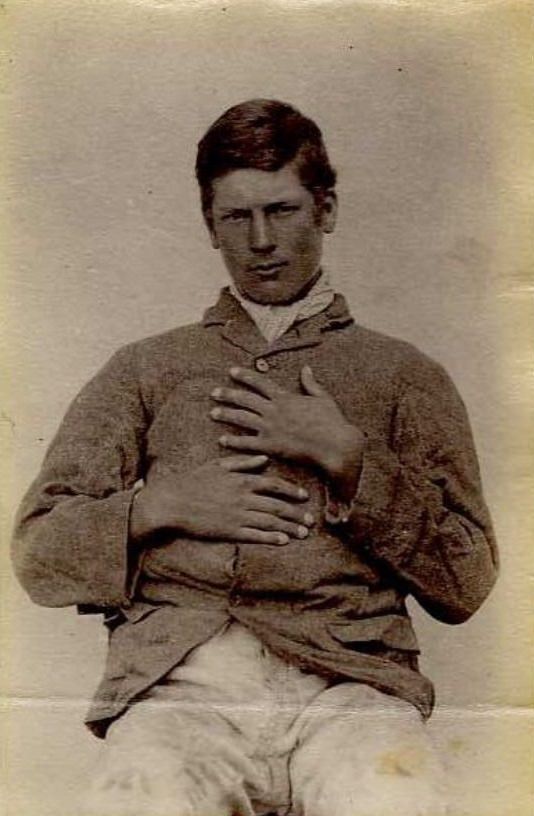
Charged with larceny and sentenced to 18 months on August 25, 1886 (Invercargill). Previous charges for larceny. Photograph taken on February 20, 1888.
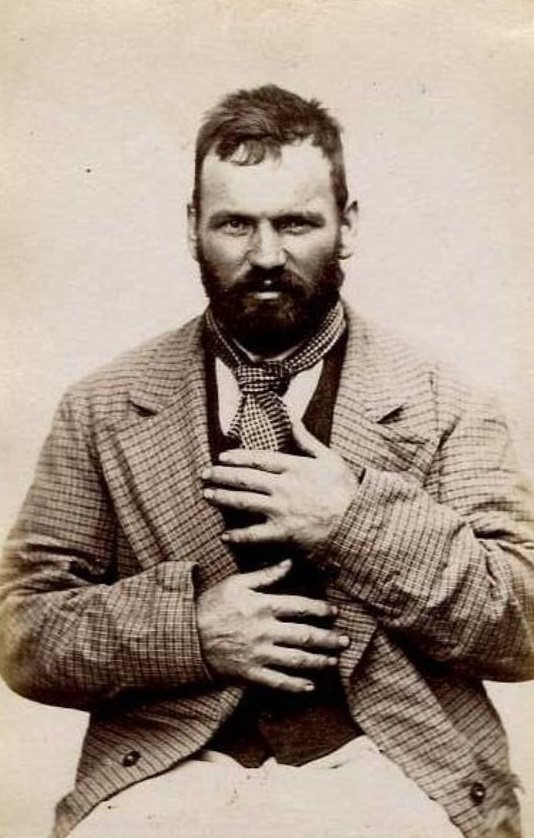
Charged with cattle stealing and sentenced to 9 months on August 25, 1886 (Invercargill). A farmer, with half bracelet tattooed on each wrist and a cut on his left eyebrow. No previous convictions. Photograph taken on March 22, 1887.
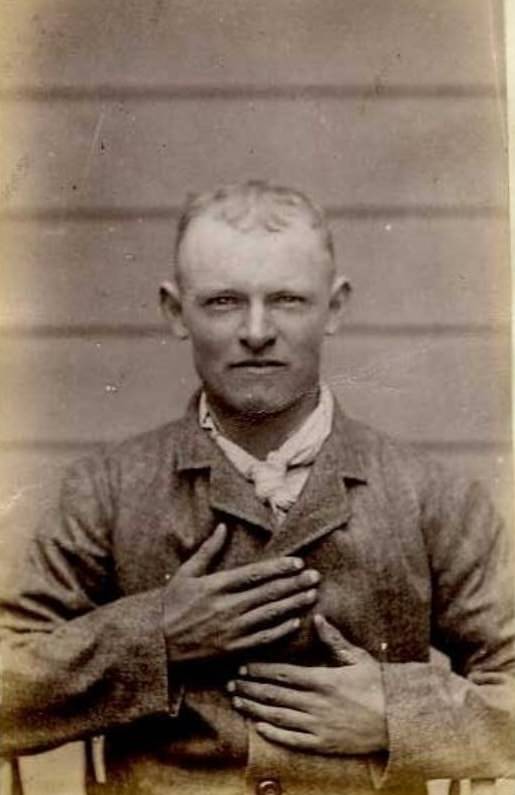
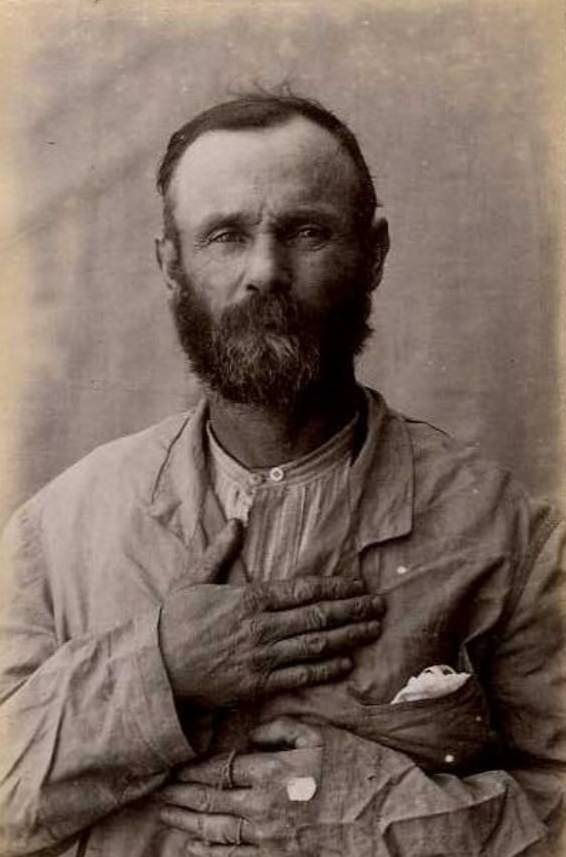
Described as having an English coat of arms, a square and compass on his right arm, and a bracelet on each wrist. Photograph taken on September 13, 1887.
Tattoos appear in the records repeatedly. Edward Scott had an English coat of arms, a square and compass on his right arm, and a bracelet on each wrist. Edward Charles Roberts had half bracelet tattoos on each wrist. Charles Le Fobel’s body was covered in maritime and decorative designs. These markings served as permanent identifiers in an era before standardized ID documents. Police noted them alongside scars, missing digits, and deformities as part of a complete physical record.
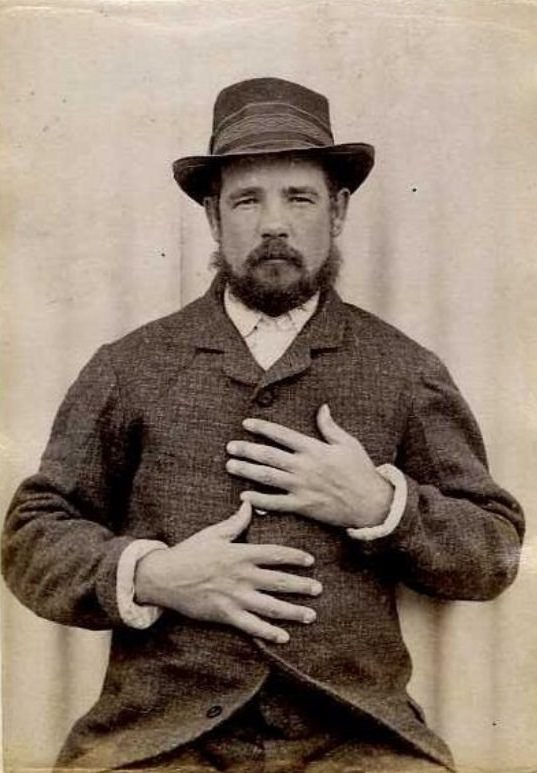
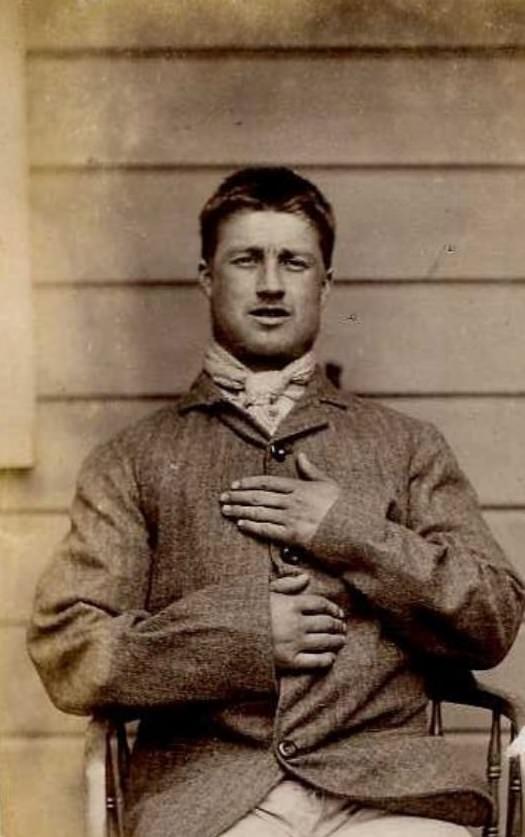
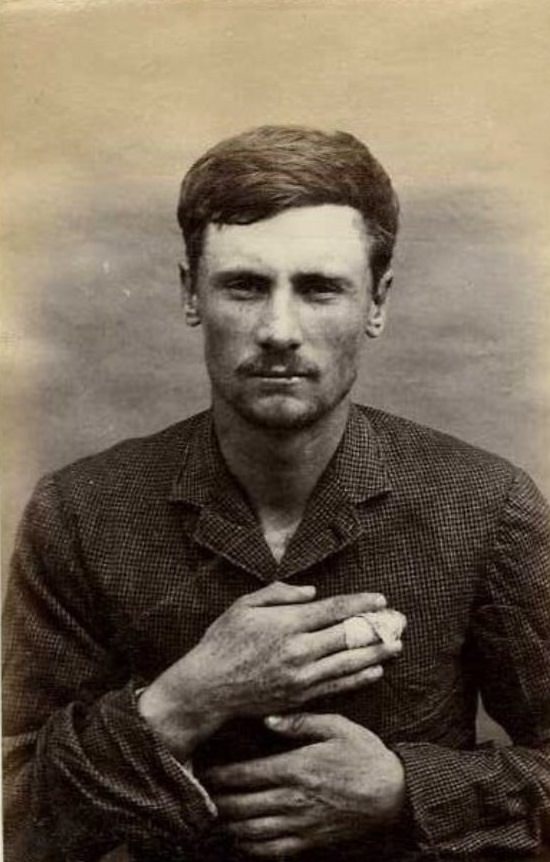
Previous charges for larceny and drunk & disorderly behavior. Photograph taken on February 17, 1888.
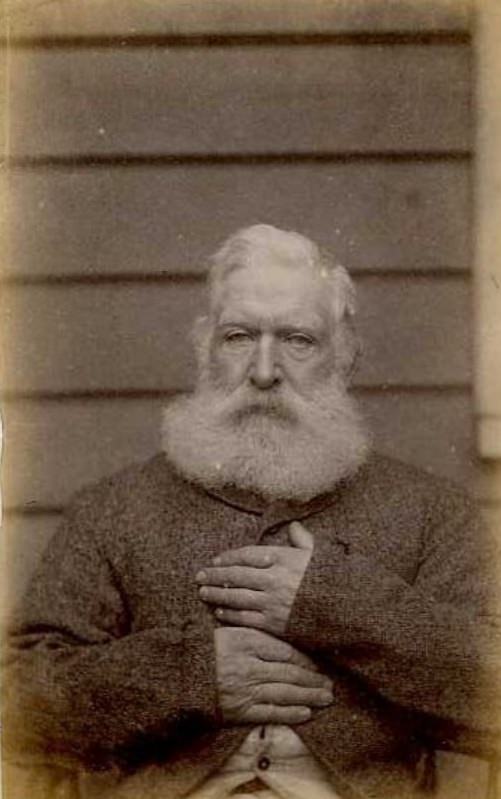
What makes this collection so remarkable is that it captures something no official report could. A face staring back at the camera. A man born in China standing in a New Zealand gaol. A woman whose education didn’t protect her from a conviction. A teenager already labeled notorious. A murder sentence reduced to life. These photographs were made as administrative tools, but they ended up as something far more lasting — a direct, unfiltered record of real people at a defining moment in their lives, and in New Zealand’s history.




