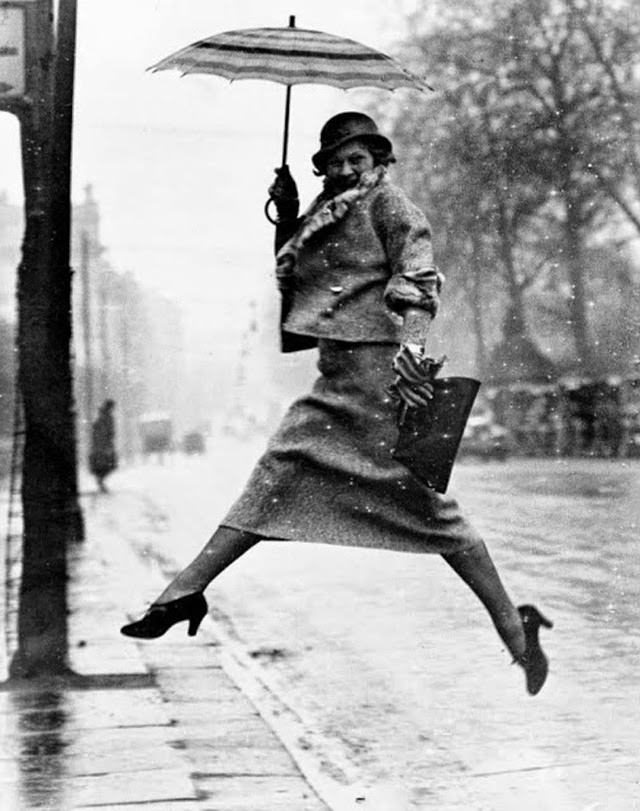
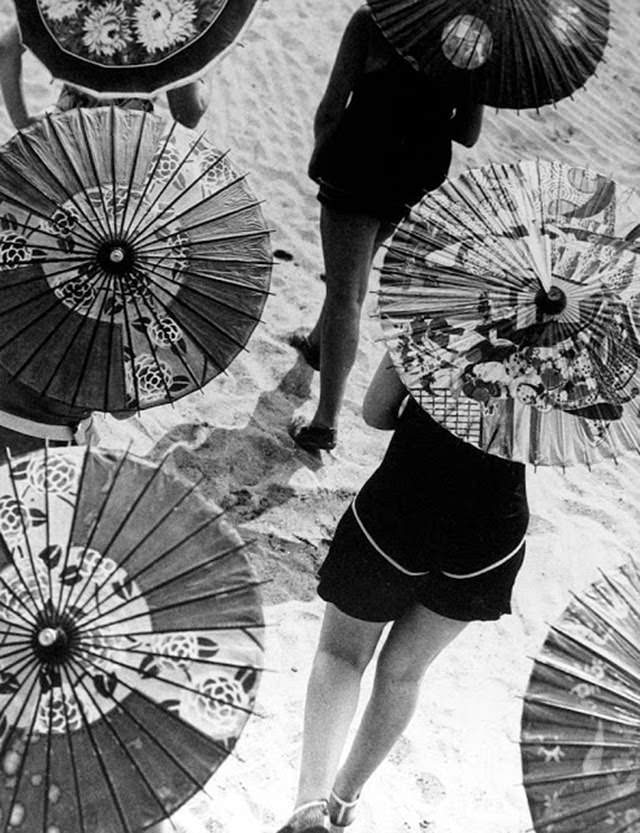
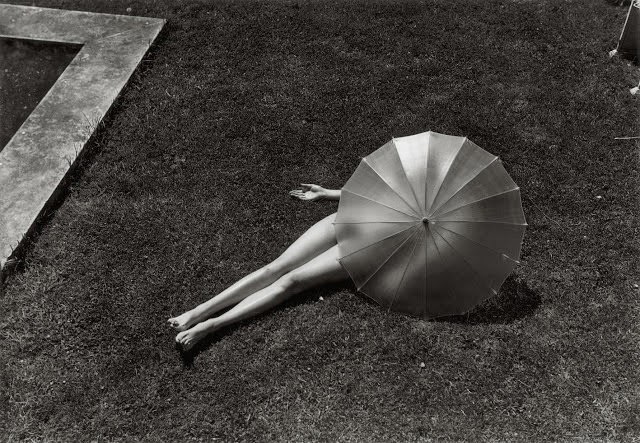
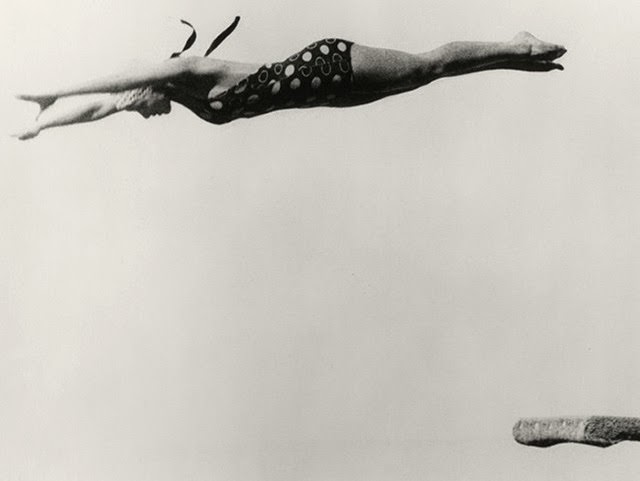
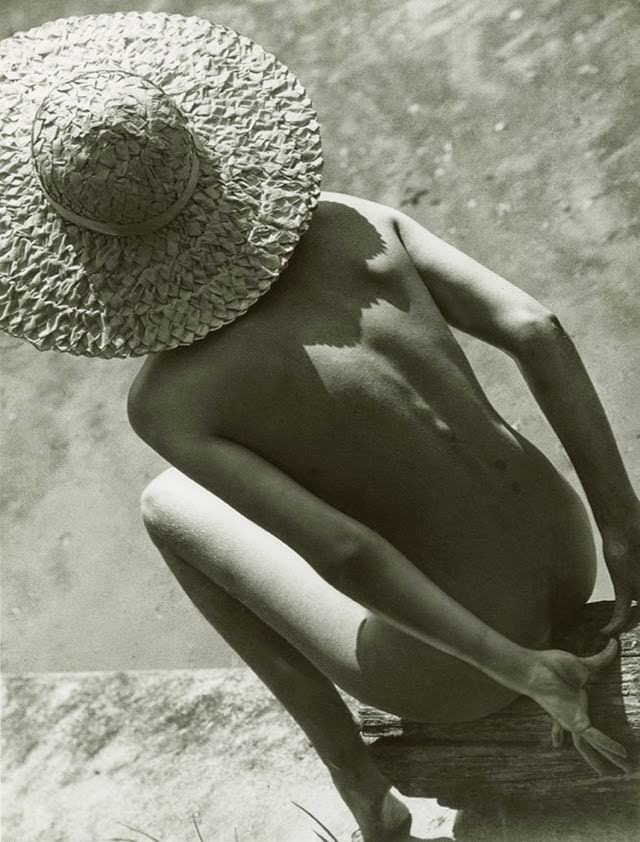
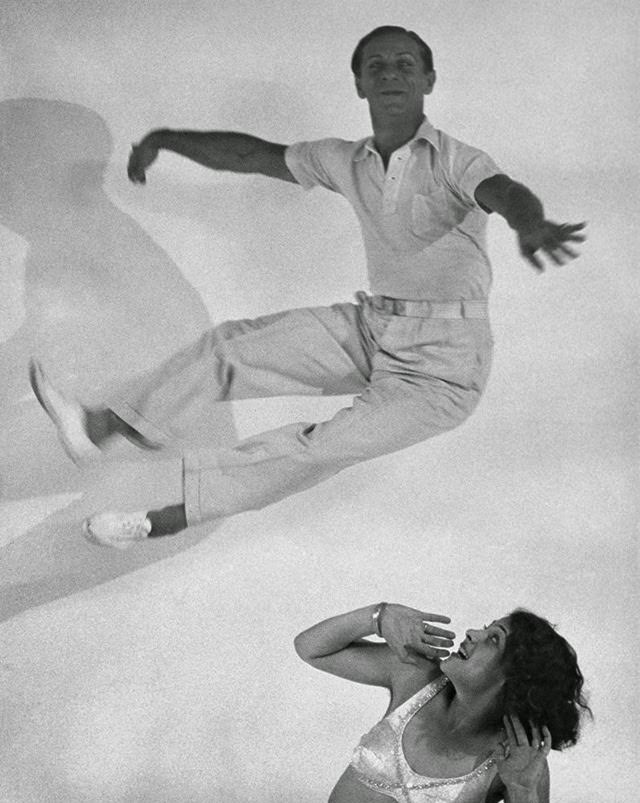
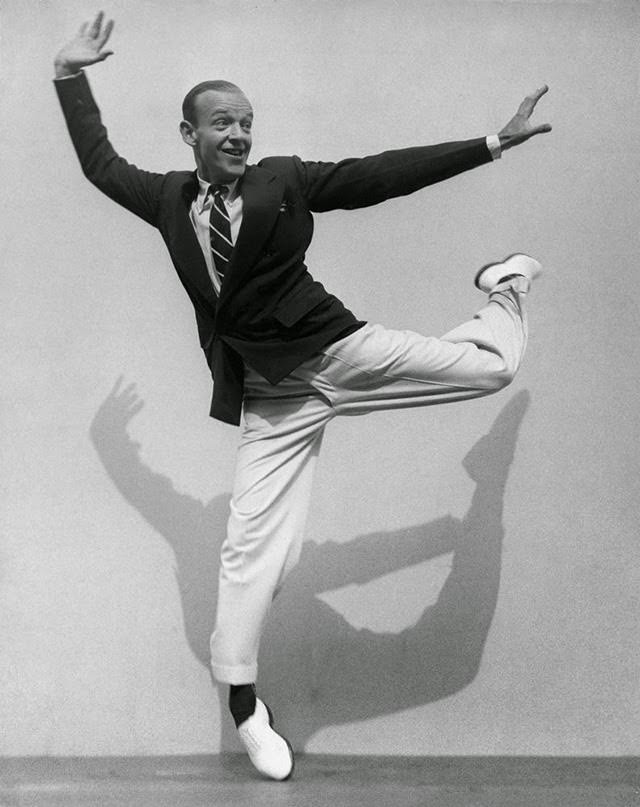
Martin Munkacsi rejected the rigid, posed photography that dominated the early 20th century. He forced his subjects into motion. Whether photographing a soccer player or a socialite, he demanded movement and energy. He captured figures in mid-air, sprinting, or diving. This approach required him to abandon the tripod. He held his heavy glass-plate camera by hand, panning along with the action to blur the background while keeping the subject sharp. This technique created a sense of velocity that was unprecedented in still images.
Revolutionizing Fashion on the Beach
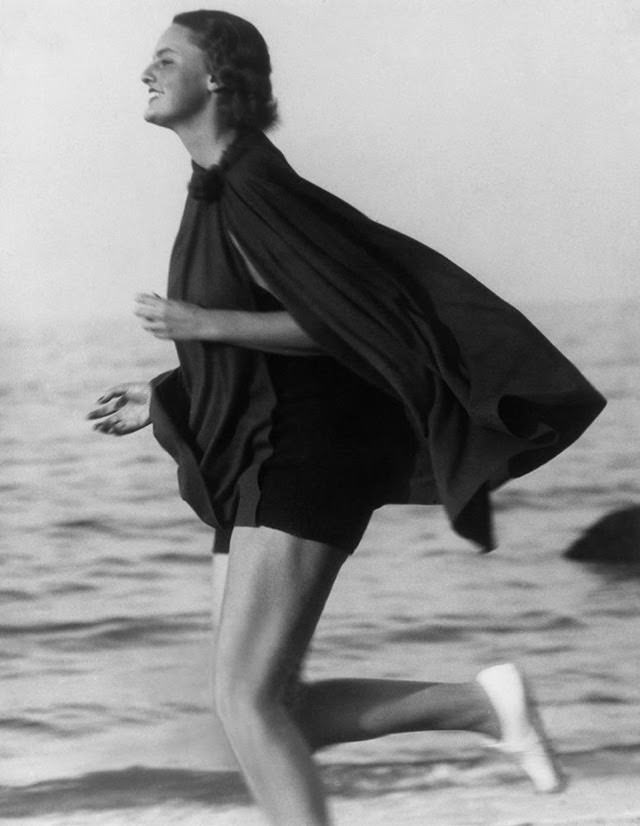
In 1933, Munkacsi applied his background in sports photography to the world of high fashion. During a pivotal assignment for Harper’s Bazaar, he took the model Lucille Brokaw to a chilly, windswept beach. Instead of asking her to stand still and pose, he instructed her to run toward him. He snapped the shutter as she rushed forward with her cape flying behind her and a natural smile on her face. This single session destroyed the standard practice of treating models like mannequins. It introduced the concept of the “action girl” to the American public, defining the athletic and healthy aesthetic of the decade.
Read more
The New York Reportage
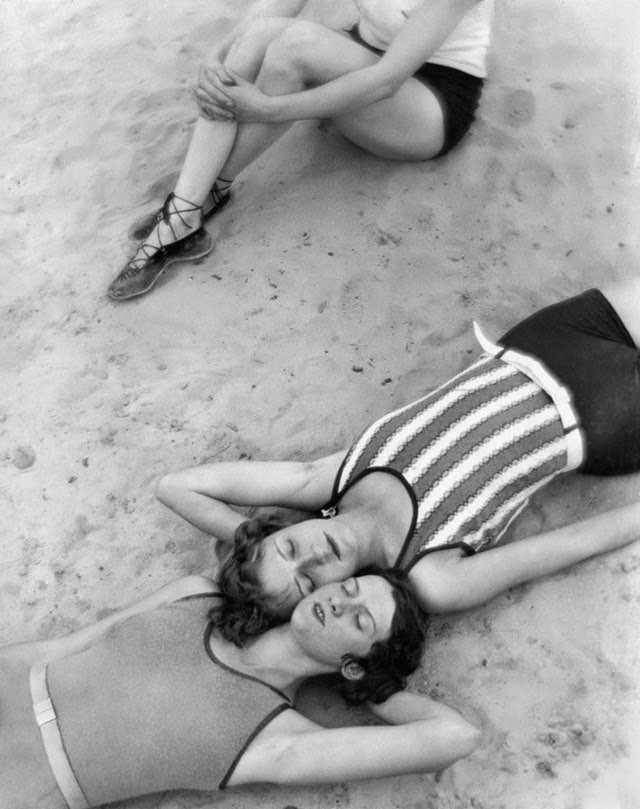
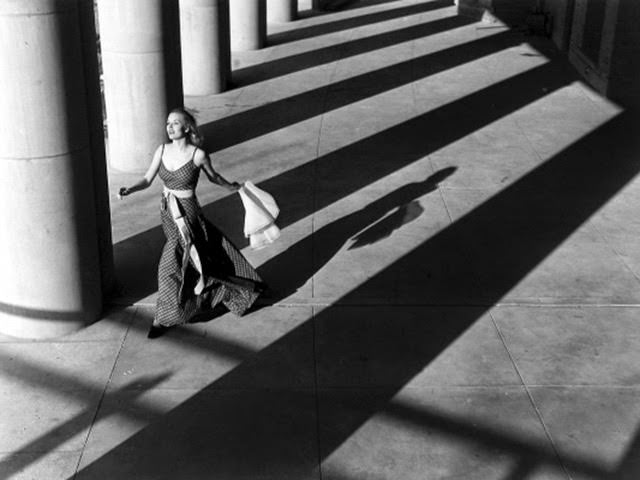
After moving to New York in 1934 under the patronage of editor Carmel Snow, Munkacsi became the highest-paid photographer of his time. He treated magazine spreads like news reportage. He took sophisticated clothing out of the studio and into the streets, airports, and open fields. His images showed women interacting with the real world rather than existing in an artificial vacuum. He utilized natural sunlight rather than studio lamps, which gave his images a gritty, authentic texture that stood out on the glossy pages of fashion weeklies.
Extreme Angles and Cropping
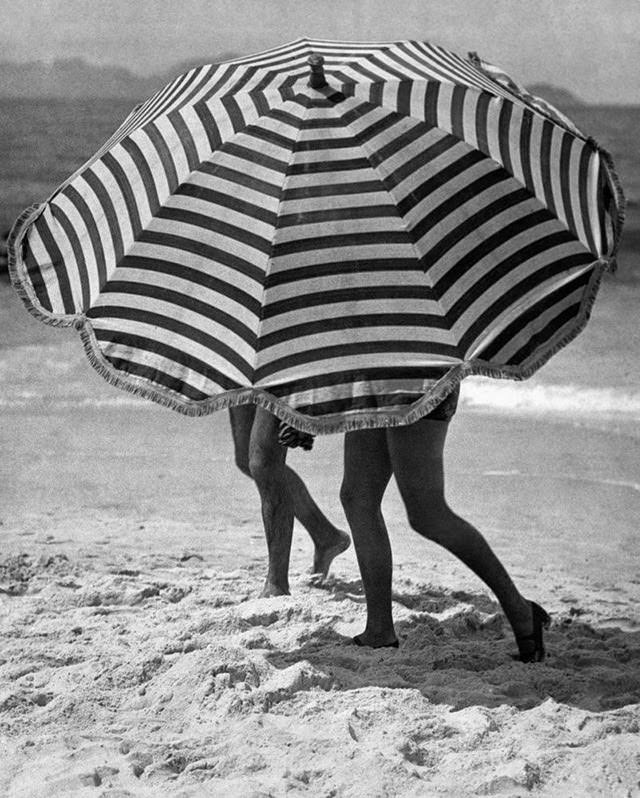
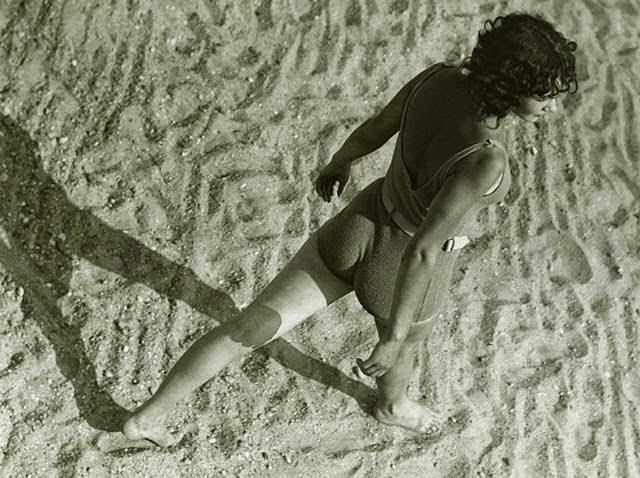
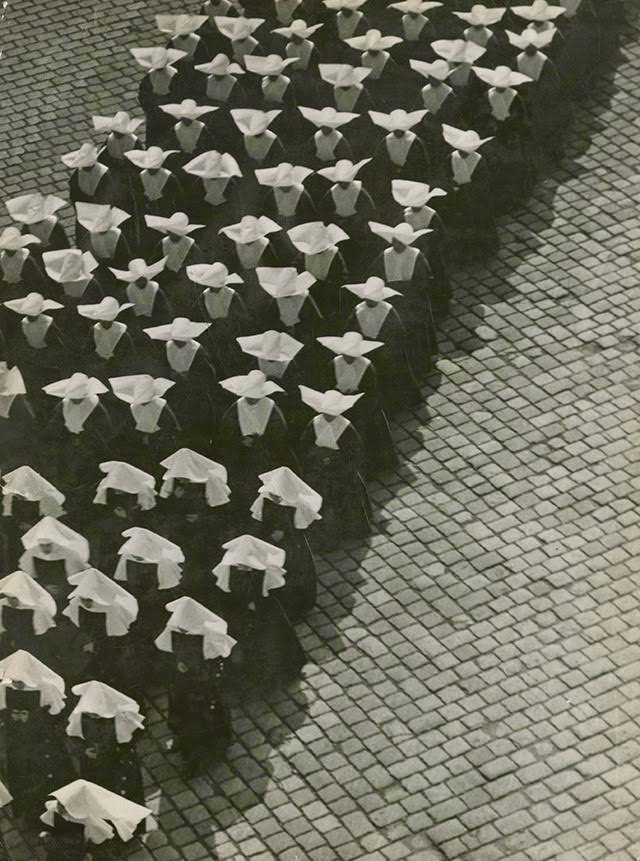
Munkacsi composed his shots with bold, geometric precision. He frequently lay flat on the ground to photograph subjects from below, making them appear larger than life against the sky. Conversely, he climbed high structures to shoot straight down, turning crowds or dancers into abstract patterns. Once in the darkroom, he cropped his negatives aggressively. He cut out unnecessary details to force the viewer’s eye directly to the point of action. This ruthless editing style intensified the drama of his compositions, making the final prints feel urgent and spontaneous.