Most photographs tell us about the subject in front of the lens. These images flip that around entirely. Here, the photographers themselves are the story — caught mid-assignment, mid-thought, or simply mid-life with a camera in hand. From Australian military press units to Chicago newsrooms, these snapshots span decades and continents.
Equipment defined what was possible. A large-format view camera demanded a tripod, careful framing, and a steady hand. A folding Kodak or a compact 35mm Leica offered speed and portability. Photographers chose their tools based on their job, and those choices shaped every image they ever made.
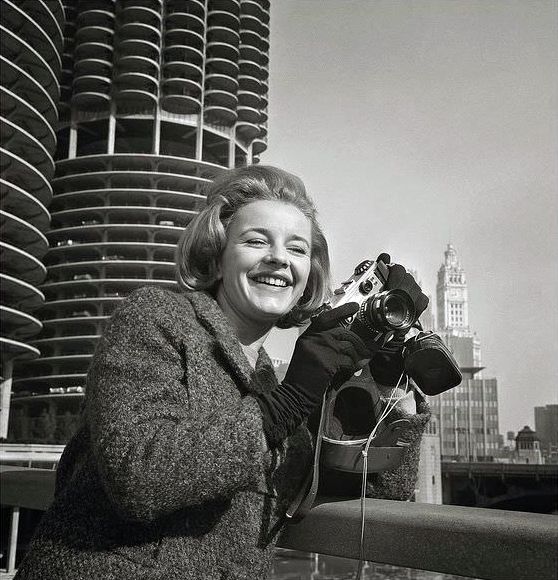
Film was expensive and limited in supply. Every frame carried real cost, so photographers had to be deliberate. There was no reviewing the shot on a screen. You either got it right or you didn’t find out until the darkroom.
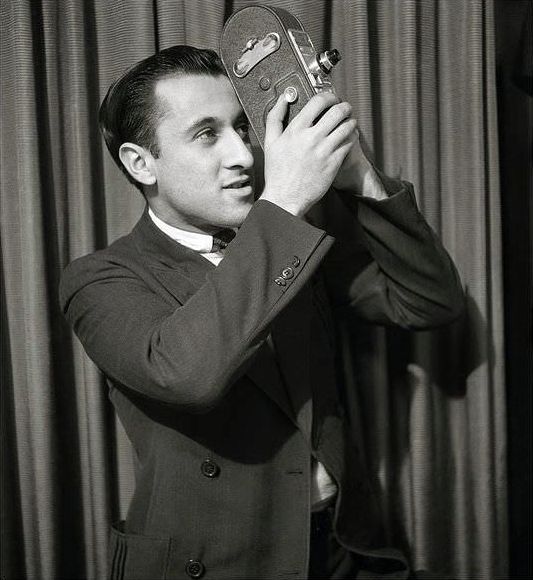
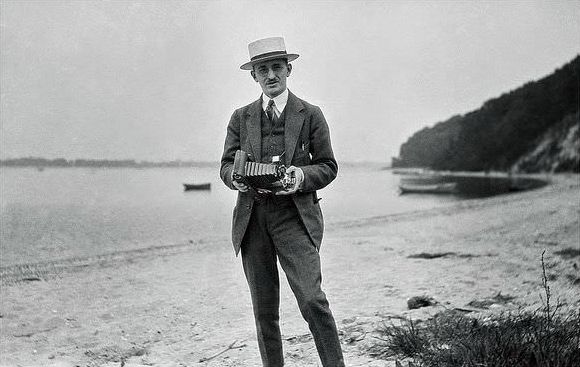
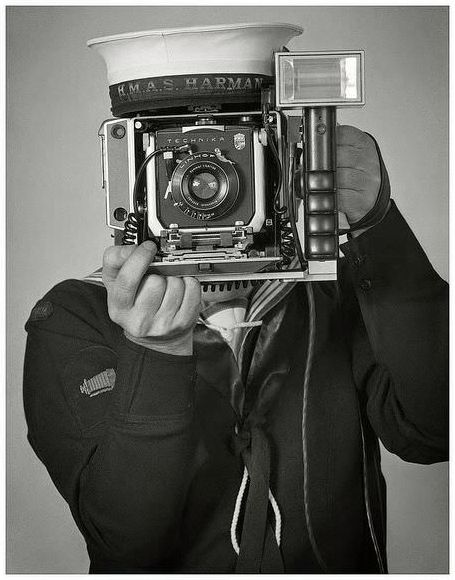
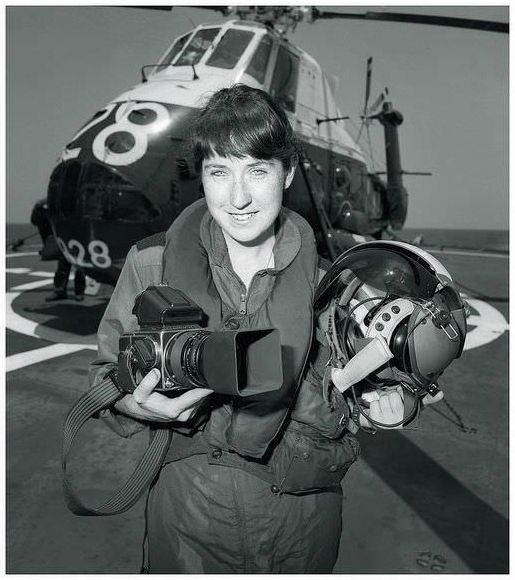
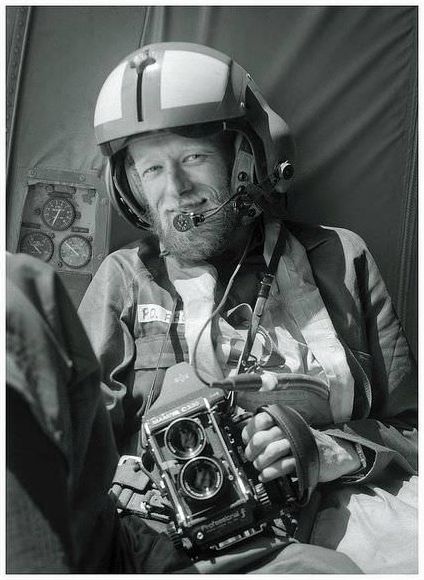
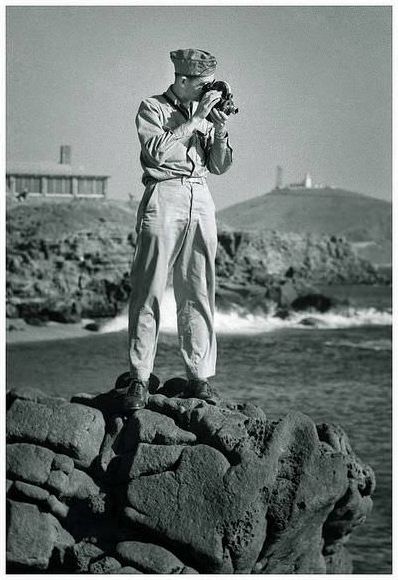
Military photographers worked in some of the most demanding conditions of all. Australian Army and Air Force press units documented everything from aircraft operations to royal visits, often carrying the same heavy professional gear regardless of the terrain or weather.
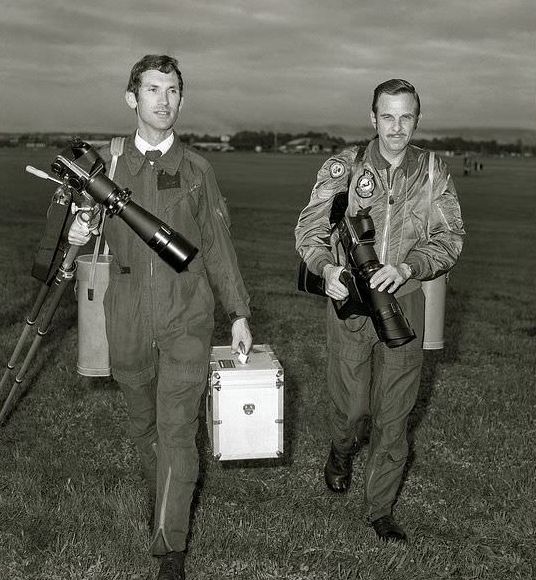
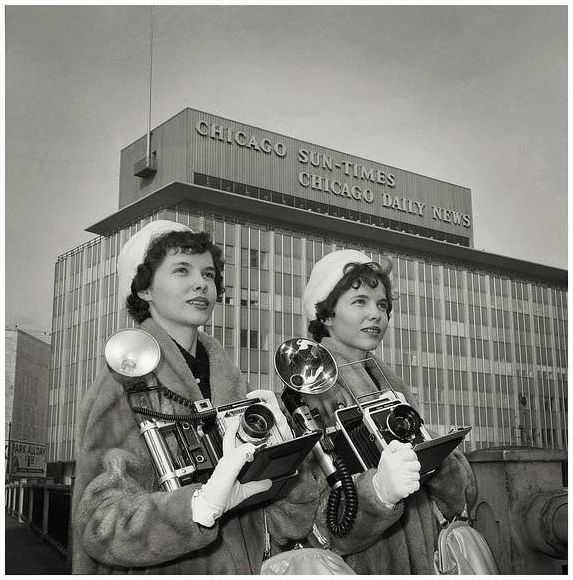
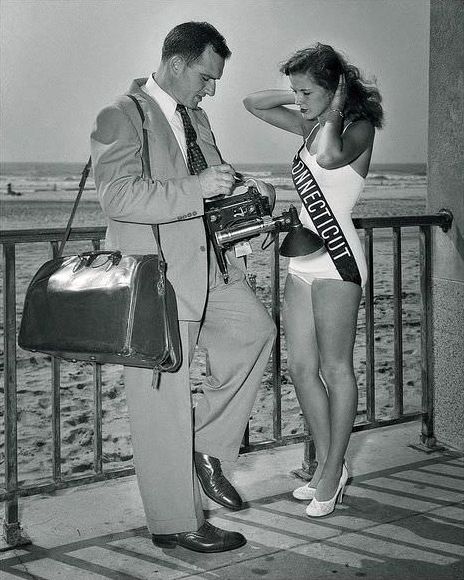
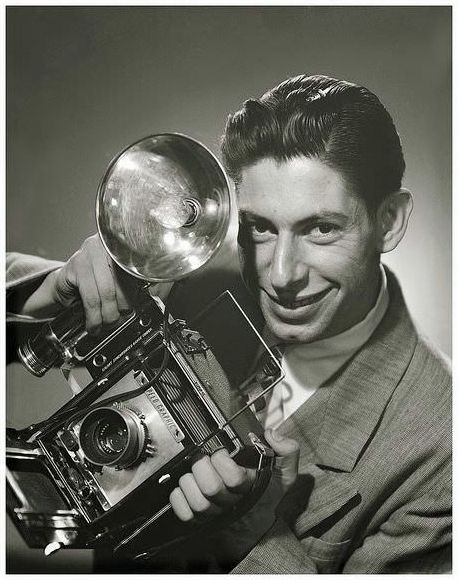
Press photography in mid-century America was a competitive, fast-moving world. Newspaper photographers showed up everywhere — beauty pageants, crime scenes, political conventions — Graflex cameras raised and ready.
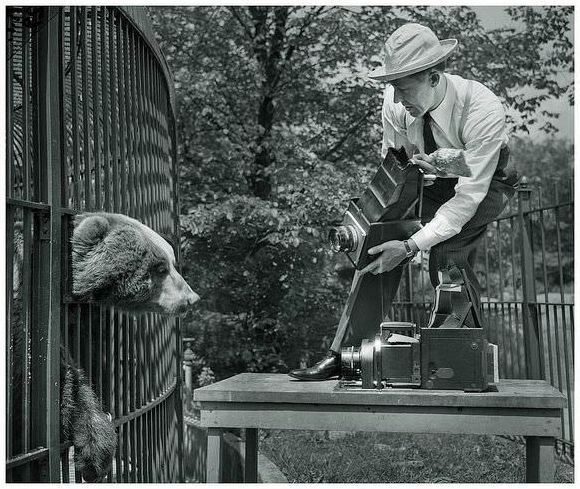
Not every assignment was glamorous. Getting a usable shot sometimes meant crouching at a zoo enclosure, waiting for an animal to cooperate — with no guarantee it ever would.
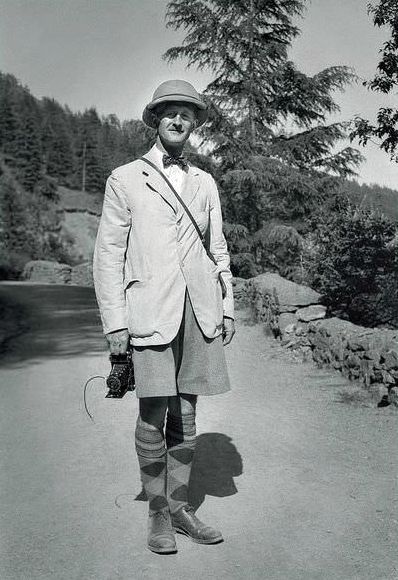
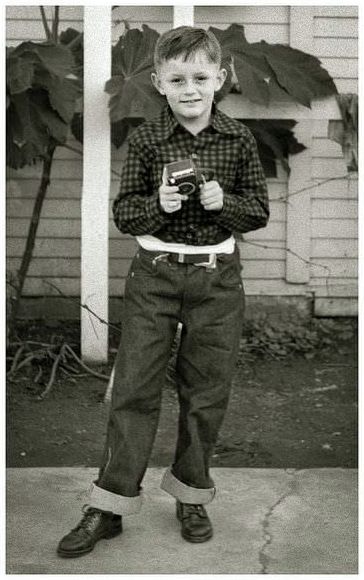
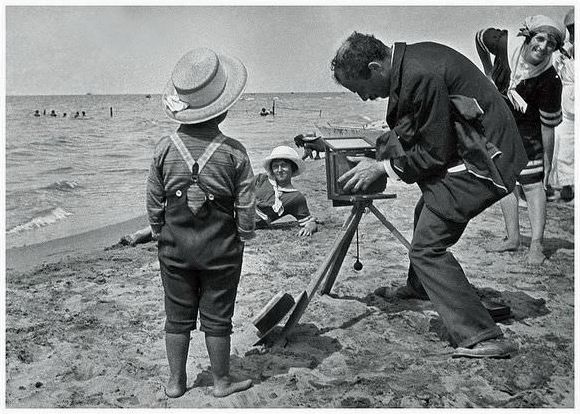
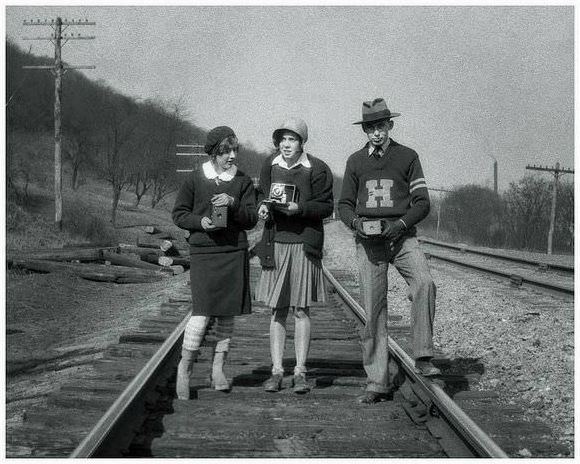
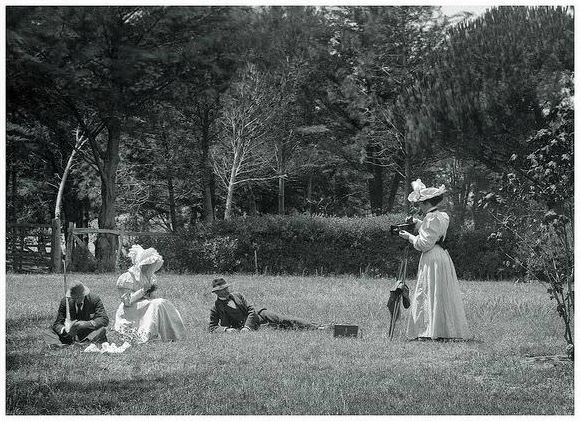
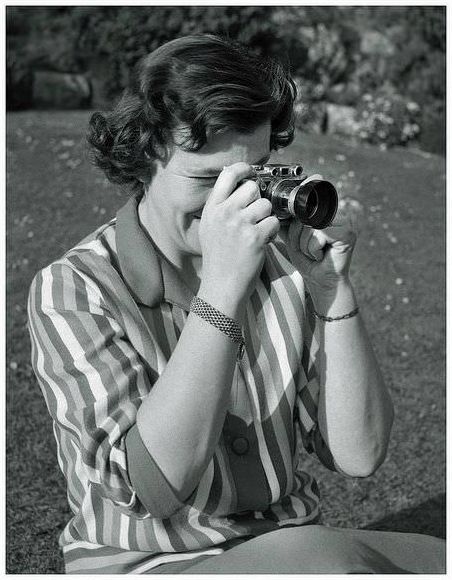
Photography attracted all kinds — tourists, hobbyists, professionals, and the simply curious. On beaches and street corners, cameras turned up in the hands of children and adults alike, each drawn to the idea of capturing something real.
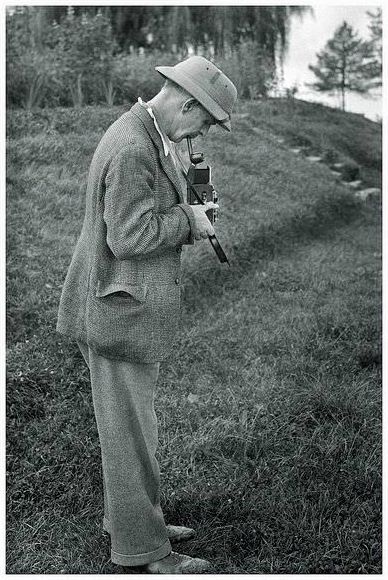
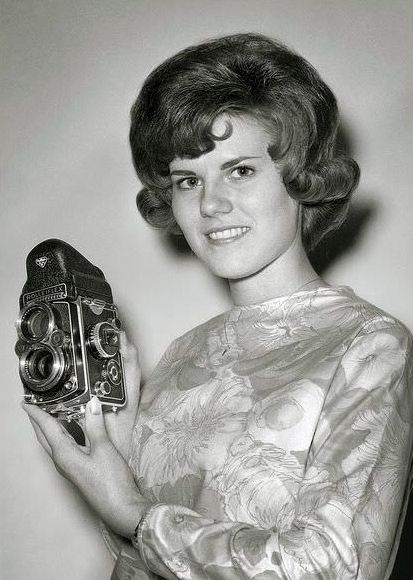
Rolleiflex twin-lens reflex cameras became a favorite in the 1950s and 60s. Their square format and waist-level viewfinder gave photographers a different way of seeing — literally looking down into the frame rather than pressing the camera to their face.
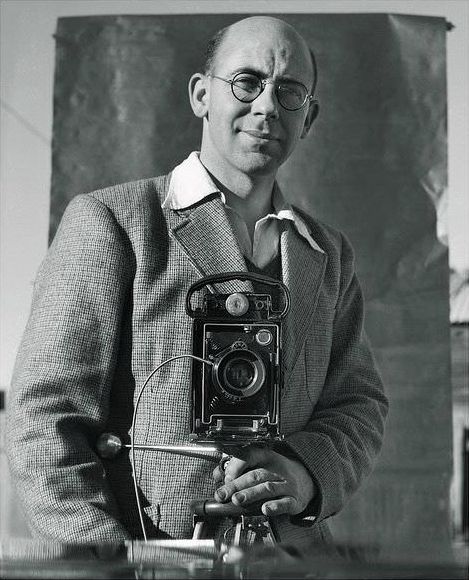
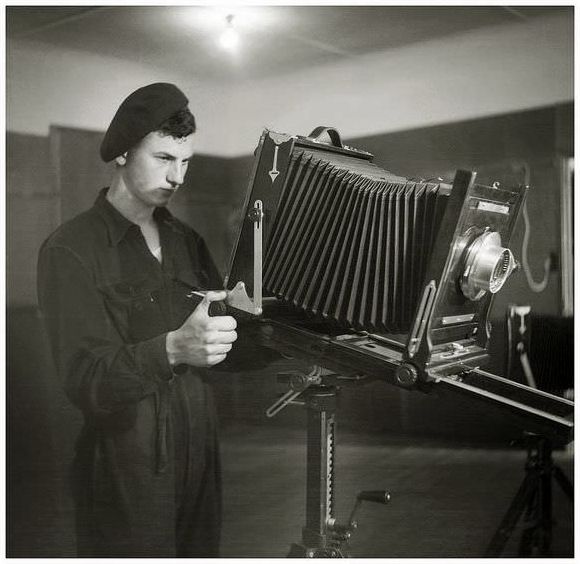
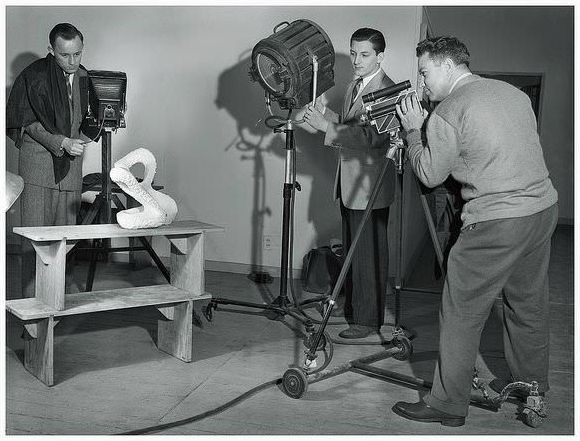
Studio photographers worked with some of the largest cameras ever made. A Deardorff 10×8 on a studio stand produced negatives the size of a piece of paper, with a level of detail that smaller cameras simply couldn’t match.
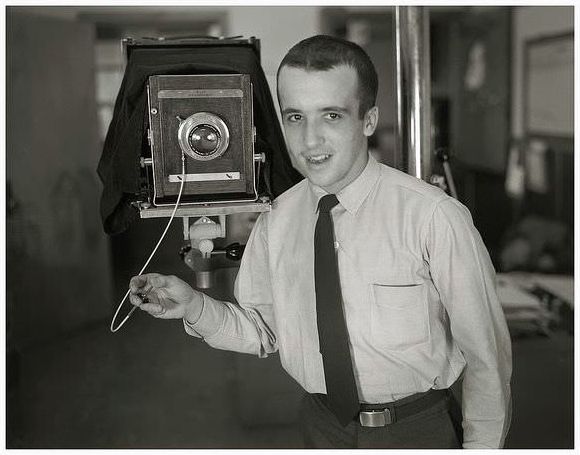
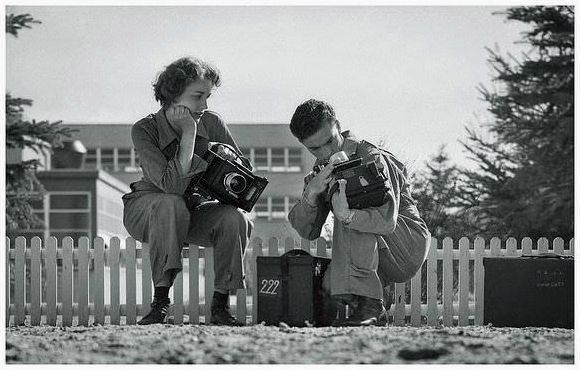
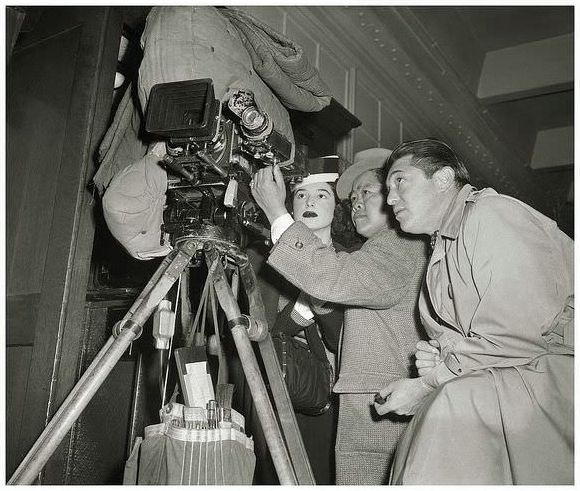
On film sets, cinematographers brought a different discipline to the lens. James Wong Howe was one of Hollywood’s most celebrated directors of photography. During the filming of the 1946 noir “Nora Prentiss,” both actress Barbara London and director Vincent Sherman paused to look through his viewfinder.
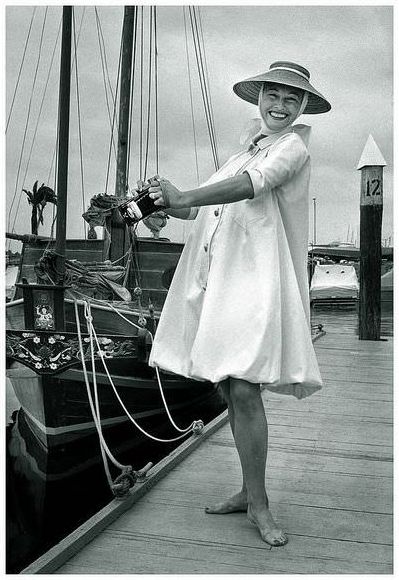
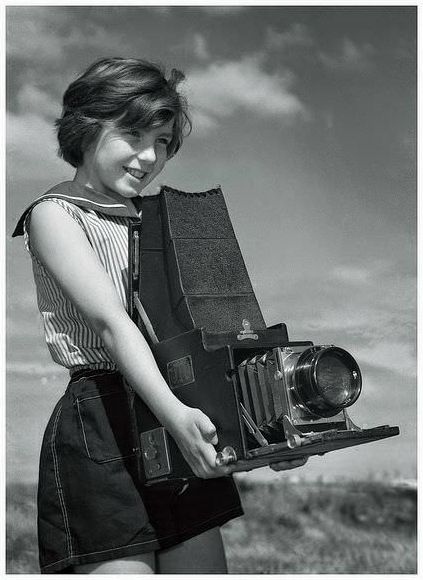
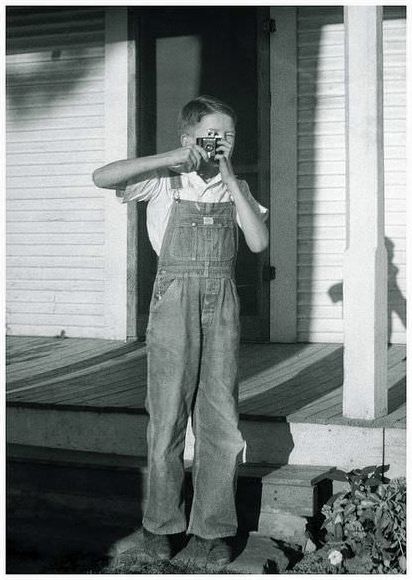
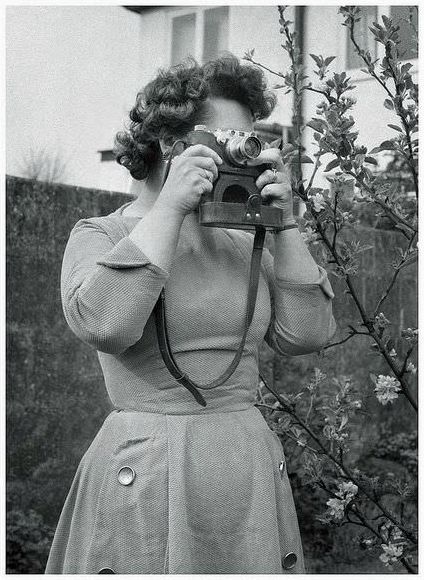
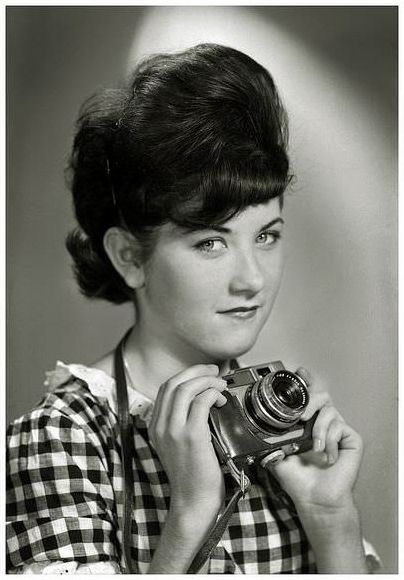
Cameras didn’t stay in professional hands. At Melbourne’s beaches in the 1950s, a ten-year-old named Maxine Sullivan hauled her father’s heavy Graflex to the shore. Years later, she was photographed again — this time with her own Petri 35mm in the 1960s.
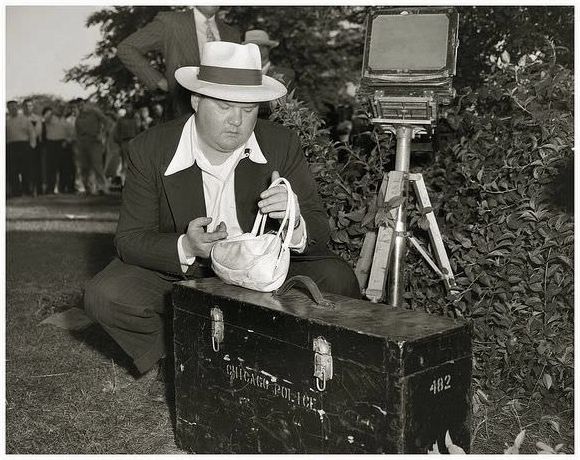
Law enforcement photographers operated in a completely different context. Detective Patrick O’Brien of the Chicago Police Crime Lab used a large-format Ansco camera to document major crime scenes in June 1950 — a methodical process where accuracy mattered far more than speed.
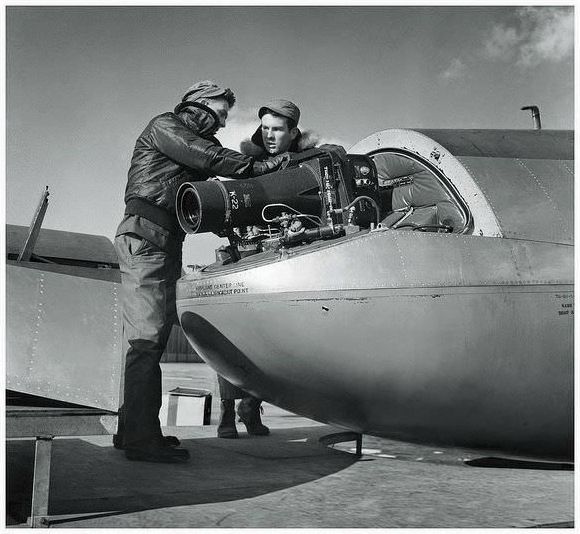
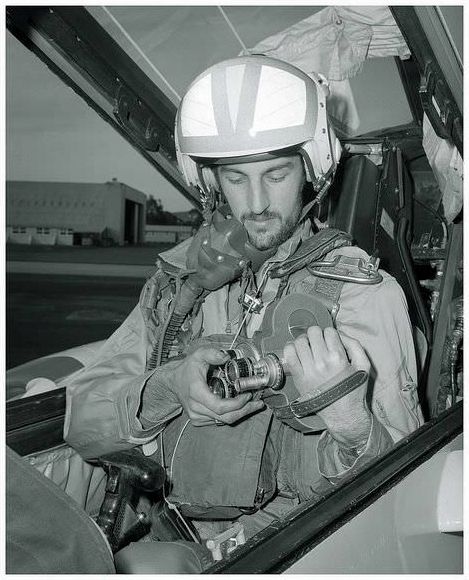
Aerial reconnaissance required cameras purpose-built for aircraft. American Air Force photographers loaded Fairchild K-22 cameras directly into the noses of reconnaissance planes — a process that required technical skill well beyond simply pressing a shutter.
The Graflex Speed Graphic became the defining press camera of the mid-20th century. Its design was rugged, practical, and immediately recognizable — the camera most people picture when they think of a 1940s or 50s news photographer.
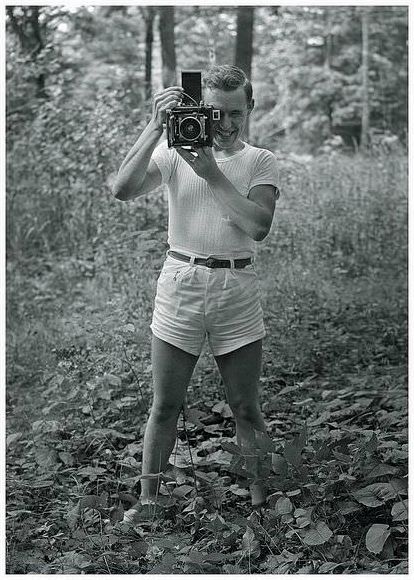
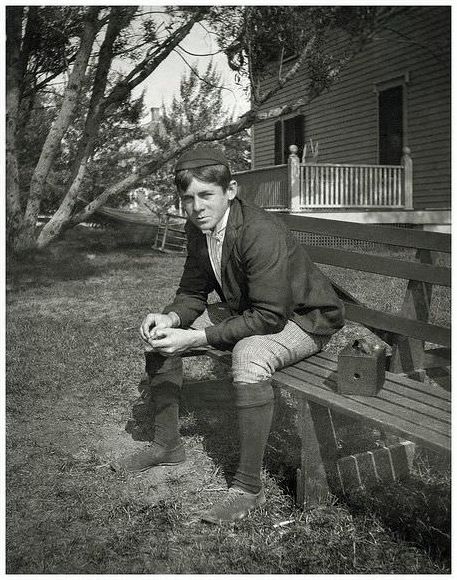
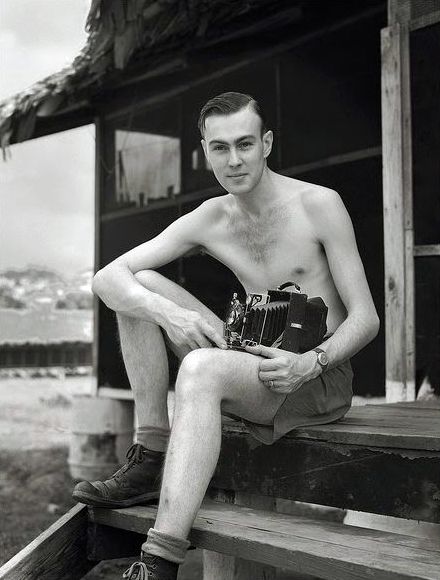
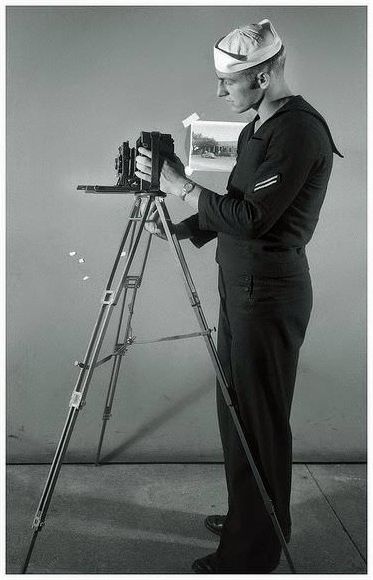
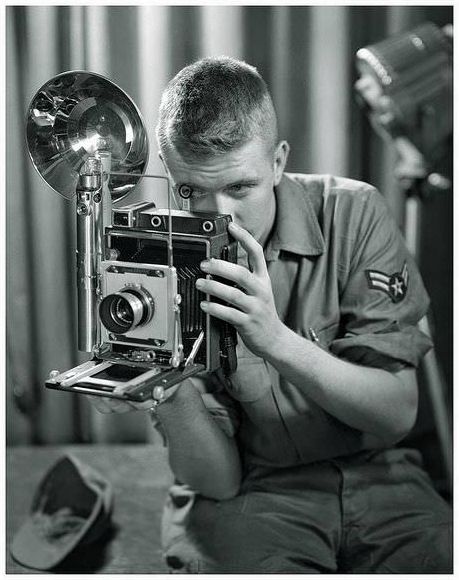
During World War II, the U.S. military trained photographers at scale. Navy and Army trainees practiced with large-format press cameras, learning to operate equipment that would document the war across every theater of operation.
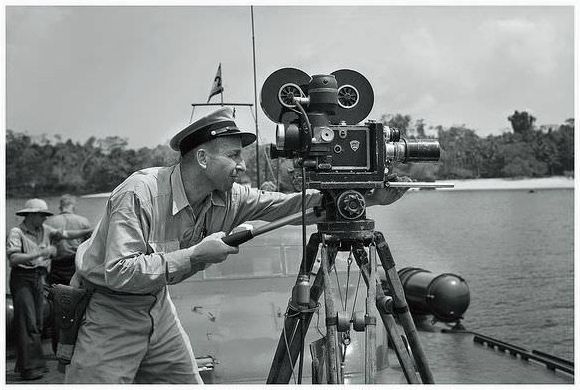
Out in the Pacific, a U.S. Navy cinematographer operated a Mitchell camera aboard a Motor Torpedo Boat, capturing combat footage from the deck of a vessel that was itself in the fight. It was not a safe place to work.
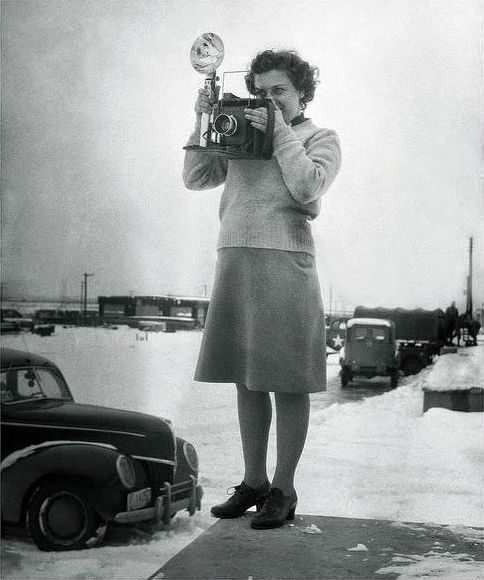
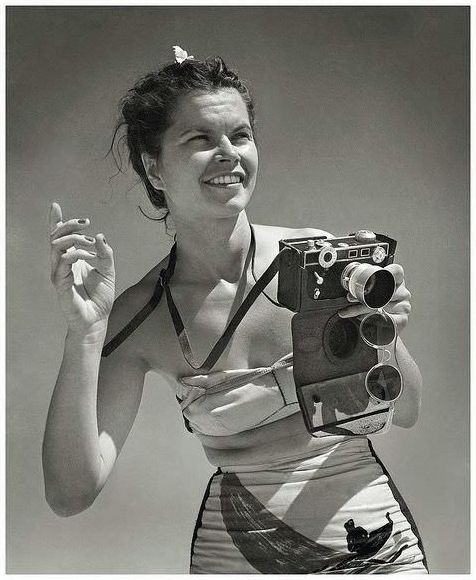
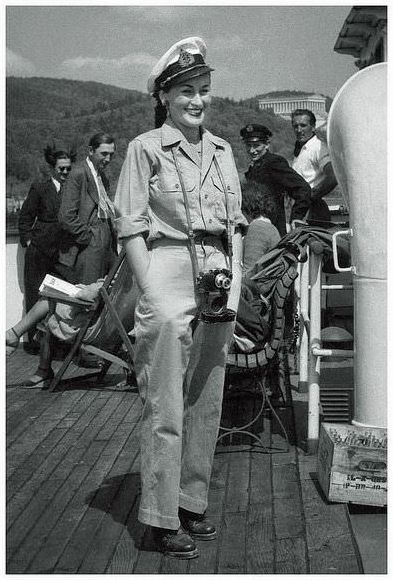
Even on rest and recreation leave, some photographers couldn’t put the camera down. A U.S. Women’s Army Corps photographer spent her R&R in the 1940s with an Argus camera — a compact, affordable 35mm model nicknamed ‘The Brick’ for its blocky shape.
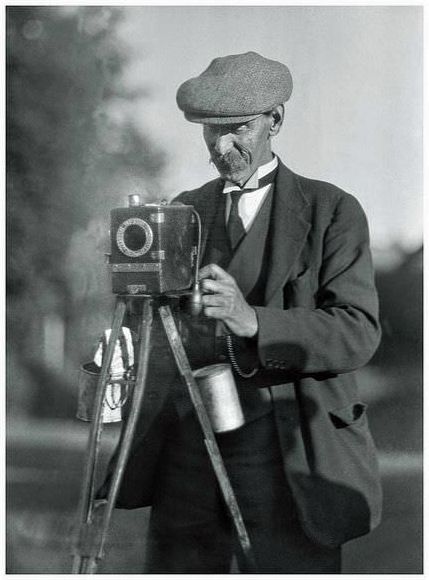
Street photographers in England used ferrotype cameras that could develop a print on the spot. The Moore & Co Aptus model carried its chemical processing solutions right on the tripod itself, allowing photographers to hand customers a finished photograph within minutes.
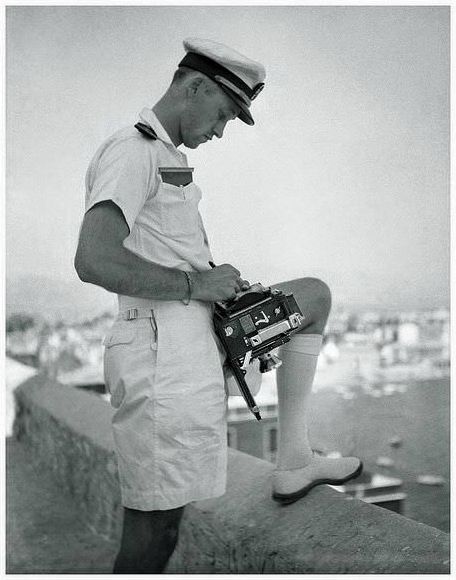
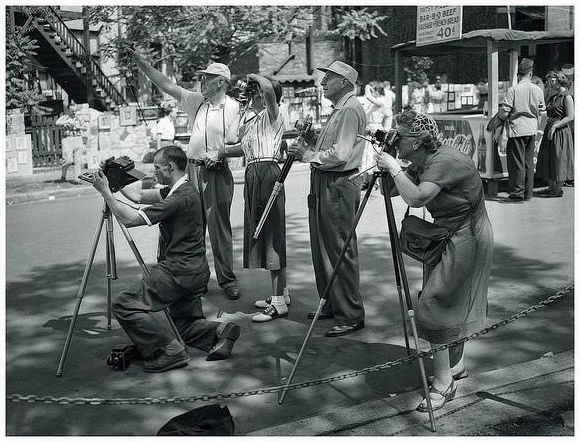
Camera clubs gave enthusiasts a social space to share techniques and equipment. In 1940s Chicago, club members mixed large stand cameras with cine rigs — a sign that moving and still photography were already overlapping worlds.
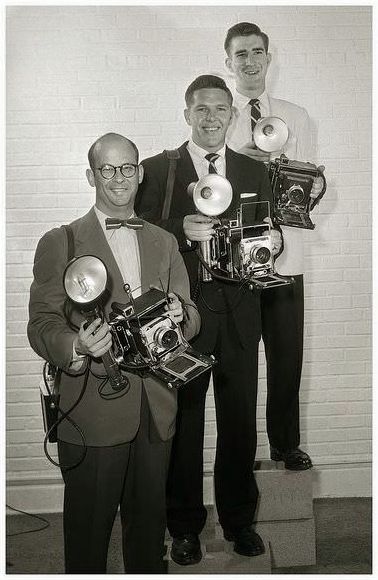
Newspaper photo departments were built on the Graflex. Staff photographers at papers like the Columbus, Georgia Ledger-Enquirer posed with their cameras as a matter of professional pride — these were their tools, and they knew how to use them.
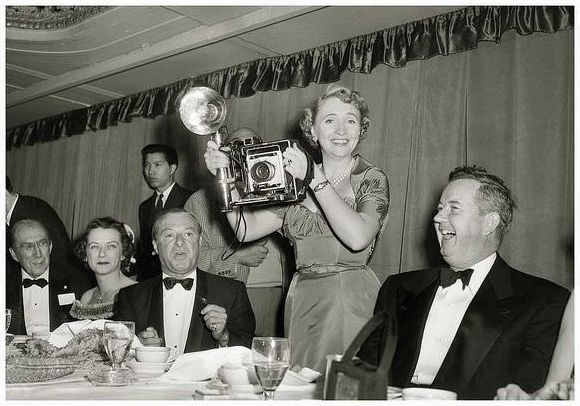
Margaret Truman, daughter of former President Harry S. Truman, borrowed a Graflex from press photographers at a Chicago function in September 1953 and turned it on the crowd. The camera that had been pointed at her family for years was briefly in her own hands.
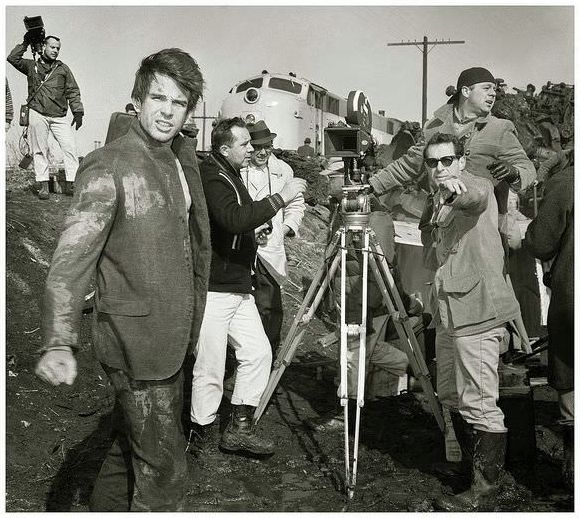
Hollywood productions drew their own crowd of photographers. In March 1964, Warren Beatty filmed “Mickey One” near Chicago under director Arthur Penn — a production that attracted both press cameras and movie cameras in equal measure.
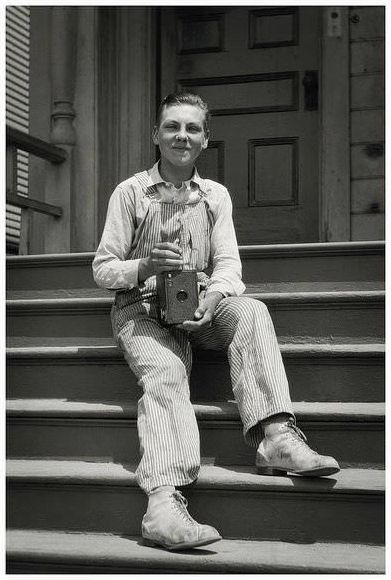
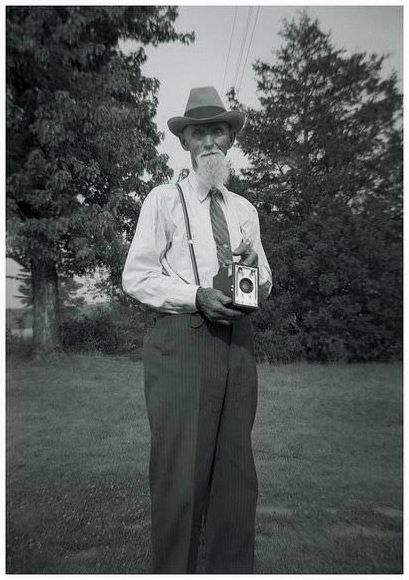
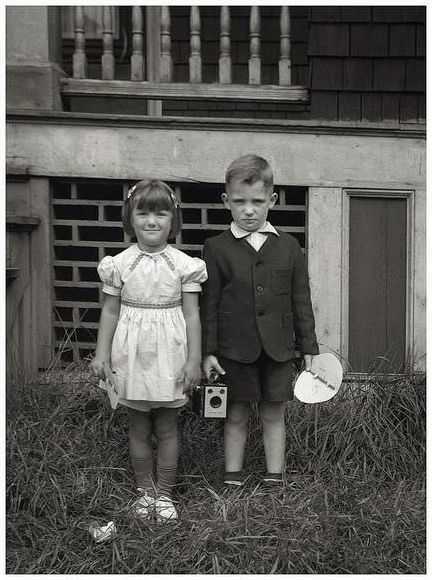
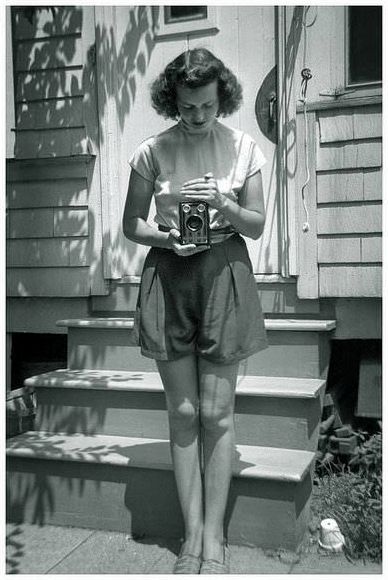
Proper technique mattered with box cameras. The Kodak Six-16 Brownie Junior required a specific hold to keep the image steady and the horizon level — something manufacturers went to the trouble of demonstrating in instructional photographs.
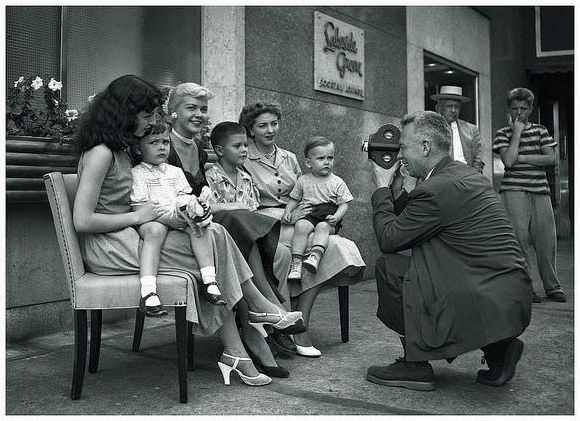
Major political events drew a wall of cameras. At the 1952 Democratic National Convention at Chicago’s Hilton Hotel, newsreel cameramen worked the floor, capturing families and delegates in the middle of a landmark moment in American politics.
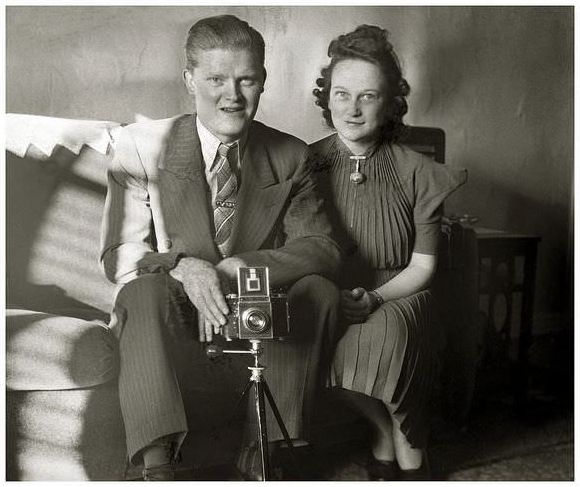
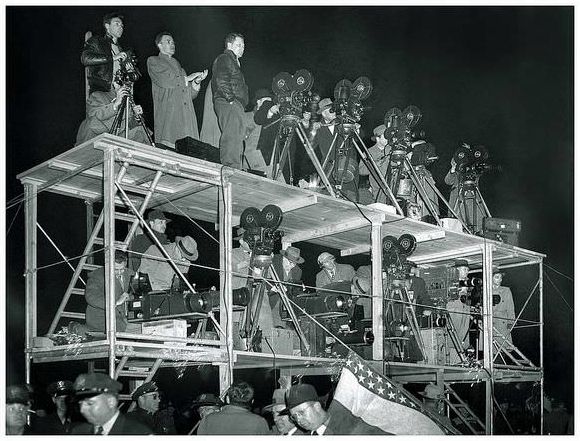
MacArthur Day in Chicago in the late 1940s brought out one of the largest press gatherings on record. NBC and Chicago’s WGN-TV deployed Arriflex and Mitchell movie cameras alongside Graflex ‘Big Bertha’ cameras — massive telephoto rigs used for shooting from a distance.
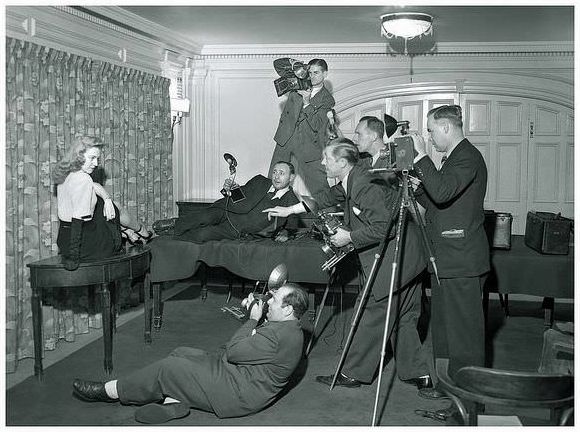
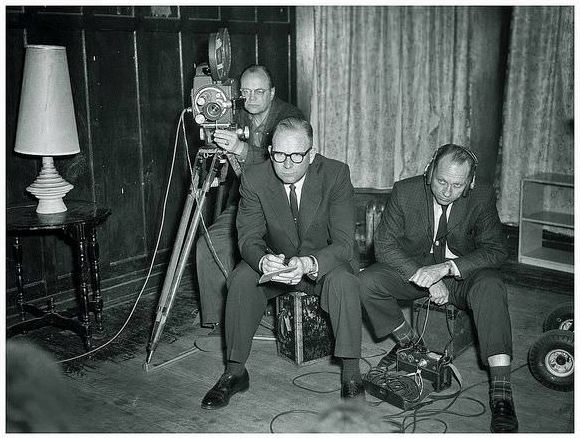
In November 1963, a Chicago news crew gathered in the aftermath of President John F. Kennedy’s assassination. Cameras were present, but there was nothing to film yet — just reporters and crew waiting in the silence that follows a national shock.