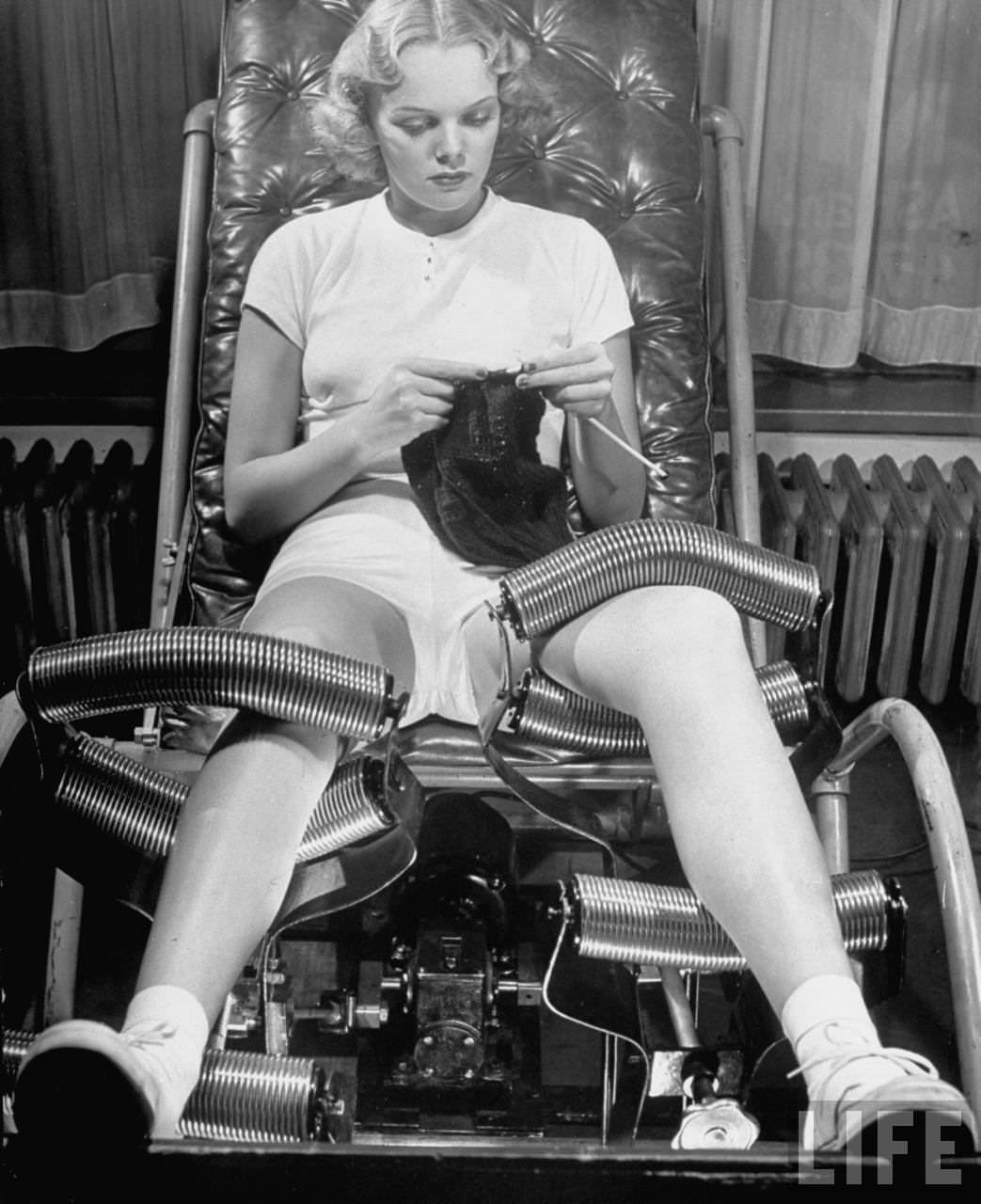
In November 1940, LIFE magazine sent photographer Alfred Eisenstaedt to a chic New York City salon with a very specific assignment: document the strangest fitness trend of the decade. The result was a series of photographs featuring model Pat Ogden draped across humming metal machines, perfectly calm, perfectly still, and not breaking a single sweat.
The slenderizing salon promised something almost too good to be true: a scientific shortcut to the era’s ideal hourglass figure. No calisthenics, no strain. Just lie back and let the machine do the work. The salons claimed their devices could roll, vibrate, and massage away unwanted inches from hips, thighs, and the stomach — the so-called “problem areas” of the day.
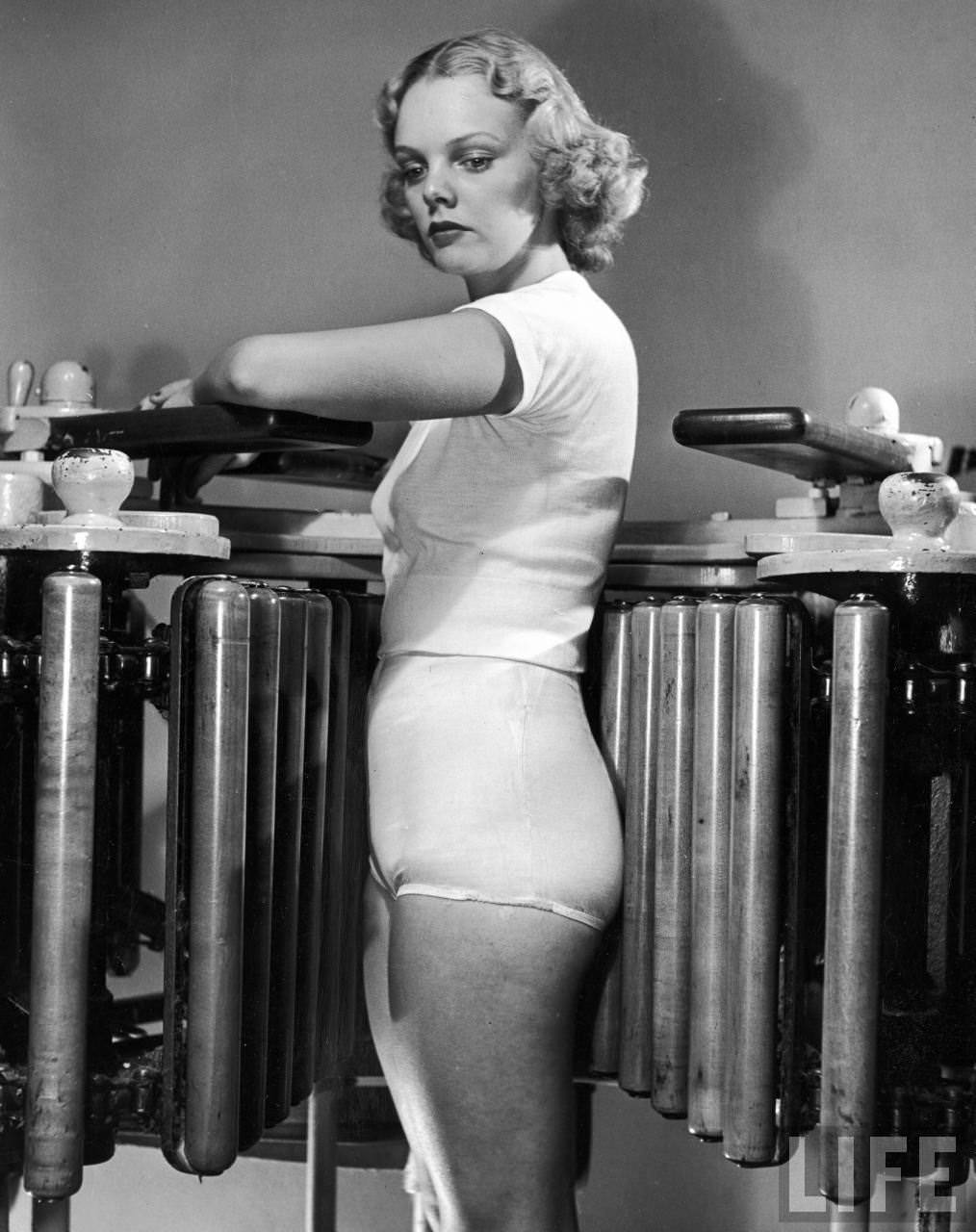
The star machine was the mechanical roller — a bed-like frame mounted with rows of spinning metal or wooden rollers. Clients pressed targeted body parts against them and let the machine deliver a deep, vigorous massage. Salon owners argued this stimulated muscle contractions, essentially exercising the body on the client’s behalf.
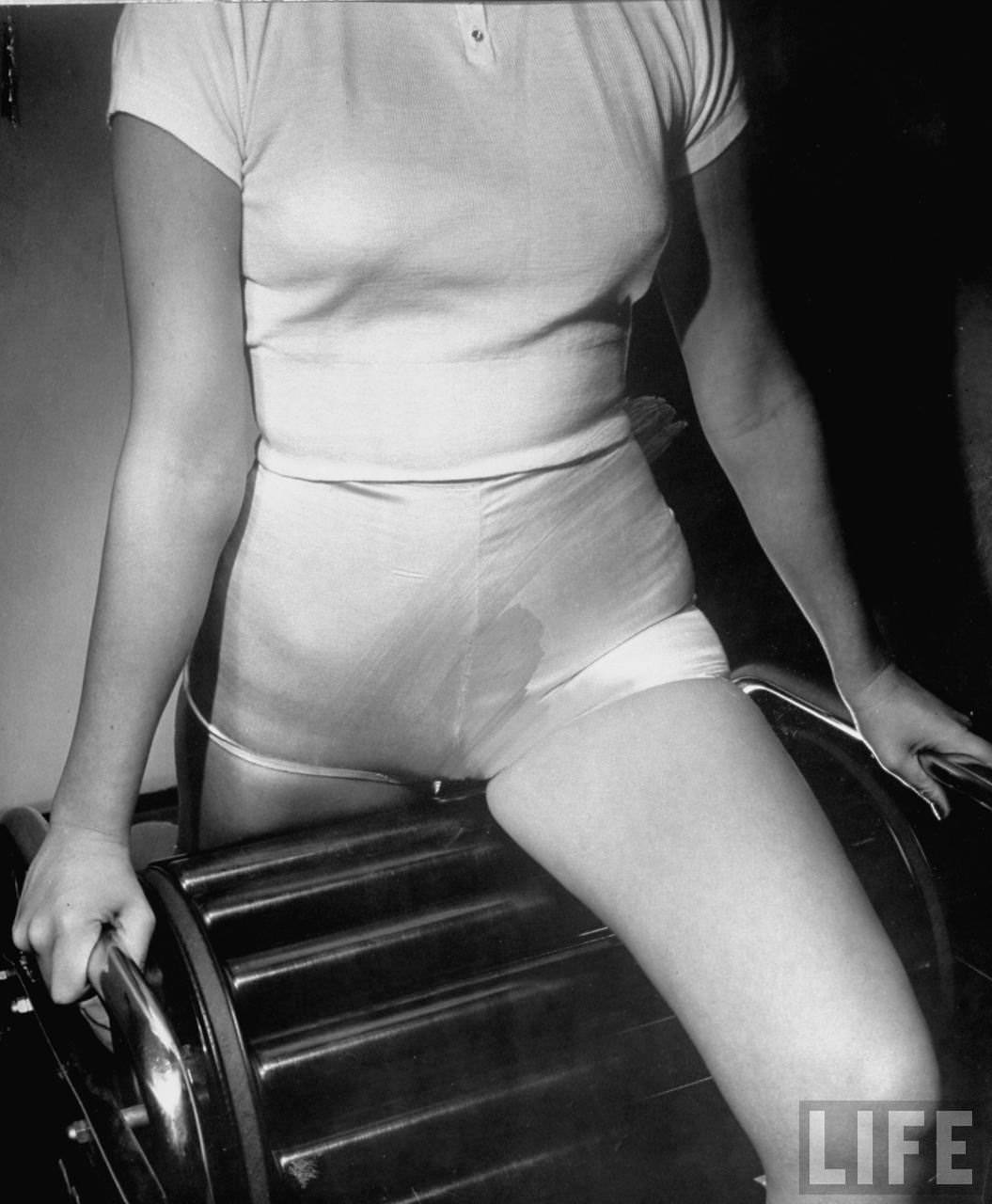
Beyond the rollers, salons stocked a full arsenal of gadgets. The vibrating belt — a thick canvas strap looped around the waist and attached to a motorized stand — shook at high frequency, supposedly rattling fat cells loose. Electrical pads strapped to the arms or stomach sent mild currents into muscles, mimicking the effect of a workout. Each device targeted a specific area, giving the whole experience the feel of a medical procedure.
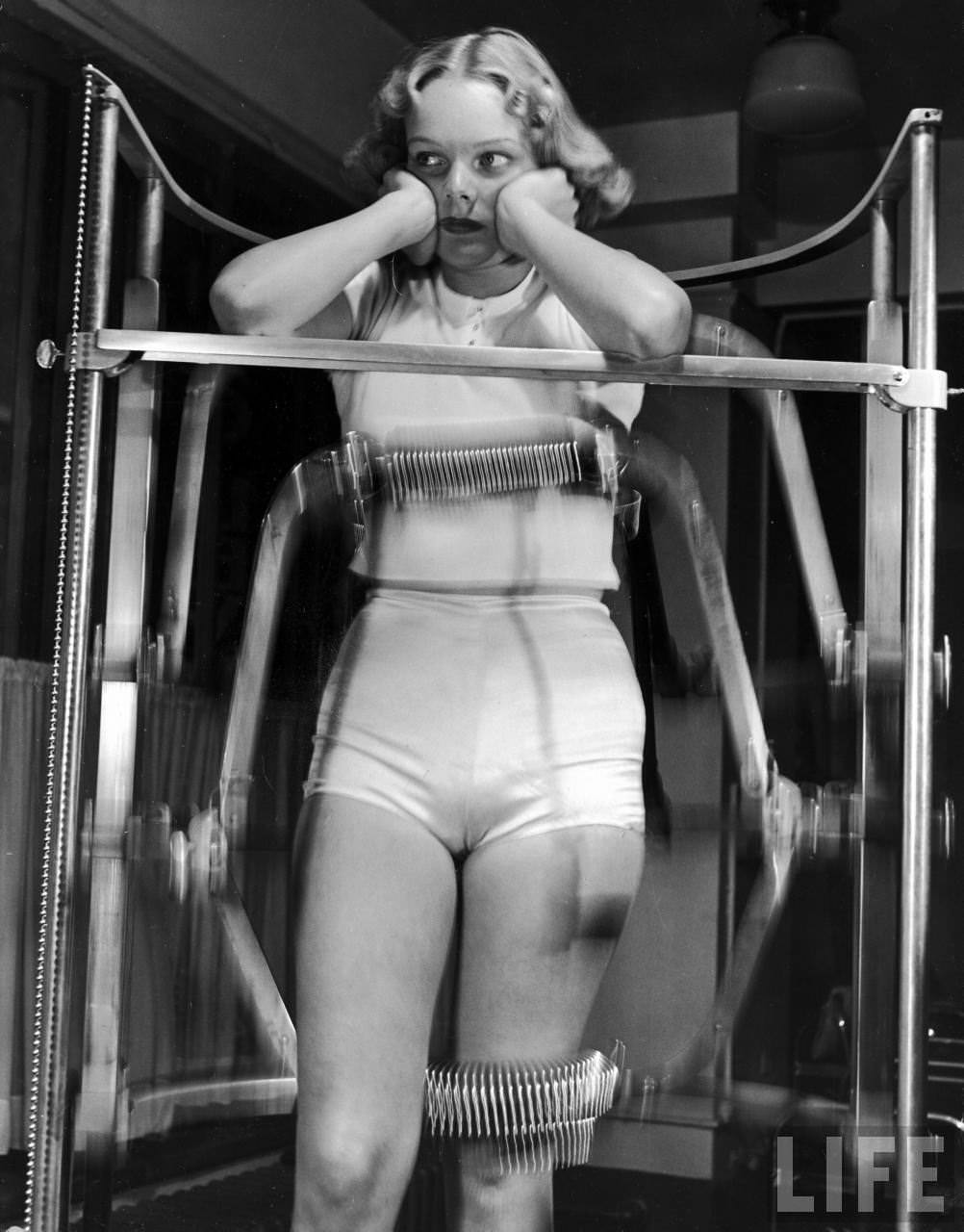
The salons were deliberately designed to look clinical. Chrome machines, uniformed attendants, and clean white interiors made them resemble futuristic medical facilities. That aesthetic was intentional — it lent the treatments an air of serious science. The clients were mostly middle- and upper-class women who had both the income and the leisure time for regular appointments.
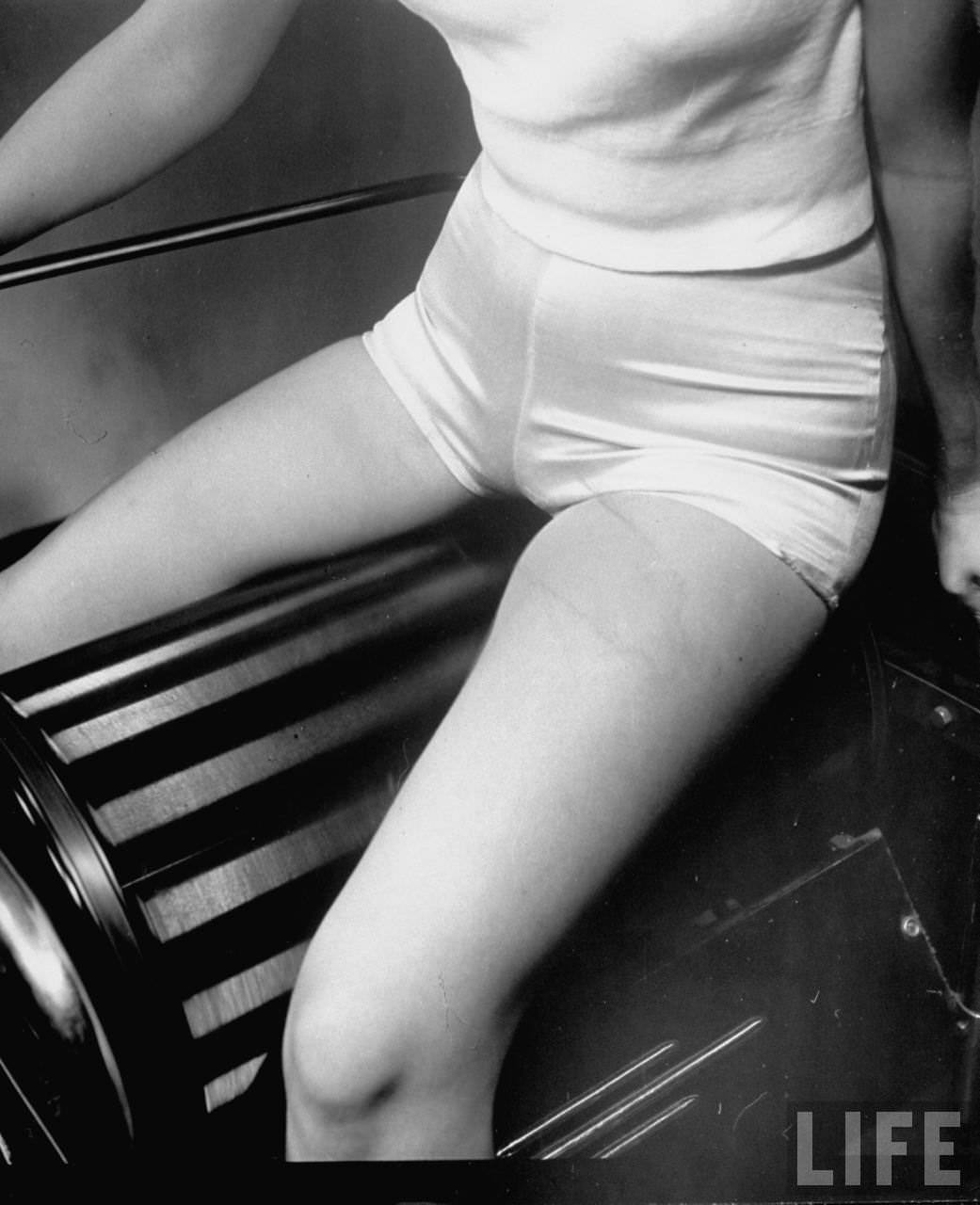
The appeal was straightforward: in an era of technological marvels, trusting a machine to sculpt your body felt modern and rational. More importantly, it required nothing from you. A woman could spend an hour being rolled and vibrated, then head to lunch, convinced she had completed a full workout.
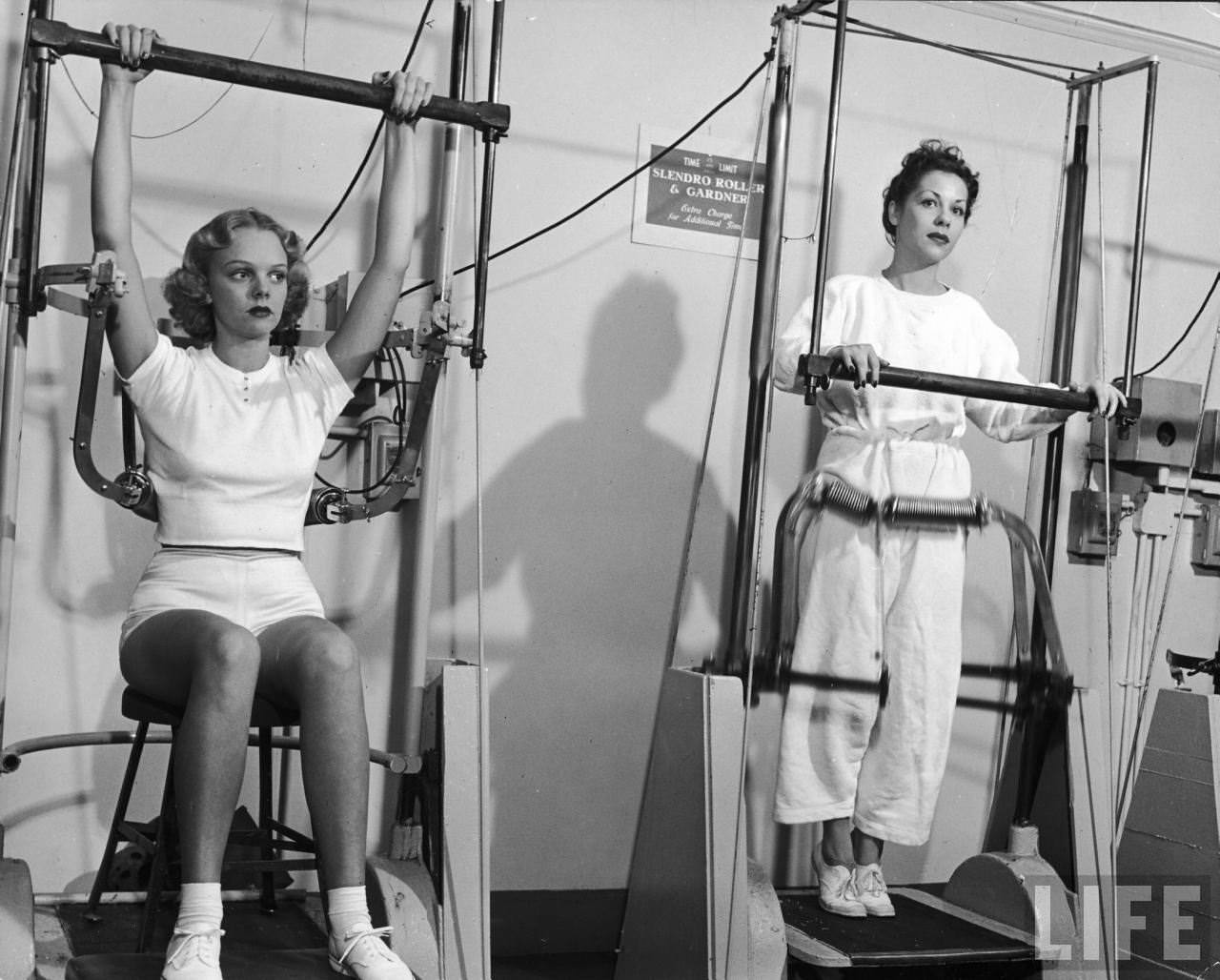
Modern science is clear: spot reduction is a myth. Fat cannot be shaken, rolled, or massaged off a single body part. What the machines actually did was increase blood flow to the skin, creating a temporary flush and a feeling of tightened muscles — sensations clients read as proof the treatment was working. Some women also cleaned up their diets to justify the expense, and credited any real results to the machines.
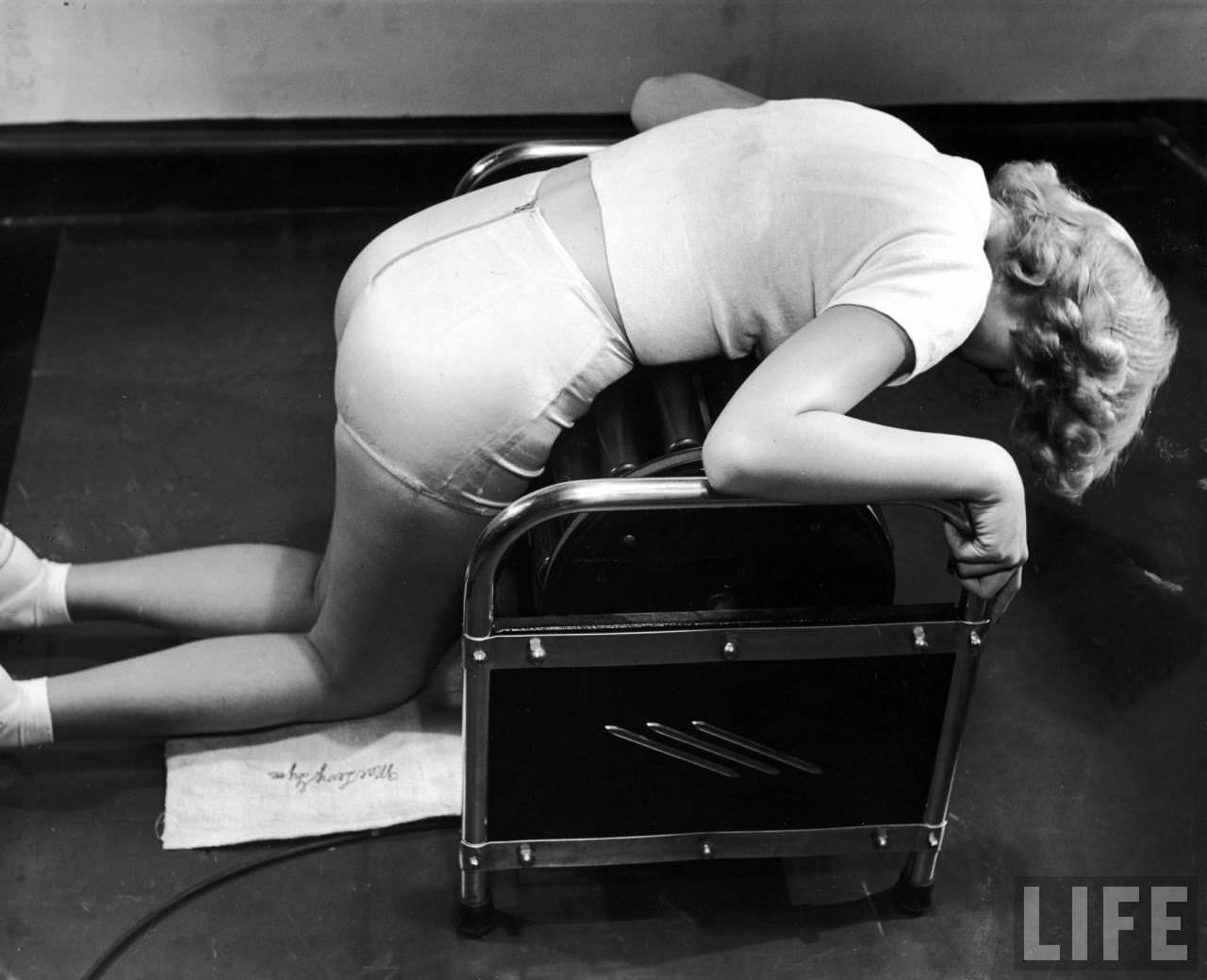
Eisenstaedt’s photographs freeze this moment of collective belief with striking precision. Pat Ogden lies composed on the cold, spinning rollers — a picture of absolute faith in the automated promise of effortless perfection. The machines never delivered what they advertised, but they sold something real all the same: the feeling of doing something.