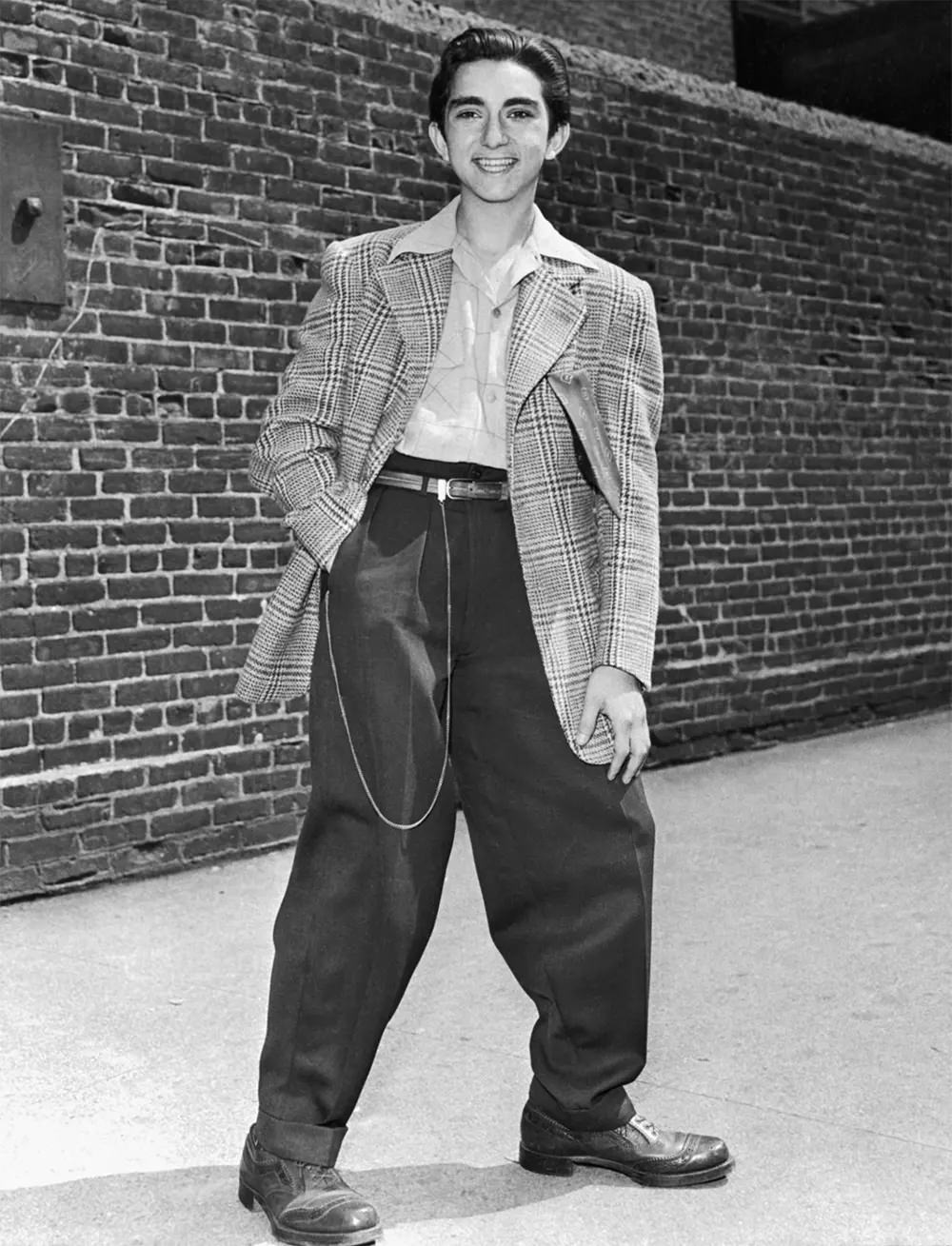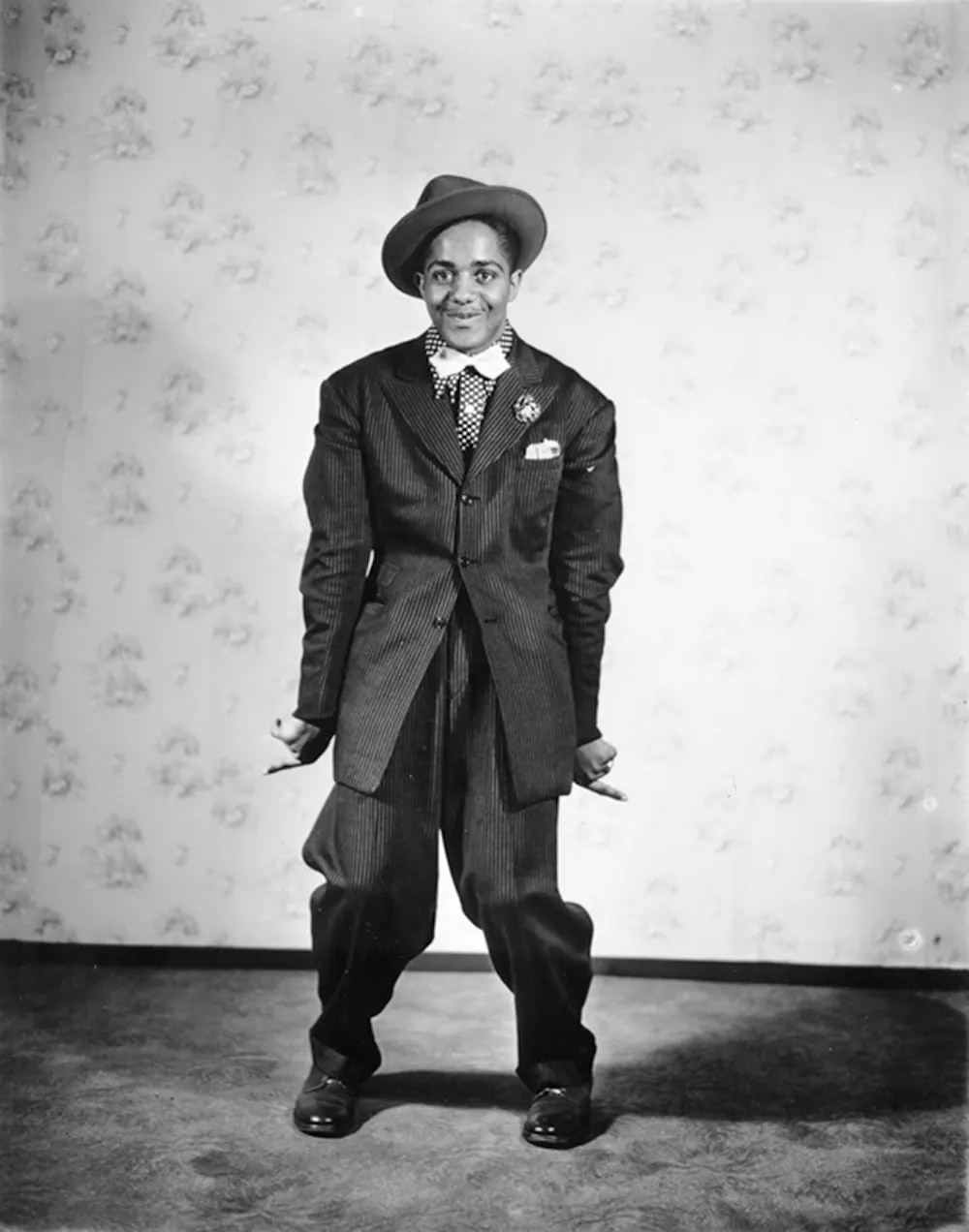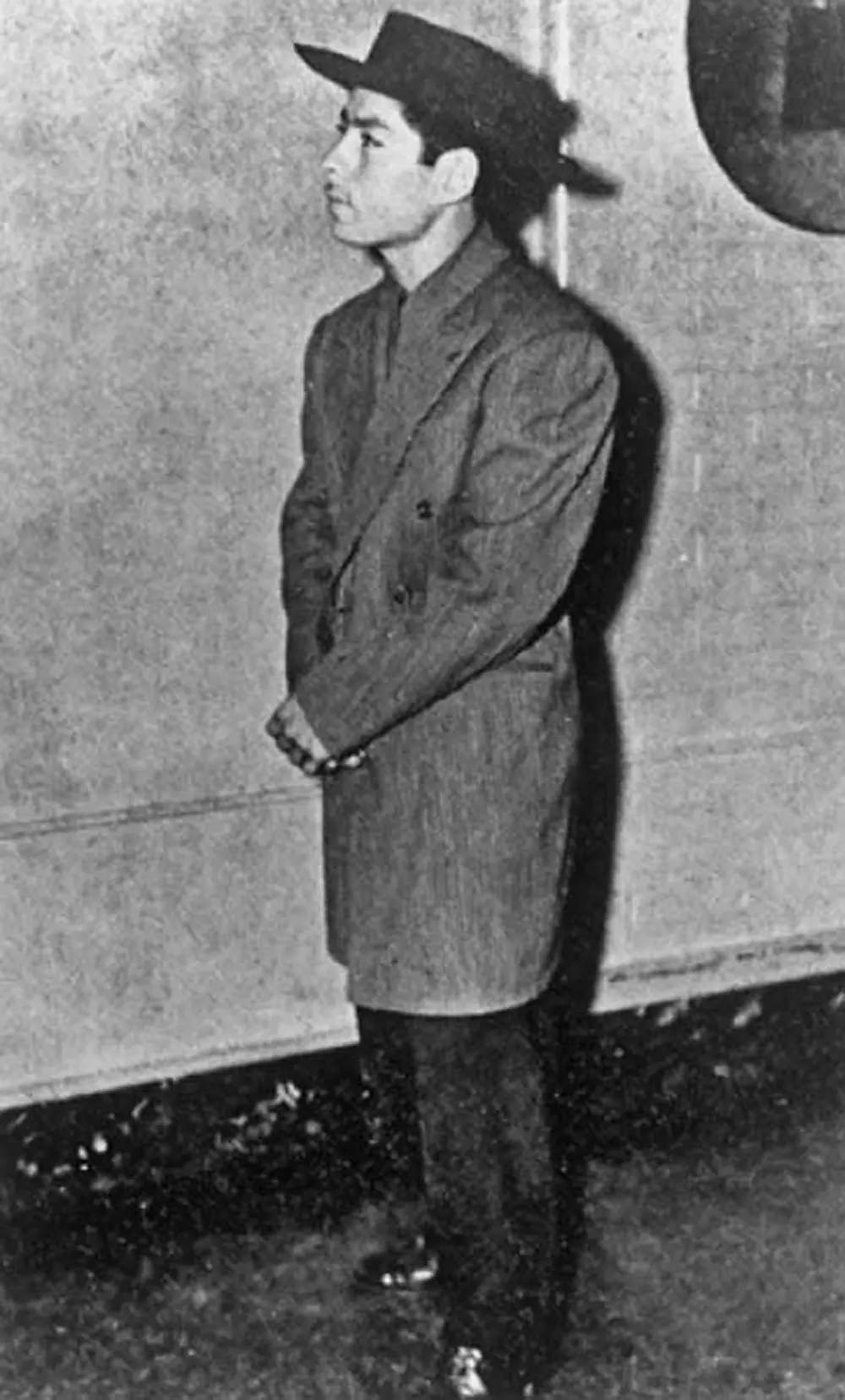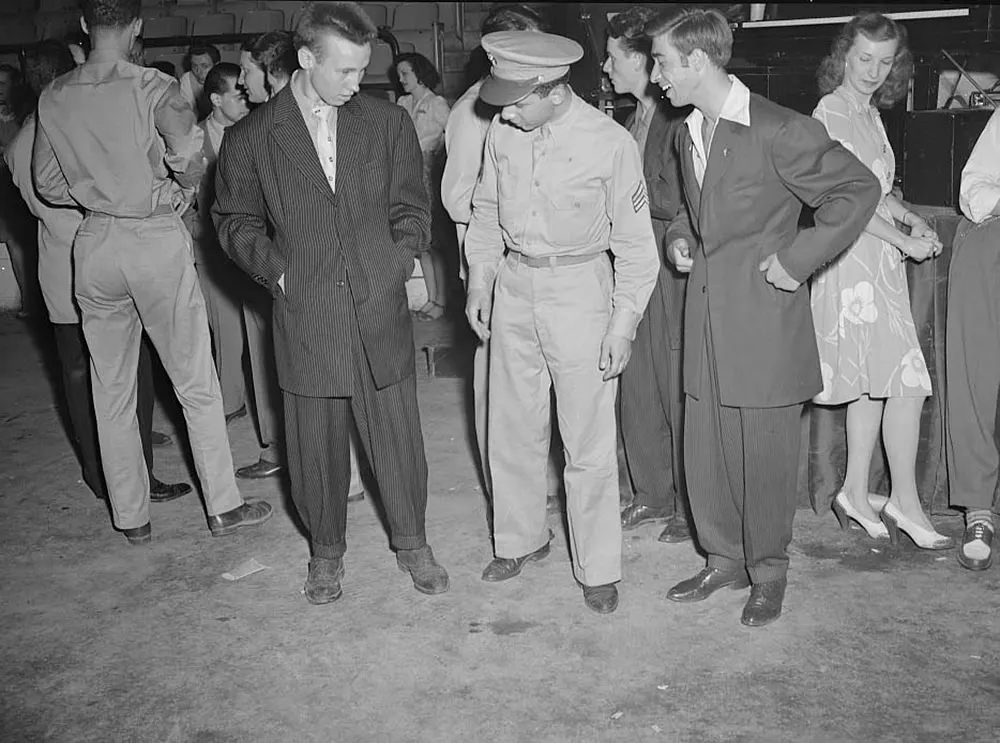
In the summer of 1943, the streets of Los Angeles became a battleground — not over land or military strategy, but over a style of clothing. The Zoot Suit Riots were a series of violent clashes between white U.S. servicemen and Mexican American youth that left dozens injured, hundreds arrested, and an entire community shaken. To understand how a fashion trend triggered one of the most racially charged civil disturbances of World War II, you have to start with the suit itself.
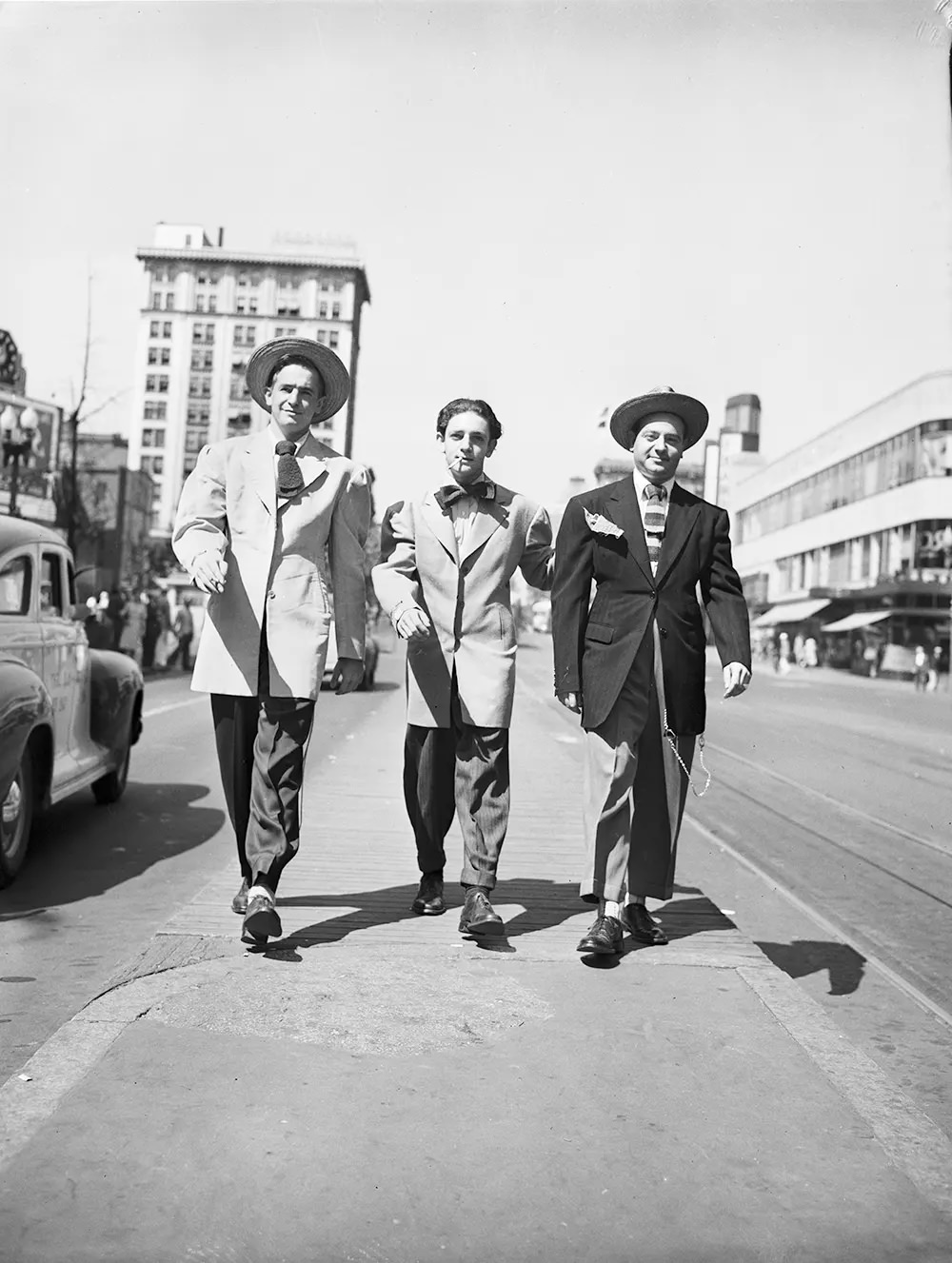
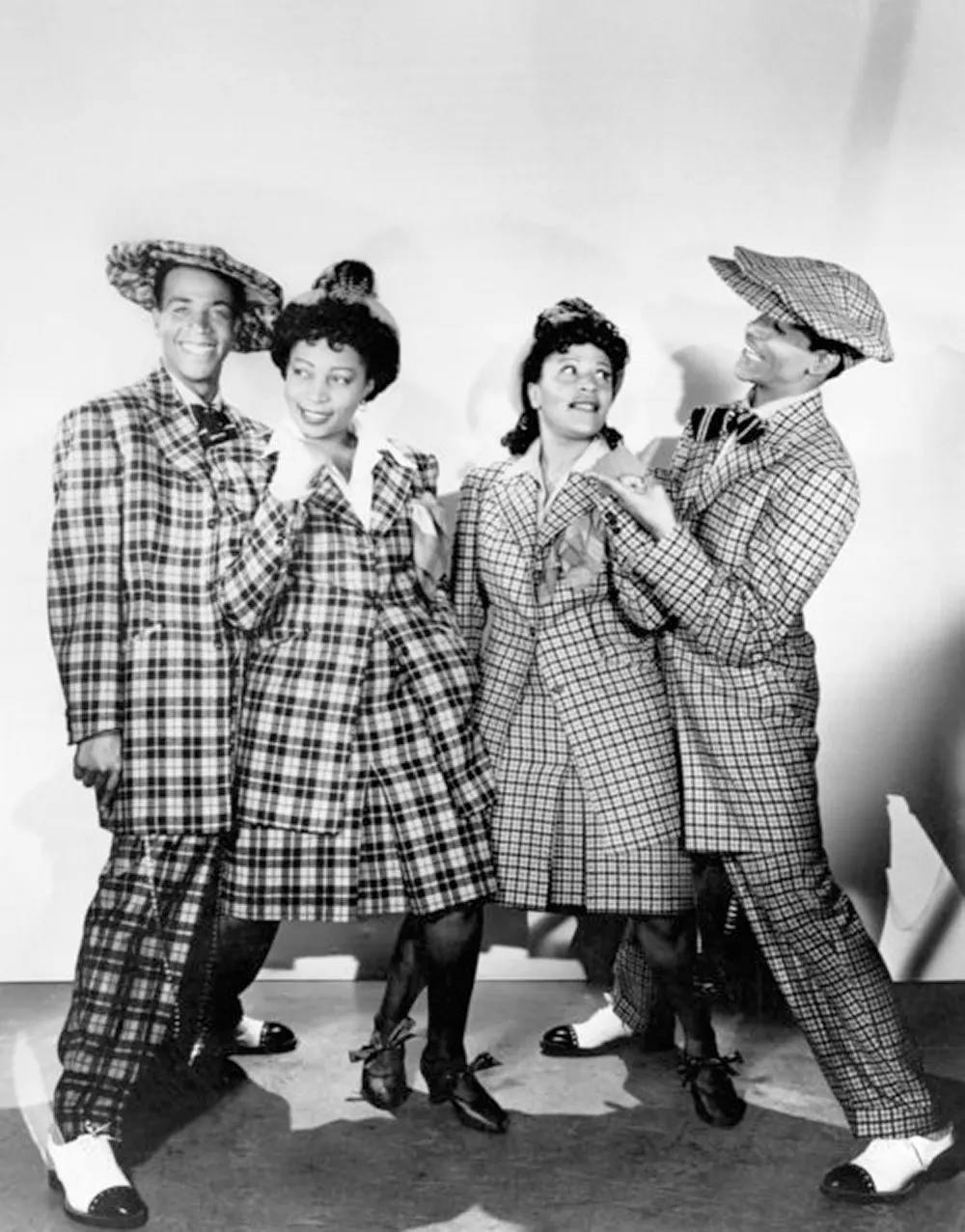
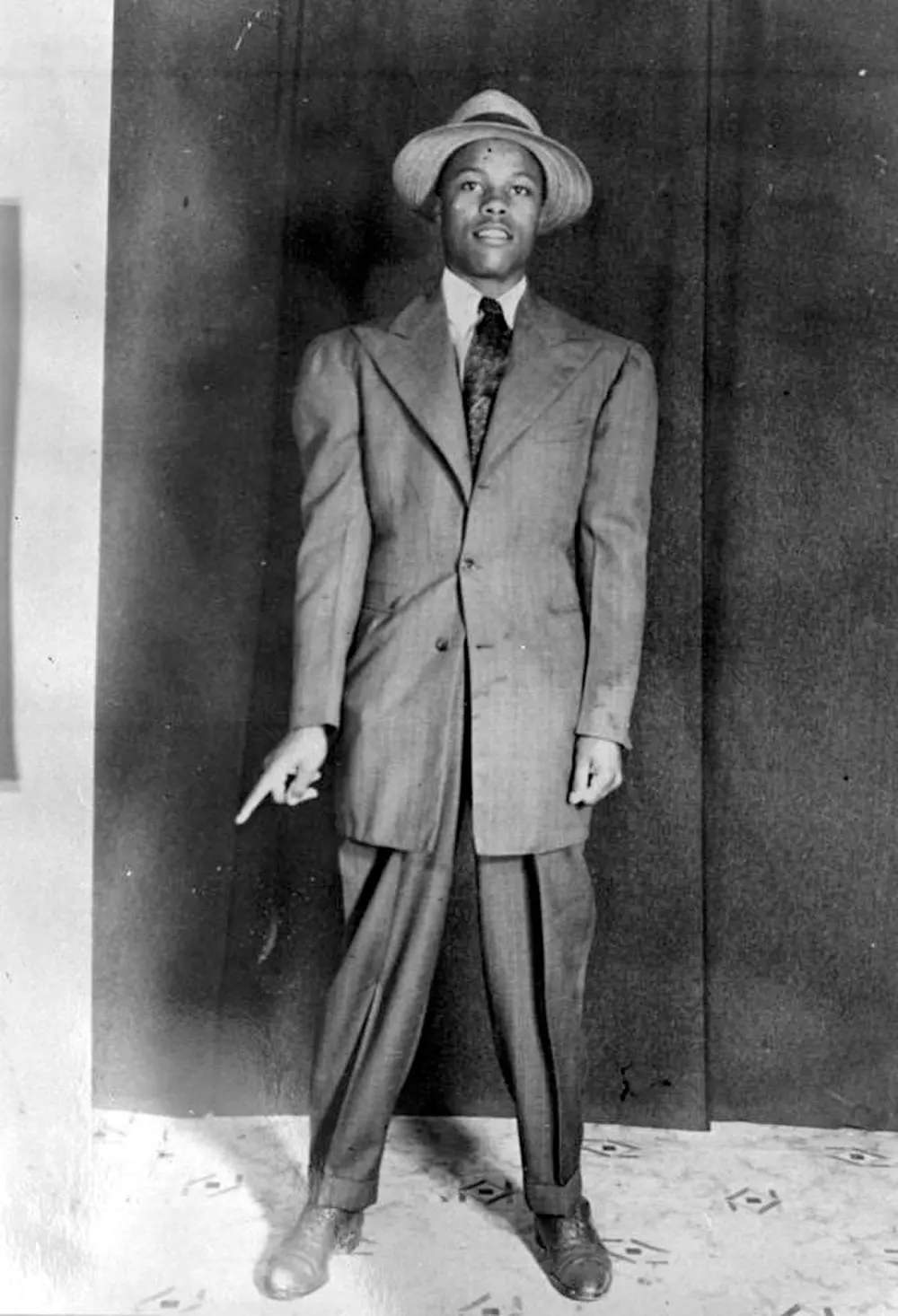
The zoot suit was hard to miss. It featured a long jacket with wide lapels, high-waisted trousers with wide legs that tapered sharply at the ankles, and a long keychain dangling from the pocket. The look was finished with a broad-brimmed hat and sometimes a long feather or watch chain. It was bold, flashy, and deliberately over the top — everything that wartime America’s culture of sacrifice and uniformity was not.
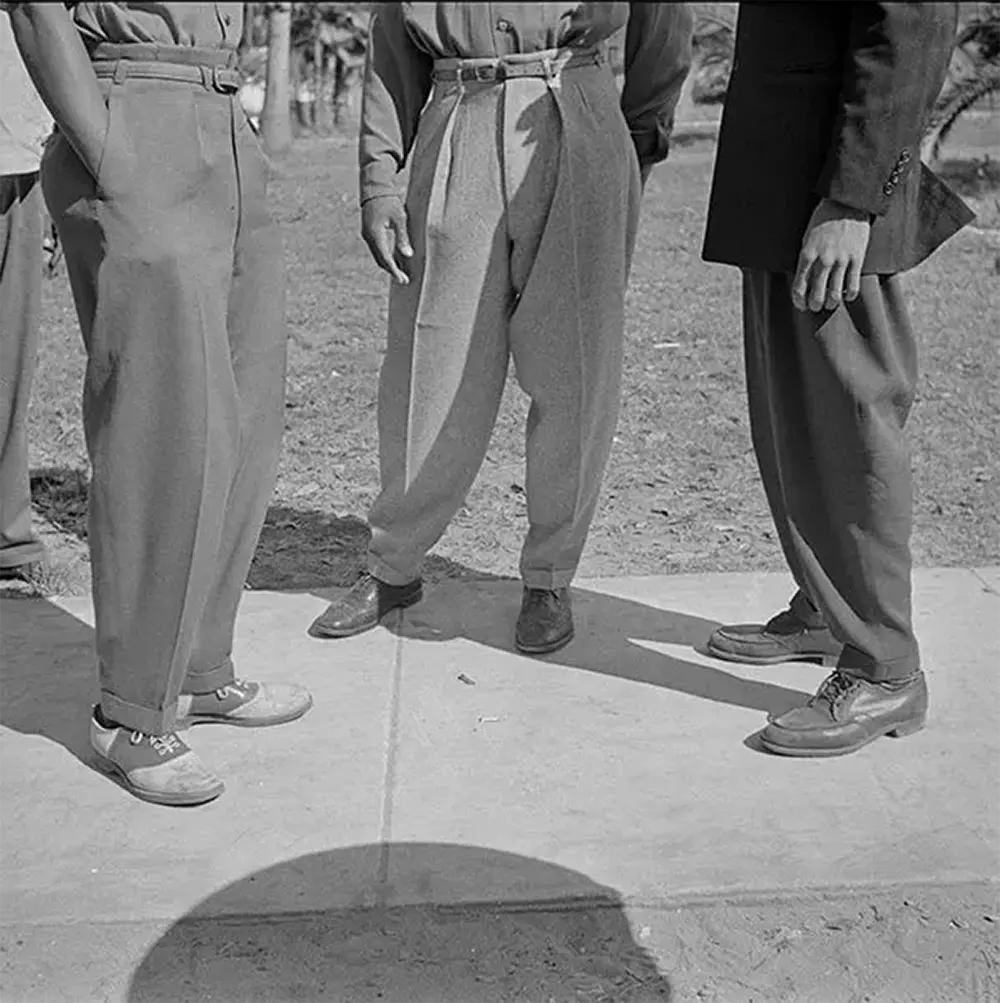
Mexican American youth who wore these suits were called pachucos. For them, the zoot suit was more than fashion — it was identity. It signaled defiance of a society that excluded them. The style spread across communities, worn by African American teenagers, entertainers, and young people in ballrooms from Pennsylvania to California.
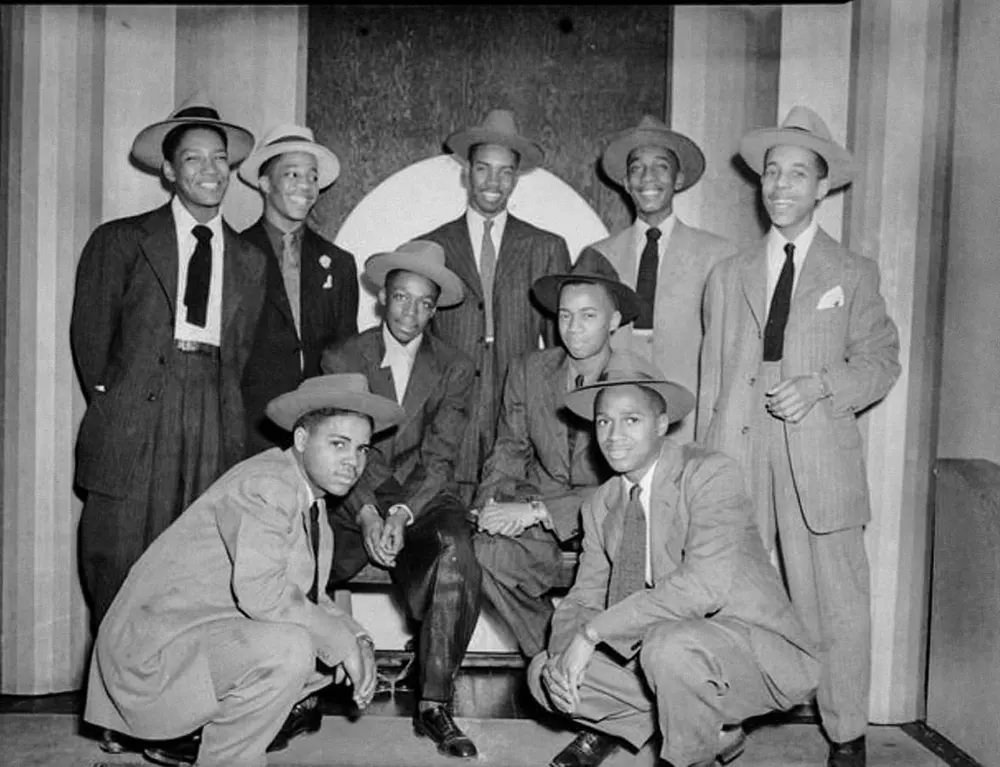
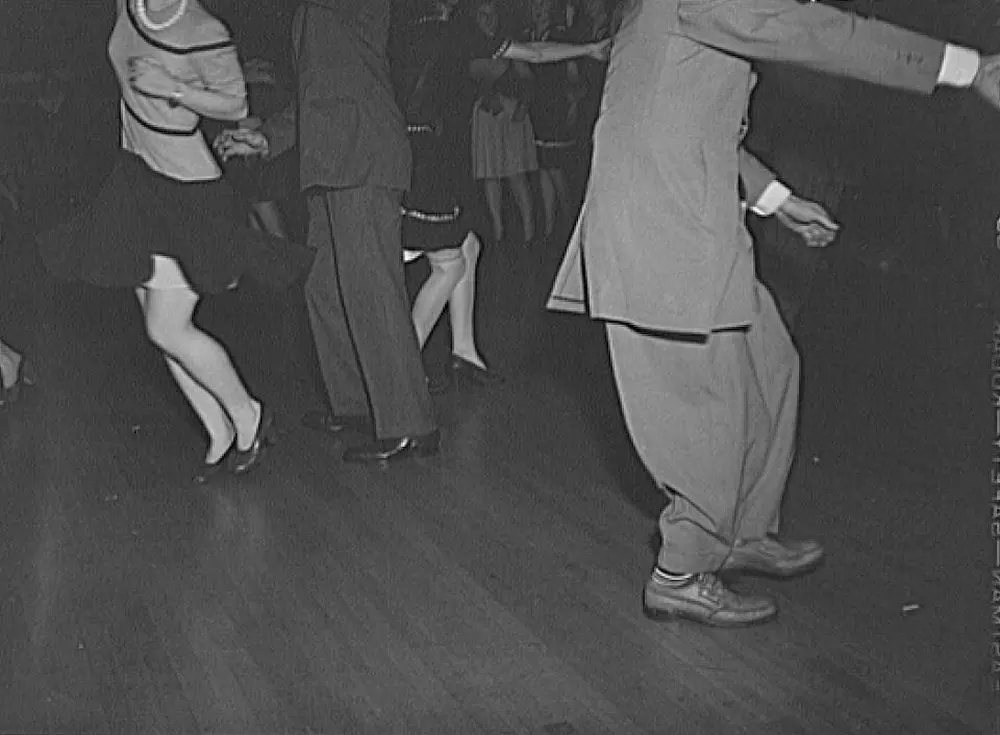
Jazz musicians like Cab Calloway embraced the look enthusiastically, and a young Malcolm X was among its notable wearers. The suit carried cultural weight far beyond Los Angeles.
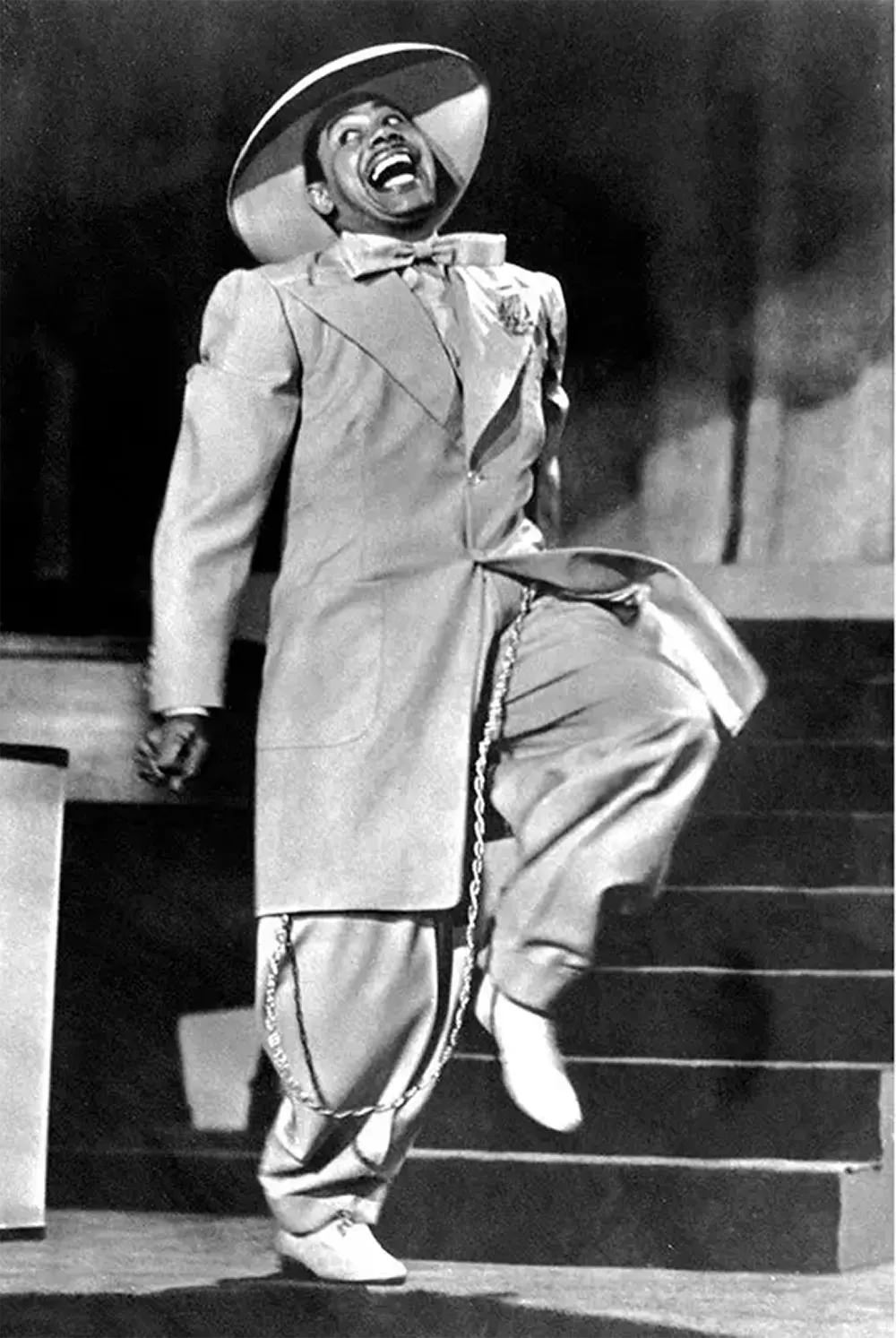
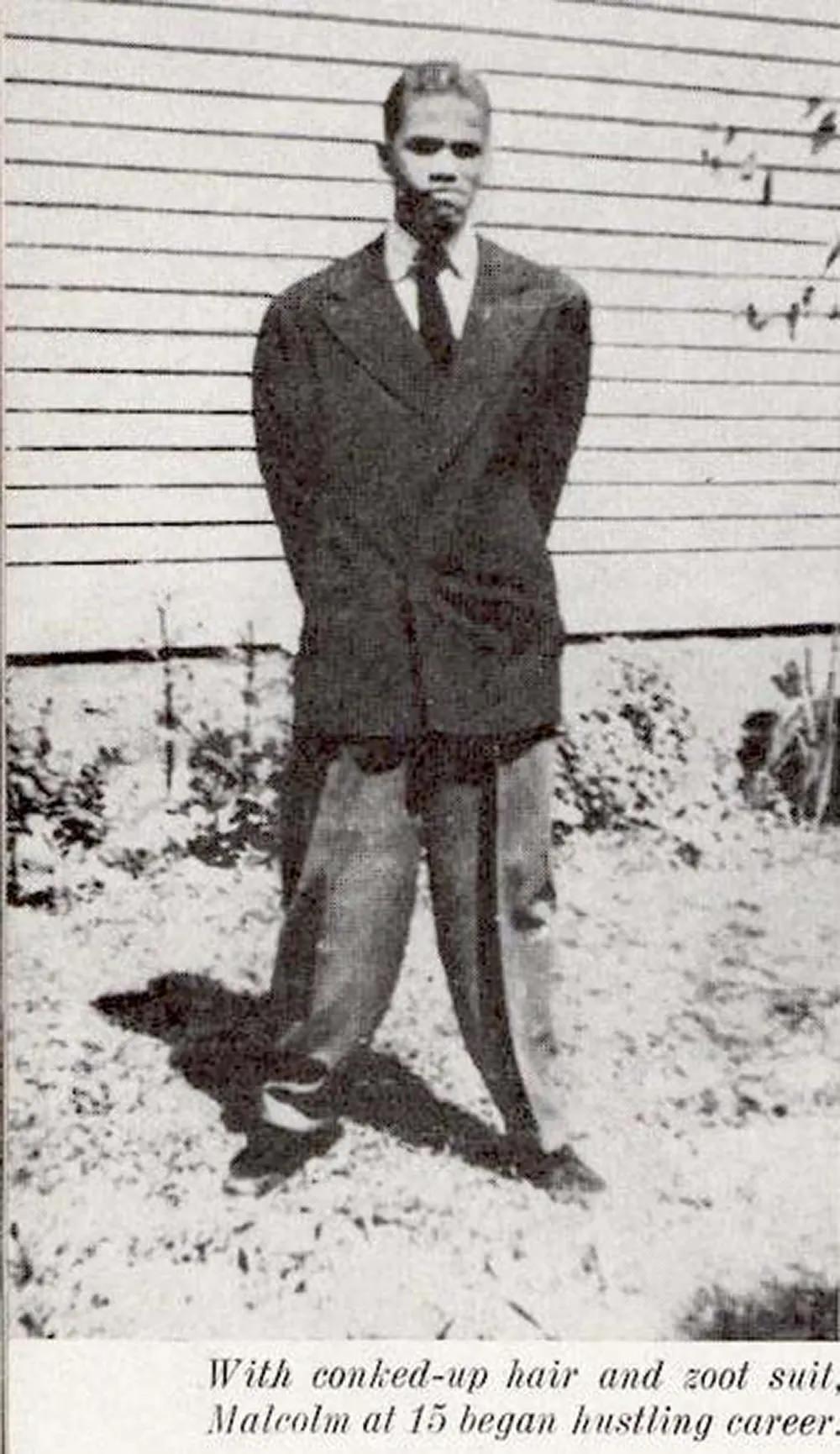
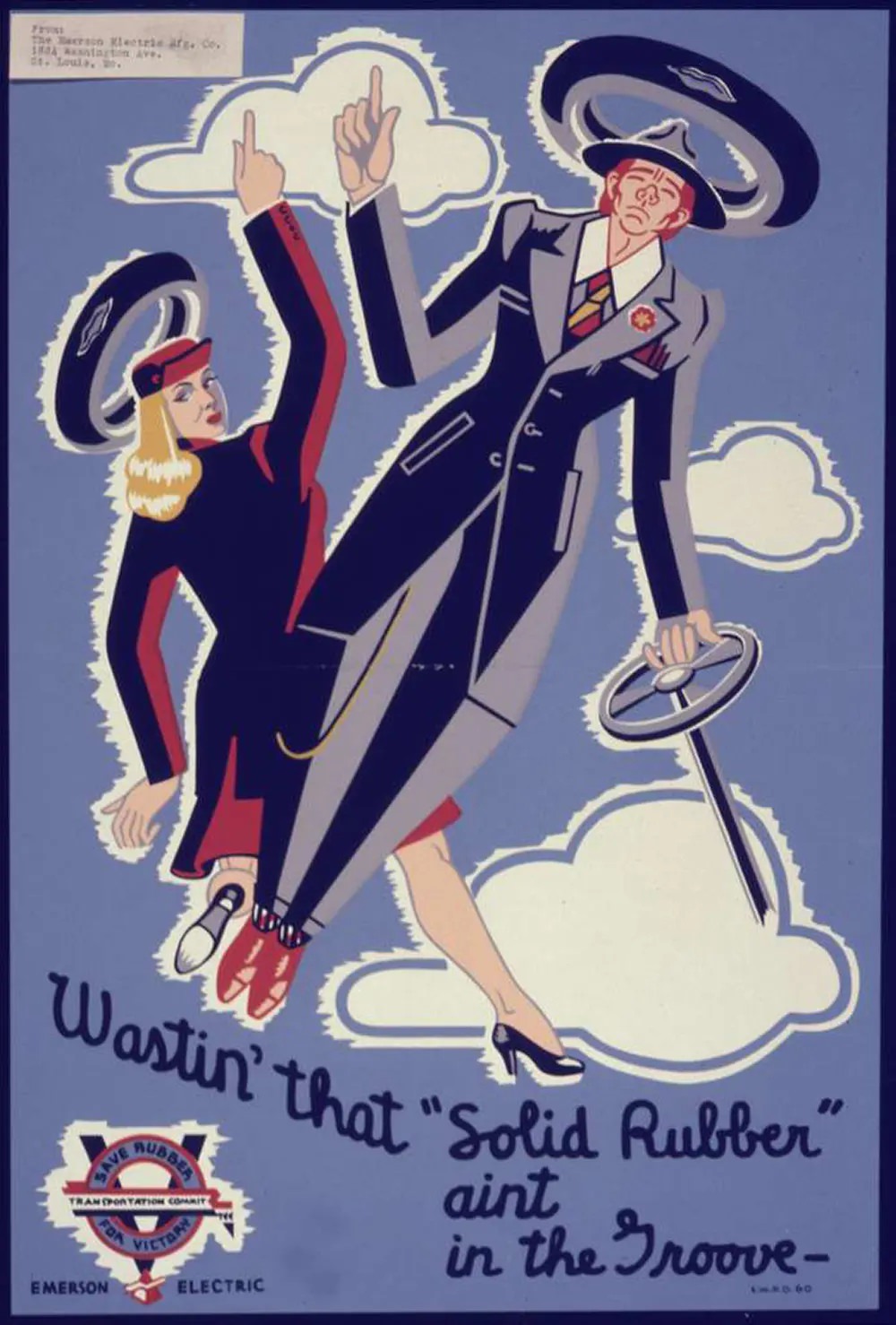
But in wartime Los Angeles, white servicemen saw the zoot suit very differently. With fabric rationing in effect, the suit’s excess of material struck many as unpatriotic. Servicemen accused pachucos of being draft dodgers and gang members. Tensions between the two groups had been building since the early 1940s, fueled by neighborhood friction, media coverage that portrayed Mexican American youth as criminals, and a police force that viewed pachucos with open suspicion.
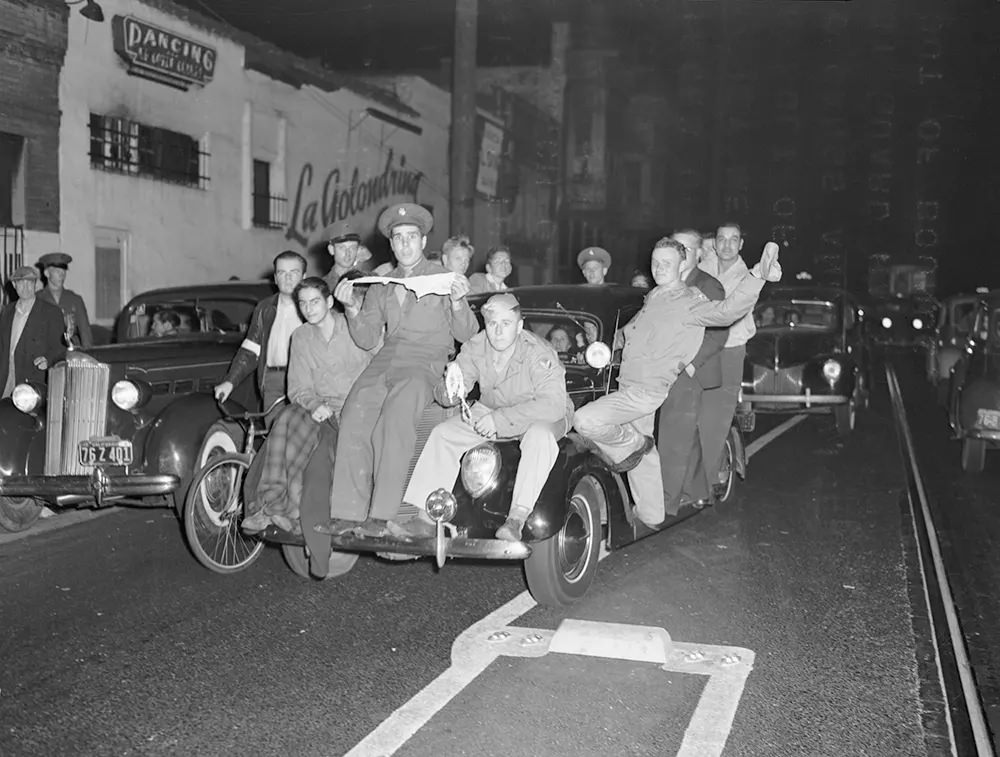
On June 3, 1943, a group of white sailors and Marines moved through the streets of Los Angeles and began attacking Mexican American youth. The violence spread fast. Over the following days, large mobs of servicemen — some armed with clubs, pipes, and bottles — roamed the city hunting for anyone in a zoot suit. They dragged young men out of theaters, off streetcars, and from restaurants, beating them and tearing their clothes off in the street.
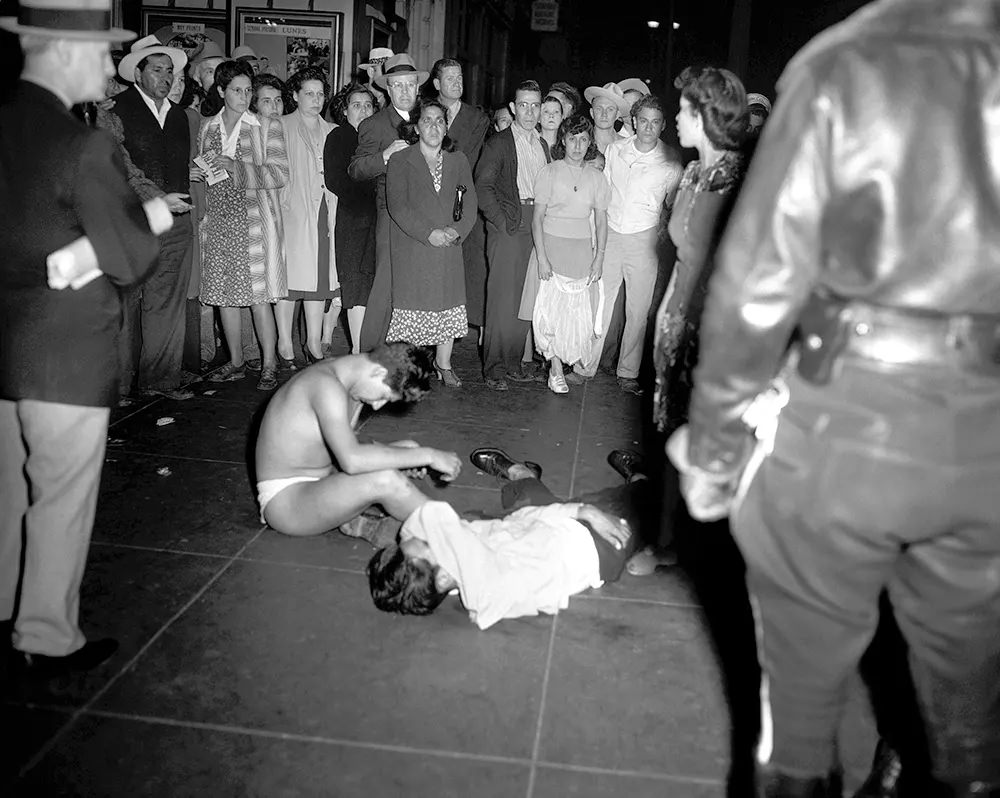
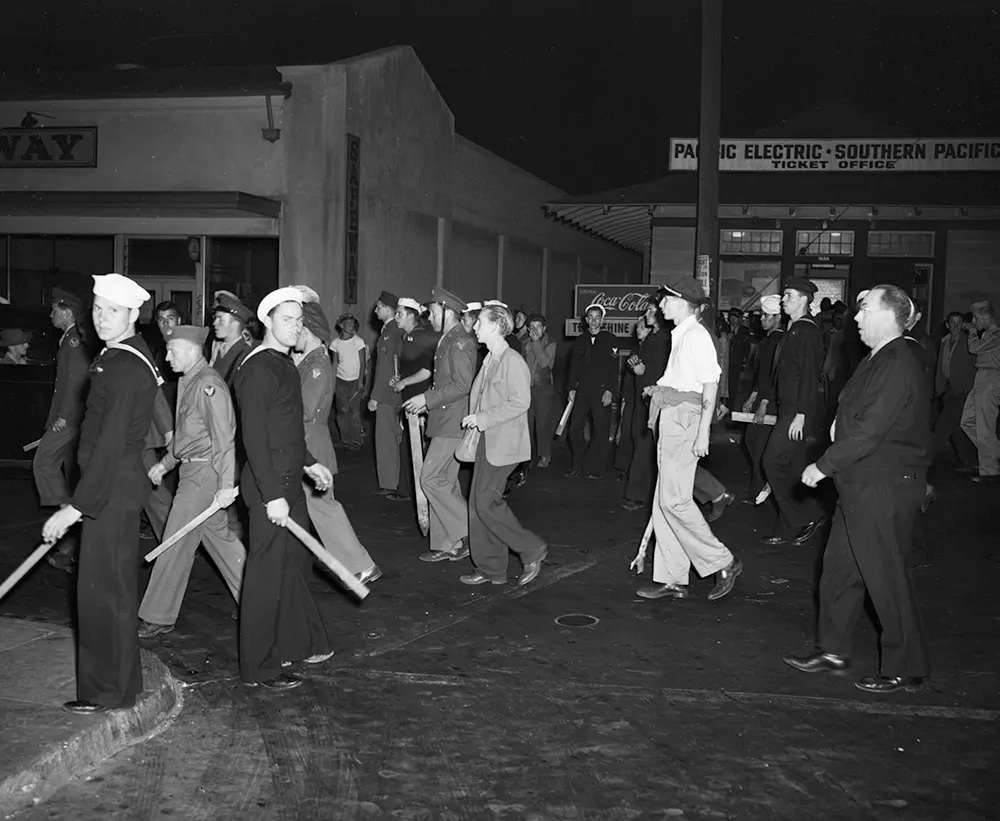
The Los Angeles Police Department did not stop the attacks. Instead, officers arrested the Mexican American victims. Hundreds of pachucos were hauled to jail while their attackers walked free. The LAPD’s response reflected the broader institutional racism that the Mexican American community had endured for years.
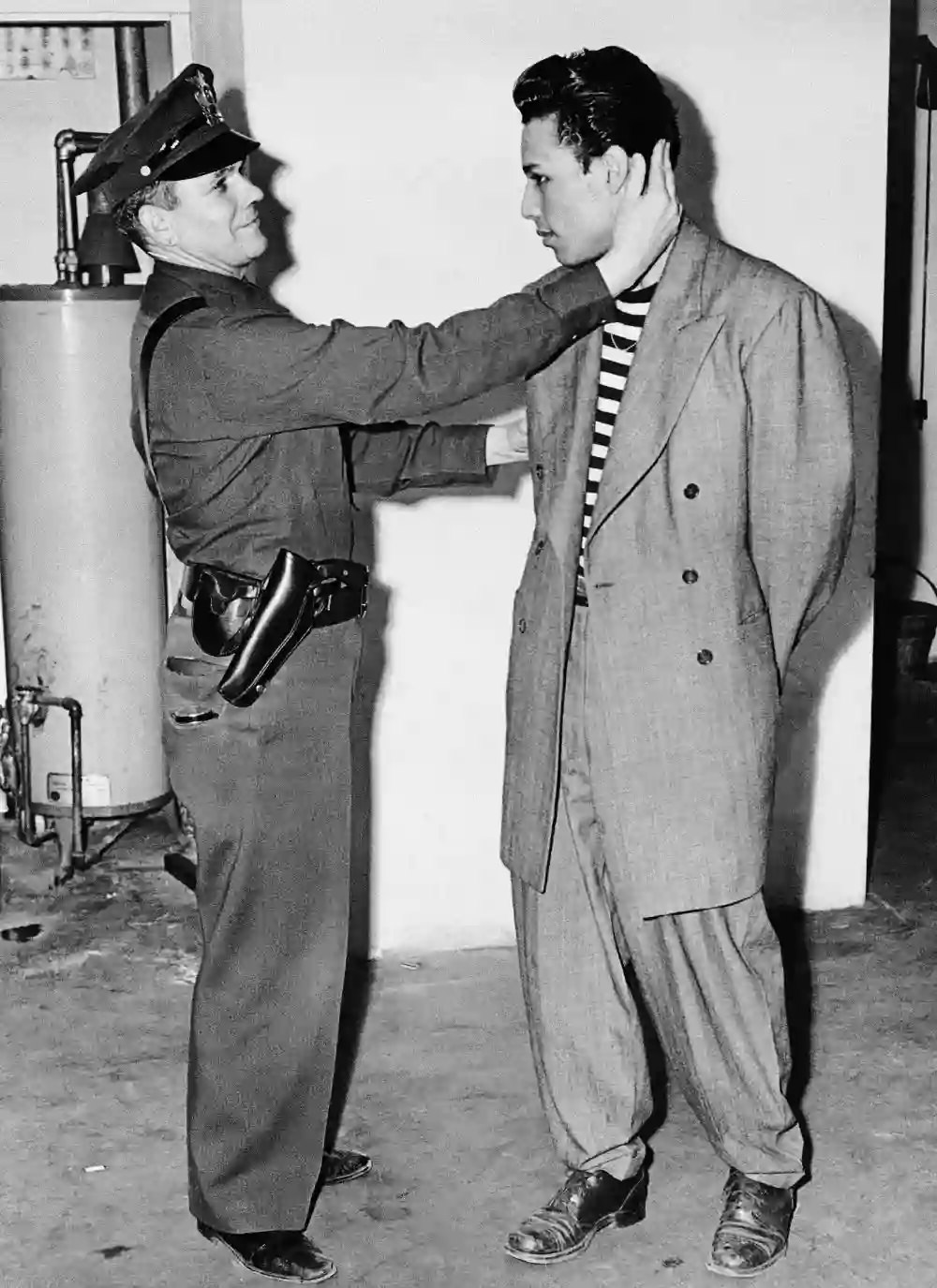
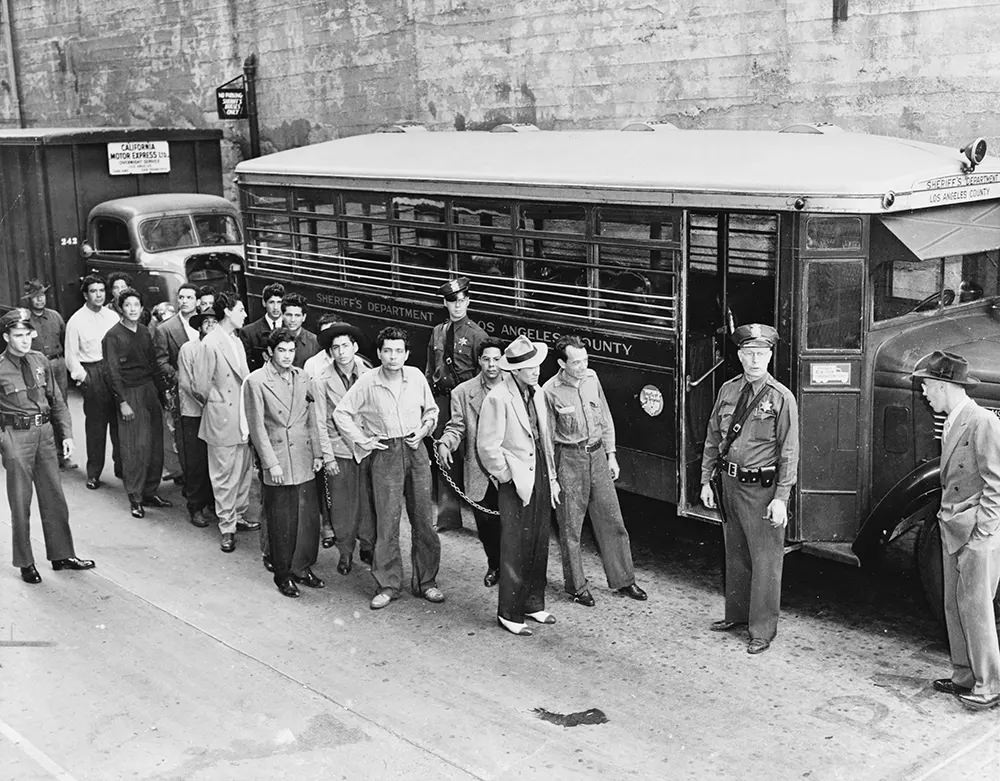
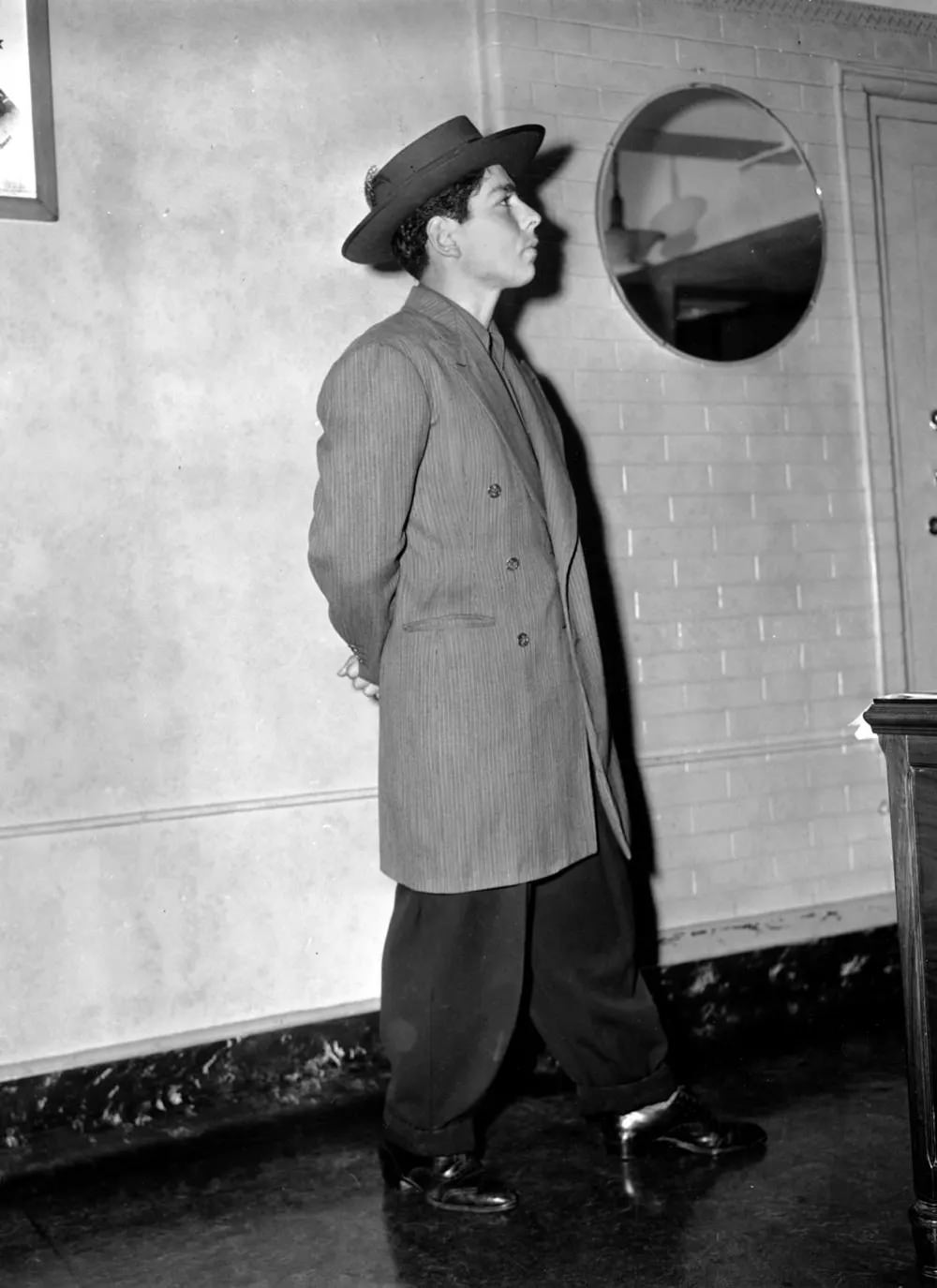
Victims of the attacks showed up at police stations with slashed clothing and visible injuries. Noe Vasquez and Joe Vasquez were attacked near Union Station by a gang of sailors who slashed their clothes. Paul Acevedo appeared at a station with his clothes in tatters. These were not isolated incidents — they were part of a coordinated and largely unpunished wave of racial violence.
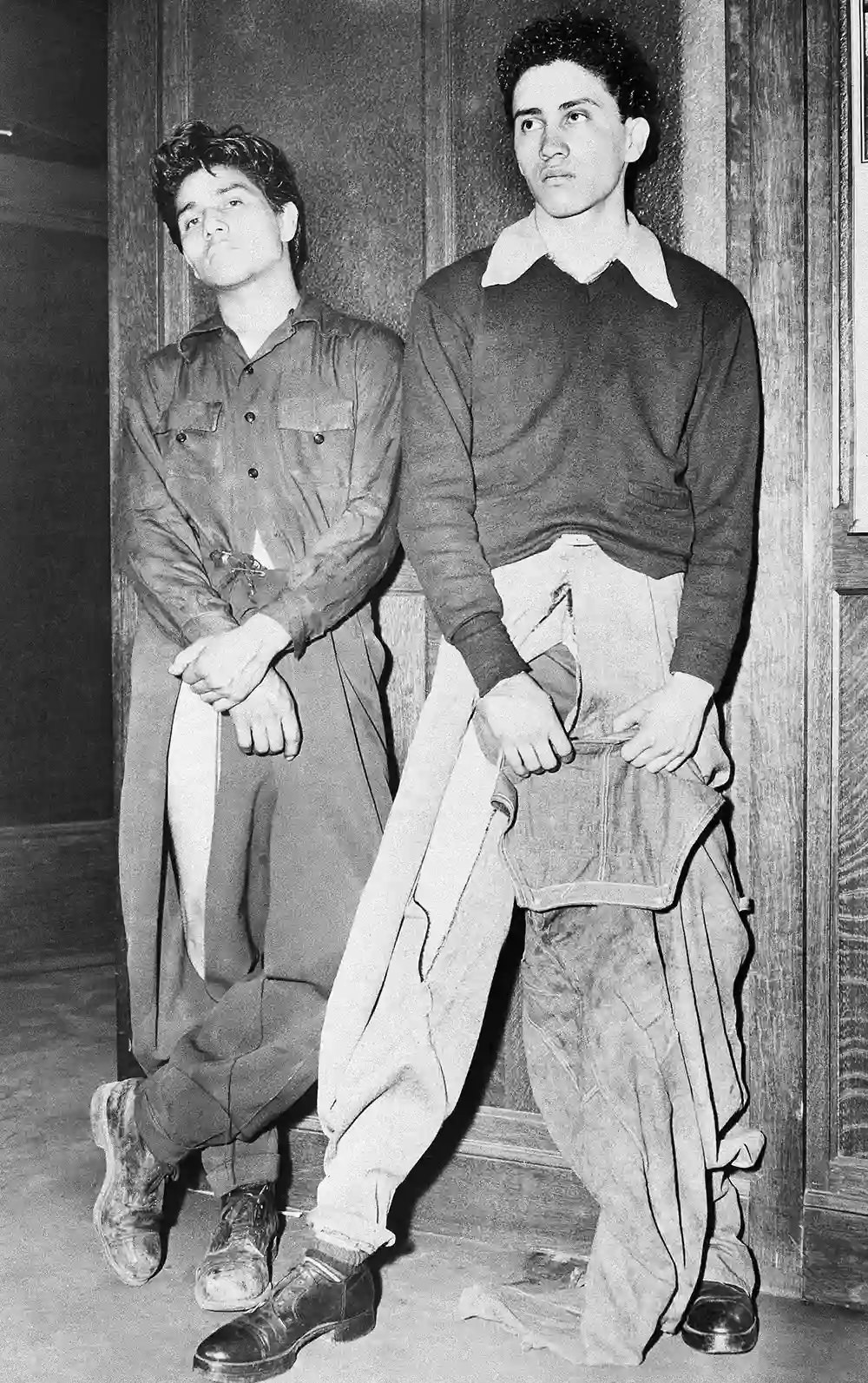
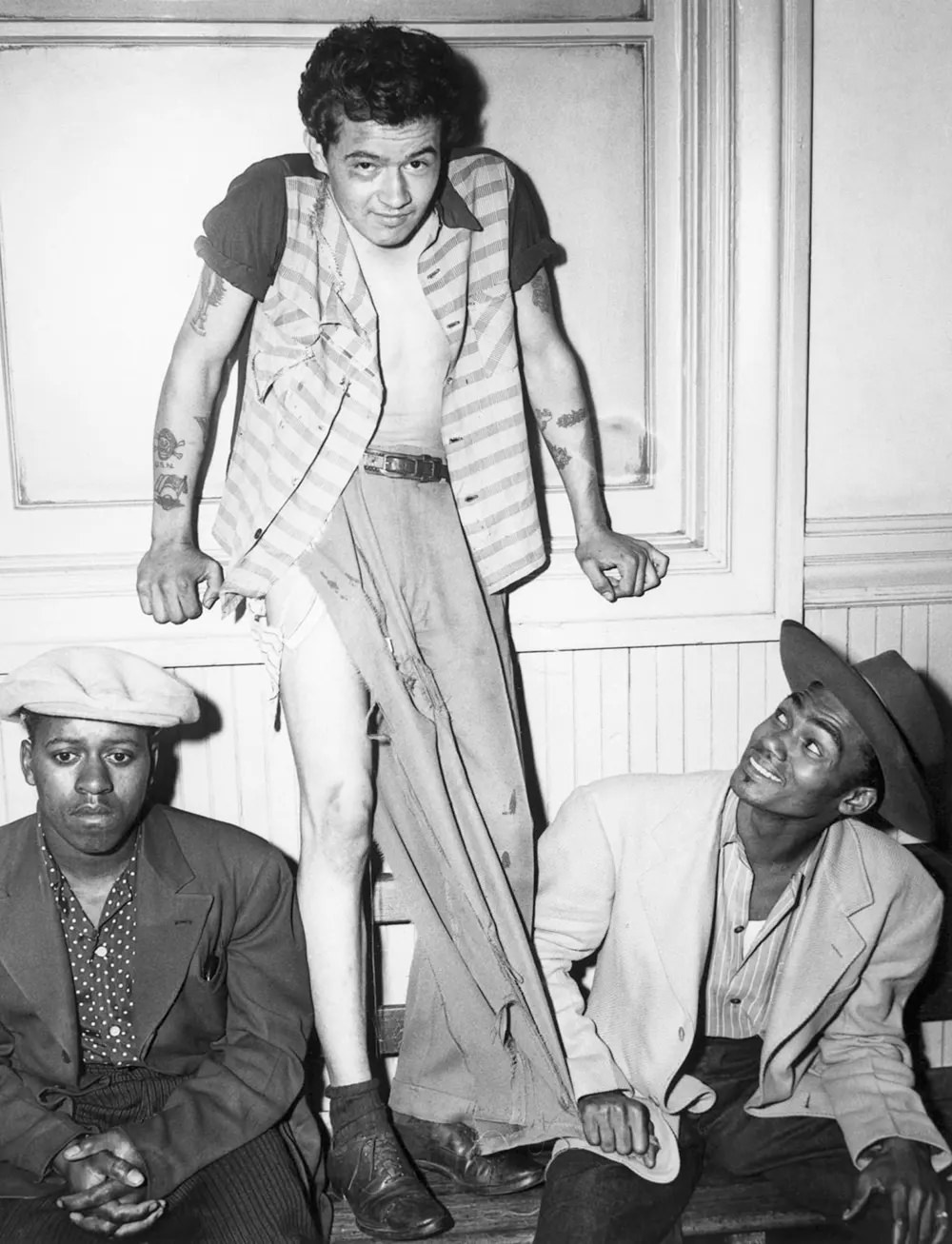
Police continued rounding up Mexican American youth long after the worst violence had passed, checking their draft credentials and treating them as the primary suspects in their own victimization.
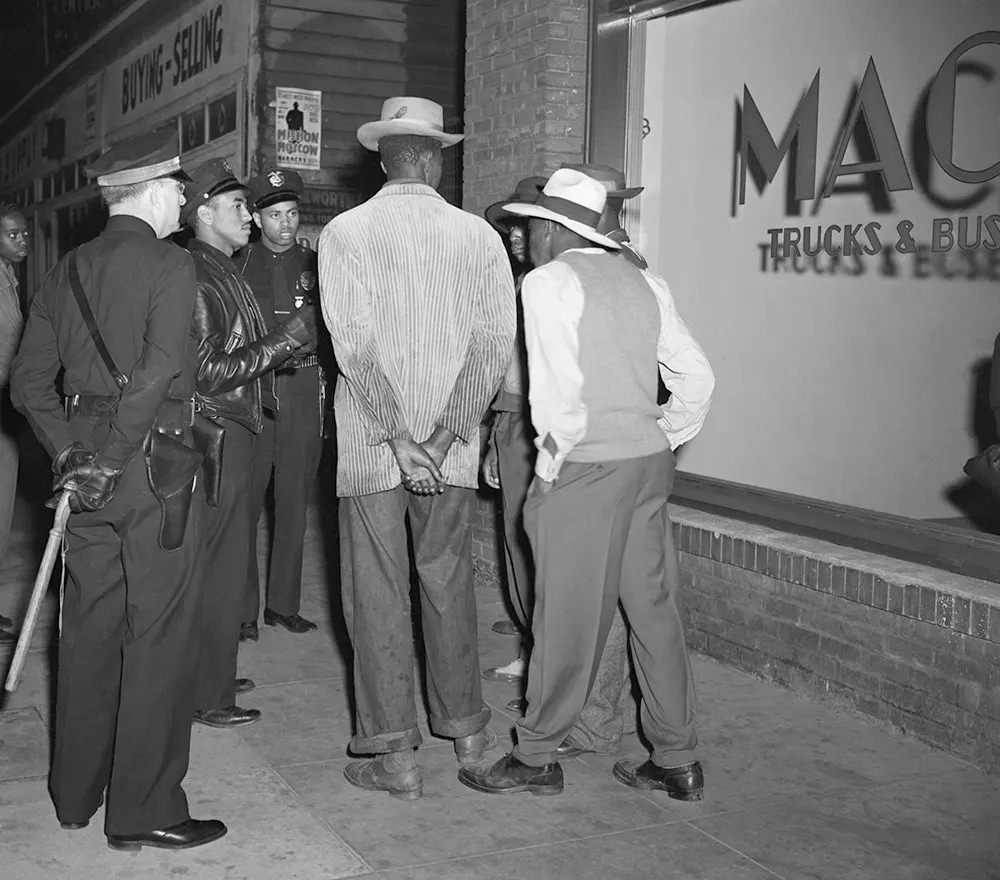
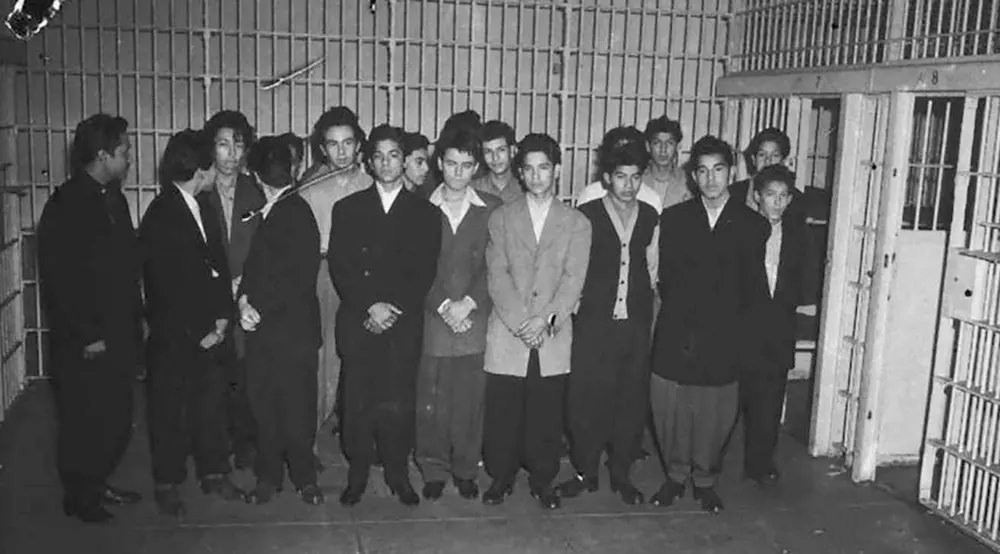
Mexican American community leaders, civil rights organizations, and activists demanded the violence stop and called for accountability. Their calls were largely ignored by city officials. The Los Angeles City Council responded by passing an ordinance that banned the wearing of zoot suits — effectively criminalizing the clothing of the victims rather than the actions of the attackers. The violence spread to San Diego and San Francisco before military authorities finally stepped in and restricted servicemen’s access to certain areas of Los Angeles.
![Mexican American youth in zoot suits. One newspaper referred to zoot suiters as gamin [neglected street child] dandies.](https://www.bygonely.com/wp-content/uploads/2023/02/Zoot_Suit_Riots_21.jpg)