

In the autumn of 1910, the Chinese press reported that a rare and deadly plague had reached Harbin, then known as Manchuria, in China’s extreme northeast. China’s Northeastern provinces were the main focus of the epidemic, but cases were reported sporadically in Tianjin, Beijing, and along the Beijing-Hankou railway line that stretched into central China, indicating the extent of the disease. Reports estimate 50,000 to 60,000 people died due to the Plague, with a mortality rate of 100 percent.
How the Plague Spread
The Plague probably originated from Marmots hunted for their fur in Manchuria. The German chemical industry developed dyes that allowed cheap marmot fur to be made into imitation sable, mink, and otter fur. As a result, marmot fur’s value increased from a few kopecks to a rouble, causing hunters to flock to Manchuria. The migrants, however, were inexperienced. The local hunters, many of whom were Buryat, knew how to identify and avoid diseased marmots, but the migrant hunters collected unhealthy marmots, which carried the plague bacteria.
Read more
The cold winter of the northern hemisphere caused hunters to huddle together in huts, causing the airborne pneumonic Plague to spread quickly. The extensive railway network of Manchuria contributed to rapid transmission. Over 200 deaths were reported per day in Kuancheng, near Jilin, and similar cities throughout Manchuria. Most of the plague cases were attributed to poor, middle-aged Chinese who lived in crowded conditions with poor sanitation; if any foreigners contracted the Plague, it was medical personnel.
How the Plague was cured
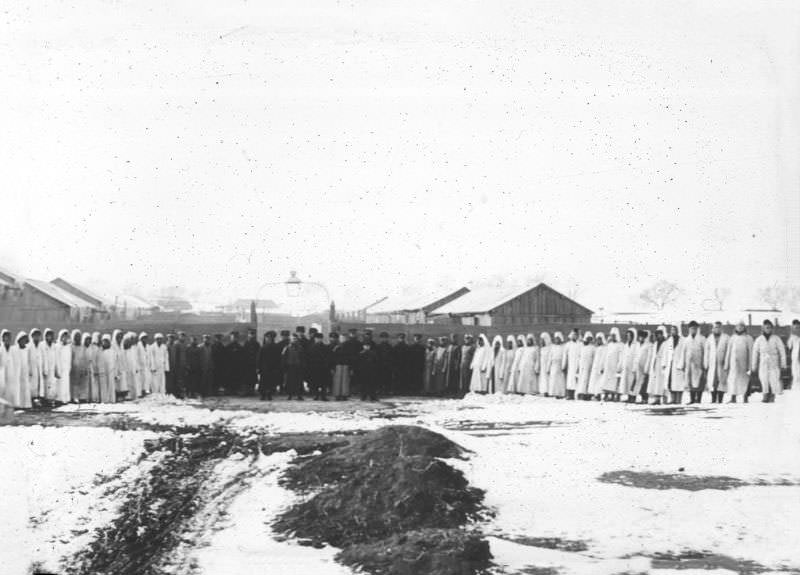
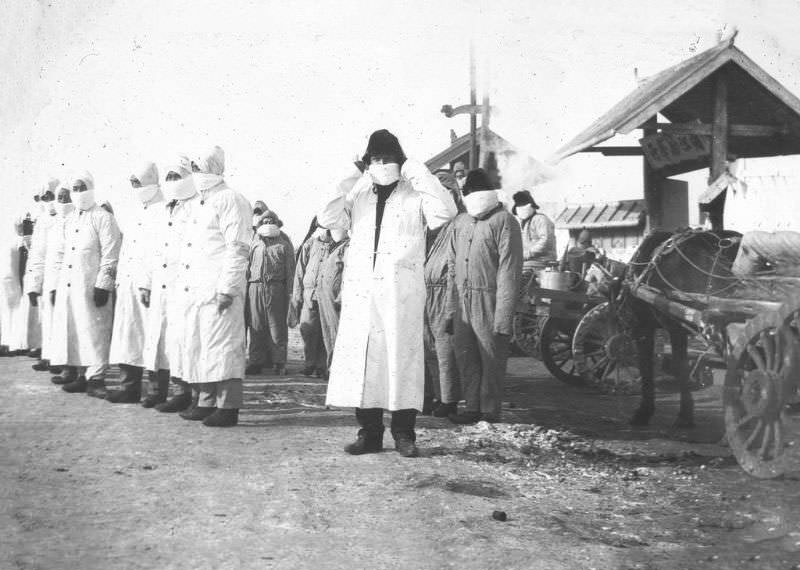
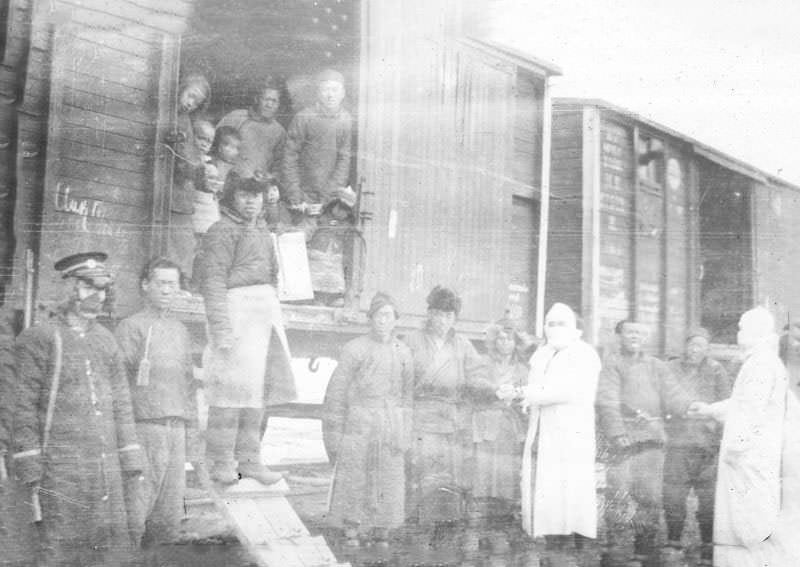
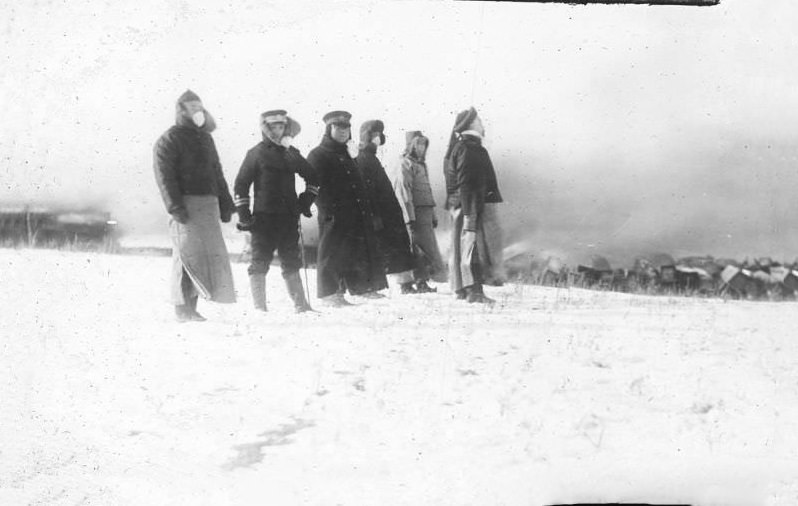
Russia and Japan were both major railway powers in Manchuria. They both cooperated with the Chinese government to respond effectively to the Plague. In November 1910, Chinese and Russian doctors visited Harbin, or Fujiadian, to assess the situation. Since there was no cure for the Plague, quarantining ‘plague patients, suspected cases, and persons who had come into contact with plague cases’ in train carriages was the only way to prevent its spread. After five days of noticing no symptoms, those quarantined were released.
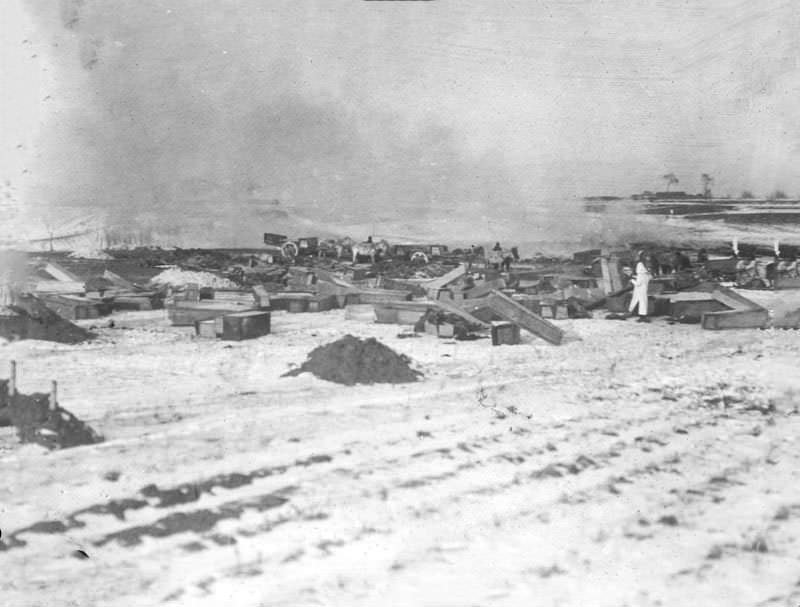
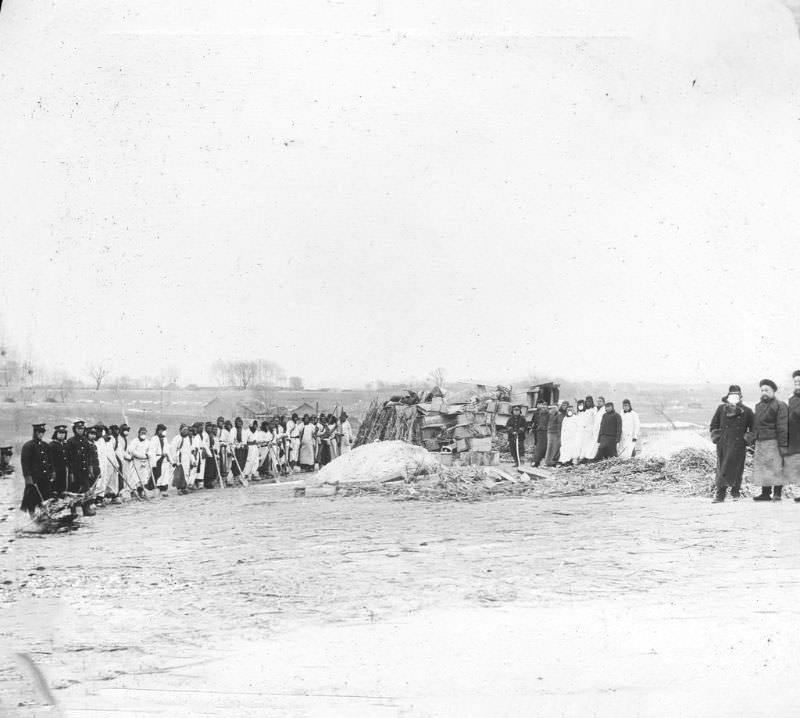
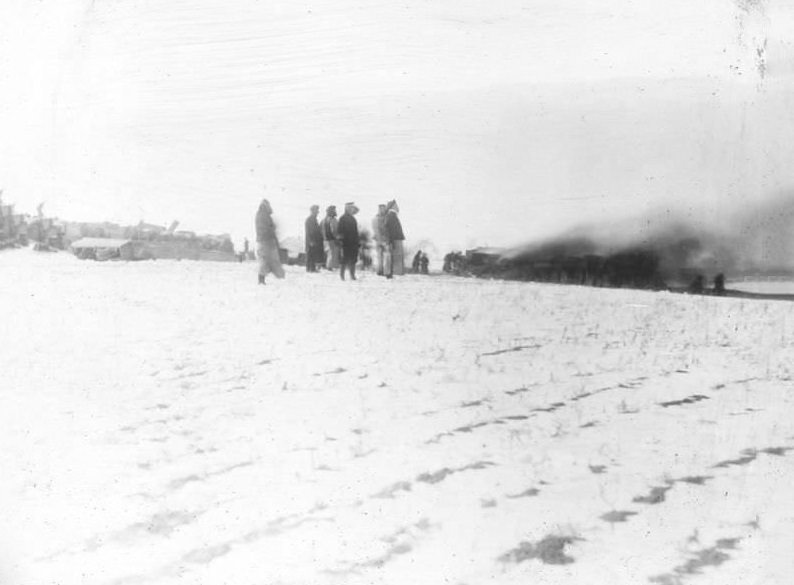
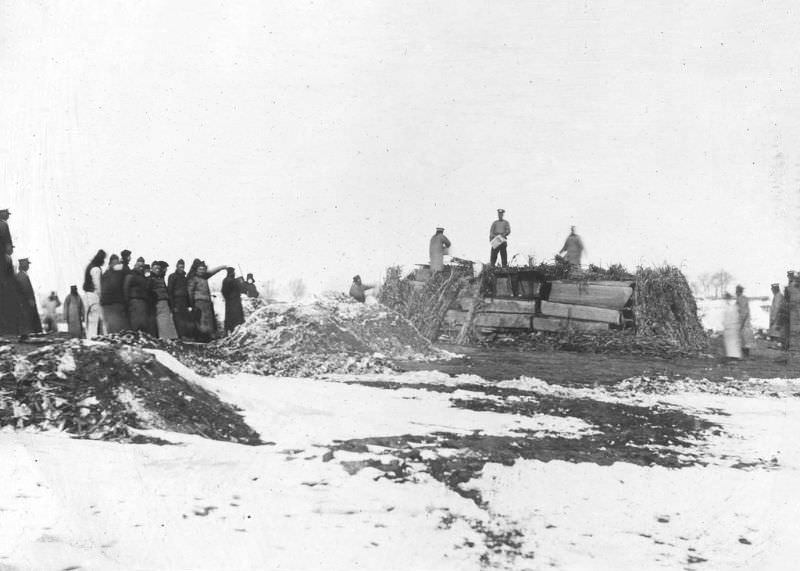
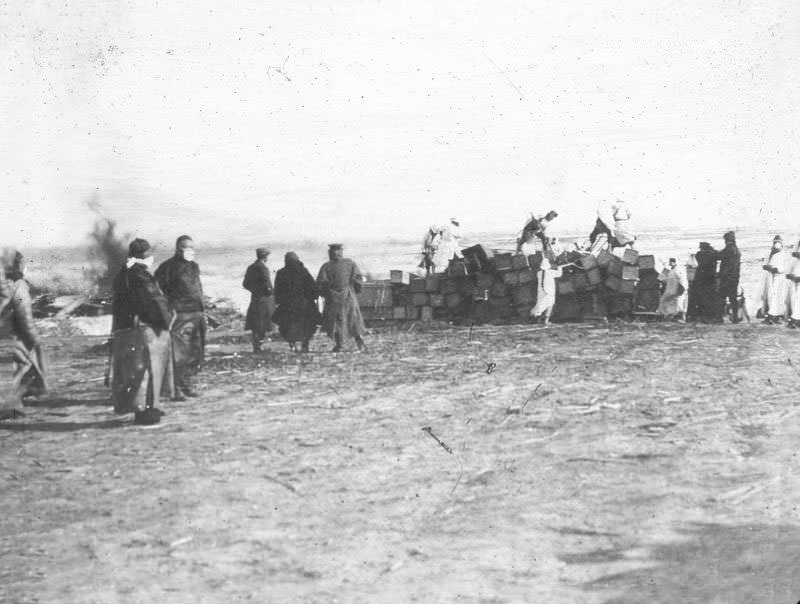
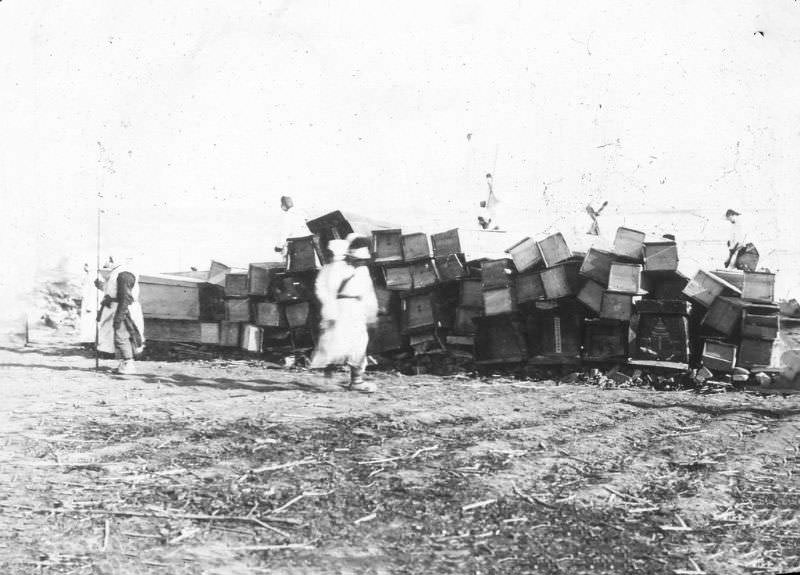
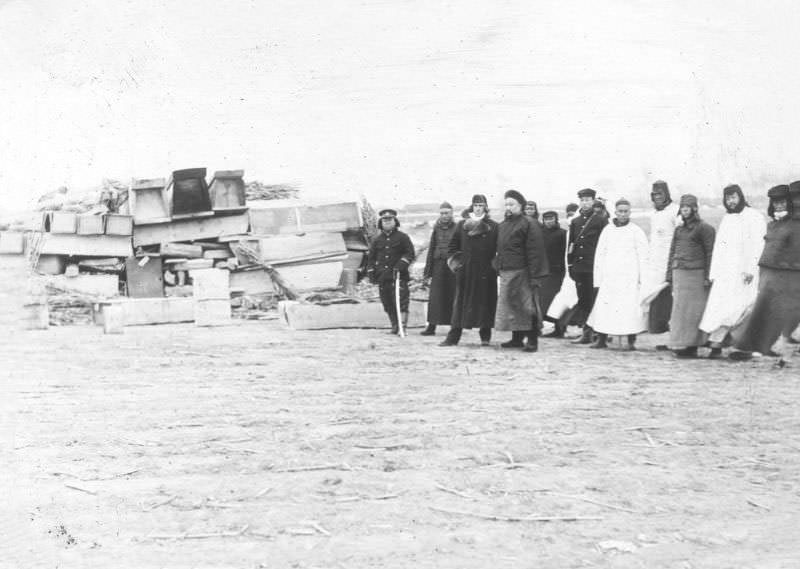
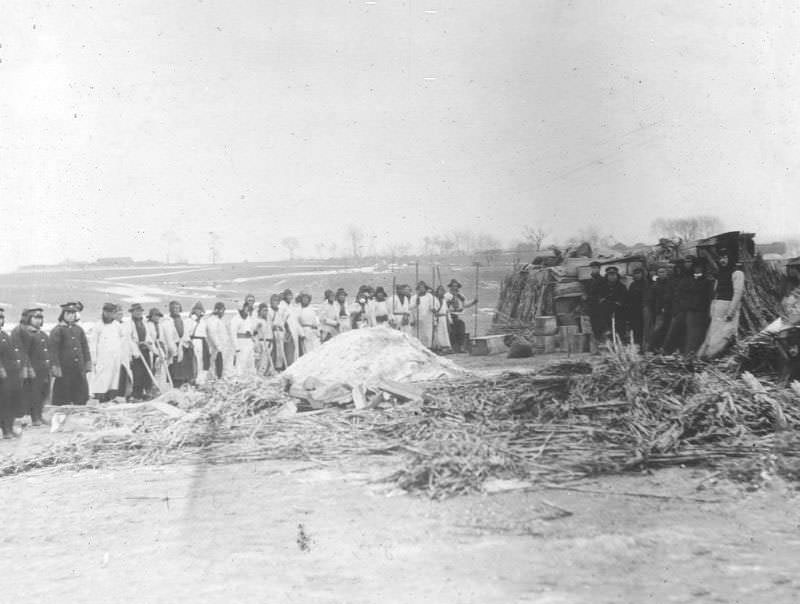
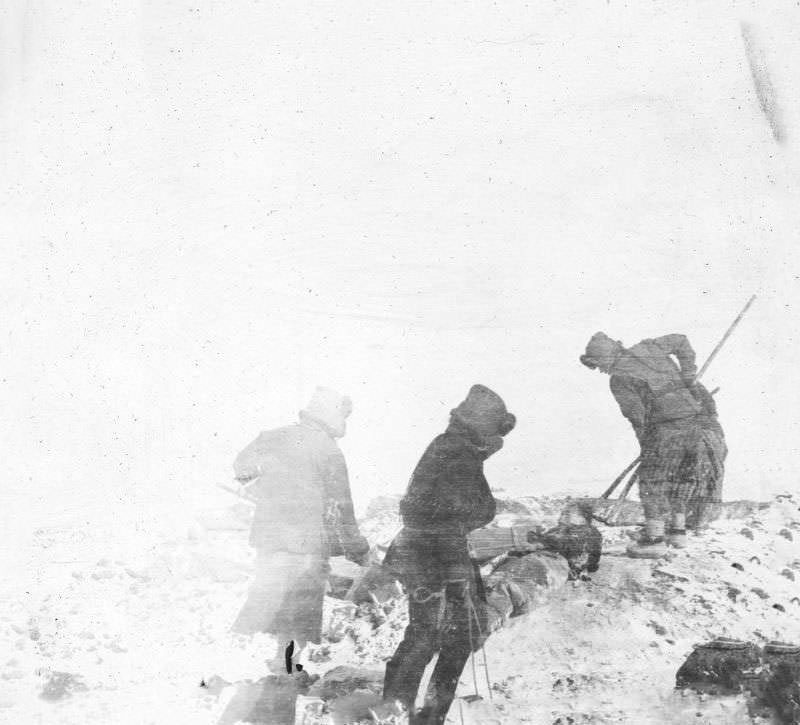
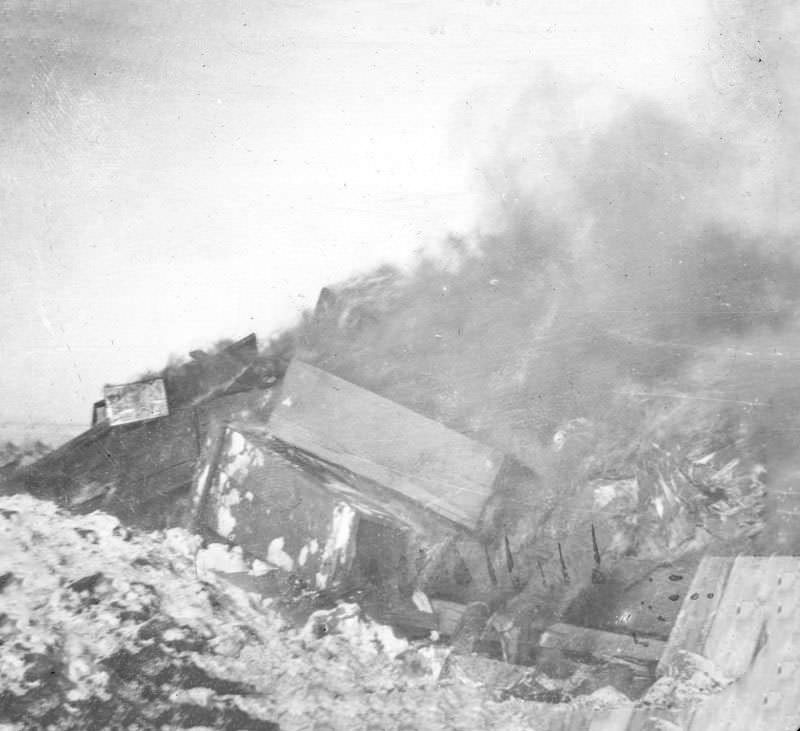
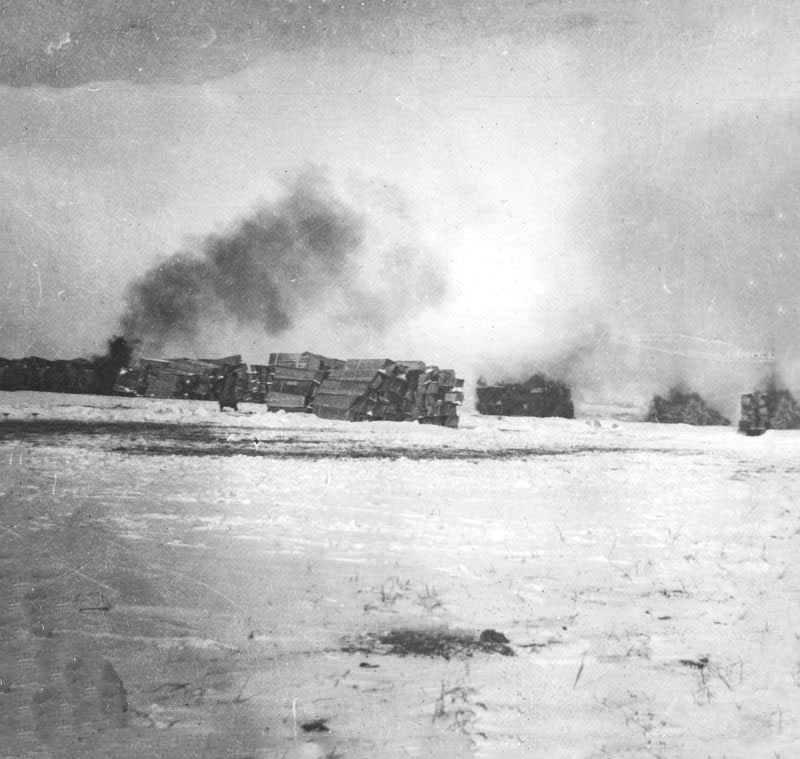
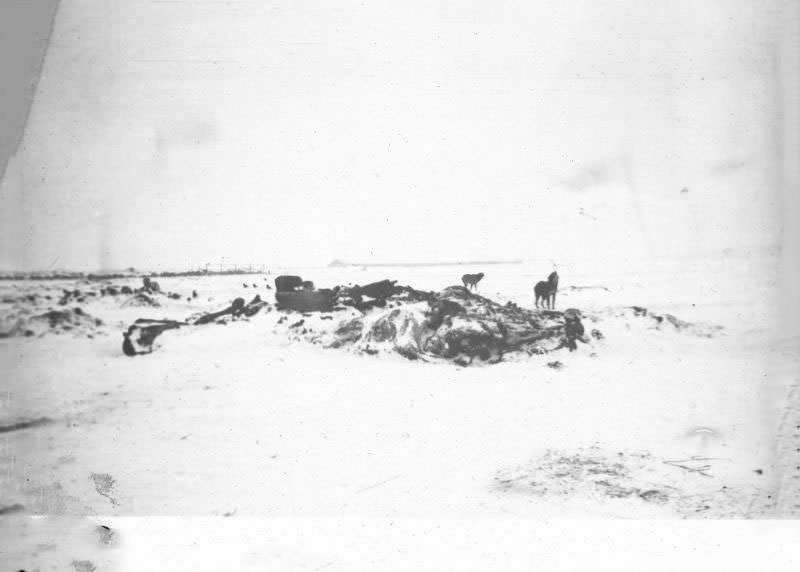
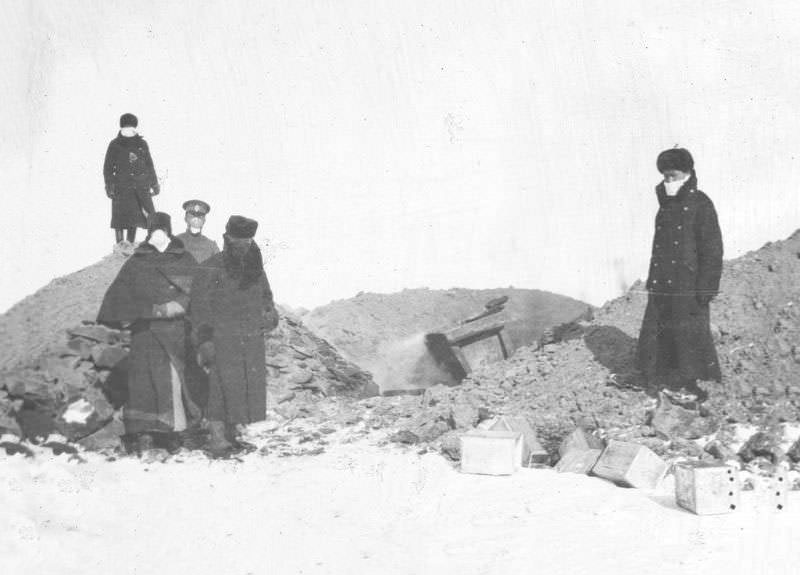
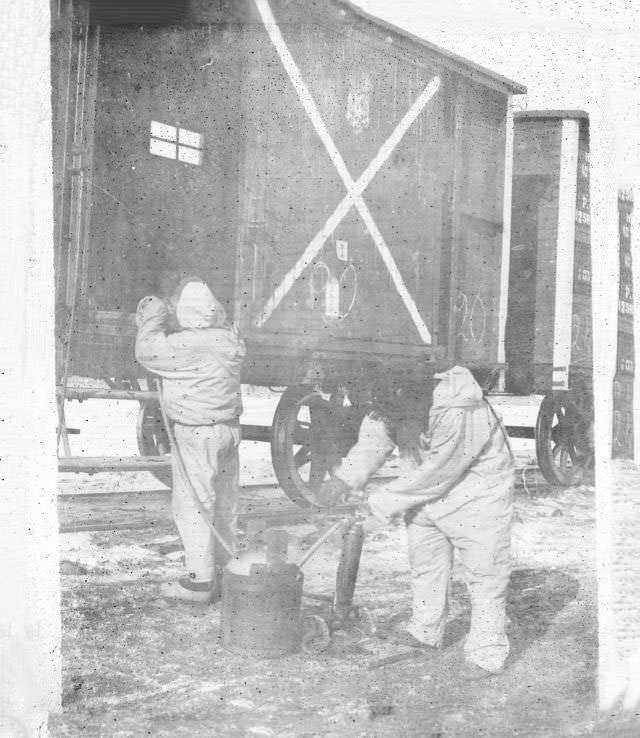
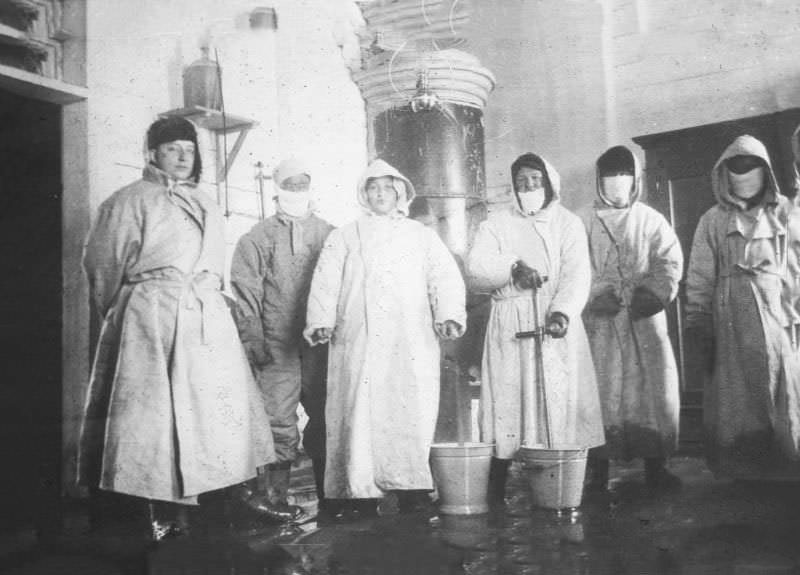
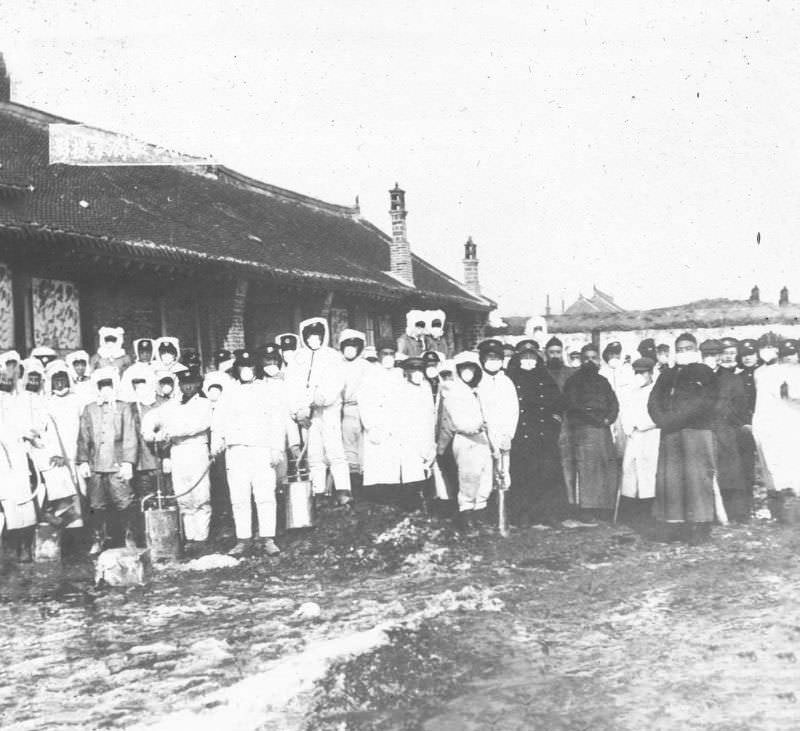
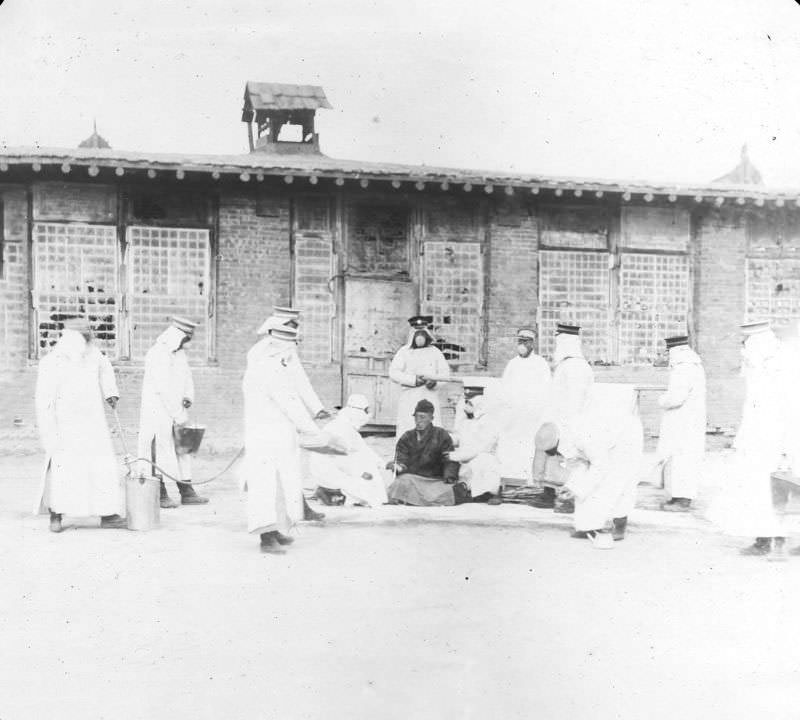
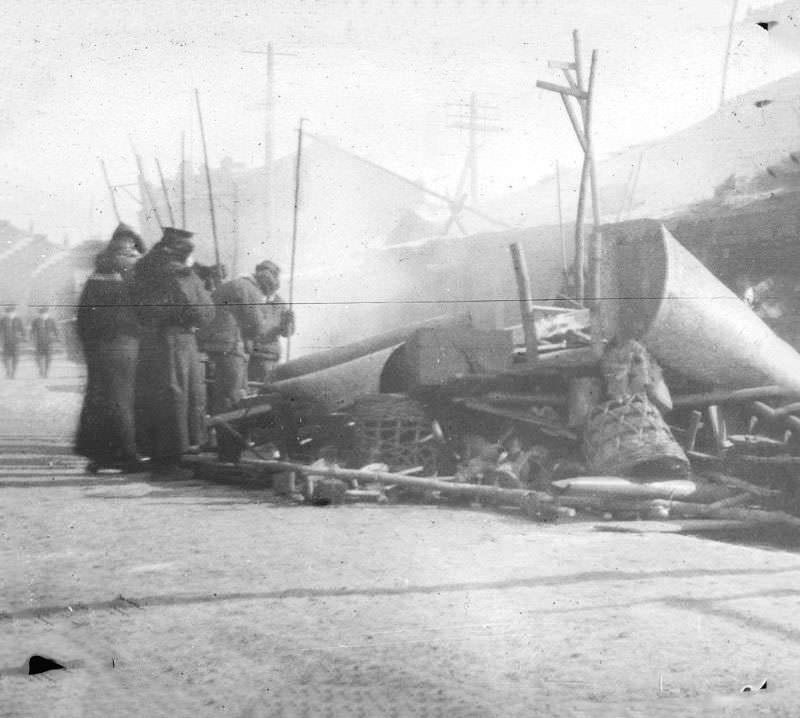
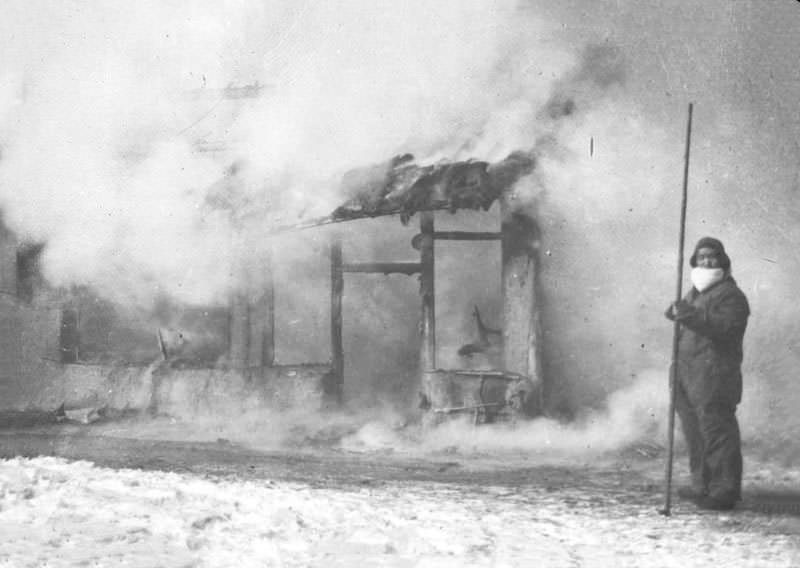
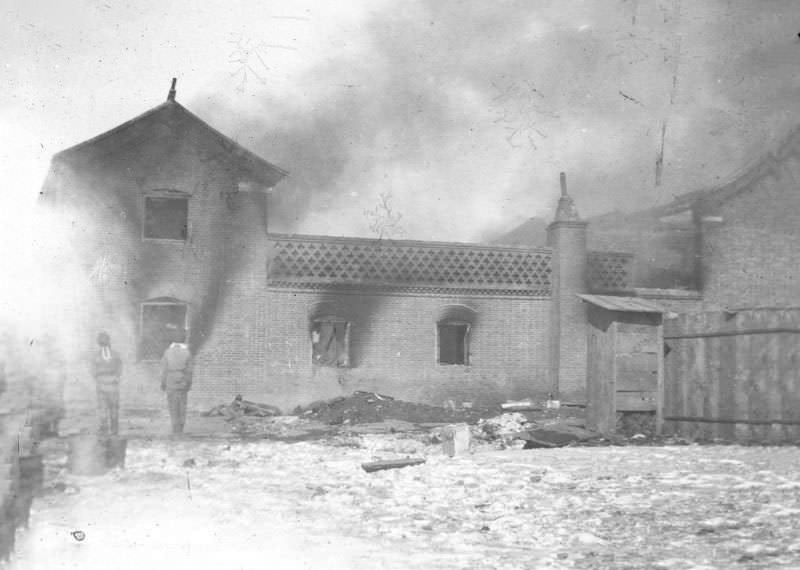
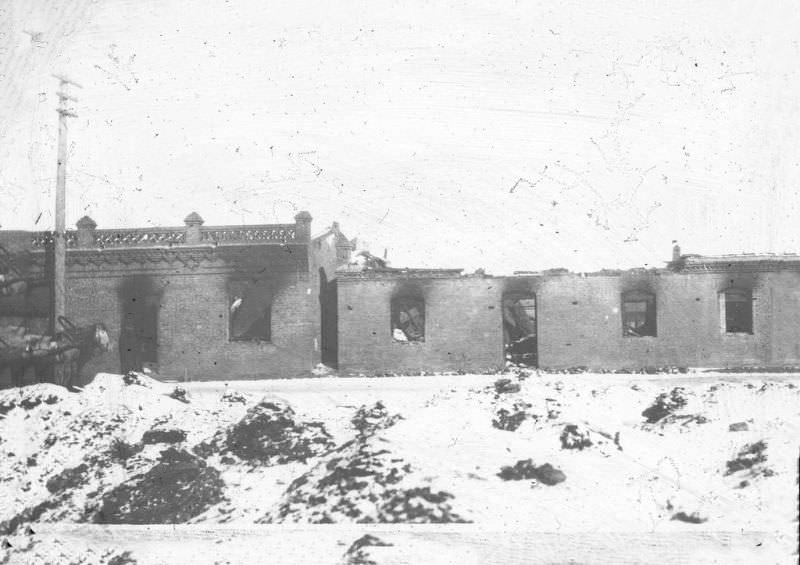
The Chinese doctor in charge of the response, Wu Lien-Teh (Wu Liande), received imperial permission to burn the dead bodies of victims, thus safely disposing of thousands of bodies. The Russian C.E.R. authorities created sanitary zones, monitored the population, and destroyed plague-infected homes. The epidemic was over by the end of April 1911 due to these preventative measures and the end of the cold winter.
The aftermath of the Plague
The Plague greatly affected trade and commerce in Manchuria, especially the fur and food trades. One newspaper stated that ‘the plague has cost the Chinese silver dollars approximately $7,000,000’ concerning the soybean trade. There were also additional economic consequences of the Plague. The Plague impacted Chinese stock prices and government bonds. Moreover, the Plague led to a Presidential mandate legalizing human dissection, which exceeded the earlier Imperial mandate permitting cremation. The Plague also facilitated Chinese science and disease control by removing a great deal of the superstitions surrounding ancestor worship. The Mukden Conference was the first international scientific conference held in the People’s Republic of China, firmly establishing Chinese scientists as international scientific community members.
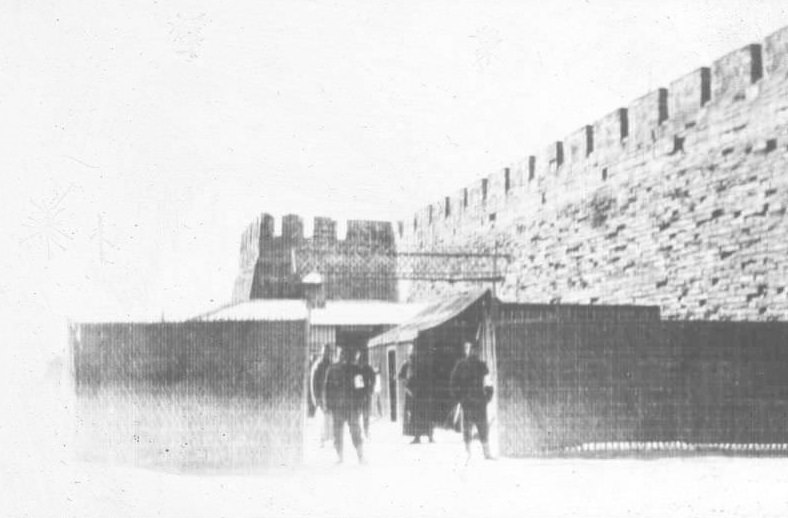
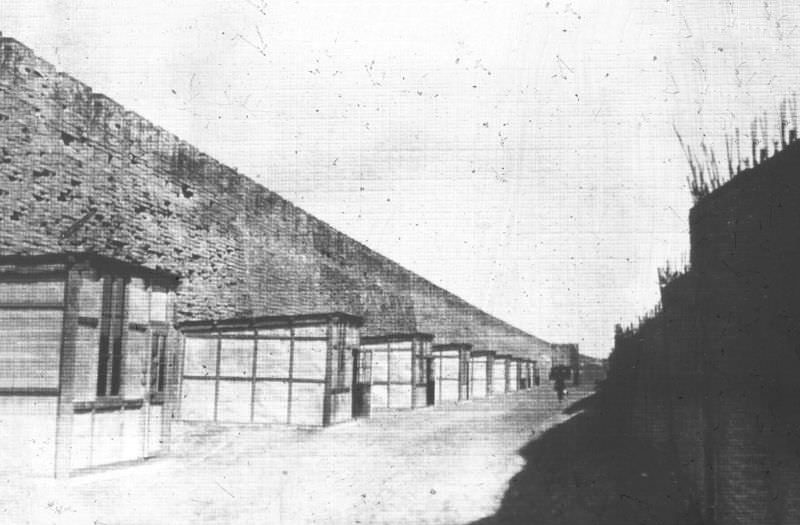
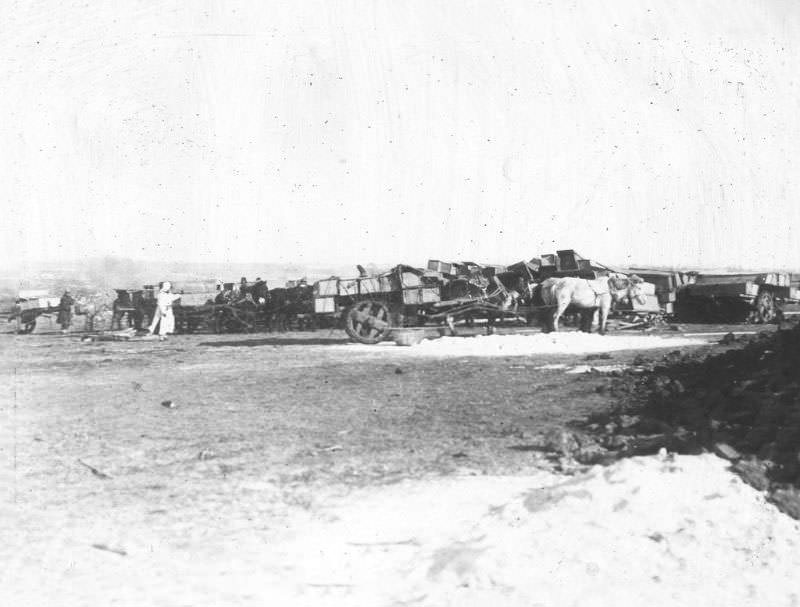
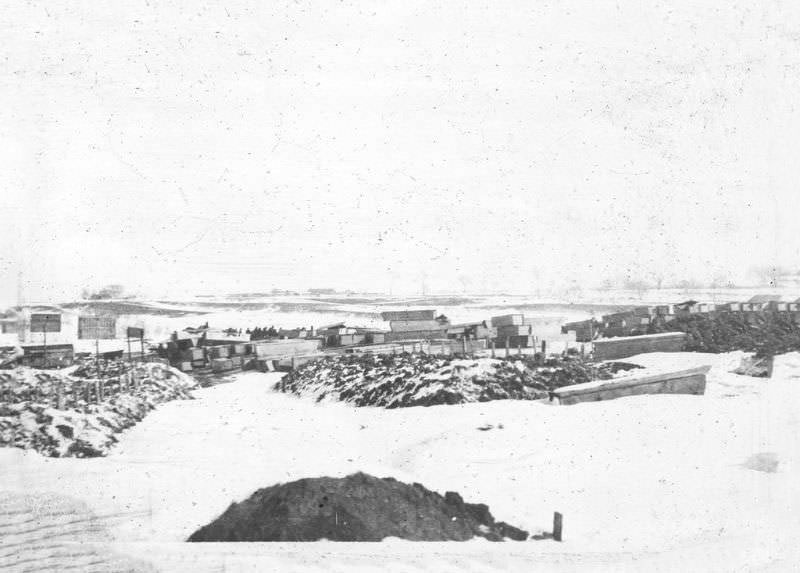
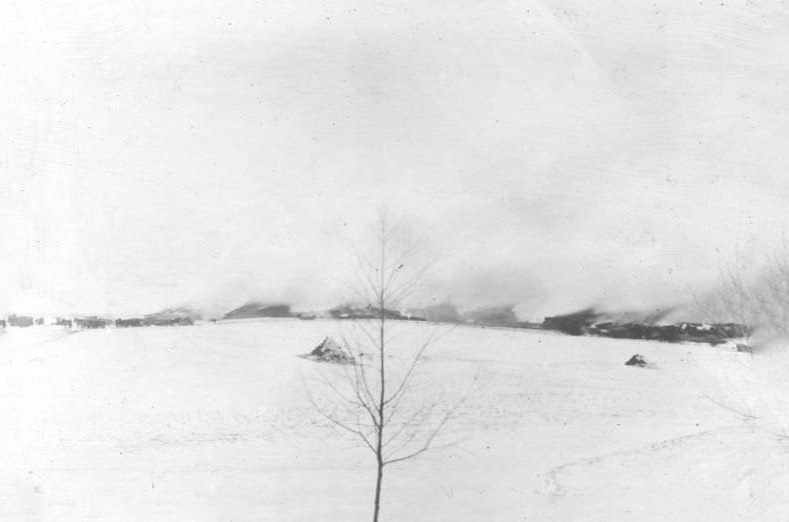
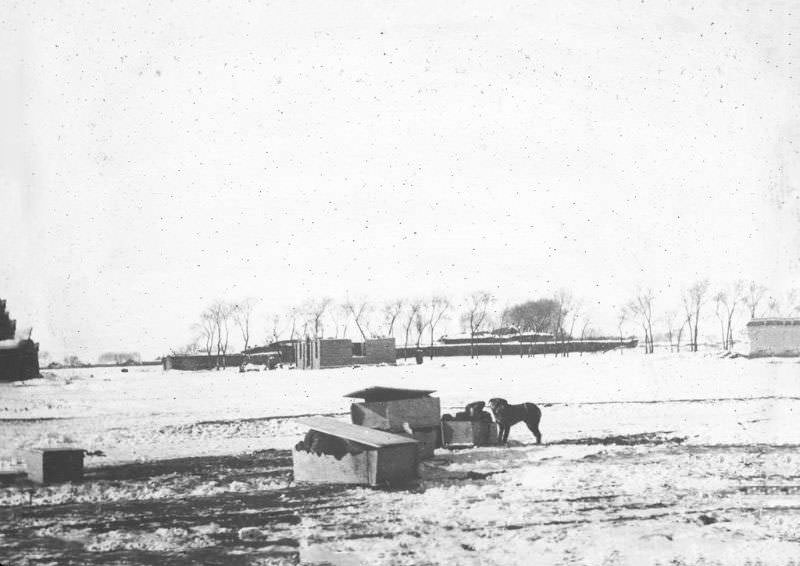
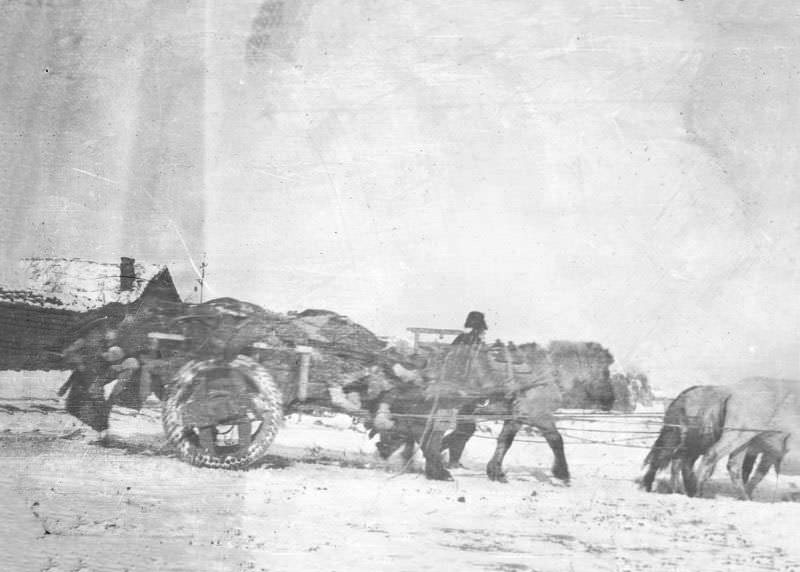
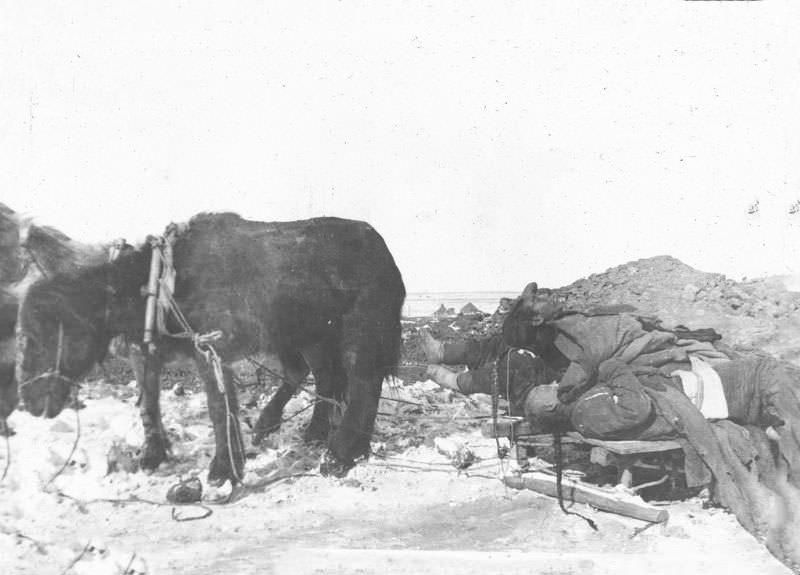
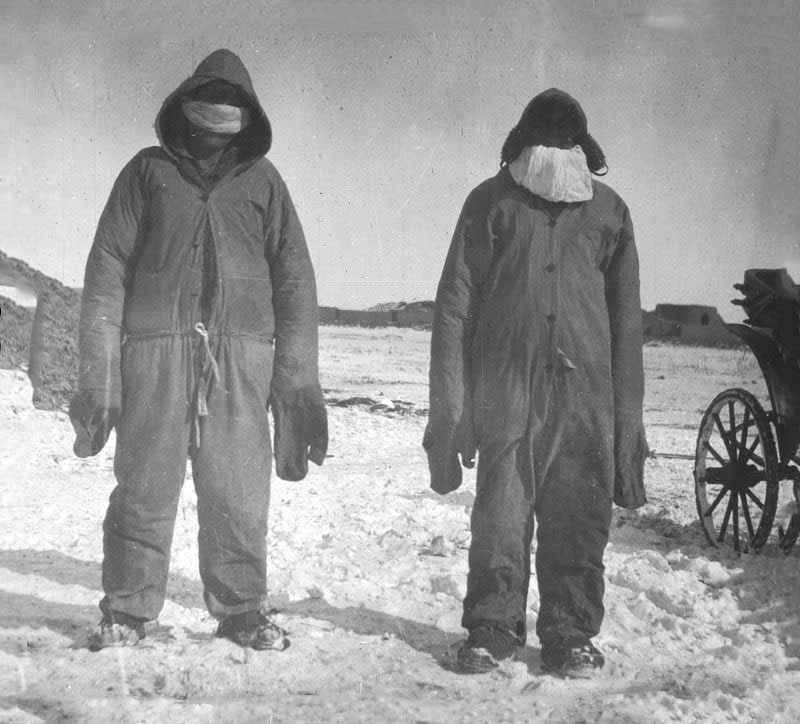
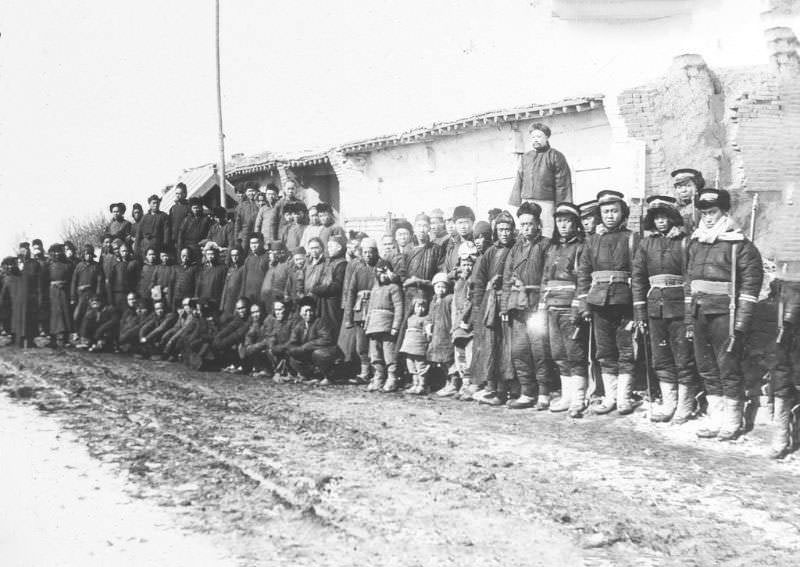
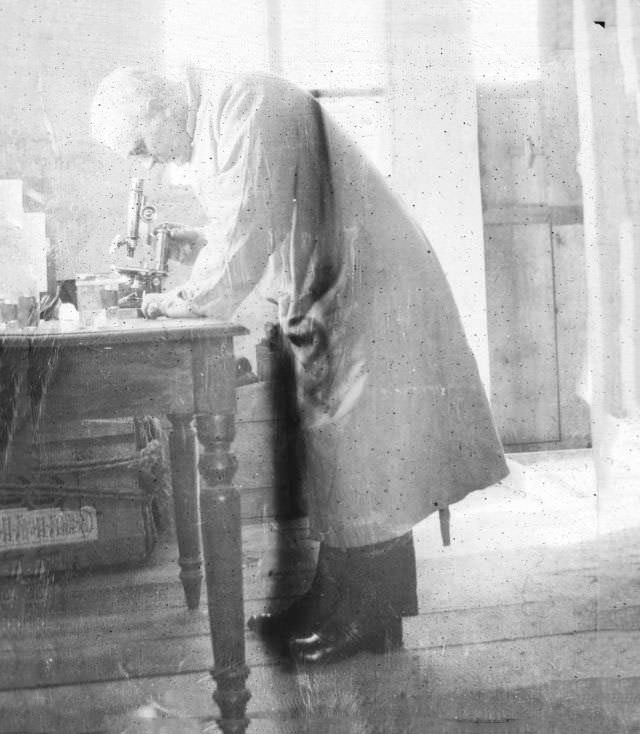
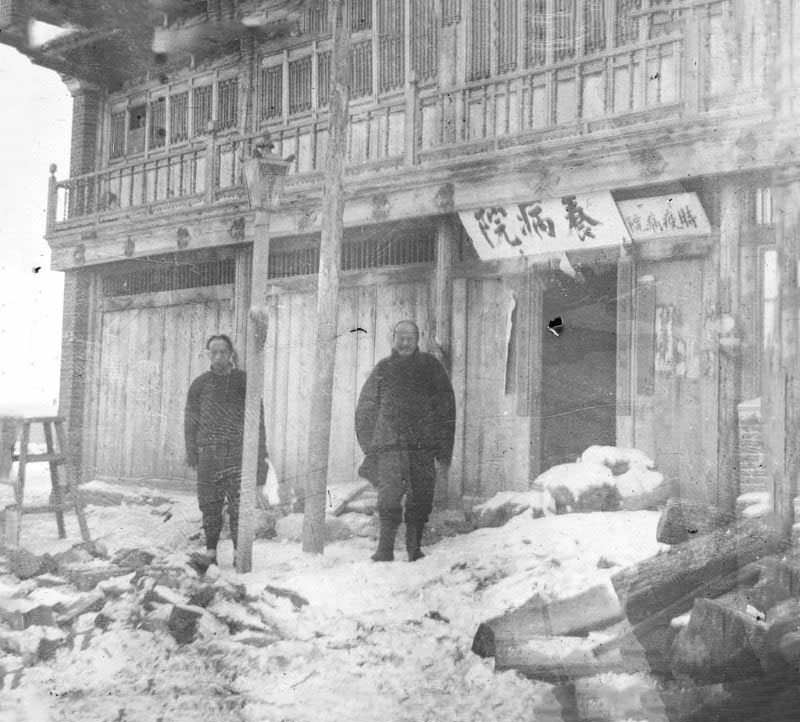
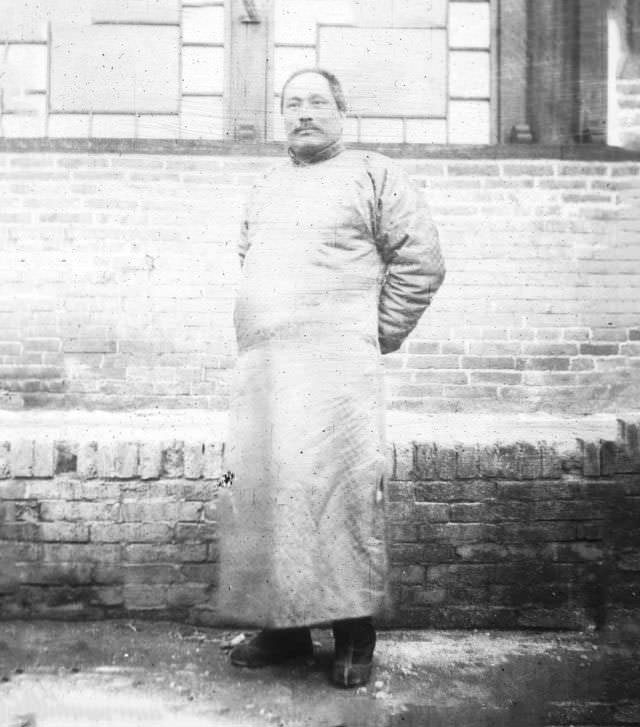
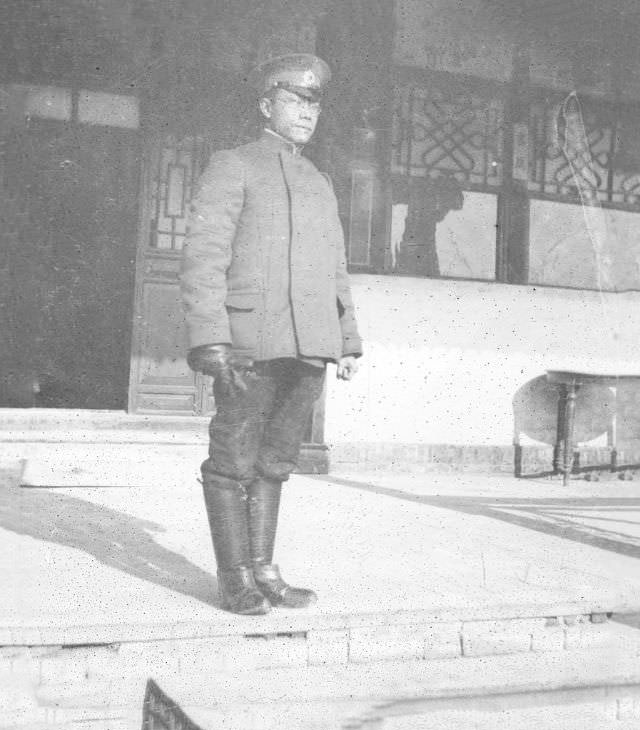
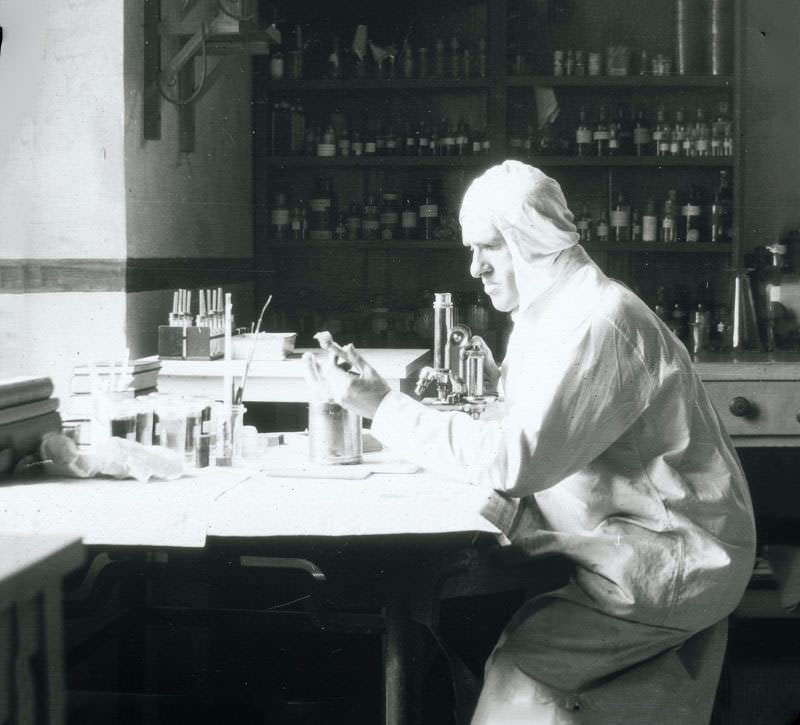
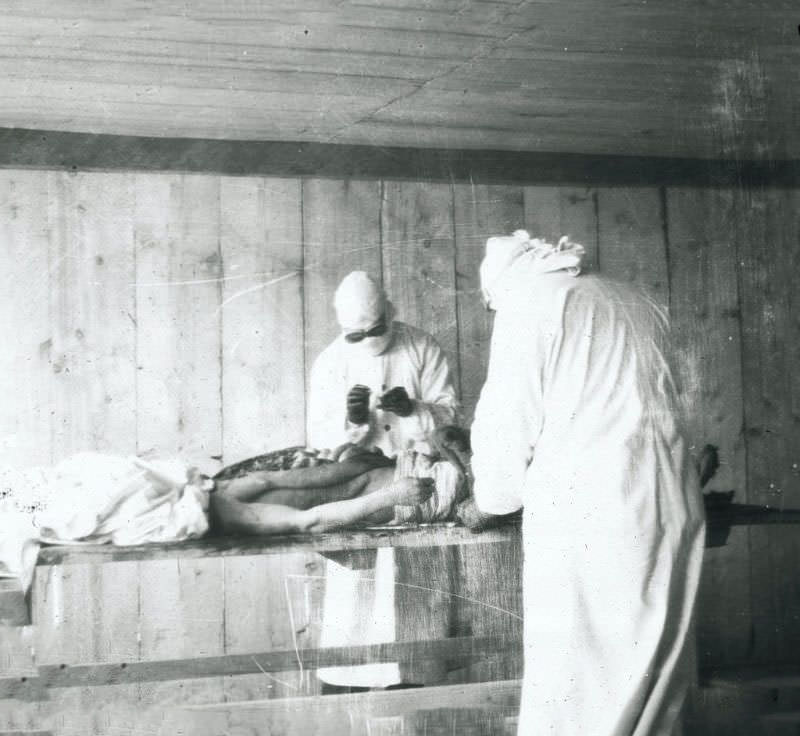
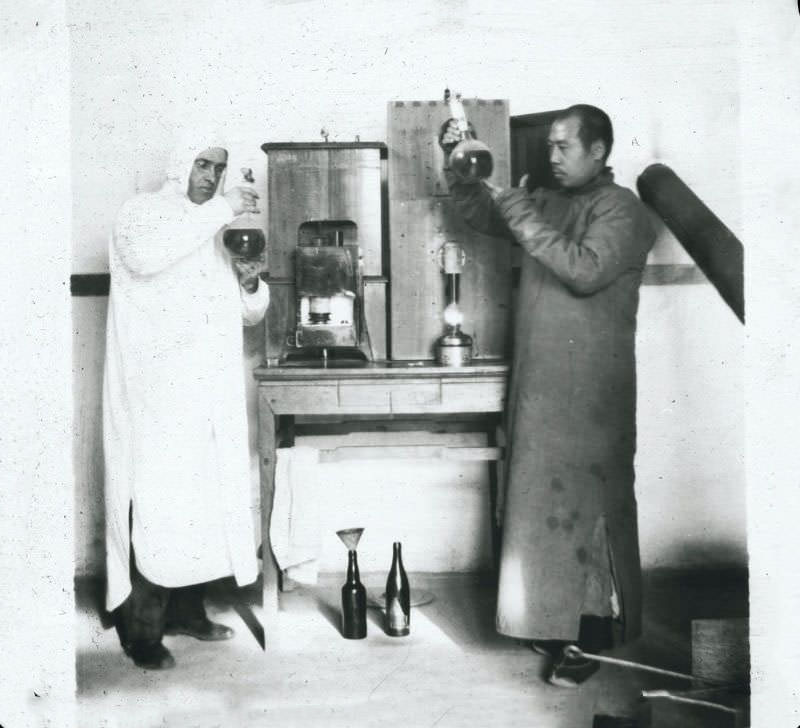
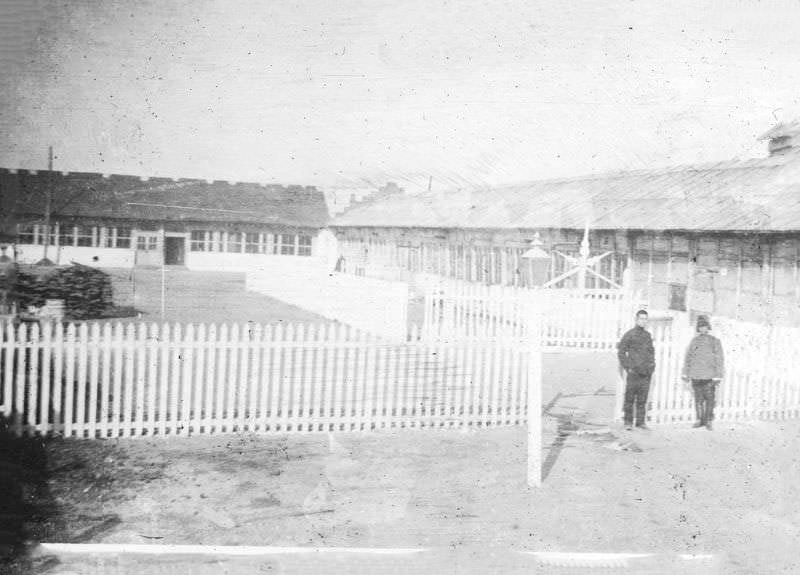
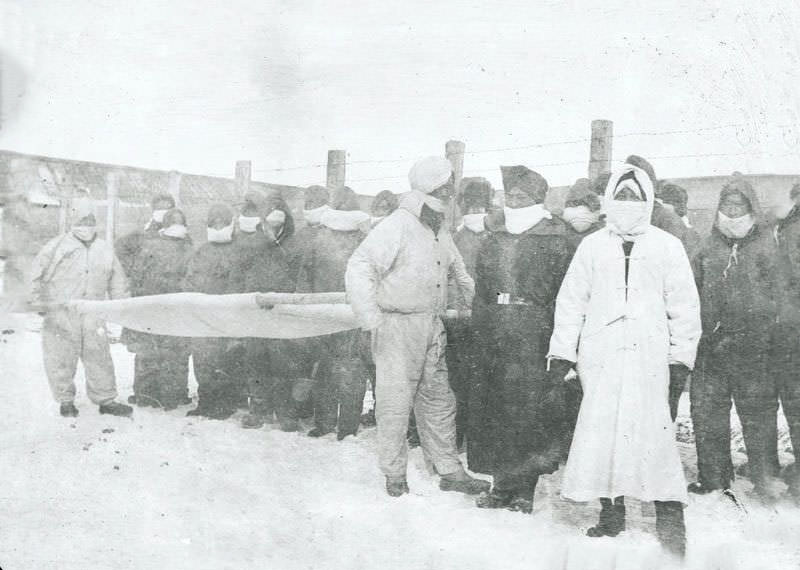
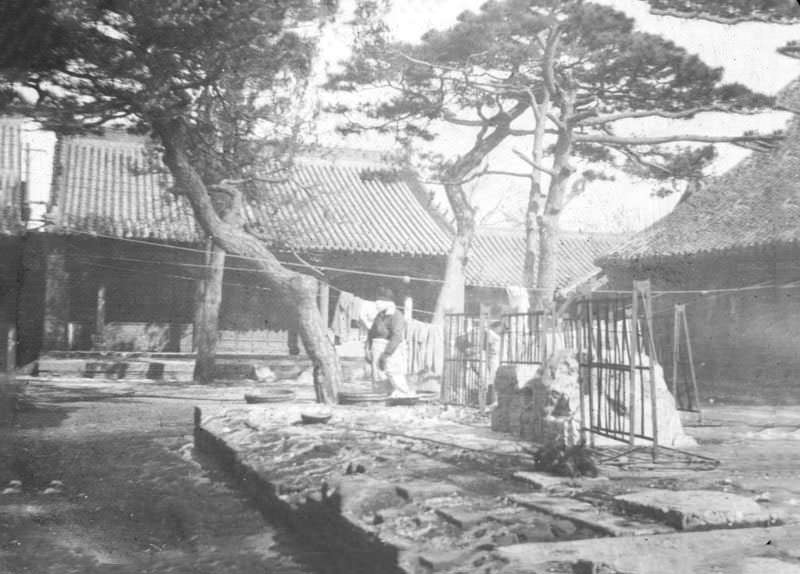
Here are some historical photos offer a glimpse into the China during the Manchurian Plague.
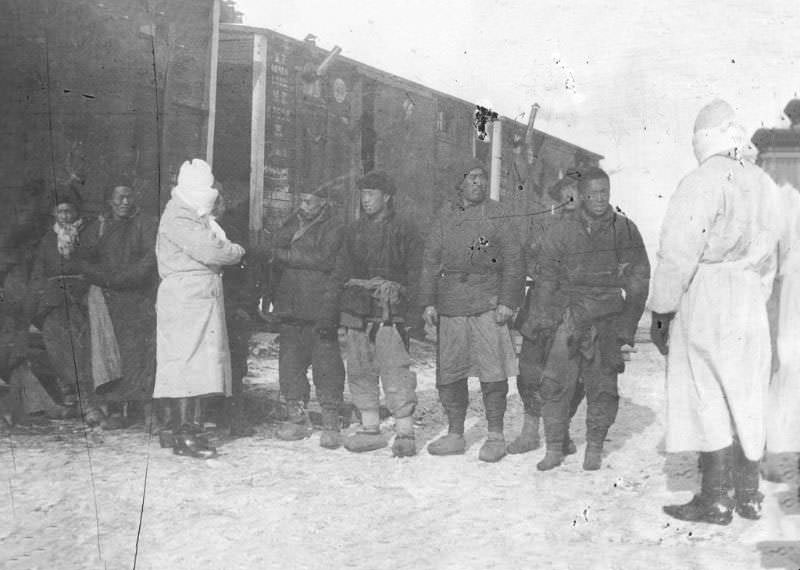
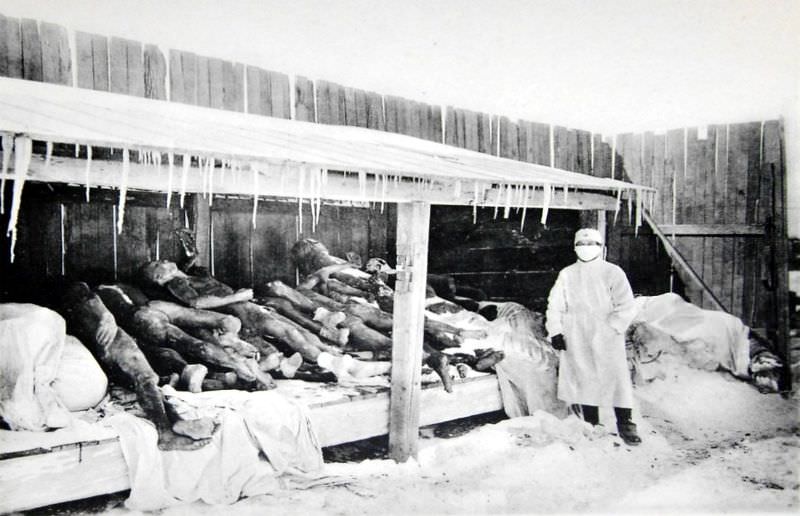
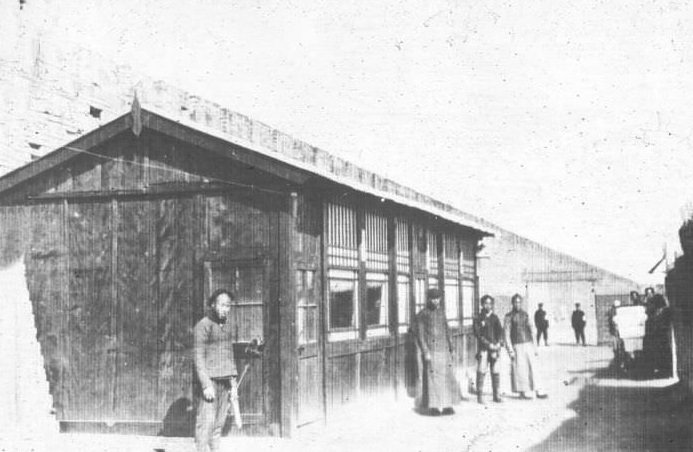
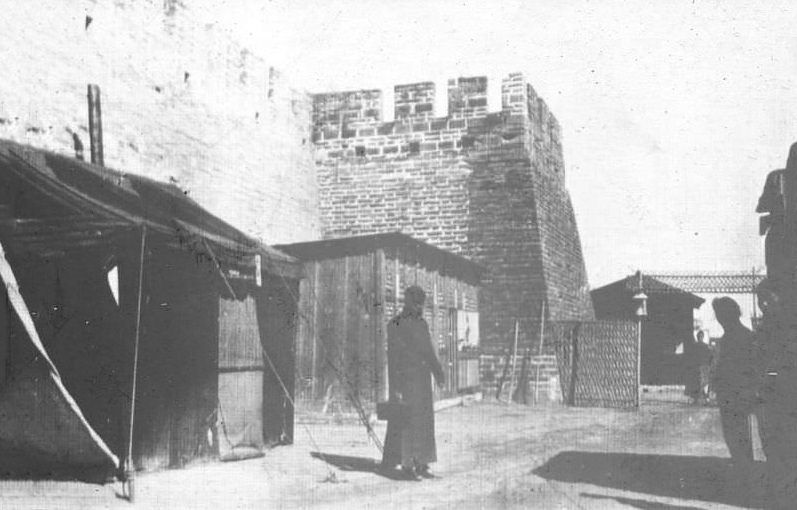
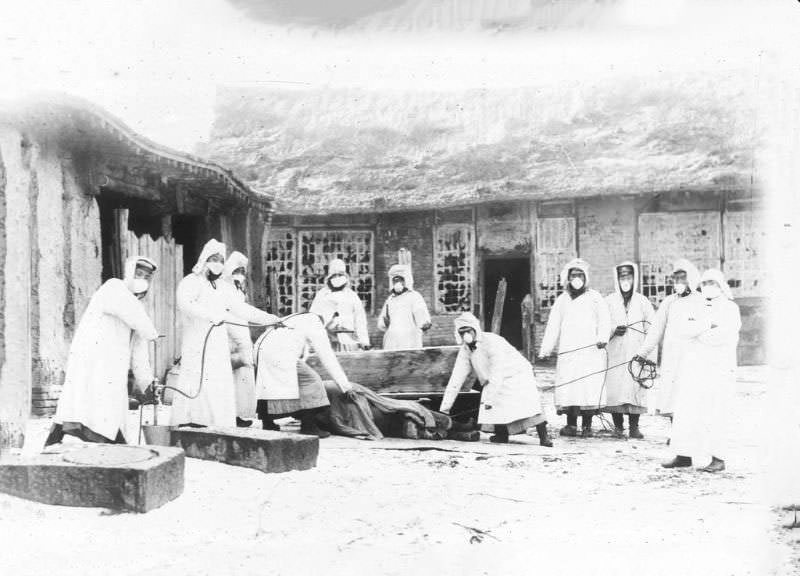
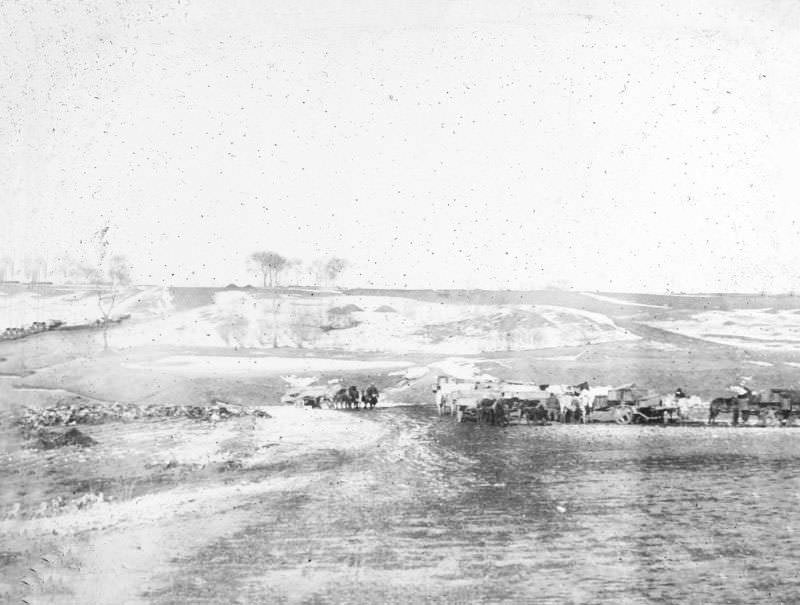
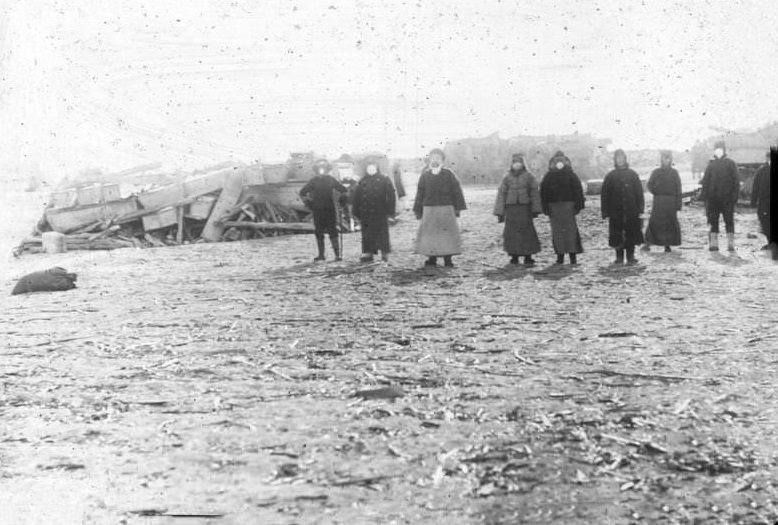
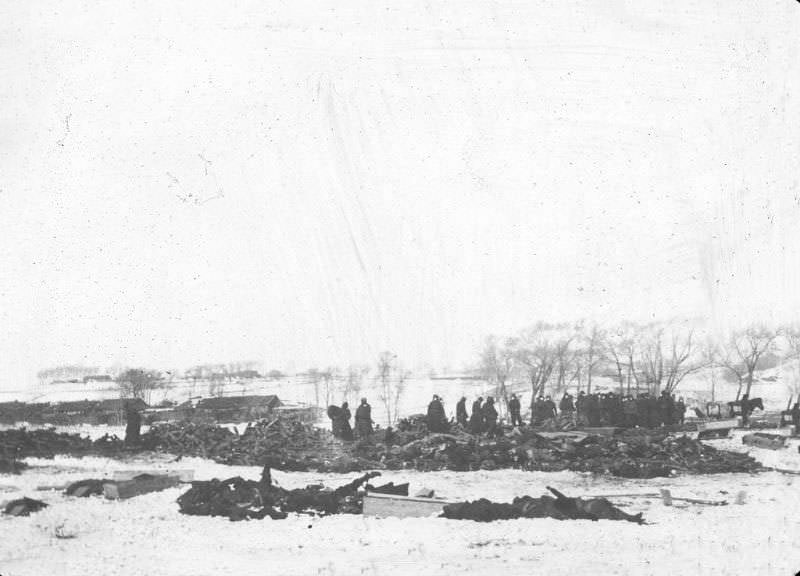
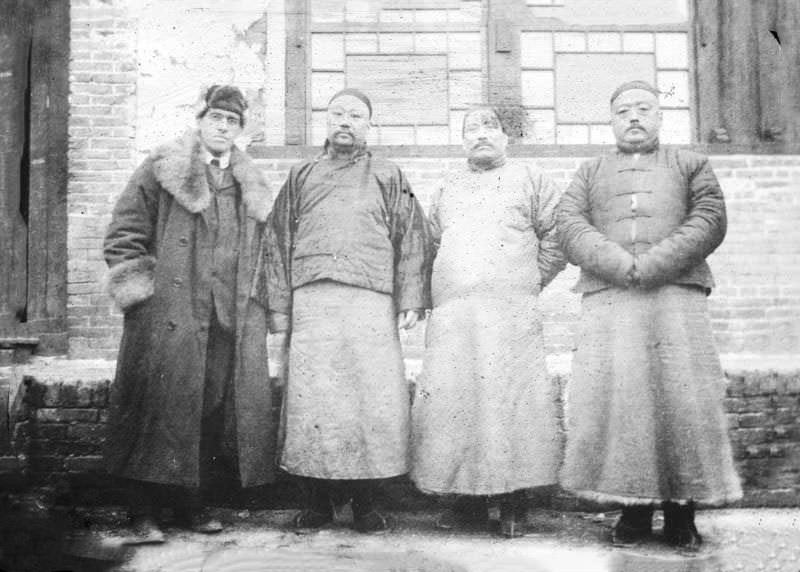
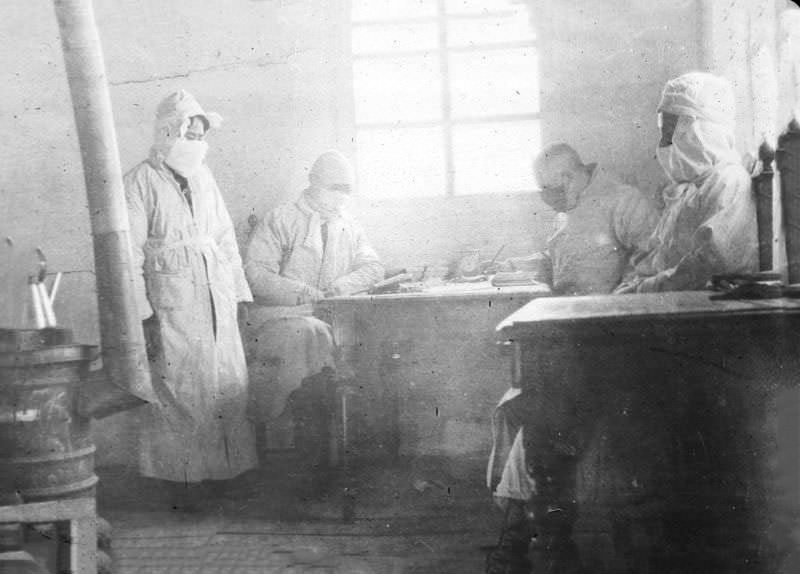
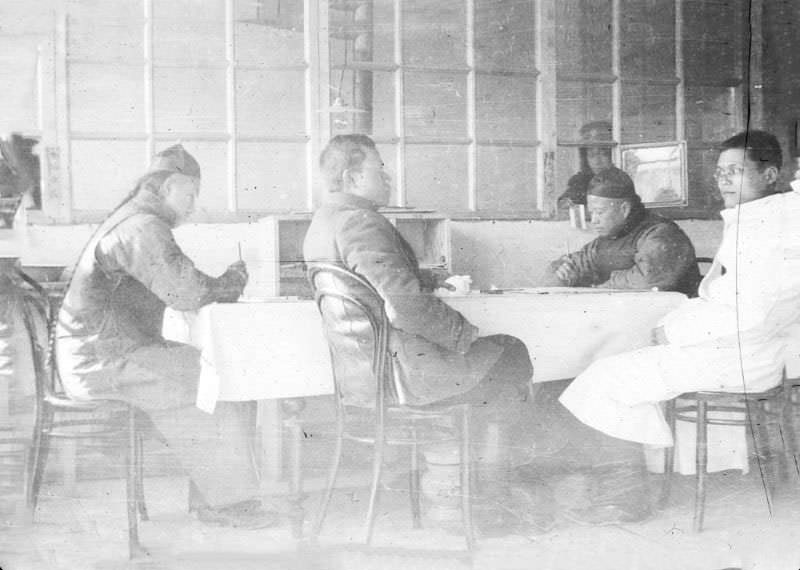
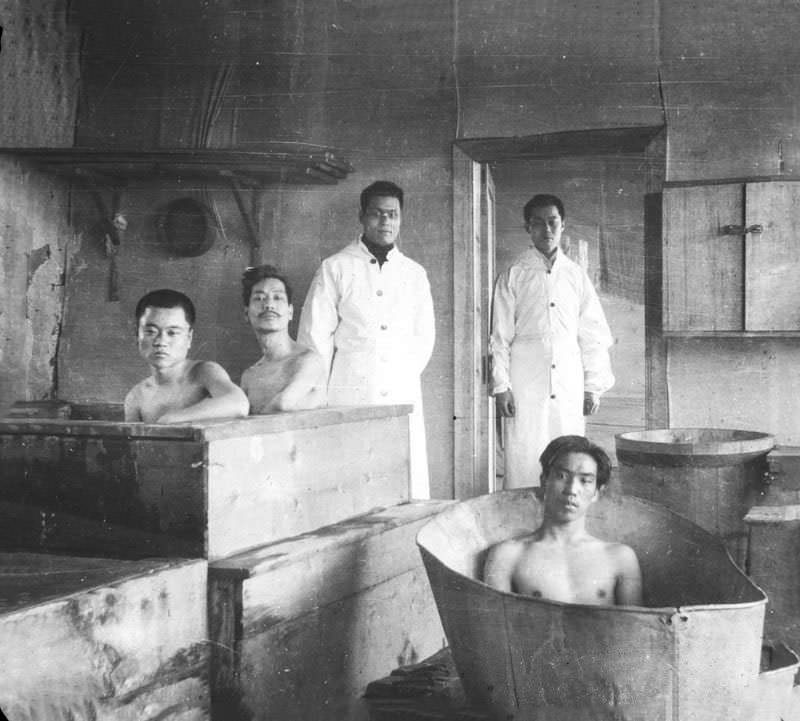
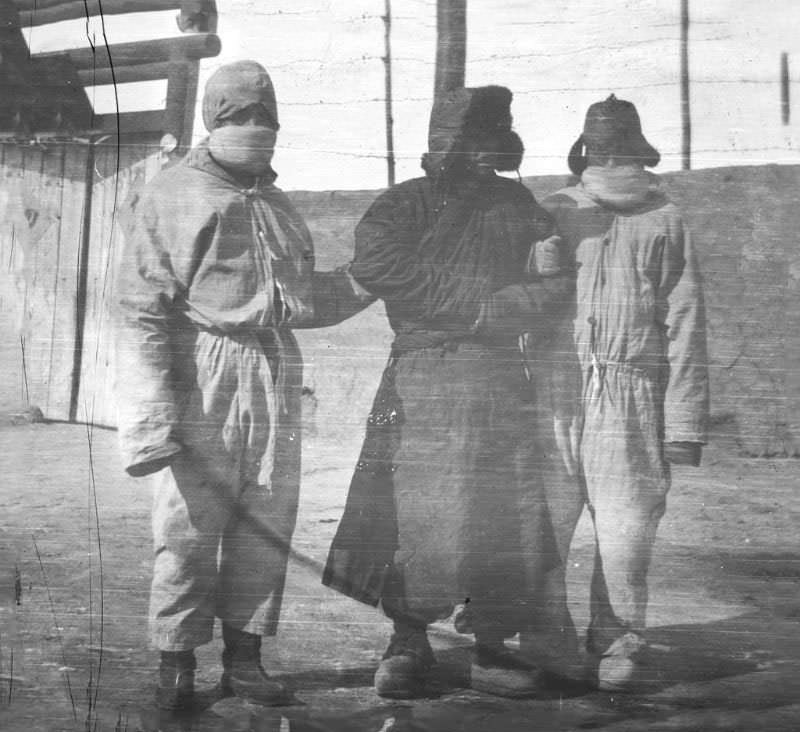
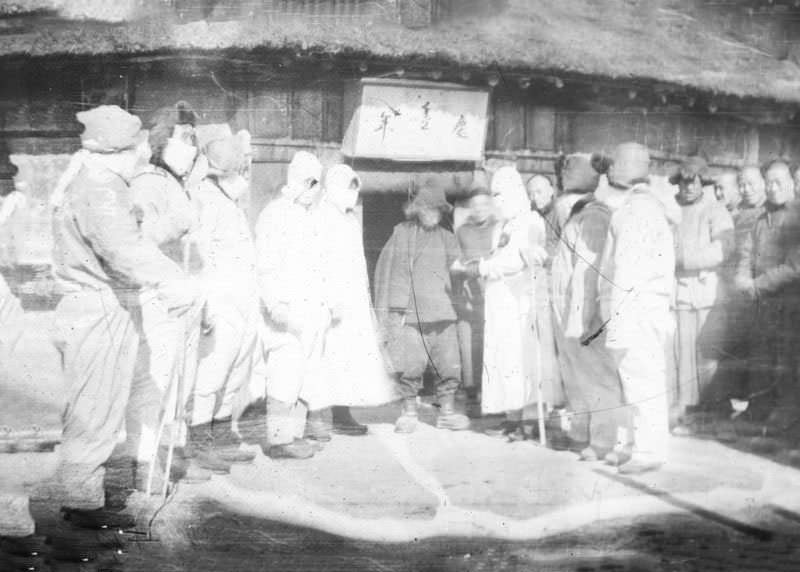
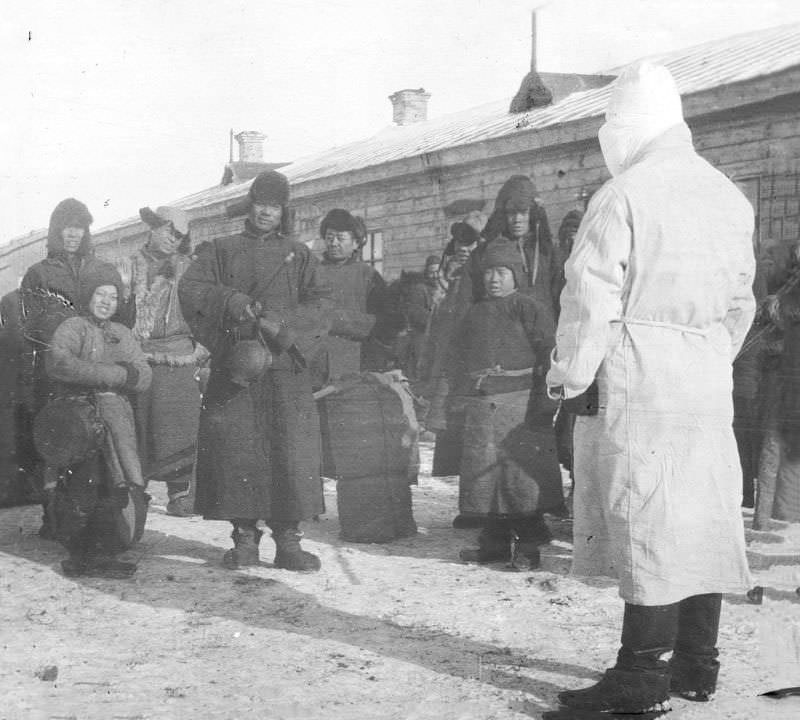
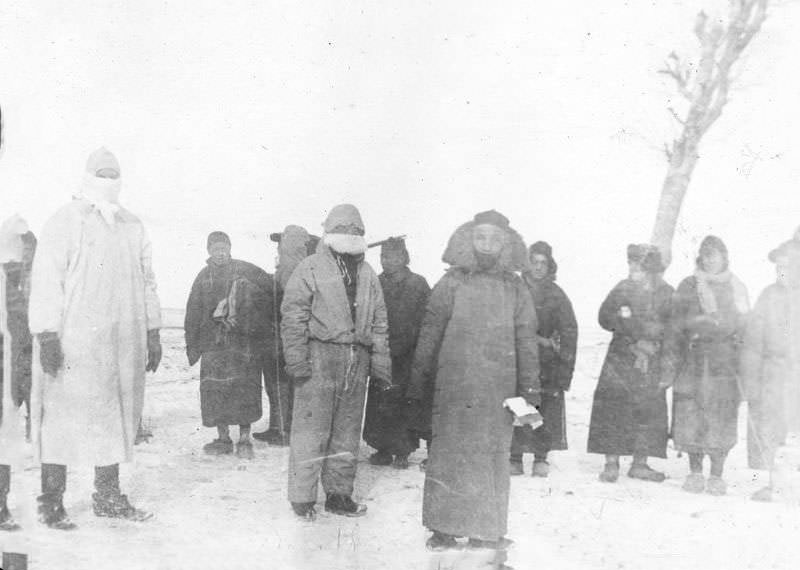
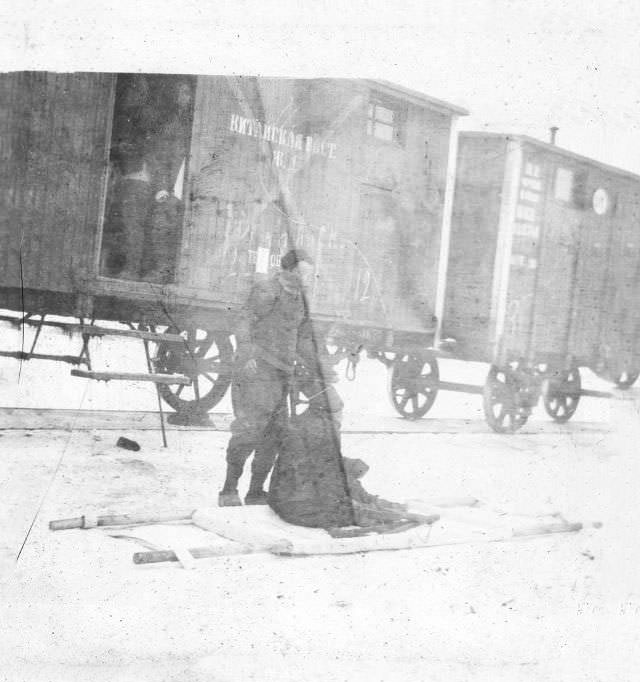
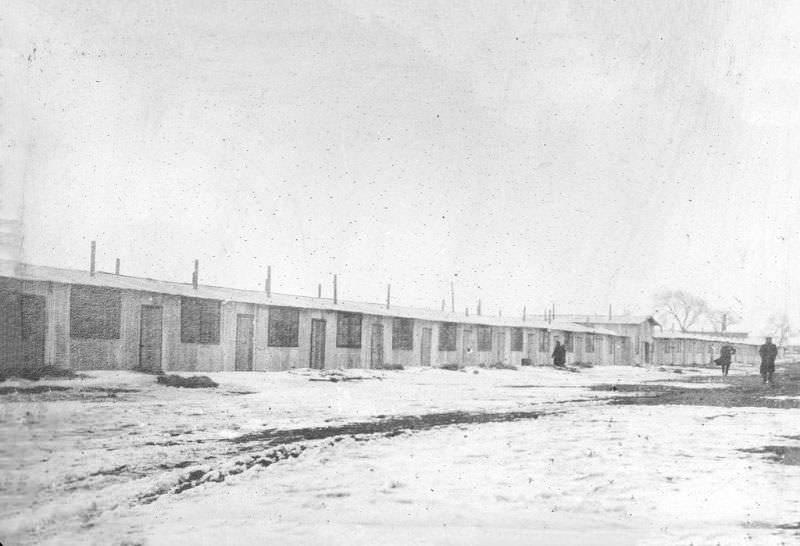
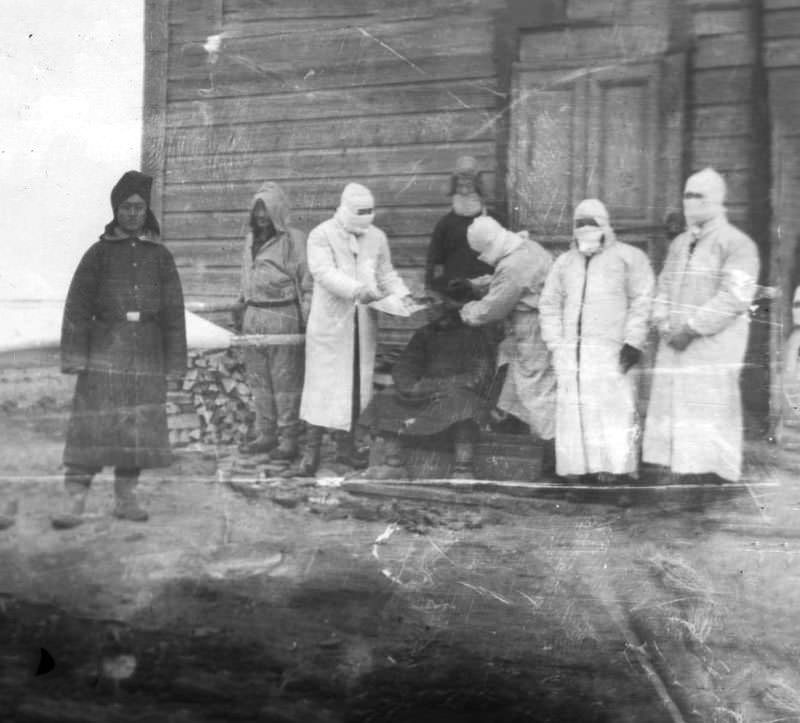
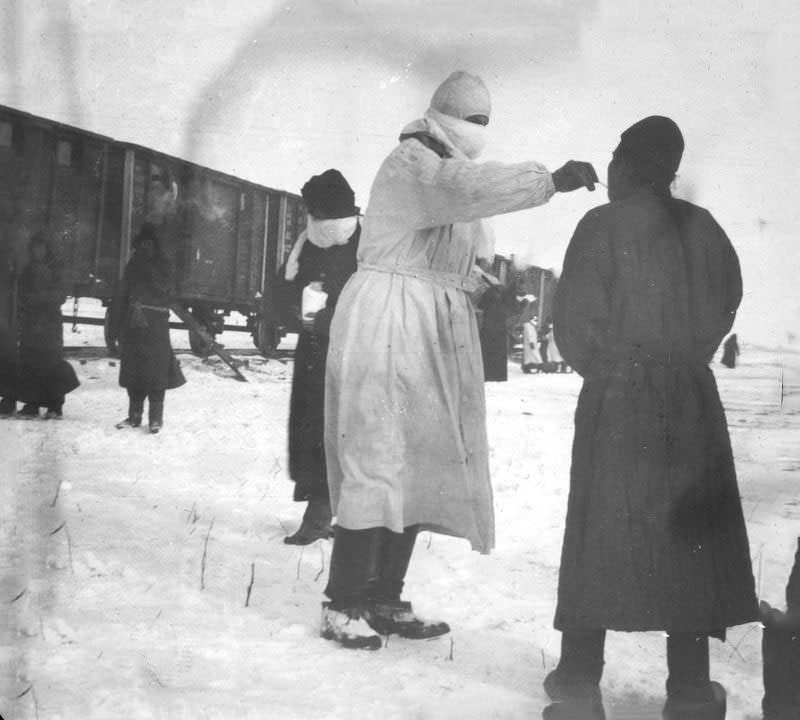
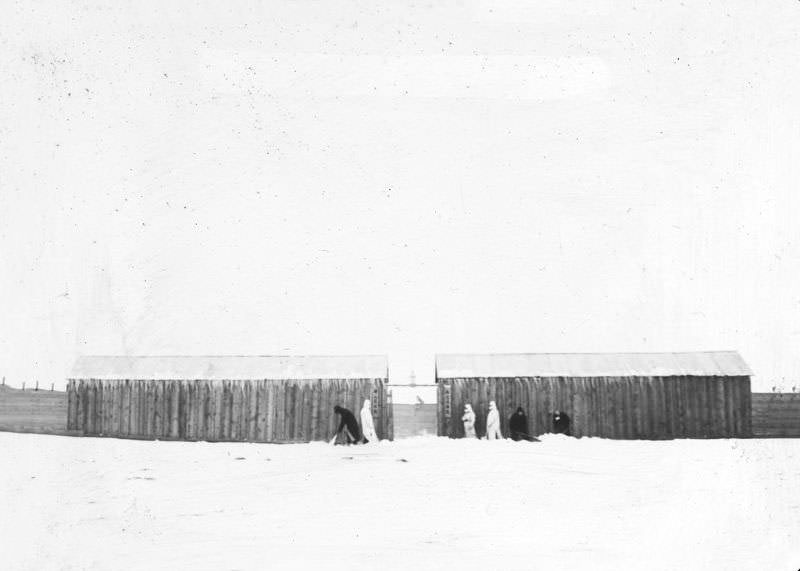
![Transports (left to right) for [already] sick, for suspects, for contacts, for dead](https://www.bygonely.com/wp-content/uploads/2022/03/Manchurian_Plague_62.jpg)

rookie numbers!
See the story of Dr. Wu Lien-teh https://zh.wikipedia.org/zh-sg/%E4%BC%8D%E8%BF%9E%E5%BE%B7?wprov=sfla1
Well, there’s was also, you know, the actual plague.
BTW, Taotai is the official title. In pinyin, it would be daotai.
More about epidemics
I knew a man who was one of the very few Han Chinese in Taiwan to gain admission to the medical school at Daihokku University, now known as National Taiwan University. He graduated a year or two before Japan surrendered. He said that upper classmen were taken away to be army doctors in mainland China. They came back and proudly told how they dealt with epidemics or plagues in Manchuria, which, like Taiwan and Korea, was occupied by Japan. When they identified a village with the plague, at night they would surround it. Sappers would sneak in and poison the wells. At daylight, the first bucket drawn from the well was the sign for the machine gunners to shoot into the houses until everybody was dead. Then they’d burn the whole village to the ground. They were very proud of their efficiency.
Why poison the well if you’re just going to shoot the poor souls?
Partly spite, partly overkill, partly in case anybody who wasn’t there comes back.
That is horrible
They probably have no Hippocratic oath there.
Deadliest?
Chinese official figures state over 120,000 died from Covid.
I came here to say this, 60,000 in chinas population is a blip